‘நல்லவை எல்லாம் தீயவாம் தீயவும் நல்லவாம்’ (Post No.4108)

Written by London Swaminathan


Date: 23 July 2017


Time uploaded in London- 19-58


Post No. 4108


Pictures shown here are taken from various sources such as Facebook friends, Books, Google and newspapers; thanks.


நல்லவை எல்லாஅந் தீயவாம் தீயவும்

நல்லவாம்  செல்வம் செயற்கு (குறள் 375)

பொருள்

செல்வத்தை ஈட்டும் பணியில் (பிஸினஸில்) , கெட்ட காலம் இருந்தால் நல்லன எல்லாம் தீயதாகவே முடியும். நல்ல காலம் இருந்தாலோ கெட்டதும் கூட நல்ல பலன்களைத் தரும்.

திருவள்ளுவரின் திருக்குறளில் ஊழ் என்னும் அதிகாரத்தில் பத்து பாடல்களில் தீவினையின் சக்தியை விதந்து ஓதுகிறார். மேலும் சில குறள்களிலும் நல்வினை தீவினை பற்றிச் செப்புகிறார்.

பரியினும் ஆகாவாம் பாலல்ல உய்த்துச்

சொரியினும் போகாதம (குறள் 376)


இறைவனுடைய அருள் இல்லாவிடில் கோடிகோடியாய்ப் பொருள் வந்தாலும் அதைக் காப்பாற்ற முடியாது. எவ்வளவுதான் காப்பாற்ற முயன்றாலும் தனக்கு வினைப்படி உரியன அல்லாதவை நிற்காது. உரிய பொருளை வேண்டாமென்று தூக்கி எறிந்தாலும், அதே வினைப்படி, அது அவரிடமே திரும்பி வந்துவிடும்.


திருவள்ளுவரின் நெருங்கிய நண்பரான ஏலேல சிங்கன், திருவள்ளுவர் சொற்படி தான, தருமம் செய்துவிட்டு மிச்சத்தைத் தங்கக் கட்டிகளாக மாற்றி கடலில் எறிந்தபோதும், சுறாமீன் வயிற்றில் ஏலேல சிங்கன் முத்திரைகளுடன் அதைப் பார்த்த மீனவர்கள் அவரிடமே திருப்பிக் கொடுத்தனர்.


வித்யாரண்யர் தங்கம் வேண்டி தவம் செய்த போது லெட்சுமி அவர் முன்னால் தோன்றி இந்த ஜன்மத்தில் உனக்குச் செல்வம் வரும் நல்வினை இல்லை என்றவுடன் அவர் சந்யாசம் வாங்கினார். சந்யாசம் வாங்கினால் அது அடுத்த ஜன்மம் எடுத்ததாகிவிடும். அப் போதுதான் அவருக்குத் தெரிந்தது — உண்மையான சந்யாசி தங்கத்தைத் தொட முடியாது என்று. உடனே அதை ஆடு மேய்க்கும் இடையர்களிடம் கொடுத்து மாபெரும் விஜயநகர சாம்ராஜ்யத்தைத் தாபித்து முஸ்லீம்களை தென்னாட்டை விட்டு விரட்டினார்.


ஆகவே ஒருவரின் வினைப்படிதான் செல்வம் ‘’வரும்- போகும்’’ என்பது துணிபு. ஆனால் இந்த ஜன்ம நல்வினையால் மேலும் செல்வம் பெறலாம். அதிக தவம் செய்து வினையையும் வெல்லலாம்.


இதே கருத்தை விளக்கும் வேறு சில பாடல்களைக் காண்போம்


நீதிவெண்பாவில் ஒரு பாடல் உள்ளது:

தானே புரிவினையாற் சாரு மிருபயனுந்

தானே யனுபவித்தல் தப்பாது – தானூறு

கோடி கற்பஞ் சென்றாலுங் கோதையே செய்தவினை

நாடிநிற்கு மென்றார் நயந்து

பொருள்:

பெண்ணே! அளவற்ற கோடி கோடி கற்பங்கள் கடந்துவிட்டாலும், ஒருவனை அவன் செய்த வினைகள் எப்படியும் வந்து சேரும் என்று பெரியோர் சொல்லுவர்.  ஒருவன் தானே செய்த வினையினால் வந்து சேரக் கூடிய இரண்டு பயன்களும் (நல்லதும், தீயதும்), செய்தவன் அனுபவித்துத்தான் ஆகவேண்டும். அது தப்பவே தப்பாது


கற்பம்= பிரம்மாவின் ஆயுட்காலம், ஒரு ஊழி

‘நல்வழி’யும் இதையே சொல்லும்:


தாந்தாமுன் செய்தவினை தாமே அனுபவிப்பார்

பூந்தாமரையோன் பொறிவழியே – வேந்தே

ஒறுத்தாரை என்செயலாம் ஊரெல்லாம் ஒன்றாய்

வெறுத்தாலும் போமோ விதி

நல்வழி 60


நாலடியார் செய்யுளும் இதை உறுதி செய்யும்:

பல்லாவுள் உய்த்து விடினும் குழக்கன்று

வல்லதாம் தாய்நாடிக் கோடலைத் – தொல்லைப்

பழவினையும் அன்ன தகைத்தே தற்செய்த

கிழவனை நாடிக்கொளற்கு


ஒரே கருத்தைப் பல புலவர்கள் சொல்லுவது படித்து ரசிக்கத்தக்கது.

TAGS: நல்வினை, தீவினை, குறள், நல்வழி, நீதிவெண்பா

—சுபம்—


Part 2 of Hindu Accounts of The Origin of the Vedas (Post No.4107)

Written by London Swaminathan


Date: 23 July 2017


Time uploaded in London- 12-52 am


Post No. 4107


Pictures shown here are taken from various sources such as Facebook friends, Books, Google and newspapers; thanks.


First part of this article was posted yesterday in this blog.

  1. The Vedas issued from the Mouth of Brahma

The Bhagavata Purana (3-12-34 and 37) says,

“Kadachit dyaayatah srastura vedaah aasamsa chaturmukhaat

katham srakshyaam aham lokaan samavetaan yathaapuraa


… rg yajush saamaatharvaakyaan vedaan puurvaardhibir mukhaih

sastram ijyaam stutistomam praayachchittam vyadhaat kramaat”


“Once the Vedas sprung from the four faced Creator, as he was meditating how shall I create the aggregate words as before? – He formed from his eastern and other mouths the Vedas called Rich, Yajush, Saman, Atharvan, together with praise, sacrifice, hymns and expiation”.


The Vishnu Purana gives the same expalanation.


12.The Vedas were produced from the Gayatri, Harivamsa Verse 11516

“Tato asrujad vai tripataam gayatrim vedamaataram

akaroch chaiva chaturo vedaan gaayatri sambhavaan”


“After creating the world, Brahma next created the Gayatri of three lines, Mother of the Vedas, and also the four Vedas which sprung from the Gayatri”

13.Sarasvati is the Mother of the Vedas, Mahabharata, Santi Parva, verses 12-920

“Vedaanaam maataram pasya matsthaam Deviim Sarasvatiim”

“Behold, Sarasvati, Mother of the Vedas, abiding in me”.


  1. The Vedas are Vishnu, Vishnu Purana 3-3-19

“He is composed of the Rich, of the Saman, of the Yajush; he is the soul, consisting of the essence of the Rich, Yajush and Saman, he is the soul of the embodied spirits”.


Opinions of the Seers

The names of the Mantra Drstaas ( who saw the mantras = who heard the Mantras) are preserved in the Anukramani or Explanatory Table of the Contents, which has been handed down with the Vedas itself. The names of the fathers of those seers are also given.


My comments:

This shows that the Hindus were the first in the world to produce Index, Contents, Anthology etc. This means they were highly literate and nowhere in the world we have an index or contents or an anthology around that time (1500 BCE according to foreigners and 3100 BCE according to the Hindus) except India.

In some of the verses, the names of the seers who pray are mentioned. Foreigners interpreted it as proof for ‘’authorshp’, ‘composing by humans’ etc. They took the literal meaning. If someone refers to me saying “Please listen to London swaminathan who is praying with this mantra” that does not mean I composed the mantra. I may be saying mantras composed or heard by some seers.

There are some passages which mislead the foreigners: –

“the mantras are made like a carpenter make a car”.


“The Kanvas make a prayer to you” (RV 1-47-2)

“Thus O Indra, Yoker of steeds, have the Gotamas made hymns for you efficaciously”- RV 1-64-61

“These magnifying prayer hymns, O Asvins, the Gristamadas have made for you” – RV 3-39-8


Wherever the verb ‘to make” is used, foreigners took it literally and interpreted as the hymns were ‘composed’ or ‘made’.


If we read the Vedas in full we understand the meaning correctly. Moreover, there are hundreds of references in Tamil and Sanskrit which make it very clear that they were not man made. 2000 year old Sangam Tamil Literature refer to it as ‘unwritten word’ in many places. So we don’t need a certificate from a foreigner. We believe that they were ‘seen’, ‘discovered’, ‘heard’ by the Rishis/seers.


Mahabharata says “Those who sell the Vedas, and those who write them, those also defile them, they shall go to hell”.


Professor Whitney attributed commercial reason for it. Foreigners are business men. They plundered the whole world. They took all the gold and diamonds to their own countries by destroying Mayan, Aztec, Red Indian, Hindu, Egyptian and Babylonian civilizations. They thought Brahmins also did not allow others to write it down so that they can make money. People who have lower thoughts can only interpret it that way!

–subham–


சந்தோஷம் அடைய உதவும் நான்கு விஷயங்கள்! (Post No.4106)

Written by S NAGARAJAN


Date: 23 July 2017


Time uploaded in London:- 5-31 am


Post No.4106


Pictures are taken from different sources such as Face book, Wikipedia, Newspapers etc; thanks. 


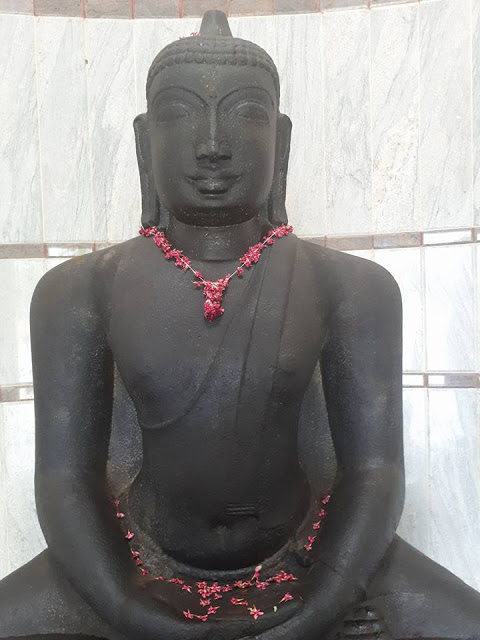
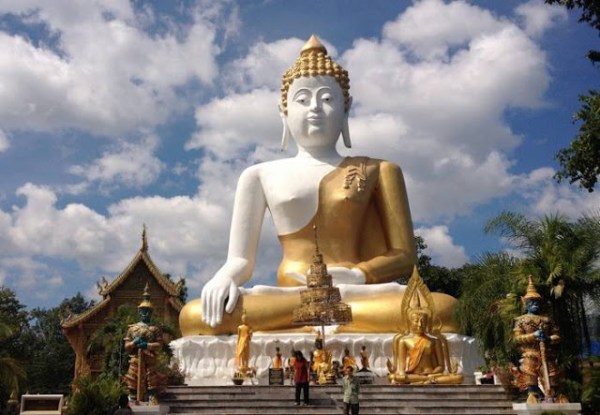
புத்த போதனை


சந்தோஷம் அடைய உதவும் நான்கு விஷயங்கள்!

ச.நாகராஜன்


புத்த மதத்தின் கொள்கைகளை உள்ளது உள்ளபடியும் புத்தரின் போதனைகளை விளக்கமாகவும் சொல்ல மலேசியாவில் 1964இல் புத்த தர்ம பிரசாரகர் ஸ்ரீ கே. ஸ்ரீ தம்மானந்தா அருமையான சொற்பொழிவுகளை ஆற்றினார். ஏராளமானோர் அவற்றில் பங்கு கொண்டு தங்கள் சந்தேகங்களைக் கேட்டு விளக்கமும் பெற்றனர்.

சந்தோஷம அடைய உதவும் வழிகளைப் பற்றி புத்த பகவான் கூறியதைப் பற்றி அவர் ஒரு உபந்யாசத்தில் கூறியதன் சாராம்சத்தை இங்கே பார்க்கலாம்.


    ஒரு சமயம் திக்ஹஜானு என்ற ஒருவன் புத்தரைத் தரிசித்தான். “ஐயனே!நாங்கள் எல்லாம் சாமானியர்கள். குடும்பம், மனைவி, மக்கள் என்று வாழ்ந்து வருபவர்கள். எங்களைப் போன்றோருக்கு இந்த உலகத்திலும் அதற்குப் பின்னரும் சந்தோஷத்தைத் தரும் விஷயங்கள் என்னென்ன என்பதைச் சொல்லி அருள வேண்டுகிறேன் என்று இறைஞ்சினான்.


புத்தர் கருணை கூர்ந்து அவனை நோக்கி இப்படி அருளினார்:

இந்த உலகத்தில் சந்தோஷத்தை அடைவதற்கு நான்கு விஷயங்கள் உள்ளன.


முதலாவது உத்தான சம்பதம்.


ஒரு மனிதனானவன் திறமை வாய்ந்தவனாகவும், தொழில் நேர்த்தி கொண்டவனாகவும் ஆர்வம் உடையவனாகவும், மிகுந்த சக்தி வாய்ந்தவனாகவும் இருக்க வேண்டும். இது தான் உத்தான சம்பதம்.


இரண்டாவது அர்த்த சம்பதம்.

தர்மமான வழியில் தான் சம்பாதித்த பணத்தை அவன் நன்கு நெற்றியில் வியர்வை சிந்த அதைப் பாதுகாக்க வேண்டும். இது தான் அர்த்த சம்பதம்.


மூன்றாவ்து கல்யாண மித்தம்.

அவன் நல்ல நண்பர்களைக் கொண்டிருத்தல் வேண்டும். நல்ல விசுவாசமான, சம்பாதிக்கின்ற, நல்ல காரியங்களைச் செய்யும், தாராள மனதைக் கொண்டிருக்கும் புத்தி கூர்மை மிக்க நண்பர்களை அவன் கொண்டிருத்தல் வேண்டும். அப்படிப்பட்ட நண்பர்கள் தீமையான வழியில் அவனைச் செல்ல விடாமல் நல்ல வழியில் நடத்திச் செல்பவர்களாக இருத்தல் வேண்டும்.


நான்காவது சம ஜீவிகதம்.

அவன் தனது வருவாய்க்குத் தக்க விதத்தில் நியாயமான வழியில் செலவழிக்க வேண்டும்.அதிகமாகவும் செலவழிக்கக் கூடாது; குறைவாகவும் செலவழிக்கக் கூடாது. பேராசையுடன் செல்வத்தைச் சேமித்து வைக்கக் கூடாது; ஊதாரியாக இஷ்டப்படி செலவழிக்கவும் கூடாது. அதாவது தன் வருவாய்க்குத் தக்க விதத்தில் வாழ வேண்டும். இதுவே சம ஜீவிகதம்.


இந்த நான்குமே சந்தோஷத்தை அடைவதறகான விஷயங்கள்.

இதன் படி நடந்தால் சந்தோஷமே நீடித்து நிலைக்கும்.

புத்தரின் அருளுரை திக்ஹஜானுக்கு மட்டும் கூறப்படவில்லை. மனித குலத்தில் சந்தோஷம் அடைய விரும்பும் அனைவருக்காகவுமே உபதேசிக்கப்பட்டது.

அத்துடன் இந்த உலகத்திற்குப் பின்னாலும் சந்தோஷமாக இருக்க நான்கு விஷயங்களைக் கடைப்பிடிக்க வேண்டும் என்றும் புத்த பிரான் அருளினார்.


முதலாவது சிரத்தை.


ஒழுக்கம், ஆன்மீகம் மற்றும் அறிவு ஆகியவற்றில் அவன் நம்பிக்கையும் விசுவாசமும் கொண்டிருக்க வேண்டும். இதுவே சிரத்தை.


அடுத்தது சீலம்.


வாழ்க்கையைக் கெடுக்கும் பேரபாயங்களான திருடுதல், ஏமாற்றுதல்,அடுத்தவன் மனைவி மீது ஆசை வைப்பது, தவறான வழிகளில் இறங்குவது, மதியைக் கெடுக்கும் குடி போதையில் இறங்குவது ஆகியவற்றிலிருந்து அவன் விலகி இருக்க வேண்டும். இதுவே சீலம் எனும் நல்லொழுக்கம்.


அடுத்து மூன்றாவது ககா.


அவன் தர்ம சிந்தையுடன் இருத்தல் வேண்டும். பணத்தின் மீது பற்று வைக்காமல் தயாள மனதுடன் நடந்து கொள்ள வேண்டும். இதுவே ககா.


அடுத்து நான்காவது பன்னா.


துன்பத்தை ஒரேயடியாக ஒழிக்கும் ஞானத்தை அவன் விருத்தி செய்து கொள்ள வேண்டும். அதுவே நிர்வாணத்திற்கு வழி வகுக்கும்.


இதுவே பன்னா.


ஆக சிரத்தா, சீலம், ககா, பன்னா ஆகிய நான்கையும் கடைப்பிடித்தால் இந்த வாழ்விற்குப் பின்னாலும் சந்தோஷம் கிடைக்கும் என்று புத்தர் அருளினார்.


வருவாயை எந்த விதத்தில் பயன்படுத்த வேண்டும் என்ற நுணுக்கமான விவரங்களைக் கூட அவர் விளக்கினார்.

சிகலா என்ற பெயருடைய வணிகன் புத்தரிடம் இது பற்றிக் கேட்க புத்த பகவான், வருவாயில் நான்கில் ஒரு பங்கை அன்றாட வாழ்விற்கும், நான்கில் இரண்டு பங்கை அவன் வணிக முதலீட்டிற்காகவும், நான்கில் ஒரு பங்கை ஆபத்துக் காலத் தேவைக்கான சேமிப்பிற்காகவும் பயன்படுத்த வேண்டும் என்று அருளினார்.


அனதபிண்டிகா என்ற ஒரு சீடர் புத்தரின் மீது பக்தி கொண்ட அணுக்க பக்தர். அவர் தான் சவத்தி என்ற இடத்தில் ஜேதவான மடாலயம் என்ற மடாலயத்தை அமைத்தவர். பெரும் வணிகரான அவரிடம் ஒரு சமயம் புத்த பிரான் கூறினார்: “சாதாரணமான வாழ்க்கையை வாழ்ந்து வரும் ஒரு சாமானியனுக்கு இந்த உலகத்தில் நான்கு விதமான சுகங்கள் உள்ளன.


முதலாவது ஆர்த்தி சுகம்.

நியாயமான வழியில் சம்பாதித்த பணத்தைக் கொண்டு பொருளாதார ரீதியில் கஷ்டமில்லாமல் பணம் இருக்கும் பாதுகாப்பினால் வரும் சுகம்.


இரண்டாவது போக சுகம்

தான் சம்பாதித்த பணத்தை தனக்காகவும், தன் குடும்பத்திற்காகவும், தனது உறவினர் மற்றும் நண்பர்களுக்காகவும் அத்துடன் பல நல்ல காரியங்களுக்காகவும் செலவழிப்பதனல் வரும் சுகம் போக சுகம் ஆகும்.


அடுத்து மூன்றாவது அனான சுகம்.

எந்த வித கடனும் இல்லாமல் கடன் தொல்லையின்றி இருப்பது அனான சுகம்.


நான்காவது அனாவஜ்ஜ சுகம்.

ஒரு வித தப்பும் இல்லாத, எண்ணத்திலும் சொல்லிலும் செயலிலும் தீமையைக் கொண்டிராத, தூய்மையான வாழ்க்கையை வாழ்வதினால் வரும் சுகம் அனாவஜ்ஜ சுகம்.


புத்தரின் அருளுரையில் அவர் கூறிய முதல் மூன்று சுகங்கள் பொருளாதார மற்றும் உலோகாயத ரீதியிலான சுகங்கள்.

நான்காவது சுகமோ தூய்மையான வாழ்வினால் கிடைக்கும் ஆன்மீக சுகம் ஆகும்.


புத்தரின் போதனைகள் இப்படித் தெளிவாயும் சுருக்கமாயும், அமைந்திருந்தன. அவரை அண்டியோர் புத்த வ்ட்டத்திற்குள் இழுக்கப்பட்டு நல் வாழ்வை மேற்கொண்டு சுகத்தையும் சந்தோஷத்தையும் அடைந்தனர்.


காலம் காலமாக நிரூபிக்கப்பட்ட இந்த போதனைகள் இன்றைக்கும் என்றைக்கும் பொருந்தும்!

***


HINDU ACCOUNTS OF THE ORIGIN OF THE VEDAS (Post No. 4105)

Written by London Swaminathan


Date: 22 July 2017


Time uploaded in London- 17-24


Post No. 4105


Pictures shown here are taken from various sources such as Facebook friends, Books, Google and newspapers; thanks.


The Hindu sacred books are called the Vedas. They are divided into four books: Rig, Yajur, Sama and Atharva Vedas. Hindus believe that Veda Vyasa classified them into four around 3100 BCE. They existed even before him. But he was the one who arranged them into four and gave to four of his best students the responsibility  of spreading them (through the word of mouth to generations to come). Now it is considered the Literary Wonder of the World.

Many of the seven wonders of the world disappeared. But the Vedas which came even before the Seven Wonders of the World are still alive. It is recited in one hundred thousand temples in India. It is recited by millions of Hindus every day. As a Brahmin I recite the names of Indra, Mitra, Varuna, Yama, Surya, Vayu every day. They are in the Bogazkoy inscription of Turkey dated 1350 BCE.


Vedic Gods are the oldest Gods documented by an archaeological inscription. Other Gods have gone into museums.

There are beautiful descriptions about the origin of Vedas. For foreigners and Non-Hindus they may appear contradictory, but Hindus don’t find any contradiction in it. Foreigners selected some passages and looked at them superficially and misinterpreted them. But the authors of great Hindu epics Vyasa and Valmiki did not see any contradiction or confusion.


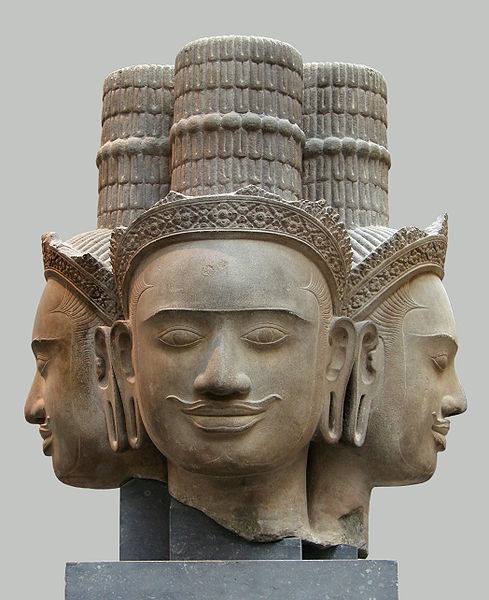
Vedas are not composed by poets. They are heard like radio frequencies. They will be in the air after every deluge. They are eternal truths in sound form. When the world is recreated, another Brahma will appear and reveal it through his four heads/mouths. Enlightened souls can hear them and pass it to others.


The Vedic mantras are in Sanskrit language. Some of the passages are considered amazing revelations. Lot of scientific information, higher thoughts are reflected in the hymns. Whatever we find in the UNO charter such as world peace, brotherhood of human beings are there in the tenth mandala of the Rig Veda. The literary level is so high that no ancient language in the world has reached that level. They talk lot about prosody, grammar, hidden meaning, double entendre etc.


Youngsters were taught linguistics, astronomy, grammar etc along with the Vedic hymns when they were only seven years old! It is a literary marvel.

Tamils of Sangam Age praised them sky high. When one of their poets composed Tirukkural with 1330 couplets five contemporary poets praised it as Tamil Veda. Another Tamil poet said that all over the world kings get up after hearing cock a- doodle-doo but Pandyan Kings get up by listening to the Vedas. Kalidasa who lived in the first century BCE said in his Raghuvamsa that Pandyan Kings always looked like they are coming out of Vedic sacred bath (Avabrta Snanam done during fire sacrifices)
Let us look at some of the Hymns:

1.The Vedas sprung from the mystical sacrifice of the Purusha

The hymn Pursuha Sukta of the Rig Veda (10-90) says the following:-

Tasmaad yajnaat sarvahutah rchah saamaani jagniree

chandaamsi jagniree tasmaad yajus tasmaad ajaayata

“From that universal sacrifice sprung the Rich and Saman verses; the metres sprung from it; from it the yajush arose”.


2.The Vedas were cut or scraped off from Skambha as being his hair and his mouth

The Atharva Veda (10-7-20) says,

Yasmaad rcho apatakshan yajur yasmaad apaakashan

saamaani yasya lomaani atharvaangiraso mukham

skambha tam bruuhi iktatamah svida eva sah


“Declare who is that Skamnbha (the Supporting Principle) from who they cut off the Rich verses; from whom they scraped off the Yajush, of whom eth Sama verses are the hairs, and the verses of the Atharva and Angiras the mouth.”

  1. The Vedas sprung from Indra and he sprung from them (AV 13-4-38) says,

sa vai rgbhyo ajaayata thasmaad rcho ajaayanta

“Indra sprung from the Rich verses; the Rich verses sprung from him”.
 

4.The Vedas sprung from Time (AV 19-54-3)

Kaalad rchah sambhavan yajuh kaalaad ajaayata

“From Time the Rich verses sprung; the Yajush sprung from Time

5,The Vedas sprung from the leavings of Sacrifice (AV 11-7-24)

Rchah samaani chandaamsi puraanam yajushaa saha

uchchshtaaj jajniree sarve divi devaah divi sritaah

“From the leavings of the sacrifice sprung the Rich and the Saman verses, the metres, the Purana with the Yajush, and all the gods who dwell in the sky”

My comments:

This is a very interesting verse. The Puranam is mentioned in the Atharva Veda. In any culture mythology is the oldest part. So even before the Vedas the Puranas were there. But they were constantly updated with the names of the latest kings. Like they write the names of the Winners of Wimbledon Title every year under the previous winners, newer materials were constantly added. Foreigners took the latest reference and interpreted them as modern. Same with the Mahabharat. Vyasa added all that available to it at his time.

Another interesting point is that we believed Vyasa ‘divided’ the Vedas into four. Then how come there is reference about all the four Vedas in some hymns? Is it not contradicting what we believe?

No contradiction. Rich Yajush, Saman,Atarva are parts of the Vedas. Vyasa arranged them in a particular order and since it is humanly impossible to learn and pass them to future generations. He selected four of his most intelligent students and allocated some portions of it to each one. The very name Vyas means one who arranges, organises, essay writer. His actual name was Krishna Dvaipayana= Black Islander. He was black and was born in an island.

If you take the meaning literally you will be as confused as a foreigner.

The simple equation so far is

Vedas = God/Indra= sacrifice = Time
  1. The Vedas were Produced from Agni, Vayu, Surya- says the Chandogya Upanishad

“Prajapatir lookaan abhyatapat………………. iti saamabhyah”

“Prajapati infused warmth into the worlds, and from them so heated he drew forth their essences, viz, the Agni from the earth

Vayu from the air

and Surya from the sky.

He infused warmth into these three deities

and from them so heated he drew forth their essences—

from Agni the Rich verses

from Vayu the the Yajush verses

and from Surya the Saman verses.

He then infused heat into this triple science from it, so heated he drew forth its essences—

from Rich verses the syllable Bhuh

from Yajush verses, Bhuvah

and from Saman verses Svar”

Heat = tapas

  1. The Vedas are the breathing of the Great being – Satapata Brahmana (14-5-4-10)

“sa yathaa aardredhaagrer abhyaahitaan………………nisvasitaani”

“As from a fire made of moist wood various modifications of smoke proceed, so is the breathing of this great being the Rig Veda, the Yajur Veda, the Sama veda, the Athrvangirases,the Ithihasas, Puranas, science, the Upanishads, slokas, aphorisms, comments of different kinds – all these his breathings”
My comments

This is another proof for the existence of Puranas, Ithihasas (Mytology and Epics), Upanishads, Sutras, Slokas, Science (Vidhyaa) –  by the time of Satapata Brahmana. Even the jaundice eyed, biased foreigners date this SB to 850 BCE. But we knew that it existed from the Vedic days i.e, several thousand years ago. Even if we go by foreigner’s dating one must admit that we had History (Ithihas/epics), mythology etc. by that time.


Poor foreign ignoramuses say ‘this portion of Vedas is later, this portion is older, this portion of Mahabharat is added to Jaya, the original epic. All these are absurdities because till this day no one is able to show what is added ‘later’, and ‘when’ it is added!!

And the foreigners try to cramp the largest volume of ancient literature into 400 year period! Not even the modern society can achieve such intellectual growth within that short period! If they are right they must show us another ancient culture that achieved so many things within 400 years!


When we compare the Vedic literature with other religious literature, they are like mosquitoes and the Vedic literature is like the Himalayas. No one is able to study all these in one life time. Even Max Muller studied it for over fifty years! And yet he could not attain full maturity!  He did not even get the maturity of a Vedic school boy! His bookish knowledge in Vedas was great, but his wisdom- just pass mark!

Any one who reads his comments on Vedic hymns, would agree with me.


  1. The Vedas were dug by the gods out of the Mind Ocean (SB 7-5-2-52)

“Mind is the ocean; from the mind ocean, with speech for a shovel, the gods dug out the triple Vedas; may the brilliant deity today know where they placed that offering which the gods dug out with sharp shovels. Mind is the ocean; speech is the sharp shovel—Satapata Brahmana”


This shows Vedas were received by the Rishis after deep meditation. What a beautiful way of describing the Vedas! Poetic in description!
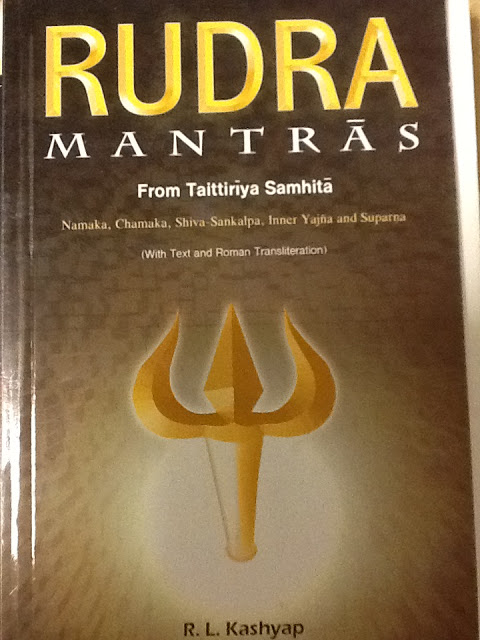
  1. Vedas are the hair of Prajapati’s beard (Taittiriya Brahmana 3-39-1)

(it means it is recited by Brahma)

  1. Vach is called the Mother of the Vedas (TB 2-8-85);

(it means the word is god)

“Vach (word) is an imperishable thing and the first born of the ceremonial, the mother of the Vedas, and the centre point of immortality”

My Comments

Some foreigners used to bluff that Hindus don’t know about immortality, rebirth etc. during the Vedic time. They draw their own line in the Vedic literature, they fix their own dating for each and every section and bluff this way; and even in that bluffing, fifty foreigners say fifty different things! In the book about Asuras written by a foreigner he listed over 40 different definitions or interpretations on the word Asura!

(I will give the quotations on Vedas from the Puranas and Mahabharata, in another article.)
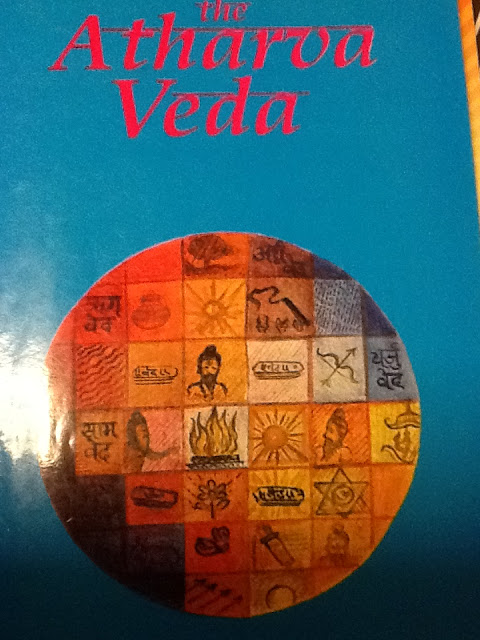
–Subham–


யமன் (எமன்) போல வந்த 3 பெண்கள்! (Post No.4104)

Written by London Swaminathan


Date: 22 July 2017


Time uploaded in London- 11-00 am


Post No. 4104


Pictures shown here are taken from various sources such as Facebook friends, Books, Google and newspapers; thanks.


ஒரு பாட்டுக்கு எனக்கு முழு அர்த்தம் விளங்கவில்லை. இது நீதி வெண்பாவில் உள்ளது. அந்த நூலை யார் எழுதினார்கள் அல்லது தொகுத்தார்கள் என்பது தமிழ் கூறு நல்லுலகிற்குத் தெரியாது. கால வெள்ளத்தில் மறைந்துவிட்டது. நாம் மிகவும் போற்றும் மூன்று பெண்களை எமனென்று வருணிக்கிறது இந்தப் பாடல்! ஓரளவுக்கு அர்த்தம் விளங்குகிறது!


முதலில் பாடலைப் படித்துவிட்டு விவாதிப்போம்:-

என்னே கிரேதத் திரேணுகையே கூற்றுவனாம்

தன்னேர் திரேதத்திற் சானகியே – பின்யுகத்திற்

கூடுந்திரௌபதையே கூற்றாம் கலியுகத்தில்

வீடுதொறும் கூற்றுவனாமே


பொருள்:-

கிரேதத்து- கிரேதா யுகத்தில்

இரேணுகையே – இரேணுகை என்பவளே

கூற்றுவன் ஆம் – யமன் ஆகும்

திரேதத்தில் – திரேதா யுகத்தில்

தன் நேர்- தனக்குத் தானே ஒப்பாகிய (வேறு எவரையும் உவமை சொல்ல முடியாத)

சானகியே –  சீதை என்பவளே

கூற்றுவனாம் – யமன் ஆகும்

பின் யுகத்தில் – அதற்கடுத்த துவாபர யுகத்தில்

கூடும் – வந்த

திரௌபதியே – திரௌபதையே

கூற்றாம் – யமன் ஆகும்

கலியுகத்தில் – இப்பொழுது நடக்கும் கலி யுகத்தில் என்றாலோ

வீடுதொறும் – ஒவ்வொரு வீட்டில் இருக்கும் (ஒவ்வொரு பெண்ணும்)

கூற்றுவனாம் ஆம் – யமன் ஆகும்

என்னே – இஃது என்ன ஆச்சரியம்!


மொத்தத்தில் கருத்து என்னவென்றால் பெண்கள் அது வேண்டும், இது வேண்டும் என்று கேட்காமல் அடக்க ஒடுக்கமாக வாழவேண்டும். முன் யுகத்தில் இருந்ததைவிட இப்பொழுது பெண்கள் மிகவும் கெட்டுப் போய்விட்டார்கள் என்பதே.


அது எப்படி?

ரேணுகா – பரசுராமன் கதை பலருக்கும் தெரிந்ததே. ரேணுகாவுக்கு காமம் தொ டர்பான தீய எண்ணங்கள் வரவே அவரது கணவர் ஜமதக்னி ரேணுகாவைக் கொல்ல உத்தரவு இடுகிறார். உடனே பரசுராமன் அதைச் செய்கிறார். அதைப் பாராட்டி ஜமத்னி முனிவர் ஒரு வரம் தருகிறார். தன்னுடைய அம்மா ரேணுகாவை உயிர்ப்பிக்க வேண்டும் என்று வேண்டுகிறார். ரேணுகா மீண்டும் உயிர் பெறுகிறாள்.


இதில் ரேணுகா செய்த தவற்றால் ஒரு சம்பவம் நிகழ்கிறது. ஆனால் எல்லாம் சுபமாக முடிகிறது. பரசுராமர் க்ஷத்ரியர்கள் மீது கோபம் கொண்டு 21 தலைமுறையை அழித்ததற்கும் இந்த சம்பவத்துக்கும் தொடர்பில்லை.


சீதை, ஒரு மாய மானுக்காக ஆசைப்பட்டதால் ராவணன் கடத்துகிறான். இலங்கையே அழிகிறது. பிறகு சீதையைப் பற்றி ஒரு சலவைத் தொழிலாளி சந்தேகம் கிளப்பவே அவள் பூமாதேவியிடம் திரும்பிச் செல்கிறாள். இங்கு சீதை செய்த தவறு எல்லாப் பெண்களையும் போல தங்கத்துக்கு (பொன் மான்) ஆசைப்பட்டது. அதாவது அது பொன் மான் இல்லை என்று கணவன் தெளிவு படுத்தியும் அடம்பிடித்ததால் வந்த வினை.


மூன்றாவது, திரவுபதி சிரித்ததால் வந்த வினை. ரத்தினக் கல் போல இழைக்கப்பட்ட தரையைத் தண்ணீர் என்று நினைத்து துரியோதனன் தனது பட்டாடையைத் தூக்கவே பலகணியில் இருந்து அதைப் பார்த்த திரவுபதி ‘களுக்’ என்று சிரித்துவிட்டாள்; பெண்களுக்கான அடக்கம் அவளுக்கு அப்போது இல்லை.


இதற்கெல்லாம் சேர்த்துப் பழிவாங்க, வேறு ஒரு சந்தர்ப்பத்தில், அவளுடைய ஆடையை அவிழ்க்க உத்தரவிட்டான். அவள், உடனே சபதம் செய்து, மஹா பாரதப் போருக்குப் பின்னால்,  துரியோதனன் ரத்தத்தை முடியில் தடவி பழி தீர்த்துக்கொண்டாள். இது பெண்ணின் நகைப்பினால் வந்த வினை.


கலியுகத்தில் ஒவ்வொரு பெண்ணும் இப்படித் தவறு செய்யக்கூடும் என்பதால் புலவர் எச்சரிக்கிறார் போலும்.


இன்று டெலிவிஷன்களில் வரும் சீரியல்களிலும் அப்படித்தானே பெண்களைக் (நீலாம்பரிகளாக) காட்டுகிறார்கள்.


புலவர் பெருமான் காரணம் சொல்லாவிடிலும் மூன்று கதைகளையும் நாமாகத் தொடர்புபடுத்தி விளக்கம் காண முடிகிறது.


வேறு ஏதேனும் பொருள் தெரிந்தால் நீங்களும் சொல்லலாம்.

TAGS:- யமன், பெண்கள்,ரேணுகா, சீதை, திரௌபதி, யுகம்

-சுபம்–


கம்பன் தீந்தமிழ் உண்டு கர சிரக்கம்பம் செய்வோம் வாரீர்!! (Post No.4103)

Written by S NAGARAJAN


Date: 22 July 2017


Time uploaded in London:- 5-28 am


Post No.4103


Pictures are taken from different sources such as Face book, Wikipedia, Newspapers etc; thanks. 


கம்பன் கவி இன்பம்


‘கம்பனை முழுதும் காண முயன்ற கே.என்.சிவராஜ பிள்ளை! மற்றும் ‘சொல் கண்டார் சொல்லே கண்டார்; ஞான எல் கண்டார் எல்லே கண்டார் ஆகிய கட்டுரைகளைத் தொடர்ந்து வரும் கட்டுரை இது.


பல அன்பர்கள் திரு கே.என். சிவராஜபிள்ளையின் கம்பராமாயண கௌஸ்துப மணிமாலை எங்கு கிடைக்கும் என்று கேட்டுள்ளனர்.


இந்த நூலை ஆயிரத்தி தொள்ளாயிரத்து அறுபதுகளின் முடிவில் மதுரையைச் சேர்ந்த சிறந்த பட்டிமன்றப் பேச்சாளர் திரு சொ.சொ.மீ சுந்தரம் எனக்குக் கொடுத்தார். உடனே அதை ‘படி எடுத்துக் கொண்டு அவரிடம் புத்தகத்தைத் திருப்பிக் கொடுத்தேன். ஆனால் அவரோ இதை நீங்களே வைத்துக் கொள்ளுங்கள் என்று அன்புடன் கூறினார். ஆனால் கடந்த நாற்பதுக்கும் மேலான வருடங்களில் பல இட மாற்றங்கள்; பல புத்தகங்கள் பலரிடம் சென்று விட்டன. ஆகவே இந்தப் புத்தகம் என்னிடம் இல்லை; ஆனால் எழுதி வைத்த கைப்பிரதி இருக்கிறது. அதை அப்படியே தருகிறேன்.


கம்பன் தீந்தமிழ் உண்டு கர சிரக்கம்பம் செய்வோம் வாரீர்!!

ச.நாகராஜன்


அற்புத கம்ப ரசிகரரும் கவிஞருமான கே.என்.சிவராஜ பிள்ளையின் கம்பராமாயணக் கவுத்துவ மணிமாலையின் புகழைத் தனியே எடுத்துச் சொல்ல வேண்டாம். பாடல்களை ஒரு முறை படித்தாலேயே போதும் அதன் பெருமை தானாகவே புரியும்.


இரண்டாவது பாடலாக மலரும் பாடல் இது:


தேவ பாஷையில் இக்கதை செய்தவன்

யாவனோ அவன் பாவெனும் ஆவிநின்

றேவில் ராமன் தமிழ்க்கதை யாறெழுத்

தோவில் தெக்கணம் எங்கும் உலாயதே


   வடமொழியில் இந்த ராமகதையை இயற்றிய பெரும் புலவனாம், வான்மீகி முனிவனுடைய கவி என்னும் தடாகத்திநின்றும் உற்பத்தியாகி, கூரிய அம்போடு கோதண்டம் என்னும் வில்லைத் தரித்த ஸ்ரீ ராமனுடைய தமிழ்க்கதையாகிய ஆறு அழிதலில்லாத தென் தேசமாகிய தமிழ் நாடெங்கும் பரவிப் பாயா நின்றது.


மூன்றாம் பாடல்:


கம்பம் வேய்ந்த குடில்வைகு வார்மணிக்

கம்பம் வாய்ந்த பொன் மாளிகை கண்டவா

கம்பன் தீந்தமிழ் உண்டு கரசிரக்

கம்பம் செய்து கவிஞர் களிப்பரால்


(புல்லிய) கம்புகளினால் தெற்றப்பட்ட குடிசைகளில் இதுவரையும் வசித்து வந்த தமிழ்க் கவிஞர் மாணிக்கத் தூண்களால் தாங்கப் பெறும் பொன் மாளிகை ஒன்றினுட் புகுவாராகில் அவர் எத்துணை மகிழ்ச்சியும் ஆச்சரியமும் அடைவார்களோ அத்துணை மகிழ்ச்சியும் ஆச்சரியமும் கம்பனுடைய இனிய தமிழ்ப் பாவைப் பருகுவதனால் அடைந்து அவ்வுணர்ச்சிகளைத் தம் தலை அசைத்தலாலும் கை கொட்டலினாலும் வெளியிட்டு உலகத்தார் அறிந்து கொள்ளும்படி செய்வர்.


காமர் பூவுதிர் எனத் தொடங்கும் நான்காம் பாடல் ஏற்கனவே முந்தைய கட்டுரையில் வழங்கப்பட்டது.

ஐந்தாம் பாடல்:-


வான யாறு மடுத்த ப்ரவாகமோ?

கான யாறெனும் கங்கை திரண்டதோ?

தேனினால் நனி சிந்துறும் சிந்தென்ப

தேன்?இரா தமுதத்தும் இதன் சுவை!


(அன்றி இக்கம்ப ராமாயணத்தை) ஆகாசகங்கை பொங்கி வழிந்த ஒரு பெரு வெள்ளத்தோடு ஒப்பிடுவேனோ? அன்றி, அடவி வழி ஊடுருவிச் செல்லும் கங்கா நதியின் திரண்ட ஜலப்பெருக்கோடு ஒப்பிடுவேனோ? (தேனினுமினிய) தேவாமிர்தத்திலும் இதனுடைய இனிமை இல்லாதிருக்கும் பொழுது தேன் கூண்டுகள் இனிய தேனைச் சிந்தப் பெருகின ஒரு தேன் கடலோடு ஒப்பிடுவது பயன் தராத உவமையாம்.


கவிஞர் சிவராஜ பிள்ளை எப்படியெல்லாமோ முயன்று பார்க்கிறார்.


ஆகாய கங்கையின் பொங்கி வழியும் ப்ரவாகமா?

தேன் கடலா?  திவ்விய அமுதா?

எதைச் சொன்னாலும் அது சரியான உவமை ஆகாது.


    உணர்ச்சி பொங்க வார்த்தை வராது தோற்கும் நிலையில் கண்களில் நீர் வர, தலையை அசைக்க, கையைத் தட்ட – இதைப் பார்க்கும் அன்பர்கள் கம்பனின் பெருமையைத் தானே உணர வேண்டியது தான்!


அற்புத ரசிகக் கவிஞர் சிவராஜ பிள்ளையின் இதர பாடல்களையும் இனி  சுவைத்து மகிழ்வோம்.

****


Science in Aitareya Brahmana Book! (Post No.4102)

Written by London Swaminathan


Date: 21 July 2017


Time uploaded in London- 15-39


Post No. 4102


Pictures shown here are taken from various sources such as Facebook friends, Books, Google and newspapers; thanks.


Aitareya Brahmana is the oldest Brahmana book. It is dated 1000 BCE or before. There is an interesting passage in it (3-44):-

“The sun neither ever sets or rises. When people think, he sets he (only) turns himself round, after reaching the end of the day, and makes night below and day above. Then when people think he rises in the morning he (only) turns himself round after reaching the end of the night, and make the day below and night above. In truth, he never sets. The man who knows this, that the sun never sets, enjoys union and sameness of nature with him and abides in the same sphere:– aitareya Brahmana 3-44


It is amazing to see how they found it. And the description looks like that some one went in a satellite up above the earth and watched it. It is possible. If Narada, the Divine Messenger can do Inter Galactic Travel, then there is nothing to wonder about this description.


Einstein talks about the speed of light – the fastest in the universe, approximately 186,000 miles per second. But Hindu scriptures talk about the speed of mind (thought)- Mano Vegam!

If someone builds a machine that can travel at the speed of light it will take at least four years to reach the nearest star Alpha centaurai. But with the speed of mind you can be there in a fraction of a second. NASA  or Russian scientists are no where near the speed of light; how can they understand the speed of mind/thought. Hindus believe that you can travel by thought and be present anywhere in the universe. We hear lot of stories God rushing to help someone at the thought of that man or animal. When the elephant Gajendra cried O Adhi moolame! ( Oh My God) Lord Vishnu came the next minute.


Since Western scientists look at Time that flows in one direction – linear direction, they think that time cannot be reversed; but Hindus see time flows in circle – cyclical- they think that one can travel forward and backward in Time.

xxx

Concept of ONE GOD in the Atharva Veda

Lot of you would have heard about the famous Rig Vedic Hymn: Ekam Sat Viprah bhahuda vadanti (see below)


(Ekam Sat Viprah Bahuda Vadanti)- 1-164-5

“They call him Indra, Mitra, Varuna, Agni and he is heavenly nobly winged Garutman

To what is One, sages give many a title

they call it Agni, Yama , Matarisvan:


Hindus believe in monotheism; but allow the devotees to visualise Him or Her in different forms; each one personifying some virtue or quality.

Brahma for creation or starting a new cycle

Vishnu for preservation or continuation

Shiva for destruction or end of the cycle


Durga for Heroism

Lakshmi for Wealth

Sarasvati for Knowledge


Vedas say “the gods are only a single being under different names”

In the Atharva Veda we read (13-3-13)

“In the evening Agni becomes Varuna; he becomes Mitra when rising in the morning; having become Savitri (Surya/Sun) he passes through the sky; having become Indra he warms the heaven in the middle”.

Though the Rig Veda says,

“Three hundred, three thousand, thirty and nine gods have worshipped Agni (RV 3-9-9)

“Ye gods, who are eleven in the sky, who are the eleven on earth, and who in your glory are eleven dwellers in the (atmosphere) waters do ye welcome this offering”

it makes it clear that GOD IS ONE in the following oft quoted hymn:

“The One Being sages call by many names

as they speak of Indra, Yama, Matarisvan

The wise poets with their words shape the one being in many ways” – Rig Veda 1-164-46 and 10-114-5


This theme is repeated in several places in the Vedic literature.


–Subham–
கங்கை, காவிரி, குமரி பற்றி அப்பரும் ஆழ்வாரும் பாடியது ஏன்? (Post No.4101)

கங்கை, காவிரி, குமரி பற்றி அப்பரும் ஆழ்வாரும் பாடியது ஏன்? (Post No.4101)


Written by London Swaminathan


Date: 21 July 2017


Time uploaded in London- 13-45


Post No. 4101


Pictures shown here are taken from various sources such as Facebook friends, Books, Google and newspapers; thanks.


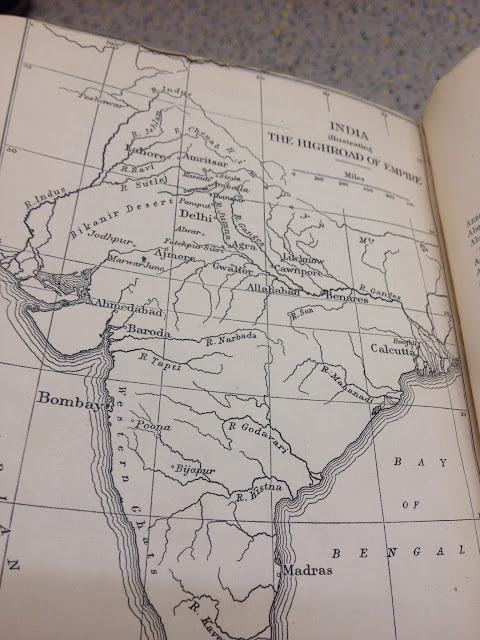
இந்த நாட்டை வெள்ளைக்காரன்தான் ஒற்றுமைப் படுத்தினான், அதற்கு முன்பாக இந்தியர்களுக்கு  பரந்த இந்த பாரத நிலப்பரப்பு ஒரே நாடு என்பதே தெரியாது என்று பல திராவிடங்களும் மார்கஸீயங்களும் பிதற்றுவதைக் கேட்டிருப்பீர்கள். அவர்கள் சாலை போடாவிடில், ரயில்வே லைன் போடாவிடில் நாடே ஒற்றுமை அடைந்திருக்காது என்று அதுகளும் இதுகளும் திண்ணையில் உட்கார்ந்து அங்கலாய்ப்பதையும் பார்த்திருப்பீர்கள் இதெல்லாம் உண்மையில்லை என்பதற்குச் சான்று சங்கத் தமிழ் நூல்கள் முதல் பாரதி பாடல் வரை உள்ளது.

ஒரு சில எடுத்துக் காட்டுகளை மட்டும் பார்ப்போம்-

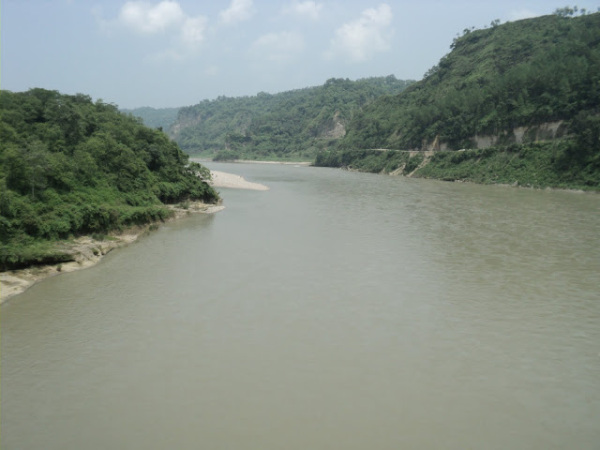
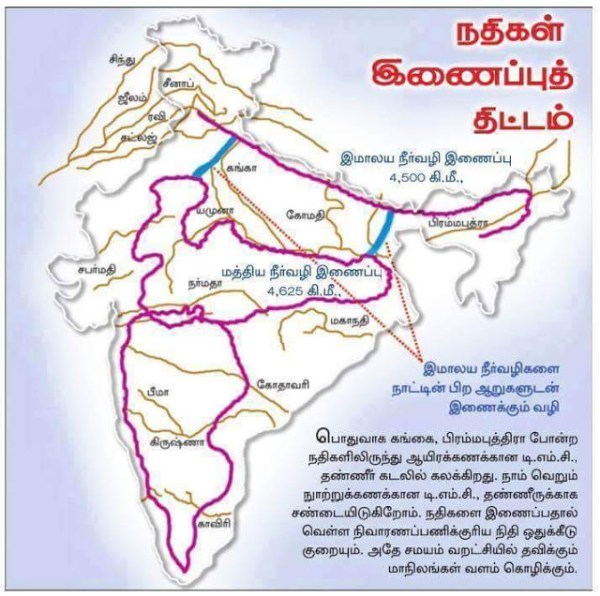
கங்கை- காவிரி இணைப்பு பற்றி அடிக்கடி பேசுகிறோம். ‘கங்கையை விட புனிதமான காவிரி’ என்று ஒரு ஆழ்வார் பாடுகிறார். இன்னும் ஒரு இடத்தில் ‘கங்கை ஆடிலென், காவிரி ஆடிலென்’ என்று புண்ய தீர்த்தத்தில் குளிப்பது பற்றிப் பாடுகிறார்.

இதோ அப்பர் வாக்கு:-

கங்கை யாடிலென் காவிடி யாடிலென்

கொங்கு தண்குமரித்துறை யாடிலென்

ஓங்கு மாகடல் ஓத நீராடிலென்

எங்கும் ஈசனெனா தவர்க்கில்லையே

–ஐந்தாம் திருமுறை


நமது தந்தையர்  காலத்தில் வாழ்ந்த பாரதியோ ‘கங்கை நதிப்புறத்து கோதுமைப் பண்டம் காவிரி வெற்றிலைக்கு மாறு கொள்வோம்’ என்கிறான்.


கம்ப வர்மனின் திருவாமூர்க் கல்வெட்டில் ‘கங்கையிடை குமரி இடை எழுநூற்றுக் காதமும்’ – என்ற வரி உள்ளது.

கம்பவர்மனின் திருவாமூர்க் கல்வெட்டு


ஸ்ரீ கம்ப பருமற்கு

யாண்டு இருபதாவது

பட்டை பொத்தனுக்கு ஒக்கொண்ட நாகன் ஒக்க

தித்தன் பட்டைபொத்தன் மேதவம் புரிந்ததென்று

படாரிக்கு நவகண்டங் குடுத்து

குன்றகத்தலை அறுத்துப் பிடலிகை மேல்

வைத்தானுக்கு

திருவான்மூர் ஊரார் வைத்த பரிசாவது

எமூர்ப் பறைகொட்டக்

கல்மேடு செய்தராவிக்குக் குடுப்பாரானார்

பொத்தனங் கிழவர்களும் தொறுப்பட்டி நிலம்

குடுத்தார்கள்

இது அன்றென்றார்

கங்கையிடைக் குமரி இடை எழுநூற்றுக் காதமும்

செய்தான் செய்த பாவத்துப் படுவார்

அன்றென்றார் அன்றாள் கோவுக்கு

காற்ப்பொன் றண்டப்படுவார்


கங்கை நதி உலகின் மிகப் பழமையான, உலகின் முதல் கவிதைத் தொகுப்பான ரிக் வேதத்திலும் உள்ளது. எதற்காக இப்படி கங்கையையும் காவிரியையும் இணைத்துப் பேசுகின்றனர்?


இந்த நாடு ஒன்றே!

இந்தப் பண்பாடு ஒன்றே!!


என்பதை எடுத்துரைக்கத்தான்  காரிகிழார் முதல் (புறநானூறு பாடல் 6) பாரதி வரை இமயம்-குமரி பற்றிப் பாடுகின்றனர்.

சேரன் செங்குட்டுவனும், கரிகால் சோழனும் இமயம் வரை சென்று சின்னங்களைப் பொறித்தது  ஏன்?

கண்ணகி சிலைக்காக, இமயத்தில் கல் எடுத்து, கங்கையில் அதைக் குளிப்பாட்டிக் கொண்டு வந்தது ஏன்?


காளிதாசனின் ரகு வம்ச காவியத்தில் ஈரான் முதல் பாண்டியநாடு வரை ரகுவின் திக்விஜயம் செல்கிறது. இந்துமதி சுயம்வரத்துக்கு வந்த அரசர்களும் பாண்டியநாடு முதல் ஆப்கனிஸ்தான் வரை பல நாடுகளிலிருந்து வந்துள்ளனர். ஆக 2000 ஆண்டுகளுக்கு முன்னரே நாம் ஒரு நாடு, நாம் ஒரே பண்பாடு என்ற கொள்கை மனதில் ஆழ வேரூன்றிவிட்டது.


திருமூலர் இமயத்தையும் சிதம்பரத்தையும் இலங்கையையும் இணைத்துப் பாடியது ஏன்?

மேரு நடுநாடி மிக்கிடை பிங்கலை

கூரும் இவ்வானில் இலங்கைக் குறியுறுஞ்

சாருந்திலை வனத் தன் மாமலயத்து

ஏறுஞ் சுழுனை இவை சிவபூமியே”. (திருமந்திரம் – 2747)


(திருமூலரும் தீர்க்கரேகையும் என்ற எனது ஆராய்ச்சிக் கட்டுரையில் இப்பாடல் பற்றி மேல்விவரம் காண்க)

கல்வெட்டிலும் கூட கங்கை காவிரி பற்றி இருக்கிறது! ஆக நமது நாட்டில் அப்பர் காலத்துக்கு முன்னரே, காளிதாசன் காலத்துக்கு முன்னரே, சங்க காலத்துக்கு முன்னரே இமயம் முதல் குமரி வரை ஒன்று என்ற கொள்கை இருந்திருக்கிறது.


வெள்ளைக்காரன் ரோடு போட்டதும், ரயில் பாதை போட்டதும் அவனுடைய படைகளையும் விற்பனைப் பொருட்களையும் கொண்டு வந்து நம்மை அடக்கி வைக்கவும், கோஹினூர் போன்ற பொக்கிஷங்களைக் கடத்தவும்தான் என்பதை அறிக.


தமிழ் மொழிக்கு இலக்கணம் வகுக்க அகத்தியனை இமய மலையிலிருந்து சிவபெருமான் அனுப்பியதும் வரலாற்று உண்மை. தொல்காப்பியம் முதல் பாரதி பாடல் வரை இது சுட்டிக் காட்டப்பட்டுள்ளது

நமது வரலாற்றுப் புத்தககங்களை மாற்றி எழுதி நம் பிள்ளைகளுக்கு சரியான வரலாற்றைக் கற்பிக்க வேண்டும்.

இது நமது தலையாய கடமை!

–SUBHAM–

TAGS:– கங்கை, காவிரி, குமரி, ஒற்றுமை, வெள்ளைக்காரன்

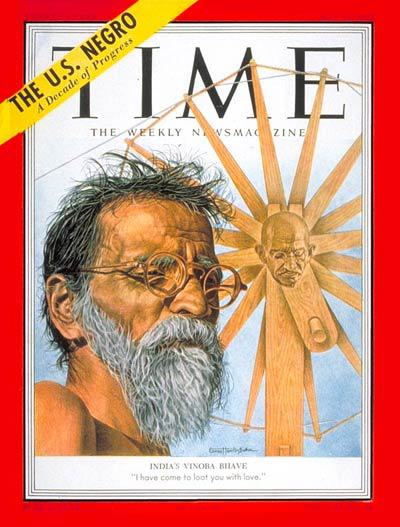
Silent Prayer is the Best Prayer : Vinoba Bhave (Post No.4100)

Written by S NAGARAJAN


Date: 21 July 2017


Time uploaded in London:- 6-01 am


Post No.4100


Pictures are taken from different sources such as Face book, Wikipedia, Newspapers etc; thanks. 


by S.Nagarjan


All great men gave very much importance to the Prayer.

How to Pray?

This question been answered by great sages. In this article we will see Vinabha Bhave’s views.

Vinobha Bhave in his Memoirs points out that the silent form of Prayer is the best form of Prayer.

Given below is the extract taken from his Memoirs.


Prayer
It was only after I entered Gandhiji’s Satyagraha Ashram that I had any experience of community prayer. Before that I had never joined with others in prayer, nor had I had any fixed time for individual prayer. It came naturally to me to recite or sing when I was in a devotional mood, but to sit with others, or even to set apart a regular time for private prayer, was not my nature. In my childhood I was taught the Sandhya,  but I did not perform it. I refused to repeat words whose meaning I did not understand. This is not to say that I lacked the spirit of devotion, even then. But with Gandhiji there was regular daily prayer. The experience of sitting together with so many worthy people gradually had its effect on me. This effect, I think, was not so much due to the prayers themselves as to the fellowship of devotion which we shared.


People used to ask Bapu what they should do if they found it difficult to concentrate, or felt sleepy during the prayer. In that case, Bapu suggested, they should stand for prayer instead of sitting. These questioners were honest people, and every day three or four of them would stand during the prayers. But of course concentration cannot be achieved merely by standing ! Bapu began to teach us how to pray, just as one might teach children how to read, using illustrations from his own life. This was a new experience for me, such as I had never had before.

 
In Bapu’s time a number of passages were included in the prayer, many of which I knew. I would never myself have chosen some of these verses, or considered them suitable, but still I joined reverently in the recital, un- attractive though I found them. Later there was a proposal that these verses should be omitted, but after discussion with Bapu they were kept, on the ground that we should not change what was already in use.
When I was imprisoned, I ceased to use these verses in my morning prayer, and recited instead my own prose translation of the Ishavasya Upanishad, which was much in my thoughts at the time; a number of other people used to join me. But I kept unchanged the verses of the Gita which had been chosen for the evening prayer, as I was very fond of them. This change in the morning prayer was made while Bapu was still alive, and after I was released from jail I went on using the Ishavasya in the Paunar Ashram.
I do not like the queer notion that unity can be brought had by accepting a single form of prayer. Unity is some- thing which must spring from within. I do not want to make any particular verses obligatory in the prayer. So when I was working among the Meos we recited verses from the Koran, and used an Urdu translation of the Gita and Urdu hymns. It seems to me to be best to use whatever the people around me can understand most easily.


In Bapu’s time we also used prayers drawn from all religious traditions. That is all right when people of different religions and languages are meeting together, but all the same it is a kind of khichadi, a mixed grill. The main idea therein is not so much to please God as to please our fellows. Still, if we think that a human being is also a mani- festation of God, the practice cannot be called wrong.
Thinking this over I came to the conclusion that for community prayer silent prayer is the best form. It can satisfy all kinds of people, and deeper and deeper meaning may be found in it, as I can testify from my own experience.
During the early days of my bhoodan pilgrimage we included in the evening public prayer the Gita’s verses about ‘the man of steadfast wisdom’. But in Andhra I began to use silent prayer instead. This silent community prayer is of very great value. The idea has been with me for a long time that all should come together to pray in the quietness of mind; this thought is maturing slowly and as my experience increases, so does my confidence and courage.

****

Live Like a Tree: Chaitanya’s Advice! (Post No.4099)

Written by London Swaminathan


Date: 20 July 2017


Time uploaded in London- 19-25


Post No. 4099


Pictures shown here are taken from various sources such as Facebook friends, Books, Google and newspapers; thanks.


“A man must attain the nature of a tree, which lives solely for the benefit of others, before he can become a true worshipper”—Chaitanya Mahaprabhu

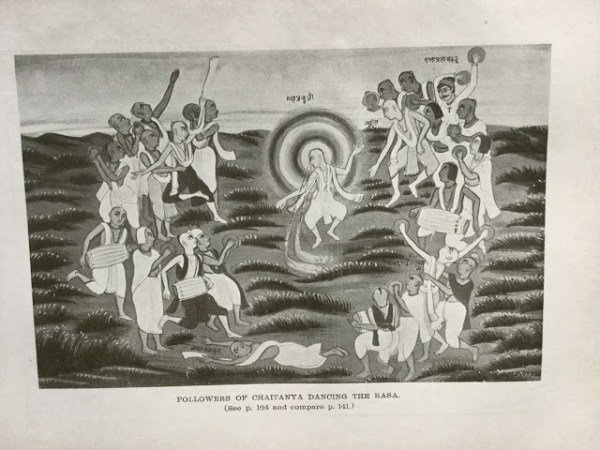
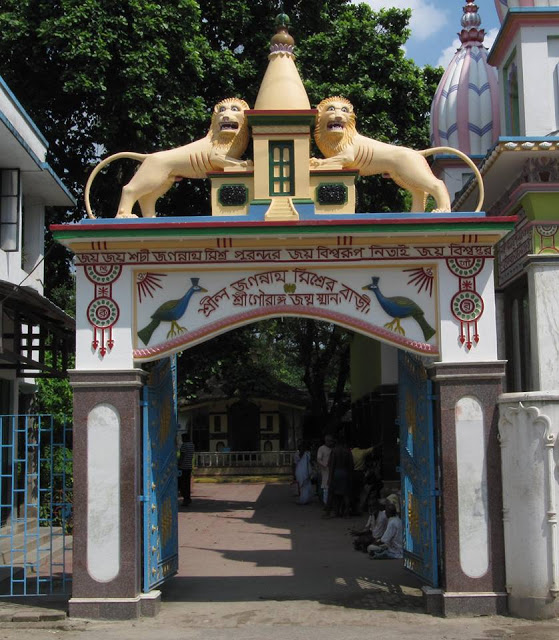
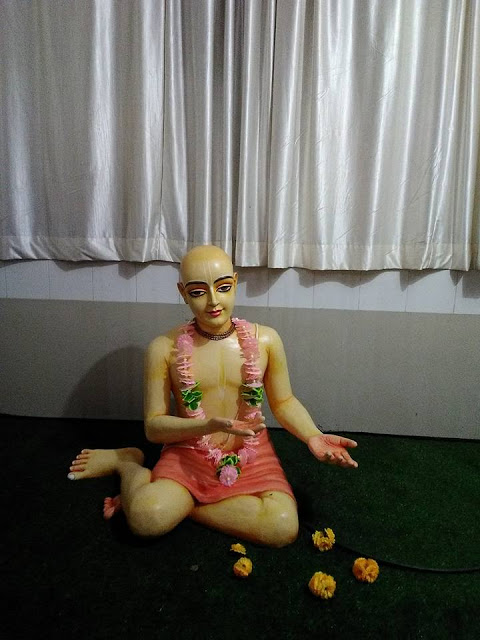
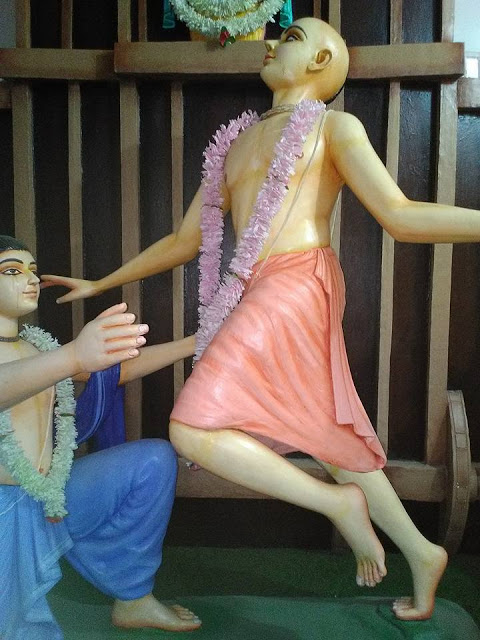
Chaitanya was a great devotee of Lord Krishna. His principal place of worship is Nadia in West Bengal. He has a big following in Bengal and adjacent states. Krishna devotees consider him as an incarnation of Lord Krishna himself. They say that amongst the many incarnation of Vishnu four are most important

the White incarnation named Ananta

the Red incarnation named Kapila

the Black incarnation named Krishna

the Yellow incarnation named Chaitanya

Chaitanya was born in CE. 1484 in Nadia and died at Puri in 1527

His father was a Brahmin named Jagannath Misra and his mother’s name was Suchi. Their first son Visvarupa became a religious mendicant. Second son Chaitanya was born when his mother was old. Consequently the child was very weak and did not take milk for three days. They thought that the child would die soon and hung him in a tree in a basket. A Brahmin called Adaitya happened to pass at that time, saw the child and thought that it was a divine child. He wrote Hare Krishna mantra in  the sand below the tree with his toe. Chaitanya’s mother took it as a positive sign and took the child back into the house. The child quickly recovered and took food.


Chaitanya s a youth made good progress in learning. He married twice, first at the age of eleven a girl named Lakshmi, and on her early decease, he married another girl Vishnupriya. They lived together for some time. When Chaitanya was 24, he decided to find a way to solve the distresses of mankind. He took off his sacred thread and became an ascetic. Leaving his home, parents, and wife, he spent six years as a wandering saint (Bairagi), travelling all over India teaching his doctrines, acquiring followers, and extending the worship of Lord Krishna.


Varanasi has been the meeting point of scholars from time immemorial Buddha, Adi Shnkara and other saints went to Varanasi and convertedgreta people to their faiths. Chaitanya also went to Kasi (Varanasi= Benares) and converted the chief pundit Prakashananda to his faith.


Chaitanya was a great reformer; his success may be traced to his extraordinary fervour and his love for men. He preached utterly unselfish love to Vishnu/Krishna.

Worship from interested motives was not worship at all, but shop keeping, barter – he said.

The chief tenets of his faith are:

1.A disregard of caste distinctions

2.Emphasis was laid on mendicant life

  1. All must worship Krishna with a rosary made up of Tulsi beads
  2. He taught his followers to follow Radha, the beloved mistress of Krishna. The best form of devotion was that which Radha, as the beloved mistress of Krishna, felt for him.

5.They must exercise Bhakti (devotion) in Krishnain five ways:

Quite contemplation of the deity- Santi

The devotion of a servant to his master – Dasya

Friendship to him – Sakhya

Love to him resembling h love of children to their parents – Vatsalya

Passionate attachment of a girl to her lover or as the Gopis felt for Krishna -Madhurya.


He allowed widows remarriage and forebode the drinking of intoxicants and the eating of fish and meat.

He preached against animal sacrifices and Tantric practices.


He saw visions of Krishna and his attendant Gopis and terminated his life by walking into the sea in one of these ecstatic moments. Another version says that he entered the sanctum of Lord jagannath and disappeared in a flash of light. We have similar disappearances in the lives of Tamil saints Sambandar, vallalar and Andal.  Chaitanya before his disappearance gained many adherents and honours. The independent King of Orissa became his disciple. As Chaitanya left no issue, Adaitya and Nithyananda, became the leaders of the new faith.

Source book: Wilkin’s Hindu Mythology