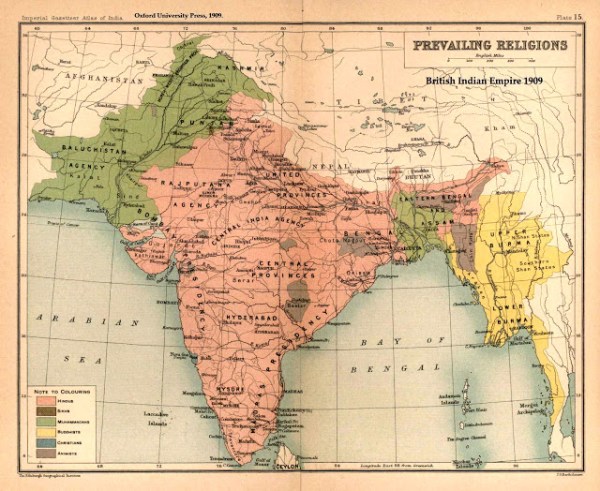
British Atrocities in India (Post No.3787)

Compiled by London swaminathan


Date: 4 APRIL 2017


Time uploaded in London:- 10-30 am


Post No. 3787


Pictures are taken from various sources; thanks.


contact; swami_48@yahoo.com


Following are the excerpts from the book ‘Orient and Occident’ Written by Manmath C Mallik, Barrister at Law, London (Year 1913):-


Blood Boiling Anecdotes:
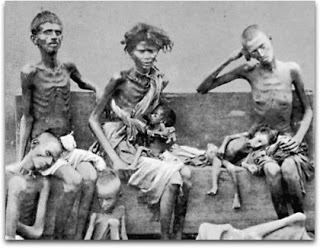
Page 110/111


“Neither better- caste Hindus nor Bengalis of any caste would serve foreigners in any menial capacity; but the low class Hindu and Moslem are always available, and these may, by their timid and unintelligent ways, perhaps rouse the foreigner’s ire. Beating of servants is so common in European society outside Presidency towns that an employer that has been an exception to the rule is sometimes heard to brag that he has never thrashed his servants. The thrashing is indirectly encouraged by the judiciary and local police, who, on account either of backstairs influence or of fear of incurring the displeasure of superiors, let a culprit escape justice, except in very grave cases that cannot be hushed up, and even then the murderer is generally let off with a fine of twenty or thirty rupees (E1 5s. to €2), because European juries, composed of clerks and shop- assistants, cannot be persuaded to convict of grave offence a member of their own race.” It is, as a London paper once remarked, cheap homicide.” It is doubtless cheap for the criminal but it is far from cheap for the Government, for every such case undermines its authority and prestige and shakes the popular faith in its capacity to protect its subjects. By law the Government has power to appeal against acquittals or inadequate punishment to the High Court, and when this power is exercised in the more advanced provinces a conviction with a term of imprisonment generally satisfies the claims of justice. In these cases the poor witnesses, being of the class to which the victim belongs, are so browbeaten and frightened when giving evidence that they often contradict themselves in details. Such contradiction is made the excuse for acquittal or for a nominal punishment when a European is the offender; but on much flimsier evidence Indians charged with similar offences are severely punished or sent to the gallows.
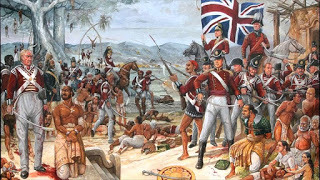


Page 114 of ORIENT AND OCCIDENT


“A few cases may serve to illustrate the state affairs. In the first week of February, 1911, a Mohammedan member of the Viceroy’s Council was travelling in the only first-class compartment of a train. A European military officer, joining the train, felt himself too exalted to travel with a native,” and asked the Indian gentleman to leave the compartment, on his hesitating to move as there was no other first-class carriage, the officer forced him, by the threat of using his sword, to get out and to go into a second-class carriage. The Anglo-Indian papers did not report the promotion, usual in such cases, gained by this officer for his “imperial” attitude towards an Indian gentleman. This is by no means an isolated instance.


There is scarcely an Indian judge, Raja, or Councillor (not to speak of humbler mortals) that has not had, when travelling by rail, similar experience of this rude imperialism. In answer to a question in the House of Commons in April, 1911, the Under- Secretary for India stated a case in which a Mohammedan Councillor had left his servant in charge of his luggage in a first-class compartment while he was in the restaurant car. A European sub-engineer of the railway turned the servant out, and forced him to travel to the next station (43 minutes) on the footboard. It was stated that the “imperial” engineer was made to apologize to the Mohammedan Councillor, but it was not stated whether the apology was tendered in the presence of the servant, who was arrested by the police for breach of railway regulations by travelling on the footboard and for failing to commit suicide. The engineer doubtless became a hero in his community and received promotion for his imperial bearing. The treatment of third- class passengers by the lower type of Europeans, as well as by the railway servants generally, may be imagined.


One would have thought that after the beneficent influence produced by the Royal visit cases of assault at railway-stations on Indian gentlemen would be unknown. In January, 1913, a case is reported to have been heard in the second magistrate’s court at Bombay, in which an I.M.S. was charged with pushing and insulting at the Grant Road station a Hindu gentleman, who with his wife wished to get into a first-class compart- ment next to the one in which the I.M.S. was travelling. Hitherto “high-born” personages in East and West have objected to travel with smaller fry in the same compartment, but matters are advancing fast, and humble individuals must
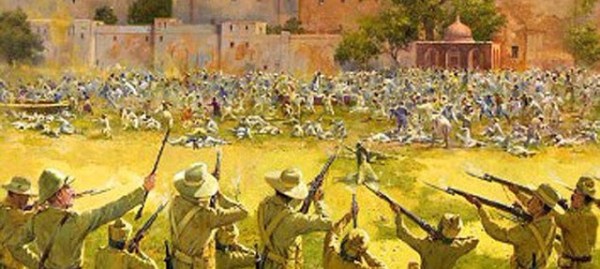
 

116 ORIENT AND OCCIDENT


not wish to travel in the same train with the “imperial” breed. In this case the Hindu gentleman happened to be an ex-sheriff of Bombay. Although, being an athlete, he was strong enough to knock his assailant down, he preferred to lay a charge, at the hearing of which the culprit was let off with an apology.


One may imagine what would have happened if the position of the parties had been reversed. Europeans of the type of the I.M.S. are better recruiting- sergeants for the extreme Nationalist Party than seditious preachers and writers, and yet the authorities proclaim their helplessness to control them or to protect the people under their care. While Europeans in India indulge in these pranks, Indian gentlemen, however exalted their rank, receive grudging obedience from their servants and scant courtesy from policemen and subordinate officials, who regard every European tag-rag as a greater personage than even Rajas and Nawabs.


At the racecourse at Calcutta the writer once witnessed the Chief of a Tributary State- an honoured guest at the King’s Coronation refused admission to the paddock by the European policeman at the entrance probably because he was dressed in ordinary Indian costume, while every foreigner was being admitted without showing a ticket. A steward luckily seeing from a distance the Maharaja


Page 117


turned away , rushed to the spot and took him in.  These unfortunate incidents are more frequent on railways, and the authorities, instead of punishing the offenders, seem by their inaction and by the approbation of the foreign Press to encourage rudeness in the same way as Colonial harsh treatment of Indians is condoned by the Imperial Government. It is a strange nemesis that so many Moslem gentlemen have recently experienced such rudeness, as if to prove to Moslems generally the falsity of the anxiety of reactionary officialdom to conciliate them at the expense of Hindus. Perhaps the apology is tendered when the offended party is Moslem, while no notice would be taken of insult to a Hindu. Reaction would display greater wisdom if it were to issue private instructions to the “imperial” breed to display their “high-born” manners towards Hindus alone and to conciliate Moslems at every opportunity.


So long as this attitude continues, Indian Nationalism has a substantial ground for its propaganda, and with increasing strength its cry will grow louder that the only security against foreign outrage is to deport the offender. There are people in Britain who object to travel in the same railway compartment with their humbler fellow-countrymen not so well groomed as themselves, and who object to go up in lifts with servants or postmen.


Page119


American Atrocities against Blacks


Matters in India have not yet come to the pass described in a book reviewed in a London Liberal journal in July, 1910, where it is stated that in parts of the United States, when a white man takes a dislike to a negro and shoots him dead, a false charge against the negro of attempting to kill him is pleaded as his excuse;  that such charge is certified by other white men that were never near the place of outrage, and that on such evidence the murderer is acquitted, and the judge comes down from the bench to congratulate the accused and to express regret for putting him on trial.


In India, the people being meek and disarmed, the excuse of threatened assassination or outrage is not available but pretexts for assaults are often found and the criminal goes scot-free. Impartial justice is of prime importance in advancing contentment and national well-being.


Page 136

“The Colonial claim is nothing but an arrogant assertion of superiority of a petted and pampered portion of the Empire, and of their ability to dictate to its rulers. The attitude of British statesmen is incomprehensible, since there is nothing to show that in the hour of need the Colonials will be more helpful to the Empire than Indians, or that they will claim no return for any service they may render to their sovereign In any case, if this civil strife is permitted to continue within the Empire, or to grow as it has been doing for some years, it is vain to expect peace and prosperity under the existing political conditions.


“Asiatics, if not permitted to give blow for blow, which alone will bring the uncultured Colonial to reason, will be driven to seek other means of rousing his conscience and of advancing the happiness of mankind. The British Empire or Dominions or Possessions- by whatever name it may please people to call the British territories in Asia-cannot be safe under present conditions. Until the people of India are fully trusted, and bold statesmanship removes all barriers from their paths of service to their sovereign and country, the British dominions will owe a good deal of their security to foreign alliances or to the goodwill of foreign nations”.


(Thousands of such incidents made Gandhi, Tilak, Netaji, Poet Bharatiyar and others to fight against the British rule in India)


–Subham–
சச்சரி, குச்சரி, பிச்சரின் பிதற்றல் — கம்பனின் சங்கீத அறிவு (Post No.3786)

Written by London swaminathan


Date: 4 APRIL 2017


Time uploaded in London:- 6-59 am


Post No. 3786


Pictures are taken from various sources; thanks.


contact; swami_48@yahoo.com


தமிழர்களின் அபார இசை அறிவை விளக்கும் சில பாடல்களைக் காண்போம்:-


நச்சு எனக் கொடிய நாகக் கள்ளொடு குருதி நக்கி

பிச்சரின் பிதற்றி அல்குல் பூந்துகில் கலாபம் பீறி

குச்சரித் திறத்தின் ஓசை களம் கொள குழுக்கொண்டு ஈண்டி

சச்சரிப் பாணி கொட்டி நிறை தடுமறுவாரும்

–ஊர்தேடு படலம், சுந்தர காண்டம்


பொருள்:

அரக்கியர் சிலர் பாம்பின் விஷம் என்று கூறத்தக்க கள்ளையும், பல வகைப் பிரணிகளின் குருதியையும் குடித்து மயங்கினர்; அதனால் குச்சரி என்னும் பண்ணின் தன்மை குரலில் கலக்க, பைத்தியக்காரர் போலப் பிதற்றினர்; சச்சரி என்னும் தோல் கருவி போலக் கைகளைத் தட்டினர். அல்குலின் மீது அணிந்த மெல்லிய ஆடையையும், கலாபம் என்னும் 25 கோவையுள்ள இடையணியையும் கிழித்துக்கொண்டு மனநிலை  தடுமாறினர்.


இந்தப் பாட்டில் இன்னொரு விஷயமும் உள்ளது. 25 கோவையுள்ள கலாபம் என்ற இடையணியையும் அரக்கியர் அணிந்து கொண்டிருந்தனர். வராஹமிஹிரர் என்னும் அறிஞர் 1500 ஆண்டுகளுக்கு முன் எழுதிய பிருஹத் சம்ஹிதா என்னும் என்சைக்ளோபீடியவில் (கலைக் களஞ்சியத்தில்) ஏராளமான கோவையுள்ள முத்து மாலைகளைப் பட்டியலிடுகிறார். உலகிலேயே அதிக நகைகளை அணிந் தவர்கள் இந்துக்கள் இதை 2200 ஆண்டுகளுக்கு முன்னுள்ள பார்ஹுத் சிற்பங்களில்கூடக் காணலாம்.

இன்னொரு பாட்டில் அரக்கியர் வீட்டில் கேட்ட சங்கீத ஒலிகளைக் கம்பன் பாடுகிறான்.


சங்கொடு சிலம்பும் நூலும் பாத சாலகமும் தாழ

பொங்கு பல்முரசம் ஆர்ப்ப இல்லுறை தெய்வம் பேணி

கொங்கு அலர் கூந்தல் செவ்வாய் அரம்பையர் பாணிகொட்டி

மங்கல கீதம் பாட மலர்ப் பலி வகுக்கின்றாரை.


–ஊர்தேடு படலம், சுந்தர காண்டம்


பொருள்:

கூந்தலையும் செவ்வாயயையும் உடைய தேவ மகளிர், தாளம் போட்ட படி மங்கலப் பாடல்கள் பாடினர். சங்கு வளையல், சிலம்பு, மேகலை, பாதரசம் ஆகிய அணிகலன்களின் ஒலிகள் தாழுமாறு பலவகையான முரசுகள் முழங்கின. அச்சூழலில் இல்லுறை தெய்வத்தை வணங்கி, மலரினால் அருச்சனை செய்யும் அரக்க மகளிரை, சீதையத் தெடிச் சென்ற அனுமான கண்டான்.


இங்கு அரக்கர் வீட்டில் மங்கல கீதம் ஒலித்தது, முரசுகள் முழங்கியது ஆகிய சங்கீத விஷயங்களைச் சொல்லும் கம்பன், ஆரிய-திராவிட இனவாதப் புரட்டர்களுக்கு ஆப்பு வைப்பதையும் பார்க்க வேண்டும்.

சில வெளிநாட்டு அரைவேக்காடுகளும், திராவிடப் புரட்டர்களும், ராவணன் என்பவன் திராவிடன் என்றெல்லாம் கதைகட்டி, அரசியல் செய்து வருவதை நாம் அறிவோம். ஆனால் இங்கே அரக்க மகளிர் வீட்டிலுள்ள பூஜை அறைகளில் மலர்கொண்டு பூஜை செய்ததைக் கூறுகிறான். ஒவ்வொரு வீட்டிலும் இப்படி இல்லுறை தெய்வம் இருந்ததையும் அந்த தெய்வங்களுக்குத் தமிழர்கள் மலர், இலை (வில்வம், துளசி), புல் (அருகம் புல்) முதலியன கொண்டு பூஜை செய்ததையும் கபிலர் முதலான சங்கப் புலவர்கள் பாடியிருப்பதையும் கவனிக்க வேண்டும், அரக்கர்கள், இத்தோடு, தீய குணங்களுடன் வாழ்ந்தனர் என்பதையும் அறிதல் வேண்டும்.  நமது ஊரிலுள்ள திருடர்களும்   , ஏமாற்றுப் பேர்வழிகளும், கொள்ளையர்களும் கூட தெய்வத்தை பூஜிப்பது போன்றது இது.


xxxx


நான்கு ஆண்டுகளுக்கு முன் நான் எழுதிய “இசைத் தமிழ் அதிசயங்கள்” என்ற கட்டுரையின் ஒரு பகுதியை மட்டும் கீழே தருகிறேன். முழுக்கட்டுரையும் வேண்டுவோர் இதே பிளாக்கில் 4 ஆண்டுகளுக்கு முன் நான் எழுதிய கட்டுரையைக் காண்க.


இசைத் தமிழ் அதிசயங்கள்

posted on 31 January 2013; by London swaminathan

1).காரைக்கால் அம்மையார் திருவாலங்காட்டு மூத்த திருப்பதிகத்தில் தமிழ் இசைக் கருவிகள் பட்டியலை ஒரே பாடலில் அழகாகக் கொடுத்திருக்கிறார்:

துத்தங்கைக் கிள்ளை விளரி தாரம்

உழைஇளி ஓசைபண் கெழும பாடிச்

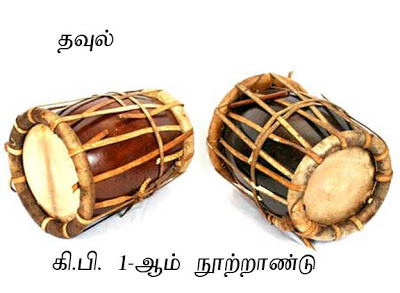
சச்சரி கொக்கரை தக்கை யோடு

தகுணிதம் துந்துபி டாளம் வீணை

மத்தளம் கரடிகை வன்கை மென்றோல்

தமருகம் குடமுழா மொந்தை வாசித்து

அத்தனை விரவினோ டாடும் எங்கள்

அப்பன் இடம்திரு வாலங் காடே”


இதில் குரல், துத்தம், கைக்கிளை உழை இளி விளரி தாரம் என்பன ஏழு ஸ்வரங்களாகும்.

சச்சரி,கொக்கரை, தக்கை, தகுணிதம் கரடிகை, வங்கை, மெந்தோல் ,டமருகம், குடமுழா என்பன தோல் கருவிகள். அல்லது தாளம் எழுப்பும் கருவிகள். துந்துபி ஊதும் கருவி.


 பத்துப் பாட்டில்

2).பத்துப் பாட்டில் ஒன்றான மலைபடு கடாம் என்ற நூலில் கூத்தர் கொண்டு சென்ற வாத்தியங்களின் பட்டியல் வருகிறது:

“ திண்வார் விசித்த முழவோடு ஆகுளி

நுண்ணுருக் குற்ற விளங்கடர்ப் பாண்டில்

மின்னிரும் பீலி அணிதழைக் கோட்டொடு

கண்ணிடை வகுத்த களிற்றுயிர்த் தூம்பின்

இளிப்பயிர் இமிரும் குறும்பரத் தூம்பொடு

விளிப்பது கவரும் தீங்குழல் துதைஇ

நடுவுநின் றிசைக்கும் அரிக்குரல் தட்டை

கடிகவர்பு ஒலிக்கும் வல்வாய் எல்லரி

நொடிதரு பாணிய பதலையும் பிறவும்

கார்க்கோட் பலவின் காய்த்துணர் கடுப்ப

நேர்சீர் சுருக்கிய காய கலப்பையீர் ( மலைபடு. 1-14)


இவ்வரிகளில் முழவு, ஆகுளி, பாண்டில்,  கோடு, தூம்பு, குழல்,  தட்டை, எல்லரி, பதலை முதலிய கருவிகளைக் காண்கிறோம்.

இசைக் கருவிகளை தமிழர்கள்  தோல் கருவி, துளைக் கருவி, நரம்புக் கருவி ,கஞ்சக் கருவி என்று பகுத்து வைத்தனர். குழலும் கோடும் தூம்பும் துளைக் கருவிகள் முழவு, முரசு, பறை, பதலை, துடி போன்றன தோல் கருவிகள். யாழ் என்பது நரம்புக் கருவி. பாண்டில் என்பது கஞ்சக் கருவி. (ஜால்ரா போன்றது).


சிலப்பதிகார உரையில்

சிலப்பதிகார உரையில் அடியார்க்கு நல்லார் மேற்கோளாகத் தரும் பாடல்:
பேரிகை படக மிடக்கை யுடுக்கை
சீர்மிகு மத்தளஞ் சல்லிகை கரடிகை
திமிலை குழமுழாத் தக்கை கணப்பறை
தமருகந் தண்ணுமை தாவிறடாரி
யந்திர முழவொடு சந்திர வலைய
மொந்தை முரசே கண்விடு தூம்பு
நிசாளந்த் துடுமை சிறுபறையடக்க
மாறி றகுனிச்சம் விரலேறு பாகந்
தொக்க வுபாங்கந் துடிபெறும் பாஇயென
மிக்க நூலோர் விரித்துரைத்தனரே
(தோற் கருவிகள்: தண்ணூமை, முழவு, தட்டை, முரசு, பறை, பம்பை, குளிர், தொண்டகச் சிறுபறை, கிணை, பதலை, ஆகுளி, துடி, தடாரி, எல்லரி, மத்தரி.


–subham–


பேயை விரட்ட எலியே போதும்! ஹிட்டைட்ஸ் கண்டுபிடிப்பு! (Post No.3785)

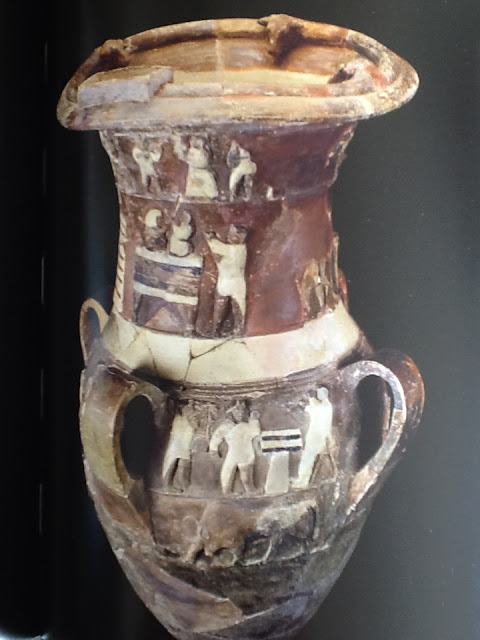
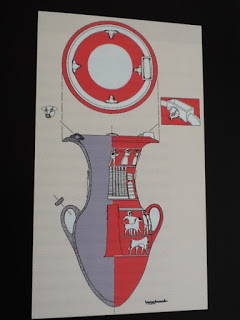
62cc8-img_2184

Written by London swaminathan


Date: 3 APRIL 2017


Time uploaded in London:- 20-56


Post No. 3785


Pictures are taken from various sources; thanks.


contact; swami_48@yahoo.com


19b62-img_2187

பேயை விரட்ட ஒவ்வொரு பண்பாட்டிலும் பலவகை மாய மருந்துகள், மந்திர, தந்திரங்கள் உள்ளன.

ஆனால் 3500 ஆண்டுகளுக்கு முன்பு, துருக்கி, சிரியா முதலிய நாடுகளின் பகுதிகளை உள்ளடக்கிய பிரதேசத்தை ஆட்சி செய்த ஹிட்டைட்ஸ் HITTITES மக்கள் எலியைக் கொண்டே பேய்களையும் செய்வினகளையும் விரட்டும் மந்திரங்களைப் பிரயோகித்தனர். இது பற்றிய விவரத்தைச் சொல்லுவதற்கு முன்னதாக ஹிட்டைட்ஸ் என்பவர்கள் யார் என்று காண்போம்.

இவர்கள் சம்ஸ்கிருத்துடன் தொடர்புள்ள ஒரு இந்திய-ஐரோப்பிய மொழியைப் பேசினர். ஆகையால் ஒரு காலத்தில், இந்தியாவிலிருந்து துருக்கி-சிரியாவுக்குக் குடியேறி இருக்கலாம். இவர்களுடைய ஆட்சி 450 ஆண்டுகளுக்குச் சிறப்பாக நடந்தது.


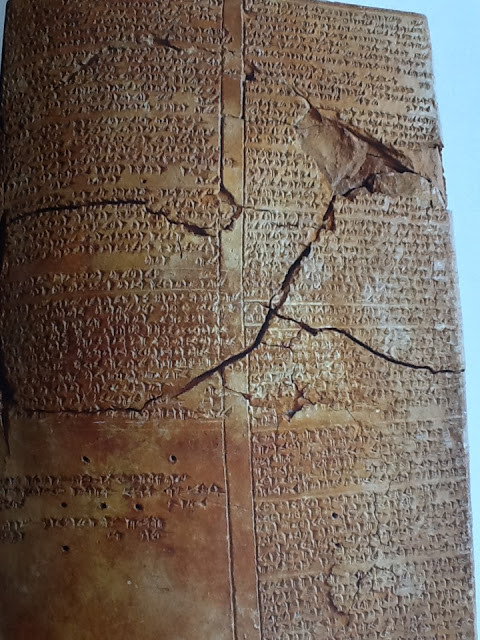
உலகில் முதல் முதலில் சர்வதேச (INTERNATIONAL TREATY) உடன்படிக்கையை, எழுத்து மூலம் செய்தவர்கள் தாங்களே என்று இவர்கள் பெருமை பேசுவர். ஹிட்டைட்ஸ் ஆண்ட பகுதியின் தலை நகர் ஹட்டுசா (Hattusa) . இதன் தற்போதைய பெயர் (Bogazkoy) பொகாஸ்கோய். இது துருக்கியில் உள்ளது. இங்கு 1920-களில் நூற்றுக் கணக்கான களிமண் பலகைக் கல்வெட்டுகள் கிடைத்தன. அதில் இந்த உடன்படிக்கை பொறிக்கப்பட்டுள்ளது.


(பொகாஸ்கோயில்தான் கி.மு.1380 ஆம் ஆண்டு சம்ஸ்க்ருதச் சொற்களுடைய கியுனிபார்ம் லிபி கல்வெட்டும் கிடைத்தது. இதில் ரிக் வேத தெய்வங்கள், வேத மந்திரத்திலுள்ள அதே வரிசைக் கிரமத்தில் உள்ளதால், அப்போதே ரிக்வேதம் துருக்கி வரை சென்றதற்கான சான்றுகள் கிடைத்தன. இதன் பிறகு குதிரைப் பயிற்சிப் புத்தகம் சம்ஸ்கிருத எண்களுடன் கிடைத்தது).


ஹிட்டைட்ஸ் சர்வதேச உடன்படிக்கை சத்சீலி என்ற மன்னனுக்கும் எகிப்திய மன்னன் இரண்டாம் ராமசெஸ்ஸுக்கும் இடையே கையெழுத்தானது. ஒருவர் படைவீரர்களை ஒருவர் துன்புறுத்தக் கூடாது; மனைவி மக்களைப் பழிவாங்கக் கூடாது;  அவரவர் போர்க்கைதிகளை மரியாதையுடன் பரிமாறிக்கொள்வோம் என்று அந்த உடன்படிக்கை கூறுகிறது. தற்காலத்தில் உள்ள எல்லா  உடன்படிக்கை களுக்கும் இது மூல உடன்படிக்கையாகச் செயல்படுகிறது.


( நான் முன்னர் எழுதிய கட்டுரையில் நச்சினார்க்கினியர் சொல்லும் ஒரு அதிசய விஷயத்தை குறிப்பிட்டிருந்தேன். பாண்டிய மன்னனுக்கும் ராவணனுக்கும் இடையேயுள்ள சமதான உடன்படிக்கை பற்றி நச்சி. அதில் கூறியிருக்கிறார். மஹாபாரத, ராமாயண இதிஹாச நூல்களிலும் உடன்படிக்கை பற்றி வருகிறது ராமனுக்கும்- சுக்ரீவனுக்கும்  இடையே அக்னி சாட்சியாக ஏற்பட்ட உடன்படிக்கையில் உனது நண்பன் எனது நண்பன்; உனது எதிரி எனது எதிரி என்று ராமன் சொல்கிறான். இப்போதுள்ள நாட்டோ (NATO) ராணுவ ஒப்பந்தங்களுக்கெல்லாம் மூல உடனபாடு நம்முடையது. ஆனால் பெரிய வித்தியாசம்; இன்று கல்வெட்டு வடிவில் நமக்குச் சான்றுகள் இல்லை; ஹிட்டைட்ஸ்களிடம் இருக்கிறது!)

இன்னொரு சுவையான விஷயமும் களிமண் கல்வெட்டில் உளது; ஒரு மன்னன் தன் மகன் பற்றிப் புகார் செய்யும் கல்வெட்டு அது. அவன் நடத்தை சரியில்லாதவன் என்று சொல்லி, மகனுக்குப் பட்டம் கட்டாமல் வேறு ஒருவனுக்கு அரசன் பட்டம் கட்டிவிட்டு அவனுக்கு மக்களிடம் இரக்கத்துடன், கருணையுடன் நடந்துகொள் என்று உத்தரவிடும் கல்வெட்டு அது.

(இதுவும் இந்துக்களிடம் இருந்து சென்ற கோட்பாடே. வேனன் என்ற புராண கால அரசனை மக்களே தூக்கி எறிந்தனர். விஜயபாஹு என்ற கலிங்க மன்னனை, அவனது தந்தையே நாடு கடத்வே அவன் இலங் கையில் புதிய வம்சத்தை நிறுவினான். மனுநீதிச் சோழனோ தவறிழைத்த மகனையே தேர் சக்கரத்தில் நசுக்கினான்.)


அரசனைத் தேர்ந்தெடுக்கும் சபையைக் கலந்தாலோசியுக்கள் என்று இன்னும் ஒரு கல்வெட்டு சொல்லும்; இதுவும் இந்தியாவில் சென்ற கருத்தே; வேதகாலத்தில் சபா, சமிதி இருந்ததை வேதமே சொல்கிறது அதற்கடுத்த காலத்தில் எண்பேராயம், ஐம்பெருங்குழு  இருந்ததை சங்கத் தமிழ் இலக்கியமும் சம்ஸ்கிருத இலக்கியமும் செப்புகின்றன


உலகிலுள்ள எல்லா கலாசாரங்களைப் போல ஹிட்டைட்ஸ் மக்களிடமும், பேய், பிசாசு, செய்வினை, தீட்டு, அபசாரம், கடவுளின் கோபம், இறந்தோரின் கோபம், நோயைக் கொடுக்கும் தீய சக்திகள் என்றெல்லாம் பல நம்பிக்கைகள் இருந்தன. அதை நீக்குவதற்கு ஆண்களில் குறி சொல்லுவோரும், மூத்த பெண் சோதிடரும்/ குறி சொல்வோரும் இருந்தனர். செய்வினை, தீவினை, முன்வினைகளை ஏதாவது ஒரு பொம்மை, உருவம், அல்லது பிராணிகளின் மீது ஏற்றி அதை விரட்டிவிடுவது அல்லது புதைப்பது வழக்கமாக இருந்தது. இந்தச் சடங்கு , பாதிக்கப்பட்ட ஆளின் வீட்டில் நடக்கும்.

இந்த மந்திர தந்திரங்களில் கைகள் மூலம் பலவிதமான சைகைகள், சமிக்ஞைகளையும் பயன்படுத்துவர்

8d7e5-img_2191

எலியை விரட்டு!

பதிக்கப்பட்ட ஒருவரின் வலது காலிலும் கையிலும் கயிற்றைக் கொண்டு ஒரு  தகரத்தைக் கட்டிவிடுவர். பின்னர் மந்திரங்கள் சொல்லிவிட்டு, அந்தத் தகரத்தை ஒரு எலியின் மீது கட்டிவிட்டு கீழ்கண்ட மந்திரத்தை பேய் விரட்டும் மந்திரவாதி சொல்லுவார்:

“நான் இந்த ஆளிடம் இருந்த தீய சக்தியை எடுத்து எலியின் மீது சுற்றிவிட்டேன்; இந்த எலியானது காடு, மலை, கிராமம், பள்ளத்தாக்கு என்று ஓடட்டும். ஏ! ஜார்னிஜா, ஏ தார்படஸ்ஸா எடுத்துக்கொள்” — என்று இவ்வாறு இரண்டு துஷ்ட தேவதைகளின் பெயர்களைச் சொல்லி எலியை விரட்டிவிடுவர்.

பேயும் அதனுடன் போய்விடும் என்று நம்புவோமாக!.


–சுபம்–

Ghost busting-Hittite Style! (Post No.3784)

Written by London swaminathan


Date: 3 APRIL 2017


Time uploaded in London:- 10-26 am


Post No. 3784


Pictures are taken from various sources; thanks.


contact; swami_48@yahoo.com


Who are Hittites?

Hittite civilization, one of the oldest and most splendid in the world lasted for approximately 450 years and  set its signatures to many firsts in history.


They were the rulers of Turkey (Anatolia) and Northern Syria from the second millennium BCE. They spoke an Indo-European language (close connection with Sanskrit). They ruled from Hattusa ( now known as Bogazkoy in Turkey). They over threw Babylonian Empire. They became very powerful between 1400-1200 BCE and successfully waged war with Egypt.

Like any ancient culture they believed in ghosts and exorcism. Their methods were very funny. They used mouse to get rid of the ghosts. But their spells are similar to the spells in Atharvana Veda.

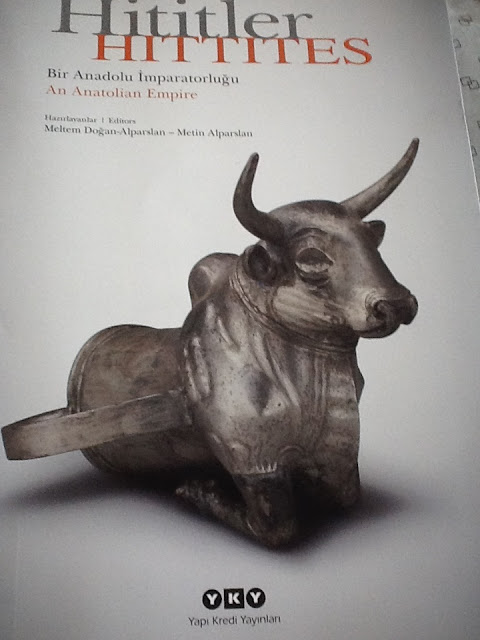
A voluminous book released in December 2013 with the title HITTITES gives lot of interesting information.

Salient features of the Civilization:

1.Hundreds of clay tablets were discovered in the early part of 20th century. Their texts included an account of training horses and a prayer to the Sky God pleading for relief from a plague epidemic. (The oldest archaeological evidence for Sanskrit language and Vedic deities – 1400 BCE—were discovered here)


2.Once clay tablet referred to the practice of sibling marriage (brother-sister marriage) that was common in Egypt and adjacent regions was hated by the Hittites and they declared it should be punishable by death.


  1. On another tablet the king complains of his son who was ambitious to accede to the throne, “Can one who thinks only of himself in this way really love Hattusa? and proclaims a ne heir apparent, instructing him to “Rule the great men of the country with compassion”.

(Hattusa was the capital city. This reminds us of the Puranic King Venan, Bengal King Simhabahu, who founded an empire in Sri Lanka and the Manu Neeti Choza who killed his own son for violating the rules)


4.Yet another clay tablet includes the advice: “If you sense someone’s treachery consult the Pankus:, impying the existence of the kind of council and making he Hittites the oldest constitutional kingdom in the world.

(My comments: The Rig Veda has reference to such Sabhas and Samitis. if we take the age of Vedas as 4500 BCE, suggested by Herman Jacobi and B G Tilak, then Hindus are the first to have constitutional assembly; later they developed into Five people council and Eight People Council in classical Tamil period and Classical Sanskrit literature; but we don’t have archaeological evidence).


  1. The most important of all the clay tablets is that bearing history’s first written treaty, concluded between the Hittites and Egyptians after the Battle of Kadesh, which ended without a conclusive victory for either side. According to this text the Egyptian pharaoh Ramses II and the Hittite King Hattusili III pledges to “maintain friendship, brotherhood and their great kingdoms’ against the common threat posed by the Kingdom of Assyria. From that time on the parties are to show mutual respect for the sovereignty of each, preserve amity between them for ever, and act in alliance against enemy attack. Prisoners and deserters were to be voluntarily and unconditionally returned without subjecting them to violent punishment, causing any tears to flow from their eyes, or taking revenge on their wives and children” This respect for human rights was the most significant characteristic distinguishing the Hittites from their neighbours in the Near East.”

(My comments: This treaty is wonderful indeed! This is the template now we use in all our International Treaties; but Hittites were not the first; Hindus were the first. Mahabharata and Ramayana have such treaties; Sangam Tamil Literature commentator Nacchinarkiniyar gives vital information about a Peace Treaty between the Sri Lankan King Ravana and a Tamil Pandya King. The treaty ‘signed; in front of Agni (Fire between Rama and Sugriva clearly says from this day onwards your enemy is my enemy and my friend is your friend as well; even in the same area Mitanni an kings made an agreement by quoting Rig Vedic deities; but once again we don’t have archaeological proof; but the Hittites had it).

Chasing the Ghost!

“A substantial body of Hittite magic rituals provides us with ample information on ceremonial rituals that served therapeutic and apotropaic purposes. These rituals were used to repel evil and remove impurity and they were performed at the client’s place. The ultimate cause of the client’s impurity could be demons, ghosts, witchcraft, slander, contact with impure substances, the transgression of taboos, or divine anger. The female expert that figures most prominently in the texts is called the ‘old woman’, while he best known male expert is the ‘diviner’.


Typical elements of Hittite magic rituals include a variety of symbolic actions and gestures. Evil and impurities were transferred to substitutes, such as figurines and animals. The substitutes could then be disposed of or driven away.


In one ritual, the evil affecting the patient is transferred on to a mouse: Tin is attached to the patient’s right hand and foot by means of a bowstring. The tin is then taken off and tied to the mouse with the bowstring. Then the performer of the ritual drives the mouse away and assigns it to two hostile demons that have to be soothed: “ I have taken away the evil from them. I have wrapped it around a mouse. Let this mouse carry it through the mountains, deep valleys, on long roads… Zarniza, Tarpatassa, you take it”.


This is one of the many types of rituals.


–Subham–


உன்னம், புதா, உளில், குரண்டம், கிலுக்கம், சென்னம் குணாலம்—கம்பன் தரும் பறவை லிஸ்ட் (Post No.3783)

Written by London swaminathan


Date: 3 APRIL 2017


Time uploaded in London:- 6-01 am


Post No. 3783


Pictures are taken from various sources; thanks.


contact; swami_48@yahoo.com


சீதையைத் தேடி அனுமன் இலங்கைக்குப் போனான்; எல்லோருக்கும் தெரிந்த விஷயம்தான். பெரிய கோட்டைச் சுவரைப் பார்த்தான், அகழியைப் பார்த்தான்; பொன் மயமான செல்வச் செழிப்புள்ள இலங்கையைக் கண்டான்; இதெல்லாம் நாம் பல முறை படித்த அல்லது சொற்பொழிவுகளில் செவிமடுத்த செய்திகளே. இதை மட்டும் கம்பனும் சொன்னால் அவனை நாம் மதிக்க மாட்டோம்; போகிறபோக்கில் அவன் சொல்லும் அறிவியல், உயிரியல், மானுடவியல், உளவியல், புவீஇ யல், புவிகர்ப்பவியல், சமயம், பண்பாடு, இசை, நடனம் என்று ஏராளமான செய்திகளையும் சேர்த்துச் சொல்லும் பாங்குதான் கம்பனைக் கொம்பனாக்குகிறது!


சோழ மன்னனிடம் கோபித்துக்கொண்டு “உண்டோ குரங்கேற்றுக் கொள்ளாத கொம்பு?” என்று சவால் விட்ட கொம்பன் அல்லவா அவன்!


இதோ பாருங்கள், இலங்கை ((நகர)) கோட்டையைச் சுற்றியுள்ள மூன்று அகழிகளில் அவன் கண்ட பறவைகளைப் போகிற போக்கில் அடுக்கி விடுகிறான். நீங்கள் கம்ப ராமாயண உரைகளைப் படித்தால் கூட இந்தப் பறவைகளை அடையாளம் சொல்ல முடியாது. ‘தமிழ் வாழ்க’ என்றெல்லாம் கூத்தாடுகிறோம்; கூச்சலிடு கிறோம்; ஆனால் இந்தப் பறவைகள் என்ன என்று ஸூவாலஜி (Zoology) ஆர்னிதாலஜி (Ornithology) படித்தவர்கள் கூட சொல்ல முடியாது. உண்மையில் தமிழை வளர்க்க விரும்புவோர் இவைகளை அறிவியல் முறையில் அணுகி கம்பராமாயணத்துக்கு ஒரு விஞ்ஞான   உரை எழுத வேண்டும்.

உன்னம், நாரை, மகன்றில், புதா, உளில்,

அன்மை, கோழி, வண்டானங்கள், ஆழிப்புள்

கின்னரம், குரண்டம், கிலுக்கம், சிரல்,

சென்னம், காகம், குணாலம் சிலம்புமே

–ஊர்தேடு படலம், சுந்தர காண்டம், கம்ப ராமாயணம்


பொருள்;

“உன்னம் போன்ற பறவைகள், நாரைகள், மகன்றில்கள், குருகுகள், உள்ளான்கள், அன்னங்கள், நீர்க் கோழிகள், பெருநாரைகள், சக்கரவாகப் பறவைகள் கின்னரங்கள், கொக்குகள், கிலுக்கங்கள், சிச்சிலி என்னும் பறவைகள், மீன்கொத்திப் பறவைகள், நீர்ப்பருந்துகள், நீர்க்காகங்கள், குணாலங்கள் ஆகிய பல்வகைப் பறவைகள் அவ்வகழியில் ஒலித்துக் கொண்டிருந்தன”.


உன்னம் -அன்னப் பறவைகளில் “ஒருவகை”;

புதா- குருகு;

உளில் – உள்ளான்;

வண்டானம்- பெருநாரை;

ஆழிப்புள் – சக்கரவாகப் பறவை;

மகன்றில்- அன்றிலில் “ஒரு வகை”;

கின்னரம் – நீர் வாழ்ப் பறவைகளில் “ஒருவகை”; ஆந்தையையும் இச் சொல் குறிக்கும்;

கிலுக்கம் – நீர் வாழ்ப்பறவைகளில் “ஒருவகை”;

சென்னம் – நீர்ப்பருந்து;

சிரல் – மீன்குத்தி;

குணாலம்- நீர் வாழ்ப்பறவைகளில் “ஒருவகை”;


இவ்வாறு சொல்லி உரைகாரர்கள் மழுப்பி விடுகிறார்கள் ‘ஒரு வகை’,’ ஒரு வகை’ என்றே எழுதிக்கொண்டு போனால் அது என்ன என்று சொல்ல வேண்டாமா?

பைபிளில் உள்ள தாவரங்கள், மிருகங்கள் பற்றி எல்லாம் நூறு ஆண்டுகளுக்கு முன்னரே படங்களுடன் புத்தகம் போட்டுவிட்டனர். நாமோ சங்க இலக்கியத்தில் வரும் தாவரங்கள், மிருகங்கள், அதே போல மற்ற இலக்கியங்களில் வரும் விஷயங்களுக்கு மழுப்பலாகவே உரை எழுதி வருகிறோம். கம்பனும் கதையை மட்டும் சொல்லிவிட்டுப் போயிருக்கலாமே. அகழியில் உள்ள இத்தனை வகை நீர்வாழ்ப் பறவைகளையும் எதற்குச் சொல்ல வேண்டும் ? அறிவியல் தமிழ் அழியாமல் பாதுகாக்கத்தானே அவன் இப்படி பட்டியல் போடுகிறான்.


இது போல அவன் சொல்லும் ஆயுத வகைகளை நாம் இனம் காண முடியவில்லை. முயன்று பார்த்தால்  —- தமிழ் அறிஞர்கள், விஞ்ஞானிகள் கூட்டு மாநாடு போட்டால்— இவைகளை தெள்ளிதின் விளக்கமுடியும்

(கபிலர் பாடிய குறிஞ்சிப் பாட்டிலுள்ள 99 தாவரங்களின் படங்கள், தாவரவியல் (botanical names) பெயர்களைக் கண்டேன்; அதில் சில பிழைகளும் குறைபாடுகளும் உள; ஆயினும் ஒரு சிலர் முயன்று அதைச் செய்திருப்பது பாராட்டுக்குறியது; தாவரவியலாளருடன் அமர்ந்தால் குறைகளை நீக்க முடியும்).

தமிழ் வாழ்க! கம்பன் புகழ் ஓங்குக!


ஒரே நாளில் விவாகரத்து செய்த ராணி- எகிப்திய அதிசயங்கள்- 26 (Post No.3781)

Written by London swaminathan


Date: 2 APRIL 2017


Time uploaded in London:- 14-00


Post No. 3781


Pictures are taken from various sources; thanks.


contact; swami_48@yahoo.com


இரண்டாம் ஆர்சினோ ARSINOE II (கி.மு.270)

தந்தை பெயர் முதலாம் டாலமி; தாயின் பெயர் பெர்னிஸ் (BERENICE I ).

இவள் முதலில் அலெக்ஸாண்டரின் வாரிசுகளில் ஒருவரை மணந்தாள்; அவர் பெயர் லிஸிமாகஸ் LYSIMACHUS . அவர் இறந்த பின்னர், டாலமி செரானஸ் PTOLEMY SERANUS  என்பவரை மணந்தாள். அவர் அந்தப் பெண்ணின் குழந்தைகளைக் கொலை செய்தார்; ஒரே நாளில் திருமணம் முறிந்தது. எகிப்துக்கு ஓடிவந்து தன்னுடைய சகோதரன் இரண்டாம் டாலமி பிலடெல்பஸை (PTOLEMY II PHILADELPHUS) கல்யாணம் செய்துகொண்டாள்.


மிகவும் புத்திசாலி; அரசாங்கப் பணிகளில் தீவிரப் பங்கேற்றாள்.; உயிர் வாழ்ந்த காலத்திலேயே தெய்வம் ஆக்கப்பட்டாள்.

மூன்றாம்  ஆர்சினோARSINOE III (கி.மு.221-205)


கணவரின் பெயர் நாலாம் டாலமி பிலோபேடர் (PTOLEMY IV PHILOPATOR) . அவர் தானே கடவுள் டயோனிஸிஸ் (DIONYSIS)  என்று சொன்னதை ஆர்சினோ ஏற்கவில்லை. ஆனால் அவள் மட்டும் தன் கனவில் ஐஸிஸ் (ISIS)  தேவதை வருவதாகச் சொன்னாள்!


அர்த்ததமா (ARTA TAMA) (கி.மு.1400-1390)


இவள் ஒரு இந்து அரசனின் புதல்வி. தற்போது துருக்கி- சிரியா என்ற பெயரிலுள்ள துலுக்க நாடுகள் முன்னர் மிட்டன்னி (MITANNI)  வம்ச இந்து அரசர்களின் கைகளில் இருந்தது. மன்னர்களின் பெயர்கள் தசரதன், பிரதர்தனன் என்று தூய சம்ஸ்கிருதத்தில் இருந்தன. அவர்கள் செய்த உடன்படிக்கையில் வேத கால தெய்வங்களின் பெயரில் சத்தியம் செய்து இருந்தனர். ஒரு மிட்டனி அரசனின் புதல்விதான் அர்த்ததாமா. அவளுடைய கணவர் பெயர் நாலாவது தட்மோசி (THUTMOSE IV)


பேனர் – இப் (BENER- IB (கி.மு.3100)

ஆஹா (AHA) என்ற மன்னரின் மனைவி. ஒரு பெட்டியில் கிடைத்த தந்தத்தில் இவளது பெயர் இருப்பதால் அந்த மன்னரின் மனைவியாக இருக்கலாம் என்று எகிப்தியவியலாளர் (EGYPTOLOGIST) கருதுவர்.

முதலாவது பெர்னிஸ்(BERENICE I (கி.மு.279)

டாலமி வம்சத்தை ஸ்தாபித்த முதலாம் டாலமியின் மனைவி. (PTOLEMY I SOTER) அவளுடைய மகன் இரண்டாம் டாலமி, தன்னுடைய தாயும் தந்தையும் தெய்வங்கள் என்று கி.மு.239-ல் பிறப்பித்த கனோபஸ் கட்டளையில் (CANOPUS DECREE) அறிவித்தார்.


பெட்  ரெஸ்ட் BETREST (கி.மு. 2925)

இவள் மன்னர் சமர கேதுவின் (SEMERKHET) தாய். மன்னர் அனட்ஜெப்பின் (ANEDJIB ஆனந்தஜீவி) மனைவி. 5000 ஆண்டுகளுக்கு முன்னரே மன்னரின் தாயார் பெயரரிக் கூட எழுதிவைத்திருப்பது அதிசயமே. பெண்வழி அரசு — அதாவது மகள் யாரை மனக்கிறாரோ அவரே அரசன் — என்ற முறை இருந்ததை இது காட்டும்.


பிண்ட் ஆனத் BINT- ANATH(கி.மு 1279-1213)

விந்த்யா அனந்த் என்ற இந்த ராணி நீண்ட காலம் அரசாண்ட இரண்டாம் ராமசெஸ்ஸின் (ரமேசன் அல்லது ராம சேஷன் RAMESSES II)முத்த மகள். அபு சிம்பெல் (ABU SIMBEL) கோவிலில் இவள் பெயர் பொறிக்கப்பட்டுள்ளது. முந்தைய மஹாராணி இறந்தவுடன் இவள் மஹாராணி ஆனார். இவளுடைய அழகிய சமாதி, VALLEY OF THE QUEENS மஹாராணி பள்ளத்தாக்கில் உள்ளது.


புனிபர் BUNEFER (புனிதவதி- கி.மு.2500


மன்னர் ஷெப்சிகாவின் (சிவசிகாமணி SHEPSHEKAF) மனைவி. நாலே ஆண்டுகளில் அந்த மன்னர் இறந்தவுடன், இவளே இறுதிச் சடங்குகளை நடத்தினாள். இது ஒரு அசாதாரணமான நிகழ்வு.

Picture: Valley of the Queens

இந்துக்களைப் போல எகிப்த்திலும் மன்னரின் மகனோ அல்லது நெருங்கிய உறவினரான ஒரு ஆணோதான் இறுதிச் சடங்குகளைச் செய்வர். அப்படியிருக்க இப்பெண்மணி, அந்திமக் கிரியைகளைச் செய்தது, இருவரிடையேயுள்ள நெருக்கத்தைக் காட்டுவதாக எகிப்தியவியலாளர் கருதுவர்.


இதற்கு முந்தைய ராணி! மஹாராணி!! என்ற கட்டுரையையும் படிக்கவும்.


–மேலும் பல மஹாராணிகளைத் தொடர்ந்து காண்போம்.


மஹாகவி பாரதியார் பற்றிய நூல்கள் – 27 (Post No.3780)

Written by S NAGARAJAN


Date: 2 April 2017


Time uploaded in London:-  11-23 am


Post No.3780


Pictures are taken from different sources; thanks.


contact: swami_48@yahoo.com


பாரதி இயல்


மஹாகவி பாரதியார் பற்றிய நூல்கள் – 27


பாரதியார் பற்றி நினைவு மஞ்சரியில் உ.வே.சாமிநாதையர்!


by ச.நாகராஜன்


    தமிழ்த் தாத்தா உ.வே.சாமிநாதையரின்.நினைவு  மஞ்சரி ஒரு அற்புதமான தொகுப்பு. அதில் முதல் பாகத்தில் பத்தாம் கட்டுரையில் வி.கிருஷ்ணசாமி ஐயர் பற்றி தனது குறிப்புகளை எழுதியுள்ளார். அதில் மஹாகவி பாரதியார் பற்றி வ்ரும் பகுதி சுவாரசியமானது. அதை கீழே காணலாம்..


ஒருநாள் சென்னை இராசதானிக் கலாசாலைத் தமிழ் மாணவர் சங்கக் கூட்டத்திற்கு அவர் தலைமை வகித்தார். காலஞ்சென்ற ஜி. ஏ. வைத்திய ராமையர் அன்று ‘தமிழின் பெருமை’ என்னும் விஷயத்தைப்பற்றிப் பேசினார். கிருஷ்ணசாமி ஐயர் தலைமை வகிப்பது தெரிந்து பலர் கூட்டத் திற்கு வந்திருந்தனர். ஸ்ரீ சுப்பிமணிய பாரதி யாரும் வந்திருந்தார்.

கிருஷ்ணசாமி ஐயர் என்ன பேசுவாரோ என்று யாவரும் ஆவலோடு எதிர்நோக்கி யிருந்தனர். சிலர், ‘இவர் மிழைப்பற்றி என்ன  பேசப் போகிறார்? ஸம்ஸ்கிருதத்தைப் பற்றி வேண்டு மானாற் பேசுவார்’ என்று நினைத்தார்கள். உபந்நியாசகர் பேசியபின்பு கிருஷ்ணசாமி ஐயர் பேசத்தொடங்கியபோது எல்லோரும் அவர் வாயையே பார்த்துக்கொண்டு இருந்தனர். அவர் பேசலானார்:

தமிழில் எத்தனை நூல்கள் இருக்கின்றன! திருவள்ளுவர் திருக்குறள் செய்த பாஷை இது; கம்பன் இராமாயணம் இயற்றியது இந்தப் பாஷை யிலே; நாயன்மார் தேவாரம் பாடிய பாஷை; மாணிக்கவாசகர் திருவாசகம் அருளிய பாஷை, ஆழ் வார்கள் திவ்யப்பிரபந்தம் பாடியதும் இதிலேதான். இந்தப் பாஷையின் பெருமைக்கு அளவேயில்லை” என்று தொடங்கி வரிசையாகக் கூறிக்கொண்டே சென்றார். அவருடைய பேச்சில் ஒரு பெருமிதமும் கம்பீரமும் இருந்தன. யாவரும் பிரமித்தனர். ஸ்ரீ சுப்பிரமணிய பாரதியார் அன்று அந்தப் பிரசங்கத் தைக் கேட்டுக் குதூகலத்தை அடைந்தார். அந்தப் பேச்சு அவர் உள்ளத்திலே ஒரு கிளர்ச்சியை உண்டாக்கியது; அதிலிருந்து ஒரு பாட்டுக்குரிய பொருளைக் கிரகித்துக் கொண்டார். தமிழ்நாட்டைப் பற்றி அந்த முறையிலே பாடவேண்டுமென்று அவ ருக்கு அன்று ஒரு கருத்து உண்டாயிற்றென்றே தோற்றுகின்றது.

கிருஷ்ணசாமி ஐயர் நம்முடைய நாட்டின் பெருமையை அமைத்து எளிய நடையில் ஆண் குழந்தை களும் பெண் குழந்தைகளும் பாடும் வண்ணம் சில பாட்டுக்கள் இயற்ற வேண்டுமென்று விரும்பினார். பலரிடம் தம் கருத்தை உரைத்து வந்தார்.

அந்தக் காலத்தில் சுப்பிரமணிய பாரதியார் அவருடைய பழக்கத்தைப் பெற்றிருந்தார். கிருஷ்ண சாமி ஐயர் பாரதியாரிடம் தம் கருத்தைத் தெரிவித் தார். பாரதியாருடைய காதில் கிருஷ்ணசாமி ஐயருடைய பழைய பிரசங்கம் ஒலித்துக்கொண்டே இருந்தது. அவர் தமிழ்ப் பாஷையைப்பற்றிச் சொன்னதைத் தழுவிப் பாரதியார் நாட்டைப்பற்றிப் பாடத் தொடங்கினார்.


செந்தமிழ் நாடென்னும் போதினிலே
இன்பத் தேன்வந்து பாயுது காதினிலே”


என்பது ஒரு செய்யுள்.

கம்பன் இராமயணம் செய்த பாஷை; திருவள்ளுவர் திருக்குறள் செய்த பாஷை’ என்று அன்று கூறியதைப் பாரதியார் சிறிது மாற்றி,

கல்வி சிறந்த தமிழ்நாடு – புகழ்க் கம்பன் பிறந்த தமிழ்நாடு – நல்ல பல்வித மாயின சாத்திரத் தின்மணம் பாரெங்கும் வீசுந் தமிழ்நாடு”


என்றும்,


வள்ளுவன் றன்னை யுலகினுக் கேதந்து வான்புகழ் கொண்ட தமிழ்நாடு – நெஞ்சை
அள்ளுஞ் சிலப்பதிகாரமென் றோமணி யாரம் படைத்த தமிழ்நாடு”


என்றும் பாடினார்.

இந்தப் பாட்டைக் கேட்டு இதில் தம்முடைய கருத்து அமைந்திருப்பதை அறிந்து கிருஷ்ணசாமி ஐயர் பெருமகிழ்ச்சியை அடைந்தார். பாரதி யாரைப் பின்னும் பல பாடல்களைப் பாடச்செய்து அவற்றைச்சேர்த்து ஆயிரக்கணக்கில் அச்சிடுவித்து இலவசமாக வழங்கச் செய்தார். சுப்பிரமணிய பாரதியாரை அக்காலத்திலே அறிந்து அவருடைய கவித்துவத்தைப் பாராட்டி ஆதரித்தவர்களுள் கிருஷ்ணசாமி ஐயர் முக்கியமானவர், பாரதியாருடைய கொள்கைகளிற் பலவற்றைக் கிருஷ்ணசாமி ஐயர் விரும்பாவிடினும் அவருடைய கவித்துவத்தில் ஈடுபட்டார்.

இவ்வாறே பலவேறு கொள்கைகளையும் பல வேறு பழ்க்கங்களையும் உடையவர்களாக இருப்பினும் தமிழ் முதலியவற்றில் அறிவுடையவரென்பது தெரிந்தால் மற்றவற்றையெல்லாம் மறந்து பாராட்டு வது கிருஷ்ணசாமி ஐயரது இயல்பு.


நினைவு மஞ்சரி நூலை முழுதுமாகப் படிக்க விரும்புவோர் கீழ்க்கண்ட தொடுப்பில் தரவிறக்கம் செய்து கொள்ளலாம்.

 http://www.projectmadurai.org/pm_etexts/utf8/pmuni0432.html


அதில் பத்தாம் கட்டுரையையும் முழுதுமாகப் படிக்கலாம்.


இந்த நினைவு  மஞ்சரி உள்ளிட்ட ஏராளமான நூல்களை வெளியிட்டுள்ள ப்ராஜக்ட் மதுரை என்ற தளம் அருமையான தளம். அதில் சிறந்த தமிழ் நூல்களைப் படிக்கலாம்; தரவிறக்கமும் செய்து கொள்ளலாம்.


இங்கு, இந்த நல்ல பணியைச் செய்த தமிழ் அன்பர்களுக்கு வாழ்த்தும் நன்றியும் சொல்ல வேண்டியது கடமை அல்லவா!

***


Hindu Sages and Hermitages in Kalidasa’s Works (Post No.3779)

Written by London swaminathan


Date: 1 April 2017


Time uploaded in London:- 16-27


Post No. 3779


Pictures are taken from various sources; thanks.


contact; swami_48@yahoo.com


Kalidasa is superb in describing the conditions of the Tapovanams (Ashram/Hermitage) in ancient India. He is very good in describing the appearance of Hindu seers and their penance. One would love to live in such a condition where there was peace everywhere. Even the animals who have natural enmity between themselves behaved very well. He portrays seers who are not Brahmins as well. He shows us some women seers too.


From his seven works, we come to know that people from other castes also did penance and they had obtained equal power. We have such examples earlier in our epics in the characters of Viswamitra, Vrtra of Rig Veda, Ravana and others.


In the Valmiki Ramayana and Raghuvamsa (of Kalidasa) we have two examples: one who cursed Dasaratha because he shot down his son mistaking him for an elephant. Another one at the end of the book, who was doing penance hanging upside down. All these portrayals explode the myths of Aryan, Dravidian divisions. Everyone could do penance and obtain powers. Women also did penance as we see in Vikrama Urvasiyam and Kumarasambhava.

Here below are some quotations from his books:-


Sakuntalam Act I

King:“Suta, urge the horses on and let us purify ourselves with a sight of the holy Hermitage.

Suta: As your Gracious Majesty orders

King: Suta, even without being told, it is palin that we are now at the outskirts of the penance-groves.

Suta: How can you tell, my lord?

King: Do you not see, sir? Right here:

Grains of wilde rice fallen from tree-hollows

where parrots nest, lie scattered under trees;

those stones here look moist, glossy, from the oil

of Ingudi-nuts split and pounded on them;

all around, deer browse in their tranquil haunts,

unafraid of the chariot’s approach; yonder,

droops of water dripping off the edgs of bark-garments

in long line, trace the paths to pools and streams.

and you see futher

Rippling beneath a passing breeze, waters flow

in deep channels to have the roots of trees;

smoke drifts up from oblations to the Sacred Fire

to dim the soft sheen of tender leaf buds;

free from fear, fawns browse lazily in meadows

beyond where Darbha shoots are closely cropped”


This brings us a picture of their simple life. No electricity, no tansport, no mobile internet or TV or Radio! A world full of peace and happiness.

Later Shakuntala , the forest beauty, shows all her love and affection towards he plants and animals in the forest.


Act II of Sakuntalam has another beautiful description of the forest and the hermits:-

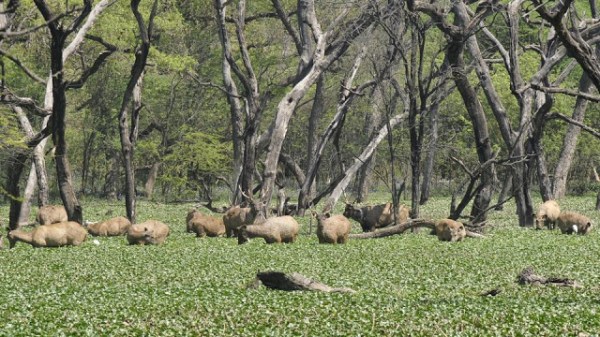
King: “Let bisons plunge into forest-pools and revel splashing,

striking the water repeatedly with their mighty horns;

let the herds of antelopes clustering in groups in the shade,

chew the cud undisturbed;

and let wild boars lining up round puddles

where the marsh-sedge grows fragrant, root peacefully in the mud

and let this my bow with its loose-knotted string

be allowed to enjoy its well-earned repose.


Like sun-crystals cool to the touch

vomit fiery sparks from deep wthin

if struck by another luminous power,

so, hermit’s rich in holiness

in whom Tranquillity presides,

have hidden deep a blazing energy

that leaps out to burn when aroused.

xxx


From his Raghuvamsa Kavya,

While the glades are darkening litters of wild boars are coming up from ponds, peacocks are turning towards the trees of their habitation, herds of deer are settling on swards – seeing such back-to-home scenes DilIpa too advanced homewards. [2-17]

xxx

Oh proud lady, this is that pleasure-lake named pacnha-apsara of sage shAtakarNi, which is surrounded with woods, and which appears, on account of the great distance, like the orb of the moon vaguely seen from among the clouds. [13-38]


Here is the unexcelled ascetic by name sage sutIkShNa, a self-controlled in his action practising asceticism in the centre of five-fires, namely four well-fuelled fires around him and the seven-horsed one, namely the Sun, scorching the forehead as the fifth fire in five-fire method of ascesis. [13-41]


Here that sage sutIkShna lifting up his right arm aloft, which has a rosary of rudrAkSha-s for a bracelet, which scratches the deer, and which cuts the sharp needle-ends of kusha-grass, favourably greeted my arrival at his place. [13-43]


This sage is a constant sun-gazer and there occurred a momentary disturbance in his gaze when an aircraft passed before his sight; then nodding at my salutation, for he bridles his speech, he again fixed his sight on the thousand-rayed sun.  [13-44]


This sanctifying penance-grove which is the refuge of every-body belongs to the sage named Sharabhanga who kept sacred fire and who having propitiated it with the sacred sticks for a long time ultimately offered his own body sanctified with hymns into that ritual fire. [13-45]


Now, after Sharabhanga had immolated himself, the task of according hospitality to guests devolved upon the trees of hermitage which were, as it were, the well behaved sons of the sage that removed the fatigue of a journey by offering their shade and that afford abundant fruits of any cherish. [13-46]


Oh, curvaceous lady, this chitrakUTa mountain with its mouth of a valley sending forth gurgling sounds of rapids, mud-like rainclouds attached to its horn-like apices, thus resembling a proudish bull whose cavern mouth sends forth a continuous bellowing and the tips of whose horns are smeared with mud dug up while indulging in butting against the side of a mountain, rivets my sight. [13-47]

xxx


Sages don’t waste their energy by cursing:

Beholding Rama on throne, the sages did not strike at the demon with their yogic-power; for, it is only in the absence of a protector that the curse-armed ones spend their asceticism. [15-3]

xxx


Shudra doing penance


Now, the descendant of Ikshvaku saw a certain individual practising asceticism, with bloodshot eyes from smoke, dangling upside down from the branch of a tree. [15-49]


On coming to conclusion that this individual deserved execution for his unauthorised performance of asceticism that resulted calamitous to other subjects, then the controller Rama took up his weapon. [15-51]

Rama caused his head, on which the beard and moustache have been singed by the sparks of fire and which therefore resembled a frostbitten lotus with smudged filaments, to be lopped off from the tube-like throat. [15-52]

xxx

Earlier Dasaratha was cursed by a Shudra saint that he would also die of longing for his son.

xxx

From Kumarasambhava (Canto V.15/17)


Now let us turn to Kumarasambhava Kavya of Kalidasa:

“And the fawns, fondled by being given handfuls of forest grain, trusted her (UMA) so far, that out of curiosity she could measure the length of her own eyes with theirs before her friends.


“Sages came there, desirous of seeing her, who used to take a sacred bath, to offer oblations to the fire, to wear a bark as her upper garment, and to recite sacred texts; age is no consideration in the case of those who are old in spiritual attainments.


“The sacred grove, too, became holy, where the previous antipathy between warring beasts was abandoned, where the guests were well gratified with the gifts of desired fruit by the trees, and where the sacred fires were kindled in newly built huts of leaves”


One more couplet (V-33)


Uma is asked:

“Are sacrificial wood and Kusa grass easily obtainable for holy rites? is the water suitable for your bathing? And do you practise austerities proportionate to your strength? For your body is the ultimate means of performing religious duties”


This shows not all the people are expected to severe penance. It should be proportionate to one’s physical and mental capacity. But women are also allowed to do penance.


There are many more remarks about the penance, penance- groves and seers and sages. My above quotations were only examples to show the attitude of commoners and kings towards sage and their dwelling places.

(For Kalidasa’s works, I have used various English translations–swami)

–Subham–


காளிதாசன் கண்ட அற்புதத் தபோவனக் காடுகள்! (Post No.3778)

Written by London swaminathan


Date: 1 April 2017


Time uploaded in London:- 13-46


Post No. 3778


Pictures are taken from various sources; thanks.


contact; swami_48@yahoo.com


உலகப் புகழ்பெற்ற கவிஞன் காளிதாசன் தனது ஏழு இலக்கியப் படைப்புகளில் தவ முனிவர்களையும் , அவர்கள் வசிக்கும் தபோவனங்களையும் அற்புதமாக வருணித்துள்ளான். அவைகளைப் படிக்கையில் நாமும் அக்கால முனிவர்கள் வாழ்ந்த காடுகளுக்குச் சென்று, அமைதியான ஆசிரம வாழ்க்கை வாழமாட்டோமா என்ற ஏக்கம் ஏற்படும்.


அவர் சொல்லுவதைப் பார்ப்பதற்கு முன், மின்சார விளக்குகளோ சாலைப் போக்குவரத்து வசதிகளோ, இன்டெர்நெட், மொபைல் வசதிகளோ, ரேடியோ, டெலிவிஷன், டெலிபோன் வசதிகளோ இல்லாத ஒரு அமைதியான காடுகளை நம் மனக் கண்முன் கொண்டு வர வேண்டும்.  அது சண்டை சச்சரவுகள் இல்லாத உலகம். மானும், புலியும் ஒரேதுறையில் பகைமை பாராட்டாது நீர் குடிக்கும் சாந்தி நிலவும் ஒரு உலகம். இதோ காளிதாசன் வாய்மொழியாக அவைகளைக் கேட்போம்:-


“சாதகர்ணி என்ற முனிவரின் ஆசிரமம் அடர்ந்த காட்டுக்கு நடுவே இருந்ததாகவும் நான்கு புறங்களும் மேகம் சூழ நடுவேயுள்ள சந்திரன் போல அவருடைய ஆஸ்ரமம் ஜொலித்ததாகவும்” ரகு வம்ச கவியத்தில் கூறுகிறார் (13-39)


இன்னும் கொஞ்ச தூரத்தில் சுதீக்ஷ்ணர் என்பவர் ‘பஞ்சாக்னி’ (FIVE FIRES) தவம் செய்கிறார். அதாவது நாலு புறமும் விறகுகளை வைத்து எரிமூட்டி நடுவில் நின்று கொண்டு சூரியனைப் பார்த்து தவம் செய்கிறார். அவர் ‘பெயரில்’ கடுமை இருந்தாலும் செயலில் சாந்தம் மிக்கவர்.(13-41)


அவர் ருத்ராக்ஷம் அணிந்து மான்களைத் தடவிக் கொடுக்கிறார். யாகத்திற்கு வேண்டிய தர்ப்பைப் புல் முதலியவற்றைக் கொண்டு வருகிறார். நான் மேலே பறந்து செல்லுவதை அறிந்து, அவர் கைகளை உயரே உயர்த்தி வணக்கம் சொல்லுகிறார். ஆயினும் மவுனத்தைக் கடைப்பிடிக்கிறார் (13-42)


அதோ,  அது சரபங்க முனிவரின் ஆசிரமம். அவர் சமித்துக் குச்சிகளால் வெகு காலம் ஹோமம் செய்துவிட்டுத் தன்னையே ஹோமத் தீயில் ஆகுதி செய்து மேலுலகம் சென்றார் அவருடைய தபோவனம் தூய்மையானது. இது மிருகங்களின் சரணாலயம்; அவை இயற்கைப் பகையைவிட்டு சாந்தமாக உலவும் இடம் இது. (13-45)


அவர் விருந்தாளிகளை நன்கு உபசரிப்பார்.  இப்போது அவர் இல்லாவிடினும் தந்தை விட்டுச் சென்ற  நற்பணியை, அவரது மகன்கள் செய்வது போல, அவரால் வளர்க்கப்பட்ட இம்மரங்கள் பழங்களை அளித்து அதிதி பூஜை (விருந்து  உபசாரம்) செய்கின்றன!


இதோ அதுதான் சித்திரகூட மலை. அங்குள்ள நீர்வீழ்ச்சிகள் எழுப்பும் ஓசை, அதிலுள்ளை குகைகளில் எப்போதும் எதிரொலி செய்த்கொண்டே இருக்கின்றன. சிகரங்களின் உச்சியில் மேகங்கள் தவழ்வது, ஒரு மாட்டின் கால்களில் சேறு பூசியது போல காணப்படுகிறது (13-47)


அந்த மலை ஒரு எருது போலக் காட்சி தருகிறது (காளை மாடுகள் மணல் மேடுகளில் கொம்புகளினால் முட்டி சேற்றுடன் காணப்படும். அதை மனதில் கொண்டு கவி இப்படிச் சொன்னார் போலும்)


குமார சம்பவ காவியத்தில் சப்தரிஷிகளை வருணிக்கையில் அவர்கள் முத்துச் சரங்களால் ஆன பூணூல்களை அணிந்து தங் கத்தினாலான மரவுரிகளை அணிந்திருந்ததாகக் கூறுகிறார். அவர்கள் வைத்திருந்த ஜபமாலைகள் ரத்தினக் கற்களால் ஆனவையாம் (6-6)


காட்டில் தவம் செய்ய, பார்வதி (உமா) , தனது தோழி மூலமாக தந்தையிடம் அனுமதிகேட்டதாகவும் காளிதாசன் பாடுகிறான் (5-6)

குமாரசம்பவத்தில் மேலும் ஒரு துறவியைக் காட்டுகிறான். சடைமுடியுடன் ஒரு யோகி வருகிறார். அவர் மான் தோல் அணிந்தவர். பலாச தண்டம் கையில் ஏந்தி இருந்தார். பிரம்ம தேஜஸுடன் காணப்பட்டார். ஒரு பிரமச்சாரி போல தபோவனத்துக்குள் நுழைந்தார். உமாவும் அவரைத் தக்கபடி உபசரித்தாள். (5-30)


அந்தக் காலத்தில் மக்கள் பல்வேறு விதமாகத் தவம் இயற்றியதையும் காளிதாசன் படம்பிடித்துக் காட்டுகிறான்:

“புகையினால் மிகச்சிவந்த கண்களை உடையவனும் , கால்களால் மரக்கிளைகளைப் பிடித்துக் கொண்டிருப்பவ்னும், கீழ்நோக்கிய முகம் உடையவனுமான ஒருவனை ராமர் பார்த்தார்”. (ரகு 15-49)

ராமாயண காலத்திலேயே ஒருவன் கீழே தீயை மூட்டி அதில் முகத்தைக் காட்டியவாறு, தலை கீழாக தொங்கிக் கொண்டு தவம் செய்ததை இது காட்டுகிறது.


ஒரு முனிவர் யாரையாவது சாபம் இட்டால் அவருடைய தவ வலிமை (POWER AND ENERGY தபோ சக்தி) குறைந்து விடும் என்ற உண்மையை ரகு வம்சத்தில் எடுத்துரைப்பான் காளிதாசன் (15-3):


ராமனை பார்த்தவுடன் அவனே அசுரனைக் கொன்றுவிடுவான் என்பது முனிவர்களுக்குத் தெரிந்தது:–

“லவணன் என்ற அசுரனால் துன்புறுத்தப்பட்ட மஹரிஷிகள் தங்களுடைய தேஜசினால் (தவ வலிமை) அவனை வீழ்த்தவில்லை ஏனெனில் ரக்ஷகன் இல்லாதபோதுதான் சாபத்தை ஆயுதமாகக் கொண்ட ரிஷிகள் அவர்களுடைய தவத்தைச் செலவழிப்ப்ர் ” (15-3)


பிராமணரல்லாதாரும், அசுரர்களும் கூட தவம் செய்து வரம் பெற்ற கதைகள் புராணம், இதிஹாசம் முழுதும் இருக்கின்றன. ஆரிய திராவிட வாதம் பொய் என்பதற்கு இவை நல்ல சான்றுகள். தசரதன் காட்டிற்கு வேட்டையாடச் சென்றபோது, ஒரு யானை தண்ணீர் குடிக்கிறது என்று எண்ணி அம்புவிட்டான. ஆனால் அதுவோ ஒரு சூத்திர முனிவருடைய புதல்வன், குடத்தில் நதி நீரை எடுத்தபோது எற்பட்ட ஓசை ஆகும். உடனே தசரதன் அவனை தாய் தந்தையிரிடம் எடுத்துச் செல்ல, அந்த முனிகுமாரன் இறந்து விடுகிறான். அப்போது அந்த வயதான முனிவர், நீயும் புத்திரசோகத்தால் இறப்பாய் என்று தசரதனுக்குச் சாபம் தருகிறார். இதிலிருந்து சூத்திர முனிவர்கள், ஆதிகாலத்தில் இருந்ததும் அவர்களும் சாபம் இட முடியும் என்பதும் தெரிகிறது. வால்மீகி சொன்ன இவ்விஷயத்தைக் காளிதாசனும் சொல்கிறான் (ரகு. 9-46/49)


எல்லோரும் எல்லாம் செய்யக்கூடாது, செய்ய முடியாது என்பதையும் குமார சம்பவத்தில் (5-33/34) காட்டுகிறான்.

உமாவிடம்  புதிய துறவி கேட்கிறார்:

“காட்டில் தர்ப்பைப் புல்லும், யாகத்திற்கான மரக்குச்சிகளும் எளிதில் கிடைக்கிறதா?  குளிப்பதற்கேற்ற நீர் உள்ளதா? உன்னுடைய உடல் தாங்கக்கூடிய வகையில் தவம் செய்கிறாயா? உடலை வைத்துத் தான் சமயச் சடங்குகளைச் செய்யமுடியும்” (சுவரை வைத்துத்தான் சித்திரம்). அந்த நேரத்தில் உமாவின் கைகளிலிருந்து மான்கள் புல்லை வாங்கிச் சாப்பிட்டதையும் காளிதாசன் பாடுகிறான்.

ஆக இரண்டாயிரம் ஆண்டுகளுக்கு முன்னரே பெண்களும் தவம் செய்தனர். அதை ஒரு அதிசய நிகழ்ச்சியாகச் சொல்லாமல் சாதாரண நிகழ்வாகவே செப்புகிறான்


குமார சம்பவத்தில் வரும் ஆசிரமக் காட்சி (5-17):–

அந்த வனம் புனிதம் நிறைந்தது; போரிடும் மிருகங்கள் சண்டை போடுவதைக் கைவிட்டுத் திரிந்தன. வந்த விருந்தாளிகளுக்குத் தேவைப்பட்ட பழங்களை மரங்களே தந்து, அவர்களை உபசரித்தன. புதிதாக வேயப்பட்ட இலைகள் உடைய பர்ண சாலைகளில் யாகத் தீ கொழுந்து விட்டு எரிந்தது.

இந்தக் காட்சி சாந்தம் தவழும் சூழ்நிலையை ஓவியம் போலக் காட்டுகிறது.


வசிட்டரின் ஆசிரமத்துக்குச் சென்ற திலீபன் கண்ட காட்சிகள் (ரகு.2-17/18):——

“காட்டுப் பன்றிகள், அங்குள்ள நீர்ச் சுனைகளில் நின்று கொண்டிருந்தன. மயில் கூட்டம் மரங்களை நோக்கிப் பறந்தன; மான்கள் புற்களை மேய்ந்து கொண்டிருந்தன. முனிவர்கள் ‘இங்குடி’ மர விதைகளை உடைத்து அதிலிருந்து எண்ணை எடுத்து விளக்கேற்றினர்”.


இவ்வாறு பலவகை முனிவர்கள், பெண் துறவிகள், காட்டிடை உள்ள ஆசிரமங்களின் வருணனை, காளிதாசனின் படைப்புகளில் பல இடங்களில் உள்ளன. பழங்கால முனிவர்கள், அமைதி தவழும் காடுகளுக்கிடையே எப்படி வாழ்ந்தனர் என்பதை நாம் இவற்றிலிருந்து அறிகிறோம்.

சாகுந்தலம் நாடகம்


இதே போல கண்வர் ஆசிரமக் காட்சிகள், சாகுந்தல நாடகத்தில் வருகின்றன.

சாகுந்தலம் நாடகம் முதல் காட்சி:

“நாம் ஒரு தபோவனத்தின் எல்லையில் நிற்கிறோம் என்பது சொல்லாமலே விளங்கும்; மரப் பொந்துகளிலிருந்து காட்டு அரிசி தானியங்கள் உதிரந்திருப்பதைப் பார்க்கவில்லையா? அவைதான் கிளிகளின் கூடுகள்; அதோ பார்; அந்தக் கற்கள் எண்ணை பூசியது போல பளபளவென மின்னுகிறது. அதில்தான் தவ முனிவர்கள் இங்குடிக் கொட்டைகளை நசுக்கி இங்குடி எண்ணை எடுத்துள்ளனர். ந ம்முடைய ரதங்கள் வந்த சப்தத்தையும் பொருட்படுத்தாமல் மான்கள் புற்களை மேய்கின்றன; அதோ தொலைவில் கயிற்றில் உலர்த்துவதற்காகத் தொங்கவிடப்பட்டுள்ள மர உரிகளில் இருந்து தண்ணீர் சொட்டிக் கொண்டு இருக்கிறது.


“இன்னும் கொஞ்சம் தள்ளிப் பார்; மரங்களைச் சுற்றி வாய்க்கால் வெட்டி நீர் பாயும்படி செய்துள்ளனர். இலைகளின் பசுமையை மறைக்கும்படி ஹோமப் புகை வந்து கொண்டிருக்கிறது மான்கள் கொஞ்சமும் அச்சமின்றி மேய்ந்து கொண்டிருக்கின்றன. தர்பைப் புல் அழகாக வெட்டி விடப்பட்டுள்ளது.”

காட்சி இரண்டில் வரும் வருணனை:

“இதோ ஆச்ரமத்தின் அருகில் வந்துவிட்டோம்; காட்டெருமைகள் காட்டின் சுனைகளில் இறங்கி விளையாடட்டும்;   அவை கொம்புகளால் நீரை, வாரி இறைக்கின்றன.  மரத்தடியில் கூட்டம் கூட்டமாக நிற்கும் மான்கள் மென்று தின்று அசை போடட்டும். வாசனை மிகுந்த கிழங்குகள் விளையும் அந்த சதுப்பு நிலத்தில் காட்டுப் பன்றிகள் தண்ணீரில் விழுந்து புரளட்டும்


மேலும்,

“சூரிய காந்தக்கற்கள் தொடுவதற்குக்

குளுமையய் இருக்கும்; ஆனால் அதனுள்ளே

வெப்பம் மறைந்திருக்கும்; மற்றொரு ஒளி அதன் மீது விழவே அவை வெப்பத்தை உமிழும்; அது போலத்தான் தவ சீலர்களும்;

சாந்தமே உருவானவர்கள்; அவர்கள் உல்லத்தே தவத்தின்

சக்தி — ஞானத் தீ – உளது; அதைத் தூண்டும் போது, அது கொழுந்து விட்டு எரியும்.”

இப்படி முழுக்க முழுக்க காட்டின் வருணனையும் தவ சீலர்களின் குணங்களும் புகழப்படுகின்றது.

சகுந்தலை வரும் காட்சிகளில் அவள் எப்படி மான்களுக்கும் பறவைகளுக்கும் உணவு படைக்கிறாள்; மரங்களையும் கொடிகளையும் உடன்பிறவாச் சகோதரிகள் போல கவனிக்கிறாள் என்று அற்புதமாக வருணிப்பான் காளிதாசன்.

விக்ரம ஊர்வசீய நாடகத்திலும் இக்காட்சிகளைக் காணலாம். அங்கே பெண் துறவியரின் தோற்றம்மும் குணங்களும் நம்மைக் கவரும்..

அவைகளைப் படிக்கையில் பழங்கால பாரதத்தின் புகழ்மிகு சித்திரம் நம் மனக் கண் முன்னே தோன்றும்!

–சுபம்–


How to Cultivate the State of Contentment and Mental State of Appreciation? (Post No.3777)

Written by S NAGARAJAN


Date: 1 April 2017


Time uploaded in London:-  5-43 am


Post No.3777


Pictures are taken from different sources; thanks.


contact: swami_48@yahoo.com


We often feel that why should bad things happen to us alone? What wrong we did? Why all others are happy and why are we not contented?

How to attain the greater good?

How to cultivate the State of Contentment?

How to cultivate the Mental State of Appreciation?

The great scholar Christian D Larson (1874-1954) in his book ‘Thinking for Results’ gives us the fitting answers.

These are all secrets given in a capsule form. We have to apply our mind and with eagerness we have to learn and master the simple yet fruitful techniques.

To attain greater good:-

Adopt yourself to everything and everybody with a view of securing united action for greater good. You will thus continue in perfect harmony and you will cause every action that may result from your efforts to work directly for the production of the results you have in view.

To cultivate the state of contentment: –
To cultivate the state of contentment we should live in the conviction that all things are working together for good, and that what is best for us now is coming to us now. The truth is that if we are trying to make all things work together for good, and live in the faith that we can, we actually will so order things in our life that all things will work together for good. And what comes to us every day will be the very best for us that day. When we live, think and act in this manner we shall soon find that the best is daily coming to us, and that the best of each day is better than that of the day preceding. The result will be perfect contentment.

To cultivate the mental state of appreciation: –

To cultivate the mental state of appreciation we should eliminate all tendency to fault finding, criticism and the like, and we should make a special effort to see the worthy qualities in everything and everybody with which we come in contact. The result of such a practice will not only be a better appreciation with a deeper insight into the superior qualities of life, but also the building of a more wholesome mind. Realizing the value of appreciation, we should whenever we discover a lack of appreciation in ourselves, proceed at once to remove the cause.

Now we know the correct ways to cultivate our mind in proper perspective. Let us try and achieve the ultimate mental statement of contentment.

This is the benefit we gain from scientific thinking.

***