Don’t Tax Brahmins: Manu’s Warning! (Post No.3347)

Research article written by London Swaminathan

Date: 12 November 2016


Time uploaded in London: 8-16 AM


Post No.3347


Pictures are taken from various sources; they are representational only; thanks.


contact; swami_48@yahoo.com


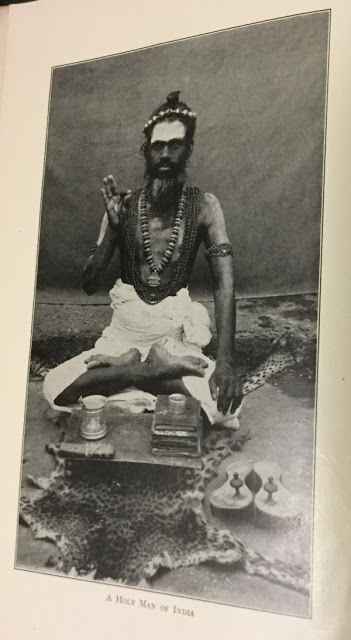
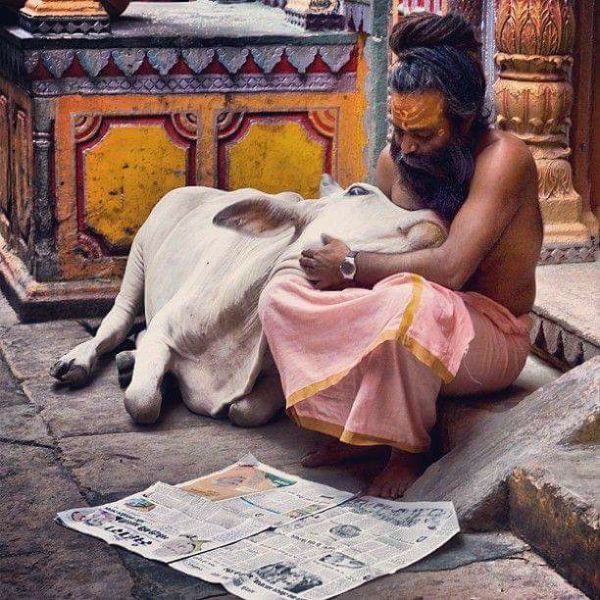
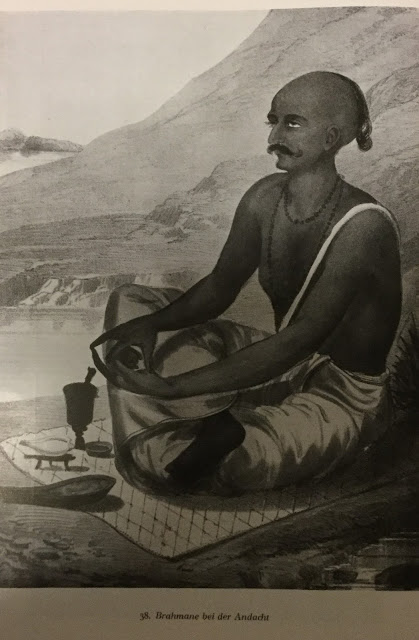
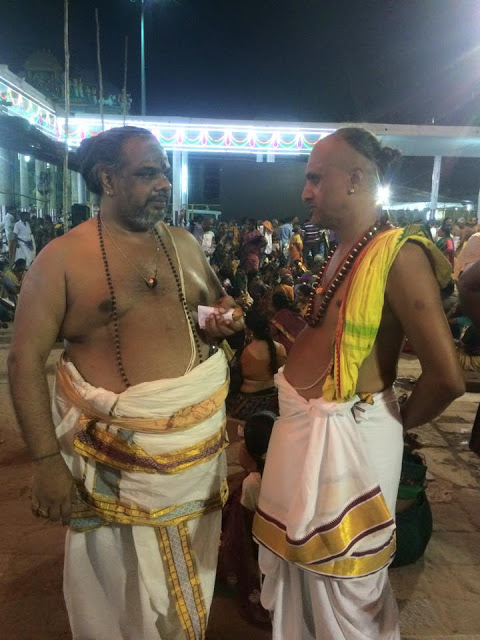
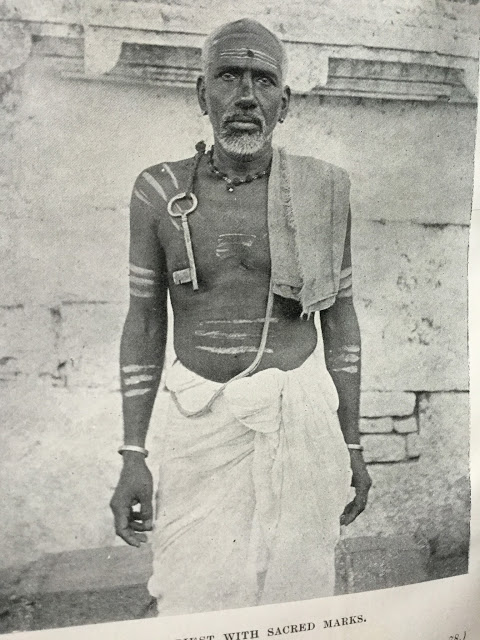
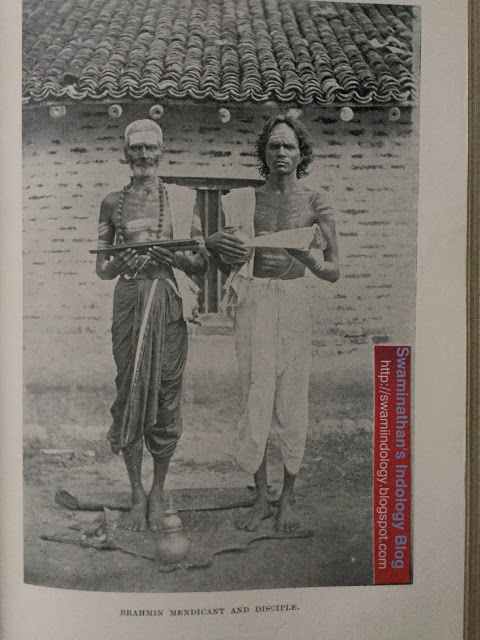
Manu in his Manava Dharmasastra gives lot of concessions to Brahmins. At the same time he lays down very strict rules for the Brahmins. He asks the kings nit to tax the Brahmins. Chapter seven of the book contains rules regarding taxation; we get precise rates of taxation from Kautilya’s Arthasastra. But that is a book on Economics. Though Manu also mentions the proportion of tax in some of his couplets, it is not very comprehensive.


Here are some interesting couplets on taxation:

Even if he is dying of hunger, a king must not take taxes from a priest who knows his Veda by heart and no priest who knows his Veda by heart living in his territory should faint with hunger (7-133)


If a priest who knows his Veda by heart faints with hunger, the kingdom of the king in whose territory he lives will also soon faint with hunger (7-134)


The king should always establish the taxes in his kingdom after due consideration, in such a way that both the king and the man are rewarded 7-128

Leech, Calf and Bee

Just as the leech, the calf and the bee eat their food little by little, so the king should take the early taxes from the people little by little 7-129


The king should take a fiftieth part of livestock and god and an eighth or a sixth or a twelfth of crops.7-130


My comments:-

We may think that Manu is unbalanced in his views. But if we replace the word Brahmins with the word “Intellectuals”, then we will understand the significance of his rule. Poor Intellectuals, if exempted from taxes, will work more efficiently to elevate the society.

Thousands of Tamil inscriptions and epigraphs on land donations to Brahmins and the temples talk about the exemption of taxes to Brahmins. So we know that Manu’s laws regarding Tax exemption were followed by the kings for a very long time.

The simile of leech, calf and bee allows us to give a new interpretation: If one is wealthy suck his blood, that means take more tax. We do see such things in most of the countries the rich are taxed up to 60%. If one belongs to the middle income group, be a calf in taxing. If someone is poor be a bee to him.


Tamil Veda Tirukkural says don’t tax the people like a robber (Kural 552)


A sceptered king demanding illegitimate gifts or exhorting taxes beyond approved limit

Is like an armed robber relieving wayfarers of their belongings. (Kural 552)


Kalidasa says be a sun when you tax the people. Take the water with your thousand hands (rays) and return it with million drops of rain (benefits) in his Raghuvamsa Kavya(1-18)

Taxation in Sangam Tamil Literature

Sangam Tamil literature gives details of import tax. When goods were brought in from foreign countries they were taxed.

Pisiranthaiyar, a famous Tamil poet advises his king Panyan Arivudai Nambi to follow moderation in taxing. He gives a beautiful simile to emphasize his point.

If an elephant is fed with cooked food mouth by mouth from a small patch of land, the harvested grains will last for many months. If the same elephant is allowed to graze the fields larger in size, there will be more wastage than the food it took. The crops will be crushed under its feet and left wasted. So be wise in taxing the people. Don’t crush them under your feet like a rash elephant. Take it little by little.(Puram 184)

Later day Tamil inscriptions gives a long list of different taxes.

–Subham-


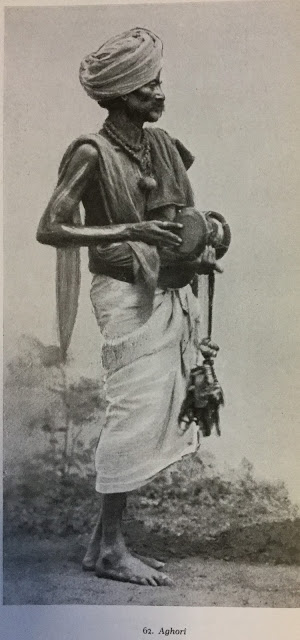
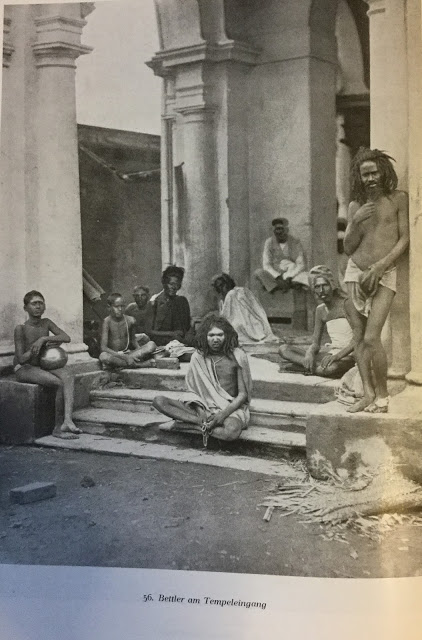
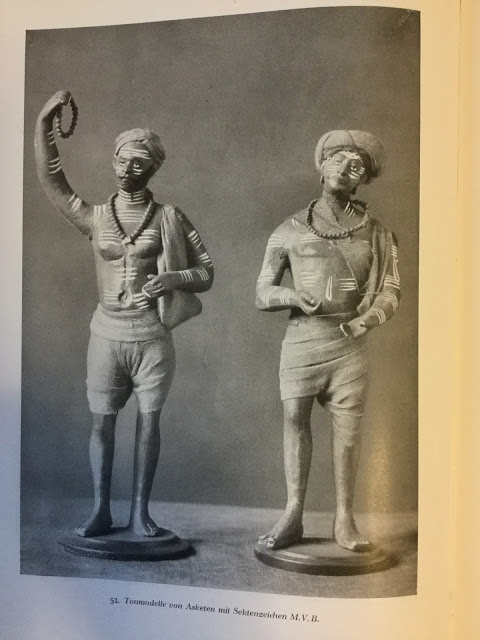
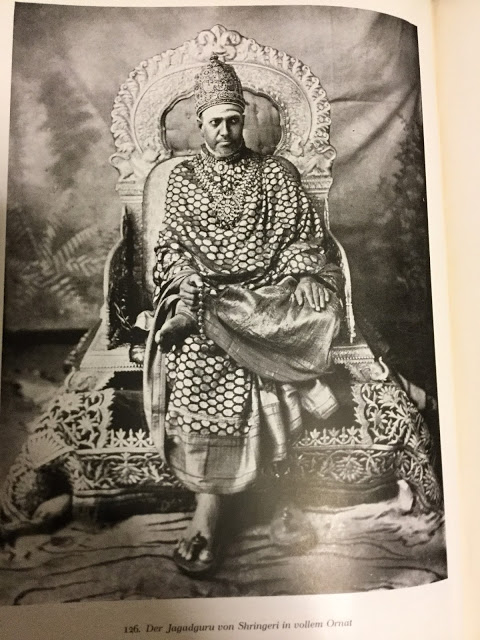
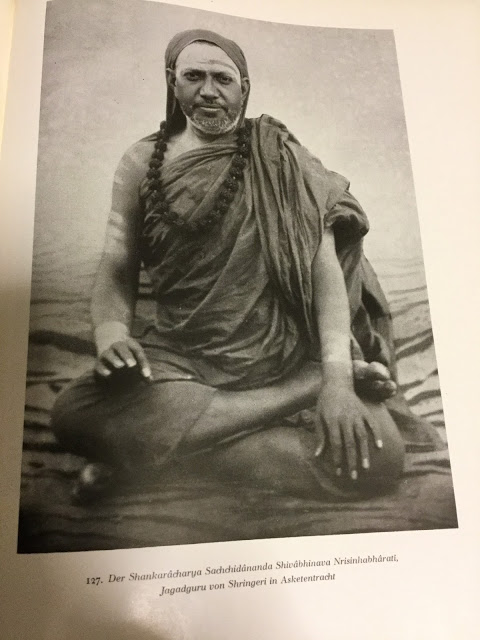
Rare Pictures of Hindu Yogis, Saints, Aghoris, ascetics from a German book (Post No.3346)

Compiled by London Swaminathan


Date: 12 November 2016


Time uploaded in London: 6-16 AM


Post No.3346


Pictures are taken from various sources; they are representational only; thanks.


contact; swami_48@yahoo.com


\


மீண்டும் திறக்கப்பட்ட ஏசு கிறிஸ்துவின் கல்லறை! (Post No3345)

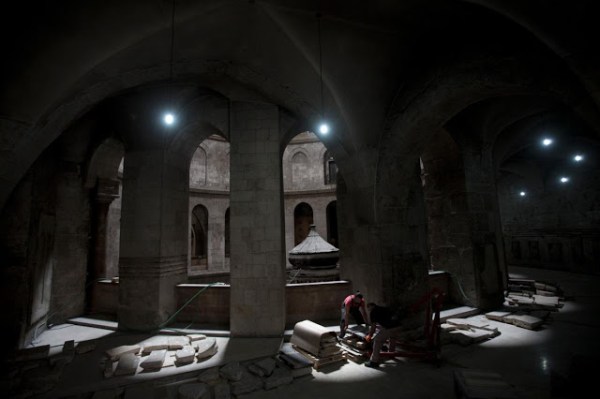
புனித கல்லறை, ஜெருசலம்


WRITTEN by S NAGARAJAN


Date: 12 November 2016


Time uploaded in London: 4-59 AM


Post No.3345


Pictures are taken from various sources; they are representational only; thanks.


contact; swami_48@yahoo.com


பாக்யா இதழில் வெளி வந்துள்ள கட்டுரை


பல  நூற்றாண்டுகளுக்குப் பின்னர் திறக்கப்பட்ட ஏசு


கிறிஸ்துவின் கல்லறை!


ச.நாகராஜன்


புனிதர் ஏசு கிறிஸ்துவின் கல்லறை கி.பி.1555ஆம் ஆண்டுக்கு முன்னரே அதன் மூடப்பட்ட ஒரிஜினல் கல்லின் மீது புதிதாகச்  சலவைக் கற்கள் வைக்கப்பட்டு மூடப்பட்டது என்பது வரலாற்றுச் செய்தி.


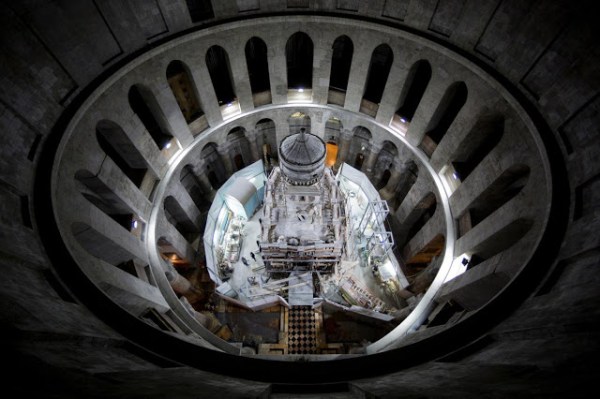
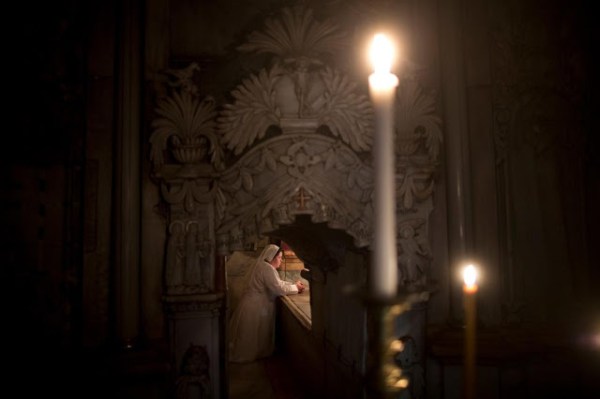
ஏசு கல்லறை,ஜெருசலம்


இந்தப் புனிதமான கல்லறையைப் பாதுகாக்கும் திட்டத்தின் ஒரு பகுதியாக கிரீஸ் நாட்டில் ஏதன்ஸ் நகரில் உள்ள நேஷனல் டெக்னிகல் இன்ஸ்டிடியூட்டைச் சேர்ந்தவர்கள் இந்தப் புனித ஸ்தலத்தின் உட்பகுதிகளை அணுக வேண்டியது அவசியம் எனத் தீர்மானித்தனர். நேஷனல் ஜியாகிராபிக் சொஸைடியைச் சேர்ந்த ஃப்ரெடெரிக்  ஹைபெர்ட், “எங்களுக்குத் தெரிந்த வரையில் நாங்களே முதன்முறையாக இதைத் திறந்து பார்க்கப் போகிறோம்” என்று அறிவித்தார்.


பழைய புராணங்களை ஆய்கின்ற வரலாற்று ஆய்வாளர்கள், ஏசு உண்மையில் வாழ்ந்த ஒரு புனிதரே என்று சொல்வதோடு அவர் கி.பி. முதல் ஆண்டில் இப்போது பாலஸ்தீனம என்று அழைக்கப்படும் பெத்லஹேமில் பிறந்தார் என்றும் இஸ்ரேலில் உள்ள நாசரேத்திற்குப் பின்னர் சென்றதாகவும் கி.பி, 29ஆம் ஆண்டு வாக்கில் அவர் மறைந்ததாகவும் உறுதி படக் கூறுகின்றனர்.

ஹிப்ரூ பைபிளின் படி ஏசு ஒரு குகையில் கல் மேடை ஒன்றில் வைக்கப்பட்டு கற்களினால் மூடப்பட்டார்.


கான்ஸ்டண்டைன் என்ற முதல் கிறிஸ்தவ சக்கரவர்த்தி கி.பி, 326இல் தனது தாயான ஹெலினாவை தனது பிரதிநிதியாக ஜெருசலத்திற்கு அனுப்பினார். அங்குள்ளோர் ஒரு குகையைக் காண்பித்து இங்கு தான் ஏசுவின் கல்லறை உள்ளது என்று அவரிடம் குறிப்பிட்டனர். உடனே அந்தக் குகையில் ஒரு புனித

ஸ்தலத்தை கான்ஸ்டண்டைன் நிர்மாணித்தார். குகையின் மேல் மூடி அகற்றப்பட்டது. அங்கு வருகை புரிவோர் குனிந்து கீழே பார்க்கும் வண்ணம் அந்த புனித ஸ்தலம் அமைக்கப்பட்டது. அது ஹோலி எடிக்யூல் (Holy Edicule) என்று அழைக்கப்படலாயிற்று.

ஆயிரத்தி எண்ணூறுகளில் ஏற்பட்ட ஒரு தீ விபத்தால் அதை  மீண்டும் புனருத்தாரணம் செய்ய வேண்டிய அவசியம் ஏற்பட்டது.

இதை மூன்று சர்ச்சுகளின் அமைப்புகள் கூட்டாக இப்போது நிர்வகித்து வருகின்றன..


Picture of Holy Edicule in Jerusalem

1958இல் இந்த அமைப்புகள் அனைத்தும் ஒரு மனதாக இதை உரிய முறையில் பாதுகாத்துப் பராமரிக்க வேண்டும் என்று தீர்மானித்தன. என்றபோதும் ஐம்பது ஆண்டுகள் கழிந்த பின்னரே இதை எப்படிச் செய்வது என்றும் இதற்கு எப்படி நிதி திரட்டுவது என்றும் தீர்மானித்தன. இதற்கு ஆகும் செலவு சுமார் 40 லட்சம் டாலர்கள் ஆகும்.


ஆயிரத்தி தொள்ளாயிரத்து நாற்பதுகளில் இரும்புக் கம்பிகளால் ஒரு தடுப்பு இங்கு அமைக்கப்பட்டது.


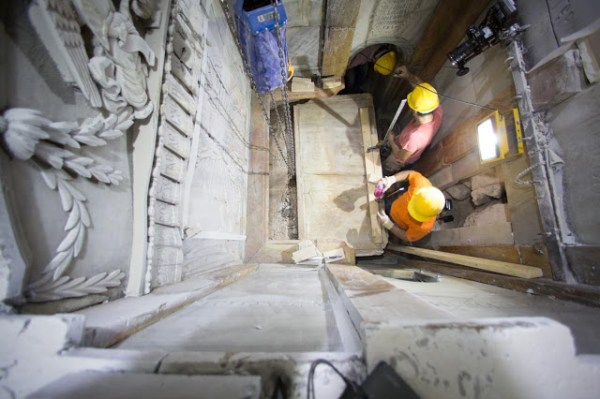
இதை உரிய முறையில் சீரமைக்கத் தீர்மானித்த புனரமைப்புக் குழுவினர் முதலில் 19ஆம் நூற்றாண்டில் நிறுவப்பட்ட சலவைக் கற்களை அகற்றினர். பின்னர் 15ஆம் நூற்றாண்டில் நிறுவப்பட்ட சலவைக்கற்களையும் அகற்றினர். அப்போது அவர்கள் கண்டது 12ஆம் நூற்றாண்டில் மூடப்பட்ட சலவைக் கற்களை. அவற்றையும் அகற்றிய பின்னர் முதன் முதலில் நிறுவப்பட்டிருந்த கல்லைக் கண்டனர்.


“இங்கு உள்ளே இருப்பதை ஆய்வு செய்வது எங்கள் நோக்கமல்ல. ஒரு டி என் ஏ (DNA) சோதனையும் நடைபெறாது வேறு எந்த ஒரு ஆய்வும் செய்யப்பட மாட்டாது” என்று உறுதிபடக் கூறிய குழுவினர் இது ஆய்வுக்கு அப்பாற்பட்ட நம்பிக்கை சம்பந்தப்பட்ட விஷயம் என்றனர்.


‘கடந்த பல நூற்றாண்டுகளாகப் புனிதமாகக் கருதப்பட்ட இந்த ஸ்தலத்தில் எந்த ஒரு ஆய்வும் எந்த  ஒரு புதிய விஷயத்தையும் தரப் போவதில்லை. இந்தத் திட்டதின் மூலமாக நீங்கள் குனிந்து பார்த்து, இது வரை பார்க்க முடியாம்ல இருந்த, முன்னர் அமைக்கப்பட்டிருந்த பழைய இடத்தை இப்போது நன்கு பார்க்க முடியும்’ என்கின்றனர் இதைப் பராமரிக்க இருக்கும் குழுவினர்.


ஏசுபிரானின் ஒரிஜினல் கல்லறை திறக்கப்பட்டதையொட்டி

உலகெங்குமுள்ள கிறிஸ்தவர்களிடையே பலத்த எதிர்பார்ப்பு எழுந்துள்ளது. இந்த புனித ஸ்தலம் பற்றிய செய்தியே இப்போது பரபரப்பாகப் பேசப்படும் இன்றைய செய்தி!                  ஆதாரம் : லைவ் ஸயின்ஸ்

***********

ஐயர்களுக்கு வரி விதிக்காதே! மனு தடாலடி!! (POST NO.3344)


WRITTEN by London Swaminathan


Date: 11 November 2016


Time uploaded in London: 20-18


Post No.3344


Pictures are taken from various sources; they are representational only; thanks.


contact; swami_48@yahoo.com


வரி விதிப்பது எப்படி? மனு, காளிதாசன், வள்ளுவன் அணுகுமுறை


வரி விதிப்பது பற்றி சாணக்கியன் எழுதிய அர்த்த சாத்திரத்தில் நிறைய விஷயங்கள் உள்ளது. அது உலகின் முதலாவது பொருளாதார நூல். ஆகையால் அதில் வியப்பேதும் இல்லை ஆனால் வள்ளுவன், காளிதாசன், மனு முதலானோர் பொருளாதார விடயங்களை எழுத வரவில்லை. ஆயினும் அவர்களும் இவ்விஷயத்தைத் தொட்டுக்காட்டியுள்ளனர். இவர்களில் மனு சொல்லும் விஷயஙகள் வியப்பைத் தரும் முதலில் அதைக் காண்போம்:-


மனுதர்ம சாத்திரத்தில் ஏழாவது அத்தியாயத்தில் சொல்கிறார்:-


ஒரு அரசன் பசியினால்  இறந்து போக நேரிட்டாலும், வேதத்தை மனப்பாடமாக வைத்திருக்கும் பிராமணனிடத்தில் வரி வாங்கக்கூடாது. அவர்களைப் பசியினால் வாடவிடக்கூடாது (7-133)


வேதம் அறிந்த பார்ப்பான் பசியினால் மயக்கமடைந்து விழுந்தால் அந்த அரசாட்சியும் வீழும் (7-134)


இதைப் பார்த்தவுடன் பலரும் இது நியாயமில்லாத ஒரு விதி என்று எண்ணலாம். ஆனால் தமிழ் கல்வெட்டுகள் அனைத்தும் பிரம்மதேயம் (பிராமணர்களுக்குக் கொடுக்கப்பட்ட நன்கொடை), தேவதானம் (கோவில்களுக்குக் கொடுக்கப்பட்ட நன்கொடை) ஆகிய அனைத்தையும் இறையிலி (வரியற்ற) நிலங்களாகவே அறிவிக்கின்றன. ஆக, தமிழ் மன்னர்கள் மனு நீதியைப் பின்பற்றியது தெளிவு.


இப்போது இந்த இடத்தில் பிராமணர்கள் என்பதற்குப் பதிலாக அறிஞர்கள் என்று போட்டுவிட்டால் பொருள் நன்கு விளங்கும். அதாவது புத்தியுடையோர், அறிவாளிகள் வறுமையில் வாடக்கூடாது என்பதே பொருள். நிறைய சம்பாதிக்கும் அறிஞர்கள் இதில் வாரார். பிராமணர்கள் மூன்று நாட்களுக்கு மேலான செல்வம் வைத்திருக்கக்கூடாது என்பது விதி. எப்போதும் மற்றவர்களுக்கு அறிவுதானம் செய்து பொருள் பெற வேண்டும் என்பதற்கே இந்த விதி!


அட்டை போல உறிஞ்சு!


மனுவின் வரிவிதிப்பு அணுகுமுறையும் சிறிது வேறுபட்டது.


ஒரு அரசனானவன், அட்டை போல, கன்றுக்குட்டி போல, தேனீ போல கொஞ்சம் கொஞ்சமாக ஒரு ஆண்டுக்கான வட்டியைப் பெறவேண்டும்.(7-129)

அட்டை போல (இரத்தத்தை) உறிஞ்சு என்று சொல்லுவது அவ்வளவு நன்றாக இல்லையே என்று எண்ணலாம். ஆனால் இது பணக்காரர் விஷயத்தில் பொருந்தும். நான் வாழும் லண்டனில் கூட அதிக பணம் சம்பாதிப்போரின் பணத்தில் 60 சதவிகிதத்தை அரசாங்கம் எடுத்துக்கொள்ளும். இது என்னடா பகற்கொள்ளை? என்று எண்ணுவோம். ஆயினும் கம்பெனிகள் வாரி வழங்குவதால் இந்தக் கட்டுப்பாடு.


அட்டை என்னும் பூச்சி இரத்தத்தை உறிஞ்சியதாலோ, கன்றுக்குட்டி பால் குடித்ததாலோ, தேனீக்கள் தேன் எடுத்ததாலோ எந்தப்பிராணியும் எந்தப் பூவும் அழிவதில்லை.


பணக்கார்களுக்கு அட்டை போலவும், மத்திய தர வர்கத்துக்கு கன்று போலவும் ஏழைகளுக்கு தேனீ போலவும் வரி விதிப்புக் கொள்கை இருக்கட்டும் என்று மனு சொல்லாமல் சொல்லுவான்.

வள்ளுவன் சொல்லுவான்:

அதிக வரி விதிப்பது பாலைவனத்தில் கள்ளர்கள் வழிமறித்து எடுக்கும் பகற்கொள்ளைக்கு நேர் நிகர் என்று.


வேலொடு நின்றான் இடு என்றது போலும்

கோலொடு நின்றான் இரவு (குறள் 552)

பொருள்:- ஒரு அரசன் குடிமக்களை  வருத்தி கட்டாயப்படுத்தி வரி வாங்குவது, வேல் ஏந்திய வழிப்பறிக் கொள்ளைக்காரன் வழி மறித்து பொருளைப் பறிப்பதற்குச் சமம்.


காளிதாசன், அவனது ரகுவம்ச காவியத்தில் சொல்லுவான்:-


ப்ரஜானாமேவ பூத்யர்த்தம்

சதாப்யோ பலிமக்ரஹீத்

சஹஸ்ர குணமுத்ஸ்ரஷ்டும்

ஆதத்தே ஹி ரசம் ரவி: (ரகு 1-18)


சூரியன் தன் ஆயிரம் கிரணங்களால் பல வகையான இடங்களிலிருந்து நீரை எடுக்கிறான். நீரை எடுக்கும் போது நீர் நிலைக்குத் தீங்கு செய்வதில்லை. எடுத்த நீரை மழையாக திருப்பித் தரும்போது பயிர்களும் உயிர்களும் செழிக்கின்றன. மழை எந்த வேறுபாடுமின்றி எல்லோருக்கும்  உதவுவது போல அரசனும் உதவுவான்.


–subham–

Man Proposes, Destiny Disposes!(Post No.3343)

WRITTEN by London Swaminathan


Date: 11 November 2016


Time uploaded in London:17-07


Post No.3343


Pictures are taken from various sources; they are representational only; thanks.


contact; swami_48@yahoo.com


Sister Nivedita in “The Web of Indian Life” tells the story of a great mathematician, Bhaskaracharya, who had but one child, the maiden Lilavati. Casting her horoscope carefully, he discovered that there was only a single moment in her life when she could be married with the fear of widowhood. Preparations were made for the wedding accordingly, and the father himself constructed an instrument by which to regulate the time of the ceremonies. Water would be admitted drop by drop through a certain hole, from one pot to another, and upon reaching a given height was the signal for the sacramental act.


“The marriage rites began, but the child Lilavati grew tired, and went wandering from room to room in search of amusement. In some obscure corner she came upon an unaccustomed looking pot, and leaned over its edge to watch how the inner section was gradually sinking in water which it contained. As she did so a tiny pearl fell all unnoticed from her wedding crown, and stopped the hole through which the water passed! Time went on, but the vessel sank no further, ‘Ah!” exclaimed Bhaskaracharya, sorrowfully, when, the hour already past, he found the jewel that had frustrated all his caution, ‘it is useless for a man to fight against his destiny’.

Tamil poet Tiruvalluvar says,

“What is more potent than fate? It forestalls every expedient one may resort to for averting it”- Tirukkural 380


Fate is Inviolable.


Bhaskaracharya, Great Mathematician

Bhaskara  Acharya was a celebrated astronomer and mathematician. He lived in the early part of the eleventh century C.E. he was the author of the Bhija Ganita on arithmetic, Lilavati on Algebra and geometry and the Siddhanta Siromani on astronomy. He was fully acquainted with the principle of the Differential Calculus.

Lilavati means Charming. He gave this fanciful title to the his mathematical work. Colebrook and Dr Taylor translated into English. Earlier Akbar also arranged for a translation in Persian.


–subham–


கம்பன், சாக்ரடீஸ், திருமூலர் சொன்ன ஒரே கருத்து(Post No.3342)

WRITTEN by London Swaminathan


Date: 11 November 2016


Time uploaded in London:5-59 AM


Post No.3342


Pictures are taken from various sources; they are representational only; thanks.


contact; swami_48@yahoo.com


தன்னைத் தான் உணரத்தீரும் தகையறு பிறவி என்பது

என்னைத் தான் மறையும் மற்றத் துறைகளும் இசைத்த வெல்லாம்

முன்னைத் தான் தன்னை ஓரா முழுப்பிணி அழுக்கின்மேலே

பின்னைத் தான் பெறுவது அம்மா நறவுண்டு திகைக்கும் பித்தோ


கிட் கிந்தா காண்டம், கம்பராமாயணம்


பொருள்:-

ஒருவன் தன்னை அறிந்துகொண்ட அளவில் பிறவிப்பிணி நீங்கிவிடும் என்று வேதங்களும் மற்ற சாத்திரங்களும் சொல்லுகின்றன. இந்த மெய்யறிவைப் பெறாததால் பிறவி நோய்க்காளாகும் இந்த அழுக்குடலைப் பெற்றிருக்கிறேன் இத்தோடு நில்லாமல், போதாக்குறைக்கு பொன்னியும் வந்தாளாம் என்ற பழமொழிக்கு ஏற்ப கள்ளை உண்டு மனமும் மயங்குவது தகுமோ! (சுக்ரீவன் வருந்திச் சொன்ன பாடல் இது.)


உன்னையே நீ அறிவாய், ஒன்றாகக் காண்பதே காட்சி– – என்ற பெரிய தத்துவங்களை நமது முன்னோர்கள் பல இடங்களில் வலியுறுத்தியதை பல கட்டுரைகளில் வலியுறுத்தினேன்.


இதே கருத்தை கம்பன் வலியுறுத்தும் இடம் வியப்பைத் தரும்; குடிப்பழக்கத்துக்கு ஆளாகி வருத்தப்படும் சுக்ரீவனின் வாய் வழியாக இந்தப் பெரிய கருத்தை வலியுறுத்துகிறான்.


பிறவிப் பிணி அறுபட வேண்டுமானால் என்ன என்ன குணங்கள் இருக்க வேண்டும் என்று அடுத்த ஒருபாடலில் கம்பன் கூறுவதைக் கவனியுங்கள்


தெளிந்து தீவினையைச் செற்றர் பிறவியின் தீர்வரென்ன

விளிந்திலா உணர்வினோரும் வேதமும் விளம்பவேயும்

நெளிந்துறை புழுவை நீக்கி நறவுண்டு நிறை கின்றேனால்

அளிந்து அகத்து எரியும் தீயை நெய்யினால் அவிக்கின்றாரின்


பொருள்:-

மனம் தெளிந்து தீய செய்கைகளை விட்டவர்கள் பிறவி நோயை ஒழித்தவாரவர் (இறப்பு-பிறப்பு என்னும் சுழலில் சிக்குவது பிறவி நோய்). இதை ஞானிகளும் வேதங்களும் செப்புவர். நானோ புழுக்கள் நெளியும் கள்ளில் அந்த புழுக்களை வடிகட்டிவிட்டுச் சாப்பிட்டு இப்படிச் சந்தோஷமடகிறேன். இது  எதற்குச் சமம் என்றால் எரியும் நெருப்பை நெய்யை ஊற்றி அணப்பதற்குச் சமம் என்று சுக்ரீவன் சொல்லுகிறான்.


அரிய பெரிய வேதக்கருத்துகளை கம்பன் திடீரென்று பாடல்களில் நுழைப்பான். கடலில் முத்து எடுப்பதுபோல மூச்சைப் பிடித்து அவைகளை வெளியே கொணற வேண்டும்!!

Excerpts from my old articles:–


எனது முந்தைய கட்டுரைகளில் இதே கருத்து வெளியிடப்படிருப்பதால் அவைகளை இணைத்துள்ளேன்:–


எகிப்தில் திருமூலர் கருத்துக்கள்


–லண்டன் சுவாமிநாதன்—

POST No. 716 dated 21 Novemeber 2013

“உன்னையே நீ அறிவாய்”, “உள்ளம் பெருங்கோயில்” என்ற கருத்துக்கள் இந்துக்களுக்குக் கரதலைப் பாடமாகத் தெரிந்தவை. ‘மனக் கோயில், மனமே கோயிலாகக் கொண்டவன்’ என்று இறைவனைப் பாராட்டும் வரிகள் தேவாரம், திவ்யப்பிரபந்தம், திருமந்திரம், திருவாசகத்தில் நூற்றுக் கணக்கான இடங்களில் வருகின்றன.

எகிப்து நாட்டில் தீப்ஸ் என்னுமிடத்தில் உள்ள லக்ஸார் கோவிலில் இந்த இந்து மதக் கருத்துக்கள் எழுத்தில் இருக்கின்றன. இந்தக் கோவில்கள் 3500 ஆண்டுகள் பழமையானவை. அப்போதே இந்துமதக் கருத்துக்கள் அங்கே பரவி இருந்தன. உபநிஷத் சொன்ன கருத்துக்களை பிற்காலத்தில் சாக்ரடீஸ் மேலை உலத்தில் பரப்பினார். அதற்குப் பின்னர் திருமூலர் அவைகளைத் தமிழில்—எளிய தமிழில்—எல்லோருக்கும் புரியும்படியாகப் பாடி வைத்தார்.

சாக்ரடீஸின் சீடர் பிளட்டோ இந்தக் கருத்துக்களை அவரது சீடர் அரிஸ்டாடிலுக்குச் சொன்னார். அவர் தனது சீடரான அலெக்ஸாண்டருக்குச் சொன்னார். இதைக் கேட்டுப் பிரமித்துப் போன மஹா அலெக்ஸாண்டர் எப்படியாவது இந்து மத சந்யாசிகளைக் கிரேக்க நாட்டுக்கு அழைத்து வந்துவிடவேண்டும் என்று அரும்பாடுபட்டார். இதை “ஒரு யோகியின் சுயசரிதை” நூல் எழுதிய பரமஹம்ச யோகானந்தா போன்றோர் (நடிகர் ரஜினிகாந்தின் குருவின் வழிவந்தவர் பரமஹம்ச யோகாந்தா) கூறியுள்ளனர். எல்லா விவரங்களையும் “நிர்வாண சாமியார்களுடன் அலெக்ஸாண்டர்” என்ற எனது கட்டுரையில் ஏற்கனவே எழுதிவிட்டேன்.


கீழ்கண்ட பகுதியை விக்கிபீடியாவில் இருந்து எடுத்து மொழிபெயர்த்து இருக்கிறேன்:
“பழங்கால லக்ஸார் கோவிலில் இரண்டு பகுதிகள் இருக்கின்றன. முன் பகுதியில் ஆரம்ப உபதேசம் பெற்றவர்கள் மட்டும் அனுமதிக்கப்படுவர். உள்ளே இருக்கும் பகுதிக்குத் தகுதி உள்ளவர்கள் மட்டுமே அனுமதிக்கப்படுவர். உயரிய ஞானமும் அந்தர்முகமாகப் பார்க்கவல்லவர் மட்டுமே அங்கே பிரவேசிக்கலாம். வெளிப்புறக் கோவிலில் இருக்கும் பொன்மொழிகளில் ஒன்று “ உடலே இறைவனின் திருக்கோயில்”. இதனால்தான் உன்னையே நீ அறிவாய் என்று மனிதர்களுக்குச் சொல்லப்படுகிறது. உள்ளே உள்ள பொன்மொழிகளில் ,”மனிதனே , உன்னையே நீ அறிவாய். பின்னர் நீ கடவுளை அறிவாய்” என்று எழுதப்பட்டுள்ளது.

Ancient Egyptian
“There are two parts of the ancient Luxor temple: the outer temple where the beginning initiates are allowed to come, and the inner temple where one can enter only after proven worthy and ready to acquire the higher knowledge and insights. One of the proverbs in the Outer Temple is “The body is the house of God.” That is why it is said, “Man know thyself.”[20] In the Inner Temple, one of the many proverbs is “Man, know thyself … and thou shalt know the gods.”[21]”


ஏற்கனவே நான் எழுதிய எகிப்து தொடர்பான மூன்று, நான்கு கட்டுரைகளில் அதர்வண வேத மந்திரக் கருத்துக்கள் அங்கே இருப்பதைச் சுட்டிக்காட்டி இருக்கிறேன். காஞ்சி மஹா பெரியவர் சென்னையில் 1930-களில் நடத்திய சொற்பொழிவுகளில் உலகம் முழுதும் இந்துமதக் கருத்துக்கள் இருப்பதை ஆதாரங்களுடன் விளக்கிய பின்னர் ஒரு கருத்தை முன்வைக்கிறார்: “இப்படி நான் சொன்னதால் இந்துக்கள் அங்கெல்லாம் போய் தங்கள் மதத்தைப் பரப்பினார்கள் என்று நினைக்காதீர்கள். ஆதியில் ஒரே மதம்தான் உலகம் முழுதும் இருந்தது. அதுதான் சநாதன தர்மம்” (இந்து மதத்தின் பழைய பெயர்) என்று சொல்லி இருக்கிறார்.

தன்னை அறிய தனக்கொரு கேடில்லை

இதோ திருமூலரின் திருமந்திரப் பாடல்கள்:

1.தன்னை அறிந்திடும் தத்துவ ஞானிகள்
முன்னை வினையின் முடிச்சை அவிழ்ப்பர்கள்”

2.தன்னை அறிய தனக்கொரு கேடில்லை
தன்னை அறியாமல் தானே கெடுகின்றான்”(பாடல் 280)

  1. “உள்ளம் பெரும் கோயில் ஊன் உடம்பு ஆலயம்
    தெள்ளத் தெளிந்தோர்க்குச் சீவன் சிவலிங்கம்”

கீதையில் கண்ண பிரானும் இதை வலியுறுத்துகிறான்:
எவன் தானே தன்னை வெல்கிறானோ அவனே அவனுக்கு உறவினன் (பந்து).தன்னை வெல்லாதவனுக்கு தானே பகைவன் (6-6)

‘திருமூலருடன் 60 வினாடி பேட்டி’ என்ற எனது முந்தைய கற்பனைப் பேட்டியில் மேல் விவரம் காண்க.


உபநிஷத அற்புதங்கள்– Part 2 எனது ஆராய்ச்சிக் குறிப்புகள்

எழுதுபவர் – லண்டன் சுவாமிநாதன்
கட்டுரை எண். 996; தேதி—23 April 2014.


14.ஒன்றாகக் காண்பதே காட்சி

ஒன்றாகக் காண்பதே காட்சி (அவ்வை பாடல் வரி) என்ற வாசகம் — “இரண்டு இருக்கும்  போதுதான் பயம் இருக்கும்” என்ற உபநிடத வாக்கியத்தில் இருந்து உண்டானதே. 1-4-1

கடவுள் தன்னை இரண்டாகப் பிரித்துக் கொண்டார்: கணவன் மனைவி என்று.

மனைவியை கணவனின் மற்றொரு பாதி (The Other Half தி அதர் ஹாப்) என்று கூறுவதற்கு இதுதான் முக்கியக் காரணம். பிற்காலத்தில் வந்த அர்த்தநாரீஸ்வரன் உருவத்துக்கு (மாதொருபாகன்) மூர்த்திக்கு இதுவே மூலம்.

இதையே பைபிள் “ஆதாம் என்பவர் இடது பக்க விலா எலும்பை முறித்து பெண்ணை உருவாக்கி”யதாகச் சொல்லுகிறது. இடது பக்கத்தில் தேவி இருப்பது இந்து மதத்தில் இருந்து எடுக்கப்பட்டது. ஆதாம் (Adam=ATMA) என்பது ஆத்மா என்பதன் திரிபு. பரம ஆத்மா தன்னை ஜீவ ஆத்மா என்று இரண்டாக வேறு படுத்தியதே இக்கதை.


இதையே உபநிடதத்தில் இரண்டு பறவைகள் கதையாகவும் காண்கிறோம். காஞ்சி பரமாசார்ய சுவாமிகள் இது பற்றி அற்புத விளக்கம் கொடுத்துள்ளார். நானும் ஏற்கனவே ‘THREE APPLES THAT CHANGED THE WORLD த்ரீ ஆப்பிள்ஸ் தட் சேஞ்ட் தெ ஓர்ல்ட்’ என்ற கட்டுரையிலும் , ‘பைபிளில் சம்ஸ்கிருதம்’ என்ற கட்டுரையிலும் எழுதி இருக்கிறேன்.


–Subham–


புறநானூற்றில் அந்தணரும் வேதமும் ! – 5 (Post No.3341)

WRITTEN BY S NAGARAJAN


Date: 11  November 2016


Time uploaded in London: 5-09 AM


Post No.3341


Pictures are taken from various sources. Thanks.


Contact: swami_48@yahoo.com


சங்க இலக்கிய ஆய்வு – கட்டுரை எண் 8

இந்தக் கட்டூரையில் புறநானூற்றில் உள்ள பாடல்கள் 367 மற்றும் 305 ஆகியவை இடம் பெற்றுள்ளன


புறநானூற்றில் அந்தணரும் வேதமும் ! – 5


                      ச.நாகராஜன்


ஔவையார் பாடிய பாடல் ஒன்று (வாழ்த்தியல் துறை) புறநானூற்றில் 367ஆம் பாடலாக மலர்கிறது.  பாடப்பட்டோர் : மூன்று தமிழ் மன்னர்கள்! சோழன் இராசசூயம் வேட்ட பெருநற்கிள்ளி, பாண்டியன் கானப்பேரெயில் கடந்த உக்கிரப் பெருவழுதி, சேரமான மாவெங்கோ!


மிகுந்த மகிழ்ச்சியுடன்  மூவேந்தர் மூவரையும் வாழ்த்திப் பாடுகிறார் பெரும் புலவர் ஔவையார்.


ஏற்ற பார்ப்பார்க்கு ஈர்ங்கை நிறையப்
பூவும் பொன்னும் புனல் படச் சொரிந்து


அந்த மன்னர்கள் எப்படிப்பட்டவர்கள்? தகுந்த பிராமணர்களுக்கு (ஏற்ற பார்ப்பார்க்கு) நீரினால் ஈரம் நிறைந்த கையினால் (ஈர்ங்கை நிறைய) பூ, பொன் ஆகியவற்றை கைவழியே நீரினால் சொரிந்து (பூவும் பொன்னும் புனல் படச் சொரிந்து) தருகின்றனர்!


பாடலின் பின் பகுதியில் வரும் வரிகள் இவை:

 
ஒன்று புரிந்து அடங்கிய இரு பிறப்பாளர்
முத்தீப் புரையக் காண்தக இருந்த


மூன்று தமிழ் மன்னர்களையும் ஒரு சேரப் பார்ப்பது எப்படி இருக்கிறது? புலவருக்கு அந்தணரும் அவர்களது தீ வளர்ப்புமே ஞாபகத்திற்கு வருகிறது – உவமையாக.


அறம் ஒன்றையே கூறும் வேதத்தை நன்கு உணர்ந்து (ஒன்று புரிந்து) நன்கு புலன்களை அடக்கிய இரு பிறப்பை – தாயின் கருப்பை வழியே பூமியில் பிறக்கையில் முதல் ஜனனம், பூணூல் போடும் போது அடையும் ஞானப் பிறவி இரண்டாம் பிறப்பு, ஆக இரு பிறப்பு (அடங்கிய இரு பிறப்பாளர்) அடைந்தோர், மூன்று அக்கினிகளை வளர்த்து ஹோமம் செய்வது போல (முத்தீப் புரையக் காண் தக) இருக்கிறது. (முத்தீ விளக்கம் முந்தைய கட்டுரையில் தரப்பட்டு விட்டதால் இங்கு மீண்டும் தரப்படவில்லை).


ஔவையார் மனதார வாழ்த்தும் இந்தப் பாடலை முழுதுமாகப் படித்து அனுபவிக்க வேண்டும்! அத்துடன் சோழ மன்னனின் பெயரில் உள்ள ராஜசூய யாகம் என்ற வார்த்தை அவன் அந்தப் பெரிய யாகத்தை முறைப்படி நடத்திப் பெரும் புகழ் பெற்ற்வன் என்பதை அறிவிக்கிறது என்பதையும் அறிந்து மகிழலாம். சங்க காலத்தில் இப்ப்டிப்பட்ட பிரம்மாண்டமான யாகங்களை மன்னர்கள் செய்வது அவர்களின் வாழ்க்கையின் ஒரு அங்கமாகவே இருந்திருக்கிறது!


இன்னொரு பாடலைப் பார்ப்போம். ஏற்கனவே பார்ப்பன வாகையில் ஒரு பாடலைப் பார்த்தோம். இன்னொரு பாடல் எண் 305 இதைப் பாடியவர் மதுரை வேளாசான் என்னும் புலவர்.


வயலைக் கொடியின் வாடிய மருங்கின்
உயவல் ஊர்திப் பயலைப் பார்ப்பான்
எல்லி வந்து நில்லாது புக்குச்
சொல்லிய சொல்லோ சிலவே அதற்கே
ஏணியும் சீப்பும் மாற்றி
மாண் வினை யானையும் மணி களைந்தனவே. 


அடும் போர் ஒன்று நடைபெற இருக்கிறது. அதைத் தடுக்க வேண்டும்.


போர் நடக்கப் போகிறதே என்ற துக்கத்துடன் இரவு நேரத்தில் இளம் வயதுப் பார்ப்பனன் ஒருவன் வருகிறான். சில வார்த்தைகளையே சொல்கிறான். உடனே முற்றுகைக்காக இருந்த ஏணியும் வாயிலில் இருந்த கதவின் அடைப்பும் நீக்கப் பட அவனது விஜயம் வெற்றிகரமாக ஆனது.


தூதனாக வந்த தூயவன் சில சொற்களைச் சொல்ல – ஆம் –  போர் நின்று விட்டது.


அந்தணனின்  சில சொற்களுக்கு அவ்வளவு மஹிமை!

மெலிதான வயலைக் கொடியைப் போன்ற (வயலைக் கொடியின் வாடிய மருங்கின்) அந்தண இளைஞன் (பயலைப் பார்ப்பான்) துக்கத்துடன் வந்து (உயவல ஊர்தி) யாருக்காகவும் காத்திருக்காமல் (நில்லாது) உள்ளே நுழைந்து (புக்கு) சொல்லிய சொற்கள் சில தான்! (சொல்லிய சொல்லோ சிலவே). அதன் பின்னர் உடனேயே (அதற்கே) கதவில் இருந்த முற்றுகைக்கான ஏணியும் கதவடைப்பும் நீக்கப்பட்டன. ((ஏணியும் சீப்பும் மாற்றி)

போருக்குக் கிளம்பும் தருணத்தில் இருந்த, அழகிய போர் புரியும் யானைகளின் மீதிருந்த ரத்தினங்களும் களையப்பட்டன! (மாண் வினை யானையும் மணி களைந்தனவே.


சண்டை என்றவுடன் மன வேதனை அடைந்து சில சொற்களால் பெரும் போரை நிறுத்திய தூதுவனான ஒரு இளம் பார்ப்பானைப் போற்றிப் பாடப்படும் பாடல் இது!

போர் என்றால் அந்தக் காலத்திலும் வேதனையே மிகுந்திருந்தது என்பதை இது சுட்டிக் காட்டுகிறது. அதை நிறுத்துவதில் தான் அந்தணர் உள்ளம் இருந்தது.


“ஸர்வே ஜனா: ஸுகினோ பவந்து”


எல்லா மக்களும் சுகத்துடன் இருக்கட்டும்!


அந்தணர் வாழ்த்தும் வாழ்த்தில் தான் எத்தனை உயரிய சிந்தனை! சுகமான சிந்தனையும் கூட!!

                          *****             

                              புறநானூற்றுப் பாடல்களை

அதிகமாகச் சுவைத்த மகிழ்ச்சியுடன் அடுத்த சங்க இலக்கியத்திற்குள் புகுவோம்.  (தொடரும்)  


குறிப்பு: அன்பர்கள் இதுவரை வெளியாகியுள்ள எட்டுக் கட்டுரைகளையும் ஒன்றன் பின் ஒன்றாகப் படித்தால் தொடர்பு புரியும்.


FIVE DAY HINDU MARRIAGE- PART 4 (Post no.3340)

COMPILED BY by London Swaminathan


Date: 10 November 2016


Time uploaded in London: 19-06


Post No.3340


Pictures are taken from various sources; they are representational only; thanks.


contact; swami_48@yahoo.com


Fourth and Fifth Day of the Five Day Wedding


The fourth day is passed in the same way, except that one of the proper things to be done is for the bridegroom to pretend to be angry and sulky. He even goes so far as to start off in his palanquin to run away. The father of the bride then goes out to find him and tries to appease his anger promising to give him presents of various kinds. He is supposed to take advantage of this to ask for various things as presents, a house for instance, or cattle or money or lands. The father-in-law then promises to give so and so, upon which the youth shakes off his pretended sulks, and returns to the festivities. This amusing and somewhat ridiculous farce seems to be a peculiar custom kept up as an opportunity for demanding additional presents, by way of dowry to bride.
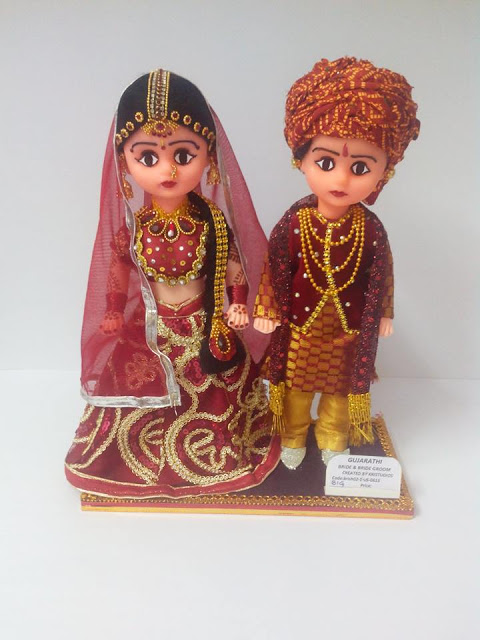
Good Bye to Gods


In the evening, after the usual feast, the most elaborate and prolonged of the various festal parades take place, with its accompaniments of torches, lime- lights, fireworks, singing of dancing girls and other festivities. Whilst the bride’s home is partly deserted, the inmates being out with the procession, the friends of the bridegroom have some fun by going to the house and removing any useful thing they can lay their hands on;  such as the ropes for drawing water and necessary culinary vessels. The consternation at the loss on the return of the procession is a source of much amusement.


Very early in the morning of the fifth say three o’clock, the last homam is performed (Shesha homam). The gods who have been invoked to be present at the ceremonies are then solemnly dismissed to their several worlds. A  mantra said upon this occcasion is as follows:


O ye gods depart in peace.” F

Gacchantu Devaah yathaa sukham


Naakabali

In the evening of the fifth and last day a finalceremony is performed, called Naakabali or sacrifice to the inhabitants of heaven. The prepared plalce is again adorned  and smeared with the dung of cows and a number of small lights are paced in a square formed of coloured pots. Several mantras are repeated by the priests , in the presence of assembled company, invoking the presence of the wholethree hundred and thirty millions of Gods of the Hindu pantheon. These are duly honoured and worshipped by prayers and offerings of cooked rice. The bride a bridegroom are then tied together with the Brahma knot and marched three times round the burning lights by the priest, who meanwhile repeats certain man trams.


Sometime, after the nakabali, there is more singing and music and betel is again distributed. Various bits of romping and fun are then indulged in. The bride and bridegroom are each seized upon by any two present, and carried about at a run during this, white and coloured powders and coloured water are freely thrown about, and there is a good deal of frolic and amusement.
 

Mother and Brother weep!

The appaginta, or final delivering over, then takes place. This is always a most sorrowful proceeding, and the bride’s mother, brothers, sisters and other relatives weep much, and in various ways express their grief as they give up their dear one into other hands. The ceremony is as follows. A dish of milk is brought in and the bride places her right hand in the milk; over her hand the bridegroom’s father and mother and sister place their right hands when the priest repeats some verses, of which the following is one.


This damsel has attained her eighth year,

She has been fostered by me like a son,

She is now given to thy son,

Protect her in love.”

Ashtavarsha bhavetkanya

Putravatpaaalitaa mayaa

Idaanim tava putrasya

Dattaa snehena paalyataam


Bye Bye


When this has proceeded far enough, a bundle of rice is tied to the waist of the bride, and she is once more seated in the palanquin opposite her husband. They then set out to go to the village of the bridegroom thus bringing the prolonged and intricate ceremonial to a close.

The bride is supposed to stay for three days in her husband’s house. She is then taken back to her own home, there to remain until she has attained a fit age to discharge the duties of a wife. When the young wife has arrived at a suitable age, notification of the fact is sent to the husband’s parents, and the occasion is celebrated by various feastings and festivities. The parents and friends on both sides consult as to a propitious time for the taking home of the bride. At the time fixed upon, the husband and his friends proceed to the bride’s home where certain ceremonies and feastings take place. There is much distributing of cloths, fruit, betel and other presents. After a few days thus spent, the bride is taken away by her husband to his own home, which she henceforth shares with him.
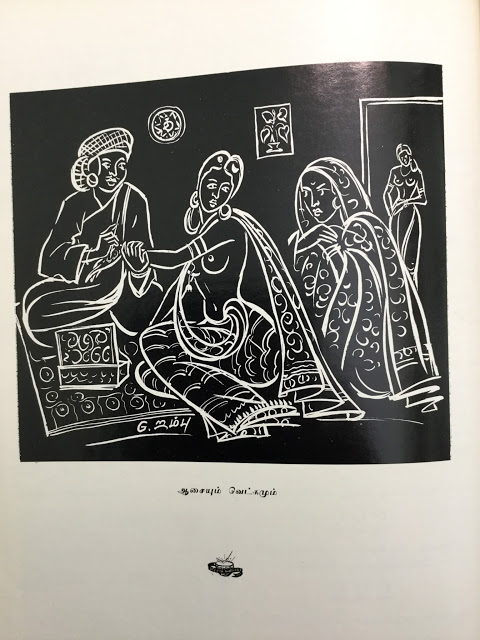
Sometime in fulfilment of a vow the marriage takes place at or less celebrated place of pilgrimage. In that event, a pilgrimage is made by all concerned to that and are the favoured shrine and the marriage takes place there. In such cases, all the ceremonies are crowded into one day, and some of lesser importance.


In this description of the mode of procedure of procedure followed in the marriages of Hindus I have not mentioned many customary rites, and ceremonies of lesser importance, but I give an account of one.


Peculiar Ceremony


At some stage or other of the proceedings there is a peculiar ceremony, which is one of various minor ones. Some rice, which has been steeped in milk, is brought, and the bridegroom places a portion of this into the hand of the bride. over this he sprinkles some drops of ghee, with betel leaf, saying

May righteousness increase!

Peace be unto you!”

Punyam vardhata shaantirastu


He then takes some of the rice from her hand and puts it on her head. She then takes some of it and puts it upon his head. This is done several times, after which they both do it at the same time, putting some of the rice upon each other’s head.


Whilst the chief ritual are the same amongst all Hindus many minor ceremonies may differ much in different parts of this vast country. It will easily be seen what an expensive affair such marriages are, and what large sums of money are thus squandered.
The presents of cloths, jewels and the and feeding; the elaborate processions, and the necessary hiring of bearers and musicians and dancing girls together with the fireworks and lights all these things swallow up large sums of money and often the chief supply comes from the bags of the money-lenders. It is no matter if the parties concerned are poor, the laws of custom are so inexorable that their demands must be complied with, even though by so doing a millstone of debts is hung around the neck to be a drag and a burden all through life.


Many of the wiser people groan under these and similar bonds and occasionally a feeble voice is raised up in protest; but the Hindu is so conservative and so wanting in firmness of mind that there is not much hope of a radical change in such matters for many long years to come.


Written by The Rev.J.E.Padfield, B.D., Masulipatnam, Year 1908
–SUBHAM–
புறநானூற்றில் அந்தணரும் வேதமும் – 4 (Post No.3339)

WRITTEN BY S NAGARAJAN


Date: 10  November 2016


Time uploaded in London: 6-09 AM


Post No.3339


Pictures are taken from various sources. Thanks.


Contact: swami_48@yahoo.com


சங்க இலக்கிய ஆய்வு – கட்டுரை எண் 7

இந்தக் கட்டூரையில் புறநானூற்றில் உள்ள பாடல்கள் 6 மற்றும் 122 ஆகியவை இடம் பெற்றுள்ளன


புறநானூற்றில் அந்தணரும் வேதமும் ! – 4


                        ச.நாகராஜன்


சங்ககாலத்தில் வாழ்ந்த அற்புதமான மன்னனான பல்யாகசாலை முதுகுடுமிப் பெருவழுதியைப் போற்றி காரிக்கிழார் என்ற புலவர் பாடிய பாடல் புறநானூற்றின் 6வது பாடலாக அமைகிறது.

பாடலின் முதல் நான்கு அடிகளே பாரத தேச ஒருமைப்பாட்டை நன்கு விளக்குகிறது.


வடக்கில் பனி படு நெடிதுயர்ந்த மலை.

தெற்கிலோ உருகெழு குமரி முனை

கிழக்கிலும் க்டல்; மேற்கிலும் கடல்!


வாடாஅது பனி படு நெடு வரை வடக்கும்
தெனாஅது உருகெழு குமரியின் தெற்கும்
குணாஅது கரை பொரு தொடு கடல் குணக்கும்
குடாஅது தொன்று முதிர் பொளவத்தின் குடக்கும்”                                               (1 முதல் 4 வரிகள்)


அடுத்து புலவர் மன்னனின் தலை யாருக்கு மட்டும் தாழலாம் என்பதைக் குறிப்பிடுகிறார் இப்படி:-


அத்தை நின் குடையே முனிவர்
முக்கண் செல்வர் நகர் வலஞ் செயற்கே
இறைஞ்சுக பெரும நின் சென்னி சிறந்த
நான்மறை முனிவர் ஏந்து கை எதிரே
வாடுக”
(வரிகள் 17 முதல் 21 முடிய)]


உனது குடை மூன்று கண்ணுடைய சிவபிரானின் கோவிலை வலம் செய்யும் போது தாழட்டும்;(முனிவர் முக்கண் செல்வர் நகர் வலஞ் செயற்கே அத்தை நின் குடையே)  நான்கு வேதங்களைச் சொல்லும் அந்தணர் கைகளைத் தூக்கி இருக்க அவர்கள் முன்னர் உன் தலை வணங்கட்டும்! (நின் சென்னி சிறந்த நான்மறை முனிவர் ஏந்து கை எதிரே இறைஞ்சுக)


சிவபிரானின் கோவிலிலும் சிவபிரானை மகிழ்விக்கும் வேதங்களைச் சொல்லும் அந்தணர் முன்னும் பாண்டியனின் தலை பணியலாம்; வேறு யாருக்கும் அவன் தலை தாழாது!

என்ன ஒரு பக்தி பாண்டிய மன்னனுக்கு!

வேள்வி பல நடத்திப் பெரும் புகழ் கொண்ட பல்யாகசாலை முது குடுமிப் பெருவழுதியைப் போற்றிய அருமையான இப்பாடலில் சங்க காலச் சூழ்நிலை தெளிவாகத் தெரிகிறது.


அடுத்து பாடல் எண் 122ஐப் பார்ப்போம். இதைப் பாடியவர் கபிலர். பாடப்பட்ட பாட்டுடைத் தலைவன் மலையமான் திருமுடிக்காரி.

காரி கடை ஏழு வள்ளல்களில் ஒருவன்.

.இப்பாடலில் புலவர், காரியின் நாடு அக்கினி வளர்த்து யாகம் செய்யும் அந்தணரின் நாடு என்று சொல்கிறார்.தன் நாட்டையே ஈந்து உவந்த பெரும் வள்ளல் காரி என்பது இதனால் பெறப் படுகிறது!


நின் நாடே
அழல் புறம் தரூஉம் அந்தணர் அதுவே (வரிகள் 2  மற்றும் 3)


அடுத்து உன்னுடையது என்று சொல்லிக் கொள்ள என்ன இருக்கிறது என்று கேட்டு அதற்கு பதிலையும் தருகிறார் இப்படி: நின் மனைவி வடமீனான அருந்ததி அன்ன கற்புடையாள். மிக மிருதுவாகப் பேசும் இயல்பினள் (வடமீன் புரையும் கற்பின் மடமொழி அரிவை). அவளது தோள் அல்லாது வேறு எதையும் உன்னுடையது என்று நினைக்காதவன் நீ; அதனாலேயே நீ பெரியோனாகிறாய்! (தோள் அளவு அல்லதை நினது என இலை நீ பெருமிதத்தையே)


வட மீன் புரையுங் கற்பின் மட மொழி
அரிவை தோள் அளவு அல்லதை
நினது என இலை நீ பெருமிதத்தையே. (வரிகள் 8 முதல் 10 முடிய)


பத்தே வரிகள் கொண்ட பாடலில் மனதை நெகிழ வைக்கிறார் கபிலர். உருக வைக்கும் சொற்கள். உன்னதமான கருத்துக்கள்!

கற்பில் அருந்ததி போன்ற மனைவியைத் தவிர வேறு எதையும் தனக்கெனச் சொந்தம் கொண்டாடாத மாமன்னன் காரியைப் போல உலகம் கண்டதுண்டா!


பெரும் ஈகையாளன் காரியைப் போல் வேறு ஒரு மன்னனைக் காண முடியுமா?


நாட்டையே அந்தணருக்கு ஈந்த் காரியின் பெருங்கொடை ஒரு புறம் இருக்க அதற்குத் தகுதியான பாத்திரமாகத் திகழ்ந்த அந்தணரின் புகழ் குறைவானதா என்ன?


அருந்ததி என்று சொல்லப்படும் கற்பில் சிறந்த ரிஷி பத்தினியை ஒவ்வொரு திருமணத்திலும் மணமகன் மணமகளுக்குக் காட்டுவது வழக்கம். வசிஷ்டர் – அருந்ததி போல வாழ்வோம் என்பது அவர்கள் அந்தச் சமயத்தில் எடுக்கும் உறுதி மொழி!


இப்படிப் பண்பாட்டாலும், சடங்காலும், வேத மந்திரத்தாலும், அதற்கு உரிய தெய்வத்தாலும் ஒன்றாக இணைந்த ஒரு உயரிய தேசத்தையே சங்க இலக்கியம் சுட்டிக் காட்டுகிறது. சொற்களை அனுபவித்துப் படிக்க புறநானூறு நூலை எடுப்போம்! நாமே படிப்போம்!! தீய அர்த்தம் தரும் உரைகளைத் தீயில் போடுவோம்!!!

**********

FIVE DAY HINDU WEDDING- Part 3 (Post No.3338)

COMPILED BY by London Swaminathan


Date: 9 November 2016


Time uploaded in London: 19-59


Post No.3338


Pictures are taken from various sources; they are representational only; thanks.


contact; swami_48@yahoo.com


Second Day of the Five Day Wedding

On the morning of the second day the bride is duly decorated and loaded with jewels, partly marriage gifts, but some probably borrowed for the occasion. Then seated in a marriage palanquin, and accompanied by dancing women and a band of music, she is taken in procession to the house where the bridegroom’s father and friends lodge. The bridegroom then, all gorgeously arrayed, joins her and sits opposite to her in the palanquin. Then they are carried round in a grand procession back to the bride’s house.


Husband’s Name is sacred!


On their return home from this procession, and also when they return from any of the processions, as they alight from the palanquin, their feet are washed by some attendants, and they are made to speak each other’s name. This also is noteworthy, as it is not customary for a wife ever to mention her husband’s name, and it is amusing to see the various shifts that are resorted to in order to avoid doing so. Even in the case of a poor woman, if asked by one strange to the customs of the country what her husband’s name is, instead of replying she will, with a titter, ask some one standing by, perhaps her own child, to mention it. Sometimes for fun, romping girls will tease a little wife to make her say her husband’s name. They will shut up her in a room, or in some other way imprison her, and not let her out until she has mentioned what is usually so sacred and unmentionable. This day is passed in singing marriage songs and feasting, with a few minor ceremonies.


In the evening, there is again a grand procession, like that of morning, except that they make a longer round and fireworks are let off at various places on the way. On arriving home a homam is performed, and the second day’s affairs close with the usual feastings.


The following is a specimen of the songs sung on such an occasion


A KRISHNA LULLABY.

Refrain –come, let us sing sweet lullaby.


Come ye with eyes that twinkle bright,

And sing your sweetest lullaby.

The cradle swings with jewels set,

And there our baby Krishna lies.

—-Come, let us sing sweet lullaby.


To him who did in mercy save

Lost kari from fierce makari.

To him who ever happy is,

And rescues those who do believe,

—–Come, let us sing sweet lullaby.


To him who slew king Kamsa vile,

Who joy dispenses to the good.

To him who saved from evils great,

The parents whom he ever loved


——Come, let us sing sweet lullaby.


To Cupid’s father, beauteous one,

Who stole the butter, Nanda’s son,

To him who bears mount Mandara,

Loved Krishna, king of Keshava.

-Come, let s sing sweet lullaby


Sadasyam Ceremony

On the morning of the third day there is the usual procession, after which there is an elaborate ceremony called Sadasyam or the meeting of the elders. During this ceremony presents are made

of cloths and money to various people and the forenoon closes with a grand feast.


In the evening a very elaborate procession is made. The people first go to the bank of a river or some nice shady place, where carpets are spread. When all are seated, betel is served round and rose-water sprinkled on them. Then various games are played. All this being over, the procession again forms and, with much blazing of torches and burning of coloured lights, braying of horns and beating of drums, singing of dancing girls, and letting off of fireworks, it slowly makes a grand progress through the streets home again. It is not a pleasant thing to meet one of these marriage processions in the narrow streets of a village, or in the crowded parts of a bazaar, when returning home after dark from an evening ride. The blare of the trumpets, the din of the drums, the swishing rush and pistol-like report of the rockets, together with the glare of the torches and coloured lights, all combined form a scene that is enough to make any animal nervous.

To be continued…………………..