மனைவி அமைவதெல்லாம் இறைவன் கொடுத்த பரிசு! (Post No.3326)

Written by London Swaminathan


Date: 6  November 2016


Time uploaded in London: 20-54


Post No.3326


Pictures are taken from various sources.


contact; swami_48@yahoo.com
 

மனைவி அமைவதெல்லாம் இறைவன் கொடுத்த வரம் – என்பது திரைப்படப் பாடல் என்று நினைத்துக் கொண்டிருந்தேன். அது இல்லை; அது மனுஸ்மிருதி சொல்லும் வாசகம் என்பது இன்று தெரிந்தது.


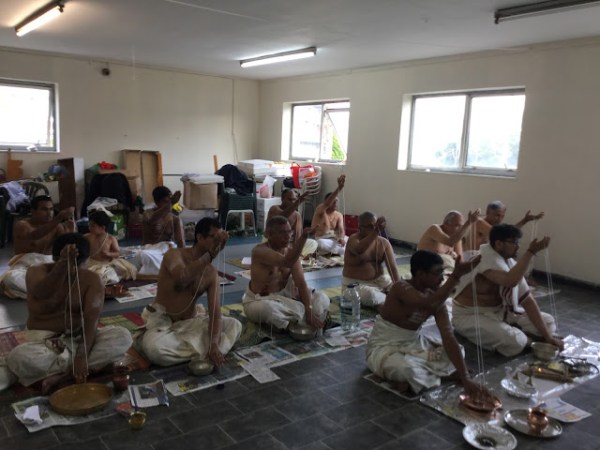
108 ஆண்டுகளுக்கு முன் பேட்fஈல்டு ( REV J E PADFIELD ) என்னும் பாதிரியார், வீட்டில் இந்துவின் நெறிமுறைகள் ( Hindu at Home) என்ற தலைப்பில் ஒரு புத்தகம் வெளியிட்டார். அதில் திருமணம் பற்றிப் படிக்கையில் பல சுவையான விஷயங்கள் கிடைத்தன. ஏற்கனவே ஆங்கிலக் கட்டுரையில் விளக்கமாக கொடுத்துவிட்டேன். அதிலிருந்து சில சுவையான பகுதிகளை மட்டும் தருகிறேன்.


காதல் திருமணம் ஓகே’ (OK)!


மனு எட்டு வகையான திருமணங்கள் பற்றிச் சொல்லுகிறார். இதை தொல்காப்பியரும் அப்படியே தமிழர் திருமண வகை என்று சொன்னதை முன்னர் எழுதிய தொல்காப்பிய ஆராய்ச்சிக் கட்டுரைகளில் தந்தேன்.


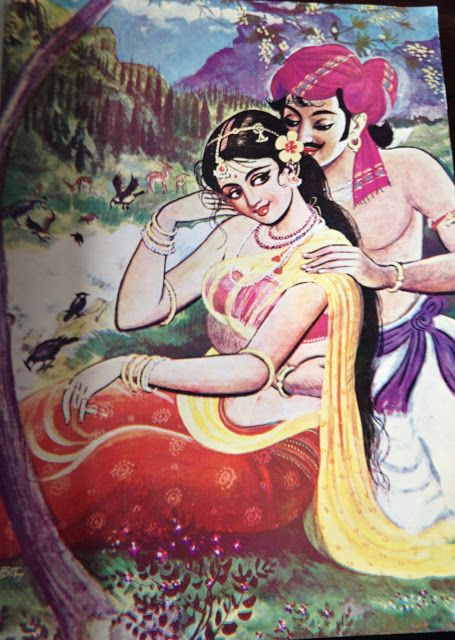
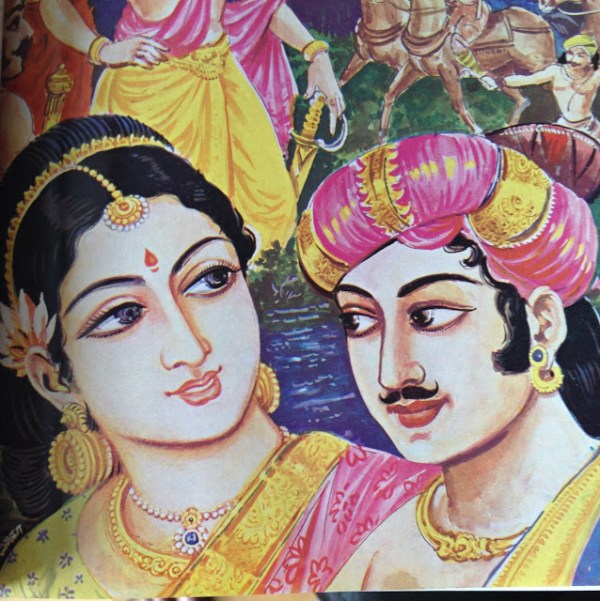
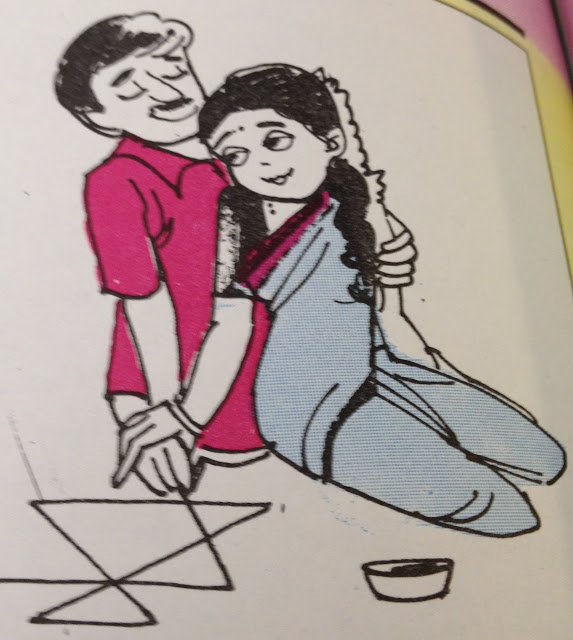
ஒரு பெண் தானாக கணவனைத் தேடுவதோ, ஒரு ஆண் தானாக பெண்ணை நெருங்கி மணம் முடிப்பதோ தவறில்லை என்று சொல்கிறார் மனு:-


மூன்றாவது அத்தியாயத்தில் திருமணம் பற்றி நிறைய எழுதியுள்ளார். பத்துவகையான குடும்பங்களில் பெண் எடுக்கக்கூடாது என்று குஷ்டம், க்ஷயரோகம், கால்,கை வலிப்புள்ள குடும்பங்கள்  பட்டியலைத் தருகிறார். அத்தோடு உடலில் அதிக முடியுள்ள குடும்பங்களிலும் திருமணம் செய்யக்கூடாது, வேத ஆசார அனுஷ்டானங்கள் இல்லாத குடும்பங்களையும் தவிர்க்கவேண்டும் என்பார்.
மனு நீதி பற்றிப் பேசியவுடன் சில திராவிடங்களும் மார்கசீயங்களும் பொங்கி எழும். அவர்கள் எல்லோரும் செத்த பாம்பை அடிக்கும் வீரர்கள் என்பது மனு நீதி நூலைப் படிப்பவர்களுக்குப் புரியும். ஏனெனில் மனு சொல்லும் விதிகளை பிராமணர்களே பின்பற்றுவது இல்லை; முன்னர் பின்பற்றியதும் இல்லை என்பது இதை முழுக்கப் படித்தால் விளங்கும். ஒரு வேளை நமக்குத் தெரிந்து மனு நீதியைப் பினபற்றிய ஒரே ஆள் மனுநீதிச் சோழனாகத்தான் இருக்கும்.!!


வாயாடிப் பெண்ணையும், சிவப்புத் தலை முடி உடைய பெண்ணையும். திருமணம் செய்யக்கூடாது. அதிக முடியோ, முடியே இல்லாமலிருந்தாலோ கல்யாணம் செய்யக்கூடாது. வியாதியுடையவர், உடலுறுப்புகள் கூடுதலாக இருப்பவரையும் மணம் முடிக்காதே என்பார் (3-7, 8)


அன்ன நடை அல்லது யானை போல அசைந்தாடும் நடை யுடைய பெண்ணை, அழகிய முடி, பல் வரிசையுடைய பெண்ணை திருமணம் செய்யலாம் என்பார்.(3-10)


சகோதர் இல்லாத பெண் அல்லது ஊர் பேர், குலம் கோத்திரம் தெரியாத தந்தையுடைய பெண்ணையும் தவிர்க்கவும் என்கிறார்(3-11)
 

இரண்டாவது மனைவி

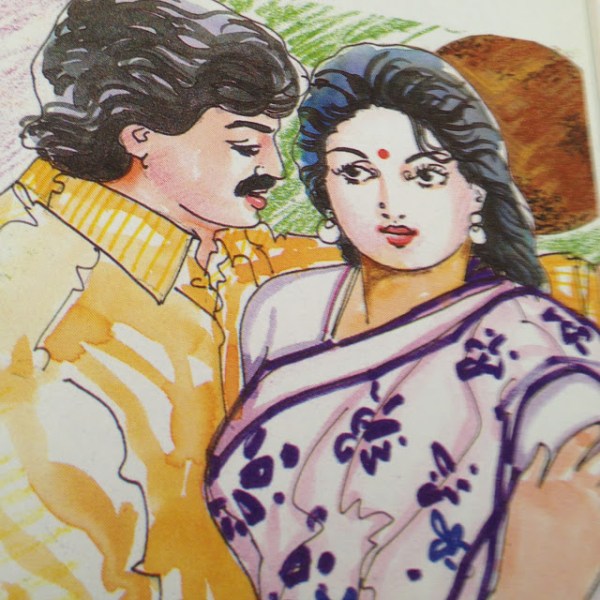
அவரவர் முதல் மனைவியை சொந்த ஜாதியில் கட்டலாம்; ஆசை காரணமாக மேலும் மனைவி வேண்டுமானால், ஜாதி வரிசைப்படி திருமணம் செய்யலாம் (1.பிராமணர், 2.அரசர் குலம், 3.வணிகர் குலம் என்பது வரிசை) (3-12)


ஒரு பெண் பருவம் அடைந்தவுடன் மூன்றாண்டுகளுக்குக் காத்திருக்கலாம். அதற்குப் பின் அவள் தனக்குரிய தகுந்த ஆடவனைத் தேடலாம். தந்தையே முன்வந்து மணம் முடிக்காதபோது அவளே ஒருவரைத் திருமணம் செய்வதில் தவறில்லை. அவளை திருமணம் செய்ய முன்வரும் ஆடவனும் தவறிழைக்காதவனே (9-91)


ஆனால் அப்படித் தன் காதலனுடன் செல்லுகையில் தந்தை, தாய், சகோதரர் கொடுத்த நகையுடன் ஓடிவிடக் கூடாது. அப்படிப் போனால் அந்தப் பெண் திருடி ஆவாள் (9-92)


முப்பது வயது ஆண் 12 வயதுப் பெண்ணையும், 24 வயது ஆண் 8 வயதுப் பெண்ணையும் மணக்கலாம்.(9-94)


(எனது கருத்து:- மனு தர்மத்தில் வேத காலத்தில் இருந்த பெண் சுதந்திரம் பல பாடல்களில் வருகிறது ஆனால் இங்கே எட்டு வயதுப் பெண் திருமணம் பற்றிச் சொல்லுவது முன்னுக்குப் பின் முரணாக உள்ளது. ஆகையால் ஒரிஜினல் மனு ஸ்மிருதியுடன் அவ்வப்போது சில பிற்கால விதிகளும் இடைச் சொருகலாக வந்தன என்று கொள்ளுவதே பொருத்தம்)


கற்பு என்பது இருவருக்கும் பொதுவானது; ஆணும் பெண்ணூம் ஒருவருக்கொருவர் விசுவாசமாக இருக்க வேண்டும். இருவரும் சாகும் வரை பிரியக்கூடாது (9-101, 102)


கடவுள் கொடுக்கும் பரிசு


பெண் என்பவள் கடவுள் கொடுக்கும் பரிசு; ஏதோ தானாக முன்வந்து எடுத்துக் கொண்டதாக எண்ணக்கூடாது. மனைவியை எப்போதும் ஆதரித்து கடவுளைத் திருப்தி செய்ய வேண்டும் (9-94/96)


எப்போது விவாக ரத்து செய்யலாம்?


கணவன் ஏதேனும் கடமையை நிறைவேற்றப் போயிருந்தால் மனைவி 8 வருடம் வரை அவனுக்காக காத்திருக்கலாம்; உயர் படிப்புக்குப் போயிருந்தால் 6 வருடங்களும், சுற்றுலா போயிருந்தால் 3 வருடங்களும் அவனுக்காக காத்திருக்கலாம்.

(அதற்குப் பின்னும் வராவிட்டால் அவள் வேறு ஒருவரை மணம் முடிக்கலாம் என்பது கருத்து)


வெறுப்பை  கொட்டும் மனைவியை ஓராண்டு பொறுத்துக் கொள்ளலாம்; பின்னர் அவளை விட்டு நீங்கலாம். குடித்துவிட்டுக் கூத்தாடும் மனைவி, கணவனை அடிக்கும் மனைவி, ஊதாரியாகச் செலவு செய்யும் மனைவியை உடனே விட்டுவிடலாம். (9- 76/80)

மனைவி மலடியாக இருந்தால் 8 வருடங்களுக்குப் பின்னரும், பிறந்த குழந்தைகள் எல்லாம் இறந்துவிட்டால் 10 வருடங்களுக்குப் பின்னரும், புதல்விகளை மட்டுமே பெற்றெடுத்தால் 11 வருடங்களுக்குப் பின்னரும் பிரியலாம். ஆனால் திட்டித் தீர்க்கும் மனைவியை உடனே விட்டுவிடலாம் (9-81)

மனு ஸ்மிருதியின் மொழிபெயர்ப்பு தமிழிலும் கிடைக்கும். இங்கே பிரிட்டிஷ் லைப்ரரியில் பல பதிப்புகள் உள்ளன. திருலோக சீதாராம் எளிய நடையில் மொழி பெயர்த்துள்ளார். பெண்களை மனுஸ்மிருதி போற்றுவது போல உலகில் பழங்கால இலக்கியம் எதுவும் போற்றியதில்லை. நாமே படித்துப் பார்த்தால் அதைக் கண்டு வியப் போம்.


பிராமணர்களுக்கு எவ்வளவு சலுகை தருகிறதோ அந்த அ ளவுக்குக் கட்டுப்பாடுகளும் விதிக்கிறது. அதாவது எளிதில் பின்பற்றமுடியாத கடுமையான விதிகள். இதை யார் எந்தக் காலத்தில் பின்பற்றினார்கள் என்று நான் எண்ணுவேன். ஆகையால் மனுஸ்மிருதியில் ஏதேனும் ஒன்றிரண்டு ஸ்லோகங்களை மட்டும் மேற்கோள் காட்டும் வெள்ளைத் தோல் அறிஞர்கள், திராவிடங்கள், மார்கசீயங்கள் சொற்களை நம்பாமல் மெய்ப்பொருள் காண்பதறிவு.


-சுபம்–
A Wife is a Gift from the Gods- Manu Smrti (Post No 3325)

Compiled  by London Swaminathan


Date: 6  November 2016


Time uploaded in London: 18-08


Post No.3325


Pictures are taken from various sources.


contact; swami_48@yahoo.com


HINDU MARRIAGES (vivaha)—Part 1


(Following is the edited version of  Hindu marriage from the book The Hindu at Home written by The Rev. J E Padfield, published in 1908. He has described the five day marriage in Brahmins’ houses 100 yeaars ago in detail. I will post it tomorrow)

“The nuptial ceremony is considered as the complete institution of women, ordained for them in the Veda, together with reference to their husbands (Manu, ii. 67.)


HINDU laws and regulations on the marriage question take it for granted that all men and women must marry. It is only those who may be suffering from disqualifications of mind or body that do not marry. There are no old bachelors or old maids amongst the Hindus. It appears quite clear that in Vedic time there was some liberty of choice amongst both men and women, as to their partners; for it is thus written.


Love Marriage in not wrong!


“Three years let a damsel wait, though she be marriageable; but, after that term, let her choose for herself a bridegroom of equal rank.

If, not being given in marriage, she chooses her bridegroom, neither she nor the youth chosen commit any offence.


But a damsel, thus electing her husband, shall not carry with those her the ornaments which she received from her father, nor given by her mother or brethren: if she carries them away, she commits theft (Manu, ix. 90-92.)

A thirty year old man should marry a twelve year old girl who charms his heart, and a man of twenty four, an eight year old girl; and if duty is threatened, he should marry in haste.

A husband takes his wife as a gift from the gods, not by his own wish; he should always support a virtuous woman, thus pleasing the gods- 9-94-96

Vedic Age and Modern Kali Yuga


But whatever liberty may have existed in respect in ancient times it very certain that such is not the case now. The institution of child marriage has entirely destroyed that liberty.


Amongst Brahmins, and Vaisyas, a boy cannot be married until he has invested with the marks of the twice-born (upanayanam), though they are often married immediately after that event. Girls must be married before puberty and usually it is done  whilst they are quite young.


Marriages can only take place between those of the same caste and the same sect. there are also prohibitive degrees of tribe and family which marriages are not allowed. Amongst the larger sects this does not act much as an obstacle but amongst the smaller ones it often causes great difficulty.


There are also natural likes and dislikes, some of which are thus alluded to by Manu, and which evidently point to a period when marriages were settled at a more natural age, and in a more natural manner.


Don’t marry Talkative Girl!


“Let him not marry a girl with reddish hair, nor with any deformed limb, nor one troubled with habitual sickness, nor one either with no hair or with too much, nor one immoderately talkative, nor one with inflamed eyes.


“Let him choose for his wife a girl whose form has no defect, who has an agreeable name, who walks gracefully, like a swan, or like a young elephant, whose hair and teeth are moderate respectively in quality and in size, whose body has exquisite softness.” (iii. 8 and 10).


The two institutions of polyandry and polygamy exist in India. The former cannot be said as a Hindu institution; indeed it is utterly opposed and  abhorrent to very spirit of  Hinduism.  It is practised by such unorthodox Hindus as the Todas of the Nilgiris and the Nairs of Western Coast. But it is only a local and in no sense a universal custom.


Polygamy, however, is a true Hindu institution, and it is duly legislated upon in the various codes. Manu lays down the law as follows:

For the first marriage of the twice born classes, a woman of the same class is recommended; but for men who are driven by desire to marry again women in the direct order of the classes are to be preferred.

(iii. 13)


This only alludes to a state of things in those early Vedic days; in this Kali Yuga or degenerate age, though a man may have, and in some cases, should have, more wives than one at the same time, it can only be within strictly recognized caste limits.

One Wife from Each Caste!


One of the stories in the Vickramarkacharitra turns upon the fact of a Brahmin being allowed to take to wife a woman from each of the four castes. Now, however, no one, especially a Brahmin, dares to marry outside of his own caste; but, within these  limits, there are circumstances under which it is rather incumbent upon a Hindu than otherwise to take a second wife.


When can you marry a Second Wife?


Should his wife prove barren, or should all the male issue die, then very often, the husband will be pressed by the wife herself to re-marry, so that there may be surviving male issue, and thus the reproach of the family be wiped away and the future salvation of those concerned fully assured. This concession is, however, guarded round with conditions, some of which are thus stated by Manu:–


“A barren wife may be superseded by another in the eighth year, she whose children are all dead in the tenth, she who brings forth only daughters in the eleventh, she who speaks unkindly without delay.” (ix. 81.)

Another condition, not absolutely binding in all cases, is that the first wife should consent to the remarriage. It is not difficult to understand how reluctant a woman would naturally be thus to have a sharer in her husband’s affection.


The desire, however, for male issue, indeed the absolute necessity for a son, either born or adopted, is so overpowering that it is not so unusual a thing as might at first be supposed, for a woman, at all and any risk to her own personal happiness or the family, to strongly desire her husband to seek out another woman and bring her to his home.

Cousin Marriage!


Amongst the Telugu people ‘menarikam’, which means that a youth should marry his mother’s brother’s daughter, and a girl should marry her father’s sister’s son. Failing such relationships, the choice is left free, that is free within the proper limits of caste and sect.


There are, however, some sects of Brahmins who are opposed to this menarikam rule, thinking the blood-relationship is too close for marriage.


There is another bar to marriages amongst Hindus that does not exist amongst Europeans, and that is that a younger brother cannot marry until the elder one is married. Neither can a younger sister marry  before the elder one is disposed of. This is not a mere custom,  it is according to what is strictly laid down in the code. Manu says


Five people go to hell!


“He who makes a marriage contract with the connubial fire, whilst his elder brother continues un married, is called a parivetru and the elder brother a parivitti. The parivetru, the parivitti, the damsel thus wedded, the giver of her in wedlock and fifthly, the performer of the nuptial sacrifice, all sink to a region of torment (Manu, iii. 171, 172.)


To be continued…………………..


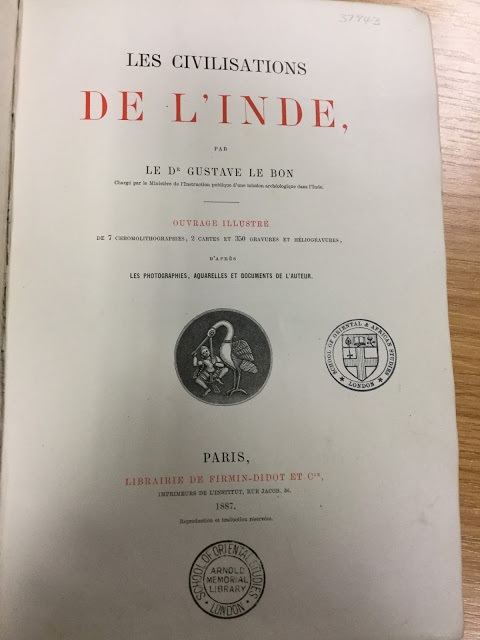
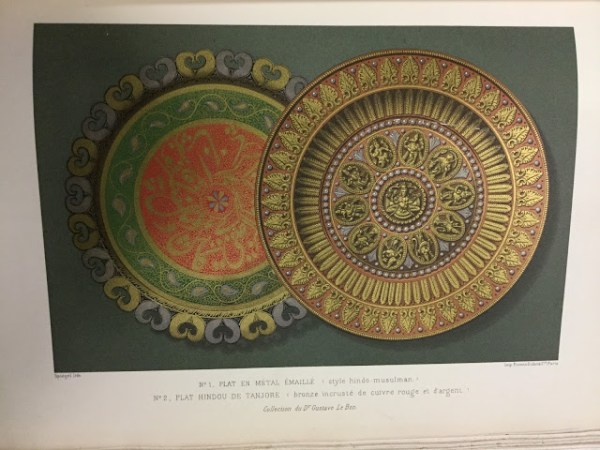
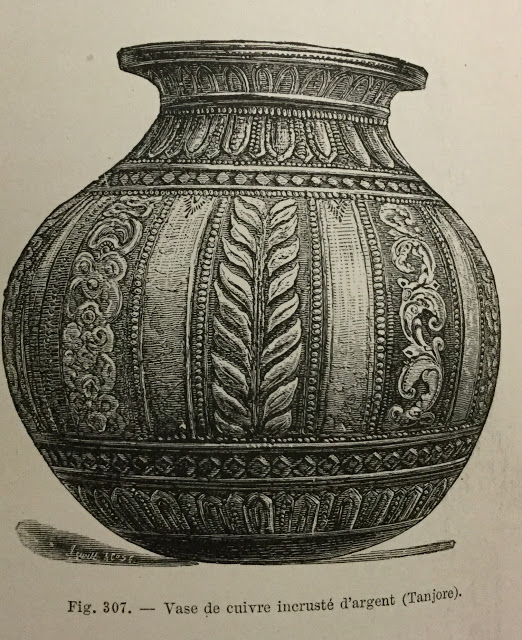
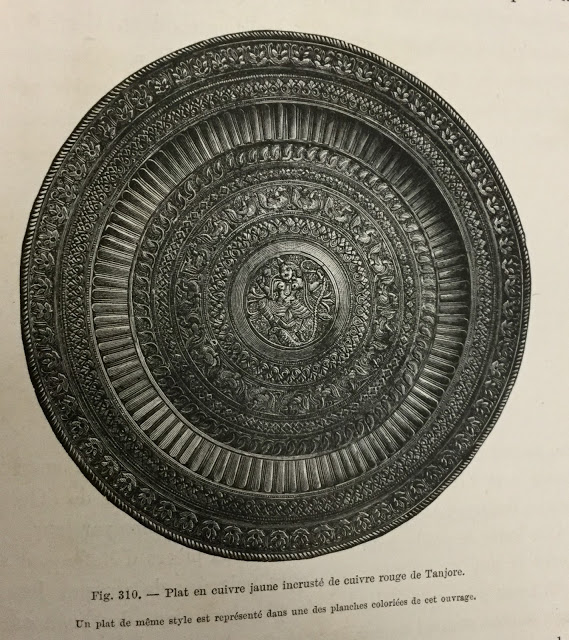
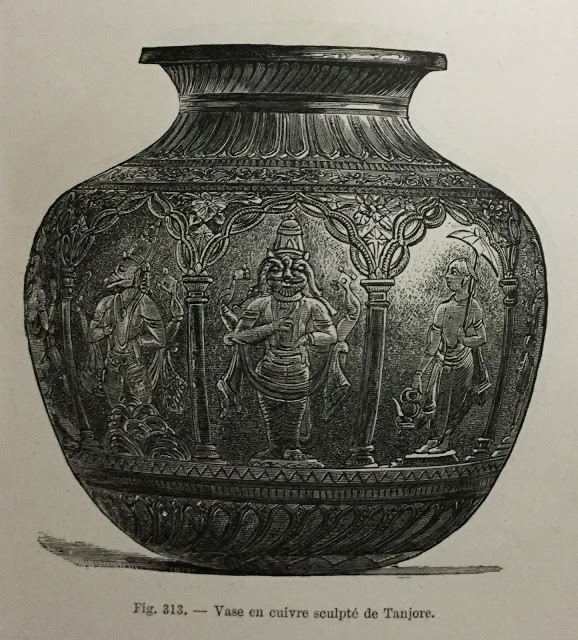
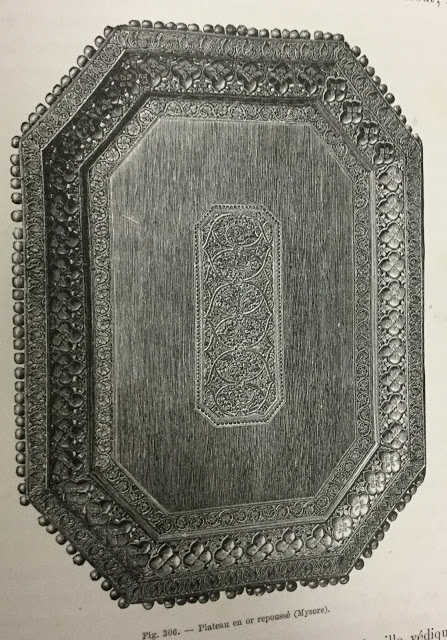
Rare Pictures of Thanjavur Plates and Pots from 1887 French Book (Post No. 3324)

Compiled  by London Swaminathan


Date: 6  November 2016


Time uploaded in London: 15-23


Post No.3324


Pictures are taken from various sources.


contact; swami_48@yahoo.com


–SUBHAM–


பந்தரைத் தந்த மஹாராஜா (Post No.3323)


WRITTEN BY S NAGARAJAN


Date: 6  November 2016


Time uploaded in London: 6-14 AM


Post No.3323


Pictures are taken from various sources; thanks. This picture is from a Facebook friend.Thanks.

Contact: swami_48@yahoo.com


.பாக்யா 4-11-2016 தீபாவளி இதழில் வெளியாகியுள்ள கட்டுரை


பந்தரைத் தந்த மஹாராஜா


ச.நாகராஜன்


பிரிட்டிஷ் ஆட்சி காலத்தில் நடந்த உண்மையான சம்பவம் இது!

பிரிட்டிஷாரின் சூழ்ச்சியைப் புரிந்து  கொண்ட் சில மஹாராஜாக்கள் இங்கிலாந்து மேலிடத்தை ஏளனம் செய்த நிகழ்ச்சிகள் ஏராளம் உண்டு.அவற்றில் இதுவும் ஒன்று.


குஜராத்தில் ஜுனாகத் போர்ட் ஆஃப் பந்தர் ஒரு முக்கியமான துறைமுகம். ஜுனாகத்தை எப்படியாவது பிரிட்டிஷாரின் வசம் கொண்டு வர வேண்டும் என்று விரும்பிய இங்கிலாந்து அதன் அரசியல் பிரதிநிதியாக் இந்தியாவில் இருந்த ரெஸிடெண்டிற்கு ஒரு உத்தரவைப் பிறப்பித்தது.


“என்ன வேண்டுமானாலும் செய்யுங்கள் போர்ட் ஆஃப் பந்த்ரை ஜுனாகத் நவாபிடமிருந்து பெறுங்கள்” என்ற உத்தரவைக் கண்ட ரெஸிடெண்ட் தீவிரமாகச் சிந்தித்தார்.


நவாபை ராஜ்கோட்டிற்கு வரவழைத்த ரெஸிடெண்ட் அந்தக் காலத்தில் பிரிட்டிஷாரின் உயரிய விருதான க்னைட் க்ராண்ட் கமாண்டர் எனப்படும் G.C.I.E  என்ற விருதை அவருக்கு அளித்தார்.

பிரம்மாண்டமான விழாவில் மஹாராஜாவிடம் எப்படிப்பட்ட உயரிய விருதை விக்டோரியா மஹாராணியார் அளித்துள்ளார் என்பதை நன்கு விளக்கினார்.


நவாபிற்கு ஆங்கிலம் தெரியாது; மிகவும் அப்பாவி என்று எடை போட்ட ரெஸிடெண்ட் மொழி பெயர்ப்பாளர் மூலம் நவாப் இங்கிலாந்து ராணியாருக்கு தம் நன்றியைத் தெரிவிக்கும் வண்ணம் ஏதாவது செய்ய வேண்டும் என்று அறிவுறுத்தினார்.

“என்ன செய்ய வேண்டும்?”  அப்பாவியாக நவாப் கேட்டார்.

“ஒன்றுமில்லை. பந்தரைக் கொடுத்து விட்டால் போதும்:

நவாப் அப்பாவியாக, “பந்தரையா கேட்கிறீர்கள்?” என்றார்.


மிகவும் மனம் மகிழ்ந்த ரெஸிடெண்ட் தன் வேலை சுலபமாக முடிந்தது என்று எண்ணியவாறே, “ப்ந்தரைக் கொடுத்தால் போதும்” என்றார்.


அதை ஆமோதித்த நவாப் ஊர் திரும்பினார்.

ரெஸிடெண்ட் இங்கிலாந்திற்குத் தனது வெற்றியைப் பற்றிப் பெரிய தந்தி ஒன்றை அடித்தார்.பாராட்டும் வந்து சேர்ந்தது.

ஊருக்குத் திரும்பிய நவாப் பெரிய தங்கத்திலான கூண்டு ஒன்றையும் வெள்ளியிலான கூண்டு ஒன்றையும் செய்யச் சொன்னார். அவற்றில் நன்கு வளர்ந்த நான்கு குரங்குகளை அடைத்தார்.


பெரிய மேள தாளத்துடன் அவற்றை ராஜ்கோட்டிற்கு ரெஸிடெண்டிடம் அனுப்பி வைத்தார்.


“நீங்கள் கேட்ட பந்தரை அனுப்பி வைத்துள்ளேன். இவ்வளவு சின்ன கோரிக்கையை உடனே நிறைவேற்ற முடிந்ததை என் பாக்கியமாகக் கருதுகிறேன்” என்ற நவாபின் கடிதத்தைப் பார்த்த ரெஸிடெண்ட் கூடவே வந்த கூண்டுகளையும் உள்ளே இருந்த குரங்குகளையும் பார்த்தார்.


பந்த்ர் என்றால் குரங்கு என்று தானே ஹிந்தியில் அர்த்தம்.

மஹாராஜாவுக்குத் தான் ஆங்கிலம் தெரியாதே!அப்பாவி ஆயிற்றே!!


ரெஸிடெண்ட் முழித்தார்.


அவரை உடனே ஊர் திரும்புமாறு இங்கிலாந்து மேலிடம் தந்தியை அனுப்பியது. அங்கு சென்றவுடன் அவருக்கு ஓய்வு வழங்கப்பட்டது.


இங்கோ  நவாப் சிரித்தார். ஆங்கிலேயரின் சூழ்ச்சியையும் தங்கள் நவாப் போர்ட் பந்தருக்கு பதில் நிஜ ‘பந்தரைக்’ கொடுத்து  அதை முறியடித்த விதத்தையும் அறிந்த மக்களும் சிரித்தனர்!


ஆங்கிலேயரை இப்படி ஏளனம் செய்திருக்கும் – நமக்குத் தெரியாத, பிரபலமாகாத – சம்பவங்கள் நமது சரித்திரத்தில் ஏராளம் உண்டு!

**********


Sarvam Satye Pratishtitam ! Everything Rests on Truth (Post No.3322)


Written  by London Swaminathan


Date: 5  November 2016


Time uploaded in London: 19-48


Post No.3322


Pictures are taken from various sources; they are only representational.


contact; swami_48@yahoo.com


India cannot be defeated by any one at any time. India cannot be wiped out from the map of the word; the reason being its motto is Satyameva Jayate (Truth alone Triumphs). It is a Upansishadic quotation. Every one of us has a name and most of the Hindus have horoscopes. These birth charts and our names are indicators of our virtues as well as our future. India knowingly or unknowingly chose the famous Vedic quote on Truth as its motto and the greatest Hero Bharat as its name. If India is defeated truth is defeated. As a natural law, truth can never be defeated.


Truth is in Indian’s blood. In the olden days, people of  the three castes left their children at the house of the Guru for 12 to 24 years for learning the scriptures, science and weapony. The first lesson they were taught was ‘Satyam Vada’ (Speak Truth) and then Dharmam chara (Do charitable work). So they have learnt it from the very first day in school at the age of 5 or 7 or 9.


No religion or no culture or no country in the world emphasizes TRUTH to this extent. Here are some of the beautiful quotations on truth from Bhagavata and Mahabharata:–

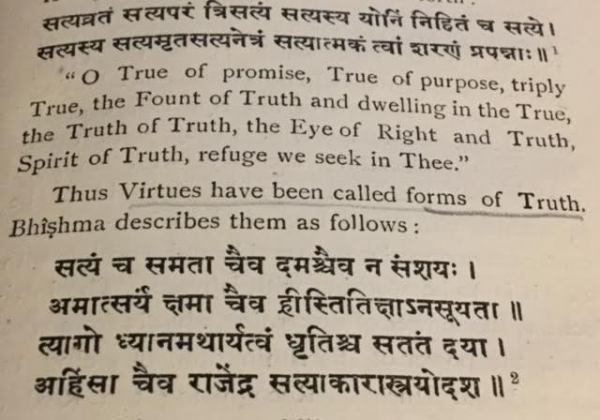
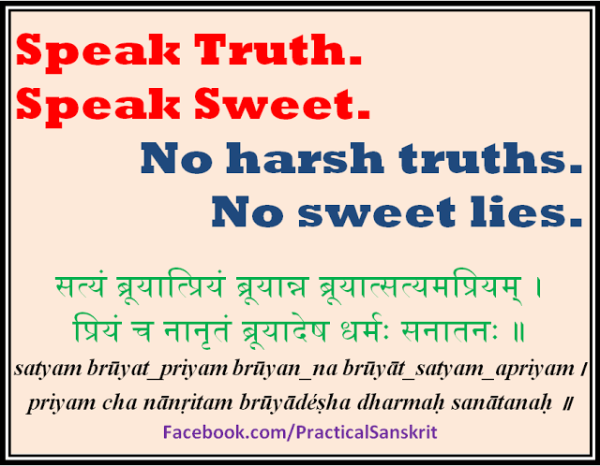
Satyavratam satyaparam trisatyam satyasya yonim nihitam ca satye

Satyasya satyamruta satyanetram satyaatmakam tvaam saranam prapannaah

Vishnu Bagavata 10-2-26

O ,True of promise, True of purpose, triply True, the Fount of Truth and dwelling in the true, the Truth of Truth, the Eye of Right and Truth, Spirit of Truth , refuge we seek in Thee.


xxx


Satyamruta ca samaras caiva damascaiva na samsayah

Amaatsaryam kshmaa caiva hriistitikshaa anasuuyataa


Tiago dhyaanamathaaryatvam dhrutisca satay am dayaa

Ahimsa caiva Rajendra satyaakaaraa trayodasa


Truthfulness, equability, self control, absence of self display, forgiveness, modesty, endurance, absence of envy, charity , a  noble well wishing towards others, self possession, compassion, and harmlessness — surely these are the thirteen forms of Truth.

Truth is that which is ………….

As Bhisma says

Satyam brahma sanaatanam

Sarvam satye pratishtitam

Truth is the eternal Brahman……..

Everything rests on Truth


Truthfulness was in ancient days, the leading characteristic of the Hindu, and is constantly alluded to as a constituent in the heroic character. Thus, when about to revive the dead child of Abhimanyu, Shri Krishna says


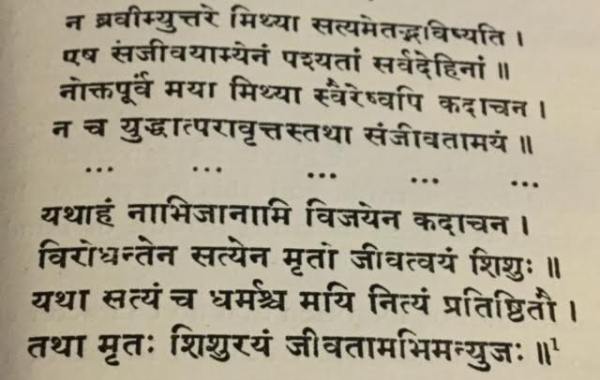
“O , Uttara! I speak not falsely, and this shall truly come about . Even now do I revive this child ; let all beings behold it.


“As I have never uttered an untruth, even in play, as I have never turned back from battle, so may this infant  live.


“As I have never known dispute with Arjuna, so by that truth may this dead babe revive.


“As truth and Dharma ever dwell in Me, so may the dead child of Abhimanyu live.


Other heroes repeatedly make the same statement


“My lips have never uttered an untruth”


Shri Rama goes into exile for fourteen years in order that his father’s promise may remain unbroken.

Yudhishtira refuses to struggle for his kingdom before due time, because he has promised to remain in exile.


Truth is emphasized in all the literatures of India. Tamil Veda Tirukkural written by Tiruvalluvar has a chapter on Truthfulness. He says

Speech which causes no harm whatsoever to anyone is called Truth (Kural 291)

It it will produce pure, unmixed good even falsehood may be considered Truth (292)

If a man could conduct himself true to his own self he would be in the heart of all in the world (294)


All lamps are of no avail. The light of truth is the only lamp which the wise cherish (299)


Tiruvalluvar says if one practises truth (297) then he does not need to follow any other virtue. Truth alone will save him.


Satyameva Jayate!


–Subham–


வெங்காயம்! என்னடா தமிழ்! வெங்காயம்!!! (Post No.3321)

Written  by London Swaminathan


Date: 5  November 2016


Time uploaded in London: 17-45


Post No.3321


Pictures are taken from various sources; they are only representational.


contact; swami_48@yahoo.com


தமிழனுக்கு முதலாவது தெளிவான நேரான சரித்திரமே இல்லை. அதுபோலவே சமய ஞான சாதனமும் இல்லை. இவை இல்லாமல் தமிழனுக்கு என்று ஆரிய ஆதிக்கமும் கலப்பும் அற்ற இலக்கியமும் இல்லை.”


தமிழின் மூலமோ, தமிழ் இலக்கியத்தின் மூலமோ, தமிழ்ச் சமயம் பண்பாடு மூலமோ நாம் உலக மக்கள் முன்னனி வரிசையில் ஒருநாளும்  இருக்கமுடியாது.

இன்றைய நிலமையைவிட வேகமாக முன்னேறவேண்டுமானால் ஆங்கிலம்தான் சிறந்த சாதனம்.


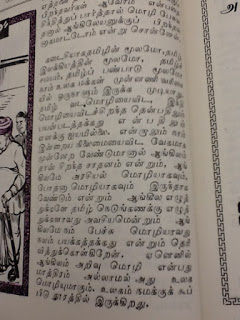
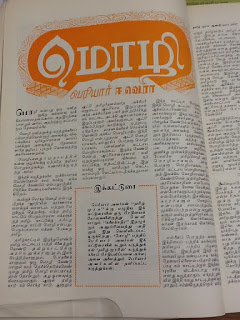
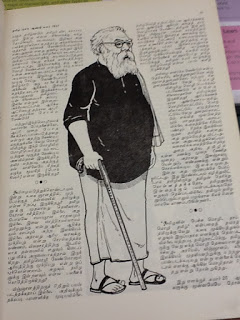
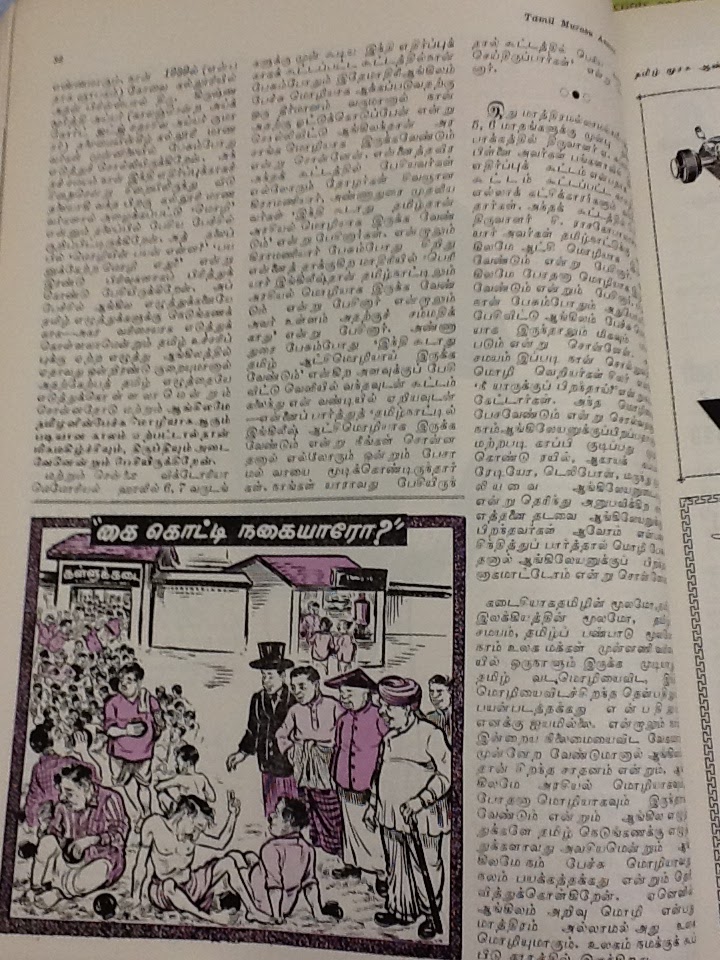
1957 ஆம் ஆண்டு மலேசிய தமிழ் முரசு பத்திரிக்கை மலரில் வெளியான ஒரு கட்டுரையில் ஈ.வெ.ராமசாமி நாயக்கர் தமிழ் கலாசாரம் பற்றி தனது கருத்துகளைப் பட்டவர்த்தனமாகச் சொல்லியிருக்கிறார். அதை வெளியிட்ட பத்திரிகையே இது எங்கள் பத்திரிக்கையின் கருத்து அல்ல என்று ஈ.வெ.ரா.வை கை கழுவிவிட்டது!


கட்டுரை நகலை இணத்துள்ளேன் அதை பெரிதாக்கி படிக்க இயலாதவர்களின் நலன் கருதி சில அம்சங்களை மட்டும் இங்கே மீண்டும் எழுதுகிறேன் (அவர் சொன்னபடியே)


இவர் தமிழ் துரோகியா? தமிழ் அன்பனா என்று வாசகர்களே  முடிவு செய்யலாம்.

தினமணியில் வந்த ஒரு பழைய செய்தி


திருச்சியில் பகுத்தறிவுப் பகலவர்களைப் பெற்றெடுத்த, “தாலி அறுத்த மாதர்” மகாநாட்டில் பேசிய  ஈ.வெ.ரா. திருவள்ளுவரைச் சாடியதை நாங்கள் தினமணியில் பெட்டிச் செய்தியாக முதல் பக்கத்தில் வெளியிட்டோ . (40 ஆண்டுகளுக்கு முன்னர் நான் தினமணி சீனியர் சப் எடிட்டராக வேலை பார்த்தபோது).


எங்கள் இந்தியன் எக்ஸ்பிரஸ் கரஸ்பாண்டன்ட் கோபால ஐயர், ஈ.வெ.ராவுக்கு மிகவும் பிடித்த ஐயர்களில் ஒருவர். திருச்சியில் நடந்த திராவிடக் கழக மாநாட்டு விஷயங்களை அப்படியே ஆங்கிலத்தில் எழுதிக் கொடுப்பவர்.


அவர் அனுப்பிய செய்தியைத்தான் நாங்கள் முதல்பக்கத்தில் பாக்ஸ் ஐயிட்டமாக BOX ITEM வெளியிட்டோம்.


தெய்வம் தொழாள் (குறள் 55) —– என்னும் திருக்குறளைச் சொல்லி முதல் வரிசையில் அமர்ந்த பெண்களைப் பார்த்து நிங்கள் எல்லாம் பத்தினிப் பெண்கள்தானே? என்று ஈ.வெ.ரா. கேட்டார். அதுகளும் மாடு மாதிரி தலை அசைத்து ஆமாம் சாமி போட்டன. எங்கே பார்ப்போம்; வள்ளுவன் சொல்றான்— பத்தினிப் பெண்கள் எல்லாம் பெய் என்றால் மழை பெய்யுமாம்; நீங்கள் எல்லோரும் “பெய்” என்று சொல்லுங்கள் என்றவுடன் அதுகளும் “பெய்” என்றன. மழை பெய்யவில்லை. பார்த்தீர்களா வள்ளுவனின் மூடநம்பிக்கை என்று சொல்லி ஈ.வெ.ர. உரையை முடிக்க அந்தப் பெண்கள் மூஞ்சியில் ஈ ஆடவிலை. இப்பொழுது வள்ளுவன் சொன்னது தப்பா? அல்லது அதுகள் எல்லாம் பத்தினிகள் இல்லையா– என்ற ஒரு தரும சங்கடமான நிலையில் மகளிரைத் தள்ளிவிட்டார் பெரியார்.


கீழே உள்ளதைப் படியுங்கள் இன்னும் வேடிக்கை பார்க்கலாம்:—


xxxxx


“மொழி என்பது மனிதனுக்கு அவ்வளவு ஒரு முக்கிய சாதனம் அல்ல. இயற்கையானதும் அல்ல. அதற்கு ஒரு கட்டாயமும் தேவை இல்லை”.

xxxxx


நமக்கு சொந்த மொழி என்பது பிறந்த ஜாதியின் காரணமாக. எனக்குக் கன்னடம். மற்றும் சிலருக்குத் தெலுங்கு. மற்ற தமிழ்நாட்டுப் பெரு ம்பாலான மக்களுக்குத் தமிழ்.


xxxxx


தமிழ்நாடு நம் சொந்த நாடு. ஆனாலும் அட்சி தமிழர்கள் அல்லாத அந்நியர்களுடைய ஆட்சியாக இருப்பதால் அந்த அந்நியர்கள் பலர் ஒன்று சேர்ந்து நம்முடைய நாட்டை அடக்கி ஆள்பவர்களாக இருப்பதனால் — இந்தி மொழிதான் அட்சி மொழியாகவும் போதனா மொழியாகவும்……………… இது நமக்கு ஒரு மாபெரும் கெட்ட வாய்ப்பும் வெட்கப்படத்தக்கதுமான சம்பவமுமாகும்.

xxxx

காலம்சென்ற ஐக்கோர்ட் ஜட்ஜ் சதாசிவ ஐய்யர் குமாரர் கிருஷ்ணமூர்த்தி அய்யர் தலைமையில் மொழி என்னும் தலைப்பில்   (1939 ஆம் ஆண்டில் என்று ஞாபகம்) பேசியிருக்கிறேன். ஆங்கில எழுத்துக்களையே தமிழ் நெடுங்கணக்காக, தமிழ் அகரவரிசையாக எடுத்துக்கொள்ளலாமென்றும், தமிழ் உச்சரிப்புக்கு ஏற்ற எழுத்து ஆங்கிலத்தில் ஒன்றிரண்டு குறையுமானால் அதற்கேற்ப தமிழ் எழுத்தையே எடுத்துக் கொள்ளலாமென்றும் சொன்னதோடு மற்றும்,

ஆங்கிலமே தமிழனின் பேச்சு மொழியாகும் காலம் ஏற்பட்டால்தான் மிகவும் மகிழ்ச்சியும் திருப்தியும் அடைவேன் என்று பேசியிருக்கிறேன்.


xxx

“இங்கிலீஷ் மொழியே ஆட்சி மொழியாக வேண்டும் என்று நீங்கள் பேசியவுடன் எல்லோரும் ஒன்றும் பேசாமல் வாயை மூடிக் கொண்டிருந்தார்கள். நாங்கள் யாராவது இப்படிப் பேசியிருந்தால் கூட்டத்தில் பெரிய கலாட்ட செய்திருப்பார்கள் என்று 6,7 வருடங்களுக்கு முன் நடந்த இந்தி எதிர்ப்பு மகாநாட்டிற்குப் பிறகு சி.என். அண்ணாதுரை என்னிடம் கூறினார்.

xxx


நான் ஆங்கிலம் ஆட்சி மொழியாக வேண்டும் என்று சொன்னவுடம், மொழி வெறியர் சிலர், நீ யாருக்குப் பிறந்தாய்? என்று கேட்டனர்.


அந்த மொழியைப் பேசவேண்டும் என்று சொல்லுவது நாம் ஆங்கிலேயனுக்குப் பிறந்ததாகும் என்றால், மற்றபடி காப்பி குடிப்பது முதற்கொண்டு ரயில், ஆகாய விமானம், ரேடியோ, டெலிபோன் , மருந்து முதலியவை ஆங்கிலேயனுடையது என்று தெரிந்து அனுபவிக்கிறோம். இதனால் எத்தனை முறை ஆங்கிலேயனுக்குப் பிறந்தோம் என்பதை சிந்தித்துப் பார்த்தால், மொழி பேசுவதனால் ஆங்கிலேயனுக்குப் பிறந்தவனாக மாட்டோம் என்று சொல்லுவேன்.


தமிழின் மூலமோ, தமிழ் இலக்கியத்தின் மூலமோ, தமிழ்ச் சமயம் பண்பாடு மூலமோ நாம்  உலக மக்கள் முன்னனி வரிசையில் ஒருநாளும்  இருக்கமுடியாது.

இன்றைய நிலமையைவிட வேகமாக முன்னேறவேண்டுமானால் ஆங்கிலம்தான் சிறந்த சாதனம்.


ஆங்கிலமே அரசியல் மொழியாகவும் போதனா மொழியாகவும் இருக்க வேண்டும்.

ஆங்கில எழுத்துக்களே தமிழ் நெடுங் கணக்காவது அவசியம்.

ஆங்கிலமே நம் பேச்சு மொழியாவது நலம்பயத்தக்கது


என்றும் தெரிவித்துக் கொள்கிறேன்.


தமிழை எடுத்துக்கொண்டாலும் இன்று உலக ஞானத்தில் முற்போக்குத் தன்மையில் தமிழுக்கு என்ன சிறப்பு இருக்கிறது? தமிழனுக்கு முதலாவது தெளிவான நேரான சரித்திரமே இல்லை. அதுபோலவே சமய ஞான சாதனமும் இல்லை. இவை இல்லாமல் தமிழனுக்கு என்று ஆரிய ஆதிக்கமும் கலப்பும் அற்ற இலக்கியமும் இல்லை. அதாவது ஆரிய வரவுக்கு முந்தியது என்று சொல்லத்தக்க வண்ணம், விவகாரத்திற்கு இடமில்லாத தன்மையில் எதுவும் கிடைப்பது மிகவும் அருமையாகதான் இருக்கிறது. தமிழ் மொழி வேண்டுமானால் ஆரியத்துக்கு முந்தியது என்று ஒப்புக்கொள்ளலாம். அதுவும் தமிழனுக்கு இன்றளவும் என்ன பயனைக் கொடுத்திருக்கிறது. விஞ்ஞாநதிற்கு சிறிதும் பயன்படத்தக்கதாய் இல்லை. அறிவுக்கும் தக்கபடி பயனளிக்க முடியவில்லை.


தமிழனின் பேச்சு மொழி”, “தாய் மொழி தமிழ்” — என்பதைத் தவிர தமிழுக்கு வேறு உலக முக்கியத்துவம் எதும் இருப்பதாக எனக்குத் தென்படவில்லை. தமிழும் தமிழனும் பெரும்பாலும் பழங்கால நிலச் சின்னங்களாகவே காணப்படுகின்றனர்.”


–SUBHAM–


புறநானூற்றில் அந்தணரும் வேதமும்! – 2 (Post No.3320)

WRITTEN BY S NAGARAJAN


Date: 5  November 2016


Time uploaded in London: 6-00 AM


Post No.3320


Pictures are taken from various sources; thanks. This picture is from a Facebook friend.Thanks.


சங்க இலக்கிய ஆய்வு – கட்டுரை எண் 5

இந்தக் கட்டூரையில் புறநானூற்றில் உள்ள பாடல்கள் 15,26,166 ஆகியவை இடம் பெற்றுள்ளன


புறநானூற்றில் அந்தணரும் வேதமும் ! – 2


     ச.நாகராஜன்


சங்ககாலத்தில் வாழ்ந்த அற்புதமான ஒரு பெரும் மன்னனைப் பற்றிய சுவையான பல செய்திகளைத் தரும் பாடல் புறநானூறில் உள்ள 15ஆம் பாடல்.

பாடியவர் நெட்டிமையார்

பாடப்பட்ட பாட்டுடைத் தலைவனோ  மாமன்னன் பல்யாகசாலை முதுகுடுமிப் பெருவழுதி.

பெயரே இம்மன்னனின் பெயரே புகழுக்கான காரணத்தை விளக்குகிறது.

பல யாகங்கள் செய்த அரும் புகழைப் பெற்ற பெரு வீரன் இவன். பாடலில் வரும் வரிகள் இவை:-


புரையில்
நற்பனுவ னால்வேதத் 
தருஞ்சீர்த்திப் பெருங்கண்ணுறை 
நெய்ம்மலி யாவுதி பொங்கப் பன்மாண் 
வீயாச் சிறப்பின் வேள்வி முற்றி
யூப நட்ட வியன்களம் பலகொல் ?  (வரிகள் 16 முதல் 21 வரை)


புரையில் நற் பனுவல் நால் வேதம் என்பதன் மூலம் ஒப்புயர்வில்லாத நல்ல அற நூலாகிய நான்கு வேதங்களாகிய ரிக். யஜுர், சாமம், அத்ர்வணம் ஆகியவை சுட்டிக் காட்டப்பட்டு  புகழப்படுகிறது


.

அருஞ்சீர்த்தி என்று  மீண்டும் சொல்லப்படுவதால் அருமை வாய்ந்த புகழுக்குரிய யாகங்கள் என்பது சொல்லப்படுகிறது.

யாகங்களின் பெருமையானது அடுத்து, “பெருங்கண்ணுறை நெய்ம்மலை ஆஹுதி பொங்க” என்பதால் சுட்டிக் காட்டப் படுகிறது. ஆல், அரசு, அத்தி, இத்தி, மா, பலாசு, வன்னி, நாயுருவி,கருங்காலி ஆகிய ஒன்பது வகை சுள்ளிகள் சமித் என்பப்படும். இவை நெய்யுடன் கூடி ஹோம குண்டத்தில் இடப்படும்.

பல மாண் என்பதால் பல மாட்சிமை உடைய என்பதும் வீயாச் சிறப்பு என்பதால்  குறைவில்லாத அழியாச் சிறப்புடன் கூடியது என்பதும் சுட்டிக் காட்டப்படுகிறது.


வேள்வியில் யாக யூபங்கள் நடப்படுவது வழக்கம். அப்படிப்பட பல யாகங்களை நடத்திய யாகசாலைகள் பலவோ என புலவர் வியக்கிறார்.

அவனது வீரச் செயல்களை அடுக்கிய புலவர் தருமச் செயல்களை அடுக்கிக் கூறும் வகையில் இப்படிப் பொழிந்து தள்ளுகிறார்.

மிகுந்த புகழை உடைய நால் வகை வேதங்கள் கூறும் வேள்விகள் பலவற்றை நடத்தி முடித்து விட்டாயோ என புலவர் வியந்து பாடுகிறார். இந்த மன்னனின் புக்ழ எழுதி  மாள முடியாது.


யாகசாலைகள் பற்றிய விரிவான கட்டுரைகளை திரு ச.சுவாமிநாதன் எழுதியுள்ளார். அவற்றை மீண்டும் இங்கு விளக்கத் தேவை இல்லை. அதை இக்கட்டுரையின் தொடர்ச்சி விளக்கமாகப் படித்துணர்க.


இன்னொரு பாடல். தலையாலங்கானத்துச் செருவென்ற நெடுஞ்செழியன் என்ற புகழ் பெற்ற பாண்டிய மன்னனைப் போற்றி புலவர் மாங்குடி மருதனார் பாடிய பாடல் இது.

பாடல் எண் 26.


அதில் வரும் வரிகள் இவை:
போர்ச் செழிய
ஆன்ற கேள்வி அடங்கிய கொள்கை
நான்மறை முதல்வர் சுற்றமாக
மன்னர் ஏவல் செய்ய மன்னிய
வேள்வி முற்றிய வாய்வாள் வேந்தே
நோற்றோர் மன்ற நின் பகைவர் நின்னொடு
மாற்றார் என்னும் பெயர் பெற்று
ஆற்றார் ஆயினும் ஆண்டு வாழ்வோரே.”                                                             (வரிகள் 11 முதல் 18  முடிய)


போர்ச் செழிய என்று மன்னனை விளிக்கும் புலவர் அவர் கடும் போரில் பகைவனை வாட்டுபவன் என்பதைச் சுட்டிக் காட்டுகிறார்.

அவனுக்குச் சுற்றம் யார்?


ஆன்ற கேள்வி அடங்கிய கொள்கையோர் தான் சுற்றம். மிகச் சிறப்பான வேதத்தில் உள்ள “அடங்கிய” – அனைத்தையும் கொண்டுள்ளவர்களை அவன் சுற்றமாகக் கொண்டவன்.

நான்மறை முதல்வர் என்பதால் நான்கு வேதங்களிலும் வ்ல்ல அந்தணர்கள் என்பது பெறப்படுகிறது.


மன்னர் ஏவல் செய்ய என்பதால் நெடுஞ்செழியனுக்கு ஏவலாளர்கள் பல  மன்னர்களே என்பது தெரிய வருகிறது.

வேள்வி முற்றியவன் அவன். பல யாகங்களைச் செய்து முடிந்த முடிபைக் கண்டவன் அவன்.


வாய் வாள் என்பதால் அவனது வாள் ஒரு நாளும் தோல்வியைக் காணாத வாள் என்பது சுட்டிக்  காட்டப்படுகிறது.

அப்படிப்பட்ட மன்னவனை எதிர்த்துத் தோற்ற பகைவரும் கூட, ‘உன்னிடம் பொருதி நிற்கும் பெருமை பெற்றதால் அவர்களும் நீடு வாழ்வர்’ என்று கூறி அற்புதமாகப் பாடலை முடிக்கிறார் புலவர்.

இன்னும் ஒரு அருமையான பாடல் 166ஆம் பாடல். இதைப் பாடியவர் ஆவூர் மூலங்கிழார். பாட்டுடைத் தலைவன்  சோணாட்டுப் பூஞ்சாற்றூர்ப் பார்ப்பான் கௌணியன் விண்ணந்தாயன். இந்தப் பாடலின் துறை: பார்ப்பன வாகை..


பார்ப்பன வாகையில் புறநானூற்றில் இரு பாடல்கள் உள்ளன. பாடல் 166-உடன் இதே வாகையில் உள்ள இன்னொரு பாடல் புறம் 305 ஆகும்.


இதில் பாடப்பட்டவன் பூணூலை அணிந்தவன்.

பார்ப்பான்.

வேதங்களைக் கற்றுணர்ந்தவன்.

நான்கு மறைக்ள ஆறு அங்கங்களைக் கொண்டது. ஷட் அங்கமே மருவி இங்கு நாம் தமிழ் நாட்டில் இன்றும் தினமும் கூறும் சடங்கு ஆக நிற்கிறது.


நன்று ஆராய்ந்த நீள் நிமிர் சடை
முது முதல்வன் வாய் போகாது
ஒன்று புரிந்த ஈர் இரண்டின்
ஆறுணர்ந்த ஒரு முது நூல்
இகல் கண்டோர் மிகல் சாய்மார்
மெய் அன்ன பொய் உணர்ந்து
பொய் ஓராது மெய் கொளீஇ
மூவேழ் துறைபும் முட்டின்று போகிய
உரை சால் சிறப்பின் உரவோர் மருக
வினைக்கு வேண்டி நீ பூண்ட
புலப் புல்வாய்க் கலைப் பச்சை
சுவல் பூண் ஞான் மிசைப் பொலிய

                                                                                  ( 1 முதல் 12 வரிகள்)


மேற்கூறிய வரிகள் காழ்ப்புணர்ச்சி அற்ற ஆழ்ந்த ஆராய்ச்சிக்குரிய வரிகள்


பாடல் சுட்டிக் காட்டும் முது முதல்வன் யார்?சிவ் பிரான் என்பர் உரையாசிரியர்கள்.


ஆறுணர்ந்த என்பதால் ஆறு அங்கம் பெறப் படுகிறது. சிக்ஷா, சந்தஸ், வியாகரணம், நிருக்தம், கல்பம். ஜோதிடம் ஆகியவை வேதங்களின் ஆறு அங்கங்களாகும்.

முது நூல் என்பது வேதம்.


பொய்களை அகற்றி மெய்யையே கொள்வார் பெரியோர்.

உரை சால் சிறப்பின் உரவோர் என்பதால் சொல்லற்கு அரிய புகழுடைய சிறந்த கற்றோர் என்பது சொல்லப்படுகிறது.

பாடலுக்குரிய தலைவன் ஆண் மானின் தோலை அணிந்தவன். (புலப் புல்வாய்க் க்லைப் பச்சை)


தோளில் பூணூலை அணிந்தவன்.(கவல் பூண் ஞான்)

இப்படி வேதமும் அதன் அங்கங்களும் அந்தண்ர் அணியும் பூணூல் உட்பட அனைத்தும் இந்தப் பாடலில் போற்றிப் புகழப்படுகிறது.

அடுத்து இடம் பெறும் வரிகள் (20,21) இவை:


ஈர் ஏழின் இடம் முட்டாது
நீர் நாண நெய் வழங்கியும்  


என்ற வரிகள் ஈரேழு அதாவது பதிநான்கு இடங்களில் நீரே வெட்கப்படும் வகையில் அதிக நெய்யைச் சொரிபவன் என்ற குறிப்பு பெறப்படுகிறது.


தண்ணீர் பட்ட பாடு என்று சொல்கிறோமே, அது அந்தத் தலைவனைப் பொருத்த ம்ட்டில் நெய் பட்ட பாடு.

எத்துணை வேள்விகளை, எத்துணை இடங்களில் நட்த்தி இருக்க வேண்டும்.


மழை அண்ணாப்ப நீடிய நெடு வரைக்
கழை வளர் இமயம் போல
நிலீஇயர் அத்தை நீ நில மிசையானே.


என்று இந்தப் பாடல் முடிகிறது.மேக்ம் உயர்ந்து பார்க்கும் நீண்ட நெடும் மலையான இமயம் போல நீ நீடூழி வாழ்வாயாக என்று பாட்டுடைத் தலைவனை வாழ்த்திப் பாடல் முடிகிறது.


இமயம் முதல் குமரி வரை உள்ள அனைத்து மன்னர்களையும் – அதாவது 56 தேச மன்னர்களையும் – புலவர் பெருமக்கள் வாழ்த்தும் போது இமயம் போல வாழ்க என வாழ்த்துவது ஒன்றே ஒரே நாடு பாரதம் என்பதை உணர்த்துகிறது.


பொதுவான பண்பாடு, பொதுவான தொன்மம், பொதுவான நம்பிக்கை, பொதுவான பழக்க வழக்கங்கள், பொதுவான வாழ்க்கை மதிப்புகள், ஒரு  குறிப்பிட்ட பரந்து பட்ட எல்லைக்குள் இருக்கும் மக்களால் கடைப்பிடிக்கப்படும் போது அது தேசம் எனச் சொல்லப்படுகிறது. இதை ராஷ்ட்ரம் என்று அன்றே வேதம் வ்ரையறுத்துக் கூறி விட்டது!


இந்த வரையறைக்குள் பாரதத்தின் எந்த இலக்கியத்தையும் வைத்து உரசிப் பாருங்கள்.

ஒரே விதமான தங்கம் தான் தெரியும்.

அது பத்தரை மாத்துத் தங்கமே!


**************   தொடரும்


குறிப்பு: இந்த ஐந்தாம் கட்டுரை படிப்பவர்கள்  முதல் நான்கு கட்டுரைகளையும் தவறாமல் படித்தால் தொடர்பு நன்கு விளங்கும்..

சர்வம் சத்யே ப்ரதிஷ்டிதம்; உலகத்தை உண்மை தாங்குகிறது! (Post No.3319)

Written  by London Swaminathan


Date: 4  November 2016


Time uploaded in London: 13-24


Post No.3319


Pictures are taken from various sources; they are only representational.


contact; swami_48@yahoo.com


உலகத்தில் இந்தியாவை யாரும் அழிக்க முடியாது; ஏனெனில் அதன் கொள்கை “வாய்மையே வெல்லும்” (சத்யமேவ ஜயதே) என்னும் வேத வாக்கியம் ஆகும். ஒவ்வொரு நாடும் உலகில் ஒரு சின்னத்தையும் வாசகத்தையும் தேர்ந்தெடுத்துள்ளது. இந்தியா உபநிஷத வாக்கியமான “சத்யமேவ ஜயதே” என்ற அருமையான வாக்கியத்தைத் தெரிவு செய்துள்ளது. சத்தியம் என்பது எல்லா மதங்களுக்கும் அப்பாற்பட்டது. வாழ்க்கையில் எல்லோரும் உண்மையைக் கடைப்பிடிக்காவிடில் உலகமே தலை கீழாகிவிடும்; அதாவது யுக முடிவு நெருங்கிவிட்டது என்று பொருள்.


உலகில் பாரத நாட்டில் இந்த உண்மையை வலியுறுத்தும் அளவுக்கு வேறு யாரும் வலியுறுத்தவும் இல்லை. பின்பற்றவும் இல்லை.


குருவினுடைய வீட்டில் ஐந்து வயது பாலகனைக் கொண்டுபோய் விட்டவுடன் அவர் சொல்லித்தரும் முதல் வாசகம் “சத்யம் வத” (உண்மை பேசு); இரண்டாவது வாசகம் “தர்மம் சர” (அறம் செய்ய விரும்பு). உலகில் எல்லா மதங்களுக்கும் பொருந்தும் அற்புத வேத வாக்கியம் இவை. முதல் மூன்று வருணத்தாரும் இதை குருவினிடத்தில் கற்றனர். நான்காவது வருணத்தினர் தாய் தந்தையிடம் கற்றனர்.


மஹாபாரதத்திலும் பாகவதத்திலும் இதே கருத்தை வலியுறுத்தும் சில பாடல்களைக் காண்போம்:–


பாகவதத்தில்,

சத்யவ்ரதம் சத்யபரம் த்ரிசத்யம் சத்யஸ்ய யோனிம் நிஹிதம் ச சத்யே

சத்யஸ்ய சத்யம்ருத சத்ய நேத்ரம் சத்யாத்மகம் த்வாம் சரணம் ப்ரபன்னா:

–விஷ்ணு பாகவதம் 10-2-26


கிருஷ்ணனைப் பார்த்து தேவர்கள் சொன்ன பாடல் இது. இதன் பொருள் என்ன?

உண்மையே உனது உயிர்மூச்சு, உண்மைப் பொருளே, மும்முறை சத்யம்! நீயே உண்மையின் ஊற்று; உண்மையை உண்மையாக்குபவன் நீ; உண்மை எனும் கண்ணே, உண்மை வடிவானவனே, உன்னைச் சரண் அடைகிறோம்.


சுருக்கமாகச் சொன்னால் உண்மையே கடவுள்; கடவுளே உண்மை.


மஹாபாரதத்தின் சாந்தி பர்வத்தில் 13 நற்குணங்களை பீஷ்மர்  போதிக்கிறார். அதில் ஒன்று சத்யம்.


சத்யம் ச சமதா சைவ தமஸ்சைவ ந சம்சய:

அமாத்சர்யம் க்ஷமா சைவ ஹ்ரீஸ்திக்ஷா அனசூயதா


த்யாகோ த்யானமதார்யத்வம் த்ருதிஸ்ச சததம் தயா

அஹிம்சா சைவ ராஜேந்த்ர சத்யாகாரார் த்ரயோதச:


உண்மை, சமத் தன்மை, புலனடக்கம், தற்பெருமை பாராட்டாமை, மன்னிக்கும் குணம், அடக்கம், பொறுமை, பொறாமையின்மை(அழுக் காறாமை) அமைதியாயிருத்தல், எல்லோரும் இன்புற்றிருக்க நினைப்பது, இரக்கம், பிறருக்குத் தீங்கு செய்யாமை (அஹிம்சை),  கொடை —

ஆகிய 13 குணங்களும் உண்மையின் வேறு வடிவங்களாகும்.

இன்னோரிடத்தில்

சத்யம் பிரம்ம சநாதனம் (உண்மைதான் கடவுள்)

சர்வம் சத்யே ப்ரதிஷ்டிதம் (எல்லாம் உண்மையில் நிலைபெற்றிருக்கிறது)


என்றும் பீஷ்மர் புகல்வார்.


இறந்து போன அபிமன்யுவின் குழந்தையை மீண்டும் உயிர்ப்பிக்க கிருஷ்ணன் சொல்லும் வாசகங்கள் உண்மையின் மகத்துவத்தை விளக்கும்:-


ஓ உத்தரா! நான் பொய் பேசுவதில்லை ஆகையால் நான் சொல்வது நிச்சயம் நிகழும்; இதோ இந்த தருணத்தில் இக்குழந்தையை உயிர்த்தெழ வைப்பேன்.


ஒருக்காலத்திலும் நான் பொய் பேசாதது உண்மையானால், விளையாட்டிற்கும் கூட பொய் சொல்லாதது உண்மை என்றால் இந்தக் குழந்தை உயிர் பிழைக்கட்டும்.


எந்தக் காலத்திலும் நான் அர்ஜுனனுடம் சண்டை இடாதது உண்மையானால். அந்த வாய்மையே இக்குழந்தையைக் காப்பாற்றட்டும்.

என்னிடத்தில் உண்மையும் அறமும் எப்போதும் இருக்குமானால் அபிமன்யுவின் இந்த இறந்துபோன குழந்தை மீண்டும் உயிர்பெறட்டும்

(மஹாபரதம் அஸ்வமேத பர்வம்)

The above sloka is from Manu Smrti

இறந்து போன குழந்தையையும் உயிர்த்தெழச் செய்யும் சக்தி வாய்மைக்கு உண்டு!!


இதே கருத்தை ராமாயணத்திலும் காணலாம். ராமன் 14 ஆண்டுக் காலத்துக்கு கானகம் சென்றதன் காரணம் தந்தையின் வாக்குறுதி சத்தியமாகட்டும் என்பதற்ககத்தான். அவன் கானகம் செல்ல மறுத்திருந்தால் தசரதனின் இரண்டு வரங்களும் பொய்யாகப் போகும்.

தர்மன் 12+1 ஆண்டு கானகத்தில் விதிப்படி உலவியதும் சத்தியத்தைக் காப்பதற்கே. துரியோயதணனைப் போல அறமற்ற வழிகளைப் பின் பற்றியிருந்தால் மஹாபரதமே இருந்திருக்காது.


இந்துக்களின் இரு பெரும் இதிஹாசங்களும் சத்தியத்தை நிலைநாட்ட வந்தவை!

இதிஹாசத்தில் பல இடங்களில் “என் உதடுகள் எந்தப் பொய்யையும் சொன்னதில்லை” என்ற வாசகம் அடிக்கடி வருகிறது.


சமுதயத்திலோ, குடும்பத்திலோ ஒருவர்  மற்றவருக்கு உண்மையாக நடப்பதால்தான் அமைதி (சாந்தி) நிலவுகிறது. என்று கணவன் மனைவி இடையே சத்தியம் நீங்குகிறதோ, என்று பெற்றோர்- புதல்வர் இடையே சத்தியம் நீங்குகிறதோ அன்று அமைதி மறைகிறது.

சர்வம் சத்யே ப்ரதிஷ்டிதம்!

–Subahm—

Bull Fighting by Kallans (Post No.3318)

Compiled  by London Swaminathan


Date: 4  November 2016


Time uploaded in London: 6-59 AM


Post No.3318


Pictures are taken from various sources; they are only representational.

Contact: swami_48@yahoo.com

 
Source: THE LAND OF LINGAM by Arthur Miles, Year 1933


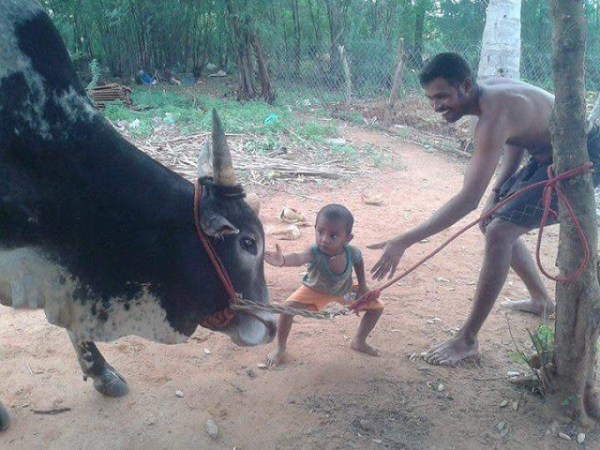
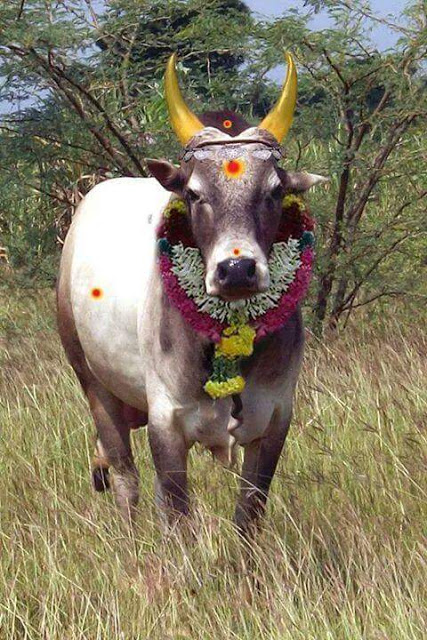
“The Kallan girl often chooses her husband for valour. The horns of the fiercest bull are festooned with flowers, and the animal is turned loose amidst the frightful din of wild music and tom- toms. Excited by the noise and the onlookers, the bull charges about wildly, snorting and bellowing. The would-be bridegroom must recover the flowers from the bull’s horns, and it is considered a very great disgrace to be injured in so doing.


In former days all weddings were preceded by bull-fights. The girls who were to be married stood on a balcony over looking the enclosure, and watched their sweethearts give an account of themselves. The men were dressed in garlands of red and purple flowers, and before the contest prayed to the gods whose images were placed under the trees. The drums were beaten until the animals were infuriated, when at a given signal the men leaped into the enclosure and tried to seize the bulls, each youth selecting the bull whose colours belonged to his sweetheart. Many an unfortunate youth would be gored, and others, although wounded and bleeding would essay again and again to spring on to beasts’ backs to  bring them to the ground. The men who acted as judges, when they gloated sufficiently over the ghastly spectacle, announced that the fight was over. The victors afterwards met their brides-elect in another enclosure, which had been prepared for dancing. Often girls had to attend several fights before their chosen ones (there were different men on each occasion) came out alive.


Cousin Marriage


In  the opinion of the Kallans the best alliance is between man and his first cousin on his father’s side. Disparity in ages is considered of no consequence. A boy of fifteen should marry such a cousin, if she happens to be thirty or forty and if he has no cousin he should marry his aunt. When a wedding has taken place, the bridegroom’s sister goes to the bride’s house and takes the bride home with her to a feast that has been prepared. For the celebration sheep will have been roasted and a goodly supply of toddy bought. When everyone is intoxicated, the bride and the bridegroom go to their own house.


During the first year of their marriage the bride’s mother is supposed to present the pair with rice and chickens, pots, cocoanuts, and cloth, as often as she can afford the gifts. It used to be the custom for the bride and bridegroom to stand side by side during the marriage ceremony, and to sell all the wedding presents to the assembled guests, the money brought by the sale becoming the bride’s wedding portion.


Infant marriage is permitted amongst the Kallans, but it is not popular because it entails a present which must be given by the parents of the bride to the contracting pair until after the first year of the conjugal state. In adult marriage the time is shortened, and consequently the expenditure is less. For the betrothal ceremony the consent of the maternal uncle is necessary.


A pregnant woman, during the seventh month of pregnancy stands before her sister-in-law with bent head, while the sister-in-law pours the milk of a cocoanut down her, the pregnant woman’s, back. Sometimes patterns are traced on her back with turmeric paste before the liquid is poured. On the same date the husband decorates a grindstone with paste tracings, a blessing on his wife, and prays that she may have a male child as strong as the stone. When a child is born the entire family is under pollution for thirty days, during which time entrance into a temple is forbidden.

Circumcision!

This caste performs circumcision. It is uncertain how this practice came into being.

Before any undertaking they place one red flower and one white flower in front of their idol, the white bloom signifying success. A child is asked to pick up one of the flowers, and if the red one is chosen, the undertaking is abandoned for the time.


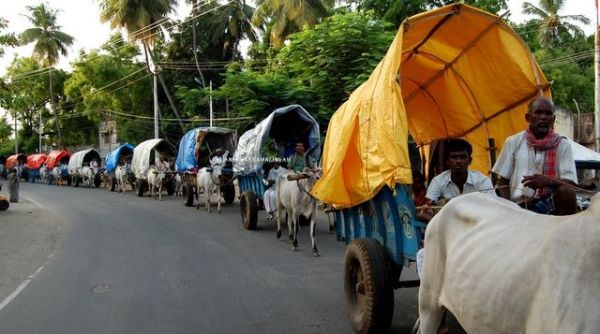
Their local gods are carried through the streets on the sacred vehicle at the car festival, and their god Aalagarswami, exhibits the long ears characteristic of their caste.


It is said that if the men of this caste are successful in a marauding expedition, they put some of their ill-gotten gain before the god in the local shrine. The banks of the River Vaigai swarm with Kallans at their great annual festival, when the god Alagarswami is draggee through the steets. No blood is spilled as Alagarswami is a vegetarian, but ack of sanguine offering is due more to Brahmin influence than to Alagarswami’s vegetarian propensities.


Tree Devils

The Kallans believe that certain trees are occupied by devils, and under such trees they make offerings to the demon inhabitants. Rice and milk are left for the devils at night and a little fire is lighted in order that they can see the offerings. To-day, if such a tree grows in the jungle, and is consequently off the beaten path, a sheep or a goat is sacrificed and its blood spilled at the roots. When an animal offered, the devil will come out of the tree and enter the body of the worshipper, who becomes the devil’s mouthpiece and predicts what is going to happen in the near future. When the spirit of darkness has had his say, he returns to his tree and the worshipper recovers his senses.


Disputes and petty crimes occurring in the caste are usually settled by some member in authority. This dignitary frequently is one who, because he has acquired more money than any of the others, has won the respect of his people. Fines he inflicts are credited to the caste fund, and as this fund must be augmented the attentions of the police are not solicited.


Read my old article:-

BULL FIGHTING: Indus Valley to Spain via Tamil Nadu by London Swaminathan, 21 January 2012


–SUBHAM–


அதிசய புத்த துறவி ஸு யுன்! – 15 (Post No.3317)

WRITTEN BY S NAGARAJAN


Date: 4  November 2016


Time uploaded in London: 5-51 AM


Post No.3317


Pictures are taken from various sources; thanks. This picture is from a Facebook friend ; thanks.


100 வயது வாழ்ந்த பெரியோர்


120 வயது வாழ்ந்த அதிசய புத்த துறவி ஸு யுன்! – 15

ச.நாகராஜன்


ஸு யுன்னுக்கு இப்போது வயது 71.

அரசாங்கம் மடாலயங்களின் சொத்துக்களுக்கு எந்த வரியையும் விதிக்கக் கூடாது என்று ஆணை பிறப்பித்ததிலிருந்து யுனான் மாகாணத்தில் மிக்க அமைதி நிலவியது.


யுனானின் வைசிராய் லி ம்டாலயத்திற்கு ஒரு பிரதிநிதியை அனுப்பி ஸு யுன்னின் நலம் பற்றி விசாரித்தார்.

ஏராளமான பரிசுகளையும் அவர் அனுப்பி வைத்திருந்தார்.

மடாலயங்களில் கடைப்பிடிக்கப்பட வேண்டிய விதிகளை ஸு யுன் வகுத்ததோடு அதை அணுவளவும் பிசகாது பின்பற்றும்படியும்  செய்தார்.


கோடைகாலத்தில் திடீரென்று ஒருநாள் ஸு யுன்னின் வீட்டிலிருந்து ஒரு கடிதம் வந்தது. ஸு யுன் ஐம்பது ஆண்டுகளுக்கு முன்னர் வீட்டை விட்டு வெளியேறியதிலிருந்து இன்று வரை நடந்ததை எண்ணிப் பார்த்தார்.

மளமளவென்று கவிதைகளாக வர ஆரம்பித்தன.

அவற்றைப் படித்துப் பார்த்த மத்திய அரசின் தலைமைச் செயலர் உபாசகர் சென் யுங் சாங் அவற்றை கல்வெட்டுக்களாக கல்லில் பொறித்தார்.


ஸு யுன்னுக்கு இப்போது வயது 72. வருடத்தில் வ்சந்த காலத்திலும் கோடை காலத்திலும் தியான வகுப்புகள் நன்கு நடைபெற்றன. ஒன்பதாவது மாதத்தில் வூசாங் மாகாணத்தில் ஒரு பெரும் புரட்சி ஏற்பட்டது, பின்சுவான் நகர் முற்றுகையிடப்படுவது நிச்சயம் என்ற நிலை உருவானது.  உடனே ஸு யுன் களத்தில் இறங்கி  மத்யஸ்த பேச்சு வார்த்தைகளைத் தொடங்கினார். ஒரு சின்னத் தவறினால் தவறுதலாக ஒரு விஷயத்தைப் புரிந்து கொணட கமாண்டர்  லி ஜென் யுயான் தன் படைகளோடு காக் ஃபுட் மவுண்டனைச் சுற்றி வளைத்து விட்டார்.


ஆனால் ஸு யுன்னின் சரியான விளக்கத்தைக் கேட்ட பின்னர் மிக்க திருப்தியுற்றுத் தன படைகளை அவர் விலக்கிக் கொண்டார்.

குளிர் காலம் தொடங்கியது. ஸு யுன்னுக்கு சீன புத்த சங்கத்திலிருந்து ஒரு தந்தி வந்தது. சீன புத்த் சங்கத்திற்கும் ஷாங்காயில் உள்ள யுனிவர்ஸல் புத்திஸ்ட் சொஸைடிக்கும் ஏற்பட்டுள்ள தகராறைச் சரி செய்ய உடனே வாருங்கள் என்ற அழைப்பு தந்தியில் இருந்தது. உடனே நான் ஜியாங் நகர் சென்ற ஸு யுன் சம்பந்தப்பட்ட அனைவரையும் அழைத்து பேச்சு வார்த்தை நடத்தினார். இறுதியில் புத்த சங்கத்தின் தலைமையகம் ஜிங்-ஆன் ஆலயத்தில் அமைக்கப்படுவதென்று ஒரு மனதாக  முடிவானது.


இதையடுத்து மாஸ்டர் ஜி-சானுடன் ஸு யுன்  பீகிங் சென்றார். அங்கு ஃபா யுவான் மடாலயத்தில் இருவரும் தங்கி இருந்தனர். ஒரு நாள் தியான நிலையில் அமர்ந்திருக்கும் போதே மாஸ்டர் ஜி சான் நிர்வாணம் எய்தினார்.


அவரது இறுதிச் சடங்கை நடத்திய ஸு யுன் அவரது சவப்பெட்டியை ஷாங்காய் எடுத்துச் சேன்றார். புத்த சங்கத்தின் த்லைமையகம் அங்கு துவங்கப்பட்டது.  மாஸ்டர் ஜி-சானுக்கும் ஒரு நினைவு விழா நடத்தப்பட்டது. அனைவரும்  மகிழ்ந்தனர்.

யுனானுக்கு ஸு யுன் திரும்பும் தருணத்தில் உபாசகர் லி ஜென் யுவான் கவர்னர் கெய்-ஓ விற்கு ஒரு அறிமுகக் கடித்ததைக் கொடுத்தார். அவர் மூலம் புத்த தர்மம் செழிக்க வேண்டும் என்ற அவா அதில் தெரிவிக்கப்பட்டிருந்தது.

அந்தக் கடித்தத்துடன் ஸு யுன் யுனானுக்குத் திரும்பினார். புத்த தர்மம் செழிப்பதற்கு அவர் செய்ய வேண்டிய ப்ணிகள் நிறைய இருந்தன!

-தொடரும்