WRITTEN BY S NAGARAJAN Post No. 10,637 Date uploaded in London – – 7 FEBRUARY 2022
Contact – swami_48@yahoo.com Pictures are taken from various sources for spreading knowledge; this is a non- commercial blog. Thanks for your great pictures. tamilandvedas.com, swamiindology.blogspot.com
மஹரிஷி ததீசி! – 2 ச.நாகராஜன்
ததீசி மஹரிஷிக்கு, பதிவ்ரதையான லோபாமுத்ரை என்ற பத்தினி இருந்தாள். அவளுக்கு வடவை என்று இன்னொரு பெயரும் உண்டு. தனது பத்னியுடன் இணைந்து செய்ய வேண்டிய ஔபாஸனம் அக்னிஹோத்ரம், பிதுர்க்கள், தேவர்கள், அதிதிகள் பூஜை ஆகியவற்றை அவர் நியமம் தவறாது செய்து வந்தார். இதனால் மகிழ்ச்சி அடைந்த தேவர்கள் அசுரர்களை ஜெயித்த பின்னர் ஒரு நாள் மிகுந்த சந்தோஷத்துடன் அவர் ஆசிரமத்திற்கு வந்தனர். ருத்ரர்கள், ஆதித்யர்கள் அஸ்வினி தேவர்கள், இந்திரன், விஷ்ணு, எமன் அக்னி உள்ளிட்டோர் இவர்களில் அடங்குவர். அவர்கள் அனைவரையும் தனித்தனியே உபசரித்து பத்தினியுடன் தகுந்த மரியாதை செய்தார் ததீசி.
இதனால் மகிழ்ந்த தேவர்கள் அவரைப் பார்த்து, “ ஓ! மஹரிஷியே! கற்பக விருக்ஷம் போல நீர் விளங்குகிறீர். மனிதர்களுக்கு புண்யதீர்த்த ஸ்நானம், பிராணிகளிடத்து அன்பு, உம் போன்ற மகான்களுடைய தரிசனம் ஆகிய மூன்றும் ஜென்ம பந்தத்தினால் ஏற்படுகின்றன. நாங்கள் கொடிய ராக்ஷஸர்களை வென்று இங்கு வந்திருக்கிறோம். இனி எங்களுக்கு இந்த ஆயுதங்களினால் எந்த ஒரு வித பயனும் இல்லை. இந்த ஆயுதங்களைக் காப்பாற்றவும் சக்தி இல்லாதவர்களாக இருக்கிறோம். தேவ லோகத்தில் வைத்தால் அதை ராக்ஷஸர்கள் அறிந்து அவற்றைக் கைப்பற்றி பாதாள லோகம் கொண்டு சென்று விடுவர். ஆகையால் உமது ஆசிரமத்தில் அனைத்து ஆயுதங்களையும் வைக்கிறோம். இங்கு அசுரர்கள் பயமே கிடையாது. உமது ஆக்கினையால் இந்த புண்ய பிரதேசம் ரக்ஷிக்கப்பட்டு வருகிறது, இதைப் பத்திரமாக பாதுகாத்து வாருங்கள். எங்களுக்கு உத்தரவு கொடுங்கள். நாங்கள் எங்கள் லோகத்திற்குச் செல்கிறோம்” என்றனர்.
உடனே, ததீசி முனிவர், “சரி, அப்படியே ஆகட்டும்” என்றார். உடனே அவரது மனைவி குறுக்கிட்டு, “ விபரீதத்தை உண்டு பண்ணும் தேவர்களின் காரியத்தினால் என்ன பயன்?” என்று அவரைத் தடுத்தாள். “இதனால் ராக்ஷஸர்கள் உங்களுக்கு விரோதிகளாக ஆவார்கள். அந்த ஆயுதங்கள் சேதமடைந்தாலோ அல்லது அபகரிக்கப்பட்டாலோ தேவர்கள் கோபித்து நம் மீது பகைமை கொள்வார்கள். அவர்களுடைய சொத்து நமக்கு எதற்கு? ஆகவே இவற்றை ஏற்றுக் கொள்ள வேண்டாம்” என்றாள்.
ததீசி தன் மனைவியை நோக்கி, “முதலில் சரி என்று சொல்லி விட்டேன். இப்போது மாட்டேன் என்று சொல்வது சரியல்ல” என்றார். லோபாமுத்ரை, ‘மனிதர்கள் விஷயத்தில் தெய்வம் ஒன்றே ஸர்வ வல்லமை கொண்டதாக இருக்கிறது’ என்று நினைத்தவாறே பேசாமல் இருந்தாள். பின்னர் ததீசி தனது தவத்தைத் தொடர்ந்தார். ஆயிரம் வருடங்கள் கழிந்தன. ஒரு நாள் ததீசி முனிவர் தன் மனைவியை நோக்கி, “ இந்த ஆயுதங்களைத் தேவர்கள் இதுவரை கேட்கவில்லை. இவற்றை என்ன செய்வது?” என்று கேட்டார். “நான் தான் முன்னமே சொன்னேனே! இப்போது எது நல்லது என்று தோன்றுகிறதோ, அதைச் செய்யுங்கள்” என்றாள் லோபாமுத்ரை. ததீசி முனிவர் வேத மந்திரங்கள் ஓதி புண்ய தீர்த்தத்தினால் அந்த ஆயுதங்களைச் சுத்தி செய்து எல்லா அஸ்திரங்கள் சொரூபமாக உள்ள அந்த தீர்த்தத்தைப் பருகினார். ஆயுதங்களின் சக்தியை இப்படி அவர் பானம் செய்ய, வெளியில் இருந்த ஆயுதங்கள் சிதிலமடைந்தன.
பின்னர் ஒரு சமயம் தேவர்கள் அவரிடம் வந்து, “எதிரிகளின் பயம் இப்போது எங்களுக்கு வந்து விட்டது. எங்களின் ஆயுதங்களைத் திருப்பித் தாருங்கள். அதைப் பெற்றுச் செல்லவே இங்கு வந்திருக்கிறோம்” என்றனர். ததீசி மஹரிஷி தேவர்களை நோக்கி, “நெடுங்காலமாக நீங்கள் வரவில்லை. அசுரர்கள் பயமும் இருக்கிறது. ஆகவே அந்த ஆயுதங்களை நான் சாப்பிட்டு விட்டேன்” என்றார். தேவர்கள், “இப்படிச் சொல்வது உமக்குத் தகாது. நீரோ தபஸ்வி. ஆகவே ஆயுதங்களைத் திருப்பிக் கொடுத்து விடுங்கள்” என்றனர்.
முனிவரோ, “ அவை என்னுடைய எலும்புகளில் உள்ளன. வேண்டுமானால் எடுத்துக் கொள்ளுங்கள். சந்தேகப்பட வேண்டாம்” என்றார். தேவர்கள் மீண்டும் மீண்டும் ஆயுதங்களை வற்புறுத்திக் கேட்டனர். ததீசி, “நான் யோக நிலையில் இருக்கிறேன். எனது பிராணனை சரீரத்திலிருந்து விடுவிக்கிறேன். உங்களுடைய அஸ்திரங்கள் எல்லாம் என் எலும்புகளாய் மாறி இருக்கின்றன. அவ்வெலும்பைக் கொண்டு அஸ்திரங்களைத் தயார் செய்து கொள்ளுங்கள்” என்றார்.
தேவர்கள், “அப்படியே செய்யுங்கள்” என்றனர். பத்மாசனத்தில் அமர்ந்து யோக நிலையில் ததீசி தன் பிராணனைப் பிரித்தார். தேவர்கள் விஸ்வகர்மாவை நோக்கி ஆயுதங்களைச் செய்ய வேண்டும் என்றனர். விஸ்வகர்மாவோ இப்படிப்பட்ட உத்தமமான பிராமணரின் சரீரத்தைப் பிளந்து ஆயுதங்களைச் செய்ய என் மனம் நடுங்குகிறதே” என்றார். அவரது மறுப்பைக் கேட்ட தேவர்கள் பசுக்களைப் பார்த்து, “உங்கள் முகங்களை உங்களின் நன்மைக்காக வஜ்ஜிரம் போல வலிமை உள்ளதாகச் செய்கிறோம். நீங்கள் ரிஷியின் சரீரத்தைப் பிளந்து எலும்புகளை எடுத்துச் சுத்தமாக்கித் தாருங்கள்” என்றனர்.
பசுக்களும் எலும்புகளை ததீசி மஹரிஷியின் சரீரத்திலிருந்து எடுத்து தங்கள் நாக்குகளினால் நக்கிச் சுத்தமாக்கித் தந்தன. விஸ்வகர்மா தேவர்களுக்கான ஆயுதங்களை அந்த எலும்புகளிலிருந்து தயார் செய்து கொடுத்தார்.
அப்போது ததீசியின் மனைவியான லோபாமுற்றை கர்ப்பவதியாக இருந்தாள். புஷ்பங்களைப் பறித்துக் கொண்டு வந்த அவள் தன் ஆஸ்ரமத்திற்கு விரைவாகத் திரும்பி வந்தாள் – கணவரைக் காண. வழியில் அவள் கழுத்திலிருந்த கண்டாபரணமும், கையில் இருந்த கடகாபரணங்களும் நழுவி விழுந்தன. இதனால் மிகுந்த வருத்தமடைந்தாள் அவள். அவளது வலது கண்கள் துடிக்கத் தொடங்கின. என்ன கெடுதி நேரப் போகிறதோ என்று அவள் எண்ணிய போது ஆகாயத்திலிருந்து ஒரு கொள்ளிக்கட்டை அவள் முன் விழுந்தது. ஓடோடி ஆஸ்ரமத்திற்கு வந்த அவள் தன் கணவரைக் காணாது தவித்தாள். அக்னி தேவரைத் துதித்து, “என் கணவர் எங்கே” என்று கேட்க அக்னி நடந்தது அனைத்தையும் விவரமாகக் கூறினார். இதைக் கேட்ட அவள் துக்கம் தாளாமல் பூமியில் விழுந்தாள். இதோ, இப்போதே நான் அக்னி ப்ரவேசம் செய்கிறேன் என்றாள் அவள். தனது கோபத்தை அடக்கிக் கொண்ட அவள், “ இந்த உலகத்தில் பிறந்தவர்கள் ஒரு நாள் இறக்கத் தான் வேண்டும். எவர் ஒருவர் தனது சரீரத்தை தேவர்கள், பிராமணர்கள், பசுக்கள் விஷயமாய் விடுகிறாரோ அவரே பாக்கியவான். நான் தடுத்த போதிலும் தேவர்களின் ஆயுதங்களைக் காப்பாற்ற அவற்றை என் நாயகர் வாங்கி வைத்துக் கொண்டார். தெய்வத்தின் திருவிளையாடலை யாரால் அறிய முடியும்?” என்று கூறினாள். அக்னியை சாஸ்திர விதியின் படி பூஜித்தாள். பின்னர் தன் கர்ப்பத்தைக் கிழித்து சிசுவை வெளியில் எடுத்தாள். “ஹே! லோகபாலகர்களே, மிருகங்களே, பக்ஷிகளே, மரங்களே, செடிகளே, கொடிகளே! நீங்கள் தாம் தாய் தந்தை இல்லாத இந்த அனாதைக் குழந்தையை ரக்ஷிக்க வேண்டும். எவர்கள் அடுத்தவர் குழந்தையைத் தம் குழந்தை போல எண்ணிக் காப்பாற்றுகிறார்களோ அவர்கள் பிரம்மா முதலிய தேவர்களாலும் வணங்கிக் கொண்டாடப்படத் தக்கவர்கள்” என்று கூறிய லோபாமுத்ரை அக்னியை பிரதக்ஷிணம் செய்து அக்னி ப்ரவேசம் செய்தாள். தனது கணவருடன் சொர்க்கம் சென்று சேர்ந்தாள். மரங்களும் செடிகளும் கொடிகளும் மிருகங்களும் பக்ஷிகளும் மிகவும் துக்கப்பட்டன. நம்மை இதுவரை காப்பாற்றி வந்த இவர்களைக் காப்பாற்ற முடியவில்லையே” என்று கதறின. அந்த மரங்களால் வளர்க்கப்பட்டவரே பிப்பலாதர். அவரது சரித்திரம் மகத்தானது. இன்று வரை ததீசி முனிவரின் தியாகம் பாரத மக்களால் போற்றப்பட்டு வருகிறது. அவரை வணங்கிப் போற்றுவதை ஒவ்வொரு பாரதீயனும் தன் கடமையாக நினைக்கிறான். தியாக பூமி பாரதம் என்பதை விளக்க வந்த ஒரு திவ்ய சரித்திரம் ததீசி மஹரிஷியினுடையது!
Pictures are taken from various sources for spreading knowledge.
this is a non- commercial blog. Thanks for your great pictures.
tamilandvedas.com, swamiindology.blogspot.com
பூமி சூக்த ஆராய்ச்சிக் கட்டுரை 15
பாடல் 47 பொருள்
மக்கள் செல்வதற்காக நீ எத்தனை வழிகளைப் படைத்தாய் ; தேர்கள் செல்லும் வழிகளையும் , நல்லவர்களும் பொல்லாதவர்களும் செல்லும் வழிகளையும் திருடர்கள் இல்லாதபடி செய்வாயாகுக. அந்த வழிகள் எங்களுக்கு வெற்றி தருவதாகுக
இந்தப் பாட்டில் அந்தக் கால போக்குவரத்து வசதிகள் பற்றி நமக்குத் தெரிகிறது. ரதங்களும் வண்டிகளும் டும் தெருக்கள் இருந்தன. அதே நேரத்தில் திருடர் பயமும் இருந்தது. இன்றும் நாம் போக்குவரத்தின்போது திருடர்கள் பற்றி பயப்படத்தான் செய்கிறோம். விமான நிலையத்தில் கூட ஒரு நிமிடம் அசந்தால் நம் பெட்டிகள் உள்ள வண்டியை TROLLEYS ஒரு நொடிப்பொழுதில் அசத்திச் செல்லும் திருடர்களும் எல்லா நகரங்களிலும் பிக் பாக்கெட்டு PICK POCKETS களும் இருக்கத்தான் செய்கின்றனர். அது மட்டுமல்ல; பாஸ்போர்ட்டுகளைத் PASSPORTS திருடி அடையாள அட்டையை மாற்றி உபயோகிக்கும் கும்பலையும் காண்கிறோம்.
மொழியியல் விஷயத்தில் ரத/ தேர் இரண்டும் ஒரே மூலமுள்ள சொற்கள். ரத என்பதை மாற்றிப் (MIRROR IMAGE OF RATH IS THER IN TAMIL) போட்டால் தேர்.
ஜனா/ மக்கள் , பந்தி/ வழி போன்றவை இன்றும் பயன்படுகின்றன.
பூமியில் முட்டாள்களும் அறிவாளிகளும் உளர். எல்லோரும் இற க்கத்தான் செய்கின்றனர் . ஆண் காட்டுப் பன்றிகள் உலவும் இடத்தில்பெண் பன்றிகளும் திரிகின்றன
அண்மைக்காலத்தில் ராமலிங்க சுவாமிகள் பாடிய பாடலிலும் கூட ‘நல்லார்க்கும் பொல்லார்க்கும் நடு நின்ற நடுவே’ என்று இறைவனைப் போற்றுகின்றார். . அதற்கு முன்னர் ‘கல்லார்க்கும் கற்றவர்க்கும் களி ப்பருளும் களிப்பே’ என்று இறைவனைத் துதிக்கிறார்… இரண்டாவதாக வரும் ஆண் , பெண் காட்டுப்பன்றிகள் பற்றி எந்த உரைகாரரும் விளக்கவில்லை.
மல்வம் பிப்ரதீ குரு ப்ருத் பத்ர பாபஸ்ய நிதனம் திதிக்ஷுஹு
வராஹேன ப்ருதிவீ ஸம்விதானா ஸூகராய வி ஜிஹீத ம்ருகாய –48
XXXX
பாடல் 49 பொருள்
உன் காடுகளில் சிங்கம், புலி, மனிதனைப் புசிக்கும் வன விலங்குகள் உருமித் திரிகின்றன; .கழுதைப் புலிகளும், ஓநாய்களும் நரியும் , கரடியும் அவற்றின் தீய வழிகளில் திரிகின்றன. ராக்ஷஸர்களும் இருக்கிறார்கள் அவைகளை எங்களிடம் வராமல் தொலைவில் விரட்டி விடு .
நகரங்களையும் , விவசாய நிலங்களையுயம் சித்தரித்த புலவன் வன விலங்குகளையுயம் வருணிக்கத் தவறவில்லை. அவைகளை அழிக்கக் கூடாதென்று தூரத்தில் விரட்டி விடும்படி வேண்டுகிறான்.. கொல்லும்படி சொல்லவில்லை என்பது கவனிக்கத்தக்கது.
இந்தப் பாடலில் ஆரண்யம்/காடு , சிம்மம்= சிங்கம், வ்யாக்ர=வேங்கை என்பன பலரும் அறிந்த சொற்களே.
இந்தப் பாடலில் வரும் கிமிதீன் , அராயர் என்ற கொடியோர் பற்றி வேதத்தில் எங்கும் விளக்கம் இல்லை. தீய சக்திகள் என்பதுமட்டும் தெரிகிறது. கந்தர்வர், அப்சரஸ் ஆகியோர் மேலுலத்தில் இருந்து வந்து மக்களை மயக்குவர் என்ற அச்சம் உளது; விசுவாமித்திரர்- மேனகா , புரூரவஸ்- ஊர்வசி கதைகளில் அப்சரஸ் மோகம் பற்றி விளக்கப்படுகிறது. பல கந்தர்வர்கள் சாபத்தினால் இங்கு அருவருக்கத் தக்க விதத்தில் வாழ்ந்த கதைகளும் புராணங்களில் உள்ளன.
பறவைகள் சிறகடித்துப் பறக்கும் இந்த பூமி, அன்னங்களும் கழுகுகளும் , பல வண்ணப் பறவைகளும் பறக்கின்ற பூமி, வேகமாக வீசி மரங்களை வளைத்து தூசிப் படலத்தை எழுப்பும் காற்று , அவற்றிடையே அலைக்கழிக்கப்படும் மேகங்கள் பளிச்சிடுகின்றன………..
(அடுத்த பாடலில் அந்த பூமி மங்கலம் தரட்டும் என்று முடிகிறது.)
இது அருமையான இயற்கை வருணனை. சென்ற பாடலில் அடர்ந்த காடு, இந்தப் பாடலில் இனிய பறவைகள். அத்தோடு அவ்வப்போது வீசும் சூறாவளிக காற்று என்று புலவர் வருணிக்கிறார்.. இது “ஆற்று வெள்ளம் நாளை வரத்தேற்றுதே குறி, மலையாள மின்னல் ஈழ மின்னல் சூழ வீசுதே” போன்ற பள்ளுப் பாடல்களையும் குற்றாலக் குறவஞ்சிப் பாடல்களையும் நினைவு படுத்தும். நல்ல இயற்கை வருணனை.
Pictures are taken from various sources for spreading knowledge.
this is a non- commercial blog. Thanks for your great pictures.
tamilandvedas.com, swamiindology.blogspot.com
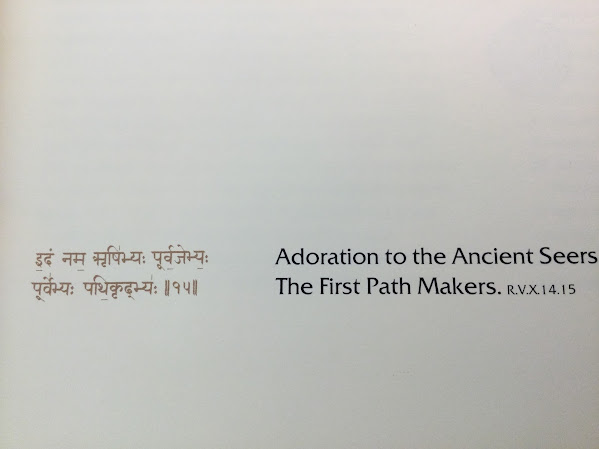
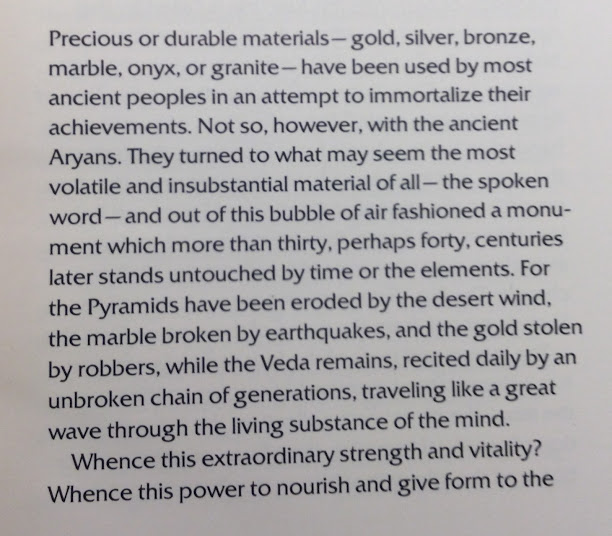
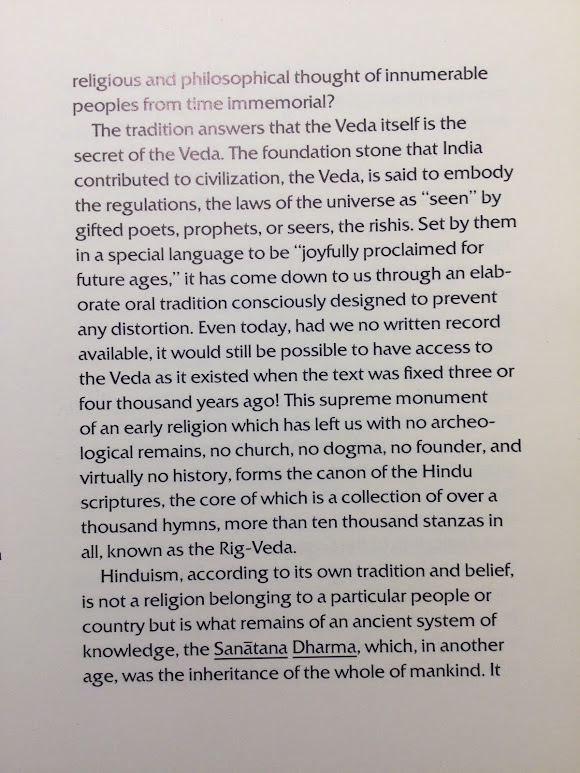
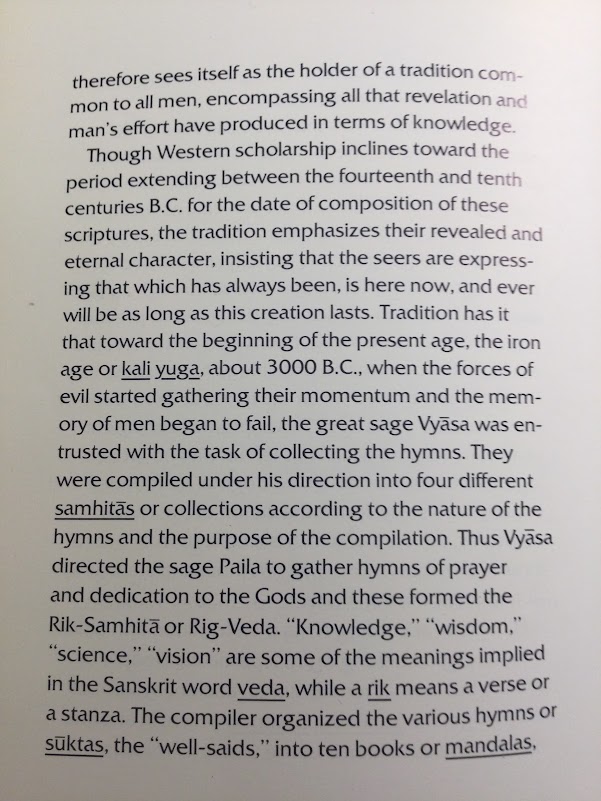
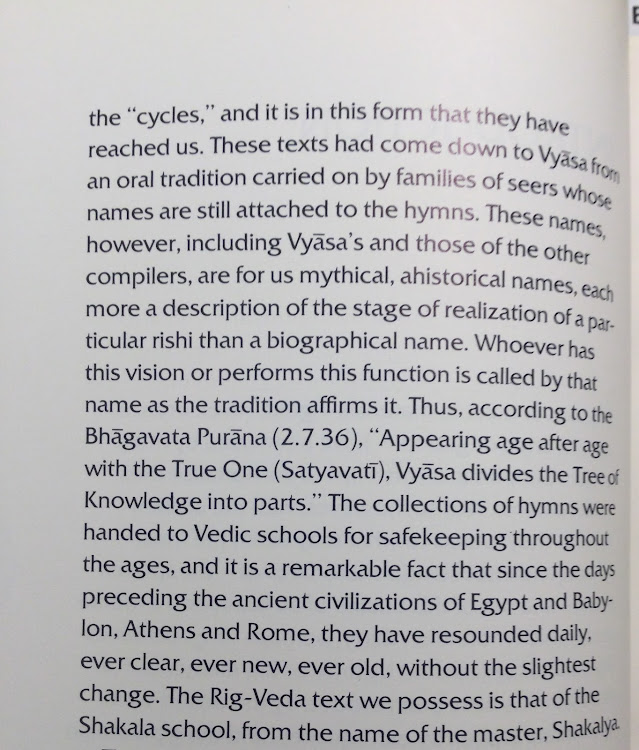
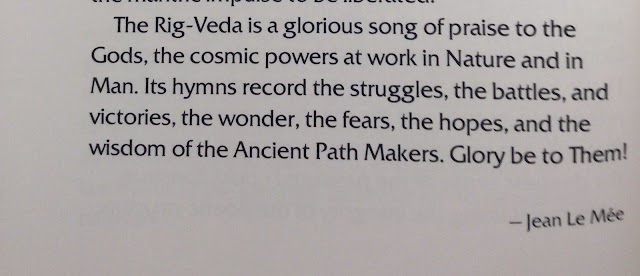
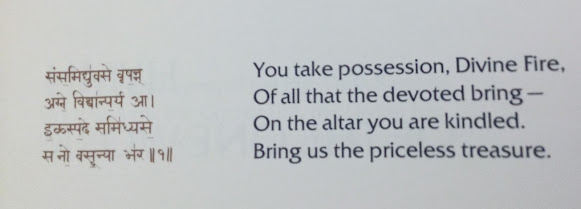
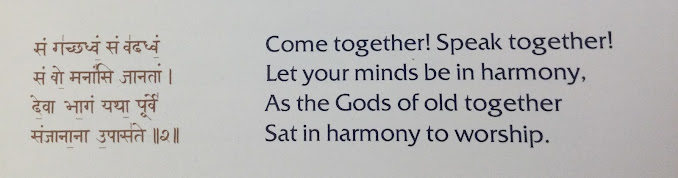
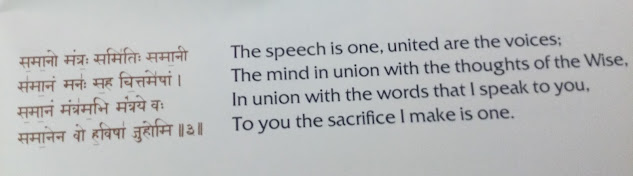
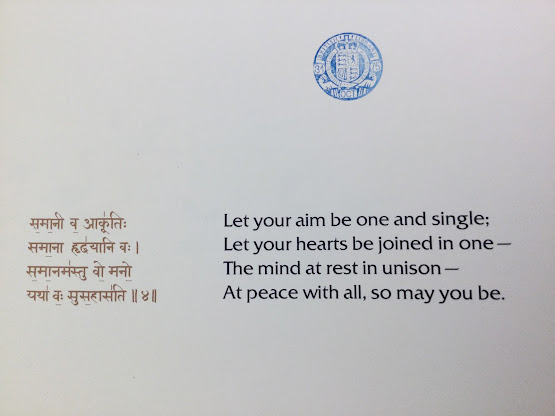
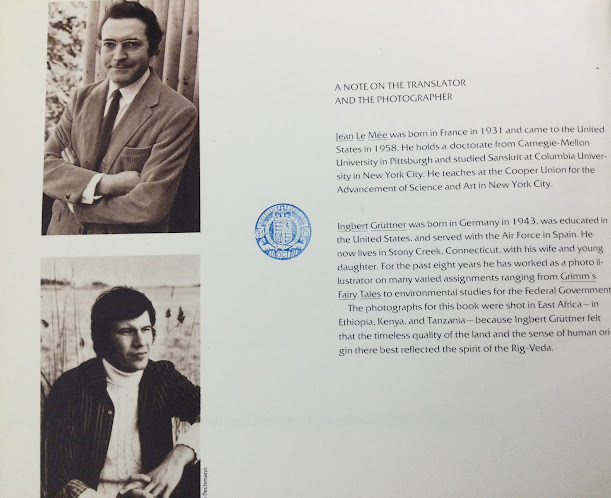
Twenty five years ago French scholar Jean Le Mee produced a book with selected Rig Vedic hymns and pictures on every page for every mantra. He gave a beautiful introduction to the Rig Veda and Sanskrit language. I give below only first few pages of the book.
XXX LAST HYMN IN THE RIG VEDA 10-191
–SUBHAM—
tags- Rig Veda, Jean Le Mee, Beautiful, Introduction, Pyramids ,
Pictures are taken from various sources for spreading knowledge.
this is a non- commercial blog. Thanks for your great pictures.
tamilandvedas.com, swamiindology.blogspot.com
Here is the story from the Aitareya Brahmana,
“The Devas and Asuras waged war in these worlds,
The Asuras made these worlds fortified places (Puras, Polis in Greek) and made them as strong and impregnable as possible; they made the earth of iron, the air of silver, and the sky of gold. Thus they transformed these worlds into fortified places. .
The Devas said, these Asuras have made these worlds fortified places; let us build other worlds in opposition to these. They then made out of her/earth a seat, out of the air a fire hearth, and out of the sky two repositories for sacrificial food. (These are called Havirdhana).
The Devas said, let us bring the ‘Upasads’. By means of a siege/upasada one may conquer a large town. When they performed the first Upasad, they drove the Asuras from this world. When they performed the second, they drove them out from the air and when they performed the third, they drove them out from the sky. Thus they drove them out from these worlds.
xxx
What is Upasad?
Upasad is a particular ceremony which is to take place immediately after the great ‘Pravargya’ ceremony, during which the priests produce for the sacrifice (Yajamana) a golden celestial body , with which alone he is permitted by the gods to enter heaven. When in this way the sacrificer is born anew he is to receive the nourishment appropriate for an infant’s body, and this is milk. The chief part of the Upasad ceremony is, that one of the priests, the ‘Adhvaryu’, presents milk to him in a large wooden spoon, which he must drink. Formerly it had to be drunk from the cow which was to be milked by the Adhvaryu. But this custom has now fallen into disuse.
(We may compare it to a miracle in the Pathrrup Pathu – Ten Decads- in 2000 year old Sangam Tamil Literature where the poet disappeared after the Tenth Yaga. The poet earlier demanded the Chera king that he may be sent to heaven in physical body. When the Tamil king asked him to suggest the way forward, the poet asked the Tamil king to perform Ten Yagas for him. Chera king obeyed and at the tenth sacrifice both the Tamil poet and his wife went to heaven in physical body. Visvamitra , earlier tried the trick with the king Trisankhu, but failed miserably for lack of penance. But Trisankhu became Southern Stars- now in the flags of Australia, New Zealand and few other countries)
Martin Haug continues the story,
“The Asuras, thus driven out of these worlds, repaired to the Ritus/ seasons. The Devas said, let us perform Upasad. The Upasads being three, they performed each twice; that makes six in all, corresponding with the six seasons. Then they drove the Asuras out from the Ritus/ seasons.
(In European countries the seasons are four; but in the Rig Veda and Tamil Sangam literature the seasons are six, typical Hindu and Indian, a severe blow to Max Muller gang and Marxist gang)
The Asuras now repaired to the months. The Devas made twelve Upasads, and drove them out from the months. After having been defeated here also , they repaired to the half months. The Devas performed 24 Upasads and drove the Asuras out of half months . After having been defeated again, the Asuras repaired to the day and night. The Devas performed Upasads and drove them out.
Therefore the first Upasad ceremony is to be performed in the first part of the day and the other in the second part of the day. The sacrificer leaves thus only so much space to the enemy as exists between the conjunction of day and night, that is the time of twilight in the morning and evening.
(Hindus believe that time- twilight time- should be allocated to worship of gods and so they perform Sandhya Vandana 3 times everyday- ealrly morning, mid day and early evening.)
xxx
Asura Gayatri
Thus the Asuras of the Hindu literature are being the supreme beings of the Parsis, Ahura Mazda with his arch angels, is according to these statements, hardly to be doubted. But there exists, perhaps, a still more convincing proof. Among the metres, used in the Yajur Veda , we find seven such which are marked by the epithet ‘Asuri’ such as Gayatri Asuri, Usnih Asuri, Pankti Asuri. These Asura metres, which are foreign to the whole Rigveda, are actually found in the Gatha literature in the Zend Avesta, which professedly exhibits the doctrine of Ahura religion.
The Gayatri Asuri consists of 15 syllables which metre we discover in the gatha Ahunavaiti, if we bear in the mind that the number of 16 syllables, of which it generally consists, is often reduced to 15. Compare, for instance, Yas.31-6 and the first two lines of 31-4.
The Usnih Asuri, consisting of 14 syllables, is completely extant in the Gatha Vohu- khshathra ( Yas literature) , each of which comprises 14 syllables.
The Pankti Asuri consists of 11 syllables, just as many as we found in the Gathas Ushtavaiti and Spenta- mainyu.
This coincidence can certainly not be merely accidental, but shows clearly, that the old Gatha literature of the Zend Avesta was well known to the Rishis who compiled the Yajur Veda.
Of great importance, for showing the original close relationship between the Hindu and Parsi religions, is the fact several of the Hindu gods are actually mentioned by name in the Zend Avesta, some as demons and, others as angels.
I will show them in another article.
Xxx
My comments
Asuras in Zend Avesta are good and Devas are bad is not new to Hindu religion. Whenever a new prophet forms a new religion or sect, he decried the old gods and practices. The oldest schism in Vedic society was seen in the creation of the Shukla and Krishna Yajur Vedas. In the Vedic period we saw Indra and Agni were at the top position. Later Brahma, Vishnu and Shiva occupied top positions. During the times of Adi Shankara there were over 90 sects in Hinduism. Shankaracharya wiped out all the unwanted bad practices and made ‘six- god worship’ Shanmatha.
Later several reformers like Dayananda of Arya Samaj established a new sect. Very recently we saw Hare Krishna movement and its founder Bhakti Vedanta Prabhupada showed Lord Shiva as Demi god.
In Egypt, King Eka Nathan= One God, Akhnaton introduced Monotheism and revolted against the domination of the priests. This was due to Hindu influence.
Tamil Alvars and Nayanmars projected either Vishnu or Siva as the greatest god. Saints like Vallalar and Narayana guru created new practices and new temples.
In recent times Guru Nanak formed Sikh religion to control the atrocities committed by Muslim rulers.
Muslims called non Muslims as kafirs and Christians called non Christian s as pagan. Both the religions split into several sects
So schism is seen in every religion including Buddhism and Jainism. It is no wonder it happened in the oldest and longest religion.
When did happen in Hinduism during Vedic period is undecided. There are many theories. When Max Muller said Parsis migrated from India into Iran, Martin Haug said it happened the other way around. It is always debatable. No one knew even the date of the Vedas. It ranged from 6000 BCE to 1500 BCE!
WRITTEN BY S NAGARAJAN Post No. 10,633 Date uploaded in London – – 6 FEBRUARY 2022
Contact – swami_48@yahoo.com Pictures are taken from various sources for spreading knowledge; this is a non- commercial blog. Thanks for your great pictures. tamilandvedas.com, swamiindology.blogspot.com
மஹரிஷி ததீசி! – 1 ச.நாகராஜன்
மஹரிஷி ததீசி மிகுந்த தவ வலிமை கொண்ட ஒருவர். அவரது கடுமையான பிரமசரிய விரதத்தால் தவ ஆற்றல் மிகுந்தது. இதனால் தேவேந்திரன் மிகுந்த பயத்துக்குள்ளானான். அவரது தவத்தைக் கலைக்க நானாவித பொருள்களை அவருக்குக் கொடுத்துப் பார்த்தான்.
ஆனால் அவரோ அதை ஒரு பொருட்டாகவே மதிக்கவில்லை. ஆகவே தேவேந்திரன் யோசனை செய்து, அப்ஸரஸ் ஸ்தீரிகளுள் மிகுந்த சௌந்தர்யம் கொண்ட பேரழகியான அலம்புஷை என்பவளை அவரிடம் அனுப்பினான். அந்தச் சமயத்தில் ததீசி முனிவர் சரஸ்வதி நதிக்கரையில் தேவர்களைத் திருப்தி செய்யும் பொருட்டு யாகங்களைச் செய்து கொண்டிருந்தார்.
அப்போது பேரழகியான அலம்புஷை அவர் முன் தோன்றினாள். சகல வித அங்கங்களும் லாவண்யமாக அமைந்திருக்க, அவளைப் பார்த்தவுடனேயே ததீசியின் சுக்லம் வெளிப்பட்டு சரஸ்வதி நதியில் விழுந்தது.
அதை சரஸ்வதி நதி மிகுந்த ஜாக்கிரதையுடன் தன் கர்ப்பத்தில் தாங்கிக் கொண்டாள்.
காலக்கிரமத்தில் அது ஒரு சிசுவானது. பிறந்த குழந்தையை சரஸ்வதி ததீசியிடம் கொண்டு சென்றாள்.
அப்போது ததீசி ரிஷிகள் கூட்டத்தின் மத்தியில் இருந்தார்.
அவரைப் பார்த்த சரஸ்வதி, “ ஓ! ரிஷிபுங்கவரே! அலம்புஷயைப் பார்த்த மாத்திரத்தில் உமது சுக்கிலம் வெளிப்பட்டது. அதை என் கர்ப்பத்தில் தாங்கினேன். இதோ குழந்தை பிறந்து விட்டது. இது உமது குழந்தை தான். வாங்கிக் கொள்ளும்” என்று கூறி குழந்தையை ததீசி முனிவரிம் கொடுத்தாள். மிகுந்த சந்தோஷத்துடன் குழந்தையை வாங்கி உச்சி முகர்ந்த ததீசி, சரஸ்வதிக்கு ஒரு வரத்தைக் கொடுத்தார்.
“விஸ்வதேவர்கள், ரிஷிகள். நானாவித கந்தர்வர்கள், அப்ஸரஸ்கள் ஆகிய அனைவரும் உன் ஜலத்தைக் கொண்டு செய்யும் அர்க்கியங்களினால் மிகுந்த திருப்தி அடையக் கடவர்” என்று ததீசி வரத்தைத் தந்தார்.
மேலும் அவர் கூறினார் : “ ஓ! புண்ணியவதியே! நீ ஆதிகாலத்தில் பிரமதேவருடைய தடாகத்திலிருந்து உற்பத்தி ஆனாய். கடும் தவம் புரியும் மஹரிஷிகள் அனைவரும் உன்னை அறிவர். இனிமையான அவயவங்களைக் கொண்ட நீ எனக்கு இந்தக் குழந்தையைக் கொடுத்து உதவி செய்திருக்கிறாய். இந்தக் குழந்தையின் பெயர் ஸரஸ்வத்.. அதனாலேயே இனி இவன் அழைக்கப்படுவான். புதிய உலகங்களை சிருஷ்டிக்கக் கூடிய ஆற்றலை உடைய இவன் இனி உன் பெயராலேயே அழைக்கப்படுவான். நீயும் புண்ய நதிகளுள் சிரேஷ்ட நதியாகக் கருதப்படுவாய்”.
சரஸ்வதி மிகுந்த மகிழ்ச்சியுடன் தன் குழந்தை ஸரஸ்வத்தைத் தன்னுடன் எடுத்துக் கொண்டு சென்றாள்.
பின்னர் ஒரு சமயம் தேவர்களுக்கும் அசுரர்களுக்கும் கோரமான யுத்தம் ஒன்று நடக்க ஆரம்பித்தது. அசுரர்களைக் கொல்லத் தக்க ஆயுதம் ஒன்றிற்காக தேவேந்திரன் மூன்று உலகங்களிலும் அலைந்து கொண்டிருந்தான். ஆனால் அப்படிப்பட்ட ஆயுதம் அவனுக்குக் கிடைக்கவில்லை.
பிறகு பிரம தேவரது யோசனையின் பேரில் அனைத்து தேவர்களையும் தேவேந்திரன் அழைத்தான்.
“ஓ! தேவர்களே! ததீசி முனிவரது முதுகெலும்பு கிடைத்தாலொழிய நாம் வெல்ல முடியாது. ஆகவே நீங்கள் அனைவரும் அவரிடம் சென்று பிரார்த்தனை செய்து அவரது முதுகெலும்பைக் கேளுங்கள்” என்று கூறினான்.
எல்லா தேவர்களும் ததீசி முனிவரிடம் சென்று அவர் முதுகெலும்பிற்காக பிரார்த்தனை செய்தனர்.
உடனடியாக எந்த வித மறுப்புமின்றி ததீசி தன் ஜீவனை தேகத்திலிருந்து விடுத்தார். அழியாத மஹிமை கொண்ட உயர் பதவியை அடைந்தார். இன்றளவும் அவரது தியாகம் உலகெங்கும் பேசப்பட்டு வருகிறது. அவரது முதுகெலும்பைக் கொண்டு தேவேந்திரன் வஜ்ராயுதம், சக்கிரம், மற்றும் இதர கனமான ஆயுதங்களைச் செய்தான்.
பிரம்மாவின் புத்திரரான பிருகு மஹரிஷியிடத்தில் அவரது அரிய தபோ மஹிமையால் பிறந்தவர் ததீசி.
அவரது முதுகெலும்பிலிருந்து உருவாக்கப்பட்ட சக்தி வாய்ந்த வஜ்ராயுதத்தினால் மந்திரங்களைப் பிரயோகித்து அசுரர்களில் தொள்ளாயிரத்து தொண்ணூறு வீரர்களையும் த்வஷ்டாவின் குமாரனும் மகா தபஸ்வியுமான விஸ்வரூபனையும் மிகுந்த பராக்ரமசாலியான விருத்ராசுரனையும் தேவேந்திரன் கொன்றான்.
தக்ஷ பிரஜாபதி யாகம் ஒன்றைச் செய்ய ஆரம்பித்தபோது அதில் ருத்ரருக்கு அவிர்ப்பாகம் கொடுக்க ஆக்ஷேபணை தெரிவித்தார். அதை அறிந்த ததீசி மஹேஸ்வரரை அவமதிக்கக் கூடாது என்று எவ்வளவோ எடுத்துச் சொன்னார். ஆனால் அதை தக்ஷர் கேட்கவில்லை. ததீசி எச்சரித்த பிரகாரம் யாகம் மஹேஸ்வரரால் அழிக்கப்பட்டது. ததீசி மஹரிஷிக்கும் தக்ஷ பிரஜாபதிக்கும் இடையே நடந்த சம்வாதம் தக்ஷ மஹரிஷியின் சரித்திரத்தில் விரிவாக இடம் பெற்றிருக்கிறது.
Pictures are taken from various sources for spreading knowledge.
this is a non- commercial blog. Thanks for your
புலவர் புராணம் நூல் பற்றி இந்த பிளாக்கில் 2018-ல் பதிவிட்டேன். முருகதாஸ் சுவாமிகள் , கவிதை வடிவில் எழுதிய அந்த நூலில், 72 தமிழ்ப் புலவர்கள் /கவிஞர்கள் பற்றிய சுருக்கமான வரலாறு உள்ளது. 350 பக்கங்களுக்கு மேலுள்ள இந்த பெரிய சைஸ் புத்தகத்தை கடந்த சில நாட்களாக ‘பேஸ் புக்’கில் பதிவிட்டு வருகிறேன். சில ஆராய்ச்சி மாணவர்கள் தங்கள் எடுத்துக் கொண்ட ஆராய்ச்சிக்கு இது உதவும் என்று சொல்லி எனக்கு எழுதி முழு புஸ்தகத்தையும் கேட்டனர். ஈராண்டுகளாக வைரஸ் காய்ச்சல் தாக்குதலினால் பிரிட்டிஷ் லைப்ரரிக்குச் செல்ல முடியவில்லை. இப்போது நிலைமை முன்னேறியுள்ளதால் முழு புஸ்தகத்தையும் போட்டோகாப்பி எடுத்து வெளியிட்டு வருகிறேன்.
வெளியிட்ட ஆண்டு 1908
இதோ புலவர் புராண விவரங்கள் :-
xxxxxx subham xxxxxxxx
tags– புலவர் புராணம், முருகதாஸ் சுவாமிகள், தண்டபாணி சுவாமிகள்
Pictures are taken from various sources for spreading knowledge.
this is a non- commercial blog. Thanks for your great pictures.
tamilandvedas.com, swamiindology.blogspot.com
Martin Haug (1827- 1876) German Indologist, has done some good research in the Zoroastrian and Hindu scriptures . He was well versed in many languages including Hebrew, Latin, Sanskrit and Avesta. He translated the Aitareya Brahmana of Rigveda.
He says Zend Avesta, the Parsi scripture is like the Hindu Vedas. But becaus of some schism both were developed in a different way. He also pointed out the word Asura had positive connotation in the early part of the Rrigveda . He gives an interesting story ofrom the Aitareya Brahmana.
I am giving below his argument and added My Comments at the end.
“Let us look at the close connection between the Vedas and Zend Avesta. The most striking feature is the use of the names Asura and Deva. Asura is Ahura in the Zend.
Deva stands for the divine beings in the Hindu scriptures. In the Zend Avesta and modern Persian literature Deva is the general name of an evil spirit, a fiend or demon.
In the confession of faith, as recited by the Parsis to this day , the Zoroastrian religion is said to be Vi- daevo,,”against the Deavas”.
(See Yasna 12-1) and one of their most sacred books is called
“Vi daevo datta” , now corrupted into Vendiddad,i.e.”what is, given against , or for the removal of the Devas”.
The Devas are the originators of all that is bad, of every impurity, of death; and are constantly thinking of causing the destruction of the fields and trees, and of the houses of the religious men. The spots most liked by them, according to Zoroastrian notions, are those most filled with dirt and filth, especially cemeteries, which places are, therefore, objects of the greatest abomination to a true Hormazd worshipper.
Asura is, in the form of Ahura, the first part of Ahura Mazda (Hormazd), the name of God among the Parsis ; and the Zoroastrian religion is distinctly called the Ahura religion( see Yasna 12-9) in strict opposition to the Deva religion.
But among the Hindus, Asura has assumed a bad meaning, and is applied into the bitterest enemies of their Devas, with whom the Asuras constantly waging war, and not always without success, as even Hindu legends acknowledge. This is the case throughout the whole Puranic literature, and as far back as the later parts of the Vedas; but in the older parts of the Rigveda Samhita we find the word Asura used in as good and elevated a sense as in the Zend Avesta.
GOOD ASURAS IN RIG VEDA
The chief gods such as
Indra RV 1-54-3
Varuna RV1-24-14
Agni RV 4-2-5; 7-2-3
Savitri RV 1-35-7
RudraRV 5-42-11
Aae honoured with the epithet Asura, which means living, spiritual, signifying the divine, in its opposition to human nature. In the plural, it is even used, now and then, as a name for all the gods as for instance in RV 1-108-6 :
“This Soma is to be distributed as an offering among the Asuras” by which word the Rishi means his own gods whom he was worshiping.
We often find one Asura particularly mentioned , who is called Asura of heaven RV 5-41-3; heaven itself is called by this name, RV 1-131-1
“Our father who pours down the waters 5-83-6;
Agni, the fire god, is born out of his womb 3-29-14; his sons support heaven”.
In a bad sense we find Asura only twice in the older parts of the Rigveda
2-32-4; 7-99-5 in which passages the defeat of the sons or men of the Asura is ordered, or spoken of; but we find the word more frequently in this sense in the last book of the Rigveda ( which is only an appendix to the whole, made in later times) , and in the Atharva Veda , where the Rishis are said to have frustrated the tricks of the Asuras 4-23-5 and to have the power of putting them down 6-7-2
In the Brahmanas, or sacrificial books, belonging to the each of the Vedas, we find the Devas always fighting with the Asuras. The latter are the constant enemies of Hindu gods, and always make attacks upon the sacrifices offered by devotees. To defeat them all the craft and cunning of the Devas were required; and the means of checking them was generally found in a new sacrificial rite. Thus the Asuras have given rise to a good many sacrificial customs, and in this way largely contributed towards making the Brahmanical sacrifices so complicated and full of particular rites and ceremonies.
To give the reader an idea of the way in which the battles between the Devas and the Asuras are said to have been fought, a translation of a passage, taken from the Aitareya Brahmana 1-23 of the Rigveda is here given:-





 Tamil and Vedas