Please click here:
March Good Thoughts Calendar 2014
In January we presented you Quotes from The Bhagavad Gita
In February Quotes from Buddha’s The Dhammapada
and
In March we present you 31 Important Quotes from
Adi Shankara’s works.
Please click here:
March Good Thoughts Calendar 2014
In January we presented you Quotes from The Bhagavad Gita
In February Quotes from Buddha’s The Dhammapada
and
In March we present you 31 Important Quotes from
Adi Shankara’s works.
Posted by Tamil and Vedas on February 8, 2014
https://tamilandvedas.com/2014/02/08/good-thoughts-calendar-2014-march/
Please click here
மார்ச்-சிந்தனைச் சிற்பிகள் காலண்டர்
ஜனவரியில் வள்ளுவரின் குறள்
பிப்ரவரியில் மாணிக்கவாசகரின் திருவாசகம்
மார்ச்சில் திருமூலரின் திருமந்திரம்!
31 முக்கிய திருமந்திரப் பாடல்களைப் படித்து பயன்பெறுங்கள்.
எங்கு பயன்படுத்தினாலும் தொகுத்தவர் பெயரையோ
பிளாக்-கின் பெயரையோ கொடுத்து
தமிழன்பர்களை ஊக்குவியுங்கள்
Posted by Tamil and Vedas on February 8, 2014
https://tamilandvedas.com/2014/02/08/%e0%ae%9a%e0%ae%bf%e0%ae%a8%e0%af%8d%e0%ae%a4%e0%ae%a9%e0%af%88%e0%ae%9a%e0%af%8d-%e0%ae%9a%e0%ae%bf%e0%ae%b1%e0%af%8d%e0%ae%aa%e0%ae%bf%e0%ae%95%e0%ae%b3%e0%af%8d-%e0%ae%95%e0%ae%be%e0%ae%b2-3/
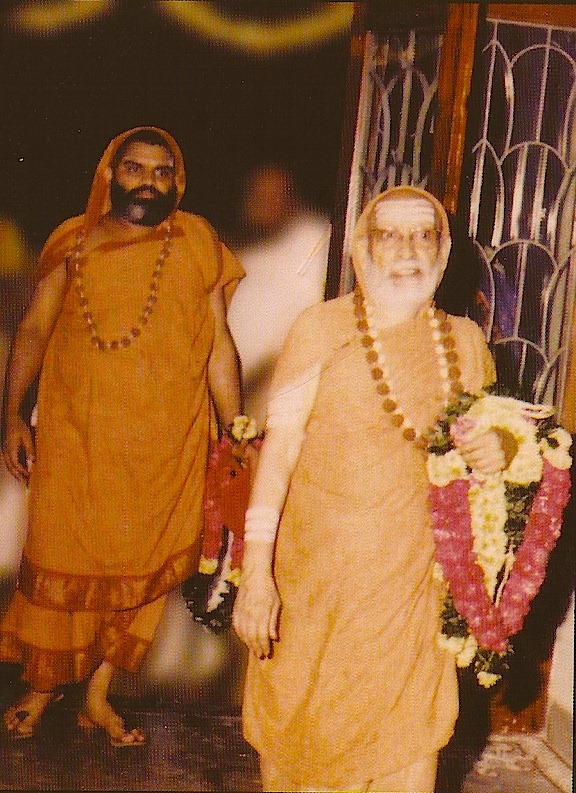
Current and Previous Shakaracharyas of Sringeri Sarada Mutt. This write up was by their predecessor.
How Western Educated ‘Bandicoot’ killed Indian ‘Rats’?
Compiled by London Swaminathan
Post No. 826 Date 7th February
“Hypnotised by Western education our intellectuals are tempted to gauge everything Eastern by the yardstick of the West”—D.B Thengadi
Following story is told by His Holiness Sachidananda Siva Abhinava Narasimha Bharati Svaminah (from the book ‘Golden Sayings’)
This tale brings out and explains the tendency of our own “educated” people to harass the others who are content to abide by the dictates of our ancient Shastras, by trying to preach, and frame new and novel “laws”, quite at variance with them:
“A rich man purchased a spacious garden site and built there on a stately mansion for his residence. But he found out the rats in the gardens by virtue of their anterior possession did not move away and on the advice of a friend, he brought home a fierce cat to scare them away. One or two unwary rats became its prey but others hid themselves in their holes and ventured out only the cat was not in sight.
The gentleman found that without any material reduction in the havoc wrought by the rats he had to put up with the depredation by the cat in the store of milk and butter. A happy idea came into his mind. He drove away the cat and after some effort he was able to catch hold of a bandicoot and imprison it in a cage. He left it there without water or food or food for some days and when it was famishing he threw into the cage a few slices of flesh from a dead rat. It smelt a slice, recognised it belonged to an animal of its own species and declined to eat it. But its hunger became so intense that it reconciled itself to the then circumstances and began to munch the slice.
The gentleman having gained his point chose to feed the bandicoot thereafter only with rats’ flesh. When it had become accustomed to this diet, he let it out and it immediately began to scent and ferret out all the rats’ hole in the locality. The rats who never expected an enemy in this big brother came out familiarly at its call only to be killed and eaten up. Thus the gentleman freed himself from the trouble by the rats and as by that time the bandicoot had forgotten its natural tendency to use its teeth on wooden doors or window frames, he lived happily thereafter”.
Contact swami_48@yahoo.com
There are over 825 articles on Indian Culture in this blog.
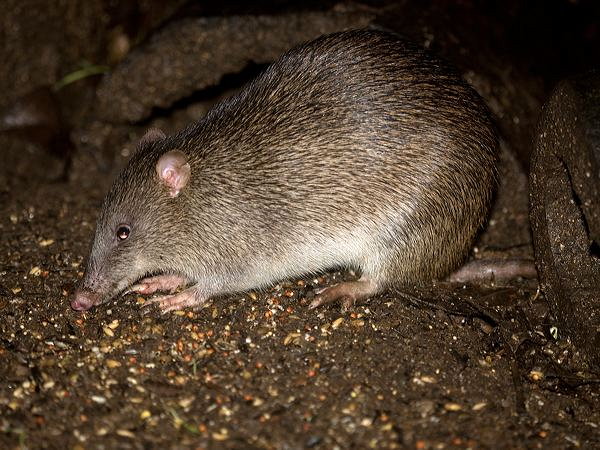
image of a bandicoot.
Posted by Tamil and Vedas on February 7, 2014
https://tamilandvedas.com/2014/02/07/how-western-educated-bandicoot-killed-indian-rats/
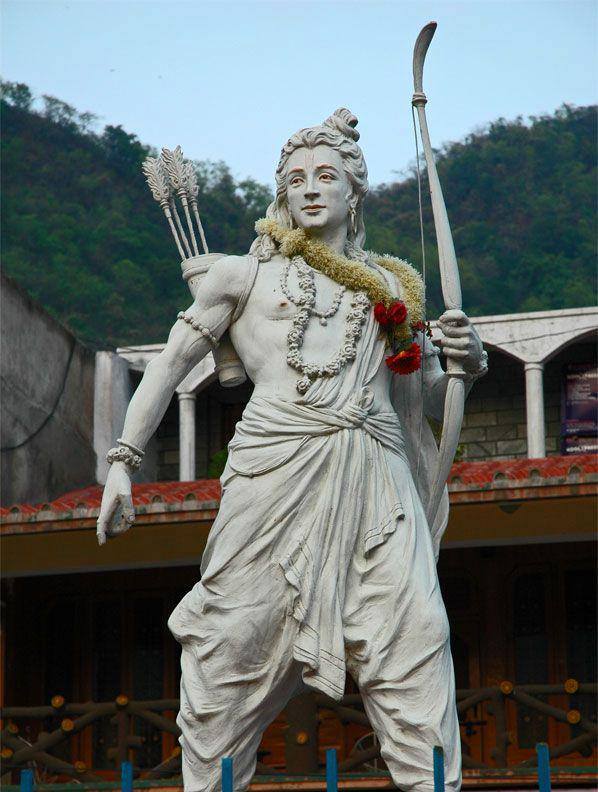
Post No 825 Date 7th February 2014
ராமாயண வழிகாட்டி — அத்தியாயம் 15
By ச.நாகராஜன்
ராமாயணத்தில் அயோத்யா காண்டத்தில் நூறாவது ஸர்க்கத்தில் 76 ஸ்லோகங்கள் உள்ளன. அற்புதமான இந்த ஸ்லோகங்களில் ஸ்ரீராமர் தனது தம்பி பரதனைக் குசலம் விசாரித்து கேட்கும் போது கேட்கப்பட்ட கேள்விகளைக் காணலாம். ராம ராஜ்யம் எப்படி அமைய வேண்டும் என்பதில் ராமரது உள்ளக் கிடக்கையைத் தெரிவிக்கும் ஸ்லோகங்களாக இவை அமைந்துள்ளன.
பரதனை நோக்கி ராமர் கேட்கும் கேள்விகளில் ஒன்று இது:-
கச்சித் அஷ்டாதசான்யேஷு ஸ்வபக்ஷே தச பஞ்ச ச I
த்ரிபித்ரிபிரவிஞாதை வேத்ஸி தீர்த்தானி சாரகை: II
– நூறாவது ஸர்க்கம், 36வது ஸ்லோகம்.
அன்யேஷு – பிறர்களிடத்தில் அஷ்ட தச – பதினெட்டும் ஸ்வபக்ஷே – தன் பக்கத்தில் தச பஞ்ச ச – பதினைந்தும் (அதாவது மேற்சொன்ன பதினெட்டில் மந்திரி, புரோஹிதர், இளவரசு தவிர்த்து) உள்ள தீர்த்தானி – ராஜ்யாதிகாரிகளை அவிஞாதை: – ஒருவரை ஒருவர் அறியாதபடி த்ரிபி: த்ரிபி: – ஒவ்வொருவருக்கும் மூன்று மூன்றாக சாரகை: – வேவுகாரர்களைக் கொண்டு வேத்ஸி கச்சித் – அறிந்து வருகின்றாயா?
இங்கு ராமர் குறிப்பிடும் பதினெட்டு பேர்கள் யார் யார் என்பதைப் பார்ப்போம்:
1) மந்திரி 2) குலகுரு 3) இளவரசு 4) சேனாதிபதி 5) வாயில்காப்போன் 6) அந்தப்புர காரிய நிர்வாஹம் செய்பவன் 7) சிறைச்சாலையின் அதிகாரி 8) பணத்திற்கு அதிகாரி 9) அரசனின் ஆக்கினையை வெளியிடுவோன் 10) வியவகாரத்தைக் கேட்போன் 11) சேனைகளுக்குச் சம்பளம் முதலியவைகளைக் கொடுப்பவன் 12) நகரத்தைச் சோதித்தல், நகர பிராகாரத்தைக் காத்தல் முதலிய தொழில்களைப் புரிபவன் 13) சேனை தவிர மற்ற எல்லோருக்கும் கொடுக்க வேண்டிய சம்பளத்தை மொத்தமாக வாங்கிக் கொண்டு அதைத் தனித் தனியே பிரித்துக் கொடுப்போன் 14) அரசன், மந்திரி முதலியவர்களுக்குத் தக்க ஆசனம் அளித்தல், சபாசதர்களை வரவேற்றல், சபைக்கு வர அதிகாரமற்றவர்களைத் தடுத்தல், சபையைச் சத்தமில்லாமல் செய்தல், சபையைக் காத்தல் முதலியவற்றைப் புரிபவர்களின் தலைவன் 15) தாயாதிகளின் பாக விஷயத்தில் நேரும் வழக்கைத் தர்ம சாஸ்திரப்படி தீர்ப்பவன் 16) அரசனின் ஆணைப்படி தண்டனைகளை ஏவுபவன் 17)மலையரண், நீரரண், காட்டரண் முதலியவைகளைக் காப்பவன் 18) ராஜ்யத்தின் எல்லையைக் காப்பவன்
மிகுந்த ஆச்சரியத்திற்குரிய இந்த நிர்வாக அமைப்பு (administration set up) இன்றைய நவீன காலத்திற்கும் பொருந்துகிறது அல்லவா?
Cabinet Ministers, advisor, Minister of State, Commander, treasury, Defence, Security Judicial Officer, Prison Warder என்று இப்படி சரிக்குச் சரியான ஆங்கில வார்த்தைகளைப் போட்டுப் பார்த்தால் இன்று நாம் காணும் அரசியல் நடைமுறையும், சமூக நடைமுறையும் ஒரு லட்சிய நாட்டில் எப்படி இருக்க வேண்டுமோ அப்படி இருப்பதாக அமைகிறதல்லவா?
நிர்வாகம் செம்மையுற நடை பெறுகிறதா, லஞ்ச லாவண்யம் இல்லாமல் நடை பெறுகிறதா என்பதைச் சரிபார்க்க மூன்று மூன்று பேரை வைத்து உளவு பார்க்கும் முறையும் சொல்லப்பட்டு இருப்பதை நோக்கும் போது லஞ்சமில்லா நாடு என்ற லட்சிய நாட்டையே நாம் பார்க்க முடிகிறது.
இது ராமராஜ்யத்தின் ஒரு பகுதியைச் சுட்டிக் காட்டும் ஒரே ஒரு ஸ்லோகம் தான்!
Contct swami_48@yahoo.com
*****
Posted by Tamil and Vedas on February 7, 2014
https://tamilandvedas.com/2014/02/07/%e0%ae%b0%e0%ae%be%e0%ae%ae-%e0%ae%b0%e0%ae%be%e0%ae%9c%e0%af%8d%e0%ae%af%e0%ae%ae%e0%af%8d/
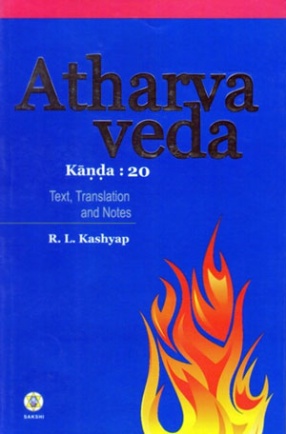
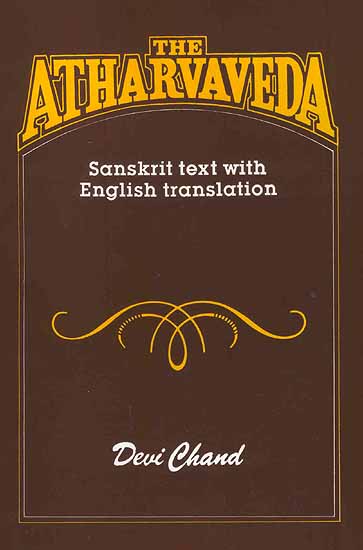
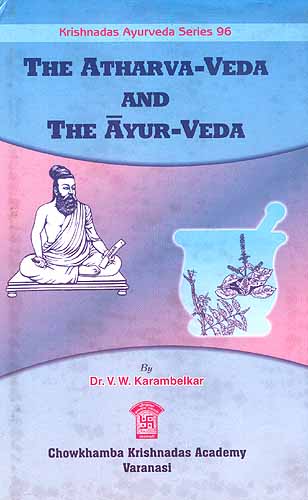
Q& A :Books on Atharva Veda In Tamil and English
Post No 824 Date 7th February 2014
வினவுங்கள் விடை தருவோம்:
அதர்வ வேத புத்தகங்கள்
Question
Feb 6 at 9:57 AM
அய்யா,
எனக்கு தமிழ் அதர்வண வேதம் புத்தகம் எங்கே கிடைக்கும் என்று சொல்வீர்களா? அல்லது வழி காட்டுவீர்களா?
n.r.
salem
Answer:
Dear NR,
Following books are available in English and Tamil:
1.Atharva Veda Samhita by W.D.Whitney
Coomentary (Bashya) of Sayanacharya in English
Edited by K.L.Joshi, Parimal Publications, Delhi.
2. Atharva Veda Samhita by William Dwight Whitney
Edited by Charles Rockwell Ranman
Published by Motilal Banarsidas Publishers Private Limited
Delhi.
3.Essentials of Atharva Veda
R .L. Kashyap
Sri Aurobindo Kapali Sastri Institute of Vedic Culture, Bangalore – 11
4. A Bird’s Eye View of the Vedas
Swami Harshananda
Ramakrishna Math, Bangalore
தமிழில் அதர்வண வேதம் பற்றி கீழ்கண்ட புத்தகங்கள் உள்ளன. நான் லண்டனில் வசிப்பதால் இதற்கு மேல் என்னிடம் தகவல் இல்லை:
1.அதர்வ வேதம் அருளும் ஆனந்த வாழ்வு, கவிமாமணி தமிழ்மாறன், ரம்யா பதிப்பகம், 33/4(15/4), ராமநாதன் தெரு, தியாகராய நகர், சென்னை 600 017 தொலைபேசி 24340599, விலை ரூ.100, பதிப்பு 2009.
2.அதர்வ வேதம்– தமிழ்– ஆங்கிலம், ஆங்கிலம் ஆர்.டி.கிரிப்பித், தமிழ் ம ரா.ஜம்புநாதன்/வி.என்.ராகவன், பெ.நா.சிவன், (அலைகள் வெளியீடகம், சென்னை – 24).
3.அதர்வ வேதம் தொடர்பான உபநிஷதங்கள் முண்டக, பிரச்ன, மாண்டூக்ய உபநிஷதங்கள், தமிழ் விலக்கம், சுவாமி ஆஷுதோஷானந்தர், ஸ்ரீ ராமகிருஷ்ண மடம், மயிலை, சென்னை– 4
4. அதர்வ வேதம், ஸ்வாமி, அநுராகம், தி. நகர், சென்னை- 17(மிகச் சிறிய விளக்கம்)
Contact swami_48 @yahoo.com
Posted by Tamil and Vedas on February 7, 2014
https://tamilandvedas.com/2014/02/07/%e0%ae%b5%e0%ae%bf%e0%ae%a9%e0%ae%b5%e0%af%81%e0%ae%99%e0%af%8d%e0%ae%95%e0%ae%b3%e0%af%8d-%e0%ae%b5%e0%ae%bf%e0%ae%9f%e0%af%88-%e0%ae%a4%e0%ae%b0%e0%af%81%e0%ae%b5%e0%af%8b%e0%ae%ae%e0%af%8d/
Posted by Tamil and Vedas on February 6, 2014
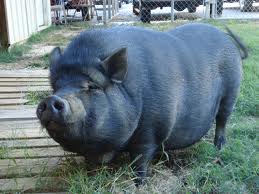
https://tamilandvedas.com/2014/02/06/can-a-man-be-born-as-a-pig-in-his-next-birth/

சம்ஸ்கிருத செல்வம்–அத்தியாயம் 25
அறிவு வளரும் விதம்!
Post No.822 Date 6th February 2014
சூரியனைக் கண்டதும் நளினமான தாமரை மலர் மலர்கிறதல்லாவா! அது எப்போது தோன்றும் என்று சூரிய உதயத்திற்காக எங்குகிறது கமல மலர். இதைப் பார்த்தார் கவிஞர், அவருக்கு உடனே ஞாபகம் வருவது பண்டிதனைப் பார்த்தவுடன் மனம் மகிழும் அறிவு ஜீவி தான்! தன் மனதில் எழுந்த எண்ணத்தைக் கவிதையாகப் பொழிகிறார் இப்படி:
ய படதி லிகதி பஷ்யதி, பரிப்ரச்சதி பண்டிதானுபாஸ்ரயதே I
தஸ்ய திவாகர-க்ரணைர் நளினிதளாமிவ விகாஸயதே புத்தி: II
இதன் பொருள்:
யார் ஒருவன் எழுத வல்லவனோ (லிகதி), எவன் எதையும் உற்றுக் கவனிப்பவனோ (பஷ்யதி), எவன் ஒருவன் எதையும் ஆராயும் மனப்பான்மை கொண்டவனோ (பரிப்ரச்சதி) அவன் பண்டிதர்களுடைய சகவாசத்தால் (பண்டிதான் உபாஸ்ரயதே) மனம் மிகவும் மகிழ்கிறான். அது எது போல இருக்கிறது என்றால், தாமரை மலரின் இதழ்கள் (உயிரைத் தரும்)திவாகரனின் கிரணங்களைக் கண்டவுடன் மலர்வது போல இருக்கிறது!
அறிவு எப்படி அதிகரிக்கிறது என்பதை இன்னொரு கவிஞரின் பாடல் தெரிவிக்கிறது.
ஆசார்யாத் பாதமேகம் ஸ்யாத் பாதம் ஸப்ரஹ்மசாரிபி: I
பாதம் து மேதயா ஞேயம் சேஷம் காலேன பச்யதே II
அறிவின் ஒரு பகுதியே ஆசார்யரிடமிருந்து பெறப்படுகிறது (ஆசார்யாத் ஏகம் பாதம் ஸ்யாத்)
இன்னொரு பகுதி கூடப் படிக்கும் சக தோழர்களிடம் விவாதிப்பதால் உண்டாகிறது. (ஏகம் பாதம் ச:ப்ரஹ்மசாரிபி:)
மூன்றாவது பகுதியோ சுயமாகப் பிரகாசிக்கும் ஒருவனது அறிவிலிருந்து பெறப்படுகிறது (ஏகம் பாதம் து மேதயா ஞேயம்)
மீதிப் பகுதியோ காலம் செல்லச் செல்ல உலகின் தொடர்பினால் பெறப்படுகிறது (சேஷம் காலேன பச்யதே).
இந்த நான்கு பகுதியுமே முக்கியம் தான்; இவை அனைத்தும் இணையும் போது ஒரு மேதை உருவாகிறான். ஆசார்யரும் அருமையாக இருந்து சக மாணவர்களும் புத்திசாலிகளாக இருந்து இயல்பினாலேயே அறிவு பிரகாசித்து, உலகியல் தொடர்பு நல்லறிவை இன்னும் அதிகரிக்குமானால் அப்படிப்பட்டவனுடைய மேதைத் தன்மை சமுதாயத்திற்கு எவ்வளவு நலத்தை உண்டாக்கும்!
இதை செய்யவே பண்டைய நாட்களில் குரு குலங்கள் நிறுவப்பட்டன.
ஆங்கிலேயன் வகுத்த குமாஸ்தா படிப்பு வந்தவுடன் இந்த மேதைத் தன்மை அழிந்து விட்டதே என்று வருத்தம் தான் பட வேண்டும். இன்றைய நாட்களில் இந்த நான்கு வகை அறிவையும் நாமே முயன்று தான் பெற வேண்டும்.
Compiled by S. Nagarajan
Contact us for more of the same: swami_48@yahoo.com
***************
picture is used from another website;thanks.
Posted by Tamil and Vedas on February 6, 2014
https://tamilandvedas.com/2014/02/06/%e0%ae%85%e0%ae%b1%e0%ae%bf%e0%ae%b5%e0%af%81-%e0%ae%b5%e0%ae%b3%e0%ae%b0%e0%af%81%e0%ae%ae%e0%af%8d-%e0%ae%b5%e0%ae%bf%e0%ae%a4%e0%ae%ae%e0%af%8d/
Posted by Tamil and Vedas on February 5, 2014
https://tamilandvedas.com/2014/02/05/two-interesting-conversations-about-women/
நீங்கள் நாலும் தெரிந்தவரா?
Quiz Compiled by London Swaminathan
Post No 820
Date 5-2-14
This quiz is available in English as well.
1.தேவாரம்,திருவாசகத்தை அளித்த நால்வர் யார்?
2.தசரதனின் நான்கு பிள்ளைகளை மணந்த நாலு பெண்கள் யார்?
3.வேதங்களை நான்காகப் பகுத்த வேத வியாசர் எந்த நாலு ரிஷிக்களிடம் அவைகளைப் பரப்பும் பொறுப்பை ஒப்படைத்தார்?
4.நான்கு புருஷார்த்தங்கள் (அடைய வேண்டிய லட்சியங்கள்) என்ன?
5.மனிதன் பிறந்தது முதல் இறப்பது வரை கடந்து செல்ல வேண்டிய நாலு நிலைகள் என்ன?
6.நான்மணிக் கடிகை நூலில் கூறப்படும் நாலு என்ன?
7.‘நாலும் இரண்டும் சொல்லுக்குறுதி. என்கிறார்களே நாலின் பொருள் என்ன?
8.நாலும் கலந்துனக்கு நான் தருவேன் என்று பிள்ளையாரிடம் அவ்வையார் கூறினாரே, அந்த நாலு என்ன?
9.தமிழில் புற நானூறு, அக நானூறு பற்றிக் கேள்விப் பட்டிருப்பீர்கள்? வேறு என்ன பழந்தமிழ் நூல்கள் நானூறு (நாலு நூறு) பாடல்கள் உடையவை?
10.பிரம்மாவின் நாலு மானச புத்திரர்கள் யாவர்?
11.நான்கு வகைப் பூக்கள் யாவை?
12.நான்கு வகை ஜாதிகள் எவை?
13.புறநானூற்றில் கூறப்படும் நாலு தமிழ் ஜாதிகள் யாவை?
14.‘க’ வர்க்கத்தில் துவங்கும் நாலு புண்ய சொற்களைத் தியானிப்போற்கு புனர்ஜன்மம் இல்லை என்று சம்ஸ்கிருத ஸ்லோகம் சொல்கிறது. அந்த நாலு சொற்கள் என்ன?
15.கும்பமேளா நடைபெறும் நாலு இடங்கள் எவை?
16.நான்கு வகைப் படைகள் யாவை?
17.ஒரு காரியத்தைச் செய்ய நாலுவித (சதுர் வித உபாயங்கள்) வழி முறைகள் உண்டு. அவை யாவை?
18.உபநிஷத்தில் கூறப்படும் நாலு மஹா வாக்யங்கள் எவை?
Answers விடைகள்
1. அப்பர் (திருநாவுக்கரசர்), சுந்தரர், சம்பந்தர், மாணிக்கவாசகர்
2.ராமர்—சீதை, லெட்சுமணர்— ஊர்மிளை, பரதர் — மாண்டவி, சத்ருக்னன் —ஸ்ருதகீர்த்தி
3. ருக் – பைலர், யஜூர் — ஜைமினி, சாம — வைசம்பாயன, — அதர்வண — சுமந்து
4.தர்ம, அர்த்த, காம, மோட்சம் (அறம், பொருள், இன்பம், வீடு)
5.பிரம்மசர்யம் (மாணவன்), கிருஹஸ்தன் (இல்லறத்தான்), வானப்ரஸ்தம் (கடவுளை வணங்க கானக வாழ்வு), சந்யாசம் (துறவி)
6.நாலு மணி மணியான நீதிகள் ஒவ்வொரு பாட்டிலும் உண்டு. இது ஒரு ரத்தின மாலை(கடிகை)
7.வெண்பா ( 4 வரிகள் உடையது), இரண்டு வரிகளை உடையது குறள்.
8. பால், தேன், பாகு, பருப்பு,
9.பழமொழி நானூறு, நாலடி நானூறு மற்றும் பல.
10. சநகர், சநாதனர், சநந்தனர், சனத் குமாரர்.
11.குரவு, தளவு, குருந்தம், முல்லை (புறநானூறு பாடல் 335); கோட்டுப் பூ, கொடிப் பூ, நிலப் பூ, நீர்ப் பூ என்றும் பகர்வர்.
12. பிராமண, கஷத்ரிய, வைஸ்ய, சூத்ர
13.துடியன், பாணன், பறையன், கடம்பன்
14.கங்கை, கோவிந்தன், கீதா, காயத்ரி
15. ஹரித்வார், அலஹாபாத் (பிரயாகை, த்ரிவேணி சங்கமம்), நாசிக், உஜ்ஜையினி.
16. ரத, கஜ, துரக, பதாதி (தேர், யானை, குதிரை, காலாட் படைகள்)
17. சாம, தான, பேத, தண்டம் (கெஞ்சல், பணம் கொடுத்தல்,எதிரிகள் இடையே பிரிவு உண்டாக்கி மசிய வைத்தல், கடும் தண்டனை கொடுத்து பணியச் செய்தல்)
18.அஹம் பிரம்மாஸ்மி, தத்வம் அஸி, பிரக்ஞானம் பிரம்ம, அயமாத்ம ப்ரம்ம (சுருக்கமான பொருள் : நாம் கடவுள். இந்த நிலையை எய்துவதே ஒவ்வொரு இந்துவின் வாழ்க்கை லட்சியம்)
Earlier Quiz posted by me:
(1&2)27 Star Quiz (In English and Tamil)
(3&4)Hindu Picture Quiz-1 (In English and Tamil)
5.தமிழ் தெரியுமா? Tamil Quiz—1
6.தமிழ் தெரியுமா? Tamil Quiz—2
7.Tamil Quiz—3 தமிழ் தெரியுமா?
8.Hindu Tamil Quiz (in Tamil)
9.Hindu Tamil Quiz (in Tamil)-2
10.Hindu Tamil Quiz (in Tamil)-3
11.Hindu Tamil Quiz (in Tamil)-4
12.Hindu Quiz–1
13.Hindu Quiz–2
14.Hindu Quiz–3
15.Hindu Quiz–4
16.Hindu Quiz on Holy Forests
17.காடுகள் பற்றி இந்து மதம்: கேள்வி பதில்
18.ராமாயண வினா விடை
19.பிள்ளையார் பற்றி வினா விடை
(20&21)Quiz on Saivaite Saints (Both Tamil and English)
22.சைவம் பற்றி வினா விடை
contact: swami_48@yahoo.com
Posted by Tamil and Vedas on February 5, 2014
https://tamilandvedas.com/2014/02/05/%e0%ae%a8%e0%af%80%e0%ae%99%e0%af%8d%e0%ae%95%e0%ae%b3%e0%af%8d-%e0%ae%a8%e0%ae%be%e0%ae%b2%e0%af%81%e0%ae%ae%e0%af%8d-%e0%ae%a4%e0%af%86%e0%ae%b0%e0%ae%bf%e0%ae%a8%e0%af%8d%e0%ae%a4%e0%ae%b5%e0%ae%b0/

Are you familiar with Number 4?
Compiled by London Swaminathan
Post No 819
Date 5th February 2014.
1.Who are the FOUR sons of Dasaratha?
2.What are the names of their wives?
3.Who are the FOUR great Tamil Saivite saints?
4.What are the names of the FOUR Vedas?
5.Who were the FOUR seers, who Veda Vyasa entrusted with the propagation of the four Vedas?
6.What are the FOUR Purusharthas ( 4 Aims in life)?
7.What are the FOUR stages in Life?
8.Name the FOUR Manasa Putras (Mind created sons) of Brahma.
9.Name the FOUR holy words starting with ‘G’ that keeps one out of birth and death cycle (Rebirth).
10.What are FOUR castes?
11.What are the FOUR divisions of an ancient Indian army?
12. Name the FOUR ancient methods to achieve your goal.
13. What are the FOUR Mahavakyas (Great Truths) in The Upanishads
14.what are the names of the FOUR towns where Kumba Mela is held in roation?
ANSWERS
1.Rama,Lakshmana,Bharata & Satrugna
2.Rama:Sita, Lakshmana:Urmila, Bharata:Mandavi, Satrugnan: Shrutikeerti
3. Appar(Tirunavukkarasu), Sundarar, Sambandar & Manikkavasagar
4.Rig, Yajur, Sama & Atharvana
5.Rig to Paila, Yajur to Jaimini, Sama to Vaisampayana and Atharvana to Sumantu
6.Purusharthas: Dharma ( Religious Laws),Artha (Prosperity/wealth),Kama (Pleasure/Desire) & Moksha (Liberation)
7. Brahmacharya (Celibate-student life),Grahastha(Householder), Vanaprastha (Recluse in the forest- retired life) and Sanyasa (renouncing/asceticism)
8.Sanaka, Sanatana, Sanandana & Sanatkumara
9.Ganga, Gayatri,Gita (Bhagavad) & Govinda
10. Brahmin (Priests),Kshatria (Ruler/warrior), Vaisya (Business/mercantile) & Shudra (Manual/ Agricultural Labourer)
11.Ratha (Chariots), Gaja(Elephantry), Thuraga (Cavalry) & Pathathi (Infantry)
12.Sama(gentle persuation), Dhana (Bribes, Offering money or Perks), Beda (Cause dissentions or cause divisions in the opposite enemy camp), Dhanda (Punishment for dis obeyance)
13.Four Mahavakyas: Aham Brahmasmi, Tat Tvam Asi, Pragnanam Brahma, Ayam Atma Brahma
14. Haridwar, Allahabad (Prayag/Triveni Sangam), Nasik and Ujjain.
Earlier Quiz posted by me:
(1&2)27 Star Quiz (In English and Tamil)
(3&4)Hindu Picture Quiz-1 (In English and Tamil)
5.தமிழ் தெரியுமா? Tamil Quiz—1
6.தமிழ் தெரியுமா? Tamil Quiz—2
7.Tamil Quiz—3 தமிழ் தெரியுமா?
8.Hindu Tamil Quiz (in Tamil)
9.Hindu Tamil Quiz (in Tamil)-2
10.Hindu Tamil Quiz (in Tamil)-3
11.Hindu Tamil Quiz (in Tamil)-4
12.Hindu Quiz–1
13.Hindu Quiz–2
14.Hindu Quiz–3
15.Hindu Quiz–4
16.Hindu Quiz on Holy Forests
17.காடுகள் பற்றி இந்து மதம்: கேள்வி பதில்
18.ராமாயண வினா விடை
19.பிள்ளையார் பற்றி வினா விடை
(20&21)Quiz on Saivaite Saints (Both Tamil and English)
22.சைவம் பற்றி வினா விடை
Contact swami_48@yahoo.com
Posted by Tamil and Vedas on February 5, 2014
https://tamilandvedas.com/2014/02/05/are-you-familiar-with-number-4/
 Tamil and Vedas
You must be logged in to post a comment.