WORLD HINDU NEWS ROUNDUP IN ENGLISH BY MRS SUJATHA RENGANATHAN
WORLD HINDU NEWS ROUNDUP IN TAMIL BY MRS VAISHNAVI ANAND
****
THIRUPPUGAZ BY MRS JAYANTHI SUNDAR AND MR AND MRS SURESH – 10 minutes
CHENNAI Mrs. Lakshmi Ramaswamy’s Students –ANANDA NADAMIDUM AND NINNARUL SONGS- 6
BHARATHYAR SONG BY MRS DAYA NARAYANAN-6
***
Dr NARAYANAN KANNAN on Alvars- 6 Mts
London Swaminathan’s article (மூன்று புதிர், குட்டி போட்டு, 4 ஆன கதை!) read by Mrs Vaishnavi Anand -6 minutes
INTRODUCTION TO GNANAMAYAM
WE HAVE LAUNCHED A HINDU BROADCAST IN AUGUST 2020 AND IT IS GOING WELL ON MONDAYS VIA ZOOM AND FACEBOOK.
LATER WE HAVE EXTENDED IT TO ONE MORE DAY, ON SUNDAYS TO SPREAD TAMIL CULTURE.
BOTH OUR BROADCASTS ARE NON- POLITICAL AND NON -COMMERCIAL.
WE DON’T ADVOCATE OR SUPPORT ANY VIOLENCE IN ANY FIELD.
IT IS APPROXIMATELY ONE HOUR BROADCAST FROM LONDON.
TIME OF BROADCAST- ONE PM, LONDON TIME—— 6-30 PM INDIAN TIME
DAYS- MONDAYS AND SUNDAYS
MONDAYS FOR HINDUISM (UNDER GNANAMAYAM AND GNANA SUDAR)
SUNDAYS FOR TAMIL CULTURE & LANGUAGE (UNDER THAMIZ MUZAKKAM/ TAMIL THUNDER)
(After Pongal 2021, we do Tamil and Hinduism on both days)
XXX
WHO IS THE PRODUCER?
co producer
LONDON SWAMINATHAN IS PRODUCING IT ON BEHALF OF ‘GNANAMAYAM’ , LONDON.
(FORMER BBC BROADCASTER, SENIOR SUB EDITOR, DINAMANI, FORMER TAMIL TUTOR, UNIVERSITY OF LONDON; 3 JOBS FROM 1971- 2014; NOW BLOGGER AND NEWS EDITOR, GNANAMAYAM CHANNEL)
SRI KALYANA SUNDARA SIVACHARYAR OF WORLD HINDU MAHASANGAM
IS ANOTHER PRODUCER
AND MRS SUJATHA RENGANATHAN AND MRS VAISHNAVI ANAND ARE CO-PRODUCERS FOR OUR PROGRAMMES
Pictures are taken from various sources for spreading knowledge;
this is a non- commercial blog. Thanks for your great pictures.
tamilandvedas.com, swamiindology.blogspot.com
நடந்தவை தான் நம்புங்கள் – 5 வெளியான தேதி : 31-1-2021; கட்டுரை எண் : 9207
நடந்தவை தான் நம்புங்கள் – 6
ச.நாகராஜன்
1
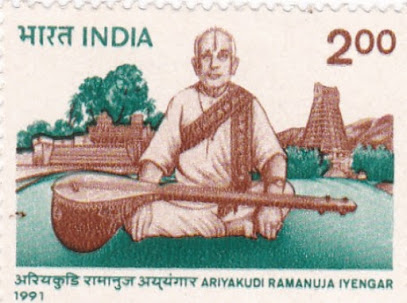
ஒரு பிரபல கர்நாடக வித்வானின் கச்சேரிக்கு ரஸிகர் ஒருவர் அடிக்கடி வருவது வழக்கம். (அந்த வித்வான் அரியக்குடி ராமானுஜ ஐயங்காரா, செம்மங்குடி சீனிவாச ஐயரா என்பது நினவில் இல்லை – பழைய கால அமுத நிலைய மலிவுப் பதிப்புகளில் இசைக் கலைஞர்களைப் பற்றிய புத்தகத்தில் படித்தது இது). ஒரு கச்சேரி முடிந்தவுடன் பரபரப்பாக மேடைக்கு வந்த அவர் அந்த பிரபல வித்வானிடம், “இப்ப எல்லாம் நீங்கள் ரொம்ப நன்னா பாடறேள். ஆலாபனை, விதவிதமான ராகங்கள் எல்லாம் அற்புதம்” என்று கூறினார். அந்த வித்வான் புன்சிரிப்பை உதிர விட்டவாறே, மெதுவாகக் கூறினார் இப்படி; “அப்படியெல்லாம் புகழாதேள்! அவ்விடத்து ஞானம் தான் அதிகமாயிண்டிருக்கு!” குழுமியிருந்த அனைவரும் சிரித்தனர் – அவர் சொன்னதன் சூக்ஷ்மத்தைப் புரிந்து கொண்டு. (“நான் பாடும் படி தான் பாடிக்கொண்டிருக்கிறேன், முட்டாளே! உனக்கு இப்போது தான் ராகம் என்றால் என்ன, ஆலாபனை என்றால் என்ன என்று புரிந்திருக்கிறது!”) அவர் அங்கிருந்து நகர்ந்தார்!
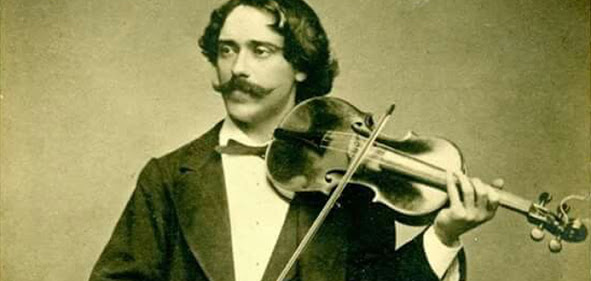
2 ஸ்பெயினைச் சேர்ந்த சராசடே (Sarasate) ஒரு பெரிய வயலின் கலைஞர் (வித்வான்) 19ஆம் நூற்றாண்டில் வாழ்ந்தவர் இவர். (சுப்புடு போன்ற ஒரு!!) பிரபல விமரிசகர் ஒருமுறை அவரை ஜீனியஸ் (இசை மேதை) என்று புகழ்ந்து கூறினார். உடனே அவர் இப்படி பதிலடி கொடுத்தார் அவருக்கு :- “ஜீனியஸா! நானா?! கடந்த 37 வருடங்களாக ஒரு நாளைக்கு பதினான்கு மணி நேரம் வயலினை வாசித்து பிராக்டீஸ் செய்து வந்திருக்கிறேன். இப்போது என்னை ஜீனியஸ் என்கிறார்கள்!”
தன்னைப் பற்றி அவர் நன்கு அறிந்து வைத்திருந்தார். “திறமையோ மேதைத் தன்மையோ தன்னை புகழழேணியில் உச்சிக்குக் கொண்டு வரவில்லை. இடைவிடாத தொடர்ந்த முயற்சியின் காரணமாகவே தான் இந்தப் புகழ் தனக்குக் கிட்டி இருக்கிறது. இந்த நூற்றாண்டின் தலை சிறந்த வயலின் கலைஞராகத் தன்னை ஆக்கியது தனது ப்ராக்டீஸே” – என்பதை அவர் உலகிற்கு வலியுறுத்தினார்.
– The Power of Habit என்ற நூலில் ஜாக் டி. ஹாட்ஜ் (Jack D. Hodge)
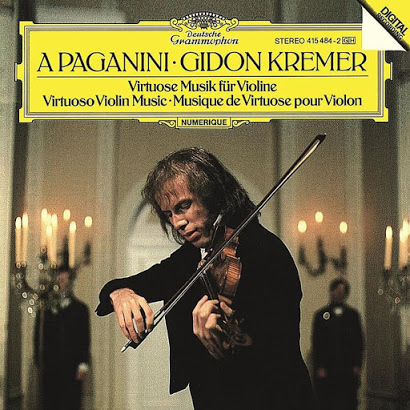
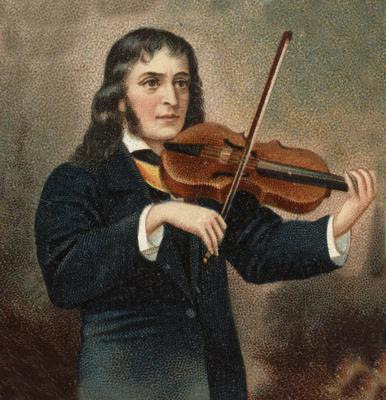
3 நிகோலா பாகனினி (Nicolo Paganini) என்பவர் 19ஆம் நூற்றாண்டைச் சேர்ந்த வயலின் கலைஞர். அவரது பேச்சில் நகைச்சுவை ததும்பும். உடனுக்குடன் பதில் சொல்வதிலும் அவர் வல்லவர். ஒரு சமயம் இத்தாலியில் முழு ஆர்கெஸ்ட்ராவுடன் அவர் ஒரு இசை நிகழ்ச்சியை நடத்திக் கொண்டிருந்தார். அரங்கு முழுவதும் மக்கள் திரள். புது புது உத்திகள், புது புது இசை வடிவம். அனைவரும் மெய்மறந்து அதில் லயித்து விட்டிருந்தனர். இசை நிகழ்ச்சி முடியும் தருணத்தில் தனது ஒரு அபாரமான இசையமைப்பை (Composition) வாசிக்க ஆரம்பித்தார். அப்போது திடீரென்று அவரது வயலினில் ஒரு கம்பி அறுந்தது. அனைவரும் திகைத்து ஆவென்று கூவினர். ஒரு நிமிடம் திகைத்த பாகனினியோ தனது தலையை ஒரு முறை அசைத்தார். பின்னர் தனது இசையைத் தொடர்ந்தார். அப்போது இன்னொரு கம்பி அறுந்தது. அனைவரும் என்னடா இது என்று ஆச்சரியப்பட்டனர். சற்று நேரத்தில் இன்னொரு கம்பியும் அறுந்தது. காமெடியன் போல நின்ற அவர், மூன்று கம்பிகள் வயலினிருந்து அறுந்து கீழே தொங்க, வயலினைத் தொடர்ந்து தன் இசையமைப்பை விடாமல் வாசித்துக் கொண்டிருந்தார். ஒரே ஒரு கம்பியில் தன் முழுத் திறமையையும் காட்டி தனது இசையை அவர் முடித்த போது அரங்கமே அதிர்ந்தது – கைதட்டலாலும், ஆச்சரியக் கூக்குரலாலும். திறமைசாலிகள் எந்த நிலையிலும் திறமைசாலிகளே!
Pictures are taken from various sources for spreading knowledge.
this is a non- commercial blog. Thanks for your great pictures.
tamilandvedas.com, swamiindology.blogspot.com
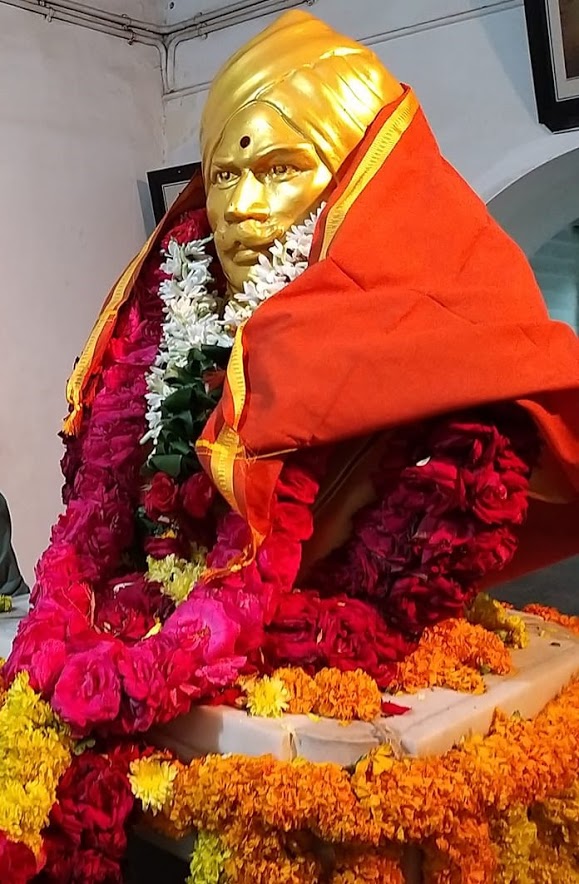
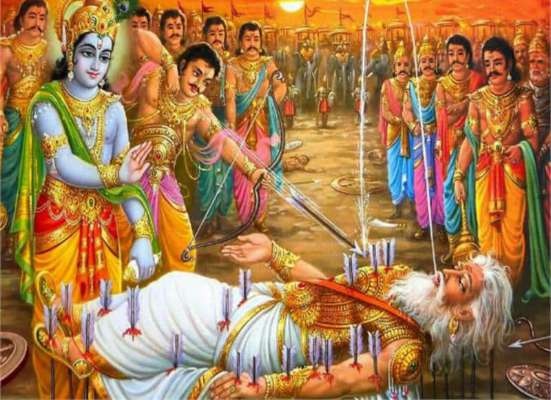
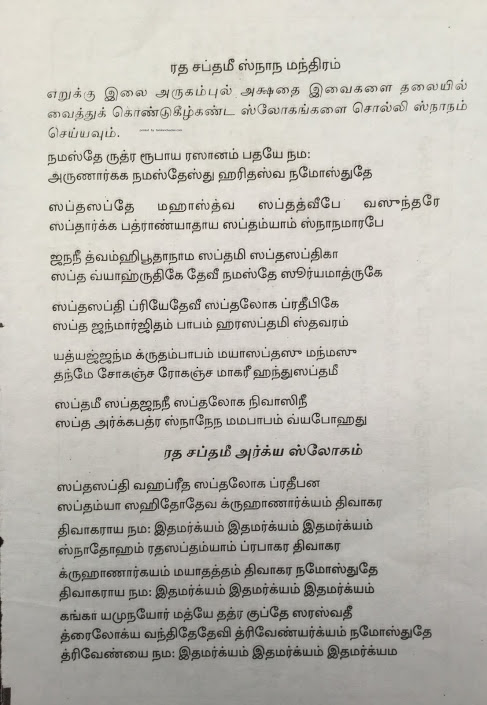
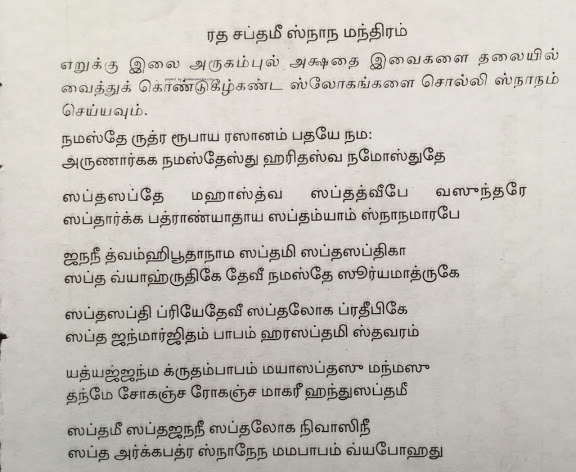
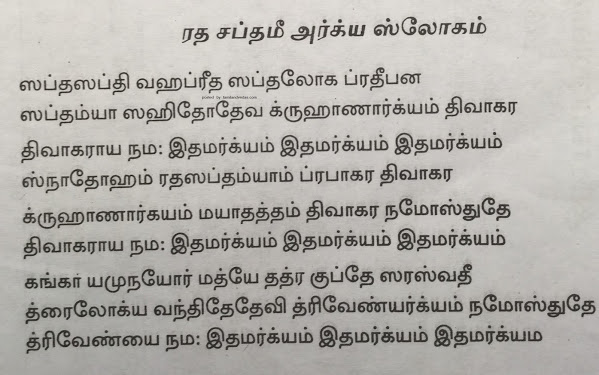
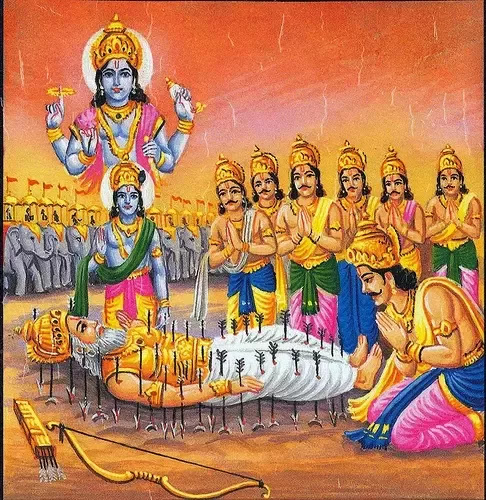
பழைய ‘பேப்பர் கட்டிங்’ PAPER CUTTINGS குகளைக் களைந்து வருகிறேன். இதோ நான் வெட்டி வைத்த ரத்த சப்தமி ஸ்லோகம் . இவ்வாண்டு 2021ல் பிப்ரவரி 19ம் தேதி.வருகிறது. அனைவரும் தலையில் அல்லது தோளில் எருக்கம் இல்லை மீது அரிசி கொஞ்ச்ம வைத்து குளிக்க வேண்டும். மஹாபாரத பீஷ்மரின் நினைவாக .
Pictures are taken from various sources for spreading knowledge.
this is a non- commercial blog. Thanks for your great pictures.
tamilandvedas.com, swamiindology.blogspot.com
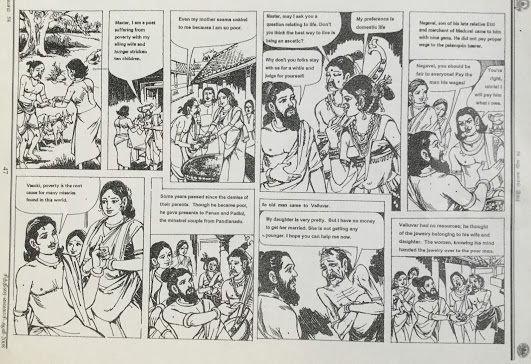
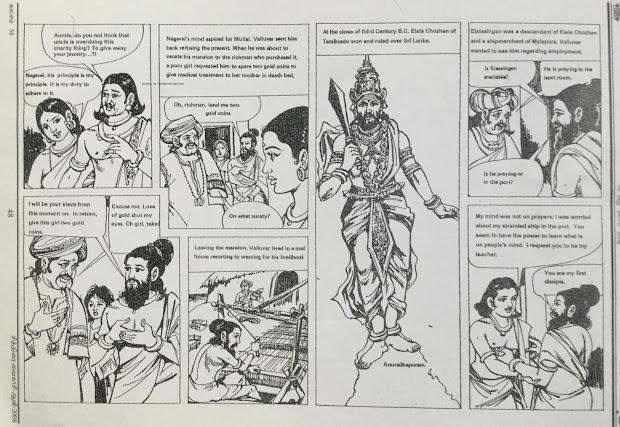
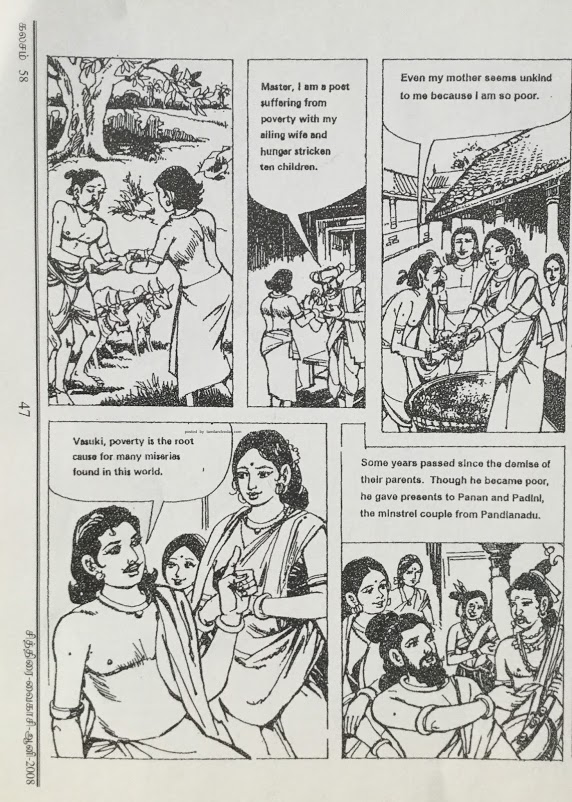
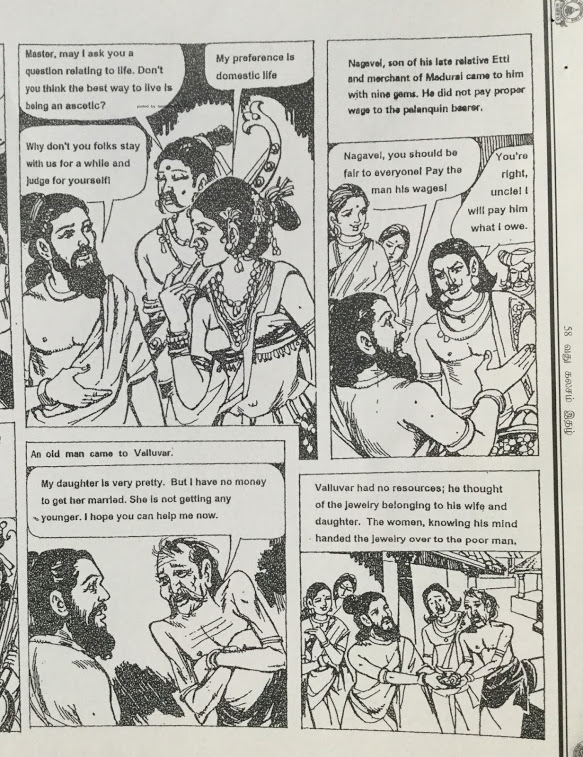
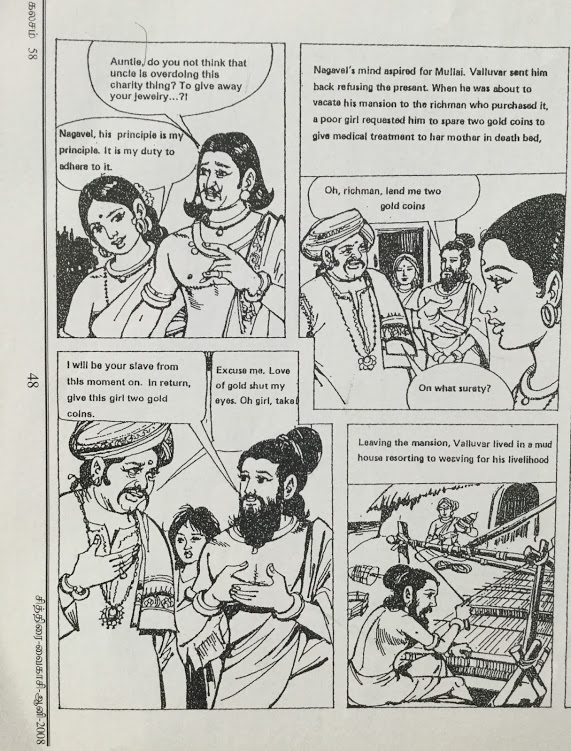
பழைய ‘பேப்பர் கட்டிங்’ PAPER CUTTINGS குகளைக் களைந்து வருகிறேன். இதோ நான் வெட்டி வைத்த லண்டன் ‘கலசம்’ பத்திரிகையில் வெளிவந்த வள்ளுவர் கார்ட்டூன்/ சித்திரப் படக்கதை கதை.
STORY OF TAMIL POET TIRUVALLUVAR, AUTHOR OF TIRUKKURAL
Pictures are taken from various sources for spreading knowledge.
this is a non- commercial blog. Thanks for your great pictures.
tamilandvedas.com, swamiindology.blogspot.com
Four Types of Speech in the Rig Veda
Speech plays an important part in the utterance of the name of the god. The word speech has a broad meaning.
There are four types of speech. Only the learned men know them. The first three are always kept secret. It is the fourth one that man speaks.
Rigveda 1-164
The four kinds of speech are
Para, Pasyanti, Madhyama and Vaikhari.
Para is subtle.
Pasyanti is only suggestive.
Madhyama has no phonetic quality of production of sounds. It simply creates a movement of one’s larynx or throat for the purpose of uttering words.
Vaikhari is an articulated speech with accent and meaning.
Xxx
The Panini Siksha
Teachings Panini gives us an account of the articulation of words as under:
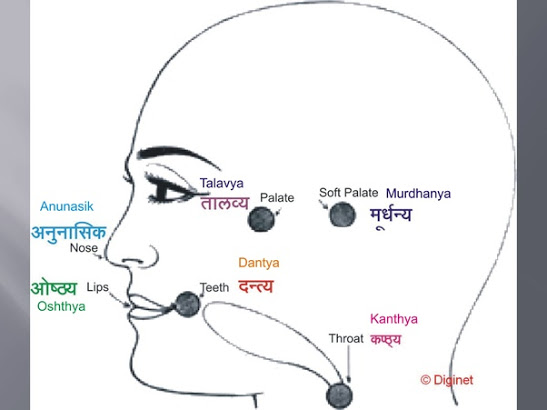
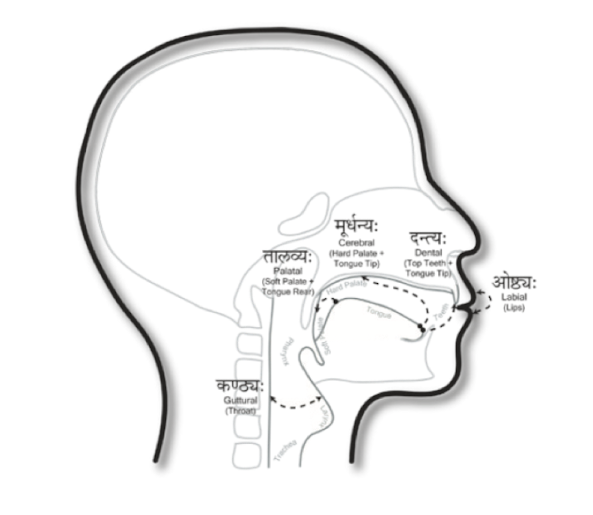
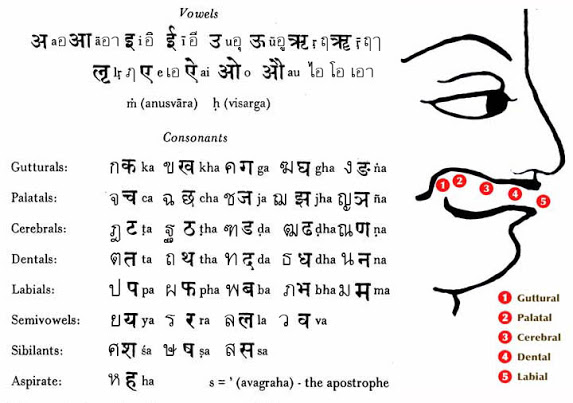
The individual Atman – soul- wishing to express something, sends orders through buddhi/intellect to the manas/mind. The mind then strikes at kayagni/the fire of the body and the latter urges the marital/ the vital wind, and the vital wind passing through Ursa/ the chest generates Svarajambu/sound vibration. The sound vibrations rise up to the top of the head from inside the murdhan, a cerebral point and strikes on various spots in the mouth, thereby creating varnam/letters which are divided into five categories.–Panini Shiksha 6-7-8
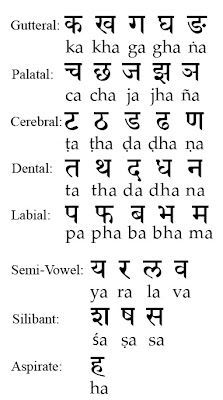
With Paninis grammar Sanskrit language reached its classic form with developed vocabulary. The greatest linguistic achievement of this remarkable language is that the alphabet begins with vowel s followed by consonants with a definite science of phonetics.
Paninis grammar recognised the root as the basic element of word, classified 2000 monosyllabic roots and introduced the proper use of pre fixes suffixes and inflexions. It is considered the greatest intellectual and scientific achievement of the ancient civilisation of the human race before the nineteenth century, when the whole world was in dark about the subject.
The work contain s about 4000 rules for the cases,
moods, persons, tenses, sandhi/euphonic combination etc.
Patanjali s Mahabhasya /Great Commentary, is composed as a commentary on Paninis grammar. Kashika Vrtti/ Benares commentary of Jayadeva Nd Vamana is also a commentary on Paninis work.
Xxx
The common man utters god’s name with Vaikhari or articulated speech. As one goes from vaikhari to madhyama and then to Pasyanti and para, ones meditation becomes more internal. The higher form of speech is mentioned in the Rig Veda.
The altar is the limit of the earth, the sacrifice is the centre of the universe. Soma is the seed of the powerful horse and Brahman is the highest abode of peace
Rig Veda 1-164-35
SOURCE BOOK –
THE HINDUS A NOBLE RACE, PRANAB BANDYOPADHYAI, SOAS LIBRARY, LONDON
Pictures are taken from various sources for spreading knowledge.
this is a non- commercial blog. Thanks for your great pictures.
tamilandvedas.com, swamiindology.blogspot.com
Summary in English (This is the summary of my Tamil article with attachments)
Tolkappiar used ‘they say ‘ or ‘He says’ in over 300 places in the three books on Letters (Ezuthu), Word (Sol) and about Tamil Traditions (Porul).
What did he mean by this journalistic jargon, ‘they say’, ‘it is said that’?
Commentators say he mentioned the book before him written by Agastya.
Tolkappiam is a grammar book in Tamil, which Tamils consider the oldest Tamil work available now.
*****
My Views
All the three books were written by the same author, who lived during the mysterious Kalabra (Jains from Karnataka) rule or just after that in 4th or 5th century. The last book on Porul (Tamil Traditions) is not an appendix or a later addition.
At the same period came two more books Tirukkural and Silappadhikaram (all the three books used ADHIKARA, a Sanskrit word , mostly used by Jains to denote Chapter or Book)
These three verbs ‘Enmanar, Enba, Moliba’ which occur at least 305 times are uniformly used in all the three chapters. Also used by Post Sangam authors. Tamil classification puts the other two books Tirukkural and Silappadikaram in Post Sangam period. (See my attachments in Tamil article posted today giving 305 words).
Dravidians put forth a curious statement saying that wherever Tolkappiar speaks about Vedas, Gods Varuna and Indra, Eight Types of Marriage put forth by Manu Smrti etc are interpolations!!
Last but not the least, Tolkappiar’s period is different from the period of Tolkappiam. The book in the present form is later. Same with Ilango and Silappadikaram. Book came later than the original author.
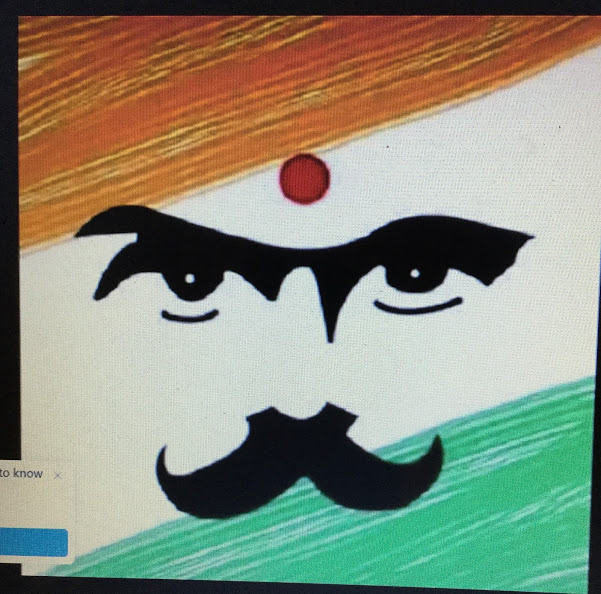
Dravidians created a Tolkappiar with moustache to demolish the commentators’ writing that he was a Brahmin Rishi. Old books and old commentators say that he belongs to Jamadagni clan and Kavya Gotra. Tolkappiar means one who belongs to Old Kavya Gotra. His real name was Truna Dumagni according to old Tamil Encyclopedia Abhidana Chintamani of Singaravelu Mudaliyar and 700 year old commentaries.
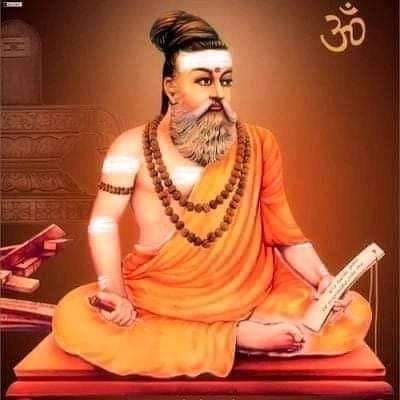
Dravidias are notorious for wiping out the holy ash from the Tiruvalluvar pictures after 1967. When they came to power in 1967, they defaced Tiruvalluvar and gave him a ‘widow like’ look. Now they have made Tolkappiar a moustached Brahmin !!!















 Tamil and Vedas