Pictures are taken from various sources for spreading knowledge.
this is a non- commercial blog. Thanks for your great pictures.
tamilandvedas.com, swamiindology.blogspot.com
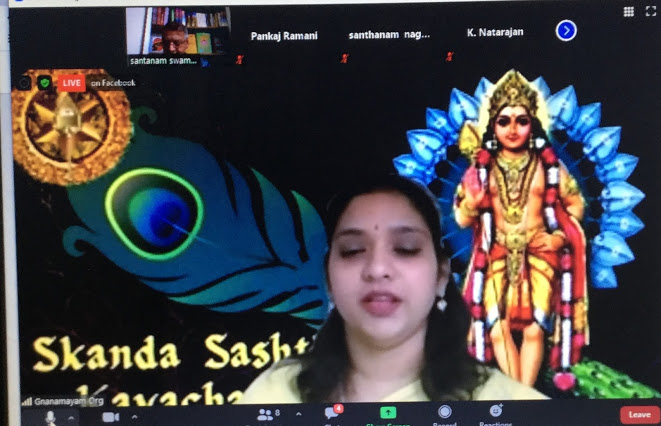
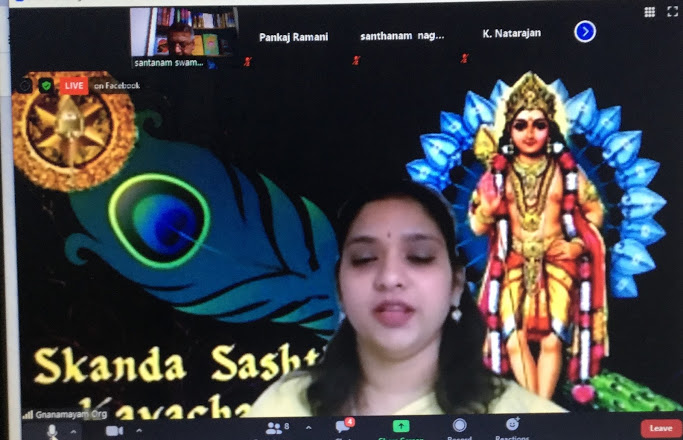
Following programmes were broadcast on eighth February 2021 by Gnanamayam Channel from London
GNANA MAYAM BROADCAST AT 1 PM LONDON TIME; 6-30 PM IST
8-2-21 MONDAY
GNANA MAYAM PROGRAMME
Announcement and Prayer – 5 MINUTES
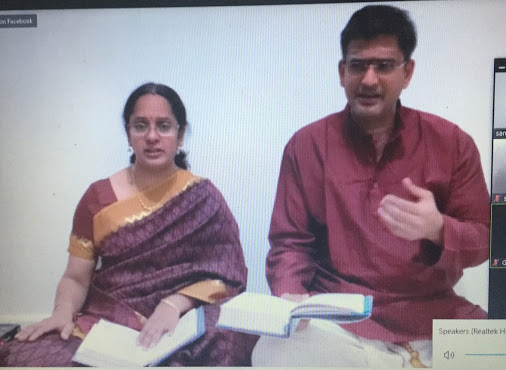
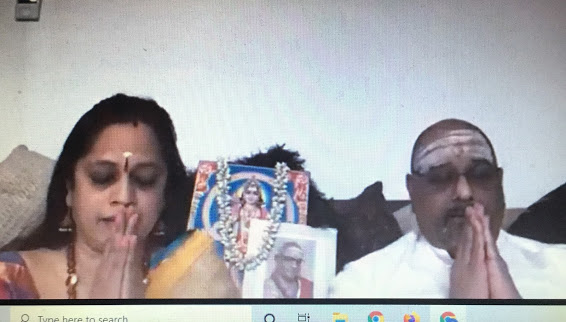
Prayer by Mr and Mrs Balasubrahmanyam from Abuddhabi
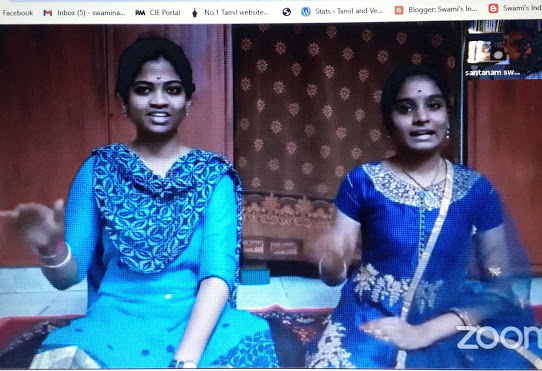
CHENNAI MRS LAKSHMI RAMASWAMI’S STUDENTS – THIRUPPUGAZ Vaathinai adarntha 6+++++
Bengaluru Mr Nagarajan speaks on EVIDENCE FOR REBIRTHS- 8 Mts
Dr Narayanan Kannan from Chennai talks ON ALVARS – 6
Mrs Daya Narayanan’s Ashtapathy – 7 minutes
MORE FROM CHENNAI MRS LAKSHMI RAMASWAMI’S STUDENTS – CARNATIC SONG Ninnarul……………… 6+++++
Bengaluru Nagarajan on ‘Bharati in Film’ Songs – 8
London MRS HARINI RAGHU’S MANGALAM SONG –1MINUTE
60 MINUTES ++
STUDIO ENGINEER MR B SRIDHAR, LONDON
XXXXX
INTRODUCTION TO GNANAMAYAM
WE HAVE LAUNCHED A HINDU BROADCAST IN AUGUST 2020 AND IT IS GOING WELL ON MONDAYS VIA ZOOM AND FACEBOOK.
LATER WE HAVE EXTENDED IT TO ONE MORE DAY, ON SUNDAYS TO SPREAD TAMIL CULTURE.
BOTH OUR BROADCASTS ARE NON- POLITICAL AND NON -COMMERCIAL.
WE DON’T ADVOCATE OR SUPPORT ANY VIOLENCE IN ANY FIELD.
IT IS APPROXIMATELY ONE HOUR BROADCAST FROM LONDON.
TIME OF BROADCAST- ONE PM, LONDON TIME—— 6-30 PM INDIAN TIME
DAYS- MONDAYS AND SUNDAYS
MONDAYS FOR HINDUISM (UNDER GNANAMAYAM AND GNANA SUDAR)
SUNDAYS FOR TAMIL CULTURE & LANGUAGE (UNDER THAMIZ MUZAKKAM/ TAMIL THUNDER)
(After Pongal 2021, we do Tamil and Hinduism on both days)
XXX
WHO IS THE PRODUCER?
LONDON SWAMINATHAN IS PRODUCING IT ON BEHALF OF ‘GNANAMAYAM’ , LONDON.
(FORMER BBC BROADCASTER, SENIOR SUB EDITOR, DINAMANI, FORMER TAMIL TUTOR, UNIVERSITY OF LONDON; 3 JOBS FROM 1971- 2014; NOW BLOGGER AND NEWS EDITOR, GNANAMAYAM CHANNEL)
SRI KALYANA SUNDARA SIVACHARYAR OF WORLD HINDU MAHASANGAM
IS ANOTHER PRODUCER
AND MRS SUJATHA RENGANATHAN AND MRS VAISHNAVI ANAND ARE CO-PRODUCERS FOR OUR PROGRAMMES
WORLD HINDU NEWS ROUNDUP IN ENGLISH BY MRS SUJATHA RENGANATHAN
WORLD HINDU NEWS ROUNDUP IN TAMIL BY MRS VAISHNAVI ANAND
****
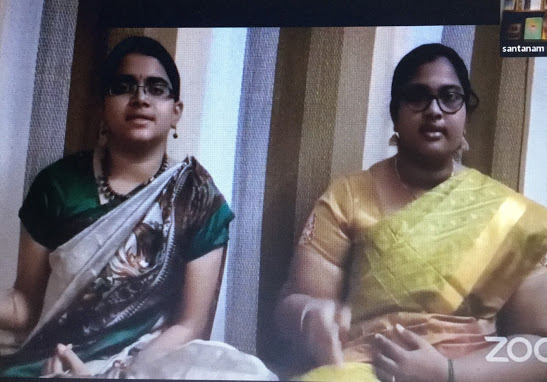
THIRUPPUGAZ BY MRS JAYANTHI SUNDAR AND MR SURESHAND MRS SUMATHY SURESH – 10 minutes
CHENNAI Mrs. Lakshmi Ramaswamy’s Students –ANANDA NADAMIDUM SONG- 6MTS
BHARATHYAR SONG BY MRS DAYA NARAYANAN-5 MTS
***
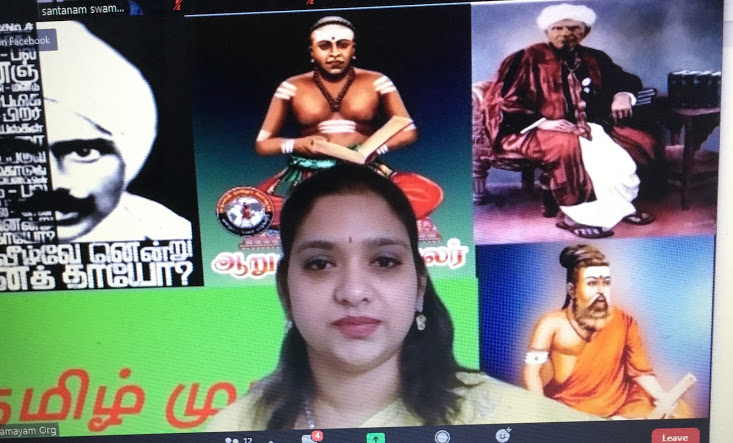
London Swaminathan’s article (மூன்று புதிர், குட்டி போட்டு, 4 ஆன கதை!) read by Mrs Vaishnavi Anand -6 minutes
INTRODUCTION TO GNANAMAYAM
WE HAVE LAUNCHED A HINDU BROADCAST IN AUGUST 2020 AND IT IS GOING WELL ON MONDAYS VIA ZOOM AND FACEBOOK.
LATER WE HAVE EXTENDED IT TO ONE MORE DAY, ON SUNDAYS TO SPREAD TAMIL CULTURE.
BOTH OUR BROADCASTS ARE NON- POLITICAL AND NON -COMMERCIAL.
WE DON’T ADVOCATE OR SUPPORT ANY VIOLENCE IN ANY FIELD.
IT IS APPROXIMATELY ONE HOUR BROADCAST FROM LONDON.
TIME OF BROADCAST- ONE PM, LONDON TIME—— 6-30 PM INDIAN TIME
DAYS- MONDAYS AND SUNDAYS
MONDAYS FOR HINDUISM (UNDER GNANAMAYAM AND GNANA SUDAR)
SUNDAYS FOR TAMIL CULTURE & LANGUAGE (UNDER THAMIZ MUZAKKAM/ TAMIL THUNDER)
(After Pongal 2021, we do Tamil and Hinduism on both days)
XXX
WHO IS THE PRODUCER?
LONDON SWAMINATHAN IS PRODUCING IT ON BEHALF OF ‘GNANAMAYAM’ , LONDON.
(FORMER BBC BROADCASTER, SENIOR SUB EDITOR, DINAMANI, FORMER TAMIL TUTOR, UNIVERSITY OF LONDON; 3 JOBS FROM 1971- 2014; NOW BLOGGER AND NEWS EDITOR, GNANAMAYAM CHANNEL)
SRI KALYANA SUNDARA SIVACHARYAR OF WORLD HINDU MAHASANGAM
IS ANOTHER PRODUCER
AND MRS SUJATHA RENGANATHAN AND MRS VAISHNAVI ANAND ARE CO-PRODUCERS FOR OUR PROGRAMMES
Pictures are taken from various sources for spreading knowledge.
this is a non- commercial blog. Thanks for your great pictures.
tamilandvedas.com, swamiindology.blogspot.com
கட்டுரையை எழுதியவர் ஞானமயம் ப்ரொட்யூஸர் லண்டன் சுவாமிநாதன்
வாசிப்பவர் வைஷ்ணவி ஆனந்த் (Gnanamayam Broadcast on 7-2-2021)
அருணகிரி நாதர் 3 விடுகதை போட்டார் ;அது நான்கு ஆன
சுவையான கதை இதோ !
சில வாரங்களுக்கு முன்னர் இதே அரங்கத்தில் அருணகிரிநாதர், பாடிய திருப்புகழில் , அவர் போட்ட மூன்று விடுகதைகளை உங்களுக்கு வழங்கினோம். அந்த 3 விடுகதைகளில் ஒன்றை விடுவிக்க நமது ப்ரொட்யூசர் திரு கல்யாண சுந்தர சிவாசார்யார் ஒரு சம்ஸ்க்ருத ஸ்லோகத்தை எனக்கு அனுப்பினார் . அது புதிரை விடுவிக்காமல் நாலாவது புதிரை — விடுகதையை – உருவாக்கிவிட்டது . இதோ 4 புதிர்களையும் கேளுங்கள்; விடை கிடைத்தால் எமக்கு எழுதுங்கள் அல்லது ஆடியோ, வீடியோ பதிவுகளில் பேசி அனுப்புங்கள்
இதோ 4 புதிர்கள்
அருணகிரிநாதரால் பாடப்பட்டு நமக்குக் கிடைத்துள்ள அற்புதமான 1300+ திருப்புகழ் பாடல்களில் பல அழகான சொல்லாக்கமும், சொல்லாட்சியும், சொற்சிலம்பமும் இருப்பதை முந்தைய எட்டு கட்டுரைகளில் கண்டோம். அவர் போடும் பல புதிர்களுக்கு விடை கிடைக்காமல் அறிஞர்கள் திண்டாடுகிறார்கள் ஒரு மூன்று புதிர்களை மட்டும் இங்கே காண்போம்.
திருவேங்கட மலையில் முருகன் கோவில் இருப்பதாகப் பாடுகிறார். நமக்குத் தெரிந்து வேங்கடாசலபதி (பாலாஜி ) கோவில் இருக்கிறது. அப்படியானால் முருகன் கோவில் ஒன்று இருந்து அழிந்துவிட்டதா? அல்லது இப்போதைய பாலாஜி கோவில் ஒருகாலத்தில் முருகன் கோவிலாக இருந்ததா? இது அவர் போடும் முதல் புதிர்.
சரஸ்வதி நதிக்கரையில் வயிரவி வனம் என்று ஒரு இடம் இருப்பதாகவும் அங்கே முருகன் கோவில் இருப்பதாகவும் பாடுகிறார். சரஸ்வதி நதி வேத காலத்தில் ஓடி மகாபாரத காலத்தில் மறையத் துவங்கிவிட்டது. அருணகிரி காலத்தில் சரஸ்வதி நதி இல்லையே! நமக்குத் தெரிந்து வயிரவி வனம் என்று ஊரும் இல்லையே. வயிரவி வனம் எது? முருகன் கோவில் எங்கே? இது அவர் போடும் இரண்டாவது புதிர்.
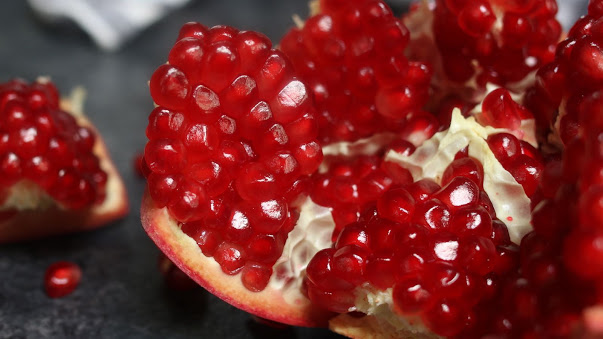
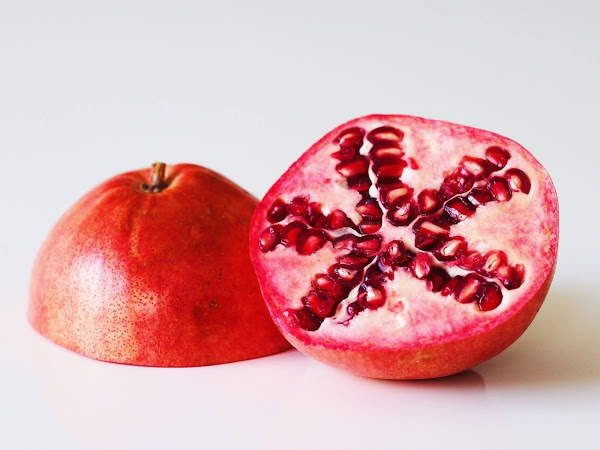
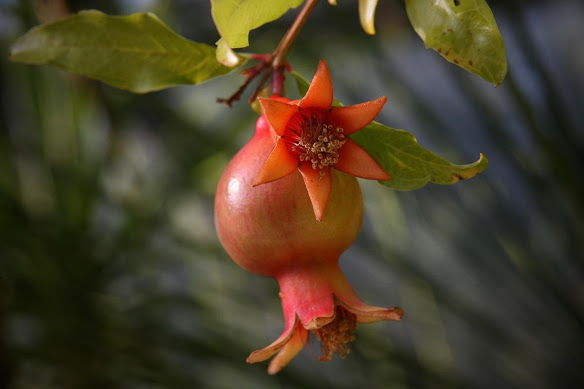
பிள்ளையார் கையில் ஒரு மாதுளம் கனியை பார்வதி தேவி கொடுத்ததாகப் பாடுகிறார். அது என்ன புதிய கதை? நமக்குத் தெரிந்ததெல்லாம் பழனியில் மாங்கனி கொடுக்கப்பட்டது. முருகன் கோபித்துக் கொண்டு ஓடிப் போய் தண்டாயுதபாணியாக நின்றார். இந்த மாதுளம் பழக் கதை என்ன?
மூன்று கேள்விகளுக்கும் விடை தெரிந்தால் சொல்லுங்கள்.
மாங்கனியா? மாதுளங்கனியா?
திருவிளையாடல் திரைப்படம் பார்த்தவர்களுக்கு முருகன் – பிள்ளையார் இடையே நடந்த போட்டி தெரியும். கலகம் செய்வதையே பொழுது போக்காகக் கொண்ட நாரத மாமுனிவன் ஒரு மாம்பழத்தைக் கொண்டுவந்து அதை வெட்டாமல் சாப்பிடவேண்டும் என்று சொன்னார். உலகம் சுற்றும் வாலிபனுக்கே அந்தப் பழம் என்று போட்டி வைக்க, முருகன் மயில் மீது பறந்து சென்றார். கெட்டிக் கார பிள்ளையார் அம்மாவையும் அப்பாவையும் சுற்றிவந்து உலகத்தையே சுற்றிவிட்டதாகச் சொல்லி பழத்தை வென்றார்., முருகன் கோபித்துக் கொண்டு பழனி மலையில் குடியேறினார். ஆனால் அது மாம்பழக் கதை. அருணகிரிநாதர் சொல்வதோ மாதுளம்பழம். இது புதுக் கதையா? பழைய கதையில் செய்யப்பட்ட ஒரு சிறிய மாற்றமா?
இதோ மாதுளங் கனி திருப்புகழ்:
உவகாரியன்பர்பணி கலியாணி எந்தை இடம்
முறைநாய கங்கவுரிசிவகாமி
ஒளிர் ஆனையின் கரமில் மகிழ் மாதுளம் கனியை
ஒரு நாள் பகிர்ந்த உமை அருள் பாலா
Xxxxx
இப்போது புதிய புதிர் – விடுகதை என்ன என்று காண்போம்.
மாதுளம் பழம் என்று சம்ஸ்க்ருதத்தில் வரும் ஒரு ஸ்லோகத்தை அனுப்பி இதில் விடை கிடைக்குமா என்று பாருங்கள் என்று திரு கல்யாண சுந்தர சிவாசார்யார் அனுப்பியிருந்தார். அது சிவ ரஹஸ்யம் என்னும் புஸ்தகத்திலிருந்து எடுக்கப்பட்டது. மிகவும் ஆவலுடன் ஒரு கட்டுரை தீட்டுவதற்குத் தயாரானேன். அப்பொழுது மாதுளம் பழம் என்பதற்கு சம்ஸ்க்ருத அகராதியில் பொருளைக் கண்டுபிடிக்கத் திருப்பினேன். பச்சை எலுமிச்சம் பழம் என்று போட்டிருந்தது . பின்னர் நாம் மாதுளம்பழம் என்று சொல்லும் பழத்துக்கு என்ன பெயர் என்று பார்த்தால் தாடிம (Dadima) என்று போட்டிருக்கிறது. இன்றும் வட இந்திய மொழிகளில் மாதுளம் பழத்தை — அதாவது POMEGRANATE போம்கிரனேட் என்று — ஆங்கிலத்தில் சொல்லும் பழத்தை – தாடிம என்றே அழைக்கின்றனர். ஹிந்தியில் அனார் (ANAR) என்றும் சொல்லுவார்கள்
நமது தமிழ் அகராதிகளில் என்னிடம் உள்ள பழைய அகராதி 1935-ம் ஆண்டு ஆனந்த விகடன் தமிழ் அகராதி ஆகும் .அதில் மாதுளம் பழத்துக்கு வேறு பொருள் உண்டோ என்று கண்டேன்.
தமிழில் மாதுளம் பழத்துக்கு இன்று நாம் சொல்லும் பொருளே உளது. இன்னொரு பெயர் மாதளை என்றும் உளது. சிறிது ள – கரத்தை மாற்றி மாதுல — என்று சொன்னால் ஊமத்தை என்றும் பொருள் உள்ளது. இவை எதுவும் நம்முடைய புதிருக்கு விடை சொல்ல வில்லை .
XXX
திரு கல்யாண சுந்தர சிவாசார்யார் அனுப்பிய
हेमाद्रिं किल मातुलुङ्गफलमित्यादाय मोदाधिको
ஹேமாத்ரி கில மாதுலுங்க பல மித்யாதாய மோதாதிகோ
என்று துவங்கும் அந்த ஸ்லோகத்தில் முதல் வரியில் வரும் ‘மாதுலுங்க பல’ என்பதற்கு எலுமிச்சை என்றே சம்ஸ்க்ருத அகராதி பொருள் சொல்லும் . இந்த வரியின் மொத்த பொருள்:–
மேரு மலையையே எலுமிச்சம் பழம் போல கையில் தூக்கும் கணபதியே – என்பதாகும் பின்னர் வரும் வரிகளில் ஜம்பு பழத்தையும் — அதாவது நாவல் பழத்தையும் குறிப்பிட்டு– அத்தகைய கணபதி என்னைக் காப்பாற்றுவாராக என்று முடிகிறது
XXXX
கடைசியில் எஞ்சி நிற்கும் கேள்விகள் ………………………
அருணகிரி நாதர் திருப்புகழில் பாடியது போல பிள்ளையார் கையில் ‘மாதுளம் பழம் இருந்ததா? மாம்பழம் இருந்ததா?
அந்த மாதுளம் என்பது தாடிம, அனார் , POMEGRANATE போம்க்ரனேட் என்னும் பழமா சம்ஸ்க்ருத ஸ்லோகத்தில் வரும் மாதுலுங்கம் அதாவது எலுமிச்சசையா ?
அபிராமி பட்டர் பாடிய அபிராமி அந்தாதியில் கூட மாதுளம் பூ நிறத்தாளை என்று அம்பிகையைப் பாடுகையில் நாம் அறிந்த மாதுளம் பழத்தின் செந்நிறப் பூ தான், நம் மனக்கண் முன் வரும்
May the Lord Ganapati who joyously holds the Mount Meru as if it were berry (CITRON FRUIT) fruit ,who then pleaded by the frightened by celestial beings lets go of only to capture the blue expanse of the sky taking it to be like a jambu fruit -May that lord Ganapati with huge belly protect me
This sloka proclaim god by his Maya sakti can hold up all natural matters within him including smallest to biggest thing
FOR MATULUNGA PALA, PLEASE SEE WISDOMLIB.ORG DICTIONARY
Pictures are taken from various sources for spreading knowledge;
this is a non- commercial blog. Thanks for your great pictures.
tamilandvedas.com, swamiindology.blogspot.com
ஹிந்துக்களே விழித்தெழுவீர்களா? ச.நாகராஜன்
கடந்த 70 ஆண்டுகளில் ஹிந்துக்கள், தங்கள் நாட்டை ஒரு குடும்பம் முஸ்லீம் நாடாக ஆக்கப் பார்க்கிறது என்பதைப் புரிந்து கொள்ளவில்லை. 5 ஆண்டுகளில் முஸ்லீம்கள் ஹிந்து ராஷ்டிரத்தை மோடி உருவாக்க விரும்புகிறார் என்பதைப் புரிந்து கொண்டுள்ளனர்.
இந்த நாடு இரண்டாகத் துண்டாக்கப்பட்டது. ஒரு சிறு சப்தம் கூட எங்கிருந்தும் எழவில்லை.
காஷ்மீரில் அரைப் பகுதி போயே போய் விட்டது. ஒரு சத்தம்…? ஊஹூம், இல்லவே இல்லை!
திபேத் போனது, ஒரு புரட்சியும் இல்லை!
இட ஒதுக்கடு, அவசர சட்ட பிரகடனம், தாஷ்கெண்ட், ஷிம்லா, சிந்து ஆகிய அனைத்தும் வந்தன. யாருக்கும் அக்கறை இல்லை.
பிரம்மாண்ட மோசடிகள் : 2G ஸ்பெக்ட்ரம், நிலக்கரி, CWG, அகஸ்டா வெஸ்ட் லேண்ட், போபர்ஸ் – இவை எல்லாவற்றிற்கும் ஒருவர் கூட சத்தம் எழுப்பவில்லை.
சீனாவுக்கு வீடோ செய்யும் உரிமை தரப்பட்டது, ஒரு ரயிலும் கூட நிறுத்தப்படவில்லை!
லால்பஹாதூர் சாஸ்திரி போன்ற பெரியவரை இழந்தோம். ஒரு விளக்கு கூட ஏற்றப்படவில்லை. ஒருவர் கூட சிபிஐ விசாரணையைக் கோரவில்லை.
மாதவ் ராவ், ராஜேஷ் பைலட் போன்ற தலைவர்கள் கொல்லப்பட்டனர்; ஒருவருக்கும் என்ன நடக்கிறது என்று புரியவில்லை, அதைக் கண்டு கொள்ளவும் இல்லை.
ஆனால் பசுவதைச் சட்டம் பெரும்பாலான மாநிலங்களில் நிறுத்தப்பட்டவுடன் ஹிந்து விரோத சக்திகளால் பெரும் கூக்குரல் எழுப்பப்பட்டது!
ஆதாரம், நன்றி :கல்கத்தா வார இதழ் Truth Vol 88 no 28 dated 29-1-21
***
இதன் ஆங்கில மூலத்தைக் கீழே காணலாம்:
a) In 70 years, Hindus did not understand that a family wants to make the country a Muslim nation.
In 5 years, Muslims understood that Modi wants to create a Hindu nation.
b) The country was cut into two pieces, but no sound came from anywhere. c) Half Kashmir gone, no noise? d) Tibet went, there was no rebellion? e) Wounds like Reservation, Emergency, Tashkent, Shimla, Sindhu were given, but no one cared.
f) Scams: 2G Spectrum, Coal, CWG, Augusta Westland, Bofors like blur but no body made any noise.
g) Veto power was given to China, no train were stopped.
h) Brave heart like Lal Bahadur Shastri was lost, no candle was lit and nobody demanded a CBI inquiry.
i) Leaders like Madhavrao, Rajesh Pilot were killed, made no difference.
j) But as soon as the beef (cattle) was stopped in most of the states, there is a furore amongst the anti Hindu segment. —-Truth Vol 88 no 28 dated 29-1-21
GNANA MAYAM BROADCAST AT 1 PM LONDON TIME; 6-30 PM IST
8-2-21 MONDAY
GNANA MAYAM PROGRAMME
Announcement and Prayer – 5 MINUTES
CHENNAI MRS LAKSHMI RAMASWAMI’S STUDENTS – THIRUPPUGAZ AND KARNATIC SONGS 6+++++
Bengaluru Mr Nagarajan speaks on EVIDENCE FOR REBIRTHS- 8 mts
Dr Narayanan Kannan from Chennai talks ON ALVARS – 6
Mrs Daya Narayanan’s Ashtapathy – 7 minutes
MORE FROM CHENNAI MRS LAKSHMI RAMASWAMI’S STUDENTS – THIRUPPUGAZ AND KARNATIC SONGS 6+++++
Bengaluru Nagarajan on ‘Bharati in Film’ Songs – 8
MRS HARINI RAGHU’S Yamarintha Molikalile- 5
MRS HARINI RAGHU’S MANGALAM SONG –1MINUTE
60 MINUTES ++
XXXXX
INTRODUCTION TO GNANAMAYAM
WE HAVE LAUNCHED A HINDU BROADCAST IN AUGUST 2020 AND IT IS GOING WELL ON MONDAYS VIA ZOOM AND FACEBOOK.
LATER WE HAVE EXTENDED IT TO ONE MORE DAY, ON SUNDAYS TO SPREAD TAMIL CULTURE.
BOTH OUR BROADCASTS ARE NON- POLITICAL AND NON -COMMERCIAL.
WE DON’T ADVOCATE OR SUPPORT ANY VIOLENCE IN ANY FIELD.
IT IS APPROXIMATELY ONE HOUR BROADCAST FROM LONDON.
TIME OF BROADCAST- ONE PM, LONDON TIME—— 6-30 PM INDIAN TIME
DAYS- MONDAYS AND SUNDAYS
MONDAYS FOR HINDUISM (UNDER GNANAMAYAM AND GNANA SUDAR)
SUNDAYS FOR TAMIL CULTURE & LANGUAGE (UNDER THAMIZ MUZAKKAM/ TAMIL THUNDER)
(After Pongal 2021, we do Tamil and Hinduism on both days)
XXX
WHO IS THE PRODUCER?
LONDON SWAMINATHAN IS PRODUCING IT ON BEHALF OF ‘GNANAMAYAM’ , LONDON.
(FORMER BBC BROADCASTER, SENIOR SUB EDITOR, DINAMANI, FORMER TAMIL TUTOR, UNIVERSITY OF LONDON; 3 JOBS FROM 1971- 2014; NOW BLOGGER AND NEWS EDITOR, GNANAMAYAM CHANNEL)
SRI KALYANA SUNDARA SIVACHARYAR OF WORLD HINDU MAHASANGAM
IS ANOTHER PRODUCER
AND MRS SUJATHA RENGANATHAN AND MRS VAISHNAVI ANAND ARE CO-PRODUCERS FOR OUR PROGRAMMES
Pictures are taken from various sources for spreading knowledge.
this is a non- commercial blog. Thanks for your great pictures.
tamilandvedas.com, swamiindology.blogspot.com
இன்று FEBRUARY 7 -ஆம் தேதி — ஞாயிற்றுக் கிழமை ,2021
உலக இந்து சமய செய்தி மடல்
தொகுத்து வழங்குபவர் வைஷ்ணவி ஆனந்த்
இது ‘ஆகாச த்வனி’ யின் உலக இந்து சமய செய்தி மடல் நேயர்கள் அனைவருக்கும் வணக்கம்,
நமஸ்காரம் செய்திகள் வாசிப்பது VAISHNAVI ANAND
எங்கள் நிகழ்ச்சிகளை ஞாயிற்றுக் கிழமை தோறும் லண்டன் நேரம் பிற்பகல் 1 மணிக்கும், இந்திய நேரம் மாலை 6-30 மணிக்கும் நேரடியாகக் கேட்கலாம். உலக இந்து சமய செய்தித் தொகுப்புடன் நேயர்களின் கேள்விகளுக்கு விடைகளும் அளிக்கப்படுகிறது.
எங்களை எந்நேரமும் தொடர்பு கொள்ள Facebook.com / Gnana mayam முகவரியில் அணுகவும்
Xxx
அயோத்தியில் ராமர் கோயில் கட்டும் பணிக்கு காஞ்சி சங்கர மடம் சார்பில் ரூ.6 கோடி நிதி
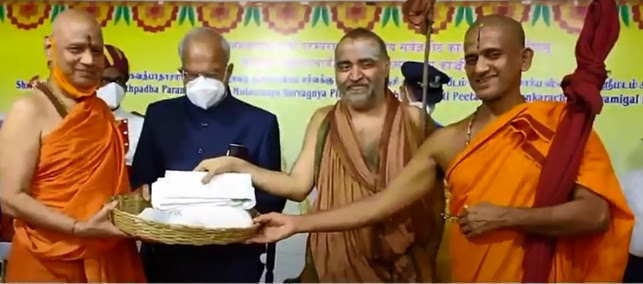
அயோத்தியில் ராமர் கோயில் கட்டும் பணிக்காக காஞ்சி சங்கர மடத்தின் பக்தர்கள் காணிக்கையாக வழங்கிய தொகை ரூ.6 கோடியை தமிழக கவர்னர் பன்வாரிலால் புரோஹித் முன்னிலையில் காஞ்சி விஜயேந்திர சரஸ்வதி சுவாமிகள் வழங்கினார்.
அயோத்தியில் ராமர் கோயில் கட்டும் பணிக்காக காஞ்சீபுரம் சங்கர மடத்தில் பொதுமக்கள் அனைவரும் காணிக்கை செலுத்துவதற்காக இரு பெரிய உண்டியல்கள் வைக்கப்பட்டிருந்தன. அதில் காலையிலிருந்தே கல்லூரி மாணவர்கள், பொதுமக்கள் பலரும் வரிசையாக நின்று காணிக்கைகளை உண்டியல்களில் செலுத்தினார்கள். மொத்தமாக சேர்ந்த நிதியை ராமஜென்மபூமி தீர்த்த ஷேத்ர அறக்கட்டளையிடம் வழங்கும் விழா மாலையில் சங்கரமட வளாகத்தில் நடைபெற்றது.
விழாவிற்கு காஞ்சீ சங்கராச்சாரியார் விஜயேந்திர சரஸ்வதி சுவாமிகள் தலைமை வகித்து அருளாசியுரை வழங்கினார். உடுப்பி பேஜாவர் மடத்தின் பீடாதிபதி விஷ்வப்பிரசன்னதீர்த்த சுவாமிகள் முன்னிலை வகித்தார். பணி ஓய்வு பெற்ற ஐ.ஏ.எஸ்.அதிகாரி எஸ்.ராமச்சந்திரன் வரவேற்று பேசினார்.
விழாவில் தஞ்சாவூரை சேர்ந்த எம்.ஜி.வி.மோகன் என்ற கல்வியாளர் ரூ.5 கோடியும், சென்னை எம்.எஸ்.மூர்த்தி ரூ.25 லட்சம், விஸ்வ ஹிந்து பரிஷத்தின் நிறுவனத் தலைவர் எஸ்.வேதாந்தம் ரூ.19 லட்சம், சென்னை ஜெயசங்கர் ரூ.14 லட்சம், புனே சங்கர மடம் சார்பில் ரூ.5 லட்சம், ஹைதராபாத்தை சேர்ந்த பெயர் சொல்ல விரும்பாத சங்கர மடத்தின் பக்தர் ரூ.25 லட்சம், ராமஜென்மபூமி தீர்த்த ஷேத்ர அறக்கட்டளையின் பொருளாளரான கோவிந்த தேவ்கிரி சுவாமிகள் சங்கர மடத்தின் பக்தர் என்பதற்காக அவர் ரூ. 11 லட்சம் என பலரும் காணிக்கையாக தனித்தனியாக வழங்கினார்கள்.
இவர்களைத் தவிர சங்கரா கலை அறிவியல் கல்லூரி பழைய மாணவர்கள் சார்பில் ரூ.1.50 லட்சம் உட்பட பொதுமக்கள் வழங்கிய தொகை ரூ.1 கோடியும் சேர்த்து மொத்தம் ரூ.6 கோடி நிதி அயோத்தி கோயில் கட்டும் பணிக்காக சங்கரமடம் பக்தர்கள் சார்பில் காணிக்கையாக வழங்கப்பட்டது.
விழாவினை முன்னிட்டு காஞ்சி மகா பெரியவரின் பிருந்தாவனம் வெள்ளி வேலுடன் கூடிய வெள்ளிக்கவச அலங்காரத்தில் பக்தர்களுக்கு அருள்பாலிக்கும் வகையில் அலங்கரிக்கப்பட்டிருந்தது.
Xxxxxx
இந்து கடவுள்களை தொடர்ந்து அவமதிப்பதாக கூறி எழுத்தாளர் கே.எஸ்.பகவான் முகத்தில் கருப்பு மை பூசிய பெண் வக்கீல்; பெங்களூரு சிட்டி சிவில் கோர்ட்டு வளாகத்தில் பரபரப்பு
கன்னடத்தில் பிரபல எழுத்தாளராக இருந்து வருபவர் கே.எஸ்.பகவான் (வயது 75). இவர் சமீபகாலமாக இந்து கடவுள்களை அவமதிக்கும் வகையில் பேசி வருவதாக கூறப்படுகிறது. ராமர் ஒரு குடிகாரர் என்று கூறி கே.எஸ்.பகவான் பரபரப்பை ஏற்படுத்தி இருந்தார். மேலும் அவர் தொடர்ந்து இந்து கடவுள்களை அவமதித்து வந்ததாக சொல்லப்படுகிறது. இதுதொடர்பாக கே.எஸ்.பகவான் மீது போலீஸ் நிலையங்களில் ஏராளமான வழக்குகள் பதிவாகி உள்ளன.
இந்த நிலையில் சமீபத்தில் இந்து மதம் என்று எதுவும் இல்லை. இந்து மதம் அவமானகரமானது. கண்ணியம் உள்ளவர்கள் இந்து மதத்தில் இருக்க கூடாது என்று கே.எஸ்.பகவான் கூறி இருந்தார். இதையடுத்து இந்துக்களை அவமதித்ததாக கே.எஸ்.பகவான் மீது, வக்கீல் மீரா ராகவேந்திரா என்பவர் கோர்ட்டில் வழக்கு தொடர்ந்தார். இந்த வழக்கு பெங்களூரு சிட்டி சிவில் கோர்ட்டில் நடந்து வருகிறது. அந்த வழக்கின் மீதான விசாரணை பிப்ரவரி 03 நடந்தது.
முகத்தில் கருப்பு மை பூச்சு
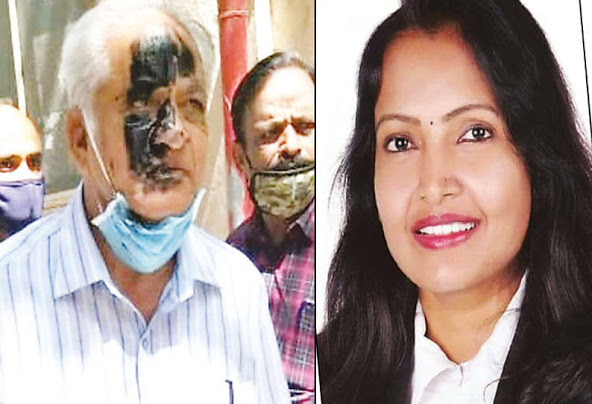
இந்த வழக்கில் ஆஜராக கே.எஸ்.பகவான், பெங்களூரு சிட்டி சிவில் கோர்ட்டுக்கு வந்து இருந்தார். அப்போது அங்கு வந்த பெண் வக்கீலான மீரா ராகவேந்திரா, இந்து மதத்தை அவமதிப்பது குறித்தும், இந்து கடவுள்களை தொடர்ந்து இழிவாக பேசி வருவது குறித்தும் கே.எஸ்.பகவானிடம் கேட்டு, தான் மறைத்து வைத்திருந்த கருப்பு மையை எடுத்து கே.எஸ்.பகவான் முகத்தில் பூசினார்.
இதனை சற்றும் எதிர்பாராத கே.எஸ்.பகவான் அதிர்ச்சி அடைந்தார். மேலும் கோர்ட்டில் பாதுகாப்பு பணியில் ஈடுபட்டு இருந்த போலீசார் வக்கீல் மீரா ராகவேந்திராவை சமாதானப்படுத்தி அங்கிருந்து அழைத்து சென்றனர். இதனால் கோர்ட்டு வளாகத்தில் பரபரப்பு உண்டானது.
தானே ஒரு வழக்கறிஞர் என்பதால் நீ தித் துறையை மதிப்பதாகவும் கே.எஸ் பகவான் போன்றோருக்கு பாடம் கற்பிக்கவே இவ்வாறு கருப்பு மை பூசியதாகவும் மீரா கூறினார்
2பிரிவுகளில் வழக்கு
இந்த சம்பவம் குறித்து வக்கீல் மீரா ராகவேந்திரா மீது அல்சூர்கேட் போலீசில் கே.எஸ்.பகவான் புகார் அளித்தார். அந்த புகாரின்பேரில் மீரா ராகவேந்திரா மீது இந்திய தண்டனை சட்டம் பிரிவு 341 (தவறான நோக்கத்திற்காக தடுப்பது) மற்றும் 504 (வேண்டுமென்றே அவமதிப்பது, பொது அமைதியை சீர்குலைக்க முயற்சிப்பது) ஆகிய 2 பிரிவுகளின் கீழ் போலீசார் வழக்குப்பதிவு செய்தனர்.
இதுதொடர்பாக விசாரணை நடந்து வருகிறது.
இந்த நிலையில் இந்து கடவுள்களை தொடர்ந்து அவமதித்து வந்ததால் எழுத்தாளர் கே.எஸ்.பகவான் முகத்தில் கருப்பு மையை பூசினேன் என்று தனது டுவிட்டர் பக்கத்தில் கூறியுள்ள வக்கீல் மீரா ராகவேந்திரா, கே.எஸ்.பகவான் முகத்தில் கருப்பு மை பூசிய வீடியோவையும் வெளியிட்டார். அந்த வீடியோ தற்போது சமூக வலைத்தளங்களில் வைரலாகி உள்ளது.
xxxx
சென்னையில் திருப்பதி பத்மாவதி கோவில்- நடிகை காஞ்சனா நன்கொடை
திருப்பதி தேவஸ்தானம் சார்பில் பத்மாவதி தாயாருக்கு கோவில் கட்ட சென்னை ஜி.என்.செட்டி ரோட்டில் இடம் தேர்வு செய்யப்பட்டுள்ளது. இந்த இடம் நடிகை காஞ்சனாவுக்கு சொந்தமானதாகும்.
சென்னை தி.நகரில் திருப்பதி தேவஸ்தானம் சார்பில் திருப்பதி வெங்கடாஜலபதி கோவில் ஏற்கனவே கட்டப்பட்டுள்ளது.
இதேபோல திருப்பதி தேவஸ்தானம் பத்மாவதி தாயார் கோவிலையும் கட்டுவதற்கு முடிவு செய்தது. இதற்கான இடத்தை தேர்வு செய்யும் பணி நடந்து வந்தது.
இப்போது ஜி.என்.செட்டி ரோட்டில் கோவிலுக்கான இடம் தேர்வு செய்யப்பட்டுள்ளது. இந்த இடம் நடிகை காஞ்சனாவுக்கு சொந்தமானதாகும். அதை அவர் நன்கொடையாக வழங்கி உள்ளார்.
மொத்தம் 14 ஆயிரத்து 880 சதுர அடியில் கோவில் கட்டப்படுகிறது. இந்த நிலத்தின் மதிப்பு ரூ.30 கோடி ஆகும்.
கோவில் ரூ.6 கோடியே 85 லட்சம் செலவில் கட்டப்பட உள்ளது.
கோவிலுக்கு ரூ.5 கோடியே 75 லட்சம் செலவாகும் என முதலில் மதிப்பீடு செய்யப்பட்டு இருந்தது. ஆரம்பத்தில் அலங்கார செங்கல் கொண்டு கட்டுவதாக முடிவு செய்து இருந்தனர்.
அதன் பிறகு ஐதராபாத், குருஷேத்ரா ஆகிய இடங்களில் கட்டப்பட்டுள்ள கோவில் போல கிரானைட் மூலம் கட்டுவது என்று முடிவு செய்யப்பட்டது.
இதன் காரணமாக அதன் மதிப்பீடு தொகை ரூ.6 கோடியே 85 லட்சமாக உயர்ந்துள்ளது.
xxxxx
திருவானைக்காவல் கோவிலில் பழமையான சிவலிங்கங்கள் கண்டெடுப்பு
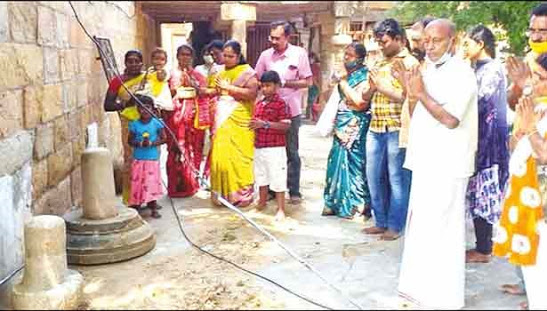
திருவானைக்காவல் ஜம்புகேஸ்வரர் அகிலாண்டேஸ்வரி கோவிலில் சுமார் 3 அடி, 2 அடி உயரத்தில் 2 பழமையான சிவலிங்கங்கள் கண்டெடுக்கப்பட்டன. தற்போது அந்த சிவலிங்கங்கள் பக்தர்களின் வழிபாட்டுக்கு வைக்கப்பட்டன.
பஞ்சபூத தலங்களில் நீர் தலமாக விளங்குவது திருவானைக்காவல் ஜம்புகேஸ்வரர் அகிலாண்டேஸ்வரி கோவில். இந்த கோவிலில் கடந்த 2008-ம் ஆண்டு கும்பாபிஷேகம் நடைபெற்றது. இதைத்தொடர்ந்து கோவிலில் பல்வேறு புனரமைப்பு பணிகள் நடைபெற்று வருகின்றன.
இந்தநிலையில் இந்த கோவிலின் 3-வது பிரகாரத்தில் குபேர லிங்கேஸ்வரர் சன்னதி அருகே உள்ள சுற்றுச்சுவரை இடித்து புனரமைக்கும் பணி நடைபெற்றது. அப்போது, சுற்றுச்சுவர் அருகே இருந்த புதரில் நேற்று காலை சுமார் 3 அடி, 2 அடி உயரத்தில் 2 பழமையான சிவலிங்கங்கள் கண்டெடுக்கப்பட்டன.
தற்போது அந்த சிவலிங்கங்கள் பக்தர்களின் பார்வைக்கு வைக்கப்பட்டன. அதனை ஏராளமான பக்தர்கள் வழிபட்டு செல்கின்றனர். கடந்த ஆண்டு பிப்ரவரி மாதம் கோவில் வளாகத்திலுள்ள நெற்களஞ்சியம் அருகே தங்ககாசு புதையல் கண்டெடுக்கப்பட்டது குறிப்பிடத்தக்கது.
Xxxx
சதுரகிரி கோவிலுக்கு 9-ந்தேதி முதல் 12-ந்தேதி வரை பக்தர்கள் செல்ல அனுமதி
விருதுநகர் மாவட்டம் வத்திராயிருப்பு அருகே பிரசித்தி பெற்ற சதுரகிரி சுந்தரமகாலிங்கம் கோவில் மேற்கு தொடர்ச்சி மலைப்பகுதியில் அமைந்துள்ளது. இந்த கோவில் வனத்துறை கட்டுப்பாட்டில் உள்ளதால் ஒவ்வொரு மாதமும் பிரதோஷம் மற்றும் அமாவாசை, பவுர்ணமி நாட்கள் மட்டுமே பக்தர்கள் கோவிலுக்கு செல்ல வனத்துறை, கோவில் நிர்வாகம் சார்பில் அனுமதி அளிக்கப்பட்டு வருகிறது.
இந்த நிலையில் தை அமாவாசை வருகிற 11-ந்தேதி நடக்கிறது. இதைெயாட்டி கோவிலில் சிறப்பு வழிபாடு நடக்கிறது.
இதனால் கோவிலுக்கு பக்தர்கள் செல்வதற்கு பல்வேறு கட்டுப்பாடுகளுடன் வருகிற 9-ந்தேதி முதல் 12-ந்தேதி வரை அனுமதி அளிக்கப்பட்டு உள்ளது.
தை அமாவாசைக்கு தமிழகம் மட்டுமின்றி பிற மாநிலங்களில் இருந்தும் வெளிநாடுகளில் இருந்தும் பல்லாயிரக்கணக்கான பக்தர்கள் வருகை தருவார்கள் என எதிர்பார்க்கப்படுகிறது.
வத்திராயிருப்பு வழியாக உள்ள தாணிப்பாறை மலைப்பாதை, மற்றும் மதுரை மாவட்டம் பேரையூர் வாழைத்தோப்பு மலைப்பாதை வழியாக பக்தர்கள் கோவிலுக்கு சென்று வர அனுமதி அளிக்கப்பட்டுள்ளது.
xxxxx
பெரம்பலூர் அருகே களிமண்ணால் அம்மாயி- பாட்டன் பொம்மை செய்து கிராம மக்கள் நூதன வழிபாடு
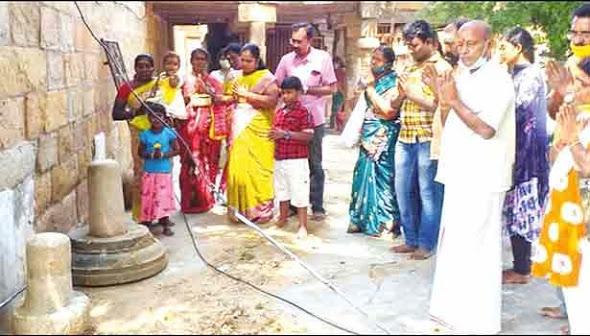
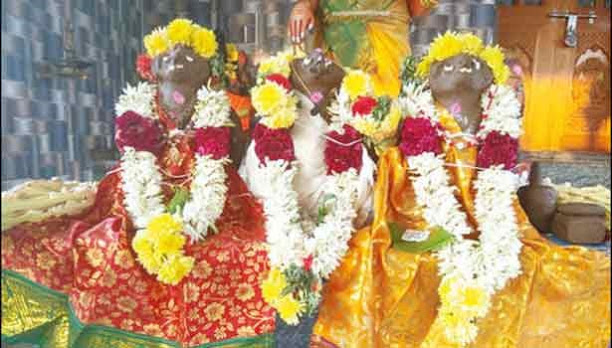
பெரம்பலூர் அருகே உள்ள எசனை கிராமத்தில் அம்மாயி-பாட்டன் மூதாதையர்கள் வழிபாடு ஒவ்வொரு ஆண்டும் தை மாதத்தில் பொங்கல் மற்றும் தைப்பூசத்திற்கு பின்பு நடைபெறுவது வழக்கம். ஆயிரக்கணக்கான ஆண்டுகளுக்கு முன்பு இறந்து போன அடையாளம் தெரியாத மூதாதையர்கள் கரடுமுரடான நிலங்களை திருத்தியும், நெருப்பு, சக்கரம் உள்ளிட்ட உபகரணங்களை கண்டுபிடித்தும் தற்போது வாழும் வாழ்க்கையை செம்மைப்படுத்தி உள்ளனர்.
அதற்கு அவர்களுக்கு நன்றி தெரிவிக்கும் வகையில் மூதாதையர் வழிபாடு நடத்தப்படுகிறது. அதன்படி இந்த ஆண்டு அம்மாயி-பாட்டன் நூதன வழிபாடு பிப்ரவரி மூன்றாம் தேதி நடந்தது. கிராம மக்கள் மூதாதையர்களின் உருவம் போன்று களிமண்ணால் பொம்மை செய்து, அவற்றை கன்னிப்பெண்களின் தலையில் சுமந்து வரச்செய்து, ஊரின் நடுவில் பந்தல் அமைத்து அதில் வைத்து நள்ளிரவில் வழிபட்டனர்.
மூதாதையர்களின் உருவ பிரதிமைகளுக்கு மாவிளக்கு ஏற்றி பூஜை செய்தனர். பின்னர் விடியும் வரை காவல் காத்து காலையில் சூரிய ஒளியில் தென்பட்டவுடன் உருவபொம்மைகளை நீர்நிலைகளுக்கு மேளதாளங்கள் முழங்க ெகாண்டு சென்று, கரைத்து விட்டு வீடுகளுக்கு திரும்பினர். இதனையொட்டி பெண்கள் குலவையிட்டு, கும்மி பாட்டுக்களை பாடி கோலாட்டம் ஆடினர். நாட்டுப்புறப்பாடல்களும் பாடப்பட்டன.
இத்துடன் லண்டனிலிருந்து வரும் செய்திகள் நிறைவடைந்தன………………………….. செய்திகளை உங்களுக்கு வழங்கியவர் வைஷ்ணவி ஆனந்த்………………………… நன்றி, வணக்கம்
Pictures are taken from various sources for spreading knowledge.
this is a non- commercial blog. Thanks for your great pictures.
tamilandvedas.com, swamiindology.blogspot.com
7-2-2021 WORLD HINDU NEWS ROUNDUP IN ENGLISH
Namaste , Namaskaram to Everyone
This is a weekly ‘HINDU NEWS ROUND UP’ from around the world.
Read by SUJATHA RENGANATHAN .
XXX
This is a broadcast coming through ZOOM and FACEBOOK.COM / GNANA MAYAM live at
ONE pm London Time and 6-30 PM Indian Time Every SUNDAY.
Even if you miss our live broadcast on SUNDAYS
you can always visit us on FACE BOOK.COM – slash- Gnana Mayam 24 hours a day.
Here is the WEEKLY HINDU NEWS BULLETIN from ‘Aakaasa Dhwani’
– Read by SUJATHA RENGANATHAN .
XXX
Tamil Nadu Governor hands over Rs 6 crore collected by Kanchi Mutt Seer to Ram Temple
On behalf of the Kanchipuram Sankara Mutt, Tamil Nadu Governor Banwarilal Purohit has handed over contributions made by devotees to Treasurer of the Sri Ram Janmabhoomi Theerth Kshetra Trust Swami Govind Dev Giri Purohit on 1st February.
Presiding over the function organized by the Kanchi Mutt. Governor Banwarilal Purohit said that the ancient Sri Kamakshi Amman temple and the Sankara mutt have a divine and historical link with Ayodhya. He said the Sankara Mutt seers have been closely associated with efforts for a Temple for Lord Ram at his birthplace in Ayodhya.
Union minister Ravi Shankar Prasad on Saturday contributed Rs 11 lakh for the construction of the Ram temple at Ayodhya. Prasad handed over the cheque to Mohan Singh and Rajesh Pandey, representatives of Sri Rama Janmabhoomi Teerth Kshetra trust.
Xxx
Vande Mataram to rend air on Chauri Chaura centenary as UP targets world record
Uttar Pradesh government organised a Vande Mataram recitation event and made around 50,000 students recite Vande Mataram in a bid to create a world record.
The Uttar Pradesh government geared up to create a world record during the Chauri Chaura centenary celebrations, which saw thousands of children from across the state recite Vande Mataram from 10am on February 3 to 12 noon on February 4, said officials.
Around 50,000 students together sang Vande Mataram in a bid to make it to the Guinness Book of World Records. Currently, this record is held by a gathering of 20,000 who sang it together, said Vinay Kumar Pandey, director, secondary education in the state.
As part of the mission, thousands of students recorded video clips of their own recital of the first stanza of the patriotic song while standing in the salute pose. They were required to send the clips to their respective schools, which will be uploaded on a link to be made available by the Guinness Book of World Records.
What is Chauri Chaura’ Centenary Celebrations?
February 4th 2021 marks hundred years of the Chauri Chaura incident that had led to Mahatma Gandhi calling off the Non-cooperation Movement.
The incident occurred at Chauri Chaura in the Gorakhpur district of the United Province, (modern Uttar Pradesh) in British India ON 4TH FEBRUARY 1921.
Prime Minister Narendra Modi inaugurated the Chauri Chaura centenary celebrations at Chauri Chaura in Uttar Pradesh on February 4 via video conferencing.
XXXX
KANNADA WRITER ATTACKED BY A WOMAN
Rationalist Kannada writer K.S. Bhagawan was heckled and attacked with ink by a lawyer named Meera Raghavendra while visiting a Bengaluru court on Thursday February 4.
A video of the incident has been circulating on social media. In the video, Raghavendra can be heard shouting that Bhagawan should be “ashamed” of his views on religion.
Bhagawan is a Kannada writer, translator, critic and former professor of English.
A case has reportedly been filed against Miss Meera Raghavendra for wrongful restraint and criminal intimidation. She had earlier filed a private complaint against Bhagawan, saying he had insulted Hindus and the Hindu god Ram. When the writer arrived at the court and got out his car, she attacked him with ink.
“Two months back, he had given a statement in a press meet in Mysore where he claimed there was no religion called Hindu religion. He asked people not to use the word Hindu. This has hurt all the Hindus,” Ms Meera Raghavendra had earlier said.
Meera also expressed no remorse for her action against Bhagawan, saying she wanted to “teach him a lesson”. “As a lawyer, I respect the judiciary. Besides the law, as a woman born as a Hindu, I wanted to teach him a lesson. This is also a message to people who take undue liberties to criticise Hindus and Hindu religion. People like Bhagawan wouldn’t dare insult or degrade Islam or Christianity.,” she said.
Two weeks ago, Karnataka state education minister S. Suresh Kumar said government libraries would not purchase his book Rama Mandira Eke Beda (Why Ram Mandir is not Needed) because it could “hurt public sentiments”.
An FIR had also been filed against the author K S Bhagawan by Hindu groups for allegedly insulting Hindu religion and religious beliefs.
Xxxx
Anna Prasadam to commence in Andhra Pradesh temples
All the major temples, where Anna Prasada Vitarana was implemented but was stopped since the outbreak of Covid-19, can restart the service following precautions.
Endowments in-charge commissioner T Chandra Kumar gave permission to restart the Anna Prasada distribution, but the temple managements have to ensure that the occupancy of the devotees at a time shall be restricted to 50 per cent of the actual occupancy of the hall.
Similarly, the staff should always wear a face mask and maintain a minimum of four feet distance between the devotees in the queue lines as well as while sitting in the dining halls.
xxxx
NOW, HERE IS A NEWS REPORT FROM KERALA
Hindu Aikyavedi General Secretary RV Babu was arrested for appealing to boycott HALAL products
Hindu Aikyavedi has given a call for state-wide protests against the arrest of RV Babu. Five of the Hindu Aikyavedi activists were earlier arrested for protesting against the Halal symbol in a bakery. The organisation had accused the Halal system of being discriminatory against non-Muslims and eventually leading the monopoly of various businesses in the hands of Muslims.
Earlier in an Interview, RV Babu told Organiser Weekly, “In India Halal certification authority, for example, Jamiat-Ulama-i-Hind trust charges a certain amount as fees from the applicant. They give a portion of this amount as Zakat which is used for purposes that trigger suspicion. It is used for providing legal aid to terror accused people who are currently behind the bars. Every such activity is listed on their website,”
XXXX
SOME INTERESTING HISTORY NEWS ITEMS HAVE APPEARED IN POPULAR DAILIES IN INDIA
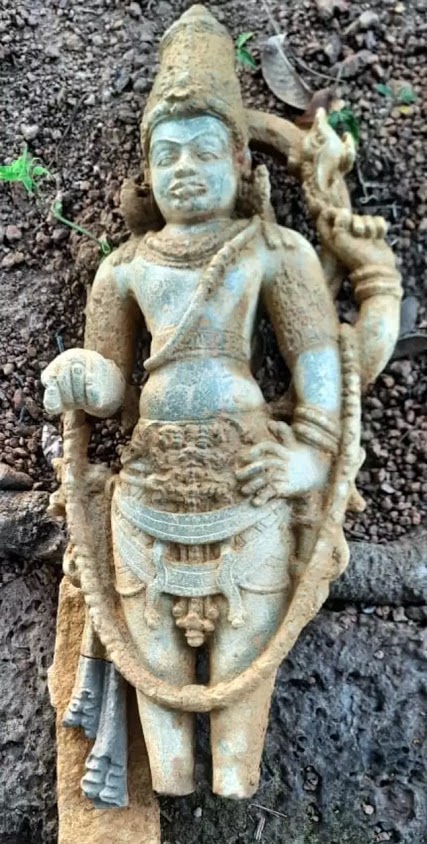
Archaeologists discover Vishnu sculpture from 12th Century AD in Karnataka
Archaeologists have discovered an ancient Vishnumurthy sculpture of 12th century AD near a Karnataka temple on January 31. T Murugeshi, associate professor, department of ancient history and archaeology, MSRS College, Shirva who led the discovery said that the idol was discovered in a dilapidated well near the ruined temple filled with architectural remains and laterite bricks.
ANOTHER HISTORY FLASH CAME FROM ODISHA
The Archaeological Survey of India (ASI) on Wednesday stumbled upon an ancient structure, believed to be the floor of a temple, while carrying out scientific cleaning of the two acre land adjacent to the Suka-Sari temple complex in BHUBANESWAR.
The structure was unearthed in the wake of the demolition work being undertaken by Odisha Bridge and Construction Corporation Limited and Bhubaneswar Development Authority (BDA) as part of the Ekamra Kshetra project for beautification of Lingaraj temple and its periphery.
ANOTHER NEWS CAME FROM TAMIL NADU
TWO SHIVA LINGA STATUERS WERE DISCOVERED IN A BUSHY AREA OF TIRUVANAIKKAVAL AKILANDESWARY TEMPLE . THE TEMPLE IS UNDERGOING SOME RENOVATION WORK. WHEN THE WALL NEAR KUBERA LINGESWAR SHRINE INSIDE THE TEMPLE WAS DEMOLISHED THEY FOUND TWO SHIVA LINGAS 3 FOOT AND TWO FOOT TALL IN A BUSH BEHIND THE WALL. PEOPLE HAVE STARTED COMING TO WORSHIP THE NEW STATUES.
XXXX
Last but not the least , some interesting news item about Hindu wooden slippers
Khadau’ gains popularity in Maagh Mela
One of the fastest selling items at the ongoing Maagh Mela in Prayagraj this year, is the ‘khadau’ that is wooden slipper.
While it is normal for saints and seers to wear the ‘wooden slipper’ since they avoid wearing leather slippers or shoes for obvious reasons, this year, a large number of devotees, particularly the youth, can be seen wearing the ‘khadau’.
Prem Srivastava, 23, a student from Gwalior in Madhya Pradesh who is visiting the Magh Mela for the first time, flaunts his ‘khadau’ wooden slipper said, “I bought a pair of ‘khadau’ out of curiosity because so many people were wearing it. It has been four days since I am wearing it and I can already feel the difference. I feel more at peace with myself and physically too, I feel better and my shoulder pain has gone.”
Seeing the growing popularity of the wooden footwear, a large number of stalls selling ‘khadau’ have come up in the Magh Mela township and their sales are outstripping the sales of even the religious memorabilia in the Mela.
“Earlier, I could manage to sell two to three pairs of ‘khadau’ in a day but this time, I am selling about half a dozen pairs every day,” said Kamlesh, a wooden slipper’ seller. The ‘khadau’ costs about Rs 300 per pair and prices go up to Rs 900 per pair, depending on the quality of wood.
xxxxx
THAT IS THE END OF ‘AAKAASA DHWANI ’ HINDU NEWS BULLETIN BROADCAST FROM LONDON –
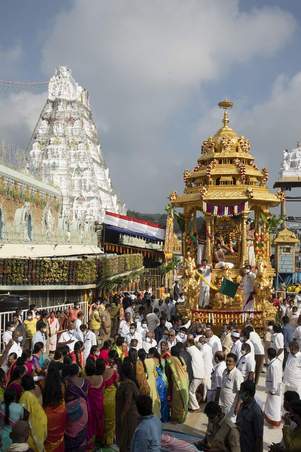
வாழி திருமங்கை ஆழ்வார் திருநாமம்! ஆலயம் அறிவோம் தொடரில் இன்று நமது யாத்திரையில் இடம் பெறுவது 108 வைணவ திவ்ய க்ஷேத்திரங்களுள் பிரசித்தமானதும், பக்தர்களால் பூலோக வைகுந்தம் என்று கொண்டாடப்படுவதுமான, திவ்ய க்ஷேத்திரமான திருப்பதி-திருமலை ஆகும்.
ஆந்திரபிரதேசத்தில் சித்தூர் மாவட்டத்தில் உள்ள இது சென்னையிலிருந்து 150 கிலோமீட்டர் தூரத்திலும் ரேணிகுண்டாவிலிருந்து 13 கிலோமீட்டர் தூரத்திலும் உள்ளது. இத்தலம் கிருத யுகத்தில் கருடாத்ரி என்றும் திரேதா யுகத்தில் விருஷபாத்ரி என்றும் துவாபர யுகத்தில் அஞ்சனாத்ரி என்றும் கலியுகத்தில் வேங்கடாத்ரி என்றும் அழைக்கப்படுகிறது. இதனால் யுகம் கடந்த பல்லாயிரம் ஆண்டு பழமை வாய்ந்த கோவில் இது என்பதை அறியலாம். வேங்கடம் என்றால் பாவங்களைச் சுட்டெரிக்கக் கூடியது என்று பொருள். ஆகவே இங்குள்ள திருவேங்கடத்தானை தரிசித்த கணத்திலேயே பாவங்கள் சுட்டெரிக்கப்படும். திருமலை கடல் மட்டத்திலிருந்து சுமார் 3000 அடி உயரத்தில் உள்ளது. இங்குள்ள மூலவர் திருவேங்கடமுடையான் என்று பக்தர்கள் போற்றி வணங்கும் ஸ்ரீநிவாசன் ஆவார். நின்ற திருக்கோலத்தில் இவர் பக்தர்களுக்குக் காட்சி தந்து அருள் பாலிக்கிறார். தாயார் பெயர் அலர்மேல் மங்கை, பத்மாவதித் தாயார்.
இங்குள்ள விமானம் ஆனந்த நிலய விமானம் ஆகும். இந்தத் தலத்தைப் பற்றி ஸ்கந்த புராணம், பத்ம புராணம் உள்ளிட்ட ஏராளமான புராணங்களிலும் சங்க இலக்கியங்களிலும் பல குறிப்புகளையும் வரலாறுகளையும் காண்கிறோம். ராமாவதாரத்தின் போது வேதவதியாகப் பிறந்த பெண் அவரை மணக்க விரும்பி தவம் செய்த போது, ராமர் ஏகபத்னி விரதம் கொண்ட காரணத்தினால், அடுத்த பிறவியில் உன்னை மணக்கிறேன் என்று அருள் பாலித்தார். அந்த வேதவதி கலியுகத்தில், சந்திர வம்சத்தைச் சேர்ந்த ஆகாச ராஜன் என்னும் மன்னன், புத்திரப் பேறு வேண்டி செய்த யாகத்தில், ஒரு பெண் மகவாகத் தோன்றி வளர்ந்து வந்தாள் என்றும் ஸ்ரீநிவாசன் அவரை மணந்தார் என்றும் புராண வரலாற்றில் காண்கிறோம். வராஹப் பெருமாள் ஹிரண்யாக்ஷணை வதம் செய்த பின்னர், இங்கு வந்து ஓய்வெடுத்தபடியால், இது ஆதிவராஹக்ஷேத்ரம் என்றும் அழைக்கப்படுகிறது.
இத்திருமலையில் ஸ்ரீநிவாசன் தானே விரும்பி இந்த இடத்தைத் தேர்ந்தெடுத்து குடியிருந்து பக்தர்களுக்கு அருள் பாலித்து வருகிறார் என்பது புராணச் செய்தி. கீழ்த்திருப்பதியில் பத்மாவதி தாயாரின் திருக்கோவில் அமைந்துள்ளது. இவரை தரிசித்து விட்டு, இங்கிருந்து திருமலைக் கோவிலுக்குச் செல்ல வேண்டுமானால் ஏழுமலைகளைத் தாண்டியாக வேண்டும். அதனால் தான் பெருமானுக்கு ஏழுமலையான் என்று பெயர் ஏற்பட்டது. ரிஷபாத்ரி, அஞ்சனாத்ரி, நீலாத்ரி,கருடாத்ரி, நாராயணாத்ரி, சேஷாத்ரி, வேங்கடாத்ரி என்று பெயரிடப்பட்டு அழைக்கப்படும் ஏழு மலைகளும் ஏழுதலை கொண்ட ஆதிசேஷன் வடிவத்தில் அமைந்திருப்பது ஒரு தனிச் சிறப்பு. மலைப் பாதையில் ஏறிச் சென்று வழிபடுவதை தொன்று தொட்டு பக்தர்கள் வழக்கமாகக் கொண்டிருந்தனர். இப்போது வாகன வசதிகள் உண்டு.
கோவிலில் மூன்று பிரகாரங்கள் உள்ளன. வெளியில் உள்ள முதல் பிரகார பிரதட்சிணத்தை சம்பங்கி பிரதட்சிணம் என்றும் இரண்டாவது பிரகாரத்தைச் சுற்றி வருவது விமான பிரதட்சிணம் என்றும், மூன்றாவது பிரகாரத்தின் பிரதட்சிணம் வைகுண்ட பிரதட்சிணம் என்றும் பெயர் கொண்டுள்ளன. தங்கத் தட்டால் வேயப்பட்ட த்வஜ ஸ்தம்பம் முதல் பிரகாரத்தில் உள்ளது. கர்பக்ரஹ நுழைவாயில் தங்கத்தால் வேயப்பட்டுள்ளதால் இது பங்காரு வாஹினி என அழைக்கப்படுகிறது. இங்குள்ள தீர்த்தங்களின் மஹிமை எல்லையற்ற ஒன்றாகும். பாபவிநாசன தீர்த்தம், ஆகாச கங்கை தீர்த்தம்,பாண்டவ தீர்த்தம், சக்ர தீர்த்தம், ஜாபாலி தீர்த்தம், தும்புரு தீர்த்தம், ராமகிருஷ்ண தீர்த்தம், குமாரதார தீர்த்தம், வைகுண்ட தீர்த்தம் ஆகியவை இயற்கை வனப்புடன் கூடிய பகுதிகளில் அமைந்துள்ளன; பக்தர்கள் இங்கு நீராடி பெரும் புண்ணியம் அடைகின்றனர். ஒவ்வொன்றும் தனித் தனி சிறப்பான வரலாற்றைக் கொண்டவை.
இங்குள்ள கர்பக்ருஹத்தில் எரிகின்ற விளக்குகள் அணையா விளக்குகளாகக் காலம் கடந்து பல்லாயிரம் ஆண்டுகளாகத் தொடர்ந்து சுடர் விட்டு எரிவது இத்தலத்தின் தனிச் சிறப்பாகும். எத்தனை முறை தரிசனம் செய்தாலும் இன்னும் ஒரு முறை, இன்னும் கொஞ்ச நேரம் பார்க்க மாட்டோமா என்ற ஏக்கத்துடனேயே சர்வாலங்கார பூஷிதரான ஏழுமலையானை தரிசித்த பக்தர்கள், அங்கிருந்து நகர்வது, இன்றும் யாவரும் காணும் ஒரு காட்சியே. தரிசனம் முடிந்தவுடன் திருப்பதிக்கே உரிய, காப்புரிமை பெற்ற, விசேஷமான முறையில் தயாரிக்கப்பட்ட, லட்டு பிரசாதத்தைப் பெற்று பக்தர்கள் மனம் மகிழ்வது இந்தத் தலத்தின் இன்னொரு தனிச் சிறப்பாகும்.
திருப்பதியில் தின உற்சவம், மாதாந்திர உற்சவம், வருடாந்திர உற்சவம் என ஏராளமான உற்சவங்கள் உண்டு. சுப்ரபாதம், விஸ்வரூப தரிசனம், தோமால சேவை, ஸர்வ தரிசனம், ஏகாந்த சேவை, வஸந்தோத்ஸவம், ப்ரஹ்மோத்ஸவம், கல்யாண உத்சவம் உள்ளிட்ட ஏராளமான சேவை மற்றும் உற்சவங்களைப் பற்றிய விவரங்களை அவ்வப்பொழுது அறிந்து கொண்டு அதற்கேற்ப நமது யாத்திரையை மேற்கொள்ளல் வேண்டும்.
பொய்கை ஆழ்வார், பேயாழ்வார், பூதத்தாழ்வார், திருமழிசை ஆழ்வார், நம்மாழ்வார், குலசேகராழ்வார், பெரியாழ்வார், ஆண்டாள், திருப்பாணாழ்வார், திருமங்கையாழ்வார் என பதினோரு ஆழ்வார்கள் 203 பாசுரங்களை அருளியுள்ள தலம் இது. காலம் காலமாக கோடானு கோடி பக்தர்கள் வழிபடும் பத்மாவதி தாயாரும் திருவேங்கடத்தானும் அனைவருக்கும் சர்வ மங்களத்தைத் தர ஞானமயம் சார்பில் பிரார்த்திகிறோம். ச்ரிய காந்தாய கல்யாணநிதயே நிதயேதினாம் |
ஸ்ரீவேங்கடநிவாஸாய ஸ்ரீநிவாசாய மங்களம் || நன்றி வணக்கம்.
Pictures are taken from various sources for spreading knowledge.
this is a non- commercial blog. Thanks for your great pictures.
tamilandvedas.com, swamiindology.blogspot.com
பழைய பத்திரிகை சம்பவங்கள் – புதிய நினைவுகள் ! (Post No.9238)
பழைய மஞ்சரி மாத (1957) இதழ்களில் வந்த விஷயங்கள் இங்கே உள்ளன.
‘தன்னைத் திருத்திக் கொண்டால் உலகம் திருந்தும் என்கிறது’ ஒரு பழமொழி. திண்ணையில் உட்கார்ந்துகொண்டு அரசாங்கத்தைக் குறைகூறுவோர் தன்னைப் பற்றி முதலில் எடைபோடவேண்டும் .
XXXXXX
இந்தத் துணுக்கு தர்ம புத்திரன் என்று அழைக்கப்படும் யுதிஷ்டிரனுக்கும் பொறாமையே உருவாக அவதரித்த துரியோதனனுக்கும் இடையே நடந்த போட்டியை நினைவுபடுத்தும். உலகிலேயே மிக நல்லவன் ஒருவனையும், உலகிலேயே மிகவும் கெட்டவன் ஒருவனையும் கண்டு பிடிக்க கிருஷ்ண பரமாத்தமா உத்தரவிட்டார். இருவரும் திரும்பி வந்தனர்
துரியோதனன் சொன்னான் – உலகில் ஒரு நல்ல பயல் இல்லை. எல்லோரும் அயோக்கியர்கள் என்று. யுதிஷ்டிரன் சொன்னான்- கிருஷ்ணா, ஒரு கெட்டவனையும் காணவில்லையே. எல்லோரிடமும் நற்குணங்களே மிகுதியாக உள . நான் எந்த கெட்ட மனிதனையும் காணவில்லையே என்று. மனம்போல மாமாங்கல்யம் .
தன் குற்றம் நீக்கிப் பிறர் குற்றம் காண்பிற்பின்
என் குற்றமாகும் இறைக்கு – திருக்குறள் 436
வெள்ளத் தனைய மலர் நீட்டம் . மாந்தர்தம் உள்ளத் தனையது உயர்வு (595) என்று வள்ளுவன் சும்மாவா சொன்னான்.
XXXXXXXXXXXXX
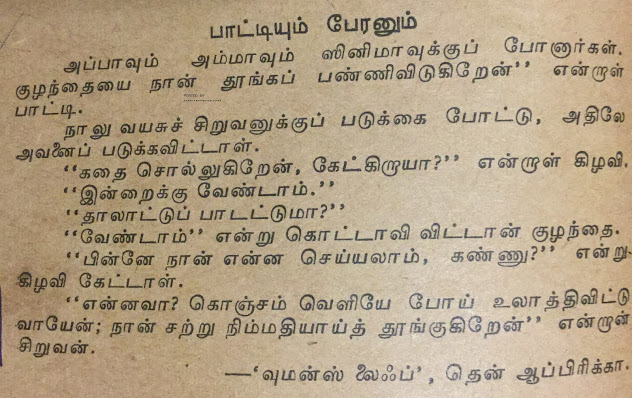
துக்ளக் சோ-வின் ரேடியோ அண்ணா ஜோக் நினைவுக்கு வருகிறது !
ரேடியோ அண்ணா கதை சொன்னார் ஆம பியாவுக்கு (ராமப்ரியா)
ஓயு ஊருல ஓயு காக்கா இருந்தது. அது பாட்டிக்கிட்ட போய் நின்னது. அவ அந்தப் பக்கம் திரும்பினபோது ஒரு வதையை தூக்கிட்டு பறந்து போச்சு . அப்ப அந்தப்பக்கமா ஒரு நயி வந்தது.
குழந்தை ராமப்ரியா சொன்னாள் —
தாத்தா குழந்தை மாதிரி தத்துப்பித்து என்று உளறாதே ; ஒழுங்கா கதை சொல்லு.
















 Tamil and Vedas