Pictures are taken from various sources for spreading knowledge; this is a non- commercial blog.
THE CELEBRATED ASTRONOMER AND MATHEMATICIAN BHASKARA FLOURISHED IN MAHARASHTRA IN THE TWELFTH CENTURY CE. HIS DAUGHTER WAS LILAVATI.
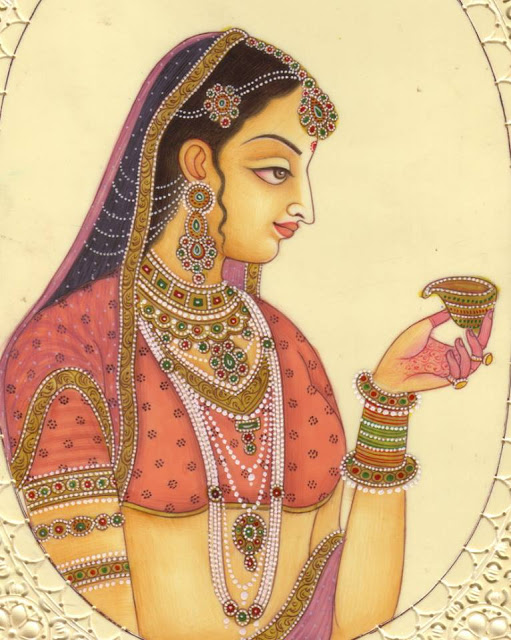
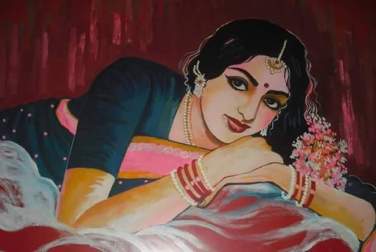
One of the famous mathematical works of Bhaskara is Liilaavati. There is a tradition that this work was actually composed by the widowed daughter of Bhaskara whose name was Lilavati. We have also a story how Bhaskara failed to determine the auspicious moment for the celebration of his daughter’s marriage owing to a defect in the ‘ghati-yantra’ — an instrument for measuring time -Caused by a small stone that had fallen into it from the ornament of LilavatI.
Though there is no written proof for this story we believe that Bhaskara was the author of the Lilavati and he has honoured her by naming it after her. All the mathematical problems in the book are addressed to a girl, often expressions by like ‘aye bale Lilavati-
— o young Lilavati , although Bhaskara may have actually written the book Lilavati for teaching the subject to his own daughter.
XXX
BENGAL’S WISE WOMAN KSHANAVATI
In Bengal there are a large number of popular sayings that are attributed to a female astronomer named Khanaa or probably Kshanaavatii . These sayings are in old Bengali and relate to astronomy and astrology, often with special reference to agriculture.
Tradition has it that Khana was the wife of an astronomer named
Mihira , who was the son of another famous astronomer named
Varaha . This tradition has been apparently fabricated on the basis of the celebrated ancient Indian astronomer Varahamihira, who flourished in the sixth century CE, but had hardly anything to do with Bengal. But Khana may have lived in Bengal and she may be renowned female astronomer.
xxx
GREAT PHILOSOPHER UBHAYABHARATI
In the traditions that have grown around the illustrious name of
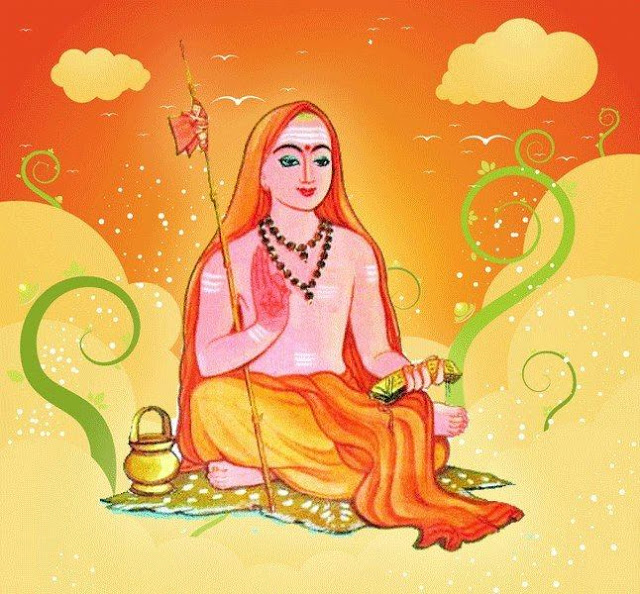
Shankaracharya , there is a story about a great woman philosopher of Mithila – probably named Ubhayabharati. It is said that in the course of his ‘dig-vijaya’ – visiting various institutions for scholarly debates resulting in victory – Shankara reached Mithila . There he was engaged in a debate with another famous philosopher named Mandana Mishra. According to tradition Shankara defeated Mishra and Mishra’s wife Ubhayabharati was the mediator in the debate. When her husband was defeated by Shnakara, she challenged shankara with some questions about family life. Being a Brahmachari (celibate) he didn’t have any experience in Kama shastra. He asked for some time to answer her questions and then entered another king’s body who had just expired. He was able to with his supernatural powers. After gaining some knowledge in family matters Shankara defeated Ubhayabharati also and both Mishras had become followers of Shankara.
People who has faith in tradition believe in these stories though we have no written records from that period. Even three Semitic religions of Christianity, Islam and Judaism believe in Moses though there is no historical proof for Moses until today. So there is no wonder Hindus also believe in their tradition.
–Source book – Great Women of India , Advaita Asrama, mayavati, 1953
10 Feb 2017 – Written by London swaminathan Date: 10 FEBRUARY 2017 Time uploaded in London:- 20-56 Post No. 3624 Pictures are taken from different sources; thanks. contact; swami_48@yahoo.com திருவள்ளுவரின் …
14 Nov 2015 – அவ்வையார் ஏழு பேருடன் பிறந்தார். அவர்களில் கடைசி சகோதரர் திருவள்ளுவர்! coin valluvar. யார் அந்த எழுவர்? பூர்வத்தில் ஆதி என்ற …
You’ve visited this page 2 times. Last visit: 05/11/19
tamilandvedas.com › tag › திருவள்ளுவ…
திருவள்ளுவர் மனைவி பெயர் | Tamil and …
1.
30 Sep 2018 – Posts about திருவள்ளுவர் மனைவி பெயர் written by Tamil and Vedas. … இயற்பெயர் வாசுகி என்றும் சிறப்புப்பெயர் பெயர் மாதானுபங்கி என்றும் …
tamilandvedas.com › tag › திருவள்ளுவ…
திருவள்ளுவர் யார் | Tamil and Vedas
1.
12 Feb 2016 – Tagged with திருவள்ளுவர் யார். திருவள்ளுவர் பற்றிய பழைய புத்தகம் (Post No. 2532). IMG_3156 (2). Written by london swaminathan. Post No. 2532. Date: 12th February 2016.
tamilandvedas.com › 2013/12/17 › திருவள…
திருவள்ளுவர் யார்? | Tamil and Vedas
1.
17 Dec 2013 – இந்திரன் குறித்து பரிமேலழகர் செய்த தவறு! By London Swaminathan; Post No. 748 dated 17th December 2013. –லண்டன் சுவாமிநாதன் தமிழ் வேதமான …
tamilandvedas.com › 2018/10/27 › வள்ளுவ…
வள்ளுவரின் சகோதரி அவ்வையார் …
1.
27 Oct 2018 – திருவள்ளுவர் யார் | Tamil and Vedas. tamilandvedas.com/tag… Posts about திருவள்ளுவர் யார் written by Tamil and Vedas. திருவள்ளுவர் பற்றிய பழைய புத்தகம் (Post …
Pictures are taken from various sources for spreading knowledge; this is a non- commercial blog.
ச.நாகராஜன்
பிரம்மாவின் புதல்வர் பிரசேதஸ்.
பிரசேதஸின் குமாரர் அஸிதர். அஸிதர் தனக்கு புத்திரன் இல்லாததால் பெரிதும் வருத்தமுற்றார். தனது பத்னியுடன் ஆயிரம் தேவ வருஷங்கள் தவம் செய்தார். ஆனால் பலனில்லை.
தனது இஷ்டம் நிறைவேறாததால் தான் வாழ்ந்து பிரயோஜனமில்லை என்ற முடிவுக்கு வந்த அவர் தன் உயிரை மாய்த்துக் கொள்ளத் தீர்மானித்தார். அதற்கு அவர் யத்தனித்தபோது ஆகாயத்திலிருந்து அசரீரி ஒன்று ஒலித்தது.
ஆகாயவாணி கூறினாள் : “அஸிதரே! நீர் உயிரை விட வேண்டாம். ஈஸ்வரருடைய சந்நிதானத்திற்குச் செல்லும். அவர் உபதேசிக்கும் மந்திரத்தை சித்தி செய்தால் உடனே அந்த மந்திரதேவதை பிரத்தியக்ஷமாகத் தோன்றும். அந்த தேவதையின் வரப்பிரசாதத்தினால் உமக்கு நிச்சயமாக புத்திர சந்தானம் உண்டாகும்”
இதைக் கேட்ட அஸிதர் மனம் மிக மகிழ்ந்தார்.
யோகிகளுக்கும் அரிதான சிவ லோகத்திற்குத் தன் பத்தினியுடன் சென்று சிவனை தரிசித்து மிகுந்த வணக்கத்துடன் துதிக்கலானார். அவரது ஸ்தோத்திரத்தால் மகிழ்ந்த பரமசிவன், “ஓ! முனி ச்ரேஷ்டரே! உமது கோரிக்கையை நான் அறிவேன். எனக்குச் சமமாக உடைய ஒரு குமாரன் உமக்கு உண்டாகப் போகிறான். பதினாறு அட்சரங்களுள்ள ஒரு அருமையான மந்திரத்தை உமக்கு உபதேசிக்கிறேன்” என்று சொல்லி அவருக்கு அந்த மந்திரம், ஸ்தோத்திரம், பூஜா விதிகள், கவசம் ஆகியவற்றை உபதேசித்து அருளினார்.
அஸிதர் பரமசிவனிடமிருந்து அரிய மந்திரங்களைப் பெற்று அவரை வணங்கி விடைபெற்றுக் கொண்டார். நூறு வருட காலம் அந்த மந்திரங்களை ஜெபித்து வந்தார்.
பிறகு அந்த மந்திரங்களின் மஹிமையினால் சிவனுடைய அம்சத்தைப் பெற்றவராகவும், பிரம்ம தேஜஸ் உள்ளவராகவும், அழகில் மன்மதனுக்கு ஒப்பானவராகவும் உள்ள தேவவர் என்ற புத்திரனை அடைந்தார்.
தேவவர் பெரும் தவத்தை மேற்கொண்டு புகழ் பெற்றார். அவர் பின்னால் அஷ்டாவக்ரர் என்ற பெயரைப் பெற்றார். இவரது சரித்திரமும் சுவையான ஒன்று. அதைப் பின்னர் பார்ப்போம்.
Pictures are taken from various sources for spreading knowledge; this is a non- commercial blog.
The whole world knows about the importance given to trees in Hinduism. In fact 150 years ago, Christian preachers projected India and Hinduism as primitive, unlettered , illiterates mass and tree and snake worshippers. Now after the concerns regarding pollution and climate change hitting the headlines, the whole world salutes Hindus for respecting nature and for appreciating the value of natural resources.
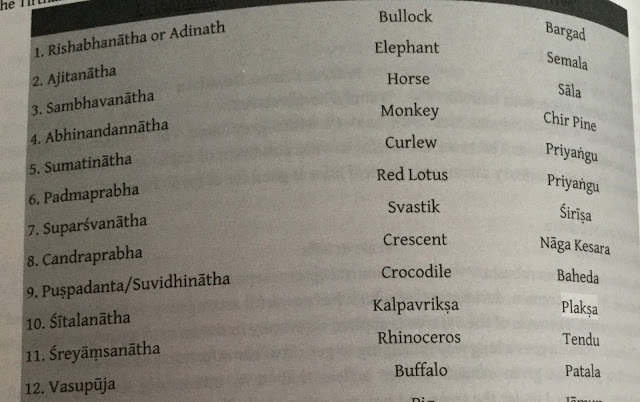
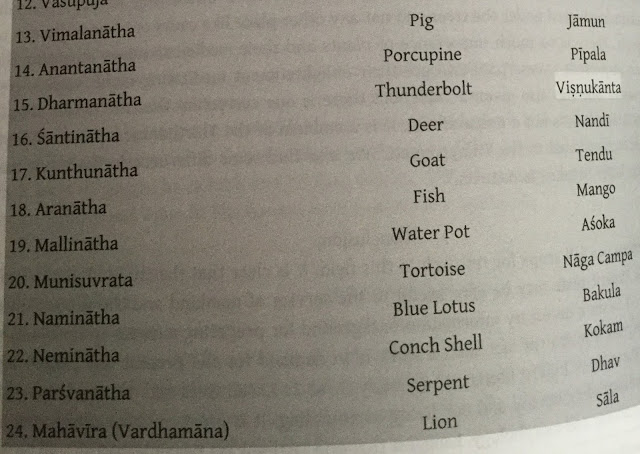
Because of Buddha the Asvattha Tree (Pipal, Peepul, Ficus religiosa) became a worshipful tree. Now the world Buddhists flock to see the original Bodhi tree in India. But not many people know about the sacred trees of Jain religion. All the 24 saints (Tirthankaras) have sacred trees associated with them.
Just before going into the details, let me give some interesting tit bits:-
Lord Krishna said in the Bhagavad Gita that he is the Asvattha Tree (Ficus religiosa) among the trees. Having read this, Buddha also went to the sacred tree and attained enlightenment. In Vishnu Sahasranama hymn, the three trees belonging to the same genus and same family are given as Vishnu’s names (Ficus religiosa, Ficus benghalensis and Ficus glomerata or racemosa of Family Moraceae).
Tamils went one step ahead and called the Asvattha as the KING TREE (Arasa Maram). Even today the women who are without children go around it to get children. The oxygen that it produces is higher than that of many other trees.
Vedic Hindus even named themselves after this tree such as Pippaladan (Mr Asvattha). Brahmins use the sticks of this tree till this day.
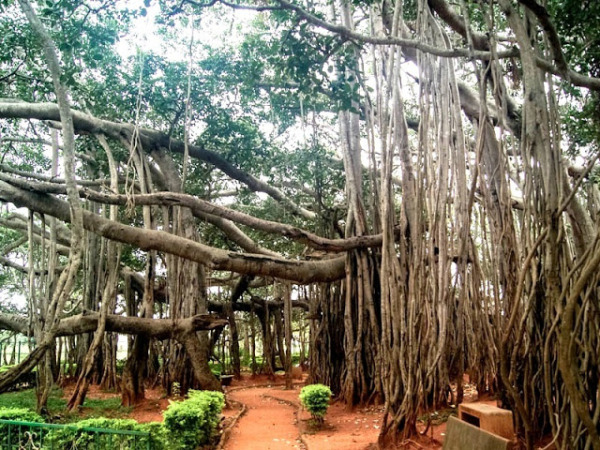
Regarding the Banyan tree, a lot of things are in our religion and litrature. It is Vishnu’s name (Nyagrodha); it is worshipped by women during Vata Savitri Vrata. It is in the name of the world famous Anghor ‘Vat’ Temple (vata is banyan tree). Alexander amazed at the sight of it. Panchatantra and Tamil literature have beautiful verses on it.
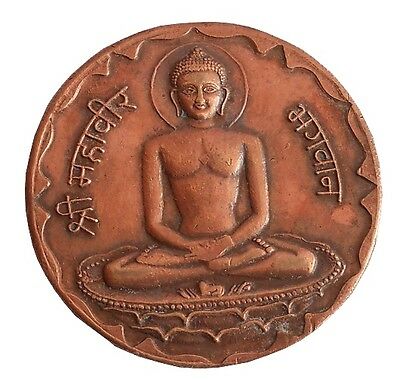
With this in background we have to look at the trees associated with Jainism. Unlike other sages, Jains attained Mukti or Kevala Jnan under the trees. They did not go to the top of the mountains or into the caves. So we can even say that the Buddha followed them. Sanit Mahavir,last of the 24 Tirthankaras, was a contemporary of Gautama Buddha.
Here is the list of 24 saints of Jain religion and the tree under which they did the penance to attain liberation:-
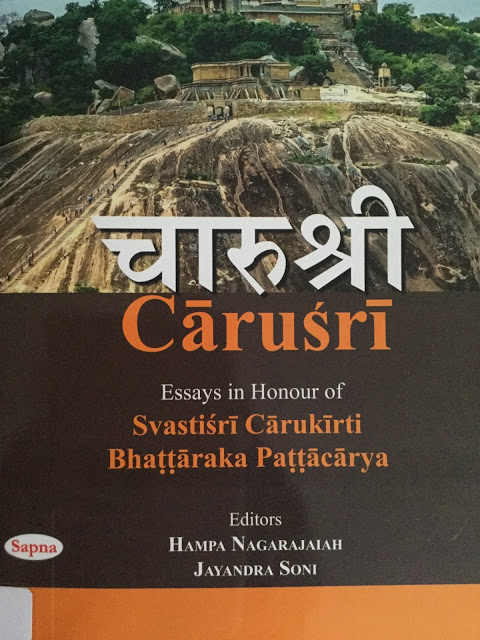
(I have taken the list from the article written by Rachana Jain in ‘Essays in Honour of Caarusrii’, Bangalore, 2019; She has taken it from Suchitra Jain’s article in the internet.)
xxx
Many of the plants mentioned above are worshipped by the Hindus. Tamil Hindus have one Sthala Vrksha for every big temple in South India. Tamil Hindu Kings are associated with one particular tree. They have one Kaaval Maram (Guard Tree) as well. If any one harms it, that led to big fight or war.
Hindus named their country as Jambudwip after the Jambu Tree. Tamils also used this word from ancient days (Naavalan Thivu). Hindus named big land mass after trees or plants such Kusa Dwip, Salmali Dwip. Tamil Hindus also followed this and named big land tracts after plants such as Kurinji, Mullai, Marutham etc. Several town names in India are named after trees such as Patalipuram, Thillai, Kanchi.
In short, Indians excelled others in living one with the Nature. If we return to those golden days, we can save our environment and avoid the evil effects of climate change.
For those interested in botanical terms I have given the botanical names of 24 plants according to Rachana Jain-
Picture of Deodar: Tree of the Gods. We have heard about people adopting children. But the greatest of the Indian poets Kalidasa and Sangam Tamil poets give …
Posts about Nature written by Tamil and Vedas. … “Trees that have fruit but no flowers are traditionally known as the Lords of the Forest; those that bear both …
26 Mar 2016 – Tansen and Tamarind Tree! Ghosts in Tamarind Trees! (Post No 2666). tansen tomb. Research Article by london swaminathan. Date: 26 March …
26 May 2012 – There is a beautiful verse in the Panchatantra about Banyan Tree: “Deer recline in its shade; Birds in multitude gather to roost. Darkening its …
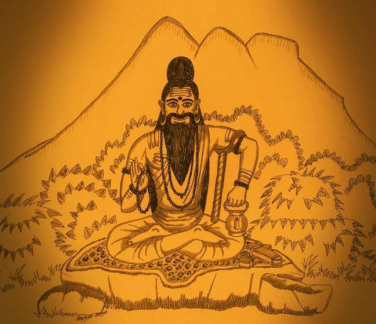
திருமூலர் திருமந்திரத்தை அருளிய பெரும் சித்தர். இவரிடம் உபதேசம் பெற்றவர் எழுவர்.
அதை திருமந்திரத்தில் வரும் கீழ்க்கண்ட பாட்டால் அறியலாம்.
மந்திரம் பெற்ற வழிமுறை மாலாங்கன்
இந்திரன் சோமன் பிரம னுருத்திரன்
கந்துருக் காலாங்கி கஞ்ச மலையனோ
டிந்த எழுவரும் என் வழியாமே – திருமந்திரம்
மாலாங்கன், இந்திரன், சோமன், பிரமன், உருத்திரன், கந்துருக் காலாங்கி, கஞ்ச மலையன் ஆகிய எழுவரும் என் வழியில் வந்தவர்கள் என்பதே பாடலின் பொருள். இந்த எழுவரும் திருமூலரிடம் மந்திரோபதேசம் பெற்றவர்கள்.
பாடலில் வரும் கஞ்சமலை என்பது கொங்கு மண்டலத்தில் பூந்துறை நாட்டின் இணைநாடுகளில் ஒன்றான பருத்திப்பள்ளி நாட்டுக்கும் இராசிபுர நாட்டுக்கு இணைநாடான சேலம் நாட்டுக்கும் பூவாணிய நாட்டுக்கும் சேர்ந்ததாக இருக்கிறது.
இந்த இடத்தில் ஆண்டுதோறும் மாசி மாதத்தில் வழலை (பூநீர்) விளைவதைப் பெறுவதற்காகப் பல திசைகளிலிருந்தும் வாதிகள் வருகிறார்கள். இந்த மலைவாரிகளில் ஒன்றான பொன்னியில் பொன் கனி எடுக்கிறார்கள்.
இப்படிப் பட்ட பெருமை கொண்ட கஞ்சமலை இருப்பதும் கொங்கு மண்டலமே; அதில் வாழும் கஞ்சமலைச் சித்தர் அருளாட்சி செய்வதும் கொங்கு மண்டலமே.
கொங்கு மண்டலத்தின் இந்தச் சிறப்பைக் கொங்கு மண்டல சதகம் தனது 35வது பாடலில் கூறுகிறது:
பஞ்ச முகத்தி லுதித்திடு லாகம பாகமெலாஞ்
செஞ்சொற் றிருமந் திரமுரை மூலர் திருமரபிற்
கஞ்ச மலைச்சித்தர் வாழ்வு மிரதங் கரணிவளர்
மஞ்சு திகழ் கஞ்ச மாமலை யுங்கொங்கு மண்டலமே.
பொருள் : சதாசிவ மூர்த்தியின் திருமுகத்திலிருந்து தோன்றிய ஆகமங்களின் ரசமாகத் திருமந்திரம் அருளிய திருமூல நாயனார் பரம்பரையான கஞ்ச மலைச் சித்தர் வாழ்வதும் கொங்கு மண்டலமே.
கொங்கு மண்டலத்தில் ஏராளமான சித்தர்கள் உள்ளனர். அதில் ஒருவர் பெருமை பொருந்திய கஞ்சமலைச் சித்தர்.
சதகத்தின் இப்பாடல் அவரது பெருமையைப் போற்றும் பாடலாகும்.
Pictures are taken from various sources for spreading knowledge; this is a non- commercial blog.
MAKARA SANKARAANTI is celebrated by the Hindus throughout India. Tamils call it PONGAL and celebrate it on a grander scale. Actually, it is a three day festival of Hindus. Sankranti/Pongal eve is celebrated as Bhogi. And the next day to Pongal is celebrated as Cattle Pongal , i.e. In Tamil Maattup Pongal.
First let me explain the way Tamil Hindus celebrate it.
On Bhogi Pandikai/festival day they burn all the old things in a bonfire in front of their houses. The old things include all old clothes, furniture, mats, carpets old pots etc. tamilandvedas.com, swamiindology.blogspot.com
Just two weeks before the festival, they start cleaning the house and white wash the house. Then they apply red border along the floor near the wall with saffron coloured red mud. Saffron colour is called Kaavi in Tamil. Wherever the red border is seen it means some auspicious things are happening. Hindus draw such things on all auspicious occasions such as wedding, puberty ceremony, Valaikappu/Seemantham, Punul/sacred thread ceremony etc.
All the Hindu festivals are associated with one special dish. On the Bhogi day they make Boli and Vadai.
Pongal Celebrartions
Pongal
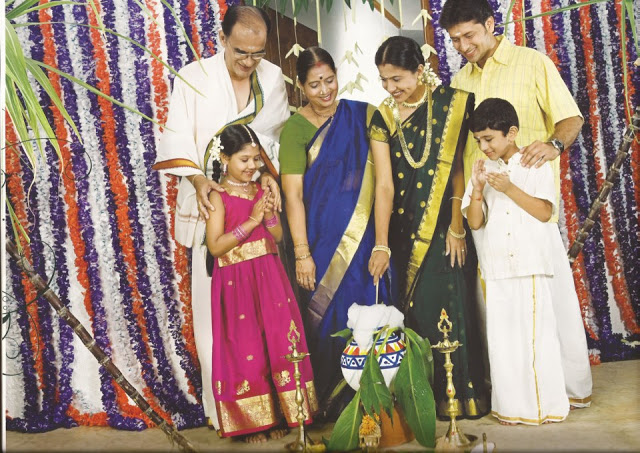
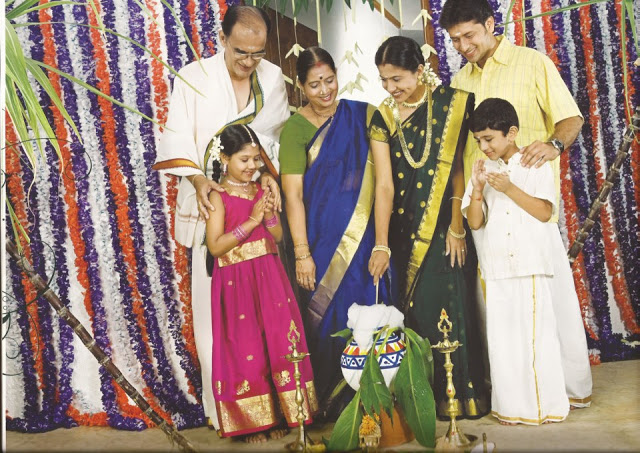
Pongal means rice pudding. They don’t use white sugar. They use jaggery and ghee to make sweet Pongal. ‘Pongu’ is a Tamil verb which means boil to the brim of the pot. When the rice is boiled in milk and water with jaggery and ghee, it boils and come to the brim of the new pot, usually a new mud pot. Then they make happy shouting/noise with the words ‘Pongal O Pongal’. The mud pot is decorated with turmeric plant and holy Kunkum and Vibhuti/holy ash. tamilandvedas.com, swamiindology.blogspot.com
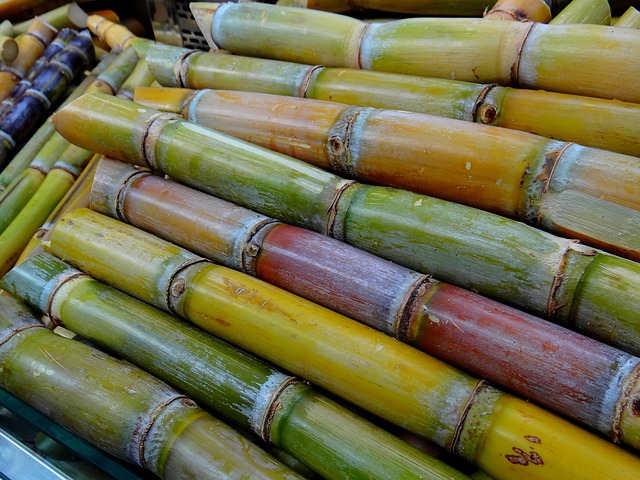
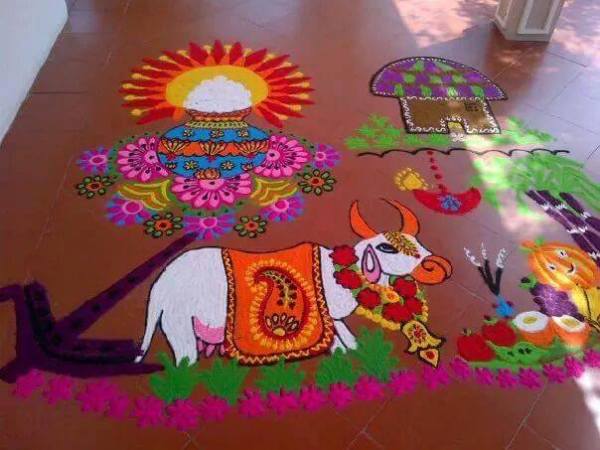
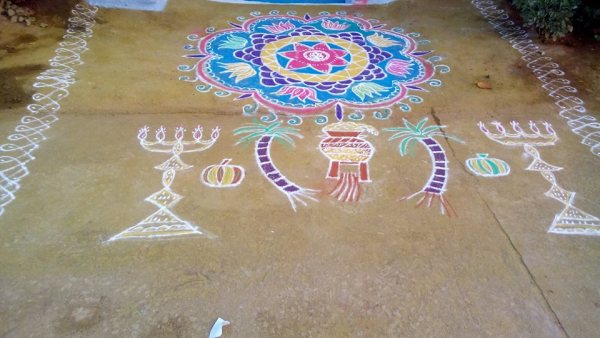
The mud pot is usually placed on a Kolam/rangoli and women do the cooking surrounded by children and men. Sugar cane and newly harvested turmeric plants are kept on both sides of the Pongal pot.
Orthodox Hindus draw a picture of Sun God and do Puja with flowers. All these things are done in an open place in the house, mostly backyard or in front of the house.
All the family members bathe in the morning and wear new clothes. Since Pongal follows the harvest season they will have new rice, new sugarcane etc.
Farmers get lot of money from the sale of harvested grains and hence there is a saying in Tamil, “ Thai Piranthaal Vazi Pirakkum” meaning if the month of Thai is born, a new way is born/found or seen. That is girls will get married sooner with the available money.
Cattle Pongal
Next day to Pongal is called Maatu Pongal (Maatu in Tamil means cattle). It is a thanks -giving day to Cows and Bulls. They decorate the cows and bulls with flower garlands and paint the horns with colour paints. They are taken in a procession and the chief of the cowherds Lord Krishna will follow the cows and bulls. If there is a temple of Vishnu, then the idol procession will follow the cows and bulls with big tom tom and music. Earlier in the day they give Sweet Pongal to the cattle.
Orthodox Hindus celebrate it on a wider scale. They wake up in the morning and use the left- over food to feed the birds. It is done ritually. They draw Kolams/Rangolis and on those Rangolis they spread turmeric leaf and make balls of food with different colours and spread it on the leaves. All women take part in this ritual. It is called Kanu Pongal. tamilandvedas.com, swamiindology.blogspot.com
Meaning of Makara Sankraanthi
Pundit S M Natesa Sastri in his book Hindu Feasts (year 1903) had explained the word Bhogi-
Explaining the meaning of Bhogi festival he says the word ‘Bhoga’ comes from the Sanskrit root ‘BHUJ’, to enjoy ; so Bhogi Pandikai is a feast of enjoyment. It is celebrated to honour INDRA who helps us to get rains for the crops and good gravest.
Sankranti comes from the word Sankramana . Sun enters zodiac sign Makara/ Capricorn. And the Tamil month ‘Thai’ begins on that day. Thai is ‘Pausa’ in Sanskrit . tamilandvedas.com, swamiindology.blogspot.com
This day is observed throughout India and South East Asia (see my research article about Thailand and Laos given below) for the worship of sun god. Rich men regard this day as a meritorious one for making charitable donations and every Hindu raja/king gives away large sums in charity. An assembly of pandits sits on this day in Baroda and gives rewards to Hindu scholars who have passed examinations in Vedas, Tarka, Vyakarana . Other Rajas also observe the same custom.
The Uttarayana Punyakala – northward journey of sun -begins on this day. The season for marriages in Hindu families commences on this day and lasts for six months up to the end of Uttarayana. Brothers send presents and gifts to their sisters. Newly wedded brides get special presents on the day. tamilandvedas.com, swamiindology.blogspot.com
Bull fighting
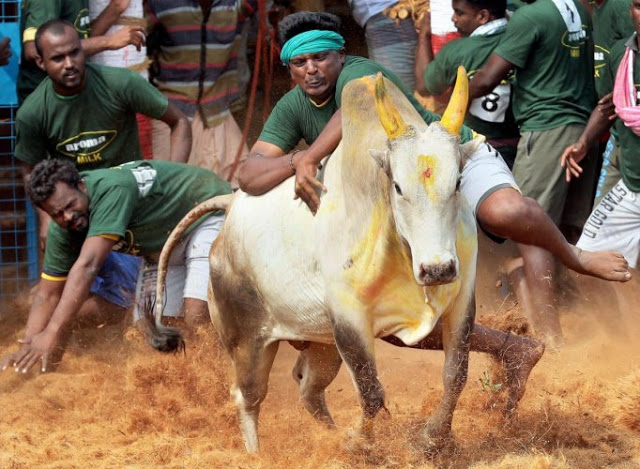
There is a custom in the Yadava community- Lord Krishna’s caste—whoever tames a bull that is let loose will get a gift. This custom started with Lord Krishna who tamed seven bulls according to Bhagavata purana. Youngsters have to tame a bull to get a girl in the olden days.
Sangam Tamil book Kalitokai describes in great detail the bull fighting or – taming the bull – by cowherd community/ Yadava caste. Now it is tamed by any strong man. In the olden days they used to tie some valuables or money to the horn of the bull and whoever tames the bull gets the money. tamilandvedas.com, swamiindology.blogspot.com
Kite flying
In Gujarat state of India huge kite flying events take place.
Rashtriya Swayam Sevak Sang (RSS) celebrates six traditional festivals and Sankranti is one of them. North Indians distribute sweet sesame balls to everyone on this day.
Thiruvalluvar day
Tamil Nadu government declared Cattle Pongal Day as Thirvalluvar day in honour of great Tamil poet Valluvar.
Orthodox Hindus pay homage to departed souls by doing Tarpana on the Sankranti day. tamilandvedas.com, swamiindology.blogspot.com
Sankranti, being a solar festival it falls on the same day every year, either on 14th or 15th of January.
KANCHI PARAMACHARYA ON SANKRANTI
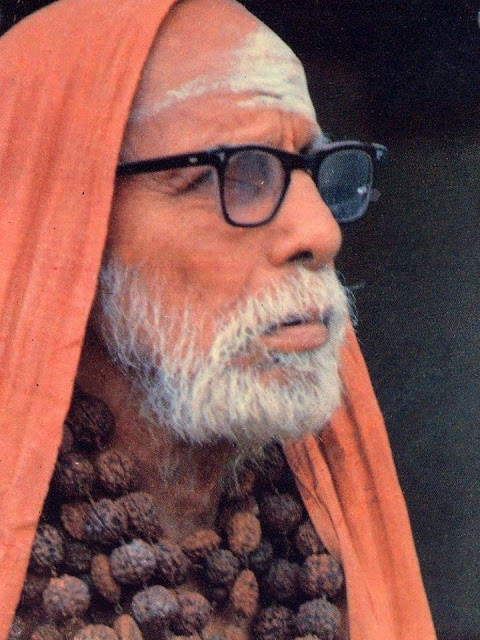
In his Madras discourse on 14th January 1958, Kanchi Paramacharya (1894-1994) said,
“Plant life is necessary for the growth and sustenance of animal life. The entire vegetable kingdom derives its nourishment through rain and dew which fall during the Dakshinayana and attain fruition during Uttarayana by the warmth that it obtains from the sun. it is the all merciful Narayana who is ‘antaryamin’ in the Sun and who is the source of all this nourishment and fruition. And so, we devoutly offer the plants and vegetables which sustain human life to the Giver of all Good on this day – Makara Sankranti day – or Thai Pongal day – and use them with His Grace. tamilandvedas.com, swamiindology.blogspot.com
Giving up all luxuries, we must restrict ourselves to necessities and use them with gratitude as gifts of the All Merciful God. We worship the sun on Makara Sankranti day as the agency through whom Iswara (God) bestows on us he necessities of life.
Fresh turmeric, which is evident in puja, is symbol of auspiciousness. Sugarcane stands for whatever is sweet in life. Grain, plantain and coconut are symbolic of the plenty of the season, which along with sweetened rice are offered to the sun.
In the same manner, the cowherds offer these gifts of god to domestic animals such as cow on the next day.
The observance of this day, betokening plenty and auspiciousness, is a reminder to all of us, including the unlettered masses, that the overflowing and abundant good things that support our life are the gifts of All Merciful Providence, personified by the sun, who enters the northward course. This is equated in the Bhagavat Gita and the Upanishads with a path with which a devotee is destined to reach the ultimate divinity. tamilandvedas.com, swamiindology.blogspot.com
May plenty and spirituality overflow by His Grace , especially in the world of today where they are most needed.
–From Acharya’s Call, Part 2, B G Paul &co, Madras-1
Tamils in South India celebrate it as Pongal– Harvest Festival. Other parts of India celebrate it as a solar festival. All over India worship Sun God on that day.
15 Jan 2019 – வந்தது இன்று பொங்கல் – நனி. தந்தது இன்று … வேணும் பொங்கல் மகிழ்ச்சி – நாம் … Tamil and Vedas posted: ” Pongal picture from Bank of Baroda calendar > Written …
கஸ்யப மஹரிஷிக்கும் அதிரிக்கும் மகனாப் பிறந்தவர் சூரியன். சூரிய வம்சத்தை உருவாக்கியவர் சூரியன்.
சூரியனின் ரதம் 9000 யோஜனைகள் நீளம் உள்ளது. இதில் சக்கரம் பொருத்தப்பட்டுள்ளது. காலச் சக்கரம் மூன்று மையங்களையும் ஐந்து உருளிப்பட்டைகளையும் ஆறு ஆரைகளையும்கொண்டது.
ஏழு வேத சந்தங்களான ஏழு குதிரைகளைக் கொண்டது அந்தத் தேர்.
காயத்ரி, ப்ருஹதி, உஷ்ணிக், ஜகதி, த்ருஷ்டுப், அனுஷ்டுப், பங்க்தி ஆகியவையே அந்த ஏழு குதிரைகள்.
சூரிய ரதத்தின் இன்னொரு அச்சு 45,500 யோஜனைகள் நீளம் கொண்டது.
இந்த ரதத்தின் பெருமை மிக மிக நீண்டது.
ஆதித்யனைப் பற்றி விஷ்ணு புராணம் கூறும் பெருமை எல்லையற்றது.
















 Tamil and Vedas