GREEK PHILOSOPHER WHO PROPAGATED HINDU THOUGHTS- EMPEDOCLES (Post No.7388)

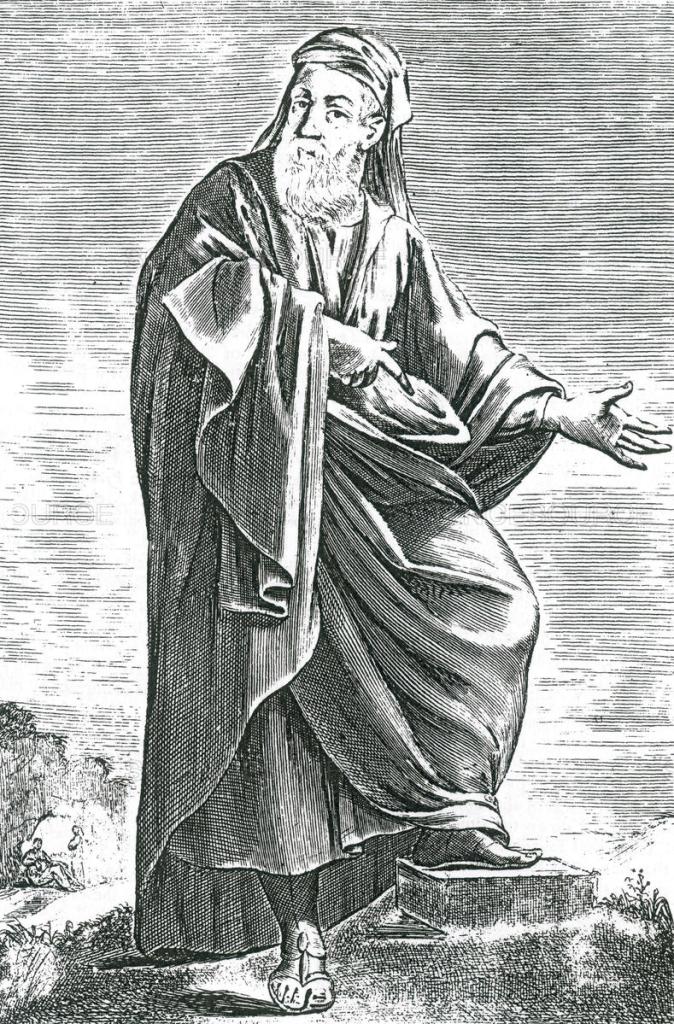
Picture of Empedocles

GREEK PHILOSOPHER WHO PROPAGATED HINDU THOUGHTS- EMPEDOCLES (Post No.7388)

Written by London Swaminathan

Date – 27th December 2019

Post No.7388

contact – swami_48@yahoo.com

pictures are taken from various sources; thanks.

EMPEDOCLES was a Greek philosopher who lived before Socrates in Greece. He was born in 493 BCE and died in 433 BCE at the age of 60. There are very interesting stories, poems and dramas about him. He was a philosopher and scientist.

He proposed that the universe is composed of four elements – FIRE, AIR, EARTH AND WATER which through the action of love and discord are eternally constructed, destroyed and constructed anew. He lived in Acragas / Agrigentum in Sicily according to tradition.  He committed ‘suicide’ by throwing himself into crater of the volcano Mount Etna.

Hindus believed in Pancha Bhutas (Five elements); for some reason Empedocles left out Akasa (space/ vacumn).

He believed in the Hindu concepts of

1.Vegetarianism

2.Reincarnation

3.Cyclical Creation and Dissolution

4.Written in verses (like Sutras)

He was the last of the Greek writers to write everything in verse.

He was a follower of Pythagoras who was widely believed to have proposed the Hindu theorem, known in the western world as Pythagoras theorem. He also believed in reincarnation.

Both Pythagoras and Empedocles travelled to the East. They might have received all the Upanishadic thoughts from Iran or India. Later writers wrote that Empedocles travelled to the Land of Magis.

Land of Magis is described as Iran or East up to Sindhu region. The word Magi is in Bible and in the English word Magic. First, they translated as three magicians visited Jerusalem when Jesus was born. Then they changed it into ‘Three Wisemen visited Jerusalem’. It is derived from a Sanskrit word ‘Maya’ meaning illusion. Hindu saints may have been called by this name(Mayaaavaadi) because they described the world, its existence etc. as illusory. Magic is also an optical illusion.

Atma Thyaga (Self Sacrifice)

Hindu saints enter Fire or Water when they think that their mission in life is accomplished or finished. We have several instances of spontaneous combustion (please read my old article on it) in Hindu literature. A Hindu saint who went to Mayan civilisation entered fire saying that he would come back. When the Spanish robbers and murderers came to America, Incas believed that the Hindu saint with his team has come back and gave the white man  royal welcome to the murderers. They destroyed the whole Aztec, Olmec, Mayan and Inca civilisations.

Here in the case of Empedocles it was not a suicide he committed. Being a great philosopher he asked his followers to take him to the top of the volcano Mount Etna and drop him into the fire. We see such things in the life of great philosopher Kumarila Bhatta and the greatest of the Sangam Tamil Poets Kapila. Both of thee entered fire voluntarily when their missions were accomplished (please see my old articles for the full story; links are given below).

Bharatiyar, the greatest of the modern Tamil poets has described it in a stanza

“And when one puts a finger in a fame

Nandalala (God), one feels

The thrill of your touch

Nandalala “

His thoughts on various topics

Ancients were fascinated by dreams and much thought was devoted to how they could be explained. Empedocles got close to modern ideas by proposing that dreams dealt with day’s residue. (In the ‘Interpretation of dreams’ by Artemidorus of second century CE, we see his finding that slaves’ dreams commonly featured fear of losing a master’s trust or hopes of freedom)

Empedocles’ belief that the cosmos was constructed by four elements was believed by great Aristotle as well. His authority was so great among intellectuals and the church fathers that the theory was simply assumed to be true for nearly 2000 years till the experimental method was invented in the sixteenth century.

Later authors of medicine attributed body parts, four humours, four seasons to four elements.

Pythagoras in the sixth century BCE, argued that from the moment of conception the foetus was body and soul with every innate human capacity intact. Empedocles thought that the foetus became fully human only at birth.

Since Empedocles wrote in verses, people interpret it differently. More over some of his poems are discovered in parts and joined together. There is a debate whether it is correct or incorrect.

Hindu scholars’ views on Empedocles

Dr S Radhakrishnan says

“Sixth century BCE was remarkable for the spiritual unrest and intellectual ferment in many countries. In China we had Lao Tzu and Confucius, in Greece Parmenides and Empedocle,s in Iran Zarathustra, in India Mahavira and the Buddha. In that period many remarkable teachers worked upon their inheritance and developed new points of view.”

P C Ray and  P Ray say

“KAPILA , the reputed originator of  Samkhya philosophy, developed his ideas  about the ultimate particles of matter in the latter part of his theory of cosmogenesis . The atomic theory of Samkhya bears a great resemblance to the Greek theory of elements introduced by Empedocles .”

Samkhya is the oldest of the six Hindu philosophical systems. Kapila lived before the time of Empedocles .

Professor Macdonell in his history of Sanskrit literature remarks on the question of whether Hindus borrowed the ideas from the Greeks,

“According to Greek tradition , Thales, Empedocles, Anaxagoras, Democritus and others undertook journeys to oriental countries in order to study philosophy. Hence there is at least the historical possibility of the Greeks have been influenced by the Indian thought through Persia (Iran).”

Colebrook too sums up his views in the following words,

“I should be disposed to conclude that the Indians were in this instance teachers than learners.”

Prof. H H Wilson in his preface to Samkhyakarika also observes,

“That the Hindus derived any of their philosophical ideas from the Greeks seems very improbable , and if there is any borrowing in this case, the latter were most probably indebted to the former.”

A KALYANARAMAN in his book ARYATARANGINI has given a detailed analysis of this topic. I will give it separately.

Bibliography

H T COLEBROOK- ENGLISH TRANSLATION OF SAMKHYAKARIKA, BOMBAY, 1887

H H WILSON

A A MACDONELL – HISTORY OF SANSKRIT LTERATURE

RADHAKRISHNAN READER, AN ANTHOLOGY, BHARATIYA VIDHYA BHAVAN, BOMBAY, 1969

EUREKA , PETER JONES, 2014

tamilandvedas.com › 2011/11/15 › the-mysterious-disappearance-of-…


The Mysterious disappearance of Great Hindu Saints | Tamil …

15 Nov 2011 – The Mysterious disappearance of Great Hindu Saints … the category of paranormal and it is called Spontaneous Human Combustion (SHC).

  1.  

tamilandvedas.com › tag › in-mahavamsa


in Mahavamsa | Tamil and Vedas

17 Sep 2014 – Spontaneous Combustion Miracle in Mahavamsa! shc … The Mysterious Death of Great Hindu Saints (Posted Nov.15, 2011) Strange Facts …

Search Result

  1.  

tamilandvedas.com › tag › fire-walking


Fire Walking | Tamil and Vedas

Posts about Fire Walking written by Tamil and Vedas.

Empedocles’ atma thyaga (self sacrifice) have been referred to by various authors and poets up to Mathew Arnold and Bertrand Russel. This incident also proved that he was a great Hindu follower.

tamilandvedas.com › 2014/07/12 › five-ascetics-who-entered-fire-ved…


Five Ascetics who Entered Fire: Vedavati, Sabhari …

12 Jul 2014 – Tamil poet Kabila did enter fire after fulfilling his noble mission. Aztec saint Quetzalcoatl (may be a Hindu saint) did sacrifice his life in fire.

LET US ENTER FIRE BEFORE MUSLIMS TOUCH US …

25 Nov 2019 – LET US ENTER FIRE BEFORE MUSLIMS TOUCH US- HEROIC SPEECH BY RANI BHAI(Post No.7261) … The queen and the ladies then entered into a house, where they … quiz on 100 great women-2 | Tamil and Vedas.

Search Results

  1.  
  2.  

tamilandvedas.com › tag › sati-by-women


Sati by women | Tamil and Vedas

31 Oct 2012 – Posts about Sati by women written by Tamil and Vedas.

  1.  

tamilandvedas.com › 2014/06/14 › aryan-sati-in-sangam-tamil-literature


“Aryan SATI” in Sangam Tamil Literature! | Tamil and Vedas

14 Jun 2014 – Practice of Sati is found in ancient Sangam Tamil literature at least in three places. Sati is the custom practised by some Hindu women in the olden times. The wife of the diseased husband will enter the funeral pyre of her husband.

–subham–

PUZZLES AND RIDDLES – PART 8 (Post No.7387)

PUZZLES AND RIDDLES – PART 8  (Post No.7387)

Written by S NAGARAJAN

Date – 27th December 2019

Post No.7387

contact – swami_48@yahoo.com

pictures are taken from various sources; thanks.

லட்சம் புதிர்கள், விடுகதைகள், மாயாஜால மாஜிக்குகள், புதிர்க் கணக்குகள்! – 8 (81 முதல் 90 முடிய)

ச.நாகராஜன்

  1. Problem with Cube

What is the least number of cubical bricks that can be either spread at the form a square or stacked to form a cube?

  • Hilary lost one of the cubical building bricks and then found she could make    

only  one solid oblong whereas previously she could make four different ones. How many bricks were there in the complete set?

  • John had more building bricks than Hilary. He found he could pack them all  

 together to make a big block in three different ways. How many more bricks did he need to make a solid cube?

  • Try these : I have three builder’s bricks, each measuring 9 inches long 4 ½ 

inches wide and 3 inches deep. How many different heights can I build up with them?

  • A sash window with a semi-circular top is 2’6” wide. If the top sash is lowered   1 feet what is the area of the opening?
  • Arrange six matches together to form four triangles.
  • How high is a pole?  :- How high is a pole that casts a shadow 21 feet long, if a six foot man standing beside the pole casts a shadow 4 ½ feet long?
  • How deep is a well, if a rope that just reached from bottom to top can be wrapped exactly 12 times around the cylinderical drum of a windlass – the drum being 7 inches in diameter?
  • Can you help? My friend Raman who sold carpets said that if he had to multiply two numbers together he usually squared their average instead. The answer was always too big but was near enough, he said. I told him that if he was all that keen on squaring instead of multiplying,, he might as well do a little bit more and get the answer right. What else ought he to do?
  •  Take a good look at this number 222221. Is it a prime number?

Answers

  1. 64
  2. 36
  3. Four (to make 64)
  4. 14 (using 1, 2 or 3 bricks)
  5. 2 ½ square feet – the same as the rectangular overlap.
  6. Edges of a triangular pyramid.
  7. The pole is 28 feet high. The problem is solved by simple proportion. The height of the pole is to its shadow, 21, as the man 6 is to his shadow 4 ½.
  8. The well is a trifle.
  9. From his rough answer { (a+b)/2}2 take away the square of half their difference, {(a-b)/2}2. The answer is then ab.
  10. No. 222221 = 619 x 359

Thanks : Source 1 to 9 : Mathematics for all by R.Wesley

***

அஸ்திகள் பலவிதம்; ஒவ்வொன்றும் ஒருவிதம்! (Post No.7386)

Written by london swaminathan

Date – 26th December 2019

Post No.7386

contact – swami_48@yahoo.com

pictures are taken from various sources; thanks.

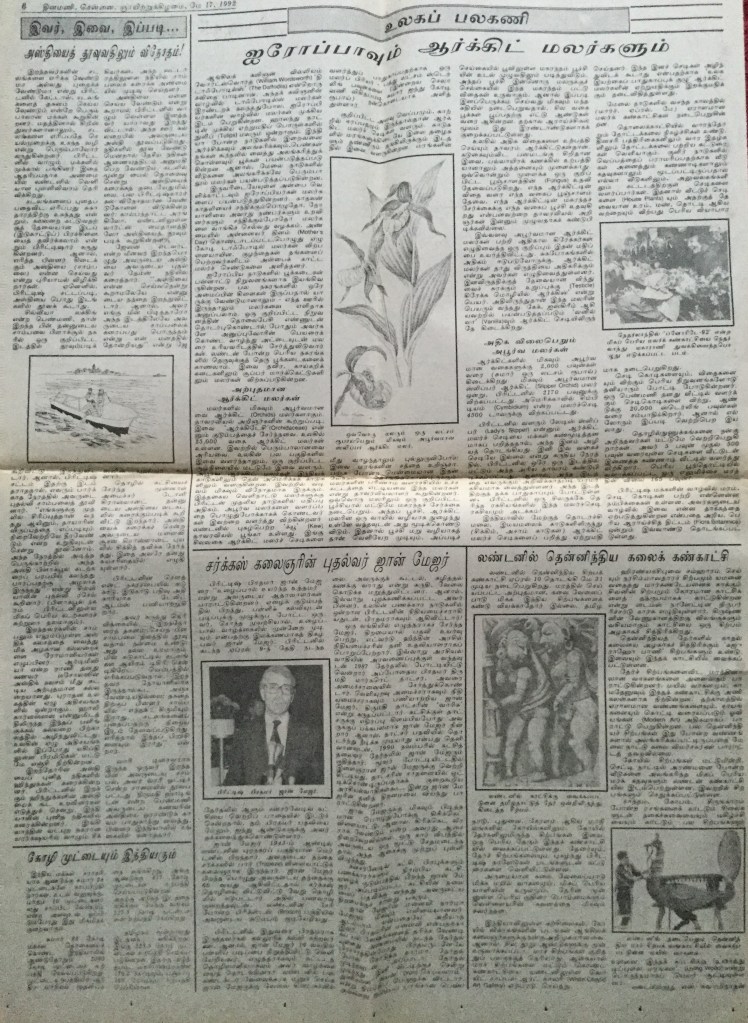
அஸ்தி கரைப்பதில் உள்ள விநோதங்கள் பற்றி 17-5-1992ல் தினமணியில் எழுதினேன்.

இந்தியாவிலேயே பல தலைவர்கள் தங்கள் அஸ்தியை என்ன செய்ய வேண்டும் என்று  சொன்னதை எல்லோரும் அறிவர்.அத்தலைவர்களின் அஸ்தி கலசங்கள் ஊர் ஊராக ஊர்வலம் விடப்பட்டதையும் அறிவர் . புத்தரின் அஸ்திக்கும் எலும்புக்கும், பல்லுக்கும் போட்டா போட்டி காட்டா குஸ்தி நடந்ததையும் படித்திருக்கிறோம். நேருஜியின் அஸ்தி அவரது விருப்பப்படி நாடு முழுதும் விமானத்திலிருந்து தூவப்பட்டது .

காந்திஜிதியின் அஸ்தி நாடு முழுதும் புனித நதிகளில் கரைக்கப்பட்டது.

அஸ்தி என்பது  இறந்தவரின் உடலை எரித்த பின்னர் கிடைக்கும் சாம்பலும்  எலும்பும் ஆகும்.

இந்தப் பின்னணியில் இந்தக் கட்டுரையும் இன்று  வரை சுவை குன்றவில்லை.

Tags – அஸ்தி , கரைத்தல், விநோதங்கள்

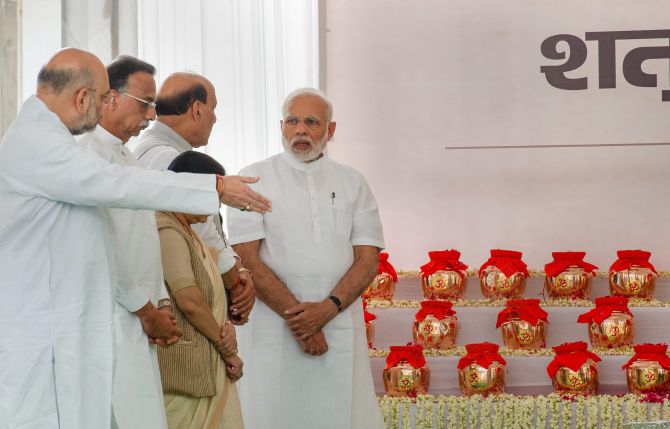
New Delhi: Prime Minister Narendra Modi after paying tribute to the ashes (‘Asthi Kalash’) of former prime minister Atal Bihari Vajpayee, before their distribution to all BJP state presidents for immersion in their respective states, at the party headquarters in New Delhi on Wednesday, Aug. 22, 2018. BJP President Amit Shah, party leaders Rajnath Singh, Sushma Swaraj and Vajpayee’s foster son-in-law Ranjan Bhattacharya are also seen. (PTI Photo/Atul Yadav) (PTI8_22_2018_000068B)
train with Gandhi’s ash coming to Kanpur

TEMPLES BUILT BY KUNKUMA AND LOKA MAHA DEVIS (Post No.7385)

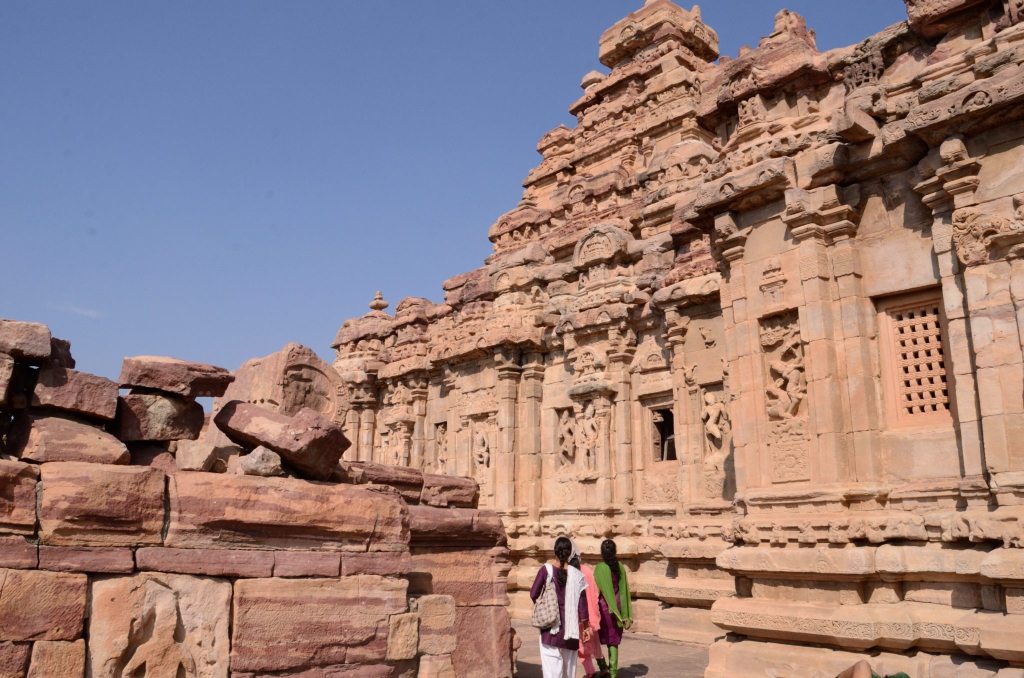
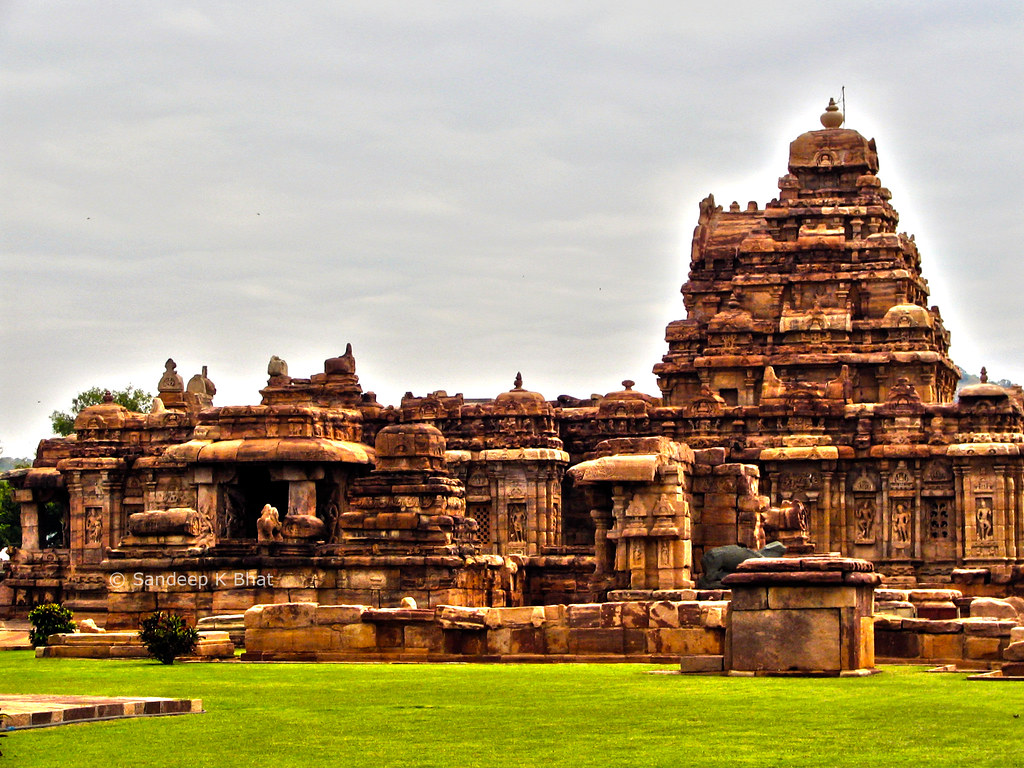
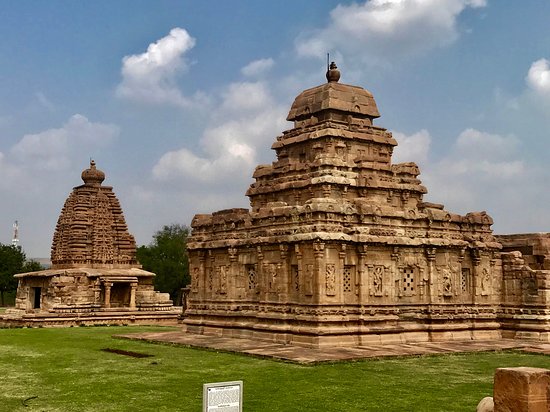
Pattadakkal Temple

Written by london swaminathan

Date – 26th December 2019

Post No.7385

contact – swami_48@yahoo.com

pictures are taken from various sources; thanks.

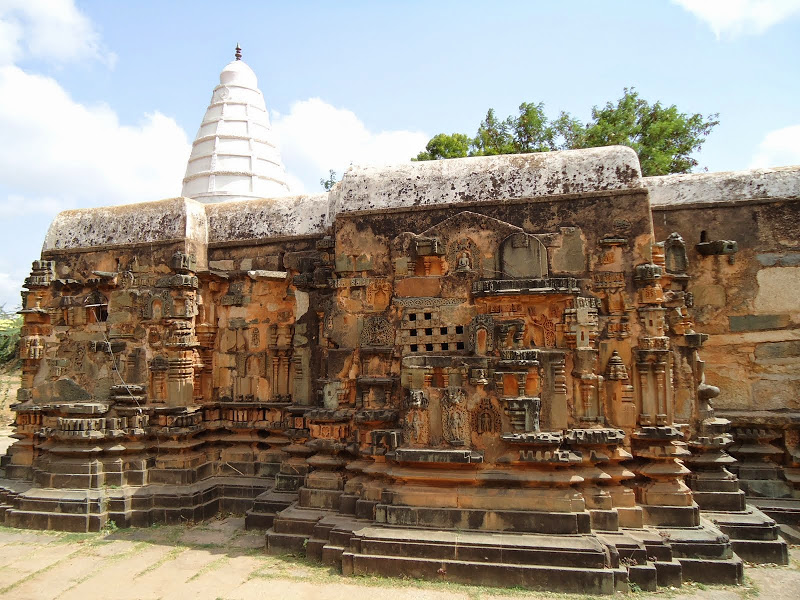
Kunkuma Mahadevi was one of the early temple builders and philanthropists in the Kannada country ruled by the Chalukya Kings. She was the younger sister of Chalukya Vijayaditya (696-733 CE). She constructed a large Jaina temple at Purigere, modern Lakshmeswar, Dharwar district. She asked her brother to donate a village to a Brahmana. She performed Hiranya garba, one of the sixteen danas/ gifts . She gave gold and costly elephants and chariots to Brahmins. She married brave and generous Alupa king Chitravahana

Loka Mahadevi

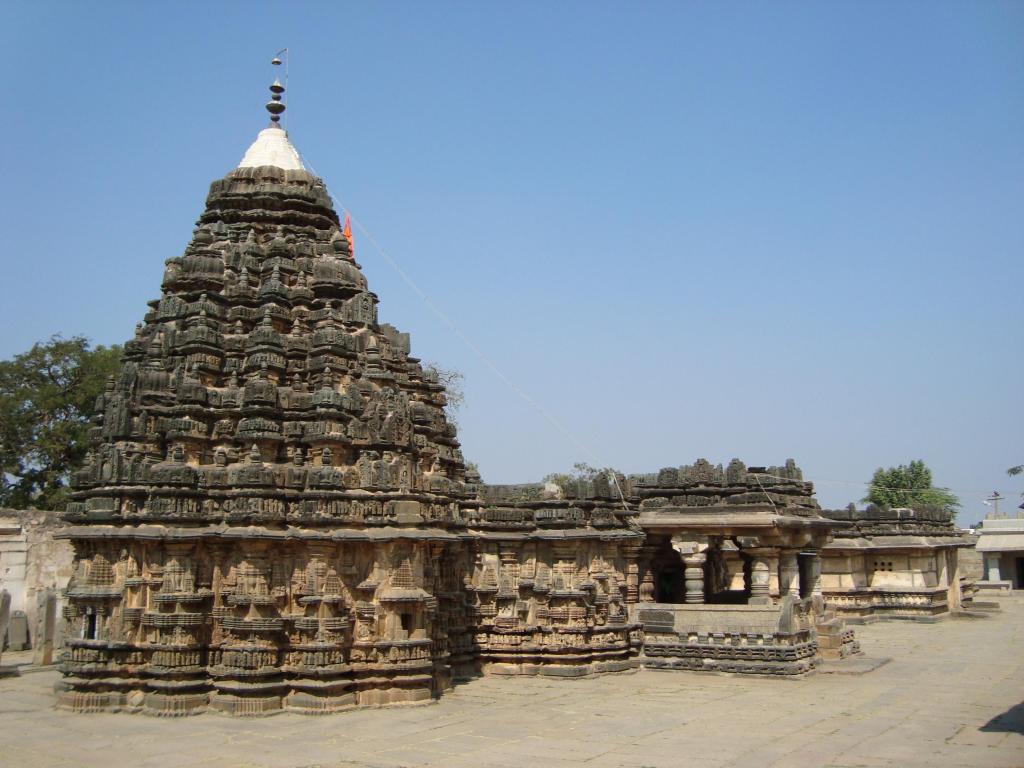
Loka Mahadevi was the chief queen of the Chalukya king Vikramaditya II  of Badami. She built the famous Virupaksha temple at Pattadakkal. As a token of appreciation, she exempted the builders of that district from payment of certain taxes.

Ananda K Coomaraswamy, famous art historian, calls this temple as “one of the noblest structures in India”. She also conferred on the musicians and dancers  a number of privileges . One of these by name Achala, founded a new school of dancing.

Daanachintamani Attimabbe     

In the last quarter of the tenth century when the Chalukyan emperor Taila II was ruling, Daanachintamani became famous. She was born in a family of learned men. He father Mallappayya , a general, was a great scholar, a reputed astrologer, an excellent teacher of archery and a patron of learning.  She and her sister Gundamabbe were married to Nagadeva , Commander in chief of Chalukyan army and son of Dhallappa, the prime minister.

In one of his masters campaigns Nagadeva was killed and his second wife performed ‘sati’. Attimabbe was asked not to follow her sister because her son Annigadeva was very young.

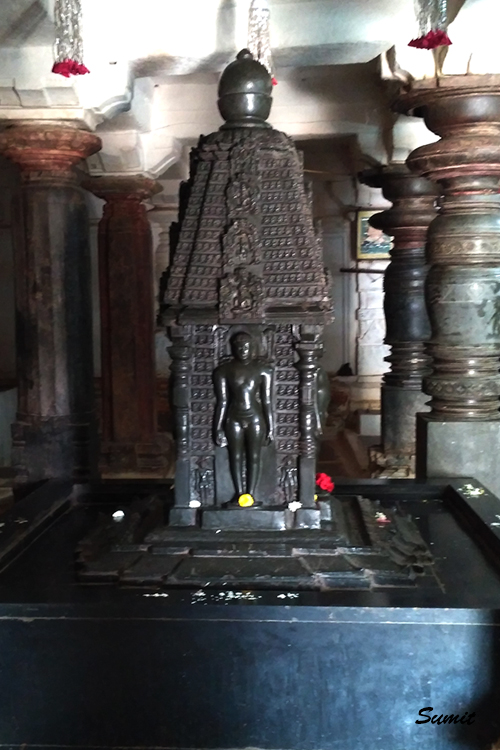
She was a devout follower of Jainism ; she got prepared a 1000 copies of Shantinatha Purana, a Jain work written by court poet Ranna. Her help helped the poet to write an important Jain work  entitled Ajita Purana. She was held in high esteem by the Chalukyan emperor Taila and the general public.

Lakshmaneswar

Miracles of   Daanachintamani

A number of miracles are attributed to her. Her title Daana Chintamani – unstinting donor- was well merited is evident from the fact that she gave way 1500 golden  Jina images set with precious gem stones. From two inscriptions dated 1007 CE, found at Lakkundi, we learn that she constructed many Jain temples and donated a village for the maintenance of it.

History  syllabus of every state must include these great women. Students must be asked to collect more information from various sources. They may be asked to compare these women with other women of different states.

–subham–
எண் 14-ன் மஹிமை! (Post No.7384)

உதவிக் குறிப்புகள்! – 2 (Post No.7383)

Written by  S Nagarajan

Date – 26th December 2019

Post No.7383

contact – swami_48@yahoo.com

pictures are taken from various sources; thanks.

wrஉதவிக் குறிப்புகள் 1 வெளியான தேதி : 21-12-2019  கட்டுரை எண் : 7365

உதவிக் குறிப்புகள்! – 2

ச.நாகராஜன்

கடந்த நாற்பது வருடங்களுக்கும் மேலாக நான் படித்து வந்த பல நல்ல புத்தகங்களில் முக்கிய பகுதிகளை ஒரு நோட்புக்கில் தனியே எழுதி வைத்துக் கொள்வது என் பழக்கம். அவற்றில் சில குறிப்புகளை இங்கே தொடர்ந்து பார்க்கலாம்.

HELPFUL HINTS

குறிப்பு எண் 3 :

From the book : How to Win Friends & Influence People

By Dale Carnegie  (First Edition October 1936)

Part I – Fundamental Techniques in handling people   :   P 70

1) Develop a deep, driving desire to master the principles of human relations.

2) Read each chapter twice before going on to the next one.

3) As you read, stop frequently to ask yourself how you can apply each suggestion.

4) underscore each important idea.

5) Review this book each month.

6) Apply these principles at every opportunity. Use this volume as a working handbook to help you solve your daily problems.

7) Make a lively game out of your learning by offering some friend a dime or a dollar every time he catches you violating one of these principles.

8) Check up each week on the progress you are making. Ask yourself what mistakes you have made, what improvement, what lessons you have learned for the future.

9) Keep a diary in the back of this book showing how and when you have applied these principles.

Part II Six ways to make people like you P 133

  1. Become genuinely interested in other people.
  2. Smile
  3. Remember that a man’s name is to him the sweetest and most important sound in the English language.
  4. Be a good listener. Encourage others to talk about themselves.
  5. Talk in terms of the other man’s interest.
  6. Make the other person feel important – and do it sincerely.

Part III Twele ways to win people to your way of thinking  P 218

  1. The only way to get the best of an argument is to avoid it.
  2. Show respect for the other man’s opinions. Never tell a man he is wrong.
  3. If you are wrong, admit it quickly and emphatically.
  4. Begin in a friendly way.
  5. Get the other person saying “yes,yes” immediately.
  6. Let the other man do a great deal of the talking.
  7. Let the other man feel that the idea is his.
  8. Try honestly to see things from the other person’s point of view.
  9. Be sympathetic with the other person’s ideas and desires.
  10. Appeal to other nobler motives.
  11. Dramatize your ideas.
  12. Throw down a challenge.

Part IV : Nine ways to change people without giving offense or arousing resentment

P 253

  1. Begin with praise and honest appreciation.
  2. Call attention to people’s mistakes indirectly.
  3. Talk about your own mistakes before criticizing the other person.
  4. Ask questions instead of giving direct orders.
  5. Let the other man save his face.
  6. Praise the slightest improvement and praise every improvement. Be “hearty in your approbation and lavish in your praise.”
  7. Give other person a fine reputation to live up to.
  8. Use encouragement. Make the fault seem easy to correct.
  9. Make the other person happy about doing the thing you suggest.

Part VI : Seven Rules for making your home life happier P 299

  1. Don’t nag.
  2. Don’t try to make your partner over.
  3. Don’t criticize.
  4. Give honest appreciation.
  5. Pay little attentions.
  6. Be courteous.
  7. Read a good book on the sexual side of marriage.

எனது குறிப்பு : டேல் கார்னீகியின் இந்தப் புத்தகம் பல லட்சம் பிரதிகள் விற்பனையாகி சாதனை படைத்துள்ள புத்தகமாகும். இன்றும் இது விரும்பிப் படிக்கப்படுகிறது. ஒவ்வொரு யோசனையும் அதைக் கடைப்பிடிப்போருக்கு அபார பலனைத் தரும் ஒன்றாகும்.

****

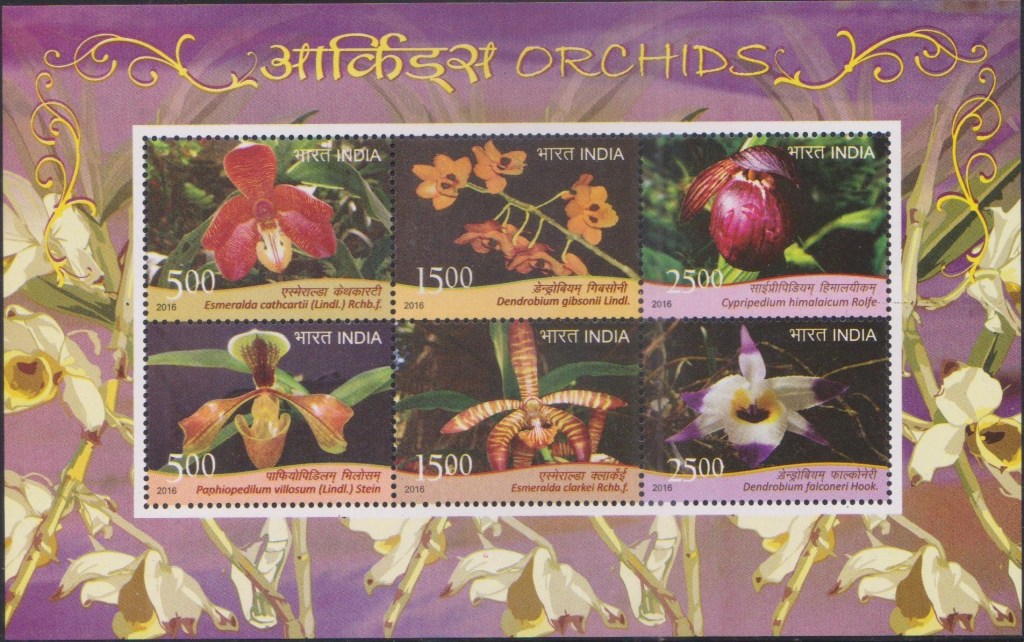
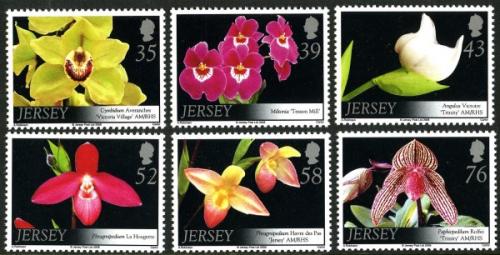
அற்புதமான ஆர்க்கிட் மலர்கள் (Post No.7382)

அற்புதமான ஆர்க்கிட் மலர்கள் (Post No.7382)


Written by London swaminathan

Post no. 7382

Date 25 December 2019

Uploaded from London

Pictures are taken from various sources; thanks

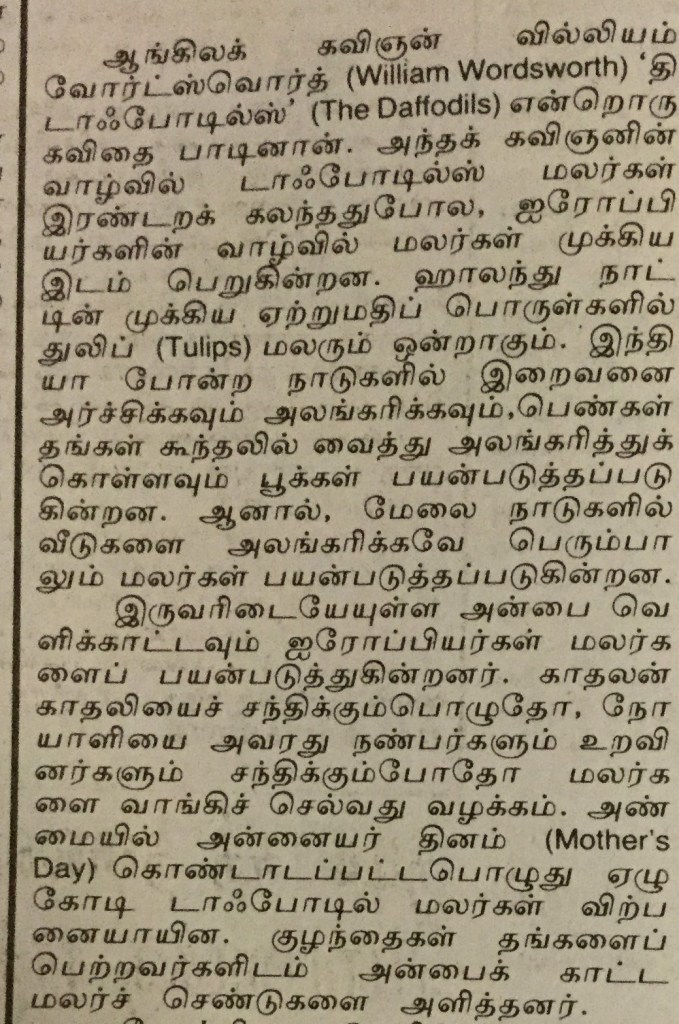
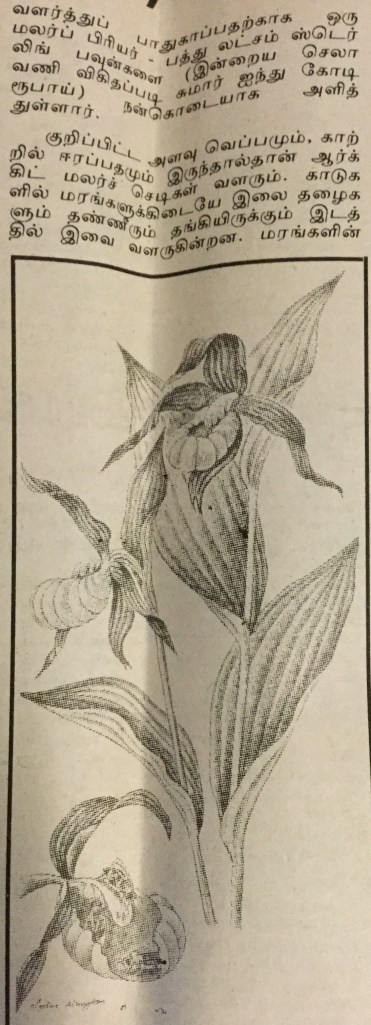
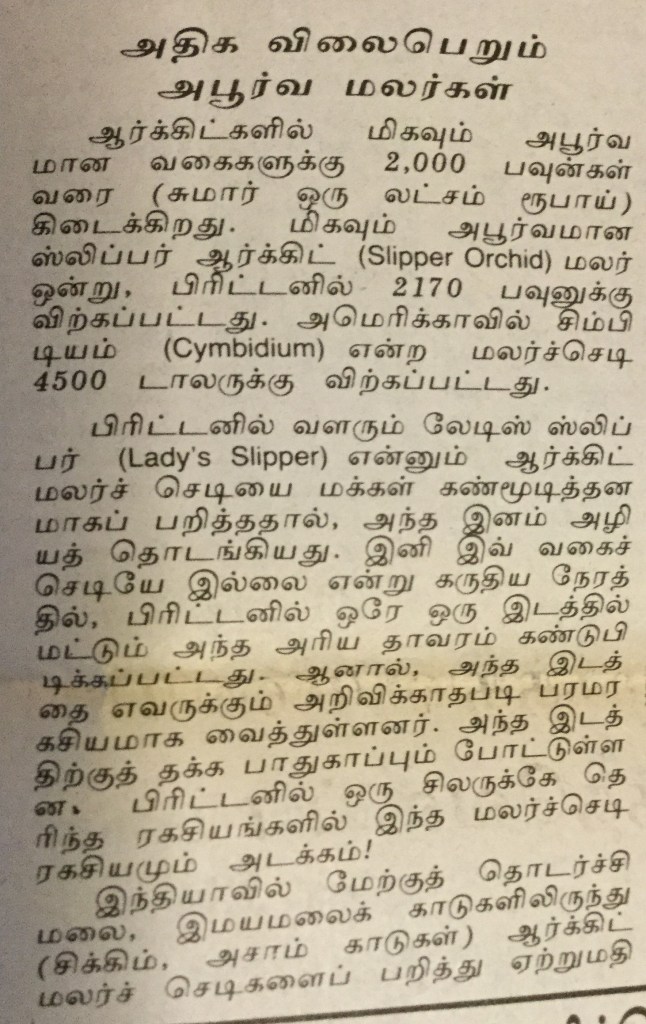
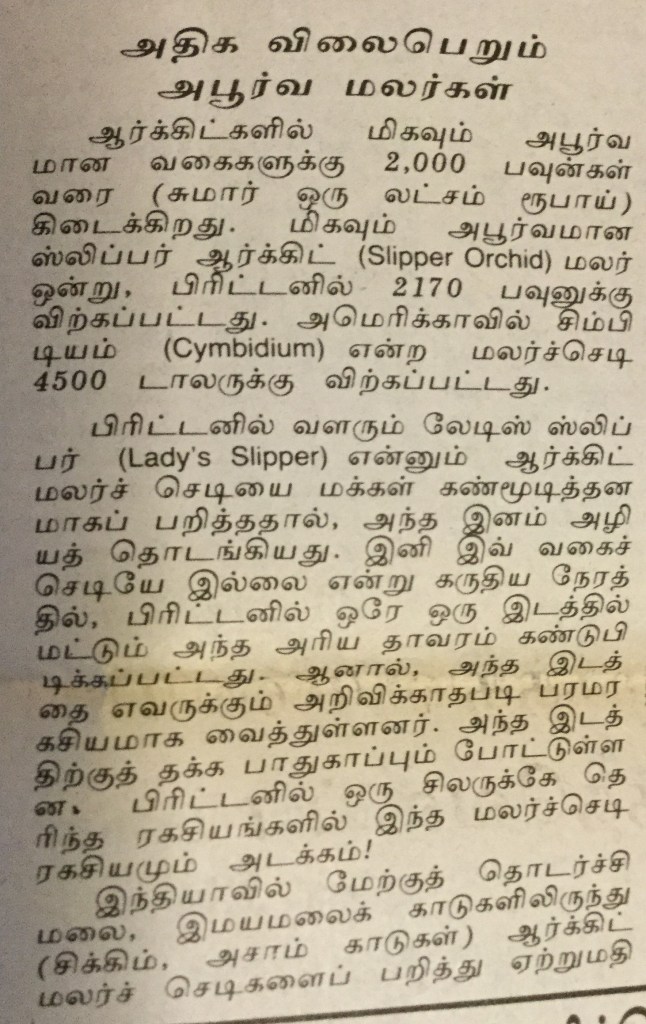
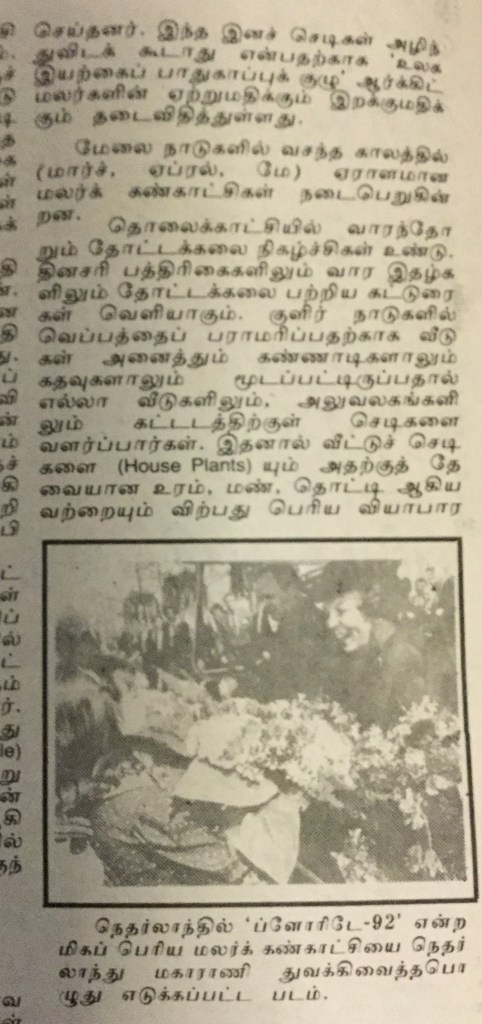
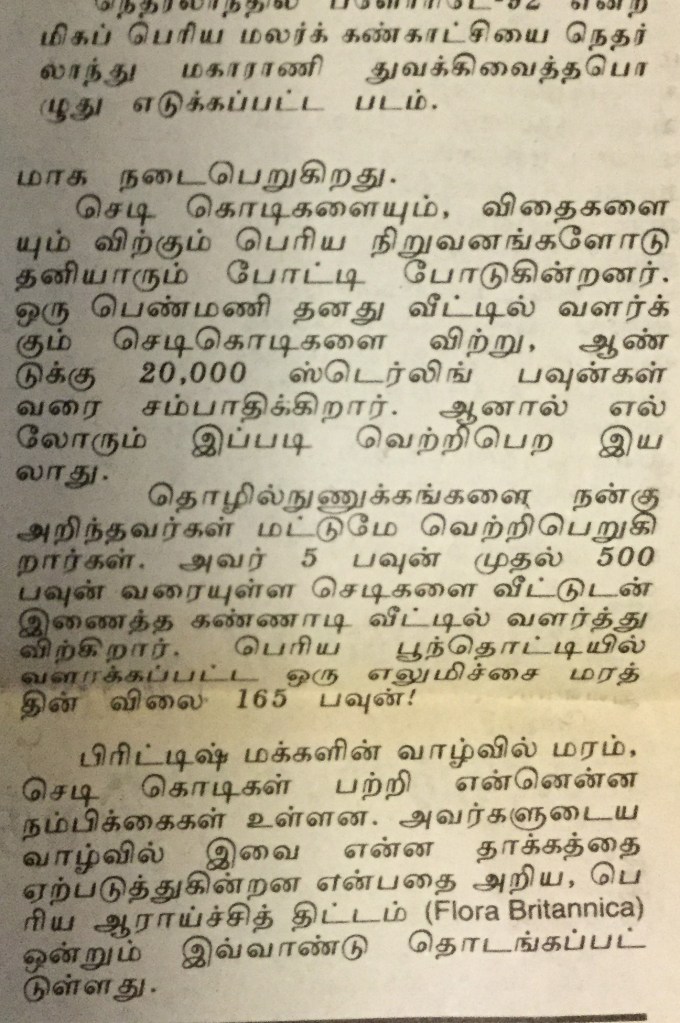
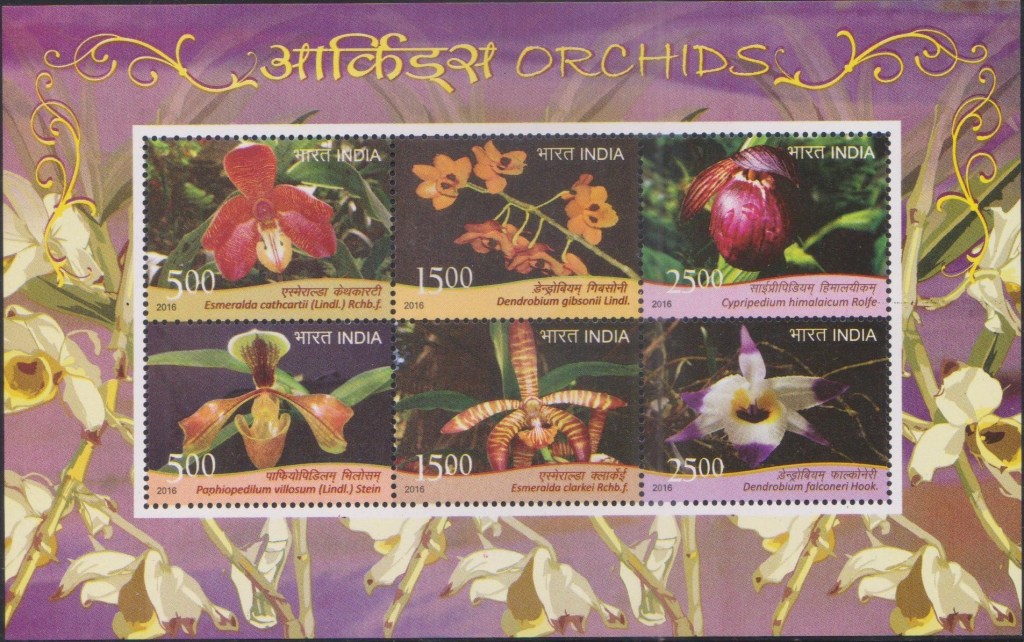
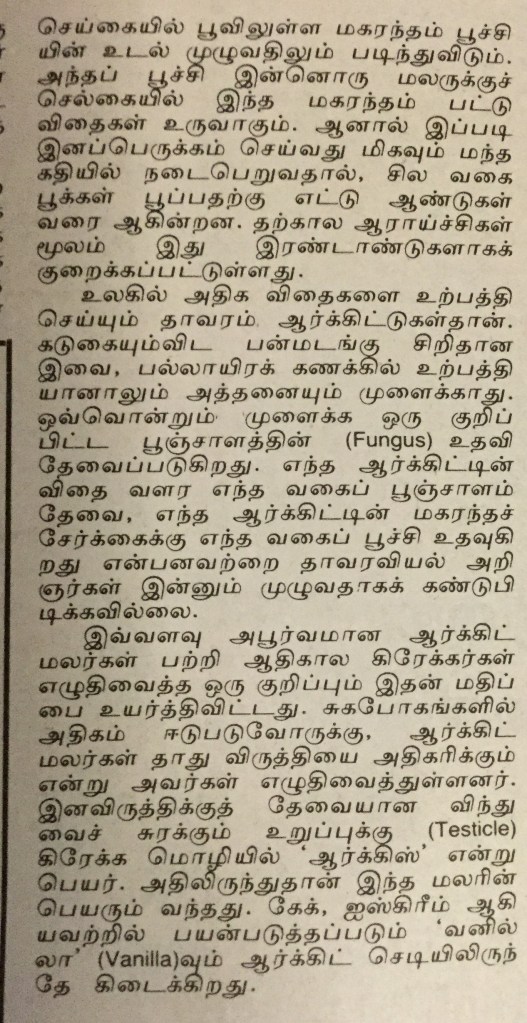
தாவர உலகில் ஆர்க்கிட் (Orchids) என்னும் மலர்களின் உருவம் வினோதமாக இருக்கும் .இது பற்றி நான் தினமணியில் 17-5-1992ல் எழுதிய கட்டுரையை இத்துடன் இணைத்துளேன்.

–subham–

BRITISH ARMY CHIEF’S PRAISE FOR LORD SKANDA/ KARTIKEYA (PostNo7381)

Sri Naganatha Sivam and Sri M N Kalyanasundram

Written by London swaminathan

Post no. 7381

Date 25 December 2019

Uploaded from London

Pictures are taken from various sources; thanks

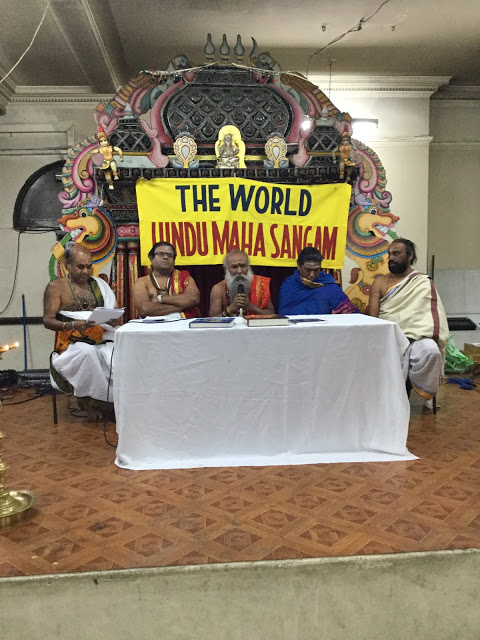
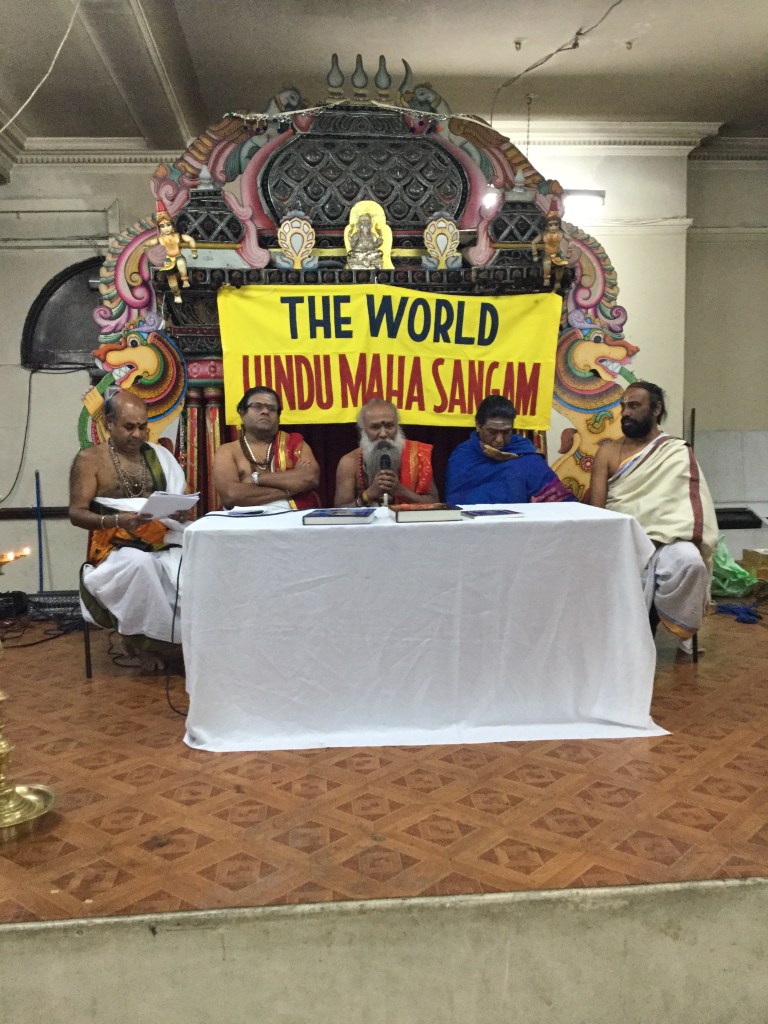
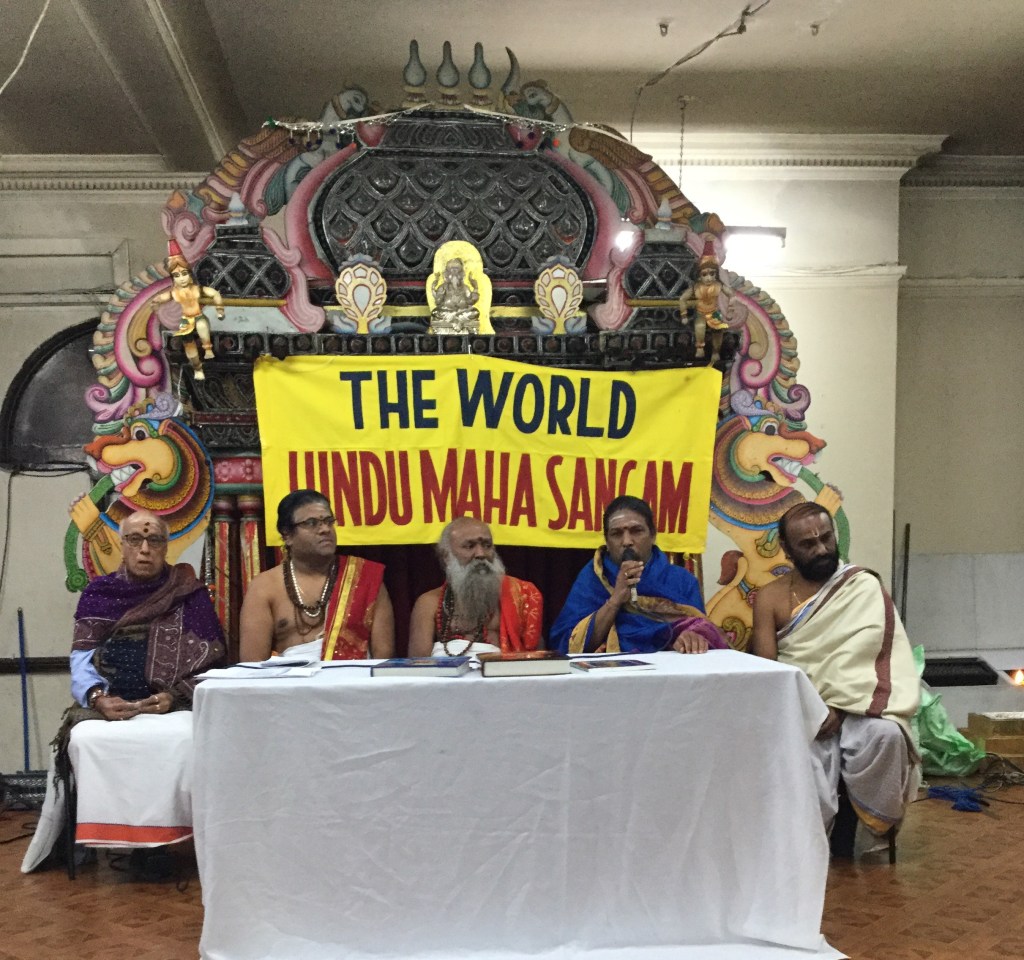
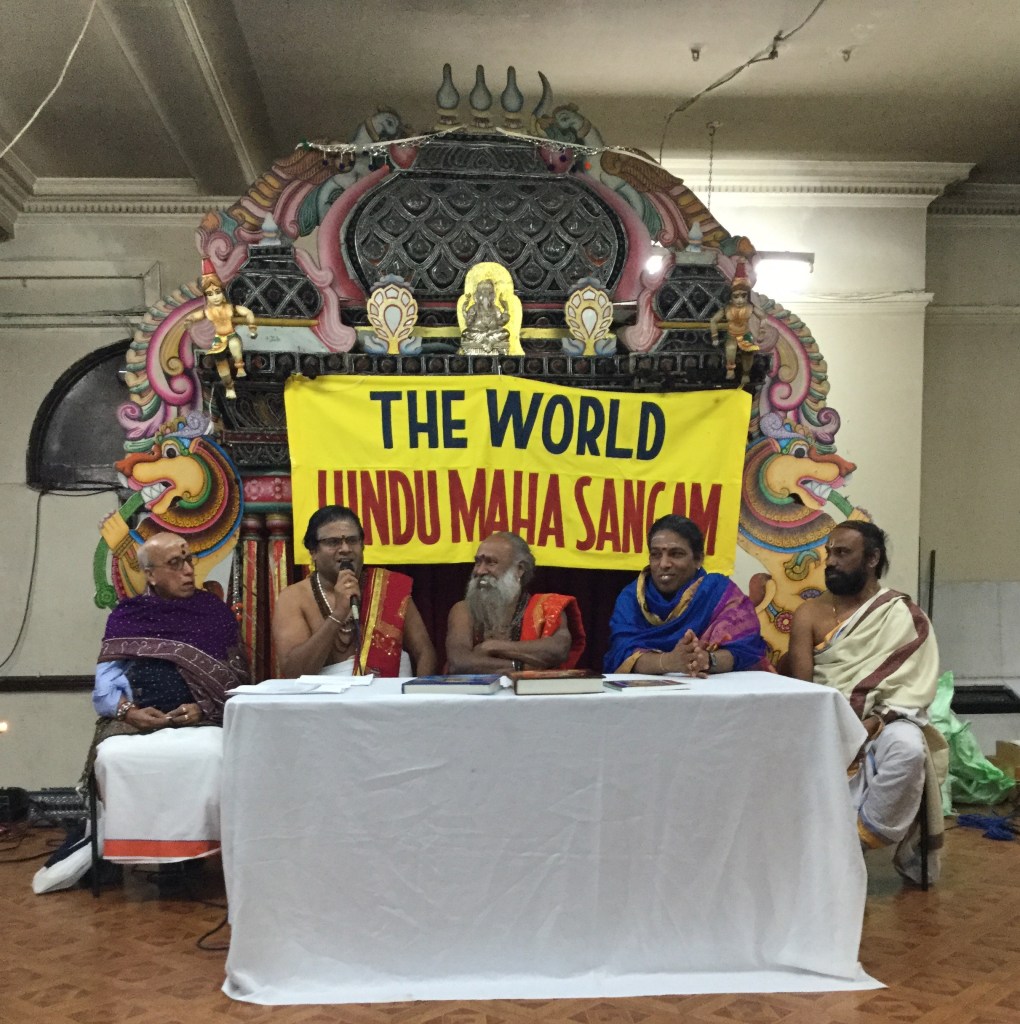
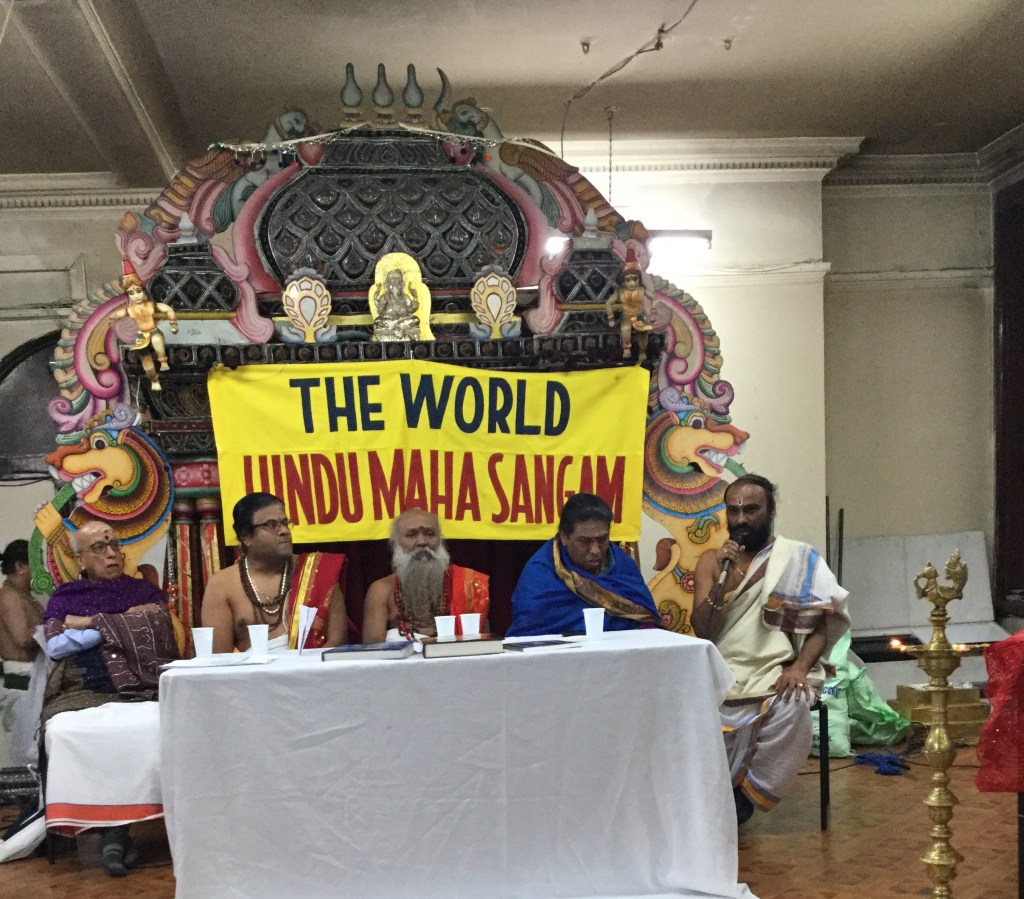
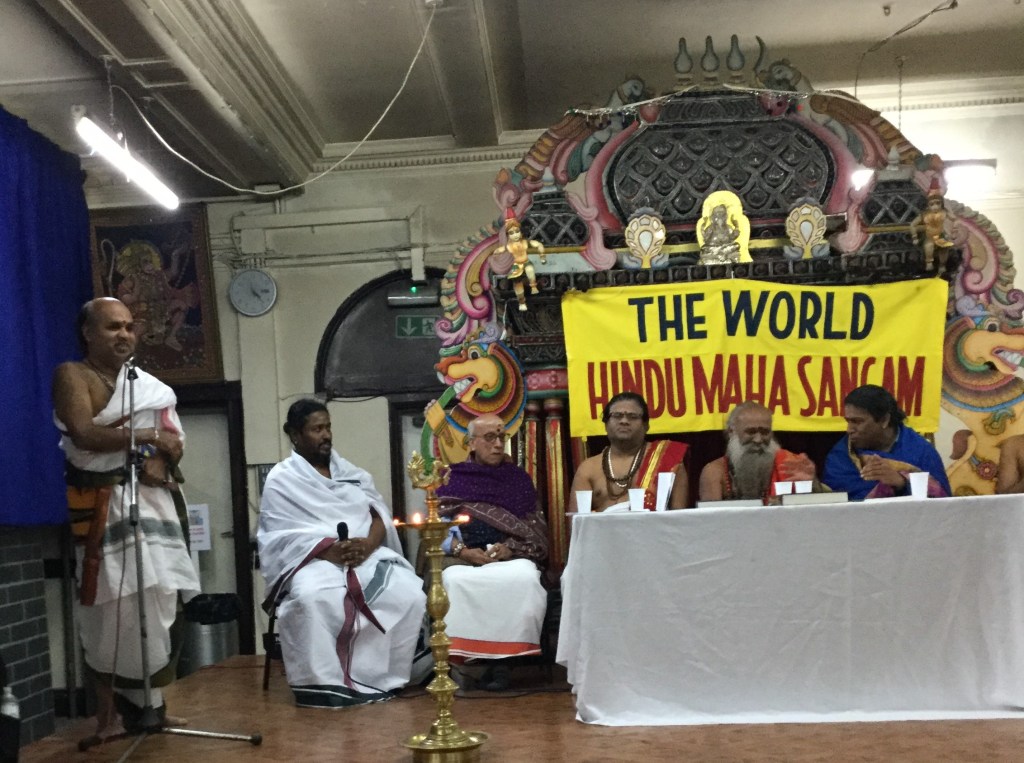
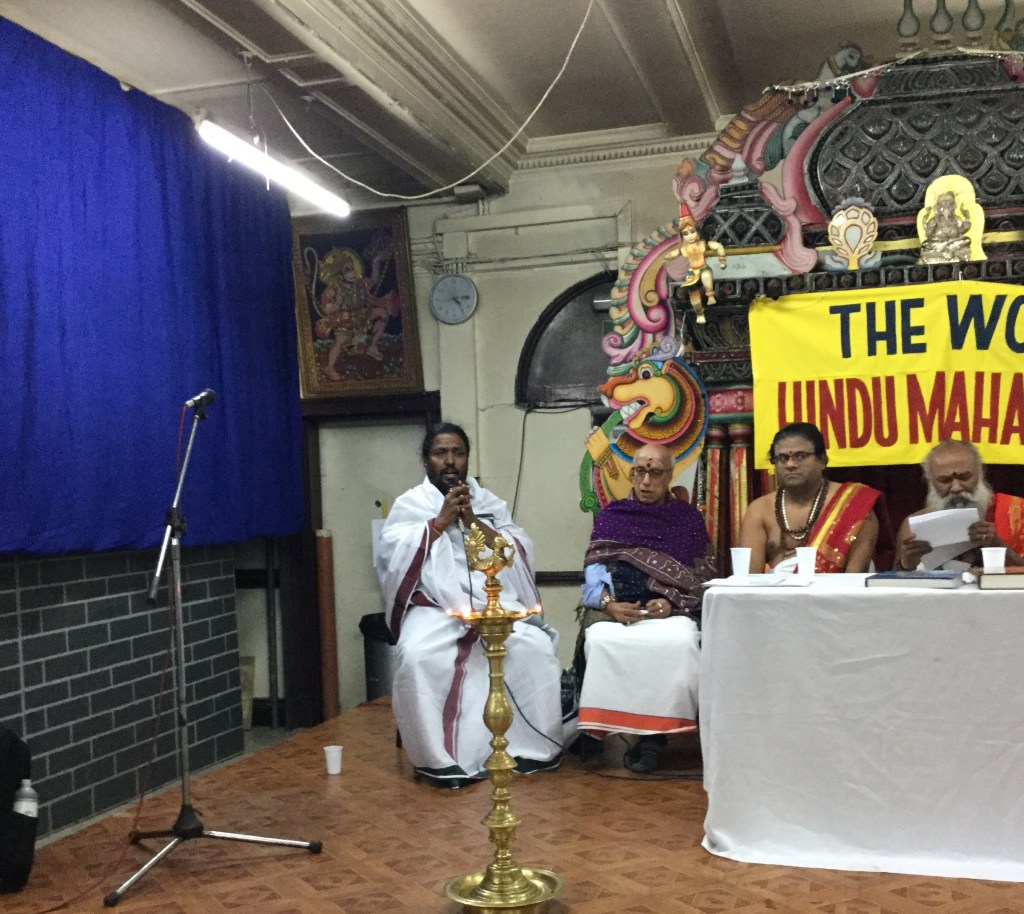
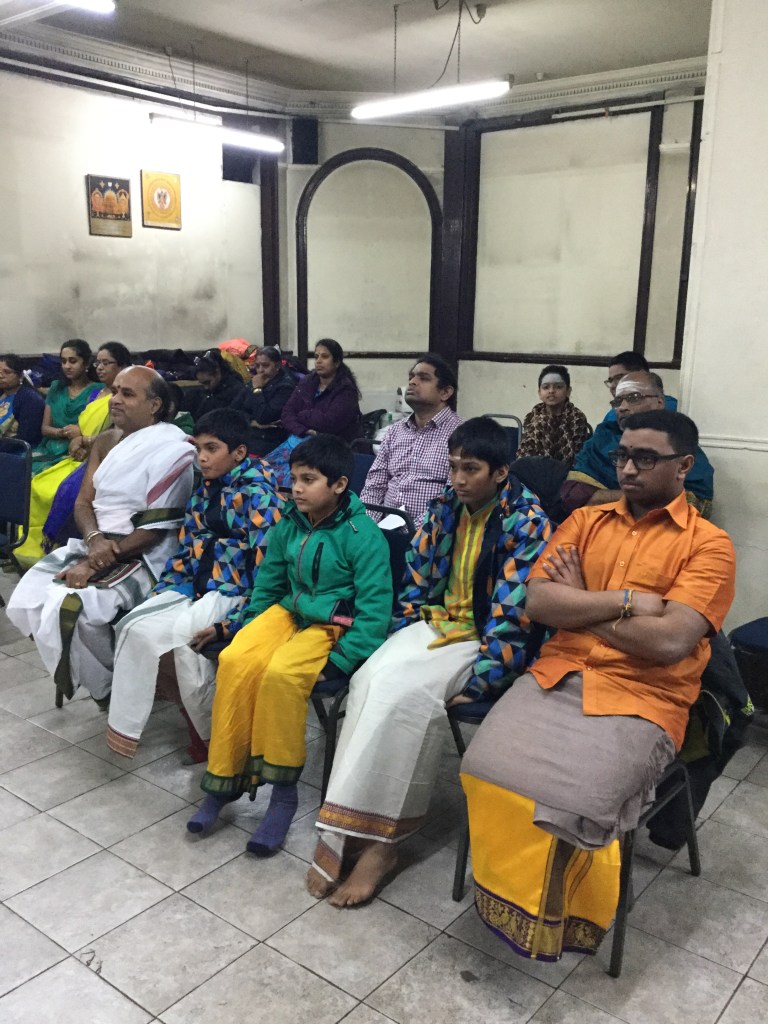
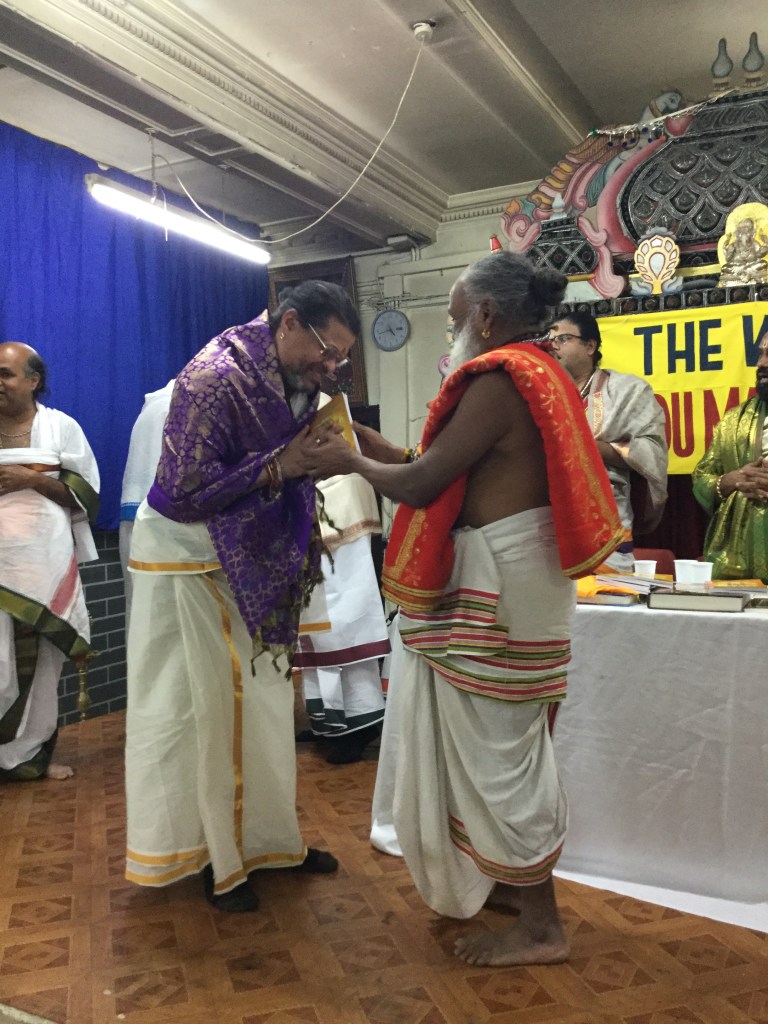
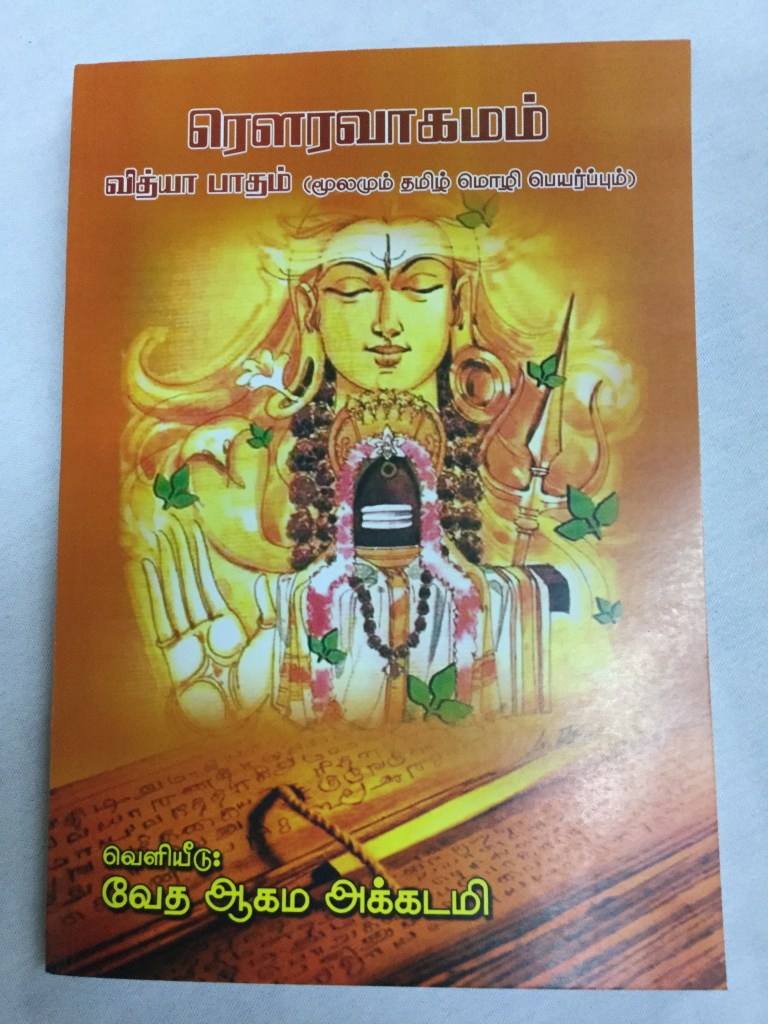
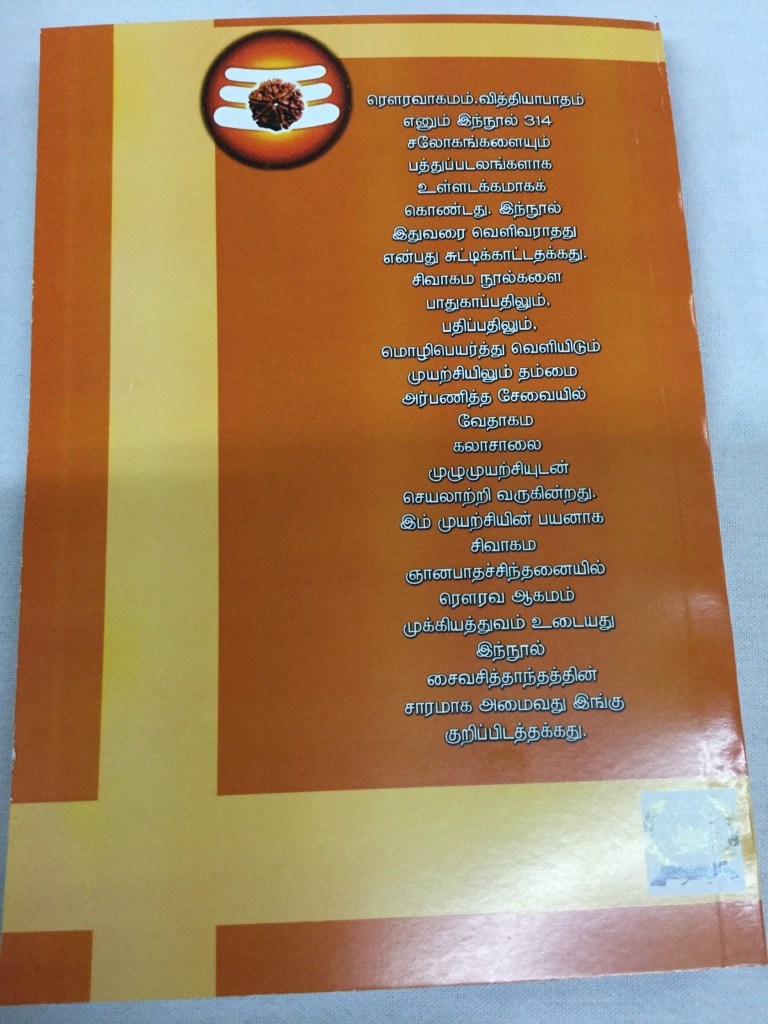
A Saiva Agama seminar and Raurava Agama book launch was organised on 23rd December 2019  in London jointly by the Veda Agama Academy, Sri Kalpaga, Saiva Agama Sadas and World Hindu Mahasangam. Sri Kalyanasundara Sivacharya made all the arrangements for the event and welcomed the gathering. He said that in his recent meeting with His Holiness Sri Shankaracharya of Kanchi Kamakoti Peedam, he advised him to teach children living abroad the basic hymns. Veda Agama Academy is doing it.

Sri Naganatha Sivacharya, Chief Priest of London Sri Murugan (Skanda / Kartikeya) temple where the event was held, presided over the seminar and the book launch event. In his address he told that every year they used to go to a multifaith ceremony at the British Army Headquarters . And as a reciprocal gesture, the Chief of the British Armed Forces visited the Murugan temple. When that English gentleman was inquiring about the god in the temple Sri Naganatha Sivam told him that He is Hindu God Murugan alias Skanda who is the Chief Commander of the Armed Forces of Gods (Deva Senapati). Immediately he reacted by saying, ‘Oh then He is our man’. He showed keen interest in Hindu gods.

Elaborating on the same theme Sri Naganatha Sivam told the audience that we should present our old Puranic stories in such a way to create more interest in modern day youths. He gave one more instance to illustrate his point. Youngsters used to visit the temple and ask him with genuine curiosity who the gods in the shrine are. Immediately the priest asked them to count the number of gods in the main shrine. They would immediately reply that they see three gods there. Then Mr Sivam explain that they are the Iccha Sakti, Gyan Sakti and Kriya Sakti symbolising, ‘Thinking, Planning and Doing’ good things. This type of explanation creates more interest in them and pave way for more questions.

He also told that the Veda, Agama, Sastra and Tamil Devotional Hymns Tirumurai are complimentary to each other. The Late Chief of Dharmapuram Mutt used to explain that each branch mentioned the previous branch justifying the said order. He praised the relentless work of Sri Kalyanasundara Sivacharya in bringing out the Agamas and Saiva literature. He appealed to the people to buy such books and support the Veda Agama Academy.

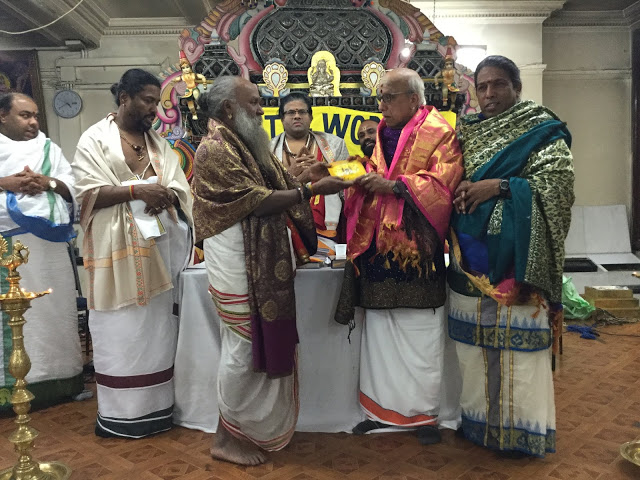
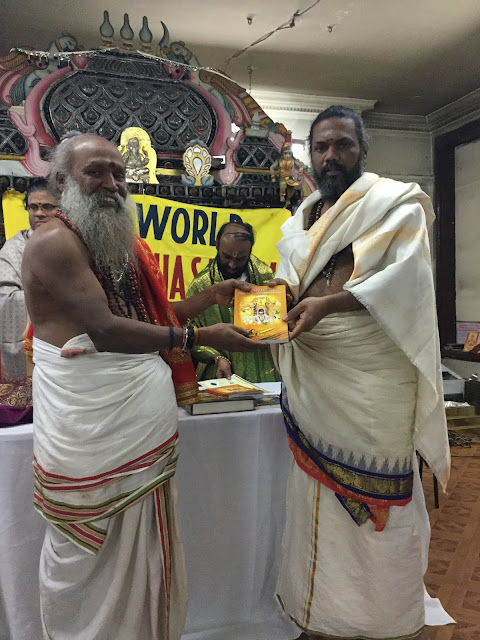
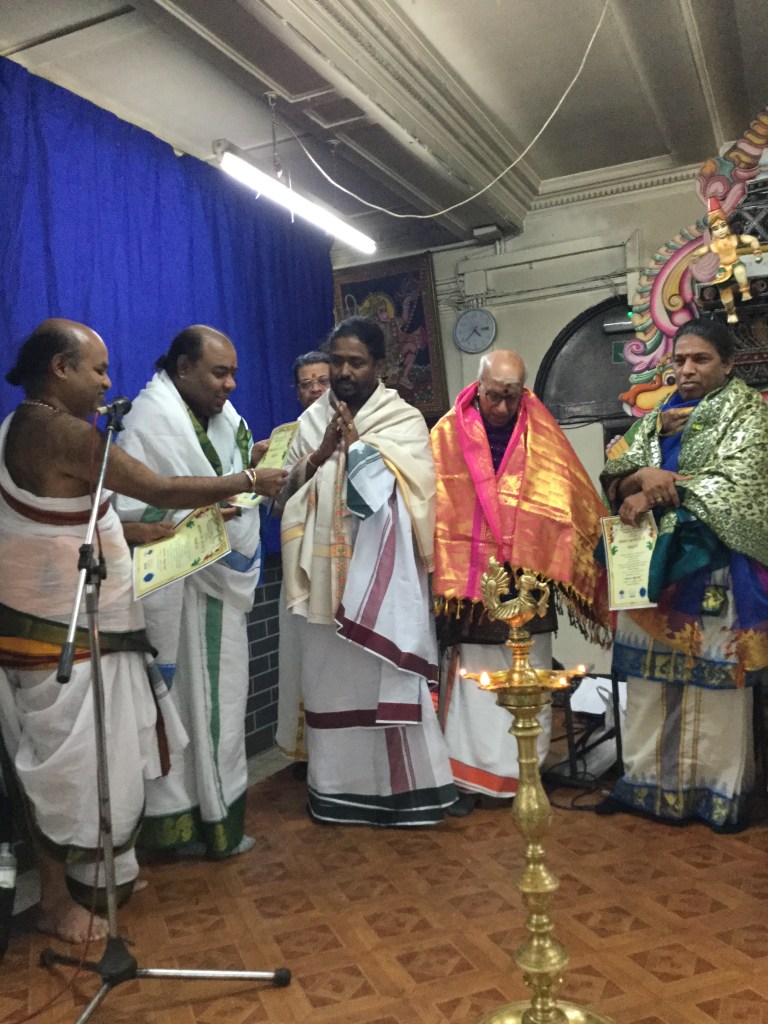
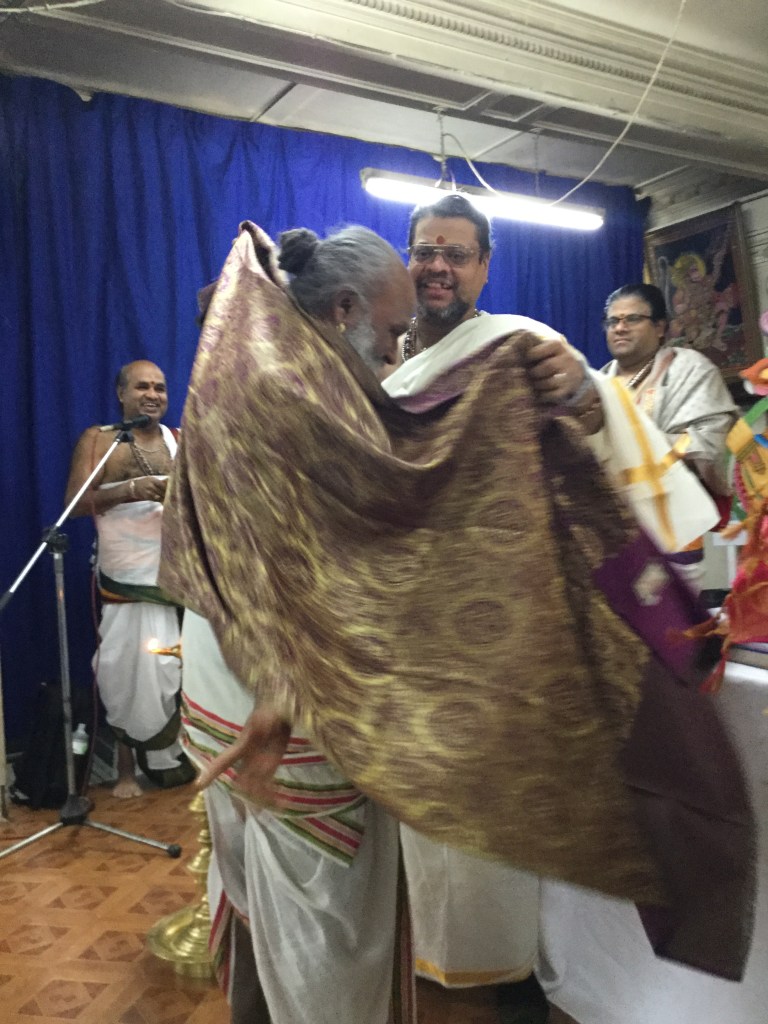
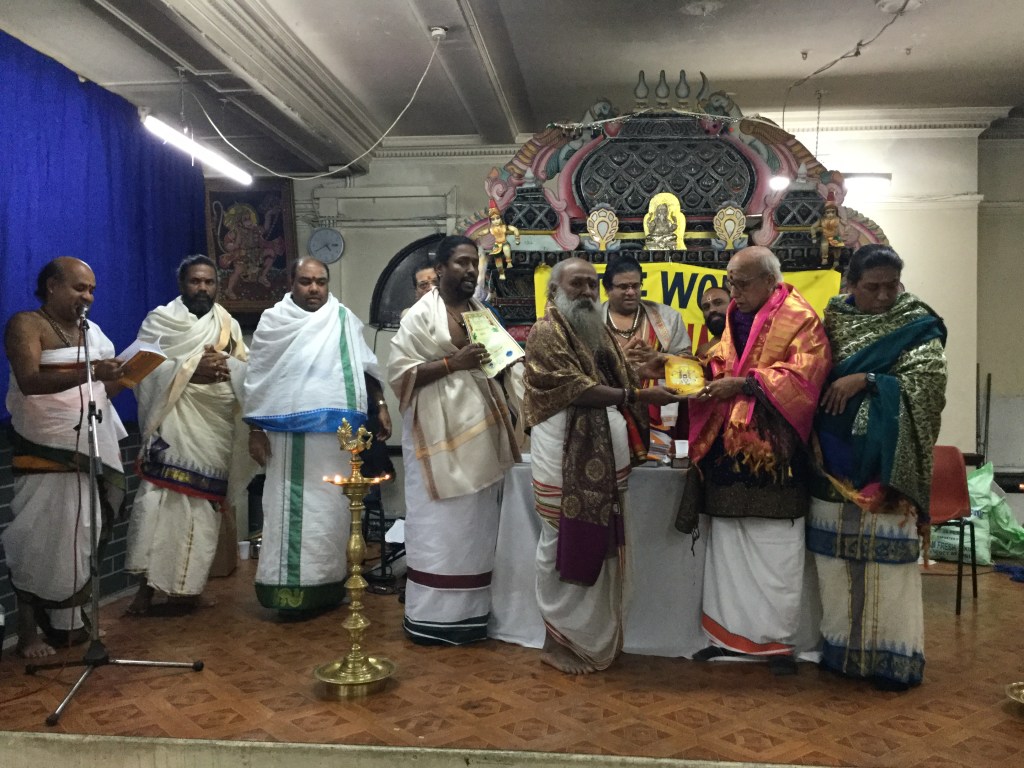
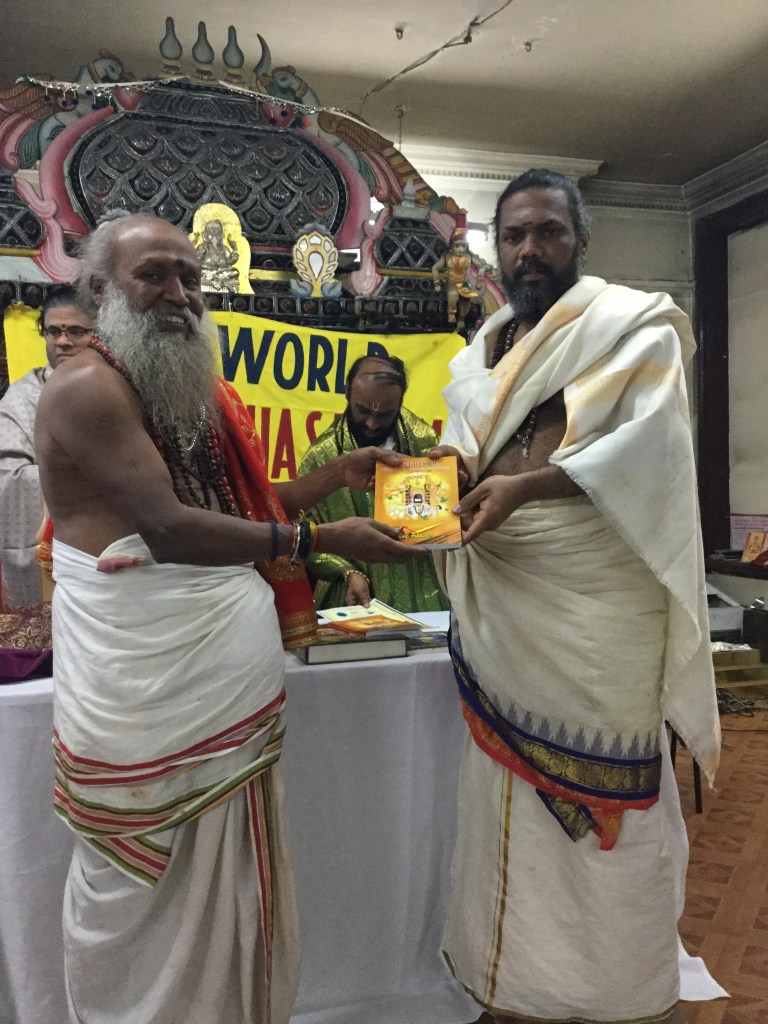
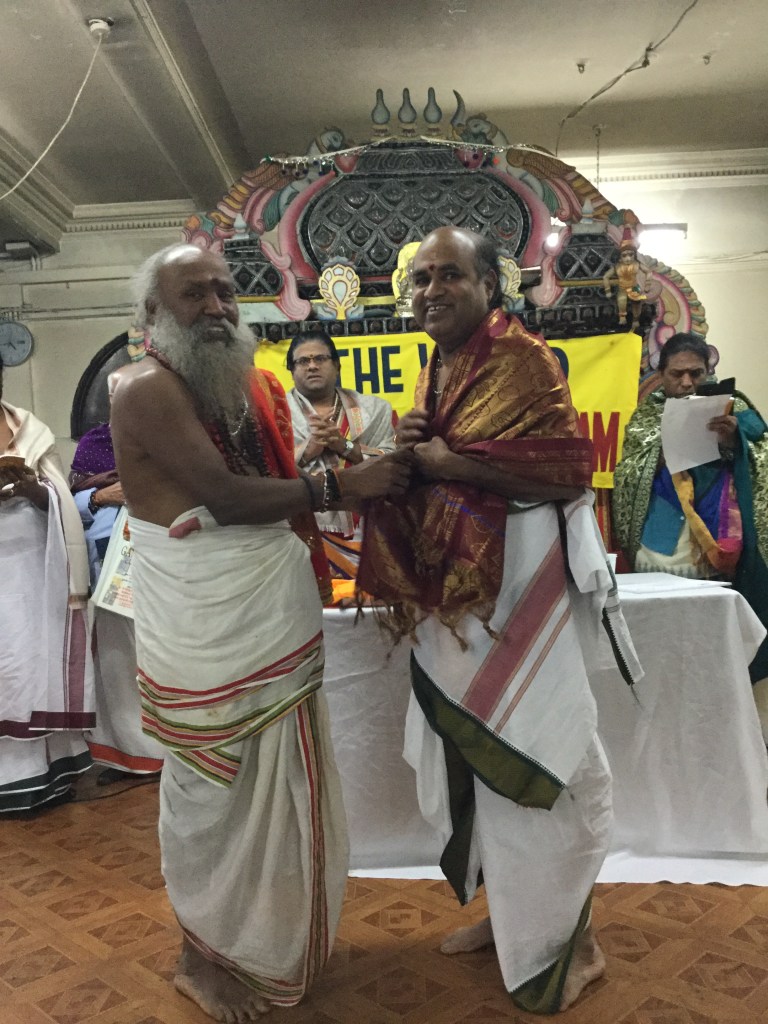
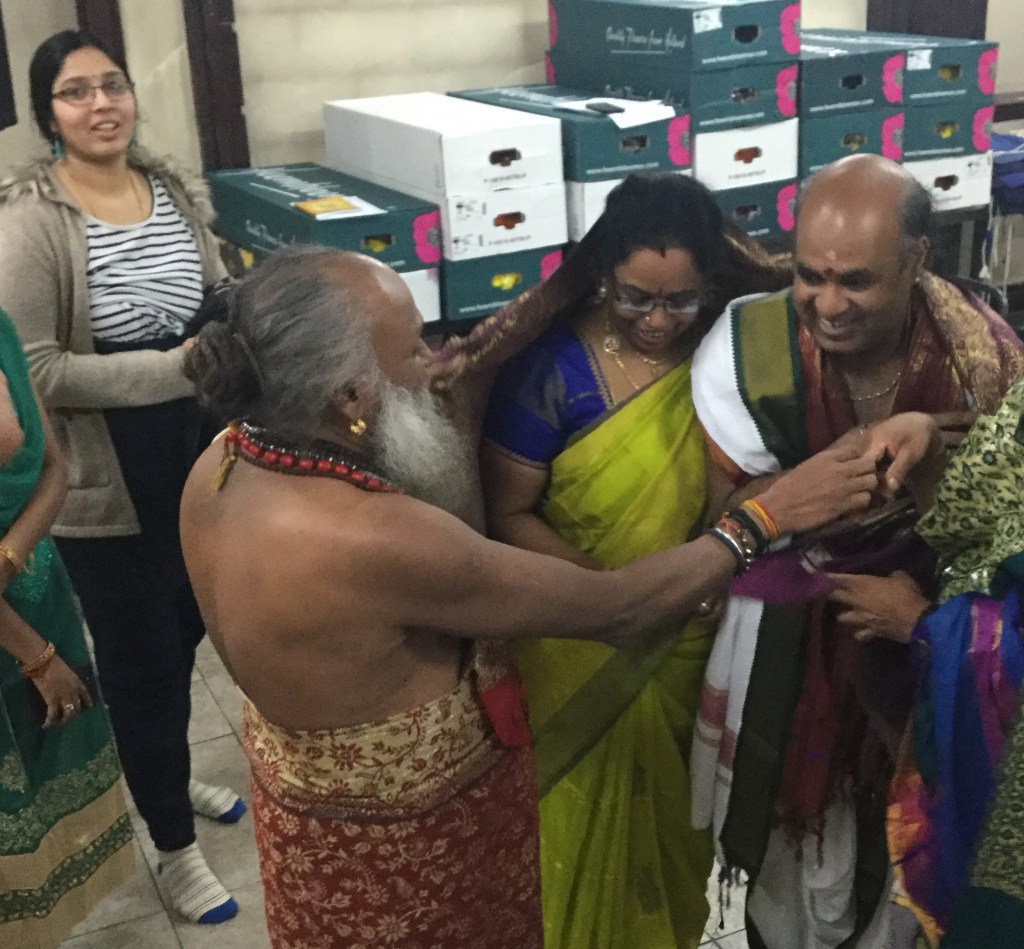
Sri Vasanthan Sivacharya spoke on the topic Shadadhva (SixWays/ Adhvas). Sri Chandrasekara Sivacharya spoke elaborately on Siva Diksha. Sri Kamalanatha Sivacharya spoke on the Saiva Paddathis very briefly. All the Sivacharyas were adorned with shawls and presented with Special Titles. Sri Naganatha Sivam distributed the new edition of Raurava Agama.

Chandra sekhara Sivacharya of Kanchipuram based in Birmingham narrated some interesting aspects of Siva Diksha. He told that they are practical lessons for a Sivacharya. Even when God and Goddess are taken to bed room (Palli Arai) in the temple every night, the beds are changed according to seasonal weather. Everything that is taught to Sivcharyas while taking Diksha (Initiation Ceremony) is a practical lesson for a Siva devotee.

Sri Ram Satrigal of Chennai who is visiting UK, took part in the seminar as a special guest. He pointed out the Mantra connection between the Vedas and Agamas. He appealed to the youngsters to attend his Veda class in the same temple every afternoon. Now the students are learning about Udhaka Shanti and all are welcome to join it after Christmas Holidays.

The seminar was attended by a number of youths which was appreciated by all the speakers. The meeting was concluded with a vote of thanks by Sri Kalyanasundaram.

Sri Lambodara Kurukkal, Sri Gopi Kurukkal, Sri Ganesh Sivam and others helped the organiser in making the function a grand success.

Xxxxsubham xxxx

முருகனைப் புகழ்ந்த பிரிட்டிஷ் ராணுவ தளபதி ! (Post No.7380)

Written by lodon swaminathan

Post No.7380

Date uploaded in London – 25-12-2019

Swami_48@yahoo.com

Pictures  are taken by London swaminathan

லண்டனில் டிசம்பர் 23ம் தேதி (2312-2019) சைவ ஆகம ஆய்வரங்கமும் ,ரௌரவ ஆகம புஸ்தக வெளியீடும் நடந்தது. லண்டன் ஸ்ரீ முருகன் கோவிலில் நடந்த

இந்த நிகழ்ச்சிக்கு கோவிலின் தலைமை குருக்களும் ஐரோப்பா முழுதும் புகழ்பெற்றவருமான திரு நாகநாத சிவம் தலைமை தாங்கினார். வேத ஆகம அகாடமி நிறுவனரும், உலக இந்து மகா சங்க ட்ரஸ்டியுமான திரு.கல்யாண சுந்தர குருக்கள் அனைவரையும் வரவேற்று நிகழ்ச்சியின் முக்கியத்வத்தை விளக்கினார். அண்மையில் சென்னையில் காஞ்சி சங்கராச் சார்ய சுவாமிகளைச்  சந்தித்தபோது வெளிநாடு வாழ் குழந்தைகளுக்கு வேதம் , புராண, இதிஹாசம் ஆகியவற்றோடு நல்ல கடவுள் துதிகளைக் சொல்லித் தரும்படி சொன்னதாகவும் அதை அகாடமி செய்து வருவதாகவும் சொன்னார்.

இந்த நிகழ்ச்சியை ஸ்ரீ கல்பகா, வேதாகம அகாடமி, சைவ வேதாகம ட்ரஸ்ட், உலக இந்து மகா சங்கம் இணைந்து நடத்தின.

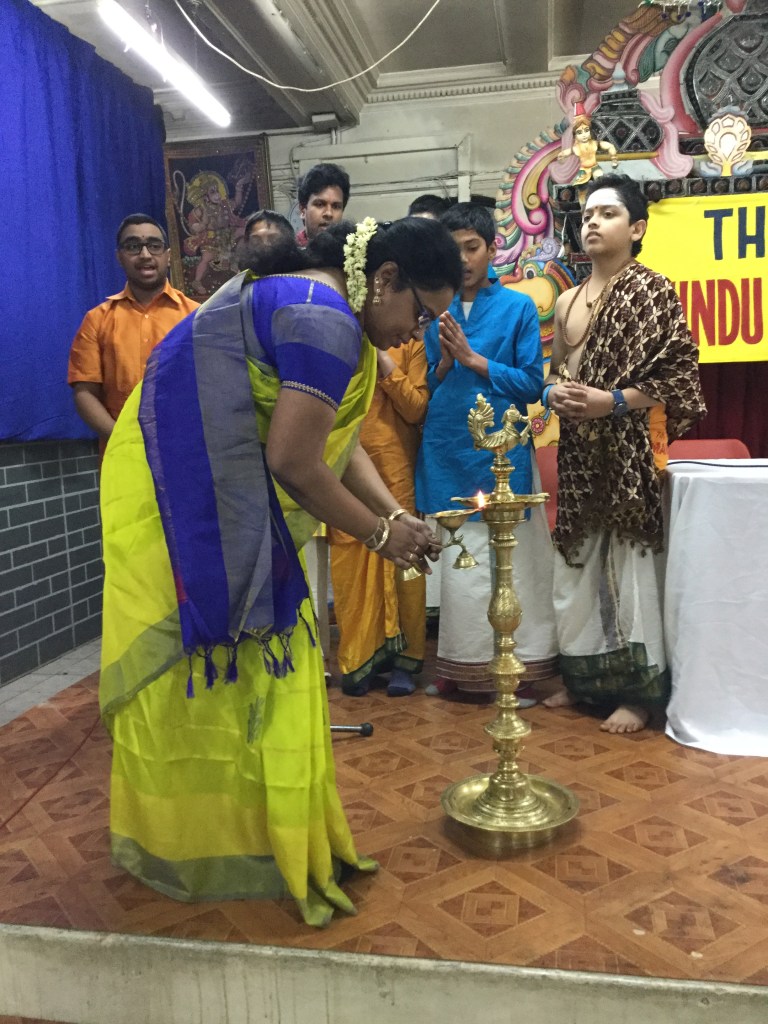
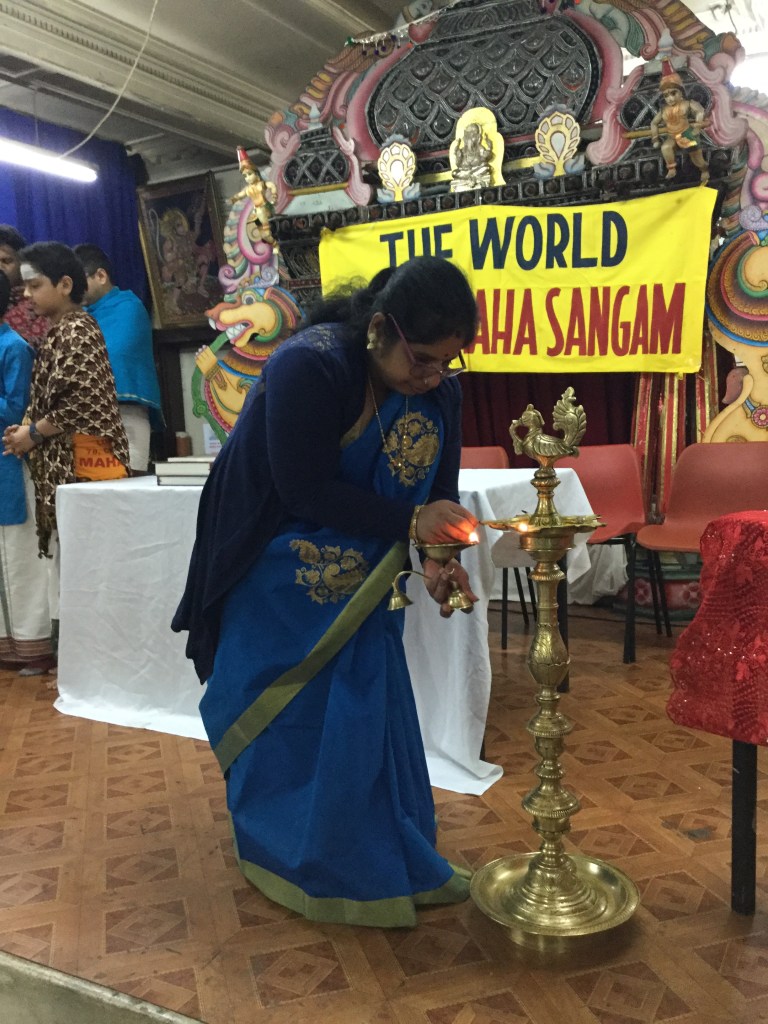
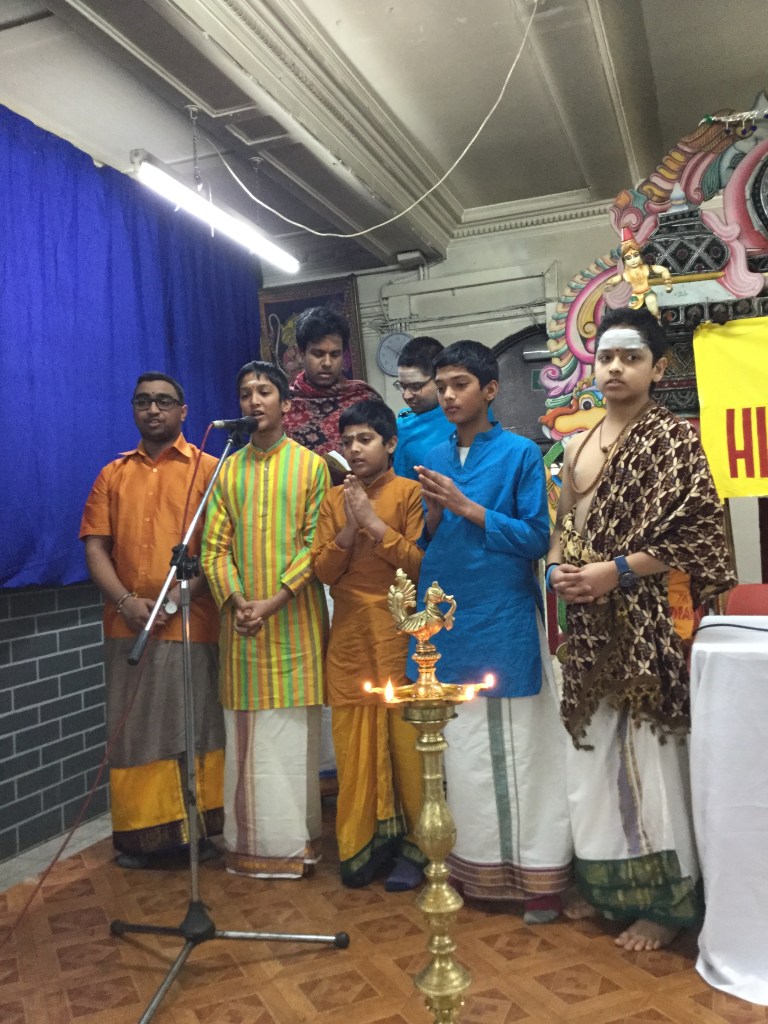
திருமதிகள் கீதா கல்யாண சுந்தரம், ஸ்ரீதேவி சந்திரசேகரன் ஆகியோர் குத்து விளக்கு ஏற்றி நிகழ்ச்சியைத் துவக்கிவைத்தனர். அகாடமியில் வேதம் பயிலும் மாணவர்கள் இறைவணக்கம் பாடினர்

தலைமை உரையில் திரு நாகநாத சிவம் பல சுவையான சம்பவங்களை எடுத்துரைத்தார்.

“நாங்கள் ஆண்டுதோறும்  பிரிட்டிஷ் ராணுவத்தின் அழைப்பின்பேரில் ராணுவ தலைமை அலுவலகத்துக்குச்

சென்று பிரார்த்தனை செய்வோம். நாங்களும் அவர்களைக் கோவிலுக்கு அழைப்போம். பிரிட்டிஷ் ராணுவத்தின் தலைமை தளபதி (ஆங்கிலேயர்) கோவிலுக்கு வருகை தந்தார். பிரதான சந்நிதியில் உள்ள முருகனைப் பற்றி வினவியபோது அவர்தான் இந்து சேனாதிபதி, ராணுவத்தின் கமாண்டர் இந் ஸீFப்  Commander in Chief என்று சொன்னேன்.

உடனே அவர் மகிழ்ந்து, உளம் குளிர்ந்து He is our man ‘ஹீ இஸ் அவர் மேன்’ – அவர் நம்ம ஆளு — என்று செப்பினார். இதை எதற்காகச் சொல்கிறேன் என்றால் நாம்  புராணக் கதைகளைச்  சொல்லுவதற்கு முன்னர், இக்கால மக்களுக்கு புரியுமாறு நாம் சொல்ல வேண்டும். கோவிலுக்கு இளைஞர்கள் வருவார்கள். இந்த சாமிகள்  (deities) யாரு?  என்று வினவுவர். நன் உடனேயே எத்தனை சாமிகள் இருக்கு? என்று கேட்பேன். அவர்கள் மூன்று என்பர். அவர்கள் தான்  இச்சா சக்தி, ஞான சக்தி, கிரியா சக்தி Thinking, Planning, and Doing (திங்கிங், பிளானிங், அண்ட் டூயிங்) என்பதன் அடையாளம் என்பேன். உடனே அவர்களுக்கு ஆர்வம் பிறக்கும் . காலத்துக்கு ஏற்றபடி நாம் இளைஞர்ளுக்குக் கற்பித்தல் அவசியம். மேலும் அவர் பேசுகையில் வேத, ஆகம ,திருமுறைகளை பிரித்து பார்க்க முடியாது. அண்மையில் சிவபதம் சேர்ந்த காலஞ்சென்ற தருமை ஆதீனகர்த்தர் அழகாக வரிசைப் படுத்துவார் .வேத, ஆகம, சாஸ்திர, திருமுறை என்பதில் முதலில் உள்ளதை அடுத்தது குறிப்பிடும். இதிலிருந்தே அதன் வரிசை  ஏற்றுக்கொள்வது புரிபடும் என்றார் . நகைச்  சுவை ததும்பப் பேசுகையில் கிறிஸ்தவர்கள் இன்று நாம் பயன்படுத்தும் வேத , ஆகம சொற்களை பயன்படுத்தி த்வஜ ஸ்தம்பம், உற்சவம் வரை வந்துவிட்டனர். ஆகையால் நம்மவர்களுக்கு சரியான பொருளைக் கற்பிப்பது இன்றியமையாத தேவை என்றார் . திரு கல்யாண சுந்தரம் ஆற்றிவரும் இடையறாத சேவையைக் குறிப்பிட்டு அவர் வெளியிடும் நூல்களை வாங்கி ஆதரவு தரவேண்டும் என்றார் . அண்மையில் வெளியான ருத்ராக்ஷ மஹிமை என்னும் நூல் அரிய பெரிய விஷயங்களை எடுத்து இயம்புவதையும் சுட்டிக்காட்டினார்.

திரு. வசந்தன் குருக்கள் எதையும் நகைச்சுவை ததும்ப எடுத்துரைப்பதில் வல்லவர். அவர் தனக்கே உரிய பாணியில் ஆறு அத்வாக்களின் (ஷடாத்வா)  சிறப்புகளை விளக்கினார். அத்வா என்பது வழி , வழிமுறை எனப்பொருள் படும். இவை கும்பாபிஷேகம் மட்டுமின்றி அன்றாடச் சடங்குகளிலும் இடம்பெறுகின்றன. யாக யக்ஞங்களிலும் ‘அத்வர்யு’ என்பவர் வழிநடத்துவத்தைக் காண்கிறோம். சைவ சித்த்தாந்தம் என்ற பதமே அதுதான் “முடிவு, துணிபு” என்பதை ‘சித்தாந்தம்’ என்ற சொல் மூலம் காட்டும். ஆதற்கு மேல் எதுவும் இல்லை என்றார் . மந்திரம், பதம், வர்ணம் என்பதை சொல்லி, சொல்லுக்கு மேல் எதுவுமிலை , இறைவனையே நாம் ‘சொற்றுணை வேதியன்’ – சொல்லுக்குத் துணையானவர் என்போம் என்றார் . பஞ்ச பிரம்மம், ஷடங்க மந்திரம் ஆகிய 11-ன் சிறப்பை விளக்கிவிட்டு நியாசம் முதலியாவற்றையும் விளக்கினார். திருமந்திரத்தில் ஒரே பாட்டில் திருமூலர் தத்துவம் 36 முதலியனவற்றை அற்புதமாகப் பாடியிருப்பதை விளக்கினார். தத்துவம் இன்றி இறைவன் இல்லை. தத்துவம் இல்லாத இடத்துக்கு கடவுள் வருவதில்லை என்று சொல்லி முடித்தார்.

பர்மிங்ஹாம் நகரிலிருந்து வந்த காஞ்சிபுரம் திரு சந்திர சேகர குருக்கள் ‘சிவ தீக்ஷை’ பற்றி மிக விரிவாகப் பேசினார். சிவ தீக்ஷை பெறுவது எல்லா வர்ணத்தாருக்கும் பொதுவானது. இது மிகவும் விரிவானது. இதைப் பெற்ற பின்னர்தான் சிவாசார்யர்களுக்கு தகுதி வருகிறது. மற்ற பண்டிதர்களைப்  போலப் பயப்படாமல் எல்லோரையும் கைதூக்கி விடும் தன்மை  வருகிறது. சிவ தீக்ஷை பெற்றோருக்கு அச்சம் என்பதே இல்லை.

சிவ நாம உச்சாடனம் அவர்களுக்கு சக்தி அளிக்கிறது. வாழ்க்கைக்கு வேண்டிய எல்லா விஷயங்களையும் கற்று தருவது  இது. கடவுளுக்கு உஷத் காலம் முதல் பள்ளியறை  தீபாராதனை வரை நாம் செய்யும் சடங்குகள் நமக்கு பல விஷயங்களைக் கற்பிக்க ஏற்படுத்தப்பட்டவை. எடுத்துக் காட்டாக பள்ளியறையில் எந்தக் காலத்தில் இறைவன் இறைவிக்கு எந்த விதமான கட்டில்  அமைக்க வேண்டும் என்பதைக் கூட ஆகமங்கள் கற்பிக்கின்றன. உஷத் காலமான மார்கழியில் துவங்கி விளக்கு ஏற்றும்  கார்த்திகையில் எல்லாம் முடிவது சிறப்பானது. பல் தேய்ப்பது எப்படி எனபது முதல், மீண்டும் பிறவாமை வேண்டும் என்ற நிலை வரை அறிய உதவுவது தீக்ஷை முறை. சாயுஜ்ஜிய நிலையை அடைய உதவுவது. இதில் குருவுக்கு மிகவும் முக்கியத்துவம் தருகிறார்கள். குருவுக்குப் பணி விடை செய்து திருப்தி செய்யவேண்டும் லிங்கம், அக்கினி, கலசம் முதலிய 4 ரூபங்களில் இறைவன் வெளிப்படுகிறார். பெண்களுக்கும் முக்கியத்துவம் கொடுத்து அவர்களுக்காகவும் ஒரு பூணுல் அணியும் வழக்கம் இருக்கிறது. அவர்களுடைய  மேம்பாட்டுக்கும் கணவன் இதன்முலம் உதவுகிறான். தீட்சைகள் நயன, ஸ்பர்ச, வாசக பாவனா, சாஸ்திர, யோக என்று பல வகைப்படும் என்று விரிவாக உரையாற்றினார் .

சென்னையிலிருந்து வந்த வேத பண்டிதர் திரு ராம் சாஸ்திரிகள் உரையாற்றுகையில் வேத ஆகம மந்திர தொடர்புகளை எடுத்துக் காட்டினார். மார்ச் மாதம் வரை  லண்டனில் இருப்பதால் முருகன் கோவிலில் வேத வகுப்புகளை நடத்தி சூக்தங்கள் முதலியவற்றைக் கற்பித்து இப்போது உதக சாந்தி பற்றி வகுப்பு நடத்துவதாகவும் அனைவரும் இதை பயன்படுத்தி பயனுற வேண்டும் என்றும் வேண்டினார். சந்துரு குருக்கள் சொன்ன சிவதீட் சைக்கு அபர காரியங்களிலும் எவ்வளவு முக்கியத்துவம் தரப்படுகிறது என்பதை எடுத்துக் காட்டினார்.

வெளிநாட்டில் செய்யும் சிரார்த்தங்களுக்குப் பலன் உண்டா என்று ஒருவர தன்னிடம் கேட்டதாகவும் கட்டாயம் உண்டு. காலதேச வர்த்தமானத்தை அனுசரித்தே பலவகை சிரார்த்தங்கள் ஏற்படுத்தப்பட்டன. எங்கு அழைத்தாலும் அங்கு வந்து ஆசி வழங்குவோம் என்று பித்ருக்கள் சொல்கின்றனர். அவர்களை நினைத்து ஓ என்னு கதறும் இடத்துக்குக் கூட அவர்கள் வந்து ஆசி வழங்குவர் என்றும் ராம்  சாஸ்திரிகள் குறிப்பிட்டார்.

உடல் நலம் சரியில்லாதபோதும் கருமமே கண்ணாயினார் என்ற பொன்மொழிக்கேற்ப வந்திருந்த திரு கமலநாத குருக்கள் ஒரு சிற்றுரை ஆற்றினார். சிவகாம பத்ததிகள் என்ற தலைப்பில் பேசிய அவர் ஆபஸ்தம்ப சூத்திரம், சதபத பிராஹ்மணம் முதலியவற்றை எடுத்துக்காட்டி பெண்கள் சொல்வதையும் கருத்திற்கொள்க  என்பதை சூத்ரகாரர்கள் வலியுறுத்துவதை மேற்கோள் காட்டினார். 18 பத்ததிகள் தந்த சிவாகம மரபுகள் பற்றி பின்னொரு கருத்தரங்கில் விளக்குவதாவும் சொன்னார்.

பேச்சாளர்கள் அனைவரும், சிறுவர்களும் இளைஞர்களும் இந்த கருத்தரங்கு விஷயங்களை உன்னிப்பாகக் கேட்பது மகிழ்ச்சிக்குரியது என்று உரைத்தனர் .

திரு. கல்யாண சுந்தர குருக்கள் நன்றி உரையில் 28 ஆகமங்களின்  சிறப்பு 18 பத்ததிகளின் முக்கியத்துவம் பற்றிச் சொல்லி, இது போன்ற கருத்தரங்குகளுக்கு ஆதரவு பெருகிவருகிறது என்றார். சிறுவர்கள் அதிக ஈடுபாட்டுடன் துதிகளைக் கற்பதை பாராட்டினார். வந்திருந்த சிவாச்சாரியார்கள் அனைவருக்கும் சிறப்பு விருதுகள் வழங்கி பொன்னாடை போர்த்துவித்தார். லம்போதர குருக்கள், கோபி குருக்கள் முதலானோர் அவருக்கு உறுதுணையாக நின்று நிகழ்ச்சியை சிறப்பாக நடத்தினர். ரௌரவ ஆகம நூல் வெளியீட்டுடன் விழா நிறைவு பெற்றது. திரு. நாகநாத சிவம் எல்லோருக்கும் புதிய நூலை அளித்தார்.

Tags –   சைவ ஆகம கருத்தரங்கு, ரௌரவ ஆகமம், நூல் வெளியீட்டு விழா  

–subham–

கற்பணிக் கோவிலும் எண்கோணமான குளமும் அமைத்த கட்டி முதலி! (Post No.7379)

கற்பணிக் கோவிலும் எண்கோணமான குளமும் அமைத்த கட்டி முதலி! (Post No.7379)

written by S  Nagarajan

Post No.7379

Date uploaded in London- 25-12-2019

contact – swami_48@yahoo.com
pictures are used from various sources; thanks.

ச.நாகராஜன்

தமிழ்நாட்டுக் கோவில்களில் உள்ள சிற்ப வேலைப்பாடுகள் உலகோர் வியக்கும் வண்ணம் அமைக்கப்பட்டவை. சில சிற்பங்களைப் பார்க்கும் போது சிற்பிகளே வியந்து போற்றும் கோவில்கள் பல உள்ளன.

சிற்ப வேலைகளைச் செய்ய முன் வரும் சிற்பிகள் இந்தக் கோவில்களைத் தவிர வேறு எந்தக் கோவில் சிற்பமானாலும் செய்வோம் என்று சொல்லும்படியான கோவில்களில் தாரமங்கலம் – தாடிக்கொம்பு கோவில்களில் உள்ள சிற்பங்கள் அற்புதமானவை.

தாரமங்கலம் கோவிலின் முன் மண்டபத்தில் ஒரு தூணில் ராமரும் இன்னொரு தூணில் வாலியும் செதுக்கப்பட்டிருக்கின்றனர்.

வாலியின் சிலை அருகில் சென்று கண்ணைப் பொருத்திப் பார்த்தால் ராமர் தெரிவதில்லை.

ராமரின் சிலையின் அருகில் சென்று கண்ணைப் பொருத்திப் பார்த்தால் வாலி தெரிகிறான்.

மறைந்திருந்து ராமர் வாலியை வதம் செய்தது அனைவரும் அறிந்த ஒன்றே! அதை சிற்பக் கலையில் நிஜமாகவே வடித்துக் காட்டி இருப்பதை அதிசயத்துடன் இன்றும் பார்க்க முடிகிறது.

இதே போலத் திருச்செங்கோட்டிலும் (திருநண்ணா), பவானியிலும் பல கற்பணிகள் நடந்துள்ளன. அங்கு பல கட்டளைகள் ஏற்படுத்தப்பட்டுள்ளன. திருவாபரணங்கள் அளிக்கப்பட்டுள்ளன.அர்ச்சர்கர்களுக்குத் திருமடம் அளிக்கப்பட்டுள்ளது. வேதாகம பாடசாலை வைத்துக் கல்வி கற்பித்ததோடு அதில நன்கு படித்துத் தேறியவர்களுக்கு விசேஷ பரிசுகளும் அளிக்கப்பட்டிருக்கின்றன; திருவிழாவும் நடத்தப்பட்டிருக்கிறது.

ஆற்றூர், அந்தியூர் ஆகிய இடங்களில் கோட்டைகள், ஏரிகள் அமைக்கப்பட்டுள்ளன.

வணங்காமுடிக் கட்டி முதலி, சீயாலகட்டி முதலி, இம்முடிக்கட்டி முதலி என பல தலைமுறையினர் தாரமங்கலம் முதலிய பல இடங்களைக் கட்டி ஆண்டிருக்கிறார்கள்.

பாண்டியர், நாயக்கர்,மைசூர் அரசர்கள் காலத்தில் இவர்கள் வீரத்துடன் திகழ்ந்து போற்றப்பட்டிருக்கின்றனர்.

வேளாள வகுப்பினரின் திருப்பணி பற்றி திருச்செங்கோட்டுத் திருப்பணி மாலை, சேலம் மானுவல் (Salem Manual), கெஜட், கோயமுத்தூர் மானுவல் ஆகியவற்றில் அவர்களது சரித்திரத்தைப் பார்க்கலாம்.

அவர்கள் பற்றிய கற்சாசனங்களும் கூட வெவ்வேறு இடங்களில் உள்ளன.

இப்படிப்பட்ட அரிய வீரர்களுள் கட்டி முதலியும் ஒருவர்.

கொங்கு மண்டல சதகம் தனது 74ஆம் பாடலில் அவரைப் போற்றிப் புகழ்கிறது.

பாடல் இதோ:-

கற்றார் வியப்புறு கற்பணிக் கோயில் கமலநன் னீர்

வற்றா துயரட்டக் கோணக் குளமும் வகுத்ததன்றிச்

சுற்றார் சதுரங்கம் வில்கயல் வேங்கை தொடர் கொடிகள்

மற்றார்க் கிலையெனப் பெறுகட்டி யுங்கொங்கு மண்டலமே

                                                    -கொங்குமண்டல சதகம் பாடல் 74

பாடலின் பொருள் :- சிற்ப நூல் வல்லுநர்கள் வியப்புறும் வண்ணம் கற்பணிக் கோவிலும் எண்கோண வடிவில் குளமும் செய்ததோடு மட்டுமன்றி, சதுரங்கம், வில், மீன், புலி ஆகிய விருதுக் கொடிகளையும் மற்றவர்க்கு இல்லை என்னும்படியாக, சிறப்பாகக் கொண்ட கட்டி முதலியும் கொங்குமண்டலத்தைச் சேர்ந்தவரே என்பதாகும்.

***