Pictures are taken from various sources; beware of copyright rules; don’t use them without permission; this is a non- commercial, educational blog; posted in swamiindology.blogspot.com and tamilandvedas.com simultaneously. Average hits per day for both the blogs 12,000
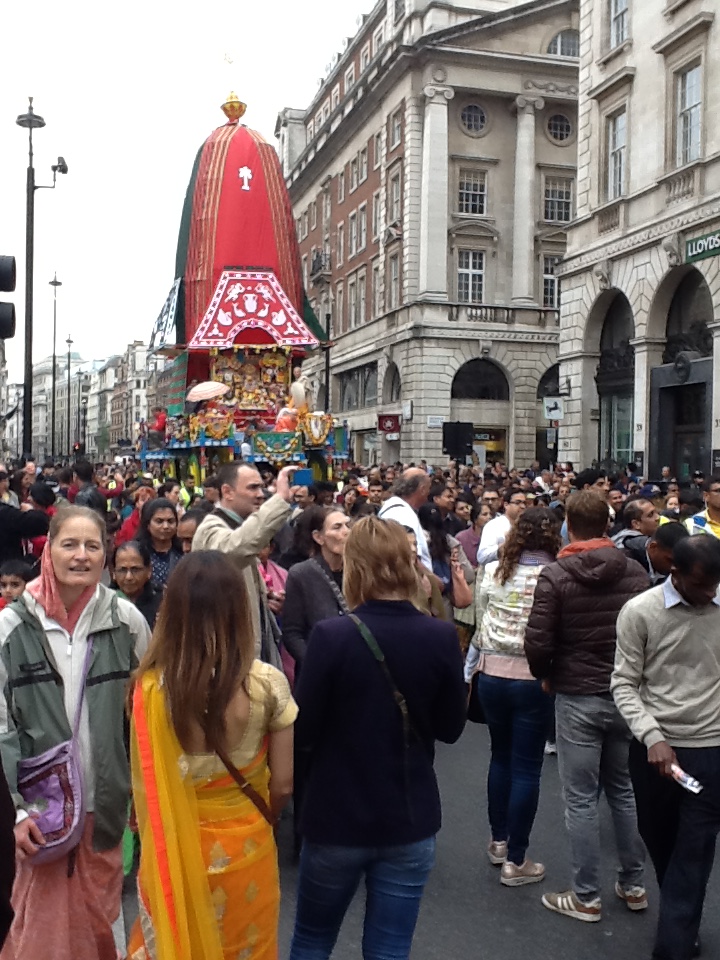
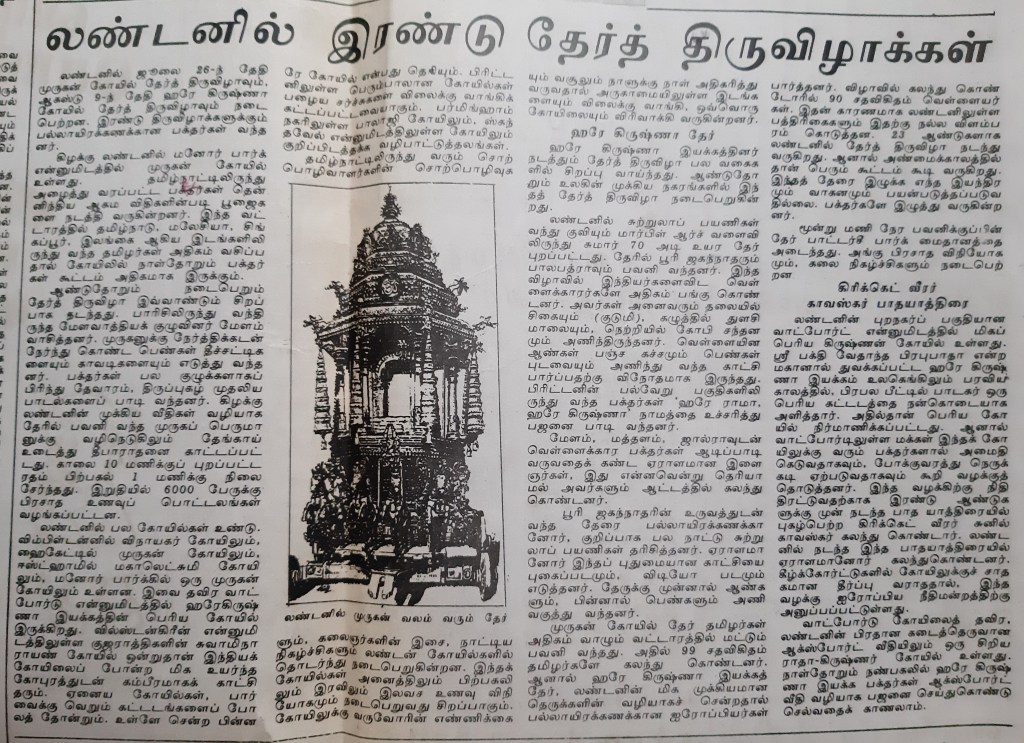
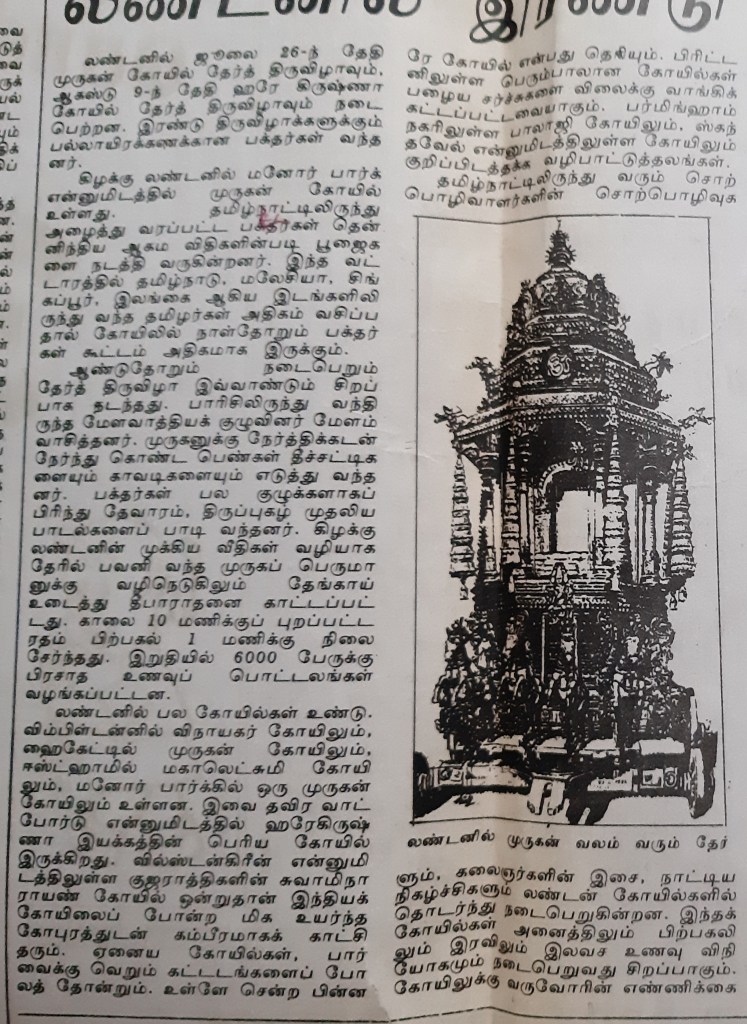
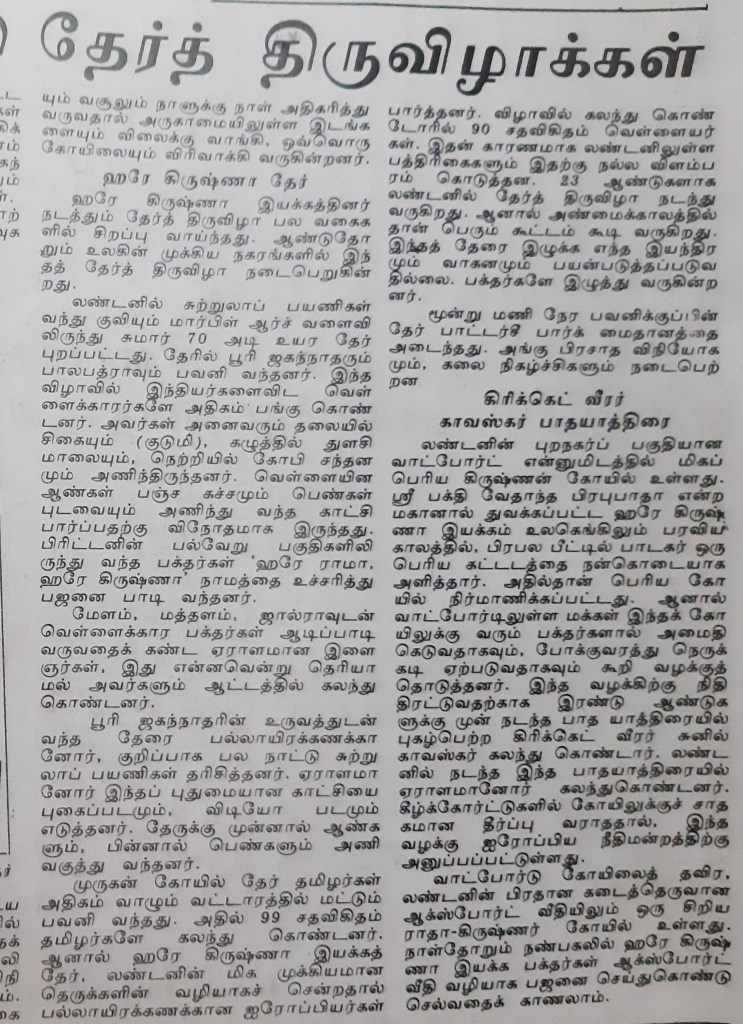
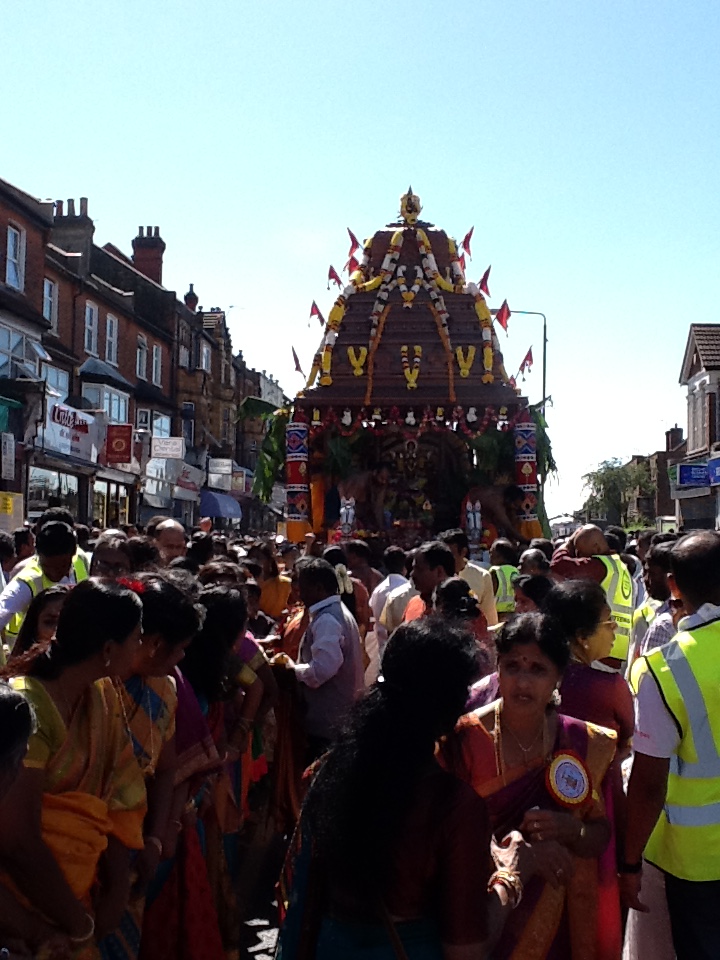
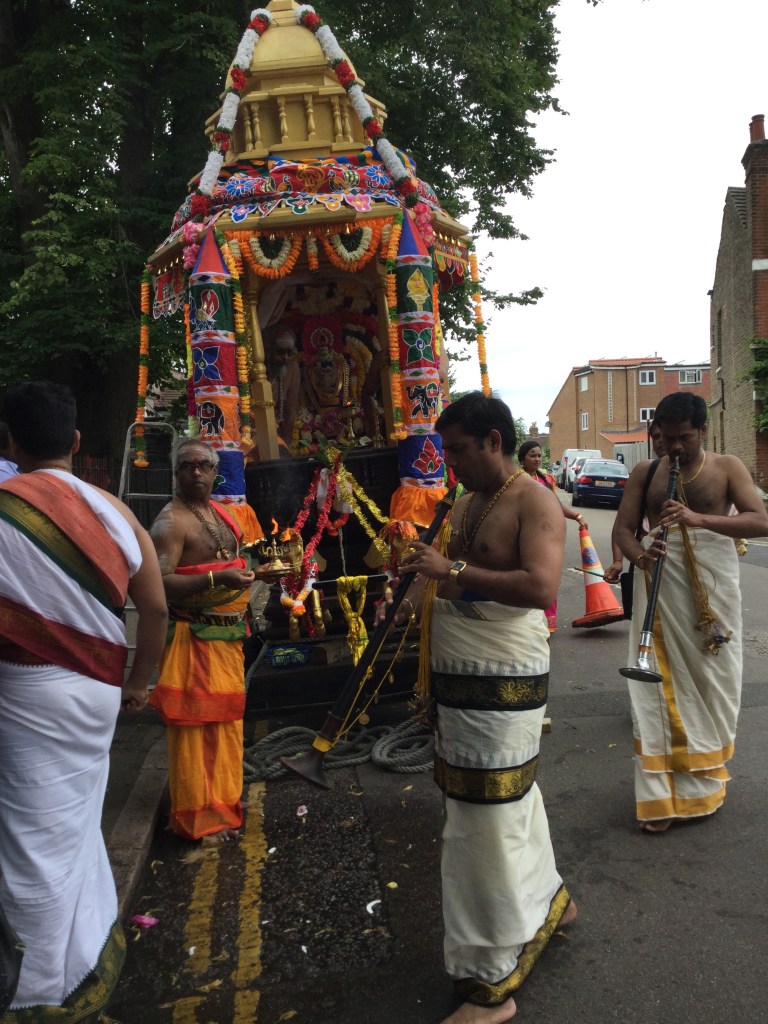
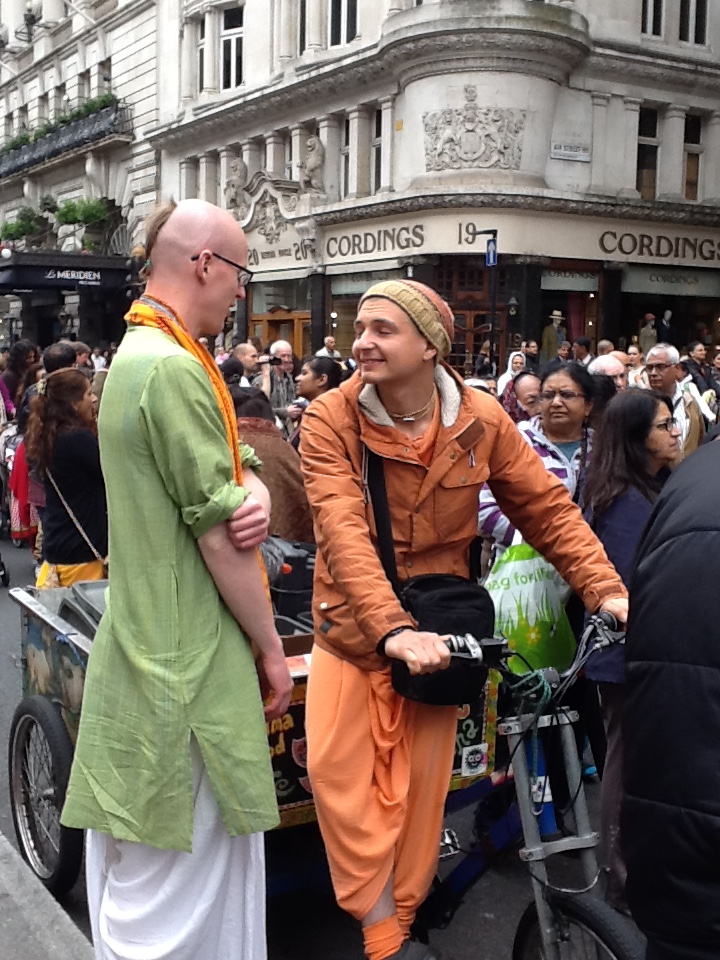
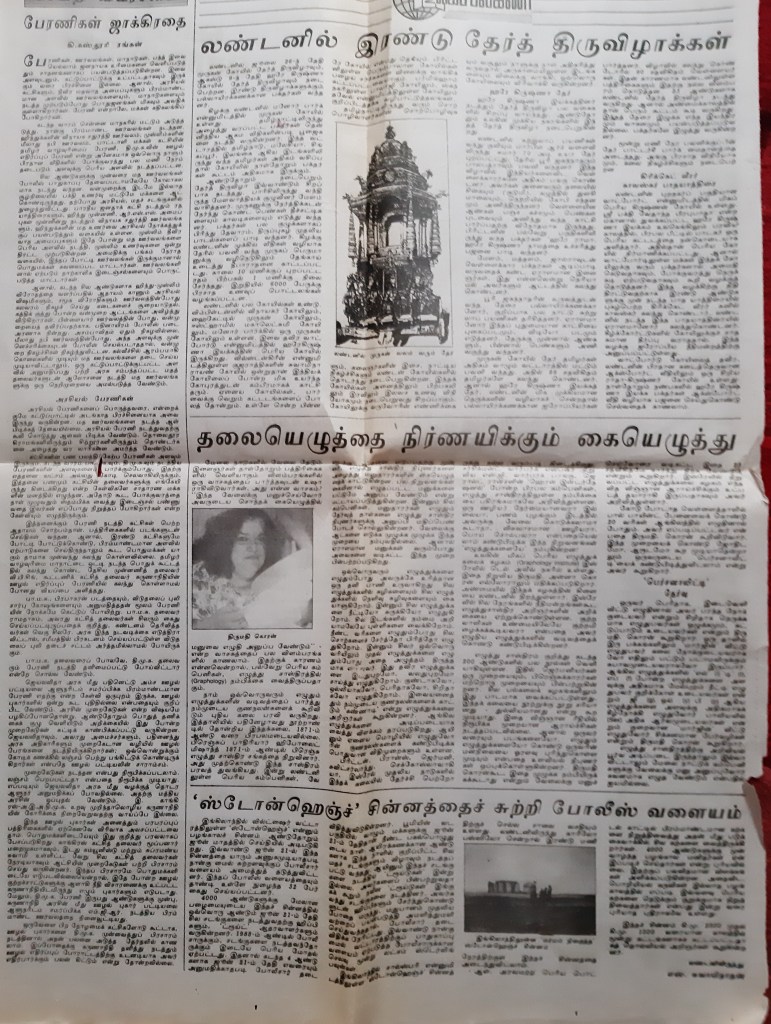
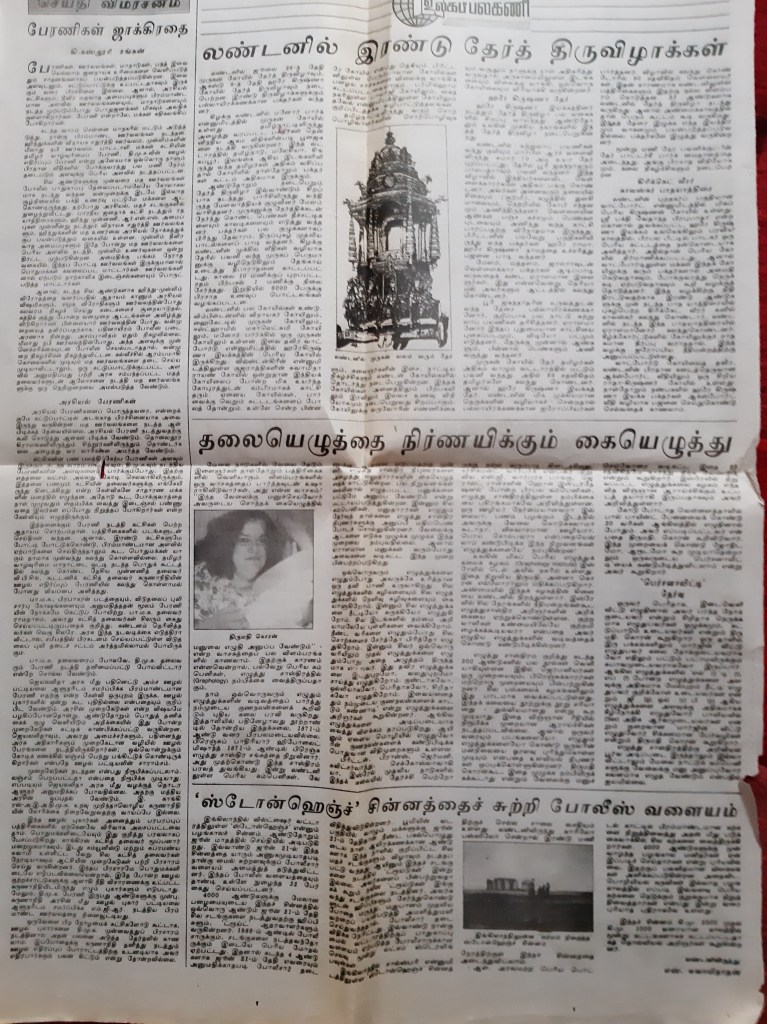
லண்டனில் இரண்டு தேர்த் திருவிழாக்கள் என்ற கட்டுரையை 20 செப்டம்பர் 1992ல் தினமணியில் எழுதினேன். அதன் பிறகு ஆண்டு தோறும் எழுதி வருகிறேன் . 2019ல் நடந்த ஹரே கிருஷ்ணா தேர் பற்றியும் கனக துர்க்கை அம்மன் கோவில், மகாலெட்சுமி கோவில் தேர்கள் பற்றியும் எழுதினேன். நாளுக்கு நாள் கூட்டம் அதிகரித்துக் கொண்டே வருகிறது. இத்துடன் 20-09-1992 தினமணி கட்டுரையை இணைத்துள்ளேன்.
1992ல் 3 அல்லது 4 தேர்த் திருவிழாக்கள் மட்டுமே நடந்தன . இப்போது 25க்கும் மேலான தமிழக கோவில்கள்
இருப்பதால் இருபதுக்கும் மேலான ரத்த யாத்திரைகள் ஆண்டுதோறும் நடைபெறுகின்றன.
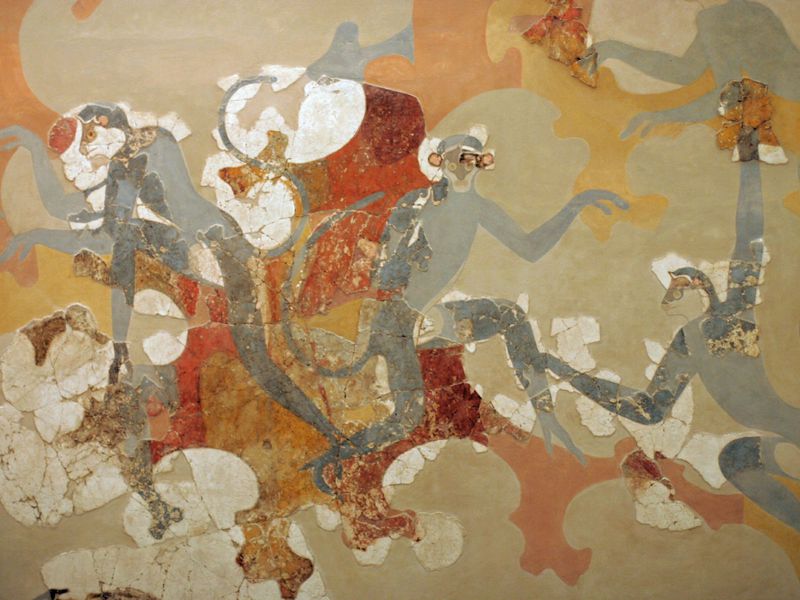
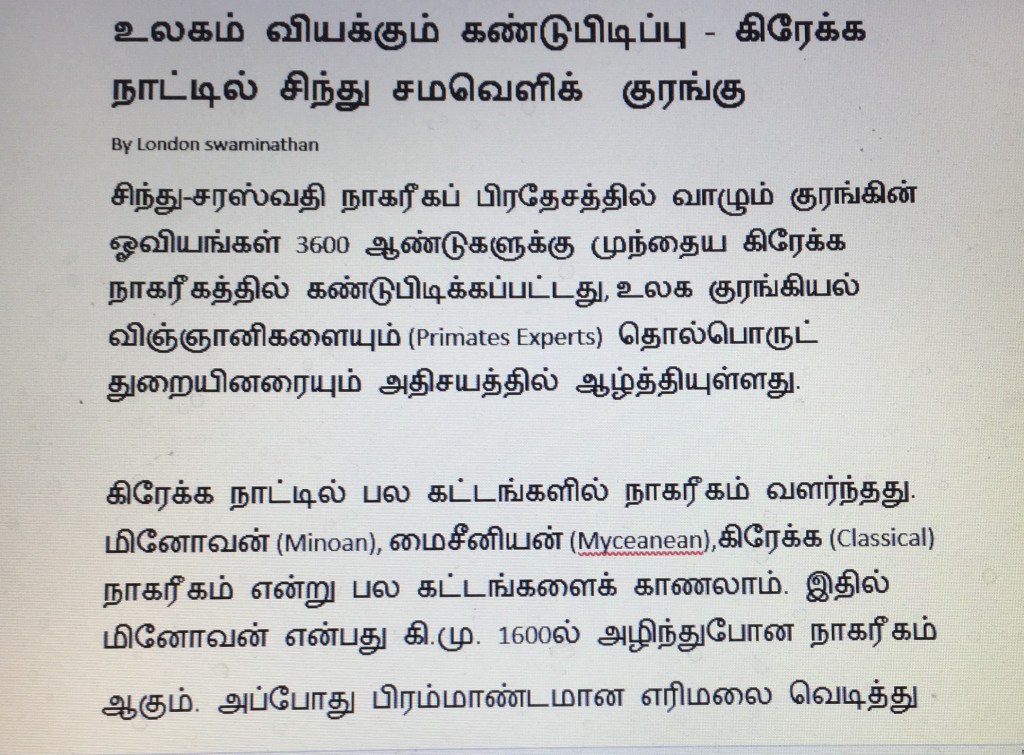
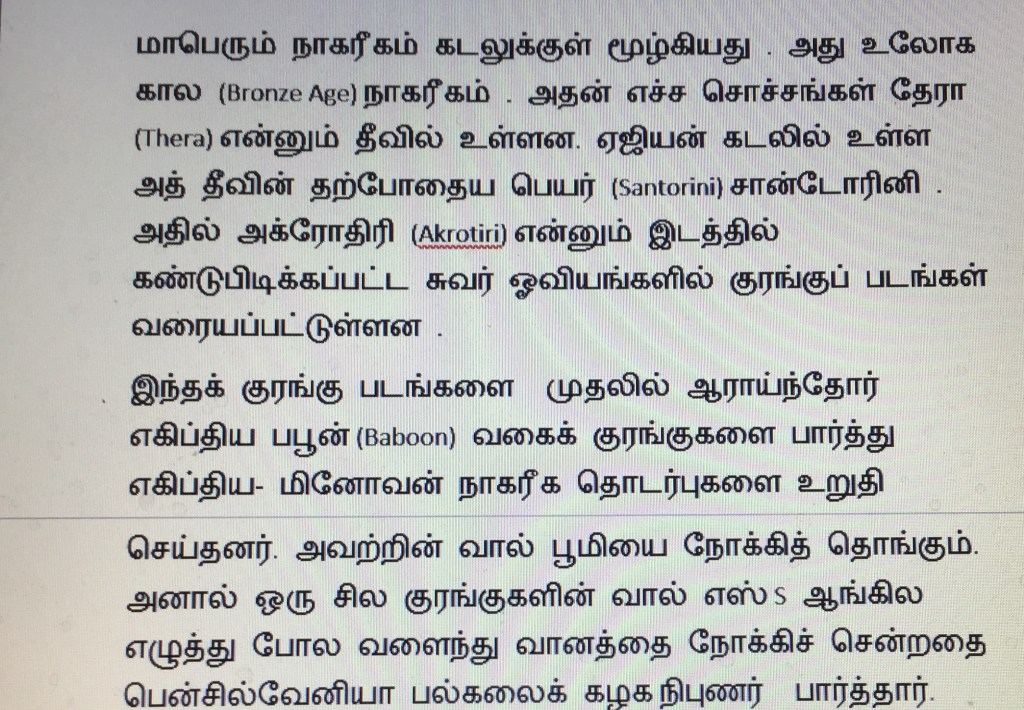
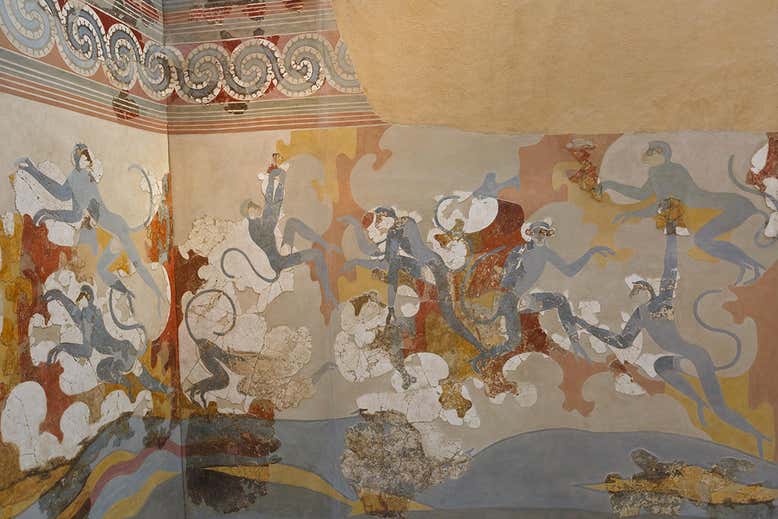
A Bronze Age painting on a Greek island shows a monkey from thousands of kilometres away in Asia. The finding suggests that ancient cultures separated by great distances were trading and exchanging ideas.
The artwork is one of several wall paintings in a building at Akrotiri on the Greek island of Thera (Santorini) in the Aegean Sea. Akrotiri was a settlement of the Minoan civilisation in Bronze Age Greece that was buried by ash from a volcanic eruption in around 1600 BC.
Many of the paintings show monkeys, yet there were no monkeys in Greece at the time. Most of the monkeys have been identified as Egyptian species like olive baboons. This makes sense because Egypt was in contact with the Minoan civilisation, which was spread across several Aegean islands. However, others were harder to identify.
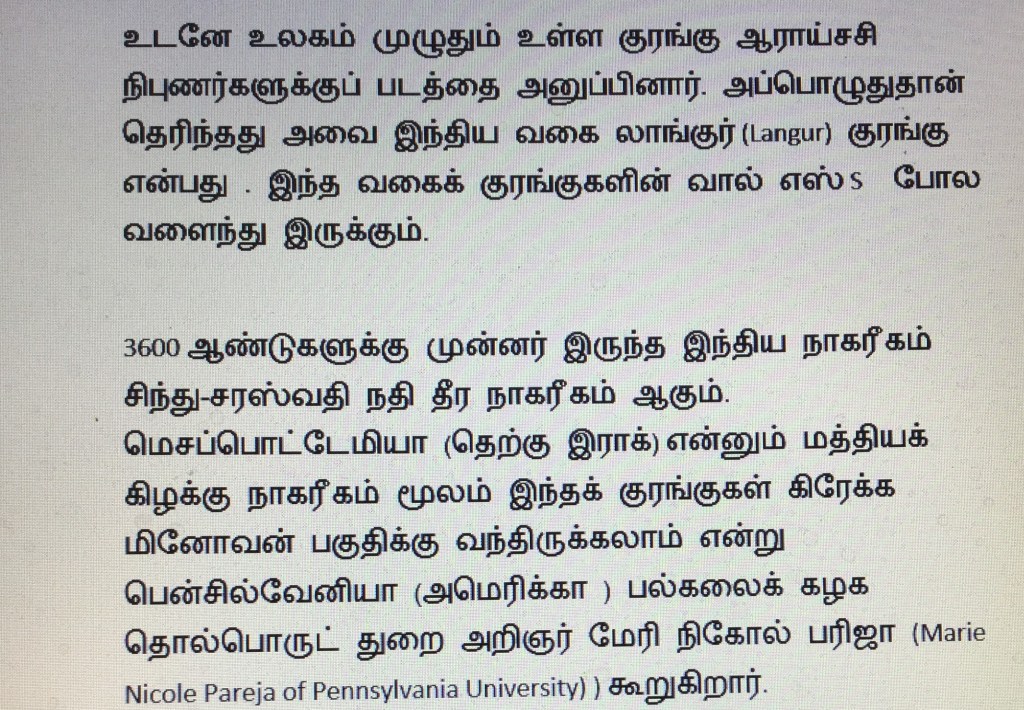
Marie Nicole Pareja at the University of Pennsylvania in Philadelphia teamed up with primatologists to re-examine the mystery monkey paintings. One stood out. “When they looked at this wall painting, they all straight away unambiguously said ‘that’s a langur’,” says Pareja.
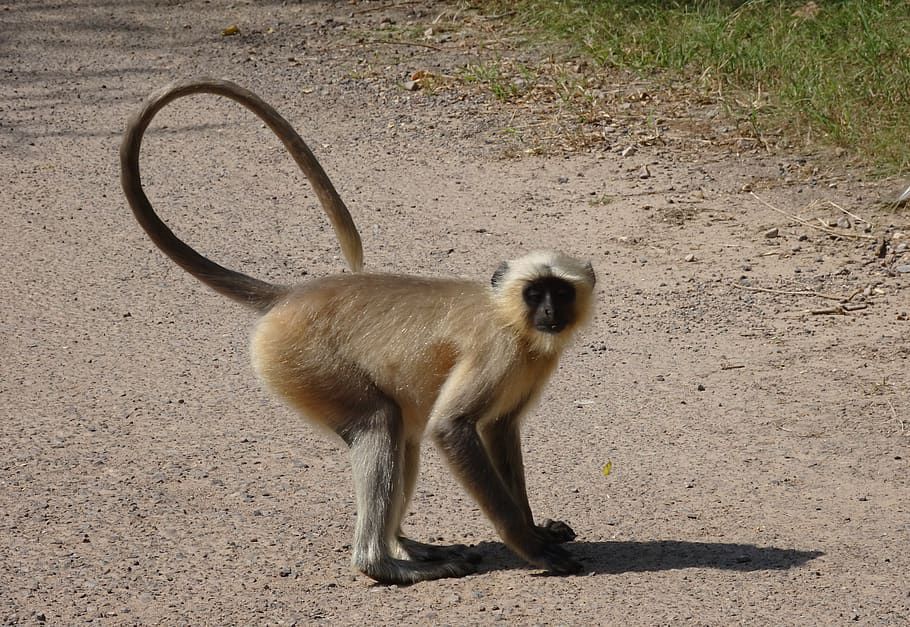
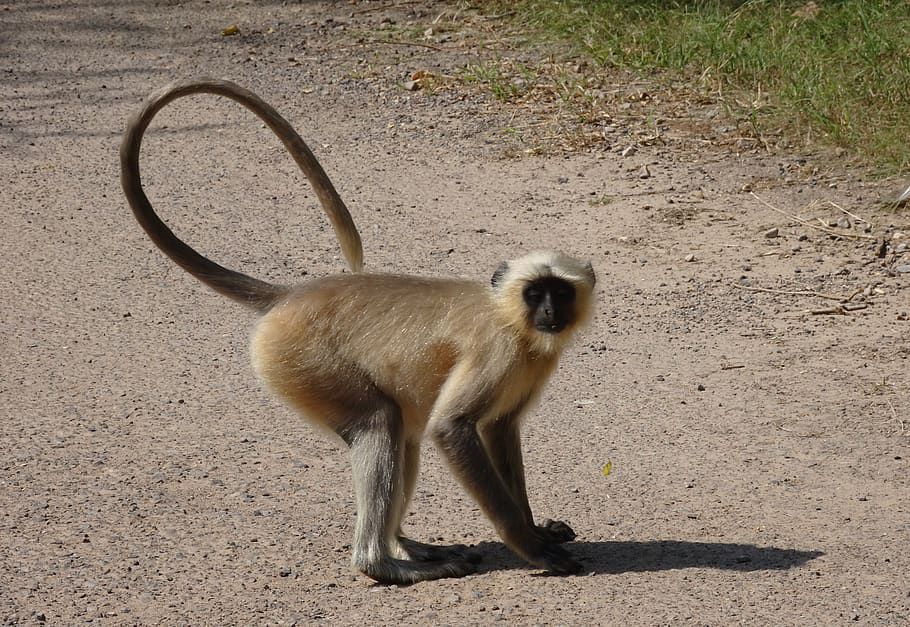
The team has identified the monkey as a grey langur (Semnopithecus). As well as its distinctive fur, the monkey was depicted holding its tail in a characteristic S shape.
Grey langurs live in southern Asia in what is now Nepal, Bhutan and India – and particularly in the Indus Valley. During the Bronze Age, the region was home to the Indus Valley Civilisation, one of the most important societies of that time. Although it was past its peak, the Indus Valley Civilisation was still advanced for its time, with large cities and elaborate water supply systems.
Somehow, the artist who painted the monkey picture must have seen a grey langur. But how?
Did Minoan Greeks visit the Indus? “I wouldn’t be surprised if someday in the future we found evidence for that kind of direct contact,” says Pareja, but right now there is none. It is also possible the visit was the other way round, but again there is no evidence.
Instead, it may be that Greece and Indus were connected via Mesopotamia, another Bronze Age civilisation centred on what is now Iraq. Langurs may have been imported to Mesopotamia for menageries, where visiting Greeks saw them.
“It’s evidence of this far-reaching trade, these relationships with these far-flung areas,” says Pareja. Even in the Bronze Age, it seems there was a lot of exchange between seemi
As far as archaeologists know, Asian monkeys weren’t trotting the globe during the Bronze Age. That’s why a millennia-old Greek painting of a gray langur—a primate native to the Indian subcontinent—was surprising enough to stop researchers dead in their tracks.
Archaeologists and primatologists re-analyzing wall paintings found in Akrotiri, a Minoan settlement on Thera (modern-day Santorini) buried by volcanic ash around 1600 B.C., have uncovered evidence that Bronze Age Greek artists knew of—and may have even seen—monkeys whose native habitat was thousands of miles away. Their findings, newly published in the journal Primates, hint that ancient cultures were more intertwined than previously thought. Eager to exchange ideas, artists or merchants may have journeyed far from home; eventually, the fruits of these wanderers’ travels were immortalized in paint.
Previous researchers have already noted that some of the Bronze Age artworks unearthed on the Greek islands of Crete and Thera depict monkeys of all shapes and sizes. Based on the animals’ features, as well as close trade relations between the Minoans and the Egyptians, some have been pinpointed as olive baboons, which are native to the forests and savannas of the African continent.
Other painted primates, however, were more mysterious. For instance, sprawled across one of the Akrotiri building’s walls is a fresco populated by blue, rock-climbing monkeys with buoyant, S-shaped tails. The primates remained unidentified until recently, when Marie Nicole Pareja, an archaeologist at the University of Pennsylvania, recruited a group of primatologists to re-examine the painting.
“It felt really silly to examine an image of these animals as an archaeologist and art historian without asking for the input of people who look at them every day,” she tells Tom Whipple at the Times.
After snapping photos of the fresco and several other Aegean artworks, Pareja sent them to colleagues around the world. Several confirmed the Egyptian nature of the majority of the monkeys but reported that the Akrotiri painting “unambiguously” contained gray langurs, says Pareja to New Scientist’s Michael Marshall.
According to Whipple, the langurs’ tails gave them away. Flexing skyward, they bore no resemblance to the appendages of African monkeys, which droop downward. Instead, they acted as calling cards for gray langurs, a species most likely hailing from the Indus Valley—then home to its own bustling civilization.
How exactly the artists came across their source material remains unclear. As Whipple reports, the exquisite detail seen in the fresco makes Pareja suspect it’s unlikely the works’ creators simply copied the monkeys secondhand. That means someone, whether human, monkey or both, undertook an arduous crossing of the many thousands of miles that separated the civilizations, or perhaps met somewhere in the middle.
“When you consider the distance of the Aegean to the Indus, compared to Egypt, it is incredible,” says Pareja.
Such cosmopolitan behavior probably wasn’t easy, but “our ancestors were interested in rare and exotic things, just as we are,” Peter Frankopan, a global history expert at Oxford University who wasn’t involved in the study, tells Whipple. “Long-distance trade, and connections between the Mediterranean, Asia and the Indian Ocean are well attested, even in this period, for high value, expensive objects.”
A live langur from a far-flung locale would certainly fit that bill. There’s even evidence from other archaeological finds supporting the idea that foreign monkeys might have made it to Greece: a fossilized skull on Thera, for instance, and an ivory figurine on Crete.
Wherever the primates ended up, they were significant enough for the locals to painstakingly craft into art. Known to archaeologists since the 1960s, the Akrotiri wall paintings feature scenes of daily Greek life in the Bronze Age, illuminating the manners and customs of the time, according to the Thera Foundation. If gray langurs made the cut, it’s unlikely the primates were a one-off thought for the ancient Minoans.
The monkey’s presence also signifies another cultural value that remains a keystone of the human experience: intellectual exchange.
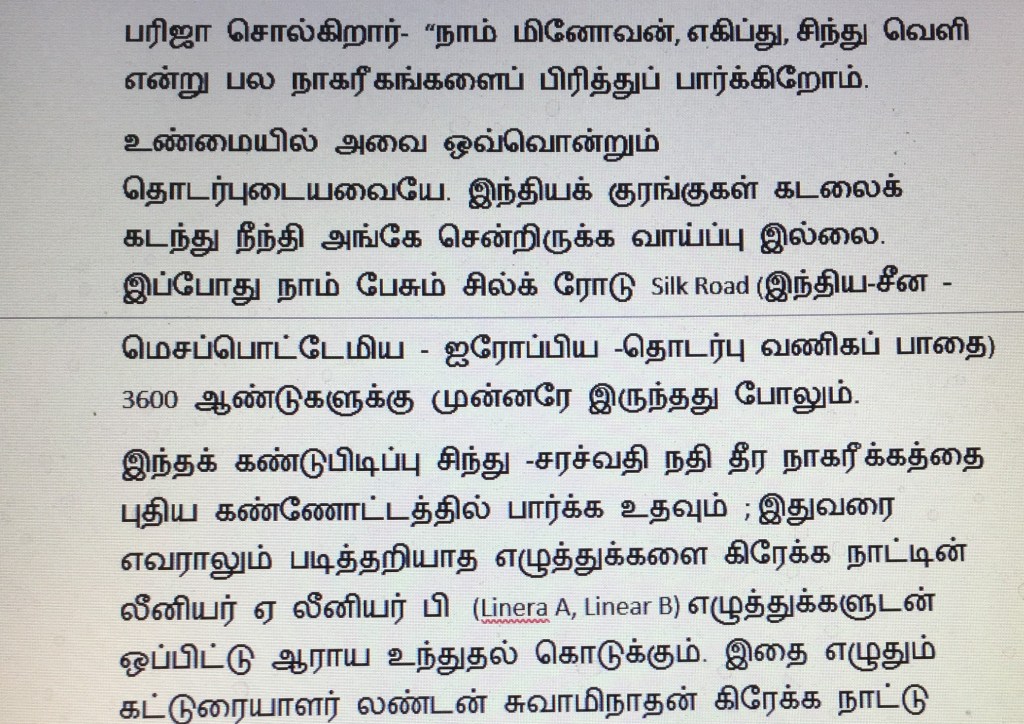
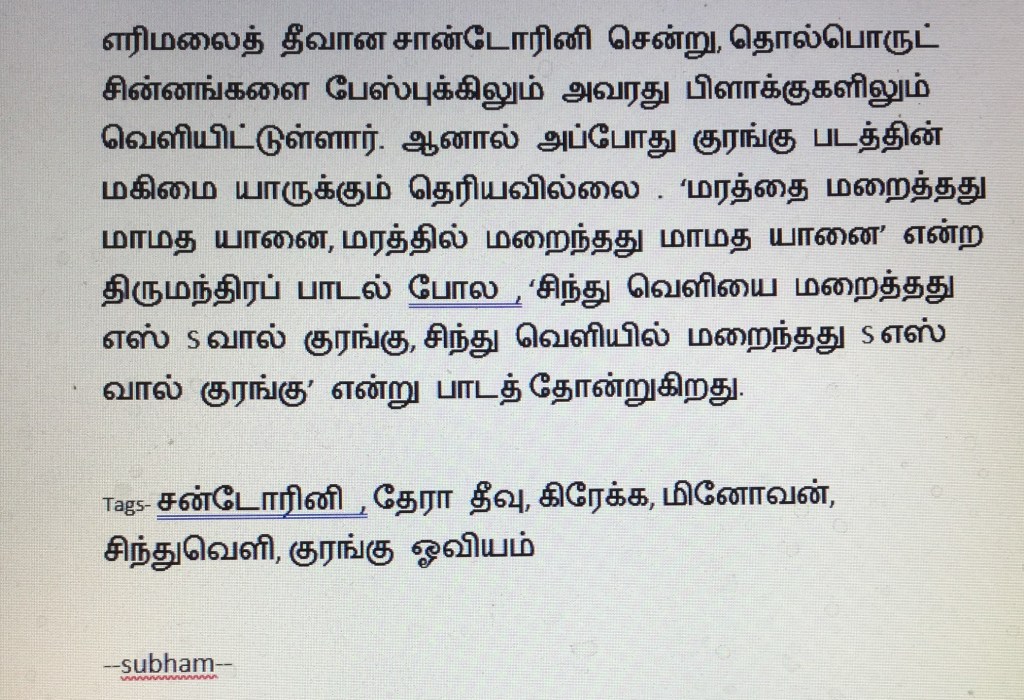
“This is showing us that what people later consider the Silk Roads are working even then, at least indirectly,” Pareja tells Whipple. “We talk about the Minoans, about the Egyptians, about the Indus peoples, all as if they are separate. But they are interconnected.”
Pictures are taken from various sources; beware of copyright rules; don’t use them without permission; this is a non- commercial, educational blog; posted in swamiindology.blogspot.com and tamilandvedas.com simultaneously. Average hits per day for both the blogs 12,000
Pictures are taken from various sources; beware of copyright rules; don’t use them without permission; this is a non- commercial, educational blog; posted in swamiindology.blogspot.com and tamilandvedas.com simultaneously. Average hits per day for both the blogs 12,000
ச.நாகராஜன்
கடந்த நாற்பது வருடங்களுக்கும் மேலாக நான் படித்து வந்த பல நல்ல புத்தகங்களில் முக்கிய பகுதிகளை ஒரு நோட்புக்கில் தனியே எழுதி வைத்துக் கொள்வது என் பழக்கம்.
நூல்கள் ஒரு புறம் என்னுடன் இன்றும் இருக்கின்றன; என்றாலும் இந்தக் குறிப்புகளைப் படித்தால் நூலை முழுவதும் மீண்டும் படித்தது போல இருக்கும்; அத்துடன் இந்த நோட்டுப்புத்தகங்கள் என் கைவசம் இருப்பதால்.
தேவையான சமையத்தில் தேவையான பகுதிகளைப் படிப்பதும் சுலபமாக இருந்தது – அன்பர்களுக்கு இதை வழங்குகிறேன்.
குறிப்பு எண் 1:
From the book : How I raised myself from Failure to Success
By Frank Bettger
P 267
Here is my list and the order in which I used them:
Enthusiasm
Order : Self Organisation
Think in terms of other’s interests
Questions
Key Issues
Silence : Listen
Sincerity : deserve confidence
Knowledge of my business
Appreciation and praise
Smile : Happiness
Remember Names and Faces
Service and Prospecting
Closing the sale : Action
எனது குறிப்பு : ஃப்ராங்க் பெட்கர் உலகின் சாதனை படைத்த நம்பர் ஒன் சேல்ஸ்மேன் என்பது அனைவருக்கும் தெரியும். இந்த 13 அடிப்படை பட்டியலை வைத்துக் கொண்டு பெஞ்சமின் ஃப்ராங்க்ளின் செய்தது போல அவர் வாரம் ஒன்றைத் தினமும் கவனக்குவிப்பு செய்து அதை வளர்த்துக் கொண்டு பயன் பெற்றார் ஃப்ராங்க் பெட்கர்.
வருடத்திற்கு 52 வாரங்களில் நான்கு முறை இந்தப் பட்டியலைக் கடைப்பிடித்தால் நல்ல பலன்களைப் பெறலாம் என்பது அவரது அனுபவம்.
குறிப்பு எண் 2 :
From the book : How I raised myself from Failure to Success
By Frank Bettger
P 269
Franklin’s Thirteen Subjects
(Just as he wrote them down and the order in which he used them:
Temperance : Eat not to dullness. Drink not to elevation.
Silence : Speak not but what may benefit others or yourself; avoid trifling conversation.
Order : Let all your things have their places; let each part of your business have its time.
Resolution : Resolve to perform what you ought, perform without fail what you resolve.
Frugality : Make no expense but to do good to others or yourself ; i.e., waste nothing.
Industry : Lose no time; be always employed in something useful: cut off all unnecessary actions.
Sincerety : Use no hurtful deceit; think innocently and justly, and, if you speak, speak accordingly.
Justice : Wrong none by doing injuries or omitting the benefits that are your duty.
Moderation : Avoid extremes; forbear resenting injuries so much as you think they deserve.
Cleanliness : Tolerate no uncleanliness in body, clothes or habitation.
Tranquility : Be not disturbed at trifles; or at accidents common or unavoidable.
Chastify : Rarely use venery but for health or offspring; never to dullness, weakness or the injury of your own or another’s peace or reputation.
Humility : Imitate Jesus and Socrates.
எனது குறிப்பு : ஃப்ராங்க் பெட்கருக்கு உத்வேகம் ஊட்டியவர் பெஞ்சமின் ஃப்ராங்ளின். அவர் கடைப்பிடித்த மேலே கூறிய 13 குணாதிசயங்களை பெட்கர் தனக்குத் தேவையானது போலச் சற்று மாற்றிக் கொண்டார்.
Pictures are taken from various sources; beware of copyright rules; don’t use them without permission; this is a non- commercial, educational blog; posted in swamiindology.blogspot.com and tamilandvedas.com simultaneously. Average hits per day for both the blogs 12,000
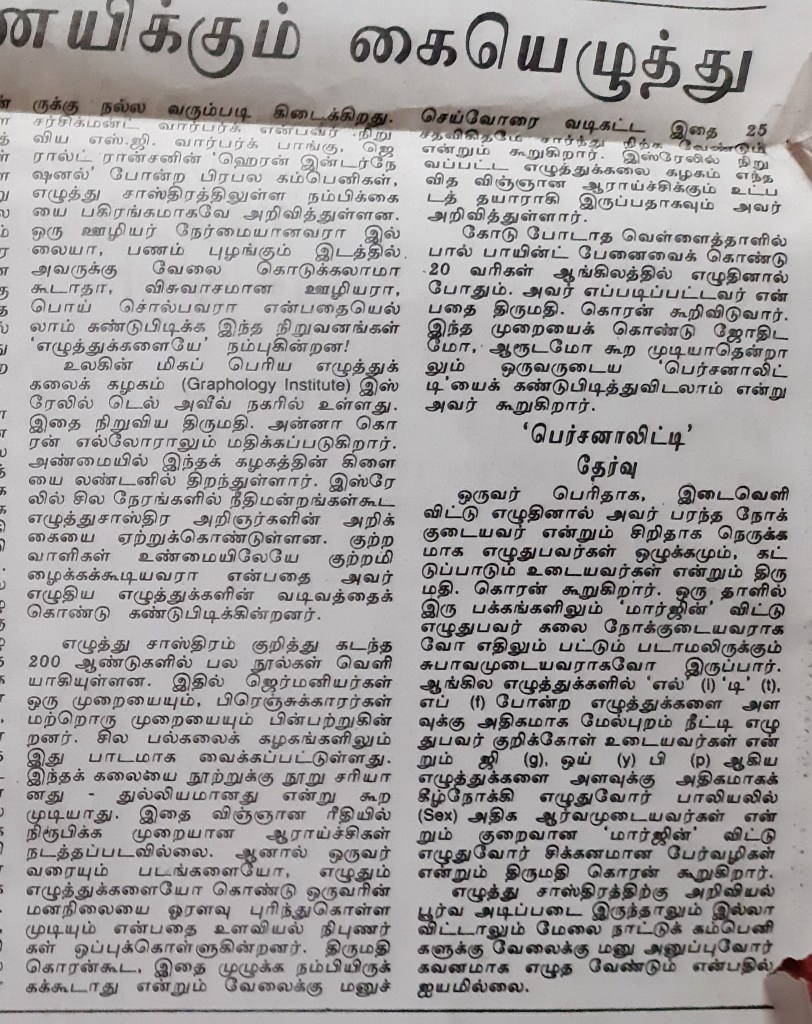
ஒருவருடைய கையெழு த்து அவருடைய
குணாதிசயங்களைக் காட்டும் என்று கருதி
அவருடைய எதிர்காலத்தை நிர்ணயிப்பது, அதாவது வேலை தருவது,
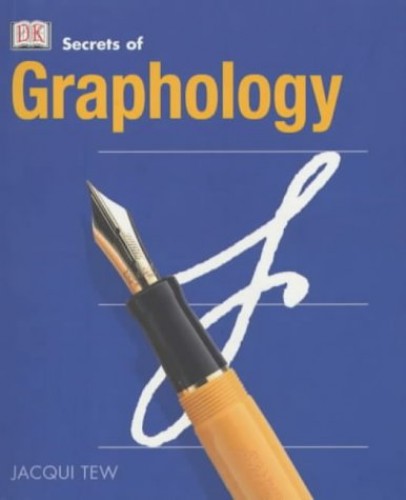
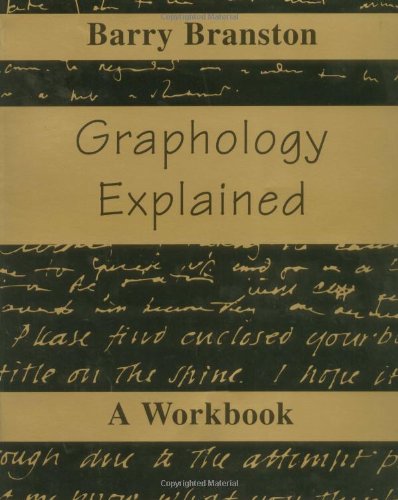
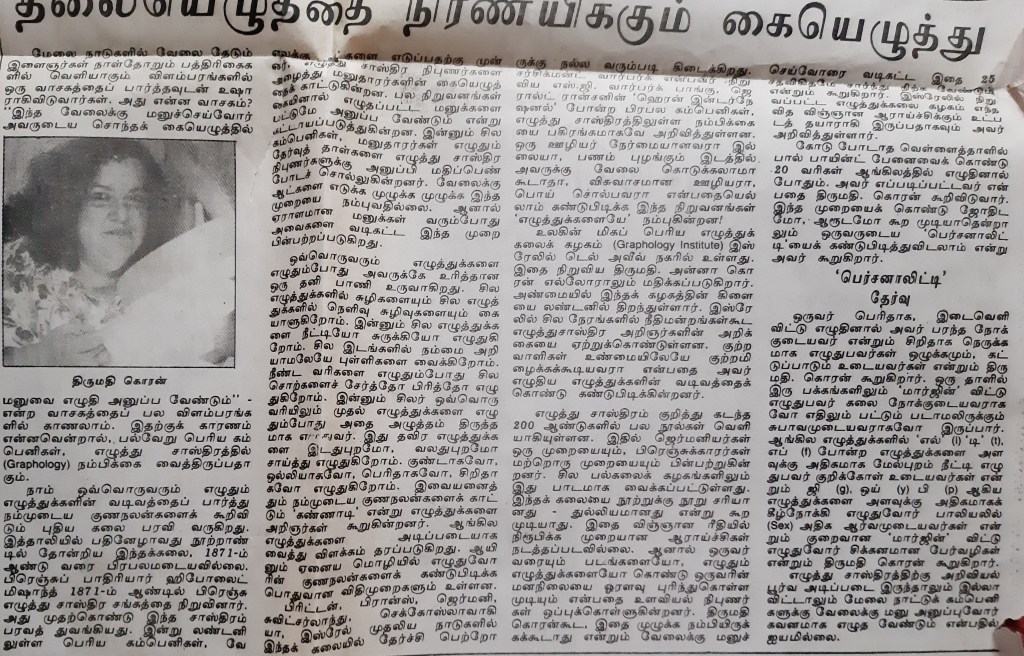
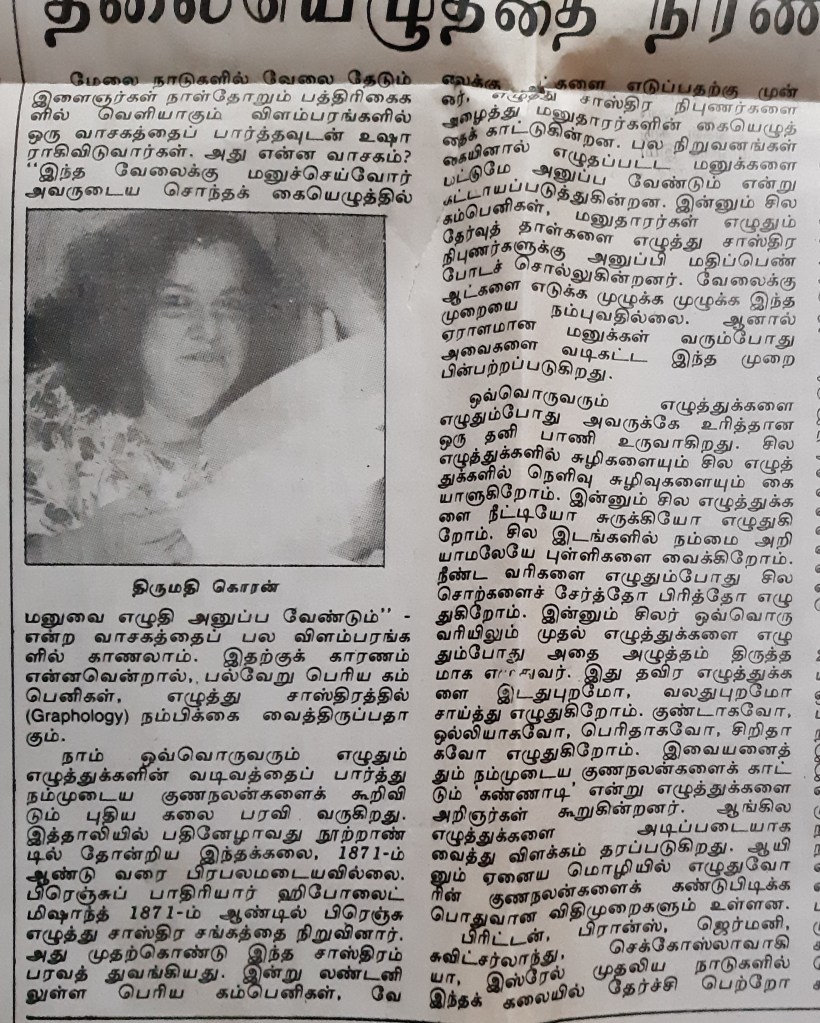
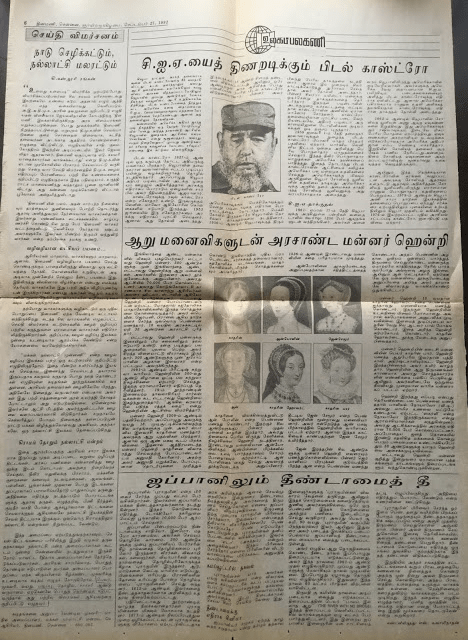
பதவி உயர்வு தருவது அல்லது தர மறுப்பது இவை எல்லாம் அறிவியல் ரீதியிலானது அல்ல என்று பல விஞ்ஞான சஞ்சிகைகள் எழுதியுள்ளன .ஆகையால் கையெழுத்து இயல் (Graphology) பற்றி உறுதியாக ஒன்றும் சொல்வதற்கில்லை. இத்துடன் 1992ல் நான் தினமணியில் எழுதிய கட்டுரையை இணைத்துள்ளேன் .
Pictures are taken from various sources; beware of copyright rules; don’t use them without permission; this is a non- commercial, educational blog; posted in swamiindology.blogspot.com and tamilandvedas.com simultaneously. Average hits per day for both the blogs 12,000
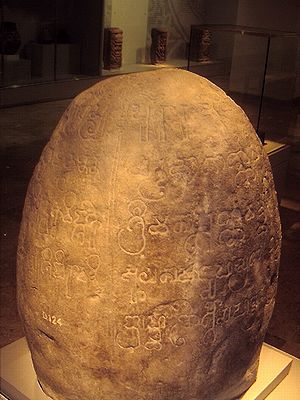
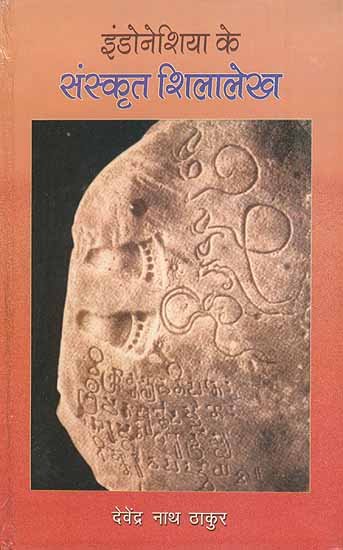
இந்தோனேஷியாவின் ஜாவா தீவிலுள்ள பூர்ணவர்மனின் 4 கல்வெட்டுகள்
சுவையான தகவல்களைத் தருகின்றன. அவை 1500 ஆண்டுகளுக்கு முந்தையவை .
போர்னியோ தீவில் அடர்ந்த காட்டுக்குள் கண்டுபிடிக்கப்பட்ட மூலவர்மன் கல்வெட்டு போல, இவையும் கோ தானம் பற்றிப் பேசுகின்றன.பூர்ணவர்மன் 1000 பசுக்களை பிராமணர்களுக்குத் தானம் கொடுத்ததை ஒரு கல்வெட்டு கூறுகிறது. இந்த தகவலை சீன யாத்ரிகர் பாஹியானும் உறுதி செய்கிறார். அவர் இந்தியாவிலிருந்து சீனாவுக்குத் திரும்பி செல்லும் முன் ஜாவாவில் ஐந்து மாதங்களுக்குத் தங்கியிருந்தார் அவர் கி.பி.415ல் ஜாவாவில் உள்ள நிலவரத்தைப் பின் வருமாறு எழுதுகிறார் .
“இங்கு தவறான பல மதங்களும் இந்து மதமும் இருக்கின்றன. ஆனால் புத்த மதம் பற்றிக் குறிப்பிட்டுச் சொல்லுமளவுக்கு எதுவும் இல்லை . ஆயினும் இதற்கு 100 ஆண்டுகளுக்குப் பின்னர் வெளிவந்த ‘புத்த குருமார்களின் சரித்திரம்’ என்ற சீன புஸ்தகம் கி.பி 519ல் இந்திய அரசனான குணவர்மன் என்ற அரசன் புத்த மதத்தைத் தழுவி இலங்கை சீனா ஜாவா வரை சென்று வந்ததாகக் கூறுகிறது. அவன் ஜாவாவில் ராஜாவின் தாயாரை புத்தமதத்துக்கு மாற்றியதாகவும் அவள் மகனையும் மதம் மாற்றியதாகவும் சீனப் புஸ்தகம் சொல்கிறது. அந்த நேரத்தில் ஜாவாவை எதிரிகள் தாக்கியதாகவும் எதிரிகளைக் கொல்லுவது புத்த தர்மத்துக்கு விரோதமானதா என்று குணவர்மனைக் கேட்டபோது அவர் கொள்ளையர்களை ஒழிப்பது தர்மமே என்று சொன்னவுடன் ஜாவா மன்னன் எதிரிகளை அழி த்ததாகவும் சீன புஸ்தகம் சொல்கிறது. பின்னர் ஜாவா தீவில் புத்தமதம் படிப்படியாக வளர்ந்தது.
ஜாவாவில் சம்ஸ்கிருதம்
ஜாவாவில் முஸ்லீம் மதம் பரவும் வரை இருந்த மொழியை பழைய ஜாவானிய மொழி என்று அழைப்பர்.
இது சம்ஸ்கிருதமும் சுதேசி மொழியும் கலந்த கலப்பட மொழி.இந்த மொழியில் உள்ள கவிதைகள் சம்ஸ்கிருத யாப்பிலக்கணத்தைப் பின்பற்றுகின்றன . மேலும் சம்ஸ்கிருதக் கவிதைகளையும் மேற்கோள் காட்டுகின்றன . அதிலுள்ள மிகப்பழைய நூல் அமரமாலா . இது உலகின் முதல் நிகண்டு நூலான அமரகோசத்தின் ஜாவானிய மொழிபெயர்ப்பு ஆகும் . இதே காலத்தில் எழுந்ததுதான் ஜாவானிய
ராமாயணம்.கிட்டத்தட்ட வால்மீகி ராமாயணத்தைத் தழுவிய நூல். ஆனால் இராவணன் கொல்லப்பட்ட பின்னர் ராமனும் சீதையும் ஒன்று சேர்ந்ததுடன் கதை முடிகிறது. அடுத்தபடியாக மகாபாரத உரைநடை நூல் கிடைத்துள்ளது . இது சுருக்கமான மகாபாரதம்.
இவை அனைத்தும் ஆயிரம் ஆண்டுகளுக்கு முன்னர் தோன்றியவை. இதற்குப் பின்னர் அர்ஜுனன் விவாஹ, கிருஷ்ணாயண, சுமனசாந்தக ஆகிய நுல்களைக் காணலாம். கடைசி நூல், ஒரு மாலை(garland) காரணமாக இந்துமதி இறந்த விஷயத்தைத் தழுவியது. இது காளிதாசன் காவியத்தில் உள்ள கதை
மிகவும் குறிப்பிடத்தக்க நூல் ‘பாரத யுத்த’ என்பதாகும். இது கிரேக்க காவியங்களுக்கு இணையானது என்பது அறிஞர்களின் துணிபு . இதற்குப் பின்னர் பஞ்ச தந்திரம், ஹிதோபதேசம், நீதி சாஸ்திரம் என எல்லா சம்ஸ்கிருத நூல்களும் ஜாவானிய மொழியில் ஆக்கப்பட்டுள்ளன.
ஒரு பெரிய வித்தியாசத்தைக் குறிப்பிடுவது அவசியமாகும். கம்போடியா, வியட்னாம் ஆகிய இரண்டு நாடுகளில் நேரடியாக சம்ஸ்கிருத இலக்கியமும், கல்வெட்டுகளும் தோன்றின. ஆனால் சுதேசி மொழி இலக்கியம் கிடையாது. ஜாவாவில் சம்ஸ்கிருதத்தை வீட சுதேசி மொழி இலக்கியமே அதிகம்.
இது ஒரு புறமிருக்க இமயம் முதல் இந்தோனேஷியாவின் கடைக்கோடி வரை உலகிற்கு இந்துமதம் அளித்த மிகப்பெரிய கொடை பிராமி எழுத்தாகும். தெகிழக்காசிய நாடுகள் அனைத்தும், இந்திய மொழிகள் அனைத்தும், பிராமியை பிடித்துக்கொண்டன. 2000 ஆண்டுகளில் அவை தேவைக்கேற்ப மாற்றப்பட்டன. இந்துமத அறிஞர்கள் கொடுத்த இந்தக் கொடையினால் அவர்கள் வெகு வேகமாக நாகரீகம் அடைந்தனர்.
Tags — பூர்ணவர்மன் , ஜாவானிய மொழி, பிராமி எழுத்து, சம்ஸ்கிருதம்
Pictures are taken from various sources; beware of copyright rules; don’t use them without permission; this is a non- commercial, educational blog; posted in swamiindology.blogspot.com and tamilandvedas.com simultaneously. Average hits per day for both the blogs 12,000
ச.நாகராஜன்
லலிதா சஹஸ்ரநாமம் லலிதாம்பிகையைப் பற்றிக் கூறுகையில் 64 கலைகளாக இருப்பவள் எனக் கூறுகிறது.
சதுஷ் ஷஷ்டி கலாமயீ
அறுபத்துநாலு கலைகளின் ஸ்வரூபமாக இருப்பவள்
236வது நாமம் இது.
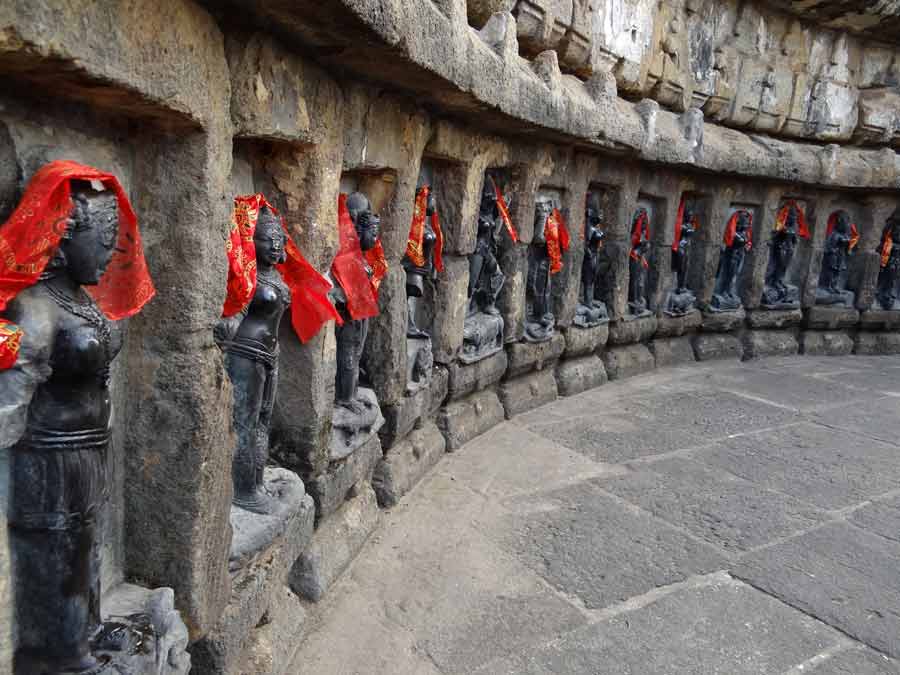
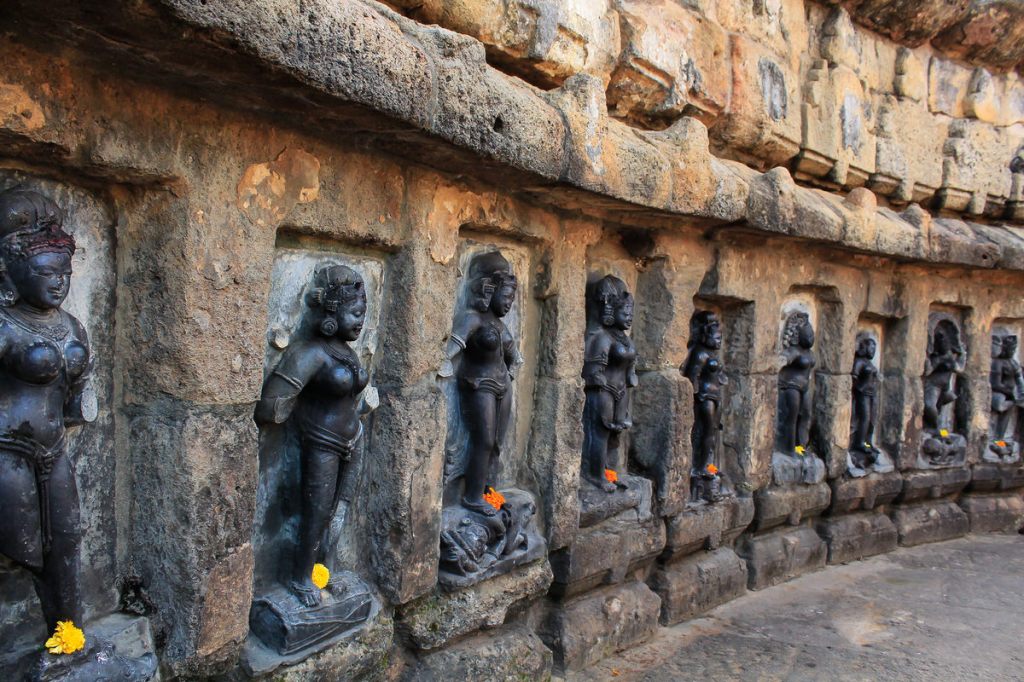
64 கலைகளுக்குக் 64 யோகினிகள் உண்டு.
இந்த 64 கலைகள் எவைஎவை என்பதைப் பற்றி ஏராளமான தகவல்கள் உள்ளன. (அதை தனிக் கட்டுரையில் பார்ப்போம்)
இதற்கு அடுத்த நாமம் இது:
மஹா சதுஷ்ஷஷ்டி கோடி யோகினீ கண ஸேவிதா
மஹா சதுஷ் ஷஷ்டி கோடி யோகினீ கணங்களால் ஸேவிக்கப்பட்டவள்.
லலிதாம்பிகையின் ஸ்ரீ சக்ரத்தில் முதலாவது ஆவரணமாகிய த்ரைலோக்ய மோஹன சக்ரத்தில் ப்ராம்ஹீ முதலான எட்டு மாத்ருகா சக்திகள் இருக்கிறார்கள். அவர்கள் ஒவ்வொருவருக்கும் அவரவருடைய அம்சமாக அக்ஷோப்யா முதலிய எட்டு யோகினீகள் உண்டு. ஆக இவர்கள் அறுபத்திநாலு சக்திகள் இருக்கிறார்கள். திரும்பவும் இந்த அறுபத்திநாலு சக்திகள் ஒவ்வொருவருக்கும் அவரவருடைய அம்சமாக கோடி யோகினீகள் இருக்கிறார்கள். ஆக அறுபத்துநாலு கோடி யோகினீகள் என்றாகிறது. இப்படிப்பட்ட கணக்குடையவும் மஹத்தாயும் இருக்கும் யோகினீகளால் ஸேவிக்கப்பட்டவள் என்று இந்த நாமத்திற்கு அர்த்தம்.
தந்த்ர ராஜம் என்ற நூலில் இன்னும் ஒரு கருத்து முன் வைக்கப்படுகிறது. அதன்படி த்ரைலோக்ய மோஹனசக்ரத்தில் இருப்பதாகச் சொல்லப்பட்டது போலவே இதர எட்டு சக்ரங்களிலும் இருப்பதாகவும் ஆக யோகினீகளின் கணக்கு ஒன்பது தடவை அறுபத்துநாலு கோடி – அதாவது ஐந்நூற்றி எழுபத்தாறு கோடி – என்று ஆகிறது. இதைத் தான் மஹத் என்ற பதம் குறிப்பிடுகிறது.
லலிதா சக்ர நவகே ப்ரத்யேகம் சக்த்ய: ப்ரியே |
சதுஷ் ஷஷ்டி மிதா: கோட்ய: |
என்று குறிப்பிடப்படுகிறது.
64 கோடி யோகினீகளில் முக்கியமானவர்கள் 64 யோகினிகள் என்பதை அறிகிறோம்.
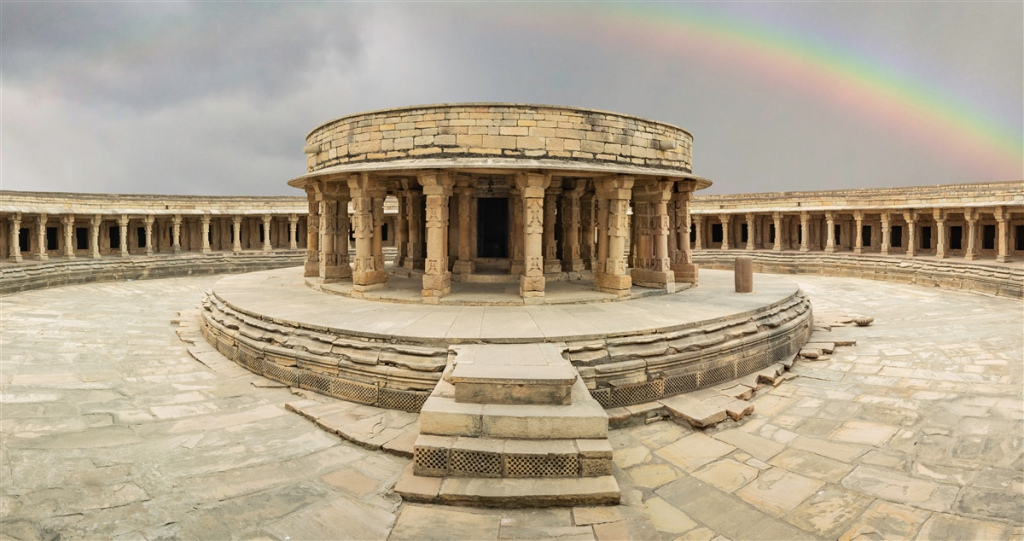
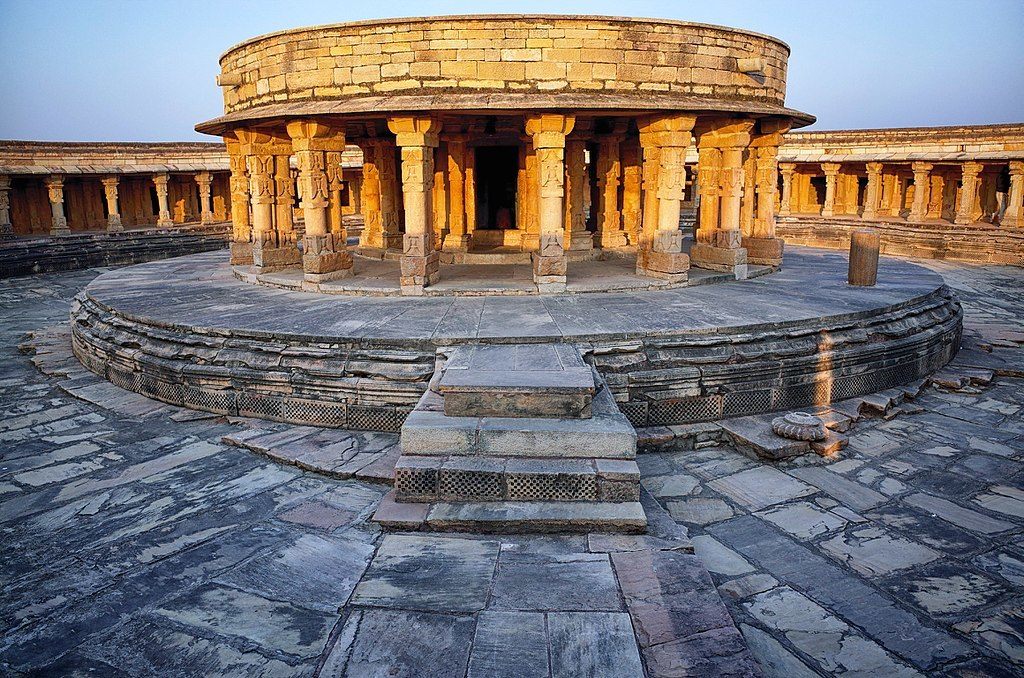
யோகினிகளுக்குப் பாரத நாடெங்கும் கோவில்கள் உண்டு என்றாலும் சிறப்பாக அமைந்துள்ள கோவில்கள் ஒரிஸா மாநிலத்தில் உள்ள இரண்டு கோவில்களும் மத்திய பிரதேசத்தில் அமைந்துள்ள இரண்டு கோவில்களும் ஆகும். (இவை பற்றித் தனிக் கட்டுரைகளில் பார்ப்போம்)
64 யோகினிகள் யார் யார் என்பதை அறிய ஆர்வமுள்ள சக்தி பக்தர்கள் ஏராளம். அவர்களுக்காக இந்தப் பட்டியல் இங்கு அளிக்கப்படுகிறது.
பஹுரூபா (Bahurupa)
தாரா (Tara)
நர்மதா (Narmada)
யமுனா (Yamuna)
சாந்தி (Shanti)
வருணி (Varuni)
க்ஷேமாங்கரி (Kshemankari
ஐந்திரி (Aindri)
வாராஹி (Varahi)
ரண்வீரா (Ranveera)
வானர-முகி (Vanara-Mukhi)
வைஷ்ணவி (Vaishnavi)
காலராத்ரி (Kalaratri)
வைத்யரூபா (Vaidyaroopa)
சர்ச்சிகா (Charchika)
பேதலி (Betali)
சின்னமஸ்திகா (Vhinnamastika)
வ்ரிஷபாஹனா (Vrishabahana)
ஜ்வாலா காமினி (Jwala Kamini)
20.கடவரா (Ghatavara)
கரகாலி (Karakali)
22.ஸரஸ்வதி (Saraswati)
23. பிரூபா (Birupa)
24.காவேரி (Kauveri)
25. பஹாலுகா (Bhaluka)
26. நரசிம்ஹி (Narasimhi)
27. பீரஜா (Biraja)
28. விகடனா (Vikatanna)
29.மஹாலக்ஷ்மி (Mahalakshmi)
30.கௌமாரி (Kaumari)
31.மஹாமாயா (Maha Maya)
32.ரதி (Rati)
33.கர்கரி (Karkari)
34. ஸர்பஸ்யா (Sarpashya)
35. யக்ஷிணி (Yakshini)
36. விநாயகி (Vinayaki)
37. விந்த்யா பாலினி (Vindya Balini)
38. வீர குமாரி (Veera Kumari)
39. மஹேஸ்வரி (Maheshwari)
40. அம்பிகா (Ambika)
41.காமியானி (Kamiyani)
42.கடபாரி (Gharabari)
43. ஸ்துதி (Stutee)
44. காளி (Kali)
45. உமா (Uma)
46. நாராயணி (Narayani)
47. சமுத்ரா (Samudraa)
48.ப்ராஹ்மணி (Brahmani)
49.ஜ்வாலா முகி (Jwala Mukhi)
50. ஆக்னேயி (Agneyei)
51. அதிதி (Aditi)
52. சந்த்ரகாந்தி (Chadrakanti)
53.வாயுபேகா (Vayubega)
54.சாமுண்டா (Chamunda)
55.முரதி (Murati)
56. கங்கா (Ganga)
57.தூமவதி (Dhumavati)
58. காந்தாரி (Gandhari)
59. சர்வ மங்களா (Sarva Mangala)
60. அஜிதா (Ajita)
61. சூர்ய புத்ரி (Surya Putri)
62.வாயு வீணா (Vayu Veena)
63. அகோரா (Aghora)
64. பத்ரகாளி (Bhadrakali)
இன்னும் யோகினீகளைப் பற்றிய ஏராளமான சுவையான கருத்துக்களை புராணங்கள், தந்திர சாஸ்திரங்கள் தருகின்றன.
Vennikuyatti x Tue, 19 Dec, 2019 Vennikuyatti VENNIKUYATHI was a potter woman of Venni, fifteen miles to the east of Thanjavur. She was an eye witness to the bloody battle that took place near her village. She admires the valour of Karikal Chola, the victor, but does not fail to express her sympathy for the vanquished Chera king who expiated his defeat by committing suicide :
She sings, “O descendant of that warrior who, sailing on the wide ocean, compelled the winds to fill the sails of his ship! O Karikal Valava, Lord of the mighty elephants , by this victory you have displayed the greatness of your valour. Is not your enemy even nobler than you- he who, after obtaining great celebrity in the world, feels now the shame of a wound in his back and fasts unto death on the plains of Venni, watered by the freshes of Kaveri ?”
TAMIL WOMEN WHO BUILT TEMPLES
RANGAPATAAKAA Ranga pataka was a great Pallava Queen. Pallavas did a revolutionary change in constructing temples. For the first time they constructed cave temples by excavatinng rocks. The. They took it to another level by constructing tall temple towers with rocks. Then the cholas and Pandya followed this style. Kaiasa natha temple in Kanchipuram was one of the stone marvels of the seventh century. Rangapataakaa, Queen of Pallava king Rajasimha, took a notable share in this task according to a Sanskrit inscription in the temple.
SEMBIAN MAHAADEVI The Chola Kings constructed the temples for Lord Shiva along the banks of river Kaveri. Gandaraditya, who ruled in the first half of the tenth century, was a saintly ruler, and his devotional hymns collected in the Tiruvisaippa are included in the Shaiva canonical literature. His Queen SEMBIAN Mahadevi was a Malwa princess. Widowed early in life, she scorned all sensual pleasures, developed a devotional frame of mind and spent her wealth in renovating or building temples in different places. Countless are the bronze images representing different aspects of Lord Shiva that she consecrated in the temples. She made a gift of lands to the temples, as also jewels of every description and of enormous value and hundreds of gold, silver, copper vessels other endowment s relate to feeding of Brahmins employed to chant the Vedas in the temples, and to the maintenance of musicians and other artists. Mahadevi had grown old when Rajaraja came to the throne. She then enjoyed a privileged position as the emperors venerable grand aunt. Rajaraja honoured her memory by building a public hall at Tirumukkudal named after her.
KUNDAVAI
Another great temple builder among Chola queens was Kuntavai, the elder sister of Rajaraja. Her father Sundara CholaParanaka was a very just and upright king. Her mother Vanavan Mahadevi was a Malayaman princess who did Sati at her husbands death. Kundavai married Vandyadeva, Chief of the country near rahmadesam. At Rajaraja puram now called Dadapuram she built temples for Vishnu, Shiva and jaina She made costly presents to all the temples. In Tirumalai, a Jain centre in South Arcot district, she also consecrated a shrine to one of the Tirthankaras. She founded a free hospital at Thanjavur and set apart extensive lands for its maintenance
Kundavai spent the last years of her life with her nephew Rajendran chola in the palace at Palaiyarai wheere she died in 1019 CE. She was the inspiration behind Rajaraja and Rajendra chola who built magnificent temples in Thanjavur and Gangako nda chola puram










 Tamil and Vedas
You must be logged in to post a comment.