16-12-2019 பாக்யா இதழில் அறிவியல் துளிகள் தொடரில் வெளியாகியுள்ள ஒன்பதாம் ஆண்டு இருபத்தி இரண்டாம் கட்டுரை – அத்தியாயம் 438
உலக மக்களின் வாழ்க்கையையே மாற்றப் போகும் ஹோலோ லென்ஸ்!|
ச.நாகராஜன்
வாழ்க்கையை ஒரு புதிய பரிமாணத்தில் இயங்க வைத்தது. அடுத்து மொபைல் போனில் உலகமே அடங்கி விட்டது. தொலைதூரத்தில் இருப்போரிடம் கண நேரத்தில் வீடியோ மூலமாக நேரில் பார்த்துப் பேசுவது, பல நூறு ‘ஆப்ஸ்’ வாயிலாக ஏராளமான செய்திகளையும் படங்களையும் பரிமாறிக் கொள்வது என்பதெல்லாம் சாத்தியமானது.
ஜிபிஎஸ் மூலமாக எந்த இடத்திற்கும் யாருடைய உதவியும் இன்றி செல்வது எளிதானது.
இப்படிப்பட்ட சாதனங்களின் வரிசையில் அடுத்த மாற்றத்தை உலகில் ஏற்படுத்தப் போவது ஹோலோ லென்ஸ்!
மைக்ரோ சாஃப்ட் தரும் விந்தைகளில் இதுவும் ஒன்று!
இதைக் கண்டுபிடித்திருப்பவர் அலெக்ஸ் கிப்மேன் (Alex Kipman) என்னும் விஞ்ஞானி!
இது என்ன செய்யும்? உதாரணத்திற்கு ஒன்றைச் சொல்வோம்.
கார் எஞ்சின் ஒன்று பழுதாகி விட்டது. உங்களுக்கு எஞ்ஜினைப் பற்றி ஒன்றுமே தெரியாது. என்ன செய்வது? கவலை வேண்டாம். ஹோலோ லென்ஸ் 2 உங்களின் உதவிக்கு வரும். இதை ஹெல்மெட் போல தலையில் மாட்டிக் கொள்ள வேண்டியது தான். அதில் மோட்டார்சைக்கிள் ஹெல்மெட்டில் உள்ளது போல ஒரு முகத்திரை இருக்கும். அதில் பல படங்கள் காட்சிக்கு வரும்.
நீல நிற அம்புக்குறி ஒன்று டூல்ஸ் இருக்கும் மேஜையைக் காண்பித்து ஒரு கருவியை சுட்டிக் காட்டும். அது காட்டும் டார்க் ரெஞ்சை எடுத்தவுடன் இன்னொரு அம்புக் குறி எந்த சைஸ் போல்டை எடுக்க வேண்டும் என்று போல்ட் நட்டுகள் இருக்கும் பெட்டியைக் காட்டும். அடுத்து இன்னொரு அம்புக் குறி எஞ்ஜினில் அடுத்தாற்போல என்ன செய்யவேண்டும் என்பதைச் சுட்டிக் காட்டும். அவ்வளவு தான், ஹோலோ லென்ஸ் சொன்னபடியே செய்தால் ரிப்பேர் முடிந்து விடும்.
ஒவ்வொரு பிரச்சினைக்கும் ஒரு தீர்வு. அதை அப்படியே காட்டிக் கொண்டே வரும். மாஜிக் உலகம் – மாயாஜால உலகத்தில் இருப்பது போலத் தான் இனி மக்கள் வாழ்வர்.
சமையலறைக்கு ஒரு ஹோலோ லென்ஸ், பாடம் படிக்க ஒரு ஹோலோ லென்ஸ், இப்படி நமது கற்பனையைத் தட்டி விட்டால் உலகில் தீர்க்க முடியாத பிரச்சினையே இருக்காது என்ற அளவுக்குப் போய் விடுவோம்.
மக்களின் வாழ்க்கை முறை முற்றிலுமாக மாறப் போகிறது. தொழில் முறைகள், தொழில் வித்தைகள் அனைவருக்கும் பொது!
இதைக் கண்டுபிடித்துள்ள அலெக்ஸ் கிப்மேன் மைக்ரோ சாஃப்டில் வேலை பார்க்கும் ஒரு எஞ்ஜினியர். “ இது போன்ற சாதனங்கள் தாம் உலகை இனி ஆளப் போகின்றன” என்று சிரித்துக் கொண்டே சொல்கிறார் அவர்.
அறிவியல் புனைகதைக் காட்சிகள் எனப்படும் ஸயி-ஃபி (ஸயிண்டிபிக் ஃபிக்ஷன் விஷன்) இனி அனைவருக்கும் பொதுவாக ஆகி விடும். கதை படிப்பது போலத் தான் தோன்றுகிறது. என்றாலும் இது வாழ்க்கை முறையின் நிஜமாக ஆகி விட்டது!
கிப்மேன் பிரேஜிலில் வளர்ந்தவர். 2001ஆம் ஆண்டு மைக்ரோசாஃப்டில் வேலைக்குச் சேர்ந்தவர் கம்ப்யூட்டர் மேஜிக்கில் மன்னனாக ஆகி விட்டார் இன்று!
ஹோலோ லென்ஸ் 1 என்ற மாடலை அமைத்த அவர் 2016இல் அதை சந்தையில் அறிமுகப் படுத்தினார்.
முதலில் அனைவரும் விளையாடக் கூடிய ஒரு விளையாட்டை அவர் அறிமுகப்படுத்தினார். 3- D கேமரா பொருத்தப்பட்ட ஒரு சாதனத்தை கம்ப்யூட்டருடன் பொருத்த வேண்டியது தான். அமோகமாக விளையாடலாம். இந்த சாதனம் விற்பனையில் 350 லட்சம் என்ற எண்ணிக்கையைத் தொட்டு விட்டது. இதனால் உற்சாகம் கொண்ட அவர் புதுப்புது சாதனங்களை அறிமுகப்படுத்த விரும்பி, இப்போது ஹோலோ லென்ஸ் – 2 மாடலை சந்தையில் விற்பனைக்கு உலவ விட்டிருக்கிறார்.
“இனி நமது உலகில் முடியாதது என்பதே இல்லை” என்று கூறிச் சிரிக்கும் கிப்மேன், “சர்ஜன்கள் ஆபரேஷனுக்கு இதை உபயோகிப்பதையும் பைலட்டுகள் விமானத்தை ஓட்ட இதை மாட்டிக் கொள்வதையும் நான் பார்க்கிறேன்” என்கிறார்.
இதை மாட்டிக் கொள்ளும் போது சற்று கனமாக இருக்கிறது என்று பயனாளிகள் சொல்வதைக் கேட்ட அவர் அதை இன்னும் இலேசாக மாற்றும் முயற்சியில் ஈடுபட்டுள்ளார்.
கடைசியில் இனி கம்ப்யூட்டர், போன் உள்ளிட்ட அனைத்து சாதனங்களும் கூடிய விரைவில் அவுட்!
இனி ஆளுக்கு ஒரு லென்ஸை முகத்தில் மாட்டிக் கொள்ள வேண்டியது தான்!
நாமே ஹோலோ லென்ஸ் உலகம் இனிமேல் எப்படி இருக்கும் என்பதை கற்பனை செய்து பார்த்துக் கொள்ளலாம்!
கிப்மேனின் குழுவினர் ஒரு வினாடிக்கு 12000 முறை அதிர்வு கொண்ட (அடேயப்பா, வினாடிக்கு 12000 அதிர்வுகளா!!!) சிறு கண்ணாடிகளைக் கண்டு பிடித்துள்ளனர். துல்லியமாக அனைத்தையும் தரும் இவை “மைக்ரான் ப்ரஸிஷன்” கொண்டவை. அதி அற்புதமான துல்லியத்துடன் இயங்குபவை எனலாம். இந்த ஹோலோ லென்ஸ் அனைவருக்கும் வாழ்நாள் துணைவன் ஆக இருக்கிறது!
நல்ல கண்பார்வைக்காக ஒரு கண்ணாடியை அணிந்து கொண்டு சுலபமாக இயங்குவது போல நாள் முழுவதும் இதை அணியும் வண்ணம் இதை மேற்கொண்டு இலகுவாக ஆக்க வேண்டியது ஒன்று தான் பாக்கி என்கிறார் கிப்மேன்!
புதிய லென்ஸ் உலகத்தை லென்ஸ் அணிந்து கொண்டு வரவேற்போம்!
அறிவியல் அறிஞர் வாழ்வில் .. ..
உலகம் கண்ட மிகப் பெரும் இயற்பியல் விஞ்ஞானியான ஆல்பர்ட் ஐன்ஸ்டீன் (தோற்றம்14-3-1879 மறைவு 18-4-1955) தனது வாழ்நாள் காலத்தில் நண்பர்களுக்கும், உறவினர்களுக்கும், சகாக்களுக்கும், முன்பின் தெரியாத குழந்தையிலிருது பெரியவர்கள் வரைக்கும் ஏராளமான பேருக்கு அருமையான கடிதங்களை எழுதியுள்ளார். இவையெல்லாம் காலமெல்லாம் பாதுகாக்கப்பட வேண்டிய பொக்கிஷங்கள். உலகின் மிகப் பெரும் அறிஞரின் மூளை எப்படியெல்லாம் உலகினருக்குத் தன் ஆற்றலை வழங்கியுள்ளது என்பதற்கான அதிகாரபூர்வமான ஆவணங்கள் இவை தாம். இந்தக் கடிதங்களில் உணர்ச்சி, இரக்கம், அறிவுரை, காதல் அனைத்தும் இழையோடி இருக்கின்றன. தனது மகனுக்கு எதை வேண்டுமானாலும் எப்படிக் கற்பது என்பது பற்றி ஒரு கடிதத்தில் அறிவுறுத்தி இருக்கிறார். விஞ்ஞானி ஆக வேண்டும் என்று விரும்பிய ஒரு இளம் பெண் ஆனால் பெண்ணாக இருப்பதால் தயக்கமாக இருக்கிறது என்று ஐன்ஸ்டீனுக்கு எழுத அவர் அந்தப் பெண்ணுக்கு ஆறுதல் கூறி ஊக்கமளித்தார் தனது பதிலின் மூலமாக. ஃப்ராய்டுக்கு கடிதம் மூலமாக வன்முறை, அமைதி, மனித இயற்கை பற்றிய தனது எண்ணங்களை வெளிப்படுத்தினார்.
ஆனால் அவரது மிக அருமையான கடிதங்களில் ஒன்று அவர் தன்னுடன் சிநேகம் கொண்டிருந்த பெல்ஜியம் ராணி எலிஸபத்திற்கு எழுதிய கடிதம் தான்! அவரது மனிதத் தன்மையை பிரகாசமாகக் காட்டும் கடிதம் அது. எலிஸபத் ராணி தன் கணவர் ஆல்பர்ட்டின் மரணத்தால் மிகவும் சோகமுற்றிருந்தார். அதைத் தொடர்ந்து அவரது அருமை மருமகளும் மரணமடைந்தார். ராணியால் இந்தப் பேரிடியைத் தாங்கவே முடியவில்லை. 1934ஆம் ஆண்டு அவர் ராணிக்கு எழுதிய கடிதத்தில் தேர்ந்தெடுத்த வார்த்தைகளால் ஆறுதல் கூறி அவரைத் தேற்றினார். இந்தக் கடிதம் உலக வரலாற்றில் ஒரு பொக்கிஷமாகக் கருதப்படுகிறது.
கடவுள், இயற்கை, போர், படைப்பாற்றல், காதல், அறிவியல் முன்னேற்றம். அணு ஆயுதம் உள்ளிட்ட எந்த விஷயமானாலும் ஐன்ஸ்டீன் தெளிவுபடத் தன் கருத்துக்களை எழுதியுள்ளார்.
விஞ்ஞானியின் மனப்பான்மைக்காகவும், மனித நேய மிக்க ஒரு மாமனிதரின் எண்ணங்களுக்காகவும் ஆல்பர்ட் ஐன்ஸ்டீன் கடிதங்களை அனைவரும் படிக்க வேண்டியது இன்றியமையாததாக ஆது.
Pictures are taken from various sources; beware of copyright rules; don’t use them without permission; this is a non- commercial, educational blog; posted in swamiindology.blogspot.com and tamilandvedas.com simultaneously. Average hits per day for both the blogs 12,000
TAGS – மூல வர்மன் , கல்வெட்டு, 16 வகை தானம், தானங்கள்
Written by S Nagarajan swami_48@yahoo.com Date: 18 December 2019 Time in London – 9-45 am Post No. 7356 Pictures are taken from various sources; beware of copyright rules; don’t use them without permission; this is a non- commercial, educational blog; posted in swamiindology.blogspot.com and tamilandvedas.com simultaneously. Average hits per day for both the blogs 12,000
கோகுலம் கதிர் டிசம்பர் 2019 இதழில் வெளியாகியுள்ள கட்டுரை ரத்தினபுரி இலங்கை!
ச.நாகராஜன்
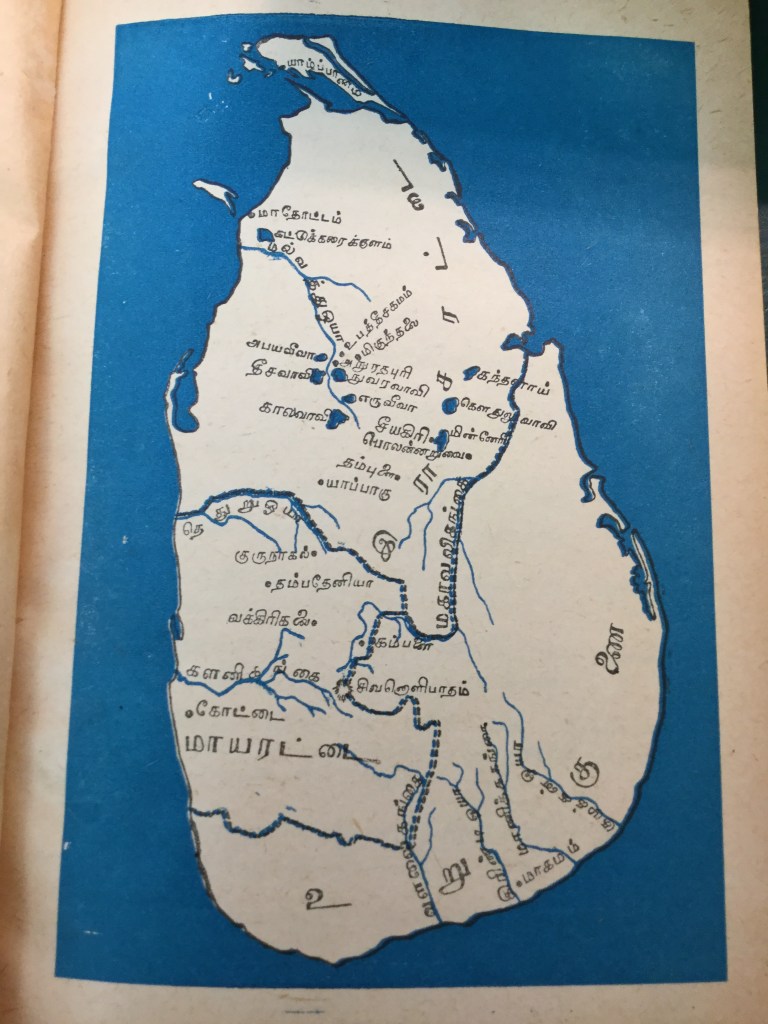
ஸ்வர்ண மயமான இலங்கை என இராமரால் வர்ணிக்கப்படும் இலங்கை உண்மையிலேயே இன்றும் தங்கம் போல ஜொலிக்கும் ஒரு நாடாகவே திகழ்கிறது. இந்தியாவிற்கும் இலங்கைக்கும் உள்ள தொடர்பு, கல் தோன்றி மண் தோன்றாக் காலத்தே தோன்றிய ஒன்று. இராமாயணம் மூலமாக சேதுப் பாலம் அமைக்கப்பட்டு இந்தியாவும் இலங்கையும் சேதுவால் இணைக்கப்பட்டதை அறிய முடிகிறது.
சேது பாலம் அமைக்கப்பட்டதை நாஸாவின் விண்கலம் உறுதிப் படுத்தியதைத் தொடர்ந்து அந்தப் படம் உலகளாவிய விதத்தில் பிரபலமாகியுள்ளது. இது இராமாயண நிகழ்ச்சிகளை உறுதிப் படுத்துவதாக அமைந்துள்ளது.
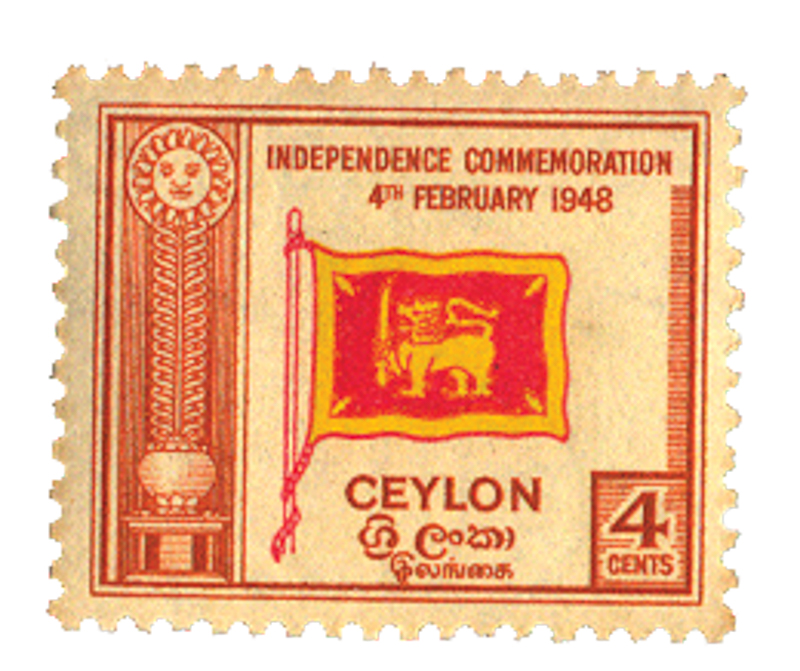
1505ஆம் ஆண்டு இங்கு வந்த போர்ச்சுக்கீசியர் இதை ‘செல்லாவோ’ என அழைக்க அது மருவி சிலோன் ஆனது. 1948இல் சுதந்திரம் பெற்ற நாடு, 1972இல் அதிகாரபூர்வமாக ஸ்ரீ லங்கா என்ற பெயரைக் கொண்டது.
இலங்கையின் இன்னொரு பெயர் செரிந்திப். இதிலிருந்து தான் serendipity என்ற ஆங்கில வார்த்தை உருவானது. திடீரென்று தற்செயலாகக் கண்டுபிடிக்கப்படும் நவீன கண்டுபிடிப்புகளைக் குறிக்கும் வார்த்தை தான் செரிண்டிபிடி.
தமிழுக்கும் இலங்கைக்கும் உள்ள தொடர்பு பிரிக்க முடியாத ஒன்று.
பாண்டிய மன்னர்களும் இலங்கை மன்னர்களும் பெண் ‘கொடுத்தும் கொண்டும்’ உறவை ஏற்படுத்திக் கொண்டதை வரலாறுகள் குறிப்பிடுகின்றன. ‘தொன்மாவிலங்கை’ என சிறுபாணாற்றுப்படையும் ‘தொல் இலங்கை’ என சிலப்பதிகாரமும் குறிப்பதால் இலங்கை சங்க காலத்திற்கும் முற்பட்ட நாடு என்பதைத் தெளிவாக அறியலாம்.
ஈழத்துப் பூதன் தேவனார் என்ற புலவரின் ஏழு பாடல்கள் சங்க இலக்கியத் தொகுப்பில் உள்ளன. ஈழம் என்பது இலங்கையைக் குறிக்கும் பழம் பெயர் என்பதை இதனால் அறியலாம்.
சிறிய இந்த தேசத்தை இந்து மஹா சமுத்திரத்தின் முத்து என்று சொல்கின்றனர். இந்தியாவின் வரைபடத்தின் கீழ் சிறிதாகக் கண்ணீர்த் துளி போலத் தோன்றும் இதை ‘இந்தியாவின் கண்ணீர்த் துளி’ என்றும் அழைக்கின்றனர்.
ஒளி என்ற பொருளைத்தரும் இலங்கு என்ற வார்த்தையிலிருந்து இலங்கை என்ற பெயர் வந்ததாகக் கூறுவர்.
25332 சதுர மைல் பரப்பையே கொண்டுள்ள இலங்கையில் பார்ப்பதற்கு ஏராளமான இடங்கள் உள்ளன.
இலங்கையில் உள்ள சுற்றுலா இடங்கள் மிகவும் கவர்ச்சிகரமானவை. கடற்கரைகளும், வனப் பிரதேசங்களும், தேயிலைத் தோட்டம் அடர்ந்த மலைப் பகுதிகளும், பல மியூசியங்களும் உலக மக்களை வா வா என அறைகூவி அழைக்கின்றன.
கொழும்பை எடுத்துக் கொண்டால் அதன் அழகிய கடற்கரை உள்ளிட்ட இடங்களுக்குப் போகாமல் இருக்க முடியாது.
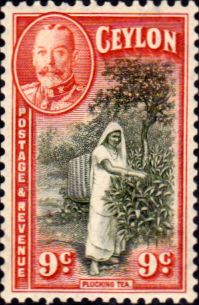
மலைப் பகுதிகளில் உள்ள தேயிலைத் தோட்டங்கள் மனதைக் கவர்பவை; டீயின் சுவையோ அமிர்தத்திற்கு நிகரானது. இங்குள்ள ஏலக்காயின் மணமும் சுவையும் வர்ணனைக்கு அப்பாற்பட்டவை. எகிப்தியர்கள் கிறிஸ்து பிறப்பதற்கு பல்லாண்டுகளுக்கு முன்பேயே இந்த ஏலக்காயின் மகிமையை உணர்ந்து இங்கிருந்து அதைக் கொண்டு செல்ல ஆரம்பித்தனர். உலகின் முதல் பெண் பிரதமரைக் கொண்ட நாடு இலங்கை. 1960 இல் சிரிமாவோ பண்டாரநாயகா இலங்கையின் பிரதம மந்திரி ஆகி இந்தப் பெருமையைப் பெற்றார்.
கேட்பதற்கு இனிய இசையைக் கொண்ட கீதம், இலங்கையின் தேசீய கீதம். அதன் கொடியோ உலகின் மிக மிகப் பழமையான கொடி. கிறிஸ்துவிற்கு முன் 162ஆம் ஆண்டில் பிறந்த சிங்கக் கொடி இன்றளவும் போற்றப்பட்டு அதன் தேசியக் கொடியாக இலங்குகிறது.
எல்லையில்லா மகிமையை இலங்கைக்குச் சேர்க்கும் புத்தரின் பல் இருக்கும் புத்த ஆலயம் கண்டியில் உள்ளது. புத்த ஆலயங்களுக்குள் செல்வோர் ஊதுபத்தி ஏற்றித் தொழுவதால் ஆலயங்கள் அனைத்துமே நறுமணத்தால் சூழப்பட்டிருக்கும். அனுராதபுரத்தில் காணும் மஹாபோதி மரம் உலகில் மனிதனால் நடப்பட்ட பழமையான மரம் என வரலாறு கூறுகிறது.
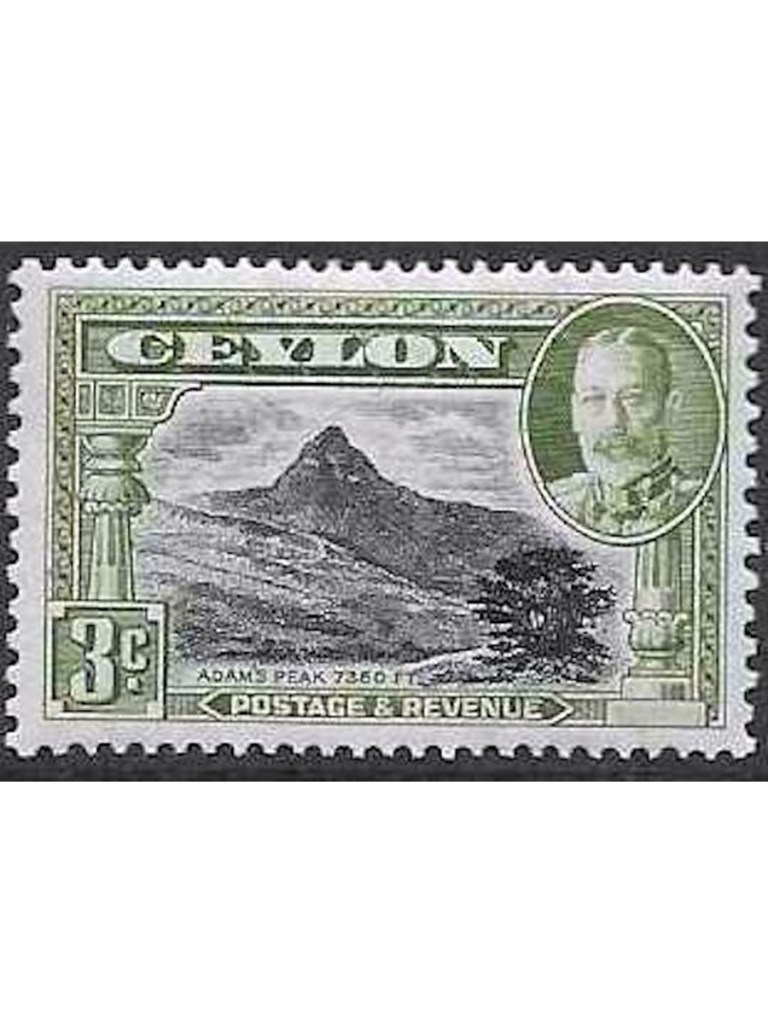
இலங்கையின் தெற்கே உள்ள ஆடம்ஸ் பீக் அனைத்து மதங்களும் போற்றும் ஒரு இடம். ஆதம் சுவர்க்கத்திற்குப் போகும் முன் தன் காலடியை இங்கு பதித்திருக்கிறார் எனக் கிறிஸ்தவர்கள் சொல்ல, இது புத்தரின் ஶ்ரீ பாதம் என்று புத்தர்கள் சொல்ல, சிவனின் திருப்பாதம் என ஹிந்துக்கள் சொல்கின்றனர். இலங்கையில் சிவன், திருமால், விநாயகர், முருகன் கோவில்கள் எனப் பல கோவில்கள் உள்ளன. திருகோணமலையில் அமைந்துள்ள திருக்கோணேச்சரம் சிவன் கோவில் பழமையான ஒன்று. திருஞானசம்பந்தர் தன் ஞானக்கண்ணால் இறைவனைத் தரிசித்து ஒரு பதிகம் பாடியருளியுள்ளார். அதுமட்டுமன்றி 51 சக்தி பீடங்களில் இது ஒன்றாகவும் கருதப்படுகிறது. தேவியின் இடுப்பு விழுந்த பகுதி இந்தத் தலம் எனக் கூறப்படுகிறது.
கேது வழிபட்ட தலமான கேதீஸ்வரம் இலங்கையின் மேற்குக் கடற்கரைப் பகுதியில் உள்ளது. இத்தலத்தின் மீது ஞானசம்பந்தரும், சுந்தரரும் பதிகம் பாடியுள்ளனர்.
கதிர்காமம் இலங்கையின் பிரசித்தி பெற்ற முருகனின் பாதயாத்திரைத் தலம். இங்குள்ள கருவறையினுள் யாரும் புக முடியாது. திரையிட்டு மூடப்பட்டிருக்கும். அருணகிரிநாதர் இத்தலத்து முருகனை வேண்டிப் பாடிய பாடல்கள் தேனினும் இனிக்கும் சுவை கொண்டவை.
‘உடுக்கத் துகில் வேணும் நீள்பசி அவிக்கக் கனபானம் வேணும் நல் ஒளிக்குப் புனலாடை வேணும்மெய் யுறுநோயை ஒழிக்கப் பரிகாரம் வேணும் உள் இருக்கச் சிறுநாரி வேணுமொர் படுக்கத் தனிவீடு வேணும் இவ் வகையாவும் கிடைத்துக் க்ருஹவாசி ஆகிய மயக்கக் கடல் ஆடி நீடிய கிளைக்குப் பரிபாலனாய் உயிர் அவமேபோம் க்ருபை சித்தமு ஞான போதமு மழைத்துத் தரவேணும்’
என்று இப்படி அருணகிரிநாதரின் திருப்புகழை மனமுருகப் பாடாதார் யாரும் இல்லை. ‘திருமகள் உலாவும் இருபுய முராரி’ என்ற திருப்புகழ்ப் பாடலும் தவறாது முருக பக்தர்களால் பாடப்படும் பிரசித்தமான பாடலாகும்.
இலங்கைக்குப் பெருமை சேர்க்கும் விஷயம் அங்கு 92 சதவிகித மக்கள் கல்வியறிவு படைத்தவர்கள். கலை உணர்வு மிக்கவரும் அரிய நூல்களை எழுதிவருமான ஆனந்த குமாரசாமி, நூற்றுக்கும் மேற்பட்ட அறிவியல் புதினங்களைப் படைத்த பிரபல எழுத்தாளர் ஆர்தர் கிளார்க், சைவத்திற்கும் தமிழுக்கும் தொண்டாற்றிய ஆறுமுக நாவலர் உள்ளிட்ட ஏராளமானோர் இலங்கைக்குப் புகழ் சேர்ப்பவர்கள்.
யானை உள்ளிட்ட 123 அரிய விலங்கினங்களும், 227 வகையான பறவை இனங்களும், 178 வகையான பாம்பு போன்ற ஊர்ந்து செல்லும் உயிரினங்களும் 122 வகையான நீர் மற்றும் நிலத்தில் வாழும் உயிரினங்களும் இங்கு உள்ளன.
இலங்கையின் தேசீய விளையாட்டு வாலிபால் எனலாம்.
ரத்தினங்களின் தலைநகரம் இலங்கை என்று கூறப்படுகிறது. மாணிக்கம், நீலம் உள்ளிட்ட ரத்தினக் கற்கள் அபரிமிதமாக இங்கு கிடைக்கின்றன. ரத்தினபுரி தான் இலங்கை!
அபூர்வ நாடாகிய இலங்கை இராமாயண காலத்திற்கு முற்பட்ட சரித்திரத்தைக் கொண்ட பழம்பெரு நாடாகும். இதை எப்படிச் சுருக்கமாக வர்ணிப்பது? OLD AND GOLD!
Pictures are taken from various sources; beware of copyright rules; don’t use them without permission; this is a non- commercial, educational blog; posted in swamiindology.blogspot.com and tamilandvedas.com simultaneously. Average hits per day for both the blogs 12,000
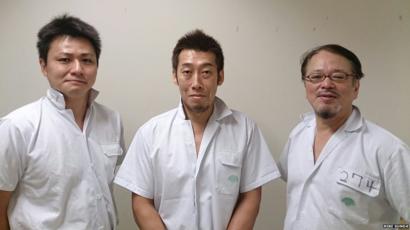
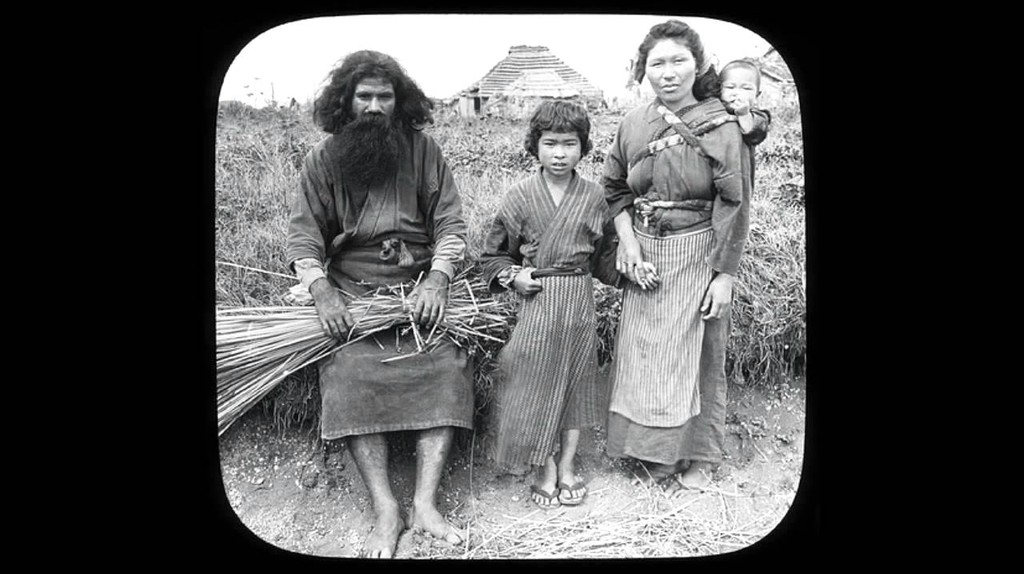
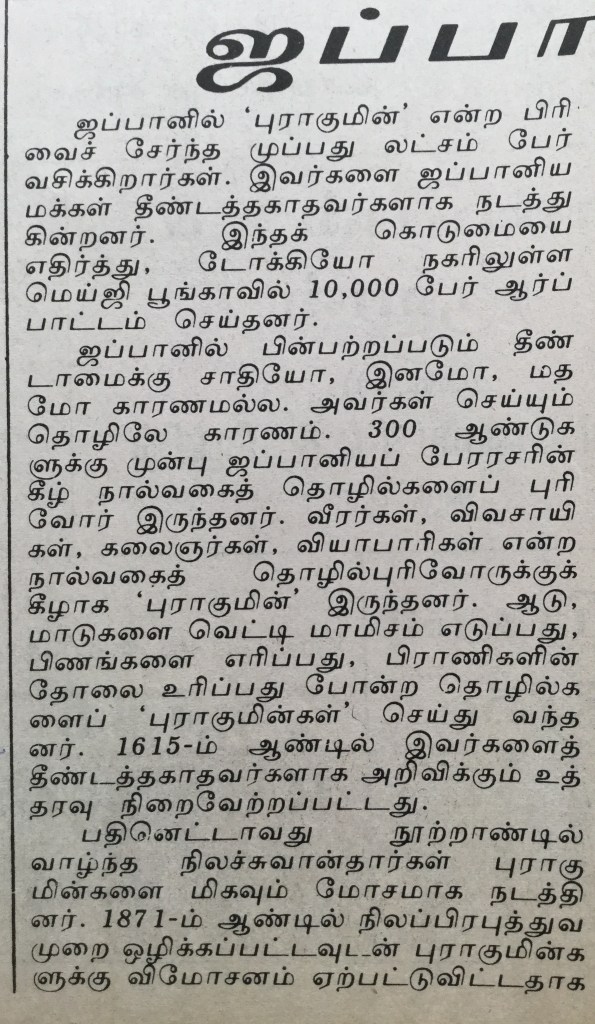
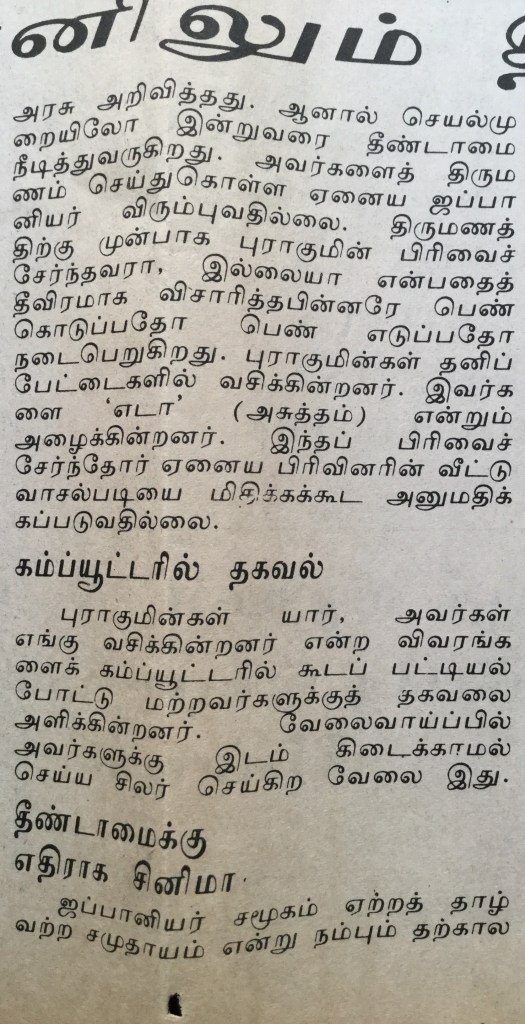
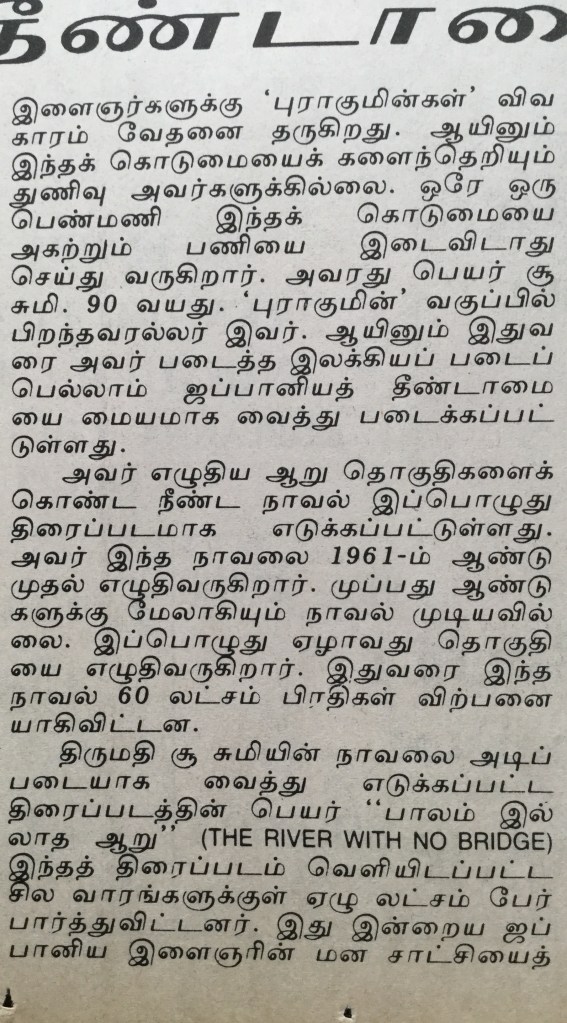
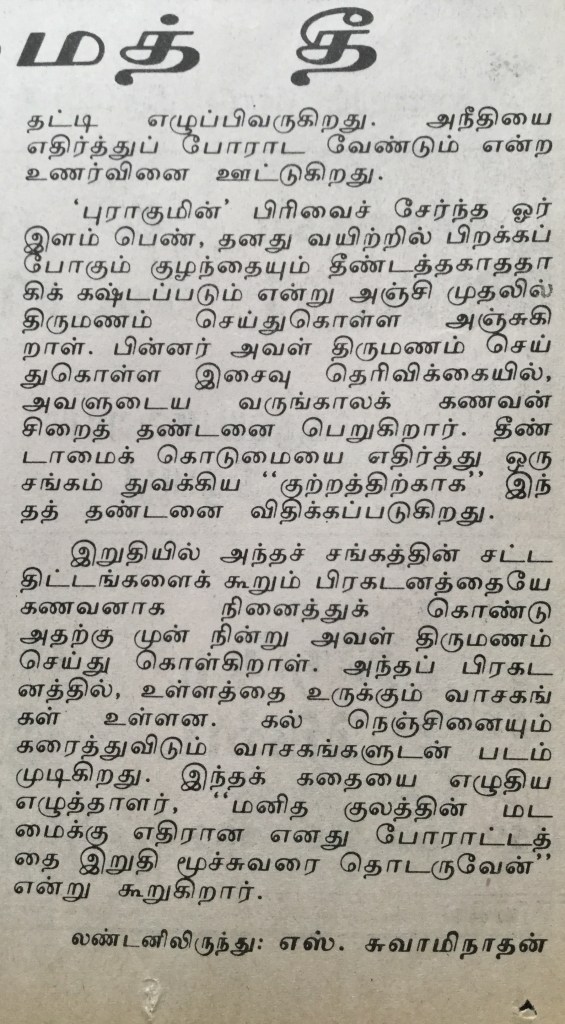
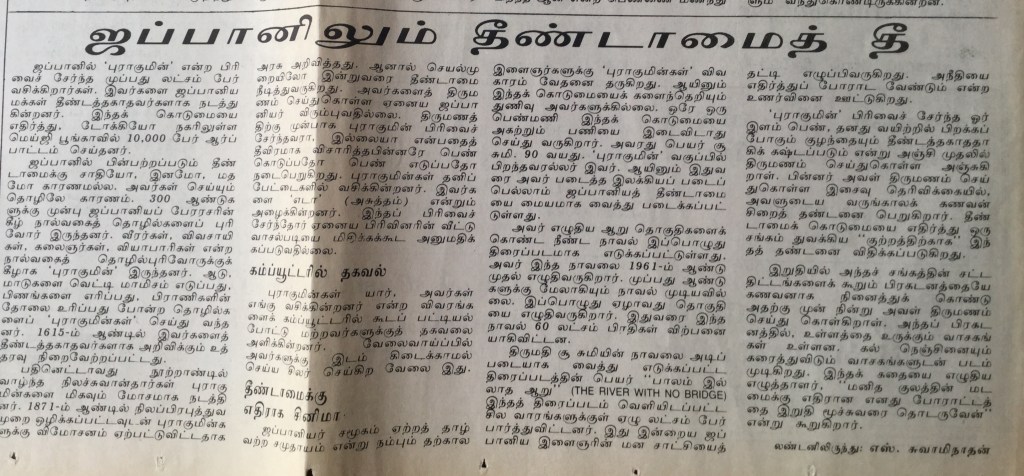
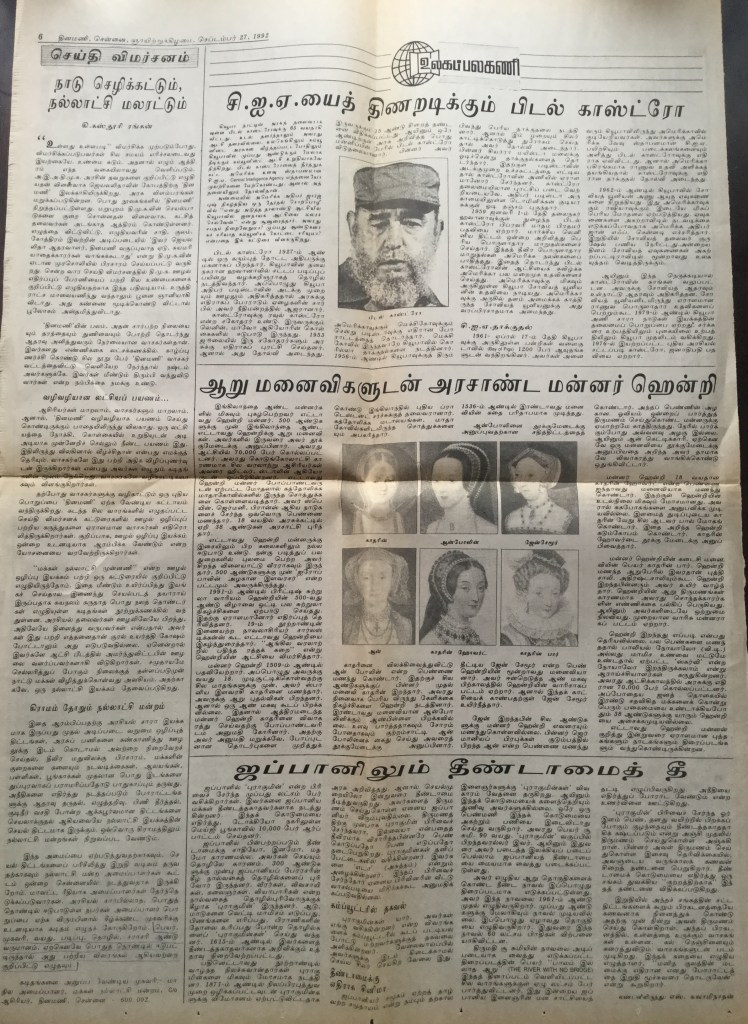
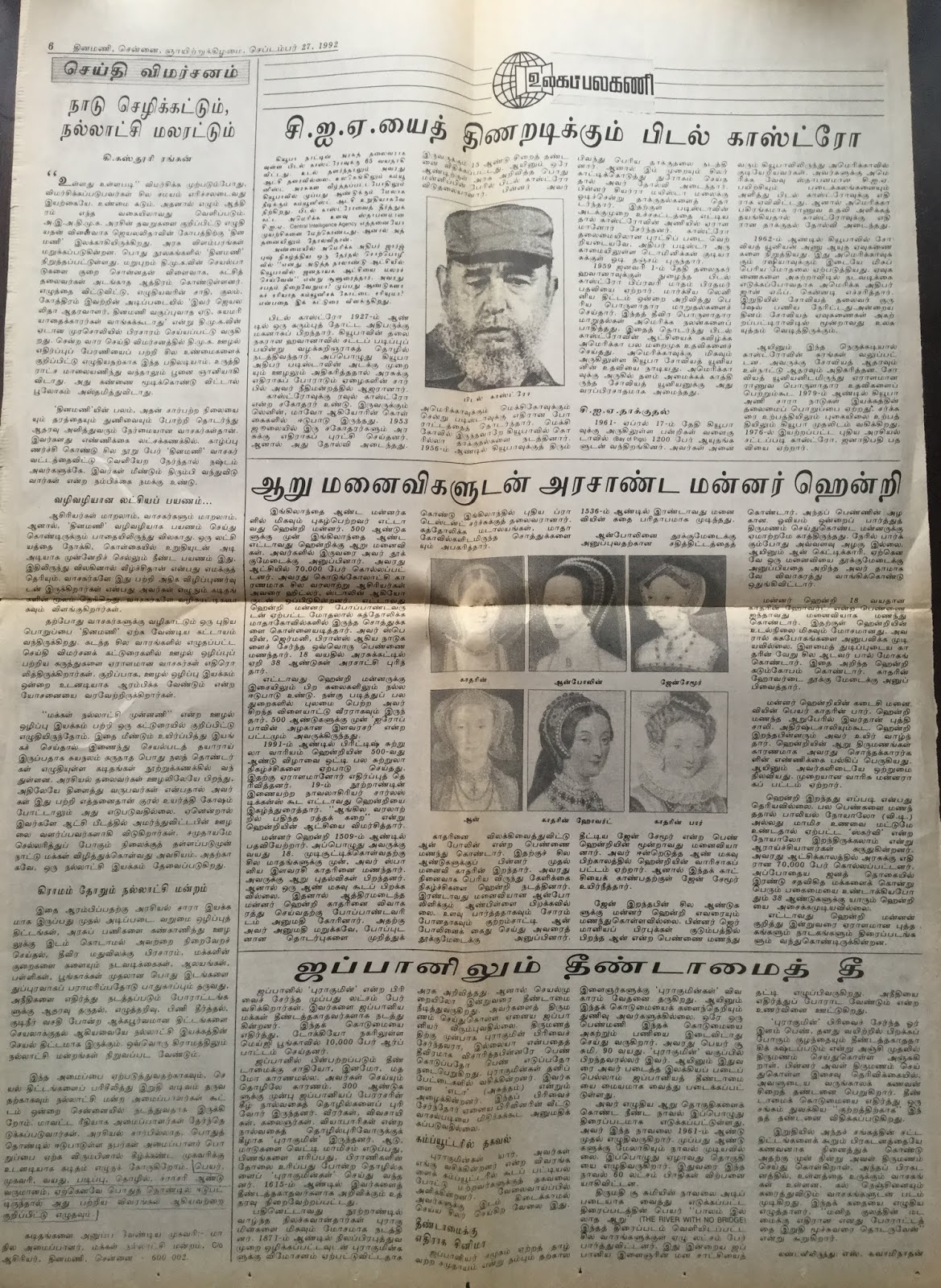
ஜப்பானில் தீண்டாமை என்னும் கட்டுரை நான் தினமணியில் 1992ல் எழுதியது. 27 ஆண்டுகள் ஆகியும் இன்னும் அது ஜப்பானில் இருப்பதாக விக்கிபிடியா காட்டுகிறது.
இங்கிலாந்திலும் ஐரோப்பாவின் பிற தேசங்களிலும் ஜிப் சி எ ன்னு ம் நாடோ டிகளையும் இன்று வரை தீண்டாத வர்களாகவே நடத்து கின்றனர்
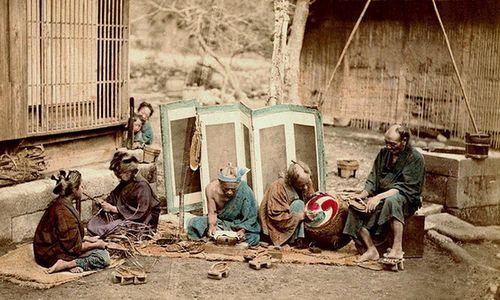
Burakumin (部落民, “hamlet people”/”village people”, “those who live in hamlets/villages”) is an outcast group at the bottom of the traditional Japanese social order that has historically been the victim of severe discrimination and ostracism. They were originally members of outcast communities in the Japanesefeudal era, composed of those with occupations considered impure or tainted by death (such as executioners, undertakers, workers in slaughterhouses, butchers, or tanners), which have severe social stigmas of kegare (穢れ or “defilement”) attached to them. Traditionally, the Burakumin lived in their own communities, hamlets, or ghettos.
Pictures are taken from various sources; beware of copyright rules; don’t use them without permission; this is a non- commercial, educational blog; posted in swamiindology.blogspot.com and tamilandvedas.com simultaneously. Average hits per day for both the blogs 12,000
MANU10,CHAPTER X.
So far we have covered nine chapters with salient features highlighted; I have also added my comments wherever it was appropriate. To day let us look at the 74 slokas in the tenth chapter of Manu Smrti.
First I will give important slokas/ couplets in bullet points.
Sloka 63 – This is the most important sloka in the firsts 70 + slokas. Good qualities are common for all the Four Varnas/castes
Sloka 1 -People who belong to Three castes must learn Vedas. It will be interesting to find out till what time the three castes studied Vedas.
Sloka 8 on wards – Inter caste marriages and specific terms for them in permutation and combinations. We know that inter caste marriages were done during even Mahabharata days. But never heard these many different kinds. This chapter must be a later addition.
Sloka 20 – definition of Vratyas
Sloka 22 – Dravidas
Sloka 32 – Dasyus
Sloka 44 – Yavanas & Dravidas
These terms are used with different connotations. It is not Vedic Dasyu; Like Dravidas we have several people named after Countries/Desa So instead of Geographical connotation we have inter caste people.
Sloka 25 onwards – Sons of Inter Caste couples are dealt with.
We can infer two things from these :-
1.Inter Caste marriages took place
2.Yavanas, Dravidas, Kambojas, Vratyas, Sakar – are all Hindus.
Sloka 47 on wards – their professions
Sloka 56 – death sentence
Sloka 58 – Non Aryan qualities (Here Aryan stands for Cultured, Civilized).
Sloka 64/ 65 – A Sudra becomes a Brahmana in seventh generation
Sloka 69 to 73 Interesting Debate —
Which is important Seed (Husband) or Land (Wife)?
xxxx
Now let us look at the original translation of Slokas?
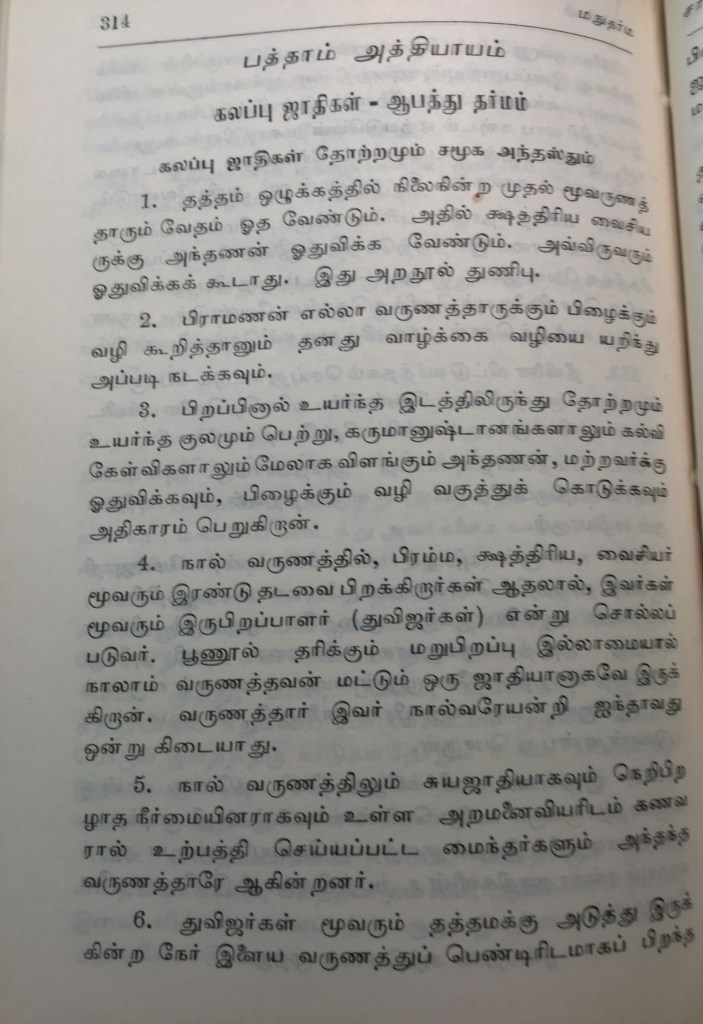
1. Let the three twice-born castes (varna), discharging their (prescribed) duties, study the Veda; but among them the Brahmana alone shall teach it, not the other two; that is an established rule.
2. The Brahmana must know the means of subsistence prescribed by law for all, instruct the others, and himself live according to the law
3. On account of his pre-eminence, on account of the superiority of his origin, on account of his observance of (particular) restrictive rules, and on account of his particular sanctification the Brahmana is the lord of (all) castes (varna).
4. Brahmana, the Kshatriya, and the Vaisya castes (varna) are the twice-born ones, but the fourth, the Sudra, has one birth only; there is no fifth caste.
5. In all castes (varna) those (children) only which are begotten in the direct order on wedded wives, equal (in caste and married as) virgins, are to be considered as belonging to the same caste (as their fathers)
6. Sons, begotten by twice-born man on wives of the next lower castes, they declare to be similar (to their fathers, but) blamed on account of the fault (inherent) in their mothers.
7. Such is the eternal law concerning (children) born of wives one degree lower (than their husbands); know (that) the following rule (is applicable) to those born of women two or three degrees lower.
INTER CASTE MARRIAGES
8. From a Brahmana a with the daughter of a Vaisya is born (a son) called an Ambashtha, with the daughter of a sudra a Nishada, who is also called Parasava.
9. From a Kshatriya and the daughter of a Sudra springs a being, called Ugra, resembling both a Kshatriya and a Sudra, ferocious in his manners, and delighting in cruelty.
10. Children of a Brahmana by (women of) the three (lower) castes, of a Kshatriya by (wives of) the two (lower) castes, and of a Vaisya by (a wife of) the one caste (below him) are all six called base-born (apasada).
11. From a Kshatriya by the daughter of a Brahmana is born (a son called) according to his caste (gati) a Suta; from a Vaisya by females of the royal and the Brahmana (castes) spring a Magadha and a Vaideha.
12. From a Sudra are born an Ayogava, a Kshattri, and a Candala, the lowest of men, by Vaisya, Kshatriya, and Brahmana) females, (sons who owe their origin to) a confusion of the castes.
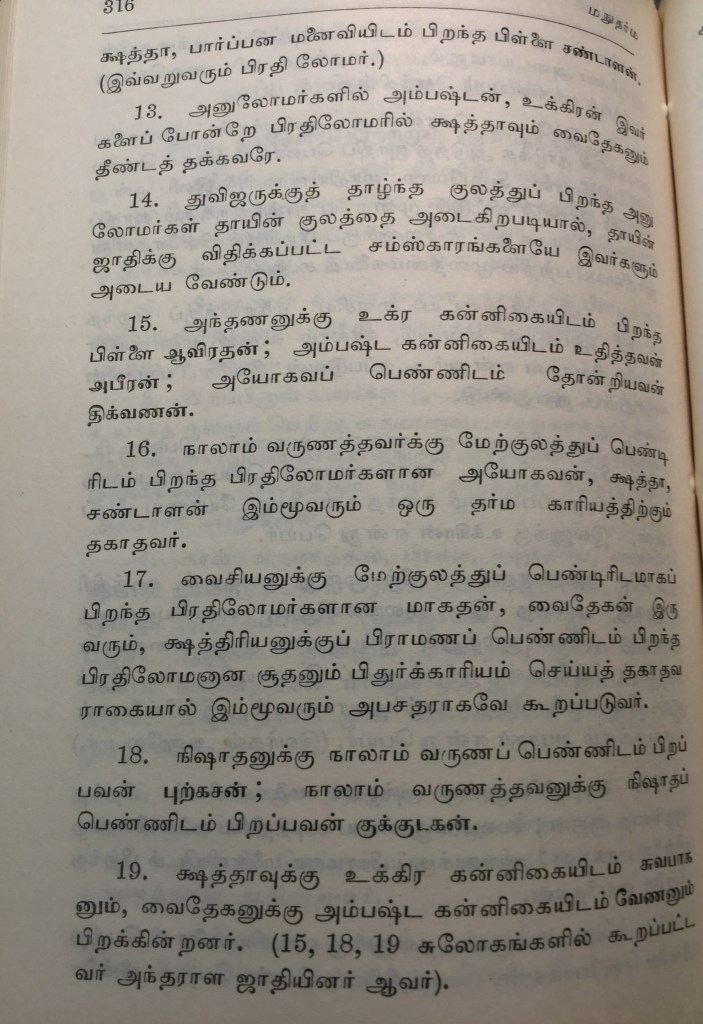
13. As an Ambashtha and an Ugra, (begotten) in the direct order on (women) one degree lower (than their husbands) are declared (to be), even so are a Kshattri and a Vaidehaka, though they were born in the inverse order of the castes (from mothers one degree higher than the fathers).
14. Those sons of the twice-born, begotten on wives of the next lower castes, who have been enumerated in due order, they call by the name Anantaras (belonging to the next lower caste), on account of the blemish (inherent) in their mothers.
15. A Brahmana begets on the daughter of an Ugra an Avrita, on the daughter of an Ambashtha an Abhira, but on a female of the Ayogava (caste) a Dhigvana.
16. From a Sudra spring in the inverse order (by females of the higher castes) three base-born (sons, apasada), an Ayogava, a Kshattri, and a Candala, the lowest of men;
17. From a Vaisya are born in the inverse order of the castes a Magadha and a Vaideha, but from a Kshatriya a Suta only; these are three other base-born ones (apasada).
18. The son of a Nishada by a Sudra female becomes a Pukkasa by caste (gati), but the son of a Sudra by a Nishada female is declared to be a Kukkutaka.
19. Moreover, the son of by Kshattri by an Ugra female is called a Svapaka; but one begotten by a Vaidehaka on an Ambashtha female is named a Vena.
WHO ARE VRATYAS?
20. Those (sons) whom the twice-born beget on wives of equal caste, but who, not fulfilling their sacred duties, are excluded from the Savitri, one must designate by the appellation Vratyas.
21. But from a Vratya (of the) Brahmana (caste) spring the wicked Bhriggakantaka, the Avantya, the Vatadhana, the Pushpadha, and the Saikha.
WHO IS A DRAVIDA?
22. From a Vratya (of the) Kshatriya (caste), the Ghalla, the Malla, the Likkhivi, the Nata, the Karana, the Khasa, and the Dravida.
23. From a Vratya (of the) Vaisya (caste) are born a Sudhanvan, an Akarya, a Karusha, a Viganman, a Maitra, and a Satvata.
24. By adultery (committed by persons) of (different) castes, by marriages with women who ought not to be married, and by the neglect of the duties and occupations (prescribed) to each, are produced (sons who owe their origin) to a confusion the castes.
SONS OF INTER CASTE COUPLES
25. I will (now) fully enumerate those (sons) of mixed origin, who are born of Anulomas and of Pratilomas, and (thus) are mutually connected.
26. The Suta, the Vaidehaka, the Kandala, that lowest of mortals, the Magadha, he of the Kshattri caste (gati), and the Ayogava,
27. These six (Pratilomas) beget similar races (varna) on women of their own (caste), they (also) produce (the like) with females of their mother’s caste (gati), and with females (of) higher ones.
28. As a (Brahmana) begets on (females of) two out of the three (twice-born castes a son similar to) himself, (but inferior) on account of the lower degree (of the mother), and (one equal to himself) on a female of his own race, even so is the order in the case of the excluded (races, vahya).
29. Those (six mentioned above) also beget, the one on the females of the other, a great many (kinds of) despicable (sons), even more sinful than their (fathers), and excluded (from the Aryan community, vahya).
30. Just as a Sudra begets on a Brahmana female a being excluded (from the Aryan community), even so (a person himself) excluded pro creates with (females of) the four castes (varna, sons) more (worthy of being) excluded (than he himself).
31. But men excluded (by the Aryans, vahya), who approach females of higher rank, beget races (varna) still more worthy to be excluded, low men (hina) still lower races, even fifteen (in number).
DASYU
32. A Dasyu begets on an Ayogava (woman) a Sairandhra, who is skilled in adorning and attending (his master), who, (though) not a slave, lives like a slave, (or) subsists by snaring (animals).
33. A Vaideha produces (with the same) a sweet-voiced Maitreyaka, who, ringing a bell at the appearance of dawn, continually. praises (great) men.
34. A Nishada begets (on the same) a Margava (or) Dasa, who subsists by working as a boatman, (and) whom the inhabitants of Aryavarta call a Caivarta.
35. Those three base-born ones are severally begot on Ayogava women, who wear the clothes of the dead, are wicked, and eat reprehensible food.
36. From a Nishada springs (by a woman of the Vaideha caste) a Karavara, who works in leather; and from a Vaidehaka (by women of the Karavara and Nishada castes), an Andhra and a Meda, who dwell outside the village.
37. From a Candala by a Vaideha woman is born a Pandusopaka, who deals in cane; from a Nishada (by the same) an Ahindika.
38. But from a Candala by a Pukkasa woman is born the sinful Sopaka, who lives by the occupations of his sire, and is ever despised by good men.
39. A Nishada woman bears to a Candala a son (called) Antyavasayin, employed in burial-grounds, and despised even by those excluded (from the Aryan community).
40. These races, (which originate) in a confusion (of the castes and) have been described according to their fathers and mothers, may be known by their occupations, whether they conceal or openly show themselves.
41. Six sons, begotten (by Aryans) on women of equal and the next lower castes (Anantara), have the duties of twice-born men; but all those born in consequence of a violation (of the law) are, as regards their duties, equal to Sudras.
42. By the power of austerities and of the seed (from which they sprang), these (races) obtain here among men more exalted or lower rank in successive births.
43. But in consequence of the omission of the sacred rites, and of their not consulting Brahmanas, the following tribes of Kshatriyas have gradually sunk in this world to the condition of Sudras;
YAVANAS, DRAVIDAS
44. (Viz.) the Paudrakas, the Kodas, the Dravidas, the Kambogas, the Yavanas, the Sakas, the Paradas, the Pahlavas, the Kinas, the Kiratas, and the Daradas.
45. All those tribes in this world, which are excluded from (the community of) those born from the mouth, the arms, the thighs, and the feet (of Brahman), are called Dasyus, whether they speak the language of the Mlekkhas (barbarians) or that of the Aryans.
46. Those who have been mentioned as the base-born (offspring, apasada) of Aryans, or as produced in consequence of a violation (of the law, apadhvamsaga), shall subsist by occupations reprehended by the twice-born.
THEIR OCCUPATIONS
47. To Sutas (belongs) the management of horses and of chariots; to Ambashthas, the art of healing; to Vaidehakas, the service of women; to Magadhas, trade;
48. Killing fish to Nishadas; carpenters’ work to the Ayogava; to Medas, Andhras, Kunkus, and Madgus, the slaughter of wild animals;
49. To Kshattris, Ugras, and Pukkasas, catching and killing (animals) living in holes; to Dhigvanas, working in leather; to Venas, playing drums.
50. Near well-known trees and burial-grounds, on mountains and in groves, let these (tribes) dwell, known (by certain marks), and subsisting by their peculiar occupations.
51. But the dwellings of Candalas and Svapakas shall be outside the village, they must be made Apapatras, and their wealth(shall be dogs and donkeys.
52. Their dress (shall be) the garments of the dead, (they shall eat) their food from broken dishes, black iron (shall be) their ornaments, and they must always wander from place to place.
53. A man who fulfils a religious duty, shall not seek intercourse with them; their transactions (shall be) among themselves, and their marriages with their equals.
54. Their food shall be given to them by others (than an Aryan giver) in a broken dish; at night they shall not walk about in villages and in towns.
55. By day they may go about for the purpose of their work, distinguished by marks at the king’s command, and they shall carry out the corpses (of persons) who have no relatives; that is a settled rule.
DEATH SENTENCE
56. By the king’s order they shall always execute the criminals, in accordance with the law, and they shall take for themselves the clothes, the beds, and the ornaments of (such) criminals.
57. A man of impure origin, who belongs not to any caste, (varna, but whose character is) not known, who, (though) not an Aryan, has the appearance of an Aryan, one may discover by his acts.
58. Behaviour unworthy of an Aryan, harshness, cruelty, and habitual neglect of the prescribed duties betray in this world a man of impure origin.
59. A base-born man either resembles in character his father, or his mother, or both; he can never conceal his real nature.
60. Even if a man, born in a great family, sprang from criminal intercourse, he will certainly possess the faults of his (father), be they small or great.
61. But that kingdom in which such bastards, sullying (the purity of) the castes, are born, perishes quickly together with its inhabitants.
62. Dying, without the expectation of a reward, for the sake of Brahmanas and of cows, or in the defence of women and children, secures beatitude to those excluded (from the Aryan community, vahya.)
63. Abstention from injuring creatures, veracity, abstention from unlawfully appropriating the goods of others, purity, and control of the organs, Manu has declared to be the summary of the law for the four castes.
64. If (a female of the caste), sprung from a Brahmana and a Sudra female, bear (children) to one of the highest caste, the inferior (tribe) attains the highest caste within the seventh generation.
SUDRA BECOMES A BRAHMANA
65. (Thus) a Sudra attains the rank of a Brahmana, and (in a similar manner) a Brahmana sinks to the level of a Sudra; but know that it is the same with the offspring of a Kshatriya or of a Vaisya.
66. If (a doubt) should arise, with whom the pre eminence (is, whether) with him whom an Aryan by chance begot on a non-Aryan female, or (with the son) of a Brahmana woman by a non-Aryan,
67. The decision is as follows: ‘He who was begotten by an Aryan on a non-Aryan female, may become (like to) an Aryan by his virtues; he whom an Aryan (mother) bore to a non-Aryan father (is and remains) unlike to an Aryan.’
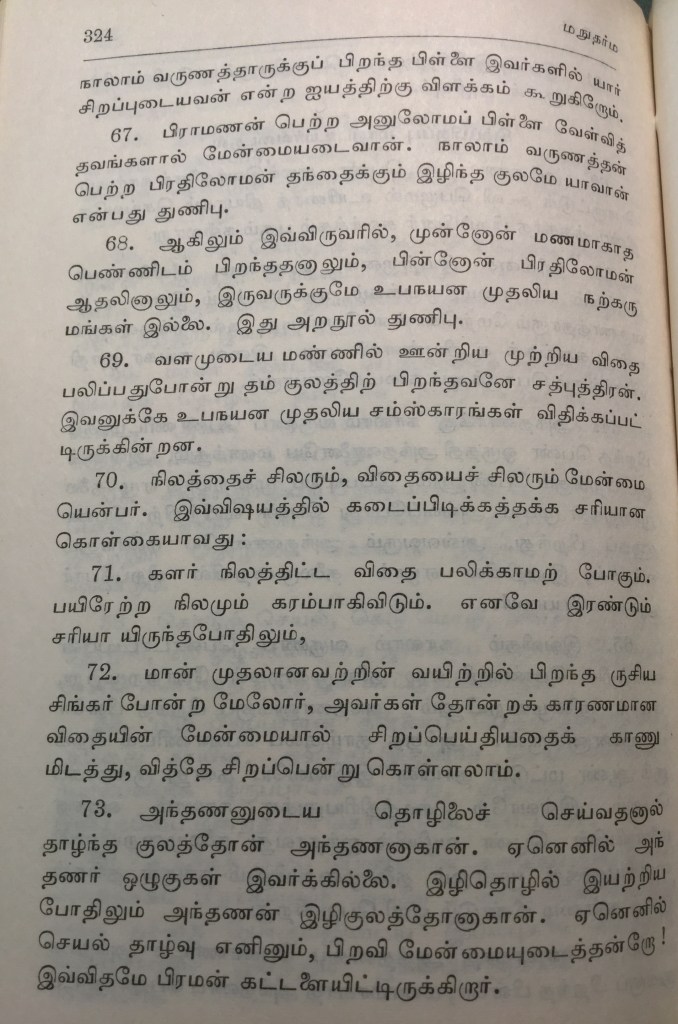
68. The law prescribes that neither of the two shall receive the sacraments, the first (being excluded) on account of the lowness of his origin, the second (because the union of his parents was) against the order of the castes.
SEED AND LAND DEBATE
69. As good seed, springing up in good soil, turns out perfectly well, even so the son of an Aryan by an Aryan woman is worthy of all the sacraments.
70. Some sages declare the seed to be more important, and others the field; again others (assert that) the seed and the field (are equally important); but the legal decision on this point is as follows:
71. Seed, sown on barren ground, perishes in it; a (fertile) field also, in which no (good) seed (is sown), will remain barren.
72. As through the power of the seed (sons) born of animals became sages who are honoured and praised, hence the seed is declared to be more important.
73. Having considered (the case of) a non-Aryan who acts like an Aryan, and (that of) an Aryan who acts like a non-Aryan, the creator declared, ‘Those two are neither equal nor unequal.’
Pictures are taken from various sources; beware of copyright rules; don’t use them without permission; this is a non- commercial, educational blog; posted in swamiindology.blogspot.com and tamilandvedas.com simultaneously. Average hits per day for both the blogs 12,000
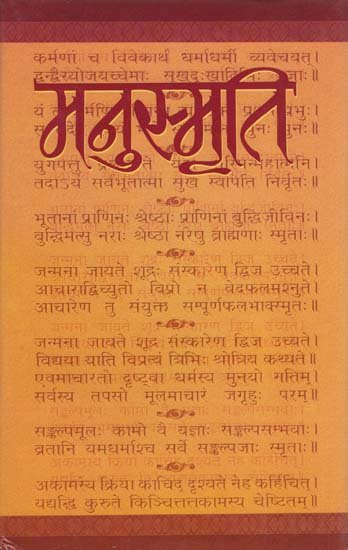
மநு நீதி நூல் – Part 46
ஒன்பதாவது அத்தியாயத்தை 16-11-2019-ல் முடித்தோம் . இன்று பத்தாவது அத்தியாயத்தைத் துவங்குவோம் இணைப்பில் முழு சுலோகங்களின் பொருள் உளது. முதலில் சுவையான செய்திகளை புல்லட் (BULLET POINTS) பாயிண்டுகளில் தருகிறேன்.
please go to swamiindology.blogspot.com for an old Manu Smriti Tamil Book.
இந்த அத்தியாயத்தில் மிக முக்கியமான பொன்மொழி ஸ்லோகம் 63-ல் வருகிறது .
அஹிம்ஸை, உண்மை, பிறர் பொருள் திருடாமை, தூய்மை , புலன் அடக்கம் ஆகியன நான்கு ஜாதிகளுக்கும் பொது என்று அறிவிக்கிறார்.
அதற்கு அடுத்த முக்கியத்துவம் வாய்ந்தது ஸ்லோகம் 62 ஆகும் . பிராமணன், கோ மாதா ,பெண்கள், குழந்தைகளைக் காக்க உயிர்விடுவோர் உயர்நிலையை அடைவர். இது சிலப்பதிகாரத்திலும் வருகிறது. மதுரையை எரிப்பதற்கு முன்னர் இவர்களை மட்டும் வருத்தாதே , தீண்டாதே என்று அக்கினி தேவனுக்கு கண்ணகி கட்டளை இடுகிறார். திருவள்ளுவரும் பிராமணர்களையும் பசுவையும் முதலில் வைக்கிறார். குறள் 560, 1066.
ஸ்லோகம் 65-ல் ஏழே தலைமுறையில் சூத்திரன் பிராமணன் ஆகிவிடுவான் என்கிறார்.
ஸ்லோகம் 69 முதல் 73 வரை மநு ஒரு சுவையான பட்டிமன்றம் நடத்துகிறார் விதை/ஆண் முக்கியமா , நிலம்/பெண் முக்கியமா என்று. இறுதியில் நல்ல நிலத்தில் நல்ல விதை விதைப்பதே சாலச்சிறந்தது என்று தீர்ப்பு வழங்குகிறார் .
இந்த அத்தியாயத்தில் முதல் 70 சுலோகங்களில் கலப்புத் திருமணம், அவர்களுக்குப் பிறந்த குழந்தைகள் பற்றி நிறைய ‘வகை’கள் வருகின்றன. அதில் விராத்யர் , திராவிடர், தஸ்யூ , யவனர் காம்போஜர், சகர் முதலியோர் யார் என்று விளக்கப்படுகின்றனர் . ஆயினும் இவையனைத்தும் இன்று நாம் வழங்கும் பொருளில் பயன்படுத்தப்படவில்லை . ஏனெனில் வேறு பல தேச பெயர்களும் கலப்புத் திருமண வகைகளில் வருகிறது.
இரண்டு விஷயங்கள் தெளிவாகத் தெரிகின்றன.
1.மனு நீதி நூலின் இந்த அத்தியாயம் எழுதப்பட்ட அல்லது சேர்க்கப்பட்ட காலத்தில் கலப்புத் திருமணம் பெருவாரியாக நிகழ்ந்தது. இதை நாம் மகாபாரதத்திலும் காண்கிறோம்.
2.யவனர், திராவிடர், காம்போஜர், சகரர் ஆகியோரும் இந்துக்களே.
முதல் இரண்டு ஸ்லோகங்களில் மூன்று வர்ணத்தினரும் வேதம் படிக்க வேண்டுமென்பது எந்தக் காலம் வரை பின்பற்றப்பட்டது என்பதை ஆராய வேண்டும்.
சுலோகம் 20, 22 –திராவிடர், விராத்யர் பற்றிப் பேசுகிறது. தமிழ்ச் சங்கத்தில் நக்கீரர் முதலிய பிராமணர்கள் விராத்தியர் எனப்படுவர். அவர் சங்கு அறுத்து வளையல் செய்யும் தொழிலில் இருந்தார்.
ஸ்லோகம் 25 முதல் கலப்புத் திருமண தம்பதிகளுக்குப் பிறந்த குழந்தைகள் பற்றிப் பேசப்படுகிறது. இவையெல்லாம் இக்காலத்தில் பொருத்தம ற்றதாகிவிட்டன.
ஸ்லோகம் 47 முதல் அவர்கள் செய்யவேண்டிய தொழில்கள் பற்றி வருகிறது.
ஸ்லோகம் 58-ல் ஆர்யன் (ARYAN) அல்லாதான் குணம் பற்றி வருகிறது. இன்று இனப் பொருளில் பயன்படுத்தும் ஆர்யன் அல்ல இது . பண்பாடற்றவன் என்பதே பொருள்- அனார்யன் . என்றால் நாகரீகமற்றவன் என்று பொருள். கிரேக்கர்கள் மற்றவர்களை பார்பேரியன் (BARBARIAN) என்று அழைத்தது போல. இன்று அந்தச்சொல்லின் பொருள் காட்டுமிராண்டி
Pictures are taken from various sources; beware of copyright rules; don’t use them without permission; this is a non- commercial, educational blog; posted in swamiindology.blogspot.com and tamilandvedas.com simultaneously. Average hits per day for both the blogs 12,000
பாக்யா 1-12-2019 இதழில் அறிவியல் துளிகள் தொடரில் வெளியாகியுள்ள ஒன்பதாம் ஆண்டு இருபத்தி ஒன்றாம் கட்டுரை அத்தியாயம் 437
செஸ் விளையாட்டு உடலின் ஆற்றலை உறிஞ்சுகிறதா? பரபரப்பு ஆய்வு!
ச.நாகராஜன்
அனடாலி கார்பாவ் (Anatoly Karpov – தோற்றம் 23-5-1951 இப்போது வயது 68) உலகின் மாபெரும் செஸ் சாம்பியன். 1999ஆம் ஆண்டு விளையாட்டிலிருந்து ஓய்வு பெறும் வரை அவரே உலகின் செஸ் சாம்பியன்.
ஆனால் 1984ஆம் ஆண்டு நடந்த உலக செஸ் சாம்பியன் போட்டி திடீரென்று பாதியில் நிறுத்தப்பட்டது. கார்பாவ் அவரை எதிர்த்து விளையாடிய காஸ்பரோவை (Garry Kasparov தோற்றம் : 13-4-1963 இப்போது வயது 56) விட முன்னணியில் தான் இருந்தார். இருந்தும் ஏன் செஸ் போட்டி நிறுத்தப்பட்டது?
இந்தப் போட்டி நடைபெற்ற போது ஐந்து மாதங்களில் கார்பாவ் 10 கிலோ எடையை இழந்திருந்தார். இதனால் போட்டியை நடத்தியவர்கள் கவலையுற்று போட்டியை நிறுத்தி விட்டனர். உலக செஸ் சாம்பியனின் உடல் நிலை கவலைக்கிடமாக ஆகி விடக்கூடாது என்பதே அவர்களின் கவலை.
கார்பாவ் வெற்றி பெற்றதாக அறிவிக்கப்பட்டார்.
இப்படி விளையாட்டில் தீவிரமாக சிந்திப்பதில் ஒரு நாளைக்கு 6000 கலோரியை அவர் செலவிட வேண்டி இருந்தது என்பது தெரிய வந்தது.
விஞ்ஞானிகள் அவர் ஏன் தன் சக்தியை இழந்தார்? செஸ் போட்டியில் எந்தக் காயை எப்படி நகர்த்தலாம் என்று இடைவிடாது சிந்தித்ததாலா அல்லது வேறு ஏதேனும் காரணம் உண்டா – மூளை அவ்வளவு சக்தியை உறிஞ்சுகிறதா? – என்று ஆராயத் தொடங்கினர்.
சாதாரணமாக உடல் சும்மா இருக்கும் போது – அதாவது சுவாசம், ஜீரணம், உடலைத் தகுந்த வெப்பநிலையில் வைத்திருப்பது போன்ற இயல்பான காரியங்களைத் தவிர வேறெதுவும் செய்யாதிருக்கும் போது – உடலின் மொத்த ஆற்றலில் மூளை 20 முதல் 25 சதவிகிதம் உபயோகிக்கிறது. இதற்கான குளுகோஸை அது எடுத்துக் கொள்கிறது.
ஒரு நாளைக்கு ஆணானாலும் சரி, பெண்ணானாலும் சரி 350 முதல் 450 கலோரிகள் வரை இதற்காக தேவைப்படுகிறது. ஆனால் குழந்தைப் பிராயத்திலோ – 5 முதல் 6 வயதாக இருக்கும் போது மூளை உடலின் ஆற்றலில் 60 சதவிகிதத்தை எடுத்துக் கொள்கிறது. இதை டியூக் பல்கலைக்கழகத்தின் இணைப் பேராசிரியர் டக் பாயர் தெளிவு படுத்துகிறார். இப்படி மூளை உடல் சக்தியை எடுத்துக் கொண்டாலும் அது உடல் எடையில் 2 சதவிகிதமே ஆகும்.
புதிதாக ஒரு விஷயத்தைக் கற்றுக் கொள்ள வேண்டுமெனில் மூளைக்கு அதிக சக்தி தேவைப்படுகிறது. ஆனால் தனது வேலையில் ஒருவர் நல்ல திறமை பெற்று விட்டார் எனில் மூளைக்கு அதிக சக்தி தேவைப்படுவதில்லை.
அறிவியல் ரீதியாக இது கண்டுபிடிக்கப்பட்ட போது செஸ் விளையாட்டில் மிகத் திறமைசாலியான கார்பாவ் ஏன் 10 கிலோ எடையை இழந்தார் என்ற கேள்வி எழுந்தது.
இதற்கான காரணம் அதிகம் சிந்தித்தனால் அவர் உடல் எடையை இழக்கவில்லை, மாறாக தீவிரமான விளையாட்டின் போது அவர் மனஉளைச்சலுக்கு ஆளானதோடு, வேளாவேளைக்கு உணவை எடுத்துக்கொள்ளவில்லை, அதனால் தான் அவருக்கு எடை இழப்பு ஏற்பட்டது என்று அறிவியல் நிபுணர்கள் முடிவுக்கு வந்தனர். சாதாரணமாக, நிபுணர்களாக உள்ள செஸ் விளையாட்டு வீரர்கள் தீவிரமாக விளையாடுகையில் அவர்களுக்கு மன இறுக்கம் ஏற்படுகிறது. இதனால் இதயத் துடிப்பு அதிகமாகிறது. வேகமாக சுவாசிக்க வேண்டிய நிர்பந்தம் உருவாகிறது. உடல் வியர்க்கிறது. இவ்வளவும் சேரும்போது அவர்களது உடல் அதிக கலோரியை இழக்க ஆரம்பிக்கிறது. அத்துடன் இந்த விளையாட்டு நிபுணர்கள் எட்டு மணி நேரம் வரை தொடர்ந்து விளையாட்டில் அமர வேண்டி நேர்கிறது. அப்போது தினசரி நடைமுறையில் இருக்கும் உணவுப் பழக்கத்தை அவர்களால் மேற்கொள்ள முடிவதில்லை. ஆகவே ஆற்றல் இழப்பு அதிகமாக ஏற்படுகிறது. இது சாதாரணமாக அரங்கத்தில் நிகழ்ச்சிகளை நடத்தும் இசைக் கலைஞர்கள் உள்ளிட்ட அனைவருக்கும் ஏற்படும் ஒன்று.
உங்கள் உடலை ஒரு வேலையில் தீவிரமாக ஈடுபட வைத்தால் அப்போது அதற்கு அதிக ஆற்றல் தேவைப்படுகிறது. அதனால் உடலில் எடை இழப்பு ஏற்படும் என்பது அறிவியல் கண்டுபிடிப்பு.
ஆகவே கார்பாவ் ஏன் உடலில் 6000 கலோரியை இழந்தார் என்ற கேள்விக்கு, அவர் செஸ் விளையாட்டின் போது அதிகம் சிந்தித்ததால் எடையை இழக்கவில்லை; மாறாக அவர் மன இறுக்கத்திற்கு ஆளானதும், வேளா வேளைக்குச் சரிவர உணவை எடுத்துக் கொள்ளவில்லை என்பதுமே காரணங்கள் என்பது முடிவாகத் தீர்மானிக்கப்பட்டது.
ஆகவே எவ்வளவு வேண்டுமானாலும் தீர்க்கமாக சிந்திக்கலாம் என அறிவியலே முத்தாய்ப்பாகக் கூறி விட்டதால் இனி கவலைப்படாமல் நிறைய சிந்திக்கலாமே!
மூளை பற்றிய காலம் காலமாகக் கூறப்பட்டு வரும் இன்னொரு ‘உண்மை’ நாம் அனைவருமே நமது மூளையில் பத்து சதவிகிதம் தான் பயன்படுத்துகிறோம் என்பது. இது உண்மையில்லை, கட்டுக்கதை என்கிறது நவீன அறிவியல். எல்லோருடைய மூளையின் அனைத்துப் பகுதிகளும் பயன்படுத்தப்பட்டே வருகிறது என்பது அறிவியலின் சமீப கால முடிவு. மூளையை ஸ்கேன் செய்து பார்த்த நிபுணர்கள் மூளையின் வெவ்வேறு பகுதிகள் வெவ்வேறு சமயங்களில் உபயோகப்படுத்தப்படுகின்றன என்று கூறுகின்றனர். இப்படி பத்து சதவிகிதம் தான் மூளை பயன்படுத்தப்படுகிறது என்ற கட்டுக்கதையான ஒரு தகவல் எப்படி யாரால் முதலில் சொல்லப்பட்டது என்பது சரியாக விளங்கவில்லை. எல்லோரும் எப்போதும் மூளையின் எல்லா பகுதிகளையும் பயன்படுத்துதல் என்பது முடியாத காரியம். தேவைப்படும் போது தேவையுள்ள தசைப் பகுதிகள் பயன்படுத்தப்படுகின்றன, அவ்வளவு தான்!!
நாம் என்ன, இதயம், கண், காது போன்ற இதர உடல் அங்கங்களை பத்து சதவிகிதம் தான் உபயோகப்படுத்துகிறோமா என்று கேட்கின்றனர் விஞ்ஞானிகள்.
இப்படி மூளையைப் பத்து சதவிகிதம் தான் நாம் பயன்படுத்துகிறோம் என்று சொல்கிறார்களே, அவர்கள் தாம் தங்கள் மூளை ஆற்றலில் பத்து சதவிகிதம் பயன்படுத்துபவர்கள் என்று கலாய்க்கிறார்கள் விஞ்ஞானிகள்.
ஆகவே மூளை ஆற்றலை நன்கு பயன்படுத்தி அதிகம் சிந்தித்து அதிகம் பயன் எய்தலாம் என்பதே அறிவியலின் முடிவு!
அறிவியல் அறிஞர் வாழ்வில் .. ..
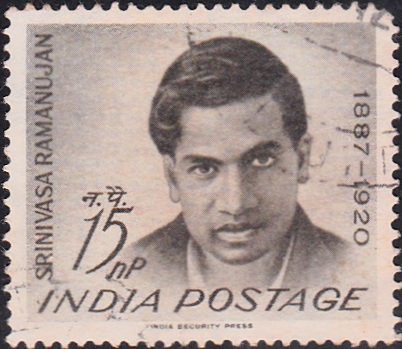
சீனிவாச ராமானுஜன் உலகப் புகழ் பெற்ற அதிசய கணித மேதை. (தோற்றம் 22-12-1887 மறைவு : 26-4-1920) 32 ஆண்டுகளே வாழ்ந்த இந்த மகா மேதையின் கணிதக் கண்டுபிடிப்புகள் பற்றி இன்றும் உலக அறிஞர்கள் வியந்து பாராட்டுகின்றனர்.
சீனிவாச ராமானுஜன் ஹார்வர்ட் பல்கலைக் கழகத்தில் ஒரு தொடர் சொற்பொழிவை ஆற்றினார். அவரை ஆதரித்துப் பாராட்டிய பெரும் கணித மேதையான ஜி.ஹெச். ஹார்டி அந்தச் சொற்பொழிவுகளைத் தொகுத்து ஒரு நூலாக வெளியிட விரும்பினார். அந்த நூலில் வெளியிட ராமானுஜனின் ஒரு போட்டோ வேண்டுமென அவர் விரும்பினார். இதற்காகப் பலரை அணுகிய போதும் ஒரு போட்டோ கூட கிடைக்கவில்லை. கடைசியாக அவர் சுப்ரமணியம் சந்திரசேகரை அணுகி ஒரு போட்டோவை எப்படியாவது கொண்டு வரும் படி கேட்டுக் கொண்டார்.
சந்திரசேகர் இந்தியாவிற்கு வருகையில் ராமானுஜனது (விதவை) மனைவியை அணுகினார். ராமானுஜத்தின் மனைவியிடம் ஒரே ஒரு போட்டோ இருந்தது. அதை அவர் கொடுத்தார். அதிலிருந்து மூன்று போட்டோக்களை என்லார்ஜ் செய்த சந்திரசேகர் ஒன்றை ராமானுஜனின் மனைவிக்குக் கொடுத்தார். இன்னொன்றை ஹார்டிக்கு அனுப்பினார். மூன்றாவது போட்டோவைத் தான் வைத்துக் கொண்டார்.
நூல் ராமானுஜனின் போட்டோவுடன் வெளியானது.
மிகப் பெரிய கணித மேதையான ராமானுஜனின் ஒரே போட்டோ இது தான். ஒரு வேளை, பிரிட்டனுக்குச் செல்லும் போது பாஸ்போர்ட்டுக்காக அவர் எடுத்த போட்டோவாக இது இருக்கலாம் என எண்ணப்படுகிறது.
இன்னொரு கணித மேதையான பால் எர்டோஸ் (1913-1996) இந்தியாவிற்கு இரு முறை சொற்பொழிவாற்ற அழைக்கப்பட்டு இந்தியா வந்தார். தனக்குச் சொற்பொழிவுக்காக அளிக்கப்பட்ட பணத்தை அவர் ராமானுஜனின் விதவை மனைவிக்கு அனுப்பி உதவினார்.
Pictures are taken from various sources; beware of copyright rules; don’t use them without permission; this is a non- commercial, educational blog; posted in swamiindology.blogspot.com and tamilandvedas.com simultaneously. Average hits per day for both the blogs 12,000
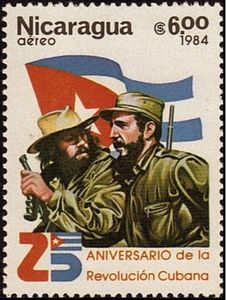
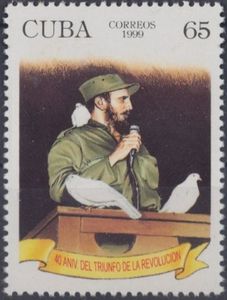
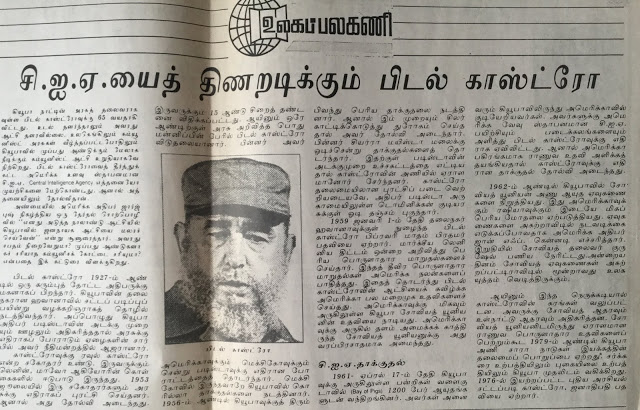
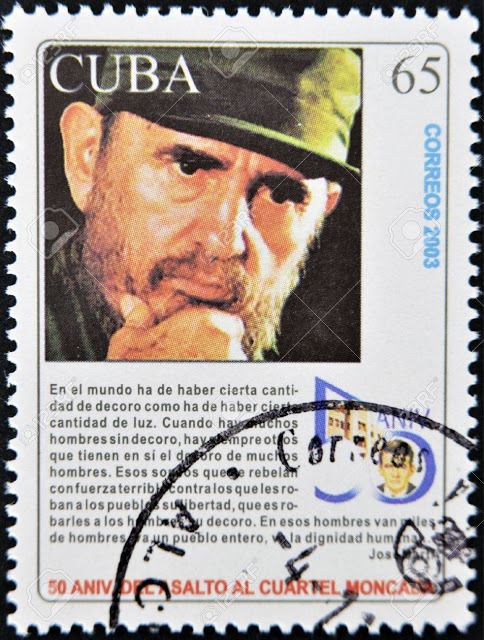
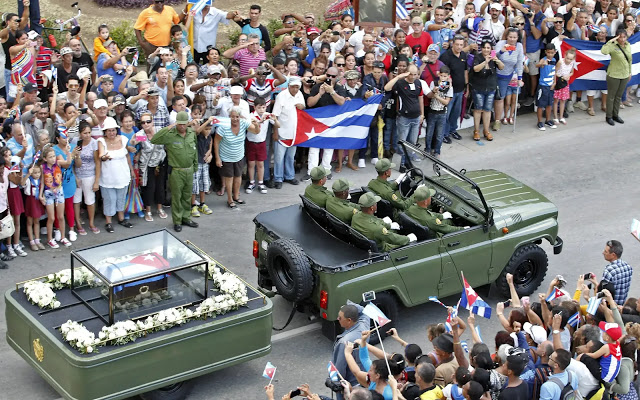
அமெரிக்காவுக்குப் பக்கத்தில் இருந்து கியூபா நாட்டை ஆண்டவர் பிடல் காஸ்ட்ரோ. அவரை அமெரிக்க உளவு ஸ்தாபனத்தாலும் கூட கொல்ல முடியவில்லை. சிலருக்கு ஆயுஸ் அவ்வளவு கெட்டி. இறுதி வரை அஜாத சத்ருவாக இருந்து இறந்தார். தனது சகோதரரையே பதவியில் அமர்த்திவிட்டு உயிர்நீ த்தார் . நான் தினமணியில் 1992ல் எழுதிய கட்டுரை இதோ –
காஸ்ட்ரோ பிறந்த ஆண்டு — 13 ஆகஸ்ட் 1926
இறந்த ஆண்டு – 25 நவம்பர் 2016
ஒன்பது அமெரிக்க ஜனாதிபதி ஆட்சிகளை வேடிக்கை பார்த்தவர்.
Pictures are taken from various sources; beware of copyright rules; don’t use them without permission; this is a non- commercial, educational blog; posted in swamiindology.blogspot.com and tamilandvedas.com simultaneously. Average hits per day for both the blogs 12,000
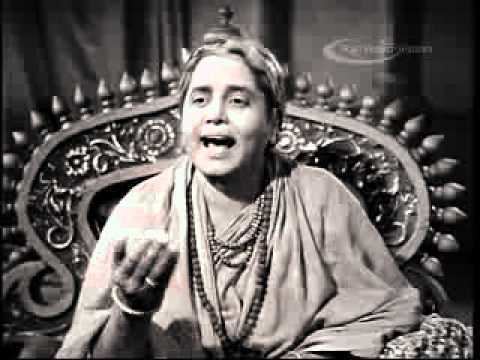
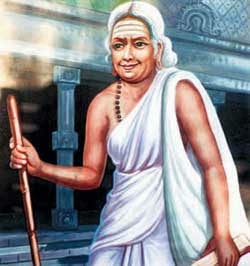
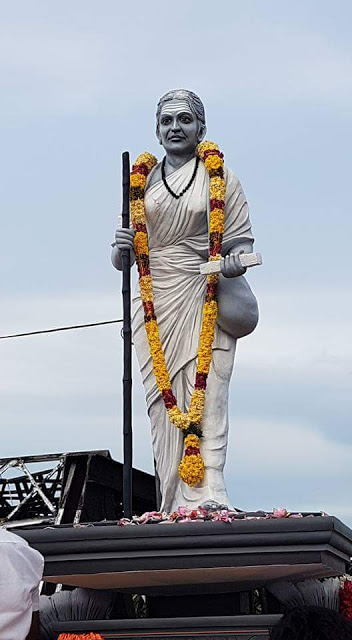
Tamil women are great poetesses, temple builders and social reformers. Andal ,a devotee of Vishnu, and Karaikkal Ammaiyar, a devotee of Shiva are known to many. Avvaiyar is a household name in Tamil Nadu; but many Avvais existed in various ages. Probably the word AVVAI was used for an old woman completely devoted to God; that is a full timer on public service, widowed OR not married . Scholars think that six women known as Avvai lived in Tamil Nadu. But linguistically speaking, we can see at least four Avvais clearly. One belong to Sangam age , another belongs to middle age and the third one is from our times. The language of the poems draws a clear cut line. Fourth one is in between them.
The most famous Avvai existed during Sangam age i.e. 2000 years ago. She was well versed in Tamil and bold enough to challenge and advise the mighty Tamil kings. But she was respected by one and all. The Tamils were fighting among themselves from the very beginning of history. The longest infighting race in the world. Avvai was bold enough to advise them to stop fighting.
A great Chola king Peru Narkilli did a Rajasuya Yagam like Yuthisthiraa of Mahabharata. Chera king and the Pandya king attended the Hindu fire ceremony. Grand old lady of Tamil country Avvaiyar came there and blessed them. She sang that they must be united like this for ever and live longer in years than the number of stars in the sky and the number of drops in the rain. She advised them to give a lot of gold to worthy Brahmins (See Purananuru verse 366).
She went to another inexperienced king and advised him not to fight with his enemy. She used very subtle language and said to him “your weapons are brand new and shining like silver whereas your enemy’s weapons are blunt, rusty and bloody. The message she hinted was ‘Oh, you idiot, you don’t know what a battle is like, where as your enemy is an experienced fighter.”
She was in the court of Neduman Anji, the Adigamaan Chief of Tagadur (Dharmapuri). He held her in high esteem and even gave her the Nelli (amla) with rare medical properties. He entrusted her an embassy to the Chief of Tondaimandalam. She composed many poems on the generosity of Adigaman. For vigour and depth of feeling her odes to Adigaman are second to none in the Purananuru collections.
After the death of Adigaman she visited several places in Tamil Nadu. Avvai took her themes from life in the palace and in the country farm. The simple pleasures and the daily cares of the lowly appealed to her even more than the chivalry of heroes and the magnificence of princes. Her odes which are included in the Sangam collections Akananuru, Purananuu, Natrinai and Kuruntokai, are a true mirror of contemporary Tamil life. With a rare economy of words she creates marvellous pen pictures , and some poetic imagery; she adds choice moral precepts. She is a great exponent of morality.
We see one Avvai as most famous Tamil poet Tiruvalluvar’s sister (probably around fourth or fifth century CE) and another Avvai with Sundarar and Cheraman Perumal (probably ninth century) and another Avvai who composed Athichudi and other poems in simple Tamil during modern times. She is the one devoted to Lord Skanda/Muruga and author of Vinayakar Akaval. So one can easily see four different Avvais. Pithy aphorisms of later Avvai are lisped by Tamil children even today as introduction to Tamil poetry and a guide to a moral life.
Tradition ascribes to Avvai a strange parentage- a Brahmana father and a low caste mother brought up in a Brahmana family. She has six siblings along with Tiru Valluvar. This story is found in all books that were published 75 years ago. This Avvai came after Sangam age. Her poetic talents were first discovered by Buuda, a petty chieftain of Pulveluur on the River Pennaaru.
( Tamils killed each other continuously for 1200 years and then invited Muslim invaders to kill all the Tamils. For 150 years Tamils were ruled by Muslim invaders and then Telugus saved Tamil Nadu, Tamil Culture, Tamil temples and Hinduism. Kumara Kampannan came with his wife Ganga Devi to Madurai and sounded the death knell to Muslim Rule. Tamils are ever grateful to the Telugus. Without them Tamil Pakistan would have emerged 500 years before the actual Pakistan.)
Angavai and Sangavai
One of the great Tamil philanthropists is Chieftain Vel Pari. He had two daughters named Angavai and Sangavai. They were well educated and could compose poems. Paari was ruling a small area called Parampunaadu. Three great Tamil kings of Chera, Chola and Pandya wanted to marry those girls. When Pari refused they laid a siege around his small kingdom. Kabilar, a brahmin poet was his close friend . He helped him to break the siege by training thousands of parrots to bring grains from around the kingdom. But at the end Chieftain Pari was killed . Since Kabilar took care of Pari’s daughters, the three kings could not touch them . Kabilar contributed highest number poems to the Sangam corpus . He was the only poet sung and praised by other poets. He was praised as a Brahmin of spotless character . He was a revolutionary who broke the barriers of caste 2000 years ago. He got them married and then entered fire like several Hindu saints. That place is called Kabilar Rock near Tirukkovalur in Tamil Nadu.
One of the Purananuru collections is sung by these two daughters. An unconquerable hero, he fell a victim to foul treachery and his orphaned girls were exiled from their home . The hymn is an exquisite pen picture of their sufferings in exile, presented in sharp contrast to their past life of affluence and luxury in their palace at Parambu Naadu. See Puram verse 112.
Pictures are taken from various sources; beware of copyright rules; don’t use them without permission; this is a non- commercial, educational blog; posted in swamiindology.blogspot.com and tamilandvedas.com simultaneously. Average hits per day for both the blogs 12,000





























 Tamil and Vedas
You must be logged in to post a comment.