Ancient Tamil Encyclopaedia -Part 37; One Thousand Interesting Facts -Part 37 (Post No.15,232)

Written by London Swaminathan

Post No. 15,232

Date uploaded in London –  1 December 2025

Contact – swami_48@yahoo.com

Pictures are taken from various sources for spreading knowledge.

this is a non- commercial blog. Thanks for your great pictures.

tamilandvedas.com, swamiindology.blogspot.com

xxxx  

 Part 37

Item 222

Akanānūru 17 composed by poet Kayamanār has interesting information about Tamil girls’ games and a few similes.

The poet’s name itself is interesting. We don’t know his given name. It is only a name given by the compilers of Akananuru anthology. It means Tank or water source. Because he has used this Kayam/water source in one of his poems, they named him Mr Tank or Mr Lake.

***

223

We come across the games played by Tamil girls 2000 years ago. They played ball games and jugglery with bean seeds.

Ball game originated in India. They made balls with flowers or cloth. It is like our ball badminton. But they did not use a net; they simply played throw and catch and jugglery.

With the big seeds from the bean plants, they played jugglery. Depending upon the skill of the player they used more seeds; throwing them up and catching them before they fell on the ground and at the same time more seeds are picked up from the ground. This type of jugglery is seen in Covent Garden in London and other town centres around the world.

***

224

The similes used by the poet is also interesting. The flowers from the silk cotton tree (Ilavam in Tamil) falling on the ground in the gusty wind are compared to the flame in the mud lamp. And the bare tree left with a few flowers is compared to a few stars in the morning sky. It is true that we see bright planets like Venus and Jupiter and bright stars like Sirius, Betelgeuse or Canopus when the sun is rising in the horizon.

Other scenes with salt vendors carts, Ya trees with torn barks are not uncommon. But the poet talks about jewels as well. Anklets in girls’ feet, bangles in her friends’ wrists.

***

225.

Last but not the least poet appreciates the courage of the teenage girl saying that she is too intelligent for her age. The reason for this is earlier she complained pain in her limbs when she played ball game and bean seed game. Now she is ready to run away with a youth along the arid, desert like region what Tamils call Paalai land.

சிறு முதுக்குறைவி too intelligent for her age :  வளம் கெழு திரு நகர்ப் பந்து சிறிது எறியினும் throwing ball game; இளம் துணை ஆயமொடு கழங்கு உடன் ஆடினும் juggling with large bean seeds

***

226

Akanānūru 18, Kapilar, Kurinji Thinai – What the heroine’s friend said to the hero

Akanānūru 18 composed by the most celebrated Sangam poet Kapilar has not much interesting details. The message of the poem is that the lover should come and meet the lady love in daytime instead of dangerous nighttime. If something happens to him she will die and we, her friends, will be in agony. And the hazards in his way are described graphically: flooded wild river in the mountain, floods dragging rut elephants, but courageous wild boar crossing it in spite of crocodiles lying on the rocks. When he comes to the meeting place, we are shown beautiful flowering trees with honeycombs

Indirectly saying ‘get married soon without taking great risk’. Kapilar is very good in portraying nature.

***

227

Akanānūru 19 composed by Porunthil Ilankeeranār has nothing new except a comparison between the owl and makuli drum. Both emit similar sounds. One more point should be noted. The owls don’t hoot without meaning; they speak with meaning like drums, says the poet. The hero speaking to himself about leaving his wife on a business trip; we come across Makuli drum, a musical instrument.

***

228

Speaking Drums

African tribes use drums to convey messages. Different types of beating convey different messages for their tribe at a distance.  Here also Tamil commentators add such messages in the commentary for this verse. Tamil commentators hear the drums saying குத்திப்புதை, சுட்டுக்குவி meaning stab and bury; burn and pile up (see Manikkanar commentary in Varthamanan Pathippakam publication)

Three Old Articles written by me from Year 2014

தமிழ் முரசுடமாரம் பற்றிய அதிசயச் செய்திகள்

கட்டுரையை எழுதியவர் :– லண்டன் சுவாமிநாதன்

ஆராய்ச்சிக் கட்டுரை எண்- 1386தேதி நவம்பர் 32014.

தமிழில் முரசு, பணை, முழவு, பறை பற்றிய பல சுவையான செய்திகள் இருக்கின்றன. முதலில் 2000 ஆண்டுப் பழமையான சங்க இலக்கியச் செய்திகளைக் காண்போம்.

1.அரசனுக்குப் பத்து அடையாளச் சின்னங்கள் உண்டு. அதில் ஒன்று முரசு. சங்கத் தமிழ் நூல்களில் முரசுடை மூவேந்தர் என்று சேர சோழ பாண்டியர் பாராட்டப்படுவர். மாணிக்கவாசகப் பெருமான் சிவபெருமானை அரசனாக வைத்துப் பாடிய திருத் தசாங்கத்திலும் பாரதியார், பாரத மாதாவை ராணியாக வைத்துப் பாடிய திருத் தசாங்கத்திலும் முரசு பற்றிய பாடல்களைக் காணலாம் (தச + அங்கம் = தசாங்கம்)

இன்பான் மொழிக் கிள்ளாய் எங்கள் பெருந்துறைக்கோன்

முன்பான் முழங்கு முரசு இயம்பாய் — அன்பாற்

பிறவிப் பகை கலங்கப் பேரின்பத் தோங்கும்

பருமிக்க நாதப் பறை (திருத் தசாங்கம், திருவாசகம்)

2.கோட்டை வாயில் கொத்தளங்களில் முரசுகள் வைக்கப்படிருந்தன. கம்ப ராமாயண பால காண்ட, திரு அவதாரப்படலத்தில் கம்பனும் அயோத்தி மாநகர கோட்டையின் மேல் முரசுகள் முழங்கியதைப் பாடினன்.

3.முரசுகள் மூவகைப்படும்: கொடை முரசு, படை முரசு, மண முரசு என்னும் மூவகை முரங்களும் எப்பொழுதும் ஒலித்துக் கொண்டிருக்கு மாகலின் முரசு முழங்கு நெடுநகர் எனப்பட்டது என்று பதிற்றுப்பத்து பாடலுக்கு (2-7) உரை எழுதிய மி.பொன். இராமநாதன் செட்டியார் கூறுவர்.

4.போரில் முழக்கப்படும் வெற்றி முரசினைத் தெய்வமாகவே கருதி வீரர்கள் வழிபட்டதை சங்க இலக்கிய நூல்களில் பரக்கக் காணலாம். வீரர்கள் தாம் பெற்ற வெற்றி மகிழ்ச்சியில் ஆடிக் கொண்டே சென்று முரசை வழிபாட்டனர் என்று பதிற்றுப்பத்து (2-17-5/10) கூறும்

5.முரசில் உறையும் தெய்வத்துக்கு மாமிசம், ரத்தம், சோறு கலந்த பிண்டம் பலியாகத் தரப்பட்டது. இது பற்றி பதிற்றுப்பத்து (3- வரி30/39) உரையில் செட்டியார் அவர்கள் கூறுவதாவது:- தன் படை வீரர்கட்கு கடிய சினம் தோன்றுமாறு பேரொலியுடன் உச்சரிக்கப்படும் மந்திரத்தால் அரிய வெற்றியினைத் தரும் மரபுடைய முரசுறைக் கடவுளை வணங்கும் பொருட்டு, அக்கடவுளை வழிபடுவோன் பெறுதற்கரிய பிண்டத்தினைத் தன்கையில் ஏந்தி நின்றான். அப்பிண்டத்தைக் கண்டு கொடிய கண்களையுடைய பேய்ப் பெண் கைபுடைத்து நடுங்கினாள். அப் பிண்டம் போன்றே இரத்தம் கலந்த, நிறைந்த கள்ளினையுடைய பெரிய பலியினை எறும்பும் மொய்க்காது. பருந்தும் காக்கையும் மட்டுமே உண்ணும்.

6.முரசு வைக்கப்படும் கட்டில் புனிதமானது. மோசிகீரனார் என்ற சங்கப் புலவர் தகடூர் எறிந்த பெருஞ்சேரல் இரும்பொறை என்ற சேர அரசனைப் பாடி பரிசில் பெற வந்தார். வந்த களைப்பில் முரசுக் கட்டிலில் படுத்து உறங்கிவிடார். இந்தக் குற்றத்துக்கு மரண தண்டனை கிடைத்திருக்கும். ஆயினும் புலவரின் நிலைமை கண்ட மன்னன் அவருக்கு கவரி வீசி மேலும் நன்றாகத் தூங்க உதவினான். வறுமை கண்டு மனம் இறங்கி அவருக்குப் பரிசு கொடுத்தான் என்று சங்க இலக்கியம் (புறம்.50) மூலம் அறிகிறோம்.

7. முரசுக்குப் போர்த்தும் தோல் வீரம் மிகுந்த காளை மாட்டின் தோலாக இருக்க வேண்டும் என்பது தமிழர் கொள்கை புலியைக் கொன்ற காளை மாட்டின் தோலை வைத்து முரசு தயாரிப்பர். புனை மருபு அழுந்தக் குத்திப் புலியொடு பொழுது வென்ற கனை குரல் உருமுச் சீற்றக் கதழ் விடை (காளை) உரிவை (தோல்) போர்த்த துனை குரன் முரசத் தானை (படை) – என்று சிந்தாமணிச் செய்யுள் கூறும்.

8.இனி ஆ.சிங்காரவேலு முதலியார் அபிதான சிந்தாமணி எனப்படும் தமிழ் என்சைக்ளோபீடியாவில் (கலைக்களஞ்சியம்) சொல்லும் சுவையான செய்திகளைக் காண்போம்: வீர முரசு, நியாய முரசு, தியாக முரசு என்று முரசு, மூன்று வகைப்படும். இதனை ‘’இமிழ் குரல் முரசு மூன்றுடனாளும் தமிழ் கெழு கூடல்’’ என்பதால் அறிக. இதனுள் வீர முரசினை நீராட்டிக் கடலேற்றி ஒலி நெடும் பீலியும், ஒண் பொறி மணித்தாரும் (மயில் தோகை + மாலை ), பொலங் குழை உழிஞையும் பொலியச் சூட்டி ( உழிஞைப் பூ) குருதிப் பலியீந்து (ரத்தம் கலந்த சோறு) பூசித்தல் பண்டைய வழக்கு (புறநானூறு பாடல் 50).

9. புறப் பொருள் வெண்பா மாலையில் முரசவாகை என்னும் துறை — பலியைப் பெறும் முரசு பற்றிக் கூறும் துறை என்றும் —பொன்னால் செய்த உழிஞை அணிந்து ஆடு வெட்டி பலி கொடுக்கும் முரசின் தன்மையைக் கூறும் துறை முரச உழிஞை என்றும் சொல்லப்பட்டுள்ளது.

.

வள்ளுவர் யார்:–

10.வள்ளுவர் யார்:– திருக்குறளை யாத்து உலகப் புகழ்பெற்ற — தமிழுக்கு உலகப் புகழ் பெற்றுத் தந்த — வள்ளுவர், பறை அறிவிக்கும் ஜாதியைச் சேர்ந்தவர் என்று பழைய நூல்கள் பகரும். இது பற்றி சிங்கார வேலு முதலியார் (அபிதான சிந்தாமணி) கூறுவதாவது: பழங்குடியினரில் பாணரை அடுத்து திராவிடரால் மதிக்கப்படவர் இவ்வகுப்பினர். இவர் அரசர் பால் கருமத் தலைவராயும், யானை மேலிருந்து முரசு அறைந்து அரசாணை சாற்றுவோராயும் (அதாவது அரசரின் உத்தரவுகளை யானை மீது ஏறிச் சென்று அறிவிப்போர்) விளங்கினர். இக்குடியினர் இன்றும் உளர்.

இவர் பறையில் சற்று உயர்ந்தவர். இவர்கள் பறையர்களுக்குப் புரோகிதர்கள்— இவர்கள் பிராமணர்கள் புரோகிதர் ஆகாமுன் பல்லவ அரசர்களுக்குப் புரோகிதம் செய்திருந்தவர்கள். இவர்களில் சிலர் புரோகிதம் செய்தும் சோசியம் சொல்லியும் வாழ்கிறார்கள். இவர்களிர் சிலர் தாசிரியராகவும் பூணூல் தரிப்பவராகவும் இருப்பர். இவர்களில் லிங்கதாரிகளும் உண்டு. இவர்களில் இரண்டு பிரிவுகள்: -அறுபது கக்ஷி, நாற்பது கக்ஷி. முதல் கூறியவன் நந்திக்குருக்களின் சந்ததியான்; மற்றவன் சிதம்பர சாயுச்சிய ஐயங்கார் வகையினன்; திருப்பணாழ்வார் குலம் என்பர். இவர்கள் திருவள்ளுவரைத் தங்களினத்தவர் என்பர் (தர்ஸ்டன்)

(அதாவது தர்ஸ்டன் என்பவர் ஜாதிகள் பற்றிச் சேகரித்து ஆங்கிலத்தில் ஏராளமான தொகுதிகளாக வெளியீட்டதில் இருந்து முதலியார் மொழி பெயர்த்தது)

11.தோல் இசைக் கருவிகள் என்ற தலைப்பில் தமிழ்ச் சொற்றொடர் அகராதி (வீ ஜெ செல்வராசு) தரும் தகவல்:–

முழவு:- குளிர், குடமுழா, முழவம், முழா

முழவு:– பேரிகை, படகம், இடக்கை, மத்தளம், தேசி, சல்லிகை, கரடிகை, திமிலை, குடமுழா, தக்கை, கணப்பரை, தமருகம், தண்ணுமை, தவில், தடாரி, அந்தரி, முழவொடு, சந்திர வளையம்,மொந்தை, முரசு, கண்விடு தூம்பு, நிசாலம், துடுமை, சிறுபறை, அடக்கம், ஆசில், தகுணிச்சம், விரலேறு, பாகம், தொக்க உபாங்கி, துடி, பெரும்பறை,

முழவுக்கான மரங்கள்:- கருங்காலி, செங்காலி, வேம்பு, பலா, கஞ்சம், குரவம், மண்; முழவுக்கான தோல்: இளம் பசுவின் வயிற்றுத் தோல்.

தமிழ்க் கள்ளர் தாக்குதல்கள்

12. ஆப்பிரிக்க நாடுகளில் டமாரம் மூலம் செய்திப் பரிவர்த்தனை செய்வர். — பழங்குடி மக்கள் முரசு ஒலி மூலமே பேசிக்கொள்வர். இது போன்ற செய்தி, இரண்டு சங்கப் பாடல்களிலும் வருகிறது. பாலைவனம் வழியாக அல்லது காடு வழியாக வணிகர்கள் செல்வர். கொள்ளையர் தாக்குவர் என்பதாலும், ஒருவருக்கொருவர் உதவி செய்ய வேண்டும் என்பதாலும் வண்டிகளில் தொடர்ச்சியாகச் செல்லுவர். இவர்களை மரம் அல்லது குன்று உச்சியில் இருந்து உளவு பார்க்கும் கள்ளர்கள் தண்ணுமை என்னும் பறையை முழக்கிக்கொண்டு வந்து தாக்குவர். இது பற்றி குறுந்தொகை (390) அகநானூறு (63) ஆகிய பாடல்களில் கருவூர்க் கண்ணம்புல்லனாரும், உறையூர் முதுகொற்றனும் சில செய்திகளைத் தருவர்:–

காதலனும் காதலியும் பாலைவனம் வழியே போவதைக் கண்ட பெரியோர், “சூரியன் மறைந்து விட்டான், பொழுது சாய்ந்துவிட்டது, ஆறலைக் கள்வரின் தண்ணுமை ஒலி கேட்கத் துவங்கும். போகாதீர்கள்”.

ஒரு தாய் தன் மகளிடம் கூறுகிறாள்:

காதலனுடன் அவள் போய்விட்டாள் என்பதற்கு நான் வருந்தவில்லை. களவுத் தொழிலை உடைய எயின மறவர் இசைக்கும் தண்ணுமை ஒலி கேட்டு இவள் பயப்படுவாளே என்றுதான் வருந்துகிறேன்.

இது பழைய தமிழகத்தின் நிலையைப் படம்பிடித்துக் காட்டும். இரவுநேரத்தில் வறண்ட பாலை வழியாகச் செல்வோரை கள்ளர்கள் பறை ஒலி எழுப்பிக் கொண்டு வந்து தாக்குவர். அவர்கள் ஒலி கொடுப்பது மற்றவர்களை நடுங்கச் செய்யவும், தனது கூட்டத்தினருக்கு செய்தி கொடுக்கவும் என்று சொல்லலாம்.

பூமி துந்துபி: ரிக் வேதம் சொல்லும் அதிசயச் செய்திகள்

கட்டுரையை எழுதியவர் :– லண்டன் சுவாமிநாதன்

ஆராய்ச்சிக் கட்டுரை எண்- 1387; தேதி நவம்பர் 3, 2014.

உலகிலேயே மிகப் பழைய நூல் ரிக் வேதம்— ஜெர்மன் ‘அறிஞர்’ மாக்ஸ் முல்லர் கி.மு. 1200-க்குக் கீழ் இதை யாரும் கொண்டு வரவே முடியாது என்று எழுதிவிட்டுச் சென்றார். இப்போது வேத கால சரஸ்வதி நதி நீர் பாலை வனத்துக்கு அடியில் செல்வதும், அதை ரேடியோ ஐசடோப் முறையில் ஆராய்ந்து அதன் பழமையைக் கண்டதும் வேதத்தை மெதுவாக கி.மு. 1700-க்குக் கொண்டு சென்றுள்ளது. இந்துக்களைச் சீண்டுவவதையே பொழுது போக்காக – தொழிலாகக் கொண்ட அமெரிக்க ‘அறிஞர்களும்’ ரிக் வேதத்தின் பழைய பகுதி கி.மு 1700 என்று எழுதத் துவங்கிவிட்டனர்.

ஆனால் ஸ்ரீகாந்த் தலகாரி போன்றோர் ரிக்வேத மன்னர் வம்சாவளிகளை வரிசைப்படுத்தி இது இன்னும் பழமையுடையது என்று நிரூபித்து வருகின்றனர். இதை எல்லாம் கொண்டு பார்க்கையில் உலகில் முரசு, டமாரம் ஆகியவற்றைக் கண்டுபிடித்ததும் நாமே என்று சொல்லத் தோன்றுகிறது. ஆயினும் எகிப்து போலவோ, பாபிலோனியா போலவோ நம்மால் “படம் காட்ட” முடியவில்லை!! ( நம்மிடையே படங்கள் இல்லை!!)

எது எப்படியாகிலும் இலக்கியச் செய்திகளில் நம்மை விஞ்ச எவரும் இல்லை இத்துறையில் — சங்கத் தமிழ் இலக்கியத்தில் உள்ள அதிசய தமிழ் முரசுச் செய்திகளைத் தனியே தந்துவிட்டேன்.

பூமி துந்துபி என்னும் ஒரு வாத்தியம் பற்றி வேத இலக்கியங்கள் சொல்லும். அதாவது பூமியில் பெரிய குழி வெட்டி அதன் மீது மிருகத்தின் தோலைப் போர்த்தி அதை வாசிப்பது பூமி துந்துபி என கீத், மக்டொனல் தயாரித்த வேதிக் இண்டெக்ஸ் கூறும். இது மஹாவ்ரத யாகம் செய்யும்போது வாசிக்கப்படும் – துஷ்ட சக்திகளை விரட்ட இதன் இசை ஒலி உதவும் — சூரியன் தென் திசை செல்லுகையில் வட கோளார்த்தத்தில் இருளும் குளிரும் சூழும். அப்போது இது நிகழும்.

மஹா வ்ரத யாகம் பற்றி அக்னிஹோத்ரம் ராமானுஜாச்சாரியார் என்னும் பேரறிஞர் எழுதிய விஷயம் இந்து நாளேட்டில் வெளியாகி இருக்கிறது. அப்போது வேத கால இன்னிசைக் குழு (ஆர்க்கெஸ்ட்ரா) வாசித்தது. ஏராளமான வாத்தியங்களின் பெயர்களை வேத கால இலக்கியங்களும் அதற்குப் பின் எழுந்த அமர கோஷம் போன்ற நிகண்டுகளும் அள்ளித் தருகின்றன. இதோ மஹவ்ரத யாக இன்னிசை நிகழ்ச்சி:

‘ வேத யாகங்களில் உத்காதா, ஹோதா, அத்வர்யூ என்று பல பொறுப்புகளில் புரோகிதர்கள் இருப்பர். இவர்களில் உத்காதா நாற்காலியில் அமர்ந்து இருக்க, ஹோதா ஊஞ்சலில் ஆடுவார்; அத்வர்யூ பலகையில் அமர்வார். அப்போது சுமார் 100 கம்பி கொண்ட வானா என்ற இசைக்கருவி உள்பட சுமார் 20 வகை இசைக்கருவிகள் இசைக்க, பெண்கள் வட்ட வடிவில் நின்று கால்களால் தாளமிட்டு நகர்வர். அவர்கள் தலைகளில் நீர்க்குடங்கள் இருக்கும் அதாவது கரக ஆட்டம் ஆடுவர். இதுதான் கரக ஆட்டத்தின் தோற்றம்!!

வாண என்ற இசைகருவியே தமிழில் — பண், பாண, யாழ் பாண — என்ற சொற்களை கொடுத்ததா என்று ஆராய்தல் நலம். வேதத்தில் உள்ள யசஸ் – தமிழில் இசை என்று மாறியது. இரண்டுக்கும் புகழ், புகழ் பாடுதல் என்ற பொருள்கள் உண்டு. இது போன்ற நூற்றுக் கணக்கான சொற்களைப் பார்க்கும் எனக்கு, இரண்டு மொழிகளும் ஒரே மூலத்தில் இருந்து உதித்தன என்ற கருத்து வலுப்பட்டு வருகிறது. நிற்க.

(வேதத்தில் எந்தெந்த இடங்களில் இந்தக் குறிப்புகள் உளது என்று அறிய விரும்புவோர் எனது ஆங்கிலக் கட்டுரையைக் காண்க)

ஆடம்பரம் – தோன்றிய வரலாறு

வேதத்தில் ‘’ஆடம்பர’’ என்னும் டமாரம் பற்றியும் வேறு பல முரசுகள் பற்றியும் செய்திகள் உள. தமிழில் “அவர் ஆடம்பரமாக கல்யாணம் செய்தார், ஆடம்பரமாக வாழ்கிறார்” — என்று சொல்லுவோம். உண்மையில் இந்த ஆடம்பரம் என்னும் கொட்டு கொட்டிக் கொண்டு நிகச்சிகள் செய்ததையே அப்படி சொல்கிறோம் என்றே தோன்றுகிறது. ஆக ஆடம்பரம் என்ற சொல் அத்தகைய நிகழ்ச்சிகளில் வாசிக்கப்படும் வாத்யமாகும்.

துந்துபி= தும் தும் பி = என்ற சொல்லில் இருந்து டமாரம், ட்ரம் என்ற சொற்கள் உருவானதையும் காணலாம். அமளி துமளி என்பதில் துமுல என்பது வடமொழிச் சொல். அதாவது “அமர/சமர துமுல” என்பது போர்க்கள ஒலியாகும். இவை எல்லாம் பகவத் கீதை முதல் அத்தியாயத்தில் உள. இதில் இருந்தே “டமல்சுவஸ்” என்ற ஆங்கிலச் சொல்லும் உருவானது.

போர்க்களத்தில் பீஷ்மர் சங்கு ஊதி போரைத் துவக்கினார். அப்போது யார் யார் என்ன சங்கு ஊதினர், பணவ கோமுக வாத்தியங்கள் திருதராஷ்ட் ரர்களின் நெஞ்சையும் விண்ணையும் மண்ணையும் எப்படி அதிரச் செய்தன என்றெல்லாம் பகவத் கீதை முதல் அத்தியாயம் எடுத்த எடுப்பிலேயே வருணிக்கிறது. இதில் துமுல, பணவ (சங்க இலக்கியத்தில் பணை= முழவு= முரசு) என்ற சொற்களைக் காண்க. போர்க்களத்தில் முரசு கொட்டும் வழக்கம் வேத கால வழக்கம் என்பது ரிக்வேதத்தில் ஐயம் திரிபற உறுதியாகிறது.

ரிக் வேதத்தில் உள்ள சம்ஸ்கிருதச் சொற்களை நாம் அன்றாடம் தமிழ் பேச்சு வழக்கில் பயன்படுத்துகிறோம். பூமி என்றும் அதையே தமிழ்ப்படுத்தி புவி என்றும் சொல்லுகிறோம்

வேதம் கூறும் லம்பர, வனஸ்பதி, ஆடம்பர ஆகிய டமாரங்கள் தவிர சிவனின் டமருகம் தான் சம்ஸ்கிருத மொழியின் மூல எழுத்துக்களான 14 மாஹேஸ்வர சூத்ரங்களைக் கொடுத்தது என்பர் ஆன்றோர். அதையே தமிழுக்கும் மறைமுகமாகச் சொல்வர் பரஞ்ஜோதி முனிவர். வடமொழியைப் பாணிணிக்கும் அதற்கு இணையான தமிழ் மொழியை குட முனிக்கும் (அகஸ்தியர்) கொடுத்தவனே என்று சிவனைப் புகழ்வார் பரஞ்சோதி. ஆக தமிழும் சம்ஸ்கிருதமும் ஒரே மூலத்தில் வந்தவை என்பது இப்பாட்டில் இருந்து தெள்ளிதின் விளங்கும். இதனாலன்றோ ஆழ்வார்களும் நாயன்மார்களும் இவ்விரு மொழிகளைக் கண் எனப் போற்றினர்.‘’டாம்டாம்’’ என்ற ஆங்கிலச் சொல்லும் (தமுக்கு அடித்தல்) இந்தியர் உருவாக்கிய சொல்லே. இதை ஆங்கில அகராதியில் காணலாம். நான் சிறு வயதாக இருக்கையில் மதுரையில் தொற்று நோய்கள் (அம்மை, காலரா) பரவும்போதும் , 144 தடை உத்தரவு பிறப்பிக்கப்பட்டபோதும் இப்படி தமுக்கு அடித்துச் சொன்னதை கேட்டிருக்கிறேன். வள்ளுவர் யானை மீது இருந்து பறை அறிவித்து அரசு ஆணைகளை வெளியிட்டவர் என்பதை முன் ஒரு கட்டுரையில் தந்துள்ளேன்.
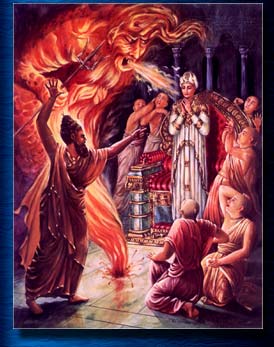
நாமும் தமுக்கு அடிப்போம்: தமிழும் சம்ஸ்கிருதமும் ஒன்றே என்று!!

நாமும் பறை கொட்டுவோம்: தமிழும் சம்ஸ்கிருதமும் இரு கண் என்று!

தமிழ்‌ டமாரம்‌ பற்றிய அதிசயச்‌ செய்தி

Date: 10 AUGUST 2019  

Post No. 6756

ஆப்பிரிக்கப்‌ பழங்குடி மக்கள்‌ முரசு அடித்து செய்திகளைப்‌

பரிமாறிக்‌ கொள்வது எல்லோரும்‌ அறிந்த செய்தி.

தெருவுக்குத்‌ தெரு தமுக்கு (Tom Tom) அடித்து முக்கிய

அறிவிப்புகளை வெளியிடுவது இந்திய நகரங்களில்‌

வழக்கமாக இருந்தது. இப்போது குறைந்து வருகிறது.

திருவள்ளுவர்‌ யானை மீது இருந்து பறை அடித்து அரசு

ஆணைகளை அறிவித்தவர்‌ என்பதும்‌ ஒரு செய்தி.

காடுகள்‌ வழியாகச்‌ செல்லும்‌ வணிகப்‌ பெருமக்களை

மறவர்கள்‌ தாக்கி வழிப்பறி செய்வதை சங்கத்‌ தமிழ்‌

நூல்கள்‌ இயம்புகின்றன. அப்படிச்‌ செய்கையில்‌ அவர்கள்‌

டமாரம்‌ அடித்து அச்சத்தை உருவாக்குவர்‌. இது தமிழ்‌

நாட்டில்‌ மட்டுமின்றி நாடு முழுதும்‌ இருந்ததை

சம்ஸ்க்ருத நாடகங்களும்‌ காட்டுகின்றன.

ஆனால்‌ டமாரம்‌ “பேசும்‌ அதிசயச்‌ செய்தி அகநானூற்றில்‌

வருகிறது.

நன்றாக வாத்தியம்‌ வாசிப்போர்‌ வயலினையோ

ஹார்மோனியத்தையோ வாசிக்கும்போது பாடலின்‌

சொற்களை அப்படியே வாசித்துக்‌ காண்பிப்பர்‌.

சொற்களையே காதில்‌ கேட்கலாம்‌. இது போல

டமாரத்திலும்‌ தமிழர்கள்‌ செய்தனர்‌.

உருமி மேளம்‌, பூம்‌ பூம்‌ மாடு கொண்டு வரும்‌ ஆட்கள்‌

வாசிக்கும்‌ மேளங்களைப்‌ பலரும்‌ பார்த்திருப்போம்‌;

கேட்டிருப்போம்‌. கொட்டும்‌ கொட்டுக்கு எல்லாம்‌ மாடு

தலை அசைக்கும்படி பழக்கி வைத்திருப்பர்‌. அது அவன்‌

கேட்கும்‌ கேள்விக்கு எல்லாம்‌ தலை. அசைத்து பதில்‌

சொல்லும்‌. இது போல வெளிநாட்டில்‌ குதிரைகளைப்‌

பழக்கி அதை நடனமும்‌ ஆட வைத்தனர்‌.

(நான்‌ 40 ஆண்டுகளுக்கு முன்னர்‌ மதுரையில்‌ வசித்தபோது

வாரந்தோறும்‌ சனிக்கிழமை இரவுகளில்‌ தானப்ப முதலித்‌

தெருவிலுள்ள சேதுராம்‌ பஜனை மண்டலிக்கு

பெற்றோருடன்‌ செல்வதுண்டு. அங்கே குண்டுராவ்‌

என்பவர்‌ ஹார்மோனியத்துடன்‌ பஜனைப்‌ பாடல்‌ பாடுவார்‌.

அவர்‌ ஹார்மோனியத்தில்‌ “விளையாடுவார்‌! என்றுதான்‌

சொல்ல வேண்டும்‌. மராத்தி மொழி பாடல்களைப்‌

பாடிவிட்டு ஓவ்வொரு சொல்லையும்‌ ஹார்மோனியத்தில்‌

இசைப்பார்‌. மராத்தி மொழியே தெரியத நான்‌ கூட அடுத்த

முறை அவர்‌ வாசிக்கும்போது அந்தச்‌ சொற்களைத்‌

திரும்பச்‌ சொல்ல முடியும்‌  எதிர்த்தாற்போலுள்ள

ஹோட்டல்‌ வாசலில்‌ ரிக்ஷாக்காரர்கள்‌ சினிமாவின்‌

இரண்டாம்‌ காட்சி (Second Show) முடிந்துவரும்‌

வாடிக்கையாளரைப்‌ பிடிக்கக்‌ காத்திருப்பர்‌. அவர்கள்‌ கூட

குண்டு ராவின்‌ இசைக்கு மயங்கி உள்ளே வந்து சுண்டல்‌

பிரசாதம்‌, அவல்‌ பிரசாதம்‌ வாங்கிச்‌ செல்வர்‌. பஜனை

முடிந்தவுடன்‌ இரவு ஒரு மணி வாக்கில்‌ சிறிது

உரையாடுகையில்‌ ஹார்மோனியத்தில்‌ குண்டுராவ்‌

மேலும்‌ சில மாஜிக்‌ செய்து காண்பிப்பார்‌. அக

நானூற்றின்‌ வரிகளைப்‌ படித்தவுடன்‌ அது நினைவுக்கு

வருகிறது)

அகநானூற்றில்‌ வரும்‌ செய்தி இதோ:

குத்திப்‌ புதைசுட்டுக்குவி

பொருந்தில்‌ இளங்கீரனார்‌ என்ற புலவர்‌ பாடிய பாடல்‌

அகநானூற்றில்‌ (19) வருகிறது;

அன்று அவண் ஒழிந்தன்றும் இலையே! வந்து நனி

வருந்தினை! – வாழி, என் நெஞ்சே! பருந்து இருந்து

உயா விளி பயிற்றும் யா உயர் நனம் தலை

உருள் துடி மகுளியின் பொருள் தெரிந்து இசைக்கும்

கடும் குரல் குடிஞைய நெடும் பெரும் குன்றம்

–அகநானூறு 19.            ர

பொருள்‌

என்‌ நெஞ்சே !நீ நாம்‌ புறப்படும்‌ நாளன்று

நான்‌ வரமாட்டேன்‌ என்று சொல்லி இல்லத்திலேயே தங்கி

விடவும்‌ இல்லை. இவ்வளவு தூரம்‌ வந்து மிகவும்‌

வருத்தம்‌ அடைந்தாய்.‌

உயர்ந்த யா மரங்களில்‌ இருந்துகொண்டு பருந்துகளும்‌

துன்பம்‌ உண்டாக்கும்‌ ஒலியை எழுப்புகின்றன. அங்கு

உருளும்‌ இழுகு பறையின்‌ ஓசையினைப்‌ போல்‌ பொருள்‌

தெரிய ஒலிக்கும்‌ கடுமையான குரலைக்‌ கொண்ட

ஆந்தைகள்‌ உள்ள நீண்ட மலைகள்‌ இருக்கின்றன.

நெஞ்சே இவற்றை என்னோடு சேர்ந்து கடக்கவும்‌

வரமாட்டாய்‌ …….

(அதாவது மனம்‌ என்னும்‌ குரங்கு காதலியின்‌ பக்கம்‌

திரும்பிப்போய்‌ விடுகிறது|

பொருள்‌ தெரிந்து இசைக்கும்‌ என்ற வரிக்கு-

உரைகாரர்கள்‌ சொல்லும்‌ அர்த்தம்‌-

அவ்வோசையைக்‌ கேட்பவர்தம்‌ இயல்புக்கு ஏற்பப்‌

பொருள்‌ தெரியுமாறு ஒலிக்கும்‌. இதன்‌ பொருளாவது: ்‌

வழிப்பறி செய்பவர்‌ வாழும்‌ இயல்புடைய அவ்வழியில்‌

பொருளுடன்‌ போகும்‌ வழிப்போக்கர்க்குக்

“குத்திப்‌ புதைசுட்டுக்குவி”

என்ற பொருள்‌ தோன்ற ஒலித்தல்‌ ; வினைவயின்‌

செல்பவர்க்குத்‌ தீய நிமித்தம்‌ அல்லது நன்னிமித்தமாக

ஒலித்தல்‌ .

உருள்துடி மகுளி– உருண்ட வடிவுடைய இழுகு என்னும்‌

பறை (தோற்கருவி)

மகுளி பற்றி பரிபாடல்‌ (12-10), மலைபடுகடாம்‌ (131) ஆகிய

சங்க நூல்களிலும்‌ காணலாம்‌.

இந்த ஒரு வரியை மட்டும்‌ வைத்துக்கொண்டு ‘டமாரப்‌

பேச்சு’ பற்றி அறிவது இயலாது. எனது முந்தைய

கட்டுரைகளையும்‌ காண்க.

 —Subham—

 Ancient Tamil Encyclopaedia -Part 37; One Thousand Interesting Facts -Part 37, Talking Drums, Akananuru 19, Tamil Games, Jugglery

Ancient Tamil Encyclopaedia -Part 32; One Thousand Interesting Facts -Part 32 (Post.15,181)

Written by London Swaminathan

Post No. 15,181

Date uploaded in London –  14 November 2025

Contact – swami_48@yahoo.com

Pictures are taken from various sources for spreading knowledge.

this is a non- commercial blog. Thanks for your great pictures.

tamilandvedas.com, swamiindology.blogspot.com

xxxx  

Part 32

Item 191

In Akananuru verse 4, poet Kurunkudi Maruthanaar described the Mullai landscape, that is forest land.

The literary convention for this Mullai tract is wife or lady love longing for her lover’s return from business trip.

In this verse all the natural components of Mullai land such as Mullai flower, Kanthal flower, the monsoon rain and the happy deer drinking water from the stagnant ponds.

Love towards living beings

Two interesting things are in the poem.

1

The bees are sucking the nectar from the flowers and on seeing that, the man who is travelling in a chariot immediately stopped the cart and tied the bells in the neck of his horse/s. He did not want to disturb the  happy bees with the bell sound. This shows how much Tamils loved animals, from ant to elephant.

2

Second interesting thing is a simile of a music instrument Yaaz (English word Jazz is derived from it).

The buzzing of the bees is compared to the music of Yaaz. And the monsoon is also described. Woman’s beauty is compared to the blooming Kanthal flower.

In short, every line of the verse has some message.

The literary conventions of the age are seen not only in such gracious blending of the human passions with the beauties of nature but also in the classification of the sentiments of love in accordance with the different regions and assigning them to seasons and hours. This is one of the strangest things in Sangam Tamil poetry. That is not seen in Sanskrit poetry. Tamils not only divided the landscape into five regions, they also allocated flora, fauna and one love sentiment.

The regions are five

Kurinchi – mountain region,

Mullai- forest or pastoral tract,

Marutam – agricultural land,

Neital- coastal area,

Palai , paalai– arid, desert land .

Each of these has its own peculiar flora and fauna, different stages of love. These conventions prove that ancient Tamil poetry was inspired by acute observation of nature and its influence on human life in its different aspects. This is seen in Sanskrit poetry as well. We see it in the Ritu Samharam and Meghadutam of Kalidasa. But Tamils went one step ahead and allocated a specific human emotion to each area. Paalai land means the poet must talk about temporary separation husband or lover due to business trip or studies etc. Mullai means husband or lover hurrying back home before the monsoon.

Monsoon was an important factor in Hindu’s life. Even the ascetics observed Chaatur maasya Vratam (4 month vow) , i.e., they stayed in one place for four months. Other times they were always moving from one town to another. Spring means new season of love. Post harvest period means wedding season.

***

Akam verse five is composed by Paalai Paadiya Perun Kadungo.

It is like a monologue or apostrophe to his heart (mind). After seeing his wife’s face, he dropped the plan of his travel. She used to smile at him but now frowned at him when he said he wanted to go on a business trip.

The poet described the arid Palai land as a place where the falling gooseberries from the trees looked like crystal balls. They looked like the marbles children used to gather for playing.

One proverb is also used the poet. It is not right to part a loving wife was the proverb.

***

A painting simile is used by the poet.

Like Monalisa, paintings reflect the emotions of the people portrayed on it.  Here the poet says as soon as his wife saw my face changing she realised that I am planning a trip abroad. His face reflected his emotions like painting.

Then, what did he see?

He saw his wife smelling the fragrance of the flowers on her child’s head and shed tears. At once, the flowers wilted. Hidden meaning is how stone hearted you are to part me and your child.

***

In verse 4 following lines are to be noted

பாடல் 04 (முல்லை)

முல்லை வைந்நுனை தோன்ற இல்லமொடு

……………………….

தாதுண் பறவை பேதுறல் அஞ்சி,

மணிநா ஆர்த்த மாண்வினைத் தேரன்,

உவக்காண் தோன்றும் குறும்பொறை நாடன்,

****

In verse 5 following lines are to be noted

பாடல் 05 (அளிநிலைபெறா)

அளிநிலை பொறாஅது அமரிய முகத்தள்,

…………

குறுக வந்துதன் கூர்எயிறு தோன்ற

வறிதகத் தெழுந்த வாயல் முறுவலள் 5

கண்ணிய துணரா அளவை, ஒண்ணுதல்,

வினைதலைப் படுதல் செல்லா நினைவுடன்

முளிந்த ஓமை முதையலம் காட்டுப்,

பளிங்கத் தன்ன பல்காய் நெல்லி,

மோட்டிரும் பாறை ஈட்டுவட்டு ஏய்ப்ப, 10

இறப்ப எண்ணுதிர் ஆயின் – அறத்தாறு

அன்று‘ என மொழிந்த தொன்றுபடு கிளவி

–subham—

Tags- Ancient Tamil Encyclopaedia -Part 32; One Thousand Interesting Facts -Part 32

நம்மாழ்வார் பாசுரமும் இலங்கைத் தமிழும் (Post No.15,170)

Written by London Swaminathan

Post No. 15,170

Date uploaded in London –  10 November 2025

Contact – swami_48@yahoo.com

Pictures are taken from various sources for spreading knowledge.

this is a non- commercial blog. Thanks for your great pictures.

tamilandvedas.com, swamiindology.blogspot.com

xxxx  

நான் லண்டனில் வாழும் வெம்பிளி பேட்டை, BRENT COUNCIL பிரென்ட் என்னும் நகரசபையின் கீழ் உள்ளது . இதை இலங்கைத்  தமிழர்கள் எழுதுகையில் பிரென்ற் என்று எழுதுவார்கள். அவர்கள் நடத்தும் பள்ளிக்கூட அளவிலான கிரிக்கெட் போட்டிகளை பாடசாலை கிரிக்கெற் போட்டி என்று அறிவிப்பார்கள்  . விக்கிப்பீடியாவுக்குப் போனால் அவர்கள் கனடா நாட்டிலுள்ள டொராண்டோ  , ஒண்டாரியோ பெயர்களை எப்படி எழுதுகிறார்கள் என்று காணலாம் . இதோ விக்கிப்பீடியா :

ரொறன்ரோToronto in Canada

தொராண்டோ (ஆங்கிலம்: Toronto; இலங்கை வழக்கம்:ரொறன்ரோ, தமிழக வழக்கம்: டொராண்டோ) . இதுவே கனடாவின் மிகப் பெரிய நகரமும், ஒன்ரோறியோ மாகாணத்தின் (மாநிலத்தின்) தலைநகரமும் ஆகும். இந்நகரம் தென் ஒன்ரோறியாவில் (ONTARIO ஒன்ட்டாரியோவில்), ஒன்ரோறியா ஆற்றங்கரையில் அமைந்துள்ளது.

***

இது பற்றி வியப்புடன், ஒரு இலங்கைத் தமிழரை இதை எப்படி உச்சரிப்பீர்கள் என்று கேட்டபொழுது டொரோண்டோ என்றார்

எழுதும்போது ஆங்கில “டி ” அல்லது தமிழ்ச் சபதத்திற்கு  “ற்” என்று எழுதுகிறார்கள். இது வேறு எங்கும் இல்லாத வினோத இலக்கணம் . தமிழில்  “ற்”  எண்டு முடியும் சொற்களைக் காண முடியாது. ஆனால் இடையில் வரும்போது “டி ” என்னும் ஒலி “ற்”  ஆக மாறுவதை நம்மாழ்வார் பாசுரங்களில் காணலாம் . பத்மநாபன் என்பதை ப”ற்”பானாபன் என்று  சொல்லி அவர் பாடுகிறார் .

தமிழ் இலக்கணப்படி கல், பல், சொல் என்பதெல்லாம் இடையில் வரும்போது கற்குவியல், பற்பொடி, சொற்கள் என்று மாறுவதைக் காண்கிறோம் ஆனால் துவக்கத்திலும் இறுதியிலும் காண முடியாது  எப்படி யாழ்ப்பாணத்தில் மட்டும் இப்படி வந்தது என்பது ஆராய்ச்சிக்குரியதே !

பற்பநாபன் உயர்வு அற உயரும் பெரும் திறலோன்,

எற்பரன் என்னை ஆக்கிக் கொண்டு எனக்கே தன்னைத் தந்த

கற்பகம், என் அமுதம் கார் முகில் போலும் வேங்கட நல்

வெற்பன், விசும்போர் பிரான் எந்தை தாமோதரனே. 2-7-11

***

கிறி உறி  மறி நெறி

கிறி என நினைமின் கீழ்மை செய்யாதே,

உறி அமர் வெண்ணெய் உண்டவன் கோயில்,

மறியொடு பிணை சேர் மாலிருஞ்சோலை,

நெறி பட அதுவே நினைவது நலமே. 2-10-6

English translation of verse 2.10.6:

Desist from base deeds and remember

‘Tis good to think solely of traversing the road

Which leads to Māliruñ Cōlai where live together

Herds of deer and young ones and stays our Lord,

Who from hanging hoops ate up all the butter.

(From wisdomlib.org)

நம்மாழ்வாருக்கு மிகவும் பிடித்த சொற்கள் சில; இராப் பகல் என்பதை நிறைய பாசுரங்களில் உபயோகிக்கிறார் அது போல கிறி என்ற சொல்லும் அவருக்கு மிகவும் பிடித்த சொல்.

அகராதியில் இதற்குள்ள பொருள்:

பொய், வஞ்சம், தந்திரம், மாயாஜாலம், வழி, குழந்தைகளின் முன் கையில் அணியும் ஆபரணம்.

இங்கு வழி , நல்ல வழி என்ற பொருளில் வருகிறது.

தமிழில் பொருள்

நல்ல வழியை எண்ணுவதே சிறந்தது ; இதை வீட்டுக் கீழ்மையை எண்ணாதீர்கள் . அத்திருமாலிருஞ் சோலையில்தான் உறி வெண்ணையை எடுத்துண்டு கண்ணன் கோயில் கொண்டுள்ளான். பெண் மான்கள் தன் குட்டிகளோடு சேர்ந்து வாழும் சோலை மலைக்குச் செல்லும் வழியை நினைப்பதே நல்லது .

மறி என்றால் ஆடு என்றே பெரும்பாலும் பொருள் வருகிறது. இங்கு மான்கள் என்று வருவதும் நோக்கற்பாலது .

***

திருக்குறளுக்கு புதுப் பொருள்!

ஈரடியால் உலகளந்தவனும் மூவடியால் உலகளந்தவனும்

பத்து அவதாரங்களில் ஒன்று வாமன அவதாரம் ; அந்த அவதாரத்தைச் சொல்லும்போதெல்லாம் நம்மாழ்வார், குறளா திருக்குறளா என்று பாடுகிறார் . அவர் மனத்தில் உள்ள கருத்தினை நாம் அறிய முடிகிறது ; மூன்று அடிகளால் உலகத்தினை அளந்து ஓங்கி உலகளந்த உத்தமன்- த்ரி விக்ரமன் – என்ற பெயர் பெற்றான் விஷ்ணு .

இரண்டே அடிகளால் (குறள்) உலகத்தினையே அளந்துவிட்டான் வள்ளுவன்; அவன் பேசாத பொருள் இல்லையே! 

வைகுந்தா மணி வண்ணனே என் பொல்லாத் திருக் குறளா என்னுள் மன்னி

வைகல் வைகல் தோறும் அமுதாய வானேறே

செய்குந்தா வரும் தீமை உன் அடியார்க்குத் தீர்த்து அசுரர்க்குத் தீமைகள்

செய்குந்தா உன்னை நான் பிடித்தேன் கொள் சிக்கனவே –2-6-1-

குறளா என்று பல பாசுரங்களில் அழைத்தவர் இங்கு திருக்குறள் என்ற சொல்லையே பயன்படுத்துவத்தைக் கவனிக்க வேண்டும் . நம்மாழ்வார் திருக்குறளை நன்றாகக் கற்றவர் என்பதை பல பாசுரங்கள் மூலம் அறிய முடிகிறது . மாணிக்க வாசகரின் திருவாசகமும் அவர் பாசுரங்களில் எதிரொலிக்கிறது. அவற்றைத் தனியாகக் காண்போம் .

***

இதைத் திருவள்ளுவமாலையில் பரணரும் பாடியுள்ளார்.

மாலும் குறளாய் வளர்ந்துஇரண்டு மாணடியால்

ஞாலம் முழுதும் நயந்தளந்தான் – வாலறிவின்

வள்ளுவரும் தம்குறள்வெண் பாவடியால் வையத்தார்

உள்ளுவவெல்லாம் அளந்தார் ஓர்ந்து

இந்த பரணர் பிற்கால பரணர் ஆவார்.

–subham—

Tags- திருக்குறளுக்கு, புதுப் பொருள், கிறி உறி  மறி நெறி, நம்மாழ்வார் இலங்கைத் தமிழ், திருக்குறளா

My Old Articles

இலங்கைத் தமிழும் இந்தியத் தமிழும்! கொஞ்சம் கதைப்போமா ? (Post No.13,659)

Post No. 13,659

Date uploaded in London – 12 September 2024         

பரிகரிஅரிநரிமறிகிரிசுரிவரி (Post No.6057)


Date: 10 FEBRUARY 2019


Post No. 6057

தமிழ் ஒரு அழகான மொழி. பழைய கால ஆநந்தவிகடன் அகராதி அல்லது அதற்கு முந்திய நிகண்டுகள் ஆகியவற்றை எடுத்துப் பார்த்தால் மிகவும் வியப்பாக இருக்கும். ஒரு சொல்லுக்கு இத்தனை பொருளா என்று ஒரு புறம் வியப்போம். ஒரே பொருளைச் சொல்ல இத்தனை சொற்களா என்று மறு புறம் வியப்போம். தாமரை என்பதற்கு பல சொற்கள் இருக்கும். அரி என்ற ஒரு சொல்லுக்கு பல வித அர்த்தங்கள் இருக்கும். மேலும் ஒருஎழுத்து,  இரு எழுத்துச் சொற்களைக் கொண்டே நிறைய விஷயங்களைச் சொல்ல முடியும்.

இந்தச் சொல்லையோ,சப்தத்தையோ வேறு மொழிகளில் பிரயோகித்தால் இன்னும் வியப்பான விஷயங்கள் வரும்.

உதாரணமாக அரி என்ற சொல்லுக்கு விஷ்ணு, பகைவன், சிங்கம் இன்னும் பல பொருள்கள் வரும். ஹீப்ரூ (Hebrew)  மொழியிலும் அரி என்றால் சிங்கம்  என்பதைக் கண்டு வியப்போம். கேஸரி என்ற ஸம்ஸ்க்ருதச் சொல் (கேசம்/முடி உள்ள மிருகம்)  ஸீசர் என்று உச்சரிக்கப்பட்டு ஜூலியஸ் சீசர், அகஸ்டஸ் சீசர் என்ற பெயர்களில் 2000 ஆண்டுகளுக்கு முன்னரே புகுந்தது.

ஒரே சப்தம் வரும் சொற்களைச் சொல்லுவதும் கவிதை போல இருக்கும். அதை நினைவு வைத்துக் கொள்வதும் எளிதாக இருக்கும். சொல் விளையாட்டுகளை விளையாடவும் ஏதுவாக இருக்கும்.

குறுக்கெழுத்துப் போட்டி, தமிழ் ஸ்க்ராபிள் (Tamil Scrabble) , சொல் போட்டி போன்றவை மூலமும் விடுகதைகள் மூலமும் மாணவர்களை டெலிவிஷன், வீடியோ கேம்ஸ் முதலியவற்றில் இருந்து திசை திருப்பலாம்.

நான் என் மகன்களுடன் ரயிலில் செல்லும்போது ஒரே சப்தத்தில் முடியும் ஆங்கிலச் சொற்களைச் சொல்லி விளையாடுவோம். ‘ஷன்’ (Tion or Sion)  என்று முடியும் சொற்கள் என்றால்

Consternation

Conflagration

Concentration

Condemnation

Education

Fruition

என்று நூற்றுக் கணக்கில் வரும்.

நாங்கள் மூவரும் சொன்ன சொற்களைக் கேட்டு ஆங்கிலேயர் ஒருவரே வியந்து பாராட்டினார். இன்னும் சிலர் மூக்கில் விரலை வைத்து வியக்காமல் கண்களால் வியந்தனர்.

தமிழிலும் இது போல அறிவு தொடர்பான விஷயங்கள்  பரவ வேண்டும்

யூ ட்யூப், You Tube, Social Media, சோஷியல் மீடியா (பேஸ் புக், வாட்ஸ் அப்), பத்திரிக்கைகள், சினிமா, நாடகங்களில் சில காட்சிகள், பள்ளிக்கூடங்களில் போட்டிகள் மூலம் இவைகளை வளர்க்கலாம்.

நான் சொல்லுவதை விளக்க ஒரே ஒரு உதாரணம்:–

“ரி” சப்தத்தில் முடிய வேண்டும்

விலங்கியல் பெயராக இருக்க வேண்டும் என்று போட்டி விதி வைத்துக் கொள்வோம். எனக்கு உடனே நினைவில் வரும் சொற்கள்

அரி- சிங்கம்

பரி-குதிரை

வரி-வண்டு

நரி- நரி,குள்ள நரி

மறி- ஆடு

கரி- யானை

கிரி-பன்றி

உரி– கடல் மீன் வகை

சுரி- ஆண் நரி

அரி-குரங்கு, சிங்கம்

இப்படி அடுக்கிக் கொண்டே போகலாம். குறுக்கெழுத்துப் போட்டிகள் பிரபலமான காலத்தில் வந்த ஆநந்தவிகடன் அகராதி போன்றவை இருந்தால், ஒவ்வொரு சொல்லுக்கும் உள்ள வேறு பொருள்களும் வியப்பைத் தரும்

வியப்பான செய்தி

தமிழில் அகராதியே இல்லை!!! இப்போது நீங்கள் எந்தக் கடையில் சென்று எந்தப் பதிப்பக அகராதி வாங்கினாலும், ஆங்கில-தமிழ், இந்தி -தமிழ் என்று வைத்துக் கொள்ளுங்களேன். தமிழ் என்ற பெயரில், சம்ஸ்க்ருதச் சொற்கள் இருக்கும். தனித் தனியாக ஒவ்வொரு பக்கத்திலும் தமிழ்- ஸம்ஸ்க்ருத சொல் விகிதாசாரம் போட்டுப்  பார்த்தால் ஸமஸ்க்ருதச் சொற்களே அதிகம் இருக்கும்.

நம்  முன்னோர்கள்   தமிழையும் ஸம்ஸ்க்ருதத்தையும் இரு கண்களாக   பார்த்ததால் தமிழ் அகராதி என்ற பெயரில் ஸம்ஸ்க்ருதச் சொற்களையும் சேர்த்தனர். ஆங்கிலத்திலும் இப்படித்தான். பிற மொழிச் சொற்களும் ஆங்கில அகராதியில் இருக்கும்.

(ஆக்ஸ்போர்டு அகராதியில் உள்ள ‘ஐயோ,’ ‘பறையா’ என்ற தமிழ் சொற்களை அகற்றக் கோரி நான் இயக்கம் நடத்தி வருகிறேன்.)

எடிமலாஜிகல் டிக்சனரி என்ற பெயரில் பர்ரோ, எமனோ போன்றோர் திராவிடச் சொற்களை மட்டும் கொண்டு சொற் பிறப்பியல் (Etymological)  அகராதி தொகுத்தனர்.

ஆனால் அதிலும் குறை கண்டேன். நீர் (Nereids=water nymphs) என்ற தமிழ்ச் சொல்

கிரேக்க மொழியிலும் உள்ளது அரிசி என்ற(Oryza) சொல் செமிட்டிக் மொழிகளிலும் கிரேக்கத்திலுமுளது. இவை தொடர்பின் மூலம் பரவியதா அல்லது மனித இனம் ஒரே கூரையின் கீழ் வாழ்ந்தபோது பேசி, இப்போது மிச்சம் மீதியாக நிற்கின்றனவா  என்பது ஆராய்ச்சிக்குரிய விஷயம்.

எடுத்துக் காட்டாக சப்த=ஏழு என்ற சொல் செமிட்டிக், ஸம்ஸ்க்ருதம் போன்ற பல மொழிகளில் 3000 ஆண்டுகளாக இருக்கிறது. ஆக, சிந்து-ஸரஸ்வதி நாகரீகத்திலும் இது இருக்கவேண்டும். இப்படி அணுகினோமானால் பல புதிர்களுக்கு விடை  கிடைக்கும்.பிலோனிய தெய்வமான செப்பெத்து, யூதர்களின் சப்பத் (sabbath day= seventh day) ஆகியவை ஏழு தொடர்பானவை.

நிற்க.

சொல் ஆட்டம், சொற் சிலம்பாட்டம் விளையாடுவோம்.

தமிழை வளர்ப்போம்!!

–சுபம்–

TWO BOOKS ON AZVARS

ஆழ்வார்கள் சொல்லும் அதிசயச் செய்திகள்

பொருளடக்கம்

1.நான் பெருந்தமிழன் :பூதத்தாழ்வார் பெருமிதம்

2. ஆழ்வார் தரும் அதிசயச் செய்தி: 7 மலை, 7 கடல், 7 முகில்;

காளிதாசர் தரும் அற்புதச் செய்தி

3. ஊர்வசியே வந்து ஆடினாலும் போகமாட்டேன் :ஆழ்வார் உறுதி

4. நம்மாழ்வாரும் ஆங்கிலக் கவிஞனும்

5. பொய்கை ஆழ்வாரின் அற்புதச் சொல் வீச்சு; பாணினியின் ஒப்பீடு

6. முடிச்சோதி, முகச்சோதி, அடிச்சோதி: நம்மாழ்வார் பாசுரம்

7. வேதத்திலும் ஆழ்வாரிலும் கருப்பு சிவப்பு! அப்பரும் ஆழ்வார்களும் – ஒரு ஒப்பீடு

8.நலம் தரும் சொல் – திருமங்கை ஆழ்வார் கண்டுபிடிப்பு

9.நோய்களுக்கு பெரியாழ்வார் கட்டளை

10.ஆழ்வார்கள் கேள்வி-பதில் குவிஸ்

11. கொக்கைப் போல இருப்பான், கோழி போல இருப்பான், 

உப்பைப் போல இருப்பான் பக்தன்

12. பாரதி – நம்மாழ்வார் – கிருதயுகம்

13. தமிழில் வைஷ்ணவ ஜனதோ -அசலாம்பிகையின் அற்புதக் கவிதை :

நாமக்கல் வெ .ராமலிங்கம் பிள்ளை

14.தமிழ் இலக்கியத்தில் ஓம்காரத்தின் பெருமை

15. கம்பன் கவிதையில் எட்டெழுத்து மந்திரம்

*****

தமிழ் வளர்த்த ஆண்டாளும் வள்ளலாரும்!

(ஆராய்ச்சிக் கட்டுரைகள்)

பொருளடக்கம்

1.திருப்பாவை ஆராய்ச்சிக் கட்டுரைகள்! ஆண்டாளும் நகைகளும்

2.பறை என்றால் என்ன ?

3.ஆண்டாளும் மொழியியலும்

4.ஆண்டாள் காலம் பற்றிக் குழப்பம்!

5.ஆண்டாள் போடும் மார்கழி மாதப் புதிர்!

6.பாவை என்பது என்ன? 

7.ஆண்டாள் பாடல்களில் இயற்கைக் காட்சிகள்! 

8.ஆண்டாள் பாடலில் உபநிஷத்தும் சன்யாசிகளும்!

9.திருப்பாவையின் அமைப்பு

10.திருவெம்பாவை- திருப்பாவை ஒப்பீடு!

11.முப்பத்து மூவர்

12.அம்பரமே தண்ணீரே சோறே!

13.‘அல்குல்’ பற்றி ஆண்டாள் பேசலாமா?

14.கம்பனுக்கும் ஆண்டாளுக்கும் பிளாக் ஹோல் எப்படித் தெரியும் ?

15.திருப்பாவை ராகங்கள்

16.ஆண்டாள் பொன்மொழிகள்

*****

17.வள்ளலார் ஆராய்ச்சிக் கட்டுரை- 1; கல்லார்க்கும் கற்றவர்க்கும் களிப்பருளும் களிப்பே

18.வள்ளலார் முருக பக்தனா ? சிவ பக்தனா ?

19. தெய்வமணி மாலையில் உவமை நயம்

20. மேலும் பல உவமைகள்

21.வள்ளலார் பாடலில் கந்த புராணக் கதைகள் -5

22.வள்ளலார் பாடலில் பகவத் கீதையின் தாக்கம்- 6

23.தமிழ் வளர்த்த பாரதியாரும் வள்ளலாரும்

24.வள்ளலாரின் சிவ பக்தி!

25.வள்ளலாரும் மூலிகைகளும்!

26.வள்ளலாரின் கந்தர் சரணப்பத்து

27.அப்பா நான் வேண்டுதல் கேட்டு அருள் புரிதல் வேண்டும்

28.அரசே நான் வேண்டுதல் கேட்டு அருள் புரிதல் வேண்டும்

29.நால்வர்க்கு வள்ளலார் போடும் பெரிய கும்பிடு!

30.வானத்தின் மீது மயிலாடக் கண்டேன்!

31.நாத்தீகர் மீது ஐந்து புலவர்கள் கடும் தாக்கு

32.ராமலிங்க சுவாமிகளின் 3 முக்கியப் பாடல்கள்

33.நான் ஏன் வடலூருக்குச் சென்றேன்?

வடலூர் வள்ளலாரின் சத்ய ஞான சபைக்கு விஜயம்

34. வள்ளலார் பொன்மொழிகள்

—subham—

அட்டையிலுள்ள ஆண்டாள் படம் , விக்கிப்பீடியாவிலிருந்து எடுக்கப்பட்டது; நன்றி . வடலூர் வள்ளலார் படம் லண்டன் சுவாமிநாதன் எடுத்தது.

Washerman knows the Poor, Goldsmith knows the Rich in the Town (Post No.14,963)- Part 2

Written by London Swaminathan

Post No. 14,963

Date uploaded in London –  10 September 2025

Contact – swami_48@yahoo.com

Pictures are taken from various sources for spreading knowledge.

this is a non- commercial blog. Thanks for your great pictures.

tamilandvedas.com, swamiindology.blogspot.com

xxxx  

Proverbs on Gold- Part 2

1053. இரும்பு செம்பானால் திரும்பிப் பொன் ஆகும்.
If iron can be converted into copper, Copper may be reconverted into gold.

1103. இழை ஆயிரம் பொன் பெற்ற இந்திரவர்ணப்பட்டு.
A scarlet cloth each thread of which is worth a thousand gold pieces.

1262. உதாரிக்குப் பொன்னும் துரும்பு.
Even gold is a thing of nought to the generous.

1406. ஊசி பொன்னானால் என்ன பெறும்?
Though made of gold what will a needle fetch?
1421. ஊதாரிக்குப் பொன்னும் துரும்பு.
Even gold is a thing of nought to the spendthrift.

1442. ஊரில் எளியாரை வண்ணான் அறிவான் சாதிப்பொன் பூண்டாரைத் தட்டான் அறிவான்.
The washerman knows the poor of a village, the goldsmith knows whose ornaments are made of fine gold.

1496. எடுத்தாலும் பங்காருப்பெட்டியை எடுக்கவேண்டும் இருந்தாலும் சிங்காரக் கழுவில் இருக்கவேண்டும்.
If you steal, take away a golden casket; if you are impaled, endure the punishment on an ornamented stake.


1549. எதிர்வீடு ஏகாலி வீடு, பக்கத்து வீடு பணி செய்பவன் வீடு, அடுத்த வீடு அம்பட்டன் வீடு.
The opposite house is the washerman’s, the adjoining house is the goldsmith’s, and the next to mine is that of the barber.

1553. எத்தனை புடம் இட்டாலும் இரும்பு பசும்பொன் ஆகாது.
Though iron may be heated never so much, it will not become gold.


1554. எத்தனை ஏழை ஆனாலும் எலுமிச்சங்காய் அத்தனை பொன் இல்லாமற்போமா?
However poor one may be, will he not possess gold, at least of the value of a lemon?

1635. எல்லாரும் கப்பல் ஏறியாயிற்று இனி அம்மானார் பொற்பட்டம் கட்டப்போகிறார்.
All have embarked, my uncle is about to receive a golden mark of
distinction. Spoken of aspirations beyond one’s merits.


1706. என்னுடைய வீட்டிற்குப் பூவாய் வரப் பொன்னும் துரும்பாச்சு.
Since the woman came to my house, even gold has become a common thing.

1811. ஒரு காசு கொடாதவன் ஒரு வராகன் கொடுப்பானா?
Will he who refuses to give a cash, give a pagoda?
A Pagoda is a gold coin worth about seven shillings.( in 1842)

2203. கலப்பானாலும் பூசபூசப் பொன்னிறம்.
Though not pure, repeated gilding will give it the colour of gold.

2340. கனக மாரி பொழிந்தது போலே.
As it rained gold.

2367. காகத்தின் கண்ணுக்குப் பீர்க்கம்பூ பொன் நிறம்.
To the eye of a crow the flower of the gourd is tinged with gold.

2375. காக்காய்க் குஞ்சு ஆனாலும் தன் குஞ்சு பொன் குஞ்சு.
Though but a young crow, it is a golden one to its mother.

2574. குடத்தில் பொன் கூத்து ஆடுமா?
Will gold in a pot dance?

2591. குடிக்கிறது காடி நீர்அதற்குத் தங்கவட்டிலா ?
What you drink is sour gruels, do you require a cup of fine gold for it?

2648. குத்தி வடித்தாலும் சம்பா குப்பையிலே போட்டாலும் தங்கம்.
Though pounded and boiled it is samba-superior rice-though cast on the rubbish heap it is gold.

2892. கை நிறைந்த பொன் இல்லா விட்டாலும் கண் நிறைந்த கணவன் இருக்கவேண்டும்.
Though not possessed of a handful of gold, one should have a husband that fills the eye.

To be continued…………………

Tags- Proverbs, Gold, Part 2 

Perfume Simile in Hindu Literature (Post No.3639)

Written by London swaminathan


Date: 15 FEBRUARY 2017


Time uploaded in London:- 19-19


Post No. 3639


Pictures are taken from various sources; thanks.


contact; swami_48@yahoo.com


Many of you would have read the famous quote of Shakespeare in Macbeth:


“Here is the smell of blood still. All perfumes of Arabia will not sweeten this little hand.”


But the art of perfume making spread to various parts of the world from India. I have already written about the art of perfume making from Brhat Samhita of Varaha Mihira and Kamasutra of Vatsyayana. It is considered one of the 64 arts prescribed to all the women of ancient India. So there is no wonder we have some quotations and similes in our epics. here is one form Mahabharata:

As the perfume of flowers (in contact with them) scents clothing, water, sesame seed, or the ground, so qualities are born from contact (with the good or evil)

vastram aapas tilaan bhuumim gandho vaasayate yathaa

puspaanaam adhivaasena tathaa samsargajaa gunaah (Mbh 3-1-22)


In the olden days we mixed perfume with water, oil and used them.

In Tamil we have a proverb (Puuvoodu serntha naarum manam perum). Even the string that is used to make garlands gets the fragrance of the flowers. We use this to say that anyone who hasthe company of scholars will shine like the scholars.


There is another proverb saying that even the weaving tools in Kamban’s house will sing Ramayana!

Ramakrishna Paramahamsa says that if anyone has done good or bad that lingering smell will still be there. So one must be careful not to join the same group:-


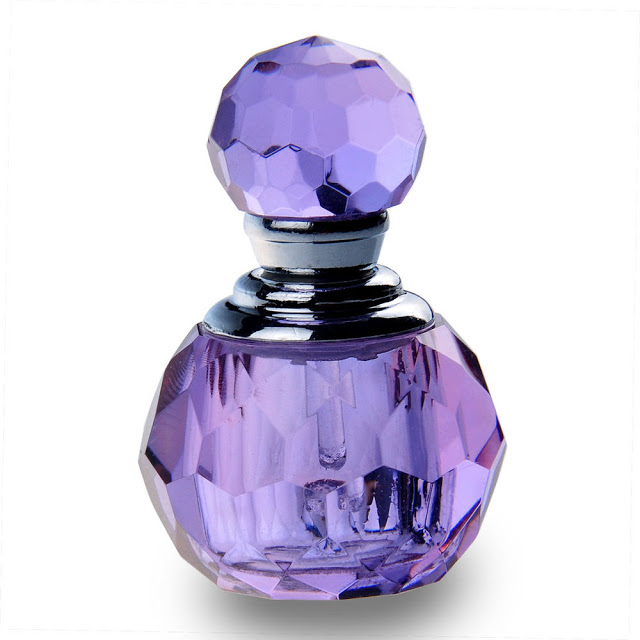
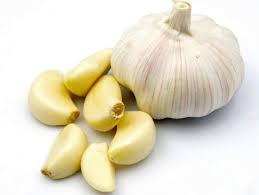
“The cup in which garlic juice is kept retains the odour, though washed several times. Egotism is such an obstinate aspect of  ignorance that it never disappears completely, however hard you may try to get rid of it.”


Once a Marwari gentle man, approached Sri Ramakrishna Paramahamsa and said, “How is it, Sir, that I do not see God although I have renounced everything?”

The Master: “Well, haven’t you seen leather jars for keeping oil? If one of them is emptied of its contents, still it retains something of the oil as well as its smell. In the same way there is still some worldliness left in you, and its odour persists.”


–Subham–


A BRIEF INTRODUCTION TO TAMIL DEVOTIONAL LITERATURE (Post No.3424)

Compiled by London swaminathan


Date: 6 December 2016


Time uploaded in London: 10-50 am


Post No.3424


Pictures are taken by Tamil Conference Booklet.


contact; swami_48@yahoo.com


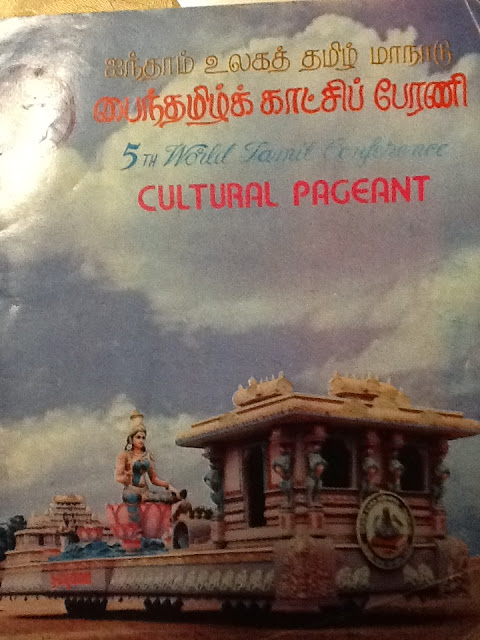
1981 World Tamil Conference Procession in Madurai -Part 2


Yesterday I posted Part 1 with the title A Brief Introduction to Tamil. following is the 2nd part.
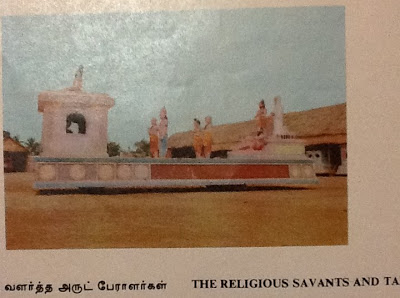
THE RELIGIOUS SAVANTS AND TAMIL

Thirugnana Sambanthar


He lived in the 7thc. A.D. This young devotee who attained the divine mercy at the age of seven, was largely responsible for Saivism becoming popular in Tamil Nadu. His poems are melodious and mellifluous and they form the first three books in the twelve canons of Saivite sacred texts, which are popularly known by the term Panniru Thirumuraikal.


Tirunavukkarasar (Appar)


An ardent Saivite saint, Appar lived in the 7th C. AD. He has composed his devotional lyrics in the Thandakan form and hence he was called by the popular attribution Thandaka venthar (King of Thandaka genre). His works are included as the fifth, sixth and seventh books of the twelve Saivite sacred books. As per the Saivite tradition, he was the supreme example of Divine Service.


Sundarar


He lived in the 8th C. A.D. and considered himself to be a close friend of Lord Siva. Consequently, his devotional poems reveal his sense of comradeship with God. His poems form the seventh book of the Tamil Saivite sacred books.


Manikkavasakar


He lived in the Eighth century A.D. and composed the very beautiful Tamil devotional lyrics entitled Thiruvasakam and Thirukkovaiyar. The special charm. of the former work has captivated the mind of the European missionary G.U. Pope, who has rendered it into English.


LORD AT THE SERVICE OF PEOPLE


When the Pandya King Arimarthanan punished Manikkavasakar for spending the Govt money for religious purpose, Lord Siva performed a miracle before the king to make known the greatness of the famous Saivite saint. As per His divine orders, there was heavy flood in Vaikai river. It destroyed the banks of Vaikai. The officials of the Pandya King ordered that each one of the subjects should do his allotted work to repair the damaged river banks. The poor Vanthi who sold Pittu (rice pudding) could not find a man to work on her behalf. As per her prayer, Lord Siva assumed the form of a coolly and came to Vanthi. After eating the Pittu given by her, he joined others who were engaged in the flood relief activities. He carried in his basket the sand for filling the damaged portions of the river bank. But, he had not sincerely done his job. Consequently, the work allotted to Vanthi remained unfinished. When this was reported to the King, the King got angry and started beating the coolly by a cane. Everyone present there felt a blow on their backs. The coolly put one basket of sand in his allotted area and suddenly disappeared.  The outrageous King’s men went to Vanthi to punish her. But, she was taken to Heaven on a divine chariot by the Siva ganas. When the King’s men went to the river bank they found that it was completely repaired.


Andal –THE DIVINE BRIDE


Andal, the daughter of Periyalvar, is one of the most fascinating of the Alvars. Periyalvar, her foster father found her as a baby in his garden and he brought her up as his daughter. Later, she imagined herself to be the bride of Krishna, refusing to marry mortals, boldly wearing even the garlands intended for the image of Krishna. One day, when her foster father saw it, he was shocked. He proclaimed that the garland which was worn by mortal being was not befitting to Krishna. Consequently, he would not use it to garland the image of Krishna. The same night Krishna appeared in Periyalvar’s dream and said that he would like only the garland which was worn by Andal. Finally, she was given in marriage to the lord of Srirangam. Andal has left but two works Tiruppavai of 30 stanzas and Nachiar Thirumoli of l43 stanzas. Krishna is the hero and she, the heroine in both. Thiruppavai owes its origin to a religious observance among maidens of the cowherds’ class. This tableau depicts Periyalvar looking in wonder at his daughter offering the garland to the statue of Krishna.


xxxxx


Arunakiri Nathar


He is the author of Tiruppukal, which consists of three thousand devotional poems endowed with high rhythmic qualities. He was proficient in Tamil music too. He composed the metrical compositions such as Kanthar Alankaram, Kanthar Anuputhi, Kanthar Antathi, Vel virutham, Mayil Virutham and Tiruvakuppu.


Tirumular


He was a saivite saint and a mystic poet par excellence. He has composed the famous philosophical work Tirumanthiram. His poems are the revelations of his deep reflection in Yoga, Jnanam and Siddha medicines. To him, serving humanity is the chief way to serve God


Thayumanavar (1705 1742)


Born at Vedaranyam, Thayumanavar a great saint was full of love for mankind. His notable poetic works are Anandak kalippu and Paraparak kanni


Ramalinga Swamikal

He lived in Tamil Nadu in the 19th century A.D., and composed Tiruvarutpa which consists of six thousand devotional hymns. He was born on 5-10-1823 at Marutur, near Chidambaram. He lived in Madras for more than thirty years and composed a number of poems. He has established Sathiya Taruma Salai Sathiya Gnanasabai and Samarasa Sanmarka Sankam in Vadalur. His philosophical reflections which are full of egalitarian sentiment and profound humanitarian spirit are considered to be unique contributions to the world of religion and philosophy.

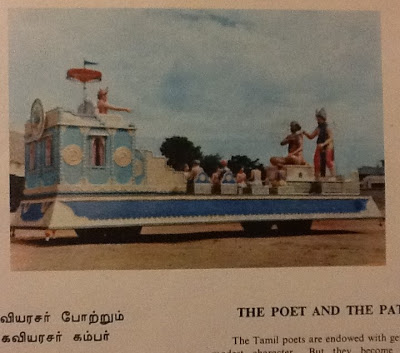
THE POET AND THE PATRON

KAMBAR

The Tamil poets are endowed with genial spirit and modest character. But they become crusaders of their cause if anything happens to stain their spotless virtue and prestige. In such cases, they are even prepared to fight with their royal patrons. Consequently, the rulers of the Tamil land patronized the poets with much care love and respect without offending their tender feelings. An event which stands as a typical example of the poet-patron relationship of the ancient Tamil Nadu is depicted here. The Chola King failed to recognize and give due respect to Kamban, the greatest epic poet of Tamil. The offended poet decided to teach him a lesson. He took a vow that he would sit before the court of the Chola King duly served and attended by great king equal in status to the Chola monarch as his errand man. The Chera King who was captivated by the poetic talent of Kamban followed him as an errand man and prepared betel leaf to Kampan while he was seated in the Chola palace. The Chola king promptly recognised the greatness of Kamban.


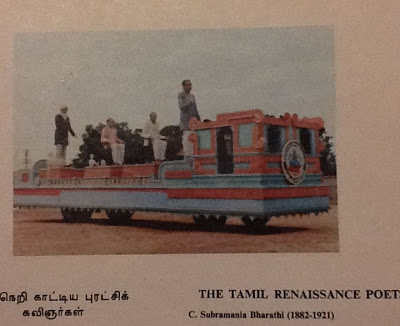
THE TAMIL RENAISSANCE POETS


  1. Subramania Bharathi (1882-1921)


Bharathi started his poetic career as a court poet of the Zamindar of Ettayapuram. He completely freed himself from the court life when he was attracted by the currents of the renaissance spirit as well as the upsurge of the waves of the Indian Freedom Struggle. When he found that he was not able to give vent to his patriotic feelings freely in Sudesamithiran, a Tamil journal in which Bharati worked as a sub-editor, he relinquished his job and started a new journal entitled India. He lived the life of a political exile in Pondicherry. He successfully experimented in modern Tamil literature and showed a new way to his successors. He used poetry as an invincible weapon to fight against oppressions of all kinds. His poems played a predominant role in the Freedom Struggle kindling the patriotic feelings of the Tamils. Most of his poems are highly prophetic.

Among his poetical compositions his national poems, Kannan Pattu, Kuyil Pattu and Panchali Sabatam are famous.


xxxxx


Win Anger by serenity, wickedness by Virtue (Post No. 2568)

karna-fb-1200x627-3

Compiled  by London swaminathan


Date: 23 February 2016


Post No. 2568


Time uploaded in London :–17-28


( Thanks for the Pictures  ) 


DON’T REBLOG IT AT LEAST FOR A WEEK!  DON’T USE THE PICTURES; THEY ARE COPYRIGHTED BY SOMEONE.


Please go to swamiindology.blogspot.com

OR

tamilandvedas.com


Anger in Tamil and Sanskrit Literature

Yesterday the first part of this was posted under the title Count a Hundred When you are Angry’


durvasa_and_king_ambrish

1.Win Anger by serenity, wickedness by Virtue – Mahabharata 5-15-18; Vidura Niti 7-72

(Akrodhena jayet krodham asaadhum saadhunaa jayet)

xxx

2.Unexpressed anger will never subside- Ramayana manjari

Xxx

3.Duties not performed, invite even the wrath of the good – Valmiki Ramayana 5-1-97


Xxx

4.What else can scorch better than fire? (Sakuntalam about anger)


Xxx

5.Anger is the root cause of all calamities –Hitopadesa


Xxx


6.Anger indeed is the arch rival of man- Subhasita ratna bandagara 3-880


Xxx

7.He who conquers anger, conquers the whole word – Katha sarit sagar

Xxx

8.Men of wisdom rule anger, whereas anger rules the common man – Sisupala vada 16-26

(jitarosarayaa mahaadhiyah sapadi rosajito laghurjanah)

Xxx

9.One who is enraged for a particular cause will surely be pacified once the cause ceases –Panchatantra 1-286

Xxx


10.The anger of the righteous cannot be endured even for a moment

–Tirukkural couplet 29

The same couplet was interpreted in a different way by two old commentators

The anger of a person who has reached the pinnacle of goodness will not last even for a moment.

(This second interpretation is supported by the lives of holy saints).

The anger of the great is not long-lasting and ends on a gentle note – Bharatamanjari 1-26-1141

(Father who was angry with his son or daughter makes it up later by showering them with big gifts or presents)

Xxx

Ram-Navmi2

11.Only the man who controls his temper, where it can hurt, is in fact controlling it,

Where his anger cannot have sway, such an exercise, is futile either way —-Tirukkural 301


12.Even where it cannot hurt others, anger is bad;

But where does it hurt, there is nothing worse –Tirukkural 302


13.As only evil consequences come out of it,

Anger is best avoided in respect of all –Tirukkural 303


14.Anger and wrath, these also abominations and the sinful man will possess them – Sirach 27-30, Bible


15.Can there be any greater enemy to mankind

Than anger, which kills laughter and joy? –Tirukkural 304


16.Wrath is cruel, anger is overwhelming –Proverbs 27-4, Bible


17.If you would protect yourself, guard against your own anger;

For, anger not controlled would lead to self destruction –Tirukkural  305


18.A fool gives full vent to his anger;

But a wise man quietly holds it back -Proverbs 29-11, Bible


19.A true saint is one who has eschewed affection, fear and wrath – Bhagavad Gita 2-56


20.Anger not only destroys those whom it affects, like fire, it will also burn

Those kindred souls, who step in to help as a raft towards salvation –Tirukkural 306


(Here Tirukkural uses the Sanskrit expression ‘Asrayasah’ ( in Tamil Sernthaaraik kolli; the one which destroys by hugging/joining; and it destroys itself as well)


sage-durvasa-curse-to-ambarish-

Shakespeare also echoed it:

21.Men in rage strike those that wish them best – Shakespeare


22.He who sees substance in anger and gives way to it, will suffer evil consequences,

Even as he fools who slaps the ground —Tirukkural 307


23.Even if the memory of a great wrong burns one up like a holocaust

It is best to strain oneself to hold back the anger–Tirukkural couplet 308

24.A soft answer turns away wrath

But a harsh word stirs up anger – Proverbs 15-1, Bible


25.To an ascetic, who does not even think angry thoughts,

Every constructive thought will result in instant success–Tirukkural couplet 309

(This is how the saints get powers to get miracles; if one gives up lust or anger or desire, one develops miraculous powers; even animals wont harm one, in fact obeys one’s orders)

26.Heaven is won by composure – Katha sarit sagar

Xxx


27.Those who have yielded to anger and to consequent evils, are like the dead,

While those who have reined in anger, are like the good ascetics–Tirukkural 310


28.Triple is the gate of hell, destructive of the self: Lust, Anger and Greed, therefore one should forsake these three – Bhagavad Gita 16-21

xxx

29.Anger is the enemy within (antah sapatnah kopoyam)- Jatakamala


–Subham–