Four Types of Angry People! (Post No.2952)

fight-scenes-290x300

Article Written by London swaminathan

Date: 8 July 2016

Post No. 2952

Time uploaded in London :– 14-31

( Thanks for the Pictures)

DON’T REBLOG IT AT LEAST FOR A WEEK!  DON’T USE THE PICTURES; THEY ARE COPYRIGHTED BY SOMEONE.


(for old articles go to tamilandvedas.com OR swamiindology.blogspot.com)


angry-status

Sanskrit is the only ancient language in the world, where we can read about anything under the sun. Though Greek literature comes closer to Sanskrit in its contents there is nothing before 800 BCE in Greek language. And we don’t have a law book like Manu’s, a sex manual like Kamasutra, a linguistics book like Yaska’s or a grammar book like that of Panini’s. Hebrew, Chinese, Latin and Tamil can’t come anywhere near Sanskrit.


We have Sanskrit words and sentences in documents and inscriptions from 1400 BCE – an indisputable archaeological proof. Even training the horse is mentioned in the Boghazkoi inscriptions dated around 1400 BCE. Tamil inscriptions are available from 300 BCE, that too with Sanskrit and Prakrit words only.


Here are some Sanskrit couplets from Manu and others:–


Uttama, Madhhyama, Adhama and Papi


Uttame sa kshanam kopo madhyame ghatikaadwayam

Adhame sydahoraatram paapishtee maranaantaka:


Good people won’t feel the anger for more than a moment.

People in the next rank – not so good, but O.K—will feel the anger for 48 minutes (i.e. for two ghatikaas; a ghatikaa is 24 minutes).

People at the lower level, will be angry for 24 hours (Aha:+raatri).

But the sinners (paapishta:) will keep the anger till they die.

Those who feel the anger over an incident for ever are sinners! That is the message it gives.


Tamil poet Tiru valluvar also says, “The anger of a person who has reached the pinnacle of goodness will not last even for a moment”. – Kural 29

Beware of the fury of the patient man, says John Dryden

young-angry-man-52068682

Manu on Anger:–


Manu, the oldest Law Maker, (his name is in the oldest book in the world, the Rig Veda), lists the eight bad qualities that come out of anger:

Paisunam saahasam droha iirshyaarsuuyaarthaduushanam

Vaagdandajam sa paarushyam krodajopi ganoshtakah

Manu 7-48

Slander, physical violence, malice, envy, resentment, destruction of property, verbal abuse and assault are the eight vices born out of anger.


Durvaasa – synonym of anger!


In Hindu literature Durvasa’s name is synonymous with anger. He din’t even wait for a minute to curse anyone. He was notes for his uncontrollable temper. Many fell under his curses. He cursed Sakuntalaa for keeping him waiting at the door, and so caused the separation between her and King Dushyanta. But whne he was happy he gave boons as well. Kunti got a boon from him and became a mother by the sun.


He cursed Indra for showing disrespect to the garland he presented to Indra. Devas went to Vishnu and he arranged the Samudra Martha – Churning of the Ocean —  at last the demons were overpowered. When Krishna forgot to wipe his foot he cursed him and foretold Krishna how he would die. ‘Durvasa’ means ill clothed. Probably his dirty clothe is his anger!


My old articles on ANGER:–


Win Anger by serenity, wickedness by Virtue (Post No. 2568)

Compiled  by London Swaminathan, Date: 23 February 2016


When angry, count a hundred! (Post No 2565)Date: 22 February 2016


Conquer Evil Doers by Saintliness, Anger by peacefulness (Post No. 2839)

Date: 25 May 2016

Sringeri Acharya’s Advice on Anger Management! Compiled  by London Swaminathan,  Date: 22 September 2015

–Subham–


HINDU VIEW OF DOCTORS AND LAWYERS!

doctor

Research Article No.1994

Written  by London swaminathan

Date 14th July 2015

Time uploaded in London: 19-43

“Judges shall discharge their duties objectively and impartially so that they may earn the trust and affection of people.” (Arthasastra 3-20-24)

“ A king who observes his duty of protecting his people justly and according to law will go to heaven, whereas one who does not protect them or inflicts unjust punishments will not.” (Arthasastra 3-1-41)

“It is the power of punishment alone, when exercised impartially in proportion to the guilt, and irrespective of whether the person punished is the king’s son or an enemy, that protects this world and the next.” (Arthasastra 3-1-42)

21  Pirmoji širdies operacija

Greek View

Lawyers = Robbers (Thief)

Doctors =  Yama Dharma (Executioner)

I gave fifteen interesting anecdotes about doctors and lawyers yesterday to illustrate the western view of these professionals. Diogenes, the Greek philosopher, who lived 2300 years ago, called the lawyer a thief and a physician an executioner. Today, even Indians say this. But 2000 years ago, Hindus, unlike Greeks, had very high respect for  these professions. Here are some quotes about the lawyers and physicians:-

Earlier in my posts I quoted  the Rudra (Yajur Veda) mantra where Lord Shiva is called a doctor (Bhishak). He is a doctor to our physical illness and mental illness.

Popular Sanskrit proverb says

Vaidye grhaste mriyate kathannu

Whence death when the doctor is at home?

But it is true that there are sayings against inexperienced doctors and doctors running late:–

Anubhava rahito vaidyo loke nihanti praaninah praanaan

An inexperienced physician snuffs out the life of the living

Siirse sarpah desaantare vaidyah

The serpent dangles over the head and the doctor is miles away

Both in Tamil and Sanskrit we have a proverb

Hatvaa nrnaam sahasram pascaat vaidyo bhavet siddhah

It is only after finishing off a thousand that a doctor becomes proficient.

The hidden meaning is that doctors too learn by mistakes.

medicalstamps1

Kautilya’s Arthashastra

India was the most civilized country and the richest country in the world  2000 years ago. I have given enough proof for these in my 1800 articles so far. In all the fields that we know of, India stood first, whether it is environmental science or consumer protection, etymology or grammar, aeronautical engineering or nuclear physics.

Kautilya (Chanakya), who lived 2300 years ago, wrote the first economic treatise. It gives a list of punishments and fines for all the mistakes or errors or blunders committed by various workers or professionals:

“Physicians shall inform the authorities before undertaking any treatment which may involve danger to the life of the patient. If, as a result of the treatment, the patient dies or physically deformed, the doctor shall be punished (Arthasastra 4-1-56)

Doctors not giving prior information about treatment involving danger to life with the consequence of physical deformity = same punishment as for causing similar injury”.

Only after patients sued the hospitals or the doctors claiming millions in damages, the consumer/patient protection rules came into Western countries. Nowadays they inform the patient about the risks involved in a treatment and then get the signature of the patient in a consent form. Kautilya thought about it 2300 years ago!

Because of these strict rules, the standard of physicians was very high. They were treated like angels.

“Any doctor who is called to a house to treat a severely wounded person or one suffering from unwholesome food or drink shall report the fact to the ‘gopa’ and the ‘sthanika’. If he does not report, he will be charged” – Arthasastra 2-36-10

Gopa and sthanika were like supervising officers.

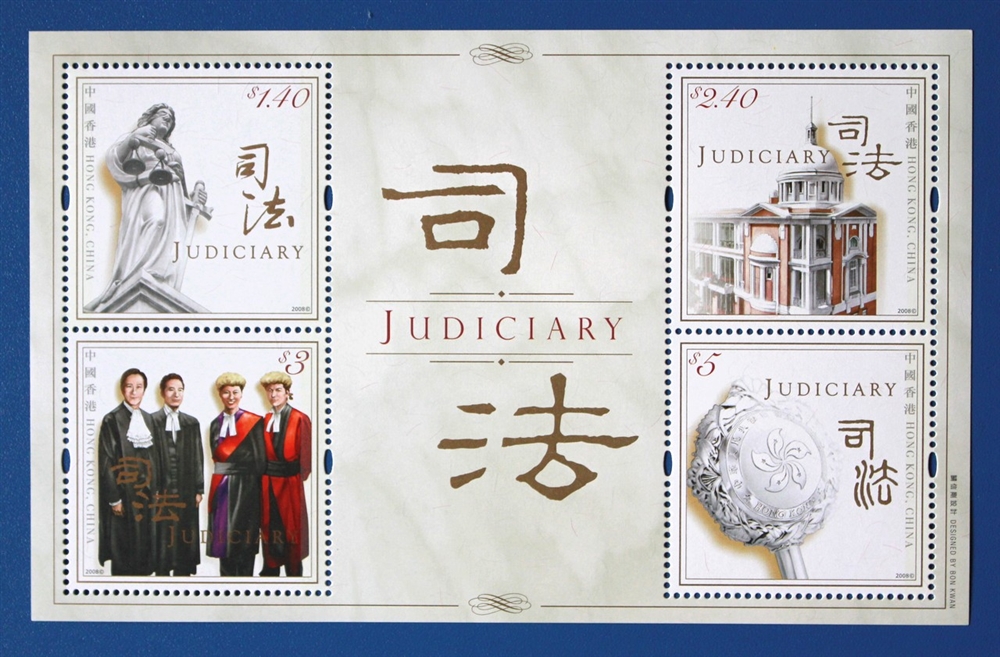
judiciary 2

Judiciary

There are clear guidelines to judges about testimony of witnesses and punishments in 3-11 (Chanakya’s Arthasastra)

Manu says

“A king who wishes to hear legal cases should enter the court-room modestly with priests and counsellors who know how to counsel” (Manu smrti 8-1)

There are 18 causes of legal action. When the king could not sit in the court he must ask a priest to sit there with three judges.

A man who gives false evidence is an offender.

How to find an offender?

“The king or judge should discover the inner emotion of men from the outward signs, by their voice, colour, involuntary movements, and facial expressions, by their gaze and their gestures.

The inner mind and heart is grasped by facial expressions, involuntary movements, gait, gesture, speech, and changes in the eye and the mouth.” (Manu 8—25/26)

This shows that there was no lawyer in those days. But the ministers or judges used various methods to find the true criminal.

Chapter eight of Manu Smrti gives lot of information about the judicial procedures. They were very careful not to punish the innocent.

“Neither the king nor even one of his men should start a law suit himself, nor ever swallow up a case brought by anyone else.

Just as a hunter traces the track of a wild animal by the drops of blood, even so the king should trace the track of justice by inference.

When he is engaged in a legal proceeding, he should examine the truth, the object of the dispute, himself, the witnesses, the time and place, and the form of the case.”  (Manu. 8-44/46)

judiciary

swami_48@yahoo.com

Seclusion of Women in Hinduism!

pen thaiyal

Research paper No 1950

Written by London swaminathan

Date: 23 June 2015

Uploaded in London at 19-19

Seclusion of women during the time of their menstruation is stressed in the Hindu Dharmasastras (law books) and Puranas (Mythology). Though we see some restrictions in other cultures, Hindus are very strict about it. But we don’t read about it in early Vedic texts. Probably they might have left it out because it was already known.

The Grhyasutras give the following conditions:

1.A student ( of Vedic Studies) must not see a  woman during her monthly period time.

2.He must be careful not to come across a menstruating woman.

3.The Vedas must not be recited in front of a woman who is in her monthly impurity.

4.Those who have retired from family should not see a menstruating woman.

5.A student must not talk or play with girls in their menses.

Even within the family, the above restrictions are followed with their own sisters or mother or close relatives. For married couple sex was banned for four days. A woman is allowed to resume her normal work only after a ritual bath. In Brahmin families they follow it strictly. In Nepal, Hindus follow these restrictions.

Though the Smrtis are very open about this subject, no one talks about it in public because they see it as a taboo subject.

Like Hindus Jewish women also take a ritual bath after seven days. In some Christian sects, they follow certain restrictions.

Hindus never allow them to touch the plants, particularly holy plants Tulsi, Bilva etc during this period. They believe the negative energy in the body or the impurity will spoil the plants. South Indian Brahmins had separate room for such women. Now the city life has changed everything. But yet they don’t participate in any religious events and they don’t go to temples or even the prayer rooms in their own houses.

It is a known that fact that women get irritated easily during that period. But no scientific study has been done about “negative energy” etc. Though several Hindu religious institutions follow strict rules regarding admitting menstrual women to participate in their events, saints like Sathya Sai Baba did not insist such rules. Saint Guru Nanak, founder of Sikhism also, condemned restrictions on menstruating women.

When a girl comes of age it is celebrated in most of the Hindu castes.


Dictionary of Symbolism give the following information:

“In the classical theory of procreation, menstrual blood is one of the two components (along with sperm) from which new life comes about. Yet it is considered “impure” by many peoples and charged with negative power, so that menstruating women are often separated from the community. In Judaism, a woman is obliged to take a ritual bath known as ‘mikveh’ seven days after the conclusion of her monthly menstruation. For a minimum of 12 days, a woman is not permitted to have sexual relations with her husband.”

IMG_4506

Manu Smrti

Manu deals with the menstrual women in several chapters: 3-239; 4-40/41, 57, 208; 5-66, 85, 108; 11- 88, 174.

All these rules were applied for the three castes of twice born people: Brahmins, Kshatriyas and Vaisyas.

He says,

If anyone has touched a menstruating woman he can be cleaned by a bath.

A river is cleaned by its current, a woman whose mind has been corrupted is cleaned by her menstrual blood and priests are cleaned by renunciation.

A Vedic graduate should not have sex with a menstruating woman, he should not even lie down in the same bed with her. If he does it he loses his wisdom, brilliant energy, strength, vision and long life. He should not carry on a conversation with a menstruating woman.

A priest should not eat food touched by a menstruating woman.

A menstruating woman should not watch a priest eating.

All the above rules insist that one should not approach a woman in her periods. Probably it gives more safety and security for a woman in that condition.

(Somewhere I have read that even ancient Greeks had strange beliefs about menstruating women such as they should not look at a mirror etc. Tribes around the world have strange beliefs about women in periods).

Even Draupadi was menstruating while she was dragged by Dussasana to the court of Duryodhana. She was wearing one piece of cloth following the custom of the day.

Pictures are taken from magazines and face book;thanks.

Who are Vratyas (outlaws)?

ascetic2

Written by London swaminathan

Research Article No. 1794; 11th  April 2015

Uploaded from London at   21-37

“Persons whom the twice born (Brahmins, Kshatriyas and Vaisyas) beget on women of their own classes, but who omit the prescribed rites and have abandoned the Gayatri, are to be designed as Vratyas” – Manu 10-20.

In the days of Manu, people belonging to three castes Brahmins (Priests), Kshatriyas (Rulers) and Vaisyas (Business community) were reciting the most powerful and most respected Vedic mantra Gayatri (Rig Veda 3-62-10). Today not even all the Brahmins recite it three times a day. They have to do it before the sun rise, before the sunset and at noon.

In an earlier chapter Manu says the three castes must be initiated into the recitation of Gayatri before the age of 16 for Brahmins, 22 for Kshatriyas and 24 for Vaisyas. If they don’t do it then they are called Outlaws/Vratyas (Manu 2—38 and 39). In fact they were initiated well before this age. This was the maximum limit.

In another chapter he gives a long list of tribes who became Vratyas in course of time by dropping their prescribed rites.

Sangam Tamil literature also gives some details about Vratya Brahmins who were involved in conch and bangle making industries. Famous Brahmin poet Nakkirar belonged to this sect.

joeylholymen-9

Vratyas in the Vedas

Atharva Veda, the Panchavimsa Brahmana and the Sutras describe certain rites intended for the Vratyas. They are used for the purification of Vratyas.

Panchavimsa Brahmana (17-1-4) says that there are four types of Vratyas:

1.The ‘hina’ who are described as depressed

2.Those who have become outcasts for some sin (nindita)

3.Those who have become outcasts at an early age, apparently by lving among outcasts or foregoing the prescribed rites

4.Those oldmen who, being impotent (sama-niicamedhra) have gone to live with the outcasts.

For all these four categories some “scholars” have given interpretations according to their whims and fancies without any rhyme or reason. They have no proof for their statements from any other sources. Foreigners have included Aryan and Non Aryan wherever they wanted, once again without any proof!!! They are notorious for their Divide and Rule Policy.

Manu is very clear and say that they all belong to three castes. In the Yajur Veda, Vratya is one of the victims in Purushameda Yajna (VS 30-8, TB3-4-5-1), where nobody knew what the term meant. What we gather from the descriptions of Vratyas in Tamil and Sanskrit sources is that they did not follow the scriptures and lead nomadic life. Vedas are very clear that they can become twice born again by performance of the ritual prescribed (Vratystoma like todays Ghar Vapasi rituals). This provision and Manu’s description clearly show that they are all children of the same family and not foreigners or outsiders.

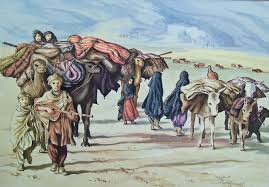
When their group became big, they themselves elected a leader who wore a turban, carried a whip and a kind of bow. It looks like they had black uniform and owned a rough wagon. They wore silver jewellery. All these were handed over to the priests once they were taken back into the mainstream religion. This shows that the Vedic society was very democratic and had flexi rules for their children; they were not rigid even when their children went astray. They can be compared to Tamil Siddhas who were iconoclastic in their approach. But they had very high philosophy. They worshiped Shiva but did not follow the Agamic rituals. Orthodox Tamil Saivites treated them like outcasts.

The Atharva Veda (15-1-1) description of Vratyas is different. Fifteenth book of Atharva Veda deals with the Vratya, which is of mystical character, exalts the converted Vratya as a type of the perfect Brahmacharin and, in so far, of the divinity.

joeylholymen-5

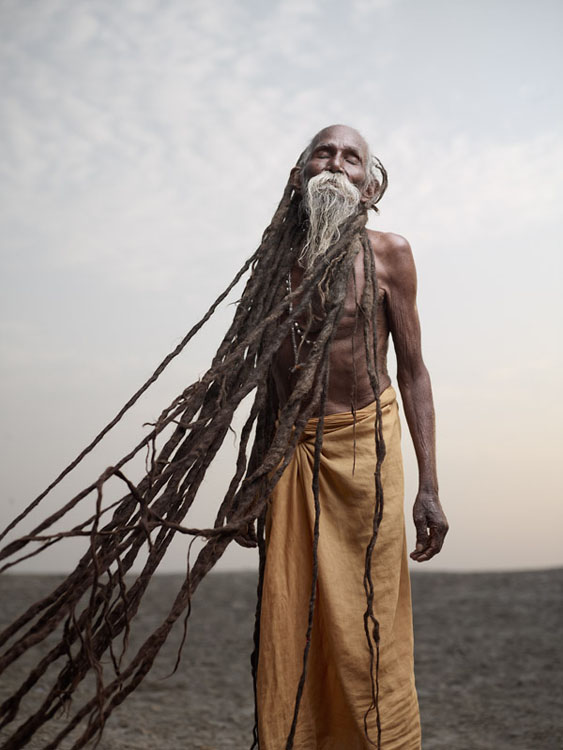
Brahmanas associate Vratyas with Rudra. They are described as wandering ascetics, but who don’t follow the scriptures.

Now we see Brahmin wrestlers in Gujarat, Brahmin actors in Kerala and Brahmins practising different professions in different parts of India. They were supposed to do only six things in the olden days 1.Performing fire sacrifices for others 2.for themselves 3.Accepting religious Dhana (donations, gifts) and 4.giving donations 5. Learning Vedas and  6.Teaching Vedas. Throughout 2000 year old Sangam Tamil literature, they are called performers of six tasks/jobs (Aru Thozilor).

A Kalyanraman, a scholar who have written two volumes of Aryatarangini with new interpretations on many subjects says, ”There was, in the region now known as North Punjab, Kashmir and Afghanistan, a powerful and enterprising community, ethnically and by broad religious heritage Aryan, but afflicted with impious practices, devious commercial methods and excessive materialistic outlook on life. The Panis were, what were technically known to Rishis as Vratyas, i.e. fallen Aryas. They could be reclaimed by a process of purification and conformist oath taking, known as Vratyastoma, whose details are elaborated in the sastras (scriptures).

Brahmin families, who for three generations, had failed to recite the Gayatri mantra became Vratyas – The Athrva Veda (XV-1) gives some lovely pictures of vagabond Vratyas “travelling in a bullock cart with concubines and musicians, messengers and footmen and professing Saivaite magic with fluency” (Page 99, Aryatarangini)

nomads

Source books

Vedic Index of Names and Subjects (Vol.II), Keith and Macdonell

Manu Smrti

Aryatarangini (Vol.I) by A Kalyanaraman

Cultural Index to Vedic Literature by N N Bhattacharya

swami_48@yahoo.com

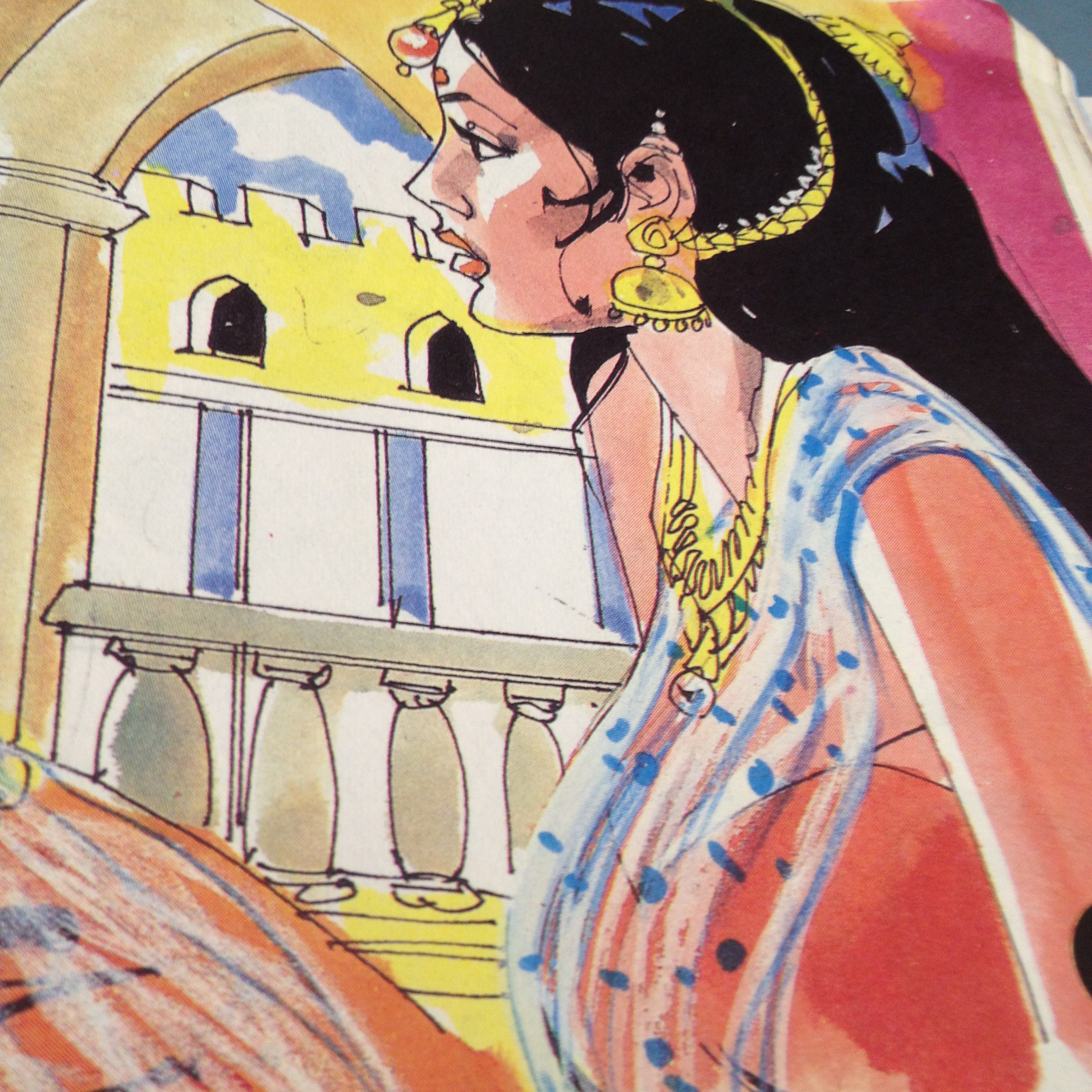
Gems of Women: Varahamihirar’s Definition

pen paint 10

Research Paper written by London swaminathan

Research Article No.1650; Dated 14th February 2015.

VANENTINE DAY SPECIAL: 14TH FEBRUARY, 2015

Varahamihirar, author of encyclopaedic Sanskrit book Brhat Samhita, gives the definition of great women. He says, the excellences of women are

Youth, Beauty, Charming Dress, Favourable Attitude, Knowledge of the arts of winning man’s affection, graceful gait and the like. The best of those, possessed of the above excellences, are termed “Gems of women”, whereas others are “Feminine diseases for a cultured men”.

STRINAAN GUNAA YAUVANA RUUPA VESHA DAKSHINYA VINJAANA VILASA PURVAA:

STRI RATNA SAMNJAA SA GUNAANVINTHAASU STRI VYDHYO ANYAS SATHURASYA PUMSA:

–CHAPTER 73, BRHAT SAMHITA

pen paint5

Manu in his Manu Smrti (Hindu Law Book) even dictates how a woman’s name should be, “The names of women should be easy to pronounce, not harsh, of patent meaning, and auspicious; they should captivate the mind and heart, end in a long vowel, and contain a word of blessing” (Manu 1—33)

Hindu women names are always auspicious: Shanti, Karunaa, Lathaa, Shantaa, Sumati, Sugandhi, Siitaa, Raadhaa (long vowel ending), Nidhi etc.

Manu adds that how a man should introduce himself to a woman, who is not related, “Now, to woman who is another man’s wife and not related by birth, one should say LADY! and GODD WOMAN! and SISTER!. (Manu. 2—129)

Jewel of a Woman (Gem of a Woman= Stri Ratna)

A man who has faith may receive good learning even from a man of the lowest caste, and a Jewel of a Woman even from a bad family (Manu 2—238)

Women, jewels, learning, law, purification, good advice and various crafts may be acquired from anybody — (Manu 2—240)

tulasi lady

Ladies! Don’t Send Money to Your Relatives: Vyasa

Women belonging to Ethnic minority communities living in western countries cause a big rift in the families by sending money to their relatives living on the subcontinent. Veda Vyasa has warned women against such a thing 5000 years ago! This is applicable to women living in the subcontinent also.

Vyasa warns

Don’t give anything to your relatives without the knowledge or permission of your husband.

Bhartur aknjaam vinaanaiva sva bandhubyodisech dhanam

Athyaalaapa santhosham paravyaapaara sanjitham

amuthasurabhi

Kalidasa’s Advice

Kalidasa, the most celebrated Indian poet, gave the following advice to women, who are going to their husbands’ home immediately after the marriage:

Kanva to Shakuntala : My child, you are now leaving for your husband’s home; when you enter it:

Serve your elders with diligence; be a friend to your co wives

Even if wronged by your husband do not cross him through anger;

Treat those who serve you with the utmost courtesy;

Be not puffed up with pride by wealth and pleasures;

Thus do girls attain the status of Mistress of the Home;

Those who act contrary are the bane of their families. Sakuntalam 4-21

Long Live Indian Women!

Pictures are taken from face book; thanks.

Drawings by S Ilayaraja and others.

Mystery of Manu : Rig Veda Mystery No.8!

origin

Research article Written by London swaminathan

Research Paper No.1589; Dated 19th January 2015


(I have already written about the mysteries in the Rig Veda under the titles Rig Veda Mystery  No. 1 to 7; Please read all the seven articles. This is No.8)

As a Hindu I make a vow (Sankalpa) before every religious ceremony at home in which I say in which part of the world, on which day from the beginning of universe the ceremony is performed. Hindus have the amazing custom of doing Sankalpa/ making a vow, before every ceremony. This vow covers a wider geographical area and wider ages- billions of years.


Since I live in London, when I do my Puja, “I say, On the Northern part of the Meru, in Europe Continent (Kande), in  London ( Ma Nagare), on the banks of  Thames( Thamasa Nathi thire) , In the era of Vaivaswatha ( under Vaiswatha Manvanthare)……. year, month,day, star (nakshatra) are all added……. I do this puja (offering) for XYZ……


This Vaivaswatha Manvanthare is part of 14 big divisions of time:-


15 day Dark half (Krishna Paksha+15 day bright half (sukla Paksha)= 1 month for us

North Ayana 6 months + South Ayana 6 months = 1 year for us.

 Manou-Vishnou-poisso

but this is one day for the Devas in their world (Extra Terrestrial)

360 human years = 1 Deva year

1200 Deva Years = Kali Era (yuga)

2400 Deva Years = Dwapara Era (yuga)

3600 Deva Years = Treta Era (yuga)

4800 Deva Years = Krta Era (yuga)-Golden Age


Toal=12000 Deva years; also known as Chatur (Four) Yuga period


71 such Chatur Yugas make one Manvantara (Period of one Manu)

It will be 306,720, 000 human years.


14 such Manus rule the universe in one day of Brahma (Creator God of Hindus). Brahma has the full life span of one hundred years! Mind boggling calculation!

One Manu’s period is called a Manvantara! This is a cyclical process- never ending.

noah_ark_people_drowing

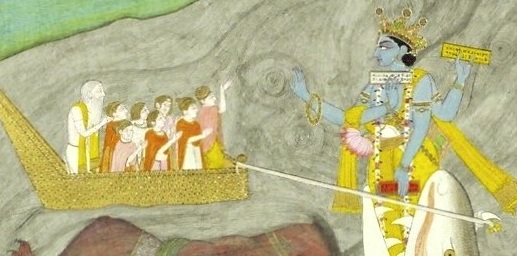
Great Floods (Pralaya) after every Manu

14 Manus!


Hindus believe that the seventh Manu is ruling the universe now.That is why Hindus who do religious ceremonies, say In Vaivaswata manvantare–  (at the time of Vaivaswata Manu) — in the Sankalpa.


So far the periods of six Manus

Swayambhuva

Svarocisha

Uttama

Tamasa

Raivata

Chaksusha

are over according to the Puranas!


But in the Rig Veda we come across the names of Tamasa, Uttama, Raivata, Cakshusa as historical  Manus!


Rig Veda Puzzle!


We have Manus coming one after one another within a short period of time and they are related to one another! There is no big gap in time between Manus. But  a logical explanation is possible.


In the days of the Rig Veda, Manu meant, a leader or a king. We have a few examples in Egypt and Crete. First king of Egypt was Menes/Narmer ( Manu alias Nara Meru). In Crete the King’s name was Minos. It simply meant King.  In Egypt and Mayan Civilizations the era started around our traditional Kaliyuga Date 3100 BCE. In Iranian tradition Narshish, brother of Yima, was called Minos. Minos of Crete and Iran, Menes of Egypt and Manu of Hindu mythology are all the same. It meant a leader or a king.English word MAN is also derived from Manu.Any king of a new dynasty might have had Manu as title. Like Indra, It might have been used in different ways. Indra is a natural force (Thunder/lightning/rain), Indra is a title, Indra was a great king, Indra can be used for even animals like Mrgendra (King of Animals), Kaghendra (King of Birds) and men Narendra (leader among men) etc.

i-learned-from-noahs-ark

Manava is the surname for all those born in the clan of Manu;following names are found in the Rig Veda:

Saaryaata Maanava RV 10-92

Cakshu Maanava 9-52, 9-106-4

Naabaanedishta Maanava- 10-59, 10-61-62

Manu AApasa – 9-5, 9-106-7

Manu Vaivasvata – 8-5, 8-27-31

Manu Samvrana 9-49, 9-101-10

Manyu Tapasa – 10-67, 10-83,84

Manyu Vaisstha 9-29, 9-97-10

Maanya Maitravaruna – 8-67


If we take Tapasa and Tamasa as one and the same, we have

Agni Tapasa and Agni Caksusa are in the list of Vedic seers. It is possible they simply had the names of great men (great Manus). The names show that Manus lived nearly at the same time.

Details regarding Manu differ from Purana to Purana. Linga Purana gives the names of colours for Manus such as White (Sveta), Krishna (black), Kapila, Dumra, Pisanga etc.


Swayambhu was the first Manu and Svarocisha, Uttama, Tamasa, Raivata were his sons according to some Puranas.

 1327496107_manu1-205x300

Definition of Manvantaras and Yugas also differs from book to book. Hinduism has a long history. So it is possible that different usages existed at different times. Apart from the mythological Manus, there may be people who bear the name Manu. If a person behaves  like a worthy leader then we call him Manu. Neta is leader in Hindi. Netaji is Subash Chandra Bose. It is a common noun and a proper noun as well. So it is possible to give names to your sons as Tamasa, Raivata, Uttama etc.


A patriot would have named his children as Gandhi, Subash, Tillak, Bharathy, Gokhale etc. if they were born at the time of Independence or just before that. In the same way Rig Vedic Rsis might have named them after famous Manus. We dont need to confuse mythological Manus with hsitorical Rig Vedic Manus!

In the Bhagavatha  Purana Priyavrata was called a Manu; in the Mahabharata, Prachedasa was called a Manu.


We have Rishis Manu Samvarana, Manu Apasava in the Rig Veda. Vayu Purana says there were 36 Manus. In short Manuship is kingship.


RV 9-47 mentioned Yayati Nahusa. This Yayati is not the Yayati, great grand son of Pururava. The name of the father of this Yayati was also Nahusa, But this Yayati is called Manava, i.e. son of Manu, in the Anukramani. According to this, Samvarana was the father of Manu. So the the lineage is

Samvarana — Manu— Nahusa– Yayati– Madhavi– Viswamitra and so on.


In short there were two Yayatis and two Nahusas.

D R Mankad in his book Puranic Chronology has calculated the date of Vaivaswatha Manu. Following are the dates arrived at by Mr Mankad


Date of Manu Vaivaswatha – 5976 BCE

Date of Mahabharata War – 3 201 BCE

Date of Yudhistra’s Death – 3176 BCE

 Manu-firsh

Vedic Index of Keith and Macdonell gives a different picture about Manu,

“Manu in the Rig Veda (RV) and later has no claim to historical relaity. He is simply the first man, father of the race, and its guide in all its matters, sacrificial and other. Hence the views of the texts on inheritance are foisted on Manu and his youngest son Nabanedishta.He also plays the part of hero in the Vedic legend of the flood.


Manu is called Vivasvan or Vaivasvata, son of the God Vaivasvant; Savarnin, descendant of Savarna and Samvarani, descendant of Samvarana. The first name is,  of course mythical . The other two have been regarded historical, Savarni being taken by Ludwig as a king of the Turvasa, but this is very doubtful”.


Manu in RV: 1-80-16, 2-33-13, 7-63-1, 10-100-5; AV 14-2-41. Then we have references in Taittiriya, Kathaka samhitas and Satapata Brahmana.

Nabhanedishtha: Taittiriya Samhita: 3-9-1-4; Aitareya Brahmana 5-14-1-2


Samvarani is found in the RV (8-51-1) ,where it naturally seems to be a patronymic (descendant of Samvana) of Manu”.

–Vedic Index by Keith and Macdonell

My comments: Keith and Macdonell are wrong.Since they couldn’t find any eidence or logical explanation, they considered it false. The story about Manu is in the Bible and Zend Avesta.


A.Kalyanaraman in his book Aryatarangini says,

“Nabah = Biblical Noah, Nedishta means literally next or nearest to Manu. Nabanethishta is Manu’s son according to Hindu scriptures.Sumerian story says that Naphistim is said to be descendant of Shamash (Sun) who was the first creation God. Zoroastrian Avesta contains the same name Naba Nezdishtim, as that of an ancient prophet of the Asuras, who defied the Deva worshipers. Mr. Kalyanaraman argues that the story of Floods has travelled to Sumer through commercial contacts and it was later used in the Bible.


The Avesta has the Manu legend.Persians, Sumerians and the Bible used the Hindu story.


contact swami_48@yahoo.com