Flags: Indus Valley-Egypt similarity

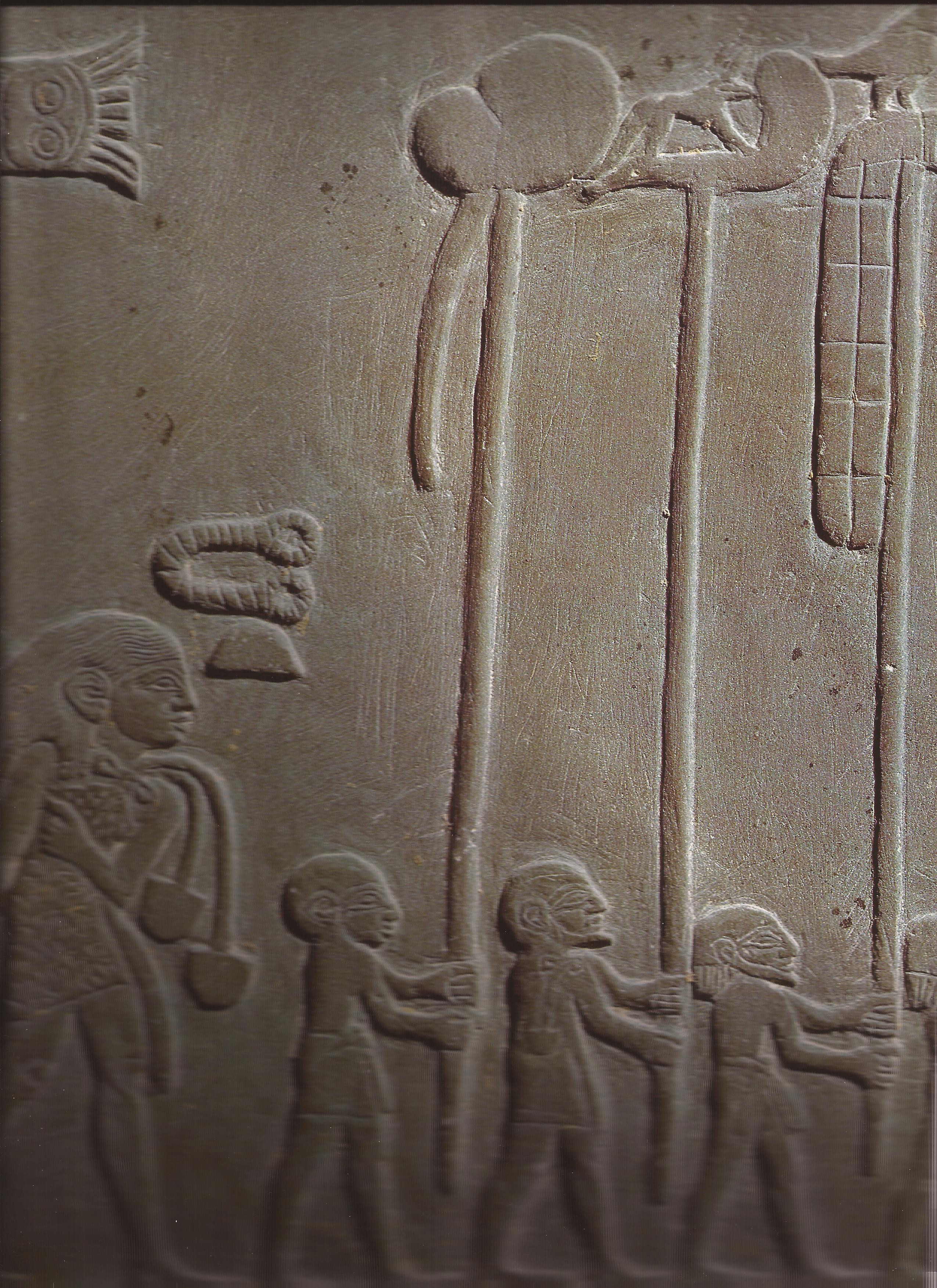
Picture shows Egyptian standards from Narmer palette

( Tamil version of this article is already posted in the blogs: swami )

Carrying flags and standards in a king’s procession or God’s (statue) procession is practised even today in India. In Tamil Nadu, the emblems of Shiva or Vishnu are taken in the procession during the annual temple festivals. We are fortunate to have one seal or tablet showing a procession that went through an Indus Valley city thousands of years ago. Egypt has provided us still an older picture of a procession.

Narmer (Nara Meru also known as Menes/Manu) ruled Egypt in the Pre Dynastic period, 5000 years before our time. His palette shows four people carrying standards. The first two carry long poles with bird figures on the top. Next person carried a pole with the wolf God (Wepwawet) and the last one carried a bundle or a cloth. The king is walking behind the sandal bearers.

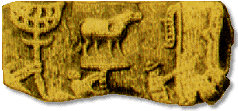
Indus valley seal of a procession is not complete. We could see only three people carrying three different things. The first one carried a cloth or a festoon like thing hanging from the top of the pole. This is similar to the first two poles of Egypt. The middle one carried a calf (Heifer). This is very clear. Israelites did this till Moses revolted against it. People who have watched films like Ten Commandments may remember the scene of breaking such golden calf statues.

The last person in the Indus procession carried a cult object. Many scholars have identified it with the vessels for extracting Soma Juice. Rig Veda has hundreds of hymns in praise of Soma. A whole Mandala is devoted to Soma Rasa. So it may be something to do with the Soamrasa. A lot of seals with the one horned animas have this symbol. Others think this is a cage with a live bird in it. In Egypt, the first two poles have bird figures. Whatever it may be, there is amazing similarity between Indus Valley and Egyptian standards.

If the cult object is Soma filter or extractor then it must be a Vedic civilization. But nothing is proved beyond doubt. I have made it amply clear in my earlier posts that the Indus civilization was influenced by Middle East and other neighbouring civilizations if we accept the current chronology. A god surrounded by many animals, one hero fighting two animals, the circular stone structures, the snake queen and many others have similarities with older cultures including Minoan civilization.

Please read my other articles on Hindu-Egypt links, Indus Valley seals, Hindu and Tamil flags. Out of my 300 plus articles, there are more than ten posts on Indus Valley and Egypt.

Contact swami_48@yahoo.com
கொடி ஊர்வலம்: சிந்து சமவெளி எகிப்து அதிசய ஒற்றுமை!

Picture shows Egyptian Standards

(English version of this article is also available: London swaminathan)

சிந்து சமவெளி முத்திரை ஒன்றில் ஒரு ஊர்வலக் காட்சி பதிவு செய்யப்பட்டுள்ளது. இந்த ஊர்வலத்தில் என்னதென்று இனம் காணப்படாத ஒரு பொருளையும், ஒரு மாடு அல்லது கன்றின் உருவ பொம்மையையும், மூன்றாவதாக ஒரு துணியையும் தூக்கிச் செல்கின்றனர். இதே போல எகிப்திலும் ஒரு ஊர்வலக் காட்சி பதிவு செய்யப்பட்டுள்ளது. இரண்டுக்கும் சில அதிசய ஒற்றுமைகள் இருக்கின்றன.

சிந்து சமவெளியில் தூக்கிச் செல்லும் முதல் பொருள் பற்றிப் பல கருத்துக்கள் இருக்கின்றன. சிலர் இதை சோமரசம் பிழியும் வடிகட்டிப் பாத்திரம் என்று நினைக்கின்றனர். இன்னும் சிலர் இந்த முதல் பொருள் ஒரு பறவைக் கூண்டு என்றும் அதற்குள் உயிருள்ள பறவையை எடுத்துச் சென்றனர் என்றும் கருதுகின்றனர். நடுவிலுள்ள கன்றுக் குட்டி பற்றி யாருக்கும் சந்தேகம் இல்லை. படம் தெளிவாகவே இருக்கிறது.

எகிப்தில் நரமேர் (நர மேரு) என்பவருடைய சின்னத்தில் இப்படி ஒரு காட்சி இருக்கிறது. அதில் நான்கு பேர் உயர்ந்த கொடிக் கம்பில் நான்கு உருவங்களைத் தூக்கிச் செல்கின்றனர். முதல் இருவர் இரண்டு பறவைகள் உடைய கம்பத்தைத் தூக்கிக் கொண்டிருக்கின்றனர். அதிலிருந்து தோரணம் போல ஏதோ தொங்குகிறது. மூன்றாமவர் ஓநாய் வடிவ தெய்வத்தைத் தூக்கிச் செல்கிறார். நாலாமவர் ஏதோ ஒரு மூட்டை மாதிரி ஒன்றத் தூக்கிச் செல்கிறார்.

நரமேருவின் மற்றொரு பெயர் மனு.அவர் 5000 ஆண்டுகளுக்கு முன் எகிப்தை ஆண்ட முதல் மன்னர். எகிப்திய ஒநாய் தெய்வத்தின் பெயர் வெபாவெட்.

Picture shows Indus Valley procession

முதல் இரண்டு கம்பங்களில் தொங்கும் தோரணம் அல்லது துணி போலவே சிந்துவெளி ஊர்வலத்திலும் உள்ளது. ஆனால் சிந்துவெளி ஊர்வலக் காட்சி முழுதாக இல்லை. ஆக முதல் கொடி எகிப்தைப் போலவே இருந்திருக்கலாம். இதை அடுத்து வருபவர் கன்றுக்குட்டியைத் தூக்கிவருவதை எகிப்தின் ஒநாயுடன் ஒப்பிடலாம். அடுத்ததாக வரும் சிந்துவெளி ஆள் ஒரு பொருளைத் தூக்கிவருவதை சிலர் சோம பானம் பிழியும் கருவி என்றும் மற்றும் சிலர் உயிருடன் பறவை உள்ள கூண்டு என்றும் கருதுகின்றனர்.

ரிக்வேதத்தில் ஒரு மண்டலம் முழுதும் சோமப்பானத்தைப் பற்றிய பாடல்கள் இருப்பதை அறிஞர் உலகம் அறியும். சரஸ்வதி நதியின் தடயங்கள் கண்டுபிடிப்பு, சோமபானப் பாத்திரம் ஆகியவை வேத காலத்தை நோக்கி சிந்துவெளி நாகரீகத்தைத் தள்ளுகிறது. ஒரு ஆள் தூக்கி வரும் இந்த சோமபான பாத்திரம், ஒரற்றைக்கொம்பு மிருகம் காணப்படும் நூற்றுக் கணக்கான முத்திரைகளில் காணப்படுகிறது. இதை ஊதுபத்தி அல்லது சாம்பிராணி ஸ்டாண்டாக இருக்கலாம் என்று முன்னர் கருதி வந்தனர்.

சிந்து சமவெளி மற்றும் எகிப்து-இந்திய கலாசார உறவு பற்றிய ஏனைய பத்து கட்டுரைகளையும்  இதே “பிளாக்” கில் படிக்கலாம்.

Contact for further information: swami_48@yahoo.com

ஏ.கே செட்டியார் வெளியிட்ட மகாமேரு யாத்திரை! –2


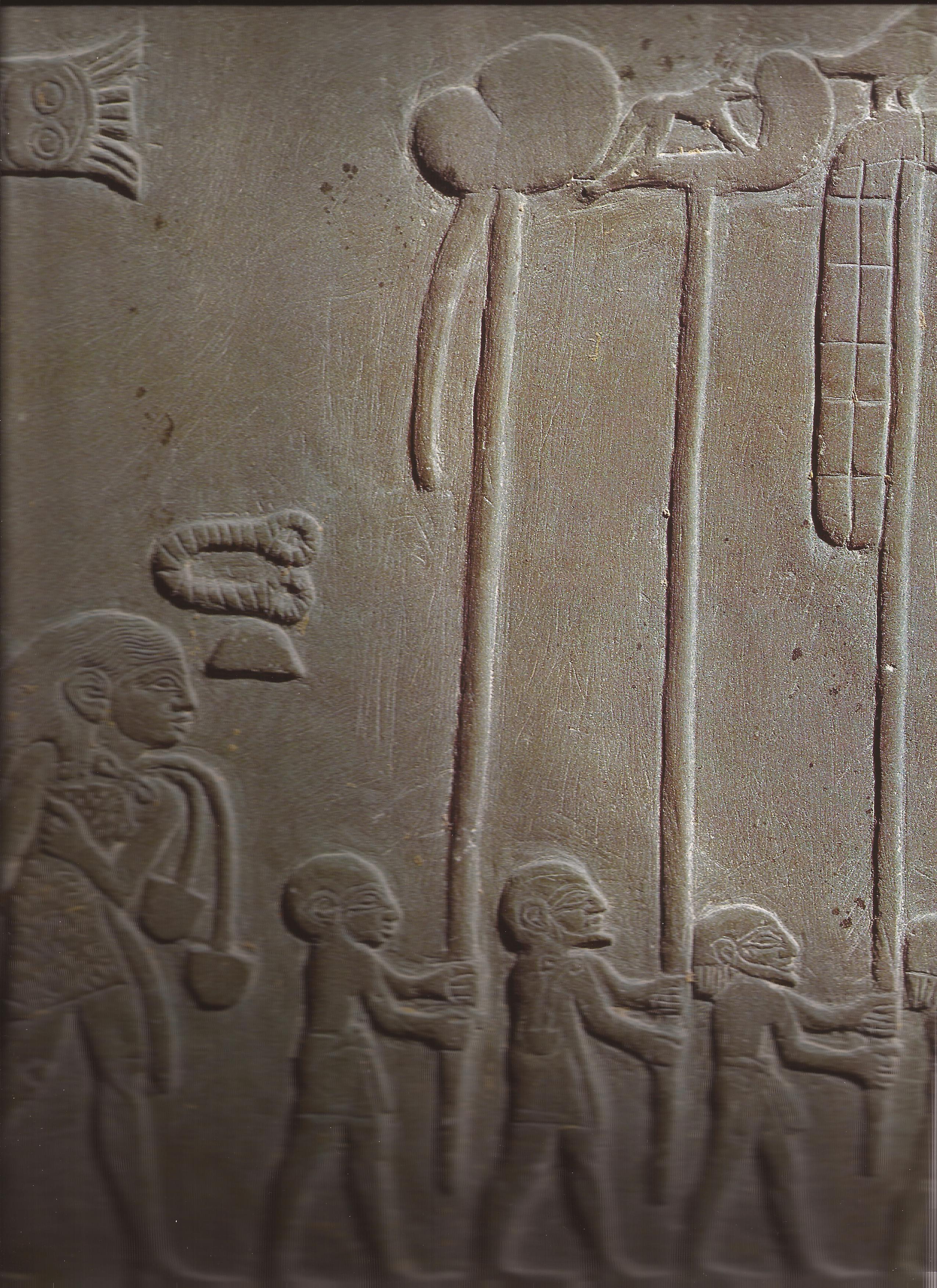
Picture shows Arctic Circle (North Pole)

ஏ.கே செட்டியார் வெளியிட்ட மகாமேரு யாத்திரை! –பகுதி – 2

                                       ச.நாகராஜன்

தெய்வப் பணி, நாட்டுப் பணி, தமிழ்ப் பணியை முனைந்து செய்து வந்த செட்டியார் குலத்தில் தோன்றிய உலகம் சுற்றிய தமிழன் திரு ஏ.கே.செட்டியார் குமரி மலரில் வெளியிட்ட மகாமேரு யாத்திரையின் சென்ற இதழ் தொடர்ச்சியைக் கீழே படிக்கலாம் :

இவ்விடத்தில் ஒரு ஆப்சர்வேடரி ( நக்ஷத்திர யந்திரசாலை) வைக்கப் பட்டிருக்கிறது.கணித சாஸ்திரம், வான சாஸ்திரங்கள் படிக்கும் ஐரோப்பியர், அமெரிக்க மாணவர்கள் பள்ளிக்கூடப் படிப்பு முடிந்தவுடன் ஒரு வருஷம் இவ்விடம் வந்து பயிற்சி பெற்றுப் போவதை வழக்கமாகக் கொண்டிருக்கின்றனர்.

அவர்களில் ஜர்மன் தேச மாணவருடன், சூரியன் நாடோறும் மாறும் வர்ணங்களைக் குறித்தும் படவுதவியுடன் நான் பேசிக் கொண்டிருந்தேன். அப்போது இதற்கு அடுத்தது உருக்கின தங்க


வர்ணம் நாளைக்குப் படத்தில் வருமென்று நான் சொன்னவுடன் அவருக்கு ஆச்சரியமுண்டாயிற்று.”எப்படி ஐயா, தங்களுக்கு இவ்வளவு நிச்சயமாகத் தெரியும்?” என்று என்னைக் கேட்டார். உடனே நான், உத்தராயண முதலில் தாமிர வர்ணமும், பிறகு அருணம், அப்புறம் பப்புரு நிறம் கடைசியில் ஸுமங்கல் (உருக்கின தங்க வர்ணமென்று) ஸ்ரீ ருத்திரத்தில் கூறியிருப்பதைச் சொன்னேன். உடனே அம்மாணவர் வியப்புற்றார்.ருக் வேதத்தில் சூரியனுக்குத் தங்க வர்ணத்திற்கு மேலான வெண்மை நிறத்தை வர்ணிக்கவில்லை என்பது ஆர்க்டிக் பிரதேச சூரியனைக் குறிப்பதாகும்.இதற்கு நேரே வடக்கில் “மேரு நுனி” இருக்கிறது. இந்த இடத்திலிருந்து தான் பௌதிக நூல் வல்லார் மேரு நுனியைக் காணப் போய்க் காலமடைந்தார்கள். அவர்களது யந்திரம் முதலியவைகளை ஞாபகார்த்தமாக இவ்வூர்க் கோவிலில் வைத்திருக்கிறார்கள்.


இது முதல் வடக்கே சென்றால் அவிச்சின்ன சூரியனைப் பார்க்கலாம். ஆகையால் “உதயாஸ்தமனம் இல்லாத”  சூரியனைச் சில விரதக்காரர் உபாசிக்க வேண்டுமென்று வேதத்தில் கூறியதை அனுஷ்டிக்க விரும்பினால் அவர்கள்  இந்த ஸ்தானத்தை அடைய வேண்டும்.


என் வாழ்நாள் முழுதும் கண்ணுக்குக் கண்ணாடியில்லாமலும் கண்ணாடி போட்டுக் கொண்டிருப்பவர்களை யோகப்பயிற்சியின் பலனாக எடுக்கும்படியும் செய்திருப்பதுண்டு.நாம் அதை உபயோகியாததினால் ஸம்ஸ்கிருதத்தில் கண்ணிலணியும் கண்ணாடிக்குப் பெயர் இல்லை. நாள்தோறும் சுமார் பத்து மணி வரை பகலில் ஏட்டுச் சுவடியிலுள்ள சிறிய எழுத்துக்களைப் படித்துக் காலங் கழித்து வருவேன். ஒரு நாள் பகலில் சூடான ஓரிடத்தில் படித்துக் கொண்டிருக்கும் பொழுது சூரிய ஒளி மூளையில்  (ஸன் ஸ்ட்ரோக்) விழக் கண்களுக்குக் கெடுதல் நேர்ந்தது. கர்ம விபாக சாஸ்திரப்படி உதயாஸ்தனமில்லாத சூரியனைத் தரிசித்து அவனைப் பார்த்துக் கொண்டே சூரிய அஷ்டோத்திரத்தை சில ஆயிரம் ஜபித்துப் பிறகு ஸ்ரீ ருத்திரத்தினாலும் “வயஸ் ஸுபர்ணா” என்கிற மந்திரத்தினாலும் புரச்சரணை செய்து விரத சமாப்தி செய்வதாக சங்கல்பித்தேன். உடனே யாத்திரையை ஆரம்பித்து ஆர்க்டிக் பிரதேசம் வந்தேன்.


நாள்தோறும் கப்பல் எஜமானனைப் பார்த்து ‘ட்றோம்ஸோ போனவுடன் சூரியன் மேகத்தாலும், பனிமழைகளினாலும், மறைபடாமல் எனக்கு தரிசனம் கிடைக்குமா?” என்று ஆவலுடன் கேட்பேன்.அப்பொழுதெல்லாம் அவரும் கப்பலில் அமைந்திருக்கிற யந்திரத்தைப் பார்த்துக் கொண்டே கால நிலைமையை முன்னே யறிந்து சொல்ல முடியாதென்று கூறுவார்.

நானோ இந்தியாவிலிருந்து சுமார் 8000 மைல் வரை யாத்திரை செய்து பெருஞ் செலவில் அதை நிறைவேற்றப் போனவன். “அவிச்சின்ன சூரிய” தரிசனமில்லாமல் திரும்பினால் இதை விட மனோ துக்கம் எனக்கு வேறு என்ன வேண்டும்? எனக்காகக் கப்பலை நிறுத்த முடியுமா?


ஒரு நாள் மாலை என் மனத்தில் ஈசுவர கிருபையினால் ஒன்று தோன்றிற்று. அதாவது சூரியனை நினைத்து “சூரியனே! நீ நாளை முதல் மூன்று தினங்கள் மேகம் முதலியவற்றால் மறையாமல் தரிசனம் கொடுத்து என் விரதத்தை முற்றுப் பெறச் செய்யாவிடில் என் சாபத்துக்கு உட்பட நேரும். ஈசுவராதிகளெல்லாம் பக்தர் சாபத்தால் தசாவதாரம் எடுக்க நேர்ந்ததை ஞாபகப் படுத்துகிறேன்” என்று சொல்லி விட்டு என் அறைக்குள் போய் சிரம பரிகாரம் செய்து கொண்டேன்.


சில மணி நேரத்துக்கெல்லாம் கப்பல் தலைவன் என்னிடம் ஓடி வந்து ‘சூரியன் இனிப் பிரகாசமாகுவான்; யந்திரமும் அப்படியே தெரிவிக்கிறது. தாங்களும் விரதத்தை நிறைவேற்றலாம்” என்று சொன்னான். நான் அவரை ஒரு தேவ தூதனாக நினைத்து உடனே விரதத்தை மேற்கொண்டேன்.


கப்பல் போகக் கூடிய “வடக்கு முக்கு” என்று ஓர் இடம் இருக்கிறது. அதையடைந்த  பிறகு  கொஞ்சம் தென் கிழக்காகக் “கர்கிஸ்” என்ற சிற்றூர் போய்ச் சேர வேண்டும். அது தான் யாத்திரா முடியும் இடம். இவ்விடத்தில் நிலக்கரி கிடைக்கிறது. ஆகையால் ஒரு காலத்தில் இந்த இடம் நம் தேசம் போல அதிக வெப்பமுள்ளதாய் மரம் செடிகள் நிரம்பப் பெற்று பூகம்பம் முதலானவற்றால் அழிந்து ஆயிர வருஷக் கணக்காக அப்படியே யிருந்திருக்க வேண்டுமென்று நம்பலாம்.

சில காலங்களில் வருஷம் பூராவும் சூரிய ஒளியின்றி பனி மழையால் உணவுக்கு வேண்டிய பயிர் முதலாயின உற்பத்தியாகாமல் போனதினால் நம் முன்னோர் இதை விட்டுத் தெற்கே சென்றார்கள் என்று சாந்தோக்கிய உபநிஷத்தில்  முதல் அத்தியாயத்தில் கூறியிருக்கிறது.


வடக்கு நுனியிலிருந்து மேற்கு நுனிக்கு சுமார் 190 மைல் இருக்கிறதென்று ஆராய்ச்சியாளர் சொல்லுகிறார்கள். அந்த இடம் எப்படியிருக்கிறதென்பதைப் பார்க்க அறிஞர்களால் முடியவில்லை. ஆகாயவிமானமாவது கப்பலாவது அவ்விடம் போகவியலவில்லை. மேரு நுனியை நெருங்கின விமானமும், கப்பலும் கிழக்கே யிழுக்கப்பட்டு சுமார் 500 மைலுக்கு அதிக தூரத்தில் தள்ளப்படுகின்றன.


(வடக்கே காட்டுகிற முள்ளை) நீங்கள் சாதாரணமாகப் பார்த்திருப்பீர்கள். மேரு நுனிக்குப் போனால் அந்த முள் எந்தப் பக்கம் திரும்புகிறதென்று தெரிய வேண்டும். இது தான் ரஹஸ்யம். இந்த வடக்கு நுனியிலிருந்து கொஞ்ச தூரத்தில் வடமேற்காக ‘ஸ்விஸர்பர்கு தீவு’ இருக்கிறது.அவ்விடத்திலிருந்து மேரு நுனி சுமார் இருநூறு மைலுக்குள்ளேயே இருக்கக் கூடும். அங்கிருந்து மேரு நுனிக்குப் போனாலும் முன் நேர்ந்த கதி தான். ஆண்டுதோறும் உத்தராயணத்தில் மேல் நாட்டுப் பேரறிஞர் பலர் முயற்சி செய்துகொண்டே வருகிறார்கள். ஏதாவது ஒரு தடை நேருகிறது.

அதனாலேயே தைத்திரிய ஆரணத்தில் ஒரு ரிஷி மற்றொருவரைப் பார்த்து ‘நான் மேருவைப் பற்றிக் கேள்விப்பட்டிருக்கிறேனே ஒழிய பார்த்ததில்லை” என்றார்.

அதற்கு மற்றொருவர், “நான் நேரே பார்த்தேன்” என்றார்.

அவர் மகான்; நாம் மனிதர்; ஆகையால் மேருவைப் பார்க்க முடியாது. நான்கு தினங்களில் சூரியனைத் தரிசித்து ஜபம் செய்து திரும்பவும் ட்றோம்ஸோவுக்கு வந்தேன்.


மேரு யாத்திரை முற்றும்.


Head towards North is wrong

(Tamil version of this article was posted sometime ago in the blog: swami)

Hindu scriptures advise people not to keep their head in the northern direction while sleeping. They say it will reduce one’s life span. But lying in the bed with head in other directions is allowed. Is there any scientific reason for it? Yes, the latest research shows that there is some science behind this.

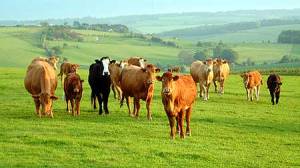
We know that the compass needle always point towards north because of earth’s strong magnetic force. Scientists were wondering why the grazing cows and deers face one particular direction in the field or in the forest. They were able to observe this strange behaviour of animals thanks to google earth maps. The animals face North- South direction only. But If the same animals come within a range of 30 metres of high voltage electric lines they scatter and move into different directions. Why is it?

Cattle, deers and bats have magnets (magnetite) in their nose areas. The polarity of the body magnets are affected when they come under high voltage electric lines. High voltage power lines emit extremely low-frequency magnetic fields (ELFMFs).

A student of geography could have noticed the land mass is more in Northern Hemisphere than Southern Hemisphere. Most of the areas of south are filled with waters of Indian, Pacific and Atlantic oceans. Millions of years ago the earth was one single land (Pangaea) mass. Then they started moving away from the centre. This is known as Continental Drift. Buy why did most of the land mass moved towards north? Nobody could answer this question. More over the land area narrows towards south. If we look at South America, Africa, India and Malayan peninsula—all the land areas are narrowing down towards south. This is a mysterious phenomenon. We can surmise there is more attraction from north because of the crowded landmass or the land mass moved towards north because of some unknown force.

People may wonder why did Hindus say Don’t lie down head towards (only) north? Is South OK? Probably we have less magnetic pull from the south. The earth is a big magnet. It has got two poles North and South. Students of physics know that “Like poles repel each other, unlike poles attract each other”. If we consider our body as a little magnet and the head (heavier than feet) is the North Pole, naturally earth will repel us if the head is in the north. If we keep our head in other directions it can be avoided.

Hindus must have noticed disturbed sleep or forest animals facing only one direction while grazing. Then they must have found out the evil effects of North.

North is Sacred

For Hindus North is sacred. We have lot of references in Tamil and Sanskrit literature about Fast unto Death by facing North. Tamil literature Purananauru speaks about choza king Kopperun Chozan and Poet Pisiranthaiyar fasting facing north. We have such references in Valmiki Ramayana. Hanuman says if he couldn’t find Sita he will do Mahaprasthanam. In Mahabharata, we have Pancha Pandavas walking towards North with a dog. It was called Mahaprasthanam. The holiest of the mountains Kailash is in the north. All the sacred rivers of India originate from the Northern Himalayan mountains. The  Pole Star in the north called Dhruva, the Sapta Rishi Mandala with the star Arundhati  (Ursa Major or Great Bear or Dipper constellation) are all in the North.

The axis of the earth also shifts slowly like a wobble of a top. It is called axial precession. It takes 26,000 years for one rotation. Hindu scriptures mention this as well. As people started newer and newer civilizations in the Northern Hemisphere on the banks of huge rivers they started observing the earth and the sky. They passed their knowledge to us.

******************

Hindu Goddess Sri Bali /Cybele in Rome and Greece


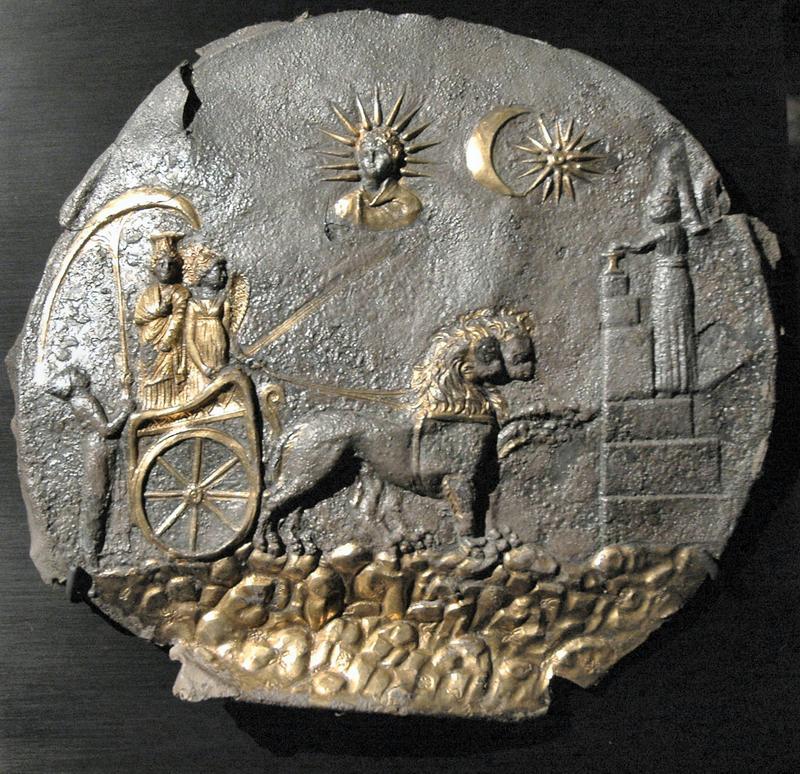
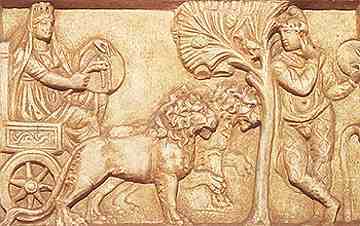
Picture shows Cybele accompanied by Goddess of Victory in a chariot drawn by lions. Sun is personified as Helios. An attendant in barefoot holds a parasol. Silver plate found in Afganistan

Cybele worshipped in Europe was the Hindu goddess Sri Bali. Keralites carry Sri (Bhutha) Bali in all the festivals. They call it Seeveli. Sri Bali got corrupted in to Seeveli and Cybele. Read the full article for more interesting facts. We find Cybele’s statues from Afghanistan to Greece.

Cybele is a mother goddess. She was worshipped in Greece and Rome. Scholars say that Cybele originated in North Western Turkey (Phyrgia). Turkey was ruled by the Hindus at one time. Hittites and Mittani kings were Hindus. They worshipped Vedic Gods and knew Sanskrit. The oldest inscriptions with Sanskrit words (Horse Training Manual by Kikkuli) were discovered in Turkey and Syria. One of the kings that ruled this area was Thusratta (Dasaratha). His letters were discovered in Egypt. (Please see my earlier posts for full details).

Worship of Cybele (also written Kybele) began in 1500 BC and ended in 400 AD when Christianity spread to Europe. She was worshipped as mountain goddess in the beginning. This explains the popularity of Seeveli in mountainous Kerala (India).

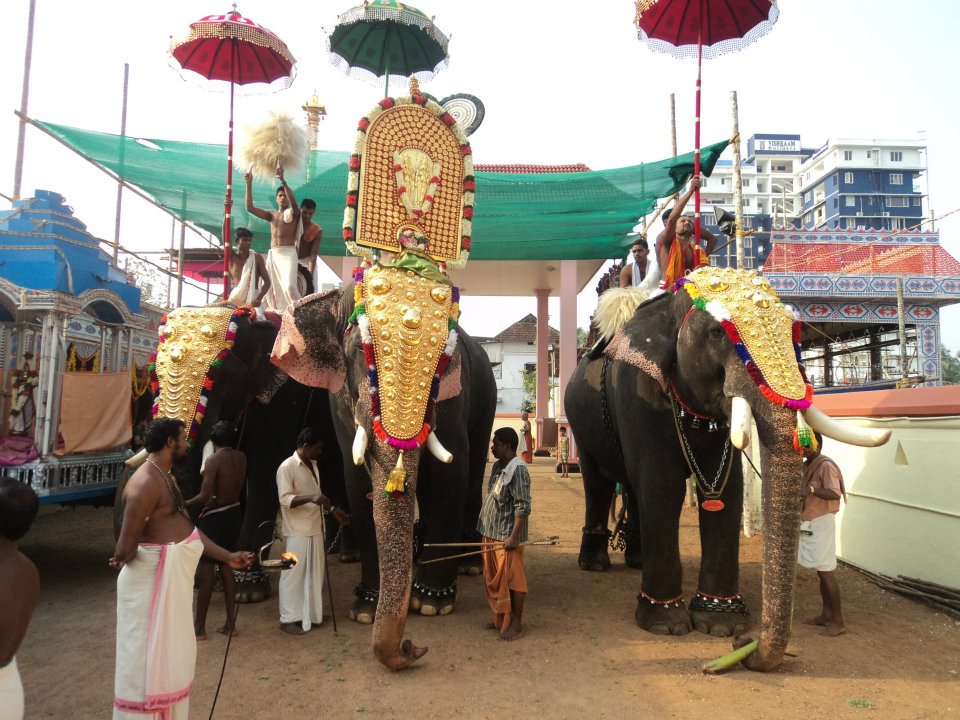
Cybele is shown with umbrella on a chariot. This is the main clue to identify it with Hindu gods. Any king or god shown with umbrella is influenced by Indian culture. Indians invented the umbrella. When one did a big Yaga  he was presented with a white umbrella. From Kalidasa to Sangam Tamil literature we read about white umbrella as the symbol of glory. Showing umbrella is one of the Sixteen Upacharams in Hindu puja. Even the Vamana Avatar was shown with an umbrella, again Kerala type!

Umbrellas spread to all parts of the world from India. We have got enough proof for it in our ancient literature. Snake hood was the umbrella for Krishna when he was a baby.

All Kerala festivals show beautiful umbrellas on decorated the elephants. One of the elephants carries the Sri Bhutha Bali (Seeveli). This has led to the worship of Cybele, the mother goddess.


Picture of  Thrissur Seeveli

SRI is mother, BALI is offering. Before and during any big festival, offering bali is an important ritual. There are elaborate instructions about what to offer to which god on what day in the Agama Shastras.

Greeks identified Cybele with the goddess Rhea and the Romans identified her with Magna Mater (Great Mother). In the beginning this ritual must have started with some sacrifice to the Mother Goddess. That is why it is called SRI bali. Later it spread to local gods and goddesses. Now in Kerala the Sri Bali is in same shape, but with different deities in different areas/temples.

Even modern encyclopaedias describe Cybele as one of the most important ASIAN mother goddesses. In 204 BC, Cybele carved in a black stone was taken to Rome from Turkey. Hindu statues of Kali are also in black stone (Kali means black). She was depicted riding in a chariot drawn by panthers or lions accompanied by frenzied dancers. This is also similar to Kerala where the possessed people dance and forecast future events (known as Velichapadu). A more chronological study of this deity will show us the movement and development of this Hindu deity.


Bali or Offerings for Hindu Gods

During ten day or 13 day temple festival, different offerings are given to different gods. In the temples only one instrument will be played with the person who offers Bali. There is a stone called Bali Peetam in most of the temples. A few examples of Bali are given below:

Picture of Guruvayur Seeveli


First Day for Lord Ganesh: Modhakam, Idli, Pulses, Flour, Jaggery

Second Day for Lord Brahma: Payasam, Turmeric powder, Lotus flower and fried rice (Pori)

Third Day for Bhuthas: Banana fruit mixed with melted butter, Sesame seed Rice

Fourth Day for Gandharvas: Turmeric powder, Coconut and sesame seed rice

Fifth Day for Indra: Indravalli root with ghee,millet

Sixth Day for Rishis/Seers: Jack fruit with Ghee and Bamboo rice

Seventh Day for Lakshmi: Sweet Pongal (rice) and fruits

Eighth Day for Rakshasas( demons) Blackgram rice with ghee (melted butter)

Ninth Day for Shiva: Curd Rice (Yogurt), Root Flour, Fried rice, Flowers

Tenth Day for Vishnu: Red colour rice, Appam (sweet cake),Sesame powder

Some Agamas give thirteen day offerings including for Nagas, Loka palaks etc.


Daily Pujas also offer balis to different devatas (angels). This will give some idea about Balis. It is part and parcel of Hindu Rituals.

Even meat is offered to Grama devatas. In Madurai, goddesses like Sellaththamman are offered meat offerings. In the middle of the night they throw the meat balls for the goddess. A detailed study of different Balis to different Devatas may throw interesting information about our ancient customs.

Picture of Cybele at Attis Relief.

Contact  swami_48@yahoo.com
 

**************

ஏ.கே செட்டியார் வெளியிட்ட மகாமேரு யாத்திரை! –பகுதி – 1

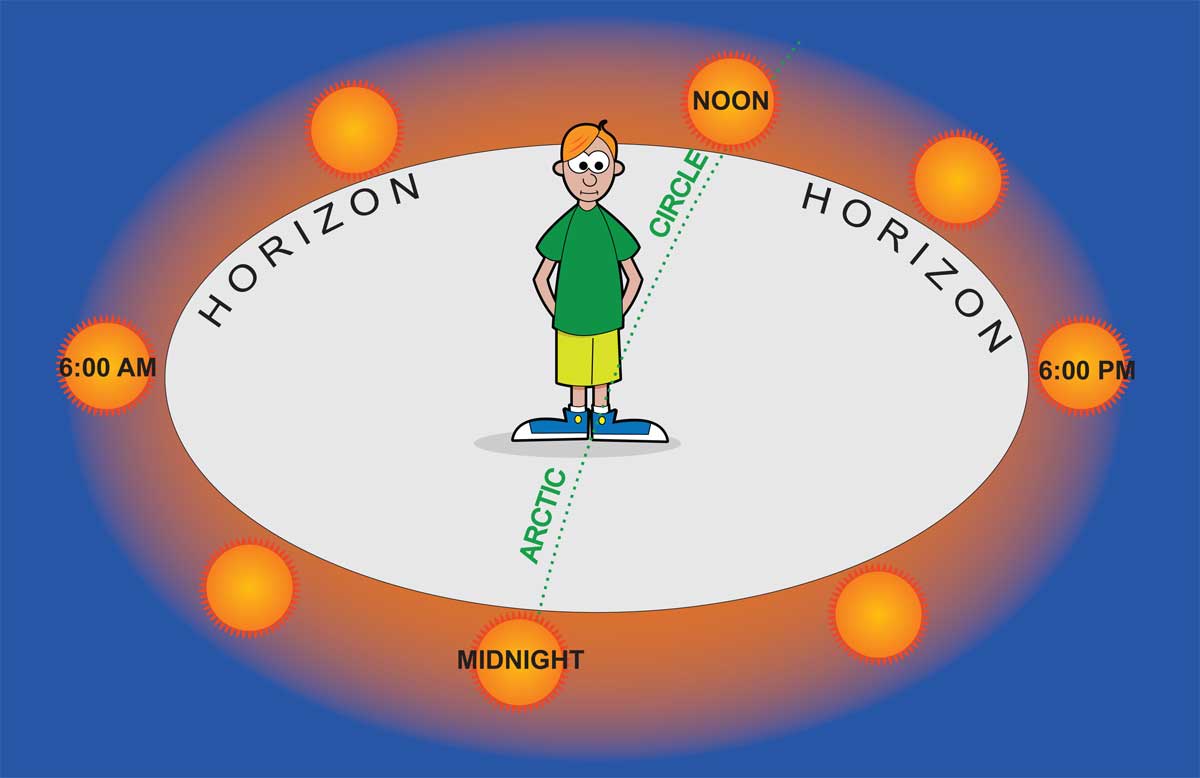
Picture shows Sun is visible 24 hours a day.

ஏ.கே செட்டியார் வெளியிட்ட மகாமேரு யாத்திரை! –பகுதி – 1

ச.நாகராஜன்

கோவில்களைக் கட்டுவதற்கும் கட்டிய கோவில்களில் கும்பாபிஷேகம் நடைபெறுவதற்கும் தமிழ் வளர்ச்சிப் பணிக்கும் தங்கள் உடல் பொருள் ஆவியை அர்ப்பணித்த அற்புதமான குலம் செட்டியார் குலம். இவர்களின் பணிகளைப் போற்றுவார் இன்று இலர். தமிழகத்தின் இன்றைய பல துரதிர்ஷ்டங்களில் இதுவும் ஒன்று!

உலகம் சுற்றும் தமிழன் என்று புகழப்பட்ட திரு ஏ.கே.செட்டியார் (தோற்றம்: 3 நவம்பர் 1911 மறைவு 10 செப்டம்பர் 1983)சிறந்த தேசபக்தர். நேதாஜியை படம் எடுத்தவர். குமரி மலர் என்ற அற்புதமான பத்திரிக்கை மூலம் தமிழ்ப் பணி ஆற்றியவர்.

வெள்ளை வெளேரென்று தும்பைப் பூ போல சட்டையும் வேஷ்டியையும் அணிந்து வருவார். தும்பைப் பூ போன்ற ஆவி பறக்கும் சூடான இட்டிலிகளின் மேல் தேனை ஊற்றிக் கொண்டு சாப்பிடுவார். மென்மையான குரல். எப்போதும் புன்முறுவல் தான்! அழகிய வெள்ளைப் பற்கள் தெரிய அவர் பேசுவதைக் கேட்பதும் ஓர் இனிய அனுபவம். குமரி மலர் சந்தாவைத் தானே நேரில் பெற வருவார்.

அவரது குமரி மலர் பத்திரிக்கை ஒரு பெரும் பொக்கிஷம். பார்த்துப் பார்த்துப் பழைய கட்டுரைகளை வெளியிடுவார்.

அவரது குமரிமலர் பத்திரிக்கையில் வெளி வந்த ஒரு அற்புதமான கட்டுரையைப் பார்ப்போம்!

கட்டுரையின் தலைப்பு : மகா மேரு யாத்திரை (1934)

எழுதியவர் :   ஆர். அனந்த கிருஷ்ண சாஸ்திரி

நார்வே தேசத்தில் ட்றோணியம் என்ற கடற்கரை நகரிலிருந்துதான் மகாமேரு பிரதேசத்திற்குப் புறப்பட வேண்டும். மகாமேரு பிரதேசத்திற்கு ஆர்க்டிக் பிரதேசம் என்று பெயர் வழங்குகிறது. இவ்விடத்திலிருந்து மகாமேரு சுமார் ஆயிரம் மைல் தூரத்திலிருக்கிறது.


ட்றோணியத்திலிருந்து யாத்திரை செய்த கப்பல் தபால் கொண்டு போவது; ஆகையால் ஒவ்வோரிடத்திலும் தபாலைக் கொடுத்து வாங்கச் சுமார் அரை மணி நேரம் வரை நிற்கும். அப்பொழுது நான் கீழே இறங்கி அந்தக் கிராமங்களைச் சுற்றிக் கொண்டு வருவேன். தலையில் தலைப்பாகையும் கழுத்தில் சால்வையும் அணிந்து கொண்டுள்ள மஞ்சள் நிற மனிதனை அத்தேசத்தார் பார்த்திராததினால் என்னைப் பார்த்து வியப்புற்றனர்.சிலர் கப்பல் அதிகாரியிடத்தில் போய் என் வரலாற்றை வினவியதுமுண்டு.


கப்பல் ஏறின முதல் நாளில் கப்பல் அதிகாரியைச் சந்தித்து மறுநாள் காலையில் தண்ணீரில் ஸ்நானத்திற்கு ஏற்பாடு செய்யச் சொல்லப் போனேன்.தண்ணீரில் வைகறையில் ஸ்நானம் செய்தலென்பதை அவர் கேட்டிராதவர்.ஆதலால் அஞ்சி உடலுக்குத் தீமை வந்தால் தாம் பொறுப்பேற்க நேருமாகையால் நான் எவ்வளவு தூரம் பிரார்த்தித்தும் சாவியைக் கொடுக்க முடியாது என்று மறுத்து விட்டார். அவருடைய மனைவியிடத்தில் சென்று சிறிது நேரம் வேதாந்தம் பேசிக் கொண்டிருந்த பிறகே இந்தியாவில் குளிர்காலத்தில் கூடப் பலர் கங்கை முதலான நதிகளில் வைகறையில் நாலு மணிக்கு ஸ்நானம் செய்யும் வழக்கத்தையும் இந்துக்களின் ஆசாரத்தையும் சொல்லி உறுதிப் படுத்தினேன். அவ்வம்மை தயையால் தண்ணீர் அறைச் சாவியை வாங்கி மறுநாள் வைகறையில் ஸ்நானம் செய்தேன். பிறகு ஜபம் பூஜை முதலிய எல்லாம் முடிந்து வெளியில் வந்தவுடன் எனக்கு ஸ்நானத்தினால் கெடுதல் உண்டா என்று பார்க்கப் பலர் வந்தார்கள்.

பால், பழம், பச்சைக் காய்கறியாகிய உணவைப் பார்த்து நான் ஒரு ஸித்த புருஷன் என்றும் கீழ் நாட்டில் அவதரித்திருப்பதாகவும் சொல்லலாயினர்.

என்னைப் போல் இந்தியாவில் கோடிக்கணக்கான  பேர் உண்டு என்று சொல்லியும் அவர்கள் நம்பவில்லை.இதை வழக்கத்தினால் சம்பாதிக்கலாம்; இஃது ஒன்றினாலேயே மோக்ஷம் கிடைத்து விடாது என்று நான் அவர்களுக்குக் கூறுவேன். என்ன சொன்னாலும் அவர்கள் அவற்றை அங்கீகரிக்கவில்லை.

பிறகு மெள்ள மெள்ள 66-வது கோடு (லாடிடியூட்) தாண்டினேன். கணித சாஸ்திர வித்வானாகிய பாஸ்கராசாரியார் சுமார் ஆயிரம் வருஷங்களுக்கு முன் எழுதிய ‘சித்தாந்த சிரோமணி” என்னும் நூலில்

66-வது கோடு தாண்டி வடக்கே போகப் போகப் பகல் நேரம் மிகுதியாகவும், மேருவில் ஆறு மாதம் ஒரே பகலாகவும் இருக்கும் என்று கூறியது ஞாபகத்துக்கு வந்தது; பகல் அதிகரிக்கலாயிற்று.

ட்றோம்ஸோ என்கிற இடத்தில் 68-வது கோட்டில் மே மாதம் 14-ந் தேதி இரவு 11-45 மணிக்கு மேற்கு நோக்கி நின்று சூரியன் வரவை எதிர்பார்த்தேன். ஈசுவர கிருபையினால் அன்று வானில் மேகம் பரவுவதும் பனி விழுவதும் இன்றி இருந்தது. மேலைக் கடலிலிருந்து ஒரு ஒளிப்பிழம்பு தோன்றி உடனே வடக்கே ஓடிவிட்டது. இதைத் தான் ‘பாதி ராத்திரி உதய ஸுர்ய’ னென்றும் மேற்கில் உதித்து கிழக்கில் அஸ்தமனமாகிறதென்றும் வேதம் கூறுகிறது.இந்த ட்றோம்ஸோவில் பாதி ராத்திரியில் உதித்த ஸூர்யன் உடனே  அஸ்தமனமாகாமல் சரியாக நூற்றொரு நாட்கள் வானில் குயவன் சக்கரத்தை யொப்ப தணிந்து சுழற்றிக் கொண்டு ஆகஸ்டு மாதம் கடைசியில் கிழக்கே அஸ்தமனமடைகிறான். அப்படியே தக்ஷிணாயனத்தில் 101 நாட்கள் சூரியன் ஒளியின்றி ஒரே இரவாக இருக்கும். இந்த இடத்தில் தான் முன்னையோர் “சதராத்திரக்கிரது” நடத்தியதாக ச்ரௌத சூத்திரங்கள் கூறுகின்றன. 101 நாட்கள் ஒரே இரவாயிருக்கிற வேறோரிடம் இதற்கு நேரே கீழ்ப் பூமியிலாகும்.  அந்தப் பூமி அமெரிக்காவின் வட பாகத்தில் ஆர்க்டிக் பிரதேசத்தில் அலாஸ்கா என்கிற இடமாகும். ஆரியர் அந்தப் பிரதேசத்தில் பண்டைய நாளில்  வசித்து வந்ததாகச் சரித்திரங்களினால் விளங்கவில்லை; ஆகையால் இந்தப் பிரதேசத்திலேயே ஓர் இரவு முதல் நூறு இரவு வரையில் நம் பெரியோர் யாகம் நடத்தியிருக்க வேண்டும்; இதை மனதிற் கொண்டு ருக் வேதத்தைப் படித்தால் அதில் வர்ணித்திருக்கிற சூரிய வர்ணங்கள் ஆறு மாதம் சூரியனும் ஆறு மாதம் சூரியனில்லாத காலமும், பலவித உதய காலமும் மூன்று முதல் ஐந்து வரையிலுள்ள ருதுக்களும் கணித சாஸ்திர முறைப்படி நன்கு விளங்கும்.


ஆர்க்டிக் பிரதேசத்தில் சூரியன் எப்பொழுதும் மறைவின்றி யிருப்பதால், பூமியில் உள்ள நிலங்களில் தானியங்கள் மும்முறை விதைத்து அறுவடை செய்யப்படுகிறது.ஆகையால் உணவுப் பண்டங்களுக்கு குறைவேயில்லை. தக்ஷிணாயனத்தில் ஒரே பனி மழை; அப்பொழுது பயிர்த் தொழில்கள் நடப்பதில்லை.கைத்தொழில் வேலைகள் நடக்கும். ஒரே இராத்திரி காலங்களில் சூரிய ஒளியே இல்லாததால் சந்திரனுடைய நிலவாலும் விடியற்கால (அருணோதய) பிரகாசத்தினாலும் மகா மேருவிலிருந்து ஒரே ஒளிப் பிழம்பு தெற்கே பார்த்து வீசும் பிரகாசத்தினாலும்  (ஆறோ போரியாலிஸ்) இருட்டே தெரிவதில்லை. நம் தேசத்தில் சூரியனை மறைத்து இருளுடன்  மழை பெய்யும் காலத்துப் பகல் போல இருக்கும். ஆனால் அடிக்கடி ஒளி மாறும்.

-அடுத்த இதழில் கட்டுரையின் இறுதிப் பகுதி தொடரும்


Hindu Mudras in Egyptian and Sumerian Statues


Picture: Egyptian Statue

What is a Mudra? Mudra is the hand gesture or the finger position. Gods or saintly persons who practise meditation or Yoga use Mudras. The Mudras are sacred, mysterious and magical. They can attract or distract people. They express lot of things. They are meaningful. They can give you certain powers.

The word Mudra is derived from two Sanskrit words: MODHANATH and DRAVANATH. The meaning is that which makes the Devas happy and that which gets rid of the sins. More over it fulfils the desires of the people who  practise them. The Sanskrit sloka says:

Modhanath sarva devanam

Dravanath papa santhathe:

Thasmath mudrethi sa kyatha

Sarva kamartha sadhani

Mudra Vidhanam, a book published by Ramakrishna Mutt lists 137 Mudras practised by the Hindus. Buddhists and Jains have added some more. So there are at least 150 recognised Mudras. But naturally the permutation and combination of hand and finger positions can give us hundreds of different Mudras. If one notices the hand and finger positions of Hindu Gods and Goddesses or the statues of the Buddha, one can easily learn about them.

Why did the Hindu Gods or the Buddha who was born a Hindu use them? The reason is they can give the practisers some power. Even in the modern culture, showing middle finger in western countries is rude. Recently a singer and a foot ball player were condemned for the rude gestures. So hand gestures are powerful.

Picture: Dharmachakra Mudra

In the classical dance called Bharatanatyam, there are lot of Mudras called Karanas. They are used to express feelings and give different messages. The books about Mudras are in Sanskrit. There are 108 different Mudras shown on the tower of Chidambaram temple where the Lord of Dance Nataraja/Shiva appears in his dancing form. The dance Mudras are different from Yoga Mudras. The Tantric Mudras are different from these two categories.

Mudras have been used by the Hindus for thousands of years. Egyptians and Sumerians have learnt them from the Hindus. The most famous Mudra is the Chin Mudra of Lord Dakshinamurthy (Shiva). Abhaya Mudra shown by all the Hindu Gods and saints is also famous. Chin Mudra gives one the divine wisdom. Abhaya Mudra gives us the message, “Why fear when I am here?”. Though Hindus invented them, Buddha was the one who mastered them. Every Buddha statue shows a different type of Mudra. Now the Buddhists have been talking about them in the meditation classes more than the Hindus.

Mudras in Egypt and Babylonia

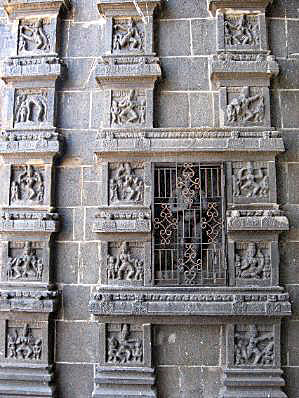
If anyone has an eye for different gestures, one can notice the Egyptian and Sumerian Gods show different gestures. ( See the accompanying pictures).

Babylonian gods touches their shoulders with crossed hands. This is called Kavacham Mudra. This protects one like a shield. Other gods and goddesses show one hand touching the heart (chest). It is called Jnana Mudra. We are told that Lord Rama liked this very much.

Picture: Abu Temple Votive figures (Sumerian), 3000 BC

Lower hand facing up, usually on one lap is called Vara (boon) mudra. Hindu gods show Abhaya Mudra with one hand and Vara Mudra with another hand meaning “You don’t need to fear, I will give you the boons you ask for”.

Mudras affect the flow of energy in the body. By positioning the hands and fingers in a particular position one can channelize the energy. Jain Thirthankaras , Indus valley Statues and Egyptian Pharaohs keep their hanging hands straight. They resemble one another establishing some connection in the past. This Mudra is called Kayotsarga Mudra.


Picture: Egyptian Goddess Isis and god Horus


Hand on hand on the lap is called Buddha Mudra. We find it in Jain and Buddha statues.

Hindus use Mudras in the Puja, Meditation, Yoga Sadhana (Practice), Yagas (Fire Ceremonies) and Naivedhyam (food offerings). There are different types of Mudras for different Gods. Anna, a great Sanskrit scholar, has listed 137 Mudras under 12 different categories in his book Mudra Vidhanam (Ramakrishna Mutt Publication) .This is authentic. But several websites give us different types of Mudras with different interpretations without attributing the sources. So one wonders whether there is any basis for such interpretations.

Hindu Mudras in Egyptian and Sumerian Statues


Brahmins who do the daily ritual of Sandhyavandhana use Mudras and Nyasam. Brahmins do see the sun though the finger hole (not to damage the eye). Nyasam is touching different parts of body like head, mouth and heart with the right hand. Priests who do Siva Puja use lot of Mudras.  Those who want to learn about the Mudras should learn it from those who practise it instead of the websites and books. Websites and Books are only guides, and not Gurus.

Picture : Chidambaram temple 108 dance karanas

Contact: swami_48@yahoo.com or santanam.swaminathan@gmail.com
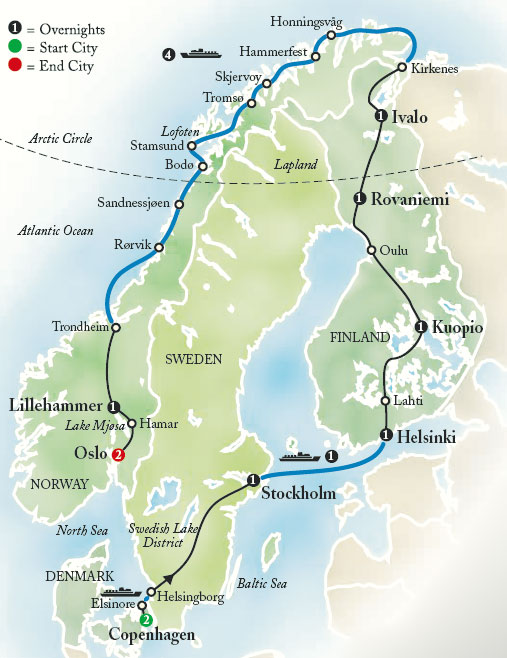
Pictures of Jain Tirthankara and the Buddha

*************


வியப்பூட்டும் அதிசய மரங்கள்

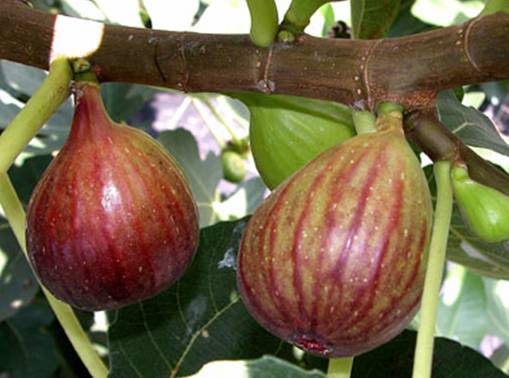
Picture shows Udumpara (Aththi in Tamil, Ficus glomerata, Ficus Racemosa)

உலகில் மரத்தின் பெயரை நாட்டின் பெயராகவுடைய நாடுகள் மிகச் சிலதான். பாரதம் அந்தப் பெருமையை உடைய நாடு. இதன் பழைய பெயர் ‘நாவலந்தீவு’. சம்ஸ்கிருதத்தில் ‘ஜம்புத்வீபம்’. இது சிலம்பு, மணிமேகலை காப்பியங்களிலும், வடமொழி நூல்களிலும் காணப்படுகிறது. பிராமணர்கள் கோவில்களிலும் வீட்டுப் பூஜைகளிலும் இந்தப் பெயரைத் தான் இந்தியாவுக்குப் பயன் படுத்துகின்றனர். அதாவது பாரதம், இந்தியா, இந்துஸ்தானம் ஆகிய பெயர்களுக்கு எல்லாம் முந்தியது ‘ஜம்புத்வீபம்’!

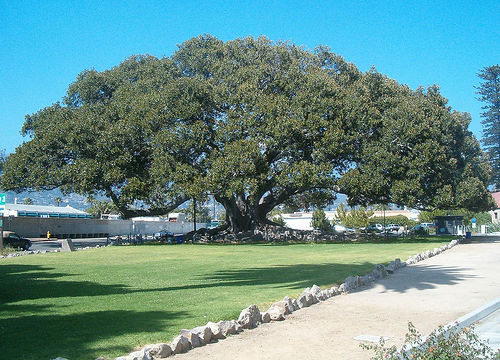
பகவத் கீதையில் ‘மரங்களில் நான் அஸ்வத்தம் என்னும் அரச மரம்’ என்கிறான் கண்ணன். விஷ்ணு சஹஸ்ரநாமத்தில் ஆலமரம் (ந்யக்ரோத), அரச மரம் (அஸ்வத்தம்), அத்திமரம் ஆகிய மூன்றும் விஷ்ணுவின் பெயர்களாக வருகின்றன. அதாவது மரமே கடவுள். மௌனத்தின் மூலம் மாபெரும் தத்துவத்தை உபதேசம் செய்யும் தட்சிணாமுர்த்தியொவெனில் ஆலமரத்தின் கீழே அமர்ந்திருக்கிறார். (இது குறித்து ‘இந்திய அதிசயம்:ஆலமரம்’ Indian Wonder: The Banyan Tree என்ற நீண்ட கட்டுரையில் ஏற்கனவே எழுதிவிட்டேன்).

தாவரவியல் என்பதும் மரங்களை இனம் வாரியாக, குடும்பம் வாரியாகப் பிரிப்பதும் 1735ஆம் ஆண்டு முதல்தான் லின்னேயஸ் என்பவரால் உண்டாக்கப்பட்டது. ஆனால் விஷ்ணு சஹஸ்ரநாமம் (மஹாபரதத்தின் ஒருபகுதி) 3000 ஆண்டுகளுக்கு முன்னரே இதைப் பின்பற்றிவிட்டது. விஷ்ணுவின் பெயராக வரும் ஆல், அரசு, அத்தி மூன்றும் மோரேசி என்னும் குடும்பத்தையும் பைகஸ் என்ற ஜீனஸ்—ஐயும் சேர்ந்தவை!! (Family Moraceae, Genus: Ficus)

புத்த கயாவில் புத்தர் நின்று போதித்த அரச மரம் உள்ளது. இதை போதி மரம் என்று அழைப்பர். கயாவில் அக்ஷய வடம் எனப்படும் அழியாத ஆலமரம் ஒன்றும் இருக்கிறது. இவ்விரு மரங்களையும் பக்தர்கள் பயபக்தியுடன் வணங்கிச் செல்வது வழக்கம்.

உலகிலேயே மரங்களை இன்றும் வழிபடும் ஒரே மதம் இந்து மதம்தான். ஆலமரம் அரசமரம், உடும்பரா எனப்படும் அத்திமரம் ஆகியனவற்றை புராணங்கள் முழுதும் போற்றுகின்றன. அரச மரத்தில் மும்மூர்த்திகளும் இருப்பதாக தர்ம சாத்திரங்கள் பகர்கின்றன.

வேதத்திலும் உபநிஷத்துக்களிலும் மரங்கள் பற்றிய குறிப்புகள் உண்டு. உபநிஷதத்தில் ஒரு ரிஷியின் பெயரே பிப்பலாடன் (அதாவது திருவாளர் அரசமரம்).

ஒவ்வொரு யாகத்துக்கும் அரச மரம், ஆலமரக் குச்சிகளுடன் வேறு பல மரக்குச்சிகளும் தீயில் ஆஹுதி செய்யப் படுகின்றன. சந்தன மரத்தின் பெருமையை தமிழ், வடமொழி இலக்கியங்கள் பக்கம் பக்கமாகப் புகழ்கின்றன.

மரத்தின் பெயரால் பிரதேசங்களை அழைக்கும் வழக்கம் தமிழிலும் புராணங்களிலும் உண்டு.(இதுபற்றி தமிழர்களின் பூக்கள் மோகம் Flowers in Tamil Culture என்ற கட்டுரையில் ஏற்கனவே எழுதிவிட்டேன்)

புனித ஆலமரம்

கண்ணன் பகவத் கீதையை உபதேசித்த குருக்ஷேத்திரத்தில் ஒரு பெரிய ஆலமரம் இருக்கிறது. இது 5000 ஆண்டு பழமையானது என்றும் கிருஷ்ணன் இங்கேதான் கீதோபதேசம் செய்தான் என்றும் மக்கள் நம்புகின்றனர். இதே போல புத்தர் தங்கி தியானம் புரிந்த போதி (அரச) மரத்தின் கிளைகள் இலங்கை முதலான நடுகளுக்கு அனுப்பப்பட்டது. ஒரிஜினல் ஆலமரமோ அரச மரமோ இன்று இல்லாவிட்டாலும் அவற்றின் கிளைகள், விதைகளில் இருந்து தழைத்த மரங்கள் இருக்க வாய்ப்பு உண்டு.

அத்திமர அதிசயம்

அத்திமரத்துக்கு அற்புத சக்தி இருப்பதாக அதர்வண வேதம் (AV.xix-31) கூறுகிறது. இதில் தாயத்து செய்து போட்டுக் கொண்டதாகவும், அரிச்சந்திர மகாராஜா இதிதான் கிரீடமும் சிம்மாசனமும் செய்துகொண்டார் என்றும் புராணங்கள் பேசுகின்றன.

தமிழ்நாட்டுக் கோவில்தோறும் ஸ்தல மரமும், மன்னர்களுக்கு காவல் மரமும் இருந்தன. இது பற்றியும் இலக்கியத்தில் நிறைய விஷ்யங்கள் உண்டு. திருஞான சம்பந்தப் எருமான் ஆன் பனையைப் பெண்பனையாக மாற்றி அற்புதம் செய்ததைத் தேவாரத்தில் காணலாம்.

அற்புத வில்வ மரம்

கடலாடி பர்வத மலையில் மல்லிகார்ஜுனர் கோவிலில் ஒன்பதும் பதினொன்றும் தளங்கள் (இலைகள்) உடைய மஹா வில்வ மரங்கள் இருக்கின்றன. இது அபூர்வமாகவே காணப்படும். சிவ பெருமானுக்கு மிகவும் விஷேசமானவை.மலை மீது வளரும் கல் மூங்கில்கள் காஞ்சி சங்கராசார்ய சுவாமிகளின் தண்டத்துக்காக (கையில் வைத்திருக்கும் கம்பு) வரவழைக்கப்படுகின்றன. மதுரையின் தல விருட்சம் கடம்ப மரம், காஞ்சியின் தல விருட்சம் மாமரம் (ஆம்ர) போன்று ஒவ்வொரு கோவிலும் ஒரு மரத்துக்கு ஆதாரமாக விளங்குகின்றன.


திருத்தணி கன்னிக் கோயிலில் 7 மரம்

(தினமணிக் கதிர், 7-8-1983)

திருத்தணியில் கன்னிக் கோயில் உள்ளது. இது சப்த கன்னிகையால் ஆதியில் பிரதிஸ்டை செய்யப்பட்ட ஆத்மசுத்தி பெற்ற மகா சித்தர்கள் வசித்த இடம் சித்தர்களின் ஞான கடாக்ஷத்தால ஞான சுத்தி பெறக்கூடிய மரங்களை பிரதிஷ்டை செய்து வளர்த்துள்ளனர். அவை இன்றும் உள்ளன. ஒரு பெரிய மரத்தையொட்டி வளர்ந்துள்ள ஏழு மூலிகை மரங்கள் பின்னிப் பிணைந்து ஒன்றாக இருக்கின்றன.

அவை 1.அரசு. 2.கல்லரசு 3.கரும்பிலி 4.தேவ ஆதண்டம் 5. இருளி 6.வேம்பு 7. கார்த்திகம்

இது எங்கும் காண இயலாத ஒரு அற்புதச் சேர்க்கை. இது தவிர ஏழு கன்னிகைகள் வழிபாடு நடக்கிறது. கடுங்கோடையிலும் வற்றாத ஏழு தீர்த்தங்கள் 1. தாமரை 2.தாழை 3.திருமஞ்சனம் 4. அல்லி 5. பஞ்சேந்திரம் 6. பொய்கை 7. கர்ப்பவர்த்தி இருக்கின்றன. (தினமணிக் கதிர் சுருக்கம்)

வற்கலையில் அதிசயம்

கேரளத்தில் உள்ள வற்கலை ஜனார்த்தனம் கோவிலில் ஐந்து ஸ்தல விருட்சங்கள் ஒன்றாகப் பின்னிப் பிணைந்துள்ளன. இவை வெவ்வேறு வகை மரங்களாகும் (ஞானபூமி ,ஏப்ரல் 1985)

யானைப் புளியன்கொட்டை மரம்

கிருஷ்ணகிரி மாவட்டத்தில் உள்ள உரிகம் என்னும் ஊரில் அதிசய புளியமரம் ஒன்றுள்ளது. அதன் காய்கள் மிகமிகப் பெரிதாக உள்ளது. அந்த வியப்பிற்குரிய மரத்தின் காய்களை பலர் எடுத்துச் சென்று அம்மாதிரி ரக புளியை வளர்க்க முயன்றுவந்தனர். ஓசூரில் நடந்த ஒரு பொருட் காட்சியில் இதன் காய்களை வேளண்மைத் துறையினர் காட்சிக்கு வைத்திருந்தனர். (மின் தமிழ் உறுப்பினர் நூ.த.லோ.சு.மயிலை தந்த தகவல்)

(இந்த மரத்தை ஆனைப் புளியங்கொட்டை மரம் என்று சொல்லுவார்கள். தாவரவியல் படிப்பவர்களுக்கு இதுபற்றித் தெரியும் ஏர்க்காடு பகுதியில் தாவரவியல் சுற்றுலாச் சென்றபோது பேராசிரியர்கள் இதைப் பறித்து எங்களுக்கு பாடம்சொல்லிக் கொடுத்தனர். மதுரைக் கல்லூரி தாவரவியல் சோதனைக் கூடத்தில் இது காட்சிக்கு வைக்கப்பட்டிருந்தது. இன்றும் இருக்கக் கூடும்: லண்டன் சுவாமிநாதன்).

வெள்ளை வேப்ப மரம்

நாகை மாவட்டம் திருவாவடுதுறையில் உள்ள வேப்ப மரம் ஒன்றின் இலைகள் முழுதும் வெள்ளையாகவே இருக்கின்றன. அதன் கீழே அமர்ந்துள்ள அம்மனும் வெள்ளை மாரியம்மன் என்றே அழைக்கப்படுகின்றார். திருவாவடுதுறையில் இருந்து வழிவிடும் விநாயகர் கோவிலை அடுத்து ஒரு பாதை செல்கின்றது. சிறிது தூரம் சென்றால் ஒரு ஆறு வரும். அந்த ஆற்றங்கரையில் அம்மன் வேப்பமரத்தின் அடியில் அமர்ந்திருப்பதைக் காணலாம். (இது மின் தமிழிலிருந்து எடுக்கப்பட்டது).

தினமலரில் வந்த செய்தி:

சேர்ந்தமரம்: சேர்ந்தமரம் அருகே வேப்பமரத்தில் பால் வடியும் அதிசயத்தால் பக்தர்கள் பரவசம் அடைந்தனர்.நெல்லை மாவட்டம் சேர்ந்தமரம் அருகே உள்ள வெள்ளாளன்குளத்தில் உள்ள நாகமலை பாலமுருகுன் கோவில் உள்ளது. மிகவும் பிரசித்தி பெற்ற இக்கோயில் அருகே மாரியம்மன் சிலை ஒன்றும் உள்ளது. இந்த சிலை அருகே சிறிய வேப்பமரம் உள்ளது. மரத்தின் அடிப்பாகத்தில் நேற்று முன்தினம் மாலை முதல் பால் வடிய துவங்கியது.  இதனையறிந்த அப்பகுதியை சேர்ந்த பொதுமக்கள், பக்தர்கள் பால்வடியும் வேப்பமரத்திற்கு பூஜை செய்து, கற்பூரம் ஏற்றி வழிபட்டனர்.Dinamalar 8th February 2012

மரங்களைப் பற்றிய நூற்றுக்கணக்கான அதிசயங்களில் சிலவற்றை மட்டுமே கண்டோம். தருணம் வரும்போது மேலும் பல அதிசயங்களைக் காண்போம்.


What is special about India?

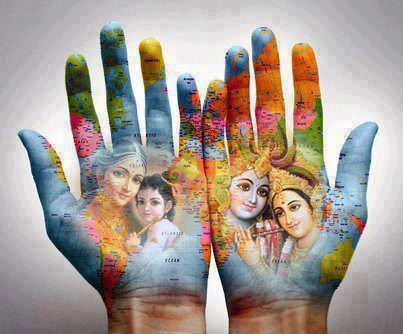
Picture: Divine Hands from face book


Gravity wobble puts 1 lb on you

 An interesting science news item appeared in London newspapers several years ago. It said that anyone wants to lose weight should travel to India.

Read it verbatim from London Metro News paper:

“If you want to lose weight without dieting, take a trip to India. A new map of earth shows that is where the force of gravity is weakest, so objects are lighter. It means you would weigh one percent less there—about 1.5 pound for an average person. The bad news is Britain is one of the places where the gravitational pull is strongest, so people appear to be relatively weighty.

The findings are presented in a new map, prepared to help NASA plan a five year satellite mission to measure the effects of gravity. It shows the planet is not spherical; it is lumpy, slightly flattened at the poles and bulges around the equator.

A fourteen stone man standing on top of Mount Cayambe, a 19,000 foot peak on the equator in Ecuador would be 2 pounds lighter than if he was standing on North Pole. The density of the ground also makes a difference.”

When I read the news item, I wondered whether this had got any connection to our spiritual inclination. So far no scientific experiment is done to determine this. But Bhagavatham and other Puranas say that Devas wanted to take birth in India. Great Tamil poet Bharathyar says that this is the place where Devas live and saints rush to live (Ref. Jaya Jaya Bhavani….. poem).

John Woodroffe (Arthur Avalon) says (page 117, Shakti and Shakta,1918),

“India remains still the most important country on earth for the student of religion. In India we meet with all forms of religious thought and feeling which we find on earth, and that not only at different times but also all together even today. Here we find the most primitive belief in ancestral Spirits, in Demons and Natural Deities with a primeval, imageless sacrificial cult. Here also is a polytheism passing all limits, with most riotous idolatry, temple cult, pilgrimages and so forth. And side by side with and beyond the  these crudest forms of religious life, we find what is deepest and most abstract of what religious thinkers of all times have ever thought about the Deity, the noblest pantheistic  and the purest monotheistic conceptions. In India we also find a priest craft as nowhere else on earth side by side with a religious tolerance which lets sect after sect, with the most wonderful saints, exist together. Here there were and still are forest recluses, ascetics and mendicant monks , to whom the renunciation of this world is really and truly a matter of  deepest sincerity , and together with them hosts of idle mendicant monks , vain fools and hypocrites , to whom religion is only a cloak for selfish pursuits  for the gratification of greed for money , of greed for fame or the hankering after power.


From India also a powerful stream of religious ideas had poured forth over the West and especially over the East, has flooded Central Asia, has spread over Tibet, China, Korea and Japan, and has trickled through the Further East down to the remotest islands of the East Indian Archipelago. And finally, in India as well as outside India Indian religions have often mixed with Christianity and with Islam now giving and now taking.”

“An examination of Indian Vedic doctrines shows that it is in tune with the most advanced scientific and philosophical thought of the West.”

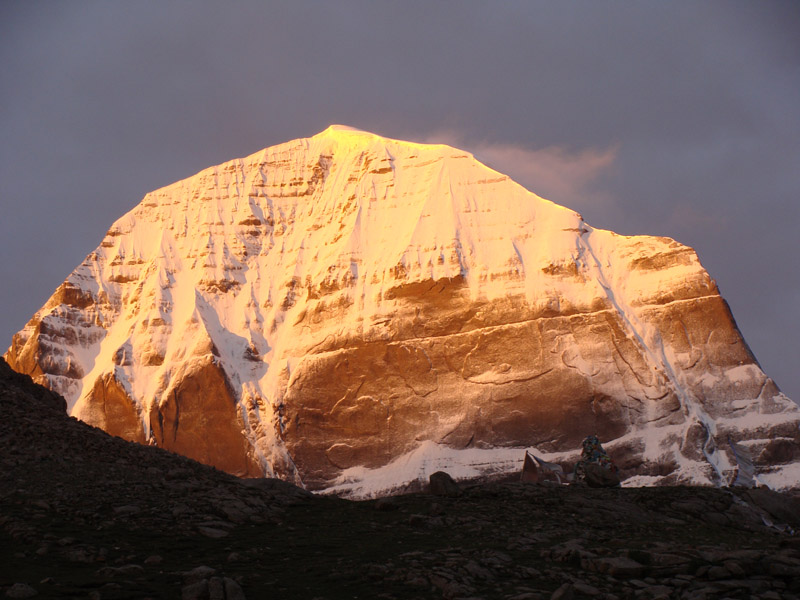
Picture: Kailash, Himalayas.

Let us compare it with what others said about India:

 Will Durant, American historian: “India was the motherland of our race, and Sanskrit the mother of Europe’s languages: she was the mother of our philosophy; mother, through the Arabs, of much of our mathematics; mother, through the Buddha, of the ideals embodied in Christianity; mother, through the village community, of self-government and democracy. Mother India is in many ways the mother of us all”.


Mark Twain, American author: “India is, the cradle of the human race, the birthplace of human speech, the mother of history, the grandmother of legend, and the great grand mother of tradition. Our most valuable and most instructive materials in the history of man are treasured up in India only.”

Albert Einstein, American scientist: “We owe a lot to the Indians, who taught us how to count, without which no worthwhile scientific discovery could have been made.”

Max Mueller, German scholar: If I were asked under what sky the human mind has most fully developed some of its choicest gifts, has most deeply pondered on the greatest problems of life, and has found solutions, I should point to India.

Romain Rolland, French scholar : “If there is one place on the face of earth where all the dreams of living men have found a home from the very earliest days when man began the dream of existence, it is India.”

(Quotes taken from hinduismabout.com)

When we read all these comments we feel how great India is!

*********************


கமில் சுவெலபில் மொழி பெயர்த்த தமிழ் தாத்தாவின் ‘என் சரித்திரம்’!

கமில்சுவெலபில்மொழிபெயர்த்ததமிழ்தாத்தாவின்என் சரித்திரம்‘! 

.நாகராஜன்


தமிழ் தாத்தா உ.வே.சுவாமிநாதையரின் (1855-1942) தமிழ் தொண்டை உலகமே அறியும். தமிழர்கள் தம் பெருமையை அறிய தன் வாழ்நாளை அர்ப்பணித்தவர். இரவு பகல் பாராது தமிழ் சுவடிகளைச் சேகரித்து ஆராய்ச்சியில் மூழ்கி ஒவ்வொரு சொல்லின் பொருளையும் தேர்ந்து அதை உலகிற்குத் தந்தவர். சில சமயம் ஒரு சொல்லின் பொருளைக் கண்டுபிடிக்க இவர் செய்த முயற்சிகள் நம்மை பிரமிக்க வைக்கும். அவரது என் சரித்திரம் என்ற நூல் மிகச் சிறந்த நூல்.தமிழ் வரலாறை அறிய விரும்புவோர் தமிழ் தாத்தாவின் அரிய சரித்திரத்தை நிச்சயம் படிக்க வேண்டும். சுவையான நூல். சுவை படைத்த அரிய விஷயங்களை நல்கும் நூல்.


இதை மொழிபெயர்க்க செக்கோலேவேகியாவின் தமிழ் அறிஞர் கமில் சுவெலபில் (பிறப்பு : 17-11-1927 மறைவு 17-1-2009) மிகுந்த ஆசைப்பட்டு அற்புதமாக ஆங்கிலத்தில் இரு பாகங்களாக மொழி பெயர்த்துள்ளார். கிரேக்கம், இலத்தீன், ஜெர்மன், ஆங்கிலம், ருஷியன், சம்ஸ்கிருதம், தமிழ் ஆகிய மொழிகளை கமில் நன்கு அறிவார். ஹிந்தி, மலையாளம், பிரெஞ்சு, இத்தாலி, போலந்து போன்ற மொழிகளையும் இவர் அறிவார்.


என் சரித்திரத்தில் ஏராளமான தமிழ் பாடல்கள் இடம் பெறுகின்றன. சுவையான நிகழ்ச்சிகள் அடங்கியுள்ளன. இவற்றை ஆங்கிலத்தில் சுவை குன்றாது மொழி பெயர்ப்பது ஒரு பெரிய அரிய கடினமான பணி. இதை அவர் சிறப்பாகச் செய்துள்ளார். முருகன் மீது பக்தி கொண்ட இவர் “சுவாமிநாதனின்” சரித்திரத்தை மொழி பெயர்க்க முன் வந்தது தமிழரின் பாக்கியமே! ஆனால் இவர் முன்னுரையில் தெரிவிக்கும் ஒரு சிறு விஷயம் நம் மனதை நெருடுகிறது! அவர் சொற்களில் அந்த சின்ன விஷயத்தைப் பார்ப்போம்:

“Although various well-meaning friends and colleagues tried to dissuade me from translating this large work of reminiscences, and although I, too, might have had my doubts myself, yet I did persevere in this task which I had to set myself in the sprit of affectionate service to the greatest figure of the ‘Tamil Renaissance’, and I shall hopefully bring it in due time to end. The main objections against this work of translation was that I should have “better things” to do; publish original scholarly works – books, papers, reviews – since there are, apparently, not so many of us in the field of Dravidology, and  since I presumably have still so much to say.


இந்த பெரிய நினைவுகள் நிரம்பிய நூலை மொழிபெயர்ப்பதிலிருந்து என்னை நல்லெண்ண நண்பர்களும் சகாக்களும் தடுத்த போதிலும், நானும் கூட என்னைப் பற்றிய ஐயம் கொண்டிருந்த போதிலும், நான் இந்தப் பணியில் விடாமுயற்சியுடன்  தமிழ் மறுமலர்ச்சியின் மிகப் பெரும் தோற்றமானவருக்கு பிரியமுடன் சேவை செய்யும் உணர்வுடன் இதைச் செய்ய ஆரம்பித்தேன். உரிய நேரத்தில் இதை முடிக்கும் நம்பிக்கையும் உண்டு. இந்த மொழிபெயர்ப்பு பணிக்கு எதிரான ஆக்ஷேபணைகளுள் பிரதானமாக இருந்தவை: “இதை விட சிறந்த வேலைகள்” நான் செய்வதற்கு உள்ளன; மூலமாக நானே எழுதும் அறிவு சார்ந்த ஆய்வுகள் – புத்தகங்கள், ஆய்வுக் கட்டுரைகள், மதிப்புரைகள் – உள்ளன – ஏனெனில் திராவிடாலஜி என்ற தளத்தில் அநேகர் இல்லை, இன்னும் நான் உண்மையெனக் கருதிச் சொல்ல வேண்டியது நிறைய உள்ளது என்பதால்!

தமிழுக்காக வாழ்ந்து அயரா உழைப்பை மேற்கொண்டு பத்துப்பாட்டு, எட்டுத் தொகையுள் ஐந்து, மூன்று பெரும் காப்பியங்கள், ஐம்பதிற்கும் மேற்பட்ட இலக்கியங்கள், இலக்கண நூல்கள் உள்ளிட்ட தமிழ் செல்வத்தை ஈந்து தமிழருக்குத் தமிழ் பற்றி முகவரி தந்த ஒரு பெருமகனாரின் சரித்திரத்தை மொழிபெயர்க்க ஒரு சிறந்த தமிழ் அறிஞர் முன் வந்த போது அதைத் தடுக்க முயன்றனர் என்ற செய்தியே நம்மை திடுக்கிட வைக்கிறது. இது சாதாரண விஷயமாக இருந்தால் கமில் இதை முன்னுரையில் ஒரு முக்கியத்துவம் கொடுத்துக் கூறியிருக்க மாட்டார். அனைவரும் அறிய வேண்டும் என்பதற்காகவே இதை அழுத்தம் திருத்தமாகப் பதிவு செய்திருக்கிறார்.

இதையும் மீறி நான் ஏன் இதைச்  செய்தேன் என்று தொடரும் அவர் இரண்டு காரணங்களைச் சொல்கிறார். 1) மொழிபெயர்ப்பு என்பது ஒரு  பெரும் கலை.மிக முக்கியமான ஒன்று.ஆகவே இதை மொழிபெயர்ப்பது அவசியம் 2) டாக்டர் ஐயர் அவர்கள் வார்த்தைகளாலேயே அவர் எப்படி இப்படி ஆக நேர்ந்தது என்பதை அறிவது மிக முக்கியமானது!


அற்புதமான மொழிபெயர்ப்பைப் படித்து முடித்த சந்தோஷத்தை  விட சிறந்த தமிழ் பணியை தடுக்க முயன்றவர்களை எண்ணி வருத்தம் சற்று மேலோங்கவே செய்கிறது.

*****************************