6. தோட்டத்தைப் பெருக்கு – முதல் பாடம்!

Person-raking-leaves-in-g-002

ச.நாகராஜன்

ஒரு நாள் க்யோடோவில் இருந்த டைஷுயின் ஆலயத்தில் இருந்த கோடோ ஜுய்கன் ரோஷி என்ற குருவை சோகோ சந்தித்தார். மையோஷிஞ்ஜி மடாலயத்திலும் டைடோகுஜி மடாலயத்திலும் தலைமைப் பொறுப்பை ஏற்று வகித்து நடத்திய அவர் இப்போது ஓய்வு பெற்றிருந்தார்.கலைந்திருந்த படியாத தலைமுடி, அசிங்கமான உடை – இவற்றுடன் ரோஷி முன்னர் சென்று நின்றார் சோகோ.

அவர் கேட்ட முதல் கேள்வி : “ எதற்காக இங்கு வந்தாய்?”

தன் வாழ்வில் இது வரை நடந்ததை எல்லாம் விவரித்தார் சோகோ. இடையில் குறுக்கிடாமல் ஒரு மணி நேரம் சோகோ சொன்ன அனைத்தையும் மௌனமாகக் கேட்டார் ரோஷி. மனதில் இருந்த அனைத்தையும் கொட்டித் தீர்த்தார் சோகோ.

ரோஷி பிறகு தான் பேச ஆரம்பித்தார்:” நீ சொன்னதை எல்லாம் கேட்டேன்.உனக்கு யார் மீதும் எதன் மீதும் நம்பிக்கை இல்லை என்று தெரிகிறது. ஆனால் குருவின் மீது நம்பிக்கை இல்லை என்றால் ஜென் பயிற்சிகளைக் கற்கவே முடியாது. என்னை நம்புவாயா? நம்பினால் நீ இருக்கும் நிலையில் அப்படியே உன்னை ஏற்றுக்கொள்கிறேன். நம்பவில்லை என்றால் எனது நேரமெல்லாம் வீண் தான், நீ இடத்தை விட்டுக் கிளம்பலாம்”

இன்றைய சமுதாயத்தில் ஒரு விஷயத்தைக் கற்க ஆரம்பிக்கும்போது பயிற்றுவிக்கும் ஆசான் மீது அவர் ஜென் மாஸ்டராக இருந்தாலும் சரி பல்கலைக்கழக பேராசிரியராக இருந்தாலும் சரி நம்பிக்கை கொள்ள வேண்டும் என்பது அடிப்படையான விஷயம்,! ஆகவே ரோஷி அந்த அடிப்படை விஷயத்தை வலியுறுத்தினார். ஆனால் சோகோ எதற்கும் லாயக்கற்றவராக இருந்தார். வயதில் மூத்த அவரது வார்த்தைகளைக் கேட்டு சோகோவின் எண்ண ஓட்டம் அவரை மனதிற்குள் விமரிசிக்க ஆரம்பித்தது!

“இந்த முட்டாள் கிழவன் மையோஷிஞ்ஜி மடாலயத்திலும் டைடோகுஜி மடாலயத்திலும் தலைமைப் பொறுப்பை வகித்தவராக இருக்கலாம்! பெரிய இடங்களில் போலிகள் இருப்பது சகஜம் தானே! அவரை முழுவதுமாக நம்பும் படி என்னை எப்படிக் கேட்கலாம்?! இப்போது தான் அவரைப் பார்க்கிறேன். நம்ப வேண்டுமாமே! அப்படி நம்புவதாக இருந்தால் இங்கு வருவதற்கு முன்னர் எத்தனையோ பேரை இது வரை நம்பி இருக்கலாமே!”

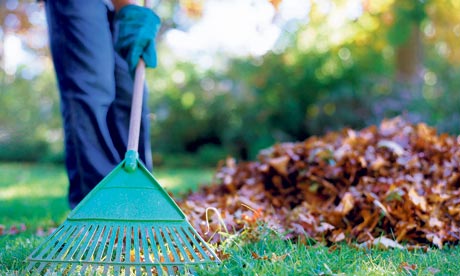
ஆனால் இப்போது அது முக்கியமில்லை. பொய்யாக இருந்தாலும் கூட எதையாவது சமயத்திற்குத் தக்கபடி சொல்லித் தான் ஆகவேண்டும். ஆகவே சோகோ,” உங்களை முற்றிலும் நம்புகிறேன். என்னை ஏற்றுக் கொள்ளுங்கள்” என்றார். “அப்படியானால் கூட வா” என்று சோகோவை அழைத்துச் சென்ற ரோஷி ஒரு விளக்குமாறை அவரிடம் தந்து, “போய் இந்த விளக்குமாறால் தோட்டத்தைப் பெருக்கு!” என்றார்.

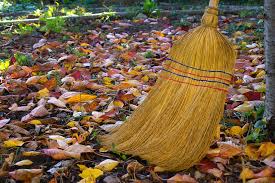
அவரை நம்ப வைக்க எதையாவது செய்து தானே ஆக வேண்டும். சோகோ விளக்குமாறை இங்கும் அங்கும் ஓடவிட்டு உதிர்ந்து கிடந்த இலைகளை மலை போலக் குவித்தார்!

இதைப் பார்த்து அவர் பாராட்டுவார் என்று எண்ணிய சோகோ அவரிடம்,” இந்தக் குப்பையை எங்கே கொட்ட வேண்டும்” என்று கேட்டார். ரோஷி உடனடியாக, ”இலைகள் குப்பை இல்லை” என்றார்.
“ஆனால்”.. என்று இழுத்தார் சோகோ. இலைகள் குப்பை இல்லை என்றால் அதற்கு என்ன அர்த்தம்?
leaves

ரோஷி, ”என்ன நான் சொல்வதில் உனக்கு நம்பிக்கை இல்லையா? ஷெட்டுக்குப் போய் அங்கு கரிகளை அள்ள வைத்திருக்கும் காலியாக இருக்கும் சாக்குகளைக் கொண்டு வா” என்றார்.
சாக்குகள் வரும் வரைக்கும் ரோஷி மிக கவனமாக இலைகளை மட்டும் சேகரித்து கல் மண் ஆகியவற்றை அந்தக் குவியலிலிருந்து அகற்றினார்.

சாக்குகளை சோகோ தந்தவுடன் இலைகளை அவற்றில் கொட்டினார். ஒரு இலை கூட விடவில்லை. சாக்குகள் இலைகளால் மிக இறுக்கமாக நிரம்பின. “இவற்றைக் கொண்டு போய் ஷெட்டில் வை. வெந்நீர் போடும் போது தீயில் போட்டுக் கிளற இவை உதவும்” என்று சோகோவைப் பார்த்துச் சொன்னார் ரோஷி “அட அதுவும் சரிதான்,இலைகள் குப்பை இல்லை தான் அவற்றிற்கும் ஒரு உபயோகம் இருக்கிறது” என்று தன்னைத் தேற்றிக் கொண்ட சோகோ ஆனால் இலைகள் தவிர மற்றவை எல்லாம் குப்பை தான் ஆகவே தான் சொன்னதில் தவறில்லை என்று நினைத்தார். ஆனால் அவர் திரும்பி வந்து பார்த்த போது…. சின்னச் சின்ன கூழாங்கற்களை ரோஷி தனியாகப் பிரித்து வைத்திருந்தார்.

“இந்தா, இவற்றை கூரையின் மீது பரப்பு. மழைத்துளிகள் உள்ளே இருக்கும் கருங்கற்கள் மீது விழுவதால் அவை தேய்ந்து போகின்றன. இவற்றை ஓட்டைகளை அடைக்க நான் உபயோகிப்பது வழக்கம்” என்றார் ரோஷி.

அந்த அழகிய கூழாங்கற்களுக்கு அப்படி ஒரு உபயோகம் இருப்பது சரிதான் என்று சோகோ நினைத்தார். ஆனால் மீதி உள்ள களிமண் குப்பை தானே என்று அவர் தன்னை நியாயப்படுத்திக் கொண்டார். ஆனால் ரோஷியோ அவற்றைக் கையில் கவனமாக உருட்டி எடுத்துக் கொண்டார். அங்கு தோட்டத்தின் தரையில் பள்ளமாக இருந்த இடங்களில் அவற்றைப் போட்டு நிரப்பித் தன் காலால் மிதித்து அந்த இடங்களைக் கெட்டிப் படுத்தினார். தோட்டம் பள்ளம் இன்றி சமதரையைக் கொண்டு அழகாய் ஆனது.

“இப்போது உனக்குக் கொஞ்சம் புரிந்திருக்கும் என்று நம்புகிறேன்” என்று சோகோவைப் பார்த்துச் சொன்ன ரோஷி தொடர்ந்து கூறினார்:” “மனிதர்களிலோ பொருள்களிலோ அவை அசலாக இருக்கும் போது குப்பை என்று எதுவும் இல்லை” ரோஷியிடமிருந்து சோகோ தனது முதல் பாடத்தைக் கற்றுக் கொண்டார்.

சின்ன உண்மை
ஜென் பிரிவானது எந்த ஒரு புனித நூலையுமோ அல்லது உபதேசிக்கப்பட்ட எந்த ஒரு வார்த்தையையுமோ போதிப்பதில்லை. மாறாக, ஒருவனை மனதிற்குள் புகுந்து சென்று அவனது உண்மையான இயற்கை நிலையைப் பார்க்கத் தூண்டுகிறது. ஜென் வழிமுறையில் முக்கியமானது தியானமே!

தொடரும்
Hydro Therapy in Hindu Scriptures

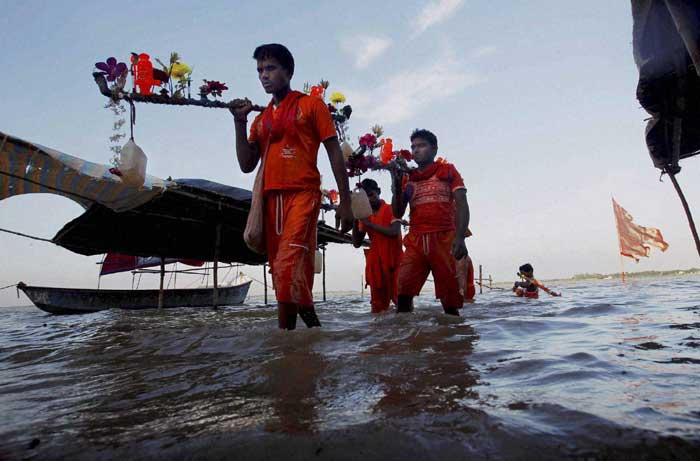
B_Id_406814_kawadiyan-walking

Picture of devotees collecting Ganga water at Haridwar.

*Learning music standing in neck deep water
*Reciting Rudram standing in waist deep water
*Water Hymns in Vedas (Atharva Veda)
*Homeopathy principle (Likeness cures likes)
*Water Fall Bath (bathing in waterfalls helps mental patients)
*Tank Bath ( Temple tanks are attributed with medicinal properties)
*Ganges water (medicinal properties of Ganges water)
*Tulsi water from copper pot (Copper kills bacteria)
*Water for cursing (water becomes magical weapons during cursing)
*Water for wedding ( a girl is donated to a boy with water=Kanya Dhanam)
*Water for donating ( Kings and Lords used water to donate countries, lands and gold with water)
*Brahmins do Sandhya Vandhanam three times day with water.
*Indra Festival was celebrated as Water Festival.
*Over 250 words for water in Sanskrit
*Ancient Engineers Bhageeratha and Agastya channelized Ganga and Kaveri through new routes.

“May the deity of water purify the earth which is its foundation and that purified earth may purify me and the preceptor who is the channel for Vedas. May that Veda sanctify me. May the deity of water purify me of sins committed by me…………” ( From daily prayer of the Brahmins)

Hydro therapy is water therapy, that is, using water as medicine. Since religion plays a major part in Hindu’s life even the medicines are attributed with divine powers. Going to different water sources such as rivers, sea shores, tanks, lakes and waterfalls is part of Hindu pilgrimage. The largest festival on earth – Kumbha Mela – is held in Prayag or Triveni Sangam (also known as Allahabad). This shows the significance of water, particularly Ganges water, in Hinduism. In Sangam three rivers Ganga, Yamiuna and legendary Sarasvati merge. Hindus believe water can wash away all their sins. Water used in different ways cures diseases. Merit of pilgrimage is in the oldest Hindu epics Ramayana and Mahabharata. Vedas, particularly, Atharva Veda has Hymns on water. Vedic seers praise water sky high. Tamil poet Tiruvalluvar has a chapter on water.

Hindu ceremonies, from birth to death, use water. I have written elsewhere that this is the biggest proof for Indians migrating to different parts of the world and not vice verse. No other culture in the world use water like Hindus. That shows that they have not come from colder areas like Cenrtral Asia or Siberia. Religious Hindus cannot live without water.

Water is sued for cursing. I have written about it in my article on curses and boons. Water becomes atomic weapons with the incantation of mantras. Whether it is giving a girl to a boy in a wedding ceremony or giving land donations to Brahmins, it is done with water. Without water nothing can be consecrated. Sangam Tamil Literature praises a donor for donating a lot of things and says water ran like river from his place.
I have already explained in my article ‘copper kills bacteria’ that the reason for giving water from the copper vessel in the temples. They give water with Tulsi from copper vessels. British hospitals used copper handles in doors and proved that copper killed bacteria (Please read my earlier post).

sandhya

avani avittam,youth

Picture of Brahmins doing Sandhyavandhanam

I have also shown in my post ‘Why Hindus practise Homeopathy’, the significance of Achamanam and Prokshnam. Wherever Hindus go on pilgrimage they would not step in to a tank or river or a well without sipping water in small quantities three times (Achamanam). Then they will sprinkle water on their head (Prokshanam). Afterwards they will use the water for bathing, drinking and cooking. This gives them immunity from that particular water source. This is the principle behind Homeopathy. Likeness cures like (Similia similibus curentur- likes are cured by likes). If you take anything in small quantity, even the germs that normally affect oneself, won’t do any harm to one.

I have already shown the medicinal properties of Ganges water in three or four articles. Now I can add more from the Vedic practices. Rudram is part of Yajur Veda. Vedic scholars are asked to recite it standing in the water, half submerged.

Musicians are asked to learn music standing in river water. They have to stand in neck deep water and practise to get good voice.

Mentally sick patients are taken to waterfalls and asked to bathe under the falls. Water pressure from the falls increases blood circulation. Medicinal herbs in the waters also help anyone to get good health through the mineral water.

Water is given to devotees at the end of each Puja as Prasad.

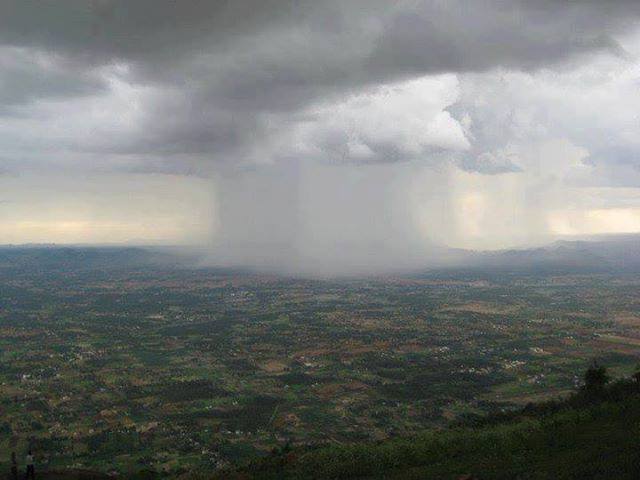
rain at CBE, fb

Picture of Rain

Hymns in the Vedas

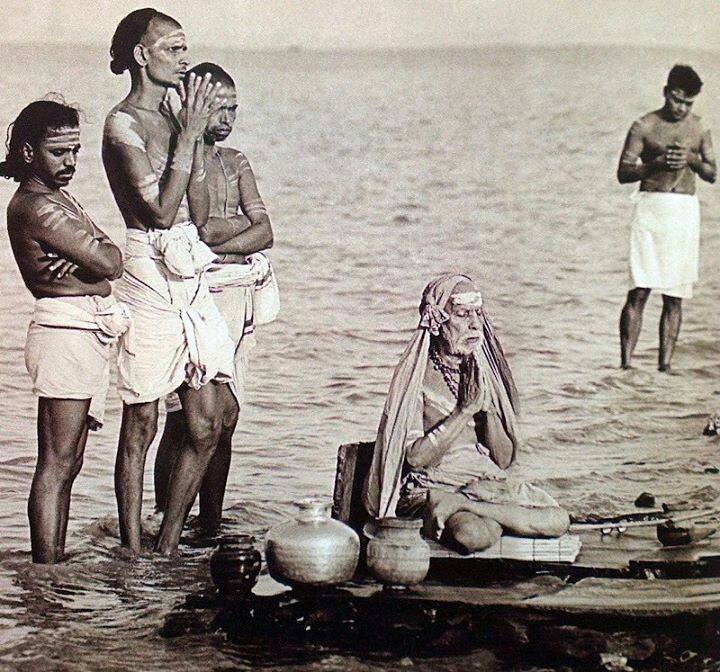
nadhikarai dhyanam

Picture Shankaracharyas meditation on the banks of a river.

Prayer for purging snake poison (Atharva Veda ,Kanda 6)
“ I sprinkle you with waters of rivers and mountains. I sprinkle you with waters of rivers Parushni and Shipala. May peace descend on your face. May peace descend on your heart”.

From Atharva Veda, Kanda 19
“May the water that flows down from the snow clad mountains bring you happiness. May the water that flows in the rivers bring you happiness. May the swift flowing streams bring you happiness. May the water of the monsoon bring you happiness.

“ There are those who know how to use water in the treatment of ailments. Such people are learned and to them water is a source of power.

(Those who read Hindu scriptures know the significance of these words. Millions will wait to get the sprinkled water on their heads in Temple consecration ceremonies. All the stories of curses and boons explain the usage of water from the pots of seers)

“ Water is the object that guarantees our welfare. Water banishes all our ailments. Water increases our happiness. May water cure all your diseases. Acknowledge the power of water”
There are more hymns in the Vedas glorifying the waters and rivers. We need to do more research in to these hymns.

Please read my earlier posts:

1)Indra Festival in the Vedas and Tamil epics 2)280 Sanskrit Words for Water 3)Do Words have Power? A Study of Boons and Curses 4) Why do Hindus practise Homeopathy? 5)Rain Miracles: Rain by Fire and Music 6) Ganges in Kalidas and Sangam Tamil Works 7) Hindu Wisdom: Copper kills Bacteria 8)G for Ganga, Gayatri, Gita ,Govinda 9) Hindu Runners 10) Great Engineers of Ancient India

Contact swami_48@yahoo.com

5. உலகப் போரின் போது அனைத்தையும் இழந்த துறவி சோகோ!

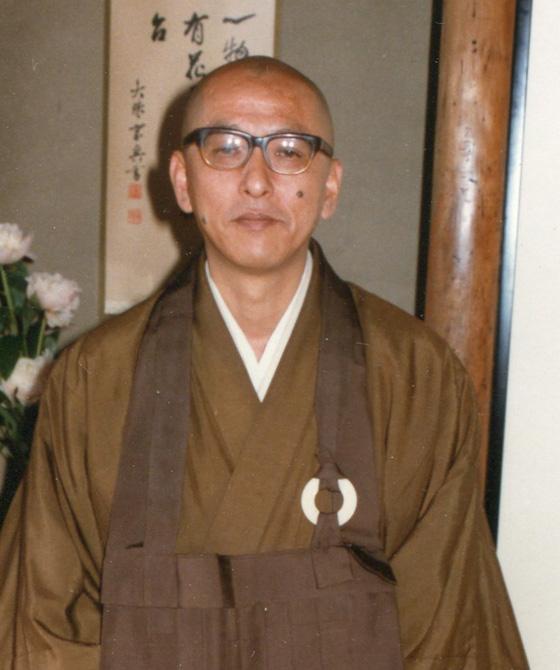
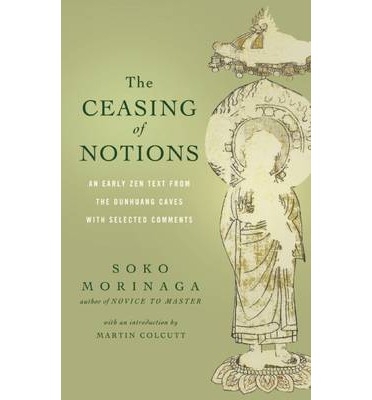
Soko-Morinaga

by ச.நாகராஜன்

மோரினாகா சோகோ (1925-1995) ஜென் பிரிவைச் சேர்ந்த துறவி. அவர் புத்த மடாலயத்தில் சேர்வதற்கு எத்தனை பாடு பட வேண்டியிருந்தது என்பதை அவரே விளக்கி எழுதியுள்ளார். அதன் சுருக்கத்தைப் பார்க்கலாம்.

மோரினாகா சோகோ ஜப்பான் நாட்டில் ஓட்ஸு என்ற இடத்தில் 1925ஆம் ஆண்டு பிறந்தார். இரண்டாம் உலகப் போர் உச்ச கட்டத்தை எட்டியிருந்த தருணம்.டோயாமா உயர்நிலைப்பள்ளியில் படித்துக் கொண்டிருந்தார் சோகோ. பள்ளியில் படிக்கும் மாணவர்கள் போர் நடவடிக்கைகளில் ஈடுபட வேண்டாம் என்ற நிலை முதலில் இருந்தது. ஆனால் போர் உக்கிரமாக ஆக அனைவரும் போர் நடக்கும் முன்னணிப் பகுதிகளுக்குச் செல்ல வேண்டிய நிலை ஏற்பட்டது, அதற்கான அரசாங்க உத்தரவும் பிறப்பிக்கப்பட்டது.

விஞ்ஞானப் படிப்பு அல்லாத கலை,பொருளாதாரப் பாடங்களைப் படிப்போர் ராணுவத்தில் சேர வேண்டும் என்று உத்தரவு தெரிவித்தது. விஞ்ஞானம் படிக்கும் மாணவர்கள் எதிர்காலத்தில் மருத்துவம் மற்றும் இதர அறிவியல் துறைகளில் போருக்கு உதவக்கூடிய தேவையான அனைத்தையும் செய்யக்கூடும் என்பதால் அவர்களை போர்க்களத்திற்கு நேரடியாக அனுப்ப அரசாங்கம் முன்வரவில்லை.

எல்லோரும் ஒரு நாள் இறக்க வேண்டியவர்களே. இன்றோ இருபது வருடங்கள் கழித்தோ, ஒரு நாள் இறந்து தானே ஆக வேண்டும். சோகோவும் தனது உத்தரவை எதிர்பார்த்தவாறு காத்திருந்தார்.அவரது நண்பர்களோ விமானங்களில் ஏறி திரும்பி வர முடியாத ஒரு வழிப் பயணத்தை ஏற்றுக் கொண்டு பயணிக்கலாயினர். வெகு காலமாக மேலை நாடுகள் ஜப்பானைச் சுரண்டி வருவதாக ஜப்பானில் அனைவரும் நம்பி வந்தனர். ஆகவே அந்தச் சுரண்டலிலிருந்து விடுதலை வேண்டி மாபெரும் போர் தொடுக்க வேண்டிய கட்டாயம் ஏற்பட்டதாக அவர்கள் நம்பினர்.

விமானங்கள் சுட்டு வீழ்த்தப்பட்டன. சோகோவின் நண்பர்களில் பலர் கொல்லப்பட்டனர். ஒரு வழியாக யுத்தம் கோரமான அணுகுண்டால் ஒரு முடிவுக்கு வந்தது.இப்போது ஜப்பானிய மக்கள் அவர்கள் தேவையற்ற தீங்கு பயக்கும் கோரமான ஒரு போரில் அனாவசியமாக ஈடுபடுத்தப்பட்டதாகத் தெரிவிக்கப்பட்டனர். நல்ல வேளையாக இந்த கோரத்தின் மரணப்பிடியிலிருந்து சோகோ தப்பித்து உயிரோடு இருந்தார்.அவரிடம் ஒரு சிறிய ரேடியோ இருந்தது. அதில் ஜெர்மனியைச் சேர்ந்தவர்களைப்பற்றிய போர்க் குற்ற விசாரணைகள் ஒலி பரப்பப்பட்டன. அதை அவர் கேட்டவண்ணம் இருந்தார். விசாரணையின் முடிவில் வழக்கமாக வரும் வார்த்தைகள் -“…. ஆகவே அவர் தூக்கிலிடப்பட வேண்டும்” என்பது தான்!

Novice to Master_1

அமெரிக்க நியூஸ் ரீல்கள் ஆங்காங்கே காண்பிக்கப்பட்டன.ஜெர்மானிய தளபதிகள் பொது மக்கள் கூடும் சதுக்கத்தில் பகிரங்கமாக தூக்கில் இடப்படும் காட்சிகள் காண்பிக்கப்பட்டன.இத்தாலிய சர்வாதிகாரியான முஸோலினியையும் அவர் காதலியையும் கழுத்தில் ஒரு கயிறால் கட்டி தெருத் தெருவாக மக்கள் இழுத்துச் செல்வதையும் ஆங்காங்கே குழுமி இருந்த மக்கள் கல்லால் அவர்களை அடித்தவாறு இருப்பதையும் சோகோ பார்த்தார்.

ஒரு வழியாக மாணவர்கள் ஒவ்வொருவராகப் பள்ளிக்குத் திரும்பினர்.ஆனால் சோகோவுக்கு ஒன்று மட்டும் புரியாத புதிராக இருந்தது. நன்மை எது தீமை எது அவற்றை எப்படி இனம்காண்பது என்பது தான் அவருக்குள் பிறந்த கேள்வி! மாணவர்கள் ஒருவருக்கொருவர் இதைப் பற்றியே விவாதித்துக்கொண்டிருந்தனர். போரின் முடிவில் ஜப்பானியரின் அறநெறிப் பண்புகள் மிகவும் தாழ்ந்திருந்தன.

போர் முடிவதற்கு ஒரு ஆண்டுக்கு முன்பு சோகோ ஒரே அடியில் தனது தாயையும் தந்தையும் இழந்தார். ஏற்கனவே அவர் தந்தை நோய்வாய்ப்பட்டிருந்தார். இதில் அவர் தன் மனைவியை – சோகோவின் தாயை- இழக்கவே அதை அவரால் தாங்கிக் கொள்ள முடியவில்லை. சோகோவின் தாய் இறந்த மறுநாள் காலை அவர் கோமாவில் மயங்கி உணர்வற்று இருந்தார்.அப்படியே இறந்தும் போனார். இந்த நேரம் பார்த்துத் தான் சோகோவிற்கு போரில் உடனே சேருமாறு அரசாங்க ஆணை வந்திருந்தது. இரண்டு நாட்களில் சேர வேண்டும்! அதற்குள்ளாக தாயாருக்கும் தந்தைக்கும் உரிய அடக்க காரியங்களை அவர் கவனித்தாக வேண்டும்.

பரம்பரை பரம்பரையாக சோகோவின் குடும்பம் நிலங்களைக் கொண்டிருந்த குடும்பம். அந்த நிலங்களை விவசாயிகளுக்குக் குத்தகைக்கு விட்டிருந்தனர். சோகோவின் அப்பா அடிக்கடி சோகோவிடம் கூறுவது இது தான்:” நிலத்தைப் போல நிலையான சொத்து எதுவும் இல்லை. தீ அதை எரிக்காது. வெள்ளம் அதை அழிக்காது. திருடர்கள் அதைத் திருட முடியாது. ஆகவே நீ என்ன செய்தாலும் சரி, நிலத்தை மட்டும் விற்கவே விற்காதே!”

ஆனால் போர் முடிந்தவுடன் வந்த நிலச்சீர்திருத்தத் திட்டங்களினால் குடும்பத்தின் நிலம் முழுவதும் பறி போனது. உள்ளங்கையளவு நிலம் கூட மீதி இருக்கவில்லை. எது எப்போதும் சாசுவதமாக இருக்கும் என்று சோகோ நம்பினாரோ அது மாயையாகப் போனது.

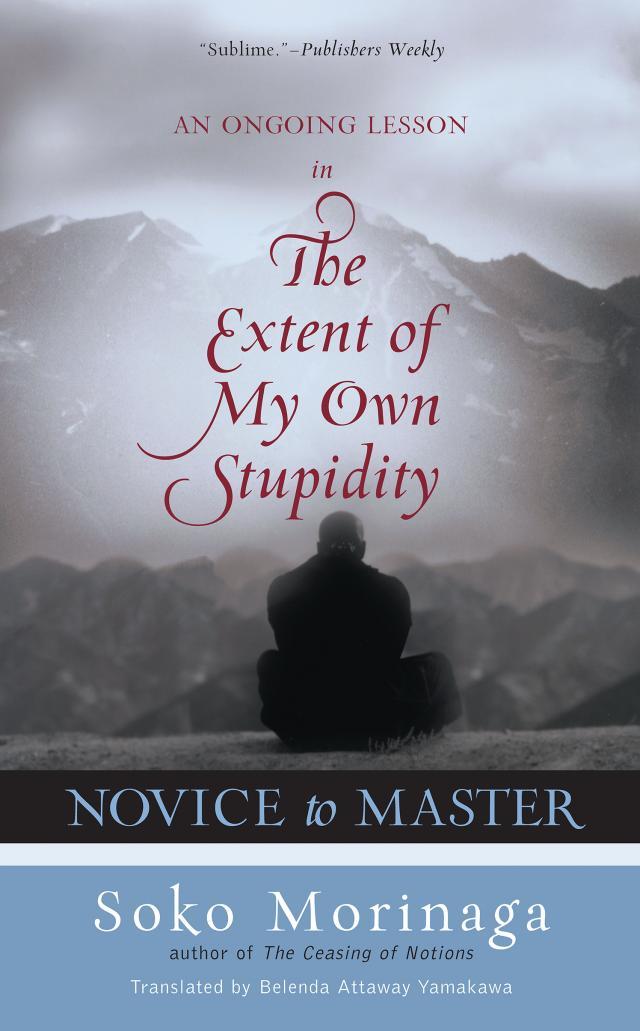
morinaga book

போரின் பிறகு ஏற்பட்ட புனருத்தாரணக் கொள்கைகளின் படி வங்கிகளும் அதிரடிக் கொள்கை மாற்றத்திற்கு உள்ளாயின. தனது குழந்தைகளைப் பாதுகாக்க அவரது தந்தையார் எடுத்திருந்த இன்ஷூரன்ஸ் மூலம் ஒரு யென் கூட அவருக்குக் கிடைக்கவில்லை! ஆனால் இந்தச் சீர்திருத்த நடவடிக்கைகளினால் வாழ்க்கைத் தரம் ஒன்றும் உயரவில்லை. விலைவாசி ஏறிக் கொண்டே போனது.இன்று ஒரு யென்னுக்குக் கிடைக்கும் ஒரு பொருள் மறு நாள் பத்து யென்னுக்குத் தான் கிடைக்கும்.அதற்குச் சில நாட்களுக்குப் பின் அது நூறு யென் ஆகி விடும்!. சோகோவோ மாணவர். இரண்டு கைகள் இருக்கின்றன ஆனால் எப்படிப் பிழைப்பது? நல்லவேளை கிரிமினல்களுடன் சேர்ந்து கொள்ளை அடிக்கும் தொழிலில் அவர் ஈடுபடவில்லை. பள்ளிப்படிப்பு முடிந்தது. ஆனால் மேலே படிக்க சோகோவுக்கு மனமில்லை.

யோசித்துப் பார்த்தார். வாழ்க்கையில் என்ன செய்வதென்று அவருக்குத் தெரியவில்லை. வெறும் புத்தகப் படிப்பு. கொள்கைகள் பற்றிய வெற்று அறிவு! தன் மீதான சுயக் கட்டுப்பாடு இல்லாத வாழ்க்கை!
விதியின் விசித்திரமான வழிகள் தான் இருக்கின்றனவே! ஒரு நாள் விசித்திரமான சூழ்நிலையில் பல ஜென் ஆலயங்களுக்கு அவர் செல்ல ஆரம்பித்தார்.

சின்ன உண்மை
ஜென் பிரிவு ஏழாம் நூற்றாண்டில் ஜப்பானில் பரவியது. ஜென் குருமார்கள் 16ஆம் நூற்றாண்டில் ராஜ தந்திரிகளாகவும் ராஜாங்க தூதுவர்களாகவும் பணியாற்றினர்.

தொடரும்

அதர்வண வேதத்தில் ஒரு அற்புதப் பாடல்!

bharatmata on lion

This article is posted already in English:The Oldest and the longest Patriotic song!

உலகின் மிக பழமையான நூல் வேதங்கள். நான்கு வேதங்களில்முதல் வேதமான ருக் வேதத்தில் துதிப் பாடல்களும், யஜூர் வேதத்தில் யாகம் தொடர்பான செய்முறைகளும், சாம வேதத்தில் இசைப் பாடல்களும், அதர்வண வேதத்தில் பயனுள்ள துதிப் பாடல்களும் இருக்கின்றன. இவைகளில் மிகவும் அற்புதமான பாடல் ‘பூமி சூக்தம்’ என்னும் தேசபக்திப் பாடலாகும். இந்தியாவின் இரண்டாவது தேசிய கீதம் பங்கிம் சந்திர சட்டோபாத்யாயா எழுதிய ‘வந்தேமதரம்’ என்னும் பாடல் ஆகும். முஸ்லீம்கள் ‘வந்தேமாதரம்’ சொல்ல மறுத்ததால் ஆங்கிலேயரைப் புகழ்ந்து எழுதிய ‘ஜன கண மண’ தேசிய கீதம் ஆகியது. ஆயினும் ‘வந்தேமாதரம்’ பாடலில் உள்ள அழகு வேறு எதிலும் வராது. இதை பாரதி தனது தெள்ளு தமிழில் இரண்டு வகையாக மொழிபெயர்த்தார். பங்கிம் சந்திரருக்கும் பாரதிக்கும் ஊற்றுணர்ச்சி நல்கிய பாடல் அதர்வ வேதத்தில் உள்ள ‘பூமி சூக்தம்’ என்பதை இம்மூன்றையும் கற்றவர் எளிதில் உணர்வர்.

“இனிய நீர்ப் பெருக்கினை! இன்கனி வளத்தினை” என்றும் பின்னர் “நளிர்மணி நீரும் நயம்படு கனிகளும்” என்றும் இரண்டு பாடல்களில் பாரதி ‘வந்தேமாதர’த்தை மொழி பெயர்த்தார்.

அதர்வ வேததின் 12ஆவது காண்டத்தில் உள்ள ‘பூமி சூக்தம்’ பூமியைக் குறிக்கும் இடங்களில் “ப்ருத்வீ” என்ற சம்ஸ்கிருத சொல்லைப் பயன்படுத்துகிறது. இது பூமியைக் குறிக்கும் சொல் என்பதில் சந்தேகம் இல்லை. ஆனால் சங்கத் தமிழ் பாடல்களில் உலகம் என்று சொல்லும் போதெல்லாம் அது அவர்கள் அறிந்த நிலப்பரப்பைக் குறிக்க வந்ததேயன்றி இன்று நாம் அறிந்த உலகப் பகுதி முழுவதையும் குறிக்க வந்தது இல்லை என்பதை நாம் அறிவோம். அதே போல பூமி என்று முனிவர்கள் ஆடிப் பாடி ஆனந்தக் கூத்து ஆடியதெல்லாம் பாரத பூமியைக் குறித்தே என்பதில் ஐயமில்லை.

முதலில் பூமி சூக்தத்தை மொழிபெயர்த்தோர் பூமி (எர்த்) என்றே ஆங்கிலத்திலும் மொழிபெயர்த்தனர். ஆனால் நவீன கால மொழிபெயர்ப்பில் அதை தாய் நாடு(மதர்லாண்ட்) என்றே மொழி பெயத்துள்ளனர். நானும் அதுவே சரியென்று நினைக்கிறேன். இந்த அற்புதமான துதியில் 63 பாடல்கள் இருக்கின்றன. உலகிலேயே நீண்ட தேசப்பக்திப் பாடல் இதுதான் என்பது என் கருத்து.

பூமியை தாயே என்று அழைப்பதோடு அதிலுள்ள எல்லா இயற்கை வளங்களையும் முனிவர் பாடுகிறார். சத்தியத்தினாலும் ஒழுக்கத்தினாலும் இந்த உலகம் நிலை பெற்றுள்ளது என்றும் பாடுகிறார். மிக உயர்ந்த கருத்துக்களை இதில் காணமுடிகிறது இந்திரனா, விருத்திரனா என்ற பிரச்சினையில் உலகம் இந்திரனையே தேர்ந்தெடுத்தது என்று சொல்லி நன்மைக்கும் தீமைக்கும் நடந்த போராட்டம் பற்றியும் பாடல் பேசுகிறது. வேத கால மக்கள் மாடு மேய்க்கும் நாடோடிகள் அல்ல , உயர்ந்த சிந்தனை படைத்த நவ நாகரீக மக்கள் என்பதை இக்கவிதை தெளிவாக எடுத்துக் காட்டுகிறது.

akhand_bharat 2

வேத காலத்தை யாராலும் உறுதியாகக் கணிக்க முடியவில்லை. இதை கி.மு.1200க்குக் கீழாக மட்டும் கொண்டு வரமுடியாது என்று மாக்ஸ்முல்லர் காட்டினார். திலகர், ஜாகோபி போன்ற அறிஞர்கள் கி.மு 6000 பழமையானது என்றும் எழுதினர். அதர்வண வேதம் கடைசி கால கட்டத்தில் எழுதப்பட்டதால் கி.மு1000 என்று கொள்வாரும் உண்டு.

இற்றைக்கு 3000 ஆண்டுகளுக்கு முன்னால் கிரேக்கர்கள் எழுதக்கூடத் துவங்கவில்லை. தமிழர்களோ இதற்கு ஆயிரம் ஆண்டுகளுக்குப் பின்னர்தான் முதல் நூலான தொல்காப்பியத்தை எழுதினர். மோசஸ் அப்போதுதான் பத்து கட்டளகளை மட்டும் பேசியிருந்தார். அத்தகைய தொல் பழங்காலத்தில் அதர்வ வேத முனிவர்கள் நாகரீகத்தின் உச்ச கட்டத்துக்குப் போய் பூமியைப் பற்றிப் பாடியதைப் பார்க்கையில் வியப்பே மேலிடுகிறது. மனித குலத்துக்கு நன்மை வேண்டியதோடு நில்லாமல் பிராணிகளுக்கும் நலம் வேண்டிப் பாடினர் என்றால் அவர்களுடைய அறிவு முதிர்ச்சியைப் புரிந்துகொள்ளலாம்.

இந்தப் பாடலைப் படிக்கையில் இந்தியாவின் தேசீய கீதத்தை மாற்றி அதர்வ வேதப் பாடலின் சுருக்கத்தை வைக்கவேண்டும் என்ற எண்ணமே எல்லோருக்கும் மேலிடும்.

இதோ சில கீற்றுகளை மட்டும் படியுங்கள். முழுப் பாடலையும் மொழி பெயர்த்தால் அது மிக மிக நீண்ட கட்டுரையாக மாறிவிடும்:

சத்யம் (உண்மை), தானம், தவம், ஒழுங்கு, யாகம் ஆகியனதான் இந்த பூமியைத் தாங்கி நிற்கிறது.

குணப்படுத்தும் மூலிகைகள் நிறைந்தது இந்த நாடு (பூமி). மலைகளும் பள்ளத்தாக்குகளும் நிறைந்தது இது. ஆறுகளும், கடலும், தானியப் பயிர்களும் காணப்படும் இந்த நாடு நம்மை வளப்படுத்தட்டும்.

பிராணிகள் பெருகிய இந்த புவி, நமக்கு கால்நடைகளையும் பயிர்களையும் வழங்கட்டும். முன்னோர்கள் உழைத்த இந்த பூமி, அசுரர்களை தேவர்கள் வென்ற இந்த பூமி, பறவைகளும் குதிரை முதலான பிராணிகளும் வாழும் இந்த பூமி நமக்கு ஒளி ஊட்டட்டும்.

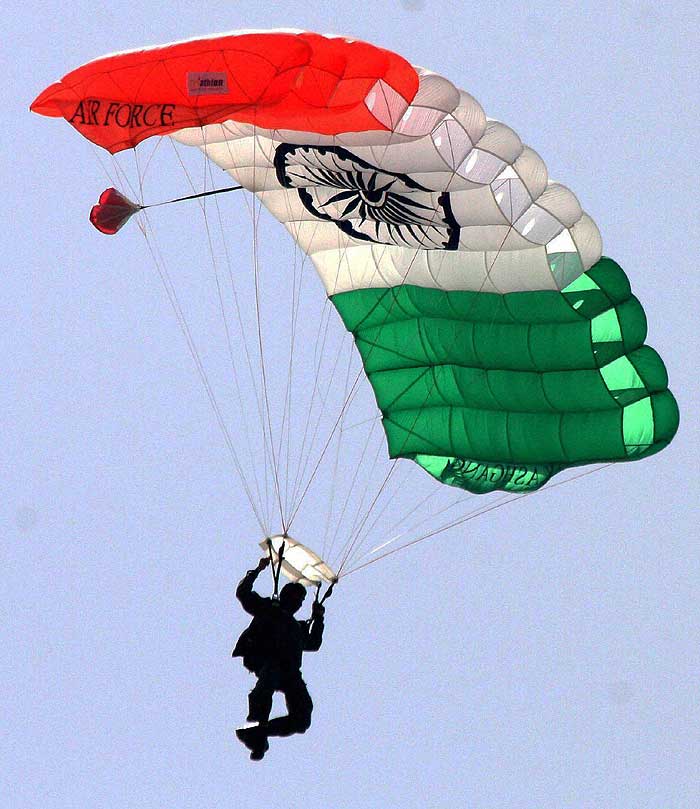
B_Id_366060_Air_force_show

இந்த பூமியில் புனித தீ உறைகிறது. நீருக்கடியில் அமிழ்ந்திருந்த இந்தப் புவியை முனிவர்கள் தம் ஆற்றலால் கொணர்ந்தனர். சத்தியத்தினால் கவரப்பட்டுள்ள இந்த பூமி நமக்கு ஒளியையும், பலத்தையும் அளிக்கட்டும்.

கண்களை இமைக்காத தேவர்கள் இதைக் காக்கின்றனர். அவர்கள் நமக்கு இனிமையை பொழியட்டும்.

நீர்வளம் சுரக்கும் இந்தப் புவி, பால் வளம் சுரக்கட்டும்.

அஸ்வினி தேவர்கள் அளந்த பூமி, விஷ்ணு (மூவடியால்) அளந்த பூமி,இந்திரன் தனது எதிரிகளை மாய்த்த பூமி– ஒரு தாய் தனது குழந்தைக்குப் பாலைச் சுரப்பது போல எங்களுக்கு பால் வளம் சுரக்கட்டும்.

(பூமியைத் தாய் என்றும், ‘பால் நினைந்தூட்டும் கருணைக் கடல் என்றும் முதல் முதலில் எழுதியோர் வேதகால முனிவர்கள் தான். பின்னர் இதை உலகம் முழுதும் சொல்லத் துவங்கியது. தாய்நாடு—motherland— போன்ற சொற்கள் ஆங்கிலத்தில் உருவாயின. Gaia கையா போன்ற சொற்கள் கிரேக்க மொழியில் தோன்றின).

ஓ, பூமியே, உனது மலைகளும், காடுகளும், பனி மூடிய சிகரங்களும் என்றும் இனிமை தரட்டும். கருப்பு, பழுப்பு, சிவப்பு போன்ற பல வண்ணக் கலவையான இந்த நாடு (பூமி) என்னை யாராலும் வெல்ல முடியாதவனாக ஆக்கட்டும்.என்னைத் தீய எண்ணத்துடன் தீண்ட முடியாதவன் ஆக்கட்டும். எங்களுக்குத் தீங்கு செய்ய எண்ணுவோரை, வெறுப்போரைத் தோற்கடி.

எல்லா பிராணிகளும் எங்களுக்கு நலம் பயக்கட்டும். தேனினும் இனிய சொற்களை எங்களுக்கு வழங்குவாயாக. தாவரங்களுக்கும் தாயானவளே. எங்கள் பாதங்கள் படும்போதெல்லாம் கருணை காட்டு.

நீ மிகப் பரந்தவள், பெரியவள்,வேகம் மிக்கவள்; இந்திரனால் பாதுகாக்கப்பட்டவள்; எங்களைத் தங்கம் போல ஜொலிக்கச் செய்; எங்களை யாரும் வெறுக்கவேண்டாம்.

13YT_TRICOLOUR_2_1549185g

தீயைப் போல அறிவு ஒளிரட்டும்; கூர்மையாகட்டும்.

யாகங்கள் நிறைந்த இந்த நிலம், எங்களுக்கு நீண்ட ஆயுளைத் தரட்டும்.

இந்தமண்ணின் வாசனை தாவரங்களிலும், தண்ணீரிலும் உளது. அப்சரஸ், கந்தர்வர்கள் ஆகியோரும் இதைப் பகிந்துகொள்வர். அந்த வாசனையால் என்னையும் சுகப்படுத்து.

உன்னை எங்கு தோண்டினாலும் அவை உடனே வளரட்டும் உன் இதயத்தை நாங்கள் சேதப்படுத்தமாட்டோம்.

(அந்தக் காலத்திலேயே புறச் சூழல் பாதுகாப்பு எண்ணம்– environmental awareness–தோன்றிய நாடு இது)

பூமித் தாயே! ஆறு பருவங்களும் உன்னை அலங்கரிக்கட்டும். எங்கள் மீது வற்றாது வளத்தைப் பொழிக.

புனித ரிஷிகள் வளர்த்த, வாழ்த்திய நாடு (பூமி) இது; சப்தரிஷிக்களும் யாகம் செய்த நாடு இது. நாங்கள் வேண்டும் செல்வங்கள் எல்லாவற்றையும் அருளுக.

ஆண்கள் ஆடிப் பாடிக் கூச்சல் போடும் இந்தப் பூமியில் போர் முரசம் ஒலிக்கையில் எதிரிகள் இல்லாத இடமாக ஆகட்டும்.

நகரங்களும், வளம் கொழிக்கும் வயல்களும், உழைக்கும் மனிதர்களும் உலவும் பூமி இது; எல்லா வளங்களும் உந்தன் வயிற்றில் உளது. எல்லா பக்கங்களிலும் எங்கள் மீது கருணையைப் பொழிக.

நான் வெற்றி உடையவன்; உயர்ந்தவன்.எனக்கு எங்கும் வெற்றி, எதிலும் வெற்றி. எல்லா பக்கங்களிலும் வெற்றி. நான் பேசுவதெல்லாம் இனிமை. நான் பார்ப்பதெல்லாம் எனக்கு அனுகூலமாகின்றன. என்னை வெறுப்பவர்களை நான் வெல்வேன்.

இனிமை, கருணை, சாந்தி, பால், தேன் நிறைந்த பூமித் தாயே! ஆசிகளையும் பாலையும் பொழிவாயாக.

****

பாரதி பாடல்களில் எங்கெங்கெலாம் பாரத பூமி புகழப் படுகிறதோ அங்கெங்கெலாம் அதர்வ வேத செல்வாக்கைக் காணமுடிகிறது. சுருங்கச் சொன்னால் பாரதியே இந்த பூமி சூக்ததைத் தான் பல பாடல்களாக மொழி பெயர்த்தாரோ என்று நான் வியக்கிறேன். எடுத்த காரியம் யாவினும் வெற்றி என்ற அவரது வரிகள் அதர்வ வேதத்தில் உள்ளது!

poets of india scan 3

வேதங்களைப் படிப்போருக்கு ஆக்கபூர்வமான சிந்தனை வளரும். ஆயிரம் ‘டேல் கார்னிஜி, அந்தோனி ராபின்ஸ்’ புத்தகங்கள் படித்த பலன்கள் கிடைக்கும். மனச் சோர்வு என்பதே வாழ்வில் வராது. மன நோய்கள் அகலும். ராமன் 14 ஆண்டுகள் வனவாசம் செய்தபோதும், பாண்டவர்கள் 13 ஆண்டுகள் வனவாசம் செய்தபோதும் ஊற்றுணர்ச்சி கொடுத்து வெற்றியைத் தேடித் தந்தது வேதங்களே; தமயந்திக்கும் சாவித்திரிக்கும் சீதைக்கும் திரவுபதிக்கும் தைரியத்தையும் வெற்றியையும் தேடித் தந்தது வேதங்களே. அவைகளைப் பாதுகாத்துப் பயன்பெறுவது நமது கடமை.

****

இந்த பிளாக்—கில் 600–க்கும் மேலான எனது கட்டுரைகள் உள்ளன. வேத காலம், சிந்து சமவெளி, இந்துமதம் பற்றியும் தமிழர்களின் சிறப்புகள் குறித்தும் கட்டுரைகளை எழுதியுள்ளேன். எனது சகோதரர் நாகராஜன் எழுதிய பல கட்டுரைகளும் இருக்கின்றன.படித்து மகிழ்க. நல்லோர் பலரையும் அறிமுகப் படுத்துக.

Contact swami_48@yahoo.com

Oldest and Longest Patriotic Song!


13YT_TRICOLOUR_2_1549185g

Bhumi Sukta (Ode to Earth) in the Atharva Veda is a beautiful poem with 63 verses; it is a priceless contribution of Atharva Veda to the Vedic literature; this poetry is universal and not local. The earth on which the poet lives opted for Indra and not Vritra, the powers of light and darkness. It shows the crystal clear thinking of Vedic seers. The very first verse in the sukta glorifies the Vedic values of Sathya and Rita, truth and order.

Though the earth is called Pruthvi in Sanskrit throughout  the hymn, we may consider the poet is singing about his own land—the mother land. Some of the modern translations use the word motherland instead of earth. It makes more sense.


One would be wonderstruck to read the world’s oldest and longest patriotic song in the Atharva Veda. Atharva Veda’s date is only conjectural and it was compiled earlier than 1000 BC. It is amazing to find a very long patriotic song in praise of motherland (earth) in the Veda. Greeks have not even started writing their first book then. Tamil’s oldest book came 1000 years after Atharva Veda. Moses started issuing Ten Commandments around that date. In such a remote period Hindu thinking has reached its pinnacle!


Each Vedic hymn is equal to 1000 self improvement books. The Vedic hymns are full of positive thoughts. Through auto suggestion, it makes anyone great. Each hymn gives positive energy to those who chant, to those who hear and those who believe in them. You don’t need to read any book written by Dale Carnegie or Anthony Robbins. If you sit in a group of Vedic pundits and repeat the hymns every day for hours the whole atmosphere will be surcharged with tremendous energy and positive thoughts. That is why ancient Hindu kings appointed Vedic priests in every town, temple and palace who repeated the positive words million times and prayed for the welfare of not only human beings but also animals. This is the highest stage of human thought.


Vedic priests were not primitive nomads. They were highly civilized. No Gilgamesh, Atra Hasis or Ziusudra had such sublime thoughts.

poets of india scan 3

Atharva Veda seers sing about the beauty of earth in general. It will beat all the national anthems of the world. If I give the full version, it will run to several pages. This verse inspired great poets like Bankim Chandra Chatterjee and Bharati. I will give below some of the verses from the hymn on earth/motherland. It is from Kanda 12 of Atharva Veda:

“ Sacred is the earth (motherland). It not only nurtures that which is past and all the objects of the present, it bears the seed of the future as well. Such is our great motherland.

“ Our earth (motherland) is populated with learned men. It is populated by those who are inferior, those who are average and those who are superior. But all such people forget their differences and live together in unity and friendship. This is the land where we will perform deeds and attain fame. This is the land where our intelligence prospers.

4 deers, fb

“ In our motherland can be found enterprising and hard working farmers and artisans. In every direction that one glances, one finds fields of rice, wheat and other grains. Our motherland nourishes different forms of life. It provides us with cows, food grains and other forms of sustenance.

“The famous warriors of yore performed valorous deeds here. In this land the learned and the brave ones conquered the violent demons.


“Our earth/motherland is the nurturer. In it can be found gold, silver, diamonds, emeralds and other gems. Nuggets of gold and all sorts of objects, all forms of vegetation, and all forms of living beings can be found in our motherland. Our motherland is the best country of all.

“ In the beginning, this land was immersed in the water of the ocean. Vast is the expanse of this land. Its heights reach up to heaven.

“ In this land to be found learned mendicants who roam in every direction.  Just as the water attains same level everywhere, these hermits look upon all with equal favour.

B_Id_366060_Air_force_show

“ The Ashvinis look after this land of ours. Brave warriors have measured the length and breadth of our motherland

“O my earth/ Motheland! May the mountains and the snow clad peaks that can be found here NOT bring you unhappiness.

“You are my mother. I am the son of the earth.  The water which rains down and nourishes is my father. My I be preserved.

“ In this land the Vedas are revered in every direction. The righteous ones are worshiped here and the land is uplifted through the performances of sacrifices. Wonderful are the words of wisdom that have been uttered in this land.

“ O my Motherland! All of us are your subjects. May all of us be gifted with sweet speech. May we live together in harmony. May trees and plants grow on you in abundance.


“This land is the mother of all trees, shrubs, plants and creepers. It is here that truth, learning, bravery and righteousness flourish. This land will bring us welfare and happiness. May we always serve our motherland.

“O, Motherland! This is the place where we all live in harmony. May you be great and firm. May brave warriors protest you with their valour and intelligence from enemies. May we be enriched. May we prosper.

bharatmata on lion


May we not cause unhappiness to others when we are travelling on this land.

This is the land where the search for the god is made. This is the land that the god has blessed.

May my motherland grant us the riches that we desire. The inhabitants of this land sing and dance. The cities in my motherland have been built by the gods.

“ O  earth (my Motherland)! Grant us wisdom so that we can ensure our welfare. May we be learned all the time. May we prosper in your midst.


Atharva Veda Kanda 7 also got a hymn on the motherland.

“Heaven is in the motherland. The motherland is our mother. it is our father and son”.

(I have given only half of the verses. It goes on and on about the glory of our holy land. It is full of positive thoughts. It praises nature at length. We must replace our National Anthem “Jana Gana Mana” with the abridged version of this Vedic hymn!!)

There are over 650 articles on Hindu culture in this blog. Please read them. Contact for further information swami_48@yahoo.com

akhand_bharat 2

4.புத்தம் சரணம் கச்சாமி!

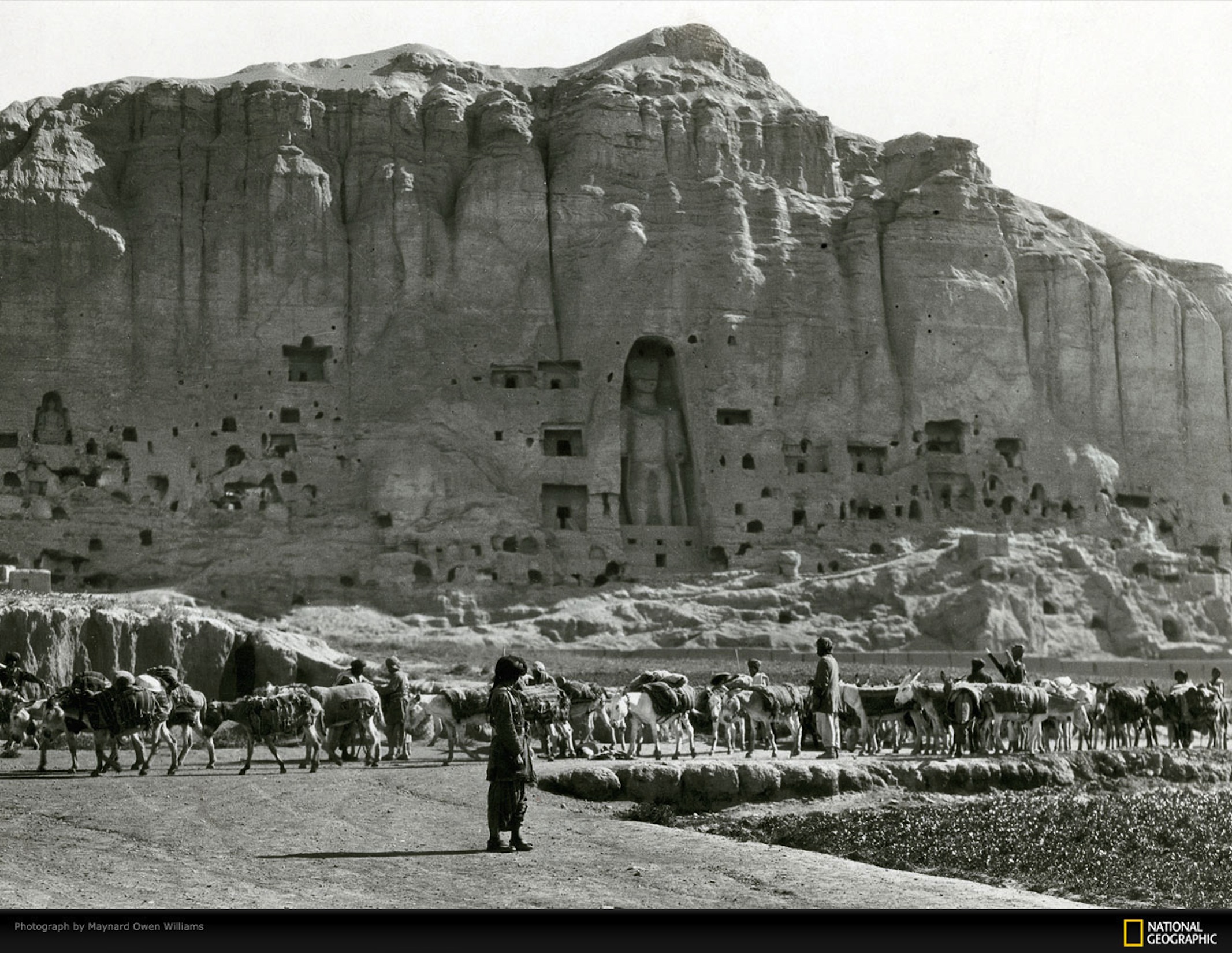
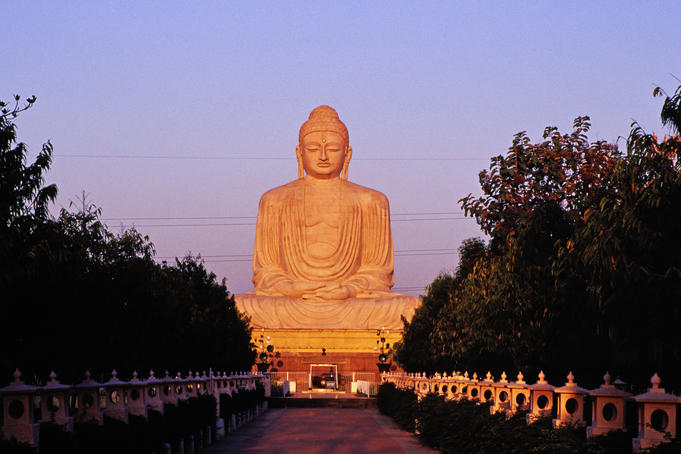
Bamiyan-buddha-mulbek1

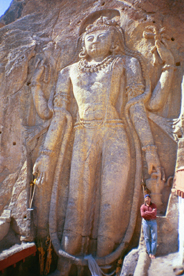
Buddhs in Ladakh,Kashmir

ச.நாகராஜன்


புத்தம் சரணம் கச்சாமி

   ஆரம்ப காலத்தில் புத்தர் ஒரு நிலையான இடத்திலும் தங்கவில்லை. நாடு முழுவதும் சுற்றியவாறே தன்னைச் சூழ்ந்து இருந்தோரிடம் அவர் உபதேசிக்கத் தொடங்கவே அவரது கொள்கைகளால் ஈர்க்கப்பட்டவர்கள் அவருடன் அனைத்தையும் துறந்து சென்றனர். மரத்தடியில் படுக்கை, கிடைத்த இடத்தில் பிக்ஷை, இவற்றைக் கொண்டு அவர்கள் புத்தரின் போதனைகளை மனதில் கொண்டு அவற்றைப் பின்பற்றலாயினர்.


புத்தர் அனைவருமே புத்தராகலாம் என்றார். புத்தர் என்பது ஒரு நபரைக் குறிப்பதில்லை. புத்தத்வத்தைக் குறிப்பிடுகிறது. அந்த நிலையை அனைவரும் எய்தலாம் என்பதே புத்தரின் அருளுரை. புத்தரை ஆஸ்ரயமாக அண்டினோர் மூன்றை சரணடைந்து அவரை ஏற்றுக்கொண்டனர்.

புத்தம் சரணம் கச்சாமி!

புத்தரை சரணமாக அடைந்தனர்

தம்மம் சரணம் கச்சாமி

புத்தரின் போதனைகளான தர்ம நெறிகளைச் சரணமாக அடைந்தனர்.

சங்கம் சரணம் கச்சாமி

புத்தரின் கொள்கைகளைக் கடைப்பிடிப்போரின் சங்கத்தைச் சரணமாக அடைந்தனர்.


நாளாக நாளாக துறவிகளாக விரும்புவோரின் எண்ணிக்கை ஆயிரக்கணக்காகப் பெருகியது. அப்போது உண்மையாக புத்த நெறியில் நடக்க விரும்புபவர்களை மட்டுமே தேர்ந்தெடுக்கக் கடுமையான சட்ட திட்டங்கள் ஏற்படுத்த வேண்டிய அவசியம் ஏற்படவே அவை இயற்றப்பட்டன.


புத்தரின் மகத்தான இன்னொரு பணி பெண்களைப் பற்றியது.அவர்களும் இறை நிலையை அடைய முடியும் என்ற அவரது உபதேசம் பெண்களிடையே பெரும் வரவேற்பைப் பெற்றது. பிக்ஷுணிகள் ஆக பெண்களும் முன் வந்தனர். கடுமையான கட்டுப்பாடுகளை ஏற்றனர்.

Bamiyan_Buddha

Picture of Buddha at bamiyan wich was destroyed by the Afgan terrorists.

ஒரு புத்த மடாலயத்தில் சேர்வது சுலபம் இல்லை என்ற நிலை உருவாகி அது இன்றளவும் கடைப்பிடிக்கப்பட்டு வருகிறது.

சென்றோம், மடத்தினுள் நுழைந்தோம், புத்த துறவியாகி விட்டோம் என்று எவராலும் ஒரு நாளும் சொல்லி விட முடியாது- இன்றளவும் கூட.


குருகுல வித்யா

வேத காலத்தில் குருகுலங்கள் இருந்தன. சிஷ்யர்களை குரு நன்கு பரிசோதிப்பார். தேர்ந்தெடுக்கப்பட்ட சீடர்கள் அவருக்கு சிக்ஷ்ருஷை எனப்படும் பணிவிடைகளைச் செய்வர். குருவின் வார்த்தைகளுக்குக் கட்டுப்பட்டு நடப்பர். வித்தையும் ஞானமும் அவர்களுக்குத் தானே வரும்!

மஹரிஷி ஆருணியின் வரலாறு

உதாரணத்திற்கு ஒரே ஒரு சம்பவத்தை மட்டும் இங்கே பார்க்கலாம்.

அயோத தௌம்யர் என்று ஒரு மஹரிஷி இருந்தார். அவருக்கு உபமன்யு,ஆருணி,வேதர் என்ற மூன்று சிஷ்யர்கள் இருந்தனர். ஒரு நாள் அயோத தௌம்யர் தனது சிஷ்யரான ஆருணியை நோக்கி,”ஆருணி, நீ போய் கழனிக்கு வருகிற வாய்க்கால் உடைப்பை அடை” என்று கட்டளையிட்டார்.

ஆருணியும் தனது ஆசார்யரின் கட்டளையை சிரமேற்கொண்டு கழனியை நோக்கிச் சென்றார்.அங்கே அவரால் உடைப்பை சாதாரண வழிகளின் மூலம் அடைக்க முடியவில்லை. குருவின் கட்டளையைச் செய்து முடிக்க வேண்டுமென்ற ஆதங்கமும் ஆர்வமும் சிரத்தையும் அவரை உந்தவே என்ன செய்வது என்று யோசிக்கலானார். கடைசியில் அவருக்கு ஒரு உபாயம் தோன்றியது.


உடைப்பு இருந்த இடத்தில் தன் உடலை அடைத்து இப்படியே இருப்பேன் உடைப்பு அடைபட்டுப் போயிற்று என்று சொல்லி அப்படியே இருக்கலானார்.


இதனால் தண்ணீர் வெளியேறாமல் மடை அடைபட்டது.

நேரம் சென்றது. அயோத தௌம்யருக்கு ஆருணியின் நினைவு வரவே, ஆருணி எங்கே என்று தன் சிஷ்யர்களை நோக்கிக் கேட்டார். அவர்கள், “குருவே! நீங்கள் தான் அவரை கழனியில் வாய்க்கால் உடைப்பை நிறுத்தும்படி அனுப்பி இருக்கிறீர்கள்” என்று கூறினர்.


தௌம்யருக்கு ஆருணியை அனுப்பியது ஞாபகத்திற்கு வரவே, “வாருங்கள், ஆருணி இருக்கும் இடத்திற்குப் போவோம்” என்று சிஷ்யர்களை அழைத்துக் கொண்டு வாய்க்காலை நோக்கிச் சென்றார். அங்கே சென்றதும் தௌம்யர், ‘குழந்தாய்,ஆருணி! நீ எங்கே இருக்கிறாய்’? இங்கே வா!”என்று கூவினார்,


“இதோ இங்கே இருக்கிறேன்” என்று பதில் சொன்ன ஆருணி மடையிலிருந்து வெளியே வந்தார்.”இதோ இந்த வாய்க்கால் உடைப்பை அடைப்பதற்காக இங்கே இருந்தேன். வேறு எந்த உபாயமும் எனக்குத் தெரியாததால் இங்கேயே இதில் பிரவேசித்து உடைப்பை அடைத்தேன்” என்றார் ஆருணி.


நடந்ததைப் புரிந்து கொண்ட அயோத தௌம்யர் ஆருணியை நோக்கி, “ நீ இவ்வாறு எழுந்ததிலிருந்து மடை திறக்கப்பட்டபடியால் உனக்கு இனிமேல் பிளக்கிறவன் என்ற பொருள் உடைய உத்தாலகர் என்ற பெயர் உண்டாகக் கடவது! அந்தப் பெயர் குருவாகிய என்னுடைய அனுக்ரஹத்தைப் பறை சாற்றும் ஒரு அடையாளமாக இருக்கட்டும்” என்று  மனமகிழ்ந்து கூறினார். மேலும்,” நீ என்னுடைய கட்டளையை சிரமேற்கொண்டு அதற்குக் கீழ்ப்படிந்து நடக்கிறபடியால் சர்வ மங்களத்தையும் அடைவாய். எல்லா வேதங்களும் அனைத்து சாஸ்திரங்களும் உன்னிடம் பிரகாசித்து விளங்கும்” என்று ஆசீர்வதித்தார்.


ஆருணி தவத்திலும் ஞானத்திலும் சிறந்த பெரும் மஹரிஷியானார்.


இது போன்ற குரு அனுக்ரஹத்தால் உயர்ந்த சிஷ்யர்களை வேத, இதிஹாஸ, புராணங்களில் காணலாம்.

இதே குரு – சிஷ்ய உறவு புத்தமதத்திலும் வேரூன்ற ஆரம்பித்தது.

இன்றளவும் தொடர்கிறது.

உதாரணத்திற்கு இன்று புத்தமதத்தில் தலை சிறந்து விளங்கும் ஒருவரது வரலாற்றைப் பார்ப்போம்.

இது அவராலேயே தீர்க்கமாக எழுதப்பட்ட ஒன்று. ஆர்வத்தைத் தூண்டி விழிகளை வியப்பால் விரிய வைக்கும் ஒன்று!


சின்ன உண்மை

பௌத்தர்கள் கோவிலுக்குத் தங்களால் முடிந்த எந்த நேரத்திலும் போகலாம். பௌர்ணமியில் சென்று வழிபடுவதைச் சிறப்பாகக் கொள்கின்றனர்.


இது புத்த மதம் தொடர்பான கட்டுரைகளில் நாலாவது கட்டுரை. ஏற்கனவே 3 பகுதிகள் வெளியாகின. நிலாசாரல்.காம்– இல் வெளியானது.

தொடரும்


107 Miracle Herbs in the Hindu Vedas

susrutha

Ayurveda is one of the oldest, probably the oldest, medical systems in the world. We have proof for it in the oldest religious book- the Rig Veda. Though the Vedas speak about different herbs indifferent places, the most famous hymn is the ‘THE HEALING PLANTS’ hymn in Rig Veda (10-97). Western World is using Indian herbs in their popular medicines for jaundice (Eclipta alba= Karisalankanni) and heart problem (Rawolfia serpentine= Sarpagandhi).

The hymns about herbs indicate the beliefs of Vedic society. They believed that the herbs and the amulets made out of them can do wonders. The herbs will cure all the diseases, flush out the poison from the blood and even attract men towards wives. They associated all herbs with soma plant and moon. They attributed magical and divine qualities to herbs. Ancient Hindus were botanists and environmentalists. They studied their surroundings well. They used plants as similes in poems. Hundreds and hundreds of plant names are in Tamil and Sanskrit literature.

The Vedic hymn in Tenth Mandala (10-97) mentions 107 herbs. Unfortunately we don’t know the names of those 107 herbs; but we do come across hundreds of herbs in the Ayurvedic books of Charaka and Susrutha. Here is the oldest medical hymn in the world:

1.The tawny plants were born in the ancient times, three ages before the gods; now I will meditate upon their hundred and seven forms.

2.Mothers, you have a hundred forms and a thousand growths. You have a hundred ways of working, make this man whole for me.

Please note the word “ancient”, “three ages before the Gods”. Vedas are the oldest religious books in the world. They talk about ‘ ancient ‘ times! I have already written a post “how old is Indian civilisation?”. Also note the numbers 100, 1000. We were the ones who taught the world decimal system; without decimal system no worthy calculations can be done. I am skipping a few lines in the hymn.

susrutha statue in Haridwar

Picture of Susruthar Statue in Haridwar.

5.In the sacred fig tree is your home; in the tree of leaves your dwelling place has been made. You will surely win a cow as your share if you win a man (if you cure this man)

Please note Brahmins use Peepal tree (Aswaththa; Ficus religiosa) from the days of Indus/Sarasvathy civilization until today. All Homams, Havans, Yagas and Yagnas done by Brahmins on day to day basis use only Fig tree sticks.

19.You plants whose king is Soma, spread out over the earth as you were sent by Brihaspati: unite your power in this plant.

20. Do not harm the man who digs you up, nor him for whom nor I dig you up; let all our two footed and four footed creatures be without sickness.

Please note the Vedic priests pray not only for human beings but also for animals! How kind they were!

All the Hindu fire ceremonies use at least nine different types of herbs (wooden sticks) in the fire. No proper scientific study has been done so far. Because of our carelessness we even lost the full knowledge of the 107 herbs.

Miracle Herbs in Atharva Veda

Of the four Vedas, Atharvana Veda is the most useful Veda. It contains verses for marriage, birth and death. It contains talismans for good sex life and herbs for healthy life. Now I will give the details about the herbs:

AV Kanda 2

Jangida mani

For the sake of a long life and for the sake of happiness, I wear an amulet (mani) made of jangida. It will increase my strength and will dry up all manner of ill health (The jangida was a plant that was cultivated so that charms and amulets could be made out of it).

AV Kanda 3

Parna mani

This powerful parna mani (amulet) has come so that it may destroy enemies through its powers. This amulet is like the strength of the gods of the gods and the juice of all herbs. May it energise me.

This sukta is about an amulet made out of the leaves of the palasha tree.

“O, parna mani! You are a leaf, but you are the protector of my body. May you increase my valour. I will wear your energy on my person for an entire year.

susruta_samhita_

AV Kanda 4

Prayer for removing poison (from the tip of arrow)

O poison! The celestial bird Garuda drank you up and you could do no harm. You could not make him mad or unconscious; you were like food for him.

O poisonous plant! What has the one who dug you up out of the ground achieved? What has the mountain on which you grew achieved? Their efforts have all come to nought.

The juice of the herb named varana nullifies all poison. This juice is like amrita itself and with its help, I purge you of all poison.

O poisonous plant that has led to the unconsciousness! I will fling you aside like an arrow. The juice of my herb will banish you the way a useless utensil is discarded. I repulse the poison with this herb.

AV Kanda 5

The herb Kushta

“ O, herb who are named Kushta! You grow on the mountains. Descend here from the mountains so that you may cure disease.

Heaven is thrice removed from earth. The divine asvaththa tree grows in heaven. It is there that the gods obtained the immortal kushta plant.

Oh, kushta plant! Make this patient sit up. Make him healthy and remove his ailment.

You were born from the gods. The soma herb is your friend. You are like the breath of life; you cure diseases of the eye. Grant this patient happiness.

You were born in the Himalayas. You bring welfare to mankind. Justly is your praise is chanted. You cure diseases of the eye and the head. You purge the body of bad blood and increase one’s strength. You have the power of healing.

Shilachi or Laksha

The night is your mother. The sky is your father and your grandfather is the sun himself. You are known as Shilachi. You are the sister of the gods.

(Shilachi was a medicinal plant, chiefly used to repair fractures. It is subsequently referred to as Arundhati).

He who drinks your juice lives. You are the one who protects men. You are the one who nourishes and cures.

Like a man embracing a woman, you climb round every tree. You are the one who grants victory and a long life. You are also known as Sparani.

You are to be found in the trees bhadra, plaksha, asvaththa, khadira (acacia) and dhava. You are to be found in the parna (palasha) and the nyagrodha (fig tree). You are the plant that heals all wounds. Come to me.

AV Kanda 6

Hair growing herb Revati

O Revati herb! Great are your healing powers great is your strength.make us well. Grant us an abundance of hair. Make our hair luxuriant. (We are not able to identify revati now).

AV Kanda 7

A wife’s prayer

“ I dig up this herb from the ground. This herb will attract his attention towards me. This is the herb that protects one from all misfortunes and prevents one from falling prey to temptation. It will bring him back to me and it will grant happiness.

“This herb is named asuri. It is this herb that gave Indra the power to rule over gods. I use it to obtain power over my husband so that I may always be loved by him.

“O,herb! You obtain your serenity from the moon and your energy from the sun. The other gods bestow divine qualities on you. It is for that reason that I praise you.

charaka

AV Kanda 8

Heaven and earth will elevate you. The god who is the preserver will elevate you. All the herbs, led by their king Soma, will grant you protection. They will make you rise above earth.

There are 650 English and Tamil articles in my blogs on similar subjects. Enjoy reading! Contact swami_48@yahoo.com

வேதத்தில் 107 மூலிகைகள்

susrutha statue in Haridwar

Picture of Susrutha statue in Haridwar.

உலகிலேயே மிகவும் பழைய நூல் வேதங்கள். அவை சம்ஸ்கிருதத்தில் உள்ளன. எப்படி சங்கத் தமிழ் பாடல்கள் பழைய செந்தமிழில் உள்ளதோ அப்படியே வேதங்களும் பழைய வைதீக சம்ஸ்கிருதத்தில் இருக்கின்றன. எப்படி உரைகாரர்களின் உரை இல்லாமல் சங்கத் தமிழ் பாடல்களைப் புரிந்துகொள்ளமுடியாதோ அப்படியே, சாயனர் போன்றோரின் உரை இல்லாமல் வேதங்களையும் புரிந்து கொள்ளமுடியாது. தமிழ் இலக்கியத்தை விட 1500 ஆண்டுகள் பழமை உடையவை வேதங்கள் என்பதால் சாயனர் உரை கூட முழு அர்த்தெத்தையும் கொடுப்பதில்லை. ஆனால் வேதத்தை விளக்கவந்த இதிஹாச புராணங்களும், தேவார திருவாசக திவ்விய பிரபந்தங்களும  அவைகளின் உள்ளார்ந்த கருத்துக்களை நமக்கு புலப்படுத்துகின்றன.


மருத்துவம் சம்பந்தப்பட்ட விஷயங்களுக்கு சரகர், சுஸ்ருதர் போன்ற பெரியோர்கள் வடமொழியில் எழுதிய நூல்கள் வேத கால அறிவை அறிய ஓரளவுக்குத் துணை செய்கின்றன. ரிக், யஜூர், சாம ,அதர்வணம் –ஆகிய நான்கு வேதங்களில் மிகவும் பயனுடைய வேதம் அதர்வண வேதம் ஆகும். மனிதன் பிறந்து, வளர்ந்து, மணம் புரிந்து, இறக்கும் வரை உள்ள சடங்குகளுக்கு அதில் பல மந்திரங்கள் உள்ளன.


உலகிலேயே பழைய சமய நூல் ரிக் வேதம். அதில் பத்தாவது மண்டலத்தில் 97ஆவது பாடல் முழுதும் மூலிகைகளின் பெருமையைப் பேசுகிறது. உலகிலேயே மிகப் பழைய மூலிகைப் பாடல் இதுதான். இரசாயன ஆயுதத்தால் தாக்குண்ட லெட்சுமணனைக் காப்பாற்ற அனுமன் மூலிகை மலையையே எடுத்து வந்ததை ராமாயணம் மூலம் நாம் அறிவோம். உலகின் முதல் மூலிகை மருத்துவன் அனுமன் தான். இதற்குப் பின்னும் முன்னும் அயுர்வேதம் என்ற மிகப் பழைய மருத்துவ முறை இருந்ததை அறிய ராமாயணம் மஹாபாரதம் போன்ற இதிஹாசங்கள் உதவுகின்றன.


charaka

107 மூலிகைகள்

ரிக் வேதப் பாடல் 107 மூலிகைகள் பற்றிப் பாடுகிறது. துரதிருஷ்டவசமாக நாம் அந்த 107 மூலிகைகள் என்ன என்பதை அறிய முடியவில்லை. ஆயினும் ஆயுர்வேத நூல்கள், வேறு நூற்றுக் கணக்கான மூலிகைகள் பற்றி நமக்கு அறிவுறுத்துகின்றன. பிராமணர்கள் யாக யக்ஞங்கள் செய்ய மிகவும் பயன்படுத்துவது அரச மரமே. இதை ரிக்வேதம் பகழ்கிறது. சிந்து –சரஸ்வதி நாகரீகத்திலும் மிகவும் அதிகமாகக் கானப்படுவது இந்த அரச மரமே.


ரிக் வேதம் விளக்காத விஷயங்களை அதர்வண வேதம் விளக்குகிறது. அபூர்வமான பல தாவர தாயத்துக்கள் பற்றிப் பாடுகிறது. இவை வேத கால மக்களின் நம்பிக்கைகளை விளக்குகிறது. வேதகால மக்கள் மூலிகைகளின் மருத்துவப் பலன்களோடு அவைகளை தெய்வீக குணம் உடையவை என்று நம்பினர். அவைகளின் மாய, தந்திர குணங்களிலும் நம்பிக்கை வைத்தனர். அவைகளுக்கும் சந்திரனுக்கும், சோம பான மூலிகைக்கும் தொடர்பு இருப்பதாக நம்பினர். மூலிகை தாயத்துக்களால் கணவன் மனைவி உறவு பலப்படும் என்றும் நம்பினார்கள்.


வேத காலத்தில் தாவரவியல் அறிவு, புறச்சூழல் அறிவு பரவி இருந்தது. நூற்றுக் கணக்கான மூலிகை, மரம் செடி, கொடிகளின் பெயர்களை சம்ஸ்கிருத இலக்கியத்தில் காணுகிறோம்.


அதர்வ வேத அற்புதங்கள்

நாலாவது வேதமான அதர்வண வேதத்தில் குஸ்ட, ஷிலாச்சி முதலிய தாவரங்கள் பற்றியும், ஜங்கிட மணி, பர்ண மணி முதலிய தாயத்துக்கள் பற்றியும் அபூர்வ விஷயங்கள் காணக்கிடக்கின்றன. பர்ண மணி பலாச மர இலைகளால் செய்யப்பட்டது. இன்று வரை யாகத்தில் பயன்படுத்தப்படும் கரண்டிகள் பலாச மரத்தால்தான் செய்யப்படுகின்றன. இப்போதைய அறிவைக்கொண்டு இவை என்னென்ன என்பதை அறிய இயலாவிட்டாலும் அந்தக் காலத்தில் இருந்த அபூர்வ மூலிகை மணிகளை நாம் அறிய முடிகிறது.


தாயத்து மூலம் கணவனின் அன்பைப் பெற ஒரு மனைவி முயற்சிக்கும் பாடலும், விஷ அம்பிலிருந்து உடலில் பாய்ந்த விஷத்தை வெளியே ஏற்றும் பாடலும்,ஜங்கித மணி—பர்ண மணியின் அபூர்வ குணங்களைக் கூறும் பாடலும், பல மரங்களின் பெயர்களும் படித்து இன்புறத்தக்கவை. நீண்ட முடி வளர உதவும் ரேவதி என்ற மூலிகையும் பாடப்படுகிறது. அருந்ததி, அகத்தி என்று ரிஷிகளின், ரிஷிபத்தினிகளின் பெயர்களும் மூலிகைகளுக்கு இடப்பட்டது குறிப்பிடத்தக்கது.


மனிதர்களுக்கு மட்டுமின்றி இரண்டு கால், நான்கு கால் பிராணிகளுக்கும் நன்மை வேண்டும் பாடல் அதர்வ வேத முனிவர்களின் மனிதாபிமானத்தைக் காட்டும். வேதங்களே மிகப் பழையவை. அவை மூலிகை பாற்றிப் பாடுகையில் “புராதனமான” என்ற சொல்லைப் பயபடுத்துவதைக் காண்கையில் இந்த அறிவு பல்லயிரக்கணக்கான ஆண்டுகளாக இருப்பது தெள்ளிதின் விளங்குகிறது.


(இந்த விஷயம் பற்றிய எனது ஆங்கிலக் கட்டுரையில்– 107 Miracle Herbs in the Hindu Vedas– பாடல் எண்கள், முழு வாசகங்கள் ஆகியனவற்றைக் காணலாம்).

இந்திய கலாசாரம் பற்றி 650 கட்டுரைகள் தமிழிலும் ஆங்கிலத்திலும் இங்கே  கிடைக்கும் படித்து மகிழ்க.

Contact swami_48@yahoo.com


Fasting: The Hindu Way!

fastingforweightloss

Fasting is observed by followers of all religions. But Hindu fasting is stricter than other fasting. Muslim fasting during Ramadan month is known to many. They fast between sunrise and sunset. Hindu fasting has no strict rules. But most of them starve from dawn to dusk. They don’t eat any cooked food in the morning. They have milk and fruits in the day time. Nowadays coffee and tea have replaced milk which has no religious sanction. Some people don’t take anything other than water. This is very different from Muslim and Christian fasting.


Even the Hindus who normally eat non-vegetarian dishes avoid such food during fasting days. They avoid garlic and onion as well. Though Hindus fast on different days of the week to worship different gods and goddesses, Ekadasi fasting is common for all the Hindus. Ekadasi means 11th day. It comes twice a month: 11th day from the new moon and 11th day from the full moon. Another famous fasting is Sankata Hara Chathurthy i.e. fourth day after the full moon. Hindus fast themselves till moon rise. They eat after seeing the crescent moon.


(Full Moon= Pournami; New Moon= Amavasya in Sanskrit)


Shaivaite Hindus fast on Pradosham, Shivaratri and Skanda Shasti. Sri Lankan Tamils observe Skanda Shasti nearer to Deepavali. Orthodox Tamil Hindus survive with just water and milk and fruits for a week! Every Hindu festival such as Navaratri, Ganesh Chathurthy, Durga Puja, Kartikai Vratham, Pradosham goes with fasting.


Ayyappa devotees/Bhaktas fast for forty days during the month of Karthikai with meagre meals. Generally speaking, Hindu fasting means skipping the big meal of the day and sticking to light food during night.


Ekadasi fasting and other fasting have got mythological stories behind them; there are many benefits when you observe fasting.


1.Skipping a meal and starving make us think about the poor people who struggle to have one square meal a day.

2.Keeping the stomach empty once a week or once a fortnight helps us to clean the system. To nullify the acidity developed during fasting, Hindus eat certain types of spinach (greens) the next day after fasting. Agati grandiflora or Sesbania grandiflora (Agati Keerai in Tamil and Agasti in Sanskrit) is the most common greens used after fasting.

3.Religious heads like Kanchi Shankaracharya asked his disciples to donate one meal a week to the poor. During Chinese aggression and Pakistan war, Indians skipped one meal and donated the food grains to the nation.

4.Fasting for religious reasons makes us to think about God throughout the fating period.

5.Fasting purifies mind and body. It strengthens one’s conviction. It teaches you self control.

6.We take our food for granted. Only after fasting we realise the value of food. We show more respect to food and avoid wastage.

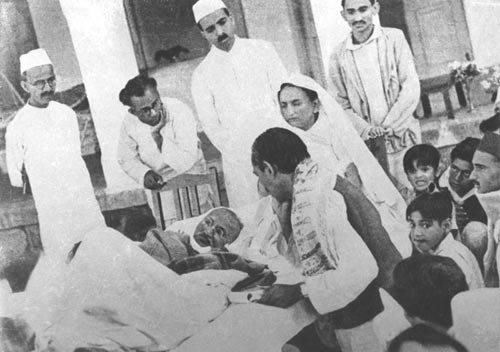
fasting gandhi

Indian leader Mahatma Gandhi used fasting as a political weapon.


Strange facts about fasting

Chandrayana fasting is observed y orthodox Hindus. Those who observe this type of fasting, reduce food day by day from full moon to new moon and increase it day by day from new moon to full moon. Whatever you eat normally is the basic food from which you reduce.

Andal, the famous Tamil Vaishnavite woman saint, says in her poem Thiruppavai: “ girls avoid butter and milk; girls don’t put make ups on those days; they don’t decorate their hair with flowers and they don’t tie their hair i.e. avoid hairdo etc. they do avoid gossips, but think only about god. In short it is a step towards god.

No Hindu eats non vegetarian food during fasting.

Milk is used by all the saints and temples. It is not considered non vegetarian. The vegan concept is unknown to ancient Indians. But Hindus make sure that only spare milk is used by the people after calves feeding. In western countries they don’t do it, but kill the cows for beef.


Mahabharata has many stories that illustrate the glories of fasting. A seer by name Mudkalar used to eat only on full moon day and new moon day. His family members also followed him. A guest came to them every time they were about to break fasting. But Mudkalar never hesitated to entertain him by giving their food. When it happened for the fifth time, the guest revealed his real form and blessed them. He was God of Dharma himself. Many folk tales also explain the merits of fasting and inspire everyone.

Hindu Women are keener observing fasting than men. Hindus have hundreds of types of fasting.

Famous Tamil speaker Krupananda Variar observed fasting on Shasti (sixth day from full moon) and Kartikai star day every month. He took either milk during the day or only one meal.


My Gujarati friends who do manual work in building industry take only one banana during day time on fasting days. My brother’s family members don’t eat during day time on Sankata Hara Chathurthy days. My wife fasts on Tuesdays. Hinduism is very catholic and it allows individuals to alter fasting according to their faith or rules stipulated by their Gurus. Hare Krishna Movement (ISKCON) followers observe Ekadasi fasting.

charkha and gandhi_thumb[3]

BBC reported in August 2012

“Scientists are uncovering evidence that short periods of fasting, if properly controlled, could achieve a number of health benefits, as well as potentially helping the overweight. One area of current research into diet is Alternate Day fasting (ADF), involving eating what you want one day, then a very restricted diet (fewer than 600 calories) the next, and most surprisingly, it does not seem to matter that much what you eat on non-fast days. Dr Krista Varady of the University of Illinois at Chicago carried out an eight-week trial comparing two groups of overweight patients on ADF”.

***** The End*****


Please visit Dr R Nagasamy’s blog to read research articles on Tamil and Sanskrit literature, history and archaeology.

http://www.tamilartsacademy.com/

3.தேரவாதம், மஹாயானம் தோன்றிய வரலாறு!

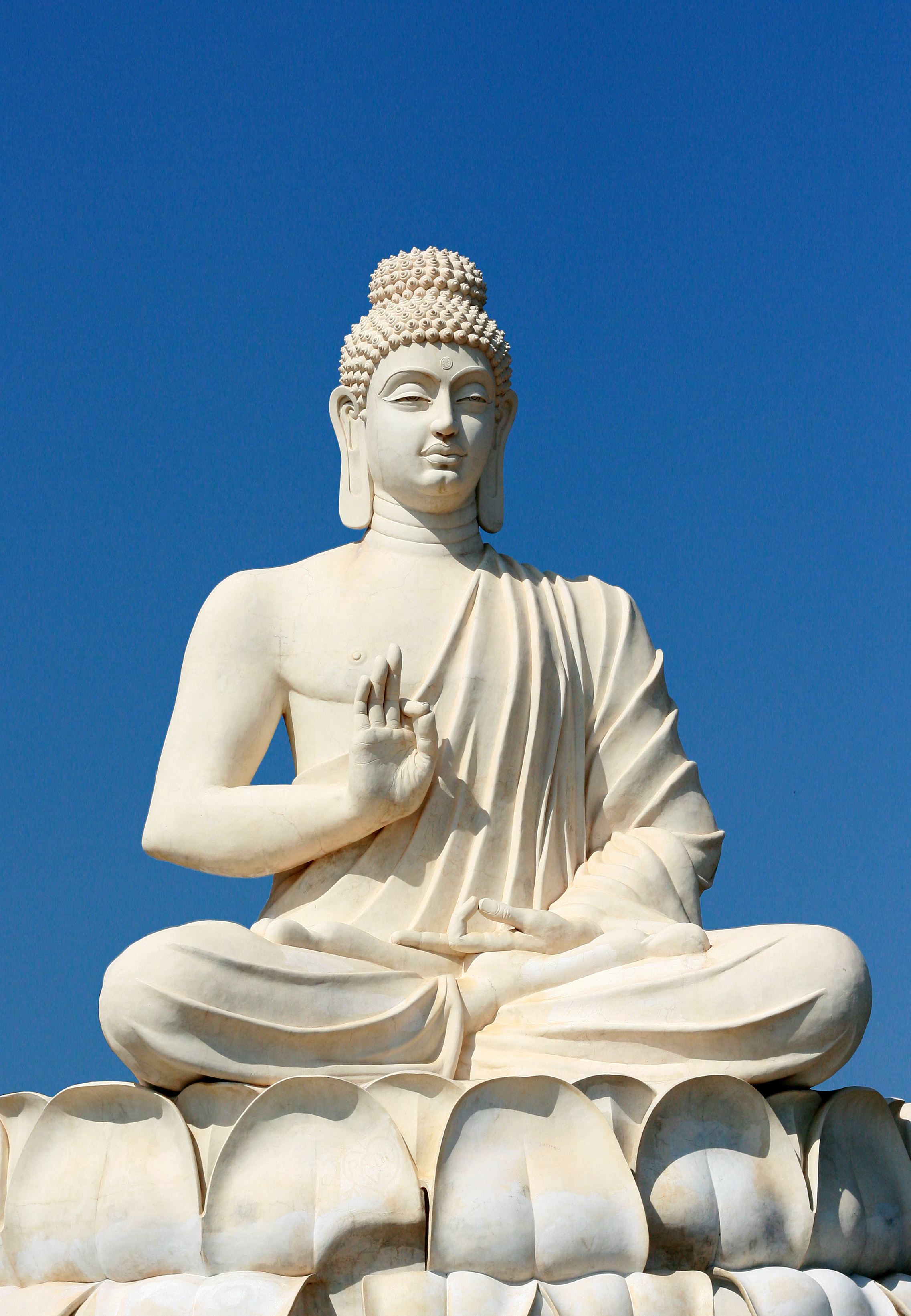
Buddha's_statue_near_Belum_Caves_Andhra_Pradesh_India

S.நாகராஜன்

அகாலிகம்  

புத்தரின் போதனைகள் எளிமையானவை. ஞானோதயம் பெற்ற மஹா உள்ளத்தின் ஆழத்திலிருந்து மனித குலம் உய்க்க வேண்டும் என்ற பெரும் அருள் நோக்கில் அருளப்பட்டவை. அவர் அருளியவற்றை அகாலிகம் என்பர். அதாவது அ-காலிகம் – காலத்தை வென்றவை என்று பொருள். எந்தக் காலத்திற்கும் பொருந்துபவற்றை அப்படித் தானே சொல்ல முடியும்!


தான, சீல, பாவனா 

புத்தரின் தத்துவம் ஒரு வறட்டு போதனை அல்ல, வாழ்ந்து காட்டிய ஒரு வழி முறை! அந்த வழி முறையை பாலி மொழியில் எளிய மூன்று சொற்களில் கூறி விடுவர்.

தானம். சீலம். பாவனை – இவையே அந்த மூன்று சொற்கள். கொடுக்கும் மனப்பான்மை இருந்தால் சேர்க்கும் மனப்பான்மையோ திருடும் மனப்பான்மையோ வராது. அதாவது ஆசைகள் அழியும்.

இரண்டாவது சீலம். வாழ்வாங்கு வாழ உண்டான அற நெறிகளே சீலம். கொல்லாமை, சத்யம். தயை உள்ளிட்ட அடிப்படையான அறப்பண்புகள்.


மூன்றாவது பாவனை. அதாவது தியானம். மனதைக் கட்டுப்படுத்தும் அற்புத சாதனை.மன சாந்தியை அனைவருக்கும் அளித்து துன்பமயமான உலகத்தை ஸ்வர்ண லோகமாக மாற்றும் வழி மனதைச் செம்மைப்படுத்துவதே!

அறிவால் அறி

இதையும் அவர் வற்புறுத்தி வலுக்கட்டாயமாக அனைவருக்கும் புகட்ட முற்படவில்லை. வந்து பார். ஆராய்ந்து ஏற்றுக் கொள் என்பதே அவர் அறிவுரை. இந்தப் பகுத்துப் பார்த்து ஏற்றுக் கொள்ளும் வழிமுறையை அவர் உபதேசித்ததாலேயே விஞ்ஞானிகள் உள்ளிட்ட அறிவால் அறியும் மனப்பான்மை கொண்டோர் புத்தமதத்தின் பால் வெகுவாக ஈர்க்கப்படுகின்றனர்.

கடவுள் என்றேனும் இந்தப் பூவுலகில் வந்தார் என்றால் அது புத்தரே


பேரறிஞர் அனடோல் பிரான்ஸ் தனது சுய சரிதத்தில் இப்படி எழுதுகிறார்: 1890ஆம் ஆண்டு மே மாதம் முதல் தேதி அன்று பாரிஸில் உள்ள மியூசியத்திற்குச் செல்லும் ஒரு வாய்ப்பு கிடைத்தது. ஆசிய கடவுளரின் மத்தியில் மோன மூர்த்தியாக எளிமையாக நின்று கொண்டிருந்த துன்புற்றலையும் மனித குலத்திற்கு புரிதலையும் தயையும் மேற்கொள்ள  வழிகாட்டும் புத்தரின் பால் என் பார்வை பதிந்தது. கடவுள் என்றேனும் இந்தப் பூவுலகில் நடந்திருந்தார் என்றால் அவர் இவரே என்று நான் உணர்கிறேன். கடவுளாக அவரைக் கொண்டு அவர் முன்னால் மண்டியிட்டு பிரார்த்திக்கத் தூண்டப்பட்டேன்.


புத்தர் எண்பது வயது வரை வாழ்ந்தார். தனது 35ஆம் வயதில் அவர் போதி மரத்தடியில் ஞானம் பெற்றார். தான் அறிந்த உண்மைகளை வெளிப்படையாக மன்னர்களுக்கும், ஆண்டிகளுக்கும், கற்றோருக்கும் மற்றோருக்கும் ஆண்களுக்கும் பெண்களுக்கும் எளிய மொழியில் கூறினார். அவர் பேசியது புத்த வாஸனா. அதாவது புத்த வாக்கியங்கள் எனப்படும்.

buddha's_statue

ராஜக்ருஹத்தில் கூடிய முதல் சபை

அவர் மஹா நிர்வாணம் அடைந்த பின்னர் மூன்று மாதங்கள் கழித்து இப்போது பீஹார் மாநிலத்தில் நாலந்தா மாவட்டத்தில் உள்ள ராஜ்கீரில் கூடினர். பழைய மகத தேசத்தின் தலை நகராக இருந்த அதன் முந்தைய பெயர் ராஜக்ருஹம். பாலி மொழியில் இதை ராஜகஹா என்பர்.


இந்த முதல் சபைக் கூட்டத்தில் புத்தர் அருளிய தம்மா அதாவது தர்மமும் வினயமும் ஓதப்பட்டன. தர்மம் பற்றி யாருக்கும் கருத்து வேறுபாடு இல்லை. ஆனால் வினயம் பற்றிய விதிகளில் ஏதேனும் மாற்ற வேண்டுமா என்று ஆலோசனை செய்தனர்.புத்தர் தனது பிரதான சீடரான ஆனந்தரிடம் சிறு விதிகளை தேவையெனில் மாற்றிக் கொள் என்று சொல்லி இருந்தார். ஆனால் புத்தர் தங்களை விட்டுப் பிரியப் போகிறாரே என்று கண்ணீர் விட்டுக் கலங்கிய ஆனந்தர் அந்த இறுதி நேரத்தில் எவை சிறிய விதிகள் (Minor Rules) என்று கேட்கவில்லை. ஆனால் இந்த விவாதத்தில் மன்னர் மஹா காஸ்யபர் குறுக்கிட்டு, “எதையும் மாற்ற வேண்டாம். அவர் மறைந்தவுடனேயே விதிகள் மாற்றப்பட்டன என்ற பழிப்பெயர் நமக்கு வேண்டாம்” என்றார். அனைவரும் அத ஏக மனதாக ஆமோதித்தனர்.

இரண்டாவது சபையில் தோன்றிய மஹா சங்கிகா

 அடுத்து நூறு ஆண்டுகளுக்குப் பின்னர் இரண்டாவது சபைக் கூட்டம் கூடியது. வினயத்தில் சில சிறு விதிகள் காலத்தின் தேவைக்கு ஏற்ப மாற்றலாமா என்று விவாதிக்கப்பட்ட து. சிலர் மாற்றலாம் என்றனர். சிலர் மாற்றக் கூடாது என்றனர். துறவிகளில் ஒரு பகுதியினர் தனியே பிரிந்து சென்று மஹா சங்கிகா- பெரும் சங்கம்- என்ற அமைப்பை உருவாக்கினர்.

அசோகர் காலத்தில் கூடிய மூன்றாவது சபை.

மூன்றாவது சபைக்கூட்டம் மாமன்னர் அசோகரின் காலத்தில் (கி.மு. மூன்றாம் நூற்றாண்டு) கூடியது. இதில் தர்மம் பற்றியும் வினயம் பற்றியும் விவாதிக்கப்பட்டது. சபைக்குத் தலைமை வகித்த மொக்கலிபுத்த திஸ்ஸா, கதா வாத்து என்ற புத்தகத்தைத் தொகுத்தார்.

இது தேரா வாதம் என்ற பெயரைக் கொண்டது.அசோகரின் மகனான மஹிந்தா இந்த சபையில் ஓதப்பட்ட திரிபிடகா மற்றும் உரைகள் ஆகிய அனைத்தையும் எடுத்துக் கொண்டு ஸ்ரீலங்கா வந்தார். அந்த ஏட்டுப் பிரதிகள் அனைத்தும் அப்படியே மாறாமல் ஸ்ரீலங்காவில் இன்றளவும் பாதுகாக்கப்பட்டு வருகின்றன.


மஹாயானம் உருவானது

 அடுத்த நானூறு ஆண்டுகளில் மாற்றங்கள் ஏற்பட்டன. மஹாயானம் உருவானது. இதற்கு மாறுபட்டது ஹீன யானம் என்று ஆனது.

மிகப்பெரும் மேதையான நாகார்ஜுனர் தோன்றி  மஹாயான கொள்கைகளை சரியான விதத்தில் விளக்கும் மத்யாமிக காரிகா என்ற நூலை எழுதினார்.

ஆக புத்த மதம் தனது தாயகமான பாரதத்திலிருது கிளம்பி, ஸ்ரீலங்கா, தாய்லாந்து, பர்மா, கம்போடியா,லாவோஸ், சீனா, ஜப்பான் என உலகெங்கும் பரவலாயிற்று.


இன்றோ அமெரிக்கா உள்ளிட்ட மேலை நாடுகளில் புத்த மதம் எதையெல்லாம் போற்றி வளர்த்ததோ அதையெல்லாம் கற்க ஆயிரக்கணக்கில் ஆர்வலர்கள் கூடுகின்றனர்.

அப்படி இந்த ஆர்வத்திற்கு என்ன காரணம்? வரும் வாரங்களில் புத்த மதம் பற்றிய வரலாற்று அற்புதங்களைப் பார்ப்போம்.

சின்ன உண்மை

 1950ஆம் ஆண்டு ஸ்ரீலங்காவில் கூடிய பௌத்தர்களின் அமைப்பு ஹீனயானம் என்ற வார்த்தையை ஒட்டு மொத்தமாக நீக்கி விடலாம் என்று முடிவெடுத்தது. ஆக இன்று இருப்பது ஒரே புத்த மதம் தான்!


-தொடரும்


Please visit Dr R Nagasamy’s following blog to read research articles on Tamil and Sanskrit literature, History and archaeology.


http://www.tamilartsacademy.com/