தமிழ் சிறைச்சாலையில் சமூக சேவை

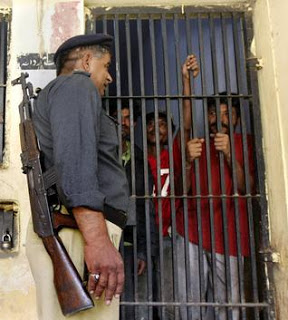
Inmates in Mumbai Prison

தமிழ் சிறைச்சாலையில் சமூக சேவை

சமூக சேவை என்பது இந்தியாவுக்கு புதிதல்ல. தாதியர்/ நர்ஸ்கள் என்றால் உடனே ப்ளரன்ஸ் நைட்டிங்கேலை நினைக்கிறோம். குற்றம் புரிந்தோரை நல்ல மனிதர் ஆக்கியவர் என்றால் மணிமேகலையை நினைக்க வேண்டும். யார் அந்தப்பெண்மணீ?

சிறைச் சாலையில் சமூக சேவை செய்து கைதிகளைத் திருத்தி நற்குடி மக்களாக மாற்றும் புரட்சிகர கருத்தை முன்வைத்தவர் மணிமேகலை என்றால் மிகையாகா. ஈராயிரம் ஆண்டுகளுக்கு முன் புத்த மதக் கருத்துக்களை முன்வைத்து எழுதப்பட்டது மணிமேகலை. ‘’நெஞ்சை அள்ளும் சிலப்பதிகார’’த்துடன் இரட்டைக் காப்பியங்களகத் தொன்றியது இந்நூல். சீழ்தலைச் சாத்தனாரின் கைவண்ணத்தில் மிளிர்ந்த மணிமேகலையின் காவியத்தலைவி–,கதாநாயகி மணிமேகலை என்னும் இளம் பெண் ஆவார்.

மாதவியின் மகளாக அவதரித்துப் பேரெழிலுடன் விளங்கிய மணி, ஒரு கட்டத்தில் சிறைச் சாளைக்கு விஜயம் செய்து அங்குள்ள கைதிகளைச் சந்திக்கிறார். அமுதசுரபி என்னும் வற்றாத உணவளிக்கும் அற்புத பாத்திரம் மூலம் அங்குள்ள கைதிகளுக்கு அறுசுவை உணவு படைக்கிறார். வயிற்றுக்குச் சோறிட்டதோடு நில்லாமல் மனதுக்கும் ஆறுதல் தரும் அன்பு மொழிகளையும்  நல்ல வாழ்க்கை நடத்தத் தேவையான அறிவுரைகளையும் வழங்குகிறார். அற்புதம்! அனைவரும் மனம் மாற்றம் அடைந்துவிடுகின்றனர். இதை அறிந்த சோழ மன்னன் அவளை அரண்மனைக்கு அழைக்கிறார். சிறைக் கைதிகளை உடனே விடுவிக்கும் படியும் சிறச்சாலைகளை சாது சந்யாசிகள தங்கும் திரு மடங்களாக மாற்றவும் ஆலோசனை வழங்குகிறார். மன்னனும் அதை ஏற்று செயல் படுத்துகிறான்.

சிறைக் கைதிகள் சீர்திருத்தம் Prisoners rehabilitation என்பது மேலை நாட்டில் புதிதாகப் பின்பற்றப்படும் கருத்து. இதை 2000 ஆண்டுகளுக்கு முன்பு செயல்படுத்திக் காட்டியவர் மணிமேகலை!
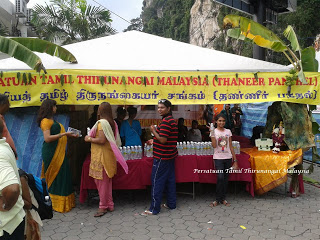
பெரிய புராண, மஹா பாரத தண்ணீர் பந்தல் கதைகள்

12 ஆண்டுக்கு ஒரு முறை வரும் வறட்சி பற்றி வேதங்கள் முதல் திருவிளையாடல் புராணம் வரை பிரஸ்தாபிகின்றன. அத்தகைய காலங்களில் அக்ஷய பாத்திரம், அமுதசுரபி, காமதேனு, கற்பக விருக்ஷம், உலவாக்கிழி என்ற அற்புத கலயங்களும் சின்னங்களும் இந்திய மக்களைக் காப்பாற்றி வந்துள்ளன. இதை நம்பாதோரும் கூட கஷ்ட காலங்களில் மனிதர்களைக் காப்பாற்றவேண்டும் என்ற சிந்தனை மலர்ந்த பூமி இப் புனித பாரதம் என்பதையாவது ஒப்புக் கொள்ளவேண்டும்.

பெரியபுராணத்தில் வரும் அப்பூதி அடிகள் கதையும் மஹாபாரதத்தில் வரும் சல்லியன் கதையும் நாம் அறிந்ததே. அப்பர் என்னும் திருநாவுக்கரசர் நால்வரில் ஒருவர். சம்பந்தராலும் போற்றப்பட்ட புனிதர். ஆனால் அந்தணர் அல்ல. அவர் திங்களுர் சென்றபோது அவர் பெயரில் திருமடங்களும் தண்ணிர் பந்தலகளும் இருந்ததைக் கண்டு வியந்தார். யார் என்று வினவியபோது அப்பூதி அடிகள் என்னும் அந்தணர் இவ்வாறு செய்ததை அறிந்தார். அவரிடமே சென்று ஏனைய்யா இப்படி அப்பர் பெயரை வைத்தீர்? அவர் என்ன சாதனை செய்து கிழித்துவிட்டார் என்று வினவ, அப்பூதி அடிகள் புலி எனச் சீறி அப்பர் தம் பெருமையை விளக்கி வந்தவரை விரட்டப் பார்த்தார். தாம்தான் அப்பர் என்று அவர் தம்மையே அறிமுகப் படுத்தியபோது அப்பூதி அடைந்த ஆனந்தத்துக்கு அளவே இல்லை. நாம் இங்கே கவனிக்கவேண்டியது தாகம் தீர்க்கும் தண்ணீர் பந்தல் 1300 ஆண்டுகளாக இன்றும் தமிழகத்தில் நீடித்திருக்கும் ஒரு சமூகப் பணி என்பதாகும்.

இதற்கு பல ஆயிரம் ஆண்டுகளுக்கு முன்னர் மஹாபாரத காலத்தில் இப்படி ஒரு கதை வருவதைப் பார்த்தால் இமயம் முதல் குமரி வரை 5000 ஆண்டுகளாக இப்படி நற்பணி நடந்திருப்பது உள்ளங்கை நெல்லிக்கனி என விளங்கும். பாண்டவ சகோதரர் நகுலன் சகாதேவனின் மாமன் மாத்ர தேச அதிபதி சல்லியன். மாபாரத போருக்கு முன் இவனை தம் பக்கத்தில் இழுத்துக் கொள்ளவேண்டும் என்று பாண்டவர்களும் கவுரவர்களும் முனைப்புக் காட்டினர். கள்ளத்தனத்தில் கெட்டிக்காரன் துரியோதணன். சல்லியன் வரும் வழியில் தண்ணீர் பந்தல்கள் வைத்து அவன் தாக சாந்தி செய்யவே அவனிடம் உதவி கேட்டனர். உண்டி கொடுத்தோர் உயிர் கொடுத்தோரல்லவா? அவனும் அப்படியே உதவி தருவதாக வாக்களித்தான். கர்ணனின் தேரோட்டியாக அமர்ந்த சல்லியன், 18ஆம் நாளில் உயிர் துறக்கிறான். வாக்கிற்குக் கட்டுப்பட்ட சத்திய சீலன்!

ஆக தண்ணிர் பந்தல், அன்ன தானம் என்பன பாரதீய வாழ்வில் இரண்டறக் கலந்த அம்சங்கள். வட இந்தியாவில் காளி கம்பளவாலா சத்திரங்கள் என்று வழி நெடுகிலும் உண்டு. அந்தக் காலத்தில் இமய மலையின் புனிததலங்களுக்குச் செல்லுவோருக்கு கம்பளி ஆடைகளை கொடுத்துதவிய ஒரு தர்மாத்மாவின் பெயரில் அமைந்த சத்திரங்கள் அவை. நம் தமிழ் நாட்டிலும் வழி நெடுகிலும் அன்ன சத்திரங்கள் இருந்த காலம் ஒன்று உண்டு.

எறும்புக்கும் கொசுவுக்கும் கூடத் தீங்கு செய்யாத சமண சமயத்தினர் பறவைகளுக்கும் மிருகங்களுக்கும் மருத்துவ மனை நடத்திய நாடு இது!

Prisoners in Amritsar Women’s Prison

சிறுகுடிக் கிழான் பண்ணன்

பிராமணர்களுக்கும் கோவில்களுக்கும் நிலம் தானம் கொடுத்த ஆயிரக் கணக்கான கல்வெட்டுகள் தமிழ் நாட்டில் உள்ளன. புலவர்களுக்கு பொற்காசுகளையும் உணவையும் கொடுத்த சங்க கால மன்னர்களையும் வள்ளல்களையும் நாம் அறிவோம். இவை சமூக சேவை ஆகா. பலனை எதிர்பார்த்தோ, துதி பாடலை எதிர்பார்த்தோ செய்யப்பட்ட உதவி இவை. ஆயினும் ஜாதி மதம் இனம் , குலம் கோத்திரம் என்று பாராது உணவு படைதோரும் உண்டு. சோழமன்னன் கிள்ளிவளவனும் போற்றிய ஒரு வள்ளல் சிறுகுடிக் கிழான் பண்ணன். புறநானூறு 173ஆம் செய்யுளில் எறும்பு முட்டை கொண்டு சாரை சாரையாக செல்லுவது போல பண்ணன் வீட்டை நோக்கிமக்கள் செல்லுவதைப் படித்து இன்புறலாம்.

விருந்தோம்பல், தேவதானம், புலவரை ஆதரித்தல் என்பது வேறு. சமூக சேவை என்பது வேறு. தண்ணீர் பந்தல் கதைகளும் மணிமேகலை சிறைச் சாலைச் சேவைகளும் தனி ரகம். பாரதத்தின் வழி தனி வழி. எல்லோருக்கும் முன் உதாரணமாகத் திகழும் தனி வழி!

Contact swami_48@yahoo.com

Prisoners Rehab in Ancient India!

Community Service in Ancient India

Helping poor people or donating clothes to the needy people, serving food to the hungry or feeding the travellers is not new to India. It has been going on for at least three thousand years. We can boldly say this because we have enough documents to support our statement. Jains had even hospitals for birds and animals. We may think that serving prisoners or rehabilitating them is a Western concept. No, that is not correct. Tamils did this 2000 years ago!


Chatrams/Choultries ( Community buildings) were constructed along the traveller’s routes to provide them food and shelter. Certain donations like lands and gold coins were made only to Brahmins and temples to serve the religious needs. Poets who praised the kings were also amply rewarded. So we don’t see them as community service. But food and shelter were given to all, irrespective of the caste or creed. We have some interesting information about Water Distribution Centres (in Tamil Thanneer Pandhal) in Periyapuranam in Tamil and Mahabharata in Sanskrit.

We have information about magical vessels called Amutha Surabhi and Ulavaa Kizi in Tamil. They were like Draupadi’s  Akshaya patra. The magical vessels will feed any number of people at times of drought. They were always full with food. Even those who don’t believe in such magical things, must admit that the intention to help the needy was there. Otherwise they would not have recorded it thousands of years ago and left it for the posterity.

Apputhi Adikal was a great admirer of Appar, one of the four great Tamil Saivite saints. So Adikal installed water (donation) Distribution centres on the main roads to give water for the thirsty during hot summer. Even today Tamils do it during summer. People in North India know about the philanthropist Kali Kampaliwala who provided woollen clothes for the people travelling to Himalayan shrines.

When Appar alias Tirunavukkarasar visited Thingalur of Apputhi Adikal he was surprised to see his name in all the places like water donation centres or Dharma Chatras. People told him it was Adikal who did all these charities. When Tirunavukkarau went to Adikal’s house he asked who that Tirunavukkarasu was without revealing his identity. He even belittled him. Apputhi adikal was enraged by that remark. At that time Tirunavukkarasu revealed his true ID. Adikal’s enthusiasm was boundless.

Community Service in Mahabharata

Mahabharata also provide some information about water (donation) Distribution Centres. Salyan, King of Madra Desa was the uncle of Nakula and Sahadevan.  Both Kauravas and Pandavas were trying to enlist his support in the great war. But Duryodhanan tricked him by providing water from his water supply centre along his route. Once he drank water from his shed, he was indebted to him and promised to help Duryodhana. He became the charioteer of Karna and was killed on the last day of the 18 day war. The point here is the water supply along the main routes and then honouring words. Once you eat at a place and give your word, then it is inviolable.  Even if we take Mahabharata time as 1500 BC instead of 3100 BC, then this type of service has been there for at least 3500 years.

Manimekalai’s service in the prison

Prisoners’ rehabilitation is a new concept in the western countries. Manimekalai, the heroine of the Tamil epic ‘Manimekalai’, did this service 2000 years ago and transformed all the prisoners as good citizens. Prisons were converted into charitable homes.

When Manimekalai went to the prison she spoke to the prisoners kindly with gentle words of advice and comfort. She gave them all a hearty meal from her magic bowl Amuthusurabhi. The inmates became penitent and their behaviour was reformed beyond recognition. When the prison guards informed the king he asked Manimekalai to come to the palace. She advised him to release all the prisoners and convert all the prisons in to charitable houses for saints and sages. The king readily agreed to do it. This type of service was unheard of in any other countries till modern days.

Sirukudi Kizan Pannan and Ant line

Sangam Tamil King Killivalavan praised Sirukudi pannan in Puranananuru verse 173: ‘’May Pannan live as long as I live. You bards, note the distress of the relatives of this man. We hear the noise of men feeding, as great as that of birds on a tree which has newly borne fruit. We see boys go in all directions along with their relatives with cooked food in their hands, as the small ants, when they know that the cloud which rains in the proper season is going to rain, take their eggs (in their mouths) and resort to high ground.’’

People were going from Pannan’s place with food in their hands like ants carrying food in a line. There are number of poems like this in Sangam Tamil literature.


Four Stages of Life and Seven Ages of Man

Four Stages of Life and Seven Ages of Man

Most us know how many hours we spend on watching TV, working on the Internet, Facebook, going to films etc. Periodical statistics are published by the newspapers. In 24 hours of a day we spend 8 to 10 hours in sleep. So one third of our life is spent in sleeping. Women have an extra item-dressing and make up. Men always complain about it. Men ‘waste’ their time in different ways like watching games (Cricket, Foot Ball !) etc-


A funny poem puts our life this way:

At ten, we have just fun

At twenty, we are still naughty

At thirty, we think lofty

At forty, we get shifty

At fifty, we confront reality

At, sixty, we seek serenity


There are lot of thought provoking sayings by our saints. They have divided our life into different stages. Hindu sages divided a man’s life in to four stages:

Brahmacharya (Student Life)

Grahasthasrama (Married life)

Vanaprastha (Secluded/ Forest life)

Sanyasa (Renouncement)

Tamils divided a woman’s life into seven stages (I have already given them in one of my posts.)

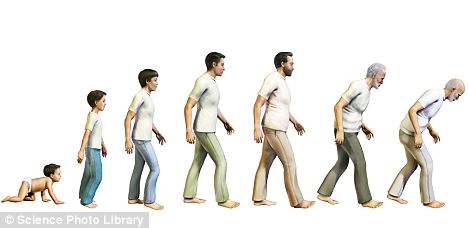
Seven Ages of Man

Shakespeare divided a man’s life into seven stages or seven ages.


“ All the world’s a stage,
And all the men and women merely players,
They have their exits and entrances,
And one man in his time plays many parts,
His acts being seven ages. At first the infant,
Mewling and puking in the nurse’s arms.
Then, the whining schoolboy with his satchel
And shining morning face, creeping like snail
Unwillingly to school.  And then the lover,
Sighing like furnace, with a woeful ballad
Made to his mistress’ eyebrow. Then a soldier,
Full of strange oaths, and bearded like the pard,
Jealous in honour, sudden, and quick in quarrel,
Seeking the bubble reputation
Even in the cannon’s mouth. And then the justice
In fair round belly, with good capon lined,
With eyes severe, and beard of formal cut,
Full of wise saws, and modern instances,
And so he plays his part. The sixth age shifts
Into the lean and slipper’d pantaloon,
With spectacles on nose, and pouch on side,
His youthful hose well saved, a world too wide,
For his shrunk shank, and his big manly voice,
Turning again towards childish treble, pipes
And whistles in his sound. Last scene of all,
That ends this strange eventful history,
Is second childishness and mere oblivion,
Sans teeth, sans eyes, sans taste, sans everything”.
(From As You Like It)

We can summarise these lines into INFANT, STUDENT, LOVER, SOLDIER, JUSTICE, OLD MAN and AGAIN LIKE A CHILD.

When we buy tickets for travel or films they have only three categories! Ticket Classification:

Child , Adult and (Old Age Pensioner)Senior citizen

Appar and Adi Shankara

Two thousand years ago saints like Appar/Thirunavukkarasu and Adi Shankarar also divided the age of a man roughly in to Infant, Married and Old Man.

Great Philosopher Adi Shankara in his Bhaja Govindam sings:

When a boy, one is attached to sport; when a youth,  one is attached to a young woman; when old, one is attached to anxiety; to the Supreme Brahman, no one, alas, is attached !

“Balas tavat kridassaktas

Tarunastavat tarunisakthah,

Vrdhastavac cintasaktah

Pare brahmani, ko pi na saktah” (Bhaja Govindam in Sanskrit)


Saivite saint Appar alias Thirunavukkarasu says

“I spent my life without setting a goal. Spent my time aimlessly like an infant, like a married man and like a man with walking stick (old man)”.

Appar’s Thevaram in Tamil:

பாலனாய்க் கழிந்த நாளும் பனிமலர்க் கோதைமார்தம்
மேலனாய்க் கழிந்தநாளும் மெலிவோடு மூப்புவந்து
கோலனாய்க் கழிந்த நாளும் குறிக்கோள் இலாது கெட்டேன்
பாலனாய் இருந்த பொழுதும், மங்கையர் மேல் காதல் கொண்டு

We can see a clear difference in the approach of Western and Eastern scholars to life.

Another interesting comparison is a sloka of Raghuvamsa of Kalidasa with a funny poem about a barber. When Dasaratha became too old to rule, no one dared to suggest that he should place Rama on his throne. Kalidasa says they were probably afraid of Kaikeyi. But his grey hair silently approached his ears and told him it is time for him to go. Kalidasa knew that the grey hair starts near the ear for men (Raguvamasa 12-2).

Compare Kalidasa’s with the following English poem on a barber:

“My barber reliably informs me
There is no bald spot up there
He says I am not going thin on top
I’m just growing through my hair”.

***************


சொல்லத்தான் நினைக்கிறேன் முடியவில்லை


சொல்லத்தான் நினைக்கிறேன் முடியவில்லை

என் பெயர் புலவர் நக்கீரன். “சொல்லத்தான் நினைக்கிறேன் முடியவில்லை, அதைச் சொன்னாலும் கேட்பவர்க்கு புரியவில்லை’’ என்ற தலைப்பில் பேச வந்திருக்கும் உங்கள் அனைவர்க்கும் முதல் கண் நன்றி கலந்த வணக்கங்கள். சென்ற மூன்று வாரங்களில் ‘மன்னிக்க வேண்டுகிறேன்”, “ரொம்ப நாளாக எனக்கு ஒரு ஆசை”, ‘’கறுப்புதான் எனக்கு பிடிச்ச கலரு” என்ற தலைப்புகளில் பேசினீர்கள். கன கச்சிதமாக இருந்தது. அதே போல இன்றும் தலைப்பை ஒட்டி மட்டுமே பேசவேண்டும். வெளி நாட்டுக்காரர்களும் அரசியல்வாதிகளும் ‘’ஆரிய, திராவிட’’ என்ற சொற்களால் மக்கள் எல்லோரையும் குழப்பி வைத்துவிட்டனர். நீங்கள் எல்லோரும் இது பற்றிக் கொஞ்சம் சொன்னால் நன்றாக இருக்கும்.


*முதலில் நான் பேசுகிறேன். என் பெயர் பரஞ்சோதி முனிவர். என்னுடைய திருவிளையாடல் புராணம் தமிழர்களுக்கு நன்கு தெரியும். நான் அப்போதே சொல்லிவிட்டேன் தமிழும் வடமொழியும் சிவ பெருமான் கொடுத்த கொடை என்று:

‘’வடமொழியை பாணிணிக்கு வகுத்து அருளி

தொடர்புடைய தென்மொழியை உலகமெலாம்

தொழுதேத்தும் குடமுனிக்கு வலியுறுத்தார் கொல்லேற்றுப் பாகர்

கடல் வரைப்பினிதன் பெருமை யாவரே கணித்து அறிவார்’’

திருவிளையாடல் புராணம்

‘’கண்ணுதற் பெருங்கடவுளும் கழகமொடு அமர்ந்து

பண்ணுறத் தெரிந்து ஆய்ந்த இப்பசுந்தமிழ் ஏனை

மண்ணிடைச் சில இலக்கண வரம்பிலா மொழிபோல்

எண்ணிடைப்படக் கிடந்ததா எண்ணவும் படுமோ’’


என்றும் பாடிவிட்டேன்


*என் பெயர் மாணிக்க வாசகன், என் திருவாசகத்தில்

‘தென் நாட்டுடைய சிவனே போற்றி’ என்றும்

‘பாசமாம் பற்று அறுத்து பாரிக்கும் ஆரியனே’ – என்றும் பாடியுள்ளேன்.


*என் பெயர் சிவஞானசுவாமிகள். நான் காஞ்சிப் புராணத்தில்

‘’இரு மொழிக்கும் கண்ணுதலார் முதற்குரவரியல் வாய்ப்ப

இரு மொழியும் வழிப்படுத்தார் முனிவேந்தரிசை பரப்பு

மிருமொழியுமான்றவரே தழீஇயனாரென்றாலிவ்

விருமொழியு நிகரென்னு மிதற்கையமுளதேயோ’’ என்று சொல்லிவிட்டேன்


என் பெயர் அப்பர். வாகீசர் என்றும் திருநாவுக்கரசு என்றும் என்னை அழைப்பர். நானும் தேவாரத்தில்…….

ஆரியந்தமிழோடு  இசையானவன் (6-132-3)

வானவர் காண்; வானவர்க்கும் மேல் ஆனான் காண்

வடமொழியும் தென் தமிழும் மறைகள் நான்கும் ஆனவன் காண் (6-8-60)

கோல மா நீலமிடற்றான் தன்னை

செந்தமிழோடு ஆரியனை சீரீயானை (6-46-7)

இன்னடியார்க்கின்பம் விளைப்பான் கண்டாய்

ஆரியன் கண்டாய் தமிழன் கண்டாய்

அண்ணாமலையுறயெம் அண்ணல் கண்டாய் (திருமறைக்காடு)


என்று எல்லாம் பாடி தமிழும் சம்ஸ்கிருதமும் தேவ பாஷை என்று உணர்த்திவிட்டேன். ஆரிய என்ற சொல்லை நான் சிவனுக்குப் பயன்படுத்திய பின்னரும் என்ன சந்தேகம்?

*என் பெயர் சம்பந்தன். சிறு வயதுப் பாலகன் என்று நினைத்துவிடாதீர்கள். நான் அப்பரின் ‘’டியர் ப்ரண்ட்’’. நான் கொஞ்சம் கடுமையான சொற்களைப் பிரயோகித்து இருக்கிறேன்:

மந்தி போல் திரிந்து ஆரியத்தொடு செந்தமிழ் பயன் அறிகிலா

அந்தகர்க்கு எளியேன் அலேன்”

தமிழ், வடமொழி நூல்கள் கூறும் கருத்துக்களை அறியாதோரை குரங்கு, குருடன் என்று சொல்லிவிட்டேன். இன்னுமா புரியாது?


*என் பெயர் கம்பன். நான் எழுதிய ராமாயணத்தைப் பட்டிமன்றங்களில் அலசுவதை நக்கீரன் அறிந்திருப்பீர்கள். நானும்

பல இடங்களில் ‘’நீண்ட தமிழால் உலகை நேமியின் அளந்தான்’’ (அகத்தியன்) என்றும், ‘’தழல்புரை சுடர்க்கடவுள் (சிவன்) தந்த தமிழ் தந்தான்’’ என்றும்  ‘’என்றுமுள தென் தமிழ் இயம்பி இசை கொண்டான்’’ என்றும் பாடிவிட்டேன் தமிழ், மொழி, அகத்தியன், சிவன் ஆகியோருக்குமுள்ள தொடர்பை தெளிவு படுத்திவிட்டேன்.


*என் பெயர் திருமூலர். நானும் எவ்வளவோ இது பற்றிப் பாடிவிட்டேன்

அவிழ்க்கின்றவாறும் அதுகட்டுமாறும்

சிமிட்டலைப் பட்டுயிர் போகின்றவாறும்

தமிழ்ச்சொல் வடசொல் எனும் இவ்விரண்டும்

உணர்த்தும் அவனை உணரலும் ஆமே! (திருமந்திரம்)


*என் பெயர் ஈசானதேசிகர். நான் இலக்கணக் கொத்துரையில்

‘’வடமொழி தமிழ் மொழி எனும் இரு மொழியினும்

இலக்கணமொன்றே என்றே எண்ணுக’’


என்று அப்போதே சொல்லிவிட்டேன். நான் தமிழும் சம்ஸ்கிருதமும் ஒரே மூலத்தில் இருந்து வந்தவை என்று சொன்னபோது என்னை ஓரம்கட்டிவிட்டார்கள்.


என் பெயர் சுப்பிரமணிய தேசிகர். நானும் 70 முதல் 80 சதம் தமிழும் சம்ஸ்கிருதமும் ஒன்றே என்று காட்டிவிட்டேன். என்னுடைய பிரயோக விவேகம் நூலைப் படிக்காமலேயே திட்டுகிறார்கள்.


என் பெயர் சுந்தரம் பிள்ளை. தமிழில் நாடகமே இல்லை என்ற குறையைப் போக்க  ஒரு ஆங்கில நாடகத்தைத் தழுவி மனோன்மணீயம் என்ற நாடகத்தை எழுதினேன். நான் சம்ஸ்கிருதத்தைக் குறைகூறி எழுதியதை தமிழ்நாடு அரசே நீக்கிவிட்டது. சிதைக்கப்பட்ட தமிழ் மொழி வாழ்த்தை எல்லோரும் பாடிக் கொண்டிருக்கிறார்கள்: ‘’ஆரியம் போல் உலக வழக்கொழிந்து சிதையாவுன்’’ என்ற வரிகளை நீக்கி என் பாட்டையே சிதைத்துவிட்டார்கள். எனக்குக் கொஞ்சம் வருத்தம்தான். ஆனால் திராவிட (தமிழ் நாடு) அரசே இப்படிச் செய்திருக்கிறது. போகட்டும்.


எல்லோருக்கும் நன்றி. அடுத்த வாரத் தலைப்பு : ‘’கா, கா, கா! கா, கா, கா!!’’ சங்கப் புலவர் பாடல்கள் முதல் பராசக்தி திரைப் பாடல் வரை எதைப் பற்றி வேண்டுமானாலும் பேசலாம். மீண்டும் சந்திக்கும் வரை வணக்கம் கூறி விடை பெறுவது நக்கீரன்..

Techniques of Secret Writing in India

Techniques of Secret Writing in India

During war times and military expeditions, army personnel use coded language so that the enemies wouldn‘t understand the message. But in the ancient world this secret language was used for different purposes. According to encyclopaedias it was used in Egypt 5000 years ago followed by Greece. Though the Vedic seers sang that they delight speaking in secret language we are not able to give concrete examples. Scholars have acknowledged the symbolism in the Vedas, but not the encrypted language.


When Vyasa requested Lord Ganesh to write the longest epic in the world, Lord Ganesh agreed to do it on a condition. He will have to write it without stopping. If it all Vyasa couldn’t compose the couplets that fast, he has to find another person to do the job. Clever Vyasa agreed to do it, but put one condition to Lord Ganesh that he should write only when he understood what he wrote. There started the puzzles, encrypted language etc. Once again we have no proof for the puzzles or encrypted language from Mahabharata, though this story is popular. Ancient Hindus followed a system called Katapayadi system to remember the words  and numbers easily. This system assigned letters to numerals. No 18= JaYa (old name of Mahabharata).

Personally I think the coded language evolved in India and I will attribute the above facts as a proof for this.

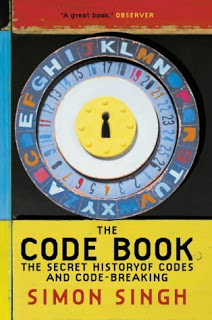
But Dr.Simon Sing, a London based author, gives concrete example of encrypted language in his book ‘The Code Book’. It is very interesting that we have the first example in the sex manual- Kama Sutra!

64 Arts for Women

Following is an excerpt from his book:

“ One of the earliest descriptions of encryption by substitution appears in the Kama Sutra, a text written in the fourth century AD by the Brahmin scholar Vatsyayana, but based on manuscripts dating back to fourth century BC. The Kama sutra recommends that women should study 64 arts, such as cooking dressing, massage and preparation of perfumes. The list also includes some less obvious arts, namely conjuring, chess, book binding and carpentry. Number 45 on the list is Mlechita-vikalpa, the art of secret writing, advocated in order to help women conceal the details of their liaisons. One of the recommended techniques is to pair letters of the alphabet at random, then substitute each letter in the original message with its partner. If we apply the principle to the Roman alphabet, we could pair letters as follows:

A D H I K M O R S U W Y Z

V X B G J C  Q L  N E  F P  T

Then, instead of MEET AT MIDNIGHT, the sender would write CU UZ VZ CGXSGIBZ. This form of secret writing is called a substitution cipher because each letter in the plaintext is substituted for a different letter, thus acting in a complimentary way to the transposition of cipher. In transposition each letter retains its identity but changes its position, where as in substitution each letter change its identity but retains its position.


The first documented use of substitution cipher for military purposes appears in Julius Caesar’s Gallic Wars. Caesar describes how he sent a message to Cicero, who was besieged and on the verge of surrendering”.

Lot of interesting anecdotes are in the book. Simon Sing’s another popular book is The Fermat’s Last theorem.

Please read my earlier posts

  1. Hindu’s Magic Numbers 18, 108, 1008
  2. Love Letters from Ancient India
  3. பார்ப்பனிக்கு வடமொழிச் சீட்டு


காதல் கடிதம் எழுத ரகசிய சங்கேத மொழி

காதல் கடிதம் எழுத ரகசிய சங்கேத மொழி

போர்க் காலங்களிலும், படை மற்றும் ராணுவ தளவாட நகர்த்தல் பற்றித் தளபதிகளுக்கு தகவல் அனுப்பும் போதும் படைத் தலைவர்கள் ரகசிய சங்கேத மொழிகளைப் பயன்படுத்துவர். இது எகிப்தில் துவங்கியதாகக் கலைக்களஞ்சியங்கள் கூறியபோதும் இந்தியாவில் துவங்கியது என்றே எனக்குத் தோன்றுகிறது. ஏனெனில் பெண்கள் கற்றுக் கொள்ளவேண்டிய கலைகள் 64 (ஆய கலைகள் 64) என்று பட்டியலிட்டு அதில் இதையும் ஒன்றாகச் சேர்த்திருக்கின்றனர். இது 2400 ஆண்டுகளுக்கு முன்பு ! பெண்கள் படிப்பதையே பழங்கால உலகு ஆதரிக்கவில்லை. ஆனால் இந்தியாவில் வேதகாலப் புலவர்களில் குறைந்தது 20 பேரும் சங்க காலப் புலவர்களில் குறைந்தது 20 பேரும் பெண் புலவர்கள்.


இது மட்டுமல்ல.

வேத கால ரிஷிகள் தங்களுக்கு ரகசிய மொழிகளில் பாடுவதுதான் பிடிக்கும் என்று ஆடிப் பாடி கூத்தாடி இருக்கிறார்கள். ஆக அவர்கள் 3500 முதல் 5000 ஆண்டுகளுக்கு முன்னரே ரகசிய மொழி பற்றிப் பேசி இருக்கிறார்கள். ஆனால் இன்றைய வேதங்களில் என்ன ரகசிய மொழியில் அவர்கள் என்ன ரகசியம் கூறி இருக்கிறார்கள் என்று தெளிவாகக் காட்டமுடியவீல்லை.

மஹாபாரதம் எழுதிய கதையும் எல்லோரும் அறிந்ததே. விநாயகப் பெருமான் தான் இக்காரியத்தைச்  செய்யவல்லவர் என்று அறிந்த வியாச மா முனிவர் அவரை வேண்டிக் கொள்ளவே பிள்ளையார் ஒரு நிபந்தனை போட்டார். நீவீர் நிறுத்தாமல் பாடல்களைச் சொன்னால் நான் எழுதத்தயார் என்று. மஹா பரதமோ உலகிலேயே மிகப் பெரிய நூல். ஒரு லட்சம் ஸ்லோகங்களை உடையது. புத்திசாலி வியாசர் உடனே எதிர் நிபந்த்னை போட்டார். அது சரிதான், நான் நிறுத்தாமல் கவி புனைகிறேன். நீவீர் அர்த்தம் புரியாமல் எதையும் எழுதக் கூடாது என்று. பிள்ளையார் நன்கு மாட்டிக் கொண்டார். வியாசர் பல விடுகதைகள், ரகசிய மொழிகள் அடங்கிய கவிதைகளை வீசவே கணேசர் மெள்ள நடை போட நேரிட்டது என்பது கதை. ஆக அப்போதே விடுகதை, புதிர், ரகசிய மொழிகள் தோன்றியது என்று சொல்லலாம்.


ஈதன்றி இந்துக்கள் ஆதிகாலம் முதலே ‘’கடபயாதி முறை’’ என்ற ஒரு சங்கேத மொழியைப் பயன்படுத்தினர். இதன் மூலம் சொற்களையும் எண்களையும் எளிதில் நினைவு வைத்துக் கொண்டனர். ஒவ்வொரு எண்ணுக்கும் பல எழுத்துக்களை ஒதுக்குவது இம்முறையாகும். மேலும் அதை வலம் இடமாகப் படிப்பர். உதாரணமாக மஹாபாரதத்தின் பழைய பெயர் ‘’ஜய’’. இது 18 என்ற எண். மஹா பாரதத்துக்கும் 18க்கும் உள்ள தொடர்பை முன்னரே ஒரு கட்டுரையில் விளக்கி இருக்கிறேன்

இது ஒரு புறம் இருக்க, உண்மையிலேயே வியத்தகு ஒரு உதாரணம் கிடைத்துள்ளது. கி.மு நாலாம் நூற்றாண்டில் தோன்றிய காம சூத்திரம் என்னும் பாலியல் நூலை வாத்ஸ்யாயனர் என்ற பிராமண அறிஞர் கி.பி. நாலாம் நூற்றாண்டில் எழுத்து வடிவில் கொடுத்தார். இதில் உள்ள ஒரு பகுதியை லண்டனில் இருக்கும் அறிஞர் சைமன்சிங் சங்கேத மொழி என்னும் புத்தகத்தில் கொடுத்திருக்கிறார். பெண்கள் கற்றுக் கொள்ளவேண்டிய ஆய கலைகள் 64ல் நாற்பத்தைந்தாவது கலை ரகசிய மொழியில் எழுதுவதாகும். காதல் விஷயங்களைப் பெண்கள் பகிரங்கமாக எழுத முடியாதே?

வாத்ஸ்யாயனர் கூறிய முறை மாற்று எழுத்து முறையாகும். எடுத்துக் காட்டாக 26 ஆங்கில எழுத்துக்களை கீழ்கண்டவாறு அமைத்தால்

A D H I K M O R S U W Y Z

V X B G J C  Q L  N E  F P  T

MEET AT MIDNIGHT =நள்ளிரவில் என்னைச் சந்தியுங்கள் என்பதற்கு,  CU UZ VZ CGXSGIBZ என்று எழுதுவார்கள். எம் என்பது சி, ஈ என்பது யு என்று வரும்.

2400 ஆண்டுகளுக்கு முன்னரே பெண்கள் இவ்வளவு அறிவு உடையவர்கள் என்றால் எந்த அளவுக்கு கல்வித் திறன் இருந்திருக்கவேண்டும்? கிருஷ்ணனுக்கு சத்யபாமா எழுதிய காதல் கடிதம், கோவலனுக்கு மாதவி எழுதிய காதல் கடிதங்களை ஏற்கனவே இதே பிளாக்கில் படித்திருப்பீர்கள். கஜுராஹோவில் பெண்கள் காதல் கடிதம் எழுதும் அழகான சிற்பமும் உள்ளது.


ராணுவ பயன்களுக்கு ரகசிய சங்கேதக் கடிதம் அனுப்பிய பெருமை ஜூலியஸ் சீசரைச் சேரும். அவர் சிசரோ என்பவருக்கு இப்படி ஒரு கடிதம் அனுப்பினார்.

Please read my earlier posts

  1. Hindu’s Magic Numbers 18, 108, 1008
  2. Love Letters from Ancient India

3.பார்ப்பனிக்கு வடமொழிச் சீட்டு

காக்க காக்க ரகசியம் காக்க!

11.சம்ஸ்கிருதச் செல்வம்


காக்க காக்க ரகசியம் காக்க!

ச.நாகராஜன்  


‘நுணலும் தன் வாயால் கெடும்’ என்பது பழமொழி.எதைச் சொல்ல வேண்டும் எதை யாரிடமும் சொல்லக் கூடாது என்பதை அறிந்து கொள்வதே பேசுவதற்கு முன் ஒருவர் தெரிந்து கொள்ள வேண்டிய அடிப்படை விஷயம். இதை நன்கு உணரச் செய்யும் விதத்தில் கவிஞர் பாடுகிறார் இப்படி:-


ஆயுர்வித்தம் க்ருஹசித்ரம் ரஹஸ்யம் மந்த்ரபோஷதம் I

தயோ தானாவமானௌ ச நவ கோப்யானி காரயேத் II


ஆயுர் – ஒருவனின் வயது (ஆயுள்)

வித்தம் – செல்வம்

க்ருஹசித்ரம் – வீட்டின் (மோசமான) நிலை

ரஹஸ்யம் – ரகசியமாக வைத்திருக்க வேண்டியவை

மந்த்ரம் – தான் ஜெபிக்கும் அல்லது தான் பெற்ற உபதேச மந்திரம்

போஷதம் – தான் உண்ணும் மருந்துகள்

தயா – தவம்

தானம் – ஒருவன் கொடுக்கும் தானம்

அவமானம் – ஒருவன் பெற்ற அவமானம்

ச நவ – இந்த ஒன்பதும்

கோப்யானி காரயேத் – ரகசியமாகக் காக்கப்பட வேண்டும்.


இதே போல ஒரு காரியத்தை ஆரம்பிக்கும் முன்னர் ஊரெங்கும் தம்பட்டம் அடிக்கக் கூடாது.மனதில் நினைத்ததை எல்லாம் எல்லோரிடமும் வெளியில் சொல்லக் கூடாது.

  (நுணலும் தன் வாயால் கெடும்: நுணல்=தவளை)

மனஸா சிந்திதம் கார்யம் வசஸா ந ப்ரகாஷயேத் I

அன்யலக்ஷித கார்யஸ்ய யத: சித்திர்னம் ஜாயதே II


மனஸா சிந்திதம் கார்யம் – மனதில் சிந்தித்திருக்கும் ஒரு காரியத்தை

வசஸா ந ப்ரகாஷயேத்வார்த்தைகளால் வெளியில் சொல்லக் கூடாது


ஏனெனில் அந்த லக்ஷியத்தை மற்றவர்கள்  புரிந்து கொண்டு விட்டால் அதில் ஒருவர் வெற்றியடைய முடியாது.

நினைத்ததை எல்லாம் வெளிப்படையாகச் சொன்னால் அதை மற்றவர்கள் தாமே முடிக்கப் பார்ப்பார்கள் அல்லது அதற்குத் தடையை எழுப்புவார்கள்.ஆகவே ஒரு கருமத்தை எண்ணித் துணிய வேண்டும். நினைத்ததை நன்கு திட்டமிட்டு முடிக்க வேண்டும்.


*************

ஐங்குறு நூற்றில் வேதக் கருத்துகள்

இரண்டாயிரம் ஆண்டுப் பழமையுடைய சங்க நூல்களில் இந்துமதக் கருத்துக்களை ஆங்காங்கே காணமுடிகிறது. எட்டுத் தொகை நூல்களில் ஒன்றான ஐங்குறு நூற்றில் 500 பாடல்கள் உள்ளன. மருதத் துறை பற்றி ஓரம் போகியாரும் நெய்தல் துறை பற்றி அம்மூவனாரும் குறிஞ்சித் துறை பற்றி கபிலரும் பாலைத் துறை பற்றி ஓதல் ஆந்தையாரும் முல்லைத் துறை பற்றி பேயனாரும் பாடியுள்ளனர். இதில் ஓரம்போகியார் பாடிய 100 பாடல்களில் முதல் பத்துப் பாடல்களை வேட்கைப் பத்து என்று கூறுவர். ஒவ்வொரு பாடலிலும் உள்ள வரிகள்  வேதங்களிலும் ஏனைய இந்து மத நூல்களிலும் உள்ள கருத்துக்கள் ஆகும்.

இமயம் முதல் குமரி வரை பாரதப் பண்பாடு ஒன்றே என்பதற்கு இதுவும் ஒரு சான்று. தமிழ்ப் பண்பாடு என்பது இமயம் முதல் குமரி வரை பாரதம் முழுதும் நிலவிய ஒரே பண்பாடுதான்.

கீழ்கண்ட வடமொழி வாழ்த்துப் பாடல்களில் வரும் கருத்துகள் அழகிய, குறுகிய தமிழ் சொற்றொடர்களில் மந்திரம் போலவே ஓரம்போகியாரால் கொடுக்கப்பட்டுள்ளது. முதலில் வடமொழி வாழ்த்துப் பாடல்கள்:

1.ஸ்வஸ்தி ப்ரஜாப்ய பரிபாலயந்தாம் ந்யாயேன மார்கேன மஹீம் மஹீசா:

கோப்ராஹ்மணேப்ய சுபமஸ்து நித்யம் லோகா சமஸ்தோ சுகினோ பவந்து

சுருக்கமான பொருள்: ஆட்சி செய்வோர் மக்களை நல்ல முறையில் ஆளட்டும்; பசுக்கள் பிராமணர்கள் உள்பட உலகிலுள்ள எல்லோரும் சுகமாக இருக்கட்டும்


2.காலே வர்ஷது பர்ஜன்ய: ப்ருதுவி சஸ்ய சாலினீ

தேசோயம் க்ஷோப ரஹிதோ ப்ராஹ்மண சந்து நிர்பயா:

பொருள்: காலத்தில் மழை பெய்யட்டும், வயல்கள் நெற்பயிர்களுடன் குலுங்கட்டும், நாடு முழுதும் வளம் பெருகட்டும், பிராமணர்கள் பயமின்றி வாழட்டும்.


3.அபுத்ரா: புத்ரிண சந்து புத்ரிண சந்து பௌத்ரிண:

அதனா: சதனா: சந்து ஜீவந்து சரதாம் சதம்

பொருள்: குழந்தைகள் இல்லாதோருக்கு குழந்தைகள் பிறக்கட்டும், பிள்ளைகள் எடுத்தோர் பேரப் பிள்ளைகள் பெறட்டும், செல்வமில்லாதோருக்கு செல்வம் கொழிக்கட்டும், நூறாண்டு காலம் வாழ்க, நோய் நொடியில்லாமல் வாழ்க.


இதோ ஓரம் போகியாரின் வாழ்த்து:


1.நெற்பல பொழிக பொன் பெரிது சிறக்க

ப்ருதுவி சஸ்ய சாலினீ

தேசோயம் க்ஷோப ரஹிதோ


2.விளைக வயலே வருக இரவலர்

ப்ருதுவி சஸ்ய சாலினீ

புஞ்ஜதே தே த்வகம் பாபா யே பசந்தி ஆத்மகாரணாத் (கீதை 10-13 எவர்கள் தமக்காகவே சமைக்கிறார்களோ அவர்கள் பாவிகள்)


3.பால்பல ஊறுக பகடு பல சிறக்க

கோ ப்ராம்மணேப்ய சுபமஸ்து நித்யம்


4.பகைவர்புல் ஆர்க பார்ப்பார் ஓதுக

ப்ராஹ்மண சந்து நிர்பயா:


5.பசியில்லாகுக பிணிகேன் நீங்குக

அதனா: சதனா: சந்து ஜீவந்து சரதாம் சதம்


ஜன்ம, ம்ருத்யு, ஜரா, வ்யாதி, பயம் நைவோப ஜாயதே

(விஷ்ணு சஹஸ்ர நாமம்)


6.வேந்துபகை தணிக யாண்டுபல நந்துக

ந்யாயேன மார்கேன மஹீம் மஹீசா:

ஜீவந்து சரதாம் சதம் (பஸ்யேம சரதச் சதம் என்று துவங்கும் வேத மந்திரமும் இங்கே ஒப்பிடற்பாலது)


7.அறம்நனி சிறக்க அல்லது கெடுக

பரித்ராணாய சாதூணாம் விநாசாய துஷ்க்ருதாம் (பகவத் கீதை)


8.அரசுமுறை செய்க களவில் லாகுக

ஸ்வஸ்தி ப்ரஜாப்ய பரிபாலயந்தாம்

ந்யாயேன மார்கேன மஹீம் மஹிசா:


9.நன்றுபெரிது சிறக்க தீதில் ஆகுக

லோகாஸ் சமஸ்தோ சுகினோ பவந்து


10.மாரிவாய்க்க வளம்நனி சிறக்க

காலே வர்ஷது பர்ஜன்ய:

தேசோயம் க்ஷோப ரஹிதோ

பாடல் 62ல் இவர் இந்திர விழா பற்றியும் குறிப்பிடுகிறார். ஆதன் அவினி என்ற சேர மன்னனை வாழ்த்திய பாடல்களில் இந்தக் கருத்துகள் வருகின்றன. வாழ்த்தும் முறையும் வேத கோஷங்களில் வரும் முறையில் உள்ளது. ஒவ்வொரு பாடலிலும் மூன்றாம் வரி ஒரே மாதிரியாக இருக்கும் (எனவேட் டோளே யாயே யாமே). ஓரம்போகியார் பாடிய பாடல்கள் புறநானூற்றிலும் உண்டு.

திருஞான சம்பந்தர் தேவாரப் பாடலில் இதே பொருளைப் பாடி இருப்பதும் படித்து இன்புறத்தக்கது:

வாழ்க அந்தணர் வானவர் ஆனினம்

வீழ்க தண்புனல் வேந்தனும் ஓங்குக

ஆழ்க தீயது எல்லாம் அரன் நாமமே

சூழ்க வையகமும் துயர் தீர்கவே.


தொல்காப்பிய செய்யுள் 109ல் வாழ்த்தப்பட வேண்டிய விஷயங்கள் எவை எவை என்றும் தொல்காப்பியர் கூறுகிறார். இதற்கு உரையாசிரியர்கள் எழுதிய கருத்துக்கள் பாரதம் முழுதும் நிலவிய கருத்துகளே. எல்லா கல்வெட்டுகளும் ஸ்வஸ்தி என்ற மங்களச் சொல்லுடன் துவங்கும். பல கல்வெட்டுகளில் இதை ஸ்வஸ்திகா அடையாளம் மூலமும் குறிப்பிட்டனர்.

வேதங்களை ஏற்றுப் போற்றும் தமிழ் இலக்கியங்கள் என்ற அருமையானதொரு நூலை திரு.கே.சி. லட்சுமிநாராயணன் எழுதி இருக்கிறார். அதில் நான் மேலெ ஒப்பிட்டுக் கூறிய கருத்துகள் இல்லை. பார்ப்பார் ஓதுக என்ற ஒரு வரியை மட்டும் அவர் மேற்கோள் காட்டியுள்ளார். அனைவரும் படிக்க வேண்டுய நூல் அது.

Read related Previous Posts

புறநானூற்றில் பகவத் கீத—பகுதி 1, பகுதி 2

வள்ளுவன் ஒரு சம்ஸ்கிருத அறிஞன்

Donkeys in Tamil and Sanskrit Literature

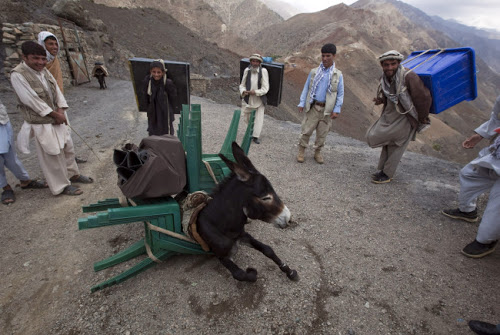
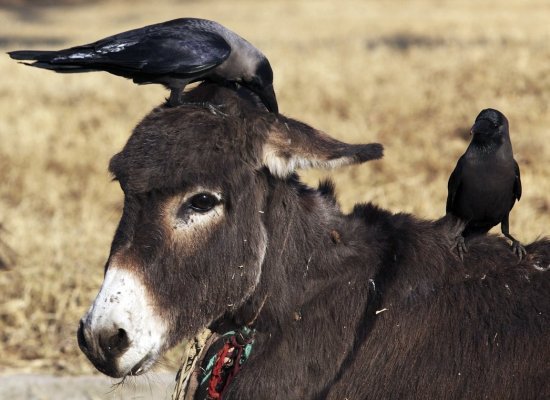
Picture: No sympathy for the collapsed donkey, laughing at it in Afghanistan.

Donkeys in Tamil and Sanskrit Literature

Donkey is the animal that got most negative publicity in classical Indian literature. Some animals like cow and elephant are elevated to the position of sacred animal. Lion is the unquestionable king of the forest. Bull, Tiger and Lion are used in addressing Vedic and Epical characters. Rama is called the Tiger among men in Venkateswara Subrabatham. Kings called themselves lions (sing or Kesari which became Caesar in Europe). But poor vegetarian donkey is considered a dirty animal. George Orwell is right when he said ‘’All animals are equal, but some are more equal than others’’ in his novel Animal Farm.

The strange thing about donkeys is that they were vehicles of Vedic gods Indra and Agni in Atharva Veda. But later became the vehicle of Jyeshta (Muthevi) and Shitala Devi (Goddesses of poverty and disease). They were relegated to back stage. Greek gods Dionysus and Hephaestus used donkey as their vehicles. Jesus rode into Jerusalem victoriously on a donkey according to Gospel of Mathew.

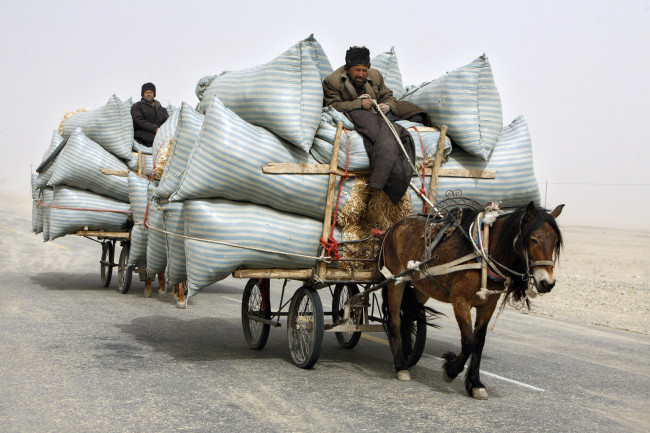
Picture of overloaded donkey cart in Gaza Strip, Plaestine.

Donkey plough of Tamil and Orissa Kings

2000 year old Sangam Tamil literature and Kharavela’s Hathikumbha inscription have some strange coincidence. When the kings conquer some new countries, they destroy the towns and plough the land with donkeys. This strange custom existed throughout India. Sangam Tamil books Purananuru (verse 15, 392), Pathitru pathu (25) say that the Pandya king Muthukudumi Peuvazuthi , a local chieftain Pokuttezini and Cheran Selkezu Kuttuvan defeated their enemies and ploughed their lands with donkey ploughs. Avvaiayar, Palai Gauthamanar and Nettimaiyar sang in praise of those kings. According to Kalinga (Orissa) King Kharavela’s inscription, he did the same in Pataliputra and Rajagiri. He broke the 100 year old Tamil Federation and did use a donkey plough in a Tamil port. Pandya king sent him gems, elephants and horses as tribute.

Kharavela (2nd century BC) was one of the just kings of India who commanded respect from every one. He was a Jain and ruled a large part of India. Through his inscriptions we know a lot about ancient India.

kalighat_shitala

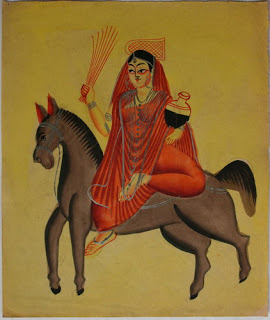
Picture of Shitala Devi

Donkey procession for Criminals

Now and then we read news items in Indian news papers about criminals taken in procession around the town on donkeys with red and black spots painted on their faces. This is also an ancient punishment followed by Indians for thousands of years. We read about it in Sanskrit literature. Nowadays it is followed in North Indian villages.

Even the Tamil proverbs are against donkeys. Parents use the names of donkeys and dogs to scold their children. From ancient times these animals are used to carry heavy luggage such as salt and pepper and Sangam books Akananuru (verse 89) and Perumpanatrupadai ( line 80) confirm this. But in other parts of the world even Jesus used it because it was considered a humble animal compared to  arrogant horse.


Donkey Curses

Another interesting area is the curses in the epigraphs and inscriptions. Those who violate the instructions or damage the gifted articles are cursed to go to hell that is meant for copulating with donkeys. Unnatural sexy sculptures and diagrams accompany such inscriptions.

Donkey demons are painted in Mycenaean culture. The frescoes of demons with donkey heads belong to 1500 BC.

Picture of Jesus riding a donkey into Jerusalem.

Donkeys in Vedic period

I have already written about it in one of my posts on Vahanas (Mounts of Gods). I am reproducing it here:

Hephaistos is an Olympian God in Greece. He rides a donkey. Donkey is Vahana for Hindu Gods and Goddesses as well:

Donkey Vahana for Indra: A.V. 9-6-4

Donkey vahana for Agni: Aitareya Brahmana 4-9-1

Donkey Vahana for other Gods: AV 8-8-22

Jyeshta or Muthevi or Seetala Devi have donkey has her Vahana.

In western countries, people have started charities for abandoned donkeys. They look after them well.

Contact: swami_48@yahoo.com
DonkeyRavens

கழுதைக்குத் தெரியுமா கற்பூர வாசனை?

Picture of Jesus riding into Jerusalem on a donkey


கழுதைக்குத் தெரியுமா கற்பூர வாசனை?

‘’எல்லா மிருகங்களும் சமம்; ஆனால் சில மிருகங்கள் மற்ற மிருகங்களை விட கூடுதல் சமம்’’ (‘’All animals are equal, but some animals are more equal than others—George Orwell’s Animal Farm) என்று ஆங்கிலத்தில் ஒரு சொற்றொடர் உண்டு. எல்லா மிருகங்களும் சமம்தான். ஆனால் சிங்கத்துக்கு ஏன் ராஜா பதவி? கழுதைக்கு ஏன் இந்த இழி நிலை? பழமொழிகளிலும் சரி, கல்வெட்டுகளிலும் சரி, சங்க இலக்கியத்திலும் சரி—கழுதை என்றால் கொஞ்சம் இளக்காரம் தான். ஆனால் வெளிநாடுகளில் கழுதைக்கு கொஞ்சம் மதிப்பு அதிகம். இவ்வளவுக்கும் இது ஒரு ‘வெஜிடேரியன்’.


உலகப் பேரழகி கிளியோபாட்ரா, தனது அழகைப் பராமரிக்க கழுதைப் பாலில் குடித்ததாகப் படிக்கிறோம். ஏசு கிறிஸ்து ஜெரூசேலம் நகருக்குள் கழுதை மீது வெற்றிகரமாக ஊர்வலமாக வரும் படத்தைப் பார்த்துள்ளோம். மத்தேயு சுவிசேஷத்தில் படித்டுள்ளோம். ஆனால் இந்தியாவில் இதற்கு நேர்மாறான நிலை.

கழுதைக்குத் தெரியுமா கற்பூர வாசனை?

கழுதை கெட்டால் குட்டிச் சுவரு

இப்படிப் பல பழமொழிகள். எல்லாம் ‘கழுதை எதிர்ப்புப் பழமொழிகள்’தான். இது இன்று நேற்று துவங்கியது அல்ல. 2000 ஆண்டுகளுக்கும் மேலாக இப்படி ‘கழுதை எதிர்ப்பு உணர்வு’ இருப்பதை சம்ஸ்கிருத, தமிழ் காவியங்களும், கல்வெட்டுகளும் காட்டுகின்றன. சில சுவையான எடுத்துக் காட்டுகளை மட்டும் பார்ப்போம்.


சங்க இலக்கியத்தில் கழுதை

பாண்டியன் பல்யாகசாலை முதுகுடுமிப் பெருவழுதியை புலவர் நெட்டிமையார் பாடிய பாடலில் கழுதையைப் பூட்டி ஏர் உழுதல் பற்றிப் பாடுகிறார். இதையே காரவேலன் ( 193 BC to 170 BC) கல்வெட்டும் கூறுகிறது.

கடுந்தேர் குழித்த ஞெள்ளல் ஆங்கண்

வெள் வாய்க் கழுதைப் புல் இனம் பூட்டி

பாழ் செய்தனை, அவர் நனதலை நல் எயில்;

(புறம் பாடல் 15, நெட்டிமையார்)

முது குடுமிப் பெருவழுதி தன் பகைவர் நாடுகளை வென்று, தேரோடிய தெருக்கள் வழியாக ஏர்பூட்டிய கழுதைகளை நடத்திச் சென்று உழுதான் என்று புலவர் பாடுகிறார்.

அதியமான் நெடுமான் அஞ்சியின் மகன் பொகுட்டெழினியின் புகழ் பாடிய அவ்வையாரும் இதையே கூறுகிறார்:

அணங்குடை மரபின் இருங்களந்தோறும்,

வெள் வாய்க் கழுதைப் புல் இனம் பூட்டி

வெள்ளை வரகும் கொள்ளும் வித்தும்

வைகல் உழவ!  (புறம் 392, அவ்வையார் )


இதன் பொருள்: திறை கொடாத மன்னரின் மதில்களை வஞ்சனையின்றிப் பொருது அழித்துப், போர்க்களத்திலே கடும் போர் இயற்றிக், கழுதை பூட்டி உழுது, கவடியும் வேலும் விதைக்கும் இடையறாத போர் வெற்றி நிறைந்த வேந்தனே!

இதிலிருந்து ஒரு மன்னனை அவமானப்படுத்த, அவன் ஊரைப் பாழ்படுத்துவதோடு, அங்கே கழுதைகளை அனுப்பி ஏர்பூட்டி உழுதல் வழக்கம் என்றும் அதிலும்  வெள்ளை வரகு, கொள்ளு பயிரிடுதல் வழக்கம் என்றும் தெரிகிறது. இது நாடு முழுதும் இருந்த பாரதீய பண்பாட்டின் ஒரு அம்சம்.

எல்லோரும் வெறுக்கும் மூதேவியின் வாஹனம் கழுதை!

Shitala Devi on donkey

ஹத்திகும்பா கல்வெட்டு

கலிங்க நாட்டு மன்னன் காரவேலன் சமண மததைப் பின்பற்றிய ஒரு மாமன்னன். அவனுடைய ஹத்திகும்பா கல்வெட்டு அரிய தகவல்களை அளிக்கிறது. 2200 ஆண்டுகளுக்கு முன் மூன்று தமிழரசர்களும் வடக்கத்திய படைஎடுப்பைத் தடுக்க வைத்திருந்த கூட்டணியை முறிஅடித்ததாகப் பெருமை பேசுகிறான். அப்போதைய தமிழ்நாட்டின் அரசியல் நிலையை இவன் கல்வெட்டு எடுத்துக் காட்டுகிறது. காரவேலன் சத்தியம் தவறாத நீதிக்கும் நேர்மைக்கும் பெயர்போன ஒரு தலைவன். சுநீதிமான் என்று நூல்கள் போற்றிய மன்னன்.. ஆன்றோராலும் சான்றோராலும் போற்றப்பட்ட பெருந்தகை. அவனுடைய ஹத்திகும்பா கல்வெட்டும் பாடலிபுத்ரம், ராஜகிரி, தமிழர்களின் துறைமுக நகரம் ஆகியவற்றை கழுதையில் ஏர்பூட்டி உழுததைக் கூறுகிறது. பாண்டிய நாடு வரை அவன் ஆட்சி பரவியதையும் கல்வெட்டு குறிப்பிடுகிறது. குதிரைகள், யானைகள், ரத்தினக் கற்களை பாண்டிய மன்னன் அனுப்பினான்.


கரும் புள்ளி செம்புள்ளியுடன் ஊர்வலம்

பழைய காலத்தில் குற்றவாளிகளையும், பெண்களுக்கு எதிராக தவறிழைத்தோரையும் கழுதை மீது உட்கார வைத்து, அவன் முகத்தில் கருப்பு, வெள்ளை வர்ணங்களால் புள்ளிகளை வைத்து நகர் வழியாகக் கூட்டிச் செல்வர். இப்போதும் வட இந்தியாவில் இது நடக்கிறது. கழுதைகளை பாரம் சுமக்கப் பயன்படுத்தியதும் நீண்ட காலமாக வழக்கத்தில் உள்ளது. அக நானூறு (89) இது பற்றிப் பாடுகிறது பதிற்றுப்பத்து, பெரும்பாணாற்றுபடையிலும் கழுதையின் ‘’புகழ்’’ உள்ளது. மிளகு பொதி சுமக்கும் கழுதை பற்றியும் கழுதை பூட்டிய ஏர் (ப.பத்து 25) உழுதல் பற்றியும் பாடுகின்றனர்.

Napolean was exiled to Elba; a cartoon makes fun of his exile.


கல்வெட்டுச் சாபங்களில் கழுதை

பல கல்வெட்டுகளில் கழுதைச் சாபமும் காணப்படுகிறது. கல்வெட்டுகளில் சொன்ன விஷயங்களை மீறினாலோ, பின்பற்றாவிடிலோ அவர்கள் கழுதைகளைப் புணர்ந்த பாபத்தை அடைவார்கள் என்றும் கல்வெட்டுகளில் எழுதப்பட்டுள்ளன.


வேத காலத்தில் கழுதை

வேத காலத்தில் கழுதைக்கு மதிப்பு இருந்ததாகத் தோன்றுகிறது. அதர்வ வேதமும் (9-6-4), ஐதரேய பிராமணமும் (4-9-1) முறையே இந்திரனும் அக்னியும் கழுதை வாகனத்தில் சென்றதகக் கூறும். கிரேக்க நாட்டில் ஒலிம்பிய தெய்வமன ஹெபைஸ்டோஸ், டயோனிசிஸ் இந்திய கிராம தேவதையான சீதளா தேவி ஆகியோருக்கும் கழுதையே வாகனம்.


இனிமேலாவது பெற்றோர்கள் தங்கள் பிள்ளைகளைக் கூப்பிடும்போது ‘’அடச் சீ, கழுதை, இங்கே வா, புத்தகத்தை எடுத்துப் படி ’’ என்று சொல்லாமல் இருப்பார்களாக!!

swami_48@yahoo.com