God with a Laser Weapon

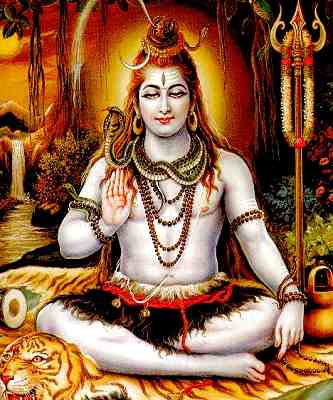
There is a very interesting story about Lord Shiva in the mythologies. This story is repeated in hundreds of Tamil hymns of seventh century AD. This is about Shiva burning three flying fortresses or three cities. The way he burnt the three fortresses (Tripura in Sanskrit) and the time of burning makes more interesting reading. This corresponds very much with laser weapons and star war project. The reasons for my interpretation are:


Flying Fortresses (equivalent to modern space ships)

Destruction associated with Star Pushya (Delta Cancri)

Destruction by ‘smile’ (Third eye of Shiva= Laser Weapon)


Shiva is called Tripurantaka= one who burnt three cities or three fortresses. The three cities are made up of Copper, Silver and Gold. (Some people translate Ayas as iron which is wrong. Please see my earlier post given at the bottom)

Picture of Tripurantaka on sandal wood ( from Wikipedia)


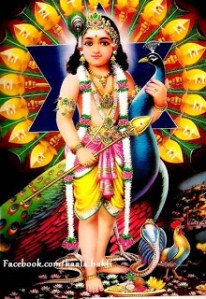
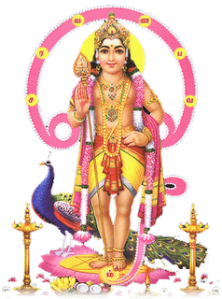
Tarakasura is a demon killed by Lord Kartikeya (Skanda/ Murugan). His three sons Tarakaksha, Vidyunmali and Kamalaksha prayed to Lord Brahma and got three fortresses made up of metals. They were flying fortresses and can be destroyed by only one arrow that too when they are aligned with Pushya star (Delta Cancri) in one line. The point to be noted here is the alignment of three fortresses and that too when Pushya star is close to the moon. So some astronomical calculations were involved in it. Brahma was the one who gave a boon to this effect. It is not just a myth. Knowledge of astronomy is also there.


One would wonder why they did talk about a star and alignment of three fortresses. That is where we see space science. Why did they talk about “a star”? Why did they say it can be destroyed by one arrow when “all the three fortresses are aligned”? The three demons thought that they would never align in a single line that too with Pushya star near the moon in 1000 years.
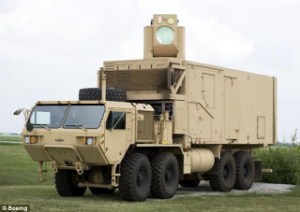
Truck mounted with laser weapon, United States


When the Devas (angels) complained about the atrocities committed by the three demons, Shiva was waiting for the right moment to destroy them. He asked them to build a special chariot with Brahma as the driver, Vishnu as the arrow and Agni as the tip of the arrow (Agni means fire; Laser weapon emits laser from the tip of the weapon). When the battle between Asuras and Devas (demons & angels ) reached its peak, Shiva did not do anything. The Devas suspected Shiva’s power. Sensing that,  he just looked at the Tripuras  and “ smiled”. All the three flying metal cities were burnt to ashes in the sky.


Who has the patent for Laser Weapon?

Wikipedia says under the topic ‘Ancient Inventors’, Archimedes was the one who burnt ships by focussing sunlight through magnifying glasses/ lens. But even before that Shiva did it in a more sophisticated way. So I would call Shiva the inventor of laser weapon.

Some people gave symbolic explanation for this Tripura Dahanam (burning down Three Puras) Tirumular, an eighth century Tamil saint said that “stupid people take it literally, but wise say that the three puras are nothing but three impurities (Kama,Krodha and Lobha). It is the impurities he had burnt, but not many understood it”.

TAMIL VERSE is given at the end

 Picture of Star War Plan

God with A Boomerang

The boomerang principle is also Indian. Lord Krishna has Sudarsana Chakra/wheel. It hits a target and returns to his hand. This is the principle used by the Australian aborigines in boomerangs.  We have stories of weapons  or arrows returning to the person who launched them. But Sudarsana of Krishna did this every time he used it. So the patent for this type of weapon lies with Lord Vishnu or Krishna!

அப்பணி செஞ்சடை ஆதிபுராதனன்

முப்புரஞ் செற்றனன் என்பார்கள் மூடர்கள்

முப்புரமாவது மும்மல காரியம்

அப்புரம் எய்தமை யார் அறிவாரே  (–திருமந்திரம்)

Star Wars: Popular term for Strategic Defence Initiative announced by Ronal Reagan in 1983

Laser Weapons: Laser beams can hit targets at the speed of light 186,000 miles per second. They are described as Death Ray.They can shoot down anything including missiles. Laser= Light Amplification by Stimulated Emission of Radiation)

Shiva: One of the Hindu Trinity. Brahma  creates, Vishnu preserves and Siva destroys.


Related articles posted by me:

1.Hindu’s Future Predictions –Part 1 and Part 2 (2).Is Bramastra a Nuclear Weapon? 3.Space Ships and Special Prayer Days  4. Ayas & Asva :Most misunderstood Words 5. Time Travel by Two Tamil Saints 6. Head Towards North is Wrong 7. Science Behind Deepavali 8. What is special about India? 9. What is Vatamukagni: Submarine Fire? 10. Science Behind Swayambu Lingams 11. Miracles Do Happen 12. Do Words Have Powers? 13. The Amazing Power of the Human Mind 14. Bhisma- First Man To Practise Acupuncture 15. Why Do Hindus Practise Homeopathy? 16. Miracles! You Can Do It 17.Rain Miracles: Rain by Fire and Music 18. Do Hindus Believe in ETs and Alien Worlds? 19. Aladdin’s Magic Lamp and Tamil Saints 20. Hindu Gods Naval Attacks 21. Scientific Proof for Samudrika Lakshana 22. Hindu Wisdom: Copper Kills Bacteria 23. Hindu List of Miracles

Contact London Swaminathan: swami_48@yahoo.com
தாயார், தந்தையர் யார் யார்?

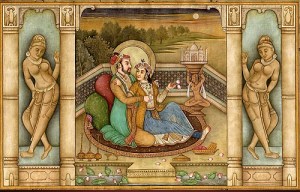
Picture of King and Queen (Raja and Raja patni)


சம்ஸ்கிருதச் செல்வம்– 7


தாயார், தந்தையர் யார் யார்?

 ச.நாகராஜன்

பெற்றால் தான் தாயா என்ன? யார் யார் தாய்க்குச் சமானம் என்று கவிஞர் தெளிவாகக் கூறுகிறார் இப்படி:-

ராஜபத்னி – அரசனின் மனைவி

குரு பத்னி – குருவின் மனைவி

ப்ராத்ரு பத்னி – (மூத்த) சகோதரனின் மனைவி

பத்னி மாதா – தனது மனைவியின் தாயார்

ஸ்வ மாதா – பெற்றெடுத்த தாயார்

ஆகிய இந்த ஐவரும் பெற்ற தாயாருக்குச் சமம்.

பாடலைப் பார்ப்போம்:


ராஜபத்னி குரோ: பத்னி ப்ராத்ரு பத்னி ததைவ ச I

பத்னிமாதா ஸ்வமாதா ச பஞ்சைதா மாதர: ஸ்ம்ருதா: II

சுபாஷித ரத்னாகர பாண்டாகாரம் என்ற சுபாஷித தொகுப்பு நூலில் இந்தப் பாடல் உள்ளது.

சரி, தந்தையர் பற்றியும் ஒரு கவிஞர் தெளிவாகக் கூறுகிறார் இப்படி:-

ஜனிதா – பெற்ற தந்தை

உபநீதா – மந்திரங்களை உபதேசிப்பவர்

வித்யா தாதா – வித்தையைக் கற்றுக் கொடுப்பவர்

அன்ன தாதா – அன்னம் அளிப்பவர்

பய த்ராதா – பயத்தைப் போக்குபவர்

ஆகிய இந்த ஐவருமே ஒருவருக்குத் தந்தைக்குச் சமானம்.

பாடலைப் பார்ப்போம்:


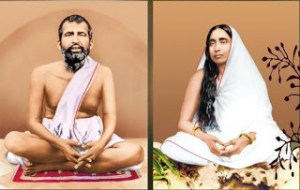
Picture of Ramakrishna and Sarada Devi (Guru and Guru Patni)

ஜனிதா சோபநீதா ச யஸ்ச வித்யா ப்ரயச்சதி I

அன்னதாதா பயத்ராதா பஞ்சைதே பிதர: ஸ்ம்ருதா: II


நினைவில் இருத்திக் கொள்ள வேண்டிய கருத்தல்லவா இது!


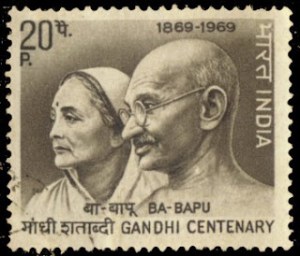
Picture of Mahatma Gandhi and Kasturbai Gandhi

********* 

சம்ஸ்கிருதச் செல்வம்- 6


 சிதையும் சிந்தையும்!


By ச.நாகராஜன்


  சிதையையும் சிந்தையையும் பற்றிச் சிந்தித்தார் கவிஞர் ஒருவர்.

அற்புதமான ஒற்றுமை அவருக்குத் தோன்றியது. பாடலாக வடித்து விட்டார்.

சிதை என்பது இறந்த உடலை வைத்துத் தீ மூட்டும் இறுதி யாத்திரையின் இருப்பிடம்.

சிந்தை என்பதோ ஒரு காரியத்தைப் பற்றித் தீவிரமாக எண்ணுவது.

இரண்டு எழுத்துக்களுக்கும் ஒரு சின்ன வித்தியாசம் தான்!

ஒரு அனுஸ்வரம் அதாவது ஒரு ‘ந்’ இடையில் வருகிறது.


சிதா சிந்தா சமா ஹ்ருத்கா பிந்து மாத்ரம் விசேஷத: I

சஜீவம் தஹதே சிந்தா நிர்ஜீவம் தஹதே சிதா II


சிதா சிந்தா சமா ஹ்ருத்கா பிந்து மாத்ரம் விசேஷத: – சிதை, சிந்தை இரண்டு எழுத்துக்களுக்கும் உள்ள ஒரு வித்தியாசம் ஒரு பிந்து (ந் என்ற புள்ளி தான்!)

நிர்ஜீவம் தஹதே சிதா – உயிர் போனவுடன் சிதை எரிக்கிறது


சஜீவம் தஹதே சிந்தா – உயிருடன் இருக்கும் போதே எரிக்கிறது சிந்தை!


எப்படிப்பட்ட கவலையில் இருந்திருந்தால் இந்தப் பாடல் எழுதப்பட்டிருக்கும்!

ஆனால் எப்போதுமே மனித சிந்தை கவலைக்கு இருப்பிடமாகத்தானே இருக்கிறது. ஆகவே ஒரு புள்ளி மாத்திரமே வித்தியாசமாக இருந்தால் கூட சிதையும் சிந்தையும் ஒரே வேலையைத் தான் செய்கிறது.

கவிஞரின் கருத்து பெரும்பாலும் உலகத்தில் சரியாகத் தானே இருக்கிறது!

******

அருணகிரிநாதர் போடும் 3 விடுகதைகள்


திருப்புகழ் ஆராய்ச்சிக் கட்டுரை– 9

அருணகிரிநாதர் போடும் 3 விடுகதைகள்: உங்களுக்கு விடை தெரியுமா?

அருணகிரிநாதரால் பாடப்பட்டு நமக்குக் கிடைத்துள்ள அற்புதமான 1300+ திருப்புகழ் பாடல்களில் பல அழகான சொல்லாக்கமும், சொல்லாட்சியும், சொற்சிலம்பமும் இருப்பதை முந்தைய எட்டு கட்டுரைகளில் கண்டோம். அவர் போடும் பல புதிர்களுக்கு விடை கிடைக்காமல் அறிஞர்கள் திண்டாடுகிறார்கள் ஒரு மூன்று புதிர்களை மட்டும் இங்கே காண்போம்.

  1. திருவேங்கட மலையில் முருகன் கோவில் இருப்பதாகப் பாடுகிறார். நமக்குத் தெரிந்து வேங்கடாசலபதி (பாலாஜி ) கோவில் இருக்கிறது. அப்படியானால் முருகன் கோவில் ஒன்று இருந்து அழிந்துவிட்டதா? அல்லது இப்போதைய பாலாஜி கோவில் ஒருகாலத்தில் முருகன் கோவிலாக இருந்ததா? இது அவர் போடும் முதல் புதிர்.


  1. சரஸ்வதி நதிக்கரையில் வயிரவி வனம் என்று ஒரு இடம் இருப்பதாகவும் அங்கே முருகன் கோவில் இருப்பதாகவும் பாடுகிறார். சரஸ்வதி நதி வேத காலத்தில் ஓடி மகாபாரத காலத்தில் மறையத் துவங்கிவிட்டது. அருணகிரி காலத்தில் சரஸ்வதி நதி இல்லையே! நமக்குத் தெரிந்து வயிரவி வனம் என்று ஊரும் இல்லையே. வயிரவி வனம் எது? முருகன் கோவில் எங்கே? இது அவர் போடும் இரண்டாவது புதிர்.


  1. பிள்ளையார் கையில் ஒரு மாதுளம் கனியை பார்வதி தேவி கொடுத்ததாகப் பாடுகிறார். அது என்ன புதிய கதை? நமக்குத் தெரிந்ததெல்லாம் பழனியில் மாங்கனி கொடுக்கப்பட்டது. முருகன் கோபித்துக் கொண்டு ஓடிப் போய் தண்டாயுதபாணியாக நின்றார். இந்த மாதுளம் பழக் கதை என்ன?

மூன்று கேள்விகளுக்கும் விடை தெரிந்தால் சொல்லுங்கள். என்னுடைய ஊகங்களை முதலில் கூறிவிடுகிறேன். திருப்பதி (திருவேங்கடம்) பற்றி அருணகிரி நாதர் பாடியது இதுதான்:

வேந்த குமார குகசேந்த மயூர வட

வேங்கட மாமலையில் உறைவோனே

வேண்டிய போது அடியர் வேண்டிய போகம் அது

வேண்டவெறாது உதவு பெருமாளே


திருவேங்கடத்தில் பாடிய இன்னும் ஒரு திருப்புகழில்

ராவணார் முடி பொடியாகச்

சிலை வாங்கிய நாரணார் மரு

மகனாம் குகனே பொழில் சூழ்தரு

திருவேங்கடமாமலை மேவிய பெருமாளே

என்று பாடுகிறார்.

திருப்பதி கடவுள் பற்றி நிறைய புதிர்கள் உள்ளன. வேறு எந்த வைணவ தலங்களிலும் இல்லாத உருவ அமைப்பும், பல நடைமுறைகளும் பூஜைகளும் திருவேங்கடநாதருக்கு இருக்கின்றன. ஆனால் சிலப்பதிகார காலம் முதல் ஆழ்வார்கள் காலம் வரை அங்குள்ள விஷ்ணுவையும் பாடி இருக்கிறார்கள் அப்படியானால் முருகன் கோவில் எங்கே? இதுவரை ஏழு மலைகளில் முருகன் கோவில் கண்டுபிடிக்கப்படவில்லை

வேங்கடேசன் என்று சிவனைப் போல ‘ஈஸ்வரன்’ என்று பெயர் வைக்கிறோம். பொதுவாக ‘ஈசன், ஈஸ்வரன்’ என்பது சிவனையே குறிக்கும். எதற்காக ஈசன் பெயரைச் சேர்க்கிறார்கள்? ‘வேங்கட சுப்ரமணி’யனென்றும் பெயர் வைக்கிறோம். வேங்கடத்தில் (திருப்பதி-திருமலை) சுப்பிரமணியன் எங்கே இருக்கிறார்? குன்று தோராடும் குமரன் தமிழக வட எல்லையான வேங்கடத்தில் கட்டாயம் கோவில் கொண்டிருப்பாரே? அது எங்கே? சிலர் விஷ்ணு கோவில் (பாலாஜி),  முதலில் முருகன் கோவிலாக இருந்திருக்க வேண்டும் என்றும் சொல்லுகிறார்கள். அதற்கும் ஆணித்தரமான ஆதாரங்கள் இல்லை.

இருதரப்பு வாதங்களையும் படித்த பின்னர் எனக்கு என்ன தோன்றுகிறது என்றால் ஒருவேளை இரண்டு கோவில்களும் இருந்து ஒன்று மறைந்திருக்கலாம். தமிழ் நாட்டில் கூட சிதம்பரம் போன்ற இடங்களில் சிவனும் விஷ்ணுவும் அடுத்தடுத்து இருப்பதைப் பார்க்கிறோம். “அரியும் சிவனும் ஒன்னு அறியாதவன் வாயில் மண்ணு” என்ற பொன்மொழியை அறிந்தவர்களுக்கு இது வியப்பு தராது. காலப் போக்கில் ஒன்று மறைந்திருக்க வாய்ப்பு உண்டு. தமிழ்நாட்டில் பலகோவில்களில் பலராமன் வழிபாடும் இருந்தது. ஆனால் இன்று அறவே இல்லை. புறநானூற்றிலும் சிலப்பதிகாரத்திலும் பலராமன் வழிபாடு உள்ளது. பழமுதிர்ச்சோலை காணாமற்போகவே நமது காலத்தில் நாமாக புதிய பழமுதிர்ச்சோலையை உருவாக்கினோம்.

சரஸ்வதி நதி மர்மம்

சரஸ்வதி நதிக்கரையில்தான் உலகின் மிகப் பழைய மதப் புத்தகமான ரிக்வேதம் உருவானது. அந்த நதி மறைந்து விட்டதால் பிரயாகை என்றும் த்ரிவேணி சங்கம் என்றும் அழைக்கப்படும் இடத்தில் கங்கையும் யமுனையும் இன்று கண்ணுக்குத் தெரிகின்றன. த்ரிவேணியில், மூன்றாவதான சரஸ்வதி பாதாளம் வழியாக கலப்பதாகச் சொல்லிக் கொள்வார்கள். இப்போது அமெரிக்க விண்வெளி அமைப்பான நாஸா எடுத்த புகைப்படங்களில் மறைந்து போன வழித்தடங்கள் தெரிகின்றன. ஆனால் இப்போது சரஸ்வதி நதியும் இல்லை, வயிரவி வனம் எங்கே இருக்கிறது என்றும் தெரியவில்லை. அருணகிரிநாதர் போன்ற ஆன்மீக உள்ளொளி பெற்றவர்களுக்கு வயிரவி வனம் என்ன, கைலாசம் க்குடத் தெரியும். ஆனால் நம்மை போன்றவர்களுக்கு வயிரவி வனத்தைக் கண்டுபிடிக்காத வரை தூக்கம் வராது. இண்டியானா ஜோன்ஸ் வேலை செய்து நாமும் முயற்சி செய்து பார்ப்போமே.

இதோ சரஸ்வதி நதி பாடும் திருப்புகழ்:

மருமலர் மணக்கும் வாச நிறைதரு தருக்கள் சூழும்

வயல்புடை கிடக்கு நீல மலர்வாவி

வளமுறு தடத்தினோடு சரஸ்வதி நதிக்கண் வீறு

வயிரவி வனத்தில் மேவு பெருமாளே


மாங்கனியா? மாதுளங்கனியா?

திருவிளையாடல் திரைப்படம் பார்த்தவர்களுக்கு முருகன் – பிள்ளையார் இடையே நடந்த போட்டி தெரியும். கலகம் செய்வதையே பொழுது போக்காகக் கொண்ட நாரத மாமுனிவன் ஒரு மாம்பழத்தைக் கொண்டுவந்து அதை வெட்டாமல் சாப்பிடவேண்டும் என்று சொன்னார். உலகம் சுற்றும் வாலிபனுக்கே அந்தப் பழம் என்று போட்டி வைக்க, முருகன் மயில் மீது பறந்து சென்றார். கெட்டிக் கார பிள்ளையார் அம்மாவையும் அப்பாவையும் சுற்றிவந்து உலகத்தையே சுற்றிவிட்டதாகச் சொல்லி பழத்தை வென்றார்., முருகன் கோபித்துக் கொண்டு பழனி மலையில் குடியேறினார். ஆனால் அது மாம்பழக் கதை. அருணகிரிநாதர் சொல்வதோ மாதுளம்பழம். இது புதுக் கதையா? பழைய கதையில் செய்யப்பட்ட ஒரு சிறிய மாற்றமா?

இதோ மாதுளங் கனி திருப்புகழ்:

உவகாரியன்பர்பணி கலியாணி எந்தை இடம்

முறைநாய கங்கவுரி             சிவகாமி

ஒளிர் ஆனையின் கரமில் மகிழ் மாதுளம் கனியை

ஒரு நாள் பகிர்ந்த உமை அருள் பாலா


ஏனைய எட்டு திருப்புகழ் கட்டுரைகளையும் படித்து இன்புறுக.

லண்டன் சுவாமிநாதனைத் தொடர்பு கொள்ள: swami_48@yahoo.com
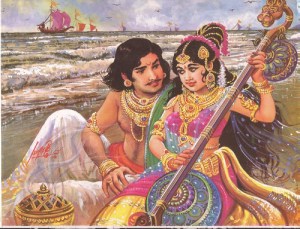
GODS AND BIRDS

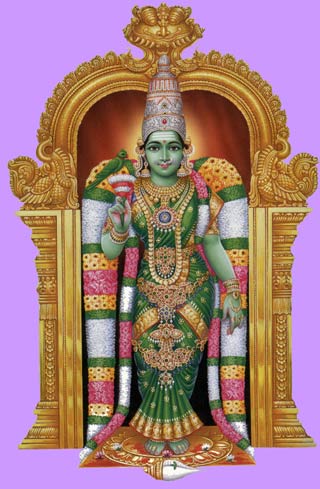
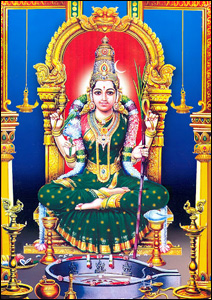
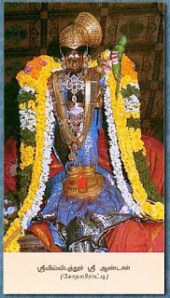
Pictures of Goddess Meenakshi, Kamakshi and Andal


“ I suppose he (the crow) has no enemies among men. The whites and Mohammedans never seemed to molest him; and the Hindoos, because of their religion, never take the life of any creature, but spare even the snakes and tigers and fleas and rats”

–Mark Twain writing on Indian Crows

Hindus are great lovers of animals. They show kindness and respect to birds and animals. Hundreds, maybe thousands, of towns are named after birds and animals in the whole of India. From ant, snake to elephant, every animal is honoured. Each town has a long story about them, mostly connected to Gods. Birds and Gods are close. We have several Hindu gods carrying a bird in their hands. Why? What is the significance?

Meenakshi, Goddess of Madurai, carries a parrot on her right shoulder, so do Andal of Srivilliputur near Madurai  and Kamakshi of Kanheepuram (Tamil Nadu,India). Lord Muruga/Skanda  has  a cock in his hand or flag with cock.

Meenakshi Navaratna Mala, a Sanskrit hymn praises her in the very first verse as the carrier of a parrot. Such is the importance of parrot in her life:

“Meenakshim ,Madhureswareem, Sukhatharam Sri Pandya Baalaam Bhaje” =Salutations to Goddess Meenakshi, goddess of Madurai, who has a parrot in her hand, who is the daughter of Pandya king.

Madurai Meenakshi has got a parrot made of pearls. ( Please read about her amazing jewellery collection in my THE WONDER THAT IS MADURAI MEENAKSHI TEMPLE ).

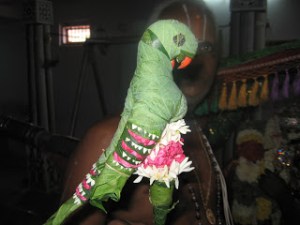
Picture of Parrot made with leaves in Srivilliputtur, Tamil Nadu


When we were children we used to go to Meenakshi temple very often. There was a big cage near the sanctum sanctorum of goddess Meenakshi where 20 to 30 parrots were kept. If we call Rama  they will repeat RAMA. If we call  Meenakshi, they will echo MEENAKSHI. I have already explained in three or four posts the relationship of Brahmins and parrots. The parrots simply repeated the VEDAS, says the Indian literature.

Now we know the reason. All good things we say are repeated. Hindu devotees believed that our requests and prayers are also repeated to Goddess even after we leave the temple. Birds’ link to omens has been already explained in my post “Can Birds Predict Your Future?” Tamils, Etruscans and other Hindus strongly believed in such omens.

In Srivilliputtur, a parrot is made every day with leaves and kept In the left hand of goddess Andal. At the end of the day, It is given to devotees who believed it would bring good luck to them.

‘ Kili viDu Thuthu’  is a genre in Tamil. The meaning is sending parrot as a messenger to a loveror beloved. Andal is said to have sent the parrot to Lord Vishnu to give the message of her love. More over wherever parrot is there it is velieved Sukhabrahmam is repeating the mythologies.

In the story of Skanda/Kartikeya the cock was a subdued demon. It symbolises that our demonic thoughts would be subdued ‘in the hands of God. Hindu goddess Lakshmi and Sarawati have owl and swan as their respective vehicles (vahanas). Crow is the vahana of planet Saturn and Garuda/eagle of God Vishnu (Please read my articles on Vahans for more details).


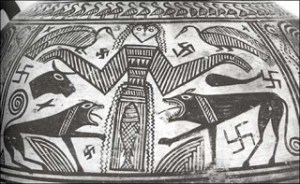
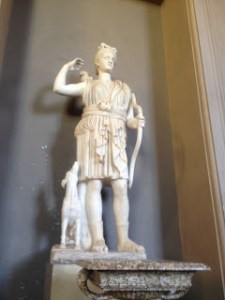
Picture of Greek Goddess Artemis with birds and Hindu Swastika symbol, 700 BC

Parrot Upanishad= Taitriya Upanishad.

Upanishads are the highest philosophical treatise in Hinduism. One of the 18 main Upanishads is Taitriya Upanishad. Thiththi and Thaththai are words for parrot in Sanskrit and Tamil. The story of Taitriya Upanishad is interesting. Yagnavalkya’s teacher was offended and asked him to return the Veda. He “vomited it and the parrots ate it”. Even a child can understand the symbolic story. When Yagnavalkya’s Guru asked him not to repeat it, he gave it to his disciples (What he threw out was taken/eaten by others).

Once again this story proves the significance of parrots in Vedas and Gods hands/shoulders. The message is, repetition of good things, is essential. Taitriya Upanishad is a beautiful Upanishad with instructions for students, saints as well as laymen. Be a parrot and repeat God’s names or good principles!

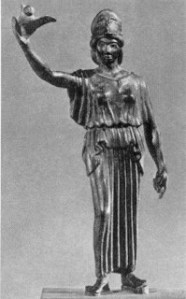
Picture of Greek Goddess Athena with an owl

Vyasa’s Son ‘Parrot Saint’ = Sukha Brahmam

Vyasa’s son Sukha Brahmam was the one who recited all the Puranas (Hindu Mythologies). Hindu mythologies are voluminous running to millions of lines. This monumental work was done by Sukha (literally parrot). Needless to explain the symbolism behind it. Sukha’s dad Vyasa did another great task of compiling and dividing Vedas into four sections and entrusting them to four of his disciples. Nowhere in the world we see such immense task carried out by any human being. Till this day no one on earth has beaten Vyasa or his parrot son in compiling lost works. Humanly impossible task was done by both. When we talk about Vyasa and Sukha we can use only superlatives!

Sumerian and Greece

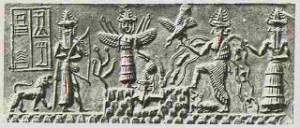
Gods in Sumerian culture also carried birds. Greek Goddess Athena carried an owl in her hand. Owl is considered a bird of wisdom. The Greek word for owl is Glaukos. It is derived from Sanskrit word Uluka=owl. In India also owl was considerd wise and Uluka, Kausika were used by Rishis. In Sumerian culturecertain gods and goddesses carried birds. There are lots of other stories about owls as well.

Contact London Swaminathan : swami_48@yahoo.com
Picture of Hindu Saint Ganapathi Sachidananda with a live parrot


Earlier related posts:

1. Animal Einsteins (Part 1 and Part 2) 2. Can parrots recite Vedas? 3. Why do animals worship Gods? 4. Mysterious Messengers for Ajanta, Angkor Wat and Sringeri 5. Elephant Miracles 6). 45 Words for Elephant 7. Can Birds Predict your Future? 8. Two Little Animals That Inspired Indians 9. Three Wise Monkeys from India 10. Mysterious Tamil Bird Man 11.Vedic Dog and Church Dog 11. Deer Chariot:  Rig Veda to Santa Claus 12. Mysterious Fish Gods around the World 13.  Serpent  (Snake) Queen: Indus Valley to Sabarimalai 14.Who Rides What Vahanas (Animal or Bird)? 15. Vahanas in Kalidasa and Tamil Literature 16. Vahanas on coins and in sculptures

Pictures of Greek and Sumerian Gods

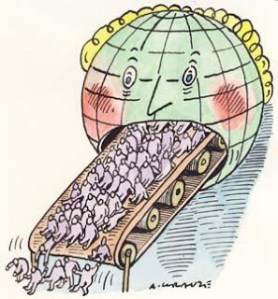
Population Explosion: Oldest Reference is in Hindu Scriptures!

Population Explosion: Oldest Reference is in Hindu Scriptures!

The oldest reference to a population explosion issue is in Hindu scriptures! The first people to discuss a population issue and suggest a solution is in Kandha Puranam and Tiruvilayadal Puranam, books about Lord Skanda and Lord Shiva blessing their devotees. Though they were written in 12th and 17th centuries by Kachiappa Sivachariar and Paranjothi Muni, the issue discussed by the authors was already in Sangam Tamil literature and its commentaries.

When Shiva married Uma a big crowd assembled in the Himalayas to see the holy wedding. The weight of such a large gathering in one place tilted the balance of ‘the earth’. Immediately Shiva asked Agastya, a great sage, who was associated with Tamil language, to go to the South. When he resented that he was going to miss the beautiful wedding, Shiva promised him to ‘show’ it to him in the South. The reason for this was the population explosion in one area!

Agastya saw Shiva’s wedding at Kutralam in Tamil Nadu.

It is very interesting to note that such a population issue existed in the ancient world. Not only it was discussed, but a solution was also suggested, accepted and executed. Agastya moved southward with 18 tribes. They settled down in various places along the route. We have enough proof in literature and inscriptions to show that this was known throughout India even before 12th century.

Scholars misled by foreign writers interpreted this as “Aryan migration” to the South around 7th or 9th century BC. But anyone familiar with Ramayana and Mahabharata would know that early contacts existed even before Agastya’s time. By fifth century BC, Vijayan of Sri Lanka married a Pandya princess from Tamil Nadu according to Mahavamsa. Parasurama was associated with Kerala and the islands beyond India.

Sangam Tamil literature has an indirect reference to Agastya’s visit in Purananuru verse 201. A revolutionary Brahmin poet by name Kapilan boldly opposed the three powerful Tamil kingdoms, shattered the caste barriers and took two Kshatriya (non Brahmin) daughters of the Chieftain Pari in to his protection. He took the girls from one chieftain to another begging them to marry the girls. When he met Irungovel, a chieftain, he says to him : “You are the 49th king in your generation, who originated in the fire pit, moved from Dwaraka (Gujarat)”.

Nachinarkiniyar, the greatest of the Tamil commentators, who wrote voluminous commentaries on most of the ancient Tamil anthologies, commented that this was a reference to Agastya coming to south with 18 tribes. This proved that the Purana reference was nothing new.  But the books explained the reason for southward movement– a population explosion! He made the comment in two more places in his Tolkapiam commentary. No one  can dismiss Nachinarkiniyar,  bcause we have continuous references to Agastya’s association with lot of monuments from Vindhyas to South East Asia. There is a continuity in Tamil and Sanskrit literature from Rig Veda to Subramanya Bharathy—continuity for at least 3500 years ! Kalidasa in His Raguvamsa Kavya referes to Pandyas and in the very next sloka to Agastya.

( Please read my earlier posts: 1. Did Agastya drink ocean? in ‘Is Brahmastra a Nuclear Weapon’?2. Ancient Engineers of India  3. How old is Indian civilization? )

Nobody knew when Shiva married Uma at Kailash in the Himalayas. The theme was in Kalidasa’s poem Kumarasambhava. One must remember that South India was already populated even before Agastaya came to Tamil Nadu, according to Hindu scriptures. Archaeological and anthropological evidence is also available. One must also remember that Agastya was a Gotra name, used by all his descendants.

Picture: Agastya Statue from Java, Indonesia displayed at London V and A Museum.

The earliest known Agastya was in Rig Veda who married Lopamudra. He lived at least 400 years (20 generations) before Rama according to Pargiter. One of the later Agastyas conquered South East Asia and married a local woman Yasomati. We have other Agastya Siddhas who are associated with Tamil medicine and astrology. So the word Agastya should be treated like Shankaracharya, Pope, Dalailama etc. It is not one single person. The pre independent trend in India was to see the ‘ghost of Aryan-Dravidian division’ in each and every word! It was not supported by Tamil or Sanskrit books. They say that both Asuras and Devas are the children of same mother and father. They even go to the length of explaining how they were separated as Devas, Asuras, Nagas, Gandharvas, Rakshsasas, Kinnaras etc.

Agastya took people not only to Tamil Nadu, but also to South East Asia. Now we get Agastya statues in Cambodia, Indonesia and other countries.

கழிந்த இரவு மீண்டும் வராது!

ராமாயண வழிகாட்டி

அத்தியாயம் – 3 

By ச.நாகராஜன்


கழிந்த இரவு மீண்டும் வராது!


அத்யேதி ரஜனி யா து  ஸா ந ப்ரதிநிவர்ததே I

யாத்யேவ யமுனா பூர்ணா சமுத்ரமுதகாகுலம் II


யா ரஜனி – எந்த இரவு;

அத்யேதி – கழிந்து விடுகிறதோ

ஸா து – அது எப்படியும்

ப்ரதிநிவர்ததே ந – திரும்புகிறதில்லை

பூர்ணா யமுனா- பிரவாகமெடுத்தோடும் யமுனா நதியும்

உதகாகுலம் – ஜலங்களுக்கெல்லாம் சாஸ்வத

வாசஸ்தலமான

சமுத்ரம் – சமுத்திரத்திற்கு

யாதி ஏவ – சென்றே விடுகிறது.


பொங்கிப் பெருகும் யமுனா நதி எப்படிக் கடலைச் சென்று அடைகிறதோ அதே போல கழிந்த இரவு மீண்டும் வராது.

                     அயோத்யா காண்டம் 105ஆம் ஸர்க்கம் 19ஆம் ஸ்லோகம்


பரதன் ராமரிடம் ராஜ்யத்தை ஏற்க வேண்டிய போது ராமர் பித்ருவாக்கிய பரிபாலனத்தைச் சொல்லும் போது கூறியது இது.

*************

சூரிய கிரணங்கள் செல்கின்றன; ஆயுளும் குறைகிறது!


அஹோராத்ராணி கச்சந்தி  சர்வேஷாம் ப்ராணிநாமிஹ I

ஆயும்ஷி க்ஷபயந்த்யாஷு க்ரீஷ்மே ஜலமிவாஷவ: II


இஹ அஹோராத்ராணி – இவ்வுலகில் அஹோராத்திரி

கச்சந்தி அம்சவ: – செல்லுகின்ற சூரிய கிரணங்கள்

க்ரீஷ்மே ஜலம் இவ – கோடைகாலத்தில் ஜலத்தைக் குறைப்பது போல

சர்வேஷாம் ப்ராணிநாம் – சமஸ்தமான பிராணிகளுடைய

ஆயும்ஷி  ஆஷு க்ஷபயந்தி – ஆயுள்களையும் விரைவில் குறைக்கின்றன

அஹோராத்திரியில் சூரிய கிரணங்கள் செல்லும் போது கோடைக்காலத்தில் ஜலத்தைக் குறைப்பது போல அனைத்து உயிர்களின் ஆயுளையும் குறைக்கின்றன.


அயோத்யா காண்டம் 105ஆம் ஸர்க்கம் 20ஆம் ஸ்லோகம்


பரதன் ராமரிடம் ராஜ்யத்தை ஏற்க வேண்டிய போது ராமர் பித்ருவாக்கிய பரிபாலனத்தைச் சொல்லும் போது கூறியது இது.


நாளென ஒன்றுபோல் காட்டி உயிர் ஈரும்

வாளது உணர்வார்ப் பெறின் 

                   திருக்குறள் நிலையாமை குறள் 334


வள்ளுவரின் திருக்குறள் இங்கு ஒப்பு நோக்கி இன்புதற்குரியது.

                        ****************** 


யமன் கூடவே வருகிறான்!


ஸஹைவ ம்ருத்யுர்வ்ரஜதி ஸஹ ம்ருத்யுர்நிஷீததி I

கத்வா சுதீர்க்கமத்வானம் ஸஹ ம்ருத்யுர்நிவர்ததே II


ம்ருத்யு ஸஹ ஏவ வ்ரஜதி –யமன் கூடவே நடக்கிறான்

ம்ருத்யு ஸஹ நிஷீததி – யமன் கூடவே வசித்து வருகிறான்

ம்ருத்யு சுதீர்க்க – யமன் மிக நீண்ட

அத்வானம் கத்வா – வழியில் சென்று

ஸஹ நிவர்ததே- கூடவே திரும்புகிறான்


அயோத்யா காண்டம் 105ஆம் ஸர்க்கம் 22ஆம் ஸ்லோகம்

பரதன் ராமரிடம் ராஜ்யத்தை ஏற்க வேண்டிய போது ராமர் பித்ருவாக்கிய பரிபாலனத்தைச் சொல்லும் போது கூறியது இது.


நிலையாமையை வற்புறுத்தி தர்மத்தைப் பின்பற்ற வேண்டியதை ராமர் வலியுறுத்திக் கூறும் அற்புதமான ஸ்லோகங்களில் மூன்றை மேலே பார்த்தோம்

************* 


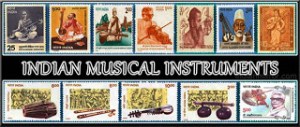
இசைத் தமிழ் அதிசயங்கள்

1).காரைக்கால் அம்மையார் திருவாலங்காட்டு மூத்த திருப்பதிகத்தில் தமிழ் இசைக் கருவிகள் பட்டியலை ஒரே பாடலில் அழகாகக் கொடுத்திரு க்கிறார்:

“ துத்தங்கைக் கிள்ளை விளரி தாரம்

உழைஇளி ஓசைபண் கெழும பாடிச்

சச்சரி கொக்கரை தக்கை யோடு

தகுணிதம் துந்துபி டாளம் வீணை

மத்தளம் கரடிகை வன்கை மென்றோல்

தமருகம் குடமுழா மொந்தை வாசித்து

அத்தனை விரவினோ டாடும் எங்கள்

அப்பன் இடம்திரு வாலங் காடே”


இதில் குரல், துத்தம், கைக்கிளை உழை இளி விளரி தாரம் என்பன ஏழு ஸ்வரங்களாகும்.

சச்சரி,கொக்கரை, தக்கை, தகுணிதம் கரடிகை, வங்கை, மெந்தோல் ,டமருகம், குடமுழா என்பன தோல் கருவிகள். அல்லது தாளம் எழுப்பும் கருவிகள். துந்துபி ஊதும் கருவி.


2).பத்துப் பாட்டில் ஒன்றான மலைபடு கடாம் என்ற நூலில் கூத்தர் கொண்டு சென்ற வாத்தியங்களின் பட்டியல் வருகிறது:

திண்வார்விசித்த முழவோடு ஆகுளி

நுண்ணுருக் குற்ற விளங்கடர்ப் பாண்டில்

மின்னிரும் பீலி அணிதழைக் கோட்டொடு

கண்ணிடை வகுத்த களிற்றுயிர்த் தூம்பின்

இளிப்பயிர் இமிரும் குறும்பரத் தூம்பொடு

விளிப்பது கவரும் தீங்குழல் துதைஇ

நடுவுநின் றிசைக்கும் அரிக்குரல் தட்டை

கடிகவர்பு ஒலிக்கும் வல்வாய் எல்லரி

நொடிதரு பாணிய பதலையும் பிறவும்

கார்க்கோட் பலவின் காய்த்துணர் கடுப்ப

நேர்சீர் சுருக்கிய காய கலப்பையீர் ( மலைபடு. 1-14)


இவ்வரிகளில் முழவு, ஆகுளி, பாண்டில்,  கோடு, தூம்பு, குழல்,  தட்டை, எல்லரி, பதலை முதலிய கருவிகளைக் காண்கிறோம்.

இசைக் கருவிகளை தமிழர்கள்  தோல் கருவி, துளைக் கருவி, நரம்புக் கருவி ,கஞ்சக் கருவி என்று பகுத்து வைத்தனர். குழலும் கோடும் தூம்பும் துளைக் கருவிகள் முழவு, முரசு, பறை, பதலை, துடி போன்றன தோல் கருவிகள். யாழ் என்பது நரம்புக் கருவி. பாண்டில் என்பது கஞ்சக் கருவி. (ஜால்ரா போன்றது).


3). இப்போது கிடைக்காமல் போன பல இசை நூல்களை உரைகாரர்கள் மேற்கோள் காட்டுவர். அவற்றின் பட்டியல் இதோ:

இறையனார் களவியல் உரை: முதுநாரை, முது குருகு.

அடியார்க்கு நல்லார் உரை: இசை நுணுக்கம், பெருநாரை, பெருங்குருகு, பஞ்சபாரதீயம், இந்திரகாளியம்

அரும்பத உரை ஆசிரியர்: பதினாறு படலம்

யாப்பருங்கல விருத்தி உரை: வாய்ப்பியம், குலோத்துங்கன் இசை நூல்


4). சிலப்பதிகார உரையில் அடியார்க்குநல்லார் பேரி யாழ், மகர யாழ் சகோட யாழ் செங்கோட்டு யாழ் ஆகிய  பல வகை  யாழ்களைக் குறிக்கிறார். இவை முறையே 21, 19, 14, 7 நரம்புகளை உடையன.


5.)மலைச் சாரல் பகுதியில் தினைப் பயிரைத் திண்ண ஒரு காட்டு யானை வந்தது. அங்குள்ள குறத்தி அழகான குறிஞ்சிப் பண்ணைப் பாடினாள். அதைக் கேட்டு மெய் மறந்து நின்ற யானை பயிரைச் சாப்பிட மறந்து போனதாம்:

ஒலியல் வார் மயிர் உளரினள் கொடிச்சி

பெருவரை மருங்கில் குறிஞ்சி பாடக்

குரலும் கொள்ளாது நிலையினும் பெயராது

படாஅப் பைங்கண் பாடுபெற்று ஒய்யென

மறம்புகல் மழகளிறு உறங்கும் (அகம்.102)

6).பாலை நிலத்தில் வாழும் கள்வர்கள் அவ்வழியாகச் செல்வோரை வழிமறித்துத் தாக்கிக் கொன்றுவிட்டு பொருள்களை எடுத்துக் கொள்வர். அப்பேர்ப்பட்ட கல் நெஞ்சுடையோரும் பாலைப் பண்ணைக் கேட்டுக் கொலைத் தொழிலை மறந்தனராம்:

ஆறலை கள்வர் படைவிட அருளின்

மாறு தலை பெயர்க்கும் மறுவின் பாலை (பொருந. 21-22)


7). புண் பட்ட போர் வீரர்களை பேய்களிடம் இருந்து காப்பாற்ற காஞ்சிப் பண்ணையும், நரியை விரட்ட விளரிப் பண்ணையும் பாடியதாக புறநானூறு கூறுகிறது (பாடல் 281- 291)


8).தமிழ் மொழியை இசை, இயல், நாடகத் தமிழ் என்று பிரித்து முத்தமிழ் எனப் பெயரிட்டனர். யாழ், பறை, யாழ் பற்றிய நூல் ஆகியவற்றை தொல்காப்பியர் குறிப்பிட்டுள்ளார்.

தொல்காப்பியர் காலத்தில் துவங்கிய தமிழ் இசை அருணகிரிநாதர் காலத்தில் சிறப்போடுத் திகழ்ந்தது. இதோ திருப்புகழில் இசை:

தகுட தகுதகு தாதக தந்தத்

திகுட திகுதிகு தீதக தொந்தத்

தடுடு டுடுடுடு டாடக டிங்குட்  டியல் தாளம்

தபலை திமிலைகள் பூரிகை பம்பைக்

கரடி தமருகம் வீணைகள் பொங்கத்

தடிய ழனவுக மாருதச் சண்டச் சமரேறி………

என்று சிதம்பரத்தில் பாடியது ஆடல்வல்லானை மனதிற்கொண்டுதான் என்பதைச் சொல்லத் தேவை இல்லை.

9). வயலூரில் பாடிய திருப்புகழில் நீண்ட தாளத்துக்குப் பின்

பேரி திமிலை கரடிகை பதலை சலரிதவில்

தமர முரசுகள் குடமுழவொடு துடி

சத்தக் கணப் பறைகள் மெத்தத் தொனித்து அதிர


என்று பாடி இசைக் கருவிகளின் ஒலியை எழுப்புகிறார். இன்னும் பல பாடல்களில் இதே போல தாள ஒலிகளுக்குப் பின்னர் அருமையான பொருள் பொதிந்த வரிகளைச் சேர்த்திருக்கிறார்.

சுமார் 600 ஆண்டுகளுக்கு முன் அருணகிரி காலத்தில் நிலவிய வாத்தியச் சொற்கள் கூட இன்று வழக்கொழிந்துவிட்டன.


10)  பரிபாடல்-12 வையை நதி பற்றிய பாடல்.

ஒத்த குழலின் ஒலி எழ முழவிமிழ்

மத்தரி தடாரி தண்ணுமை மகுளி ஒத்தளந்து சீர்தூக்கி ஒருவர் பிற்படார்


என்ற வரிகளில்  மத்தரி, தடாரி, தண்ணுமை, மகுளி, முழவு ஆகிய வாத்தியங்களைக் குறிப்பிட்டுள்ளார்.


11) கொங்கு நாட்டில் ஈரோடு—காங்கயம் பாதையில் அரச்சலூர் என்னும் இடத்தில் மூன்று பழைய கல்வெட்டுகள் உள்ளன. இவற்றின் எழுத்தமைதியைக் கொண்டு இவை இரண்டாம் நூற்றாண்டைச் சேர்ந்தவை என்று மதிப்பிடுகின்றனர். இதை எழுதியவன் தேவன் சாத்தன் என்று மூன்றாம் கல்வெட்டில் பெயர் உள்ளது. இது ஒரு இசைக் கல்வெட்டு. முதல் இரண்டு கல்வெட்டுகளில் இடமிருந்து வலமாகப் படித்தாலும் மேலிருந்து கீழாகப் படித்தாலும் ஒரே மாதிரி உள்ளதைக் காணலாம். இதோ முதல் கல்வெட்டு:

த தை தா தை த

தை தா தே தா தை

தா தே தை தே தா

தை தா தே தா தை

த தை தா தை த


முத்தமிழ் வாழ்க! தமிழ் இசை வெல்க!!

Contact London Swaminathan at swami_48@yahoo.com  or swaminathan.santanam@gmail.com
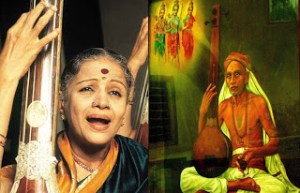
Please read other 425 English and Tamil posts already uploaded by me.

Amazing Andal: Where did she see the Lion?

Andal  is one of the famous women poets of Tamil Nadu. She lived around 8th century. Though she is known as a devotional poet, her knowledge in several subjects is amazing. She has sung about various subjects from Astronomy to Zoology. In her A to Z dealings, I am going to touch A for Astronomy and Z for Zoo in this article. Ancient Tamil women were well educated. We have scores of female poets (poetesses) in Sangam Tamil literature. We had more than one Avvaiyar in Tamil literature. Among the devotional poetesses Karaikal Ammaiyar of fifth century and Andal of 8th century AD are more popular.

Andals’s 30 verses known as Tiruppavai and  another 143 verses known as Nachiyar Tirumozi are household names in Tamil Vaishnavite families. Her wedding song Varanam Ayiram (part of Nachiyar Tirumozi) is sung in all the Vaishnavite Brahmin weddings. She is the only one female in the twelve famous Vaishnavite Saints known as Alvars.

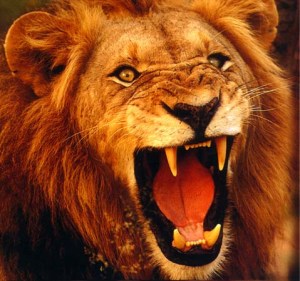
Two of the 30 Tiruppavai verses are known for her knowledge in Animal Behaviour and Astronomy. One may wonder whether she encountered a lion in a forest or a zoo when one reads her description of a lion. Unless she had keen observation power or a personal visit to a zoo in Madurai near her native place Srivilliputur she would not have described the lion in the following manner:

“ As a fierce lion, which throughout the rains

Within his mountain lair has lain asleep

And awakes, and flashes fire from the eye

And angrily with bristling mane he moves

All of his body, and shakes himself and stands

Upright and roars, and lordly issues forth:

So who flowerlike art, come graciously

Forth from thy shrine; in grace upon by throne

Of cunning craftsmanship, search out the cause

That brings us here. Ah, Elorembavoy  (23)

(From Hymns of the Alwars by J S M Hooper)

Andal and Astronomy

Andal must be an amateur astronomer. Though she was a teenage girl she knew ornithology, zoology, astronomy etc. She mentioned a particular bird called Anaichathan (Asian Drongo Cuckoo or Valiyan Kuruvi) . Her keen observation of Venus rising and Jupiter setting in the early morning sky 1200 years ago helped us to confirm her period. We know approximately her period because of her father Periyalvar and the Pandya king of his times. Andal’s precise date was determined by her astronomical reference in the following verse:

Singing the glory of him

Who split the bird’s bill and killed

And Him who plucked the wicked demon as a weed

Girlies all reached the site of deity

Venus ascended and Jupiter had slept sunk;

Birds too clanged behold, belle gild:

The eye is a la flower or deer flirting?

Yet asleep in bed

Enjoin to dip and shiver in bath of cold;

Shed off thy stealth untold

This day is auspicious, consider our damsel.


In the very first verse of Tirupavai, she says that it was Full moon day in the month of Markazi.( Markazi thingal mathi niraintha nannaalal in Tamil) and then she says Venus ascended and Jupiter went down. This happened on 18th December 731 AD according to scholars Raghava Iyengar and KG Shankar. Thanks to Andal we were able to pinpoint the date.

I am giving both the verses in Tamil for the benefit of Tamil readers:


Animal behaviour:

மாரிமலை முழைஞ்சில் மன்னிக்கிடந்து உறங்கும்

சீரிய சிங்கம் அறிவுற்றுத் தீவிழித்து

வேரி மயிர்ப்பொங்க எப்பாடும் பேர்ந்து உதறி

மூரி நிமிர்ந்து முழங்கிப் புறப்பட்டுப்

போதருமா போலே நீ பூவைப் பூவண்ணா உன்

கோயில் நின்று இங்ஙனே போந்தருளி, கோப்புடைய

சீரிய சிங்காசனத்திருந்து, யாம் வந்த

காரியம் ஆராய்ந்து அருள் ஏல் ஓர் எம்பாவாய் (திருப்பாவை 23)


Astronomy:

புள்ளின்வாய் கீண்டானைப் பொல்லா அரக்கனைக்

கிள்ளிக் களைந்தானைக் கீர்ந்திமை பாடிப்போய்

பிள்ளைகள் எல்லாரும் பாவைக் களம் புக்கார்

வெள்ளி எழுந்து வியாழம் உறங்கிற்று

புள்ளும் சிலம்பின காண்! போது அரிக்கண்ணினாய்

குள்ளக் குளிரக் குடைந்து நீராடாதே

பள்ளிக் கிடத்தியோ பாவாய்! நீ நன்னாளால்

கள்ளம் தவிர்ந்து கலந்து ஏல் ஓர் எம்பாவாய் (திருப்பாவை 13)

Contact swami_48@yahoo.com
புலவரின் வேதனை: சிவன் இப்படிச் செய்யாமல் விட்டு விட்டானே!

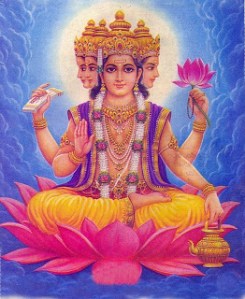
Pictures of Shiva and Brahma

சம்ஸ்கிருதச் செல்வம்-5


புலவரின் வேதனை: சிவன் இப்படிச் செய்யாமல் விட்டு விட்டானே!


By ச.நாகராஜன்


பொல்லாத வார்த்தைகளில் ஒன்று விதி என்பது! புரிந்து கொள்ள முடியாததும் கூட!

சோக மனத்துடன் வருந்தும் ஒருவனுக்கு ஆறுதல் அளிக்கிறார் ஒரு புலவர் இப்படி:-


ஏன் அதிகமாக சிந்திக்கிறாய்?

கிம் சிந்த்தேன பஹுனா?


ஏன் அவன் சோக மனத்துடன் வருந்துகிறான்?

கிம் வா சோகேன மனஸி நிஹிதேன?


முன் நெற்றியில்  விதியால் என்ன எழுதப்பட்டிருக்கிறதொ அது நிச்சயம் நடக்கும்!

தன்னிஸ்சித்தம் பவிஷ்யதி

   விதினா லிகிதம் லலாடே யத்


தீர்க்கமாக விதியைப் பற்றிச் சொல்லி விட்டார் அவர் இப்படி:-

கிம் சிந்த்தேன பஹுனா?

   கிம் வா சோகேன மனஸி நிஹிதேன? I

தன்னிஸ்சித்தம் பவிஷ்யதி

   விதினா லிகிதம் லலாடே யத் II


  (லலாடம் – முன் நெற்றி லிகிதம் – எழுதப்பட்டது)


ஆனால் இன்னொரு புலவரோ உலகத்தில் நடப்பதை எல்லாம் நன்கு கூர்ந்து கவனிக்கிறார். நல்லவனுக்கு ஏகப்பட்ட சோதனைகள்! தீயவர்களோ கொடி கட்டிப்

பறக்கிறார்கள். செல்வத்தில் புரள்கிறார்கள்.

அனைவரையும் இஷ்டத்திற்கு வாட்டுகிறார்கள். இது சரியா? விதி இப்படி இருக்குமானால் அது சரி இல்லையே! வருகிறது கோபம் அவருக்கு. சிவன் செய்தது சரி இல்லை என்று ஒரே போடாகப் போடுகிறார் சிவன் மேல் ஏன் கோபம்? சிவனுக்கும் விதிக்கும் என்ன சம்பந்தம்?


அனுசிதமேவாசரிதம்

     பசுபதினா யத்திதே: சிரச்சின்னம்

சிவன் செய்தது முறையில்லை. பிரம்மாவின் தலையை மட்டும் தான் அவர் அறுத்தெறிந்தார்.


சின்னோ ந சாஸ்ய ஹஸ்தோ

    யேனாயம் துர்லிபிம் லிகதி

எந்தக் கையால் மோசமான எழுத்துக்களை (விதியை) அவர் எழுதுகிறாரோ அந்தக் கையை அறுக்கவில்லையே!


பாடலை முழுதுமாகப் பார்ப்போம்:-

அனுசிதமேவாசரிதம்

     பசுபதினா யத்திதே: சிரச்சின்னம் I

சின்னோ ந சாஸ்ய ஹஸ்தோ

    யேனாயம் துர்லிபிம் லிகதி II


(அனுசிதம் – முறையில்லை; பசுபதி – சிவன் துர்லிபி – மோசமான எழுத்து – அதாவது விதி)


பிரம்மாவின் தலையை அறுத்து என்ன பிரயோஜனம்? மோசமான விதியை எழுதும் பிரம்மாவின் கையை அல்லவா சிவன் அறுத்தெறிந்திருக்க வேண்டும்!


நாட்டு நடப்பைப் பார்த்தால் கவிஞரின் கோபம் நியாயமானது தான் என்று நமக்கும் அப்படியே தான் தோன்றுகிறது. ஆனால் விஷயம் பற்றி நன்கு ஆய்ந்த கவிஞர் இதற்குச் சமாதானம் கூறுகிறார் இப்படி:-


க்ருத கர்மக்ஷயோ நாஸ்தி

   கல்பகோடி ஷதைரபி I

அவஸ்யமேவ போக்தவ்யம்

    க்ருதம் கர்ம சுபாசுபம் II


ஒருவன் செய்த கர்மம் அவனை கோடி கல்பம் சென்றாலும் விடாது. அவன் செய்ததற்கான பலனை அனுபவித்தே ஆக வேண்டும். அது நல்ல செயலோ அல்லது கெட்ட செயலோ பலனை அனுபவித்தே ஆக வேண்டும்!


க்ருத கர்மம் – ஒருவன் செய்த செயல்களின்

க்ஷயோ நாஸ்தி –விளைவுகள் நாசமடைவதில்லை

அவஸ்யம் ஏவ –நிச்சயமாக

போக்தவ்யம் – அனுபவித்தே ஆக வேண்டும்

கல்ப கோடி ஷதைரபி– நூறு கோடி கல்பம் சென்றாலும் சரி

சுபாசுபம் – நல்ல மற்றும் தீய

க்ருதம் கர்ம – செயல்களைச் செய்ததற்கான பலன்களை அனுபவித்தே தீர வேண்டும்.


இப்படி கர்மம் பற்றிய உண்மையை நமக்குக் கூறி நம்மைத் தெளிவு படுத்துகிறார்கள் நம் பெரியோர்!


இப்போது நமக்கு மனம் ஆறுதல் அடைகிறது. செய்ததன் விளைவை ஒரு நாள் தீயவன் அனுபவித்தே ஆக வேண்டும் என்ற எண்ணம் நம்மை நல்ல பாதையில் செல்லத் தூண்டுகிறது!


*********************


அருணகிரிநாதரின் சொற்சிலம்பம்

Photos from Face Book; Thanks.

திருப்புகழ் ஆராய்ச்சிக் கட்டுரை -8

அருணகிரிநாதரின் சொற்சிலம்பம்

திருப்புகழ் என்பது இறைவனின் புகழ் பாடும் துதிப் பாடல்கள்தான். ஆயினும் அதில் தமிழ் கொஞ்சி விளையாடுகிறது. பல இடங்களில் அருணகிரிநாதர் சொற் சிலம்பம் ஆடுகிறார். முருகனை மறந்து விட்டு தமிழின் அழகை ரசிக்கத் துவங்கிவிடுகிறோம். ஏனெனில் ஆழ்வார்கள், நாயன்மார்கள் துவங்கி பாரதி வரை வந்த அடியார்கள் அனைவரும் தமிழையும் தெய்வத்தையும் ஒன்றாகவே கண்டார்கள். இதோ சில எடுத்துக் காட்டுகள்:

மனித்தர் பத்தர் தமக்கு எளியோனே

மதித்த முத்தமிழில் பெரியோனே

என்ற வரியிலிருந்து இது தெளிவாகிறது.


காமாரி, தீயாடி, ஆசாரி

விராலிமலை பாடலில் காமாரி, தீயாடி, ஆசாரி என்று சிவ பெருமானைப் பாடுகிறார். ஏதோ திட்டுவது போல இருக்கும்.

கரி புராரி காமாரி திரிபுராரி தீயாடி

கயிலையாளி காபாலி            கழியோனி

கரவு தாசன் ஆசாரி பரசு பாணி பானாளி

கணமொடாடி காயோகி           சிவயோகி

என்று பாடுகிறார். இதன் பொருள்: யானைத் தோலை உரித்து அணிந்தவர், காமனையும் திரிபுரங்களையும் எரித்தவர், சுடலையில் ஆடுபவர், கயிலை மலையை ஆளுபவர், கபாலத்தைக் கையில் ஏந்தியவர், மூங்கில் கழியின் கீழ் பிறந்தவர்,  கையில் தீயை ஏந்தி ஆடும் ஆசார்யர் (குரு), பரசு எனும் ஆயுதத்தை உடையவர், நள்ளிரவில் ஆடுபவர், பூத கணங்களுடன் ஆடுபவர், காப்பாற்றும் யோகி, சிவயோகி என்று சிவ பெருமானைப் புகழ்கிறார்.

சலா சலா, சிலீர் சிலீர், அளா அளா, சுமா சுமா

திருக்கழுக்குன்ற திருப்புகழில் தனா தனா, பளீர் பளீர், கலீர் கலீர், குகூ குகூ, சலா சலா, சிலீர் சிலீர், அளா அளா, சுமா சுமா, எழா எழா, குகா குகா, செவேல் செவேல் என்று ஓசை நயத்துடனும் பொருள் நயத்துடனும் பாடி இருக்கிறார். இதோ சில வரிகள் மட்டும்:

ஓலமிட்ட சுரும்பு தனாதனாவென

வேசிரத்தில் விழுங்கை பளீர் பளீரென

வோசை பெற்ற சிலம்பு கலீர் கலீரென             விரக லீலை

ஓர் மிடற்றில் எழும் புள் குகூ குகூவென…………..


பழமுதிர்ச் சோலையில் பாடிய சீர் சிறக்கு மேனி பசேல் பசேல் என

என்ற பாடலும் இதே பாணியில் அமைந்துள்ளது. ஓசை நயத்துடன் அத் திருப்புகழைப் பாடுகையில் நம்மை அறியாமலே உற்சாஅகம் கொப்பளிக்கும்.


தகப்பன் சாமி, நடிக்கும் சாமி, ஒழிக்கும் சாமி, பொறுக்கும் சாமி

சிவ பெருமானுக்கே ஓம்காரப் பொருளை உரைத்தவன் ஆதலால் முருகனை தகப்பன் சுவாமி என்பர். ஆனால் அருணகிரி சாமி என்ற சொல்லை வைத்துக் கொண்டு எப்படிச் சிலம்பம் ஆடுகிறார் என்று பாருங்கள்:

புவிக்குன் பாத—— என்று துவங்கும் பாடலில் சாமி என்ற சொல்லை வைத்துக் கொண்டு சாமி ஆடி விடுகிறார்!!

சிவத்தின் சாமி மயில் மிசை நடிக்குஞ் சாமி எமதுளம்

சிறக்குஞ் சாமி சொருப மீது ஒளி காணச்

செழிக்குஞ் சாமி பிறவியை ஒழிக்கும் சாமி பவமதை

தெறிக்குஞ் சாமி முனிவர்களிடம் மேவும்

தவத்தின் சாமி புரி பிழை பொறுக்கும் சாமி குடிநிலை

தறிக்கும் சாமி அசுரர்கள் பொடியாகச்

சதைக்கும் சாமி எமை பணிவிதிக்கும் சாமி சரவண

தகப்பன் சாமி எனவரு பெருமாளே

சாமியையே கிண்டல் செய்வது போல சொற் பிரயோகம் இருந்தாலும் ஒவ்வொரு சொல்லும் ஆழந்த பொருள் உடையது.

எண் ஜாலம்

எண்களை வைத்துக் கொண்டு ஜால வித்தை காட்டும் திருப்புகழ் இதோ:

சுருதி மறைகள் இருநாலு திசையில் அதிபர் முனிவோர்கள்

துகளில் இருடி எழுபேர்கள்             சுடர் மூவர்

சொலவில் முடிவில்  முகியாத பகுதி புருடர் நவநாதர்

தொலைவிலுடு வினுலகோர்கள் மறையோர்கள்;

அரிய சமய மொருகோடி அமரர் சரணர் சத கோடி

அரியும் அயனும் ஒருகோடி            இவர்கூடி

அறிய  அறிய அறியாத அடிகளறிய  அடியேனும்

அறிவு ளறியு மறிவூர அருள்வாயே


2,4,7,3,9 என்று சொல்லிவிட்டு கோடி, சத கோடி என்று அடுக்கியதோடு அறிய என்ற சொலை வைத்தும் சிலம்பம் ஆடுகிறார்! விஷ்ணுவும் பிரம்மனும் அறிய முயன்றும் அறியாத உன்னை எனது அறிவுக்குள் அறியும் அளவுக்கு அறிவு ஊர அருளவேண்டும் என்பது இதன் பொருள்.


அணிகலம் எது?

ஆலுக்கு அணிகலம் வெண்தலை மாலை

மாலுக்கு அணிகலம் தண் அம் துழாய், மயில் ஏறும் ஐயன்

காலுக்கு அணிகலம்  வானோர் முடியும் கடம்பும் கையில்

வேலுக்கு அணிகலம்  வேலையும் சூரனும், மேருவுமே

பொருள்: ஆலமர்ச் செல்வன் சிவனுக்கு அணி மண்டைஓட்டு மாலை, திருமாலுக்கு அணி துளசி மாலை, மயில் ஏறும் முருகன் காலுக்கு, தேவர்களின் முடியும் கடம்பும் அணிகலம். கையில் உள்ள வேலுக்கு அணி அதன் மூலம் துணிக்கப்பட்ட சூரனும் மலையும் கடலும் ஆகும்.


காணி நிலம் வேண்டும் பராசக்தி…….

பாரதி பாடிய பாடலில் காணி நிலம், மாளிகை, கிணறு, 10, 12 தென்னை மரங்கள் நிலவொளி, குயில் ஓசை ஆகியவற்றைக் கேட்டுவிட்டு அமைதியை வேண்டுகிறார். அதற்கு முன்னரே அதே பாணியில் அருணகிரி பாடிவிட்டார். பாரதியே இதைப் படித்துதான் காணி நிலம் வேண்டும் பாட்டை எழுதினாரோ !

உடுக்கத் துகில் வேணும் நீள் பசி

அவிக்கக் கன பானம் வேணும் நல்

ஒளிக்குப் புனலாடை வேணும் மெய்யுறு நோயை

ஒழிக்கப் பரிகாரம் வேணும் உள்

இருக்கச் சிறு நாரி வேணும் ஓர் படுக்கத்

தனி வீடு வேணும்……………… என்று அடுக்கிக் கொண்டே போகிறார்.

(நாரி=மனைவி)


உருகவில்லை, அறியவில்லை, விழையவில்லை

தீர்த்தமலையில் பாடிய பாடலில் என்ன என்ன செய்யவில்லை என்பதைப் பட்டியல் போடுகிறார்:

பாட்டில் உருகிலை, கேட்டும் உருகிலை,

கூற்று வழி பார்த்தும் உருகிலை

பாட்டை அநுதினம் ஏற்றும் அறிகிலை       தினமானம்

பாப்பணியருள் வீட்டை விழைகிலை

நாக்கின் நுனி கொண்டு ஏத்த அறிகிலை என்று பாடுகிறார்.


முந்தைய ஏழு திருப்புகழ் ஆராய்ச்சிக் கட்டுரைகளையும் கண்டு களிக்க.

swami_48@yahoo.com