When did Buddha become an Avatar of Vishnu? How& Why?

avatars10

Research paper written by London Swaminathan
Post No.1156; Dated 7th July 2014.

How many Avatars of Vishnu are narrated so far?
There are twenty two + Avatars (incarnations) of Vishnu in the Bhagavatha Purana. Sikh’s Dasam Granth written by Guru Gobind Singh has listed 24 Avatars of Lord Vishnu.

But Bhagavatha Purana says his incarnations are innumerable. Whenever Vishnu comes down in some form to help a devotee, it is considered an Avatar. But later Puranas made Ten Avatars more popular and grouped them under Dasavatar. The strange thing about this list is suddenly Buddha’s name was inserted as an avatar of Vishnu!! In short Buddha was Hinduized or reconverted to Hinduism!!

Who did this? Why?
First of all Buddha was born as a Hindu and never said anything against Hinduism. He never contradicted anything, but complemented to Hindu philosophy. He devoted one full chapter for Brahmins in his Dhammapada. Wherever possible he praised them (E.g.Indra). From Buddha to Asoka all the scriptures ranked Brahmana first and Sramana second. But Buddha was against sacrificing animals in the Yagas. That was where he differed from orthodox Hinduism. But he was not the only one. Even before the Buddha, Mahavira and his predecessors were preaching different ideologies.
buddhacelestial

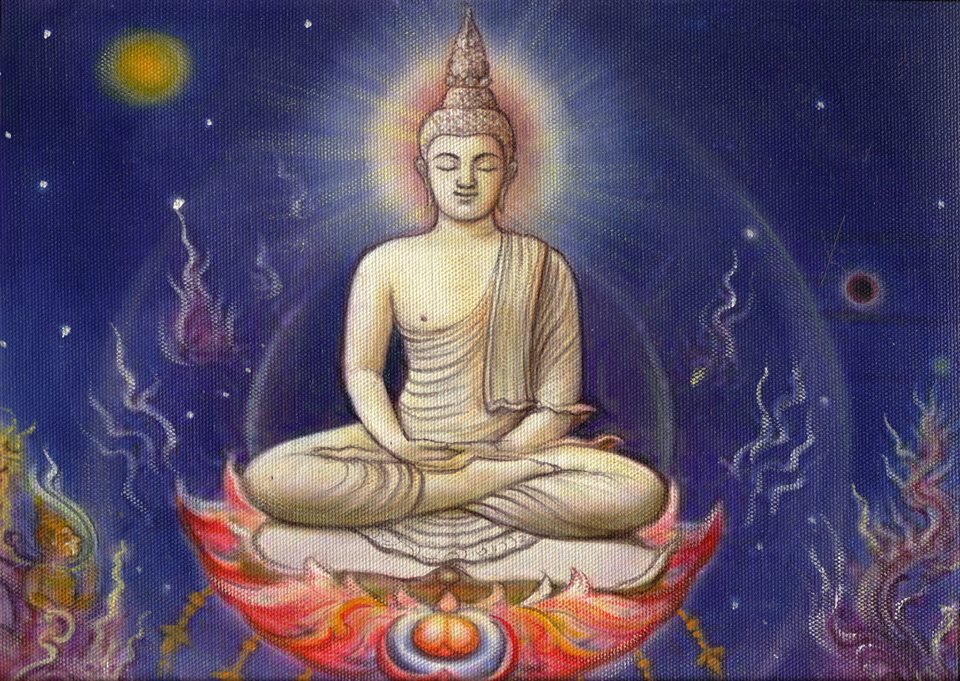
After Buddha’s death some fanatics started “Buddhasizing” everything. The entire ancient Hindu stories from proto Panchatantra folklore, Ramayana and Mahabharata to Puranas were converted as stories of Buddha’s previous Avatar. Six hundred such stories were collected as Jataka Tales. In short they “stole the Avatar concept” from the Hindus and converted all the characters as Bodhisatvas. Bhagavatha Purana of the Gupta period included the Buddha in the Avatar list. Then came a clever man among the Hindus by name Jayadeva (1200 CE), the author of Gita Govindam, who gave a final blow to the already dying Buddhism, by including Buddha as an avatar of Lord Vishnu in his Gita Govindam. Nobody bothered or objected to it. Hindus can digest anything that comes their way. They digested all the invading western tribes. In the same way Buddhism was also absorbed by including the Buddha in the list of Ten Greta Avatars.

Jayadeva’s hymns known as astapathis included Buddha in the following sloka:
“O you merciful heart denounced the Veda where the slaughter of cattle was taught. O Kesava, you in the form of the Buddha, victory to you, Hari, the lord of the world”.
The commentator also said the Buddha did not condemn the whole Veda but only the part of it which supported sacrifices.
bommai krishnan, fb

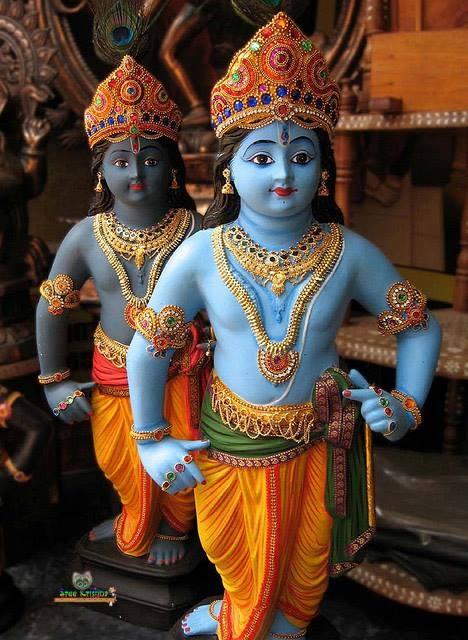
In the next verse Jayadeva listed all the ten incarnations of Vishnu :-
“Who upheld the Vedas , supported the universe,
Bore up the world, destroyed the demons, deceived Bali,
Broke the force of the Kshatriyas, conquered Ravana , made the plough, spread mercy, who took the ten forms. Prevailed over aliens, Homage. O Krishna”.

Philosopher Dr S Radhakrishnan said, “ Buddha utilized the Hindu inheritance to correct some of its expressions. He came to fulfil, not to destroy.”
Buddhism took different forms in different countries. Some of them went against the main teachings of Buddhism such as non violence, vegetarianism, ascetic life etc. but in India it has entered in to and become an integral part of our culture.
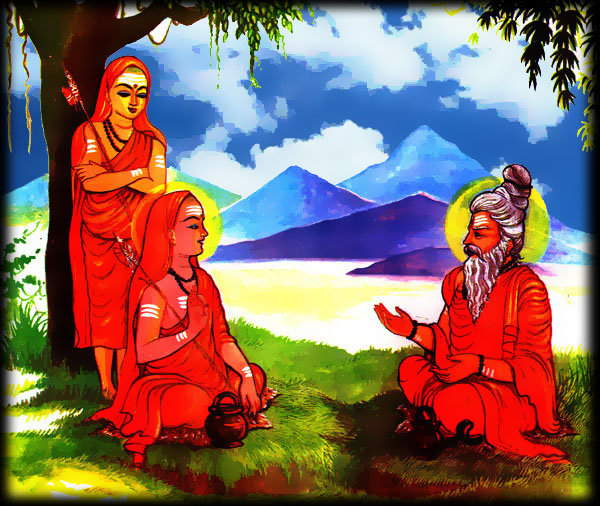
22. Shankaracharya VEDVYASA
Veda Vyasa: Vyasaya Vishnu Rupaya, Vyasa Rupaya Vishnave.

Vedic Origin of Avatars

Story of deluge is found in all ancient cultures. It must have originated in India, because Rig Veda, the oldest scripture in the world, has it’s seed (Manu and Matsya Sammata were mentioned in the Veda). More over all the epics, Puranas and other scriptures described the deluge in detail. Hindu scriptures clearly located it in the Indian sub continent, whereas other cultural references are a bit vague and less detailed.
Avatara means a descent. God is coming down to earth from the heaven. The three steps of Lord Vishnu (Vamana Avatara) is mentioned in the Rig Veda. Sayana, the most famous Vedic commentator, interpreted it as three steps of Vishnu as Vamana. It is one of the Ten Avatars.

In the Taiittiriya Samhita and the Satapatha Brahmana, Varaha (Boar) avatara is mentioned. But Prajapathi’s name was there instead of Vishnu.

Kurma Avatara was mentioned in the Sathapatha Brahmana. Again Prajapathi’s name replaced Vishnu. Satapatha Brahmana mentioned the fish/ matsya avatara as well.
Narasimha’s avatara of man lion, Parasurama’s (Rama with axe) incarnation, Rama and Krishna , followed by the Buddha are featured as Dasavatar in later literature. Last Avatar Kalki is yet to come.
may sri ram bless you

Bhagavatham mentioned the following 22:

1)Purusha, the male progenitor or Four Sons of Brahma 2)Varaha, the boar 3)Narada, the great sage 4)Nara and Narayana 5)Kapila, a sage 6)Dattatreya, a sage 7)Yajna, sacrifice 8)Rishaba, a righteous king, father of Bharata (may be the first Tirthankara of Jains) 9)Prithu, a king 10)Matsya, the fish 11)Kurma, a tortoise 12) Dhanvantri, the physician of the Gods.13) Mohini 14)Nara-simha, the man lion 15)Vamana, the dwarf 16)Parasurama 17)Veda Vyasa 18)Rama 19)Balarama 20)Krishna 21)Buddha 22)Kalki
Hamsa (swan) and Hayagriva (horse faced) avatars also mentioned elsewhere.
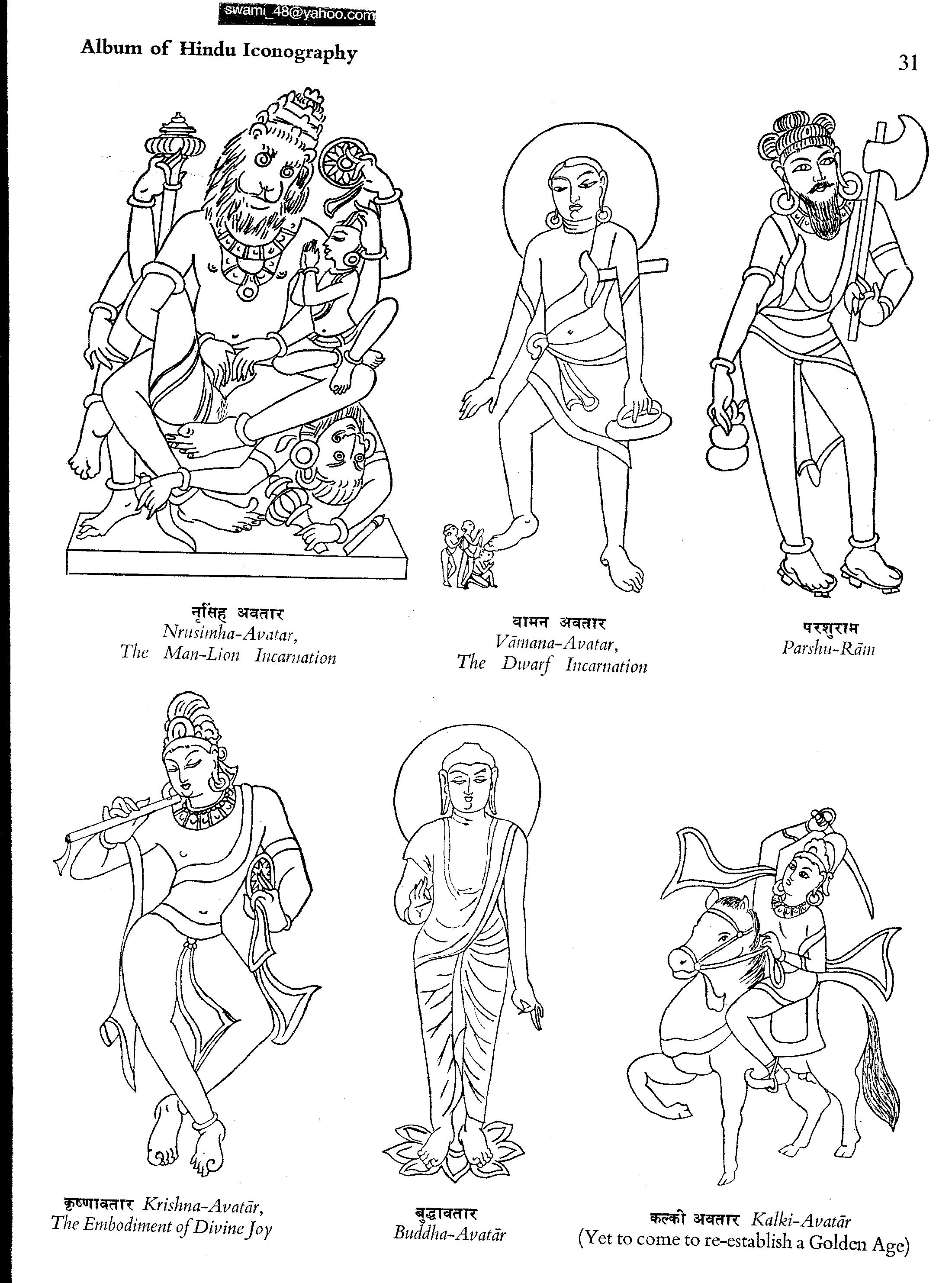
avatars6only

Dasamagranth gave a slightly different list with 24 avatars by adding, Brahma, Rudra, Manu, sun, moon, Seshasayi, and Jalandhara by replacing a few. But all the main ten Avatars are there.
So the inclusion of the Buddha in the avatar list was a tactical move to neutralise the effect of Buddhism. They were paid back in their own coin!

Contact swami_48@yahoo.com
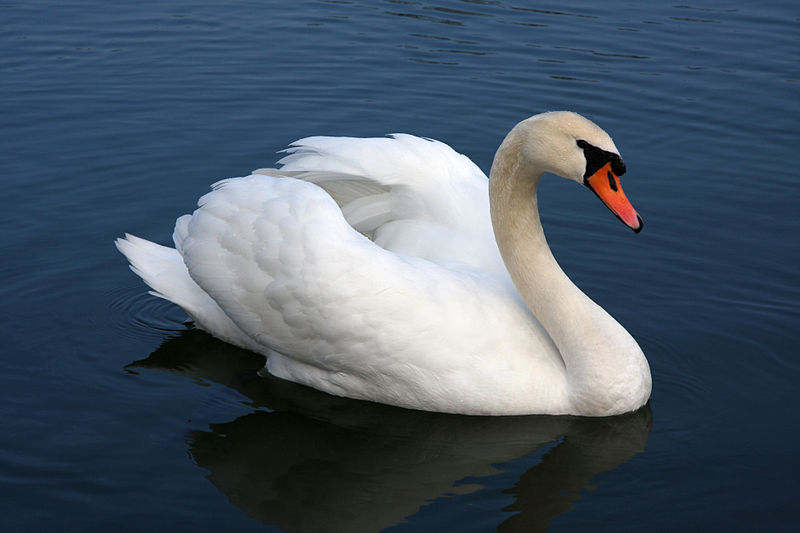
அன்னப் பறவை பற்றிய அதிசயச் செய்திகள் !!

800px-Mute_swan_Vrhnika

ஆய்வுக் கட்டுரை எழுதியவர் :- லண்டன் சுவாமிநாதன்
கட்டுரை எண்:–1155; தேதி:– ஜூலை 7, 2014.

பாலையும் தண்ணீரையும் கலந்து வைத்தால், அன்னப் பறவை பாலை மட்டும் பிரித்துக் குடிக்கும் என்பது உண்மையா?

பெரிய ஞானிகளை பரம ஹம்ச — (பெருமைமிகு அன்னம்)— என்று அழைப்பது ஏன்?

அன்னப் பறவையை பரணர், பிசிராந்தையார் முதலிய தமிழ் புலவர்களும், நள தமயந்தி போன்றோரும் தூது விட்டது ஏன்?

பெண்களின் நடையை அன்ன நடை என்று வருணிப்பது ஏனோ?

அதிசயச் செய்தி ஒன்று

கல்வி கரையில கற்பவர் நாள் சில
மெல்ல நினக்கிற் பிணி பல – தெள்ளிதின்
ஆராய்ந்து அமைவுடைய கற்பவே நீர் ஒழிய
பால் உண் குருகின் தெரிந்து — (நாலடியார்)

பொருள்:– கற்கவேண்டிய விஷயம் கடல் போலப் பரந்தது. நம்முடைய வாழ்நாளோ சிறியது. போதாக் குறைக்கு நோய்கள் வேறு நம்மைப் பிடித்து ஆட்டுகின்றன. இதனால்தான் சான்றோர்கள் அன்னப் பறவை எப்படி தண்ணீரை விட்டுவிட்டு பாலை மட்டும் பிரித்து எடுத்துக் கொள்கிறதோ அப்படியே நல்ல நூல்களை மட்டும் எடுத்துப் படிப்பார்கள்.

Translation:– Learning has no bounds; the learners’ days are few and if they would calmly reflect, diseases are also many. Let them therefore carefully investigate and learn what is essential, making a good choice like the swan which drinks the milk separating it from the water.

பாலையும் தண்ணீரையும் கலந்து வைத்தால் பாலை மட்டும் எடுத்துக் கொள்ளும் அதிசய சக்தி அன்னப் பறவைக்கு உண்டு என்பது வேத காலத்தில் இருந்து வழங்கும் ஒரு நம்பிக்கை. இதுவரை விஞ்ஞானிகள் ஒத்துக் கொள்வதில்லை. ஆயினும் இதற்கு ஒரு விஞ்ஞான விளக்கம் உண்டு!
உலகப் புகழ்பெற்ற காளிதாசனின் சாகுந்தலத்திலும் — ( காட்சி 6- செய்யுள் 33)– இந்தச் செய்தி வருகிறது. அதற்கு முன் யஜூர் வேதத்தில் — (காடக, மைத்ராயணி, வாஜஸ்நேயி சம்ஹிதை) — சோம ரசத்தைப் பருகிவிட்டு தண்ணீரை ஒதுக்கிவிடும் பறவை என்ற செய்தி இருக்கிறது. வடமொழிச் சொல்லான க்ஷீர என்பது பாலையும் தூய தண்ணீரையும் குறிக்கும் என்பர் வடமொழி அறிந்தோர்.

அன்னம், குள்ள வாத்து, நாரை போன்ற பறவைகள் ஒரே இனத்தை சேர்ந்தவை. இதில் வாத்து போன்ற பறவைகளின் வாயில் சல்லடை போன்ற அமைப்பு உள்ளது விலங்கியல் படித்தோர் அறிந்த உண்மை. ஆக சகதியை ஒதுக்கிவிட்டு நீரையும், தனக்கு வேண்டிய புழுப் பூச்சிகளையும் வாத்துகள் உண்ணும். ஒருவேளை நமது முன்னோர்கள் இந்த விலங்கியல் புதுமையைக் குறிக்க இப்படி – பால்/தண்ணீர்—கதை சொல்லி இருக்கலாம். அல்லது அழிந்து போய்விட்ட, நமக்குத் தெரியாத வேறு வகை அன்னப் பறவை பற்றியும் சொல்லி இருக்கலாம்.

அன்னப் பறவைகளில் ராஜ ஹம்சம், கால ஹம்சம், க்ஷுத ஹம்சம், மஹா ஹம்சம், காதம்ப ஹம்சம், மத்த ஹம்சம் என்று பல வகைகளை வடமொழி நூல்கள் பாடுகின்றன.
Whooper_Swan

அதிசயச் செய்தி இரண்டு

பரமஹம்ச என்று முனிவர்களை அழைப்பது ஏன்?
உயர் அன்னம் (பரம ஹம்ச) என்று ராமகிருஷ்ண பரமஹம்சர், ‘ஒரு யோகியின் சுயசரிதை’ என்ற புகழ்பெற்ற நூல் எழுதிய பரமஹம்ச யோகானந்தா ஆகியோர் அழைக்கப்படுகின்றனர். ஒரு முஸ்லீம் படைத் தளபதிக்கு சங்கேத மொழியில் உபதேசம் வழங்கிய சதாசிவ பிரம்மேந்திரர் ( என்னுடைய ஒரு கட்டுரையில் இவரது அற்புதச் செயல்கள் உள்ளன.) எழுதிய அருமையான, இனிமையான வடமொழிப் பாடல்களில் அவரது முத்திரை ‘’பரமஹம்ச’’ என்ற சொல் ஆகும்.

ஞானிகளுக்கும் அன்னப் பறவைக்கும் நேரடி தொடர்பு எதுவும் இல்லை. காயத்ரீ மந்திர வகைகளில் ஒன்று ஹம்ச காயத்ரீ:–

ஓம் ஹம்சாய வித்மஹே
பரமஹம்சாய தீமஹி
தன்னோ ஹம்சப் ப்ரசோதயாத்

–என்பது ஹம்ச காயத்ரீ. நம் ஆத்மனில் உறையும் ஹம்சத்தை நாம் உணர்வோமாக. அந்தப் பரமஹம்சத்தை ( பரமாத்மா ) தியானிப்போம். அந்த ஹம்சம் நமது அறிவைத் தூண்டட்டும் என்பது மந்திரத்தின் பொருள்.

ஞானிகள் மூச்சை உள்ளே இழுக்கும் போது ‘’அஹம்’’ என்றும் வெளியே விடும்போது ‘’ ச: ’’ என்றும் சப்தம் கேட்கும். “நானே அவன், அவனே நான்” என்ற அத்வைதப் பேருண்மையை உணர்த்தும் சொற்கள் இவை. ‘’தத்வம் அஸி’’, ‘’அஹம் பிரம்மாஸ்மி’’ போன்ற பெரிய மந்திரங்கள் மனிதனும் இறைவனும் ஒன்றும் நிலையை உணர்த்துவன. ‘’ஒன்றாகக் காண்பதே காட்சி புலன் ஐந்தும் வென்றான் தன் வீரமே வீரம்’’ — என்ற அவ்வைப் பெருமாட்டியின் அற்புத மந்திரமும் இதுவே.

‘’ஹம்………ச………ஹம்……..ச………..’’ என்ற மூச்சை அறிவோர் பரம ஹம்சர்கள் ஆவர். தேவி துர்க்கையை நினைத்த மாத்திரத்தில் சமாதியில் மூழ்கிவிட்ட ராமகிருஷ்ண பரமஹம்சரின் வாழ்க்கையைப் படித்தோருக்கு இதெல்லாம் தெள்ளிதின் விளங்கும்.

சாந்தோக்ய உபநிஷதத்தில் அன்னப் பறவை கற்பிக்கும் பாடம் வருகிறது. தத்தாத்ரேயர் என்ற முனிவர், இயற்கையில் உள்ள ஒவ்வொரு பிராணி, பறவை, பூச்சி ஆகியவற்றிலிருந்து பாடம் கற்றது பாகவதத்தில் வருகிறது.

swans

அதிசயச் செய்தி மூன்று

இன்னொரு விளக்கமும் சொல்லலாம்:–
அன்னப் பறவை தூய வெண்ணிறப் பறவை. இந்திய இலக்கியங்களில் வெள்ளை நிறம் என்பது தூய்மையயும், புகழையும் குறிக்கும். மேலும் அன்னப் பறவைகள் புனித இமயத்தில் மானசஸரோவர் என்ற நிர்மலமான ஏரியில் வசிப்பதைப் புற நானூற்றுப் புலவர்களும் காளிதாசனும் பாடுகின்றனர். அவை சூரியனை நோக்கிப் போவது போல உயரமாகப் பறப்பது, ஞானிகள் இறைவனை நாடிச் செல்வதைப் போன்றதே என்றும் புலவர்கள் புகழ்கின்றனர்.

அன்னப் பறவைகள் ஏகபத்னி (ஒருவனுக்கு ஒருத்தி) விரதம் கொண்ட பறவைகள் என்பதாலும் இந்துக்கள் விரும்புவர். பிரம்மாவுக்கும் சரஸ்வதிக்கும் வாஹனம்!! விஷ்ணுவின் பல அவதாரங்களில் ஒன்று ஹம்சாவதாரம். குட்டிகள் இடத்திலும், மனைவி இடத்திலும் பாசம் உடைய பறவை என்பதால் இந்திய இலக்கியங்கள் இவற்றை உவமைகளாகப் பயன்படுத்தும்.

வீட்டைவிட்டு ஓடிப்போன சித்தார்த்தனை (கௌதம புத்தர்), அன்னப் பறவை போல வந்துவிடு என்று புத்தசரிதம் சொல்லும்.

ramakrishna
Sri Ramakrishna Paramahamsar

வேதத்தில் அன்னப் பறவைகள்

உலகின் மிகப் பழைய நூல் ரிக் வேதம். அதிலும் அதற்குப் பின் வந்த 3 வேதங்களிலும் நிறைய குறிப்புகள் உள்ளன:–

ரிக் வேதத்தில் (1-65-5; 1-163-10;2-34-5;3-8-9;; அதர்வணம் AV 6-12-1 etc) கூட்டமாகப் பறப்பவை, பின்புறத்தில் கருப்பு வண்ணம் உடையவை, அதிக இரைச்சல் செய்பவை, இரவில் முழித்திருப்பவை என்று புலவர்கள் பாடுவர்.

இரட்டையர்களான அஸ்வினி தேவர்களை சோமயாகத்துக்கு அன்னப் பறவை போல ஜோடியாக வரவேண்டும் என்று ரிக்வேத ரிஷி பாடுகிறார் (RV 5-78-1).

சூரியனையும் உயர் நிலையிலுள்ள ஞானியையும் அன்னத்துக்கு ஒப்பிடுகிறது சிவ புராணம் (2-15-10)
மாங்குடிக் கிழாரும் சூரியனை நோக்கிப் பறக்கும் அன்னப்பறவை பற்றிச் சொல்கிறார் — (மதுரைக் காஞ்சி 385-386)

“ஒள்கதிர் ஞாயிறு ஊறு அளவா திரிதரும் செங் கால் அன்னத்துச் சேவல் அன்ன குரூஉ மயிர் புரவி”
ஆய்தூவி அன்னம் தன் அணி நடைப் பெடையொடு மேகம் திரிதரும் – கலித்தொகை 69
இது ரிக்வேதத்தில் 1-163-10 வரும் வெள்ளைக் குதிரை பற்றிய பாடலின் எதிரொலி!!!

அதிசயச் செய்தி நான்கு

மஹாபாரதத்தில் நள தமயந்தி கதையில் நளன், அன்னப் பறவையை தூது அனுப்புகிறான். தமயந்தி அதைப் பிடித்து விஷயத்தை அறிகிறாள். பரணரும் (நற்றிணை 356), பிசிராந்தையாரும் (புறம் 67) தென்கடலில் மீன்களைச் சாப்பிட்டுவிட்டு, அன்னங்கள் பொன் நிறம் பிரகாசிக்கும் இமயமலையை நோக்கிப் பறப்பதைப் பாடுகின்றனர். அவைகளை தூது விடுகின்றனர்.
அன்னச் சேவல் அன்னச் சேவல்

……………………
குமரியம் பெருந்துறை அயிரை மாந்தி
வடமலைப் பெயர்குவை ஆயின் (புறம்.67)

நிலம்தாழ் மருங்கின் தென்கடல் மேய்ந்த
இலங்குமென் தூவி செங்கால் அன்னம்
பொன்படு நெடுங்கோட்டு இமயத்து உச்சி
வானர மகளிர்க்கு மேவல் ஆகும் — (நற்றிணை 356)

காளிதாசன் படைத்த ரகுவம்ச, மேகதூத காவியங்களில் எண்ணற்ற குறிப்புகள் இருக்கின்றன.
எல்லாப் புலவர்களும் பெண்ணின் நடையை அன்னத்தின் நடைக்கு ஒப்பிடுவர் (அகம் 279)
படுக்கைத் தலையணைகளில் அன்னத் தூவி (சிறகு) வைத்துப் பயன்படுத்தினர்.

yogananda
Sri Paramahamsa Yogananda.

அதிசயச் செய்தி ஐந்து
ராமாயணத்தில் ஒரு கதை

ராமாயண, மஹாபாரதத்தில் நிறைய இடங்களில் அன்னம் பற்றிய உவமைகள் வருகின்றன. ஒரு சுவையான கதையும் உண்டு. அணிலுக்கு ஏன் முதுகில் மூன்று கோடுகள்?, காகத்துக்கு ஏன் ஒரு கண் குருடு? போன்ற பல கதைகளைக் கேட்டிருப்பீர்கள். ஆனால் அன்னத்துக்கு ஏன் தூய வெண்ணிறம் என்று தெரியுமா?

ராவணன் கண்டு பிடிக்காமல் இருப்பதற்காக வருண பகவான் அன்னப் பறவையாக மாறினாராம். பின்னர் நன்றிக் கடனாக அன்னத்துக்கு என்றும் தூய வெண்ணிறத்தை அளித்தாராம் வருண பகவான்:–

வர்ணோ மனோரம: சௌப்ய சந்த்ரமண்டல சந்நிப:
பவிஷ்யதி தவோதக்ர: சுத்தனேண சமப்ரப: — 7-18-29

ஹம்சானாம் ஹி புரா ராம ந வர்ண: சர்வ பாண்டுர:
பக்ஷா நீலாக்ர சம்வீதா: க்ரோடா: சஸ்பாக்ர நிர்மலா: – 7-18-31

இதே போல மஹாபாரதத்திலும் அன்னப் பறவை பற்றி சில கதைகள் இருக்கின்றன.

ஆகவே அன்னம் என்பதை புகழ், தூய்மை, உயர்வு, ஞானம், தெய்வீகம், அன்பு, பாசம், ஏகபத்னி விரதம், அழகிய நடை, கிண்கிணி ஓசை என்னும் பல பொருள் தொனிக்க நயம்படப் பாடினர் நம் முன்னோர்கள்!!

-சுபம்-

பாகவத மஹிமை

blue krish

Written by S Nagarajan
Post No.1154; Dated:- 7th July 2014.

This is the fourth part of S Nagarajan’ article on the Puranas. First three parts were published in the past few days.

எவன் ஒருவன் இந்த ஸ்ரீ பாகவத சாஸ்திரத்தை அர்த்தத்துடன் வாசிக்கிறானோ, அவன் கோடி ஜன்மங்களில் செய்த பாவங்களும் தீரப் பெறுவான். இதில் சந்தேகமில்லை. இதில் பாதி ஸ்லோகத்தையாவது அல்லது கால் ஸ்லோகத்தையாவது வாசிப்பானாயின், ராஜசூய, அஸ்வமேத யாகங்களின் பலனைப் பெறுவான். சரீரத்தை விடும் காலத்தில் இந்தக் கதையைக் கேட்பானாயின், அவனுக்கு ஸ்ரீமன் நாராயணன் தனது வைகுண்ட லோகத்தைக் கொடுப்பான். இந்தக் கதையை ஒரு தடவையாவது கேளாதவனுடைய ஜன்மம் பயனற்றதே. இந்தக் கதையைக் கேட்கும்படியான பாக்கியம் கோடி ஜன்மங்களில் செய்த புண்ணியங்களினால் தான் கிடைக்கும்.

நாரத முனிவரிடம் ஸனகாதிகள் கூறும் இந்தப் பகுதி பத்ம புராணத்தில் உத்தர காண்டத்தில் பாகவத மாஹாத்மியத்தில் இடம் பெறுகிறது..

GoddessAmbika_21479

அம்பிகைக்குப் பிரியமான விரதங்கள் எவை?

“அனந்த த்ரிதியை விரதம், ரசகல்யாணி விரதம், ஆனந்தத்தை விளைவிக்கின்ற ஆருத்ரா விரதம், மங்கள வார விரதம், சுக்கிர வார விரதம், கிருஷ்ண பக்ஷ சதுர்தசி விரதம்,பிரதோஷ விரதம், புரட்டாசி மாதத்திலும் சித்திரை மாதத்திலும் வருகிற நவராத்ரி விரதம் ஆகியவற்றைப் புருஷர்களும் ஸ்தீரிகளும் பிரயத்தனத்தோடு அனுஷ்டிக்க வேண்டும். இவை போலவே சோமவார விரதமும் எனக்குப் ப்ரீதியானது.”

இனி ரசகல்யாணி விரதமானது அந்தந்த திரிதியையோடு கூடிய தினம்.

ஆருத்ரா விரதமாவது ஆருத்ரா நக்ஷத்திரத்தில் திரிதியையோடு கூடிய தினம். பிரதோஷ விரதமாவது – மஹாதேவன் தேவியை அந்திப் பொழுதில் உன்னதமான ஆசனத்தில் வீற்றிருக்கச் செய்து சகல தேவர்களும் தன்னைச் சூழ்ந்திருக்க அந்த அம்பிகை எதிரில் நடம் புரிவன். அந்த அந்திப் பொழுதே பிரதோஷ காலம் எனப்படும். அக்காலத்தில் ஆகாராதிகளை விட்டு மஹாதேவியைப் பூஜிக்க வேண்டும்..
பர்வத ராஜனிடம் தேவி கூறியது.

– தேவி பாகவதத்தில் ஏழாம் ஸ்கந்தத்தில் 39ஆம் அத்தியாயமான தேவீ பூஜா விதி என்னும் அத்தியாயத்தில் வருவது

மூன்று ஈஷணைகள்!

ஈஷணைகள் மூன்று.
1) தாரேஷணை
2) தனேஷணை
3) புத்ரேஷணை

(தாரேஷணை என்றால் மனைவியின் மீது ஆசை. தனேஷணை என்றால் பணத்தின் மீது ஆசை. புத்ரேஷணை என்றால் மகன் மீது ஆசை)
இந்த மூன்று ஆசைகளையும் திருதராஷ்டிரன் விட்டு விடுவான் என்று அவன் முடிவு பற்றி நாரதர் தர்மபுத்திரருக்கு உரைத்தது.
(ஸ்ரீமத் பாகவதம் முதல் ஸ்கந்தத்தில் 13ஆம் அத்தியாயம்)

blessings from parents

கிருஷ்ணர் வில்லை முறித்த சம்பவம்!

ராமர் வில்லை முறித்த சம்பவம் பிரசித்தமானது. கிருஷ்ணரும் வில்லை முறித்திருக்கிறார். அதைப் பற்றி ஸ்ரீமத் பாகவதம் கூறுவது இது:-

அச்சுதன் வில் வைத்திருக்கும் இடம் எது என்று பட்டணத்து ஜனங்களை வினவிக் கொண்டு வில் வைத்திருந்த இடத்திற்குச் சென்றான். அங்கு இந்திர தனுசு போல அற்புதமாக இருக்கின்ற வில்லைக் கண்டான். அதைப் பல மனிதர்கள் பாதுகாத்துக் கொண்டிருந்தனர். மற்றும் அது பூஜிக்கப்பட்டு ஸ்வர்ணா லங்காரத்துடன் பல மேன்மைகள் அமைந்ததாய் இருந்தது. அப்போது அதைப் பாதுகாப்போர் ‘வேண்டாம் வேண்டாம்’ என்று தடுத்த போதும் ஸ்ரீ கிருஷ்ணன் அதைப் பொருட்படுத்தாமல் பலாத்காரமாக அந்த வில்லை எடுத்துக் கொண்டான். திரிவிக்கிரமாவதாரம் செய்த மஹாபுருஷனான ஸ்ரீ கிருஷ்ண பகவான் அந்த வில்லை ஒரு நிமிடத்தில் இடக்கையால் அவலீலையாக எடுத்து நாணேற்றி ஜனங்கள் அனைவரும் பார்த்துக் கொண்டிருக்கையில் யானை கரும்புத்தடியை முறிப்பது போல இழுத்து இடையில் முறித்தான். அப்போது முறிகின்ற அந்த தனுஸின் ஒலி அந்தரிக்ஷ லோகத்தையும் பூமி ஆகியவைகளையும் நிறைத்து விட்டது. கம்ஸன் பயம் அடைந்தான்.

ஸ்ரீமத் பாகவதம் தசம ஸ்கந்தம் – பூர்வ பாகம் – 42ஆம் அத்தியாயம்

To be continued…………

Mystery about Swan: Can it separate Milk from Water?

swans
Why Saints are called Paramahamsa?

Research paper written by London Swaminathan
Post No.1153; Dated 6th July 2014.

From the days of the Rig Veda and Chandogya Upanishad, swan is always associated with the bright sun and saints.

All the water birds close to swan are grouped under the Anatidae family. Hindu mythology understood the unity pervading the family. Their approach was very scientific when they dealt with swans, geese and ducks.

Hamsa Gayatri
Om Hamsaaya Vidmahe
Paramahamsaaya Dhimahi
Tanno Hamsha Pracodayaat

“May we realise Hamsa that is our own Self as Swan. Let us meditate on that Paramahamsa, the Supreme Self. May Hamsa illumine us.”

This one of the several popular Gayatri mantras.

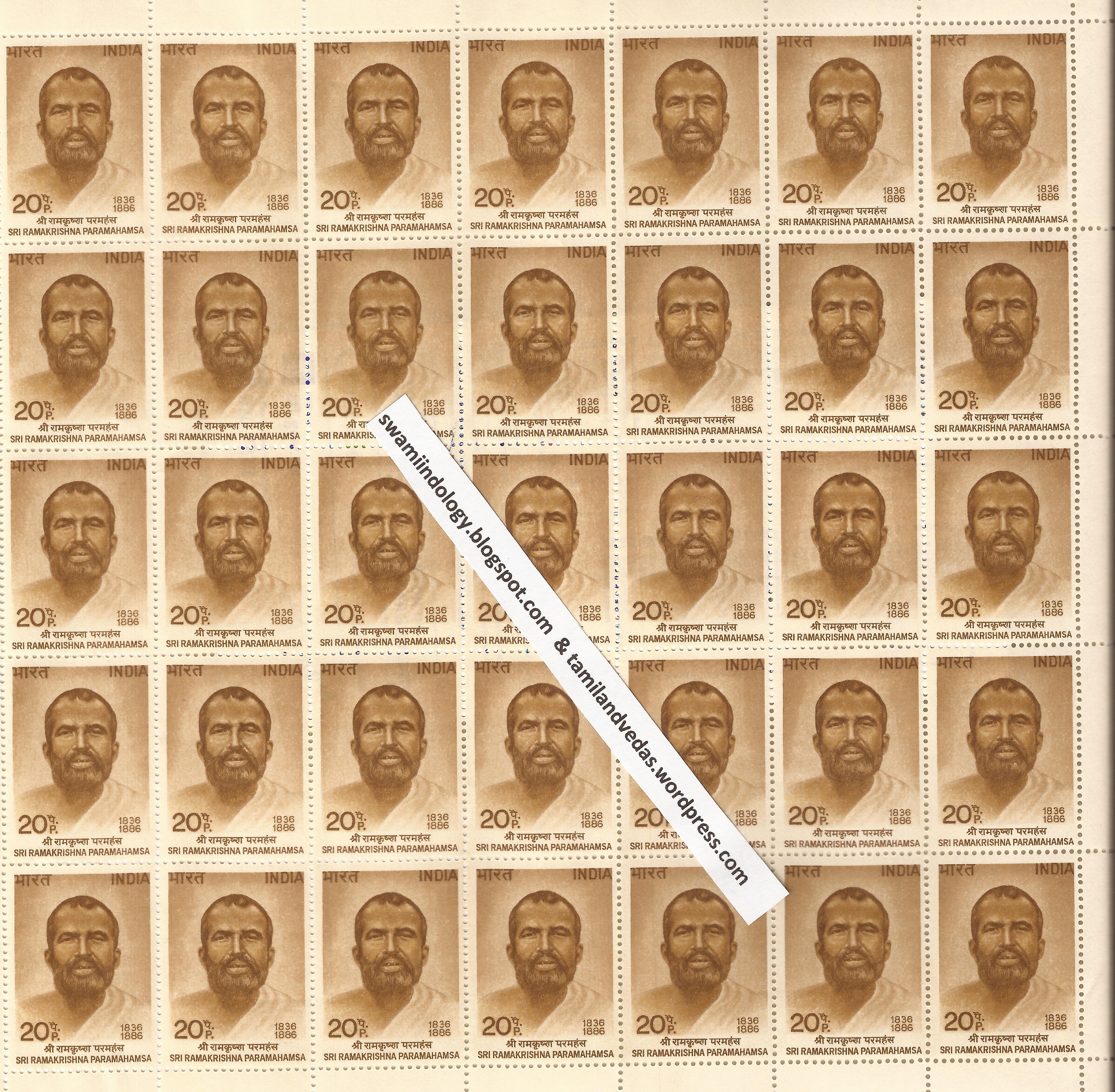
Great saints are called Parama hamsa. It means Supreme Swan. We have great saints like Ramakrishna Paramahamsa (1836-1856) and Paramahamsa Yogananda (1893-1952) within the last two hundred years. Sadasiva Brahmendra composed short and sweet kritis in Sanskrit and had the ‘mudra’/signature “paramahmasa” in all his compositions.

When it used in the context of great Yogis (ascetics) it does not mean the bird Swan (Hamsa in Sanskrit). It is the combination of two words Aham + Sa= Hamsa. I am He. It is the essence of Advaita philosophy. God and Man are one at the highest level. All the famous Upanishads have this philosophy: Aham Brahmasmi/ I am Brahman, Tat Tvam Asi/ You are That etc.

When saints who are well versed in the Yogic techniques breathe in and out it sounds ‘Ham…… Sa…… ‘Ham…… Sa….’ leading to Soham+ He is I.

Chandogya Upanishad (4-7) included an instruction (advice) from a swan. Dattatreya learnt something good from everything in nature including a bird. Hindus used everything in nature for the spiritual advancement of man.

Is it true that swans can separate milk from water and drink only milk?
Another meaning at a different level:-

Hamsa is the vehicle of God Brahma and his consort Sarasvati. All are white in colour symbolising purity and knowledge. Hamsa is associated with Holy Ganges and holy lake Manasa Sarovar. It is one of the purest birds. Hamsa Gayatri confers the power of discretion on the person who recites it. Like that Hamsa separates the good things from the bad things, Water birds separate good water from the bad water. It has got a sieve like structure (lamellae) in its mouth which separates water from mud. Probably this is what lead to the belief that Swans can separate milk from water and drink only milk. In Sanskrit Ksheera means milk and pure water.

Whooper_Swan

Hamsa in the Vedas

Hamsa in the RIg Veda (1-65-5; 1-163-10;2-34-5;3-8-9;;AV 6-12-1 etc) and later literature denotes the bird gander. These birds are described as dark in colour on the back( RV 7-59-7), they fly in troops ((RV 3-8-9), swim in the water (RV 1-65-5), make loud noises (3-53-10), and are wakeful at night (AV 6-12-1) according to Vedic Index.

The Hamsa is credited with the power of separating Soma from water (as later milk from water) in the Yajur Veda (Kataka, Maitrayani, Vajasneyi Samhitas and Taitriya Brahmana).
The soma plant when crushed exudes the juice with a hissing sound. This is compared to the hissing of a swan when disturbed on the water (RV 1-65-5)

The Asvins are invited to the soma sacrifice like a pair of swans hastening to the water (RV 5-78-1).
It is also sacrificed in the Asvamedha Yajna along with two hundred other animals, birds, plants and other grains.

800px-Mute_swan_Vrhnika

Sun and Paramahmsa
The sun and the spiritually elevated man are compared with the wise swan in the Shivapurana (2-15-10).
The Mute Swans are known to go about in pairs and they are greatly devoted to each other. Even Buddhacharita of Asvagosha mentioned this in the context of appealing to Gautam Siddhartha to come back to his wife.
Ramayana described swan as god Varuna’s bird (7-18-28)

Nala Damayanti and Swan
The golden coloured swan (whooper) caught by Nala was mentioned in the Mahabharata (3-54-19). The bird promised to plead Nala’s cause with Damayanti and was thereupon released. He flew with his party to her place and allowed himself to be caught by her and then performed his mission.

rishi

Hamsavatara
One of the incarnations/Avatars of Lord Vishnu is Hamsavatar in the form of a swan. Apart from Dasavatar (ten incarnations) we have 11 more Avatars.

Kalidasa & Sangam Tamil Literature
I have already written about the Bird Migration in Kalidasa and Sangam Literature.
Kalidasa referred to the strange habit of swan ‘separating milk from water’ in Sakuntalam drama (Act 6-33). A Gatha Sapta Sati poet copied it. Naladiyar in Tamil also copied Kalidasa.
Paranar, a Brahmin poet of Sangam period used lot of similes from Kalidasa along with his colleague Kabilar. Paranar in his poem– Natrinai 356 — sang about a swan flying to the golden peaked Himalayas after feeding itself with fishes in the Southern Seas. Pisiranthaiyar said the same thing in Purananuru verse 67. All these are just echo Kalidasa’s poems.
ramakrishna

Kalidasa’s Raghuvamsa and Meghaduta have got too many references to water birds such as swan and cranes, geese and ducks.

Pillows were stuffed with the feathers of swan in ancient India.

A woman’s gait is compared to the gait of a swan in Tamil (Aka.279) and Sanskrit literature.

The swans are remarkable for their stately flight very high in the sky and they seem to approach the sun, says Mankudi Kizar of Madurai Kanchi (385-38).

Different types of swans such as Raja Hamsa, Kala Hamsa, Maththa Hamsa, Maha Hamsa, Kshuta Hamsa and Kadamba Hamsa are found in Sanskrit literature.

yogananda

Ramayana and Mahabharata have interesting stories about swans. One of them is about the white colour of the swan (7-18-29/31). Varuna avoided Ravana by transforming himself to a swan and later gave a boon to the bird for his help and made him permanently white! Since Brahma has it as his Vahana the bird is also called Surapriya (Friend of the Devas). Swan is always associated with glory, purity, affection, love, majesty and divinity!!

Contact swami_48@yahoo.com
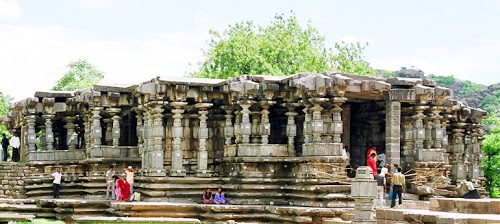
உலக அதிசயம்: 1000 கால் மண்டபம் !!

Thousand-Pillar-Hall--
Madurai Meenakshi Temple:Thousand Pillared Temple

ஆய்வுக் கட்டுரையாளர்: லண்டன் சுவாமிநாதன்
கட்டுரை எண்.1152; தேதி ஜூலை 6, 2014.

((தமிழ் அன்பர்களுக்கு அன்பான வேண்டுகோள். மற்றவர்கள் வருடக் கணக்கில் நூற்றுக் கணக்கான புத்தகங்களைப் படித்து ஆராய்சி செய்து எழுதும் ஆய்வுக் கட்டுரைகளைத் திருடாமல் பயன் படுத்துங்கள். கட்டுரையை எழுதியது யார், எந்த பிளாக் – கில் இருந்து எடுக்கப்பட்டது என்பதை வெளியிட்டு தமிழ் எழுத்தாளர்களை ஊக்குவிய்யுங்கள். தமிழ் வாழும்! தமிழரும் உயர்வர்!))

உலகின் மிகப் பழைய நூலான ரிக் வேதத்தில் ஆயிரம் கால் மண்டபம் உள்ளது !
மாயா நாகரீக நகரமான மெக்சிகோ நாட்டு சிசன் இட்சாவில் ஆயிரம்கால் மண்டபம் உள்ளது! !!
விஜய நகர சாம்ராஜ்யம் முழுதும் ஆயிரம் கால் மண்டபங்கள் பட்டொளி வீசிப் பிரகாசிக்கின்றன !!!
மேலே படியுங்கள்!!

தமிழ்நாட்டுக் கோவில்களில் உள்ள உலக அதிசயங்கள் பற்றி நிறைய பேருக்குத் தெரிவதே இல்லை. லண்டனில் வாழும் எங்களுக்கு ‘இந்த அரசனின் மேஜை’ ,’அந்த அரசனின் செருப்பு’, ‘மஹாராணியின் உடை’, ‘திருமண கவுன்’ — என்றெல்லாம் காட்டிக் காசு பறிக்கிறார்கள். அப்படியே ஏதேனும் பார்க்கத்தக்க அதிசயம் இருந்தாலும் அதெல்லாம், வெள்ளைக்காரன்கள் கொள்ளை அடித்துக் கொண்டுவந்த கோஹினூர் வைரம், திப்புசுல்தானின் புலி, குப்தர் காலத் தங்கக் கசுகள் என்ற வகையில் வந்துவிடும். ஆனால் அத்தனையையும் அழகாகப் பாதுகாத்துக் கண்ணாடிப் பெட்டிக்குள் வைத்துக் காட்டும் அழகே அழகு!!!! இந்த மஹா திருடர்களிடம் நாம் கற்றுக் கொள்ள வேண்டிய பாடங்கள் நிறைய உண்டு!!! உண்மையில் நிறையவே உண்டு!!!!!!

அமெரிக்கா, ஆஸ்திரேலியா போன்ற நாடுகளில் உள்ள மியூசியங் களுக்கும், பிரபுக்களுக்குச் சொந்தமான தனியார் வீடுகளுக்கும் போய்ப் பார்த்தால் தமிழ்நாட்டுத் திராவிடக் கொள்ளைக்கரர் ஆட்சியில் கடத்திவரப்பட்ட அற்புதமான சிலைகளைக் காணலாம். நியூயார்க் மியூசியத்தில் நான் பார்த்த ஒரு சிலை இந்திய மியூசியத்தில் அப்படியே இருக்கிறது. எது ‘ஒரிஜினல்’, எது ‘போலி’ என்பது அந்த சிலைக்குள் ஒளிந்திருக்கும் இறைவனுக்கே வெளிச்சம்!!

100 o madurai

“கோயில் பூசை செய்தான் சிலையைக் கொண்டு விற்றல் போலும்………. ஆயிரங்களான நீதி அவை உணர்ந்த தருமன்…………………. சீச் சீ !சிறியர் செய்த செய்கை செய்தான்”………… என்ற பாரதியாரின் பாஞ்சாலி சபத பாடல் வரிகள் தான் நினைவுக்கு வருகின்றன. “திராவிடங்களின் ஆட்சி”யில் கோவில் நகைகளில் இருந்து உண்மையான மாணிக்க, மரகத, வைரக் கற்களை எடுத்துக் கொண்டு செயற்கைக் கற்களை வைத்ததாகவும் “பெரியவர்கள்” சொல்லிக் கேள்வி. சிவன் சொத்துக் குல நாசம் என்பர். அது பலிக்கட்டும்.

எதற்கு இவ்வளவு முத்தாய்ப்பு என்கிறீர்களா? நல்ல வேளை, ஆயிரங்கால் மண்டபங்கள் முதலியன கருங்கற்காலால் ஆனதால் இந்தக் கொள்ளைக்கார மஹாபாவிகளால் ஒன்றும்செய்ய முடியவில்லை. படையெடுத்துவந்த முஸ்லீம் வெறியர்கள் சேதப்படுத்தியது போக மிச்சம் மீதி இன்னும் இருக்கிறது.

மதுரை, ஸ்ரீரங்கம், திருநெல்வேலி, சிதம்பரம், திருவண்ணாமலை, ராமேஸ்வரம் முதலிய பல ஊர்களிலும் ஆந்திரத்தில் வாரங்கல் ஹனுமகொண்டா, கர்நாடகத்தில் மூடுபித்ரி போன்ற இடங்களிலும் ஆயிரங்கால் மண்டபங்கள் உள்ளன. பல இடங்களில் ஆயிரங்கால் மண்டபங்கள் என்று சொன்ன போதிலும் சில நூறு தூண்களையே காணமுடியும்.

மதுரையிலும் ஸ்ரீரங்கத்திலும் மட்டும் கிட்டத்தட்ட ஆயிரம் தூண்களைக் காண முடியும். இவை இரண்டும் உலக மஹா அதிசயங்கள். இன்று இப்படி ஒரு கட்டிடத்தை எழுப்ப பல கோடி– கோடி ரூபாய் தேவைப்படும். பல்லாயிரம் ஊழியர்கள் வேலை செய்யவேண்டி வரும். பெரிய பெரிய எஞ்சினீயர்கள் ஆயிரம் வரை படங்களைத் தயாரித்து ஆராய்ச்சிக் கூட்டங்கள் போட வேண்டியிருக்கும். 600 முதல் 800 ஆண்டுகளுக்கு முன் காகதீய வம்சமும் நாயக்க வம்சமும் இவைகளைக் கட்டிய காலத்தில் என்ன வசதி இருந்தது? – இன்றுள்ள ஒரு வசதியும் கிடையாது. ஆயினும் எப்படி அற்புதமாக அமைத்துவிட்டனர். எண்ணி எண்ணி இறும்பூது எய்வோம்

1000_Pillar_Temple1hanamkonda
Warangal/Hanamkonda 1000 pillar Temple.

ஆயிரங்கால் மண்டபங்கள் ஒவ்வொன்றும் சிற்பக்கலை மியூசியங்கள். வெள்ளைகாரன் நட்டில் இவைகள் இருந்தால் ஒவ்வொரு தூணுக்கும் கண்ணாடிப் பெட்டி வைத்து, ஆயிரம் ஆராய்ச்சிப் புத்தகம் வெளியிட்டு, ஒவ்வொன்றையும் படம் பிடித்து, கீ செயின் (சாவிக்கொத்து), பட அட்டைகள் (வியூ கார்ட்ஸ்), காந்த அட்டைகள் (மாக்னெட்) என்று விற்றுக் கோடி கோடியாக சம்பாதித்திருப்பான். நாமும் பயன்படுத்தாமலா இருந்தோம்? புளியோதரை சாப்பிட்டுவிட்டு அதில் கையைத் துடைத்தோம். நம்முடைய பெயர்கள் காலாகாலத்துக்கும் நீடிக்க அதில் நமது பெயர்களை கூரான கற்கள் ,உலோகக் கம்பிகள், சாவிக்கொத்துகள் வைத்து எழுதினோம். கடவுள் நம்மை மன்னிப்பாராக.

மதுரை ஆயிரம் கால் மண்டபத்தில் சிறு வயதில் ஓடிப் பிடித்து விளையாடியது என் நினைவுக்கு வருகிறது. இப்போது அங்கே ஒரு மியூசியம் வைத்துப் “பாதுகாக்கிறார்கள்”. அற்புதமான சிலைகள் இருக்கின்றன. இதை அமைத்த அரியநாத முதலியார் (1569) பெயர், ‘கின்னஸ் சாதனைப் புத்தக’த்தில் இடம்பெறவேண்டும். ஏன் தெரியுமா? உலகிலேயே நீண்ட காலம் அமைச்சர் பதவி வகித்தவர் அவர்தான். 71 ஆண்டுகளுக்கு நான்கு நாயக்க மன்னர்களுக்கு தளபதியாக-மந்திரியாக (கி.பி.1529—1600) இருந்தவர்! மண்டப முகப்பில் அவர் குதிரையில் சவாரி செய்கிறார்.

இந்த மண்டபத்தில் சுமார் ஆறு அடி உயரம் உடைய 26 சிற்பங்கள் இருக்கின்றன. குறவன் – குறத்தி, ரதி மன்மதன், அர்ஜுனன், பாண்டவ சகோதரர்கள், அரிச்சந்திரன் சந்திரமதி – இன்னும் எத்தனையோ!! குறவன் குறத்தி ஒரு அற்புதமான கலைப் படைப்பு. குறத்திக்கு மூன்று குழந்தைகள்: ஒன்று முதுகில் , மற்றொன்று கூடைக்குள், இன்னொன்று பால் குடிக்க நெஞ்சில்! குறவன் – அவனுக்கே உரித்தான அத்தனை நகைகளையும் அணிந்து சர்வ ஆபரண பூஷணனாக விளங்குகிறான். மண்டபத்துக்குள் உள்ள 22 தூண்கள் வெவ்வேறு இன்னிசை ஒலி எழுப்புகின்றன.
1000-Pillar-Temple-Moodbidri-Left-Side-View
Moodbidri, Karnataka.

(( ஆடி வீதியில் உள்ள இசைத் தூண்கள், மீனாட்சியின் உலக அதிசய நகைகள், உலகம் முழுதும் மியூசியங்களில் உள்ள மதுரை அதிசயங்கள் – இன்ன பிற விஷயங்களை நாலு ஐந்து ஆங்கிலக் கட்டுரைகளில் ஏற்கனவே எழுதிவிட்டேன். கூறியது கூறல் ஒரு இலக்கியக் குற்றம் என்பதால் இத்துடன் நிறுத்துவேன்)).

மதுரையில் 985 தூண்களே இருக்கின்றன. மீதி 15 தூண்கள் இருக்குமிடத்தில் சபாபதி கோவில் இருக்கிறது. ஆக மொத்தம் ஆயிரம்! இதன் நீளxஅகலம்= 76 மீட்டர் x 72 மீட்டர். மண்டப முகப்பில் விதானத்தில் தமிழ் ஆண்டுகள் அறுபதையும் குறிக்கும் சக்கரம் உள்ளது.

ஸ்ரீரங்கம் ஆயிரம் கால் மண்டபம், மதுரையை விட அளவில் பெரியது. ஆயிரங்கால் மண்டப நீள x அகலம் = 152 x 48 மீட்டர். அங்கே 953 தூண்கள் உள்ளன. மதுரையைப் போலவே ஒவ்வொன்றிலும் அழகிய சிற்பங்கள். இந்த ஆயிரம் கால் மண்டபம் பற்றியே தனி ஆராய்ச்சிப் புத்தகம் எழுதலாம். பொருள் வசதி இருந்தால் நானே அதைச் செய்வேன்! இதுவும் நாயக்கர் காலத்தில் எழுந்ததே. முஸ்லீம் படையெடுப்பில் வீழ்ந்த எல்லாவற்றையும் மீண்டும் புனர் நிர்மாணம் செய்து உலகப் புகழ் பெறும்படி செய்தவர்கள் விஜய நகர சாம்ராஜ்யமும் அவர்கள் வழிவந்த நாயக்க வம்சமும் ஆகும்.. சுந்தரத் தெலுங்கினில் பாட்டு அமைத்து அவர் புகழ் பாடுவோம்! தலை வனங்குவோம்!

warangal 1000 pillar temple

வாரங்கல் ஆயிரம் கால் மண்டப கோவில்
தெலுங்கானாவில் வாரங்கல் அருகே ஹனுமகொண்டாவில் ஒரு கோவில் இருக்கிறது .ஆனால் இந்தச் சிவன் கோவிலில் சுமார் 300 தூண்களே இருப்பதாக ஆய்வாளர் கூறுவர். ஒன்றோடு ஒன்று பின்னிப் பிணைந்தது போல தூண்கள் காட்சி தருகின்றன. இது மற்ற எல்லாவற்றையும் விட மிகப் பழையது. தமிழ்நாட்டைத்தவிர மற்ற இடங்களில் உள்ளவை ஆயிரம் தூண்கள் உடையவை அல்ல. நிறைய தூண்கள் இருந்தால் ஆயிரம் என்று சொல்லி விடுவர். தசரதனுக்கு நிறைய பெண்டாட்டிகள் என்பதால் 60,000 பேர் என்று நாம் சொல்லுவது போல! இது ருத்ர தேவன் (கி.பி1163) காலத்தில் உருவாக்கப்பட்டது.
கர்நாடகத்தில் மூடபித்ரி என்னும் இடத்தில் ஜைன கோவில் ஒன்றிலும் “ஆயிரம் கால்” மண்டபம் உள்ளது.

ராமாயணத்தில் ஆயிரம் கால் மண்டபம்:–

சூர்ப்பநகை சூழ்ச்சிப் படலத்தில் ராவணனுக்கு தெய்வய் சிற்பியான மயன் நீண்ட தூன்கள் ஆயிரம் கொண்ட அழகிய மண்டபத்தை உருவாக்கினான். பிரம்மா கூட அதைப் பார்த்து வெட்கம் அடையும் படி அது அமைக்கப்பட்டது.

வந்தான் நெடு வான் உறை தச்சன் மனத்து உணர்ந்தான்
சிந்தாவினை அன்றியும் கைவினைஅயாலும் செய்தான்
அம்தாம நெடுந்தறி ஆயிரத்தால் அமைத்த
சந்து ஆர்மணி மண்டபம் தாமரையோனும் நாண.

யார் சொன்ன ‘ஐடியா’?
காகதீய, நாயக்கர்களுக்கு யார் இந்த எண்ணத்தைத் தோற்றுவித்தனர்? எப்படி அவரகளுக்கு 1000 தூண்களுடன் கட்டிடம் கட்ட வேண்டும் என்ற எண்ணம் ஏற்பட்டது? வேதத்திலேயே 1000 கால் மண்டபம் பற்றிய கருத்து எழுந்துள்ளது. 10, 100, 1000, லட்சம், கோடி என்ற தசாம்ச ‘டெசிமல்’ முறையையும் 1.2,3…. 10 என்ற எண்களையும் உலக மக்களுக்குக் கற்பித்தது இந்துக்களே. இதை நாம் உலகிற்குக் கற்பித்திராவிடில் கம்யூட்டர்களோ ராக்கெட்டுகளோ உருவாகி இருக்காது! இதற்கு வேதம் முதல் லீலாவதி அல்ஜீப்ரா பற்றி ஸ்லோகம் எழுதிய காலம் வரை ஆயிரக் கணக்கான குறிப்புகள் உண்டு.
ரிக்வேதத்தில் மித்ரன் – வருணன் மேலான துதியில் (5-62-6) ஆயிரம் கால் உடைய பரப்பு (பகுதி /பிரதேசம்) பற்றிய பாடல் வருகிறது. இது போன்ற துதிகளே நம் சிற்பிகளை ஊக்குவித்தது என்றால் மிகையாகாது.

மாயா நாகரீகத்துக்குக் கற்பித்தது யார்?
மத்திய அமெரிக்க கண்டத்தில் உள்ள மெக்சிகோ நாட்டில் சிசன் இட்சா என்ற நகரம் உள்ளது. எட்டாம் நூற்றாண்டு முதல் 400 ஆண்டுகளுக்கு கொடிகட்டிப் பறந்த நகரம் இது. வீரர்கள் கோவில் என்ற கட்டிடமும் அதற்கு முன் ஆயிரம் கால் மண்டம் இருந்த இடமும் உள்ளது. இப்பொழுது நூற்றுக் கணக்கான தூண்கள் மட்டும் வரிசை வரிசையாக நிற்கின்றன. ஒரு காலத்தில் இதற்கு ‘மேல்கூரை’ இருந்தது. உலகின் மிகப் பெரிய மார்க்கெட்டுகளில் ஒன்று இங்கே இருந்தது. பல வெளி நாட்டுக் கலாசரங்கள் கலந்து ஒன்றிப்போன நகரம் இது.
chichenitza_s6

Chichen Itza,Mexico

மாயா கட்டிடக் கலை—பல்லவர் கால கட்டிடக் கலை- தென்கிழக்காசிய கட்டிடக் கலை மூன்றின் படங்களையும் அருகருகே வைத்துப் பார்த்தால் அற்புதமான ஒற்றுமையைக் காணலாம். இந்தியாவில் இருந்து போன சிற்பிகளின் கைவண்ணம்தான் இதுவும் என்பதில் ஐயமில்லை.
((மாயன் நாகரீகம் பற்றிய எனது மூன்று ஆங்கில கட்டுரைகளில் அறுபதுக்கும் மேலான ஒற்றுமைகளின் பட்டியலைக் கொடுத்துள்ளேன். மாயா நாகரீக மக்கள், அர்ஜுனன் காண்டவ வனத்தை எரித்தவுடன் தென் அமெரிக்காவுக்குச் சென்ற நாகர்கள் என்றும் எழுதியுள்ளேன்)).

கட்டுரையை முடிப்பதற்கு முன் ஒரு வரி:– இது இன்னும் ஆராய்சி செய்யப்படாத ஒரு துறை. இரு நாட்டு கட்டிடங்களையும் ஒப்பிட்டு ஆராய்ந்தால் இன்னும் பல உண்மைகள் புலப்படும்.

ch_warr1
Mayan Chichen Itza, Mexico

Please read my previous posts about Indian- Mayan Civilisation links:–
1.Are Mayas Indian Nagas? April 28, 2012.
2.Amazing Similarities between Mayas and Indian Nagas, Posted April 28, 2012
3.Part- 2 of Amazing Similarities between Mayas and Indian Nagas, Posted May 1, 2012.
4.Did Indians build Egyptian Pyramids?
5.The Wonder That is Madurai Meenakshi Temple (Posted on 14 Oct. 2011)
6. மாயா இன மக்கள், இந்திய நாகர்கள் !!! (posted on May 10, 2012)
7. நாகர்-மாயா இன அற்புத ஒற்றுமைகள் (posted on May 10, 2012)

Contact swami_48@yahoo.com
–சுபம்–

Vedic Origin of Thousand Pillar Halls in Indian and Mayan Culture!

100 o madurai

Most magnificent Thousand Pillared Hall in Madurai.

Research paper written by London Swaminathan
Post No.1151; Dated 5th July 2014.

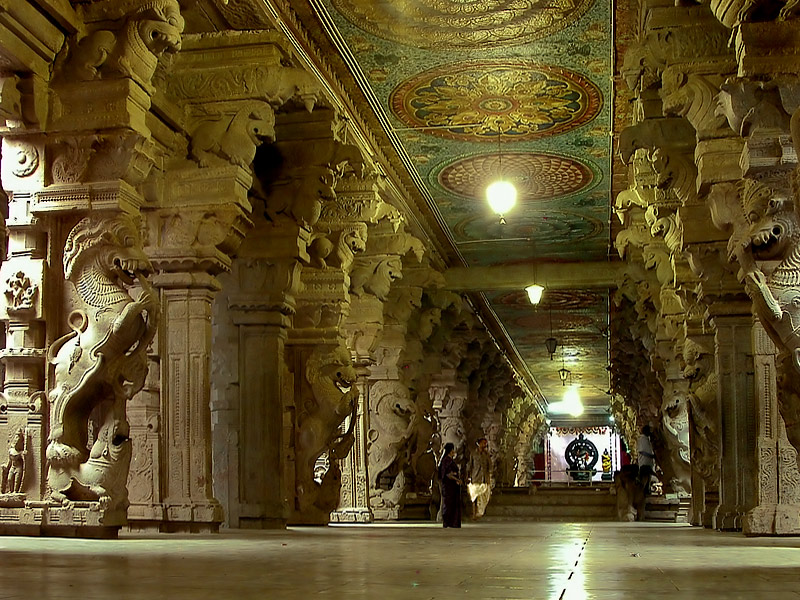
Decimal system was invented by the Hindus. We have got hundreds of references to decimal numbers such as 1000, 10,000, lakh and crore in the Vedic scriptures and post Vedic Hindu scriptures. One of the architectural wonders of the world is Thousand Pillar Mandap (hall) in South Indian Temples. It originated in the Rig Vedic period and went up to Central America.

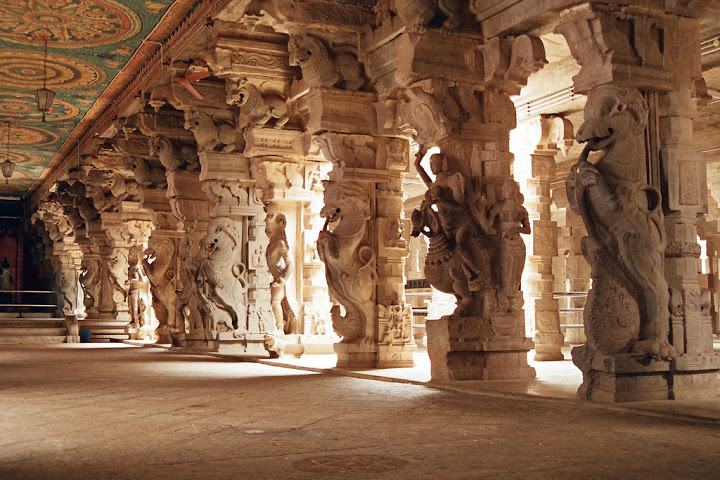
All the thousand pillared halls in the South Indian temples are sculptural museums.

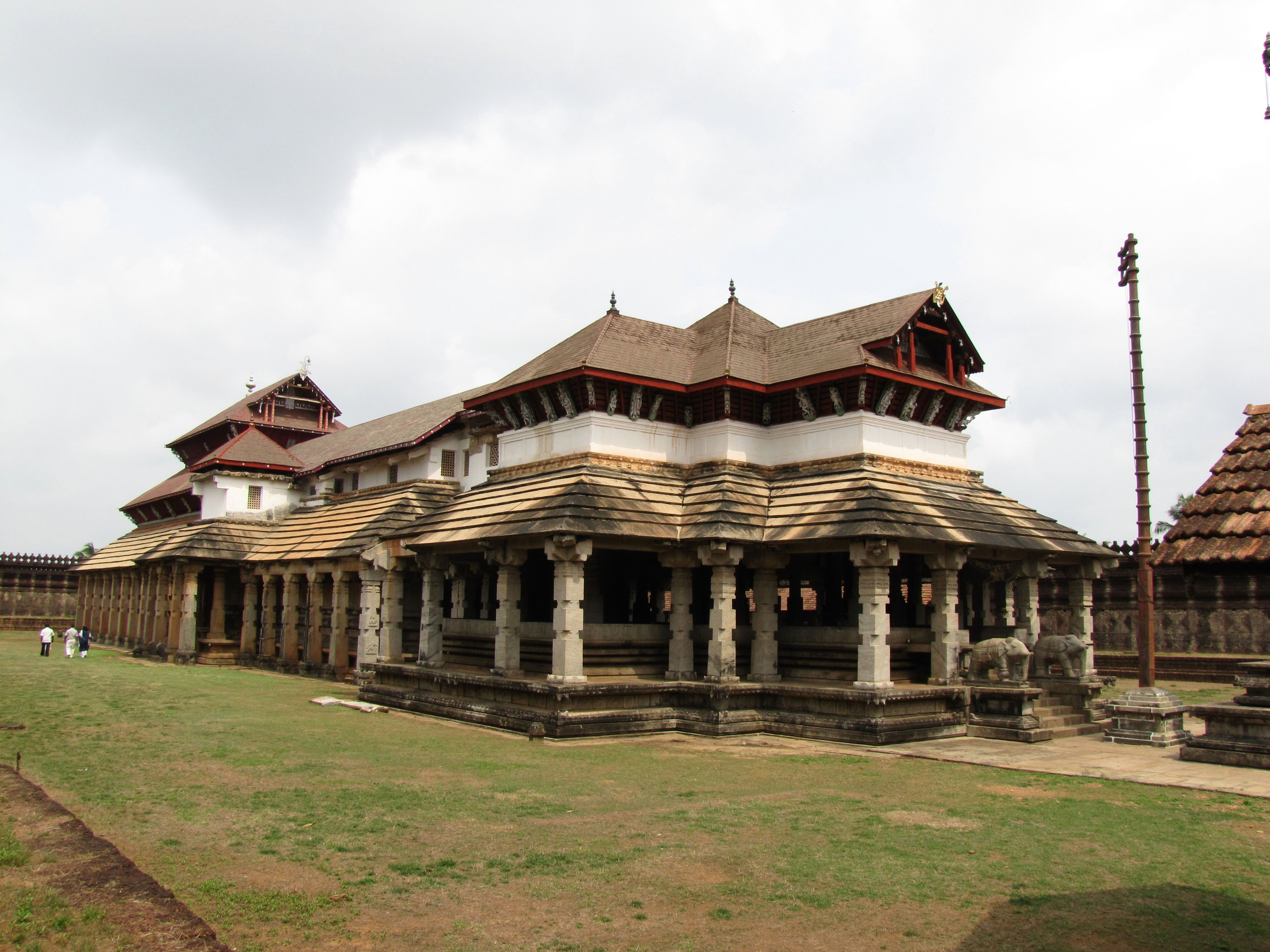
Madurai, Rameswaram, Srirangam, Tirunelveli, Tiruvannamalai, Chidambaram and several other temples of Nayak period have got huge stone halls called 1000 pillar Mandapas. The celebrated thousand pillar mandap/hall in Madurai has 985 pillars now. It was erected in 1569 by Aryanatha Mudaliyar, whose statue riding a horse is at the entrance. The hall is measuring 76.2 metres by 73 metres. There is a central shrine for lord Shiva in his dancing form. There are beautiful sculptures on every pillar. On ceiling near the entrance there is a wheel which gives the cycle of sixty years of the Tamil calendar. Aryanatha Mudaliyar who built this huge mandap was the minister for 71 years under four Nayak kings. Probably he was the minister who served the longest period in Indian history or world history. He served them between 1529 and 1600 CE.
Thousand-Pillar-Hall--
Glorious Hall of 1000 pillars in Madurai, Tamil Nadu.

The Madura hall is famous for its Kuravan-Kurathi statue (nomads) with a basket on Kurathi’s houlders. The workmanship of it is unparalleled. She has a child on her bac , one inside the basket and a third clinging on to her breasts. Kuravan is loaded with jewels according to the custom of his clan. Puranic King Harichandra and queen Chandramathi are sculpted in one pillar. Rati-Manmatha, Kannappa and Pandava brothers are also sculpted beautifully. There are 22 pillars in a corner which emit different musical notes when struck with a piece of stone or metal.

Ferguson in his “Indian and Eastern Architecture” says, “it is not the number of pillars but their marvellous elaboration that makes this hall the wonder of the place”.
Thousand pillar mandap in Srirangam is larger than Madurai mandap. Measuring 152 metres by 48.8 metres, it contains 953 granite pillars. As in Madurai each pillar has got beautiful sculptures and the pillars are monoliths.

1000_Pillar_Temple1hanamkonda
Warangal/Hanamakonda Thousand Pillar Hall Temple

Andhra Pradesh/Telengana

Andhra Pradesh and Telengana in South India have many temples with ‘1000 pillared’ halls. They are older than the Nayak halls of Tamil Nadu. Thousand pillared hall temple in Hanamakonda /Warangal was built during Chalukya period. The Kakathiya sculptors built it in 1163 under Rudhra Deva’s rule. During Muslim invasion some of the structures were damaged. Three hundred Pillars are fused with one another. In Karnataka Moodabidri, a Jain temple has also a mandap called ‘1000 pillar temple’. But only in Tamil Nadu we see at least 985 pillars plus the inside temple with more pillars making it to 1000. Other places though they call it “1000 pillar”, what they mean is a lot of pillars.

Rig Vedic Concept– Huge mansion of a 1000 columns:-
What is the origin of the 1000 pillared halls? Who conceived the idea?
It is in the Rig Veda, the oldest scripture in the world!!

RV 5-62-1 (Hymn to Mitra – Varuna)
“B y your high law, firm order is established there where they loose for Surya’s horses.
Ten hundred stood together; there I looked on this the most marvellous Deities’ one chief glory.

RV 5-62-6
With hands that shed no blood, guarding the pious, whom Varuna, you save amid oblations.
You two, together, kings of willing spirit, uphold dominion based on thousand pillars.
Probably this hymn inspired our sculptors to construct a thousand pillared halls.
chichenitza_s6
Chichen Itza, Mexico, Mayan/Toltec structure

Indian sculptors in Mayan lands
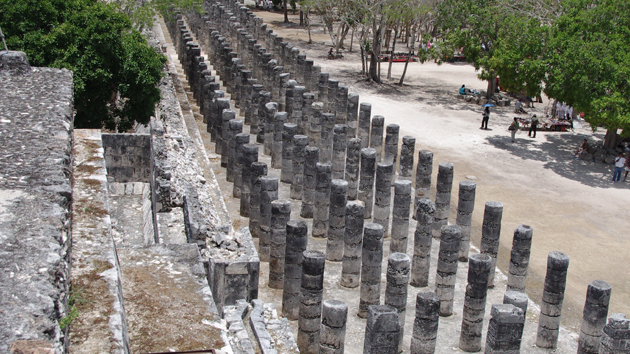
I have already written several articles about the connection between the Indian and Mayan civilizations. Hindus migrated to South America around 3100 BCE after the burning of Kandava Forest by Arjuna and Krishna. Maya Danava went to South America, who was the originator of Mayan culture. Now and then Indians visited Mayan cities via South East Asia. Around the eighth century CE, they went to Chichen Itza in Mexico and created one of the largest cities. They constructed ‘1000 pillared hall’ there. Now we see hundreds of columns in rows. It had roof over them long ago.

Chichen itza is remarkable for one thing. A lot of people of different races and countries visited it for trading. It had huge market complex. The 1000 columns of Chichen itza stood in front of the Temple of the Warriors which have sculptures of warriors and animals like we have in 1000 pillared halls of Hindu temples. This place occupied four and half acres. The columns supported carved wooden beams.
ch_warr1
Chichen Itza, Mexico

Concept of Thousand Pillared Halls has been there for over at least 3500 years. The halls in Madurai and Sirangam are shining in their full glory and splendour.

Please read my previous posts about Indian- Mayan Civilisation links:–
1.Are Mayas Indian Nagas? April 28, 2012.
2.Amazing Similarities between Mayas and Indian Nagas, Posted April 28, 2012
3.Part- 2 of Amazing Similarities between Mayas and Indian Nagas, Posted May 1, 2012.
4.Did Indians build Egyptian Pyramids?
Contact swami_48@yahoo.com
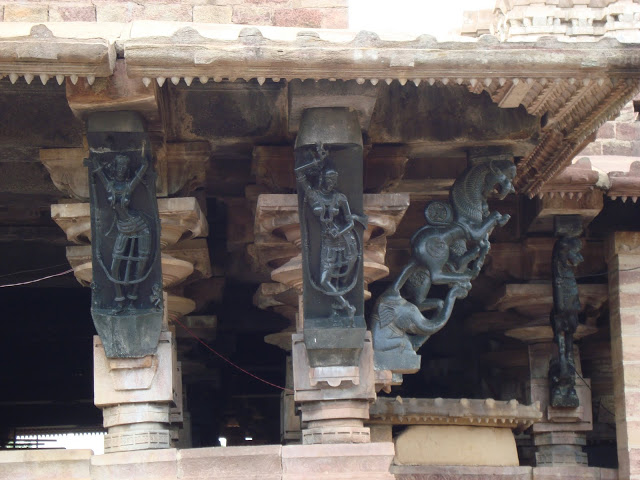
1000-Pillar-Temple-Moodbidri-Left-Side-View
Temple at Moodbidri in Karnataka.

லலிதா ஸஹஸ்ர நாம மஹிமை

Sri-Lalitha-Sahasranama-Stotram-Leaflet-Tamil-

Written by S Nagarajan
Post No.1150; Dated 5th July 2014.

This is the third part of S Nagarajan’ article on the Puranas. First two parts were published in the past two days.

ரஹஸ்யங்களுக்கெல்லாம் ரஹஸ்யமானதும், லலிதாம்பிகைக்கு ப்ரீதியைக் கொடுப்பதுமான இதற்குச் சமமான ஸ்தோத்திரம் இருந்ததுமில்லை; இருக்கப்போவதுமில்லை.

இந்த ஸ்தோத்திரமானது சகல வியாதிகளையும் தீர்த்து விடும்.. சர்வ ஸம்பத்துகளையும் அதிகரிக்கச் செய்யும். சகல விதமான அகால மிருத்யுவையும் அடக்கி விடும். கால கிரமத்தில் ஏற்படக்கூடிய மரணத்தையும் நீக்கி விடும்.

சகல விதமான ஜ்வரங்களால் ஏற்படும் கஷ்டங்களை நீக்கி விடும். தீர்க்கமான ஆயுளைக் கொடுக்கும்.பிள்ளையில்லாத வர்களுக்கு புத்ர ஸம்பத்தைக் கொடுக்கும். புருஷார்த்தத்தையும் கொடுக்கும்.

மேலே கூறிய அர்த்தத்தைத் தரும் மூன்று ஸ்லோகங்கள் வருமாறு:-

ரஹஸ்யானாம் ரஹஸ்யம் ச
ல்லிதாப்ரீதி தாயகம் I
அனேன ஸத்ருஸம் ஸ்தோத்ரம்
ந பூதம் ந பவிஷ்யதி II

ஸர்வரோக ப்ரசமனம்
ஸர்வ ஸம்பத் ப்ரவர்தனம் I
ஸர்வபாப ம்ருத்யுசமனம்
காலம்ருத்யு நிவாரணம் II

ஸர்வ ஜ்வரார்த்திசமனம்
தீர்க்காயுஷ்ய ப்ரதாயகம் I
புத்ரப்ரதம் அபுத்ராணாம்
புருஷார்த்த ப்ரதாயகம் II

த்யானம், ஜபம் முதலான அநேக ரஹஸ்யங்களோடு கூடிய இந்த ஆயிரம் நாமங்கள் லலிதாம்பிகைக்கு ப்ரீதியைக் கொfடுப்பவை. நிகழ்காலம் இறந்தகாலம், எதிர்காலம் ஆகிய மூன்று காலங்களுக்கும் மிஞ்சிய இதற்கு சமமான ஸ்தோத்ரம் வேறொன்றுமில்லை

அறிய முடியாதென்று கை விடப்பட்ட அஸாத்யம்,அயாப்யம் என்ற பேதங்களை உடைய வியாதிகளையும் கூட இது போக்கடிக்கும். ரோகம் என்பதற்கு நிகரான வறுமையையும் போக்கும். திடீரென ஏற்படும் அபமிருத்யுவை இது விலக்கும். காலத்தினால் ஏற்படும் மரணத்தையும் இது போக்கும்.

ஒரு நாளைய ஜ்வரம் முதல் ஸன்னிபாத ஜ்வரம் வரை அனைத்தும் அகலும். சதாயுஸ் எனப்படும் நூறு வயதை இது அருளும். புத்திர செல்வம் இல்லாதவர்களுக்கு புத்ர செல்வம் தரும். புத்திமான்களால் விரும்பப்படும் முக்தியையும் இது அருளும்.
-ப்ரம்மாண்ட புராணத்தில்

லலிதோபாக்யானத்தில் ஹயக்ரீவர்- அகஸ்த்ய ஸம்வாதத்தில் வரும் ஸ்லோகங்கள்

Lalitha-sahasra-nama-stotram_img_0

அர்க்யம் விடுவது எதற்காக?

அர்க்கிய ஜலத்தை எடுத்து ஒருவர் எதற்காக விடுகின்றாரோ அதற்கான காரணமும் சொல்லுகிறேன். கேட்பீராக!

மஹாவீர்ர்களாயும் நன்றி மறந்தவர்களாகவும், பயங்கரர்களாயும் இருக்கின்ற முப்பது கோடி மந்தேஹா என்னும் ராட்ஸசர்கள் சூரியனை விழுங்க ஆசைப்படுகிறார்கள். அவர்கள் இச்சையைக் கெடுப்பதற்குத் தேவ கூட்டங்களும் ரிஷிகளும் சந்தியை உபாசித்து உதக அஞ்சலியாக அர்க்கியத்தை விடுகிறார்கள். விட்டவுடன் அந்த அர்க்கிய ஜலம் வஜ்ர உருவம் கொண்டு அந்த ராட்ஸசர்களைக் கொளுத்துகின்றது. இது தான் அதற்குக் காரணம்.
-நாரதரிடம் நாராயணர் கூறுவது.

– தேவி பாகவதத்தில் பதினொன்றாம் ஸ்கந்தத்தில் பதினாறாவது அத்தியாயமான சந்தியோபாசனம் என்னும் அத்தியாயத்தில் வருவது

sri-lalita-sahasranama-arch_1

சுபாஸ்ரயம் எது?
சுபாஸ்ரயம் எது? இதற்கான விடையை பாகவதம் இரண்டாம் ஸ்கந்தத்தில் முதல் அத்தியாயத்தில் காணலாம்.

எந்த உருவத்தைச் சிந்திக்கும் போது மனமானது ராகம் முதலிய தோஷங்களால் வரும் கலக்கமின்றித் தெளிவு பெறுமோ, அத்தகையதும் தனக்கு மேற்பட்ட ஒன்று இல்லாததும் ஆகிய ஸ்ரீமஹாவிஷ்ணுவின் உருவமே சுபாஸ்ரயம் எனப்படும்.

To be continued………………

“இழிபிறப்பாளன் கருங்கை சிவப்ப”: சங்ககால ஜாதிகள்

The Caste System During Vedic Civilisation

ஆய்வுக் காட்டுரை எழுதியவர்:- லண்டன் சுவாமிநாதன்
கட்டுரை எண்:- 1149; தேதி 5 ஜூலை 2014.

“கேட்டியோ வாழி பாண பாசரைப்
பூக்கோள் இன்றென்றறையும்
மடிவாய்த் தண்ணூமை இழிசினன் குரலே – புறம்.289

இழிபிறப்பாளன் கருங்கை சிவப்ப
வலிதுறந்து இலைக்கும் வன்கண் கடுந்துடி – புறம் 170

துடி எறியும் புலைய
எறிகோள் கொள்ளும் இழிசின – புறம் 287

புல்லகத் திட்ட சில்லவிழ் வல்சி
புலையனேவப் புல்மேல் அமர்ந்துண்டு – புறம் 360

சங்க இலக்கியத்தில் உள்ள 18 மேல் கணக்கு நூல்களில் ‘புறநானூறு’ – என்னும் நூல் தமிழ் பண்பாட்டைப் பிரதிபலிக்கும் கண்ணாடி. ஆகையால் அப்புத்தகத்தில் இருந்து மட்டும் சில மேற்கோள்களைத் தந்தேன்.

இவற்றின் ஒட்டுமொத்த பொருள்: புலையன் ஜாதி, பிறப்பால் அமைந்தது. புலையர்கள் சுடுகாட்டு வேலைகளைச் செய்வர். அவர்கள் பறை கொட்டுவது —(பறையர் என்பது இந்த வாத்தியத்தில் இருந்து பிறந்த சொல்) — முதலிய தொழில்களைச் செய்வர். அவர்கள் கீழ்ஜாதி மக்கள். “கட்டில் நிணக்கும் இழிசினன் (புறம் 82) என்றும் பேசப்படுகிறான் (கட்டில் செய்ய தோல் வாரில் வேகமாக ஊசியைச் செலுத்தும் புலைமகன் என்பது பழைய உரை)

‘’துடியன், பாணன், பறையன், கடம்பன் என்று
இந்நான்கல்லது குடியும் இல்லை’’— புறம்.335 (மாங்குடிக் கிழார்)

– என்று நான்கு குடிகளை ஒருச்சேரப்படுவதில் இருந்து இந்த நாலு குடிகளும் கீழ்மட்டத்தில் இருந்த குடிகள் என்பதும் தெரிகிறது.

சங்க கால ஜாதிப் பிரிவுகள் பற்றி ஏராளமான பாடல்களில் குறிப்புகள் வருகின்றன. ஆனால் அவை அன்றாட நடைமுறைகளைப் பாதித்ததாகவோ மோதல்களை உண்டாக்கியதவோ சான்று எதுவும் இல்லை. பாடல்களை இயற்றியோரிலும் பல வகுப்பினர் இருந்தனர். ஆனால் ஜாதிச் சண்டை இல்லை. சங்க காலத்துக்கு 400 ஆண்டுகளுக்குப் பின்னர் வந்த தேவார, திவ்யப் பிரபந்த காலத்தில் சிவ, விஷ்ணு பக்தர்கள் இடையே எவ்வளவு சமரசம் நிலவியது என்பதை பெரிய புராணத்தில் இருந்தும் ஆழ்வார் சரிதங்களில் இருந்தும் அறிகிறோம்.
caste-system-in-hinduism

ஆவுரித்துத் தின்னும் புலையரேனும் — என்று அப்பர் பாடுகிறார். மாடு தின்னும் புலையா, உனக்கு மார்கழித் திரு நாளோ—என்று நந்தனார் நாடகத்தில் கேட்கிறோம். இது சங்க காலத்தில் இருந்து தோன்றிய ஜாதிப் பகுப்பு.

நாநிலப் பிரிவுகளில் என்ன என்ன சிறிய ஜாதிகள் இருந்தன என்பதும் தெரிகிறது. சில சொற்கள் சங்க இலக்கியத்திலேயே பயிலப்படாததால் அவைகளின் பொருள் கூட இன்று தெரியவில்லை.

வெளிநாட்டு இந்து அல்லாத “அறிஞர்கள்” (?!?!) எழுதிய புத்தகங்களில் இந்தப் பட்டியலை வெளியிடாமல் மறைத்திருப்பதைக் காணலாம். தமிழர்கள் இடையே “நல்ல பிள்ளை” பட்டம் வாங்கி உலகத் தமிழ் நாட்டில் பொன்னாடை போர்த்திக் கொள்ள இப்படி ஒரு வேஷம்!!! பழங்காலத்தில் மதத்தைப் பரப்பவும், பிரிட்டிஷ் ஆட்சியை நிலை நாட்டவும், கேளிர் பிரித்து பகச் சொல்லி பகைமை வளர்கவும் இருந்த ஒரு கூட்டமும் இப்படி மறைத்தது. முழுப் பூசணிக்காயை சோற்றில் மறைக்க யாரே வல்லார்? பழந்தமிழ் நூல்கள், உரைகள் எல்லாவற்றிலும் உண்மை மறைக்கப்படவில்லை.

அந்தக் காலத்தில் ராஜா மகன் ராஜாதான், குயவன் மகன் குயவன் தான். ராமாயண, மஹாபாரத காலம் போலவே சில விதி விலக்குகளும் உண்டு. இது உலகம் முழுதும் இன்றும் இருக்கிறது. அரசியல்வாதிகள் மகன்கள், அரசியலில் பெரிய பதவிகளைப் பிடிப்பது போல, செல்வாக்கு உடையவர்கள் மகன்கள் டெலிவிசன் போன்ற மக்கள் தொடர்பு சாதனங்களில் பெரிய நிலைக்கு உயர்வது போல இது — இங்கு லண்டனிலும் கூட இதைக் காண்கிறோம்.

இதோ நாநிலப் பகுப்பில் (பாலை நிலத்தையும் சேர்த்து 5 நிலங்கள்) குறிப்பிடப்படும் உயர்ந்த, தாழ்ந்த ஜாதிகள்:

குறிஞ்சி
உயர்ந்தோர்: பொருப்பன், வெற்பன், சிலம்பன், கொடிச்சி
தாழ்ந்தோர்: குறவர், குறத்தியர், கானவர்

முல்லை
உயர்ந்தோர்: நாடன், தோன்றல், மனைவி, கிழத்தி
தாழ்ந்தோர்: இடையர், இடைச்சியர், ஆயர், ஆய்ச்சியர்

மருதம்
உயர்ந்தோர்: ஊரன், மகிழ்நன், கிழத்தி, மனைவி
தாழ்ந்தோர்: உழவர், உழத்தியர், கடையர், கடைசியர்

நெய்தல்
உயர்ந்தோர்: சேர்ப்பன், துறைவன், புலம்பன், பரத்தி, நுளைச்சி
தாழ்ந்தோர்: நுளையர், நுளைச்சியர், பரதர், பரத்தியர், அளவர், அளத்தியர்

பாலை
உயர்ந்தோர்: விடலை, இகுளை, மீளி, எயிற்றி
தாழ்ந்தோர்: மறவர், எயினர், எயிற்றியர், மறத்தியர்
(உதவிய நூல்: ஐங்குறு நூறு, எம்.நாராயண வேலுப்பிள்ளை).

அந்தணர்கள் (பிராமணர்கள்) பற்றிய குறிப்புகள்தான் அதிகம். இதற்குக் காரணம் அந்தணர் பாடிய பாடல்கள்தான் சங்க இலக்கியத்தில் அதிகம். கபிலர், பரணர், நக்கீரர், மாமூலனார் ஆகிய பிராமண புலவர்கள் கொடிகட்டிப் பரந்தனர்.

egyptian-social-structure
Caste System in Ancient Egypt.

காஞ்சி சுவாமிகள் உரை
ஜாதி, வர்ணாஸ்ரமம், பிராமணர், வேதம் என்பதெல்லாம் “ வட நாட்டு இறக்குமதிச் சரக்கு”, “ஆரிய மாயை” — என்று சொல்லி தமிழ் மக்களை ஏமாற்றுவோருக்கு காஞ்சி பரமாசார்ய சுவாமிகள் அழகாகப் பதில் கொடுத்துள்ளார். வேள்வி, மறை (யாகம், வேதம்) என்பதெலால்ம் பழந்தமிழ் சொற்கள் மட்டுமல்ல, அவை எல்லாம் தமிழ் வேர்ச் சொற்களில் இருந்து பிறந்தவை, மொழி பெயர்ப்பு அல்ல என்பதை காஞ்சி பரமாசார்ய சுவாமிகள் (1894-1994) சுட்டிக்காட்டினார்.

தமிழ் தாத்தா உ.வே.சுவாமிநாதைய்யர், ஆரிய-திராவிட இனவெறி மாயையில் சிக்காமல் உள்ளதை உள்ளபடி எழுதி வைத்துவிட்டுச் சென்றார். பாரதி “ஆரிய” என்ற சொல்லை ஏராளமான பாடல்களில் பாடிப் புகழ்ந்து, போற்றி, பாராட்டி ஆரிய- திராவிட இனவெறிக் கொள்கையை நிராகரித்தார். (ஆரிய= பண்பாடு உடையோன்; இனவெறிப் பொருளைக் கொடுத்தவர்கள் கால்டுவெல் முதலிய வெளி நாட்டுச் சழக்கர்கள்).

ரிக் வேதத்தில் உள்ள புருஷசூக்தத்தில் இறைவனுடைய நாலு அங்கங்கள் நாலு ஜாதிகள் என்று கூறப்பட்டுள்ளன. கௌடில்யர் அர்த்த சாஸ்திரத்திலும் (3-70) நான்கு ஜாதிகளை ஆரியர்களின் 4 பிரிவுகள் என்றே எழுதியுள்ளார். ஆனால் வெளிநாட்டு, ‘இந்து’வல்லாத “ அறிஞர்கள்” (?!?!?) சூத்திரர்கள் என்பவர்கள் ஆரியர் அல்லாதோர் என்று புரளி கிளப்பி யுள்ளனர்.

வேத காலம் போலவே அந்தணர், அரசர், வணிகர், வேளாளர் என்ற நால் வருணப் பகுப்பு இருந்தது — குடி என்ற சொல் ஜாதி என்ற பொருளில் பயன்படுத்தப்பட்டது.

முதல் முதலாக ‘சாதி’, ‘வருணம்’ என்ற சொற்கள் சிலப்பதிகாரத்தில்தான் பயன்படுத்தப்பட்டன. சிலப்பதிகாரக் கதை இரண்டாம் நூற்றாண்டில் நடந்தபோதும், காவியம் உருவானது ஐந்தாம் நூற்றாண்டு என்பதை மொழி நடையே காட்டிவிடுகிறது. நால்வேறு மக்கள் அவரவர்களுக்கான தெருக்களில் வசித்ததை மதுரைக் காஞ்சி (522) காட்டுகிறது.

சிலப். 6-164, 14-183, 8-41, 14-212, 22-10; 8-41

மிலேச்சன் போன்ற தீண்டத்தகாத யவனர்களையும் மஹாபாரதம் முதல் முல்லைப் பாட்டுவரை காண்கிறோம் — (முல்லை 65-66).

Maya-society-Castes-as-in India
Caste System in Ancient Mayan Civilization, South America.

மனுநீதியும் புறநானூறும்

மனுஸ்மிருதியில் மனு என்ன சொன்னாரோ அதை அப்படியே புறநானூற்றுப் (1,2,3 ஆம் நூற்றாண்டு) புலவரும் திருவள்ளுவரும் (ஐந்தாம் நூற்றாண்டு) சொல்லி இருக்கிறார்கள்:

புறம் 183 (ஆரியப் படை கடந்த நெடுஞ்செழியன்)

வேற்றுமை தெரிந்த நாற்பாலுள்ளும்
கீழ்ப்பால் ஒருவன் கற்பின்
மேற்பால் ஒருவனும் அவன்கண் படுமே

கீழ்ஜாதியில் ஒருவன் கற்றுத் தேர்ந்தான் ஆனால் அவனை மேல்ஜாதிக்காரர்களும் வாழ்த்தி வணங்குவர்.

வள்ளுவனும் இதையே சொன்னான்:

மேற்பிறந்தாராயினும் கல்லாதார் கீழ்ப்பிறந்தும்
கற்றார் அனைத்திலர் பாடு (குறள் 409)

பொருள்:- உயர் குடியில் (ஜாதியில்) ஒருவர் பிறந்து படிக்காவிட்டால், கீழ்க்குடியில் பிறந்து படித்துப் பட்டம் பெற்றவரை விட ஒருபடி தாழ்வே.

மனுவும் இதையே கூறியிருக்கிறார்:–

மேலான அறிவை நாலாம் வருணத்தினிடம் இருந்தும் கொள்ளலாம் ( மனு 2-238)
அறம், ஒழுக்கம், நன்மொழி, பற்பல கலைகள் முதலியவற்றை எவ்விடத்தில் இருந்தும் அறியலாம் ( மனு 2-240)

வேற்று இனத்தாரிடமும் வேதம் கற்கலாம். அப்படிக் கற்கும் காலையில் அவரை குருவாக மதித்து கைகட்டி வாய் புதைத்து அவர் பின்னே செல்ல வேண்டும் என்றும் மனு பகர்வார் (2-242).

மஹாபாரதத்தில் இதற்குக் கசாப்புக்கடை தர்ம வியாதன் முதல் வியாசர் வரை பல கதைகள் கிடைக்கும். வேடனாக இருந்து ரிஷியாக மாறிய வால்மீகி இன்னும் ஒரு எடுத்துக் காட்டு. வேத கலத்தில் கவச ஐலுசர் போன்ற அறிஞர்களும் இவ்வகையினரே.

Pyramid_of_Caste_system_in_India

ஜாதிகள் ஒழிக!

ஜாதிப் பிரிவினைகளை ஆதரிக்கும் கட்டுரை அல்ல இது. ஆனால் சங்க காலத்தில் ஜாதிகள் உண்டு, பழந் தமிழினத்திலும் பிரிவினைகள் உண்டு. அவை தொழில் முறையில் மட்டும் அமைந்தது அல்ல, பிறப்பினாலும் அமைந்தவை என்பதற்கு நிறைய ஆதாரங்கள் உண்டு.

ஆனால் உடை, உணவு, உறைவிடம் ஆகிய மூன்று அடிப்படைத் தேவைகள் எல்லோருக்கும் கிடைத்தன. புலவர்கள, பாணர்கள் முதலியோர் வறுமையில் வாடினாலும் அதற்கு அவர்களின் ஜாதி காரணம் அல்ல. மொத்தத்தில் மக்கள் அவரவர் உறைவிடங்களில், வரையறுக் கப்பட்ட பகுதிகளில் இன்ப வாழ்வு வாழ்ந்தனர்.

தேர்தலில் ஜாதி, கல்வி நிறுவன அனுமதியில் ஜாதி, வேலை ஒதுக்கீட்டில் ஜாதி – இப்படி எல்லாவற்றிலும் ஜாதியை வேண்டும் தமிழர்கள் — அம்பேத்கர் என்னும் பெருமகன் சொன்ன 25 ஆண்டு எல்லைக்குப் பின்னரும் ஜாதிச் சலுகைகளை விரும்பும் தமிழர்கள் — ஜாதிச் சமரசம் பற்றிப் பேச அருகதை அற்றவர்களே!! அப்படிப் பேசினால் அவர்களது மனச் சாட்சியே அவர்களைப் பார்த்து நகைக்கும்!!!!

அகநானூற்றில் வரும் ஜாதிகள்/தொழில் முறைப் பிரிவுகள்:–
அகநானூற்றில் உள்ள சாதிகள்: அண்டர்/ இடையர், அத்தக் கள்வர், அந்தணர், உமணர், உழவர், குயவர், கொல்லர், தட்டார், பரதவர், பழையர், பானர், யானைப்பாகர், வேளாப் பார்ப்பார்,

குறவர் குடி–அகம் 13, உழவர் குடி— அகம் 30, பரவர் குடி –அகம் 10, நுளையர்- அகம் 366, எயினர்— அகம்.79, மறவர்- அகம்.35, வேட்டுவர்— அகம்.65.

–சுபம்–

Caste Divisions in Ancient Tamil Nadu

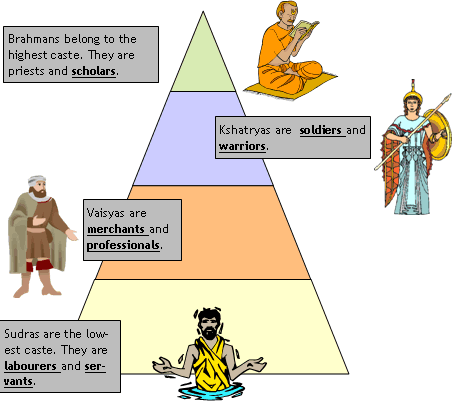
Pyramid_of_Caste_system_in_India

Research article written by London Swaminathan
Post No. 1148; 4th July 2014.

Caste divisions existed in ancient Tamil Nadu like other parts of India. Tamils were divided on the basis of four castes and on the basis of work they did. There were references about ‘high born’ and ‘low born’ in the Sangam Tamil Literature.

There were mentions about four types of soldiers: Chariot, Elephant Brigade, Cavalry and Foot soldiers (Ratha,Gaja,Thuraga,Pathathi) as well. When we look at the whole picture with such divisions of castes, soldiers, Eight Types of Marriages, Nava Rasa, Six Seasons and so on in the Sangam literature, we have to accept that there was no difference between Tamils and other communities 2000 years ago.

There was a mischievous propaganda by people with vested interests that all these divisions were “imported” from the “Aryan North” into Tamil Nadu. But great saints like Kanchi Paramacharya, Aurobindo and great Tamil scholars like U V Saminathaiyer have pointed out that pure Tamil words coined from Tamil roots were used for Yaga, Veda and Castes from the days of the oldest Tamil book Tolkappaiam. It shows that they were part and parcel of Tamil society and nothing was brought into Tamil Nadu from outside.

The surprising thing about the ancient Tamil community of Sangam period is each of the five landscape divisions had Upper Castes and Lower castes. Even the poets of Sangam and Post Sangam period did not hesitate to call them “Hey, Ye Low Born!”

Following are the five landscape divisions according to ancient commentators:

1.Kurinchi (Mountainous Areas)
Higher castes: Poruppan, Verpan, Silamban, Kodichy
Lower castes: Kuravar, Kurathiyar, Kanavar

2.Mullai (Forest regions)
Higher castes: Nadan, Thonral, Manaivi, Kizathi
Lower castes: Idaiyar, Idaichiyar, Ayar, Aychiyar

3.Marutam (Countryside
Higher castes:Uran, Makiznan, Manaivi, Kizathi
Lower castes: uzavar, Uzaththiyar, Kadaiyar, Kadaichiyar
4.Neytal (Seashore)
Higher castes:Serppan, Thuraivan, Pulamban, Parathi, Nulaichi
Lower castes: Nulaiyar, Nulaichiyar, Parathar, Parathiar, Alavar, Alathiyar

5.Palai (Wasteland/arid lands)
Higher castes:Vidalai, Igulai, Meeli, Eyitri
Lower castes:Maravar, Eyinar, Eyitriar, Marathiyar

Nobody now knows what these caste names meant. We have explanations for some words.

The Caste System During Vedic Civilisation

Foreign “scholars” have mischievously deleted them from the table of Five Landscapes in English books. They have mentioned only such things that suited their wishful thinking. But the ancient list is still available in all the old Tamil commentaries. Old Tamil commentators have clearly mentioned them as “low and high” castes and explained them in their commentaries.

There are many more names like Kuyavar,Kollan, Thachan, Kuthan,Vanikan which are based on the work they did. But Tamils did not hesitate to use Sanskrit words such as Thachan, Vanikan etc.

The word for Brahmin occurs in hundreds of places with different epithets. Brahmins had the highest number of references. Too many to list here! (I have given in my post “No Brahmin! No Tamil!!” all the contributions made by great Brahmin poets like Kabilar, Paranar, Nakkirar and Mamulanar.

Maya-society-Castes-as-in India
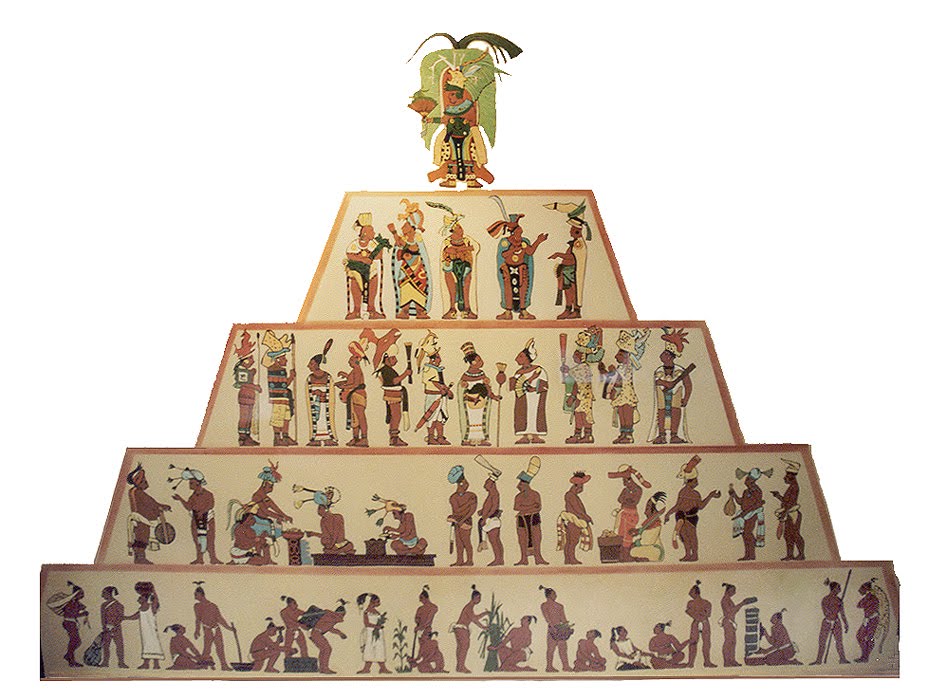
Caste System in the Mayan Civilization of South America.

Manu Sloka in Purananauru!!

Pandya King Nedunchezian has composed a beautiful (Purananuru 183) verse about the value of education 2000 years ago. He says even if a person of the lowest caste among the four castes is educated, the high caste person would salute (pay respects to) him. Even a mother would show more affection towards the educated son than the illiterate one.

Manu said the same in the Manu Smriti:–

“A man who has faith may receive good learning even from a man who is lower, the ultimate law even from a man of the lowest castes, and a jewel of a woman even from a bad family”–2-239

“Ambrosia may be extracted even from poison,
And good advice even from a child,
Good behaviour even from enemy
And gold even from something impure “– 2-240

“Women, jewels, learning, law, purification, good advice and various crafts may be acquired from anybody” – 2-241

“In extremity, it is permissible to learn Veda from someone who is not a priest and to walk behind him and obey him like a Guru as long as the instruction lasts”- 2-242

Tiruvalluvar also said the same in Tamil Veda Tirukkural (409)
“Though high born, an unlettered man is deemed lower than a learned man of lower birth. “—Kural 409.
During Krita Yuga (Golden Age), there was only one caste i.e. Brahmins, according to Santi Parva chapter 186 of Mahabharata.

Non Hindu foreign “scholars” deliberately spread a lie that Shudras are non-Aryans. But Vedas clearly say that they are part of the same Mahapurusha in the Purushasuktam of Rig Veda.

Chanakya of Arthashastra (3rd century BCE) treats all the four Varna as Aryans (not a word with racial meaning as foreigners used, but meaning ‘cultured’).

Those who read Rig Veda, Manu and Arthashastra would know that all the four castes were part of one community. Untouchability and modern caste differences were unknown in the Vedic period.

egyptian-social-structure

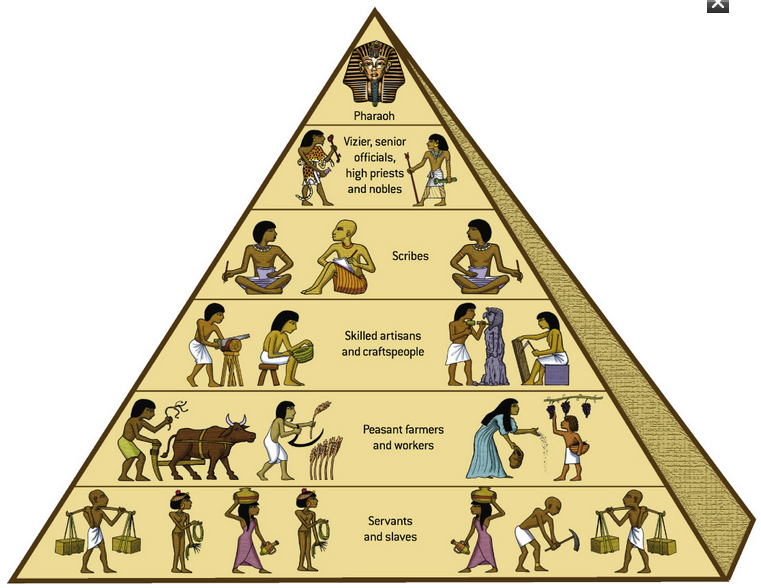
Caste System in Egyptian Civilization.

Hey! Ye Low Born! In Purananuru

Tudiyan caste is addressed as low born (Izisina in Tamil) in the verses 82 and 287 of Purananuru by poet Sathanthaiyar.

Poet Damodaran of verse 170 and Kazathalaiyar of verse 289 also used this word “low born” (Izisina).
Mangudi Kizar of verse 335 mentioned all the four lower castes :Tudiyam Panan, Paraiyan and Kadampan.
Lowest caste Pulaiyas did all the works at crematorium, according to verse 360.
Since Purananuru is considered the oldest section in the Sangam literature, I have quoted above verses from the same. Other sections of Sangam literature have a lot of references. Silappadikarm, Tamil epic of fifth century CE, mentioned the caste system and in which part of the city each and every caste lived etc.
In short it was the same caste system throughout India. But no one was discriminated against on the basis of caste in Tamil Nadu. In a vast geographical region each and every community lived in their own sphere happily with all the basic needs like food, shelter and clothing. If at all there was poverty, it had nothing to do with the caste system.

Oldest Tamil book Tolkappaiam also refer to the caste system in several places.
The word “Four Varna” is used in Tamil epic Silappadikaram: 6-164, 14-183, 14-212, 22-10; Manimekalai 6-56.

caste-system-in-hinduism

Silappadikaram 8-41 used the word “Jathi” (Saathi).
Words Varna and Jathi are used in Silappadikaram for the first time.

Maduraikanchi of Sangam Literature mentioned the “four different streets” for four different castes.
Brahmin streets known as Agraharam existed till 75 years ago in Tamil Nadu. Brahmins only lived in that area. Whole villages given to Brahmins by the kings were mentioned in thousands of Tamil inscriptions.
Some people who study the constructions and structures in the Indus Valley Cities believe that the caste system originated there. It is debatable.

Contact swami_48@yahoo.com
வியாஸரின் ஆசிரமம் இருக்கும் இடம்!

sukadeva
சுகதேவர் படம்

Written by S Nagarajan

Post No 1147; Dated 4th July 2014.

This is second part from “Honey Drops from the Hindu Puranas”- e book published by nilacharal; First part was published yesterday.

ஸரஸ்வதி என்னும் பெயருடைய ப்ரஹ்ம நதியின் மேல் கரையில் சம்யாப்ராஸமென்று பிரசித்தமானது வியாஸருடைய ஆசிரமம். அங்கு ரிஷிகள் ஓயாமல் யாகங்கள் செய்து கொண்டிருப்பார்கள். இலந்தை மரங்களின் வரிசைகளால் அலங்காரமுற்ற அந்தத் தனது ஆசிரமத்தில் வியாஸர் ஜலத்தை எடுத்து ஆசமனம் செய்து மனத்தை வேறு விஷயங்களில் போகவொட்டாமல் அடக்கித் தன்னிலையில் இருக்கச் செய்தார்.

சூதர் சௌனகரிடம் வியாஸ ஆசிரமத்தைப் பற்றிக் கூறியது
பாகவதம் முதல் ஸ்கந்தம் அத்தியாயம் 7

ஸ்ரீமத் பாகவதத்தின் இன்னொரு பெயர்!

வியாஸ மா முனிவர் சம்சாரத்தில் விளையும் அனர்த்தமாகிய தாபத்ரயத்தைப் போக்கும் உபாயம் பகவானிடத்தில் செய்யப்படும் பக்தி யோகமே என்பதை அறியாமல் வருந்தும் உலகத்திற்கு நன்மையை விளைவிக்கும் பொருட்டு ஸாத்வத ஸம்ஹிதை எனப்படுகின்ற இந்த பாகவத மஹா புராணத்தைச் செய்தார்.

சூதர் சௌனகரிடம் பாகவதம் உருவான விதத்தைப் பற்றிக் கூறும் போது தெரிவித்தது
பாகவதம் முதல் ஸ்கந்தம் அத்தியாயம் 7

vyasa & madhva வியாசரும் மத்வரும்

வேதாங்கம் ஆறு

1)சிக்ஷா 2)கல்பம் 3)நிருத்தம் 4)வ்யாகரணம் 5)ஜ்யோதிஷம் 6) சந்தம் என வேதாங்கம் ஆறு வகைப்படும்.
கிருஷ்ண பக்ஷத்தில் வேதாங்கத்தைப் படிக்க வேண்டும்.
-கூர்ம புராணம், மனு ஸ்மிருதி

சௌனகரிடம் பாகவதம் உருவான விதத்தைப் பற்றிக்
கூறும் போது தெரிவித்தது
பாகவதம் முதல் ஸ்கந்தம் அத்தியாயம் 7

வேதங்களின் புரோகிதர்கள்

ரிக் வேதம் – ஹோதா
யஜுர் வேதம் – அத்வர்யு
சாம வேதம் – உத்காதா
அதர்வ வேதம் – ப்ரஹ்மா

ஹோதா, அத்வர்யு, உத்காதா, ப்ரஹ்மா என இப்படி நான்கு முக்கிய ரூபங்களில் யக்ஞங்களை நிர்வகிப்பவர்கள் உள்ளனர்.

-பத்ம புராணம்

Shiksha
ஏழு சிரஞ்சீவிகள்

அஸ்வத்தாமா பலிர் வ்யாஸோ ஹநுமான் ச விபீஷண:
க்ருப பரசுராமஸ்ச சப்தை தே சிரஞ்சீவன:

அஸ்வத்தாமன், பலி, வியாஸர், ஹநுமான், விபீஷணன், க்ருபர், பரசுராமர் ஆகிய எழுவரும் சிரஞ்சீவிகள்.
(அதிகாலையில் இவர்களின் நாமங்களை உச்சரிப்பது – இந்த ஸ்லோகத்தை சொல்வது – மங்களகரமானது என்பது நமது நம்பிக்கை)

-பத்ம புராணம்

ருணங்கள் மூன்று

ரிஷி ருணம் 2) தேவ ருணம் 3) பிதிர் ருணம் என ருணங்கள் மூன்று வகைப்படும் (ருணம் என்றால் கடன் என்று பொருள் படும்)
பிரம்மசர்யத்தை அநுஷ்டிப்பதால் ரிஷிகளும், யக்ஞகர்மங்களைச் செய்வதால் தேவர்களும், புத்திரர்களைப் பெறுவதால் பிதிருக்களும் திருப்தி அடைகின்றனர். இந்த மூன்று கடன்களையும் செலுத்திய பின்னரே ஒருவர் வானப்ரஸ்த ஆசிரமத்தை மேற்கொள்ள வேண்டும்.
– சிவ புராணம், மனு ஸ்மிருதி
rishi3

ப்ராண (நடைப்) பிணம் யார்?

உயிரோடிருந்தும் பிணம் யார்? இதற்கு விடையை பாகவதம் இரண்டாம் ஸ்கந்தத்தில் மூன்றாம் அத்தியாயத்தில் காணலாம்.

பரீட்சித்து மன்னன் சுகரிடம் என்ன வினவினான் என்று சௌனக முனிவர் ஸூதரிடம் வினவும் போது அவர் கூறியது கீழ்க்கண்ட வார்த்தைகள்:

“நாள்தோறும் பிராணிகளின் ஆயுள் கழிந்து கொண்டே இருக்கின்றது. அதில் பகவானுடைய குணங்களைச் சொல்லிக் கொண்டு கழித்த காலம் தவிர மற்றவை எல்லாம் வீணே!
க்ஷணமாயினும் பகவானுடைய குண கீர்த்தனத்துடன் கழியுமாயின் அதுவே சபலமாகும். அது வீணன்று!
‘ஜீவித்திருத்தலே ஆயுளுக்குப் பயன் ஆகட்டுமே’ என்றால் சொல்லுகிறேன், கேளும்.

மரங்கள் ஜீவிக்கவில்லையா?
அவற்றிற்கு மூச்சில்லையே என்கிறீரா?
கருமானுடைய தோல் துருத்திகளும் மூச்சு விடுகின்றன!
அவற்றிற்கு ஆகாராதிகள் இல்லையே என்கிறீரா?

கிராமத்திலுள்ள நான்கு கால் ஜந்துக்களும் மற்றவைகளும் ஆகாரத்தைத் தின்பதில்லையா? புணர்ச்சியில் ஈடுபடுவதில்லையா?

ஒரு காலும் பகவானுடைய நாமம் எவன் காதில் விழவில்லையோ அவன் கிராமத்தில் திரியும் நாய், பன்றி, கழுதை இவைகளுடன் ஒத்த ஒரு மிருகமே (நான்கு கால் மிருகமே) ஆவான்.
திரிவிக்கிரம அவதாரம் செய்து உலகங்களை எல்லாம் தனது பாதாரவிந்தங்களால் ஸ்பர்சித்த பகவானுடைய பராக்ரம சரித்திரங்களைக் கேளாத காதுகள் காதுகளே அல்ல! வீண் பாழிகளே!
பெரியோர்களால் ஓயாமல் பாடப்படும் குணங்களை உடைய பகவானுடைய பாடல்களைப் பாடாத நாக்கும் இருந்தும் இல்லாதது போலத் தான்! தவளையின் நாக்கைப் போலப் பயனற்றதே!

போக மோட்சங்களைக் கொடுக்கத் தயாராக இருக்கின்ற பகவானுடைய பாதாரவிந்தங்களைப் பூஜிக்காத கைகள் பொன் வளைகளை அணிந்திருப்பினும் பிணத்தின் கைகளே!

விஷ்ணுவின் திவ்விய மங்கள விக்ரஹங்களைக் காணாத கண்கள் மயில் கண்களே!

ஸ்ரீரங்கம் முதலிய ஸ்ரீவிஷ்ணுவின் திவ்விய க்ஷேத்திரங்களுக்கு நடந்து செல்லாத மனிதர்களின் பாதங்கள் மர ஜென்மம் பெற்றவைகளே (மரத்தின் வேர்களோடு ஒத்தவைகளே)

பகவானிடம் பக்தியுடைய பெரியோர்களின் பாததூளியை ஒருக்காலும் விரும்பாத மனிதனும் ஸ்ரீ விஷ்ணுவின் பாதாரவிந்தங்களில் படிந்த துளஸியின் வாசனையை முகர்ந்து சந்தோஷம் அடையாத மனிதனும் பிராணனோடு இருக்கும் பிணங்களே!

பகவானுடைய நாமங்களைக் கேட்டும் மொழிந்தும் அவை நெஞ்சில் படப்பெற்று மனத்தில் கலக்கமும் முகத்தில் மலர்ச்சியும் கண்ணில் ஆனந்தக் கண்ணீரும் உடம்பில் மயிர்க்கூச்சலும் எவன் உண்டாகப் பெறாதிருப்பானோ அவனுடைய இதயம் இரும்பினால் செய்யப்பட்டதே!

பகவானுடைய நாமங்களைக் கேட்டு மனதில் அன்பு உண்டாகப் பெறுவான் ஆயின் அவனுக்கு முகமலர்ச்சியும் ஆனந்தக் கண்ணீரும் மயிர்க்கூச்சலும் உண்டாகும்.”

To be continued…………………….