18 புராணங்களையும் நினைவில் கொள்ள ஒரு ஸ்லோகம்

bhajan sippla

Written By S.Nagarajan
Post No.1145; Dated 3rd July 2014.

This is from the book Purana Thulikal (Honey Drops from the Puranas)- Part 2 written by my brother S Nagarajan. Part 1 and Part 2 are already published by nilacharal in e book formats for sale:- swami.

18 புராணங்களின் பெயர்களையும் எளிதில் நினைவில் வைத்துக் கொள்ள ஒரு ஸ்லோகம் உள்ளது.

மத்வயம் பத்வயம் சைவ ப்ரத்ரயம் வசதுஷ்டயம் I
அனாபலிங்ககூஸ்கானி புராணானி ப்ருதக் ப்ருதக் II

இந்த ஸ்லோகத்தின் பொருள் :- இரண்டு ‘ம’, இரண்டு ‘ப’, மூன்று ‘ப்ர’, நான்கு ‘வ’ மற்றும் ‘அ’,’நா’.’ப’, ‘லிங்’, ‘க’, ‘கூ’,’ஸ்கா’ ஆகியவையே புராணங்களாகும்.

இரண்டு ‘ம’ என்பது மகாரத்தில் ஆரம்பிக்கும் மத்ஸ்ய மற்றும் மார்க்கண்டேய புராணத்தைக் குறிக்கும்.
இரண்டு ‘ப’ என்பது பகாரத்தில் ஆரம்பிக்கும் பவிஷ்ய மற்றும் பாகவத புராணத்தைக் குறிக்கும்.
மூன்று ‘ப்ர’ என்பது ப்ர-வில் ஆரம்பிக்கும் ப்ரஹ்ம, ப்ரஹ்மாண்ட மற்றும் ப்ரம்மவைவர்த புராணத்தைக் குறிக்கும்.
நான்கு ‘வ’ என்பது வகாரத்தில் ஆரம்பிக்கும் வராஹ, விஷ்ணு, வாயு, மற்றும் வாமன புராணத்தைக் குறிக்கும்.
‘அ’ என்பது அக்னி புராணத்தைக் குறிக்கும்.
நா’ என்பது நாரதீய புராணத்தைக் குறிக்கும்.
‘ப’ என்பது பத்ம புராணத்தைக் குறிக்கும்.
‘லிங்’ என்பது லிங்க புராணத்தைக் குறிக்கும்.
‘க’ என்பது கருட புராணத்தைக் குறிக்கும்.
‘கூ என்பது கூர்ம புராணத்தைக் குறிக்கும்.
‘ஸ்கா’ என்பது ஸ்கந்த புராணத்தைக் குறிக்கும்.

ஆக இப்படி 18 புராணங்களையும் நினைவில் கொள்ள ஒரு சிறிய ஸ்லோகத்தை நினைவில் வைத்திருந்தால் போதும்.
காலம் காலமாக வழங்கப்பட்டு வரும் ஸ்லோகம் இது.

தேவி பாகவதத்தில் முதல் ஸ்கந்தத்தில் மூன்றாம் அத்தியாயத்தில் எளிதில் நினைவில் வைத்துக் கொள்ளும் இந்தக் குறிப்பு இடம் பெறுகிறது.

***********

pbaaea095_sage_ved_vyasa

இரண்டாம் பகுதி
புராணத் துளிகள்

பல லட்சம் ஸ்லோகங்கள் அடங்கிய 18 புராணங்களையும் , உப புராணங்களையும் சம்ஸ்கிருத மொழியில் படிப்பதற்கு ஒரு ஆயுள் போதாது. அதை முறையாக விளக்குவதற்கு போதிய பண்டிதர்கள் இல்லை. வாய்ப்புகள் குறைந்து விட்ட இந்த நாட்களில் முக்கிய சில பகுதிகளையாவது தெரிந்து கொள்ள வேண்டும் என்ற ஆர்வம் பலருக்கும் உண்டு. அவர்களின் நோக்கத்தை நிறைவேற்றும் வகையில் முதல் பாகம் நிலா பப்ளிஷர்ஸ் மூலம் வெளியானது. இதோ இரண்டாம் பாகம்!

பிரம்மாவின் வம்சம்

மரீசி,நாரதர்,அத்திரி,புலஸ்தியர்,புலகர்,கிருது,தக்‌ஷன், வசிஷ்டர் ஆகிய அனைவரும் பிரம்மாவின் பிரசித்தரான புத்திரர் ஆவர்.இவருள் மரீசி காஸ்யபரைப் பெற்றார்.தக்ஷனுடைய பதிந்மூன்று பெண்கள் அவருக்கு மனைவியர் ஆவர்.அப்பெண்கள் வழியாக தேவாசுரர் உண்டாயினர்.ஏனைய மானுடர்,மிருகங்கள், சரபங்கள் முதலில பலவகை சாதி பேதங்களாயுள்ள உயிர்கள் எல்லாம் உண்டாயின.பிரம்மனுடைய சரீரத்தில் வலப்பாதியில் “ஸ்வாயம்பு மநுவும்” இடப்பாதியில் “சதரூபி” என்கிற பெண்ணும் உண்டாயினர். சதரூபி என்பவளுக்குப் பிரியவிரதன், உத்தானபாதன் என்கிற இரண்டு பிள்ளைகளும், அதிக சுந்தரிகளாக உள்ள மூன்று பெண்களும் பிறந்தார்கள்.இவ்வண்ணம் பிரம்ம வம்சம் விருத்தியானது.
-ஜனமேஜய மஹாராஜனிடம் வியாஸர் கூறியது
தேவி பாகவதம் மூன்றாம் ஸ்கந்தம் அத்தியாயம் 13

chaitanyam

சுகம் எது, துக்கம் எது? சத்ரு எவர், நண்பர் எவர்?

சுக முனிவர் மிதிலை நகருக்கு வந்த போது துவாரபாலகன் ஒருவன் அவரிடம் சுகம் எது, துக்கம் எது, சத்ரு எவர், நண்பர் எவர், சுபத்தை வேண்டுபவனால் செய்யத் தக்கது என்ன, இவற்றை நன்றாகச் சொல்ல வேண்டும் என்று கேட்க சுகர் இப்படி பதில் கூறுகிறார்:-

எல்லா உலகத்திலும் இரண்டு விதமிருக்கிறது. அதிலிருக்கும் பிரஜைகளும் ராகி, விராகி என்று இரண்டு விதமாக இருக்கின்றனர்.
அவர்களுதைய சித்தமும் இரண்டு விதம்.

இவைகளுள் விராகி என்பவர் அறிந்தவர், அறியாதவர்,அறிந்தும் அறியாதவர் என மூன்று விதமாய் இருப்பர்.

ராகி என்பவர் மூர்க்கர், சதுரர் என இரண்டு விதமாயிருப்பர்.
அந்தச் சதுர்ப்பாடு சாஸ்திர விசாரத்தால் வருவதாகிய சாமர்த்தியம், புத்தி சூக்ஷ்மத்தால் வருவதாகிய சாமர்த்தியம் என இரு வகைப்படும்.

அந்த புத்தியானது யுக்தம், அயுக்தம் என இரு வகைப்படும்.

இதைக் கேட்ட துவாரபாலகன், தான் அர்த்த ஞானமுடையவன் இல்லை என்று கூறி சுகர் கூறிய சொற்களுக்குப் பொருளை விளக்குமாறு வேண்டுகிறான். உடனே சுகர் விளக்கத்தை அளிக்கிறார் இப்படி:-

“எவனுக்கு சம்சாரத்தில் விருப்பம் இருக்கிறதோ அவன் ராகி எனப்படுவான். அவனே எல்லாவற்றிலும் மோகம் அடைகின்ற மூர்க்கன். அவனுக்குச் சுக துக்கங்கள் அநேக விதமாய் இருக்கின்றன. என்னவென்றால், தனம், புத்திரன்,செல்வம், மனைவி,மானம், விஜயம் முதலியவற்றையும் காரிய சாதனத்தையும் பெறுவதனால் சுகமும், அதைப் பெறாததால் துக்கமும், நிமிஷம் தோறும் மாறி மாறி வந்து கொண்டே இருக்கின்றன. அவனது செய்கை எல்லாம் சுகத்தை அடைய வேண்டுமென்கிற விருப்பத்தை உடைத்தாய் இருக்கிறது.

அச் செய்கைகளுக்கு மாறான செய்கைகளைச் செய்து தடைப்படுத்துகிறவன் சத்ருவாகின்றான். அச்செய்கைக்குச் சாதகனாய் இருக்கிறவன் நண்பனாகிறான்.

விராகி, விஷய சுகங்களொன்றிலும் ஆசை வைக்காமல் ஏகாந்தத்தில் வேதாந்த விசாரம் செய்து ஆத்ம சுகத்தை அநுபவித்துக் கொண்டிருப்பான். அவனே மோகம் அடையாத பண்டிதன். அவனுக்கு சம்சார வாழ்க்கையின் சுகம் எல்லாம் துக்ககரமாகவே இருக்கும்.

ஆயினும் அப்படி ஆத்ம சுகத்தை நாடுகின்றவனுக்குக் காம குரோத லோப மத மாச்சரியம் முதலிய கொடிய சத்துருக்கள் பலருண்டு. இப்படிப்பட்ட சத்துருக்களால் பீடிக்கப்பட்டிருப்பவனுக்கு பந்து, சந்தோஷம் என்பவன் ஒருவனே! அவனைத் தவிர வேறொருவரும் மூன்று உலகிலும் இல்லை.”

இப்படி சுகர் கூறியதைக் கேட்ட துவாரபாலகன் அவர் ஞானி என்று எண்ணி அவரை நகருக்குள் செல்ல அனுமதி அளிக்கிறான்.

தேவி பாகவதம் முதல் ஸ்கந்தம் அத்தியாயம்

To be continued………………….

Priest who changed New Moon Day to “Full Moon Day”!!

Abhirami-and-Bhattar-painted-by-Keshav

Written by London Swaminathan
Post No.1144; Dated 2nd July 2014.

Tamils bless newly married couple with auspicious yellow rice (akshathai) greeting them with the words “Let you get Sixteen and Long Live”. Even villagers people, though illiterate, know the ‘sixteen’ does not mean sixteen children, but sixteen essential things in life. Of the three Tamil poets listed the good things that needed in life the most famous sixteen came from a saitly devotee who composed a verse with all the sixteen essentials. It is part of Abhirami Ammai Pathikam- a decad on Goddess Abirami of Tirukkadavur in Tamil Nadu.

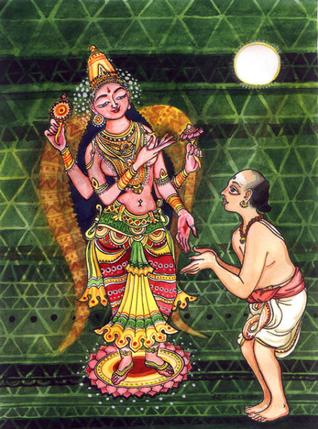
There is a very interesting story behind that poet. Subramanya Iyer was his original name, but became popular with the new name Abhirami Bhattar after a miracle. Subramanyam lived in the later part of the 18th century. His father Amirthalinga Iyer was a great scholar and musician. Subramanyam studied music, Tamil and Sanskrit. He did not seek any employment because his mind was after spiritual things. He became a great devotee of the local deity Goddess Abhirami, another name for Shiva’s wife.

He lived mostly in the temple meditating upon the glory of the goddess. After seeing his strange behaviour, people thought he became mad. King Sarabhoji of Thanjavur used to visit the temple. One day he visited the temple when all except Subramanyam paid respect to the king. The king became angry and asked who that arrogant fellow was. People gave him different versions, with both positive and negative things about Subramanyam. King wanted to test him and so asked him what day was it? Was it a full moon day or new moon day?

He replied at once, “It is a full moon day”. Actually it was a new moon day (Amavasya in Hindu calendar). The king thought that he deliberately insulted him and ordered that he should be executed if he did not show the moon on that day. The man who always saw the glorious light of the goddess thought that it was full moon. Later he realised his mistake and prayed to goddess to save him.

Abirami

His prayer was a beautiful hymn with 100 verses. It is called Abhirami Andhathi. When he sang the 79th verse, goddess took off her ear stud and threw it in the air. And lo, the full moon appeared on the sky and bathed the village in bright light. He continued his composition and finished at 100 verses.

King Saraboji who was camping in the nearby town also saw the sudden light in the sky. He rushed to the temple and fell at the feet of Subramanyam and begged his pardon. The king honoured him with the title Abhirami Bhattar. Andhathi is a genre where the last word of the first stanza will be the first word of the next verse. It will go on like this up to 100. And the last word of the 100th stanza should be the first word of the first stanza! It is a garland of words to a God or Goddess.
Abhirami Bhattar composed also Abhiramai pathikam and prayed for the sixteen. The sixteen things he wanted are as follows:

indian_family1
Everybody needs a Happy Family.

English Translation

O, God of old Kadavur, Sister of Vishnu who is ‘sleeping’ on the ocean, who is inseparable from Amutheesar, O Abhirami, please bless me with the following:–

1)Good and Proper Education,2) Long life, 3)Good friends, 4)Prosperity forever 5)Youthfulness, 6)Disease free (healthy) body, 7)Calm mind (tranquillity), 8)Affectionate wife, 9)Children with good character 10)Name and Fame, 11)Truthfulness, 12)Philanthropy, 13)Theft free Wealth, 14)Good government, 15)Worry free life and 16) Association with your great devotees.

There is one more list of good things in Prabodha Chandrothayam. There is another list given by Kalameham, who is famous for poems with double entendre. It would be appropriate here to list two English poems that follow the Tamils in demanding good things in life:–

arusuvai uNti
Everone needs his Daily Bread!

A Prayer Found in Chester Cathedral

Give me good digestion, Lord,
And also something to digest;
Give me a healthy body, Lord,
With sense to keep it at its best.

Give me a healthy mind, good Lord,
To keep the pure and good in sight;
Which, seeing sin, is not applauded,
But find a way to set it right.

Give me a mind that is not bored,
That does not whimper, wine and sigh;
Don’t let me worry overmuch
About the fussy thing called “I”.

Give me a sense of humour, Lord,
Give the grace to see a joke;
To get some happiness from life,
And pass it on to other folk.

By an Unknown author

Currency_1728545g
We need lot of money!

One more list:

What We Need

A little dash of purpose,
An effort made to cheer,
A little more of courage,
And less of doubt and fear;
A little more of lifting,
And pulling all our weight,
A little less of leaning,
And leaving it to fate.

A little less of grabbing,
Of selfishness and greed,
A little more of helping,
A fellow that’s in need;
A little more of working,
With smiles instead of frowns,
A little less of kicking,
A fellow when he down.

A little less complaining,
About the things that mar,
A little more adapting,
To all the things that are;
A little more of caring,
And willingness to fight,
A little more of daring,
For what we feel is right.

A little splash of humour,
To brighten up the way,
A little joy to follow,
And linger through the day;
A little touch of laughter,
To cause a little mirth,
Is simply what we’re needing,
To gladden this old earth.

Hope Spencer

about life

Let us all pray for the Sixteen!!
(Pictures rae taken from facebook and various websites;thanks).

ஐந்து கவிஞர்கள் பாடிய “பதினாறும் பெற்றுப் பெறுவாழ்வு வாழ்க”!

Abirami

ஆய்வுக் கட்டுரையாளர்: லண்டன் சுவாமிநாதன்
கட்டுரை எண்:– 1143; தேதி 2 ஜூலை 2014.

வாழ்க்கையில் ஒருவருக்கு வேண்டியவை என்ன, என்ன? கடவுள் சந்நிதியிலோ, பெரிய மஹான்கள் முந்நிலையிலோ என்ன வேண்டுவது? குறைந்தது 16 கேட்கலாம். அதனால்தான் மணமக்களை வாழ்த்துவோர் — “ பதினாறும் பெற்றுப் பெரு வாழ்வு வாழ்க “ – என்று வாழ்த்துகின்றனர். இவ்விஷயத்தில் எல்லோருக்கும் தெரிந்த பாடல் அபிராமி பட்டர் பாடியது: அத்தோடு தெரியாத நாலு பாடல்களையும் சேர்த்துக் காண்போம்:–

முதல் பாடல்

கலையாத கல்வியும் குறையாத வயதும் ஓர்
கபடு வாராத நட்பும்
கன்றாத வளமையும் குன்றாத இளமையும்
கழுபிணி இலாத உடலும்
சலியாத மனமும் அன்பு அகலாத மனைவியும்
தவறாத சந்தானமும்
தாழாத கீர்த்தியும் மாறாத வார்த்தையும்
தடைகள் வாராத கொடையும்
தொலையாத நிதியமும் கோணாத கோலும் ஒரு
துன்பமில்லாத வாழ்வும்
துய்ய! நின்பாதத்தில் அன்பும் உதவிப்பெரிய
தொண்டரோடு கூட்டும் கண்டாய்!
அலையாழி அறிதுயிலும் மாயனது தங்கையே
ஆதிகடவூரின் வாழ்வே!
அமுதீசர் ஒருபாகம் அகலாத சுகபாணி
அருள்வாமி அபிராமியே.
((அபிராமி பட்டர் அருளிய அபிராமி அம்மை பதிகம்))

Abhirami-and-Bhattar-painted-by-Keshav

English Translation
O, Goddess of old Kadavur, Younger Sister of Vishnu who is ‘sleeping’ on the ocean, who is inseparable from Amutheesar, O Abhirami, please bless me with the following:–
1)Good and Proper Education,2) Long life, 3)Good Friends, 4)Inexhaustible Prosperity, 5)Youthfulness, 6)Disease free (healthy) body, 7)Calm mind (tranquillity), 8)Affectionate wife, 9)Children with good character, 10)Name and Fame, 11)Truthfulness, 12)Philanthropy, 13)Theft free Wealth, 14)Good government, 15)Worry free life, 16) Association with your great devotees.

இதுவுமது (இரண்டாம் பாடல்)

பிரபோத சந்திரோதயம் என்னும் நூல் வேறுவிதமான பட்டியலைத் தருகிறது:
கற்றறிவு குலமேன்மை கருணை பெரும்புகழ்
செல்வம் கைமாறெண்ணா
துற்றுதவுங் கொடை சீர்மை ஒழுக்கம் அருந்
தவம் நியமம் உறவின் கேண்மை
மற்றெதிரிலாத் திண்மை வாய்மை மிகும்
தூய்மை குண வனப்பு யாவும்
பெற்றிடினும் அடக்கமிலாப் பெருமிதத்தால்
இத்தனைக்கும் பிழையுண்டாமால்.

*****

indian_family1
Picture of a Happy Family

இதுவுமது: மூன்றாம் பாடல்

ஆசு கவி வீசு புகழ் சிலேடை மன்னன் காளமேகம் பாடியது:

“துதி, வாணி, வீரம், விசயம், சந்தானம், துணிவு, தனம்,
அதி தானியம், சவு பாக்கியம், போகம், அறிவு, அழகு,
புதிதாம் பெருமை, அறம் குலம் நோயின்மை, பூண்வயது
பதினாறு பேறும் தருவாய் மதுரைப் பராபரனே” — (காளமேகப் புலவர்)

பொருள்:மதுரையில் எழுந்தருளிய இறைவா! புகழ் , கல்வி, வீரம், வெற்றி, பிள்ளைப் பேறு, துணிவு, செல்வம், மிகுந்த நெல் முதலிய தானியம், நலம், போக, அறிவு, அழகு, புதிது புதிதாக ஏற்படும் சிறப்புகள், தர்ம சிந்தனையுடைய நல்ல குடிப்பிறப்பு, நோயில்லாத வாழ்வு, நீண்ட வயது ஆகிய பதினாறு பெரும் பேறுகளையும் தந்தருள்வாயாக!

arusuvai uNti
Picture of Good Food

இதுவுமது: நாலாம் பாடல் ( எழுதியவர் பெயர் இல்லை)

A Prayer Found in Chester Cathedral

Give me good digestion, Lord,
And also something to digest;
Give me a healthy body, Lord,
With sense to keep it at its best.

Give me a healthy mind, good Lord,
To keep the pure and good in sight;
Which, seeing sin, is not applauded,
But find a way to set it right.

Give me a mind that is not bored,
That does not whimper, wine and sigh;
Don’t let me worry overmuch
About the fussy thing called “I”.

Give me a sense of humour, Lord,
Give the grace to see a joke;
To get some happiness from life,
And pass it on to other folk.

Unknown

Currency_1728545g
Enormous Wealth

இதுவுமது: ஐந்தாம் பாடல்

What We Need

A little dash of purpose,
An effort made to cheer,
A little more of courage,
And less of doubt and fear;
A little more of lifting,
And pulling all our weight,
A little less of leaning,
And leaving it to fate.

A little less of grabbing,
Of selfishness and greed,
A little more of helping,
A fellow that’s in need;
A little more of working,
With smiles instead of frowns,
A little less of kicking,
A fellow when he down.

A little less complaining,
About the things that mar,
A little more adapting,
To all the things that are;
A little more of caring,
And willingness to fight,
A little more of daring,
For what we feel is right.

A little splash of humour,
To brighten up the way,
A little joy to follow,
And linger through the day;
A little touch of laughter,
To cause a little mirth,
Is simply what we’re needing,
To gladden this old earth.

Hope Spencer
about life

ஐந்து கவிஞர்கள் பாடிய அத்தனையும் கிடைத்துவிட்டால் நமக்கு வேறு என்ன வேண்டும்? எல்லோரும் வேண்டும் விஷயங்களில் காணப்படும் ஒற்றுமை படித்துப் படித்து ரசிக்க வேண்டியவை!!!

–சுபம்–
pictures are used from face book and other websites;thanks.

Herbs and Diseases in the Vedas

Young-doctor

Compiled by London Swaminathan
Post No. 1142; Dated 1st July 2014.

N.B. If you want to reproduce this article, please email me for permission. You must get written permission from me for each and every article separately. swami_48@yahoo.com

Please read my earlier post “107 Miracle Herbs in the Hindu Vedas” – posted on 16th September 2013.

Rig Veda is the oldest religious scripture in the world. It is not only a religious book but also an encyclopaedia of Hindu culture. We get a picture of India that existed several thousand years ago. Since it is mainly religious, we can’t expect everything under the sun in this book. But from the diseases and medicines mentioned in it, we get a glimpse of the health problems and solutions in ancient India. Of the four Vedas, Atharvaveda (AV) gives us more information in the field of health problems.

doctor2

Vedas mention about 75 plants. But not all of them are herbs. They mentioned herbs as ‘Oshadi’ in general.
The medical science has advanced to a high degree in the Vedic period and we hear about Asvins fixing an iron leg (artificial leg) to a lady who lost her legs. They are the Doctors of the Gods and the friends of the sick and the unfortunate. Later literature confirmed several transplant operations in Susruta’s books and Tamil literature, where a Pandya king was given an artificial Golden Hand. Several eye transplants are described in the religious Hindu and Buddhist literature.

Lord Shiva himself is called the medicine and the doctor (Beshajam & Bhishak) in the Vedas.
Vedas mentioned mainly the heart and lung diseases. Other two diseases mentioned are leprosy and jaundice. But the Vedas are not medical books, so what we get is an incomplete picture.

Herbs4

Heart Diseases in the Vedas
Hrdayaamaya – Heart problem—is mentioned in the Atharvaveda in connection with Yaksma and with Balaasa. Balaasa is consumption (pulmonary tuberclosis) in the later medical books. Source: Vedic index, page 507
Hrdu is another word with unknown meaning. It is found in Atharvaveda 1-25-2.3. Weber thinks it is cramps ( I think it is angina).
Hariman – Jaundice is found in both RV 1-50-2 and AV 1-22-1, 9-8-9, 19-44-2. It means yellowness.

I add the following information from “Common Life in the Rgveda and Atharvaveda” by Chhanda Chakraborty, 1997

Female diseases of the uterus is are referred to in RV 10-162-1
Obstruction to pregnancy and death of the foetus are also mentioned 10-162-3
The word Visuuci in RV 10-74-2 as an adjective to ‘amiva’ (sickness) seems to denote infectious diseases.
Deformities like blindness and lameness have occasionally mentioned. There are also references which say that their vision was restored.

SPICES_1468208f
RV refers to a poison named Vandana (7-50-2) grown in the joints of the trees. In the same passage, a poison is said to cause inflammation of the knees and heels (may be arthritis).
Oshadi, which means a medicinal herb, is mentioned in the following places in the Rig Veda:–
1-166-5; 3-34-10; 4-33-7; 5-41-8; 6-21-9; 7-4-5; 8-27-2, 10-145-1
At some places (10-145-1), it is stated to possess wonderful power e.g. bringing people under control.

Naturopathy
Sunshine (1-5011), water (7-50-4) and fire (7-50-2) are occasionally stated to cure some diseases, especially caused by poison.

Ajaka (RV 7-50-1) – the disease is stated to be caused by poison.
Harimana (1-50-11) – Sayana describes it as causing the body to be haridvarna. In this context ‘harit’ perhaps means pale yellow. It may mean jaundice. Sunshine is stated to cure the disease.
Hrdroga (1-5011) – heart disease, but nature of the sickness is not explained.
Sriipada (7-50-4) Details are NOT available in Sayana’s commentary or in the text.
Yaksma 1-122-9 probably consumption (TB); Chest disease.
Arthritis? 7-50-2 – inflammation of the knee and heels
Tenth Mandala of RV 10-85-31, 10-97-12, 10-137-4, 10-163.1 gives details of health problems
Atharvaveda has a long list of ailments. Nearly 40 complaints are listed by the author with references. I just give the names of the diseases below:

doctor3

Ajnaataarus (wounds and sours), aksata-vrana (tumour), aksi roga (eye disease), alaji (optical isease), apacit (Scrofula), Apasmaara (Mania, epilepsy), Arista (epilepsy), aasarika (severe pain on different limbs), Aasraava (according to Sayana mutraatisara=diabetes; atisara=diarrhoea, nadivranaadi=ulcer;raktasraava=hemorrhage)
Asthibhanga (fracture); Balaasa (precise meaning is not found in the Vedas. But Ayurveda use this to mention kapha, salesman(phlegm)
Gandamaalaa (Scrofula); Graahi (fit caused by a demoness); Hrdyota (Heart Disease); Jalodara (dropsy); Jaayaanya (boil or wound); Kamilaka (see pandu roga)
Kaasa (cough); Ksetriga (congenital disease); Lohita (flow of blood); Mutramocana (release of obstructed urine); Pakshahata (paralysis)
Pandu (jaundice); Prstaamaya (pain in ribs); Raajayakshma (venereal disease)
Siroroga (head ache); Slesmapaatana (Expectoration); Suula (Rheumatism)
Svetakushta (leucoderma); Samskndha, viskandha (Sayana says emaciation of the body and loss of movement. Some others expalain it as rheumatism)
Takman (fever); Trsnaa(excessive thirst); Vidratha (abcess); Visara, Visarika (severe pain in Limbs); Vrana (wound).

This list may not be useful to everyone. But it gives us some idea about the health problems faced by the ancient society and their purpose to list them in the Vedas. When they talk about the diseases caused by ‘demons’ etc, they mean only bacteria and other germs. Like they explained the eclipse as snakes devouring sun and moon ( by Rahu, Ketu) to a layman, they explained that some diseases were caused by demons. Hindu astrologers knew very well the movements of the planets and calculated the exact time of eclipses, but yet described it for a layman with snake story. Even now doctors do not explain everything to a layman; they simply give the medicine and cure it. This was the approach of the ancient communities.
For those who need the complete references regarding plants and diseases, please refer to the Vedic Index by Keith and MacDonnell and Rgveda and Atharvaveda by Chhanda Chakraborty.

மஹாபாரதத்தில் ஒரு அதிசய பறவை

graphic-croc

(((தமிழ் அன்பர்களுக்கு ஒரு அன்பான வேண்டுகோள்! தமிழையும் தமிழினத்தையும் வாழ்விக்க ஒரு வழி இருக்கிறது. ரொம்ப எளிது! யாராவது ஏதாவது நல்ல கட்டுரை எழுதினால், அதில் எழுதியவன் பெயரை வெட்டிவிடாமல் fபேஸ்புக்கில் அல்லது உங்கள் பிளாக்கில் ‘’அனுமதி பெற்று’’ போடுங்கள். வருடம் முழுதும் ஆராய்ச்சி செய்தவன் பெயர் நிலைத்தால் தமிழர் வாழ்வர்!!! தமிழும் வாழும்))).

ஆராய்ச்சிக் கட்டுரை எழுதுபவர்—லண்டன் சுவாமிநாதன்
கட்டுரை எண்:–1141 தேதி:– ஜூலை 1, 2014.
English version of this article was published yesterday: ‘Strange Bird in Mahabharata’.

நான் இதற்கு முன் 1) வேதத்தில் காணப்படும் ஹோமா பறவை 2) தமிழ் இலக்கியத்திலும் சுமேரியாவிலும் காணப்படும் இருதலைப் பறவை (அண்டரண்ட பக்ஷி), 3) சங்கத் தமிழ் இலக்கியத்தில் பறவை மனிதன் 4) கபிஞ்சலா எனப்படும் சாதகப் பட்சி 5) பாரி- கபிலருக்கு நெல் மணிகள் கொண்டுவந்த கிளிகள் 6) வேதம் சொல்லும் கிளிகள் 7) முரசு சப்தம் கேட்டால் இறக்கும் அசுணமா முதலிய பல பறவை / மிருக அதிசயங்களை எழுதினேன். இப்பொழுது மேலும் ஒரு அதிசயப் பறவை பற்றி மஹாபாரதத்தில் இருந்து செய்தி கிடைத்துள்ளது. இந்தப் பறவையின் பெயர் பூலிங்கப் பறவை. பூமிக்குள் ஆழமாகக் குழி தோண்டி முட்டை இடுவதால் இந்தப் பெயர்.

இதோ சபாபர்வ ஸ்லோகங்கள்:–

பூலிங்கசகுனிர் நாம பார்ஸ்வே ஹிமவதப் பரே
பீஷ்ம! தஸ்யா: யதா வாச: ஸ்ரூயந்தே அர்தவகார்ஹிதா:

மா சாஹசமிதீதம் சா சததம் வாசதே கில
சாஹசம் ச ஆத்மனா அதீவ சரந்தி நா அவபுத்யதே

சா ஹி மாம்சர்களம் பீஷ்ம! முஹாத் சிம்ஹஸ்ய காதத:
தந்தாந்தரவிலக்னம் யத்ததாதத்தே அல்ப சேதனா
–மஹாபாரதம், சபா பர்வம் 2-41-19/21

இந்தப் பறவை பற்றி வியாசர் சொன்னது பலருக்கும் புரியவில்லை போலத் தோன்றுகிறது. ஆகையால் சுருக்கமான மஹாபாரதப் பதிப்புகளில் இது காணப்படுவதில்லை.
croc3

சபாபர்வத்தில் தர்மன் (யுதிஷ்ட்ர மஹாராஜா), ராஜசூய யக்ஞம் செய்யும் காட்சி வருகிறது. அங்கே கிருஷ்ணனுக்கு முதல் மரியாதை என்றவுடன் சிசுபாலன் பொங்கி எழுகிறான். எப்போதுமே கிருஷ்ணனைக் கண்டால் அவனுக்கு பாகற்காய் போல கசக்கும். ஆகையால் ஏசுவதே அவனது தொழில். ஆனால் கிருஷ்ணனோ, சிசுபாலனின் தாயாரிடம் ஒரு சத்தியம் செய்துள்ளான். உன் மகன் செய்யும் நூறு தவறுகளை பொறுத்துக் கொள்வேன், அவ்வளவுதான். அதற்கு மேல் எனக்கு எதிராக ஏதேனும் பேசினால் அவன் பெயர்—ரிப்பேர்—ஆகிவிடும்; அவனது மானம் – விமானத்தில் ஏறிவிடும்; அவனது கதி—சகதி ஆகிவிடும் என்கிறான்.

எவ்வளவு சொன்னல் என்ன? நாயைக் குளிப்பாட்டி நடு வீட்டில் வைத்தாலும், வாலைக் குழைத்துக் கொண்டு ——- தின்னதானே போகும். கிருஷ்ணரை கண்ட சுடு சொற்கள் பேசி ஏசுகிறான் —முறைதவறிப் பிறந்த பயலே- இடைப் பயலே- மடப்பயலே – என்று திட்டுகிறான். 101 ஆவது முறையில் கிருஷ்ணன் சுதர்சன சக்கரத்தை ஏவி — வாழைக்காய்-கத்தரிக்காய் பஜ்ஜிக்கு காய் வெட்டுவதுபோல அவனது தலையைச் சீவிவிடுகிறார். இதெல்லாம் உங்களுக்குத் தெரிந்த கதையே.

பீஷ்ம பிதாமஹர் – குருகுலத்தின் அன்புக்கும் பண்புக்கும் உரிய பெரியோய்—அவர் கிருஷ்ணனுக்குப் பரிந்து பேசவே அவரையும் ஏசுகிறான் சிசுபாலன். அப்போழுதுதான் பூலிங்கப் பறவை குறிப்பு வருகிறது.

ஓய், பீஷ்மரே, ஜால்ரா போடுவது, ஒத்து ஊதுவதுதான் உமக்கு வேலையா? அந்தத் திருட்டு இடையன் புகழைப் பாடுவதே உமக்குத் தொழில் ஆகிவிட்டது போலும், நீரே ஒழுக்கம் கெட்டவர்தானே. உமக்கு என்ன அருகதை இருக்கிறது. அமபையைத் தூக்கிவந்து விச்த்திரவீர்யனுக்கு கொடுத்தீர். நீர் ஆண்மை இல்லாத அலி. ஆகையால்தான் பிரம்மச்சாரி வேஷம் போடுகிறீர் என்றெல்லாம் ஏசினான்.

பீஷ்மருக்கு நன்றாகத் தெரிந்த உண்மை—அன்றோடு அவன் கதை முடியப்போகிறது என்பது. ஆகவே பேசாமல் இருக்கிறார். அப்படி ஏசுகையில் நீர் பூலிங்கப் பறவை மாதிரி முட்டாளாக இருக்கிறீரே! அதுதான் சிங்கத்தின் வாயில் உடகார்ந்து மாமிசத் துண்டுகளைப் பொறுக்கும். மற்றவர்களுக்குப் புத்திசொல்லிவிட்டு அந்தப் பறவையே மாமிசத்துக்கு ஆசைப்பட்டு சிங்கத்தின் வாயில் நுழையும் . அந்தப் பறவை இமயமலைக்கு அப்பால் உள்ளது என்கிறான் சிசுபாலன். இதெல்லாம் அவன் தலை சீவப்படுவதற்கு முன் உதிர்த்த பொன்மொழிகள்!!
lionmonkey

அவன் இப்படித் திட்டியதிலும் சில அறிவியல் விஷயங்கள் இருக்கின்றன. இந்துக்கள் இயற்கையோடு இயைந்த வாழ்வு நடத்தியதால் எப்போதும் பறவை, மிருகங்கள், பூக்கள் செடி,கொடி, மரங்கள் பற்றிய உவமைகளையே கையாளுவர். இதற்கு முந்தைய எனது கட்டுரைகளில் ஆதிசங்கரர் ஒரே ஸ்லோகத்தில் நாலு பறவைகள் பற்றிப் பாடியதையும், மரம் ஏறும் விதைகள் கொண்ட விநோத அங்கோல மரம் பற்றி அவர் பாடியதையும், தத்தாத்ரேயர் 13 பறவைகள், மிருகங்களீடம் பாடம் கற்றதையும் படித்தீர்கள்.

Hippo and Oxpeckers - Highly Commended - Paula Martin
இந்தப் பூலிங்க பறவை பற்றி கே. என். தவே (K N Dave) என்பவர் எழுதிய ‘’சம்ஸ்கிருத இலக்கியத்தில் பறவைகள்’’ (Birds in Sanskrit Literature) என்ற புத்தகத்தில் ஒரு குறிப்பு வருகிறது. அவர் சொல்கிறார்:–

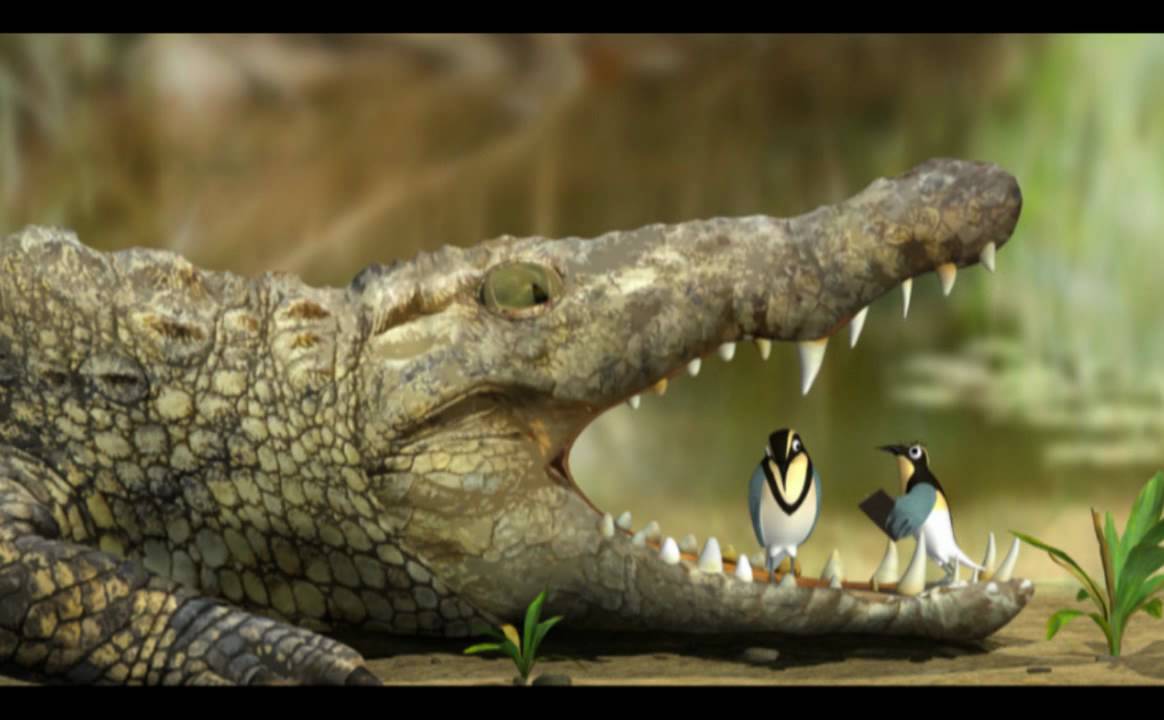
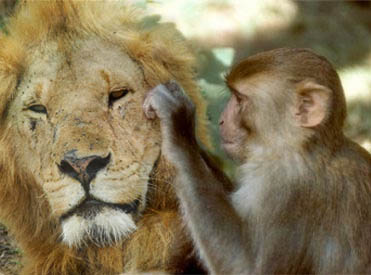
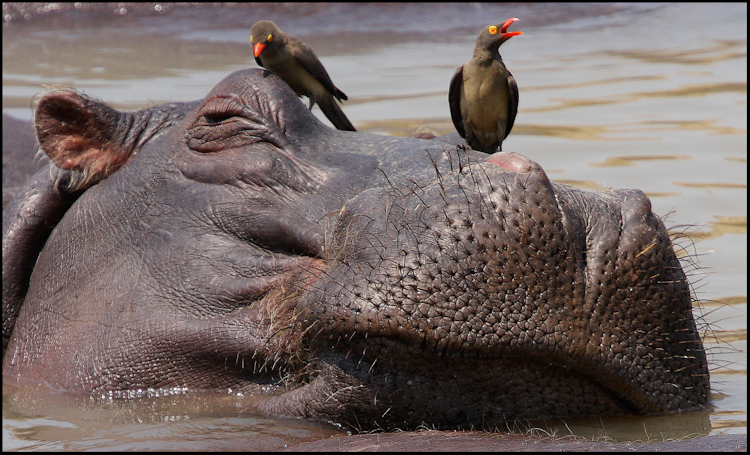
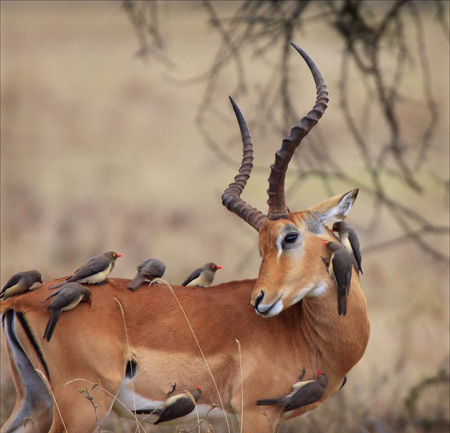
ஆப்பிரிக்காவில் நைல் நதியில் ப்லோவர் (Plover) இனப் பறவைகள் உண்டு. மாமிசத்தை உண்ணும் முதலைகளின் பற்களில் மாமிசத் துண்டுகள் சிக்கி அழுகிவிடும். ஆகையால் அவைகள் நதிக்கரையில் வந்து வாயைத் திறந்து கொண்டு உட்காரும். அப்பொழுது ப்லோவர் (Crocodile Bird) பறவைகள் தைரியமாக உள்ளே சென்று அந்த மாமிசத் துண்டுகளைத் தின்னும். இது முதலை—பறவை இனத்தில் மட்டுமின்றி நிறைய உயிரினங்களில் காணலாம். இதை ‘’சிம்பியாசிஸ்’’ (Symbiosis) என்று அழைப்பர். அதாவது இரண்டு உயிரினக்கள் இடையே உள்ள – இருவருக்கும் பயன் தரும் – ஒற்றுமை அல்லது ஒத்துழைப்பு.. சிங்கத்தின் உடலில் உள்ள பூச்சி புழுக்களை குரங்குகள் அகற்றும். காண்டமிருகத்தின் மேலுள்ள கிருமிகளை பறவைகள் அகற்றும்.

ஏன் சிசுபாலன் சிங்கத்தின் பெயரைச் சொன்னான்? இதற்கும் தவே விளக்கம் அளிக்கிறார். மனிதனில் வீரம் உடையவனை புலி, சிங்கம் என்று அழைப்பது போல நீரில் பலம் உடைய முதலைக்கும் சிங்கம் என்ற பெயர் உண்டு என்று சொல்கிறார். ராமனை, வால்மீகி முனிவர் ‘புலி’ என்றே அழைக்கிறார்.

வெங்கடேஸ்வர சுப்ரபாதத்தில் வரும் ‘’கௌசல்யா சுப்ரஜா’’ என்ற முதல் ஸ்லோகம் வால்மீகி ராமாயணத்தில் இருந்து எடுக்கப்பட ஸ்லோகம். அதில் வரும் ‘’நர்சார்தூல’’ என்ற சொல் மனிதருள் புலியே என்று இராம பிரானை புகழ்கின்றது.

birds_gazelle
தவே சொல்லக்கூடிய விளக்கம் நமக்கு இன்று ஓரளவு தகவல் தருகிறது. மஹாபாரத காலத்தில் ஒருவேளை, சிங்கத்தின் வாயில் இருக்கும் மாமிசத் துண்டுகளை எடுக்கும் பறவை இனம் இருந்திருக்கலாம். யார் அறிவார்?
-சுபம்–

MUNGOS MUNGO