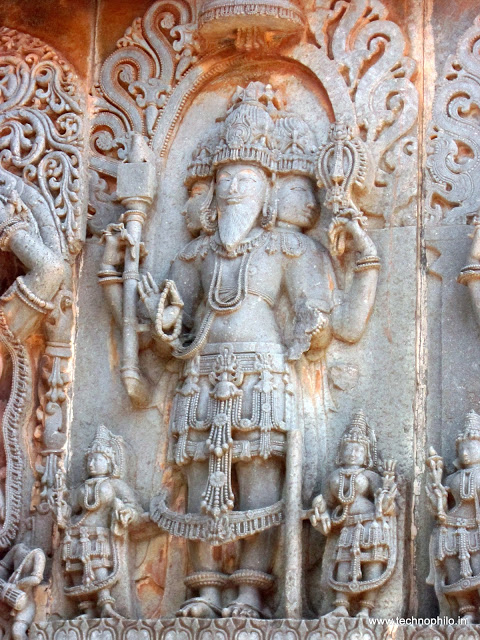
29 Names of Brahma!

brahma (1)halebedu
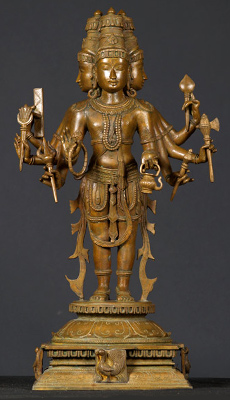
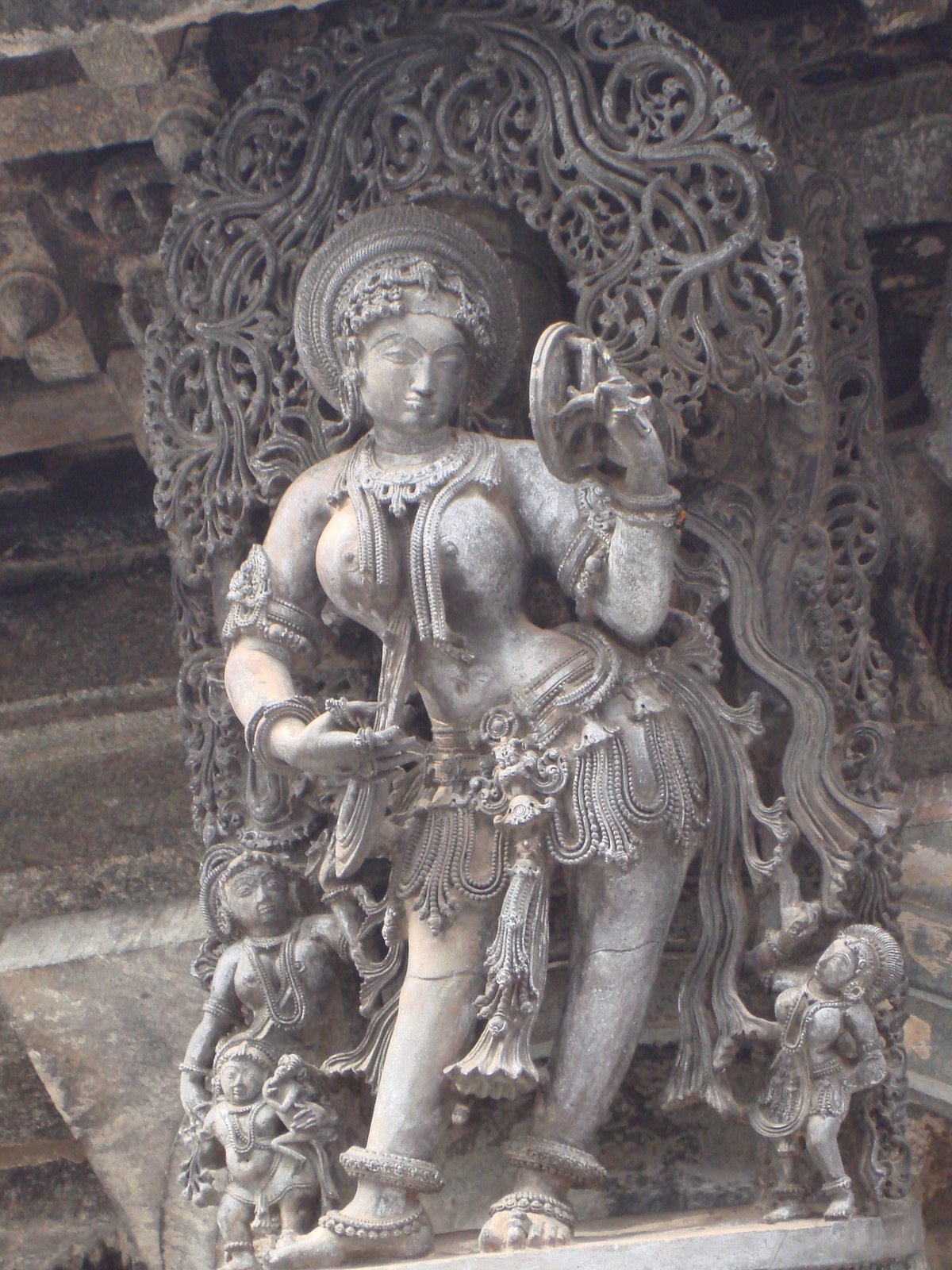
Brahma from Halbedu temple, Karnataka

Research paper written by London Swaminathan
Research article No.1423; Dated 20th November 2014.

Please read the First part of this article: Science behind Hindu God Brahma.
Hindu Vedas (Prajapati) and Brahmana (satapata) literature preserved the legend of Brahma alias Prajapati. Brahma is four faced who could see the entire universe. His four faces emit the sounds of Four Vedas.
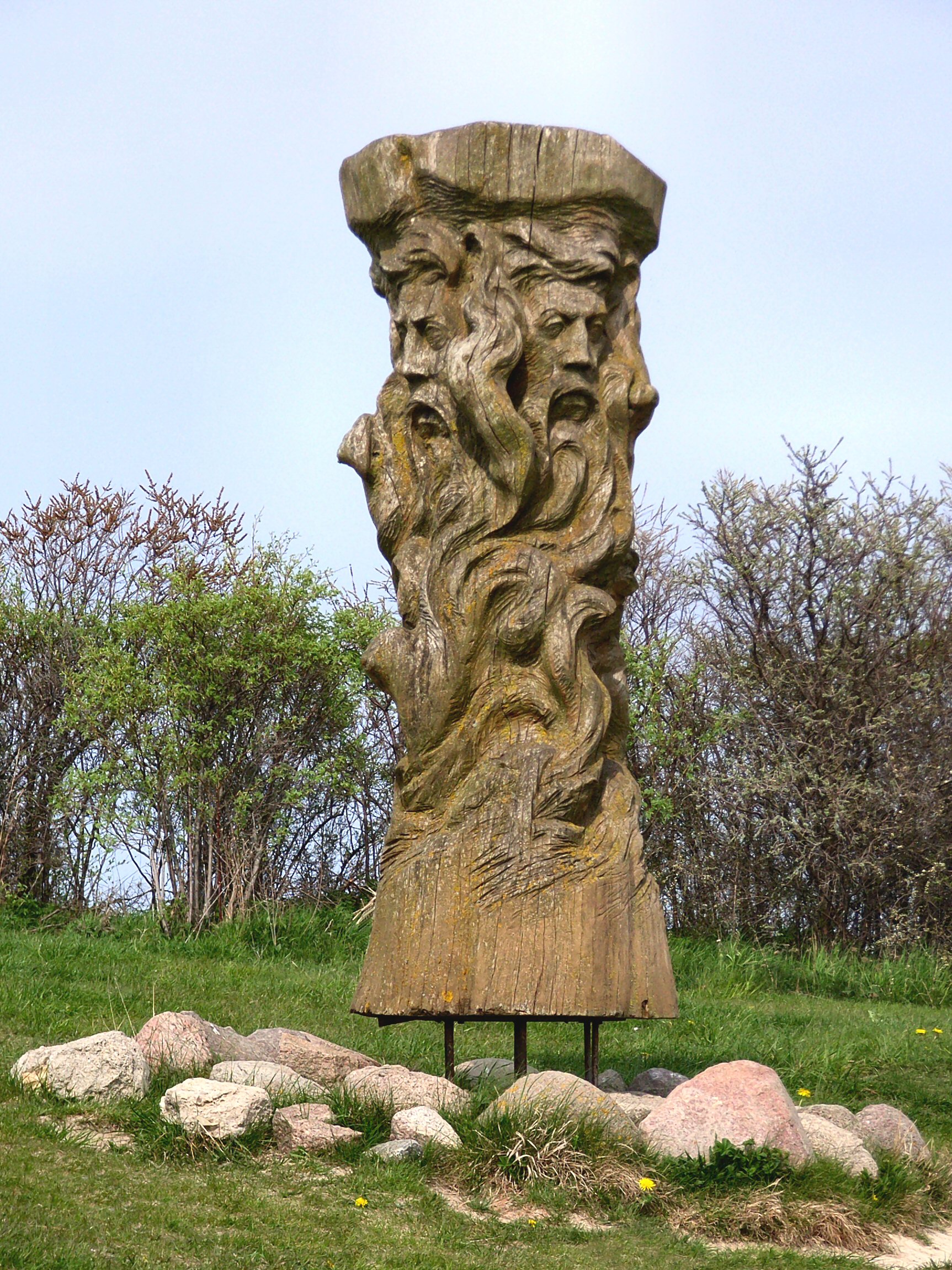
Four faced Gods are found around the world. Svetovid/ Svatovid/Sventovit (meaning world seer, white in colour) are the names of Slavic God. Another four faced god is found in Sumer, but no one knows much about this god. All went from India and lost their identities in course of thousands of years. Statues of Brahma are found throughout South East Asia. Cambodian statues of Brahma are preserved in Guimet Museum, Paris, France.
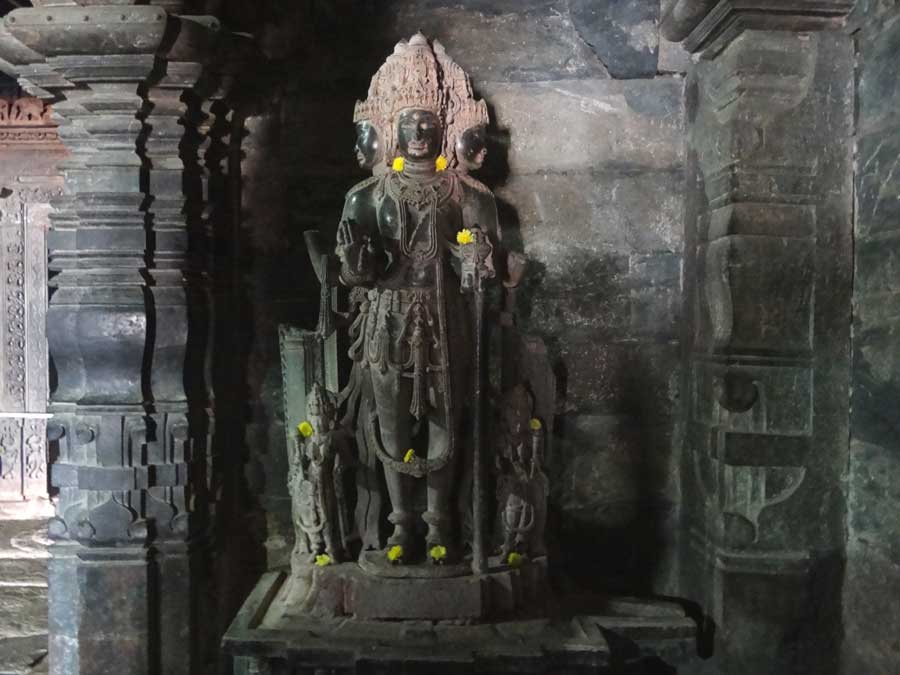
Brahma ,Lakkundi, Karnataka
Brahma in Lakkundi Temple, Northern Karnataka

Amarakosa gives the following 29 names for Brahma (I am not sure about a few words. Sanskrit Dictionary and Vsihnu sahasranama are used for some word meanings):

1.Brahma = Big, Supreme, creator; To breathe is also another meaning. We can see him as the life breath of every creature or one who crated all that breathes.
2.Atmabhu = self existent
3.Surajyeshta = elder of the Devas/Deities
4.Parameshti = Giver of supreme desire, Moksha; he who stays in the lotus of heart; also who is worshipped with Yajnas (ishti).
5.Pitamahah = Grandfather
6.Hiranyagarba = Golden Egg
7.Lokesah = Lord of the world
8.Swayambhu = self existent (originated)
9.Chaturanana = Four faced
10.Datha = exalted; leader
11.Abjayonih= Lotus born
12.Druhinah= creator of the world
13.Kamalasanah = Lotus seated
14.Shrashtah = creator of the world
15.Prajapatih = Lord of all creatures
16.Veda = Vedas come from him
17.Vidhata = Exalted in heaven (leader)
18.Viswasrush = one who hears everything
19.Vidhih = Lord of Vedas; one who is in charge of Vidhi/fate
20.Nabijanma = born from the navel (of Vishn)
21.Andajah = Egg born
22.Purvah = First
23.Nidanah =?
24.Kamalodbhava =Lotus born
25.Sadanandah = Ever ha[y
26.Rajomurti: = in charge of Rajoguna
27.Satyakah = Truthful
28.Hamsavahanah = one who has swan as vehicle
29.Virinchi = Creator

He is invoked in all religious ceremonies. He is properly worshiped in a temple in Pushkar near Ajmer in Rajasthan. His statues are found in many temples in India.
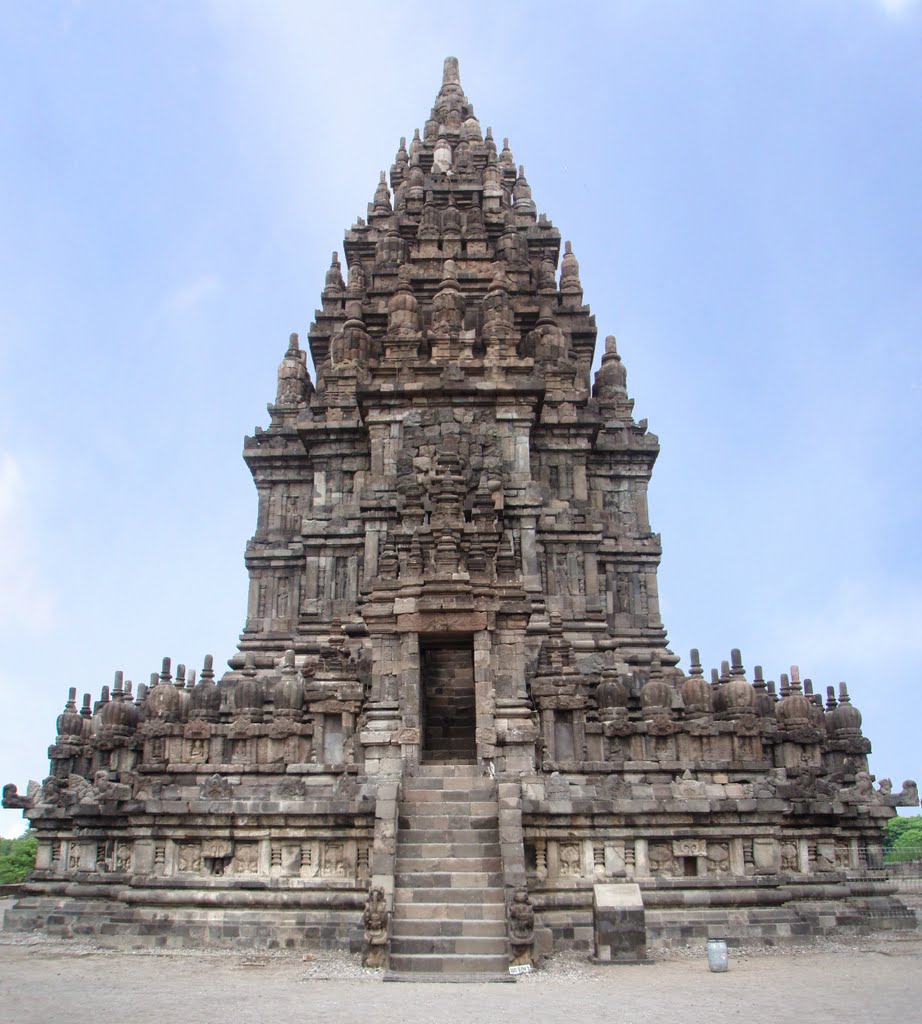
prambanan
Temple of Brahma in Prambhanan, Indonesia

Satapata Brahmana says,
He uttered Bhur, the earth appeared;
He said Bhuvar and the air appeared;
He said Suvar and the sky appeared
From these five syllables he created the seasons.
Prajapati then stood up. He was born aged a thousand years.
Just as one can see the far shore across a river, so could he contemplate the far shore across his age ( XI.1, 6, 6).

After Prajapati issued the living beings, his joints started to dislocate. His joints were the junctions of the day and night, full moon and new moon and the beginning of each season. Gods cured him by the ritual of Agnihotra, which tightened his joints. The sun would not rise if the priest did not make the offerings of fire at dawn (Satapata Brahmana II.3,1-5)

Vedic seers enjoy speaking in symbolic language. Above passage is an example.
Mandasore Stone inscription of Yasodharman (533 CE) refers to Brahma as the Creator, Preserver and Destroyer.

brahma-temple7
Brahma temple, Pushkar, Rajasthan

Sanskrit Words Brahma, Brahmana and Brahman are confusing. Brahma is the first god in the Hindu Trinity: Brahma, Vishnu, Shiva. Brahmana is the caste name in the four fold caste system: Brahmana, Kshatriya, Vaisya and Shudra. Brahman means God, the Supreme God.

Hindu God Brahma had five heads, but lost one to Shiva. He is in charge of creation. He is in Ptah of Egypt and Svetovid of Baltic countries. His wife is Sarasvati or Vach (word). His vehicle is swan. All are white in colour. Brahma is red in colour but wears a white robe. From his face came the Vedas. He is a never stopping radio station broadcasting Vedas every second. Brahma is very generous and he gave lot of boons to Asuras/ Demons. Bali and Ravana got boons from him.

Indian sculptures and paintings show him seated on a lotus that came out of the navel of Vishnu who was lying on the cosmic serpent Ananta in the primordial waters.
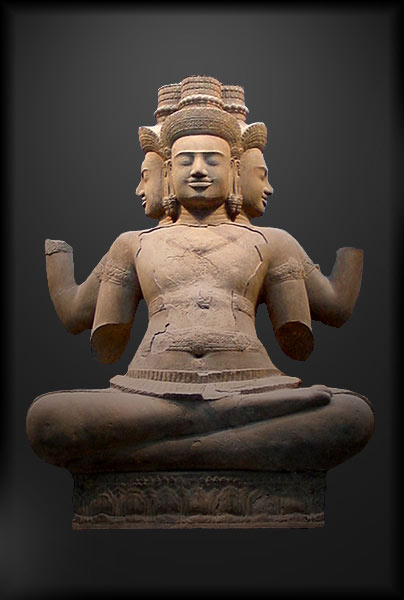
guimet-brahma-from-cambodia
Brahma at Guimet Museum, Paris; from Cambodia

In his four arms he holds a sceptre, s spoon, a string of beads or his bow, a water jug and the Vedas. His name Brahma and his story occur in the Valmiki Ramayana for the first time. In the Vedas he is known only as Prajapati. All the major temples in India have his statues. In all the hymns he is praised along with Vishnu and Sadashiva. In fact he stands first in the hymns : Brahma, Vishnu Sadhashiva. There are temples like Suchindram in Tamilnadu where all the three forms of Hindu Trinity are worshipped (sthanu+mal+ayan).

museum brahma

contact swami_48@yahoo.com
பிரம்மா பற்றிய விஞ்ஞான உண்மைகள்: இந்து மதத்தில் நவீன அறிவியல்!

brahma-

கட்டுரையை எழுதியவர் :– லண்டன் சுவாமிநாதன்
ஆராய்ச்சிக் கட்டுரை எண்- 1422; தேதி 20 நவம்பர், 2014.

இந்துமதத்தில் நவீன அறிவியல் உண்மைகள் (Advanced Science) இருப்பதை உலகம் வெகு வேகமாக உணர்ந்து வருகிறது.

மறைவாக நமக்குள்ளே பழங்கதைகள் பேசுவதிலோர் மகிமை இல்லை; திறமான புலமை எனில் வெளிநாட்டோர் அதை வணக்கம் செய்தல் வேண்டும் — என்று சொற்தேரின் சாரதியாம் பாரதி பாடி வைத்தான். அது உண்மையாகி வருகிறது.

சிவபெருமானின் நடனத்தில்– பிரபஞ்சத்தின் தாள லயங்கள் (Dance of Shiva) இருப்பதை பல வெளிநாட்டு அறிஞர்கள் ஆங்கிலத்தில் புத்தகம் வாயிலாக வெளியிட்டனர். அதை நடராஜர் என்னும் அற்புதமான பஞ்சலோக சிலையாக வடித்த தமிழ் ஸ்பதிகளின் பெருமையை இன்றும் உலகமே வியந்து பாராட்டி வருகிறது. நடராஜர் சிலை இல்லாத மியூசியம் உலகில் இல்லை. நடராஜர் படமோ விக்ரகமோ இல்லாத வெளி நாட்டு இந்தியவியல் அறிஞர் எவரும் இல்லை.

கண்ணபிரானின் விஸ்வரூப தரிசனம் பகவத் கீதையின் 11ஆவது அத்தியாயத்தில் இருக்கிறது. உலகின் மிகப்பெரிய அணு விஞ்ஞானி (Father of Atomic Bomb) ராபர்ட் ஓப்பன்ஹீமர், அணுகுண்டின் தந்தை என்று அழைக்கப்படுகிறார். அவர் முதல் அணுகுண்டு வெடித்த கட்சியைப் பார்த்துவிட்டு பகவத் கீதையின் 11 ஆவது அத்தியாயத்தின் 12ஆவது ஸ்லோகத்தைச் சொல்லி வியந்தார். திவி சூர்ய சஹஸ்ரஸ்ய…………………………. ஆயிரம் சூரியன் ஒரே சமயத்தில் உதித்தால் என்ன நிகழுமோ அதைப் பார்த்து எனக்கு மயிர்க்கால்கள் தோறும் கூச்சம் ஏற்படுகிறது என்று சொல்லி அர்ஜுனர் வியந்ததை அப்படியே ராபர்ட் ஓப்ப்ன்ஹீமர் சொல்லி உலகை வியப்பில் ஆழ்த்தினார்.

இப்பொழுது கருந்துளைகள் (Black Holes) பற்றி உலக விஞ்ஞானிகள் எழுதி வியந்து வருகின்றனர். வானவியலின் புதிய அதிசயங்கள் இவை. யாராவது ஒருவர் நியூ ஸைன்டிஸ்ட் (New Scientist or Scietific American) அல்லது ஸைன்டிபிக் அமெரிக்கன் போன்ற அறிவியல் இதழ்களை வாசித்துவிட்டு பகவத் கீதையைப் படித்தால் புதுப்புது அர்த்தங்கள் கிடைக்கும். பிளாக் ஹோல் என்னும் கருந்துளைகள் பற்றிய செய்திகள் அதில் (11ஆவது அத்தியாயத்தில்) உள்ளன!!
ஆனால் பிரம்மா பற்றிய விஞ்ஞான உண்மைகளை யாருமே அறிந்து எழுதவில்லை. ஒரு சில அறிவியல் உண்மைகளை மட்டும் பட்டிய லிடுகிறேன்:–

அறிவியல் உண்மை 1
கடந்த நூறு ஆண்டுகளாகத்தான் பில்லியன் கணக்கில் நட்சத்திரங்களும் அதைச் சுற்றி மில்லியன் கணக்கில் பூமி போன்ற கிரகங்களும் இருப்பதை உலகம் அறியும். அதில் பல்லயிரம் கிரகங்களில் வெளி உலகவாசிகள் (Extra Terrestrials) வசிக்க உள்ள வாய்ப்புகள் பற்றியும் விஞ்ஞானிகள் அறிவர். ஆனால் சத்ய லோகத்தில் வசிப்பதாகக் கருதப்படும் பிரம்மா பற்றிப் படிக்கையில் அவர் ஒரு வெளி உலகவாசியோ என்று வியக்கத் தோன்றும். அவருடைய வாழ்நாளின் காலம் நாம் இந்தப் பக்கத்தில் எழுத முடியாத அளவு பெரிய எண்ணிக்கை. மற்ற கலாசாரங்களுக்கு 1000, 10,000 என்ற எண்கள் கூடத் தெரியாத காலத்ததி , நாம் உலகமே வியக்கும் ஆயுளை பிரம்மாவுக்குக் கொடுத்தோம் அது மட்டுமல்ல இது ஒரு பிரம்மாவின் ஆயுள். அவர் போன பின், அடுத்த ப்ரம்மா வருவார் என்றும் சொன்னோம். இன்னும் விஞ்ஞானிகளுக்கு — காலம் என்பது சுழற்சி உடையது— Cyclical வட்டமானது என்று கூடத்தெரியாது. இப்பொழுது கருந்துளை ஆய்வுகள் நிறைய நடப்பதால் நமது கொள்கையை வெகு விரைவில் உலகம் ஏற்கும்.

hindu-gods-brahma

பிரம்மாவின் ஒரு நாள் என்பது 4,320,000,000 ஆண்டுகள். இது போல அவர் 100 ஆண்டுகள் வாழ்ந்த பின்னர் புது பிரம்மா வருவார். இப்பொழுதுள்ள பிரம்மாவுக்கு வயது 51. ஏதோ அறிவியல் புனைக்கதை (Science Fiction) படிப்பது போலத் தோன்றும்.. இது கதை என்று யாராவது நினைத்தாலும் முதலில் அறிவியல் புனைக் கதை எழுதிய பெருமை நமக்கே கிடைக்கும்.

அது மட்டுமல்ல. யுகம் பற்றிய எதைக் கூட்டிப் பார்த்தாலும் ஒன்பது என்ற எண் வரும். இதை சுமேரியர்கள் கூட நம்மிடமிருந்து எடுத்துக் கொண்டு பிரளயத்துக்கு முந்தைய சுமேரிய மன்னர்களுக்கு இப்படி ஆட்சி ஆண்டுகளைக் கொடுத்துள்ளனர்!!

அறிவியல் உண்மை 2
பிரம்மாவுக்கு ஒரு பெயர் ஹிரண்ய கர்பன். அதாவது தங்க முட்டை! உலகம் உருண்டை என்பதைக் கண்டுபிடிக்க மேலை நாடுகள் ஒரு கலீலியோ, ஒரு கோப்பர்நிகஸ் தோன்றும் வரை காத்திருந்தது. ஆனால் நாமோ துவக்க காலம் முதல் பிரபஞ்சத்தில் உள்ள அனைத்தும் கோள வடிவானவை என்பதை அறிந்து, அண்டம் ( முட்டை வடிவானது), பிரம்மாண்டம், பூகோளம் (புவியியல்) என்று பெயரிட்டோம்.
அதுமட்டுமல்ல. அந்த ஹிரண்யகர்ப்பன் ஒரு நாள் திடீரென வெடித்து வானமும் பூமியுமாகப் பிளந்ததென புராணங்கள் பகரும் இதையே இப்பொழுது மாபெரும் வெடிப்பு Big Bang Theory — பிக் பேங் – என்று சொல்லுகின்றனர். இது ஏன் ஏற்பட்டது என்று விஞ்ஞானிகளால் விளக்க முடியவில்லை. நமது சாத்திரங்கள் மட்டுமே கடவுள் ஒரு சொல்லை நினைத்தார் — அதைச் சொன்னார்- உலகம் உருவாக்கப்பட்டது என்று சொல்லுகிறது. இதை பைபிள் அப்படியே நம்மிடமிருந்து எடுத்துக் கொண்டது. ஆனால் அதற்கு மேல் விளக்கவில்லை.

நாம் அதற்கும் மேலாக ஒரு படி சென்று மாபெரும் வெடிப்பு —ஒரு நாளைக்கு பலூன் போல ஊதிக்கொண்டே போய் பின்னர் முடிவில் வெடிக்கும் —அப்பொழுது காற்றுப் போன பலூன் போல பிரபஞ்சம் சுருங்கும் Big Crunch — மீண்டும் பலூன் போல ஊதும் — என்று – ஸைக்ளீகல் Cyclical —வட்டமான சுழற்சி உடையது என்று சொல்லியிருக்கிறோம். இந்த பிக் க்ரஞ்ச்Big Crunch – கொள்கையை இப்பொழுதுதான் விஞ்ஞானிகள் ஏற்கின்றனர்.

அறிவியல் உண்மை 3
தசாவதாரத்தில் முதலில் மீன், பிறகு ஆமை, பிறகு பன்றி, பிறகு பாதி மனிதன் –பாதி சிங்கம் என்பதெல்லாம் டார்வீன் சொன்ன பரிணாமக் (Theory of Evolution) கொள்கையை ஒட்டி இருப்பதை நாம் அறிவோம் ஆனால் முதல் மூன்று அவதாரங்களும் உண்மையில் ஆதி நூல்களில் பிரம்மாவின் பெயரிலேயே (பிரஜாபதி) உள்ளன. ஆக அவரே படைப்புக் கடவுள்—பரிணாம வளர்ச்சிக் கடவுள். இதை சதபத பிராமணம் (Satapata Brahmana) முதலிய நுல்கள் விளக்கும். பின்னர் இதை விஷ்ணுவின் அவதாரங்களாக புராணங்கள் எழுதின. இதை இன்னொன்றாலும் அறியலாம்.

four faced Sumer
Four faced God of Sumer (Brahma?)

அறிவியல் உண்மை 4
வெளிநாட்டுக்காரர்களுக்கு கிளுகிளுப்பூட்டும் ஒரு விஷயம் நம் இலக்கியங்களில் உண்டு. அதை எழுதி, எழுதி நம்மை நக்கல் செய்வது—பகடி செய்வது—கிண்டல் செய்வது அவர்களுக்குப் பொழுதுபோக்கு. அது என்ன ‘’பலான’’ கதை என்கிறீர்களா?

பிரம்மா ஒரு மக:ளைப் பெற்றார். அவள் பெயர் சதரூபா (நூறு உருவம்)—அவல் அழகைக் கண்டு பிரம்மா அவளையே உற்று நோக்கினார். அவளுக்கோ வெட்கம் பிடுங்கித் தின்றது- வேறு திசையில் ஓடி ஒளிந்தாள் அங்கேயும் பிரம்மா திரும்பினார். ஒவ்வொரு திசையிலும் ஒரு முகம் வரவே அவருக்கு நாலு முகம் தோன்றி அவர் நான்முகன் ஆனார். அவளோ வெட்கப்பட்டுக் கொண்டு மேலே போனாள். அங்கு ஐந்தாவது முகம் உதித்தது. அவளுடன் ஒன்று கூடிப் (Incestual Intercourse) பின்னர் உலகத்தைப் படைத்தார். இதைச் சொல்லிச் சொல்லி வெளிநாட்டினர் மகிழ்வர். உண்மையில் இந்தக் கதையை நம்மிடமிருந்து பைபிளும் இரவல் வாங்கி முதல் அத்தியாயத்திலேயே எழுதிவிட்டது. ஆதாம் என்பவரின் இடுப்பு எலும்பை கடவுள் முறித்து ஏவாள் என்ற பெண்ணை உருவாக்கவும், ஆதாம் அவளுடன் கூடி (Incest?) மனித இனத்தை உருவாக்கினார் என்பது அக்கதை. ஒரே உடலில் இருந்து ஒருவரைப் படைத்தால் அந்த ஏவாளும் சதரூபா போல ஆதாமின் மகள்தானே!!

இதில் உள்ள அறிவியல் உண்மை என்னவென்றால் முதலில் பாக்டீரீயா போல இருந்த உயிரினம் ஒரு செல் உயிரினங்களாக மாறி நீரில் நீந்தி பிறகு ஒரே உடலில் ஆண் பெண் உறுப்புகளுடன் பிறந்தன (ஹெர்மாப்ரோடைட் Hermaphrodite). பின்னர்தான் ஆண், பெண் என தனித்தனி உயிர் இனங்கள் தோன்றின. இதை அர்த்தநாரீஸ்வரர் என்னும் சிவனின் வடிவத்துடன் ஒப்பிடலாம்.

முதலில் ஆண் தோன்றினானா? பெண் தோன்றினாளா? முதலில் முட்டை வந்ததா? கோழி வந்ததா? (Chicken and Egg question) என்ற கேள்விக்கு விடை கூறும் கதை இது. பெரிய விஞ்ஞான உண்மைகளை, சுவையான கதைகளாகத் தருபவை நம் புராணங்கள்!

Svetovid-Statue-Ruyan-Island-
Four faced Slavic God (Svetonvid)

அறிவியல் உண்மை 5
பிரம்மாவின் தோற்றம் பற்றிய கதை பெரிய பூகர்ப்பவியல் ( Geology ஜியாலஜி) கதையாகும். அவர் நீரில் படுத்து இருந்த நாராயணனின் தொப்புள் கொடியில் இருந்து உதித்த தாமரை மலரில் இருந்து தோன்றியதாக ஒரு கதை உண்டு. இது காண்டினென்டல் ட்ரிப்ட் Continental Drift எனப்படும் கண்டங்கள் நகர்ந்த கதை ஆகும். முதலில் பூமி என்பது ஒரே நிலப்பரப்பாக இருந்தது பின்னர் அது தாமரை மலர்வது போல மெதுவாக நகர்ந்து இன்றுள்ளது போல ஆசியா, அமெரிக்கா, ஆப்பிரிக்கா எனப் பிரிந்தது. இதையே தாமரையில் பிரம்மா தோன்றி உலகைப் படைத்தார் என்போம். புராணத்தில் கூட பிரம்மாண்டம் என்று இருப்பதைக் காணலாம். ‘ப்ரு’ என்னும் வடமொழி வேர்ச் சொல் மூலமே ‘’பெருகுதல், பிரிதல், பெரிய, ப்ருஹத், ப்ரம்ம’’ — முதலிய சொற்கள் வந்தன.

கிரேக்க மொழியில், முதலில் இருந்த சூப்பர் கான்டினென்ட்டை ‘’பங்கேயா’’ Panagaea என்பர். பங்கய என்றால் தாமரை எனப் பொருள். இது பங்கஜம் என்ற வடமொழிச் சொல். பிற்காலத்தில் இந்தப் பொருள் அறியாதோர் கிரேக்க மொழியில் புதுப் பொருள் கண்டனர் ( பேன்+ கயா ). பெண்கள் குழந்தை பெறுவதையும் தாமரை மலரில் இருந்து குழந்தை வந்ததாக வடமொழி இலக்கியங்கள் வருணிக்கும்.

அறிவியல் உண்மை 6
கணித விஷயத்தில், ஒன்பது என்ற எண்ணின் வியப்புறு குணங்களில் பல ஆராய்ச்சி செய்து அதன் பெயரில் பிரம்மாண்டமான எண்களைக் க(ல்)ற்பித்து (கல்பம் என்பதே பிரம்மாவின் ஒரு நாள், பரம் என்பது அவரது 100 ஆண்டு) உலகம் அறியாத புதுமைகளைச் செய்தனர் இந்துக்கள். ஒன்பது என்ற எண்ணின் பரிபூரணத் தன்மையை மனதிற் கொண்டே 108, 1008 என்ற அஷ்டோத்திரம், சஹஸ்ரநாமம் ஆகியவற்றைப் படைத்தார்கள் இது பற்றி நான் இரண்டு ஆண்டுகளுக்கு முன் எழுதிய எண்கள் 18, 108, 1008 பற்றிய கட்டுரையில் விரிவாகக் கொடுத்து இருக்கிறேன்.

brahma-statue

அறிவியல் உண்மை 7
நாரா (நீரா) அயனன்= நாராயணன், பிரம்மா மற்றும் முதல் இரண்டு அவதாரங்கள் எல்லாம் — நீரில்தான் உயிரினங்கள் தோன்ற முடியும், பரிணாம வளர்ச்சி பெற முடியும் —- என்று காட்டுகின்றன. இன்று வெளி கிரகங்களிலும் நீரின் மூலக்கூறுகள் (water molecules) இரு கின்றனவா என்று விஞ்ஞானிகள் தேடிக் கொண்டிருப்பதை நாம் அறிவோம்.

அறிவியல் உண்மை 8
உலகின் முதல் அகராதி (Thesaurus/ Dictionary நூலான அமரகோசம் வழங்கும் பிரம்மாவின் 29 வடமொழிப் பெயர்களை மற்றொரு கட்டுரையில் தருகிறேன்.

பிரம்மா என்பவர்
வானவியலை (Astronomy/ Cosmology) விளக்கும் கடவுள்
பூகர்ப்பவியலை (Geology) விளக்கும் கடவுள்
உயிரியல், பரிணாம வளர்ச்சியை (Biology / Theory of Evolution) விளக்கும் கடவுள்
கணிதம், பிரம்மாண்ட எண்களை (Mathematics and Amazing Numbers) விளக்கும் கடவுள்
பிக் பேங், பிக் க்ரஞ்ச்(Big Bang and Big Crunch) முதலிய அதி நவீன கொள்கைகளை (Ultra Modern Theories) விளக்கும் கடவுள்!!

—-சுபம்—

Science behind Hindu God Brahma!

four faced Sumer
Four Faced God in Sumer (Brahma?)

Research paper written by London Swaminathan
Research article No.1421; Dated 19th November 2014.

Brahma, Vishnu and Shiva form the Hindu Triad. Of the three gods Brahma has amazing science behind him. We know about the cosmic rhythm in the dance of Shiva. We see the nuclear explosion in the description of Visvarupa Darsanam of Krishna in Bhagavad Gita. In fact it is Robert Oppenheimer, the Father of Atomic bomb, who compared Krishna’s Visvarupa Darsanam to the explosion of the first atomic bomb. Now I see the science of Black Hole in the same Visvarupa Darsanam! But no one has looked into the scientific aspects of Brahma like they did in the case of Dance of Shiva or Visvarupa Darsanam.

The story of Brahma is more interesting than a science fiction story. Hindu’s great scientific achievements and developments are weaved into his story.
Brahma is the
God of Cosmology
God of Astronomy
God of Mathematics
God of Creation and Evolution

Scientific Fact 1
Only now we know that there are billions of stars and there may be millions of earths with possible extra terrestrial civilizations. The time scale is very different from our earth. What we spend as 100 years on earth may be one second or a fraction of a second for them. Human years are different from them. Satya Loka, the abode of Brahma, is a place where time moves very slowly.
His life is hundred heavenly years, each of 360 days and nights. Each day or Kalpa is equal to 4,320,000,000 earthly years. Brahma’s current age is said to be 51 and each of his years the universe is destroyed and rebuilt. Hindus see the time in a different way from the westerners. When the world did not even learn to count 1000, we the inventors of decimal system went far ahead in numbers. All the yuga or kalpa calculations are in magical numbers; added together it will be 9. Ancient Sumers took it from us put all their pre dynastic kings age in the same way!

Svetovid-Statue-Ruyan-Island-
Slavic Four faced Svetovid in Ruyan Island

Scientific fact 2
He created the world; but he created himself from the primeval waters using the power of his desire. He thought a seed into existence which grew into a golden egg. The two halves of the shell became heaven and earth, within which he fashioned the sky. This is actually the description of Big Bang, though the word earth may be inappropriate here. Hindus knew that everything in the universe is globular. But the western word waited for a Copernicus and Galileo to “discover” it. Brahma’s name itself is Golden Egg= Hiranya Garba.

Till this day science could not explain why the Big Bang happened. Hindus only explain the Big Bang as God’s desire. Bible has taken this concept and used it in the lines “ In the beginning the word was there and the word was with God”.
Bible and other Semitic scriptures did not explain about the cyclical nature. They concluded it as one off event.

Scientific fact 3
Foreign scholars took great delight in describing the “incest” of Brahma: He had a daughter by name Satarupa and through incestuous intercourse he created the world. She was very beautiful and Brahma turned to the direction where she went and got five heads. This is a symbolic story to tell about the evolution. If a teenager asked his mum or dad whether man or Woman came first they cannot answer this chicken and egg question. Actually Brahma’s story explains a scientific fact. In the beginning bacteria multiplied by splitting into two and then unicellular organisms appeared. Higher the ladder, there were hermaphrodite animals where both sexes were there in the same species (Like Arthanaree of Shiva). Male and female species appeared separately at a later age. At one stage dominant male should have separated from the female. This story was used by the Bible saying that God created a woman from the left rib of Adam. In other words Eve is the “daughter of Adam”—came out of the same body. But both of them had sex. So the “story of incest” is the story of evolution.

brahma-

Scientific Fact 4
Only now the cosmologist and astronomers write about the Big Bang (expansion) and Big Crunch (contraction). But Brahma’ life span explained the Big Bang and Big Crunch thousands of years ago.

Scientific fact 5
Vishnu’s Avtars (incarnations) as Fish, Tortoise, Pig, Man Lion shows the progressive evolution. In the Vedic literature the first three Avatars appear as Brahma’s Avtars. Later it was transferred to Vishnu. So Brahma is the God of Creation and evolution.

Scientific fact 6
Some Puranic (mythology) stories described Brahma coming out of the lotus which grew from Vishnu’s naval. In fact it is the story of continental drift. Continents were formed after millions of years of movements of earths plates. In the beginning there was only one big land mass called Pangaea. Though the books describe it as a Greek word actually it is Sanskrit Pangaya meaning Lotus. Like lotus blooming, earth also slowly bloomed and the continents drifted. Women are also said to give birth to children from their “lotuses”.

Scientific fact 7
Amazing number and the calculation of Yugas, eras, eons – all adding up to number 9 shows the amazing mathematical skill of the Hindus. They saw completeness in Number Nine. The calculation of big numbers itself show their knowledge and interest in mathematics .

hindu-gods-brahma
Scientifc Fact 8
Brahma has 29 names in Amarakosa, first thesaurus in the world. He is a water born god. All the life forms appeared from Water in the beginning — is scientific fact. Without water molecules life forms cannot originate.

Please read the 29 names of Brahma in the second part of the article.

தொல்காப்பியரும் வள்ளுவரும் பெண்களின் எதிரியா?

bankura in WBRiya,Raima,Moon

கட்டுரையை எழுதியவர் :– லண்டன் சுவாமிநாதன்
ஆராய்ச்சிக் கட்டுரை எண்- 1420; தேதி 19 நவம்பர், 2014.

இனம் போன்று இனமல்லார் கேண்மை மகளிர்
மனம் போல வேறுபடும் — குறள் 822

பொருள்:– தம் இனத்தைச் சேர்ந்தவர் போல நடிப்பர்; ஆனால் உள்ளன்பு இராது. அத்தகையோர் நட்பு, பொது மகளிர் மனம் போல உள்ளொன்று புறமொன்றாக வேறு படும்.

இதில் மகளிர் மனம் போல மாறுபடும் என்பதைப் பார்க்கையில் பெண்களின் சஞ்சல புத்தியைக் குறை கூறுவது போலத் தோன்றும். ஆயினும் பொது மகளிரைப் பற்றி சொல்கிறார் என்றவுடன் அந்த ஐயப்பாடு நீங்கிவிடும். எதையும் அது எங்கே, என்ன காரணத்துக்காக சொல்லப்பட்டது என்பதை காணல் வேண்டும்.

கூடா நட்பு என்னும் இதே அதிகாரத்தில் இன்னும் ஒரு குறளில் வள்ளுவர் கூறுவதையும் இங்கே குறிப்பிடுதல் பொருத்தம்:

_HY29BONALU-festival,s'bad, hindu

ராஜீவ் காந்தி படுகொலை

தொழுத கை உள்ளும் படை ஒடுங்கும் ஒன்னார்
அழுத கண்ணீரும் அனைத்து— குறள் 827
பொருள்:- உள்ளுக்குள் பகை வைத்திருப்போர் வணங்குபோதும் கைக்குள்ளும் கொலைக் கருவி வைத்திருப்பர். அவர்கள் விடும் போலிக் கண்ணீரும் அத்தகையதே.

நமது காலத்திலேயே விடுதலைப் புலிகள் இயக்கத்தைச் சேர்ந்த ஒரு பெண் செய்த படுகொலையையும் நாம் கண்டோம். முன்னாள் பிரதமர் ராஜீவ் காந்தியை வணங்குவது போலக் குனிந்து வெடிகுண்டை வெடித்துப் படுகொலை புரிந்தவளும் ஒரு பெண்ணே. இதை மேற்கூறிய குறளில் கண்டோம்.

நாடக அரங்கில் படுகொலை

இதே போல நாடக அரங்கில் நடந்த ஒரு படுகொலையும் வரலாற்றில் உள்ளது. சுங்க வம்சத்து கடைசி அரசனான தேவபூதி மிகவும் மோசமான ,பலவீனமான ஒரு பேர்வழி. அவனை ஒரு அடிமைப் பெண், — படுக்கை அறையிலே கொலை செய்தாள். அவள், அவனது ராணி போல வேஷம் போட்டுக் கொண்டு படுக்கை அறைக்குள் சென்று அவனைக் கொன்றாள். அவளும் ஒரு பெண்தான்.

வரலாற்றில் இப்படிப் பெண்கள் மூலம் படுக்கை அறையில் நடந்த படுகொலைகள் பல உள. ஆக பெண்களிலும் “நீலாம்பரிகள்” உண்டு. ராமாயணத்தில் பெண் என்ற காரணத்தால் தாடகையைக் கொல்ல ராமன் மறுக்கிறான். அவள் பெண் அல்ல, பேய் என்கிறான் விசுவாமித்திரன். ஆகவே எந்த சூழ்நிலையில் யாரைச் சொல்கிறார் என்பதை அறிந்த பின்னரே ஒருவரைக் குறைகூறுதல் பொருந்தும்.

பெண்கள் மட்டுமே கொலை செய்தனர் என்பதும் உண்மையல்ல. ‘’மனதிலே கருப்பு வைத்து’’ – விபூதி பூசி வந்த — முத்த நாதன் என்பான் உடைக்குள் இருந்த வாளினை உருவி, மெய்ப்பொருள் நாயனாரைக் கொன்றதும், இந்திரா காந்தியை அவரது சீக்கிய மெய்க்காவலர்களே கொன்றதும் வரலாற்று உண்மைகள்.

Belur1mirror lady

தொல்காப்பியத்தில்…

தொல்காப்பியத்தில் முதல் சூத்திரம்:–
‘’எழுத்து எனப்படுப
அகரம் முதல் னகரம் இறுவாய்
முப்பஃது என்ப
சார்ந்து வரல் மரபின் மூன்று அலங்கடையே’’

பொருள்:– தமிழ் எழுத்துக்கள் அ முதல் ன வரை முப்பது என்பர். மூன்று சார்பு எழுத்துக்களைச் சேர்க்காமல்.

இதற்கு உரை எழுதிய இளம்பூரணரும் நச்சினார்க்கினியரும் ‘’ன’’ — என்பதை கடைசியில் வைத்ததற்கு என்ன காரனம் என்று வியாக்கியானம் செய்கின்றனர். னகரம் வீடு பேற்றிற்குரிய ஆண்பாலை உணர்த்துதற் சிறப்பான் பின் வைக்கப்பட்டது என்று எழுதியுள்ளனர்.

சேனாவரையர் எழுதிய உரையிலும், “அறிவு முதலாயினவற்றான் ஆண்மகன் சிறந்தமை யின் ஆடூஉவறிச் சொல் முற்கூறப்பட்டது என்பர். தொல்காப்பியருக்கு முன்னரே தமிழ் மொழி எழுத்துக்கள் அ-வில் துவங்கி ன-வில் முடிந்திருக்கலாம். ஆயினும் அவர் நூல்தான் நமக்குக் கிடைத்த தமிழ் நூல்களில் மிகப் பழையது என்பதால் மூன்று உரையாசிரியர்களும் தங்களுடைய அல்லது அவர்களது காலத்தினுடைய ‘’ஆண் ஆதிக்கக் கொள்கையை’’ தொல்காப்பியர் மேல் போட்டுவிட்டனர்!! அதாவது ன-கரம் ஆண்பால் பெயர்களில் வருவதால் அது உயர்வான எழுத்து என்றும் அதனால்தான் அதைத் தமிழ் மொழியின் கடைசி எழுத்தாக வைத்துச் சிறப்பித்தார் தொல்காப்பியர் என்றும் பொருள்படும்படி எழுதிவிட்டனர்.

இது போலவே மனு எழுதிய ஒரு ஸ்லோகத்தையும் காட்டி மனு பெண்களின் எதிரி என்பர் வெளிநாட்டினர் — ஆனால் மனுவோ பெண்களுக்கு மகத்தான ஆதரவு கொடுத்தவர் — “எந்த இடத்தில் பெண்கள் பூஜிக்கப்பட வில்லையோ அந்தக் குடும்பம் வேரொடு அழியும் என்றும், பெண்கள் விடும் கண்ணீர் குடும்பத்தையே துடைத்து ஒழித்துவிடும்” என்றும் சொல்லி இருக்கிறார். பெண்கள் வாழ்க என்ற எனது கட்டுரையில் முழு விவரம் காண்க. அது மட்டுமல்ல. பெண்களுக்கு கணவனும் சகோதரர்களும் நகைகளையும் புத்தாடைகளையும் வாங்கிக் கொடுத்து எப்போதும் அவர்களை மகிழ்ச்சிக் கடலில் மிதக்கவிட வேண்டும் என்றும் எழுதி வைத்திருக்கிறார்– (கேட்பது பெண்கள் குணம், வாங்கிக் கொடுப்பது ஆண்கள் கடமை என்ற எனது கட்டுரையில் மேல் விவரம் காண்க) ஆக உரைகாரர்களையோ வெளிநாட்டு ‘’அறிஞர்’’ களையோ நம்பி அர்த்தத்தை அனர்த்தம் ஆக்கி விடக்கூடாது.

026maruthi

பகவத் கீதையிலும், ஆதி சங்கரரின் விவேக சூடாமணியிலும் ஆண்களுக்குச் சார்பான ஸ்லோகங்கள் இருப்பது உண்மையே. ஆனால் அவர்கள். தாய் என்ற நிலையில் இருக்கும் பெண்களுக்கு கடவுளுக்கும் மேலான இடத்தைக் கொடுத்துப் பாடி இருக்கின்றனர்.

மனைவி என்ற நிலையில் உள்ள பெண்களுக்கு சிவ பெருமான் போல 50—50 கொடுக்கின்றனர். உடலில் பாதி மட்டுமல்ல- உரிமையிலும் அர்த்த நாரீ என்ற முறையில் ‘’சஹ தர்மசாரினி’’ என்பர்.

இழி தொழில் செய்யும் பெண்கள் மீதே அவர்கள் வசைமாரி பொழிந்தனர்.
தனித்தனியாக எடுத்துப் பார்க்கையில் கம்பன், பட்டினத்தார், அருணகிரி நாதர் ஆகியோர் பெண்களின் எதிரிகள் போலக் காட்சிதருவர்.!

இதோ சில கம்பன் பாடல்கள்:

‘’அன்னவள் உரைத்தலோடும் ஐயனும் அறிதற்கொவ்வா
நன்னுதல் மகளிர் சிந்தை’’

‘’மன்றலங் கோதை மாதர் மனம் என போயிற்றம்மா’’

வருமுலை விலைக்கென மதித்தனர் வழங்கும்
தெரிவையர் மனமெனக் கறங்கெனத் திரிந்தான்’’ – கம்ப ராமாயணம்.

afrohairstylecmpetion-5

வரைவின் மகளிர் என்ற அதிகாரம் முழுதும் வள்ளுவனும் பெண்களைச் சாடுகிறான்.
இது போல ஷேக்ஸ்பியர் உள்பட எந்த நாட்டு இலக்கியத்திலும் காணலாம்.
ஆக, எப்பொருள் யார் வாய்க் கேட்பினும் அப்பொருளின் மெய்ப்பொருள் கண்டு தெளிக.
பாரதியின் சொற்களுடன் முடிக்கிறேன்:–
பெண்கள் வாழ்கவென்று கூத்திடுவோமடா!
பெண்கள் வெல்கவென்று கூத்திடுவோமடா!
வலிமை சேர்ப்பது தாய்முலைப் பாலடா!
மானம் சேர்க்கும் மனைவியின் வார்த்தைகள்;
கலி அழிப்பது பெண்களின் அறமடா!
கைகள் கோத்து களித்து நின்றாடுவோம்
துன்பம் தீர்வது பெண்மையினாலடா!

-சுபம்-

Pictures are taken from various sites; not related to the article;thanks.

Sapta Rishis in Sumeria! Similar to Hindus! More Tamil and Sanskrit words in Sumer!

baal2

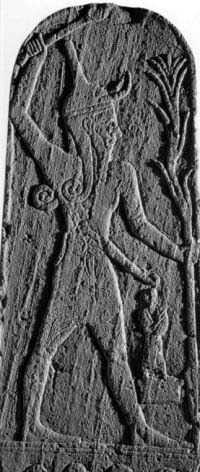
God Baal of Sumer ( Indra of Sumer)

Research paper written by London Swaminathan
Research article No.1419; Dated 18th November 2014.

Sumerians believed that the human beings came from seven men and seven women. Hindus also believe that mankind originated from Seven Sages known as Sapta Rishis who in turn came from Brahma, the Creator.

Following sentences in italics are taken from “The Dictionary of Ancient Near East”, published by The British Museum, London and I have added my comments below the italicized sentences-
(1)“Motherhood of most of the early gods is ascribed to a particular goddess who by the second millennium BCE appears under a variety of interchangeable names, some of which are titles, but who may in origin have been several different deities. In Mesopotamia these are
Aruru
Mami or Mama (My comment: Ma in Sanskrit; Amma in Tamil)
Dingi ma
Nin ma
Nintud
Ninmena
Belet iti
Namma”

In the above list, we see a lot of ‘’Ma’’ which stands for mother in Indian languages. Mama (amma), Mami are found in Tamil for women

(2)“The making of a figurine of clay which is then brought to life is another image of creation. Usually it is a goddess who pinches off and make moulds of the clay especially in connection with the creation of mankind. An additional woman acts like a mid wife”.
Such stories occur in Hindu mythology as well.

four faced Sumer
Four Face God from Sumer (Brahma in Sumer)

(3)“In the complex account of the creation of the first seven and seven women in the epic Athrahasis , the mother goddess is assisted by 14 sassuratu (literally wombs) who oversees the shaping and preparing of the clay figurines”.
Seven Rishis are considered the forefathers of mankind in Hindu mythology. In some Puranas the clay figurine story is also seen.

(4)“In the Hittite mythology the ancient Hattic mother goddess is called Hannahanna meaning grandma”.

In certain parts of Tamil speaking world, grandma is called mother’s mother or father’s mother ‘’ammammaa’’ or ‘’appamma’’ . We see the same expression in hannahanna.

‘Mot’ and forefathers

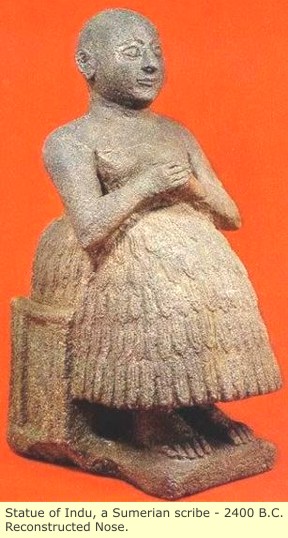
Sumer_Scribe Indu 2400 bc
Sumer Scribe Indu ( Indu is Sanskrit for Moon)

What is Mot?

(5)The Semitic word ‘mot’ means death. Phoenicians had a god called Muth who is identified with death.
In Tamil also dead people or forefathers are called “mutha athaiyar”.
In Sangam Tamil ‘’pattaan” (fatal) means dead. Mot= pat are interchangeable (M=V=P)
In Sanskrit ‘Mrit’ is to die. This root has given birth to lot of words in English such as mortal, fatal.
M=V=P/F + atal
Any word in any ancient language can be traced back to Tamil or Sanskrit. A root word will branch out either the Tamil way or the Sanskrit way. So Pattan, Fut swaha (Skt. Mantra), Fatal, Mortal, Mot (in Sumer)—all have same root.
Phoenician God Muth is nothing but Sanskrit Mrthyu.

Sumer_worshipper3
Sumer worshiper

(6) “Mot is ever hungry for living beings. With his huge jaws he devours the living and swallows Baal ‘like an olive’. Mot is cut into pieces and ground and scattered over the fields for birds to eat. This procedure brings about the rebirth of Baal”.
This type of stories about dead people coming back to earth with the rain drops and growing into plants, animals and men is found in Hindu Puranas.

Hungry Mot devouring everything can be compared to gory Yama devouring everyone. Yama, the God of death’s another name is Kala, synonym for time. Viswarupa darsanam in Bhagavad Gita, where Arjuna described Krishna, runs like this, “all are rushing in to thy fearful mouths set with terrible teeth. Some caught between the teeth are seen with their heads crushed to powder. As the many rushing torrents of rivers race towards the ocean, so do these heroes of the world of men rush into their flaming mouths” (Bhagavad Gita 11-27, 28)
In short, the description of Mot fits very well with the description of God of Death Kala/Yama in Hinduism.

A9345
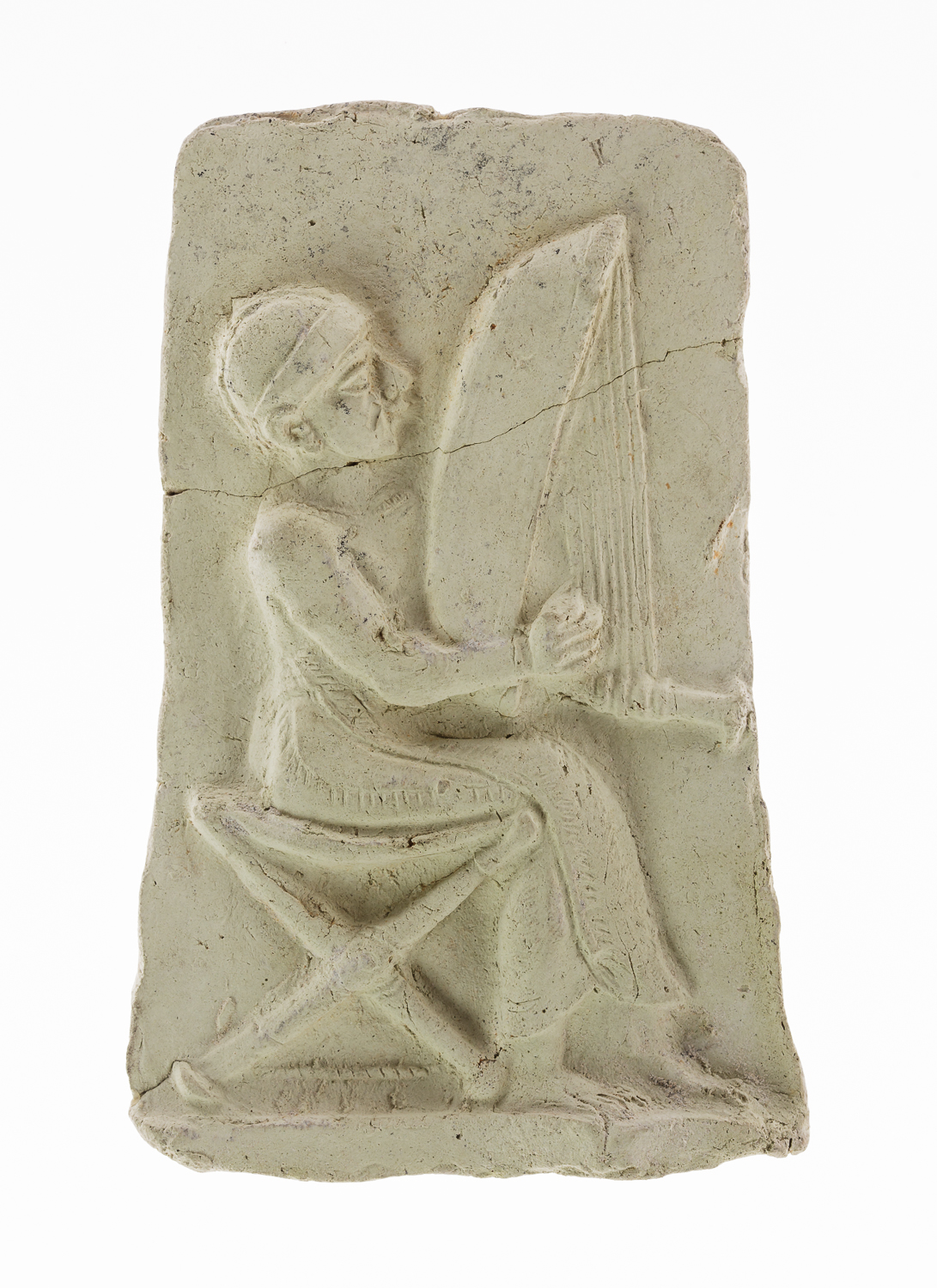
Sumer Harpist 2000 BCE (Yaz in Tamil and Vana in Vedic Sanskrit)

My previous articles on Sumerian culture:

The Great Scorpion Mystery in History ( November 2012)
Mysterious Fish Gods around the World (October 2012)
Hindu Mudras in Egyptian and Sumerian Statues (October 2012)
Hindu Eagle Mystery Deepens — posted on 16th Feb. 2013
Gods and Birds, posted on 3rd Feb. 2013
Double Headed Eagle: Sumerian –Indian connection– posted on18 December 2011.
Tulabharam: Indian-Sumerian Connection (January 2012)
3000 Gods in Sumeria! Similar to Hindus!! (18th September 2014)
Why did Sumer and Egypt Worship Indra? (14th September 2014)
Sanskrit Words in Sumeria: Sumukan Mystery (12 May 2014)
A Hindu Story in Sumerian Civilization (11th May, 2014)
How old is Indian Civilization?
Creation: Vedic Hymn and Babylonian Hymn
Birds for Finding Direction: Sumer to Tamil Nadu
Indus Valley to Egypt: Lapis Lazuli Export (6th September 2014)
Did Indra Attack Sumeria? (9th October 2014)
Hindu Kings who Ruled Syria and Turkey (11th October 2014)
Hundred Sanskrit Names from 1800 BCE to 1400 BCE (14th October 2014)
Su Meru, Ku Meru, Pa Meru, Meru ((posted on 8th November 2014)
Rig Vedic king and Sumerian King 2600 BCE (posted on 14th November 2014)

வாகனங்கள் தோன்றியது எங்கே?
எந்தக் கடவுளுக்கு என்ன வாகனம்?
சுமேரியாவில் தமிழ் பறவை
தேள் தெய்வம்

தமிழனுக்கு அடி மேல் அடி! 27,000 அடி!!

????????????????????????????????????????????????????????????????????????????????????????????

கட்டுரையை எழுதியவர் :– லண்டன் சுவாமிநாதன்
ஆராய்ச்சிக் கட்டுரை எண்- 1418; தேதி 18 நவம்பர், 2014.

தமிழா உனக்கு 27,000 அடி!
புரியவில்லையா? விளங்கவில்லையா?
உனக்கு பல்லாயிரம் அடி! தமிழன்னை கொடுத்தது!!
சங்கத் தமிழ் இலக்கியத்தில் மொத்தம் 27,000 அடிக்கு மேல்!!

தமிழா உனக்கு 27,000 அடி! உடனே, படி,படி,படி!

தொல்காப்பியத்தில் 3999 அடி!
தமிழா, படி,படி,படி! உடனே படி,படி,படி!

திருக்குறளில் 2660 அடி!
தமிழா, படி,படி,படி! உடனே படி,படி,படி!

சிலப்பதிகாரத்தில் 5001 அடி!
தமிழா, படி,படி,படி! உடனே படி,படி,படி!

மணிமேகலையில் 4759 அடி!
தமிழா, படி,படி,படி! உடனே படி,படி,படி!

திருமந்திரத்தில் 12,000 அடி!
தமிழா, படி,படி,படி! உடனே படி,படி,படி!

திவ்யப் பிரபந்தத்தில் 16,000 அடி!
தமிழா, படி,படி,படி! உடனே படி,படி,படி!

தேவாரம் திருவாசகத்திலோ பல்லாயிரம் அடி
தமிழா, படி,படி,படி! உடனே படி,படி,படி!

பெருங்கதையில் 16,230 அடிகள்
தமிழா, படி,படி,படி! உடனே படி,படி,படி!

lot of books 3

சீவக சிந்தாமணியில் 12,400 அடிகள்
தமிழா, படி,படி,படி! உடனே படி,படி,படி!

கம்ப ராமாயணம் 42,000 அடிகள்
தமிழா, படி,படி,படி! உடனே படி,படி,படி!

வள்ளலார் முதல் பாரதி வரை சொல்லிய சொல்
பல்லாயிரம் அடி! தமிழா, படி,படி,படி! உடனே படி,படி,படி!

இன்னும் ஆயிரமாயிரம் கவிஞர்கள் படைத்த கவிதைகளைப் படிக்க வேண்டுமானால் பல நூறு பிறவி வேண்டும்!

கல்வி கரையில, கற்பவர் நாள் சில!
தமிழா, படி,படி,படி! உடனே படி,படி,படி!

நாளது சின்மையும், இளமையது அருமையும்
அரிதரிது! தமிழா, படி,படி,படி! உடனே படி,படி,படி!

ஓங்கி உலகலளந்த உத்தமன் (விஷ்ணு) மூவடியால் உலகளந்தான்!
தமிழையும் சம்ஸ்கிருதத்தையும் கற்றோர் ஈரடியால் (இரு மொழியால்) உலகளப்பர்!! இது உண்மை! வெறும் புகழ்ச்சி இல்லை!!
dog-with-books-and-glasses

புள்ளிவிபரம்

தொல்காப்பியம் 3,999 அடிகள்

சங்கத் தமிழ் எட்டுத்தொகையும் பத்துப்பாட்டும் சுமார் 30, 000 அடிகள் (சிலர் கலித்தொகை, பரிபாடல், திருமுருகாற்றுப படையை ஒதுக்கி 27,000 வரிகள் என்பர்)

சிலப்பதிகாரம் 5,001 அடிகள்

மணிமேகலை 4,759 அடிகள்

பெருங்கதை 16,230 அடிகள்
origin of man

பாடல் கணக்கு

பதினெண் கீழ்க்கணக்கு (குறள் உள்பட 18 நூல்கள்) 3,250 பாடல்கள்

கம்ப ராமாயணம் 10,500 பாடல்கள்

சீவக சிந்தாமணி 3,145 பாடல்கள்

திவ்யப் பிரபந்தம் (ஆழ்வார் பாடியவை) 4,000 பாடல்கள்

பன்னிரு திருமுறை 18, 326 பாடல்கள்

தாயுமானவர் 1,454 பாடல்கள்

அருணகிரி 1,361 பாடல்கள்

இராமலிங்க சுவாமிகள் 5,800 பாடல்கள்
தமிழில் உள்ள பழமொழிகள் 20,000க்கு மேல்
Rat-reading

எனது முந்தைய கட்டுரைகளையும் படிக்க வேண்டுகிறேன்:
தமிழ் ஒரு கடல் ( 11-5-2012 எழுதியது )
சம்ஸ்கிருதம் ஒரு சமுத்திரம்( 11-5-2012 எழுதியது )

cat reading

contact swami_48@yahoo.com

Mata and Pita in Egyptian Religion!

Maat_Egyptian_goddess

Research paper written by London Swaminathan
Research article No.1417; Dated 17th November 2014.

Hindus see Matha/mother and Pitha/father as Gods. The Sanskrit saying goes Matha, Pitha, Guru, Deivam. There are two interpretations for this adage:

1.Mother, Father and Guru must be respected as Gods
2.Mother, Father, Teacher and God must be respected in the order of the words in the adage. Mother, being the first in the saying, she is greater than the other three.

Whatever may be the interpretation; there are two similar sounding deities in Egypt. Egyptian civilization had a 3000 year long history. At every stage of the history there were drastic changes in the customs and Gods and beliefs. Apart from the ancient Gods, new gods were introduced into Egypt from the places with which it maintained trade relationship. So the number of gods increased slowly in course of time. Maat and Ptah are two ancient Gods. It is very interesting to compare them with the Hindu Gods with similar names.

deesse-maat
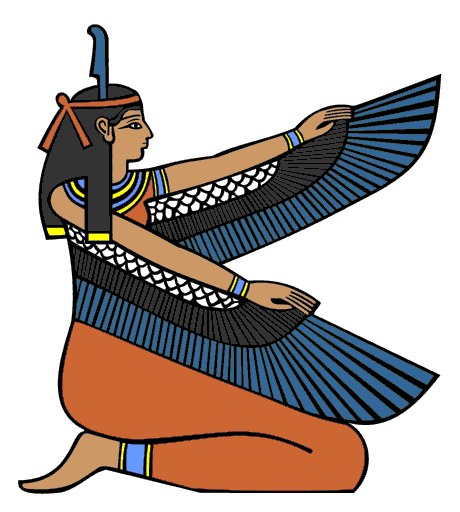
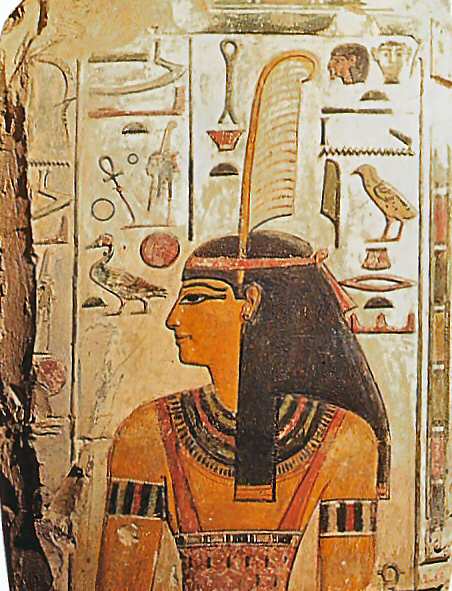
Image of Maat

Hindu mantras in Sanskrit and other regional languages say that goddess is mother, in Sanskrit Jagan Maathaa (universal mother). If it is not a long sound like Maathaa, but just a short sound Matha, as in Egyptian, then the meaning is ‘’a way, a way of worship’’. Hindu religion is called Hindu Matham in Tamil.
Egyptian Goddess Ma’at is similar to this matha. Her name would easily fit in with ‘matha’. And her image will fit in with Maathaa.

In Sanskrit the meaning of the word Matha is ‘’a way, creed, sect, path, opinion, or Dharma’’. In the Bhagavad Gita Krishna uses the word ‘’matham’’ in at least five places.

The key to the Egyptian world was represented by the concept Ma’at, a term which is elusive and resists precise translation. Ma’at represents order, balance, justice, the harmony of the universe, a disciplined weighing of many elements in a coherent whole. Ma’at is represented in the hieroglyphic dictionary by the most charming of all glyphs, a delicate, adolescent girl, with a single feather in her hair.

This fits in with Hindus’ matham and Maathaa in concept and image respectively.

She is associated with the sun god like Hindu goddess Gayatri. In later times she was called the daughter of sun god. The rulers of Egypt believed that they governed under her aegis and frequently had themselves described as beloved of Ma’at.

In the underworld, the heart of a dead persons is weighed against the feather of Maat. If the heart was burdened with sin and heavier than the feather, the deceased was devoured a monster. If the heart is lighter, the deceased became a spirit among the gods. This is again is in Hindu mythology. We say that if the heart is pure then the soul goes to heaven to be among gods. If the ‘Papa/sin’ is more than the ‘Punya/good merits’, then the person suffers in the hell.

Ptah

P’tah, Creator god and god of craftsmen

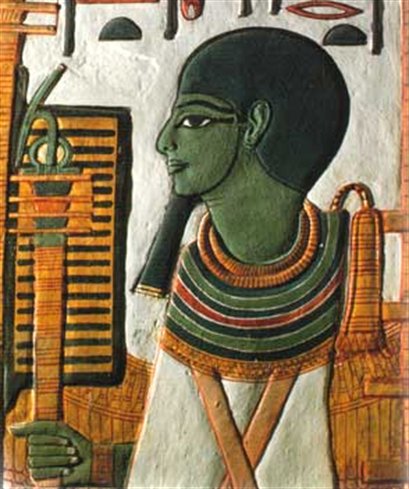
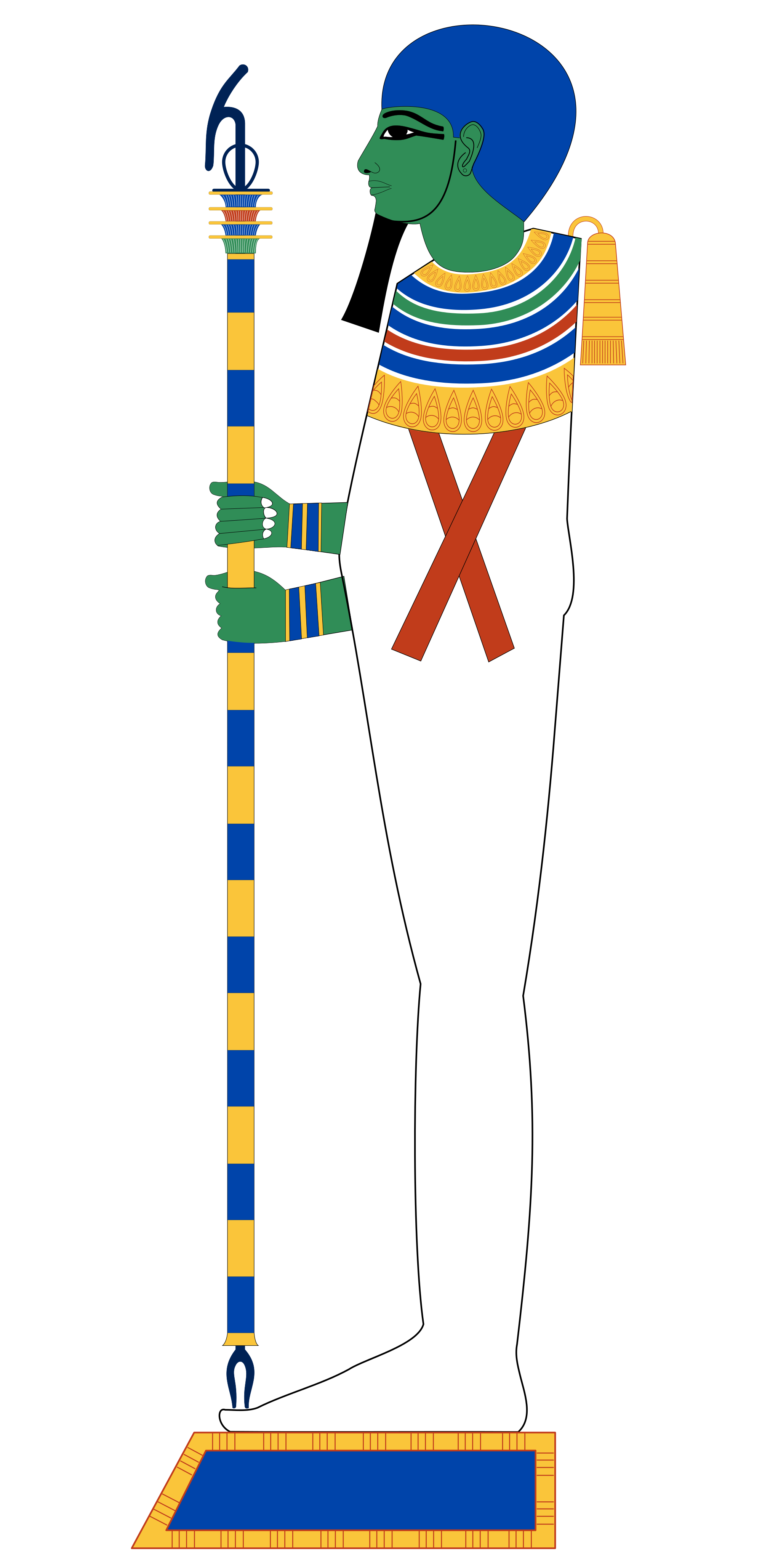
The greatest of the Egyptian creator gods was P’tah of Memphis. He was hailed as Lord of Destiny, Lord of Truth and Lord of Fate. All Egypt’s gods were actually manifestations of P’tah. He is invariably represented in human form, though mummified. The meaning of his name is unknown; opener, sculptor and engraver have been suggested. This fits very well with the creator god of Hindus– Brahma. Hindus believe that he writes our fate on our heads. His main task is the creation. So opener, engraver and sculptor will very well fit into him.

P(i)tah was also identified with an immensely ancient divinity associated with the very beginning of the world and his name was Tanon. He is known as the Lord of years. In Hinduism Brahma’s life span is one era called Param (1000 Chatur Yugas is one night and another 1000 Chatur Yugas is one day; in this way Brahma’s life span is 100 years! An incredible number!) So Ptah is Prajapati or Brahma. Like Brahma, Ptah is also associated with lotus flower.

All life and matter was generated by the heart and tongue of P’tah – thought and word. He created deities by thinking of them in his heart and speaking aloud their names.
As the years went by and Egypt grew old, the nature of gods also changed. Foreign divinities were brought into the pantheon and the Egyptian gods began to take on the common nature.

2000px-Ptah_standing.svg

References:–
Information about Egyptian gods is culled out from the following books:
Egypt’s Making by Michael Rice
Who is Who in Ancient Egypt by Michael Rice
Encyclopaedia a of Gods by Michael Jordan.

some pictures are taken from wikipedia;thanks.

வரலாறு கூறும் அற்புத ரிக்வேதப் பாடல்!

thumb_286_47041

கட்டுரையை எழுதியவர் :– லண்டன் சுவாமிநாதன்
ஆராய்ச்சிக் கட்டுரை எண்- 1416; தேதி 17 நவம்பர், 2014.

ரிக் வேதம் உலகிலேயே பழமையான நூல். அதில் பத்து மண்டலங்கள் உள்ளன. மொத்தம் 1028 துதிப்பாடல்கள் இருக்கின்றன. அவைகளில் 10,552 மந்திரங்கள் உள.

பல அதிசயங்கள் நிறந்தது ரிக் வேதம். அது என்ன அதிசயம்?
உலகிலேயே முதல் முதலாகத் தொகுக்கப்பட்ட நூல் என்னும் பெருமையுடைத்து.
உலகிலேயே முதல் முதலாக ‘’இண்டெக்ஸ்’’ INDEX போட்ட நூல் இதுதான். அதாவது எல்லா ஆங்கில நூல்களிலும் கடைசி பக்கத்துக்குப் போனீர்களானால் அதிலுள்ள விஷயங்களை அகர வரிசையில் சொல் குறிப்பு அகராதி என்று கொடுத்திருப்பர். இதை ‘’அணுக்ரமணி’’ என்ற பெயரில் உலகிற்குச் சொல்லிக் கொடுத்தது நம்மவர்களே. எந்தெந்த ரிஷி எந்த மந்திரத்தைக் ‘’கண்டுபிடித்தார்’’, எந்தக் கடவுளின் பெயரில் பாடினார் என்றெல்லாம் பல்லாயிரம் வருஷங்களுக்கு முன்னர் எழுதவேண்டு மானால் அவர்களுடைய விசாலமான புத்தியை எண்ணி வியக்காமல் இருக்க முடியுமா? ( ரிஷிகள் என்போர் மந்திர த்ருஷ்டா= மந்திரங்களைக் கண்டவர்கள்; எழுதியவர்கள் அல்ல)

400—க்கு மேற்பட்ட ரிஷிகளின் பெயர்களையும் அப்படியே நமக்குக் கொடுத்துள்ளனர்.

இன்னொரு அதிசயமும் உண்டு. உலகில் எந்த நூலையும் நாலு கூறு போட்டு நாலு மாணவர்களை அழைத்து இதை ‘’எழுதக்கூடாது. ஆனால் மனப்பாடமாகப் பரப்ப வேண்டும்’’ என்று யாரும் சொன்னதில்லை. வியாசர் என்னும் மாமுனிவன் மட்டும் இப்படி உத்தரவிட்டதும் அதை அவர்கள் சிரமேல் கொண்டு இன்று வரை நமக்குக் வாய் மொழியாகக் கொடுத்து வருவதும் உலகம் காணாத புதுமை. சுமேரியாவிலோ எகிப்திலோ களிமண்ணிலும் சுவற்றிலும் எழுதாவிடில் அனைத்தும் அழிந்திருக்கும் ஆனால் நம்மவர் மனப்பாடமாக இன்று வரை அதைக் காப்பாற்றி வந்தது நம் திறமைக்கு ஒரு சான்று.

இதில் வேறு பல ரகசியங்கள் இருப்பதாலும் எதையும் நேரடியாகச் சொல்லாமல் ரகசியமாகச் சொல்வதானாலும் சங்க காலத் தமிழர்கள் இதற்கு ‘’மறை’’ என்றும், ‘’எழுதாக் கிளவி’’ என்றும் பெயர் சூட்டி அகம் மகிழ்ந்தனர், உளம் குளிர்ந்தனர்.

இதில் உள்ள கணித ரகசியங்கள் பற்றியும் மிகப் பெரிய எண்கள் பற்றியும் தனியே கொடுத்து விட்டேன். இன்று 38 பெயர்களையும் ஏழு புதிர்களையும் உள்ளடக்கிய ஒரு விஷயத்தை மட்டும் பார்ப்போம்.

ரிக்வேதத்தில் ஏழாவது மண்டலத்தில் வசிஷ்டர் என்னும் ரிஷியும் அவர் வழிவந்தவர்களும் பாடிய துதிப்பாடல்கள் இடம் பெறும். இதில் 18ஆவது துதியில் 25 மந்திரங்கள் உள. தமிழில் பரணர் பாடிய ஒவ்வொரு பாடலிலும் ஒரு வரலாற்று செய்தியைத் தருவார் ( எனது பழைய கட்டுரையில் மேல் விவரம் காண்க: வரலாறு எழுதிய முதல் தமிழன்).

அது போல இப்பாடலில் 38 விஷயங்களை அள்ளிக் கொடுத்து விட்டார் வசிட்டன். இதில் உள்ள பல விஷயங்கள் புதிர்களாகவே உள்ளன. ரிஷி முனிவர்கள் பயன்படுத்தும் மறை பொருளான மரபுச் சொற்றொடர்களும், நமது அறியாமையுமே இதற்குக் காரணம் என்று இப்பகுதியை மொழிபெயர்த்த கிரிப்பித் என்ற அறிஞர் ஒப்புக்கொண்டுள்ளார்.
Rig Veda images

புதிர் 1
இந்தத் துதிப்பாடல் இந்திரன் மீது பாடப்பட்டது. 14ஆவது மந்திரத்தில் ஒரு எண் வருகிறது. அதைச் சில அறிஞர்கள் 66,606 என்றும் இன்னும் சிலர் 6666 என்றும் மொழி பெயர்க்கின்றனர். அதன் சம்ஸ்கிருத மொழி அமைப்பு அப்படி அமைந்துள்ளது. அது சரி! இப்படிப்பட்ட வினோத எண்ணுக்கு இந்த துதியில் அவசியமே இல்லையே! ரிஷிகள் ஏதேனும் மறை பொருளைச் சொல்ல விரும்புகின்றனரா அல்லது எதுகை, மோனை விஷயங்களுக்கா கத் தங்கள் புலமையைக் காட்டுகின்றனாரா? புதிரோ புதிர்!

புதிர் 2
தாசர்கள் என்றால் கறுப்பர்கள், அவர்கள் எல்லாம் திராவிடர்கள், ஆரியர்களால் விரட்டப்பட்டவர்கள் — என்று வெளிநாட்டார் எழுதி வைத்தனர். ஆனால் இந்தப் பாட்டு முழுதும் சு தாச என்னும் மன்னன் அடைந்த வெற்றியைப் பற்றியது. அவனுடைய அப்பா பெயர் திவோ தாச! அவன் குல குரு வசிஷ்ட மாமுனிவன். அவனுக்கு உதவியதோ இந்திரன்! புதிரோ புதிர்!

புதிர் 3
இதே பாடலில் யுத்யாமதி என்ற ஒரு பெயர் வருகிறது. அது ஒரு மன்னன் பெயராக இருக்கலாம் என்று அறிஞர் கருதுவர். ஆனால் அவரைப் பற்றிய எந்த விஷயமும் வேறு எங்கும் கிடைத்தில. ஒரு வேளை சிந்து சமவெளியை ஆண்ட ஒரு மன்னனோ!! ( மதி-பதி-வதி: சிந்து சமவெளி மன்னர் பெயர்கள் என்ற எனது கட்டுரையில் விவரம் காண்க). புதிரோ புதிர்!

புதிர் 4
இந்தப் பாடல் அடங்கிய ஏழாவது மண்டலம் ரிக் வேதத்தின் பழைய பகுதிகளில் ஒன்று என்று பல அறிஞர்களும் ஒப்புவர். அத்தைகயதோர் பாடலில் திடீரென யமுனை நதி பற்றி வருகிறது! ‘’கைபர் கணவாய் வழியாக வந்த ஆரியர்கள் சிந்து நதி தீரத்தில் பாடிய துதிப்பாடலகள்’’– என்று கதைத்து வந்த வெளி நாட்டு ‘’அறிஞர்கள்’’ மீது குண்டு வீசியது போல இருக்கிறது இந்த யமுனைக் குறிப்பு! அவர்களுடைய ஆரிய—திராவிட வாதங்களை ஒரு சொல்லால் தவிடு பொடியாக்கி விடுகிறது இந்த வரி.

வேதம் பற்றியும் அதிலுள்ள வரலாறு பற்றியும் எழுதி வரும் ஸ்ரீகாந்த் தலகரி என்னும் அறிஞர், வேத கால இந்துக்கள் கிழக்கில் இருந்து மேற்கே ஈரான் வரை சென்றார்கள் என்று நிரூபித்ததை இது உறுதி செய்கிறது.

சங்கத் தமிழர்களுக்கு சிந்து நதியோ, அந்தப் பகுதியோ தெரியுமா என்று சந்தேகமாகவே இருக்கிறது. அவை பற்றி சங்கப் பாடல்களில் இல்லை. ஆனால் யமுனை (தொழுநை) நதியும் கங்கை நதியும் இமய மலையும் சங்கத் தமிழர்களுக்கு மிகவும் தெரிந்த இடங்கள்!
nab843

புதிர் 5
அஜஸ், சிக்ரூஸ், யக்ஷூஸ் என்பவர்கள் பேடா என்பவர் கீழ் இருந்தது போல என்று ஒரு வரி வருகிறது யார் இந்த பேடா? என்று தெரியவில்லை! புதிரோ புதிர்!

புதிர் 6
‘’பசியுள்ள மீன்கள் போல’’ — என்று இடையில் திடீரென்று ஒரு வரி வருகிறது. சிலர் இதை மீன் பற்றிய உவமை என்கின்றனர். இன்னும் சில வெளிநாட்டார் இது ‘’மத்ஸ்ய’’ இனத்தினர் என்பர். மத்ஸ்ய என்ற வட சொல்லுக்கு மீன் என்ற பொருள் உண்டு. மச்சாவதாரம் என்ற சொல் நமக்குத் தெரிந்ததே. ஆக இந்த வரியும் புதிரோ புதிர்!

புதிர் 7
ஆறாவது மந்திரத்தில் துர்வாச புரோதாச என்ற பெயர் உள்ளது. இது ஒரே பெயரா அல்லது இரண்டு பெயர்களா என்றும் அறிஞர்கள் மோதிக் கொள்வர். புதிரோ புதிர்!

இப்படி ஒரே பாடலில் பல அறிஞர்கள் பலவாறு பேசுவதை அறிந்தே, நம் அய்யன் வள்ளுவன், “எப்பொருள் யார் வாய்க் கேட்பினும் அப்பொருள் மெய்ப்பொருள் காண்பது அறிவு”– என்று செப்பினான். குறிப்பாக, வேத மந்திரங்களுக்கு ஆரிய—திராவிட விஷப் புகை தூவி மந்திரம் போடும் வெளி நாட்டாரை நம்பாது இருப்பதே நலம்!

new

பாடலில் என்ன சொல்கிறார் வசிட்டர்?

இந்தப் பாடல் சுதாச என்னும் மன்னன், பத்து ராஜா யுத்தத்தில் அடைந்த மாபெரும் வெற்றியைப் பாடுகிறது. எப்படி கரிகால் சோழன் ஏழு பேரை வென்று வெற்றி வாகை சூடினானோ அது போல சுதாசன் பத்து பேரை வென்று வெற்றி வாகை சூடினான். அவனுடன் போனார் வசிட்டர். அவனுக்கு உதவியது இந்திரன்!

“ஆடு சிங்கத்தை வென்றது போல வென்றான்” — என்ற உவமை இதில் இருப்பது குறித்தும் சிங்கம், பஞ்ச தந்திரக் கதைகள் போன்றவை அக்காலத்திலேயே இருந்தது என்றும் எனது முந்தைய கட்டுரையில் தந்தது உங்களுக்கு நினைவிருக்கும்.

இறுதியாக, — இதில் வரும் முப்பத்தெட்டு பெயர்கள் என்ன என்ன?

1.இந்திர, 2.வசிஷ்ட, 3.சுதாஸ், 4.சிம்யு, 5.துர்வாச, 6.புரோதாச, 7.ப்ருஹு, 8.த்ருஹ்யூஸ், 9.பக்தாஸ், 10.பலனாஸ், 11.அலினாஸ், 12.சிவாஸ், 13.விசானின்ஸ், 14.த்ருஷ்டூஸ், 15.பாருஸ்னி, 16.ப்ரிஸ்னீ, 17.வைகர்ண, 18.கவச, 19.அனு, 20.புரு 21.ஆனவாஸ், 22.பேடா, 23.யமுனா, 24.அஜஸ், 25.சிக்ரூஸ், 26.யக்ஷூஸ், 27.தேவக, 28.மன்யமான, 29.சம்பர, 30.பராசர, 31.சதாயது, 32.பைஜாவன 33.அக்னி, 34.தேவவான், 35.யுத்யாமதி, 36.திவோதாச, 37.மருத், 38.மத்ஸ்ய
nad035

இதில் பல இனங்கள் (குழுக்கள்), நதிகள், மன்னர்கள், கடவுளர் பெயர்கள் இருக்கின்றன.

–சுபம்–

அமிழ்தம், அமிழ்தம் என்று கூவுவோம் – நித்தம்
அனலைப் பணிந்து மலர் தூவுவோம்;
தமிழில் பழ மறையைப் பாடுவோம் – என்றும்
தலைமை பெருமை புகழ் கூடுவோம் — பாரதி

Amazing History in one Rig Vedic Hymn! 38 Names at one go!!

Rig Veda images

Research paper written by London Swaminathan
Research article No.1415; Dated 16th November 2014.

One of the most interesting Rig Vedic hymns is 7-18.
It is the 18th hymn in the Seventh Mandala of the Rig Veda.
There are twenty five verses/riks in it.

Seventh Mandala belongs to the family of Vasistha, author of one of the early Mandalas of the RV.
This is very interesting because of a simile about a lion, tricky numbers and various tribes. Scholars find it very difficult to understand the full hymn. Another puzzle is that it explodes some false notions. Suddenly River Jamuna is mentioned in the earliest parts of the Veda. Foreign “scholars” differ in interpretation which is not uncommon.

Puzzle 1
In the 14th verse of the hymn a number comes – sastih sataa sata sahasraa sastir adhi sat, literally six hundreds, six thousands, sixty, with six more.
Sayana and Wilson say sixty six thousand six hundred six 66606
Ludwig says 6666
Griffith says it is obscurely expressed
Whatever be the interpretation, look at the number 6 repeated several times! Does it really mean a particular number in a hymn like this or a symbolic hidden message or poetic style?

new

Puzzle 2
Yudhyaamadhi – is thought to be king’s name. But we don’t know the details!
Puzzle 3
Yamuna – Griffith says it is not east to see how the expedition reached so far.
Scholars, who blabber about “Aryan expansion” towards east, struggle hard to explain this River Yamuna! Scholars like Shrikant Talageri and others argue that the expansion was from East to West which is confirmed by this verse.

Puzzle 4
Griffith says – the Ajas, Sigrus and Yaksus were perhaps subject to Bheda, but nothing is known regarding them. Mysterious Bheda!!!

Puzzle 5
Sudaas, Divodaasa :– all Dasas are Indra’s friends!!! Vasishta’s men!! Foreign propaganda about Dasas is exploded in this and several other hymns where Dasyus and Dasas are supported by Indra!!!

Puzzle 6
In verse six there is a reference to “fishes urged by hunger”. Some scholars say they are not fishes. They are the Matsya tribe! (Matsya in Sanskrit means fish). So the scholars are not sure whether they are people or fishes!!

nad035

Puzzle 7
Verse number 6 refers to Turvasa Purodaasa. Scholars don’t know whether it is two people or one man with a surname; three different scholars interpret it in three different ways!!! In Vedic interpretation, scholarship means confusion!

One must be careful, when people quote the Vedas! They don’t know what they are talking about! No two clocks agree. No two “scholars” agree! They don’t believe in the Vedic culture. They have never lived in India! They don’t know how Hindus live! They don’t know why the Tamil Kings and North Indian kings donated huge quantity of gold and lands to Brahmins to pass this knowledge from generation to generation and never allowed the Vedas to put it in writing!!

Now look at the 38 words in the hymn:–
1.Indra
2.Vasistha
3.Sudas
4.Simyu
5.Turvasa
6.Purodas
7.Bhrgus
8.Drhyus
9.Pakthas
10.Bhalanas
11.Alinas
12.Sivas
13.Visanins
14.Trstus
15.Parusni
16.Prisni
17.Vaikarna
18.Kavas a
19Anu
20.Puru
21.Anavas
22.Bheda
23.Yamuna
24.Ajas
25.Sigrus
26.Yaksus
27.Devaka
28.Manyamana
29.Sambara
30.Parasara
31.Satayatu
32.Paijavana
33.Agni
34.Devavan
35.Yudhyamadhi
36.Divodasa
37.Maruts
38.Matsyas (Fishes)

thumb_286_47041

History behind the hymn:
The hymn glorifies Indra as the protector of Sudaas, the king of the Trstus and praises the liberality of the prince.

Vasistha, the Rsi/ sage of the hymn and the chief priest accompanied the war like expedition of Sudaas (note that Dasa has a priest, that too Vasistha! Is he a Dravidian Dasa? Or an Aryan Dasa?)

Ralph T H Griffith says,
“The poet begins to recount the events of Sudaas’s victorious expedition. These are not always intelligible partly on account of the obscure phraseology employed and partly on account of our ignorance of details which are vaguely alluded to. In this stanza Sudaas, king or chief of the Trstus tribe, has, with the aid of Indra crossed a deep river – the Parusni which is now called Ravi – and put the Simyus to fight, some of the fugitives being drowned in its waters. The Simyus are mentioned together with the Dasyus, in 1-100-18 as hostile barbarians slain by Indra. The second half of the stanza is difficult, the meaning of two of the words being uncertain”

At least Griiffith was honest enough to admit here “our ignorance”. So if anyone says anything against the Vedas, you don’t need to believe them. Nobody has understood it fully. No two scholars agreed on controversial matters. Just because some foreigners wrote something in English, don think they are all Scholars.

nab843

( I have read several books where they dub some as Demons and some as Dravidians and some as invaders and some others as non-Aryans. If you read the Rig Veda translated by three or four different authors you will enjoy the Aryan –Dravidian Jokes!! You can enjoy a hearty Laugh!!! Particularly the talk about Dravidian Indus Valley and the Aryan Vedic society!!!)

Contact swami_48@yahoo.com
எகிப்திய நாகரீகத்தில் மேலும் பல தமிழ்ப் பெயர்கள்!!

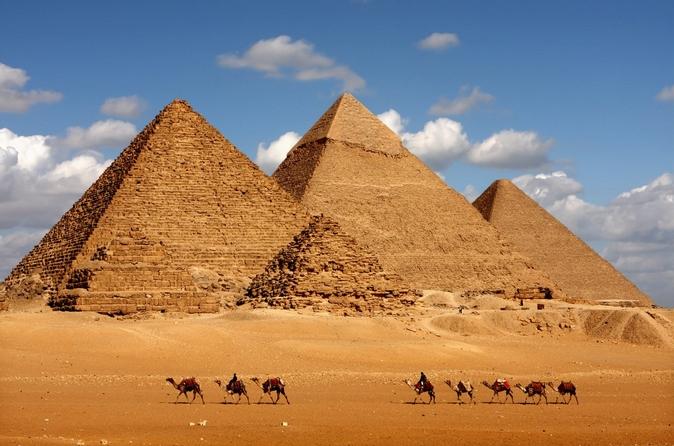
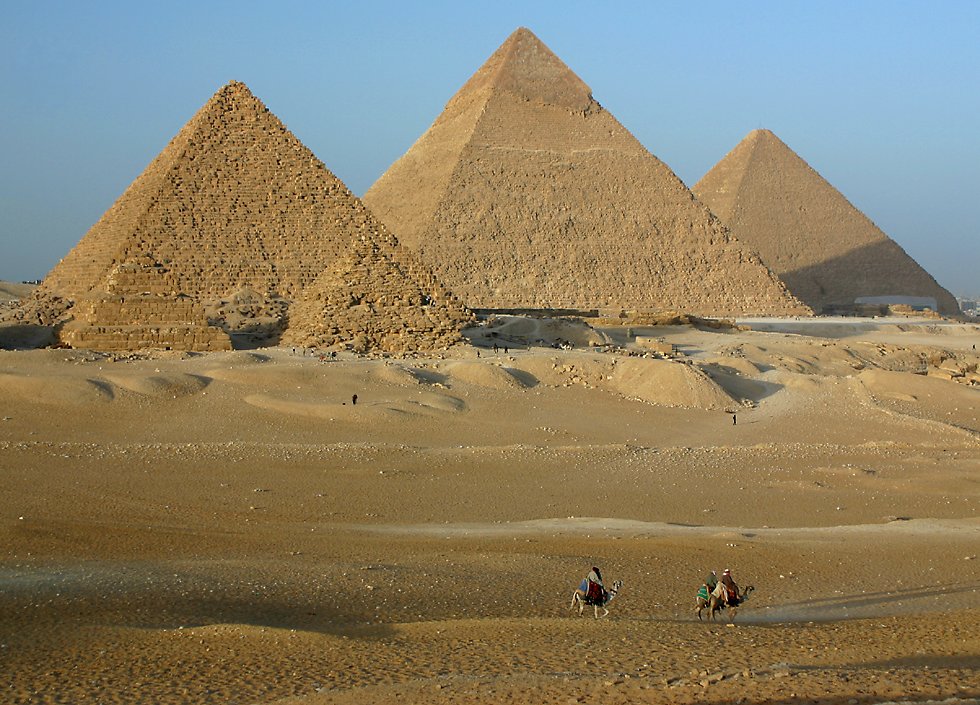
pyramid

Research paper written by London Swaminathan
Research article No.1414; Dated 16th November 2014.

எகிப்திய நாகரீகம் குறித்து 2012 ஆம் ஆண்டில் சுமார் பத்து கட்டுரைகளில் பல விஷயங்களை எழுதி இருந்தேன். ‘’நெய்த்’’ என்னும் எகிப்திய தெய்வம் நெய்தல் (துணி நெய்தல்) என்பதுடன் தொடர்புடைய தெய்வம், ‘’க’’ என்றால் கடவுள் (பிரம்மா) முதலிய பல சொல் ஆராய்ச்சி விஷயங்க ளையும் வீடு முதலிய சொற்கள் செமிட்டிக் மொழியில் இருப்பது பற்றியும் எழுதி இருந்தேன். அண்மையில் ‘’பழங்கால எகிப்தில் யார், எவர்’’ — என்ற ஆங்கிலப் புத்தகத்தை வாசித்து முடித்ததில் மேலும் பல தமிழ், சம்ஸ்கிருதச் சொற்கள் அங்கே இருப்பதை அறிந்து வியந்தேன். அதை உங்களுடன் பகிர்ந்து கொள்ள ஆசைப்படுகிறேன்.

ஆய் என்ற மன்னன் எகிப்திலும் உண்டு. சேர நாட்டு மன்னர்களுக்குப் பின் எப்படி ஆதன், குட்டுவன், பொறையன் என்று பெயர் இருக்கிறதோ அது போல எகிப்திலும் உள்ளது.

இமயவரம்பன் நெடுஞ்சேரல் ஆதன், சேரன் செங் குட்டுவன், மாந்த்ரஞ் சேரல் இரும் பொறை எனப் பல பெயர்களை நாம் சங்க இலக்கியத்தில் காண்கிறோம். பொறையன் என்பது எகிப்தில் பாரோ (மன்னன்) என்ற பெயரில் உள்ளது. கேட் என்று முடியும் பல எகிப்திய மன்னர்களின் பெயர்களை (அமன்கேட், ஹருகேட்) குட்டுவன் என்பதோடு ஒப்பிடலாம். ஆதன் என்ற பெயர் சூரியன் என்னும் கடவுளின் பெயராக எகிப்தில் புழங்குகிறது (ஒரு மன்னன் பெயர் அகனாதன்). அதே பொருளில் — (ஆதவன்=சூரியன் என்ற பொருளில்) —- சேரன் பெயர்களில் இருப்பதை அறிவோம்.

நான் பட்டியலில் கொடுக்கும் பெயர்கள் எல்லாம் கி.மு.1900 முதல் கி.மு 1300 வரைக்குட்பட்டது. தனித்தனியே மன்னனின் ஆட்சி ஆண்டு வேண்டுவோர் எனது ஆங்கிலக் கட்டுரையைக் காண்க.
இது தவிர முட ‘’மோசி’’ என்ற பெயர்களும் ஆய் என்ற பெயரும் வியப்பை உண்டாக்கும்.
ஆய் என்பவன் எகிப்தில் சாதாரண நிலையில் இருந்து மன்னன் ஆனவன். தனது மகளை ஒரு எகிப்திய மன்னனுக்கு மணம் செய்து கொடுத்ததால் அவனுக்கு இந்த வாய்ப்பு கிடைத்தது.

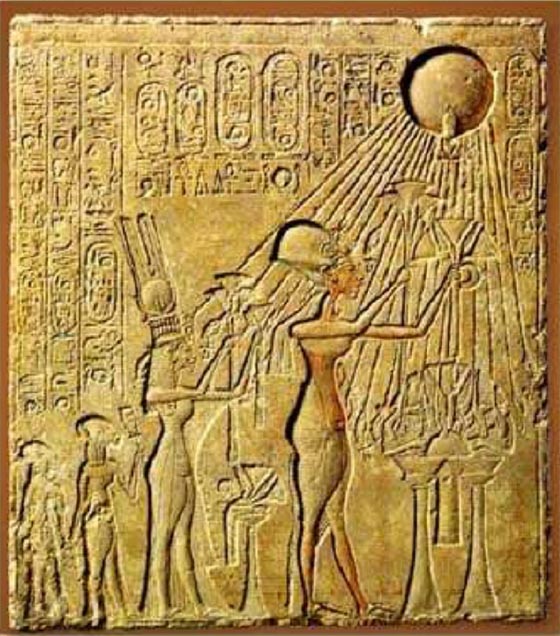
Egyptian-Sunpower

மிட்டன்னிய (தற்போதைய சிரியா/ துருக்கி பிரதேசம்) இந்து மன்னன் தசரதன் தன்னுடைய இரண்டு புதல்விகளான புது கீபா, தது கீபா — (புத்த சிவா, தத்த சிவா என்ற பெயர்களோ!!) —- ஆகியோரை எகிப்திய மன்னனுக்கு மணம் புரிவித்து தங்கத்தினால் ஆன கடவுள் சிலை ஒன்றையும் அனுப்பிவைத்தான். இந்தக் கடவுள் சிலை துர்க்கை என்று நாம் வணங்கும் கடவுளுக்குச் சமமான மேற்காசிய தெய்வம் ஆகும். இவர்கள் எகிப்திய அரசவைக்குள் நுழைந்தபின்னர் ஏராளமான சம்ஸ்கிருதச் சொற்கள் அங்கே புழக்கத்தில் வந்தன. ராம்செஸ் என்ற பெயரில் மட்டும் 13 பேர் எகிப்தை ஆண்டனர் (இது குறித்து காஞ்சி மஹா ஸ்வாமிகள் 1932 ஆம் ஆண்டு சென்னை மயிலாப்பூரில் ஆற்றிய உரை விஷயங்களை முன்னரே எழுதிவிட்டேன்).

முடமோசி என்ற சங்க காலப் பெண் புலவர் பற்றித் தமிழர்கள் நீண்ட காலமாக ஆய்வு நடத்தி வருகின்றனர். இந்தப் பெயர் எகிப்து நாட்டில் மிகவும் அதிகம். தத் மோசி என்ற பெயரில் மட்டும் நால்வர் இருந்தனர். இதுதவிர ஆமோசி, ஹரமோசி, காமோசி, மீனமோசி என்ற பெயர்களும் மன்னர்கள் பட்டியலில் உண்டு.

மோசி என்றால் மகன் என்று பெயர். தமிழில் மூசு என்பதை முதலில் விளையும் இளம் பலாக் காய்க்குப் பயன் படுத்துவோம். பலா மூசு கூட்டு, கறி முதலியவற்றைச் சாப்பிடுகிறோம். இதே பொருளில் மோசி என்றால் தலைப் பிள்ளை என்ற அர்த்தம் ஸ்வாகிலி (கிழக்கு ஆப்பிரிக்கா) மொழியிலும், எகிப்திலும் இன்றும் இருக்கிறது. மோசஸ் என்ற குழந்தையை நைல் நதியில் கண்டு எடுத்த மன்னன் மகள் அவனுக்கு ஹீப்ரூ (எபிரேய) மொழியில் மோசி (மோசஸ்) என்று பெயரிட்டாள். பின்னர் அவர் யூதர்களை வழி நடத்திச் சென்ற கதைகளை நாம் அறிவோம்.

trademap

தமிழில் முட மோசி என்ற பெயர், அவர் வீட்டுக்குத் தலைப் பிள்ளையாக (புதல்வியாக) பிறந்ததால் வந்திருக்கலாம். பிறக்கும் போதே இளம் பிள்ளை வாதம் (போலியோ) போன்ற குறைகளுடன் பிறந்ததால் முடமோஸி என்ற பெயரும் பெற்றிருக்கக்கூடும்.

ஆக மோசி என்பது எகிப்து வரை உள்ளது. சேர நாட்டில் இருந்து கடலை நோக்கி உட்கார்ந்தால் அது எகிப்து இருக்கும் திசையை நோக்கி இருக்கும். பழங்காலத்தில் அரபிக் கடல் முழுதும் இந்துக்கள் ஆதிக்கம் செலுத்தினர். கடல் கொள்ளையர்களை செங்குட்டுவன் ஒடுக்கி அவர்களுடைய காவல் மரமான கடம்ப மரத்தை வெட்டி வீழ்த்தினான்.

நெடுஞ் சேரலாதனோவெனில், அங்கு அட்டூழியம் புரிந்த யவனர்களைப் பிடித்து தலையை மொட்டை அடித்து, கைகளைப் பின்புறம் கட்டி, தலையில் எண்ணையை ஊற்றி அவமானப் படுத்தியதைப் பதிற்றுப்பத்தில் படித்தோம். இந்துக் கடவுளரின் கடற்படைத் தாக்குதல்கள் என்ற எனது பழைய கட்டுரையில் கிருஷ்ன பரமாத்மா, துவாரகை துறைமுகத்தில் இருந்து கடற்படையுடன் சென்று மேற்காசியாவில் நடத்திய தாக்குதல்களை விவரித்துள்ளேன்.

இப்படி நமது ஆதிக்கம் கொடிகட்டிப் பறந்தகாலதில், 2000 ஆண்டுகளுக்கு முன்னர், ஒரு இந்தியன் உளறிவிட்டான். எகிப்தில் உள்ள அலெக்ஸாண்ட்ரியாவில் ஒரு கிரேக்க நாட்டானிடம் பருவக் கற்று மூலம் நாம் எப்படி எகிப்து முதலிய நாடுகளுக்குச் செலவே இல்லாமல் செல்கிறோமென்று உளறிவிட்டான். அது முதல் மேலை நாட்டோர் நம் மீது படை எடுத்து நம்மை அடிமைப் படுத்தத் துவங்கிவிட்டனர். அந்த கிரேக்க நாட்டான் பெயர் ஹிப்பலஸ் — அவன் பெயரில் தென் மேற்குப் பருவக்காற்று ரகசியம் மேலை உலகம் முழுதும் பரவியது. (தமிழ் இலக்கியத்தில் அதிசயங்கள் — என்ற எனது பழைய– 2003 ஆம் ஆண்டு வெளியான புத்தகத்தில்– மேல் விவரம் காண்க)

egypt 2

ஆக சேர நாட்டில் இருந்து தமிழ் பெயர்கள் அங்கு சென்றதில் வியப்பில்லை. எபிரேய மொழியில் பல தமிழ் சொற்கள் உண்டு அவற்றை தனிக் கட்டுரையில் தருவேன்.. யூதர்கள், பார்ஸிக்கள் முதலியோர் மேலைக் கடற்கரை மாநிலங்களில் குடியேறியதும் பருவக் காற்று ரகசியம் வெளியேறியதால்தான் என்று சொல்லலாம்.

எகிப்தில் பல பெயர்கள் தேவ (டேப்) என்று முடியும். இவை அந்த நாட்டுக் கடவுளான ஹோதெப் (ஹே தேவ!) என்று அவர்கள் புத்தகத்தில் எழுதுவர். ஆயினும் கடவுள் என்ற பெயரில் தேவ இருப்பதில் வியப்பில்லை. நாம் சிவனை மஹா தேவ என்று சொல்கிறோம்.

இப்படிப் பெயர்களில் மேம் போக்காகக் காணப்படும் ஒற்றுமைகளை வைத்து மட்டும் நாம் எகிப்திய-இந்திய உறவை எடை போடுவது அறிவுடைமை ஆகா. வேறு பல விஷயங்களிலும் காணப்படும் ஒற்றுமைகளை வைத்தே முடிவுக்கு வருகிறோம். ஈசாப் என்னும் கிரேக்க அடிமை, எகிப்து நாட்டில் அடிமை வேலை செய்த காலையில் கேட்ட கதைகளை எழுதி உலகப் புகழ் பெற்றான். அவன் நாட்டில் இல்லாத மயில் போன்ற இந்தியப் பறவைகளை அவன் கதைகளில் காண்பது நம்முடைய கலாசார தாக்கத்தை வெள்ளிடை மலையென விளக்கும்.

egypt india

Please Read my earlier Posts
The Great Scorpion Mystery in History – Part 1 (posted 10 November 2012)
The Great Scorpion Mystery in History – Part 2(posted 10 November 2012)
Did Indians build Egyptian Pyramids? ( 27 August 2012)
Vishnu in Egyptian Pyramids ( 5 September 2012)
Vedas and Egyptian Pyramid Texts ( 20 August 2012)
Sex Mantras and Talismans in Egypt and Atharva Veda (26-9-2012)
Hindu Gods in Egyptian Pyramids ( 16-9-2012)
Flags: Indus Valley- Egypt Similarities (15-10-2012)
எகிப்தில் திருமூலர் கருத்துக்கள் (21-11-2013)
கொடி ஊர்வலம்: சிந்து சமவெளி-எகிப்து அதிசய ஒற்றுமை (14-10-2012)
Hindu Symbolism in France ( 24 August 2014)
More Tamil and Sanskrit Names in Egypt (15th November 2014)
aum
contact swami_48@yahoo.com