வாத்தியாரைக் காலை வாரிவிட்ட மூக்குப்பொடி டப்பி!!

elt projects india

கட்டுரை மன்னன் – லண்டன் சுவாமிநாதன்
கட்டுரை எண்:–1266; தேதி 4 செப்டம்பர் 2014

School Days Stories
“உலகம் தட்டை சார்”

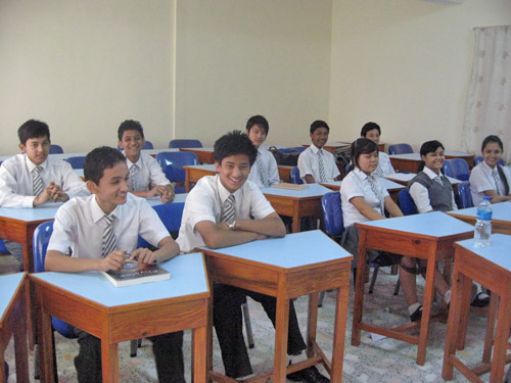
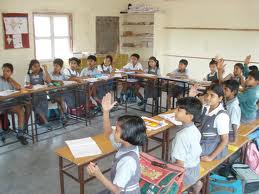
பள்ளிக்கூடங்களில் பெரிய கல்வி அதிகாரிகளின் (D E O டி.ஈ.ஓ) சோதனை நாள், அதாவது இன்ஸ்பெக்சன் (Inspection) என்று ஒரு சடங்கு உண்டு. அப்பொழுது பள்ளிக்கூடம் மிகவும் சுத்தமாக இருக்கும். எல்லோரும் நன்றாக உடை உடுத்தி வருவர். யாரும் தாமதமாக வரக்கூடாது என்று ஒரு வாரம் முன்னதாகவே எச்சரித்து விடுவார்கள். ஆசிரியர்களும் இன்ன பாடம்தான் நடத்துவேன் இன்ன கேள்விகள்தான் கேட்பேன் என்று முன்னரே மாணவர்களுக்குச் சொல்லிவிடுவார். எல்லாம் ‘ரிஹர்சல்’ (ஒத்திகை) செய்து பார்த்து விடுவர். அந்த சூழ்நிலயில் நடந்ததுதான் இந்தக் கதை!!

ஒரு புத்திசாலி வத்தியார் இருந்தார். “டேய், பையன்களா, நான் நாளைக்கு டி.ஈ.ஓ (District Educational Officer டிஸ்ட்ரிக்ட் எடுகேஷனல் ஆபீஸர்) வரும் போது பூகோள பாடம் நடத்துவேன். நான் யாரையாவது ஒருவரை பூமி தட்டையா, உருண்டையா என்று கேட்பேன். பதில் மறந்து போனாலும் கவலைப் படாமல் என் மூக்குப் பொடி டப்பாவைப் பாருங்கள்.

இதோ பார், இதுதான். இது என்ன வடிவமோ அதைச் சொல்லிவிடுங்கள் என்று சொல்லி தன்னுடைய உருண்டையான மூக்குப் பொடி டப்பாவைக் காட்டினார். பையன்களுக்கு ஒரே மகிழ்ச்சி! எவ்வளவு எளிய கேள்வி! எவ்வளவு சின்ன பதில் என்று!

classroom7

பூகோள வாத்தியாரின் மனைவிக்கும் தெரியும் பள்ளிக்கூடத்துக்கு பெரிய அதிகாரி சோதனைக்கு வரப்போகிறார் என்று? மறுநாள் என்றைக்கும் இல்லாத திருநாளாக அந்தப் பெண்மணி, தனது கணவர் எங்காவது அழுக்கடைந்த பழைய மூக்குப் பொடி டப்பியைக் கொண்டு போய்விடுவாரோ என்று எண்ணி புத்தம் புதிய டப்பியில் மூக்குப் பொடியை நிரப்பி ஆசிரியர் பைக்குள் போட்டுவைத்து வழி அனுப்பினார். அந்த புதிய மூக்குப் பொடி டப்பி தட்டையான சதுர வடிவம் உடையது. அப்பாவி ஆசிரியருக்கு அது தெரியாது.

காலை மணி பத்து. ஆசிரியரின் கெட்ட காலம்! முதல் வகுப்பாக இவரது அறைக்குள் நுழைந்தார் டி.ஈ.ஓ. அழகாக புவி இயல் பாடம் நடத்திவிட்டு ஒரு பையனை நோக்கி பூமியின் வடிவம் என்ன? என்று கேட்டார். பையனுக்கோ பெரிய அதிகாரியைப் பார்த்தவுடன் ஒரே உதறல். உடனே ஆசிரியர் பைக்குள் இருந்த மூக்குப்பொடி டப்பியை லாவகமாக எடுத்துக் காட்டினார். அதன் தட்டை வடிவத்தைப் பார்த்த பையன், “ஐயா, உலகம் தட்டையாக சதுரமாக இருக்கும் என்றார். டி.ஈ.ஓ.வுக்கு ஒரே சிரிப்பு. அவருடன் வந்த தலைமை ஆசிரியர் முகத்தில் எள்ளும் கொள்ளும் வெடித்தன. வாத்தியார் முகத்திலோ அரை டன் அசடு வழிந்தது!!

classroom 6

போத் ஆப் யூ ஆர் ‘உராங்’!

Both of you are urang (wrong)!
மூக்குப் பொடி டப்பி வகுப்பறை சம்பவத்துக்குப் பின்னர் தலைமை ஆசிரியருக்கு ஒரே கவலை. அடக் கடவுளே! நம் பள்ளிக்கூடம் ‘பேர்’, ரிப்பேர் ஆகிவிடுமே என்று.

அடுத்ததாக ஆங்கிலப் பாடம் நடத்தும் ஒரு வகுப்பறைக்குள் தலைமை ஆசிரியரும் (D E O ) டி.ஈ.ஓ.வும் நுழைந்தனர். அங்கு இதைவிட பெரிய தலைவலி காத்திருந்தது.

ஆசிரியர் ஒரு பையனைப் பார்த்து
What is the SSpelling far Kuvaneltj (Knowledge)? வாட் இஸ் தெ ஸ்ஸ்பெல்லிங் பார் குவாநலெட்ஜ்? என்று கேட்டார்.
class room 5

அந்தச் சொல்லில் கே என்னும் ஆங்கில எழுத்து ஒலிக்காது/ சைலன் ட் என்பது ஆசிரியருக்குத் தெரியாது.
பையன் அதற்கு மேல் மண்டு!!

ஐ டோண்ட் க்நோ சார், என்றான். Ai tont kkno (know), sir

தலைமை ஆசிரியர்க்கு உதறல் எடுக்கத் துவங்கி விட்டது. ஆசிரியருக்கே ஆங்கிலம் தெரியவில்லை, உச்சரிப்பும் தெரியவில்லை என்றால் பள்ளிக் கூடத்தையே மூடச் சொல்லி அதிகாரி ‘’ரிப்போர்ட்’’ கொடுத்து விடுவாரோ என்று பயந்து நடுங்கினார்.

அந்த நேரத்தில் டி.ஈ.ஓ. திருவாய் மலர்ந்தருளினார்:

போத் ஆப் யூ ஆர் “உராங்” poth ap u or Uraang (wrong) என்று சொல்லிவிட்டு நாலெட்ஜுக்கு ஸ்பெல்லிங் எழுதிக் காட்டினார் Naledj னாலெட்ஜ் என்று.

தலைமை ஆசிரியருக்கு உயிர்வந்தது!!

மண்டு டீ.ஈ.ஓ. வாழ்க என்று மனதுக்குள் வாழ்த்தினார்!!!

Contact swami_48@yahoo.com

Pictures are taken from various websites; not connected with the anecdotes here;thanks.

Numbers in the Rig Veda! Rig Veda Mystery-2

Vedas 9

Research Paper written by London Swaminathan
Post No. 1265; Dated 3rd September 2014.

There are as many bluffers in the field of Rig Vedic study as we have in the study of Indus Valley script. The so called Vedic “scholars” from foreign countries bluffed us into believing that they were real scholars. Actually they used Sanskrit Pundits for translation into colloquial English and then interpreted the hymns in English and German according to their whims and fancies. They dubbed some characters as demons and some as devas, Mundas, Aryas, Dravidas etc. The same thing happened in the study of Indus valley Civilization. They interpreted the script according to their imagination. The day the script is deciphered, thousands of books will be burnt as rubbish. They are like circus clowns and buffoons!

Numbers occur in the Vedas in innumerable places. Vedic numbers are mysterious. The Vedic seers had an obsession with the numbers. They used number symbolism making it difficult for interpretation. This led to a new genre of obscure poetry in later day Tamil literature.

I submitted two Research papers at the World Tamil Conference in 1995 in Thanjavur: 1.NUMBER IN SAGAM TAMIL LITERATURE and 2.COLOUR IN SAGAM TAMIL LITERATURE. Since they were submitted after the deadline they did not enter the books. But I attended seminars for two days in different rooms and distributed them personally. From that day I have a fascination about numbers. Here are some facts about numbers in the Vedas. The only oldest religious book in the world used till today is the Rig Veda. It has got decimal numbers 10, 100, 1000, 100,000 in hundreds of places. Hindus discovered the decimal system and the biggest numbers.

vedas8

Following is only a sample of the numbers in the Rig Veda:
RV 5-29-8 3X100 =300 No of offerings of Soma
8-85-8 63 No of Maruts
10-34-8 53 No of Dice 50+3
10-114-6 36 No of Saucers 33+3
10-53-3 34 No of Lights 33+1
8-28-1 33 No of Gods
3-4-9 33 No of Gods

vedas7

How many People did Indra kill?

RV 6-26 100,000 number of people killed by Indra
RV 6-26 60,000 number of people killed by Indra
RV 4-30 100,000 number of people killed by Indra
RV 1-53 10,000 20 captains+60099+10000
RV6-27 3000 number of people killed by Indra
RV 2-14-6 100X 1000 persons killed
2-13-9 100X10 Dasas killed
2-14-6 100,000 100X1000 killed
7-19-14 6666 No of Dasas killed 3300+3300+33+33
(AV9-5-2) 6333 No of Gandharvas
RV3-9-9 3339 No of Gods (3003+303+33)
((Satapata Brahmana 3306 No of Gods (3003+303) )
RV4-27-6 3000 No of Warriors killed 3X1000

vedas6

How many Forts did Indra destroy?

RV 2- 14 100 Ancient castles
RV 1-130 90 forts
RV 1-53 100 forts

RV10-98-10 99000 No of wagon loads (100 000—1000=99000)
RV 1-54-6 99 Forts of Sambara 100-1
2-19-6 99 Forts of Sambara 100-1
10-98-11 99000 No of wagons 100000—10000
1-130-7 90 forts of Dasas
8-1-24 1100 steeds of Indra 1000+100
10-97-1 107 No of Herbs 100+7
10-130-1 101 No of ministers 100+1
10-93-15 77 No of horses 70+7

vedas5

8-6-46 100,000 No of Gifts
8-5-37 100+10,000 100 camels and 10,000 cows gifted
8-46-32 100 100 camels donated
10-93-15 77 Number of horses 70+7
8-85-8 7X9 No of Maruts
5-52-7 7X7 No of Maruts
10-55-3 5×7 No of Gods
10-90-15 3X7 Maruts
7-9-11 21 persons killed 7X3

2-12 40 shambara was found after 40 autumns
7-18 10 Dasa Raja yuddha
5-62-1 1000 Thousand Pillar Hall
1-116-3 100 Hundred oared ship saves Bhujyu

RV 1000 many contexts

vedas4

1) We can see a pattern in using the numbers here. So they don’t mean it literally.
2) 99, 99,000 and such numbers are symbolic.
3. Killing 100, 000 may mean killing a lot of people; not necessarily exactly one lakh!
4.The word “Kill”– itself may have different meaning
5.Look at the camel and Cow donations. So they are not nomads from snow clad Siberia!
6.Look at the 1000 pillared Mandap (Hall). Vedic seers are great architects.
7.Look at the 100 oared huge ship. They are marine engineers and navigators!
8.Look at the wagon loads. You can imagine the great transport in those days
9.Look at the decimal system throughout the Vedas. It shows that they are all sons of the soil and not from outside because neither Bible nor Sumerian nor Egyptian has such uniform decimal numbers. Semitic people did not know big numbers.

vedas3

Vishnu Sahasranamam of Mahabharata says Sahasra Koti Yugadharine Nama: (Ten thousand Million Yugas! Yuga itself a very big number!). Semitic literature is obsessed with number Forty or 3X40=120– not above that!

My previous research articles on RV and AV:-
1.The Mysterious Vedic Homa Bird: Does it exist? – posted on 10-12-2011
2.Vedic Hymn better than National Anthems
3.Vedas and Egyptian Pyramid Texts – posted on 29-8-2012
4.Kapinjala Bird Mystery –posted on 23-5-2014 (Post No 1060)
5. Most misinterpreted words :Asva and Ayas
6.Confusion about Vedic Soma Plant –posted on 5-5-2013
7.Horse Headed Seer: Rig Veda Mystery- 1 -posted 27-8-2-14
8.Cucumber in the Rig Veda – posted on 2-42014 (post no 950)
9.Origin of Horse race and Chariot Race –posted 25-8-2014
10.Creation: Vedic Hymn and Babylonian Hymn –posted 6-8-2013
11.Sex Mantras and Talismans in Egypt and the Atharva Veda –posted 26 Sept. 2012
12.Gems from the Atharva Veda – posted 27 Sept. 2013
13.Mysterious Atharva Veda: Part 1 –posted 30 Sept. 2013
14. Mysterious Atharva Veda: Part 2 – posted 7 Oct 2013
15).27 Similes in one Vedic Hymn! – posted on18-8-2012
16) 107 Miracle Herbs in Rig Veda – posted on16-9-2013
17)Vedic Origin of 1000 Pillar Halls in Indian and Mayan Culture – 5 July 2014
And several other articles linking Vedic Gods Agni, Varuna and Indra in Tolkappiam and the Indus Valley Civilization. Please read my 1000+ articles.
vedas2

Contact swami_48@yahoo.com

சுவீடன் நாட்டில் மர்ம புத்தர் சிலை!

viking buddha big
Buddha at Stockholm Museum

கட்டுரை மன்னன்:- லண்டன் சுவாமிநாதன்
ஆய்வுக் கட்டுரை எண்:– 1264: தேதி:- 3 செப்டம்பர் 2014.
(I have posted the English version of this article yesterday)

இந்தியாவில் இருந்து 5000 மைல்களுக்கு அப்பால் உள்ள சுவீடன் நாட்டில் ஹெல்கோவில் ஒரு புத்தர் சிலை கிடைத்தது. இது நடந்தது 1954ஆம் ஆண்டில்; ஆனால் இன்னும் மர்மம் நீடிக்கிறது. எப்படி இந்தச் சிலை அங்கே வந்தது என்பது மர்மமே! ஹெல்கோ என்றால் புனித இடம் என்று பெயர். புத்தர் சிலை இங்கே கிடைத்தது எவ்வளவு பொருத்தம் பாருங்கள்!

இதற்கு முன், டென்மார்க் நாட்டில் குண்டஸ்ட்ரப் கால்ட்ரன் (Gundestrup Cauldron) என்னும் அண்டாவில் கஜலெட்சுமி உருவமும் சிந்து சமவெளி பசுபதி முத்திரை போன்ற ஒரு கடவுள் உருவமும் இருப்பதை இரண்டு ஆண்டுகளுக்கு முன் எழுதினேன். சென்ற வாரம் டென்மார்க் நாட்டு சூரிய ரதம் சிலை (Trundholm Sun Chariot) ரிக் வேதத்தில் சொல்லப்படது போல இருப்பது பற்றி எழுதினேன். அதற்குப் பின், போனவாரம் சுவீடன் நாட்டுத் தலைநகரான ஸ்டாக்ஹோம் நகருக்குப் போய் இருந்தேன். அங்குள்ள ஒரு மியூசியத்தில் இந்த வெண்கல புத்தர் சிலை வைக்கப்பட்டுள்ளது. மலரான் ஏரிக்கு (Lake Maleran) அருகில் ஹெல்கோ (Helgo) என்னும் இடத்தில் பூமிக்கடியில் இருந்து இந்த வெண்கலச் சிலை எடுக்கப்பட்டது. அத்தோடு எகிப்திய, அயர்லாந்திய, பைசாண்டிய பொருட்களும் கிடைத்ததால் இது ஒரு வணிகர் கொண்டுவந்த பொருளாக இருக்க வேண்டும் என்பது தொல்பொருட் துறையினரின் கருத்து.

இந்த புத்தர் சிலை வட இந்தியாவில் 1500 ஆண்டுகளுக்கு முன் உருவாக்கப்பட்டது. நெற்றியில் ஒரு திலகம் உள்ளது. இது ஞானக் கண்ணாகிய மூன்றாவது கண். புத்தர் இரண்டு தாமரை மலர் மீதான பீடத்தில் தியான நிலையில் அமர்ந்து இருக்கிறார்.

IMG_2168

Statue near T Centralen Tube Station in Stockholm.

மலரன் ஏரிக்கு அருகில் பிற்காலத்தில் பிர்கா என்னும் ஒரு புதிய வணிகத் துறைமுகமும் உருவானது. அங்கும் நிறைய பொருட்கள் தோண்டி எடுக்கப்பட்டன. சுவீடன் நாடு கி.பி. 800 முதல் 1100 வரை வைகிங் என்னும் கடல் வணிகரின் வசம் இருந்தது. இவர்கள் நீண்ட உயரமான கப்பல்களை வைத்துக் கொண்டு உலகம் முழுதும் சென்று கொள்ளை அடித்தனர். தங்கம் தான் இவர்களுக்கு குறி. அதுமட்டுமல்ல. வட அமெரிக்கா முதல் ஐரோப்பா வரை காலனிகளையும் அமைத்தனர். கிட்டத்தட்ட பிரிட்டா னியர்கள், ஸ்பானியர்கள், போஸ்ர்ச்சுகீசியர் என்ன செய்தனரோ அதையே இவர்களும் செய்தனர். வைகிங் மன்னர்களின் வீர வரலாறுகளைக் கூறும் சாகா என்னும் இலக்கியமும் இவர்களிடம் உண்டு.

வைகிங் (Viking) மன்னர்கள் இறந்தால் அவர்களை கப்பல்களுடன் புதைத்து விடுவார்கள். 1999 ஏப்ரலில் பிரிட்டனில் சானல் 4 டெலிவிஷனில் வைகிங் பற்றி ஒரு செய்திப் படம் காட்டினார்கள். இவர்களைப் பற்றி அராபியர் எழுதிய விஷயங்களை அடிப்படையாக வைத்து எடுக்கப்பட்ட சித்திரம் அது. அவர்களின் மன்னர்கள் இறந்தவுடன் அடிமைப் பெண்கள், தோழிகள், மனைவியர் எல்லோரையும் சேர்த்துப் புதைத்தனர் அல்லது எரித்தனர். இந்த வழக்கம் எகிப்திலும் இருந்தது. நம் நாட்டில் இமயம் முதல் குமரி வரை வழங்கிய சதி என்னும் வழக்கம் போன்றது இது.

IMG_2043

krishna on leaf

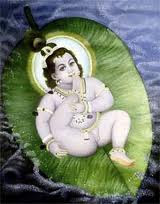
(Baby statue in The Royal Palace and the Hindu Krishna on Banyan leaf! Look at the similarity!

பாரிஸ் நகரில் கண்டுபிடித்தது போல ஏதேனும் இந்து மத தடயங்கள் ஸ்வீடன் நாட்டிலும் கிடைக்குமா என்று கேமராவுடன் அலைந்தேன். இரண்டு, மூன்று விஷயங்கள் கிடைத்தன. ஆனால் இவை அனைத்தும் ஊகங்களே. இந்துமத செல்வாக்கோ என்று எண்ணவைக்கிறது. அவ்வளவுதான்.

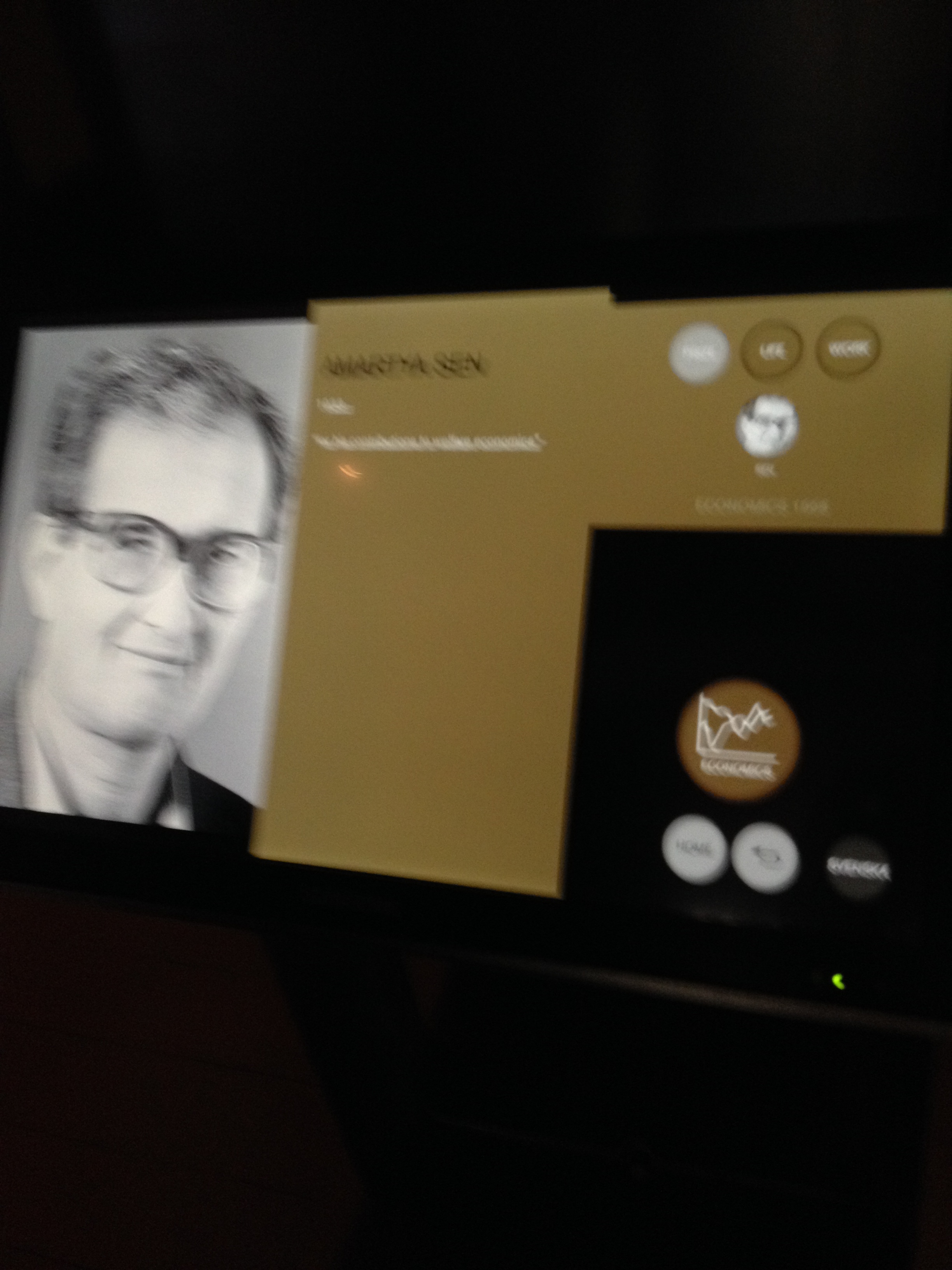
முதலில் நோபல் மியூசியம்(Nobel Museum) சென்றேன். அங்கு நோபல் பரிசு பெற்ற இந்தியர்களான அமார்த்ய சென், தாகூர், சர் சி வி ராமன், ஹரிகோவிந்த கொரானா ஆகியோர் பற்றிப் படித்தேன். சில புகைப்படங்களும் எடுத்தேன். (Please see the pictures on my Facebook page)

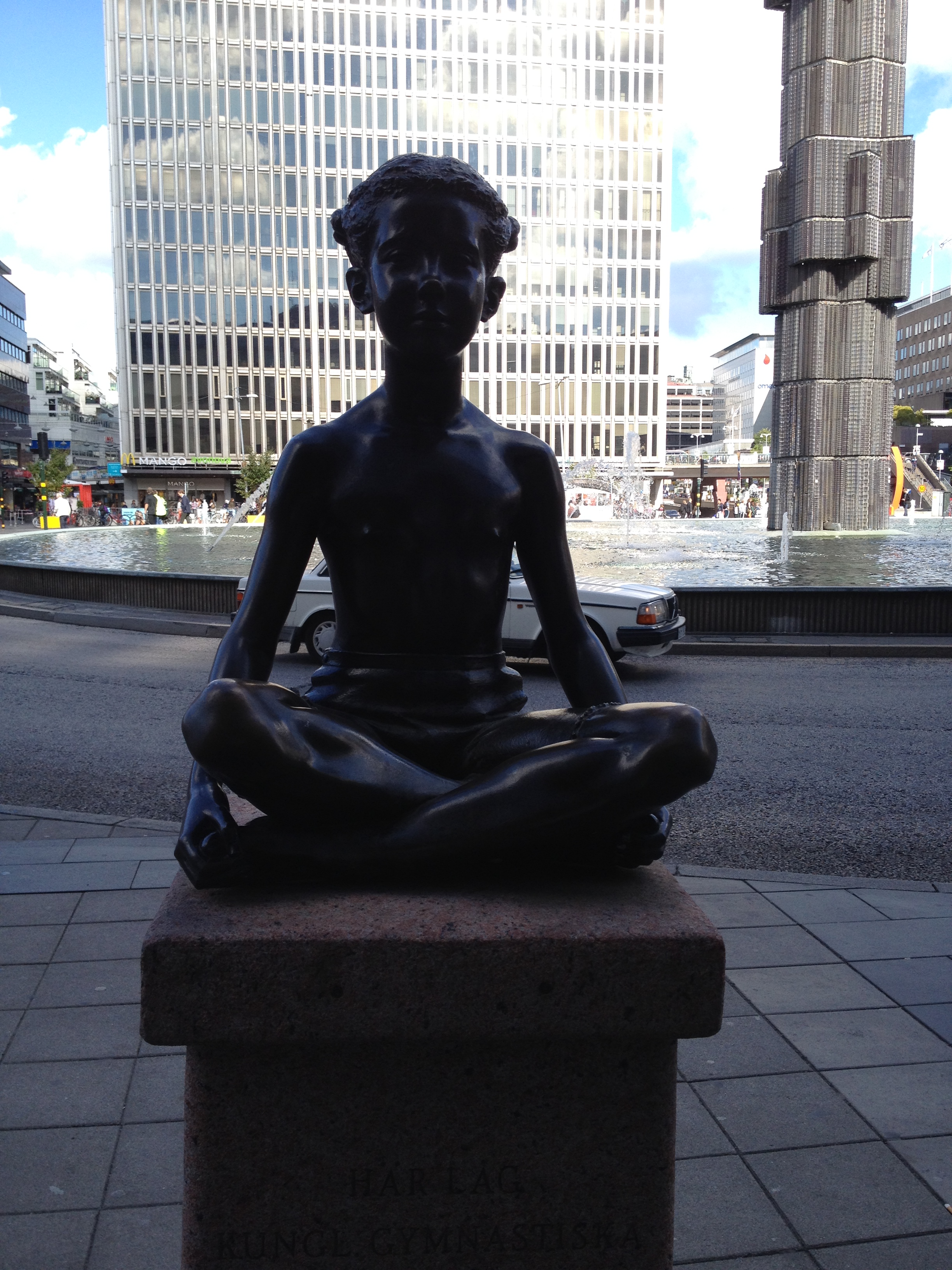
ராயல் பாலஸ் (The Royal Palace) எனப்படும் அரசர் மாளிகைக்கும் சென்றேன். அங்கு ஆலிலைக் கண்ணன் போல ஒரு குழந்தையின் பளிங்குச் (மார்பிள்) சிலை இருந்தது. அதையும் புகைப் படம் எடுத்தேன். ட்ரைசெந்த்ரலன் என்னும் (T centralen) ஸ்டேஷனுக்குப் பக்கத்தில் ஒரு பையன் இந்திய பத்மாசனம் போல் சம்மணம் போடு உட்கார்ந்ததையும் படம் எடுத்தேன். அண்மைக் காலத்தில் கட்டப்பட்ட இரண்டு இந்துக் கோவில்களும் ஸ்டாக்ஹோமில் உண்டு. சிட்டி ஹால் (The City Hall) என்னும் நகர மண்டபத்தில் பெண்கள் சிலைகள் கொடுத்த “போஸ்” நம்மூர்க் கோவில்களை நினைவுபடுத்தின.
என்னுடைய நண்பர் டாக்டர் சஞ்சீவி, ஸ்டாக்ஹோமில் 25 ஆண்டுகளாக வசிப்பதால் அவர்கள் வீட்டில் அறுசுவை விருந்தும், காரில் சவாரியும் கிடைத்தது.

IMG_2128
Picture of Indian Nobel Laureate Amartya Sen

வாழ்க ஸ்வீடன்! வளர்க தமிழ்!!

Mysterious Buddha in Sweden!

viking buddha big
Buddha statue in Stockholm Museum

Written by London Swaminathan
Post No.1263; Dated 2nd September 2014.

Recently I wrote about the Sun Chariot (Surya Ratha) in Denmark. Two years ago I wrote about Gajalakshmi figure and Pasupati figure similar to Indus Valley in Gundestrup Cauldron, Denamrk. I visited Stockholm, Sweden for three days last week and found out about a mysterious Buddha statue in Sweden. Though it was discovered long ago the mystery of its journey to Sweden still remains a mystery!
A bronze statue of Buddha was brought more the 5000 miles from northern India to Helgo in Sweden. The statue is dated from about fifth century CE. The statue is now kept in the Swedish Museum of National Antiquities in Stockholm. Buddha’s statue has a tilak on its forehead, which is considered the third eye. He was sitting on a double lotus throne in meditative posture.

Helgo means holy place. It was a big Viking trading centre. Swedish traders might have brought it to Helgo. Other artefacts from Ireland, Egypt and Byzantine empires are also found. The Vikings or Norsemen were the inhabitants of Scandinavia in the period 800—1100 CE. They traded with, and raided, much of Europe, and often settled there. In their highly manoeuvrable long narrow ships, the Vikings penetrated far inland along rivers. They plundered for gold. They settled in various places from North America to Russia. They had their own literature called Sagas and Runic inscriptions. The kings were buried with their ships together with their possessions.

On the small island of Helgo, the remnants of a settlement were discovered just 60 years ago. The traders there maintained an extensive trade with Europe and the British isles. An enormous number and variety of articles were found at Helgo. One of the unique objects discovered there is the statue of Buddha. Later another centre developed near this place and it is known as Birka near Lake Malaren.

IMG_2168
Statue at T Centralen in Stockholm

Documentary on the Vikings
I watched a documentary about the Vikings on 4th of April 1999 on Channel 4 (UK) in London. Immediately I wrote in my diary about Sati practised in India by all the Kshatrias from Mahabharata days to recent days. Even a Tamil Pandya queen committed Sati, says Sangam Tamil literature. In the same way when Viking kings died their wives, slave girls, her friend were also cremated or buried. Arabic writers wrote that Vikings cremated their wives or slave girls with the king.

IMG_2043
Baby like Krishna in The Royal Place,Stockhom; Hindus worship Krishna in banyan leaf.

During my recent trip to Stockholm, I saw pictures sitting in Padmasana in T. Centralen and women are portrayed in The City Hall as we have sculpted them in our temples. But these are very of very recent origin. I noticed a statue in the Royal place looking like Lord Krishna. Probably it is a royal baby statue.

krishna on leaf
contact swami_48@yahoo.com

யாரிடமும் கற்கலாம்; எப்போதும் கற்கலாம்!!

rkp

கட்டுரை மன்னன்: லண்டன் சுவாமிநாதன்
கட்டுரை எண்:– 1262; தேதி:– September 1, 2014.

சில ஆண்டுகளுக்கு முன், லண்டன் சவுத் இந்தியன் சொசைட்டி நிகழ்ச்சிக்கு வந்திருந்த ஒரு பெண்மணியிடம் பேசிக்கொண்டிருந்தேன். அப்போதுதான் இந்தியாவில் இருந்து வந்திருந்ததால் எங்கெங்கே போயிருந்தீர்கள்? என்று வழக்கமான பல்லவியுடன் சம்பாஷணையைத் துவக்கினேன்.

திருப்பதிக்கு போனோம்; பெருமாளுக்கு கல்யாணம் செய்தோம் என்று அவரும் பேச்சைத் தொடங்கினார்.
அடக் கடவுளே! திருப்பதி பெருமாளுக்கு கல்யாணம் செய்வதென்றால் நிறைய பணம் செல்வாகுமே! ஏதாவது நேர்த்திக் கடனா? என்று கேட்டேன்.

இல்லை, இல்லை. வீட்டில் உள்ள பெருமாள் உண்டியலில் தினமும் ஒரு பவுண்ட் காசு போடுவேன். மூன்று ஆண்டுகளாக திருப்பதி போகாததால் நிறைய பணம் சேர்ந்துவிட்டது; ஆகவே கஷ்டமில்லாமல் பெருமாள் கல்யாணத்தை முடித்தோம் என்றார்.

என் மூளையில் மின்னல் வெட்டில் பளிச் சென்று ஒரு ‘ஐடியா’ உதித்தது. இந்தியாவில் இருந்து சில உண்டியல்கள் வாங்கி வந்திருந்தேன். அவைகளை வாங்கியதன் நோக்கம்: என் பிள்ளைகளுக்கு காட்டத்தான். அந்தக் காலத்தில் பாட்டி, அம்மா தரும் காசுகளை எப்படி உண்டியலில் சேர்ப்போம், அது நிறைவதற்குள் அதை உடைத்து காசை எடுத்து எப்படிச் செலவழிப்போம் என்ற கதைகளைச் சொல்ல வாங்கியது அவை.

என் சுய புராணத்தை சொல்லிய அந்தக் காலத்திலேயே உண்டியலும் அதன் பணியை இழந்துவிட்டது. இருந்தபோதிலும் தூக்கிப் போட மனம் இல்லாமல் ஒரு ஓரத்தில் வீசி எறிந்திருந்தேன். அன்றிரவு நிகழ்ச்சியில் இருந்து திரும்பி வந்தவுடன் அந்த உண்டியலைக் கண்டுபிடித்து சுவாமி அறையில் கடவுள் படத்திற்கு முன் வைத்தேன். ஒரு நல்ல நாள் பார்த்து தினமும் இரண்டு பவுண்ட் காசுகளைப் போடத் துவங்கினேன். ஒன்று கம்யயூனிட்டி டொனேஷன் (சமூகப் பணிகளுக்கு நன்கொடை) மற்றொன்று கோவில், தெய்வப் பணிகளுக்கு நன்கொடை என்று சங்கல்பம் செய்துகொண்டேன்.

இவ்வாறு சேர்ந்த பணத்தை ஒவ்வொருமுறை இந்தியாவுக்குப் போகும்போதும் கோவில்களுக்கும் சமூக நிறுவனங்களுக்கும் நன்கொடை கொடுப்பதில் செலவழித்தேன். இதில் பெரிய மன நிறைவு கிடைத்தது. எனது தந்தை தினமணி பொறுப்பு ஆசிரியராக வேலை பார்த்ததால் காஞ்சி பரமாசார்ய சுவாமிகள் அறிவித்த —பிடி அரிசி திட்டத்துக்கு தினமணியில் பெரிய பப்ளிசிடி கொடுத்ததோடு எங்கள் வீட்டிலும் ஒரு பானை வைத்து தினமும் அதில் பிடி அரிசி போட்டு வாரம் தோறும் கொடுத்து வந்தோம்.

லண்டனில் அதற்கு வாய்ப்பு இல்லாவிடிலும் உண்டியல் மூலம் அந்தப் பணிகளை இந்தியாவில் செய்யமுடிகிறது. லண்டனில் கேன்ஸர் (புற்று நோய்) உதவி நிகழ்ச்சிகள், மற்றும் பல நிதி உதவி நிகழ்ச்சிகளுக்கு கம்யூனிட்டி உண்டியல் பணத்தைச் செலவழிக்கிறேன். சொந்தமான யாத்திரை, பயணச் செலவுகளுக்கு இதில் இருந்து எடுப்பது இல்லை.

இதை இங்கே எழுதுவதற்கு இரண்டு காரணங்கள் உண்டு:

1.இதைப் படிப்பவர்கள் யாராவது, வீட்டில் உண்டியல் வைத்து இப்படிச் சேர்த்தால் நிதி உதவி கேட்பவர்களுக்கு இல்லை என்று சொல்லாமல் வழங்கலாம்.
2.யாரிடமிருந்தும் எதையும் கற்கக்கூடிய மாணவர்களாக நாம் வாழ்நாள் முழுதும் இருக்கவேண்டும் என்ற உண்மையையும் இதில் கற்க முடியும்.

sahanavatu

வி.ஜி.எஸ். சொல்லிக் கொடுத்த பாடம்
பாரதியார் வேலை பார்த்த மதுரை சேதுபதிப் பள்ளிக்ககூடத்தில் நானும் என் சகோதர்களும் படித்தோம். அங்கு பாரதியின் பெயரை சதா சர்வ காலமும் சொல்லி எங்களை எல்லாம் ஊக்குவித்த ஆசிரியர் வி.ஜி.எஸ். எங்களுக்குப் பல நல்ல விஷயங்களைச் செயல் மூலம் கற்பித்தார்.

அவர், எந்த புதுமையான விஷயத்தைப் பார்த்தாலும், நினைவு வைத்துக் கொள்ள வேண்டிய எந்தக் கவிதைகளைப் படித்தாலும் உடனே ஒரு (குயர்) நோட்டில் எழுதிவிடுவார். இவ்வாறு அவர் எழுதிய நோட்டுப் புத்தகங்களே ஏராளம். அவ்வப்போது பத்திரிக்கைகளுக்கும் அந்தத் துணுக்குகளை அனுப்புவார். அவை அமுதசுரபி, கலைமகள், மஞ்சரி, தினமணிக் கதிர் முதலிய பல பத்திரிக்கைகளில் வெளியாகும். இதைக் காட்டி எங்களையும் உற்சாகப் படுத்தியதால் நானும் என் சகோதரர்களும் எழுதத் துவங்கி னோம். 1960-ஆம் ஆண்டுகளில் நான் சேகரித்த பல விஷயங்களை இப்போதும் நானும் என் அண்ணனும் கட்டுரை எழுதப் பயன்படுத்து கிறோம்.

நாங்கள் தபால்தலை சேகரிக்கும் பழக்கத்தையும், பழைய காசுகள் சேகரிக்கும் பழக்கத்தையும் அவர் மூலம்தான் கற்றோம். அவரே வறுமையில் வாடிய பள்ளிக்கூட வாத்தியார்!
“சீனிவாசா, கொஞ்சம் காப்பிக்குப் பணம் வேண்டும்” என்று என் அண்ணனிடம் உரிமையோடு வாங்கிச் செல்வார். அப்படிப்பட்டவர், ஒவ்வொரு இந்திய தபால் தலை வெளியீடு நாள் அன்றைக்கும் சேதுபதி பள்ளிக்குப் பக்கத்தில் இருக்கும் தலைமைத் தபால் அலுவலகத்துக்குச் சென்று முதல் நாள் உறை வாங்கி புதிய தபால் தலையை ஒட்டி என் அண்ணனுக்கு தபாலில் அனுப்பிவிடுவார். இன்றும் அவை எங்களிடம் உள்ளன.

நேதாஜி வெளியிட்ட அரிய தபால்தலைகளைக் கூட கண்ணாடி ‘பிரேம்’ போட்டு எங்களிடம் கொடுத்துவிட்டார். அதில் அவர் கைப்பட

“விடுதலை பெறுவதன் நெடுநாள் முன்னரே
வீர சுபாஷ்போஸ் வெளியிட்டதாம் இவை”

என்ற கவிதை வாசகத்தையும் எழுதி எங்களிடம் கொடுத்துவிட்டார். அவ்வளவு பெருந்தன்மை.
இன்று அவர் பூத உடல் மறைந்து போனாலும் புகழ் உடம்பு நீடிக்கிறது. பாரதிக்கு மதுரையில் சிலைவைத்த அவருக்கு எங்கள் மனக் கோவிலில் என்றும் ஒரு சிலை உண்டு.
யாரிடமிருந்தும் எப்போதும் நல்ல விஷயங்களைக் கற்கலாம்!
நீங்களும் ஒரு குயர் நோட்டு எடுத்து பிடித்த விஷயங்களை எழுதுங்கள்.

–சுபம்–

Why do Hindus Worship the Sun?

horse head nebula by NASA
Horse head Nebulain the universe;photo by NASA

Research Article written by London Swaminathan
Post No.1261; Dated 30th August 2014.

Most beautiful poetry in the Rig Veda comes from the wedding hymns of the Hindus. Seers burst into ecstasy when they sing about Dawn (Ushas) and the Sun. Only a few lines from Surya’s Bride (RV 10-85) are given below. This hymn/poem has got 47 Riks like this:
“Truth is the base that bears the earth; by Surya are the heavens sustained.
By law the Adityas stand secure, and Soma holds his place in heaven” (10-85-1)

Sun worship has been in practice in India from the Vedic days. Surya/Sun plays a great part in Vedic mythology and religion. Surya is praised as a beneficent power in all the four Vedas. Hindu Brahmins worship sun thrice a day facing in the direction of the sun. In the afternoon they see the sun through the finger hole and pray for long life of 100 years. They recite the following beautiful Vedic mantra everyday in the noon:

Pashyema sharadas shatam = may we see for 100 years
Jeevema sharadas shatam = may we live for 100 years
Nandaama sharadas shatam = may we be delighted for 100 years
Modaama sharadas shatam = may we be happy for 100 years
Bhavaama sharadas shatam = may we excel in our work for 100 years
Shrunvaama sharadas shatam= may we hear (good things) for 100 years
Prabravaama sharadas shatam= may we speak (good things) for100 years
Ajeetaasyama sharadas shatam= may we live invincible for 100 years
Jyok cha suuryam drushe=in this way, let us enjoy seeing sun (for 100 years)

surya1
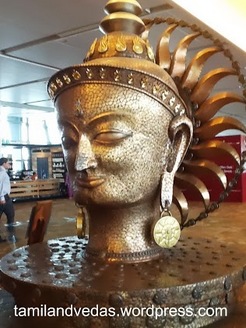
Surya in Delhi Airport;photo by london swaminathan

In the Rig Veda wonder is expressed that the sun does not fall (RV 4-13-5). There are several references to eclipses in the Rig Veda. Hindus knew the calculations for predicting the eclipses.
Astronomy had advanced to such an extent that the Vedic Rishis said that the moon shines by the borrowed light of the sun (RV 9-71-9;76,4;86,32 and 1-190-3).

Makra Sankaranti (Pongal), in praise of Sun, is celebrated from Kashmir to Kanyakumari. Hindus ruled South East Asian countries for over 1000 years and Sankaranti (Sun Festival) is celebrated in those countries as well.

Surya and Science
When white light is passed through a prism we get seven colours VIBGYOR (Violet,Indigo, Blue,Green,Yellow,Orange and Red). We see it in the rainbow after the rains. Hindus called the seven colours as seven horses of the Sun Chariot. Surya is represented in a chariot drawn by seven horses. For the same reason Agni (Fire God) is also described as a god with seven tongues.

Surya’s Charioteer is Aruna or Visvawat.
His city is called Viswavati or Bhasvati.
Surya’s wives are Savarna, Swati, Maha Virya and Sajna
Surya/Sun has got various names in the Hindu scriptures: Following are his important epithets:
Savitri= the nourisher
Viswavat = the brilliantBhaskara = light maker
Dinakara = day maker
Arha pati = lord of the day
Loka Chakshu = Eye of the World
Karma Sakshi = Witness of the deeds (of human beings)
Grha raja = King of the celestial bodis
Gabastiman = possessed of rays
Sahasrakirana = having 1000 rays
Vikarttana = shorn of his beams
Martanda = descended from Mritanda

surya2

Surya cut down to size!
There is a very interesting story about sun. Probably it is some scientific phenomena that which the science is yet to discover. His effulgence was so powerful that his wife couldn’t bear it and so retired to forest. The sun approached her in the form of a mare. She gave birth to Asvin twins and Revanta. Surya brought back his wife Sajna to his home and her father, the sage Viswakarma placed the luminary on his lathe and cut away an eighth of his effulgence, trimming him in every part except his feet.

The fragments that were cut off fell blazing to the earth and from them Viswakarma formed:–
The Discus of Vishnu
The Trident of Shiva
Weapon of Kuvera
Lance of Kartikeya and
The Weapons of other Gods.

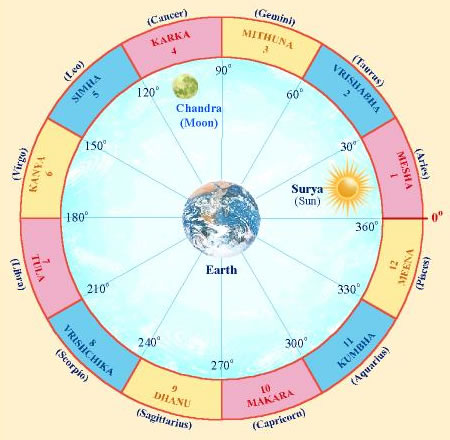
jyotish_rashis

Twelve Suns
Following is taken from New Larouse Encyclopaedia of Mythology:-
A passage in the Brahma Purana alludes to Surya’s twelve names, each of which was followed by special epithets as if they referred to twelve different divinities:
The first form of the sun is Indra , lord of the gods and destroyer of their enemies;
The second is Dhata, creator of all things;
The third is Parjanya, who dwells in the clouds and with his rays sends down water on earth;
The fourth is Tvashta, who lives in all corporal forms;
The fifth is Pusan, who provides food for all living things;
The sixth is Aryama who brings sacrifices to fruition;
The seventh derives his name from alms giving and rejoices all beggars by his gifts
The eight is named Vivasvan and causes good digestion;
The ninth is Vishnu who constantly manifests himself to destroy the enemies of the gods;
The tenth is Ansuman who keeps all vital organs in good health;
The eleventh is Varuna who dwells in the heart of the waters and gives life to the universe;
And the twelfth is the Mitra who lives in the orb of the moon for the welfare of the three worlds.
Such are the twelve splendours of the Sun, the Supreme Spirit, who by their means plunges into the universe and irradiates even the secret souls of men.

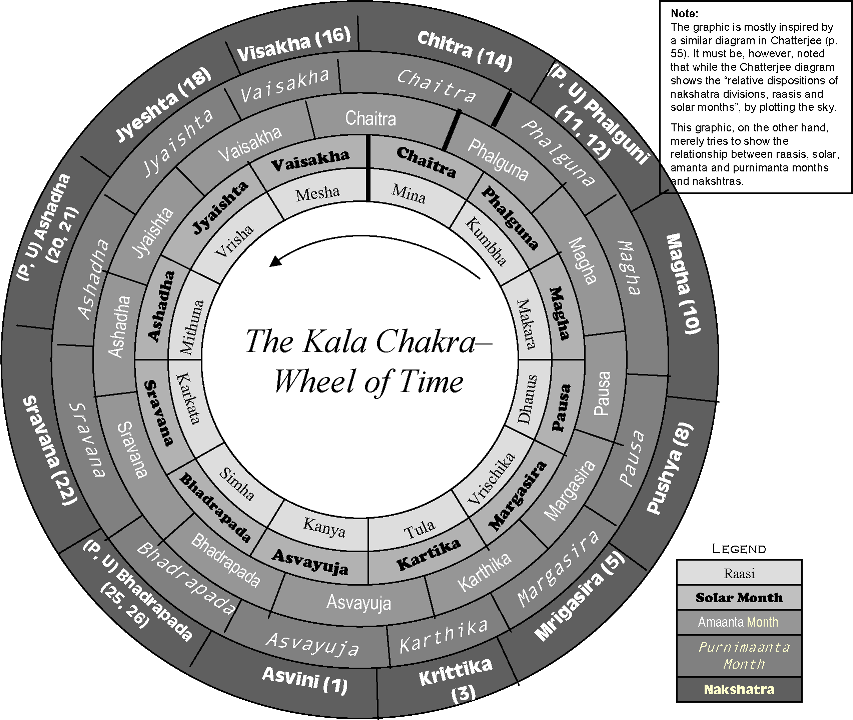
Wheel_of_Time-s

12 Adityas
Bhagavatha Purana gives the names of twelve Adityas as follows: Dhata, Aryama, Mitra, Varuna, Indra, Vivasvan, Tvashta, Vishnu, Amshuman, Bhaga, Pushya, Parjanya.

In the earlier Brahmanas the twelve Adityas are listed as follows:
Amsa, Aryaman, Bhaga, Daksa, Dhatr, Indra, Mitra, Ravi, Savitr, Surya/Arka, Varuna and Yama.

Surya Namaskar
In the Surya Nmaskar, sun is worshipped with the mantras Mitra, Ravi, Surya, Bhanu, Kaga, Pushan,Hiranyagarbha, Marica, Aditya,Savitra, Arka, Bhaskara. All the mantras have Om as prefix and Nama: as suffix:
E.g. Om Mitraya Nama:

In short number 12 is associated with the Sun denoting twelve months. In the Vedic time the month names were different. They are as follows:
Madhu,, Madhava (Vasanta Rtu)
Shukra, Shuchi (Grishma Rtu)
Nabha, Nabhasya (Vrsha Rtu)
Isha,Urja (Sarad Rtu)
Saha, Sahasya ( Hemanta)
Tapa, Tapsya (shisira).

Please read my articles
Origin of Horse Race and Chariot Race — posted on 25th August 2014.
Sun Chariot in Denmark: Hindu Calendar—posted on 29th August 2014.

Contact swami_48@yahoo.com

சதுரங்க பந்தம் – 5

Bandham 5

தமிழ் என்னும் விந்தை!
சதுரங்க பந்தம் – 5
By ச.நாகராஜன்

Post No.1260; Dated 30 August 2014.

மாம்பழக் கவிச்சிங்க நாவலர் பாடிய இன்னொரு சதுரங்க பந்தப் பாடல் இதோ:.

திங்க ளதனை யடர்முக மாது சினேகியணி

கொங்கியல் போதினை நேர்தன மீதிற் குரோதமென்னோ

தங்கி வளரு மணைமேற் கவின்மின்னைச் சாரினிமா

மங்கை திகழும் புயராம சாமி வரோதயனே

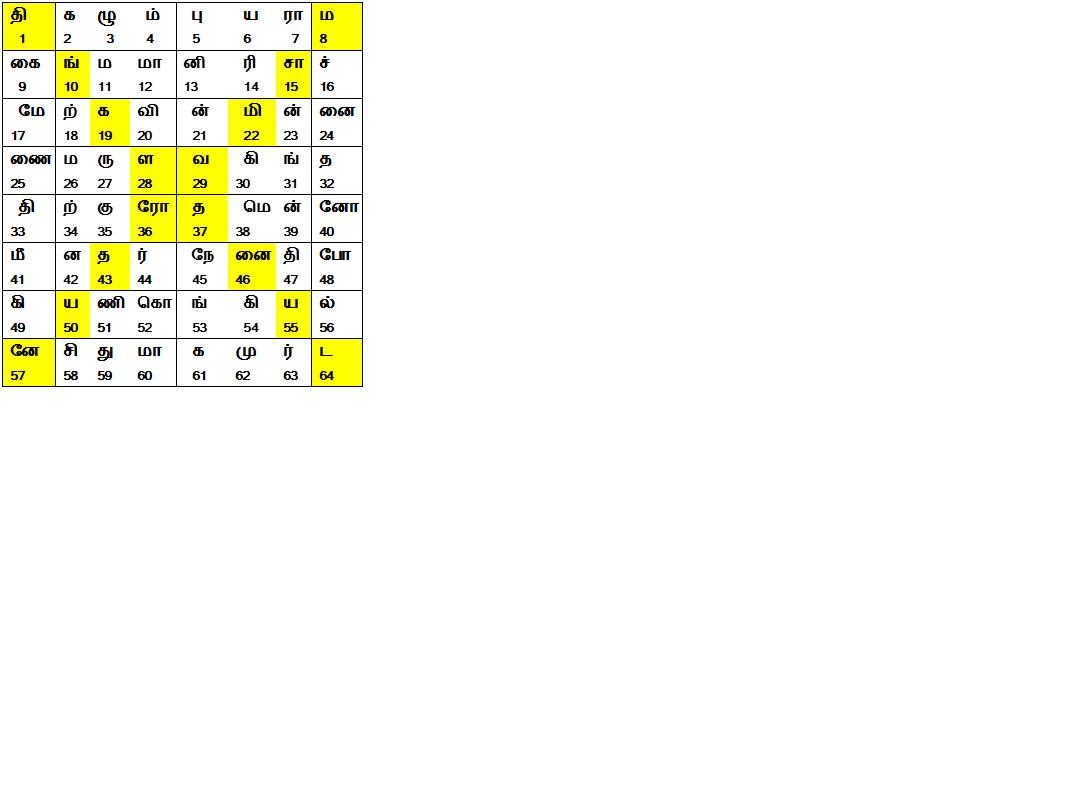
இது கலித்துறை பாடல் ஆகும். .முதல் அடியில் 18 எழுத்துக்களும் இரண்டாம் அடியில் 21 எழுத்துக்களும் மூன்றாம் அடியில் 21 எழுத்துக்களும் நான்காம் அடியில் 18 எழுத்துக்களும் ஆக மொத்தம் 78 எழுத்துக்களைக் கொண்டிருக்கிறது இந்தப் பாடல்
சென்ற அத்தியாயத்தில் கொடுத்துள்ள துருவக் குறிப்பு மீண்டும் கீழே கொடுக்கப்பட்டுள்ளது.

துருவக் குறிப்பு
{ 1-64 – 2+62 — 3+50 – 4+44 – 5+36 -– 6+26 .— 7+22 –
15+78 – 17+77 – 29+76 – 35+75 – 43+74 — 53×73 – 57+72}
மொத்த எழுத்துக்கள் 78.

Bandham 5

பாடலில் ஒன்றாம் எழுத்தும் 64ஆம் எழுத்தும் தி
இரண்டாம் எழுத்தும் 62ஆம் எழுத்தும் ங்
மூன்றாம் எழுத்தும் 50ஆம் எழுத்தும் க
நான்காம் எழுத்தும் 44ஆம் எழுத்தும் ள
ஐந்தாம் எழுத்தும் 36ஆம் எழுத்தும் த
ஆறாம் எழுத்தும் 26ஆம் எழுத்தும் னை
ஏழாம் எழுத்தும் 22ஆம் எழுத்தும் ய
பதினைந்தாம் எழுத்தும் 78ஆம் எழுத்தும் னே
பதினேழாம் எழுத்தும் 77ஆம் எழுத்தும் ய
இருபத்திஒன்பதாம் எழுத்தும் 76ஆம் எழுத்தும் த
முப்பத்தி ஐந்தாம் எழுத்தும் 75ஆம் எழுத்தும் ரோ
நாற்பத்தி மூன்றாம் எழுத்தும் 74ஆம் எழுத்தும் வ
ஐம்பத்தி மூன்றாம் எழுத்தும் 73ஆம் எழுத்தும் மி
ஐம்பத்தி ஏழாம் எழுத்தும் 72ஆம் எழுத்தும் சா

துருவக் குறிப்பின் அடிப்படையில் மேலே கண்டபடி சதுரங்க பந்த பாடலைப் பார்த்தால் மிகச் சரியாக அமைகிறது. அமைப்பு முறையைக் கண்டு வியக்கிறோம்; பாடலை ரசிக்கிறோம்.
இன்னொரு கவிதை அமைப்பு நயத்தையும் மாம்பழக் கவிச்சிங்க நாவலரின் இரு சதுரங்க பந்த பாடல்களில் பார்க்க முடிகிறது. குறிப்பிட்ட கட்டங்களில் குறிப்பிட்ட எழுத்துக்களே மீண்டும் இரு பாடல்களிலும் வருகிறது. இது சதுரங்க பந்த கவிதை அமைப்பு ரகசியமோ?!

நம் முன்னோர்களின் கணிதத் திறனும்,. பாடல் இயற்றும் திறனும், இலக்கணத் திறனும் நம்மை வியப்படைய வைக்கின்றன அல்லவா!

எல்லாவற்றிற்கும் மேலாக தமிழ் என்னும் விந்தையை எண்ணி எண்ணி வியக்கிறோம்; மகிழ்கிறோம்!
அடுத்து பாம்பன் சுவாமிகளின் மந்திர சதுரங்க பந்த கவிதை ஒன்றைப் பார்ப்போம்.
***************** தொடரும்

Sun Chariot in Denmark: Hindu Calendar?

Sun chariot in Copenhagen Museum
Trundholm Sun Chariot

Research Paper written by London Swaminathan
Post No.1259; Dated 29th August 2014.

Denmark has got two “Hindu” artefacts 1)Gundestrup Cauldron and 2) Trundholm Sun Chariot. I wrote about the Gundestrup cauldron in one or two posts under the title:
Hindu Goddess’ march to Denmark (Posted by me on 2nd March 2012)
Vishnu Seal in Indus Valley Civilization (posted by me on 21 September 2011)

The first of the above two articles compares the Gajalakshmi motif in Indian monuments with that of the cauldron and the second article compares the Pasupati motif in the Indus Valley with the figure on the cauldron. Gundestrup cauldron was also found in a bog in Denamark.

I wanted to write about the other famous finding the Trundholm Sun Chariot for long. I bought a book in 1992 written by Miranda Green with the title “The Sun Gods of Ancient Europe”. What attracted me to buy the book is the Sun Chariot picture on the jacket of the Book! It struck me like a sacred Hindu object. Now that I have done some research on the topic, I shall present my views below.
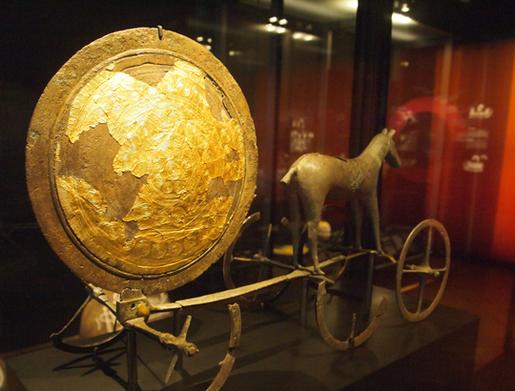
sund disc in sun chariot

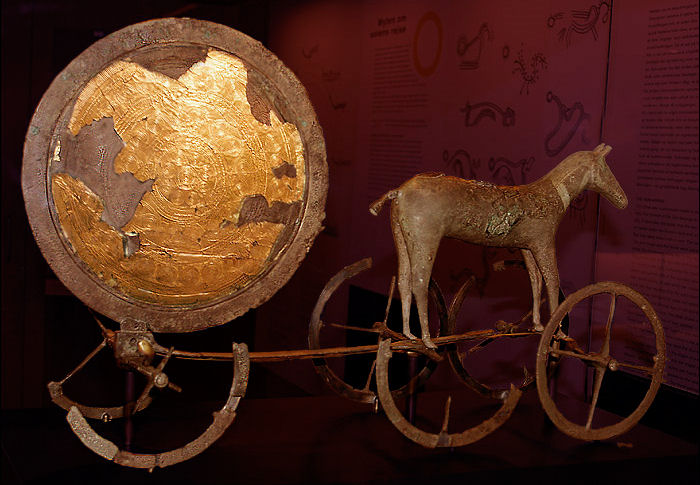
First let me give some facts about the TRUNDHOLM SUN CHARIOT:
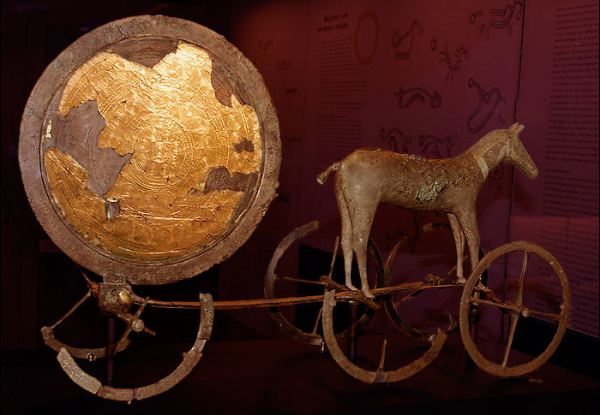
1.It was found in a bog (swamp, marsh land) in Denmark in 1902. Now it is kept in the National Museum in Copenhagen. It attracts a large crowd.

2.It is made up of bronze and covered on one side with gold. A horse is pulling a chariot of sun disc. It belongs to Nordic Bronze Age.

3.It is dated 1600 BCE to 500 BCE. I will take the date as 500 BCE because it suddenly appears from nowhere in Europe. Nordic sun legends are dated 13th century CE. There is a wide gap of 2800 years!
4.Whatever the age of the chariot, it is a very interesting object to come out of a marshland like the Gundestrup cauldron.

5.The width, height and depth of the chariot is 54X35X29 cms. It has got six wheels with four spokes on each.

6.There are two interpretations about this artefact. Some people thought that it may be a replica of that one which was actually taken in ceremonial processions. The second interpretation is that it was a calendar.
Two scholars who have already interpreted the artefact as calendars are:

1.Klaus Randsorg, Professor of Archaeology at the University of Copenhagen, Denmark
2.Amelia Carolina Sparavigna, Assistant Professor at the Department of Applied Science and Technology at the Turin Polytechnic/ University, Italy

If it is a calendar it may be a Hindu calendar. I am giving the reasons below. But we can definitely see some Hindu influence on the artefact, whether it is a calendar or not.
Trundholm Sun Chariot Photo 1
It is a Hindu artefact because

1)The oldest religious book in the world, the Rig Veda, describes Sun as a chariot driven God by two horses or seven horses. This is the oldest record to link the sun with horses and chariots. All other literature comes way behind:-

“Like a young man follows a girl, so does the sun Dawn (Ushas), refulgent goddess;
Where pious men extend their generations, before the auspicious one for happy fortune.
Auspicious are the sun’s bay coloured horses, bright, changing hues, meet for our shouts of triumph. (Rig Veda 1-115-2/3)

There are many more references in the RV:6-51-1;7-63-1;!0-85. There are references in the Atharva Veda and Yajur Veda as well linking the sun with horses and chariots.

2)Hindus are the only race in the world who worship sun every day until today. There are Sun temples all over India. Millions of Hindus do Surya Namaskar (Sun Worship) every day and as a Brahmin (living in London) I do sun worship every day. Brahmins are supposed to offer water oblations to the Sun God three times a day facing the sun. I do it at least once a day.

( A few days back I wrote another article comparing Iraq Yazidis’ sunworship with the Hindu Brahmin’s Sun Worship)

3.Hindus recite Vedic mantras daily in praise of the Sun God .It might have begun on the banks of River Sarasvati at least 5000 years ago. There are at least four Mantras (Chants) in my daily Sun Worship (Sandhya Vandhanam).

4. The word Solar, Helios etc are derived from the Sanskrit word “Surya” which is in the Rig Veda, the oldest religious book in the world.

5.The most powerful Mantra in the whole of the Vedas is known as the GAYATRI mantra. This is worshipping sun as a goddess of tremendous energy or Light. This is a feminine form of the Sun. Hindus are the only race in the world who worship sun as Man and Woman (God and Goddess) until today in their everyday worship as one of the Nava Graha or Gayatri.
(Nava Graha= Nine celestial Objects)
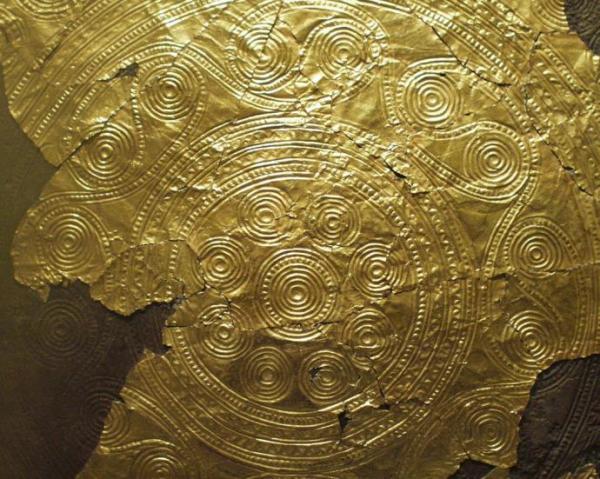
big disc

HINDU CALENDAR
Now I will explain why I consider this as a Hindu calendar:
a)Gundestrup cauldron found in Denmark has got Gaja Lakshmi and Pasupati figures which is acknowledged in all the encyclopaedias. So Trundholm Sun Chariot is not the first Hindu object.

b)The Sun Disc on the Trundholm chariot is gilded with gold on one side only. Vedas describe sun as golden in many places. Incas in South America had built a massive temple for Sun God with tons of gold. Inan (Inca) is the Sanskrit word for Sun, as pointed out by Kanchi Parmacharya (1894-1994) in his talk.

c)The Trundholm sun disc has got two sides, one not covered with gold. This is considered night by two scholars who interpreted it as calendar. But my interpretation is this is Dakshinayana ( six month southward journey of sun). Hindus consider this as darker side religiously. The other six month called Uttarayana is considered the most auspicious by the Hindus. Mahabharata character Bhisma lied on a bed of arrows for nearly two months waiting to die in the auspicious Uttarayana period.

The Aitareya Brahmana (3-44-4) presents a naïve conception of the course of the sun, which it regards as bright on one side only, and as returning from west to east by the same road, but the reverse side turned towards the earth, thus illuminating the stars in heaven.
The solar year is divided in to two halves – the Uttarayana, when the sun goes north and the Dakshinayana, when it goes south (satapata Brahmana 2-1-3)
(Source: Vedic Index of Names and Subjects by Keith and MacDonald)

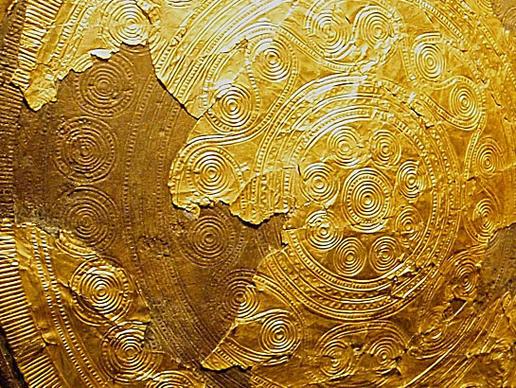
d)The spirals and circles on the disc are explained by two scholars in two different ways. Unfortunately I am not in Denmark to count them exactly. But my counting from the pictures displayed here show one central circle and then 8 in the next ring and then 16 in the next. The most powerful Mantra in the whole of the Vedas is Gayatri which is made up of 24 (16+8) syllables. Then another circle had 20 spirals. Added together 24+20=44 is called Tristub meter.

Though it is part of Vedic prosody, Hindu Brahmins recite them three times a day: Grammar and prosody are part of their daily Sun worship; Every day I recite the mantra Gayatri (24), Usnuk(28), Anushtub(32),Brihati(36), Pankti (40), Tristubh (44), Jagati (48 syllables). Prosody in every day prayer!!!
We have to do more research to see whether it fits in to all the rings.

e) One of the interpreters says that on one side the days count come to 360 days in one method of calculation which is what the Vedas give for one year like the Egyptians. Another side of the disc adds up to 364 days which is also followed by the Hindus for solar year based festivals (Eg. Makara Sankranti, Pongal).
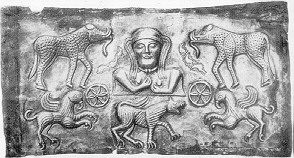
Gajalakshmi in Denmark

Gajalakshmi in Gundestrup Cauldron.

The sun as a maker of time determines the year of 360 days which is the civil year and the usual year of Vedic literature (RV 5-81-1)

f)Neither of the two scholars included the six wheels of the chariot in their interpretation. I think that the six wheels of the Sun Chariot represent six seasons. Hindus have divided the year in to six seasons from the Vedic days. It is followed until today from Kashmir to Kanyakumari (I have already written an article about six seasons). Six wheels X four spokes also add up to 24!

Number 24 is important in another calculation as well. We follow 24 hours of 60 minutes each hour in a full day in the Western System. It is otherway round in Hindu Calendar! Hindus follow 60 Nazikai of 24 minutes each in a full day. In other words 24 is the basic unit in Hindu time calculation. It is called Nazikai.
24 minutes of 60 Nazikai make one day.

Tamil Hindu daily sheet calendars and Hindu Panchangs list all these timings with the star of the day, moon’s position and sun’s position. It is a wonder that there is one community in the world who consider sun, moon and stars are important for their day to day activities!

Contact swami_48@yahoo.com
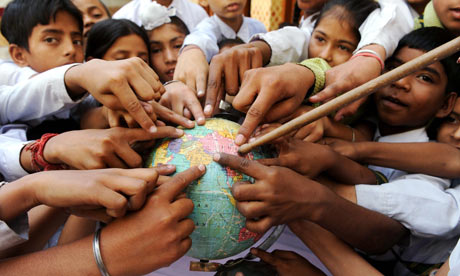
மாதாவை ஒருநாளும் மறக்க வேண்டாம்

globe gold

சிந்தனைச் சிற்பிகள் (ஜய வருடம்) 2014 செப்டம்பர் மாத காலண்டர்
(( முக்கிய 30 மேற்கோள்கள் உலக நாதர் இயற்றிய உலக நீதி என்னும் நூலில் இருந்து எடுக்கப்பட்டது. தமிழர்களின் 2000 ஆண்டு அனுபவத்தைச் சாறு பிழிந்து தருகிறார் உலக நாதர் ))
Tamil Wisdom: 30 Maxims from Ulaka Neethi (Universal Moral Lessons) composed by Ulakanathar.
Post No. 1258 Date: 29-8-2014.
Compiled by London Swaminathan ©

முக்கிய நாட்கள்:, செப்டம்பர் 6 சனி–ஓணம் பண்டிகை; 9 செவ்வாய்- மஹாளய பக்ஷம் ஆரம்பம்; 11 வியாழ ன்- பாரதியார் நினைவு தினம்; 17 புதன் – புரட்டாசி மாதப் பிறப்பு; 25 வியாழன் –நவராத்ரி ஆரம்பம்; 30 செவ்வாய்— பாங்கு அரை வருடக் கணக்கு முடிவு
சுபமுஹூர்த்த நாட்கள்:– 4, 8,11, 15, பௌர்ணமி – 9, அமாவாசை— 23 மஹாளய அமாவாசை, ஏகாதசி –5, 19

செப்டம்பர் 1 திங்கள்
ஓதாமல் ஒருநாளும் இருக்க வேண்டாம்

ஒப்பிடுக: கற்றதனால் ஆய பயன் என் கொல் வாலறிவன்
நற்றாள் தொழா அர் எனின் –(குறள்2)

Don’t spend your day without reciting hymns

செப்டம்பர் 2 செவ்வாய்
ஒருவரையும் பொல்லாங்கு சொல்ல வேண்டாம்

Don’t talk ill of others
ஒப்பிடுக: இனிய உளவாக இன்னாத கூறல்
கனி இருப்பக் காய் கவர்ந்தற்று —(குறள் 100)

செப்டம்பர் 3 புதன்
மாதாவை ஒருநாளும் மறக்க வேண்டாம்

Never forget (to pay respects to) your mother
ஒப்பிடு: மாத்ரு தேவோ பவ (தைத்ரீய உபநிஷத்)

செப்டம்பர் 4 வியாழன்

வஞ்சனைகள் செய்வாரோடு இணங்க வேண்டாம்
ஒப்பிடு: நல்லினத்தி னூங்குத் துணை யில்லை தீயினத்தின்
அல்லற் படுப்பதூஉம் இல் — (குறள் 460)

Neverever associate with fraudulent people

செப்டம்பர் 5 வெள்ளி

போகாத இடந்தனிலே போக வேண்டாம்

Don’t go to places that should be avoided
நிலத்தியல்பால் நீர்திரிந் தற்றாகும் மாந்தர்க்கு
இனத்தியல் பதாகும் அறிவு — (குறள் 451)

globe1

செப்டம்பர் 6 சனி
போகவிட்டுப் புறம் சொல்லித் திரிய வேண்டாம்

ஒப்பிடு: அறங்கூறான் அல்ல செயினும் ஒருவன்
புறங்கூறான் என்றல் இனிது — (குறள் 181)

Don’t talk behind anyone’s back.

செப்டம்பர் 7 ஞாயிறு

நெஞ்சாரப் பொய் தன்னைச் சொல்ல வேண்டாம்
Don’t lie consciously

ஒப்பிடு: தன் நெஞ்சறிவது பொய்யற்க –(குறள் 293)

செப்டம்பர் 8 திங்கள்
நஞ்சுடனே ஒருநாளும் பழக வேண்டாம்
Never play around with poison
ஒப்பிடு: தீயவை தீய பயத்தலால் தீயவை
தீயினும் அஞ்சப்படும் –(குறள் 202)

செப்டம்பர் 9 செவ்வாய்
நல் இணக்கம் இல்லாரோடு இணங்க வேண்டாம்
ஒப்பிடு: சிற்றினம் அஞ்சும் பெருமை–(குறள் 451)
Don’t move with people of who are not at your wavelength

செப்டம்பர் 10 புதன்
அஞ்சாமல் தனிவழியே போக வேண்டாம்
Never go alone to places you don’t know.

globe2

செப்டம்பர் 11 வியாழன்
அடுத்தவரை ஒரு நாளும் கெடுக்க வேண்டாம்
Never ever spoil another person
ஒப்பிடு: மறந்தும் பிறன் கேடு சூழற்க–(குறள் 204)

செப்டம்பர் 12 வெள்ளி
மனம்போன போக்கெல்லாம் போக வேண்டாம்
ஒப்பிடு: ஒருமையுள் ஆமை போல் ஐந்தடக்கல் ஆற்றின்
எழுமையும் ஏமாப் புடைத்து –(குறள் 126)
Don’t go the way your mind goes

செப்டம்பர் 13 சனி
தனம் தேடி உண்ணாமல் புதைக்க வேண்டாம்
Don’t be a miser and bury (save) your money without eating
ஒப்பிடு: ஊருணி நீர் நிறைந்தற்றே உலகவாம்
பேரறிவாளன் திரு –(குறள் 215)

செப்டம்பர் 14 ஞாயிறு
தருமத்தை ஒருநாளும் மறக்க வேண்டாம்
Never forget to do charity
ஒப்பிடு: ஒல்லும் வகையான் அறவினை ஓவாதே
செல்லும் வாயெல்லாம் செயல்–(குறள் 33)

செப்டம்பர் 15 திங்கள்
சினம் தேடி அல்லலையும் தேட வேண்டாம்
Don’t lose your temper and suffer
ஒப்பிடு: தன்னைத் தான் காக்கின் சினம் காக்க காவாக்கால்
தன்னையே கொல்லும் சினம் –(குறள் 305)

globe gold2

செப்டம்பர் 16 செவ்வாய்
குற்றம் ஒன்றும் பாராட்டித் திரிய வேண்டாம்
Never find fault with others

ஒப்பிடு: ஏதிலார் குற்றம் போல் தன் குற்றம் காண்கிற்பின்
தீதுண்டோ மன்னும் உயிர்க்கு –(குறள் 190)

செப்டம்பர் 17 புதன்
கொலைகளவு செய்வாரோடு இணங்க வேண்டாம்
Never associate with robbers and murderers

செப்டம்பர் 18 வியாழன்
கற்றவரை ஒருநாளும் பழிக்க வேண்டாம்
Don’t criticize the learned.

செப்டம்பர் 19 வெள்ளி
கற்புடைய மங்கையரைக் கருத வேண்டாம்
Never covet another’s wife
ஒப்பிடு: பிறன் மனை நோக்காத பேராண்மை சான்றோர்க்கு
அறனொன்றோ ஆன்ற ஒழுக்கு (குறள் 148)

செப்டம்பர் 20 சனி
கோயிலில்லா ஊரில் குடி இருக்க வேண்டாம்
Don’t reside in a town where there is no temple.

globe3

செப்டம்பர் 21 ஞாயிறு
மனையாளை குற்றம்ஒன்றும் சொல்ல வேண்டாம்
Don’t criticize your wife.
ஒப்பிடு: அறன் எனப்பட்டதே இல்வாழ்க்கை (குறள் 49)

செப்டம்பர் 22 திங்கள்
மதியாதார் தலைவாசல் மிதிக்க வேண்டாம்
Never step into a house where you are not respected

செப்டம்பர் 23 செவ்வாய்
மூத்தோர்சொல் வார்த்தைதனை மறக்க வேண்டாம்
Never forget the words of wisdom of elders

செப்டம்பர் 24 புதன்
முன்கோபக் காரரோடு இணங்க வேண்டாம்
Don’t move with the short tempered.

செப்டம்பர் 25 வியாழன்
காணாத வார்த்தையைக் கட் டுரைக்க வேண்டாம்
Don’t spread rumours
சான்றோர்க்கு பொய்யா விளக்கே விளக்கு (குறள் 299)

Globe Asia

செப்டம்பர் 26 வெள்ளி
புண்படவே வார்த்தைகளைச் சொல்ல வேண்டாம்
Don’t use harsh words
ஒப்பிடு: இன்சொல் இனிதீன்றல் காண்பான் எவன்கொலோ
வன்சொல் வழங்குவது (குறள் 99)

செப்டம்பர் 27 சனி
கருதாமல் கருமங்கள் முடிக்க வேண்டாம்
Don’t begin a task without planning
ஒப்பிடு:எண்ணித் துணிக கருமம் (குறள் 467)

செப்டம்பர் 28 ஞாயிறு
செய்தநன்றி ஒருநாளும் மறக்க வேண்டாம்
Never be ungrateful
ஒப்பிடு: உய்வில்லை செய்நன்றி கொன்ற மகற்கு (குறள் 110)

செப்டம்பர் 29 திங்கள்
கூறாக்கி ஒருகுடியைக் கெடுக்க வேண்டாம்
Don’t split (spoil) a family

செப்டம்பர் 30 செவ்வாய்
தெய்வத்தை ஒருநாளும் மறக்க வேண்டாம்
Never forget God (to worship)
ஒப்பிடு: வேண்டுதல் வேண்டாமை இலான் அடி சேர்ந்தார்க்கு
யாண்டும் இடும்பை (துன்பம்) இல –(குறள் 4)

I have selected only 30 maxims from the Ulaka Neethi composed by Ulakanathar. It is the essence of age old Tamil wisdom. All the sentences begin with Never or don’t. The beauty lies in the rhymes. It is taught at nursery level in a set tune that is never forgotten by anyone. It is like the Subhasithas in Sanskrit but with one simple line. Each sentence has very deep meaning which can be expanded into long essays with quotes from the Vedas to modern film songs!

-சுபம்-

contact swami_48@yahoo.com
30 IMPORTANT QUOTATIONS ON DHARMA

satymaeva jayate

Good Thoughts Calendar (September 2014)
Post No. 1257; Date: 28th August 2014
Compiled by London Swaminathan ©

Important Dates: September 6 Onam; 9 Mahalaya Paksham; 11 Bharati Day; 25 Navaratri begins; 30 Half Yearly accounts closing.
Auspicious Days: 4, 8, 11, 15. Full Moon day- 9, New Moon-23 (Amavasya). Ekadasi – 5, 19.

September 1 Monday
Ahimsaa paramo dharma: Bharat manjari
Non violence is the abode of righteousness.

September 2 Tuesday
Aatmanah pratikuulaani paresaam na samaacaret- Pancha Tantra 3-103
Do not unto others what you would not do to yourself.

September 3 Wednesday
Aanrsamsyam paro dharma: –Valmiki Ramayana 5-38-39
Compassion is the supreme doctrine.

September 4 Thursday
Aapadi praanaraksaa hi dharmasya prathamannkura: Bharat Manjari
Saving a life in jeopardy is the origin of morality.

September 5 Friday
Aartatraanaaya vah sastram na prahartum anaagasi – Shakuntalam 1-11
Your weapon is meant to protect the distressed, not punish the innocent.

sculpture dharma

September 6 Saturday
Istam dharmena yojayet –Panchatantra 4-74
Desire should be in consonance with dharma.

September 7 Sunday
Eka eva suhrud dharma: nidhane pyanusyaati ya: MS 8-17 Hitopadesa 1-66
Dharma is the only constant companion who comes along in death.

September 8 Monday
Esa loke sataam dharmo yaj jyesthavasago bhavet –Valmiki Ramayana 2-40-6
Being respectful to elders is the path of the noble.

September 9 Tuesday
Krte ca pratikartavyam esa dharma: sanatana:
Returning one good turn for another is an eternal doctrine.

September 10 Wednesday
Ghoramapi svam cared dharmam – sup
Though appalling one’s own duty ought to be performed.

Replica_of_Dharma_Chakra

September 11 Thursday
Jayasyaayatanam dharma: paapam varthma kshayasya ca rm 6-11-371
Dharma is the abode of victory; sin, the path of doom.

September 12 Friday
Tirthoparodho hi dharmavadaha: — kas 202-38
It is criminal to impede the flow of a river.

September 13 Saturday
Dharma eva plava: pumsaam samsaaramakaraakare — bkm
Righteousness is man’s singular ship across the ocean of transmigration.

September 14 Sunday
Yató dharma: tató jaya: Vidura Niti 7-9; Susasita Ratna Bhandaagaara 3-35
Where there is Dharma, there lies Victory.

September 15 Monday
Dharmamuulaa hi sampada: – Kathaa Sarit Saagaram
Prosperity is rooted in virtue.

dharma-chakra-5586472

September 16 Tuesday
Dharmaratnena yo hiina: sa hiino sarvavastusu – Vikrama carita 3-832
He who lacks the jewel of righteousness lacks everything.

September 17 Wednesday
Dharmasca arthasca kaamasca kaala karma samaahitaa: — Valmiki Ramayana 4-25-8
Religious merit, worldly prosperity, and sense gratification are accumulated gradually.

September 18 Thursday
Dharmasthita: ko marana adhbibhiiyaat –Jataka Mala
Where is the fear of death for one who is steadfast in dharma?

September 19 Friday
Dharmasya tattvam nihitam guhaayaam—— Mahabharata 3-117-313
The secrets of dharma are hidden in the heart’s cave.

September 20 Saturday
Dharmasya susuuksmo hi gatikrama: Bharat manjari 1-25-1114
The path of righteousness is subtle indeed !

dharmachakra 2

September 21 Sunday
Dharmena carataam satye naastyanabhyudaya: kvacit —-Katha Sarit Sagaram
He knows no failure who righteously treads the path of truth.

September 22 Monday
Dharmena hiinaa: pasubih samaanaa: — Hitopadesam 1-25
They are animals who lack dharma.

September 23 Tuesday
Dharmo raksati raksita: — Manu Smrti 8-15
If righteousness is upheld, it will protect us.

September 24 Wednesday
Dharmo vigrahavaan nrpa: Valmiki Ramayana 7-59-22
The king is the embodiment of dharma.

September 25 Thursday
Dharmo ha vai raksati dharmacaarinam – Jatakamala
The practitioners of dharma are protected by it.

dharma chakra1

September 26 Friday
Dharmo hi paramaa gati: — Valmiki Ramayana 7-3-10
Dharma alone is the ultimate goal

September 27 Saturday
Dharmo hi saanidhyam kurute sataam –Katha Sarit Sagaram
Dharma ensures its proximity with the noble.

September 28 Sunday
Vedókiló dharma muulam – Manu Smrti 2-6
The entire Vedas form the foundation of Dharma.

September 29 Monday
Na hi dharma adbhavét kincid duspraapam iti mé mati: – Valmiki Ramayana 7-60-9
This is my opinion: nothing is unattainable with Dharma.

September 30 Tuesday
Swadharmé nidhanam sréya: paradharmó bhayaavaha: -Bhagavad Gita 3-35
Better is death in one’s own duty; the duty of another is fraught with fear.

Quotations are taken from Suktisudha, Chinmaya International Foundation.
N.B. — Please read calendar posts of earlier months where there are at least 30 important quotations!