‘டன்’வந்து ‘டிக்’கொண்டு போய்ட்டான்

thief2

கட்டுரை மன்னன் ; லண்டன் சுவாமிநாதன்
கட்டுரை எண்:–1256; கட்டுரை தேதி- 28 ஆகஸ்ட் 2014.

இந்தக் கட்டுரையை முன்னரே வேறு சில பிளாக்–குகளில் எழுதினேன். இவை நான் படித்த மதுரை சேதுபதி பள்ளிக்கூட நினைவுக் கதைகள். முதல் பகுதி —- ‘பிராமணர் கள் சாப்பிடும் இடம்’— 26ஆம் தேதி வெளியானது. அந்தக் கட்டுரையின் எண் 1252. அதையும் படிக்க வேண்டுகிறேன்

கற்பி! தமிழைச் சுவைபடக் கற்பி

ஒருகுருவிடம் ஒரு சிஷ்யன் வேலை பார்த்தான். அவன் மிகவும் மரியாதை தெரிந்தவன். யார் வந்தாலும் எதைச் செய்தாலும் “திரு” என்ற அடை மொழி இல்லாமல் பேசமாட்டான். ஐயங்கார்கள் “திருக்கண்ணமுது” (பாயசம்?) என்று சொல்லுவது போல அஃறிணைப் பொருட்களுக்கும் கூட “திரு” போடுவான்.

குருவுக்குப் பெரிய எரிச்சல். அவனைக் கூப்பிட்டார். டேய், மடையா! இனி திரு என்று எதற்காவவது சொன்னால் உன்னை மடத்திலிருந்து தூக்கி எறிந்து விடுவேன் என்று கோபத்துடன் கூறினார்.

சிஷ்யன் பயந்து நடுங்கிக் கொண்டே “சுவாமி, இனிமேல் “திரு” என்பது வாயிலிருந்து வரவே வராது ,இது சத்தியம் ! என்று சொல்லிப் போய்விட்டு வேலைகளைச் செவ்வனே செய்து வந்தான்.

அன்று இரவு குருவின் ஆஸ்ரமத்தில் “திரு”டன் வந்து எல்லா பொருட்களையும் தூக்கிச் சென்றான. இதைப் பார்த்த சிஷ்யன் எல்லோரையும் எழுப்புவதற்காக,

“டன் வந்து “டிக்” கொண்டு போய்ட்டான்”,
“டன் வந்து டிக் கொண்டு போய்ட்டான்”,”
டன் வந்து டிக் கொண்டு போய்ட்டான்”,
என்று பலமுறை கூச்சலிட்டான். தூக்கத்தில் எழுந்த எல்லோருக்கும் மகா கோபம்.

thief3

ஏதேனும் கெட்ட கனவு கண்டாயா? ஏன் உளறுகிறாய்? போய்த்தூங்கு என்று விரட்டினார்கள். அவர்களைக் கையைப் பிடித்து அழைத்துச் சென்று நடந்ததைக் காட்டினான். அப்போதும் அவனுக்கு செமை அடிதான் கிடைத்தது. “சனியனே, வாயைத் திறந்து ஒழுங்காகக் கூறியிருந்தால் திருடனைப் பிடித்திருப்போமே” என்றார்கள்.

அவனோ பய பக்தியுடன் குருவின் உத்தரவை நினைவு படுத்தினான். குரு இனிமேல்– திரு– சொல்லக் கூடாது என்றதால் நான் ‘’திரு’’டன் வந்து ‘’திரு’’டிக் கொண்டு போய்விட்டான் என்பதில் திரு எல்லாவற்றையும் விட்டுவிட்டேன் என்றான்!!!!

விளங்காத பயல்கள்

தமிழ் மொழி வகுப்பு என்றாலே “போர்” அடிக்கும் வகுப்பு என்று பெயர் எடுத்த காலத்தில் மதுரை சேதுபதி உயர்நிலைப் பள்ளியில் (பாரதியார் பணியாற்றிய பள்ளி) எனக்கு இரண்டு பொன்னான ஆசிரியர்கள் கிடைத்தார்கள். வகுப்பு முழுதும் ஒரே “ஜோக்” குகளும் சிரிப்புமாக இருக்கும். நினைவில் நின்ற சில விஷயங்கள் மட்டும்:

சேதுபதி உயர்நிலைப் பள்ளியில் சுந்தர ராஜ ராவ் என்று ஒரு தமிழ் ஆசிரியர் இருந்தார். நளவெண்பா போன்ற பாடல்களை சிவாஜி கணேசன் போல நடித்துக் காண்பிப்பார் (வகுப்பில்).

பாடல்களை எல்லாம் விளக்கிவிட்டு

“டேய், விளங்காத பயல்கள் எல்லாம் கையைத் தூக்குங்களடா”

என்பார். எல்லோரும் ‘கொல்’ என்று சிரிப்போம்.

தமிழில் விளங்காதவர்கள் என்பதற்கு இரண்டு பொருள் உண்டு என்பது உங்களுக்கும் தெரிந்திருக்கும்.

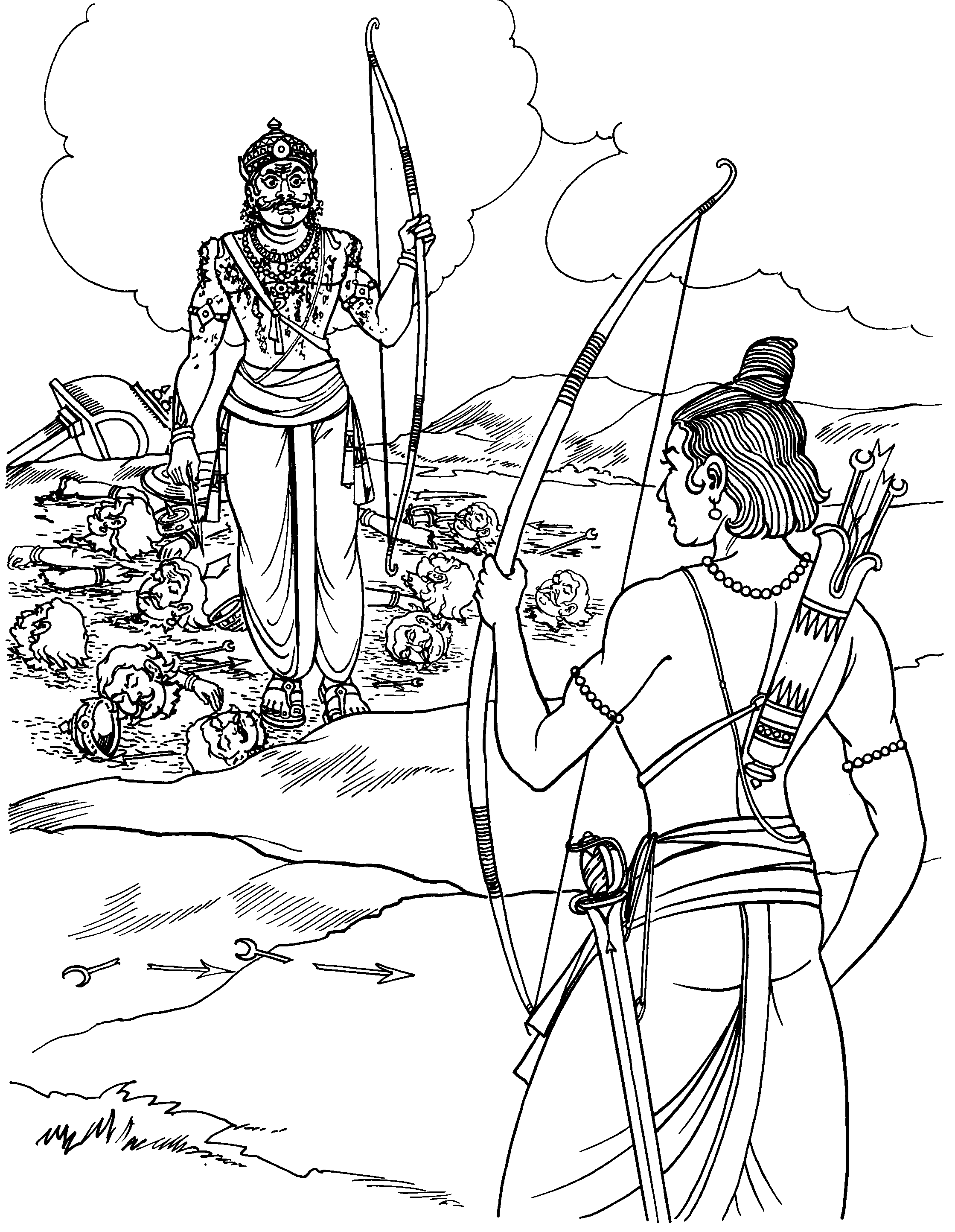
ramaravana

போர் அடிக்கிறதா? இன்னும் ஒன்னே ஒன்னு கண்ணே கண்ணூ.

ராமன் ராவணனை எச்சரிக்கும் போது கூறியது:

சீதையைத் திருப்பி அனுப்பாவிடில்

உன் பேர்,——– ரிப்”பேர்” ஆகி விடும்,
உன் மானம்,—— வி”மானத்தில்” ஏறிவிடும்,
உன் கதி, ——- ச”கதி” ஆகி விடும்.

class teacher

ஒருபாட்டுக் கச்சேரிக்குப் போனேன். அவர் பாடிய ராகமோ வ”ராகம்”, போட்ட தாளமோ வே”தாளம்”. அவ்வளவு நன்றாக இருந்தது!!

சொன்ன ஆசிரியர் திரு ம.க.சிவசுப்பிரமணியம்,மதுரை.

Pictures are taken from different sites;thanks. They are not directly related to the anecdotes.

-சுபம்–

Horse headed Seer: Rig Veda Mystery No.1

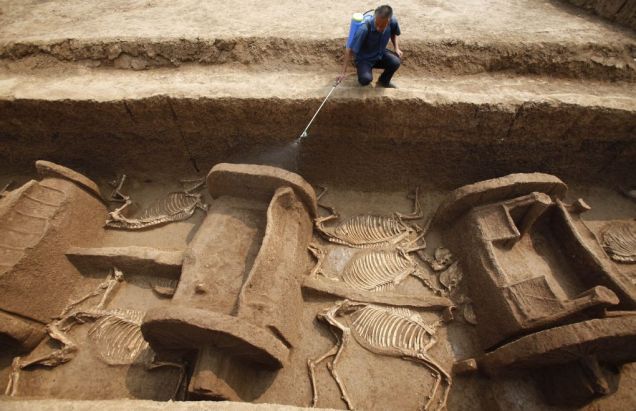
horse and chariot burial 3000 year Western Zhou dynasty 2011 Luoyang
3000 year old horse and chariot burial in China.

Research Paper written by London Swaminathan
Post No.1255; Dated 27th August 2014.

Rig Veda, the oldest record of religion and human history, is full of mysteries. Foreign “scholars” who translated it have added footnote at every other page, ‘the meaning is uncertain’, ‘the meaning is not clear’, ‘the meaning is obscure’, ‘Sayana says this, but it is vague’. Each of those “scholars” contradicts the other. For thirty three minor gods of the Rig Veda, they have written more than 33 different interpretations. If someone wants some entertainment or jokes, they can compare those interpretations. But I have to warn you that you may go crazy one day!!

Great scholars of India such as Adi Shankara or Sayana haven’t got any such doubts or confusion, because they believed in what the Veda says. It is like we believe in what our parents or teachers say. Moreover they know the overall underlying meaning, because they were born and brought up in this culture.

Some westerners cannot look above the waist. They look only below the waist and give sexual interpretations. Sri Ramakrishna Paramahama explained the seven stages of mind and said that the bad ones cant go above the third level. Some can’t look at the heart but only at words and give racial interpretations. They have never done it to any other religion except Hindu religion. They know that Hindus are simpletons who will believe anything they say without reading the original books. Thank god, now there is some awareness and they are slowly waking up and reading the originals! I know millions of Hindus who have never read just 700 couplets of Bhagavad Gita, but ask umpteen questions raised by non believers!!
God bless them!

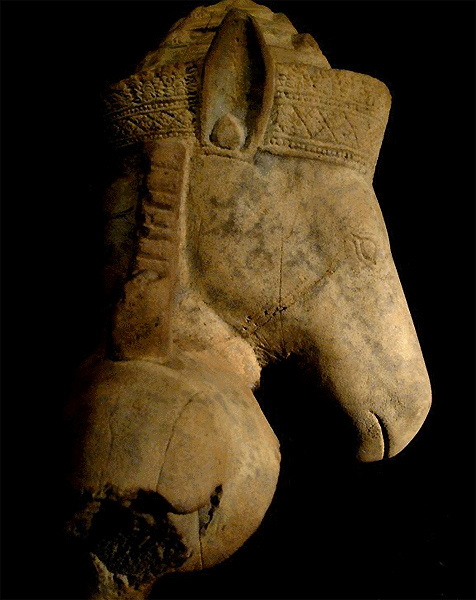
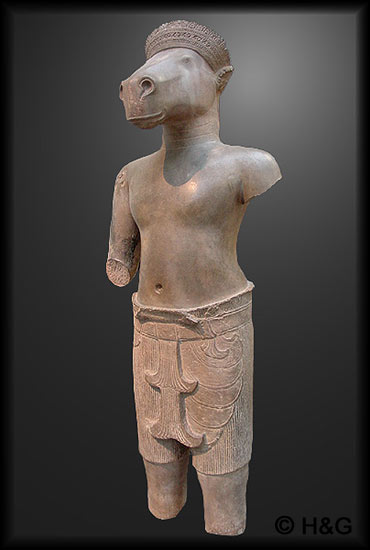
hayagriva2,khmer,940 ce
Hayagreeva from Khmer (Cambodia), 10th century CE

I will try to list the mysteries of R.V., one by one.

One of the mysteries of Rig Veda that puzzled the westerners is the Story of Dadhyanc Atharvan, a Rishi with a horse head. Until the year 2000, they wrote that they have discovered his grave in Potapovka near Samara in Russia. By 2010 they have changed their view!

Excavations of 1985-86 of a kurgan burial dated 2200 BCE at Potapovka revealed in grave shaft of kurgan no.3, a decapitated man with a horse skull replacing his head. In simple terms, the man’s head was removed and a horse head was fixed. They thought that it was the grave of Rig Vedic seer Dadhyanc. Later research showed that the skeleton of both the horse and the human being were not of male, but of female. They also found the horse head was fixed 1000 years after the human being’s death. This shows that we can’t jump to conclusion by listening to archaeologists! They only “interpret” it and confirm in what they have already believed. In this case they started talking Aryan migration from the Steppes.

Still some questions remain unanswered: Why did they put horse head there after 1000 years? Why did someone behead the man or woman?

But horse heads were used in Western countries in the graves, church buildings etc., for its mysterious powers until 300 years ago.

((If you google horse burials, chariot burials, you will get loads of matter)).
Khajuraho_India,_Lakshman_Temple,_Sculpture_12
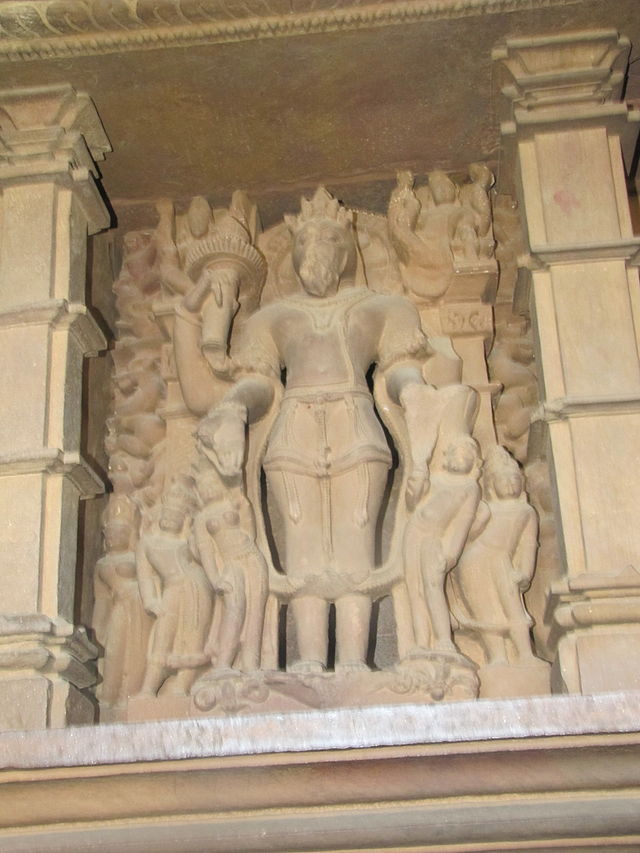
Khajuraho Lakshmana Temple, 12th Century

Now let us look at the interesting story of the horse headed Dhayanc! His story is in RV 1-84-16; 1-116-12; 1-117-22; 10-48-8, Satapatha Brahmana 14-4-5-13; Brhad Aranyaka Upanishad 2-5; Bhagavatam 6-10 Adhyaya. His story is found in many places in the Vedas.

Dadhyanc was the son of Atharvan. He and his father were regarded as the founders of Vedic sacrifice. They knew a secret mantra known as Madhu Vidhya. Dadhyanc taught this to all his devoted students. Those who learn this vidhya gets free from all miseries of life. Indra also came to the seer and learnt the vidhya. But the seer warned him that he should lead a life worthy of it. Indra became angry at his advice and told him that he would cut off the Rishi’s head if he had taught it anyone else.

Later the Vedic twins Asvins came and asked the seer to teach them. When he told them about Indra’s curse, the Asvins cut his head off and preserved it in a safe place and learnt the Madhu Vidya. During that study, they fixed a horse’s head on Dadhyanc. Some people can interpret even this to show that head transplant surgery was common during Vedic days. But this is beyond the scope of this article.

When he finished teaching them, Indra’s thunderbolt came and cut off Dadhyanc’s head. Later Asvinikumaras fixed his original head.

Rishi Kakshivan has glorified Asvins in his Rig Vedic hymns. Asvins are attributed with mystical powers throughout the Vedas.
vajimukha,guimet,paris
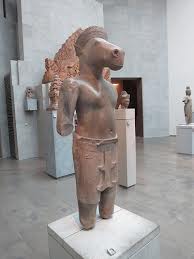
Horse faced Vajimuka in Guimet Museum, France.

For Hindus, head replacement or transplant is nothing new. We have Lord Ganesh with elephant head, Hayagriva with horse head, Daksha with a goat’s head, lord Narasimha with lion’s head and vishnu’s avatars with fish, tortoise and pig forms. Horse headed Hyagreeva sculptures are available even in Cambodia.

Griffith has added the following the following foot note in his Rig-Veda translation:–Dadhyanc was called Dadhica later. With his bones or with the horse head bones, Indra made his thunderbolt weapon. Indra slew Vritra with this weapon. Vritra with held the rains. The Vedic legend which was modified and amplified in later times, appears to have been connected in its origin with that of Dadhikras, often mentioned in the Veda and described as a kind of divine horse, probably a personification of the morning sun in his rapid course. Dadhyac may be the old moon whose bones when he dies, become the stars with which Indra slays the fiends of darkness. (page 53 of The Rig Veda; foot note to RV 1-84-13 and again in 1-116-12).

horse head khmer cambodia, guimet
Hayagreeva in Paris

Many of the Vedic stories are symbolic. We can’t interpret them literally. But all the Hindu saints quote Dadhichi for his sacrifice. Indra made his Vajrayudha only with Dadhichi’s bones. That seer made a sacrifice for the welfare of the humanity, to destroy evil. Griffith says both Dadhichi and Dadhyanc are one and the same.

Vedic legends remain a mystery!
contact swami_48@yahoo.com

சங்கத் தமிழர் ஆண் குழந்தைகளை விரும்பியது ஏன்?

brahmin boy

ஆரிய-திராவிட வாதத்துக்கு மேலும் இரண்டு அடி!!

கட்டுரை மன்னன்: லண்டன் சுவாமிநாதன்
ஆராய்ச்சிக் கட்டுரை எண்:-1254; தேதி:— 27-8-2014

புனித திசையான வடக்கு நோக்கி உண்ணவிரதம் இருக்கும் ‘’பிராயோபவேசம்’’ என்னும் வழக்கமும், ஆண் குழந்தை பெற்று திதி முதலிய நீர்க்கடன் பெற்று சொர்க்கம் போகும் வழக்கமும் 2000 ஆண்டுப் பழமையான புறநானூற்றில் இருப்பதை விளக்கும் இக்கட்டுரை ஆரிய- திராவிட இனவெறிக் கொள்கைக்கு இரண்டு செமை அடி கொடுக்கிறது.

சங்க இலக்கியத்தை வரி வரியாகப் படித்தால் ஆரிய திராவிடக் கொள்கை, ஒரு உளுத்துப்போன, கறையான் அரித்த கட்டை என்பது விளங்கும். இதை சரியாகப் படிக்கததால் திராவிடங்களும் ஐராவதங்களும் வேதாசலங்களும் கக்கிய விஷப் புகை தமிழ் தெய்வத்தை மூடி மறைத்துள்ளன என்ற உண்மை பட்டெனப் பளிச்சிடும். பாரதம் முழுதும் ஒரே கலாசாரம் என்பதை கோப்பெரும் சோழனும் முது குடுமிப் பெருவழுதியும் சொன்ன பின்னர் இனி எதிர்ப்புக் குரல் கொடுப்பார் யாருளர்? இதற்குப் பின்னரும் அப்படி எதிர்ப்புக்குரல் கொடுத்தால், அவர்களை அம்மா, அப்பாவையே சந்தேகித்து டி.என்.ஏ. டெஸ்டுக்குப் போகும் அனாமதேய வகையறாவில் நாம் சேர்ப்போமாக!!!

ஆண்டவன் அவர்களை ரக்ஷிக்கட்டும்!!!

எல்லோருக்கும் எச்சரிக்கை !

முதுகுடுமியே! நீ போர் செய்யும் போது எச்சரிக்கை விடுத்துப் பின்னர் அறப் போர் (தர்ம யுத்தம்) செய்வாய்! பசுமாடுகள், பசுமாடு போன்ற சாந்த குணம் உடைய பிராமணர்கள், பெண்கள், நோயாளிகள், இறந்துபோன முன்னோர்களுக்கு திதி, தர்ப்பணம் முதலிய நீர்க்கடன் செய்ய இன்னும் தங்கம் போன்ற ஆண் பிள்ளைகளைப் பெறாதோர் எல்லாம் பாதுகாப்பன இடங்களுக்குச் செல்லுங்கள் என்று அறிவித்துவிட்டுப் போர் செய்கிறாயே! —–

என நெட்டிமையார் என்னும் புலவர் பாண்டிய நாடு முழுதும் யாக யக்ஞங்களைச் செய்து கொண்டாட்டக் கம்பங்களை ( யூப நெடுந்தூண்) நட்டுவைத்த பல்யாகசாலை முதுகுடுமிப் பெருவழுதியைப் பாராட்டுவார். அந்த மன்னன் பஃறுளி ஆற்று மணல் துகள்களை விட நீண்ட காலம் வாழ வேண்டும் என்றும் வாழ்த்துகிறார்.

ஆவும், ஆனியற் பார்ப்பன மாக்களும்,பெண்டிரும், பிணியுடையீரும் பேணித்
தென்புலம் வாழ்நர்க்கு அருங்கடன் இறுக்கும்
பொன்போற் புதல்வர்ப் பெறா அ தீரும்
எம் அம்பு கடிவிடுதும், நும் அரண் சேர்மின்’ என,
………………………………………….
நெட்டிமையார் பாடல், புறம்.9, பாடப்பட்டோன்:- பாண்டியன் பல்யாகசாலை முதுகுடுமிப் பெருவழுதி
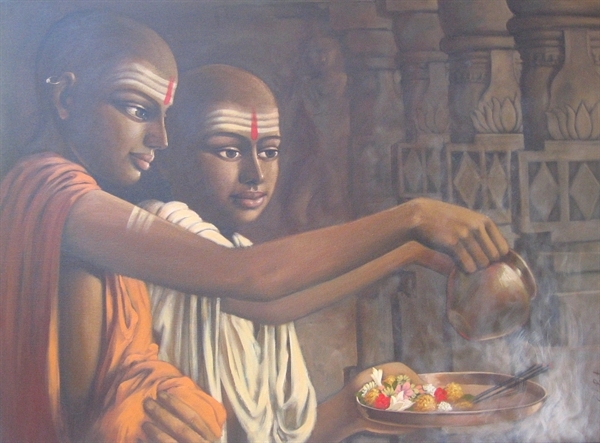
brahminboy2

பொத்தியார் வருத்தம்!
அழல் அவிர் வயங்கிழைப் பொலிந்த மேனி,
நிழலினும் போகா, நின் வெய்யோள் பயந்த
புகழ்சால் புதல்வன் பிறந்த பின் வா’ என
என் இவண் ஒழித்த அன்பிலாள !
எண்ணாது இருக்குவை அல்லை;
என்னிடம் யாது? மற்று, இசைவெய்யோயே?

பாடியவர்:– பொத்தியார்
பாடப்பட்டோன்:– கோப்பெருஞ்சோழன் (புறம்.222)

பொத்தியார் சொல்கிறார்: சோழனே! உனக்குக் கொஞ்சம் கூட அன்பே இல்லையே! என்னைச் சாகும் வரை உண்ணாவிரதம் இருக்கும் பந்தலில் உட்காரக்கூடாது. பிள்ளை பிறந்த பின் வா என்று அன்று அனுப்பி வைத்தாயே! புகழ்மிக்க பெருந்தகையே! எனக்கு ஒதுக்கிய இடம் எங்கே?

இந்தப் பாடலைப் பொத்தியார் பாடுவதற்குள் சோழ மன்னன் இறந்துவிட்டான். பொத்தியார் ((மனைவி)) குழந்தை பெற்ற பின்னர் அவர் தாமதமாக வந்ததே இதற்குக் காரணம்!

வடக்கிருத்தல்: இந்துக்கள் வட திசையை புனித திசை என்று போற்றுவர். காரணம்? இமயமலையும், அதில் சிவனுறை கயிலாயமும், புனித கங்கையும் இருக்கும் திசை வடதிசை. இதனால்தான் செங்குட்டுவனும் அவனுடைய அம்மாவுக்காக கல் எடுக்க ஒரு முறையும் கண்ணகிக்காக கல் எடுத்துக் கங்கையில் அக்கல்லைக் குளிப்பாட்ட ஒருமுறையும் ஆக மொத்தம் இரண்டு முறை இமய மலைக்குச் சென்றான்.

பாண்டவர்கள் ஒரு நாயை அழைத்துக் கொண்டு வடதிசை நோக்கி நடந்து ஒவ்வொருவராக இறந்து விழுந்த கதை மஹாபாரதத்தின் 18ஆவது பர்வத்தில் உள்ளது. பரீக்ஷித் மன்னன் பாகவத புராணம் கேட்டுக்கொண்டே உண்ணவிரதம் இருந்தது பாகவத புராணத்தில் இருக்கிறது. இந்த பிராயோபவேசம் என்னும் வழக்கத்தை ராமாயண, மஹாபாரத இதிஹாசங்கள் குறிக்கின்றன. சமணர்களும் இப்படிச் செய்வர். குமரி முதல்—இமயம் வரை உள்ள இவ்வழக்கத்தைப் புற நானூறும் குறிப்பது ஆரிய—திராவிடக் கொள்கையை வெடிவைத்துத் தகர்க்கும்.

ஆண்குழந்தைகள் பெற்றால் அவர்கள் கொடுக்கும் நீர்க்கடனானது, இறந்து போனவர்களைக் கரை ஏற்றும் என்னும் கொள்கையும் இமயம் முதல் குமரி வரை 2000 ஆண்டுகளுக்கு முன்னரே இருந்ததை புறநானூறு உள்ளங்கை நெல்லிக் கனி என விளக்கும். இன்றும்கூட எல்லா ஜாதி மக்களும் ஆண்கள் மூலமே இறுதிக் கடன்களை முடிப்பது வெள்ளீடை மலை என விளங்கும். இந்துமத சட்டப் புத்தகங்களான ஸ்மிருதிக்களும், இறுதிச் சடங்கு பற்றிப் பேசும் எல்லா பகுதிகளிலும் ஆண் மகன்கள் பற்றியே பேசுகின்றன.

தசரதன் இறந்தவுடன், பரதனை ஆப்கனிஸ்தான் — ஈரான் நாட்டு எல்லையில் இருந்த கேகய நாட்டில் இருந்து பயங்கரமான வேகத்தில் செல்லும் குதிரை பூட்டிய ரதத்தில் உத்தரப் பிரதேசத்துக்கு அழைத்து வந்ததை வால்மீகி ராமயாணம் ‘’ரூட் மேப்’’ போட்டு விளக்குகிறது.

(( கேகயம்= கைகேயி, காண்டஹார்=காந்தாரம்=காந்தாரி. இப்பொழுதும் ஆப்கனிஸ்தானில் உள்ள காண்டஹார் நகரில் குண்டு வெடித்து பலர் சாவதை வாரம்தோறும் பத்திரிக்கையில் படிக்கிறோம். மஹாபாரத காந்தாரி, ராமாயண கைகேயி எல்லோரும் தொலைதூரத்தில் இருந்து வந்ததற்குக் காரணம் பாரதம்— அகண்ட பாரதம் ஆகக் காட்சியளித்த காலம் அது!!! ))

கோப்பெருஞ்சோழனுக்குப் புதல்வர்களுடன் கொஞ்சம் மனஸ்தாபம். உடனே உண்ணவிரத்தில் இறங்கிவிட்டார். வாழ்க்கையை வெற்றியுடன் முடித்தவர்கள், இனி வாழ வேண்டாம் என்று தீயில் குதிப்பர் அல்லது ஆற்றில் குதிப்பர் அல்லது உண்ணாவிரதம் இருப்பர். புலனழுக்கற்ற அந்தணாளன் என்று பல்லோராலும் போற்றப்பட்ட பிராமண கபிலன் தீயில் புகுந்ததையும், சபரி என்னும் வேடுவச்சி தீயில் புகுந்ததையும், குமாரில பட்டர் என்னும் மாபெரும் அறிஞன் உமியில் தீயேற்றி அணு அணுவாக உடலைக் கருக்கியதையும் என்னுடைய மற்ற 1200 கட்டுரைகளில் காண்க.

இராம பிரான் சரயூ நதியில் ஜல சமாதியில் இறந்த அன்று அவருடன் ஆயிரக் கணக்காணோர் நதியில் குதித்தனர். காரணம் பெரியோர்கள் இறக்கும் போது நாமும் இறந்தால் அவர்களுடன் நேரடியாக சொர்க்கத்துக்கு டிக்கெட் இல்லாமல் போகலாம். இதன் காரணமாக பொத்தியார், பிசிராந்தையார் என்று ஏரளமான புலவர்கள் போட்டி போட்டுக் கொண்டு — கோப்பெருஞ் சோழன் சாகும் வரை உண்ணாவிரதம் இருந்த —– பந்தலுக்கு ஓடோடி வந்தனர்.

மறுமைப் பயன் எய்த ஆண் பிள்ளைகளைப் பெறவேண்டும் என்றூ அகநானூற்றில் இரண்டு பெண்கள் கூடப் பேசிக்கொள்வர்!

இம்மை யுலகத்து இசையொடும் விளங்கி
மறுமைப் பயனும் மறுவின் றெய்துப
செறுநரும் விழையும் செயிர்தீர் காட்சிச்
சிறுவர்ப் பயந்த செம்மலோர் எனப்
பல்லோர் கூறிய பழமொழி யெல்லாம்
வாயே யாகுதல் வாய்ந்தனம் தோழி – அகம் 66
((கௌசிக கோத்ரத்து)) கோசிகன் செல்லூர் கண்ணனார்))
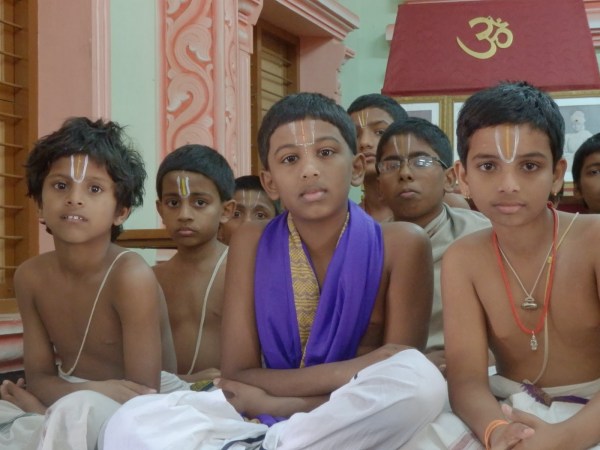
brahmin boy3

வள்ளுவரும் சொல்லுவார்!!

தென்புலத்தார் தெய்வம் விருந்து ஒக்கல் தான் என்று ஆங்கு
ஐம்புலத்தாறு ஓம்பல் தலை – திருக்குறள் 43

இறந்துபோய் தென் திசையில் உறையும் முன்னோர், தெய்வம், புதிதாக வந்த விருந்தினர், சுற்றத்தார், தான் (தனக்கு) என்ற ஐந்து பேரையும் ஆதரிப்பது கிரஹஸ்தனின் / இல்லறத்தானின் கடமை.

இதற்கு உரை எழுதிய ‘’பரி மேல் அழகர்’’ (குதிரை வாஹன அழகன்) கூறுவதாவது: பிதிரராவார் படைப்புக் காலத்து அயனால் படைக்கப்பட்டதோர் கடவுட் சாதி; அவர்க்கு இடம் தென்றிசையாகலின் தென்புலத்தாரென்றார்.

மக்கட்பேறு என்னும் அதிகாரத்துக்கு உரை எழுதிய பரிமேலழகர், அந்த அதிகாரத்துக்குப் ‘’புதல்வரைப் பெறுதல்’’ என்று பெயர் சூட்டி, தென்புலத்தார் கடன் — புதல்வரைப் பெறுதலால் தீரும் என்று விளக்கம் தந்துள்ளார்.

சங்க இலக்கியத்தைப் படியுங்கள்! வரிக்கு வரி இந்து மதம் கொப்புளித்துப் பொங்கித் ததும்பும். தமிழர் பண்பாடு என்று எதுவுமே இல்லை, ஒரே பாரதப் பண்பாடுதான் என்ற உண்மை புலப்படும். இனியும் முழுப் பூசணீக்காயையும் சோற்றில் மறைக்க முயலும் முட்டாள்களைப் பார்த்து கை கொட்டிச் சிரிக்கலாம், எள்ளி நகையாடலாம்!!

–சுபம்–
Pictures are taken from various websites for non commercial use; they are not connected with articles;thanks
contact swami_48@yahoo.com
Why do Hindu couples prefer boys?

brahmin boy

Why do Hindu couples prefer boys?

Research paper written by London Swaminathan
Post No.1253; Dated 26th August 2014.

In ancient India male-female ratio was not at 50-50% or nearer to that figure. Female population was less than the male population. The imbalance was due to Hindu’s preference for male children. One may wonder whether there was any proof to support this statement. I guessed it from the dowry system that was prevalent in ancient India. Men have to go to girls’ houses and beg for their hands in marriage. They have to give the girl a big Sri Dhanam (bride money) to get her. Sangam Tamil literature has also proof to support this. Only later, the dowry system turned upside down and men started asking for luxurious cars or houses etc. Once again the situation has turned and women are in more demand now.The ‘swayamvaram’ system in the Kshatria (royal) families also showed that the princes had to show their skills and valour to get a princess. Stories of Sita, Draupadi, Damayanthy, Indumathy (Kalidasa) and many others prove this.

But the main reason for preferring a boy is to perform the funeral rites and subsequent ceremonies. Hindus from the land’s end Kanyakumari to Kashmir in the north believed that they should have a male child first. They thought that their obsequies will help them to go to heaven. If the ceremonies are not done they will have to live in limbo.

Sangam Tamils also had the same beliefs like their counterparts in the North. This explodes the myth of Aryan-Dravidian Race (Racist !!) theory.

brahminboy2

Proof from 2000 year old Purananuru (222 and 9)

Kopperum Choza was a great Cholza king. He decided to go on fast unto death due to some difference of opinion with his son. In ancient India people who thought they have done their work in their life time, would fast unto death facing the North.

North was considered holy because of the Himalayas, Ganges and Kailash on it. Five Pandavas walked towards North till their bodies fell down. When great people wanted to die, particularly Kings, they were joined by the general public. We see such things in Ramayana, where thousands of people drowned themselves with Sri Rama in the River Sarayu. So a lot of Tamil poets wanted to join the king and die with him so that they can go straight to heaven. When poet Pothiyar came, the king refused him permission to sit with him because he did not have a son. So he sent him back saying, “Come Back, When you get a son”. In course of time the king died. But Pothiar came back to die at the same spot after he got a male child (Puram verse 222 by Pothiyar).

“Prayopavesam” is a ritual suicide. King Parikshit also did it by listening to Bhagavatha Purana. This also proved that there is no difference in culture in the north and the south of the country. Only the politicians and foreigners spread this lie with motives that are obvious.
The same belief was confirmed by two more verses Puram 9 and Akam 66.

Nettimaiyar praised a great Pandya King Mudukudumi Pruvazuthi for doing Dharma Yuddha (war according to rules). The Pandya king used to warn: “Brahmins, Cows, Women, Sick people and those who still do not have a male child! Please go to a secure place” (the war is going to begin any minute). This proves that those who did not get a male child were spared.

Akananuru verse sung by Sellur Kannan of Kausika Gotra also echoed the same belief. Tiruvalluvar, author of Tirukkural known as Tamil Veda said the same in Kural 43 when he listed the five duties of a family man. He said that a family man should do his duty to his ancestors— and used the word “residents of the South”. Hindus use this word for those who are dead. They believed that the dead go to the southern direction in the sky. This type of rites can be done only by male children.

brahmin boy3

Funeral rites and subsequent obsequies are performed only by male children is confirmed by the Hindu epics Ramayana and Mahabharata. Bharata was brought all the way from Iran-Afghan (Kekaya) border to Uttar Pradesh in India to do the funeral rites to his father– Emperor Dasaratha. Smritis (Hindu Law Books) are very clear about the duties of male children in this respect. All the rites regarding the ancestors are meant only for male children (sons).

This belief influenced the Hindus in preferring male children instead of girls. But once a boy is born they do not hesitate to have girl children. “Brunu hathi” (killing the foetus) was considered the worst sin. Hindus never did this in the past.

The more we study Tamil literature, the more we get enlightened!!

Pictures are taken from various websites for non commercial use;thanks.
contact swami_48@yahoo.com

பிராமணர் கள் சாப்பிடும் இடம்!!

toddy_parlour

கட்டுரை மன்னன்: லண்டன் சுவாமிநாதன்
கட்டுரை எண்:-1252; தேதி:— 26-8-2014

தேசிய கவி சுப்பிரமணிய பாரதி வேலை பார்த்த மதுரை சேதுபதி உயர்நிலைப் பள்ளியில் படித்தவன் நான். எனக்கு வி.ஜி. சீனிவாசன் என்று ஒரு ஆசிரியர் இருந்தார். அல்லும் பகலும் அனவரதமும் பாரதியின் புகழ் பாடுவார். சொல்லும் செயலும் சிந்தனையும் பாரதி பற்றியே இருக்கும். மதுரை சேதுபதி பள்ளியில் பாரதி சிலை வைக்க மூல காரணமும் முதற்காரணமும் அவரே. கி.வா.ஜகந்நாதன், நா.பார்த்த சாரதி போன்ற தமிழ் சான்றோர்களை வடக்கு மாசிவீதியில் நாங்கள் வசித்த வாடகை வீட்டிற்கு அழைத்து வந்து எனது தந்தை தினமணி பொறுப்பாசிரியர் வேங்கடராமன் சந்தானத்துடன் மணிக்கணக்கில் அரட்டை அடிப்பார். எனது அம்மா ராஜலெட்சுமி சந்தானத்தின் காப்பி, உலகப் பிரசித்தம்! அதைச் சாப்பிடவே ஒரு கூட்டம் வரும்!

வி.ஜி.சீனிவாசன் நுண்மான் நுழைபுலம் மிக்க அறிஞர். நகைச் சுவை ததும்பப் பேசுபவர். ஒரு முறை அவருடன் கூத்தனூர் ஸ்ரீ சிங்கார சுப்பிரமணிய சாஸ்திரிகளை அழைத்துக் கொண்டு ஒரு தலத்துக்குச் சென்று வந்தோம். ஜீப் காரின் பின்புறத்தில் அமர்ந்தவுடன் ரிக் வேதத்தில் கரை கண்டு காஞ்சி மஹா சுவாமிகளிடம் சால்வை, தங்கக் காசு, வீடு, பசுமாடு ஆகியவற்றைப் பரிசாகப் பெற்ற உத்தமோத்தமர் ஸ்ரீ சிங்கார சுப்பிரமணிய சாஸ்திரிகளை அறிமுகப் படுத்தி வைத்தேன்:–

இவர் பெரிய வேத வித்து! வேத விற்பன்னர்!! — என்று!!!

அவர் இதைக் கேட்டவுடன் வெடிச் சிரிப்பு சிரித்தார். முதலில் எனக்கும் சகோதரர்களுக்கும் ஏன் சிரிக்கிறார் என்று புரியவில்லை. வேத வித்து! வேத விற்பன்னர்! என்று சொல்லிவிட்டு மீண்டும் சிரித்தவுடன் காரணம் புரிந்தது! நாங்களும் சிரித்தோம். பசுவும் பசுமாடு போன்ற குணம் உடைய பிராமணர்களும் என்று புறநானூறு பிராமணர்களைப் போற்றுகிறது. அப்படிப்பட்ட பசு உள்ளம் கொண்ட சாஸ்திரிகளுக்கு ‘ஜோக்’ புரியவில்லை. அதை விளக்கும் நிலையில் நாங்களும் இல்லை!!

வேதத்தை வித்துப் பிழைப்பவர் = வேத வித்து
வேத விற்பன்னர் = வேதத்தை விற்பனை செய்பவர் என்று வி.ஜி சீனிவாசன் பொருள் கொண்டதே சிரிப்பொலிக்குக் காரணம்.

seschool

நான் கண்ட மிகப் பெரிய வேத விற்பன்னர் ஸ்ரீ சிங்கார சுப்பிரமணிய சாஸ்திரிகள் என்றபோதும் அந்த சூழ்நிலையில் வி.ஜி.எஸ். அடித்த ‘ஜோக்’ பொருத்தமானதே. ஏனெனில் சாஸ்திரிகளை நாங்கள் காரில் அழைத்துச் சென்ற காரணமே ஒரு ஊரில் உபந்யாசம் செய்யத்தான்—அதாவது வேத அடிப்படையில் உபந்யாசம் செய்து தட்சிணை பெறத்தான்!

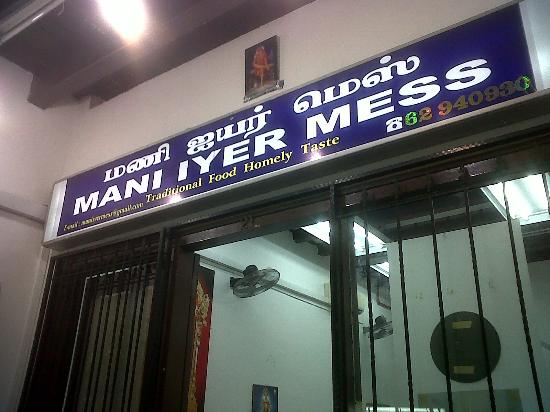
iyer mess sign-board

பிராமணர் —கள்— சாப்பிடும் இடம்!!

ஒரு நாள் முதல் அறையில் உட்கார்ந்து கொண்டு வி.ஜி.எஸ். அவர்கள் காப்பி சாப்பிட்டுக் கொண்டிருந்தார். எந்த ஓட்டலில், ‘கிளப்’பில், காப்பி நன்றாக இருக்கும் என்று பேச்சு திசை திரும்பியது. அப்போது ஒரு பொருத்தமான ஜோக் அடித்தார்:

“ இந்த ஓட்டல்காரர்கள் எல்லோரும் பிராமண விரோதிகளா?

பிராமணாள் ஓட்டல் ( பிராமணர்களை விரட்டு= ஓட்டு)
ஐயர் கிளப் ( ஐயரை கிளப்பு )
பிராமணர் கள் சாப்பிடும் இடம்
என்றெல்லாம் எழுதிப் போடுகிறார்களே!”

( பிராமணர்கள் என்ற சொல்லைப் பிரித்து எழுதினால் பிராமணர் ‘கள்’ குடிக்கும் என்று அர்த்தம்—அனர்த்தம் ஆகிவிடும்! )

அறை முழுதும் வெடிச் சிரிப்பு. சிரிப்பொலி அடங்க கொஞ்ச நேரம் ஆயிற்று. வடக்கு மாசிவீதியில் எங்கள் வீட்டு முதல் அறைக்கு பகுத்தறிவுப் பாசறை என்று பெயர். எப்போதும் ஒரு கூட்டம் இருக்கும்.

bangalore102brahmins

ஐந்து வீட்டுக்கு அப்பால் உள்ள கம்யூனிஸ்ட் கட்சி தலைவர் எஸ்.ஆர்.கே.யும் (டாக்டர் எஸ்.ராம்கிருஷ்ணன்) அவ்வப்போது வாக்குவாதத்தில் இறங்கி எங்களுடன் மோதுவார். அவர் “கம்பனும் மில்டனும்” என்ற ஆய்வுக் கட்டுரை எழுதி டாக்டர் பட்டம் வாங்கியபோது அவருக்கு பாராட்டு விழா நடத்துவதிலும் எனது தந்தை மூலம் தினமணியில் செய்தி வெளியிடுவதிலும் நான் முக்கியப் பொறுப்பு வகித்தேன். காரணம் அவரிடம் ஆங்கிலம் பயின்றது. அவர் எழுதிய அருமையான ஆராய்ச்சி நூல்களை இன்றும் லண்டனில் திரும்பப் படிக்கிறேன்!

kandy brahmins hotel

எனக்கு இப்போதும் ஞாபகம் இருக்கிறது. வடக்கு மாசிவீதியில் ஒரு ஐயர் கிளப்பில் இங்கே ஜலத்தை அண்ணாந்து (உயர்த்தி) குடிக்கவேண்டும் என்று எழுதிப் போட்டிருப்பார்கள். பிராமணர்கள் அல்லது அவர்களைப் போன்ற பழக்கம் உடையவர்கள் மட்டூமே அனுமதிக்கப்படுவர் என்பதை இப்படி எழுதுவதன் மூலம் சொல்லாமல் சொல்லுவர். ஏனெனில் பிராமணர்கள் தண்ணீரை எச்சில்படுத்தி சாப்பிட மாட்டார்கள். இங்கு லண்டன் வந்தவுடன் நாங்கள் எல்லோரும் அப்ராமணர்கள் ஆகிவிட்டோம்!!

Contact swami_48@yahoo.com

Origin of Horse Race and Chariot Race

Hyksos
Hyksos invading Egypt

Research paper written by London Swaminathan
Post. No.1251; Dated 25th August 2014.

“Keep the horses happy and you will win the stake. Make your chariot into the vehicle of good fortune. Drink at the fountain that has Soma- vats for buckets, a pressing stone for its vehicle, a consecrated goblet for its casting; this is the fountain where men drink” (Rig Veda 10-101-7)

Rig Veda, the oldest religious book in the world, has lots of references to Horses. But the surprising thing is that we don’t have horse pictures in the Indus valley civilization. Nearby countries in the Mesopotamia region and Egypt had horses and chariots at the same time. Some people interpret unicorn seals of Indus valley as horses. But the evidence for Indus horse is inconclusive.

The oldest horse training manual has Sanskrit words for numbers!
The MItannian (Syria/Turkey) rulers’ names were in Sanskrit:
Biridaswa=Brhat Asva= possessing great horses
Sattawaza = Sapta Asva= Prize Winner in Seven horse races
Kikkuli (1400 BCE) trained people on horses. His manual used Sanskrit words:
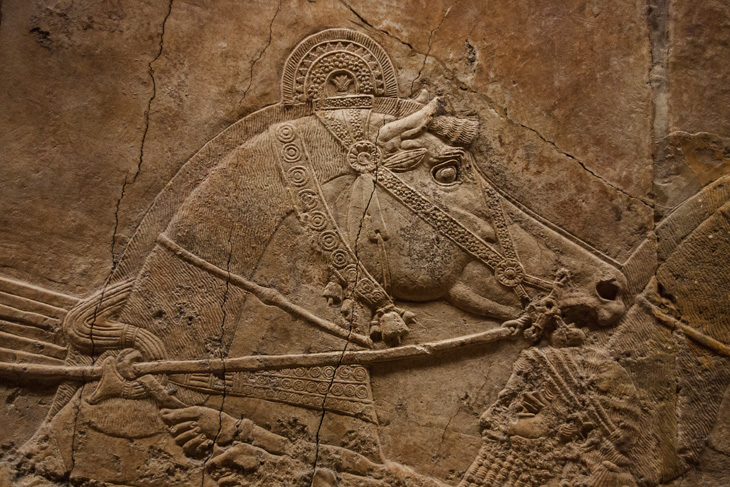
royal lion hunt
Royal Lion hunt in the Middle East

KIKKULI SANSKRIT MEANING
Wartanna Vartana a turn
Aika Eka One turn
Tera Tri Three turns
Panza Panca Five turns

Satta Sapta Seven turns
Na (artanna) Nava Nine turns

Those who studied Tamil grammar wouldn’t be surprised to see Satta becoming Sapta. In Tamil also we follow the same rules to change Sanskrit sounds in to Tamil sounds. Raja becomes Arasan in Tamil. Rajaraja becomes Iraasa rasan in Tamil. Damayanthy in Sanskrit is written as Tamayanti, YogaRaja becoming Yokarasa in Tamil, Shakespeare changing to Sekappiriyar or seksupiyar, Homer changing to Omar and Harrypotter changing to Karipaattar!! There is no S or H or J or Sh or Ksha in pure Tami!!
In the same way Kikuli changed Sanskrit words to suit his students in the Hittite empire!
Maryannu is a word for warrior used by Kiikuli. This comes from the Sanskrit word Marya. Egyptians borrowed this Sanskrit word and Egyptianized like Tamils and wrote M(a)-ar-ya-na in 1470 BCE in Papyrus Anastasi I. They used this for Chariot warrior.

P= V
Asva in Sanskritis written as Aspa by the Persians.
By 1500 BCE Sanskrit words were used from the Plains of River Ganges to the Plains of the River Nile and in between Mesopotamia!!!

Zend Avesta of Zoroastrians had Old Sanskrit or Persian words
Dravaspa =Devi Asva = Goddess for horses
Vist aspa (a king of Bactri) Visva Asva? = All powerful Horse?
Pourus Aspa = father of Zarathustra = one who possess many horses
Arbataspa =Master of war like horses
Huaspa =Su Asva= having good horses
Bactria’s capital was known as Zariaspa= land of golden horses! This is because they used gold coloured bronze coat.

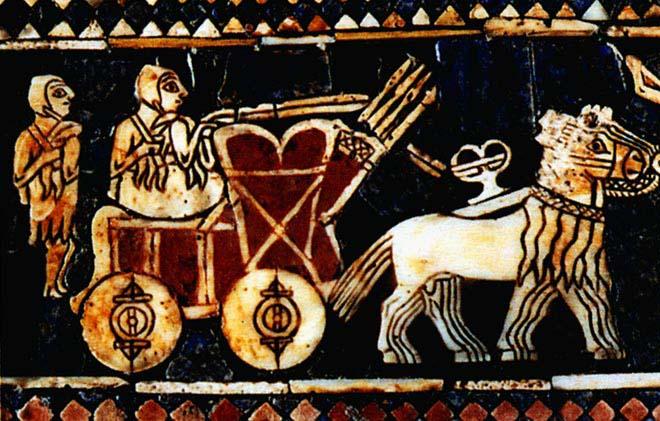
meso chariot horse, British-Museum-161
Mesopotamian Chariot Horse

Encyclopedias give wrong information about horse racing by saying that it originated in Greece. There is very clear proof to show that horse racing was a big sport in ancient India during Vedic times. When one looks at the innumerable references to horses and technical terms regarding horse races, one would conclude it originated in India. Horses appear in Egypt only after Egyptian kings marrying princesses of Indian origin from Turkey/Syria or coming into contact with the mainland Indians. The Asiatic Hyksos ( Hindu Yakshas?) seized control of Nile delta in 1750 BCE. Yakshas were ruling a vast territory from the Himalayan Tibet to Sri Lanka according to the Hindu Epics.

There were two types of races in the ancient world: 1)Horse Race 2) Chariot Race (driven by horses)

Sixty Parts of a Chariot!!
Vedic Index of names and subjects by AA MacDonnell and A B Keith has listed more than sixty terms for chariot and its parts alone. This shows that horse and chariot were part of Ancient Indian life. They might have done both horse race and chariot race. But gambling in such races was unknown. Prizes were given to the winners.

The racecourse called Kaasthaa (RV 8-80-8; AV 2-14-6) or Aaji (RV4-24-8;AV13-2-4) itself appears from the Atharvaveda to have been a quasi circular one to mark and back again. In the Rig-Veda the course is described as broad and the distance as measured out. Prizes were offered and eagerly competed for. Other words for victory and the prize are kaara (RV 5-29-8; 9-14-1)and bhara (RV 5-29-8; 10-16-5) and to run a race is described by the expressions aajim, dhaav. The person who instituted a race is referred to as aajisrt and Indra is called aaji krt and aajipati (RV 8-53-6 & 8-53-14).

horse meso
Use of Horse in Mesopotamia in 2400 BCE

Highly developed Veterinary Science!

The swift steeds (vaajin, atya) used for the races were often washed and adorned. According to Pischel the name of one swift mare is preserved – Vispalaa, whose broken leg was replaced by the Asvins in a race.

Geldner has also found a comic picture of a horse chariot race in the Mudgala hymn in the Rig-Veda. Pischel also seeks to show that races were run in honour of gods.
A former race, however, is a feature of the ritual of Rajasuya or royal consecration. Tamil Chozas also did Rajasuya Yajna, says Sangam Tamil literature.

Oldest Horse Training Manual
A few texts survive about horse training. The earliest comes from the Mitannian Kikkuli, who was employed by the Hittite empire. One thousand years after this, we had another book by the Greek author Xenophon (4th century BCE). Then came the Sanskrit work Arthasastra from the Hindu Brahmin author Chanakya alias Kautilya (324 BCE). This book is a political and military text with a large section on the training of war horses.
tutankhamun's fan with chariot 1
Tutakhamun’s Ostrich feather fan

In the early Hittite empire (modern Turkey), a city rebelling against King Anittas (1750 BCE) had fielded forty chariots; Hattulis I (1650- 1620 BCE) fielded eighty chariots at the siege of Urshu and by the Battle of Kadesh (1285 BCE), Hattusas fielded 2500 chariots under Muwatallis II (1306- 1282 BCE).
Anitta = Anirudh?
Hattuli = Sathyasila
Hattusas=Sathyaputra ( In Tamil it changed to Athiyaman)

A plaque from the reign of Tuthmose III (1479- 1425 BCE) show an Egyptian mounted warrior armed with mace and bow, his horse trampling a fallen foe. Before using the horses in war, Sumerian civilization used it for pulling the wagons. The artefacts date from 2800- 2500 BCE. Sumerian texts dated 2100 BCE talk about horses.

The earliest evidence for using horse meat come from the Dereivka remains in Ukraine, where 2412 horse bones were recovered. At Botai in Kazakhstan, ten tons of horse bones were recovered.

If one looks at the references to Horses, Chariots, Races, Prizes and Parts of Chariots, Veterinary Science of Asvini Devas in the Rig Veda, Hykso’s (Yaksha) Victory over Egypt (1780 BCE) and Mitannian Kikkuli’s (1400 BCE) horse manual, one can boldly say the science of horses and chariot races was the contribution of the Hindus to the world. If the Rig Veda is dated to 6000 BCE as proposed by Bala Gangadhara Tilak and the German scholar Jacobi, then the History of horse would turn topsy turvy. If we take Shrikant G.Talageri seriously who propose Rig Vedic hymns cover 2000 years of composition, history of horse would turn ‘ulta’!
Hyksos, who invaded Egypt, may be the Yakshas of India. We read about Kubera’s Yaksha army fighting with Ravana and Bhima (read my story about Saugandika lotus flower for Draupadi in my post “ARE WOMEN ALWAYS DEMANDNG?”)

Long Live Horses who took our culture to Egypt and Greece!!
Nimrud, northern iraq 880 BCE
Nimrud in Northern Iraq 880 BCE.

Books Used:
The Rig Veda (English Translation by Griffith)
Vedic Index by MacDonald and Keith
The Horse in the Ancient World (Ann Hyland)

northern iraq 850 BCE
Horse in Northern Iraq, 880 BCE

pictures are used from various sites fro non commercial use;thanks.
contact swami_48@yahoo.com

பாரிஸ் நகரில் காதல் பூட்டு! ‘’லவ் லாக்’’ மேலை நாட்டில் விநோதம்!!

lock1

கட்டுரை மன்னன்: லண்டன் சுவாமிநாதன்
கட்டுரை எண்:–1250; கட்டுரை தேதி:– 25 ஆகஸ்ட் 2014.

(என்னுடைய இரண்டு ‘’பிளாக்’’ குகளையும் படித்தோர் எண்ணிக்கை ஒரு மில்லியனைத் தாண்டி விட்டது! அனைவருக்கும் நன்றி)

சனீஸ்வரன் எள் விளக்கும், சர்ச் (மாதா கோவில்) விளக்கும்:

தமிழ் நாட்டுக் கோவில்களில் சனிக்கிழமைகளில் சனைச்சரன் (சனீஸ்வரன்) சந்நிதியில் எள் விளக்கு ஏற்றுவதைப் பார்த்திருப்பீர்கள். இதைக் காசு கொடுத்து வாங்க வேண்டும். இது போல மேலை நாட்டு கத்தோலிக்க கிறிஸ்தவ சர்ச்சுகளில் மெழுகுவர்த்தி ஏற்றும் வழக்கம் இருக்கிறது. பாரீஸ் நகரில் உள்ள புனித இருதய மாதாகோவிலில் 2 யூரோவுக்கு சின்ன மெழுகு திரியும், 10 யூரோவுக்கு பெரிய மெழுகு திரியும் விற்கிறார்கள். இதை கிறிஸ்துவ பக்தர்கள் வாங்கி ஏற்றுகிறார்கள்.

(( சனை: = மெதுவாக, சரன்= செல்பவன். இதை தவறுதலாக சனீஸ்வரன் என்று எழுதி வருகின்றனர் )).

candle1

24 ஆண்டுகளுக்குப் பின்னர் மீண்டும் ஒரு முறை பாரிசுக்குப் போயிருந்தேன் (ஆகஸ்ட் 19,20,21—2014). அப்போது சாக்ரெட் ஹார்ட் சர்ச்சுக்கும் சென்றேன். மெழுகுவர்த்தி பகுதியைத் தாண்டி ஒரு பெட்டியும், உறைகளும் வைத்திருந்தார்கள். சர்ச்சில் அவர்களின் பெயரில் பிரார்த்தனை செய்ய 17 யூரோ சார்ஜ் என்று அறிவிக்கப்படிருந்தது. இது நமது ஊரில் அர்ச்சனை சீட்டு வாங்கி அர்ச்சனை செய்வது போன்றது! சத்ய சாயி பாபாவிடம் பலர் கோரிக்கை எழுதப்பட்ட ‘’கவர்’’களை (உறை) கொடுப்பார்கள். அதை அவர் வாங்கிவிட்டால் அந்தக் காரியம் நிறைவேறும் என்று பக்தர்கள் நம்பினார்கள். இன்னும் சில இந்துக்கள் அனுமார் சிலயில் ராமநாமம் எழுதி காகித மாலை போடுவார்கள். இதை எல்லாம் நினைவுபடுத்தியது 17 யூரோ சர்ச் உறை!!

notredame cathedral

கத்தோலிக்க கிறிஸ்தவர்கள், இந்துக்களைப் போலவே பல பழக்க வழக்கங்களைக் கொண்டுள்ளனர். இரண்டு ஆண்டுகளுக்கு முன்னர் நான் எழுதிய ‘’பைபிளில் சம்ஸ்கிருதம்’’ என்ற நீண்ட ஆங்கிலக் கட்டுரையில் இது பற்றி ஒப்பிட்டு எழுதியுள்ளேன்.

பாரிஸில் உள்ள மற்றொரு புகழ்பெற்ற நாத்ர்தாம் கதீட்ரலுக்கும் சென்றேன்.அங்கு ஒரு மிஷினில் 2 யூரோ போட்டால் கோவிலின் படத்துடன் ‘மெடல்’ வெளியேவந்து விழும். இந்துமதக் கோவில்களும், சுற்றுலாத் தலங்களும் இந்த முறையைப் பின்பற்றலாமே!
sacred heart2

பாரீஸ் நகரில் உள்ள லூவ்ர் மியூசியம் மிகவும் புகழ்பெற்றது. இங்குதான் புகழ்பெற்ற மோனாலிஸா படம் உள்ளது. வெளியே ஒரு பெரிய ‘போஸ்டர்’ ஒட்டி இருந்தார்கள். அதில் ஒரு எகிப்திய எழுத்தர் யோகாசன நிலையில் அமர்ந்திருந்தார். ஏற்கனவே நான் இந்துமதத்தையும் எகிப்திய பழங்கால மதத்தையும் ஒப்பிட்டு பல கட்டுரைகள் எழுதி இருக்கிறேன். யோகாசன முறையில் அமர்ந்த அந்த படத்தைப் பார்த்தவுடன் நேராக அனத சிலை வைக்கப்பட்ட இடத்துக்கு விரைந்து சென்று புகைப்படம் எடுத்தேன்.
meditation2

அந்த எகிப்திய எழுத்தர் யோகாசன நிலையில் அமர்ந்திருப்பது நான் முன்னர் எழுதிய ஏழு கட்டுரைகளில் சொன்ன விஷயத்தை உறுதிப் படுத்தியது. சிந்து சமவெளியில் காணப்படும், நரபலி மற்றும் கொடி ஊர்வலம் இந்துமதத்தில் காணப்படும் முத்திரைகள், அதர்வ வேதத்தில் காணப்படும் ‘’செக்ஸ்’’ மந்திரங்கள், தாயத்துகள் முதலியன் எகிப்திலும் இருப்பதை ஒப்பிட்டு நான் எழுதியதை இந்தச் சிலையும் உறுதிப் படுத்தியது. எகிப்திய அரசர்கள் அணியும் பாம்புக் கிரீடம் சிவபெருமான் போல இருப்பதையும் பார்த்தமாத்திரத்திலேயே உணரலாம்.

ma n2
இளங்கோ அடிகள் சொன்ன மான் வாகனம்

சிலப்பதிகாரத்தில் கொற்றவைக்கு (துர்கா தேவி) மான் வாகனம் இருப்பதை இளங்கோ அடிகள் பல இடங்களில் ‘’கலையதூர்தி’’ என்று குறிப்பிடுவார் (கலை= மான், ஊர்தி=வாகனம்). பிற்கால சைவ இலக்கியங்களிலும் இச் சொல் பயிலப்படுகிறது. இது பற்றி வாகன ஆரய்ச்சிக் கட்டுரைகளில் விரிவாக எழுதிவிட்டேன். லூவ்ர் மியூசியத்தில் மானுடன் காட்சி தரும் வனதேவதை ஆர்டெமிஸ் சிலை இருந்தது. அதை விரைந்து சென்று புகைப்படம் எடுத்தேன். இந்துமத எச்ச சொச்சங்கள், மிச்சம் மீதிகள் உலகெங்கும் காணப்படுகிறது என்று காஞ்சி பரமாசார்ய சுவாமிகள் (1894-1994) தனது 1936 ஆம் ஆண்டு சென்னை உபந்யாசங்களில் கூறி இருப்பதையும் நினைவிற் கொண்டேன்.

love locks2

‘’லவ் லாக்’’– (காதல் பூட்டு)

பாரிஸ் நகர செய்ன் நதி, லண்டனில் உள்ள தேம்ஸ் நதியைவிட அழகானது. இரண்டு நதிகளிலும் இரண்டு முறை படகுப் பயணம் செய்துள்ளேன். பாரிஸில் கரை முழுதும் சிமென் ட் பூசி, கான்க்ரீட் போட்டு, படித்துறை அமைத்து, படிக்கட்டுகள் கட்டி இருப்பதால் மக்கள் ‘’ஜாலி’’யாக அமர்ந்து படிக்கிறர்கள். கல்லூரி மாணவிகள் ‘’லாப்டாப்’’ கப்யூட்ட்ர்களையும், வயதானவர்கள் நாவல்களையும் வைத்துக் கொண்டு பொழுதுபோக்குவதைக் கண்டேன்.

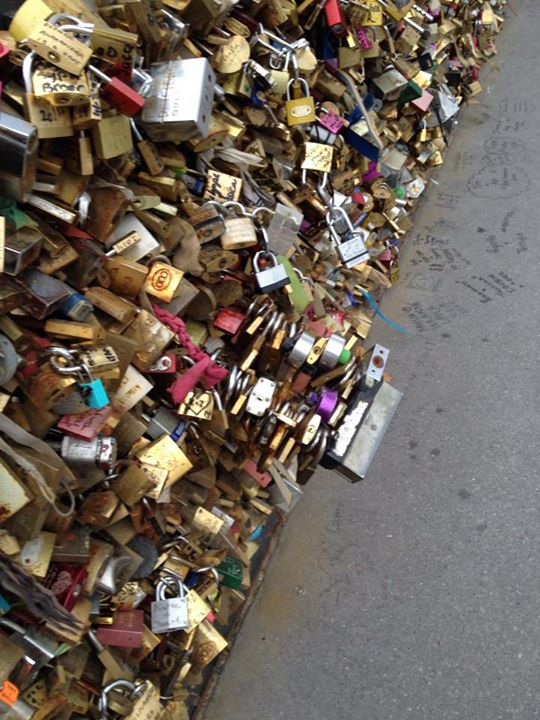
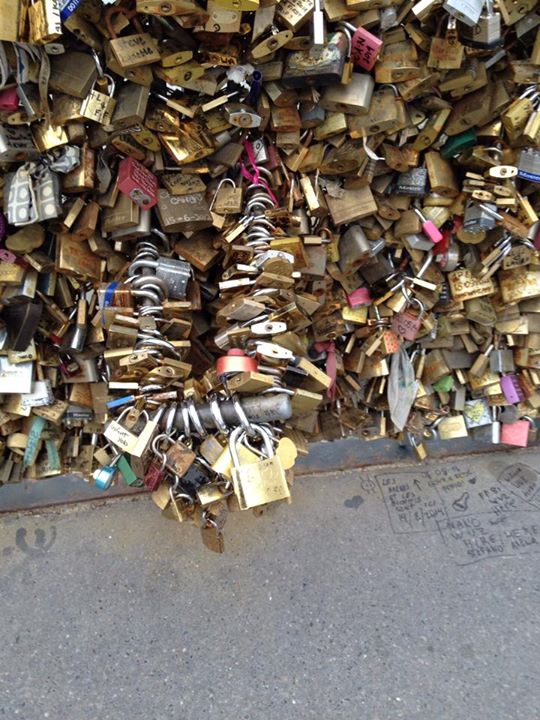
அந்த நதியின் பாலங்களில் ஆயிரக் கணக்கான காதலர் பூட்டுகளைக் கண்டு, பல கோணங்களில் நின்று, ஏழெட்டுப் புகைப்படம் எடுத்தேன். உலகில் மனிதர்கள் உருவ வழிபாட்டையோ, மூட நம்பிக்கைகளையோ ஒழிக்கவே முடியாது என்பதற்கு இது ஒரு உதாரணம். காதலர்கள் அவர்களுடைய பெயர்களை பூட்டுகளின் மீது எழுதி அந்தச் சாவியை நதியில் தூக்கி எறிந்து விடுவார்கள். அப்படிச் செய்தால் அந்தக் காதலை யாரும் காலாகாலத்துக்கு அழிக்க முடியாது என்று நம்புகின்றனர். ஆயினும் இப்படிக் காதலுக்கு பூட்டுப் போட்டவர்கள் கொஞ்சம் வருடங்களில் விவாக ரத்து (டைவர்ஸ்) செய்வதை புள்ளி விவரங்கள் காட்டுகின்றன!! ஆக, இது ஒரு மேலை நாட்டு நவீன மூட நம்பிக்கை என்று நாம் கொள்வதில் தவறில்லை. இந்த வழக்கம் 100 ஆண்டுகளுக்கு முன், முதல் உலகப்போரின்போது துவங்கியதாம்.
love locks3

செய்ன் நதிக்கரையில் நிறைய பழைய புத்தகக் கடைகளும் ஓவியக் கடைகளும் இருக்கின்றன. இரவு நேரத்தில் சாதாரண பூட்டுப் போட்டுவிட்டுப் போய்விடுவார்கள்!! யாரும் திருடமாட்டார்கள் என்றே நினைக்கிறேன்!!

பாரிஸில், லண்டன் சுறுசுறுப்பைக் காண முடியவில்லை. ஒருவேளை நாங்கள் போனபோது சம்மர் சீசன் என்பதால் எல்லோரும் வெளியே போய்விட்டார்கள் போலும்!! எங்கு பார்த்தாலும் ஜப்பானிய சுற்றுலாப் பயணிகள்!!
medal1

சிம்மாசனத்தை கண்டுபிடித்தது இந்துக்கள்

விக்ரமாதித்தன் சிம்மசனம் பற்றிய கதை 2000 ஆண்டுகளுக்கு முந்தையது. தமிழிலும் அரியாசனம் என்ற சொல் உண்டு. இது இந்தியாவில் இருந்து உலக்ம் முழுதும் சென்ற கொள்கை. மைசீனிய மற்றும் மத்திய கிழக்கு நாடுகளில் கோட்டை வாசல்களில் பெரிய சிங்கச் சிலைகள் இருப்பது இந்திய கலாசாரத்தின் தாக்கதைக் காட்டுகிறது. ஜூலியஸ் சீசர், அகஸ்டஸ் சீசர் என்ற பெயர்களில் உள்ள சீசர் என்பது கேசரி என்ற சம்ஸ்கிருதச் சொல்லின் மரூஉ. கேசரி என்றால் சிங்கம். இந்த மிருகம் ஆப்பிரிக்காவிலும் இந்தியாவிலும் மட்டுமே உண்டு.

பாரிஸ் லூவ்ர் மியூசியத்தில் இம்மசனம் , காமதேனு ஆசனம் கண்டு மகிழ்ந்தேன். காமதேனு ஆசனம் பற்றி ஆராய்ச்சி துவங்கியுள்ளேன். முடிவு தெரிந்தால் எழுதுவேன்.

simhasanam

kamadenu asanam

contact swami_48@yahoo.com
Hindu Symbolism in Paris!

egypt meditation
meditation2
Egyptian scribe in Yogasana posture in Louvre Museum, France.

Research article Written by London Swaminathan
Post No.1249; Dated 24th August 2014.

I went to Paris with my family in August 2014 after a gap of 24 years. I did not see much change! I missed the most famous Louvre museum last time, but I covered the Palace of Versailles. During this trip my main purpose was to see the famous painting MONALISA of Italian artist Learnado da Vinci and Hindu exhibits in the Louvre museum. I was disappointed because there wasn’t any remarkable Hindu sculpture there. But there were some surprises! I was thrilled to see a big poster outside the Louvre museum with an Egyptian sitting in Yogasana posture. Since I have already written some research articles such as

Hindu Mudras in Ancient Egyptian and Sumerian sculptures (posted7-10-2012)
Did Indians build Egyptian Pyramids? (posted on 27-8-2012)
Sex Mantras and Talismans in Egypt and Atharva Veda (26-9-2012)
Hindu Gods in Egyptian Pyramids (16-9-2012)
Human Sacrifice in Indus Valley and Egypt (Posted 31-10-2012)
Vedic Mantras in Pyramid texts
Tirumular in Egyptian Pyramids (in Tamil Egiptil Tirumular Karuththukkal posted on 23-11-2013)

man vahanam
Statue of Artemis in Louvre Museum
ma n2

I went straight in to that section and took some photos. My views are confirmed once again. Egyptians learnt a lot from us. Historians knew about it and already listed Dasaratha letters in all encyclopaedias. But my view is that even before the Dasaratha letters, Egyptians had connections with the West Coast of India. Most of the standing statues are similar to Jain statues of India. Sitting posture is in Padmasana or some Yogasana. The caps look like Araiyar (Vaishnavite singers in South Indian temples) caps. The snake on the crown looks like Shiva. Kanchi Parmacharya had pointed out Ramses similarity in his 1936 Chennai talks.

candle1
Candle lighted in Sacred Heart Cathedral,Paris

Vahanas Research
The next thing that attracted me was the Statue of Artemis with a deer (Stag). I have done extensive research in VAHANAS of HINDU GODS and GODDESSES. I have written scores of articles on this. Tamil epic Silappadikaram describes Goddess Durga riding a deer or stag (Kalaiyathurthi). Hindu goddesses are depicted with deer or stags. I have also written about Deer Chariot of Santa Claus is from the Rig Veda. So I eagerly went to the statue of Artemis and took some pictures.

notredame cathedral
Notredame Cathedral

Roman Catholic and Hindu customs
Scholars have already pointed out that most of the Roman Catholic customs are based on Hindu and Buddhist practises. I wrote a lengthy two part article on this topic under “Sanskrit in The Bible” sometime ago. I had more surprises at the Church of Sacred Heart (Basilique du Sacré Couer) in Paris. There were two types of candles sold there for 2 Euros and 10 Euros. Devotees of Christ were buying them and lighting them up in the place allocate for this. Anyone visiting South Indian Temple can see such lamps are lighted in front of Durga or Sanaicharan (Saneeswaran) statues.

sacred heart2
Sacred Heart Cathedral

The nest surprise was waiting in another part of the church. There were envelopes and a box to put your demands (Demande de messes) or requests to present it to God. But the charge is 17 Euros!! It is like the Hindus doing Archana to god by paying a fee. There are Hundis (money boxes) everywhere.

simhasanam
Lion Throne (Simhasanam)

Lion Throne = Simhasanam
The concept a king sitting on a LION THRONE is a Hindu concept. Though we see it in Mycenaean and Middle East gates, lions live in India and Africa alone. The word Caesar (King) came from the word Kesari, lion in Sanskrit. It is like the SINGH suffix with North Indian names. I took some photos of Lion Throne and Kamadenu Throne in Louvre Museum. That was another surprise for me.

kamadenu asanam
Kamadenu Asanam from Louvre

Some novel ideas
There are machines selling medals as mementoes in several churches in Rome and Paris (Notre dame Cathedral). Hindu temples also can sell such medals with the picture of god and temple. Now the private parties are doing it outside every temple and ripping off people.

medal1
medallion making machine at Notredame Cathedral

Churches in Rome, Paris and Vatican are huge like the temples of South India, but they are not as ancient as Hindu temples. Architecture and sculptures are stereotyped.

lock1

There is a novel superstitious custom in Western countries of putting Love locks in river bridges with lovers names on them. In spite of these Love Locks divorces are increasing in Western countries. This is from River Seine.

இராக்கில் பிராமணர்களின் ‘த்ரிகால சந்தியா வந்தனம்’!

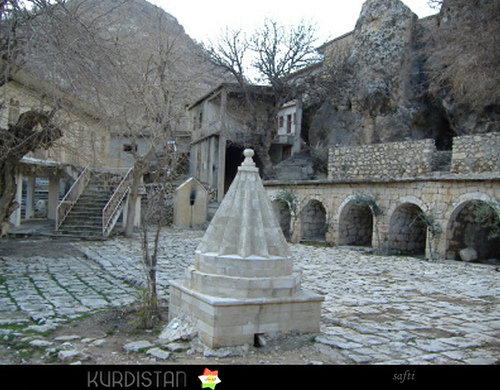
yazidi temple 2
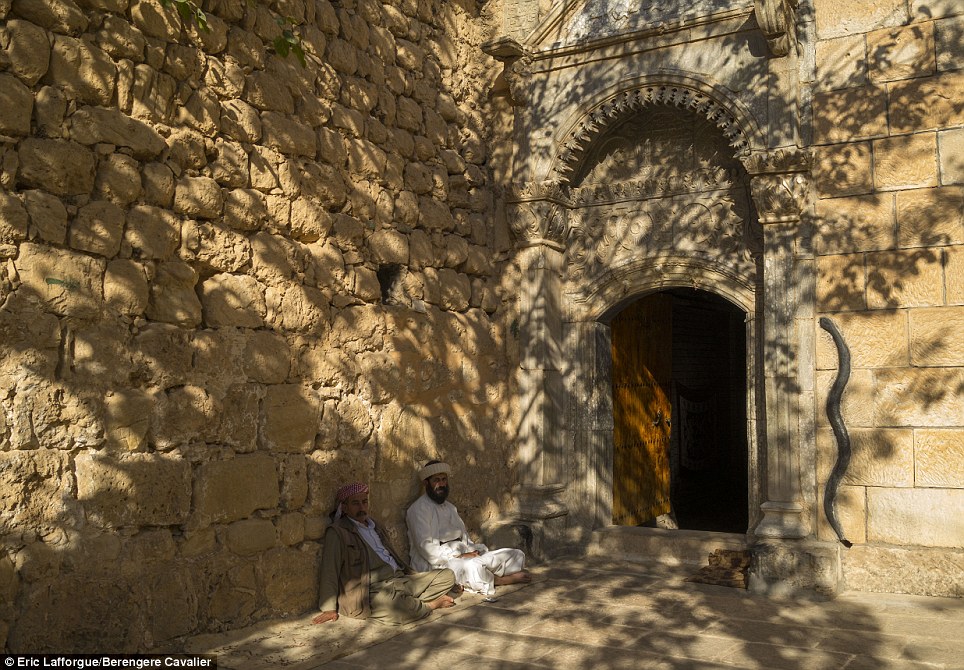
Yazidi Temple looks like Hindu Temple

ஆராய்ச்சிக் கட்டுரை எழுதியவர்:–லண்டன் சுவாமிநாதன்
கட்டுரை எண்: 1248; தேதி 23 ஆகஸ்ட் 2014

இந்தக் கட்டுரையின் முதல் பகுதி –– ‘’இராக் நாட்டில் இந்து மதம்: மயில் வாகனன் வழிபாடு’’ — என்ற தலைப்பில் ஆகஸ்ட் 14-ஆம் தேதி (கட்டுரை எண் 1232) வெளியாகியது. அதைப் படித்துவிட்டு இதைப் படிக்கவும்.

நான் முதல் கட்டுரையை லணடன் பத்திரிக்கை செய்திகளின் அடிப்படையில் எழுதினேன். அதற்குப் பின் லண்டனில் இருந்து வெளியாகும் ‘தி வீக்’ The Week என்னும் பத்திரிக்கை மேலும் பல சுவையான விஷயங்களை வெளியிட்டுள்ளது. அந்தச் செய்தியில் கிடைத்த புதிய செய்திகள் மேலும் வியப்பை ஊட்டுகின்றது!!

1.யாசிதி மக்கள் சூரியன் இருக்கும் திசையை நோக்கி தினமும் மூன்று முறை வழிபடுவர்:
இது இன்றும் பிராமணர்கள் செய்யும் சந்தியாவந்தன வழிபாட்டை நினைவுபடுத்தும். முஸ்லீம்களாக மதம் மாற மறுக்கும் யாசிதிக்கள் வேத கால பிராமனர்களாக் இருந்து பின்னர் கொஞ்சம் கொஞ்சமாக அந்தப் பிராந்திய வழக்கத்தில் மூழ்கி இருக்கலாம்.

2.யாசிதி மக்களில் மூன்று ஜாதிகள் உண்டு. முதல் இரண்டு ஜாதிக்கள் உயர் ஜாதி. மதம் நீதி போதனைகளை உபதேசிப்பது இவர்கள் தொழில்:
இது வேத கால ஜாதி முறை போன்றது. பிராமணர்கள் மட்டுமே முன்னர் ஆசிரியர் வேலை செய்து வந்தனர். பிரிட்டனிலும் கூட ஜாதி உண்டு. இன்று வரை ராஜ குடும்பத்தினர் மட்டுமே ராஜாவோ ராணியோ ஆகலாம். பிரபுக்கள் ஜாதியில் பிறந்தவர்களுக்கு பிறப்பு அடிப்படையில் பிரபு பதவி வழங்கப்படும்.

yazidi girls
Yazidi girls in front of a Yazidi lamp

3.யாசிதி மக்கள் நீல நிற ஆடை அணியமாட்டார்கள். இது புனித நிறம்:
இது பற்றி முதல் பகுதியில் எழுதிவிட்டேன். மயில் இவர்களுடைய புனித பறவை ஆதலால் அந்த நிறமும் புனிதம்!!

4.யாசிதி மக்களின் பல வழக்கங்கள் மிக மிக ரகசியமானவை. வெளி உலகம் பார்த்தே இராத வழக்கங்கள். லலிஷ் என்னும் கிராமம் வடக்கு இராக்கில் பசுமையான மலைப் பகுதியில் உள்ளது. அந்தப் புனிதத் தலத்துக்கு வாழ்க்கையில் ஒரு முறையாவது யாசிதி போகவேண்டும்:
இது இந்துக்கள் வாழ்க்கையில் ஒரு முறையாவது காசிக்குப் போய் கங்கையில் குளிக்க வேண்டும் என்பது போன்றது.

5.யாசிதி இன மக்களுக்கு ஞான ஸ்நானம் உண்டு. அவர்கள் இரண்டு புனித ஓடைகள் உள்ள இடத்தில் இதைச் செய்கிறார்கள்:
இந்துக்களைப் போன்று தண்ணிரை உபயோகிக்கும் இனம் உலகில் எங்கும் இல்லை. பிறந்தது முதல் இறக்கும் வரை உள்ள 40 சடங்குகளிலும் (சம்ஸ்காரம்) நீர் இன்றியமையாதது. பிராமணச் சிறுவர்கள் ஞான ஸ்நானம் செய்யும் (பூணூல் சடங்கு) நாளன்று பல முறை குளிக்க வேண்டும். பைபிளில் உள்ள ஏசுவின் காலைக் கழுவும் பாத பூஜை, ஞான ஸ்நானம் எல்லாம் இந்து மதச் சடங்குகளின் மிச்ச சொச்சமே என்று பைபிளில் சம்ஸ்கிருதம் என்ற நீண்ட ஆங்கில கட்டுரையில் ஏற்கனவே விளக்கி இருக்கிறேன். ஆக யாசிதி இன மக்கள் வேத கால பிராமணர்களாக இருந்து கொஞ்சம் கொஞ்சமாக கால, தேச, வர்த்தமனங்களுக்கு ஏற்ப மாறினார்கள் என்று எண்ண இடம் இருக்கிறது. இவர்கள் வேத மதத்தின் ஒரு பிரிவான ஜொராஸ்திரியர்களுக்கும் முன்னவர்கள் – 4000 ஆண்டு பழமையான இனம் என்பதெல்லாம் முதல் பகுதியில் விளக்கப் பட்டுவிட்டது.

yazidi fire worship
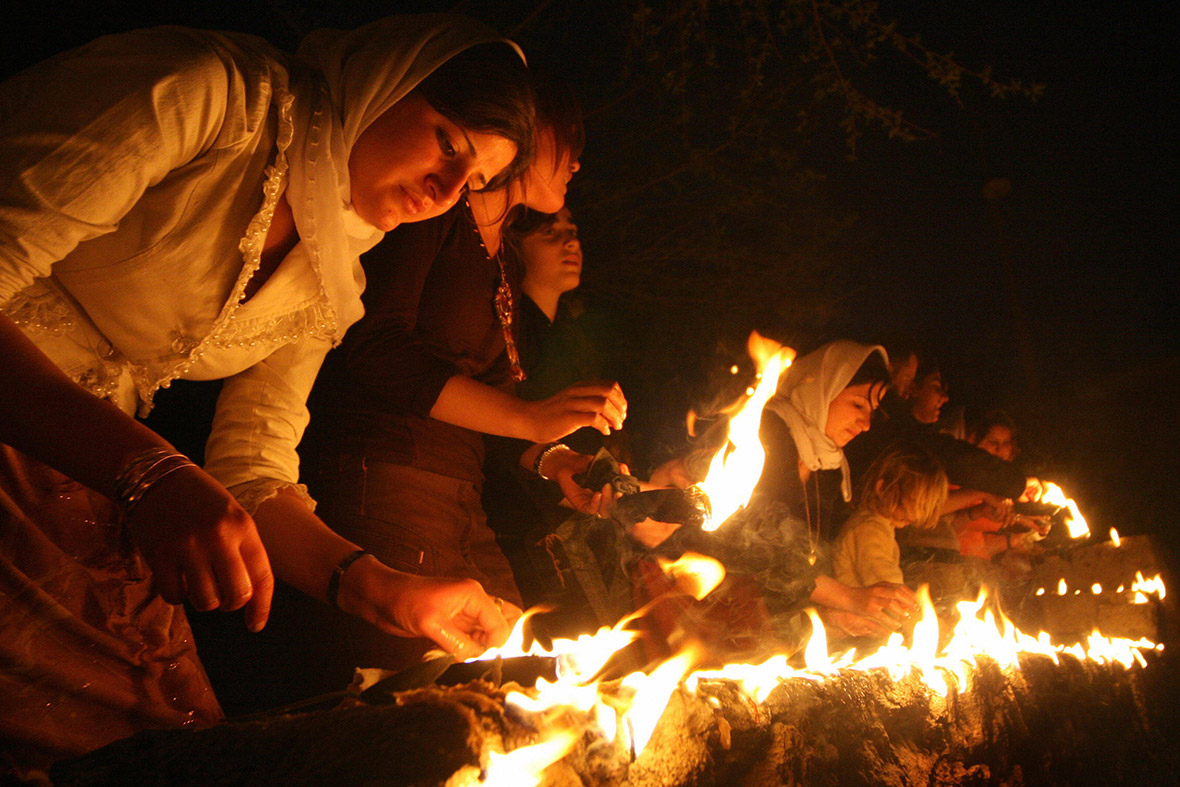
Yazidi fire worship like Hindu Havan,Homam

6. மித்ர (சூரிய உபசனை) வழிபாடு:—- இவர்கள் மோசுல் (இராக்) பக்கத்தில் உள்ள சூரியன் கோவிலில் வழிபாடு செய்வர்:

மித்ரன் என்பது வேத கால தெய்வம். சூரியனின் மறு பெயர். சூரிய நமஸ்காரம் செய்வோர் முதலில் சொல்லி வணங்கும் மந்திரம் ‘’ஓம் மித்ராய நம:’’ பிற்காலத்தில் ரோமானியர்கள் இந்த மித்ர வழிபாட்டை எடுத்துக் கொண்டு காளையைப் பலி கொடுத்தனர். இது ரோமானியர்கள் புகுத்திய ஒரு பழக்கமாக இருக்கலாம். ஏனெனில் இந்துக்கள் காளை மாட்டையோ பசுமாட்டையோ கொல்ல மாட்டார்கள். சிவனின் வாகனமான காளை—தெய்வீக மிருகம் ஆகும்

7. யாசிதிக்கள் புத்தாண்டு கொண்டாடுவர். சூபி சந்யாசி இறந்த சமாதியில் வழிபடுவர்:
சூபி முஸ்லீம்கள், இந்துக்கள் போலவே நம்பிக்கை உடையவர்கள்.

8.யாசிதி இனம்மக்கள் பால்ய விவாஹம் செய்வர். இவர்கள் வசிக்கும் ஆர்மீனியா நாட்டில் திருமண வயதை 18ஆக உயர்த்த அரசு சட்டம் கொணர்ந்த போது யாசிதி இன மக்கள் கிளர்ச்சியில் குதித்தனர்.

இந்துக்களின் பால்ய விவாஹம் ஸ்ம்ருதிக்களிலும் தமிழ் சங்க இலக்கியத்திலும் உளது. அகம் பற்றிய சங்க இலக்கியத்தில் பெண்களை வருணிக்கும் போது அப்போதுதான் பூப்பெய்தியது போல உடல் வருணனை உளது. மேலும் கண்ணகிக்கு 12 வயது, கோவலனுக்கு 16 வயது ஆனபோது திருமணம் நடந்ததை சிலப்பதிகாரம் மிகத் தெளிவாகவே கூறுகிறது.

yazidi knots
Yazidis tie knots to make wishes

இந்தக் கட்டுரையின் ஆங்கில வடிவத்தில் ‘’தி வீக்’’ கட்டுரையின் ஆங்கில வாசகங்களும் அதற்கான எனது விமர்சனங்களும் உள. யாருக்கேனும் அந்தப் பத்திரிக்கைக் கட்டுரையின் ஆங்கில வாசகம் தேவை ஆனால் அதில் காணலாம்.

ஆர்மீனியா, துருக்கி, இராக் ஆகிய மூன்று நாடுகளில் யாசிதி இனம் வசித்தது. துருக்கியில் 1980 ஆம் ஆண்டில் நிலைமை மோசம் அடையவே யாசிதி இன மக்களுக்கு ஜெர்மனி அடைக்கலம் கொடுத்தது.

temple at Ladesh
Picture of Yazidi Temple

Contact swami_48@yahoo.com

Tri Kala Surya Upasana (Brahmin Custom) in Iraq!

yazidi girls
Yazidi girls in front of a worshipper (Picture from Daily mail on line)
The first Part of this Article was published under the title “HINDU VESTIGES IN IRAQ” on 12th August (Post No 1228)

Written by London Swaminathan
Post No. 1246; Dated 23rd August 2014

‘The Week’– magazine published from London (dated 16 August 2014) says
1.Yazidis lived in Armenia, Turkey and Iraq. Iraq is their homeland. When the situation became very bad in Turkey the entire community was given asylum in Germany.

2.Yazidis speak Kurmanji Kurdish, the Kurdish dialect spoken in Turkey.

3.What makes the Yazidis so interesting to anthropologists is that they are Kurds who, over the centuries, have resisted pressure to convert to Islam. There has been a long history of animosity between them and their Kurdish Muslim counterparts.
temple at Ladesh
Yazidi Temple at Lalish

4.Yazidism is a “syncretic” religion borrowing from many different traditions. Its true origins are almost as mysterious as the people themselves, but it is said to have its roots in Zoroastrianism, a monotheistic religion arising in ancient Persia around 1500 BC. However many scholars trace its origins to an even older faith: Mithraism. Mithras is the Roman name for the Indo-Iranian deity Mitra, a God of the Sun, Justice, Contract and War, whose origins lie in Pre –Zoroastrian Persia.; the Yazidis’ annual sacrifice of a bull near the Temple of Sun, some 60 kilometres north of Mosul, is thought to be a ritual derived from Mithraism.
(Mitra is a Vedic God; the first namaskar in Surya Namaskar is ‘Om Mitraya Nama:’ It looks like Romans introduced bull sacrifice in its worship. For Hindus cows and bulls are sacred animals. Shiva rides on a bull/Rishaba)

5.Many Yazidi traditions are shrouded in such secrecy that most have never been witnessed by outsiders. However they are known to pray three times a day, always facing the direction of the Sun.

yazidi fire worship
Yazidi Fire Worship resembles Hindu worship

6.Their most important festival, Cejna Cemaiya, the New Year “Feast of the Assembly”, takes place at Lalish, a small village in lush mountain valley in Northern Iraq, where Adi ibn Musafir, a member of wandering order of Sufi mystics has his tomb. It has become a sacred place of pilgrimage, and children are baptised in the waters of paradise that flow from two sacred springs, the White Spring and the Zem Zem (the same name as a stream in Mecca)—which rise there. Yazidis visit Lalish at least once in their life time.

(Hindus visit Kasi (also known as Varanasi and Benares), at least once in their life time take bath in the holy waters of River Ganga. Sfi mystics are very close to Hindu mystics in many respects).
yazidi knots
Yazidis tie knots when they make wishes

Caste System:

7)Yazidis are divided into three castes – Sheikhs, Pirs and Murids, the first two being clerical castes, the Murids forming the general public. The function of the Sheikhs, the highest caste, is to educate the rest of the faithful in their religion and teach them the moral precepts.

8)The Yazidis married their women still in their teens. When Armenia moved to revise its law on marriage raising the minimum age of marriage for boys and girls to 18, Yazidi community erupted in protest.

9) They don’t wear blue colour clothes because it is considered sacred ( I have already discussed the importance of sacred blue peacock of Peacock Angel Lord Skanda/Kartikeya in the first part of this article)

yazidi temple 2
Yazidi temple constructed like Hindu temple

My comments on Point 5 ,Point 6 point 7 and 8:
a)There is only one community in the whole wide world who do Sun Worship (Surya Upasana called Sandhya Vandhanam) three times a day facing sun using water oblation is the Hindu Brahmins. So Yazidis must have been Vedic Brahmins slowly mingling with others, yielding to pressures from other religions in the area. Vedic faith was older than Zoroastrianism.

b)There is only one community in the world who use water in every day worship — they are the Hindus. They can’t do any ritual without water.

c)The Hindus use Ganges water or any water in the name of Ganges. They use water to bathe themselves and Gods in over 100,000 temples in India every day. For the Hindu Brahmins the baptism is the sacred thread ceremony, on which day the boy has to bathe several times. Without water Hindus can’t do any ritual. From birth to death they use holy water in 40 rituals called Samskaras.

sacred spring at Lalish
Yazidi sacred spring at Lalish

d)The caste system in Yazidi community is prevalent only in Hindu religion until today. In the olden days every culture had it. In England even today Lordship and Kingship are decided by birth in higher caste. Not everyone can become a Lord or King or Queen in Britain! The Brahmins only were teachers until Buddisht period.

e)Balya Vivaha (Child marriage) is a Hindu custom practised throughout ancient India. Tamil Sangam literature hints at teenage marriage. Tamil Hindu heroine Kannaki was 12 and her husband was 16 when they got married. Hindu law books called Smritis also advocated this.

I have already listed other similarities in the first part of this article.

yazidism07
Yazidis sacred Peacock (Lord Skanda’s vehicle)

Please read the details in Fist Part of this article.
Contact swami_48@yahoo.com