Doctors and Lawyers: Western View

ICJ-and-palestine

Article No.1992

Compiled by London swaminathan

Date 13th July 2015

Time uploaded in London:  20-21

Following anecdotes will show how the lawyers and doctorswere projected in the western world 100 years ago. The anecdotes were taken from the Thesarus of Anecdotes.

ANECDOTE 1

A lawyer and a doctor having a dispute about precedence, referred it to Diogenes, who gave it in favour of the lawyer in these terms:

“Let the thief go before and the executioner follow.”

Diogenes: Greek Philosopher 412 BCE to 323 BCE

XXXX

ANECDOTE 2

A certain lawyer had his portrait done in his favourite attitude, standing with one hand in his pocket. His friends that it was an excellent picture of him. An old farmer remarked that the portrait would have looked much more like the lawyer if it had represented him with his hand in another man’s pocket instead of his own.

XXXX

ANECDOTE 3

A stranger, arriving in a small New England town, approached the first native he saw and asked:

“Have you a criminal lawyer in this town?”

“Well”, replied the native cautiously, “we think we have, but so far we can’t prove it on him.”

XXXX

ANECDOTE 4

A Dublin Attorney died in poverty and many barristers of the city subscribed to a fund for his funeral. Toler, later Lord Chief Justice of  Orbury, was approached for a shilling. “Only a shilling?” said Toler. “Only a shilling to bury an attorney? Here is guinea; go and bury 20 of them”.

Old British Currency: One guinea= 21 shillings.

XXXX

ANECDOTE 5

A man came to Newark (USA) one day and asked a landlord to direct him to a first rate lawyer

“Well”, said the landlord, “if you have a good cause, go to Frelinghysen; he is honest lawyer and never undertakes any other kind; but if you want a keen, sharp lawyer, who sticks at nothing, go to a lawyer So and so.”

He watched the stranger and he went straight to So and so.

XXXX

intl_court_stamp

ANECDOTE 6

In Kansas (USA) court a witness, a tall awkward fellow, was called to testify. The counsel for the defence said to him, “Now, sir, stand up and tell your story like a preacher”.

“No, sir”, roared the judge. “None of the; I want you to tell the truth”.

XXXX

ANECDOTE 7

The coroner’s jury was pretty thoroughly baffled as to the cause of death in a certain case. Unable to come to any conclusion, they at last officially termed the case, “An act of God under very suspicious circumstances.”

XXXX

ANECDOTE 8

The community was shocked by a killing in its midst, doubly shocked because of the fact that the killer was one of the most popular and well-liked men in the town. Realizing that the evidence against him was conclusive, the man entered his plea of guilty. No means of saving him from the electric chair could be seen.

But the jurors, all friends of his, determined to save him in spite of his plea of guilty. When, at the conclusion of the case, they were asked to give their verdict, it was “Not Guilty.”

“Now how in the world,” said the judge, “can you bring in such a verdict when the defendant pled guilty?”

“Well, your honour”, said the foreman of the jury, “the defendant is such a liar that we can’t believe him, even under oath.”

Dumas1970FR

And the Doctors……………………………

ANECDOTE 9 

Alexander Dumas, the French novelist, being the guest one day of Dr Gistal, an eminent doctor of Marseilles, was asked by his host after dinner to enrich his album with one of his witty improvisations.

“Certainly,” replied Dumas with a smile, and drawing out his pencil he wrote under the eyes of the doctor, the following lines:

“Since Dr.Gistal came to our town,

To cure diseases casual and hereditary,

The hospital has been pulled down” –

“You flatterer!”, exclaimed the doctor, mightily pleased.

But the poet went on —

“And we have made a larger cemetery.”

XXXX

ANECDOTE 10

The patient was lying on the stretcher waiting to be pushed into the operating room. “I am so nervous,” he remarked to a sympathetic young woman standing by.

“This is my first operation.”

“So am I,” said the young lady, “my husband is the doctor and it is first too.”

XXXX

ANECDOTE 11

Stephen Leacock tells this story:

“Years ago when I first got my Ph.D. degree, I was inordinately proud of it and used to sign myself ‘Dr.Leacock’ in season and out. On a trip to the Orient I put my name down that way on the passenger list of the liner (ship).

I was getting my things straight in my cabin when a steward knocked and said: Are you Dr.Leacock?

“Yes, I answered.”

“Well, the captain’s compliments, doctor, and will you please come and have a look at the second stewardess’s leg?”

I went off like a shot, realizing the obligations of a medical shot. But I had no luck. Another fellow got there ahead of me. He was a Doctor of Divinity.”

XXXX

Hospital-operation-t

ANECDOTE 12

A doctor was aroused in the middle of the night by a phone call from a man whose family he had not had occasion to render medical services for some time.

“Doctor,” said the excited man, “please come over right away. My wife is in great pain and I am sure it is appendicitis.” The doctor had been sleepily mulling over the medical history of the family and said, “Well, now, it probably isn’t like anything like that. I will come around first thing in the morning. Don’t worry. Probably just indigestion.”

“But, doctor, you have got to come. I am positive it is appendicitis,” protested the alarmed the husband.

“Oh come, Mr.Johnson”, the doctor said, somewhat irritably, “I took your wife’s appendix almost two years ago. You know as well as I do that she hasn’t got another one.”

“That is alright”, said the husband, “but I have got another wife.”

XXXX

ANECDOTE 13

Dr.Samuel Garth, the celebrated physician of Pope’s time, loved wine to excess. At a favourite club of which he was a member, he once remained to drink to a late hour. A companion said to him, ”Really, Garth, you ought to quit drinking and hurry off to your patients.”

“It is no great matter”, replied Garth, “whether I see them tonight or not.; for nine of them have such a bad constitutions that all the physicians in the world cant save them; and the other six have such good constitutions, that all the physicians in the world cant kill them.”

XXXX

ANECDOTE 14

A certain person coming to a doctor said, “Sir, when I awake from sleep I have a dizziness for half an hour, and then I feel alright.”

“Get up after the half hour,” the physician replied.

XXXX

ANECDOTE 15

Senator Beveridge told this story:

“I once saw two famous physicians introduced at a reception. They were deservedly famous, but they were of opposing schools; and the regular, as he shook the other by the hand, said loudly:

“I am glad to meet you as a gentleman, sir, though I cant admit that you are a physician.”

“And I”, said the Homoeopathist smilingly faintly, “am glad to meet you as a physician, although I cant admit you are a gentleman.”

–END–

கோவில்களில் கபட நாடகம்: இரண்டு கதைகள்

church stamp

Article No.1991

Compiled by London swaminathan

Date 13th July 2015

Time uploaded in London:  காலை 10-00

மஹாபரதத்திலுள்ள குலிங்கப் பறவையின் கதை, பஞ்சதந்திரக் கதைளிலும், மாமல்லபுரம் சிற்பத்திலுமுள்ள ருத்திராட்சப் பூனை கதை ஆகியவற்றை இதற்குமுன்னர்  பார்த்துவிட்டோம். இன்று வேறு இரண்டு சுவையான விஷயங்களைப் பார்ப்போம்.

சர்ச்சில் கபட நாடகம்

ஒரு மாதாகோவிலில் கிறிஸ்தவப் பாதிரியார் தனது பிரசங்கத்தை முடிக்கையில் “அன்பர்களே, அடுத்த ஞாயிற்றுக் கிழமை சொற்பொழிவில் நான் “கபட வேடம் போடுவோர்” பற்றி உரையாற்ற எண்ணியுள்ளேன். அதை நன்கு புரிந்து கொள்ளும் முகத்தான் நீங்களும் ஒன்று செய்ய வேண்டுகிறேன். புனித பைபிளில் மார்க் சுவிசேஷத்தில் உள்ள 17ஆவது அத்தியாயத்தை அனைவரும் படித்து வருக–என்றார்.

அடுத்த ஞாயிற்றுக் கிழமையும் வந்தது. எல்லோரும் கபடவேடதரிகள் பற்றிய சுவையான சொற்பொழிவுக்காகக் காத்திருந்தனர். பாதிரியார் பேச்சைத் துவங்கினார்: “அன்பர்களே சென்ற ஞாயிறன்று உங்களுக்கு நான் விடுத்த வேண்டுகோள் நினைவிருக்கும் என்று நம்புகிறேன். எத்தனை பேர் நான் சொன்னது போல, “மார்க் சுவிஷேச”த்தின் 17ஆவது அத்தியாயத்தைப் படித்தீர்கள்? தயவுசெய்து படித்தவர்கள் மட்டும் கையை உயரத்தும்படி பணிவன்புடன் கேட்டுக் கொள்கிறேன்” – என்றார். மாதாகோவிலில் உட்கார்ந்திருந்த அத்தனை பேரும் கையை உயர்த்தி தாம் படித்ததை பட்டவர்த்தனமாக அறிவித்தனர்.

பாதிரியாருக்கு ஒரே சிரிப்பு. அன்பர்களே! மார்க்-கில் 17-ஆவது அத்தியாயமே கிடையாது. உங்களைப் போன்றோருக்குதான் இதுபோன்ற நல்லுபதேசங்கள் அவசியம். ஆகவே அமைதியாக இருந்து கேளுங்கள் என்று உபந்யாசத்தைத் துவக்கினார்!

எல்லோர் முகத்திலும் அசடு வழிந்தது!

–ஆதாரம்: திசாரஸ் ஆப் அனெக்டோட்ஸ்

20 armed ganesh,chicago

பிள்ளையார் கோவில் பூசாரி கதை

ஒரு ஊரில் ஒரு பிள்ளையார் கோவில் இருந்தது. பக்தர்கள் கூட்டம் நெருக்கித் தள்ளியது. பூசாரிக்கு ஒரே மகிழ்ச்சி. இதுதான் நல்ல தருணம் என்று “மைக்”-கைக் கயில் எடுத்து ஒரு முக்கிய அறிவிப்பு என்றார். ஊசி விழுந்தால்கூட கேட்கும் அளவுக்கு நிசப்தம்.”

“மெய்யன்பர்களே! அடுத்த வெள்ளிக் கிழமை சதுர்த்தி வருகிறது. பிள்ளையாருக்கு மிகவும் விசேஷமான நாள்; அது மட்டுமல்ல; வெள்ளிக் கிழமையும் சேர்ந்து வருவது அபூர்வம். ஆகையால் பெரிய பாலாபிஷேகம் நடைபெறவுள்ளது. பக்தர்கள் எல்லோரும் தங்களாலியன்ற அளவுக்கு பால் கொண்டு வரவேண்டும். இதற்காகவே க.மு..செ.து.வ.அ.ப.ம.ரா. செட்டியார் அவர்கள் மூடியுடன் கூடிய பெரிய தொட்டி (டேங்க்) ஒன்றைத் தானம் கொடுத்துள்ளார். அன்பர்கள் அனைவரும் அதிகாலையில் பால் கொண்டுவந்து அதில் கொட்டினால் போதும். உங்கள் அனைவருக்கும் இறையருள் கிட்டி எண்ணியதெல்லாம் நடைபெறும் என்றார்.

பக்தர்களுக்கு மிகவும் சந்தோஷம். இந்த வாய்ப்பை நழுவவிடக்கூடாது என்று எண்ணினர். கோவிலுக்கு வெளியே வந்ததுதான் தாமதம்! அவர்களின் சுபாவ குணங்கள் என்னும் பூதங்கள் அவர்களைப் பிடித்துக்கொண்டன. உடனே எண்ணம் மாறியது.

நான் பெரிய குடத்தில் தண்ணீர் கொண்டுபோய் பொழுது விடிவதற்குள் தொட்டியில் விட்டுவிடுவேன். இருட்டில் யாருக்கும் தெரியாது. மேலும் மூடி இருப்பதால் அதை யாரும் அறியார் என்று ஒவ்வொருவரும் எண்ணினர்.

வெள்ளிக்கிழமயன்று எள் போட்டால் எண்ணையாகிவிடும் அளவுக்குப் பக்தர் கூட்டம். எல்லாரும் “பயபக்தி”யுடன் பொழுது விடிவதற்குள், இருள் சூழ்ந்திருக்கும் போது குடம் குடமாகத் தொட்டியில் கொட்டினர் – பால் அல்ல – அத்தனை குடங்களிலும் தண்ணீர்!!!

பூசாரி வந்தார். தொட்டி முழுவதும் நிரம்பியிருப்பதை அறிந்தார். கோவிலுக்குச் சொந்தமான நிறைய வெள்ளிக் குடங்களை வரிசையாக வைத்து எல்லா பக்தர்களும் வரிசையாக பாலை நிரப்பி வந்து கொடுக்கலாம் என்றார். “அந்த கைங்கரியத்தைச் செய்ய பகதர்களுக்குள் போட்டா போட்டி. ஆனால் ஒவ்வொரு குடத்திலும் நீர் மட்டுமே வந்தது. பால் வரவில்லை. ஒருவர் முகத்தை மற்றொருவர் பார்த்துக்கொண்டனர். அசடு மட்டுமா வழிந்தது? கூடவே விளக்கெண்ணையும் சேர்ந்து வழிந்தது.

பூசாரிக்கு மஹா கோபம்! பிள்ளையாருக்கோ மனதுக்குள் பெரிய சிரிப்பு. சிலையைப் பார்த்தோருக்குக் கூட ஒரு புன்னகை பளிச்சிட்டது போலத் தோன்றியது!

பூசாரி உரத்த குரலில் பிருஹத் ஆரண்யக உபநிஷத் மந்திரத்தைச் சொன்னார்:

“அஸதோ மா சத் கமய” — (அறியாமையிலிருந்து என்னை அறிவொளிக்கு அழைத்துச் செல்)

“தமஸோ மா ஜ்யோதிர் கமய” — (இருளிலிருந்து என்னை ஞான ஒளிக்கு அழைத்துச் செல்)

“பக்தர்கள்” கூட்டம் கலைந்தது! ஆனால் பிரசாதம் வாங்க மறக்கவில்லை!!

ஆதாரம்: பள்ளியில் தமிழ் ஆசிரியர் சொன்னாரா அல்லது வாரியார், கீரன் போன்றோர் சொற்பொழிவினில் கேட்டதோ நினைவில்லை.

abrus

வள்ளுவரின் மூன்று அற்புதமான உவமைகள்:

கபட நாடகம் பற்றி பத்து குறட்பாக்களே பாடிவிட்டார் வள்ளுவர்.

தவம் மறைந்து அல்லவை செய்தல் புதல் மறைந்து

வேட்டுவன் புள் சிமிழ்த்தற்று – குறள் 274

பொருள்: சந்யாசி வேஷத்தில் பாவம் செய்பவன்= புதரில் ஒளிந்திருந்து பறவைகளைப் பிடிக்கும் வேடன்

வலியில் நிலைமையான் வல் உருவம் பெற்றம்

புலியின் தோல் மேன் போர்த்து மேய்ந்தற்று – குறள் 273

பொருள்: – போலி சந்யாசி = புலித் தோலைப் போர்த்திக்கொண்டு மேயும் கபட பசு

புரங்குன்றி கண்டனையரேனும் அகங்குன்றி

மூக்கிற் கரியார் உடைத்து — குறள் 277

சந்யாசியின் வேடம் = குன்றிமணியின் (குண்டுமணி விதை) சிவப்பு நிறம்

போலி சந்யாசியின் மனம் = குன்றிமணியின் கரிய மூக்கு

வஞ்ச மனத்தான் படிற்றொழுக்கம் பூதங்கள்

ஐந்தும் அகத்தே நகும் — குறள் 271

போலி ஒழுக்கசீலனைக் கண்டு அவன் உடலில் இருக்கும் பஞ்சபூதங்களும் (நிலம், நீர், தீ, வான், வளி) நகைக்கும். அதாவது ஒருவன் மனைவி, கணவன், அப்பா, அம்மா, உறவினர், நண்பர்களை ஏமாற்றலாம். ஆனால் அவன் மனச் சாட்சி அவனைப் பார்த்துச் சிரிக்கும். அதை ஏமாற்றவே முடியாது!

Two Stories: Lying and Hypocrisy in Hindu Temples and Churches!

church stamp

Article No.1990

Compiled by London swaminathan

Date 12th July 2015

Time uploaded in London:13-58

“Agora tapasi, Vipareeta chorah”

“All saint without, all devil within”

“Hypocrisy is a sort of homage that vice pays to virtue”

A minister (in church) wound up the services one morning by saying, “Next Sunday, I am going to preach on the subject of liars. And in this connection, as a preparation for my discourse, I should like you all to read the 17th chapter of Mark.”

On the following Sunday, the preacher rose to begin, and said, “Now then, all of you who have read the 17th Chapter of Mark, please raise your hands.”

Nearly every hand in the congregation went up. Then said the preacher, “You are the very people want to talk to. There is no 17th Chapter of Mark!”

20 armed ganesh,chicago

Ganesh Temple Abhishek

In a Ganesh temple in Tamil Nadu, the priest announced, “ Dear devotees,  tomorrow being an auspicious day for the Hindus and a day favourable to worship Lord Ganesh, I would like every one of you to bring milk for Abhisheka (bathing the statue). I don’t want to know who brought what quantity of milk. All are equal in the presence of God. So, please pour all the milk into the tank specially constructed for the day”.

Most of the devotees were hypocrites and cheats. All of them thought let me take water in a big pot and pour it into the tank. Who would know whether I poured water or milk into the tank? All of them pretended pouring milk into the tank, but poured only water, when it was dark!

And the most important day arrived. A big crowd assembled there in the temple to witness the great MILK Abhishek. The priest came to know that the tank was full. So he prepared hundreds of pots to take the milk from the tank. Devotees competed with one another to take the milk to the statue and earn Punya (merit).

To the surprise of the priest and the “devotees” only WATER came out! Milk Abhishek ended into water Abhishek. Everyone looked sheepish and shamefaced.

The priest prayed for the devotees loudly, “Asato Ma Sat gamaya; Tamaso Ma Jyotir gamaya” meaning “From the unreal lead me to the Real; From darkness lead me to Light”.

abrus

Tamil Quotations on Hypocrisy

“At the hypocritical conduct of a false-hearted man

Even the five elements inside will laugh derisively” – Tirukkural 271

“One who is incapable of mastering himself, trying to put on an air of strength

Is like a cow grazing on forbidden pasture, under cover of tiger’s skin” – Kural 273

“One who indulges in vice under cover of a saint’s trappings

Is like a bird-catcher lying in wait behind a bush” –Kural 274

“Like the Kundri seed, there are some people, who shine red all over

But are inwardly black as the nose of the same seed” – Kural 277

(Gundumani= Gunja seeds=Abrus seeds=Kundri seeds)

swami_48@yahoo.com

செய்நன்றி:- நன்றியுள்ள யானையும், குடிகாரப் பாம்பும்!

panchatantra

கட்டுரை எண் –.1989

Compiled by London swaminathan

Date 12th July 2015

Time uploaded in London: காலை 6-46


கைம்மாறு வேண்டா கடப்பாடு மாரி மாட்டு

என ஆற்றுங்கொல்லோ உலகு –குறள் 211

இவ்வளவு மழை பெய்து பூமியை வளப்படுத்துகிறதே மழை. அதற்கு நாம் என்ன நன்றி செய்யமுடியும்? அதே போல பலனை எதிர்பார்க்காமல் செய்ய்யும் உதவியே சிறந்தது.

எந்நன்றி கொன்றார்க்கும் உய்வுண்டாம் உய்வில்லை

செய்நன்றி கொன்ற மகற்கு – குறள்- 110

என்ன தப்பு செய்தாலும் அதற்கு எல்லாம் பரிகாரம் உண்டு. நன்றியை மறந்த ஜீவன்களுக்கு விமோசனமே இல்லை.

 9129e-elephant2b1


நமது பஞ்ச தந்திரக் கதைகளிலும், ஈசாப் கதைகளிலும் நன்றியுள்ள பிராணிகள் பற்றி நிறையவே படித்து இருக்கிறோம். இப்பொழுது பேஸ்புக், யூ ட்யூப் வீடியோ பதிவுகளைப் பார்க்கையில் அவை எல்லாம் கதை அல்ல, உண்மையே என்று தெரிகிறது. கிழக்கு ஆப்பிரிக்காவில் ஒரு யானை முதலையின் வாயில் சிக்கியவுடன் குரல் கொடுத்தது. உடனே மற்ற யானைகள் வந்து அதைக் காப்பாற்றியது நமது கஜேந்திர மோட்சக் கதையை நினைவு படுத்தியது. ஜப்பானின் தலைநகரான டோக்கியோவில் ஒரு பேராசிரியர் வளர்த்த ஹசிகோ என்ற பெயருடைய நாய் தினமும் பேராசிரியருடன் ஸ்டேஷனுக்குப் போய் அவரை வழியனுப்பிவிட்டு வரும். அவர் திடீரென இறக்கவே அதை அறியாத நாய் ஒன்பது ஆண்டுகள் ஒன்பது மாதம் அதே ஸ்டேஷனுக்கு அதே நேரத்தில் சென்று காத்திருந்துவிட்டு இறந்து போனது. டோக்கியோவில் இதற்கு வைத்த சிலையை அறியாத ஜப்பனியர் யாருமிலர். இப்படி எத்தனையோ கதைகளையும் ரிக் வேதத்தில் வரும் சரமா என்னும் நாய் பற்றியும் மஹாபாரதத்தில் தர்மனைப் பின்பற்றிச் சென்ற நாய் பற்றியும் முன்னரே எழுதிவிட்டேன். இரண்டு புதிய சம்பவங்களைப் பார்ப்போம்.

மவுன்ட் வில்சன் வானாராய்ச்சிக்கூட விஞ்ஞானி டாக்டர் வால்டர் ஆடம்ஸ் கூறிய விநோத சம்பவம்:

ஒரு காட்டில் வேட்டையாடச் சென்ற வேட்டைக்காரர் ஒரு யானை மிகவும் கஷ்டப்பட்டு நொண்டிக்கொண்டே செல்வதைப் பார்த்தார். அதைப் பின் தொடர்ந்து சென்றார். அது திடீரென்று கீழே சாய்ந்து விழுந்தது. அருகில் சென்று பார்த்தபோதுதான் தெரிந்தது அதன் காலில் பெரிய முள் குத்தி காயம் புரையோடிப் போயிருந்தது. உடனே அவர் முள்ளை எடுத்துவிட்டு காயத்துக்கு மூலிகை மருந்து தடவி காட்டிற்குள் போக விட்டார்.

நீண்ட காலத்துக்குப் பின்னர் அந்த வேட்டைக்காரர் அந்த ஊருக்கு வந்த சர்கசுக்குச் சென்றார். கையில்  அதிகம் காசு இல்லாத வேட்டைக்கரர் தானே. மிகவும் விலை குறைவான டிக்கெட் வாங்கி பின்னால் அமர்ந்திருந்தார். அந்த சர்கஸில் யானைகள் சாஹசம் செய்யும் காட்சி வந்தது. அதில் ஒரு யானை திடீரென்று கூட்டத்தில் பாய்ந்து அந்த வேட்டைக் காரரை துதிக்கையினால் அலாக்காகத் தூக்கி வந்து அதிக பணம் கொடுப்போர் அமரும் ஆசனத்தில் உட்காரவைத்துவிட்டு ஒரு சலாம் போட்டது. பின்னர் சர்கஸ்காரன் கொடுத்த பணியை செவ்வனே செய்தது. மறு நாள், காரணம் அறிந்த பத்திரிக்கைக்காரர்கள், அந்தச் செய்தியை கொட்டை எழுத்தில் முதல் பக்கத்தில் வெளியிட்டனர். (உ.வே.சாமிநாத அய்யர் சொன்ன யானைக் கதைகளை, காஞ்சி மஹாசுவாமிகள் சமாதானப்படுத்திய யானை பற்றிய கதைகளை முன்னரே எழுதி இருக்கிறேன். கட்டுரையின் கடைசியில் உள்ள பட்டியலைக் காண்க).

46f37-snake-frog

நன்றியுள்ள பாம்பு!

ஒரு மீனவர் மீன் பிடிக்கச் சென்றார். கொஞ்ச நேரத்துக்குள் தூண்டிலில்மாட்டும் புழுக்கள் தீர்ந்துவிட்டன. அதிக மீன்களோ பிடிக்கவில்லை. ஏது செய்வதென்று அறியாது திகைத்தார். அப்பொழுது பூட்சுக்குப் பக்கத்தில் ‘உஸ்’ என்ற ஓசை கேட்டது. ஒரு குட்டிப் பாம்பு ஒரு சின்ன தவளையை வாயில் வைத்துக் கொண்டு நின்றது. மீன்பிடிக் கம்பால் அதைப் பிடித்து வாயிலிருந்த தவளையை எடுத்துக் கொண்டு அதைத் துண்டு துண்டாக்கி மீன் பிடிக்கத் துவங்கினார். பாம்போ அதே இடத்தில் நின்றது.

அடப் பாவமே! நம் உணவுக்காக அதன் உணவைப் பறித்துவிட்டோமே என்று பரிதாபபட்டு, தான் அவ்வப்போது சுவைத்துக் கொண்டிருந்த விஸ்கி மதுபானக் குப்பியிலிருந்து இரண்டு சொட்டு விஸ்கியை அதன் வாயில்விட்டார். பாம்பும் சென்றுவிட்டது

சிறிது நேரத்துக்குப் பின்னர் அதே பாம்பு மூன்று தவளைகளை வாயில் வைத்துக் கொண்டு அங்கே நின்றது!!

 hachiko

Picture of the most famous dog Hachiko  of Japan. The statue is in Tokyo. The dog went looking for his master every day for nine years and nine months.

I have given the famous stories of grateful dogs in my post, VEDIC DOG AND CHURCH DOG, posted on 18 January 2013(வேத நாயும் மாதாகோவில் நாயும்)

.Nature-India---Snakes---Gliding-Snake

Please read other animal stories posted earlier in this blog:

  1. Animal Einsteins (Part 1 and Part 2)
  2. Can parrots recite Vedas?
  3. Why do animals worship Gods?
  4. Mysterious Messengers for Ajanta, Angkor Wat and Sringeri
  5. Elephant Miracles

6). 45 Words for Elephant

  1. Can Birds Predict your Future?
  2. Two Little Animals That Inspired Indians
  3. Three Wise Monkeys from India
  4. Mysterious Tamil Bird Man

11.Alexander’s Dog and Horse, posted November 24, 2014

12.Vedic Sarama and Greek Hermes, posted on 24 June 2015

(இவை எல்லாம் தமிழிலும் மொழி பெயர்க்க ப்பட்டுள்ளன.)

Contact London Swaminathan at swami_48@yahoo.com

Two Animal Anecdotes: Gratitude and Ingratitude

panchatantra

Article No.1988

Compiled by London swaminathan

Date 11th July 2015

Time uploaded in London:19-50

The benevolent man should serve society seeking no return, for,

How can the earth recompense the bounty of the rain clouds?

—Tamil Poet Tiruvalluvar, Kural 211

For help rendered, not as return for benefits already received

All the gifts of the earth and heaven cannot compensate

Kural 101 by Tiruvalluvar

There may be salvation for those who have killed all other virtues

But not for the one who has killed gratitude – Kural 110

Indians are very familiar with the stories of gratitude. We have such stories in the Panchatantra fables. But I am not going to repeat those fables. Here is a real life story:

Dr.Walter Adams, astronomer at Mount Wilson Observatory told a story of gratitude:

“A hunter in the jungle came across an elephant limping. The hunter followed it. Finally it toppled over. The hunter examined its feet. In one there was a large thorn. This he removed

Years passed and the hunter was in a cheap seat at a circus. A turn was given by a troupe of performing elephants. One of these elephants reached in its trunk, encircled his waist, and lifted from his cheap seat and set him down in a seat in a private box.

Nature-India---Snakes---Gliding-Snake

Snake and Frog

While fishing one day, said the old timer, I ran short of bait and and temporarily at loss as to what to do. Upon looking down near my feet, I noticed a small snake which held a frog in its mouth I removed the frog and cut it up for bait, feeling very fortunate that my eyes had lighted on the snake at that moment.

I did, however feel a bit guilty at relieving the poor reptile of his meal, and in order to give him a slight recompense for my supply of bait, I poured a few drops of whisky into its mouth. Fortunately for my conscience, the snake seemed to leave in a contented mood, and I turned and went on fishing.

Sometime had passed when something hitting against the leg of my boot. Looking down I saw the identical snake, laden with three more frogs.

I have given the famous stories of grateful dogs in my post, VEDIC DOG AND CHURCH DOG, posted on 18 January 2013.

hachiko

Picture of the most famous dog Hachiko  of Japan. The statue is in Tokyo. The dog went looking for his master every day for nine years and nine months.

Please read other animal stories posted earlier in this blog:

  1. Animal Einsteins (Part 1 and Part 2)
  2. Can parrots recite Vedas?
  3. Why do animals worship Gods?
  4. Mysterious Messengers for Ajanta, Angkor Wat and Sringeri
  5. Elephant Miracles

6). 45 Words for Elephant

  1. Can Birds Predict your Future?
  2. Two Little Animals That Inspired Indians
  3. Three Wise Monkeys from India
  4. Mysterious Tamil Bird Man

11.Alexander’s Dog and Horse, posted November 24, 2014

12.Vedic Sarama and Greek Hermes, posted on 24 June 2015

Contact London Swaminathan at swami_48@yahoo.com

இந்துக்கள் உலக மஹா புத்தகப் பிரியர்கள்!

IMG_3384

Article No.1987

Compiled by London swaminathan

Date 11th July 2015

Time uploaded in London: 18-33

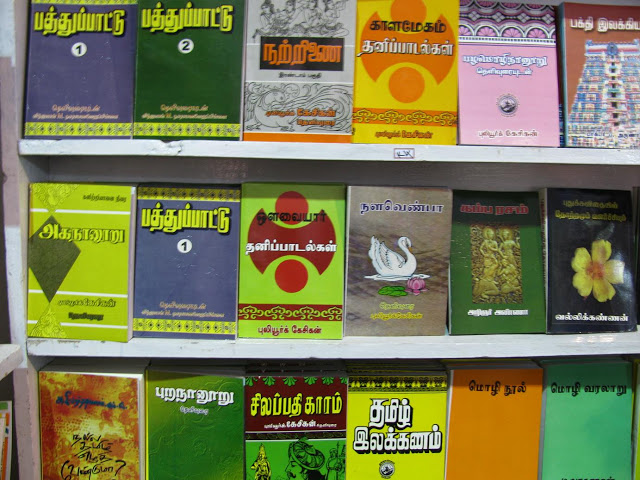
உலகில் பல அறிஞர்கள் பிராணிகளையும் தாவரங்களையும் வகை வகையாகப் பிரித்தனர். இதிலும் இந்துக்கள்தான் முதலில் நிற்கின் றனர். தொல்காப்பியத்திலும் உயிரினங்களை ஆறு வகை யாகத் தொல்காப்பியர் பிரித்தார். அதற்கு முன் வடமொழி நூல்களில் பல வகையாகப் பிரித்தனர். விஷ்ணு சஹஸ்ரநாமத்தில் கூட ஆலமரம், அரசமரம், அத்திமரம் ஆகியன ஒரே வரியில் விஷ்ணுவின் பெயர்களாக வரும். இவை மூன்றும் ‘பைகஸ்’ என்னும் ஒரே ‘ஜீனஸ்’ என்று 17ஆம் நூற்றாண்டில்தான் தாவரவியல் அறிஞர்கள் பிரித்தனர். யாகத்துக்கு வேண்டிய சமித்துக் குச்சிகள், நவதான் யங்கள், பத்துவகைப் புற்கள் என்று எங்கு பர்த்தாலும் பிரித்து வைத்திருப்பதை சம்ஸ்கிருத நூல்களில் நாம் சர்வ சாதாரண மாகக் காணலாம்.

கலைக் களஞ்சியங்களில் பார்த்தால் ஐரோப்பியர்கள் பெயர்கள் மட்டுமே இருக்கும். ஐரோப்பியர்களுக்கு 17-ஆம் நூற்றாண்டுக்கு முன்னர் சம்ஸ்கிருதம் தெரியாததால் நம் நூல்களில் இருப்பது தெரியவில்லை. அவர்கள் சொல்லும் அரிஸ்டாடில் போன்றோரும் அவருக்கு  முந்தைய பிதகோரஸ் போன்றோரும் உபநிஷத உண்மைகளை அப்படியே ஒப்புவித்திருப்பதால் அவர்களுக்கு இந்திய புத்தகங்கள் கிடைத்ததும் புலப்படும்.

IMG_3382

மேலும் வேதங்களில் மட்டும் யாரும் கை வைக்கக்கூடாது. அதில் இலக்கணப் பிழை இருந்தாலும் கூட திருத்தக்கூடாது என்ற மரபு இன்றுவரை இந்தியாவில் இருந்து வருகிறது. மற்ற எல்லா நூல்களையும் அவ்வப்போது திருத்தி, புதிய பகுதிகளைச் சேர்த்துப் புதுமைப் படுத்தியதால், வெள்ளைக்காரர்கள் அந்த கடைசியாகச் சேர்த்த பகுதியின் அடிப்படையில் நம் நூல்களுக்குப் புதுத் தேதியை முத்திரை குத்தினர்.

நம்முடைய பங்களிப்பை ஒத்துக் கொள்ளாவிடிலும் உலகில் புத்தக விஷயத்தில் நம்மை மறுதளிக்க எவரும் இல்லை. உலகில் எல்லா வகைப் புத்தகங்களும்—சமயம் முதல், இலக்கணம், அகராதி, இண்டெக்ஸ், நிகண்டு, செக்ஸ், பெண்களுக்கான சிலபஸ் (64 கலைகள்) வரை எல்லாம் சம்ஸ்கிருதத்தில்தான் முதல் முதலில் காணப்படுகின்றன. இது பற்றி முன்னரே எழுதிவிட்டேன். இப்போது புத்தகங்களை வகைப் படுத்திப் பிரித்திருப்பதை மட்டும் காண்போம்.

IMG_2789

வேதங்கள் நான்கு:

திருணதூமாக்கினி இயற்றிய தொல்காப்பியத்துக்கு முன்னுரை (பாயிரம்) எழுதிய பனம்பாரனார் கூட, அதங்கோட்டு ஆச்சார்யார் என்னும் நான் மறை முற்றிய வேதப் பிராமணன் தான் அதை ஏற்றுக் கொள்ளுங்கள் என்று நிலந்தரு திருவிற் பாண்டியனுக்கு சிபாரிசு செய்தார் என்று சொல்லியி ருக்கிறார். இந்த தொல்காப்பியத்துக்கு 3000 ஆண்டுகளுக்கு முன்னர் வாழ்ந்த வேத வியாசர் என்பவர்தான் இப்படி வேதங்களை ருக், யஜூர், சாமம், அதர்வணம் என நான் மறையாக வகுத்தவர். ஆக உலகில் முதல் முதலில் புத்தகங்களை வகைப் படுத்தியவர் வியாசரே. அவரே புராணங்களை 18 ஆகவும் பிரித்து வைத்தார்.

தமிழர்களும் அதையே செய்தனர்:

வியாசர் என்னென்ன செய்தாரோ அதைத் தமிழர்கள் அப்படியே செய்தனர்; அவ்வளவு மதிப்பு அவர் மீது! அவர் 4 என்ற நம்பரில் வேதங்களைப் பிரித்ததைப் பார்த்து அவர்களும் 4, 40, 400 என்னும் “லக்கி நம்பரை” எல்லா நூல்களுக்கும் சூட்டினர். அது மட்டுமல்ல. வேத வியாசருக்கும் பல ஆயிரம் ஆண்டுகளுக்கு முன்னர் வேதங்கள் தோன்றியதால் அவருக்கே பல புலவர்கள் பெயர் தெரியவில்லை. ஆகவே அந்தப் புலவர் பயன்படுத்திய சொற்றொடரைவைத்து புதுப்பெயர் கொடுத்தார். இதையும் தமிழர்கள் தேய்புரிப்பழங்கயிறு, செம்புலப்பெயல்நீர் என்று புலவர்களின் பெயர்களாகச் சேர்த்தனர். தமிழர்களும் வேதவியாசர் புராணம், வேதம் முதலியவற்றைத் தொகுத்தது போலவே பல நூல்களைத் தொகுத்தனர்.

அதுமட்டுமல்ல புத்தகங்களுக்கு எண்களின் பெயர்களைக் கொடுத்தனர். உலகில் முதல் இலக்கணப் புத்தகம் எழுதிய பாணினி என்னும் புலவர் தனது நூலுக்கு அஷ்டாத்யாயி – (எட்டு அத்தியாயம்) என்று பெயர் உண்டாக்கியது போல தமிழர்களும் எல்லாப் புத்தகங்களின் பெயரிலும் எண்களைச் சேர்த்தனர் (பதிற்றுப் பத்து, ஐங்குறுநூறு). சம்ஸ்கிருதத்தில் அஷ்டகம் (8), சதகம் (100), சஹஸ்ரநாமம் (1000) முதலியன மிகவும் அதிகம்.

வேத வியாசரைப் பின்பற்றி தமிழர்களும் 18- என்ற எண்ணைக் கெட்டியாகப் பிடித்துக் கொண்டனர். வியாசர் செய்தது போலவே சங்க இலக்கியத்தை 18 மேல் கணக்கு நூல்கள் என்றும் சங்க இலக்கியத்துக்குப் பிற்காலத்தில் வந்த திருக்குறள் போன்ற 18 நூல்களைக் கீழ்க் கணக்கு நூல்கள் என்றும் பிரித்தனர். அது மட்டுமல்ல சம்ஸ்கிருதத்தில் பஞ்ச மஹா காவியங்களைப் பிரித்தது போல ஐம்பெருங் காப்பியங்களைப் பிரித்து அவைகளுக்கு காப்பியம் என்ற சம்ஸ்கிருதப் பெயரையும் சூட்டினர். சுருங்கச் சொன்னால் அவர்களுக்கு தமிழும் சம்ஸ்கிருதமும் இரு வேறு மொழிகள் அல்ல. ஒரே உடலின் இரண்டு கண்கள்!

பிரஸ்தானத்ரயம் (3)

இந்து மதத்தின் அஸ்திவாரமாக அமைந்துள்ள மூன்று புத்தகங்கள்:

உபநிஷத்துகள், பிரம்ம சூத்திரம், பகவத்கீதை. இதை பிரஸ்தானத்ரயம் என்பர். அதில் மூன்று என்ற எண் உள்ளது.

தசோப(10)நிஷத்துகள்

150–க்கும் மேலான உபபநிஷதங்கள் இருந்தபோதிலும் பத்து உபநிஷத்துகளே முக்கியமானவை:பிருஹத் ஆரண்யக, ஈச, ஐதரேன கேன, கதோ, சாந்தோக்ய, முண்டக, மாண்டூக்ய, தைத்ரீய என்று பத்து நூல்களை ஒன்றாக வகைப்படுத்தினர். அதை தச (பத்து) உபநிஷத் என்ற எண்ணால் குறிப்பர்.

IMG_3383

18 புராணங்கள்

வேத வியாசர் தொகுத்த புராணங்கள்:- அக்னி, பாகவத, பிரம்ம, பிரம்மாண்ட, பிரம்மவைவர்த்த, கருட, ஹரிவம்ச, கூர்ம, லிங்க, மார்க்கண்டேய, மத்ஸ்ய, நாரத, பத்ம, சிவ, ஸ்கந்த, வாமன, வராஹ, விஷ்ணு (வாயு=சிவ புராணம்) ஆகிய 18 புராணங்கள்


18 உபபுராணங்கள்

சிறிய, முக்கியமற்ற புராணங்களை 18 ஆகத் தொகுத்தனர்:-சநத்குமார, நரசிம்ம, பிருஹந்நாரதீய,சிவரஹஸ்ய, துர்வாச, கபில, வருண, காலிக, சம்பா, நந்தி, சௌர, பராசர, மஹேச்வர, பார்கவ, வசிட்ட, தேவிபாகவத, முத்கள, கணேச என்பன 18 உப புராணங்கள். சிலர் இதில் வேறு சில பெயர்களைச் சேர்த்து சிலவற்றை விடுப்பர்.

பஞ்ச (5) மஹா காவ்யங்கள்

காளிதாசனின் ரகுவம்சம், குமாரசம்பவம், மாகனின் சிசுபாலவாதம், பாரவியின் கிராதர்ஜுனீயம், ஹர்சனின் நைசத சரிதம்

தமிழர்கள் சாதனை

தமிழர்கள் சங்க இலக்கியத்தை 18 மேல் கணக்கு நூல்களாகப் பிரித்தனர்; அவையாவன:–

எட்டுத் தொகை (8)

புறநானூறு(400), அகநானூறு (400), நற்றிணை400, குறுந்தொகை400, ஐங்குறுநூறு (500), பதிற்றுப்பத்து (10×10=100), கலித்தொகை, பரிபாடல்

(தமிழர்களின் 4,40, 400 எண் மோஹம் குறித்து முன்னரே ஒரு கட்டுரை எழுதினேன்)

1995 ஆம் ஆண்டுத் தஞ்சை உலகத் தமிழ் மாநாட்டில் “சங்க இலக்கியத்தில் எண்கள்”, “சங்க இலக்கியத்தில் நிறங்கள்” என்ற இரண்டு ஆய்வுக் கட்டுரைகளையும் சமர்ப்பித்தேன்.

பத்துப்பாட்டு (10)

திருமுருகாற்றுப் படை , பொருநர் ஆற்றுப் படை, பெரும் பாணாற்றுப் படை, சிறுபாணாற்றுப் படை, பட்டினப்பாலை, முல்லைப் பாட்டு, நெடுநல்வாடை, மதுரைக் காஞ்சி, குறிஞ்சிப்பாட்டு, மலைபடுகடாம்

தமிழ் புத்தகங்கள்

ஐம்பெருங் காப்பியங்கள்

சிலப்பதிகாரம், மணிமேகலை, சீவக சிந்தாமணி, வளையாபதி, குண்டலகேசி

18 கீழ்க் கணக்கு நூல்கள்

திருக்குறள், நாலடியார்400, பழமொழி400, நான் (4) மணிக்கடிகை, திரி(3) கடுகம், ஏலாதி, கார் நாற்பது40, களவழி நாற்பது 40, இன்னா நாற்பது40, இனியவை நாற்பது40, திணைமாலை நூற்றைம்பது 150, ஐந்திணை ஐம்பது 50, ஐந்திணை எழுபது70, திணைமொழி ஐம்பது 50, இன்னிலை, சிறுபஞ்ச (5)மூலம், முதுமொழிக்காஞ்சி,ஆசாரக் கோவை.

இவை எல்லாம் இந்துக்களின் மேதாவித்தனத்துக்கு ஓர் எடுத்துக்காட்டு. ரிக்வேதத்திலேயே டெசிமல் சிஸ்டத்தை பயன்படுத்தி ஆயிரம், லட்சம் என தசமஸ்தானத்தில் எண்களை அடுக்கி தங்களுக்கு உள்ள எண் அன்பை, நியூமெராலஜி மோஹத்தைக் காட்டிவிட்டனர்.

swami_48@yahoo.com

படங்களுக்கு நன்றி

Golden sayings in Ayurveda Books

india medical

Article No.1986

Compiled by London swaminathan

Date 10th July 2015

Time uploaded in London: 20-54

Charaka and Susruta were great Ayurvedic experts. Their books serve as the foundations of Ayurveda, the popular  Indian Medical System. Both of them wrote in Sanskrit and they lived at least 2300 years ago; but they have only written what is passed to them by their predecessors. Because of constant updating of Indian literature we take the latest date. Yet they stand unique in the world of medicine.

Both of them cover a lot of things in the field of medicine. It is amazing to see that even the burns are classified like we classify today as first degree, second degree and third degree burns. They talk about psychic treatments. Studying was stopped on New moon and Full moon days due to the bad effect of moon. They discuss pre-operative and post-operative care like modern day hospitals.

Let us look at some of the golden verses:

21  Pirmoji širdies operacija

1.Sastra  karma =Surgical Operation

Purva karma = Pre operative; Pradhaana = Operation; Pascaat = Post  operative

Trividhyam karma – Puurva karma, Pradhaanakarma, Paschaatkarmaeti tadvayaadhim pratyupadekshyaamah

–Susruta Sutara 5-3

2.Agnidagdham – Fiery Burns

Plustam = scorched; Durdagdham =Blistered; Samyakdagdham = Superficially burnt; Atidagdham = Deeply burnt

Plushtam durdagdham – Samyakdagdham   Atidagdham cheti chaturvidham Agnidagdham  -Susruta Sutra  12-16

fire

3.Bad Effect of Moon- Cessation from Study= Anadhyayana Dina

Astami – eigth day of the fortnight; Amaavaasyaa –New Moon day; Caturdasai- Fourteenth day of the lunar fortnight; Purnima ardhadina – Half day on full moon day

No Veda Class or any study on the above days.

Ashtamii cha hyamaavaasyaa varjaniiyaa chaturdasii

Puurnimaardhadhinam yaavannishidhdham sarvakarmasu

–Vasisthadanurvedasamhita 30-11

Moon-Postage-Stamps-37609

4.Symptoms of Mild Poisoning =Alpavisa Chihnaani

Lohita (rajju)- reddish streak; Nila(rajju) – Bluish streak; Piita (rajju) – yellow streak; Sita (rajju) – whitish streak

Raajya salohitaa yatra niilaah piitaah sitaastatahaa

Vnjeyam raditam tattu njeyamalpavisham cha tat

–Susruta (kalp) 4-17

5.Branches of Ayurveda

Hetu; Laksana; Ausadha

Hetulingaushadhanjanam svastahsturaparayanam

Trisutram sasvatam punyam babudhe yam pitamahah

-charaka sutra 1-24

6.Esana= desire

Desire are of three types: Prana=life, Dhana= wealth; Paraloka = heavens

Trisa esanaah paryastavyaa bhavanti

Tadyathaa praanaisanaa dhanaisanaan paralokaisaneti

-charaka sutra 11-3

7.Ausadham – Therapy

Daiva vyapaasrayam = spiritual therapy

Yukti vyapaasrayam= therapy based on reasoning (physical properties)

Satvaavajaya = Psychic therapy

Trividhamausshadhamiti – daivavyapaasrayam

Yuktivyapaasrayam satvaavajayascha

-charaka sutra 11-54

8.Types of pysique/deha

Sthula = obese; Krsa= lean; Madhya= medium

Dehah sthula krso Madhya iti praagupadhishtah

9.Drugs according to Ayurveda

Dosprasamanam = alleviation of diseases

Dhatupraduusanam = vitiation of kapha, pitta and vaayu

Svasthavrttam = maintenance of positive health

Kinchitdhoshaprasamanam Kinchitdhoshapraduusanam

Svastavruttau matham kinchit trividham dravyamuchyate

Charka sutra 1-67

herb 2Medicinal-Plants-of-India---Amla-Emblica-officinalis

10.Source of Drugs

Jangama = From animals; Audbhida = From vegetables; Parthiva = From the earth

Tat punastrividham proktam jangamaudbhidapaarthivam

-Charaka Sutra 1-68

11.Balam = Strength

Sahajam = constitutional; Kaalajam = temporal;Yuktikrtam =acquired

Trividham baklamiti – sahajam kaalajam yuktikrtancha

Charaka sutra 11-36

12.Types of Diseases= Roga

Nija = Endogenos

Aagantu = Exogenous

Maanasa = Psychic

Trayo rogaa iti – nijaagantumaanasaah –Charaka sutra 11-45

13.Roga Ayatanaani = Causes for disease

Atiyoga = excessive utilisation; Ayoga = non utilisation; Mithyaayoga = wrong utilisation (of artha, karma, Kaala)

Arthaanaam karmanah kaalasya cha atiyoga – ayoga – mithyaayogaah

—Charaka sutra 11-37

microscope

14.Rogamaarga – Path of Disease

Saakhaa – Peripheral system; marmaasthisandhi – vital orgas, bones and joints; Kostha – Central system

Trayo rogamargaa iti – sakhaamamaarsthisandhayah koshtascha –Charaka sutra 11-48

15.Sariiradosasangraha = Pathogenic factors in the body

Vaayu =air/wind; Pitta = Fire/Bile; Kapha = water/Phlegm

Vaayuh pitam kapaschoktah saariirodosasangraha: —Charaka sutra 1-57

Contact:–  swami_48@yahoo.com

சாக்ரடீசும் அவ்வையாரும்!

GREECE - CIRCA 1998: A postage stamp printed in the Greece shows bust of ancient Greek Tragedian Sophocles, circa 1998

GREECE – CIRCA 1998: A postage stamp printed in the Greece shows bust of ancient Greek Tragedian Sophocles, circa 1998

Article No.1985

Compiled by London swaminathan

Date 10th July 2015

Time uploaded in London: காலை 8-21

((தமிழன்பர்களுக்கு அன்பான வேண்டுகோள்: மற்றவர் கட்டுரைகளை எடுக்கையில் அவர்தம் பெயரையும், அவருடைய பிளாக்–கின் பெயரையும் அப்படியே வெளியிடுங்கள். என் கட்டுரைகளில், படங்கள் என்னுடையதல்ல. அதைப் பயன்படுத்துவோர் சட்டபூர்வ வழக்குகளைச் சந்திக்க நேரிடும்.))

சாக்ரடீஸ் என்பவர் புகழ்பெற்ற கிரேக்க ஞானி; தத்துவ வித்தகர். அவருக்கு வாய்த்த மனைவியோ சரியான அடங்காபிடாரி; ராக்ஷஸி. அவ்வையார் புகழ்பெற்ற தமிழ் கவிஞர், அறிஞர், இறையன்பர். சங்க காலம் முதல் தற்காலம் வரை ஆறு அவ்வையார்கள் இருந்தனர்; சிலர் மூவர் என்பர். மொழியியல் அடிப்படையில் கட்டாயம் முவர் அல்லது அதற்கு மேலும் இருந்திருக்கலாம் என்பது எனது கணிப்பு. ஆனால் எந்த அவ்வையார் படியதாக இருந்தாலும் சரி அவை அத்தனையும் ஆனி முத்து; தமிழர்களின் சொத்து. ஆத்திச் சூடி பாடிய கடைசி அவ்வையாரா, அதியமானைக் கண்ட சங்க கால அவ்வையாரா என்று ஆராய வேண்டிய அவசியமில்லை.

அதிசயம் என்னவென்றால் அவ்வையாரும் சாக்ரடீசும் ஒரே கருத்தைச் சொல்லியுள்ளனர்.

ஒருமுறை சாக்ரடீஸ் தத்துவச் சொற்பொழிவு ஆற்றிக் கொண்டிருந்தார். அவரது மனைவியோ ஞான சூன்யம். மேல் மாடியில் இருந்து எட்டிப் பார்த்து, பேச்சை நிறுத்தச் சொல்லி இடி முழக்கம் செய்தார். சாக்ரடீஸோ நிறுத்தவில்லை. ஒரு வாளி தண்ணீரை மேலேயிருந்து கொட்டினார். யார் தலையில்? சாக்ரடீஸ் தலையில்! அவர் அசரவில்லை; அவர் சொன்னார்:

“அன்பர்களே! இவ்வளவு நேரம் இடிமுழங்கியது; இப்பொழுது மழை பெய்கிறது!”

சாக்ரடீஸின் மனைவியை பற்றி நன்கு அறிந்தவர் ஒருவர் சாக்ரடீஸிடம் சென்று திருமணம் செய்துகொள்வது பற்றி தங்கள் கருத்து என்னவோ? என்று கேட்டார்.

அவர் சொன்னார்:

எந்த முடிவு எடுத்தாலும் இறுதியில் வருத்தப்படுவாய்!

இன்னொரு முறை அவர் சொன்னார்:

“நல்ல மனைவி கிடைத்தால் நன்கு மகிழ்ச்சியாக வாழலாம்; கெட்ட மனைவி கிடைத்தாலோ தத்துவ வித்தகர் ஆகலாம்.”

Adhiyaman_wiki

Avvaiyar with Athiyaman; picture from wikipedia

அவ்வையாரும் இதையே சொல்கிறார்:

பர்த்தாவுக்கு ஏற்ற பதிவிரதை உண்டானால்

எத்தாலும் கூடி வாழலாம்; — சற்றேனும் ஏறுமாறாக

இருப்பாளே யாமாகில்

கூறாமல் சந்யாசம் கொள்


பொருள்: கணவனுக்கேற்ற பதிவிரதையாக இருந்தால், எவ்வளவு கஷ்டம் வந்தலும் அவளை விட்டு விடாதே. அவள் பிடாரியாக இருந்தாலோ, அவளிடம் போகிறேன் என்று சொல்லக்கூட வேண்டாம். பேசாமல் போய் சந்யாசம் வாங்கிக் கொள்.

பழைய முறத்தால் அடி!

சாக்ரடீஸ் மனைவி போலவே ஒரு கொடுமைக்காரியை மனைவியாகப் பெற்ற ஒரு சாதுவின் வீட்டுக்கு அவ்வையார் போனார். பாவம், அவர்தான் அவ்வையாரை சாப்பிட அழைத்தார். அவ்வையை வாசல் திண்ணையில் அமரவைத்துவிட்டு உள்ளே சென்று மனைவியின் முகத்தை நன்கு துடைத்து, பொட்டு வைத்து அலங்கரித்து, தலையில் உள்ள ஈரும் பேனும் எடுத்துவிட்டு, தலைவாரிவிட்டு, மெதுவாக அவ்வையாருக்கு அமுது இடும்படி  கொஞ்சும் மொழியில் கெஞ்சினார். அவளோ எடுத்தால் அருகிலிருந்த பழைய முறத்தை! புடைத்தாள் நைய அவனை. பேயாட்டம் ஆடினாள்; வசை மொழிகளை வாரி இரைத்தாள். அவன் வெளியே ஓடிவந்தான்; அப்பொழுதும் அந்த நீலாம்பரி முறத்தைக் கையில் ஓங்கியவாறு ஓடி வந்தாள்: அவ்வையாருக்கு ஒரு புறம் சிரிப்பு; மறுபுறம் அனுதாபம். அவனுக்கோ ஒரே பதைபதைப்பு.

அவ்வையார் பாடினார்:

இருந்து முகம் திருத்தி, ஈரோடு பேன் வாங்கி

விருந்து வந்தது என்று விளம்ப – வருந்திமிக

ஆடினாள், பாடினாள்; ஆடிப் பழமுறத்தால்

சாடினாள் ஓடோடத்தான்.

அவ்வையாருக்கு பிரம்மா மீதே கோபம் வந்து விட்டது. இப்படி நல்ல சாதுவுக்கு இவ்வளவு மோசமான மனைவியா என்று. இது பெண்ணா? பேயா? வறண்ட மரம் போன்ற பெண்ணை இந்த மகனை முடிச்சுப்போடச் செய்தானே என்று நினைத்து பிரம்மா மட்டும் என் முன்னே வரட்டும் நான்கு தலைகளையும் திருகிவிடுகிறேன் என்றார்.

உடனே பாடினார்:

அற்றதலை போக அறாத தலை நான்கினையும்

பற்றித் திருகிப் பறியேனோ? – வற்றும்

மரம் அனையாட்கு இந்த மகனை வகுத்த

பிரமனையான் காணப்பெறின்.

அற்றதலை= ஏற்கனவே பிரம்மாவின் ஐந்து தலைகளில் ஒன்றை சிவன் கிள்ளி எறிந்த கதை புராணத்தில் உள்ளது.

-சுபம்-

swami_48@yahoo.com

Hindu Classification of Books

IMG_3382

Article No.1984

Compiled by London swaminathan

Date 9th July 2015

Time uploaded in London: 21-25

Ancient Hindus were very clever. They classified not only plants and animals for the first time in human history but also the books. Since they were mathematical geniuses they used the numbers for all their anthologies, poetry, books, verses etc. They had very high numeracy and literacy skills that was not seen in any other part of the world. They have called their scriptures after numbers Chatur (4)Veda, Ashtadyayi (Eight Chapters or Paniniyam), Sahasranamam (1000 names), Satakam (100 verses), Dasakam (10 verses), Ahtakam (8 verses). Most of the popular books were named after numbers! Each chapter of Mahabharata finisheas with the lines “thus ends the XYZ chapter in the book of 100,000 verses!”

But for two reasons they were not given due credit for their achievements:

1.Western Ignorance

Westerners were ignorant of Hindu scriptures. They did not know about Sanskrit before 17th century. Not only that, Greece was one of the countries which was not ruled or subdued by the big colonial powers. So the Greeks commanded some respect.

2.Constant Updating of Hindu scriptures

Hindu scriptures like Puranas, Charka Samhita, Susruta Samhita, Manu Smrti, and Mahabharata were constantly updated with the latest matters. Westerners who came to India as rulers looked at the latest additions and gave the latest date on the basis of new materials. Only Vedic literature was left untouched by those Hindu enthusiasts.

This type of addition is there in Greek, Hebrew and Latin literature but the westerners ignored the additions and gave them the oldest date. They had absolute loyalty to Old and New Testaments of the Bible. Even the original Bible was in Greek language though Jesus used Aramaic language.

In short, they followed double standards. Max Muller’s theory of “a language changing every 200 years” was not applied to any other literature in any other part of the world. He applied it only for Vedic Samhitas (1200 BCE), Brahmanas (1000 BCE) and Aranyakas (800 BCE) and Upanishads (600 BCE). If we apply the same rule for Tamil literature all the dates in the books will fall flat.

IMG_3384

Hindus must start some constructive work like listing all the plants in the Atharva Veda, Saraka Samhita, Susruta Samhita, Vatsyayana’s Sex manual Kama sutra etc. Even Vishnu Sahasranama has three plants belonging to the Ficus family (Asvatta, Banyan and Fig). They were the pioneers of modern classification. In the same way they have grouped Nava Dhanyas, Ten types of Grasses etc. Even the medicines were classified as Tri phala, Tri Katuka, Ashta Churna (all have mostly herbal ingredients). Tamils even named their books after these Sanskrit words Trikatuka, Pancha mula (five roots).

The classification of books show that they had reached the highest intellectual calibre in the whole world. This is supported by the decimal system and highest numbers found in the Vedas.


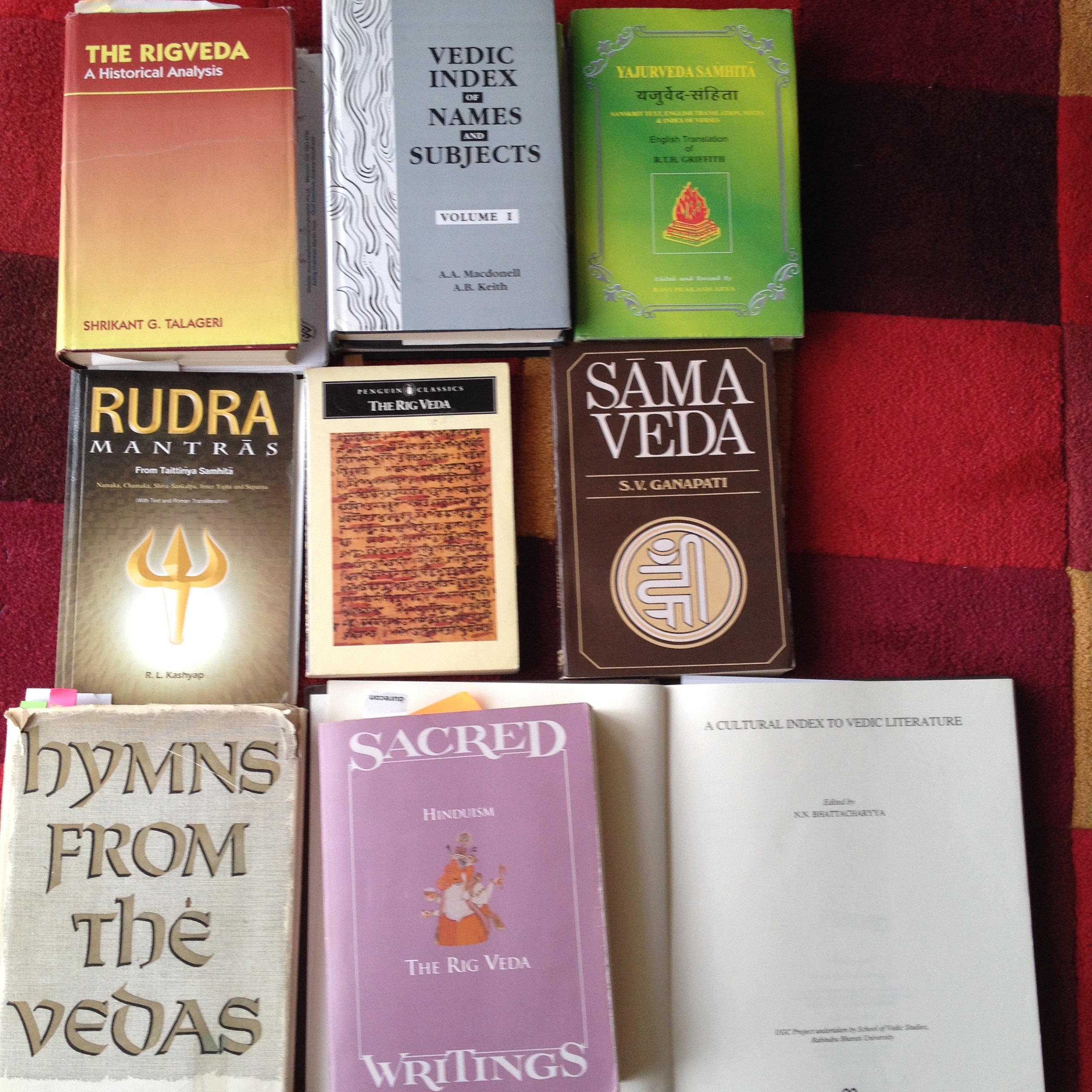
Chatur (4) Veda

The pioneer in classification of books was Veda Vyasa. Traditional dating is around 3150 BCE and modern scholars’ dating is around 1500 BCE. He was the one who classified the Vedas into four and named them Chatur Veda (Four Vedas) and entrusted the responsibility of spreading it to four of his students. A great administrator! But for him we would have lost all the Vedas. Rik, Yajur, Sama and Athrvana Vedas are the four Vedas.

IMG_2789

Prasthanatrayam 3  (Trinity of Books)

Hindus consider three (set of) books as the three pillars of Hinduism: Brahmasutra, Upanishads and the Bhagavad Gita

Dasopanishad 10

Ten Upanishads were grouped together as primary Upanishads (Philosophical treatises):- Aitareya, Brihadaranyaka, Chandogya, Isa, Kena, Katha, Prasna, Mundaka, Mandukya, Taittiriya.

They had over 150 Upanishads! But these are the ten important Upanishads.

18 Puranas were grouped together:

Agni, Bhagavata, Brahma, Brahmanda, Brahmavaivarta, Garuda, Harivamsa, Kurma, Linga, Markandeya, Matsya, Narada, Padma, Siva, Skanda, Vamana, Varaha, (Vayu), Vishnu.

Purana means Pura api Nava (Old story but ever New/fresh); great leaders of India Shivaji and Gandhiji were inspired by the Puranic (mythological) stories.

18 Upa Puranas:

Sanat kumara, Narasimha, Brihna Naradiya, Siva Rahasya, Durvasana, Kapila, (Manava, Ausanasa), Varuna, Kalika, Samba, Nandi, Saura, Parasara, (Aditya), Mahesvara, Bhargava, Vasistha, Devi Bhagavata,Ganesa, Mudgala (and Hamsa).

Upa puranas wthin brackets are found in some versions replacing some from the list.

Ashtadyayi /8 Chapters (750 BCE)

Even the world’s greatest grammarian Panini named his book Eight Chapter (Ashta Adhyaya)

Pancha (5) Maha Kavyas

Raghuvamsa and Kumarasambhava of Kalidasa, Kiratarjuniya of Bharavi, Sisupalavadha of Magha and Naisadha Sarita by Sri Harsha.

தமிழ் புத்தகங்கள்

Tamil Classification

Tamils followed Veda Vyasa and did whatever Vyasa did for Hindu scriptures. They also divided their books into groups and named them after numbers. They also gave some poets some peculiar names after their famous epithets or phrases like Vyasa did in the Rig Veda. They also elevated their poets to divine level like Divine Valluvar. In the North even Panini was called Divine Panini (Bhagavan Panini by Patanjali). All the 450+ poets of the Rig Veda were called sages/seers!

Five (5) Tamil Epics:

Like Pancha Maha Kavyas of Sanskrit literature, Tamils divided their Kavyas into five and used the Sanskrit word Kavya=Kappiyam; they are Silappadikaram, Manimekalai, Seevaka (Jeevaka) Chintamani, Valaiyapathy, Kundalakesi

One can easily notice the Sanskrit words in each of the above five names.

Eight (8) Anthologies:

Part of 2000 year old Sangam Literature; they are Pura nanuru/ 400, Aka nanuru/400, Natrinai/400, Kuruntokai/400, Pathitruppathu (10×10), Kalitokai, Paripatal and Ainkurunuru (5×100)

You can see the numbers in almost all the collections.

Ten (10) Idylls:

Porunar atruppadai,Tirumuruka atruppadai,Perumpana atruppadai,Sirupana atruppadai,Kurinjippattu, Malaipadukatam, Nedunalvatai, Maduraikanchi, Mullaippattu. Pattinappalai

 IMG_3383

18 Didactic Poetry Books/ 18 Minor Poems:

Tirukkural, Naladiyar 400, Pazamozi 400, Nanmanikadikai, Iniyavai Narpathu 40, Inna Narpathu 40, Kar Narpathu 40, Kalavazi Narpathu 40,Ainthinai Aimpathu 50, Ainthinai Ezupathu 70, Thinaimozi aimathu 50, Thinaimalai Nutraimpathu 150, Tirikatukam 3 , Acharakovai, Sirupancha mulam 5, Mudumozikanchi, Innilai, Elathy

I have already written about the Tamil’s obsession with Numbers, 4, 40, 400 etci.in a separate article a few years ago (I have also submitted two articles at the World Tamil Conference held in Thanjavur in 1995:  NUMBERS SANGAM IN TAMIL LITERATURE and COLOURS IN SANGAM TAMIL LITERATURE)

This is the Hindu genius. Most of the books were memorised! Not only the Vedas but also dictionaries! Vedas are themselves world wonders; SPREAD BY WORD OF MOUTH FOR OVER 4000 YEARS! No book with over 1000 hymns is spread like this. I myself knew 200 lines of Amarakosa (Sanskrit Thesaurus) by heart when I was a school student. Later I discontinued studying Sanskrit. Recently I read a professor’s account of memorising a whole book because his Sanskrit teacher never allowed any modern tools in the class room. That book was not available in any library. Later he published it for the use of general public.

Contact swami_48@yahoo.com

Pictures are taken from various sources;thanks.

கெட்ட மனைவியும் விஷப் பாம்பும்!

snake

Article No.1983

Compiled by London swaminathan

Date 9th July 2015

Time uploaded in London: 8-44 am


இதுவரை ஆயிரத்துக்கும் மேலான சம்ஸ்கிருத பழமொழிகள், பொன் மொழிகளையும், ஆயிரத்துக்கும் மேலான தமிழ் பழமொழிகள், பொன் மொழிகளையும் இந்த பிளாக்-கில் கொடுத்திருக்கிறேன். கூடிய மட்டிலும் அதைத் தலைப்பு (சப்ஜெக்ட்) வாரியாக வகைப் படுத்தி இருக்கிறேன். மேலும், அது குறிப்பாக எந்த இடத்தில் இருக்கிறது என்றும் புத்தகம், அத்தியாயம், வரிசை எண் ஆகியவற் றையும் கொடுத்திருக்கிறேன். இதோ மேலும் 20 அழகான பழமொழிகள்:–

1.தண்டேன ச ப்ரஜா ரக்ஷ மா ச தண்டமகாரணே – ராமாயணம்

சட்டத்தால் குடிகளைக் காக்க வேண்டும்; காரணமில்லாமல் தண்டிக்காதே.

2.துஷ்டா பார்யா சடம் மித்ரம் ப்ருத்யசசோத்தரதாயக:சமர்பே ச க்ருஹே வாஸோ ம்ருத்யுரேவ ந சம்சய: — ஹிதோபதேசம், சாணக்ய நீதி தர்பணம்

பாம்புள்ள வீட்டில் இருப்பவனுக்கு மரணம் ஏற்படும்; அதே போல கெட்ட மனைவி, முட்டாள் நண்பன், கீழ்ப்படியாத வேலைக் காரன்  ஆகியோருடன் இருப்பவனுக்கும் மரணமே மிஞ்சும். சந்தேகமே யில்லை.

3.ந கச்சேத் ப்ராம்மணத்ரயம்

மூன்று பிராமணர்கள் சேர்ந்து போகக்கூடாது

(சகுன சாஸ்திரப்படி ஒற்றைப் பிராமணன் – அபசகுனம்)

4.ந நக்னோ ஜலம் ப்ரவிசேத்

நிர்வாணமாக நீரில் இறங்கக்கூடாது

5.ந நிஷ்ப்ரயோஜனம்  அதிகாரவந்த: ப்ரபுபிராஹூயந்தே- முத்ரா ராக்ஷசம்

அதிகார வர்கம், காரணமில்லாமல், பிரபுக்களை அணுகுவதில்லை.

6.ந யுக்தம் ப்ராக்ருதமபி ரிபுமவஞாதும்  – முத்ரா ராக்ஷசம்

சாதாரண எதிரிகளையும் புறக்கணிக்காதே

(எந்தப் புற்றில் எந்தப் பாம்பு இருக்குமோ?)

2natarajan

7.நவாங்கானானாம் நவ ஏவ பந்தா: – சுபாஷிதரத்ன பாண்டாகாரம்

இளம் யுவதிகளின் நடை, உடை பாவனை எல்லாமே புதுமைதான்

8.ந வ்யாக்ரம் ம்ருகசிசவ: ப்ரதர்ஷயந்தி – ப்ரதிமா நாடகம்

மான் குட்டிகள், புலியை ஒன்றும் செய்ய முடியாது


9.நாங்கிக்ருதேஷு குணதோஷ விசாரணா ஸ்யாத்

ஏற்றுக் கொண்ட இடத்தில் குணமும் குற்றமும் காணக் கூடாது

10.நிகடஸ்தம் கரீயாம்சமபி லோகோ ந மன்யதே – ஹிதோபதேசம்

பெரியவர்கள் பக்கத்தில் இருந்தால் மதிக்கப்படுவதில்லை

(உள்ளூர் சரக்கு விலை போகாது)

11.நிஜமதனநிவிஷ்ட: ஸ்வா ந சிம்ஹாயதே கிம்

தன்னுடைய வீட்டில் நுழைந்த நாய் சிங்கம் போல இருக்காதா?

12.நிரஸ்தபாதபே தேசே ஏரண்டோபி தூமாயதே – ஹிதோபதேசம்

மரங்கள் இல்லாத இடத்தில் புதர்கள் கூட மரமாகக் கருதப்படும்

(ஆலை இல்லாத ஊரில் இலுப்பைப் பூ சர்க்கரை)

aaddu

13.கதானுகதிகோ லோக:– ஹிதோபதேசம்

ஒருவன் சென்ற பாதையை பின்பற்றிச் செல்வதே உலகம்

(மக்கள் ஆட்டு மந்தை)

14.ஜலபிந்து நிபாதேன க்ரமச: பூர்யதே கட: — ஹிதோபதேசம், சாணக்ய நீதி தர்பணம்

ஒவ்வொரு சொட்டுச் சொட்டினாலும் பானையே நிரம்பிவிடும்.

(சிறு துளி பெரு வெள்ளம்)

15.தஸ்தபதி தர்மாம்சௌ கதமாவிர்பவிஷ்யதி – சாகுந்தலம்

சூரியன் பிரகாசிக்கையில் இருட்டு எங்கே வர முடியும்?

16.நிர்குண: ஸ்வஜன: ஸ்ரேயான், ய: பர: பர ஏவ ச: — ராமாயணம்

நமக்கு வேண்டியவர்கள் குணமில்லாதவரானாலும் சிறந்தவனே

17.நிர்வாணதீபே கிமு தைலதானம் – சுபாஷித ரத்ன பாண்டாகாரம்

அணைந்து போன தீபத்துக்கு எண்ணை ஊற்றி என்ன பயன்?

(கண் கெட்ட பிறகு சூரிய நமஸ்காரமா?)

LION KING

18.நைகஸ்மின் காந்தாரே சிம்ஹயோர் வசதி: க்வசித்

ஒரு காட்டில் 2 சிங்கங்களின் வசிப்பிடம் இருப்பதில்லை

(ஒரே உறையில் இரண்டு வாட்கள் இருக்காது)

19.பங்கோ ஹி நபஹி க்ஷிப்த: க்ஷேப்து: பததி மூர்தனி – கதா சரித் சாகரம்

வானத்தைப் பார்த்து சேற்றை எறிந்தால் அது அவன் மீதே விழும்

(சேற்றில் கல்லை எறியாதே, உன் மீதுதான் தெறிக்கும்)

(யானை தன் தலையிலே மண்ணைப் போட்டுக் கொள்ளும்)

20.பயசா சிஞ்சிதம்  நித்யம் ந நிம்போ மதுராயதே

எலுமிச்சை மீது தினமும் பால் வார்த்தாலும் அது தித்திக்காது.

(நாயைக் குளிப்பாட்டி நடு வீட்டில் வைத்தாலும் வாலைக் குழைத்துக் கொண்டு — —  — தின்னதான் போகும்)

படங்கள் என்னுடையவை அல்ல; பேஸ் புக் நண்பர்கள், பல வெப் சைட்டுகளில் இருந்து எடுத்தவை: பஹு தன்யவாத்! ரொம்ப ரொம்ப நன்றி!!

-சுபம்-