Story on Counterfeit Coins

counterfeit-coins

Compiled  by London swaminathan

Post No.2276

Date: 26 October 2015

Time uploaded in London: 17-15

Thanks for the pictures.

Don’t use pictures. Don’t reblog for at least a week.

My teacher at Setupati High School, Madurai (Tamil Nadu, India) taught us a simple thing. When you see a counterfeit coin or currency note, never ever circulate it. Destroy it because It produces a chain reaction of cheating:

  1. Someone gave me a fake coin and cheated me; I get angry and frustrated.
  2. But to revenge that cheater, I cunningly pass it on to another person in the darkness or when the other one was not alert. That way I also become a criminal by circuiting the false money.
  3. The person who received try the same thing. So one coin or fake currency creates hundreds of cheaters.

My teacher V G Srinivasan voluntarily took such fake coins or currency notes and cut them in to two and threw them into dust bin or drainage so that no one else could use it. Though he lost the money, he tried to create a better society. From the day I learnt it from him, I have been following it. In London coins of several countries change hands every day because of tourist traffic. Sometimes the coins which look like British coins come to my hand. Immediately I add them to my old coin collection. If I get counterfeit currency I destroy them.

When I read a story told by Swami Ramdas of Anandhashram, I am reminded of my teacher who is no more.
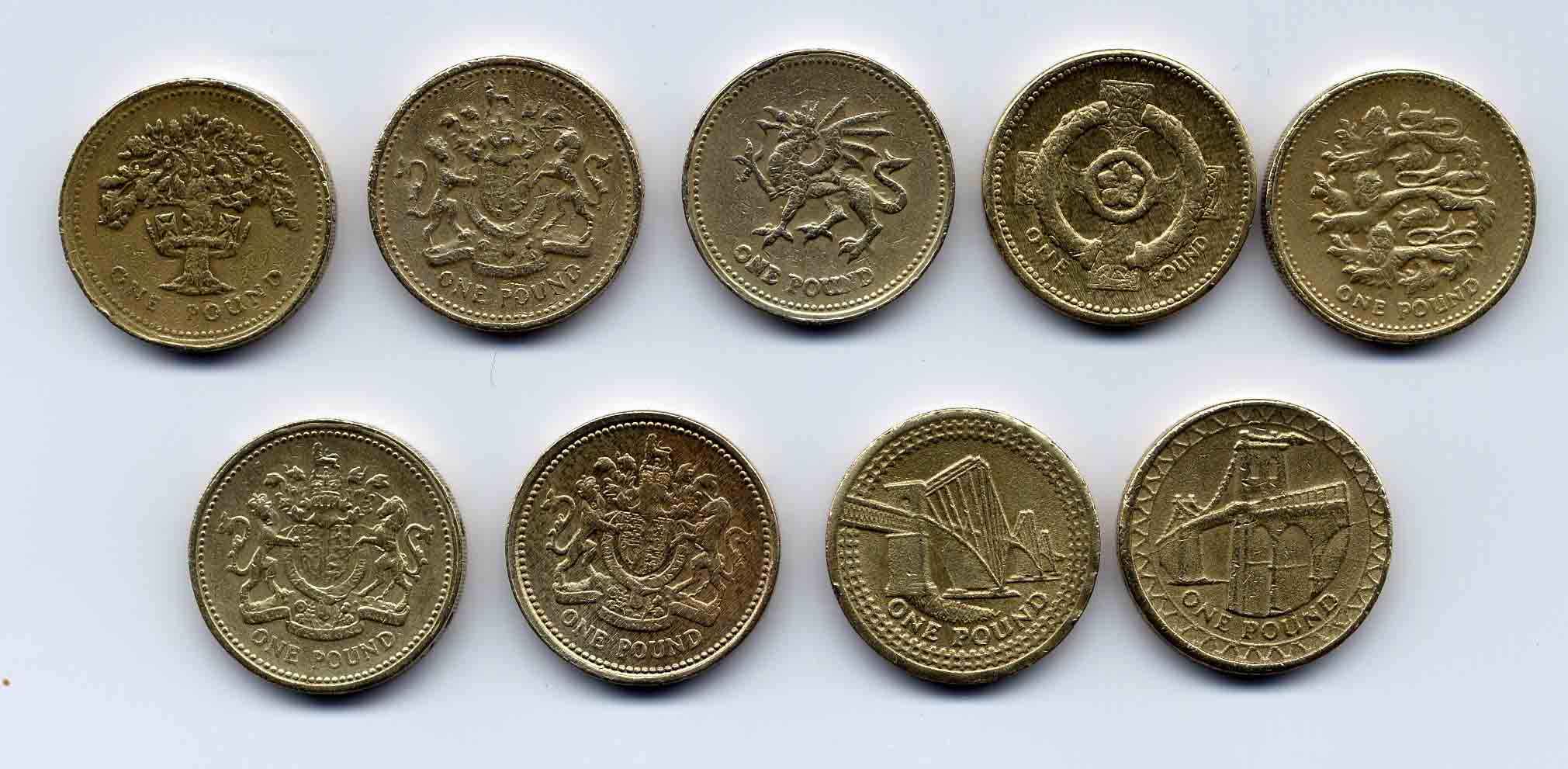
9cfts

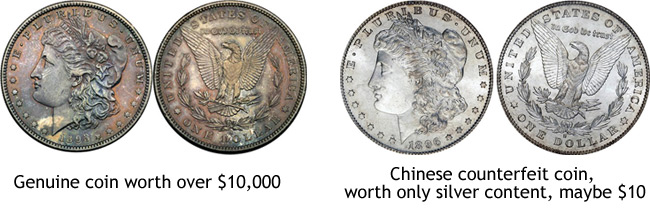
Nine  Counterfeit British-pound Coins

Here is the story:

A saint was earning his bread by stitching clothes. A person, who got a great quantity of cloth prepared into garments by this saint, used to pay him for the work in counterfeit coins. The saint was quietly accepting the bad coins although he knew them to be false.

One day the saint had to go out on some work, leaving his shop in charge of the servant. At that time, the patron came for getting the clothes made. And, as usual, he offered some bad coins. These the servant returned saying, “These are bad coins. Give me good ones.”

When the saint returned, his servant said, “A certain man from the town had come to deceive me by paying  counterfeit coins.”. The saint replied: “Why did you not take the false coins? He is always paying me such coins which I accept readily. I am burying them all underground. If I not accept them, you know, other people will be cheated by him.”

That is how saints serve the society.

(It does not mean that we have to keep quiet when a person continuously cheats some one or the society. We have legal ways to trap such people and punish them.)

–Subham–

மனதில் நினைத்த காரியத்தை வெளியே சொல்லாதே:சாணக்கியன்

no-talking

Compiled  by London swaminathan

Post No.2275

Date: 26 October 2015

Time uploaded in London: 16-01

Thanks for the pictures.

Don’t use pictures. Don’t reblog for at least a week.

சம்ஸ்கிருத/தமிழ் பொன்மொழிகள்

1).புகழ் எனின் உயிரும் கொடுக்குவர், பழி எனின் உலகுடன் பெறினும் கொள்ளலர் – புறம் 182

2).அக்ருத்யம் நைவ கர்தவ்யம் ப்ராணத்யாகே அப்யுப்ஸ்திதே- பஞ்சதந்திரம்

பொருள்:உயிரே போகுமென்றாலும் செய்யக் கூடாத (தீய) செயல்களைச் செய்யக்கூடாது.

3).ஒப்பிடுக (ஹிந்தி): ப்ராண் ஜாயேன் ந வசன் ஜாயேன்

4).ஈன்றாள் பசி காண்பாண் ஆயினும் செய்யற்க

சான்றோர் பழிக்கும் வினை – குறள் 656

Xxx

மனசா சிந்திதம் கார்யம் வசசா ந ப்ரகாசயேத்

அன்யலக்ஷிதகார்யஸ்ய யத: சித்திர்ன ஜாயதே –

—-சாணக்ய நீதி தர்பணம்

மனதில் நினைத்த காரியத்தை வெளியே சொல்லாதே; இன்னொருவரின் பார்வையில் விழுந்தால்  அது வெற்றியடையாது.

xxx

அதிரபசக்ருதானாம் கர்மணாமாவிபத்தேர்பவதி

ஹ்ருதயதாஹீ சல்யதுல்யோவிபாக: — பர்த்ருஹரி

பொருள்: சிந்தித்துச் செயல்படாவிட்டால் இறுதிவரை அது முள் போலத் தைக்கும்

ஒப்பிடுக: எண்ணித் துணிக கருமம் துணிந்தபின்

எண்ணுவம் என்பது இழுக்கு – குறள் 467

Xxx

அபரிக்ஷ்ய ந கர்தவ்யம், கர்தவ்யம் சுபரிக்ஷிதம் – பஞ்சதந்திரம்

பொருள்:-ஆராயாமல் எதையும் செய்யாதே, நன்கு ஆராய்ந்தபின்னரே எதையும் செய்ய வேண்டும்.

பொருள், கருவி, காலம், வினை, இடனொடு ஐந்தும்

இருள் தீர எண்ணிச் செயல் – குறள் 675

Xxx

IMG_7040 (2)

ஆமுகாபாதி கல்யாணம் கார்ய சித்திம் ஹி சம்சதி – கதாசரித் சாகரம்

பொருள்:– செயல் செய்யும்போது மங்களகரமான விஷயத்துடன் துவங்கினால் அது வெற்றியடையும்.

–Subham–

தற்குறிப்பேற்ற அணி!

kokku sunset

Compiled  by S NAGARAJAN

Post No.2274

Date: 26 October 2015

Time uploaded in London: 7-56 AM

Thanks for the pictures.

Don’t use pictures. Don’t reblog for at least a week.

தமிழ் என்னும் விந்தை

கவிஞன் தன் குறிப்பைச் சொல்லும் தற்குறிப்பேற்ற அணி!


.நாகராஜன்


கவிதா அலங்காரம்

கவிதைக்கு அழகு அலங்காரம். அணி. இந்திய இலக்கியங்களுக்கே உரித்தான தனி ஒரு சிறப்பு அணிகள்.

அணிகள் நூற்றுக் கணக்கில் உள்ளன. ஆனால் தமிழில் தண்டியலங்காரம் 37 அணிகளைப் பற்றி விவரிக்கிறது.

இவற்றை அறிந்து கவிதையைச் சுவைப்பதால் தனி ஒரு இன்பம் ஏற்படும்.

உதாரணத்திற்கு ஒரு அணியை எடுத்துக் கொள்வோம்.

சூரியன் உதயம், சூரியன் அஸ்தமனம், சந்திரோதயம் ஆகியவை அன்றாடம் ஏற்படும் இயற்கை நிகழ்வுகள். சூரிய சந்திரர் உள்ளவரை என்பது நாம் அன்றாடம் உபயோக்கிக்கும் வார்த்தைகள் – ஒரு கருத்திற்கு அழுத்தம் தர இதைப் பயன்படுத்துகிறோம்.

இராமன் சூரிய குலத் தோன்றல். பாண்டவர்கள் சந்திர குலத்தில் உதித்தவர்கள். இராமாயணத்தில் வால்மீகி, கம்பன் சூரியனை தங்கள் மனதில் ஏற்றி வணங்கி அவ்வப்பொழுது தங்களின் குறிப்பை சூரியன் வாயிலாகச் சொல்வர். சந்திரன் வாயிலாகச் சொல்வர்.

அதே போல வியாஸரும், வில்லிப்புத்தூராரும் தங்கள் கருத்தை சூரிய, சந்திரர் வாயிலாக அழகுறச் சொல்வர்.

moon

ஏனைய கவிஞர்களையும் எடுத்து அலசி ஆராய்ந்தால் சூரிய, சந்திரருக்கு மட்டுமே பல்லாயிரக்கணக்கான பக்கங்களை ஒதுக்க வேண்டியிருக்கும்.

இதே போலத் தான் வானிலிருந்து பொழியும் மழை. இது அவ்வப்பொழுது நிகழும் ஒரு இயற்கை நிகழ்வு. இதிலும் கவிஞன் தன் கண்ணோட்டத்தில் ஒரு சிறப்பைக் காணுகிறான். இப்படி ஒவ்வொன்றாகத் தொகுக்க ஆரம்பித்தால் பல உயர்ந்த கருத்துக்களின் பொக்கிஷம் நம்மிடம் இருக்கும்!

சுட்டும் விழிச் சுடர் தான் கண்ணம்மா, சூரிய சந்திரரோ!

அனுமனின் கண்களை வர்ணிக்க வந்த வால்மீகி மஹரிஷி இப்படிக் கூறுகிறார்:

பிங்கே பிங்காக்ஷமுக்யஸ்ய ப்ருஹதீ பரிமண்டலே I

சக்ஷுஷீ சம்ப்ராகாஸேதே சந்த்ர ஸூர்யா விவோதிதௌ II (வால்மீகி ராமாயணம் சுந்தர காண்டம் ஸ்லோகம் 59)

இதன் பொருள்: வானரச்ரேஷ்டரான அனுமாருடைய பிங்கள வர்ணமான பெரிய இரண்டு கண்கள் பரிமண்டலத்தில் உதயமான சந்திர சூரியர் போல் நன்கு விளங்கின!

இதைப் படித்தவுடன் நமக்கு உடனடியாக நினைவுக்கு வருவது பாரதியாரின் பாடல் தான்!

சுட்டும் விழிச்சுடர் தான் கண்ணம்மா! சூரிய சந்திரரோ!

விழிகளைச் சூரியனுக்கும் சந்திரனுக்கும் உவமையாகக் கூறுவதில் தான் என்ன ஒரு இன்பம்! ஆழ்ந்த கருத்து!!

வள்ளலைப் போல வழங்கும் வானம்

தற்குறிப்பேற்ற அணி என்று பெயர் பெற்ற சிறப்பான அணியில் கவிஞர்கள் தம் மனோதர்மத்திற்கு ஏற்றவாறு தரும் உண்மைகள், கற்பனைகள், கருத்துக்கள் ஏராளம்.

ஒன்றே ஒன்றை மட்டும் பார்ப்போமா?

கம்பனின் பால காண்டம். ஆற்றுப்படலம். நான்காவது பாடல்:

புள்ளி மால்வரை பொன்னென னோக்கிவான்                                          

வெள்ளி வீழிடை வீழ்த்தெனத் தாரைகள்                                        

உள்ளி யுள்ளவெ லாமுவந் தீயுமவ்                                            

வள்ளியோரின் வழங்கின மேகமே


இமயமலை பொன் நிறமாக ஒளிர்கிறது. அதைப் பார்த்த ஆகாயத்திற்கு ஒரே சந்தோஷம்! அதனால் மழைத் தாரையைக் கொட்டியது.

வானத்திலிருந்து மழை பெய்யும் சாதாரண சம்பவம் தான்! ஆனால் கவிஞனின் கண்களில் அது பட்டவுடன் பிரம்மாண்டமான சிறப்பைப் பெறுகிறதுமலையைப் பார்த்த வானம் சந்தோஷமடைந்து நீரைப் பெய்ததே, அது எது போல இருந்தது தெரியுமாதன்னிடமுள்ள பொருளை எல்லாம் மனமுவந்து கொடுக்கும் வள்ளலைப் போல இருந்தது!


வள்ளியோர்கொடுக்கும் குணம் உடைய வள்ளல்கள்; உள்ளி என்ற சொல்லுக்கான பொருளாக பயனைக் கருதிக் கொடுப்பதை எண்ணிஎன்ற பொருளில் எடுத்துக் கொள்ளக் கூடாது. உள்ளி என்பதற்கு செல்வம் நிலையாக இருப்பதல்ல என்பதை எண்ணிஎன்று கொள்ளல் வேண்டும். நில்லா உலகத்து நிலைமை தூக்கி என பொருநராற்றுப் படை இந்தக் கருத்தைச் சிறப்பித்துக் கூறுகிறது.

தன்மைத் தற்குறிப்பேற்ற அணிக்கு ஒரே ஒரு எடுத்துக்காட்டை மேலே பார்த்தோம்.


இது போன்ற லட்சக் கணக்கான பாடல்கள் தமிழிலும் சம்ஸ்கிருதத்திலும் உள்ளன.

அவ்வப்பொழுது இவற்றைக் கருத்தூன்றிப் படித்தால் உயர்ந்த கருத்துக்கள் உள்ளத்தில் ஏறும். உன்னத உயரத்திற்கு ஏறி விடுவோம்! இல்லையா!

****************

Be Smart to get an Interview!

born-salesman

Compiled  by London swaminathan

Post No.2273

Date: 25 October 2015

Time uploaded in London: 19-41

Thanks for the pictures.

Don’t use pictures. Don’t reblog for at least a week.

A travelling salesman was anxious to gain admission to the office of a prominent industrialist, the establishing of business relations with whom would be the highlight of his whole trip. But the man in question was difficult to see. Entering his outer office, he gave his card to the secretary. It was taken within and, through the partly opened door, the salesman saw the executive tear it in half and throw it into the waste basket.

The secretary returned meanwhile and stated that her employer would not see him. “May I have my card back?” asked the salesman. Slightly embarrassed the secretary reported to her superior who sent her back out again with a nickel (coin) and a message that he was sorry, but the card had been destroyed. More than equal to the occasion, the salesman drew another card from his wallet and gave it to the girl.

“Take this back to him,” he said “and tell him that I sell two cards for a nickel.”

He got his interview and he got his order!

salesman-vector-922550

I sell Brains, not Trunks!

An advertising salesman arrived at a large Chicago hotel and took a room. He carried with him only a small grip and the hotel porter asked for the tags for his trunks.

“I have none”, said the salesman.

“Why, I understood you was a salesman”, said the porter.

“That is right, I am. But I don’t need any trunks. I sell brains”.

The porter scratched his head and said, “Well, Sir, Boss, you is the first travelling salesman what ‘sever come here without no samples.”

El-vendedor

May I speak to your mother?

“I owe my success as a salesman”, said the speaker, addressing the gathering of young men being trained for this profession, “to the first five words which I invariably utter when a woman opens the door, ‘Miss, may I speak to your mother?”

Source: An old book of Anecdotes

வள்ளுவர் குறளில் வாக்கிங் ஸ்டிக்/ கைத்தடி!!

stick2

Written by London swaminathan

Post No.2272

Date: 25 October 2015

Time uploaded in London: 6-37 AM

Thanks for the pictures.

Don’t use pictures. Don’t reblog for at least a week.

சரக சம்ஹிதையில், திருக்குறளில் வாக்கிங் ஸ்டிக்/ கைத்தடி!!

வாக்கிங் ஸ்டிக் பற்றி வள்ளுவர் சொன்னார்:

கற்றிலனாயினும் கேட்க அஃதொருவற்கு

ஒற்கத்தின் ஊற்றன் துணை –குறள் 414

பொருள்:– ஒருவன் தானே கற்றுத் தெரிந்துகொள்ளவில்லை என்றாலும், கற்றவர்களிடம் கேட்டுத் தெரிந்துகொள்ள வேண்டும். ஒருவனுக்கு கஷ்டம் (ஒற்கம்) வரும்போது, அது ஊன்றுகோல் (கைத்தடி, வாக்கிங் ஸ்டிக்) போல உதவும்.

stick3

ஸ்கலத: சம்ப்ரதிஷ்டானம் சத்ரூணாம் ச நிசூதனம்

அவஷ்டம்பனமாயுஷ்யம் பயக்னம் தண்டதாரணம்

–சரக சம்ஹிதா 5-102

கைத்தடியின் ஐந்து உபயோகங்கள்

ஸ்கலத: சம்ப்ரதிஷ்டானம் = கீழே விழுவதிலிருந்து தடுக்கும்

சத்ரூணாம் நிசூதனம் = எதிரிகளைத் தாக்க உதவும்

அவஷ்டம்பனம் = ஊன்றுகோலாக உதவும்

ஆயுஷ்யம் = நீண்ட ஆயுள் கிடைக்கும்

பயக்னம் = பயத்தைத் தடுக்கும்

அந்தக் காலத்தில் முதியோர் நலனில் எந்த அளவுக்கு அக்கறை இருந்தது என்பதை மேற்கூறிய இரண்டு பாடல்களும் காட்டும். சுமார் 2000 ஆண்டுகளுக்கு முன்னரே முதியோர் விஷயங்களை எழுதியும் வைத்தனர்.

இதோ மேலும் ஒரு எடுத்துக்காட்டு:

ந சா சபா யத்ர ந சந்தி வ்ருத்தா ந தே வ்ருத்தா யே ந வதந்தி  யே ந வதந்தி தர்மம் – நீதி சதகம் 3-58

எங்கு முதியோர் இல்லையோ அது சபை இல்லை;

தர்மத்தை உபதேசிக்காத முதியோர், முதியோரே அல்ல.

என்று நீதி சதகம் கூறும்.

–சுபம்–

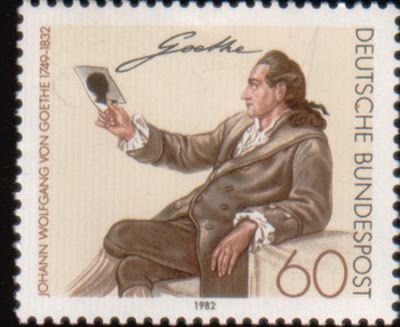
Gothe’s Strange Experiences!

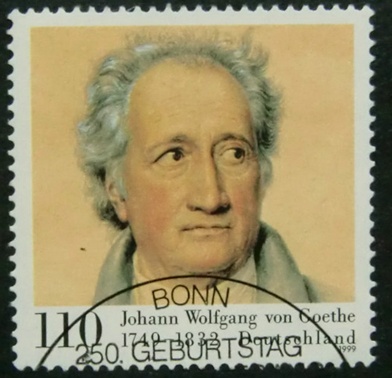
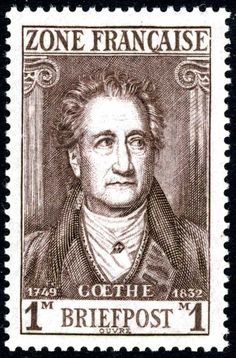
goethe2

Written by S NAGARAJAN

Post No.2271

Date: 25 October 2015

Time uploaded in London: 5-30 AM

Thanks for the pictures.

Don’t use pictures. Don’t reblog for at least a week.


Psychic Poet

Gothe’s Strange Experiences

Santhanam Nagarajan

goethe3

How the great German poet and statesman Gothe (Birth 28/8/1749 Death 22/3/1832) started believing about future life?

A strange experience changed him.

This experience has been narrated in ‘Phantosms of the Living’ thus:

Johann Wolfgang Gothe was walking one rainy summer evening with his friend K, returning from the Belveclere at Weimar. Suddenly, Gothe exclaimed : “My God! If I were not sure that my friend Frederick is at this moment at Frankfort I should swear that it is he!”

The next moment he burst out laughing. ”But it is he! – my  friend Frederick. You here at Weimar? Buy why are you dressed so – in your dressing gown, with your night cap and my slippers here on the public road?”

K, as I have just said, saw absolutely nothing and was alarmed, thinking that the poet had lost his wits. But Gothe, thinking only of what he saw, cried out again: “Frederick, what has become of you? My dear K, did you notice where that person went who came to meet us just now?”

K, stupefied, did not answer. Then the poet, looking all round, said in a dreamy tone: “Yes, I understand … It is a vision. What can it mean though? Has my friend suddenly died? Was it his spirit?

Thereupon Gothe returned to the house and found Frederick there already.

His hair stood on end. “Avaunt! You are phantom?” he exclaimed pale as death.

“But my friend”, remonstrated Frederick, “is this the welcome that you give to your best friend?”

goethe1

“Ah! This time “, exclaimed the poet, with such emotion, “it is not a spirit, it is a being of flesh and blood.”

The friends embraced warmly. Frederick explained that he had arrived at Gothe’s lodging soaked by the rain, had dressed himself in the poet’s dry clothing and having fallen asleep in his chair, had dreamed that he had gone out to meet him and that Gothe had greeted him with the words: “You here! At Waimer? What? With your dressing gown, your nightcap and my slippers here on the public road?”

From this real experience Gothe started believing in a future life.

Of Gothe, we read in Eckermann’s Conversation: “During the night of February 5-6, 1783, my master rang for me. I went to his room and saw him dragging his bed from the end of the room to the window. Then he looked up at the sky and said: “Listen! We are at a very serious hour, for earthquakes are happening at this very moment!”

Next day, at the Court of Weimar, Gothe repeated to several persons what he had said in the night, but he was laughed at, and one lady cried: “Gothe is raving”

However two weeks later accounts of a terrible earthquake arrived. It occurred in Calabria and Sicily at the very time Gothe called to his valet.

Gothe’s psychic experiences are well recorded.

**************

Who are the Four Sleepless People?

wpid-sleepless_nights_rumi2

Compiled by london swaminathan

Post No.2270

Date: 24 October 2015

Time uploaded in London: 19-42

Thanks for the pictures.

Don’t use pictures. Don’t reblog for at least a week.

Kuto nidraa daritrasya parapreshyacharasya cha

Paranaariprasktasya paradravya harasya cha

–Garuda Purana 115-68

Who is without sleep?

Daridrah = Poor

Parapreshyacharah = Spy sent to another country (007, James Bond like people)

Paranaariiprasaktah = Who is in love with another’s wife

Pradravya harah = Thief (who has taken other’s wealth)

sleepless

XXX

Who are the Four Unpardonable people?

Who are the four who do not deserve expiation?

Mitradruhah krtaghnasya striiggnasya pisunasya cha

Chaturnaamapi chaiteshaam nishkrtih naiva nisrutaa

–subahsita ratna banadakaara 155-92

Mitradruha = Betrayer of Friend

Krtaghna = Ungrateful

Strighnah = Killer of woman

Pisunah = Slanderer

xxx

Four Type of People

Satpurusa = Unselfish men who are helpful

Samaanya = Ordinary men who help another with selfish motive

Maanusaraaksasa = Demoniac men who ruin other’s welfare for selfish gains

Nirarthakam parahitam nighnanti = Those who harm others without reason

Number4

Ete satpurusaah parartaghatakaah svaartam paritjya ye

Saamaanyaastu paraartamudyamabrtah svartaavirodhena ye

Tesmi maanusaraaksasaah parahitam svaartaaya nighnanti ye

Ye nighnanti  nirartakam parahitam t eke na jaanaamimahe

–Niti satakam 64

–Subham–

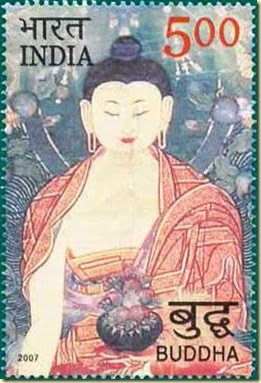
உபகுப்தர் – வாசவதத்தையின் உருக்கமான கதை

India-Bhudda-Stamp

Post No.2269

Date: 24 October 2015

Time uploaded in London: 13-12

Thanks for the pictures.

Don’t use pictures. Don’t reblog for at least a week.

பழங்கால பௌத்த மத நூலில் காணப்படும் ஒரு சுவையான உண்மைக் கதை:–

முன்னொரு காலத்தில் வட இந்தியாவில் மதுரா நகரத்தில் உபகுப்தர் என்பவர் பலசரக்கு வியாபாரம் செய்து வந்தார். அந்த ஊரில் வாசவதத்தை என்னும் ஒரு விலைமாது (வேசி) இருந்தாள். அவளுடைய வேலைக்காரி ஒரு நாள் உபகுப்தர் கடைக்கு வந்து வாசனைத் திரவியங்களை வாங்கிச் சென்றாள். உபகுப்தரின் கட்டழகைக் கண்டு வியந்து தன்னுடைய எஜமானியான வாசவதத்தையிடம் அவருடைய ரூப லாவண்யத்தை வருணித்துச் சொன்னாள். அதைக் கேட்டது முதல் வாசவதத்தையின் மனம் சஞ்சலம் அடைந்தது. நாளாக ஆக வாசவத்தையின் ஆவலும் ஆசையும் அதிகரித்தது.

ஒருநாள், ‘உங்களுடைய முக தரிசனத்துக்காக நான் ஏங்குகிறேன்’ என்று ஒரு காதல் கடிதம் எழுதி அதை வேலைக்காரி மூலம் உபகுப்தருக்கு அனுப்பி வைத்தாள். ‘நானோ ஒரு ஏழை; என் முக தரிசனத்தினால் உனக்கு ஒன்றும் கிடைக்கப் போவதில்லை. ஆனால் நானே ஒரு நாள் உன்னைப் பார்க்கவரும் நிலை வரும்’ என்று பதில் சொல்லி அனுப்பிவிட்டார். வாசவதத்தையின் மனம் அடங்கவில்லை. மீண்டும் ஒரு கடிதம் எழுதி அனுப்பினாள். ‘உங்களுடைய காசு, பணம் எதையும் நான் எதிர்பார்க்கவில்லை. உங்கள் முகத்தைக் கண்டு களிக்கும் வாய்ப்புமட்டும் கொடுத்தால் போதும் என்று பிரார்த்திக்கிறேன். வேறு எதுவுமே எனக்கு வேண்டாமென்று எழுதி அனுப்பினாள். அவர் அதை வாசித்துவிட்டு பழைய பதிலையே சொல்லிவிட்டார்.

காலம் உருண்டோடியது. மதுரா நகரத்தில் ஒரு பெரிய கொலை நடந்தது. வாசவதத்தையின் காதலன் அவளுடைய வீட்டில் ரத்தவெள்ளத்தில் மிதந்தான். ஊர் முழுதும் செய்தி காட்டுத் தீ போல பரவியது. அரசனுடைய சேவகர்கள் வந்து, கொஞ்சமும் விசாரிக்காமல், அவள் விலை மாது என்பதால் பணத்துக்கு ஆசைப்பட்டு காதலனைக் கொன்றுவிட்டதாக அரசனிடம் கூறிவிட்டனர்.

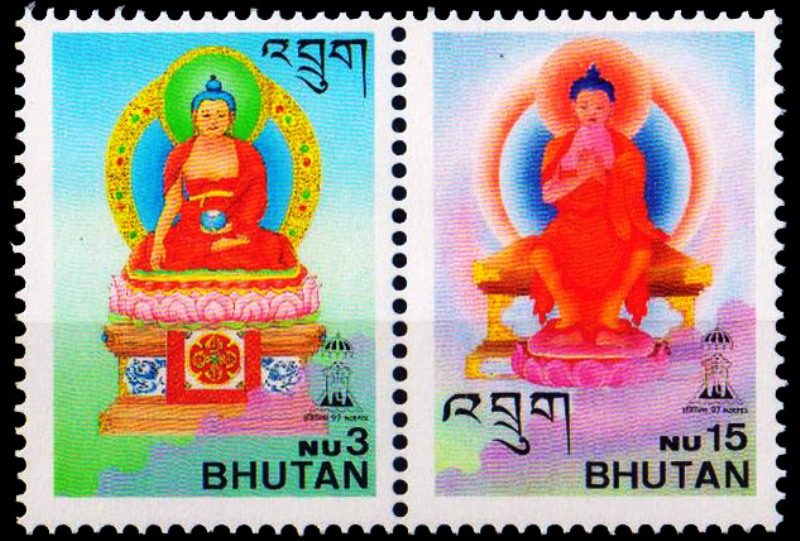
buddha bhutan

பெண்களுக்கு மரண தண்டனை விதிக்கும் வழக்கம் பாரத நாட்டில் கிடையாது. ஆகையால் மன்னனும் இவளுடைய அங்கங்களை சிதைத்து அவலட்சணமாக்கி ஊரை விட்டு வெளியே விரட்டி விடுங்கள் என்று கட்டளையிட்டான். வாசவதத்தை என்னும் பேரழகி, அங்கம் சிதைந்த நிலயில் கோரமாக காட்சி தந்தாள். ஊரைவிட்டு வெளியேற்றப்பட்டதால் சுடுகாட்டில் வசித்தாள். என்றும் விசுவாசம் மாறாத வேலைக்காரி மட்டும் அவளுடனே சென்று, வாசவ தத்தைக்குத் துணையாக சுடுகாட்டில் வசித்தாள்.

இந்தச் செய்தி பலசரக்கு வியாபாரி உபகுப்தரின் காதையும் எட்டியது. உடனே அவர் கடையில் வேலை பார்க்கும் ஊழியரை அழைத்துக்கொண்டு சுடுகாட்டுக்கு வந்தார். வாசவதத்தையின் வேலைக்காரி, உபகுப்தரை அடயாளம் தெரிந்து கொண்டு, வாசவதத்தைக்கு இன்னாரென்று அறிமுகம் செய்துவைத்தாள். அங்கமெல்லாம் உருக்குலைந்த நிலையில் உபகுப்தரைச் சந்திக்கும் துர்பாக்கியம் ஏற்பட்டதே என்று மனம் கலங்கி கண்ணீர் வடித்தாள். துக்கமும் வெட்கமூம் அவளை வாட்டி வதைத்தது.

உபகுப்தரோவெனில், கொஞ்சமும் தயக்கமின்றி வாசவதத்தையின் அருகில் போய் அமர்ந்தார். “ஸ்வாமி இந்த உடலானது அன்றலர்ந்த செந்தாமரை போன்று திவ்ய தேஜசுடன் இருந்தபோது உங்களைப் பார்க்க கெஞ்சினேனே; விலையுயர்ந்த வஸ்திரங்களை அணிந்துகொண்டு காண்போர் மனதை எல்லாம் வசீகரித்தேனே; இப்பொழுது துரதிருஷ்டமும், கஷ்டமும் என்னை வதைக்கின்றன. அப்போதெல்லாம் என்னைப் பார்க்காமல் இப்பொழுது வந்தீர்களே; வெறுக்கத்தக்க சரீரம்படைதவளாகி விட்டேனே” என்று வருந்திச் சொன்னாள்.

இதையெல்லாம் கேட்ட உபகுப்தர் கண்களிலும் கண்ணீர் தாரை தாரையாக வழிந்தது. பிறகு அவர் நிதானமாக, “வாசவதத்தாய்! உன்னைப் பார்க்க இதுவே உரிய தருணம். மானிடர் அனுபவிக்கும் இம்மைச் சுகங்களெல்லாம் அழியக்கூடியது என்பதை உன்மூலம் அறிந்து கொண்டேன். இனி வருந்திப் பயனில்லை. தர்மத்தைக் கடைப்பிடித்து வாழ்க்கை நடத்து; மன நிம்மதி கிடைக்கும்” என்று உபதேசம் செய்தார். அவருடைய வாக்கு என்னும் அமிர்ததாரையில், வாசவதத்தையின் துக்காக்னி அணைந்தது. அவள் பெரும் ஆறுதல் அடைந்தாள். பின்னர் அவள் புத்த சங்கத்தை நாடிச் சென்று இறுதிவரை அங்கிருந்து சாந்தி பெற்று உயிர் நீத்தாள்.

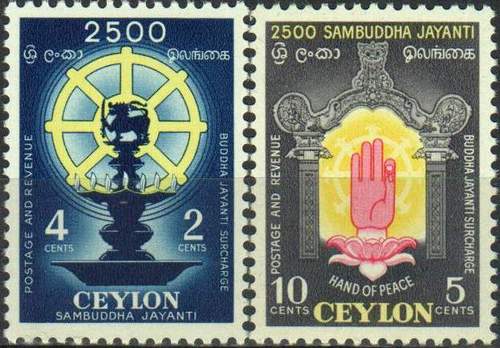
Bud16

புத்தம் சரணம் கச்சாமி!

தம்மம் (தருமம்) சரணம் கச்சாமி!!

சங்கம் சரணம் கச்சாமி!!!

(உபகுப்தர், வாசவதத்தை என்ற பெயர்கள் பல கதைகளில் வரும். ரவீந்திர நாத் தாகூர் எழுதிய உபகுப்தர் கவிதையில் அவர் ஒரு புத்த மத துறவி போல காட்டப்படுகிறார். நான் எழுதிய கதை அசோகர் என்னும் நூலை அடிப்படையாகக் கொண்டது)

–சுபம்–

ANIMALS AND PSYCHIC POWERS

DOG

Written by S NAGARAJAN

Post No.2268

Date: 24 October 2015

Time uploaded in London: 7-01 AM

Thanks for the pictures.

Don’t use pictures. Don’t reblog for at least a week.


 PSHYCHIC POWERS

ANIMALS AND PSYCHIC POWERS

SANTHANAM NAGARAJAN

Do animals have psychic powers?

The answer is ‘Yes’.

Animals exhibiting psychic faculties similar to man.

CALCULATING DOG: In C.Borderieux’s Les Nouveaux Animaux Pensants, Paris, 1927, the story of Zou, the author’s calculating dog is narrated. Theodore Besterman in Proceedings Vol XXX VIII, describes his personal encounter with Madam Carita Borderieux’s dog and claims to have discovered that the dog interpreted unconscious movements of Madam Carita Borderieux’s hand.

BEAR

BLACK BEAR: Unconscious signals or secret code falls far short as a theory of explanation in the case of Black Bear, the Briarcliff pony who not only can solve mathematical problems and spell answers by selecting letters from a rack, but according to narratives in Psychic Research, April, 1931, exhibits clairvoyant or telepathic powers by describing playing cards of which he only sees the back. Black Bear either answers correctly or refuses to venture an answer at all. He is never discrepant and solves his problems with a supreme indifference.

Some of the experience of his visitors are extremely curious. Mrs Fletcher whose birthday was shortly to occur – a fact which could not normally have been known to either Black Bear or Mr. Barrett  (his trainer) – asked these questions: Black Bear, there is an anniversary coming soon. Can you tell me what it is?” Whereupon the pony at once spelled out, “Birthday”.

Mrs. Fletcher then said, “That is right. Now, can you tell me when it will be?” and Black Bear replied, “Friday”. “What date will it be?” was the next question, and Black Bear at once spelled out “August 3rd.”

horse-stamp-22

HORSE AND GHOST: Sir William Barrett records the case of the Miss Montgomery. They saw a ghost floating across the road on which they were driving home. The horse stopped and shook with fright.

The watchdog of the Rev Samuel Wesley crouched in terror during the poltergeist manifestations at Epworth Vicarage.

In a poltergeist case on the Baltic Island of Oesel in 1844, a number of horses were frightened by thunderous noises coming from a nearby underground vault. This case is described in Robert Dale Owen’s ‘Footfalls on the Boundary of Another  World.’

********

Walking Stick in Charaka Samhita!

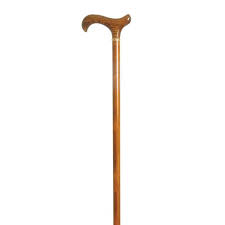
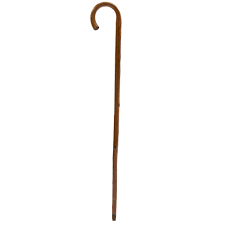
stick2  stick3

Written by London swaminathan

Post No.2267

Date: 23 October 2015

Time uploaded in London:19-46

Thanks for the pictures.

Don’t use pictures. Don’t reblog for at least a week.

It is amazing that Charaka in his medical treatise deals with even Walking Sticks. If he has composed a sloka (couplet) on such matters, the Old Aged people must have been looked after very well 2000 years ago. Manu deals with ‘looking after’ old people in another sloka.

The ancients believed that an assembly (Sabha) is considered an assembly only when there are elderly people seated in it. We may compare it to the Rajya Sabha of India and House of Lords of Great Britain.

Here is the sloka on walking sticks:

Skalatah sampratishtanam satrunam cha nishudanam

Avashtambanamayushtam bayagnam dandadaranam

–Charaka Samhita 5-102

One who has the walking sticksgets the following five benefits:–

Skhalatah sampratisthaanam = Prevention from slipping

Satruunaam nisuudanam =  Attacking the enemy

Avastam-banam = Support

Aayusyam = Longevity

Bhayagnam = Averts fear.

Most of the old age people die after slipping and falling in the bath room. Probably the shock triggers fear, depression and several other things in addition to fracture. Knowing this Charaka has emphasised the use of walking sticks.

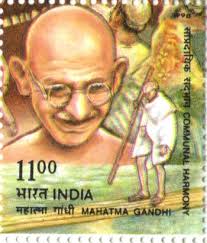
gandhi

Benefits of Serving Elders

Abhivadana silasya nityam vruddopasevinah

Chatvari thasya vardhante ayurvidya yaso balam

–Manu Smrti 2-121

One who serves the elderly people will get the following four benefits:

Ayuh = Longevity

Vidyaa = Knowledge

Yasas = Fame

Bala = Strength

–Subham-