Folk Tale: Haste makes Waste

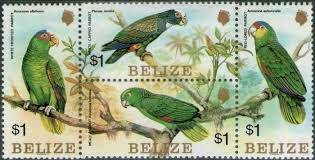
pARROTS BELIZE

Article No. 2085

Written by London swaminathan
Date : 19 August  2015
Time uploaded in London :– 19-44

Indian villagers are very clever; they may be illiterates, but they are full of age old wisdom. Indians could hardly tell a story without introducing some proverbs into it.  They taught high principles through stories and proverbs.  For every proverb they have several stories. It differs from region to region and language to language. Here is a story about a parrot and a poison tree.

A king was very fond of parrots. He raised lot of parrots in his palace garden. One day all the parrots from the king’s garden flew to the paradise. There they found a fruit that will give back the youth to anyone. One of the parrots picked up one seed of that miraculous tree and gave it to the king. The parrot told him to plant it in the garden so that the king can eat it when the fruit comes. King became so happy and he placed the parrot in a special golden cage and looked after it very well.
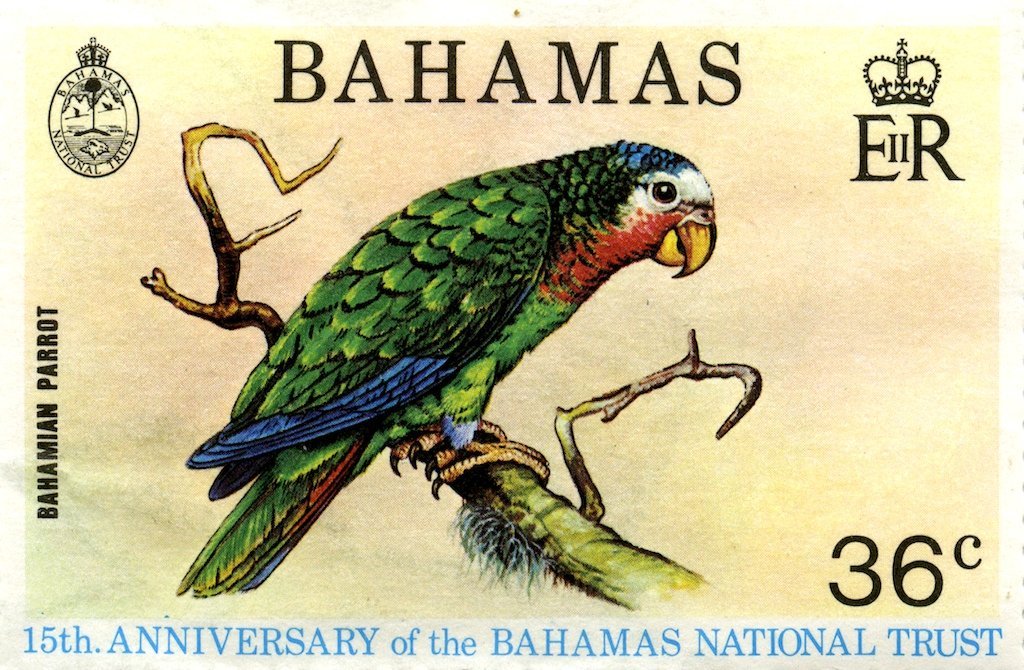
PARROT BAHAMAS

The king did plant it in the garden and the tree gave fruits in a few years’ time. King plucked one fruit from the tree and gave it to an old man to see whether it brings back the youth to that old man. But he died immediately. The reason was that an eagle that killed a poisonous snake pecked at the fruit. So the fruit was poisoned. But the king did not know it. Without trying to find out the cause of death of the old man, the king became very angry and thought that someone set the parrot to kill him by giving a poisonous fruit. He went to the special cage, took the parrot and dashed it to the ground. The parrot had a miserable death.
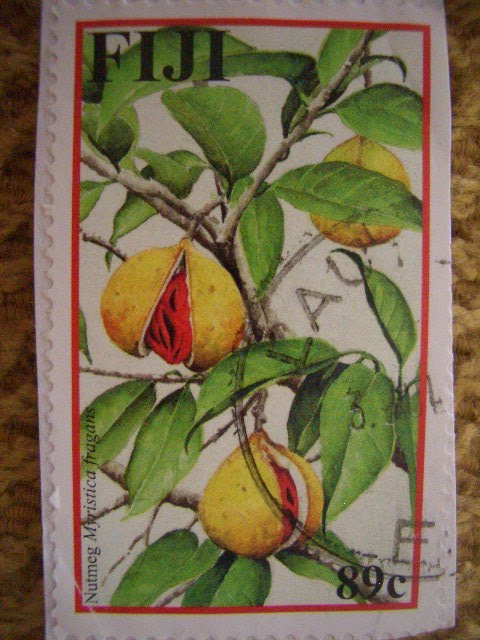
NUTMEG

A few months later, a farmer decided to kill his wife because she became very old and ugly. Since he knew the story of the poisonous tree, he picked up a fruit and gave to his wife with the intention of killing her. To his surprise, she suddenly became a beautiful 16 year old girl. In those days any valuable item found or any unusual miracle happens, immediately the person reports it to the king. Kings used to reward them for such things. So he ran to the king and reported the miraculous fruit tree to the king. Now the king realised his mistake in killing the parrot. The parrot was right about the fruit tree. But the king acted in haste. He regretted his hasty action.
பொறுமை: மூன்று குட்டிக் கதைகள்!

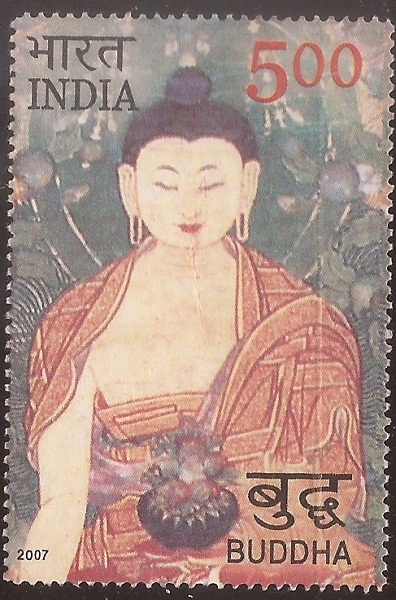
buddha

Research Article No. 2085

Written by London swaminathan
Date : 19 August  2015
Time uploaded in London :–  16-42

புத்தரும் பூர்ணாவும்

புத்தரின் சீடர்களில் முக்கியமானவர் பூர்ணா. அவர் தர்மப் பிரசாரம் செய்யப் புறப்படுவதற்கு முன்னால் புத்தரின் அனுமதியைக் கோரினார்.

உடனே அவர்கள் இருவரிடையே நடந்த சம்பாஷனை பின்வருமாறு:–

“பூர்ணா, எங்கே போய் தர்மப் பிரசாரம் செய்யப் போகிறாய்?

குருவே, சூனப்ராந்தம் என்ற இடத்தில்

அதுவா? அங்குள்ள்வர்கள் கல்வியறிவு இல்லாதவர்களாயிற்றே; உன் அறிவுரைகளை ஏற்காமல் உன்னை இகழ்ந்து பேசினால் என்ன செய்வாய்?

அதனால் என்ன? கையால் அடிக்காமல் விட்டார்களே என்று மகிழ்ச்சியுடன் பிரசாரம் செய்வேன்.

சரி, அப்படி கைகளால் குத்து விட்டால்?

அதனால் என்ன, ஆயுதங்களைக் கொண்டு தாக்கவில்லையே என்று எண்ணி மகிழ்ந்து என் தர்மப் பிரசாரத்தைத் தொடருவேன்.

அது சரி, ஆயுதங்களைக் கொண்டு தாக்கினால் என்ன செய்வாயாம்?

அதனால் என்ன, ஆளைக் கொல்லவில்லையே, அந்த அளவுக்கு நல்லவர்கள்தான் என்றெண்ணி என் பணியைத் தொடருவேன்; என் கடன் பணி செய்துகிடப்பதுவே!

சரி, உன்னைக் கொன்றுபோட்டுவிட்டால்……?

மிகவும் மகிழ்ச்சியுடன் இறப்பேன்; அட இவ்வளவு சீக்கிரம் நிர்வாண நிலையை (முக்தி) அடைய உதவினார்களே! என்று அகம் மகிழ்வேன்; உளம் குளிர்வேன் என்று பூர்ணா பதிலிறுத்தார்.

புத்தர், “பூர்ணா, உன் இஷடப்படியே செய்; நீ பரிபூரண பக்குவம் பெற்றுவிட்டாய்” என்று சொல்லி பொறுமையின் சின்னமான பூர்ணாவுக்கு ஆசிவழங்கினார்.

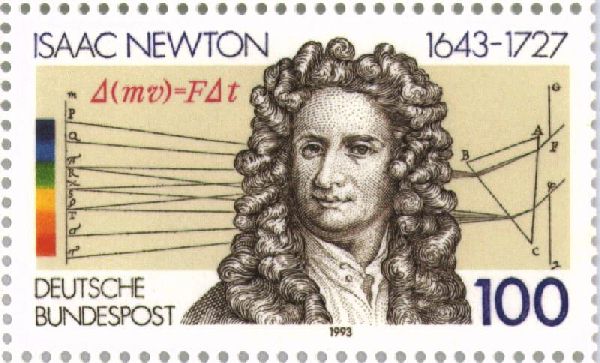
stamp_newton

ஐசக் நியூட்டன்

புகழ்பெற்ற விஞ்ஞானி ஐசக் நியூட்டன் ஒரு நாயை வளர்த்துவந்தார். அதற்கு டயமண்ட் (வைரக் கல்) என்று பெயரும் சூட்டி அன்பாகப் போற்றி வந்தார். ஒரு நாள் அவர் மாலையில் உலாவச் சென்றார். அப்பொழுது அறையின் மேஜை மீது மெழுகுவர்த்தி எரிந்து கொண்டிருந்தது. அன்று என்ன நிகழ்ந்ததோ தெரியவில்லை. அவர் உலாவச் சென்ற நேரத்தில் அந்த நாய் மேஜை மீது தாவிக் குதித்தது போலும். மெழுகுவர்த்தி கீழே சாய்ந்து அங்கு அவர் எழுதிவைத்திருந்த காகிதங்களுக்குத் தீவைத்தது. அத்தனையும் எரிந்து கருகின. அதன் அருமை பெருமை நியூட்ட்ன் ஒருவருக்கே தெரியும். ஏனெனில் அவை அவரது இருபது ஆண்டுக் கால ஆராய்ச்சியின் முடிவுகளடங்கிய காகிதங்கள்.

உலாவச் சென்று திரும்பிய நியூட்டனுக்கு அவற்றைப் பார்த்தவுடன் பெரும் அதிர்ச்சி. எல்லாம் டயமண்டின் ‘திருவிளையாடல்’ தான் என்பது அவருக்குப் புரிந்தது. அதுவோ தான் செய்த பெரிய தீங்கை அறியாது அன்பாக வாலைக் குழைத்து நியூட்டனை வரவேற்றது.

நியூட்டனைத் தவிர வேறு ஒருவர் அந்த சூழ்நிலையில் இருந்திருந்தால், நாயை எத்தி உதைந்து அறைக்கு வெளியே தள்ளி கதவைச் சாத்தியிருப்பார். ஆனால் நியூட்டனோ அன்பாக நாயை எடுத்துத் தழுவி அணைத்து, “டயமண்ட், நீ செய்த சிறிய காரியத்தின் விளைவுகளை நீ அறியமாட்டாய்” என்றுசொல்லிக் கொஞ்சினார். அது மீண்டும் வாலை ஆட்டி தன் நன்றியைத் தெரிவித்தது. நியூட்டன் மீண்டும் எழுதத் துவங்கினார்.

சிறியோர் செய்த சிறு பிழையெல்லாம் பெரியோராயின் பொறுப்பது கடனே”- வெற்றி வேர்க்கை

நிறையுடைமை நீங்காது வேண்டின் பொறையுடைமை போற்றி ஒழுகப்படும் – குறள்

books_370

அகராதி பிடித்த மனைவியால் ஆங்கில அகராதி எரிந்தது!

டாக்டர் தாமஸ் கூப்பர் என்பவர் முதலாம் எலிசபெத் மஹாராணி காலத்தில் பெரும் ஆங்கில அகராதியைத் தயாரிக்கும் பணியில் ஈடுபட்டிருந்தார். முன்னரே இருந்த அகராதியில் மேலும் 33,000 சொற்களைச் சேர்க்க அவர் எண்ணினார். இதற்காக அவர் எட்டு ஆண்டுக் காலம் கஷ்டப்பட்டுச் சேர்த்த 33,000 சொற்களைக் காகிதங்களில் எழுதிவைத்தார். அவரது மனைவியோ எழுத்து வாசனை தெரியாத பிடாரி, கொடுமையின் சின்னம். அவர் வெளியே போயிருந்த நேரத்தில் அவரது நூலத்திற்குள் சென்று அத்தனை காகிதங்களையும் குவித்து சொக்கப்பனை கொளுத்தி மகிழ்ந்தாள்.

அந்த முட்டாள் பெண்மணி, தன் கணவர் படித்துப் படித்துப் பாழாய்ப் போய்விடுவாரோ என்று பயந்தாள்! அவர் திரும்பிவந்து பார்த்தபோது அவருக்குப் புரிந்துவிட்டது. எனினும் மனைவியிடம் யார் செய்த வேலை இது? என்று கேட்டார். ஏன்? நான்தான் செய்தேன்! என்றாள் துணிச்சலாக. அவர் சொன்னார், ஓ தீனா, எனக்கு பெரும் தொல்லை செய்துவிட்டாயே – என்று. பின்னர் மீண்டும் எட்டு ஆண்டுகளுக்கு மேஜையில் உட்கார்ந்து பொறுமையாக எழுதி அகராதிப் பணியை முடித்தார்.

பொறுமையின் சின்னம் தாமஸ் கூப்பர் என்றால் மிகையாகாது.

பழைய தமிழ் நாவல்கள் பற்றிய சில விநோதச் செய்திகள்!- பகுதி 2

Research Article No. 2084

Written by London swaminathan
Date : 19 August  2015
Time uploaded in London :–  14.24

Please read the first part and then read this second part.

I have given the following matter in Tamil in the first part:–

ORIGIN AND DEVELOPMENT OF TAMIL NOVELS

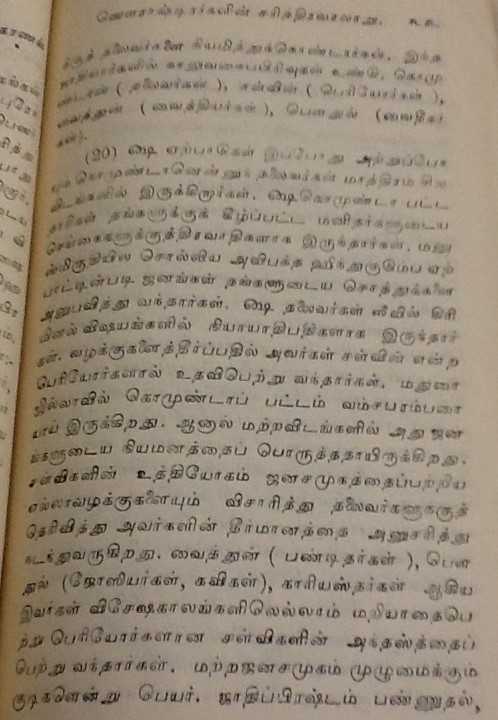
Since the days of Vedanayakam Pillay’s PRATAPA MUDALIYAR CHARITAM

Tamil novels have developed much. There are lot of interesting differences between now and then.  Following differences are found in the pages posted below:

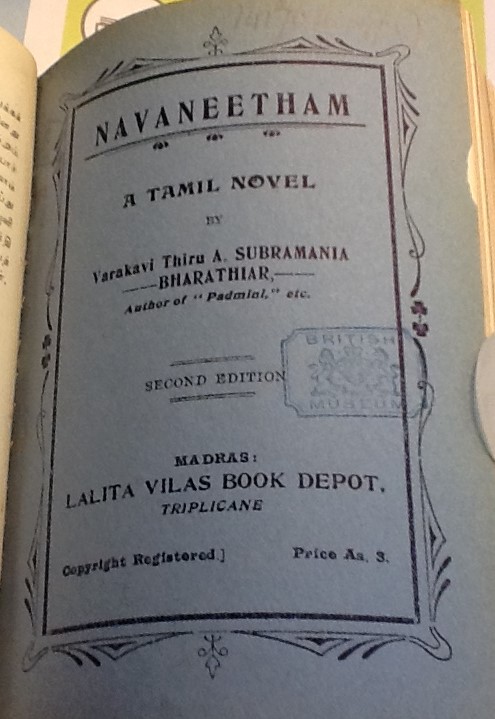
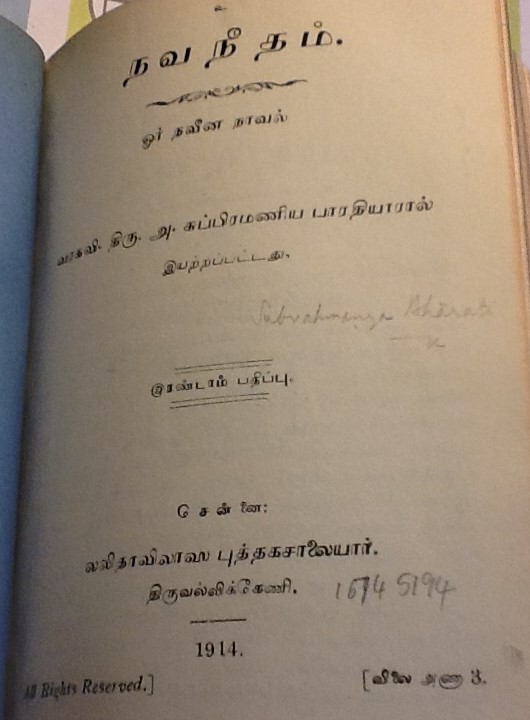
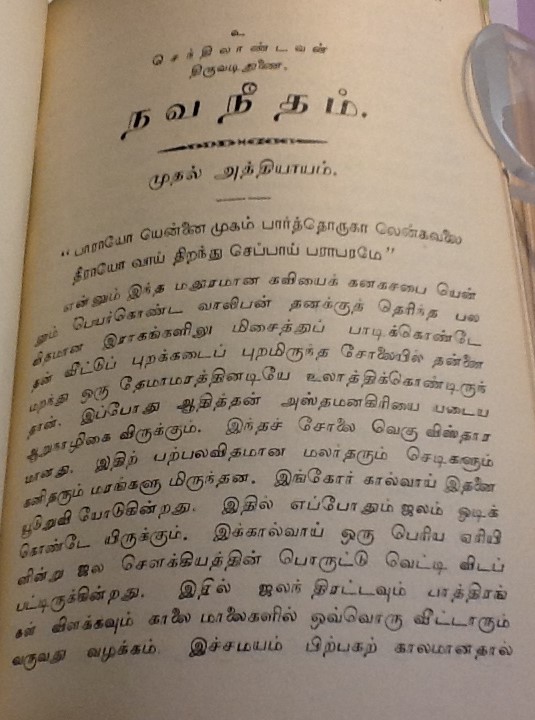
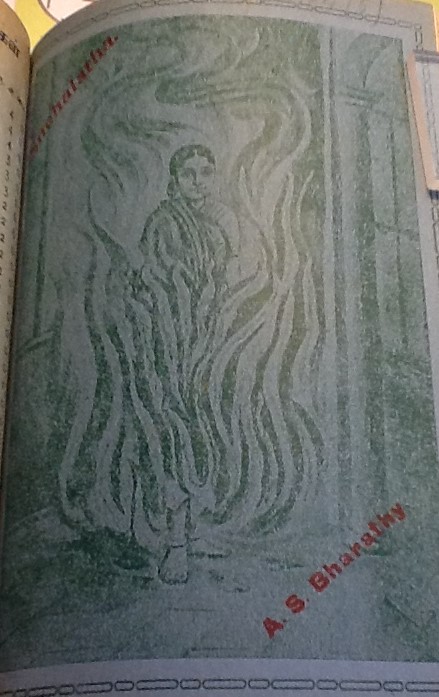
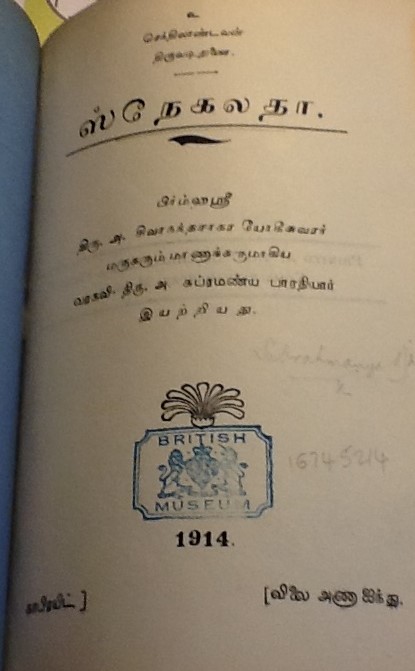
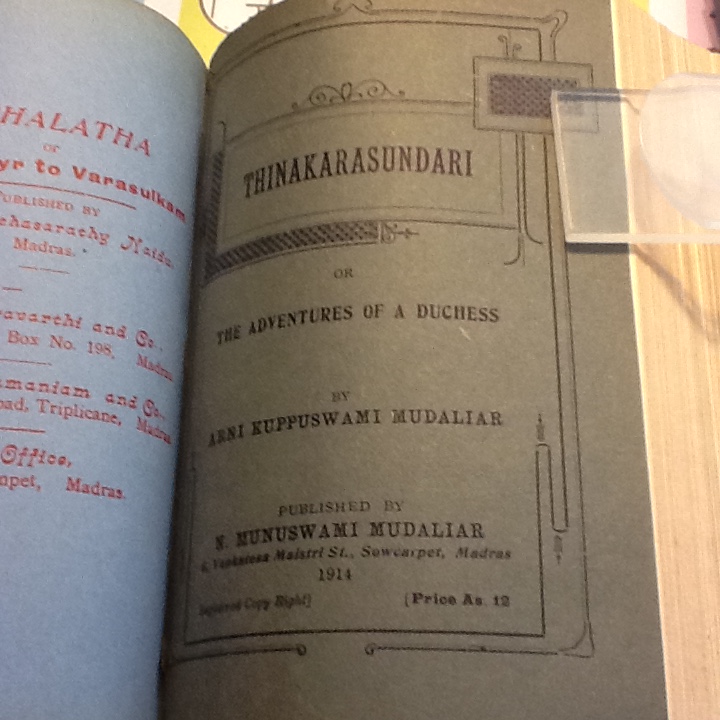
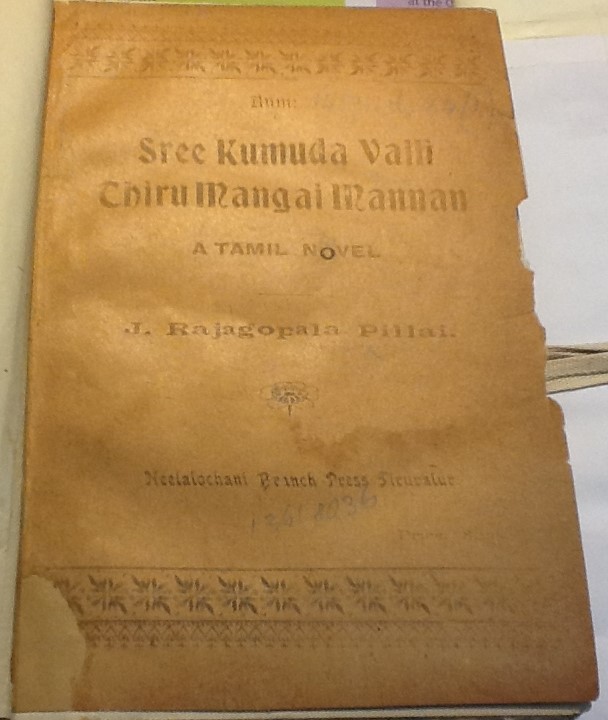
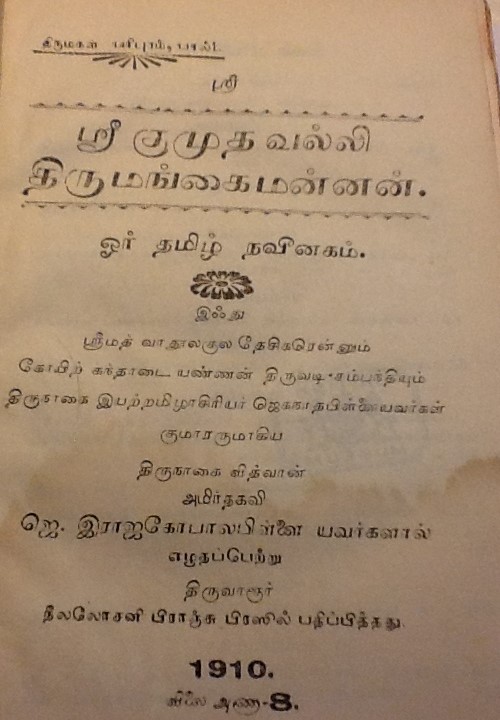
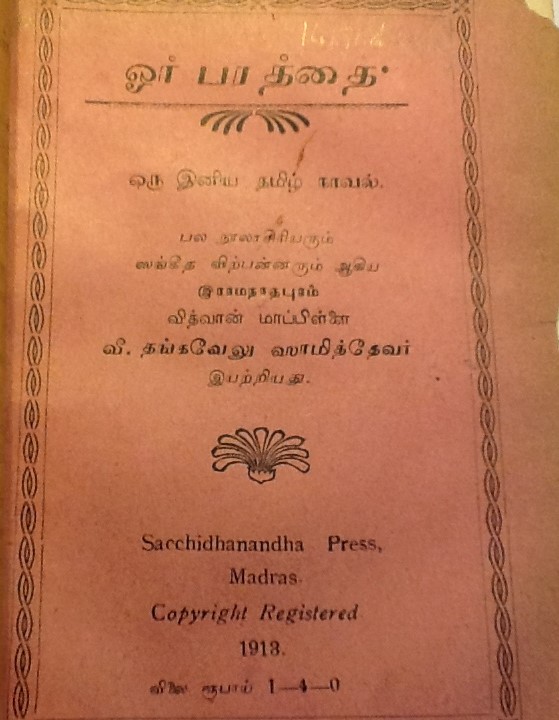
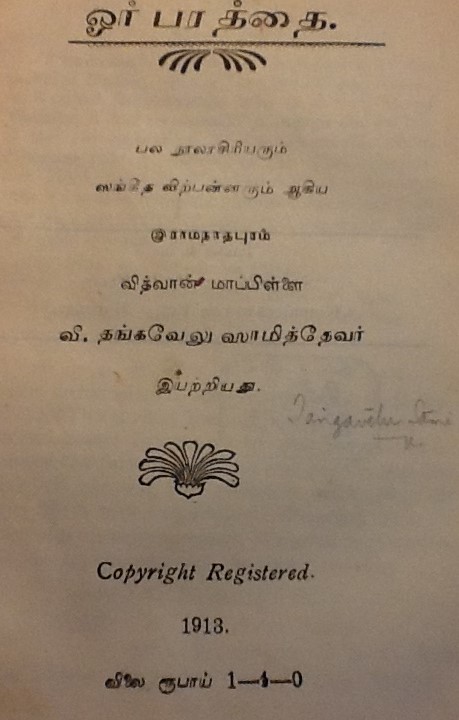
1.In those days, Tamil novels had wrapper printed in English. Only the inside page contained the Tamil title, author’s name in Tamil etc.. This was done probably to convince the ruling British Government that it was just fiction and no anti-government matter was included. But yet one must remember Bengali novels such as Ananda Math by Bankim Chandra Chattopadhyay which kindled patriotic feelings. The British government banned such novels. Patriotic poets like Bharatiyar published National Songs in those days. Bharati published his patriotic songs first in 1908.

2.No pictures were found inside the Tamil novels

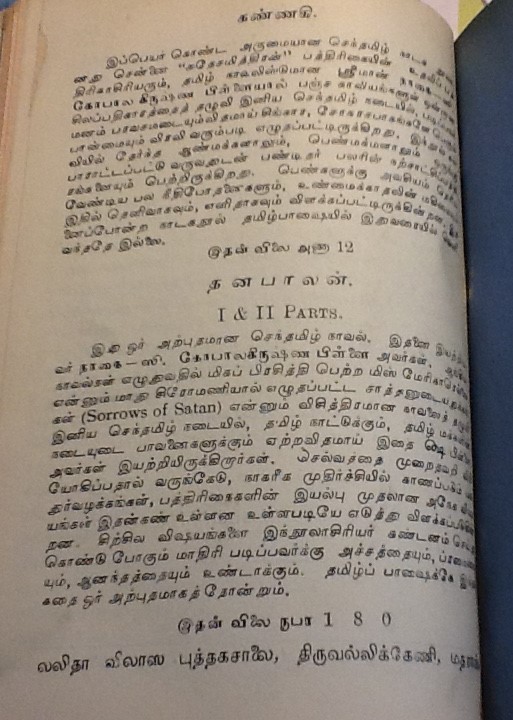
3.The back wrapper had advertisement about the books written by the same author or different authors

4.People belonging to different castes wrote novels.

5.Women also wrote many novels in Tamil ( I will give the list separatey)

6.Novels began with prayer to Hindu Gods and finished with auspicious words such as Subham, Mangalam or Om Tat sat.

7.Vedanayakam Pillays novel even had wished the readers a Healthy life like the Hindu Hymns

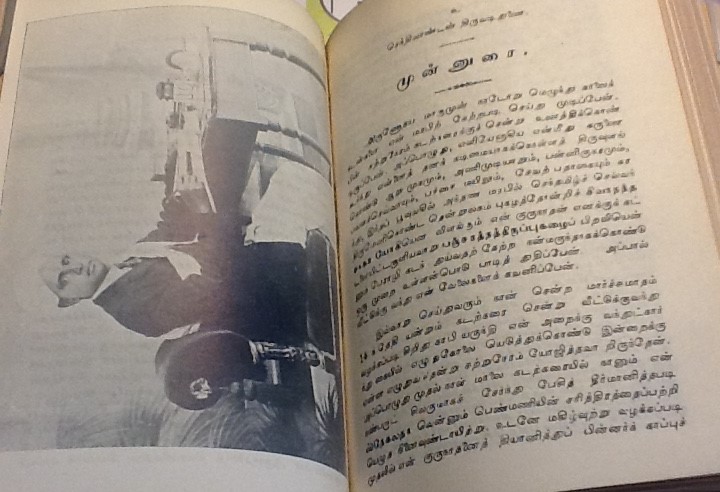
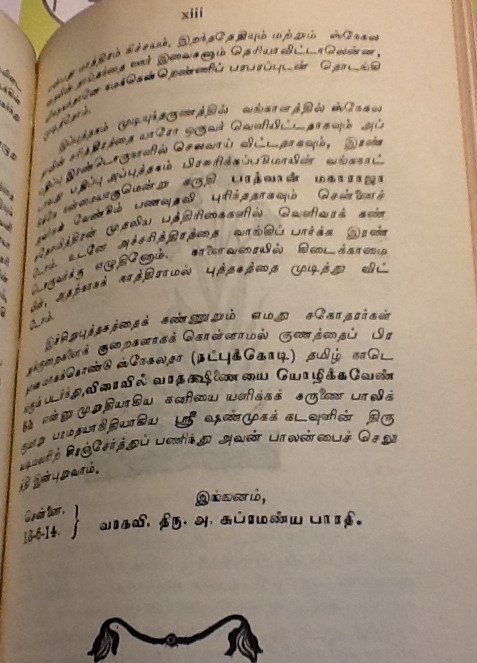
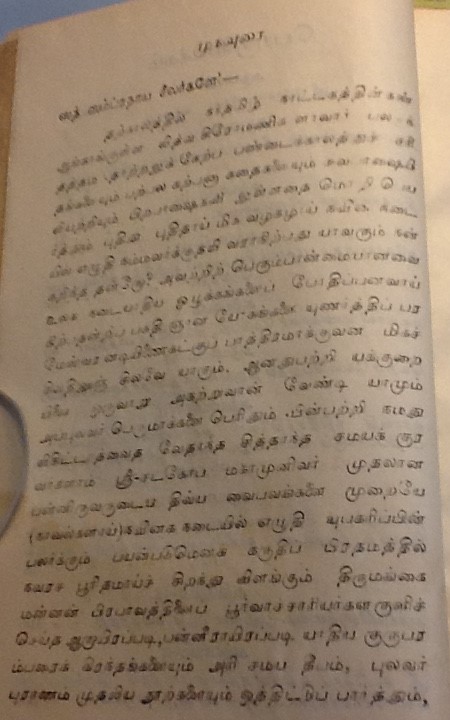
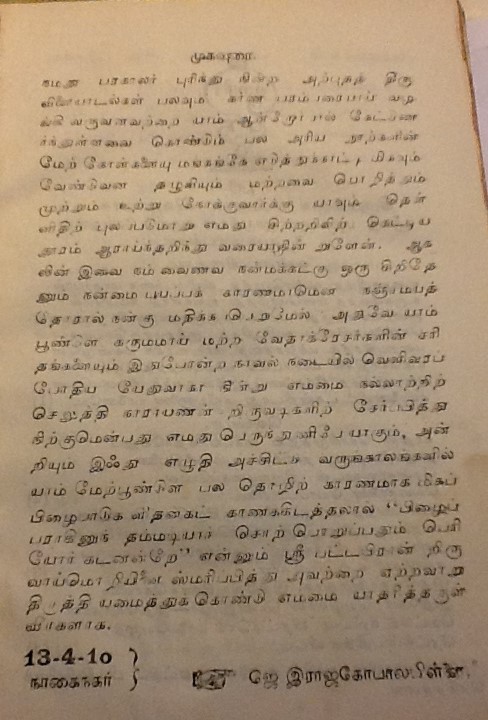
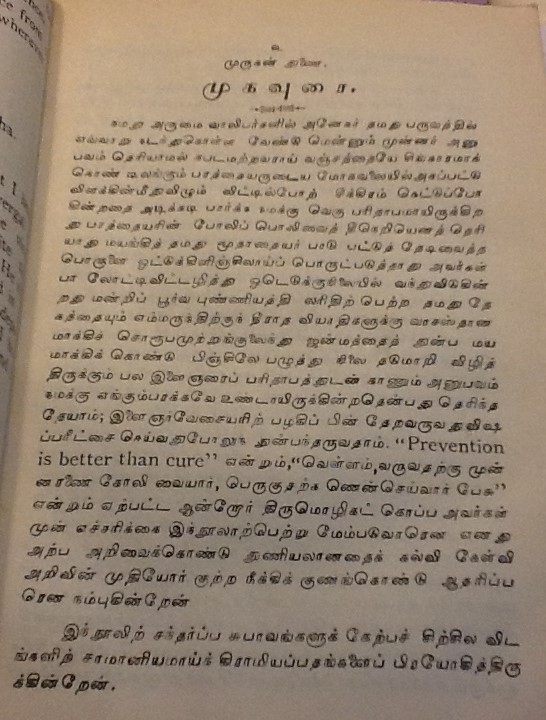
8.Novels had prefaces where in the author explained why he wrote it.

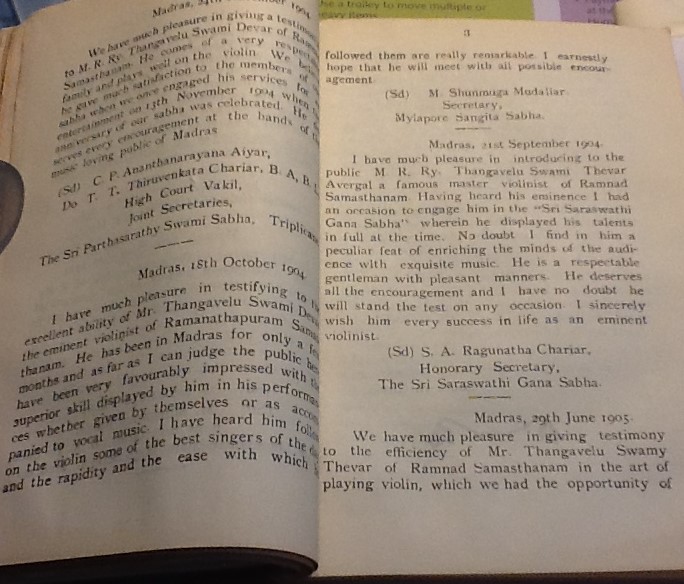
9.At the end they added all the press reviews or reader’s views, letters etc. (in later editions)

10.Novels were priced between 3 Annas and One Rupee and Four Annas which was exorbitant considering the monthly salary of 8 to 10 rupees in 1900s.

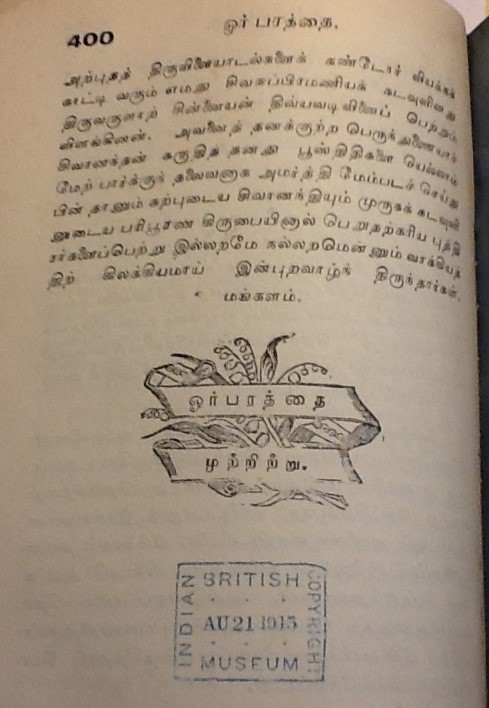
11.Novels were printed 1000 copies at a time and the pages went up to 400 pages.

12.They were about families and social problems, mainly of the Hindus.

13.Novels contained lot of Sanskrit words and philosophical discussions.

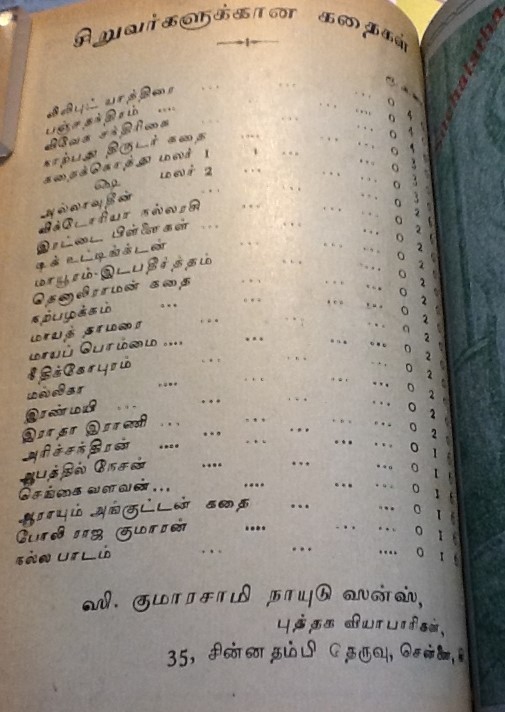
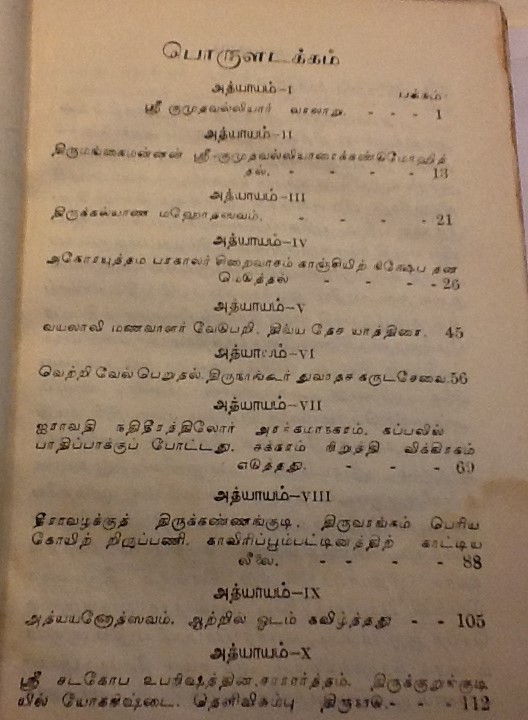
14.Tamil Novels published 100 years ago had ‘Contents’!

15.Some translations of Bengali Novels were also published at the early stage.

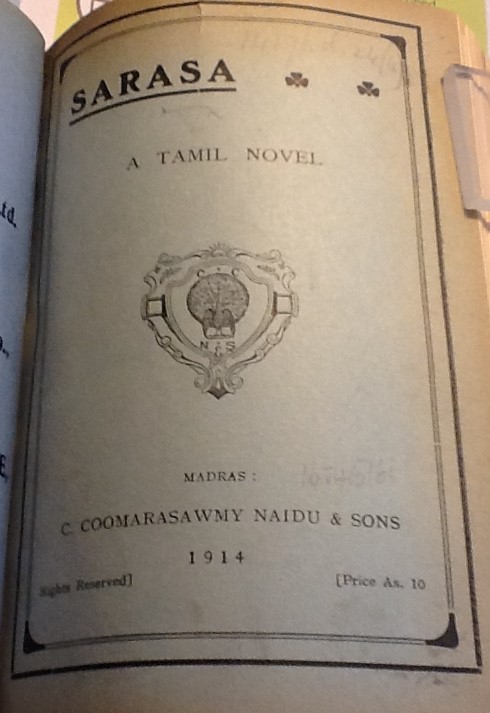
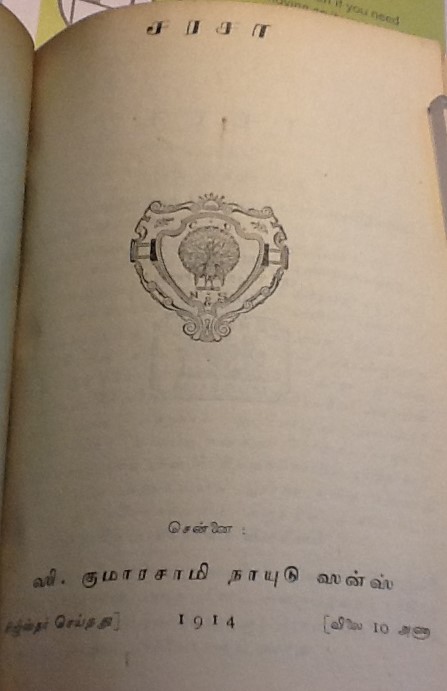
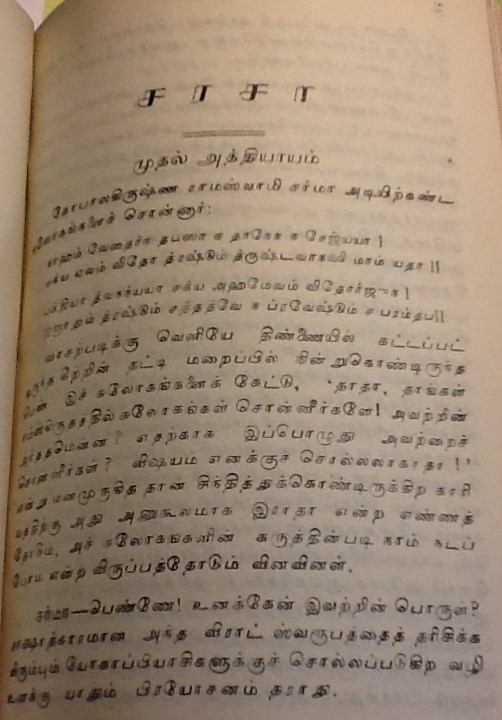
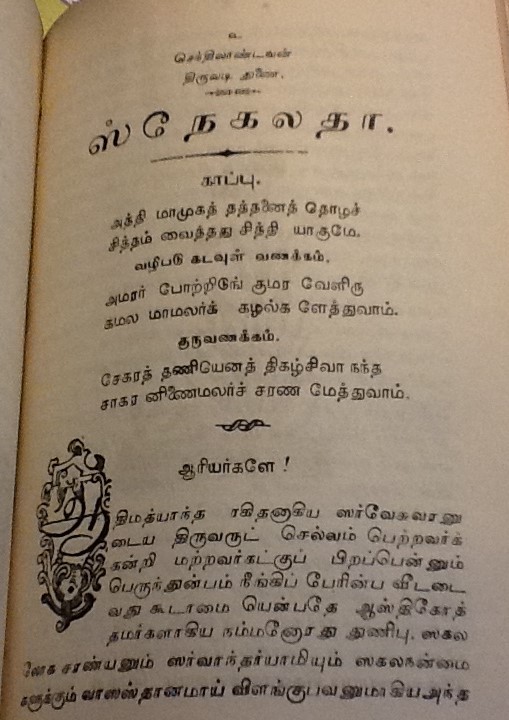
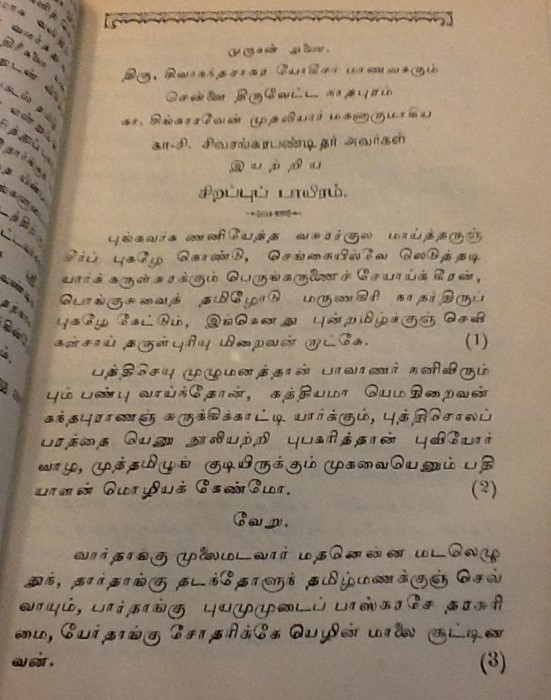
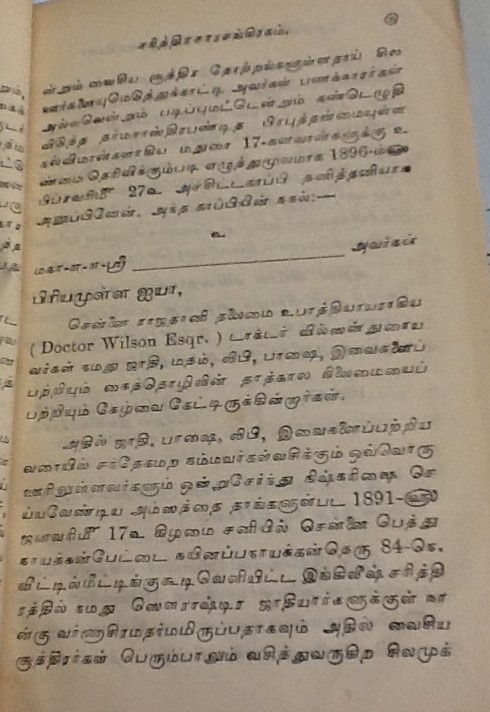
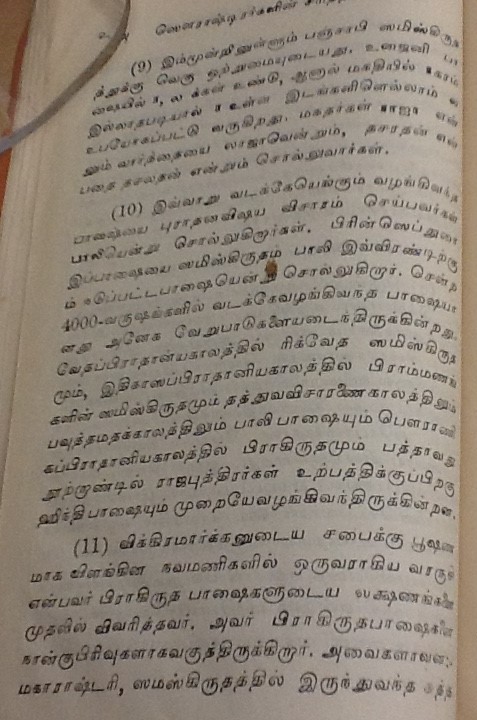
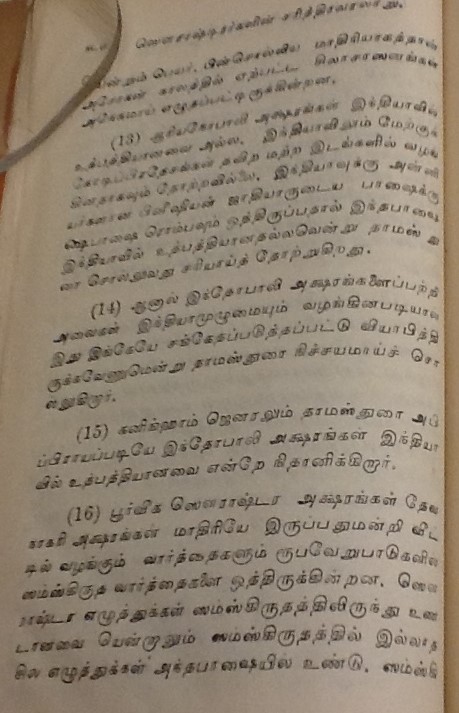
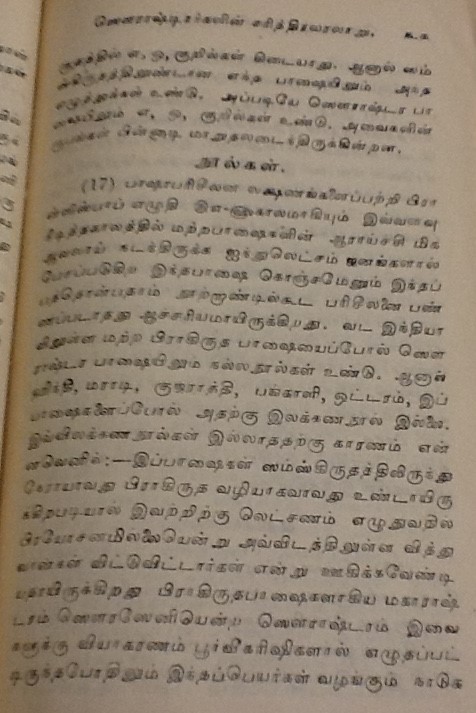
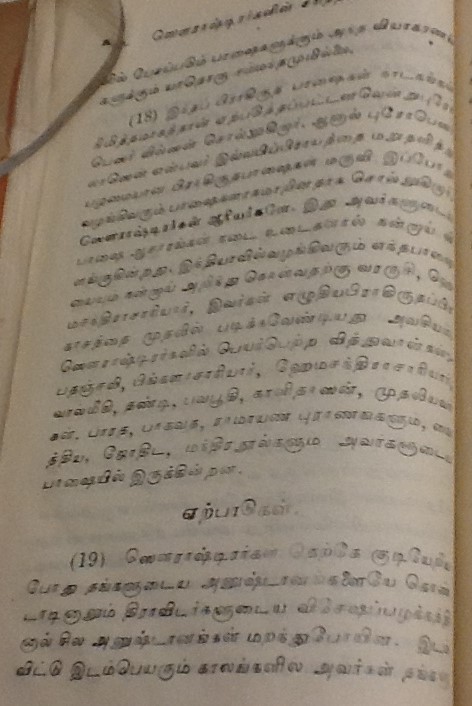
I have borrowed some old Tamil Novels from the British Library, London and the following pages are used as examples to illustrate the above points:–

IMG_3668 (2)

IMG_3669 (2)

IMG_3671 (2)

IMG_3673 (2)

IMG_3675 (2)

IMG_3676 (2)

IMG_3677 (2)

IMG_3680 (2)

IMG_3681 (2)

IMG_3682 (2)

IMG_3684 (2)

IMG_3698 (2)

IMG_3699 (2)

IMG_3700 (2)

only sample pages are given (not full)

IMG_3704

In the final part (Part 3) we will look at Vedanayakam Pillays Pratapa Mudaliyar Charitam.

to be continued………………………………

பழைய தமிழ் நாவல்கள் பற்றிய சில விநோதச் செய்திகள்!- பகுதி 1

IMG_3645 (2)

Research Article No. 2083

Written by London swaminathan

Date : 19 August  2015

Time uploaded in London :–  9-18 am

நூறு ஆண்டுகளுக்கு முன்னர் வெளியான தமிழ் புதினங்களை லண்டனிலுள்ள பிரிட்டிஷ் நூலகத்தில் வாங்கிப் பார்த்தபோது சில விநோதமான வேறுபாடுகள் புலப்பட்டன.

இன்று நாவல்களுக்கு முன்னுரை எழுதுவதில்லை; அன்றைய நாவலகளில் முன்னுரை இருக்கிறது. இதில், நாவலாசிரியர்களே அதை எழுதியதற்காக காரணங்கள் சூழ்நிலையை விளக்குகின்றனர்.

இப்போது நாவல்களுக்குப் பொருளடக்கம் இருப்பதில்லை. அன்றைய நாட்களில் நாவல்களுக்குப் பொருளடக்கம் எழுதினர். வேதநாயகம் பிள்ளை எழுதிய தமிழின் பழைய நாவலான “பிரதாப முதலியார் சரித்திரம்” முதல் பல நாவல்களில் இதைக் காணலாம்.

எல்லா நாவல்களிலும் அட்டையில் படம் இருக்காது. அட்டையில், ஆங்கிலத்தில் நாவல் பற்றிய விவரங்கள், தலைப்பு எல்லாம் இருக்கும். இதற்கு அடுத்த பக்கத்தில்தான் தமிழில் கதைத் தலைப்பு, எழுதிய ஆசிரியர் பெயர்கள் இருக்கும். பிரிட்டிஷார் ஆண்ட காலத்தில் பாரதியார் போன்றோர் ஆங்கில ஏகாதிபத்தியத்துக்கு எதிராக ப் போர்க்கொடி உயர்த்தி பல பத்திரிக்கைகளை நடத்தியதாலும், ஸ்வதேச கீதங்கள் என்ற பெயரில் பாரதியார் (1908ல்) பாடல் புத்தகம் மூலம் தேசபக்தத் தீக்கனலை எரியவிட்டதாலும் இந்தத் தேவை ஏற்பட்டது. தங்களுக்கும் அந்த தேசபக்தர்களுக்கும் அல்லது அவரது புத்தகங்களுக்கும் யாதொரு தொடர்பும் இல்லை என்பதை அறிவிக்கும் முகத்தான் இப்படி ஆங்கிலத்தில் விவரங்களை வெளியிடும் அவசியம் ஏற்பட்டது போலும்.

நாவல்கள் அனைத்தும் இறை வணக்கப் பாடல் அல்லது ஸ்தோத்திரங்களுடன் துவங்குகின்றன. இன்றைய நாவல்களில் இப்படி இறைவனைப் பற்றிய பிரஸ்தாபங்கள் இல்லை.

நாவல்கள் எல்லாம் சுபமாகவே முடியும் (தமிழ் திரைப் படங்கள் போல)! சுபம் என்ற சொல்லும் இறுதியில் இருக்கும்.

நாவல்களை எழுதுவோர் புனைப் பெயர்களைப் பயன்படுத்தாமல் தன் சொந்தப் பெயர்களை, சகல விருதுகளுடன் பயன்படுத்தினர்!

ஆண்களோடு போட்டி போட்டுக் கொண்டு பெண்களும் தமிழ் நாவல்களை எழுதினர் (இதன் பட்டியலைத் தனியாகத் தருகிறேன்)

கடைசி பக்கத்திலும் பின் அட்டையிலும் அதே ஆசிரியர் எழுதிய பிற நூல்கள் பற்றியோ அல்லது வேறு ஆசிரியரின் நூல்கள் பற்றியோ விளம்பரம் இருக்கும்.

பிரதாப முதலியார் சரித்திரம் – என்னும் முதல் தமிழ் நாவலில் கடைசியில் அதுபற்றி வந்த ஆங்கில விமர்சனங்கள், கடிதங்கள் ஆகியனவும் சேர்க்கப் பட்டுள்ளன. அத்தனையும் புகழுரைகள்!

பெரும்பாலும் குடும்பக் கதைகளாகவும், இந்துமதப் பின்னணிக் கதைகளாகவும் இருக்கின்றன.

எல்லா ஜாதி எழுத்தாளர்களும் கதைகள் எழுதினர். பிள்ளையார் சுழி போட்டு தெய்வ பக்தியுடன் நாவலைத் துவக்குகின்றனர். உள்ளே படங்கள் என்பதே இராது. நிறைய சம்ஸ்கிருதச் சொற்களையும் நாவலில் பயன்படுத்துகின்றனர். நாவல்களின் விலை 3 அணா முதல் ஒரு ரூபாய் 4 அணா வரை விலையிட்டனர்! ((ஒரு ரூபாயில் 16 அணாக்கள்)). அக்காலத்தில் மாத சம்பளமே எட்டு ரூபாய், பத்து ரூபய் இருந்தபோது இவ்வளவு விலை உயர்ந்த நாவல்களைப் பணக்காரர்களும், நூல்நிலையங்களும் மட்டுமே வாங்கியிருக்க முடியும். ஆனால் 1000 காப்பிகள் வரை அச்சிட்டிருக்கின்றனர்.நீண்ட நாவல் 400 பக்கம் வரை சென்றுள்ளது.

சில வங்காள நாவல்களின் மொழி பெயர்ப்புகளும் வந்துள்ளன.

இத்துடன் கீழே இணைத்துள்ள பக்கங்களைக் காணவும்:–

IMG_3646 (2)

IMG_3647 (2)

IMG_3648 (2)

IMG_3649 (2)

IMG_3652 (2)

IMG_3653 (2)

IMG_3654 (2)

IMG_3656 (2)

IMG_3658 (2)

IMG_3663 (2)

IMG_3667 (2)

to be continued……………..

Cut a Diamond with a Diamond!

diamond_israel_1968  diamond_germany_1997

Article No. 2082

by London swaminathan

Date : 18 August  2015

Time uploaded in London :–  20-49


“Wit must be foiled by wit, cut a diamond with a diamond” – said William Congreve.

In Tamil and Sanskrit there is an equivalent proverb, “Use a thorn to take a thorn that pricked you”.

There is a folk tale in South India to illustrate this proverb.

A Brahmin was walking through a forest. He saw a tiger in a cage struggling to come out. When he went near the cage the tiger begged to the Brahmin to release it. The Brahmin first refused to oblige saying that it is a man eater and so he can’t open the cage to release it. The tiger told him that it would not kill him. He opened the cage and expected a ‘thank you’ from the tiger. But to his surprise the tiger was ready to sprig upon him saying that he was going to be it’s food. The Brahmin argued his case quoting scriptures. The tiger was not ready to listen to him. It told him that its natural food was meat from animals or human beings. Immediately he told the tiger that they should go to someone for mediation. At that time, luckily, a jackal came across their way. Both of them put forth their arguments.
The cunning jackal told them, Look! I must be fair to both of you. So I need to listen to you carefully. Moreover I must understand the case from the very beginning. What happened first? The tiger went into the cage and said the it was caged. Then the jackal asked the Brahmin to close the door to see what happened next. As soon as the cage door was closed, the jackal told the Brahmin, “!You fool, run away at once. Never ever help a bad person”. Both the jackal and the Brahmin disappeared from the spot in second.

Emperor-Scorpion  DesrtHairyScorpion

There is another story:

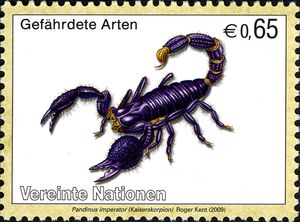
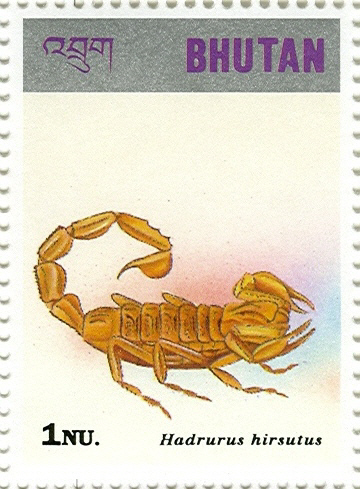
An ascetic was trying to save a scorpion that fell into the river. As soon as it was saved by him he was stung by the scorpion. He saved it again when it fell into the water. And it stung him again. He asked why did it sting him every time he saved it.
“Oh, ascetic, don’t you know it is the nature of men to save and it is my nature to sting”.

The moral of the story is don’t try to change bad people. For some it is their inborn nature. You can’t straighten a dog’s tail!

சௌராஷ்ட்ரா சமூகம் பற்றி சுவையான விஷயங்கள்

IMG_3245 (2)

Article No. 2081

by London swaminathan

Date : 18 August  2015

Time uploaded in London :–  காலை 8-21

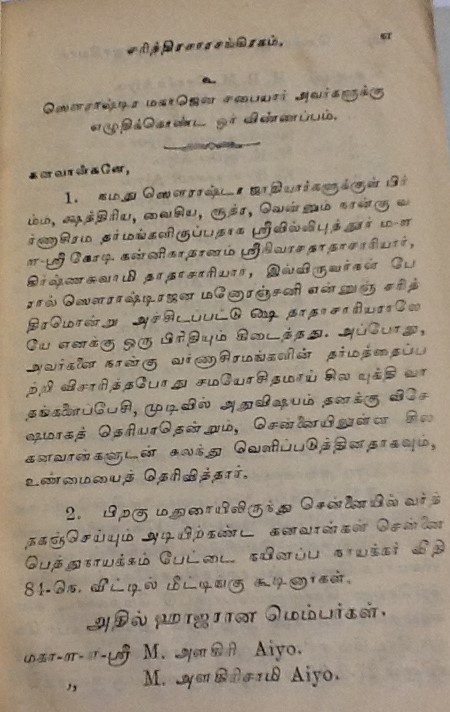
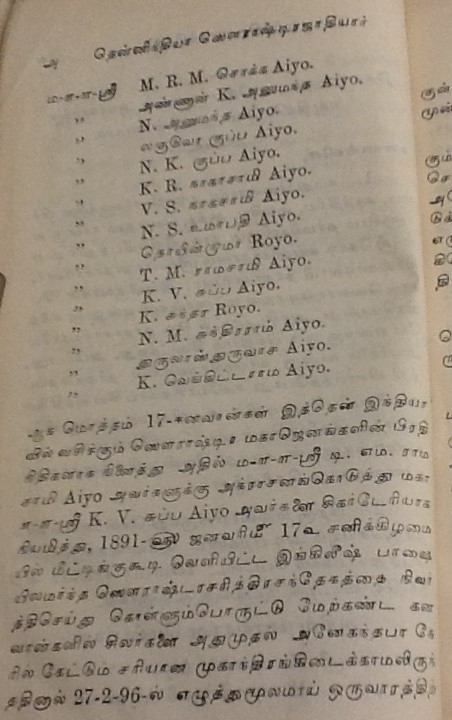
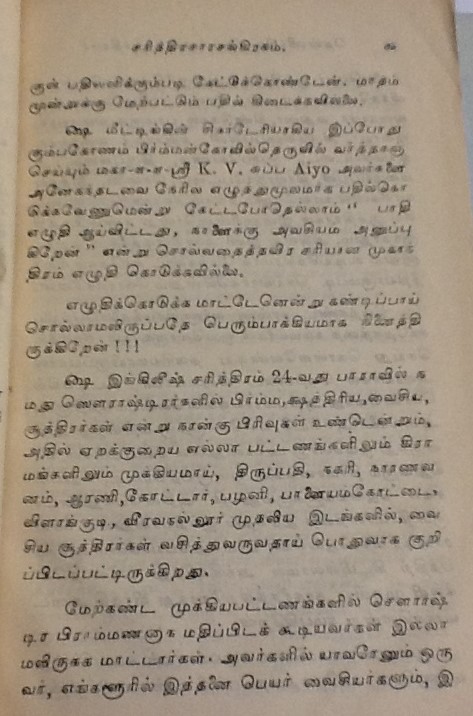
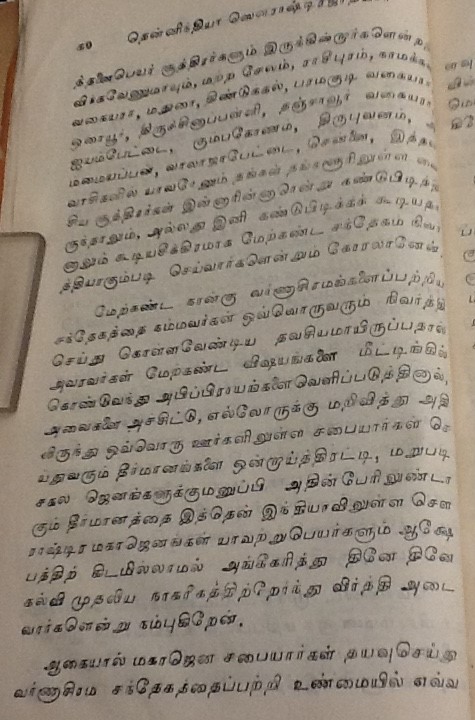
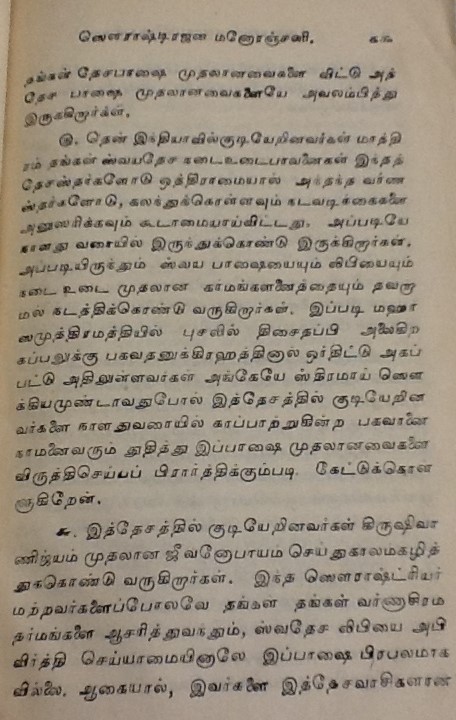
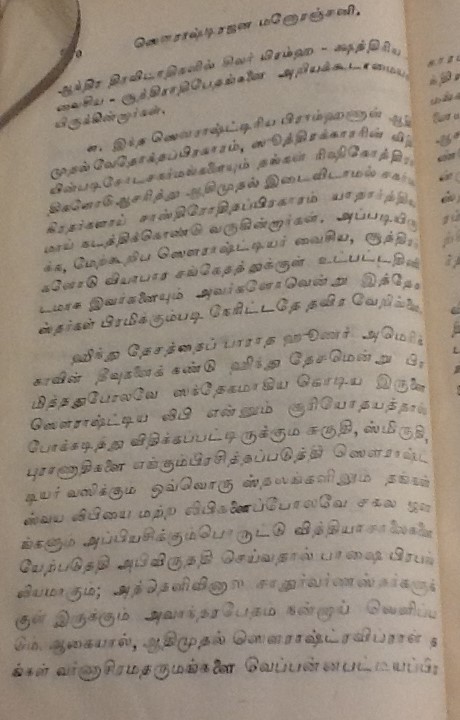
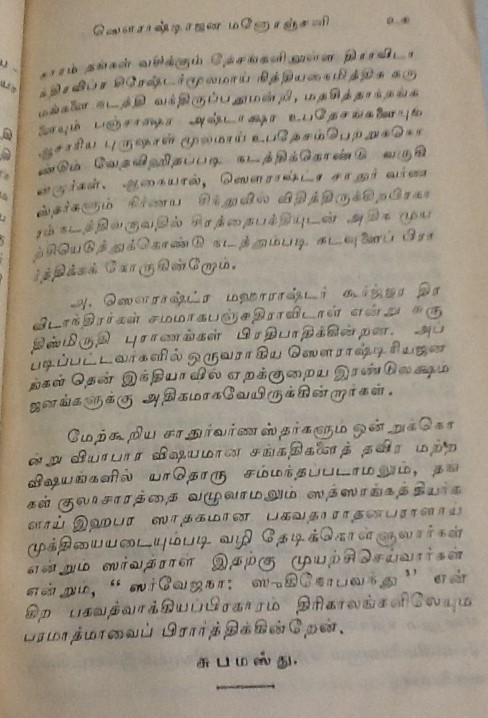
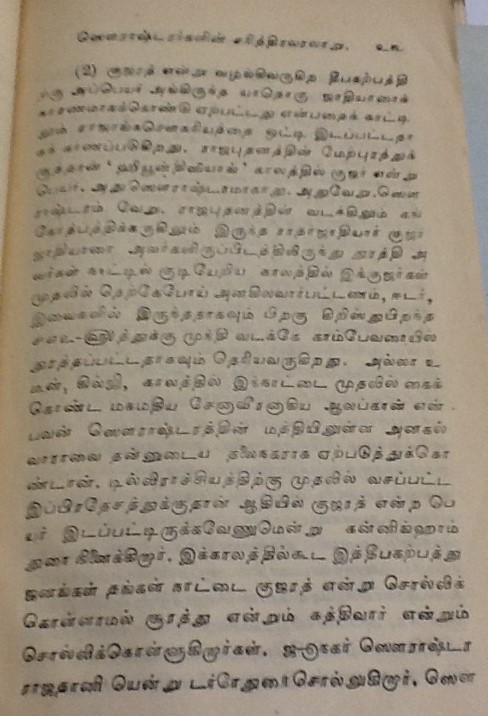
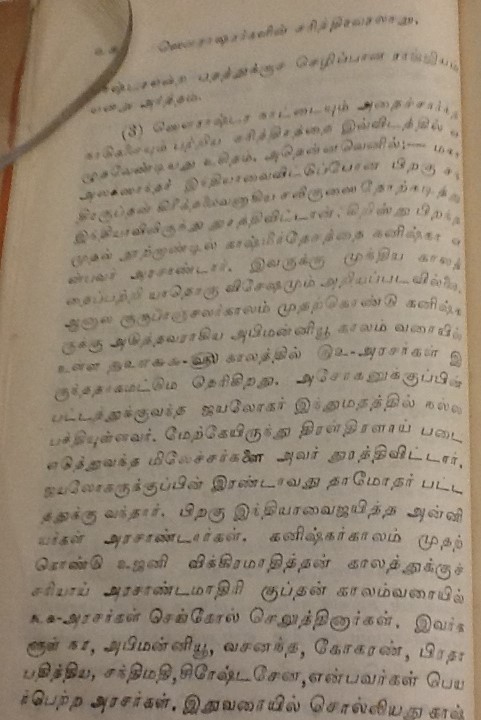
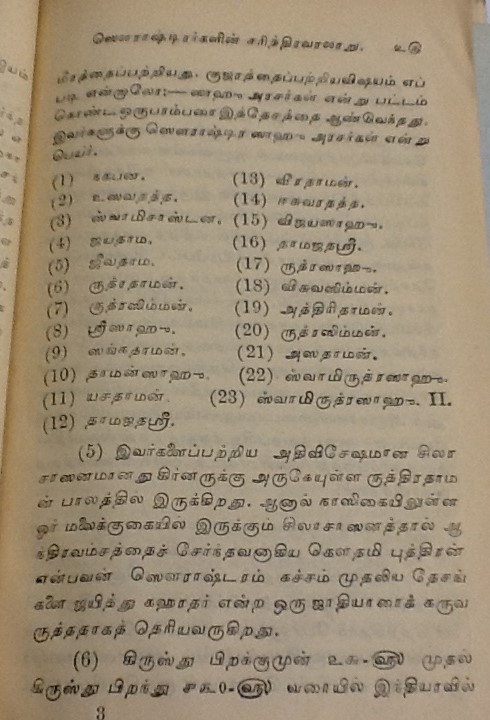
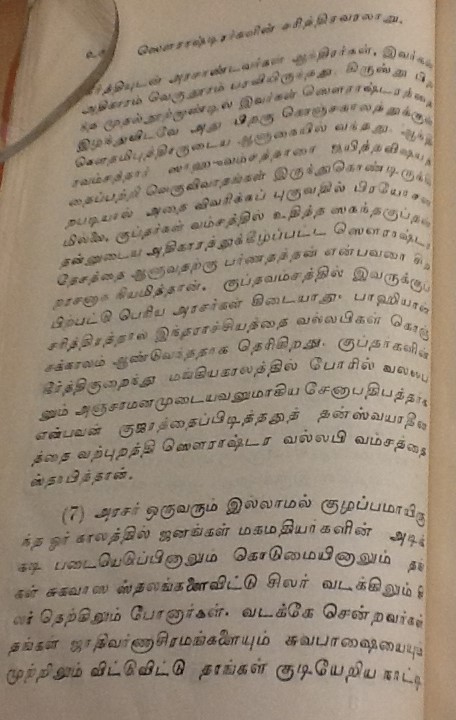
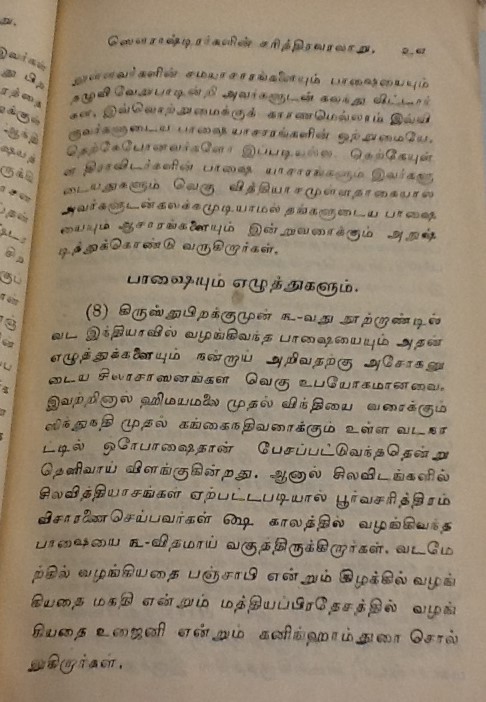
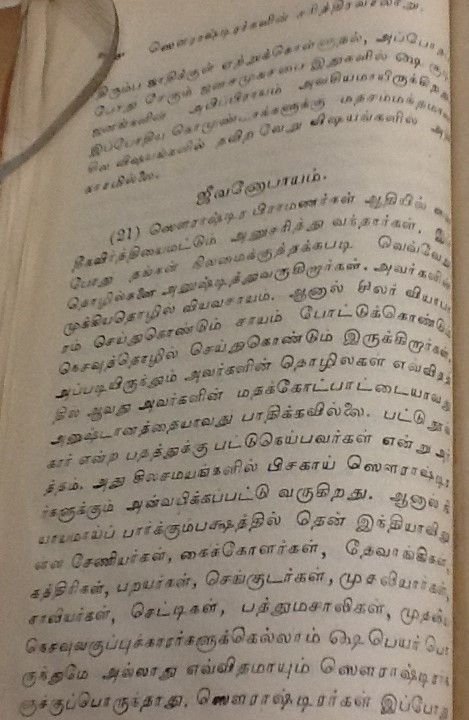
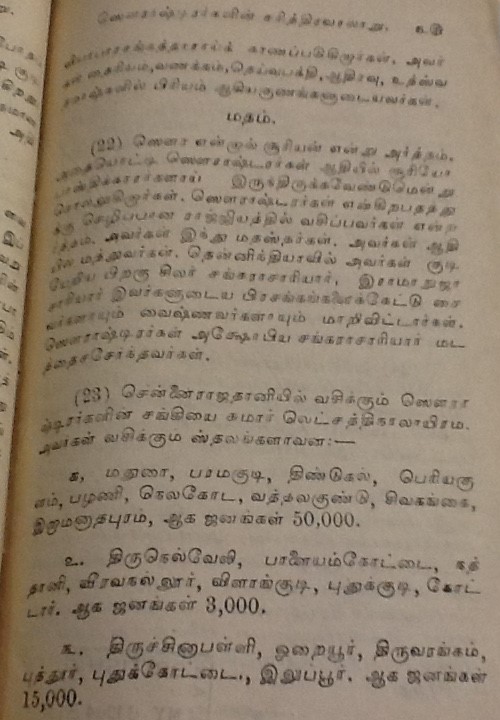
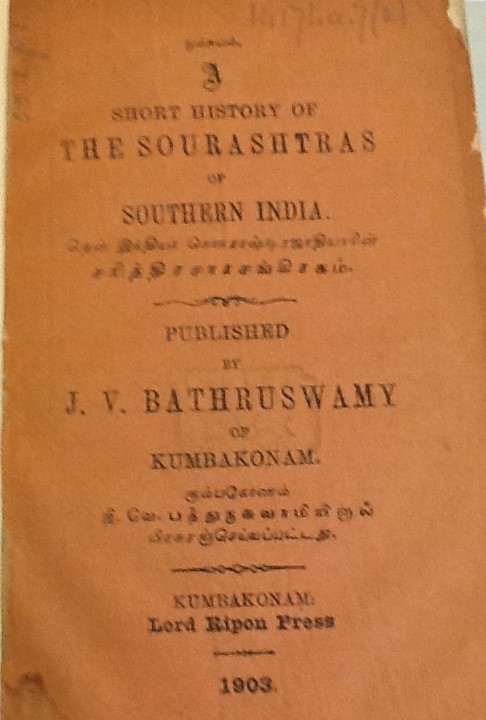
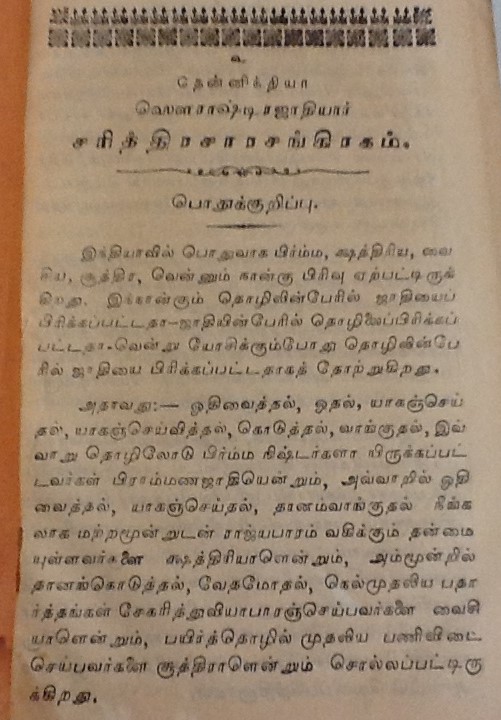
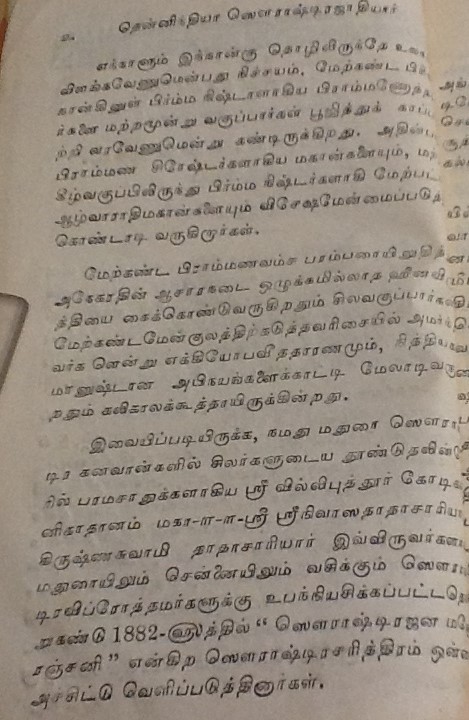
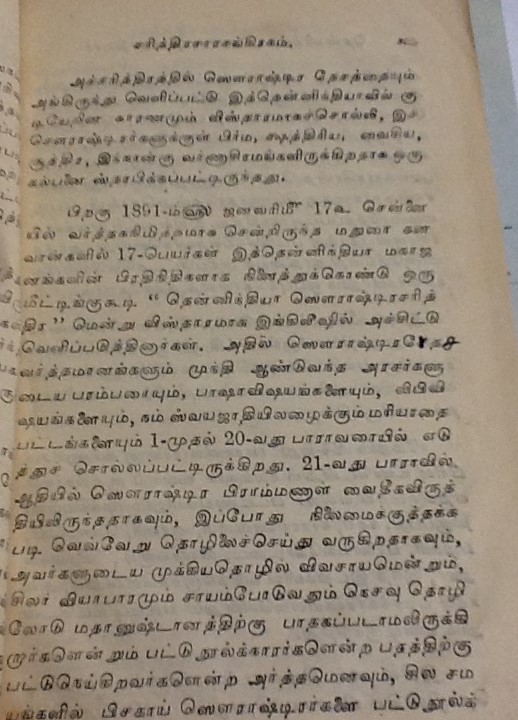
மதுரை, பரமக்குடி, சேலம் முதலிய பல ஊர்களில் வசிக்கும் சௌராஷ்ட்ரா சமூகத்தினர் குஜராத்திலுள்ள சௌராஷ்ட்ரா பிரதேசத்திலிருந்து வந்தனர். இவர்கள் பெரும்பாலும் பட்டு நூல், சேலை தயாரிக்கும் நெசவு வேலைகளில் ஈடுபட்டதாலும், அக்கலையில் கை தேர்ந்தவர்கள் என்பதாலும் இவர்களை பாமர ஜனக்கள் ‘பட்டுநூல் காரர்கள்’ என்று அழைப்பர். சுமார் 400 ஆண்டுகளுக்கு முன் இவர்களில் ஒரு பிரிவினர் பிராமணர்கள் என்று உரிமை கொண்டாடியவுடன் ஒரு விவகாரம் தலை எடுத்தது. அதை ஸ்ரீரங்கம் பட்டாசார்யார்கள், எப்படி தீர்த்துவைத்தனர் எனபனவெல்லாம் பிரிட்டிஷ் லைப்ரரியில் கிடைத்த கீழ்கண்ட பழைய புத்தகத்தில் உள்ளது. படித்து மகிழ்க.

IMG_3246 (2) IMG_3247 (2) IMG_3248 (2) IMG_3249 (2) IMG_3250 (2) IMG_3251 (2) IMG_3252 (2)IMG_3253 (2) IMG_3254 (2) IMG_3255 (2) IMG_3256 (2)IMG_3257 (2)IMG_3258 (2)IMG_3259 (2)IMG_3260 (2)IMG_3261 (2)IMG_3262 (2)IMG_3263 (2)IMG_3264 (2)

IMG_3265 (2)

IMG_3266 (2)

IMG_3261 (2)

IMG_3267 (2)IMG_3269 (2)IMG_3270 (2)

IMG_3272 (2)

IMG_3271 (2)

IMG_3274 (2)

IMG_3273 (2)

IMG_3276 (2)

IMG_3275 (2)

IMG_3278 (2)

IMG_3277 (2)IMG_3280 (2)

IMG_3279 (2)

IMG_3281 (2)

மலைப் பாம்பாகப் பிறந்த கோவில் பூஜாரி!

python malay

Article No. 2080

Written by London swaminathan

Date : 18 August  2015

Time uploaded in London :–  காலை 6-18

ஒரு நாள் ஸ்ரீ வல்லபாசாரியார் தம் சிஷ்யர் தாமோதரதாசர் பின்தொடரக் காட்டுப் பிரதேசத்தில் சென்று கொண்டிருந்தார். வழியில் தென்பட்ட ஒரு கோரக் காட்சி அவரை மேலே செல்லவிடவில்லை. இறக்கும் தருவாயில் ஒரு மலைப் பாம்பு செயலற்றுக் கிடந்தது. அதன் உடலை ஏராளமான எறும்புகள் மொய்த்துக் கொண்டு கடித்தன.கொடிய சித்திர வதை! மலைப் பாம்பு வேதனை தாளாமல் உடலை நெளித்து நெளித்துத் துன்புறுவது கண்ணராவியாக இருந்தது. இரு மனிதர் கண்களிலும் நீர் ததும்பியது.

ஸ்ரீ வல்லபாசார்யார் பெருமூச்சுடன், கையிலிருந்த கமண்டலத்திலிருந்து கொஞ்சம் தண்ணீர் எடுத்து, அந்தப் பாம்பின் மேல் தெளித்தார். அதற்கு நற்கதி கிடைக்கட்டும் என்று பரமனைப் பிரார்த்தித்தார். எறும்புகள் உடனே விலகிவிட்டன. மலைப் பாம்பும் நிம்மதியாக மரணத்தை வரவேற்றது. இருவரும் மேலே வழிநடந்தார்கள்.

720-Mahaprabhu-Vallabhacharya

ஸ்ரீ ஆச்சார்யரின் மனக் கலக்கம் நீங்காததைக் கண்ட சிஷ்யர் பணிவோடு காரணத்தை வினவவே, குரு பதில் சொன்னார்: “இந்த மலைப் பாம்பு போன பிறவியில் பிருந்தாவனத்தில் கண்ண பிரானின் திருக்கோயில் ‘மஹந்த்’ (தலைமை அர்ச்சகர்). இவனை நம்பி ஏராளமான சிஷ்யர்கள் அறப்பணிக்காக நிறைய பொருளுதவி செய்தார்கள். அவ்வளவையும் இந்த மனிதன் சுய சுக போகத்துக்கென்றே செலவு செய்துவிட்டு மடிந்தான். இந்தப் பிறவியில் அந்த சிஷ்யர்கள் எறும்புகளாக வந்து பழிதீர்த்துக் கொள்கிறார்கள். நிலைதவறிய குருவை எண்ணிப் பார்க்கிறேன். மனக் கலக்கம் மாறவில்லை.”

சிஷ்யரின் கோரிக்கைப் படி சிறந்த குரு யார் என்பதை விளக்கினார் வல்லபர்: “சிரத்தையோடு தினமும் தெய்வத்துக்கு எவர் திருத் தொண்டு புரிகிறாரோ, செருக்கு, சினம், வேட்கை ஆகியவை சிறிதும் இல்லாமல் எவர் வாழ்கிறாரோ, பகவானின் சொரூபத்தை உணர்ந்தவர் எவரோ, அத்தகைய அறிவாளியை மெய்யறிவு பெற விரும்பும் எவரும் குருவாகக் கொள்ளலாம்.”

(தமிழ்:எஸ். ராஜன், ஜூலை, 1964 மஞ்சரி)

Three Popular Anecdotes on Patience

519-Maharshi-Valmiki-India-Stamp-1970

Article No. 2079
Written by London swaminathan
Date : 17  August  2015
Time uploaded in London :–  19-59

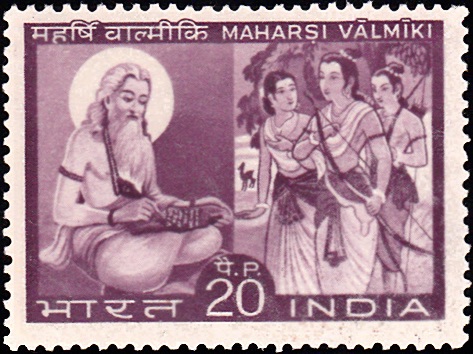
“Forbearance is the best ornament for men and women”, says sage Valmiki.

“Alankaaro hi naariinaam ksamaa to purusasya vaa” – Valmiki Ramayana


Patience is a virtue extolled in every scripture and preached by all the saints. There are popular anecdotes in the life of famous people. Tamil saint Tiruvalluvar has devoted one full chapter for it. Mahabharata and Ramayana have plenty of references to patience, forbearance and forgiving.

Retaliation gives but a day’s joy;

Forbearance brings glory for all time – Tirukkural 156

There are three anecdotes to illustrate the greatness of this virtue:

 stamp_newton

Isaac Newton and his dog Diamond

Isaac Newton’s favourite dog is Diamond which was so famous even Carlyle has mentioned it in his book on the French Revolution. One day Newton went for a walk leaving the dog at home. He had his research work on his table where there was a lighted candle. The dog had jumped on it and set fire to the papers. It was the product of his twenty year work. When Newton returned from the walk he saw the charred papers and got a shock. But he never became angry or threw the dog out of the house. He patted on its back and said, “O Diamond, You don’t know what you have done to my work.” He started writing all his work again.
Dictionary Destroyed

There is a similar story about Dr Thomas Cooper who edited a dictionary during the reign of Queen Elizabeth. He edited a learned dictionary with the addition of thirty three thousand words, and many other improvements. He had already been eight years in collecting materials for his edition, when his wife, who was a worthless and malignant woman, going one day into his library, burnt every note he had prepared under the pretence of fearing that he would kill himself with study.

The doctor shortly after came in, and seeing the destruction, inquired who the author of it was. His wife boldly avowed that it was the work of her mischievous hands. The patient man heaved a sigh and said, “Oh, Dinah, thou hast given me a world of trouble!”

Then he quietly sat down to another eight years of hard labour, to replace the notes which she had destroyed.

buddha

Buddha and Purna

Purna was one of Buddha’s disciples. He decided to preach in the region of Sudana, which was an uncivilised region.

Buddha asked, “Purna, Where are you going to preach?”

In the region of Sudana, said Purna.

What if they refuse to accept your teachings and criticise you?

That does not matter. I am happy that they did not physically hurt me.

What if they attack you?, asked the Buddha.

It does not matter. I am happy that they did not attack me with weapons.

What if they stab you or cut you with a knife?

I will be still feeling happy thinking that they did not kill me.

What if they kill you?

It does not matter. I will be happy that they helped me to get liberated

Buddha was very happy when he heard this and allowed him to go to the chosen area saying that he reached the highest stage.

valluvar

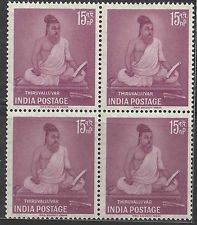
Tiruvalluvar, author of Tirukkural

Plato and Aristotle

Dr S M Diaz in his commentary on Tirukkural points out neither Plato nor Aristotle said anything about patience:

“It is surprising that these higher level virtues like forbearance, which before Christ, were not referred to by Plato and Aristotle in any of their treatises. But Sangam Tamil literature (Kalitokai 113-14; Natrinai 116)) and the Kural mention it. Obviously the Tamil society of those days, through national channels, had reached a high plateau of norms of virtue, as regards individual and social conduct.”

Some English Quotes on Patience, Forbearance and Forgiving

To err is human, to forgive is divine – Alexander Pope

Good to forgive, best to forget – Robert Browning.

Only a great soul can be superior to the injury – Cato

The best revenge is not to copy him

That was wronged you – Marcus Aurelius, Book VI-6

Unkindness must be treated with kindness – Seneca, Book 27-III

Father, forgive them; they know not what they do – Luke 23-34

The rarer action is in virtue than in vengeance – Francis Bacon

— End —

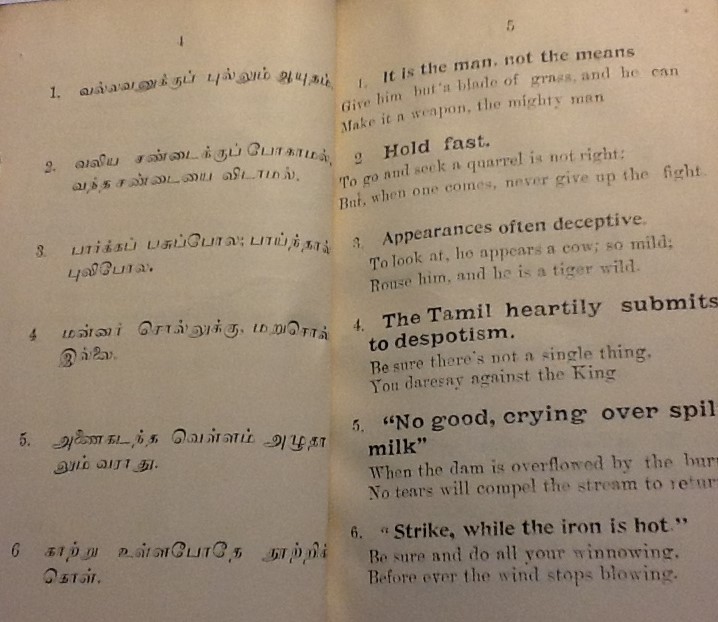
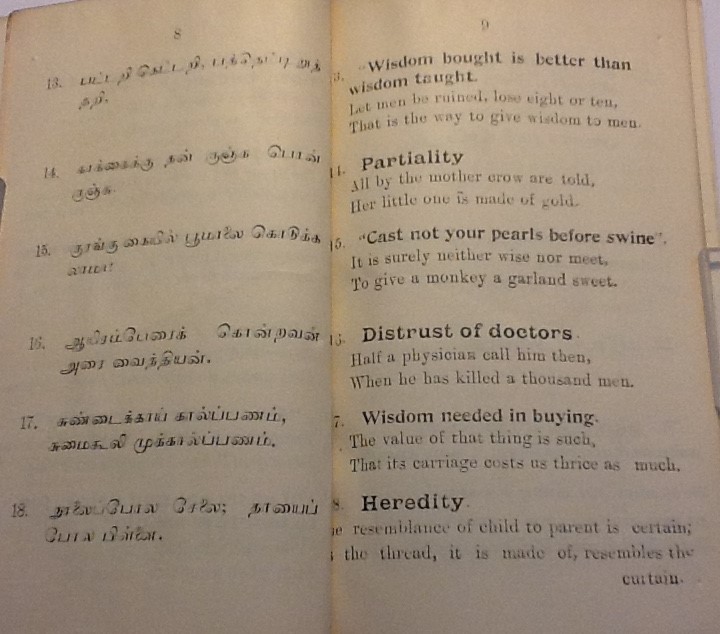
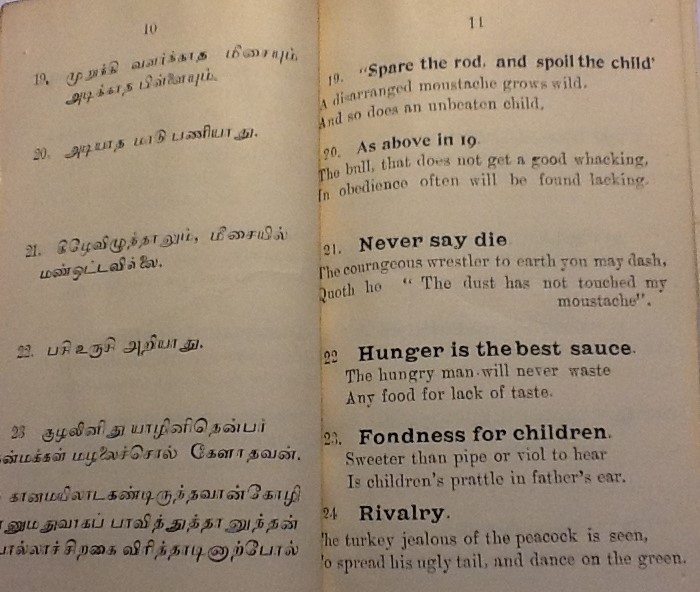
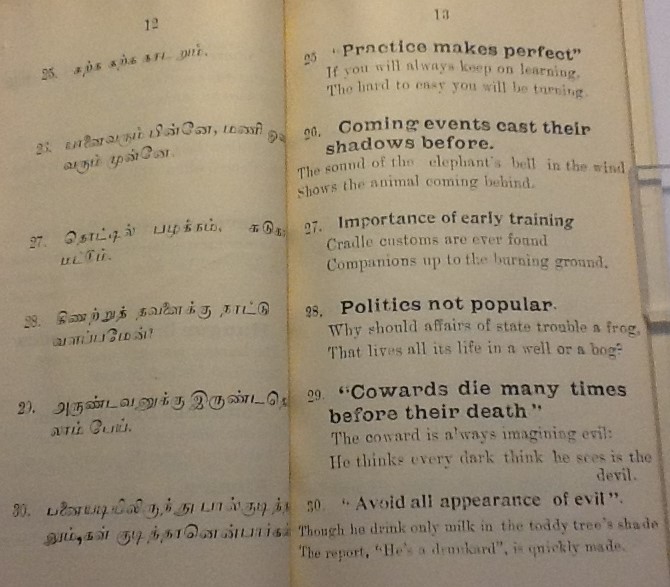
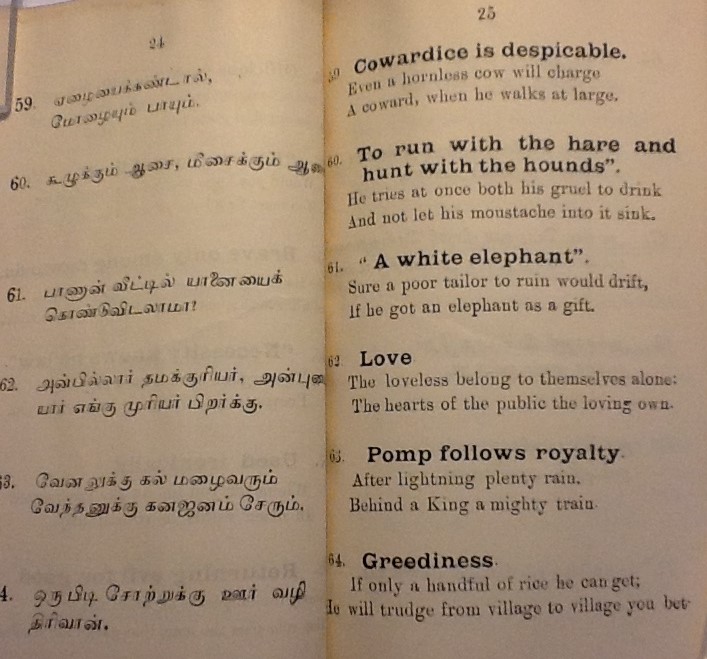
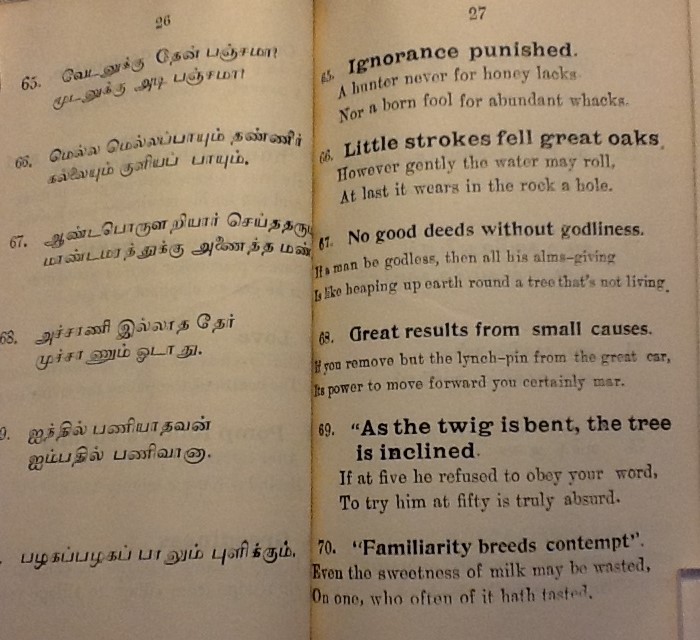
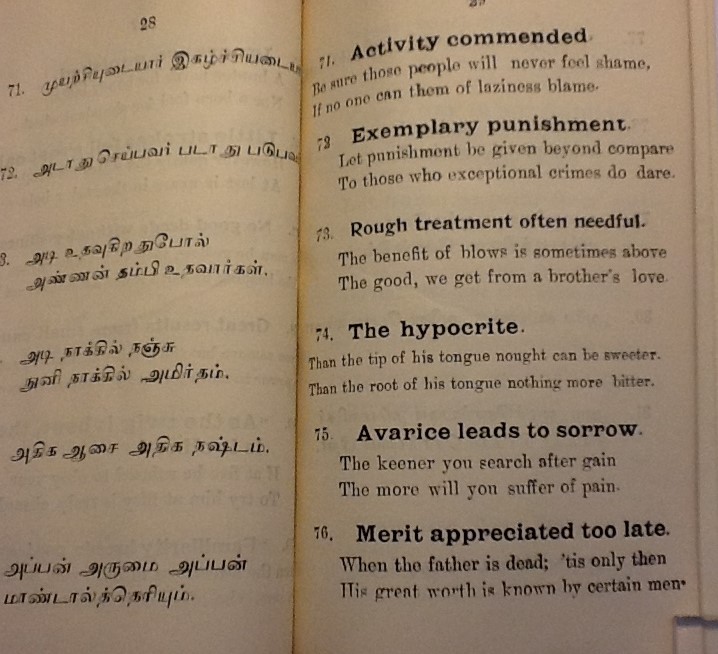
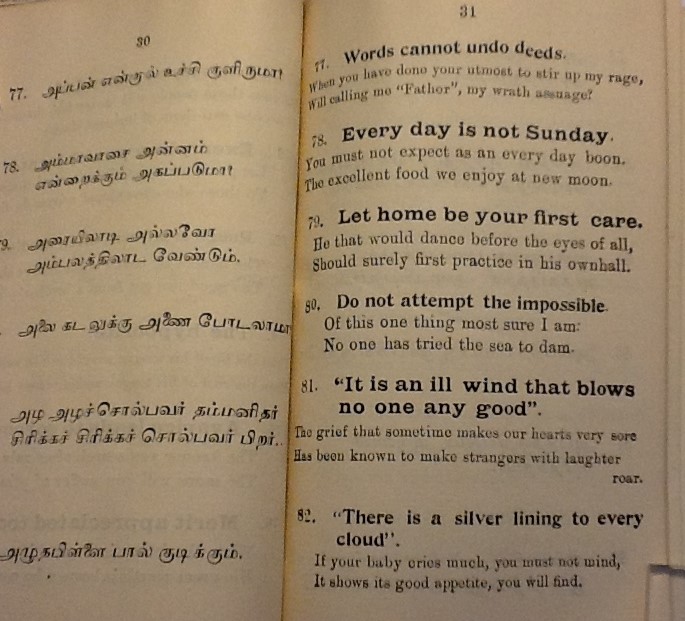
TAMIL – ENGLISH PROVERB BOOK -1

IMG_3522 (2)

Article No. 2078

Written by London swaminathan

Date : 17  August  2015

Time uploaded in London :–  13-26


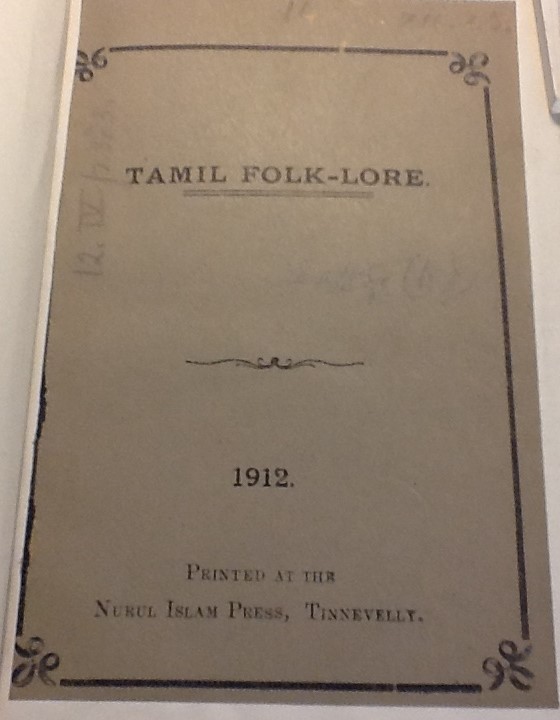
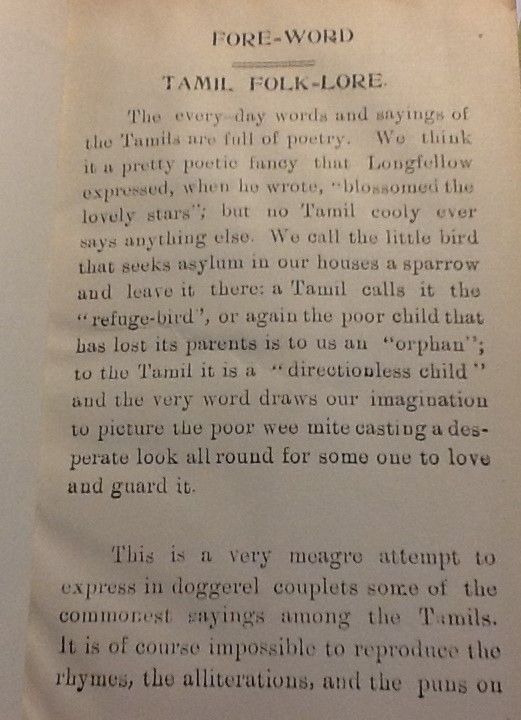
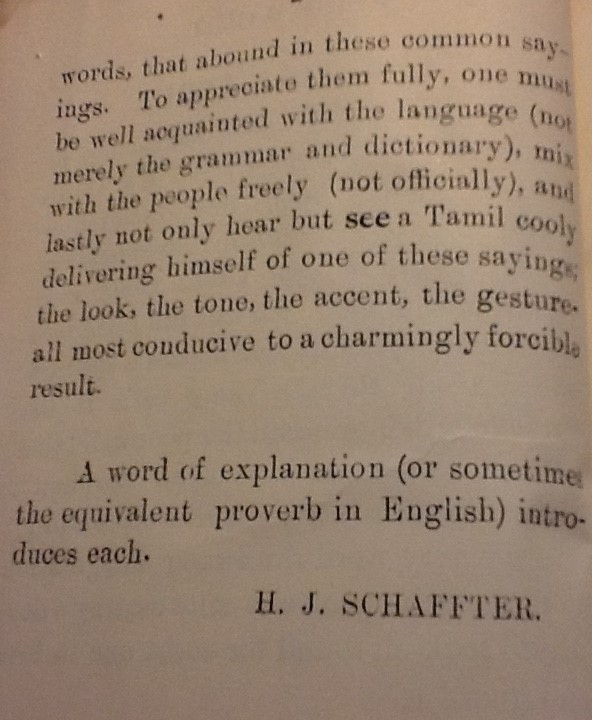
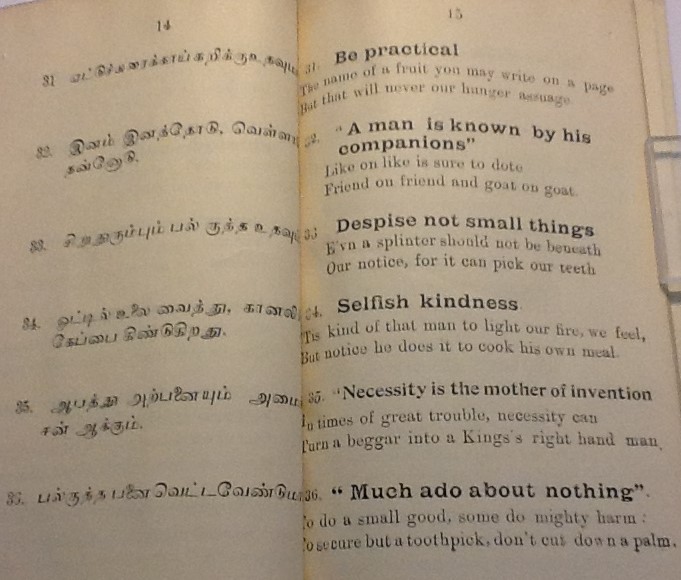
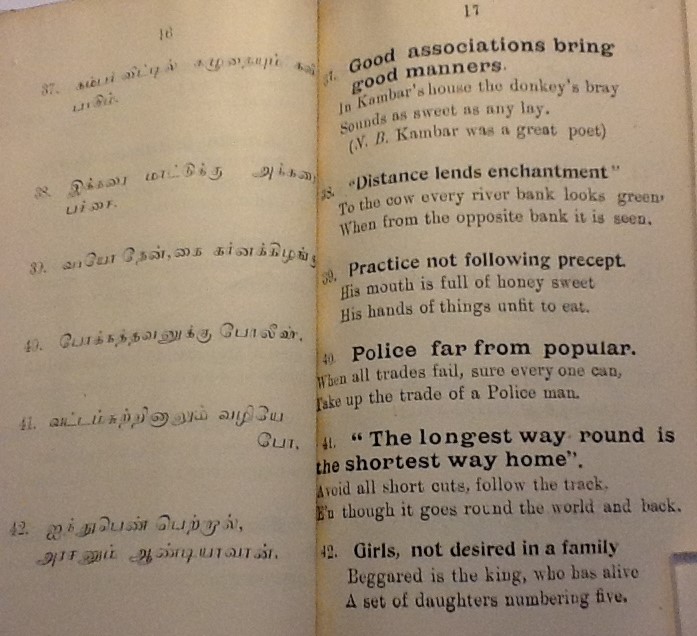
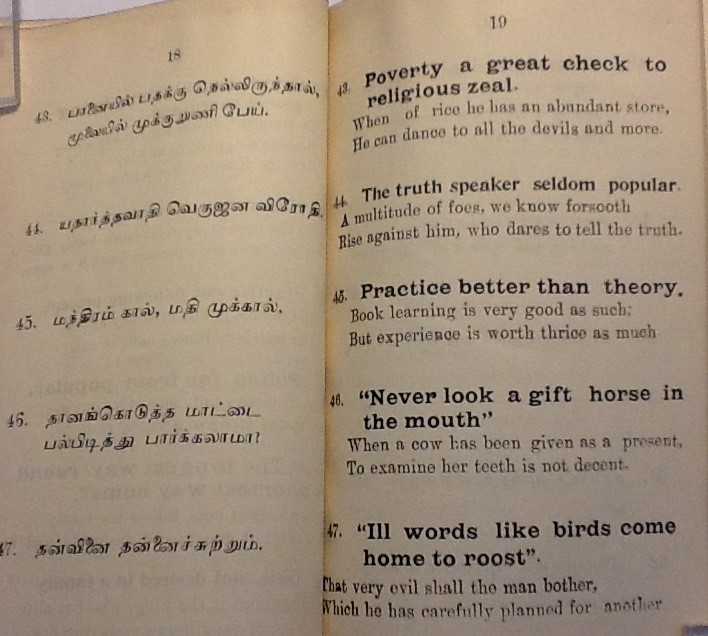
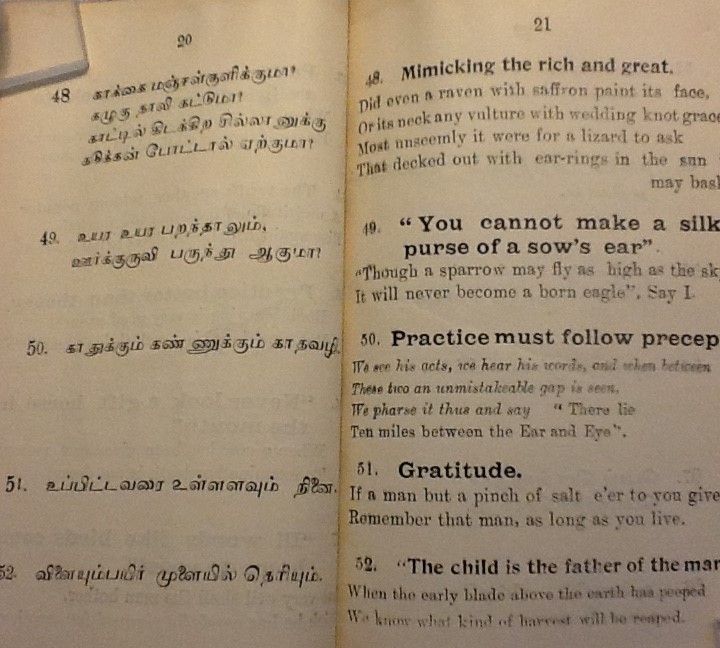
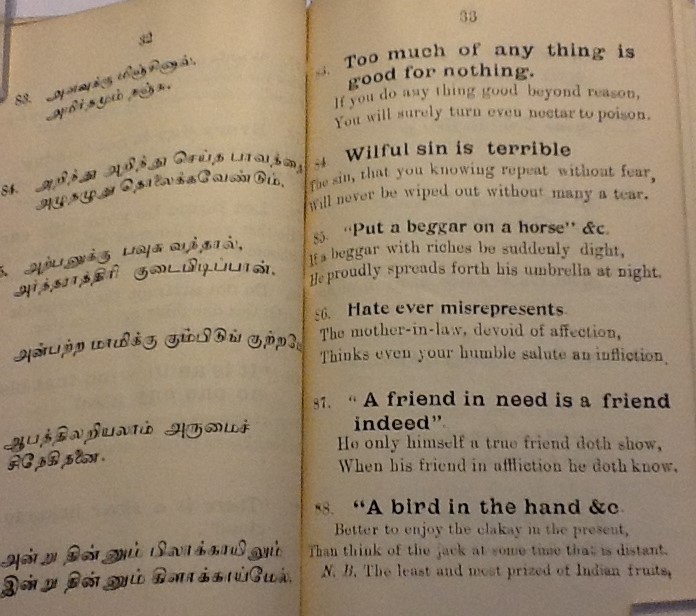
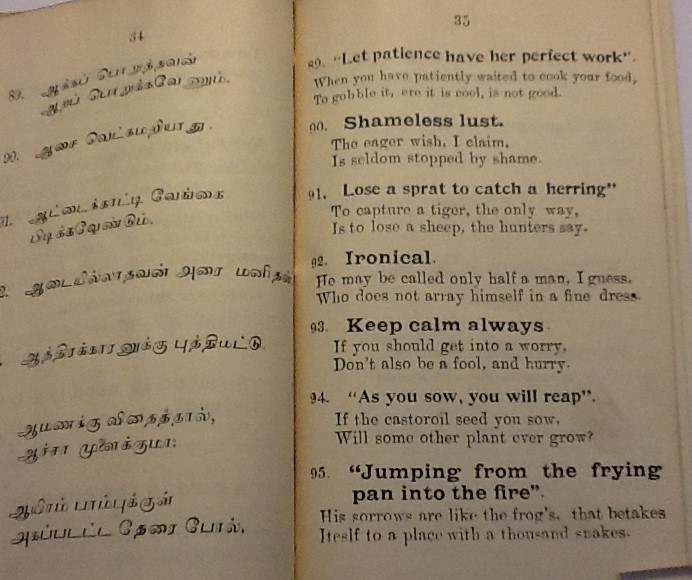
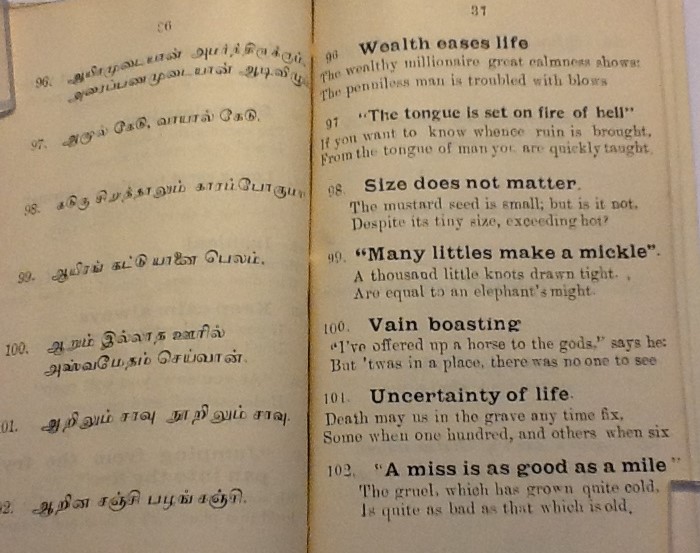
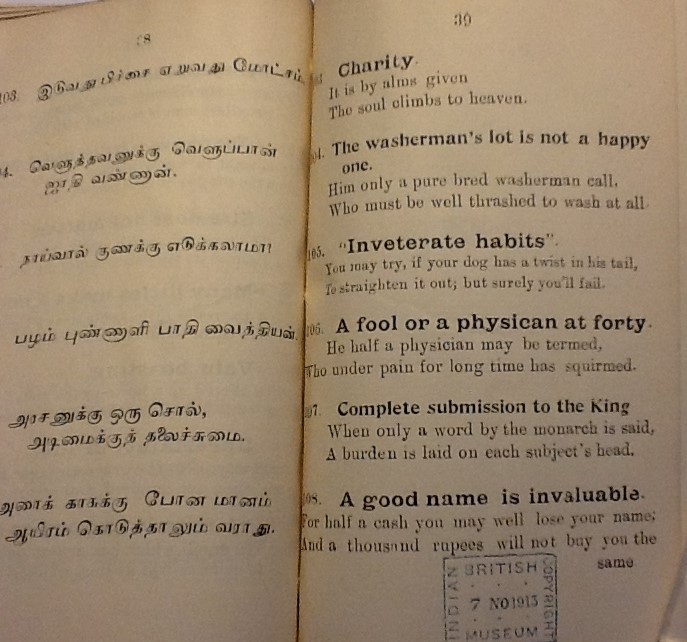
I have got three Tamil Proverb books from the British Library. They are more than 100 years old. This book was published in 1912 and it contains 108 Tamil proverbs and it’s equivalents in English.

IMG_3523 (2)

IMG_3524 (2)

IMG_3525 (2) - Copy - Copy - Copy

IMG_3526 (2) - Copy - Copy - Copy

IMG_3527 (2) - Copy - Copy

IMG_3528 (2) - Copy - Copy

IMG_3529 (2) - Copy - Copy

IMG_3530 (2) - Copy - Copy - Copy

IMG_3531 (2) - Copy - Copy - Copy

IMG_3532 (3) - Copy - Copy

IMG_3533 (2) - Copy - Copy

IMG_3534 (2) - Copy - Copy - Copy

IMG_3535 (2) - Copy

IMG_3536 (2) - Copy - Copy

IMG_3537 (2) - Copy

IMG_3538 (2) - Copy - Copy

IMG_3539 (2) - Copy - Copy

IMG_3540 (2) - Copy - Copy

IMG_3541 (2)

IMG_3542 (2) - Copy - Copy

—-End—-

Vallabhacharya and Python!

720-Mahaprabhu-Vallabhacharya

Article No. 2077

Written by London swaminathan

Date : 16  August  2015

Time uploaded in London :–  19-05


One day Sri Vallabhacarya was going through a forest with his disciple Damodara dasar. When he saw a cruel scene, he stopped there suddenly. There was a dying python unable to move. Thousands of ants were biting it and the python was wriggling in pain. Valabha and Damodara shed tears for the dying creature.

Vallabha breathed heavily and then took some water from his pot and sprinkled it on the python. It died immediately. He prayed for its liberation and then the ants left the body of the python. Both Vallabha and Damodara continued their journey through the jungle.

Still Vallabha looked deeply worried and then Damodara asked him humbly, “Guruji, still you look upset. Has anything gone wrong?”

python malay

Vallabha said to him, “This python was a Mahant (Chief priest) in the temple at Brindhavan in its previous birth. A lot of his devotees donated money for several good causes. But this priest swindled all the money and spent for himself and died. In this birth he was reborn as a python and the ants were the devotees who gave money to him. Now they took revenge upon him. I was thinking about the Mahant who went astray. The thoughts are still in my mind. That is why I am upset.”

Immediately his disciple Damodara asked, “Guruji, how must a perfect Guru should act in such circumstances? Vallabha replied that a Guru should worship God every day without ego, anger and desire. One who has realised God is a perfect Guru.”