God ever protects those who rely on him

malaiyum kadum

Article No. 2066

Written by London swaminathan

Swami_48@yahoo.com

Date : 12  August  2015

Time uploaded in London :–  22-11

One day a man, who had not much faith in God, heard from the lips of a saint that god always protects his devotees when they are absorbed in his remembrance and meditation. This protection comes to him in all respects. The man became curious and wanted to test the assurance given by the Saint. So, one day, he went to a forest miles away from the town in which he lived and sat in the midst of a cluster of trees. He had gone into the forest in the morning and continued to stay until midday. All the while, he was unceasingly repeating God’s name with mind fixed on him.

When he was thus engaged, a man passed through this forest intending to visit a neighbouring village by a short cut. He was carrying his meal tied up in a bundle. When the traveller saw the man sitting alone by himself, it evoked sympathy and thought he could offer him the food he was carrying with him. Accordingly going up to the man, he gave the food to him. The man accepted the offer and ate the meal.

A question arose in his mind whether it was God who fed him at the proper time or whether it was a coincidence. He felt that the test he made was not a proper one. His mistake, he thought, was in having selected a spot frequented by human beings. So he planned to take himself off the next day to a distant place where no human beings would go.

Next day, he started early from home and walking a distance of about four or five miles and crossing a river, he saw a pretty tall hill which he climbed up looking out for a suitable lonely place for his prayers. To his pleasant surprise, he saw a hollow on the top of the hill and thought if he sat in it nobody able to find him out. He descended into it and sitting in the middle of it, started chanting god’s name with great devotion. Hours passed.

tirukkurungkudi malaiwampi

Meanwhile from the town in which this man lived, a party of ten to fifteen youngsters started on a picnic. They travelled on a boat to the appointed place up the river referred to above. Merrily the boatman rowed the boat and the young men were quite happy.  But when they neared the place, where on the top of the hill the devotee was sitting, a strong breeze blew from the opposite direction and the boat would not move in spite of strenuous efforts of the boatman. Then the boat man suggested that the party may halt at that place and finish up the picnic programme.  The party had no other alternative. Getting down from the boat they proceeded to the base of the hill.  They proposed to spread a cloth on the sand and, sitting on it, make a good picnic repast of the many fine eatables they had brought with them.

One wise young man of the party warned that it would not be possible for them to eat there since the strong wind would sprinkle the sand on their refreshments. Then another suggested they may go to the top of that hill and find a suitable place there. Soon all of them with the picnic articles, went up the hill. In their search for a place they came across the devotee seated in the hollow of the hill. They, with one voice, declared that the man should be fed first from the food they had brought with them. Accordingly they placed before the devotee palate containing the most delicious preparations. The devotee had a hearty meal of the tasteful dishes. Now he fell to think seriously as to who fed him in that unknown deserted place. It clearly dawned in his mind that God alone provided him with food as he had depended entirely on him.  God ever protects those who rely on him is an incontestable truth.

Source Stories as Told by Swami Ramdas

Also read my previous post:

“God feeds Ant in the Box and Toad in the Stone”, posted on 19 June, 2014.

கல்விக்கு அழகு கசடற மொழிதல்

narendra-modi-speech

பிரதமர் நரேந்திர மோடி, டில்லி செங்கோட்டை

Article No. 2065

Written by London swaminathan

Swami_48@yahoo.com

Date : 12  August  2015

Time uploaded in London :–  9-22 am


வாணீ = சொல்வன்மை = நன்மொழி தொடர்பான 30 பொன்மொழிகள்


1.அக்னிதா: அபி விசிஷ்டம் வாக் பாருஷ்யம் – சாணக்ய நீதி

சூட்டை விட சுடு சொல்லின் வெப்பம் அதிகம்.

((தீயினாற் சுட்ட புண் ஆறும், நாவினாற் சுட்ட புண் ஆறாது))


2.அனவசரே யதுக்தம் சுபாஷிதம் தச்ச பவதி ஹாஸ்யாய

நல்ல விஷயங்களைச் சொல்ல்பவரும் கேட்பவரும் அரிது.


3.கர்தவ்யம் ஹி சதாம் வச: — கதாசரித் சாகரம்

நல்லோற் சொற்களை நடைமுறைப்படுத்த வேண்டும்.


4.கிம் கரிஷ்யந்தி வக்தார: ஸ்ரோதா யத்ர ந வித்யதே – சாணக்ய நீதி

கேட்பாரில்லாவிடில் பேசுபவர் என்ன செய்வார்?

((கடை விரித்தேன், கொள்வாரில்லை (ராமலிங்க சுவாமிகள்))

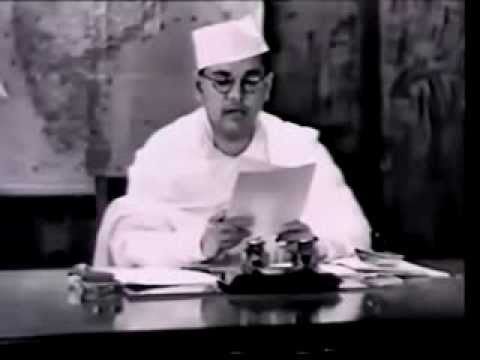
 netaji

நேதாஜி வங்காளி மொழிப் பிரசங்கம்

5.கோ வா துர்ஜனவாகுராசு பதித: க்ஷேமேண யாத: புமான் – பஞ்ச தந்திரம், பர்த்ருஹரி

கெட்டவர்களின் வலையில் விழுந்தவர்கள், யார் நல்ல நிலையில் மீண்டு வந்தனர்?

((நரி வகுத்த வலையினிலே தெரிந்து சிங்கம் நழுவி விழும் – பாஞ்சாலி சபதம், பாரதியார்))


6.க்ஷீயந்தே கலுபூஷணானி சததம் வாக்பூஷணம் பூஷணம் – பர்த்ருஹரி

உடம்பில் அணியும் அணிகலன்களுக்கு அழிவு உண்டு. சொல் எனும் அணிக்கு அழிவே இல்லை


7.ந ஹி ப்ரியம்  ப்ரவக்தும்  இச்சந்தி ம்ருஷா ஹிதைக்ஷிண:  — கிராதார்ஜுனீயம்

உண்மையான நலனை விரும்புவோர், இனிமையாக இருக்கும் என்பதற்காகப் பொய்யைச் சொல்லுவதில்லை.


8.நாப்ருஷ்ட: கஸ்யசித் ப்ரூயாத் – மனு

கேட்காததைச் சொல்லாதே

((பாத்திரம் அறிந்து தானம் செய்))


9.பரோபகரணார்த்தாய வசனே கா தரித்ரதா

பயனுள்ள சொற்களைச் சொல்வதில் கூடவா தரித்திரம்?


10.மஹீயாம்ச: ப்ரக்ருத்யா மிதபாஷிண: –  சிசுபாலவதம்

பெரியோர்கள் இயற்கையிலேயே குறைவாகப் பேசுவர்

(ராமபிரான் மித பாஷி, ஹித பாஷி, ஸ்ரீஉத பாஷி, பூர்வ பாஷி—வால்மீகி ராமாயணம்)

 nehru

பாரதத்தின் முதல் பிரதமர் நேருஜி சொற்பொழிவு

11.மிதம் ச சாரம் சவசோ ஹி வாக்மிதா — நைஷத சரிதம்

குறைவாக – பொருளுள்ள — விஷயங்களைப் பேசுவதே பேச்சுக் கலை


12.லௌகிகானாம் ஹி சாதூனாமர்தம் வாகனுதாவதி

ருஷீணாம் புனராத்யானாம் வாசமர்த்தோ அனுதாவதி – உத்தர ராம சரிதம்


நாம் காணும் பெரியோர்களின் சொற்கள், பொருளை அடிப்படையாக வைத்துச் சொல்லப்படுபவை. ஆனால் ரிஷிகளின் சொற்களே பொருளாகி விடுகின்றன. (அதாவது ரிஷிகளின் சொற்களே அஸ்திவாரம்)


13.ஸ்ருதேன யத்னேன ச வாகுபாஸிதா த்ருவம் கரோத்யேவ கமப்யனுக்ரஹம்  — காவ்யதர்ச:


கேள்வி ஞானம் மூலம் அல்லது முயற்சியின் மூலம் கற்றோருக்கு, சரஸ்வதி தேவி, எப்படியாவது நற்பயனைத் தருவாள்.

((கற்றோருக்கு சென்றவிடமெல்லாம் சிறப்பு))

14.பல சொல்லக் காமுறுவர் மன்றமாசற்ற

சில சொல்லல் தேற்றாதவர் (குறள்  649)

சில சொற்களால் சொல்ல முடியாதோர், பல சொற்களைச் சொல்வர் (நேரத்தை வீணடிப்பர்)


15.சுமங்களோ பத்ரவாதி வதேஹ  — ரிக் வேதம்

மங்களகரமான, நன்மை பயக்கும் சொற்களைச் சொல்


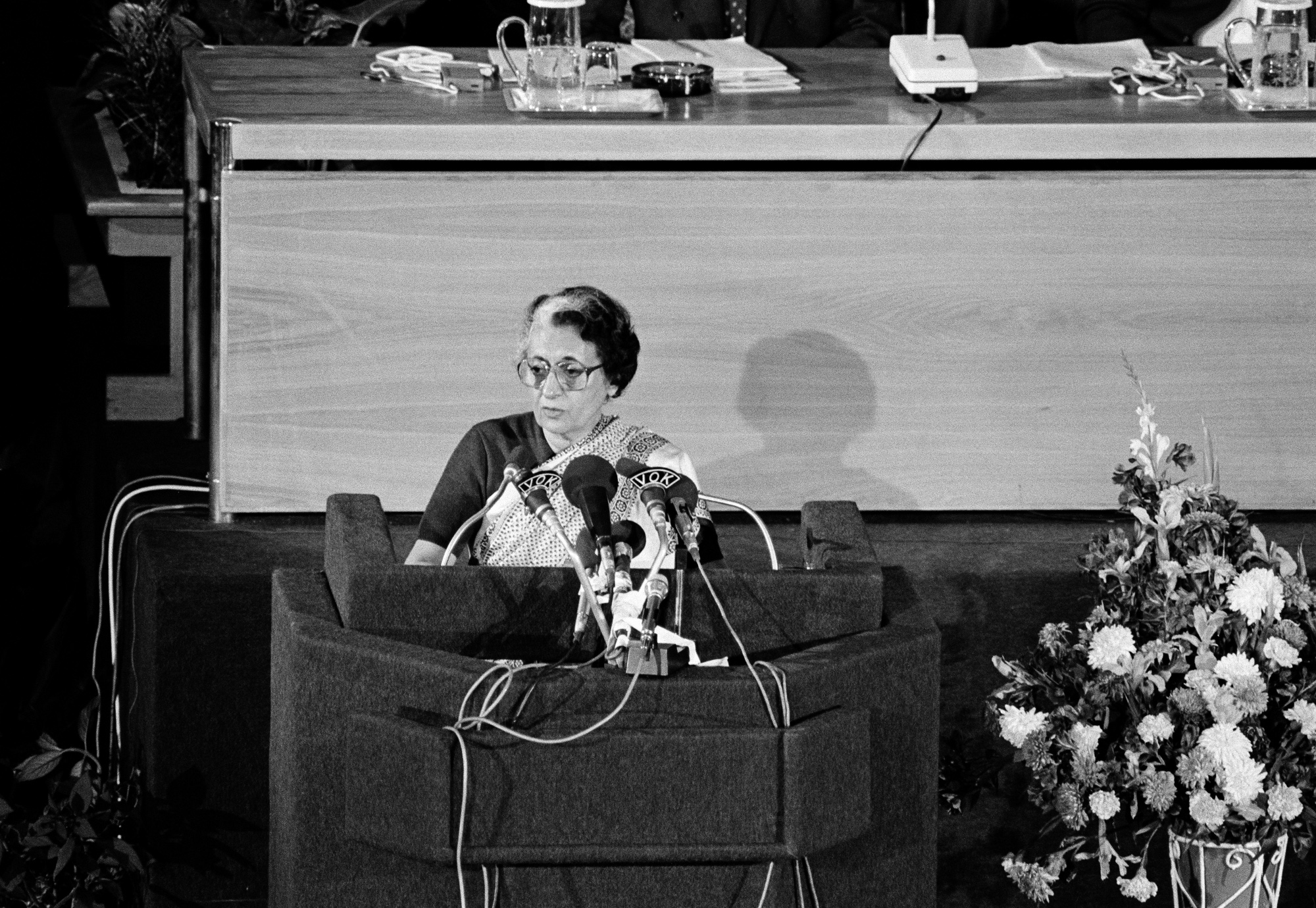
indira UN Conference

ஐ.நா. சபையில் முன்னாள் பிரதமர் – இந்திராகாந்தி பேருரை

16.சதாம் ஹி வாணீ குணமேவ பாஷதே – கிராதார்ஜுனீயம்

நல்லோர்கள் எப்போதும் நற்குணங்களை மட்டுமே உரைப்பர்


17.சுதுர்லபா: சர்வமனோரமா கிர: – கிராதார்ஜுனீயம்

எல்லோரும் ஏற்கக் கூடிய இனிய சொற்களைப் பேசுவது கடினம்


18.ஹிதம் மனோஹாரி ச துர்லபம் வச: – – – கிராதார்ஜுனீயம்

நலம்பயக்கும், பிரியமான சொற்கள் கிடைப்பது அரிது.


19.ஆ நோ பத்ரா: ருதவோ யந்து விஸ்வத: – ரிக்வேதம் 1-89-1

எல்லா திசைகளிலிருந்தும் எங்களுக்கு உயர்ந்த கருத்துகள் வரட்டும்


20.சில்லெழுத்தினாலே பொருளடங்கக்

காலத்தால் சொல்லுக செவ்வி அறிந்து (ஆசாரக்கோவை)

கொஞ்சமாகப் பேசு, பொருளோடு பேசு, காலம் அறிந்து பேசு, கேட்பவர் விருப்பம் அறிந்து பேசு


21.சில்வகை எழுத்தில் பல்வகைப் பொருளைச்

செவ்வனாடியிற் செறித்தினிது விளக்கும் – நன்னூல்

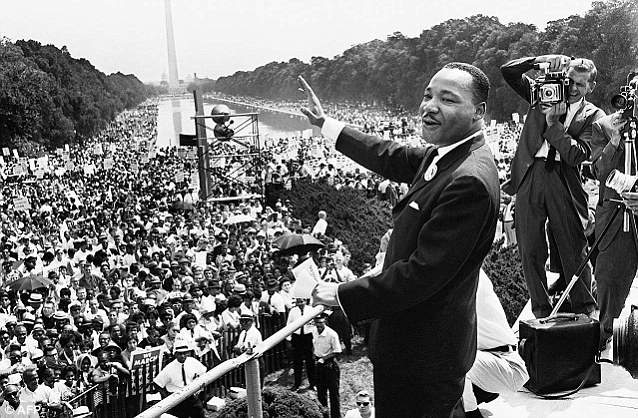
 martinluther

மார்ட்டின் லூத கிங்

  1. கல்விக்கு அழகு கசடற மொழிதல் — வெற்றி வேர்க்கை


23.சொற்சோர்வுபடேல் – ஆத்திச் சூடி

சொல்ல வேண்டியதை மறக்காமல் சுவைபடச் சொல்லுக


24.மிகைபடச் சொல்லேல் — ஆத்திச் சூடி

அதிகமாகப் பேசாதே


25.பிழைபடச் சொல்லேல் – ஆத்திச் சூடி


26.மொழிவதறமொழி — ஆத்திச் சூடி

பேசும் பொருளை சந்தேகம் வராதபடி விளக்குக


27.சொல்லுங்கால் சோர்வின்றிச் சொல்லுதல் மான்பினிது – இனியவை நாற்பது


28.பொய்யுடை ஒருவன் சொல்வன்மையினால்

மெய் போலும்மே மெய் போலும்மே – வெற்றி வேர்க்கை

பொய் சொல்பவன் தேன் ஒழுகப் பேசுகையில் அது உண்மை போலத் தோன்றும்

  1. மெய்யுடை ஒருவன் சொல மாட்டாமையினால்

பொய் போலும்மே பொய் போலும்மே – வெற்றி வேர்க்கை

பேசத்தெரியாதவன் உண்மை பேசினாலும் அது பொய் போலத் தோன்றிவிடும்.

vajayee

முன்னாள் பிரதமர் அடல் பிஹாரி வாஜ்பாயீ

30.சிறந்தமைந்த கேள்வியராயினும் ஆராய்ந்து

அறிந்துரைத்தல் ஆற்றல் இனிது – இனியவை நாற்பது

பல நூல்களை நன்கு படித்திருந்தாலும், ஆராய்ந்த பின்னர் ஒன்றைச் சொல்லுவதே இனியது (நல்லது)

திருவள்ளுவரின் திருக்குறளில்  சொல்வன்மை (65 ஆவது) என்னும் அதிகாரத்தை ஒப்பிட்டு மகிழ்க!

பாரதியாரின் தீர்க்கதரிசனம்

Article No. 2064

Written by S NAGARAJAN

Date : 12  August  2015

Time uploaded in London :–  6-05 am


மதமாற்றம் செய்து சகோதர ஹிந்துக்களிடமிருந்து பிரித்த எதிரிகள்! – 2

By .நாகராஜன்

 1430101410-1335_india1200AD

பாரதியாரின் தீர்க்கதரிசனம்

ஆங்கிலேயர்களின் முக்கிய நோக்கம் எந்த விதத்திலெல்லாம் பிரிக்க முடியுமோ அந்த விதத்திலெல்லாம் பாரதீயர்களைப் பிரித்து இந்திய சுதந்திரத்தைத் தடுத்து நிறுத்த வேண்டும் என்பது தான்.


இது முடியாத நிலையில் ஒரு வேளை இந்தியா சுதந்திரம் அடைந்து விட்டால் அதை உருப்படியாகத் தக்க வைத்துக் கொள்ளாமல் ஏராளமான பிரிவினைகளுக்கு வித்திட்டு இந்தியாவை கூடிய சீக்கிரம் சிதறுண்டு சின்னாபின்னமாக்குவது தான் ஆங்கிலேயரின் நோக்கம்.


இந்த வெள்ளைக்கார குள்ளநரி தந்திரத்தை நன்கு தீர்க்கதரிசனத்தால் கண்ட மஹாகவி பாரதியார் முஸ்லீம்கள்ஹிந்துக்கள் பிளவுபட்டு அழியக் கூடாது, சுதந்திரம் பெறுவதை எந்தக் காரணம் கொண்டும் தள்ளிப் போட்டு விடக் கூடாது என்று ஆரம்பமுதலே குரல் கொடுத்துக் கொண்டிருந்தார்.


அதன் வெளிப்பாட்டையே முந்தைய பாராக்களில் பார்த்தோம். இனி அவரது கட்டுரையின் தொடர்ச்சியில் வரும் ஒரு முக்கிய பாராவைப் பார்ப்போம்:-  


 “ஆதி முதல் அந்தியம் வரையில் இந்தியா மேல் படையெடுத்து வந்த ஒவ்வொரு மிலேச்ச ஜாதியும் இந்தியர்களில் வேற்றுமைகளுண்டுபண்ணி அவர்களில் தேசத்துரோகிகளாயும், ஸகோதரத் துரோகிகளாயுமிருந்த சிலரைத் தம் வசம் சேர்த்துக் கொண்டு வஞ்சனையாலும் பலவித மோசங்களாலும் இராஜ்யங்களைக் கைவசப்படுத்திக் கொண்டார்களேயொழிய வீரத்தன்மையோடும் தரும வழியிலும் ஒருவராவது ஒரு அடி பூமி கூட ஸம்பாதிக்கவில்லை. ஆங்கிலேயர்கள் சென்னை இராஜதானியிலும் மற்றுமுள்ள இந்தியாவின் பிராந்தியங்களிலும் என்னென்ன மோசங்களும் மித்திர துரோகங்களும் செய்து இராஜ்யம் ஸம்பாதித்தார்களென்பது சரித்திரங்களை வாசிக்கத் தெரியும். பூர்வீக பிரதேச மஹம்மதீய எதிரிகளும் இவ்வாறேதான் ஸம்பாதித்தார்கள். இன்றைக்கும் நாளைக்கும் இது தான் ஆங்கிலேயரின் இராஜதந்திரம். ஸர்வ ஜீவதயாபரக் கொக்கைப் போல் (ஓடு மீனோட உறுமீன் வருமளவும் வாடியிருக்குமாங் கொக்கு) இந்தியா காரியதரிசியாகிய மிஸ்டர் மார்லீ துரை இந்தியாவுக்கு நன்மை செய்வது போல் சில சீர்திருத்தங்களைக் காட்டி மஹம்மதீயர்களுக்கும் மற்ற இந்தியர்களுக்கும் புதிய வேற்றுமையையும் விரோதத்தையும் மூட்டி விட்டார்


எப்படி இருக்கிறது கட்டுரையின் வேகமும், வீச்சும்? துரோகத்தினால் ஆக்கிரமிக்கப்பட்டதே ஒவ்வொரு அடியும் என்ற வார்த்தைகளில் தான் எவ்வளவு தீவிரம்!!


தேர்ந்தெடுக்கப்பட்ட சொற்கள். சிறந்த பகுப்பாய்வு. மார்லியின் சீர்திருத்தங்களைசர்க்கரையால் மூடப்பட்ட விஷம்என்று அடுத்து வர்ணிக்கிறார் மஹாகவி.


பிளவுபடுத்தும் சக்திகளை தூர எறிவீர்!


ஒற்றுமை குன்றி இன்னும் நாசமாய்ப் போக வந்த மாயை என்பதையுணராது நம் மஹம்மதீய சகோதரர்களும் மற்ற இந்தியர்களும் மனஸ்தாபப்படுவது என்ன மதியீனம்!” என்று அவர் மனம் நொந்து கொள்கிறார்.


இன்று இந்தியாவில் வாழும் முஸ்லீம்களின் பிரச்சினைகளுக்கு அவர்களே காரணம். அதைத் தீர்க்க அவர்களால் மட்டுமே முடியும். இதை பாரதியாரின் அணுகுமுறையில் சென்றால் அவர்களால் ஒரு நொடியில் சரி செய்து விட முடியும்.

ஆங்கிலேயன் செய்து வைத்த பிரிவினைகளின் வேரை அடியோடு முஸ்லீம்கள் பிடுங்கி எறிய வேண்டும்.

இந்தோனேஷியாவில் ராமர் தேசீய வீரர். கர்ணன் வியந்து பார்க்கப்படும் கதாபாத்திரம்.


இதனால் தான் சுகர்ணோவின் தந்தை தனக்குப் பிடித்த கதா பாத்திரமான கர்ணனின் பெயரைத் தன் மகனுக்கு வைக்க விரும்பினார். ஆனால் கர்ணன் போல தீயோருக்குத் தோள் கொடுக்கக் கூடாது என்ற காரணத்தால் சுகர்ணன் என்று பெயர் வைத்தார். இந்தோனேஷியாவின் ஏர்லைன்ஸின் பெயர் கருடா ஏர்வேஸ்.


பெரிய முஸ்லீம் தேசமான இந்தோனேஷியாவில் இதெல்லாம் சாத்தியமெனில் இந்தியாவில் இது முடியாதா என்ன? தேசம் மதத்தினால் பிளவு படும் ஒன்று அல்ல; அது உணர்வினாலும், நடை, உடை, பாவனைகளினாலும் ஒன்று பட்டு உயிர் அமுதம் தரும் அன்னை என்பதை இந்தியர்கள் அனைவரும் உணரும் போது இந்தியா ஒளிரும்!


இதற்கு ஒரே வழி முஸ்லீம்களும் கிறிஸ்தவர்களும் பிரிவினைக்குத் தூபம் போடும் தங்களின் இன்றைய (2015ஆம் ஆண்டு) தலைவர்களுக்குமுழுக்குப் போட்டு விட்டுபுதிய தலைமுறைக்கான தலைவர்களை உருவாக்க வேண்டும்; ஒருவேளை அவர்கள் உருவாகி இருந்தால் அவர்களை ஏற்க வேண்டும்; உயரத்தில் ஏற்ற வேண்டும்.


இதற்கு ஒவ்வொரு ஹிந்துவும் முஸ்லீம்களுக்கு உதவ வேண்டும்.

மஹாகவிக்கு உண்மையில் நாம் செய்யும் அஞ்சலி இதுவே ஆக இருக்கும்.

***************

Hindu Festivals in London!

drum best 2

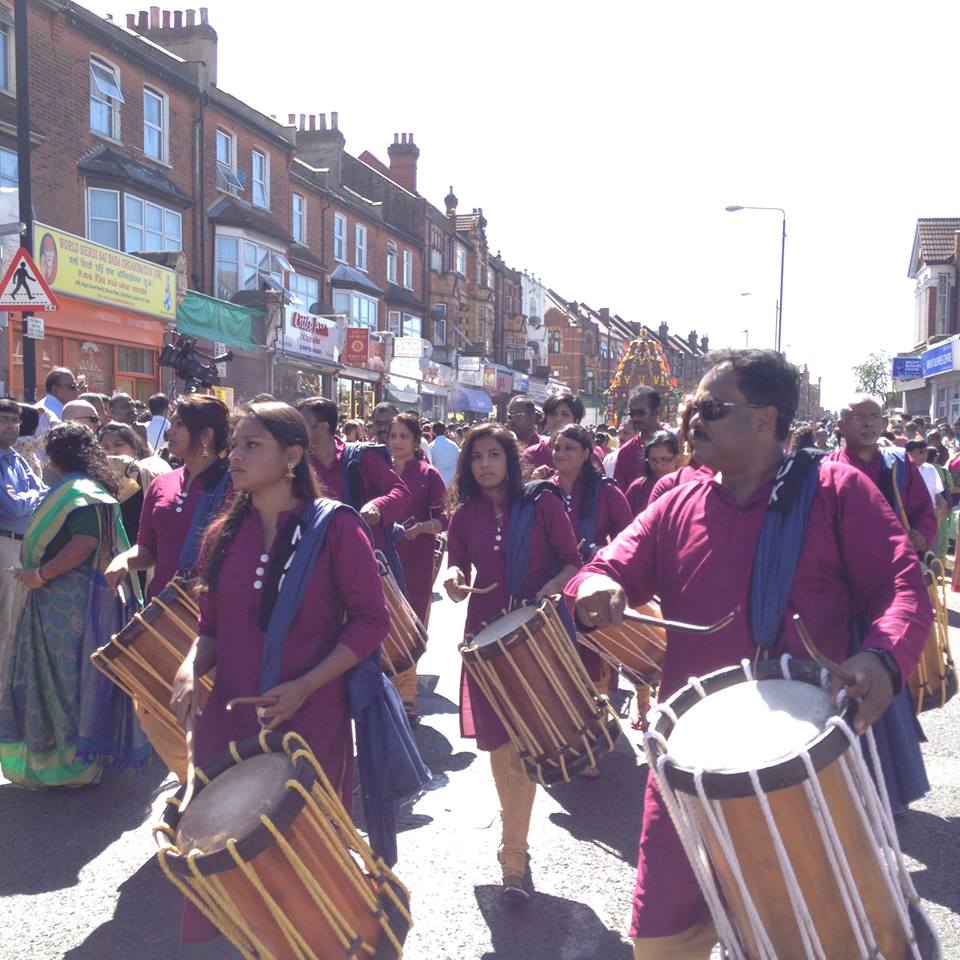
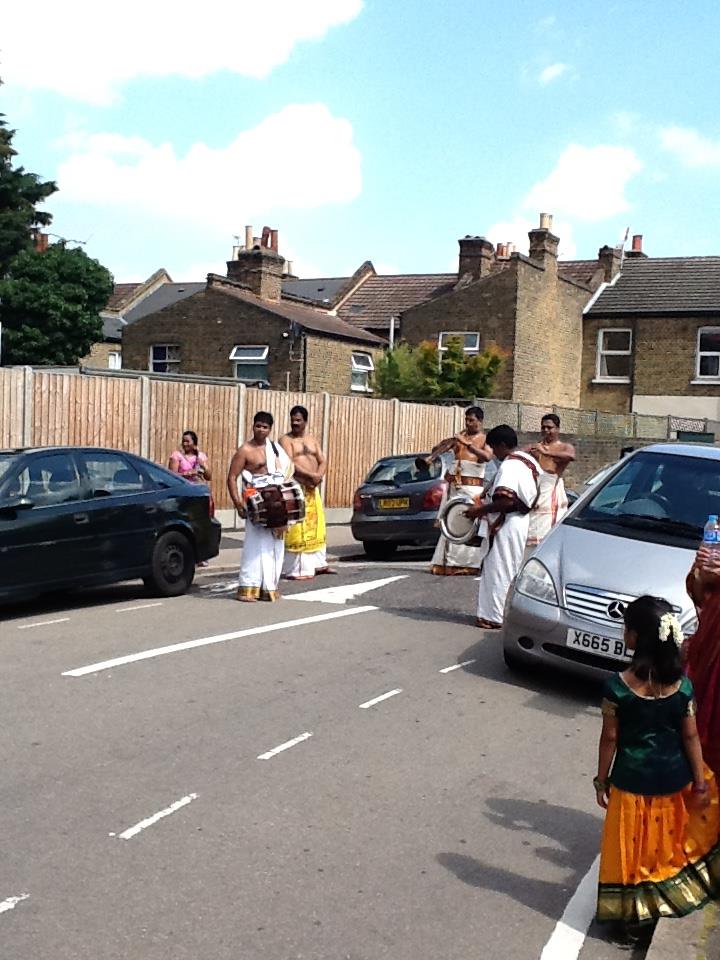
Kerala special Jandai Vadhyam by Malayalees in London in front of the Skanda (Murugan) Chariot

Article No. 2063

Written by London swaminathan

Swami_48@yahoo.com

Date : 11  August  2015

Time uploaded in London :–  14-53

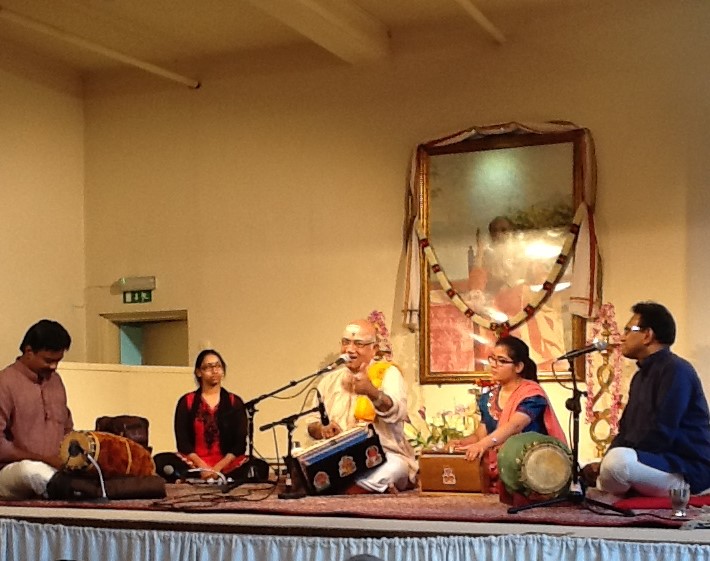
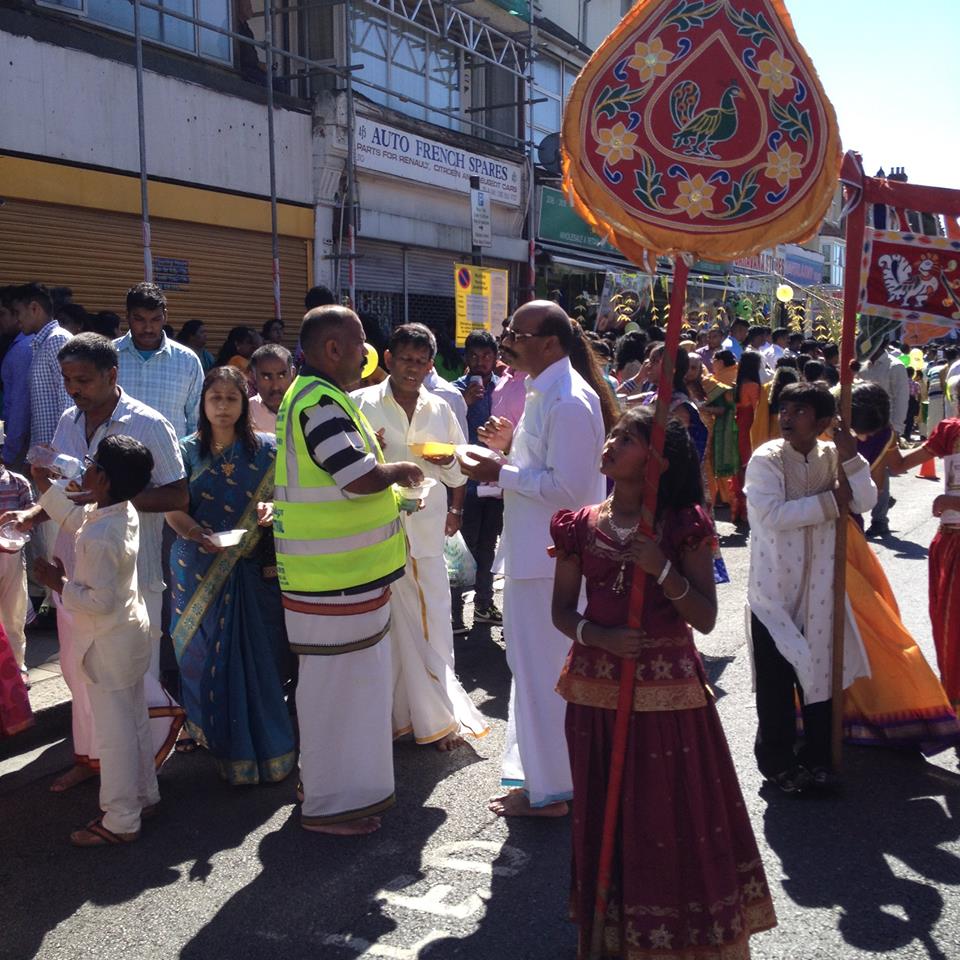
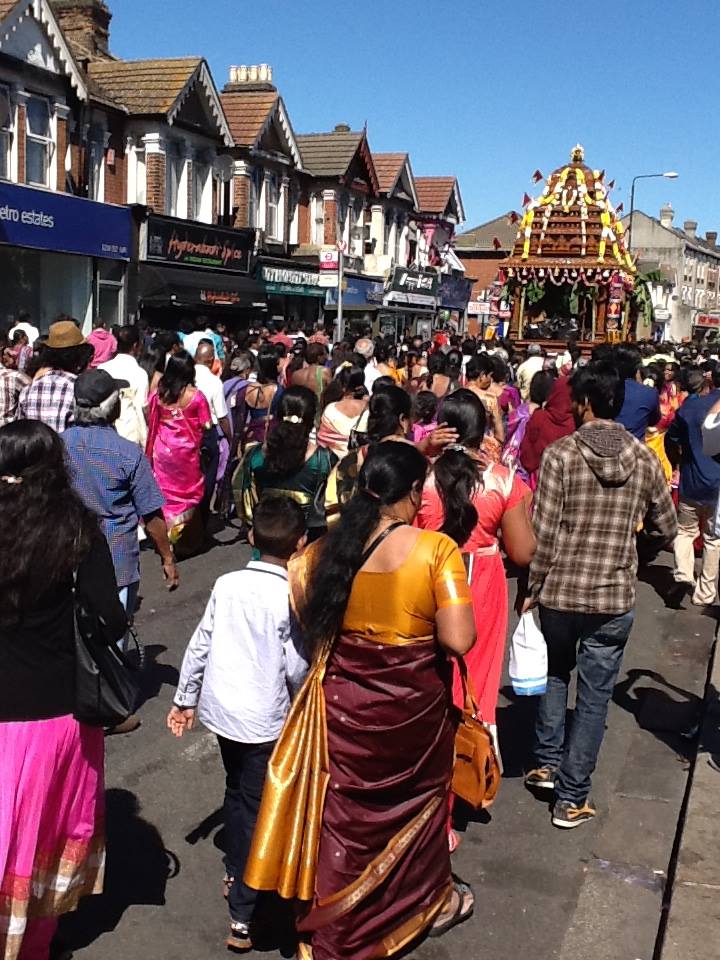
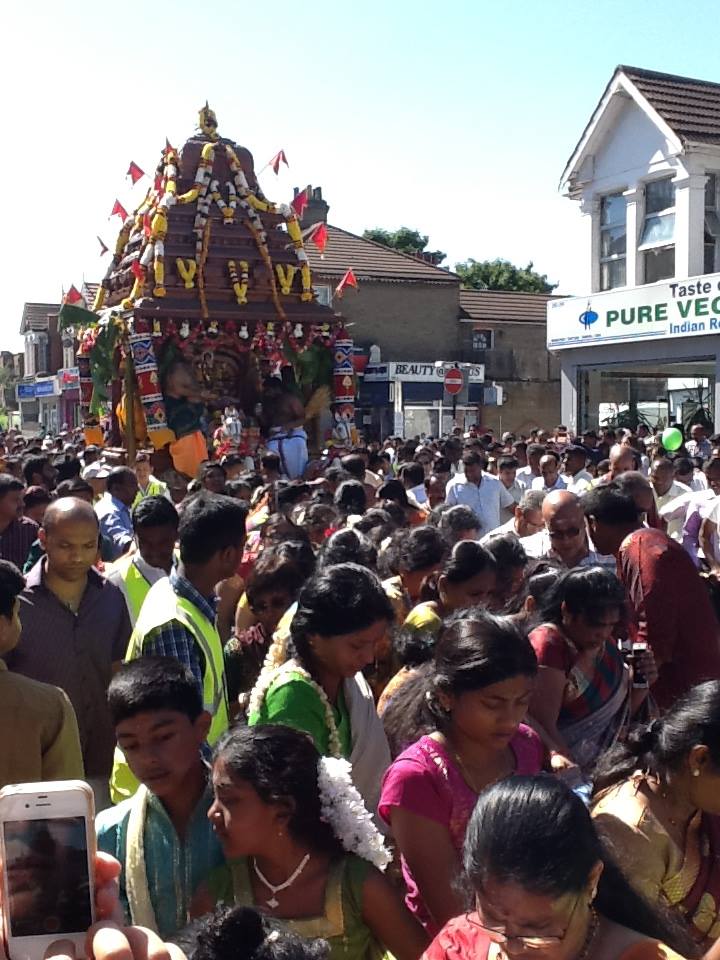
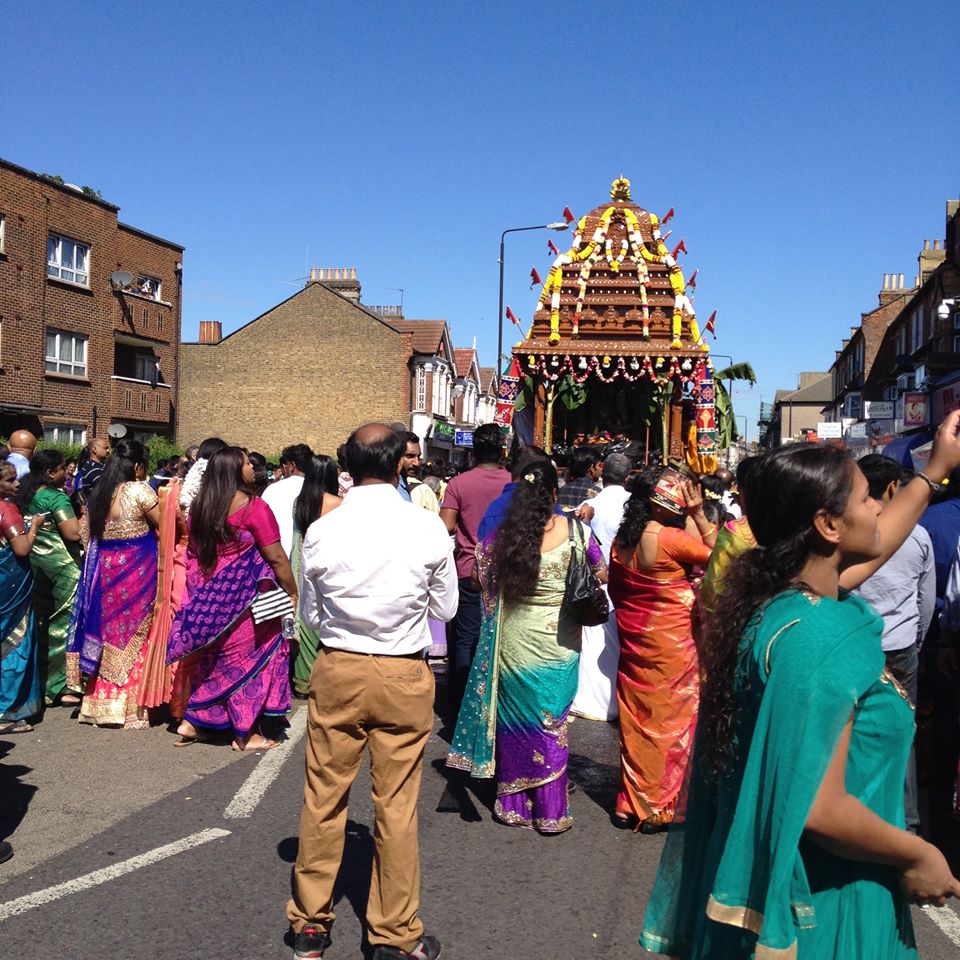
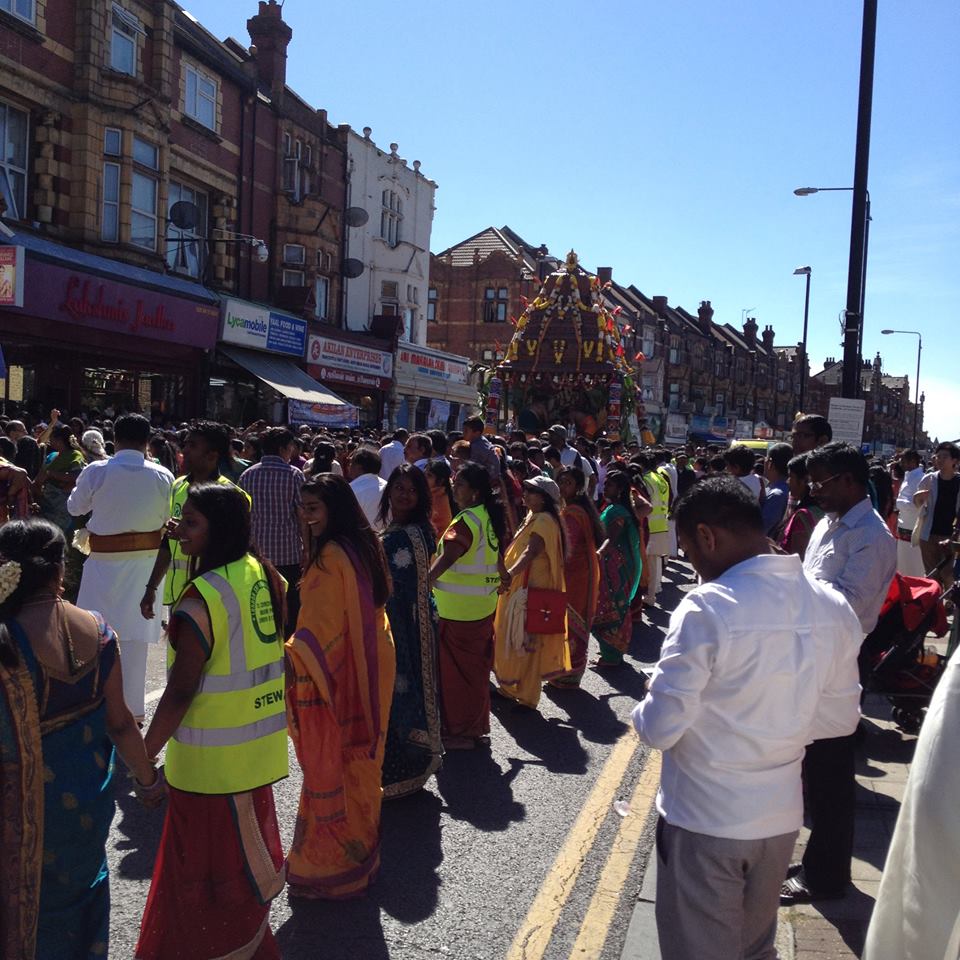
Hindus in London enjoy the four months from June to September. It is not because of summer alone, but because of lot of Hindu festivals organised during that period. From Hare Krishna Rath yatra in June to Janmashtami in September, there are lot of Rath  Yatras (Chariot Festivals) and big festivals. Lot of singers, dancers and speakers come to London and remind the Hindus of their hoary tradition and culture. It gives the Hindus plenty of opportunities to wear their traditional dresses and celebrate it as they celebrate in India, Sri Lanka and Malaysia.

drum best

There are over 25 Hindus temples run by Tamils in London. More temples are there run by Swaminarayan followers. There are other Hindu temples run by speakers of Hindi and Punjabi.

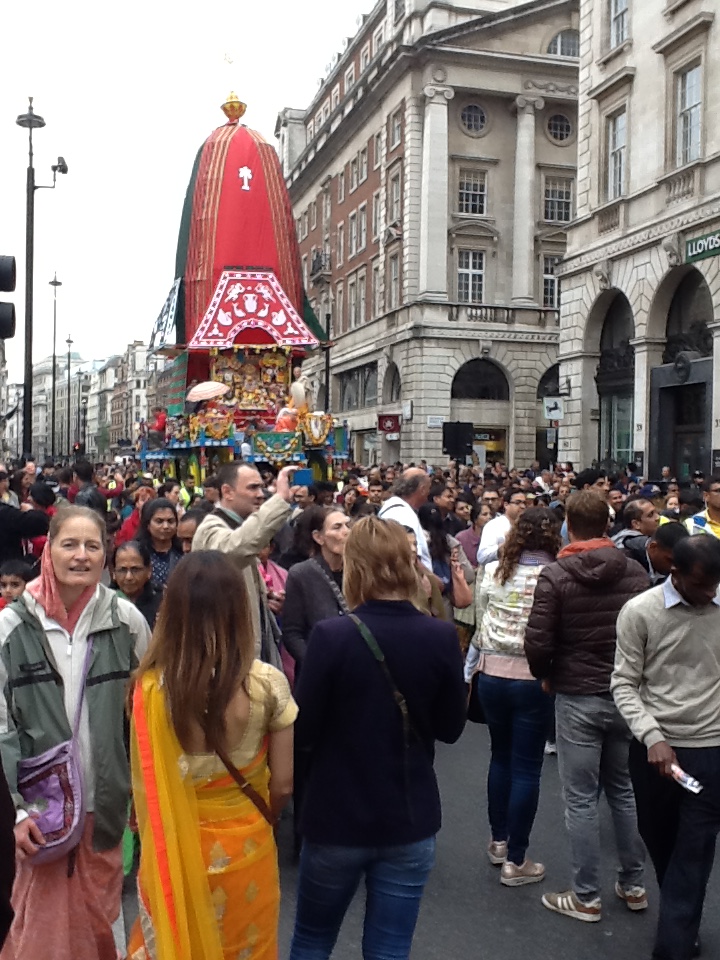
Hare Krishna temple in Watford (Greater London) celebrate Janmashtami when 10,000 Hindus visit the temple. I have already posted the Chariot Festival by ISKCON which was attended by thousands of Hindus in central London. Ram Navami procession in Southall is famous as well. Deepavali procession in Wembley (Brent) attracts a big crowd. Floats and decorated chariots come in the popular procession. Since Diwali falls in winter months, lot of celebrations happen inside the halls. British Prime Minister gives a party. Every Deepavali, Hindu Forum of Britain arranges a meeting inside the Parliament building in London. Ministers and MPs belonging to different parties participate in it with great enthusiasm. The Annakut festival arranged at the famous marble temple of Swami Narayan in Neasden, London attract a huge crowd. In the past few years more Swaminarayan temples have come up in Stanmore, Kingsbury and other places.

IMG_1172

Hare Krishna Rath Yatra in Central London

Apart from London, Balaji temple in Birmingham, Hindu temples in Leicester, Coventry, Manchester and New Castle upon Tyne have their own annual events. Swamijis (Hindu ascetics) belonging to various Gujarati sects visit London to give discourses. Sri Vallabh Trust also has a branch.

Scores of Sathya Sai Bhajan centres are there in every Petah (Council) of greater London. There are at least two Shirdi Sai Temples in Wembley and East Ham.

IMG_1221

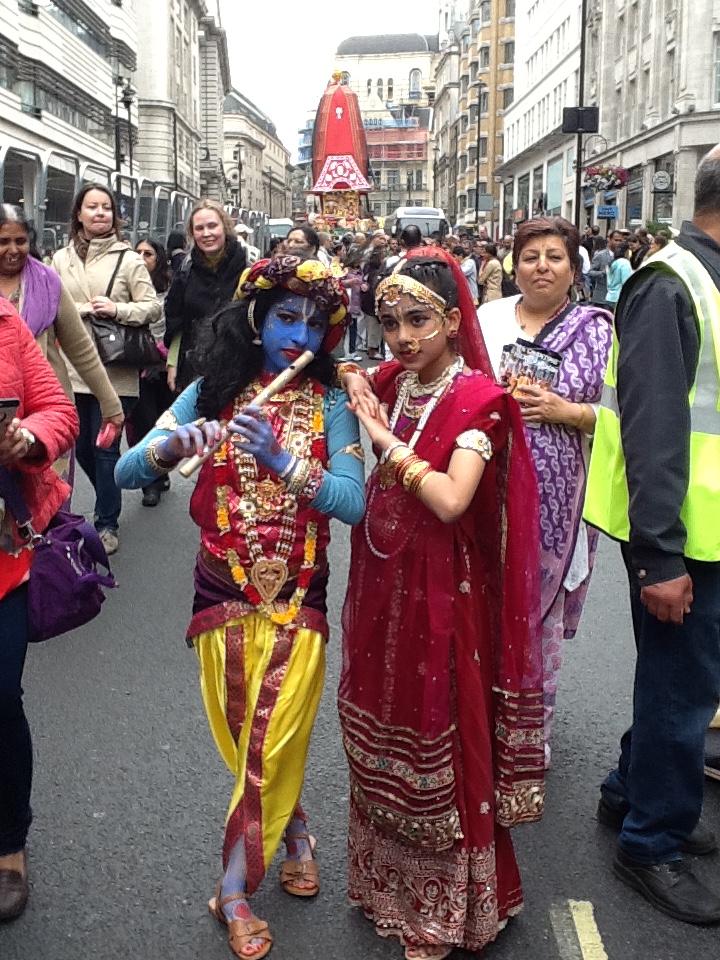
Children dressed as Radha Krishna in front of the ratha/chariot

Mahalakshmi Temple in East Ham has bought a land and building a big new temple in East ham nearby its present location.

Saivaite Hindus have formed an organisation of their own temples and conduct annual festival in London. Scholars from India and Sri Lanka address the Hindus.

Since I have attended almost all the above events, I have the personal experience which is unforgettable. Foreigners also throng these places and taste our food. Every time a Hindu procession or event organised I see thousands of cameras flashing. Curious onlookers ask about the significance of the chariots and our customs.

Missions like Ramakrishna Mutt, Chinmaya Mission, Divine Life Society, Isha Foundation, Art of Living Foundation and hundreds of Yoga Teaching Centres, St James Sanskrit School are doing remarkable work.

IMG_1372 (2)

Professor Anantharaman Bhajan at Chinmaya Keerti, London

Since Chinmaya Mission activities are in English with Sanskrit background, lot of youngsters attend their activities. Moreover they are not sect based and so all sections of Hindus attend their events. Swamijis of Chinmaya Mission visit London at least twice a year to give a spiritual feast. At least thousand people listen to them every day.

Swami Narayan temple in Neasden is a big tourist attraction. Since they have huge parking facilities and a restaurant attached to the temple, School children with White and Afro Caribbean backgrounds visit the temple almost every day during school term time.

Durga Puja is organised by the Bengali Hindus on a grand scale and Ganesh Chaturthi is organised by the Maharshtrians every year. They get special permission to do the immersion ceremony of the idols in Thames River outside the city.

madu2

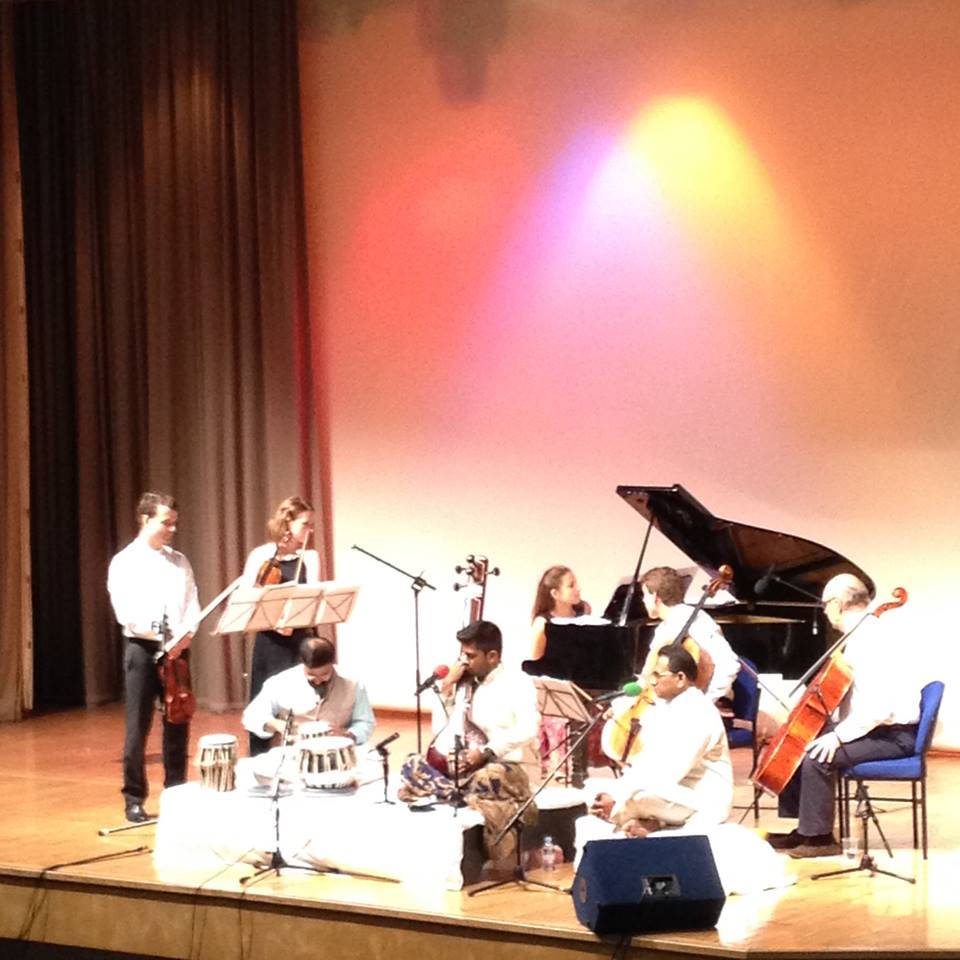
Chinmya Mission Swaranjali group with Sprom from Europe: Mozart to Hanuman Chalisa symphony

IMG_3224

Swami Tejomayananda, Head of Chinmaya Mission Talk on Ram Gita in Central London.

Though one cannot have the same atmosphere of Mahakumbha Mela of Prayag or Janmashtami of Brindhavan or Rath Yatra of Puri or my home town Madurai Meenakshi Temple Chitra Festival, in London, at least we are reminded of our past golden days back home.

(NB. My list above is not comprehensive. I might have left some of the important events or the places.)

All the pictures are taken by me.

pavatta1

London Murugan/ Skanda chariot in East London

pavatta2

saree1

saree2

ther2

tichatta1

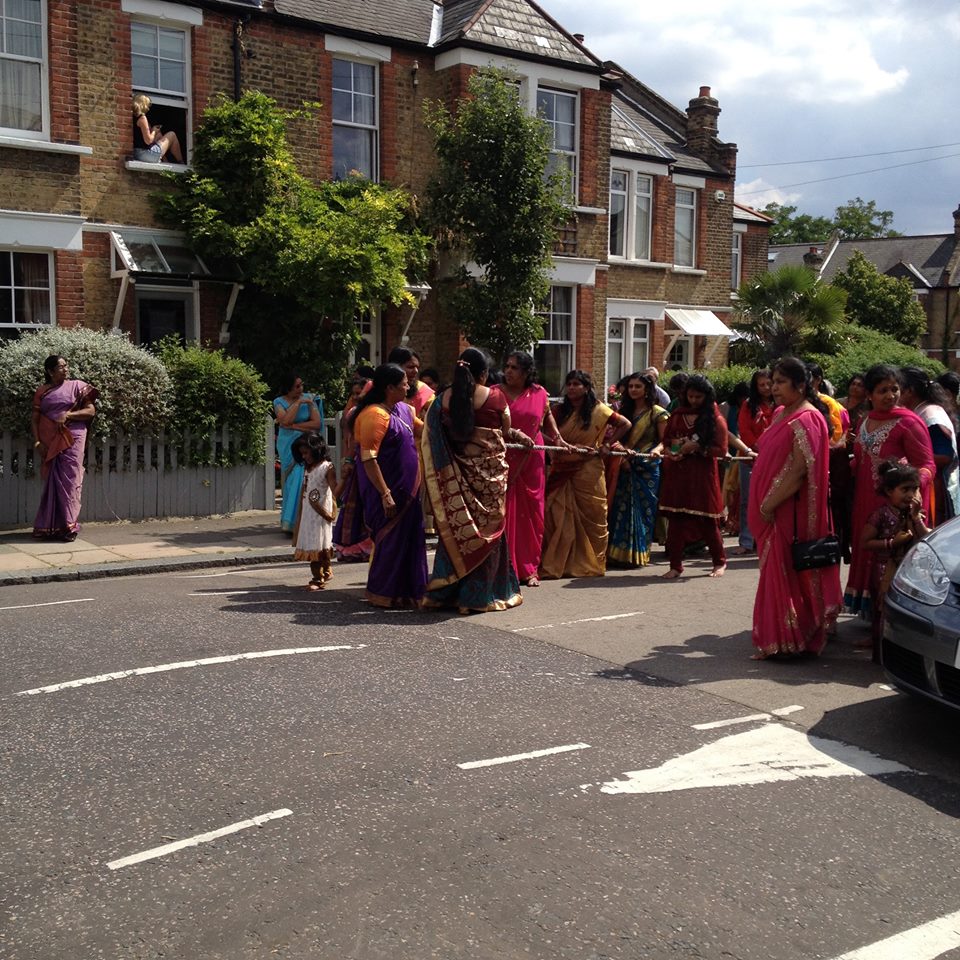
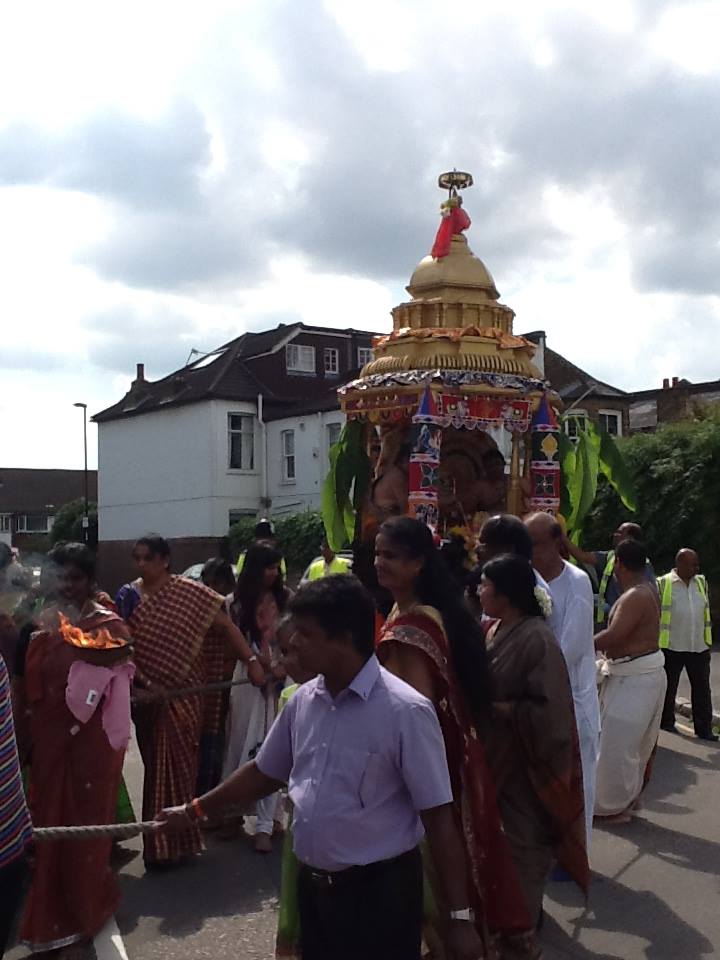
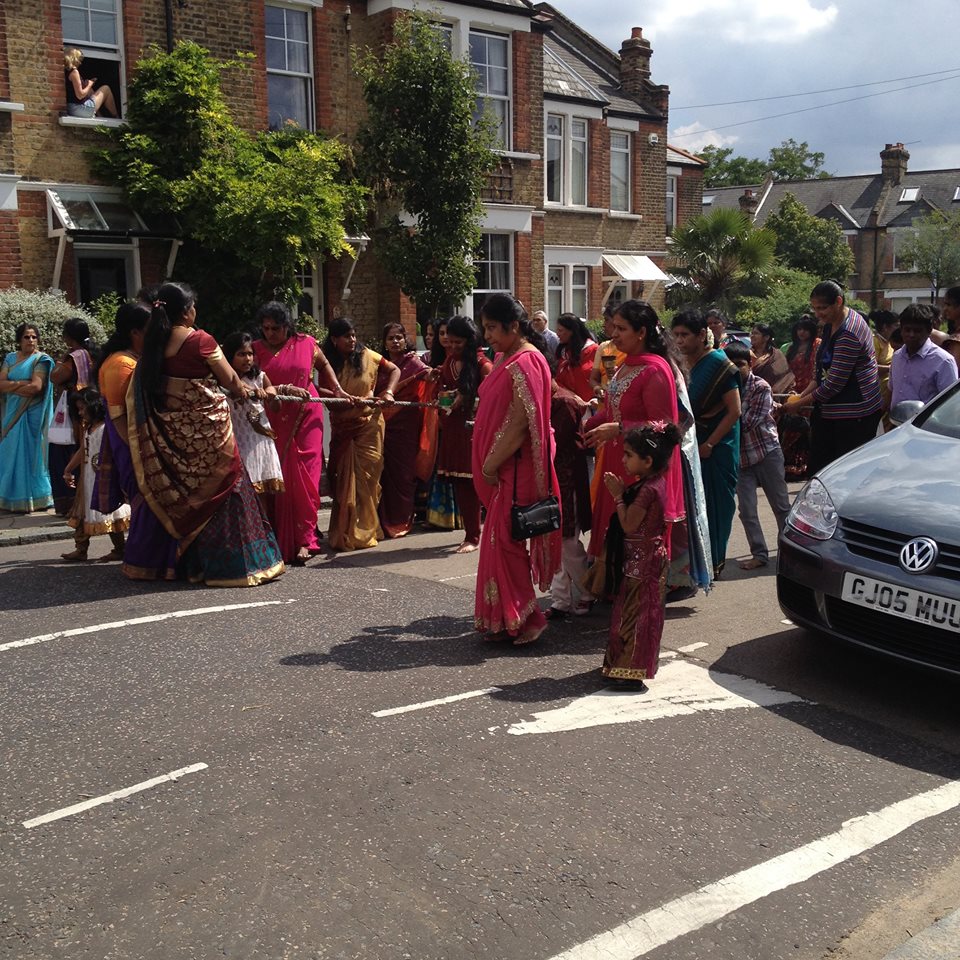
Women used to carry burning pot in their hands as part of their vow, Lewisham Adi Vel Chariot

vadhya1

Traditional Tamil Pipes and Drums in front of the Chariot procession, Lewisham, London

volunteer1

women ther1

All Women Powered Chariot Procession in Lewisham Adi Vel There (Chariot Procession)

women ther2

women3

IMG_2987

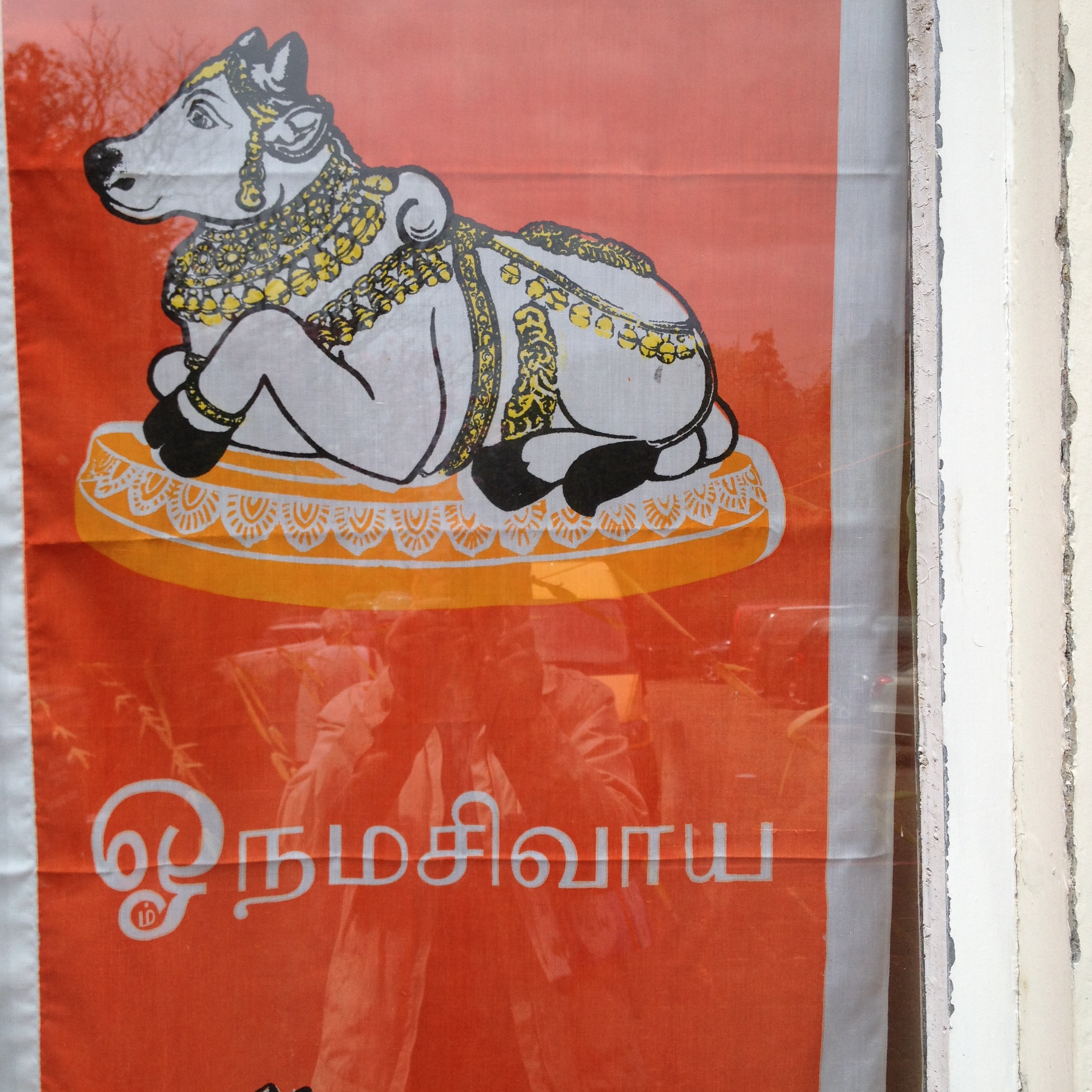
Saivaite Conference Bannaer with Bull and Om Namasivaaya

mangal2

prasad1 managal1

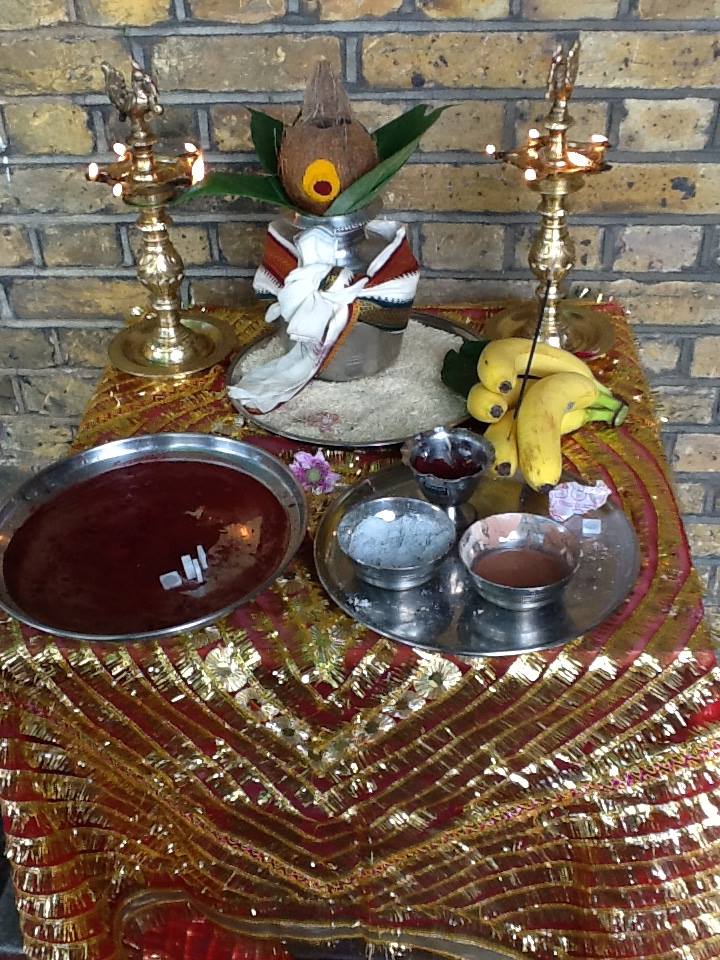
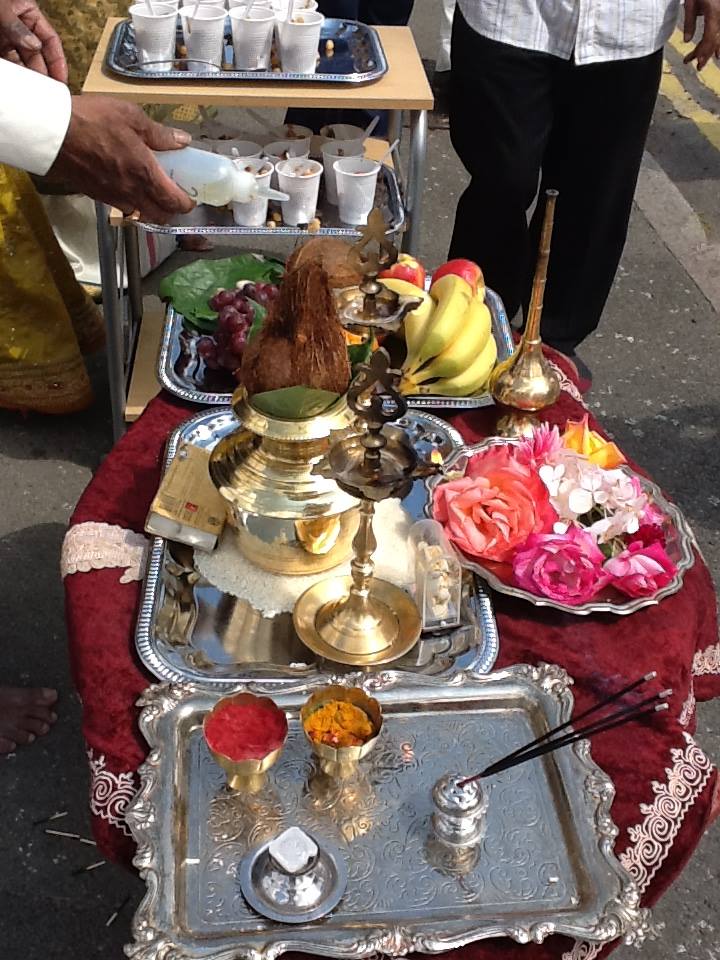
Tamil Hindus offer Coconut, Banana, Betel Leaves and incense Sticks to God.

இலக்கியத்தில் எண் ஐந்து

kumara

Article No. 2062

Written by London swaminathan

Swami_48@yahoo.com

Date : 11  August  2015

Time uploaded in London :– காலை 9-55

தமிழ், சம்ஸ்கிருதம் ஆகிய இரு மொழி வல்லுநர்களும் எண் ஐந்துக்கு ஒரு சிறப்பிடம் தந்துள்ளனர். எவ்வளவோ நூல்கள் இருந்தும் பஞ்ச மஹா காவ்யங்கள், ஐம்பெரும் காப்பியங்கள், ஐஞ் சிறு காப்பியங்கள் என்றெல்லாம் பிரித்திருக்கின்றனர். அது மட்டுமல்ல, உரை வகைகளும் ஐந்து; சொற்குற்றங்களும் ஐந்து; அத்வைத சிறப்பு நூல்களும் ஐந்து — என்று பட்டியல் நீண்டு கொண்டே போகிறது. இங்கே ஏழு தலைப்புகளில் நூல்களின் மற்றும் அடைமொழிகளின் பெயர்களை மட்டும் காண்போம்.

silambu-book1

1.ஐம்பெரும் காப்பியங்கள்

சிலப்பதிகாரம் (எழுதியவர் – இளங்கோ அடிகள்)

மணிமேகலை – சீத்தலைச் சாத்தனார்

சீவக சிந்தாமணி – திருத்தக்க தேவர்

குண்டலகேசி – நாகுதத்தனார்

வளையாபதி – பெயர் கிடைக்கவில்லை

கடைசி இரண்டு நூல்களும் முழுமையாகக் கிடைக்கவில்லை.

2.ஐஞ்சிறு காப்பியங்கள்

சூளாமணி –

நீலகேசி – தோலாமொழித் தேவர்

உதயணகுமார காவியம்

நாககுமார காவியம்

யசோதா காவியம்

(நான்கு நூல்களை யாத்தவர்களின் பெயர்களை தமிழ்கூறு நல்லுலகம் மறந்துவிட்டது)

sisupalavatam

3.பஞ்ச மஹா காவியங்கள் (சம்ஸ்கிருதம்)

குமார சம்பவம்– காளிதாசன்

ரகுவம்சம் – காளிதாசன்

கிராதார்ஜுனீயம் – பாரவி

சிசுபாலவதம் – மாக

நைஷதசரிதம் – ஸ்ரீஹர்ச

4.கிரந்த பஞ்சகம்

அத்வைத வேதாந்தத்தின் ஆதாரமாக ஐந்து நூல்கள் கருதப்படுகின்றன. அவையாவன:-

பிரம்மசூத்திரம்

சங்கர பாஷ்யம்

பாமதி ( வாசஸ்பதி மிஸ்ரா எழுதியது)

கல்பதரு (அமலாநந்தா)

பரிமளா (அப்பைய தீக்ஷிதர்)

brahma_sutra_bhasya_of_shankaracharya_idj504

5.சொற்குற்றங்கள் ஐந்து என அர்த்த சாஸ்திரம் விளம்பும்

அகாந்தி = விளங்காமை

வ்யாகாத = தான் சொன்னதையே மறுத்தல்

புனருக்த = கூறியது கூறல்

அபசப்த = இலக்கண வழு

சம்ப்லவ = சரியான வரிசை இல்லாமை


“அகாந்திவ்யாதாத: புனருக்தமபசப்த: சம்ப்லவ இதி லேகதோஷா:” — அர்த்தசாஸ்திரம் 2-10-57


6.தவிர்க்க வேண்டிய பேச்சுகள் ஐந்து என சரகர் செப்புவார்:

பருசம் = சுடு சொற்கள்

அதிமாத்ர = மிகைப்பட கூறல்

சூசக = நியாயமற்ற தாக்குதல்

அந்ருத = பொய் கூறல்

அகாலயுக்த= சொல்லக்கூடாத நேரத்தில் சொல்லுதல்

“பருஷஸ்யாதிமாத்ரஸ்ய சூசகாந்ருதஸ்ய ச

வாக்யஸ்யாகாலயுக்தஸ்ய தாரயேத்வேகமுத்திதம்”

—சரக சம்ஹிதா, சூத்ரம் 7-28

 mahabhasya

7.உரை வகைகள்

சூத்திரம் (மூல நூல்)

விருத்தி

பாஷ்யம்

டீகா

வார்த்திகா

–மஹாபாஷ்யம் (பதஞ்சலி எழுதியது)

உரை, விளக்க உரை, மறுப்புரை, அதற்கு எதிரான கண்டன உரை எனப் பல. இவை பற்றி காஞ்சி பரமாசார்ய சுவாமிகள் தெய்வத்தின் குரலில் விளக்கி இருக்கிறார்.

–சுபம்–

பாரதியாரின் சரித்திர அலசல்

IMG_3419

Article No. 2061

Written by S NAGARAJAN

Swami_48@yahoo.com

Date : 11 August  2015

Time uploaded in London :– 6-01


மதமாற்றம் செய்து சகோதர ஹிந்துக்களிடமிருந்து பிரித்த எதிரிகள்! – 1

By .நாகராஜன்


பாரதியாரின் சரித்திர அலசல்

ஹிந்து தேச சரித்திரத்தை மஹாகவி பாரதியாரிடமிருந்தே தெரிந்து கொள்ள வேண்டும். அதி அற்புதமாக பகுப்பாய்வு செய்யும் திறமை கொண்ட மேதை அவர்.

இந்தியர்களில் ஜாதீய ஐக்கியம் எங்ஙனம் உண்டாகும்?’ என்ற அற்புதமான நீண்ட கட்டுரையை ஒரு சிறு நூலாக புதுவையிலிருந்து அவர் வெளியிட்டுள்ளார். இதன் விலை பை 3 (3 பைசாக்கள்) என்று குறிப்பிடப்பட்டுள்ளது. புதுவை சூரியோதயத்தினின்று பெயர்த்தெழுதப்பட்டது என்ற குறிப்புடன் இது பிரசுரிக்கப்பட்டுள்ளதுஇது அனைத்து ஹிந்துக்களாலும் படிக்கப்பட வேண்டிய ஒரு கட்டுரை.


அனைவரும் இந்தியரே

கட்டுரையில் உள்ள மிக முக்கியமான சில பாராக்களை மட்டும் இங்கு பார்ப்போம்:-


கிரேக்கர்கள் முதலியவர்கள் இந்தியாவின் மேல் படையெடுத்து வந்த காலத்திலும் இந்தியாவாஸிகளுக்கு இந்தியர்களென்னும் நாமங்கொடுத்து வியவஹரித்து வந்தவர்களேயொழிய வேறில்லை.


பின்னும் சில மொகலாயர்கள் படையெடுத்து வந்த காலத்திலும் இந்தியாவின் புத்திரர்களுக்கு இந்தியரென்னும் பொது நாமம் சூட்டியே வியவஹரித்ததாகத் தெரிகிறது. அக்காலத்தில் இந்தியா முழுமைக்கும் ஒரே விதமான வேதாந்த மதம் பரவியிருந்திருக்க வேண்டும், அல்லது ஒருகால் வேறு வித மதங்களிருப்பினும் ஒரு ஜாதியின் பெயரை அவர்களது ஜன்ம தேசத்தைக் கொண்டு கூப்பிடும்பொழுது வழக்கத்தையனுசரித்து இந்தியர்களென்னும் ஒரே நாமம் சூட்டியிருக்க வேண்டும். மதங்கள் பலவகையுள்ள இதர தேசங்களின் சுதேசிகளைப் பல ஜாதியினராகப் பிரிவினை செய்து கூப்பிடவில்லை. இங்கிலாண்டு, சீனா, ஜப்பான், அமெரிக்கா முதலிய இடங்களின் சுதேசிகளாகிய இங்கிலீஷ்காரர்களிலும், ஜப்பானியர்களிலும், சீனாக்காரர்களிலும், அமெரிக்கர்களிலும் சிலர் கிறிஸ்து மதத்தையும், சிலர் மகம்மதீய மதத்தையும், இன்னும் பலவித மதங்களையும் அவலம்பித்தபோதிலும், ஹிந்து மதத்தையவலம்பித்த ஆங்கிலேயன் தன்னை ஹிந்து ஜாதியென்று சொல்லிக் கொள்ளவில்லை, மஹம்மதீய மதத்தையவலம்பித்த ஓர் அமெரிக்கன் தன்னை மஹம்மதீய ஜாதிக்குச் சேர்ந்ததாக ஒப்புக்கொள்ளவில்லை. அவ்வத் தேசங்களிலுள்ள ஜாதீயாரெல்லாரும் தத்தம் அபிப்ராயத்துக்குத் தக்கன மனத்தையும் இஷ்ட தேவதையையும் வைத்துக் கொண்டார்களேயொழியத் தங்கள் ஜாதியை விட்டு நீங்கவில்லை


இப்படி ஆணித்தரமாக தன் வாதத்தை மஹாகவி முன் வைக்கிறார். இதற்கான காரணம் என்ன? இந்த தேசத்தவர்களை ஒவ்வொரு மதத்தைச் சேர்ந்தவனையும் ஒவ்வொரு ஜாதியாக ஆங்கிலேயன் பிரிக்க நினைத்ததே காரணம். அதில் அவன் ஓரளவு வெற்றியும் பெற்று விட்டான் என்று இன்றைய (2015ஆம் ஆண்டு) நிலையை வைத்து வெட்கத்துடன் துக்கப்பட வேண்டியிருக்கிறது.


 IMG_3326

பிரித்தாளும் சூழ்ச்சி

இந்த பிரிவினை வாதத்தை ஆங்கிலேயன் விதைத்த போதே அதைக் கண்டனம் செய்கிறார் மஹாகவி பாரதியார்.

தொடர்ந்து அடுத்த பாராவைப் பார்ப்போம்:_


ஆனால் இந்தியாவில் மஹம்மதீயம், கிறிஸ்தவம் முதலிய நூதன மதங்களை நுழைத்த பரதேச மதப்பிரவசன கர்த்தர்களும், அவர்களுக்குச் சகாயமாக இருந்து வேலை செய்த பிற்காலத்திய அயல்நாட்டிலிருந்து வந்து இந்தியாவின் மேல் படையெடுத்த சத்துருக்களும், நூதன மதத்திற் சேர்ந்த இந்தியர்களுக்கு அப்பெயரைக் கொண்ட ஜாதியரென்று பெயர் கொடுத்து மறுபடியும் இவர்கள் தங்கள் தாய்நாட்டாருடன் கூடிக் கொள்வனை கொடுப்பனை செய்தும், உண்டு, உடுத்தி, உலாவியுமிருக்கவொட்டாமல் பிரித்து வைத்துக் காலக்கிரமத்தில் இவர்களது ஸஹோதர இந்தியர்கள் மீது பலத்த துவேஷத்தையும் விருத்தி செய்து விட்டார்கள். சுயநலத்தை நாடியே இப்பிரதேச பாதிரிகளும், மற்றுமுள்ள மதகுருமார்களும் இத்தகைய பேதத்தை உண்டு பண்ணி விட்டார்கள். இந்தப் பேதத்தை அவ்வக்காலத்திய அன்னிய ஜாதி இராஜாங்கங்களும் விருத்தி செய்து தங்கள் நிலைமையை உறுதிப்படுத்திக் கொண்டு வந்தன.”

இன்றைய ஹிந்துமுஸ்லீம் பிரச்சினைக்கு, மைனாரிட்டி மதத்தவர்கள் என்ற பிரச்சினைக்கு காரணம் தேசீய உணர்வு இல்லாமல் செய்ய வேண்டும் என்ற ஆங்கிலேயனின் சூழ்ச்சியே காரணம் என்பதை மஹாகவி இப்படி மிகத் தெளிவாகக் கூறுகிறார் .


அத்தோடு மட்டுமல்ல, பாபர் முதல் ஆங்கிலேயர் வரையுள்ள அனைவரும் இந்தியருக்குள் வேற்றுமை உணர்ச்சியை வித்திட்டு வளர்த்தனர் என்பதையும் அவர் தனது கட்டுரையில் விரிவாக எடுத்துரைக்கிறார்.


ஆங்கிலேயரின் பிரித்தாளும் கொள்கையை அவர் அப்படியே சுட்டிக் காட்டுகிறார். அவரது கூற்றை அப்படியே பார்ப்போம்:“’பிரித்தாளுவதுஎன்பது இக்காலத்திய ஆங்கிலேய இராஜதந்திரத்தில் மிக்க கௌரவமான முறையாகக் கையாளப்பட்டு வருகிறது


 அவரது கட்டுரையின் முக்கியமான பகுதியைத் தொடர்ந்து அடுத்த கட்டுரையில் பார்ப்போம்.

                                                   –தொடரும்

Lucky No.5’s Link to Literature!

kumara

Article No. 2060

Written by London swaminathan

Swami_48@yahoo.com

Date : 10  August  2015

Time uploaded in London :– 19-53

It is a strange co incidence that Sanskrit and Tamil scholars chose number Five to name their best five epics and minor epics.

sisupalavatam

(1) In Sanskrit the Five Great Epics (Pancha Maha Kavyas) are:

1.Raghuvamsam by Kaalidaasa

2.Kumaarasambhavam by Kaalidaasa

3.Kiraataarjuniiyam by Bhaaravi

4.Sisupaalavatham by Maagha

  1. Naisadacaritam by Sriharsa

silambu-book1

(2) Five Tamil Epics

In the same way Tamils also chose the best five epics and named them ‘Aim Perum Kappiyangal’ meaning Five Great Epics and they are

1.Silapadikaaram by Ilango

2.Manimekalai by Siltalai Saattanaar

3.Siivaka Cintaamani by Tirutakkatevar

4.Valayapati – Anonymous

5.Kundalakesi – Naadakuttanaar

Tamil language has Five Minor Epics as well:

bharavis-poem-kiratarjuniya-

(3) Five Tamil Minor Works

Chulaamani – anonymous

Niilakesi – Tolaamozitevar

Udayanakumaara kaaviyam -anonymous

Nagakumaara kaaviyam- anonymous

Yasodaa kaaviyam- anonymous

(4) Grantha Pancakam

Even the Advaita philosophy chose number five to name their five great works ‘Grantha Panchakam’. They are

1.Brahmasutra

2.Bhasya of Sankara

3.Bhamati of Vacaspati Misra

4.Kalpataru of Amalananda

5.Parimala of Appayya Diksita

brahma_sutra_bhasya_of_shankaracharya_idj504

(5) Restraint from Speaking

Even a medicine man like Charaka instructs us to restraint from speaking

1.Harsh words= Parusam

2.Excessive words = Atimaatra

3.Back biting = Suucaka

4.Untruth =Anruta

5.Untimley utterance = Akaalayukta

Parusasyaatimaatrasya suchakasyaanruthasya cha

Vaakyasyaakaalayuktasya dhaarayetvehamuttitham

-Charaka sutra 7-28

mahabhasya

(6) Five Types of Texts, Commentaries, Explanatory Notes

Sutra

Vrtti

Bhaasya

Vaartika

Tiikaa

-Mahaabhaasya (Prastaavanaa)

(7) Five Blemishes in Writing

Illegible = Akaanti

Contradiction = Vyaaghaata

Repetition = Punarukta

Ungrammatical usage= Apasabda

Misarrangement = Samplava

Akaativyaardhatah punaruktamapasabdah samplavaiti lekadosaah   –Arthasastra 2-10-57

-Subham-

ஒரு சுவையான கதை : இக்கரைக்கு அக்கரை பச்சை!

man path

 Article No. 2059

Written by London swaminathan

Swami_48@yahoo.com

Date : 10  August  2015

Time uploaded in London :– 16-53

கவலை மலையும், அதைக் கரைக்க கடவுள் உதவியும்

“இக்கரைக்கு அக்கரை பச்சை” என்ற தமிழ்ப் பழமொழிக்கு இணையான பழமொழி எல்லா மொழிகளிலும் இருக்கிறது. இதை விளக்க இதோ ஒரு சுவையான கதை. சுவாமி ராமதாஸ் சொன்ன கதை:

அம்மாவுக்கு கவலை, அப்பாவுக்கு கவலை, பெண்ணுக்கு கவலை, பிள்ளைக்கு கவலை, கோடிவீட்டு கோமளா, மாடி வீட்டு மாலதி, எதிர்வீட்டு எத்திராஜ், அடுத்தவீட்டு அங்கு சாமி, பக்கத்துவீட்டு பங்கஜம்மாள், முதல் வீட்டு முத்து சாமி, கடைசி வீட்டு கந்த சாமி – இப்படி எல்லோரும் கவலைக் கடலில் மூழ்கித் தத்தளித்தனர். அந்த ஊருக்கு ஒரு சாமியார் வந்தார்.

உங்கள் எல்லோருடைய கவலையையும் போக்கவல்ல ஒரே ஆசாமி, இறைவனே. ஆகையால் பலமாகக் கூட்டுப் பிரார்த்தனை செய்யுங்கள் என்றார். ஊர் கூடி தேர் இழுத்தது போல, ஊரே கூடி ப்ராரத்தனை செய்தது. இறைவன் பக்தி வலையில் எளிதில் சிக்குவான். ஆகவே பகதர்களின் பிராத்தனையை செவிமடுத்து ஓடிவந்தான்.

இது என்ன? இவ்வளவு பேரும் கூடிப் பிரார்த்திக்கிறீர்களே! என்ன விஷயம் ?என்றான். எல்லோரும் சேர்ந்து ஒப்பாரி வைத்தனர். எனக்கு இந்தக் கவலை, அந்தக் கவலை என்று மூச்சுவிடாமல் அடுக்கினர்.

இறைவன் சொன்னான், “இதோ பாருங்கள். இது உங்கள் பிராரப்த கர்மம். அனுபவித்தே தீர வேண்டும் ஆனால் ஒரு சலுகை தருகிறேன். இதோ இந்த பெரிய சமவெளியில் உங்கள் கவலைகளை எல்லாம் தூக்கி எறியுங்கள் என்றான். உடனே பக்த கோடிகள் எல்லோரும் கவலைகளை விட்டெறிந்தனர். கவலைகள் மலை அளவுக்கு உருப்பெற்று, இமயமலைக்குப் போட்டியாக கவலை மலை உண்டானது.

கடவுள் சொன்னார், “நல்லது; இப்பொழுது இதிலிருந்து ஏதாவது ஒரு கவலையைப் பொறுக்கி எடுங்கள், பின்னர் வீட்டுக்குப் போகலாம் என்றார். உடனே எல்லோரும் கவலை மலை மீது பாய்ந்து, இதுவரை தான் அனுபவித்த பெரிய கவலையை ஒதுக்கிவிட்டு, ஜாக்கிரதையாக மற்றவனின் கவலையை எடுத்தனர்.

கண்தெரியாதவர், கண்களையுடைய முடவனின் கவலையைப் பெற்றார். குழந்தை இல்லாத மலடி தன், கவலையை விட்டு, குழந்தையுள்ளவளின் கவலையை எடுத்தாள். பணக்காரனின் கவலையை ஏழை எடுத்தான். இப்படி ஒவ்வொருவரும் தனது கவலையை விட்டு மற்றவனின் கவலையுடன் மாற்றுப் போட்டுக் கொண்டனர். எல்லோரும் , “அப்பாடா, இனிமேல் எல்லாம் இன்பமயம்தான், நம் வாழ்வு வளம் பெறும் என்று பெரு மூச்சுவிட்டனர். மகிழ்ச்சியுடன் வீடு திரும்பினர்.

29VZMP_PAPIKONDALU_2294921g

இரண்டே நாட்களில் ஊர் முழுதும், பெரிய முக்கல், முனகல் சப்தம். கடவுளே என்னால் இந்தப் புதிய கவலையைப் பொறுக்கவே முடியாது. பழைய கவலையே பரவாயில்லை. அதுவாவது பழகிப் போய்விட்டது என்று கதறினர்.

மீண்டும் கூட்டுப் பிராரத்தனை. கடவுள் மனமிரங்கி இரண்டாவது முறை தோன்றி, அன்பர்களே, நண்பர்களே! இப்போது என்ன பிரச்சனை? என்றார். எல்லோரும் இக்கரைக்கு அக்கரை பாசை என்று எண்ணி ஏமாந்துவிட்டோம். தயவுசெய்து எங்களுடைய பழைய கவலைகளைத் திரும்ப எடுத்துக்கொள்ள அனுமதிக்க வேண்டும் என்றனர்.

இறைவனும் “ததாஸ்து” (அப்படியே ஆகட்டும்) என்று ஆசீர்வதித்தார்.

இறைவன் எல்லோருக்கும் சரியாகப் படி அளந்துள்ளான். விரலுக்கேற்ற வீக்கத்தையும், ஏழைக்கேற்ற எள்ளுருண்டையையும் கொடுத்திருக்கிறான். அதை விளங்கிக் கொண்டு, ஏற்றுக் கொண்டால் கவலை என்பதே இராது.

–சுபம்–

ஶ்ரீ சிவாஜி உத்ஸவம்

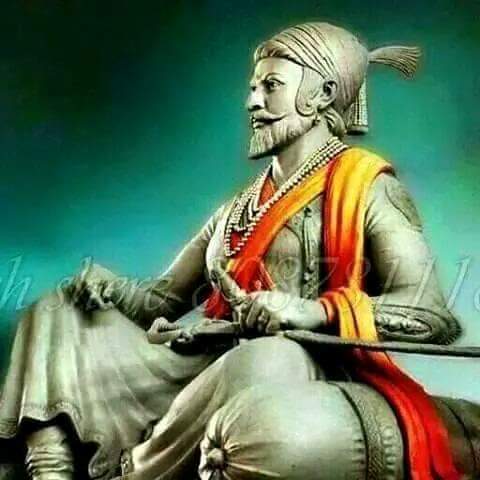
shivaji,fb

Article No. 2058

Written by S NAGARAJAN

Swami_48@yahoo.com

Date : 10  August  2015

Time uploaded in London :–7-48 AM

BY ச.நாகராஜன்

பாரதியாரின் முக்கியமான கட்டுரை

‘ஶ்ரீ சிவாஜி உத்ஸவமும் ஆங்கிலோ இந்தியர்களும்’ என்ற தலைப்பிட்ட மகாகவி பாரதியாரின் கட்டுரை அருமையான ஒன்று.

பரவலாகப் படிக்கப்படாத இந்த கட்டுரை அபூர்வமான ஒன்று. 1910 ஆம் ஆண்டு பிப்ரவரி 28ஆம் தேதியிட்ட விஜயா இதழில் இது வெளி வந்துள்ளது.

மிக நீண்ட கட்டுரையான இதில் நல்ல பல கருத்துக்களை அள்ளித் தந்துள்ளார் மாபெரும் கவிஞர்.

ஆங்கிலேயருக்கு பதில்

ஶ்ரீ சிவாஜி உத்ஸவத்தினால் அராஜகம்  விருத்தியாகிறதாம் என்ற ஆங்கிலேயர்களின் கூற்றைச் சொல்லி பாரதியார் தரும் மறுமொழி இது:-

“ஶ்ரீ சிவாஜி உத்ஸவத்தினால் நாடெங்கும் அராஜகம் எப்படிப் பரவும்? இவருடைய ஜன்ம தினத்தன்று இவருடைய ஜீவ சரித்திரம் ஒவ்வொரு கூட்டத்திலும் நன்றாக விளக்கப்படுகிறது.இவருடைய அந்தரங்கக் கருத்தை ஒரு சிறிது கூட மறைக்காமல் வெளியிடுகிறார்கள். இவர் முதல் முதலில் சிறு கூட்டம் கூட்டமாக மராட்டியர்களைச் சேர்த்துக் கொண்டு மகமதிய அதிகாரிகளைத் தாக்கினதையும், அவருடைய சேனை மெல்ல மெல்ல அதிகரித்ததையும், அவருக்கு நேர்ந்த தோல்விகளையும் கஷ்டங்களையும் வெளிப்படையாகத் தான் சொல்கிறார்கள். அவர் அப்சல்கான் என்னும் மகமதிய அதிகாரியைக் கொன்றதையும் அவர் தனித் தனி மகமதியர்களுக்குச் செய்த உதவியையும் ஒத்திட்டுப் பார்த்தால் அவருடைய செய்கை சுயநலத்தின் பொருட்டல்லவென்றும், மகமதியர்களின் பேரில் வீணான துவேஷத்தால் செய்யவில்லையென்றும் விளங்குகிறது. அவர் விடாமுயற்சியோடு போர் செய்தது கொடுங்கோன்மையோடு தான் என்பது அவர் ஆட்சிக்குள்ளிருந்த மகமதிய குடிகளின் காபந்து ஒன்றினாலேயே விளங்கும்.”

இப்படி சிவாஜி மத சமரஸத்துடன் தன் கீழ் வாழ்ந்த முஸ்லீம்களை நல்ல முறையில் நடத்தினார் என்பதை பாரதியார் வலியுறுத்துகிறார்.

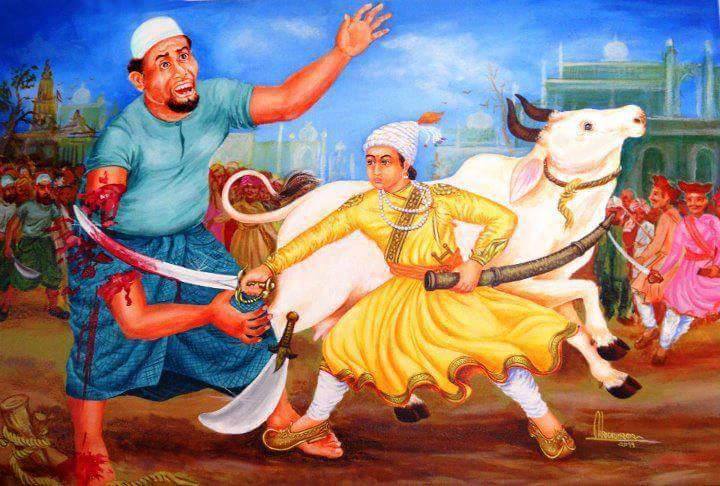
sivaji afsal

ஆரிய பூமியாகிய இந்தியாவில் ஆரிய தர்மம் தழைக்கட்டும்!

ஹிந்து நாட்டில் ஹிந்துக்கள் வாழ முடியாவிடில் அவர்கள் எங்கு தான் போவார்கள்? இந்தக் கவலையை அடுத்து வரும் பாராவில் அவர் சுட்டிக் காட்டுகிறார் இப்படி:-

மகமதிய தர்மம் அபிவிருத்தியடைய எப்படி துருக்கி, அராபியாபாரசீகம் முதலியவை இருக்கின்றனவோ அதே மாதிரி ஆரிய தர்மம் அபிவிருத்தியடைய உலகத்தில் ஒரு இடம் வேண்டாமா என்னும் சர்ச்சை தான் அவர் மனதை வாட்டிக் கொண்டிருந்தது. ஆரிய தர்மம் தழைத்தோங்க ஆரிய பூமியாகிய இந்தியாவை விட வேறு எந்த இடம் சிலாக்கியமானது?


 இந்தியாவில் ஆரிய தர்மம் வளர வேண்டுமானால் ஹிந்துக்கள் சுதந்திரமடைவது முக்கியமல்லவா? இதுதான் மஹாராஜாவாகிய சத்திரபதி சிவாஜியை ஸ்வராஜ்யம் ஸ்தாபிக்க முயலும்படி செய்தது

மிக அருமையாக சிவாஜியின் நோக்கத்தை இப்படிக் கூறும் மகாகவி சுதந்திர இந்தியா பற்றிய தன் கற்பனையையும் தெளிவாக்கி விட்டார்.


ஶ்ரீ சிவாஜி உத்ஸவம் ஏன் கொண்டாடப்பட வேண்டும் என்பதற்கான காரணத்தையும் அவர் நியாயப் படுத்துகிறார். ஆங்கிலேயர்கள், 1) இதனால் அராஜகம் விருத்தியாகிறது 2) ஶ்ரீ சிவாஜி மஹாராஜாவின் ஜன்ம தினத்தைக் கொண்டாடுவதினால் தேசபக்த கட்சிக்காரர்கள் அதிகமாகிறார்கள் என்ற இரு காரணங்களை முன் வைத்ததைச் சுட்டிக் காட்டிய மகாகவி முதல் குற்றச்சாட்டை காரணம் காட்டி ஏற்க மறுத்து விட்டார்.

அடுத்ததைப் பற்றி அவர் கூறுவது இது:- “இதில் ஒன்று வாஸ்தவம் தான். ஶ்ரீ சிவாஜி உத்ஸவத்தினால் தேசபக்தர்கள் அதிகமாகிறார்கள். இந்த உத்ஸவமே அதற்காகத் தான் ஏற்பட்டது. நமக்குள் தேசபக்தியில்லையென்பது ஒரு குறைவாக ஆங்கிலேயர்களே சொல்லியிருக்கிறார்கள். அதை நம்மில் நிலைநாட்டுவதற்காகத் தான் நம் தேச சரித்திரங்களை நமக்குச் சொல்வதாக பெருமை சொல்லிக் கொண்டு வந்தார்கள். இந்த தேசபக்தி ஆங்கிலேயர்கள் நமக்குச் சொல்லிக் கொடுக்க வேண்டியதில்ல்லை. நம் முன்னோர்களின் சரித்திரத்திலேயே இருக்கிறதை நம் ஜனங்களுக்கு தெளிவாக எடுத்துக்காட்ட ஶ்ரீ சிவாஜி உத்ஸவம் நடத்தினால் இவர்களால் பொறுக்க முடியவில்லை. ஆகையால் தான் தேசபக்தர்களிளினின்று அராஜகர்கள் உண்டாகிறார்கள் என்கிறார்கள்.”

இளம் வயது மேதையின் தீர்க்கதரிசனம்

1882ஆம் ஆண்டு பிறந்த மகாகவிக்கு இந்தக் கட்டுரை எழுதும் போது வயது 28 தான்!

ஆனால் தெளிவான சிந்தனையையும் தீர்க்கதரிசன நோக்கையும் அவரது கட்டுரைகள் அனைத்தும் கொண்டிருப்பது நமக்கு பிரமிப்பை ஊட்டுகிறது.

நடை, உடை, பாவனை மாறாத நிலையில இன்றும் இருக்கும் முஸ்லீம்களை பூர்வத்தில் ஹிந்துக்களாய் இருந்தவர்கள் என்பதைச் சொன்னவர் ஒரு தாய் வயிற்றினராக ஒருங்கிணைந்து வாழ்வதை வற்புறுத்துகிறார்; ஆனால் அதே சமயம் அவர்களை மதம் மாறுமாறு தூண்டவில்லை. தேசத்தை நேசி என்கிறார்.

பாரதியாரின் ஹிந்து தேசீயம் பற்றிய கட்டுரைகள் பரவலாக அறியப்படவில்லை.

இவற்றைப் படிப்பதும் பரப்புவதும் பாரதி ஆர்வலர்களின் பணியாக அமைதல் வேண்டும். வலிமை வாய்ந்த இந்தியா உருவாக வேண்டும்!

(படங்கள், பிற வெப்சைட்டுகளிலிருந்து, எடுக்கப்பட்டவை; நன்றி)

**************

A Story about Mountain of Worries!

man path

Article No. 2057

Written by London swaminathan

Swami_48@yahoo.com

Date : 9  August  2015

Time uploaded in London :– 17-08

“Distance lends enchantment to the view” is the English saying and the equivalent proverbs exist in almost all the languages in the world. In Tamil “Ikkaraikku Akkarai Pachai” = The cow on one side of the river thinks the other side is greener. There is another saying in Tamil meaning “Green at a distance is cool to the eyes.”

There is a story told by Swami Ramdas to illustrate this proverb/saying.

There was a time when discontent seized the souls of men in the world to such an extent that they unitedly raised a wail to the throne of God for relief. Everyman, dissatisfied with his own lot, felt he would gladly exchange places with his neighbour.

God heard their cry and appeared before them. All the aggrieved people assembled around Him on a vast plain. God now said, “O men, in response to your prayers, I have come here. I give each of you power to throw down on this plain the particular disability or the woe which is the cause of your discomfort and misery.”

At once, in hot haste, all he people divested themselves of their burdens of sorrow and flung them on the plain. The accumulated heap of woes formed a veritable mountain. “Now, O men,” exclaimed God, “You may pick up from this heap any burden which you prefer in exchange for the one you have given up.”

29VZMP_PAPIKONDALU_2294921g

Immediately, there was a furious scramble and each man grabbed the burden of woe belonging to his neighbour. The blind man exchanged his blindness for a broken leg vice versa. The poor man exchanged his state with the man of riches. The barren women became fruitful and vice versa – so on and so forth. Thus in a short time, the mountain of worries disappeared. All the people felt for the moment happy and relieved. God left them and they returned to their homes.

What happened the next day? Louder lamentations, a hundred times more than what it was the day before, rose from the people. God again presented Himself before them. Now all the people cried out “ O Lord, give me back my own woe, for I cannot endure the pains and grief which I have taken in exchange.” God granted their prayer and they returned perfectly satisfied.