கடலில் மூழ்கிய டைடானிக் கப்பலில் உள்ளத்தை உருக்கும் ஒரு சம்பவம்!

Canada Post unveiled today the images of the five stamps that will be issued on April 5 to mark the centennial of the sinking of RMS Titanic. (CNW Group/Canada Post)

Canada Post unveiled today the images of the five stamps that will be issued on April 5 to mark the centennial of the sinking of RMS Titanic. (CNW Group/Canada Post)

எழுதியவர்:- லண்டன் சுவாமிநாதன்

கட்டுரை எண்:– 2005

தேதி:– 20 ஜூலை, 2015

லண்டனில் பதிவேற்றப்பட்ட நேரம்:– காலை 9-28

தியாகம், அன்பு, நன்றி ஆகிய நற்குணங்களுக்கு இலக்கணமாகத் திகழ்ந்த மக்களின் வாழ்க்கையைப் படிக்கும்போது உலகத்தில் எல்லா இன மக்களிடையேயும் இப்படிப்பட்ட நல்லோர் இருப்பதை அறிய முடிகிறது.

டைட்டானிக் கப்பல் விபத்தை அறியாதோர் யாரும் இருக்கமுடியாது. இந்தக் கப்பல் பிரிட்டிஷ் பயணிகள் கப்பல் ஆகும். 1912 ஏப்ரல் 15-ஆம் தேதி பிரிட்டனின் தென்பகுதி நகரான சௌதாம்ப்டனில் இருந்து நியூயார்க் நோக்கி தனது முதல் (கன்னி) பயணத்தைத் துவக்கியது. வட அட்லாண்டிக் மஹா சமுத்திரத்தில் ஒரு மிதக்கும் பனிப்பாறை (ஐஸ்பெர்க்) மீது மோதி கடலில் மூழ்கியது. இந்தக் கப்பலில் 2224 பேர் சென்றனர். அவர்களில் 1500-க்கும் மேலானோர் கடலில் மூழ்கி இறந்தனர். அதில் ஒரு சம்பவம்.
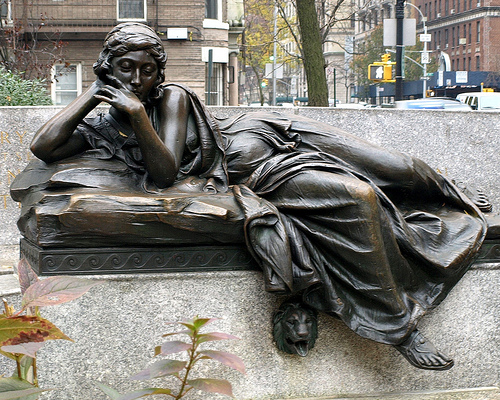
Straus-Park-Memorial

டைட்டானிக் கப்பலில், உயிர்காக்கும் அவசரப் படகுகள், பாதிப்பேரை மட்டுமே காக்கும் எண்ணிக்கையில் இருந்தன. ஆகையால் முதலில் குழந்தைகளையும், பெண்களையும் படகுகளில் ஏற்றுவது என்று தீர்மானித்தனர். சில தியாக உள்ளம் படைத்தோர் தன்னுடைய இன்னுயிரையும் பொருட்படுத்தாது மற்ற எல்லோரையும் படகுகளில் ஏற்றி கரை சேர உதவினர். இவர்களில் அன்றிற் பறவைபோன்ற இணைபிரியா கணவன் மனைவி தம்பதிகள் இருவர் எல்லோருக்கும் உதவி செய்தனர். அநேகமாக எல்லாப் பெண்களும் ஏற்றியாகிவிட்டது என்று அறிந்தபோது நியூயார்க் நகர பெண்மணி திருமதி ஈடா ஸ்ட்ராஸ் என்பவரை அவரது கணவர் ஈஸிடோர் ஒரு படகுக்குள் உள்ளே தள்ளி, “நீயாவது உயிர் தப்பு” என்று சொன்னார். அந்தப் பெண்ணோ படகிலிருந்து மீண்டும் கப்பலுக்குள் — மூழ்கிக் கொண்டிருக்கும் கப்பலுக்குள் –- குதித்தார்.

“அன்பரே! நீரும் நானும் எத்தனை காலம் சேர்ந்து வாழ்ந்தோம். இந்த இக்கட்டான நேரத்தில் உம்மை விட்டுப் பிரியமாட்டேன். நீங்கள் எங்கே செல்கிறீர்களோ அங்கே நானும் வருவேன்” என்று சொல்லி அவரை அணைத்துக் கொண்டார். இருவரும் கப்பலுடன் கடலுக்கடியில் சென்றுவிட்டனர். அதனால் என்ன? பூத உடல்தானே மறைந்தது. அவர் புகழ் உடம்பு மனித சமுதாயம் வாழும்வரை என்றும் நிலைத்து நிற்குமே!! அவர் எங்கு வேலை பார்த்தாரோ அந்த நிறுவன (மேஸிஸ்) ஊழியர்கள், அந்த தியாக சீலிக்கு ஒரு சிலையே வைத்துவிட்டனர் நியூயார்க் நகரில்!
samoa

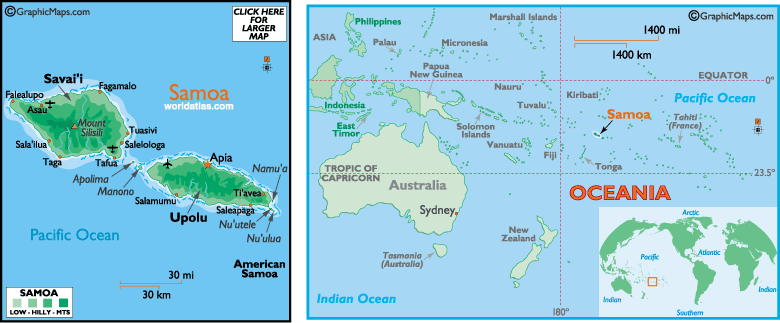
சமோவா தீவில் ஒரு எழுத்தாளனுக்கு சமாதி!

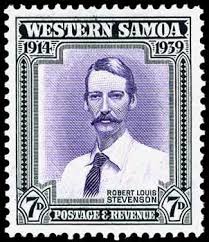
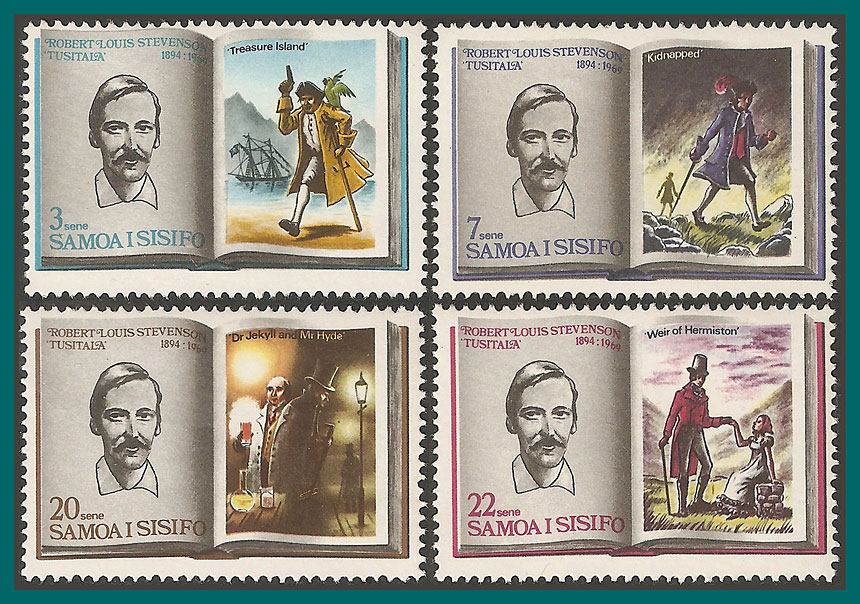
ஆங்கிலம் படித்தவர்கள் ஆர்.எல்.ஸ்டீவன்சன் எழுதிய ‘ட்ரெஷர் ஐலண்ட்’, கிட்நாப்ட்’ போன்ற கதைகளைப் படித்திருப்பார்கள். அந்த ஸ்டீவென்சன் பசிபிக் மஹா சமுத்திரத்தில் உள்ள சமோவா தீவின் மக்களின் உள்ளத்தில் அழியாஇடம் பெற்றுவிட்டார். எப்படி?

ஐரோப்பிய காலனியாதிக்கம் கொடிகட்டிப் பறந்த நாட்களில் உலகம் முழுதும் பிரிட்டனும், பிரான்சும், போர்ச்சுகல்லும் ஸ்பெயினும், ஹாலந்தும் பல நாடுகளுக்குச் சென்று அங்குள்ள மக்களை அடக்கி ஒடுக்கி ஆண்டனர். உள்நாட்டு மக்களை குருவி, கொக்கு சுடுவதுபோலச் சுட்டுத் தள்ளினர். பசிபிக் மஹா சமுத்திர சமோவா தீவில் வாழ்ந்த பழங்குடி இன மக்கள் தலைவர் மடாFபாவைப் பிடித்து சிறையில் தள்ளினர். அவரும் மற்ற அரசியல் கைதிகளும் இருந்த சிறைகளுக்கு, கதாசிரியர் ஸ்டீவென்ஸன்,  சென்று புகையிலை முதலிய பொருட்களைக் கொடுத்து, ‘கைம்மாறு வேண்டாக் கடப்பாடு’ (பலனை எதிர்பாரா உதவி) செய்தார். கொஞ்ச காலத்துக்குப் பின் அவர்கள் விடுதலை செய்யப்பட்டனர்.
R L Stevenson

பழங்குடி இனமக்களுக்கு எழுத்தறிவு கிடையாது. ஆனால் குணநலன்களில், படித்தவர்களை விட ஒரு படி மேல்தான். அவர்களாக முன்வந்து ஸ்டீவன்ஸன் வாழும் மலைப்பகுதிக்கு சாலை அமைத்தனர். அந்த சாலை அவர் வீட்டு வாசல் வரை சென்றது. அது மட்டுமல்ல. அவரை தங்கள் இனத்தின் தலைவர்களில் ஒருவராக அறிவித்தனர்.

“அன்பிற்கும் உண்டோ அடைக்கும் தாழ்?”

ஸ்டீவென்சனின் மெய்க்காப்பளரும் அந்த பழங்குடி இனத்தச் சேர்ந்தவரே. அவரிடம் ஸ்டீவென்ஸன் சொன்னார்:

அடடா! உங்களுக்குத் தான் என்னே விவேகம் இருக்கிறது.

உடனே அந்த பழங்குடி இனத்தவர் சொன்னார்

விவேகம் அல்ல! இது பேரன்பு! என்றார்.
samoa-stamps-1969-Robert-Louis-Stevenson

நல்ல குணங்களைப் பின்பற்ற எழுத்தறிவு தேவை இல்லையே!

ஸ்டீவென்சன் இறந்தவுடன் அவர்களே அந்த சடலத்தை மலை உச்சிக்கு எடுத்துச் சென்று அடக்கம் செய்தனர். அங்கு முக்கியமான வர்கள் மட்டுமே அழைக்கப்படிருந்தனர். அந்த இடத்தில் ஒரு ஸ்காட்லாந்துக்காரர் இருந்தார். எல்லோரும் வியப்புடன் நீங்கள் யார்? ஏன் இங்கே வந்தீர்கள்? என்று கேட்டனர். நீண்டகாலத்துக்கு முன் தான் தற்கொலை செய்துகொள்ள மலை உச்சிக்குச் சென்றபோது அந்தப் பக்கம் வந்த ஸ்டீவென்சன், காரணத்தைக் கேட்டுவிட்டு தன்னை தற்கொலை செய்யாமல் இருக்க அறிவுரை பகன்றதாகவும் அதனால்தான் இன்று நான் உயிருடன் இருக்கிறேன் என்றும் நன்றியுடன் சொன்னார்.

“நன்றி மறப்பது நன்று அன்று” என்பதற்கு பழங்குடி இன மக்களும் இந்த ஸ்காட்ஸ்மேனும் எடுத்துக் காட்டுகள்!

ARE YOU GETTING MARRIED?

radha beauty

Article No. 2004

Compiled  by London swaminathan

Date 19 July 2015

Time uploaded in London:15-17

Sanskrit language has got lot of tips in the form of proverbs, golden sayings (Subhashitam), hymns and quotations which will help anyone under any circumstances. Here are some tips about wedding, dress and wife.

Choosing a girl:–

When choosing a girl who looks for what?

Kanyaa varayate rupam = Daughter prefers good looking husband

Mataa vittam = mother looking for a wealthy man (for her daughter)

Pitaa srutam = Father looking for an intelligent person

Baandhavaah kulam = Relations look for good family background

Itarejanaah = others look for delicious food; good feast

Kanyaa varayate ruupam mataa vittam pitaa srutam

Bhandavaah kulamichchanti mishtaamitare janaah

IMG_4877 (2)

Good wife should have five “LA”s

If you are lucky your will have these five Lakaaras

AnukuLA = Beneficiary

vimaLAngi = Blemishness

kuLAjaa  = Born in a good family

kuusaLA = Efficient

susiiLAa = Having good conduct

anukuulaam vimalaangim kulajaam kusalaam susiila sampannaam

pancalakaaraam bhaaryaam purushah punyodayaallabhate

–Subhasita ratna bhandaakaaram

azaki

If you are a man and want to command respect you must have five “V”s:–

VAtsaram = good clothes

VApuh = good look

VAk = good speech

Vidyaa = Knowledge

Vinaya = Modesty

Vastrena vapushaa vaachaa vidyayaa vinayena cha

Vakaaraih panchaabhih hiina: naro naayaati gauravam

–subham–

Swami_48@yahoo.com

உதவும் குணம், உதார குணம் பற்றிய சுவையான சம்பவங்கள், பொன்மொழிகள்

Brahms (1)

Article No. 2003

Compiled  by London swaminathan

Date 19 July 2015

Time uploaded in London: 10-19

அரிஸ்டாடில்

கிரேக்க நாட்டு தத்துவவித்தகர் அரிஸ்டாடில், ஒரு கெட்ட மனிதனுக்குப் பிச்சை போட்டார்.

“அரிஸ்டாடில்! அவன் ஒரு அயோக்கியன், அவனுக்கு ஏன் பிச்சை போட்டீர்கள்?” என்று நண்பர்கள் கேட்டனர்.

அரிஸ்டாடில் சொன்னார்,

அட! நான் அவனுக்காகவா போட்டேன்? மனிதகுலத்துக்காகப் போட்டேன்” – என்றார்.

(தமிழில் ஒரு பழமொழி உண்டு: சித்தம் போக்கு சிவன் போக்கு, ஆண்டி போக்கு, அதே போக்கு! அறிஞர்களின் உதார குணம் ஆழமானது; பொருளுடைத்து!)

haystack

நிலத்தை எரித்த சீன விவசாயி!

ஒரு சீன விவசாயி மலைப் பகுதியில், நெல் வயலில், வேலை செய்து கொண்டிருந்தார். அப்பொழுது பூமி அதிர்சி ஏற்பட்டு, கடல் உள்வாங்கி, திடீரென்று பின்னுக்குச் செல்வதைக் கண்டார். மாபெரும் சுனாமி பேரலைகள் வந்து, தாழ்வான இடம் முழுதும் வெள்ளக்காடாகப் போகிறது என்று உணர்ந்தார்.

தாழ்வான பகுதியில் தனது சொந்த கிராம மக்கள் வேலை செய்து கொண்டிருந்தனர். அவர்களைக் காப்பாற்ற வேண்டும் என்று துடியாய்த் துடித்தார். என்ன செய்வது? உரக்க கூக்குரல் போட்டாலும் காதில் விழாது; தான் கீழே போனால் எல்லோரும் “கூண்டோடு கைலாசம் போவோம்” — என்பது அவருக்குத் தெரியும்.

அவருடைய சமயோஜித புத்தி அவருக்கு உதவியது; பக்கத்தில் தனக்குச் சொந்தமான பெரிய வைக்கல்போர் (குவியல்) இருந்தது. அதற்குத் தீ வைத்தார். அருகிலுள்ள கோவிலுக்குச் சென்று கோவில் மணியைத் தொடர்ந்து அடித்தார். கோவில் மணியால் ஈர்க்கப்பட்ட கிராம மக்கள் மலை உச்சியைப் பார்த்தனர். அங்கே வயலில் எரியும் தீயைக் கண்ணால் கண்டனர். ஒஹோ! வயல் எரிகிறது. அதற்கு உதவி கோரி கோவில் மணியை அடித்து இருக்கிறார்கள் என்று எண்ணி கிராம மக்கள் அனைவரும் மலை உச்சிக்கு ஏறினர்.

சுனாமிப் பேரலைகள் வந்து அவர்கள் இதுவரை வேலை செய்த்த தாழ்வான பகுதிகளை மூழ்கடித்ததைக் கண்டனர்.

மலைக்கு மேலிருந்த விவசாயியின் சமயோசித புத்தி தங்கள் உயிர்களை எப்படிக் காப்பாற்றியது என்று எண்ணி அவருக்கு நன்றி கூறினர். அதுமட்டுமல்ல அவரை எந்த ஒரு சக்தி இப்படிச் செய்ய ஊக்குவித்ததோ அதை வணங்குவோம் என்று கருதி ஆண்டுதோறும் அந்த சக்தி தேவதையை இன்றும் வழிபட்டு வருகின்றனர்! அதாவது அவர் உயிருடனிருக்கும்போதே, அந்த தனி மனிதனை வழிபாடாமல், அவனுடைய நற்குணத்தை வழிபடத் துவங்கிவிட்டனர்.

(நம் நாட்டில் தனிமனிதனுக்குச் சிலைகளை வைத்துவிட்டு, அவர்கள் சொன்ன தத்துவங்களை மறந்து விடுகிறோம். காந்திஜியின் தத்துவங்களைக் காங்கிரஸ் கட்சி கொன்றது; திருவள்ளுவர் தத்துவங்களைத் திராவிடக் கட்சிகள் குழிதோண்டிப் புதைத்தன!)

தமிழர் நடுகற்கள்

சீனர்களைப் போல, தமிழ் நாட்டில் தன்னுயிரையும் பொருட்படுத்தாமல் கொடிய காட்டு மிருகங்களுடனோ, கொள்ளையர்களுடனுடனோ சண்டையிட்டு ஊரைக் காத்து உயிர்நீத்த வீரர்களுக்கு நடுகல் நட்டு இன்றும் அவரது சக்திக்கு படைப்புகள் கொடுப்பதைக் காண்கிறோம். சில வீரர்கள் காலப் போக்கில் கிராம தேவதைகளாக்கப்பட்டு கோவில்களும் கட்டப்பட்டுவிட்டன!

WALNUT

மரம் நட்ட மாமனிதன்!

அமெரிக்காவில் டெக்ஸாஸ் என்னும் ஒரு மாநிலம் உள்ளது. அதன் புகழ்மிகு கவர்னர் ஹாக். அவர் இறக்கும் தருவாயில் சொன்னார். “நான் இறந்த பிறகு எனக்கு நினைவுச் சின்னம் எழுப்பி காசு, பணத்தை வீணடிக்காதீர்கள்; என் கல்லறையின் தலை மாட்டில் பெக்கன் கொட்டை மரத்தை நடுங்கள்; என் கால் மாட்டில் வால்நட் மரக் கொட்டைகளை நடுங்கள்; இரண்டும் மரமாகி விதைகளைத் தள்ளும் போது என் பாசத்துக்கும் நேசத்துக்கும் உரிய டெக்ஸாஸ் மக்களிடையே அவைகளை விநியோகிங்கள். அவர்கள் அதைப் பயிர் செய்து அதிலிருந்து கிடைக்கும் பணத்தில் செழிக்கட்டும்” — என்றார்.

அதுபோலவே 1926 ஆம் ஆண்டுமுதல் அந்த மரங்களிலிருந்து கிடைத்த விதைகளை அருகிலேயே வரிசையாக நட்டு பெரிய மரச் சோலையை வளர்த்தனர். அவை பெரிதாகி விலையுயர்ந்த வால்நட், பெக்கன் பருப்பு விதைகளைக் கொடுக்கின்றன. அவைகளை நட்டு, மரக் கன்று வந்தவுடன் அவைகளைப் பக்கத்து ஊர்ப் பள்ளிக்கூடங்களுக்கு விநியோகிக்கின்றனர்.

என்ன அருமையான யோஜனை பாருங்கள்! தன்னுடைய நினைவையும் தக்க வைத்தார்: தன் நாட்டையும் செழிக்கச் செய்தார்!!
செத்தும் கொடுத்தான் சீதக்காதி

இதே போல தமிழ் நாட்டிலும் சீதக்காதி என்னும் பெருந்தகையின் புகழ் இன்றும் இருக்கிறது. செத்தும் கொடுத்தான் சீதக்காதி ! என்னும் கதையை முன்னரே எழுதிவிட்டேன். படித்தறிக!

pope, book

போப்பும் ஸ்விFப்டும்

ஆங்கில இலக்கியம் படித்தவர்களுக்கு அலெக்ஸாண்டர் போப் என்ற கவிஞரையும் ‘கல்லிவர்ஸ் ட்ராவல்’ முதலிய படைப்புகளைப் படைத்த ஜோனதன் ஸ்விப்ட் என்ற எழுத்தாளரையும் நன்கு தெரியும். கல்லிவரின் லில்லிபுட் யாத்திரை தமிழிலும் இருக்கிறது. இதுபற்றி முன்னரே எழுதியிருக்கிறேன். நமது ‘விரலான்’ கதையை அவர் அரசியல் அங்கதமாக எழுதினார் என்பதை விளக்கி இருக்கிறேன் முன்னொரு கட்டுரையில்.

ஸ்விப்டிடம் போப் என்ன சொன்னார் தெரியுமா?

“என்னிடம் நிறைய பணம் இருக்கிறது; ஆண்டுக்கு நூறு பவுண்டுகள் வரை நன்கொடை கொடுக்க இயலும் (அந்தக் கலத்தில் 100 பவுண்ட் என்பது இப்பொழுது மில்லியன் போல); இந்தப் பூவுலகில் ஏதேனும் நல்லது செய்வேன்; புழுப்போல நெளிய மாட்டேன். உயிருடன் இருக்கும் போதே மற்றவர்களுக்குப் பணத்தைக் கொடுத்து அவர்கள் சந்தோஷப்படுவதைப் பார்த்து நான் பேரானந்தம் அடைவேன். நான் இறந்த பிறகு என்னிடம் எனக்கு கல்லறை எழுப்பக்கூட பணம் மிச்சம் இருக்கக் கூடாது. என் கல்லறைக்கு வெளியே யாராவது ஒருவன் காசு வேண்டி நிற்பானாகில் நான் நாணித் தலை குனிவேன்!”

(எவ்வளவு உயரிய சிந்தனை! ‘தனி ஒருவனுக்கு உணவிலை எனில் ஜகத்தினை அழித்திடுவோம்’, ‘இல்லை என்பதை இல்லை ஆக்குவேன்” – என்று முழக்கமிட்ட புரட்சிக் கவிஞன் பாரதியை இது நினைவுபடுத்தும்).

1967Swift

இசைமேதை பிராம்ஸ்

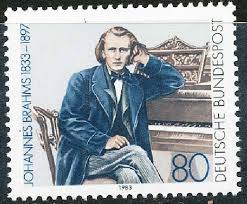
இசைமேதை பிராம்ஸ் அவர்களுக்கு ஒரு ஆங்கிலேயர் 1000 பவுண்ட் (இப்போது கோடி பணத்துக்குச் சமம்) உயில் எழுதிவிட்டு இறந்து விட்டார். இந்தச் செய்தியை பிராம்ஸிடம் சொன்னார்கள். அவர் சொன்னார்: “இதைவிட பேரானந்தம் தரும் அனுபவம் உண்டா? இதைவிட நல்ல செய்தி என்ன இருக்க முடியும். என்னை அறியாத ஒருவன் – எனக்கு கடிதமே எழுதாத ஒருவன் – இப்படி என்னை நினைவிற் வைத்துக் கொண்டது என் இதயத்தின் ஆழத்தைத் தொட்டுவிட்டது. முன்னைப் போல, மீண்டும் ஒரு முறை அளவிட முடியாத ஆனந்தம் பெற்றேன். வெளியே எனக்குக் கிடைத்த பெரிய விருதுகளுக்கும் பட்டங்களுக்கும் எல்லாம் மேலானது இது! எனக்கு இந்தப் பணத்தை ‘முதலீடு’ செய்து எனக்கு ஒன்றும் ஆகப் போவதில்லை.அவரைப் போலவே நானும் இதை மற்றவர்களுக்குக் கொடுத்து பெரு மகிழ்ச்சி அடைவேனாக”

இந்த சம்பவங்களைப் படித்துவிட்டு கீழேயுள்ள மேற்கோள்களைப் படியுங்கள். பொருள் தெள்ளிதின் விளங்கும்!

brahms

“கைம்மாறு வேண்டா கடப்பாடு” – குறள் 211

பலனை எதிர்பாராமல் உதவி செய்

“ஒத்ததறிவான் உயிர்வாழ்வான் மற்றையான்

செத்தாருள் வைக்கப்படும்” – குறள் 214

மற்றவனுக்கு உதவுபனே உயிர் வாழ்பவன்; மற்றவர்கள் நடமாடும் பிணங்கள்!
“ஊருணி நீர் நிறைந்தற்றே பேரறிவாளன் திரு” -215

நல்லோரிடமுள்ள செல்வம் ஊற்றுத் தண்ணீர் போல எல்லோருக்கும் பயன்படும்.

வறியார்க்கொன்று ஈவதே ஈகை – 221

தேவைப்பட்டவருக்கு காசு கொடுப்பதே தானம்.

மேலுலகம் இல்லெனினும் ஈதலே நன்று 222

தானம் செய்தால் மறு ஜன்மத்தில் பலன் என்று நினைக்காதீர்கள்! சொர்க்கம் என்று ஒன்று இல்லாவிடினும் கொடுப்போம்!

“ஈத்துவக்கும் இன்பம் அறியார் வறியார்” – 228

கொடுக்கும் போது ஏற்படும் ஆனந்தத்தை அறியாதோர்தான் ஏழைகள்!

சம்ஸ்கிருதப் பொன் மொழிகள்

“பெருந்தன்மை கொண்டோருக்கு உலகமே ஒரே குடும்பம்” – பஞ்சதந்திரக் கதைகள்

உதார குணம் படைத்தவன் கொடுப்பான்; கொடுத்துக் கொண்டே இருப்பான். கருமியோ கொடான்,கொடான்; கூனிக் குறுகி குமுறுவான்! –கஹாவத் ரத்னாகர்

தனக்கே உடையில்லாத பிச்சைக்காரன் கூட, தானம் செய்து மகிழ்வான்  — கஹாவத் ரத்னாகர்

-சுபம்-

Devotion and Sacrifice: Moving Stories from Titanic Ship and Samoa!

samoa

Article No. 2002

Compiled  by London swaminathan

Swami_48@yahoo.com

Date 18th July 2015

Time uploaded in London: 15-05


All of us would have read at least one of the stories by R L Stevenson, author of ‘Treasure Island’, ‘Kidnapped’, ‘Prince Otto’, ‘Black Arrow’ and several other stories.


R.L.Stevenson won the devotion of Samoans. When the European powers imprisoned Mataafa, one of their chiefs, Stevenson visited him and other political prisoners, bringing them tobacco and other gifts. When they were released they voluntarily built a wide road up to Stevenson’s house; and they made him a chief of one of their tribes. Once when Sosimo, his body guard, had been unusually thoughtful, Stevenson complemented him, “Great is the wisdom.”

“No”, Sosimo replied, “Great is the Love”.

 R L Stevenson

When Stevenson died a group of picked natives bore the coffin to the place on internment on the mountain top. A stranger had appeared at the funeral, to which only close friends were invited, a Scotchman who explained that some years before Stevenson had met him on the road as a stranger on a day when he was contemplating suicide, but that Stevenson had dissuaded him. The Samoan chiefs tabooed the use of fire arms on the hill of his grave, that the birds might sing there undisturbed.


 samoa-stamps-1969-Robert-Louis-Stevenson

Damayanti or Savitri or Sita of New York


Hindu scripture have enough stories of women’s devotion and sacrifice. We have Sita, Savitri, Damayanti and scores of others.

Here is an American woman whose devotion made her immortal. There is statue for her in New York.


Mrs Isadore Strauss was one of the few women who went down on Titanic in 1912 and she went down because she could not bear to leave her husband. Both he and she were calm throughout the excitement of loading the life boats. Both aided frightened women and children to find places aboard them. Finally, Mr.Strauss, who had been urging his wife again and again to seek safety in a life boat, forced her to enter one. She was no more seated, however than she sprang up and got to the deck before her husband could stop her. There, she caught his arm, snuggling it against her side, exclaiming, “We have been long together through a great many years. We are old now. Where you go, I will go.”


Canada Post unveiled today the images of the five stamps that will be issued on April 5 to mark the centennial of the sinking of RMS Titanic. (CNW Group/Canada Post)

Canada Post unveiled today the images of the five stamps that will be issued on April 5 to mark the centennial of the sinking of RMS Titanic. (CNW Group/Canada Post)


Quotations on Sacrifice, Devotion and Greatness


Those who accomplish rare things are considered great;

While those who cannot, remain small – Tirukkural-26

Animals, stones, and trees are worshipped in this world, for their sacrifice.

“Tyaagajjagati puujyante pasu paasaana paadapaah- Subhasita Ratna Kanda manjusa”

While joys are shortlived, sacrifice is an endless stream of nectar

-Bharatamanjari 1-14-595

Susyatsukhesu kaalesu tyaago hi amrutanirijharah

Straus-Park-Memorial

Statue for Strauss in New York.

-SUBHAM-

குளியல் எத்தனை வகை?

shower

bath tub

Article No. 2001

Compiled  by London swaminathan

Date 18  July 2015

Time uploaded in London: காலை 6-39

குளியல் (ஸ்நானம்) ஐந்து வகை என்று பராசர ஸ்மிருதி கூறுகிறது.

மனு ஸ்மிருதியிலும் குளியல் பற்றி நிறைய குறிப்புகள் உள்ளன. ஆனால் அவை வகை பிரிப்பன அல்ல.

இந்துக்களின் வாழ்வு — நீருடன் ஒன்றிணந்தது. பிறப்பு முதல் இறப்பு வரை எல்லா சடங்குகளிலும் “ஜலம்” உண்டு. பிராமணர்கள் அனுதினமும் தண்ணீரை வைத்துக்கொண்டு மும்முறை தொழ வேண்டும்.

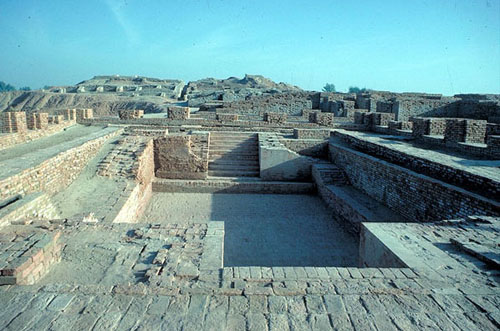
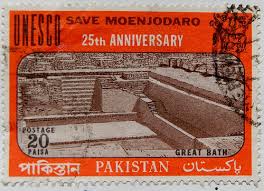
வேத மந்திரங்கள் முதல் சிந்து சமவெளி மொஹஞ்சதாரோ ‘பெரிய குளம்’ வரை இதற்கு எடுத்துக் காட்டுகள் உள. உலகில் சமயத்துடன் தண்ணீரை இந்த அளவுக்கு வேறு எவரும் தொடர்பு படுத்தியதில்லை.

ஆரியர்களும் திராவிடர்களும் வெளிநாட்டிலிருந்து வந்து குடியேறியவர்கள் என்று சொன்ன மாக்ஸ்முல்லர்கள், கால்டுவெல்கள் முகத்தில் கரிபூசும் சான்றுகள் இவை. ஆரிய-திராவிட இனவெறிக் கொள்கையை ‘டார்பிடோ’ வைத்துத் தகர்க்கும் சான்று இது. குளிர்ப் பிரதேசத்திலிருந்து வந்தவன் தண்ணீர் குளியல் பற்றிப் பேசமாட்டான்! வெளிநாட்டுக் காரர்கள் குளிப்பது அரிது! ஆகையால் பண்பாடு தெரியாமல் அவர்கள் உளறிவிட்டனர்.போகட்டும்.

indus-greatbathsouth

பெரிய குளம், மொஹஞ்சதாரோ

நாலு ஆண்டுக்கு ஒரு முறை கும்ப மேளாவும் 12 ஆண்டுக்கு ஒரு முறை மஹா கும்பமேளாவும், இந்திர விழாவும் கொண்டாடுபவர்கள் நாம். தமிழ் நாட்டில் சோழர்கள் நடத்திய இந்திர விழா இப்பொழுது தமிழ் நாட்டில் அழிந்தாலும் நேபாளத்திலும் தென் கிழக்காசிய நாடுகளிலும் (தண்ணீர் விழா= வாட்டர் பெஸ்டிவல் என்ற பெயரில்) கொண்டாடி வருகின்றனர். இதுபற்றி முன்னரே விரிவாக எழுதிவிட்டேன்.

ஸ்நானானி பஞ்சபுண்யானி கீர்த்தனானி மனீஷிபி:

ஆக்னேயம் வாருணம் பிராம்மம் வாயவ்யம் திவ்யமேவ ச (பராசர ஸ்ம்ருதி)

ஆக்னேயம்= விபூதிக் குளியல்

வாருணம் = நீரில் முழுகிக் குளித்தல்

பிராம்மம் = மந்திரம் சொல்லி நீரை உடல் மீது தெளித்துக் கொள்ளல் (ப்ரோக்ஷனம் செய்தல்)

வாயவ்யம் = பசுவின் பாத துளியை (மண்) உடலில் பூசிக்கொள்ளல்

திவ்யம் = சூரியன் இருக்கும்போது பெய்யும் மழையில் நனைதல்

இவையெல்லாம் வயதானவர்களுக்கும், குழந்தைகளுக்கும், தண்ணீர் கிடைக்காத இடங்களில் யாவருக்கும் பொருந்தும். ஆனால் இவை விதியன்று; விதிவிலக்குகள் போல அரிதாகப் பயன்படுதுவது. இதே போல தினமும் ஆடைகளைத் துவைத்துக் கட்டிக்கொண்டு கடவுளை ‘மடி’யாக வழிபடுவது இந்துக்களின் வழக்கம். அப்படித் துணியைத் துவைக்க முடியாத ஒரு நிலையில் – குறிப்பாக நீண்ட தூர யாத்திரையின் போது – நாம் கட்டப்போகும் ஆடையை தோய்க்காவிட்டாலும் சூரியனுக்கு முன் “வஸ்த்ராய Fஅட்” என்று சொல்லி உதறிவிட்டுக் கட்டிக்கொள்ளலாம் என்று பெரியோர்கள் சொல்லக் கேட்டிருக்கிறேன்.

stamp great bath

பிரெஞ்சு பாத்

மேல் நாட்டினர் குளிக்கமாட்டார்கள். ஆகையால் அவர்களுக்கு நீரின் அருமை பெருமை தெரியாது. பிரெஞ்சுக் காரர்கள் மிகவும் மோசம்! 29 பேரில் ஒருவர் வாரத்துக்கு ஒரு முறை குளிப்பர் என்பது பத்திரிக்கையில் வந்த செய்தி. ஆனால் உலகின் பெர்Fயூம் தலைநகர் பாரீஸ் என்பதால் – அவர்கள் உடல் முழுதும் அந்த  வாசனைத் தண்ணீரை அடித்துக்கொள்வர். இதனால் கிண்டலாக என்ன “பிரெஞ்சுக் குளியலோ?” என்று கிண்டல் செய்வர். அதையே நம் ஊரில் ‘காக்காய் குளியல்’ என்போம்.

ஸ்பாஞ்ச் பாத்

வயதானவர்களோ, நோயாளிகளோ, சிறுவர்களோ மேலை நாட்டிலுள்ள “பாத்” தொட்டியில் இறங்க முடியாது. குழாயடி (ஷவர்) வரை நடக்க முடியாது என்றால் ஒத்தடக் குளியல் தருவார்கள். இதற்கு ஸ்பாஞ்சு எனப்படும் கடற்பஞ்சு அல்லது நல்ல ஈரத்துணியை வைத்துக் கொண்டு உடலின் எல்லாப் பகுதிகளையும் துடைப்பர்.

டர்கிஷ் பாத்

துருக்கிக் குளியல் என்பது நீராவிக் குளியல் அறையில் ஆவியில் குளிப்பது. பின்னர் சுடு நீர் ஊற்றில் குளித்து மசாஜ் எடுப்பதாகும்.

இவ்வாறு பலவகைக் குளியல் இருந்தாலும் மேலைநாட்டினர் எல்லோரும் குளிப்பது அபூர்வம்!

கந்தையானாலும் கசக்கிக் கட்டு; கூழானாலும் குளித்துக் குடி – என்பது பாரதீய பண்பாடு!

வாழ்க பாரதம்! வளர்க நம் பண்பாடு!!

Generosity: Stories and Quotations

haystack

Article No. 2000

Compiled  by London swaminathan

Date 17th July 2015

Time uploaded in London: 19-20

ARISTOTLE

Aristotle, on being censured for giving alms to a bad man, answered: “I did not give it to the man, I gave it to humanity.”

XXX

CHINESE FIELDS

There is a story about a hero of the Chinese rice-fields. During an earthquake and Tsunami, he saved his community by quick thinking. From his hill-top farm he saw the ocean swiftly withdrawn, like some prodigious animal crouching for leap, and knew the leap would be the huge tidal wave. He also saw that his neighbours working in low fields must be gathered to his hill or swept away. Without a second thought he set fire to his haystacks and furiously rang the temple bell.

His neighbours thought his farm on fire and rushed to help him. Then, from that safe hill they saw the swirl of waters over fields just forsaken – and knew their salvation and its cost. After wards the people of these rice-fields used to go to the temple to worship their neighbour’s spirit while he was alive.

Xxx

TAMIL HERO STONES

In South India, particularly in Tamil Nadu, there are lot of Hero Stones, for those who save the community from wild animals or invading enemies. Each one has his name inscribed on it with his heroic deeds. Some of them have become temples of “Village Gods”.

Xxx

WALNUT

PLANT TREES

On his death bed Governor Hogg of Texas (USA) requested that no monument be placed at his grave; but that instead, there be planted, “at my head a pecan tree, and at my feet an old fashioned walnut tree and when these trees shall bear, let the pecans and walnuts given out among the Plains people of Texas, so that they may plant them and make Texas a land of trees.”

His wishes were carried out. The first nuts were saved in 1926 and planted in nursery rows. And the same thing has been done each year. When the saplings are large enough to transplant they are distributed to schools and county boards.

Xxx

1967Swift

POPE AND SWIFT

“I am rich enough,” said Alexander Pope to Jonathan Swift, “and can afford to give away a hundred pounds a year. I would not crawl upon the earth without doing good. I will enjoy the pleasure of what I give by giving it alive and seeing another enjoy it. When I die I should be ashamed to have enough for a monument if a wanting friend was above ground.”

pope, book

Xxx

TAMIL MUSLIM POET

A Tamil Muslim Miracle – posted by me on 2nd December 2013.

One of the anecdotes in Seethakkathi’s life may be compared with Popes anecdote:

During his tour, a poor man met Seethakathi and told him about the difficulty in getting his daughter married for want of money. When Seethakkathi came forward to give him money, the poor man told that he would take the money when the marriage was finalised. After sometimes Seethakathi died suddenly. The poor man came all the way to Keelakkarai to get the money for his daughter’s wedding, without knowing Seethakkathi’s demise. Town people gave him the bad news when he enquired about the whereabouts of Seethakathi.

The poor man felt very sad but yet wanted to pay his respects at his grave. When he went to Seethakkathi’s grave and paid his respects suddenly a hand protruded from below the grave. It was Seethakkathi’s hand and there was a pearl studded gold ring in one of his fingers! The man took it and thanked his philanthropy even after he died. This gave the popular Tamil phrase “Seththum Kodthaan Seethakkathi” meaning Seethakkathi gave even after his death!

Xxx

Brahms (1)

BRAHM

An English lover of Brahms’ music willed him 1000 pounds (British Currency). When Joachim sent the news to Brahms, he replied:

“One can experience nothing more beautiful, nothing that does one more good, than what you have just told me. That a perfect stranger, who has, as far as I know, never even written me, should remember me thus, touches me most deeply and intimately. Once before I have had the inestimable joy of experiencing the like. All exterior honours are nothing in comparison.

As I do not need to ‘invest’ the money, I am enjoying it in the most agreeable manner, by taking pleasure in its distribution.”

Xxxx

brahms

SANSKRIT QUOTATION ON GENEROSITY

The whole world is one family for the large hearted

-Pancatantra 5-38-7; Hitopadesa 1-71

The generous give and give, and misers cringe and cry!

–Kahavatratnakar, page 124

The selfless shirk not from sacrificing their lives for those in dire need.

–Kathasaritsagar

Himself without any clothes, the beggar is passionate about giving charity!

—-Kahavatratnakar, Page 140

Swami_48@yahoo.com

பகுதி-2: கிறிஸ்தவ மதத்துக்கு எதிரான இரண்டு பழைய தமிழ் நூல்கள்

IMG_5060

Article No.1999

Compiled  by London swaminathan

Date 17th July 2015

Time uploaded in London: 5-50 AM 


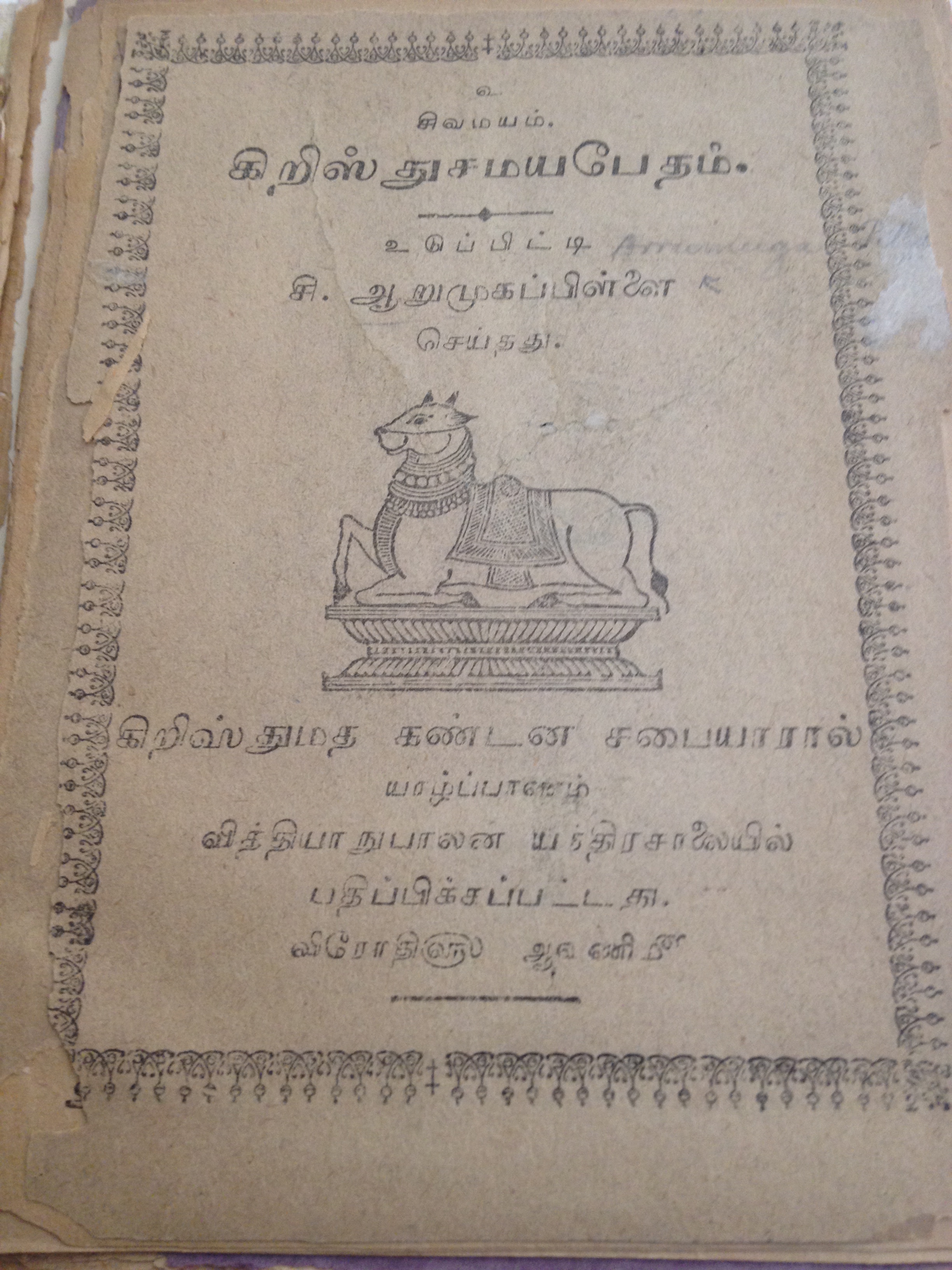
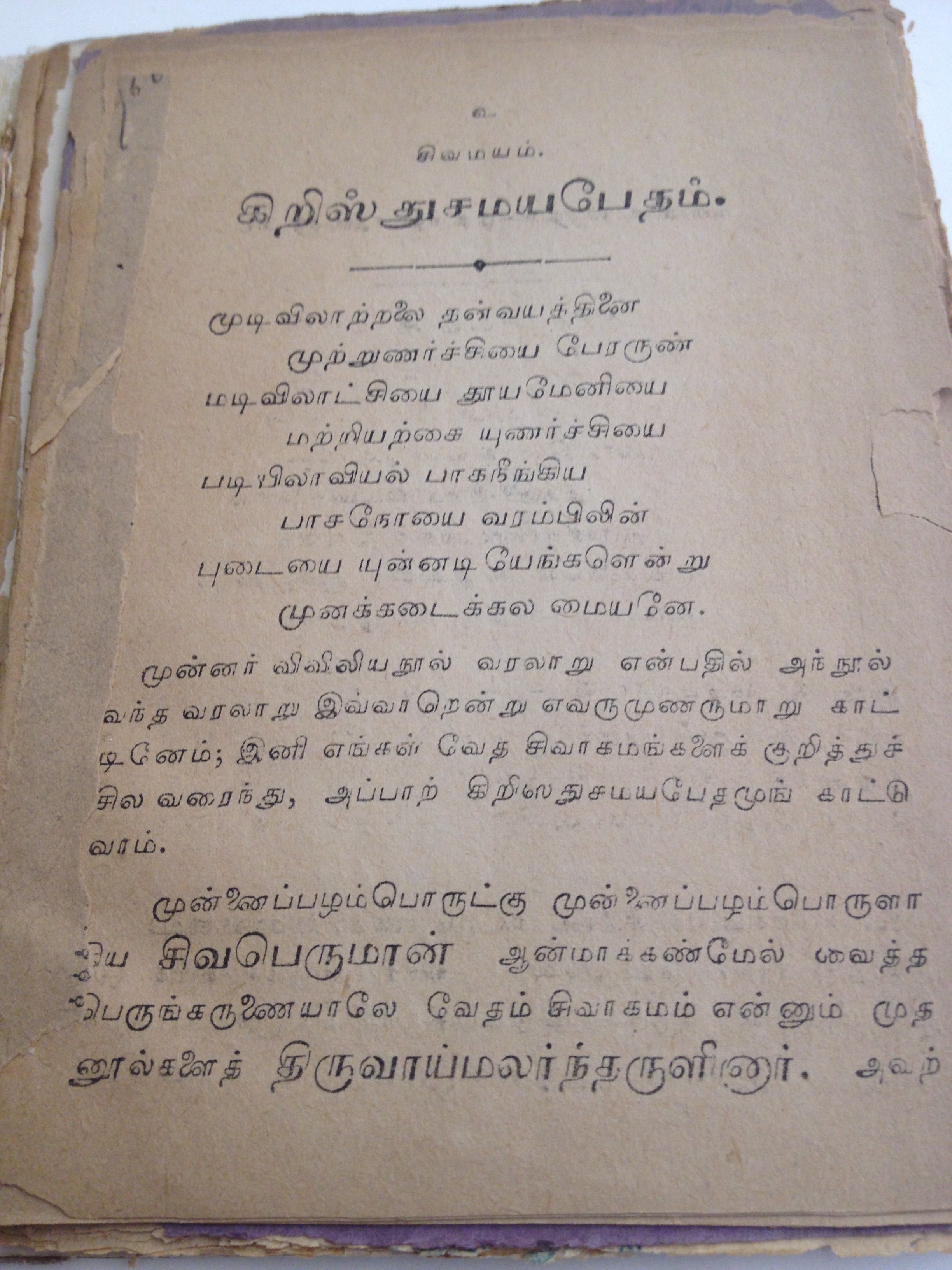
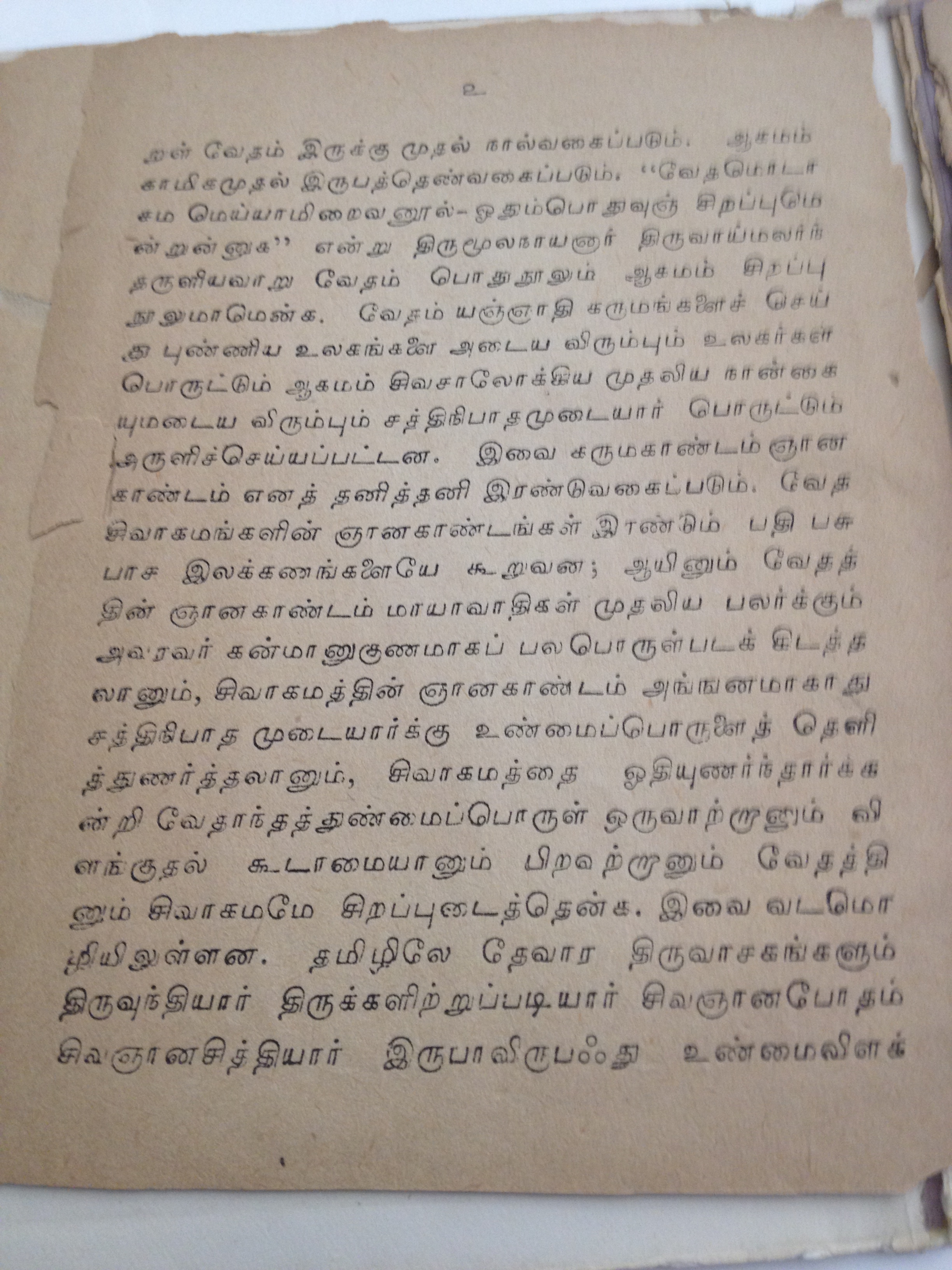
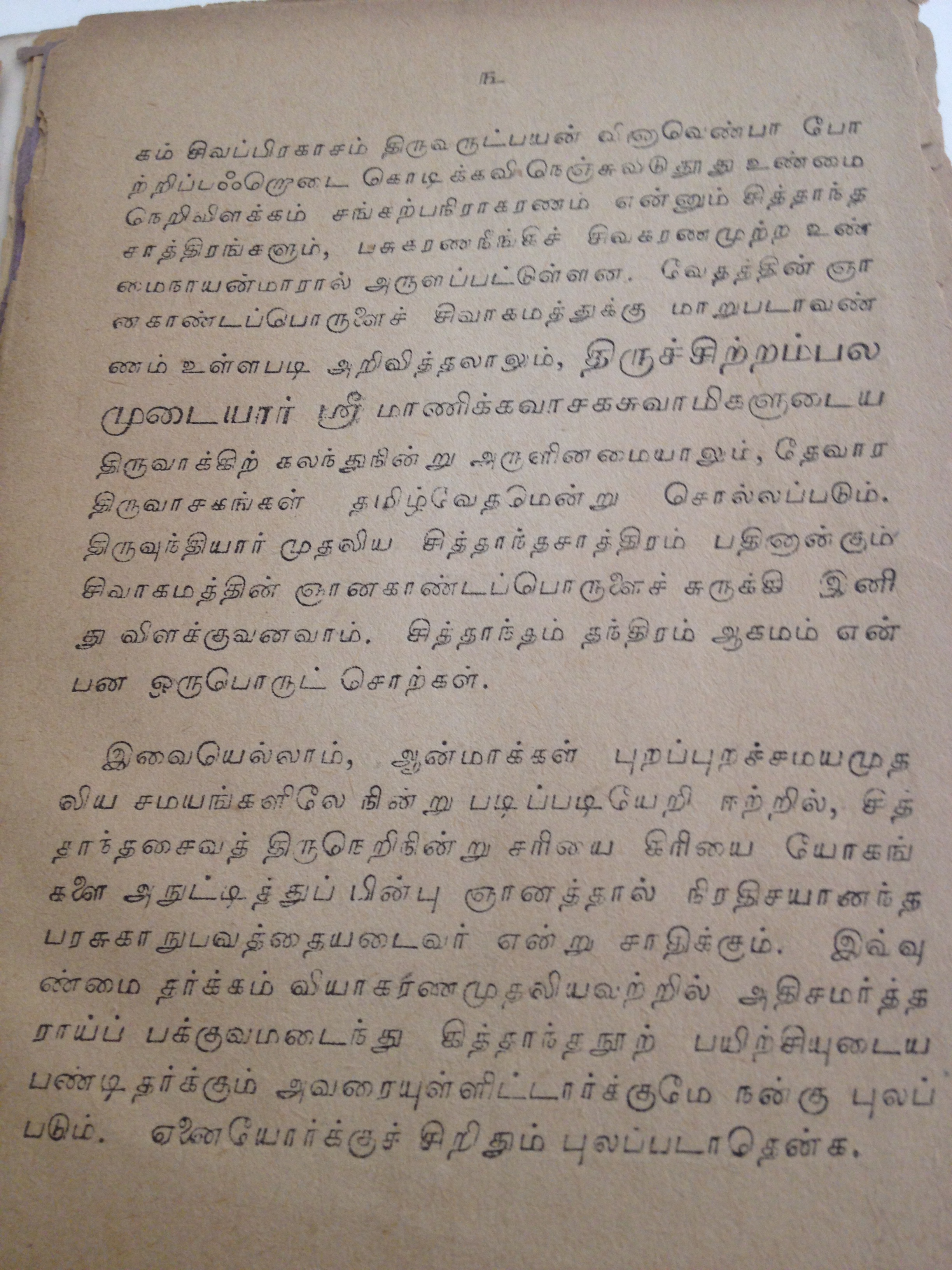
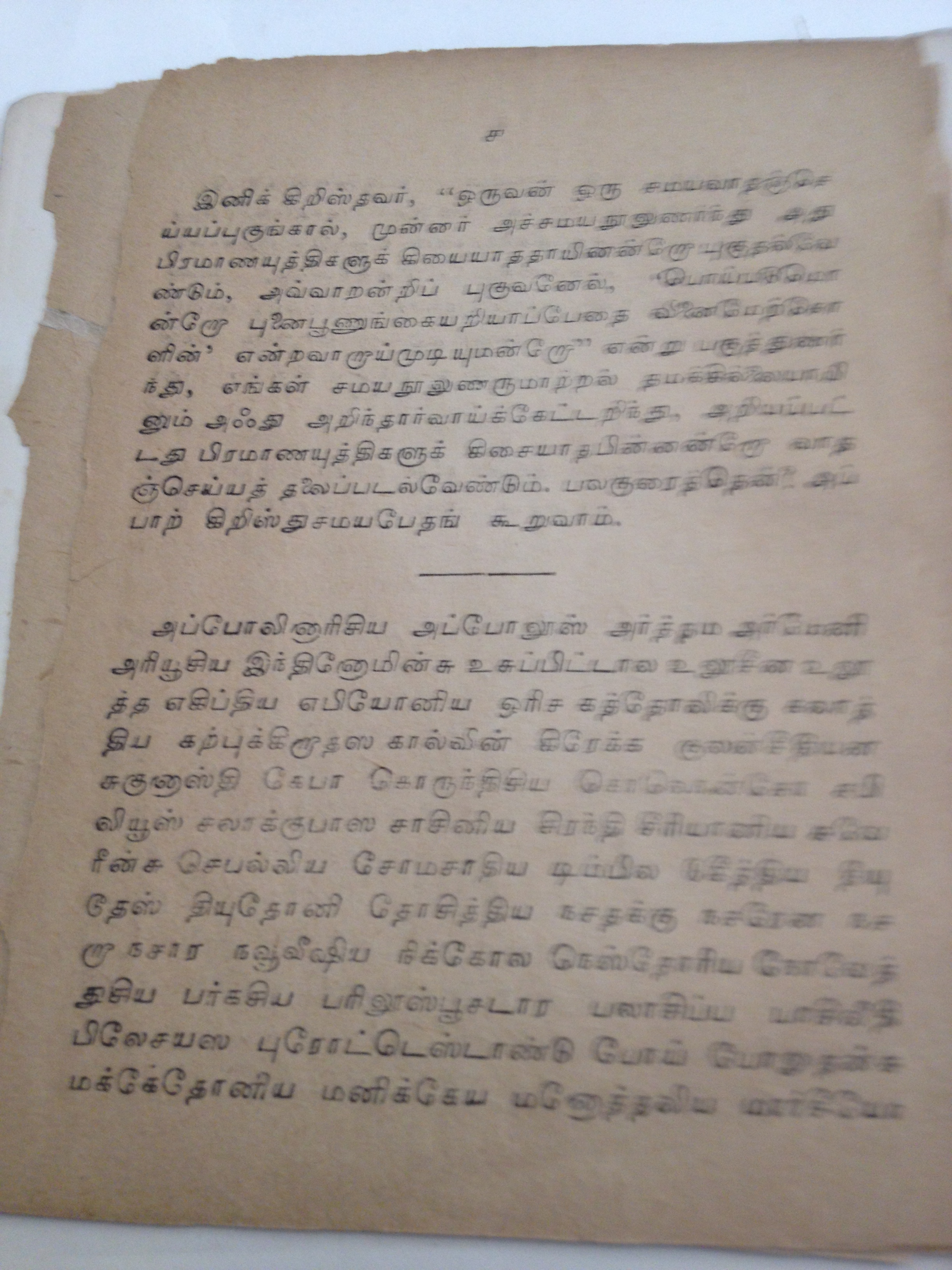
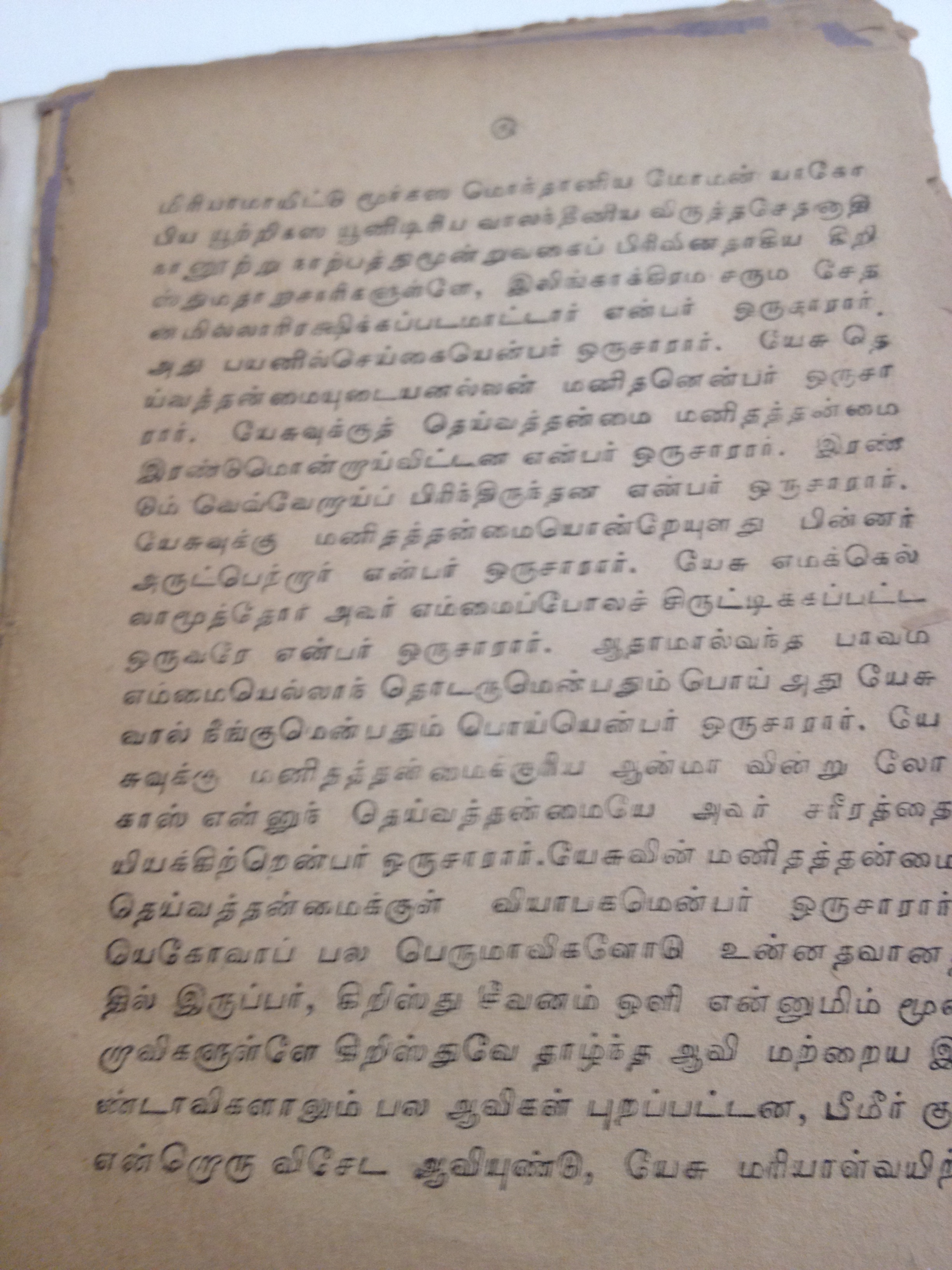
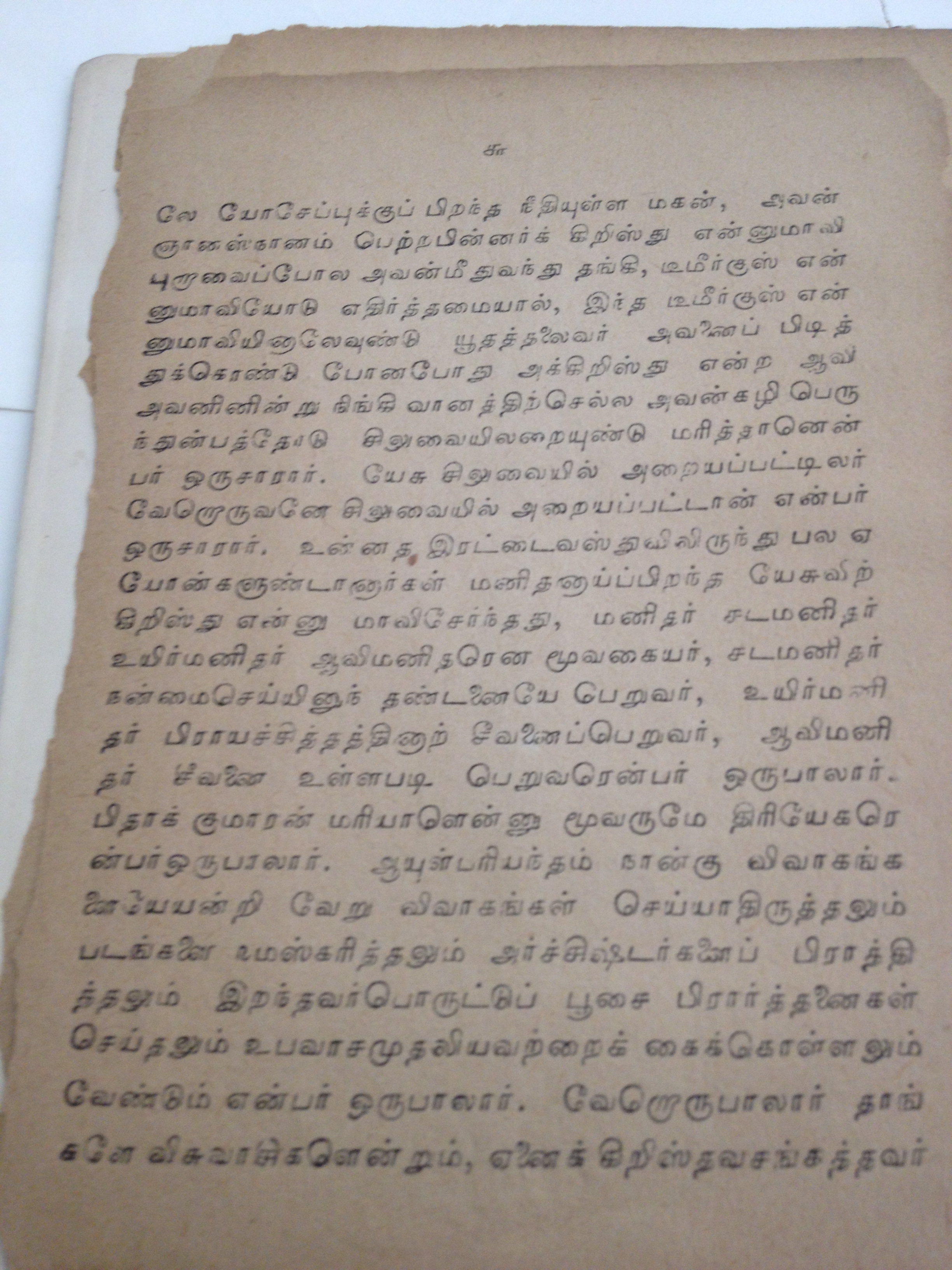
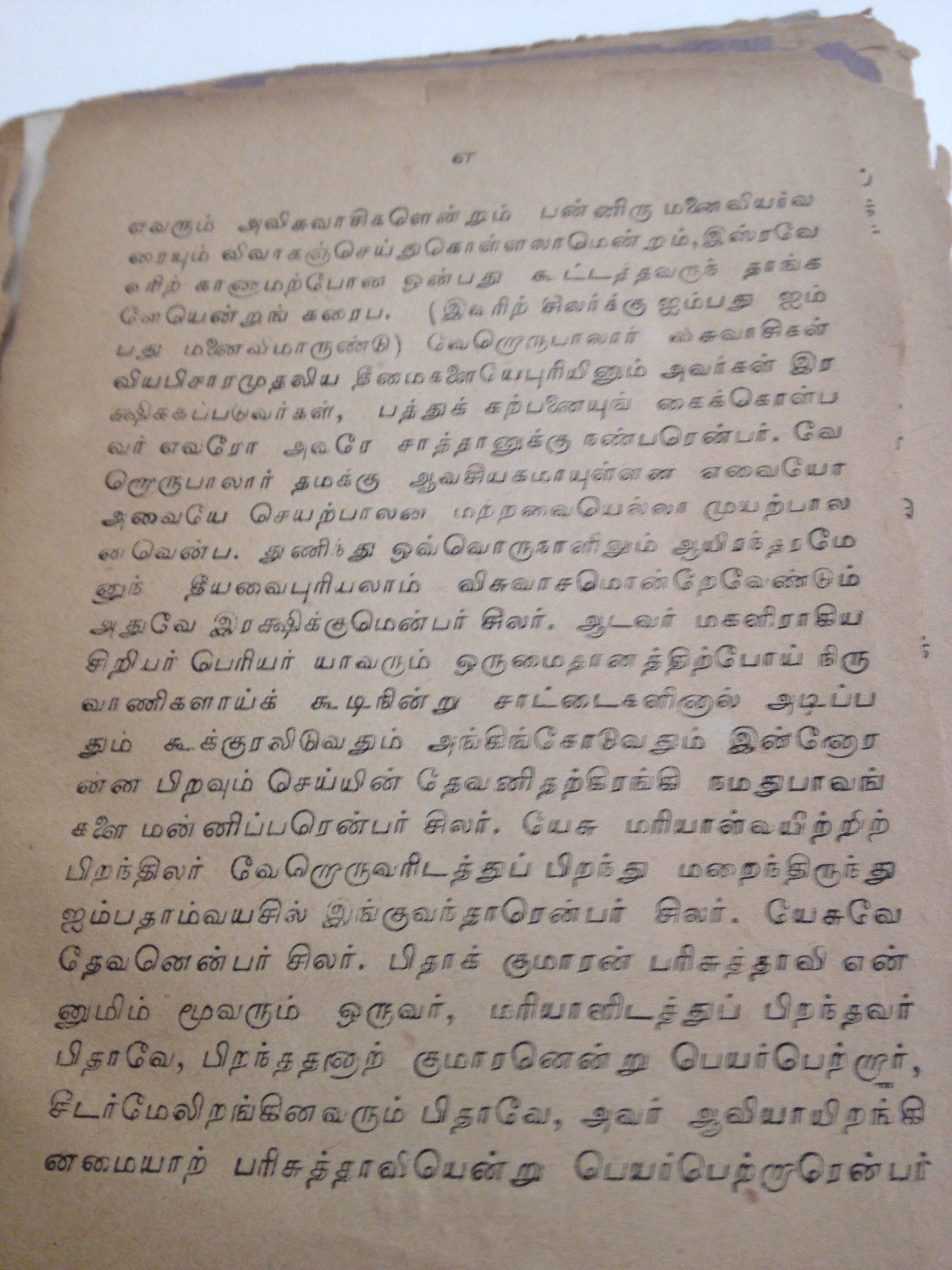
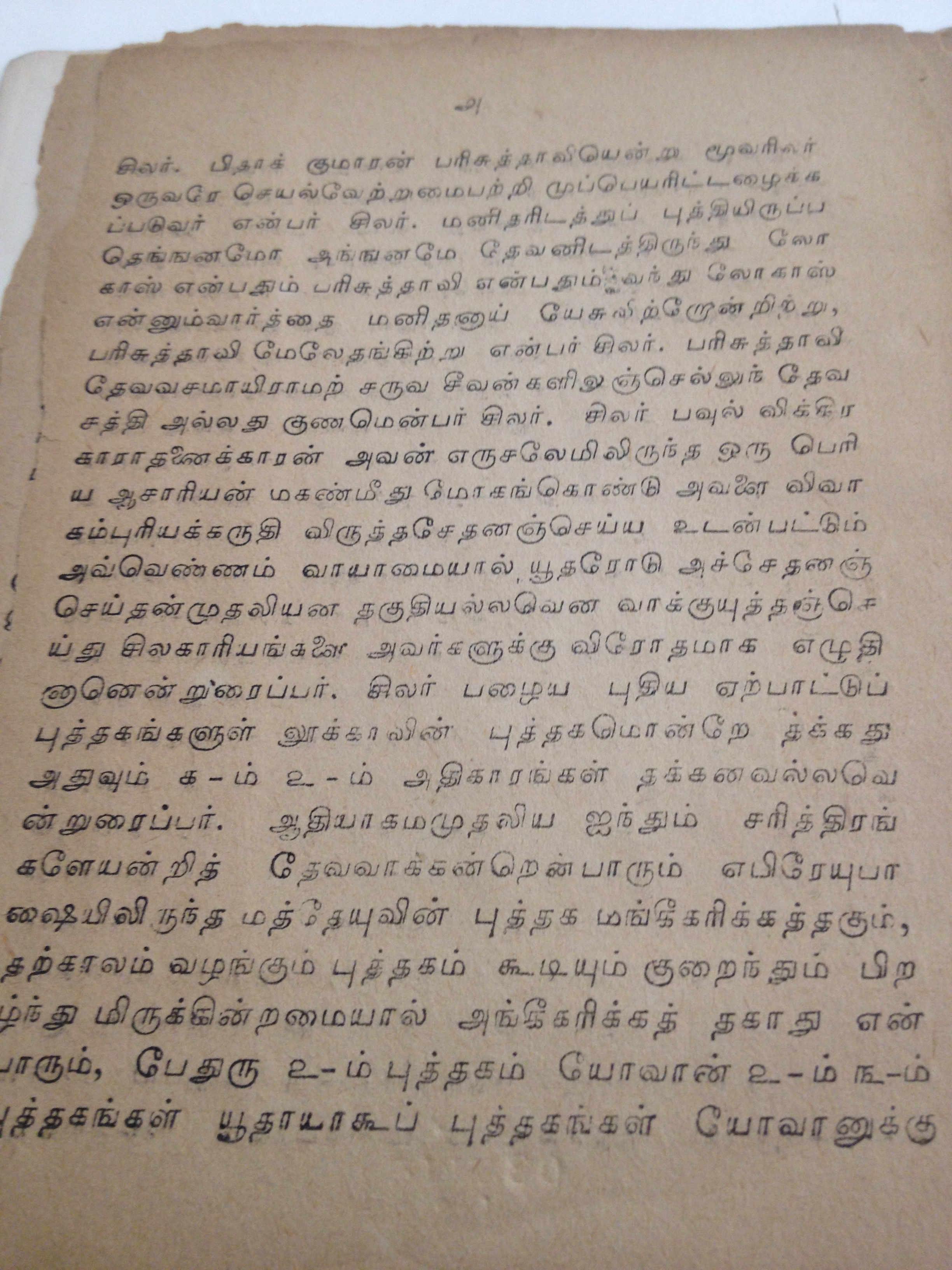
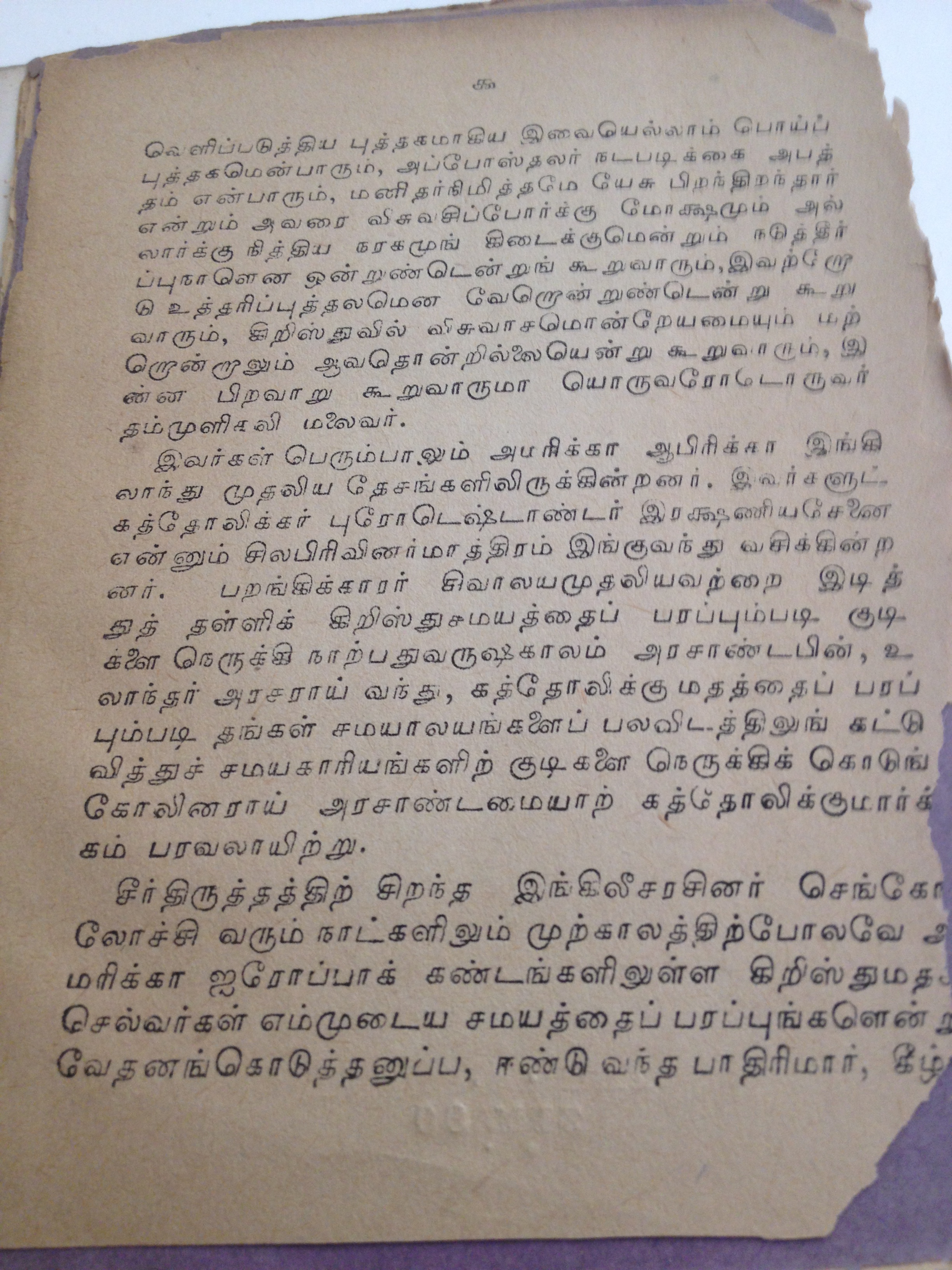
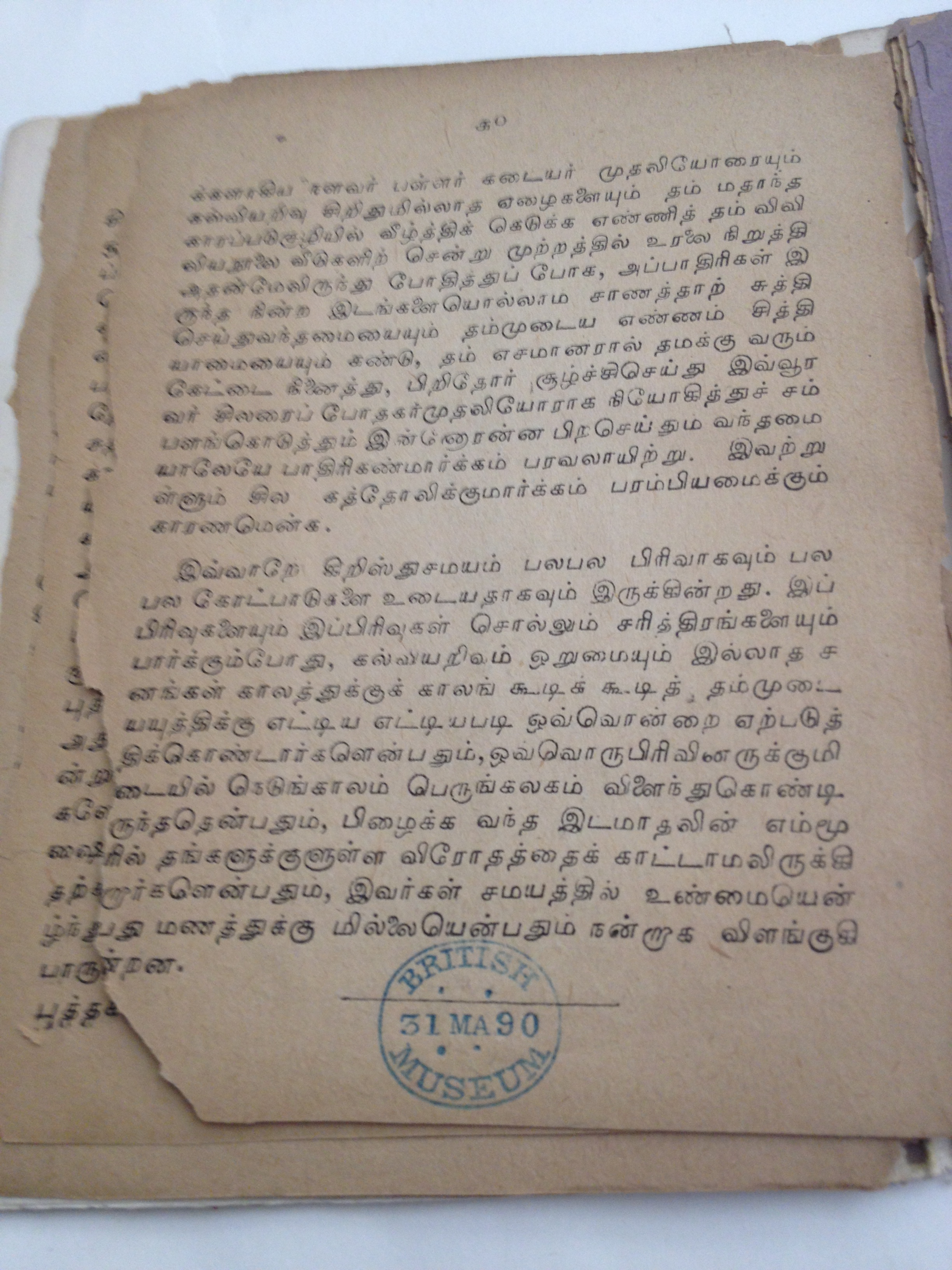
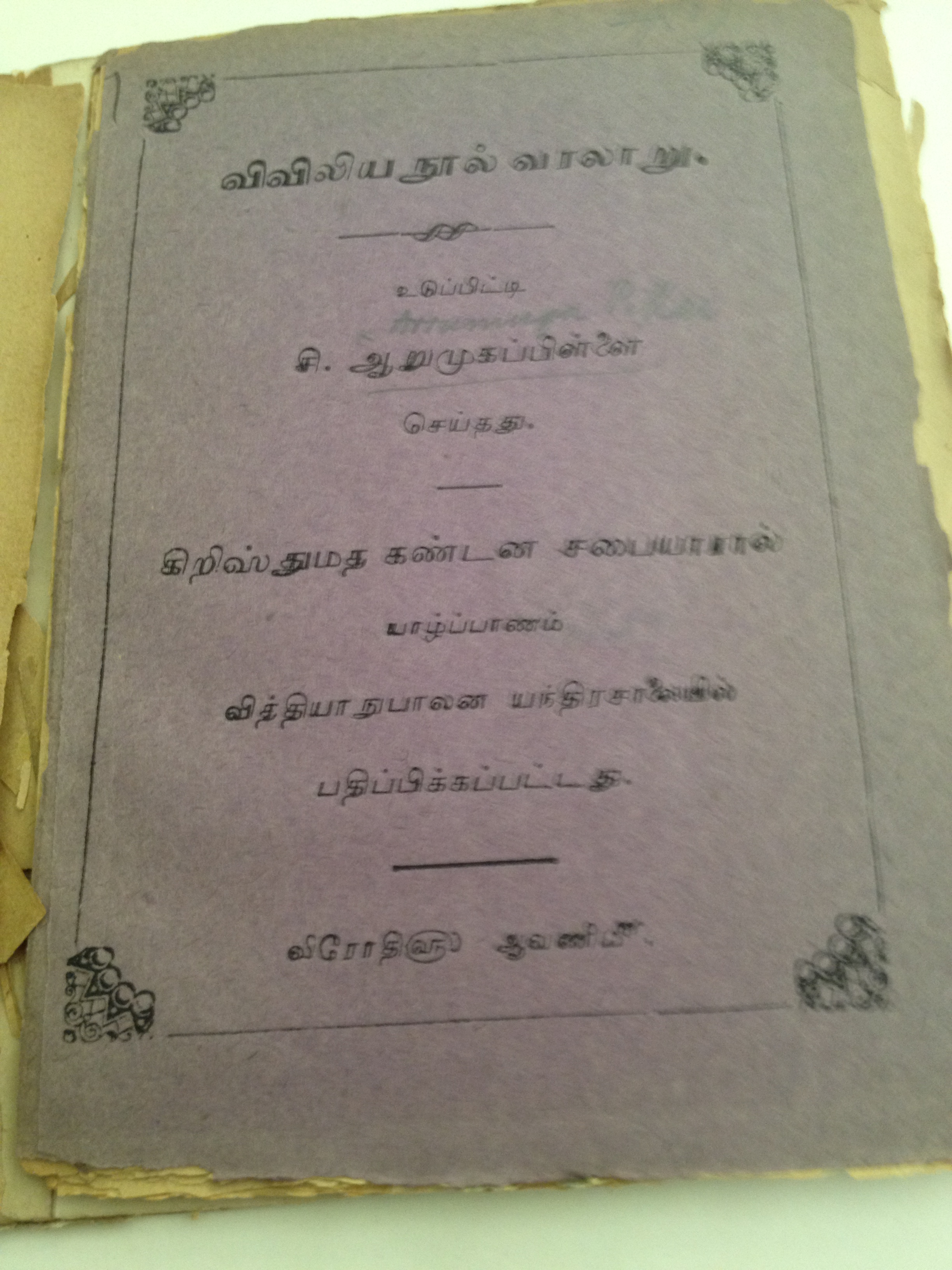
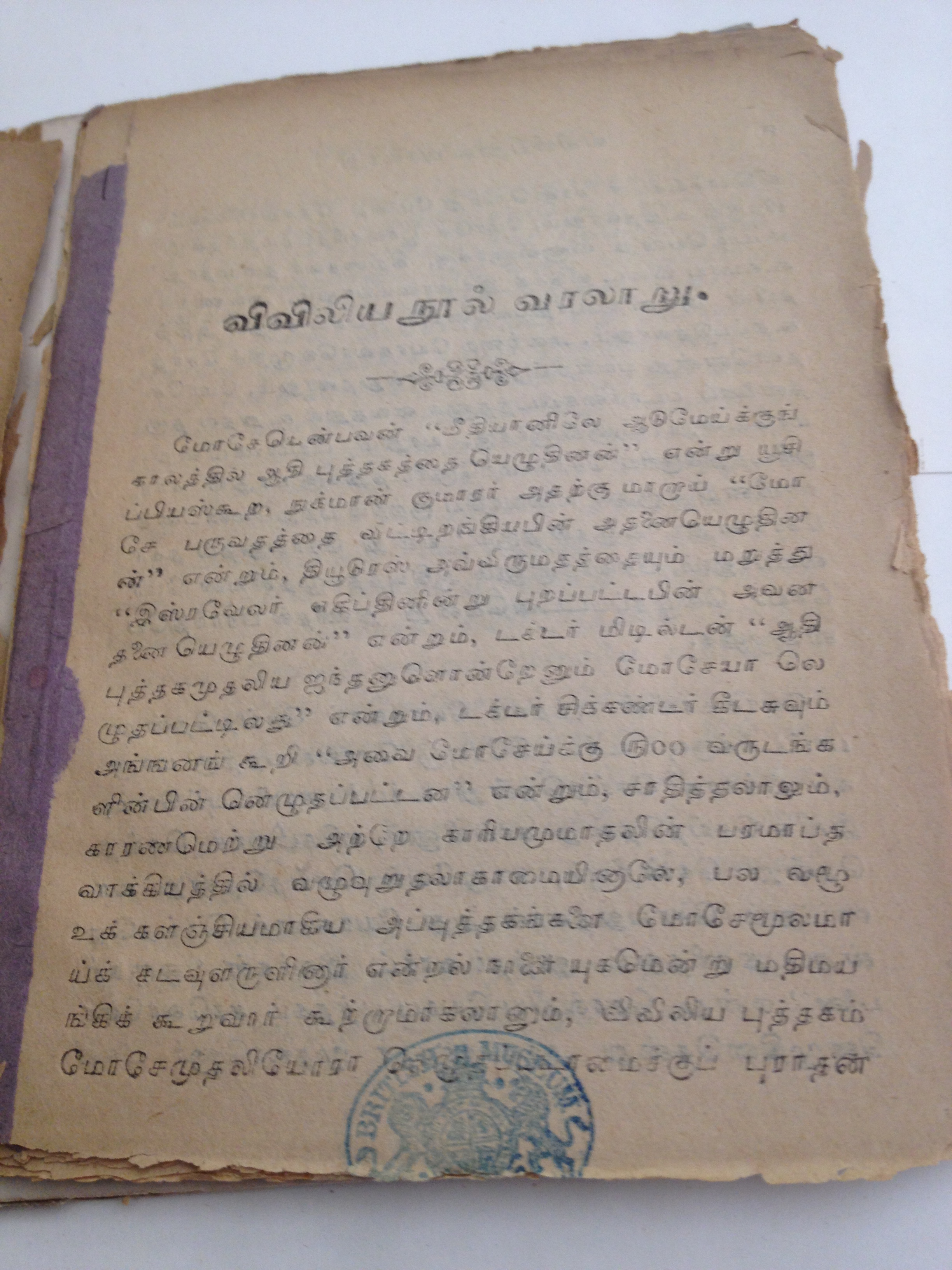
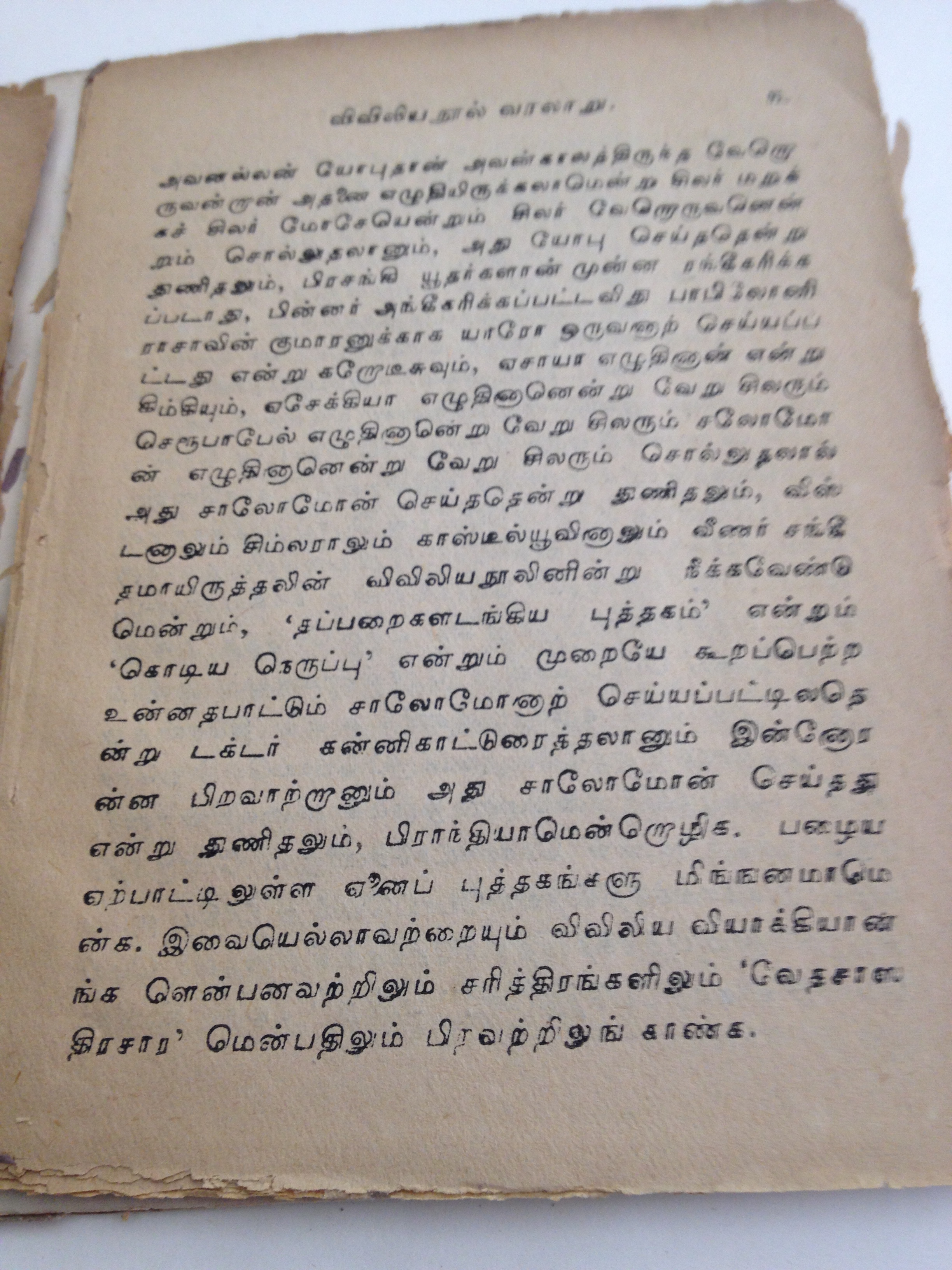
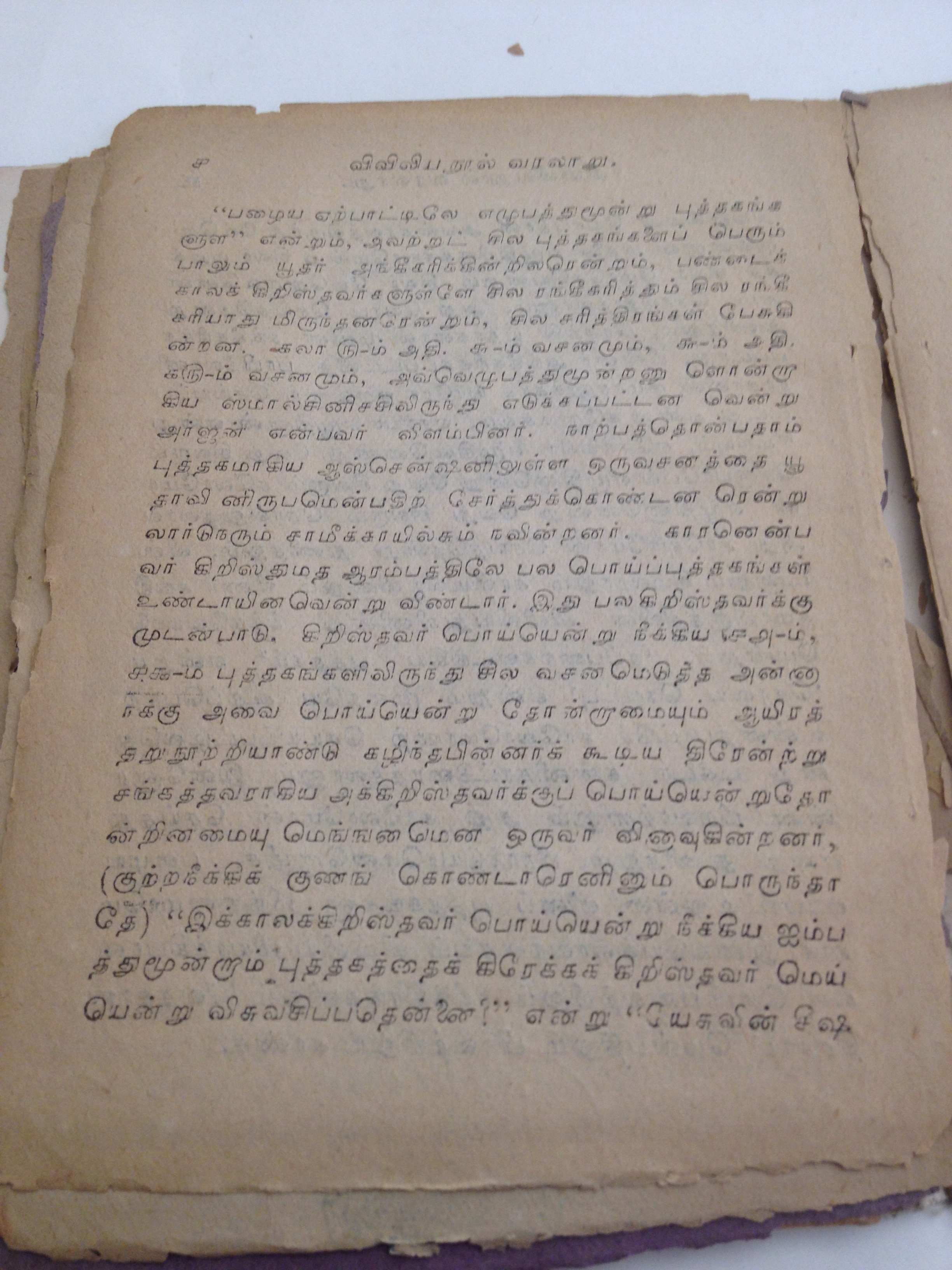
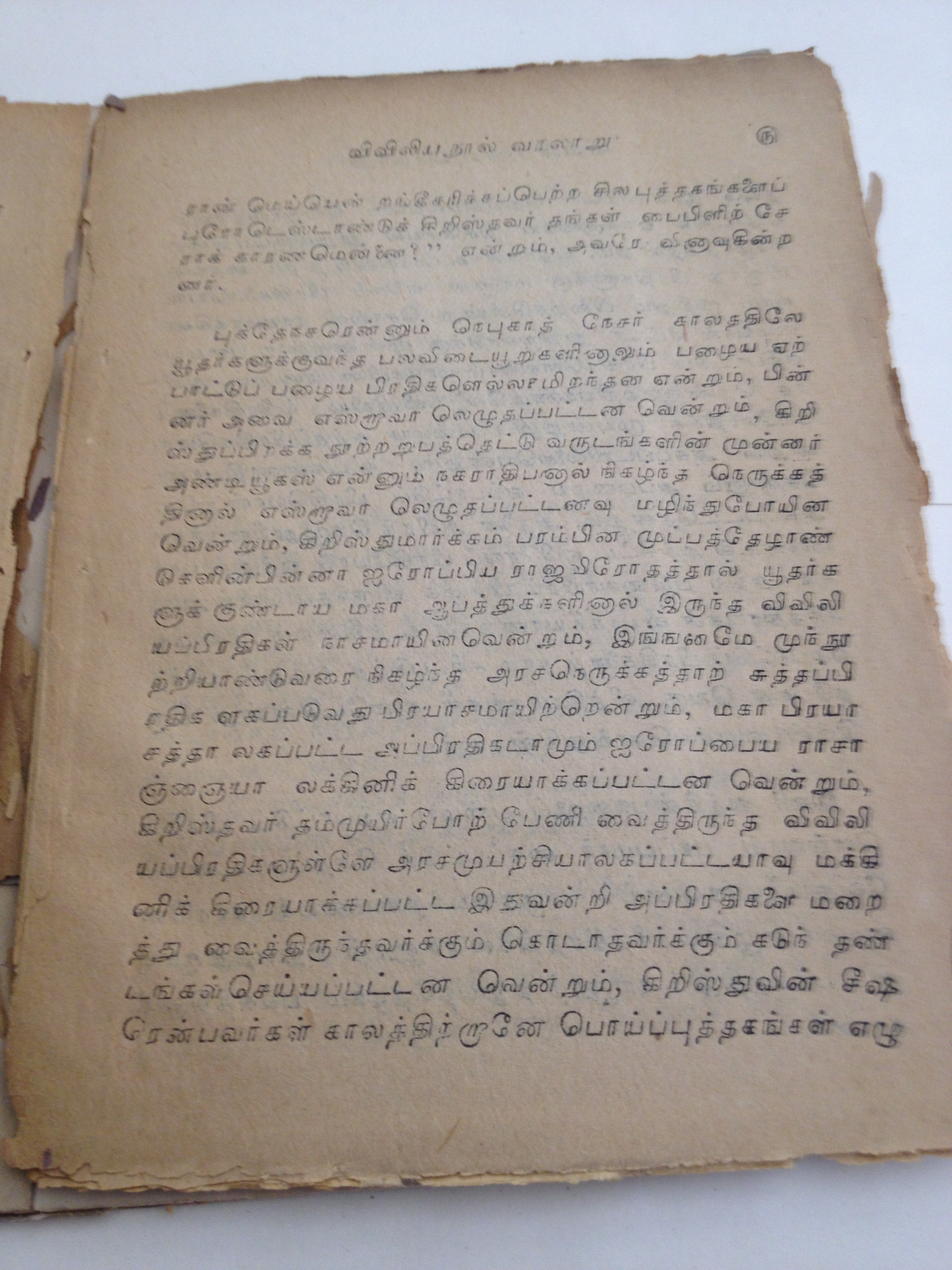
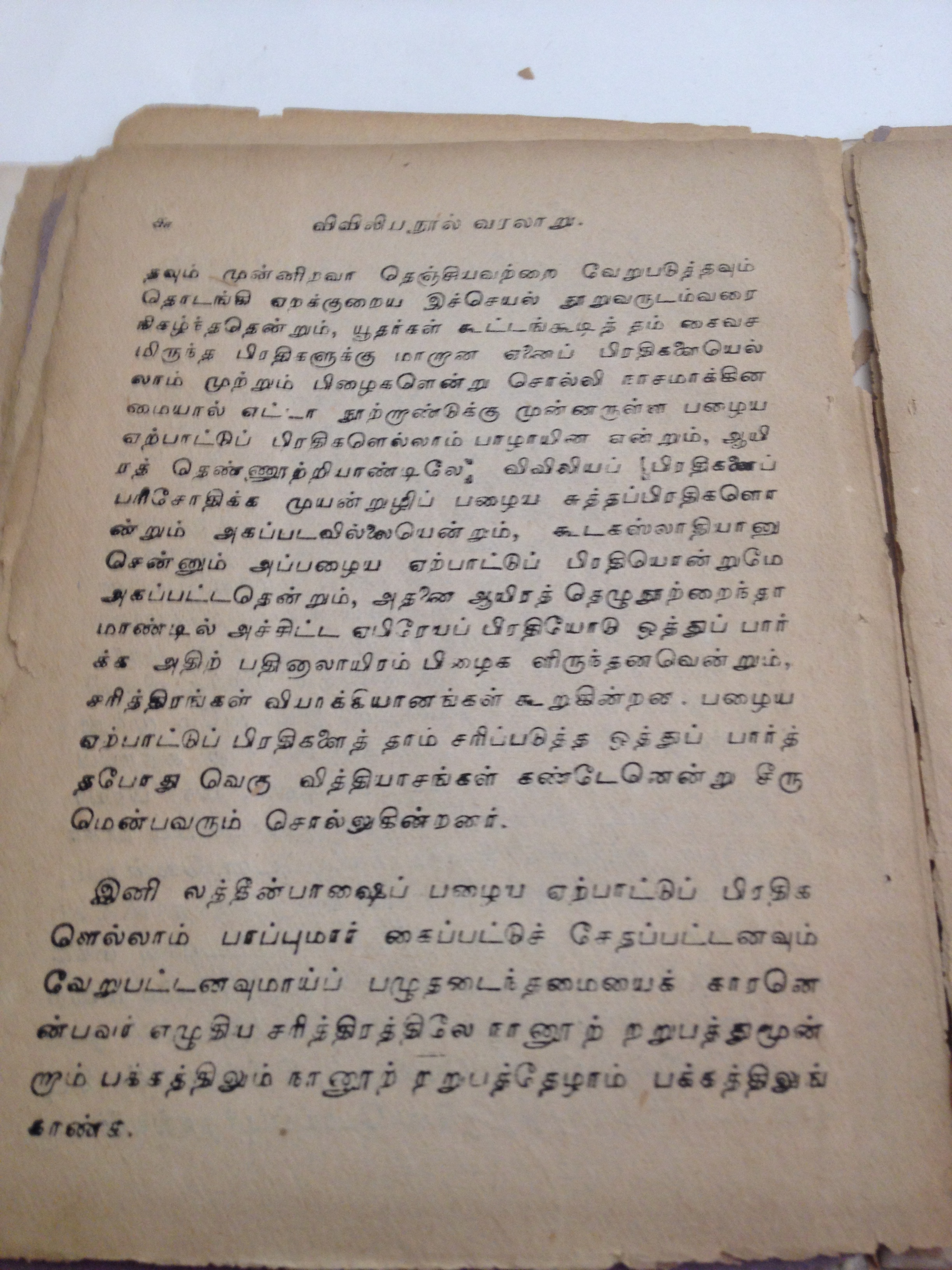
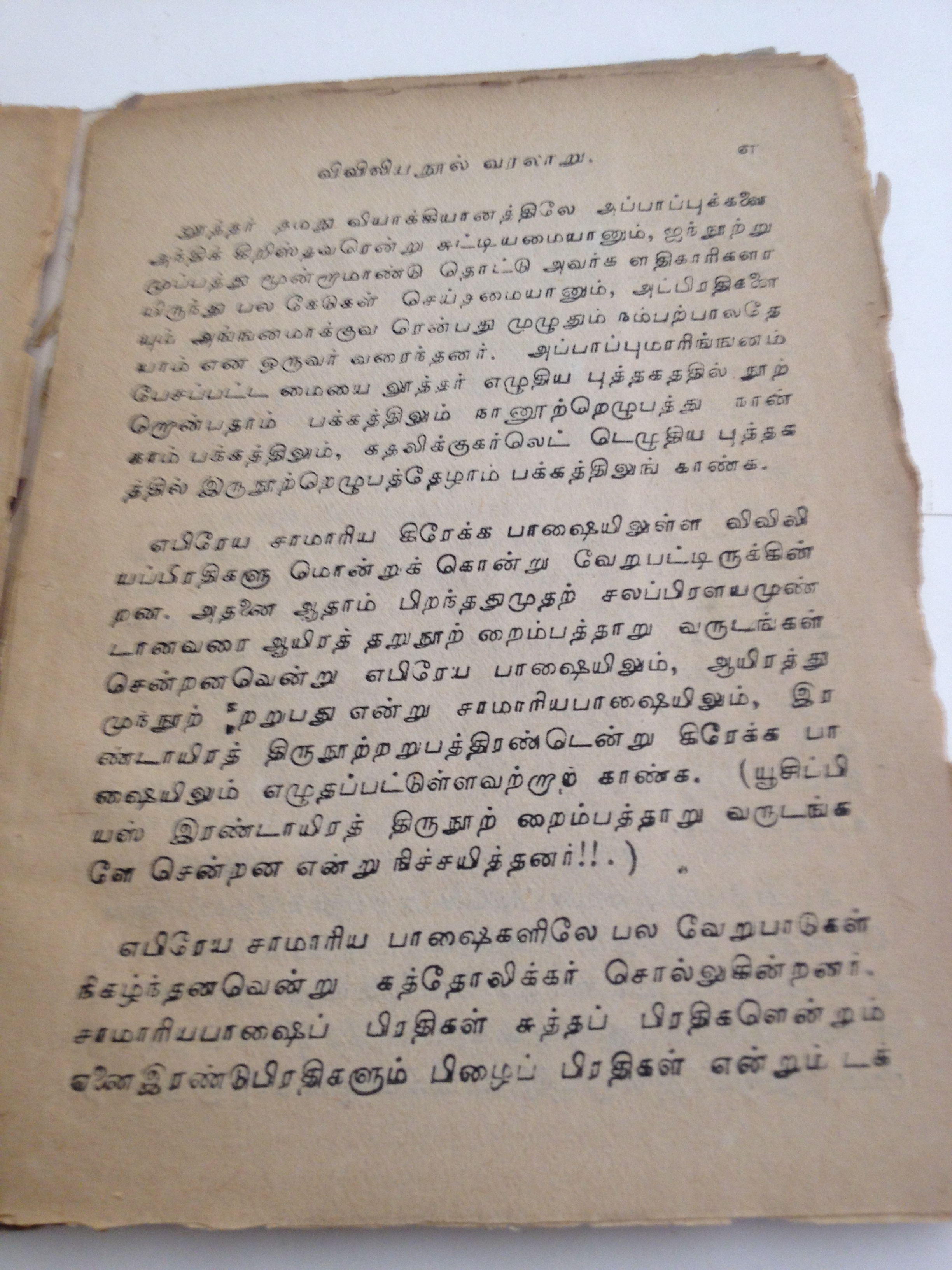
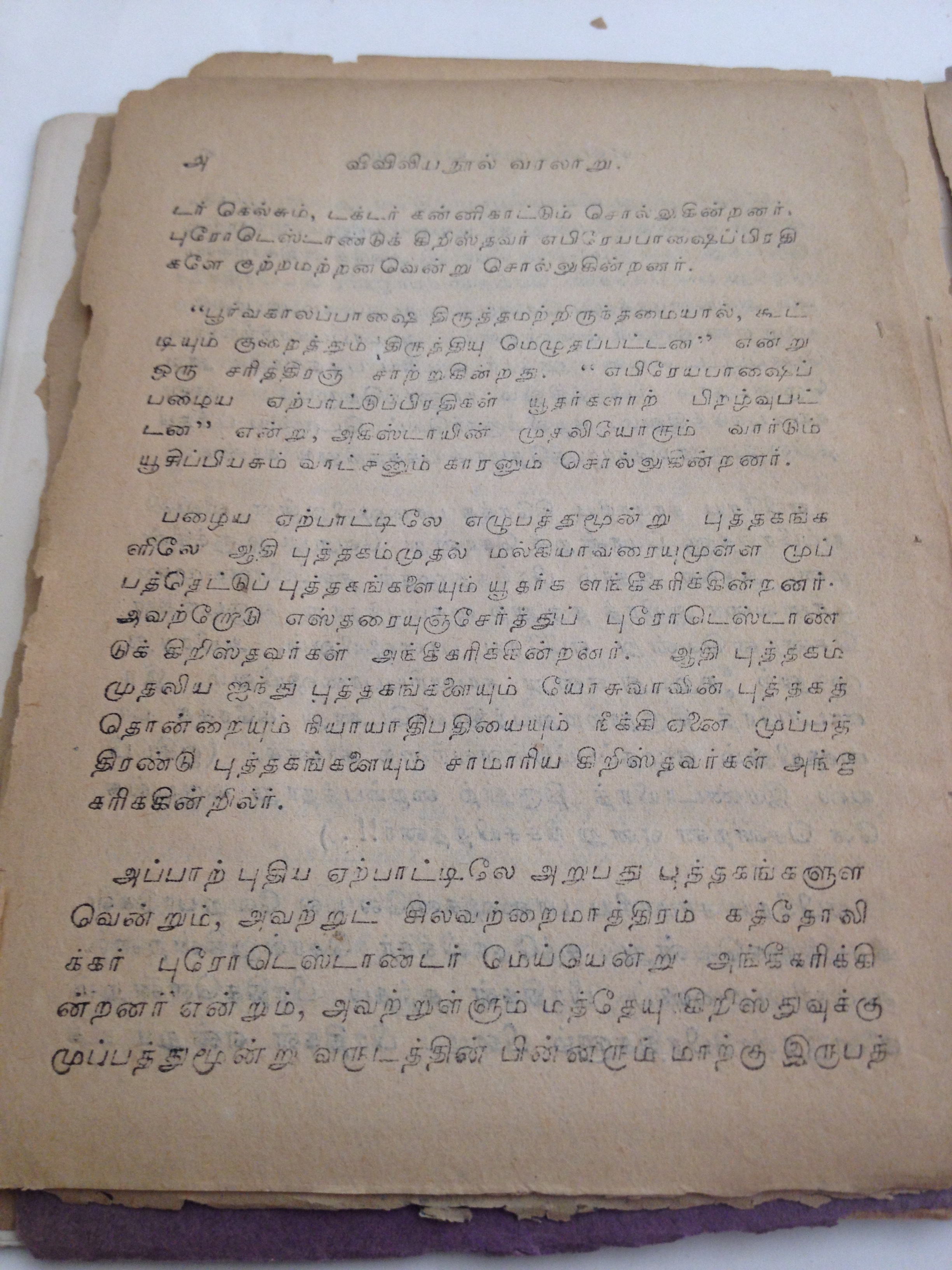
லண்டனிலுள்ள பிரிட்டிஷ் லைப்ரரியில் மிகவும் சிதிலமடைந்த நிலையில் காணப்படும் மூன்று தமிழ் நூல்களைப் பாதுகாத்து வைத்துள்ளனர். மூன்றும் ‘மினி’ புத்தகங்கள். நேற்று விவிலிய நூலுக்கு எதிரான பகுதியை வெளியிட்டேன். இது கிறிஸ்தமதப் பிரசாரத்துக்கு எதிரான மற்றொரு சிறிய நூல். 1829 அல்லது 1889-ல் வெளியிடப்பட்டிருக்கலாம். பிரிட்டிஷ் நூலகத்தில் 1890-ஆம் ஆண்டு வரவு வைக்கப்பட்டுள்ளது. 


எழுதியவர்:உடுப்பிட்டி ஆறுமுகபிள்ளை, யாழ்ப்பாண கிறிஸ்தவ மத கண்டன சபை

I found three very old Tamil books in the British Library,London, which were in very bad condition. Two of them are Anti- Christian booklets published in 1829 or 1889 from Jaffna, Sri Lanka.

IMG_5061 IMG_5062

IMG_5063 IMG_5064

IMG_5065 IMG_5066

IMG_5067 IMG_5068

IMG_5069 IMG_5070

-சுபம்-

Five Types of Hindu Bath, French Bath and Sponge Bath!

indus-greatbathsouth

Great Bath (big tank) in Mohenjadaro

Research Article No.1998

Written  by London swaminathan

Date 16th July 2015

Time uploaded in London:  19-56

Hindus are born with water and die with water; that is no ceremony is done without water. From birth to death water is essential. This is proved from the oldest book Rig Veda to the Great Bath in Mohenja daro. This torpedoes the racist Aryan-Dravidian theory put forth by the foreigners. The scholars who wrote this theory seldom take a bath; whereas Hindus must take a bath every day for daily prayers. Moreover the tropical climate force everyone to take a shower. Their holy rivers and festivals like Kumbha melas held once in four years and Maha Kumba mela held once in 12 years are proof for their love of water.

But every rule has an exception; there are circumstances where one can’t have a bath because of travel or non-availability of clean water or illness. Old people may be bed ridden at the end of their lives. They cant stand in the bath room or near the well or temple tank. Hindus have five types of bath:-

Bath= Snana

Aagneyam = Smearing ash (Vibhuti)

Vaarunam = punging in river or lake or tank

Braahmam = sprinkling water with the recitation of Mantras

Vaayavyam = smearing with gorajas (dust from the cattleshed/Gosala

Divyam = Bathing in rain with Sun in the sky

This is found in Parasara Smrti (12-9)

Snanaani pancha punyaani kiirtitaani manishiibih

Aagneyam vaarunam braahmam vaayavyam divyameva cha

stamp great bath

Manu smrti also has several couplets on bathing; but they are not about different types of bathing.

If anyone is unable to wash his cloth he can shake it in front of the Sun by saying “Vastraya fat” and it can be used as a clean cloth. All these are used only when other normal means are not available.

French bath is dousing oneself with perfume or after shave lotions without bathing. This is ironically named for the French’s well known hatred for bathing and personal hygiene. One in 29 people only take a shower once a week. Other western countries are not far behind which is evident from their racist Aryan- Dravidian theory. Had the Hindus come from far off colder places as Max Muller and Bishop Caldwell said they would not have so many water rituals and water festivals like Indra Festival.

bath tubshower

Sponge bath is used in hospitals for elderly patients and babies if they are not able to enter the bath tub or shower room. Using a sponge or a wet cloth the body is cleaned in this method.

In short, Hindus are the only people in the whole wide world who are asked to take a bath every day for religious reasons and personal hygiene.

Swami_48@yahoo.com

கிறிஸ்தவ மதத்துக்கு எதிரான இரண்டு பழந்தமிழ் நூல்கள்- பகுதி 1

IMG_5071

எழுதியவர்:-உடுப்பிட்டி ஆறுமுகபிள்ளை, யாழ்ப்பாண கிறிஸ்தவ மத கண்டன சபை


Article No.1997

Compiled  by London swaminathan

Date 16th July 2015

Time uploaded in London: 8-48 


I found three very old Tamil books in the British Library,London, which were in very bad condition. Two of them are Anti- Christian booklets published in 1829 or 1889 from Jaffna, Sri Lanka. The pages were brittle and brownish. The library authorities cautioned me about it and asked me to handle them with care. These are interesting booklets that came out at the height of Anti Hindu propaganda by the Christian missionaries against Linga worship and Krishna worship. To read it you have to zoom and enlarge the pages.

IMG_5072 IMG_5073 IMG_5074

IMG_5075 IMG_5076 IMG_5077

IMG_5078 IMG_5079 IMG_5080

IMG_5081 IMG_5082 IMG_5083

Another booklet will be uploaded separately.

swami_48@yahoo.com

Greek Philosopher Diogenes lived like a Hindu Yogi!

Diogenes_looking_for_a_man_

Research Article No.1996

Written  by London swaminathan

Date 15th July 2015

Time uploaded in London: 20-33

Diogenes (410- 320 BC) was a Greek philosopher. He belonged to Sinope in modern Turkey, an ancient Greek colony. He came to Athens (now capital of Greece) and founded the Cynic sect with his Guru Antisthenes. The English word Cynic (doggish) came from this sect. People who belonged to this sect lived like Hindu ascetics sacrificing all comforts. Greeks thought it is a dog’s life.

Diogenes life was like a Hindu ascetic. He was like Seshadri Swamikal, a sage who lived in Tiruvannamalai during Ramana Maharishi’s time. Many of his acts were categorised as a mad man’s activities. But he was a great saint and senior to Ramana Maharishi. Diogens was also like him.


I wrote a post in 2013 with the title “Philosopher who carried Lantern in day Time!” posted here on June 17, 2013 .


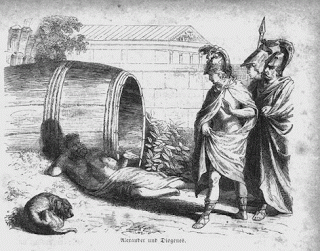
Diogenes was said to have lived in a big broken jar. When Alexander the Great came to him and asked what he could do for him, Diogenes asked him to move away so that his shadow would not block the sunlight!

He wandered through Athens with a lamp in day time! When people laughed at him, he told that he was looking for an honest man!

ed914-diogenes-statue-sinop

Here are more anecdotes about the great philosopher:

Diogenes was a prominent citizen of Sinope. He was exiled about the middle of the fourth century BCE, allegedly for defacing the currency. He lived in Athens and Corinth, becoming the prototype of cynicism.

Plato said about Diogenes, “He is a Socrates gone mad”

Diogenes embraced bronze statues in winter to train the body in hardship and eradicate physical desire. He would court insult to test the subjugation of emotion in his mind.

Diogenes’ own life as a stateless beggar sleeping where he could in Athens was a practical demonstration of endurance of hardship. His nickname was Dog, from which the word Cynicism.

FLATTERY

The politic philosopher Aristippus, by paying court (praise) to the tyrant Denys, had acquired a comfortable living and looked down upon his less prosperous fellow sages with no small degree of contempt. Seeing Diogenes washing some vegetables, he said to him disdainfully, “If you would only learn to flatter King Denys you would not have to be washing lentils”.

“And you,” retorted Diogenes in the same tone, “if you had only learned to live on lentils, would not have to flatter King Denys.”

PRIDE

Diogenes visited Plato one day and perceiving that the floors were beautifully covered with carpets of the richest wool and finest dye, stamped his foot in scorn exclaiming:

“Thus do I tread on the pride of Plato!”

“With greater pride”, mildly added Plato.

9d055-alexander_diogenes

Alexander meeting Diogenes

HOME LIFE

An Athenian (as was customary with that people) had caused the following inscription to be placed over the door of his house:

“Let nothing enter here but what is good”

Diogenes asked, “Then where will the master of the house go in?”

LEARNED MEN

“Bury me on my face”, said Diogenes, and when he was asked why, he replied, “ Because in a little while everything will be turned upside down.”

When the mighty Alexander the Great asked the ragged philosopher Diogenes what favour he could grant him, the cynic who was reclining on the ground, remarked quietly:

“Now please little out of my sun.”

DIOGENES QUOTE

LAWYERS

A lawyer and a doctor having a dispute about precedence, referred it to Diogenes, who gave it in favour of the lawyer in these terms:

“Let the thief go before and the executioner follow.”

PICTURES ARE USED FROM VARIOUS SOURCES;THANKS.

swami_48@yahoo.com