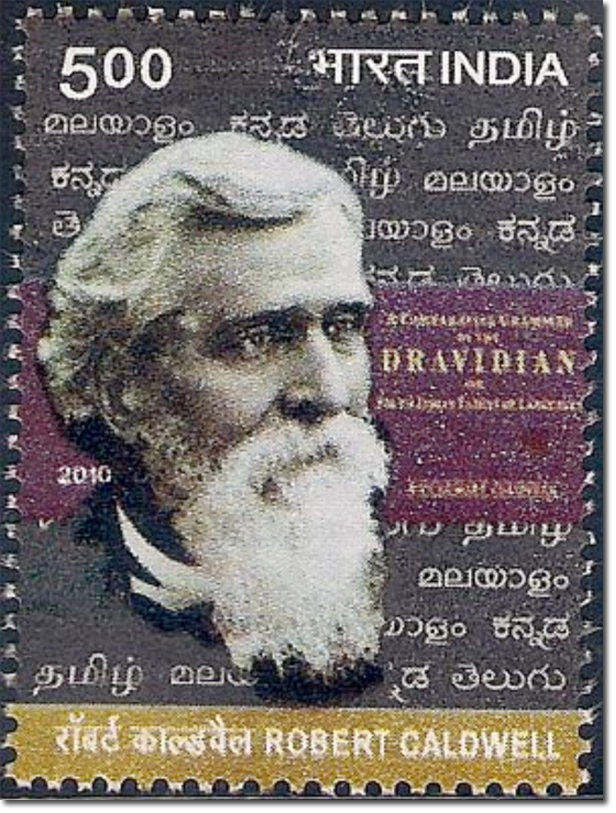
மாக்ஸ்முல்லர், கால்டுவெல், ஜி.யு.போப் மீது இலங்கை அறிஞர் கடும் தாக்கு

 718_Max_Mueller

Article No.1975

Date: 5  July 2015

Written by London swaminathan

Uploaded from London at 12-55

இலங்கையிலுள்ள மட்டக்களப்பு, புளியநகர் ச.பூபால பிள்ளையவர்கள் 1920 ஆம் ஆண்டில் எழுதிய தமிழ் வரலாறு என்னும் நூலில் காணப்படும் தகவல்:

தமிழ் நலப்பேறு

தமிழிலே பிறந்து தமிழிலே வளர்ந்து தமிழையே பயின்று பாண்டித்தியமடைந்த தமிழர்க்கே தமிழ் நூல்கள் பலவும் இருப்புக் கடலை யொக்குமெனில் பிறசாதியார்க் கவை யென்னொக்குமெனப் பேசவும் வேண்டுமா?

தமிழ் உழைப்பிலே தன் வாழ்நாளைச் செலவிட்டு முப்பகுதியாய் இயற்றமிழிலக்கண மியற்றியும் பல தமிழ் நூலKஅலி அங்கிளத்தில் மொழிபெயர்த்தும் புகழ் நிறுவிய “போப்” ஐயர் தமது திருவாசக மொழிபெயர்ப்பில் “இருகை யானையை யொத்திருந்தென்னுள்ளக் கருவையான் கண்டிலேன் – என்பதனை “Like elephant two handed I saw not my mind’s germ” என்று மொழிபெயர்த்து, இரண்டு கரங்களையுடைய யானையே இரு கை யானை எனப்பட்டதாகத் தாங்கொண்ட விபரீத கருத்தை விளக்கிவிட்டனர். இவர் மயக்கத்தை எடுத்துக்காட்டி விளக்கப்புகுந்த மற்றோர் இந்திய தமிழ் பண்டிதர் யானையினது துதிக்கை கரம் போலப் பரிசித்தலும், நாசிபோல முகத்தலுமாகிய இரு தொழிற்குரிய ஒரு கருவியாகலின் “இருகை யானை” எனப்பட்டதென்றனர். இவ்விருவரோ சிறந்த மகா பண்டிதராயிருந்தும் ஒரு அற்ப சொல் விளக்கத்தில் தன் வலி தானறியா யானைபோல் மயக்கமுற் றிருநிலத் தியானை கண்ட குருடரை யொத்தனர். “தென்மொழி” நாளடைவிற் கறைப்பட்டுத் “தமிழ்” என வந்ததாகச் சாதிப்பவருள் இப் “போப்” ஐயரும் ஒருவரே. திருவாசக மொழிபெயர்ப்பில் விபரீதார்த்தங்கள் இன்னும் பல காணலாம்.

G__U__Pope_Tamil_Poet

வீரமாமுனிவர் (ரெவரெண்ட் பெஸ்கி) எனப்பெயர் கொண்ட மற்றொருவர் தொன்னூல் விளக்கம், தேம்பாவணி முதலிய நூல்களியற்றிய பெருந்திறர் கவிஞரென்றாலும் அவரிடமும் தமிழ்நலம் வாய்க்கவில்லை யென்பதற்குச் சான்று தேம்பாவணியிற் செறிந்துள்ள வழூவுக்களேயாம்.

இயல்பிலே சிறந்த நாடகமயிலினாட்டத்துக்கும் கற்று நடிக்கும் வான்கோழியினாட்டத்துக்குமுள்ள தாரதம்மியம்  எத்தூரமோ அத்தூரமே நாநலம் வாய்ந்த செந்தமிழ்ப் புலவர் கவிக்கும் அஃதமையாக் கற்றுச் சொல்லியோர்க் கவிக்குமிடையிலு மென்றுணர்க. இயல்பில் ஐரோப்பியரின் தேச நிலையும் மனக் கிளர்ச்சியும் பழக்கவழக்கங்களும் கீழ்திசையினர்க்கு முற்றாய் மாறுபடலின் இரு கவிதைகளுமொக்கு மாறில்லை.

வடமொழிக் கடலி னெடுநாட் டிளைத்துப் பல நூல்களை அங்கிளத்தில் மொழிபெயர்த்தருளிய “மாக்ஸ்முல்லர்” ஏமாந்த விதத்துக்கோருதாரணம் வேண்டின் மெய்மையாகியாகிய இருக்குவேத சுத்தப் பிரதியொன்றையும் அவர் செய்த ருக்வேத மொழிபெயர்ப்பையும்  பொருந்த ஒட்டிப்பார்த்துத் தெளிக. தமிழ் ஆராய்விற் புக்க மற்றும் ஐரோப்பிய பண்டிதர்களான “கால்டுவெல்”, “உவில்சன் ஆசிரியர்” அதியோர்தாமும் என் கண்டனர்? என் உணர்ந்தனர்? தமிழ் நூல்களை உண்மை தெளிய உணர்ந்தாராயின் தமிழர்க்குரிய சமய உண்மையையுஞ் சிறிதாயினும் கண்டுணர்ந்திருப்பர். அங்ஙன முணர்ந்தஞான்றே தங்கள் மதாசாரங்களை யெல்லாம் கைவிட்டிருப்பரன்றோ?

தமிழ் ஞான குரவர்கள் எவ்வாற்றானும் பக்குவமுள்ள சீடர்க்கேயன்றி மற்றெவர்க்கும் வேத மெய்ப்பொருள்களையும் ஞானோபதேசங்களையும் எளிதில்  வெளிவிடார்.

பிராஞ்சி தேசத்தவரும் தமிழிலே மிக்க பண்டிதரெனக் கவனிக்கபடுபவருமான யூலியன் வின்சன் என்பவர் தமிழிலே ஆதி நூல்களாயுள்ளன கி.பி. ஐந்தாம், ஆறாம் நூற்றாண்டுகளுக்குப் பிற்பட்டவைகளன்றி முன்னெழுதப்பட்டவைகள் இல்லை என்றும் தென் இந்தியாவில் தமிழ் எழுத்துக்கள் வழக்கத்தில் வந்தது கி.பி. மூன்றாம் நூற்றாண்டின் மத்தியென்றும் ஆறாம் நூற்றாண்டுக்கு முன் எழுதியதான கல்வெட்டு முதலிய குறிப்புகள் யாதும் காணப்பட்டதாகத் தாமறியவில்லை யென்றும் சென்னையிற் பிரசுரமாகுஞ் சித்தாந்த தீபிகையில் 1901 ஆம் ஆண்டு வைகாசி மாதம் 31ந் திகதி எழுதிவிட்டனர். அம்மம்ம! இவர் எழுத்து யாருக்குத்தான் நகையை விளைவிக்காது?

இன்னோரன்ன பண்டிதர் பலரும் தாந்தாஞ் சென்ற துறைதொறும் அனுமான அளவையால் கண்டுபெற்ற யொன்றை மாத்திரமே நிசமெனக் கொண்டு பிற அளவைகலால் சாதித்துப் பெறக்கூடியவற்றைப் பேணாதகன்றனர்”.

மேற்கண்டது ச.பூபால பிள்ளியவர்கள் எழுதியது.

YANAI ASI

எனது கருத்து

இரு கை யானை என்றால் என்ன?

திருவாசகத்துக்கு விளக்கவுரை எழுதிய சுவாமி சித்பவானந்தர் போன்றோரும் இரு கை யானைக்கு இரண்டு கைகளையுடைய யானை என்றே எழுதியுள்ளனர். அதாவது ஜி.யு.போப் போலவே எழுதியுள்ளனர். திருவவடுதுறை ஆதீன வித்துவான் ச.தண்டபாணி தேசிகர் எழுதிய உரையில் பல விளக்கங்களைக் கொடுத்துள்ளார்.

இரு கை யானை = இரண்டு கைகளையுடைய யானை போல; அதாவது ஒரு கையால் உண்டால் போதாது என்று இரண்டு கைகள் இருந்தால் எப்படி உண்ணுமோ அப்படி இரண்டு கைகளால் உண்பது போல நான் இருக்கிறேன்

இரு கை யானை = யானை ஒரே துதிக் கையால் சுவாசிக்கிறது. அதே கையால் உணவையும் உண்ணுகிறது. அதாவது மூக்கும், கையும்.

இரு கை யானை= யானை அறிந்தறிந்தும் பாகனையே கொல்லும். அதே போல உன்னுடைய அருளைப் பெற்றும் பரகதி என்பதை மறந்தேன். நீ வா என்று அழைத்தும் யானை நன்றி மறப்பது போல உன்னை மறந்தேன்.

இரு கை யானை = இது இரண்டு கைகளையுடைய ஆசானைக் குறிக்கும். யானை தன்னுடலை அறியாதது போல என்னுள்ளக் கருவை நான் அறியேன்.

இன்னும் சிலர் யானையை பிரணவத்துடன் ஒப்பிடுவர்.

இராமாயணத்தில் கம்பனும் “இருகையின் கரிநிகர் எண்ணிறந்தவர்” என்று ஒரு பாடலிலும், “இருகை வேழத்திராகவன்” என்று இன்னொரு பாடலிலும் சொல்லுவார். இரு கை ராகவன் என்பது இராமனையும் மந்திரிமார்களையும் குறிப்பிடும் என்பர்.

சங்க இலக்கியத்தில் பல இடங்களில் இரு என்பது இருங்கடல், இருங்கண், இருங்கதிர்கள், இருங்கதுப்பு, இருங்கரை, இருங்கயம் என்று பல இடங்களில் வரும். அங்கு எல்லாம் ‘இரு’ என்பது ‘பெரிய’, ‘நீண்ட’, ‘கரிய’ என்ற பொருளிலேயே வருகிறது. இதை அப்படியே யானைக்கும் ஒப்பிட்டால் மிகவும் சரியாக இருக்கும்:

இருங்கை யானை = பெரிய யானை, கரிய யானை, நீண்ட கையுடைய யானை. ஆகவே இரண்டு (2) என்று எண்ணுப் பொருள் கொடுப்பது தவறே. பூபாலபிள்ளையவர்கள் கூறுவது சரியே என்பது என் கருத்து.

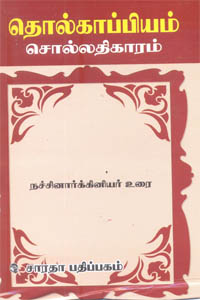
தொல்காப்பியம் பெரிய நூலாக மலர்ந்து விரிந்தது எப்படி? ஒரு சுவையான கதை

கி.வா.ஜ

Article No.1974

Date: 5  July 2015

Written by London swaminathan

Uploaded from London at 7- 39

இலங்கையிலுள்ள மட்டக்கிளப்பு, புளியநகர் க.பூபால பிள்ளை 1920 ஆம் ஆண்டில் எழுதிய தமிழ் வரலாறு என்னும் நூலில் காணப்படும் செய்தி:

“தொல்காப்பியர் அல்லது திருணதூமாக்கினி என்பவர், அகத்தியர் மாணாக்கருள் முதன்மை பெற்று

விளங்கினர். இவர் இயற்றி தம் பெயர் நிறுத்திய தொல்காப்பியமென்னும் இலக்கணம் அஞ்ஞான்றார் யாவராலும் மிக்க விருப்புடன் கையாடப்பட்டு வந்தமையால் பலவிடங்களில் பரந்து னிலைத்தழிந்த மற்றைய நூல்கள் போல் அழியாமல் நிலைபெற்றது. இந்நூல் முத்தமிழியல் விரிக்கும் அகத்தியம் போன்று துறை விரித்தகலாமல் ஓதுவார்க்கெளிதில் அமைவர இயற்றப்பட்டு இலக்கணத்தை வரிசையிற் சுருக்கிக் காட்டும் பெருஞ் சிறப்பினையுடையது.

அந்நாட்களில் யாரொருவர் எந்த நூலை இயற்றினும் அதனைச் சங்கத்தில் அரங்கேற்றினாலன்றியும் பிறர் ஒப்புக்கொள்வதில்லை. அகத்தியர் இத்தொல்காப்பியத்தை அரங்கேற்றவிடாமல் பலவழியாலும் தடை செய்தனர். தொல்காப்பியருக் கீடாக கல்வித் திறமையும் அவர் மாட்டுப் பேரன்புமுடைய அதங்கோட்டாசான் என்பவரை இந்நூல் அரங்கேற்றத்திற்குச் செல்லாதிருக்கும்படி அகத்தியர் தடுத்தும் அவர் அமையாமல் தொல்காப்பியர் கேள்விப்படி சபைக்குச் சென்றிருந்து தம்மாசிரியராகிய அகத்தியர் மனங் களிப்ப ஆக்ஷேபணை செய்பவர் போலப் பற்பல வினாக்களையும் பொறித்து நண்பனுடைய நூலின் பெருமையை வியக்காமல் வியந்து விளங்கவைத்தனர்.

இந்நூலின்கண் ஆதியிலமைந்த சூத்திரங்களின் எண்ணிக்கை அறுநூறு. அதங்கோட்டாசனார் ஆசங்கித்துக் கடாவக் கடாவத் தொல்காப்பியர் முறையே விடைகளாக விளக்கியிருந்த புதிய சூத்திரங்கள் ஓராயிரத்தின் மேற்றிரண்டு என நூல் மிகவும் விரிந்தது.

நிலந்தருதிருவிற் பாண்டியன் சபையிலே அதங்கோட்டாசான் முன்னிலையில் இந்நூல் அரங்கேறியதாக பனம்பாரன் கொடுத்த சிறப்புப் பாயிரத்தால் விளங்கும். நிலந்தருதிருவிற் பாண்டியன் அரசுபுரிந்த காலம் எண்ணாயிரம் வருஷங்களின் முன்னாதலின் இந்நூல் வயதும் அத்துணைத்தென்க.

நச்சி

அகத்தியர் இந்நூலை வெறுத்தற் கிருந்த நியாயம், யாண்டுந் தலைமை பெருமை பெற்று விளங்கிய தமது அகத்தியத்தின் மகத்துவங் குன்றிவிடுமென் றெழுந்த ஐயத்தானும், பொறாமை யினானுமென்று சிலர் கூறுவர். மற்றுமோர் நியாயம், அகத்தியர் தாம் வதுவை செய்துகொண்ட லோபாமுத்திரையைத் தம்முட  னழைத்துச் செல்லாமல் தம்பின் வரும்படி கட்டளையிட்டுத் தாம் பொதிய மலைக்கு முந்திச் சென்றனெ ரென்றும் பின்னர் வந்த லோபாமுத்திரையுந் தொல்காப்பியரும் செல்வழியில் வையையாற்றைத் தாண்டும் பொழுது வெள்ளம் பெருக்கெடுத்தலும் லோபாமுத்திரை தயங்கித் தத்தளிக்க அதனைக் கண்ணுற்ற தொல்காப்பியர் குரு பத்தினியைத் தீண்டுவது தோஷமென்றெண்ணி ஒரு மூங்கில் கோலை அவள் பற்றும்படி கொடுத்துக் கரைசேர்த்துக் கொடுபோய் குரவரிடம் ஒப்புவித்தாரென்றும், அச்சமாசாரத்தை அகத்தியர் உள்ளது உண்மையை உணர்ந்து கொள்ளாமல் பேதுற நினைந்து கோபவயத்தாற் தொல்காப்பியரை நோக்கி உனக்கு முத்தி கெட்டாதொழியக் கடவதென்று சபிக்க, தொல்காப்பியர் மனங்கொதித்தும், குருவாதலின் அவரை நிந்திக்காமல், அவர் இயற்றிய அகத்தியம் வழங்காதொழியக் கடவதென்று எதிர்ச் சாபமிட்டனரென்றும், அதுமுதல் அவர் இருவர்க்குமிடையே பகை நேர்ந்திருந்ததென்றும் நச்சினார்க்கினியர் கூறுவர். இவர் கூற்று உண்மையென்று கொள்ளற்கேற்ற தடயங்கள் கானப்படவில்லையென்று அவருக்குப் பிந்திய காலத்தில் தோன்றியர் சிலர் சாதிக்கின்றனர்.”

How many Letters are in Sanskrit Alphabet?

manuscript

Article No.1973

Date: 4  July 2015

Written by London swaminathan

Uploaded from London at 17-15

Sanskrit is a beautiful language and it is scientifically constructed.

Grammatical construction in Sanskrit is more concerned with inner vibration and poetical metre, hence a rigid word order guided by a continuous flow of energy brought about by internal and external Sandhi rules. The following is an example of the multiplicity of constructions from a simple root Budh, “to understand”, “to know”.

Bodhati = he or she or it understands (present tense)

Abodhat = he or she or it understood (imperfect tense)

Bodhate = he or she or it knows, understands for himself (Atmanepada)

What is Atmanepada?

Atmanepada infers an action to himself/herself

What is Parasmaipada?

Parasmaipada infers an action for someone else. Some roots belong to either A or P and some can be used both ways, and are called Ubhayapada.

india.1

Now the same verbal root prefixed with a preposition: note new meanings:

Anu bodhyate = to think of internally

Ava bodhyate = to perceive internally

Ud bodhyate = to awaken internally

Pra bodhyate = to awaken internally (a different inner vibration number)

Prati bodhyate = to observe internally

Vibo dhyate = to learn and understand internally

Sam bodhyate = to recognise internally

Now shown in Noun and Adjectival forms

Bodha, bodhana = knowledge

Buddhi = intellect

Bodhaka = informer

Baudha = wise

Buddhimat = intellectual

Budhyate = it is known by him

Bubhudtsate/ bubhudisate = he wishes to know

Bobhudhyate = he knows well

Bodhidharma = he knows a right action

Bodhisattva = one who feels the duality of truth

Budhah = a sage or planet Mercury

panini_

Yet one more example of verbal root construes, bearing in mind that each incorporates the first, second and third person, singular, dual or plural

Nii = to lead, conjugation I, guna change to radical naya (P and A)

Nayati, present tense = he leads etc (she, it)

Anayat, imperfect tense = he led etc

Nayatu, imperative mood = Let him lead

Nayet, potential mood = may he lead

Ninaaya, perfect tense = he led

Anaisit, aorist tense = he led

Nesyati, future tense = he will lead

Anesyat, conditional mood = he would have lead

Niiyate, passive construction = he is led

Naayayati, causative mood = he causes to lead

Anaayayat, imperfect causative mood = he caused to lead

Nayayatu, imperative causative = let him cause to lead

Nananet, optative causative mood = he may cause to lead

Ninaayayisati, desiderative causative

Niniisu, adjectival form = wanting to lead

Neniiyate, intensive form = he leads forcibly

Now with prefixing root with a preposition

Anunayati = to request

Apanayati = to carry away

Abhinayati = to act on the stage

Aanayati = to fetch or bring

Udnayati = to raise

Upanayati  = to offer

Nirnayati = to decide

Parinayati = to marry

Vinayati = to dispel

Samnayati = to unite

An astounding array of constructions from a simple verbal root!

Tense and Moods

The tense and moods for verbs are grouped together by Panini into ten ‘la’–kaaras. These ten ‘la’–kaaras can be divided into six tenses (kaalaa) and four moods (arthaa):

sanskrit village

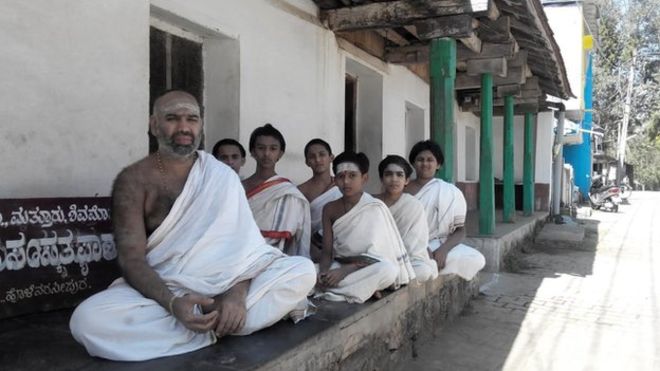
Sanskrit speakers in a karnataka village

Tense = Name by Panini = English

Varathamaana = lat = Present

Anadyatanabhuta = lan = imperfect

Paroksabhuta = lit= perfect

Bhuta = lun = aorist

Anadyatana = lut = periphrastic future

Bhavisya = lrt = simple future

Mood = Name by Panini = English

Aajnaa = lot = imperative

Vidhi = lin = optative

Aasih = let = subjunctive

Samketa = lrn = conditional

Those verbs ending in ‘t’ use primary endings and are listed alphabetically : lat, lit, lut, lrt, let and lot.

Those verbs ending in ‘n’ use secondary endings: lan, lin, lun and lrn

What a great genius!

Ancient Education

Youth in ancient India, after the Upanayana ceremony, lived in the teacher’s house (Gurukula) for twelve years, to the age of 25. Sanskrit lessons, completely oral, emphasized recitation and memorization. According to the Rik Samhita (7-103) “education is hearing and repeating another’s speech”. The teacher would pronounce the verse with the proper accents, and the students, seated on the ground, repeated.

The Paniniya Siksa lists the alphabet 63 or 64 letters. One letter, the long l, is considered Duhspsta or “difficult”.

The alphabet is listed as containing different numbers of letters in various texts. It is listed as containing 43 letters in the Siva sutras. 63 or 64 in the Paniniya Siksa. 47 in the Rik Pratisakhya, 52 in the Taittiriya Pratisakhya, 65 in the Vajasaneyi Pratisakhya, and 57 in the Rik Tantra.

The Aitareya Aranyaka (2-3-6-14) defines the role of ‘a’:– A is the whole of speech, and manifested as different consonants and sibilants, it becomes many forms” (akaaro vai sarvaa vaak saisaa sparsosmabhir vyajyamaanaa bahvii naanaa ruupaa bhavati

INTRODUCTION TO SANSKRIT- PART 2 BY THOMAS EGENES

UNFOLDING THE PETALS – A NEW SANSKRIT GRAMMAR BY DR DAVID TEPLITZ

சம்ஸ்கிருதத்தைக் கண்டு உலகமே வியப்பது ஏன்?

india.1

Article No.1972

Date: 4  July 2015

Written by London swaminathan

Uploaded from London at 16-46

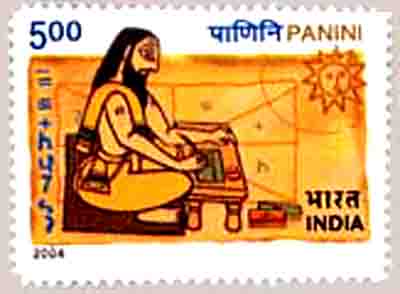
சம்ஸ்கிருதம் பழைய மொழி மட்டுமல்ல. உலகிலேயே அறிவியல் அடிப்படையில் அமைக்கப்பட்ட ஒரே மொழி இதுதான். அதுவும், இலக்கணம், இலக்கியம், அகராதி, சொற் பிறப்பியல், சாத்திரங்கள் ஆகிய எல்லாவற்றிலும் முதல் நூல்களைத் தந்த மொழி. 2750 ஆண்டுகளுக்கு முன்னரே இதற்கு பாணினி என்னும் முனிவன் எழுதிய இலக்கணத்தைப் பார்க்கையில் அதற்கு எத்தனை ஆயிரம் ஆண்டுகளுக்கு முன்னரே இம்மொழியில் இலக்கியம் தோன்றின என்பதை எண்ணி எண்ணி இறும்பூது எய்தலாம் ஒவ்வொரு இந்தியனும்.

இலக்கியம் இன்றேல் இலக்கணம் இல்லை – என்பது தமிழர் வாக்கு. ஆகையால் பாணினி இலக்கணம் வரும் முன்பு வேதம் தவிர வேறு பல நூல்களும் இருந்திருக்க வேண்டும். அது மட்டுமல்ல பாணினிக்கு முன்னர் இருந்த இலக்கண வித்தகர் பெயர்களையும் நாம் அறிவோம். ஆனால் அவர்தம் நூல்கள் நமக்குக் கிடைத்தில.

ஒரு சில எடுத்துக்காட்டுகளைக் காட்டினால் சம்ஸ்கிருத கட்டமைப்பு உங்களுக்கே விளங்கும்.

சம்ஸ்கிருதச் சொற்கள் எல்லாம் வேர்ச் சொல் ஒன்றிலிருந்து பிறந்தவை. இந்த வேர்ச் சொற்கள் எப்படி வளர்ந்து மலரும் என்பதை பாணினி விளக்கியிருக்கிறார். ஒவ்வொரு சொல்லிலும் முன்னொட்டுகளைச் சேர்த்தால் அதன் பொருள் மாறிக் கொண்டே வரும். இதோ பாருங்கள்:-

தமிழில் நாயகன், நாயக்கர், விநாயகர் என்று எவ்வளவோ சம்ஸ்கிருதச் சொற்களைப் பயன்படுத்துகிறோம். இதற்கெல்லாம் மூலச் சொல், வேர்ச்சொல் நீ= தலைமை தாங்கு, வழிகாட்டு

நயதி = அவன் வழிகாட்டுகிறான்

அநயத் = வழி நடத்தினான்

நயது = அவனே வழி காட்டட்டும்

நயேத் = அவன் வழிநடத்தலாம்

நிநாய = அவன் வழிநடத்தியிருந்தான்

அநைசித்= முன்னொரு காலத்தில் வழிநடத்தினான்

நேஸ்யதி = வழிநடத்துவான்

அநேஸ்யத்= அவன் வழிநடத்தியிருப்பான்

நீயதே = அவன் வழிநடத்தப் பட்டான்

நாயயதி= அவன் வழிநடத்த வைப்பான்

அநாயயத் = அவன் வழிநடத்த வைத்தான்

நயயது= அவன் வழிநடத்த வைக்கட்டும்

நனனேத்= அவனை வழிநடத்த வைக்கச் செய்யலாம்

நினாயயிசதி= அவன் வழிநடத்தச் செல்ல வைக்க விரும்புகிறான்

நினீசு = வழிநடத்த விரும்புகிறான்

நினீசா = வழிநத்டதிவைக்க விருப்பம்

நேனீயதே = அவன் அதிரடியாக வழிநடத்துகிறான்

manuscript

இந்த வேர்ச் சொல்லுக்கு முன், சில முன்னொட்டுகளைச் சேர்த்தவுடன் எப்படி பொருள் மாறுபடுகிறது என்று பாருங்கள்:

அனு நயதி = வேண்ட

அப நயதி = எடுத்துச் செல்ல

அபி நயதி = மேடையில் நடிக்க ( அபிநயம் செய்)

ஆனயதி = அழைத்து வர

உத்நயதி =எழுப்ப

உபநயதி=  கொடுக்க

நிர்நயதி = முடிவு செய்ய ( நிர்ணயம் செய்ய)

பரிநயதி = கல்யாணம் செய்ய ( உஷா பரிணயம்)

விநயதி = அகற்ற, நீக்க

சம்நயதி = ஒன்று சேர்க்க

புத்தி, போதி மரம், போதனை, புத்தர் முதலிய சொற்கள் நமக்கு நன்கு தெரியும். புத்=அறிதல் என்னும் வேர்ச் சொல்லிலிருந்து

போத, போதன, புத்தி, போதக, பௌத்த, புத்திமத்(மான்), புத்யதே, போபுத்யதே, போதி தர்ம, போதி சத்வ, புதன் (கிரகம்), புதன் (கிழமை), புத்தர் எல்லாம் வந்தன.

panini_

இதுவே

அனு போத்யதே

அவ போத்யதே

உத் போத்யதே

ப்ர போத்யதே

ப்ரதி போத்யதே

வி போத்யதே

சம் போத்யதே என்றும் பல பொருள்களைத் தரும்.

சம்ஸ்கிருதத்தை – சம்ஸ்கிருத இலக்கணத்தைப் படிக்கப் படிக்க வியப்பும் ஆர்வமும் அதிகரிக்கும். உலகில் இன்று காணும் செம்மொழிகள் இல்லாத காலத்தே— அம் மொழிகள் வளர்ச்சியடையாத காலத்தே – ஏனைய மொழிகளில் நூல்களே எழுதாத காலத்தே – இவ்வளவு இலக்கண விதிகள் இருந்திருந்தால்  — 2750 ஆண்டுகளுக்கு முன் இருந்திருந்தால்— அதற்கு எத்தனை ஆயிரம் ஆண்டுகளாக அம்மொழி இருந்திருக்க வேண்டும் என்று வெளிநாட்டினரும் உள்நாட்டு அறிஞர்களும் மூக்கின் மேல் விரலை வைத்து வியக்கின்றனர். கோல்டுஸ்டக்கர் மற்றும் இந்திய சம்ஸ்கிருத அறிஞர்கள் அனைவரும் பாணினியை கி.மு 750 என்று காலம் கணித்துள்ளனர்.

2000 வேர்ச் சொற்கள் இருக்கின்றன. பாணினி வினை சொற்களை பத்து வகுப்புகளாகப் பிரித்தார். அவைகல்ளுக்கு அவர் கொடுத்த பெயர்களைப் பாருங்கள்:

sanskrit village

Sanskrit speakers in Karnataka village

பத்து ‘ல’-காரங்கள்!

லட், லன், லிட், லுன், லுட், ல்ருட், லொட், லின், லெட், ல்ருன்.

இவைகளையும் ‘ட்’ –டில் முடிபவை, ‘ன்’ –னில் முடிபவை என்று பிரிக்கலாம். எவ்வளவு மஹா மேதையாக இருந்தால் இப்படியெல்லாம், எளிமைப் படுத்த முடியும்.. சுருக்கி வரைதல் என்பதற்கு உலகில் ஒரே இலக்கணம் பாணினிதான். இவர் இவ்வளவு சுருக்கியதால் கி.மு.நாலாம் நூற்றாண்டிலேயே வரருசி உரை எழுதினார். அதற்குப் பின் கி.மு.இரண்டாம் நூற்றாண்டில் பதஞ்சலி மஹாபாஷ்யம் என்னும் மிகப் பெரிய விளக்கவுரை எழுதினார். நாம் திருவள்ளுவரை தெய்வப் புலவர் என்பது போல இவர் பகவான் பாணினி என்று போற்றித் துதிக்கிறார்!

யாராவது ஒருவன் சம்ஸ்கிருதத்தையும், தமிழையும் படிக்காமல் வரலாறோ, கலை விமர்சனமோ, பண்பாட்டுக் கட்டுரைகளோ எழுதப் புகுந்தால் ஏதேனும் ஒரு இடத்தில் வாழைப்பழத் தோலியில் வழுக்கி விழுந்தது போல, சறுக்கியிருப்பதை காணலாம்— நமக்கும்

இலக்கியத்தில் நகைச் சுவை வேண்டுமல்லவா!!!.

நான் முன்னர் எழுதிய “பாணினி மாஜிக்” என்ற கட்டுரையையும் (ஏப்ரல் 7, 2015) படிக்கவும்.

A.M.>Water, Noon> Butter Milk, P.M.> Milk: Tips for Good Health!

0-2neermor

Article No.1971

Date: 3 July 2015

Written by London swaminathan

Uploaded from London at 17-19

1.Bhojanaante pibhet takram vaasaraante pibhet payah

Nisaante sa pibhetvaari tribhih rogo na jaatyate

Drink butter milk (diluted curd/yogurt) after a meal, drink milk at night and drink water as soon as you get up.Those who follow these three tips will never become sick!

2.Triphalaa: Haritaki, Amalaka, BiBhitaka

Haritakyaamalakabibhitakaaniiti tripalaa—Susruta Samhita 38-56

Those who use the powder made up of the dried Haritaki, Amalaka, BiBhitaka

In the food will be strong and will develop resistance against stomach diseases.

3.Trikatuka: Dried Ginger, Black Pepper, Pippali/long pepper

Pippaliimariichasrungaveraani iti trikatukam – Susruta Samhita 38-58

This can be made as decoction and drunk for good health. Both the Tripalaa and Trikatuka will increase the digestive powers.

Dairy products

Dairy products

4.Trimadhu – Nectars

Ghrtam gutam maakshikam sa vgnjeyam madhuratrayam

That is Ghee (grtam), Jaggery (Gutam) and Honey (Maakshikam) are considered three nectars. Most of the medicines are taken along with it.

If we keep these things handy at home and use it periodically it will be very good.

Ayurveda and Siddha (Tamil) medicines believe prevention is better than cure.

காலையில் நீர், பகலில் மோர், இரவில் பால்!

0-2neermor

Article No.1970

Date: 3 July 2015

Written by London swaminathan

Uploaded from London at காலை 9-20

1.போஜனாந்தே பிபேத் தக்ரம் வாசராந்தரே பிபேத் பய:

நிசாந்தே ச பிபேத் வாரி த்ரிபி: ரோகோ ந ஜாயதே

சாப்பிட்ட பின்னர் மோர் குடிக்க வேண்டும், இரவில் பால் குடிக்க வேண்டும், காலையில் எழுந்தவுடன் தண்ணீர் குடிக்க வேண்டும். இந்த மூன்றும் செய்தால் நோயே அணுகாது.

2.பிப்பலீ மரீச ஸ்ருங்கவேராணி இதி த்ரிகடுகம்—சுஸ்ருத சம்ஹிதா-38-58

சுக்கு, மிளகு, திப்பிலி ஆகிய மூன்றையும் உணவில் சேர்ப்போருக்கு நோய்கள் வாரா.

Dairy products

Dairy products

3.ஹரிதக்யாமலகபிபீதகானிதி த்ரிபலா — சுஸ்ருத சம்ஹிதா- 38-56

ஹரிதகி (கடுக்காய்) ஆமலக (நெல்லிக்காய்), பிபீடகா (தான்றிக்காய்) ஆகிய மூன்றையும் காயவைத்து சூரணமாக சாப்பிடுவோரை நோய் அண்டா.

4.த்ரிமது

க்ருதம் குடம் மாக்ஷிகம் ச விக்ஞேயம் மதுரத்ரயம்

க்ருதம் (நெய்) குடம் (வெல்லம்) மாக்ஷிகம் (தேன்) ஆகிய மூன்றும் மதுரம் (இனியவை) எனப்படும். இவை மூன்றும் மருந்துடன் கலந்து சாப்பிட உதவும்.

த்ரிபலா

படங்களுக்கு நன்றி.

கண்டவர் விண்டிலர், விண்டவர் கண்டிலர்! இரண்டு பையன்கள் கதை!

bharat mata viveka

Article No.1969

Date: 3 July 2015

Written by London swaminathan

Uploaded from London at 8-01 காலை

ஒரு பிராமணனுக்கு இரண்டு மகன்கள். தகுந்த வயது வந்தவுடன் இருவருக்கும் பூணுல் போட்டு, வேத அத்தியயனம் செய்ய குருவிடம் அனுப்பினான்.  நெடுநாள் கழித்து இருவரும் வேதக் கல்வியை முடித்துக் கொண்டு வீட்டுக்குத் திரும்பினர். தந்தை, அவ்விருவரையும் நோக்கி வேதாந்தம் கற்றிருக்கிறீர்களா? என்று கேட்டார்.

(வேத+ அந்தம்= வேதத்தின் இறுதிப் பகுதி =உபநிஷத்து = பிரம்மத்தை அறிதல்; பிரம்மம்=கடவுள்)

இருவரும் படித்திருக்கிறோம் என்றார்கள். அப்படியானால் பிரம்மம் எப்படிப்பட்டது என்பதைச் சொல்லுங்கள் என்றார் தந்தை.

மூத்த மகன், தான் படித்த வேதங்கள், உபநிஷத்துக்கள் எல்லாவற்றிலிருந்தும் ஏராளமான மேற்கோள்களைக் காட்டி தனது மேதாவிலாசத்தை வெளிப்படுத்தினான். அப்பா! இது மனதுக்கும் சொல்லுக்கும் அப்பாற்பட்டது. அதெல்லாம் எனக்குத் தெரியும் என்று சொல்லி முடித்தான். மகனே! நீ பிரம்மத்தை நன்றாகத் தெரிந்து கொண்டவன் போலத்தான் இருக்கிறாய். நீ போய் உன் காரியங்களைக் கவனி என்றார்.

இரண்டாவது மகனை நோக்கி அதே கேள்வியைக் கேட்டார். அவன் ஒன்றும் பேசவில்லை. பதில் சொல்ல முயற்சிக்கவுமில்லை.உடனே அவன் தந்தை, “மகனே! நீதான் உண்மையில் அறிந்தவன். கடவுளின் பெருமை வார்த்தைகளால் வருணிக்க முடியாது. அப்படி யாராவது வருணிக்க முயன்றால் சம்பந்தா சம்ப்ந்தமில்லாத விஷயங்களை உவமை காட்டி முடிச்சுப் போட வேண்டியிருக்கும். அளவற்ற ஒன்றை, நித்யமான ஒன்றை – அளவுடைய பொருள்களுடனும், அநித்தியமான பொருள்களுடனும்   ஒப்பிட வேண்டி வரும். உனது மௌனம் அநேக ஆயிரம் ஆதாரங்களை காட்டிவிட்டது என்றார்.

ஆதாரம்: ராமகிருஷ்ண பரமஹம்சரின் உபதேச மொழிகள்.

IMG_3259

தமிழர்கள் இதை ஒரே வரியில் சொல்லிவிட்டார்கள்: கண்டவர் விண்டிலை; விண்டவர் கண்டிலை.

யார் ஒருவன் கடவுளைக் கண்டுவிட்டதாகச் சொல்கிறானோ அவன் இன்னும் முழு சொரூபத்தைக் காணவில்லை. கண்டுவிட்டால் பேசா அனுபூதி பிறந்து விடும். பின்னர் அருணகிரிநாதர் போல “சும்மா இரு! சொல் அற!” — என்று பேசாமல் இருந்து விடுவார்கள்.

இப்படித் திடீரென்று பிரம்ம ஞானம் தோன்றியவுடன் ஆதி சங்கரர், விவேகாநந்தர், பாரதியார் போல 40 வயதுக்குள் உடலைத் துறந்துவிடுவர்.

“உர்வாருகம் இவ பந்தனாத் ம்ருத்யோர் முக்ஷீய மாம்ருதாத்” – எனும் யஜுர் வேத ருத்ர மந்திரமும் இதையே செப்பும். வெள்ளரிப் பழத்தின் காம்பு, அது பழுத்தவுடன், எப்படித் தானாக விலகிவிடுகிறதோ, அப்படி எனக்கும் மரணத்திலிருந்து விடுதலை தருவாயாக – என்பதே இதன் பொருள்.

முழு மந்திரம்: “ஓம் த்ரயம்பகம் யஜாமஹே, சுகந்திம் புஷ்டிவர்தனம். உர்வாருகம் இவ பந்தனாத் ம்ருத்யோர் முக்ஷீய மாம்ருதாத்”—அனைவரும் அனுதினமும் சொல்லலாம்.அநாயாச மரணம் கிட்டும். அதாவது நாமும் கஷ்டப்படாமல், மற்றவர்களையும் கஷ்டப்படுத்தாமல் இறைவனடி எய்துவோம்.

இதே பிளாக்கில் லண்டன்  சுவாமிநாதன் எழுதிய கீழ்கண்ட  திருப்புகழ் ஆராய்ச்சிக் கட்டுரைகளையும் படியுங்கள்:–

சலாம் முருகாசலாம் முருகா! அருணகிரிநாதரின் தனி வழி!! —வெளியிட்ட தேதி ஜூன் 25, 2014

அருணகிரிநாதருடன் 60 வினாடி பேட்டி – வெளியிட்ட தேதி ஜனவரி 16, 2012

சம்பந்தருக்கு அடிமை அருணகிரிநாதர்—  வெளியிட்ட தேதி  ஜனவரி 17, 2013

டாக்டர் முருகனும் ‘பேஷண்ட்’ அருணகிரிநாதரும் – வெளியிட்ட     தேதி ஜனவரி 15, 2013

தனிமையில் இனிமை –அருணகிரிநாதர் — வெளியிட்ட தேதி ஜனவரி 14, 2013

திருப்புகழ் நெருப்பு என்று அறிவோம் யாம் – வெளியிட்ட தேதி  ஜனவரி 22, 2013

நரகத்துக்குப் போவோர் பட்டியல் – வெளியிட்ட தேதி ஜனவரி 23, 2013

தமிழில் திட்டத் தெரியுமாவசைபாடுவது எப்படி? —வெளியிட்ட தேதிஜனவரி 21, 2013

Story of Two Boys: Learning versus Realization!

bharat mata viveka

Article No.1968

Date: 2 July 2015

Written by London swaminathan

Uploaded from London at 19-36

“Those who talk about it has never seen it; those who has seen it never talk about it” – is a popular Tamil saying ( Kandavar Vindilar, Vindavar Kandilar).

“Doing Nothing is Happiness”  is a very famous saying of the great Tamil saint Arunagirinathar (Summaa iruppathe Sukam).

This is explained in the following story which is repated by various saints of India:-

A Brahmin once sent his two sons to a learned pundit to study the Vedas and Upanishads. Having completed their study after twelve years, they returned home. Their father asked one of them

:”Have you understood Brahman?” The boy said “Yes” and started quoting sloka after sloka from the scriptures to explain what Brahman was. Listening patiently to his son’s verbose exposition, the father told him, “Boy, you have not understood Brahman”.

He then asked his other son if he had understood what Brahman was. He did not give any answer, but kept quiet. Tha father asked him the same question twice, thrice and four times. Still the boy remained silent.

The father then said, “My boy, I am delighted to see that you have really understood Brahman”. This goes to show that by silence alone can one know the Truth. What you experience after your thoughts have completely ceased to flit about in mind, does not admit description because it is inexpressible.

IMG_3259

Great Tamil saint Appar is in the picture

“Religion in India is not dogmatic. It is a rational synthesis which goes on gathering in  itself new conception as philosophy progresses.”

“External invasions and internal dissensions came very near crushing Indian civilization many times in its history. The Greek and the Scythian, the Persian and the Moghul, the French and the English have by turn attempted to suppress it, and yet it has its head held high”

– Dr S Radhakrishnan, Philosopher and Ex President of India.

உன்னுடைய ஓட்டைகளைத் தம்பட்டம் அடிக்காதே

tom tom

தொகுத்து வழங்குபவர்:லண்டன் சுவாமிநாதன்

கட்டுரை எண்: 1967

தேதி: 2 ஜூலை, 2015; லண்டன் நேரம்: காலை 8-40

மேலும் சில சம்ஸ்கிருத பழமொழிகள்:–


1.ஆத்மசித்ரம் ந ப்ரகாஸயேத்

தன்னுடைய குறைகளை வெளியே காட்டிக் கொள்ளக்கூடாது.

உன்னுடைய ஓட்டைகளைத் தம்பட்டம் அடிக்காதே/ வெளிச்சம் போடாதே

2.பலாயமானஸ்ய சௌரஸ்ய கந்தைவ லாப:

ஓடும் திருடனுக்கு கோமணமும் லாபம்தான்

(எரிகிற வீட்டில் பிடுங்கினது லாபம்)

3.அபேயேஷு தடாகேஷு பஹுதரமுதகம் பவதி

குடிப்பதற்கு ஏற்றதல்லாத குளங்களில் தண்ணீர் நிரம்ப இருக்கிறது

(கருமியிடம் உள்ள பணம் போல)

4.இதமரண்யே ருதிதமிவ

இது காட்டில் அழுதது போல

5.அர்த்தி தோஷம் ந பஸ்யதி – சாணக்ய நீதி தர்பண:

உனக்கு கார்யம் நடக்க வேண்டுமானால் குற்றம் குறைகளைப் பார்க்காதே

6.அவ்ருத்திகம் த்யஜேத் தேசம்

வருமானம் இல்லாத தேசத்தை விட்டுவிடு (ஓரிடத்தில் வெற்றி கிட்டாவிடில் அதே இடத்தில் வசிக்காதே)

damara madu

7.அசக்தாஸ்தத்பதம் கந்தும் ததோ நிந்த்யம் ப்ரவர்ததே

ஒரு நிலையை எட்ட முடியாதவர்கள் அதை நிந்திப்பர்

(சீ! சீ! இந்தப் பழம் புளிக்கும் கதை)

(கிட்டினால் ராமா, கோவிந்தா, கிட்டாவிட்டால் ஒன்றுமில்லை)

8.அஸ்வா யஸ்ய ஜயஸ்தஸ்ய – சாணக்ய நீதி தர்பண

குதிரை உடையவனுக்கு வெற்றி

9.ஆத்மார்தே கோ ப்ருத்வீம் த்யஜேத் – மஹாபரதம்/பஞ்சதந்திரம்/சாணக்கியய நீதி தர்பணம்

ஆத்மஞானத்துக்காக உலகையே தியாகம் செய்வர்

தன்னுயிரைப் பாதுகாக்க தேசத்தையே விட்டும் செல்லலாம்

10.உத்தீர்ணே ச பரே பாரே நௌகாயா: கிம் ப்ரயோஜனம் – சுபாஷித ரத்ன பாண்டாகாரம்

கரை கடந்த பின்னால் படகினால் என்ன பயன்?

(ஏறிய ஏணியை எத்தி உதைப்பர்)

11.உப்யதே யத் யத் பீஜம் தத்ததேவ ப்ரோஹதி

எதை விதைக்கிறாயோ அதுதான் கிடைக்கும்

வினை விதைத்தவன் வினை அறுப்பான்

தினை விதைத்தவன் தினை அறுப்பான்

12.க: ஸரீர நிர்வாபயித்ரீம் சாரதீம் ஜ்யோஸ்தனாம் படாந்தேன வாரயிதி – சாகுந்தலம்

சூட்டைத் தணிக்கும் சரத் சந்திர ஒளியை, யார் துணியில் கட்டி எடுக்க முடியும்?

More Stories about Wives!

537_Swami_Rama_Tirtha

Written  by London Swaminathan

Article No. 1966

Dated 1 July 2015.

Uploaded at London time: 15-37

I have already given some stories about wives of Socrates, Milton etc., in my earlier post “Easy way to become a Philosopher”, posted on 15th June,2015

1.Here are more stories:

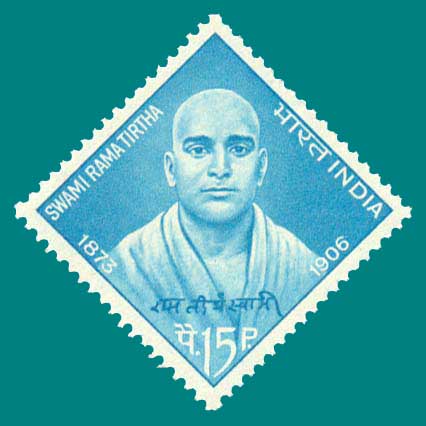
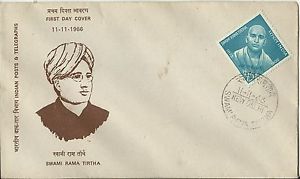
Swami Rama Tirtha had been to Japan, America and other places. On his return to India his wife went to meet him. In the course of the talk, the wife questioned him, “During the tour in foreign countries far away from me, did you at any time remember me?”.

I have already given some stories about wives of Socrates, Milton etc., in my earlier post “Easy way to become a Philosopher”, posted on 15th June,2015

To this the great Swami gave the characteristic reply, “Is it necessary to remember about my nose? Since it forms a part of my body I need not think of it now and then. So also, since you are a part of my universal body, there is no need for me to think of you as someone separate from me.”

ram tirth 2

2.Story from a Tamil Proverb

The story goes that a certain man who was the important person in a town lost his mother. A lot of people came to console him and said, “O, Your mother was a great person. She was a mother to everyone. Now the village will be like a motherless child”. This is the Tamil way of consoling. One of the youths among the crowd was a fool. He did not know anything, but just pretended to be intelligent by imitating everyone. He also said the same thing to the grieving VIP. It went on very well for a time. But one day another important person in the town lost his wife. Now that he knew what to say in such a bereavement, he first went to express his condolences. He blindly followed the previous condolence message, “ O, Your wife was a great wife. She was not only wife to you but was the wife of whole village. Now the village looks like a wifeless husband”. The people who watched him saying this thrashed him and threw him out!

IMG_2813

3.Dr Johnson about Wife

Of a lady more insipid than offensive, Dr Johnson (1709-1784, English Writer) once said, “She has some softness indeed; but so has a pillow. For my part, I do not envy a fellow one of those honey- suckle wives; as they are but creepers at best, and commonly destroy the tree they so tenderly cling about”

4.Clever and Stupid Wives

When a surprise was expressed at his choice of a wife, Talleyrand (French Bishop, politician and diplomat) replied: A clever wife often compromises her husband; A stupid one only compromises herself.

5.Film Star’s Wife

By mistake a letter directed to a newly married film star was delivered to the house of a poor working man. Upon being opened, it proved to contain a threat that unless a substantial sum of money was paid, his wife would be kidnapped. The working man immediately wrote a reply, “Sir, I don’t have much money, but I am very much interested in your proposition”

6.Wife or Money?

A niggardly farmer lost his wife and scrimped as much as he could on each phase of the funeral expenses down to the bitter end, when he lingered in the graveyard after the mourners had gone, and asked the grave digger, “How much do I owe you?”

“Ten dollars”, said the gravedigger, who was just beginning to fill in the grave.

“That is too much for such a light sandy soil”, said the farmer speculatively

“Light sandy soil or rich loamy soil, ten dollars”, said the grave digger firmly, “or up she comes”.

The farmer hastily paid.

IMG_3394

7.Army Officer’s Wife

A French general’s wife, whose tomngue lashing ability was far famed, demanded that an old servant, who had served her husband during the wars, be dismissed.

“Jacques”, said the general, “go to your room and pack your trunk and leave- depart”.

The old French man clasped his hands to his head with dramatic joy.

“Me — I can go!” he exclaimed in a very ecstasy of gratitude.

Then suddenly his manner changed as with the utmost compassion he added, “But you my poor general, you must stay”.


8.Disobedience to Husband

A celebrated French preacher, in a sermon upon the duty of wives, said: “ I see in this congregation a woman who has been guilty of the sin of disobedience to her husband, and in order to point her out to universal condemnation, I will fling my breviary (Book containing Daily Hymns) at her head”.

He lifted his book, and every female head instantly ducked.

basketwali

XXXSubhamXXX