சம்ஸ்கிருத பொன் மொழிகளும் இணையான தமிழ்ப் பழமொழிகளும்

தொகுத்தவர்—லண்டன் சுவாமிநாதன்

கட்டுரை எண்: 1865; தேதி 14 மே 2015

லண்டனில் பதிவு ஏற்றப்பட்ட நேரம்: 20-29

1.அஞ்ஞாத குல சீலஸ்ய வாஸோ தேயோ ந கஸ்யசித் – ஹிதோபதேசம்

குல ஒழுக்கங்களை அறியாமல் எந்த ஒருவருக்கும் இடம் தரக்கூடாது.

“குலத்து அளவே ஆகும் குணம்”- அவ்வையார்/மூதுரை

“ஆழம் தெரியாமல் காலை விடாதே”

2.அதரே பயசா தக்தே தக்ரம் பிபதி ப்பூத்க்ருத்ய

பாலால் சுடப்பட்ட பின்னால், மோரைக் கண்டால் கூட பூ.. பூ.. அன்று ஆற்றிக் குடிப்போம்.

“பட்டால்தான் தெரியும் பார்ப்பானுக்கு”

“சூடு கண்ட பூனை”

3.அதிகஸ்யாதிகம் பலம் – சுபாஷித ரத்ன பாண்டாகாரம்

எவ்வளவுக்கு எவ்வளவு அதிகமோ அவ்வளவுக்கு அவ்வளவு பலன்.

முயற்சி தன் மெய்வருத்தக் கூலி தரும் – குறள்

“அடிக்க அடிக்க அம்மியும் நகரும்”

“எறும்பூரக் கல்லும் தேயும்”
4.அத்ருவாத் துருவம் வரம்

நிச்சயமில்லாமல் இருப்பதைவிட நிச்சயமாக இருப்பதே சிறந்தது

“துணிந்தவனுக்கே உலகம் கிடைக்கும்”

“வெட்டு ஒன்று, துண்டு இரண்டு!”

5.அனதிக்ரமணீயானி ஸ்ரேயாம்சி- அபிக்ஞான சாகுந்தலம்

உயர்ந்த விஷயங்களை மீறக்கூடாது

பெரியவாள் சொன்னால் பெருமாள் சொன்ன மாதிரி

மூத்தோர் சொல்லைத் தட்டாதே

வழியே ஏகுக, வழியே மீளுக—வெற்றி வேற்கை

6.அனார்யஜுஷ்டேன பதா ப்ரவ்ருத்தானாம் சிவம் குத: -கதா சரித் சாகரம்/கதைக்கடல்

பண்படற்றவர்களால் வழிநடத்தப்படுவோருக்கு நற்கதி ஏது?

“தீயாரைக் காண்பதுவும் தீதே; திரு அற்ற தீயார் சொல் கேட்பதுவும் தீதே” – அவ்வையாரின் முதுரை

7.அநார்யப் பரதார வ்யவஹார: – அபிக்ஞான சாகுந்தலம்

பிறர் மனைவியுடன் தொடர்பு வைத்திருப்பது அநாகரீகமாகும் (ஆரியர் அற்றவர்/ பண்பாடாதல்லவர் வழக்கு)

“பிறன்மனை நோக்காத பேராண்மை சான்றோர்க்கு அறன்”– குறள்

8.அந்யாயம் குருதே யதி க்ஷிதிபதி: கஸ்தம் ந்ரோத்தம் க்ஷம: — சுபாஷித ரத்ன பாண்டாகாரம்

அரசனே தவறு செய்தால் அதைத் தடுக்க யாருக்கு சக்தி உண்டு?

“வேலியே பயிரை மேய்ந்தால்?”

9.அபி சாஸ்த்ரேஷு குசலா லோகாசார விவர்ஜிதா:  சர்வே தே ஹாஸ்யதாம் யாந்தி – பஞ்சதந்திரம்

சாத்திரங்களில் எவ்வளவு கெட்டிக்காரனாக இருந்தாலும், உலக விவகாரம் தெரியாவிட்டால் பிறரின் நகைப்புக்கு உள்ளாக நேரிடும்.

உலகத்தோடு ஒட்ட ஒழுகல் பல கற்றும் கல்லார் அறிவில்லாதார் – குறள்

படகு உடைந்தபோது நீந்தத் தெரியாத சந்யாசிக்கு நேர்ந்த கதி—ராமகிருஷ்ண பரமஹம்சர் சொன்ன கதை
10அபூஜ்யா யத்ர பூஜ்யந்தே பூஜ்யாம் து விமானனா

த்ரீணி யத்ர ப்ரவர்த்தந்தே துர்பிக்ஷம் மரணம் பயம் – –பஞ்சதந்திரம்

மதிக்கப்படக் கூடாதோர் எங்கு மதிக்கப்படுகிறார்களோ, மதிக்கப்பட வேண்டியவர்கள் எங்கு அவமதிக்கப்படு கிறார்களோ அங்கே மூன்று வரும்: வறுமை, சாவு, பயம்.

வேங்கை வரிப்புலி  நோய் தீர்த்த விடகாரி

ஆங்கு அதனுக்கு ஆகாரம் ஆனால் போல் – பாங்கு அறியாப்

புல் அறிவாளர்க்குச் செய்த உபகாரம்

கல்லின் மேல் இட்ட கலம் – மூதுரை/அவ்வையார்

நிரில் தத்தளித்த தேளைக் காப்பாற்றினாலும் அது கொட்டதான் செய்யும் – ராமகிருஷ்ண பரமஹம்சர் சொன்ன கதை
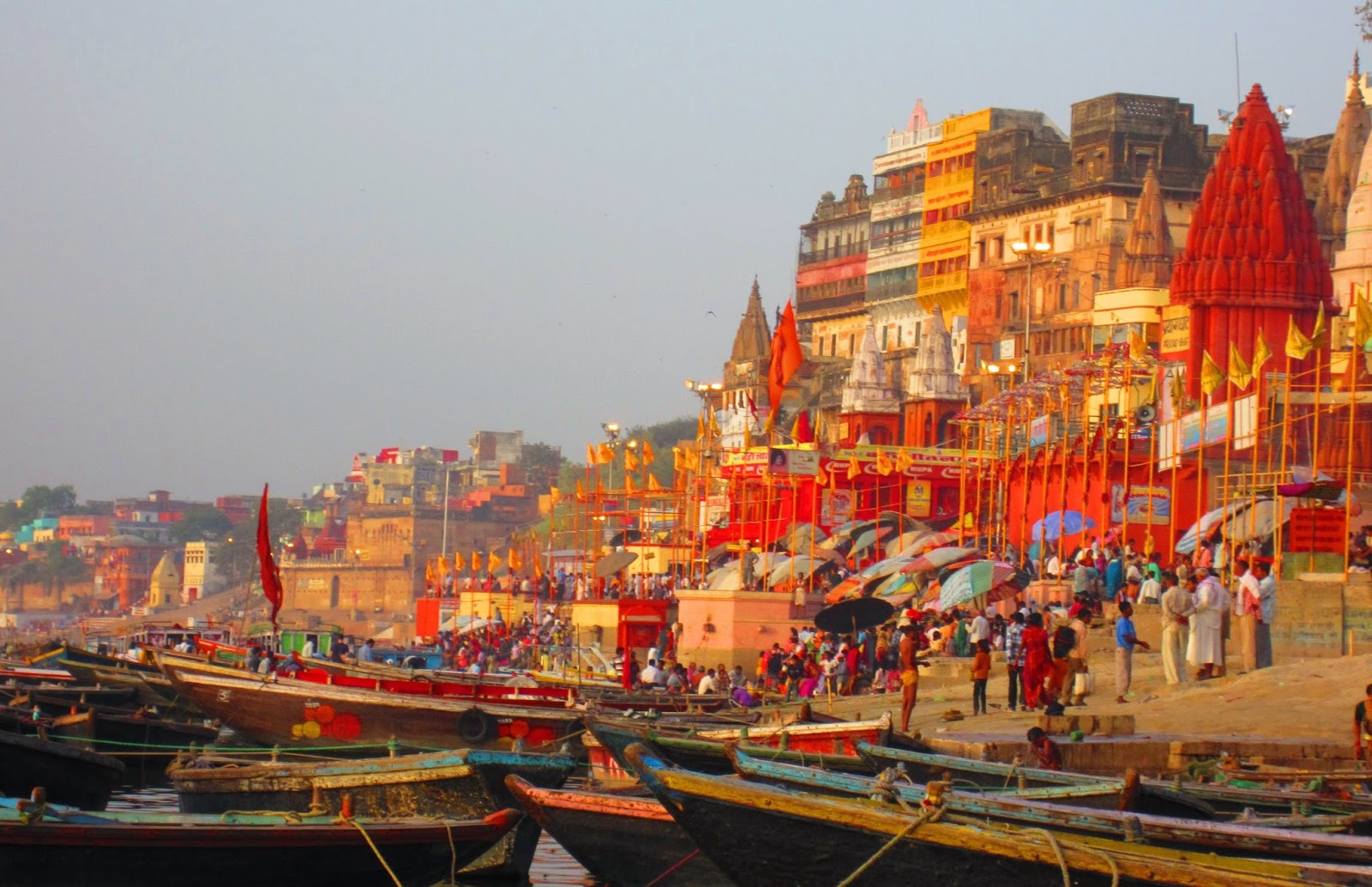
Oldest City in the World: Varanasi/Kasi/Benares

Written by London swaminathan

Research Article No.1864; Dated 14 May 2015.

Uploaded in London at 12-07

“There is hardly any city in the world that can claim greater antiquity, greater popular veneration than Banaras”- P V Kane

Varanasi also known as Kashi and Benares is the oldest city in the world. Those who believe that Mahabharata war was fought just before the dawn of Kaliyuga in 3102 BCE would agree with me. King of Kasi is also mentioned in the Mahabharata. Before Mahabharata, we have references to Varanasi in the Vedic literature as well. Those who believe in encyclopaedias written by English only knowing lot may dis agree with me.

The archaeological proof we could get so far from Varanasi region takes us back to 900 BCE only. Those who witnessed the recent floods that destroyed Kedarnath temple and the Nepal earth quake that destroyed the Muktinath temple could understand that the enemies of Indian civilization are the floods and earth quake in addition to Muslim invaders. The changing course of Rivers Sarasvati, Sindhu, Ganga and Yamuna destroyed the oldest parts of our civilization. The monsoon rains coupled with the scorching sun make everything crumble into dust.

Three tributary rivers Varuna, Assi and Rajapur of Ganga contributed significantly to the make up of Varanasi. The city’s name came from the two rivers Varuna and Assi.

Following are the evidence for Kasi to enter the Records Book, as the oldest city in the world:

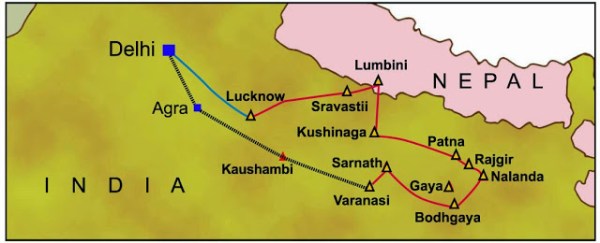
1.Why did Lord Buddha choose Kasi (Saranath is its suburb) to deliver his first lecture, particularly when he attained enlightenment in Buddha Gaya? He avoided all the places such as Kapilavastu (Nepal), Pataliputra/Patna, Gaya in Bihar, Rajagriha and came all the way to Saranath, part of Kashi area to deliver his most famous lecture. This is because Kashi was the holiest city in the whole of India and the oldest.

2.Kassites who ruled Babylonia from 1500 BCE, but settled there from 1800 BCE bore names in a language related to Sanskrit. Like Mitanni, who have very pure Sanskrit names (from 1400 BCE), they also spoke a language related to Sanskrit. All the encyclopaedias “dodge and escape” by saying that their origins were not known. The fact is that they migrated from Gangetic plain, like Saurashtra (Zoaraster) migrated to Iran from Saurashtra coast of Gujarat (Please read Kanchi Paramacharya’s (1894-1994) talk on Zoaraster/Saurashtra.

3.Most of the Jataka stories are centred around Kashi and the previous births of the Buddha are attributed to that city, because that was the oldest city in the world. Several stories begin with ,”Once upon a time when Brahmadatta was reigning in Kashi”. They wrote this “once upon a time” story 2300 years ago! So once upon a time for them meant at least 1000 years ago!

4.Jain literature also supports that Kashi was one of the oldest cities. Mahavira was the 24th Tirthankara who was Buddha’s senior. Before Mahavira there 23 were Tirthankaras and the seventh one Suparsvanath was born in Benares. Jains believe that the 23rd Tirthankara Parasvanath, also born in Benares, was Krishna’s contemporary in 3200 BCE. So seventh must be well before that period!

5.Ancient Varanasi was a famous education centre. Anyone who follows a new philosophy must go to Kashi and win over the scholars there in philosophical debates. It was an unofficial University – a unique Indian institution. Scholars used to stand in street corners and invite others for debates. We have to compare this with other cities of the world where prostitutes or beggars were standing in the street corners!

Scholars and “Scholars”

6.If one doesn’t know the culture of a country and write something, then the person’s ignorance will be revealed. At Maski, a megalithic deposit, a burial of a child was found with a pottery disc on the chest of the child’s body. Earlier “Scholars” described it as the play object of the child. But actually the Vedic rituals say that a kapala should be offered on the body of the diseased (AvalayanaGrihya Sutra 4-3-5). Kapala is a mud disc. Other Grihya sutras also describe the Kapalas as offerings in Vedic rituals. Literal meaning of Kapala is ‘broken piece of clay pot or a pot shred’. Such kapalas are discovered in various places in the Gangetic plain establishing its antiquity.

7.The earliest human occupation in Varanasi is found in the Atharvaveda (5-22-14) according to which Kasis are the indigenous people wo lived in Varanasi region. The name Kasi came from these people.

8.The name Kasi denotes (in the plural) the people of Kasi (Satapatha Brahmana 13-5-4-19). The Satapatha Brahmana tells of Dhrtarashtra, King of Kashi, who was defeated by Satanika Satrajita. We hear also of Ajatasatru as a king of Kasi (Brhadaranyaka Upanishad) and another king Bhadrasena Ajatasatrava of Kasi.

The River Varnanavati is referred to in the Atharva Veda (A.V. 4-7-1). It was known as Varuna in later literature.

9.Compound words Kasi-Videha and Kasi-Kausalya occurring in Brahmanas indicate the friendship between these kingdoms. Ayodhya, Capital of Kosala (Kausalya) is also one of the oldest cities in the world which is linked with the first Jain Tirthankara, Rishaba/Adinath.

10.Amba, Ambika and Amabalika are the three daughters of King of Kashi. They were abducted by Bhisma in a swayamvara ceremony. Abduction is one of the eight types marriages approved by Smritis (Hindu Law Books). Oldest Tamil work Tolkappiam also lists this type of marriage. It is well known from this story that several kingdoms including Kashi existed at the time of Mahabharata war. Conservative estimates date the war to 1500 BCE. Kalhana dates it to 2600 BCE. Hindu scriptures date it to 3150 BCE.

Hindus’ holiest city has a glorious history!

பைபிள் தோன்றியது எப்போது?

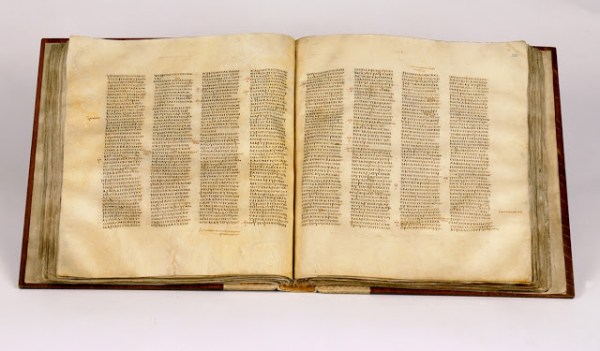
பழைய பைபிள்- கோடெக்ஸ் சைனடிகஸ்

தொகுத்தவர்- லண்டன் சுவாமிநாதன்

கட்டுரை எண்- 1863; தேதி 13 மே 2015

லண்டன் நேரம்: 19-55 

இப்பொழுது கிறிஸ்தவ மதத்தினர் போற்றிவரும் பைபிள் எனும் கிறிஸ்தவ வேதப் புத்தகம் இன்றைய நிலையில் உருவாக்கப்பெற்றது கிறிஸ்து இறந்து 633 ஆண்டுகளுக்குப் பின்னர்தான்! டோலிடோ என்னும் இடத்தில் கி.பி.633-ல் நடந்த கூட்டத்தில் இது இறுதி வடிவம் பெற்றது. அதற்கு முன் பலவிதமான கதைகளும், ஏசுவின் வாழ்வு பற்றி பல வாக்குவாதங்களும் நடந்திருக்கின்றன.

பழைய ஏற்பாட்டைக் குறித்து 2048 பாதிரிமார்களும், புதிய ஏற்பாட்டைக் குறித்து 50 சுவிசேஷங்களும் ஒன்றுக்கொன்று ஒவ்வாத முறையில் தர்க்கமிட்டுக் கொண்டிருந்ததை அறிந்து கான்ஸ்டன்டைன் மன்னர் கி.பி.335-ஆம் ஆண்டில் நைஸ் என்னும் இடத்தில் ஒரு மாபெரும் மகாநாட்டினைக் கூட்டி அதில் 1730 பாதிரிமார்களின் கூற்றுகளையும், 46 பாதிரிமார்கள் வைத்திருந்த சுவிசேஷங்களையும் நெருப்பிலிடும்படி ஆணையிட்டார். பாக்கியிருந்தவற்றில் அந்த மன்னர் ஒப்புகொள்ளும் விஷயங்களை மட்டும் அங்கீகாரம் செய்து அதைக் கடவுளின் வாக்கியம் என்றும் அனைவரும் பின்பற்றவேண்டும் என்றும் கட்டளையிட்டார். இது கிறிஸ்தவ வேதப் புத்தகம் பற்றிய சரித்திரச் சான்றுகள் அடிப்படையில் எழுதப்பட்ட உண்மையாகும். இதன் முழு விவரத்தை ஹெரால்டு ஷெர்மன் எழுதிய நீ இறந்த பின் வாழ்கிறாய் (You Live After Death) என்ற புத்தகத்தில் 104ஆம் பக்கம் முதல் 115ஆம் பக்கம் வரை காண்க—திருஞான சம்பந்தர் மடத்தின் ஆதீன கர்த்தர் வெளியிட்ட பிரசுரம், 1-9-1966

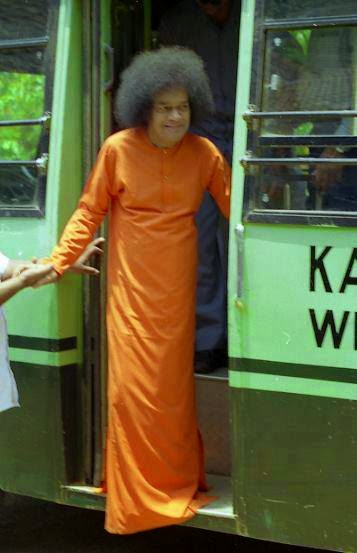
அஷ்டமி, நவமி பற்றி சத்ய சாய் பாபா

தொகுத்தவர்- லண்டன் சுவாமிநாதன்

கட்டுரை எண்- 1862; தேதி 13 மே 2015

லண்டன் நேரம்: 19-12

வளர்பிறையின் எட்டாவது, ஒன்பதாவது நாட்களாகிய அஷ்டமி, நவமி திதிகளை நல்லவை அல்ல என்று மக்கள் கருதுவது மிகவும் தவறாகும். ஏனெனில் உண்மை இதற்கு நேர் மாறானது. இவ்விரு நாட்களும் இவ்வுலகில் அவதாரங்கள் தோன்றிய திரு நாட்களைக் குறிப்பனவாகும். கண்ணன் எட்டாம் நாளாகிய அஷ்டமியிலும், ராமன் ஒன்பதாம் நாளாகிய நவமியிலும் தோன்றினர்.

கண்ணன் தோன்றிய ரோகிணி நட்சத்திரம் யோக ஆற்றலைப் பெறுவதோடு தொடர்புடையது. இராமர் தோன்றிய புனர்பூசம், சரணாகதி நெறியோடு தொடர்புடையது. அதாவது இந்த நட்சத்திரத்தில் தோன்றியவன் எளிதில் இரக்கம் கொண்டு, தன்னிடம் அடைக்கலமாக வந்த யாருக்கும் தன்னால் முடிந்த அளவுக்கு உதவி செய்யும் இயல்பினன்.

சாதனையைத் தொடங்குவதற்கு இந்த நாட்களைத் தேர்ந்தெடுங்கள்; பூசை செய்யவும், வழிபாடு செய்யவும், நீங்களே தேர்ந்தெடுத்த கடவுள் வடிவத்தை நாடுவதற்கும் இந்நாட்களைத் தேர்ந்தெடுங்கள். இந்நாட்களுடனும், நட்சத்திரங்களுடனும் கெட்டவற்றைத் தொடர்பு படுத்தாதீர்கள். நீங்கள் இவற்றை மதித்து வழிபடுங்கள். இந்நாளில் இதுவே என் அறிவுரையாகும்

–பிரசாந்தி, அக்டோபர் ,1965

Comets in Brhat Samhita!

Written by London swaminathan

Research Article No.1861; Dated 13 May 2015.

Uploaded in London at 10-38 am

It is amazing to read about the chapter on Comets in the Brhat Samhita which Varahamihira wrote 1500 years ago. No modern astronomer can appreciate it with today’s knowledge of comets. But if you consider the knowledge that existed 1500 years ago, Varahamihira’s knowledge was far better than others. He quotes his predecessors who might have lived at least a few hundred years before him. First let us look at what today’s scientists say about the comets:-

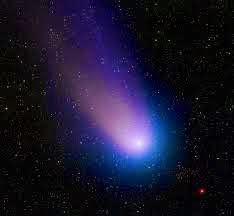
Comet Halebopp

What is a Comet?


Comets are essentially piles of rock, gravel, and dust held together by various kinds of ice – essentially water and carbon dioxide ice.

As the comet nears the sun, its icy tail turns into a gas and blows away – due to pressure from the solar wind and sunlight.

They also release dust and gravel which tend to follow the comet around the sun – and if the Earth’s orbit intersects this material, it results in annual meteor showers.

According to the latest count there are over 5000 comets.

Varahamihira’s Chapter on Comets:

Varahamihira wrote over sixty couplets about comets. He did not have the modern facilities like Telescope or other electronic equipment. He says that sages Garga, Parasara, Asita, Devala and others had already written about the comets. They must have observed the sky for hundreds of years to write so much about it.

Now scientists are warning about Dark Comets crashing on to earth which would not glow because they lost its ice. This means that our knowledge is growing slowly with all the modern equipment. Two centuries ago astronomers thought that there are only 500 comets. But Garga told us that there are 1000 comets!

I will just summarise the ancients’ thoughts on Comets:

1.It is not possible to determine by calculation the rising or setting of the comets. (It is true even today. Now and then amateur astronomers discover new comets and now there over 5000 comets. Unless we know the orbits, we can’t say whether it will come back to earth or not. Halley’s Comet is a regular visitor which appears every 85 years).

2.There are three categories of comets as celestial, atmospheric and terrestrial (It would not make any sense in modern astronomy).

3.The atmospheric Ketus (Dhumaketu=comet) are those that are sighted on flagstaff, buildings, trees, horses elephants and other animals. The celestial ones are seen amidst the constellations, and the terrestrial ones are those that do not come under either of the two categories (I honestly don’t know what Varahamihira means by these three categories).

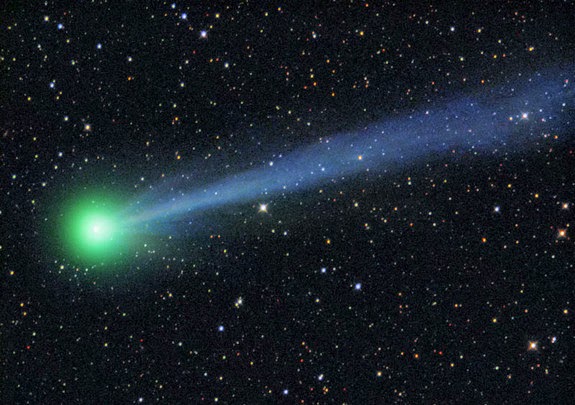
Comet Mcnaught

4.Some sages like Parasara speak of 101 Ketus (comets), while others such as Garga of 1000 Ketus (comets). However sage Narada declares that there is only one Ketu which appears in many forms and places (Probably Narada means to say that all comets are made of same materials).

5.Next Varahamihira gives his opinion: “What difference does it make whether there is a single Ketu or many? Under any circumstance, its effects ought to be declared through the positions of its appearance and setting, contact with planets or asterisms, smoky mantle and colours.

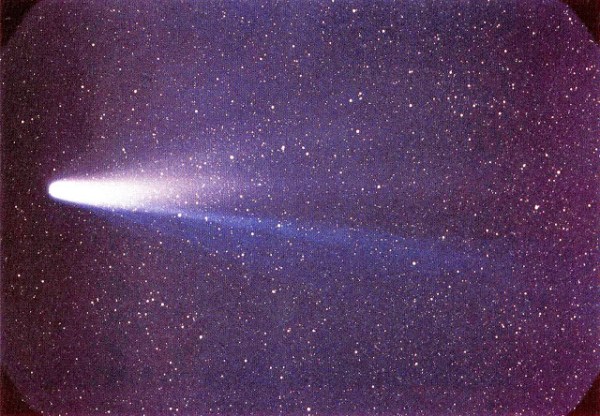
Halley’s Comet

6.The effects of Ketu (comet):- The effects of comet (Ketu) would be felt for so many months as the number of days during which it remains visible. Similarly its effect would last for so many years as the number of months during which it remains visible. However the effects in all cases would come to pass only after the first three fortnights of its appearance (This verse has got different interpretations from Bhattotpala. Al Biruni also commented on this verse)

7.All Ketus are not evil. There are some which augur well for the world. If a Ketu be short, slender, clear, glossy, straight, white and visible and if its appearance is followed by rain, there would be abundance of food crops and happiness.

8.A comet whose form is contrary to what has been described above, is considered as Dhumaketu – a portentous comet – that has risen; and it is disastrous in its effects, all the more so when resembles the rainbow or is possessed of two or three crests.

My comments: These couplets show that the Hindus have been observing comets for several hundreds of years or thousands of years before 500 CE. Otherwise they could not write about different colours and different types. It is scientifically true that comets appear in different colours and shapes. But its effects are not proved scientifically. Tamils also believed in its effects. Sangam Tamil Literature confirmed the death of a king within seven days of the appearance of a comet. I have already given the full details from Purananauru verse in one of my articles.

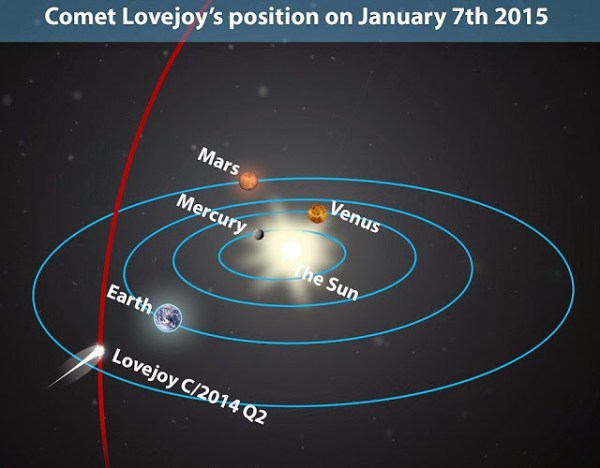
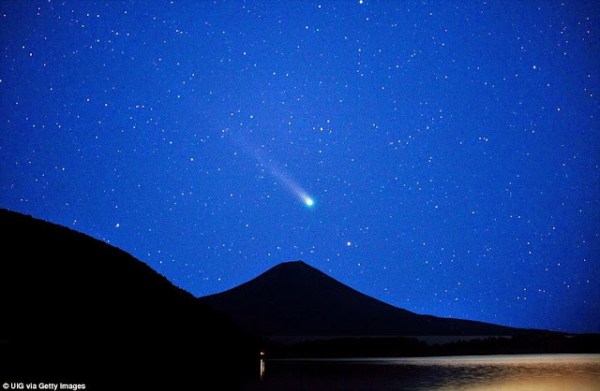
Comet Lovejoy seen from Japan.

  1. Varahamihira introduces a new element in to the Study of comets. He had written about the effects of comets appearing in different directions from East to North

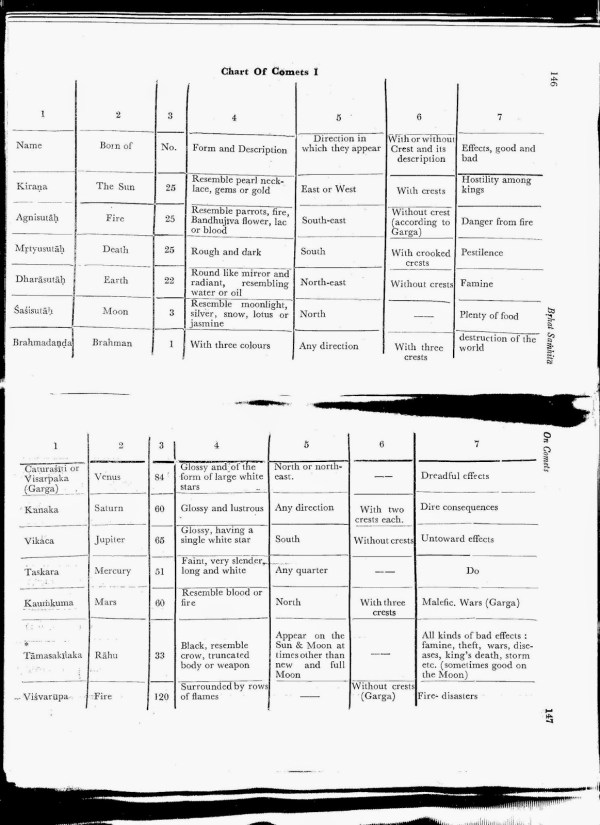
10.He described the types of comets in many verses which would not be understood by modern astronomers (Please see the charts).

  1. It requires lot of research by astronomers to see whether any of the information given by Varahamihira is useful today. We must appreciate that he had summarised the ancient Hindus’ knowledge in over 50 couplets 1500 years ago. The world was without much knowledge about comets at that time. Comets only created fear among the public in the ancient past.

I have followed Brhat Samhita translated in to English from Sanskrit by Prof. M Ramakrishna Bhat.


Comet Chart 1

Comet Chart 2.

Subham.

கி.மு.1700-இல் ஒரு பெண் எம்.பி.! இந்திய அதிசயம்!!

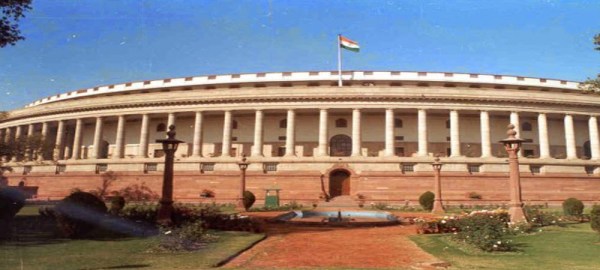
025c5-parliament

Written by London swaminathan

Research Article No.1860; Dated 12 May 2015.

Uploaded in London at 16-42

உலகின் மிகப் பழைய நூல் ரிக் வேதம். இதை இந்து மதத்தைக் குறைகூறுவதையே வாடிக்கையாகக் கொண்ட அமெரிக்க “அறிஞர்களும்” கி.மு.1700 என்று தேதி குறித்துள்ளனர். இதில் சபா, சமிதி என்ற இரண்டு ஜனநாயக அமைப்புகள் பற்றி நிறைய துதிகளில் பாடப்படுகிறது. இதில் உறுப்பினர்களாக இருந்தவர்களில் பெண்களும் உண்டு!! உலகில் பெரும்பாலான நாடுகளில் நாகரீகம் என்பதே தெரியாமல் இருந்த காலத்தில்—அப்படியே நாகரீகம் இருந்த இடத்திலும் பெண்களுக்கு உரிமை தரப்படாத காலத்தில் – பெண்களும் உறுப்பினர் என்றும் அவர்கள் சிறந்த பேச்சாளர்கள் என்றும் ரிக் வேதம் கூறுவது எல்லா இந்தியர்களும் பெருமைப்பட்வேண்டிய விஷயம்.

இது உண்மை-வெறும் புகழ்ச்சி அல்ல- என்பதற்கு “உலகிலேயே மிகவும் புத்திசாலியான பெண்” என்ற கட்டுரையில் வேறு ஒரு உதாரணத்தையும் முன்னரே தந்தேன். 2850 ஆண்டுகளுக்கு முன்னர் மாபெரும் அகில இந்திய தத்துவ மாநாட்டை ஜனக மாமன்னன் கூட்டினான். அதில் யாக்ஞவல்கியர் என்பவர் ஆயிரம் பொற்காசுகள் பரிசை எடுத்துச் செல்ல முயல்கையில் செல்வி கார்க்கி வாசக்னவி என்ற பெண் தடுத்து நிறுத்தி தத்துவ விஷயங்களை அலசியதை முன்னரே நீங்கள் அறிவீர்கள். ஆக ரிக்வேதம் சொல்லுவது மிகைப்படுத்தப்பட்ட கூற்று அல்ல.

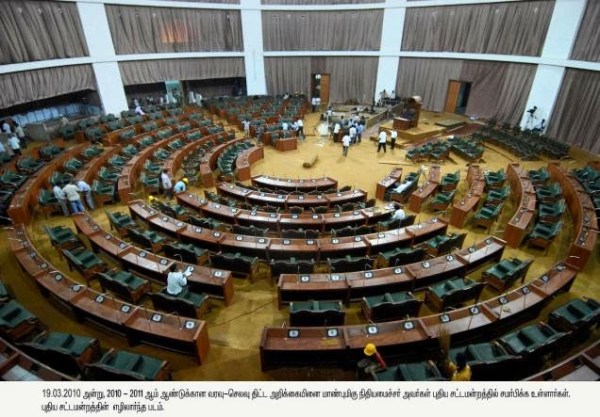
8dbc0-tn2bassembly

சபை, சமிதி என்ற சொற்கள் இன்று இமயம் முதல் குமரி வரை, தமிழ், ஆங்கிலம் உள்பட பல மொழிகளில் அப்படியே பயன்படுத்தப் படுகின்றன. தொல்காப்பியர் ச- என்னும் எழுத்தைத் தமிழர்கள் முதல் எழுத்தாகப் பயன்படுத்தக் கூடாது என்று தடை போட்டு விட்டதால் நாம் “சபை” என்ற சொல்லை “அவை” என்று மாற்றிக் கொண்டோம். மற்ற மாநிலங்களில் விதான் சபா என்பர் ; நாம் சட்டப் பேரவை (சபை=அவை) என்போம். சமிதி என்ற சொல் கமிட்டீ (சமிட்டி=சமிதி=கமிட்டி) என்ற ஆங்கிலச் சொல்லாக மருவி உலகம் முழுதும் நிலவுகிறது.

நூற்றுக் கணக்கான ரிக் வேதச் சொற்களை இந்தியர்கள் தினமும் அன்றாடப் பேச்சு வழக்கில் பயன்படுத்துகிறோம் அதில் இந்த சபையும் சமிதியும் அடக்கம்.

இவை இரண்டும் அர்த்தம் மாறாமல் இன்றும் லோக் சபை, ராஜ்ய சபை, விதான் சபை என்ற சொற்களில் பயன்படுகின்றன. அதர்வ வேதமானது இவ்விரு சபைகளையும் பிரஜாபதியின் இரண்டு மகள்கள் என்று வருணிக்கும்.

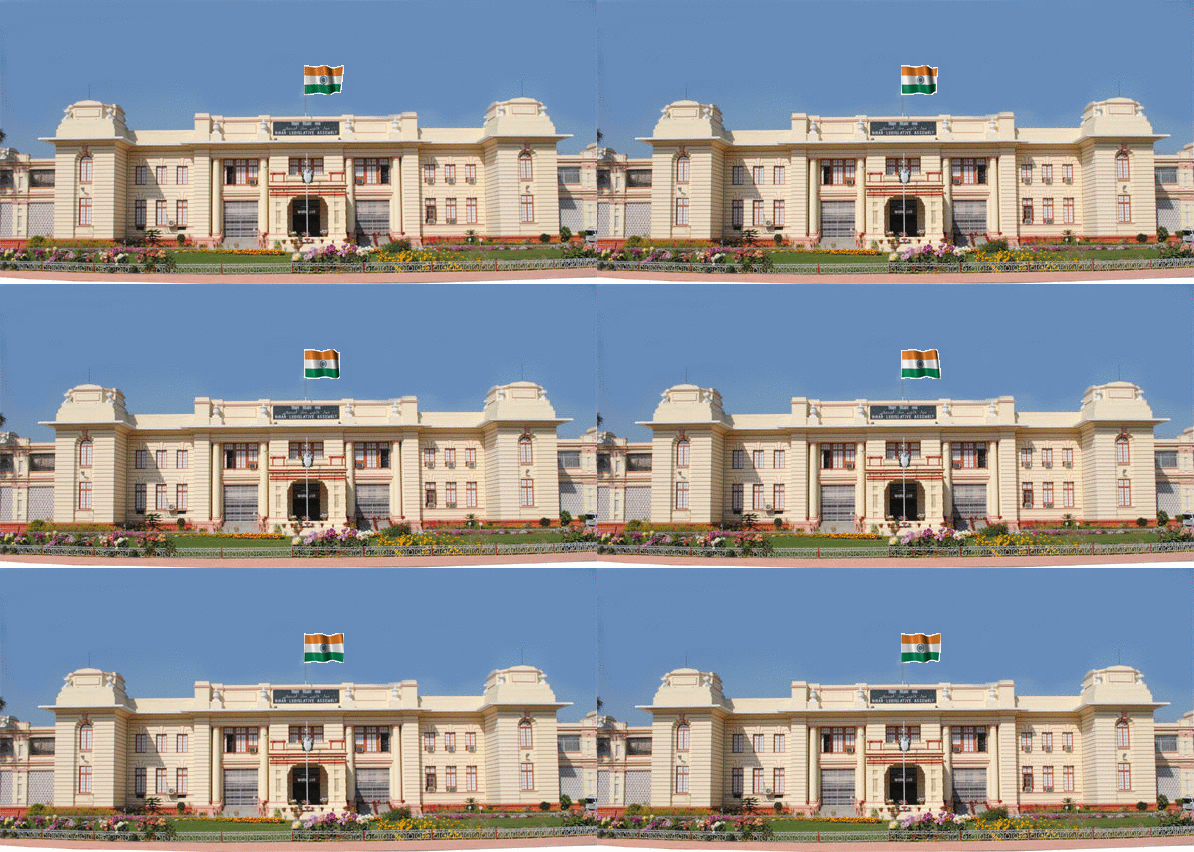
e225f-bihar2bvidhan

பீஹார் சட்ட சபை

சபை சமிதி சம்பந்தமாகப் புழங்கும் சொற்களைப் பட்டியலிட்டால் இன்றைய தினம் போலவே அன்றும் சபாநாயகர், சபைத் தலைவர், பெண் அங்கத்தினர், சட்டம் இயற்றல், மக்களைக் கலந்தாலோசித்தல் முதலியன இருந்தது புலனாகிறது.

சபையை விடச் சமிதிக்கு குறைவான அதிகாரங்கள் இருந்தன. ஆனால் சமிதி என்பது போர்க்கால கவுன்சில் என்று சாயனர் பாஷ்யம் சொல்லும்.சபைக்கும் சமிதிக்கும் ராஜாவும் வந்தை வேதம் குறிப்பிடும்.

இன்றும் கூட பிரிட்டன் முதலிய நாடுகளில் அரசின் கொள்கைகளை அறிவிக்கவும், பார்லிமெண்டைத் துவக்கிவைக்கவும் ராணி அல்லது ராஜா வருகிறார். இதெல்லாம் அக்கால வழக்கை ஒட்டியதே.

ராஜாவே தனது மகனை அடுத்த ராஜாவாக நியமிக்கும் அதிகாரம் இருந்தபோதிலும் மக்களில் முக்கியமான தரப்பினரை அழைத்து ஒப்புதல் பெறுவது வழக்கம். தசரதனும் தனது முடிவை நாட்டு மக்களுக்கு அறிவிப்பதற்கு முன்னர் முக்கியப் பிரமுகர்களை அழைத்து ஆலோசித்த பின்னரே ராமனுக்கு முடிசூட்ட முடிவு செய்வதாகப் படிக்கிறோம். விஜயன் என்பவன் செய்த கெட்ட செயல்களால் நாடு கடத்தப்பட்டு இலங்கையில் ஒரு புதிய அரசை நிறுவியதை மஹாவம்சம் மூலம் நாம் அறிவோம். மனு ஸ்மிருதியும் தீய செயல்களால் பதவி இழந்த மன்னர்களின் பட்டியலைத் தருகிறது.

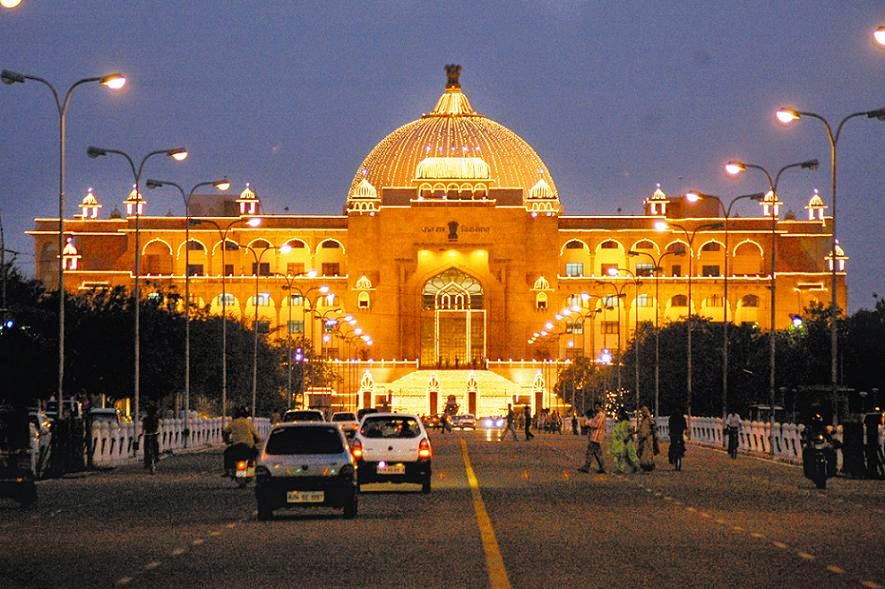
276ca-rajasthan_vidhansabha

ராஜஸ்தான் சட்ட சபை

இனி வேதத்தில் இருந்து சில குறிப்புகள்:

1.சபையின் பெண் உறுப்பினர்கள் சபாவதி என்று அழைக்கப்பட்டனர் (RV 1-167-3) அவர்கள் சபையில் உரிய சொற்களையே பேசுவர். சட்டத்தைப் பாதுகாக்கும் பெண் மூன்று முறை சபைக்கு வருவார் என்றும் ஒரு மந்திரம் (RV 3-56-5) சொல்லும். இன்று நாம் இதன் முழுப் பொருளையும் உணரமுடியாது.

2.சபையில் முக்கிய உறுப்பினர்கள் சந்தித்து, முக்கிய விஷயங்களை விவாதித்தனர். அதை ஏற்பாடு செய்பவர் சபாஸ்தாணு (அவையின் தூண்) என்று அழைக்கப்பட்டார் (RV.6-28-6; 8-4-9; 10-34-6; 7-12-1; 8-10-5; 12-1-56; 19-55-6 etc). சபையில் சண்டை, சச்சரவுகளும் தீர்த்துவைக்கப்பட்டதாக மஹீந்தரா என்பவர் வாஜசனேயி சம்ஹிதை உரையில் சொல்லுகிறார். கிராம சபை கூடும் இடம் என்றும், செல்வந்தர்கள் அங்கம் வகித்ததாகவும் குறிப்புகள் உள (பிரிட்டனில் இப்பொழுதும் செல்வந்தர்கள், பிரபுக்கள் இடம்பெறும் ஹவுஸ் ஆப் லார்ட்ஸ் உள்ளது!)

3.முக்கியப் பங்காற்றியவர்கள் ‘சபேயர்கள்’ என்று அழைக்கப்பட்டனர்.சபையில் தரமான உயர்ந்த சொற்கள் பேசுவதை ஒரு மந்திரம் குறிப்பிடுகிறது (RV 2-24-13; AV 20-12-8; VS 22-22)

a179a-tn2bseats

4.சமிதி, சபைக்கு ராஜா வருவது பற்றியும் மந்திரங்கள் உள்ளன. அவர்களுடைய கருத்துக்களை ராஜா கேட்டறிந்தார். பிற்கால தமிழ், சம்ஸ்கிருத இலக்கியங்களில் இது பற்றிய குறிப்புகள் மற்றும் எண்பேராயம் (எட்டு பேர் அமைச்சரவை), ஐம்பெருங்குழு ( ஐந்து பேர் ஆலோசனைக் குழு), அஷ்ட திக் கஜங்கள், நவரத்னங்கள் முதலிய பல அமைச்சர்/அறிஞர் குழுக்கள் பற்றியும் தகவல்கள் கிடைக்கின்றன.

5.வேதத்தில் சபை, சமிதி பற்றி வரும் குறிப்புகளையும், அது தொடர்பாக உண்டாக்கப்பட்ட சொற்றொடர்களையும் பார்க்கையில் கி.மு.1700-க்கும் நீண்ட நெடுங்காலத்துக்கு முன்னரே சபையும் சமிதியும் உண்டாகி இருக்கும் என்பதை ஊகிப்பது கடினமில்லை. சுமேரிய, எகிப்திய, மினோவன், மைசீனிய, கிரேக்க சாம்ராஜ்யங்களில் கி.மு 1700ஐ ஒட்டி இத்தகைய அமைப்புகள் எதுவுமில்லை. ஆகவே உலகின் முதல் ஜனநாயக நாடு இந்தியாதான். பெண்களையும் உறுப்பினர் ஆக்கும் மனப்பக்குவம் உலகில் வேறு எங்கும் காணக்கிடைக்காதது! அரசன் மனைவியோ, மகளோ அதிகாரம் பெறுவதில் வியப்பில்லை. அது குல முறைப்படி அல்லது ராஜா வகித்த பதவி வழியாகக் கிடைக்கக்கூடியது. செல்வி வாசக்னவி, மைத்ரேயி போன்ற தனிநபர் ஒரு சபைக்குச் செல்வது அறிவு முதிர்ச்சியின் உச்சம் ஆகும்!

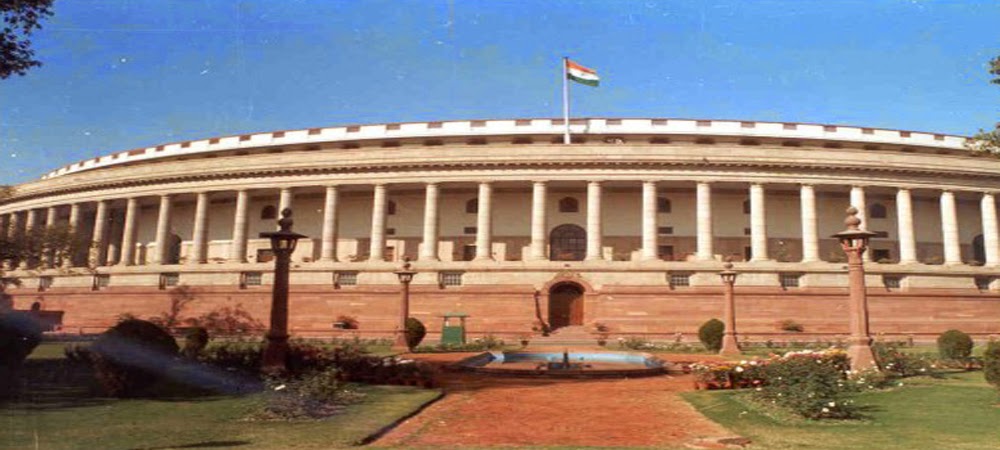
கீழே மக்களவையின் படம் (லோக் சபா)

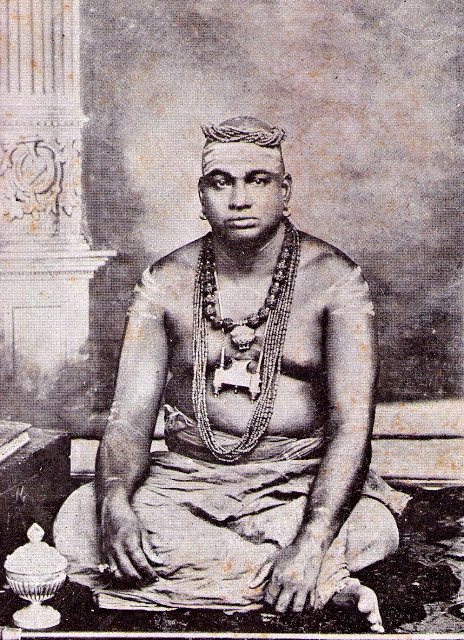
பாட்டுக்கு பத்து ரூபாய்! ஞானியார் அடிகள் கதை

ஞானியார்  அடிகள் படம்

Written by London swaminathan

Article No.1859; Dated 12 May 2015.

Uploaded in London at 14-32

செங்குந்தர் ஜாதியில் பிறந்து பின்னர் துறவறம் மேற்கொண்ட ஞானியார் அடிகள் பல மொழிகளைக் கற்றுத் தேர்ந்தார். அவர் தெலுங்கு மொழியை சென்னை கேசவுலு நாயுடுவிடம் இருந்தும் சம்ஸ்கிருத மொழியை ராமநாத சாஸ்திரிகள் இடமிருந்தும் தமிழ் மொழியை சி.மு.சாமிநாத அய்யர் என்னும் பெரும் புலவரிடமிருந்தும் கற்றார்.

சாமிநாத அய்யர் தினமும் பாடம் சொல்லி முடித்தவுடம் ஒரு பாடலை எழுதி வீட்டுப் பாடமாகக் (ஹோம் ஒர்க்) கொடுப்பார். அந்தச் செய்யுளில் என்ன “சீர், தளை” இருக்கிறது என்பதை ஞானியார் அடிகள் எழுதி வைப்பார். மறுதினம் வரும் போது அதைச் சரிபார்த்துவிட்டு, ஐயர் மேலும் ஒரு பாடல் எழுதுவார்.

ஒருமுறை அவருக்கு பொருள் தட்டுப்பாடு போலும்.அது மனதை வாட்டியதாலோ என்னவோ கீழ்கண்டவாறு ஒரு கவிதையை ‘ஹோம் ஒர்க் நோட்புக்’கில் எழுதிக் கொடுத்துவிட்டுப் போய்விட்டார்.

“நற்பாடலிபுரத்து நாதனே! நாயினேன்

பொற்பாம் நினதடியைப் போற்றினேன் தற்போது

வேண்டுஞ் செலவிற்கு வெண்பொற்காசுப் பத்து

ஈண்டு தருக இசைந்து”—

என்னும் வெண்பாவினை எழுதி வைத்துவிட்டுச் சென்றார். இந்தச் செய்யுளுக்கு இலக்கணக் குறிப்பு எழுத வேண்டியது அடிகளார் வேலை.

மறுநாள், ஐயர் வழக்கம்போல பாடம் கற்பிக்க வந்தார். அன்றைய பாடம் முடிந்த பின் மேலும் ஒரு செய்யுளை எழுதுவதற்காக குறிப்புப் புத்தகத்தைத் திறந்தார். அதில் பத்துரூபாய் பணமும் இருந்தது கண்டு வியந்தார்.

“இது என்ன? நான்பாட்டுக்கு (அதாவது என் மனம் போனவாறு) ஏதோ கவிதை எழுதி வைத்தேன். பொருள்மட்டும்தானே எழுதச்சொன்னேன்” என்றார். உடனே அடிகாளாரும் “நான் பாட்டுக்குப் பொருள் தந்தேன்; வேறு எதுவும் இல்லை” என்றார்.

தமிழ் நயம் உணர்ந்தோர் இதில் வரும் “பாட்டுக்கு”, “பொருள்” என்ற சொற்கள் சிலேடையாகப் பயன்படுத்தப்பட்டிருப்பதைக் அண்டு இன்புறுவர்.

(இதை 1958-ஆம் ஆண்டு சிங்கப்பூர் தமிழ் முரசு ஆண்டு மலரில் படித்தேன்)

Oldest Democracy in the World! Oldest Female MP in the World!!

Written by London swaminathan

Research Article No.1858; Dated 11 May 2015.

Uploaded in London at 21-07


India is the oldest democratic country in the world. Rig Veda, the oldest book in the world, confirms it. Not only that but also the two words used by the Vedic Hindus are used until today from the Himalayas to Kanyakumari and throughout the world. They had two assemblies: Sabha and Samiti. Sabha is used in all the states of India (Lok Sabha, Rajya Sabha, Vidhan Sabha etc) Since Tolkappiam, the oldest Tamil book banned the use of letter ‘Sa’ in Tamil,  Sabha is changed as Avai (Sabhai) in Tamil Nadu. Samiti is used throughout the world as Committee (C=S; samiti=committee).

Several hundred words from the Rig Veda are being used throughout the country. Tamils have been using them for 2000 years! Sanskrit will never die! All the major languages of the world have Sanskrit words!

Bihar Vidhan Sabha

OLDEST FEMALE MP!!

Oldest female MP or MLA was also from India! Rig Veda mentioned female members of the Sabha as sabhavati (RV 1-167-3). It says female member utters fitting words in the sabha!! They were the best speakers! It also said that a woman who protects law (rta) comes thrice to the Sabha (RV 3-56-5). I have already given one proof where Miss Gargi Vachaknavi attended the Religious Conference convened by Janaka. She stood up in the conference and challenged the greatest scholar of the period Yajnavalkya! All this happened before Homer wrote the first book in Greek!

The words regarding Sabha, its activities, its members and its uses show that Rig Vedic society was the most advanced civilization in the world.

Tamil Nadu Assembly

ROLE OF SABHA (Avai in Tamil; S becomes ‘a’ and B becomes ‘v’; sabha=avai)

Sabha was an assembly where important members met and discussed matters of public interest (RV.6-28-6; 8-4-9; 10-34-6; 7-12-1; 8-10-5; 12-1-56; 19-55-6 etc). It is also mentioned in the later Samhitas and Brahmanas. The members were called sabhasaha like we call MLA or MP. Its director was called sabhasthanu; may be compared to Chief Secretary or the Speaker. The word literally meant Pillar of the Assembly.

The hall was used for social intercourse. General conversations and debates were also held there (RV2-24-13). Disputes were also solved and mitigated in the Sabha according to Mahidhara. He mentioned it in his commentary on Vajasaneyi Samhita (20-27). Financial affairs like wealth of the cattle were also discussed and settled in the sabha (RV6-28-6). Atharva Veda says that higher subjects were also discussed there (AV 7-12-3).

It looks like they performed various functions like enacting new laws, solving the problems. Another suggestion is that it was the assembly of the affluent (maghavan), like the House of Lords.

It was the meeting place of Village council. Domestic use of the sabha was confirmed in several passages of the later Samhita and Brahmanas (AV 8-10-5; TS 3-4-8-6; TB 1-1-10-3

Rajasthan Assembly

Dignity and Decorum of the House

Care was taken to maintain the standard of speech in the Sabha. No unparliamentarily words were allowed. Important participants were called ‘sabheya’ or fit for assembly (RV 2-24-13; AV 20-12-8; VS 22-22

Chandogya Upanishad says that the king attended the sabha (53-6). Chairperson of the Sabha was known as Sabhapala. Members were also known as sabhachara (TB 3-7-46)

Both Sabha and Samiti are described as the Twin Daughters of Prajapati (AV 7-12; SB 4-1-4-1)

Tamil Nadu Assemly

ROLE OF SAMITI (Comiti=Committee)

Samiti means a collective body (RV 9-92-6). Kings attended the samiti (RV 10-97-6)

Atharva Veda which described Samiti and Sabha as twin daughters of Prajapati says they are deliberative bodies (712). RV shows its importance and the business transacted there in 10-193-3.

AV gives more information about the Samiti

a)Courtly men coming as guests 8-10

b)Samiti’s praise sung in all gatherings of men 12-1-56

c)It was an assembly of people and its consent is essential for the King 5-19

Sayana says that Samiti was a War Council, where kings or tribal chiefs assembled to discuss the course of action.

It was conveyed to elect and accept the king or to approve of his acts (RV 1-95-8;9-92-6; 10-97-6.

Compared to Sabha, it was a smaller assembly.

Picture of Lok Sabha

Dasaratha’s Consultation

Even in Valmiki Ramayana we read that Dasaratha called the assembly of ministers and VIP.s and asked their opinion and consent to appoint Rama as the next king. Manu in his Smrti says how bad kings were thrown out of power. We read about Vijaya’s banishment from Kalinga/Bengal region who established a new dynasty in Sri Lanka. Later literature gives us information about Council of Five and Council of Eight people. So we have a continuous history of democratic institutions. The king was decorative post without much power.

மூன்று சூரியன்கள் தோன்றிய அதிசயம்!!

Compiled by London swaminathan

Article No.1857; Dated 11 May 2015.

Uploaded in London at 9-35

சமீபத்தில் மங்கோலியாவில் மூன்று சூரியன்கள் தோன்றியது சென்னை முதல் லண்டன் வரை எல்லா பத்திரிக்கைகளிலும் ஜனவரி (2015) மாதத்தில் வந்தன. இது ஒரு அதிசய நிகழ்வே. சுமார் முப்பது ஆண்டுகளுக்கு முன் காரைக்காலில் இப்படி மூன்று சூரியன்கள் தோன்றியது தினமணியில் செய்தியாக வந்தது. இதைவிட வியப்பான விஷயம் வராஹமிகிரர் என்பவர் சம்ஸ்கிருத கலைக் களஞ்சியமான பிருஹத் சம்ஹிதாவில் 1500 ஆண்டுகளுக்கு முன் இது பற்றி எழுதி வைத்ததாகும்!! அதற்கு முன் அரிஸ்டாடில் போன்ற கிரேக்க அறிஞர்கள் இது பற்றிப் பேசியிருந்தாலும் வராஹ மிகிரரே முதலில் இதைச் சொல்லி இருக்க வேண்டும். ஏனெனில் அவர், தனக்கு முந்திய 20-க்கும் மேலான அறிஞர்கள் பெயர்களைச் சொல்லி அவர்கள் சொன்ன விஷயங்களைச் “சுருக்கமாகச்” சொல்வதாக எழுதியுள்ளார்.

மூன்று சூரியன்கள் தோன்றுவது எப்படி என்பதைக் காண்பதற்கு முன்னால், இது பற்றி வராஹமிகிரர் சம்ஸிருதத்தில் எழுதியது என்ன என்பதைக் காண்போம்

பிருஹத் சம்ஹிதா, அத்தியாயம் 37 (ப்ரதி சூர்ய லக்ஷணம்)

1).போலி சூரியன்கள் தோன்றுவது நல்ல சகுனமே! அந்தந்த பருவத்துக்கு ஏற்ற வண்ணத்தில் தோன்றினால் நல்லது. மேலும் தூய வெண்மை அலது வைடூர்ய ரத்ன வர்ணத்தில் இருந்தால் நல்லது.

ப்ரதிசூர்யக: ப்ரசஸ்தோ திவசக்ருத்ருதுவர்ணசப்ரப: ஸ்நிக்த:

வைடூர்ய நிப: ஸ்வச்ச: சுக்லஸ்ச க்ஷேமசௌர்பிக்ஷ:

2).போலி சூரியன்கள் மஞ்சள் வர்ணத்தில் இருந்தால் வியாதிகள் மலியும்; சிவப்பு வர்ணத்தில் இருந்தால் ஆயுதப் போராட்டம் நிகழும். பல சூரியன்கள் வரிசையாகத் தோன்றுமானால் வியாதிகள், அரசர் படுகொலை, கொள்ளைக்காரர் தொல்லைகள் நிகழும்

பீதோ வ்யாதீம் ஜனயத்யசோகரூபஸ்ச சஸ்த்ரகோபாய

ப்ரதிசூர்யாணாம் மாலா தச்யுபயாதங்கன்ருப ஹந்த்ரீ

3).உண்மைச் சூரியனுக்கு வடக்கில் போலி சூரியன் தோன்றினால் மழையும் தெற்கில் இருந்தால் கடுங் காற்றும் தோன்றும். மேலே தோன்றினால் மன்னனுக்கு கேடு, கீழே தோன்றினால் மக்களுக்குக் கேடு. இரு பக்கங்களிலும் தோன்றினாலோ நீர் நிலைகளால் (ஆற்று வெள்ளம், கடல் சுனாமி அலை) கேடு வரும்.

திவஸக்ருத: ப்ரதிசூர்யோ ஜலக்ருதுதக்தக்ஷிணோ ஸ்திதோ அனிலக்ருத்

உபயஸ்த: சலிலபயம் ன்ருபமுபரி நிஹன்யத்யதோ ஜனஹா

இதற்கு மேல் அவர் காஸ்யபர், பராசரர் முதலியோர் இது பற்றி என்ன சொன்னார்கள் என்ற ஸ்லோகங்களையும் நமக்கு விட்டுச் சென்றுள்ளார்.

ஹிந்துக்கள் வான மண்டலத்தைக் கூர்ந்து கவனித்ததோடு நில்லாமல் அதை எழுதியும் வைத்தது அவர்களது விஞ்ஞான கண்ணோட்டத்துக்கு சான்றாகத் திகழ்கிறது.அவர் எழுதியது இன்றைய அறிவியல் அளவுக்கு இல்லாவிட்டாலும் அன்றே நாம் இதைக் கண்டு பிடித்து எழுதினோம் என்பது பெருமைக்குரியது. வானவியல் உண்மைகள் மாறிக்கொண்டே வருகின்றன. 25 ஆண்டுக்கு முந்தைய வானவியல் புத்தகங்கள் இங்கு லண்டனில் பழைய புத்தகக் கடைகளில்தான் பார்க்கலாம். 2000 ஆண்டுகளுக்கு முன் இந்துக்கள் இதை சம்ஸ்கிருதத்தில் எழுதியதற்கு அவர்களுக்கு ஒரு பெரிய கும்பிடு போட வேண்டும். மேலும் வராஹமிகிரர் பூகம்பம் பற்றியும் ஒரு தனி அத்தியாயம் எழுதுயுள்ளார். இவ்வாறு இன்றைய உலகை உலுக்கும் விஷயங்கள் பற்றி அன்றே தனித்தனி அத்தியாயங்கள் எழுதியது அதிசயமன்றோ!!! சம்ஸ்கிருதத்தைக் கற்றால் இது போன்ற பல்லாயிரக் கணக்கான உண்மைகளை உணரலாம்.

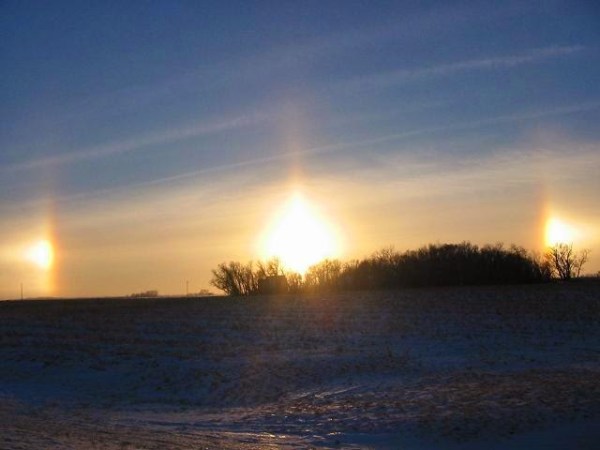
32496-sun-dogs02

மூன்று சூரியன்களுக்கு விஞ்ஞான விளக்கம்

இது மிக உயரத்தில் உள்ள மேகங்களில் இருக்கும் அறுகோண வடிவ பனிக்கட்டி ஸ்படிகங்களால் (ஹெக்சகனல் கிறிஸ்டல்ஸ்) தோன்றுகின்றன. பிரிஸம் எனப்படும் முக்கோண வடிவ கண்ணாடியின் வழியே ஒளி செல்லும் போது அது வானவில் நிறத்தில் ஏழாகப் பிரிகிறது. அது போலவே அறுகோண வடிவ ஸ்படிகம் வழியே செல்லுகையில் அது சரியாக 22 டிகிரி கோணதில் பிரிகிறது. இதை ஒலி விலகல் என்பர். இந்த அறுகோண ஐஸ் ஸ்படிகங்கள் மேகத்தில் பல இடங்களில் பரவலாகக் காணப்பட்டால் சூரியனைச் சுற்றி ஒரு வட்டம் தோன்றும். இதைத் தமிழில் சூரியனைச் சுற்றி கோட்டை கட்டி இருக்கிறது என்பர்.

இதற்கு மாறாக அந்த ஐஸ் ஸ்படிகங்கள் கீழே போய் செங்குத்துக் (வெர்டிகல்) கோடுகளாக நிற்குமானால், விலகும் ஒலியானது படுக்கை (ஹரிஸாண்டல்) வடிவத்தில் இருக்கும் அவை போலி சூரியன்களைத் தோற்றுவிக்கும்.

போலி சூரியன்கள் பல வண்ணங்களில் – ஆரஞ்சு, மஞ்சள், நீலம்—இருக்க முடியும். சூரியனுக்கு மிக அருகில் இருந்தால் சிவப்பாகவும், தள்ளிப் போக போக மஞ்சள், ஆரஞ்சு, நீலம் என்று மாறிக்கொண்டேயும் வரும்.

கிரேக்க அறிஞர் அரிஸ்டாடில் கி.மு.384, மீண்டும் கி.மு.322ல் தோன்றிய போலி சூரியன்களைக் குறித்துவைத்தார். அவருக்குபின் வந்தோர் இது பற்றி எழுதிவிட்டு இதனால் வரும் கேடுகள் என்ன என்ற நம்பிக்கைகளையும் எழுதினர்.

சம்ஸ்கிருத நூல்களில் மேலும் பல இடங்களிலும் போலி சூரியன்கள் பற்றிய குறிப்புகள் உள.

Is it good to see Three Suns in the Sky?

Picture of three Suns in Mongolia

Compiled by London swaminathan

Article No.1856; Dated 10 May 2015.

Uploaded in London at 20-30

A news item about the appearance of three Suns in Mongolia excited a lot of people around the world. It happened in the third week of January this year (2015) in Mongolia. When I was working as Sub Editor of Dinamani newspaper we published one such news item from Karaikal. Actually it happens very often, but go unnoticed because of the time and location.

We have one chapter on Mock Suns also known as Sun Dogs in the Sanskrit Encyclopaedia Brhat Samhita written 1500 years ago. Varahamihira in that book says that he has summarised all those information from twenty other authors who lived well before his time. So Hindus knew about this natural phenomena at least 2000 years ago.

Let us first look at what Varahamihira says and then the science behind the Mock Suns:

Chapter 37 of Brhat Samhita

1)A mock sun is auspicious, if it is glossy and possessed of the colour appropriate for the Sun in the particular season, if it is similar to beryl in lustre, and is clean and white, it is productive of happiness and plenty

Pratisuraka prasasto divasakrydrutuvarnasaprabhah snigdhah

vaiduryanibha svachchah suklasca kshemasaurbikshah


2)A mock sun that is yellow engenders diseases; one of the colour of the Asoka flowers (red) leads to clash of arms; and row of mock suns causes dangers from robbers, diseases and murder of kings.

Pito vyadhim janayatya sokarupascha sastrakopaya

Pratisuryanam mala dasyubhayatanganrupahantri

3)The mock sun appearing to the north of the sun causes rain; to the south, a strong wind; on both sides danger from water (i.e floods, Tsunami etc); the same appearing above the sun destroys the king; and below, the people.

Divasakrutah pratisuryo janakrududagdakshine stithognilakrut

Upabhayasthah salilabhayam nrupamupari nihanyadho janaha

4)The mock sun is nothing but a reflection of the Sun’s disc in the thin clouds near the Sun in the morning hours. This phenomenon may occur in the evening also.

Yamye vataprado njeya uttare vruddido raveh

Ubayoh parsvayobharti salilam bhuri yachchati


My comments:

1)Hindus are keen observers of the sky

2)Not only keen observers, but also recorded such events and made their own judgements/conclusions.

3)Whether Varahamihira agrees with modern science or not, he took care to write one chapter on it, that too 1500 years ago!

Science behind Mock Suns or Sun Dogs

They are created by the refraction of light passing through flat, hexagonal ice crystals in high, cold clouds.

The crystals act like prisms so that as light passes through them, it is bent by exactly 22 degrees before reaching viewers’ eyes to make the illusion.

If the crystals are more randomly located in clouds, a complete ring around the sun is visible, called a halo.

But if the crystals sink through the air, they become arranged in vertical lines, so that the sunlight is refracted horizontally, to make sundogs, as seen in these images.

They are reddest in colour when they are near to the sun and fade to yellow, orange and then blue as they move away. The colours of sun dogs merge into a white halo in some instances.

The strange phenomenon was recorded by Aristotle between 384 and 322 BC. The Greek philosopher wrote: ‘two mock suns rose with the sun and followed it all through the day until sunset’. He noted that they were always to the sun’s side and never rose above or below it.

The poet Aratus, who lived between 310 and 240 BC mentioned them in his catalogue of Weather Signs, saying that they indicate wind, rain or an approaching storm, while Artemidorus, a diviner in the second century, included the phantom suns in his list of celestial deities.

Sundogs were sometimes seen as an omen for bad times ahead, such as war, and observations of them feature in ancient texts by Aristotle, Seneca and Cicero, among others. This depiction of sundogs appeared in the Nuremberg Chronicle, an early printed book showing world history, published in 1493.

Subham.