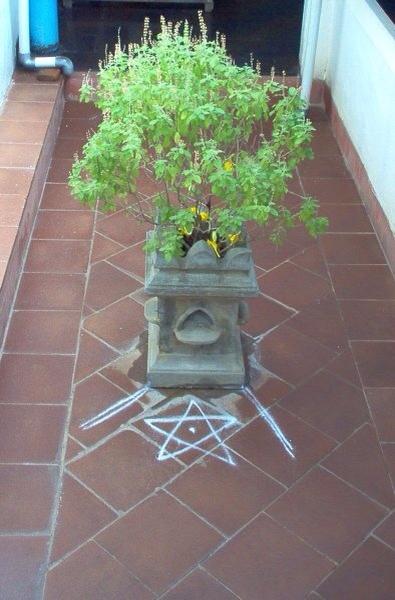
வில்வம், துளசியின் மகிமை!!

tulsi

Tulsi Worship= இல்லந்தோறும்  துளசி மாடம்

ஆராய்ச்சிக் கட்டுரையாளர்- லண்டன் சுவாமி நாதன்

ஆய்வுக் கட்டுரை எண்—1768; தேதி 2 ஏப்ரல் 2015

லண்டனில் கட்டுரை ஏற்றப்படும் நேரம்—காலை 8- 36

மரங்களுக்கு வணக்கம், நமஸ்காரம்!

இந்துக்கள் பூமியை வணங்கினர், உழக்கூடிய நிலத்தை வணங்கினர், நீர் நிலைகளை வணங்கினர் காடு மலைகளை வணங்கினர், செடி-கொடி-மரங்களை வணங்கினர், பறவைகள் ,மிருகங்களை வணங்கினர். இது எல்லாம் மூட நம்பிக்கைகளா? இல்லை. புறச் சூழல் என்பதை பயபக்தியுடன் அணுக வேண்டும் என்ற மனப் பரிபக்குவமே இந்த வழிபாட்டை ஏற்படுத்தியது.

காலையில் படுக்கையில் இருந்து எழுந்து பூமியில் காலடி வைக்கும் முன் அதனிடம் மன்னிப்புக் கேட்டுவிட்டு காலடி வைப்பர் (பாத ஸ்பர்சம் க்ஷமஸ்வமே). மரங்களை வெட்டும்போதும், கிணறு வெட்டும் போதும் இதே அணுகு முறையே. அதாவது உன்னை தேவைக்கு அதிகமாக எடுத்துக் கொள்ளமாட்டோம். உன்னை பூண்டோடு அழிப்பது எங்கள் நோக்கமல்ல. எங்களைப் போலவே நீயும் சாஸ்வதமக இருக்கவேண்டும் என்பதே அவர்தம் கொள்கை!

மேலும் எந்த மரம் செடி கொடிகளுக்கு மருத்துவப் பலன்கள் அதிகமோ அவை மேலும் அதிகமாகப் போற்றப்படுகின்றன. மருத்துவப் பலன் கருதி அவைகளை அழித்துவிடக் கூடாதென்பத ற்காக இப்படிப் புனிதத்துவம் ஊட்டினரோ என்று கூட எண்ணத் தோன்றுகிறது. சோம லதை என்னும் அபூர்வ, மனதைச் சுத்திப்படுத்தும், வேத கால மூலிகை அடியோடு அழிந்துவிட்டது! இந்த சோமக் கொடியைப் போற்றி வேதத்தில் ஏராளமான துதிகள் உள்ளன.(விவரங்களை எனது பழைய கட்டுரையில் காண்க)
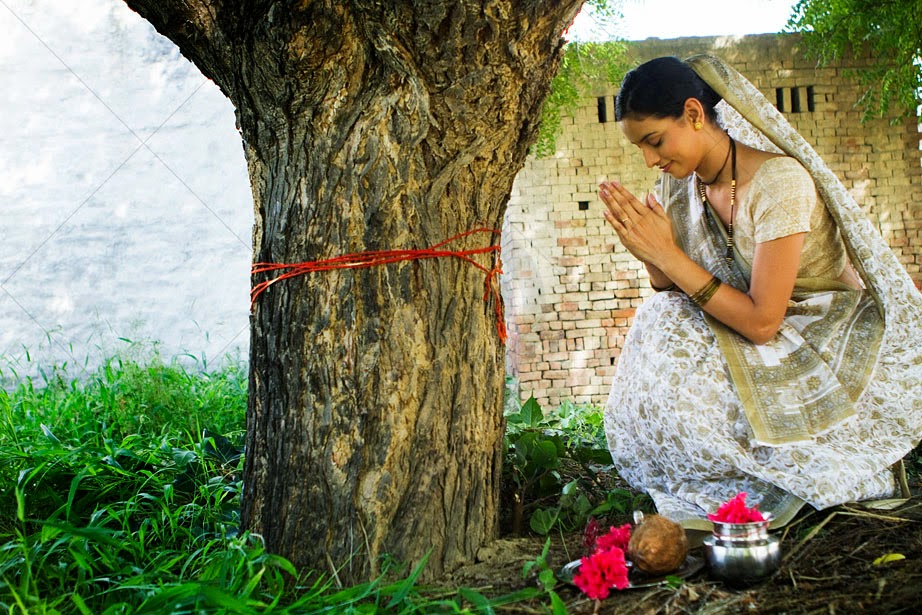
pipal.jpgworship

பிள்ளை பெற அரச மர வழிபாடு

Aswaththa Tree (Peepal/Pipal) Tree Worship

கீழ்கண்ட செய்யுட்களே இதற்குச் சான்று பகரும்:

அரசமர வழிபாடு

மூலதோ பிரம்மரூபாய மத்யதோ விஷ்ணுரூபினே

அக்ரதச் சிவரூபாய வ்ருக்ஷராஜாய தே நம:

அடியில் பிரம்மனும். நடுவில் விஷ்ணுவும், நுனியில் சிவபெருமானும் நிலைபெற்ற அரச மரமே உனக்கு நமஸ்காரம்.

அரச மர வழிபாடு வேதத்திலும், சிந்து சமவெளியிலும் காணப்படுகிறது.
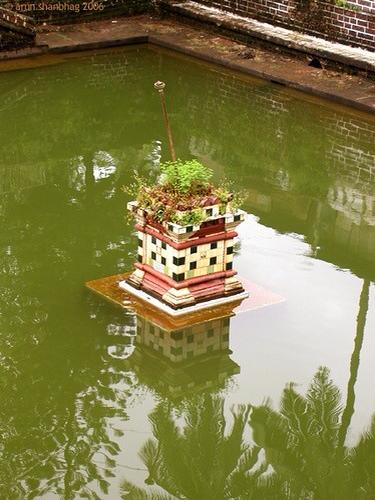
tulsi2

துளசி வழிபாடு

யந்மூலே சர்வ தீர்த்தானி யந்மத்ய சர்வதேவதா:

யதக்ரே சர்வ வேதாச்ச துளஸீம் தாம் நமாம்யஹம்


அடியில் எல்லா புண்யக்ஷேத்ரங்களும் , நடுவில் முப்பத்து முக்கோடி தேவர்களும், நுனியில் சகல வேதங்களும், நிலைபெற்ற ஒப்பற்ற துளசி தேவியை நான் நமஸ்கரிக்கிறேன்.


தர்ப்பை வழிபாடு

குசமூலே ஸ்திதோ ப்ரம்மா குச மத்யே து கேசவ:

குசாக்ரே சங்கரம் வித்யாத் சர்வே தேவா: சமந்த இதி

தர்ப்பையின் அடியில் பிரம்மனும், நடுவில் விஷ்ணுவும், நுனியில் சங்கரனும் இருக்கிறார்கள்.

தர்ப்பைகளின் தச வித (பத்து வித) புற்கள்:

குசா: காசா யவா தூர்வா கோதூமாஸ் சாத குந்துரா:

உசீரா வ்ரீஹ்யோ முஞ்சா தச தர்பாஸ்ச பல்பஜா:

குசம், நாணல், யவை, அருகு, கோதுமை, நீர்முத்தக் காசு (கோரை), வழல், நெற்பயிர், முஞ்சிப் புல், விச்வாமித்ரம் இவை பத்து வகை புற்கள் ஆகும்.

தர்ப்பையின் தேவர்கள்

குஸாஸ்து ரௌத்ரா விக்ஞேயா கௌசம் ப்ராஹ்மம் ததா ஸ்ம்ருதம்

ஆர்ஷந்து தௌர்வமாக்யாதம் வைஸ்வாமித்ரம் து வைஷ்ணவம்

இன்னன்ன தர்பைகளுக்கு இன்னன்ன தேவதைகள் என்பதை அறிக:

குசா: = ரௌத்ரர்கள்

கௌசம் = ப்ராம்மம்

தௌர்வம் = ஆர்ஷம்

வைஸ்வாமித்ரம் = வைஷ்ணவம்

இவை தவிர வில்வ அஷ்டகம், துளசி ஸ்தோத்திரம் என்ற துதிகளும் இருக்கின்றன.

தர்ப்பை, துளசி, வில்வம் ஆகியவற்றை எந்த நேரத்தில், எப்படிப் பறிக்க வேண்டும் என்றும் பல விதிமுறைகள் இருக்கின்றன. சிங்காரவேலு முதலியார் வெளியிட்ட தமிழ் கலைக் களஞ்சியமான அபிமான சிந்தாமணியில் இவற்றைக் காணலாம்.

Bilva(Maredu)

மூவிதழ் கூவிளம் = வில்வம் படம்

வில்வத்தின் மகிமை

வில்வத்தின் மகிமையை தமிழ் செய்யுட்களிலும் காணலாம்:

கூவிளம் ஒன்று சாத்தின் குலவு சாலோகமாகும்

கூவிளம் இரண்டு சாத்தின் குலவு சாமீபமாகும்

கூவிளம் மூன்று சாத்தின் குலவு சாரூபமாகும்

கூவிளம் நான்கு சாத்தின் கூடுஞ் சாயுச்சந்தானே

சிவபெருமானுக்கு வில்வம் ஒன்று சாத்தினால் சிவலோக பதவியும், இரண்டு சாத்தினால் சிவன் அருகில் இருக்கும் பாக்கியம் கிட்டும் மூன்று சாத்தினால் அவன் உருப் பெறலாம், நான்கு வில்வ இதழ்கள் சாத்தினால் அவனுடன் ஐக்கியமாகலாம் என்பர் பெரியோர்.

வில்வமே புனிதனாகும், விளம்பு வில்வத்தின் மிக்காம்

வில்வமுள் சக்தியாகும், வில்வத்தின் கோடு வேதம்

வில்வவேர் பதினோர் கோடி, வியனுத்திரரேயாகும்

வில்வமேத்துநர்க்கே தேவர் மெய்வடிவுவாகுமன்றே

பொருள்: பத்திரங்களில் வில்வம் சிவசொரூபம், மரத்தின் முட்கள் சக்தி சொரூபம், கிளைகள் வேதம், வேர் 11 கோடி ருத்திரர்கள், வில்வ மரத்தை வணங்குவோர் தெய்வ வடிவைப் பெறுவர்.

vilva tree

Vilva/Bilva Tree worship = வில்வ மரத்தின் படம்

பஞ்ச வில்வம் எனப்படும் ஐந்து வில்வங்கள்

வில்வம், கிளுவை, விளா, வெண்ணொச்சி, மாவிலங்கை. இவைகளை ஞாயிற்றுக் கிழமைகளில் வரும் பௌர்ணமியில் சிவனுக்குச் சாத்தினால் மெய்ஞ்ஞானம் ஏற்படும் என்பர் சான்றோர்.

இலைகளைக் கொண்டு இறைவனைப் பூஜிப்பதன் பெருமையை பகவத் கீதையில் (9—26) கண்ணபிரானும், புறநானூற்றில் (பாடல் 106) கபிலரும் செப்புவதை “புறநானூற்றில் பகவத் கீதை” என்ற கட்டுரையில் தந்துள்ளேன்.

தமிழ்நாட்டில் தலம் தோறும் ஒரு குறிப்பிட்ட மரம் தல விருட்சமாக அறிவிக்கப்பட்டுள்ளது. பிள்ளையார் சதுர்த்தி போன்ற நிகழ்ச்சிகளில் 21 இலைகளால் பிள்ளையாரை பூஜிக்கிறோம், இதை எல்லாம் பார்க்கையில் தாவரங்களுக்கு தமிழர்கள் கொடுத்த முக்கியத்துவதை அறிய முடிகிறது (21 இலைகளின் பட்டியலை வேறு ஒரு கட்டுரையில் விளக்கி இருக்கிறேன்).
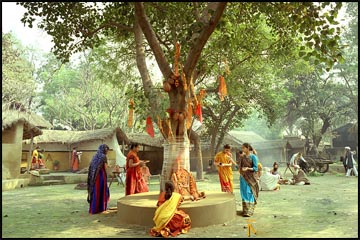
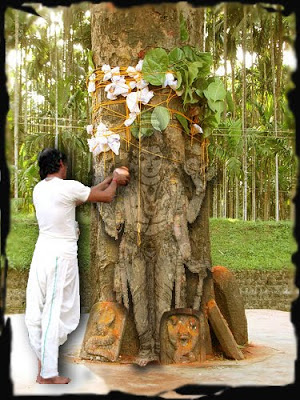
pipal sacred   circumambulate the peepal tree

Tree Worship is popular in India! You get fresh oxygen which purifies your blood very fast!!

swami_48@yahoo.com
How Paul Brunton was directed to go to Bhagavan Ramana Maharishi – Part II

kanchi kudisai

Written by S NAGARAJAN

Article No.1767;  Dated 2April 2015.

Uploaded at London time 5-55 (GMT 4-55)

This is in continuation of the first part of the article published in EzineArticles.com earlier.

Paul Brunton came to Madras (now named as Chennai) in January 1931. He met the great author          Mr K.S.Venkataramani. It was Mr Venkataramani who took Paul Brunton to the great sage of Kanchi, His Holiness Sri Chandrasekharendra Saraswathi Swami.
After the interview at Chingleput, Paul Brunton returned to Madras.

That night he saw the great sage in his vision.

He has narrated his experience in his own words:

“My astounded gaze meets the face and form of His Holiness Shri Shankara. It is clearly and unmistakably visible. He does not appear to be some ethereal ghost, but rather a solid human being. There is a mysterious luminosity around the figure which separates it from the surrounding darkness.
Surely the vision is an impossible one? Have I not left him at Chingleput? I close my
eyes tightly in an effort to test the matter. There is no difference and I still see him quite
plainly!

Let it suffice that I receive the sense of a benign and friendly presence. I open my eyes
and regard the kindly figure in the loose yellow robe.

The face alters, for the lips smile and seem to say: “Be humble and then you shall find
what you seek!”

ramanapaul

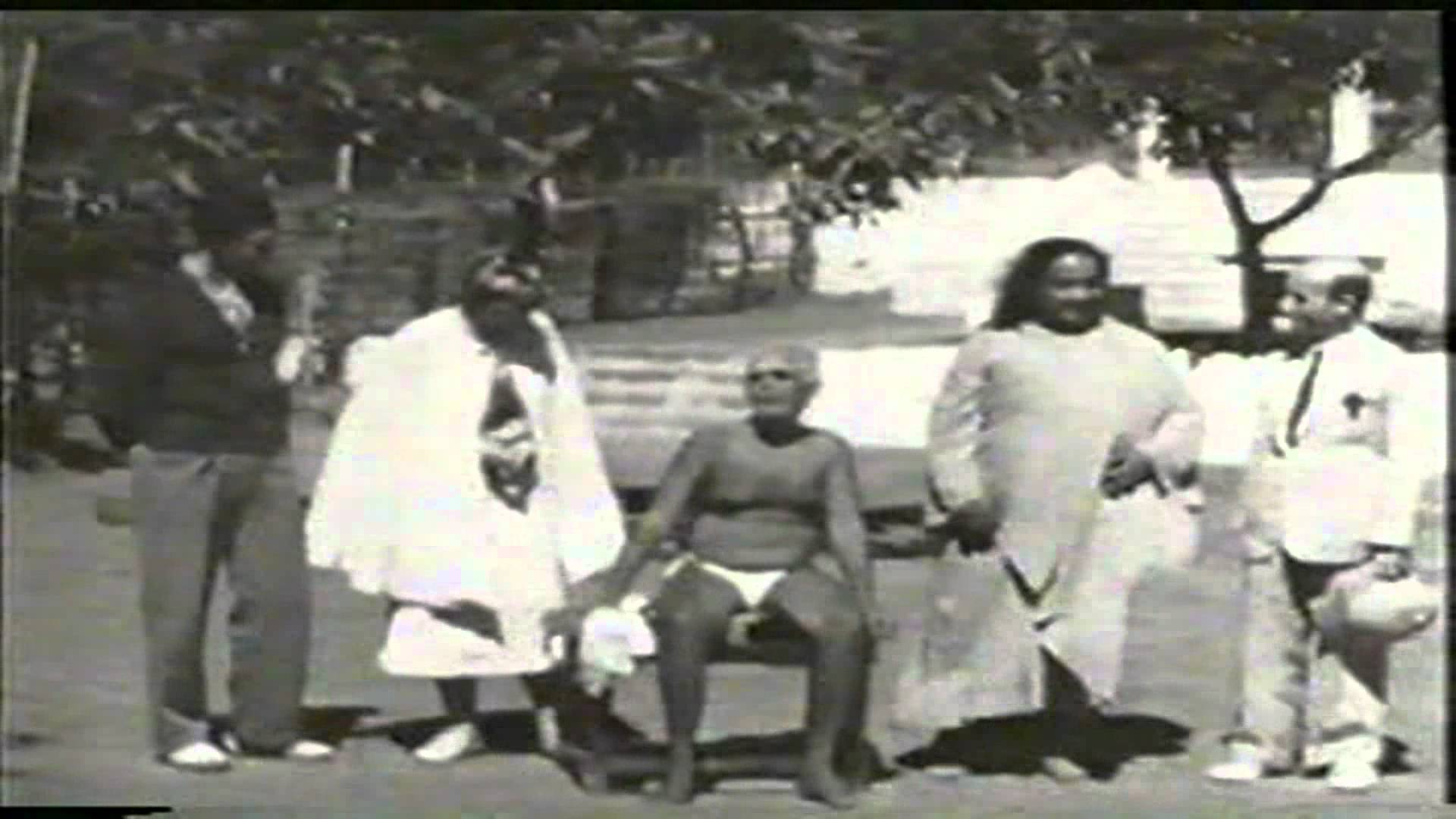
Ramana Maharishi, Yogananda, Paul Brunton

The vision disappears as mysteriously as it has come. It leaves one feeling exalted, happy and unperturbed by its super-normal nature. Shall I dismiss it as a dream? What matters it?”

Paul Brunton went to Thiruvannamalai and met Maharishi Ramana. He was attracted by Bhagavan Ramana. He stayed there. He started asking various questions.

It was at Thiruvannamalai he understood the mysteries of the Holy Hill Thiruvannamalai.

On the twenty third of January 1936 he asked very many questions to Bhagavan Ramana.

Mr Brunton asked Bhagavan if the Hill here is hollow.

Maharishi : The puranas ( Hindu sacred scriptures) says so. When it is said that the Heart is a cavity; penetration into it proves it to be an expanse of light. Similarly the Hill is one of light. The caves etc. are covered up by that Light.

Brunton: Are there caves inside?

Maharishi: In vision I have seen caves, cities with streets etc., and a whole world in it.

Brunton: Are there Siddhas (Holymen of highest order) too in it?

Maharishi: All the Siddhas are reputed to be there.

Brunton: Are there only Siddhas or others also?

Maharishi: Just like this world.

Brunton: Siddhas are said to be in the Himalayas.

Maharishi: Kailas is on the Himalayas; it is the abode of Siva. Whereas this Hill is Siva Himself. All the para-phernalia of His abode must also be where He Himself is.

Brunton: Does Bhagavan believe that the Hill is hollow, etc.?

Maharishi: Everything depends on the viewpoint of the individual. You yourself have seen hermitages, etc., on this Hill in a vision. You have described such in your book.

Brunton: Yes. It was on the surface of the Hill. The vision was within me.

Maharishi: That is exactly so. Everything is within one’s Self. To see the world, there must be a spectator. There could be no world without the Self. The Self is all comprising. In fact Self is all. There is nothing besides the Self.

Brunton: What is the mystery of this Hill?

Maharishi: Just as you have said in Secret Egypt, “The mystery of the pyramid is the mystery of the Self, so also the mystery of this Hill is the mystery of the Self.”

Brunton understood the mystery of the Holy Hill Arunachala. He introduced Bhagavan Ramana to the west in his book ‘A search in secret India’ published in 1935.

He had spent several months at Ramanasramam. His next book The Secret path outlined the Maharishi’s “Who Am I” technique of self enquiry.

****************

DANCE in the Vedas!

IMG_2753

Written by London Swaminathan

Research Article No.1766;  Dated 1April 2015.

Uploaded at London time 21-22 (GMT 20-22)

Dance and music are mentioned in the Vedas in several places. It shows that the Vedic society was a happy and prosperous society. Scores of musical instruments are mentioned and scores of ornaments are also mentioned in the Vedic literature. Unless a society is content in the three basic needs Roti, Kapda aur Makan (Food, clothing and housing), no art form would have developed. Those who study the Vedas in full can see a developed society and advanced civilization. The marriage hymns show that they are an organised community. There were rules guiding a humans from birth to death. They had rules for everything. The existence of highly developed form of dance is confirmed by the dancing statue found in the Indus valley Civilization. Mention of agriculture shows that they cultivated the lands. So naturally there would be harvest season and celebrations following it.

The Vedic women had something like Garba or the Maypole dance. Dancing Gods are found in the Vedas. Indra has been thought of in the Rig Veda (1-130-7) as one who also made others to dance and delight (RV 2-22-4, 8-24-9, 8-24-12, 8-92-2)

IMG_2759

‘Nrtuh’ equals ‘nartayitaa’ in one of the epithets (RV 8-92-3). His close associates the Maruts and the Asvins, are also dancers. As the leaders of a troupe of dancers (RV 5-52-12, 8-20-22) the Maruts are extolled. Dancing and singing are also attributed to Asvins, who dance in association with Surya (RV6-63-5). Dancing is one of the accomplishments of these gods.

Gandharvas are praised as celestial singers. They are also associated with dance and music in later literature.

Dancing Nymphs

The concept of nymphs is closely related to the dancing gods. They are consorts of the Gandharvas (RV 10-123-5, 7-33-9, 7-33-12, 7-10-95, 10-132-6) but do not belong to the category of gods; they are the semi divine people. By the time of Atharva Veda, they became Indra’s favourite dancers.

Description of the Apsaras as dancing with the Gandharvas are found in abundance in AV (4-371, 4-37-4, 4-37-5). Men and women sang and danced even amidst the disease and pestilence they feared. They gathered in the assembly house (AV 7-12-2) ‘sabha’, which was meeting place for social entertainment including dance and music.

The hymn addressed to the Earth (AV. 12-1-1, 12-1-41) presents picture of joyous life, where the mortals sing and dance. Dancing Gandharvas and the Apsarasses help us visualize the picture of a society where dancing and music were regarded as an integral part of everyday life, whether in joy or in sorrow, as a profession or as an important communal activity.

IMG_2752

Source: A Cultural Index to Vedic Literature, Edited by N N Bhattacharya, Rabindra Bharat University, 2007

A B Keith and A A Macdonell adds in Vedic Index adds:–

Silpa in the Vedas means art, of which three kinds – nrtya/dance, gita/music and Vaadita/instrumental music, are enumerated in the Kausitaki Brahmana (29-5)

‘Nrti’ in one passage of the RV 3-514 means dancer in Ludwig’s translation

‘Nrtu’ occurs once in the RV denoting female dancer 1-92-4. Dancing is often referred to in the RV (1-10-1, 1-92-4).

Nrta-Gita (dance and song) are mentioned in the Jaiminiya Brahmana.

IMG_2758

If we put all the terms on Music, Musical Instruments, Dance, Jewellery and Ornaments in the four Vedas together, that will give us a beautiful picture of the Vedic society. No wonder Bharata wrote a beautiful treatise on dance in Sanskrit in the post-Vedic period.

Pictures of dancing statues in Foreign museums.

கோவில்கள் பற்றி அப்பர் தரும் அதிசயத் தகவல்

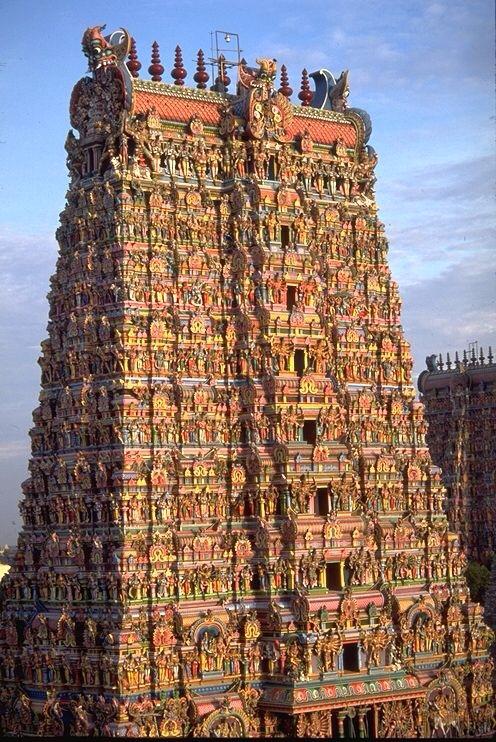
meeenakshi

Written by London Swaminathan

Research Article No.1765;  Dated 1April 2015.

Uploaded at London time 8-50 (GMT 7-50)

கரக்கோயில், இளங்கோயில், கொகுடிக் கோயில், மணிக்கோயில், ஞாழற்கோயில், ஆலக் கோயில், திருக்கோயில்

தமிழ்நாட்டில் 30,000-க்கும் மேற்பட்ட கோவில்கள் இருக்கின்றன. ஆயினும் மதுரை மீனாட்சி கோவில், ஸ்ரீரங்கம் ராஜகோபுரம், தஞ்சைப் பெரிய கோயில், திருவண்ணாமலைக் கோவில் கோபுரங்கள் எல்லாம் சுமார் 1000 ஆண்டு பழமையுடையவைதாம். அதற்கு முன் தமிழ் நாட்டில் கோவில்கள் இருந்தனவா? அவை எப்படி இருந்தன?

பிள்ளையார்பட்டி, மஹாபலிபுரம், திருப்பறங்குன்றம், நரசிங்கம் முதலிய ஊர்களில் மலைகளில் பாறைகளைக் குடைந்து உருவாக்கப்பட்ட  கோயில்களும் ஐந்தாம் நூற்றாண்டு முதற்கொண்டு ஏற்பட்டவையே. அப்படியானால் அதற்கு முன் என்ன மாதிரி கோயில்கள் இருந்தன?

சிலப்பதிகாரம், புறநானூறு, பரிபாடல் முதலிய நூல்களில் என்ன என்ன கோவில்கள் இருந்தன என்று கடவுளரின் பெயர்கள் எல்லாம் உள்ளன. ஆயினும் கோவில்களின் தோற்றத்தை நாம் அறியோம். அப்பர் என்ற திருநாவுக்கரசர் தமிழிலும், வராஹமிகிரர் சம்ஸ்கிருதத்திலும் அரிய தகவல்களைக் கூறுகின்றனர். அப்பர் பாடிய தேவாரத்தில் கரக்கோயில், இளங்கோயில்,கொகுடிக் கோயில், மணிக்கோயில், ஞாழற்கோயில், ஆலக்கோயில், திருக்கோயில் என்று பலவகையான கோயில்களைக் குறிப்பிடுகிறார்.

இந்தத் தகவலை 1968 ஆம் ஆண்டு இரண்டாவது உலகத் தமிழ்நாட்டு மலரில் எழுதிய தொல் பொருட்துறை அறிஞர் டாக்டர் இரா.நாகசாமி தமிழில் கோயில் என்பதற்கு பழங்காலத்திலேயே பல சொற்கள் இருந்ததையும் பட்டியலிட்டுள்ளார்.

டாக்டர் இரா.நாகசாமி இன்னும் ஒரு அரிய பாட்டினையும் பிங்கலந்தை நிகண்டிலிருந்து 1968 ஆம் ஆண்டுக் கட்டுரையில் மேற்கோள் காட்டியுள்ளார்:–

கல்லும் உலோகமும் செங்கலும் மரமும்

மண்ணும் சுதையும் தந்தமும் வண்ணமும்

கந்த சருக்கரையும் மெழுகும் என்றயிவை

பத்தே சிற்பத் தொழிலுக்கு உறுப்பாகும் – பிங்கலந்தை 29


அதாவது தெய்வத் திரு உருவங்கள் செய்ய இந்த பத்து பொருட்கள் பயன்படுத்தப்பட்டன. கோவில்கள் மரம் செங்கற்களால் கட்டப்பட்டன. அவை எல்லாம் பருவமழை, வெயில் போன்ற காலநிலையாலும், முஸ்லீம் படை எடுப்புகளாலும் அழிந்து போயின. இன்றும் கூட கேரளம் முதலிய மாநிலங்களில் மரக் கோயில்கள் இருப்பதைக் காணலாம்.

gopura darsan

அப்பர் தேவாரம் ஆறாம் திருமுறை (6-71)

பெருக்கு ஆறு சடைக்கு அணிந்த பெருமான் சேரும்

பெருங்கோயில் எழுபதினோடு எட்டும், மற்றும்

கரக்கோயில், கடிபொழில் சூழ் ஞாழற்கோயில்,

கருப்பறியல் பொருப்பு அனைய கொகுடிக்கோயில்,

இருக்கு ஓதி மறையவர்கள் வழிபட்டு ஏத்தும்

இளங்கோயில், மணிக்கோயில், ஆலக்கோயில்,

திருக்கோயில் – சிவன் உறையும் கோயில் சூழ்ந்து,

தாழ்ந்து, இரைஞ்ச, தீவினைகள் தீரும் அன்றே.

அப்பர் குறிப்பிடும் பலவகைக் கோவில்கள் என்ன என்று கூட நமக்குத் தெரியாது. அவர் காலத்தில் சிவபெருமானுக்கு 78 பெரிய கோயில்களும் மற்ற பல வகைக் கோயில்களும் இருந்தது தெரிகிறது. தேவார மூவரும், மாணிக்கவாசகரும் 300-க்கும் மேலான புனிதத் தலங்களின் பெயர்களைச் சொல்லுகின்றனர். அப்பர் வாழ்ந்தது ஏழாம் நூற்றாண்டில். அவருக்கு 200 ஆண்டுகளுக்கு முன் வாழ்ந்த வராஹமிஹிரர் எழுதிய பிருஹத் சம்ஹிதா என்னும் அற்புத சம்ஸ்கிருத என்சைக்ளோபீடியாவில் 20 வகைக் கோவில்களைக் குறிப்பிடுகிறார். வெறுமனே பெயர்களை மட்டும் சொல்லாமல் அவற்றின் நீள, அகலம், கருவறையின் (கர்ப்பக் கிருஹம்) அளவு ஆகியவற்றையும் குறிப்பிடுகிறார்.

ஒரு அத்தியாயம் முழுதும் கோவில் பற்றி எழுதிவிட்டு மிகவும் அடக்கத்துடன் கார்கர் என்பவர் விரிவாக எழுதிய விஷயத்தை தாம் சுருக்கமாகச் சொல்லியதாகக்  கூறுகிறார். இதிலிருந்து 2000 ஆண்டுகளுக்கு முன்னரே பலவகை வடிவங்களில், உயரங்களில் கோபுரங்களை எழுப்பும் மாபெரும் எஞ்சினீயர்கள் இமயம் முதல் குமரி வரை இருந்தது தெரிகிறது.

tv malai

வராகமிகிரர் எழுதிய பலவிஷயங்களில் ஒரு சில குறிப்புகளை மட்டும் பார்ப்போம்:-

“நிறைய தண்ணீர் பாயும் குளங்களுடனும் அழகான நந்தவனங்களுடனும் கோவில்களைக் கட்ட வேண்டும்.

ஒருவருக்கு புகழும் புண்ணியமும் கிட்ட வேண்டுமானால் கோயில் கட்ட வேண்டும்.

யாகம் செய்வோர், கிணறு வெட்டுவோர் ஆகியோருக்குக் கிடைக்கும் புகழ் கோவில் கட்டுவோருக்குக் கிடைக்கும்.

ஆற்றங்கரை,கடற்கரை, காடு, மலை, வனாந்தரம் ஆகிய இயற்கைச் சூழலில் கோவில் அமைவது மிகவும் விசேஷம்.

கோவில்கள் இருபது வகைப்படும். அவையாவன:–

மேரு, மந்தரா, கைலாச, விமானச் சந்த, நந்தன, சமுத்க, பத்ம, கருட, நந்திவர்த்தன, குஹராஜ, குஞ்சர, வ்ருஷ, ஹம்ச, சர்வதோபத்கர, கட, சிம்ஹ, வ்ருத்த, சதுஸ்கோண, ஷோடசரி, அஷ்டசரி.

மேரு என்னும் வகைக் கோவில் 12 நிலைக் கோபுரமும் அறுகோண வடிவமும் உடையவை. அகலம் 32 முழம்,  உயரம் 64 முழம்”.

இதுபோல 20 வகைக் கோவில்களுக்கும் நீள, அகல, உயரங்களைச் சொல்லிவிட்டு கர்ப்பக் கிரஹ அளவுகளையும் கொடுக்கிறார். பல்வகை கட்டிடக் கலை சொற்களையும் உபயோகிக்கிறார். இல்லாத ஒரு விஷயத்தை அவர் கற்பனை செய்து எழுதமுடியாது. இதை எல்லாம் கொண்டு பார்க்கையில் எந்த அளவுக்கு நமது கட்டிடக் கலைத்திறன் 1500 ஆண்டுஅளுக்கு முன் இருந்தது என்பது வெள்ளிடை மலையென விளங்கும்.

இதுவரை தமிழ்- சம்ஸ்கிருத மொழிகளில் கிடைக்கும் தகவல்களை யாரும் ஒப்பிட்டு ஆராய்ந்ததாகத் தெரியவில்லை. பாண்டியர்களில் மிகவும் பழையவனான பல்யாக சாலை முது குடுமிப் பெருவழுதி கோவிலை வலம் வரும் போதும், பிராமணர்கள் ஆசி வழங்கும் போதும் மட்டுமே அவன் குடையும் தலையும் தாழ்ந்து வணங்கும் என்று புலவர் பெருமக்கள் பாடியுள்ளனர் (புறம்-6). சிலப்பதிகாரத்தில் உள்ள கோவில்களின் பட்டியலை முந்தைய ஆராய்ச்சிக் கட்டுரையில் தந்துள்ளேன். எவரேனும் இரு மொழி இலக்கியங்களில் வரும் கோவில்கள ஒப்பிட்டு ஆராய்வது பலன் தரும்.

வாழ்க அப்பர், வராஹமிஹிரர்!! வளர்க கோவில் கலை!!

How Paul Brunton was directed to go to Bhagavan Ramana Maharishi – Part I

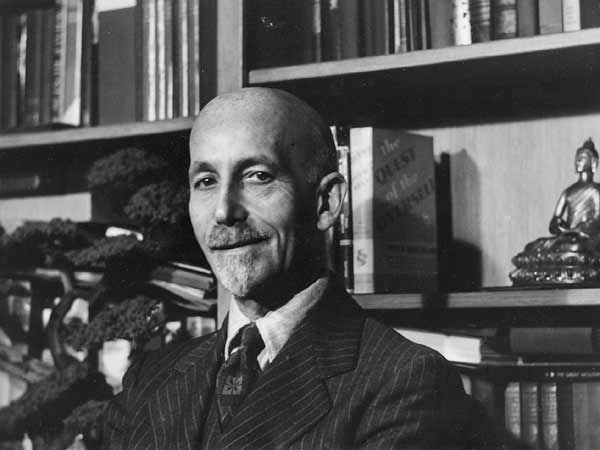
paul brunton

Post No.1764; Date 1 April 2015

Santhanam Nagarajan

Uploaded at London Time 8-39 am

Paul Brunton was a British philosopher, mystic, and traveler. He was born in London in 1898. He dedicated his entire life to an inward and spiritual quest. He specialized in research into the subject of Yoga and traveled widely throughout India, Tibet, Japan, China, and Egypt.

He came to Chengleput, a small city near Chennai to meet the great sage of Kanchi, His Holiness Sri Chandrasekharendra Saraswathi Swami.

Brunton asked the sage,” What is the most practical course for me to take?”

Paramacharya, as he is being called, replied thus: “Go on with your travels. When you have finished them, think of the various Yogis and holy men you have met; then pick out the one who makes most appeal to you. Return to him and he will surely bestow the initiation upon you.”

When Brunton asked him whether he could turn to him for assistance the great sage of Kanchi replied: “I am head at the head of a public institution a man whose time no longer belongs to himself! My activities demand almost all my time. For years I have spent only three hours in sleep each night. How can I take personal pupils? You must find a master who devotes his time in them.”

Then Brunton asked him for guidance to find out a master.

The great sage recommended him to go to Maharishi Ramana.

He told him:” Promise me that you will not leave South India before you have met the maharishi.”

The sage assured him:” Do not be anxious. You shall discover that which you seek.”

He met the great sage Ramana. His experiences with Maharishi Ramana inspired him and he has written a book, ‘A Message from Arunachala’.

In our next article we will read about the strange dream of Paul Brunton.

Kings of Gupta, Kushan Dynasties!

IMG_2695

Compiled by London swaminathan

Article No.1763; Dated—31 March 2015.

Dictionary of 10,000 Indian Kings – Part 18

Summary of Previous 17 Parts:–

160 Kings in Rig Veda published here on 23rd November 2014.

First part of the article –146 kings beginning with letter ‘A’.

Second part– 65 Pandya Kings of Madurai+ Puranic Kings

Third part — 122 kings beginning with letter ‘B’

Fourth Part- 43 Kings of Vijayanagara Empire + 34 Kings under letter C.

Fifth Part – 106 Kashmiri Hindu Kings

Sixth Part – 30 Satavahana  Kings  + 136 Kings under letter D.

Seventh Part –  35 Tamil Pandya Kings of Sangam Age.

Eighth Part – List of Chera (Kerala) 22 kings of Sangam Age+ Kings listed under E (3),G(37) & H(28)=68kings

Ninth Part- 39 Choza Kings of Tamil Nadu

Tenth Part- 104 kings from Cambodia, Champa, Sri Vjaya Kingdom of Indonesia and Pallava

11th part:Under ‘I’  13 kings+ Under ‘J’ 40 kings+ Under ‘K” 147 kings are listed.

12th Part:– 113 kings of various Indonesian kingdoms are listed.

13th Part –UNDER ‘L’ 14 + UNDER ‘M’ 72 + PANDYA II LIST 36=122 KINGS

14TH PART:Dynasties of Vishnukundina (10), Vakataka (16),Salankayana (4),Andra Ikshvaku (4) and Names under “N”(60)=94 kings.

15th Part:—-Kadamba dynasty – 14 kings, Badami Chalukya -10 kings, Rashtrakuta dynasty kings- 16

Western Chalukya kings – 14, Kakatiya dynasty – 16, Eastern Chalukya kings – 33, Ganga vamsa – 16, Kalachuri dynasty- 14,Pala vamsa -21, Chandela dynasty 34, Gurjara Pratihara -17

Hoysala-13, Alupa – 32 kings are listed = Total 226 kings

16th part – Under R—121 kings and 152 Kings of Nepal = 273 kings

In this 17th part, I have listed Kings under ‘S’

In this 18th part I list the kings of Kushan (18), Gupta Dynasties(26) and Kings under the letter ‘T’ (38 kings). So far we have listed 2483+82=2565 kings!

IMG_2696

G1)Sri Gupta

G2)Ghatotkacha

G3)Chandragupta I

G4)Samudragupta

G5)Ramagupta

G6)Chandragupta II

G7)Kumaragupta I

G8)Skandagupta

G10)Purugupta

G11)Kumaragupta II

G12)Budhagupta

G13)Narasimhagupta Baladitya

G14)Kumaragupta III

G15)Vishnugupta

G16)Vainyagupta

G17)Bhanugupta

G18)Shashankgupta

G19)Neeravgupta

G20)ShivaGupta II

G21)SidharthaGupta

G22)Budhha lalJi Gupta

G23)Shankar Lal Gupta

G24)Raja Pistam Gupta

G25)Akhilesh Gupta

G26)Vishisht Gupta

IMG_2697

  1. 320 : Chandragupta Ifounds the Gupta Empire.Chandragupta wins many battles against many northern emperors.
  2. 330-376 : Samudraguptaexpands the empire from the Indus River to the Bay of Bengal, and up into the northern mountains.
  3. 376-415 : Chandragupta IImakes the empire secure, and encourages trade.
  4. 415-450 : Kalidascomposes most of his poetry in the reign of Kumargupta(415-455).
  5. 450 : Empire begin to collapse under pressure from invading Huns.
  6. 554 : The Gupta dynasty ends when the last emperor Shashakgupta

KUSHAN DYNASTY

Ku1)Heraios (c. 1 – 30), first Kushan ruler, generally Kushan ruling period is disputed

Ku2)Kujula Kadphises (c. 30 – c. 80)

Ku3)Vima Takto, (c. 80 – c. 95) alias Soter Megas or “Great Saviour.”

Ku4)Vima Kadphises (c. 95 – c. 127) the first great Kushan emperor

Ku5)Kanishka I (127 – c. 140)

Ku6)Vāsishka (c. 140 – c. 160)

Ku7)Huvishka (c. 160 – c. 190)

Ku8)Vasudeva I (c. 190 – to at least 230), the last of the great Kushan emperors

Ku9)Kanishka II (c. 230 – 240)

Ku10)Vashishka (c. 240 – 250)

Ku11)Kanishka III (c. 250 – 275)

Ku12)Vasudeva II (c. 275 – 310)

Ku13)Vasudeva III reported son of Vasudeva III,a King, uncertain

Ku14)Vasudeva IV reported possible child of Vasudeva III,ruling in Kandahar, uncertain.

Ku15)Vasudeva of Kabul reported possible child of Vasudeva IV,ruling in Kabul, uncertain

Ku16)Chhu (c. 310? – 325)

Ku17)Shaka I (c. 325 – 345)

Ku18)Kipunada (c. 345 – 375)

IMG_2698

Kings Under letter T from Morton Smith Book (all years are in BCE)

T1)Taksaka 1580 BCE

T2)Talajhangha  haihaya1100 BCE

T3)Tama saunaka 1310 BCE

T4)Tamrakalpa – daughter of Satyabhama

T5)Tamrarasa – daughter of Bhadrasva

T6)Tamrayaksas

T7)Tamsu apratiratha 1520 BCE

T8)Tantra vantivana 1150 BCE

T9)Tapasvini Bhangavati 1070 BCE

T10)Tapati –wife to samvarana 1300

T11)arakayana

T12)Tarapida kalainga

T13)Tarasvin 1040 – son of Samba

T14)Tigmatman vatsa 560

T15)Titiksu anava – 1360

T16)Tittiri yadava –1110

T17)Traisanu turvasa -1330

T18)Tranakarya maharathin 200

T19)Trasadasva -1390

T20)Trasadasyu aiksvakava 1450

T21)rasadasyu purukutsi -1170

T22)Trasu ailina – 1300

T23)Traiyaruna aiksvakava 1320

T24)Traiyaruna auruksaya 1120

T25)Tridhanvan aiksvakava 1335

IMG_2699

T26)Trigarta raja – 1220

T27)Trinetra of Magadha – 710

T28)Trisanku satyavrata – 1375

T29)Trisanu turvasa – 1350

T30)Trivana – son of antinara

T31)Tranabindu saka -1320

T32)Trayaruna vasumanas -1340

T33)Tryaruna traivrsna -1170

T34)Tumba saura -1230

T35)Tumbabvana saura -1225

T36)Tumburu – father of Nala- 1090

T37)ura kavaseya – 925

T38)Turvasu yayateya – 1420 BCE

(Pictures are taken from Historical Atlas; thanks.

தேங்காய்க்குள் இளநீர் எப்படி வந்தது?

ilaneer (2)

Written by S NAGARAJAN

Article No.1762;  Dated 31 March 2015.

Uploaded at London time 11-04 (GMT 10-04)


சம்ஸ்கிருதச் செல்வம் – இரண்டாம் பாகம்

27. தேங்காய்க்குள் இளநீர் எப்படி வந்தது?

.நாகராஜன்

நியாயங்களின் வரிசைத் தொடரில் மேலும் சில நியாயங்களைப் பார்ப்போம்:

नारीकेलफलांबुन्यायः

narikelaphalambu nyayah

நாரிகேள பலாம்பு நியாயம்

இளநீர் பற்றிய நியாயம் இது.

தேங்காய்க்குள் இளநீர் எப்படி புகுந்தது என்பதை யாராலும் விளக்க முடியாது அல்லவா! இறைவனின் சித்தமும் அவனது வழிமுறைகளும் சாதாரணமாக யாருக்கும் புரியாது; அவற்றை விளக்கவும் முடியாது. இது தெய்வசித்தத்தையும் அதன் வழிகளையும் பற்றி விளக்க வந்த எளிமையான நியாயம்.

water_milk_021

नीरक्षीरविवेकन्यायः

niraksira viveka nyayah

நீர க்ஷீர விவேக நியாயம்

க்ஷீரம் – பால்

நீரில் கலந்த பால் பற்றிய நியாயம் இது.

அன்னத்திடம் நீரையும் பாலையும் கலந்து வைத்தால் அது நீரைப் பிரித்து பாலை மட்டுமே குடிக்கும்.  நல்ல புத்திசாலியான ஒருவர் இன்னொருவரை மதிப்பிடும் போது அவரது நற்குணங்களை மனதில் எடுத்துக் கொள்வர். சிறு சிறு குறைகளைப் பெரிது படுத்த மாட்டார்.

பெரியோரின் மதிப்பீட்டு முறைகளை அன்னத்தின் அரிய குணத்துடன் ஒப்பிடும் நியாயம் இது.

roadside barber

नृपनापितन्यायः

nrpanapitaputra nyayah

ந்ருபநாபித புத்ர நியாயம்

அரசரும் அவரது நாவிதரும் பற்றிய நியாயம் இது.

ஒருவனது சொந்த உறவின் மீது, அந்த உறவுக்காரர் எவ்வளவு அவலட்சணமாக மற்றவருக்குத் தோன்றினாலும் சரி, ஒருவனுக்குள்ள பற்றைச் சுட்டிக் காட்டும் நியாயம் இது.

காக்கைக்கும் தன் குஞ்சு பொன் குஞ்சு என்ற பழமொழியை இந்த நியாயம் நினைவு படுத்தும்.

இது தோன்றியதற்கு கதை ஒன்று உண்டு.

ஒரு அரசன் தனது நாவிதரை அழைத்து தனது ராஜ்யத்தில் உள்ள அழகிய சிறுவனைக் கண்டுபிடித்து அழைத்து வருமாறு கூறினான். நாவிதனும் ராஜ்யத்தின் எல்லா பகுதிகளிலும் அலைந்து திரிந்தான். ஆனால் அரசன் கேட்டுக் கொண்டபடி அழகிய சிறுவன் யாருமே அவன் கண்களுக்குத் தென்படவில்லை. பெரிதும் ஏமாற்றத்துடன் அவன் வீடு திரும்பினான். என்ன ஆச்சரியம், அவனது மகனைப் பார்த்தான். அழகு சொட்டும் முகமாக அவனுக்குத் தோன்றியது! ஆனால் உண்மையில் அவன் அஷ்டகோணலான உருவை உடையவன்! மிகவும் அவலட்சணமானவன்!

தன் மகனை அழைத்துக் கொண்டு அரசனிடம் சென்ற அவன் தன் மகனைக் காட்டி இவனே இந்த ராஜ்யத்தில் மிகவும் அழகான சிறுவன் என்றான்.

சிறுவனைப் பார்த்த அரசன் பெரும் கோபம் அடைந்தான். தன்னை நாவிதன் ஏமாற்றி விட்டான் என்று முதலில் அவனுக்கு கோபம் வந்தாலும் சற்று ஆலோசித்துப் பார்த்த பின்னர் அது தணிந்தது. அவனை அரசன் மன்னித்து விட்டான். தனது சொந்த மகனை ராஜ்யத்தில் உள்ள மற்ற சிறுவர்களைக் காட்டிலும் சிறந்த அழகன் என்று அவன் கூறுவது மனித மனத்தின் இயல்பே என அரசன் தெளிந்தான்.

அதிலிருந்து மனித மனத்தின் போக்கைச் சுட்டிக் காட்டும் இந்த நியாயம் எழுந்தது!

shadow

पराह्नछायान्यायः

parahnacchaya nyayah

பராஹ்னசாயா  நியாயம்

மத்தியான நிழல் பற்றிய நியாயம் இது.

மத்தியான நேரத்தில் ஒரு மரத்தின் நிழல் சிறிது நேரமே நீடித்திருப்பதைப் போல

அதிகாரமும் செல்வாக்கும் வாழ்க்கையின் இறுதி நாட்கள்

வரும் போது சிறிது காலமே நீடித்திருக்கும். இதைச் சுட்டிக்காட்டும் நியாயம் இது.

granite  bricks

पाषाणेष्टिकान्यायः

pasanestika nyayah

பாஷானேஷ்டிகா நியாயம்

கருங்கல்லையும் செங்கலையும் பற்றிய நியாயம் இது.

பெரிதான கருங்கல்லையும் சிறிதான செங்கலையும் வைத்து வீடு கட்டி முடிப்பதைப் போல ஒரு விஷயத்தை பெரிய மனிதர்கள் மற்றும் சிறிய மனிதர்கள் ஆகிய அனைவரின் ஒன்றுபட்ட முயற்சியால் முடிப்பதை இந்த நியாயம் சுட்டிக் காட்டுகிறது. அனைவரது முயற்சியும் ஒரு காரியத்தை முடிக்கத் தேவை!

*****************

உயர உயரப் பறந்தாலும் ஊர்க்குருவி பருந்தாகுமா?

kuruvi on kambi

Written by London Swaminathan

Article No.1761;  Dated 31 March 2015.

Uploaded at London time 9-00 (GMT 8-00)

பழமொழிக் கதைகள்!

ஆதாரம்: விவேக சிந்தாமணி, சென்னை சி.வி. சாமிநாத அய்யர் நடத்திய மாதப் பத்திரிக்கை, ஜூலை மாதம்- 1900—ஆம் ஆண்டு


ஒரு ஊரில் ஒரு கப்பல் வியாபாரி இருந்தான். அவன் மஹா கஞ்சன். எவ்வளவோ பணம் இருந்தும் அவனுக்கு ஊரில் நல்ல பெயர் இல்லை. ஒரு தந்திரம் செய்தான். ஒரு பெரிய மாளிகை கட்டி அதில் பத்து வாசல்கள் வைத்தான். ஒவ்வொரு வாசலுக்கும் எண்ணை (நம்பர்) எழுதி அந்த எண் படி பணம் தரப்படும் என்ற விநோத அறிவிப்பை வெளியிட்டான். ஒரு சந்யாசிக்கு இவனுடைய தந்திரம் புரிந்தது. இவன் உண்மையான கொடையாளி அல்ல. பெயர் எடுப்பதற்காக இப்படிச் செய்கிறான் என்று எண்ணினார். அவனை அம்பலப்படுத்த எண்ணம் கொண்டு ஒரு தந்திரம் செய்தார்.

அவர் முதல் வாசல் வழியாகச் சென்று ஒரு ரூபாய் தானம் பெற்றார். இரண்டாவது வாசல் வழியாகச் சென்று இரண்டு ரூபாய், மூன்றாவது வழியாகச் சென்று மூன்று ரூபாயென்று பத்து வாசல் வழியாவும் சென்று 55 ரூபாய் பெற்றார். கப்பல் வியாபாரிக்கு ஒரே எரிச்சல்.

பின்னர் இரண்டாவது முறை முதல் வாசலில் நுழைந்தார். கப்பல் வியாபாரி கோபத்தில் கத்தினான்: நீ எல்லாம் ஒரு சந்யாசியா? பணத்தின் மீது இவ்வளவு ஆசை ஏன்? சீ! சீ! வெளியே போ – என்றான். உடனே சந்யாசி சிரித்துக் கொண்டே உன் உண்மை ஸ்வரூபத்தைக் கட்டி விட்டாயே. உன்னை அம்பலப்படுத்தவே நான் இப்படி வந்தேன். இந்தா நீ கொடுத்த 55 ரூபாய் என்று அவன் முகத்தில் விட்டெறிந்துவிட்டுப் போனார். இந்தச் செய்தி ஊர் முழுவதும் தெரிந்துவிட்டது.

kuruvi,fb

உயர உயரப் பறந்தாலும் ஊர்க்குருவி பருந்தாகுமா?

ஒரு ரூபாய், ஒரு ரூபாயாக எடுத்துக் கொடுத்தாலும் கஞ்சப் பிரபு, கொடையாளி ஆக முடியுமா? என்று ஊரே சிரித்தது.

வான மயிலாடக் கண்டிருந்த வான் கோழி தானும் அதுவாகப் பாவித்து ஆடிய கதையாக முடிந்தது.

brahmin

சீவரத்துப் பார்ப்பான் இருந்தும் கெடுத்தான் செத்தும் கெடுத்தான்

காஞ்சிக்கு அருகில் 300 ஆண்டுகளுக்கு முன் சீவரம் என்னும் ஊரில் ஒரு பிராமணன் வசித்து வந்தார். அவருக்கு திடீரென ஹரிஜனங்களுடன் சேர்ந்து வசிக்க ஆசை வந்தது. வேதம் ஓதுவதை கைவிட்டு அவர்கள் சேரிக்குச் சென்று ஒரு குடிசை போட்டு வசிக்கலானார். பிராமணர்களுக்கு அவர் மேல் கடுங் கோபம். ஆகையால் அவரை ஜாதிப் ப்ரஷ்டம் (விலக்கி வைத்தல்) செய்தனர். சேரியில் உள்ள பள்ளர்கள் பறையர்களோவெனில் இவரை கொஞ்சம் தள்ளியே வைத்தனர். அவர் கதை இரண்டுங் கெட்டான் நிலை ஆனது.

இரு ஜாதியினரும் விலக்கி வைக்கவே அவர் ஆற்றோரமாக ஒரு குடிசை போட்டு வசித்தார். வயதானபோது யாரும் அருகாமையில் இல்லாமல் இறந்தார். இப்பொழுது இவருடைய உடலை அடக்கம் செய்வதா, தகனம் செய்வதா என்று சர்ச்சை எழுந்தது. பிராமணர்களோ, ஹரிஜனங்களோ இறுதிச் சடங்கை முன்னின்று நடத்த விரும்பவில்லை.

ஊர்ச் சபையார் வேறு வழியின்றி அருகாமைக் க்ராமத்தில் இருந்து ஒரு குயவனை அழைத்து வந்தனர். அவன் ஈமக் கிரியைகளை செய்துவிட்டுப் போனான். இதிலிருந்து ஒரு பழமொழி உருவானது: சீவரத்துப் பார்ப்பான் இருந்தும் கெடுத்தான், இறந்தும் கெடுத்தான்!

(படங்கள் பல்வேறு இடங்களிலிருந்து எடுக்கப்பட்டன;நன்றி)

Twenty Types of Temples in Ancient India!

meeenakshi

Madurai Meenakshi Temple

Written by London Swaminathan

Research Article No.1760;  Dated 30 March 2015.

Uploaded at London time 20-55 (GMT 19-55)

Varahamihira of sixth century CE and Tamil saint Appar of seventh century CE give us valuable information about the different types of temples that existed in ancient India. Though Earlier Sanskrit literature and Sangam Tamil literature give us lot of information about temples for different deities, we don’t know the structure or the types of temples (I have already listed all the temples form the Tamil epic Silappadikaram in one of my research articles)

Varahamihira has devoted one full chapter (56) in Brhat Samhita  for the description of temples. In the first verse he says that one should build a temple in order to enhance one’s fame and religious merit. He also insisted that there should be abundant supply of water through tanks and lakes and gardens around it. All the south Indian temples are with tanks and gardens. But in course of time the gardens were left uncared for.

tv malai

Tiruvannamalai Temple

He says that by building temples one gets the merits (Punya) of both performing sacrifices and sinking wells. He wrote it 1500 years before our time. That shows that building temples were very popular.  But Hindus used wood and brick (like we see in today’s Kerala temples) and they were destroyed by invading Muslims and weather. Later Hindus started building with stones. First they started by excavating rocks and then built with granite stones. Some of them are engineering marvels. In today’s costs they will cost us billions of rupees to build such a massive structure.

Appar alias Tirunavukkarasu, one of the Four Great  Saivite Tamil saints sings about

“If the seventy eight great temples of the Lord

Whose matted crest is adorned with the great flood

KARAKKOYIL, GNAAZHARKKOYIL  girt with well protected

Groves, the hill like KOKUDIKKOYIL of  Karuppariyal

ILANGKOYIL where with the chanting of the Rig Veda

The Brahmins hail and adore the lord MANIKKOYIL

AALAKKOYIL  and every TIRUKKOYIL where Siva abides

Are circumambulated and hailed in humble

Adoration, evil Karma will get annulled “

(Sixth Tirumurai, Adaivu Tiru Thandakam of Appar)

Translated by Dr T N Ramachandran

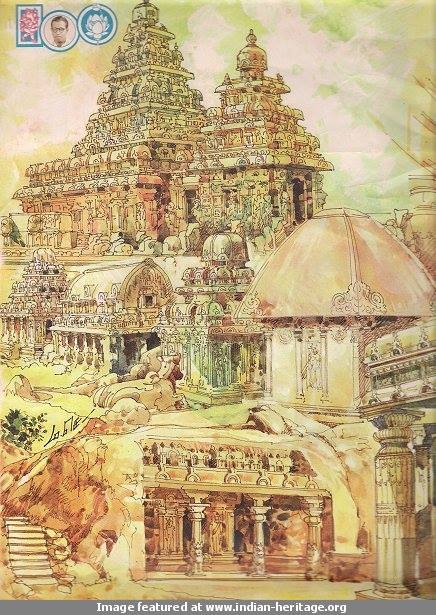
mamallapuram

Mamallapuram Cave Temples

Eminent archaeologist and historian Dr R Nagasamy in his scholarly article ( Second World Tamil Conference Souvenir, 1968) on the development of temples has listed all the terms for temples in Tamil in addition to the above types (KOYIL=temple). He has also quoted the verse from Pingalandai Nikandu (Dictionary of Tamil Synonyms) the ten materials used for making temple sculptures and idols. Stone is just one of them. So ancient temples used other nine perishable materials 2000 years ago.

Varahamihira gives more information about the 20 types:

“Deities reside with pleasure in places which abound in water and gardens, whether natural or otherwise”. He gives a list of places of natural beauty where god prefers to reside.

Then he describes in detail the height, length and width of the temples. It shows how advanced was temple building around 500 CE.

28BG_HAMPI_2327026f

Hampi Temples

There are twenty types of temples enumerated here

Meru , Mandara, Kailasa, Vimanachchanda, Nandana, Samudga, Padma, Garuda, Nandhivardhana, Kunjara, Guharaja, Vrsa, Hamsa, Sarvatobhadraka, Ghata, Simha, Vrtta, Catuskona, Sodasari and Astasri.

Meru type has twelve storeys and hexangular in shape. The dimensions are – breadth 32 cubits, height 64 cubits, sanctum sanctorum 16 cubits. He gives the dimensions for all the 20 types and finishes the chapter with the following statement!!

“Thus I have briefly explained the characteristics of temples. All that had been expounded by sage Garga has been incorporated in this chapter”. He has also seen the large works of Manu and others on this subject.

One must compare this twenty types listed by Varahamihira with later works. It will give us some idea about the temples that were destroyed by the invaders and the monsoon weather.

gopura darsan

அண்ணாமலை அதிசயம்!!

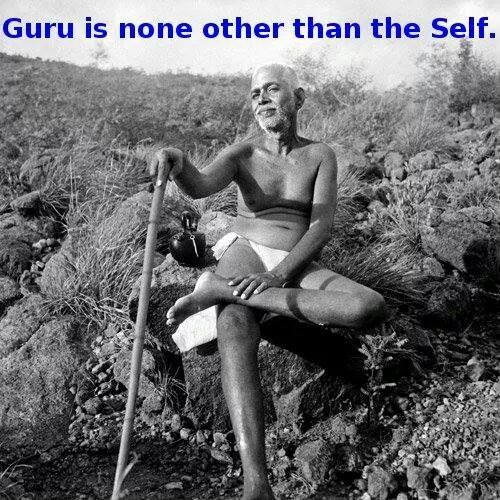
ramana

ரமண மஹரிஷி படம்

Post No.1759; Date 30th March 2015

This is written by my brother S Nagarajan for Jnana Alayam- Tamil Magazine: swami

ப்ரணவ தேஹம் பெற்ற மஹான்கள்!


ஞான ஆலயம் ஏப்ரல் 2015 இதழில் வெளியாகியுள்ள கட்டுரை

நன்றி:ஞான ஆலயம்

மிகப் பெரும் அருளாளரான பகவான் ரமண மஹரிஷியைப் போற்றித் துதிக்கும் சிறப்புக் கட்டுரை! (ரமண மஹரிஷி அவதார தோற்றம்: 30-12-1879 சமாதி: 14-4-1950

ச.நாகராஜன்

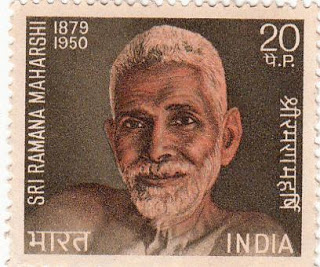
ramana-stamp

Ramana Stamp– ரமணர் தபால் தலை

வள்ளலாரும் ரமணரும்

ஹிந்து மதத்தின் மகத்தான சிறப்புக்களில் ஒன்று, அது சுட்டிக் காட்டும் பேருண்மைகளை அனாயசமாக நிரூபிக்கும் மகான்கள் பாரதத்தின் பல இடங்களிலும் அவ்வப்பொழுது தோன்றிக் கொண்டே இருப்பது தான்! இவர்களுள் மிக பிரம்மாண்டமான நிலையை எய்தியதோடு தம்மை அப்படிப்பட்ட பெரும் நிலையை எய்தியவர்கள் என்று சிறிதும் காண்பிக்காமல் மிக எளிமையாக வாழ்ந்து அருளுரை பகர்ந்த இருவர் வள்ளலார் ராமலிங்க ஸ்வாமிகளும் பகவான் ரமண மஹரிஷியும் ஆவர்.இவர்கள் மிக சமீப காலத்திலேயே வாழ்ந்தவர்கள் என்பது குறிப்பிடத் தகுந்த ஒரு விஷயம். ஆகவே இவர்களைப் பற்றிய ஏராளமான சம்பவங்களும் செய்திகளும் முழு விவரங்களுடன் தேதி வாரியாக அதிகாரபூர்வமாக நம்மிடையே உள்ளது.

வள்ளலார் உடலுடனேயே ஜோதி மயமாக ஆகி விட்டவர். ரமண மஹரிஷியோ தான் மறையும் அதே கணத்தின் போது தன் ஜோதி ஸ்வரூபத்திற்கு, வானில் பறந்து செல்லும் ஜோதியை சாட்சியாக காண்பித்துச் சென்றவர்.


ramana-maharshi

முற்றும் துறந்த ஞானி ரமணர்

மூன்று தேகங்கள்!

வள்ளலார் மனித தேகத்தின் மூலமாகப் பெறக்கூடிய அரிய மூன்று நிலைகளைத் தன் பாடல்களில் தன் அனுபவத்தின் வாயிலாக வடித்துள்ளார். மிக மிகத் தூய்மையாக இருக்கும் நிலையில் ஒருவர் எய்துவது சுத்த தேகம். அதற்கு அடுத்த நிலை பிரணவ தேகம். இதற்கும் அடுத்த உயரிய நிலை ஞான தேகம்.இதை அவர் அடைந்துள்ளதற்கு அவர் சித்தி வளாகத்தில் உடலோடு தன் அறையில் புகுந்து பின் மறைந்த சம்பவமே சான்றாகும்.

ரமணரின் பிரணவ தேகம்

ரமண மஹரிஷியின் வாழ்வில் அவர் பிரணவ தேகத்துடன் இருந்ததை அவரது அணுக்கத் தொண்டர்களுள் ஒருவரான குஞ்சு சுவாமிகள் இப்படி விவரிக்கிறார்:-.

“பகவானுக்கு சில நேரங்களில் திடீரென மின்னலடித்தாற்போல தன் தேகம் மறைந்து அணுக்களாகச் சிதறிப் பரந்து, புகை போன்று ஒரு உருவெளித் தோற்றம் உண்டாகி அதன் பிறகு பனித்துகள் போன்று ஒன்று சேர்ந்து மறுபடியும் தெரியுமாம். இவ்வநுபவம் ஒரே நிலையில் இருக்கும் போதும், ஆகாரம் இல்லாமல் தேகம் ஒடுங்கி இருக்கும் போதும் உண்டாகுமாம். இவ்வாறு அணுக்களாக விரிந்து தேகமற்று பஞ்சபூதத்துடன் கலந்து விடும் நிலைக்கு “பிரணவ தேகம்” எனப் பெயராகும்.

ஒரு முறை பகவான் ரமணர் உபவாசமாக இருந்து பிரணவ தேஹி ஆகி விடலாம் என்ற எண்ணத்துடன் தனித்து ஒருநாள் காலையில் திருவண்ணா மலையில் உள்ள பச்சையம்மன் கோவில் பக்கம் காட்டிற்குள் புகுந்து செல்ல ஆரம்பித்தார். அச்சமயம் சிறு பையனாக இருந்து வேத பாடசாலையில் படித்து வந்த வாசுதேவ சாஸ்திரி ரமண மஹரிஷியைப் பார்த்து விட்டு ஓடி வந்து இப்படித் தனியாக வந்திருக்கிறீர்களே, வாருங்கள் விருபாக்ஷிக்குப் போகலாம் என அழைத்தார். அதற்கு அவர், ‘ நான் காட்டிற்குள் இரண்டு நாள் தங்கி விட்டு வருகிறேன், நீ போ” என்று பதில் கூறினார். இதைக் கேட்ட வாசுதேவன் அழ ஆரம்பித்தார். பகவான் அவரைச் சமாதானப்படுத்திக் கொண்டிருந்த சமயம் ஈசான்ய மடத்தின் அதிபதியான சாத்தப்ப சுவாமிகள் யதேச்சையாக அங்கு வர, பகவானைப் பார்த்து விட்டுத் தம்முடன் அவரை அழைத்துச் சென்றார். பகவானை நம்மிடம் பல காலம் இருக்கச் செய்யக் காரணமானவர் சாத்தப்ப சுவாமிகளே!

பகவான் இப்படிச் செல்ல முயலும் போதெல்லாம் அன்னை மீனாட்சி அவரைச் செல்ல அனுமதிக்கவில்லை. இதை பகவானே,”இங்கு இருக்கும்படி சொல்லி இம்சைப் படுத்தறா” என்று கூறி அருளி இருக்கிறார். கோடானு கோடிப் பேர்கள் கடைத்தேற அனுப்பப்பட்ட பகவானை அவ்வளவு சீக்கிரம் ப்ரணவ தேஹியாக மாற அன்னையின் ஆணை இல்லை என்பது ஜீவர்களின் மீதுள்ள மீனாட்சியின் எல்லையற்ற கருணைக்கு ஒரு உதாரணம்!

tv malai

திருவண்ணாமலை கோவில் படம்

அண்ணாமலை அதிசயம்

அன்னை மீனாட்சி அவருக்குப் பல அற்புத காட்சிகளைக் காண்பித்ததில் சிலவற்றை அவரே மிக அரிதாக அன்பர்களிடம் கூறியிருக்கிறார். அவற்றுள் ஒன்று திருவண்ணாமலை பற்றிய அதிசயம்!

ஒரு நாள் சாக்கிர, சொப்பனம் இரண்டும் இல்லாத நிலையில் பகவான் விருபாக்ஷி குகையில் இருக்கும் போது, தாம் மலையில் உள்ள ஒரு குகையினுள் நுழைந்து சென்றார். அங்கே பர்ணசாலைகளும் ரமணீயமான தடாகங்களும், பூத்துக் குலுங்கும் மரம், செடி, கொடிகளுமாக அதி அற்புதத்துடன் விளங்கும் காட்சியைக் கண்டார். அது புதிய இடமாக இல்லாமல் தான் முன்பே பார்த்துப் பழகிய இடமாக அவருக்கு ஒரு காட்சி தோன்றிற்று. பின்னர் அடியண்ணாமலை கோவில் திருப்பணி நடந்து கொண்டிருக்கும் போது ஒரு நாள் திருப்பணி செய்து கொண்டிருந்தவர்கள் கோவிலின் கிழக்குப் பக்கத்திலிருந்து மலைக்குள் ஒரு சுரங்கம் செல்வதைக் கண்டு ஓடோடி வந்து பகவானிடம் அதைத் தெரிவித்தனர். மறுநாள் பகவான் கிரி பிரதக்ஷிணம் செய்யும் போது அச்சுரங்கம் இருக்கும் இடம் சென்று அதைப் பார்த்தார். அது தான் முன்னர் கண்ட காக்ஷியில் இருந்ததைப் போலவே இருப்பது கண்டு மனதிற்குள் வியந்தார்.வெளியில் யாரிடமும் சொல்லவில்லை. அதை எந்த வித சோதனையும் செய்யாமல் உடனே மூடச் சொன்னார். ஆனால் அதே காட்சியை அருணாசல மாகாத்மியம் விவரிப்பதைக் கண்டு அந்த சம்ஸ்கிருத ஸ்லோகத்தைத்  தமிழில் மொழி பெயர்த்தார்.

நமது அறநூல்கள் உரைக்கும் அனைத்துமே வார்த்தைக்கு வார்த்தை உண்மை தான் என்பதை ரமண மஹரிஷி போன்ற பெரும் மகான்கள் சொல்லும் போது தான் அந்த உண்மையின் ஆழத்தை நம்மால் புரிந்து கொண்டு பிரமிக்க முடிகிறது.

ramana_maharshi-30

குடையாளி – ஆன்மீகக் கொடையாளி !!

எந்த நிலை என்று சொல்ல முடியாத அரிய நிலை

பகவானின் ஆழத்தை அளக்க முயன்றவர்களுள் மாபெரும் மஹானான சேஷாத்திரி ஸ்வாமிகளும் ஒருவர். ஒரு நாள் அவர் பகவானின் முன்னிலையில் அபூர்வமாக வந்து நெடுநேரம் அமர்ந்திருந்தார். இருவரும் பேசவில்லை. ஒருவரை ஒருவர் பார்த்தவண்ணம் இருந்தனர்.

பின்னர் சேஷாத்திரி ஸ்வாமிகள் மலையிலிருந்து கீழே இறங்கி வந்து விட்டார்.

“ஹூம், இவர் எப்படிப்பட்ட சொரூபம் கொண்டவர் என்று பார்க்கலாம் என்று பார்த்தேன். விடவே இல்லையே!” என்று அவர் கூறி வியந்தார்.

மஹா பெரிய மஹானான சேஷாத்திரி ஸ்வாமிகளே வியக்கும் ஒரு பெரிய உயரிய நிலையைக் கொண்ட அருளாளர் நம்மிடையே வாழ்ந்து வந்தார்; இன்றும் அவரை நினைப்பவர்களுக்கு அருள் புரிந்து வருகிறார் என்பது நமது பாக்கியமே, அல்லவா!

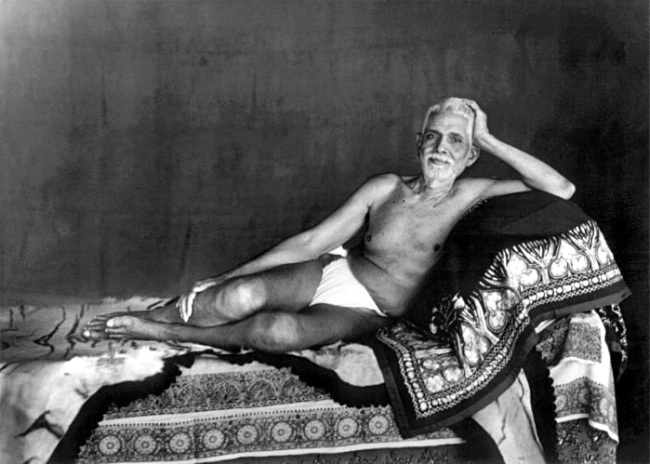
3bd17-ramanaspose

***************