‘அருந்தவத்து அரசி’ சபரி – ராமாயண இன்பம் (Post No.3004)

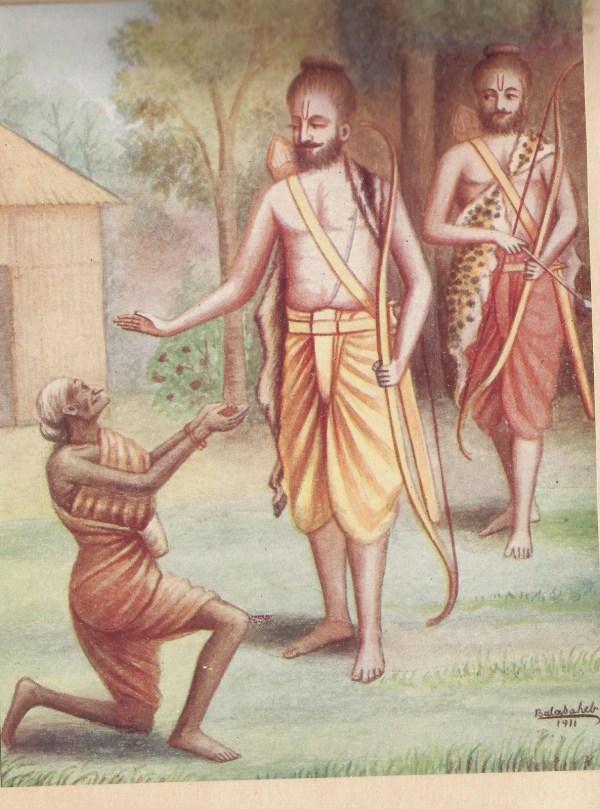
sabari

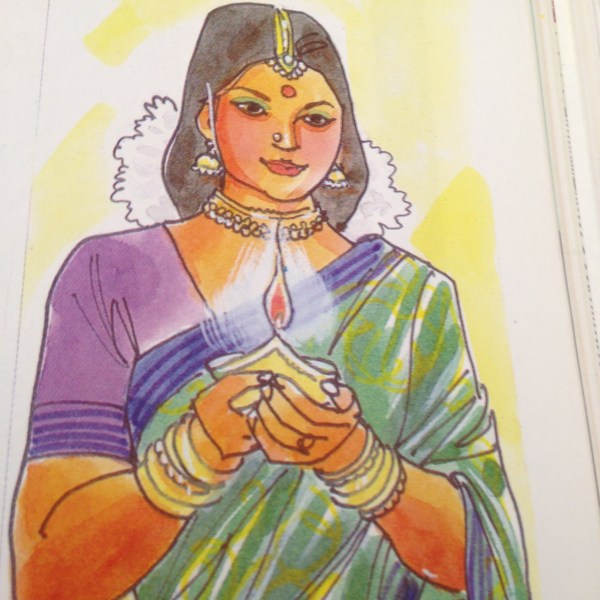
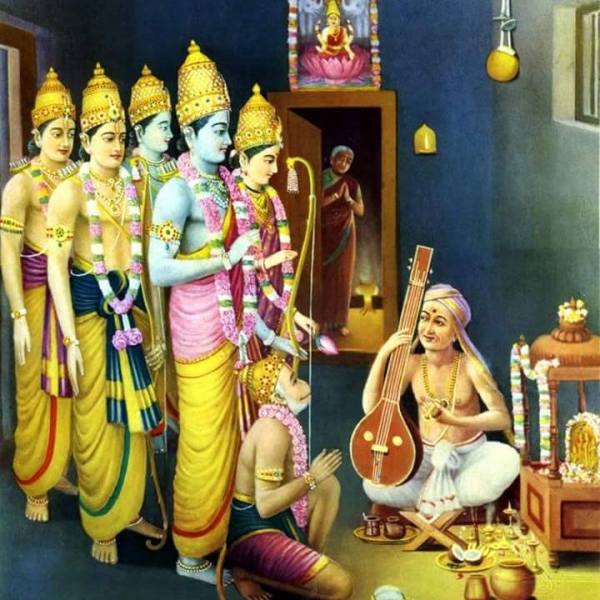
Picture shows Sabari with Rama, Lakshmana

Article Written by London swaminathan

Date:25 July 2016

Post No. 3004

Time uploaded in London :– 8-05 AM

( Thanks for the Pictures)

DON’T REBLOG IT AT LEAST FOR A WEEK!  DON’T USE THE PICTURES; THEY ARE COPYRIGHTED BY SOMEONE.


(for old articles go to tamilandvedas.com OR swamiindology.blogspot.com)


கம்ப ராமாயணத்திலும், வால்மீகி ராமாயணத்திலும் சபரி என்னும் கானகப் பெண்மணியைப் பற்றிய பாடல்கள் மிகவும் குறைவு. ஆயினும் அந்தப் பாடல்களை, ஸ்லோகங்களைப் படிக்கும்போது இலக்கிய இன்பமும், பக்திச் சுவையும் கிட்டும்.


முதலாவது, கானகத்தில் தவம் செய்யும் கிழவிக்கு கம்பன் கொடுக்கும் அடை மொழி “அருந்தவத்து அரசி”. வால்மீகி அடிக்கடி பயன்படுத்தும் “தபோநிதி” – என்பதை கம்பன் வேறு வடிவத்தில், இப்படி மிகவும் அழகாகப் பகர்கிறான்.


கம்ப ராமாயணம் முழுதும், ராமனுக்கும் சீதைக்கும் அனுமனுக்கும் கம்பன் கொடுக்கும் அடை மொழிகள் படித்துப் படித்து இன்புறத் தக்கவை.

இருந்தனென் எந்தை நீ ஈண்டு எய்துதி என்னும் தன்மை

பொருந்திட இன்றுதான் என் புண்ணியம் பூத்தது என்ன

அருந்தவத்து அரசி தன்னை அன்புற நோக்கி எங்கள்

வருந்துறு துயரம் தீர்த்தாய்; அம்மனை வாழி என்றார்

பொருள்:

சபரி சொன்னாள்: என் தந்தையே! நீ இங்கே வரப்போகிறாய் என்று கேட்டு, உன்னை எதிர்பார்த்துக் காத்திருந்தேன். நீ வந்துவிட்டதால், இன்றுதான் என் தவம் பலித்தது ( என் புண்ணியம் பூத்தது).

உடனே, அருந்தவத்துக்கு ராணியான அவளைப் பார்த்து, அன்போடு ராமன் சொன்னான்: தாயே! வழிநடையால் ஏற்பட்ட களைப்பை, உன் உபசரிப்பால் தீர்த்துவிட்டாய், நீ வாழ்வாயாக.


அவள் சொல்கிறாள்: சிவனும் பிரம்மனும், இந்திரனும் என்னிடம் வந்து,  நீ சித்தி பெறும் காலம் வந்துவிட்டது. ராமன் இங்கே வருகிறான். அவனுக்கு உரிய உபசாரங்களைச் செய்துவிட்டு எம் உலகத்துக்கு வருக என்று அவர்கள் சொன்னார்கள்.


(பிரம்மா, சிவன் பெயரை மட்டும் சொன்னதிலிருந்து,   ராமனே விஷ்ணு என்பதையும் கம்பன் தெரிவிக்கிறான்.)
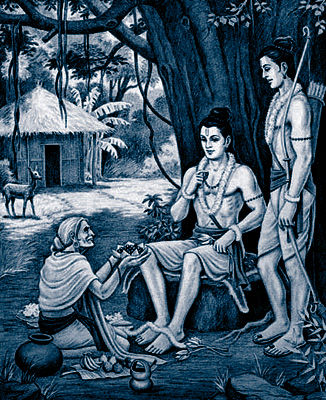
shabari

Picture: – சபரி என்ற வேடுவப் பெண்மணி

இன்னொரு பாடலில் ஞானிகள் யார் என்றும் கம்பன் சொல்கிறான். அவர்கள் “கேள்வியால் செவிகள் முற்றும் தோட்டவர்”. அதாவது, நமக்கு எல்லாம் காதில் இயற்கையாகவே துளை இருக்கிறது. சான்றோருக்கு,  கேள்வி  ஞானத்தால் – நல்லனவற்றைக் கேட்டதால் அத்துளை உண்டாயிற்றாம்!


சபரி வாழ்ந்த இடம் .மதங்க முனிவரின் ஆசிரமம் ஆகும். அந்த இடத்தின் இயற்கை அழகையும் பம்பா நதி தீரத்தின் இயற்கை அழகையும் வால்மீகி விரிவாக வருணிக்கிறார். கமபன் அந்த இடம் சொர்க்கலோகம் போல இருந்தது என்பான்:

எண்ணிய இன்பங்கள் அன்றித் துன்பங்கள் இல்லை ஆன

புண்ணியம் புரிந்தோர் வைகும் துறக்கமே போன்றது அன்றே


பொருள்:

புண்ணியம் செய்தோர் போகக்கூடிய சுவர்க்கம் (துறக்கம்) போல எப்போதும் இன்பம் மட்டுமே நிலவும் — துன்பமே இல்லாத – இடம் போல இருந்தது (மதங்க முனிவரின் இருப்பிடம்)


இறுதியில் ராமனுக்கு காய் கனிகளைக் கொடுத்து சபரி உபசரிக்கிறாள். அது மட்டுமல்ல சுக்ரீவன் வாழும் இடத்துக்கு எப்படி போவது என்றும் வழிகளை விரிவாகச் செப்புகிறாள். கடை சியில் யோக சக்தி மூலம் தன் உடம்பை விட்டு நீங்கி உயிர் துறக்கிறாள்.


வால்மீகி சிறிது வேறுவிதமாக முடிக்கிறார். யோக சக்தி என்பதற்குப் பதிலாக தீயில் புகுந்து சபரி உயிர் நீத்தாள் என்று இயம்புகிறார். அக்காலத்தில் சான்றோர்கள், தனது பணிகள் முடிந்தபின் இப்படி தீப்புகுந்து உயிர் துறப்பர்.


அதிகமான சங்கத் தமிழ் பாடல்களைப் பாடிய பிராமணப் புலவன் – “புலன் அழுக்கற்ற அந்தணாளன்” – கபிலனும் இப்படி தீப்புகுந்து உயிர்நீத்தான்.


சபரி பாடல்களில் இருந்து நாம் அறிவது என்ன என்று ஒரு ஆராய்ச்சி செய்வோம்:–
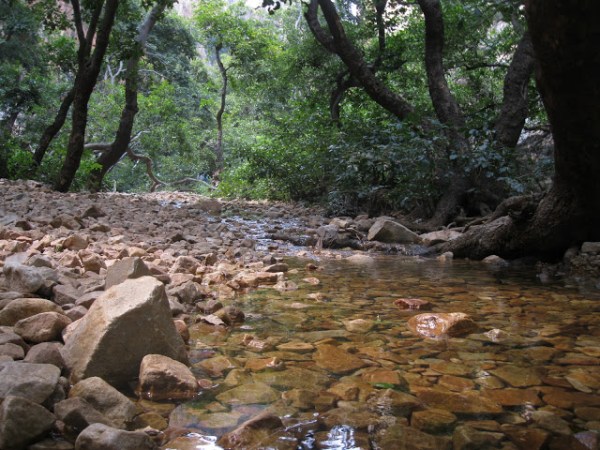
sabari ashram

Picture:– சபரி வாழ்ந்த இடம் .மதங்க முனிவரின் ஆசிரமம்

1.அந்தக் காலத்தில் பெண்களும் நல்ல ஆன்மீக அறிவு பெற்றிருந்த்னர். அவ்வையாருக்கு எல்லாம் சில ஆயிரம் ஆண்டுகளுக்கு முந்தியவர் சபரி. அப்போதே பெண்கள் ஆன்மீக தாகம் கொண்டு தவம் செய்தனர்.

2.ராமன் போன்றாரும், சபரியும் கானகத்தில் – வெஜிட்டேரியன் உணவை மட்டுமே சாப்பிட்டனர். காயும் கனிகளும் கீரையும் தேனும் திணை மாவுதான் அவர்கள் உண்டவை.

3.சான்றோர்கள் தன் தவ வலிமையால் உடல் துறப்பது, தீப்புகுவது என்பது சர்வ சாதாரணமாக இருந்தது. அதாவது உடலைத் துச்சமாக எண்ணினர். நாம் பழைய உடைகளைக் குப்பைக் கூடையில் எறிவது போல அவர்கள் உடலைத் துறந்தனர்.

4.கானகத்தில் இருந்த ஆசிரமங்கள் மிகவும் இயற்கை அழகு மிக்கவை அவை சொர்க்க லோகம் போன்று இன்பமே எந்நாளும் என்ற இடமாகத் திகழ்ந்தன.

5.சபரி கடித்துச் சுவைத்து கொடுத்த பழங்களை ராமன்- மன்னன் மகன் — ஜாதி வேறுபாடின்றி சாப்பிட்டதையும் நாம் அறிவோம். ஜாதிகள் இல்லையடி பாப்பா என்ற பாடலை – ராமன் குகன் சம்பவத்திலும், சபரி சம்பவத்திலும் காட்டுகிறான்.

  1. எல்லாவற்றிற்கும் மேலாக ஆரிய-திராவிட வாதத்துக்கு செமையடி கொடுக்கிறது ராமாயணம். ஆதிகுடிகள், வேடுவர்கள் என்போரெல்லாம் திராவிடர் என்றும் , ராமன், கிருஷ்ணன் போன்றோர் எல்லாம் ஆரியர் என்றும் பிதற்றினர் வெளி நாட்டினர். அது தவறு – சபரியும் கூட யோக வாழ்வு நடத்தினாள் என்று காட்டுகிறது இந்த சம்பவம். மேலும் ராமனும், கிருஷ்ணனும் “காக்கா கறுப்பு நிறத்தோலினர் என்பதையும் நாம் அறிவோம். ஆக நிறவேற்றுமை புகுத்திய வெளி நாட்டுப் பேய்களுக்கு அடிமேல் அடி கொடுக்கிறது சபரி நிகழ்வு

7.சபரி என்ற வேடுவப் பெண்மணிக்கு நல்ல பூகோள அறிவு இருந்ததையும் இச்சம்பவம் காட்டும். அதாவது அவள், சுக்ரீவன் வாழும் ரிஷ்யமுக பர்வதத்துக்குப் போகும் வழியை இராம இலக்குவருக்கு இயம்புகிறாள். அடுப்பூதும் பெண்களுக்கு படிப்பு எதற்கு என்று ஒரு காலம் நிலவியது உண்மைதான். ஆனால் அதற்கு முன்னர் ‘கூகுள் மேப்’- ஐ (Google Map) விட அதிக அறிவு இருந்தது பெண்களுக்கு.


8.இப்படலம் சுவர்கம் பற்றிய தகலையும் நமக்குத் தருகிறது. சுவர்க்க லோகம் இன்பமே எந்நாளும் நிலவும் இடம். அங்கு துன்பம் என்பதே கிடையாது.


சபரி பிறப்பு நீங்கு படலத்தை கம்பன் முடிக்கும் முன்பாக, சபரி தன் யோக சக்தியால் உயிர் நீத்ததை ராமன் அதிசயத்தோடு பார்த்த செய்தியையும் கம்பன் கூறுகிறான்:-

அன்னது கண்ட வீரர் அதிசயம் அளவின்றி எய்தி


இந்த அதிசயத்தகவலை நமக்குக் கொடுத்த கம்பனுக்கும் வால்மீகிக்கும் நாமும் நன்றி சொல்வோம்.


–subham–
 

அதிசயத் துறவி ஸு யுன் – பகுதி 9 (Post No.3003)

$_35

Article Written S NAGARAJAN

Date: 25 July 2016

Post No. 3003

Time uploaded in London :– 5-49 AM

( Thanks for the Pictures)


DON’T REBLOG IT AT LEAST FOR A WEEK!  DON’T USE THE PICTURES; THEY ARE COPYRIGHTED BY SOMEONE.


(for old articles go to tamilandvedas.com OR swamiindology.blogspot.com)

100 வயது வாழ்ந்த பெரியோர்
120 வயது வாழ்ந்த அதிசய புத்த துறவி ஸு யுன்! – 9
ச.நாகராஜன்
ஸு யுன்னுக்கு இப்போது வயது 65
க்வி மிங் ஆலயத்தில் இருந்தோர் அவரைத் தனிமைத் தவத்தை விட்டு விட்டுத் தங்களிடம் வருமாறு வேண்டினர். அங்கு அவர்கள் அழைப்புக்கு இணங்கிச் சென்ற அவர், சூத்திரங்களின் விளக்கங்களை சொல்ல ஆரம்பித்தார். இப்போது அவருக்கு சிஷ்யர்களாக 300 பேர் இருந்தனர்.
அடுத்து, யாங்-சு ஆலயம் அவரை அழைத்தது சுராங்கம சூத்திரங்களையும் .ஹான் –ஷான் எழுதிய கவிதைகளையும் ஆலயத்தில் அவர் ம்ரப் பலகைகளில் ஓவியமாக வரைய ஏற்பாடு செய்தார்.
அவற்றை விளக்குமாறு அனைவரும் அவரைக் கேட்டுக் கொண்டனர்.
கூட்ட முடிவில் தலைமைத் தளபதியாக இருந்த ஜெனரல் லு பு சிங் மற்ற அதிகாரிகளுடன் வந்து ஸு யுன்னைத் தரிசித்தார்.
சான் டா ஆலயத்திற்கு வருமாறு பணிவுடன் அவர்கள் வேண்டினர்.
அங்கு சென்றார் ஸு யுன்.
நகரங்களில் தனக்கு வாழப் பிடிக்கவில்லை என்று கூறிய ஸு யுன் காக் ஃபுட் மலையில் உள்ள ஜிங்-டிங் மலை உச்சியில் உள்ள ஆலயத்தைத் தான் புனருத்தாரணம் செய்ய விரும்பியதையும் அங்குள்ளோர் அதைத் தடுத்ததையும் நினைவு கூர்ந்தார். (அத்தியாயம் 7இல் இந்த சம்பவம் இடம் பெற்றுள்ளது)
அந்த இடத்தில் சிறிது இடம் தந்தால் நன்றாக் இருக்கும் என்ற கருத்தை ஆள்வோரிம் அவர் கேட்டுக் கொள்ள அனைவரும் அதற்கு ஒப்புக் கொண்டனர்.
போ யு என்ற இடத்தில் ஒரு ஆலயம் இருந்தது. ஜியா குங் வமிசம் (1796-1820) ஆண்ட போது செழிப்பாக இருந்த ஆலயம் இப்போது பாழடைந்து கிடந்தது. ஏன் அதை விட்டு விட்டு எல்லோரும் போய் விட்டார்கள்?
ஆலயத்தின் வலது புறம் பெரிய ஒரு பாறை இருந்தது. அந்தப் பாறையிலிருந்து ‘வெள்ளைப் புலி’ யின் செல்வாக்கு இருந்ததாம். மக்கள் பயந்து ஓடி விட்டனர்.
பாறையை உடைக்க விரும்பினார் ஸு யுன். பாறையோ மிகவும் பெரிது. ஒன்பது அடி நான்கு அங்குலம் உயரம். ஏழரை அடி குறுக்களவு.
பாறையை இடது புறமாக 280 அடி தள்ளி விட்டால் நன்றாக இருக்கும் என்று எண்ணிய ஸு யுன் ஒரு மேஸ்திரியைக் கூப்பிட்டு ஆள்களை அழைத்து வருமாறு கூறினார். 100 பேர்கள் குழுமினர். மூன்று நாட்கள் இடை விடாமல் உழைத்தனர். ஒரே சமயத்தில் அனைவரும் முயற்சி செய்தும் கூட பாறை அசையக் கூட இல்லை!
முயற்சியில் தோல்வி அடைந்த அவர்கள் அங்கிருந்து சென்றனர்.
ஸு யுன் அங்கு இருந்த காவல் தெய்வங்களை நோக்கிப் பிரார்த்தனை புரிய ஆரம்பித்தார். மந்திரங்களை ஜெபித்தார்.
பின்னர் பத்து துறவிகளை அழைத்தார். இடது புறம் பாறையைத் தள்ளுங்கள் என்றார்.
பாறை நகர்ந்தது! அனைவரும் ஆரவாரித்தனர்.
ஒருவர் பாறையில் ‘யுன் யி ஷி’ என்று எழுதியே விட்டார். மேகத்தால் நகர்த்தப்பட்ட பாறை என்பது அதன் பொருள்.
(மேகம் என்பது இங்கு ஸு யுன்னைக் குறிக்கிறது)
அதிகாரிகளும் அறிஞர்களும் நடந்ததைக் கேள்விப்பட்டு அங்கு விரைந்து வந்தனர். நடந்ததை பாறையில் கல்வெட்டாக்க முனைந்தனர்.
ஸு யுன் ஒரு கவிதையைப் புனைந்தார்.
அதன் சுருக்கம்:
“இந்த விசித்திரமான பாறை தைரியமாக நின்றது
புலிகள் நடமாடும் இடத்தில் ஆலயத்தை புனருத்தாரணம் செய்ய விரும்பினேன்
ஆயிரக்கணக்கான தடைகளைக் கடந்து இந்த மலைக்கு வந்தேன்
அப்போது – பிரகாசமான சந்திர வெளிச்சம்
மீன்கள் விளையாடும் அழகிய நேரம்
மாயா உலகத்தை மேலிருந்து பார்க்கும் அவன்
இனி சுவர்க்கத் தென்றல் தவழ்ந்து வர
மணிகளின் ஓசையைக் கேட்பான்”
ஆலயம் மீண்டும் கட்டப்பட்டது.எல்லா யாத்ரீகர்களும் அங்கு வருவதென்றால் அவர்களை நன்கு கவனிக்க பணம் வேண்டுமே
ஸு யுன் நிதி திரட்ட முனைந்தார்
– தொடரும்

Mystery of the Indian Hill Tribes – Part 8 (Post No.3002)

IMG_2169

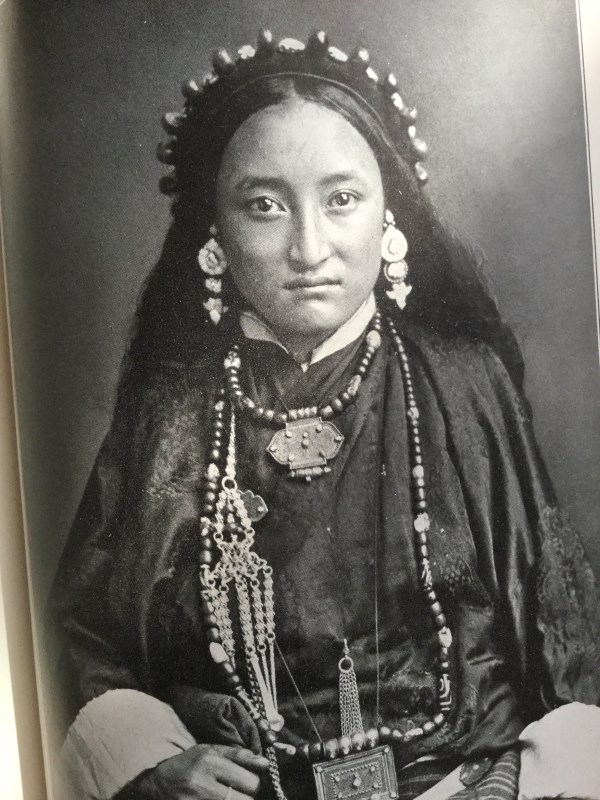
Picture of a Lama Woman

Research Article Written by London swaminathan

Date:25 July 2016

Post No. 3002

Time uploaded in London :–  20-45

( Thanks for the Pictures)

DON’T REBLOG IT AT LEAST FOR A WEEK!  DON’T USE THE PICTURES; THEY ARE COPYRIGHTED BY SOMEONE.


(for old articles go to tamilandvedas.com OR swamiindology.blogspot.com)


Part 7 was published here on 11th of July. First part contains a detailed introduction.


Following are taken from the People of India written by Sir Herbert Risley, Director of Ethnography for India, Year 1915 with my comments


IMG_2164

Kaamaars, Blacksmiths of Bihar (Plate 28)


Lohaars , the ordinary blacksmiths of Northern India  working in iron only, whereas Kaamaars work on iron and gold as well. I Eastern Bengal they make brass cooking vessels as well. Hence they hold a higher rank than the Lohaars, and Brahmans will take water from their hand. They pride themselves on not allowing their women to wear noserings. Like other artisan castes, they worship Visvakarma, the Divine architect of the Universe, who is often represented by the hammer, anvil, and other tools used in their handicraft.


My comments:-

First, note the caste names Kaamaars and lohaars are Sanskrit names (Karmaara, Loha kara)

If they are non Aryans, if they are Shudras, why there are so many differences between themselves? If they are Dravidians, how come they worship Visvakarma, the Vedic God? So the division of Aryan- Dravidian is a pure concoction of foreigners.


Lama Woman, Mongoloid Type, (Plate 30)

Laama is a Tibetan word meaning “Superior One”, and was formerly restricted to the head of a monastery. It is now strictly applicable only to abbots and to the higher class of Buddhist monks. In many places the first born son is often dedicated to the profession of religion.  As in the case of the lady in the illustration, to use the words of Lt.Col. Waddel , “Their inveterate craving for material  protection against malignant gods and demons has caused them to pin their faith on charms and amulets, which are to be seen everywhere dangling from the dress of every man, woman and child.


My comments:

Their beliefs, customs and jewels are completely different from other communities. They are classified as of  Mongoloid race. What makes them Mongoloid? Customs? Facial features? Amulets and Charms are even in the Atharva Veda. First son is dedicated to religion/ Is it Aryan or Dravidian? All the divisions are artificial and man-made. Differences are there in every big geographical area. Great Britain has four prominent ethnic groups: Scottish, Welsh, English and Irish. But they are united under British. The same people who merged ethnicities under the term ‘British’, divided Hindu races as Aryans, Dravidians and Mongolians etc.


Totemism in Bengal

One more instance of totemism in Bengal deserves special notice here, as it shows the usage maintaining its ground among people of far higher social standing than any of the castes already mentioned. The Kumhaars of Orissa take rank immediately below the Karan or writer caste, and thus have only two or three large castes above them. They are divided into two two endogamous sub castes – Jagannathi and Oriya Kumhars who work standing  and make large earthern pots, and Khattya Kumhars who turn the wheel sitting and make small earthern pots or cups.

For matrimonial purposes the Jagannathi Kumhars are subdivided into the following exogamous sections:–


Jagannathi Kumhaar

Name of Section – Totem

Kaundinya – Tiger

Sarpa – Snake

Neul – Weasel

Goru – Cow

Mudir – Frog

Bhadbhadria – Sparrow

Kurmaa – Tortoise


My comments:-

Even the potters’ castes have Sanskrit totem names and caste names. Foreigners could not digest this. They are considered lower in rank, “Dravidian” in appearance! But have Rishi’s name (Kaundinya) and Sanskrit caste names (Kumhaars = kumbakara). Foreigners struggled to find a reason and at last aid “ probably they borrowed” them. This is how they fooled all Indians and divided India into races and classes.


In the next article I will list all the Vedic Tribes.

To be continued……………..


அரவிந்த ரகசியம் (Post No.3001)


aravindarArticle Written by S NAGARAJAN
Date: 23 July 2016
Post No. 2996
Time uploaded in London :– 6-32 AM
( Thanks for the Pictures)

DON’T REBLOG IT AT LEAST FOR A WEEK! DON’T USE THE PICTURES; THEY ARE COPYRIGHTED BY SOMEONE.

(for old articles go to tamilandvedas.com OR swamiindology.blogspot.com)

அரவிந்த இரகசியம் – கடவுளரின் அர்த்தங்கள்!
ச.நாகராஜன்

நம் கண் முன்னாலேயே வாழ்ந்து உலகை உயர்த்திய மகான்கள் ஏராளம்.
மஹாத்மா காந்தி
ஸ்ரீ சத்ய சாயிபாபா
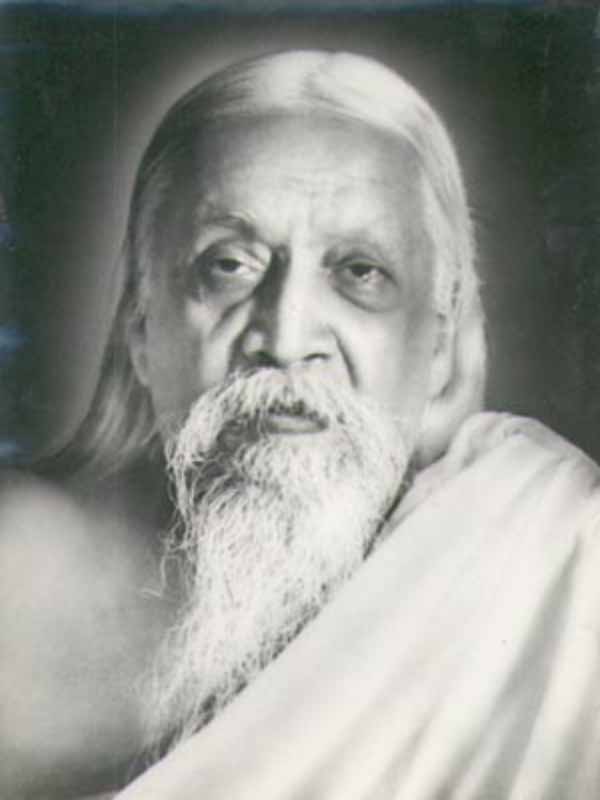
அரவிந்தர்
அன்னை
இப்படி பட்டியலைச் சொல்லிக் கொண்டே போகலாம்.
இவர்களில் அரவிந்தர் புதிய ஒரு பொன்னான உலகத்தை சிருஷ்டிக்கத் தன்னை அர்ப்பணித்தார்.
இவரது அனுபவங்களும் அறிவுரைகளும் பொக்கிஷம் போல அப்படியே நமக்குக் கிடைத்துள்ளன.
ஆனால் அவை ஒரு பிருஹத் ஆரண்யத்தில் புகுவது போல.
பெரிய காட்டில் எது எங்கே இருக்கிறது என்பதை அறிய முடியாது அல்லவா.
நல்ல வேளையாக அறிஞர்கள் பலர் அதில் சில முத்துக்களை இனம் கண்டு நமக்குச் சிறு சிறு கட்டுரைகளாகத் தந்துள்ள்னர். இன்னும் சிலரோ அவரது உரைகளில் முக்கியமானவற்றைத் தனியே பிரித்துத் தொகுத்துத் தந்துள்ளனர்.
இவற்றில் ‘A Practical Gudie to Integral Yoga’ என்ற நூல் அருமையான தொகுப்பு நூல். அதில் பல இரகசியங்கள் விளக்கப்பட்டுள்ளன.
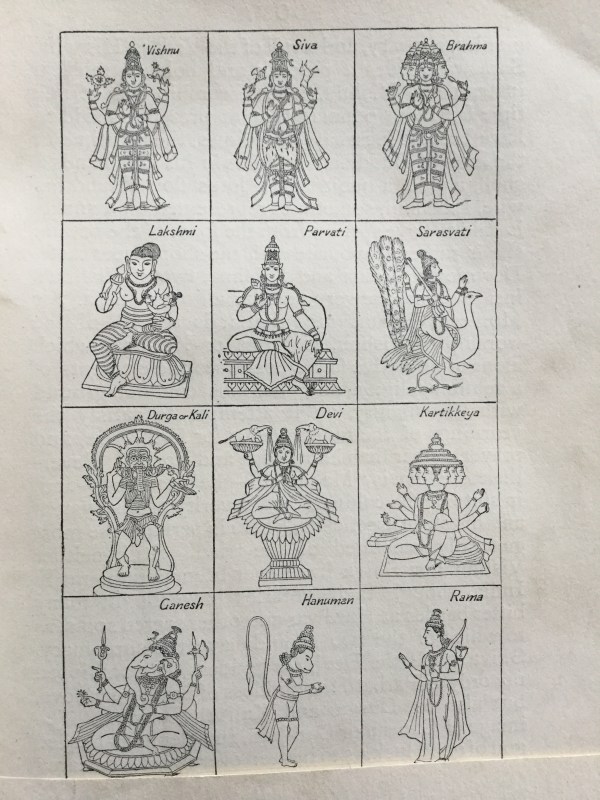
கடவுளரின் அர்த்தங்களை அவரும் அன்னையும் (அரவிந்த ஆசிரம அன்னை) தெளிவாகக் கூறுகின்றனர்.


ஒரு பிரம்மாண்டமான மஹா சக்தி இந்த பிரபஞ்சத்தை உருவாக்கி இயக்குகிறது. அதுவே ஆத்ய சக்தி.
பிரபஞ்ச இறைத்தன்மையின் மூன்று பெரும் சக்திகள் மற்றும் ஆளுமை கொண்டவர்களே பிரம்மா,விஷ்ணு, சிவன்.
உருவாக்கம், படைப்புக்குப் பின்னால் இருப்பவர் பிரம்மா.
படைப்பவர் விஷ்ணு
தவத்திற்கு சிவன்
தெய்வீக சக்தியே தேவி
சிங்கத்துடன் கூடிய துர்க்கையே தெய்வீக பிரக்ஞை
மஹாகாளி உயரிய மட்டத்தில் உள்ளவள். தங்க மயமாக ஜொலிப்பவள்.
கடவுளர் தெய்வீகப் பணிகளை ஆற்றுபவர்கள்.
விக்கினங்களை நீக்க கணேசர்.
வெற்றியைத் தர முருகன்.
பக்திக்கு ஹனுமான்.
தெய்வீக அன்புக்கு ஸ்ரீ கிருஷ்ணர்
முழு அன்புமயத்திற்கு ராதை.
இதை உணர்ந்து வழிபட்டால் வாழ்க்கையில் உயர்வு நிச்சயம். அரவிந்தரும் அன்னையும் கூறும் இரகசியத்தை ஆங்கிலத்தில் பார்ப்போம்:


IMG_3089
SYMBOLIC MEANING OF GODS
ADYA SHAKTI – Is the original Shakti, therefore, the highest form of the Mother
Brahma, Vishnu, Shiva – Are only three powers and personalities of the one Cosmic Godhead.
Brahma – Is the power of the Divine that stands behind formation and creation
Vishnu – Being the creator, all the three gods are often spoken of as creating the universe – even Shiva who is by tradition the Destroyer.
Shiva – is theLord of Tapas. The Power is the power of Tapas.
Devi – Is the Divine Shakti – the Consciousness and Power of the Divine, the Mother and Energy of the worlds.
Durga – The lion with Durga on it is the symbol of the Divine Consciousness acting through a divinized physical-vital and Vital-emotional force.
Kali and Mahakali – Are not the same. Kali is a lesser form. Mahakali in the higher planes appears usually with golden colour.
Gods – Are the powers that stand above the world and transmit the divine workings.
Ganesh – Is the power that removes obstacles by the force of Knowledge. He is a god of spiritual Knowledge.
Hanuman – Perfect Bhakti
Kartikeya – Represents victory over the hostile powers. He is also the leader of the divine forces.
Sri Krishna – Is the Lord of divine love and ananda – and his flute calls the physical being to awake out of the attachments of the physical world and turn to that love and ananda.
Radha – Is the personification of the absolute love for the Divine, total and integral in all parts of the being from the highest spiritual to the physical, bringing the absolute self-giving and total consecration of all the being and calling down into the body and the most material nature the supreme Ananda.

அரவிந்தர் நூல்களில் பொதிந்து கிடக்கும் ஏராளமான இரகசியங்களை அறிந்தால் ஆன்மீகத்தில் உயரிய நிலையை அடைய முடியும்!
******


ஏரிக்கடியில் அரண்மனை: காளிதாசன், வால்மீகி தரும் அதிசய தகவல் (Post No. 3000)

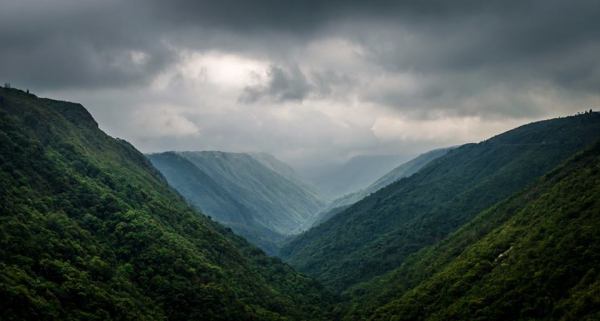
megalaya forest,jungle

Written by London swaminathan

Date:24 July 2016

Post No. 3000

Time uploaded in London :– 5-22 AM

( Thanks for the Pictures)


DON’T REBLOG IT AT LEAST FOR A WEEK!  DON’T USE THE PICTURES; THEY ARE COPYRIGHTED BY SOMEONE.


(for old articles go to tamilandvedas.com OR swamiindology.blogspot.com)


இப்பொழுது பல மாயாஜாலக் கதைகளைப் படிக்கிறோம். ஏராளமான சித்திரத் தொடர்கதைகளைப் படிக்கிறோம். ஹாரி பாட்டர் போன்ற புதிய கதைகளும், திரைப்படங்களும் கோடிக்கணக்கில் பணத்தைக் குவிக்கின்றன. ஆனால் எல்லா கதைகளிம் கருக்களும், விதைகளும் இந்திய இலக்கியங்களில் உள்ளன. சம்ஸ்கிருத இலக்கியத்திலும், நாட்டுப்புற கதைகளிலும் இதை அதிகம் காணலாம். ஈசாப் கதைகளானாலும் சரி, ஜோனதன் ஸ்விப்டின் கலிவரின் யாத்திரை ஆனாலும் சரி, பொக்காஸியோவின் டெக்காமொரோன் ஆனாலும் சரி — எல்லாக் கதைகளின் கருத்துகளும் வடமொழியில் இருப்பதைக் காணலாம்.

chilka 10, fb

வால்மீகி ராமாய ண த்தில் அலிபாபா-அலாவுதீன் விளக்கு ,  கதைகளை விட அதிசயமான கதைகள் இருக்கின்றன. பரத்வாஜர் கதை. மாண்டகர்ணி என்ற ரிஷியின் கதை ஆகியன குறிப்பிடத்தக்கன.


காளிதாசன் சொல்கிறான்:-

“இதோ தெரியும் இந்த பஞ்சாப் சரஸ் ஏரியானது சாதகர்ணி என்னும் முனிவரின் ஏரி ஆகும் இது அவர் நீர்விளையாட்டுக்காக அமைத்தது. நான்கு புற ங்களும் அடர்ந்த, இருண்ட காடுகள் இடையே இது பள, பள என்று பிரகாசிப்பதால் இதை இருண்ட வானத்தில் செல்லும் சந்திரனுக்கு ஒப்பிடலாம்”.


ஏதத்முனே: மானினிசாதகர்ணே: பஞ்சாப்சர: நாம  விஹாரவாரி

ஆபாதி பர்யந்தவனம் விதூராத் மேகாந்தர் ஆலக்ஷ்யம்இவ இந்து பிம்பம்

–ரகுவம்சம், 13-38


காளிதாசன் சாதகர்ணி என்று சொல்லும் முனிவரின் பெயர் ராமாயணத்தில் மாண்டகர்ணி என்று வருகிறது. அவர் 16,000 ஆண்டு தவம் செய்துகொண்டிருந்தார் (16000 ஆண்டு = நீண்ட காலம்). தேவர்களுக்கு அச்சம் நிலவியது. உடனே ஐந்து அப்சரஸ் அழகிகளை அனுப்பிவைத்தனர். அவரும் சொக்கிப்போனார்.


அவர் அந்த ஐந்து பேரையும் மண ந்து கொண்டார். தன்னுடைய தவ வலிமையால் அந்த ஏரியின் அடிப்பகுதியில் ஒரு அரண்மனையைக் கட்டினார். அதில் அவர்களுடன் வசித்தார். ஐந்து அப்சரஸ் பெண்களின் நினைவாக அந்த ஏரி பஞ்சாப் சரஸ் என்று அழைக்கப்படும்.


முன்பு தர்ப்பைப் புல்லின் குருத்துக்களை மட்டும் உண்டு, மான்களோடு விளையாடி வந்த முனிவர்,  இந்திரனின் கபடத்தால்,  “ஐந்து அழகிகளின் இளமை என்ற கூட்டு”க்குள் அடைக்கப்பட்டார் என்று காளிதாசன் மேலும் வருணிக்கிறான்.


நீருக்கடியில் மறைந்திருந்த அந்த மாளிகையிலிருந்து எழுந்த இன்னிசை ஒலி (சங்கீத – மிரிருதங்க – கோஷம்) ஆகாயத்தை அடைந்து அங்கே சென்ற விமானங்களில் மீது மோதி எதிரொலித்தன.


வால்மீகி ராமாயணந்த்தில் ஆரண்ய காண்டத்தில் 11ஆவது சர்கத்தில் 15 ஸ்லோகங்களில் வரும் வருணனைகள், காளிதாசனின் மனதை மிகவும் கவர்ந்ததால், இந்த சர்கத்தில் இப்படி வருணித்தான்.


இதிலிருந்து நாம் அறியும் விஷயங்கள்:–


1.அந்தக் காலத்தில் நீருக்கு அடியில் கட்டிடம் அமைக்கும் பொறியியல் வல்லுநர்கள் இருந்தனர்.

2.காட்டுக்கு அடியில் தவ வலிமை மூலம் அமைத்தாலும், ஒரு கட்டிட வரைபடம், அமைப்பு இல்லாமல் இது நடந்திராது.

  1. வானில் விமானங்கள் சென்று கொண்டிருந்ததையும் அறிகிறோம்.
  2. இன்று சாமியார்கள், பெண்களிடம் சரணடைவது போல அன்றும் பல முனிவர்கள் அடிமையானதையும் அறிகிறோம்.
  3. காட்டில் முனிவர்கள் தவம் செய்கையில், இலை, தழைகளைச் சாப்பிட்டுக் கொண்டு, மான்களோடு விளையாடி இயற்கையோடு ஒன்றிய வாழ்க்கையை நடத்தினர்.
  4. நீண்டகாலம் என்பதை- 16,000 ஆண்டுகள் — என்ற மரபுச் சொற்றொடர் மூலம் (இடியம்) எழுதும் வழக்கம் இருந்ததையும் காண்கிறோம்.

7.பரத்வாஜர் கதையும், விஸ்வாமித்ர/காமதேனு கதையும், மாண்டகர்ணி கதையும் பல மாயாஜால விஷயங்களை கூறுகின்றன. இவை அனைத்தும் தவ வலிமையால் நிகழ்ந்தன என்ற தகவலையும் அறிகிறோம்.


வால்மீகி தரும் தகவல்


வால்மீகி ராமாயணம் இந்த ஏரியின் இயற்கை அழகை மிக அழகாக வருணிக்கிறது. அடர்ந்த காட்டுக்குள் இன்னிசை ஒலி கேட்டவுடன் ராம, லெட்சுமணர்கள் , தர்மப்ருத் என்ற முனிவரிடம் இது எங்கிருந்து வருகிறது? ஜன நடமாட்டமே இல்லையே என்கிறார்கள். உடனே மேற்கூறிய கதையை அவர் விவரமாகக் கூறுகிறார். இதையே காளிதாசன் சுருக்கித் தந்துள்ளான்.


–subham–


BRAHMINS ZINDABAD! (Post No.2999)

little vedic pundits

Compiled by London swaminathan

Date:23 July 2016

Post No. 2999

Time uploaded in London :– 16-27

( Thanks for the Pictures)


DON’T REBLOG IT AT LEAST FOR A WEEK!  DON’T USE THE PICTURES; THEY ARE COPYRIGHTED BY SOMEONE.


(for old articles go to tamilandvedas.com OR swamiindology.blogspot.com)


I have compiled what Buddha, Tamil poet Tiruvalluvar, Greatest Hindu Philosopher Adi Sankara, World’s first Law Book writer Manu (not Hammurabi) and Modern Hindu Saint Swami Vivekananda said about Brahmins. They all defended Brahmins – only the Brahmins who studied the Vedas and followed Vedic duties.

 brahmins vaishnavite

Buddha Says:–


“And a saint, a Brahmin, is pure from past sins; even if he had killed his father and mother, had murdered two noble kings, and had ravaged a whole kingdom and its people”

–Buddha in Dhammapada, Sloka 294


Because he has put away evil, he is called a Brahmin; because he lives in peace, he is called a ‘samana’; be cause he leaves all sins behind, he is called a ‘Pabbajita’, a pilgrim.

–Buddha in Dhammapada, Sloka 388


Ons should never hurt a Brahmin; and a Brahmin should never return evil for evil

–Buddha in Dhammapada, Sloka 389


brahmin boys with kavi towel

Adi Sankara says:–


Jantuunaam narajanma durlabatah pimstvam tato viprathaa

Tasmaadvaidika dharmamaargaparataa vidvatvamasmaatparam

–Vivekachudaamani of Adi Sankara, Sloka 2


“For all beings a human birth is difficult to obtain, more so is a male body;rarer than that is Brahminhood; rarer still is the attachment to the path of Vedic religion;higher than this is the erudition in the scriptures.


Tamil Poet Tiruvalluvar

The Brahmins are ascetics, because they are kind to all creatures (Tirukkural 30) Manakkudavar commentary.


Cows yield less, Brahmins forget the Vedas, if the king does not guard justice

(Tirukkural 560)

vedic brahmins

Manu Says:–


Buutaanaam praaninah sreshtaah praaninaam buddhi jiivinah

Budhimatsu naraah sreshtaanareshu braahmanaah smrutaah


The best of living beings are those that those who have the breath of life;

And the best of those that have the breath of life are those that live by their intelligence;

The best of those that have intelligence are men;

And Brahmins are traditionally regarded as the best of men.


Manu 1-96

Braahmaneshu sa vidvaamso vidvaatsukruta buddhayah

Krutabuddhishu kartaarah kartrushu brahmavedinah


Among the Brahmins learned men are the best;

Among learned men, those who understand their duties;

Among those who understand their obligations, those who fulfil them;

And among those who fulfil them, those who know the veda (are the best)

–Manu 1-97


The very birth of a Brahmin is the eternal physical form of religion; for he is born for the sake of religion and is fit to become one with the ultimate reality.

Manu 1-98


Utpattireva viprasya murtidharmasya saasvatii

Sa hi dharmaartamutpanno bramabhuyaaya kalpate

Xxx


For when a Brahmin is born he is born at the top of the earth, as the lord of all living beings, to guard the treasure of religion.

Manu 1-99


A Brahmin who studies the Vedas and has fulfilled his vow is NOT constantly smeared with the faults of the effects of past actions born of mind and heart, speech and body.

Manu 1-104


He purifies the rows for seven generations in the past and seven generations in future; he alone deserves the entire earth.

Manu 1-105


london murugan upajkarma

Swami Vivekananda says:–
“The ideal man of our ancestors was the Brahmin. In all our books stands out prominently this ideal of the Brahmin. In Europe, there is my Lord the Cardinal, who is struggling hard and spending thousands of pounds to prove the nobility of his ancestors, and he will not be satisfied until he has traced  his ancestry to some dreadful tyrant who lived on a hill and watched the people passing by, and whenever he had the opportunity,  sprang out on them and robbed them. That was the business of these nobility-bestowing ancestors, and my Lord Cardinal is not satisfied until he can trace his ancestry to one of these. In India, on the other hand, the greatest princes seek to trace their descent to some ancient sage who dressed in a bit of loin-cloth, lived in a forest, eating roots and studying the Vedas. It is there that the Indian prince goes to trace his ancestry. You are of the high caste when you can trace your ancestry to a Rishi, and not otherwise.


Our ideal of high birth, therefore, is different from of others. Our ideal is the Brahmin of spiritual culture and renunciation. By the Brahmin ideal what do I mean? I mean the ideal Brahminess in which worldliness is altogether absent and true wisdom is abundantly present. That is the ideal of the Hindu race.


Have you not heard how it is declared that the Brahmin, is not amenable to law, that he has no law that he is not governed by kings, and that his body cannot be hurt? That is perfectly true. Do not understand it in the light thrown upon it by interested and ignorant fools, but understand it in the light of the true and original Vedantic conception.


brahmins, fb 1

In Satya Yuga only one caste was there!


If the Brahmin is he who has killed all selfishness and who lives and works to acquire and propagate wisdom and the power of love– If a country is altogether inhabited by such Brahmins, by men and women who are spiritual and moral and good, is it strange to think of that country as being above and beyond all law? What police, what military are necessary to govern them? Why should govern them at all? Why should they live under a government? They are good and noble, and they are the men God; these are our ideal Brahmin and we read that in the Satya Yuga there was only one caste, and that was the Brahmin. We read in the Maha bhaarata that the whole world was in the beginning peopled with Brahmins, and that as they began to degenerate, they became divided into different castes, and when the cycle turns round, they will all go back to that Brahminical origin. This cycle is turning round now and I draw your attention to this fact. Therefore our solution of the caste question is not degrading those who are already high up, in not running amuck through food and drink, is not jumping out of our own limits in order to have more enjoyment, but it comes by every one of us, fulfilling the dictates of our Vedantic religion, by our attaining spirituality, and by our becoming the ideal Brahmin”.


“He only the Brahmin who has no secular employment. Secular employment is not for the Brahmin, but for the other castes. To the Brahmins I appeal, that they must work hard to raise the Indian people by teaching them what they know, by giving whatever out the culture that they have accumulated for centuries. It is clearly the duty of the Brahmins of India to remember what real Brahminhood is.


As Manu says, all these privileges and honours are given to the Brahmin because with him is the treasury of virtue. He must open that treasury and distribute its valuables to the world. It is true that he was the earliest preacher to the Indian races, he was the first to renounce everything in order to attain to  the higher realisation of life before others could reach to the idea. It was not his fault that he that he marched ahead of the other castes. Why did not the other castes so understand and do as he did? Why did they sit down and be lazy, and let the Brahmins win the race?


“But it is one thing to gain an advantage, and another thing to preserve it for evil use. Whenever power is used for evil it becomes diabolical; it must be used for good only. So this accumulated culture of ages of which the Brahmin has been the trustee, he must now give to the people at large, and it was because he did not give it to the people that the Mahammedan invasion was possible. It was because he did not open this treasury to the people from the beginning that for a thousand years we have been trodden under the heels of everyone who chose to come to India. It was through that we have become become degraded and the first task must be to break open the cells that hide the wonderful  treasures which our common ancestors accumulated; bring them out, and give them to everybody, and the Brahmin must be the first to do it”.
—SELECTIONS FROM THE COMPLETE WORKS OF SWAMI VIVEKANANDA


POMPOUSNESS (I am a V.I.P. attitude) ANECDOTES! (Post No.2998)

queen of Nepal

Picture of Queen of Nepal

Compiled by London swaminathan

Date:23 July 2016

Post No. 2998

Time uploaded in London :– 10-55 AM

( Thanks for the Pictures)


DON’T REBLOG IT AT LEAST FOR A WEEK!  DON’T USE THE PICTURES; THEY ARE COPYRIGHTED BY SOMEONE.


(for old articles go to tamilandvedas.com OR swamiindology.blogspot.com)


I am an M.P.


A peddler with a hand-cart full of shrimps was ordered out of the way by a member of Parliament, who was trying to park his limousine.

Look out yourself,” said the coster.

Do you realize,” demanded the other that I have an M.P at the end of my name?”

“So ‘as every blarsted shrimp in this ‘ere cart”


xxx
Take Two Chairs!


A pompous young man called on Joseph Choate the prominent lawyer and statesman The lawyer was busy and asked the young man to take a chair. But the youth was impatient and again interrupted the lawyer with the remark

“I am Bishop Blank’s son”


“Please take two Chairs” said Mr. Choate.


Xxx

victor hugo, germany

Victor Hugo! Who is he?


When Victor Hugo was an aspirant for the honors of the Academy, and called on M. Royer Collard to ask his vote, the sturdy veteran professed an entire ignorance of his name.


I am the author of “Notre Dame de Paris Les derniers Tours d’un Condamne’; “Marion Delorme etc.


“I have never heard of any of them.”


“Will you do me the honor of accepting a copy of my works?’


“I never read new books.”

Xxx


Oscar Wilde


To Boston is attributed the credit of having retorted to the superciliousness of Oscar Wilde in kind. “You’re Philistines,” Wilde accused his Boston audience, who have invaded the sacred sanctum of Art.”


A voice in the audience called out, “And you’re driving us forth with the jawbone of an ass”

Xxx

 brahms 2

Brahms Compositions!


Widmann relates that “when the school-masterish music director of a very small Swiss town graciously assured Brahms that he was familiar with every one of his compositions, the Master motioned him with his hand to be still and listen attentively, as the festival orchestra was just then playing something of his own. It was, however, a military march by Gungl. I can still see the good man before me, how with open mouth and reverent contorted eyes he listened to the rather commonplace fanfares, which he now really held to be a Brahms composition while Brahms, in outrageous glee over his successful trick, whispered to the rest of us: Just look at the Basilio. (the hypocritical dupe in Rossini’s “Barber of Seville’)


Xxx


God Relieved!


A Congressman said to Horace Greeley one day: I am a self-made man.” “That sir,” said Greeley, “relieves the Almighty of a great responsibility.”


Xxxx


Don’t Laugh!


To a young speaker Thomas Corwin, the Congressman, gave this advice:

“Never make people laugh. If you would succeed in life you must be solemn, solemn as an ass. All the great monuments are built over solemn asses.”


xxx


மனைவிக்கு ‘ஜாயா’ என்று பெயர் ஏன் ? (Post No.2997)

IMG_4412

Compiled by London swaminathan

Date:23 July 2016

Post No. 2997

Time uploaded in London :– 6-20 AM

( Thanks for the Pictures)


DON’T REBLOG IT AT LEAST FOR A WEEK!  DON’T USE THE PICTURES; THEY ARE COPYRIGHTED BY SOMEONE.


(for old articles go to tamilandvedas.com OR swamiindology.blogspot.com)


ஜாயா என்றால் பிறவிக்குக் காரணமானவள். இதை மனைவிக்கு சம்ஸ்கிருதத்தில் பயன்படுத்துவது விநோதமாக இருக்கும். இது தாயாருக்குப் பொருந்தும். ஆனால் தாயாருக்கு ஜனனி, மாதா போன்ற பல பெயர்கள் இருக்கின்றன.


ஜாயா என்பதற்கு மனு விளக்கம் தருகிறார்:–


பதிர் பார்யா சம்ப்ரவிஸ்ய கர்போ ப்ருத்வேஹ ஜாயதே

ஜாயாயாஸ்தத்தி ஜாயாத்வம் யதஸ்யாம் ஜாயதே புன:

–மனு 9-8


கணவன் (பதி:), இந்திரிய ரூபமாக மனைவிக்குள் (பார்யா) புகுந்து (சம்ப்ரவிஸ்ய), கர்ப்பமாக உருவாகி மீண்டும் பிள்ளையாகப் பிறக்கிறபடியால் மனைவிக்கு ஜாயா என்று பெயர்.


சுருக்கமாகச் சொல்லப்போனால், கணவனே மகனாகப் பிறக்கிறான்.


பிள்ளைக் குழந்தையை வாரி எடுத்து அணைக்கும்போது கணவனை அணைக்கும் இன்பத்தை மனைவி அனுபவிக்கிறாள். ஆனால் ஒரு பெரிய வித்தியாசம்: – கணவனை அணைக்கும் போது இருந்த பால் (செக்ஸ்) உணர்வுகள், இப்பொழுது தாயின் அன்பு வெள்ளமாக மாறிவிடுகிறது.

இன்னும் சொல்லப் போனால், குழந்தை  பிறந்தவுடன், கணவன் மீதான அன்பில் 50 % அன்பு,  குழந்தைக்குப் போய்விடும். கணவன்பாடு கொஞ்சம் திண்டாட்டம்தான்!

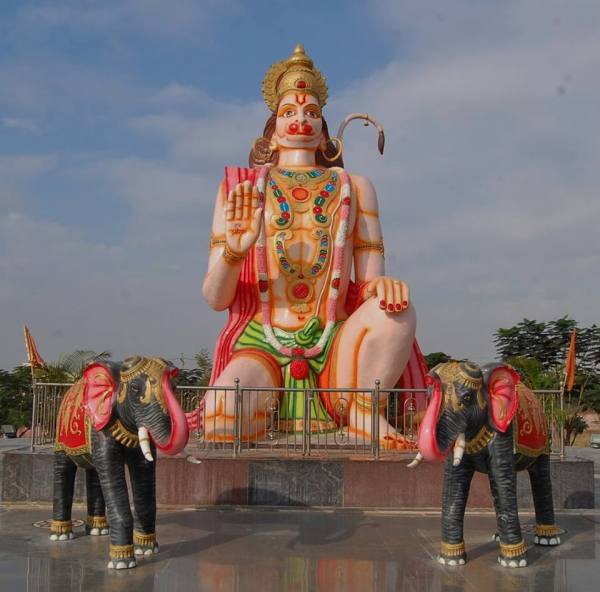
jaya hanuman

புலன்களை வென்றவன் (ஜிதேந்த்ரியன்) யார்?


ஸ்ருத்வா ஸ்ப்ருஷ்ட்வா அத த்ருஷ்ட்வா ச புக்த்வா க்ராத்வா ச ய: நர:

ந ஹ்ருஷ்யதி க்லாயதி வா ச விக்ஞேய: ஜிதேந்த்ரிய: (மனு 2-98)


ஸ்ருத்வா – கேட்டும்

ஸ்ப்ருஷ்ட்வா அத – தொட்டும்

த்ருஷ்ட்வா ச – பார்த்தும்

புக்த்வா – சுவைத்தும்

க்ராத்வா ச – முகர்ந்தும்

ய: நர: – எந்த மனிதன்


ந ஹ்ருஷ்யதி -மகிழ்வதில்லையோ

க்லாயதி வா – துக்கம் அடைவதில்லையோ

ச விக்ஞேய: — அவன் அறியப்படுவான்

ஜிதேந்த்ரிய: – புலன்களை வென்ற வீரன் என்று.


அதாவது ஐம்புல நுகர்ச்சியானது அவனுக்கு மகிழ்ச்சியையோ, துக்கத்தையோ தராது. இந்தக் கருத்து பகவத் கீதையிலும் பல இடங்களில் வருகிறது.


ஒன்றாகக் காண்பதே காட்சி (அத்வைதம்)

புலன் ஐந்தும் வென்றான் தன் வீரமே வீரம் (மஹாவீரன்) —

என்று அவ்வையாரும் செப்பினார்.


–Subham–


கடிதமும் பதிலும்: சுகமான கல்யாணி ராகம் (Post No.2996)

RAMA BEFORE THYAGARAJA

Article Written S NAGARAJAN
Date: 23 July 2016
Post No. 2996
Time uploaded in London :– 5-26 AM
( Thanks for the Pictures)

DON’T REBLOG IT AT LEAST FOR A WEEK! DON’T USE THE PICTURES; THEY ARE COPYRIGHTED BY SOMEONE.

(for old articles go to tamilandvedas.com OR swamiindology.blogspot.com)


சுகமான கல்யாணி , ராகங்களின் ராணிக்கு வந்த ஒரு அற்புதமான கடிதம்! (எனது பதிலும் கூட!!)
ச.நாகராஜன்
திரு ஆர். நஞ்சப்பா அவர்கள் ஒரு நல்ல ரஸிகர். விஷயம் தெரிந்தவர். நல்லதைப் பாராட்டும் பெரிய மனமுள்ளவர். பக்குவமாக விஷயங்களை எடுத்துச் சொல்பவர். நேரில் அவரைப் பார்த்ததில்லை; எந்த ஊரில் இருப்பவர் என்பதும் தெரியாது. இந்த ப்ளாக் மூலமாக பரிசயம் அவ்வளவே!
அவர் கல்யாணி ராகம் பற்றிய கட்டுரைக்கு அனுப்பியுள்ள ஒரு அற்புத விளக்கம் இதோ; (அனைவரும் படித்துப் பயனடைய வேண்டும் என்பதாலேயே தனிக் கட்டுரையாகத் தந்துள்ளேன். அத்துடன் ரமண மஹரிஷியின் வாழ்வில் நிகழ்ந்த ஒரு அற்புதமான் சங்கீதம் பற்றிய விளக்கத்தையும் என் பதிலில் இணைத்துள்ளேன்).


thyagaraja brown

திரு ஆர்.நஞ்சப்பா அவர்களின் கடிதம் இதோ:

பயனுள்ள விஷயங்கள் சொல்லும் கட்டுரை.
பொதுவாக ஒவ்வொரு ராகத்திற்கும் ஒரு முக்கிய “பாவம்” ( Bhava )உண்டு என்பார்கள்.கல்யாணி போன்ற ஸம்பூர்ண ராகங்கள் .பலவித பாவங்களை வெளிப்படுத்தும். இதற்கு பாடகரின் குரல், அல்லது வாத்யத்தின் “tonal quality ” முக்கியமானது. இதற்கும் மேலாக, சாஹித்யத்தின் பங்கு. ராக ‘பாவம்’, ஸாஹித்ய ‘பாவம்’. பாடகரின் குரல் வளம் ஆகியவை ஒன்று சேரும்போதுதான் நாம் அந்த ராகத்தின் முழு ஸ்வரூபத்தையும், அது வெளிப்படுத்தும் உணர்ச்சிப் பெருக்கையும் அனுபவிக்க முடியும்.

 
ஸ்ரீ தீக்ஷிதரின் க்ருதிகள் ராக ‘பாவத்தை” முக்கியமாகக் கொண்டவை. ஸ்ரீ த்யாகராஜ ஸ்வாமிகள் ராகத்துடன், தன் இறைஅனுபவத்தின் பல கூறுகளையும், நிலைகளையும் (mystical experiences and moods ) குழைத்து ஸாஹித்யமாக்கித் தந்திருக்கிறார். அதனால் அவர் க்ருதிகளில் ஸாஹித்ய ‘பாவம் ‘ மேலோங்கி நிற்கிறது! இதுவே நம்மை ஈர்க்கிறது! ஸ்வாமிகள் கல்யாணி ராகத்தில் 18 கீர்த்தனைகள் அருளியுள்ளார். ஓவ்வொன்றும் ஒவ்வொரு வித ‘பாவ’த்தை வெளிப்படுத்துகின்றன. இது ஒர் அற்புதம். ஆனால் பாடகர்கள் பொருள் உணர்ந்தும், ராக ‘பாவ’த்தில் ஊறியும் இருக்கவேண்டும்.

 
கச்சேரி ஃபேஷன் வந்துவிட்டபிறகு இப்போது யாரும் நிதானித்து, அனுபவித்துப் பாடுவதில்லை. தானே அனுபவிக்கவிட்டால், அதைப் பிறருக்கு எப்படி அளிப்பது? ” தன சௌக்யமு தா நெருகக யொருலகு தகுபோதன ஸுகமா ” என்கிறார் ஸ்ரீ த்யாகராஜர். ( ராமா நீயெட ). இப்போது பல வித்வான்களும் புத்தகம்/ நோட்டைப் பார்த்தே படிக்கிறார்கள். யாரும் எந்த ராகத்திலும் specialise செய்வதாகத் தெரியவில்லை. பின், ஸாஹித்ய ‘பாவ’மோ, ராக ‘பாவ’மோ எங்கிருந்து வரும்? ஏதோ இயந்திர கதியில் ஓடிக்கொண்டிருக்கிறது. சில விதிவிலக்குகள் இல்லாமலில்லை.

 
பழைய சினிமா பாடல்களில், எம்.எல்.வி. பாடிய ” கொஞ்சும் புறாவே ” கல்யாணி ராகத்தில் அமைந்த மிக அருமையான பாடல். இதில் வயலின் பங்கும் அபாரம். இசை சித்தூர் வி, நாகையா. விஷயம் தெரிந்தவர் !

கடிதம் கண்டவுடன் மகிழ்ச்சி கொண்டேன். அதற்கான எனது பதிலையும் உடனே பதிவு செய்து விட்டேன். அது இது தான்:

அடடா! அற்புதமான விளக்கம்! உங்களின் விளக்கத்தைப் பார்த்தவுடன் ரமண மஹரிஷியின் வாழ்வில் நடந்த ஒரு சிறிய சம்பவம் நினைவுக்கு வருகிறது.
வீணை வாசிக்கும் ஒரு பெண்மணி ரமண மஹரிஷியிடம் வந்தார். “தியாகராஜ ஸ்வாமிகளும் மற்ற சங்கீதம் பாடிய பெரியோர்களும் பாடித் தானே மோட்சம் பெற்றார்கள். நானும் அவர்களைப் போல சங்கீதம் பாடி மோட்சத்தை அடைய இயலுமா?” என்று கேட்டார் அவர். அதற்கு மஹரிஷி, “தியாகராஜரும் மற்ற பெரியோரும் பாடிப் பெறவில்லை. பெற்றதைப் பாடினார்கள். அதனால் தான் அவர்களின் கீர்த்தனைகள் இன்னும் உயிருள்ளதாக இருக்கின்றனர்: என்றார்.
என்ன அற்புதமான் பதில்! இசையில் உள்ளம் உருகி லயித்துப் பாடினால் அனைத்து ராகங்களின் நல்ன்களையும் பாடகர் தர முடியும். நஞ்சப்பா அவர்களுக்கு ‘வழக்கம் போல’ எனது நன்றி! – நாகராஜன்

 
ஸ்ரீதியாகராஜ ஸ்வாமிகளும் முத்துசாமி தீட்சிதரும் அவர் போன்ற இசை மேதைகளும் மகான்களும் ‘பெற்றதைப் பாடினார்கள்’. தாங்கள் பெற்ற பெரும் பேறை இசையில் குழைத்துத் தந்தார்கள்.
கேட்க மனம் உருகுகிறது. பல நலன்களையும் தருகிறது.
இசையின் முழு குணநலன்களை அள்ளி அள்ளித் தரும் அவர்களது இசை பற்றிப் போற்ற வார்த்தைகளே இல்லை.

*******

Politeness Anecdotes (Post No.2995)

jap 2

Compiled by London swaminathan

Date:22 July 2016

Post No. 2995

Time uploaded in London :– 9-12 AM

( Thanks for the Pictures)


DON’T REBLOG IT AT LEAST FOR A WEEK!  DON’T USE THE PICTURES; THEY ARE COPYRIGHTED BY SOMEONE.


(for old articles go to tamilandvedas.com OR swamiindology.blogspot.com)


respect

When in this country on a mission during World War I Marshal Foch was button holed by a noisy Westerner who launched into a tirade against French politeness


“There is nothing in it but wind,” he sneered.


“There is nothing but wind in a tire, politely countered Marshal, but it makes riding in a car very smooth and pleasant”.


Xxx

politeness

Black Salute


A governor of Virginia, being saluted by a Negro, immediately returned the compliment.


“Can you demean yourself so far, said a slaveholder, as to raise your hat to a negro?”


“Undoubtedly, said the governor. I should be sorry for him to exceed me in politeness.”


Xxx


Head on Collision


It happens to everybody sometime or other. The man and the woman were hastening down the street in opposite directions. They met head on, both veered abruptly to one side, and then to the other confronting each other in a vain effort to untangle themselves and pass. When the difficulty was at last solved, the man tipped his hat and said

Good bye, it is nice to have known you.

Xxx

jap politeness1

I can’t lie thrice!


Expressing himself somewhat bitterly on the subject of story tellers who persistently interrupt themselves to ask if one has heard the story, Mark Twain told of an encounter with Henry Irwing. The actor asked him if he had heard a certain story and Twain politely said No.


Irwing proceeded and later made the same query. Proceeding almost to the climax of his story, Irwing again asked if he heard it.


Twain said, I can lie once, I can lie twice for courtesy’s sake, but I draw the line there. I can’t lie the third time at any price. I not only heard the story, I invented it.


–Subham–