திராவிடர்களின் இரத்த பலி! படித்து பயந்துவிடாதீர்கள்!! (Post No.3267)

gourd-mask-1

Written by London Swaminathan


Date: 19 October 2016


Time uploaded in London: 8-44 AM


Post No.3267


Pictures are taken from Wikipedia and other sources; thanks. (Picture is used only for representational purpose; no connection with the current article.)


Contact swami_48@yahoo.com


வெள்ளைக்காரர்கள் நரிகளுக்குப் பிறந்தவர்கள். திராவிடர்களைப் புகழ்வது போல நிறையவே திட்டிவைத்துள்ளார்கள் முதலில் போண்டா மூக்கு, முண்டக்கண்ணூ, சுருட்டை முடி, கருப்புத் தோல் உள்ளவர்கள் எல்லாம் திராவிடன் என்று எழுதினான். பின்னர் திராவிடர்கள் மத்தியதரை கடல் பகுதியிலிருந்து வந்து குடியேறியவர்கள் என்று எழுதினான். பின்னர் பார்ப்பனர்களைத் தவிர மற்ற எல்லோரும் சூத்திரர்கள் என்று எழுதினான். அப்புறம் இந்த இந்தியாவில் பார்ப்பனர்களைத் தவிர உள்ளா எல்லா ஜாதிகள் பற்றியும் பிட்டுப் பிட்டு வைத்து, இவை எல்லாம் திராவிடர்கள் வழக்கம் என்று எழுதி வைத்தான். கள்ளர், மறவன், சாணார், குயவர், குறவன் பள்ளன், பறையன் இவர்கள் பற்றி எல்லாம் வெள்ளைக்காரன் எழுதியதைப் படித்தால், மனு தர்ம சாத்திரம் எழுதிய மனுவுக்கு மாலை போட்டு நீதான் ஐயா நல்லவன் என்று சொல்லிவிடுவார்கள்.

என் கருத்து: வெள்ளைக்காரன் எழுதிய எல்லாம் தப்பு. நிற்க.


கோண்ட் என்னும் திராவிடர்களின் இரத்த பலி — நரபலி – மனித யாகம் பற்றி ஆர்தர் மைல்ஸ் எழுதியதைக் காண்போம்:–


“கோண்ட் இன மக்கள் திராவிடர்கள்; இவர்கள் ஒரிஸ்ஸா, ஆந்திரம், வங்கம், மத்திய இந்தியாவில் வசிக்கின்றனர்.

இவர்கள் இரத்த பலி கேட்கும் ‘பாரி பெண்ணு, பேரா பெண்ணு’ ஆகிய , கடவுளருக்கு மனிதனைப் பலி கொடுப்பார்கள் ஆனால் அரசாங்கம் இதைத் தடை செய்துவிட்டதால் இப்பொழுது ஆடுகளையும், எருமைகளையும் பலி கொடுக்கிறார்கள். 1860 ஆம் ஆண்டு வரை மனித பலி நடந்து வந்தது. இந்த பலி கொடுக்கும் சடங்கிற்கு ‘மரியா’ என்று பெயர்.
kondh-implements

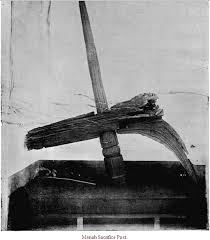
Meriah Post

மரியா சடங்கு

ஒரு ஆறு அடி உயர கம்பின் மேலே சிலுவை போல ஒரு குறுக்குச் சட்டம் இருக்கும். அதைத் தரையில் ஊன்றி வைத்து பலி கொடுக்கும் மனிதனின் முடியை மேலே கட்டித் தொங்க விடுவார்கள் அவனுக்குக் கீழேயே அவனைப் புதைக்க ஒரு குழியும் தோண்டி வைத்துவிடுவர். நாலு பேர் அந்த மனிதனின் இரண்டு கைகளை யும் காலகளையும் பிடித்துக் கொண்டு நிற்பர். நரபலி கொடுக்கும் பூசாரி நீண்ட உச்சாடனம் செய்வார். அதே நேரத்தில் அவனது முதுகிலிருந்து கத்தியால் வெட்டி சதையை எடுப்  பார். இந்த மரியா தூண்களில் ஒன்று சென்னை மியூசியத்தில் காட்சியில் உள்ளது.


மனிதனின் சதையைச் சாப்பிடும் கடவுள்— கோண்ட் இன மக்களுக்கு ஆயுதமும் வெற்றியும் வழங்குவார் என்பது அவர்களுடைய நம்பிக்கை. ராஜா மற்றும் ராஜாங்கத்திடமிருந்து தங்கள் ஜாதியைக் காப்பாற்றும் பிரார்த்தனை அவர்களுடைய பிரார்த்தனையில் முக்கிய இடம் வகிக்கிறது.


மனித பலி முடியும் போது பூசாரி பினவரும் வசனங்களைச் சொல்லுவார்:– துக்கப்படாதே. கடவுள் உன்னை உடனே சாப்பிட்டு விடுவார். உன்னுடைய பெற்றோர்களிடமிருந்து உன்னை விலைக்கு வாங்கினோம். உன்னை பலியிடுவதற்காகவே, தெரிந்தே உன்னை எங்களுக்கு விற்றார்கள். ஆகையால் எங்கள் கைகளில் பாவம் ஒட்டாது. ஆனால் உங்கள் பெற்றோர்களின் தலையில்தான் பாபம் விழும்’. இப்படிச் சொல்லி முடித்தவுடன் அந்த ஆளின் தலையையும் ஒரே வெட்டாக வெட்டி விடுவார். உடல் மட்டும் கீழே குழியில் விழும். தலை முடியுடன் கம்பததில் கட்டப்பட்டதால் அப்படியே தொங்கும். அதை மிருகங்கள் சாப்பிட்டு விடும். அந்த ஆளை வெட்டிய கத்தியை அந்தக் கம்பத்திலேயே குத்திவைப்பார். இதை தொடர்ந்து இன்னும் இருவரைப் பலி கொடுக்க இப்படிச் செய்வார். ஒவ்வொரு முறையும் மூன்று ஆட்களைப் பலி கொடுப்பர்.


இந்த நரபலியைக் காண பெரிய கூட்டம் காத்திருக்கும். அந்த ஆளின் முதுகுச் சதையை வெட்டியவுடன் எல்லோரும் நரபலி ஆளை நோக்கி ஓடிவருவர். இந்தச் சடங்கிற்காகவே கைகளில் விசேஷமாக அணிந்திருக்கும் வளையங்களால் அவன் தலையை உடைப்பர். அப்போதும் அவன் உயிர் போகாவிடில் ஒரு மூங்கில் கம்பை இரண்டாகப் பிளந்து அதற்கிடையில் அவன் தலையை நசுக்குவர் . பூசாரியானவர் ஆளுக்குக் கொஞ்சம் சதையை வெட்டிப் பிரசாதமாக கொடுப்பார். அந்த பொக்கிஷத்தை வாங்கிக் கொண்டு அவர்கள் எல்லோரும் அவரவர் நிலத்துக்கு ஓடிப்போய் ஒரு கம்பத்தில் அந்த சதைத் துண்டை தொங்க விடுவர். அந்த சதை தண்ணீருக்கு மேலே இருந்தால், அந்த நீர்ப்பாசனம் செய்யும் இடமெல்லாம் அதிக விளைச்சல் கிடைக்கும் என்றும் நம்புகின்றனர்.


இதற்குப் பின்னர் மிச்சம் இருக்கும் உடற்பகுதியை முறையாக அடக்கம் செய்வர்!
kondh-priestess

ஜெய்ப்பூர் மஹாராஜா இறந்தவுடன், புதிய பட்டம் ஆட்சிக்கு வந்தபோது 13 வயதுச் சிறுமியை துர்கா தேவிக்குப் பலி கொடுத்ததாக மரியா  சடங்கிற்கு ஆட்களைப் பிடித்துத் தரும் ஏஜண்டுகள் கூறுகின்றனர். மரியா சடங்கிற்கு ஆட்களைப் பிடித்துச் சென்றது, கடத்திச் சென்றது பற்றி நிறைய புகார்கள் வந்ததை வெள்ளைக்கார்கள் பதிவு செய்துவைத்துள்ளனர்.


ஜெய்ப்பூர் பகுதியில் பெண் குழந்தை பிறந்தால் கொன்றுவிடும் வழக்கமும் இருந்தது. ஆண்டு தோறும் 1500 பெண் சிசுக்கள் கொல்லப்பட்டதாக மதிப்பிடுகின்றனர். கோண்ட் இன மக்கள் பெண் குழந்தைகளை விரும்புவதில்லை. நிறைய குடும்பங்களில் ஆண்கள் மட்டுமே இருப்பர். ஆன்மா மீண்டும் மீண்டும் ஒரே குடும்பத்திற்குதான் வரும் என்றும் பெண் சிசுக்களைக் கொன்றாலும் அவர்கள் ஆண்களாகத் திரும்பிவந்து பிறப்பர் என்றும் கருதுகின்றனர்.


பெண் சிசுக்களைக் கொல்லும் பணி ஏலத்துக்கு விடப்பட்டு, அதை விலைக்கு வாங்கிய வணிகர் ஆண்டுதோறும் ஜெய்ப்பூர் மன்னருக்கு 300 ரூபாய் (Year 1930s) கொடுத்ததாகவும் தெரிகிறது. அந்த ஏஜெண்ட் வயதான பெண்களை வைத்து சிசுக் கொலை செய்வாராம்.


கோண்ட் இனப் பீரிவுகள் பல உண்டு. சிலர் நரபலி கொடுப்பதிலை விலைகொடுத்து வாங்கிய ஆளைத்தான் நரபலி கொடுக்க வேண்டும்; அல்லது இறைவன் ஏற்க மாட்டார் என்றும் கொண்ட் இனத்தினர் கருதுவர். சில நேரங்களில் இளம் வயதிலேயே பலி கொடுக்க என்று ஒருவனை வாங்கிவிடுவர். அவனை எல்லா விஷயங்களையும் அனுபவிக்க வைப்பர். வயதாக ஆக அவனுக்குத் தெரியும் தான் நரபலிக்கான ஆள் என்று. அப்போதிருந்து அந்த ஆளின் மீது கண்காணிப்பு அதிகரிக்கும் அவனுக்கு குடி, அபினி முதலியவற்றைக் கொடுத்துக் கொடுத்து மயக்க நிலையில் ஆழ்த்திவிடுவர்.


பலி கொடுப்பதற்கு ஒரு மாதத்துக்கு முன்னரே மரியா விருந்து மரியா நடனம் எல்லாம் ஆரம்பமாகிவிடும். பலிக்கு முதல் நாளன்று அவனை உட்காரவைத்து “ஓ, தடா பெண்ணு, உனக்கு இவனைப் பலி கொடுக்கப் போகிறோம். எங்களுக்கு நல்ல ஆரோக்கியமும் விளைச்சலும் கிடைக்க வேண்டும்” என்று வேண்டுவர். இரண்டாம் நாளன்று அவன் மீது தைலம் பூசுவார்கள் அதை ஒவ்வொருவரும் தொட்டு தன் மீது தடவிக்கொள்வர் பின்னர் அந்த ஆளை அவ னைக் கட்டிய கம்பத்துடன் தூக்கிக் கொண்டு ஊர்வலம் செல்லுவர். பின்னர் பலி பீடத்துக்கு வந்த பின்னர் பூசாரி சதைக ளைக் கிழிக்கும் பணியைத் துவங்குவார். எல்லோரும், ஆளுக்குக் கொஞ்சம் சதை வாங்கியவுடன் திருவிழா முடியும். பின்னர் அங்கே ஒரு எருமை மாட்டை பலி இடுவர். பெண்கள் எல்லோரும் ஆண் உடை தரித்து நடனம் ஆடுவர்.


இது பற்றி விசாகப்பட்டிணம் கலெக்டர் ஆர்புத் நாட், கர்னல் கேம்ப் பெல் முதலியோரும் நிறைய குறிப்புகளை எழுதி வைத்துள்ளனர். சில இடங்களில் யானை போன்ற உருவம் செய்து அதன் துதிக்கையில் நரபலி மனிதனைத் தொங்கவிடுவர். இந்த வழக்கத்துக்கு வெள்ளைக்காரர் ஆட்சியில் முற்றுப்புள்ளி வைக்கப்பட்டது. ஆனாலும் 1902-ம் ஆண்டுவரை அங்கொன்றும் இங்கொன்றுமாக நரபலி நடந்தது. சிலர் இதை பகிரங்கமாக ஆதரித்து நரபலி கொடுக்க அனுமதியும் கோரினர். ஆனால் அவை எல்லாம் நிராகரிக்கப்பட்டன.
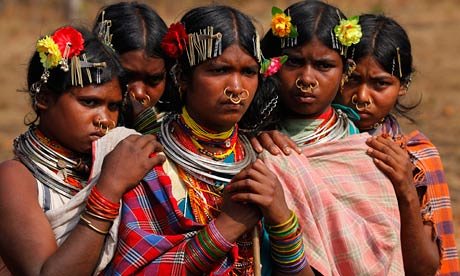
dongria-kondh-tribe-membe-006

என் கருத்து:–


வெள்ளைக்காரர் சொல்லுவது போல நடந்திருக்கலாம். ஆனால் பண்பாடுமிக்க நகர நாகரீகம் நிலவியபோதே கானக மாக்கள் அவர்களுக்கே உரித்தான வாழ்க்கை முறையினைப் பின்பற்றியதை சம்ஸ்கிருத தமிழ் இலக்கியங்கள் தெளிவாகக் கூறுகின்றன. ஆகையால் திராவிடர் என்று எல்லோருக்கும் முத்திரை குத்துவது சரியல்ல. தோலின் நிறமோ, ஒருவர் பேசும் மொழியோ மட்டும் — ஒரு இனத்தின் அடையாளங்கள் என்று சொல்லுவது தவறு.


–சுபம்–

திருக்குறளில் மறுபிறப்புத் தத்துவம்! -2 (Post No.3266)

1935-valluvar

Written by S. NAGARAJAN

Date: 19 October 2016

Time uploaded in London: 6-31 AM

Post No.3266

Pictures are taken from various sources; thanks


Contact :– swami_48@yahoo.com


ஹிந்துக்களின் மறுபிறப்புக் கொள்கையை வலியுறுத்தும் வள்ளுவர், பிறப்பு ஏன் ஏற்படுகிறது, அதை எப்படி அறுப்பது என்பதையெல்லாம் தெளிவாகச் சொல்கிறார். மறுபிறப்புத் தத்துவம் பற்றிய இறுதிக் கட்டுரை இது. முந்தைய கட்டுரையைப் படிக்காதவர்கள் தயவுசெய்து அதைப் படித்து விட்டு பின்னர் தொடரவும்.


திருக்குறளில் மறுபிறப்புத் தத்துவம்! -2

ச.நாகராஜன்


punul-valluvar

திருக்குறளில் திருவள்ளுவர் ஹிந்துக்களின் மறுபிறப்புத் தத்துவத்தை மட்டும் சுட்டிக் காட்டி நின்று விடவில்லை. பிறவிச் சுழல் ஏன் ஏற்படுகிறது, அதை எவ்வாறு போக்குவது என்பதையெல்லாம் விரிவாக விளக்குகிறார்.

ஒரு பெரிய மஹரிஷியின் போதனைகளாக அவை அமைந்துள்ளன.


தத்துவஞானிகள் பெரிய விளக்கவுரைகளில் பல நாட்கள் பேசுவதையெல்லாம் அவர் சூத்திர வடிவில் தந்து விடுகிறார்.

ஆகவே தான் உபநிடத, வேதத்திற்கு சரி நிகராக தமிழ் மறை போற்றப்பட்டு வருகிறது.


உறங்குவது போலும் சாக்காடு உறங்கி                   விழிப்பது போலும் பிறப்பு       (குறள் 339)


உறங்குவதும் விழிப்பதும் இயல்பாய் உயிருக்கு அமைவது போல சாக்காடும் பிறப்பும் மாறி மாறி வருகின்றன.

எவ்வளவு பிரம்மாண்டமான ஒரு தத்துவத்தை மிக சுலபமாக இரண்டே இரண்டு வரிகளில் தந்து விடுகிறார்!


பிறப்பு என்பது துன்பம்.  எதையாவது மனிதப் பிறவியில் வேண்டி நீ விரும்பினால் அது பிறவாமையாக அமைய வேண்டும்.. மற்ற எதையும் விரும்பும் அவாவை அறுத்து விட்டால் அது  தானே வரும். என்கிறார் அவர். குறளைப் பார்ப்போம்.


வேண்டுங்கால் வேண்டும் பிறவாமை  மற்றது

வேண்டாமை வேண்ட வரும்       (குறள் 362)


பிறவிச் சுழலிலிருந்து ஏன் விடுபட வேண்டும்?

அதற்கு பதிலையும் அழகாகத் தருகிறார் இப்படி!


பிறவிப் பெருங்கடல் நீந்துவர் நீந்தார்                                                 இறைவனடி சேராதார்        (குறள் 10)


இரகசியம் புரிகிறது இப்போது. பிறவிச் சுழலிலிருந்து விடுபட்டால் தான் இறைவன் அடியைச் சேர  முடியும்.

இல்லையேல் இல்லை தான்!


பிறப்பை அறுப்பது எப்படி? அதற்கும் வழியைச் சொல்கிறார்.

முதலில் பிறப்பை வேண்டாதவனின் இயல்பை இப்படிக் கூறுகிறார்:


மற்றும் தொடர்ப்பாடு எவன்கொல் பிறப்பறுக்கல்

உற்றார்க்கு உடம்பும் மிகை    (குறள் 345)


 valluvar-iyengar

பிறப்பறுத்தலை மேற்கொண்ட ஒருவனுக்கு அதற்கு க்ருவியாக இருக்கும் அவன் உடம்புமே மிகை தான்! அதற்கு மேல் உலகத் தொடர்பு எதற்காக?


பற்றற்ற கண்ணே பிறப்பறுக்கும் மற்று

நிலையாமை காணப் படும்    (குறள் 349)


ஒருவன் இருவகைப் பற்றையும் அறுத்து விட்ட உடனேயே அப்பற்று அவனது பிறப்பை அறுக்கும். அது அறாத போது பிறந்து இறந்து வருகின்ற நிலையாமை காணப்படும்.


பிறப்பு என்பது என்ன என்பதை வரையறுக்கும் குறளையும் வள்ளுவர் தந்து விடுகிறார்:


பொருள் அல்லவற்றைப் பொருள் என்று உணரும்                     மருளான் ஆம் மாணாப் பிறப்பு     (குறள் 351) 


மெய்ப்பொருள் இல்லாதவற்றை மெய்ப்பொருள் என்று உணரும் விபரீத உணர்வால்  தான் இன்பம் இல்லாத பிறப்பு ஏற்படுகிறது.


ஓர்த்துள்ளம் உள்ளது உணரின் ஒருதலையாப்

பேர்த்துள்ள வேண்டாப் பிறப்பு    (குறள் 357)


உபதேசப் பொருளை ஒருவன் ந்னகு ஆராய்ந்து முதல் பொருளை உணருவானாயின், மீண்டும் பிறப்புள்ளதாக நினைக்க வேண்டாம்.


பிறப்பு என்னும் பேதைமை நீங்கச் சிறப்பு என்னும்

செம்பொருள் காண்பது அறிவு   (குறள் 358)


பிறப்பிற்கு காரணமாகிய பேதைமை நீங்க சிறப்பு என்னும் செம்பொருளைக் காண்பதே அறிவாகும்.


பிறப்பிற்குக் காரண்மாக எல்லா உயிருக்கும் அமைவது எது?

இரகசியத்தை வெட்ட வெளிச்சமாக்குகிறார் வள்ளுவர்.

அவாஎன்ப எல்லா உயிர்க்கும் எஞ்ஞான்றும்

தவாஅப் பிறப்பு என்னும் வித்து   (குறள் 361)

எல்லா உயிர்களுக்கும் எல்லாக் காலத்தும் விடாமல் வருகின்ற பிறப்பிற்குக் காரணம் அவா என்று சொல்லுவர் நூலோர்

 valluvar-gold

முத்தான ஒன்பது குறள்கள்!

பிறப்பிற்குக் காரணம் அவா.

அது நீங்க செம்பொருள் காண்பது அறிவு.


அது நீங்க பெரியோரின் உபதேச நெறிகளை ஓர்ந்து உணர். அறி!


மெய்ப்பொருள் இல்லாதவற்றை மெய்ப்பொருள் என்று நினைக்கும் மயக்கத்தினாலேயே பிறப்பு ஏற்படுகிறது.

இருவகைப் பற்றையும் அறுக்கும் ஒருவனுக்கு அந்தப் பற்றே பிறப்பை அறுத்து விடும்.


பிறப்பு வேண்டாதவனுக்கு உடம்பே மிகை தான்.

பிறவிப் பெருங்கடலைக் கடந்தவனே இறைவன் அடி சேர முடியும்.


இந்த உலகில் நீ  ஒரே ஒன்றை மட்டும் வேண்ட விரும்பினால் பிறவாமையை வேண்டு!

ஏனெனில் பிறப்பும் இறப்பும் தூங்குவதும் விழிப்பதும் போலத் தான்!


சிறந்த தத்துவஞானியான ம்ஹரிஷி வள்ளுவரின் பிறப்பறுக்கும் உபநிடத மொழிகளைத் தொகுத்துப் பார்க்கும் போது வியப்பும் பிரமிப்பும் மேலிடுகிறது.


இரகசியத்திற்கெல்லாம் மேலான இரகசியத்தை தெளிவாக எளிய பாக்களில் தருகிறார் வள்ளுவர்; அதை அமிழ்தினும் இனிய தமிழில் பெறுகிறோம் நாம்!


எவ்வளவு பாக்கியசாலிகள்!


ஹிந்துப் பண்பாட்டின் ஆணிவேரை இதை விட வேறு யாரால் இவ்வளவு சிறப்பாக சூத்திர வடிவில் தர முடியும்.

வாழ்க வள்ளுவர், வாழ்க தமிழ்!

****************

‘Blood Thirsty Dravidians’! (Post No.3265)

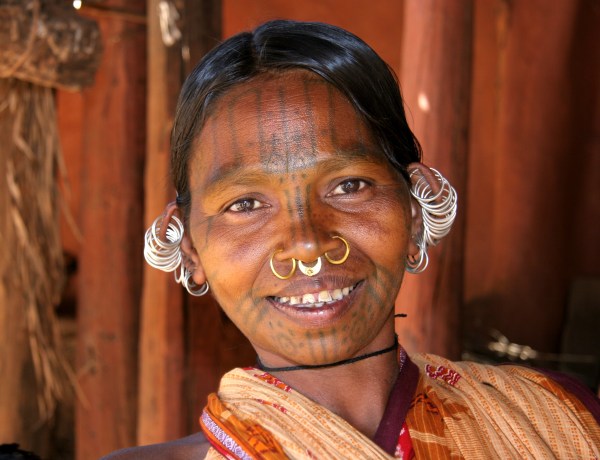
kutia_kondh_woman-jpgwiki

Pictures of Kondhs from Wikipedia

Compiled by London Swaminathan


Date: 18 October 2016


Time uploaded in London: 16-48


Post No.3265


Pictures are taken from various sources; thanks. (Picture is used only for representational purpose; no connection with the current article.)


Contact swami_48@yahoo.com


(People Like Bishop Caldwell, Arthur Miles and other foreigners have projected Dravidians as primitive, uncultured, uncivilized brutes in their Hindu castes articles. All those who have black skin are described as Dravidians and Shudras. This is wrong. Tribes existed along with the civilized people in the North as well as South. In every society we see people with good and bad customs. But generalizing them as Dravidians is absurd. Foreign writers dubbed them as speakers of Dravidian languages. That is also wrong. They use both Tamil and Sanskrit words. The tribes have been living in India for at least 30,000 years and the proof lies in the Bhimbetka Cave paintings in Madhya Pradesh, India).


Following is an excerpt from Arthur Miles’ book The Land of the Lingam:-


“The Kondhs, judged by their type, are Dravidians. They are found in Orissa, Ganjam, Bengal, and the Central Provinces. They call themselves differently, according to their district. In the Telugu country they are named Kotuvardlu in and near Vizagapatam Konda Dora, or Konda Kappu The word Kondh, deriving from Telugu, denotes a hill mountain. The Kondhs’ character varies according to their location; those of the plains are said to compare unfavourably with the mountain people. They cultivate grains and vegetables, and breed animals. Their most valuable crop is turmeric which requires two years to mature. This crop is responsible for many of the blood sacrifices; it being believed that blood gives its turmeric its colour and causes to flourish.

dongria-khondh

The bloodthirsty earth goddesses, Pari Pennu and Bera Pennu, are not happy to-day because the Government has forbidden the Kondhs to worship them with human sacrifices. Very reluctantly they accept the blood of buffalos, goats, and sheep. Round about the year 1860, however, the altars of these goddesses were drenched with human blood, and three human beings were sacrificed at a time upon them. One offering was to the sun, one to the east and the other to the west end of the village.


In the “meriah” rite a wooden post about six feet long, with a cross-bar near the top was sunk into the ground, and to it the sacrificial victim was tied by his long hair. A narrow grave was dug under the post, and four men held the arms and legs of the human offering, who was suspended horizon- tally over the grave. The officiating priest repeated a long invocation, while with his knife he hacked pieces out of his victim’s back. There is one of these meriah posts, very much eaten up by white ants, in the Madras museum.


The goddess was implored to eat the offering, and in return give the Kondhs swords, guns, gunpowder, and victory over other castes. There was always a special prayer for the preservation of the caste from the tyranny of kings and governments. The priest addressed the victim after the poor, unfortunate was almost cut to pieces, and consoled him something after the following manner: “ Do not be grieved, the parents, the goddess  will eat you at once. We purchased you from your parents, who knew we intended to sacrifice you, and therefore there is no on our heads, but on the heads of your parents.  After the priest had finished speaking, he decapitated the victim. The body slipped into the grave, and the head was left on the post until the wild beasts devoured it. The knife was then stuck into the post, until required for the two sacrifices that followed.

nara-bali

When their frenzy reached a certain pitch, the watching Kondhs did not wait for the priest to carry out the rite. They surrounded the victim, and beat him violently on the head with brass bangles made for the occasion. If this inhuman treatment did not kill the wretched man, they finished him off by strangulation with a piece of slit bamboo. The priest, with that, hacked the body to pieces and distributed the fragments, and the Kondhs dashed with their precious treasure to the stream which irrigated their fields, and suspended the piece of flesh on a pole over the water. The mangled remains of the corpse were finally buried, and funeral obsequies were performed.


The meriah agents say (see manual of  Vizagapatam district) that there was reason to believe that the Raja of Jeypore, when he was installed on the death of his father, sacrificed a girl of thirteen at the shrine of the goddess Durga in the town of Jeypore. While, officially, goats and buffaloes are now sacrificed by the Kondhs, the belief in the superior of the human sacrifice dies hard. During the Rampa rebellion of 1880 several cases of human sacrifice were discovered, while the same year two persons were convicted of attempting the meriah rite near Ambadala in Bissamkatak. In 1888 a man was found murdered in one of the temples of Jeypore, in circumstances pointing to the meriah. In 1886 a formal inquiry showed ample grounds for the belief that were being kidnapped for sacrifices in Bastar, and as recently as 1902 a petition was presented to the District Magistrate of Ganjam, asking him to sanction a human sacrifice.


Female infanticide was so common in Jeypore country as to be farmed out as a paying business. The Raja is said to have made money out of it in one of the caste’s larger divisions. The custom was to consult the priest concerning the fate of the child before it was born. If the priest decided it was to be killed, the parents had to pay the headman of the division a fee for the privilege of killing it, and the headman paid Raja three hundred rupees a year for renting the the privilege to murder.

kondh-implements

Sacrificial Post of the Kondhs

From Macpherson’s manuscripts we learn that the portion of the Kondh country where female infanticide was known to prevail, was estimated at 2000 square miles. The population numbered about 64,000 and, approximately, 1200 to 1500 infants were destroyed annually.


Infanticide has existed among the Kond from time immemorial. Their belief is that the sun god created everything good, and the earth goddess introduced evil into the world. These two powers are supposed to be always in conflict. Certain divisions of the caste worship the sun god, and make no sacrifices, but by far the greater number hold that the earth goddess must be propitiated with blood. The divisions which practised infanticide believed that the sun god deplored the birth of females because the feminine creation had caused all the trouble in the world. Men were charged to rear as few females as possible, and only to refrain from murdering them from the sheer necessity of keeping the race going.


The Kondhs believe that souls return over and over again in the same families, and if they are not welcome in female form, they will acquire sense enough to return as males. In many houses, even now, one finds no female children. The divisions however, addicted to infanticide did not practise adult sacrifice. One division, indeed, is said never to have performed it; the reason being that during the first attempt the knife was crooked and dull, and the sacrificers made such a bad business of it that it was abandoned.


Twenty-five descendants of persons reserved for sacrifice at a former meriah rite, but who were rescued by Government officers, returned themselves as meriah at the census of 1901.

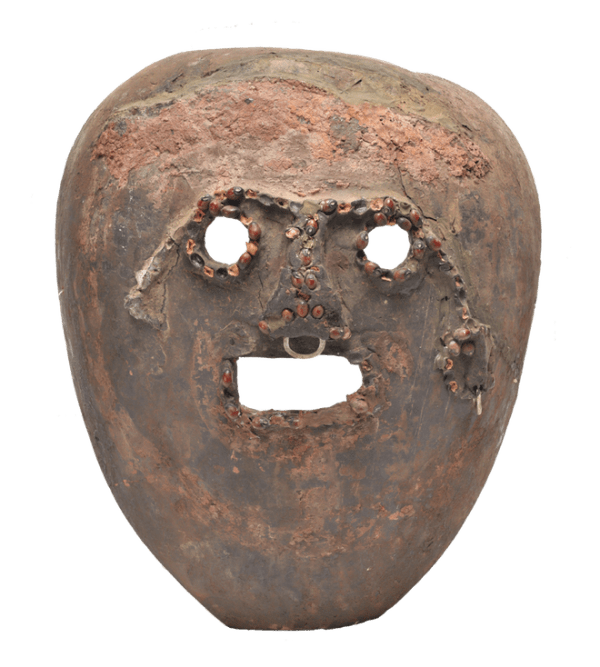
gourd-mask-1


Picture of Kondh Mask

The Maliahs of Goomsur (Kondhs) sacrificed annually to Thada Pennoo, their earth goddess. Several settlements contributed to the purchase of a victim, no criminal or prisoner being acceptable to the goddess. Unless the victim was paid for, the goddess would ignore the sacrifice, and grown men were the most esteemed, because they were more expensive. When children were purchased, they were reared by the family who purchased them until they were old enough to be sacrificed. They were kindly treated, and kept under no restraint when young. When they were older, and could appreciate the fate that awaited them, were watched and guarded. Grown victims were often captured by the traders in human flesh, and sold to some family wishing to offer a sacrifice. The price was paid in money, cattle, or corn.


For a month before the sacrifice the celebrants feasted and danced round the meriah in an intoxicated condition. On the opening day of the gruesome rite, the victim was stupefied with toddy or opium, and made sit leaning against the post. The assembled multitude then danced round him chanting: oh, Thada Pennu, we offer you this sacrifice. Give us good crops and health. Afterwards the unhappy victim dragged home.


The second day, having been intoxicated, the victim was anointed with oil, and each individual present touched the part and wiped the oil on his own body. The crowd then formed a procession and walked round the village, carrying the victim, together with the post which had been dug up from the earth. To the top of the post was attached a tuft of peacock feathers. When the procession returned to the meriah ground, the priest cut a piece of flesh from the victim and buried it under the village idol. He then presented each of the villagers with a piece of flesh. Taking the bloody prize, they ran with all haste to their land, to bury it before sunset. The priests and his assistants there upon killed a pig and, after allowing the blood to first flow into the grave, they buried the victim.


On the morrow a buffalo calf was brought to the post. Its fore feet were cut off, and it was tied to the post until the following day. On this, the last day, drunken women, dressed in male attire and armed with sticks, danced and sang round the dying calf.


Mr. Arbuthnot, collector of Vizagapatam, not so long ago reported the following facts: “Of the hill tribe Codooloo there are said to be two distinct classes, the Cotia Codooloo and the Jethapoo Codooloo. The former class is that which is in the habit of offering human sacrifices to the god called Jenkery, with a view to secure good crops. This ceremony is generally performed on the Sunday preceding or following Pongal (Tamil word for cooked rice) feast. The victim is seldom carried by force, but procured by purchase, and there is fixed price for each person, which consists of forty articles such as a bullock, a male buffalo, a cow, a goat, a piece of cloth, a silk cloth, a brass pot, a large plate, a bunch of plantains etc.


dongria-kondh-tribe-membe-006

The man who is destined for sacrifice is carried before the god and a small quantity of rice coloured with turmeric is put upon his head. The influence of this is said to prevent his attempting to escape, even though set at liberty. It would appear, however, from the moment of his seizure till he is sacrificed, he is kept in a continued state of stupefaction or intoxication.


He is allowed to wander about the village, to eat and drink anything he may take a fancy to, and even to have connection with any of the women whom he may meet.


On the morning set apart for the sacrifice he is carried before the idol in a state of intoxication. one the villagers acts as priest, who cuts a small hoe in the stomach of the victim, and with the blood that flows from the wound the idol is smeared. Then the crowds from the neighbouring vllages rush forward,and he is literally cut into pieces.


Each who is so fortunate as to procure it carries away a morsel of the flesh and presents it to the idol of his own village.


Colonel Campbell, during his services among the hill tribes of Kondhistan, ordered his men to destroy the effigies of elephants on which human offerings had been made. The colonel in some of his writings, described the method of the sacrifice. Human beings were tied to the proboscis of the elephant effigies and whirled around until, at a given signal from the priest, the crowd rushed in. the crowd seized the victim, and with their knives chopped off every bit of flesh from the shrieking wretch, whose remains were then cut down, and as the colonel expresses it, “the horrid orgies were over”.

(This is how the foreign writers described the customs of the Dravidian Kondhs)

kondh-priestess

–SUBHAM–


பாம்பு மந்திரம்: அதர்வண வேதமும், கம்பனும் காளிதாசனும் (Post No.3264)

snake-nandhu-fb

Research Article by London Swaminathan


Date: 18 October 2016


Time uploaded in London: 14-59


Post No.3264


Pictures are taken from various sources; thanks. (Picture is used only for representational purpose; no connection with the current article.)


Contact swami_48@yahoo.com


snakes-banded-egyptian-cobra

பாம்புகள் மணி மந்திர ஔஷதத்துக்குக் கட்டுப்படும் என்ற நம்பிக்கை வேத காலத்திலிருந்து இருந்து வருகிறது (மணி= இரத்தினக் கற்கள், மந்திரம்= மந்திர உச்சாடனம், ஔஷதம்= மூலிகை, மருந்துகள்).


இதைப் புலவர்களும் அடிக்கடி உவமையாகப் பயன் படுத்துவர். கம்பனும் காளிதாசனும் பயன்படுத்தியதால் மக்களிடையே இந்த நம்பிக்கை வேரூன்றி இருக்கிறது.

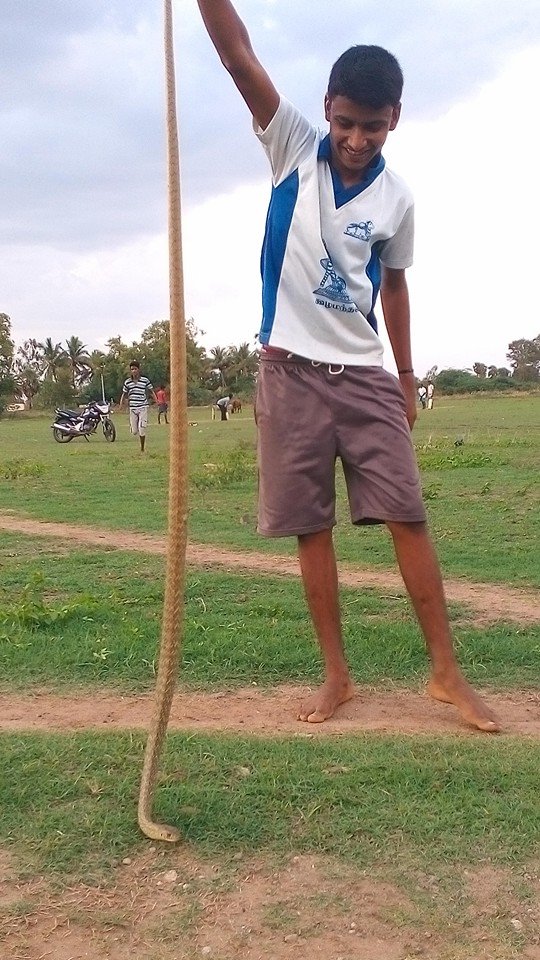
குயவர் ஜாதியினர், கோயமுத்தூர் பகுதியில் பாம்பு கடித்த ஒருவனைக் காப்பாற்றிய செய்தியை ஆர்தர் மைல்ஸ் என்பவர் குறிப்பிடுகிறார். அந்த ஜாதியைச் சேர்ந்த ஒருவர் ஒரு பழுப்பு நிற பொடியைப் பாம்பு கடித்த இடத்தில் தூவி, விஷத்தை உடம்பிலிருந்து இறக்குவது போல பலவித சைகைகளைச் செய்த சிறிது நேரத்தில் அந்தப் பையன் பாம்பு கடிக்காத மாதிரி நடந்து சென்றான். அதற்கு முன் அவன் கைகள் எல்லாம் மரத்துப் போயிருந்தன் என்கிறார்.


துர் ஜனங்கள் (Bad people) பற்றி நீதி வெண்பா என்ற நூலில் வரும் பாடல்:


துர்ச்சனரும் பாம்புந்  துலையொக்கினும் பாம்பு

துர்ச்சனரையொக்குமோ தோகையே — துர்ச்சனர்தாம்

எந்தவிதத்தாலும் இணங்காரே பாம்புமணி

மந்திரத்தாலே வசம்


பொருள்:- மயில் போன்ற பெண்ணே! கீழ் மக்களும் பாம்பும் தீங்கு செய்வதில் தராசுத்தட்டில் சமமாக இருப்பினும், பாம்பானது கீழ் மக்களுக்குச் சமமாகுமோ! ஆகாது ஏனெனில் கீழ் மக்களை என்ன சொன்னாலும் திருத்த முடிவதில்லை. ஆனால் பாம்போ இரத்தினக் கல், மந்திர உச்சாடனங்களுக்கும் கட்டுப்படும்.

snakes-blessed

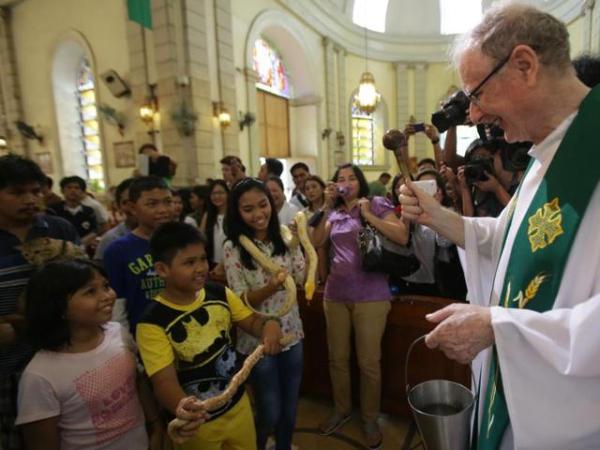
Christian Priest blesses Snakes

கந்த சஷ்டிக் கவசம் போன்ற கவசங்களைப் படிப்போருக்குத் தெரியும் அதை பக்தியுடன் சொல்லுவோரை விஷமும் ஒன்றும் செய்யாது. இதைக் கவச வரிகளிலேயே காணலாம்.

தேளும் பாம்பும் செய்யான் பூரான்

கடிவிட விஷங்கள் கடித்துயர் அங்கம்

ஏறிய விஷங்கள் எளிதினில் இறங்க……. (கந்த சஷ்டி கவசம்)


அதர்வவேதம் அருளும் ஆனந்த வாழ்வு என்னும் நூலில் கவிமாமணி தமிழ்மாறன் பின்வரும் செய்தியை எழுதியுள்ளார்:


“கம்பநாடர் நாகபாசப்பாடலைப் பாடி (கம்ப ராமாயணம்) , பாம்புக்கடி விஷத்தை இறக்கி, தில்லை மூவாயிரர் மகனை உயிர்ப்பித்தார். வைத்தீஸ்வரன் கோயில் ஸ்டேஷன் மாஸ்டர் ஒருவர் பாம்புக்கடி விஷத்தை ஜபம் செய்தே போக்கி வந்துள்ளார்.”


கம்பர், வேளாளர்கள் பெருமையைப் பாடும் ஏர்ழுபது நூல் அரங்கேற்றத்துக்கு வந்திருந்த  புதுவைச் சேதிராயன் என்பவன் காலில் பாம்பு கடித்தது. உடனே கம்பர் ஒரு பாட்டுப் பாடவே ஒரு பாம்பு வந்து கடிபட்ட இடத்திலிருந்த விஷத்தை உறிஞ்சியது. அவரும் உயிர்தப்பினார்.


தேவாரம் பாடிய மூவரும் இப்படி விஷம் தீர்க்கும் பாடல்களைப் பாடி,  அற்புதங்களைச் செய்ததை நாம் அறிவோம்.


garuda-snake

அப்பூதி அடிகளாரின் மகனை அரவம் தீண்டியபோது அப்பர் பெருமான் பதிகம் பாடி உயிர்ப்பித்தார்.


திருமருகலில் வணிகர் குல மகனைப் பாம்பு தீண்டவே ஞான சம்பந்தர் பதிகம் பாடி உயிர்கொடுத்தார்


இப்படி புனித நூல்கள் முழுதும் உயிர்பெற்ற அதிர்ஷ்டசாலிகளின் கதைகளைப் படித்தறியலாம்.


பண்டரீபுரத்தில் வாழ்ந்த சுமதி-கமலாகர் என்ற பக்தர்களின் மகனான பத்மாகரை பாம்பு தீண்டி இறந்தபோது, நாமதேவர் துதி பாடி அவனை எழுப்பித்தார்.


விஷத்தை நீக்கும் இரத்தினக் கற்கள்

மனு தம சாத்திரமும் விஷம் பாதிக்காமல் இருக்க அதற்கான ரத்தினக் கற்களை அணிய வேண்டும் என்கிறது (மனு 7-218)


காளிதாசன் சொல்லுகிறான்:- ரகுவம்சம் 2-32


திலீபன் மேய்த்த தெய்வீகப் பசுவை சிங்கம் தாக்கியது. உடனே கோபமடைந்த திலீபன் தனது அம்பை எடுக்க கையை பின்னே கொண்டு சென்றான். ஆனால் அக்கை செயலிழந்து மரத்துப் போனது. எப்படி மரத்துப் போனது என்றால் மந்திரத்தாலும் மூலிகை மருந்துகளாலும் கட்டப்பட்டுச் செயலற்றுப் போகும் பாம்பு போல அவனுடைய கைகள் செயலிழந்தன என்கிறான் காளிதாசன் (ரகு வம்சம் 2-32)


கம்பன் பாட்டு

ஆரண்ய காண்டம், அயோமுகிப் படலம்


நல் மதியார் புகல் மந்திர நாமச்

சொல் மதியா அரவின் கடுகிற்பாள்

தன் மதனோடு தன் வெம்மை தணிந்தாள்

மன்மதன் ஆம் இவன் என்னும் மனத்தாள்


பொருள்:-

அந்த அரக்கி அயோமுகி, நல்லறிவு உள்ளவர்கள் சொல்லும் மந்திரங்களுக்கும் தெய்வீகச் சொற்களுக்கும் அடங்காத பாம்பைப் போல, இலக்குமணனைத் தொடந்து வந்தாள். அவன் அழகில் மயங்கி அவன் மன்மதனே என்று எண்ணினாள். அவனை அடைய வேண்டும் என்ற ஆசையால் தனது செருக்கையும் கொடுமையையும் குறைத்துக்கொண்டாள்.


(அதாவது பாம்பு கூட மந்திரம் , கவசம் போன்ற பாடல்களுக்கு அடங்கி விடும். ஆனால் அயோமுகியின் காம வெறியில் அவள் அடங்கவில்லை)

3-snakes

சுபாஷித ரத்ன பாண்டாகாரம் என்னும் சம்ஸ்கிருத தனிப்பாடல் தொகுப்பிலும் இவ்விஷயம் உள்ளது:-


க்வசித் சர்போபி மித்ரத்வமாயாத் நைவ கல: க்வசித்


அதர்வண வேத ரகசியங்கள்


அதர்வண வேதத்தின் ஆறாவது காண்டத்தில் பாம்பு விஷத்தை இறக்கும் மந்திரம் உள்ளது:-


“சூரியனுக்கு பிரபஞ்சத்தின் ரஹசியங்கள் தெரியும். அது போல எனக்கு பாம்புகள் தோன்றிய கதைகள் தெரியும். சூரியன் இருளை விலக்குவது போல  நான் உனது உடலில் இருந்து விஷத்தை அகற்றுகிறேன்


முனிவர்களுக்கும் கடவுளருக்கும் பிராமணர்களுக்கும் பாம்பு விஷத்தை நீக்கும் உபாயம் தெரியும். அது எங்களுக்குக் கடந்த காலத்திலிருந்து வந்தது. இனி எதிர்காலத்திலும் இதை உபயோகிப்போம். அந்த அறிவைக் கொண்டு உனது உடலிலுள்ள விஷத்தை நீக்குகிறேன்.


இதோ மலைகளில் இருந்தும் ஆறுகளில் இருந்தும் கொண்டுவந்த நீரை உன் மீது தெளிக்கிறேன். பாருஷ்ணி, சிப்லா நதிகளின் நீரை உன் மீது தெளிக்கிறேன்.  . உனது முகத்தில் சாந்தம் தவழட்டும். உனது இருதயத்தில் அமைதி நிலவட்டும்.


(பாருஷ்ணி நதியின் தற்போதைய பெயர் ரவி, சிபலா நதி எது என்பது உறுதியாகத் தெரியவில்லை. ஒருவேளை ஷைவல என்னும் நீர்த் தாவரம் வளர்ந்த நதியாக இருக்கலாம்)


எனது முந்தைய (Snake Vs Mongoose Fight) கட்டுரை:

அருகம் புல் ரகசியங்கள், ஜூலை 12, 2013


–subahm–


புத்த தரிசனம் (Post No.3263)

buddha-china

Written by S. NAGARAJAN


Date: 18 October 2016

Time uploaded in London: 6-24 AM

Post No.3263

Pictures are taken from various sources; thanks


Contact :– swami_48@yahoo.com


வலை வாசம்!

பாக்யா 14-10-2016 இதழில் வெளியாகியுள்ள கட்டுரை


புத்த தரிசனம்


By ச.நாகராஜன்


இணைய தளத்தில் ஆயிரக்கணக்கான ப்ளாக்குகள்! வலைகளில் பூக்கும் மலர்களின் வாசமே தனி தான்!

அறிவியல் ஆன்மீகம், உள்வியல், திரைப்படம், கவிதை, கதை, ஜோக் என எந்தப் பொருளிலும் அறிய வேண்டிய ஆர்வமூட்டும் ஏராளமான விஷயங்கள் உள்ளன.

சாம்பிளுக்கு ஆன்மீகத்தில் ஒன்று ஜோக்கில் ஒன்று பார்ப்போம்:


புத்த தரிசனம்


முன்னொரு காலத்தில் சீனாவில் நடந்தது இது. யுங் ஃபு என்ற ஒரு இளைஞன் சிசுவான் என்ற இடத்தை நோக்கிப் பயணமானான். அவனது இலட்சியம் போதிசத்வர் வூஜியைத் தரிசிப்பது தான்!

வூஜி என்றால் எல்லையற்ற அல்லது அளவே இல்லாத என்று பொருள்.


செல்லும் வழியில் பிட்சு ஒருவரை அவன் பார்த்தான்.

“நீ எங்கே போகிறாய்?” என்று கேட்டார் பிட்சு.

இளைஞன் போதிசத்வர் வூஜியைத் தரிசித்து அவரிடம் சிஷ்ய்னாகப் போவதாக பதிலிறுத்தான்.

“புத்தரைப் பார்ப்பது என்பது போதிசத்வர் வூஜியைப் பார்ப்பதற்கு இணையாகாது:”என்றார் துறவி.


இளைஞன் ஒத்துக் கொண்டான். ஆனால் புத்தரை எப்படிப் பார்க்க முடியும்.

அது இறுதியான ஞானம் அடையும் போதல்லவா முடியும்!

‘புத்தரை எங்கே பார்ப்பது?” என்று திகைப்புடன் வினவினான் இளைஞன்.


“ஒன்றும் கவலைப்பட வேண்டாம்” என்று கூறிய பிட்சு, “இப்போது புத்தர் உங்கள் வீட்டிலே தான் இருக்கிறார்!” என்றார்.

திகைத்துப் போன இளைஞன்.” அப்படியா! அவர் புத்தர் தான் என்பதை எப்படித் தெரிந்து கொள்ள முடியும்? அடையாளம் என்ன?” என்று கேட்டான்.


buddha-erkadu

“ஒன்றும் சிரமமில்லை. ஒரு போர்வையைத் தாறுமாறாகப் போர்த்திக் கொண்டு செருப்பை யார் மாற்றி அணிந்திருக்கிறாரோ அவர் தான் புத்தர். அடையாளம் காண்பது எளிது!” என்றார் பிட்சு.

மனம்  மகிழ்ந்த இளைஞன் அவரை அடி பணிந்து வணங்கி உட்னே தன் வீட்டிற்குத் திரும்பினான்.


ஒடோடி வந்த அவன் தன் வீட்டுக் கதவைத் தடதடவென்று தட்டி அம்மா என்று அழைத்தான்.

தன் பிள்ளையின் குரலைக் கேட்ட வயதான தாய் மனம்  மகிழ்ந்தாள். வயதான அவள் ஒரு பாயில் படுத்துக் கிடந்தாள். மனமோ நெடுந்தூரம் சென்றிருந்த தன் மகன் ந்ல்லபடியாக இருக்க வேண்டுமே: என்று கவலைப் பட்டுக் கொண்டிருந்தது. அவன் நலத்தைப் பற்றியே ஓயாமல் சிந்தித்துக் கொண்டிருந்த அவள் தன் மகனின் குரலைக் கேட்டு எல்லையற்ற மகிழ்ச்சி அடைந்தாள்.


போர்த்தியிருந்த போர்வையை அப்படியே மூடிக் கொண்டாள். விரைவாக ஓடோடி வந்த அவள் செருப்பைத் தாறுமாறாக மாற்றி அணிந்தாள். கதவைத் திறந்தாள்.


இளைஞன் தன் தாயைக் கண்டான். போர்வை தாறுமாறாக, செருப்புகள் மாறி இருக்க;… அவரே புத்தர்! பிட்சுவின் வாசகங்கள் நினைவிற்கு வந்தன.


தனது தாயின் முகத்தைப் பார்த்தான்.

எல்லையற்ற ஆனந்தம் பூத்திருக்கும் முகத்தைக் கண்டான். அங்கிருந்து பொழியும் அன்பை உணர்ந்தான்.

அந்த கணத்தில அவன் மனதில் அமைதி நிலவியது. ஆனந்தம் பொங்கியது. அவனுக்கு பரிபூரண ஞானம் ஏற்பட்டு விட்டது;


புத்த தரிசனமும் ஞானமும் அவனுக்குக் கிடைத்து விட்டது.


எனக்கும் அந்தத் தொழில் தான்!


இனி வலையில் ப(பி)டித்த ஒரு ஜோக் ..


ஒரு மூளையியல் நிபுணர் தன் காரை ரிப்பேருக்குக் கொடுத்திருந்தார்.

மெக்கானிக்கை அணுகிய அவர், “என்ன எல்லா வேலையும் முடிந்ததா? கியர் சரியாகி விட்டதா? சார்ஜ் எவ்வளவு?” என்று கேட்டார்.


“எல்லாம சரியாக இருக்கிறது” என்று உறுதிபடக் கூறிய மெக்கானிக், “சார்ஜ் அதிகமில்லை. எழுநூறு ரூபாய் தான்” என்றான்.


திகைத்துப் போன நியூரோ சர்ஜன், “ எழுநூறா! எனக்குக் கூட அவ்வளவு கிடைப்பதில்லையே!” என்றார்.


“டாக்டர், அதனால் தான் அந்தத் தொழிலிலிருந்து நான் இதற்கு மாறி விட்டேன்!” என்றான் முன்னாள் நியுரோ சர்ஜனான அந்த இந்நாள் மெக்கானிக்!

*******


Breast Milk is Best: Atharva Veda and Akbar! (Post No.3262)

banglabatik

Written by London Swaminathan


Date: 17 October 2016


Time uploaded in London: 21-05


Post No.3262


Pictures are taken from various sources; thanks. (Picture is used only for representational purpose; no connection with the current article.)


Contact swami_48@yahoo.com

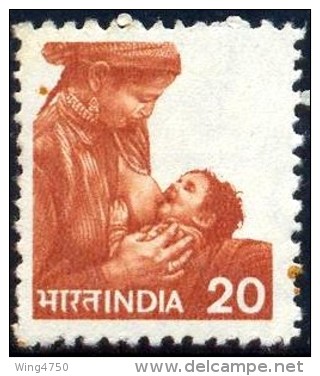
breast-india

There is an interesting story in a hundred year old book:-

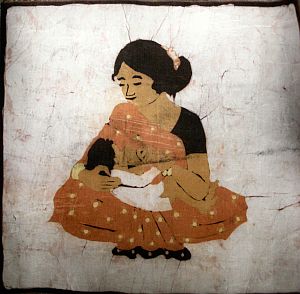
On a fine evening Akbar and his minister Birbal went through an avenue of trees in Delhi, enjoying the delicious breeze. The conversation turned on various topics. They talked of the glories of the tropical sky, of the grandeur of the sunset, as it would appear when it viewed from one of the highest palaces, of the calm repose of the huge trees whose foliage rustled by a little by gentle breeze and of the birds of the variegated plumage which were seeking their night shelter. They reflected on the goodness of the Creator who was the author of the sky and the rainbow coloured clouds.


As they walked along a gurgling gushing brook attracted their attention. On approaching it they were charmed by the weird, twisted picture of the sky, clouds and trees which the brook in its tortuous course mirrored forth. They sat for a while on its bank inhaling its cool air laden with the fragrance of thousand forest flowers.


Then as they were leaving this pleasant spot, Akbar asked Birbal to name to him the best milk the best milk, the best leaf, the best flower, six things, the best fruit, the best king and the best sweetness.

babay-mother

Birbal stood up and answered,

“Mother’s milk is the best as the child grows to be a great man on it. The pan (betel leaf) is the most useful among leaves as everyone eats it. Of the flowers, that of the cotton plant claims the foremost rank as it clothes everyone. A dutiful son is indeed the best fruit as the virtues of the ancestors continued to live in him.


Indra is the most benevolent among kings as he sends down rain which nourishes the whole earth. Sweetness of kind words is the most pleasing, as one wins the affection of people thereby without spending any money!”

breast-paint

Breast Milk in the Atharva Veda

Atharva Veda is dated around 1000 BCE. So the earliest reference to breast milk comes from it.

In the famous Bhumi Suktam (Hymn to the Earth), we find,

“Earth, in which the Asvins measured out and Vishnu strode,

Which Indra, Lord of Might,

Made free from foes for himself

May she pour out milk for me – a mother to her son”.

(sa nobhumirvi srujatam mata putraya me payah)

bronze-woman

Famous classical poet Kalidasa, refers to breast milk, in several places in his dramas and poems. He says in his epic poem Raghu Vamsam,

Devadaru tree was adopted as a son by Shiva. “Just as a son is brought up with the feed of milk issuing from the mother’s brests, similarly, Pravati reared the tree (the adopted son) by water issuing from gold pitcher (Raghu Vamsam 2-36)

Manaikkavasagar, one of the Four Great Tamil saints, describes the kindness of Lord Shiva to the breast feeding mother. He says that Siva is kinder than a mother who breast feeds the baby time to time, without it asking for it.

Hindus considered the breast milk as the best milk available to human beings. The second position was given to the cow’s milk.


breast-1

–subham–

Why are Tamils so famous? (Post No.3261)

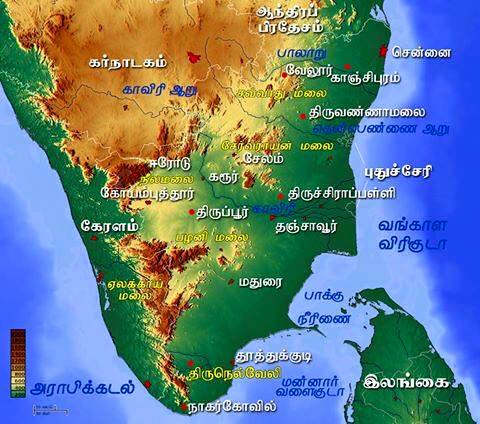
south-india-map

Compiled by London Swaminathan


Date: 17 October 2016


Time uploaded in London: 19-30


Post No.3261


Pictures are taken from various sources; thanks. (Picture is used only for representational purpose; no connection with the current article.)


Contact swami_48@yahoo.com

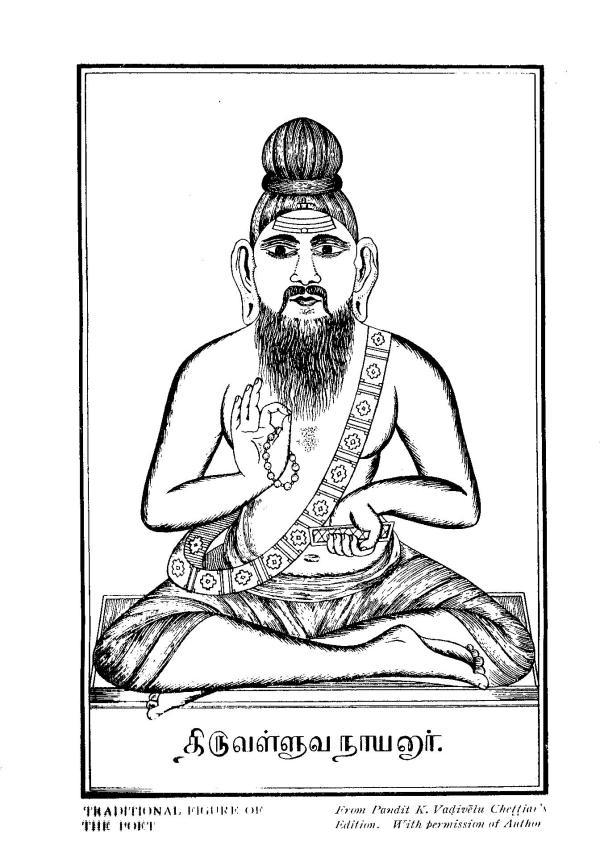
valluva-nayanar

“The Tamils are famous because they have lived and thrived in their own country for eons and ages in the accredited cradle of human race.

They are famous, because they have been truly, goldly, impartial, munificent, hospitable and heroic at a pinch.

They are famous, because they have ruled a vast continent submerged long ago in a most exemplary manner worth the admiration of the remotest posterity and patronised learning and leaned coterie with a generous heart and liberal hand.

They are famous, because they own a language which is sweet in its name and a literature which has stood cataclysms of every description political, moral religious and philosophical.


They are famous, because their religion is rational, their morality is practical and their philosophy is spiritual.

They are famous, because their songs and psalms are replete with highest truths. They are sung by all, the young and the old, the rich and the poor, the high and the low, inspiring love, reverence and holiness.


They are famous, because, their boys and girls, their sons and daughters, have been and are imbued from their cradle with divine wisdom enshrined in the three classic Books of Golden Maxims embodying the quintessence of the libraries of Neethi Sastras culled from rewards of human experience, Englished by me and published in this tiny volume.


They are famous, because, they have looked upon the soul and the body as equally sacred, one being the temple of the other and have acted uniformly in high principle of a sound mind in a sound body, mens sana in corpora sano.

dance-in-shade

They are famous, because their Saint Valluvar has enriched the world with his pithy couplets on Virtue, Wealth and Pleasure rendered into a number of modern languages in the West as in the East, because their Grandma sage Auvaiyar has opened the gates of Heaven and Eternity in her three hundred and ten high toned and succinct Kurals, and because their devout Savant Meykandan has in his duo Decalogue or 12 Sutrams, laid bare, in a clearly logical and analytical strain, his infinite heavenly riches in a little room, virginibus puerisque, to be easily gulped down and permanently retained in the mind for ever.


They are famous, because, their Siddhars or Supermen have preached human brotherhood and sisterhood, sans per sans reproche, against the rampant alien caste system and social tyranny and vigorously denounced formalism in religion and asceticism in practice of the degrading and self -mortifying kind.


They are famous, because their system of medicine and therapeutics, called Siddhic, has provided the human race with ambrosia, nectar, elixir and the philosopher’s stone for the rejuvenation and prolongation of human life, not merely with the help of rare herbs abounding in their environment but with the aid of metals scientifically calcined and sublimated, not as in the case of metalloid therapy for external application but as curative health powders to be taken in mixed with honey, being fully aware of the metallic ingredients in the composition of the human organism, a system and a process quite new to the modern medicos who, lost in wonder at first, have slowly began to appreciate and realise it.

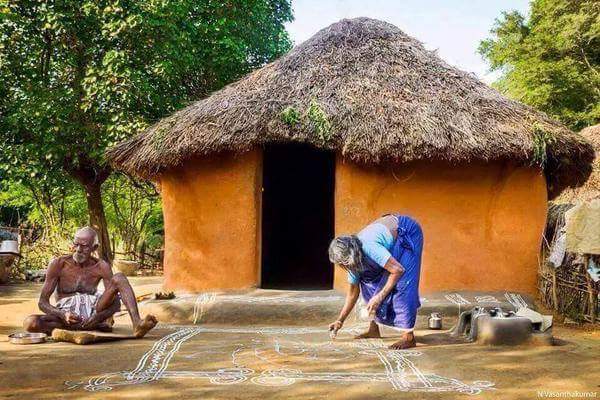
kolam-kizavan-kizavi

And above all, they are famous, because , what their forbears had conceived and wrought successfully with divine grace twenty ,thirty and more centuries ago, in every art and craft are still marvellous and mysterious to the rapidly advancing modern scientist in the West, whose unenviable candour and indefatigable research at the cost of millions of pounds or dollars, it is hoped, proclaim in the course of a few years, the glories of Tamilaham and sing the paeans of the wonderful Tamilan achievements in medicine and therapy in the hoary past, pre-diluvian times. May our echoes roll from soul to soul and grow for ever and ever”.

BIBILOTHECA

Munnirpallam                                                                    M.S.P.

15th November 1936

MSP= M S Purnalingam Pillai


வள்ளுவரும் வானவரும்! (Post No.3260)

hy14-pushkar_2472025g-jpghindu-2

Written by S. NAGARAJAN

Date: 17 October 2016

Time uploaded in London: 5-21 AM

Post No.3260

Pictures are taken from various sources; thanks


Contact :– swami_48@yahoo.com


திருக்குறளில் தேவர் உலகம்

வள்ளுவரும் வானவரும்!

By ச.நாகராஜன்


 img_5160-2

பாரத நாடெங்கும் தொன்று தொட்டு இருந்து வ்ரும் பண்பாடு ஒன்றே தான்!


மிகப் பழைய சங்க இலக்கிய  நூலான திருக்குறளில் இந்தப் பண்பாட்டை விளக்கும் நூற்றுக் கணக்கான குறட்பாக்களைக் காணலாம்.


தேவர் அல்லது வானவரைப் பற்றிய ஏராளமான செய்திகளை பாரத நாடெங்கும் உள்ள மக்கள் அறிவர். ஹிந்துப் பண்பாட்டை விளக்கும் ஏராளமான கதைகளும் அதைச் சார்ந்த சடங்குகளும், விழாக்களும், நம்பிக்கைகளும் தொன்மங்களும் வான உலகில் –விண்ணுலகில் – இருக்கும் வானவரைச் சார்ந்தே உள்ளன.


திருக்குறளை இயற்றிய வள்ளுவருக்கே தேவர் என்ற பெயரும் உண்டு. அவருக்குரிய பத்துப் பெயர்களும் அவரது உயரிய பண்பையும் அருமையையும் எண்ணி, போற்றித் தரப்பட்டு வழிவழியாக வழங்கப்பட்டு வருகின்றன.


தேவர் குறளும் திருநான் மறைமுடிவும்                   

மூவர் தமிழும் முனிமொழியும் – கோவை                        

 திருவாசகமும் திருமூலர் சொல்லும்                        

ஒருவா சகமென் றுணர் 


–என்ற ஔவையாரின் பாடலில் தமிழ்ம்றையும் நான்மறையும் ஒன்றே என்று அறுதியிட்டு உறுதி கூறப்படுகிறது!


 img_5163-2

இனி, வள்ளுவரின் கிண்டல் குறள்கள் அவரது அரிய மேதைத் தனமையையும் அதில் இழைந்து ஊடாடி விளங்கும் நகைச்சுவையையும் காட்டுவன.


இந்த நகைச்சுவைக் குறள்களில் முக்கியமான குறள் ஒன்று தேவர் குறள்.


தேவர் அனையர் கயவர் அவருந்தாம்

மேவன செய்தொழுகலான்        –  குறள் 1073


“தேவர் அனையர் கயவர்”

தேவரும் கயவரும் ஒன்று போலத் தான் என்று வள்ளுவர் கூறியதைக் கேட்டவுடன் திடுக்கிடுகிறோம். தூக்கிவாரிப் போடுகிறது.


ஆனால் அவர் அடுத்து அதற்கான காரணத்தை விளக்கும் போது சிரிக்கிறோம். இருவரும் தம் மனம் போன போக்கிலேயே அனைத்தையும் செய்யும் தன்மை வாய்ந்தவர்கள் என்பதால் தேவர் அனையர் கயவர்!!

வையத்துள் புண்ணியச் செயல்களைச் செய்பவரே வானுறையும் பேறு பெற்றவர்கள். அவர்கள் மனம் போன போக்கில் நல்லதையே செய்வர்.


 img_5164-2

ஆனால் பூமியில் மனம் போன போக்கைச் செய்யும் கயவர் தீயவற்றையே செய்வர். உயர்ச்சியும் இழிவுமாகிய காரண வேறுபாட்டால் நகைச்சுவையை ஊட்டி நம்மைச் சிரிக்கவும் சிந்திக்கவும் வைக்கிறார் வள்ளுவர்.

நகைச்சுவையுடன் கூடிய கருத்தால் மிகவும் ஈர்க்கப்படுகிறோம்.


அடுத்து வான் நாட்டை புத்தேள் நாடு என்றும் வானவரை புத்தேளிர் என்றும் வள்ளுவர் கூறி இருக்கும் குறட்பாக்கள் சுவையானவை.


இப்படி வரும் ஆறு குறள்களைப் பார்ப்போம்.


புத்தே ளுலகத்தும் ஈண்டும் பெறலரிதே

ஒப்புரவின் நல்ல பிற              – குறள் 213


பிறர்க்கு உதவி செய்யும் நல்ல பிரதிபலன் பாராத உதவி செய்யும் தன்மை தேவர் உலகத்திலும் பூவுலகத்திலும் காண்பது அரிதாகும்.


ஈவாரும் இல்லை, ஏற்பாரும் இல்லை என்பதால் தேவருலகில் ஒப்புரவு அரிது. யாவருக்கும் ஒப்பது இது போல வேறு ஒன்று இல்லாமையால் பூவுலகில் இது அரிது.

 img_3203


நிலவரை நீள்புகழ் ஆற்றின் புலவரைப்

போற்றாது புத்தேள் உலகு           – குறள்  234


ஒருவன் நிலவுலகில் பொன்றாத புகழைச் செய்வானாயின் வான் உலகம் அவனை வரவேற்குமேயல்லால் தன்னை எய்தி இருக்கும் ஞானிகளைப் போற்றாது.         


கள்வார்க்குத் தள்ளும் உயிர்நிலை கள்ளார்க்குத்                     

தள்ளாது புத்தே ளுலகு                   குறள் 290


களவினைச் செய்வார்க்கு உடம்பில் உள்ள உயிர் தவறும். அந்தக் களவினைச் செய்யாதவர்க்கு வானுலகம் வாய்த்தல் தவறாது.


புகழ் இன்றால் புத்தேள் நாட்டு உய்யாதால் என்மற்று           

இகழ்வார் பின் சென்று நிலை              குறள் 966


மானத்தை விட்டுத் தன்னை அவமதிப்பவர்கள் பின்னே ஒருவன் சென்று நிற்கின்ற நிலை அவனுக்கு இவ்வுலகப் புகழைத் தராது. தேவர் உலகத்திலும் கொண்டு சேர்க்காது. இப்படி அவமதிப்பார் பின் செல்வதால் அவனுக்குப் பின் என்ன தான் பயன்?


புலத்தலின் புத்தேள்நாடு உண்டோ நிலத்தொடு                              

நீர் இயைந்து அன்னார் அகத்து             குறள் 1323


நிலத்தில் நீர் கலந்தாற் போல ஒன்று ப்ட்ட நெஞ்சம் உடைய காதலரிடத்தில் ஊடலில் காணப்படுவது போன்ற இன்பம் தேவருலகில் உண்டா?


 img_3425

பெற்றார் பெறின்பெறுவர் பெண்டிர் பெருஞ்சிறப்புப்                புத்தேளிர் வாழும் உலகு                   குறள் 58


பெண்டிர் தம்மை எய்திய கணவனை வழிபடுவாராயின் தேவருலகில் அவரால் பெருஞ்சிறப்பினைப் பெறுவர்.


அடுத்து வரும் மூன்று குறள்களில் அமரர் என்ற வார்த்தையையும், வானவர் என்ற வார்த்தையையும் தேவர் பயன்படுத்துகிறார்.


அடக்கம் அமரருள் உய்க்கும் அடங்காமை                 

ஆரிருள் உய்த்து விடும்                  குறள் 121


ஒருவனை அடக்கம் ஆகிய அறம் பின் தேவர் உலகத்து உய்க்கும். அடங்காமையோ ஆர் இருள் கொண்ட நரகத்தில் செலுத்தும்.


சிறப்பொடு பூசனை செல்லாது வானம்                         

வறக்குமேல் வானோர்க்கும் ஈண்டு     (குறள் 18)


வானம் வறண்டு மழை இல்லாது போனால் இவ்வுலகில் வானவர்க்குச் செய்யும் பூஜை, திருவிழா எதுவும் நடைபெறாது.


செல்விருந்து ஓம்பி வருவிருந்து பார்த்திருப்பான்

நல்விருந்து  வானத்தவர்க்கு        (குறள் 86)


தேவர்கள் விரும்பி வரவேற்கும் விருந்தினர் யார் தெரியுமா? பூவுலகில் வந்திருந்த விருந்தினரை நன்கு  உபசரித்து அனுப்பி விட்டு அடுத்து வரும் விருந்தினருக்காக வழி மேல் விழி வைத்துக் காத்திருக்கின்றானே அந்த உத்தமன், அவனைத் தம் விருந்தினராக ஆவலோடு வரவேற்பார்களாம் தேவர்கள்!


 brahadeeswar-2

இன்னும் ஒரு குறளில் வானோர்க்கும் மேலான உலகத்தைப் பற்றிப் பேசுகிறார்.


யான் எனது என்னும் செருக்கு அறுப்பான் வானோர்க்கு               

உயர்ந்த உலகம் புகும்           (குறள் 346)


யான் எனது என்ற மயக்கத்தை அறுப்பார்க்கு வானோரும் எய்தற்கு அரிதான வீட்டுலகம் கிடைக்கும்.


தேவர் உலகத்தைச் சேர்ந்தோர் இமைக்க மாட்டார்கள் என்பதை ஒரு குறள் சுட்டிக் காட்டுகிறது.


இமையாரின் வாழினும் பாடிலரே இல்லான்              

அமையார்தோள் அஞ்சு பவர்   (குறள்  906)                             

மனைவியின் அழகிய தோளுக்கு அஞ்சி நடக்கின்றவர் தேவரைப் போல இந்த உலகில் வாழ்ந்தாலும் கூட ஆண்மை இல்லாதவரே ஆவர்.


ஹிந்துக்களின் வேதம், உபநிடதம், புராணம் ஆகியவை கூறும் பெரும்பாலான செய்திகளை சங்க இலக்கியத்தில் பரக்கக் காணலாம்.


பாரதம் முழுவதற்குமான ஒரே பண்பாட்டைச் சேர்ந்தவரே வள்ளுவர் என்பதும் அதைத் தன் குறள் நெடுகிலும் சுட்டிக் காட்டுகிறார் என்பதற்கும் வேறு என்ன சான்றுகள் வேண்டும்.


கடைசியாக் ஒன்று. இமையவர் கோமானான இந்திரனையும் அவர் விட்டு விடவில்லை.


ஐந்தவித்தான் ஆற்றல் அகல்விசும்பு ளார்கோமான்               

இந்திரனே சாலுங் கரி   (குறள் 25)


ஐந்து புலன்களின் ஆசையை ஒழித்தவர்க்குச் சான்று கூற விசும்புளார் கோமானான இந்திரனே வருவான்

 andal-krishnan

ஆஹா, பதிமூன்று குறள்களில் பண்பாட்டைத் தெள்ளென விளக்கும அனைத்தையும் வள்ளுவர் தரும் பாங்கிற்கு ஈடு இணை உண்டோ!


ஏராளமான செய்திகளைப் பெறுகிறோம்.


வானவர் உலகம் உண்டு.


அதற்கும்  மேலான உலகமும் உண்டு.


வானவர்க்கு பூவுலகினர் பூஜையும் திருவிழாவும் எடுப்பர். மழை இல்லையேல் அவை நடைபெறா. (இந்திரவிழா உள்ளிட்ட பழைய செய்திகளையும், மழை தரும் பொறுப்பு இந்திரனுக்கு உண்டு என்பதையும் நினைவில் கொள்ள வேண்டும்.)


அடக்கம் தேவ லோகத்தையும் அடங்காமை நரகத்தையும் தரும். மனைவி கணவனைப் போற்றல் வேண்டும். அது அரிய வானுலக வரத்தைத் தரும்.


தாம்பத்ய இன்ப உறவில் ஏற்படும் இன்பம் தேவலோகத்திலும் கிடைக்காது.


புகழுடைச் செயல்களைப் புரிபவன் பொன்னுலகம் போவான்.

களவுத் தொழில் செய்தலும், தன்னை அவமதிப்போரின் பின்னால் செல்லுதலும் தேவர் உலகை அடைய முடியாமல் தடுக்கும் தீமைகளாகும்


.

இன்னும் தேவாமிர்தத்தைச் சொல்லாமல் வள்ளுவரால் சும்மா இருக்க முடியுமா?


நான்கு குறள்களில் சாவா மருந்தான தேவாமிர்தத்தையும் குறிப்பிட்டு விடுகிறார்.


வான்நின்று உலகம் வழங்கி வருதலால்

தான் அமிழ்தம் என்றுணரற் பாற்று     – (குறள் 11)


 ambaji-temple-gujarat

மழையை உலகம் அமிழ்தம் எனப் போற்றுவதை இங்கு வள்ளுவர் குறிப்பிடுகிறார்.


அமிழ்தினும் ஆற்ற இனிதேதம் மக்கள்

சிறுகை அளாவிய கூழ்            (குறள் 64)


தன் குழந்தையின் சிறுகை அளாவிய கூழை விட தேவாமிர்தம் சிறந்ததா, என்ன? இல்லை என்று ஓங்கிச் சொல்வோம் நாம். உலகியல்பு இது!


நம் முகத்தைச் சுளிக்க வைக்கும் ஒரு உவமையையும் அவர் தந்து விடுகிறார்.ஏனெனில் அப்படிச் சொன்னால் தான் அவர் சொல்ல வரும் பொருளுக்கு வலிமை சேரும்! அதனால் தான்!

நல்ல கற்றறிந்தோர் கூடிப் பேசும் அவையில் ஒன்றுமே படிக்காத ஒரு  முட்டாள் உளற ஆரம்பித்தால், ஐயகோ, அது தூய்மை இல்லாத முற்றத்தில் படைக்கப்பட்ட நல்ல அமிர்ததிற்கு ஒப்பாகும். (‘அசுத்தம்’ உள்ள இலையில் அமிழ்தம் வைக்கப்பட்டால்….?!)


அங்கணத்துள் உக்க அமிழ்தத்தால் தங்கணத்தார்          அல்லார் முன் கோட்டி கொளல்        (குறள் 720)


இன்னும் ஒரு குறள்- தலைவியின் தோள் அமிர்தத்தினால் ஆனது!


உறுதோறு உயிர்தளிப்பத் தீண்டலால் பேதைக்கு          

அமிழ்தின் இயன்றன தோள்           (குறள் 1106) 


தலைவியின் தோளைத் தீண்டும் போதெல்லாம் (போக இருக்கும்) உயிர் தளிர்ப்பதால் இவள் தோள் அமிர்தத்தினால் செய்யப்பட்

டிருக்க வேண்டும்!


எப்படி இருக்கிறது நான்கு குறள்கள்.


1330 குறள்களில் சுமார் 17 குறள்களில் தேவலோகத்தைக் காட்டுகிறார் தேவர்! அதாவது ஒரு சதவிகிதத்திற்கும் மேலாக!


இதுவே அவர் தன் கருத்துக்களுக்கு வானுலகைப் பயன்படுத்துவதன் முக்கியத்துவத்தைக் காட்டுகிறது.

 ganga-shiva

என்ன இருந்தாலும் அவரும் வையத்துள் வாழ்வாங்கு வாழ்ந்து வான் உறையும் தெய்வத்துள் சேர்ந்தவர் தானே

‘தனது இனத்தை’ விட்டுக் கொடுப்பாரா என்ன?


கருத்துக்களைப் பெற்று மகிழ்கிறோம். அமிழ்தம் உண்டது போல இருக்கிறது!

**********


Sadhu (saint) who cured a Snake bite (Post No.3259)

diyas-eps

Picture from New Indian Express

Compiled by London Swaminathan


Date: 16 October 2016


Time uploaded in London: 18-19


Post No.3259


Pictures are taken from various sources; thanks. (Picture are used only for representational purpose;no connection with the current article.)


Contact: swami_48@yahoo.com

 
ODDE (Potter’s Caste)


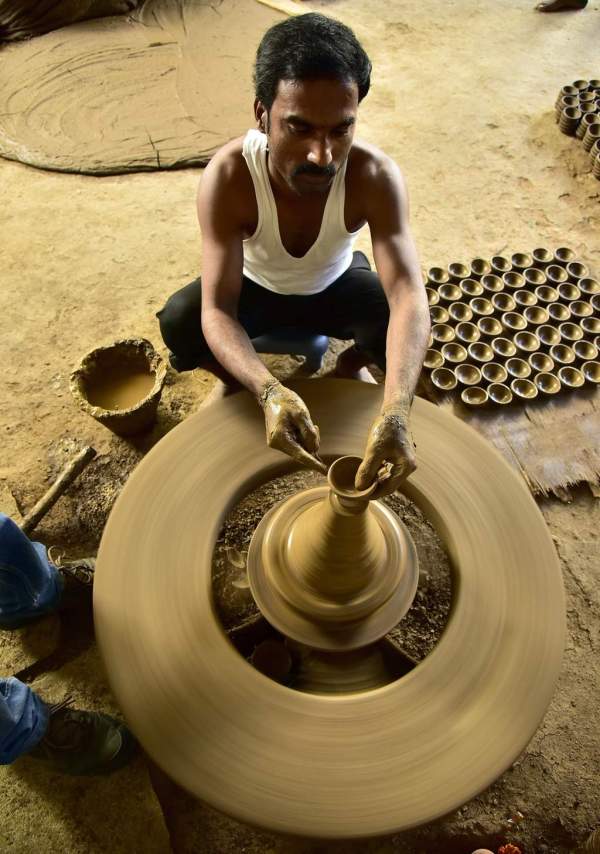
“The Odde is a potters’ caste, and their district is Canara. They make pots by moulding mud on the primitive potter’s wheel, turning the wheel with a stick. They worship at bhuthasthanas (devil shrines.)


Their marriage rites are completed in a day. The contracting fathers exchange betel-nut, and the bridegroom presents the bride’s family with a ring. At the ceremony a bench is placed within the pandal (constructed of the branches of trees, grass, and bamboo, and decorated with bunches of bananas and flowers), on which clothes, brought by the washer man caste, have been spread. The bridegroom is taken to the pandal by the bride’s brother, and after circling the bench three times he squats on the ground. Women follow him, carrying lighted lamps, rice and fruit. The lamps are hung on twigs projecting from the pandal, and the other articles are placed on the ground. The women throw rice, a few grains at a time, over the head of the bridegroom, which is afterwards shaved by the barber with milk instead of water.


A female barber attends to the bride, who has not yet left the house. The bride is shaved on the pelvis and under the arms; and Indian woman, no matter which her caste may be, disliking to have hair on her body. Next, the bride is dressed in a new sari and taken to the pandal, where she squats beside the bridegroom and they hold hands. The ceremony is consummated by the bride’s uncle pouring water, in which cow dung has been mixed, over the couple.

 diya-pti

Interesting Pregnancy Rite!

This caste has an interesting her maternal woman is presented with two chickens by her maternal uncle.

The fowls receive great care and if they lay (eggs) abundantly the woman will be very prolific. When an Odde girl reaches puberty, she is confined in a special hut with a piece of metal, some margosa (neem) leaves, and a few sticks. These are to keep the evil spirits from entering the hut. The girl may eat eggs but no flesh and on the seventh day she is given chicken broth which has been mixed with toddy. This is supposed to increase the strength of her generative organs. The chicken which is used for the broth must be black, and it must have laid eggs for the first time. After the period of menstrual pollution, the girl returns home and the hut is burned down.

The Odde death ceremony has its special variations. After the burial an effigy of departed is made out of mud, and is offered cooked rice and fruits.


Snake bite Cure!

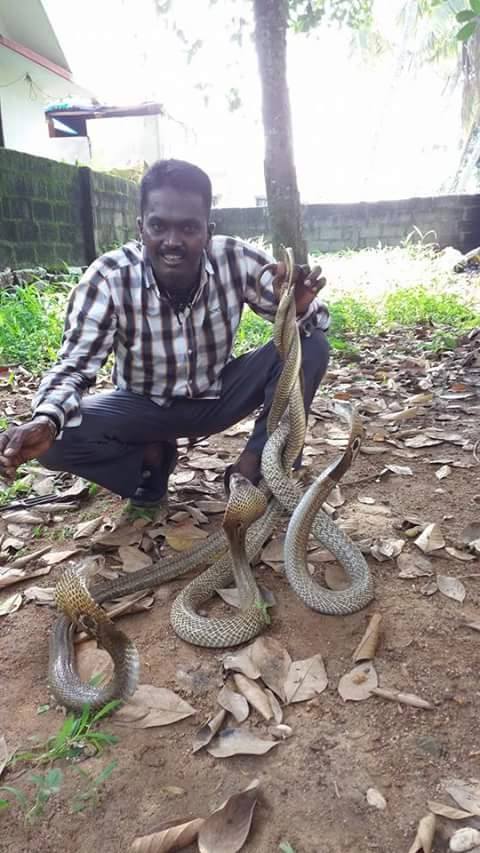
A friend living near Coimbatore told me of witnessing a cure for snake-bite made by one of the witch-doctors of this caste. A boy, who had been digging round the root of a tree with his fingers, was bitten by a cobra, and my friend saw the cobra clinging to the boy’s hand. Almost at once the arm became numb, which is the ghastly result of cobra poison. The witch- doctor appeared as if by magic, fetched no doubt by a member of the caste, and proceeded to throw a brown powder on the spot where the snake’s fangs had fastened. He then took a small stick, which evidently he had brought with him, stuck it first in the boy’s mouth and then in his own, and began to draw it up and down the boy’s back. All the while he uttered strange guttural sounds, and the boy’s arm gradually became sensitive and he began to move his fingers. For several minutes the patient’s fingers continued to move, while the witch-doctor moved the stick up and down his back. To terminate the performance, the witch-doctor poured water over the injured hand, the brown powder had evidently been absorbed by the incision, for the water came away quite clear. The boy trotted off as if nothing had happened to him. My friend tried to question the sadhu, but was able to learn nothing. The man simply mumbled something about sap ascending in the trees as the moon waxed, and descending while it waned. These primitive people are often marvellous herbalists, but their knowledge is so mixed up with magic that it is difficult to dissociate the medicinal value of their roots from the rites which accompany it. As the is the than the medicine, nothing ever gleaned from them.”

Source:– The Land of the Lingam by Arthur Miles

diya-eps

(My comments: Snake bite cure, cure for fractured bones, jaundice cure and many more therapies are practised successfully even today. Someone has to document them after doing some scientific study. Whether it is low caste or high caste we see the role of maternal uncle, the use of yellow rice, use of water in Kanya Dhanam (donating the girl), decorating the Pandal with plantain trees, use of lighted lamps and many more in almost all the marriage ceremonies throughout India. This shows that they are all part of one culture but with some regional differences.)


–Subham–


அறியாமையே அநீதிக்குக் காரணம் (Post No.3257)

englishman

Written by London Swaminathan


Date: 16 October 2016


Time uploaded in London: 7-06 AM


Post No.3257


Pictures are taken from various sources; thanks. (Picture is used only for representational purpose)


Contact swami_48@yahoo.com


மக்களே போல்வர் கயவர் அவரன்ன

ஒப்பாரி யாங்கண்டது இல் — குறள் 1071


“கீழ்மைக் குணம் உடையவர்களும் சாதாரண மக்களைப் போலவே தோன்றுவர். இப்படிப்பட்ட ஒற்றுமையை நான் வேறு எங்கும் கண்டதில்லை!”


சென்னப்பட்டணத்தில் 200 ஆண்டுகளுக்கு முன் ஒரு ஆங்கிலேய அதிகாரி இருந்தார். அவருக்கு இந்திய மொழிகள் தெரியாது. ஆகையால் ஒரு துபாஷை (த்வி பாஷி= இரு மொழி வல்லுநன்= துபாஷ்) வேலைக்கு வைத்துக் கொண்டார். ஒரு நாள் சென்னைக்கு கழைக்கூத்தாடிகள், ஜால வித்தைக் காரர்கள் கோஷ்டி ஒன்று வந்தது. பெரிய பூங்காவில் அவர்கள்: ஜால வித்தைகளைச் செய்து காட்டினர். அதைக் காண ஆங்கிலேய அதிகாரி தனது மொழி பெயர்ப்பாளருடன் — துபாஷுடன் — வந்திருந்தார்.


ஒரு மணீ நேரத்தில் வேடிக்கை எல்லாம் முடிந்ததது. ஜாலவித்தைக்காரர்கள் உடனே ஒவ்வொருவரிடமும் வந்து இனாம் வசூலித்தனர். இந்திய ஜால வித்தைகளை முன்பின் காணாத அந்த ஆங்கிலேயரும் வியப்பால் அசந்து போய் தனது உதவியாளரை அழைத்து பத்து பகோடா (தங்க) நாணயங்களைக் கொண்டுவரச் சொன்னார். துபாஷை அழைத்து இதை ஜால வித்தைக்காரகளிடம் கொடு. நான் மிகவும் பாராட்டினேன் என்று சொல்லு என்றார்.


அவன் யாரும் காணாதபடி ஒன்பது காசுகளை தன் சட்டைப் பையில் போட்டுக்கொண்டு ஒரே ஒரு காசை மட்டும் ஜாலவித்தை செய்யும் கோஷ்டியின் தலைவனிடம் கொடுத்தான். அவனுக்குத் திருப்தி இல்லை. ஏனெனில் ஏதோ ஏமாற்று வேலை நடந்திருக்கிறது. இந்த மொழி பெயர்ப்பாளன் ஏதோ காசு அடித்திருக்கிறான் என்று எண்ணினான்.

மொழிபெயர்ப்பாளன், யாரும் தான் செய்ததைக் கண்டுபிடித்திருப்பார்களோ என்று பயந்து, அவசரம் அவசரமாக வீட்டிற்கு ஏகினான்.


ஜாலவித்தைக்கர்களின் தலைவன் மெதுவாக ஆங்கிலேய அதிகாரியிடம் சென்று ஒரு பகோடா நாணயத்தைக் காட்டி, இதைத்தான் அந்த துபாஷ் எங்களுக்குக் கொடுத்தான். தாங்கள் கொடுத்தது இந்த ஒரு காசுதானா? என்று வினவினான். ஆங்கிலேய அதிகாரிக்கு ஒன்றும் விளங்கவில்லை. உடனே துபாஷை அழைத்துவரும்படி உஅதவியாளனுக்கு கட்டளையிட்டான்.

துபாஷும் வந்தான். இவர்கள் என்ன சொல்லுகிறார்கள் என்று விளங்கவில்லை என்றான். ஜாலவித்தைக்காரன் மீண்டும் தனது மனக்குறையை வெளியிட்டான்.


துபாஷும் வந்தான். இவர்கள் என்ன சொல்லுகிறார்கள் என்று விளங்கவில்லை என்றான். ஜாலவித்தைக் காரன் மீண்டும் தனது மனக்குறையை வெளியிட்டான்


துத்பாஷ் கள்ளனுக்கும் குள்ளன். ஜாலவித்தைக்காரன் சொன்னதை அப்படியே கயிறு திரிப்பதுபோல திரித்தான். நீங்கள் கொடுத்த பத்து காசுகளில் ஒரு செல்லாக் காசையும் கொடுத்து ஏமாற்றிவிட்டீர்களாம். அந்தக் காசை உங்களிடம் காட்டி, வேறு காசு கேட்கிறான் என்று மொழி பெயர்த்தான். வெள்ளைக்கார அதிகாரிக்கு ஏக கோபம். சேவகர்களை அழைத்து இவர்களை கழுத்தைப் பிடித்து வெளியே தள்ளு என்றான்.


பாவம் அநீதிக்கு அறியாமை வழிவகுத்தது!


–Subham–