FIVE DAY HINDU MARRIAGE – PART 2 (Post No.3334)

Compiled  by London Swaminathan


Date: 8 November 2016


Time uploaded in London: 21-12


Post No.3334


Pictures are taken from various sources; they are only representational; thanks.


contact; swami_48@yahoo.com


Please read the first part posted yesterday and then continue here:-


Bride behind a curtain!

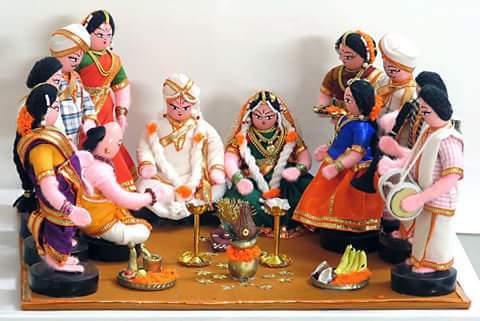
The bride’s parents now come forward and with necessary ceremonies, invest the bridegroom with the two skeins to form necessary full sacred thread up of a married man. A curtain is then fixed across the platform, and the bride is brought out seated in a kind of wicker-basket, and is then placed behind the curtain which separates the young couple so that they cannot actually see each other until later on in the affair.
Honey, Milk and Golden Sacred Thread

The bride’s father or mother then proceeds to give to the bridegroom a mixture of curds, milk ghee, sugar cummin, honey and other ingredients. This mixture is known as “mathuparkam”. A portion of it is placed in his hand and he proceeds to eat it. This is repeated three times. It is supposed to refresh him after the fatigue he has already gone through and also to prepare him for the further ceremonies. The bride’s parents then present the bridegroom with a beautiful cloth and other like things, including a kind of yagnopavitam (sacred thread), made of one golden and two silver threads. The youth then proceeds to array himself in the gorgeous presents.


Giving of the Damsel

The important ceremony called “Kanyaadaanam” (giving of the damsel) now takes place. This is done as follows:The bridegroom first makes the following declaration


“I of such and such a name, family and tribe, perform this taking of hands for the remission of my sins and for the satisfaction of the supreme God.”


The bride’s family priest then asks the bridegroom if he is willing to take so and so to wife. On his answering in the affirmative, the ends of the upper garments of the pair are tied together in what is called the “Brahma knot”. The priest in tying this knot says vishvéth tratét,” that is “You both must trust and be a prop to each other”. They sit thus tied together until it may be necessary for them to move away from the place where they are sitting, when the knot is loosed.


This tying of the cloths, is an important part of the marriage ceremony and is repeated at various stages of the proceedings. Certain presents of jewels and cloths one of which should be silk are now given to the bride by bridegroom’s father. The bridegroom then again makes a declaration of his willingness to accept the bride, and her father makes a declaration of his willingness to give her.


The bride’s mother then brings in a vessel of water with which her father proceeds to wash the bridegroom’s feet, sprinkling some of the water on his own head. He then takes the right hand of the bride which is underneath the curtain, and placing it in hand of the bridegroom, pours over the clasped hands some water from the vessel.
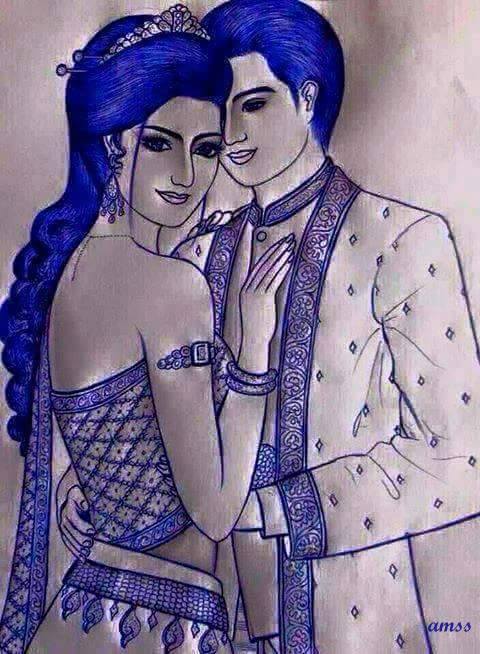
Whilst this is being done, the father with the help of his priest/purohita, repeats certain mantrams of which the following is a specimen


“This damsel laden with gold,

And adorned with jewels of gold,

I give to thee who art like unto Vishnu,

In the hope that I may attain the heaven of Brahma”

Kanyaam kanaka sampannaam kanakaabaranairyuthaam

Daasyaami vishnavebhyam brahmalokajigiishayaa


The pouring of water over the clasped hands is one of the most important ceremonies of the whole proceedings. After this is done, curtain which has hitherto separated the bride and bridegroom is re- moved, and they see each other, possibly for the first time in their lives.


An ox yoke

The parties may be very young. A very curious ceremony is gone through at this stage of the proceedings. An ox yoke is brought in and a cord made of darbha grass is tied round the waist of the bride by the bridegroom. This cord is supposed to represent one of those used to place round the neck of the ox when it is yoked. It is easy to see the origin and significance of the act. The yoke is now held over the bride in such a manner that one of the holes in it shall come right over her head The mangalasutram, to be presently described, i now taken and held under the hole through which water is poured by the bridegroom. The water trickles down the mangalasutram on to the bride’s head. During this the young couple are made to say to each other nati charaimani,” or “I will never leave thee.
 

Tying of Mangalasutram


The next ceremony is the important one of tying on the mangalasutram. This is a saffron coloured on the man thread or cord to which a small gold ornament is attached. It is fastened round the neck and hangs down in front like a locket. This is always worn by married women, like the wedding ring among Europeans, and it is never parted with, for any consideration whatever, until the death of either party. Thus, if a woman has not on the mangalasutram, is a sign of widowhood.


A beautiful cloth is now given to the bride by her father and she departs for a little in order to array herself in it; on her return she is accompanied by her female relatives. The bridegroom now takes the ‘mangalasutram’ and, with an appropriate declaration, ties it round the neck of the bride. Whilst this is being done, the musicians make loud noise with the instruments. Others who are present clap their hands. This is to prevent any sneezing from being heard. Sneezing is considered a very bad omen; and for fear any one might be seized with an attack during this important part of the marriage ceremony, the loud noise is made to drown so unlucky a sound.


The declaration which the bridegroom, prompted the by priest gives utterance to on tying the cord is as follows:


“This mangalasutram

For the lengthening of my life

Oh damsel I  tie to thy neck,

Do thou live for a hundred years.”

Maangalyam tantunaanena mama jiivana hetunaa

Kante badnaami subhage tvam jiivasaradaam satam


Whilst the ‘mangalasutram’ is being tied on,” the prohitas and those present chant the mangalashtakam, or eight marriage blessings. When the chanting is concluded some of those present throw coloured rice upon the couple, by way of blessing them.

(My comments: Very often it is discussed by the Tamils whenther tying the Thali/Mangla sutram/yellow thread around the neck is a native custom or borrowed one. To my surprise all the Tamil hill tribes use this Mangalasutram. They are all described as Dravidians)
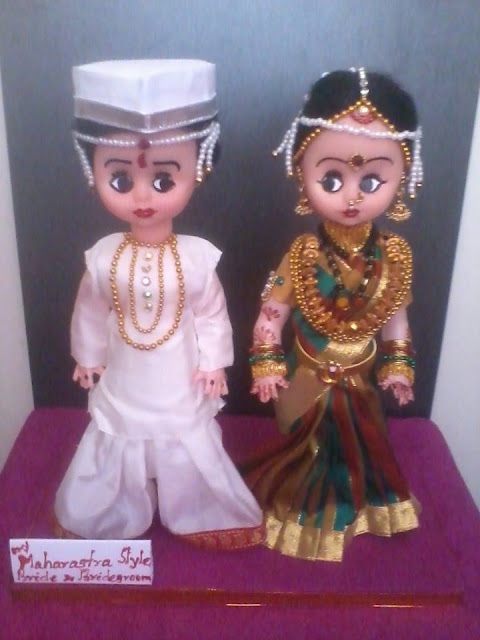
EIGHT MARRIAGE BLESSINGS

One of the eight marriage blessings is as follows:

“The pearls in the lotus-like hands of Sita which shone like rubies

When poured on the head of Rama appeared white like jasmine flowers,

And falling over his dark blue body shone like sapphires

May those pearls thus used at the marriage of Rama give happiness unto you.”


Bhashikam

An ornament called ‘bhashikam’ is also worn by the bride and bridegroom, when they are seated together at any time during the five days for which the ceremony lasts. This ornament is usually made of twigs and coloured thread and is worn tied on to the forehead by a string passing round the head. After the tying of the mangalasutram, the priest places a few grains of coloured rice into the hands of those present who in company chant as a blessing some verses from the Védas. After this, all present throw the rice on to the heads of the married pair. It may be that the modern English custom of throwing rice after a newly married couple arose from this Indian rite.


At this stage of the proceedings the bridegroom duly prompted by the family priest, proceeds to per form a homam or sacrifice of fire. This is done in the sacred fire which is made and kept up in the centre of a prepared place, during the whole of the marriage festival days. The homam is performed by dropping into the fire certain kinds of twigs and rice and ghee. Mantrams are also repeated at the same time.


SEVEN STEPS

The next ceremony is called saptapadi or seven steps. This is the most important ceremony in the whole marriage rite, and in a court of justice this is the test ceremony by which it is decided whether a disputed marriage was completely performed or not. Manu also makes this the irrevocable act, upon which the rite is complete:–


“The nuptial texts are a certain rule in regard to wedlock, and bridal contract is known by the learned to be complete and irrevocable on the seventh step of the married pair, hand in hand. after those texts have been pronounced.” (viii. 227.)


The ceremony is performed as follows. The couple, holding each other by the hand, walk three times round the sacred fire, each circle being supposed to be done in seven steps. Whilst they are thus marching, the priest repeats a mantra, the bridegroom joining in with him if he is able to do so. The mantra is supposed to be said by the bridegroom to the bride and is as follows

Sakhaayo saptapadaa sakhaayo saptapadaa baboons

Sakhaayo te game yam sakhyaate mama gosh am

Sakhyaate ma yoshtaah

Samsayah a sankalpaavahai


By taking seven steps with me do thou become my friend

By taking seven steps together we become friends

I shall become thy friend

I shall never give up thy friendship

Do thou never give up my friendship

Let us live together and take counsel one of another


With this rite the marriage may be said to be indissolubly completed and, upon this, betel and fruits are distributed to those present, after which those who, through religious differences, cannot eat together with the household take their leave.


The women present then sing marriage songs, which are taken from the marriage songs of Rama and Sita. Whilst singing they hold small lamps in their hands and the lamps are fed with ghee.


(My comments: I have already written about the famous Tamil King Karikal Choza walked seven steps to say good bye too his guests. It is in Sangam Tamil literature. I have also written about the significance of Number Seven in the Indus valley seals. I have also referred to seven steps in the Vedas in my research articles)


STHAALIPAAKAM


Sometime after darkness has set in, the ceremony called Sthaalipaakam is performed. This is done as follows.

The company being assembled, a little rice is cooked in a small vessel on the sacred fire when, after several suppressions of the breath and repeating Om bhuh, Om bhuvaha, Om suvaha, the name of the three worlds of the Hindus, the bridegroom mention s the exact time that then is , naming the age, year, day and hour, and also the place where they are at the time. He then makes this declaration

I make this Sthaalipaakam, on behalf of this damsel, to please the supreme God.

After this is done, he sprinkles ghee over some of the cooked rice and, taking pinches of it up in his two fingers and thumb, performs a homam by casting it upon the fire. He does this several times, repeating the following mantra :-


Idam Na Mama= It is not Mine

Agnaye swaaha agnaya idam na mama

Agnaye svistakrte svaahaa agnaye svistakrta idam na mama


May this become a sacrifice to Agni, the God of fire.

To him this is given, it is not mine

May this become a sacrifice to him who fulfils our desires

This belongs to him, it is not mine

(Please see my article Idam Na Mama posted earlier)
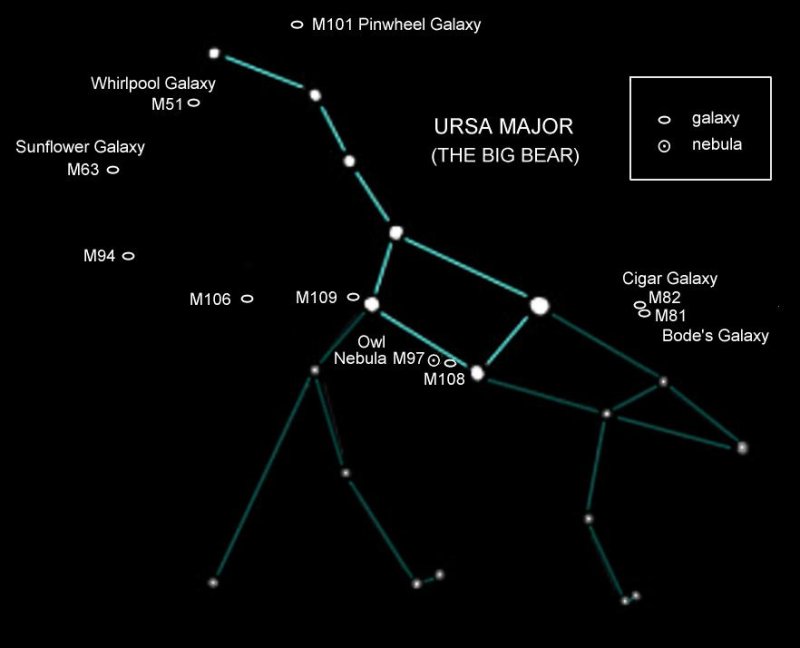
 

Seeing Arundhati Star in the North


Before the bridegroom and the bride can take any food, the last ceremony of this first day’s proceedings must be done. The priest take s them outside the house and pointing out a very small star, bids them pay homage to it.  The star is near the middle one in the tail of Ursa Major constellation called Arundhati,


And the star is named after Arundhari, the wife of Vasishta, one of the seven rishis. The Arundhati is said to have been a pattern wife, and probably the ceremony is meant to draw the attention of the bride to that fact and to bid her follow so good an example.


(Arundhati is referred to in many places in Sangam and Post Sangam Tamil literature; Please see my earlier article on this subject)

After this the bride and bridegroom take food together from the same leaf. This is a rather noteworthy act, as it is the only time during their life when the husband and wife eat together. Ever after they will eat apart. The duty of the wife is to serve her husband whilst he eats, and when he has done, to partake what is left of the food, using as a plate the leaf from which her husband has just breakfasted or dined .


At the time when the bride and bridegroom are partaking their love feast, the family and guests sit down and partake of the marriage feast. Generally, a very large number come together for this.

First Day Ceremonies over.

To be continued……………….

 

9000 கோடி படைவீரர்! கம்பன் சொன்ன பொய்!! (Post No.3333)

Written  by London Swaminathan


Date: 8 November 2016


Time uploaded in London: 10-14 am


Post No.3333


Pictures are taken from various sources; they are only representational; thanks.


contact; swami_48@yahoo.com


இலக்கியத்தில் மிகைப்படக் கூறல் என்பது ஒரு குற்றமாகக் கருதப்பட்டபோதும் நமது தமிழ்ப்  புலவர்கள் கொஞ்சம் தாராளமாகவே மிகைப்படுத்துவர். நூலின் குற்றங்களின் பட்டியலில் மிகைப்படக் கூறலையும் தொல்காப்பியர் சேர்த்துள்ளார். கம்பன் கிஷ்கிந்தா காண்டத்தில் சொன்ன ஒரு “பொய்யை” ஆராய்வதே இந்தக் கட்டுரையின் கருத்து.


ஒன்பதினாயிர கோடி உற்றது

நின்பெருஞ்சேனை அந்நெடிய சேனைக்கு

நன்கூறுமவதி நாள் நாளைய நண்ணிய

பின்செயத்தக்கது பேசற்பாற்று என்றான்

–கிட்கிந்தா காண்டம், கிட்கிந்தைப்படலம்


பொருள்:-


இப்போது என்னுடனே ஒன்பதினாயிரம் கோடிக் கணக்கான உன் பெரிய படை வந்துள்ளது. இனி வரவேண்டிய அப்பெரிய படைக்குத் திரண்டு வருவதற்குரிய நாளும் நாளையே! அப்படையும் வந்த பின்பு செய்ய வேண்டியவற்றைப் பற்றிப் பேசுதல் தக்கதாகும் – என்று சுக்கிரீவன் கூறி முடித்தான்.


கம்பன் அறிவுக்கடல். அவன் பாட்டைக் குறை கூறுவது இக் கட்டுரையின்  கருத்து அன்று.

அட! உலக ஜநத்தொகை இன்றைய கணக்கிலேயே 700 கோடிதானே; கம்பன் இப்படி ஒரு நகைப்புக்குரிய நம்பரைச் சொல்லுவானா என்று நாம் எண்ணலாம். இலக்கியத்தில் பல இடங்களில் வரும் எண்ணை அப்படியே கணக்கில் எடுத்துக்கொண்டால் ஏராளமான பிழைகள் வரும் அதைக் குறிப்பதே இக் கட்டுரையின் நோக்கம்.


கம்பன் ஏன் இப்படி சொன்னான்?

சுக்க்ரீவன் சவடால் பேர்வழி என்பதை காட்டுவதற்காக இப்படி சொல்லி இருக்கலாம்.

அல்லது பாட்டில் எதுகை, மோனையின் காரணமாக எழுதியிருக்கலாம்.

அல்லது கம்பராமாயணததைப் “படி” எடுத்தவர்கள் பிழையாகச் சொற்களைப் புகுத்தி இருக்கலாம்.

இப்படிப் பல காரணங்களை அடுக்கிக்கொண்டே போகலாம்.

ஆயினும் கம்பன் வேறு பல இடங்களிலும் 70 வெள்ளம் சேனை என்பான். வள்ளுவனோ எழுபது கோடி என்னும் சொல்லைக் குறளில் பயன் படுத்துவான்.


உண்மை என்னவென்றால் ஒவ்வொரு மொழியிலும் “நிறைய , எண்ணற்ற, கணக்கற்ற” — என்பததற்கு பல வகையான மரபுச் சொற்றொடர்களைப் பயன்படுத் துவர். தமிழில் “நாலு பேர் சிரிப்பார்கள், ஊரே சிரிக்கும்” என்றெல்லாம் பேச்சு வாக்கில் சொல்லுவோம். ஆங்கில நாட்டில் அம்மா எனக்கு இந்த பொம்மையை வாங்கித் தா, உனக்கு “மில்லியன் கிஸ்” (பத்து லட்சம் முத்தம்) தருகிறேன் என்று குழந்தை சொல்லும். புத்த மத நூல்களில் 500 என்ற எண் அடிக்கடி வரும். பைபிள் முதலியவற்றில் 40 என்ற எண் அடிக்கடி வரும்.

இதை எல்லாம் அறிஞர் பெருமக்கள் அறிவர். ஆனால் ரிக் வேதத்தையும் ராமாயணத்தையும் மொழி பெயர்த்த வெளி நாட்டு “அறிஞர்கள்” மட்டும் அதில் வரும் எண்களை அப்படியே எடுத்துக் கொண்டு அதற்கு வியாக்கியானம் செய்வர். நான் முன்னர் எழுதிய ஆராய்ச்சிக் கட்டுரை ஒன்றில் இந்திரன் கொன்றதாகக் கூறும் எண்ணிக்கையைக் கூட்டிப் பார்த்தால் அது மிகைப் படுத்தப்பட் ட புலவர் கூற்று என்பது விளங்கும். தசரதருக்கு 60, 000 மனைவியர் என்றால் வழக்கத்திற்கும் மாறாக அதிக  மனைவியர் என்று பொருள்


இது தெரிந்தும் ராமாயணம், ரிக் வேதத்தைக் குறைகூறும் அரைவேக்காடுகள் உண்டு.


ஒரு மார்கசீய “அறிஞர்” எழுதிய நூலில், சர்மன் நதிக்கரையில் ஒரு அரசன் செய்த யாகத்தால், யாக உயிர்க்கொலைகளால் அந்த நதியே சிவந்து போய்விட்டது என்று “ஆதாரத்துடன்” எழுதியுள்ளார். அதாவது ஏதாவது ஒரு ஸ்லோகம் கிடைத்தால்போதும் அதை உண்மைபோல காட்டி பெரிய வியாக்கியானம் செய்வர். உண்மையில் சங்க இலக்கிய புற நானூற்றிலும் ரத்த ஆறு, பிராமணர்களுக்கு தானம் கொடுத்து ஓடிய தண்ணீர் ஆறு பற்றி எல்லாம் கவிஞர்கள் பாடி இருக்கின்றனர். இவைகளை நாம் அப்படியே அர்த்தம் செய்யாமல் அதன் பின்னுள்ள கருத்தை மட்டுமே எடுத்துக் கொள்கிறோம். ஆனால் வெள்ளை,,,, வெளிநாட்டினரும், திராவிட, மார்கசீய அரை வேக்காடுகளும் வேண்டு மென்றே சில பாடல்களை எடுத்துக்கொண்டு அதற்கு வியாக்கியானம் செய்வதெல்லாம் பொய்யுரை என்று காட்டவே நான் கம்பனை வம்புக்கு இழுத்து இக்கட்டுரையை வரைந்தேன்.


கட்டுரையிலிருந்து பெறப்படும் நீதி: மெய்ப்பொருள் காண்பதறிவு


–Subham–

Rare Pictures of Dravidians, Tamils and Tamil Nadu from A French Book (Year 1887)

Compiled  by London Swaminathan


Date: 8 November 2016


Time uploaded in London: 6-09 am


Post No.3332


contact; swami_48@yahoo.com


Please see the earlier two parts posted yesterday and day before yesterday.


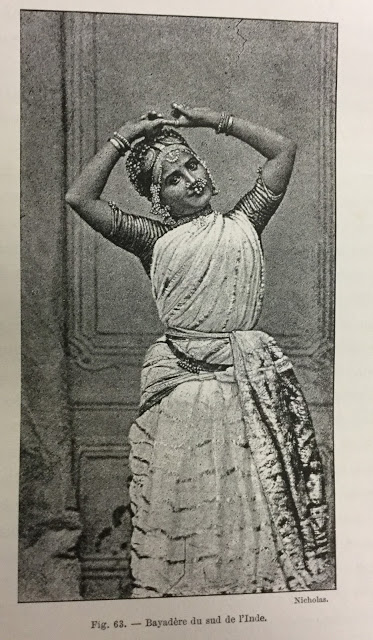
Devadasi, Temple Dancer

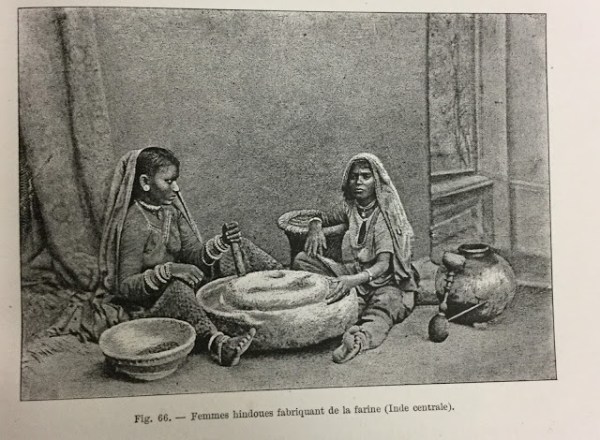
Village women


Temple Dancers (Devadasis)


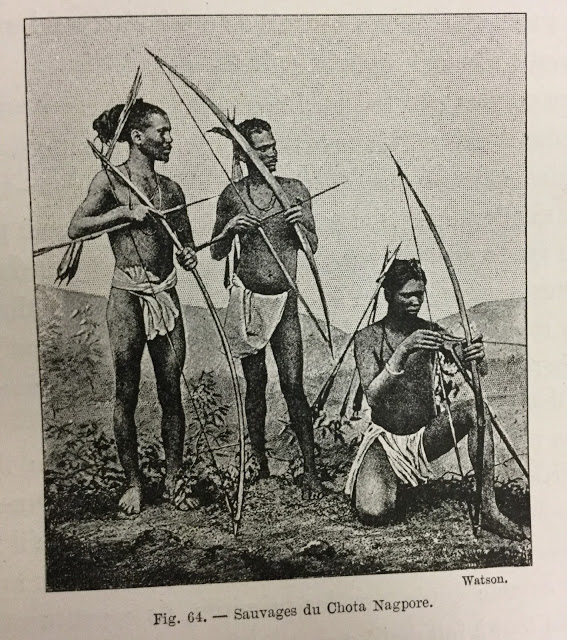
Dravidian warriors (Bhils)


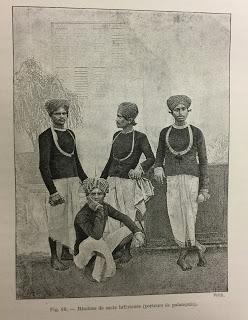
Low Caste People (Palanquin bearers)

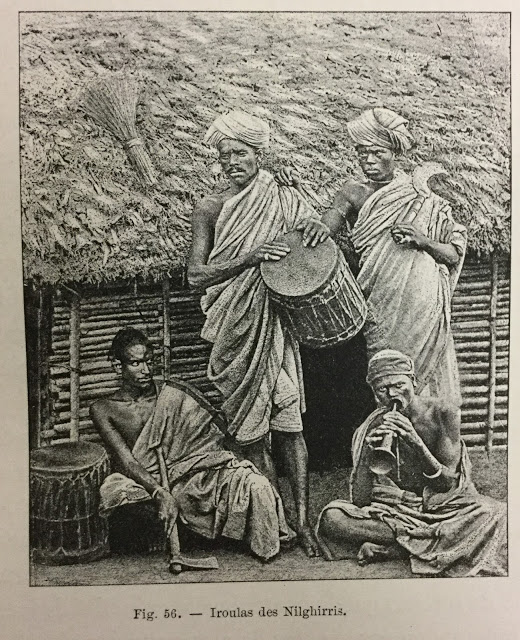
Irulas (Dravidians)


Irulas of Nilgris (according to foreigners, Irulas are Dravidians)

Dravidian Kotas of Tamil Nadu

Dravidian Todas of Nilagris,Tamil Nadu

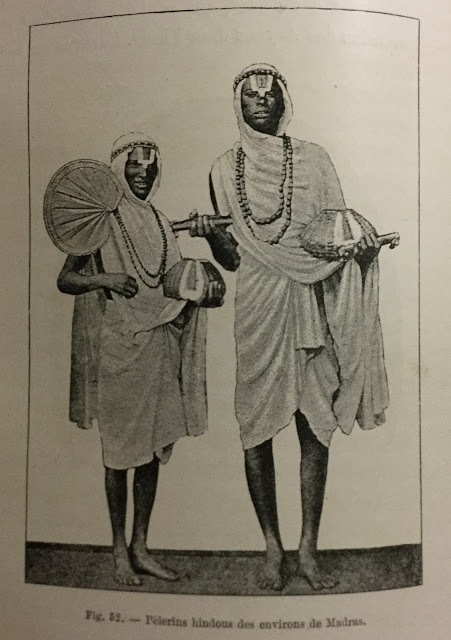
Tamil Pilgrims


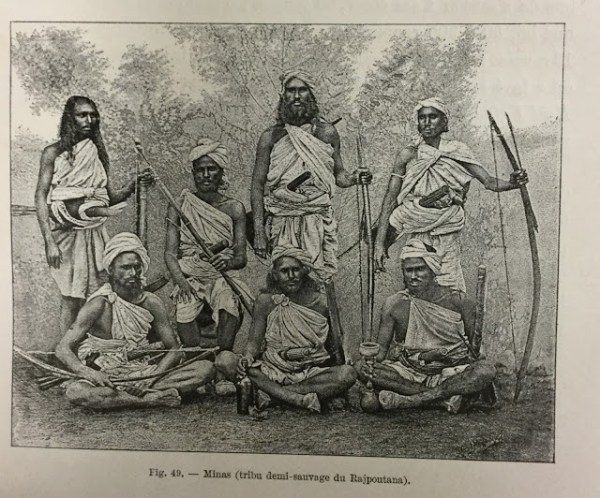
Minas of Rajasthan

to be continued……………………


புறநானூற்றில் அந்தணரும் வேதமும்! – 3 (Post No.3331)

Picture of a Brahmin from a German book

WRITTEN BY S NAGARAJAN


Date: 8  November 2016


Time uploaded in London: 5-16 AM


Post No.3331


Pictures are taken from various sources. Thanks.


Contact: swami_48@yahoo.com


சங்க இலக்கிய ஆய்வு – கட்டுரை எண் 6

இந்தக் கட்டூரையில் புறநானூற்றில் உள்ள பாடல்கள் 224,361,362,400 ஆகியவை இடம் பெற்றுள்ளன


புறநானூற்றில் அந்தணரும் வேதமும் ! – 3


                        ச.நாகராஜன்


சங்ககாலத்தில் வாழ்ந்த அற்புதமான ஒரு சோழ மன்னன் கரிகாலன். இவனது அறிவுத் திறனும் சிறு வயதிலேயே நீதியை நிலை நாட்டிய நிகழ்வும் தமிழ் வரலாற்றில் பொன் ஏட்டில் பொறிக்கபட்டவை.

இவனைப் புகழ்ந்து கருங்குழல் ஆதனார் பாடிய பாடல் 224ஆம் பாடலாக புறநானூற்றில் இடம் பெறுகிறது. மன்னன் கரிகாலன் வேள்விகளை இயற்றி வேதமுறைப்படி அரசாண்டதை நினைவு கூர்கிறார் புலவர்.

பாடல் வரிகள் இதோ:

பருதி உருவின் பல் படைப் புரிசை

எருவை நுகர்ச்சி யூப நெடுந்தூண்
வேத வேள்வித் தொழில் முடித்ததூஉம்  (வரிகள் 7 முதல் 9 முடிய)


சூரியனைப் போன்ற வட்ட வடிவமான (பருதி உருவின்) பல சுவர்களை அமைத்து (பல் படைப் புரிசை) பருந்துகள் நுகரும்படியான (எருவை நுகர்ச்சி) பல யூபத் தூண்களை நாட்டி (யூப நெடுந்தூண்) வேதம் அறைந்த வழியில் வேள்விகளைச் செய்தவன் (வேத வேள்வித் தொழில்  முடித்ததூஉம்) என்று புலவர் இவனைப் புகழ்கிறார்.

தூய்மையான மகளிர் சுற்றி இருத்தல், அறநெறி வழுவாத நடுநிலைமையுடன் கூடிய நீதி வழங்கு நெறிமுறை கொண்டிருத்தல், வேத வேள்வியை இயற்றுதல் ஆகியவை கொண்டவன் என புலவர் சொல்வதால் சங்க கால மக்களின் வாழ்வில்  மிகுந்த மேன்மையுடையவை என கற்பு, நீதி, வேத முறை ஆகியவை போற்றப்பட்டதை அறியலாம். வேள்வியை முறைப்படி செய்து முடிக்கும் அந்தணரும் குறிப்பால் உணர்த்தப்படுகின்றனர்.


அடுத்து 361, 362 ஆகிய இரு பாட்லகளைப் பார்ப்போம். க்யமனார் என்னும் புலவர் பாடிய பாடலாக இடம் பெறுகிறது பாடல் எண் 361.

பாட்டுடைத் தலைவன் யாரெனத் தெரியாவிட்டாலும் கூட, அவன் கூற்றுவனுக்கு அஞ்சா நல்லவன் என்பது புரிகிறது. அவன் தாயின் நல்லன்.

வேத வேள்வியைச் செய்யும் கேள்வி முற்றிய அந்தணருக்கு  தொன்று தொட்டு இருந்து வரும் நடைமுறைப்படி கையில் நீர் வார்த்து ஏராளமான பொன்குவியலை அள்ளிக் கொடுத்தவன். அவன் பெருமையை அள்ளித் தெளிக்கிறார் இந்தப் பாடலில் பெரும் புலவர்.

நன் பல
கேள்வி முற்றிய வேள்வி அந்தணர்க்கு
அருங்கலம் நீரொடு சிதறிப் பெருந்தகை (வரிகள் 3 முதல் 5 முடிய)


அடுத்து வரும் 362ஆம் பாடலைப் பாடியவர் சிறுவெண் தேரையார்.

பாட்டுடைத் தலைவன் சாதாரணமானவன் அல்லன். அவனைப் புகழ வந்த புலவர் சூரியனையும் சந்திரனையும் இணைக்கிறார். ர்ஞாயிறு அன்ன ஆய மணி மிடைந்தவன்.மதி உறழ ஆரம்  மார்பில் கொண்டவன். (சந்திரனைப் போன்று திகழும் முத்து மாலை மார்பில் அணிந்தவன்.)

பாடலில் வரும் சில வரிகளைப் பார்ப்போம்: .


தாக்குரல் காண்பின் அந்தணாளர்
நான்மறை குறித்தன்று அருளாகாமையின்
அறம் குறித்தன்று பொருளாகுதலின்

மருள் தீர்ந்து மயக்கு ஒரீஇக்
கை பெய்த நீர் கடற்பரப்ப    (வரிகள் 8 முதல் 12 முடிய)

ஓ, பிராமணர்களே! தாக்குகின்ற குரல்களைக் (தாக்கி வரும் பகைவர்களின் ஒலிகளைக்) கேளுங்கள்! இது நான்கு வேதங்களிலும் குறிப்பிடப்பட்ட ஒன்று அல்ல! இது அருள் இல்லாதது என்பதால் இது அறம் சார்ந்த ஒன்று அல்ல. இது பொருள் குறித்தது. அதாவது materialism குறித்தது. அறத்திற்கும் அருளுக்கும் சம்பந்தமில்லாத ஒன்று.

அடுத்து வரும் வரி அற்புதமான வரி!

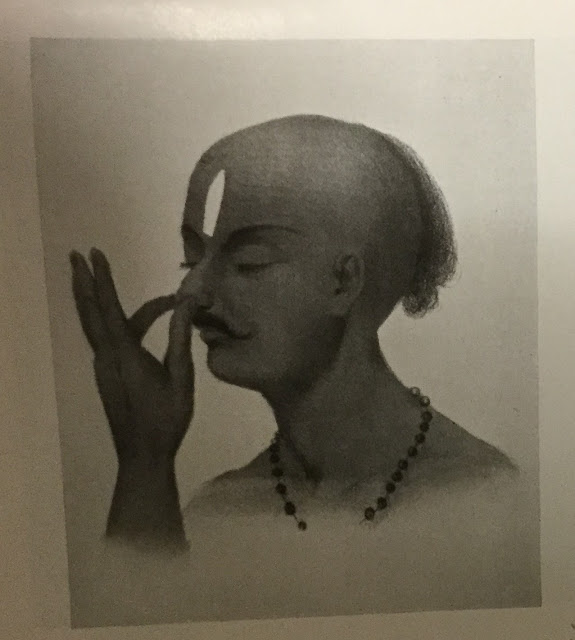
Brahmin doing Pranayama (Breathing exercise)

மருள் தீர மயக்கம் ஒழிய அந்தத் தலைவன் அந்தணர்களின் கையில் நீர் பெய்து வாரி வழங்குகிறான்.

அவன் இப்படிக் கொடுத்து கீழே விழும் நீர் எவ்வளவு தெரியுமா?

“கை பெய்த நீர் கடற் பரப்ப”

அவன் கையிலிருந்து வழிந்த நீர் கடலாக ஆயிற்று.

அடேயப்பா!எத்துணை பேருக்கு அவன் நீர் வார்த்திருந்தால் ஒரு கடல் உருவாகி இருக்கும்.!

தமிழர்களின் நெஞ்சங்களில் வேரூன்றி இருக்கும் நேர்மையான கற்பனைத் திறனைத் தூண்டி விடும் புலவர் அவன் அந்தணரை ஓம்பி அறம் காத்த பான்மையைச் சிறப்பாகச் சொல்லி விடுகிறார்!!

புலவர் ஒரு கோடிட்டுக் காட்டி அவன் அறம் வளர்த்த பான்மையைச் சொற்களால் சுற்றி வளைத்துக் காட்டுகிறார்.

வாழ்க அந்தணர்! வாழிய அறம் வளர்த்த மன்னர் குலம் !!


அடுத்து இறுதியாக 400ஆம் பாடலைப் பார்ப்போம்.

பாடலைப் பாடியவர் மிக அற்புதமான அரும் புலவரான கோவூர் கிழார். பாடப்பட்ட பாட்டுடைத் தலைவனோ புகழ் பெற்ற சோழன் நலங்கிள்ளி!

கேட்கவா வேண்டும். சொற்கள் கும்மாளம் போட்டுக் குதித்து வருகின்றன. பாடலைப் படிப்பதே ஒரு தனி சுகம்.


சோழன் நலங்கிள்ளி இருக்கிறானே அவன் உலகு காக்கும் உயர் கொள்கையாளன். பலர் துஞ்சும் போது (உறங்குகையில்) தான் துஞ்சான் அவன் தன் எதிரிகளை மட்டும் கடிதல் அல்லன்.


அவன் தன் எதிரிகளை வெல்வதோடு பசிப்ப்கையையும் வெல்பவன். அவனது நாட்டில் பசி என்று சொன்னால் அந்தப் பகைவனை உடனே அவன் வென்று விடுவான். பசியைக் கொன்று விடுவான்.

இத்துணை சிறப்புடைய அவனைப் பற்றி புறநானூற்றில் மட்டும் 12 பாடல்கள் இருப்பதில் வியப்பில்லையே!!


Pranayama step 2

அவன் கேள்வி மலிந்த வேள்வியையும் செய்பவன். பாடல் வரிகள் இதோ:

கேள்வி மலிந்த வேள்வித் தூணத்து
இருங்கழி இழிதரும் ஆர்கலி வங்கம்
தேறு நீர்ப் பரப்பின் யாறு சீத்து உய்த்துத்
துறை தொறும் பிணிக்கும் நல்லூர்
உறைவின் யாணர் நாடு கிழவோனே. (வரிகள் 19 முதல்23 முடிய)

கேள்வி மலிந்த வேள்விக்கான பல தூண்கள் நிறுவப்பட்டு யாகஙகள் நடை பெறும் நாடு.

ஆர்கலி கப்பல்கள் அகன்ற நீர்ப்பரப்பின் முகவாய் வழியே வருகின்ற நாடு.

அது தேறு நீர்ப்பரப்பை நனகு சுத்தம் செய்ய கடற்கரையில் அழகிய நகரங்கள் உள்ள நாடு.

அந்த நாட்டை ஆளும் அற்புதன் யார்?

யாணர் நாடு கிழவோன்! வளம் கொழிக்கும் நாட்டின் மன்னன் அவனே நலங்கிள்ளி!

இப்படிப்பட்ட பாடல்களை முழுதுமாக நாமே பாடிப் பொருளை நன்கு ஓர்ந்து உணர்ந்து அறிந்தால் தமிழ் நாடு வேத தேசமாக இருந்ததை நன்கு அறிந்திடுவோம்; மகிழ்ந்திடுவோம்.

இங்கு ஒரு மகிழ்ச்சியான செய்தியை நினைவு  கூர்ந்து மகிழலாம். தென்னகத்தில் இருக்கும் ராமநாதபுரம் சேத்பதி மன்னர் முதல் கர்நாடகத்தில் இருக்கும் மைசூர் மஹாராஜாவிலிருந்து வடக்கே நெடும் தொலைவில் இருக்கும் ராஜஸ்தானில் உள்ள மன்னர்கள் வரை இன்றும் வேத வேள்விகளை வளர்த்து அந்தணர்களைப் போற்றி வருகின்றனர்.

இது அழியாத பரம்பரையின் ஒரு தொடர்ச்சி அல்லவா!

இன்னும் சில புறநானூறுப் பாடல்கள் உள்ளன. (கட்டுரைத் தொடரில் சொல்லப்பட்டு இதுவரை விளக்கப்பட்ட ஒன்பது பாடல்களைத் தவிர) அவற்றையும் பார்க்காமல் விட்டு விட முடியுமா என்ன? தொடருவோம்!

-தொடரும்


பாம்பு தலையில் பூமி! கம்பன், காளிதாசன் தரும் தகவல்(Post No.3330)

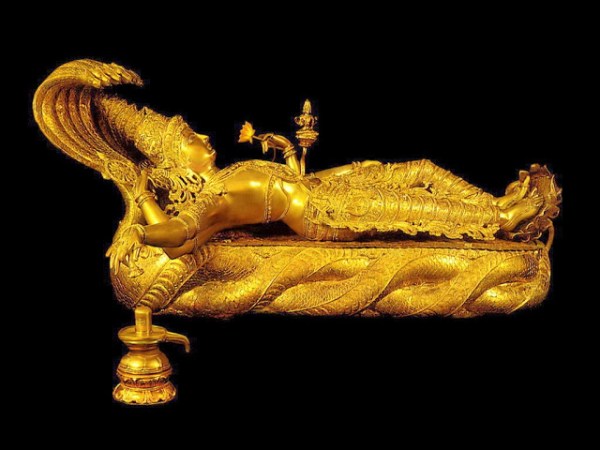
Picture: Ananda Padmanabha swamy in Trivandrum

Written by London Swaminathan


Date: 7  November 2016


Time uploaded in London: 20-17


Post No.3330


Pictures are taken from various sources.


Contact:- swami_48@yahoo.com


கம்பனும் காளிதாசனும் புராணத்தில் கணப்படும் ஒரு செய்தியை உவமையாகக் கூறுகின்றனர்.


தமிழிலும் சம்ஸ்கிருதத்திலும் ஒரே கருத்துகள் இருப்பது இமயம் முதல் குமரி வரை ஒரே நாடு– ஒரே பண்பாடு என்ற கருத்தை ஆழமாக வலியுறுத்தி வருகிறது.


மேலும் காளிதாசனின் உலகப் புகழ் பெற்ற சாகுந்தலம் நாடகத்தில், ஒரு பாடலில், நாலே வரிகளில்  வரும் அவ்வளவு கருத்துகளும் தமிழ் இலக்கியத்தில் இருப்பது ஒரே நாடு– ஒரே பண்பாடு என்பதை அழகாய் விளக்குகிறது.


கம்ப ராமாயணத்தில் கிஷ்கிந்தா காண்டத்தில் , கார்காலப் படலத்தில் வரும் ஒரு பாடல் இதோ:–


பையணப் பல் தலைப் பாந்தள் ஏந்திய

மொய்நிலத் தகளியில் முழங்கு நீர் நெயின்

வெய்யவன் விளக்கமா மேருப் பொன் திரி

மையெடுத்தது ஒத்தது மழைத்த வானமே


பொருள்:


கார்கால மேகத்தால் மூடுண்ட வானம் எப்படி இருந்தது தெரியுமா? ஆதி சேடனால் (பாம்பு) சுமக்கப்படும் பூமி அகல் விளக்கு ஆகும் , அதிலுள்ள கடல் நெய்; பூமியில் உயரமாக நீட்டிக் கொண்டிருக்கும் மேருமலை விளக்கின் திரி; கதிரவந்தான் விளக்கு சுவாலை . இந்த விளக்கின் விளிம்பில் படரும் மையை பெண்கள் எடுத்து கண்களில் பூசுவர். அந்தக் கரும்பகுதியை ஒத்திருந்தது வானத்திலுள்ள இருண்ட மேகம்.


இதில் நமக்கு வேண்டியது , பல்தலைப் பாந்தள் ஏந்திய மொய்நிலம், அதாவது பல தலைகளையுடைய  பாம்பின் தலையிலுள்ள பூமி!


இன்னொரு பாடலில் பூமியை எட்டு வகை நாகங்கள் தாங்குவவதாகக் கூறுகிறான் கம்பன். எண்வகை நாகங்கள் திசைகள் எட்டையும் – என்பான்.


காளிதாசன்

சாகுந்தல நாடகத்தில் காளிதாசன் சொல்லும் பாம்புச் செய்தி:–


பானு: சக்ருத் யுக்த துரங்க ஏவ

ராத்ரிம் திவம் கந்தவஹ: ப்ரயாதி

சேஷ: சதைவாஹித பூமி பார:

ஷடாம்ஸ வ்ருத்தேரபி தர்ம ஏஷ:

சாகுந்தலம் 5-4


பொருள் என்ன?

சூரியனின் தேரில் ஒரு முறை பூட்டப்பட்ட  குதிரைகளுக்கு ஓய்வே இல்லை; இன்னும் ஓடிக்கொண்டிருக்கிறது.


இந்த பூமியில் வீசும் காற்றும் அப்படித்தான். இரவு பகலாக எல்லோருக்கும் நன்மை செய்யும் விதத்தில் வீசுகிறது

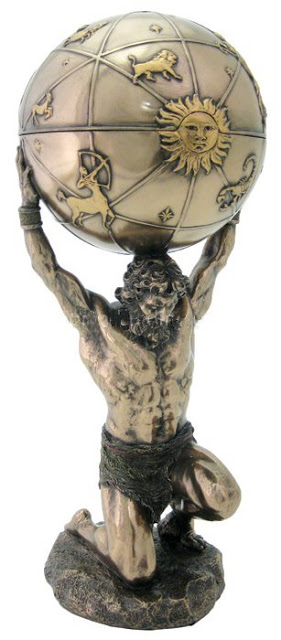
ஆதிசேடன் தலையில் சுமக்கும் பூபாரத்தை இன்றுவரை இறக்கி வைக்கவில்லை (கிரேக்கர்கள் அட்லஸ் என்பவன் தோளின் மேல் பூமி இருப்பதாகச் சொல்லுவர்.)


ஆறில் ஒரு பங்கு வரியைப் பெறும் அரசனுடைய அறமும் அப்படித்தான். அதாவது காற்று, சூறியன், குதிரைகள், ஆதி சேடன் எனும் பாம்பு போல ஓய்வு ஒழிச்சல் இல்லாமல் அரசனும் செயல்படுகிறான் என்பது காளிதாசன் கண்ட உவமை.


இந்தக் காளிதாசன் பாடலில் சொல்லும் பாம்புச் செய்தி க் கம்பன் பாடலில் மேலே தந்தேன்

மற்ற விஷயங்கள் அனைத்தும் சங்க இலக்கியத்தில் உள்ளன.


மக்கள சம்பாதிக்கும் பொருளில் ஆறில் ஒருபங்கு அரசனுக்குப் போய்விடும். இது சங்க இலக்கியத்திலும் மனு நீதி சாத்திரத்திலும் உள்ளது.

சூரியன் குதிரை விஷயமும் சங்க இலக்கியத்தில் உள்ளது

அரசனை சூரியன், வாயு பகவான் ஆகியோருடன் ஒப்பிடுவதும் தமிழ் சம்ஸ்கிருத இலக்கியத்தில் உள்ளது.


Atlas holding the earth in Greek Mythology.

இதையே ரகுவம்சத்திலும் 2-66; 17-65 கூறுகிறான்

சூரியன் எப்படி தண்ணீரை உறிஞ்சி மீண்டும் மழையாகத் தருவானோ அதே போல அரசனும் அள்வோடு வரிகள எடுத்துக் கொள்வது மீண்டு மக்களுக்குத் திருப்பித் தரத்தான் என்று காளிதாசன் கூறுகிறான் (ரகு 1-18)

சங்க இலக்கியத்தில் பட்டினப்பாலையில் உருத்திரங்கண்ணனார் சொல்லுவார் (வரிகள் 121-125). அளவோடு வரி விதித்தல் பற்றிப் பிசிராந்தையாரும் (புறம் 184) பேசுகிறார்.


சூரியன் குதிரை சவாரி பற்றி கபிலர் (குறிஞ்சிப் பாட்டு). உருத்திரங்கண்ணனார் (பட்டினப்பாலை 122/123) நக்கீரர் (திருமுருகு.107), இளங்கோ (சில. வேட்டுவவரி), தாமப்பல் கண்ணனார் (புறம் 43)  குறிப்பிடுவர்.

ஆதிசேடன் பற்றிய குறிப்புகள் பரிபாடலில் பல இடங்களில் வருகின்றன. ஆதிசேடன் பூமியைத் தாங்குவதைப் பரிபாடல் திரட்டு சொல்லுகிறது.


சூரியன் ஓராழித் தேரில் பவனி வருவதை அகம் 360–ல் காணலாம்.


என்னே ஒற்றுமை!!

செப்பு மொழி பதினெட்டுடையாள் எனின சிந்தனை ஒன்றுடையாள்

என்று பாரத தேவி பற்றி பாரதி சொன்னது பொய்யாகப் போகுமா?


–SUBHAM–


Five Day Hindu Marriage- Part 1(Post No.3329)

Compiled and Edited by London Swaminathan


Date: 7  November 2016


Time uploaded in London: 14-30


Post No.3329


Pictures are taken from various sources.


Contact:- swami_48@yahoo.com


Please see the first part posted yesterday.


A wife is a Gift from Gods was posted yesterday. Please read that and continue here: –


Rev. J E Padfield continues……………….


“I am now chiefly describing the customs of the Brahmins, who are more particular in ceremonies than other castes except, perhaps, the Vaisyas but at the same time, though the inferior castes may leave out various items of the ritual, the mode of procedure is very much the same amongst all orthodox Hindus.


Many marriages are arranged, especially between near relatives, when the boy and girl are mere infants, but when that is not done, the parents begin to look around for a suitable person when the proper time for marriage is drawing near. In such a case, if the father of marriageable boy hears or knows of a suitable match, he will select a fortunate day and then proceed to visit the parents of the girl with a view to preliminaries and to talk the matter over. He is ways careful to take with him his son’s horoscope, as the girl’s parents will want to see whether the youth was born under combination of the planets as to augur well for the future of the proposed pair.

Horoscope

The horoscope is document drawn up by the family priest at the birth of every boy, and a girl, showing the date and even the moment of the birth and the state of the planetary system at the time. This document always carefully preserved for future reference. If the horoscope is favourable, preliminaries are talked over and financial arrangements made. Sometimes, particularly if the expectant bridegroom should be unpromising or old and a comparative stranger, the friends of the girl, on his sending a go-between, may try to drive a bargain and squeeze money out of him.


Sometimes when a rich old man loses his wife, the parents of a young girl will take means of intimating to him their willingness to give him their daughter for a consideration. This however, is considered very improper and is against the letter of the law.


“Let no father who knows the law, receive a gratuity, however small, for giving his daughter to marriage; since the man who through avarice, takes a gratuity for that purpose is a seller of his offspring” (Manu, iii. 51)


Notwithstanding it is not uncommon for the bride’s parents to demand a sum of money, sometimes comparatively large, from the boy’s friends before they will consent to a match. This is very like selling the girl and is the thing guarded against the above quotation. The dowry given by the parents of the bridegroom to the bride, in the shape of jewels, which goes with the bride when she goes to her new home, is besides and over and above the money in question. The name given to the arrangements for this money gift to the girl’s parent is one which means bargaining; and when there are several applicants for her hand, it often becomes very much like an auction in which the highest bid is held out for.


My Comments:–

REVERSE VARADAKSHINA: In Kalidasa and Sangam Tamil literature we see this type of Stri Dhana (dowry). But when the female ratio in the population was high the boys demanded dowry unlike the olden days. Now the wheel is turning a full circle. The girls are demanding lot of things or putting too many conditions before marriage because they have become a rare commodity now. For every 1000 men in India we have only 900 to 950 women only)


Rs 700 Dowry/Varadhakshina !

“I quote a case that is said to have recently (year 1908) happened in South India. which is, I am informed, only one of many that are of more or less frequent occurrence in one part or another. A certain poor Brahmin agreed to give his daughter, nine years of age, to the son of one of his own caste. The sum of money agreed upon in this case was Rs. 700 which was handed over to the girl’s father and the ‘prathanam’ or betrothal ceremony, actually took place. Within a couple of months, a more wealthy suitor appeared on the scene, and offered Rs. 1,000, which sum was duly paid over, and a second prathanam was performed. The matter came to the ears of the first party and he took legal steps to stay all proceedings, and obtained an injunction from the Law Court, pending the hearing of a suit. The case duly came before the Court, and it resulted in the girl’s father having to refund the Rs. 700 to the first suitor for his daughter, besides paying the costs of the proceedings. After this the girl was finally married to the son of the one who gave the larger sum.


This unlawful custom of a father’s receiving money in return for thus giving his daughter appears to prevail mostly amongst Brahmins. Ordinarily, amongst other Hindus, there is an interchange of gifts by way of dowry from the bride’s father to the bridegroom, and from his father to the bride. These dowries usually take the shape of jewels clothes, brass and copper household vessels and the like. The nature and value of these mutual gifts is all settled at the interview between the parents and friends before the prathanam (betrothal). Jewels are also given to the bride by her father to be her sole property; and, in some cases, if a young wife dies without issue, these jewels are returned to him.


When a marriage is arranged between a young couple, preliminaries are settled to the satisfaction of parties concerned, a suitable day is fixed upon for the formal engagement, or betrothal. The day fixed upon must be a lucky one, and it is not settled without consulting either an astrologer or the priest.


Nischayathartham -Betrothal

At the pre-arranged time, the father of the boy with a friend or two, not the boy himself proceeds to the house of the girl’s father, who then calls together a few friends, and his priest. It is also the proper thing to have musicians at this entertainment. The boy’s father then produces certain presents he has brought for the girl, such as jewels, cloths and ring. These things are handed over to the girl in the presence of them all, and she is arrayed in all the finery. The ring, which is of a peculiar shape, is carefully kept all through life. It is put on the third or ring finger, and the elders present are called upon to bless the girl which they do saying

“may you like Lakshmi be happy and prosperous”.


At the close of the ceremony, betel is distributed to the guests and rose-water is sprinkled over them.  After this, when, with the aid of the astrologer, a suitable day for the marriage has been fixed, the friends depart and the betrothal is complete. Like an ‘engagement’ amongst Europeans, this prathanam is not necessarily a binding ceremony, that is, it possible for in the event of any obstacle arising, for this betrothal to be broken.


Auspicious Five Months!


The time chosen for the actual performance of the marriage should be in one of five months beginning from February. It is not that marriages cannot be performed at other times during the year but this is considered the most propitious time. It is probable that this idea took its rise from convenience, for during the period in question, there is little agricultural labour to be done and, as the crops also have been harvested, money is in hand for the expenses that must be incurred.


Proceeding to Bride’s Place

At the time fixed upon, the bride’s father has his house cleaned up and decorated, and a pandal, or a large open booth, is erected in front and at the back of the house to accommodate the guests and friends. Permission must be obtained from the authorities to erect these pandals, and a tax is levied for the permission. The bridegroom’s father sets out from his abode to go to that of the bride. He takes with him the bridegroom, a great part of his household, his own purohita/priest and other friends. It is made a great holiday and these visitors always have a band of musicians with them to cheer them on the journey.


Five Gods in Five Vessels as Witnesses!

On approaching the home of the bride the party array, themselves in their best finery, the band strikes up and all await the coming out to meet them of the bride’s parents and friends. Before going out to meet the party, the bride’s father, if the parties are Brahmins, proceeds to the north-east of the village in search of some earth from the hillocks made by white ants. This he takes home and, having prepared a space in the room where the chief marriage ceremony is to be performed five earthen or metal vessels with it and places them in a row. In these and vessels he plants nine different kinds of grain sprinkles them with milk and water, repeating a mantram. The grain thus treated quickly sprouts during the days of the ceremonies.


Five of the gods are invoked and requested to be present as witnesses at the ceremony namely Indra (the god of storms Varuna (the god of the waters), Chandra (the moon) Yama (the god of death), and Brahma. This ceremony confined to Brahmins. The saying of the mantram is a necessary part of the proceedings.


The mantra is

Bhumir Dhenur Dharani loka dharinii

The earth like the cow bears all things and supplies all things.


The bride’s father and friends, with the family and priest, go out in a body to meet the bridegroom and his party. When they meet there is a mutual exchange of civilities, such as gifts of betel, sprinkling one another with rose-water, and then rubbing upon the hands, neck and chest of each other some sandal wood paste.


Finally, the guests are conducted to a lodging, previously prepared for them. This lodging must not be in the bride’s house, for that would considered very improper. The marriage ceremony may commence on the evening of the arrival of the bride groom and the whole affair lasts for five days.


Auspicious Bathing


The hour for the ceremony of the actual marriage has to be carefully fixed so as to be at the most propitious time. It may fall during the day or the night time. A little before the time fixed upon, party assembles in the apartment near the place where the grain is sprouting. The bridegroom is then duly bathed. This bathing is called blessed or fortunate bathing (MANGALA SNANAM). After this, seated on a slightly raised platform, previously prepared for the occasion, dressed in his ceremonially pure clothes and facing the east, he prays to Ganésha (the god of obstacles) to be propitious. An image of Ganesha is placed there, if one can be procured; otherwise they place a lump of turmeric  made into a paste to represent him.


After this he performs a ceremony of purification called punyahavachanam.  Meanwhile the bride in another part of the house, has been going through much the same kind of thing. She has been bathing and worshipping Ganesha and also Gauri the wife of  Siva, or Laksmi, the wife of Vishnu. Which one it is depends on the religious sect of the parties.


To be continued…………….


Rare Pictures of People of India from 1887 French Book (Post No. 3328)
Picture of Pundit of Udaipur


Compiled  by London Swaminathan


Date: 7  November 2016


Time uploaded in London: 6-21 am


Post No.3328


Pictures are taken from various sources.


contact; swami_48@yahoo.com


Queen of Bhopal

Warriors of Rajasthan

Hindu woman from Bombay


Dancer from Kashmir

Soldiers of Kashmir


Assamese women from the Hills


Naga Leader

I will post more pictures tomorrow.

–Subham–


அறிவியலின் ‘ஹார்ட் ப்ராப்ளம்’! (Post No.3327)

WRITTEN BY S NAGARAJAN


Date: 7  November 2016


Time uploaded in London: 5-34 AM


Post No.3327


Pictures are taken from various sources. Thanks.


Contact: swami_48@yahoo.com


பாக்யா 4-11-2016 தீபாவளி இத்ழில் அறிவியல் துளிகள் தொடரில் வெளியாகியுள்ள கட்டுரை

அறிவியலின் ‘ஹார்ட் ப்ராப்ளம்!

ச.நாகராஜன்


‘ஒருவரின் உணர்வில் உள்ள மொத்த நிலைகளையும் பிரக்ஞை என்று குறிப்பிடலாம் – ஆங்கில அகராதி கான்ஸியெஸ்னெஸுக்குத் தரும் விளக்கம்

     பிரபல இயற்பியல் விஞ்ஞானியான எட்வர்ட் விட்டன் (Edward Witten) சமீபத்தில் அறிவியல் உலகில் ஒரு குண்டைத் தூக்கிப் போட்டார்


“நான் நினைக்கிறேன், பிரக்ஞை என்பது ஒரு பெரிய மர்மமாகவே தொடர்ந்து இருக்கும். பிக் பேங் என்பது எப்படி இருக்கும் என்பதை என்னால் ஒருவாறு கற்பனை செய்து பார்க்க முடிகிறது. ஆனால் பிரக்ஞை என்பதைப் புரிந்து கொள்ள  முடியும் என்பதை என்னால் நினைத்துக் கூடப் பார்க்க முடியவில்லை என்றார் அவர்.

அறிவியலுக்குள்ள ஹார்ட் ப்ராப்ளம் (Hard Problem) சிக்கலான பிரச்சினை இன்றைக்கு இது தான்!


விட்டன் ஒரு சாதாரண விஞ்ஞானி இல்லை.இன்றைய கால கட்டத்தில அவரை ஐன்ஸ்டீனுக்கும் நியூட்டனுக்கும் ஒப்பிட்டுப் பேசுமளவு அவர் ஒரு மாமேதை. ஸ்ட்ரிங் தியரி என்ற கொள்கையை முன் வைத்து அவரைப் போல வேறு யாராலும் பேச முடியாது.


“மூளையின்  இயக்கம் பற்றி உயிரியல் நிபுணர்களும் விஞ்ஞானிகளும் ஒருவேளை இப்போது இருப்பதை விட இன்னும் அதிகமாக அறிந்து கொள்ளலாம். ஆனால் பிரக்ஞை என்பது நீடித்த மர்மமாகவே இருக்கும் என்ற அவரது உரை அறிவியல் உலகில் ஒரு சலசலப்பை எற்படுத்தி இருக்கிறது.


Consciousness  அல்லது பிரக்ஞை அல்லது உணர்வு என்பதைப் பற்றிய ஒரு சிக்கல் இன்றைக்குச் சுமார் 22 ஆண்டுகளுக்கு முன்னால் அறிவியலுக்கு ஆரம்பித்தது.


அரிஜோனாவில் உள்ள டஸ்கானில் உள்ள பல்கலைக் கழகத்தில் ஒரு நாள் காலை நேரத்தில் அறிவியல் அறிஞர்கள் ஒரு கூட்டத்தில் குழுமி இருந்தனர். ஸ்டூவர்ட் ஹாமராஃப் என்ற பேராசிரியர் தான் கூட்டத்தை ஏற்பாடு செய்தவர். முதலில் பேசியவர்  போரடித்தார். அடுத்துப் பேசியவர் அதை விட போர்! எல்லோரும் முழித்தனர்.


பேராசிரியருக்கோ சங்கடமாகப் போய் விட்டது. இந்தக் கூட்டம் உருப்படியாய் ஒப்பேறுமா?

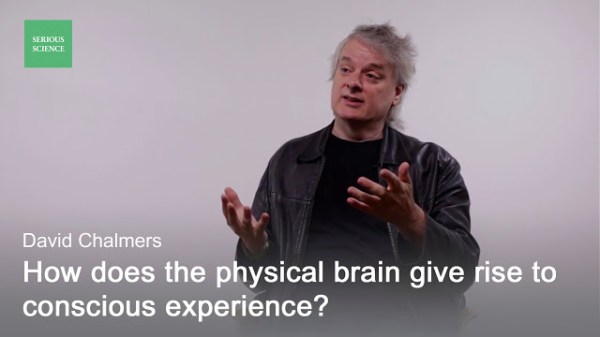
திடீரென ஒரு ஆஸ்திரேலிய இளைஞர் பேசுவதற்கு வந்தார். 27 வயதான் அவர் பெயர் டேவிட் சால்மர்ஸ். டேவ் என்று செல்லமாக அழைக்கப்படும் அவர் பேச ஆரம்பித்தவுடன் தூங்கிக் கொண்டிருந்தவர்கள் எல்லோரும் முழித்துக் கொண்டனர்.


“மூளை எல்லாவிதமான பிரச்சினைகளையும் விஞ்ஞானிகளுக்கு ஏற்படுத்தப் போகிறது. எப்படி நாம் கற்கிறோம், எப்படி எல்லாவற்றையும் நினைவில் வைத்துக் கொள்கிறோம், விஷயங்களை ஊடுருவிப் பார்க்கிறோம்? கூட்டம் நிறைந்த ஒரு அறையில் உங்கள் பெயரை ஒருவர் கூப்பிடும் போது அந்த சத்தத்திலும் கூட நீங்கள் எப்படித் திரும்பிப் பார்க்கிறீர்கள்? என்று ஆரம்பித்துக் கடகடவென்று கேள்வி மேல் கேள்வியாக அவர் கேட்டுக் கொண்டே போனார்.


“ஒரு கட்டத்தில் இவையெல்லாம் கூட அறிந்து கொள்வதற்கு சுலபமான பிரச்சினைகளாகி விடலாம்! ஆனால் உண்மையில் சிக்கலான பிரச்சினை என்னவென்றால் பிரக்ஞை (உணர்வு) பற்றி அறிவது தான். அது தான் உண்மையிலேயே ஹார்ட் ப்ராப்ளம் (சிக்கலான பிரச்சினை) என்று நிறுத்தினார் அவர்.

கூட்டத்தினர் ஒருவர் இன்னொருவரை நோக்கி ஹார்ட் ப்ராப்ளம் என்று சொல்லிக் கொண்டனர்.


விஷயத்தின் தீவிரத்தன்மையை அனைவரும் புரிந்து கொண்டனர். ஹார்ட் ப்ராப்ளம் ஹார்ட் ப்ராப்ளம் ஹார்ட் ப்ராப்ளம் என்று பல்கலைக் கழகம் முழுவதும் ஒருவருக்கொருவர் சொல்லிக் கொண்டே இருக்க உலகம் முழுவதும் ஹார்ட் ப்ராப்ளம் என்ற சொற்றொடர் பரவி இன்று வரை ஒலித்துக் கொண்டே இருக்கிறது! 


சிறிய வயதாக இருந்த போது டேவிட்டுக்கு தூரத்தில் இருப்பது தெரியாது, பார்வைக்காக கண்ணாடியைப் போட்டுக் கொண்டார். உடனே கண் பார்வை பைனாகுலர் விஷனாக பளிச்சென்று தெரிந்தது. உலகமே முப்பரிமாணத் தோற்றம் போல அவருக்குக் காட்சி அளித்தது. இதை பலமுறை பலகாலம் யோசனை செய்து கொண்டே இருந்தார்.


பார்வை எப்படி சரியானது என்ற விளக்கம் மெக்கானிகலாகத் தரப்பட முடியும் தான்! ஒரு கண்ணாடி, மூளை, கண், உலகம் – சரி, பிரச்சினை தீர்ந்து விட்டது.


ஆனால் திடீரென்று முப்பரிமாண உலகைக் காண்பிப்பது எப்படி? யார்?

அப்போது உணர்வு பற்றி அவருக்குப் பெரும் உணர்வு ஏற்பட்டது.

இப்போது உலகமே அவர் கூறிய் உணர்வு என்ற சிக்கலான பிரச்சினை பற்றிப் பேசுகிறது.


ஆனால் இது பிரச்சினையே இல்லை என்று சொல்லும் விஞ்ஞானிகளும் உண்டு.

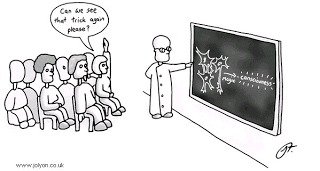
பாஸ்டனுக்கு அருகில் உள்ள டஃப்ட்ஸ் பல்கலைக்கழக (Tufts University, Boston)  பேராசிரியர் டேனியல் டென்னட் (Daniel Dennett), “ பிரக்ஞை என்று ஒன்று இல்லவே இல்லை. அது ஒரு மாயை. மூளையானது உணர்வு என்ற ஒன்றைத் தோற்றுவிக்கவில்லை என்கிறார்.


“உணர்வு என்பது மந்திரவாதி செய்யும் வித்தை போலத் தான்! சாதாரண மூளையின் இயக்கமே கண்ணில் தோன்றாத ஏதோ ஒன்று இருப்பது போல நம்மை நினைக்கச் செய்கிறது என்பது அவர் வாதம்!


இந்த நிலையில் தான் சமீபத்தில் எட்வர்ட் விட்டன், “அறிவியல் ஒருநாளும் பிரக்ஞை பற்றிய மர்மத்தை விடுவிக்காது என்று ஒரே போடாகப் போட்டு விட்டார். இதனால் இன்று அறிவியல் உலகம் பரபரப்பாக உணர்வு பற்றி உணர்வுடன் பேசுகிறது.

சரி, பிரக்ஞை என்று ஒன்று இருக்கிறதா?


இந்தக் கேள்விக்கு விளையாட்டான பதில் “இதை  பிரக்ஞையுடன் கேட்கிறீர்களா? அல்லது பிரக்ஞை இல்லாமல் கேட்கிறீர்களா?”!!!!\


அறிவியல் அறிஞர் வாழ்வில் .. ..

பிரபல அமெரிக்க இரசாயன இயல் மேதையான ஜேம்ஸ் சம்னர் (James B.Sumner தோற்றம்: 19-11-1887  மறைவு:12-8-1955) இரசாயனத்திற்கான நோபல் பரிசை 1946ஆம் ஆண்டு பெற்றார். இந்தப் பரிசை அவர் பெற்றது ஒரு சுவையான வரலாறு. இளமையில் அவரது 17ஆம் வயதில் ஒரு நாள் அவர் பறவைகளை வேட்டையாட நண்பர்களுடன் சென்றார். அதில் தவறுதலாக ஒருவர் அவரைச் சுட்டு விடவே அவர் தனது வலது கையை இழந்தார்.


படிக்கும் போது அவர் இரசாயனத்தைத் தேர்ந்தெடுத்தது அனைவருக்கும் ஆச்சரியத்தை ஊட்டியது. எப்படி ஒரு கையினால் ஒருவர் சோதனைகளைச் செய்ய முடியும்? ஆனால் தளரா மனம் கொண்ட சம்னர் பி.ஹெச்.டி பட்டம் பெற்று என் ஜைம்களைத் தனிமைப் படுத்தும் ஆராய்ச்சியில் ஈடுபட்டார். அனைவரும் சிரித்தனர். ஏனெனில் அந்த முயற்சியில் வெற்றியே பெற முடியாது என்பது அனைவரின் எண்ணமாக இருந்தது.


ஆனால் 1926ஆம் ஆண்டு யுரிஸ் (Urease enzyme)  என் ஜைமை கிறிஸ்டல்களாக்கும் முயற்சியில் அவர் வெற்றி பெற்றார். ஆனால் இதை யாரும் பெரிதாக எடுத்துக் கொள்ளவில்லை. இன்னொரு உயிரியல் நிபுணரான ஜான் நார்த்ராப்  1935ஆம் ஆண்டு பெப்ஸின் என் ஜைமின் கிறிஸ்டல்களைப் பெறுவதில் வெற்றி பெற்றார். அப்போது தான் அனைவரின் கவனமும் சம்னர் மீது திரும்பியது. அனைவரும் அவரை வியப்புடன் பார்த்தனர். இடது கை வீரர் கடைசியில் விஞ்ஞான உலகத்தில் நோப்ல பரிசு பெற்று அனைவரின் நன்மதிப்பையும் பெற்று  உயர்ந்தார்.


உத்வேகமூட்டும் வரலாறு கொண்ட பெரிய விஞ்ஞானி சம்னர்!

**********


மனைவி அமைவதெல்லாம் இறைவன் கொடுத்த பரிசு! (Post No.3326)

Written by London Swaminathan


Date: 6  November 2016


Time uploaded in London: 20-54


Post No.3326


Pictures are taken from various sources.


contact; swami_48@yahoo.com


மனைவி அமைவதெல்லாம் இறைவன் கொடுத்த வரம் – என்பது திரைப்படப் பாடல் என்று நினைத்துக் கொண்டிருந்தேன். அது இல்லை; அது மனுஸ்மிருதி சொல்லும் வாசகம் என்பது இன்று தெரிந்தது.


108 ஆண்டுகளுக்கு முன் பேட்fஈல்டு ( REV J E PADFIELD ) என்னும் பாதிரியார், வீட்டில் இந்துவின் நெறிமுறைகள் ( Hindu at Home) என்ற தலைப்பில் ஒரு புத்தகம் வெளியிட்டார். அதில் திருமணம் பற்றிப் படிக்கையில் பல சுவையான விஷயங்கள் கிடைத்தன. ஏற்கனவே ஆங்கிலக் கட்டுரையில் விளக்கமாக கொடுத்துவிட்டேன். அதிலிருந்து சில சுவையான பகுதிகளை மட்டும் தருகிறேன்.


காதல் திருமணம் ஓகே’ (OK)!


மனு எட்டு வகையான திருமணங்கள் பற்றிச் சொல்லுகிறார். இதை தொல்காப்பியரும் அப்படியே தமிழர் திருமண வகை என்று சொன்னதை முன்னர் எழுதிய தொல்காப்பிய ஆராய்ச்சிக் கட்டுரைகளில் தந்தேன்.


ஒரு பெண் தானாக கணவனைத் தேடுவதோ, ஒரு ஆண் தானாக பெண்ணை நெருங்கி மணம் முடிப்பதோ தவறில்லை என்று சொல்கிறார் மனு:-


மூன்றாவது அத்தியாயத்தில் திருமணம் பற்றி நிறைய எழுதியுள்ளார். பத்துவகையான குடும்பங்களில் பெண் எடுக்கக்கூடாது என்று குஷ்டம், க்ஷயரோகம், கால்,கை வலிப்புள்ள குடும்பங்கள்  பட்டியலைத் தருகிறார். அத்தோடு உடலில் அதிக முடியுள்ள குடும்பங்களிலும் திருமணம் செய்யக்கூடாது, வேத ஆசார அனுஷ்டானங்கள் இல்லாத குடும்பங்களையும் தவிர்க்கவேண்டும் என்பார்.

மனு நீதி பற்றிப் பேசியவுடன் சில திராவிடங்களும் மார்கசீயங்களும் பொங்கி எழும். அவர்கள் எல்லோரும் செத்த பாம்பை அடிக்கும் வீரர்கள் என்பது மனு நீதி நூலைப் படிப்பவர்களுக்குப் புரியும். ஏனெனில் மனு சொல்லும் விதிகளை பிராமணர்களே பின்பற்றுவது இல்லை; முன்னர் பின்பற்றியதும் இல்லை என்பது இதை முழுக்கப் படித்தால் விளங்கும். ஒரு வேளை நமக்குத் தெரிந்து மனு நீதியைப் பினபற்றிய ஒரே ஆள் மனுநீதிச் சோழனாகத்தான் இருக்கும்.!!


வாயாடிப் பெண்ணையும், சிவப்புத் தலை முடி உடைய பெண்ணையும். திருமணம் செய்யக்கூடாது. அதிக முடியோ, முடியே இல்லாமலிருந்தாலோ கல்யாணம் செய்யக்கூடாது. வியாதியுடையவர், உடலுறுப்புகள் கூடுதலாக இருப்பவரையும் மணம் முடிக்காதே என்பார் (3-7, 8)


அன்ன நடை அல்லது யானை போல அசைந்தாடும் நடை யுடைய பெண்ணை, அழகிய முடி, பல் வரிசையுடைய பெண்ணை திருமணம் செய்யலாம் என்பார்.(3-10)


சகோதர் இல்லாத பெண் அல்லது ஊர் பேர், குலம் கோத்திரம் தெரியாத தந்தையுடைய பெண்ணையும் தவிர்க்கவும் என்கிறார்(3-11)


இரண்டாவது மனைவி

அவரவர் முதல் மனைவியை சொந்த ஜாதியில் கட்டலாம்; ஆசை காரணமாக மேலும் மனைவி வேண்டுமானால், ஜாதி வரிசைப்படி திருமணம் செய்யலாம் (1.பிராமணர், 2.அரசர் குலம், 3.வணிகர் குலம் என்பது வரிசை) (3-12)


ஒரு பெண் பருவம் அடைந்தவுடன் மூன்றாண்டுகளுக்குக் காத்திருக்கலாம். அதற்குப் பின் அவள் தனக்குரிய தகுந்த ஆடவனைத் தேடலாம். தந்தையே முன்வந்து மணம் முடிக்காதபோது அவளே ஒருவரைத் திருமணம் செய்வதில் தவறில்லை. அவளை திருமணம் செய்ய முன்வரும் ஆடவனும் தவறிழைக்காதவனே (9-91)


ஆனால் அப்படித் தன் காதலனுடன் செல்லுகையில் தந்தை, தாய், சகோதரர் கொடுத்த நகையுடன் ஓடிவிடக் கூடாது. அப்படிப் போனால் அந்தப் பெண் திருடி ஆவாள் (9-92)


முப்பது வயது ஆண் 12 வயதுப் பெண்ணையும், 24 வயது ஆண் 8 வயதுப் பெண்ணையும் மணக்கலாம்.(9-94)


(எனது கருத்து:- மனு தர்மத்தில் வேத காலத்தில் இருந்த பெண் சுதந்திரம் பல பாடல்களில் வருகிறது ஆனால் இங்கே எட்டு வயதுப் பெண் திருமணம் பற்றிச் சொல்லுவது முன்னுக்குப் பின் முரணாக உள்ளது. ஆகையால் ஒரிஜினல் மனு ஸ்மிருதியுடன் அவ்வப்போது சில பிற்கால விதிகளும் இடைச் சொருகலாக வந்தன என்று கொள்ளுவதே பொருத்தம்)


கற்பு என்பது இருவருக்கும் பொதுவானது; ஆணும் பெண்ணூம் ஒருவருக்கொருவர் விசுவாசமாக இருக்க வேண்டும். இருவரும் சாகும் வரை பிரியக்கூடாது (9-101, 102)


கடவுள் கொடுக்கும் பரிசு


பெண் என்பவள் கடவுள் கொடுக்கும் பரிசு; ஏதோ தானாக முன்வந்து எடுத்துக் கொண்டதாக எண்ணக்கூடாது. மனைவியை எப்போதும் ஆதரித்து கடவுளைத் திருப்தி செய்ய வேண்டும் (9-94/96)


எப்போது விவாக ரத்து செய்யலாம்?


கணவன் ஏதேனும் கடமையை நிறைவேற்றப் போயிருந்தால் மனைவி 8 வருடம் வரை அவனுக்காக காத்திருக்கலாம்; உயர் படிப்புக்குப் போயிருந்தால் 6 வருடங்களும், சுற்றுலா போயிருந்தால் 3 வருடங்களும் அவனுக்காக காத்திருக்கலாம்.

(அதற்குப் பின்னும் வராவிட்டால் அவள் வேறு ஒருவரை மணம் முடிக்கலாம் என்பது கருத்து)


வெறுப்பை  கொட்டும் மனைவியை ஓராண்டு பொறுத்துக் கொள்ளலாம்; பின்னர் அவளை விட்டு நீங்கலாம். குடித்துவிட்டுக் கூத்தாடும் மனைவி, கணவனை அடிக்கும் மனைவி, ஊதாரியாகச் செலவு செய்யும் மனைவியை உடனே விட்டுவிடலாம். (9- 76/80)

மனைவி மலடியாக இருந்தால் 8 வருடங்களுக்குப் பின்னரும், பிறந்த குழந்தைகள் எல்லாம் இறந்துவிட்டால் 10 வருடங்களுக்குப் பின்னரும், புதல்விகளை மட்டுமே பெற்றெடுத்தால் 11 வருடங்களுக்குப் பின்னரும் பிரியலாம். ஆனால் திட்டித் தீர்க்கும் மனைவியை உடனே விட்டுவிடலாம் (9-81)

மனு ஸ்மிருதியின் மொழிபெயர்ப்பு தமிழிலும் கிடைக்கும். இங்கே பிரிட்டிஷ் லைப்ரரியில் பல பதிப்புகள் உள்ளன. திருலோக சீதாராம் எளிய நடையில் மொழி பெயர்த்துள்ளார். பெண்களை மனுஸ்மிருதி போற்றுவது போல உலகில் பழங்கால இலக்கியம் எதுவும் போற்றியதில்லை. நாமே படித்துப் பார்த்தால் அதைக் கண்டு வியப் போம்.


பிராமணர்களுக்கு எவ்வளவு சலுகை தருகிறதோ அந்த அ ளவுக்குக் கட்டுப்பாடுகளும் விதிக்கிறது. அதாவது எளிதில் பின்பற்றமுடியாத கடுமையான விதிகள். இதை யார் எந்தக் காலத்தில் பின்பற்றினார்கள் என்று நான் எண்ணுவேன். ஆகையால் மனுஸ்மிருதியில் ஏதேனும் ஒன்றிரண்டு ஸ்லோகங்களை மட்டும் மேற்கோள் காட்டும் வெள்ளைத் தோல் அறிஞர்கள், திராவிடங்கள், மார்கசீயங்கள் சொற்களை நம்பாமல் மெய்ப்பொருள் காண்பதறிவு.


-சுபம்–

A Wife is a Gift from the Gods- Manu Smrti (Post No 3325)

Compiled  by London Swaminathan


Date: 6  November 2016


Time uploaded in London: 18-08


Post No.3325


Pictures are taken from various sources.


contact; swami_48@yahoo.com


HINDU MARRIAGES (vivaha)—Part 1


(Following is the edited version of  Hindu marriage from the book The Hindu at Home written by The Rev. J E Padfield, published in 1908. He has described the five day marriage in Brahmins’ houses 100 yeaars ago in detail. I will post it tomorrow)

“The nuptial ceremony is considered as the complete institution of women, ordained for them in the Veda, together with reference to their husbands (Manu, ii. 67.)


HINDU laws and regulations on the marriage question take it for granted that all men and women must marry. It is only those who may be suffering from disqualifications of mind or body that do not marry. There are no old bachelors or old maids amongst the Hindus. It appears quite clear that in Vedic time there was some liberty of choice amongst both men and women, as to their partners; for it is thus written.


Love Marriage in not wrong!


“Three years let a damsel wait, though she be marriageable; but, after that term, let her choose for herself a bridegroom of equal rank.

If, not being given in marriage, she chooses her bridegroom, neither she nor the youth chosen commit any offence.


But a damsel, thus electing her husband, shall not carry with those her the ornaments which she received from her father, nor given by her mother or brethren: if she carries them away, she commits theft (Manu, ix. 90-92.)

A thirty year old man should marry a twelve year old girl who charms his heart, and a man of twenty four, an eight year old girl; and if duty is threatened, he should marry in haste.

A husband takes his wife as a gift from the gods, not by his own wish; he should always support a virtuous woman, thus pleasing the gods- 9-94-96

Vedic Age and Modern Kali Yuga


But whatever liberty may have existed in respect in ancient times it very certain that such is not the case now. The institution of child marriage has entirely destroyed that liberty.


Amongst Brahmins, and Vaisyas, a boy cannot be married until he has invested with the marks of the twice-born (upanayanam), though they are often married immediately after that event. Girls must be married before puberty and usually it is done  whilst they are quite young.


Marriages can only take place between those of the same caste and the same sect. there are also prohibitive degrees of tribe and family which marriages are not allowed. Amongst the larger sects this does not act much as an obstacle but amongst the smaller ones it often causes great difficulty.


There are also natural likes and dislikes, some of which are thus alluded to by Manu, and which evidently point to a period when marriages were settled at a more natural age, and in a more natural manner.


Don’t marry Talkative Girl!


“Let him not marry a girl with reddish hair, nor with any deformed limb, nor one troubled with habitual sickness, nor one either with no hair or with too much, nor one immoderately talkative, nor one with inflamed eyes.


“Let him choose for his wife a girl whose form has no defect, who has an agreeable name, who walks gracefully, like a swan, or like a young elephant, whose hair and teeth are moderate respectively in quality and in size, whose body has exquisite softness.” (iii. 8 and 10).


The two institutions of polyandry and polygamy exist in India. The former cannot be said as a Hindu institution; indeed it is utterly opposed and  abhorrent to very spirit of  Hinduism.  It is practised by such unorthodox Hindus as the Todas of the Nilgiris and the Nairs of Western Coast. But it is only a local and in no sense a universal custom.


Polygamy, however, is a true Hindu institution, and it is duly legislated upon in the various codes. Manu lays down the law as follows:

For the first marriage of the twice born classes, a woman of the same class is recommended; but for men who are driven by desire to marry again women in the direct order of the classes are to be preferred.

(iii. 13)


This only alludes to a state of things in those early Vedic days; in this Kali Yuga or degenerate age, though a man may have, and in some cases, should have, more wives than one at the same time, it can only be within strictly recognized caste limits.

One Wife from Each Caste!


One of the stories in the Vickramarkacharitra turns upon the fact of a Brahmin being allowed to take to wife a woman from each of the four castes. Now, however, no one, especially a Brahmin, dares to marry outside of his own caste; but, within these  limits, there are circumstances under which it is rather incumbent upon a Hindu than otherwise to take a second wife.


When can you marry a Second Wife?


Should his wife prove barren, or should all the male issue die, then very often, the husband will be pressed by the wife herself to re-marry, so that there may be surviving male issue, and thus the reproach of the family be wiped away and the future salvation of those concerned fully assured. This concession is, however, guarded round with conditions, some of which are thus stated by Manu:–


“A barren wife may be superseded by another in the eighth year, she whose children are all dead in the tenth, she who brings forth only daughters in the eleventh, she who speaks unkindly without delay.” (ix. 81.)

Another condition, not absolutely binding in all cases, is that the first wife should consent to the remarriage. It is not difficult to understand how reluctant a woman would naturally be thus to have a sharer in her husband’s affection.


The desire, however, for male issue, indeed the absolute necessity for a son, either born or adopted, is so overpowering that it is not so unusual a thing as might at first be supposed, for a woman, at all and any risk to her own personal happiness or the family, to strongly desire her husband to seek out another woman and bring her to his home.

Cousin Marriage!


Amongst the Telugu people ‘menarikam’, which means that a youth should marry his mother’s brother’s daughter, and a girl should marry her father’s sister’s son. Failing such relationships, the choice is left free, that is free within the proper limits of caste and sect.


There are, however, some sects of Brahmins who are opposed to this menarikam rule, thinking the blood-relationship is too close for marriage.


There is another bar to marriages amongst Hindus that does not exist amongst Europeans, and that is that a younger brother cannot marry until the elder one is married. Neither can a younger sister marry  before the elder one is disposed of. This is not a mere custom,  it is according to what is strictly laid down in the code. Manu says


Five people go to hell!


“He who makes a marriage contract with the connubial fire, whilst his elder brother continues un married, is called a parivetru and the elder brother a parivitti. The parivetru, the parivitti, the damsel thus wedded, the giver of her in wedlock and fifthly, the performer of the nuptial sacrifice, all sink to a region of torment (Manu, iii. 171, 172.)


To be continued…………………..