Miraculous Incidents due to Positive Emotions (Post No.3695)

Written by S NAGARAJAN


Date: 6 March 2017


Time uploaded in London:-  4-53 am


Post No.3695


Pictures are taken from different sources; thanks.


contact: swami_48@yahoo.com


Miraculous Incidents Due to Positive Emotions From Day to Day Life and History


By S. Nagarajan

Human beings are driven by emotions. Emotion was defined by William James in 1884 as ‘a state of mind that manifests itself by sensible changes in the body’. There are positive emotions and there are negative emotions too.

John A. Schindler in his book, ‘How to Live 365 Days a Year’ says, ‘In any emotion, there are external manifestations- that is, changes one can see exhibited externally on the surface of the body.


Thus negative emotions like anger, anxiety, fear, discouragement, longing etc. induce illness. On the contrary positive emotions like love, joy, hope etc. cures many diseases.

We could read many news from newspapers which are unbelievable.

Here is one such event published in Times of India 4th March 2013 issue.

 

One Mr Dharmarajan, a 70 – year old Sri Lankan Tamilian, Vavuniya was bedridden due to a prolonged ailment. He has lost trace of his 55 – year old sister.

Thevathu Rukmini Devi was lost for the past 26 years. Suddenly one day he heard the news that his sister is alive. On hearing this news he simply jumped out of his bed and started walking.


When he had almost given up hope of ever meeting his sister, he heard the good news which acted as a tonic and the news acted as a booster shot of energy. His sister was living in Madurai, South India in a refugee camp for many years after escaping from Sri Lanka.


One positive emotion, true love cured his illness when doctors failed.

Such is the power of positive emotion.

Let us go to Indian history. Tavernier in course of his visit to India had chronicled his experiences in a book, Travels, that was first published in 1677 A.D. One of the incidents he mentioned in his book is worth to be noted.


The Raja of Vellore was killed in a battle with the king of Vispur. Eleven of his wives resolved to die with him. On knowing this, the General of Vispur imprisoned all of them together. They told the keeper at the time, ‘Imprisonment is futile. We shall die in three hours’.

After three hours all of them lay stretched on the floor dead, and were gone with their husband, without any mark of violence on their bodies.


It is out of pure love, they sacrificed their life.

We come across one more news published recently in the Times of India dated 25th December 2016.


A couple married for 64 years spent their final few moments together clutching each other’s hands tightly before dying just hours apart in neighboring hospital beds.

Dolores Winstead, 83, and husband Trent Winstead, 88, from Tennessee died in Nashville’s Saint Thomas West Hospital – five weeks short of their 64th wedding anniversary.


Dolores suddenly began to complain of a headache and was taken ill. She has suffered a severe brain aneurysm – and needed to be connected to a ventilator as – in tandem with her husband – her condition began to deteriorate. Hospital staff placed them in the same room and the couple were pictured holding hands next to each other. Dolores died first, with Trent blowing her a kiss when he was told she had passed before then dying himself a few hours later.


Many awe-inspiring incidents as above may be compiled which will make us understand the true meaning of life.

True, positive emotions inspire everybody and create history.

Let us develop positive emotions to make our life richer.


****
காளிதாசன் காவியங்களில் பெண் கல்வி (Post No.3694)

Written by London swaminathan


Date: 5 March 2017


Time uploaded in London:- 14-20


Post No. 3694


Pictures are taken from various sources; thanks.


contact; swami_48@yahoo.com


மாணவ மாணவியர் கல்விப் பயிற்சி பற்றி காளிதாசன் கூறும் கருத்துக்கள் இரண்டாயிரம் ஆண்டுகளுக்கு முன்னர் இந்தியாவின் உன்னத நிலையைக் காட்டுகிறது. இந்த அளவுக்கு உயரிய கருத்துகள், இந்தியாவைத் தவிர வேறு எங்கும் இருந்ததா என்பது கேள்விக்குறியே. நமக்கு இணையாக அருகில் வருவது கிரேக்க பண்பாடு ஒன்றுதான். சாக்ரடீஸ் (Socrates), பிளாட்டோ (Plato), அரிஸ்டாட்டில் (Aristotle) ஆகியோர் இது பற்றிச் சிந்தித்துள்ளனர். ஆயினும் அவர்களுக்கெல்லாம் பல நூறு ஆண்டுகளுக்கு முன் எழுதப்பட்ட உபநிஷத்துகளின் முன்னால் — அவர்கள் மலைகளுக்கு முன் நின்று கொசுக்கள் போலவே காணப்படுவர். கேள்வி கேட்டு அதற்குப் பதில் சொல்லும் முறைக்கு — தடை எழுப்பி விடை காணும் பாணிக்கு — சாக்ரடீஸ் முறை (Socratic Method) என்று பெயர் சூட்டீனர் வெள்ளையர். ஆனால் அது உபநிஷதத்திலேயே உள்ளது!


காளிதாசன் கருத்துக்களைக் கண்போம்:

யார் நல்ல ஆசிரியர் என்பதை அவன் மாளவிகாக்னிமித்திரம் (மாளவிகா+ அக்னிமித்ரம்)  நாடகத்தில் செப்புவான்:-

நல்ல ஆசிரியர்க்கு அறிவும் அதைக் கற்பிக்கும் திறனும் வேண்டும் என்பான்.


“சிலர் நன்றாக நடிப்பார்கள்; இன்னும் சிலர் அந்தக் கலையை மற்றவர்களுக்குச் சொல்லிக் கொடுப்பதில் வல்லவர்களாக இருப்பர்; இவ்விரு திறமைகளிலும் யார் சிறப்பாக இருக்கிறார்களோ அவர்களே ஆசிரியர்களிடத்தில் முதலிடம் பெறுவர் (1-16)


ஸ்லிஷ்டா க்ரியா கஸ்யசித் ஆத்மசம்ஸ்தா

சங்க்ராந்திர் அன்யஸ்ய விசேஷயுக்தா

யஸ்யோபயம் சாது ச சிக்ஷகாணாம்

துரி ப்ரதிஷ்டாபயிதவ்ய ஏவ

–மாளவிகாக்னி மித்ரம் 1-16


பாத்திரம் அறிந்து தானம் செய் – என்பது  தமிழ்ப் பழமொழி. இது கல்வி கற்பிப்பதிலும் பொருந்தும்.

புத்திசாலி மாணவர்களுக்குப் போதிக்கும் விஷயங்கள் கடலில் முத்துச் சிப்பியின் வாயில் விழுந்த மழைத்துளிகளுக்குச் சமம் என்பான்.

(சுவாதி நட்சத்திரத்தன்று முத்துச் சிப்பிகளின் வாயில் விழும் மழைத் துளிகள் முத்து ஆகும் என்பது இந்தியர் நம்பிக்கை; முத்து பற்றிய எனது கட்டுரையில் இதை விளக்கியுள்ளேன்)


பாத்ர விசேஷம் ந்யஸ்தம்

குணாந்தரம் வ்ரஜதி சில்பமாதாதுஹு

ஜலமிவ சமுத்ர சுக்தௌ

முக்தா பலதாம் பயோதரஸ்ய

–மாளவிகாக்னி மித்ரம் 1-6

சாதாரண இடங்களில் மழை விழும்போது அதனால் பயன் குறைவு. வறண்ட  நிலத்தில் விழுந்தாலோ பூமி உறிஞ்சிவிடும். எங்கு மழை விழுகிறதோ அதைப் பொறுத்தே பலன். இதே போல ஆசிரியரும் ஒரு வகுப்பிலுள்ள 30, 40 பேருக்குப் பாடம் போதிக்கிறார். அவர் வித்தியாசம் பார்ப்பதில்லை. எல்லோருக்கும் சமமான கல்வி. இருந்தபோதிலும் புத்திசாலியான ஓரிருவரிடத்தில் அது முத்துக்களை உண்டாக்குகின்றது.


நல்ல அருமையான உவமை. மழையிடமோ ஆசிரியரிடமோ பாரபட்சம் இல்லை; பெறுவோரின் நிலையைப் பொறுத்து அதன் பயன் அமையும்.

கல்வியின் நோக்கம் என்ன?  

கல்வியின் நோக்கம் என்ன?  மேலை நாட்டு மாணவனிடம் கேட்டால் நல்ல சம்பளம் வாங்க நல்ல கல்வி என்பான். சமூகத்தில் நல்ல அந்தஸ்து கிடைக்கும்; கற்றவருக்குச் சென்றவிடமெல்லாம் சிறப்பு; “உண்டோ குரங்கேற்றுக் கொள்ளாத கொம்பு” என்பான். ஆனால் உண்மையில் கல்வி என்பது சாகாவரம் தருவதற்காகும். மெய்ப்பொருள் காண்பது அறிவு என்று வள்ளுவனும் காளிதாசனும் சொல்வர்:-


சைசவே அப்யஸ்த வித்யானாம் யௌவனே விஷயைஷிணாம்

வார்த்தகே முனிவ்ருத்தீனாம் யோகேனாந்தே தனுத்யஜாம்

–ரகுவம்சம் 1-8


“இளம் வயதில் கற்கப்பட்ட கல்வியை உடையவர்களும், வாலிபப்  பருவத்தில் சுகத்தை விரும்புபவர்களும் வயோதிகப் பருவத்தில் முனிவர்களின் தொழிலை (தவம்) உடையவர்களும் முடிவில் ஈசுவர தியானத்தினால் உடலை விடுபவர்களுமான ரகுவம்சவத்தரின் சரிதத்தை கூறப்போகிறேன்”.


இளமையில் கற்கும் கல்வி, மோட்சத்திற்கு இட்டுச் செல்லும் என்பதே காளிதாசன் கண்ட உண்மை.


பெண்களின் கல்வி

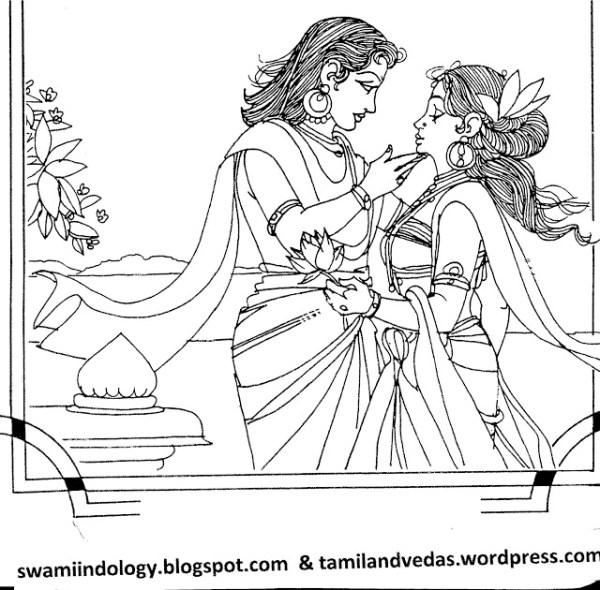
குமார சம்பவத்தில் (1-30) உமா கற்ற கல்வி பற்றிக் காளிதாசன் கூறுவதால் அக்காலத்தில் பெண்களின் கல்வி பற்றி அறிய முடிகிறது.

“பூர்வ ஜன்மத்தில் கற்றதெல்லாம் அவளுக்கு நினைவில் இருந்தன. கல்வி போதிக்கப்பட்டவுடன் இவை எல்லாம் நினைவுக்கு வந்தன. இது இலையுதிர்க் காலத்தில் அன்னப் பறவைகள் கங்கை நதிக்குத் திரும்புவது போலவும், இரவு நேரத்தில் மூலிகைச் செடிகளுக்கு அவற்றின் ஒளி திரும்பிவருவது போலவும் இருந்தது”.

(இரவு நேரத்தில் ஒளிவிடும் தாவரங்கள் பற்றிக் காளிதாசன் பல இடங்களில் பாடியுள்ளான்).


தாம் ஹம்சமாலாஹா சரதீவ கங்காம்  மஹௌஷதிம் நக்தமிவாத்ம பாசஹ

ஸ்திரோபதேசாமுபதேசகாலே ப்ரபேதிரே ப்ராக்தன ஜன்மவித்யாஹா (1-30)


காளிதாசன் படைத்த பெண்களில் சகுந்தலை, இயற்கையிடமிருந்தும், கண்வ முனிவரிடமும் கல்வி கற்றாள்.


மேகதூதத்தில் யக்ஷனின் மனைவி ஓவியம் தீட்டல், கவிதை புனைதல், சங்கீதம் ஆகியவற்றில் வல்லவள்!


மாளவிகாக்னிமித்ரத்தில், மாளவிகா ஒரு சிறந்த நர்தகி, பாடகி.


பொதுவாகப் பெண்கள் விவேகமும், பகுத்தறிவும் உடையவர்கள் என்பது காளிதசனின் கணிப்பு:


நிசர்கநிபுணாஹா ஸ்த்ரியஹ (மா.அ. 2)


பெண்கள் லட்சுமியின் அவதாரம்; அவர்களுக்கு கணவனே கண்கண்ட தெய்வம் என்பதும் அவனுடைய பொன்மொழிகள்:

லக்ஷ்மீரிவ குணோன்முகீ (ரகுவம்சம் 12-26)

மனைவி என்பவள் இல்லுறை தெய்வம், ஒரு அமைச்சர், நம்பிக்கைக்குரிய ரஹசியங்களைப் பகிரும் நண்பன், கணவனின் சிஷ்யை, தூய்மையின் உறைவிடம், வீரத் தாய் என்றெல்லாம் புகழ்வான். இவை எல்லாம் பெண்களை மிகப் பெரிய மேதாவிகளாகக் காட்டுகின்றன:-


க்ருஹிணீ சசிவஹ சகீ மிதஹ ப்ரியசிஹ்யா லலிதே கலாநிதௌ

கருணாவிமுகேன ம்ருத்யுனா ஹரதா த்வாம் வத கிம் ந மே ஹ்ருதம்

–ரகுவம்சம் 8-67


நீ எனக்கு மனைவியாகவும் மந்திரியாகவும், தனிமையில் துணைவியாகவும், மனோஹரமான கலைகளின் பிரயோஹத்தில் அன்பிற்குகந்த மாணவியாகவும் இருந்தாய்; ஆகையால் உன்னைக் கவருகின்ற யமன் என்னிடமிருந்து எதைத்தான் பறிக்கவில்லை? சொல் (இந்த எல்லா விஷயங்களையும் நான் இழப்பேன்)


பத்ரார்சி வீரபத்னீனாம் ஸ்லாக்யாயாம் ஸ்தாபிதா துரி

வீரசூரிதி சப்தோயம் தனயாத்வாம் உபஸ்திதஹ

-மாளவிகா. 5-16

“உன்னுடைய கணவன் காரணமாக வீரர்களின் மனைவியர் வரிசையில் நீ முதலிடம் பெறுகிறாய்; ஆனால் உன் மகன் தான் உனக்கு வீரத்தாய் என்ற பட்டத்தைத் தருகிறான்”


–SUBHAM–

சித்திர எழுத்துக்கள் – எகிப்திய அதிசயங்கள் -15 (Post No.3693)

Written by London swaminathan


Date: 5 March 2017


Time uploaded in London:- 6-50 am


Post No. 3693


Pictures are taken from various sources; thanks.


contact; swami_48@yahoo.com


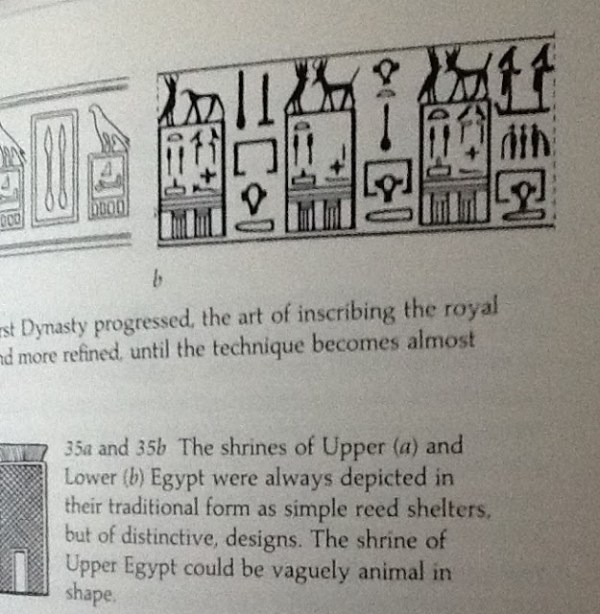
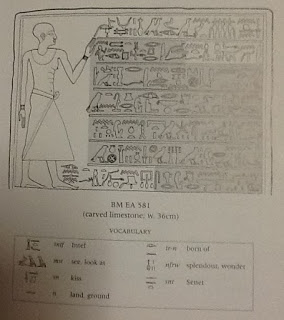
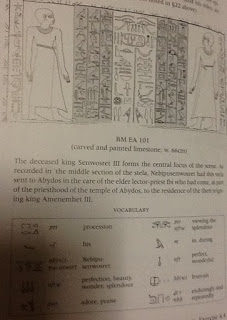
எகிப்தில் பயன்படுத்தப்பட்ட சித்திர எழுத்துக்கு ஹைரோக்ளிப்ஸ் (Hieroglyphs)  என்று பெயர். இது கிரேக்கர் உருவாக்கிய சொல். இதன் பொருள் புனித எழுத்து (Sacred writing). இது முதல் முதலில்  கி.மு.3200 ல் காணப்பட்டாலும் கி.மு.2800 முதலே பெரிய வாக்கியங்கள் உள்ள கல்வெட்டுகள் கிடைத்தன.


சிந்து சமவெளி எழுத்து பற்றி ஐம்பதுக்கும் மேலான விசித்திரமான விளக்கங்கள் இருப்பது போல ஆளாளுக்கு மனதில் தோன்றியதை எல்லாம் எழுதிக்கொண்டிருந்தனர். ஒரு பிரெஞ்சுக்காரர் ரோசட்டா கல்வெட்டு (Rosetta Stone) எனும் கல்வெட்டைக் கண்டுபிடித்தவுடன் குழப்பம் நீங்கியது; புதிரும் விடுபட்டுப் போனது! காரணம் அதில் மூன்று மொழிகளில் ஒரே விஷயம் எழுதப்பட்டிருந்ததால் எகிப்திய எழுத்துக்களின் பொருள் விளங்கியது.

அதுவரை அது பொரிவிலாங்காய் உருண்டையாக (பொருள் விளங்கா) இருந்தது!


இதுபற்றிய சில விநோத விஷயங்களைக் காண்போம். இதில் எகிப்தியரின் புத்தி எவ்வளவு கூர்மையானது என்பது தெரியும். ஆயிரம் பட எழுத்துக்களை (symbols) உபயோகித்து பல விஷயங்களை எழுதினர்.

இதில் மெய்யெழுத்துக்களை (consonants) மட்டுமே எழுதினர்; உயிர் எழுத்துக்களை (Vowels) உபயோகிக்கவில்லை. இதனால் எகிப்தியரின் பெயர்கள் எல்லாம் குத்துமதிப்பானவையே. நூற்றுக்கு நூறு சதம் உச்சரிப்பு யாருக்கும் தெரியாது.


முதலில் ஒரு படத்தை வரைந்தனர்.அதில் என்ன காண்கிறோமோ அதுதான் அதன் பொருள். பின்னர் அந்த சப்தத்தைக் கொண்டு புதிய சொற்களை (Symbol=Syllable=Sound) உருவாக்கினர்.

துவக்க கால மன்னர் பெயர்கள் கொஞ்சம் கரடுமுரடானவை; பின்னர் வந்தோரின் பெயர்கள் அர்த்தபுஷ்டியுள்ளவை; மிருதுவான ஒலி படைத்தவை என்பது எகிப்தியல் அறிஞர்களின் கருத்து.


எல்லா பழைய கலாசாரங்களிலும் மன்னரை காளை, சிங்கம் அல்லது புலி என்று வருணிப்பர். ஆனால் எகிப்தியர் மட்டும் ஹோரஸ் (HORUS) என்னும் தெய்வத்தைக் குறிக்கும் கழுகை ( Falcon பருந்து, Eagle கருடன்) மன்னரின் சின்னமாகப் பயன்படுத்தினர். சித்திரங்களைப் பயன்படுத்துவதில் எகிப்தியருக்கு நிகர் எகிப்தியரே! தங்க நிறமான பருந்து வானத்திற்கு உச்சியில் பறப்பது சூரியனை நோக்கிச் செல்லும் பறவையாக அவர்களுக்குத் தெரிந்திருக்கவேண்டும்.


எகிப்தியர்கள் அன்றாடம் காணும் பறவைகள், மிருகங்கள், பொருள்களையே சித்திரமாக வரைந்தனர்.


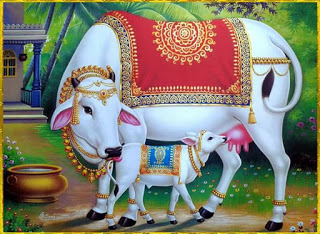
எகிப்தில் வேதப் பசு


ரிக்வேதத்தில் தாய்பசுவுக்கும் கன்றுக்கும் இடையேயுள்ள அன்பை பெரிதும் புகழ்வர். ‘வத்ச’ என்றால் கன்று. இதனிடத்தில் தாப்பசு காட்டும் அன்பை ‘வாத்சல்யம்’ என்பர். இந்தச் சொல்லை மக்களின் பாசத்துக்கும் அன்புக்கும் பயன் படுத்தினர் இந்துக்கள். இந்த சின்னம்தான் எகிப்தியர், “மகிழ்ச்சியான, சந்தோஷமான” என்பதற்குப் பயன்படுத்தினர். வேத கால ரிஷிகளும் எகிப்தியரும் எந்த  அளவுக்கு இயற்கையோடு இயைந்த வாழ்க்கை நடத்தினர் என்பதற்கு  இது ஒரு எடுத்துக்காட்டு.

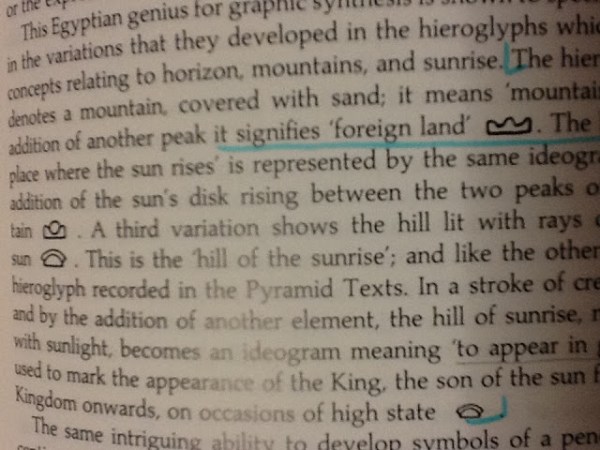
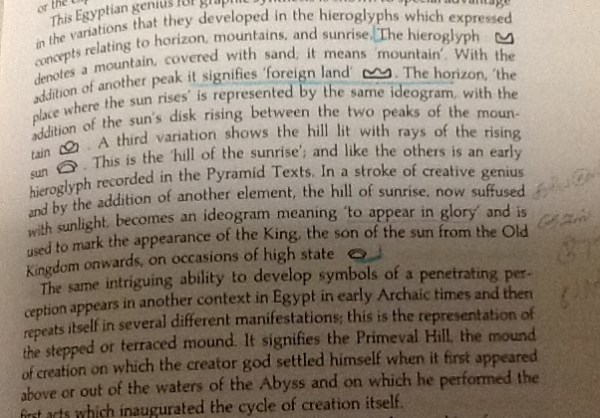
தொடுவானம், மலை, சூரிய உதயம் — ஆகியவற்றை அவர்கள் எப்படிப் பயன்படுத்தினர் என்பதைக் கண்டால் அவர்களின் புத்தி தீட்சண்யம் விளங்கும்; அறிவுக்கூர்மை பொலிவுறும்.


மலை என்பதை இரண்டு முகட்டுடன் வரைந்தனர். இது மலை. அதன் இடையில் மூன்றாவது முகட்டை (சிகரத்தை) வரைந்தால் அது வெளிநாடு என்று பொருள்! அந்த முகட்டுக்குப் பதிலாக இரண்டு சிகரங்களுக்கிடையே சூரியன் போன்ற வட்டத்தை வரைந்தால் அது தொடுவானம், சூரியன் உதயம். அதற்கு மேல் சூரியன் கிரணங்கள் இருப்பது போல வரைந்தால் சூரியன் உதிக்கும் மலை. பிறகு இதையே ஐடியோக்ராமாக IDEOGRAM — அதாவது இந்த எண்ணத்தை, வேறு பொருளை உணர்த்தும் சின்னமாக — பயன்படுத்தினர். புகழுடன் தோன்றல், மன்னன் தோன்றுதல், உயர்நிலை என்றெல்லாம் பொருள் கொண்டனர்.


மன்னன் என்பவன் சூரியனைப் போன்றவன் (Solar Dynasty-Surya Kula) என்று சங்கத் தமிழ் பாடல்களும், சம்ஸ்கிருதப் பாடலகளும் போற்றுகின்றன.


தோன்றிற் புகழோடு தோன்றுபவர் மன்னன் அல்லாவா!


எல்லா மொழிகளும் வளர்ந்தது போலவே எகிப்திய மொழியும் 5000 ஆண்டுகளில் வளர்ந்தது. ஆகவே ஒரு சித்திர எழுத்து துவக்க கால எழுத்தா, பிறகால எழுத்தா அது எந்த இடத்தில் வருகிறது என்பதை எல்லாம் அறிதல் வேண்டும்.


லண்டனில் மாலை நேரக் கல்லூரிகளில் கூட ஹைரோகிளிபிக்ஸ் கற்பிக்கிறார்கள். எகிப்திய கல்வெட்டுகளைப் படித்தறிய  நீண்டகாலப் பயிற்சியும், அதன் பின்னுள்ள எகிப்திய வரலாறும் அவர்களுடைய கலாசாரமும் தெரிந்திருக்க வேண்டும். இப்படி இல்லாவிட்டால் இப்பொழுது சிந்து சம்வெளி எழுத்துக்களைப் பற்றி எல்லோரும் பிதற்றுவது போல நாமும் பிதற்றுவோம்.!!


……………….to be continued

First Homosexual King in History! (Post No.3692)

Written by London swaminathan


Date: 5 March 2017


Time uploaded in London:- 5-29 am


Post No. 3692


Pictures are taken from various sources; thanks.


contact; swami_48@yahoo.com


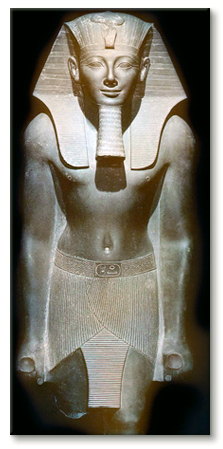
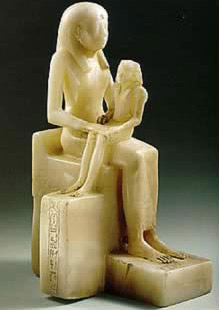
Pepy II ruled ancient Egypt between 2278 and2184 BCE. This means he had ruled for 94 years! He was the longest reigning king in the world history. He was famous (or notorious) for two or three other things.


He was the first homosexual king in the world! Pepy married many women, but he lived longer than those queens. He died at the age of 100. He became king when he was six years old. This is possible because he would have been supported by his uncles or mother. He was famous for capturing pygmies from central Africa and made them dance for him. They were known as Dancing Dwarves.

The other thing that made him known was his homosexuality. According to a story circulating during the Middle Kingdom he pursued a homosexual affair with one of his generals, Sasenet. The king was said to have been observed creeping surreptitiously out of his palace at night and climbing over the wall of the general’s house and returning in the dawn.


Pepy II belonged to the Sixth Dynasty of Old Kingdom. He was buried in a Pyramid at Saqqara. He followed his brother Merenre at the age of six with the support of his uncle vizier and Harkhuf. During Pepy’s rule the country became prosperous. He invaded Nubia and Sinai to get gold and precious gem stones.


No tax to Temple lands!

Like the Hindu Kings of India he donated lands to temples and nobles. He exempted those lands from tax. Though he ruled peacefully because of these handouts, his policy created problems for later kings. The central authority was weakened and there was instability.


Source: Who is Who in Ancient Egypt by Michael Rice


The Glory of Betelgeuse – Ardra Star! (Post No.3691)

Written by S NAGARAJAN


Date: 5 March 2017


Time uploaded in London:-  5-16 am


Post No.3691


Pictures are taken from different sources; thanks.


contact: swami_48@yahoo.com


The Glory of Betalgeux – Ardra – Which Is Two Crores and Fifty Lakhs Spheres of the Size of the Sun!


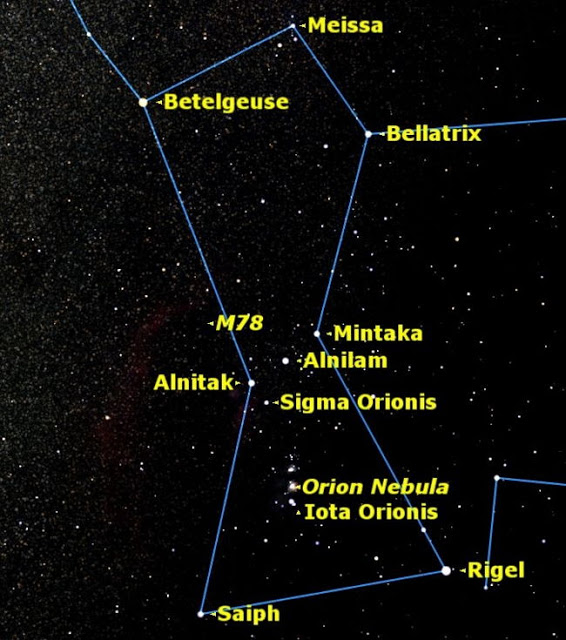
In Sanskrit it is called as Ardra. In English it is Betalgeux. The astronomical name is Alpha Orion.

In Tamil only two stars are prefixed with the word ‘Thiru’ which means ‘most respected’. One is Thiruvadirai and the other is Thiruvonam.

Thiruvadirai is Betalgeux. This star denotes Shiva. The other star denotes Maha Vishnu.

The presiding deity of the star Betalgeux is Rudra, that is Shiva.

This star could be easily spotted in the sky because of its size and relatively close distance from the earth.

According to Sir James Jeans, the famous author of ‘Mysterious Universe’, the star Betalgeux is so voluminous that it can contain two crores and fifty lakhs of spheres of the size of our Sun. And the Sun is thirteen lakhs of times bigger than our earth. Such is the enormous size of Betalgeux.


It is so fiery in nature, that one observer has rightly describes the star after seeing it through 100 inch telescope from Mount Wilson Observatory in America thus: “I saw it blazing; How many millions of Suns rolled into one! I seemed almost to hear the roar of that unbelievable furnace seething across the night, burning for ever and ever, from the beginning of time to that incalculable day when time shall have no longer any meaning’.

This is the third brightest star in the sky.


The Hindu puranas give the name Manmada for the God of Love. Manmada is being identified as Sagittarius in the sky.

We can see the disappearance of Sagittarius, that is Manmada, in the western horizon as Rudra – Betalgeux – rises in the east. This has been effectively and picturesquely described in the purana through a simple story.


The puranas say that Manmada is immediately burnt and instantly reduced to ashes as fiery Rudra – Betelgeux – rose up and extended his fierce glance over the offending cupid.

This episode is being gloriously sung from time immemorial to this day in every nook and corner of India. The dancers with their imaginative skills capture this beautiful scene and reproduce it in every stage till this day.


In the Puranas we may find that always the demonic forces are 180 degrees opposite to that of the Divine forces.

The sky is divided into 360 degrees and always the divine forces win over the demonic forces which are always exactly opposite to them.

Thus, Ardra is one such star glorified by the Puranas, Lord Shiva burnt the evil passion instantaneously.


This is called Kama Dahanam meaning burning of evil passion.

Mahabharata describes the burning of Khandava Forests.

Valmiki in Ramayana describes as how Hanuman burnt the city of Sri Lanka.

Napoleon described the historic burning of Moscow in 1812 as ‘fierest, the most terrific and the most sublime sight the world ever beheld’.


These are all of the descriptions of the earthly fire of a much smaller area.

When we think of the fiery perennial burning for billions and billions of years in the sky we are dumbfounded.

We are reminded of this great Betalgeux in our every day life through a small story of Purana.

Observe the sky and then read the Puranas. We may understand the Puranic stories in a better manner the real meaning of which are hidden in the vast, never-ending, limitless, immeasurable space.

***

Father in Sanskrit and Tamil Literature (Post No 3690)

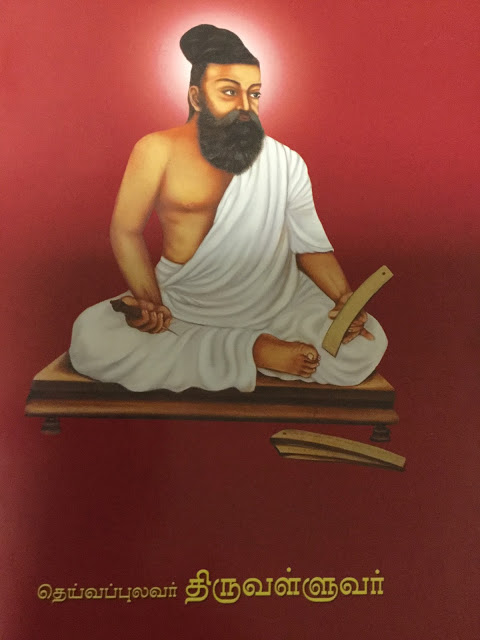
Picture of Tiruvalluvar


Written by London swaminathan


Date: 4 March 2017


Time uploaded in London:- 15-20


Post No. 3690


Pictures are taken from various sources; thanks.


contact; swami_48@yahoo.com


In the Atharva Veda (3-30):-

“The union of hearts and minds

and freedom from hate I will bring you

Love one another as the cow

loves the calf that she has borne.


Let son be loyal to father

and of one mind with his mother;

let wife speak to husband words

that are honey-sweet and gentle.


Let not a brother hate a brother,

nor a sister hate a sister

unanimous, united in aims

speak you words with friendliness


I will make the prayer for that

concord among men at home

by which Devas do not separate,

nor ever hate one another”.

–Atharva Veda 3-30


Hindus consider Mother, Father and Teacher as Gods:

Mata, Pita, Guru (Teacher), Deivam

Linguists know that the English words Mother, Father, Teacher and Deity came from these Sanskrit words.

There is another interpretation for the above Sanskrit quote. Respect is given to in the following order; mother, father, teacher and god.


All the saints have praised god as Mother and Father. So they knew that no one else can excel their love and affection. I have given below some similes and verses about father in Sanskrit and Tamil literature.


Tamil Veda Tirukkural says:

What a father is expected to do his son is to make him fit to hold the foremost pace among the learned (Kural 67)

The duty of the son to the father is to make others exclaim “ what penance has he done to be blessed with such a worthy son.”


Tiruvalluvar, author of the Tamil Veda Tirukkural knew about the penance domne by the parents of Adi Shankara and Markandeya.


Picture of Agastya

In the Rig Veda

Several passages in the Rig Veda show father as a standard of affection. The Vedic seers implore the fire god to be of easy access as a father is to his son

sa nah pite’va suunave agne suupaayano bhava RV 1-1-9


Vyusitaasva protects all the castes as a father protects his own sons:apaalayat sarvavarnaan pitaa putraan ivau rasaan –Mahabharata 1-112-13;1-110-11; 3-3-5


Yudhisthira going into exile into the forest is described as abandoning his subjects like a father abandoning his sons:

pite’vaputraan apahaaya caa smaan. Mbh 3-24-9


Sometimes, paternal affection takes the shape of advice, e.g. like a father instructing his sons, Matali instructs the Pandavas and goes away:

pite’va putraan anusisya cai’naan.Mbh 3-161-25


Arjuna implores Lord Krishna to pardon his faults as a father pardons those of a son, a friend those of a friend, a lover those of his beloved:

pite’va putrasya sakhe’va sakhyh priyah priyaayaa rhasi deva sodhum.Mbh 6-33-44


as a father lifts his fallen son, so does the minister lift the fallen king Samvarana who is unable to bear his beloved Tapati’s sudden disappearance:

tam samutthaapayaam aasa .. pite’va patitam sutam.Mbh 1-162-5


Bhisma embraces Karna by one arm as a father embraces his son:

pite’va putram gaangeyah parisvajyai ‘kabaahunaa.6-117-7


Damayanti, lamenting, accuses the Himalaya of not consoling her with its voice as a father consoles his distressed daughter:

giraa naasvaasayasy adya svaam sutaam iva duhkhitaam. 3-61-52

from very childhood, Parasara, the grandson treats vasistha as his father:

janmaprabhri tasmims ca pitarii’va

vyavartata. Mbh 1-169-4; 3-24-7

Picture of Tamil Poet Tiruvalluvar


In Kalidasa:-

In the Raghu Vamsa by reason of his protecting and maintaining the subjects, he was virtually their father. Their real fathers were merely the source of their birth.

Raghuvamsa 1-24

Vasistha blesses Dilipa, “May you stand like your father, at the head of those who are blessed with worthy sons”. RV 1-91


Again, the great sage Kautsa blesses Raghu, “May you obtain a son wothy of your excellence as your father obtained yourpraiseworthy self”

Raghuvamsa 5-34


Just as King Pundarika was the father with an excellent son Devanika, who was ready to please his father, similarly, the son had an excellent father by reason of loving his son. The image suggests the perennial affection between the father and son. Raghuvamsa 18-11; 17-2


Also read my previous article:


Ruler is Father and Mother: Hindu Concept in Tamil … – Tamil and Vedas

https://tamilandvedas.com/…/ruler-is-father-and-mother-hindu-con…

Translate this page

11 Feb 2017 – Hindus considered the Rulers as their father and mother. Generally, Guru and God are praised as father and mother by the Hindus in their …


–Subham–


மன்னர்களுடன் படகுகளை புதைத்தது ஏன்? எகிப்திய அதிசயங்கள் -14 (Post No.3689)

Written by London swaminathan

Date: 4 March 2017

Time uploaded in London:- 8-09 am

Post No. 3689

Pictures are taken from various sources; thanks.

contact; swami_48@yahoo.com
11 ஆவது வம்சாவளி அரசர்கள், நடு ராஜ்ய (MIDDLE KINGDOM) காலத்தைச் சேர்ந்தவர்கள் ஆவர். இந்தக் கால அரசர்களில் சிறந்தவர் நெபபத்ரெ மண்டுஹோதப் (NEBHEPETRE MONTUHOTEP- நவபத்ரி மண்டூக தேவன்) அவர் நீண்ட காலம் (2055-2004 BCE) அரசாட்சி செய்தார்.

இதற்கு முன்னர், பாரோ என்பவர் கடவுளின் அவதாரம் என்று கருதப்பட்டது. இப்பொழுது அவர் ஒரு பெரிய அதிகாரி என்று நிலைமை மாறிவிட்டது.

உண்மையில் 11-ஆவது வம்சாவளியில் அதிகாரியாக இருந்த ஒருவர் மன்னராகி (பாரோ- ஆகி) 12ஆவது வம்சத்தைத் துவக்கிவைத்தார்.
12-ஆவது வம்சாவளியின் சிறப்பமசம் எல்லா மன்னர்களும் நீண்டகாலம் ஆட்சி செய்தனர்.
(வெள்ளைக்கார்களின் இந்திய விரோதப் போக்கிற்கு இங்கே ஒரு எடுத்துக்காட்டு உள்ளது. புராணங்களில் உள்ள வரலாற்றை ஒட்டு மொத்தமாகப் புறக்கணித்துவிட்டு புதிய வரலாறு எழுதினர் வெள்ளைக்காரர்கள். ஆனால் எகிப்தில் உள்ள விஷயங்களை — முன்னுக்குப் பின்னாக முரணாகவுள்ள விஷயங்களை ஒடடுப் போட்டு உண்மைபோல எழுதி வருகின்றனர். இந்திய புராண மன்னர்கள் எல்லோரும் 60 முதல் 90 ஆண்டு ஆட்சி புரிந்தனர். ஆனால் இந்திய அரசர்களின் சராசரி ஆட்சிக் காலம் 20 ஆண்டுகள் மட்டுமே என்று வெளிநாட்டினர் பொய் வரலாறு எழுதினர். அதை மாற்றி உண்மை வரலாறு எழுதுவது நமது கடமை)
இந்த ஆட்சிக் காலத்தில் எகிப்தின் ஆதிக்கம் வெளிநாடுகளுக்குப் பரவியது. புதிய கலைகள் வளர்ந்தன; புதிய பாணி பின்பற்றப்பட்டது. பழைய ராஜ்யத்தில் “பிரம்மாண்டம்” என்று அளவுக்கு மதிப்பு கொடுத்தனர். நடு ராஜ்யத்தில் அளவு சின்னதானாலும் அதில் கலைவேலை நுணுக்கமாக மாறியது.


சிறந்த மன்னர் சேஷாத்ரி

12-ஆவது வம்சாவளியில் குறிப்பிடத்தக்கவர் சென்வர்ச்ரேட் SENWOSRET (சம்வத்சர சிரேஷ்டன்) கி.மு 1965-1920

இவர் இளவரசராக இருந்தபோது லிபியாவில் போர் செய்துகொண்டிருந்தார். அப்போது மன்னன் அமணமேத (Amenemhet I) படுகொலை செய்யப்பட்ட செய்தி வந்தது. உடனே எகிப்துக்குத் திரும்பி ஆட்சியைக் கைப்பற்றினார். இவருடைய பெயர் கிரேக்க புத்தகங்களில் சேஷாச்த்ரி (Sesostris) என்று எழுதப் பட்டுள்ளது!

இதற்கு அடுத்து வந்த 13-ஆவது வம்சம் எகிப்திய வரலாற்றில் மிகப்பெரிய மாறுதல்களை உண்டாக்கின. ஆசியாவிலிருந்து ஹிக்ஸோஸ் (HYKSOS) என்பவர் உள்ளே புகுந்தனர். இவர்கள் இந்தியாவிலிருந்து வந்தவர்கள் என்பது என் கருத்து. அதை அடுத்த கட்டுரையில் காண்போம்.

மன்னர்களுடன் படகுகளை புதைத்தது ஏன்?

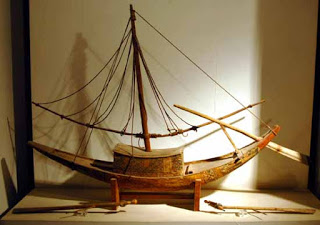
இறந்தவர்களுடன் படகுகளையோ கப்பல்களையோ புதைக்கும் வழக்கம் நார்வே, ஸ்வீடன் போன்ற நாடுகளிலும், பிலிப்பைன்ஸிலும் இருந்தது. ஆயினும் மிகப்பழமையான தடயங்கள் எகிப்திலிருந்தே கிடைத்துள்ளன (கி.மு.2500).
ஆஹா (ஹோர் Hor Aha) என்ற மன்னன் கி.மு.3150-ல் ஆண்டான். அவனுடைய கல்லறை சக்கராவில் இருக்கிறது. அருகில் இரண்டு குறிப்பிடத்தக்க விஷயங்கள் உண்டு. ஒரு கிராமப்புற காட்சியின் பொம்மைகளை செய்துவைத்துள்ளனர். இர்ணடாவது ஒரு படகு புதைக்கப்பட்டது. மன்னன் மேலுகத்துக்க்ப் போன பின்னர் நட்சத்திரங்களுக்கு இடையே படகில் பவனி வரவும், அப்படி பவனி வருகையில் பழைய கிராமப்புற காட்சிகளை நினைவுகொள்ளவும் இந்த ஏற்பாடு. இது எல்லாம் 5000 ஆண்டுகளுக்கு முன்னர் செய்துள்ளனர் எகிப்தியர்!

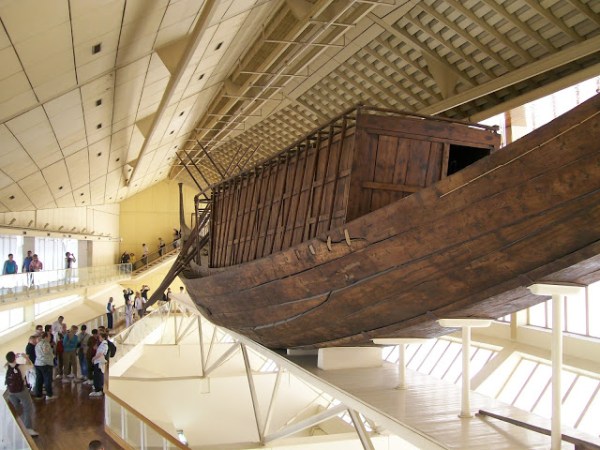
கீஸா (பெரிய) பிரமிடு மூலம் வரலாற்றில் அழியா இடம்பெற்ற கூஃபு (கிரேக்கர்கள் கீயாப்ஸ் CHEOPS என்பர்) ஒரு பெரிய கப்பலையும் விட்டுச் சென்றுள்ளார். மன்னர் தனது மறு உலக வாழ்வில் பயன்படுத்த இதைப் பிரமிடில் ஓரிடத்தில் புதைத்து வைத்தனர். இது இப்போது (GIZA SOLAR BOAT MUSEUM) மியூசியத்தில் உள்ளது.

143 அடி நீளமும் 20 அடி அகலமும் உடைய இந்தப் படகு, உண்மையில் பயன்படுத்திய படகு அல்ல. மன்னருக்காக அடையாளபூர்வமாகச் செய்யப்பட்டது. மேலும் இதை பூமியிலிருந்து 1954ல் எடுத்தபோது தனித் தனியாகக் கிடைத்தது. அதை படகுகள் பற்றி ஆராய்ச்சி செய்து அதன்படி ஒட்ட வைத்துள்ளனர். அதாவது வரலாற்றை “உருவாக்கியுள்ளனர்” (RECONSTRUCTED).

இதில் பழைய கயிறுகள் கூட அப்படியே உள்ளன. இது தைக்கப்பட்ட (Sewn) படகு. அதாவது கயிறு கொண்டு கட்டப்பட படகு. ஆணிகள் அல்லது மர ஆணிகள் (குச்சிகள்) (neither riveted nor nailed) பயன்படுதப்படவில்லை. ஒமான் கடற்கரையில் இன்றும் இத்தகைய படகுகள் உள்ளன. பாலைவனம் போன்ற பகுதிகளைக் கடக்கையில் அவைகளைப் பிரித்து துண்டு துண்டாக எடுத்துக் கொண்டு போய் பின்னர், மீண்டுமிணைத்து படக்காக்கிக் கொள்ளலாம்!

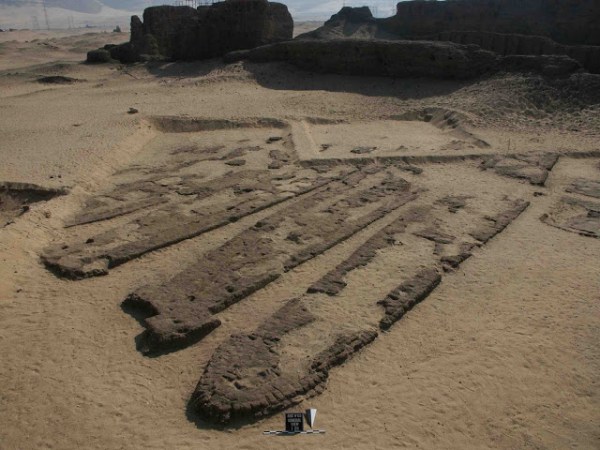
1991-ஆம் ஆண்டில் அபிதோஸ் (ABYDOS) நகரில் பா லைவனப் பகுதியில் ஒரு அரிய கண்டுபிடிப்பு! அதவது 12 படகு வடிவக் கல்லறைகள்!


உண்மையில் ஒவ்வொரு கல்லறையிலும் ஒரு படகு காணப்பட்டது. இந்த கல்லறைகள் செங்கற்களால் செய்யப் பட்டவை. சராசியாக ஒவ்வொரு கல்லறையும், 86 அடி நீளம். அதில் 75 அடி நீளமுள்ள மரத்தினால் ஆகிய படகு. பகிற்குள்ளும் செங்கற்களை நிரப்பி மேலே காரை கொண்டு பூசி வெள்ளை அடித்துள்ளனர். 2000 ஆம் ஆண்டில் இதைத் தோண்டி ஆராய்ந்தனர். இவைகளும் தைக்கபட்ட (sewn) படகுகள். ஆனால் உண்மையில் நதியில் பயன்படுத்தக் கூடியவை. வெறும் பொம்மைப் படகுகள் (not Models) அல்ல. மன்னர்கள் அல்லது அதிகாரிகளை ப் படகுகளோடு புதைப்பதில்லை. அவர்கள் அருகில் அல்லது கொஞ்சம் தொலைவில் புதைக்கப்படுவர்.

புதைக்கப்பட் ட இடம் தெரியாமல் இருக்க அந்த இடங்களை சம தரை போலக் காட்டி இருக்கின்றனர் இது போல சக்கரா, ஹெல்வா (Helwan) ஆகிய இடங்களிலும் படகுப் புதையல்கள் கிடைத்தன.

பல இடங்களில் யாருக்காக இந்தப் படகுகள் என்று பெயர் எழுதாமலேயே புதைத்துள்ளனர். பொதுவாக மன்னர்கள் புதைக்கப ட்ட இடங்களில் அவர், மேல் உலகத்தில் பயன்படுத்துவதற்காக துணிமணிகள், நாற்காலிகள், உணவு, பானங்கள் ஆகியவற்றை விட்டுச் சென்றனர். ஒரு வேளை இந்தப் படகுகள் மூலம் அவைகள் மேலும், மேலும் வரும் என்று கருதி இருக்கலாம்.

எகிப் திய சுவர் எழுத்துக்களில் மன்னரின் மறு உலகப் பயணம் (after life) பற்றியும், சூரிய தேவனின் வானுலகப் படகுப் பயணம் பற்றியும் எழுதி வைத்துள்ளனர். ஆகையால் நாம் இவற்றின் பயனை ஊகித்தறியலாம்.

அ ருகருகே புதைக்கப்ப ட்ட இரண்டு படகுகளின் அளவுகள் வித்தியாசப் படுவதால் ஒன்று மன்னரின் படகு, மற்றொன்று சூரியனின் படகு என்றும் ஆராய்ச்சியாளர்கள் ஊகிப்பர்.


5000 ஆண்டுகளுக்கு முன்னர் அவர்கள் விட்டுச் சென்ற பல்லாயிரக்கணக்கான விஷயங்கள் குறித்து புதுப் புது விஷயங்களுடன் பத்திரிக்கைகளும், புத்தகங்களும் வந்து கொண்டே ருக்கின்றன. மேலை உலத்தில் எகிப்தியவியல் (Egyptology) ஒரு கவர்ச்சிகரமான துறையாகும்.

–தொடரும்


பாரதியார் பற்றிய நூல்கள் – 22 (Post No.3688)

Written by S NAGARAJAN


Date: 4 March 2017


Time uploaded in London:-  5-26 am


Post No.3688


Pictures are taken from different sources; thanks.


contact: swami_48@yahoo.com


பாரதி இயல்


மஹாகவி பாரதியார் பற்றிய நூல்கள் – 22


ஏ.கே.செட்டியாரின் குமரி மலர் கட்டுரைகள் – 7


ச.நாகராஜன்


ஏ.கே. செட்டியாரின் குமரி மலரில் வெளியான கட்டுரைகள்


குமரி மலரில் வெளியாகியுள்ள இன்னும் சில கட்டுரைகள் பற்றிய செய்திகளை காண்போம்

  • ஸ்ரீ மண்டயம் அழகிய சிங்கப் பெருமாளைப் பற்றிய அற்புதமான கட்டுரை ஒன்றை குமரி மலர் வெளியிட்டுள்ளது. கட்டுரையைக் கீழே காணலாம் :

ஸ்ரீ மண்டயம் அழகிய சிங்கப் பெருமாள்

சி.சுப்பிரமணிய பாரதி (1909)


     சென்னப் பட்டணம் திருவல்லிக்கேணியில், சென்ற செவ்வாய்க்கிழமை மாலை ஸ்ரீமண்டயம் அழகிய சிங்கப் பெருமாள் காலஞ்சென்று விட்டாரென்ற மஹா துக்ககரமான செய்தி மறுநாள் நமக்கெட்டிற்று.


     தேச பக்தர்கள் இருவகைப் படுவர். ஒருவகை அரங்கத்திலாடுவது. மற்றொரு வகை திரைக்குப் பின்னேயிருந்து புகழறியாமல் பாடுபடுவது. இவற்றுள் முன்னதினும் பின்னது சிறந்ததாகக் கூறலாமேயல்லது குறைந்ததாகக் கருதத் தக்கதன்று.


     காலஞ்சென்ற ஸ்ரீஅழகியசிங்கப் பெருமாள் பின் வகுப்பைச் சேர்ந்திருந்தவர். சென்னை பச்சையப்பன் காலேஜில் இவர் பல வருஷம் ‘ஹெட்மாஸ்டர்’ வேலை பார்த்துக் கொண்டு வந்தார். இன்னும் பலவிதமான கடமைகளுடையவர்.


    ஆனால் இவ்வளவு தொழிலுக்குமிடையே, தேசபக்தி தீபத்தை இவர் தமது நெஞ்சில் எப்போதும் அவியாமல் பாதுகாத்து வந்தார். இக்குறிப்பெழுதுபவருக்கு அழகிய சிங்கப் பெருமாள் தமது அனுபவ முதிர்ச்சி கொண்ட தற்போதனைகளாலும், நட்பினாலும் அப்போதப்போது செய்து வந்த உதவி கொஞ்சநஞ்சமன்று.


    நமது ‘இந்தியா’ பத்திரிகை ஆரம்பம் செய்வதற்கு மூலகாரணங்களா யிருந்தவர்களிலே பெருமாளொருவர். கல்கத்தாவில் நிவேதிதா தேவியிடம் ‘வாலிபராகிய எங்களை எல்லாம் மேலிருந்து நடத்துவதற்குத் தக்க முதுமை கொண்ட தேசபக்தித் தலைவர்கள் சென்னப்பட்டணத்திலில்லையே, என்ன செய்யலாம்’ என்று நாம் கேட்டதற்கு, அந்த அம்மை, ‘அழகிய சிங்கப் பெருமாளிருக்கிறார். பொது விஷயங்களில் தமக்கு சம்சயங்களேற்படுமானால், அவரிடம் கேட்டுத் தெரிந்து கொள்ளலாம்’ என்றார்.


     நமது தேசபக்தி  முயற்சிக்குத் தாய் முயற்சியாகிய ஸ்வாமி விவேகானந்தரது வேதாந்தப் பிரசாரத்தினால் அழகிய சிங்கப் பெருமாள் அளவிறந்த சிரத்தை பாராட்டியவர்.


    1898-ம் வருஷத்தில் விவேகானந்தர் யரோ ஒரு சாதாரண ஸந்யாசியாக வந்து தென்னிந்தியாவில் ஸஞ்சரித்துக் கொண்டிருந்த காலத்தில், அவருடிய ம்கிமையைக் கண்டுபிடித்து, நாட்டிற்கெல்லாம் பெருமை தேடித் தந்தவர் ஸ்ரீ அழகிய சிங்கப் பெருமாளே.


    இவருடைய முயற்சிகளினாலேயே ஸ்வாமி அமெரிக்காவுக்குப் போய், ஆரிய தர்மத்தை அந்நாட்டில் பிரகாசப் படுத்தும்படி ஏற்பட்டது. அப்பால் ஸ்வாமியுடைய ஆக்கினைப்படி, இவர் ‘பிரம்மவாதின்’ என்றொரு வேதாந்த மாதப் பத்திரிகை ஏற்படுத்தி மிகத் திறமையுடன் சென்ற பதினைந்து வருஷங்களாக நடத்தி வந்தார்.


    இவரை இழந்தது தேசமுழுமைக்கும் பெரு நஷ்டமாகும். மரிக்கும் பொழுது இவருக்கு வயது நாற்பத்து நான்கு. இப்படி அகாலத்தில் இவரைப் பிரிந்து வருந்தும் இவருடைய குடும்பத்தார்களுக்கு நாம் மனப்பூர்வமான அநுதாபம் தெரிவிக்கின்றோம்.

  • ‘இந்தியா’
  • 15-5-1909 தலையங்கம்
  • அடுத்து குமரி மலரில் ஸ்ரீவிவேகான்ந்தரைப் பற்றி மஹாகவி எழுதிய நீண்ட வரலாறு பிரசுரிக்கப்பட்டுள்ளது.


சக்கரவர்த்தினி இதழில் (ஆசிரியர் சி.சுப்பிரமணிய பாரதி) சென்னை 1906 மார்ச் தொகுதி 1, பகுதி 8 –இல் இக்கட்டுரை பிரசுரமாகியுள்ளது.

கட்டுரையின் தலைப்பு:-

ஸ்ரீமத் ஸ்வாமி விவேகானந்த பரமஹம்ஸர்

சுப்பிரமணிய பாரதி (1906)


மிக நீண்ட இந்தக் கட்டுரையில் ஸ்வாமிஜியின் பிறப்பு, குழந்தைப் பருவம்,இளமை, குரு தரிச்னம் ஆகிய தலைப்புகளில் வாழ்க்கை வரலாற்றைத் தந்துள்ளார் மஹாகவி.

கட்டுரையின் பிற்பகுதி கிடைக்கவில்லை என்ற குறிப்பும் குமரிமலரில் காணப்படுகிறது.                                        

  • அடுத்து ‘பவுத்த மார்க்கத்திலே மாதர்களின் நிலை’ சி.சுப்பிரமணிய பாரதி (1906) என்ற தலைப்பில் உள்ள கட்டுரை வெளியிடப்பட்டுள்ளது.

கட்டுரையின் கீழ் உள்ள குறிப்பு இது:-

சக்ரவர்த்தினி சென்னை

1906 பிப்ரவரி, தொகுதி 1, பகுதி, 7

(ஆசிரியர் சி.சுப்பிரமணிய பாரதி)

இன்னும் சில கட்டுரைகளை அடுத்துப் பார்க்கலாம்.

                      -தொடரும்


சுவர்களில் எழுதப்பட்ட சமயச் சடங்குகள்- எகிப்திய அதிசயங்கள்-13 (Post No.3687)

Written by London swaminathan


Date: 3 March 2017


Time uploaded in London:- 10-59 am


Post No. 3687


Pictures are taken from various sources; thanks.


contact; swami_48@yahoo.com


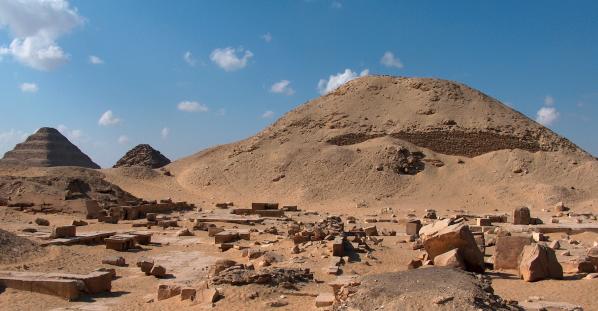
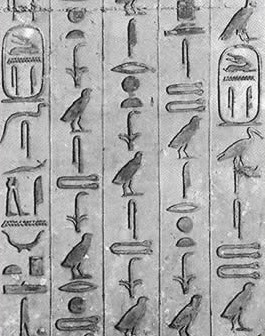
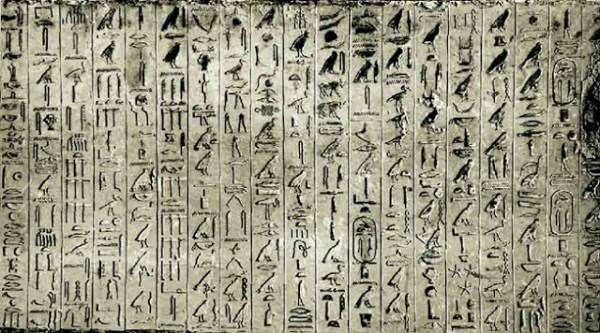
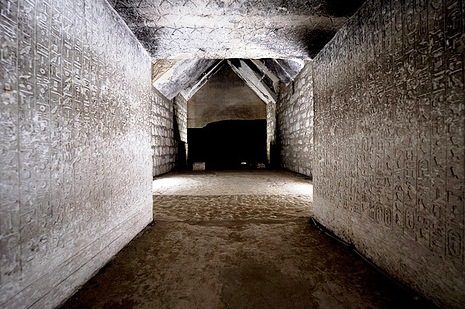
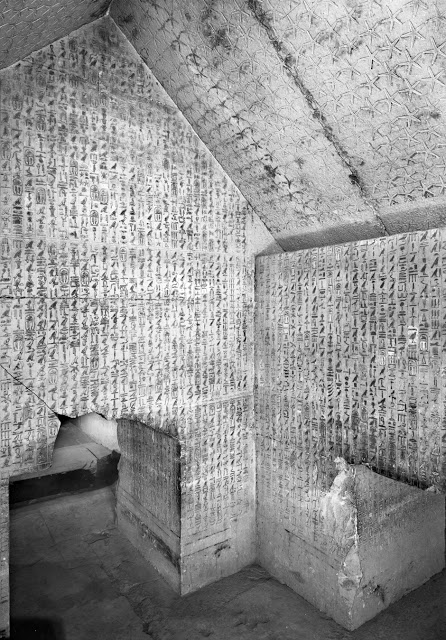
எகிப்தில் முதல் நாலு வம்சங்களின் ஆட்சி பற்றி இதுவரை பார்த்தோம். முப்பது வம்சங்களில் 5 முதல் 10 வரையுள்ள வம்சங்களின் சிறபுகளைச் சுருங்கக் காண்போம். நாலாவது  வம்சத்தின் இறுதியில் குடும்பச் சண்டை வலுத்தது. பெண்வழி அரசாட்சி மூலம் ஐந்தாவது வம்சம் வந்தது. செழிப்பும் அமைதியும் மிக்க பொற்காலம் இது. இந்தக் காலத்தில் பிரமிடுகளின் சுவர்களில் சமயச் சடங்குகள் பற்றி எழுதிவைத்தனர். இதுதான் எகிப்தின் பழமையான இலக்கியம். இதை பிரமிடு இலக்கியம் எனலாம். யூனஸ் (UNAS) என்ற அரசனைன் பிரமிடுகளிலும் அவனைத் தொடர்ந்து ஆண்டோரின் பிரமிடுகளிலும் சடங்குகள் (Pyramid Texts )பற்றிய குறிப்புகள் உள்ளன. எழுத்து வடிவிலுள்ள சமயச் சடங்குகளில் (Oldest written Rituals)இதுவே உலகில் பழமையானது.

நூறு ஆண்டு வாழ்ந்த மன்னன்!


இரண்டாம் பெபி (Pepy II) பற்றிய சில அதிசயச் செய்திகள்:-


இது தவிர இன்னொரு அதிசயமும் உண்டு. இரண்டாம் பெப்பி (Pepy II) என்ற மன்னன் 100 ஆண்டுகள் வாழ்ந்ததாக நம்பப்படுகிறது.

இவன் ஆறு வயதில் பதவிக்கு வந்து 100 வயது வரை வாழ்ந்ததால் இவன் 94 ஆண்டுக்காலம் ஆட்சி புரிந்ததாக சொல்லப்படுகிறது. இது உண்மையானால் உலகில் இவனே நீண்ட காலம் ஆண்டவன் ஆவான்!

இவனுடைய காலம்: கி.மு2278 – 2184


அண்ணன் மேரென்றே (Merenre) ஆட்சியைத் தொடர்ந்து இவன் பதவி ஏற்றான். இன்னொரு அதிசயச் செய்தி. இவனது ஆட்சிக் காலத்தில் தெற்கத்திய படையெடுப்பில் குள்ளமாக வளரும் பிக்மி (pygmy) இன மக்களைப் பிடித்துவந்து ஆடவைத்தனர். ஆடும் குள்ளன் (Dancing Dwarf)  என்ற செய்தி பெரிய அதிசயமாகப் போற்றப்பட்டது.

எகிப்தில் கோவில் சொத்துகளுக்கு வரி விலக்கு!

இந்து மன்னர்கள் செய்தது போலவே, கோவில் நிலங்களுக்கு பெபி வரி விலக்கு அளித்தான். இவனது ஆட்சிக் காலத்தில் பிரம்மாண்டமான கட்டிடங்கள் எழும்பின.


பெபி பற்றிய பல சுவையான செய்திகளில் ஒன்று இவன் பல பெண்களை மணந்தான். ஆயினும் அவர்கள் எல்லாம் இறந்தும் இவன் மட்டும் 100 வயது வரை வாழ்ந்தான். இவன் ஒருபால் புணர்ச்சியை (HOMO SEXUAL) விரும்பியவன். சஸ்நெட் (General Sasenet) என்ற படை த்தளபதியுடன் இவனுக்கு ஒருபால் காதல். இரவு நேரத்தில் யாருக்கும் தெரியாமல் அரண்மனையிலிருந்து வெளியேறி தளபதி வீட்டின் சுவர் ஏறிக்குதித்து அவனுடன் படுத்துவிட்டுக் காலையில் திரும்பிவிடுவான் என்று எகிப்தில் ஒரு செய்தி உலவியது.

இவன் கோவிலகளுக்கும் பிரபுக்களுக்கும் நிலங்களைத் தானமாக அளித்தான். பிரபுக்களுக்கு இப்படிக்கொடுத்தால் அவர்கள் விசுவாசமாக இருப்பர் என்ற நம்பிக்கை. இவன் நூபியா, சைனாய் (Nubia and Sinai) முதலிய பகுதிகளுக்குப் படை எடுத்துச் சென்று தங்கத்தையும் ரத்தினக் கற்களையும் கொண்டு தனது கட்டிடங்களை அலங்கரித்தான். ஆனால் இவன் பின்பற்றிய கொளகைகளே இவனுக்குப் பின்னர் நிலையற்ற ஆட்சியை உண்டாக்கியது. இவன் இறந்த பின்னர் சக்கரா என்னும் இடதிலுள்ள பிரமிடில் புதைக்கப்பட்டான். அங்குதான் சுவர் எழுத்துகள் – சமய இலக்கியப் படைப்புகள் தோன்றின.

ஆறாவது வம்சத்தின் இறுதியில் பிளவு அதிகரித்தது. நிச்சயமற்ற நிலை நீடித்ததால் அரசியல் குழப்பம் நீடித்தது. இதை எகிப்தியவியலாளர் முதல் குழப்ப காலம் (இடைவெளி First Intermediate Period) ) என்று சொல்லுவர். அரசாங்க அமைப்புகளும் மன்னரின் கரங்களும் பலவீனம் அடைந்தன. தடி எடுத்தவன் எல்லாம் தண்டல்காரன் என்னும் பாங்கில் ஒரே சமயத்தில் பலர் வெவ்வேறு பகுதிகளில் ஆளத்துவங்கினர்.


ஆனால் வணிகமும் இலக்கியமும் வளர்ந்தன. குறிப்பாக 9, 10 ஆவது வம்சங்களின் ஆட்சிக்காலத்தில்.


எப்போதும் தென்பகுதியில்தான் எகிப்தின் உயிர்த் துடிப்பு இருக்கும். ஆங்கே தோன்றிய ஒரு இளவரசன் மீண்டும் எகிப்தை ஐக்கியப்படுத்தினான்.


சுவர்களில் எழுதிய அதிசயச் செய்திகள்:-

ஐந்தாவது, ஆறாவது வம்ச காலங்களில் சக்கரா என்னும்பி இடத்தில்ர உள்ள பிரமிடுகளின் சுவர்களிலும் கல்லறைகளிலும் எழுதப்பட்டவையே முதல் படைப்புகள் இவை கி.மு 2400 ஐ ஒட்டியவை. பழைய எகிப்திய மொழியில் எழுதப்பட்டவை. இதிலுள்ள ‘மந்திரங்கள்’ மரணத்துக்குப் பின்னுள்ள வாழ்க்கை பற்றியவை. பாரோவின் ஆவி எப்படியெல்லாம் மேலுகம் செல்ல முடியும் என்றும் அதற்கு ஆஸிரிஸ் என்னும் தேவதை உதவும் என்றும் கூறும். சில’ மந்திரங்கள்’ கடவுளை மிரட்டும் (SPELLS) மந்திரங்கள்!


ஐந்தாவது வம்ச மன்னன் யூனஸ்(Unas), ஆறாவது வம்ச மன்னர்கள் Pepi I, Pepi II பெபி, திதி (Teti) , மேரென்ரே(Merenre) அவர்களுடைய மஹாராணிகள் ஆகியோர் கல்லறைகளில் இந்த ‘மந்திரங்கள் அல்லது கட்டளைகள் உள்ளன. சுமார் 800 மந்திரங்கள் (spells) வெளியிடப்பட்டுள்ளன.


இவைகளில் பல இந்து  மத வேத மந்திரங்கள் போல இருக்கின்றன. இறந்த ஆவி பற்றிய வேத மந்திரங்களுடன் இவற்றை ஒப்பிட்டு ஆராய வேண்டும்.


திதி (Teti) என்ற மன்னன் பற்றிய மந்திரம்:

“மன்னனே எழுந்திரு. தலையை நிமிர்த்து; உன் எலும்புகளையும் உறுப்புகளையும் எடு. மண்ணை உதறு. ரொட்டியையும் பீயரையும் எடுத்துக்கொள். சாதாரண மனிதன் கடக்க முடியாத வாசலில் நில்.

வாயிற்காப்போன் வந்து உன்னைக் கரம்பிடித்து , முத்தமிட்டு, அன்பாக, தந்தை (GEB) ஜெபிடம் அழைத்துச் செல்வான். மறைந்திருப்போர்கள், பெரியோர்கள் உனக்கு உதவுவர். உணவு தயாராகிவிட்டது. மாதாந்திர விருந்து தயாராகிவிட்டது”.


இந்துக்களும் முதல் 13 நாட்களுக்குப் பின்னர் மாதம்தோறும்  மூன்று நாட்கள் இறந்தோருக்கான கிரியைகளைச் செய்வர்.

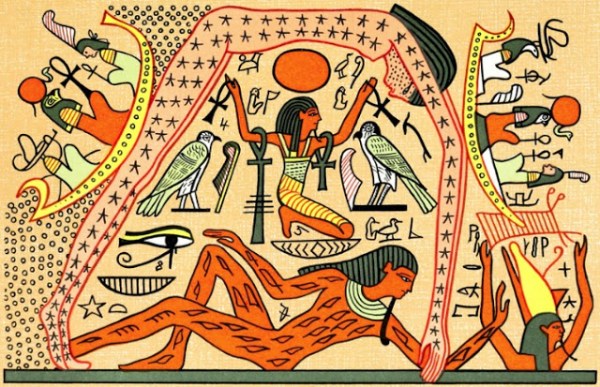
ஒரு மந்திரம் சொல்கிறது: “வானம் தோன்றுவதற்கு முன்னரே பிரளயகால நீரில் மன்னன் தோன்றிவிட்டான். மஹா பிரளயத்தில் அரசன் இருவர் சண்டையில் (ஹோரஸ்- சேட்) தீர்ப்பு வழங்குவான்”.


பிரமிட் சுவர் (Pyramid Texts) இலக்கியம் பெரும்பாலும் சம்பாஷணை (Dialogue) வடிவில் இருக்கும். அதாவது மன்னன் (பாரோ) நட்சத்திர மண்டலத்தை தாண்டி பயனம் செய்வதற்கு முன்னர் தன் சேவகர்களுடன் கலந்துரையாடுகிறார் (இந்த இடத்தில் நான் மஹாபாரத வனபர்வத்தில் புண்யாத்மாக்கள் நட்சத்திர மண்டலங்கள் ஆவது பற்றி எழுதியதை நினைவுபடுத்துகிறேன். எனது முந்தைய கட்டுரைகளைப் படிக்கவும்)


நமது வேதங்களைப் போலவே, மறை (ரஹசிய) மொழிகளில் சம்பாஷணை இருக்கும்:  (எகிப்திய மந்திரம் 352):– ” ஓ, பசுவே! இரவில் உன்னுடைய நேரத்தில் அரசனுடன் ஒரு வல்லூறு (கழுகு) கர்ப்பம் அடைந்துவிட்டது”.


இதற்கெல்லாம் பொருள் சொல்ல ஆட்கள் இல்லை. ஆராய்ச்சியாளர்கள் ஊகத்திலேயே வண்டி ஓட்டுகின்றனர். இவைகளை மொழி பெயர்ப்பது இயலாத காரியம் என்பர் எகிப்தியவியலாளலர்.


எகிப்தியர்களுக்கு சிலேடையில் பேசுவது பிடிக்கும். இப்படி இருபொருள்பட அவர்கள் சித்திர எக்ழுத்துக்களை எழுதுகையில் அதைப் புரிந்துகொள்வது இன்னும் கடினம். அவர்கள் சிலேடையில் பேசுவதில்,  நம் காளமேகப் புலவருக்கு அண்ணன்கள்!!


ஊனஸ் பிரமிடில் முதலில் இவைகளைப் பார்த்தாலும், இவை அதற்கு முன்னரே வாய்மொழியாக இருந்திருக்க வேண்டும் முதலில் சுவரில் எழுதிவிட்டு, பின்னர் சவப் பெட்டியின், உட்புறத்தில் எழுதத் துவங்கினர்.

எப்படி வேதங்களை மொழி பெயர்க்கமுடியாதோ அப்படி எகிப்திய விஷயங்களையும் மொழி பெயர்க்கமுடியது. இது  ஒரு சிக்கலாலன புதிர்!


தேவி பாகவதத்தில் தேவியின் உலகம் எப்படி வருணிக்கப்படுகிறதோ அப்படி மேலுலகம் வருணிக்கப்படுகிறது “கடவுள் பிறந்த அந்த இடத்தில் எப்போதும் ஒளி இருக்கும். நான் கிழக்கு திசை நோக்கிச் செல்லுகிறேன்


வானத்தின் ரிஷபம் (காளை) மன்னன்;

நினைத்தமாத்திரத்தில் வெல்லுவார்.

அவர் எல்லா கடவுளிடத்திலும் உள்ளார்.

அவர் குடலையும் உறுப்பையும் திண்பார்

முழு உடலுடன் வந்தாலும் அவர் செய்வார்

அக்னித் தீவில் இருந்துகொண்டு. (எகிப்திய மந்திரம் 274)


ஓ ரே! வளைந்து செல்லும் நீர்வழியின் படகோட்டியிடம் என்னை ஒப்படை. அவன் படகு கொண்டு வரட்டும். அவன் அதில்தானே கடவுளரை கிழக்கு திசைக்கு அழைத்துச் செல்லுகிறான் (மந்திரம் 359)!@


இந்துக்கள் சம்சார சாகரம் (பிறவிப் பெருங்கடல்) என்று சொல்லுவதையும், வைதரணி என்னும் நதியை இறந்த ஆவிகள் கடக்க வேண்டும் என்று கூறுவதையும் ஒப்பிடுக; இந்துக்களின் மரணச் சடங்குகளில் ஒரு படகு பொம்மை செய்து வைப்பார்கள்.


எகிப்தியர்கள் சொல்லும் கீழ்திசை, புண்ணிய பூமியான இந்தியாவாக இருக்கும் என்பது என் கருத்து.


தொடரும்……….


More Parliament Anecdotes (Post No.3686)

Compiled by London swaminathan


Date: 3 March 2017


Time uploaded in London:-9-14 am


Post No. 3686


Pictures are taken from various sources; thanks.


contact; swami_48@yahoo.com


HIS MAJESTY’S ASS!

One night Burke severely attacked some act s of the Government. George Onslow arose and haughtily said that he must call the honourable member to a sense of his duty and that no man should be suffered in his presence to insult the sovereign.

Burke, in his reply, gravely addressed the Speaker,

“Sir, the honourable member has exhibited much ardour but little discrimination. He should know that, however, I may reverence the King, I am not at all bound, nor at all inclined to extend the reverence to his ministers. I may honour his majesty, but sir, I can see no possible reason for honouring, and he glanced round the treasury bench at Mr Onslow and the other ministers, “His majesty’s man servant and maid servant , his ox and his ass!”.


Xxx


Hear, hear!


During one of his much admired debates in parliament, Sheridan was annoyed by the persistence of a well meaning fellow, who kept punctuating, by the exclamation,

“Hear, hear”, almost all of his most telling remarks.

In the course of discussion Sheridan took occasion to describe a political enemy as, “wishing to play the rogue but having only sense enough to act the fool. Where”, he cried forcefully,

“where shall we find more foolish knave or a more knavish fool than he?”


“Hear, hear!”, was the annoying response.


Sheridan swung about and thanked him forthwith, sitting down amid a general roar of laughter.


Xxx


Go to graveyard!

A young peer once asked Disraeli what course of study he had best take to qualify himself for speaking so as to gain the ear of  the House of Lords.

“Have you a grave yard near your house?” asked Disraeli.

“Yes”, was the reply.

“Then, said Disraeli, I should recommend you to visit it early of a morning and practice upon the tomb stones.”


Xxx


PARLIAMENT FOR FOOLS!

A noble man wished Garrick to be a candidate for the representation of a borough in parliament.

“No, my Lord, said the actor, I would rather play the a part of a great man on the stage than the part of a fool in parliament”.


XXX


SEVEN WEEKS, NOTHING HAPPENED!

At one time the House of Commons had sat in a long and ineffectual session. Mr Papham, Speaker of the houses, was summoned by Queen Elizabeth, who said to him,

“Now, Mr Speaker, what has passed in the Commons House?”

He replied, “if it please Your Majesty —seven weeks”.


Xxx