Courage and Reputation! Zen Story (Post No.3909)

Written by S NAGARAJAN


Date: 15 May 2017


Time uploaded in London:-  5-35 am


Post No.3909


Pictures are taken from different sources; thanks.


contact: swami_48@yahoo.com


Courage


There is an inspirational Zen story on Courage:


There was a boy who was born without a right arm. On his ninth birthday he asked his parents if he could join a karate club. They were delighted by the idea and the boy quickly became a regular at the local dojo. The boy wanted to compete in a tournament and asked his master if this was possible. The master said he could but only if he listened carefully to his master and trusted him.


The master taught the boy one move and one move only. The boy practised it diligently but after a while he was worried that the other boys were learning a range of moves and he only had one. He asked the master to teach him other moves but the master said no. The master just urged the boy to keep practising that one move.


The boy won the first round of the tournament and then the next round and the one after that until he found himself winning the entire tournament. The boy was baffled. How did he do it? He asked the master how a boy with only one arm and only one move could win a karate tournament against these other boys. The master smiled and told the boy that there is only one defence against the move the boy learned and that defence involves grabbing the attacker by the right arm.


Have courage. Do not run as a coward when you are facing inevitable problem.


There is an anecdote about an Athenian.


An Athenian, who was lame in one foot, was laughed at by the soldiers on account of lameness.


“I am here to fight,” said he, “not to run.”


xxx


Reputation


Before checking anybody’s reputation please check your reputation and how others view and think about you.

The following anecdote will throw insight on reputation.


One of the powerful figures in Wall Street fell in love with an actress and for many months danced constant attendance upon her and squired her about in the fashionable circles of town. Deciding  to marry her, he first prudently put a private detective to the job of looking into her antecedents in order to guard himself against any rash mistake.


At last he received his agent’s report. “Miss Blank enjoys an excellent reputation. Her past is spotless. Her associates have been irreproachable. The only breath of scandal is that, in recent months, she has been much seen in the company of a business man of doubtful reputation.


Check yourself first before checking others!

***


பெண்களின் அழகு எப்போது மறையும்? (Post No.3908)

Written by London Swaminathan


Date: 14 May 2017


Time uploaded in London: 20-10


Post No. 3908


Pictures are taken from various sources; thanks.


contact: swami_48@yahoo.com


பெண்களின் அழகு எப்போது குறையும்? பெரியோர்களின் பெருமை எப்போது மறையும்? என்று ஒரு கவிஞர் அழகாகப் பாடி வைத்திருக்கிறார். கவிஞரின் பெயர் மட்டும் கிடைக்கவில்லை. நீதி வெண்பா என்ற நூலில் வரும் பாடல் இது.


கற்றைக் குழலார் கவினெல்லாம் ஓர்மகவைப்

பெற்றக் கணமே பிரியுமே – கற்றருளை

வேட்ட பெரியோர் பெருமையெல்லாம் வேறுஒன்றைக்

கேட்டபொழுதே கெடும்


பொருள்-


கற்றைக் குழலார் கவினெல்லாம்= அடர்த்தியான மயிரை உடைய பெண்களின் அழகு எல்லாம்


ஓர்மகவைப்பெற்றக் கணமே பிரியும் = ஒரு  குழந்தையைப் பெற்ற அந்த நொடியே நீங்கிவிடும்


அது போல


கற்றருளை வேட்ட பெரியோர் பெருமையெல்லாம் = கடவுள் அருளைப் பெற விரும்பிய பெருமைகள் எல்லாம்

வேறுஒன்றைக்கேட்டபொழுதே கெடும் = கெட்ட விஷயங்களைக் கேட்டாலேயே போதும்; மறைந்துவிடும்


கெட்டது செய்ய வேண்டும் என்பது கூட இல்லை. கெட்ட விஷயங்கள் கா தில் விழும் அளவில் நின்றாலேயே போதும்; பெருமை எல்லாம் சீர் குலையும்.


குழந்தை பெற்ற பின்னால்,  பெண்களைப் பொறுத்த மட்டில் இளம் குமரி என்ற நிலை மாறி அம்மா, மாமி என்ற நிலைக்குத் தள்ளப்படுவர்.


நல்லோரைப் பொறுத்த மட்டில், இவரும் கூட அப்படிச் செய்வாரா? வேலியே பயிரை மேய்ந்தது போலல்லவா இருக்கிறது என்பர்.


பல சாமியார்கள் ஒரு தப்புச் செய்தாலும் உடனே பத்திரிக்கைகளில் பெரிய எழுத்தில் செய்தி வந்து விடும்.


ஆகையால் மிகவும் கவனமாக வாழவேண்டும்.


–சுபம் —

London-Capital of the Tamil Speaking World (Post No.3907)

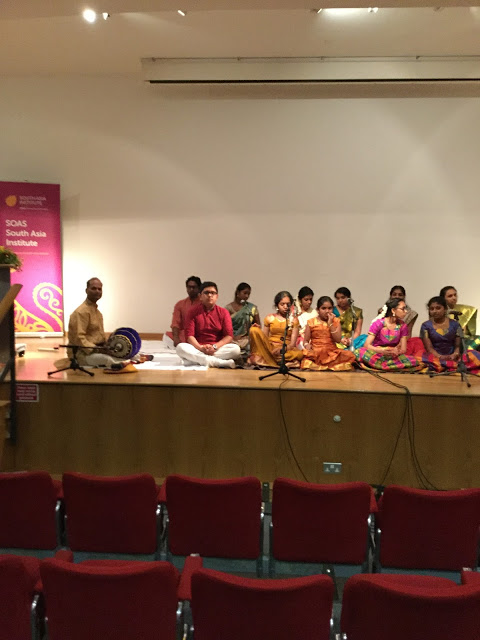
Picture taken twenty years ago at SOAS. I am at the right extreme.

Left extreme Dr Singvi, High commissioner of India.


Written by London Swaminathan


Date: 14 May 2017


Time uploaded in London: 13-47


Post No. 3907


Pictures are taken from various sources; thanks.


contact: swami_48@yahoo.com


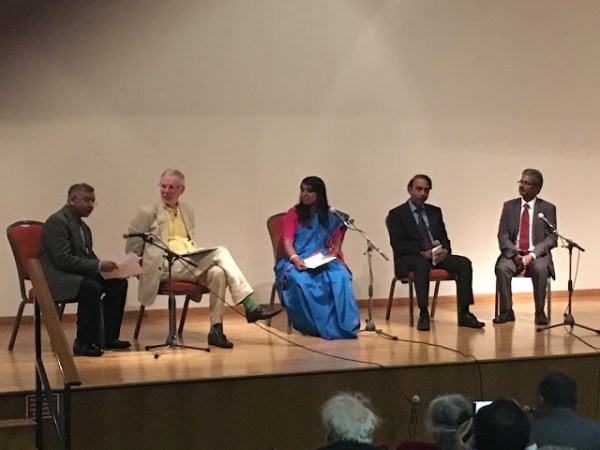
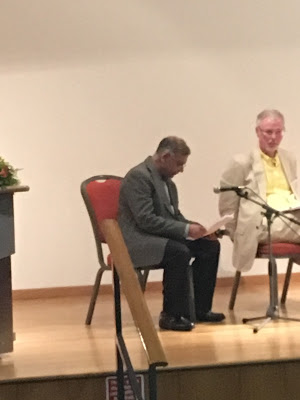
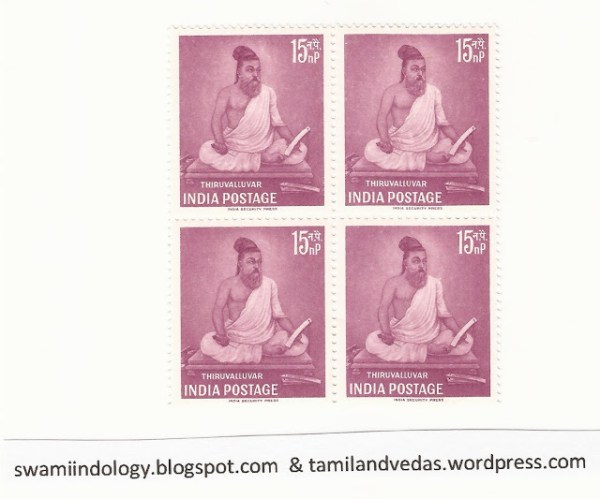
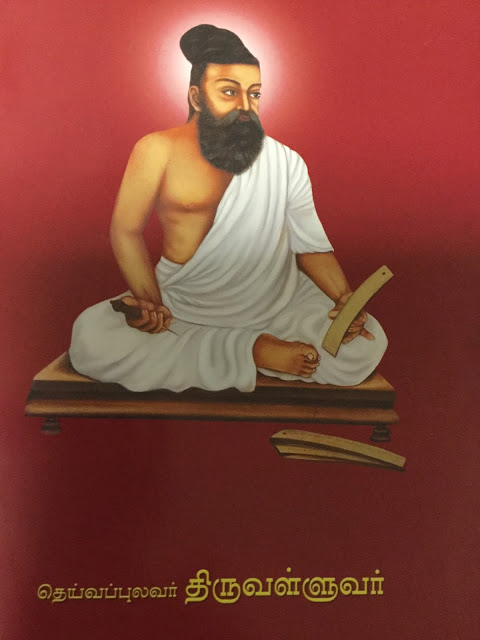
Talk by London Swaminathan (Santanam Swaminathan)  at the School of Oriental and African Studies, University of London on 13th May 2017. It was organised to celebrate the 20th anniversary of installation of Thiruvalluvar statue at the SOAS. I was there twenty years ago and yesterday as well. They invited me to give a talk on the development of Tamil Studies in London. Here is my speech delivered yesterday.

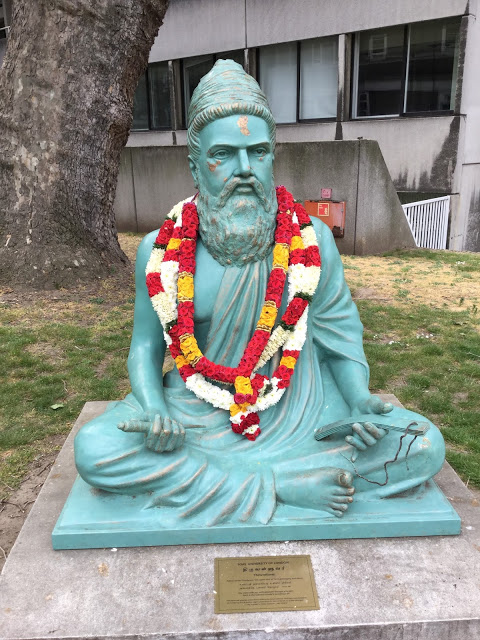
Thiruvalluvar Statue on 13-5-2017 (Twenty years later)

Dear Friends

Good Afternoon and Vanakkam.

Thanks for giving us an opportunity to express our views on the development of Tamil Studies at SOAS.


The very fact that Government of India approached SOAS to get some space for the installation of THIRUVALLUVAR statue ( twenty years ago) and the very fact that you readily agreed show us the importance of Tamil .


What are the advantages SOAS got over other places?

This is a prestigious institution with a long history of supporting South Asian culture.

It has a huge library with very old Tamil books.

Very near we have got the world famous British Library with a treasure trove of old Tamil books. I have been posting on face book all the 100 year old books for the past two years. And yet I have covered only a fraction of the treasure trove.

This has got a tremendous potential for research.

If a one-eyed person starts describing the beauty of nature and arts, we know that person hasn’t got the full view of the thing he describes.


Mother India- Bharat Mata- has got two eyes TAMIL AND SANSKRIT. Sanskrit is available here. We have got a big department. But if Tamil is not taught here SOAS will like a handicapped institution —  a one eyed giant!


Tamil is not taught anywhere in the UK universities; it is a black mark on the country which boasts of a multicultural society. But we have Tamil at Cambridge University holding A level O level exams only.

And as I mentioned earlier SOAS is the best place for teaching TAMIL


Great Tamil poet Valluvar has inspired generations of Tamil scholars. He is here to inspire us and guide us.


(Picture taken by Mrs Manian)

TAMIL CAPITAL OF THE WORLD

We know that London is the financial capital of the world. It is in such a time zone it can cover the early morning Hong Kong Tokyo share markets and late evening NY markets. No need to say that it covers all the European markets

Friends,

Let me tell you that London can be the capital of the Tamil speaking world. Now there are over a 100,000 Tamils in the country. Plane loads of Tamil personnel are coming every week to work in computer and other industries. There are over 25 Tamil Hindu Temples, over 130 Tamil organisations and 100 Dance and Music schools in London.


They all need help to learn the language. Particularly foreigners who are attracted towards Tamil culture are very keen to learn the language. Everyday British tourists are landing in the airports of Tamil speaking countries such as India, Sri Lanka, Malaysia, Singapore, Seychelles, South Africa and far away Mauritius, Fiji and Guyana. If we conduct Tamil crash courses or summer school, there will be a good response. In the past they tried without much success because they lacked our support—I mean the community support. If we come together and help SOAS, they can help us in supporting our language.


I told you that there are over 30 Tamil week end schools in London alone. last week a Tamil organisation was launched at Chelmsford. The teachers need good training. They need a uniform syllabus. They need a structure and a certificate from a good institution like ours. Here we can play big role


london swaminathan now (20 year later)

Do we need a Separate Country?

I used to meet my Sri Lankan solicitor friend for a friendly chat. He was for a separate country for the Tamils. I am against it. One day our conversation turned towards Teaching Tamil. When I told him even languages spoken by lesser number of people have a lecturer and a department here, he asked me why.

I told him  “Are you asking me Why? You they are representing a country”.

Before I finished the sentence, he said, “ Look, that is why are fighting for a separate country”. I was shocked and surprised. I quickly change the topic.

Now my question is, “will Britain and SOAS teach Tamil and honour Tamil only when we divide a country? Doesn’t it look ridiculous?” I don’t want that situation to come.


Last week the BBC TamiI Service stopped broadcasting. They recruited me thirty years ago and brought me here on 1st January 1987. Why did they stop? Because there is no more political struggle there.

For them it is politics!


Thank You.

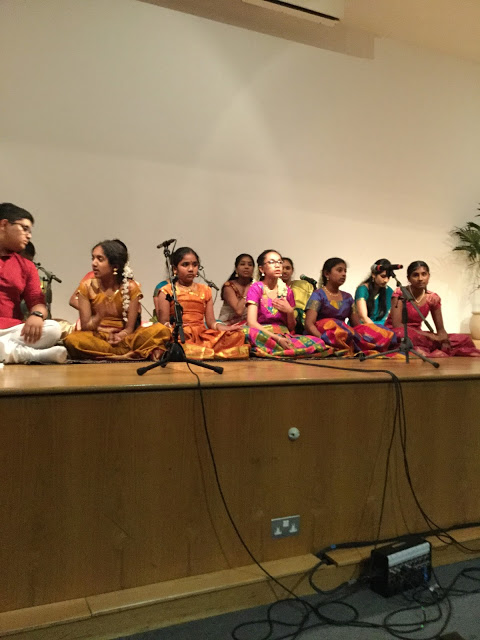
B V Bhavan students TIRUKKURAL recitation


During Question Time, I told them:

WAY FORWARD!

1.Restart the courses that were stopped.

2.Get teachers from India on secondment like the BBC world service do with the broadcasters.

3.Meet every third month to celebrate some Tamil event to gather and maintain the momentum.

4.Start a movement like Harvard University Tamil Chair movement here.

5.Involve all the Tamils by collecting donation. During the installation of Swami Vivekananda Statue in Kanyakumari, India we took the picture of Swami Vivekananda in Madurai and collected just one rupee to get them involved. We can do that here by distributing Tirukkural or Tiruvalluvar picture and get them involved.


Unhelpful attitude and Poaching

When I answered another question, I mentioned, “We have funding available at SOAS. Tamil was taught for over twenty years. I had been teaching here for 20 years. That funding is still there. Only because of the unhelpful attitude of the people at SOAS, Tamil is dead. Nepalese, Singhalese, Burmese are spoken by half of the population of Tamils in the world. But because they had lecturers appointed with big fat salary they pushed all the students toward learning those languages. It is called poaching (only when my Professor mentioned it after he left the SOAS, I came to know about it). Last four or five students were sent to me at the last minute and they were struggling like rudderless ships because they must sign the papers and give that evening. I told them to do what they think right because I did not want to spoil the future of the students. Unless we get five students we cant run the course. And I was not able to give them assurance because there were only four students and that too at the last minute. That is how the Tamil language was made to die.

Following points were in my speech but I read them the topics and I couldn’t deliver it for lack of time. Along with me three others spoke about Tamil teaching

Praticipants:-

Dr Meera Sabaratnam, SOAS (Chair)

Prof.Michael Hutt,SOAS

Mr Suresh Kumar, Tamil Reading Group, Ealing Rd Library

Mr Kuttiandysamy, London Tamil Sangam

Mr Santanam Swaminathan, formerly BBC Tamil Service and SOAS

Dr Chandramohan Balasubramaniam, SOAS, presented a Video. He was the main organiser of the event.


Tamil Training

My friend Dr Kalyanasundram of Project Madurai, based in Switzerland conducted a training course for the European Tamil Teachers. He asked me to organise a training course for UK based Tamil teachers. We can do that here.

Tamils are more in number than the Nepalese Singhalese and Burmese taught here. History wise it is one of the oldest and richest languages. If we don’t teach Tamil here it there will be a big vacuum.

—Subham–


கட்டளை புதிது (Post No.3906)

Written by S NAGARAJAN


Date: 14 May 2017


Time uploaded in London:-  6-01 am


Post No.3906


Pictures are taken from different sources; thanks.


contact: swami_48@yahoo.com


வாழும் வழி

கட்டளை புதிது


ச.நாகராஜன்


காலத்திற்கேற்றவாறு ஆத்திசூடியை மஹாகவி பாரதியார் மாற்றி புதிய ஆத்திசூடி படைத்தார்.

நவீன காலத்தில் கட்டளை புதிது.


கீழே உள்ள கட்டளைகள் காலத்திற்கேற்ற கட்டளைகள்.

வாழ நினைத்தால் வாழலாம்; வழிகளாய் இருப்பவை இந்தக் கட்டளைகள்.


அறம் வெல்லும்

அருளைப் பெறு

அறிவியல் தொழு

ஆலயம் செல்

இயற்கையைக் கா

இசையை ரசி

இனியன போற்று

ஈனரை விலக்கு

உடலை ஓம்பு

உள்ள உறுதி கொள்

உயிர்க்கொலை தவிர்

எழுதிக் குவி

எண்ணமே ஏணி

எண்ணுவது எண்ணு

கலைகளைப் பயில்

குறிக்கோளை அடை

குடும்பம் பேண்

சத்சங்கம் சேர்

சீலமே சிறப்பு

சேவை செய்

தமிழை வளர்

தொடர்ந்து படி

பெண்மை போற்று

பேச்சைக் குறை

பேதமை விலக்கு

மனமே மனிதன்

மன்னித்து விடு

மறைபொருள் தெளி

நன்றி பாராட்டு

நல்லதைச் செய்

நாட்டை உயர்த்து

நிதியைச் சேர்

மதியை மதி

லஞ்சம் தவிர்

வாயை அடக்கு

விதிப்படி நடக்கும்

***


Buddha and Valluvar: Great Men Think Alike! (Post No.3905)

Written by London Swaminathan


Date: 13 May 2017


Time uploaded in London: 20-30


Post No. 3905


Pictures are taken from various sources; thanks.


contact: swami_48@yahoo.com


Buddha and Thiru valluvar were great men Dammapada of Buddha and Tirukkural of Thiru Valluvar have amazing similarities in several couplets.


SAINT

He who controls his five senses by his will gain heavenly bliss (Kural 24)

They take trained elephants to battle, kings ride on royal trained elephants. The best of men are self trained men , those who can endure abuse in peace. (Dhamma 321)


xxx

KNOWLEDGE

It is folly not to fear what should be feared;

to fear that which should be feared is the way of the wise (Kural -428)

Better to do nothing than to do what is wrong, for wrong doing brings burning sorrow. Do therefore what is right, for good deeds never bring pain (Dhamma 314)


Lord Krishna also said,

For never does any one who does good, tread the path of woe (Bhagavad Gita 6-40)


CONSIDERATION

It is ruinous to do what should not be done.

and ruinous also to omit what should be done (Kural -466).

xxx

PURITY and ADULTERY

The man who commits adultery can never escape enmity, sin, fear in infamy (Kural -146) .

Four things happen to the thoughtless men who takes another man’s wife: he lowers himself, his mind is restless, he is blamed by others, he goes to hell (Dhamma 309)

Yes. The degradation of the soul, a frightened pleasure, the danger of the law, the path of hell. Considering these four let not a man go after another man’s wife(Dhamma 310)


xxx

IMPARTIALITY

Like scales that always remain just and fair, wise men remain impartial and do not take sides (Kural -118).

If a man is silent because he is ignorant or a fool, he is not a silent thinker, a Muni/sanit who considers and think. But as one who taking a pair of scales, puts in what is good and rejects what is bad, if a man considers the two worlds, then he is called a Muni/saint of silence, a man who considers and thinks (Dhamma 268, 269)

Lord Krishna also said the same,

Sages see with an equal eye a learned and humble Brahmin, a cow, an elephant or even a dog  o an outcast ( Bhagavad Gita 5-18)


to be continued…………………..


–Subham–

பனை மரத்துக்கு அடியில் நின்று பாலைக் குடித்தாலும்… (Post No.3904)

Written by London Swaminathan


Date: 13 May 2017


Time uploaded in London: 6-34 am


Post No. 3904


Pictures are taken from various sources; thanks.


contact: swami_48@yahoo.com


தமிழில் அழகான, ஆழமான பொருள் பொதிந்த பழமொழிகள் உள. ஒருவன் செய்யும் காரியம் எவ்வளவுதான் நல்லதானாலும் இடமும் நேரமும் சூழ்நிலையும் சரியாக இல்லாவிடில் நல்ல பெயர் கிடைக்காது


பாம்புப் புற்றுக்கு அருகில் ஒரு கயிறு கிடந்தாலும் அதைப் பாம்பென்றே மக்கள் கருதுவர்; சஹவாச தோஷம்!

பனைமரத்துக்கு அடியில் நின்று பாலைக் குடித்தாலும், அதன் வெண்மை நிறமும், இடமும் அதைக் கள் என்று நினக்கச் செய்யும்.


நிந்தையிலாத் தூயவரும் நிந்தையைச் சேரில் அவர்

நிந்தையது தம்மிடத்தே நிற்குமே – நிந்தைமிகு

தாலநிழல் கீழிருந்தான் றன்பால் அருந்திடினும்

பாலதனச் சொல்லுவரோ பார்.

-நீதி வெண்பா (எழுதியவர் பெயர் கிடைக்கவில்லை)


பொருள்:-

பனை மரத்தின் அடியின் உடகார்ந்துகொண்டு பசுவின் பாலைக் குடித்தாலும், பிறர் அதைப் பால் என்று சொல்லுவரோ? நீ அதனை நினைத்துப் பார். அதுபோல நல்ல பெயருடைய மேலோர், கெட்டவர்களுடன் சேர்ந்தால் அவர்களுடைய கெட்ட பெயர் இவர்களையும் ஒட்டிக்கொள்ளும்.

பழுதும் பாம்பும்


இதே கருத்தை வலியுறுத்த இன்னொரு பாடலையும் பாடி வைத்தார் அந்தப் புலவர்!


நல்லொழுக்கம் இல்லாரிடம் சேர்ந்த நல்லோர்க்கு

நல்லொழுக்கமில்லாச் சொல் நண்ணுமே – கொல்லும் விடப்

பாம்பென உன்னாரோ பழுதையே ஆனாலும்

தூம்பு அமரும் புற்று அடுத்தாற் சொல்

-நீதி வெண்பா (எழுதியவர் பெயர் கிடைக்கவில்லை)


ஓட்டைகள் மிக்க புற்றுக்குப் பக்கத்தில் கயிறே கிடந்தாலும், அதை கொல்லக் கூடிய விஷப் பாம்பு என்று சொல்லுவார்கள் அல்லவா? நீயே சொல்! அது போல நல்ல ஒழுக்கம் இல்லாதவர்களுடன் சேர்ந்த நல்லோரையும் பழிச் சொல் வந்து சேரும்.


அழகான இரண்டு உவமைகள் மூலம் நமக்கு உயரிய கருத்துக்களைச் சொல்வர் தமிழ்ப் புலவர். இளம் வயதிலேயே இந்தச் செய்யுட்களை மனப்பாடம் செய்தால், அவை நம் மனதில் பசு மரத்தாணி போலப் பதியும்.


வாழ்க தமிழ்! வளர்க தமிழ்ப் புலவர்தம் பெருமை!


–சுபம்–


நட்சத்திர விளக்கம் – விதி விளக்கம் – 4 (Post No.3903)

Written by S NAGARAJAN


Date: 13 May 2017


Time uploaded in London:-  5-54 am


Post No.3903


Pictures are taken from different sources; thanks.


contact: swami_48@yahoo.com


ஜோதிடமே துணையாகும்

மிட்டா முனிசாமி செட்டி (1897)யின் விதி விளக்கம் நூலிலிருந்து சில பகுதிகள் தொகுக்கப்பட்டு தரப்படுகிறது. நூலின் பகுதிகள் படிப்பதற்கு ஏதுவாக மாற்றி அமைக்கப்பட்டுள்ளன.

முதல் 3 அத்தியாயங்களைப் படித்து விட்டு இதைத் தொடரவும்

1934ஆம் ஆண்டு பிரசுரிக்கப்பட்டுள்ள் இந்த நூலை எனக்கு அனுப்பி உதவிய எனது சம்பந்தி திரு ஆர்.சேஷாத்திரிநாதன் அவர்களுக்கு எனது நன்றி உரித்தாகுக.


நட்சத்திர விளக்கம் – விதி விளக்கம் – 4

ச.நாகராஜன்


  1. இனி நட்சத்திரங்களைப் பற்றிச் சிறிது விரிவாகப் பார்ப்போம்.


சூரிய பகவான் பன்னிரண்டு ராசிகளில் சஞ்சரிப்பதனால் பன்னிரண்டு மாதங்கள் உருவாகின்றன.

இப்படி, சித்திரை மாதம் முதல் பங்குனி வரை சஞ்சரித்து உத்தராயணம், தக்ஷிணாயனம், ருதுக்கள், கோடைக்காலம், மழைக்காலம் முதலானவற்றை அவர் உருவாக்குகிறார்.

ஆனால் சந்திரனோ சுமார் ஒரு மாதத்திற்குள் பன்னிரண்டு ராசிகளையும் சுற்றி வருகிறார்.


இப் பன்னிரண்டு ராசிகளிலும் 27 நட்சத்திரங்கள் உள்ளன.

ஆகையால் ஒரு ராசியில் இரண்டே கால் நள் சஞ்சரிக்கிறார் என்று ஆகிறது.


இப்படி இரண்டேகால் நாளுக்கு ஒரு முறை இடம் மாறுவ்தினாலேயே பஞ்சாங்கத்தில் இதர கிரகங்களின் நிலை ஒவ்வொரு  மாதமும் அது அது நிற்கும் வீட்டில் குறிப்பிடப்பட்டிருக்க சந்திரனின் நிலை மட்டும் குறிப்பிடப்படுவதில்லை.சந்திரனைப் போல் அடிக்கடி மாறாதிருப்பதனால் இதர கிரகங்களின் நிலைகள் குறிப்பிடப்படுகின்றன.


ஒரு தினத்தில் சந்திரன் எங்கு சஞ்சரிக்கிறான் என்று அவனுடைய நிலையை அறிய வேண்டுமெனில், அன்றைய தினத்து நட்சத்திரத்தைக் கொண்டு நிர்ணயிக்க வேண்டும்.

எடுத்துக்காட்டாக பஞ்சாங்கத்தில் வைகாசி மாதம் 27ஆம் தேதி விசாகம் 23-20 என்று குறிப்பிட்ப்பட்டிருக்கிறது என்று வைத்துக் கொள்வோம். இதன் பொருள் என்ன?


அன்றைய தினம் உதயம் முதல் 23-20 நாழிகை வரையில் சந்திரன் துலா ராசியில், விசாக நட்சத்திரத்தில் சஞ்சரிக்கிறார் என்றும் 24ஆம் நாழிகையில் அனுஷ நட்சத்திரத்தில் பிரவேசிக்கிறார் என்றும் அர்த்தம். (இரண்டரை நாழிகை ஒரு மணி நேரம்; ஒரு நாளைக்கு 60 நாழிகைகள் உண்டு என்பது பால பாடம்)


இப்படி சந்திரனின் கதியைத் தெரிந்து விதி விளக்கத்தின் உண்மையை அறிதல் வேண்டும்.


27 நட்சத்திரங்களின் பட்டியல் :

அசுவனி, பரணி, கார்த்திகை,

ரோகிணி, மிருகசீரிஷம், திருவாதிரை

புனர்பூசம், பூசம், ஆயில்யம்

மகம், பூரம், உத்திரம்

ஹஸ்தம், சித்திரை, ஸ்வாதி

விசாகம், அனுஷம், கேட்டை

மூலம், பூராடம், உத்திராடம்

திருவோணம், அவிட்டம், சதயம்

பூரட்டாதி, உத்திரட்டாதி, ரேவதி
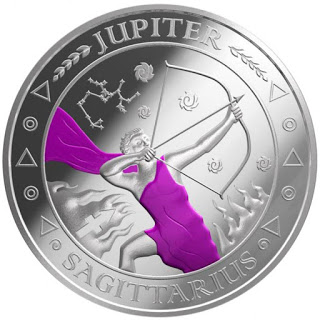


பன்னிரண்டு ராசிகளிலும் சந்திரன் வியாபிக்கும் நிலை கீழே உள்ள பட்டியலில் காணலாம். இது மனப்பாடமாய் இருத்தல் நலம்.


மேஷ ராசி :- அசுவனி (1), பரணி(1), கார்த்திகை ¼),

ரிஷப ராசி – கார்த்திகை ¾ ரோகிணி (1), மிருகசீரிஷம் ½,

மிதுன ராசி – மிருகசீரிஷம் ½ ,திருவாதிரை (1), புனர்பூசம் ¾.

க்டக ராசி – புனர்பூசம் ¼ , பூசம்(1), ஆயில்யம் (1)

சிம்ம ராசி – மகம் (1), பூரம் (1), உத்திரம் ¼

கன்னி ராசி – உத்திரம் ¾,  ஹஸ்தம்(1), சித்திரை ½,

துலா ராசி – சித்திரை ½, ஸ்வாதி(1), விசாகம் ¾ ,

விருச்சிக ராசி – விசாகம் ¼, அனுஷம் (1), கேட்டை (1)

தனுர் ராசி – மூலம் (1), பூராடம் (1), உத்திராடம் ¼

மகர ராசி – உத்திராடம் ¾,  திருவோணம் (1), அவிட்டம் ½

கும்ப ராசி – அவிட்டம் ½, சதயம் (1), பூரட்டாதி ¾,

மீன ராசி – பூரட்டாதி ¼, உத்திரட்டாதி (1), ரேவதி (1)


மேலே உள்ள பட்டியலைக் கவனிக்கையில், சில நட்சத்திரங்கள் கால் பாகத்தையும், சில நட்சத்திரங்கள், அரை பாகத்தையும், சில நட்சத்திரங்கள் முக்கால் பாகத்தையும் முன், பின் வரும் ராசிகளுக்குத் தந்து தங்களுடைய மொத்த வியாபகத்தை இரு ராசிகளிலும் கொண்டிருப்பதைக் காண்லாம்.


கார்த்திகை, உத்திரம், உத்திராடம் இவை மூன்றும் கால் பாகத்தை ஒரு ராசிக்குத் தந்து முக்கால் பாகத்தை இன்னொரு ராசிக்கு தந்திருப்பதால் இந்த மூன்று நட்சத்திரங்களும் காலற்றன என்று வழங்கப்படுகிறது.


இதே போல மிருகசீரிஷம், சித்திரை, அவிட்டம் ஆகியவை அரை பாகம் ஒரு ராசிக்கும் மற்ற அரை பாகம் இன்னொரு ராசிக்கும் தந்து இரு ராசிகளிலும் வியாபிக்கின்றன. ஆகவே இந்த மூன்று நட்சத்திரங்களும் உடலற்றன என்று வழங்கப்படுகிறது.


புனர்பூசம், விசாகம், பூரட்டாதி ஆகியவை முக்கால் பாகத்தை ஒரு ராசிக்கும் மீதி கால் பாகத்தை இன்னொரு ராசிக்கும் தந்து இரு ராசிகளிலும் வியாபிக்கின்றன. இவற்றிற்கு தலையற்றன என்று பெயர்.


இந்த மூன்று வித நட்சத்திரங்கள், நிஷேகத்திற்கும், மனை  முகூர்த்தத்திற்கும், யாத்திரைக்கும் கவனிக்கப்பட வேண்டியவை.


ஏனைய பதினெட்டு நட்சத்திரங்களில் நிற்கும் கிரகங்களுக்கு விசேஷ பலன் உண்டு. இவற்றை லக்னத்தைக் கொண்டு தீமை, நன்மை ஆகியவற்றைக் கூறலாம்.


ஒரு ஜாதகத்தைக் கவனித்துக் கால பலன் என்ன என்று காண்பதற்கு நம் முன்னோர்கள் நட்சத்திர ரீதியாக கிரக திசை ஏற்படுத்தி இருக்கின்றனர்.


ஜெனன காலத்தில் பஞ்சாங்கத்தில் காட்டி இருக்கும் நட்சத்திரத்தைக் கொண்டு ஒரு ஜாதகருக்கு பிறந்த காலம் தொட்டு ந்டக்க வேண்டிய திசையை வான சாஸ்திர முறைப்படி நம் முன்னோர் நிர்ணயித்துள்ளனர்.

ஆக, அசுவனி முதல் ஒன்பது நட்சத்திரத்திற்கும் ஒன்பது திசைகள் கிரம வரிசைப்படி ஏற்படுகின்றன.

ஒன்பது கிரகங்களில் ராகுவும் கேதுவும் நமது முறையில் உள்ளடங்குகிறது.      


                                          -தொடரும்                                                   குறிப்பு:- பழம் பெரும் பாடலான கீழ் வரும் பாடல் காலற்றன, தலையற்றன், உடலற்றன நட்ச்த்திரங்கள் செய்யக் கூடாதவற்றையும், அப்படிச் செய்தால் வரும் தீங்கையும் கூறுகிறது.


காலற்றன, உடலற்றன, தலையற்றன நாளில்

கோலக்குய ம்டவார்த் தமைக் கூடின் மலடாவார்

மாலுக் கொழு மனை மாளிகை கோலின் அது பாழாம்

ஞாலத்தவர் வழி போகினது நலமெய்திடர், அவமே!


தாம்பத்ய சுகம் கூடாது, மனை முகூர்த்தம என்று வீடு கட்ட ஆரம்பிக்கக் கூடாது, யாத்திரை போகக் கூடாது.

மீறிச் செய்தால் மலடாவர். வீடு பாழாகும், யாத்திரை போனவர் திரும்பி வர மாட்டார் – இதுவே இச்செய்யுளின் பொருள்.

Duelling Anecdotes (Post No.3902)

Compiled by London Swaminathan


Date: 12 May 2017


Time uploaded in London: 17-45


Post No. 3902


Pictures are taken from various sources; thanks.


contact; swami_48@yahoo.com


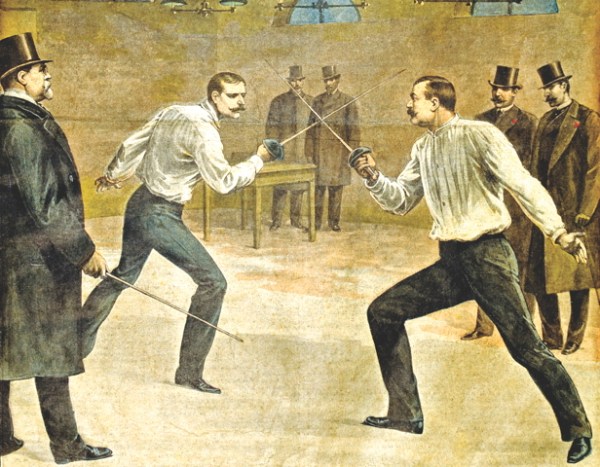
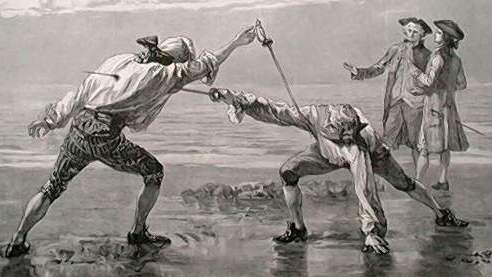
On one occasion Lord Alvanley fought a duel with Morgan O Connell on Wimbledon common. It appears that several shots were fired without effect, and the seconds then interfered and put a stop to any further hostilities. When his hackney coach drove up to his door Alvanley gave the coach man a sovereign. Jarvey was profuse in his thanks and said

“It is a great deal for only having taken your lordship to Wimbledon”.

“No, my good man”, said Alvanley ,

“I give it to you, not for taking me, but for BRINGING ME BACK”.


Xxxx

BISMARCK

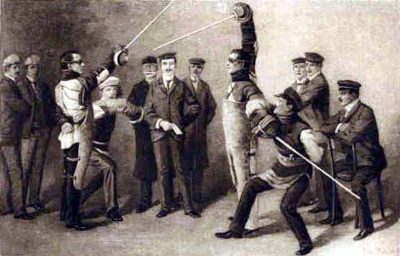
When Professor Rudolf Virchano, famous German scientist, criticised Bismarck severely in his capacity as chancellor, Bismarck challenged him to a duel.

“Well, Well”, said the scientist to the Iron Chancellor’s seconds ,

As I am the challenged party , I suppose I have the choice of weapons. Here they are”. And he held up two large sausages which looked exactly alike.

“One of these, he continued, is infected with the deadly germs of trichinosis, the other is perfectly sound. Let his Excellency do me the honour to choose whichever he wishes, and eat it, I will eat the other

Within an hour the Iron Chancellor had decided to laugh the duel off.


Xxxx

MIRABEAU

Mirabeau, the French statesman received many challenges to duels. He always answered this way

Sir your favour is received, and your name is on my list, but I warn you that the list is long and that I give no preferences”.

—SUBHAM–

தராசு உவமை: புத்தரும் வள்ளுவரும் செப்பியது ஒன்றே-3 (Post No.3901)

Written by London Swaminathan


Date: 12 May 2017


Time uploaded in London: 17-07


Post No. 3901


Pictures are taken from various sources; thanks.


contact; swami_48@yahoo.com


முதலிரண்டு பகுதிகள் நேற்றும் அதற்கு முந்தைய தினமும் வெளியாகின.


சமன்செய்து சீர்தூக்கும் கோல்போல் அமைந்தொருபால்

கோடாமை சான்றோர்க் கணி (குறள் 118)

பொருள்:-


முதலில் சமமாக நின்று, பின்னர் பொருளின் எடைக்குத் தக்கபடி சீர்தூக்கும் தராசு போல ஒரு பக்கம் சாயாமல் இருப்பதே சன்றோர்க்கு அணியாகும்.


கண்ணனும் கீதையில் (5-18) மொழிவது இஃதே.


ஆத்ம ஞானம் பெற்றவர்கள் கல்வியும் அடக்கமும் நிறைந்த பிராமணனிடத்தும் பசுவினிடத்தும் யானையினிடத்தும் நாயினிடத்தும்  நாயை உண்ணும் புலையனிடத்தும் சமதர்சனம் உடையவர்களாவர்.


புத்தனும் தம்மபதத்தில்(269) கூறுவது இதைத்தான்:-

“ஒரு மனிதன் அறியாமையாலோ, மூடத்தனத்தாலோ பேசாமல் இருந்தால் அவன சிந்தனைச் சிற்பி அல்ல. ஒரு முனிவர் சிந்தனையாளர் ஆவார். ஒரு தராசுத் தட்டில் நல்லதையும் கெட்டதையும் தனித்தனியே வைத்து சீர்தூக்கிப் பார்ப்பவன் முனிவன், சிந்தனையாளன் ஆவான்.


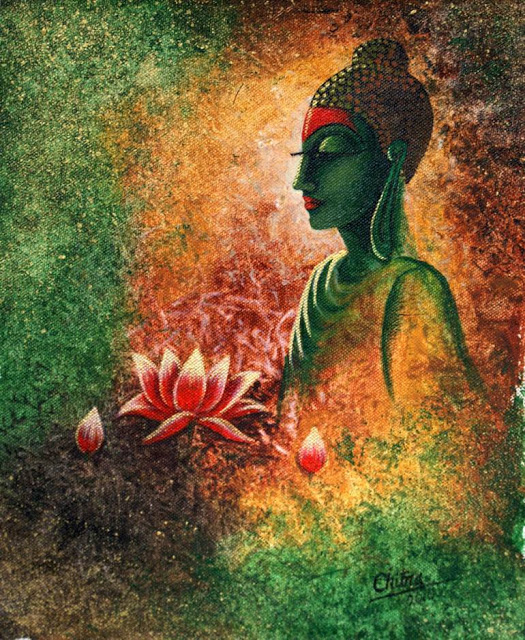
மனு, வள்ளுவன் புத்தன்!


அவிசொரிந்தாயிரம் வேட்டலின் ஒன்றன்

உயிர் சொகுத்துண்ணாமை நன்று (259)


கொல்லான் புலாலை மறுத்தானைக் கைகூப்பி

எல்லா உயிரும் தொழும் (260)


ஒரு உயிய்ரைக்கொல்லாமல் இருப்பது டீதீயில் நெய் சோறு இட்டு ஆஇயிரம் வேள்விகளைச் செய்வதைவிடப் புண்ணியமாகும்


ஒர்ரு உயிரைக் கொல்லாமலும் மாமிசத்தைச் சாப்பிடாமலும் இருப்பவனை உலகில் வாழும் எல்லா உயிய்ரினங்களும் இரண்டு கைகளையும் உயர்த்திக் கும்பிட்டு வணங்கும்.


36,500 அஸ்வமேத யாகம் = சைவ உணவு


தினமும் ஒரு அஸ்வமேதயாகம் வீதம் நூறு ஆண்டுகளுக்கு யாகம் செய்து கிடைக்கும் புண்ணியமும் மாமிசம் சாப்பிடாமல் இருப்பதால் கிடைக்கும் புண்ணியமும் சமம் ஆகும்.

புத்தர் உரைப்பதும் அஃதே

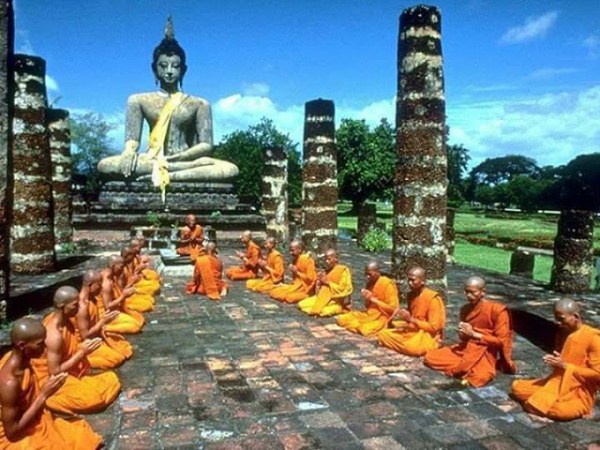
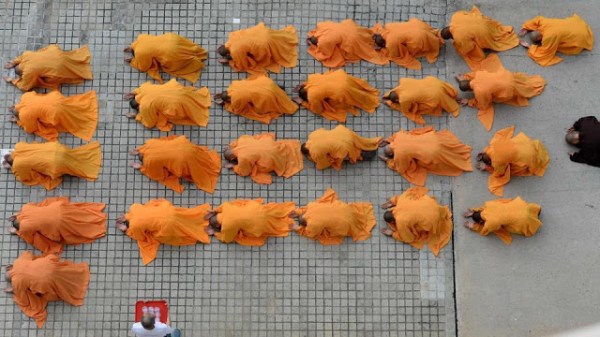
தம்மபதம் 266, 270):– ஒருவர் மஞ்சள் உடை தரித்து யாசகம் செய்து வாழ்வதால் புத்த பிட்சு ஆகிவிடமாட்டார். நேர்மையான பாதையை ஏற்று மாமிச உண்வைத் தவிர்ப்ப்வரே புத்த பிட்சு எனப்படுவார்.


ஒருவர் நிறைய பேரைக் கொன்ற வீரன் என்பதால் பெரியவன் அல்ல; யார் ஒருவன் ஒரு உயிருக்கும் தீங்கு செய்ய்தவனோ அவனே பெரியவன்; மா மனிதன்.

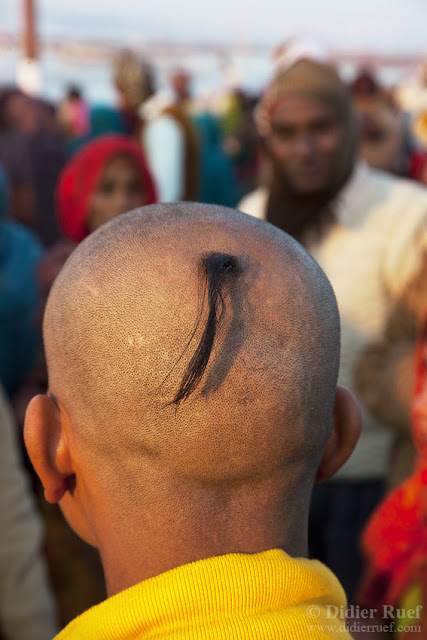
மொட்டையும் குடுமியும்

எழுதியவர் லண்டன் சுவாமிநாதன்
கட்டுரை எண். 835 தேதி 12-02-14

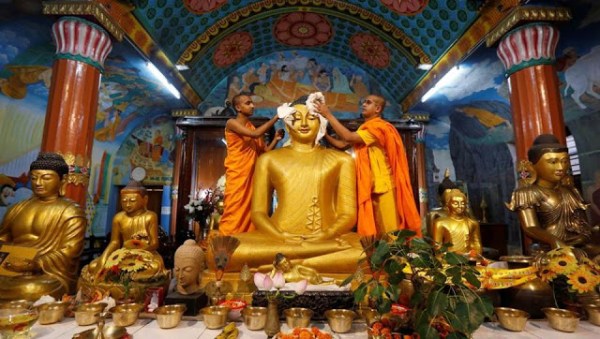
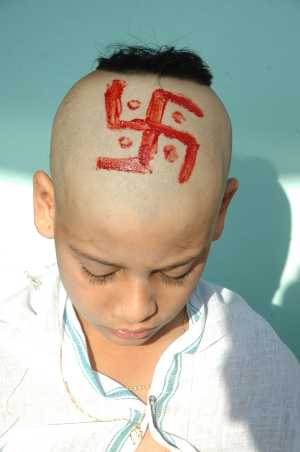
ஆதி காலத்தில் இந்து, புத்த, சமண மதத்தில் மிகுந்த ஈடுபாடுடையோர் வெளிச் சின்னங்கள் மூலம் அதைக் காட்டினர். காவி உடை, மஞ்சள் உடை, வெள்ளாடை இப்படி வெளிப்புறத்திலும் நெற்றியில் விபூதி, குங்குமம், சந்தனம், கோபி, நாமம் இப்படிப் பல சின்னங்களாலும் யார் என்பதைக் காட்டினர். இது போலவே தலை முடி விஷயத்திலும் பல பாணிகள் (ஸ்டைல்) நிலவின. முன் குடுமி, பின் குடுமி, மொட்டை (பௌத்தர்), மயிர் ஒவ்வொன்றாக பறித்து மொட்டையாகுதல் (சமணர்) என்று பல வகைகள் இருந்தன. முற்றிலும் உணர்ந்த ஞானிகள் இந்த வெளி வேஷத்தைப் பொருட்படுத்தாமல் தத்துவங்களில் மட்டுமே நம்பிக்கை வைத்தனர். ஏனெனில் காலப்போக்கில் இது எல்லாம் ஏமாற்றும் பேர்வழிகளுக்கு வசதியாகப் போயின.


வள்ளுவர், ஆதிசங்கரர், புத்தர், திருமூலர் ஆகிய எல்லோரும் இதில் ஒருமித்த கருத்து வைத்திருப்பது வியப்பளிக்கிறது.இவர்கள் ஒவ்வொருவரும் வெவ்வேறு காலகட்டங்களில், இந்தியாவின் வெவ்வேறு பகுதிகளில் வசித்தவர்கள்.

1400 ஆண்டுகளுக்கு முன் தமிழகத்தை ஆண்ட மஹேந்திர பல்லவ மன்னன் சம்ஸ்கிருதத்தில் ஒரு நகைச்சுவை நாடகம் எழுதி இருக்கிறான். மத்தவிலாசப்ரஹசனம் என்ற அந்த நாடகத்தில் இந்து, புத்த, ஜைன (சமண) மத போலி சந்யாசிகளைக் கிண்டல் செய்துள்ளான். சங்கரரின் பஜகோவிந்தத்தில் சொல்லும் விஷயம், மஹேந்திர வர்மன் நேரில் கண்ட காட்சியுடன் இணைகிறது!

முடி விஷயத்தில் பல வகையான ‘ஸ்டைல்கள்’ வேத காலம் முதலே இருந்திருக்கின்றன. ஏதோ இந்தக் காலத்தில் ரவிவர்மா வரைந்த படங்களில்தான் சிவனுக்கு மீசை, விஷ்ணுவுக்கு மீசை இல்லை என்று நினைத்துவிட வேண்டாம். சிவபெருமானை வருணிக்கும் யஜூர் வேத ருத்ரம்/சமகத்தில் சிவனை மொட்டையன் என்றும் நீண்ட சடையன் என்றும் போற்றுகின்றனர்.

நீண்ட சடையன் (கபர்தீன்)
வ்யுப்தகேச (முண்டம்/ மழித்த) – ருத்ரம் (யஜூர் வேதம்)
வைத்தால் குடுமி சிரைத்தால் மொட்டை என்ற தமிழ்ப் பழமொழி இந்த ருத்ர மந்திரத்தில் இருந்துதான் வந்ததோ என்னவோ!


வள்ளுவர் கூறுகிறார்:

மழித்தலும் நீட்டலும் வேண்டா உலகம்
பழித்தது ஒழித்துவிடின் – (குறள் 280)

பொருள்: தவம் செய்வாருக்கு மொட்டை அடித்துக் கொள்வதும் சடை முடி வளர்த்தலும் தேவை இல்லை உலகத்தார் எதையெல்லாம் பழிக்கிறார்களோ அத்தகைய தீய வழக்கங்களை விட்டாலே போதும்.

சங்கரரும் சாடுகிறார்

தத்துவ வித்தகர் ஆதி சங்கரர் பஜ கோவிந்தம் என்ற அருமையான துதிப்பாடலில் இதை அழகாக வருணிக்கிறார். இந்தப் பாட்டை அவரது சீடர் தோடகர் பாடியதாகச் சொல்லுவர்.:

ஜடிலோ முண்டி லுஞ்சித கேச :
காஷாயாம்(அ)ம்பர பஹுக்ருத வேஷ :
பஸ்யன் அபி ச ந பஸ்யதி மூட:
ஹ்யுதரநிமித்தம் பஹுக்ருத வேஷ :”
பஜகோவிந்தம்

( : இவ்வாறு இரண்டு புள்ளி இருக்கும் இடத்தில் ஹ என்று உச்சரிக்கவும்.எ.கா. வேஷஹ, கேசஹ, மூடஹ).

பொருள்: ஒருவன் சடை முடியுடன் இருக்கிறான். மற்றொருவனோ மொட்டைத் தலையன். இன்னும் ஒருவன் ஒவ்வொரு முடியாகப் பிடுங்கிவிட்டான். இன்னொருவன் காவி உடையில் வலம் வருகிறான். இந்த மூடர்கள் கண் இருந்தும் குருடர்கள். இந்த வெளி வேஷம் எல்லாம் வயிற்றுப் பிழைப்புக்குத்தான்.
எவ்வளவு பெரிய உண்மையை எவ்வளவு அழகாகச் சொல்லிவிட்டார் தோடகர்.


திருமூலரின் திருமந்திரம்

நூலும் சிகையும் நுவலில் பிரமமோ
நூலது கார்ப்பாசம் நுண்சிகை கேசமாம்
நூலது வேதாந்தம் நுண்சிகை ஞானமாம்
நூலது அந்தணர் காணும் நுவலிலே

பூணூலும் உச்சுக்குடுமியும் தரித்திருக்கும் எல்லா பிராமணர்களையும் பிரம்மத்தை அறிந்தவர்கள் என்று எண்ண முடியுமா? நூல் என்பது வெறும் பருத்தி நூல்தானே, சிகை என்பது வெறும் முடிதானே. உண்மையில் நூல் என்பது வேதாந்த நூலறிவு. நுண் சிகை ஞானம் என்பது இடகலை, பிங்கலை, சுழுமுனை ஆகிய 3 நாடிகளின் தன்மை அறிந்து, பிரம நாடி சிறக்க தலை உச்சியில் ஞானம் உண்டாவதே. இதுவே அந்தணர் கடைப்பிடிக்க வேண்டிய முறை—என்பார் திருமூலர்.


புத்தர் பேருரை

உச்சுக்குடுமி, மொட்டை, ஜடாமுடி, காவித்துணி, மஞ்சள் உடை, நிர்வாண கோலம் இவைகளால் ஒருவன் துறவி ஆகிவிட முடியாது என்று புத்தர், வள்ளுவர், திருமூலர், ஆதிசங்கரர் முதலிய பல தீர்கதரிசிகள் எடுத்துரைத்துள்ளனர்.


புத்தர் தம்மபதத்தில்,  மூன்று இடங்களில் இக்கருத்தை வலியுறுத்துகிறார் (தம்மபதம் 141, 264, 393)

நீண்ட முடியும் சிகையும் வைத்திருப்பதாலோ, பிராமண குடும்பத்தில் பிறந்ததாலோ ஒருவன் பிராமணன் ஆகிவிடமாட்டான். எவனிடத்தில் சத்யமும் புனிதமும் இருக்கிறதோ அவனே பிராமணன். அவன் ஆனந்தக் கடலில் மிதப்பான் என்று தம்மபதத்தில் (393) புத்தபிரானும் கூறுகிறார்.

புத்தரும் தனது மதத்தினரின் வெளி வேஷங்களை அபோழுதே கண்டித்துள்ளார். அவரது மதம் எப்படித் தேய்ந்துபோகும் என்பதை அவர் பிரதம சீடரான ஆனந்தனுடன் நடத்திய சம்பாஷணையில் கூறினார். அவர் இறந்தவுடன் நடந்த மூன்று மஹா நாடுகளில் வாதப் பிரதிவாதங்கள் விண்ணைப் பிளந்தன. பெண்களைக் கட்டாயம் புத்த மதத்தில் சேர்க்கவேண்டும் என்று ஆனந்தன் மன்றாடியபோது, 1000 ஆண்டுகள் நிலைக்கக்கூடிய என்னுடைய மதம், பெண்களை (புத்த பிட்சுணிகளாக) அனுமதித்தால், 500 ஆண்டுகளே இருக்கும் என்றார் புத்த பிரான். இது பற்றிய விரிவான விளக்கத்தை எனது ஆங்கிலக் கட்டுரையில் காண்க: Two Interesting Conversations about Women, posted on 5th February 2014.

Contact swami_48@yahoo.com


ஜென் மாஸ்டர் ஹோஷினின் கடைசிக் கவிதை (Post No.3900)

Written by S NAGARAJAN


Date: 12 May 2017


Time uploaded in London:-  6-10 am


Post No.3900


Pictures are taken from different sources; thanks.


contact: swami_48@yahoo.com


ஜென் வழிகாட்டி


ஜென் மாஸ்டர் ஹோஷினின் கடைசிக் கவிதை


ச.நாகராஜன்


ஜப்பானைச் சேர்ந்த பெரிய ஜென் மாஸ்டர் ஹோஷின் (Hohin) சீனாவில் சில காலம் வாழ்ந்து வந்தார்.பின்னர் அவர் ஜப்பானின் வடகிழக்குப் பகுதிக்குத் திரும்பினார்.


ஒரு நாள் ஜப்பானில் தனது சீடர்களுக்குத் தான் சீனாவில் கேட்ட கதை ஒன்றைக் கூறலானார்.

இது தான் அந்தக் கதை;


டோகுஃபு (Tokufu) என்பவர் ஒரு பெரிய ஜென் மாஸ்டர். மிகுந்த வயதாகி முதுமையின் பிடியில் அவர் இருந்தார். ஒரு வருடம் டிசம்பர் மாதம் 25ஆம் நாள் தன் சீடர்களை அழைத்த அவர், “நான் அடுத்த வருடம் உயிரோடு இருக்க மாட்டேன். ஆகவே நீங்கள் அனைவரும் எனக்கு நல்ல விருந்து வைக்க வேண்டும்” என்றார்.


அவர் சும்மா வேடிக்கையாக அந்த வார்த்தைகளைச் சொல்கிறார் என்று அனைத்து சீடர்களும் நினைத்தனர். என்றாலும் அந்த மாஸ்டரை அனைவருக்கும் பிடிக்கும். பெரிய மனது படைத்த சிறந்த மாஸ்டர் அவர்.


ஆகவே  ஒவ்வொரு சீடரும் முறை போட்டுக் கொண்டு அன்றிலிருந்து ஒவ்வொரு நாளும் அவருக்கு விருந்து வைத்தனர்.


அடுத்த ஆண்டு பிறந்தது. அனைவரையும் அழைத்த டோகுஃபு, “நீங்கள் அனைவரும் எனக்கு நல்ல விருந்து வைத்தீர்கள். நாளை மதியம் பனி பொழிவது நின்றவுடன் நான் போய் விடுவேன்” என்றார்.


சீடர்கள் அனைவரும் சிரித்தனர். அவருக்கு வயதான காரணத்தால் ஏதேதோ சொல்கிறார் என்று அவர்கள் நினைத்தனர். குறிப்பாக முதல் நாள் இரவில் பனி பொழியவில்லை. நல்ல பனி இல்லாத வானம் இருந்தது. ஆகவே அவர் சொல்வதை அவர்கள் நம்பவில்லை.

ஆனால் திடிரென்று அன்றைய இரவில் பனி பொழிய் ஆரம்பித்தது. மறு நாள் பகலில் அவரைக் காணவில்லை. சீடர்கள் அனைவரும் தியான மண்டபத்திற்கு ஓடோடிச் சென்றனர்.


அங்கே அவர் இறந்து நிர்வாண நிலையை அடைந்திருந்தார்.

இந்தக் கதையைச் சொல்லி நிறுத்திய மாஸ்டர் ஹோஷின் தொடர்ந்து கூறினார்: “ ஒரு ஜென் மாஸ்டருக்குத் தான் எப்போது “போகப் போகிறோம்” என்பதைச் சொல்ல வேண்டுமென்கிற அவசியம் இல்லை. ஆனால் அவர் நிஜமாகவே சொல்ல  வேண்டுமென்று நினைத்தால் அதைச் சொல்லலாம்” என்றார்.


சீடர்களில் ஒருவர், “உங்களால் அப்படிச் சொல்ல முடியுமா?” என்று கேட்டார்.


“முடியுமே” என்று கூறிய ஹோஷின்,”உங்களுக்கு இன்றிலிருந்து ஏழாம் நாள் என்னால் போக முடியும் என்பதைக் காண்பிக்கிறேன்” என்றார்.


சீடர்களில் ஒருவரும் அவர் சொல்வதை நம்பவில்லை. அவர் கூறியதை பெரும்பாலானோர் மறந்தே விட்டனர்.

ஆனால் ஏழாம் நாளன்று அனைவரையும் அவர் அழைத்தார்.


“ஏழு நாட்களுக்கு முன்னர் நான் உங்களிடம் உங்களை விட்டுப் போய் விடுவேன் என்று கூறி இருந்தேன். போவதற்கு முன்னர் கடைசிக் கவிதை எழுதுவது சம்பிரதாயமாகத் தொன்று தொட்டு இருந்து வருகிறது. ஆனால் நானோ ஒரு கவிஞனும் இல்லை; எழுத்துக்களை அழகுற எழுதும் எழுத்தோவியரும் இல்லை. ஆகவே உங்களில் யாரேனும் ஒருவர் நான் சொல்லும் கடைசிக் கவிதையை எழுதுங்கள்” என்றார்.

அவர் வேடிக்கையாக இதைச் சொல்கிறார் என்று நினைத்த சீடர்கள், தங்களில் ஒருவரை அவர் சொல்வதை எழுதச் சொன்னார்கள்


அவரைப் பார்த்த ஹோஷின்,” நீ தயாரா?” என்றார்.

“ஆமாம், ஐயா” என்றார் சீடர்.


ஹோஷின் கவிதையைக் கூறலானார்:

“நான் பிரகாசத்திலிருந்து வந்தேன்.


மீண்டும் பிரகாசத்திற்குச் செல்கிறேன்.


என்ன இது?”

இத்தோடு நிறுத்தினார் அவர். சாதாரணமாக ஒரு கவிதை நான்கு வரிகளைக் கொண்டதாக இருத்த மரபு.

இப்போது ஒரு வரி குறைகிறது.


சீடர் அவரை நோக்கி, “மாஸ்டர், இன்னும் ஒரு வரி வேண்டும்” என்றார்.

சிங்கத்தை ஜெயிக்க நினைக்கும் ஒருவன் போடும் கூக்குரலான “கா” என்ற கர்ஜனைச் சொல்லை அவர் உதிர்த்தார்.


அத்தோடு அவர் மூச்சும் நின்றது.


சீடர்கள் பிரமித்து விக்கித்து நின்றனர்.