சேலைக்கும் மாலைக்கும் எத்தனை பெயர்கள்? (Post No.4066)

Written by London Swaminathan

Date: 9 July 2017

Time uploaded in London- 16-55

Post No. 4066


Pictures shown here are taken from various sources such as Facebook friends, Books, Google and newspapers; thanks.


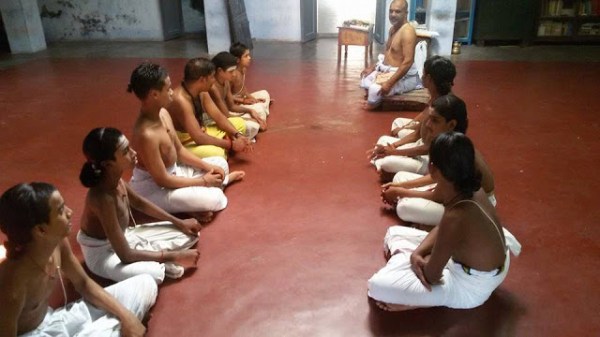
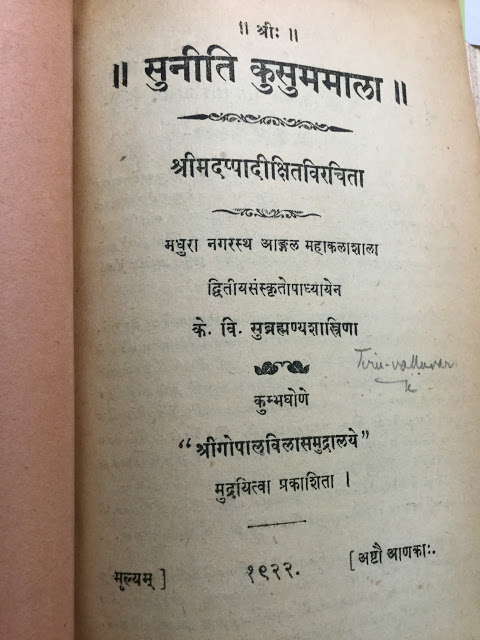
நான் பள்ளிக்கூடம் சென்ற நாட்களில் (55 ஆண்டுகளுக்கு முன்னர்) மாலை வேளை இலவச சம்ஸ்கிருத வகுப்புக்குப் படிக்க்ச் சென்றபோது முதல் வகுப்பிலேயே எங்களுக்கு அமரகோஷம் என்னும் நிகண்டை மனப்பாடம் செய்ய வைத்தனர். அதை உலகின் முதல் திஸாரஸ் THESARUS (ஒரு பொருட் குறித்த பல சொற்கள் )என்று சொல்லலாம்.

இது போல சங்கரமடம் போன்றவற்றிலும் எல்லோருக்கும் சொல்லித் தருவர் என்று கேள்வி. உலகில் இப்பேற்பட்ட கல்வி முறை எங்கும் கிடையாது. முதலில் மனப்பாடம் செய்ய வைத்துவிட்டு, வயதானவுடன் தானாகப் புரிந்துகொள்ளச் செய்வர். பெரிய வேதங்களையே இப்படி மனப்பாடம் செய்ய வைக்கும் போது நிகண்டுகள் எம்மாத்திரம்!

“ஸார்! புத்தகம் இருந்தால் இன்னும் எளிதாக இருக்கும் என்று நாங்கள் அங்கலாய்ப்போம்; போதும், போதும்! நான் சொல்லுவதைத் திருப்பிச் சொல், அது போதும்!” என்பார் எங்கள் ஆசிரியர் ராமகிருஷ்ண சாஸ்திரிகள் (இது மதுரை மேலச் சித்திரை வீதியில் ஒரு ஆடிட்டர் வீட்டின் வறாண்டாவில் நடந்த சம்ஸ்கிருத வகுப்பு)

தமிழிலும் பல நிகண்டுகள் உள்ளன. ஆனால் இதை மனப்பாடம் செய்ய (வாய்வழியாக by the word of mouth) வழி செய்தனரா என்பது எனக்குத் தெரியாது.

இதோ சேலைக்கும் மாலைக்கும் ஒரு நிகண்டில் எத்தனை பெயர்கள் பாருங்கள்!

மடிதுகில் கோசிகங் காழகஞ் சேலை
புடைவை கலிகந் தானை தூசு – படமாடை
புட்ட மறுவை புனை சாடி யம்பரம்
பட்டுடை கூறை படாம்

மடி, துகில், கோசிகம், காழகம், சேலை, புடைவை, தானை, கலிங்கம், தூசு, படம், ஆடை, பட்டு, புனை, அறுவை, சாடி, அம்பரம், புட்டம், கூறை, படாம், உடை


மாலை
தொங்கல் பிணைய றொடைவண்டு சூழணிய
லங்கண்ணி செந்தேன் மலியலங்கல்- பைங்கோதை தேமனொலிய றெறிய லிலம்பகம் பூந்
தாம மொளிர் மாலை தார்

பொருள்:-

தொங்கல், பிணையல், தொடை, அணியல், கண்ணி, அலங்கல், கோதை, ஒலியல், தெரியல், இலம்பகம், தாமம், தார், மாலை.

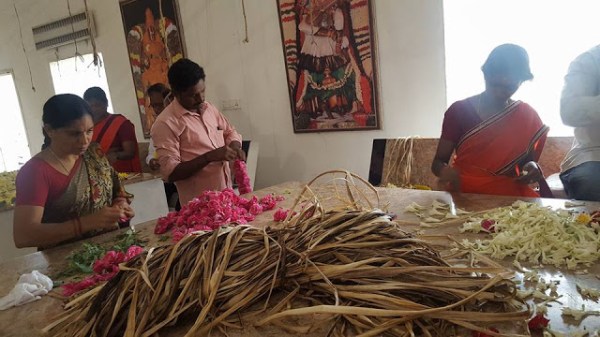
கண்ணி, கோதை, அலங்கல், தாமம், தார் என்பன அதிகம் புழங்கும் சொற்கள். மதுரையில் பூக்காரிகள் முதற்கொண்டு கண்ணி என்ற சொல்லைப் பயன்படுத்துவர்.
 

எச்சரிக்கை
தமிழ் அகராதி, தமிழ் நிகண்டு என்றெலாம் பெயரிட்ட புத்தகங்களை எடுத்தால் அதில் ஏராளமான சம்ஸ்கிருதச் சொற்கள் இருக்கும். அந்தக் காலத்தில் இந்த இரண்டு மொழிகளையும் இரு கண் போலப் பாவித்ததால் அவர்கள் சம்ஸ்கிருதத்தைப் பயன்படுத்த அஞ்சவில்லை. இன்றும் எந்த இந்தியனும் ஐந்து நிமிடம் கூட சம்ஸ்கிருதக் கலப்பில்லமல் பேச முடியாது. திருகுறளில் சம்ஸ்கிருதச் சொல் இல்லாத அதிகாரம் கிடையாது!

ஒரு மொழியில் கலர்களுக்கு (வர்ணம்) எத்தனை சொற்கள் உண்டு என்பதை வைத்து அந்த மொழியின் வளத்தைக் கணக்கிடும் முறையும் உண்டு.சில மலைஜாதியினர் மொழிகளில் வெள்ளை அல்லது கருப்பு என்ற இரண்டு சொற்களே உண்டு. மற்ற கலர்களை அவர்கள் பழம், பூ இவைகளைச் சொல்லித்தான் குறிப்பிட வேண்டும். பெயிண்ட் கடைக்கு (Paint Shop) போனால் ஒரு புத்தகம் கொடுப்பர். அதில் எத்தனை வகையான வர்ண பெயிண்ட் கிடைக்கும் என்று ஆங்கிலத்தில் சொல்லுவர். இவ்வளவு பெயர்களில் வர்ணங்கள் இருக்கிறதா என்று வியப்போம். ஆனால் ஆங்கிலம் என்பது கலப்பட மொழி; தூய மொழி அல்ல. எல்லா மொழிகளிலிருந்தும் கூசாமல் கடன் வாங்கி வளர்த்த மொழி.
இதோ வெள்ளைப் பாட்டு
வெள்ளை என்பதற்கு எத்தனை சொற்கள் என்று பாருங்கள்

இவற்றில் ஆடை, உடை, சேலை புடைவை முதலியவற்றை நாம் அடிக்கடி பயன்படுத்துவோம்.அறுவை, காழகம், கலிங்கம் என்பன பழந்தமிழ் நூல்களில் வருகின்றன. கூறை என்பதை பிராமணர் வீட்டுக் கல்யாணங்களில் இன்றும் பயன்படுத்துகின்றனர். அம்பரம் என்பதை திகம்பரர் (வானமே ஆடை), ஸ்வேதாம்பரர் (வெள்ளை உடையினர்) என்ற சமணப் பிரிவுகளில் காண்கிறோம். ஆக நிகண்டை மனப்பாடம் செய்தால் செய்யுட்கள் எளிதில் புரியும். அம்பரம் திருப்பாவையிலும் வரும்.


பாண்டுரங் கௌரஞ் சிதஞ்சுவே தந்தவளம்
பாண்டரம் பால் வாலருச்சனம் – பாண்டு
சுசியவதாதஞ் சுதை சுப்பிரமே
விசதம் விளர்க்கம் வெளுப்பு

பொருள்
பாண்டுரம், கௌரம், சிதம், சுவேதம், தவளம், பாண்டரம், பால், வால், அருச்சசுனம், பாண்டு, சுசி, அவதாதம், சுதை, சுப்பிரம், விசதம், விளர் கம், வெளுப்பு (வெள்ளை)

இவைகளில் பாண்டு (ரோகம்) வால், பால், தவளம், கௌரம் என்பன அதிகம் புழங்கும் சொற்கள்.
ஸ்வேத என்ற சொல்லில் இருந்துதான் ஆங்கிலச் சொல்லான ‘ஸ்’வைட் (WHITE) வந்தது!

வளமான தமிழ் மொழியை வளர்க்க நிகண்டுகளைக் காப்போம், படிப்போம்.

தமிழ் வாழ்க! வளர்க!!

–SUBHAM—
 

Hindu’s Life according to Atharva Veda- Part 2 (Post No.4065)

Compiled by London Swaminathan
Date: 9 July 2017
Time uploaded in London- 12-29
Post No. 4065

 
Pictures shown here are taken from various sources such as Facebook friends, Books, Google and newspapers; thanks.


He was a man of importance in his village, and when he attended the assembly — which may have been a kind of Municipal Committee or Council his great ambition was to  command respect and attention aa a speaker, and with this view he fortified himself with charm and magic herb that inspired eloquence, and enabled him to overpower his opponents in debates.


His life on the whole somewhat monotonous and dull but it seems to have suited him as he was continually praying that it might be extended to its full natural duration of hundred years.


At the end of that time, with his sons and his son’s children around him, he was ready to pass away to the felicity  that  awaited him in the world of the Fathers


The small merchant or trader lived a less settled life and saw some of the world than the agriculturist. We see him on the point of starting on a journey for business purposes with his little stock of goods.


He first propitiates Indra who as a merchant also, the God who trades and traffics with his worshippers, requiring and receiving prayer and oblations in exchange for the blessings which he sends, and who will now free the travelling merchants from wild beasts, robbers, and enemies of every kind.


He prays also to many other deities that he may make a rich profit and gain a hundred treasures, and commits the care of his children and cattle in his absence to Agni, God of all men. His ritual is an extensive one and he may be about to journey to all points of the compass, and he must accordingly conciliate all the divine Warders of  heavenly regions He has  to recite some ten hymns of Book VI invoking the aid of all protecting deities, not forgetting to consult the Weather Prophet, and to obtain from him the promise of auspicious mornings, noons, and nights. He bids an affectionate farewell to the houses of his village, and departs on his way encouraged by the hymn which ensures him a safe and successful journey.


In due time he returns having bartered his wares for the treasurers of distant places, for bdellium and other fragrant gums and unguents, for Kushta and other foreign plants and drugs of healing virtue, for mother of  pearl, ornaments for the women, and perhaps cloth of finer wool.


The merchant’s object in life is gain, and he is not always very scrupulous in his dealings. 1f he is in debt he would prefer to be freed by the intervention of a god, and not by his own exertions; and he is bold enough even to pray for release from debts which he has incurred without intending to pay them. He is probably the gambler who prays for success in play and for pardon when he has been guilty of cheating”


My comments:


Griffith is imagining the worst thing and gives the reasons for using charms. It is like taking one bad word from a scripture and imagine everything bad about the community. He himself uses “probably” “intend” etc We can do this sort of trick to any book or scripture. Sangam Tamil poems have been divided into two groups : one dealing with family life and another dealing with war and public life. There lot of poms dealing with prostitutes in the family life section. If one goes by the number of such poems one will paint a very bad picture about Tamil community. Tamil Veda Tirukkural has umpteen chapters about bad qualities and virtues that which one should shun. I anyone takes only those couplets than one will think that the Tamils are bad. But it is not correct.  Unless one is involved in the culture one wouldn’t understand it. So it is dangerous to interpret it literally.

Foreigners interpret Vedas literally where they want to attribute bad meaning. If there are good things they hide it.  Same Atharva Veda has got very good and unique poems on motherland, earth, nature and Vedic gods. They project only the charms.


Most Beautiful Love Poem


A MAN’s LOVE CHARMS: There are seven hymns entitled, “A Man’s Love Charms”. They show that infant marriage did not prevail in Vedic times.


A Charm to win a Maiden’s Love. AV.VI. 8.

1.Like as the creeper throws her arms on every side around the tree,

So hold thou me in thine embrace that thou mayst be in love with me, my darling, never to depart.


2.As when he mounts, the eagle strikes his pinions downward on the earth,

So do I strike thy spirit down that thou mayst be in love with me, my darling, never to depart.


3.As in his rapid course the Sun encompasses the heaven and earth, So do I compass round thy mind that thou mayst be in love with me, my darling, never to depart.


There are many more love poems in the Atharva Veda.

–Subham–


ஒலியின் மஹிமை: ஆச்சரியமூட்டும் புதிய தகவல்! (Post No.4064)

Written by S NAGARAJAN


Date: 9 July 2017


Time uploaded in London:- 5-51 am


Post No.4064


Pictures are taken from different sources such as Face book, Wikipedia, Newspapers etc; thanks. 


மந்திர மஹிமை

ஒலியின் மஹிமை: விஞ்ஞானம் தரும் ஆச்சரியமூட்டும் புதிய தகவல்!


ச.நாகராஜன்


விஞ்ஞானம் முன்னேற முன்னேற எந்த மதம் பயந்தாலும் இந்து மதம் பயப்படாது.


அது கூறும் ஒவ்வொரு கொள்கையையும் விஞ்ஞானம் ஆராய்ச்சி மூலம் உறுதிப் படுத்திக் கொண்டே வருகிறது.

இதைக் கடந்த இருநூறுக்கும் மேலான ஆண்டுகளாக உலகம் பார்த்து வருகிறது.


‘ஹிந்து’ பத்திரிகையின் 27-6-2017 இதழ் வெளியிட்டுள்ள ஒரு புதிய செய்தி ஒலியின் மஹிமையை புதிய கோணத்தில் நம்மைப் பார்க்க வைக்கிறது.

‘Body Beats: Using Sound to spot Cancer’ – Passive Elastography is a technique that can non-invasively study tumours deep inside the body


என்ற தலைப்பில் வெளியாகியுள்ள செய்தி நம்மைக் கவர்கிறது.

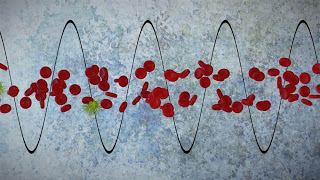
ஒவ்வொரு உடலிலிருந்தும் இயற்கையாக ஒலி வெளி வருகிறதாம். அதை உரிய முறையில் பயன்படுத்தி கான்ஸர் இருக்கிற்தா இல்லையா என்பதை அறிய முடியுமாம்.

செய்தியின் சில பகுதிகளை மட்டும் இங்கு பார்க்கலாம். முழுச்செய்தியையும் பத்திரிகையில் படிக்கலாம்.


PRESS TRUST OF INDIA

LONDON


Natural sound waves made by the human body can be used to diagnose cancers and other diseases non-invasively at the earliest stages, scientists say.


Elastography, sometimes referred as ‘seismology of the human body’, is an emerging technology used to enhance medical ultrasound imaging.


The technology is used to measure the elasticity of biological tissue to diagnose cancer or liver disease more accurately, researchers said.


செய்தியின் கடைசி பகுதி தரும் தகவல் இது:-


The idea , as in seismology, is to take advantage of shear waves naturally present in the human body due to muscles activities to construct a shear elasticity map of soft tissues,” Mr Catheline said. ”It is thus a passive elastography approach since no shear wave sources are used,” he said.


Passive elastography is compatible with slow imaging devices.


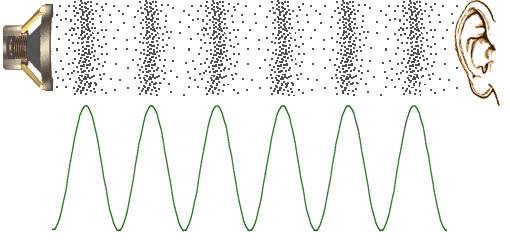
   ஒலி அலைக்குச் சக்தி உண்டு. அதை முறைப்படுத்திச் சொல்வதால் உடல் இயக்கம் மேன்மையுறும்; ஆன்மீகத்தில் உயரிய நிலையைப் பெறலாம்.அவை பிரபஞ்சத்தின் வெவ்வேறு இயக்கங்களை மந்திர சக்தியின் ஒலி அமைப்புக்கேற்ப இயங்கச் செய்யும் என்று நமது முன்னோர்கள் கூறி வந்திருக்கின்றனர்.


வாயிலிருந்து வெளியாகும் ஒலியை எப்படி உச்சரிக்க வேண்டும் என்பதை நுணுக்கமாக பாணிணி ஆராய்ந்திருக்கிறார்.


ஒலியின் மன்னன் என்று அவரைச் சொல்லலாம்.

யாக்ஞவல்ய ஸ்மிருதி, ஒரு வார்த்தையை எப்படி உச்சரிக்க வேண்டும் என்பதை அழகுறச் சொல்கிறது.


யதா வ்யாக்ர ஹரேத் புத்ரம்

தஷ்ட் ராபிர்ன  பிதாயேத்

பிதா பதன் பேதாப்யாம்

தத் வர்ணம் ப்ரயோஜயேத்


“ஒரு பெண்புலியானது எப்படி தன் குட்டியைத் தன் வாயில் கவ்வி அதன் பற்களால் கடியுறாதபடி எடுத்துச் செல்கிறதோ அதே போல ஒருவன் ஒரு வார்த்தையை உச்சரிக்க வேண்டும்

இப்படி உச்சரிப்பைக் கூடச் சரியாகச் சொல்லும் உத்தியையும் அது தரும் பலனையும் உலகின் வேறு எந்த மொழியும் அறிவியல் ரீதியில் சொன்னதில்லை.


சம்ஸ்கிருத ஒலி மஹிமையோ தெளிவாக விளக்கப்பட்டிருக்கிறது


22-3-2003 தேதியிட்ட ஹிந்துஸ்தான் டைம்ஸ் இதழில் (கல்கத்தாவிலிருந்து வெளி வரும் பத்திரிகை இது) எந்த ஒலியும் 360 டிகிரி சுழற்றப்பட்டால் அது நோயாளியின் நோயைக் குணமாக்க உதவும் என்ற செய்தி வெளியிடப்பட்டிருந்தது.


செய்தியின் ஒரு பகுதி இது:


Any sound, if rotated 360 degrees, can nurse chronically ill patients back to health,”pasycho-physicist” Sajal Bandopadhyay claims.


In a major breakthrough , Bandopadhyay had last year succeeded in rotating sound.  A team of psychologists had been researching the therapeutic potential of this discovery. Under the leadership of Dr Arnab Banerjee, they had tried out the rotating sound on patients at the Sevak Hospital.


 ஒலி சுழற்சி சிகிச்சையானது 4000 நோயாளிகளில் 99 சதவிகிதம் நோயாளிகளிடம் வெற்றியைத் தந்திருக்கிறது என்று இந்தச் செய்தி கூறுகிறது.


நாளுக்கு நாள் ஒலி பற்றிய புதிய அறிவியல் செய்தியைப் பெற்று வருகிறோம்.


ஒலிக்கு மஹிமை உண்டு என்பதை பல்வேறு ஆராய்ச்சிகள் சுட்டிக் காட்டி வருகின்றன.


மந்திர சக்தி உடல் மற்றும் ஆன்மாவை உயர்த்த வல்லது என்ற நம்பிக்கையை இந்தச் செய்திகள் வலியுறுத்துகின்றன.

ஒலியின் மஹிமையை உலகிற்கு உணர்த்திய ஒரே மதம் ஹிந்து மதம் என்பதில் பெருமை அடைகிறோம்!

***

வேதத்திலும் ஆழ்வாரிலும் கருப்பு, சிவப்பு! (Post No.4063)

Written by London Swaminathan
Date: 8 July 2017
Time uploaded in London- 22-29
Post No. 4063

 
Pictures shown here are taken from various sources such as Facebook friends, Books, Google and newspapers; thanks.


வேத மந்திரங்களில் பெரும்பாலும் மித்ரனையும் வருணனையும் சேர்த்தே சொல்லுவர். உலகம் என்பது நேர்மறை, எதிர்மறை சக்திகளையுடையது. பூமி என்னும் காந்த மண்டலத்திலும் வட துருவம், தென் துருவம் என்று இருக்கும். மின்சாரத்திலும் பாஸிட்டிவ், நெகடிவ் அம்சங்கள் உண்டு. அப்பொழுதுதான் அது பூர்த்தியாகும். சம்ஸ்கிருதத்தில் இதை த்வந்த்வம் (இருமை) என்பர். பிறப்பு, இறப்பு, சீத, உஷ்ணம் பகல், இருள் என்று பட்டியல் நீண்டு கொண்டே போகும்.

Image of Varuna (sea)

வேதத்தில் வருணன் என்பது இருளையும், கரு நீலக் கடலையும், குளிர்ச்சியையும் குறிக்கும். வேத மந்திரங்கள் இதைத் தெளிவாகக் கூறும்.

மித்ரன் என்பது பல பொருள்களில் வழங்கப்பட்டாலும் சூரியன் என்பதே அதிகம் புழங்கும் அர்த்தம்.


சூர்ய நமஸ்கார மந்திரங்களில் முதல் மந்திரம் மித்ராய நம: என்பதாகும்.


அர்த்த நாரீஸ்வர உருவத்திலும் உமையை கருப்பாகவும் சிவனை சிவப்பாகவும் காட்டுவர். சங்கர நாராயண உருவத்திலும் சிவனை சிவப்பாகவும் விஷ்ணுவை கார்மேனி வண்ணனாகவும் காட்டுவர். இவை அனைத்திலும் உள்ள பொருள் ஒன்றுதான். ஆக்க சக்தி அழிவு சக்தி இரண்டும் நிறைந்ததே இயற்கை. சிவனின்றி சக்தி இல்லை; சக்தி இன்றி சிவனில்லை.


ஆண் முதலில் தோன்றினானா? பெண் முதலில் தோன்றினாளா? என்ற கேள்விக்கு விடை காண முடியாது; ஒன்றில்லாமல் மற்றொன்று இல்லை. இதை உணர்த்துவதே வேதங்களில் வரும் மித்ர- வருண ஜோடி.


என்ன அதிசயம் என்றால் கி.மு.1400 வாக்கில் கையெழுத்திடப்பட்ட துருக்கி-சிரியா (Mitanni Treaty) பகுதி ஒப்பந்தத்திலும் மித்ர-வருணர்கள் உள்ளனர். இதனால் வேதங்களை எவரும் கி.மு 1400-க்கும் முன்னர்தான் வைக்க முடியும்.

Image of Mitra (sun)

பொய்கை ஆழ்வார் முதல் மூவரில் ஒருவர். அவரும் இதே கருப்பு-சிவப்பு தத்துவத்தைப் பாடுகிறார்:-


அரன் நாரணன் நாமம்; ஆன்விடை புள் ஊர்தி;

உரைநூல் மறை; உறையும் கோயில்- வரை,நீர்

கருமம் அழிப்பு, அளிப்பு; கையது வேல் நேமி

உருவம் எரி கார்மேனி ஒன்று


நாமம்/பெயர்– சிவன், நாராயணன்


வாகனம் – ரிஷபம், கருடன்

நூல்கள் – ஆகமம், வேதம்

வசிப்பிடம் – மலை, கடல் (கயிலை, பாற்கடல்)

தொழில்/கருமம் – அழித்தல், காத்தல்

ஆயுதம் – திரிசூலம், சக்ராயுதம்

உருவம் – அக்கினிப் பிழம்பு, மேகத்தின் கருப்பு

ஆனால் உடல் ஒன்றுதான் (சங்கர நாராயணன், அர்த்த நாரீ)

இதைத் தான் வேதம் மித்ர-வருண என்று சேர்த்துச் சொல்கிறது.

இந்த பெரிய இயற்கை நிகழ்வை, விஞ்ஞான உண்மையைச் சொல்வதால் வேதத்தை என்றுமுள்ள சத்தியம் என்கிறோம்.


விஞ்ஞான உண்மைகளை நாம் கண்டுபிடித்தாலும் கண்டுபிடிக்காவிட்டாலும் அவை என்றும் இருக்கும் அழியாது— நியூடனும் ஐன்ஸ்டைனும் இல்லாவிட்டாலும் அந்த உண்மைகள் இயங்கிக் கொண்டே இருக்கும். வேதகால ரிஷிகள் தன் அருட் பார்வையால் மித்ர– வருணனை நமக்குக் கண்டுபிடித்துக் கொடுத்தனர். அவர்கள் கண்டுபிடிக்காவிடிலும் வேத உண்மைகள் வானில் முழங்கிக் கொண்டே இருக்கும்.

ஏனெனில் வேதங்கள் சத்திய மானவை; நித்தியமானவை.


—சுபம்–


Hindu’s Life according to Atharva Veda

Image of Vedic God Varuna

compiled by London Swaminathan
Date: 8 July 2017
Time uploaded in London- 15-43
Post No. 4062

 
Pictures shown here are taken from various sources such as Facebook friends, Books, Google and newspapers; thanks.


The life of a Vedic Hindu may be introduced by the following graphic sketch by Griffith:

“Setting aside the rivalries, wars and conquests of kings princes, and the lofty claims and powers of the hierarchy, we may follow the course of the middle-class Hindu’s life from the cradle to the funeral pile, and even accompany him to his final home in the world of the Departed.

We hear the benedictive charm pronounced over the expectant mother before her child is born, and in due time on the darling’s first two teeth. We attend the solemn ceremony in which the youth is invested with his new garment whose assumption signifies his recognition as an adult member of the family with new responsibilities and new duties to perform.


As his fancy turns to thoughts of love, we hear him murmuring the charm which shall win him the maiden of his choice, and the lullaby which shall seal every eye but hers in his beloved’s house and enable him to visit her without detection or suspicion.

Picture of Vedic God Indra


We follow him in his formal and somewhat unromantic wooing of a bride through a friend who acts as match-maker; we see the nuptial procession and the bride’s introduction to her new home; we hear her benediction on the bridegroom, and the epithalamium pronounced over the wedded pair.


The young husband is an agriculturist, and we see him supe rintending the ploughmen and praying to Indra and Pushan and the Genii of agriculture to bless their labours. Anon, with propitiatory prayer, he is cutting a new channel to bring the water of the brook to the land which is ready for irrigation; or he praying for rain or an abundant crop.


Again, when the corn is ripe he is busy among the men who gather in harvest, invoking the aid of good natured goblins, and leaving on the ground some sheaves the to remunerate their toil.  At sunset he superintends the return of the cows who have been grazing under the protection of the Wind-God in the breezy pastures and their return under Divine guidance, and the reunion of all the members of the household are celebrated with symbolical mixt oblation, with milk and a brew of grain.


His wealth and family increase in answer to his repeated prayer for children and riches, and a new house must be built on a large scale. The building is erected under the careful eye of the master and blessed and consecrated with prayers to the Gods and to the Queen of the Home. The mistress of the house brings forth the well filled pitcher, all present are rele gated with the stream of molten batter blent with nectar and the householder enters and takes formal possession his dwelling with fire, the two most important necessaries of human life. The house, moreover- a wooden building with a thatched roof has been specially assured against fire by a prayer to Agni the God of that element with the additional security afforded by the immediate neighbourhood of good stream of pool of water.

Image of praying for rains and it is called Varuna Japa.


Such or something like this, was the ordinary life of the agriculturist. A devout believer in the gods, he did not spend his substance on the performance of costly sacrifices, but was content with simple ceremonies and such humble offerings as he could well afford. His chief care was for the health and well-being of himself, his wife, children and dependents for plentiful harvests and for thriving and multiplying cattle; and these were the blessing for which he most frequently prayed. His chief troubles were an occasional touch of malarial fever or rheumatism, a late or scanty rainfall, a storm that lodged his ripe barley, lightning that struck his cattle, and similar mischances caused by the anger of the gods or the malevolence of demons; and he was always armed with prayers and spells against the recurrence of such disasters.


……………………continued in second part


செயற்கை அறிவின் தலை நகரம் சியோல்! (Post No.4061)

Written by S NAGARAJAN


Date: 8 July 2017


Time uploaded in London:-  10-20 am


Post No.4061


Pictures are taken from different sources such as Face book, Wikipedia, Newspapers etc; thanks. 


7th year 19th article (no 331) published in Bhagya weekly dated 23-6-2017 in Ariviyal thuligal serial

அறிவியல் துளிகள்


செயற்கை அறிவின் தலை நகரம் சியோல்!

ச.நாகராஜன்


இனி உலகத்தில் பேசிக் கொண்டே உலகை வலம் வரும் ரோபாட்டுகளின் வருகையைப் பார்க்க முடிகிறது. கண்டுபிடிப்புகளின் பொற்காலம் இது! – டேவிட் ஹான்ஸன்


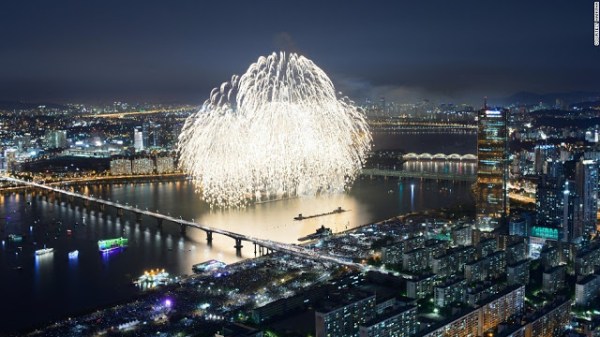
எதிர்கால உலகம் எப்படி இருக்கும் என்பதைப் பார்க்க விரும்புபவர்கள் உடனடியாக தென் கொரியாவில் உள்ள சியோல் நகரத்திற்குச் செல்லலாம்.


வாழ்க்கையே ஒரு மாயாஜாலம் போலத் தான் இருக்கும். ரஷியாவில் பிறந்து அமெரிக்காவில் குடியேறிய அமெரிக்க எழுத்தாளரான கேரி ஷ்டின்கார்ட் (Gary Shteyngart) பல விருதுகள் பெற்றவர். அவர் என்ன தான் இப்படி ஒரு புகழ் சியோலுக்கு இருக்கிறது என்று பார்க்க அங்கே போனார்.

தமிழில் உள்ள எல்லா பூக்களும் அவரை முழுக அடித்து விட்டன.


திகைப்பு.பிரமிப்பு.வியப்பு.மலைப்பு. இத்தனை ‘பு’க்கள் போதாதா அவர் கைவண்ணத்தைக் காட்ட. மீண்டும் சியோலைக் கண்டுபிடிக்கலாம் என்று ஒரு கட்டுரையை எழுதி விட்டார்.

அதில் அவர் குறிப்பிடும் பல செய்திகள் வியப்பை ஊட்டுகின்றன.50 வருடங்களுக்கு முன்னர் வட கொரியாவுட்ன் போரிட்டு அதன் காரணமாக உலகின் ஏழ்மையான நாடுகளில் ஒன்றாக ஆனது தென் கொரியா. இன்றோ.. அறிவியலில் ரொபாட் துறையிலும், ஆர்டிபிஷியல் இண்டெலிஜென்ஸ் எனப்படும் செயற்கை அறிவிலும் உலகின் தலை நகராகத் திகழ்கிறது! நியூயார்க், லாஸ் ஏஞ்சலஸ், மதுரை உள்ளிட்ட வெகு சில் நகரங்களை உலகின் தூங்கா நகரங்கள் என்று கூறுவர். அப்படி ஒரு தூங்கா நகரமாகத் திகழ்கிறது இன்றைய சியோல்.


இரண்டரை கோடி பேர் சியோலில் வாழ்கின்றனர். அதாவது தென் கொரிய நாட்டில் உள்ள இரண்டு கொரியர்களுக்கு ஒருவ்ர் சியோல் அல்லது அதன் சுற்றுப்புறப் பகுதியில் வாழ்கின்றனர்.

வீடுகள் அதி நவீன முறையில் கட்டப்பட்டுள்ளன. ஒரு பாத்ரூம் டாய்லெட்டை எடுத்துக்  கொண்டால் அங்கு கண்ட்ரோல் பேனலில் மட்டும் இருபது பட்டன்கள் உள்ளன. பாத்ரூமைப் பயன்படுத்த எதை அமுக்குவது என்று தெரியாமல் நியூயார்க் வாசி கூடத் திகைக்கும் நிலை!


எல்.கே.ஜி. படிக்கும் குட்டிக் குழந்தைகள் கூட -GO-கோ- என்ற அதி நவீன புத்திசாலித்தனமான விளையாட்டை விளையாடுகின்றன.

அங்கு குடியிருப்பு வீடுகளினுள்ளே கார் சென்றால் அதன் நம்பர் பிளேட்டை ஸ்கேன் செய்து வீட்டில் இருப்பவர்களுக்கு கார் வந்து விட்டது என்பதை அறிவிக்கிறது

வீட்டை விட்டு வெளியே செல்வதற்கு முன்னர் வெளியில் கால நிலை எப்படி இருக்கிறது என்பதை அறிவிக்கும் கருவி ஒன்று, குடையை எடுத்துக் கொண்டு செல்லுங்கள், மழை வரப் போகிறது என்று அன்பான அறிவுரையைப் பகர்கிறது!

சமையலறையிலோ உலகின் அதி ருசியான பண்டத்தை சமைக்கும் விதத்தை டெமோவாகக் காட்டுகிறது இன்னொரு கருவி.


வீடுகள் இருக்கும் பகுதிகளில் நுழையும் போதே வந்திருப்பது யார் என்பதை அறிந்து கொள்ளும் முகத்தை அறியும் கருவிகள் தேவையானவர்களை மட்டுமே உள்ளே விடுகின்றன.

வீட்டின் சொந்தக்காரர்கள் கையில் ஒரு வாட்ச் போன்ற வளையத்தைக் கட்டிக் கொள்கின்றனர். அது தான் எல்லாமே- கதவைத் திறக்க, லிப்டை வரச் சொல்ல, வீட்டில் உள்ள குடும்பத்தினர் எங்கு இருக்கிறார் என்பதை அறிய!


வீட்டிற்கு பெற்றோர்கள் வந்தால் அவர்களை ‘முகம் பார்த்து” (ஃபேஷியல் ரெகக்னிஷன்) உணரும் கருவிகள்  அவர்களது போட்டோக்களை வீட்டில் உள்ளவர்களுக்கு அனுப்புகிறது.


காரை வரவழைப்பது, கதவைத் திறப்பது, வந்தவர் யார் என்பதைத் தெரிந்து கொள்வது எல்லாமே சுலபம். வயர்லெஸ் ஆபரேஷன்  மூலமாகத் தான்!

ரேமியான் என்ற கட்டிடக் கம்பெனி கட்டும் வீடுகளுக்கு ஒவ்வொரு வீட்டிற்கும் 14 விண்ணப்பங்கள் காத்திருக்கிறதாம். விலையோ உலகின் அதிக விலையைக் கொண்டிருக்கும் சான்பிரான்ஸிஸ்கோ நகரில் உள்ள வீட்டின் விலை தான்!

அருகில் அமர்ந்திருப்பவர் 18 வயது பேரழகி என்று அசப்பில் பார்த்து நிர்ணயித்து விட்டு, அவர் எழுந்திருக்கும் போது பார்த்தால் தான் அவருக்கு வயது ஐம்பதுக்கும் மேல் என்பது தெரிய வரும். அப்படி ஒரு இளமைத் தோற்றம் எப்படி வருகிறது?


உலகின் பிளாஸ்டிக் சர்ஜரியின் தலை நகரம் என்று சியோலுக்கு ஒரு செல்லப் பெயர் உண்டு. அவ்வளவு பேரும் இளமையாக இருக்கலாம்! கண் இமைகளுக்கு சர்ஜரி, தொங்கும் கழுத்துகளுக்கு சர்ஜரி – இப்படி உடலை இளமையாக்கும் விந்தைகள் இங்கு  மட்டுமே உண்டு!

செயற்கை அறிவின தலை நகராக இதை பிரகடனப்படுத்துவது இங்குள்ள ஹ்யூபோ என்னும் ரொபாட் தான்.


அமெரிக்காவின் எம் ஐ டி மற்றும் நாஸா போன்ற நிறுவனங்க்ள் கலந்து கொண்ட போட்டியில் ஹ்யூபோ என்ற ரொபாட் வெற்றி பெற்றுள்ளது. உலகின் அதி உன்னதமான ரோபோவாக போற்றப்படும் ஹ்யூபோவின் புராணமே தனி. அதை அடுத்துக் காண்போம்..
அறிவியல் அறிஞர் வாழ்வில் .. ..


1887ஆம் ஆண்டு ஸ்வீடன் மற்றும் நார்வேயின் மன்னராக இருந்த இரண்டாம் ஆஸ்கார் (King Oscar II) ஒரு முக்கியமான கணித பிரச்சினைக்குத் தீர்வு காண்பவருக்கு ஒரு  பரிசு தருவதாக் அறிவித்தார்.


சூரியன் மற்றும் அதைச் சுற்றி வரும் கிரகங்கள் போன்றவற்றின் பொருள்திணிவும் அவை செல்லும் திசையும் அவற்றின் வேகமும் தெரியும் போது நியூட்டனின் விதிகளைப் பயன்படுத்தி அவை செல்லுகின்ற பாதையைச் சொல்ல வேண்டும் என்றார் மன்னர்.


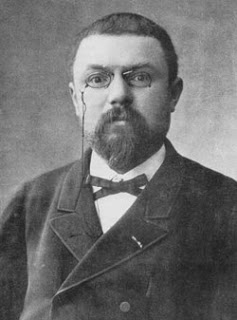
மன்னர் பரிசு அறித்தபின் மூன்று ஆண்டுகளுக்குப் பின்னர் அதை வென்றார் பிரான்ஸை சேர்ந்த கணித மேதை ஹென்றி பாய்ன்கேர் (Henri Poincare 1854-1912).

பரிசை வென்ற பின்னர் தான் அவருக்குத் தனது கண்டுபிடிப்பில் ஒரு பெரிய தவறு இருப்பது தெரிய வந்தது. இன்னும் சில வாரங்களில் வரவிருக்கும் மன்னரின் பிறந்த நாளின் போது அவரது கண்டுபிடிப்பு நூல் வடிவில் வர இருக்கிறது. ஒரே குழப்பமாகி விட்டது அவருக்கு. நூலை வெளியிடுவதா அல்லது உண்மையைச் சொல்லி விடுவதா?


நல்ல மனிதரான அவர் மன்னரிடம் தன் தவறை ஒப்புக் கொண்டார். பிறகு ஒரு வருடம் கழித்து அவரது நூல் வெளியானது.


ஒரு சிறிய காரணமும் கூட மிக பிரம்மாண்டமான விளைவை ஏற்படுத்தும் என்பதை முதலில் கண்டவர் அவர் தான். பின்னால் பட்டர்ஃபிளை தியரி என்று பெரிய அளவில் இது பேசப்பட்டது. இப்படிப்பட்ட சிறிய காரணங்கள் காலநிலை மாற்றம் போன்றவற்றில் பெரிய விளைவுகளை ஏற்படுத்தும் என்றார் அவர்.


கம்ப்யூட்டர்களின் வருகைக்குப் பின்னர் மின்னல் வேகத்தில் கணக்கிடுவது சாத்தியமான போது அவர் சொன்னது எவ்வளவு உண்மை என்பது தெரிய வந்தது.


தனக்குத் தெரியாமலேயே பின்னால் கயால் தியரி (Chaos Theory) என்ற பிரம்மாண்டமான கொள்கைக்கு அவர் அஸ்திவாரமிட்டார்!

நாணயமான ஒரு விஞ்ஞானி பாய்ன்கேர்!

***


பசு மாட்டுக்கு கொம்பு முளைத்தது எப்படி? (Post No.4060)

Written by London Swaminathan
Date: 7 July 2017
Time uploaded in London- 20-29
Post No. 4060

 
Pictures shown here are taken from various sources such as Facebook friends, Books, Google and newspapers; thanks.


பசு மாட்டுக்கு கொம்பு முளைத்தது எப்படி/ குளம்புகள் வந்தது எப்படி?


வேத கால இலக்கியத்தில் ஒரு அருமையான கதை உள்ளது. இது ஐதரேய பிராமணத்தில் வரும் கதை.


பசுக்கள் எல்லாம் நமக்கு குளம்புகளும் கொம்புகளும் ஏற்பட நாம் ஒரு வேள்வி செய்வோம் என்று தீர்மானித்தன. என்ன அதிசயம்? பத்தே மாதங்களில் கொம்பும் குளம்பும் தோன்றின. நாம் எதற்காக இந்த வேள்வியில் ஈடுபட்டோமோ அந்த லட்சியம் நிறைவேறிவிட்டது. ஆகையால் எழுந்திருங்கள் என்று சொல்லி எழுந்துவிட்டன.


அப்போது கொம்புகள் இருந்தன.வேள்வி முடிந்துவிட்டது. இருந்தபோதிலும் ஒரு வருடத்தை முடிப்போம் என்று மீண்டும் வேள்வியைத் துவக்கின. இதிலிருந்த அவ நம்பிக்கை, அசிரத்தை (Lack of confidence and lack of interest) காரணமாக கொம்புகளும் குளம்புகளும் மறைந்துவிட்டன.

பிறகு மிக உத்வேகத்துடனும் உற்சாகத்துடனும் 12 மாதங்கள் உட்கார்ந்து வேள்வியை முடித்தன. எல்லாப் பணிகளையும் பூர்த்தி செய்தன. இந்த உற்சாகம் உத்வேகம் மூலம் மீண்டும் அவைகளுக்கு கொம்புகளும் குளம்புகளும் தோன்றிவிட்டன. இவ்வாறு உலகத்தார் எல்லோர் மதிப்பையும் பெற்று பசுக்கள் எல்லோருடைய உள்ளத்திலும் இடம்பெற்றன. அவைகளை எல்லோரும் அலங்கரித்துப் போற்றினர். எவன் ஒருவனுக்கு இது விளங்குகிறதோ அவன் உலகத்தார் உள்ளத்துள் எல்லாம் உளன் .

ஐதரேய பிராமணம் 4-3-17


மிகவும் எளிய கதை! வேதங்களளைக் கேட்டுச் சொல்லியவர்கள் அதை மறைபொருளிலேயே கூறுவது வழக்கம். அதனால்தான் தமிழில் வேதங்களுக்கு அழகாக மறை என்று பெயரிட்டனர்.

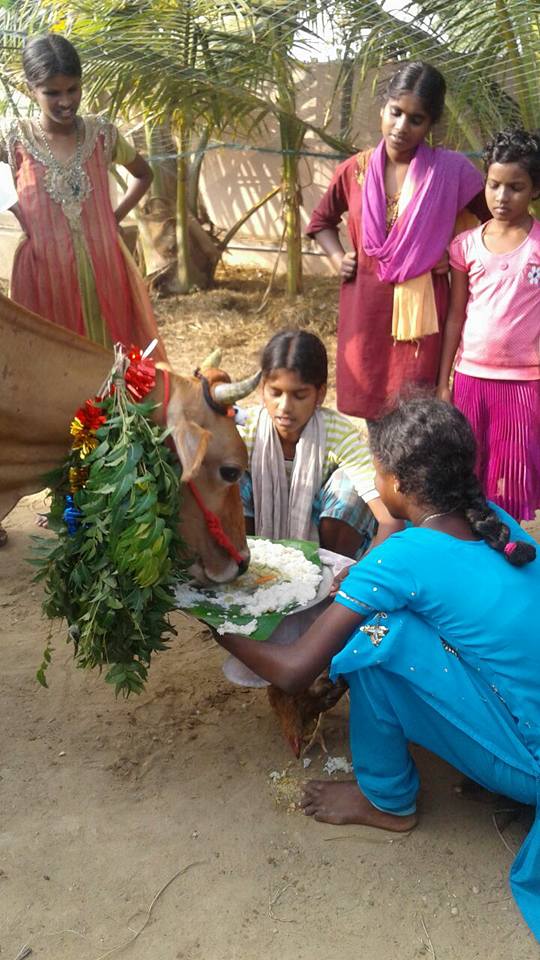
பசுமாடுகளை அலங்கரிக்கும் வழக்கம் தமிழ் நாட்டிலும் வட நட்டிலும் இன்றும் உளது. கிருஷ்ணன் பிறந்த ஜன்மாஷ்டமி நாளிலும் மாட்டுப் பொங்கல் நாளிலும் மாடுகளை அலங்கரித்துப் பொங்கல் படைத்துப் போற்றுகிறோம். இது ஐதரேய பிராமண காலத்திலேயே இருந்ததை மேற்கூறிய மந்திரம் காட்டுகிறது.


ஒரு காரியத்தைச் செய்பவர்கள் வெற்றி கிடைப்பது போலத் தோன்றியவுடன் நிறுத்திவிடக் கூடாது; அது சரியாகப் பூர்த்தியாகும் வரை அதைத் தொடர்ந்து செய்ய வேண்டும். பசுக்கள் அப்படிச் செய்யாததால் கொம்புகள் மறை ந்தன . பிறகு 12 மாதங்களும் திட்டமிட்டபடி வேள்வியைப் பூர்த்தி செய்தவுடன் கொம்புகள் தோன்றின. கொம்பு என்பது பெயரையும் புகழையும் குறிக்கும் சொல்.

அவன் என்ன பெரிய கொம்பனோ?என்று கேட்கும் வழக்கம் தமிழிலும் பிற இந்திய மொழிகளிலும் உண்டு. விஷ்ணு சஹஸ்ரநாமத்தில் கொம்பு பற்றி வருகிறது வேதத்தில் கொம்பு பற்றி வருகிறது (நைக ஸ்ருங்க, சத்வாரி ச்ருங்காகாஹா) சிந்து சமவெளி முத்திரையில் பசுபதியின் தலையில் கொம்பு இருப்பதைக் காணலாம்.


ஆகவே வேதத்தின் உட்பொருளை அறிய நாம் இந்திய — இந்து — அணுகுமுறையைப் பின்பற்ற வேண்டும்


ஆட்ண்டி பயாடிக(Anti Biotic ) மாத்திரை சாப்பிடுவோர் நோயின் அறிகுறிகள் நின்றாலும் அந்த (dosage) டோஸை முடிக்க வேண்டும் அல்லது பாக்டீரியா க்கள் எதிர்ப்பு சக்தியை வளர்த்துக்கொண்டு அந்த மருந்துகளுக்கும் ‘டேக்கா’ கொடுத்து விடும். வள்ளுவனும் ஒரு குறளில் பகைமையையும், நெருப்பையும் அடியோடு அழிக்க வேண்டும் என்பான். எனவே ஒரு குறிப்பிட்ட செயலை, பணியை, வேலையை வெற்றி கிடைப்பது போலத் தோன்றினாலும் இறுதிவரை சென்றுமுடித்தாக வேண்டும் என்பதே கதையின் கருத்து.

வெளிநாட்டினரின் அறியாமை!

ஆங்கிலத்தில் யாராவது, எதையாவது எழுதினால் அது பெரிய ஆராய்ச்சி என்று அந்தக் காலத்தில் கருதினர்; அவர்களோ நம்முடைய பண்பாடு தெரியாமல் உளறு உளறு என்று உளறிவிட்டனர். ஆப்பிரிக்க காடுகளில் பல நாட்டுப் புற கதைகள் உண்டு. சிறுத்தைக்குப் புள்ளிகள் விழுந்தது எப்படி? புலியின் மீது வரிகள் தோன்றியது எப்படி? ஒட்டைச் சிவிங்கிக்கு நீண்ட கழுத்து எப்படி வந்தது? யானைக்கு ஏன் நீண்ட கை? என்றெல்லாம் கதைகள் சொல்லுவர். இதெல்லாம் காட்டுவாசிகளின் பொழுதுபோக்குக் கதைகள். இந்திய கலாசாரம் புரியாத வெளி நாட்டினர் ஐத்ரேய பிராமணக் கதையையும் அந்தக் கணக்கில் சேர்த்துவிட்டனர். அவர்களுடைய அறியாமைக்கு வெளிச்சம் போட்டுக் காட்டிவிட்டனர்!


ஆனால் அவைகளுக்கும் வேத கால இலக்கியத்துக்கும் பெரிய வேறுபாடு உண்டு. நம்முடைய கதைகள் உயர்ந்த தத்துவங்கள், யாக குண்ட கணக்குகளுக்கு இடையே உள்ளன. ஆகையால் இவை நாட்டுப்புற கதைகள் அல்ல. மேலும் நாம் ஆயிரக்கணக்கான ஆண்டுகளாக இவைகளை வாய்மொழியாகக் காத்து வருகிறோம். மேலும் இவைகளுடைய மறை பொருள், சங்கேத மொழி — வேதம் முழுதும் விரவிக் கிடப்பதை நாம் அறிவோம்.

–Subham—


How did Cow get Hoofs and Horns? A Vedic Story (Post No.4059)

Written by London Swaminathan
Date: 7 July 2017
Time uploaded in London- 6-47 am    
Post No. 4059

 
Pictures shown here are taken from various sources such as Facebook friends, Books, Google and newspapers; thanks.


The Aitareya Brahmana (4-3-17) explains how the cows got their hoofs and horns.


“The cows being desirous of obtaining hoofs and horns, held a sacrificial session.

in the tenth month of their sacrifice, they obtained hoofs and horns.

We have obtained fulfilment of that wish for which we underwent the initiation into the sacrificial rites.

Let us rise, the sacrifice being finished. When they arose they had horns. They however, thought, let us finish the year. and recommenced the session.

On account of their distrust their horns went off; and they consequently became hornless.


They continuing their sacrificial session, produced vigour. Thence after sacrificing for twelve months, and having secured all the sessions,  they arose again at the end. For they had produced the vigour to reproduce hoofs and horns. Thus the cows made themselves beloved by all the whole world and are beautified (decorated) by all. He who has such a knowledge, makes himself beloved by everyone, and is decorated by everyone”.


The symbolic meaning is very clear in this story. If some one leaves a job in the middle without reaching the goal, he loses his name and fame. Name and Fame are described as horns in Vishnu Sahasranama and Tamil literature (Komban= horned; Srnga = horn, Chatvari srnga:; Na Eka Srnga etc). Vishnu Sahasranama and Vedas describe the Indus Valley God (so called Pasupati seal) as Komban. We can see the horns on the figure.

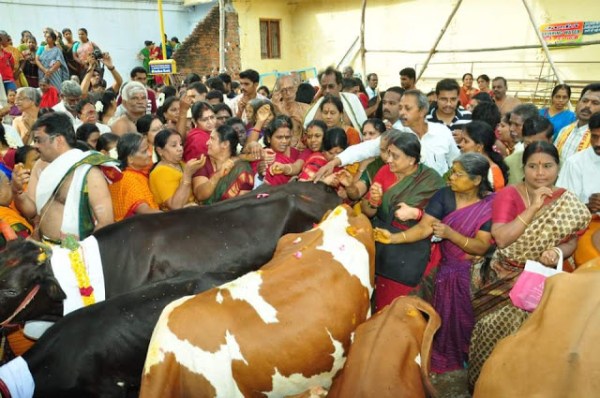
Till this day, cows are decorated and worshipped, particularly on Krishna’s birth day (Janma Ashtami). Tamils decorate the cows and bulls on Maattu Pongal Day (Cattle Pongal is celebrated one day after Makarasankaranti/Pongal Day)


Foreigners’ Ignorance!

In primitive parts of Africa there are some folk tales such as how did the cheetah get its spots? How did the tiger get lines on its body? Why did the elephant’s hand is long like a snake? Why did the giraffe has a long neck? In India we have some stories in Ramayana that squirrel got three lines because of Rama’s touch, crow’s one eye was blind because Rama’s arrow pierced it etc.


In Vedic literature, we have some stories such as cow getting the hoof, horn and skin. But there is a big difference between these stories and primitive folk tales. Our Vedic stories are religious stories where as others are folk tales. They are not used in rituals. Our stories have been kept alive for thousands of years by word of mouth (now in writing). Our stories have symbolic meaning and that is the reason they are embedded in between other religious rituals. Folk tales are just folk tales, no other significance is attached to it.


Foreigners who did not understand the symbolic meaning compared them with the folk tales of primitive tribes. They couldn’t say why they are absent in Europe and other parts of the world. If Hindus have come to India from other parts of the world these cow stories must exist there; cows must be venerated as we do in India for thousands of years. The fact of the matter is, we went to various parts of the world and taught the value of cows and bulls. Those ignoramuses forgot all those good things and started eating cows and blunted their brains. They fought two world wars and killed millions of people. They called themselves ‘civilised’ but in heart they are ‘uncivilised!’


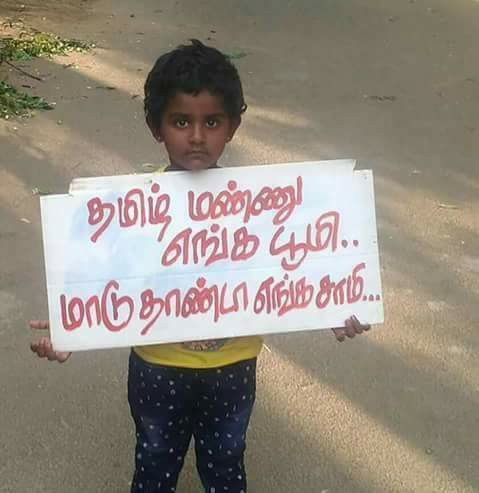
-The placard says Tamil land is our land; cattle is our God.


-Subham–

பெரியவாளின் “ஆரோக்கியம்”! (Post No.4058)

Written by S NAGARAJAN


Date: 7 July 2017


Time uploaded in London:-  5-49 am


Post No.4058


Pictures are taken from different sources such as Face book, Wikipedia, Newspapers etc; thanks. 


காஞ்சி மஹா பெரியவாள்

பெரியவாளின் “ஆரோக்கியம்!


ச.நாகராஜன்


டாக்டர் ஒருவர் பெரியவாள் தரிசனத்திற்கு வந்திருந்தார்.

ஷோலாப்பூரில் பெரியவாள் முகாமிட்டிருந்தார்.

சாப்பாட்டிற்குப் பின்னர் மதிய நேரத்தில் டாக்டரை பெரியவாளிடம் அழைத்துச் சென்றனர்.

ஏற்கனவே பெரியவாளுக்குக் க்ழுத்து வலி. அத்துடன் அதிகமான ஜுரம் வேறு சேர்ந்து கொண்டது. டாக்டரிடம் இதைச் சொன்னார்கள்.

முதலில் டாக்டர் சாஷ்டாங்க நமஸ்காரம் செய்தார். பெரியவாள் ஏன் இப்படிச் செய்கிறாய் என்று கேட்டார்.


டாக்டர் சொன்னார்: “என்னிடம் களினிக்கில் சிகிச்சை பெற வரும் ஒவ்வொரு நோயாளிக்கு சிகிச்சை அளிப்பதற்கு முன்னரும் பெரியவாளுக்கு மனதால் நமஸ்காரம் செய்து அவர்கள் பூரண் குணமாக வேண்டிக்  கொள்வேன். இப்போது பெரியவாளே ‘பேஷண்டாக’ இருக்கும் போது பெரியவாள் நன்கு குணமாக, பெரியவாளைத் தவிர வேறு யாரை நான் வணங்க முடியும்?”

பெரியவாளைச் சோதித்த டாக்டர் திடுக்கிட்டார். அவரது டெம்ப்ரச்சர் 105 டிகிரியாக இருந்தது.

தயக்கத்துடன் டாக்டர் பெரியவாளைப் பார்த்துச் சொன்னார்,” ஜுரம் மிக அதிகமாக இருக்கிறது. இரண்டு நாட்கள் பச்சைத் தண்ணீரில் குளிக்காமல் இருக்க முடியுமா?”

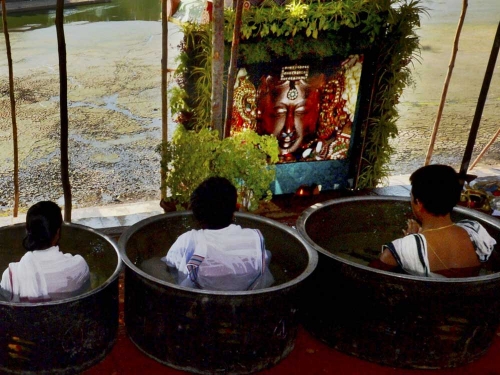
பெரியவாள், “ அது எப்படி முடியும்?நேற்று சந்திர கிரகணம். ஆகவே நேற்று இரவு கிரகண ஸ்நானம் செய்தேன் – இதே ஜுரத்துடன் தான்” என்றார்.

டாக்டர்: “ஈஸ்வரா!பெரியவாளின் உடம்பு அதைத் தாங்கித்தா?”

மஹா பெரியவாள்: “உனக்கு கிரகண ஸ்நானம் எப்படிச் செய்ய வேண்டும் என்று தெரியுமா?”

டாக்டர் : எனக்குத் தெரியாது.

பெரியவாள் : மூக்கைப் பிடித்துக் கொண்டு நதியில் தலை முழுவதையும் அமுக்கிக் குளிக்க வேண்டும்.”

இதைக் கேட்டு டாக்டர் அயர்ந்து போனார்.

பெரியவாள் தொடர்ந்தார்: “ ஒரு முறை அல்ல; இப்படி நூற்றி எட்டு தரம் செய்ய வேண்டும்.”

டாக்டர் பிரமித்தார். “உங்களுக்கு நான் என்ன ட் ரீட்மெண்ட் தர முடியும்? சிவ பெருமானின் அவதாரமாகவே இருக்கும் உங்களை   105 டிகிரி ஜுரம் இருக்கும் போது நூற்றி எட்டு தரம் இப்படி நதியில் ஸ்நானம் செய்த போதும் உங்களை சிவனே தான் காப்பாற்றுகிறான்.என்னைப் போன்ற சாதாரணமானவன் உங்களுக்கு எப்படி ட்ரீட்மெண்ட் தர முடியும்.  உங்களை எங்களுக்காக வேண்டி பல்லாண்டுகள் வாழ சிவன் தான் அருள் புரிய வேண்டும்”.

டாக்டர் நெகிழ்ந்த மனதுடன் பெரியவாளை நமஸ்கரித்தார்.


***

உண்மை நிகழ்ச்சி : ஆதாரம் திலிப் அக்டோபர்/டிசம்ர் 2016 இத்ழ்

மொழியாக்கம் ; ச்.நாகரா


Sacred Cow in Tamil Veda ‘Tirukkural” (Post No.4057)

Written by London Swaminathan
Date: 6 July 2017
Time uploaded in London- 19-59     
Post No. 4057

 
Pictures shown here are taken from various sources such as Facebook friends, Books, Google and newspapers; thanks.


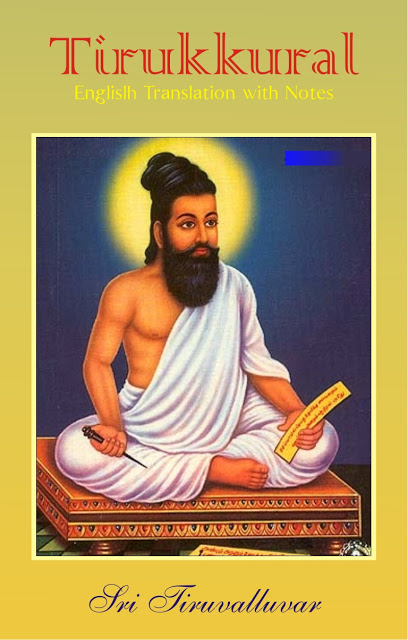
Hindu culture has been practised by the people of India from the Northern most Himalayas to the southernmost Kanyakumari for thousands of years. Sacred cow is mentioned in the Sangam Tamil literature in several places. One of the post Sangam books is Tirukkural written by Tiruvalluvar. Like the Vedas always pair the Brahmins and Cow, Tiruvalluvar also does.


“Go brahmanebya subamastu nityam lokas samasto sukino bhavantu” is the daily prayer of the Hindus. From the Brahmins and cows all living beings must live happily is the meaning. The reason for placing Brahmins and cow in the beginning is that they are pure and selfless. This pairing continued from the Vedic days and we see that in the oldest part of Tamil Literature – Purananuru verse 9. Poet Nettimaiyar sang this poem in praise of the ancient Pandya king Mudukudumi Peruvazuthi. His epithet is that one who did innumerable Yagas (Fire sacrifices). The poet says before waging any war, he will first request that Brahmins, Women, Cows, invalids, sick people and those who has not given birth to child must keep away. Kannaki, the Tamil heroine of Silappadikaram also did the same. Before burning the city of Madurai she commanded the God of Fire (Agni Deva) not to burn the Brahmins, women and cows. Tamil Miracle boy and one of the four Tamil Saints Jnana Sambandar also sang Long Live the Brahmins, Long Live the Cows.

Tamil Purananuru verse lists the worst sins and one of them is killing the cow (verse 34 by Alathur Kizar)


Now let me quote two couplets from Tirukkural, considred Tamil Veda by the Tamils (actually it was one of the poets who sang the praise of Tiruvalluvar, used these words Tamil Veda).

“If the guardian of the country neglects to guard it, the produce of the cows will fail and the men of six duties (shad karmana: = brahmins) will forget The Book (Vedas)” (Kural 560).

Here we see the Go+Brahmna pairing.


in another couplet (1066) “It is most heinous to beg for a bucketful of water even to quench the feverish thirst of a sinking cow”.


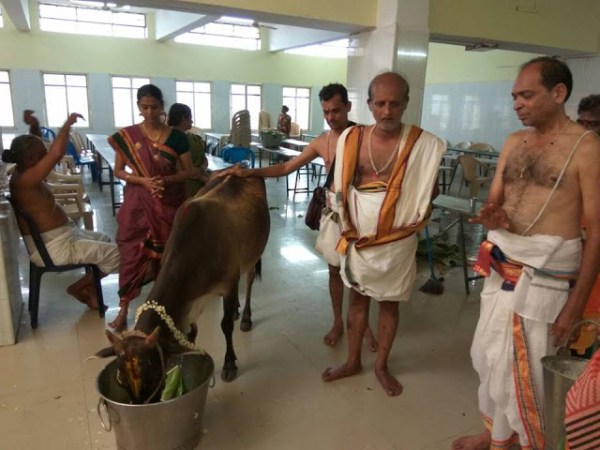
Being cow the most sacred animal, Tiruvalluvar used the cow here. feeding the cows, worshipping the cows are part of Hinduism. In Tamil Nadu, Go Puja (worship of cow) and Gaja Puja (worship of elephant) are done in all the temples and mutts in the early morning.


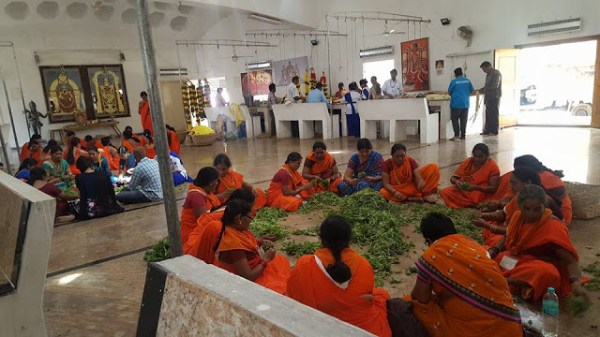
In front of the temples, cows are tied to the poles and the devotees used to feed them with the Agathi leaves (Agathi grandiflora) to earn good merits (Punya).

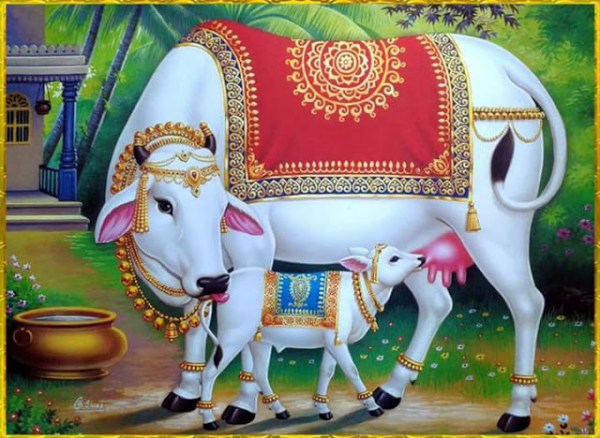
Of late the picture of wish fulfilling cow Kamadhenu’s picture is displayed in many houses and shops as a symbol of good luck.

–Subham–