எவை எவை வேண்டாம்? – வள்ளுவரின் அறிவுரை! (Post No.5442)

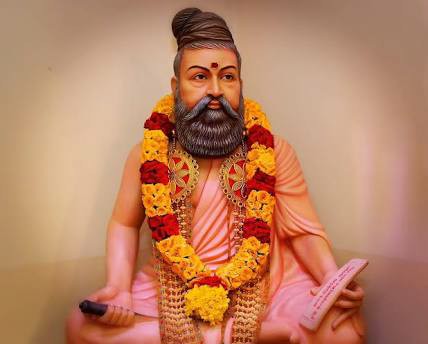
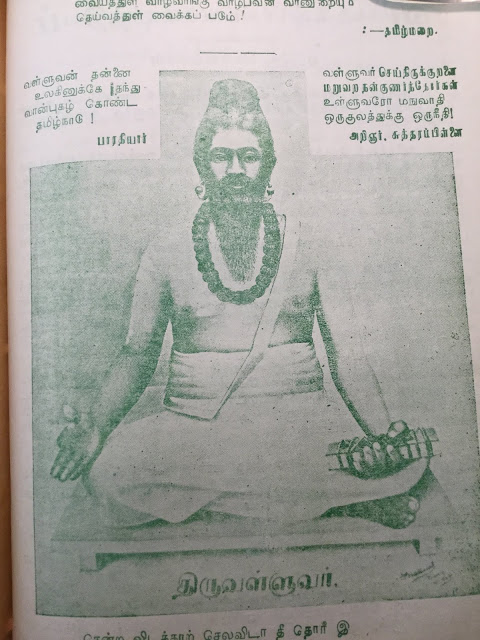
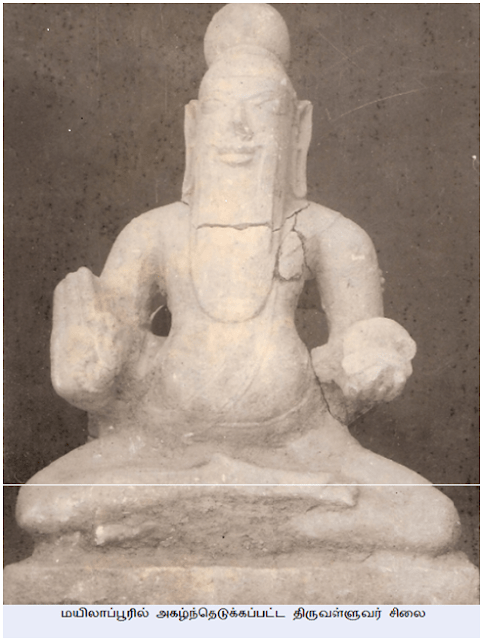
VALLUVAR WITH PUNUL/SACRED THREAD, DISCOVERED IN CHENNAI


Written by S NAGARAJAN

Date: 18 SEPTEMBER 2018


Time uploaded in London – 6-19 AM (British Summer Time)


Post No. 5442


Pictures shown here are taken from various sources including google, Wikipedia, Facebook friends and newspapers. This is a non- commercial blog.


எவை எவை வேண்டும் – வள்ளுவரின் அறிவுரை என்ற முந்தைய கட்டுரையின் தொடர்ச்சியாக இதைப் படிக்கலாம்.


எவை எவை வேண்டாம்? – வள்ளுவரின் அறிவுரை!


ச.நாகராஜன்


மனித வாழ்க்கையில் வேண்டுவன எவை எவை என்று கூறி அறிவுறுத்திய வள்ளுவர் எவை எவை வேண்டாம் என்பதையும் கூறியிருக்கிறார்.

வேண்டற்க வெஃகியாம் ஆக்கம் விளைவயின்            மாண்டற் கரிதாம் பயன் (குறள் 177)

பிறர் பொருளைக் கவர்வதால் வரும் ஆக்கம் வேண்டவே வேண்டாம்.  அது பயன் தரும் என்று நினைத்தால் அது நடக்காது. பயன் தரும் காலத்தில் அது நிச்சயம் சிறப்பாக அமையாது.

ஆக திருட்டுச் சொத்து வேண்டாம் என்கிறார் வள்ளுவர்.

*

வேண்டற்க என்று ஆரம்பிக்கும் இன்னொரு குறள் இது:

வேண்டற்க வென்றிடினும் சூதினை வென்றதூஉம்

தூண்டிற்பொன் மீன் விழுங்கி யற்று  (குறள் 931)
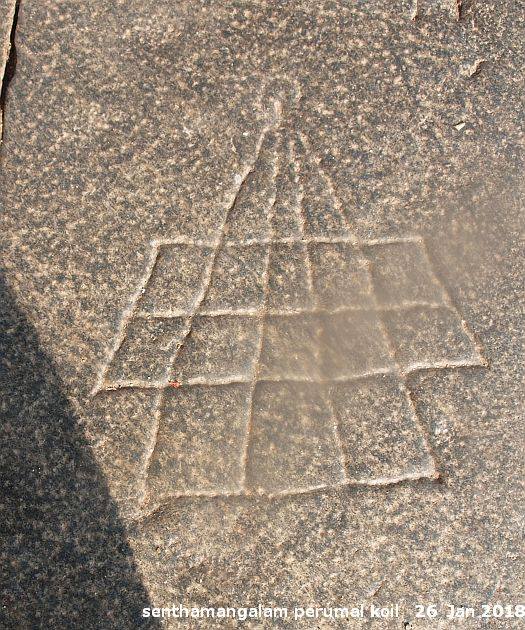
 

PICTURE POSTED BY LALGUDI VEDA

Sin City (பாவ நகரம்) என்று அழைக்கப்படும் லாஸ் ஏஞ்சலஸ் சூதாட்டம் ஆடுவோரின் “சொர்க்கம்”!!

அதில் உள்ளே நுழைந்தால் நூற்றுக் கணக்கான சூதாட்ட களங்கள் நம்மைக் கவரும். சில சமயம் வென்று விடுவோம். ஆனால் மொத்தமாகப் பார்த்தால் வெளியே வரும் போது நூற்றுக்கு நூறு பேருக்கும் நஷ்டமாகவே அமையும்.

வெல்வது போலத் தோன்றி இரையைக் காட்டும் லாஸ் ஏஞ்சலஸ் இரவு சூதாட்ட க்ளப்புகள் நம்மை அழித்து விடும்.

இப்படிப்பட்ட சூதாட்ட விடுதிகள் எங்கிருந்தாலும் அது எந்த வகையாக இருந்தாலும் வெற்றியை முதலில் தருவது போலக் காட்டினாலும் அங்கே நுழையாதே என்பது வள்ளுவரின் கட்டளை!

*

இனி  வேண்டா என்று அறிவுறுத்தும் குறள்கள் 10.


அறத்தாறு இதுவென வேண்டா சிவிகை

பொறுத்தனோடு ஊர்ந்தான் இடை (குறள் 37)

மிகவும் சுவாரசியமான இந்தக் குறளை பரிமேலழகர் உள்ளிட்ட பழைய உரையாசிரியர்கள் சரியான முறையில் விளக்கத்தை அளிக்க நவீன “தோழர்களும்” நாத்திகத்தில் ஊறிய “குறள் வித்தகர்களும்” தன் மனதிற்கேற்ப “விசித்திர உரை” எழுதியுள்ளனர்.

பரிமேலழகர் உள்ளிட்டோர் பல்லக்கில் அமர்ந்திருப்பவனையும் அதைத் தூக்கிச் செல்பவனையும் பார்த்தாலேயே உங்களுக்குத் தெரியுமே வினைப் பயன் எப்படிப் பட்டதென்று. இதற்கு அறநூல்களின் துணையே தேவை இல்லை என்கின்றனர்.
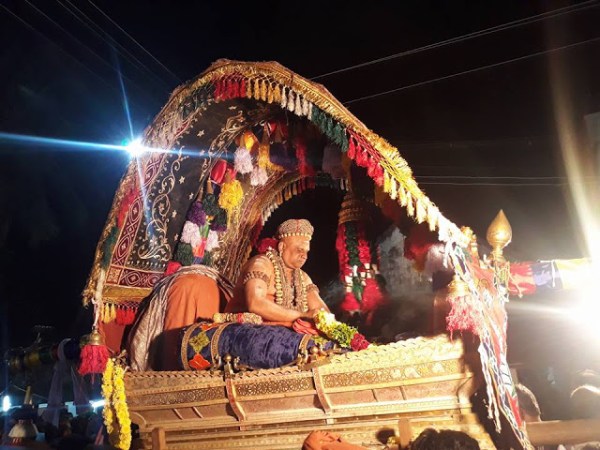
 

வினைப் பயன் விடாது என்பது வள்ளுவர் வாக்கு.

ஆனால் நாத்திகத் தோழர்களோ சிவிகையில் செல்பவனையும் அதைத் தூக்கிச் செல்பவனையும் பார்த்து அறத்தின் இயல்பு இது தான் என்று எண்ண வேண்டாம் என்று வள்ளுவர் கூறுவதாக உரை கூறுகின்றனர். இப்படி வள்ளுவர் வலிதாக பல்லக்கைக் காட்டி ஒரு உதாரணம் மூலம் இக்கருத்தைக் கூறுவாரா! மாட்டார்.

*

மழித்தலும் நீட்டலும் வேண்டா உலகம்

பழித்தது ஒழித்து விடின் (குறள் 280)

மொட்டை அடித்தலும் தாடி வளர்த்தலும் வேண்டவே வேண்டாம். அப்படிச் செய்து தவம் செய்வதற்கு பதிலாக உலகம் சுட்டிக் காட்டும் தீய பழக்கங்களை ஒழித்தாலேயே போதும் என்கிறார் வள்ளுவர்.

*

ஓர்த்துள்ளம் உள்ளது உணரின் ஓரதலையாப்

பேர்த்துள்ள வேண்டா பிறப்பு (குறள் 357)

நன்றாக ஆராய்ந்து பார்த்து உள்ளத்தால் மெய்ப்பொருளை உணர்ந்தால் மீண்டும் பிறப்பு என்பது வரும் என்று நினைக்க வேண்டாம்.

மெய்ப்பொருள் கண்டார் மீண்டும் ஜனன மரணச் சுழலில் அகப்பட மாட்டார்.

*

அஞ்சாமை அல்லால் துணை வேண்டா எஞ்சாமை

எண்ணி இடத்தாற் செயின்  (குறள் 497)

ஒரு காரியத்தைச் செய்யும் போது நன்கு ஆராய்ந்து எண்ணி செய்தால் அஞ்சாமை தவிர வேறு ஒரு துணையும் தேவை இல்லை.

*

புணர்ச்சி பழகுதல் வேண்டா உணர்ச்சிதான்

நட்பாம் கிழமை தரும்   (குறள் 785)

இருவரிடையே தோன்றும் உணர்ச்சி – ஒரே மாதிரியான உணர்வு – நட்பைத் தரும் ; வளர்க்கும்.

அடிக்கடி சென்று சந்தித்துப் பழகிப் பேசினால் தான் நட்பு வரும் என்பதில்லை!

*


மருந்தென வேண்டாவாம் யாக்கைக்கு அருந்தியது

அற்றது போற்றி உணின் (குற 942)

மருந்து என்பதே ஒருவனுக்கு வேண்டாம் என்று வள்ளுவர் சொல்லும் ரகசிய குறள் இது.

தக்க அளவுடன் உண்டதை ஜீரணித்து அதன்படி ஒருவன் வாழ்ந்தால் அவனுக்கு மருந்தே வேண்டாம்.

*

கைம்மாறு வேண்டா கடப்பாடு மாரிமாட்டு

என் ஆற்றுங் கொல்லோ உலகு  (குறள் 211)

மழை எந்த பிரதிபலனை எதிர்பார்க்கிறது?ஒன்றையும் எதிர்பார்க்கவில்லை. அதே போல பிரதிபலன் எதிர்பாராது தேவையான உதவி செய்க என்பது வள்ளுவரின் அறிவுரை.

இதன்படி வாழ்ந்தவன் அர்ஜுனன் என்பது குறிப்பிடத் தகுந்தது. எவருக்கு உதவி செய்கிறானோ அவரிடமிருந்து எதையும் பெறுவதில்லை என்பது அர்ஜுனனின் பிரதிக்ஞை. இப்படி ஒரு அரிய வீரனை மஹாபாரதம் நமக்குச் சுட்டிக் காட்டுகிறது!

*

சுழலும் இசை வேண்டி வேண்டா உயிரார்

கழல் காப்புக் காரிகை நீர்த்து (குறள் 777)

எங்கும் பரவும் புகழை வேண்டி தன் உயிரையும் தன் உயிரையும் வேண்டாத வீரர் காலில் கட்டும் கழலே அழகான அணியாகும்.

*

மனைவிழைவார் மாண்பயன் எய்தார் வினைவிழைவார்

வேண்டாப் பொருளும் அது   (குறள் 901)

மனைவி சொல் கேட்டு அதன் படி நடப்பவர் சிறந்த பயனை அடைய மாட்டார்கள். உரிய தன் கடமையைச் செய்ய விரும்புவோர் வேண்டும் பொருளும் அதுவே ஆகும்.

மனைவி அழகில் மயங்கி அவள் பொருளற்றதைச் சொன்னாலும் அதைச் செய்வோருக்கான எச்சரிக்கைக் குறள் இது.

*

ஈட்டம் இவறி இசை வேண்டா ஆடவர்

தோற்றம் நிலக்குப் பொறை   (குறள் 1003)

பொருளை நன்கு சேர்க்கும் ஒருவன் அதைப் பிறர்க்கும் கொடுத்து வரும் புகழை விரும்பவில்லை எனில் அவன் பூமியில் வாழ்ந்தாலும் கூட அது பூமிக்கான சுமையே.

*

வள்ளுவரைப் படித்து அறிவது ஒரு வாழ்க்கைப் பயிற்சி. அதில் செய்ய வேண்டுவனவற்றையும் செய்ய வேண்டாதவற்றையும் அறிவதே நமது முயற்சி.

வள்ளுவ ரகசியம் தெரிந்தோர் அதன் படி வாழ்வர்; உயர்வர்!

***


Dos AND DONTs FOR BRAHMINS- THEY MUST NOT SAVE MONEY (Post No.5441)


Written by London Swaminathan

swami_48@yahoo.com

Date: 17  September 2018


Time uploaded in London – 15-31 (British Summer Time)


Post No. 5441

Pictures shown here are taken from various sources including google, Wikipedia, Facebook friends and newspapers. This is a non- commercial blog.


MY COMMENTS ON THE FIRST 100 SLOKAS/COUPLETS ON FOURTH CHAPTER OF MAAVA DHARMA SHASTRA

I have already finished three chapters. Now we look at the fourth chpater


Fourteen interesting Points


1.Note slokas 4 and 7. Five ways of food gathering; no saving for more than three days. If Brahmins follow these rules no one would feel jealousy towards Brahmins. That is the reason Brahmins were given donations by the kings and others. Manu made these rules so that Brahmins would be dependent upon others for ever. They have to do Pujas and sacrifices to earn their livelihood.


  1. Read a beautiful quotation in sloka 12. ‘for happiness has contentment for its root, the root of unhappiness is the contrary (disposition).


3.Read sloka 29;’Guests must be honoured’ which we can find only in ancient Tamil and Sanskrit literature. This is purely a Vedic Hindu concept which is not found in any other ancient culture as a daily duty. This explodes the Aryan invasion theory.

4.Sloka 11 ; please do agnihotram. Nowadays very few Brahmins do it.

5.sloka 21- pancha yajna (Five Types of sacrifice done everyday)

6.sloka 29 exploded Aryan invasion theory; customs like this found only in Sanskrit and Tamil as a meritorious daily duty; you cant find this anywhere in the world

  1. Sloka 40-lying in bed with wife rules

8.Slokas 44 and 52 Interesting rules regarding looking at women, and urinating etc

  1. Slokas 64 and 74- No singing, No dancing and No gambling

10.Sloka 76- Must have wet feet while eating, dry feet while sleeping

11.Sloka.84- No presents from kings

12.Sloka 86- Kings are butchers

13.Slokas 88-90- Twenty One types of Hell.

14.Sloka 92- Importance of getting up at 4 am (Brahma Muhurta)


MANU SMRTI-CHAPTER IV

  1. Having dwelt with a teacher during the fourth part of (a man’s) life, a Brahmana shall live during the second quarter (of his existence) in his house, after he has wedded a wife.
  2. A Brahmana must seek a means of subsistence which either causes no, or at least little pain to others, and live by that except in times of distress.
  3. For the purpose of gaining bare subsistence, let him accumulate property by following those irreproachable occupations which are prescribed for his caste, without unduly fatiguing his body.
  4. He may subsist by Rita (truth), and Amrita (ambrosia), or by Mrita (death) and by Pramrita (what causes many deaths); or even by (the mode) called Satyanrita (a mixture of truth and falsehood), but never by Svavritti (a dog’s mode of life).
  5. By Rita shall be understood the gleaning of corn; by Amrita, what is given unasked; by Mrita, food obtained by begging and agriculture is declared to be Pramrita.
  6. But trade and money-lending are Satyanrita, even by that one may subsist. Service (LIKE A SLAVE) is called Svavritti; therefore one should avoid it.
  7. He may either possess enough to fill a granary, or a store filling a grain-jar; or he may collect what suffices for three days, or make no provision for the morrow.
  8. Moreover, among these four Brahmana householders, each later-(named) must be considered more distinguished, and through his virtue to have conquered the world more completely.
  9. One of these follows six occupations, another subsists by three, one by two, but the fourth lives by the Brahmasattra.


MUST DO AGNIHOTRA (DAILY FIRE SACRIFICE)

  1. He who maintains himself by picking up grains and ears of corn, must be always intent on (the performance of) the Agnihotra, and constantly offer those Ishtis only, which are prescribed for the days of the conjunction and opposition (of the moon), and for the solstices.
  2. Let him never, for the sake of subsistence, follow the ways of the world; let him live the pure, straightforward, honest life of a Brahmana.
  3. He who desires happiness must strive after a perfectly contented disposition and control himself; for happiness has contentment for its root, the root of unhappiness is the contrary (disposition).
  4. A Brahmana, who is a Snataka and subsists by one of the (above-mentioned) modes of life, must discharge the (following) duties which secure heavenly bliss, long life, and fame.
  5. Let him, untired, perform daily the rites prescribed for him in the Veda; for he who performs those according to his ability, attains to the highest state.
  6. Whether he be rich or even in distress, let him not seek wealth through pursuits to which men cleave, nor by forbidden occupations, nor (let him accept presents) from any (giver whosoever he may be).
  7. Let him not, out of desire (for enjoyments), attach himself to any sensual pleasures, and let him carefully obviate an excessive attachment to them, by (reflecting on their worthlessness in) his heart.
  8. Let him avoid all (means of acquiring) wealth which impede the study of the Veda; (let him maintain himself) anyhow, but study, because that (devotion to the Veda-study secures) the realisation of his aims.
  9. Let him walk here (on earth), bringing his dress, speech, and thoughts to a conformity with his age, his occupation, his wealth, his sacred learning, and his race.
  10. Let him daily pore over those Institutes of science which soon give increase of wisdom, those which teach the acquisition of wealth, those which are beneficial (for other worldly concerns), and likewise over the Nigamas which explain the Veda.
  11. For the more a man completely studies the Institutes of science, the more he fully understands (them), and his great learning shines brightly.


PACHA YAGNA

  1. Let him never, if he is able (to perform them), neglect the sacrifices to the sages, to the gods, to the Bhutas, to men, and to the manes.
  2. Some men who know the ordinances for sacrificial rites, always offer these great sacrifices in their organs (of sensation), without any (external) effort.
  3. Knowing that the (performance of the) sacrifice in their speech and their breath yields imperishable (rewards), some always offer their breath in their speech, and their speech in their breath.
  4. Other Brahmanas, seeing with the eye of knowledge that the performance of those rites has knowledge for its root, always perform them through knowledge alone.
  5. A Brahmana shall always offer the Agnihotra at the beginning or at the end of the day and of the night, and the Darsa and Paurnamasa (Ishtis) at the end of each half-month,
  6. When the old grain has been consumed the (Agrayana) Ishti with new grain, at the end of the (three) seasons the (Katurmasya-) sacrifices, at the solstices an animal (sacrifice), at the end of the year Soma-offerings.
  7. A Brahmana, who keeps sacred fires, shall, if he desires to live long, not eat new grain or meat, without having offered the (Agrayana) Ishti with new grain and an animal-(sacrifice).
  8. For his fires, not being worshipped by offerings of new grain and of an animal, seek to devour his vital spirits, (because they are) greedy for new grain and flesh.

HE MUST HONOUR GUESTS

  1. No guest must stay in his house without being honoured, according to his ability, with a seat, food, a couch, water, or roots and fruits.
  2. Let him not honour, even by a greeting, heretics, men who follow forbidden occupations, men who live like cats, rogues, logicians, (arguing against the Veda,) and those who live like herons.
  3. Those who have become Snatakas after studying the Veda, or after completing their vows, (and) householders, who are Srotriyas, one must worship by (gifts of food) sacred to gods and manes, but one must avoid those who are different.
  4. A householder must give (as much food) as he is able (to spare) to those who do not cook for themselves, and to all beings one must distribute (food) without detriment (to one’s own interest).
  5. A Snataka who pines with hunger, may beg wealth of a king, of one for whom he sacrifices, and of a pupil, but not of others; that is a settled rule.
  6. A Snataka who is able (to procure food) shall never waste himself with hunger, nor shall he wear old or dirty clothes, if he possesses property.

HAIR CUT

  1. Keeping his hair, nails, and beard clipped, subduing his passions by austerities, wearing white garments and (keeping himself) pure, he shall be always engaged in studying the Veda and (such acts as are) conducive to his welfare.
  2. He shall carry a staff of bamboo, a pot full of water, a sacred string, a bundle of Kusa grass, and (wear) two bright golden ear-rings.
  3. Let him never look at the sun, when he sets or rises, is eclipsed or reflected in water, or stands in the middle of the sky.
  4. Let him not step over a rope to which a calf is tied, let him not run when it rains, and let him not look at his own image in water; that is a settled rule.
  5. Let him pass by (a mound of) earth, a cow, an idol, a Brahmana, clarified butter, honey, a crossway, and well-known trees, turning his right hand towards them.


GOING TO BED WITH WIFE

  1. Let him, though mad with desire, not approach his wife when her courses appear; nor let him sleep with her in the same bed.
  2. For the wisdom, the energy, the strength, the sight, and the vitality of a man who approaches a woman covered with menstrual excretions, utterly perish.
  3. If he avoids her, while she is in that condition, his wisdom, energy, strength, sight, and vitality will increase.
  4. Let him not eat in the company of his wife, nor look at her, while she eats, sneezes, yawns, or sits at her ease.


DON’T LOOK AT WOMEN

  1. A Brahmana who desires energy must not look at a woman who applies collyrium to her eyes, has anointed or uncovered herself or brings forth a child.
  2. Let him not eat, dressed with one garment only; let him not bathe naked; let him not void urine on a road, on ashes, or in a cow-pen,
  3. Nor on ploughed land, in water, on an altar of bricks, on a mountain, on the ruins of a temple, nor ever on an ant-hill,
  4. Nor in holes inhabited by living creatures, nor while he walks or stands, nor on reaching the bank of a river, nor on the top of a mountain.
  5. Let him never void faeces or urine, facing the wind, or a fire, or looking towards a Brahmana, the sun, water, or cows.
  6. He may ease himself, having covered (the ground) with sticks, clods, leaves, grass, and the like, restraining his speech, (keeping himself) pure, wrapping up his body, and covering his head.
  7. Let him void faeces and urine, in the daytime turning to the north, at night turning towards the south, during the two twilights in the same (position) as by day.
  8. In the shade or in darkness a Brahmana may, both by day and at night, do it, assuming any position he pleases; likewise when his life is in danger.

URINATING RULES

  1. The intellect of (a man) who voids urine against a fire, the sun, the moon, in water, against a Brahmana, a cow, or the wind, perishes.
  2. Let him not blow a fire with his mouth; let him not look at a naked woman; let him not throw any impure substance into the fire, and let him not warm his feet at it.
  3. Let him not place (fire) under (a bed or the like); nor step over it, nor place it (when he sleeps) at the foot-(end of his bed); let him not torment living creatures.
  4. Let him not eat, nor travel, nor sleep during the twilight; let him not scratch the ground; let him not take off his garland.
  5. Let him not throw urine or faeces into the water, nor saliva, nor (clothes) defiled by impure substances, nor any other (impurity), nor blood, nor poisonous things.
  6. Let him not sleep alone in a deserted dwelling; let him not wake (a superior) who is sleeping; let him not converse with a menstruating woman; nor let him go to a sacrifice, if he is not chosen (to be officiating priest).
  7. Let him keep his right arm uncovered in a place where a sacred fire is kept, in a cow-pen, in the presence of Brahmanas, during the private recitation of the Veda, and at meals.
  8. Let him not interrupt a cow who is suckling (her calf), nor tell anybody of it. A wise man, if he sees a rainbow in the sky, must not point it out to anybody.
  9. Let him not dwell in a village where the sacred law is not obeyed, nor (stay) long where diseases are endemic; let him not go alone on a journey, nor reside long on a mountain.

DON’T LIVE UNDER SHUDRA RUlERS

  1. Let him not dwell in a country where the rulers are Sudras, nor in one which is surrounded by unrighteous men, nor in one which has become subject to heretics, nor in one swarming with men of the lowest castes.
  2. Let him not eat anything from which the oil has been extracted; let him not be a glutton; let him not eat very early (in the morning), nor very late (in the evening), nor (take any food) in the evening, if he has eaten (his fill) in the morning.
  3. Let him not exert himself without a purpose; let him not drink water out of his joined palms; let him not eat food (placed) in his lap; let him not show (idle) curiosity.

NO   SINGING, DANCING

  1. Let him not dance, nor sing, nor play musical instruments, nor slap (his limbs), nor grind his teeth, nor let him make uncouth noises, though he be in a passion.
  2. Let him never wash his feet in a vessel of white brass; let him not eat out of a broken (earthen) dish, nor out of one that (to judge) from its appearance (is) defiled.
  3. Let him not use shoes, garments, a sacred string, ornaments, a garland, or a water-vessel which have been used by others.
  4. Let him not travel with untrained beasts of burden, nor with (animals) that are tormented by hunger or disease, or whose horns, eyes, and hoofs have been injured, or whose tails have been disfigured.
  5. Let him always travel with (beasts) which are well broken in, swift, endowed with lucky marks, and perfect in colour and form, without urging them much with the goad.
  6. The morning sun, the smoke rising from a (burning) corpse, and a broken seat must be avoided. Let him not clip his nails or hair, and not tear his nails with his teeth.
  7. Let him not crush earth or clods, nor tear off grass with his nails; let him not do anything that is useless or will have disagreeable results in the future.
  8. A man who crushes clods, tears off grass, or bites his nails, goes soon to perdition, likewise an informer and he who neglects (the rules of) purification.
  9. Let him not wrangle; let him not wear a garland over (his hair). To ride on the back of cows (or of oxen) is anyhow a blamable act.
  10. Let him not enter a walled village or house except by the gate, and by night let him keep at a long distance from the roots of trees.

NO GAMBLING

  1. Let him never play with dice, nor himself take off his shoes; let him not eat, lying on a bed, nor what has been placed in his hand or on a seat.
  2. Let him not eat after sunset any (food) containing sesamum grains; let him never sleep naked, nor go anywhere unpurified (after meals).


WET FEET WHILE EATING

  1. Let him eat while his feet are (yet) wet (from the ablution), but let him not go to bed with wet feet. He who eats while his feet are (still) wet, will attain long life.
  2. Let him never enter a place, difficult of access, which is impervious to his eye; let him not look at urine or ordure, nor cross a river (swimming) with his arms.
  3. Let him not step on hair, ashes, bones, potsherds, cotton-seed or chaff, if he desires long life.
  4. Let him not stay together with outcasts, nor with Candalas, nor with Pukkasas, nor with fools, nor with overbearing men, nor with low-caste men, nor with Antyavasayins.
  5. Let him not give to a Sudra advice, nor the remnants (of his meal), nor food offered to the gods; nor let him explain the sacred law (to such a man), nor impose (upon him) a penance.
  6. For he who explains the sacred law (to a Sudra) or dictates to him a penance, will sink together with that (man) into the hell (called) Asamvrita.
  7. Let him not scratch his head with both hands joined; let him not touch it while he is impure, nor bathe without (submerging) it.
  8. Let him avoid (in anger) to lay hold of (his own or other men’s) hair, or to strike (himself or others) on the head. When he has bathed (submerging) his head, he shall not touch any of his limbs with oil.


DON’T TAKE PRESENTS FROM SOME PEOPLE

  1. Let him not accept presents from a king who is not descended from the Kshatriya race, nor from butchers, oil-manufacturers, and publicans, nor from those who subsist by the gain of prostitutes.
  2. One oil-press is as (bad) as ten slaughter-houses, one tavern as (bad as) ten oil-presses, one brothel as (bad as) ten taverns, one king as (bad as) ten brothels.

KINGS= BUTCHERS

  1. A king is declared to be equal in wickedness to a butcher who keeps a hundred thousand slaughter-houses; to accept presents from him is a terrible crime.
  2. He who accepts presents from an avaricious king who acts contrary to the Institutes (of the sacred law), will go in succession to the following twenty-one hells:


21 TYPES OF HELLS

  1. Tamisra, Andhatamisra, Maharaurava, Raurava, the Kalasutra hell, Mahanaraka,
  2. Samgivana, Mahaviki, Tapana, Sampratapana, Samghata, Sakakola, Kudmala, Putimrittika,
  3. Lohasanku, Rigisha, Pathin, the (flaming) river, Salmala, Asipatravana, and Lohakaraka.
  4. Learned Brahmanas, who know that, who study the Veda and desire bliss after death, do not accept presents from a king.

BRAHMA MUHURTA

  1. Let him wake in the muhurta, sacred to Brahman (BRAHMA MUHURTA= STARTING FROM 4-30 AM), and think of (the acquisition of) spiritual merit and wealth, of the bodily fatigue arising therefrom, and of the true meaning of the Veda.
  2. When he has risen, has relieved the necessities of nature and carefully purified himself, let him stand during the morning twilight, muttering for a long time (the Gayatri), and at the proper time (he must similarly perform) the evening (devotion).
  3. By prolonging the twilight devotions, the sages obtained long life, wisdom, honour, fame, and excellence in Vedic knowledge.
  4. Having performed the Upakarman according to the prescribed rule on (the full moon of the month) Sravana, or on that of Praushthapada (Bhadrapada), a Brahmana shall diligently study the Vedas during four months and a half.
  5. When the Pushya-day (of the month Pausha), or the first day of the bright half of Magha has come, a Brahmana shall perform in the forenoon the Utsargana of the Vedas.
  6. Having performed the Utsarga outside (the village), as the Institutes (of the sacred law) prescribe, he shall stop reading during two days and the intervening night, or during that day (of the Utsarga) and (the following) night.
  7. Afterwards he shall diligently recite the Vedas during the bright (halves of the months), and duly study all the Angas of the Vedas during the dark fortnights.
  8. Let him not recite (the texts) indistinctly, nor in the presence of Sudras; nor let him, if in the latter part of the night he is tired with reciting the Veda, go again to sleep.
  9. According to the rule declared above, let him recite the daily (portion of the) Mantras, and a zealous Brahmana, (who is) not in distress, (shall study) the Brahmana and the Mantrasamhita.


TO BE CONTINUED……………..


–SUBHAM–


மந்திரம் கற்கப்போன டாக்டர்! (Post No.5440)

Written by London Swaminathan

swami_48@yahoo.com

Date: 17  September 2018


Time uploaded in London – 13-37 (British Summer Time)


Post No. 5440

Pictures shown here are taken from various sources including google, Wikipedia, Facebook friends and newspapers. This is a non- commercial blog.


ஒரு சாமியாரிடம் ஊரிலுள்ள பிரபல டாக்டர் வந்தார். வழக்கமான நமஸ்காரங்கள், பிரஸாத விநியோகம் முடிந்தது. பெரிய டாக்டர் என்பதால் அவர் விருப்பப்படி ஒரு இன்டெர்வியூ(INTERVIEW) ஏற்பாடாகி இருந்தது.

இதோ பேட்டி

டாக்டர்:

சுவமிகளே; நமஸ்காரம்; நாங்கள் டாக்டர்கள்; மிகவும் ‘பிஸி’யான ஆட்கள்; ஆகையினால் ஒரு கேள்வி. நிறைய இணைய தளங்கள், ‘பேஸ்புக்’, ‘வாட்ஸ் அப்’பிலும் ‘யூ ட்யூபி’லும் நிறைய மந்திரங்கள் வருகின்றன. அவற்றை நாங்களும் கற்கலாமா?

சாமியார்:–

கூடவே கூடாது

(டாக்டர் முகத்தில் கொஞ்சம் ஏமாற்றம்)


எல்லா மந்திரங்களையும் எல்லோரும் கற்கலாமா?


கூடவே கூடாது


(டாக்டருக்கு மேலும் ஏமாற்றம்!)

இந்த சாமியாரிடமிருந்து ஒரு (YES) யெஸ் பதிலாவாது வாங்கி விடலாம் என்று கருதி டாக்டர் கேட்டார்:


அது சரி, ஏற்கனவே ஒருவர் முறையாகக் கற்ற மந்திரங்களையாவது அவர், ஏனையோருக்குச் சொல்லித்தரலாமா?


‘கட்டாயம் கூடாது’


டாக்டருக்குப் பெருத்த ஏமாற்றம்.

என்ன சுவாமிகளே, எதுவுமே கூடாது என்றால் என்ன அர்த்தம்? நீங்கள் எல்லாம் மக்களுக்கு  நல்ல விஷயங்களைப் பரப்பவே கூடாது என்று முடிவு செய்து விட்டீர்களா?

சரி, நாளைக்கு நானும் உங்களைப் போல ஒரு காவித் துண்டைப் போர்த்திக்கொண்டு மேலே சொன்ன எல்லா விஷயங்களையும் செய்யலாமா?

சாமியார் பதில்-

கூடாது (அழுத்தம் திருத்தமாக)

சாமியார் ஒரு அருமையான புன் சிரிப்புடன்  இடைமறித்தார்,

‘சரி, நான் சில கேள்விகளைக் கேட்கிறேன். பதில் சொல்லுங்கள்’:


டாக்டருக்கு மஹா சந்தோஷம். அப்பாடா! இப்போதுதான் இந்த மனிதர் நம்மையும் ஒரு பொருட்டாக நினைத்திருக்கிறார் என்ற குதூகலத்துடன் காதுகளைத் தீட்டினார்; வெகு அருகில் நீட்டினார்.


சாமியார்:–

நான் ‘கூகிள்’ (GOOGLE) செய்து பார்த்தேன்; அதை எல்லாம் படித்துவிட்டு, நான் எங்கள் மடத்திலுள்ள நோயாளிகளுக்கு மருந்துச் சீட்டு எழுதிக் கொடுக்கலாமா?


டாக்டர் அதிர்ச்சியுடன் பதில் தந்தார்:

‘ஐயய்யோ! கூடவே கூடாது.

சுவாமிஜி, இது ஆபத்தானது; அது மட்டுமல்ல சட்ட விரோதமானது’–என்றார் டாக்டர்.


அட! நீங்கள் சொன்ன சமூக ஊடகங்களில் வரும் எல்லாவற்றையும் படித்துவிட்டு நான் எங்கள் மடத்திலுள்ள நோய்வாய்ப்பட்டோருக்கு மருந்து தரலாமா?


‘மருத்துவப் படிப்பு படித்த ஒருவர் எழுதிக் கொடுக்கும் மருந்தை வேண்டுமானால் நீங்கள் வாங்கி, டாக்டர் சொன்னபடி சாப்பிடச் செய்யலாம். வேறு எதுவும் செய்யும் தகுதி யாருக்கும் இல்லை. நீங்கள் சொல்லும்படி செய்ய முடியுமானால் தோழான், துருத்தி எல்லாம் டாக்டர் ஆய் விடலாமே!’–என்றார் டாக்டர்.


சாமியார் விடவில்லை. அடுத்த கொக்கி போட்டார்.


ஏன்? சொல்லுங்கள் பார்ப்போம்.

டாக்டர் அதி பயங்கரப் பெருமிதத்துடன் பேசலானார்;

‘நாங்கள் எல்லோரும் முறையாக ஐந்து ஆண்டு மருத்துவப் படிப்பு படிக்க வேண்டும்; அதில் ‘பாஸ்’ ஆக வேண்டும். பின்னர் ‘ஹவுஸ் சர்ஜன்கள் முதலிய பயிற்சிகளையும் செய்கிறோம். அது மட்டுமல்ல; முறையான ஸீனியர் டாக்டர்களின் கண்காணிப்பில் வேலை செய்வோம்; பெரிய தவறுகள் நடக்காமல் பார்த்துக்கொள்வது அவர்கள் பொறுப்பு.

இவ்வளவு தெரிந்த பின்னரும் ஒவ்வொரு நோயாளியும் வெவ்வேறு உடல்வாகு கொண்டவர்கள்;

ஒரு நோயாளியின் வயது, உயரம், ஆணா, பெண்ணா, பெண்ணாக இருந்தால் அவர் கர்ப்பவதியா, மற்றும் நோயாளிக்கு பென்ஸிலின் முதலிய மருந்து அலர்ஜி ஏதேனும் உண்டா, அந்தக் குடும்பத்தில் ஏதேனும் பரம்பரை நோய் உண்டா? அவருடைய தற்போதைய நோயின் ஸிம்ப்டம் (SYMPTOMS) என்ன, அவர் தற்போது வேறு என்ன மருத்து சாப்பிடுகிறார். இது போன்ற ஏராளமான விஷயங்களைக் கணக்கிற் கொண்டு ஒரு டாக்டர் சிகிச்சை தருகிறார். இதெல்லாம் சுவாமிகளுக்குத் தெரியாதா? இப்படி அசட்டுத் தனமாக கேள்விகளைக் கேட்கிறீர்களே! என்று டாக்டர் ஒரு நீண்ட லெக்சர் (LECTURE) கொடுத்தார்.


இப்போது சாமியாருக்கு மஹா மகிழ்ச்சி; ‘மெகா’ மகிழ்ச்சி.


தான் சொல்ல வேண்டிய எல்லா விஷயங்களையும் டாக்டரே கக்கி விட்டதால் ஒரே குதூகலம்.


‘அன்பரே! நீங்கள் சொன்ன எல்லா விஷயங்களும் ஒரு சந்யாசிக்கும் பொருந்தும். ஒரு தனி மனிதன் டாக்டர் போல நடித்தாலும், அவர் போல உடை அணிந்தாலும், டாக்டர் ஆகிவிட முடியாது. நீங்கள் சொன்னபடியே ஒருவனின் குடும்ப வரலாறு, நோயாளி வரலாறு அறிந்து, தகுதி பெற்ற ஒருவர் மருந்து கொடுப்பது போல நாங்களும் ஆளின் பக்குவத்தைப் பார்த்து மந்திரம் தருகிறோம்.

மருந்து டப்பாக்களிலும் பாட்டில்களிலும் ஒரு சீட்டில் நிறைய விசயங்கள் அச்சடிக்கப்பட்டது போலவே மந்திரங்களுக்கும் கட்டு திட்டங்கள் உண்டு; இரண்டு பேருக்கு சர்க்கரை வியாதியோ இருதய நோயோ இருந்தால் இருவருக்கும் நீங்கள் ஒரே மருந்தை, ஒரே அளவைக் கொடுப்பதில்லை; இது போலவே மந்திரங்களும் ஆளுக்கும் தேவைக்கும் ஏற்ப மாறுபடும்


சில மருந்துகளுக்கு பத்தியம் சொல்லுவது போல சில மந்திரங்களுக்கு ஆசார அனுஷ்டானங்கள் உண்டு என்று சொல்லி முடித்தார்.


இதைக் கேட்ட டாக்டருக்கு புத்தருக்குப் போதி மரத்து அடியில் கிடைத்தது போல ஞானோதயம் எற்பட்டது. ஒரு பெரிய கும்பிடு போட்டுவிட்டு  நைஸாக நழுவினார்.

–சுபம்–


Mantra and Medical Prescription (Post No.5439)

Written by London Swaminathan

swami_48@yahoo.com

Date: 17  September 2018


Time uploaded in London – 8-59 am (British Summer Time)


Post No. 5439

Pictures shown here are taken from various sources including google, Wikipedia, Facebook friends and newspapers. This is a non- commercial blog.


A doctor met a saint and asked whether he could learn Mantras from the websites or You Tube.

The saint said ‘No’.

Next, the doctor asked whether anyone one could recite a Mantra .

The saint said ‘No’.

Expecting at least one ‘Yes’ answer from the saint he quizzed him more.

“Can anyone teach Mantra to another person?”

The saint patiently, but firmly said ‘No’.

“Okay, suppose I put saffron cloth on me tomorrow, can I do all the above things?”

The saint smilingly said a big ‘No’ and then interrupted him, when he was about to ask more questions.

The saint said, “please wait, I wanted to ask you a few questions. Please answer them truthfully”.
Doctor was very happy when he heard it.
“At last the saint has recognised me”, he thought.

“Ok now it is my turn,” the saint started bombarding him with some questions

“Can I give a medical prescription, I mean allopathic medicines, by looking at websites?:

Doctor was surprised to get such a stupid question from a leaned Saint .

Doctor said,
“Oh Swamiji, Dont you know that it is against law and moreover dangerous?”

“Hang on, I am ready to learn from social media and websites.

Can I treat my disciples with allopathic medicines?”

“Oh, Swamiji, unless a medically qualified person prescribes it, you can’t treat any one with the medicines that you get from any Tom Dick and Harry”
‘Why?’ asked the saint.

“Each patient is different.
You have to know his/her case history, ethnicity
age, weight, height, sex, his/her other medications
Whether s/he is allergic to any substance etc


“Ok, ok. Now I understand. If I put on a white coat and a stethoscope around my neck and behave like a doctor, can I do all the above things?”

“Swamiji!  I am shocked to hear such things from you.

How is it possible ? Certain medicines have very serious side effects which may result in serious consequences. Every medicine bottle or carton have a long list of side effects. Don’t you know all these things? People may even abuse certain things”.

“You need to study for at least five years and practise as a house surgeon for a while and then practise under the supervision of experienced seniors. It is like a lawyer practising like a junior in a legal office”.

Swamiji felt very happy when he heard that. “It is good that you said all the things necessary to become a good doctor”.

“That is exactly an ascetic also does. After several years of penance and learning scriptures, he goes to a senior Guru, who watches him for several years and then teaches certain Mantras . He
also looks at various things before doing that . Like you take into account the ethnicity, age, sex, height, weight, previous medications, allergy factors, family history of certain illnesses, we also look at various factors before teaching Mantras. Like you don’t like people practising medicine via website and social media knowledge we also don’t like people learning secret Mantras from websites.”

Like certain medicines are available over the counter without prescription for headaches, cough, cold etc. we also have simple hymns and Bhajan songs which you can learn from any one”.

“Earlier you beautifully explained the side effects and abuse of medications. Mantras also have side effects if they are wrongly used or mispronounced. If someone like Ravana or Pasmasura gets it  may be abused”

“In short, a saint’s work is similar to the work of a doctor”.


The doctor was convinced with his answer and made a big salute to hime and let with ‘prasad’.

-Subham-

எவை எவை வேண்டும்? – வள்ளுவரின் அறிவுரை! (Post No.5438)

Written by S NAGARAJAN

Date: 17 SEPTEMBER 2018


Time uploaded in London – 6-25 AM (British Summer Time)


Post No. 5438


Pictures shown here are taken from various sources including google, Wikipedia, Facebook friends and newspapers. This is a non- commercial blog.


ச.நாகராஜன்


மனித வாழ்க்கையில் வேண்டுவன எவை? வழிகாட்டியாக நம் முன் நிற்பவர் வள்ளுவரே.


அவர் வேண்டும் என்று சொல்பவை :


வேண்டுங்கால் வேண்டும் பிறவாமை (குறள் 362)

எதையாவது வேண்டும் என்று நீ விரும்பினால் முதலில் பிறவாமை வேண்டும்.

வேண்டுங்கால் வேண்டும் பிறவாமை மற்றது

வேண்டாமை வேண்ட

வள்ளுவர் ஜனனம், மரவரும்ணம் என்ற சுழலிலிருந்து விடுபட வேண்டும் என்கிறார். புனர்ஜென்மம் என்ற கோட்பாட்டைக் கூறும் இந்தக் குறளே வள்ளுவரை ஒரு சிறந்த ஹிந்து என்று எடுத்துக் காட்டுகிறது.


ஆதி சங்கரரும் புனரபி ஜனனம் புனரபி மரணம் புனரபி ஜனனீ  ஜடரே சயனம் (மீளவும் பிறப்பு மீளவும் இறப்பு மீளவும் தாயின் குடரினில் படுப்பு) என்று பாடியுள்ளார். இதிலிருந்து மீள பஜகோவிந்தம் (கோவிந்தனைத் துதி) என்றார் அவர்.

*

பிறன் கைப்பொருள் வெஃகாமை வேண்டும் (குறள் 178)

உனது செல்வம் சுருங்காமல் இருக்க நீ நினைத்தால் அடுத்தவன் பொருளுக்கு நீ ஆசைப்படக் கூடாது.

அஃகாமை செல்வத்திற்கு யாதெனின் வெஃகாமை

வேண்டும் பிறன் கை

*


புலால் உண்ணாமை வேண்டும்

உண்ணாமை வேண்டும் புலாஅல் பிறிதொன்றன்

புண்ணது உணர்வார்ப் பெறின்  (குறள் 257)

மாமிசம் சாப்பிடாது இருத்தல் வேண்டும். ஏனெனில் அது பிறிதோர் உடலின் புண்.

*


அடல் வேண்டும் ஐந்தன் புலத்தை விடல் வேண்டும்

வேண்டிய எல்லாம் ஒருங்கு (குறள் 343)

ஐம்புலன்கள் வழியாக வரும் ஆசையை விடல் வேண்டும். விரும்புகின்ற எல்லாப் பொருளின் மீதுள்ள ஆசையை ஒருசேர விட்டொழிக்க வேண்டும்.

*

எள்ளாத எண்ணிச் செயல் வேண்டும் (குறள் 470)

உலகத்தாரால் இகழப்படாத ஒன்றையே எண்ணிச் செய்ய வேண்டும்.


எள்ளாத எண்ணிச் செயல் வேண்டும் தம்மொடு

கொள்ளாத கொள்ளாது உலகு

*

புகழ்ந்தவை போற்றிச் செயல் வேண்டும் (குறள் 538)

பெரியோரால் போற்றிப் புகழ்ந்தவற்றை மட்டுமே செய்ய வேண்டும்.


செய்யாது இகழ்ந்தார்க்கு எழுமையும் இல்

அப்படி செய்யவில்லை எனில் ஏழு பிறப்பிலும் நன்மை உண்டாகாது. ஏழு பிறவி என்று கூறுவதால் மறுபிறவித் தத்துவத்தில் நம்பிக்கை உள்ள சிறந்த ஹிந்துவாகிறார் வள்ளுவர்.

*

அருமை உடைத்தென்று அசாவாமை வேண்டும்

பெருமை முயற்சி தரும் (குறள் 611)

ஒரு காரியத்தைச் செய்து முடிப்பது மிகக் கடினமானது என்று மனம் தளராமை வேண்டும். அதைச் செய்வதில் உள்ள முயற்சியே பெருமையைத் தரும்

*


புகழொடு நன்றி பயவா வினை என்றும் ஒருவுதல் வேண்டும் (குறள் 652)

புகழுடன் அறத்தைக் கொடுக்காத எந்தச் செயலையும் ஒருவன் என்றும் செய்யாது நீக்கி விட வேண்டும்.

என்றும் ஒருவுதல் வேண்டும் புகழொடு

நன்றி பயவா வினை

*

ஓஓதல் வேண்டும் ஒளிமாழ்கும் செய்வினை

ஆஅதும் என்னு மவர்   (குறள் 653)

மென்மேலும் உயர வேண்டும் என்று விரும்புவர் தன் புகழுக்குக் கேடு வரும் என்னும் தூய்மையற்ற செயல்களைத் தவிர்க்க வேண்டும்.

*

உருவு கண்டு எள்ளாமை வேண்டும் (குறள் 667)

ஒருவரின் உருவத்தைக் கண்டு அவரை எடை போட்டு அவரை இகழாமல் இருக்க வேண்டும்.

உருள் பெருந்தேர்க்கு அச்சாணி அன்னார் உடைத்து

உருண்டு வரும் பெரிய தேருக்கு உதவுவது அச்சாணியே. ஆகவே உருவம் கண்டு எடை போடாதே.

*


மன்ற அடுத்திருந்து மாணாத செய்வான் பகை கொடுத்தும் கொளல் வேண்டும். (குறள் 867)

கூட இருந்தே குழி பறிக்கும் நம்பிக்கை துரோகியை எதையாவது கொடுத்தாவது பகைவனாக்கிக் கொள்ள வேண்டும்.

*

குடிப்பிறந்து  தன் கட் பழிநாணுவானைக்

கொடுத்தும் கொளல் வேண்டும் நட்பு  (குறள் 794)

நல்ல குடியில் பிறந்து தனக்கு நேருகின்ற பழிபாவத்திற்கு வெட்கப்படுபவனின் நட்பை சிறந்தவற்றைக் கொடுத்தாவது கொள்ளல் வேண்டும்.


துரோகியின் பகையை எதையாவது கொடுத்துப் பெறு.

நல்லவரின் நட்பை எதையாவது கொடுத்துப் பெறு என்று இரு குறள்களில் (குறள் 794, 867) பகையையும் நட்பையும் வலியுறுத்துவதை நன்கு நோக்க வேண்டும்.

*


நலம் வேண்டின் நாணுடைமை வேண்டும் குலம் வேண்டின் வேண்டுக யார்க்கும் பணிவு (குறள் 960)

நன்மையை ஒருவன் விரும்பினால் நாணுடைமை வேண்டும். அவன் குடிப்பெருமையை விரும்பினால் எல்லோருக்கும் பணிந்து நடக்க வேண்டும்.

*

பெருக்கத்து வேண்டும் பணிதல் சிறிய

சுருக்கத்து வேண்டும் உயர்வு (குறள் 963)

செல்வம் அதிகமாகச் சேர்ந்து விட்ட நிலையில் ஒருவனுக்கு பணிவு வேண்டும். அது சற்று சுருங்கி விட்டாலோ அந்த ஏழ்மை நிலையிலும் தன் தகுதிக்குத் தக்கவாறு உயர்வு பட நடத்தல் வேண்டும்.

*


இரப்பான் வெகுளாமை வேண்டும் நிரப்பிடும்பை

தானேயும் சாலும் கரி   (குறள் 1060)

பிச்சை எடுத்து வாழ்கின்றவர் அதைப் பெற கால தாமதம் ஆனாலும் கோபம் கொள்ளாமல் இருத்தல் வேண்டும். அனைத்திற்கும் தன் வறுமையே காரணம் என்பதை உணர     வேண்டும்.

*


தினைத்துணையும் உடாமை வேண்டும் பனைத்துணையும்

காமம் நிறைய வரின் (குறள் 1282)

பனை அளவினை விட காம நுகர்ச்சி விளைவதாக இருந்தாலும் கூட தினை அளவுக்குக் கூட காதலரோடு ஊடல் கொள்ளாமல் இருத்தல் வேண்டும்.

*


ஒழுக்கத்து நீத்தார் பெருமை விழுப்பத்து

வேண்டும் பனுவல் துணிவு  (குறள் 21)

இறுதியாக ஒன்று.

நூல்களின் பயன் என்ன?

அற ஒழுக்கத்தில் சிறந்து நின்று துறந்தவரது பெருமையைக் கூறுவதே நூல்களின் இறுதிப் பயனாகக் கொள்ளல் வேண்டும்.

*

17 குறள்களையும் ஒரு முறை படித்துப் பார்த்துச் சிந்தித்தால் வள்ளுவர் உணர்த்தும் வாழ்க்கை நெறி புரிகிறது இல்லையா!


நமக்கு ‘வேண்டும்’ குறள்கள் இவை.

சரி இவை இவையெல்லாம் வேண்டும் என்று கூறிய வள்ளுவர் வேண்டாதவை எவை என்று சொல்லி இருக்கிறாரா? நிச்சயமாக.

அதை இன்னொரு கட்டுரையில் காண்போம்.


***
5 STORIES-LEARNING LEADS TO JEALOUSY, MONEY LEADS TO ARROGANCE (Post No.5437)

Written by London Swaminathan

swami_48@yahoo.com

Date: 16  September 2018


Time uploaded in London – 14-49 (British Summer Time)


Post No. 5437

Pictures shown here are taken from various sources including google, Wikipedia, Facebook friends and newspapers. This is a non- commercial blog.


5 STORIES-LEARNING LEADS TO JEALOUSY, MONEY LEADS TO ARROGANCE (Post No.5437)


Bhartruhari composed 300 slokas and they are in three books- Neeti Sataka, Srngara Sataka and Vairaga Sataka. The Neeti Sataka looks at the ethical issues; let us look at two slokas.


बोद्धारो मत्सरग्रस्ताः
प्रभवः स्मयदूषिताः ।
अबोधोपहताः चान्ये
जीर्णम् अङ्गे सुभाषितम् ॥ 1.2 ॥

The learned are filled with jealousy, the wealthy are full of arrogance, all others are ignorant. Therefore my words of wisdom have become emaciated 1-2


There are a few stories to illustrate these points.

Learned men suffer from jealousy. Tamil poet Valluvar says,


‘The wise will do no wrong actuated by jealousy as they realise that evil bound is to result from such wrong doing- Tirukkural 164


He who is envious needs no enemy to ruin him. Envy itself is enough to bring him ruin’- Tirukkural 165


1.Bandi, an arrogant scholar was in the Court of Janaka who ruled from Mithila. He used to challnege scholars coming to the Royal court and if the scholars lose they will be thrown into river nearby. This was the fate of many and one of them was Kahoda, a Brahmin scholar. Kahoda’s son Ashtavakra learnt about his father’s death at the age of 12. He set out to avnge him. The lad was possessed of great wisdom and great ability.  He got better of the court poet Bandi who worsted his father. He insisted that Bandi should be thrown into river and it was done. This story is found in Vana Parva of Mahabharata.

2.There is a similar story in Tamil Nadu. A poet of 15th century by name Villiputhurar challenged all the scholars and cut the ear of the opponent if he was lost. Many lost their ears. Once Arunagirinatha, a great saint and disciple of Lord Skanda happened to be at the same place. He was challenged by Villiputhurar. Arunagiri accepted the challenge and on his part asked the meaning of certain verses composed by him on Lord Muruga. Villiputturar couldn’t answer his questions and his ear was cut off.


3.The greatest of the Tamil poets of ancient Tamil Nadu, Tiruvalluvar was also asked to prove his book Tirukkural a genuine one and above fault. In ancient India book launch was not an ordinary meeting. Great scholars will assemble and try to tear the new poet like sharks in the sea. He has to answer all critics and prove that his book is fit for approval. When Tiruvalluvar came with his master piece Tirukkural, jealous poets challenged him. There was a magical plank which would allow only genuine poets to sit on it. It allowed only Tiruvalluvar and his book throwing all other wrong doers into water.


These anecdotes show how jealous were scholars in those days. In the same way money also corrupts.


There are two anecdotes from Mahabharata and Ramakrishna Paramahamsa’s life.

4.Drupada was the king of Punjab (Panchala) and he was the schoolmate of Drona, greatest archer and teacher of Pandavas and Kauravas. When Drona went to see him as an old classmate, he was sent back saying that he did not know him at all. When the Pandavas and their cousins finished their training under him ,they asked what Guru Dakshina ( convocation fees for the teacher) would make him happy. Drona told them that they had to bring Drupada and make him fall at his feet. Arjuna took the challenge and defeated Drupada in a battle and brought him as a prisoner of war. Drona got half of his kingdom and released him. This shows that power and money corrupt.


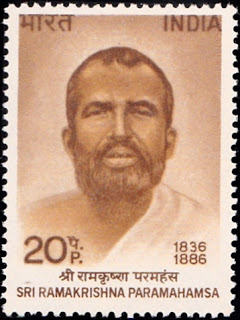
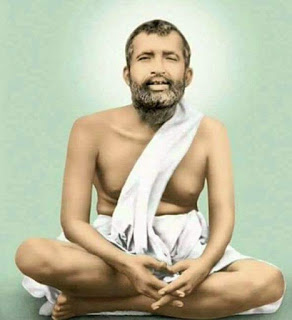
5.Ramakrishna Paramahamsa, the great saint of Calcutta always warned about Kamini and Kanchana (Women and Money/gold). He narrated the following anecdote:

“Money is an upadhi ( a deceptive influence) of a very strong nature. As soon as a man becomes rich, he is thoroughly changed. A Brahmin who was very meek and humble used to come to Dakshineswar every now and then. After some time he stopped his visits, and we knew nothing of what happened to him. One day we went to Konnagore in a boat. As we were getting down from the boat, we saw him sitting on the banks of the Ganges, where in the fashion of a big folk, he was enjoying the breeze of the river.


On seeing me, he accosted me in a patronising tone with the words, ‘Hello, Thakur! How do you do now?’


At once I have noticed the change in his tone and said to Hriday who was with me, ‘I tell you Hriday, this man must have come by some riches. See what a great change has come over him!’ And Hriday burst into laughter.


That is the evil power of money.


xxx


अज्ञः सुखम् आराध्यः
सुखतरम् आराध्यते विशेषज्ञः ।
ज्ञानलवदुर्विदग्धं
ब्रह्मापि तं नरं न रञ्जयति ॥ 1.3 ॥


It is easy to explain an ignorant man. It is even easier to explain to a wise and leanrned person. But, even Brahma cannot explain and please a person who has only a little knowledge and yet considers himself to be the mot learned man 1-3

In Tamil there are some proverbs to say that that a fool cannot be taught. ‘He will argue that the rabbit he caught has only three legs’.

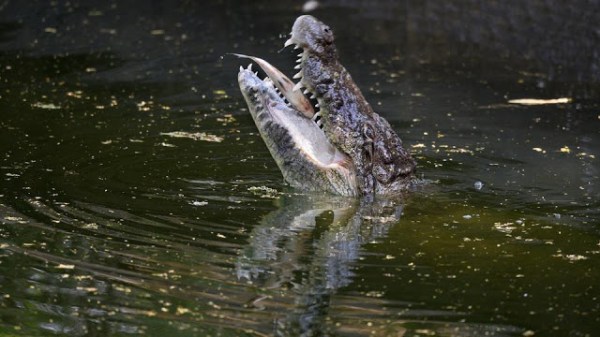
There is another proverb which says ‘a dog’s tail can never be straightened!” And the last one is “An ignorant idiot and a crocodile will never lose the grip of its catch’. That is an idiot will stick to his argument,come what may.


There is an Arabic saying which categorizes people into four types:-


“He who knows not, and knows not that he knows not, is a fool. Shun him.
He who knows not, and knows that he knows not, is simple. Teach him.
He who knows, and knows not he knows, is asleep. Wake him.
He who knows, and knows that he knows is wise. Follow him.”


–Subam–


படித்தவனுக்கு பொறாமை, பணக்காரனுக்கு அகந்தை- பர்த்ருஹரி வருத்தம் (Post No.5436)

Written by London Swaminathan

swami_48@yahoo.com

Date: 16 September 2018


Time uploaded in London – 10-56 am (British Summer Time)


Post No. 5436

Pictures shown here are taken from various sources including google, Wikipedia, Facebook friends and newspapers. This is a non- commercial blog.


பர்த்ருஹரி நீதி சதகம்- 2


இந்தப்பகுதியில் நீதி சதகம் பாடல் 2, 3 ஆகியவைகளை பிற நூல்களுடன் ஒப்பிடுவோம்.


बोद्धारो मत्सरग्रस्ताः
प्रभवः स्मयदूषिताः ।
अबोधोपहताः चान्ये
जीर्णम् अङ्गे सुभाषितम् ॥ 1.2 ॥


போத்தாரோ மத்சரக்ரஸ்தாஹா ப்ரபவஹ ஸ்மயதூஷிதாஹா

அபோதோபஹதாஸ்சான்யே ஜீர்ணமங்கே சுபாஷிதம்- 1-2


படித்தவர்களுக்கோ பொறாமை அதிகம்;


பணக்காரர்களோ அகந்தை  மிக்கவர்கள்;

ஆகையால் என் பொன்மொழிகள் பலமிழந்து விட்டன.

படித்தவர்களுக்கு கர்வமும் பொறாமையும் அதிகம்.

இதனால்தான் வள்ளுவர் சொன்னார்,


கதம்காத்து கற்றடங்கல் ஆற்றுவான் செவ்வி

அறம்பார்க்கும் ஆற்றின் நுழைந்து – குறள் 130


கடும் சினத்தை விடுத்து, கற்பன கற்று அதற்குத் தக்க அடக்கமும் உடையவனை, அடைவதற்கு தரும தேவதை காத்திருப்பாளாம். அதாவது அவன் வழியில் நின்று கொண்டு காத்திருப்பாள் என்கிறார்.


‘வித்யா விநயன்ன சம்பதே’ என்று ஸம்ஸ்க்ருத்தில் சொல்லுவர். படித்தவர்களுக்கு அகந்தை வந்து விடும் என்பதால்தான் இதைச் சொல்லுகின்றனர்.


வள்ளுவர் வாழ்விலேயே இது நடந்தது. அவர் மீது பொறாமை கொண்டோர் அவருடைய திருக்குறளை ஏற்காமல் வாதாடியபோது சங்கப் பலகையானது பொறாமை கொண்ட புலவர் அத்தனை பேரையும் வெளியே தள்ளியது.

வில்லிப்புத்தூரார்க்கும் அருணகிரிநாதருக்கும் நடந்த போட்டியில் வில்லிபுத்தூரார் தோற்றதை நாம் அறிவோம். அகந்தையாலும் பொறாமையாலும், போகும் வரும் புலவரை எல்லாம் வாதுக்கு அழைத்து அவர்கள் தோற்றுவிட்டதால் கையில் வைத்துள்ள குறடால் எதிரியின் காதுகளை அறுப்பது வில்லிப்புத்தூரார் வழக்கம். அருணகிரி நாதரிடமும் வாலாட்ட முயன்றபோது, அவருடைய கந்தரந்தாதிக்குப் பொருள் தெரியாமல் விழிக்கவே வில்லிப்புத்தூராரின் காதை அருணகிரி நாதர் அறுத்தார்.


இதே போல வட நாட்டிலும் பண்டி என்ற புலவர் செய்தார். மஹாபாரதத்தில் வன பர்வத்தில் ஒரு சம்பவம் உள்ளது. ஜனகரின் அவையிலிருந்த பண்டி என்ற புலவர் வாதத்தில் தோற்ற பிராஹ்மணர்களை எல்லாம் நதியில்  தூக்கி எறிந்தார். கஹோதர் என்பவருக்கும் இந்த கதி ஏற்பட்டது. அவருடைய புதல்வன் அஷ்டாவக்ரர் வந்து, பண்டியை வாதத்தில் தோற்கடித்து நதியில் வீசி எறிந்தார். படித்தவர்களின் பொறாமை பற்றி நமது நூல்களில் இது போலப் பல கதைகள் உண்டு.


பணக்காரர்களின் அகந்தை பற்றி பல கதைகள் உண்டு.

இதனால்தான் செல்வந்தர்களுக்கு அடக்கம் அவஸியம் என்று வள்ளுவர் மொழிந்தார்.


எல்லார்க்கும் நன்றாம் பணிதல் அவருள்ளும்

செல்வர்க்கே செல்வம் தகைத்து – குறள் 125


பணிவும், அடக்கமும் எல்லோருக்கும் இருக்க வேண்டும்தான்; ஆயினும் பணம் படைத்தவர்கள் அகந்தையின்றி இருந்தால், அவருக்குக் கூடுதல் செல்வம் வந்தது போல ஆகும் என்பார் வள்ளுவர்.


xxxx


ராமகிருஷ்ண பரமஹம்ஸர்  சொல்கிறார்:-


பணம் என்பது வலிமைமிக்க, தீமைமிக்க கவர்ச்சிப்பொருள்.

ஒருவன் செல்வத்தைப் பெற்றதும் மிகவும் மாறிவிடுகிறான். வணக்கமும் அமரிக்கையும் உள்ள பிராம்மணன் ஒருவன் அடிக்கடி தக்ஷிணேஸ்வரத்து வருவதுண்டு. கொஞ்ச நாட்களுக்குப் பிறகு அவன் வரவேயில்லை. அவனுக்கு என்ன நேர்ந்தது என்பதும் எக்களுக்க்த் தெரியவில்லை. ஒரு நாள் நாங்கள் படகு மார்க்கமாக கொன்னாகருக்குப் போனோம்.


படகிலிருந்து கீழே இறங்கும் போது, அந்தப் பிராம்மணன் பிரபுக்களைப் போல கங்கைக் கரையில் உடகார்ந்துகொண்டு, காற்று வாங்குவதைக் கண்டோம். அவன் என்னைக் கண்டதும்,

‘என்ன, ஸ்வாமி, சௌக்கியமா? ‘என்று கம்பீரத் தொனியுடன் கேட்டான். அவனது குரலில் இருந்த மாறுபாட்டைக் கவனித்ததும் நான் ஹிருதயனிடம், இவனுக்கு ஏதோ பணம் கொஞ்சம் கிடைத்திருக்கும் போலிருக்கிறது. என்ன மாறுதல் உண்டாகி இருக்கிறது, பார்த்தாயா? என்றேன். ஹிருதயன் விலா வலிக்கச் சிரித்தான்.


ராமகிருஷ்ண பரமஹம்ஸர் மேலும் சொல்கிறார்:-


பணம் எவனுக்கு அடிமையோ அவன்தான் நல்ல உண்மையான மனிதன். பணத்தை எப்படி செலவழிக்க வேண்டும் என்று தெரிந்துகொள்ள வேண்டும்


ஆக பணத்துக்கு அடிமையானவன் மிருகம்; பணம், ஒருவனுக்கு அடிமையாகிவிட்டால் அவன் நல்ல மனிதன்.

அந்தக் காலத்தில் வேதத்தைக் கற்கச் சென்ற மாணவர்களுக்கு மாடு மேய்த்தல், பிச்சை எடுத்தல்,குருவுக்கு துணி தோய்த்துப் போடல், கொட்டில்களில் உள்ள மாடுகளைக் கவனித்து கொட்டிலை சுத்தமாக வைத்தல், குரு உறங்கும் போது விசிறி வீசல், மிகவும் தஒண்டுக் கிழவனாக குரு இருந்தால் கை, கால் பிடித்து விடல் போன்ற பல செயல் முறைப் பயிற்சிகளால் அடக்கத்தைப் போதித்து, அகந்தையைக் களைந்தெடுத்து, மாணவனைப் பக்குவபடுத்தி கல்வி கற்பித்தது பயனளித்தது என்பதை உபநிஷத்துக்களிலிருந்து அறிகிறோம்.


பணமும் பதவியும் வந்த பின்னர் ஆட்டம் போட்ட துருபதன் போன்ற மாணவர்களை மன்னன் ஆனபிறகு, துரோணர் தண்டித்த கதையை நாம் அறிவோம். துரோணரும் துருபதனும் அக்னிவேஷ் என்ற ரிஷியின் மாணவர்கள். படிப்பு முடிந்த பின்னர் துரோணர் ஏழ்மையில் வாடினார். துருபதனோ பஞ்சால நாட்டின் மன்னன் ஆனான். துரோணர் அவனிடம் உதவி நாடிச் சென்ற போது அவரை உதாசீனப் படுத்தினான். அவமானம் தாங்காத துரோணர் வாய்ப்பு கிடைத்த போது அவனுடைய அகந்தைக்குப் பாடம் கற்பித்தார். பஞ்ச பாண்டவர்கள், வில்வித்தை கற்று முடிந்தவுடன் துரோணரிடம் என்ன குருதட்சிணை வேண்டுமென்று கேட்டனர். உடனே துரோணர், தன்னை அவமத்தித்த துருபதனை இழுத்துவரச் சொன்னவுடன் அதை அர்ஜுனன்  செய்து முடித்தான். தோற்றுப்ப்போன துருபதன், பாதி ராஜ்யத்தைத் துரோணருக்கு அளிக்க ஒப்புக் கொண்டவுடன் அவன் விடுதலை ஆனான்.

XXX


अज्ञः सुखम् आराध्यः
सुखतरम् आराध्यते विशेषज्ञः ।
ज्ञानलवदुर्विदग्धं
ब्रह्मापि तं नरं न रञ्जयति ॥ 1.3 ॥


அக்ஞஹ சுகமாராத்ய சுகதரமாராத்யதே விஷேஷக்ஞஹ

ஞானலவதுர்விதக்தம் ப்ரஹ்மாபி தம் நரம் ந ரஞ்சயதி- 2-3


அறியாதவனுக்குச் சொல்லிதருவது எளிது;

புத்திசாலிக்கும் விஷயம் தெரிந்தவனுக்கும் கற்பிப்பது மேலும் எளிது;

கொஞ்சம் படித்துவிட்டு எல்லாம் தெரிந்தது போல உலவுகிறானே அவனுக்கு பிரம்மாவும் கூட சொல்லித் தரமுடியாது; அவனை திருப்தி செய்யவும் முடியாது.


An ancient saying from the Middle East says:

He who knows not, and knows not that he knows not, is a fool. Shun him.
He who knows not, and knows that he knows not, is simple. Teach him.
He who knows, and knows not he knows, is asleep. Wake him.
He who knows, and knows that he knows is wise. Follow him.


முதலையும் மூர்க்கனும் கொண்டது விடா- என்பது தமிழ்ப் பழமொழி. அதாவது அவர்கள் தான் பிடித்த முயலுக்கு மூன்றே கால்கள் என்று வாதிடுவர். எப்படி நாய் வாலை நிமிர்த்த முடியாதோ அதைப் போல அவர்கலைத் திருத்த முடியாது. இதையெல்லாம் கருதிதான் ஒரு அராபிய பழமொழியும் சொல்கிறது.


He who knows not, and knows not that he knows not, is a fool. Shun him.

He who knows not, and knows that he knows not, is simple. Teach him.

He who knows, and knows not he knows, is asleep. Wake him.

He who knows, and knows that he knows is wise. Follow him.


எவன் ஒருவனுக்கு ஒன்றும் தெரியவில்லையோ, அவனுக்கும் தனக்கு ஒன்றும் தெரியாது என்பது தெரியவில்லையோ அவன் முட்டாள்; அவனை ஒதுக்கி விடு


எவன் ஒருவனுக்கு ஒன்றும் தெரியவில்லையோ, அவனுக்கும் தனக்கு ஒன்றும் தெரியாது என்பது தெரிந்திருக்கிறதோ அவன் எளியவன்; அவனுக்கு சொல்லிக்கொடு.


எவன் ஒருவனுக்கு எல்லாம் தெரிந்திருக்கிறதோ ஆனால் அவனுக்கு தான் அறிந்தவன் என்பது தெரியாமல் இருக்கிறானே அவன் உறங்கிக்கொண்டு இருக்கிறான்; அவனைத் தட்டி எழுப்பு.


எவன் ஒருவனுக்கு எல்லாம் தெரிந்திருக்கிறதோ  அவனும் தனக்கு எல்லாம் தெரியும் என்று அறிந்திருக்கிறானோ  அவன் புத்திசாலி; அவனைப் பின்பற்று.


ஆக முட்டாள்களுக்கு உபதேசம் செய்வது வீண்; அவர்களாக அடிபட்டு, அடிபட்டுக் கற்றுக் கொள்ள வேண்டும்


–சுபம்–

பாதிரிகளுக்கு இங்கர்சாலின் கேள்வி! – 2 (Post No.5435)


Written by S NAGARAJAN

Date: 16 SEPTEMBER 2018


Time uploaded in London – 5-38 AM (British Summer Time)


Post No. 5435


Pictures shown here are taken from various sources including google, Wikipedia, Facebook friends and newspapers. This is a non- commercial blog.


ச.நாகராஜன்


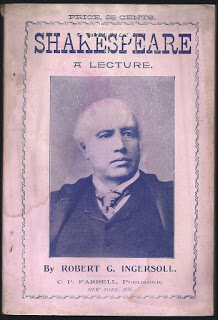
ராபர்ட் க்ரீன் இங்கர்சாலின் உரை தொடர்கிறது. அதன் சுருக்கத்தை மட்டும் இங்கு தமிழில் காணலாம். மூலத்தை உள்ளது உள்ளபடி ஆங்கிலத்தில் படிக்கலாம்.

“ முதலில் இறையியலைப் பார்க்கிறேன். இந்த உலகில் என்ன செய்வது என்று நான் கேட்கிறேன். கேட்கும் உரிமை எனக்கு உள்ளதா? ஆம்,. கேட்கும் உரிமை உள்ளதெனில் அதை ஆராயும் உரிமையும் எனக்குள்ளது. ஆராயும் உரிமையும் எனக்குள்ளதெனில் அதை ஏற்றுக் கொள்ளும் உரிமையும் எனக்குள்ளது. ஏற்றுக் கொள்ளும் உரிமை எனக்குள்ளதெனில் அதை ஏற்றுக்கொள்ளாமல் மறுக்கும் உரிமையும் எனக்குள்ளது. எந்த மதத்தை  மறுக்க எனக்கு உரிமை உள்ளது? எது எனது பகுத்தறிவுக்கு ஒத்ததாக இல்லையோ , எது  தகுதி வாய்ந்த உண்மை என இல்லையோ, எது எனது பொதுஅறிவுக்கு உகந்ததாக இல்லையோ அதை நான் மறுக்கலாம். லட்சக்கணக்கானோர் இந்த உலகை இயற்கைக்கு அப்பாற்பட்ட செயல்களால் ஆள நினைக்கிறார்கள். ஆயிரக் கணக்கில் சர்ச்சுகள் உள்ளன. ஆயிரக்கணக்கான கதீட்ரல்கள் , தேவாலயங்கள் கட்டப்பட்டுள்ளன. லட்சக்கணக்கானோர் நற்செய்திகளை (‘gospel’)  பரப்புவதில் ஈடுபட்டுள்ளனர். அதன் விளைவு தான் இந்த உலகத்தில் என்ன? ஒரு சர்ச் இன்னொரு சர்ச்சை இரக்கத்துடன் நோக்குகிறதா? ஒரு நாட்டின் மதம் இன்னொரு நாட்டின் மதத்தை மதிக்கிறதா? அல்லது எனது மதமே சிறந்த மதம் என்று சொல்லாமல் இருக்கிறதா? ஒவ்வொரு மதத்தின் போதகரும் எல்லையற்ற செருக்குடன் மற்றவரைப் பின்பற்றுவோரை ஊழித் தீயில் தள்ளவில்லையா?

ஏன் சர்ச்சுகள் உலகை நாகரிகப்படுத்துவதில் தோல்வியை அடைந்து விட்டன? மற்ற நாடுகளை விட கிறிஸ்தவ நாடுகள் சிறந்ததாக இல்லையே, ஏன்? மற்றவர்களை விட கிறிஸ்தவர்கள் சிறந்தவர்களாக இல்லையே, ஏன்? பாதிரிகள் இதர டாக்டர்கள் அல்லது வக்கீல்கள் அல்லது வியாபாரிகள் அல்லது மெக்கானிக்குகள் அல்லது ரயில் எஞ்ஜின் டிரைவர்களை விடச் சிறந்தவர்களாக இல்லையே ஏன்? ரயிலை இயக்கும் எஞ்ஜின் டிரைவர் ஆயிரம் மடங்கு பயனுள்ளவராக இருக்கிறார். ஒரு மோசமான எஞ்சினியரையும் நல்ல பாதிரியையும் தருவதை விட ஒரு நல்ல எஞ்சினியரையும் மோசமான பாதிரியையும் எனக்குத் தாருங்கள்; இயற்கையை மீறிய செயல்களை நம்புபவர்களைப் பற்றிய ஒரு வியப்பூட்டும் உண்மை இருக்கிறது. ஒரு சர்ச்சின் பாதிரிகள் மற்ற சர்ச்சுகளில் உள்ள பாதிரிகள் சொல்லும் அற்புதங்களிலும் ஆச்சரியமூட்டும் விஷயங்களிலும் நம்பிக்கை கொள்வதில்லை. ஒருவேளை அவர்களில் ஒருவரைப் பற்றி இன்னொருவர் தெரிந்திருக்கலாம். ஒரு ஹிந்துவிடம் கிறிஸ்தவ மிஷனரிகள் பைபிளில் வரும் அற்புதங்களைச் சொல்வார். ஹிந்து புன்முறுவல் பூப்பார். ஹிந்து கிறிஸ்தவ மிஷனரிகளிடம் தங்கள் புராணங்களில் உள்ள அற்புதங்களைக் கூறுவார். மிஷனரிகள் அவரை இரக்கத்துடன் பார்ப்பர். ஒரு பாதிரி இன்னொரு பாதிரியின் வார்த்தையை நம்பமாட்டார்.

இதை விளக்கும் வகையில் ஒரு சின்ன கதையை ஒரு சமயம் நான் கேட்டேன். ஒரு கனவான் ஒரு விருந்தில் மிக மிக ஆச்சரியகரமான ஒரு சம்பவத்தை விவரித்தார். அவர் அதைச் சொல்லி முடித்த பின்னர் எல்லோரும், “அது நடக்கக் கூடியதா, என்ன? நீங்கள் எப்போதாவது இது போல கேள்விப்பட்டதுண்டா?” என்றனர். எல்லோரும் ஒருமித்த குரலில் ஆச்சரியப்பட்டு இப்படிக் கூறினர் – ஒருவரைத் தவிர. அந்த ஒருவர் ஒன்றுமே சொல்லவில்லை. பேசாமல் இருந்தார்; ஆச்சரியமும் படவில்லை. மிக அதிக ஆச்சரியத்தில் மூழ்கி இருந்த ஒருவர் அவரை நோக்கி, “இப்போது அவர் சொன்ன சம்பவத்தை நீங்கள் கேட்டீர்களா?” என்றார்.

ஆம், கேட்டேன் என்றார் அவர்.

“அது சரி, அதைக் கேட்டு சற்றும் ஆச்சரியப்பட்ட மாதிரி காணோமே!”

“அதுவா, நானே ஒரு பொய் சொல்பவன் தான்” என்றார் அவர்.

**


ஆங்கில மூலம் இது:

In the first place I am met by the theological world. Have I the right to inquire? They say, “Certainly; it is your duty to inquire.” Each church has a recipe for the salvation of this world, but not while you are in this world — afterward. They treat time as a kind of pier — a kind of wharf running out into the great ocean of eternity; and they treat us all as though we were waiting there, sitting on our trunks, for the gospel ship.

I want to know what to do here. Have I the right to inquire? Yes. If I have the right to inquire, then I have the right to investigate. If I have the right to investigate, I have the right to accept. If I have the right to accept, I have the right to reject. And what religion have I the right to reject? That which does not conform with my reason, with my standard of truth, with my standard of common sense. Millions of men have been endeavoring to govern this world by means of the supernatural. Thousands and thousands of churches exist, thousands of cathedrals and temples have been built, millions of men have been engaged to preach this gospel; and what has been the result in this world? Will one church have any sympathy with another? Does the religion of one country have any respect for that of another? Or does not each religion claim to be the only one? And does not the priest of every religion, with infinite impudence, consign the disciples of all others to eternal fire?

Why is it the churches have failed to civilize this world? Why is it that the Christian countries are no better than any other countries? Why is it that Christian men are no better than any other men? Why is it that ministers as a class are no better than doctors, or lawyers, or merchants, or mechanics, or locomotive engineers? And a locomotive engineer is a thousand times more useful. Give me a good engineer and a bad preacher to go through this world with rather than a bad engineer and a good preacher; and there is this curious fact about the believers in the supernatural: The priests of one church have no confidence in the miracles and wonders told by the priests of the other churches. Maybe they know each other. A Christian missionary will tell the Hindoo of the miracles of the bible; the Hindoo smiles. The Hindoo tells the Christian missionary of the miracles of his sacred books; and the missionary looks upon him with pity and contempt. No priest takes the word of another.

I heard once a little story that illustrates this point: A gentleman in a little party was telling of a most wonderful occurrence, and when he had finished everybody said: “Is it possible? Why, did you ever hear anything like that?” All united in a kind of wondering chorus except one man. He said nothing. He was perfectly still and unmoved; and one who had been greatly astonished by the story said to him: “Did you hear that story?” “Yes.” “Well, you don’t appear to be excited.” “Well no,” he said; “I am a liar myself.”

  • தொடரும்
  • ***

Seneca and Valluvar (Post No.5434)


Compiled by London Swaminathan

swami_48@yahoo.com

Date: 15 September 2018


Time uploaded in London – 20-52 (British Summer Time)


Post No. 5434

Pictures shown here are taken from various sources including google, Wikipedia, Facebook friends and newspapers. This is a non- commercial blog.

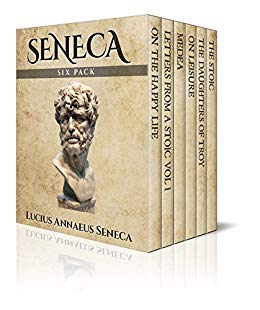
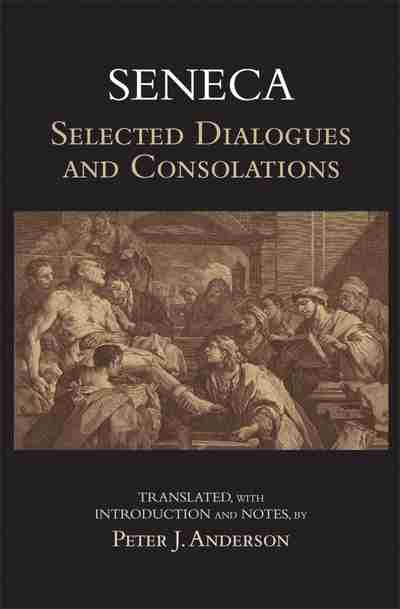
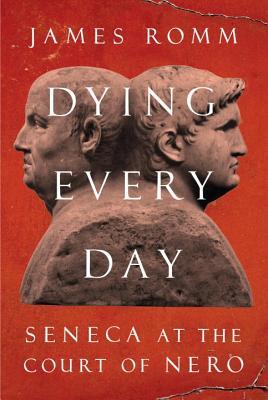
Who is Seneca?
Lucius Annaeus Seneca (4 BCE-65 CE) was a Roman stoic playwright, author of essays and nine tragedies. He was tutor to the future emperor Nero but lost favour after Nero’s accession to the throne, he lost his support and was ordered to commit suicide. His tragedies were accepted as classical models by 16th century dramatists.

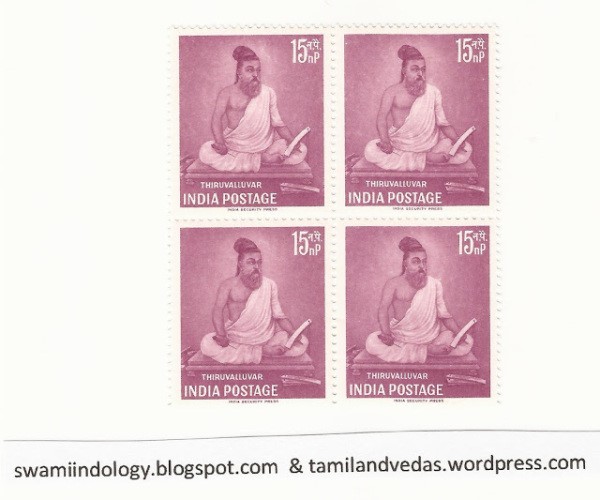
Who is Valluvar?
The greatest of the ancient Tamil poets. He was the author of Tirukkural, an ethical work with 1330 couplets dealing with 133 topics. His aphorisms are famous for its brevity and clarity.


PURITY OF MIND 

There are number of similarities between Valluvar and Seneca. Let us look at few couplets:
Tiru valluvar says in the chapter on the Importance of Virtue,

To be of pure, spotless mind is real virtue; all else is of no avail- Kural 34

He says a blemish less mind is the basis of all virtues. Every thing else is an empty show.
Seneca agrees with him ,
‘Between good men and the gods there exists a good friendship brought about by virtue (arising from a pure mind)’.– Seneca on Providence

Xxxx


PATIENCE 

Under the chapter on Forbearance or Patience, Valluvar said,

‘Overcome by forbearance those that harm thee by this overbearing act’– 158

Another translation of the same couplet is

‘Pride leads a man to do wrong; but this could be overcome
By the greater pride of one’s own forbearance.

Seneca also says,
Unkindness must be treated with kindness.

This, we find, in Dhammapada of Buddha and Mahabharata of Vyasa.
Almost all Hindu saints said this.

Xxx

ANGER, CONTROL OF TEMPER

If you would protect yourself, guard against your own anger.
For anger, not controlled would lead to self- destruction–305

Seneca’s words fully agree with Valluvar,
‘Anger leads to self- destruction’.

Xxx

NOT CAUSING INJURY


We find in Valluvar’s Kural,
Refraining from doing harm in retaliation of harm done with animosity is the rule of conduct of the noble hearted- Kural 312
This is also said by all the great saints
Seneca said,
‘For the wise and the great injuries don’t exist.’

Once again we are reminded ‘Great men think alike’.

Source for Seneca s quotations- Tirukkural by Dr S M Diaz
Xxx subham xxxx

திருவையாற்றில் தியாகப் பிரம்மம் சமாதி உருவான கதை (Post No.5433)


Compiled by London Swaminathan

swami_48@yahoo.com

Date: 15 September 2018


Time uploaded in London – 17-36 (British Summer Time)


Post No. 5433

Pictures shown here are taken from various sources including google, Wikipedia, Facebook friends and newspapers. This is a non- commercial blog.


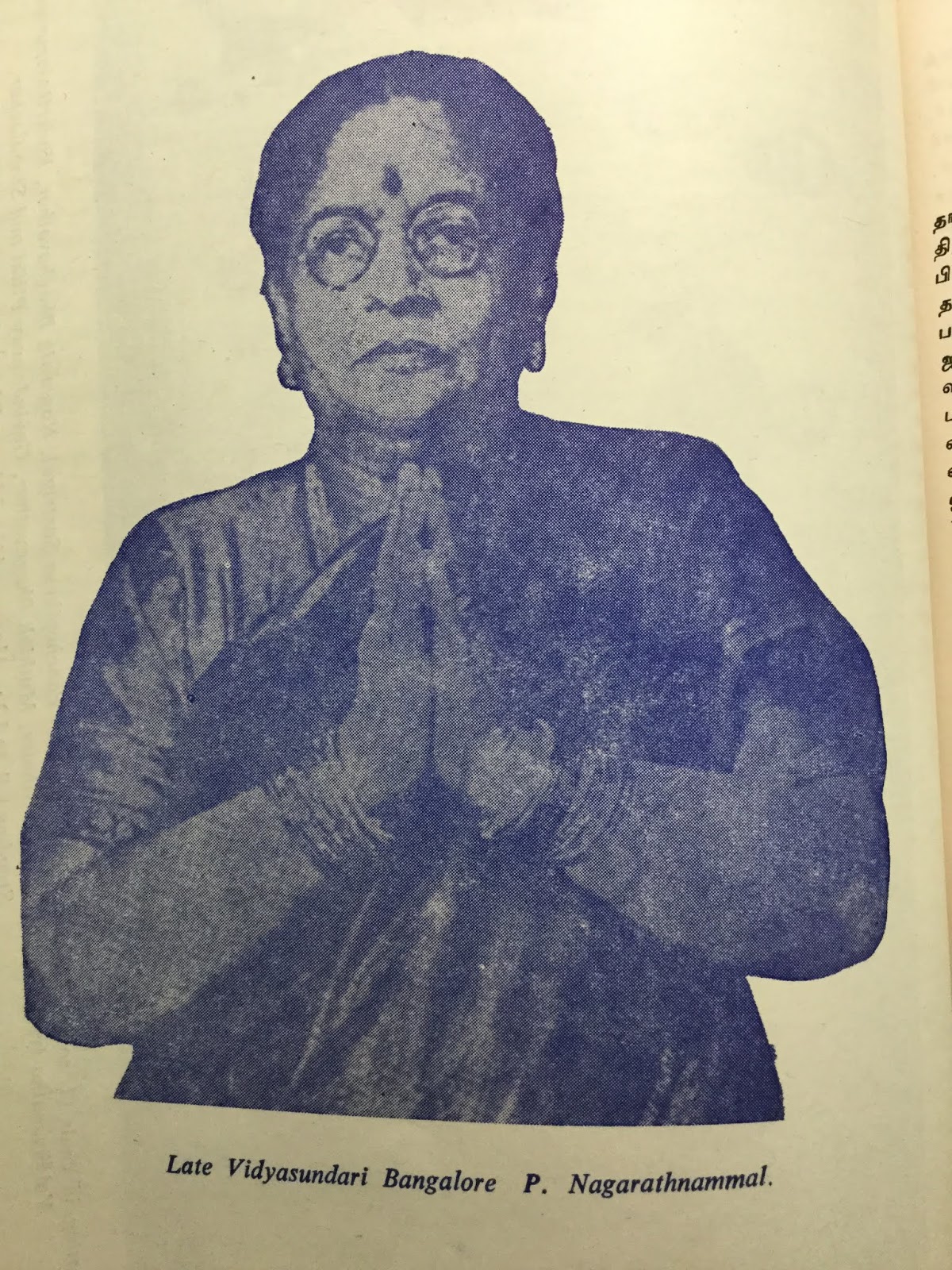
பெங்களூர்   நாகரத்தினம்மாளின்  சேவை


திருவையாற்றில்  கேட்பாரற்றுக்  கிடந்த தியாகராஜ  சுவாமிகளின் சமாதியை  பெங்களூர் நாகரத்தினம்மாள்  ஒரு கோவிலாக,  ஆஸ்ரமமாக  உருவாக்கிய  உருக்கமான கட்டுரை 1968ஆம்  ஆண்டு தியாகப் பிரம்ம ஆராதனை மலரில் வெளியாகியது. இதை சங்கரன் எழுதி இருக்கிறார்.


நாகரத்தினம்மாள் அந்தக் காலத்திலேயே போர்ட்ட்பிள் (Portable  Tambura) தம்பூரா செய்து வைத்திருன்ந்த சுவையான செய்டியும் இதில் உள்ளது.