நான் முதன் முதலாக கடிதம் எழுதியது Indian Express பத்திரிகைக்குத்
தான்.
அது அந்தக் காலம். Mother India பத்திரிகையை நடத்திய
பாபுராவ் படேல் கேள்வி- பதில் பகுதியின் மன்னன். அவரைப் போல இன்னும் ஒருவரை பதில் சொல்வதில்
நான் இதுவரை காணவில்லை. அவர் கிறிஸ்தவ பாதிரிகள் மதமாற்றத்தில் செய்த அட்டூழியங்களையும்
மறுக்க முடியாத ஆதாரங்களுடன் வெளியிட்டவர்.
அவரது புள்ளிவிவரங்களின் அடிப்படையில் அப்போது நடந்த கிறிஸ்தவ
பாதிரிகளின் கொடூரமான மதமாற்றத்தைக் கண்டித்து இந்தியன் எக்ஸ்பிரஸ் பத்திரிகைக்கு நான்
ஒரு கடிதம் எழுத, அது அப்படியே வந்தது.
ஒரே மகிழ்ச்சி. எழுதத் தொடங்கினேன்.
அப்போதிருந்து நல்ல கடிதங்களை கலெக்ட் செய்து என் ‘கலெக் ஷனில்
சேர்த்து வைத்திருப்பேன். இதில் பிரபலங்களின் கடிதமும் அடக்கம்.
சமீபத்தில் டைம்ஸ் ஆஃப் இந்தியா பத்திரிகைக்குப் பதில் ஹிந்து
பத்திரிகையை என் வீட்டில் போட அதை எடுத்துப் பார்த்தேன். அதில் அன்றாட பிரச்சினையைத்
தீர்க்கும் ஆசிரியருக்குக் கடிதங்கள் பகுதி ஒன்று இருந்தது.
எனக்கு – அல்லது – எங்கள் பகுதியினருக்கு ஒரு பிரச்சினை.
எங்கள் வீட்டின் வாசலில் பஸ் ஸ்டாப். தாறுமாறாக கர்நாடகப் போக்குவரத்து
பஸ் டிரைவர்கள் பஸ்களை (ஒரு நிமிடத்திற்கு ஐந்து முதல் பத்து பஸ்கள், அத்துடன் எண்ணில்
அடங்கா மினி கேப்கள்) நிறுத்துவதால் சிறுவர் சிறுமியர், பெண்கள் உள்ளிட்டோர் பாதுகாப்பாக
நடக்கவே முடியவில்லை.
இதைச் சுட்டிக் காட்டி ஒரு கடிதத்தை ஹிந்து பத்திரிகைக்கு அனுப்பினேன்.
இரு நாட்கள் கழித்து எனக்கு ஒரு போன். ஹிந்து அலுவலத்தினர் பேசினர்.
பிரச்சினையை விளக்கினேன்.
“உங்கள் போட்டோ ஒன்றை அனுப்புங்கள்’ என்றார்கள்.
“வேண்டாம், கடிதம் மட்டுமே போதும் “ என்றேன்.
விளம்பரமே பிடிக்காதவர் என்று நினைத்து விடாதீர்கள்.
கடிதத்தைப் போட்டோவுடன் பார்த்தால்… என்னை நடக்க அனுமதிக்க
வேண்டுமே! கை கால் போயிற்று என்றால் யார் தருவார்கள்.
அடுத்து நடந்ததைச் சொன்னால் நம்ப மாட்டீர்கள்.
பெரிய பெரிய சிமெண்ட் ஸ்லாப்கள் வந்து திடீரென்று இறங்கின.
பஸ் போவதற்கு ஒரு தனிப்பாதை ஓரமாக அமைக்கப்பட்டது.
காவலர்களும் போக்குவரத்துப் பிரிவினரும் அங்கு நின்று கடுமையாக
சில விதிகளை அமுல் படுத்தினர்.
அட, ஒரு கடிதம் இவ்வளவையும் செய்யுமா? செய்தது.
*
திரு ஏ.என். சிவராமன் பெயரைத் தாங்கி வந்த தினமணி கதிர் இதழில்
ஜெயகாந்தன் அவர்கள் எழுதிய கதையைக் கண்டித்து அனுப்பப்பட்ட கடிதம் பற்றியும், பிரபல
நாவல் ஆசிரியர் இர்விங் வாலஸுக்கு நமது எமர்ஜென்ஸியை ஒட்டி அனுப்பப்பட்ட கடிதத்தையும்
பற்றி முன்பே ஒரு கட்டுரையில் எழுதி விட்டதால் அதை இங்கே மீண்டும் எழுதவில்லை.
*
அப்படி என்ன சார், கடித இலக்கியத்தில் ‘interesting’ சமாசாரம் இருக்கு?
என்று கேட்பவர்களுக்காக ஒரு சாம்பிள் போல இரு கடிதங்களைக் கீழே தருகிறேன். (எனது collection-லிருந்து)
முதலில் கல்கியில் வந்த ஒரு கடிதம்
மனைவி : வழவழவென்று இருக்காமல்
‘வட்டத்தை’ப் போய்ப் பாருங்களேன்
மலைத்து நின்றே
மயங்காமல்
‘மாவட்டத்தைத்’ தான் கேளுங்களேன்
என் பிள்ளைக்கு
வேலை கொடுங்கன்னு
எம்.எல்.ஏவைத்
தான் கேளுங்களேன்
மளமளவென்று
காரியம் முடிய
மந்திரியிடம்
தான் சொல்லுங்களேன்
கணவன் : சளசளவென்று துளைக்காதே
சனவரியோ
டதெல்லாம் போச்சு
வளரும் தமிழ்நாட்டில்
நேர்மை
வளரும்
காலமும் வந்தாச்சு
நீடாமங்கலம் ச.சேதுராமன்
2-2—76
இந்தக் கடிதத்திற்குப் பின்னணியை விக்கிபீடியாவில் இப்படி
காணலாம் : –
On 31 January 1976, Karunanidhi’s government
was dismissed by the central government of Prime Minister Indira
Gandhi citing non co-operation for MISA and President’s rule was imposed on the state.
**
10-11-1990 Indian Express இதழில் வெளியான கடிதம் இது:
Autobiography
of an F.C. Indian
Sir,
It
was nearly eighteen years ago, when I was in the second year of my B.A. We were
eight – five brothers, one sister and my parents. We could afford food only
once a day. To reach my college at Tiruchirapally Junction (TPJ), Tamilnadu, I
had to travel by train from Mekkudi (Allur) where we lived. The train was at 8.40
a.m. At 8 a.m. the seven of us (excluding my mother) would sit around the rice
pot and my mother would measure out one cupful of rice for each. It did not
fill even a corner of my stomach. I used fill my stomach with water. My younger
brother Shiv Shankar, who was then seven, was so anemic that he could not even
eat his food. But he also used to sit
with us for his quota. The moment the rice was served, he would reject it. We,
the remaining brothers, would then pounce upon his plate like a pack of hungry
dogs and grab his share. I being the eldest at 18, used to grab it all for
myself all the time. (I am so ashamed now of what I did then that I wish I had
died). With tears in her eyes, my mother used to be a silent spectator. If my
father intervened at times, I used to hurl harsh words at him, forgetting for a
moment that he was my father.
On
reaching TPJ at 9.40 a.m., my stomach would return to square one to empty. And
the gnawing urge to fill it somehow used to be uppermost in my mind while
walking from TPJ to my college 20 minutes away. The next “meal” was 24 hours
away. Under the guise of playing pranks with my friends and classmates, I used
to finish off their lunch boxes. Of course such pranks could not be played too
often, as there was the risk of my “Brahmin pride” being hurt.
This
forward caste and backward caste business is all hogwash. There are only
forward classes and backward classes. Forward, those who are well-to-do, and
backward, the opposite.
One
day, when I was so hungry that I could not bear it any more, I literally begged
for food from a Brahmin’s house in Srirangam, Tiruchirapalli. Although the
person knew that I was a Brahmin, he gave me food on plantain leaf and asked me
to eat it outside the house but within the compound. (The food was so delicious
that even now my mouth waters to think of it.) If I had been of the same class
as the Brahmin’s, I would not have begged for food and I would have been a
guest at his dining table.
I
had the “good fortune” of working with a two-term Parliamentarian, belonging to
the academic elite. He used to wax eloquent about the uplift of the
downtrodden, secularism, classless society and all that. Once when I claimed
auto-rickshaw fare on performing one of his so-called official errands, he
said: “Since when you moved into the upper middle class?” His tone and look
were so contemptuous that they are still etched in my mind.
Yes,
as per the present definition of the term ‘Brahmin’, I might be a Brahmin by birth
and according to the assumptions and presumptions of the V.P. Singhs and Yadavs
and Paswans, I might belong to the so called forward caste. But I was not taken
into a forward class person’s house to dine, and I was ridiculed for claiming
auto-rickshaw fare by yet another forward class person.
I
used to literally beg, borrow and steal-food from my friends. Many of them were
non-Brahmins. Thanks to them, I was at least able to pass my B.A. albeit in the
Third Class. Now, as per the standards prescribed by that two-term
Parliamentarian, I may have moved into the middle class, if not the upper
middle class. I earn around four thousand five hundred rupees a month and have
a house of my own in Delhi.
There
were other Brahmin boys poorer than myself – who could not even complete their
schooling. They became table cleaner/waiters in hotels, gate-keepers in cinema
houses – some of them even pick-pockets and petty thieves.
There
are only two communities in our country. The haves and the have-nots, the rich
and the poor; the exploiter and the exploited; the ruler and the ruled. The
likes of Paswan and V.P.Singh and Yadav belong to the former category. The can
afford to glibly talk about handing out social justice and all that, because
they have nothing to lose. The interests of their near and dear ones are taken
care of. Their children get educated in elitist ‘public’ schools and they can
go out of this ‘wretched’ country to haven like Switzerland. And they have
everything to gain solid vote banks, and its natural corollary, power.
Ultimately it is we who are left clutching each other by the throat. We are
mere pawns in their political game. This many killed or that many maimed are
but marks of the power that they wield.
Poverty
knows no class, creed, language or religion. Just because someone is born in a
so-called forward caste, it does not automatically immunize him/her from the
vagaries of life. Preferential treatment based purely on economic grounds is
the only way out, if the Government is genuinely interested in raising the
standard of living of its citizens.
New
Delhi
S.Raju Aiyer
***
எப்படி இருக்கிறது என் கலெக் ஷன்? இது போதுமா, இன்னும் கொஞ்சம்
வேணுமா?
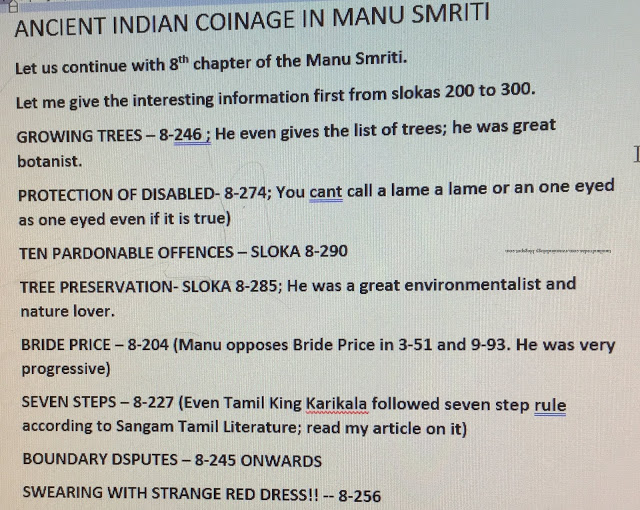
8-201. He who obtains a chattel in the market before a number of
witnesses, acquires that chattel with a clear legal title by purchase.
202. If the original seller be not producible, the buyer being
exculpated by a public sale, must be dismissed by the king without punishment,
but the former owner who lost the chattel shall receive it back from the buyer.
ADULTERATION
203. One commodity mixed with another must not be sold as pure, nor a
bad one as good, nor less than the proper quantity or weight, nor anything that
is not at hand or that is concealed.
MARRIAGE
204. If, after one damsel has been shown, another be given to the
bridegroom, he may marry them both for the same price; that Manu ordained.
205. He who gives a damsel in marriage, having first openly declared her
blemishes, whether she be insane, or afflicted with leprosy, or have lost her
virginity, is not liable to punishment.
HALF WORK- HALF FEE
206. If an officiating priest, chosen to perform a sacrifice, abandons
his work, a share only of the fee in proportion to the work done shall be given
to him by those who work with him.
207. But he who abandons his work after the sacrificial fees have been
given, shall obtain his full share and cause to be performed what remains by
another priest.
208. But if (specific) fees are ordained for the several parts of a
rite, shall he (who performs the part) receive them, or shall they all share
them?
HORSE, CHARIOT, CART
209. The Adhvaryu priest shall take the chariot, and the Brahman at the
kindling of the fires (Agnyadhana) a horse, the Hotri priest shall also take a
horse, and the Udgatri the cart, used when the Soma is purchased.
SHARE OF 16 PRIESTS
210. The four chief priests among all the sixteen, who are entitled to
one half, shall receive a moiety of the fee, the next four one half of that,
the set entitled to a third share, one third, and those entitled to a fourth a
quarter.
211. By the application of these principles the allotment of shares must
be made among those men who here below perform their work conjointly.
212. Should money be given or promised for a pious purpose by one man to
another who asks for it, the gift shall be void, if the money is afterwards not
(used) in the manner stated.
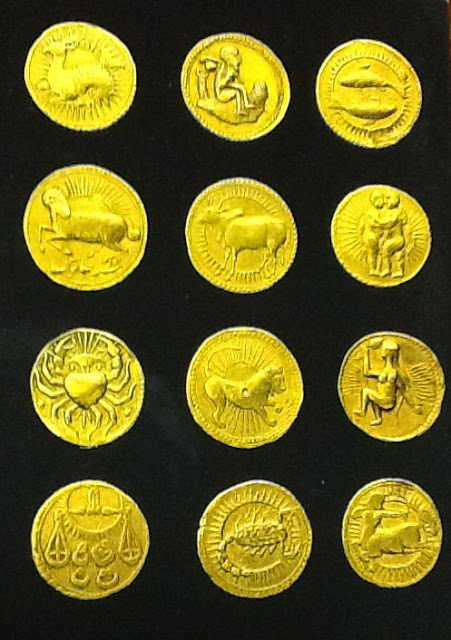
SUVARNA COIN
213. But if the recipient through pride or greed tries to enforce the
fulfilment of the promise, he shall be compelled by the king to pay one suvarna
as an expiation for his theft.
214. Thus the lawful subtraction of a gift has been fully explained; I
will next propound the law for the non-payment of wages.
WAGES AND LABOUR RULES
215. A hired servant or workman who, without being ill, out of pride
fails to perform his work according to the agreement, shall be fined eight
krishnalas and no wages shall be paid to him.
216. But if he is really ill, and after recovery performs his work
according to the original agreement, he shall receive his wages even after the
lapse of a very long time.
217. But if he, whether sick or well, does not perform or cause to be
performed (by others) his work according to his agreement, the wages for that work
shall not be given to him, even if it be only slightly incomplete.
218. Thus the law for the non-payment of wages has been completely
stated; I will next explain the law concerning men who break an agreement.
BREACH OF CONTRACT
219. If a man belonging to a corporation inhabiting a village or a
district, after swearing to an agreement, breaks it through avarice, (the king)
shall banish him from his realm,
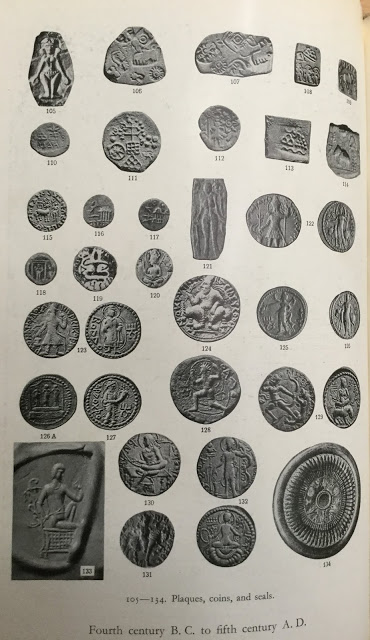
COINAGE OF ANCIENT INDIA- NISHKA, SUVARNA, SATAMANA
220. And having imprisoned such a breaker of an agreement, he shall
compel him to pay six nishkas, each of four suvarnas, and one satamana of
silver.
221. A righteous king shall apply this law of fines in villages and
castes (Jati) to those who break an agreement.
222. If anybody in this world, after buying or selling anything, repent
of his bargain, he may return or take back that chattel within ten days.
223. But after (the lapse of) ten days he may neither give nor cause it
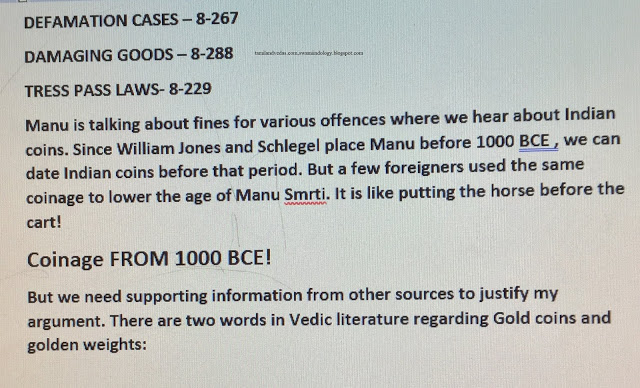
to be given (back); both he who takes it (back) and he who gives it (back,
except by consent) shall be fined by the king six hundred panas.
224. But the king himself shall impose a fine of ninety-six panas on him
who gives a blemished damsel to a suitor without informing him of the blemish.
225. But that man who, out of malice, says of a maiden, ‘She is not a
maiden,’ shall be fined one hundred panas, if he cannot prove her blemish.
226. The nuptial texts are applied solely to virgins, (and) nowhere among men to females who have lost their virginity, for such females are excluded from religious ceremonies.
NUPTIAL TESTS ; SEVEN STEPS
227. The nuptial texts are a certain proof (that a maiden has been made
a lawful) wife; but the learned should know that they (and the marriage
ceremony are complete with the seventh step of the bride around the sacred
fire.
228. If anybody in this (world) repent of any completed transaction, the
king shall keep him on the road of rectitude in accordance with the rules given
above.
TRANSGRESSION LAWS
229. I will fully declare in accordance with the true law (the rules
concerning) the disputes, arising from the transgressions of owners of cattle
and of herdsmen.
230. During the day the responsibility for the safety (of the cattle
rests) on the herdsman, during the night on the owner, (provided they are) in
his house; (if it be) otherwise, the herdsman will be responsible (for them
also during the night).
231. A hired herdsman who is paid with milk, may milk with the consent
of the owner the best (cow) out of ten; such shall be his hire if no (other)
wages (are paid).
232. The herdsman alone shall make good the loss of a beast strayed,
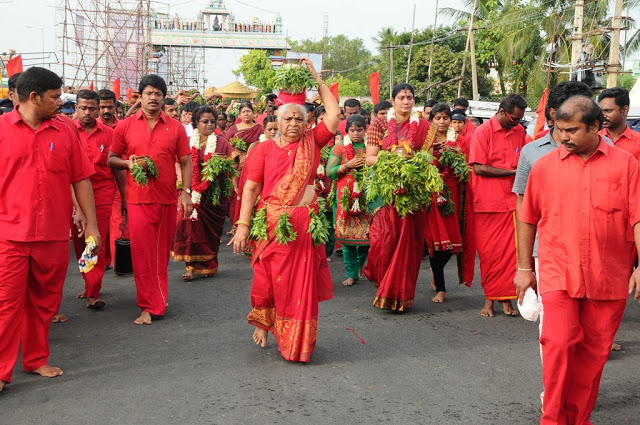
destroyed by worms, killed by dogs or by falling into a pit, if he did not duly
exert himself (to prevent it).
233. But for (an animal) stolen by thieves, though he raised an alarm,
the herdsman shall not pay, provided he gives notice to his master at the
proper place and time.
234. If cattle die, let him carry to his master their ears, skin, tails,
bladders, tendons, and the yellow concrete bile, and let him point out their
particular. marks.
235. But if goats or sheep are surrounded by wolves and the herdsman
does not hasten (to their assistance), lie shall be responsible for any
(animal) which a wolf may attack and kill.
236. But if they, kept in (proper) order, graze together in the forest, and a wolf, suddenly jumping on one of them, kills it, the herdsman shall bear in that case no responsibility.
PASTURE- ENVIRONMENTAL CONCERN
237. On all sides of a village a space, one hundred dhanus or three
samya-throws (in breadth), shall be reserved (for pasture), and thrice (that
space) round a town.
(A bow length is app. Six feet; throwing distance is 200 feet)
238. If the cattle do damage to unfenced crops on that (common), the
king shall in that case not punish the herdsmen.
239. The owner of the field shall make there a hedge over which a camel
cannot look, and stop every gap through which a dog or a boar can thrust his
head.
240. If cattle do mischief in an enclosed field near a highway or near a
village, the herdsman shall be fined one hundred (panas);
(but cattle), unattended by a herdsman, (the watchman in the field)
shall drive away.
241. (For damage) in other fields (each head of) cattle shall (pay a
fine of one (pana) and a quarter, and in all (cases the value of) the crop
(destroyed) shall be made good to the owner of the field; that is the settled
rule.
242. But Manu has declared that no fine shall be paid for (damage done
by) a cow within ten days after her calving, by bulls and by cattle sacred to
the gods, whether they are attended by a herdsman or not.
243. If (the crops are destroyed by) the husbandman’s (own) fault, the
fine shall amount to ten times as much as (the king’s) share; but the fine
(shall be) only half that amount if (the fault lay) with the servants and the
farmer had no knowledge of it.
244. To these rules a righteous king shall keep in (all cases of) transgressions by masters, their cattle, and herdsmen.
BOUNDARY DISPUTES- TREE PLANTING
245. If a dispute has arisen between two villages concerning a boundary,
the king shall settle the limits in the month of Gyaishtha, when the landmarks
are most distinctly visible.
246. Let him mark the boundaries (by) trees, (e.g.) Nyagrodhas,
Asvatthas, Kimsukas, cotton-trees, Salas, Palmyra palms, and trees with milky
juice,
247. By clustering shrubs, bamboos of different kinds, Samis, creepers
and raised mounds, reeds, thickets of Kubgaka; thus the boundary will not be
forgotten.
248. Tanks, wells, cisterns, and fountains should be built where
boundaries meet, as well as temples,
249. And as he will see that through men’s ignorance of the boundaries
trespasses constantly occur in the world, let him cause to be made other hidden
marks for boundaries,
251. And whatever other things of a similar kind the earth does not
corrode even after a long time, those he should cause to be buried where one
boundary joins (the other).
252. By these signs, by long continued possession, and by constantly
flowing streams of water the king shall ascertain the boundary (of the land) of
two disputing parties.
253. If there be a doubt even on inspection of the marks, the settlement
of a dispute regarding boundaries shall depend on witnesses.
254. The witnesses, (giving evidence) regarding a boundary, shall be
examined concerning the landmarks in the presence of the crowd of the villagers
and also of the two litigants.
255. As they, being questioned, unanimously decide, even so he shall record the boundary (in writing), together with their names.
SWEAR WEARING RED DRESS
256. Let them, putting earth on their heads, wearing chaplets (of red
flowers) and red dresses, being sworn each by the rewards for his meritorious
deeds, settle the boundary in accordance with the truth.
257. If they determine the boundary in the manner stated, they are
guiltless being veracious witnesses; but if they determine it unjustly, they
shall be compelled to pay a fine of two hundred panas.
258. On failure of witnesses (from the two villages, men of) the four
neighbouring villages, who are pure, shall make (as witnesses) a decision
concerning the boundary in the presence of the king.
259. On failure of neighbours (who are) original inhabitants (of the country and can be) witnesses with respect to the boundary, the king may hear the evidence even of the following inhabitants of the forest.
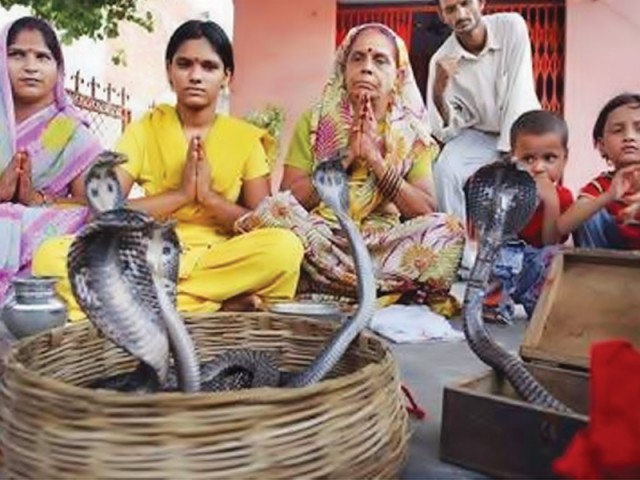
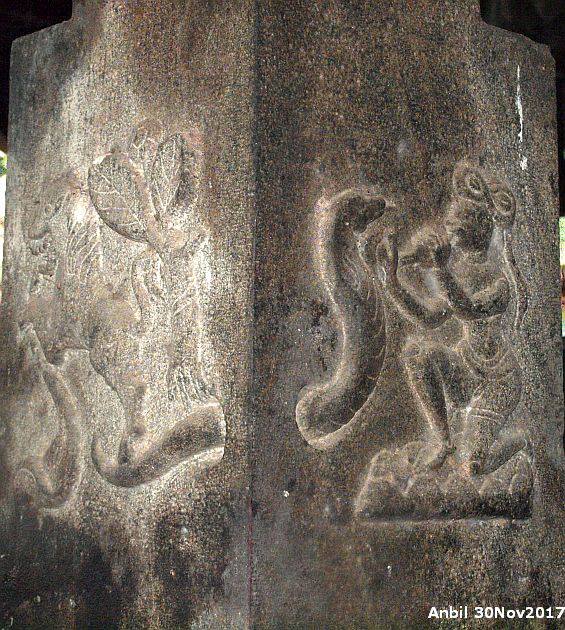
picture by Lalgudi Veda from Anbil
SNAKE CATCHERS
260. (Viz.) hunters, fowlers, herdsmen, fishermen, root-diggers,
snake-catchers, gleaners, and other foresters.
261. As they, being examined, declare the marks for the meeting of the
boundaries to be, even so the king shall justly cause them to be fixed between
the two villages.
262. The decision concerning the boundary-marks of fields, wells, tanks,
of gardens and houses depends upon the evidence of the neighbours.
263. Should the neighbours give false evidence, when men dispute about a
boundary-mark, the king shall make each of them pay the middlemost amercement
as a fine.
264. He who by intimidation possesses himself of a house, a tank, a
garden, or a field, shall be fined five hundred (panas); (if he trespassed)
through ignorance, the fine (shall be) two hundred (panas).
265. If the boundary cannot be ascertained (by any evidence), let a
righteous king with (the intention of) benefiting them (all), himself assign
(his) land (to each); that is the settled rule.
266. Thus the law for deciding boundary (disputes) has been fully declared, I will next propound the (manner of) deciding cases of defamation.
DEFAMATION CASES/ VERBAL ASSAULTS
267. A Kshatriya, having defamed a Brahmana, shall be fined one hundred
(panas); a Vaisya one hundred and fifty or two hundred; a Sudra shall suffer
corporal punishment.
268. A Brahmana shall be fined fifty (panas) for defaming a Kshatriya;
in (the case of) a Vaisya the fine shall be twenty-five (panas); in (the case
of) a Sudra twelve.
269. For offences of twice-born men against those of equal caste (varna,
the fine shall be) also twelve (panas); for speeches which ought not to be
uttered, that (and every fine shall be) double.
270. A once-born man (a Sudra), who insults a twice-born man with gross
invective, shall have his tongue cut out; for he is of low origin.
271. If he mentions the names and castes (Jati) of the (twice-born) with
contumely, an iron nail, ten fingers long, shall be thrust red-hot into his
mouth.
272. If he arrogantly teaches Brahmanas their duty, the king shall cause
hot oil to be poured into his mouth and into his ears.
273. He who through arrogance makes false statements regarding the
learning (of a caste-fellow), his country, his caste (Jati), or the rites by
which his body was sanctified, shall be compelled to pay a fine of two hundred
(panas).
274. He who even in accordance with the true facts (contemptuously)
calls another man one-eyed, lame, or the like (names), shall be fined at least
one karshapana.
100 PANAS FINE
275. He who defames his mother, his father, his wife, his brother, his
son, or his teacher, and he who gives not the way to his preceptor, shall be
compelled to pay one hundred (panas).
276. (For mutual abuse) by a Brahmana and a Kshatriya a fine must be
imposed by a discerning (king), on the Brahmana the lowest amercement, but on
the Kshatriya the middlemost.
277. A Vaisya and a Sudra must be punished exactly in the same manner
according to their respective castes, but the tongue (of the Sudra) shall not
be cut out; that is the decision.
278. Thus the rules for punishments (applicable to cases) of defamation
have been truly declared; I will next propound the decision (of cases) of
assault.
279. With whatever limb a man of a low caste does hurt to (a man of the
three) highest (castes), even that limb shall be cut off; that is the teaching
of Manu.
280. He who raises his hand or a stick, shall have his hand cut off; he
who in anger kicks with his foot, shall have his foot cut off.
281. A low-caste man who tries to place himself on the same seat with a
man of a high caste, shall be branded on his hip and be banished, or (the king)
shall cause his buttock to be gashed.
282. If out of arrogance he spits (on a superior), the king shall cause
both his lips to be cut off; if he urines (on him), the penis; if he breaks
wind (against him), the anus.
283. If he lays hold of the hair (of a superior), let the (king)
unhesitatingly cut off his hands, likewise (if he takes him) by the feet, the
beard, the neck, or the scrotum.
284. He who breaks the skin (of an equal) or fetches blood (from him)
shall be fined one hundred (panas), he who cuts a muscle six nishkas, he who
breaks a bone shall be banished.
285. According to the usefulness of the several (kinds of) trees a fine
must be inflicted for injuring them; that is the settled rule.
286. If a blow is struck against men or animals in order to (give them)
pain, (the judge) shall inflict a fine in proportion to the amount of pain
(caused).
287. If a limb is injured, a wound (is caused), or blood (flows, the assailant) shall be made to pay (to the sufferer) the expenses of the cure, or the whole (both the usual amercement and the expenses of the cure as a) fine (to the king).
DAMAGING GOODS
288. He who damages the goods of another, be it intentionally or
unintentionally, shall give satisfaction to the (owner) and pay to the king a
fine equal to the (damage).
289. In the case of (damage done to) leather, or to utensils of leather,
of wood, or of clay, the fine (shall be) five times their value; likewise in
the case of (damage to) flowers, roots, and fruit.
290. They declare with respect to a carriage, its driver and its owner,
(that there are) ten cases in which no punishment (for damage done) can be
inflicted; in other cases a fine is prescribed.
291. When the nose-string is snapped, when the yoke is broken, when the
carriage turns sideways or back, when the axle or a wheel is broken,
292. When the leather-thongs, the rope around the neck or the bridle are
broken, and when (the driver) has loudly called out, ‘Make way,’ Manu has
declared (that in all these cases) no punishment (shall be inflicted).
293. But if the cart turns off (the road) through the driver’s want of
skill, the owner shall be fined, if damage (is done), two hundred (panas).
294. If the driver is skilful (but negligent), he alone shall be fined;
if the driver is unskilful, the occupants of the carriage (also) shall be each
fined one hundred (panas).
295. But if he is stopped on his way by cattle or by (another) carriage,
and he causes the death of any living being, a fine shall without doubt be
imposed.
296. If a man is killed, his guilt will be at once the same as (that of)
a thief; for large animals such as cows, elephants, camels or horses, half of
that.
297. For injuring small cattle the fine (shall be) two hundred (panas);
the fine for beautiful wild quadrupeds and birds shall amount to fifty (panas).
298. For donkeys, sheep, and goats the fine shall be five mashas; but
the punishment for killing a dog or a pig shall be one masha.
299. A wife, a son, a slave, a pupil, and a (younger) brother of the
full blood, who have committed faults, may be beaten with a rope or a split
bamboo,
300. But on the back part of the body (only), never on a noble part; he
who strikes them otherwise will incur the same guilt as a thief.
பத்திரிகையை எடுத்தவுடன் நான் படிக்கும் முதல் பகுதி ஆசிரியருக்குக்
கடிதங்கள் தான்!
அதில் தான் நாட்டு நடப்பைப் பற்றிய சரியான கணிப்பு இருக்கும்;
பல தரப்பட்ட கருத்துக்கள் தரப்பட்டிருக்கும்.
பழைய காலத்தில் ஆயிரத்தி தொள்ளாயிரத்து எழுபதுகளில் ‘ஹிந்து’ – The Hindu – நிஜ ஹிந்துவாக
இருந்த காலத்தில் தவறாமல் அதைப் படிப்பது எனது வழக்கம்.
குன்னூர் நாராயணசாமி ஐயர் என்பவர் ஒரு விவாதத்தைத் தொடங்குவார்
– சரியான விஷயம் பற்றித் தான். அவ்வளவு தான், உடனே அலை அலையாகக் கடிதங்கள் வரும். அவருக்கு
பதில், ஆதரவு எல்லாம் வரும். ஒரு செட் ஆஃப் பீப்பிள் (Set of people)
-தான்.
அதாவது, ‘அவர் சமிக்ஞை காண்பிப்பார், தொடர்ந்து அலைகள் எழும்பி
கரை புரண்டோடும்’ என்பது போல இருக்கும்.
ஆனால் அந்தக் கடிதங்கள் ஏராளமான உண்மைகளைத் தரும்.
படிப்பதும் ஆனந்தம்; பகிர்வதும் ஆனந்தம்.
ஆசிரியராகப் பார்த்து ஒரு ‘நல்ல நாளில்” இத்துடன் இந்த
விவாதம் முடிவடைகிறது என்று போடுவார்.
அடுத்த குன்னூர் நாராயணசாமி ஐயரின் கடிதத்திற்காகக் காத்திருப்பேன்.
ஆனால் இப்போதெல்லாம் அது போலக் காண முடிவதில்லை!
*
எனது எழுத்துக்களுக்கு வரும் விமரிசனங்கள் பலதரப்பட்டவை.
உதாரணத்திற்கு சிலவற்றைச் சொல்கிறேன்.
ஆயிரத்தி தொள்ளாயிரத்து எண்பதுகளில் திருச்சி அகில இந்திய் வானொலி
நிலையம் எனது நாடகங்கள் சிலவற்றை ஒலி பரப்பியது.
புரட்சிவீரன் பகத் சிங் என்ற நாடகத்தை எழுதி அனுப்பினேன்.
அதை அனுப்பியதைத் தொடர்ந்து அலுவலகத்தில் என்னை இலங்கைக்கு அனுப்பினார்கள்.
ஒரு வாரம் அங்கு இருந்து விட்டுத் திரும்புவதாகத் திட்டம். ஆனால்
அங்கு ஜனவரி மாதம் சென்றவன் அக்டோபர் முடிய இருக்க வேண்டியதாயிற்று.
ஆல் இந்தியா ரேடியோவில் பல சட்ட திட்டங்கள் உண்டு. அதன்படி இலங்கையில்
இருந்த எனது நாடகத்தை அவர்களால் ஒலிபரப்ப முடியவில்லை. (காண்ட்ராக்டில் கையெழுத்துப்
போட என்னால் முடியவில்லை)
ஒரு வழியாக நான் இந்தியா திரும்பியவுடன் நாடகம் ஒலிபரப்பானது.
அடுத்த வாரம் புரோகிராம் எக்ஸிகியூடிவ் திரு தெய்வசிகாமணி எனக்கு ஒரு கடிதம் அனுப்பி இருந்தார்.
ரத்னம் என்ற நேயரின் கடிதம் அது.
அதில் நான் கூறிய படி பகத்சிங்கின் வாழ்க்கை நிகழ்ச்சிகள் இல்லை
என்றும் அவை தவறு என்றும் எழுதி இருந்தார் அவர்.
தூக்கிவாரிப்போட்டது எனக்கு.
எல்லா ஆதாரங்களையும் புத்தகங்களின் சகிதம் எடுத்துக் கொண்டு
திருச்சிக்குப் புறப்பட்டேன்.
ஒரு எளிய மத்திய தர வர்க்கத்தினரின் சிறிய வீடுகள் அடங்கிய ஒரு
பகுதி. மரம் ஒன்றின் அடியில் ஒரு கயிற்றுக் கட்டில். அதில் வயதானவர் ஒருவர் படுத்திருந்தார்.
அவர் தான் ரத்னம்.
அவரிடம் என்னை அறிமுகப்படுத்திக் கொண்டு அவரது கடிதத்தைக் காண்பித்து,
“எனது நாடகத்தில் ..” என்று ஆரம்பித்தேன்.
அவர் திடுக்கிட்டார். “ஐயா! இதற்காகவா மதுரையிலிருந்து வந்தீர்கள்.
சும்மா நினைவிலிருந்து எழுதியது அது. ஆதாரம் காண்பிக்க வேண்டிய அவசியமே இல்லை. நீங்கள்
எழுதினால் அது சரியாகத் தான் இருக்கும்” என்று சொல்லி விவாதத்திற்கு
ஆரம்பத்திலேயே சமாதி கட்டி விட்டார்.
எனக்குச் சப்பென்று போயிற்று. வானொலி நிலையம் சென்றேன்; நடந்ததைச்
சொன்னேன்.
தெய்வசிகாமணி சிரித்தார். நீங்கள் இப்படி வந்திருக்க வேண்டிய
அவசியமே இல்லை என்று சொன்னவர், “சரி, வந்ததும் நல்லதாகப் போச்சு, ஆர் எம் வீரப்பன்
சொன்னதைப் படித்தீர்களா?” என்று கேட்டார்.
எம் ஜி ஆர் அரசில் அறநிலையப் பொறுப்பு போன்றவற்றை வகித்தவர்
அவர். காந்திஜியின் முக்கிய வாழ்க்கைச் சம்பவங்கள் தென்னாட்டிலேயே நிகழ்ந்தன என்றும்
அந்தச் சம்பவங்கள் பிரதானமாக எடுத்துச் சொல்லப்படவில்லை என்றும் அவர் தன் ஆதங்கத்தை
வெளிப்படுத்தி இருந்தார் அவர்.
காந்திஜி வாழ்க்கையை மையமாக வைத்து ஒரு நாடகம் அனுப்புங்களேன்
என்றார் அவர்.
இரு நாட்கள் தான் அவகாசம். வீடு வந்தவன் அனைத்து நூல்களையும்
அலசி ஆராய்ந்து வருவார் காந்திஜி என்ற தொடர் நாடகத்தை எழுதி அனுப்பினேன்.
நடனு என்பவர் காந்திஜி பாத்திரத்திற்குக் குரல் கொடுத்திருந்தார்.
அருமையான குரல் – காந்திஜியே பேசுவது போல!
நாடகம் பெருத்த வரவேற்பைப் பெற்றது.
ஒரு விமரிசனக் கடிதத்திற்கு பதில் சொல்லப் போய் நான் பெற்றது
நல்ல பெயரை!
*
இஸ்ரேலிருந்து ஒரு மின்னஞ்சல்.
இயற்கையில் எண் கணித
ரகசியங்கள் அமைந்திருப்பது (Nature’s Numbers By Ian
Stewart) பற்றிய ஒரு அருமையா
புத்தகத்தைப் பற்றி ஒரு மதிப்புரை எழுதி இருந்தேன் – www.ezinearticles.com இல்!
அது பற்றி ஏராளமான கேள்விகள். விடாது பதில் அனுப்பினேன்.
ஆனால் கேள்விகள் ஆழ்ந்த ஞானத்தைச் சுட்டிக் காட்டியது.
அந்தப் பெண்மணியிடம், “ நீங்கள் யார்? உண்மையைச் சொல்லுங்கள்,
எனது விவரங்களை விட அதிகம் அறிந்தவர் நீங்கள்” என்று ஒரு மெயிலை
அனுப்பினேன்.
உண்மை வெளி வந்தது. அந்தப் பெண்ணின் தந்தை இஸ்ரேலின் பிரபல விஞ்ஞானி.
அவர் கேட்ட கேள்விகளை அந்தப் பெண் அனுப்பி இருந்தார்.
தப்பித்தோம் பிழைத்தோம் என்று விஞ்ஞானிக்கு என் வணக்கங்களைக்
கூறி மெயிலில் விடை பெற்றேன்.
*
ஐன்ஸ்டீனும் கீதையும் பற்றிய எனது கட்டுரையை அதே www.ezinearticles.com இல் படித்த ஒரு
பேரறிஞர் ஐன்ஸ்டீன் கீதையைப் பற்றிக் கூறியதற்கான ஆதாரம் – Source – என்ன என்று கேட்டு
மெயில் அனுப்பி இருந்தார்.
தலை சுற்றியது. சுமார் 45 ஆண்டுகளுக்கு முன்னால் படித்த கட்டுரை
தான் ஆதாரம். அதைத் தேட ஆரம்பித்தேன்.
நல்ல வேளை, அதை எழுதியவர் மதுரையில் இருந்தார். அவரைத் தொடர்பு
கொண்டேன். அவர் பெயரைச் சொன்ன போது அவர், “நான் அவனில்லை. இப்போது சுவாமிஜி ஆகி விட்டேன்” என்றார். அவருக்கு
எனது பணிவான நமஸ்காரத்தைச் சொல்லி விஷயத்தைக் கேட்டேன்.
அவரோ, “ஐன்ஸ்டீன் கீதையைப் பற்றிக் கூறியதையும் குப்தா என்பவர்
பெயரைக் கட்டுரையில் குறிப்பிட்டிருந்ததும் எனக்கு நினைவுக்கு வருகிறது. ஆனால் அதற்கான
ஆதாரம் Hindu பத்திரிகையில்
அப்போது வந்த ஒரு கட்டுரை தான்” என்று கூறினார்.
அதை அப்படியே இஸ்ரேலுக்கு அனுப்பினேன். அவரோ ‘இதற்காக நான் இஸ்ரேலில்
ஐன்ஸ்டீன் பற்றிய அனைத்து ஆவணங்களையும் படித்துத் தேடிக் கொண்டிருக்கிறேன்’ என்றார்.
இது பற்றி இணையதளத்தில் நிறைய கட்டுரைகள் வெளியானதென்னவோ உண்மை
தான்!
பொதுவாக அனைத்துக் கட்டுரைகளுக்கான ஆதாரங்களையும் பத்திரமாகச்
சேமித்து வைத்திருப்பவன் நான்! சில சமயம் ஆதாரத்திற்கும் ஒரு ஆதாரத்தைச் சுட்டிக் காண்பித்து
ஆதி மூலத்திற்கே போக வேண்டி இருக்கிறது.
*
நஞ்சப்பா அவர்கள் எனது கட்டுரைகளை படித்து விட்டு எழுதும் விமரிசனங்கள்
எனது ஒரிஜினல் கட்டுரைகளை விட அதிக விஷயங்களைத் தருவதை நேயர்கள் அறிந்திருப்பீர்கள்.
திரு பரமசிவனோ நன்று, அருமை என ஒற்றை வாக்கியத்தில் கருத்தைச்
சொல்லி விடுவார். (சாண்டில்யனின் “ஒற்றைச் சொல்லை அவன் உதிர்த்தான்” என்பது உங்கள்
நினைவுக்கு வந்தால் அதற்கு நான் பொறுப்பல்ல. பல நாவல்களில் அவரது கதாநாயக, நாயகிகள்
ஒற்றைச் சொல்லை உதிர்ப்பர்; அதற்கு மஹிமை அதிகம்!)
சரி, நீங்கள் ஆசிரியருக்கு எழுதிய கடிதம் ஒன்றைச் சொல்லுங்களேன்
என்று கேட்கிறீர்களா. அடுத்த கட்டுரையில் சொல்கிறேன்.
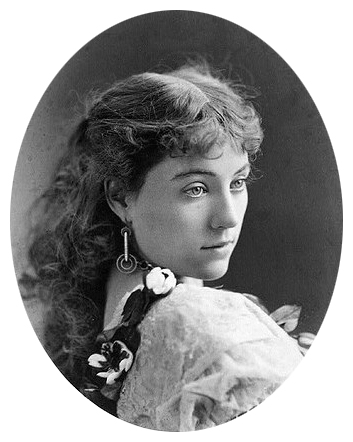
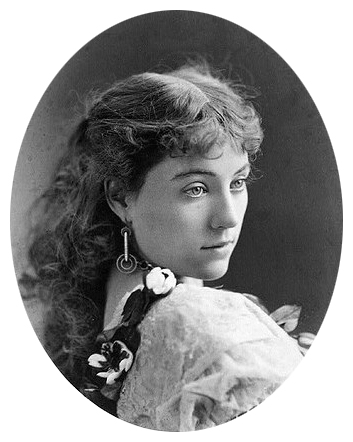
Miss Clara Morris told the following story of her own experience:
Somewhere in the wide world there is an actor — and a good one – who never eats
celery without thinking of me. It was years ago, when I was playing Camille. In
the first scene, you will remember, the unfortunate Armand takes a rose from
Camille as a token of love. We had almost reached that point, when, as I
glanced down, I saw that the flower was missing from its accustomed place on my
breast.
What could I do? On the flower hung the strength of the scene. However, I
continued my lines in an abstract ed fashion and began a still hunt for that
rose or a substitute. My gaze wandered around the stage. On the dinner table
was some celery. Moving slowly towards it, I grasped the celery and twisted the
tops into a rose form. Then I began the fateful lines,
“Take this flower. The life of a camellia is short. If held and caressed it will
fade in a morning or an evening”.
Hardly able to control his laughter, Armand spoke his lines which ran,
“It is a cold, scentless flower. It is a strange flower. I agreed with him”.
Clara Morris (March 17, 1849 – November 20, 1925) (her birth date is sometimes given as 1846/48) was an American actress.
Xxxx
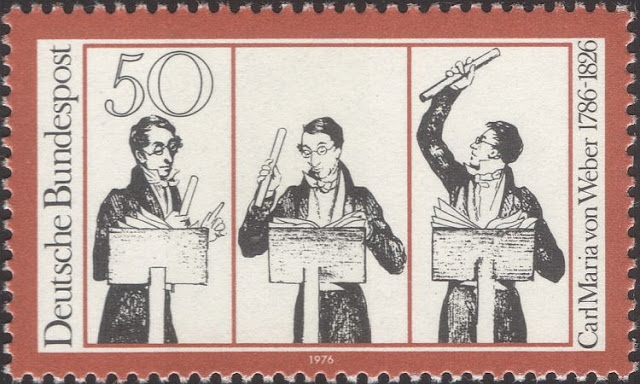
Conductors Anecdotes
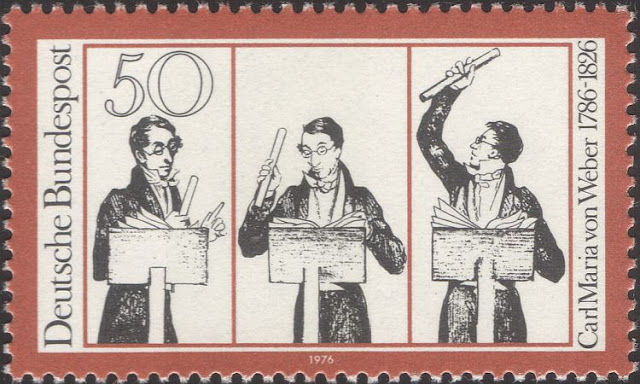
The noted conductor, Eugene Goosens, is fond of a story about a titled English man of no musical education or ability, who desire d to be a conductor. He hired a symphony orchestra and a costly concert hall and, willy nilly, began conducting a rehearsal in preparation for the launching of a great concert. He had no ability whatsoever to control the orchestra and the musicians found themselves struggling to keep time against the erratic and vague gestures of their conductor. The rehearsal got nowhere and, after a couple of hours, everyone was hot , tired and irritable. At this time, in the midst of a slow, stately passage, the kettle drummer , who was rattled, anticipated an attack by some twelve bars and came crashing in. Flying into a fury, the conductor hurled down his baton, glared at the players, and shouted,
“Who did that?”
Xxx
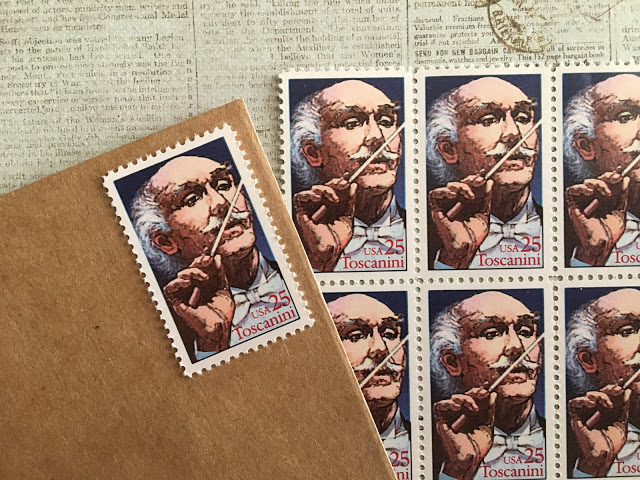
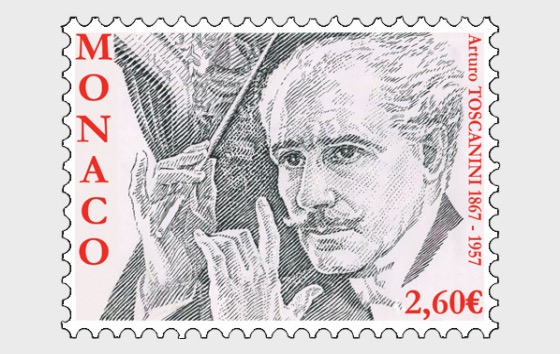
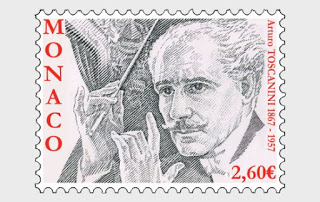
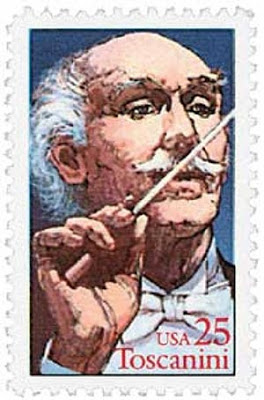
Arturo Toscanini 1
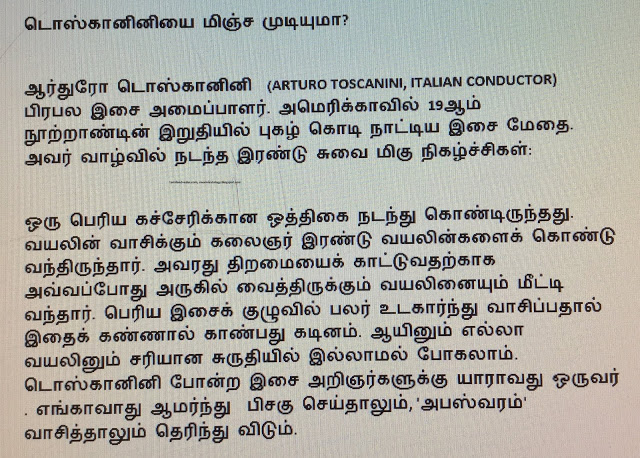
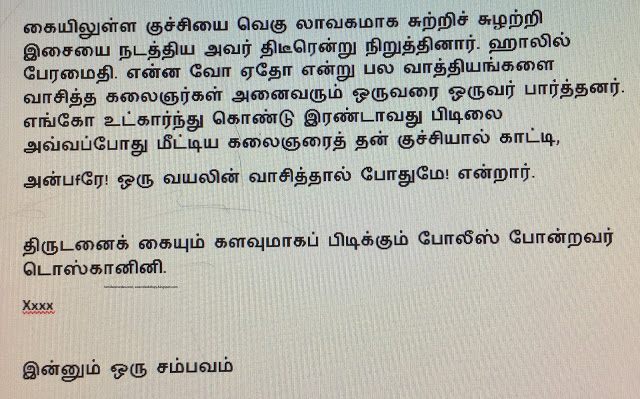
During a rehearsal a second violinist grazed the
string next to the one he had intended to play. The sound of this slip was
almost inaudible. Few people would have noticed it. But Toscanini stopped the
orchestra, pointed his baton at the culprit without hesitation and cried out
sharply,
“One string will be quite enough, if you please”.
Arturo Toscanini (Italian: [arˈtuːro toskaˈniːni]; March 25, 1867 – January 16, 1957) was an Italian conductor. He was one of the most acclaimed musicians of the late 19th and of the 20th century, renowned for his intensity, his perfectionism, his ear for orchestral detail and sonority, and his eidetic memory.[1] He was at various times the music director of La Scala in Milan, the Metropolitan Opera in New York, and the New York Philharmonic. Later in his career he was appointed the first music director of the NBC Symphony Orchestra (1937–54), and this led to his becoming a household name (especially in the United States) through his radio and television broadcasts and many recordings of the operatic and symphonic repertoire.
Xxx
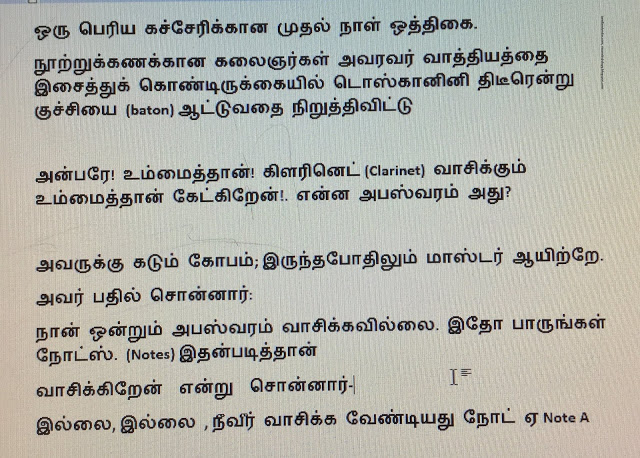
Arturo Toscanini 2 Once when the Philharmonic was rehearsing Cesar Franck’s Symphony under the direction of Toscanini, he interrupted the rehearsal and protested that the clarinetist was playing a wrong note. The clarinetist denied the charge, and repeated the passage from his score before him. The note is A, Toscanini said, Not A Flat
No, no,said the clarinetist, and came forward
with his score to prove it. Toscanini peered nearsightedly at the page.
This is an error, he said, and, sending for the full conductor s score, which he never used, he opened it and demonstrated the error of which the clarinetist himself was innocent, an error in the part-copyist ‘s work.







































 Tamil and Vedas