SACRED TREES IN JAINISM – JAINS’ LOVE AFFAIR WITH TREES! (Post No.7460)

WRITTEN BY LONDON SWAMINATHAN

Post No.7460

Date uploaded in London – 16 January 2020

Contact – swami_48@yahoo.com

Pictures are taken from various sources for spreading knowledge; this is a non- commercial blog.

The whole world knows about the importance given to trees in Hinduism. In fact 150 years ago, Christian preachers projected India and Hinduism as primitive, unlettered , illiterates mass and tree and snake worshippers. Now after the concerns regarding pollution and climate change hitting the headlines, the whole world salutes Hindus for respecting nature and for appreciating the value of natural resources.

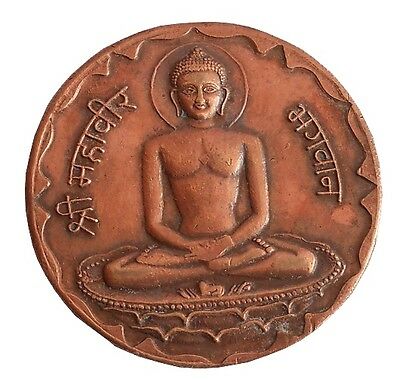
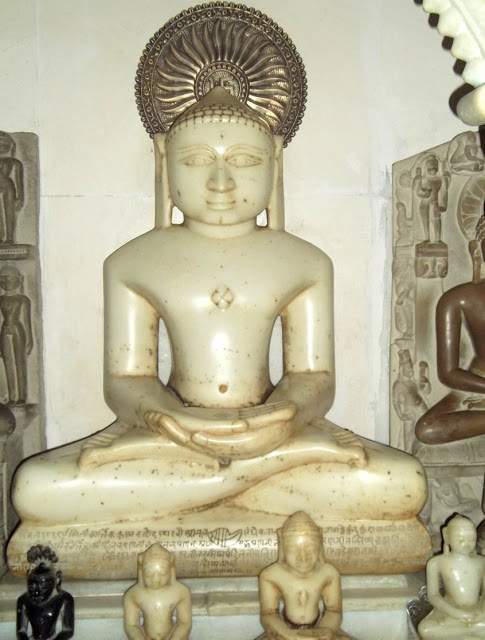
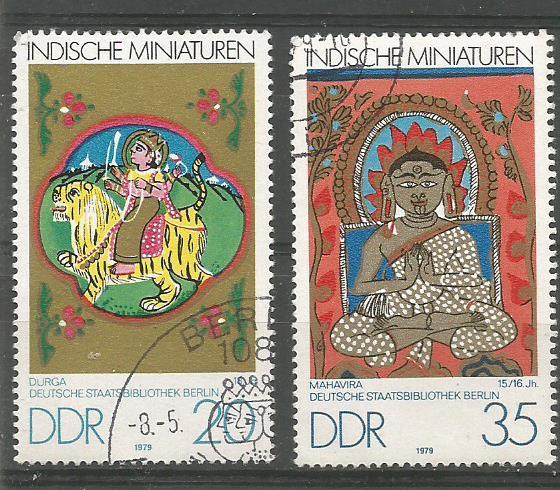
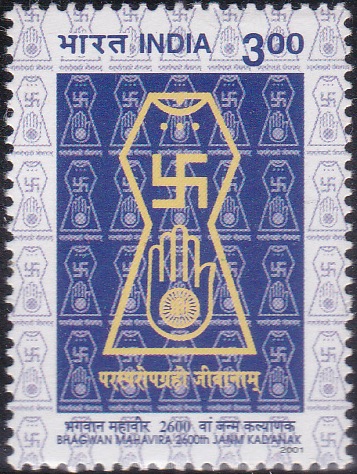
Because of Buddha the Asvattha Tree (Pipal, Peepul, Ficus religiosa) became a worshipful tree. Now the world Buddhists flock to see the original Bodhi tree in India. But not many people know about the sacred trees of Jain religion. All the 24 saints (Tirthankaras) have sacred trees associated with them.

Just before going into the details, let me give some interesting tit bits:-

Lord Krishna said in  the Bhagavad Gita that he is the Asvattha Tree (Ficus religiosa) among the trees. Having read this, Buddha also went to the sacred tree and attained enlightenment. In Vishnu Sahasranama hymn, the three trees belonging to the same genus and  same family are given as Vishnu’s names (Ficus religiosa, Ficus benghalensis and Ficus glomerata or racemosa of Family Moraceae).

Tamils went one step ahead and called the Asvattha as the KING TREE (Arasa Maram). Even today the women who are without children go around it to get children. The oxygen that it produces is higher than that of many other trees.

Vedic Hindus even named themselves after this tree such as Pippaladan (Mr Asvattha). Brahmins use the sticks of this tree till this day.

Regarding the Banyan tree, a lot of things are in our religion and litrature. It is Vishnu’s name (Nyagrodha); it is worshipped by women during Vata Savitri Vrata. It is in the name of the world famous Anghor ‘Vat’ Temple (vata is banyan tree). Alexander amazed at the sight of it. Panchatantra and Tamil literature have beautiful verses on it.

With this in background we have to look at the trees associated with Jainism. Unlike other sages, Jains attained Mukti or Kevala Jnan under the trees. They did not go to the top of the mountains or into the caves. So we can even say that the Buddha followed them. Sanit Mahavir,last of the 24 Tirthankaras, was a contemporary of Gautama Buddha.

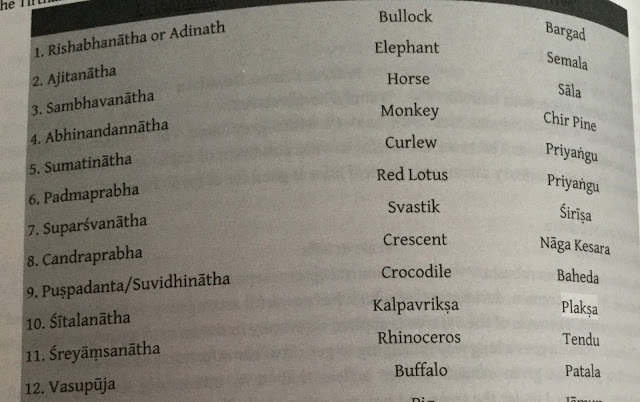
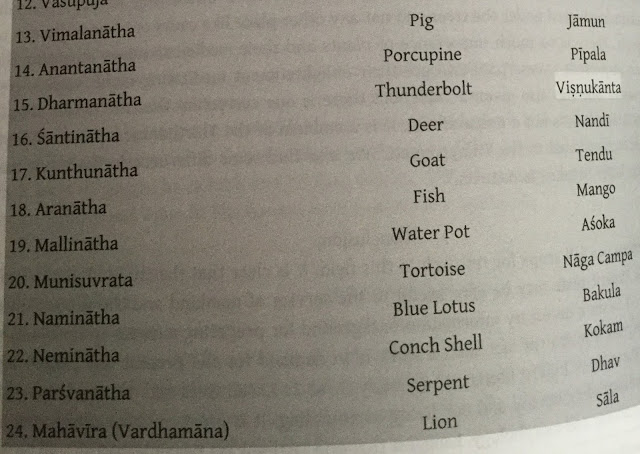
Here is the list of 24 saints of Jain religion and the tree under which they did the penance to attain liberation:-

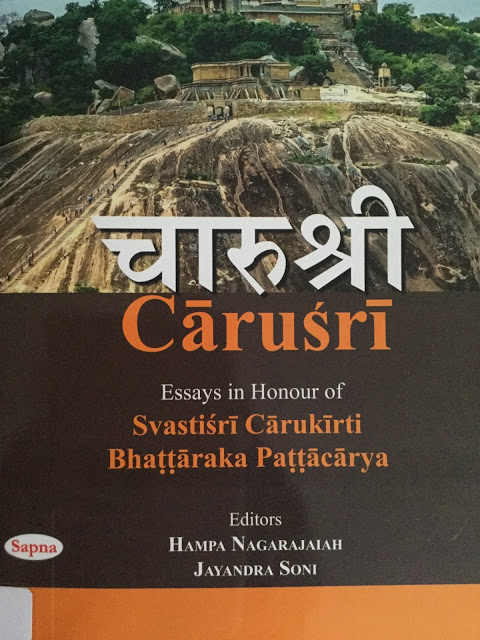
(I have taken the list from the article written by Rachana Jain in ‘Essays in Honour of Caarusrii’, Bangalore, 2019; She has taken it from Suchitra Jain’s article in the internet.)
xxx

Many of the plants mentioned above are worshipped by the Hindus. Tamil Hindus have one Sthala Vrksha for every big temple in South India. Tamil Hindu Kings are associated with one particular tree. They have one Kaaval Maram (Guard Tree) as well.  If any one harms it, that led to big fight or war.

Hindus named their country as Jambudwip after the Jambu Tree. Tamils also used this word from ancient days (Naavalan Thivu). Hindus named big land mass after trees or plants such Kusa Dwip, Salmali Dwip. Tamil Hindus also followed this and named big land tracts after plants such as Kurinji, Mullai, Marutham etc. Several town names in India are named after trees such as Patalipuram, Thillai, Kanchi.

In short, Indians excelled others in living one with the Nature. If we return to those golden days, we can save our environment and avoid the evil effects of climate change.

For those interested in botanical terms I have given the botanical names of 24 plants according to Rachana Jain-

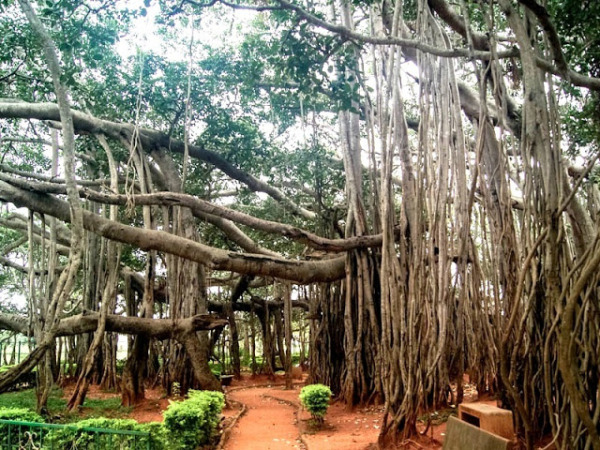
1.Bargad, Vata, Nyagrodha – Banyan tree, Ficus benghalensis – Moraceae

2.Semala, Salmali, Saptaparna, Bombax ceiba, Bombacaceae

3.Sala, Asakanni – Shorea robusta , Dipterocarpaceae

4.Chir pine, Sarala – Pinus roxbhurgii, Pinaceae

5.Priyangu- Callicarapa macraphylla, Verbenaceae

6.same as above

7.Sirisa – Albizzia lebbeck, Mimosaceae

8.Nagakesara – Mesua ferrea , Guttiferae

(Wikipedia gives the family name as Calophyllaceae)

9.baheda, bibheleya, aksa- Terminalia Bellerica, Conbretaceae

10.Bela, Plaksa, Ficus lacor, Moraceae

11.Tendu, tindu- Dispyros melanaxylon, Ebenaceae

12.Patala, Kadamba- bignonia spp., Bignonioceae

13.Jamuna, Jambu- Syzygium cumini, Myrtaceae

14. Pippala, dhamarukha, Asvattha- Ficus religiosa, Moraceae

15.Visnukaanta, girikandi- Clitoria biflora, Cleomaceae

16.Nandi, nandirukha- Cedrella toona, Meliaceae

17.Tendu, tilaka- Dispyros melanaxylon, Ebenaceae

18.Mango, amba- Magnifera indica, Anacadiaceae

19.Asoka, asoga, kankeli- Saraca indica, Caesalpiniaceae

20.Naga campa, campakgumma- Michelia campaca, Magnoliaceae

21.bakula, nimbakarya- mimusops elengi, sapotaceae

22.Kokama, Ambilasaya, mesashrnga- Garcinia indica, Guttifereae

23.Dhav, dhava, Devadaru- Anogeissus latifolia, Combretaceae

24.Sala- Shorea robusta , Dipterocarpaceae.
Following are my old articles on Trees–

Nyakrodha tree | Tamil and Vedas

https://tamilandvedas.com/tag/nyakrodha-tree/

 of trees | Tamil and Vedas

https://tamilandvedas.com/tag/of-trees/

Trees in literature | Tamil and Vedas

https://tamilandvedas.com/tag/trees-in-literature/

Picture of Deodar: Tree of the Gods. We have heard about people adopting children. But the greatest of the Indian poets Kalidasa and Sangam Tamil poets give …

save trees | Tamil and Vedas

https://tamilandvedas.com/tag/save-trees/

Trees of Wisdom | Tamil and Vedas

https://tamilandvedas.com/tag/trees-of-wisdom/

Picture shows Newton under Apple Tree. Hindu Saints composed Upanishads under the Himalayan Trees. Buddha attained wisdom under the Bodhi Tree.

water and trees | Tamil and Vedas

https://tamilandvedas.com/tag/water-and-trees/

Posts about water and trees written by Tamil and Vedas.

Peepal tree | Tamil and Vedas

https://tamilandvedas.com/tag/peepal-tree/

19 Feb 2017 – Trees are used as similes and metaphors in Tamil and Sanskrit literature from very ancient times. The upside down Peepal Tree(Ficus …

Bodhi Tree | Tamil and Vedas

https://tamilandvedas.com/tag/bodhi-tree/

Mahabodhi Tree in Bodha Gaya. Research paper by London Swaminathan Post No.1325; Dated 3rd October 2014. This article is part of my series on …

Nature | Tamil and Vedas

https://tamilandvedas.com/category/nature/

Posts about Nature written by Tamil and Vedas. … “Trees that have fruit but no flowers are traditionally known as the Lords of the Forest; those that bear both …

Hindus’ Respect for Trees and Forests | Tamil and Vedas

https://tamilandvedas.com/…/hindus-respect-for-trees-and-forests/

18 Feb 2015 – In the Vedas, Lord Shiva is called the Lord of the Forests (Vanaspathi), Lord of the Trees (Vrkshanaam pathi) and Lord of the Animals …

Tamarind Tree | Tamil and Vedas

https://tamilandvedas.com/tag/tamarind-tree/

Posts about Tamarind Tree written by Tamil and Vedas.

Magic of Trees! | Tamil and Vedas

Magic of Trees!

25 Nov 2012 – Buddha attained wisdom under the Bodhi Tree. Vaishnavite saint Nammalvar attained wisdom under a Tamarind tree. Sanatkumaras attained …

Tansen and Tamarind Tree! Ghosts in Tamarind … – Tamil and Vedas

26 Mar 2016 – Tansen and Tamarind Tree! Ghosts in Tamarind Trees! (Post No 2666). tansen tomb. Research Article by london swaminathan. Date: 26 March …

Indian Wonder: The Banyan Tree | Swami’s Indology Blog

swamiindology.blogspot.com/2012/05/indian-wonder-banyan-tree.html

26 May 2012 – There is a beautiful verse in the Panchatantra about Banyan Tree: “Deer recline in its shade; Birds in multitude gather to roost. Darkening its …

Swami’s Indology Blog

swamiindology.blogspot.com/

Nov 6th. வேதத்தில் மரங்களின் கதை (Post No.4372). Nov 6th. STRANGE STORIES ABOUT TREES IN VEDAS –Part 2 (Post No.4371).

Plants in Mahavamsa | Swami’s Indology Blog

swamiindology.blogspot.com/2014/10/plants-in-mahavamsa.html

3 Oct 2014 – In the same chapter we come across the story of Nigrodha (MrBanyan Tree). When Emperor Asoka killed his elder brother Sumana, his …

Significance of Neem Tree in Hinduism – Swami’s Indology Blog

swamiindology.blogspot.com/2017/06/significance-of-neem-tree-in-hinduism.html

11 Jun 2017 – 18 Mar 2013 – Reand and enjoy this article about “Banyan Tree” from Mr. Santhanam Swaminathan. Tamarind Tree | Tamil and Vedas.

tags – sacred trees, Jainism, Jain religion, Kevala Jnan, Tirthankaras
 Xxxx subham xxxxx
கஞ்சமலைச் சித்தர்! (Post No.7459)

WRITTEN BY S NAGARAJAN

Post No.7459

Date uploaded in London – 16 January 2020

Contact – swami_48@yahoo.com

Pictures are taken from various sources for spreading knowledge; this is a non- commercial blog.

கொங்குமண்டல சதகம்

கஞ்சமலைச் சித்தர்!

ச.நாகராஜன்

திருமூலர் திருமந்திரத்தை அருளிய பெரும் சித்தர். இவரிடம் உபதேசம் பெற்றவர் எழுவர்.

அதை திருமந்திரத்தில் வரும் கீழ்க்கண்ட பாட்டால் அறியலாம்.

மந்திரம் பெற்ற வழிமுறை மாலாங்கன்

இந்திரன் சோமன் பிரம னுருத்திரன்

கந்துருக் காலாங்கி கஞ்ச மலையனோ

டிந்த எழுவரும் என் வழியாமே – திருமந்திரம்

 மாலாங்கன், இந்திரன், சோமன், பிரமன், உருத்திரன், கந்துருக் காலாங்கி, கஞ்ச மலையன் ஆகிய எழுவரும் என் வழியில் வந்தவர்கள் என்பதே பாடலின் பொருள். இந்த எழுவரும் திருமூலரிடம் மந்திரோபதேசம் பெற்றவர்கள்.

பாடலில் வரும் கஞ்சமலை என்பது கொங்கு மண்டலத்தில் பூந்துறை நாட்டின் இணைநாடுகளில் ஒன்றான பருத்திப்பள்ளி நாட்டுக்கும் இராசிபுர நாட்டுக்கு இணைநாடான சேலம் நாட்டுக்கும் பூவாணிய நாட்டுக்கும் சேர்ந்ததாக இருக்கிறது.

இந்த இடத்தில் ஆண்டுதோறும் மாசி மாதத்தில் வழலை (பூநீர்) விளைவதைப் பெறுவதற்காகப் பல திசைகளிலிருந்தும் வாதிகள் வருகிறார்கள். இந்த மலைவாரிகளில் ஒன்றான பொன்னியில் பொன் கனி எடுக்கிறார்கள்.

இப்படிப் பட்ட பெருமை கொண்ட கஞ்சமலை இருப்பதும் கொங்கு மண்டலமே; அதில் வாழும் கஞ்சமலைச் சித்தர் அருளாட்சி செய்வதும் கொங்கு மண்டலமே.

கொங்கு மண்டலத்தின் இந்தச் சிறப்பைக் கொங்கு மண்டல சதகம் தனது 35வது பாடலில் கூறுகிறது:

பஞ்ச முகத்தி லுதித்திடு லாகம பாகமெலாஞ்

செஞ்சொற் றிருமந் திரமுரை மூலர் திருமரபிற்

கஞ்ச மலைச்சித்தர் வாழ்வு மிரதங் கரணிவளர்

மஞ்சு திகழ் கஞ்ச மாமலை யுங்கொங்கு மண்டலமே.

பொருள் : சதாசிவ மூர்த்தியின் திருமுகத்திலிருந்து தோன்றிய ஆகமங்களின் ரசமாகத் திருமந்திரம் அருளிய திருமூல நாயனார் பரம்பரையான கஞ்ச மலைச் சித்தர் வாழ்வதும் கொங்கு மண்டலமே.

கொங்கு மண்டலத்தில் ஏராளமான சித்தர்கள் உள்ளனர். அதில் ஒருவர் பெருமை பொருந்திய கஞ்சமலைச் சித்தர்.

சதகத்தின் இப்பாடல் அவரது பெருமையைப் போற்றும் பாடலாகும்.

tags – கஞ்சமலை, சித்தர்

—- subham —

தமிழர்களின் ஜோதிட நம்பிக்கைகள் (Post No.7458)

WRITTEN BY LONDON SWAMINATHAN

Post No.7458

Date uploaded in London – 15 January 2020

Contact – swami_48@yahoo.com

Pictures are taken from various sources for spreading knowledge; this is a non- commercial blog.

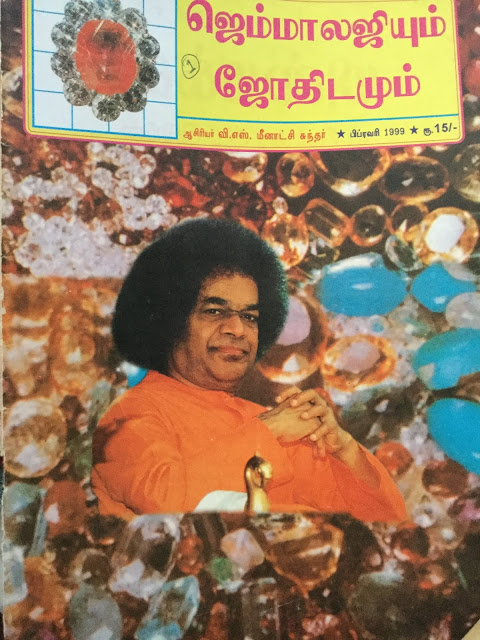
சென்னையில் எனது சகோதரர் நடத்தும் ஜெம்மாலஜி பத்திரிக்கையின் இரண்டாவது இதழில் நான்  — 1999ம் ஆண்டு எழுதிய கட்டுரை –

தலைப்பு – தமிழர்களின் ஜோதிட நம்பிக்கைகள்

வெளியான தேதி – மார்ச் 1999.

WHAT IS PONGAL aka MAKARA SANKRANTI ? (Post No7457)

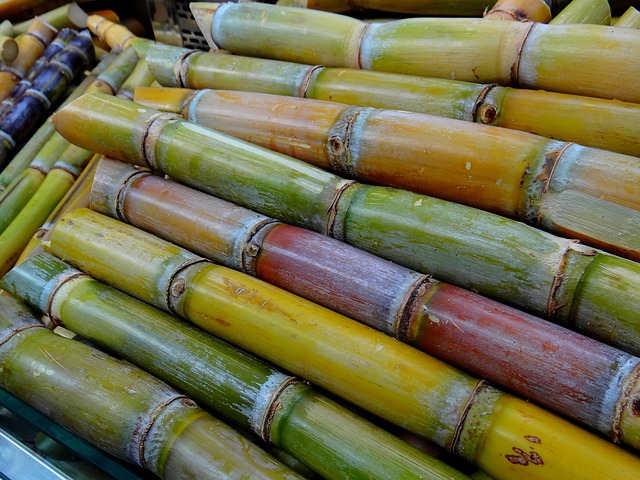
Sugarcane for Sankaranti
Pongal Greetings

WRITTEN BY LONDON SWAMINATHAN

Post No.7457

Date uploaded in London – 15 January 2020

Contact – swami_48@yahoo.com

Pictures are taken from various sources for spreading knowledge; this is a non- commercial blog.

MAKARA SANKARAANTI is celebrated by the Hindus throughout India. Tamils call it PONGAL and celebrate it on a grander scale. Actually, it is a three day festival of Hindus. Sankranti/Pongal eve is celebrated as Bhogi. And the next day to Pongal is celebrated as Cattle Pongal , i.e. In Tamil Maattup Pongal.

First let me explain the way Tamil Hindus celebrate it.

On Bhogi Pandikai/festival day they burn all the old things in a bonfire in front of their houses. The old things include all old clothes, furniture, mats, carpets old pots etc. tamilandvedas.com, swamiindology.blogspot.com

Just two weeks before the festival, they start cleaning the house and white wash the house. Then they apply red border along the floor near the wall with saffron coloured red mud. Saffron colour is called Kaavi in Tamil. Wherever the red border is seen it means  some auspicious things are happening. Hindus draw such things on all auspicious occasions such as wedding, puberty ceremony, Valaikappu/Seemantham, Punul/sacred thread ceremony etc.

All the Hindu festivals are associated with one special dish. On the Bhogi day they make Boli and Vadai.

Pongal Celebrartions

Pongal

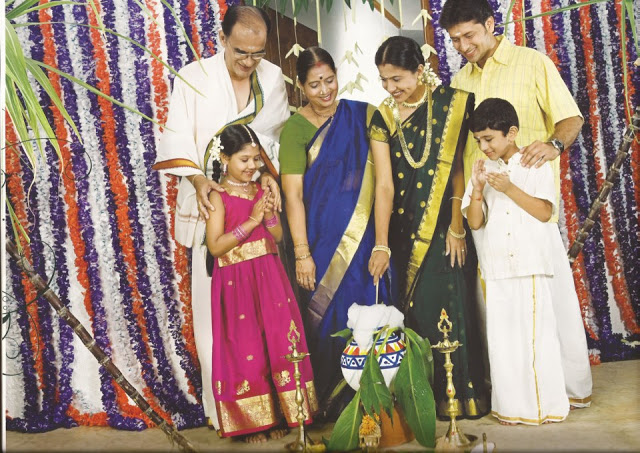
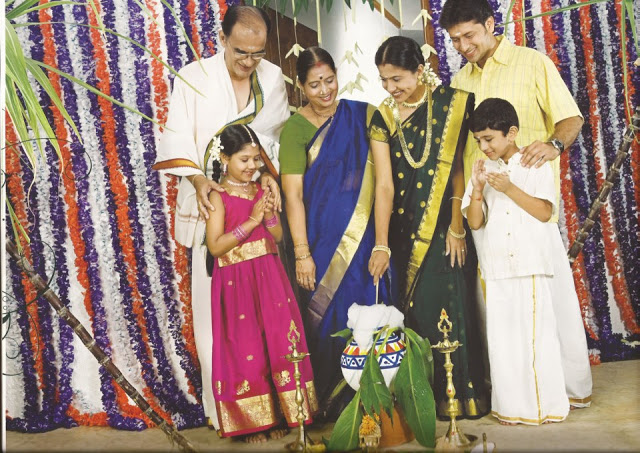
Pongal means rice pudding. They don’t use white sugar. They use jaggery and ghee to make sweet Pongal. ‘Pongu’ is a Tamil verb which means boil to the brim of the pot. When the rice is boiled in milk and water with jaggery and ghee, it boils and come to the brim of the new pot, usually a new mud pot. Then they make happy shouting/noise with the words ‘Pongal O Pongal’. The mud pot is decorated with turmeric plant and holy Kunkum and Vibhuti/holy ash. tamilandvedas.com, swamiindology.blogspot.com

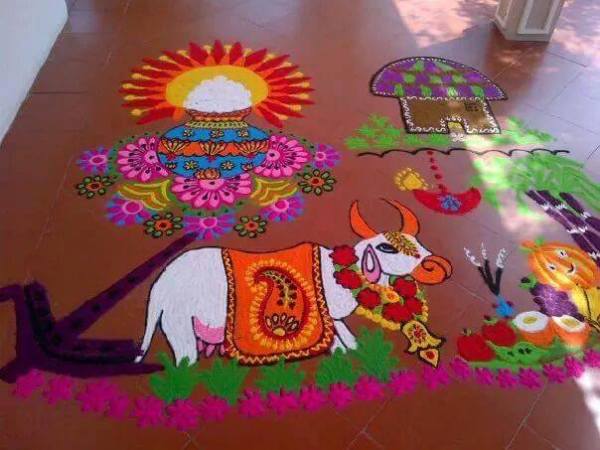
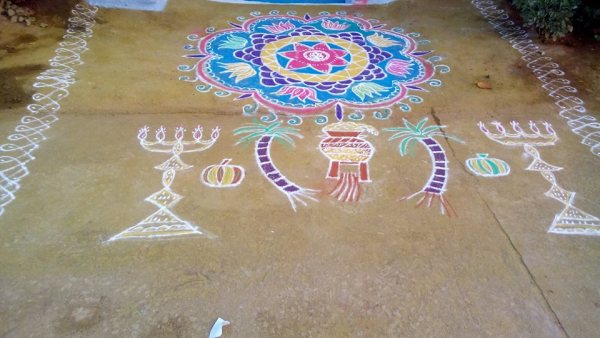
The mud pot is usually placed on a Kolam/rangoli and women do the cooking surrounded by children and men. Sugar cane and newly harvested turmeric plants are kept on both sides of the Pongal pot.

Orthodox Hindus draw a picture of Sun God and do Puja with flowers. All these things are done in an open place in the house, mostly backyard or in front of the house.
All the family members bathe in the morning and wear new clothes. Since Pongal follows the harvest season they will have new rice, new sugarcane etc.

Farmers get lot of money from the sale of harvested grains and hence there is a saying in Tamil, “ Thai Piranthaal Vazi Pirakkum” meaning if the month of Thai is born, a new way is born/found or seen. That is girls will get married sooner with the available money.

Cattle Pongal

Next day to Pongal is called Maatu Pongal (Maatu in Tamil means cattle). It is a thanks -giving day to Cows and Bulls. They decorate the cows and bulls with flower garlands and paint the horns with colour paints. They are taken in a procession and the chief of the cowherds Lord Krishna will follow the cows and bulls. If there is a temple of Vishnu, then the idol procession will follow the cows and bulls with big tom tom and music. Earlier in the day they give Sweet Pongal to the cattle.

Orthodox Hindus celebrate it on a wider scale. They wake up in the morning and use the left- over food to feed the birds. It is done ritually. They draw Kolams/Rangolis and on those Rangolis they spread turmeric leaf and make balls of food with different colours and spread it on the leaves. All women take part in this ritual. It is called Kanu Pongal. tamilandvedas.com, swamiindology.blogspot.com

Meaning of Makara Sankraanthi

Pundit S M Natesa Sastri in his book Hindu Feasts (year 1903) had explained the word Bhogi-

Explaining the meaning of Bhogi festival he says the word ‘Bhoga’ comes from the Sanskrit root ‘BHUJ’, to enjoy ; so Bhogi Pandikai is a feast of enjoyment. It is celebrated to honour INDRA who helps us to get rains for the crops and good gravest.

Sankranti comes from the word Sankramana . Sun enters zodiac sign Makara/ Capricorn. And the Tamil month ‘Thai’ begins on that day. Thai is ‘Pausa’ in Sanskrit . tamilandvedas.com, swamiindology.blogspot.com

This day is observed throughout India and South East Asia (see my research article about Thailand and Laos given below) for the worship of sun god. Rich men regard this day as a meritorious one for making charitable donations and every Hindu raja/king gives away large sums in charity. An assembly of pandits sits on this day in Baroda and gives rewards to Hindu scholars who have passed examinations in Vedas, Tarka, Vyakarana . Other Rajas also observe the same custom.

The Uttarayana Punyakala – northward journey of sun -begins on this day. The season for marriages in Hindu families commences on this day and lasts for six months up to the end of Uttarayana. Brothers send presents and gifts to their sisters. Newly wedded brides get special presents on the day. tamilandvedas.com, swamiindology.blogspot.com

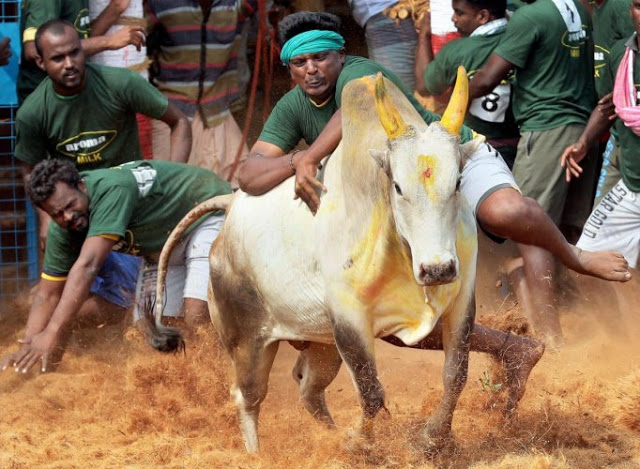
Bull fighting

There is a custom in the Yadava community- Lord Krishna’s caste—whoever tames a bull that is let loose will get a gift. This custom started with Lord Krishna who tamed seven bulls according to Bhagavata purana. Youngsters have to tame a bull to get a girl in the olden days.

Sangam  Tamil book Kalitokai describes in great detail the bull fighting or – taming the bull – by cowherd community/ Yadava caste. Now it is tamed by any strong man. In the olden days they used to tie some valuables or money to the horn of the bull and whoever tames the bull gets the money. tamilandvedas.com, swamiindology.blogspot.com

Kite flying

In Gujarat state of India huge kite flying events take place.

Rashtriya Swayam Sevak Sang (RSS) celebrates six traditional festivals and Sankranti is one of them. North Indians distribute sweet sesame balls to everyone on this day.

Thiruvalluvar day

Tamil Nadu government declared Cattle Pongal Day as Thirvalluvar day in honour of great Tamil poet Valluvar.

Orthodox Hindus pay homage to departed souls by doing Tarpana on the Sankranti day. tamilandvedas.com, swamiindology.blogspot.com

Sankranti, being a solar festival it falls on the same day every year, either on 14th or 15th of January.

KANCHI PARAMACHARYA ON SANKRANTI

In his Madras discourse on 14th January 1958, Kanchi Paramacharya (1894-1994) said,

“Plant life is necessary for the growth and sustenance of animal life. The entire vegetable kingdom derives its  nourishment through rain and dew which fall during the Dakshinayana and attain fruition during Uttarayana by the warmth that it obtains from the sun. it is the all merciful Narayana who is ‘antaryamin’ in the Sun and who is the source of all this nourishment and fruition. And so, we devoutly offer the plants and vegetables which sustain human life to the Giver of all Good on this day – Makara Sankranti day – or Thai Pongal day – and use them with His Grace. tamilandvedas.com, swamiindology.blogspot.com

Giving up all luxuries, we must restrict ourselves to necessities and use them with gratitude as gifts of the All Merciful God. We worship the sun on Makara Sankranti day as the agency through whom Iswara (God) bestows on us he necessities of life.

Fresh turmeric, which is evident in puja, is symbol of auspiciousness. Sugarcane stands for whatever is sweet in life. Grain, plantain and coconut are symbolic of the plenty of the season, which along with sweetened rice are offered to the sun.

In the same manner, the cowherds offer these gifts of god to domestic animals such as cow on the next day.

The observance of this day, betokening plenty and auspiciousness, is a reminder to all of us, including the unlettered masses, that the overflowing and abundant good things that support our life are the gifts of All Merciful Providence, personified by the sun, who enters the northward course. This is equated in the Bhagavat Gita and the Upanishads with a path with which a devotee is destined to reach the ultimate divinity. tamilandvedas.com, swamiindology.blogspot.com

May plenty and spirituality overflow by His Grace , especially in the world of today where they are most needed.

–From Acharya’s Call, Part 2, B G Paul &co, Madras-1

tags – Pongal, Sankranti, Kanu, Bhogi, Bull fighting, Kite flying

sankranti in Laos and Thailand

 READ MY OLD ARTICLES

HINDU SANKRANTI IN LAOS AND THAILAND (Click on the links below)

Sankaranti | Tamil and Vedas

https://tamilandvedas.com › tag › sankaranti

  1.  

Tamils in South India celebrate it as Pongal– Harvest Festival. Other parts of India celebrate it as a solar festival. All over India worship Sun God on that day.

பொங்கல் பண்டிகை | Tamil and Vedas

https://tamilandvedas.com › tag › பொங்கல்-ப…

  1.  

Translate this page

9 May 2018 – பொங்கல் என்று சொல்லும் பண்டிகையின் உண்மைப் பெயர் சங்கராந்தி. ஒரு உணவுப் பண்டத்தின் பெயரில் பண்டிகை இராது என்பது …

பொங்கல் வாழ்த்து! (Post No.5937) | Tamil and …

https://tamilandvedas.com › 2019/01/15 › பொங்க…

  1.  

Translate this page

15 Jan 2019 – வந்தது இன்று பொங்கல் – நனி. தந்தது இன்று … வேணும் பொங்கல் மகிழ்ச்சி – நாம் … Tamil and Vedas posted: ” Pongal picture from Bank of Baroda calendar > Written …

tamilandvedas.com, swamiindology.blogspot.com

–subham–

Pongal Kolam or Sankranti Rangoli

ஞாயிறு வணக்கம் – சூர்யாய நம: (Post No.7456)

ஞாயிறு வணக்கம் – சூர்யாய நம: (Post No.7456)

WRITTEN BY S NAGARAJAN

Post No.7456

Date uploaded in London – 15 January 2020

Contact – swami_48@yahoo.com

Pictures are taken from various sources for spreading knowledge; this is a non- commercial blog.

பொங்கல் 15, ஜனவரி 2020

எமது உளங்கனிந்த பொங்கல் நல் வாழ்த்துக்கள்!

ஞாயிறு வணக்கம் – சூர்யாய நம:

ச.நாகராஜன்

1

சூரியனின் புகழ் பாடுவோம்:

அவன் புகழ் பாடுவது :-

புண்ணியத்தைத் தருகிறது.

எதிரிகளை அழிக்கிறது

வெற்றியைத் தருகிறது.

அழியாத மங்களத்தைத் தருகிறது.

கணவன் மனைவியை இடைபிரியாமல் அன்யோன்யமாக இருக்க வைக்கிறது.

ஆரோக்கியத்தைத் தருகிறது.

பூரண ஆயுளைத் தருகிறது.

செல்வத்தை வழங்குகிறது.

தலைமைப் பதவியைத் தருகிறது.

நல்லனவற்றை நாடிச் செய்ய வைக்கிறது.

புத்திர பாக்கியத்தைத் தந்து அவர்களின் புகழையும் ஓங்க வைக்கிறது.

ஞாயிற்றால் பெற முடியாது ஒன்றும் இல்லை.

அவனைத் தொழுவோம் உயர்வோம்.

2

மஹாகவி சுப்ரமணிய பாரதியாரின் சூர்ய அஞ்சலியை மனதில் நினைத்து சூர்யனின் புகழைப் பாடுகிறோம்.

ஞாயிறு வணக்கம்

கடலின்மீது கதிர்களை வீசிக்
கடுகி வாள்மிசை ஏறுதி யையா!
படரும் வானொளி யின்பத்தைக் கண்டு
பாட்டுப்பாடி மகிழ்வன புட்கள்
உடல்ப ரந்த கடலுந் தனுள்ளே
ஒவ்வொர் நுண்துளி யும்விழி யாகச்
சுடரும் நின்தன் வடிவையுட் கொண்டே
சுருதி பாடிப் புகழ்கின்ற திங்கே.

என்த னுள்ளங் கடலினைப் போலே
எந்த நேரமும் நின்னடிக் கீழே
நின்று தன்னகத் தொவ்வொர் அணுவும்
நின்தன் ஜோதி நிறைந்தது வாகி
நன்று வாழ்ந்திடச் செய்குவை யையா!
ஞாயிற் றின்கண் ஒளிதருந் தேவா!
மன்று வானிடைக் கொண்டுல கெல்லாம்
வாழ நோக்கிடும் வள்ளிய தேவா!

காதல்கொண்டனை போலும் மண்மீதே,
கண்பிறழ் வின்றி நோக்குகின்றாயே
மாதர்ப் பூமியும் நின்மிசைக் காதல்
மண்டினாள்,இதில் ஐயமொன்றில்லை;

சோதி கண்டு முகத்தில் இவட்கே
தோன்று கின்ற புதுநகை யென்னே!
ஆதித் தாய்தந்தை நீவிர் உமக்கே
ஆயி ரந்தரம் அஞ்சலி செய்வேன்.

 3

மஹாகவியின் வசன கவிதைகளில் ஞாயிற்றின் புகழ் பாடும் அருமையான நீண்ட கவிதை  ஞாயிறு.

அதில் சில பகுதிகளைப் பார்ப்போம்:

ஒளி தருவது யாது? தீராத இளமையுடையது யாது?

வெய்யவன் யாவன்? இன்பம் எவனுடையது?

மழை எவன் தருகின்றான்? கண் எவனுடையது?

உயிர் எவன் தருகிறான்? புகழ் எவன் தருகின்றான்?

புகழ் எவனுக்குரியது?

அறிவு எதுபோல் சுடரும்?

அறிவுத் தெய்வத்தின் கோயில் எது?

ஞாயிறு. அது நன்று.

நீ ஒளி, நீ சுடர், நீ விளக்கம், நீ காட்சி.

மின்னல், இரத்தினம், கனல், தீக்கொழுந்து

இவை யெல்லாம் நினது திகழ்ச்சி.

கண் நினது வீடு.

புகழ், வீரம்இவை நினது லீலை.

அறிவு நின் குறி. அறிவின் குறி நீ.

நீ சுடுகின்றாய், வாழ்க. நீ காட்டுகின்றாய், வாழ்க.

உயிர் தருகின்றாய், உடல் தருகின்றாய்.

வளர்க்கின்றாய், மாய்க்கின்றாய்,

நீர் தருகின்றாய், காற்றை வீசுகின்றாய், வாழ்க.வளர்க்கின்றாய், மாய்க்கின்றாய்,
நீர் தருகின்றாய், காற்றை வீசுகின்றாய், வாழ்க.

4

அகஸ்திய மஹரிஷி ஸ்ரீராமருக்கு உபதேசித்து அருளிய ஆதித்ய ஹ்ருதயம் சூரியனைத் துதிக்கும் ஸ்தோத்திரம்.

அதைப் பாடுவோம்.

ராவண சக்திகளை அழிப்போம்.

5

சிவபிரான் அருளியுள்ள சூர்யாஷ்டகத்தைப் பொருளுணர்ந்து ஓதுவோம்.

சூரிய அஷ்டோத்திர சத நாமாவளியை ஓதித் துதிப்போம்.

6

கஸ்யப மஹரிஷிக்கும் அதிரிக்கும் மகனாப் பிறந்தவர் சூரியன். சூரிய வம்சத்தை உருவாக்கியவர் சூரியன்.

சூரியனின் ரதம் 9000 யோஜனைகள் நீளம் உள்ளது. இதில் சக்கரம் பொருத்தப்பட்டுள்ளது. காலச் சக்கரம் மூன்று மையங்களையும் ஐந்து உருளிப்பட்டைகளையும் ஆறு ஆரைகளையும் கொண்டது.

ஏழு வேத சந்தங்களான ஏழு குதிரைகளைக் கொண்டது அந்தத் தேர்.

காயத்ரி, ப்ருஹதி, உஷ்ணிக், ஜகதி, த்ருஷ்டுப், அனுஷ்டுப், பங்க்தி ஆகியவையே அந்த ஏழு குதிரைகள்.

சூரிய ரதத்தின் இன்னொரு அச்சு 45,500 யோஜனைகள் நீளம் கொண்டது.

இந்த ரதத்தின் பெருமை மிக மிக நீண்டது.

ஆதித்யனைப் பற்றி விஷ்ணு புராணம் கூறும் பெருமை எல்லையற்றது.

அனைத்து கிரகங்களுக்கும் ராஜாவாக சூரியனை சிவபிரான் நியமித்ததை மஹாபாரதம் சாந்தி பர்வம் விவரிக்கிறது. (அத்தியாயம் 112)

சுப்ரஜா, பாஸ்வரா ஆகிய இரண்டு ஏவலாட்களைத் சுப்ரமண்யருக்குச் சூரியன் தந்தார்.

7

எல்லையற்ற மஹிமை கொண்ட சூரியனுக்கு அளவற்ற நாமங்கள் உண்டு.

பானோ பாஸ்கர மார்த்தாண்ட சண்ட ரஸ்மே திவாகரா என்று கூறித் தொழுவோம்.

சூர்யா, ஆர்யமா, ஆதித்யா, திவாகரா,அர்கா, மிஹிரா, லோக பாந்தவா, தின மணி, இனா, பர்கா, தர்ம நிதி … அடடா எத்துணை அற்புதமான பெயர்கள்!

அனைத்தையும்  கூறி அனுதினமும் அவனைத் தொழுவோம்.

உயர்வோம்.

*******

ஜெம்மாலஜி Gemmology பத்திரிகையில் வைரக் கட்டுரைகள் (Post No.7455)

ஜெம்மாலஜி Gemmology  பத்திரிகையில் வைரக் கட்டுரைகள் (Post No.7455)

WRITTEN BY LONDON SWAMINATHAN

Post No.7455

Date uploaded in London – 14 January 2020

Contact – swami_48@yahoo.com

Pictures are taken from various sources for spreading knowledge; this is a non- commercial blog.

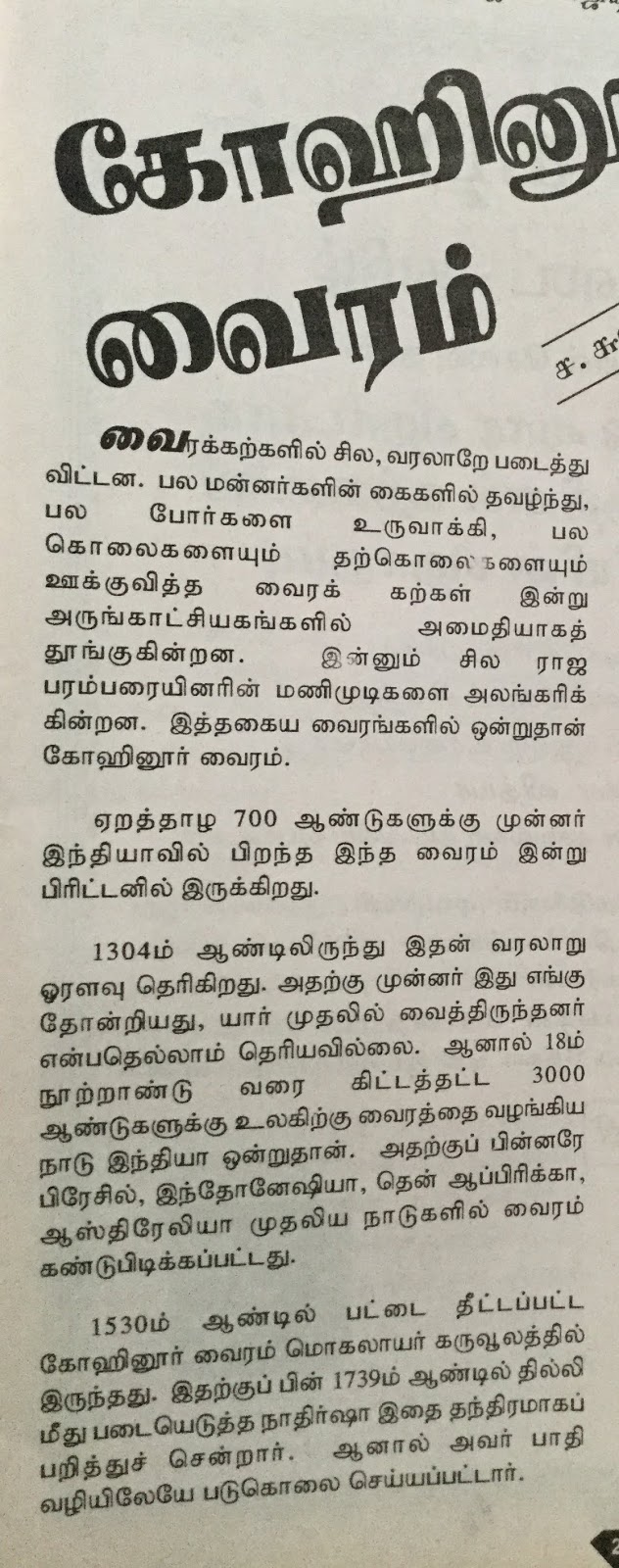
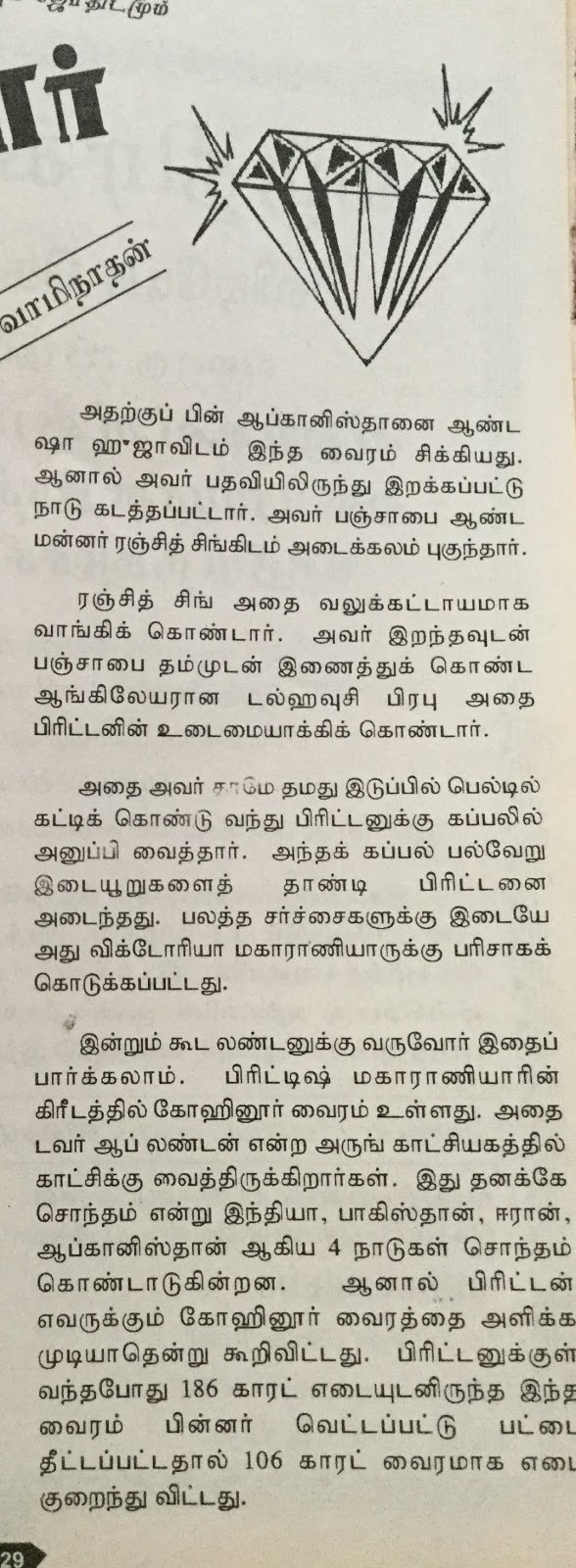
1999ல் சென்னையில் எனது சகோதரர் வி.எஸ். மீனாட்சிசுந்தர், நவரத்தினம் முதலிய ரத்தினக்கற்கள் பற்றி ஒரு மாத இதழ் துவக்கினார். நான் அதில் மாதம்தோறும் ஒரு கட்டுரை எழுதினேன் இதோ ஒரு வைரக் கட்டுரை :-

கட்டுரைத் தலைப்பு கோஹினுர் வைரம்

கட்டுரை வெளியான தேதி – பிப்ரவரி 1999

‘NEMI’ FROM RIG VEDA TO SANGAM TAMIL LITERATURE VIA INDUS VALLEY (Post No.7454)

RESEARCH ARTICLE WRITTEN BY LONDON SWAMINATHAN

Post No.7454

Date uploaded in London – 14 January 2020

Contact – swami_48@yahoo.com

Pictures are taken from various sources for spreading knowledge; this is a non- commercial blog.

Hundreds of Sanskrit words found in the RIG VEDA , the oldest book in the world, are used by us today. They are found in 2000 year old Sangam Tamil literature and later Indian languages. Nemi which means Wheel is found in the . Rig Veda and Sangam Tamil literature. But this word has extended meaning , mainly the God who holds Sudarsana Chakra, ie.Vishnu/Krishna. It  is also found in Sangam Tamil literature.

It has other meanings such as Chakra/Indra, Varuna, Sun, sea, wheel of a Chariot, Chakravarti/emperor, chariot etc.

Indus-Sarasvati Civilization has many symbols in the shape of a wheel. So it is interesting to study the symbol. It may mean any one of the above meanings or the sound, if we believe the Indus language is phonetic. Many scholars believe it is logo-syllabic and not phonetic.

I have already written one article many years ago saying that the elephant with a person standing on it with wheel symbol is Indra. Indra’s name is Wheel/chakra and his Vahana is Airvavatha elephant.

Let me give the Vedic and Tamil references of NEMI first:-

Rig Veda  1-32-15; 1-141-9; 2-5-3; 5-13-6; 7-32-20; 8-46-23; 8-75-5 and many other places in later Vedic literature.

Linking Chakra/wheel with the Chakravarti/emperor is a unique Hindu concept. The Vedic concept is found in later Tamil Sangam poems. There’ Aazi’ is used for chakra. Strange coincidence is  Tamil ‘Aazi ‘and Sanskrit ‘Chakra’ mean sea as well. If we continue our research we may find more meanings. In the oldest part of the Vedas, Nemi meant wheel, particularly of Ratha/ Chariot.

tamilandvedas.com, swamiindology.blogspot.com

Nemi is found in the following places in Sangam Tamil literature:–

Akananuru.14-19, 175-14, 251-13, 324-11, 400-21.

Kalitokai .104-9; Kuruntokai.189-3, 227-1, 36-4, . Narrinai .394-5.

Paripatal.1-55, 3-94, 13-6, 9, 15-3, 19-46;

Purananuru .3-4, 17-7. tamilandvedas.com, swamiindology.blogspot.com

In Purananuru verse 58- Nemiyon refers to the holder of the wheel -Lord Krishna. In Kalitokai, Nemiyaan refers to Vishnu with the wheel.

In short NEMI is connected with Vishnu or Emperor. Thus it is interesting to connect  Indus- Sarasvati civilisation with Nemi. Among the ancient civilisations all foreign encyclopedias and history books written by the British, which is followed in Indian educational institutions until today, India is the only country that has no kings for 2000 years! They wrote that we had kings only from the period of Buddha. They ignored all the kings mentioned in Vedic literature and Hindu Puranas. It is an urgent task to rewrite our history.

Neminatha -Indus connection

Some years ago we read that the submarine archaeologists  have discovered the Dwaraka port that was devoured by the sea long ago. Historians dated it around Indus Sarasvati Riverbed civilization period. Hindu Puranas say that the city Dwaraka went under the sea after the demise of Lord Krishna around 3100 BCE. We had very well developed transport facilities then because Krishna shuttled between Dwaraka and Mathura. They were 700 miles apart. More over we read about Krishna’s Naval Expeditions in the Puranas. Along with this we read about Krishna’s cousin and the 22nd Tithankara Neminatha lived in the same city. His father’s name Samudravijaya shows that he was a sea merchant like the Ma Nayaka of Tamil epic Silappadikaram. Looking with this background we should study Jain literature, particularly the activities of Neminatha and his family in sea side port. Neminatha’s brother was called Rathanemi (Chariot wheel).

MY OLD ARTICLES:–

“Indus” Valley Civilization to “Ganges” – Tamil and Vedas

https://tamilandvedas.com › 2014/03/28 › change-indus-valley-civilization…

  1.  
  2.  

28 Mar 2014 – Following this morning’s news report of the discovery of an “Indus” valley site on the Ganges plains larger than Harappa, I wrote this article.

Indus Valley – Brahmin Connection! | Tamil and Vedas

https://tamilandvedas.com › 2014/05/10 › indus-valley-brahmin-connection

  1.  
  2.  

10 May 2014 – The world was misled by some scholars in the case of Indus Valley … Ram’s sons invaded Indus cities: Please see my earlier article Indus …

Indus Valley Civilization | Tamil and Vedas

https://tamilandvedas.com › category › indus-valley-civilization

  1.  

Posts about Indus Valley Civilization written by Tamil and Vedas. … Read more: https://www.newscientist.com/article/2227146-ancient-monkey-painting- …

Indra – Taranis – Thor in Indus Valley Civilization | Tamil and …

https://tamilandvedas.com › 2014/09/05 › indra-taranis-thor-in-indus-valle…

  1.  

5 Sep 2014 – On 29 May 2011, I posted an article with the title “Indus Valley Civilization- New Approach required” in this blog. I have posted the picture of a …

Tiger Goddess of Indus Valley | Tamil and Vedas

https://tamilandvedas.com › 2012/08/22 › tiger-goddess-of-indus-valley

  1.  
  2.  

22 Aug 2012 – Scholars who study Indus valley civilization are struggling to identify … Please read my previous articles on Indus/Saraswati Valley civilisation:.

Serpent Queen:Indus Valley to Sabarimalai | Tamil and Vedas

https://tamilandvedas.com › 2012/06/17 › serpent-queenindus-valley-to-sa…

  1.  
  2.  

17 Jun 2012 – We have a faience figure in Indus Valley with two snakes. Minoan Goddess … (Please read my other articles on Indus Valley 1. Bull Fighting: …

Human Sacrifice in Indus Valley and Egypt | Tamil and Vedas

https://tamilandvedas.com › 2012/10/31 › human-sacrifice-in-indus-valley…

  1.  
  2.  

31 Oct 2012 – Indus valley has two or three human sacrifice scenes. On a … Tamil articles: சிந்து சமவெளியில் பேய் முத்திரை. 10.

Indus Valley to Egypt: Lapis lazuli Export! | Tamil and Vedas

https://tamilandvedas.com › 2014/09/06 › indus-valley-to-egypt-lapis-lazul…

  1.  
  2.  

6 Sep 2014 – Earlier articles on INDUS VALLEY CIVILIZATION. Indus Valley-Brahmin Connection (Post No 1034, Date 10-5-14) Bull Fighting: Indus Valley to …

You’ve visited this page 2 times. Last visit: 21/02/17

Number 7: Rig Vedic link to Indus Valley Culture ! | Tamil and …

https://tamilandvedas.com › 2014/11/21 › number-7-rig-vedic-link-to-ind…

  1.  

21 Nov 2014 – Sapta Mata (Seven Mothers ) seal from Indus Valley Research paper written by London Swaminathan Research article No.1427; Dated 21st …

Indus Valley Cities in Ramayana | Tamil and Vedas

https://tamilandvedas.com › 2012/12/18 › indus-valley-cities-in-ramayana

  1.  
  2.  

18 Dec 2012 – Ramayana Wonders Part 5 Indus Valley Cities in Ramayana The “destruction of Indus Valley cities” was debated by scholars at one time.

Missing: articles ‎| Must include: articles

Vishnu Seal in Indus Valley Civilization | Tamil and Vedas

https://tamilandvedas.com › 2011/10/19 › vishnu-seal-in-indus-valley-civil…

  1.  
  2.  

19 Oct 2011 – Please read my article about a newapproach to solve the Indus … Ficus Indica in Latin) is drawn on many seals and objects in the Indus valley.

Manu on Indus Valley | Tamil and Vedas

https://tamilandvedas.com › tag › manu-on-indus-valley

  1.  

28 Apr 2014 – Posts about Manu on Indus Valley written by Tamil and Vedas. … (First part of the article “30 Important Quotations from Manu” posted on 27th …

Which were the gods of the Indus Valley civilization and did they …

http://www.interfaith.org › … › Eastern Religions and Philosophies

25 Sep 2016 – https://tamilandvedas.com/2012/08/22/tiger-goddess-of-indusvalley/. Click to … The Indian Express has an article called The riddle of Mhatoba, …

–subham–

ஜோத்பூர் கோட்டையில் உள்ள சக்ரங்கள் அடங்கிய பட மர்மம்! (Post No.7453)

Written by S Nagarajan

Post No.7453

Date uploaded in London – 14 January 2020

Contact – swami_48@yahoo.com

Pictures are taken from various sources for spreading knowledge; this is a non- commercial blog.

ச.நாகராஜன்

ராஜஸ்தானில் உள்ள இரண்டாவது பெரிய நகரம் ஜோத்பூர். 1459ஆம் ஆண்டு ராஜா ஜோதாவால் உருவாக்கப்பட்டது ஜோத்பூர்.

இங்குள்ள மெஹ்ரன்கார்ஹ் கோட்டை ஜோத்பூரின் 125 மீட்டர் உயரமுள்ள மலை மீது அமைந்துள்ள பிரம்மாண்டமான கோட்டையாகும்.

இந்தக் கோட்டையில் அருங்காட்சியகம் ஒன்றும் உள்ளது.

இந்த மெஹ்ரன்கார்ஹ் கோட்டையில்  (Mehrangarh Fort) ஒரு சித்திரம் உள்ளது. அது எதைச் சுட்டிக் காட்டுகிறது என்பது யாருக்கும் விளங்கவில்லை.

ஜோத்பூரின் தற்போதைய மஹராஜா கஜ் சிங் (Maharaja Gaj Singh) இந்த சித்திர மர்மத்தை எப்படியாவது விடுவிக்க வேண்டும் என்று எண்ணினார்.

ஆகவே சென்னையைச் சேர்ந்த தொல்லியல் ஆராய்ச்சித் துறை நிபுணரான டாக்டர் ஆர். கண்ணன் அழைக்கப்பட்டார்.

8-7-2004இல் கண்ணன் அங்கு சென்றார். அருங்காட்சியக இயக்குநர் திரு மஹேந்த்ரசிங் நகர் (Mahendra Singh Naggar, Director, Mehrangarh Museum Library) அவரிடம் ஒரு பெரிய சித்திரத்தைக் காண்பித்தார். அது கறுப்பு இந்தியன் இங்கினால் வரையப்பட்டிருந்தது. தேவநாகரி எழுத்துக்கள் அதில் இருந்தன.முற்காலத்தில் இருந்தபடியான கோட்டையின் மேப் -வரைபடம்- அது என முதலில் அனைவரும் கருதினர்.

ஒன்றும் புரியாத நிலையில் கண்ணன் திரும்பினார். மீண்டும் 14-6-2006இல் அங்கு சென்ற கண்ணன் ஒரு வேளை அது வாஸ்து சாஸ்திரத்தின் படி வரையப்பட்ட ஒரு வரைபடமோ என நினைத்தார்.

பின்னர் நன்கு ஆய்வு செய்தபின் அது இந்திய தத்துவத்தின் உச்ச கட்ட தத்துவத்தைக் காட்டும் படம் என்ற முடிவுக்கு வந்தார். சுமார் இருநூறு ஆண்டுகளுக்கும் மேலான பழமையான சித்திரம் என்றும் அவர் கூறினார்.

ஸ்வாமி ஏ.சி.பக்தி வேதாந்த பிரபுபாதானந்தா அவர்கள் எழுதிய பாகவத விரிவுரையின் ஐந்தாம் காண்டத்தைப் படித்த போது அவருக்குப் பொறி தட்டியது. உடனடியாக சித்திர மர்மத்தை அவரால் அவிழ்க்க முடிந்தது.

படத்தில் உள் வட்டத்தை மையமாகக் கொண்டு அதைச் சுற்றி  மொத்தம் 14 வட்டங்கள் இருந்தன. இந்த உள்வட்டம் ஜம்பு த்வீபத்தைக் குறிக்கிறது. இதில் உள்ள பகுதி தான் பாரத வர்ஷம்.

இந்த வட்டங்கள் அனைத்தும் பிரபஞ்சத்தின் அமைப்பைச் சுட்டிக் காட்டுகின்றன.

சிசுமார சக்ரம் (Sisumara Chakra) என்ற சக்ரம் விஷ்ணுவின் பிரபஞ்ச வடிவைச் சுட்டிக் காட்டும் ஒரு சக்ரம்.

நமது பூமிக்கு மேல் உள்ள பல உலகங்களையும் வான விந்தைகளையும் பால் வீதி எனப்படும் க்ஷீர சாகரத்த்தையும் ஏராளமான கிரகங்கள் மற்றும் நக்ஷத்திரங்களையும் இது சுட்டிக் காட்டுகிரது.

சிசுமார சக்ரத்தை அடிப்படையாகக் கொண்ட இந்தப் படம் தனித்தன்மை வாய்ந்த ஒன்று. இது போல் ஒரு படம் இதுவரை வேறெங்கும் காணப்படவில்லை.

துர்கா என்பது பெண் சக்தியைக் குறிக்கும். துர்க்கையே அண்ட பிரபஞ்சத்தைக் காத்து வருபவள்.

துர்கா அல்லது துர்கம் என்ற சொல் கோட்டையையும் குறிக்கும் சொல்லாகும்.

இந்த பிரபஞ்சம் ஒரு கோட்டை போல.  எல்லா ஆன்மாக்களும் இதில் உள்ளன. விஷ்ணுவின் அருளால் முக்தி அடைந்து விட்டால் இதிலிருந்து ஆன்மாக்கள் வெளியேறலாம்.

இந்தப் படம் தரும் அரிய பெரிய செய்தி இது தான் : உலகில் கண்ணினால் பிரத்தியட்சமாகக் காணப்படும் கோட்டைகள் எல்லாம் மாயையே. கடைசி கடைசியான இறுதி லட்சியம் ஸ்ரீ கிருஷ்ணனே.

இதைத் தான் படம் மூலம் வரைந்து ஜோத்பூர் ராஜாவிற்கு அந்தக் கால ஆன்மீக  மகான்கள் உணர்த்தியுள்ளனர். இது உயரிய ஆன்மீக நாகரிகத்தைச் சுட்டிக் காட்டும் அரிய படம்.

இப்படி நிர்ணயித்த கண்ணன் அதை மஹாராஜா கஜ சிங்கிற்குத் தெரிவிக்க அவர் மிகுந்த சந்தோஷம் அடைந்தார்.

இதை அப்படியே அருங்காட்சியக வெளியீடாகப் படங்களுடன் வெளியிட வேண்டும் என அவர் நினைத்தார்.

ஆகவே 2008ஆம் ஆண்டு Unravelling The Mysterious Diagram In the Form of Chakras (Sacred Circles) In Mehrangarh Fort. Jodhpur  என்ற புத்தகத்தை டாக்டர் ஆர். கண்ணன் எழுதி வெளியிட்டார்.

114 பக்கங்கள் உள்ள இந்த அரிய புத்தகம்  Maharaja Mansingh Pustak Prakash Research  Centre, Mehrangar Museum Trust, Fort, Jodhpur, Rajasthan (Ph :0291 – 2541447) மியூஸியம் டிரஸ்டின் வெளியீடாக வந்துள்ளது.

ஏராளமான படங்கள் உள்ள இந்த விளக்கப் புத்தகம் டாக்டர் ஆர். கண்ணனின் அரிய ஆராய்ச்சியின் வெளிப்பாடு.

டாக்டர் கண்ணனுக்கு நமது பாராட்டுக்கள்.

இதை எழுதுகின்ற போது இன்னும் ஒரு சித்திரம் நமக்கு நினைவிற்கு வருகிறது.

மதுரை மீனாட்சியம்மன் கோவில் திருக்கல்யாண மண்டபத்தில் பெரிய படம் ஒன்று உள்ளது. பிரம்மாண்டமான படம்.

இதை அந்தக் காலத்தில் (சுமார் 60 வருடங்களுக்கு முன்னர்) பூகோளம் ககோளம் காட்டும் படம் என்று சொல்லப்படுவதைக் கேட்டு சிறுவர்களான நாங்கள் விழிப்போம்.

இதை உரிய ஆராய்ச்சி செய்தால் அரிய விஷயங்கள் வெளிப்படலாம்.

டாக்டர் கண்ணன் போன்ற நிபுணர்கள் முன் வந்தால் இன்னும் ஒரு பெரிய ரகசியம் வெளிப்படலாம்.

பாரத வர்ஷத்தின் அரிய செல்வங்களைப் பாதுகாப்போம்; அவற்றின் பெருமையை உலகிற்குப் பறை சாற்றுவோம்.

***

Bridegroom ran away on Wedding Day! Bride became a Saint! (Post No.7452)

Bridegroom ran away on Wedding Day! Bride became a Saint! (Post No.7452)


COMPILED BY LONDON SWAMINATHAN

Post No.7452

Date uploaded in London – 13 January 2020

Contact – swami_48@yahoo.com

Pictures are taken from various sources for spreading knowledge; this is a non- commercial blog.

Jainism has beautiful stories highlighting Ahimsa (non violence) and  sacrifice. They have women with exemplary character and one of them was Rajimati.

Hinduism appealed to Vedic believers.

Buddhism appealed to Kshatria warriors; and

Jainism appealed to Vaisya business community.

Here is a story of Saint Neminatha who was cousin of Lord Krishna, and lived probably around 3200 BCE. He was the 22nd Tirthankara and so must have lived before 6th century BCE. Mahavira, the 24th Tirthankara of Jainism was a contemporary of Buddha (sixth century BCE).

Chastity amongst women and faithfulness on the part of a wife towards her husband, even when the marriage rite has not taken place and she is only a ‘vaag dattaa’ – betrothed—is the highest ideal of Indian womanhood and Jainism made no exceptions.

An ideal woman of this type was Raajiimatii, the wife of the twenty second tirthankara Neminaatha, a cousin of Lord Krishna. When his marriage procession was on its way towards the marriage pavilion, Neminatha, the bridegroom saw a number of animals caged in a pen situated on the way. Upon enquiry he learnt that they were to be killed for serving the groom’s party with meat. Alarmed at the thought of impending large scale animal slaughter on his account, Neminatha immediately stopped it and turned his mind  away from this world, which involved such sins of killing and entered the life of a monk.

Rajimati followed the footsteps of her husband  and joined the ascetic order. Once while Neminatha and his brother Rathanemi and Rajimati were practising penance on the same mountain – Girnar – Rathanemi lost self- control and was attracted towards his sister in law. But Rajimati  boldly resisted and baffled his attempts by telling him  that he was preparing to drink from the vomit of another.

The theme of Rathanemi and Rajimati   also forms the subject of a very old and beautiful ballad in the Jaina canonical text – Uttaraadhyayana Sutra– which shows from very early times she was held an ideal of chastity.

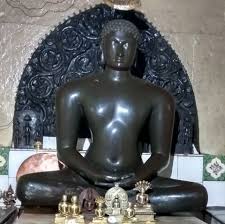
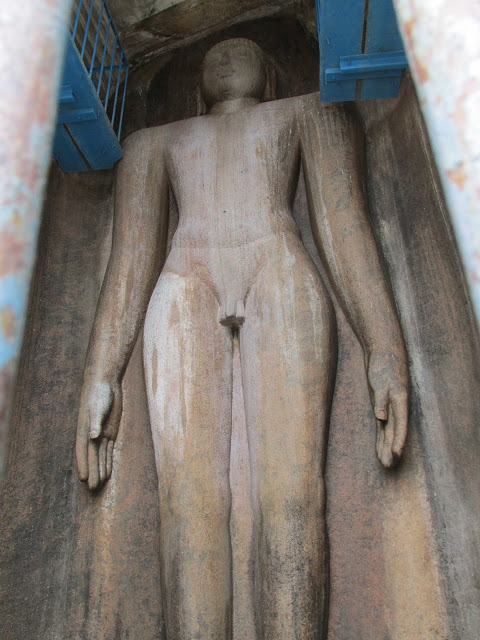
(Neminatha is revered and worshipped by the Jains  along with Mahavira and Parswanatha through out India. Neminatha has shrines in many places. In ancient Tamil Nadu the tallest statue was Neminatha in a village called Tirumalai. It is 52 feet tall)

WE must include such stories in School syllabus and encourage students to do more research into the historicity of all religious personalities.

Let us salute  the great Saints Neminatha and Rajimati!

Source book – Great Women of India, Advaita Ashrama, Mayavati, 1953

Tags – Neminatha, Rajimati, Jain woman, Ahimsa

–subham–

கல்யாண தினத்தன்று ஓடிப்போன மாப்பிள்ளை நேமிநாதர் (Post No.7451)

WRITTEN BY LONDON SWAMINATHAN

Post No.7451

Date uploaded in London – 13 January 2020

Contact – swami_48@yahoo.com

Pictures are taken from various sources for spreading knowledge; this is a non- commercial blog.

NEMINATHAR IN TAMIL NADU- 52 FEET TALL