குமரியில் புகழ்மிகு சிலைகள்

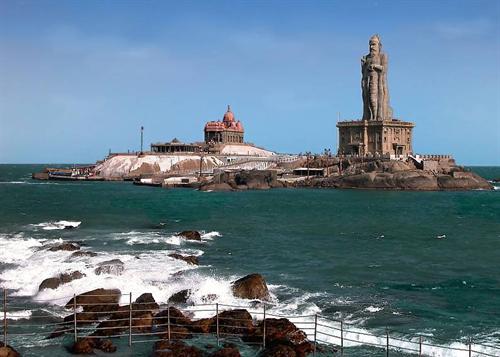
Swami Vivekananda Statue at Kanyakumari


Tiruvalluvar Statue at Kanyakumari

வீர கர்ஜனை செய்து இந்துமதத்தின் புகழினை இமயமலை உயரத்துக்குக் கொண்டுசென்ற சுவாமி விவேகாநந்தர் சிலையும், தேனினும் இனிய தெள்ளு தமிழில் திருக்குறள் என்னும் கல்கண்டை வழங்கிய வான் புகழ் வள்ளுவனின் சிலையும் கன்யாகுமரியில் கண்ணுக்கு விருந்தாய் அமைந்ததை நாம் அனைவரும் அறிவோம்

நீலத்திரைக் கடல் ஓரத்திலே (பார்வதி/பகவதி அம்மன்) நின்று நித்தம் தவம் செய்யும் குமரி எல்லையில் முக்கடலும் கூடும் சங்கமத்தில் இரு சிலைகளும் அமைந்தது எவ்வளவு பொருத்தம்!

முப்பால் என்னும் 1330 அருங் குறட் பாக்கள் மூலம் பாரதப் பண்பாட்டின் கொள்கைகள் அனைத்தையும் முக்கனிகளின் சாறு போல பிழிந்து தந்த தமிழர்களுக்குப் புகழ் சேர்த்தான் வள்ளுவன்.

சிகாகோ நகரில் உலக மதங்களின் மாநாட்டு அறையில் “அமெரிக்க நாட்டின் சகோதர சகோதரிகளே” என்று முழங்கி உலக சகோதரத்துவத்தையும் “யாதும் ஊரே யாவரும் கேளிர்” என்ற தமிழ் கொள்கையையும் நிலை நாட்டினான் விவேகாநந்தன்.

அணுவைத் துளைத்து ஏழ் கடலைப் புகுத்தியது போல இரண்டு வரிக் குறட்களில் உலகப் பொதுமறையை வழங்கினான் வள்ளுவன்.

உணர்ச்சி மிகு ஆங்கிலப் பெரு முழக்கத்தால் இந்து மத எதிரிகளை மண்ணைக் கவ்வச் செய்தான் விவேகாநந்தன். எழுமின்! விழிமின்! குறிக்கோளை அடையும் வரை நில்லாது செல்மின் என்று முழங்கினான்.

வள்ளுவனோ எனில் அகர முதல எழுத்துப் போல உலகத்துக்கு ஆதி பகவனே முதல்வன் என்று கூறி தெய்வமே இல்லை என்று கூறியோருக்கு ஆப்பு வைத்தான்.

வள்ளுவன் தெய்வப் புலவன், விவேகநந்தன் தெய்வ தூதன். இருவரின் சிலைகளையும் கண்டு ஊற்றுணர்ச்சி பெற, சில அடிப்படைக் குறிப்புகள் கீழே உள்ளன:

இருப்பிடம்: அரபிக் கடல், வங்காள விரி குடா, இந்து மகா சமுத்திரம் ஆகிய முக்கடலும் சங்கமிக்கும் இடத்தில் கடல் நடுவே இரண்டு பாறைகள் இருக்கின்றன. பெரிய பாறையில் சுவாமி விவேகநந்தரின் ஒன்பது அடி வெண்கலச் சிலையும், சிறிய பாறையில் வள்ளுவனின் 133 அடி உயரச் சிலையும் உள்ளன.

விவேகாநந்தர் சிலை மண்டபத்துக்குள்ளும் வள்ளுவன் சிலை அமெர்க்க சுதந்திர தேவி சிலை போல வானத்தையே கூரையாகவும் கொண்டு அமைக்கப்பட்டன.

விவேகாநந்தர் பாறைக்கு 6000 டன் கற்களும் வள்ளுவன் சிலைக்கு 7000 டன் கற்களும் பயன்பட்டன.

இரண்டு இடங்களும் ஏறத் தாழ 500 மீட்டர் தூரத்தில்கடல் நடுவே இருப்பதால் படகில் செல்லலாம்.


திருவள்ளுவர் சிலை

“கற் சிலையின் உயரம் 95 அடி
பீடத்தின் உயரம் 38 அடி
முகத்தின் 10 அடி
உடல் 30 அடி
கால் 20 அடி
முன் கை 10 அடி
துவங்கிய ஆண்டு 2000
தோள்களின் அகலம் 30 அடி
முடியின் நீளம் 5 அடி
மொத்த எடை 7000 டன்கள்


விவேகாநந்தர் சிலை விவரம்

பாறையின் பரப்பு: 534க்கு 426 அடி

கடல் மட்டத்திலிருந்து உயரம் 55 அடி

பாறையிம் மொத்த பரப்பு 4 ஏக்கர்

வெண்கலச் சிலையின் உயரம் 9 அடி

துவங்கிய ஆண்டு 1970

மண்டபங்களுக்குப் பயன்பட்ட கல் 6000 டன்


விவேகானந்தா மண்டபம் அளவுகள் 180’-11½” x 56’
சிகரம் 65’-6”
சபா மண்டபம் அளவுகள் 130’-1½” x 56’
கூரை 14’
தியான மண்டபம்  அளவுகள் 39’-10” x 57’-10”
கூரை 14’
முக மண்டபம் அளவுகள் 17’ x 11’
கூரை 20’-10”
ஸ்ரீபாத மண்டபம்: இங்கு தேவியின் திருப்பாதங்களைக் காணலாம் அளவுகள் 71’-10” x 71’-10”  
கூரை 9’-3”  
கலசம் 20’  
பிரதட்சிண மண்டபம் பிரகாரம் 1266’  
பதையின் அகலம் 10’  


சுவாமிநாதன் எழுதிய வேறு கட்டுரைகள்:

1. வள்ளுவனுடன் 60 வினாடிப் பேட்டி,

2. வள்ளுவன்,சிவன் ,சாக்ரடீஸ் மர்மத் தொடர்பு,

3. Three Apples that Changed the World

4. Two Little Animals that Inspired Indians and

5. Two Mangoes that Changed the Tamil World

6. 60 Second Interview with Swami Vivekananda

7. Two Statues that Inspired the World


*****************


Shakespeare or ‘Fake’speare ?

Shakespeare (26 April 1564- 23 April 1616) hits the headlines again. London’s Globe Theatre is staging Shakespeare’s 37 plays in 37 different languages. Even Sign Language and Swahili of East Africa are included in the languages. Shakespeare’s dramas were staged by famous drama troupes in few of the Indian languages such as Gujarati, Hindi, Bengali and Urdu.
Shakespeare is one of the greatest playwrights of the world. But the controversy regarding the authorship of his dramas has been raging for a long time. It has started 400 years ago, when Shakespeare was alive. Famous personalities such as Sigmund Freud, Mark Twain, Walt Whitman James Joyce, contributed to this debate.

The 2011 film Anonymous added fuel to this controversy. A group of scholars argued that one hand could not have written so many dramas. Some even doubted Shakespeare’s knowledge in different fields. His drams are incomparable with so many characters and so many different subjects.

The script for the film “Anonymous” was written by John Orloff. He stumbled upon the authorship debate while he was working for an advertising agency and did lot of research for 25 years before writing the script. He argued that Edward de Verre was the true author of these dramas. Edward was the 17th Earl of Oxfod. Roland Emmerich of “Independence Day” fame directed the film Anonymous.

Few of the British Newspapers gave the headlines: Shakespeare or Fakespeare when the controversy was discussed.


In one of his interviews Orloff said “There’s no evidence that Shakespeare actually wrote anything and I don’t think anyone can be totally convinced either way”. “In 400 years, there’s been nothing discovered that was written by William Shakespeare. We have letters and manuscripts by his contemporaries. People left pieces of paper that they actually wrote. But not a single one exists by Shakespeare. All the evidence is circumstantial whether you think it’s him or you don’t think it’s him.”

Fans of the Bard say he is often a victim of snobbish disbelief that a middle class person from the West Midlands could write so lyrically and coined so many famous phrases.
But this controversy had some good side effects as well. Interest in Shakespeare is revived Tourism in his birth place Stratford upon Avon is flourishing.

Anyone who looks at the amazing statistics about Shakespeare would doubt whether one person did this.

Shakespeare wrote 37 plays in addition to several poems.
The total number of lines in all his plays is 34,896.
Hamlet is the longest of his plays- number of lines 4042
The Comedy of Errors is the shortest of his plays with 1787 lines.
He has created 1221 characters.
He has written 884 429 words in his 43 works (including sonnets).
There are unique 28,829 word forms and 12493 of them occur only once.

His plays are:
1 Two Gentlemen of Verona
2 Taming of the Shrew
3 Henry VI, part 1
4 Henry VI, part 3
5 Titus Andronicus
6 Henry VI, part 2
7 Richard III
8 The Comedy of Errors
9 Love’s Labours Lost
10 A Midsummer Night’s Dream
11 Romeo and Juliet
12 Richard II
13 King John
14 The Merchant of Venice
15 Henry IV, part 1
16 The Merry Wives of Windsor
17 Henry IV, part 2
18 Much Ado About Nothing
19 Henry V
20 Julius Caesar
21 As You Like It
22 Hamlet
23 Twelfth Night
24 Troilus and Cressida
25 Measure for Measure
26 Othello
27 All’s Well That Ends Well
28 Timon of Athens
29 The Tragedy of King Lear
30 Macbeth
31 Anthony and Cleopatra
32 Pericles, Prince of Tyre
33 Coriolanus
34 Winter’s Tale
35 Cymbeline
36 The Tempest
37 Henry VIII


His contribution to English is great. We use lot of phrases coined by him today. Look at the list of some of his phrases:

A foregone conclusion
An eyesore
A tower of Strength
As dead as a door nail
As pure as the driven snow
Cold comfort
Eaten out of house and home
Fair play
Fancy free
Fight fire with fire
Foul play
Good riddance
Green eyed monster
In a pickle
In the twinkling of an eye
It is all Greek to me
Kill with kindness
Make your hair stand on end
Murder most foul
Send him packing
Set your teeth on edge
The be all and end all
The dog will have its day
The game is afoot
The naked truth
The Queen’s English
There’s method in my madness
Tongue- tied
Truth will out
Up in arms
Vanish into thin air
With goose chase

*********************

பொம்பளை சிரிச்சா, உதைச்சா, பார்த்தா போச்சு

பொம்பளை சிரிச்சா போச்சு புகையிலை விரிச்சா போச்சு என்பது தமிழ் பழமொழி. ஆனால் பெண்கள் சிரித்தால் செண்பக மரம் பூக்கும் என்கிறது வடமொழி. பெண்களைப் போல் மரங்களுக்கும் மசக்கை (தோஹத) உண்டாம். பெண்களின் அன்புக்காக அவை ஏங்குமாம். தமிழர்களும் வேங்கை மரத்தை பெண்களின் திருமணத்தோடு இணைத்துப் பேசுவர். சங்க இலக்கிய நூல்கள் வேங்கை பரத்தின் அடியில் பெண்கள் புலி புலி என்று குரலிடுவதையும் அதனால் அது பூப்பதையும் குறிப்பால் உணர்த்தும்

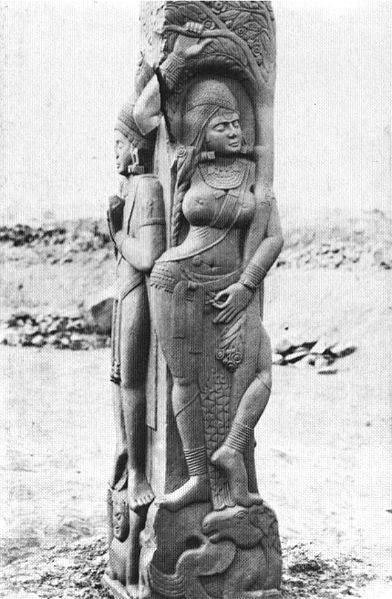
சம்ஸ்கிருதத்தில் ஒரு செய்யுள் இருக்கிறது. அது பெண்களுக்கும் மரத்துக்கும் உள்ள நெருங்கிய தொடர்பு பற்றிப் பேசுகிறது. அசோக மரத்தைப் பெண்கள் உதைத்தால் அது பூக்கும் என்று 2000 ஆண்டுகளாக வடமொழிப் புலவர்கள் பாடினர். இதோ அவர்கள் தரும் பட்டியல்:

பெண்கள் உதைத்தால் பூக்கும் அசோக மரம்
பெண்கள் சிரித்தால் பூக்கும் செண்பக மரம்
பெண்கள் பேசினால் பூக்கும் நமேரு மரம்
பெண்கள் தழுவினால் பூக்கும் குராபக மரம்
பெண்கள் பார்த்தால் பூக்கும் திலக மரம்

நாலிங்கிதக் குரபகஸ் திலகோ ந த்ருஷ்டோ
நோ தாடிதஸ்ச சரணை சுத்ரசாம் அசோக:
சிக்தோ ந வக்த்ரம் அதுனா பகுளாஸ் ச சைத்ரே
சித்ரம் ததாபி பவதி ப்ரஸவ அவகீர்ண என்பது சம்ஸ்கிருதப் பாடல்.

பெண்கள் எத்தனை வகை?

பெண்களை வடமொழி வித்தகர்கள் நாலு வகையாகவும், பரத சாஸ்திர அறிஞர் பரத ரிஷி எட்டு வகையாகவும் தமிழர்கள் வயதின் அடிப்படையில் ஏழு வகையாகவும், ஜப்பானியர்கள் ஒன்பது வகையாகவும், ஆக்ஸ்போர்ட் விஞ்ஞானிகள் டி.என்.ஏ. அடிப்படையில் ஏழு வகையாகவும் பிரித்தனர்.

பத்மினி, சங்கினி,ஹஸ்தினி, சித்ரினி

வடமொழி நூலர்கள் குணத்தின் அடிப்படையில் பெண்களை நாலு வகையாகப் பிரித்தனர். அவர்கள் பத்மினி, சங்கினி, ஹஸ்தினி, சித்ரினி எனப்படுவர்.

பத்மினி பெண்களைப் பார்ப்பது அபூர்வம். அவர்கள் மிகவும் அழகானவர்கள், மென்மையானவர்கள்,புனிதமானவர்கள். முகம் வட்ட வடிவம் உடையது. உடலும் உருண்டு திரண்டு இருக்கும். அவர்கள் சுஹாசினி (மலர்ந்த முகம்) சுபாஷினி ( இனிய சொல்), சாருஹாசினி (புன்சிரிப்புடையோர்) ஆவர். அழகிய கவர்ச்சிகரமான பார்வையால் எதிரிகளையும் தேவர்களையும் வசப்படுத்துவர்.

சங்கினி வகைப் பெண்கள் அழகானவர்கள், புத்திசாலிகள், சுறு சுறுப்பானவர்கள். சங்கு வடிவத்தில் சில உடல் அம்சங்கள் ஒல்லியாக இருக்கும். சுதந்திர சிந்தனை படைத்தவர்கள். அதிக சக்தி உடைய இவர்களுக்கு எடுத்துக்காட்டாக விளங்குவோர் கார்கி, வைதேகி, சுரவந்தியா ஆவர்.

ஹஸ்தினி வகைப் பெண்கள் பார்பதற்கு இனியவர்கள், ஆனால் பருமனானவர்கள். பின் தூங்கி பின் எழும் பத்தினிகள். கேளிக்கை விரும்பிகள். நீங்கள் முடிவு எடுத்தால் கோபிப்பார்கள். தானாகவும் முடிவு எடுக்க மாட்டார்கள். கேளிக்கையே வாழ்க்கையின் குறிக்கோள். பிரபுக்கள் வம்சம்.

சித்ரினி மிக மெல்லிய தேகம் உடையோர். மூங்கில் குச்சியோ எனலாம். அலங்காரத்திலும் கலைகளிலும் ஆர்வம் அதிகம். அலமாரி முழுதும் ஆயிரம் உடைகளைப் பார்க்கலாம். படுக்கப் போகும் போதும் படுத்து எழுந்திருக்கும் போதும் அலங்காரத்துடன் வருவர். அலங்காரி, சிங்காரி ஒய்யாரி-பேஷன் பேர்வழிகள்.

Tree Yakshi Kicking the Asoka Tree, 2200 year old statue

2000 ஆண்டுகளுக்கு முன்னரே பெண்களை வகைப் படுத்தினர் ஆன்றோர்கள். இன்றும் இவ்வகையினரைக் காண்பது நம் முன்னோரின் மேதாவிலாசத்தைக் காட்டும்.
நாட்டிய சாத்திரம் எழுதிய வட மொழி அறிஞன் பரத முனி எட்டு வகை நாயகிகளைப் பற்றிப் பேசுகிறார். இவரகள் குணத்தால் பிரிக்கப்பட்டவர் இல்லை. திரைப்பட கதாநாயகிகள் போல நடிப்பதற்காக தோன்றுபவர்கள்.

அவர்கள் ;1.வாசக சஜ்ஜா நாயிகா:காதலனுடன்டன் குலவத் தயாரான உடையுடன் இருப்பாள் 2.விரஹோத் கண்டிதா நாயிகா: பிரிவால் வருந்தும் பெண் 3. ஸ்வாதீன பர்த்ருஹா நாயிகா: கணவனை தன் கட்டுப்பாட்டுக்குள் வைத்திருப்பவள் 4. கலஹாந்த்ரிதா நாயிகா: சண்டை போட்டுப் பிரிந்தவள் 5.கண்டிதா நாயிகா: காதலுனிடம் கோபமாகச் சீறுபவள் 6.விப்ரலப்தா நாயிகா: காதலனால் ஏமாற்றப்பட்டவள் 7.ப்ரோஷித பர்த்ருகா நாயிகா: கணவனுடன் சுகமாக வசிப்பவள் 8.அபிசாரிகா நாயிகா: கணவணை காண ஆவலுடன் செல்லும் நாயகி.
இந்த எட்டு வகைகாயும் நாடகம் திரைப்படம் ஆகியவற்றில் காண்கிறோம்.

தமிழர்கள் செய்த 7 வகை

தமிழர்கள் 40 வயதுக்குக் குறைவான பெண்களை மட்டும் வயது அடிப்படையில் ஏழு பிரிவுகளாகப் பிரித்தனர். அதற்குப் பிறகு அவர்களைக் கண்டுகொள்ளவில்லை. பேதை (5—7), பெதும்பை (8—11), மங்கை (12—13), மடந்தை (14—19), அரிவை (20—25), தெரிவை (25—31), பேரிளம் பெண் (32 முதல் 40 வயது).

இது தவிர சம்ஸ்கிருத நிகண்டு அமரகோஷம், தமிழ் நிகண்டு பிங்கலந்தை போன்றவற்றில் பல வடமொழிப்ப் பெயர்கள் உள்ளன. வாலை, தருணை, ப்ரவுடை, விருத்தை என்பன அந்தப் பிரிவாகும். இவைகளும் வயதின் அடிப்படையில் அமைந்தனவே.

காமசூத்திரம் எழுதிய வாத்ஸ்யாயனர் 2000 ஆண்டுகளுக்கு முன்னரே பாலியல் ரீதியில் ஆண்களையும் பெண்களையும் பலவகைகளாகப் பிரித்திருப்பதும் குறிப்பிடத்த்க்கது. நம் முன்னோர்கள் எந்த அளவுக்கு ஆராய்ச்சி மனப்பான்மையோடு இவ்விஷயங்களை அனுகினர் என்பதைப் பார்க்கையில் வியப்பாக இருக்கிறது.

பெண்ணின் குணங்கள்

தாயின் கருணை, அடியாள் போல தொண்டு,பூமாதேவி போல பொறுமை, படுக்கை அறையில் மகிழ்விக்கும் பெண், குடும்ப நிர்வாகத்தில் மந்திரி போல அற்புத மூளை—அத்தனையும் வாய்கப் பெற்றவள் தாய். இதோ நீதி வெண்பா பாடல்:

அன்னை தயையும் அடியாள் பணியும் மலர்ப்
பொன்னின் அழகும் புவிப் பொறையும் – வன்னமுலை
வேசி துயிலும் விறல் மந்திரி மதியும்
பேசில் இவையுடையாள் பெண்

மஹாபாரதம், லலிதா சஹஸ்ரநாமம் ஆகியவற்றிலும் பெண்கள் பல வகையில் பிரிக்கப் பட்டிருக்கின்றனர்..

மரபியல் ரீதியில் ஏழு வகை

மனித இனம் முழுதும் ஏழு ரிஷிகளின் (சப்த ரிஷி) வழித்தோன்றியதாக இந்து மத நூல்கள் கூறுகின்றன. அத்ரி, ப்ருகு, குத்ஸ, வசிஷ்ட, கௌதம, காஸ்யப, ஆங்கிரஸ ரிஷி என எழுவர். மேலை நாட்டில் ஆக்ஸ்பர்ட் பேராசிரியர் ப்ரையன் சைக்ஸ் (Bryan Sykes) ஆராய்ந்ததில் வேறு ஒரு உண்மையைக் கண்டார். அவர் ஐரோப்பாவிலிருக்கும் பெண் இனங்களின் உயிர் அணுவிலுள்ள மைடோகாண்ட்ரியாவை ஆராய்ந்து பார்த்து அவர்கள் அனைவரும் ஏழு தாய்மார்கள் இடமிருந்து தோன்றினர் என்றும் அவருக்கு மூலமான பெண்மணி ஆப்பிரிக்காவில் சில லட்சம் ஆண்டுகளுக்கு முன் வாழ்ந்தார் என்றும் கூறுகிறார். ஏவாளின் ஏழு சகோதரிகள் The Seven Sisters of Eve என்று அவர் ஒரு புத்தகமும் எழுதி தனது மரபியல் ஆய்வுகளை வெளியிட்டார்.

ஆண்கள், பெண்கள் ஆகிய இருவர் இடத்திலும் மைடோகாண்ட்ரியல் டி.என்.ஏ.(mitochondrial DNA) இருந்தாலும் அம்மாவிடமுள்ள மைடோகாண்ட்ரியல் டி.என்.ஏ. மட்டுமே குழந்தைகளுக்குப் போகும். ஆகவே இதை வைத்து மூதாதையாரான பெண்மணி யார் என்பதை ஆராயலாம். அவர் கண்டுபிடித்த ஏழு வகைப் பெண்களூக்கும் கற்பனைப் பெயர்கள் கொடுத்திருக்கிறார். அவையாவன: 1.ஊர்சுலா 2.சீனியா 3.ஹெலீனா 4.வெல்டா 5.தாரா 6.காத்ரீன் 7.ஜாஸ்மின்

இந்தப் பெயர்கள் கற்பனை என்றாலும் அவர்களின் முதல் எழுத்து அந்த டைப்பின் (வகையின்) எழுத்தாகும் எ.கா. ஊர்சுலா என்றால் யு, சீனியா என்றால் எக்ஸ்—இப்படி வரும்.
ஜப்பனியர்கள் ஒன்பது குலத்திலிருந்து வந்ததாகவும் அமெரிக்க பழங்குடியினர் 4 குலத்திலிருந்து வந்ததாகவும் இந்துக்கள் ஏழு ரிஷிகளிடமிருந்து வந்ததாகவும் கூறுகிறனர். இவைகளையும் மரபியல் ஆய்வுகள் மூலம் கண்டுபிடிக்கமுடியும்.

இப்படியே ஆராய்ச்சி செய்துகொண்டே போனால் மனித குலம் ஒன்றே –எல்லோரும் ஒரு தாய் மக்கள்- நாம் அனைவரும் சகோதர சகோதரிகள் என்ற பரந்த மனப் பான்மை வளரும். யாதும் ஊரே யாவரும் கேளிர் என்ற தமிழ் முழக்கமும் “ ஒன்று பரம்பொருள், நாம் அதன் மக்கள், உலகு இன்பக் கேணி என்று நல் வேதம் கூறுவதாக பாரதி கூறும் வேத வாசகங்களும் உயிர்பெறும்.

ஒன்று பரம்பொருள் நாம் அதன் மக்கள்
உலகு இன்பக் கேணி என்றே—மிக
நன்று பல் வேதம் வரைந்தகை பாரத
நாயகி தன் திருக் கை (தேசிய கவி சுப்ரமண்ய பாரதி)
**************

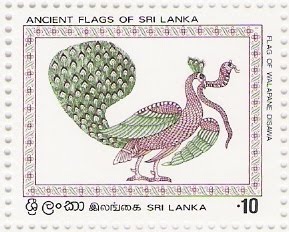
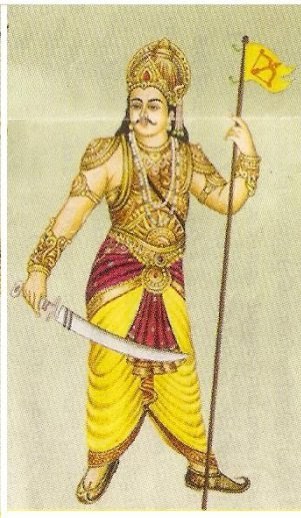
Flags of Ancient Indian Kings


Picture: Tiger Flag of Chola Kings of Tamil Nadu

My research into Vahanas and Flags show that the Vahanas or Mounts of Gods and Goddesses came from their flags. For instance Lord Skanda had peacock and Sanaiswara had Kaka( crow) in their flags first. When the sculptors wanted to make the sculptures or idols it became easier for them to show as Vahanas instead of flags. If we accept this theory, it becomes logical that Lord Ganesh had mouse as flag first and then it was made in to Vahana. Another proof for my theory is the oldest Ganesh statues are found in South East Asian countries like Indonesia and Laos. They did not have mouse (Mushika) as vahana.

But we see the oldest Vahanas in Babylonia where most of the gods had lion as their vahanas. Deer and bull also figure as Vahanas in the Middle East.

*Oldest Flag: Egyptians carried a standard (3000 BC)
*Phonician Ships carried double cone flag like the Hindu Bhagavat Dwaja in 700BC
*Garuda dwaja-Vishnu: The concept of Garuda seems to have evolved in the Vedic age. Suparna Garudman is in RV I-164-46
Garuda bringing Soma plant (RV III-43-7; VII-26-6)

*Indus valley dwaja: The type of flag/dwaja popular with the people of Mohanjo-Daro comprised a staff, a bowl like receptacle and a cage. John Marshal says it carried a bird in the cage.

*Indus Valley: The most frequently represented ox-like beast with a single horn usually described as unicorn (Eksringa) may be identified with Sringa-Vrisha (Rig Veda VII-17-3;AV 20-5-7) according to VS Agrawal. It might have become Rishaba Vahana (Bull).
*On a seal discovered from Chanbu-daro, two nude women are represented carrying a standard each. Chanbu-Daro excavations Pl 11-36 ,pp149/50

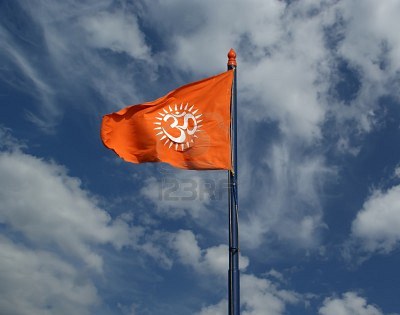
Picture: Hindu Flag

Mahabharata

*Kapi dwaja- Arjuna (monkey flag) or Vanara dwaja
In the Vanaparva there is a story that Hanuman assured Bhima that he will make terrible sounds staying in the dwaja of Arjuna (MB, Vana.150)
*Yudhistra- pair of Mrdanga
*Bhima- a simha
*Nakula- sarabha
*Sahadeva- Hamsa (swan)
*Abhimanyu- Saranga
*Drstadyumna—Kovidara
*Ghatotkacha-grddha
*Duryodhana- snake
*Bhisma- Tala (Palmyra)
*Dronaa- an altar covered with a deer skin & kamandalu
*Karna- elephant chain
*Krpacharya- bull
*Asvattama- Lion Tail
*Jayadratha- Boar
*Somadatta- yupa
*Salya- plough
*Bhoja- elephant
*Alayudha- band of jackals
*Vrsasena- peacock
*Bhurisrava- yupa
*Brhadbala- lion
*Kalingaraja- a flame
*Pradyumna- crocodile
*Uttara- lion

KETU (flag) suffix in Mahabharata (nine kings)
Asvaketu
Ketumana
Svetaketu
Viraketu and more.

SOUTH INDIAN FLAGS

*Malayadwajan- Pandya King , Father of Meenakshi, husband of Kanchanamala ( Surasenan’s daughter)
*Chakradwaja Pandya (Drona Parva sloka)=kodi ther cheziyan
*Babruvahanan= Hamsa flag
*Chera Kings- Bow and Arrow
*Choza kings- Tiger flag
*Pandya Kings- Fish flag
*Pallava- Bull flag
*Parameswara Varman- Katwanga Ketu
*Nandhivarma Pallavan- Katwanga Ketu (Skull inserted in a hand bone)
*Chalukya Vikramadityan boasts of capturing Pallava Katvanga ketu

*During coronation ceremonies Flag Hoisting was an important event
*Flags were fluttering in every part of the country till the boundary
*One of the ten symbols of Kings is a flag (Kural etc.)
*Kalingatu Parani describes how the flag was taken in the forefront when the army marched into another kingdom
*Parankusa Maravarman- Thunder flag (pandi Kovai mentions it in 3 places)
*Pallavas and Pandyas had extra flags in addition to their Fish and Bull flags.
*Nandhivarman’s commander Uthayachandran defeated a hunter king Udhayanan and captured his Kannadi flag ( it is made up of peacock feathers, probably decorated with glass)
*Chalukya king- boar flag (Rajendra chola II boasts of capturing varaha flag of chalukyas

Kushana king Kumara- Cock flag, Kukkuta Dwaja.

*Velalar- kalappaik koti (plough)

Above facts about SOUTH INDIAN FLAGS were taken from Dr R Nagasamy’s book Yavarum Kelir)

Jaffna Royal Family (Sri Lanka) –Bull,Conch,Sun,Moon and Parasol
Samudragupta- Garuda (eagle)
Huna king Mihirakula- Recumbent bull
Rashtrakuta king Govinda II captured as many as 13 standards from his enemies.
Nandhivarma captured Mirror flag
Vinayaditya’s father- Pali dwaja

Sanskrit words for Flag : Ketu, Dwaja, Pathaka, Vaijayanthi

TAMIL WORDS FOR FLAGS (koti)
*Vijaya Ven Koti =Victorious white flag (puram 462)
*Visaiyam Vel Koti ( Mullai 91),
*Venrezu Koti ( Malaipadu. 582),
*Vaanthoy vel koti ( Pathtru. 67-1)

GODS

Skanda- peacock
Shiva- bull
Vishnu- Garuda
Brahma- Swan/ Hamsa
Indra- Vaijayanta dwaja or Airavata
Balarama- Palmyra
Durga- Peacock
Manmatha_ Makara Dwaja

NAVAGRAHAS
Sun/Surya- Asva/Horse
Moon/Chandra- Padma/ Lotus
Mars/Angaraka- Vira /Spear?
Mercury/ Budha- Gaja/Elephant
Jupiter/Guru-Vrsabha/Bull
Venus/Sukra- Asva/ Horse
Saturn/Sani-Kaka/Crow
Rahu- Naka
Ketu-Asva/Horse

RAKSHASAS
Gahtotkacha and other Rakshasas- Vulture dwaja
Ravana- human head or Veena

Meganada- lion
Atikaya- Rahu
Prahasta- snake
Kamba- seshanaga

Yakshas- Owl ,Alayudha- jackal,Yama-buffalo, Yamuna-Fish, ,Jyesta- Kaka Dwaja, Sura and Vatsarasa_ Pigeon,Bhisma- Palmyra flag,Tala Dwaja, Rama’s brother Bharata,Drstadyumna- Kovidara tree flag, Several sages_-Kusa Dwaja (kusa grass), Brahmanas- Lotus flag, Kinnaras- Lotus stalk/nala dwaja, Yaksha in Kalidasa’s Meghaduta- Cloud flag, Gupta king Chandra Gupta- Crescent moon,Ramagupta- Chakra Dwaja. Kumara Gupta, Yaudeyas,, Vrsa sena- Peacock Dwaja, Siki Dwaja


Picture: Flag of Cheras of Tamil Nadu
Pradyumna- Makaradwaja (Besnagar temple had this flag from 2nd Century BC)
(Also read my earlier post Country Names and Flags: India showed the way)

27 Hindu Stars (Nakshatras) & Western Names

(Please click on the pictures to see them in full view)

27 நட்சத்திரங்களின் விஞ்ஞானப் பெயர்கள்

The twenty seven Nakshatras of Hindu System and western equivalents for the benefit of western readers by Santhanam Nagarajan

While the Indian Star System or Hindu Nakshatra system is a scientifically designed one, some doubt whether the 27 nakshatras physically exist in the sky. They do exist. For the benefit of the western readers, the 27 nakshatras and western equivalents are given below:

1) Ashwini –Alpha, Beta –Aries அஸ்வினி
2) Bharani – No 28,29,41 Taurus பரணி
3) Krittika – Pleiades கார்த்திகை
4) Rohini – Aldebaran Hyades, Alpha, Theta, Gama, Delta and Epsilon Taurus ரோஹிணி
5) Mrigashirsha – Lambda, Phi 1, Phi 2, Orion மிருகசீர்ஷம்
6) Aardraa –Betelgeaux – Alpha Orion திரு ஆதிரை
7) Punarvasu – Castor, Pollux with Procyon Alpha, Beta, Gemini-Alpha Canis Minor respectively புனர் பூசம்
8) Pushya – Gama, Delta and Theta of Cancer பூசம்
9) Ashlesha – Delta, Epsilon, Eta, Rho and Zeta Hydra ஆயில்யம்
10) Maagha – Alpha, Ela, Gama, Zeta My and Epsilon Leonis மகம்
11) Poorva Phalkuni – Delta and Theta Leo பூரம்
12) Utra Phalkuni – Beta and 93 Leo உத்தரம்
13) Hasta – Delta, Gama, Eta, Virgo ஹஸ்தம்
14) Chitraa – Spica, Alpha Virgo சித்திரை
15) Swaati – Arcturus – Alpha Bootes ஸ்வாதி
16) Vishaakha – Alpha, Beta etc Libra விசாகம்
17) Anuraadha – Beta, Delta, Pi –Scorpia அனுஷம்
18) Jyestha – Antares Alpha, Sigma Tau Scorpio கேட்டை
19) Mula – Scorpio, tail stars மூலம்
20) Poorvaashadaa – Delta and Epsilon Sagittarius பூராடம்
21) Uttaraashaada – Zeta and Omicron Sagittarius உத்திராடம்
22) Shraavanaa – Altair – Alpha Aquila திரு ஓணம்
23) Dhanishtha – Delphinus அவிட்டம்
24) Shatabhisak – Lambda Aquarius சதயம்
25) Poorva Bhaadrapada – Alpha and Beta Pegasus பூரட்டாதி
26) Uttara Bhaadrapada – Gama Pagasus and Alpha Andromeda உத்திரட்டாதி
27) Revathi – Zeta Piscum ரேவதி

The above stars can be seen with the help of the star maps. The Vedic Rishis (seers) have very clearly indicated the size and shape of the stars. There were a number of books available in the past. The Nakshatra vidya or the Science of the Stars or descriptive astronomy is lost due to the continuous invasions on India. However Vedic Scholars are able to find out the real science now and we may hope the full benefit of this science will be passed on to the future generation. In our next article we will look into the wonders of the stars.

Out of the Zodiac signs we have some stars with common names and they are Abijit – Vega, Agastya- Canopus,Trisanku- Southern Cross, Sapatarishi Mandala-Ursa Major and Dhruva- Pole Star.

(This article is written by my brother S Nagarajan)
*************

நாக ராணி: சிந்துவெளி முதல் சபரிமலை வரை


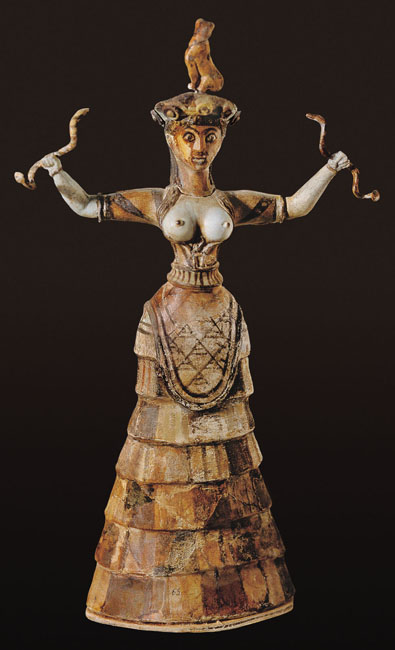
Minoan Snake Goddess 1600 BC

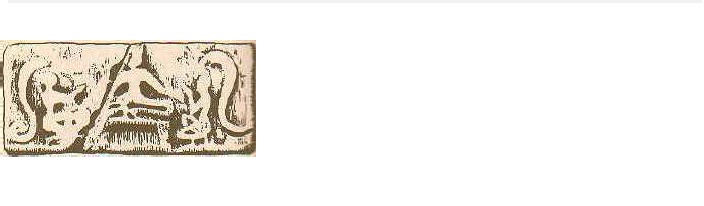
சிந்து சமவெளியில் கிடைத்த முத்திரையில் ஒரு கடவுளுக்கு இரு புறமும் இரண்டு நாகங்கள் படம் எடுத்த நிலையில் இருக்கின்றன. வேதங்களில் நாக ராணியைப் பற்றி பல குறிப்புகள் உள்ளன. இப்போது நடை பெறும் வேத ஆராய்ச்சிகள் பல புதிய உண்மைகளைத் தெரிவிக்கின்றன.
உலகத்தில் பாம்புகளைப் போற்றாத பழைய நாகரீகங்களே இல்லை. வேத காலம், சிந்து சமவெளி, கிரேக்க, எகிப்திய, சுமேரிய ,பாபிலோனிய, மாயா பண்பாடுகள் அனைத்திலும் நாக உருவில் தெய்வங்கள் உண்டு. ஆயினும் இந்துக்களுக்கு இதில் மிகவும் சிறப்பான இடம் இருக்கிறது. வேத காலத்தில் போற்றப்பட்ட நாகங்களுக்கு இன்றுவரை கோவில்கள் இருப்பதைப் பார்க்கிறோம். உலகில் வேறு எங்கும் காணாத புதுமை என்னவென்றால் உயிருள்ள பாம்புகளுக்கே நாக பஞ்சமி அன்று பூஜையும் செய்கிறோம். எல்லா இந்து தெய்வங்களும் பாம்புடன் சம்பந்தப்பட்டவை.

Indus Valley Snake God

ஆர்தர் ஈவான்ஸ் என்ற தொல்பொருள் துறை நிபுணர் கிரீட் தீவில் நாசோஸ் என்னும் நகரில் பெரிய மினோவன் நாகரீக அரண்மனையை அகழ்வாராய்ச்சியில் கண்டுபிடித்தார். அதில் ஒரு பெண் இரு கைகளிலும் பாம்புடன் நிற்கிறார். அவர் தெய்வமா பூசாரினியா என்று தெரியவில்லை. அந்தச் சிலை மேலை உலகில் மிகவும் பிரசித்தி பெற்றுவிட்டது.

மானசா தேவி, நாகராஜன், நாக யக்ஷி முதலிய பல வடிவங்களில் சபரிமலை முதல் சிந்து சமவெளி வரை கோவில்கள் அல்லது பாம்பு ராணி சிலைகள் இருக்கின்றன. அன்று போல் இன்றும் நாகங்களைத் தெய்வமாக வழிபடும் தொடர்ச்சியையும் காண்கிறோம்.

Naga Yakshi

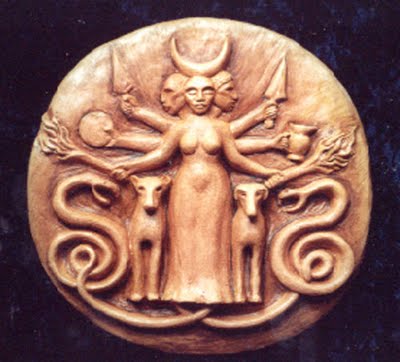
அயர்லாந்தில் ஹெகடெ (சக்தி என்ற சொல்லின் மருவு) என்ற நாகராணியை வணங்கினர். சுமேரியாவில் 5000 ஆண்டுகளுக்கு முன் கபஜா என்னும் இடத்தில் இரண்டு கைகளில் இரண்டு பாம்புகள் உடைய தெய்வத்தைக் காணலாம். இதே தெய்வம் நாக யட்சி என்ற பெயரில் கர்நாடகம் கேரளம் முழுதும் உள்ளன. ஒரிசா, வங்காளம் ஆகியவற்றில் மானசா தேவி இதே உருவத்தில் வழிபடப்படுகிறாள்.

அதிசயச் செய்தி: சுமேரியாவில் தமிழ்?

ரிகவேதத்தில் 27 பெண் கவிஞர்களின் பெயர்களைக் காணலாம். அவர்களில் ஒருவர் பெயர் சர்ப்பராக்ஞி (பாம்பு ராணி). சர்ப்பராக்ஞீ என்ற தெய்வமும் பலவித தைத்ரீயம் முதலிய பிராமண நூல்களில் வருகிறது. தைமத என்ற பாம்புத் தெய்வத்தின் பெயரும் இருக்கிறது. இதை டியாமத் என்ற பாம்புத் தெய்வமாக பாபிலோனியர்கள் வணங்கினர். ஆக வேத கால தெய்வங்கள் 5000 ஆண்டு பழமை உடையவை என்பது நிரூபணம ஆகிவிட்டது.

அதர்வண வேதத்தில் வரும் அலிகி, விலிகி என்ற சொற்களுக்கு பொருள் விளங்காமல் இருந்தது. வேதங்களைப் பற்றி ஆராய்ந்த சுதந்திரப் போராட்ட வீரர் பால கங்காதர திலகர் வேதங்கள் 6000 ஆண்டுப் பழமை உடையவை என்று நிரூபிக்கும் புத்தகத்தில் அலிகி, விலிகி ஆகியன சம்ஸ்கிருதம் அல்ல, அவை அக்கடியன் மொழிச் சொற்கள் என்று எழுதி இருந்தார். இதை இப்போது ஆராய்ந்த டாக்டர் பகவத்சரண் உபாத்யாயா, டாக்டர் நாவல் வியோகி முதலானோர் இந்தச் சொற்கள் கி.மு 3000இல் ஆட்சி செய்த ஆலால, வேலால (தமிழ் பெயர்களாகவும் இருக்கலாம்) என்ற இரண்டு அசீரிய மன்னர்கள் என்று கண்டுபிடித்தனர். இவைகள் உண்மை என்றால் அதர்வண வேதத்தின் காலம் 5000 ஆண்டுகளுக்கு முன் என்றாகிவிடும். மொழி இயல் ரீதியில் இதற்கு மிகவும் முற்பட்டது ரிக் வேதம். உலகின் மிகப் பழைய மத நூல். ஆகவே அது 6000, 7000 ஆண்டுகளுக்கு முந்தியது என்று திலகர் எழுதியது சரி என்றாகிறது.

வேதத்தில் குறிப்பிடப்படும் சரஸ்வதி நதி மறைந்து 5000 ஆண்டுகள் ஆகியதை பாபா அணுசக்தி ஆய்வு மையமும் அமெரிக்க விண்வெளி நாஸா- வும் உறுதி செய்ததாலும் வேத காலத்தின் பழமை உறுதியாகிறது.

(இந்தக் கட்டுரை ஆங்கிலத்திலும் Serpent Queen: Indus Valley to Sabarimalai எழுதியுள்ளேன், பெயர்களின் சரியான ஸ்பெல்லிங் முதலியன தேவைப்பட்டால் ஆங்கிலக் கட்டுரையை வாசித்து கூகிள் செய்தால் மேலும் ஆழமான தகல்களைப் பெறலாம்)

சுமேரியாவின் வரலாற்றை எழுதிய பெரோருஸ் என்ற கிரேக்க ஆசிரியர் ஆதிகால மன்னர்களின் பெயர்களை அளிக்கிறார். ஊர்த்வரேதஸ் (ஒட்டரடெஸ்) மற்றும் துமுசி என்ற பெயரில் இரண்டு மன்னர்கள் சுமேரியாவை ஆண்டனர். ஒரு துமுசி இடையர், மற்றொரு துமுசி மீனவர். ராமன், கண்ணன் ஆகிய மன்னர்களை நாம் எப்படி தெய்வம் ஆக்கினோமோ அப்படி இவர்களை அவர்கள் தெய்வ நிலைக்கு உயர்த்திவிட்டார்கள். இவர்கள் தமிழர்களாக இருக்கலாம். ஏனெனில் துமுசி என்பதை தமிழி என்று வாசிக்கும்படி ஆங்கிலத்தில் எழுதபட்டிருக்கிறது. அதைப் பிற்காலத்தில் டம்முஸ் என்றும் சம்மட என்றும் பல வகையாக எழுதினர். டம்முஸ் என்பதும் தமிழன் என்பதை ஒட்டி வருகிறது.

இது தவிர சுமேரிய மொழிக்கு சிறிதும் தொடர்பில்லாத சுமுகன் என்ற தெய்வப் பெயரும் இருக்கிறது. இது விநாயகப் பெருமானைக் குறிக்கும் தூய சம்ஸ்கிருதச் சொல். பெரோரஸ் என்ற ஆசிரியரின் பெயரையும் வர ருசி என்றும் படிக்கலாம். அவர் சில மன்னர்களின் தலைநகரம் பத்தர்குரு என்று எழுதிவைத்தார். இந்த பத்தர்குரு புராணங்களில் மிகவும் போற்றப்படும் உத்தரகுரு ஆகவும் இருக்கக் கூடும்.

5000 ஆண்டுகளுக்கு முன் இப்படி சுமேரியாவில் தமிழும் சம்ஸ்கிருதமும் இருப்பதை நோக்கும் போது இரண்டு மொழிகளும் ஒரே மூலத்திலிருந்து வந்தவை என்ற பழைய கோட்பாடும் உயிர் பெறுகிறது. இத்துடன் இணைத்திருக்கும் படங்களைக் காண்போருக்கு, உண்மைகள் சொல்லாமலே விளங்கும்.

கீழ்கண்ட எனது கட்டுரைகளையும் படித்தால் முழு சித்திரம் கிடைக்கும்:

1. Bull Fighting: Indus Valley to Spain via Tamil Nadu
2. The Sugarcane Mystery: Ikshwaku Dynasty and Indus Valley
3. Mysterious link between Karnataka and Indus Valley
4. Vishnu in Indus valley seal
5. Indra on Airavata in Indus valley)
*******************
Serpent Queen:Indus Valley to Sabarimalai


Picture shows Indus Snake seal

The most famous snake queen figure came from the Minoan Civilization in the island of Crete. British archaeologist Arthur Evans excavated at the palace of Knossos in Crete and revealed to the world the fascinating details of a new civilization that existed between 2700 BC and 1500 BC coinciding with the Indus Valley Civilization. The famous serpent queen figure is of a priestess holding two snakes in her two hands. The same motif is found throughout in India from Vedic times to modern day. We have a faience figure in Indus Valley with two snakes.


Minoan Goddess 1600 BC

Rig Veda, the oldest religious book in the world, refers to a Sarpa Ranji (serpent queen). Atharva Veda also mentioned two snakes called Aligi and Viligi. Modern research by scholars showed that these were actually the names of two Assyrian Kings who lived in 3000 BC. If it is correct the Atharva Veda predates Indus Valley civilization. The fact that the Vedic civilization is older than the Indus valley is confirmed by the BARC (Bhaba Atomic Research Centre) research on Saraswati River that had frequent references in the Vedas. Saraswati River dried even before Indus culture reached its peak. May be the Indus culture was the continuation of Vedic culture. Now we have two proofs, one from the Assyrian sources and the other from the Vedas to prove its antiquity.

Manasa Devi

The serpent worship is universal. There is no ancient culture without a serpent God. Whether it is Egyptian or Mayan, Indus or Vedic, Minoan or Babylonian we see serpents with Gods and Goddesses. But Hindus are the only race in the world who maintains this culture until today. We have Nagapanchami celebrations celebrated throughout India where live snakes are worshipped. Hindus respect Nature and Environment and use the natural resorces to the minimum.

Snake Goddesses such as Manasa Devi and Naga Yakshi are worshipped in India. The Vedas has an authoress named as Serpent Queen. She was one of the 27 women poets of Rig Veda and her poem is in the Tenth Mandala (10-189). We have two more references to this lady in Taitriya and Aitareya Brahmanas. Sarpa Vidya (science of snakes) is mentioned in Satapatha and Gopatha Brahmanas. (see Vedic Index of name and subjects by authors AB Keith and AA Macdonell,page 438 for more details).

Aligi is the name of a kind of snake in the Atharva Veda (V-13-7) and Viligi, another snake, is also mentioned in the same hymn. Earlier scholars like AA Macdonell and AB Keith mentioned them as snakes in their Vedic Index Volumes. Bala Gangadhara Tilak did lot of research and told us that these were from the Akkadian languages. He dated the Vedas to 6000 BC. Modern research by scholars Dr Bhagawatsharan Upadhyaya and Dr Naval Viyogi showed that they were not snakes, but kings of Assyria- Aligi (Alalu) and Viligi (balalu) of 3000 BC.

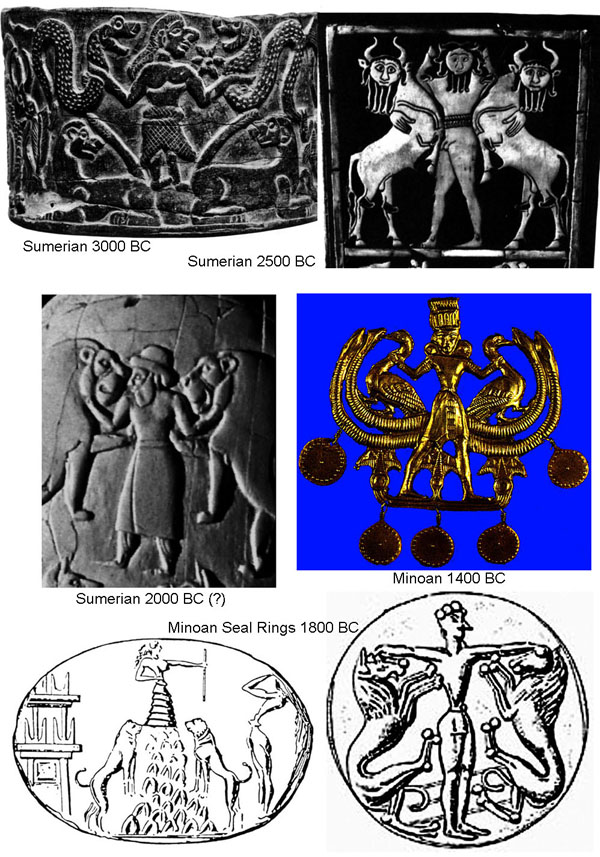
Sumeria 3000 BC (see the top left)

Taimata is twice mentioned in Atharva Veda (V-13-66; V-18-4) as a species of snake according to Whitney and Bloomsfield. Once again the old Vedic translations are wrong. Actually Taimata is nothing but Tiamat found in Babylonian literature as a Goddess. May be it is the corrupted form of Sanskrit DEVA MATA (Goddess). More and more research shows many Sanskrit words in Sumerian and Babylonian literature such as Berorus (Vara Ruci), Ottaretas (Urdhwaretas), Mesopotamian god Dumuzi/Tammuz/Sammata (fish God). They are pure Sanskrit words. One and the same god was called in different names by different cultures at different times and that too in corrupted forms. When we read Sumerian names we have to remove prefixes Nan, Nin,Sin. They are equal to Sri, Sow etc. Future research will prove that they have migrated from India in the remotest time.

Naga Yakshi worshipped in all the Ayyappan temples including Sabarimalai and other goddess temples found in the Middle Eastern countries around 3000BC. We see them in Indus valley and the Vedas as well. (Please see the attached pictures and compare them). A goddess or a god will be holding two snakes in their hans on either side or will be flanked by two snakes. This is nothing new for a Hindu. All the Hindu gods are associated with snakes in one or other form.

My conclusion can be summarized as follows:

1. Vedic translations of Aligi, Viligi and Taimata are wrong and they were all really people, may be people with snake totem (Nagas).
2. Since Atharva Veda mentions Kings who lived around 3000 BC, it must be dated around that period. Rig Veda is (linguistically) older than Atharva Veda.
3. We see snake gods or goddesses in all ancient cultures. In India, we see it from Vedic days. They are worshiped until today proving that Indian culture is the oldest living culture.
4. Last but not the least; such continuity is possible only when this worship originated in India. So we can safely conclude that Hindus went to different parts of the world taking their culture. Like we lost the whole of South East Asia after 1300 year Hindu rule, we lost the Middle East long before that.

Irish Goddess Hekate (Shakti)

(Please read my other articles on Indus Valley 1. Bull Fighting: Indus Valley to Spain via Tamil Nadu 2. The Sugarcane Mystery: Ikshwaku Dynasty and Indus Valley 3. Mysterious link between Karnataka and Indus Valley 4.Vishnu in Indus valley seal 5.Indra on Airavata in Indus valley)

***************
Matavi’s 11 types of Classical Dance

Hindu Themes in Ancient Tamil Dance

Picture shows famous dancer Jyotsna Jaganathan

Silappathikaram is considered the best among the five Tamil epics. Kovalan and Kannaki were the hero and heroine and Madhavi was Kovalan’s mistress. She was a famous dancer. She was the daughter of Chitrapathy.  Madhavi learnt dance from the age of five and mastered the art of classical Bharatanatyam at the age of twelve. When she performed at the annual Indra festival in the ancient Chola port city Kaveri Pumpattinam, the king gave her the royal medal and 1008 gold coins. Kovalan, who was a great lover of fine arts fell for her.

The Tamil epic Silappathikaram is an encyclopaedia of Tamil culture. It gives graphic description of all Tamil arts such as Bharatanatyam and Tamil Music. The commentators added wealth of information in their commentaries. The epic describes the Tamil country of second century C.E.

It is very interesting to know that all these dances are about Hindu mythology.

Madhavi performed eleven different types of dances according to the epic. They are:

1.Alliam: This is a dance about Lord Krishna’s victory over the mad elephant.

2.Kodukotti : This is the dance Lord Shiva performed after burning the triple cities of Asuras/demons

3.Kudai: This is about Lord Skanda’s victory over the demons

4.Kudam: Kannan performed this after winning the release of his grandson Anirudh from the prison of Banasura.

5.Pandarangam:  Brahma was entertained by Siva with  this dance after Shiva’s win over the Triple Cities of demons.

6.Mal: This describes the wrestling contest between Bana and Lord Krishna

7.Thudi: This is Skanda’s dance after defeating the demon Suran

8.Kadayam: This is the dance performed by Indrani at the north gate of palace of Banasura.

9.Pedu: Manmathan’s dance dressed as a eunuch to secure the release of his son Anirudh.

10.Marakkal: When demons sent poisonous creatures like snakes and scorpions against Goddess Durga she danced with stints (Stick dance). This is known as Marakkal literally “wooden legs”.

11.Pavai:  Goddess Lakshmi’s dance against the warring demons.

First six of the eleven dances are done in standing position and the other five are performed in lying position. There is an interesting thread that runs through all these mythological episodes. This is about a fight between the good and bad and the ultimate victory of good over evil.

Ilango, author of Silappathikaram, did not stop with Matavi’s debut performance. In three other places in the epic he narrated the hunters dance during worship of Durga, cowherds dance praising Lord Krishna and tribal dance.

Ancient Tamils were so familiar with all the Hindu mythological stories. They liked to watch such stories. This is confirmed by a lot of references to Hindu Gods and Goddesses in Sangam Tamil literature. Tamils are not only ardent Hindu devotees, but also lovers of all fine arts. Chidambaram temple stands as a monumental proof for this with all the 108 dance gestures (abhinaya) sculpted in stones.

Like Bharata, the author of Sanskrit treatise on Bharata Natyam, Silappadhikaram also gives a description of dance stage and location for the stage.

The Tamil atheist’s propaganda is exploded by all the descriptions found in ancient Tamil literature. The dancing figure found at Mohanjadaro points to the antiquity of the classical Bharatanatyam. The metal statue of a woman shows her one arm on her hips and another arm with lot of bangles. Her legs are slightly bent. This tradition is continued by the Tamil dancers even today.

**********

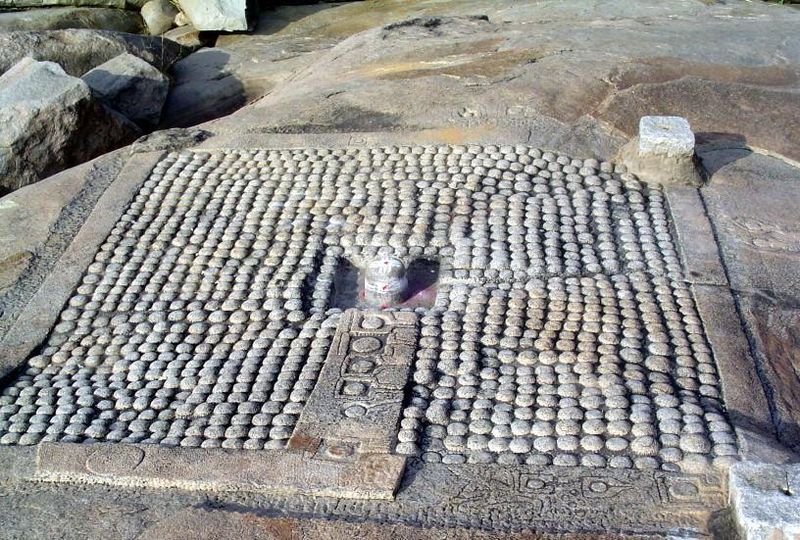
Pictures of Sahasralinga in Karnataka, Cambodia

These pictures are taken from other websites.Thanks. Please use these along with the English and Tamil versions of the following articles posted in my blogs:

“The Mysterious Link between Karanataka  and Cambodia“.  Related subjects “Cambodia and Indus Goddess: Karnataka-Cambodia Link” and Pandya King Who Ruled Vietnam.

Above two pictures are from Karnataka Sahasralinga near Sirsi


Above pictures are from Cambodia Sahasralinga

Sahasralinga at Parasurameswara temple, Bhuvaneswar

சஹஸ்ரலிங்கம்: கர்நாடகா-கம்போடியா அதிசிய தொடர்பு

Sahasralinga in Kanataka

(English version of this article is already posted under “The Mysterious Link between Karanataka “. Related subjects “Cambodia and Indus Goddess: Karnataka-Cambodia Link” and Pandya King Who Ruled Vietnam).

இந்தியாவிலுள்ள கர்நாடக மாநிலத்துக்கும் ஆயிரக்கணக்கான மைல்களுக்கு அப்பாலுள்ள கம்போடியா நாட்டுக்கும் அதிசியமான தொடர்பு நிலவுகிறது. உலகப் புகழ்பெற்ற அங்கோர்வட் கோவில் கம்போடியாவில் இருப்பதைப் பலரும் அறிவார்கள். வியட்நாம், லாவோஸ், தாய்லாந்து, மலேசியா, சிங்கப்பூர், இந்தோநேசியா, கம்போடியா முதலிய நாடுகளில் இந்துக்கள் 1500 ஆண்டுகளுக்கு ஆட்சி செலுத்தியதையும் அகத்தியர், கவுண்டின்யர் என்ற இரண்டு பிராமணர்கள் இந்த ஆட்சியை நிறுவியதையும் பலரும் வரலாற்றுப் புத்தகத்தில் படித்திருப்பர். ஆனால் வியட்நாமில் ஸ்ரீமாறன் என்ற பாண்டியன் ஆட்சியை நிறுவியதும் கம்போடியாவில் சஹஸ்ரலிங்கம் இருப்பதும் பலருக்கும் தெரியாது.

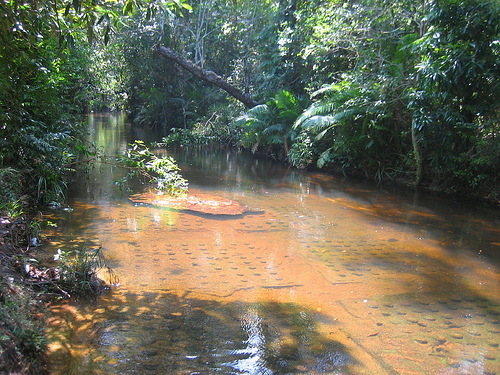
கர்நாடகத்திலும் கம்போடியாவிலும் மட்டும் ஓடும் நதிக்கிடையில் இப்படி ஆயிரம் லிங்கங்களை யார் செதுக்கினார்கள், எப்போது செதுக்கினார்கள், ஏன் செதுக்கினார்கள் என்பது மர்மமாகவே இருக்கிறது. இதற்கான சாட்சியங்கள் பழைய நூல்களில் இல்லை. பெரும்பாலும் செவி வழிச் செய்தியில்தான் கிடைக்கிறது. ஆயினும் பல நூற்றாண்டுகளாக, ஒருவேளை ஆயிரக்கணக்கான ஆண்டுகளாக இவை இரண்டும் இருக்கக் கூடும்.

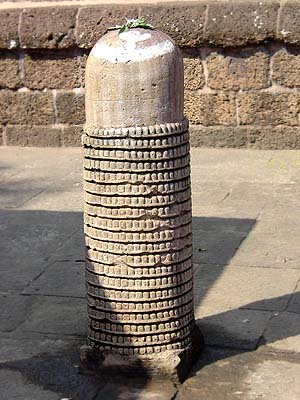
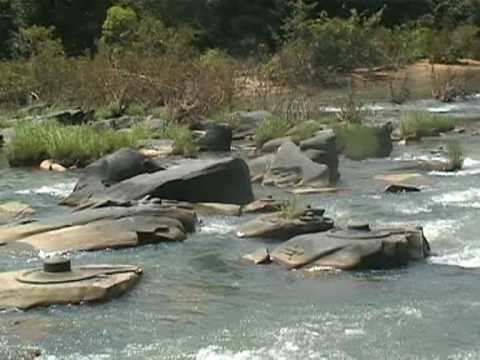
கர்நாடக மநிலத்தின் வடக்கு கன்னட பகுதியில் சால்மலா ஆற்றில் இந்த ஆயிரம் (சஹஸ்ர) லிங்கங்கள் இருக்கின்றன. சீர்சி என்னும் ஊரிலிருந்து  17 கிலோமீட்டர் பயணம் செய்தால் இதை அடையலாம். ஆற்று நீரோட்டத்தில் நூற்றுக் கணக்கான லிங்கங்கள் செதுக்கப் பட்டுள்ளன. இயற்கை அழகு கொஞ்சும் இடம்– மேற்குத் தொடர்ச்சி மலைகளில் தென் மேற்குப் பருவமழை கொட்டும் காலங்களில் ஆறு கரை புரண்டு ஓடும் காட்சி கண்கொள்ளாக் கட்சியாகும். லிங்கங்கள் அதன் அடிப்பாகமான யோனியுடன் செதுக்கப்பட்டிருக்கின்றன. ஷால்மலா ஆற்றின் நீரால் இவைகளுக்கு எப்போதும் அபிஷேகம்தான். கோவில்களைப்போல யாரும் போய் அபிஷேகம் செய்யவேண்டியதில்லை.ஆண்டுதோறும் சிவராத்திரியின்போது ஏராளமான மக்கள் வந்து வணங்குகின்றனர்.

இயற்கை எழில் சிந்தும் இந்த இடத்தைச் சுற்றி பச்சைப் பசேல் என்று மரங்களும் சல சல என்று ஓடும் நதியும் மனதுக்கு இதம் அளிக்கும். ஆற்று நீரோட்டதுக்கு இடையே இருக்கும் பாறைகளில் லிங்கங்கள் புடைப்புச் சிற்பங்களாகக் காட்சி தரும்.

இந்தியாவில் இப்படி ஒரு மகானுக்கு யோசனை வந்து இதை நிறுவியதே ஆச்சரியமான விஷயம். இதையே கம்போடியாவின் காட்டுக்குள் ஓடும் நதியில் யார் செய்தார்கள் என்பதை எண்ணி எண்ணி வியக்காமல் இருக்க முடியாது! கம்போடியாவிலும் இதை சஹஸ்ரலிங்கம் என்ற சம்ஸ்கிருத பெயரிலேயே இன்று வரை அழைக்கின்றனர்.

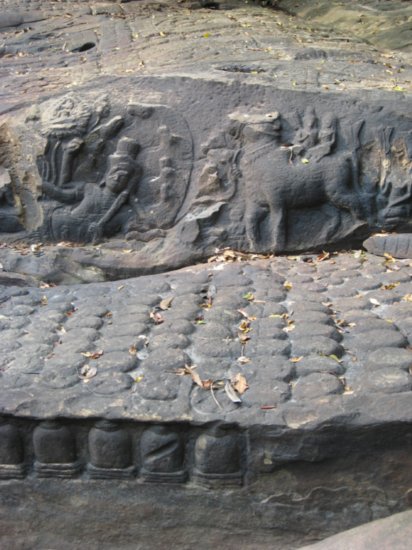
கம்போடியாவின் உலகப் புகழ் கோவில் அங்கோர்வட்டிலிருந்து 25 கிலோமீட்டர் தொலைவில் கபல் சியான் என்னும் ஊர் இருக்கிறது.அங்கே ஓடும் ஆற்றுக்கு இடையேயும் சஹஸ்ரலிங்கம் செதுக்கப்பட்டுள்ளன. அங்கே மேலும் ஒரு சிறப்பு என்னவென்றால் லெட்சுமி, விஷ்ணு, ராமர், அனுமார், சிவன் ஆகிய உருவங்களையும் செதுக்கி இருக்கிறார்கள். இதையும், சுற்றியுள்ள இயற்கைக் காட்சிகளையும் காண நிறைய பயணிகள் வருகிறார்கள். அவர்கள் சபரிமலை போல காடு மேடுகளக் கடந்து வந்துதான் பார்க்கவேண்டும்.

Kbal Spean in Cambodia

கபால் சியான் என்றால் பாலம் என்று பொருள். இயற்கையாகவே அமைந்த கல் பாலம் வழியாக இந்த சஹஸ்ரலிங்க தலத்தை அடைய வேண்டும். ஆற்றின் இரு பக்கப் பாறைகளிலும் மிருகங்களின் சிற்பங்களையும் காணலாம். இந்த ஆறு குலன் மலையின் தென் மேற்கு சரிவில் இருக்கிறது. அருமையான ஒரு நீர்வீழ்ச்சியும் உண்டு. சுமார் 50 அடி உயரத்திலிருந்து விழும் அருவி மனம் கவரும் ஒரு காட்சியாகும். ஒரு காலத்தில் மன்னர்கள் புனித நீராட இங்கே வருவார்களாம்.

சஹஸ்ரலிங்கம் மற்றும் அதைச் சுற்றியிருக்கும் கோவில்களை 11 ஆவது 13 ஆவது நூற்றாண்டுகளில் கம்போடியாவை ஆண்ட இந்து மன்னர்கள் முதலாம் சூர்யவர்மன், இரண்டாம் உதயாதித்யவர்மன் உருவாக்கினார்கள் என்று சொல்லப்படுகிறது. சிவலிங்கம் ஆக்க சக்தியின் வடிவம் என்றும் ஆற்றுப் படுகைகளில் சிவலிங்கங்களை நிறுவினால் தானிய விளச்சல் அதிகரிக்கும் என்றும் கம்போடீய மக்கள் நம்புகின்றனர். கம்போடிய நெல் வயல்களைச் செழிக்கச் செய்வதோடு மக்களை புனிதபடுத்தும் என்பது அவர்கள் நம்பிக்கை.

கம்போடியாவில் நீண்ட காலம் நடந்த யுத்தத்தினால் ஏராளமான இந்துச் சின்னங்கள் சின்னா பின்னமாயின. ஆனால் காட்டுக்குள் இருக்கும் சஹஸ்ரலிங்கம் பாதிக்கப்படவில்லை. கம்போடிய சஹஸ்ரலிங்கத்தைக் காண பண்டேய்ஸ்ரீ என்னும் இடத்திலிருந்து 12 கிலோமீட்டர் போகவேண்டும். மலை அடிவாரத்திலிருந்து கரடு முரடான பாதைகள் வழியாக 45 நிமிடம் மேலே ஏறிச் சென்றால் சஹஸ்ரல்ங்கங்களைக் கண்டு களிக்கலாம். மஹாவிஷ்ணு ஆதிசேஷன் என்ற பாம்பின் மீது பள்ளி கொண்டிருக்கும் காட்சி அற்புதமாக இருக்கிறது. அவருடைய நாபியிலிருந்து எழும் தாமரையில் பிரம்மா காட்சி தருகிறார்.

கர்நாடகத்துக்கோ கம்போடியாவுக்கோ போக முடியாதவர்கள் யூ ட்யூபில் இவைகளக் காணலாம்.கூகுல் செய்தால் போதும் .எனது ஆங்கிலக் கட்டுரையில் இடங்களின் பெயர்கள் இருக்கின்றன.

வட குஜராத்திலும் ஒரு சஹ்ஸ்ரலிங்கம்

வட குஜராத்தில் பதான் நகருக்குப் பக்கத்தில் சஹஸ்ரலிங்க குளம் இருக்கிறது. இதை கி.பி.1084ல் சித்தராஜ் ஜெய்சிங் என்ற மன்னன் கட்டினான். ஆனால் இப்போது 48 தூண்களுடன் கூடிய கோவில் மட்டுமே இருக்கிறது. அதில் பல குட்டி லிங்கங்கள் இருக்கின்றன. முஸ்லீம் படை எடுப்புகளில் பெரும் பகுதிகள் அழிந்துவிட்டன.

இவை தவிர நாடு முழுதும் ஒரே கல்லில் ஆயிரம் லிங்கங்கள் செதுக்கப் பட்ட சஹஸ்ரலிங்கம் சிலைகளும் உண்டு. ஒரிஸ்ஸா மாநில புவனேஸ்வரில் பரசுராமேஸ்வரர் கோவிலில் இருக்கும் சஹஸ்ரலிங்கம்தான் மிகப் பெரியது, அழகானது. இதையும் பரசுராமேஸ்வரா கோவில், புவனேஸ்வர் என்று கூகுள் செய்தால் கம்ப்யூட்டர் திரைகளிலேயே காணலாம்.

ஹம்பி நகரில் துங்கபத்திரா நதிக்கரையில் 108 லிங்கங்கள் இருக்கின்றன.


ஆயிரம் ஏன்?

யஜூர்வேதத்தில் வரும் புருஷசூக்தத்தில் இறைவனை ஆயிரம் கண்கள், ஆயிரம் தலைகள் நிறைந்தவன் என்று போற்றுகின்றனர். ரிக் வேதத்தில் ஆயிரம்கால் மண்டபம் பற்றிய குறிப்புகள் வருகின்றன. நாயக்க மன்னர்கள் கட்டிய கோவில்களில் எல்லாம் ஆயிரம் கால் மண்டபங்கள் உண்டு. இறைவன் எங்கும் நிறந்தவன் , கணக்கில் அடங்காதவன் என்பதற்காக இந்துக்கள் சஹஸ்ரநாமம், சஹஸ்ரலிங்கம், சஹஸ்ர கால் மண்டபம் என்று போற்றுவது மரபு.

************