Electrocuted by husband—- for having a Daughter: Beti Bachao! Beti Padhao!!

electrocution

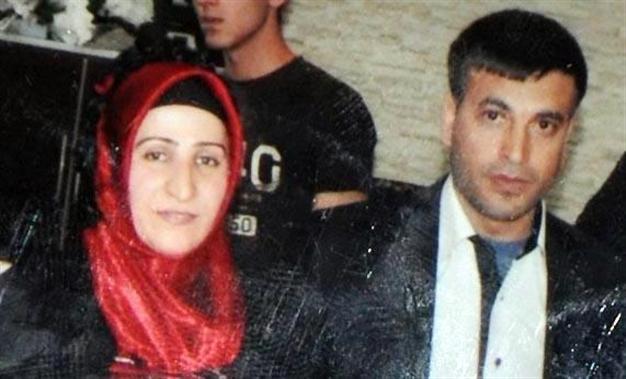
Wife who lost her life with her partner

Written by london swaminathan

Post No. 1604; Dated 28th January 2015


A news from Turkey has saddened many hearts. London newspapers have published the news item prominently.


A father who electrocuted his wife after she gave birth to a girl instead of a boy has been jailed for life. Veysi Turan fixed a bare electric flex to wife Mubarek’s feet as she slept and then pugged it into the mains. Mubarek died atonce.


Veysi Turan (29) confessed he had rowed  with his 33 year old wife at their home in Diyabakir, Turkey, after she gave birth to their second daughter.


He claimed he killed her in a fit of rage a day after the arrival of the baby in January last year. But prosecutors proved that on the day his wife gave birth he bought an electric cable, thick insulating rubber gloves and plugs. Medical witnesses said she would have woken up from the shock and died in agony.


Judges sentencing him for life told him: You plotted this murder in great detail in advance of carrying it out. Your callous behaviour has left two children without a mother and now no father either.


The female murder rate soared by 1400 per cent in Turkey between 2002 and 2009. In the first 11 months of last year, men killed 253 women in gender based attacks, according to independent news portal Bianet.
beti image

Female children are thought to be a burden in Turkey like India. This attitude has led to imbalance in the population in India. Girls are fewer in mumber compared to boys. As a result of the disproportionate ratio, it is becoming harder to get girls for marriage alliances. The girls have become more choosy and in some cases even arrogant to impose difficult conditions on boys–  their would be husbands! We cant blame the girls for this attitude. It was boys and their parents who set examples by demanding unreasonable dowries. Girls were insulted and demeaned by the in laws in their husbands’ houses. Now the tables are turned!

Beti Bachao! Beti Padhao!!


Indian Prime Minister Narendra Modi has spoken about this issue when he launched the ‘Save the Girls’ campaign in Panipat (Haryana). He denounced the practice of female foeticide saying that such discrimination reflects mental illness.


Haryana state has one of  the worst records  in India. In Mahendragarh, there only 775 girls for every 1000 boys. This is very dangerous. This will be a threat to morality. When girls are more in demand, divorces may increase and the girls may seek newer husbands. Whenever there is a war it is other way round. Number of men is reduced and then the Kula Dharma is spoiled. Arjuna put forth this point to Krishna in Bhagawad Gita (1- 39 to 42) as an excuse to avoid fighting. Since Krishna knew the outcome of the war, he persuaded him to fight. In short, if the ratio of men and women change, it will spoil the culture of the country. Recently we saw it in Sri Lanka where there was a civil war for over twenty years.
beti2

State governments in India have already taken several measures.Modi Government can take the following meaures to encourage people to have more female children:


1.First female child (baby girl) should be given child benefit (in western countries every child is given child benefit (cash)  until certain age)


2.For Second female child the benefit should be doubled.


3.Families where there are two female children should be given reservation in educational institutions and jobs.


4.To avoid population explosion or a particular community increasing in number creating newer problems, the benefits must be stopped if there are more than three children in the family. If the third child is also a feamle, normal child benefits may be given.


5.Apart from these economic benefits, creating awareness is more imporatant. There were scores of poetesses in the Rig Veda and Sangam Tamil litearture. Their contribution must be highlighted to instil confidence in the community.


6.There were scores of scholars like Leelavati, Gargi and heroines like Jhansi ki Rani, Chittor Rani Chennama, rulers like Queen Didda and Rani Mangammal. Their stories must be included in the school syllabus to instill confidence in the families and girls. This will help to change the mindset. Governments can’t do much in a social issue like this. People’s attitude must change.


  1. Benefits can continue till the imbalance in the ratio is rectified- may be for next 25 years or so.


8.Even after these measures, if there are economic difficulties, governments can help the families with female children. But I dont think girls will suffer economically. It is going to be the boys who will be  lagging behind.
beti 3

9.Who knows? In twenty five years, someone else will write in the same columns about Helping the families to get more Boys!

contact swami_48@yahoo.com

ரிக் வேதத்தில் குழப்பத்தை உண்டாக்கும் ‘மனு’க்கள்!

origin

கட்டுரையாளர்: லண்டன் சுவாமினாதன்

ஆராய்ச்சிக் கட்டுரை எண் 1590; தேதி 20 ஜனவரி 2015


மனு என்பவரை அறியாதோர் இலர்: மனித இனத்தைத் தோற்றுவித்தவர்.— முதல் மனிதன் — பிரளய காலத்தில் கப்பலில் ஏற்றிக் கொண்டு சென்று எல்லா உயிரினங்களையும் காப்பற்றியவர். உலகில் முதல் சட்டப் புத்தகத்தை எழுதியவர். ஒரு சோழ மன்னன் தன் மகனையே தேர்க் காலில் இட்டு மனு நீதிச் சோழன் என்று புகழ் அடைந்தான். அப்படிப்பட்ட மனு பற்றி புராணங்களில் ஏராளமான விஷயங்கள் உள்ளன. ஆனால் புராண மனு — க்களுக்கும் ரிக் வேத மனு — க்களுக்கும் பெருத்த வேறுபாடுகள் இருக்கின்றன. இந்த்க் குழப்பத்தை அகற்ற கொஞ்சம் ஆராய்ச்சி செய்வோம்.


ஒரு மன்வந்தரம் என்பது 71 சதுர் யுகங்களைக் கொண்ட காலம்..நமது ஆண்டுக்கணக்கில் 306,720, 000 ஆண்டுகள். இது போல 14 மனுக்கள் ஆளும்காலம் பிரம்மாவின் ஒரு நாள். அவர் 100 ஆண்டுகள் உயிருடன் இருப்பார். இதை ஒரு தாளில் எழுத முடியாது. எழுதினாலும் படிக்க முடியாது. அவ்வளவு பூஜ்யங்கள் இருக்கும். ஏனெனில் ஒரு சதுர் யுகத்தில் 4 யுகங்கள் உள. அதாவது 12,000 தேவ ஆண்டுகள்.தேவ ஆண்டு என்பது நமது ஆண்டை விடப் பெரியது.

ஆனால் வேதத்தில் ஐந்தாறு மனுக்கள் பெயர்கள் உள்ளன. அவர்கள் நெருங்கிய சொந்தக்காரர்கள்! ஆக புராணங்களில் சொன்ன பெரிய இடைவெளி இருக்க முடியாது. மொத்தமுள்ள 14 மனுக்களில் ஆறு பேர் காலம் முடிந்து இப்பொழுது ஏழாவது மநுவின்– அதாவது — வைவஸ்வத மனுவின் காலம் —- நடக்கிறது. அவருக்கு முந்தைய ஆறு மனுக்களின் பெயர்கள்:

Manu-firsh

ஸ்வயம்புவ

ஸ்வரோசிஷ

உத்தம

தாமச

ரைவத

சக்ஷுச


இவர்களுக்குப் பின்  வந்த வைவஸ்வத மனுவின் காலம் இப்போது நடப்பதால் இந்துக்கள் பூஜைகள் துவக்கும் போது செய்யும் சங்கல்பத்தில் வைவச்வத மன்வந்தரத்தில் இன்ன ஆண்டில் இந்த நாளில் இந்த பூஜையை இன்ன காரணத்திற்காகச் செய்கிறேன் என்று சொல்லி சங்கல்பம் செய்து துவக்குவர்.


உலகிலேயயே    அற்புதமான ஒரு சங்கல்ப முறையை இந்துக்கள் பின்பற்றுகின்றனர். புரோகிதர் இதைச் சொல்ல சொல்ல, நாம் திருப்பிச் சொல்கிறோம் . இதில் பிரபஞ்சம் துவங்கி தற்போது நடை பெறும் காலம் வரை சுருக்கமாகச் சொல்லப்படுகிறது. பிறகு பூகோள விஷயங்களும் வரும். உலகில் மேரு மலைக்கு எந்த திசையில், எந்த கண்டத்தில், எந்த நதியின் கரையில் உள்ள, எந்த நகரத்தில் இந்த பூஜை அல்லது சடங்கு என்ன காரணத்துக்காக செய்யப்படுகிறது என்று சம்ஸ்கிருதத்தில் புரோகிதர் சொல்கிறார்.

இப்படிப்பட்ட உலக மகா பூகோள, பிரபஞ்ச வானியல் அறிவை எங்கும் காணமுடியாது. அதைவிட இதை அன்றாட பூஜைகளில் சொல்லவேண்டும் என்றால் இந்துக்கள் அந்தக் காலத்தில் எந்த அளவுக்கு அறிவியலில்  முன்னேறி இருந்தனர் என்றும் தெரிகிறது.   பின்னர் வெளி நாட்டுப் படை எடுப்புகளாலும் உள் நாட்டுச் சண்டை சச்சரவுகளாலும் அறிவு மழுங்கி “ஆயிரம் ஆண்டு அன்பிலா அன்னியர் ஆட்சியில்” (பாரதியின் வாக்கியம்) உழன்றோம்.

Manou-Vishnou-poisso

ரிக்வேதத்தில் கீழ்கண்ட இடங்களில் மனு பற்றிய குறிப்புகள் வருகின்றன. எப்படி இவ்வாறு ஒரே  நேரத்தில் மனுக்கள் பெயர்கள் — ரிஷிகள் பெயர்களிலேயோ மன்னர்கள் பெயர்களிலேயோ —வந்தது? அப்படியானால் புராணங்க்கள் சொல்லும் மில்லியன் கணக்கான ஆண்டுகள் என்பதெல்லாம் பிழையா? பொய்யா?

மேலும் புராணங்களிலும் மனுக்கள் பற்றி  வித்தியாசமான செய்திகள் உள்ளன். லிங்க புராணம்,  மனுக்களுக்கு நிறங்களின் — வர்ணங்களின் பெயர்களை அளிக்கிறது: ஸ்வேத (வெள்ளை) , கிருஷ்ண (கறுப்பு) என்று.

மற்ற சில புராணங்களில் ஸ்வயம்புவ மனுவின் புதவர்கள் ஸ்வரோசிஷ, உத்தம, தாமச, ரைவத மனுக்கள் என்கின்றன.

இவை எல்லாம் சரியா?


சரி என்று சொல்ல நமக்கு நிறைய சான்றுகள் உள்ளன. முதலில் மனு என்றால் ராஜா, மன்னன் என்று பொருள். எப்படி இந்திரன் என்பதை ராஜா என்ற பொருளிலும், மழை/இடி/மின்னல் ஆகிய இயற்கைச் சக்திகளுக்கும் பயன்படுத்தினரோ, கடவுளுக்கும் பயன்படுத்தினரோ, வேத காலத்தில் வாழ்ந்த பெரிய ஒரு வீரனுக்கும்  பயன் படுத்தினரோ அதைப் போலவே மனு என்ற சொல்லையும் கையாண்டனர். மிருகங்களில் கூட இந்திரன் உண்டு: ம்ருகேந்திர என்றால் சிங்கம், ககேந்திர என்றால் கருடன். மனிதர்களில் சிறந்தவர் நரேந்திரன்!


i-learned-from-noahs-ark

இதைப் போலவே மனு என்பதை மனிதர்களில் சிறந்த உத்தமனுக்கும் மன்னனுக்கும் பயன்படுத்தினர். கிரீட் தீவில் உள்ள மினோவன் நாகரீகத்தில் மினொஸ் என்றால் மன்னன் என்று பொருள். இது மனு என்பதன் மரூஉ. எகிப்தில் முதல் மன்னன் பெயர் மெனஸ் நர்மேர்– அதாவது மனு நர மேரு! பாரசீக மொழியில் வேதங்களுக்குப் போட்டியாக எழுந்த செண்ட் அவஸ்தாவும் மனுவின் பிரளயக் கதையை அப்படியே எழுதியுள்ளது. பைபிளில் உள்ள நோவா என்பதும் மனுவின் மகன் நபேனதிஷ்டா என்பதில் இடருந்து வந்ததாக

ஆரிய தரங்க்கிணி நூல் எழுதிய திரு. கல்யயாண ராமன் கூறுகிறார்.


அதாவது புராணகளில் மனுவின் பெயர் நபெனதிஷ்டா என்று உள்ளது. நப நுக்கு பக்கத்தில் உள்ளவன் என்பது இதன் பொருள்–அதாவது நபன் மகன். இந்த நப என்பது நோவா என்று மருவியது. இதற்குச் சான்று சுமேரிய கதைகளில் உளது அங்கே நபிஷ்டிம் என்பவரை பிரளயக் கதைகளுடன் தொடர்புபடுத்துவர். ஆக இந்தியாவில் சென்ற தலைவன் (மனு) என்ற சொல் லும் மனு பற்றிய பிரளயம் — கப்பல் கதையும் உலகம் முழுதும் உள்ளது. இது நாம் உலகிற்கு அளித்த கொடை. மேலும் எகிப்து, மாயா நாகரீகஙகள் எல்லாம் கலியுக முதல் ஆண்டை ஒட்டியே (கி.மு 3100) தங்கள் வரலாற்றைத்  துவக்கியுள்ளன.

வேதத்தில் பலவேறு மனுக்கள் அடுத்தடுத்து வருவது எப்படி?

சார்யாத மானவ (ரி.வே-10-92)

சக்ஷு மானவ (9-52, 9-104)

நாபானேதிஷ்ட மானவ (10-59, 10–61)

மனு ஆபச (9-5, 9-106)

மனு வைவஸ்வத (8-6, 824)

மன்யூ ஆபச (10-67, 10-83)

மன்யூ வசிஷட் (9-29, 9-97)

மன்யூ மைத்ராவருண (8-67)


அக்னி தாபச, அக்னி சக்ஷுச என்ற ரிஷிகள் பெயர்களும் வேத அனுக்ரமணியில் உள்ளன.

சுதந்திரப் போராட்ட காலத்திலோ,  நாடு சுதந்திரம் அடைந்தபோதோ ஒருவர் வீட்டில் அடுத்தடுத்து குழந்தைகள் பிறந்தால் நேரு, காந்தி, பாரதி, திலகர் என்று பெயர் சூட்டுவதில் வியப்பில்லை. இதே போல மனுவின் பெயரை ஒரே குடும்பத்தினர் மகனுக்குச் சூட்டி இருக்கலாம். இந்து மதம் என்பது பல்லாயிரக் கணக்கான வருடப் பழமை உடையதால் வெவ்வேறு கால  கட்டங்களில் வெவ்வேறு பொருளில் பயன்படுத்தி இருக்கலாம். நாம் வரலாற்று நாயகர்களான ரிக் வேத மனுக்களையும் புராண மனுக்களையும் சேர்த்துக் குழம்பக்கூடாது.


இதற்கும்  பாகவத புராணத்திலும் மகாபாரதத்திலும் சான்றுகள் உள. அவைகளில் ப்ரியவ்ரத, ப்ராசேத என்பவர்கள் மனு என்று அழைக்கப்படுன்றனர்.

noah_ark_people_drowing

வேத காலத்தில் ஒரு யயாதியும்,  நகுஷநும் இருந்தனர். பிற்காலத்தில் ஒரு நகுஷன்.  யயாதி இருந்தனர். இவர்களில் ரிக் வேத யயாதி,  மனு குலத்தில் வந்தவர். சம்வரண- மனு-நகுஷ-யயாதி -மாதவி-விஸ்வாமித்ர என்று வம்ச பரம்பரை சொல்லப்பட்டுள்ளது. புரு வம்சத்தில் வந்த யயாதி வேறு.


36 மனுக்கள் இருப்பதாக வாயுபுராணம்  கூறுகிறது.

சம்வரண, சாவர்ணி என்ற வருங்கால மனுக்கள் பெயர்களும் உள. இந்துக்கள்  காலம் என்பதை ஒரு வட்டச் சுழல் போலக் காண்பதால் எல்லாம் திரும்பதிரும்ப வரும் என்ற கொள்கை உடைத்தால் இது சாத்தியமே. நான் எனது பேரக் குழந்தைக்கு கல்கி என்று,  வரப் போகும் அவதாரத்தின் பெயரைக் கூட வைக்கலாம்.


முடிவுரை:


மனுக்களின் – மன்வந்தரத்தின் — நீண்ட காலங்கள் முரண்பாடுகள் அல்ல. வேதகாலப் பெயர்களும் புராணங்க்களில் சொல்லப்படுவோரும் வேறு


மனு என்பது ஒரு பட்டம். ராஜா, பெரியவர், சிறந்தவர், மனிதருள் மாணிக்கம் என்று பொருள்


பிரளயம் வந்த காலத்தில் எல்லோரையும் ஏற்றிச் சென்று காப்பாற்றிய கதை சுமேரிய வணிகர் மூலம் நம்மிடம் இருந்து  உலகம் முழுவதற்கும் ஏற்றுமதி செய்யப்பட்டது.

கிரீட், சுமேர், எகிப்து, மாயா, ஈரானிய நாகரீகங்களில் மனு நீடித்து நிலைத்து நிற்கிறர்.

1327496107_manu1-205x300
contact swami_48@yahoo.com 

Mystery of Manu : Rig Veda Mystery No.8!

origin

Research article Written by London swaminathan

Research Paper No.1589; Dated 19th January 2015


(I have already written about the mysteries in the Rig Veda under the titles Rig Veda Mystery  No. 1 to 7; Please read all the seven articles. This is No.8)

As a Hindu I make a vow (Sankalpa) before every religious ceremony at home in which I say in which part of the world, on which day from the beginning of universe the ceremony is performed. Hindus have the amazing custom of doing Sankalpa/ making a vow, before every ceremony. This vow covers a wider geographical area and wider ages- billions of years.


Since I live in London, when I do my Puja, “I say, On the Northern part of the Meru, in Europe Continent (Kande), in  London ( Ma Nagare), on the banks of  Thames( Thamasa Nathi thire) , In the era of Vaivaswatha ( under Vaiswatha Manvanthare)……. year, month,day, star (nakshatra) are all added……. I do this puja (offering) for XYZ……


This Vaivaswatha Manvanthare is part of 14 big divisions of time:-


15 day Dark half (Krishna Paksha+15 day bright half (sukla Paksha)= 1 month for us

North Ayana 6 months + South Ayana 6 months = 1 year for us.

 Manou-Vishnou-poisso

but this is one day for the Devas in their world (Extra Terrestrial)

360 human years = 1 Deva year

1200 Deva Years = Kali Era (yuga)

2400 Deva Years = Dwapara Era (yuga)

3600 Deva Years = Treta Era (yuga)

4800 Deva Years = Krta Era (yuga)-Golden Age


Toal=12000 Deva years; also known as Chatur (Four) Yuga period


71 such Chatur Yugas make one Manvantara (Period of one Manu)

It will be 306,720, 000 human years.


14 such Manus rule the universe in one day of Brahma (Creator God of Hindus). Brahma has the full life span of one hundred years! Mind boggling calculation!

One Manu’s period is called a Manvantara! This is a cyclical process- never ending.

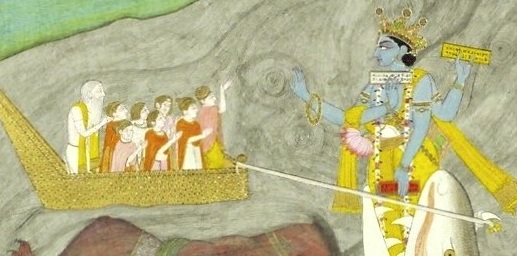
noah_ark_people_drowing

Great Floods (Pralaya) after every Manu

14 Manus!


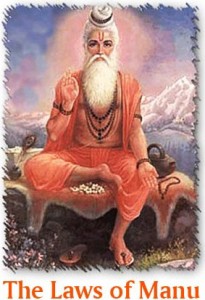
Hindus believe that the seventh Manu is ruling the universe now.That is why Hindus who do religious ceremonies, say In Vaivaswata manvantare–  (at the time of Vaivaswata Manu) — in the Sankalpa.


So far the periods of six Manus

Swayambhuva

Svarocisha

Uttama

Tamasa

Raivata

Chaksusha

are over according to the Puranas!


But in the Rig Veda we come across the names of Tamasa, Uttama, Raivata, Cakshusa as historical  Manus!


Rig Veda Puzzle!


We have Manus coming one after one another within a short period of time and they are related to one another! There is no big gap in time between Manus. But  a logical explanation is possible.


In the days of the Rig Veda, Manu meant, a leader or a king. We have a few examples in Egypt and Crete. First king of Egypt was Menes/Narmer ( Manu alias Nara Meru). In Crete the King’s name was Minos. It simply meant King.  In Egypt and Mayan Civilizations the era started around our traditional Kaliyuga Date 3100 BCE. In Iranian tradition Narshish, brother of Yima, was called Minos. Minos of Crete and Iran, Menes of Egypt and Manu of Hindu mythology are all the same. It meant a leader or a king.English word MAN is also derived from Manu.Any king of a new dynasty might have had Manu as title. Like Indra, It might have been used in different ways. Indra is a natural force (Thunder/lightning/rain), Indra is a title, Indra was a great king, Indra can be used for even animals like Mrgendra (King of Animals), Kaghendra (King of Birds) and men Narendra (leader among men) etc.

i-learned-from-noahs-ark

Manava is the surname for all those born in the clan of Manu;following names are found in the Rig Veda:

Saaryaata Maanava RV 10-92

Cakshu Maanava 9-52, 9-106-4

Naabaanedishta Maanava- 10-59, 10-61-62

Manu AApasa – 9-5, 9-106-7

Manu Vaivasvata – 8-5, 8-27-31

Manu Samvrana 9-49, 9-101-10

Manyu Tapasa – 10-67, 10-83,84

Manyu Vaisstha 9-29, 9-97-10

Maanya Maitravaruna – 8-67


If we take Tapasa and Tamasa as one and the same, we have

Agni Tapasa and Agni Caksusa are in the list of Vedic seers. It is possible they simply had the names of great men (great Manus). The names show that Manus lived nearly at the same time.

Details regarding Manu differ from Purana to Purana. Linga Purana gives the names of colours for Manus such as White (Sveta), Krishna (black), Kapila, Dumra, Pisanga etc.


Swayambhu was the first Manu and Svarocisha, Uttama, Tamasa, Raivata were his sons according to some Puranas.

 1327496107_manu1-205x300

Definition of Manvantaras and Yugas also differs from book to book. Hinduism has a long history. So it is possible that different usages existed at different times. Apart from the mythological Manus, there may be people who bear the name Manu. If a person behaves  like a worthy leader then we call him Manu. Neta is leader in Hindi. Netaji is Subash Chandra Bose. It is a common noun and a proper noun as well. So it is possible to give names to your sons as Tamasa, Raivata, Uttama etc.


A patriot would have named his children as Gandhi, Subash, Tillak, Bharathy, Gokhale etc. if they were born at the time of Independence or just before that. In the same way Rig Vedic Rsis might have named them after famous Manus. We dont need to confuse mythological Manus with hsitorical Rig Vedic Manus!

In the Bhagavatha  Purana Priyavrata was called a Manu; in the Mahabharata, Prachedasa was called a Manu.


We have Rishis Manu Samvarana, Manu Apasava in the Rig Veda. Vayu Purana says there were 36 Manus. In short Manuship is kingship.


RV 9-47 mentioned Yayati Nahusa. This Yayati is not the Yayati, great grand son of Pururava. The name of the father of this Yayati was also Nahusa, But this Yayati is called Manava, i.e. son of Manu, in the Anukramani. According to this, Samvarana was the father of Manu. So the the lineage is

Samvarana — Manu— Nahusa– Yayati– Madhavi– Viswamitra and so on.


In short there were two Yayatis and two Nahusas.

D R Mankad in his book Puranic Chronology has calculated the date of Vaivaswatha Manu. Following are the dates arrived at by Mr Mankad


Date of Manu Vaivaswatha – 5976 BCE

Date of Mahabharata War – 3 201 BCE

Date of Yudhistra’s Death – 3176 BCE

 Manu-firsh

Vedic Index of Keith and Macdonell gives a different picture about Manu,

“Manu in the Rig Veda (RV) and later has no claim to historical relaity. He is simply the first man, father of the race, and its guide in all its matters, sacrificial and other. Hence the views of the texts on inheritance are foisted on Manu and his youngest son Nabanedishta.He also plays the part of hero in the Vedic legend of the flood.


Manu is called Vivasvan or Vaivasvata, son of the God Vaivasvant; Savarnin, descendant of Savarna and Samvarani, descendant of Samvarana. The first name is,  of course mythical . The other two have been regarded historical, Savarni being taken by Ludwig as a king of the Turvasa, but this is very doubtful”.


Manu in RV: 1-80-16, 2-33-13, 7-63-1, 10-100-5; AV 14-2-41. Then we have references in Taittiriya, Kathaka samhitas and Satapata Brahmana.

Nabhanedishtha: Taittiriya Samhita: 3-9-1-4; Aitareya Brahmana 5-14-1-2


Samvarani is found in the RV (8-51-1) ,where it naturally seems to be a patronymic (descendant of Samvana) of Manu”.

–Vedic Index by Keith and Macdonell

My comments: Keith and Macdonell are wrong.Since they couldn’t find any eidence or logical explanation, they considered it false. The story about Manu is in the Bible and Zend Avesta.


A.Kalyanaraman in his book Aryatarangini says,

“Nabah = Biblical Noah, Nedishta means literally next or nearest to Manu. Nabanethishta is Manu’s son according to Hindu scriptures.Sumerian story says that Naphistim is said to be descendant of Shamash (Sun) who was the first creation God. Zoroastrian Avesta contains the same name Naba Nezdishtim, as that of an ancient prophet of the Asuras, who defied the Deva worshipers. Mr. Kalyanaraman argues that the story of Floods has travelled to Sumer through commercial contacts and it was later used in the Bible.


The Avesta has the Manu legend.Persians, Sumerians and the Bible used the Hindu story.


contact swami_48@yahoo.com

Sangam Age Chera Kings!

king.260153741_std

Dictionary of 10,000 Indian Kings – Part 8


Compiled by london swaminathan

Post No: 1587: Dated 18th January 2015


First part of the article –146 kings beginning with letter ‘A’.

Second part– 65 Pandya Kings of Madurai+ Puranic Kings

Third part — 122 kings beginning with letter ‘B’

Fourth Part- 43 Kings of Vijayanagara Empire + 34 Kings under letter C.

Fifth Part – 106 Kashmiri Hindu Kings

Sixth Part – 30 Satavahana  Kings  + 136 Kings underletter D.

Seventh Part –  35 Tamil Pandya Kings of Sangam Age.

Eighth Part – List of Chera (Kerala) 22 kings of Sangam Age+  Kings listed under E (3),G(37) & H(28)=68kings

First few centuries, particularly Pre Pallava period, are considered Sangam Age.

So far 807 Kings were listed


Sangam Tamil Kings performed several Vedic Yajnas. One Chera king performed ten Yagas and sent a Brahmin couple to heaven. They dis appeared during the tenth fire sacrifice. Cheran Senguttuvan went twice to Ganges river for holy dip and he placed Siva’s sandals on his head in a procession, says Tamil literature.


We are lucky to have Pathtrupathu, a Sangam work, which gives the history of ten Cheran kings. Though two parts are missing in the work, still we get a good picture of the Chera line of kings.

harischandra

Here is the list of Chera kings:


Chera 1)Nedun Cheralathan

Chera 2)Palyanai Selkezu Kuttuvan

Chera 3)Narmudi Cheral

Chera 4)Cheran Senguttuvan

Chera 5)Adu kotpattu Cheralathan

Chera 6)Selvak Katunko Vazaiyathan

Chera 7)Perumcheral Irumporai

Chera 8)Ilam Cheral Irumporai


The above eight are listed in the Pathitru Pathu. They are referred to in other books as well. Like the Pandya kings, we wouldn’t know whether they are new kings or just honorary titles or epithets. In the Chera kingdom we are sure about the rule of two clans at the same time. Following are other kings not listed above:


Chera 9)Cheraman Kadallottiya Velkezu Kuttuvan (akananuru 368)

Chera 10)Cheraman Kanaikal Irumporai – (Puram 74)

Chera 11)Cheraman Karuvur Eriya Ol Val Ko perm cheral irumporai

Chera 12)Cheraman Ka Kathai Marban –  Puram 48, 49

Cheraman Kottambalathu Thunjiya Ma Kothai- Pura.245


Chera 13)Cheraman Kuttuvan Kthai- Puram 54

Chera 14)Mantaram Cheral Irumporai -Puram 125

Chera 15)Cheraman Mari Venk- Puram 367


Chera 16 )Pali Paadiya Perun Kaadungko –

Chera 17) Perum Sotru Uthuyn Seral (puram 2)l

Chera 18)Cheran Mantaram seral Irumporai – (Puram 20, 22,53, 125)

Chera 19)Ezu mudi Marban (Silappadikaram 28-16)

Chera 20)Kottamabalattu Tunjiya Cheraman (Akam.168)

Chera 21)Marudam padiya Ilam kadunko- Akam.96,176,Narrinai 50

Chera 22)Palai Padiya Paerum Kadunko- Akam 5,99,111,Narr.9, 48,118


king1

Dr R Krishnamurthy in his book ‘Sangam Age Tamil Coins’ has listed 172 to references to Chera Kings from Sangam works and post Sangam epic Silappadikaram. But no one can say how many kings are listed there. A patient reasearch by comparing it with other sources will bring out more new kings.


Kings under E,G,H as listed by R Morton Smith’s ‘Dates and Dynasties in Earliest India’


e1)EKADASA RATHA VAIDHARBDA -1050 BCE

e2)EKALAVYA SRADHADEVA HAIRANYADHANUSA -1110 BCE

e3)EUCRATIDES -170 BCE

g1)GADA GAVESANAGADAVARAN SAUNASVA

g2)GADAVARMAN SAUNASVA – 1080 BCE

g3)GADHI KAUSIKA -1340 BCE

g4)GALAVA VAISVAMITRA -1285 BCE

GANDANAUJANDHARA

g5)GANDHARA DRUHYU -1480 BCE

GANDHARI ,WIFE OF VRSNI 1190 BCE

GANDHARI, WIFE OF DHRTARASHTRA, 1090 BCE

GANDINI, WIFE OF SVAPHALKA 1130 BCE

g6)GANDUSA SAMIKA SAURA -1080 BCE

g7)GANGA BHAGIRATHI -1055 BCE

g8)GANGA JAHNAVI -1460 BCE

g9)GARBHA VAHNEYA TURVASU


g10)GARDHABHAKSA BALEYA -1250 BCE

g11)GARGA BHAUVAMANYAVA OR VAIDATHINA 1200BCE


g12)GARGYA DRPTA  BALAKI 850 BCE

g13)GARGYA LOHAGANDHA 920 BCE

g14)GAURI YUANASVA – 1520 BCE

g15)GAURIVITI SAKTYA

g16)GAVESANA CAITRAKI YADAVA -1020 BCE

g17)GAVESANA KANAVAKI 1150 BCE

g18)GAYA SAUDYUMNI -1275 CE

g19)GAYA  AMURTARAYASA KAUSIKA -1360 BCE

g20)GAYA  AMURTARAYASA KSATRAVRDHDHA -1490 BCE

g21)GHATOTKACA BHAIMA PANDAVA -960 BCE

g22)GHOSAVASU SUNGA -127 BCE

g23)GHRTA  RAUSADGAVA YADAVA -1560 BCE

g24)GHRTRA DHARMI DRHYU – 1440 BCE

king3

GHRTACI , WIFE TO PRAMAT-1020 BCEI

g25)GHRTACI BHADRASVA -1580 BCE

g26)GIRICAKSAS AKRURI YADAVA – 1030 BCE

GIRIKA  WIFE OF CAIDYA, 1190 BCE

GO, WIFE OF YAYATI 1790 BCE

GO, WIFE OF CYAVANA 1790 BCE

g27)GOBHANU TURVASA 1380 BCE

GOPAJALA ,DAUGHTER OF BHADRASVA

g28)GOPALA PRADYOTA -470 BCE

g29)GOSALA MASKARIN -550 BCE

g30)GOTAMA RAHUGANA -1250 BCE

g31)GHRDRMA GANDHANAUNDHARA- 930 BCE

g32)GRDHRAMANT VISNUVRDDHA

g33)GRNJIMA VATSAVATA SAURA- 1140 BCE

g34)GRTSAMADA SAUNAHOTRA KSATRAVRDDHA- 1540 BCE

g35)GRTSAMADA SAUNAHOTRA BHARATA- 1160 BCE


g36)GRTSAMADA VAITHAHAVYA -1260 BCE

g37)GURUVITA SAMSKRTYA -1160 BCE


h1)HAIHAYA YADAVA -1560 BCE

h2))HAIMAVATI DRSADVATI -1560

h3)HAKUSRI ANDHRA 185 BCE

h4)HALA – 63 CE

h5)HARI PARAVRTA YADAVA- 1310

h6)HARISCANDRA  AIKSVAKAVA 1270 BCE

h7)ARITA YAUVANASVA -1420 BCE

h8)HARYANGA ANAVA- 1010 BCE

kittur rani

h9)HARYASVA DARDHASVA AIKSVAKAVA -1600 BCE


h10)HARYASVA PARSADASVA -1370

h11)HARYASVA VAIDEHA 1300 BCEh


h12)HARYASVA OF KASI 1380 BCE


h13)HARYATVATA KSATRADHARMANA 1460 BCE


h14)HASTIN SAUHOTRA 1120 BCE

h15)HASTIN ,FATHER OF AJAMIDHA 1370 BCE

h16)HASTIN KAURAVA – 1150 BCE

h17)HARISHRAVAS KAURAVA 1070 BCE

h18)HAYA YADAVA -1560 BCE

h19)HELIODOROUS -100 BCE

h20)HEMA ANAVA -1300 BCE

h21)HEMACANDRA VAI9SALA -1240 BCE

HIDIMBA , MOTHER OF GHATOTKACA

h22)HIRANYADHANUS JANA A NISADA 1240 BCE

HIRANYAKASIPU FATHER OF PRAHLADA

h23)HIRANYAKSA RENAVA 1200 BCE

h24)HIRANYANABHA AIKSVAKAVA – 1080 BCE

h25)HIRANYAVARMAN DASARRNA -1010 BCE

h26)HOTRAVAHANA OF KASI -1050 BCE

h27)HRASVAROMAN VAIDEHA- 1100 BCE

h28)HRDIKA YADAVA -1110 BCE

contact swami_48@yahoo.com
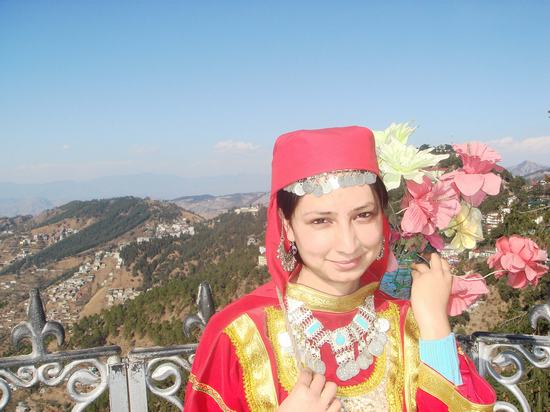
அழகான காஷ்மீரி பெண்கள் பெயர்கள் !

kashmiri-girl-lourdes-preethy

Written by London Swaminathan

ஆய்வுக் கட்டுரை எண் 1586; தேதி 18 ஜனவரி 2015


ஆயிரம் ஆண்டுகளுக்கு முந்தைய பெயர்களைப் படிப்பதே ஒரு ஆனந்தம். தஞ்சாவூர் பெரிய கோவிலில் உள்ள கல்வெட்டுகளில் 400 ஆடல் அழகிகள் பெயர்களை ராஜ ராஜ சோழன் பொறித்து வைத்துள்ளதையும் அவகள் பெயர்களில் அழகான சம்ஸ்கிருத,  தமிழ் பெயர்கள் உள்ளதையும் முன்னரே எழுதிவிட்டேன். தொல்பொருட் துறை அறிஞர் டாக்டர் இரா. நாகசாமி வெளியிட்ட கல்வெட்டுத் தொகுப்புகளில் ராஜராஜ சோழனின் கல்வெட்டுகள் உள.


கல்ஹணர் என்ற காஷ்மீரி பிராமணன் எழுதிய ராஜ தரங்கினி என்ற நூலைத் தான் இந்தியர் எழுதிய முதலாவது வரலாற்று நூல் என்று அரிஞர்கள்  போற்றுவர். காரணம்?அவர்தான் முதல் முதலில் ஒவ்வொரு மன்னனும் சக வருடத்தில் எப்போது ஆண்டான் என்று தற்கால வரலாற்றுப் புத்தகம் போல எழுதியுள்ளார். அவர் அக்காலத்தில் நிலவிய பெண்கள் பெயர்களைக் குறிப்பிடுகிறார். ஆங்கிலக் கட்டுரையில் எல்லா பெயர்களையும் கொடுத்துள்ளேன் சில சுவையான பெயர்களை  தமிழில் தருகி றேன்.

லண்டனில் வாழும் எனது நண்பர்கள் ஜோதிடப் பித்தர்கள். இந்த எழுத்தில் துவங்கி, உங்கள் பிள்ளைக்குப் பெயர் வைத்தால் நல்லது என்று ஜோதிடர்கள் சொல்லவே அவர்கள் எழுத்தில் கவனம் செலுத்தி பெயர்களை உருக் குலைத்து  விடுகின்றனர். தமிழும் தெரியாமல் சம்ஸ்கிருதமும் தெரியாமல் கன்னா பின்னா என்று பெயர்கள் வைக்கின்றனர்.நிர்சாந்தன் (அமைதி இல்லாதவன்) போன்ற எதிர்மறைப் பொருள் உடைய பெயர்களைப் பிள்ளைகளுக்கு வைக்கின்றனர். எனது நண்பி ஒருவர் பிள்ளைகளுக்கு ஹாஜி, பாஜி, ஷாஜி என்று பெயர் இட்டார்கள். இது என்ன கொடுமை? என்று கேட்டேன். கூப்பிட வசதியாக இருக்கிறதல்லவா? என்றாள் அப்பெண்மணீ! அட! சொஜ்ஜி என்று வைத்தால் இன்னும் இனிப்பாக இருக்குமே என்று சொல்லிவிட்டு வந்தேன் (ஸொஜ்ஜி = ரவா கேசரி)

a_legend_of_kashmiri_princess_by_azad

தென் ஆப்பிரிக்கா, மோரீஷஸ் தீவுகளில் வாழும் தமிழர்கள் பிரெஞ்சு, டச்சு மொழி ஸ்பெல்லிங்  பயன்படுத்துவதால் மருதமுத்து என்பதை மர்டர் முத்து என்று எழுதுகின்றனர். இப்படிப் பல விநோதங்க்கள்!


காஷ்மீர் பெண்கள் பலர் பெயர்களில் லலிதா சஹஸ்ர நாமப் பெயர்கள் இருக்கின்றன. யாருக்காவது நல்ல பெயர்கள் வேண்டுமானல் எல்லா சஹஸ்னாமங்களையும் வைத்துக் கொண்டால் போதும் — நல்ல பெயர்களை தெரிந்தெடுக்கலாம். ஏதேனும் பெயர்ப் பிரச்சினை இருந்தால் எழுதுங்கள். என் அண்ணன் சீனிவாசன் தீர்த்துவைப்பார். அவர் பெயர்கள் நிபுணர்.

பிறந்த தேதி அவசியம்!!

Kashmiri Kundiyaa

இதோ 900 வருடங்களுக்கு முன் கல்ஹணர் எழுதிய பெயர்கள்:


அம்பிக புத்ரிகா, அம்ருத லேகா, அனங்க லேகா, அஞ்சனா, பப்பட தேவீ,  புவன மதி, பிஜ்ஜா, பிஜ்ஜலா, பிம்பா, சக்ரமர்திகா,  சந்திரவதீ, சாந்த்ரீ, சிந்தா, தேவலேகா,  தித்தா, திலா,  குணதேவீ, குணலேகா, ஹம்ஸி, இந்திரதேவி,


ஐராவதீ, ஈசானதேவி, ஜஜ்ஜலா, ஜயாதேவீ, ஜயலக்ஷ்மி,  ஜயமதீ, கலனீகா,  கல்யாணதேவீ, கமலா, கமலாவதீ, காவ்யா, காவ்யாதேவீ,

காடனா, க்ஷேமா, சில்லிகா, குமுதலேகா, மல்லா, மம்மா, மம்மனிகா, மஞ்சரிகா, மங்கனா, மேகாவலீ, மெனிலா, நாக  லேகா,  ம்ருகாவதீ, நாகா,


நாகலதா,  நந்தா, நரேந்திர ப்ரபா, நொனா, நொனிகா,  பத்மலேகா, பத்மாவதீ, பத்மஸ்ரீ,  ப்ரகாச தேவி, ரட்டாதேவீ, ராஜ்யலக்ஷ்மி, ராஜ்யஸ்ரீ, ராமலேகா,

ரமண்யா, ரனாரம்பா, ரத்னாதேவீ, ரத்னப்ரபா, ரத்னாவலீ,  ரத்தா, சஹஜா,


சாம்பவதீ,  சம்மா, சாரதா, சில்லா, சோமலதேவீ, ஸ்ரீலேகா, சுபதா, சுகலா, சுகந்தா, சுல்லா, சுரேந்திரவதி, சூர்யமதீ, சுஸ்ஸலா, சுய்யா, ஸ்வேதா, தேஜலாடினா, தக்கணா, திலோத்தமா, த்ரைலோக்யதேவீ, உட்டா, வல்கா, வல்லபா, விமலப்ரபா, யசோமதீ, யசோவதீ, யூகாதேவீ

இது பற்றி,  ராஜ தரங்கிணியை ஆங்கிலத்தில் மொழி பெயர்த்த ஆர்.எஸ்.பண்டிட் எழுதிய குறிப்பில்– “ இன்றும் கூட காஷ்மீரி பிராமணர்கள் வல்கா, நொனா, சில்லா என்று பெயர்கள் வைப்பதாகவும் தித்தா என்ற மஹாராணிக்கு மிகவும் பிடித்த பெண் வல்கா என்பதால் இது பிரபலம் ஆனதாகவும்சொல்கிறார். இது துருக்கிய செல்வாக்கில் எழுந்த பெயராக இருக்கலாம். இதே போல சுல்லா, சில்லா என்பன ஈரானிய பெயர்கள்” — என்றும் சொல்கிறார்.


தமிழநாட்டில் பொன்னியின் செல்வன் நாவல் வந்த பின்னர் எவ்வளவோ குடும்பங்களில் பெண்களை குந்தவை, வானதி என்று அழைத்தனர். ஆக வரலாறும் கூட பெயர் வைப்பதில் செல்வாக்கை உண்டாக்க முடியும்.


கல்ஹணர் குறிப்பிடும் பெரிய அறிஞர்கள், கவிஞர்கள் குறித்து மற்றொரு கட்டுரையில் தருகிறேன்.

Kaliyuga Calculation: Kalhana’s Blunder!

Yugas

Research Article written by london swaminathan

Post No: 1574: Dated 14th January 2015


Most of the Hindu Puranas and Panchangs state that the Kaliyuga began in 3101 BCE. But Kalhana who wrote Rajatarangini says that it began in 2448 BCE.


He says in the frist Canto of Rajatarangini,


“In Kali Era Gonanda and other kings ruled in Kashmir for 2268 years. Some have been deluded by the tradition that the Mahabharata had taken place at the end of Dwapara and had erroneously made the calculation of time”.


“When the number of years of the kings is calculated, the period of whose sovereignty is known, after deducting them, there is no remainder left of the period hitherto passed of Kali itself as follows:


“When 653 Kali  of Kali had elapsed there lived on the surface of the earth the Kauravas and Pandavas”

“Of the Laukika era in the 24th year at present 1070 years of Saka era have gone by” — Rajatarangini , Canto 1, Slokas 48-52


Then Kalhana explains the basis for his calculations. He quotes Brhat Samhita and says the Great Bear (Saptarsi Mandala) stood at Magha Nakshatra when Yudhistra ruled; i.e 2526 years  prior to Saka era  was the epoch of his reign.


He adds that Kasmiri king Gonanda and Jarasandha of Mahabharata were contemporaries


Kalhana’s calculation is as follows:


Number of years of Kaliyuga — 4224

Regnal Period from Gonanda I to Yudhistra I –2268


Regnal Period of Kings mentioned in Cantos 2 to 8 – 1328

Kali years up to Pandavas or Kashmir King Gonanda — 653 years

According to Kalhana’s calculation Mahabharata war took place in  2448 BCE i.e a difference of 653 years. Traditional date is around 3101 BCE.


In some places Kalhana asdds 100 years of Kali Sandhya (interval between two Yugas) and shows a difference of 753 years.

yug

D R Mankad in his Puranic Chronology says that there were two schools of thought regarding the Date of Mahabharata war or Kaliyuga.


Mankad points out that many Purana writers or historians did not calculate the Kingless (Arajaka) periods. He says that there were three Kingless periods in Indian history:


Between Mahananda and Mahapadma Nandas – 350 years

Between Mauryas and Sungas — 300 years

Between Sungas and Kanwas –  120 years


A total of 770 years


So the total between Parikshit and Mahapadma Nanda differes from 1150 years to 1500 years i.e. kingless period between Sisunagas and Nandas


When scholars calculated average years of rule for each king, the figure was big because they did not realise there was a kingless period.


Even in Tamil History there is a dark period known as Kalabhra Period. Immdeitely after the Sangam age, Kalabhras from Karnataka came and there was no record of who ruled when. Only from legends like Periyapurana we come to know that Murthy Nayanar was chosen as a King by an Elephant after a chaotic period. The elephant is sent with a garland and whoever it garlands  will be chosen as the king. Karikal Chola, Murthy Nayanar and a few others were chosen as kings by elephant garlanding like Swayamvaram, where a princess garlands a king who she likes.


The blunders in Indian history happened because, historians or Puranic writers forgot to mention or calculate the King-less periods (Arajaka)


Ramayana, Mahabharata and Arthasastra speak of King-less periods.That means it existed in those days.


The second blunder was due to take ceratin names as one person. Vaisstha, Visvamitra, Bharadwaja are mentioned in a course of 500 to 700 years. They ontinued as Kula Gurus for several generations. It was only a clan name, surname.


There were three Krishnas, Three Ramas, Two Ravanas , Four Dasarathas and three Arjunas mentioned in the Puranas. In course of time, people forgot the history and merged all in to one resulting in great confusion.In Tamil we have several kings with the names Adityas, Maravarman, Jatavarman, Kuttuvan etc. They are all sur names or titles. In Tamil there were at least 3 to 6 Avvaiyars, who was a great poetess. Like foreigners confused every one wih the name Indra which is a title like Prime Minister, Chief Minister etc.


Indian history must be re written taking all these points into consideration.

contact swami_48@yahoo.com

ARAJAKA in Indian History

king

Research Article written by london swaminathan

Research paper No. 1570;    Dated 13th January 2015


Very often Indian opposition parties blame the ruling party for all the violence against their party workers as ‘’Arajaka’’. The Sanskrit word simply means “Kingless”. What they mean is that the condition in the country is like a kingless land. In Indian literature kingless means “lawless” and “anarchy”. Ramayana and Mahabharata have several quotations on kingless country.


Kautilya (Chanakya) describes anarchy as the Maitsya Nyaya ( the Rule of the Fish), where the stronger swallows up the weaker. the same idea of fish is found in the graphic description of ararchy in the Ramayana (2-67) and Mahabharata (12-67-16)


Valmiki says in his Ramayana,


In a land bereft of a king, rain no longer waters the earth. In a rulerless land not even a handfull of grain is harvested; the head of the family receives no obedience from his son or wife! Where there is no king, there is no wealth; where there is no king, there are no soldiers, there is only lawlessness; how should there be any good where there is no king? In a rulerless land, people do not build assembly halls or enchanting gardens or resplendent buildings, as in times of prosperity! In a rulerless land , the Twice born (Brahmins) in charge of the sacrifices and the self controlled Brahmins of rigid vows do not perform the Sattras (i.e. ceremonies that last thirteen to hundred days). In a rulerless land the officiating Brahmins are not dismissed after the sacrifices loaded with gifts and abundant alms by the Brahmins. There are no merry singers and and dancers and the festivals  and assemblies that mark the welfare of the empire are not crowned with success.


“In a rulerless land merchants fail in their commercial enterprises, and those who are accustomed to listening to  the recitation of holy traditions find no charm in them as formerly. In a rulerless land, youthful women adorned with golden ornaments no longer meet  in the evening in the pleasure gardens to divert themselves.


“In a rulerless land, no wealthy man can sleep in security with open doors nor can he live on the produce of his fields and herds. Youngmen do not drive in the woods with women in their chariots.No elephants of sixty years or more, bells hung round their necks, furnished with wonderful trucks, are seen travelling on the highways. One cannot hear the sound of the cord and the bows of the archers continually loosing their arrows. Merchants no longer travel afar in safety  on the roads with their merchandise.

king_prithviraj

“In a rulerless land, the self controlled ascetic, merged in meditation on the higher Self , no longer wanders about alone, resting where evening overtakes him. One may not enjoy the fruits of one’s labours in peace. Without a king the army is unable to overcome its enemy in combat.


“In a rulerless land,men, richly apparelled no longer drive their mettlesome and handsome steeds or their chariots abroad. Those versed in the spiritual traditions  do not withdraw to the woods and groves to debate together.


“In a rulerless land, no alms or garlands or confections are offered  in homage to the gods by pious people. Princes anointed with sandal and aloe paste no longer present a brilliant spectacle like blossoming trees in springtime.


As rivers without water or forests without vegetation or herds without a keeper, such is an empire without a king. A charit is known by its penant, a fire by its smoke, but our figurehead the king , has rejoined the Gods. “In a rulerless land, none owns anything and people, like unto fishes, devour one another. The wicked overstepping all bounds, their fears dispelled , become all powerfull  when there is no king to exercise control over them throgh the sceptre.


The king is the truth, the king is righteousness, he represents family where those who have no family, he is the father and the mother of the people and the author of all good. Yama, Vaishravana (Kubera), Shakra (Indra) and Varuna of immense power, are all surpassed by a virtuous monarch.


Oh, Best of the Twice born, install the youthfull descendent of Ikshvaku, Bharata, or some other as king”


-Valmiki Ramayana , Translation by Hari Prasda Shastri.


The above passages give a beautiful description of just rule. This repated through out Sangam Tamil literature and the Vedas. Ther are innumerable references to kings and in Sanskrit literature. Atharva Veda has lot of hymns on the Kingship.

Maharana-Pratap-free-image

Rajatarangini of Kalhana says,

some of the weak were slain, some were plundered while others had their houses burnt down by the enemy  in the which was without a king (8-841)


Tiruvalluvar, author of the Tamil Veda Tirukkural says


The world looks up to the sky for its life; the subjects look up to their leaders for their welfare ( 542)


Rains and harvests are rich in the land ruled by the righteous sceptre of an able leader (545)


Cows yield less and Brahmins forget their Vedas, if the king does not guard justice (560)


If the king rules in unjust ways, seasonal rains will fail as the clouds withhold their showers  (559)


All that is said in the epics and the Vedas are found verbatim in Sangam Tamil literature. They have the same beliefs. For anything that went wrong, the rulers were blamed. They beleived that if there is just rule, the harvests will be bounty. Tamils looked at the kings as father and mother. The Pandya with a Golden Hand story explains this beautifully well.

Please read my post  — How did a Pandya King get a Golden Hand?  — posted on 18th November 2011.

contact swami_48@yahoo.com 

தொல்காப்பிய அதிசயங்கள்- Part 2

Adhiyamaan and Avvaiyar

அதியமான், அவ்வையார்

First Part of Tolkappiya Athisayangal was published on 14th November 2014 (Post no 1410)

The Wonder that is Tamil – Part 3

தொல்காப்பிய அதிசயங்கள்

கட்டுரையை எழுதியவர் :– London swaminathan

ஆராய்ச்சிக் கட்டுரை எண்- 1513; தேதி 24 டிசம்பர், 2014.

அதிசயம் 11

கி.பி.12 ஆம் நூற்றாண்டில் நேமிநாத ஆசிரியர் குணவீர பண்டிதர், தொல்காப்பியத்தைக் கடலாகவும் நேமிநாதம் என்னும் நூலை அக்கடலில் செல்லும் சிறு படகாவும் கொள்வார்:–

தொல்காப்பியக் கடலிற் சொற்றீபச் சுற்றளக்கப்

பல்காற் கொண்டோடும் படகென்ப

அதிசயம் 12

வழிபடு தெய்வம் நிற்புறங்காப்பப்

பழிதீர் செல்வமொடு வழிவழி சிறந்து

பொலிமின் (தொல். 1367)

நாம் விரும்பிய தெய்வத்தை வழிபடும் உரிமையையும், இறைவன் நம்மை எல்லா வளங்களும் கொடுத்துக் காப்பான் என்றும் தொல்காப்பியர் கூறுகிறார். பழிதீர் செல்வம் என்ற சொற்றொடர் குறிப்பிடத்த்க்கது. நல்ல வழியில் சம்பாதிக்கும் பொருள்!

tamil poets1

அதிசயம் 13

தந்தையர் ஒப்பர் மக்கள் (1092)

“தாயைப் போல பிள்ளை நூலைப் போல சேலை” — என்று தமிழில் ஒரு பழ மொழி உண்டு. மனுஸ்மிருதியில் பிள்ளை என்பவன் தந்தையின் மறு அச்சு என்கிறார். அதைத் தொல்காப்பியரும் தந்தையர் ஒப்பர் மக்கள் (1092)

என்கிறார்.

அதிசயம் 14

பெரும் பெயர் புலவர்கள்

தமிழில் பெயர்பெற்ற புலவர்களுக்கு சிறப்பு அடைமொழிகள் உள்ளன. கற்றறிந்தோர் எப்போதும் அந்த அடை மொழிகளைப் பயன்படுத்துவர்

ஒல்காப்புகழ் தொல்காப்பியன்

ஐந்திரம் நிறைந்த தொல்காப்பியன்

வானோர் ஏத்தும் வாய் மொழிப் பல் புகழ்

ஆனாப் பெருமை அகத்தியன்

உச்சிமேற் புலவர்கொள் நச்சினார்க்கினியர்

புலனழுக்கற்ற அந்தணாளன் கபிலன்

தெய்வப் புலவன் திருவள்ளுவன்

பல்கலைக் குரிசில் பவணந்தி

உளம்கூர் கேள்வி இளம்பூரணர்

ஆனாப் பெருமைச் சேனாவரையர்

WCTC/Padma Subramaniam

அதிசயம் 15

தொல்காப்பியர் தமிழுக்கு புதிய இலக்கணம் வகுத்தார் என்பதைவிட அவருக்கு முந்தியிருந்த கருத்துக்களைத் தொகுத்து நூல் வடிவில் தந்தார் என்பதே பொருந்தும். அவர் மற்றவர் வகுத்த விதிகளை மேற்கோள் காட்டும்போதெல்லாம் என்ப, மொழிப போன்ற வினைச் சொற்களைப் பயன்படுத்துகிறார். இவ்வாறு 287 இடங்களில் அவர் சொல்கிறார்.

அதிசயம் 16

பாணிணியில் சொற்செட்டை தொல்காபியத்தில் காண முடியாது. சொன்னதையே மீண்டும் சொல்லி நம் பொறுமையைச் சோதிக்கும் இடங்களும் உண்டு:–

ஆறறிவு உயிர்கள் பற்றிய சூத்திரத்தில்

பிறவும் உளவே அக்கிளைப் பிறப்பே என்று

திரும்பத் திரும்பச் சொல்லுவார்.

இதுபோல வேறு சில இடங்களில்

என்ன பெயரும் அத்திணையவ்வே,

மேலைக் கிளவியொடு வேறுபாடிலவே என்று

திரும்பத் திரும்பச் சொல்லுவார்.

paari

பாரி வள்ளல்

அதிசயம் 17

தொல்காப்பியர் 94 சம்ஸ்கிருதச் சொற்களை மீண்டும் மீண்டும் பயன்படுத்துகிறார். இது சங்க இலக்கியத்தை விட அதிகம் என்று கே கே பிள்ளை போன்றோர் செப்புவர்.

தொல்காப்பியத்தை முதல் முதலில் பிரசுரித்தவர் யாழ்ப்பாணம் சி.வை.தாமோதரம் பிள்ளை ஆவார். 1891ல் முதல் பதிப்பு அச்சிடப்ப்ட்டது. 1610 சூத்திரங்கள் கொண்ட 3 அதிகாரங்களையும் அவர் வெளியிட்டார்.

The Richness of Vedic Language!

athithi devo bhava

Compiled by London Swaminathan
Article No.1497; Dated 18th December 2014.

German scholar Hermann Brumhofer says,

“To indicate the great wealth of forms, the following fact of the verbal inflections will suffice: while Greek, admittedly the richest in forms of all the European languages, in the finite verb shows 68 forms from the present stem, ‘curtins’, here the single root ‘Kr’ – to make – which is indeed exceptionally far developed shows within the same limits no less than 336 forms; to these further belong stems of the perfect, of the aorist with S , of the future with S , of the operative with S, further each a passive, a causative, a desiderative, and intensive stem; and finally, as infinitive, verbal noun, then fully declinable participles and four infinitives; the extraordinary wealth of infinitive forms is now shown most clearly”.

800 Roots!

The Upanishads by A Shearer, Peter Russell and Richard Lannoy, says

“Like many ancient languages, Sanskrit has a logical mathematical structure. Every word is divisible in to component parts, most of which can in turn be traced to one of about 800 roots. These roots, the foundations of the language, are monosyllabic sounds representing general qualities of action. One root can have many meanings, which may be related or even contradictory. For example, the root RAM means: ‘to be calm’; ‘to rest’; ‘to delight in’; or ‘cause delight to’; ‘to make love’; to join; to make happy; to play; to be peaceful and also to stand still, or to stop.

We are all mice and cats!
The world view which shaped Sanskrit was a holistic one, and the language reflects this breadth of vision. Objects are defined in terms of their function; actors and actions are seen as inter related parts of a greater whole. Thus the word ‘’mushika’’ comes from the root MUSH, meaning ‘to steal’ and means ‘that which steals’, in this case ‘a mouse’, and, taking it a step further, the word mushikarati, a compound of ‘mushika’ and ‘rati’ (from the root RAM), means literally ‘’that which delights in’’, or’’ stops the mouse’’ – in other words , a cat!

classical skt

At a less domestic level, ‘mushika’ is used to symbolise the Self, the unattached pure consciousness. For the self, in assuming the identity in the world of particulars, steals that which does not really belong to it. And ‘’mushikarati’’ symbolises the ‘’realised man’’, one who enjoys the Self.

Philosophical Sanskrit is extremely aphoristic; one word in the original usually needs several English words to render it correctly – sometimes even a paragraph. Added to this, Indian tradition often analyses words symbolically rather than grammatically. Each syllable sound is thought to have its own meaning, and thus the interpretation of a word when taken as combination of symbolic syllables may be quite different from its etymological meaning.

This unique versatility makes Sanskrit ideally suited to suggesting subtle nuances and multiple associations, and to conveying different levels of meaning. A word passage may be interpreted in a variety of ways, none of which need exclude the others. Thus the same text could be understood as a mythological story, a psychological treatise, a spiritual discourse, or teaching on the Absolute – or all of these simultaneously.

four vedas
Longest hymn with 58 mantras!

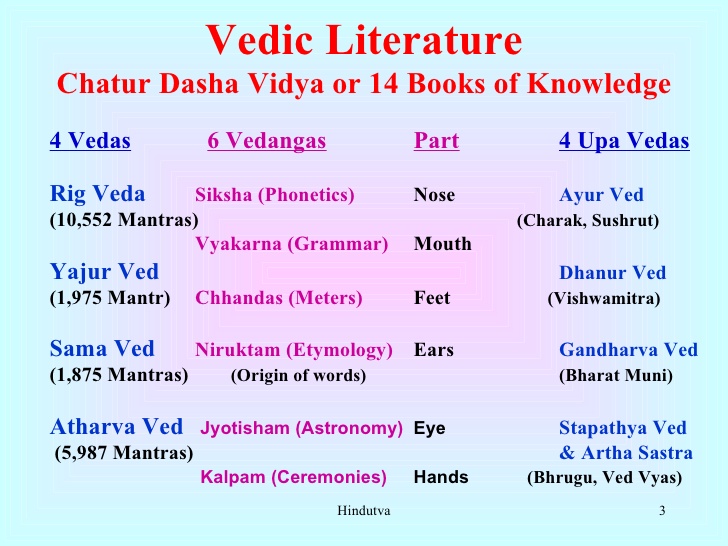
The Vedas are said to be infinite in number. What are available now are only selections. The rig Veda has as many as 24 recessions of which Sakala samhita alone is extant. This Samhita consists of 1028 hymns which contain a total number of 10,600 mantras.

The shortest hymn consists of a single mantra and the longest fifty eight. The Samhita text itself would fill in octavo volume of 600 pages of thirty lines each. The Rig Veda alone is equivalent to the existing poems of homer. With respect to the number, length and merit of some of India’s literary works, Monier William says:

“Nor is their mere number that astonishes us. We are appalled by the length of some of India’s literary productions as compared with those of European countries. For instance

Virgil’s Aeneid is said to consist of 9000 lines,
Homer’s Iliad of 12,000 lines,
and that Odyssey 15000 lines
Whereas in Sanskrit epic poem called Mahabharata, contains at least 200,000 lines, without reckoning the supplement called Harivamsa.

In some subjects too, especially in poetical descriptions of nature and domestic affection, indian works do not suffer by a comparison with the best specimens of Greek and Rome, while in the wisdom, depth and shrewdness of their moral apothegms they are unrivalled.

yogaveshti,indus style

Vedic preservation
It is most surprising that all the Vedas have come down to us without change. Extraordinary precautions were taken to preserve the texts being tampered with. The earliest mechanism was the composition of the pada patha work, in which every word of the Samhita text is separated and given in its original form – in no way changed by the rules of Sandhi (Joining rules)

Vedas are preserved without any change for thousands of years. Theys passed it by word of mouth. To preserve its purity they adopted certain methods. They invented four different intonations/swaras for mantras. Vedas are recited in the ordinary connected form known as Samhita-patha. It is like continuous reading of poetry but with a specific tone. To avoid interpolation, they invented four different ways of reciting it.
Of the four different pathas, the first one is

Pada pattha = word text
This gives the separate words as each originally appeared, independently.
Krama patha = step text– puts each word of the above pada patha twice; first in connection with the preceding words; next, with the succeeding, so that the order a b c d gives the krama numbers ab, bc, cd.

Jatapatha
The Jatapatha = the woven text — exhibits each krama member three time and the second time in reversed order
Ab ba ab/ bc,cb, bc/cd dc ed

Ghana patha
The Ghana patha shows the order ab ba abc cba abc /bc, cb, bed, deb, bed

Senseless as such endless repetitions are in themselves, they still have this value for us, that they fix absolutely the wording of the text, and in that, indeed, their purpose is accomplished.

Contact swami_48@yahoo.com

Interesting similes in Mahabharata

roses-thorns5b15d

Research paper written by London Swaminathan
Research article No.1492; Dated 16th December 2014.

Hindus use sesame seeds or the white mustard seeds as comparison to show how small a thing is. They have even coined some phrases with that to belittle something.
(The demons terrifying Sita say): Let us devour and tear her to pieces dividing her up in pieces small as sesamum seeds (3-231-5)

(Mahabharata has several references to Sita, Rama etc and Ramayana has none on Mahabharata characters)
Avayor antaram viddhi merusarsapayor iva 1-69-3

Sakuntala travelling in the air, Dushyanta only on earth, differ as widely as Mt Meru and a mustard seed.

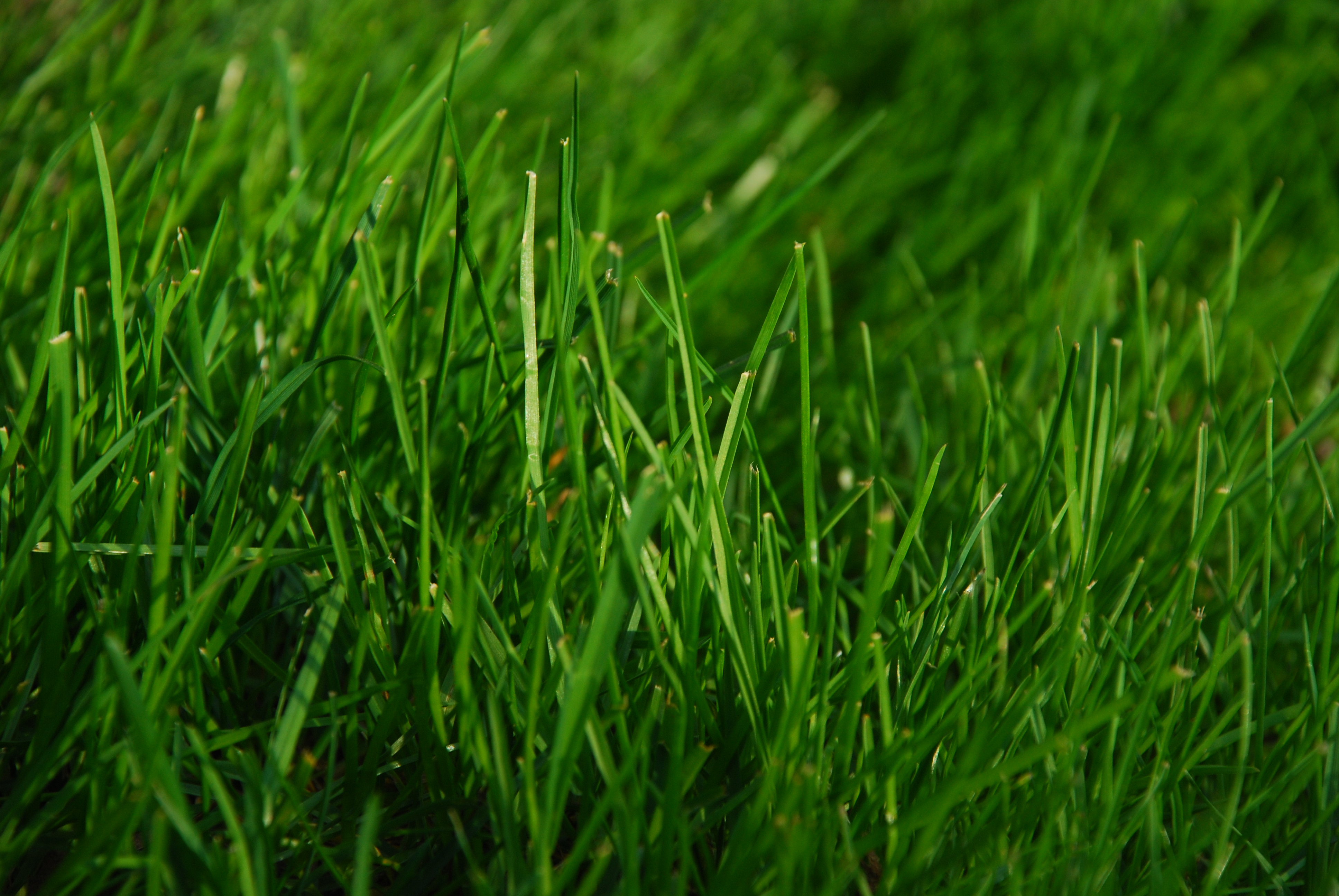
Grass
Grass is also used to belittle something. When the arrogant Nandas laughed at the bony, slender looking Chanakya stumbled upon some grass, Chanakya stopped and pulled out the grass from the earth and made a vow that he would root out the Nada dynasty like that grass. Later he helped to establish a new dynasty under the Mauryas. Great Tamil poet challenges God of Death to come near him so that he could crush him grass.
In the Mahabharata we have (Bhima’s grievances uttered to Yudhistra): By one handful of grass, you want to have Himalayas covered, O Yudhistra, you who want to restrain from war.

Trnaanaam mustinai kena himavantam tu parvatam
Channam icchasi kaunteya yo smaan sampavartum ichchasi (3-36-22)
Green_Grass

Having been addressed thus by Ravana, Sita of auspicious face turned towards him, and having placed a straw beween (herself and Ravana) spoke to that demon.
This is an insult or expression of indifference to Ravana. Ravana is like a grass for Sita.
Valmiki Ramayana 3-56-1
Adhyatma Ramayana 5-2-31
Tulasidas’ Ramacaritamaanasa 5-9-3 also had the same expression.

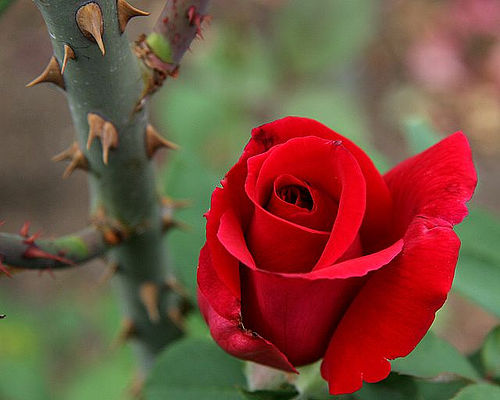
Thorns
Bhima’s challenge to Hidimba: In a moment today I will render this forest free of thorns (i.e. free from Hidimba’s atrocities-3-12-72)
Anyone giving troubles is considered thorns. It is used the same way in several other languages as well. In Tamil the proverb goes like this: a thorn must be removed by another thorn.

“One thorn of experience is worth a whole wilderness of warning”, says James Russell Lowell
“But he that dares not grasp the thorn should never crave the Rose”, says Anne Bronte.

Sewing_needle

Needle
(Yayati to Sarmishta): And in your beauty, I don’t find even as much as the point of a needle to be found fault with.
Rupe ca tena pasyaami suucyagram api ninditam -1-77-14

Mirror
Sakuntala’s rebuke to Dushyanta):So long as an ugly man does not see his own face in the mirror, he considers himself more handsome than others. But when he sees his own ugly face in the mirror, than he precieves himself as inferior, not anybody else:

Viruupo yaavad aadarse naa’tmanah pasyate mukham
Manyate taavad aatmaanam anyebhyo ruupavattaram
Yadaa to mukham adarse vikrtam so ‘bhiviksate
Tade taram vijnaati aatmaanam ne taram janam

Beautiful Classic Patterned Design Luxury Wall Mirrors Ideas

Contact swami_48@yahoo.com