Sex Mantras and Talismans in Egypt and Atharva Veda

Picture: This is a symbol from Atharva Veda


This is Part 5 in Indo-Egyptian Connections. Please read

part 1. Did Indians build Egyptian Pyramids?

Part 2. Vedas and Egyptian Pyramid Texts

3. Vishnu in Egyptian Pyramids

4. Hindu Gods in Egyptian Pyramids

before reading this 5th part: London Swaminathan.


During Valentine Day and other occasions girls and women are sent cards with the picture of an arrow piercing the heart of a woman. Though many of us are familiar with such Greeting Cards, a lot of people don’t know this symbol has come from the Atharva Veda. Throughout Sanskrit literature we read Manmathan, God Of Love, shooting five arrows made up of flowers to pierce the heart of a lover. We see it first in the Vedas in the earliest time. The concept of Cupid’s arrow has travelled to different parts of the world from India.

Hindus scored many firsts in the world: First Grammar book in the world—Ashtadyaye of Panini, First Sex Manual—Kama Sutra of Vatsyayana, First Dictionary of Synonyms—Amarakosham of Amarasimhan, First religious Book- Rig Veda, First Maths Book with Pythagoras Theorem etc by Bodhayana, First Logic Book …………I can keep on adding over 100 Firsts. But that is beyond the scope of this article.

Read the Atharva Veda Mantra given below and note the words Heart, Arrow etc.


III, 25. Charm to arouse the passionate love of a woman.

1. May (love), the disquieter, disquiet thee; do not hold out upon thy bed! With the terrible arrow of Kâma (love) do I pierce thee in the heart.
2. The arrow, winged with longing, barbed with love, whose shaft is undeviating desire, with that, well-aimed, Kâma shall pierce thee in the heart!
3. With that well-aimed arrow of Kâma which parches the spleen, whose plume flies forward, which burns up, do I pierce thee in the heart.
4. Consumed by burning ardour, with parched mouth, do thou (woman) come to me, pliant, (thy) pride laid aside, mine alone, speaking sweetly and to me devoted!
5. I drive thee with a goad from thy mother and thy father, so that thou shalt be in my power, shalt come up to my wish.
6. All her thoughts do ye, O Mitra and Varuna, drive out of her! Then, having deprived her of her will put her into my power alone!

II, 30. Charm to secure the love of a woman.

1. As the wind tears this grass from the surface of the earth, thus do I tear thy soul, so that thou, woman, shalt love, shalt not be averse to me!
2. If ye, O two Asvins, shall unite and bring together the loving pair-united are the fortunes of, both of you (lovers), united the thoughts, united the purposes!
3. When birds desire to chirp, lustily desire to chirp, may my call go there, as an arrow-point upon the shaft!
4. What is within shall be without, what is without shall be within! Take captive, O herb, the, soul of the maidens endowed with every charm!
5. Longing for a husband this woman hath come, I have come longing for a wife, As a loudly neighing horse I have attained to my good fortune!

(Translation by Maurice Bloomfield, Year 1897).

Now read the Egyptian ‘Mantra’:

We have seen the attributes of Egyptian God Thoth in the Fifth part of this series. One other attribute of Thoth is his skill in magic. Thoth knew magic spells. It was known that he possessed spells such as this one, which was cast to ensure that one’s love was returned: “should she drink, eat or sleep with anyone else, I shall cast upon her ear, I shall cast a spell upon her breath, I shall cast a spell upon her three physical apertures; but in particular I shall cast a spell upon her vulva, which I wish to penetrate, until she comes to me and until I know what is in her heart, what she has been doing, what she is thinking of now, immediately, immediately’ (National Library, Paris, Greek Manuscript, IV 147-153).


Picture: T shirt with Manmatha’s arrow as described in Atharva Veda

AC Das View

A.C.Das showed that the Egyptian religion has a close similarity with the worship of gods –Siva, Kama and Kalaratri. He thought it is probable that the Egyptians had the knowledge of a god equivalent to Brahma ( AC Das –Rig Vedic India, Vol.II,Ch.XII). Das believed that the Egyptians migrated from Pandyan Kingdom in the transition from Vedic to Puranic periods.

Double statue of Amenemhet III (1844-1797 BC) has fish emblem like the Pandyas of Tamil Nadu.

Daksha -Shiva clash in Egypt

Indians are very familiar with the clash between Daksha and Lord Shiva. This story is also found in Egyptian literature in a slightly different way. Once when Daksha performed a big Yagna (Fire Sacrifice), Sati went to attend it uninvited. Daksha spoke to her rudely insulting her husband Shiva in front all those assembled. Sati (Parvati) was so upset that she jumped into fire rather than hearing the insults. Hearing this, Shiva became furious and destroyed the Yaga of Daksha. He carried his wife’s body on his shoulder like an insane person. Vishnu pacified his anger after cutting the body of Sati with his Sudarsana chakra (Boomerang used by Vishnu). Sati’s body parts fell in different parts of the country and those places became holy shrines of Goddess Shakti.

Egyptian Version:

Osiris was one of the oldest gods of Egypt. He was worshipped for 3400 years until 400 AD. He was compared with Lord Shiva. His parents were Geb and Nut. He was born with four siblings including his sister Isis, who became his consort. His adversary was Seth. Isis gave birth to god Horus by impregnating herself with the semen of Osiris after his death. Seth found Osiris body and cut into 14 pieces and scattered them along the Nile valley. But Seth missed Osris’ penis. Isis found all the parts and buried them at the sites of various sanctuaries. She restored the penis with replica which became the focus of Osirian cult. This is similar to our Shiva Linga worship.

Both the Shiva –Daksha clash and Osiris- Seth clash are symbolical stories. The scattering of the body parts was allegorized with the winnowing and scattering of grains in the fields.

Jain Statues and Egyptian Statues

Jain Thirtankara statues in India look like Egyptian Pharaoh’s statues. Both the figures with bare and broad shoulders stand straight. No one can miss the similarities. We don’t know how this came about. Of the 14 Jain Manus, one of them was Ksemenkara. We have one pharaoh with the name Menkaure.

Nemi was one of the Puranic kings who mummified his body like the Egyptians. He was one of the 24 Jain Thirtankaras.

Abyados was the first capital of ancient Egypt. Peribsen was one of the pharaohs. All these names are similar to Jain names. The pharaohs’ names end with Sen, Khet or Athen. We have all these suffixes in India as Sena, Ketu and Athan. Mahabharata Who’s Who? gives scores of names with Sena and Ketu. Tamil Chera kings have Athan, Kuttuvan suffixes in their names. According to Puranas, Chakora was ruled by Chandra Ketu. We have a big city Saqquara in Egypt. In the earlier parts, I have dealt with the maze (Chakra) in the city.

Contd…………………… contact swami_48@yahoo.com

**************


Hindu Gods in Egyptian Pyramids

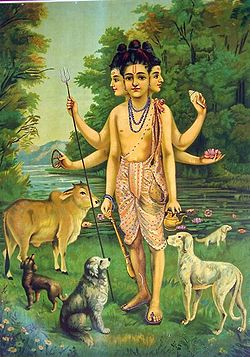
Picture: Hindu God Dattatreya with Four dogs representing Four Vedas

(Please part 1. Did Indians build Egyptian Pyramids? Part2. Vedas and Egyptian Pyramid Texts Part 3. Vishnu In Egyptian Pyramids before reading this part: London swaminathan)

“ Egyptian priests had come from the Nile to the Ganges and Yamuna to visit the Brahmins of India, as the Greeks visited them at a later time, rather acquire knowledge than to impart knowledge”-wrote a scholar centuries back.

There was a god in ancient Egypt who was called THOTH. If anyone reads the attributes of this God, every line will show one attribute of a Hindu god. Here are the amazing similarities:

“ The Egyptian god Thoth represented with a head of an Ibis (water bird) and surmounted by a crescent moon. As inventor of Hieroglyphs he was named LORD OF THE HOLY WORDS. He was said to have accomplished the work of Creation by the sound of his voice alone”.

The above passage is taken from an encyclopaedia. This is what we say about Brahma (represented by water bird Swan) in Hindu mythology. He created the world from sound (Aum=Sabda Brahmam).

“ The Egyptian Goddess of writing SESHAT was Thoth’s principal spouse”, says encyclopaedia. Seshat is nothing but SARASWATI of Hindus.

“Thoth authenticated decisions and legalised the name chosen for the pharaoh by writing it on the tree of history in temple. He checked the balance of the scales on the day of judgement of the dead. He was the Supreme scribe and the patron of human scribes”.

This we attribute to Brahma’s writing on our head and Chitragupta, Yama’s messenger, checking our balance of Papa and Punya (merits and demerits).

“ Thoth was master of the languages. The special offering made to him was a writing desk. He was the master of language and speech”.

This is attributed to Saraswati by the Hindus.

“ Thoth created what he desired simply by desiring it”—This is exactly what Hindus say about Brahma and his Manasa Putras= Sons created by Mind/thouught.

Upanishad Quotes

The Rosetta Stone (which helped us to decipher the Hieroglyphs) compares Egyptian God Thoth to the Greek God Hermes Trismegistus. My interpretation is this is nothing but Hindu God Dattareya. Read what the encyclopaedia says:

“He was the inventor of Arts and Sciences. And also the initiator of practices whose aim was to restrain the divinity and to give to initiate some sort of omnipotence by comparing him to God—YOU ARE I AND I AM YOU. The Hermeatic Body was regarded as having been written by him. He gathered together many dissimilar beliefs with different origins and was involved in magic, astrology and alchemy.”

The above passage is from encyclopaedia which says Thoth and Hermes Trismegistus are one and the same.

My interpretation: Trimegistus is three in one=Dattatreya. He was Brahma, Vishnu and Shiva according to Ramayana and Mahabaharata. And we see the Upansihad Vakyas: Tat Tvam Asi= You are That and Aham Brahma Asmi= I am God in the above description. So we can safely conclude Hindu’s Dattatreya (three headed ancient Hindu deity), Hermes Trismegistus of Greece and Thoth of Egypt are one and the same God. Temple of Thoth is in Khemnu in Egypt. Greeks called this Hermopolis. Tris in Greek means Three.

(Please read my post Let Nature be your Teacher: Dattatreya and Wordsworth)

Soul in the form of a Bird

In Indus valley civilization we see peacock in the funerary pots. This is the Atma/soul. In the Upanishad story two birds are symbolised as Jeev (Eve) atma and Parama Atma (Adam of Bible).

(Please read my post Three Apples That Changed the World for full details)

Egyptians represented soul (called BA) with a bird. A dead man’s soul is leaving the body was painted in the Ani papyrus of 19th Dynasty. It is in the British Museum. Tamil poet Tiruvalluvar in his Tirukkural (Tamil Veda) compares the Atma for a bird (Tirukkural 338).

Ankh and Pavithram

Ankh is a key like symbol carried by Egyptian Gods. This is what Wikipedia says about it: “The origin of the symbol remains a mystery to Egyptologists, and no single hypothesis has been widely accepted. One of the earliest suggestions is that of Thomas Inman, first published in 1869:[2]

It is by Egyptologists called the symbol of life. It is also called the “handled cross”, or crux ansata. It represents the male triad and the female unit, under a decent form. There are few symbols more commonly met with in Egyptian art. In some remarkable sculptures, where the sun’s rays are represented as terminating in hands, the offerings which these bring are many a crux ansata, emblematic of the truth that a fruitful union is a gift from the deity”.

My interpretation it is the PAVITHRAM of Hindus. Hindus, particularly Brahmins, wear this key like symbol ‘Pavithram’ made up of Dharba grass during every ritual or Puja. Like Egyptian Gods get or give energy with Ankh, Hindus get energy from the sun by wearing Pavitham. The above passage can be interpreted as Lingam and Yoni of Saivism as well.

Breaking the Vessels

Hindus break all the mud pots after using them in a funeral. They are made up of clay and painted red. Egyptians also broke all the red colour ceramic vessels at the end of the burial ritual. This was done to ensure that they were not reused.

Bhumi Puja  (Earth Ritual)

Hindus make offerings to Earth Goddess and other Gods before commencing any building work. We follow this custom until this day. Ancient Egyptians made offerings at important construction projects such as Pyramids. A few symbolic objects including certain sacrifices—so called foundation deposits—were usually laid in a hole in the foundation.

Muslim invaders who invaded India knew that Hindu temples had such foundation deposits of most expensive gems and gold in the world and plundered the Hindu temples after demolishing them. The best known example is the 17 time invasion of Mohmed of Gazni against Somanathpur Shiva Temple in Gujarat.

Western scholars have pointed out the following aspects that have got parallels in Hinduism:

1.Egyptians believed that all beings sprang from the tears of Sun God Ra. Hindus believed all the beings came from the tears of Prajapati.

2. Horus, like Brahma, was born of a Lotus petal. Lotus flower is a common feature in the architecture of Hindu and Egyptian temples.

3. In Egypt there were seven castes. In ancient India we had four castes.

4. According to Eusebius and Syncellus, some people from the River Indus settled in the neighbourhood of Egypt in the reign of Amenophis. Many Egyptians banned by their princes settled in other countries and went as far as India.

5. Both the Hindus and Egyptians had also the same division of time into weeks and they denominated each of the days by the name of the same planets.

6. Both believed that the souls of men existed in a prior state, and went into other bodies after death.

7. Several religious ideas and customs were common to both the countries. Egyptians represented the world under the figure of an egg, which came from the mouth of Cneph and this resembled the Brahmandam of Hindus.

8.Both of them had same belief about eclipses. Hindus believed Rahu and Ketu are swallowing the Sun and Moon and Egyptians ascribed it to Typhon.

9.Egyptians at certain festivals carried the images of heir gods in the procession. Herodotus says they drew one of them in a carriage with four wheels, and the same was done by the Hindus. Egyptians held cows in much greater veneration than any other animals. They were sacred to Isis and never sacrificed. Bull was also respected.

10.Eswara was adored as Osiris in Egypt and Bacchus in Greece. Diodorus said that the title of Thriambus was assumed by the Greek deity in his triumph after the conquest of India (Triambka is one of the names of Lord Shiva).

Sphinx and Chathuka Bhutham

I have already written about the Sphinx of Greece, Egypt and Chathukka Bhutam of Silppadikaram, the most famous Tamil epic. Please read my post:

1.கிரேக்க பூதமும் தமிழ் பூதமும், 2.டெல்பி ஆரூடமும் தமிழ்நாட்டு குறிசொல்வோரும்

Both the articles are in Tamil. It compares the Delphi Oracle with the Tamil Foretellers or Diviners. Another post compares the Ghosts (Chathukka Bhutham) that punished wrongdoers as described in the Tamil epic Silappadikaram. This ghost was in the City Squares in the Underground caves. The origin of Egyptian Sphinxes is mysterious, but Greeks acknowledge it came from Egypt. My interpretation is that it went from India to Egypt and Greece. We have proofs in Silappadikaram , Yaksha Prasna of  Mahabharatam and Vikram and Vetal stories in India. Yaksha Prasna means Questions /riddles of a ghost.

Next part will deal with SEX MANTRAS in Atharva Veda and Pyramids: swami.

Please contact swami_48@yahoo.com

BIGGEST BRAIN WASH IN THE WORLD!

Who ruled India from Indus Valley for 800 or 900 years?

No information in our History books!

Who ruled India from 1700 BC to 600 BC?

No information in our History books!!

Indian king list starts from Buddha’s (600 BC) time only. Why?

Indian History books were written by the British when they ruled India. We are following the same old syllabus till this day! All other country books written by them have been completely revised or completely dumped. Sumerian, Egyptian and Greek history have been updated with latest discoveries. Even though contradictions and overlapping were there in different Kings’ lists found in different places they have been reconciled. But the world’s biggest wonder is no Indian scholar raised any question about the big blunders or the big gaps in Indian history.

Google for any ancient country’s king lists you will get some names from 3000 BC. Google for Indian king list (except Wikipedia) you will get only from Buddha’s time. What is the question that should have come to our mind?

Sir,

You say that Indus Valley Civilisation existed between 2500 BC and 1700 BC. Who were the kings that ruled India from Mohenjo-Daro and Harappa? Like Tamil Nadu had three main kingdoms and several small kingdoms simultaneously Indus also might have had several kingdoms. Who were they? For 800 years, a minimum of 45 kings for one place alone must be there. If there were kings ruling different parts, then there must be at least 150 kings. In ancient Tamil Nadu we had two Chola kings, two Chera kings and two Pandya kings ruling at the same time. In the north, we had hundreds of kings ruling simultaneously.

If Nandha dynasty started in the fifth century BC, what happened for 1200 years before them? Another 60 to 80 kings must have ruled from one capital city alone. Ancient India had at least 16 Janapadas or 56 Desams. Thousands of kings must have ruled before Buddha’s period. Mahabharata and Tamil Sangam anthology ‘Purananuru’ compare the number of kings in the world (India) to ‘stars in the sky’ or the ‘sand particles on sea shore’ or the ‘rain drops’. That means innumerable, uncountable and numberless. What were their names? Can there be a vacuum for2000 years? Was India ruled by mysterious people?

No one has asked this question to his or her history teacher. No Indian scholar worth the name “scholar” has addressed this issue. If they can prepare a list for Sumerian and Egyptian cultures, why did not they do it for India?

The so called Indian scholars were ready to play second fiddle to Western scholars. The British were so clever they never raised this issue in their books. They made a big blackout for 1900 years (From 2500 BC to 600 BC= Buddha’s time). This is the BIGGEST BRAINWASH IN THE WORLD!

143 KINGS Ruled before Megasthanes

Greek Ambassador Megasthenes (350 BC to 290 BC) who visited India in 3rd century BC said that India was ruled by 143 generations before his time. That list is actually in the Puranas (Hindu mythology). But British and the ‘jaundice eyed’ Indian scholars turned a blind eye to it. Marxist scholars were happy in interpreting Mahabharata and Ramayana as “class wars”!

Like the contradictions in Puranas regarding kings, Sumerian and Egyptian lists also had lots of contradictions, pre historical matters giving each Sumerian king 30,000 or 25000 years rule. But yet the scholars reconciled all those data and made one list. But Indians accepted a list only from Buddhist time leaving 2000 years before him in the dark. This is due to a brainwash.

Not only British did blackout a big historical period but also said there were big clashes between Aryans and Dravidians. This has no proof in Tamil or Sanskrit literature. They interpreted everything in that angle and made Indians believe it. Indians also believed that the “barbaric Aryans defeated the coward Dravidians who ran helter-skelter and hid themselves in hills. The civilized Dravidians ran up to the land’s end Kanyakumari and forgot all their brick buildings and started living in caves like primitives”. The foreign scholars knew the pulse of our people and they knew how they can brainwash us. They did brainwash our scholars and laymen. They told us that the Tamils came from the Mediterranean areas. Otherwise we would have asked our History teachers a lot of questions about 2500 BC to 600 BC. Otherwise our famous historians would have written a long list of kings. Since they were brainwashed, they never told us what happened in the Indus Valley or elsewhere in India for more than 1500 years.

A few foreign scholars like Pargiter did some research into Puranic king lists and even dated them. But they were rejected as fiction! Only now we find such data in Wikipedia, but not in history books.

1340 BC Vedic Inscription

Max Muller’s (1823-1900) blunder was exposed when they discovered an inscription with Vedic Gods names in the same order as we see them in the Rig Vedic Mantra! It was discovered in Bogaz Koy in Syria. They never included it in the text book or corrected Max Muller’s wrong date. They discovered ten letters written by Dasaratha to an Egyptian Pharaoh. They never included it in our text book. By the time we discovered all, Max Muller was dead (1900). They have discovered a Sanskrit manual for training horses which was dated-1400 BC. They never included this fact in the history book.

If Vedic Gods were in the Hittite treaty in Syria in 1400 BC, the Vedas must have existed long before this date. Otherwise they wouldn’t have quoted them in the same order in a treaty, as we see it in Rig Veda.

Sanskrit inscriptions in hundreds were discovered throughout South East Asia from second century AD. Hindus ruled S E Asian countries for 1300 years. They never said anything in our history books. Had a person like Sardar Patel or Netaji Subash Chandra Bose ruled India they would have re written the history of India and all these facts would have found a place.

Harijan leader and Father of Indian constitution BR Ambedkar, Swami Vivekannda, Sri Aurobindo, Mahatma Gandhi and many others spoke against Aryan Dravidian divisions. There was not a word about it the text books. In short, no views that went against the old British view were included.


It is not too late to educate the ‘brainwashed’ Indians. We have to rewrite our History books. We have to include what the NASA scientists and Indian nuclear scientists have found about Saraswati River. We have to include Tilak’s view of the date of Rig Veda (6000 BC). We have to mention all the mysterious kings mentioned in the RV and the Vedic literature. There were hundreds of kings in the Vedic literature. Leave alone the Puranas and the epics.

Our children knew Shakespeare but not Kalidasa or Ilango. Our children knew Homer and Virgil but not Bhasa and Tamil poet Paranar. Our children knew Egyptian Pyramids and China’s Great Wall but not hundreds of Indian temple wonders. They knew more about Bible and Koran than Dhammapada or Upanishads. This is a shame on our scholars. At least one chapter or lesson must be added on all these subjects. Sanskrit and Tamil sources must be used to give them a bird’s eye view of our 2500 year old maritime trade. When we have found inscriptional evidence from 1400 BC in Syria for Vedic Gods we must have corrected the date of Vedas. Indian ‘scholars’ are still parroting Maxmuller’s date for the Vedas.

Please read my old posts:

1.Dravidian Queen 1320 BC  and  2. How old is Indian Civilization? Contact swami_48@yahoo.com


Ancient Tamil Dress


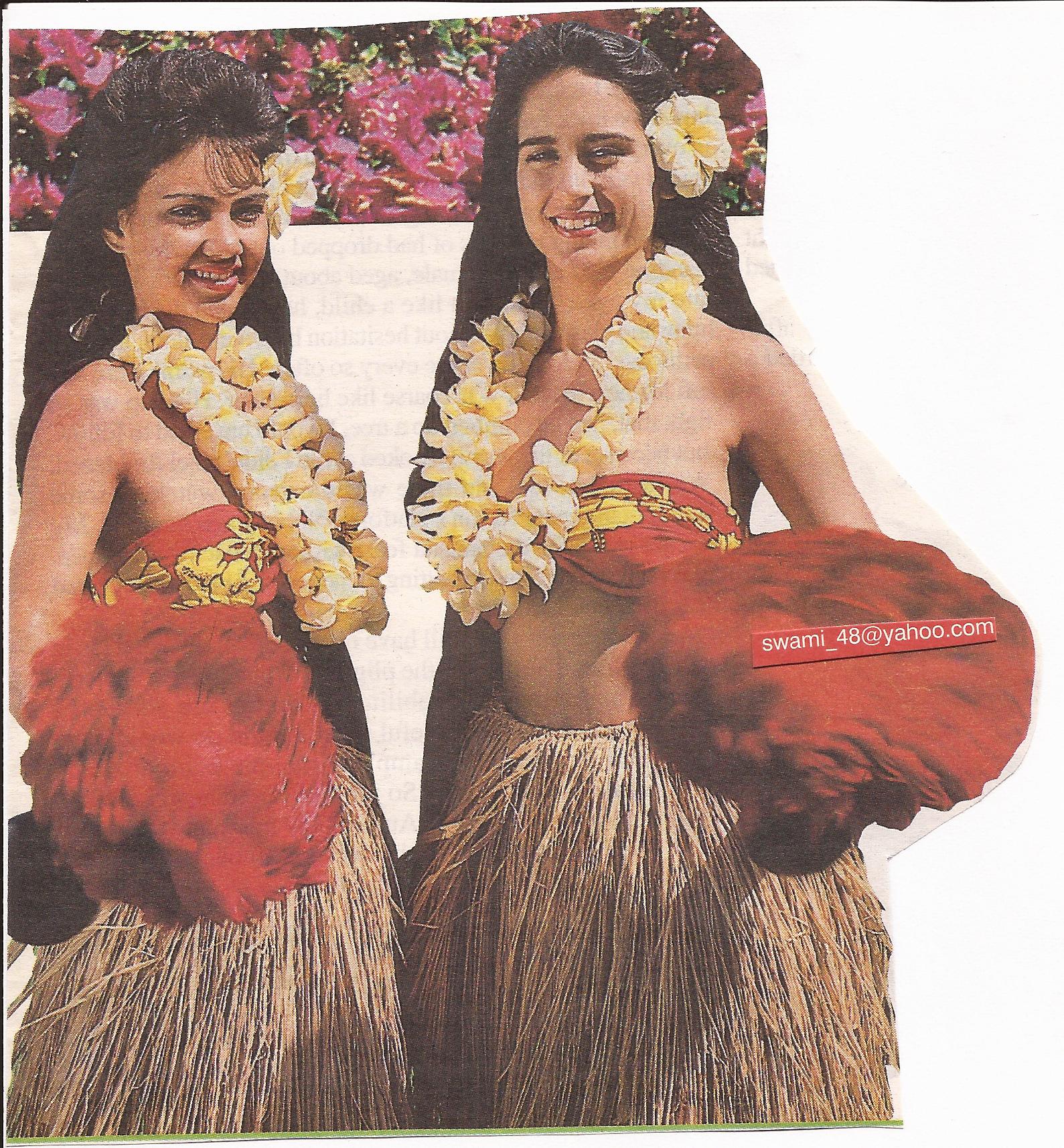
Picture shows Reed Skirt of women of Hawaii (USA)

(Tamil version of this article is posted in two parts with references: London swami)

Sangam Tamil literature sings about the reed skirts of Tamil women. The skirts were made up of dried grasses or reeds. I was looking for such dress in the sculptures and paintings, but in vain. Recently I came across such reed skirts worn by women of Hawaii. Even today women in Pacific islands wear such reed skirts. While I was reading a book on the customs during the age of the Brahmanas (part of Vedic literature), I read another interesting fact. Brahmin priests were wearing reed skirts made up of certain types of grass for the Yagas (fire ceremonies).

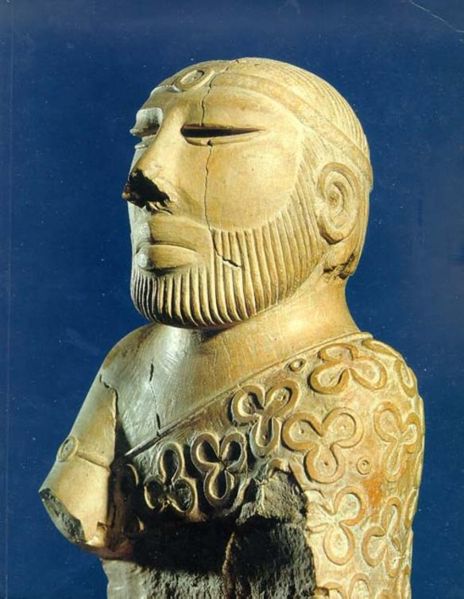
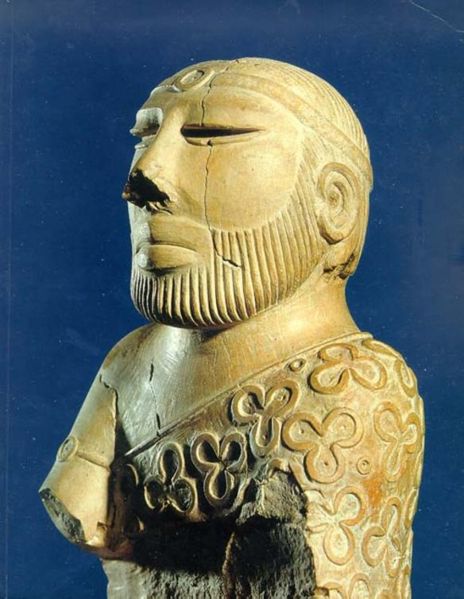
The Priest-King of Indus valley civilization wears an embroidered shawl. Incidentally Brahmana scriptures mention embroidered woollen cloths. Tamils also wore dress with flower designs on it, says 2000 year old Purananuru (274).

Silappadikaram is the most popular Tamil epic that sings the glory of ancient Tamil kingdoms. Adiarkku Nallar, one of the commentators, gives 36 types of Tamil clothes. Their names include clothing imported from Malaysia, Burma, Orissa and Gujarat ( all the 36 types are given in my Tamil version of this article).

Nakkirar, one of the famous poets of Sangam period, says that “we need one Nazi measure of food every day, two pieces of clothes. It shows the ancient Tamils wore one upper garment and one under garment like Dhoti. We have descriptions of shirts called ‘Kanchukam’, mostly worn by soldiers or foreign body guards from Rome (Yavanas=Milechas). Those Milechas were described as speechless, dumb and men of gestures (sign language)—Mullai Pattu lines 66-67.

One great thing about the Tamils was that they produced cloths looking exactly like a snake skin. Ancient Egypt was believed to have imported all the clothes for the mummies from Tamil Nadu. When we look at the Tamil name of the Egyptian God of weaving ‘Neith’, we have to accept the fact that Tamils were the main source of clothes for Egyptian Pyramids.

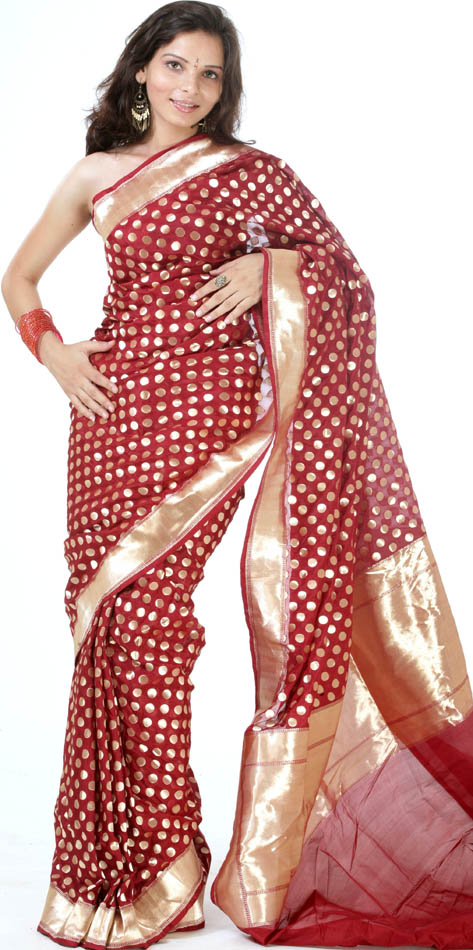
The clothes that looked like a snake skin were praised by many Tamil poets in the Sangam anthologies. A verse in Akananuru describes a wedding scene. The bridegroom noticed that bride was sweating under her sari. When he took off  her sari to let some air, she looked like a shining sword out of its sheath. His real intention was to have a look at her beautiful face. She tried to hide her body with her hair and the garlands as soon as he took her clothes off. This verse throws some light on the type of clothes (may be saris) they wore during weddings.

Andal ,a poetess who lived in the seventh century AD describes about a wedding sari called Kooraip Pudavai. This type of sari, red in colour, is still used by the Brahmin ladies on the wedding day.

REED DRESS reference from the Vedic Literature:

Picture: Embroidered shawl of Indus Priest King

From “India of the age of the Brahmanas” by Jogiraj Basu

‘’garments made up of wool, cotton and silk were worn by the people. Cotton and wool, sewing and knitting  are often referred to. The term sutra refers to cotton and urna to wool which was made up of sheep’s hair. The general dress consisted of three parts—the main portion fitting the body called vaasa, an outer or over garment called aadhi vaasa and an under garment named niivi.

Warp, woof and different aspects of weaving are referred to in SB 3-1-2-18.

Suvaasa (good garment) and suvaasaa (well clad) occur frequently in SB and AB etc.

“ garment is a man’s outward appearance, whence people on seeing a well clad man, asks who can this be? for he is perfect in his outward appearance.” (SatapataBrahmana)

When a cloth is woven it is embroidered at the border before the actual texture is woven; it is embroidered in the middle and again it is embroidered at the end” (Aitareya Brahmana 2-11-10)

Special garments were prescribed for the priests performing sacrifice. Skirts made up of Kusa grass were used in certain sacrifices. From the S.B. we learn that the sacrificial garment consisted of a garment of pure wool not dyed, an under garment made of silk called “taarpya”, an outer garment like adhi vaasa and a head dress or turban (Usniisa). Kings and queens wore such head dress. Indra’s wife Indrani had a most variegated (multi coloured and embroidered) head band, says S.B. 14-2-1-8

Sages, mendicants and Brahmacharis used to put on garment made of hides of black antelope (krsnaajina).

Female ascetic Sabari in the Ramayana was called Krishnaajinaambharadharaa i.e. one who puts on the garment made of black deer skin.

Sanskrit dramas describe the red colour dress of the prisoners who were sentenced to death.


Tamils designed the first Bra (ssiere)?

World Tamil souvenirs and Tamil magazines show ancient Tamil women wearing bra. There is a convention of drawing or painting Tamil women like this for hundreds of years. But we don’t see such a custom or costume in any other ancient civilization. They did not wear brassiere. Neither did the Tamil women in ancient paintings at Sithannavasal or temple sculptures. They were shown with bare breasts. Not even in Ajanta paintings in Maharashtra. But the Tamil convention of drawing or painting women with bras made me think that Tamils should have designed it first. But it needs more in depth research on the origin of Bras.

*****************


தமிழர்களின் தழை உடை-1

Picture shows the Reed Skirt worn by women of Hawaii (USA)

(English version of this article is also posted in my blogs: London swami)

தமிழர்களின் தழை உடை (Reed Skirt) பற்றி சங்க இலக்கிய நூல்களில் நிறைய குறிப்புகள் உள்ளன. ஈராயிரம் ஆண்டுகளுக்கு முன் தமிழ்ப் பெண்கள் எப்படி உடை அணிந்தார்கள் என்று கண்டுபிடிக்க பல சிற்பங்களையும் ஓவியங்களையும் கூர்ந்து கவனித்தேன். ஆனால் தழை உடை பற்றி கிடைக்கவில்லை. இப்பொழுது பசிபிக் தீவுகளில் தழை உடை அணியும் படம் கிடைத்தவுடன் மீண்டும் இது பற்றி ஆய்வைத் துவங்கினேன்.

தழை உடையை எல்லாப் பெண்களும் அணியவில்லை. கானகப் பகுதிகளில் வாழ்ந்தவர்களும் விலை மாதர்களும் அணிந்தனர். உடனே இந்த உடை பற்றி தப்புக் கணக்குப் போட்டு விடாதீர்கள். யாகம் செய்யும் பிராமணர்களும் தர்ப்பைப் புல்லால் செய்யப்பட்ட தழை உடைகளையே அணிந்தார்கள்(*reference is given at the end). இப்போதும் ஹவாய் முதலிய பசிபிக் மஹா சமுத்திரத் தீவுகளில் தழை உடை அணிகிறார்கள். இது பாவாடை போல இருக்கும்.

தழை உடை பற்றிய குறிப்புகள்: குறுந்தொகைப் பாடல் 125,159,214,294; குறிஞ்சிப்பாட்டு வரி 102; ஐங்குறு நூறு 72. இது தவிர, அக நானூறு, கலித்தொகையிலும் பல பாடல்களில் தழை அணி வருகிறது.

36 வகை ஆடைகள் (36 Types of Clothes)

சிலப்பதிகாரத்துக்கு உரை எழுதிய அடியார்க்கு நல்லார் தமிழர்களின் 36 வகை உடைகளின் பெயர்களைப் பட்டியலிட்டுள்ளார். அவையாவன: கோசிகம், பீதகம், பச்சிலை,  அரத்தம், நுண் துகில், சுண்ணம்,  வடகம், பஞ்சு, இரட்டு, பாடகம், கோங்கலர், கோபடம், சித்திரக் கம்மி, குருதி, கரியல், பேடகம், புரியட்டம், காசு, வேதங்கம், புங்கர் காழகம், சில்லிகை, துரியம், பங்கம், நல்லியம், வண்டை, கவற்றுமடி, நூல் யாப்பு, தேவாங்கு, திருக்கு, பொன்னெழுத்து, குச்சரி, தேவகிரி, காத்தூலம், கிறைஞ்சி, செம்பொத்தி, பனிப்பொத்தி. இவைகளில் சில கடாரம், காழகம் (மலேசியா, பர்மா), கூர்ஜரம் (குஜராத்) ஆகிய இடங்களில் இருந்து இறக்குமதியானது பெயரில் இருந்தே தெரிகிறது. அதே போல நமது துணிகள் எகிப்திய நாட்டின் இறந்தோர் உடலைச் (மம்மி) சுற்றவும் ஏற்றுமதி செய்யப்பட்டது.

எகிப்திய நெய்தல் தெய்வத்தின் பெயர் நெய்த்(Neith). இதுவே தமிழ்ச் சொல்!


தமிழர்களின் நெசவுத்திறன்

Picture of Mohanjadaro Priest King

வேத காலத்தில் எழுந்த பிராமணங்கள் என்னும் நூல்களிலும் சங்க இலக்கியத்திலும் பூ வேலைப்பாடு (Embridered)  அமைந்த ஆடைகளைச் செய்ததாக எழுதிவைத்துள்ளனர். இந்த ஆடையை சிந்து சமவெளி புரோகிதரின் (Priest/ King) உடலிலும் காணமுடிகிறது. இதைப் புறநானூறு “ நீலக் கச்சை பூவார் ஆடை” (புறம். 274, உலோச்சனார்) என்று புகழ்கிறது.

ஆண்கள் மேல் துண்டும், கீழே வேஷ்டியும் மட்டும் அணிந்தனர். “உண்பது நாழி, உடுப்பவை இரண்டே” (புறம்.189) என்ற நக்கீரர் வாக்கியத்தால் இதை அறியலாம். மாங்குடி மருதனார் பாடிய மதுரைக் காஞ்சியும் இதை உறுதிப்படுத்துகிறது:

“ திண்டேர் பிரம்பிற் புரளும் தானை

கச்சம் தின்ற கழல் தயங்கு திருந்தடி” (மதுரை. வரிகள் 435-436)

மேல் சட்டையை சிலர் அணிந்தனர். வீரர்கள், பொற்கொல்லர் ஆகியோர் அணிந்ததை பாடல்கள் காட்டுகின்றன. மேல் சட்டைக்கு ‘கஞ்சுகம்’ என்று பெயர்.

மிலேச்சர்கள் என்று அழைக்கப்பட்ட அந்நிய நாட்டவர்கள் (யவனர்கள்) சட்டை அணிந்ததையும் முல்லைப் பாட்டு கூறுகிறது:

“ உடம்பின் உரைக்கும் உரையா நாவின் படம்புகு மிலேச்சர்” (வரி 66-67)

தமிழர்கள் நெய்த ஆடை மிகமிக மெல்லியதாக இருந்ததைப் புலவர்கள் பல இடங்களில் பாடி இருக்கின்றனர்: “இழையறிவாரா, வொண் பூங்கலிங்கம்” (புறம். 383) என்றும் பாம்பின் தோல் போல மெல்லிய ஆடைகளை மன்னன் நல்கினான்: “நோக்கு நுழைகல்லா நுண்மைய பூகனிந்து அரவு உரி அன்ன அறுவை துவர” (பொருநர். 82-83) என்றும் பாடுகின்றனர். மஸ்லின், நைலான் போன்ற சிறந்த ஆடைகள் 2000 ஆண்டுகளுக்கு முன்னரே இருந்தன!!

( அறுவை, கலிங்கம்=துணி, அரவு உரி= பாம்புத் தோல் )

தொடரும்…………. (பகுதி இரண்டில் பெண்களின் ஆடைகள், தமிழர்களின் Brassiere பிரா—கண்டுபிடிப்பு, கூரைப்புடவை, கல்யாணப் புடவை முதலியவற்றைக் காண்போம்).

For more of the same, contact: swami_48@yahoo.com

*REED DRESS reference in the Vedic Literature is given below:

From “India of the age of the Brahmanas” by Jogiraj Basu:

“ When a cloth is woven it is embroidered at the border before the actual texture is woven; it is embroidered in the middle and again it is embroidered at the end” (Aitareya Brahmana 2-11-10)

Special garments were prescribed for the priests performing sacrifice. Skirts made up of Kusa grass were used in certain sacrifices. From the Satapata Brahmana we learn that the sacrificial garment consisted of a garment of pure wool not dyed, an under garment made of silk called “taarpya”, an outer garment like adhi vaasa and a head dress or turban (Usniisa). Kings and queens wore such head dress. Indra’s wife Indrani had a most variegated (multi coloured and embroidered) head band, says Satapata Brahmana14-2-1-8

Sages, mendicants and Brahmacharis used to put on garment made of hides of black(deer) antelope (krisnaajina).

Female ascetic Sabari in the Ramayana was called Krishnaajinaambharadharaa i.e. one who puts on the garment made of black deer skin.

******

தமிழர்களின் தழை உடை-2


Wearing saris: two different styles

( Please read part 1first to maintain continuity: London swami )

திருமண காலத்தில் தமிழர்கள் முகத்தை மறைக்கும் ஆடைகளை அணிந்தனர் போலும். அகநானூறு 136ம் பாடலில் விற்றூற்று முதெயினனார் இப்படிக் கூறுகிறார்:

“ கற்பினை உடைய என் உயிர்க்கு உடம்பாக அடுத்தவள் கசங்காத புதிய ஆடையால் உடல் முழுதும் போர்த்தியதால் வேர்வை வந்தது. காற்று வரவேண்டும் என்ற சாக்கில் அவள் முகத்தைப் பார்க்க ஆசை கொண்டு ஆடையைப் பற்றி இழுத்தவுடன் உறையினின்று உருவிய வாளைப் போல அவளது வடிவம் ஆடையினின்று விலகி நின்றது”—இந்த வருணனை முகத்தை மூடும் அளவுக்கு ஆடை (saris?) அணிந்ததைக் காட்டுகிறது.

ஆண்டாள் பாடிய நாச்சியார் திருமொழியில் கூரைப் புடவை கட்டியது பற்றிப் பாடுகிறார். இப்பொதும் பிராமணப் பெண்கள் தாலி கட்டும் நேரத்தில், சிவப்பு நிறத்தில் உள்ள கூரைப் புடவையை அணிந்தே திருமண மேடைக்கு வருவர். இது போன்ற சிவப்பு நிறப் புடவைகள் மதுரையில் விற்கப்பட்டதாகவும் மாங்குடி மருதனார் கூறுவார்:

“ வெயிற் கதிர் மழுங்கிய படர் கூர் ஞாயிற்றுச்

செக்கரன்ன சிவந்து நுணங் குருவிற்

கண்பொரு புகூஉ மொண்பூங் கலிங்கம்” (மதுரை. 432-3)

மருதம்,முல்லை, குறிஞ்சி நிலத்தில் வாழ்ந்த பெண்கள் இயற்கையோடு இயைந்த வாழ்க்கை நடத்தினர் போலும். அவர்கள் மேலாடை அணியவில்லை என்றே தோன்றுகிறது. அது போன்ற இடத்தில்தான் தழை உடைகளை அணிந்திருக்க வேண்டும். மார்பை மாலைகளாலும் சந்தனம் பூசியும் அலங்கரித்துக் கொண்டனர்.


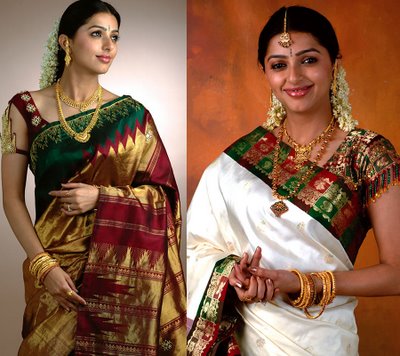
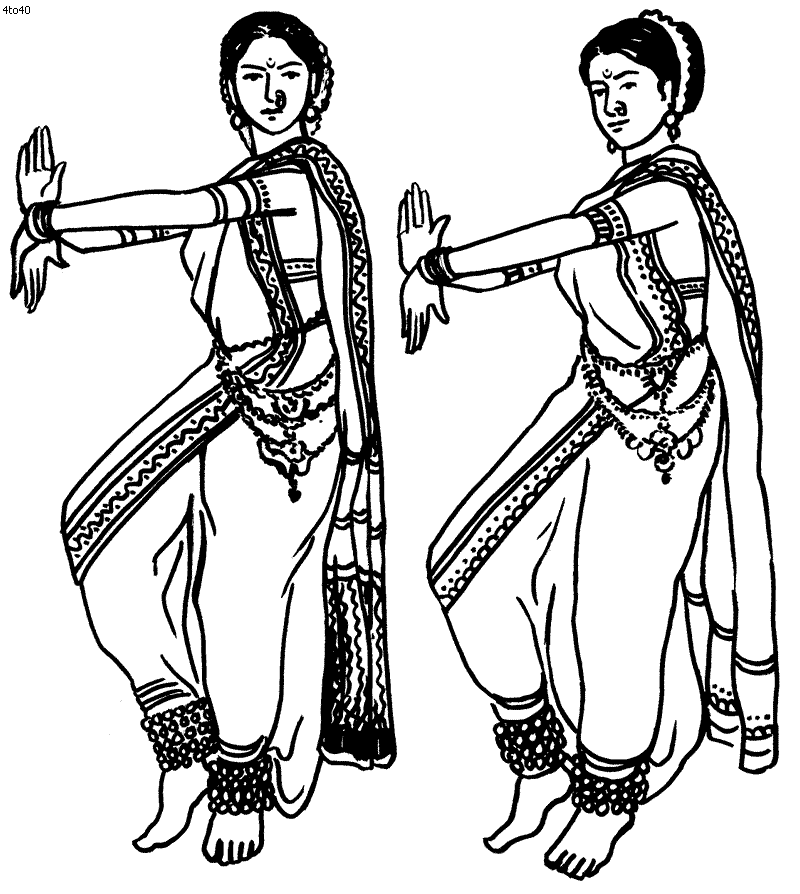
Picture shows Lavani dance of Maharashtrian women

பெண்களின் உள்ளாடை—தமிழனின் கண்டுபிடிப்பு?

1997ம் ஆண்டில் லண்டனில் இருந்து வந்த மேகம் பத்திரிகையில் எழுதிய தொடர் கட்டுரைகளில் ஒன்று ‘பிரா’வைக் கண்டுபிடித்தவன் தமிழன்’ என்று எழுதினேன். பெண்கள் அணியும் இந்த பிரா=brazziere (மார்பகக் கச்சை) மேலை நாடுகளில் பெரிய தொழிலாக வளர்ந்துவிட்டது.

பல நாட்டுப் பெண்களின் பழங்கால ஓவியங்களையும் சிற்பங்களையும் பார்த்தவர்களுக்கு ஒன்று நன்றாகப் புரியும். மார்பக கச்சை அணிந்ததைக் காண முடியாது. ஆனால் எல்லா உலகத் தமிழ் மாநாட்டு மலர்களிலும், வாரப் பத்திரிக்கைகளில் வெளியாகும் வரலாற்றுப் புதினங்களிலும் தமிழ்ப் பெண்களை எப்படி வரைந்திருக்கிறார்கள் என்று பார்த்தால் நான் சொல்லுவது நன்றாக விளங்கும். இது ஒரு மரபைக் கடைப் பிடித்து வரைந்த ஓவியங்களாகும். இப்போது நக்கீரர் கூறிய “உண்பது நாழி, உடுப்பவை இரண்டே” என்பதை மீண்டும் படித்தால் பெண்களின் இந்த உள்ளாடையையும் நினைந்தே அப்படிச் சொன்னார் என்று கருதலாம்.

தமிழ் நாட்டுக் கோவில் சிற்பங்களும் சித்தன்னவாசல் ஓவியங்களும், வட நாட்டில் அஜந்தா ஓவியங்களும் மேலாடை இல்லாமலேயே பெண்களைக் காட்டுகின்றன.

ஆண்கள் பஞ்ச கச்சம் கட்டியதாக சிலர் வாதிடுவர். ஆனால் பழங்கால ஓவியங்களிலோ சிற்பங்களிலோ இதற்கு ஆதாரம் இல்லை. கிராமப்புறங்களில் நிலத்தை உழுவோர் கச்சம் போல் வேட்டி கட்டி உழுவதைக் காணலாம். ஆகவே அரசவை போன்ற இடங்களிலும் கோவில்களிலும் புலவர்களும் மந்திரிகளும் இப்படிப் பஞ்சகச்சம் அணிந்திருக்கக்கூடும். இன்றும் கோவில்களில் பிராமண அர்ச்சகர்கள் இப்படிக் கச்சம் அணிவதைப் பார்க்கிறோம்.

நற்றிணைப் பாடல் 21 (மருதன் இளநாகன்), வீரர்கள் இடுப்பில் கட்டிய கச்சையைக் குறிப்பிடுகிறது. அகம் 376ல் பரணர், ஆட்டநத்தியின் இடுப்பில் கட்டிய கறுப்பு நிறக் கச்சை பற்றிப் பாடுகிறார்.

சிலப்பதிகாரத்தில் உடைகள் பற்றிய குறிப்புகள் அதிகம். ஆனால் அந்தக் காவியம் காட்டும் காட்சிகள் சங்க காலத்துக்குப் பின் வந்தவை ஆகும்.

மரண தண்டனைக் கைதிகளுக்கு சிவப்பு நிற ஆடை அணிந்து தெருக்கள் வழியே கொண்டு சென்றதாக வடமொழி நூல்கள கூறுகின்றன.

Contact swami_48@yahoo.com


“மிலேச்ச” என்றால் என்ன?

(English version of this article is already posted in the blogs: swami)

மிலேச்ச என்றால் என்ன? இது யாரைக் குறிக்கும்? என்ற வாதம் நீண்ட காலமாக நடைபெற்றுவருகிறது. பாரத நாட்டு வரலாற்றை தடம்புரளவைத்து எல்லா உண்மைகLaiயும் திரித்துக் குழப்பியதில் மேல் நாட்டோரின் பங்கு கொஞ்சம் நஞ்சமல்ல. சிலர் கள்ளம் கபடமில்லாமலும் இந்தப் பணியைச் செய்திருக்கின்றனர். சிலர் விஷமத்துடன் இந்தப் பணியைச் செய்திருக்கின்றனர்.

பைபிளில் மனிதன் தோன்றிய ஆண்டு சுமார் 4000 ஆண்டுக்கு முன்னர்  தான் என்று கூறியதால் அதை நம்பிய சிலர் எல்லா கால வரையரையையும் அதற்குள் வைத்தனர். இன்னும் சிலர் இந்தியாவை நீண்ட காலம் ஆள வேண்டுமானால் பிரித்தாளும் சூட்சி முக்கியம் என்றும் இந்து மதத்தைச் சீர்குலைக்க இப்படி ஆரிய, திராவிட என்ற புதுக்கரடிகளை விட்டால் குழப்பம் சில நூற்றாண்டுகளுக்காவது நீடிக்கும் என்றும் திட்டமிட்டனர். அதில் பெரிய வெற்றியும் கண்டனர்.


சங்க இலக்கியத்திலும் சம்ஸ்கிருத இலக்கியத்திலும் இல்லாத இந்த விஷ வாதத்தை முன்வைத்து அழகாக விஷமம் செய்தனர். தமிழர்கள் மத்திய தரைக் கடல் பகுதிகளில் இருந்து வந்தனர் என்றும் ஆரியர்கள் மத்திய ஆசியப் பகுதிகளில் இருந்து வந்தனர் என்றும் இவர்கள் எழுதினர். அட, நாம் எல்லோரும் வெளி இடத்தில் இருந்து வந்தவர்கள் தானே நான் ஆண்டால் என்ன? நீ ஆண்டால் என்ன? என்று சொல்லாமல் சொல்லியும் வந்தனர்.

இப்படிப் பட்டவர்கள் கையில் சிக்கிய முக்கிய வார்த்தைகள் அசுரன், மிலேச்சன், ராட்சசன் (அரக்கன்),தஸ்யூ முதலிய சொற்களாகும். இது பற்றி புராணங்களிலும் இதிகாசங்களிலும் சொன்ன விளக்கங்களை யாருக்கும் தெரியாமல் மறைத்ததோடு அவைகளுக்கு தவறான விளக்கங்களையும் கொடுத்து வரலாற்றையே திசைதிருப்பியும் விட்டனர். இதில் விந்தை என்னவென்றால் இவர்கள் (பிரிட்டிஷ்காரர்கள்) உலகம் முழுதும் எழுதிய பழைய வரலாறு எல்லாம் மாற்றி எழுதப்பட்டுவிட்டது. ஆனால் இந்தியாவில் மட்டும் அவர்கள் 200 ஆண்டுகளுக்கு முன் எழுதிய வரலாறு இன்றுவரை கற்பிக்கப்பட்டு வருகிறது!!!

‘மிலேச்ச’ என்ற சொல் சங்க இலக்கியத்தில் முல்லைப் பாட்டில் வருகிறது. மகாபாரதம் முதல் பல சம்ஸ்கிருத நூல்களிலும் கல்வெட்டுகளிலும் வருகிறது. எல்லா இடங்களிலும் பாரத நாட்டைச் சாராத ‘அந்நியன்’ அல்லது ‘அந்நிய மொழி’ யைப் பேசுவோன் என்ற சொல்லிலேயே புழங்கியிருக்கிறது. யவனர்கள் எனப்படும் கிரேக்கர்கள் அல்லது ரோமானியர்களை இப்படி அழைத்தனர். படை எடுத்து வந்த முஸ்லீம்களையும் பிரிட்டிஷ்காரர்களையும் இப்படி அழைத்தனர்.

பலுச்சிஸ்தான் என்ற பகுதியில் வசித்தவர்களையும் இப்படி அழைத்தனர். பலுச்சி என்பது மிலேச்ச என்று மாறியது என்று சில மொழி இயல் அறிஞர்கள் வாதிடுவர். கிரேக்கர்களும் கூட தங்கள் இனத்தைச் சேராதோரை ‘பார்பேரியன்ஸ்’ என்று அழைத்தனர். பிற்காலத்தில் இந்தச் சொல் அர்த்தம் மாறி தீய அர்த்தத்தில் மட்டும் வழக்கத்தில் வந்தது.

யாராவது ஏதாவது புரியாத விஷயத்தைச் சொன்னால் ஆங்கிலத்தில் “இட் இஸ் கிரீக் டு மீ” என்று சொல்லுவார்கள். இதற்கு கிரேக்க மொழி என்று பொருள் அல்ல. எனக்குப் புரியவில்லை என்று பொருள். ஆக இந்த இடங்களில் கிரீக், பார்பேரியன்ஸ் என்ற சொற்களை எப்படி அர்த்தம் செய்துகொள்கிறோமோ அப்படித்தான் நாமும் ‘மிலேச்ச’ என்ற சொல்லுக்குப் பொருள் காண வேண்டும்.

சிந்துவெளி ஆய்வை திசை திருப்பிய சொல்

சிந்து சமவெளியை மிளக்கா என்று பாபிலோனியர்கள் அழைத்தனர் என்றும் களிமண் ஏடுகளில் மிளக்கா என்பது உள்ளது என்றும் சொல்லி சிந்து வெளி ஆய்வை திசை திருப்பிய அறிஞர்களும் உண்டு. முன் கூறியது போல இது பலுச்சிஸ்தான் என்னும் குறுகிய நிலப்பரப்பில் வாழ்ந்த ஒரு இனத்தை மட்டும் குறித்திருக்கலாம். ஆனால் பாரத நாடு முழுதையும் குறித்ததற்கான ஆதாரம் ஏதும் இல்லை.

முல்லைப் பாட்டில் ரோமானிய மக்களைக் குறிக்கையில் வாய் பேசாதோர், ஊமை போன்று சைகை மொழியில் பேசுவோர் என்று மிலேச்ச என்ற சொல்லுக்குப் பொருள் கூறப்பட்டிருக்கிறது. ரிக் வேதத்திலும் கூட சிலரை வாய் பேசாதோர், மொழியே இல்லாதோர் என்றும் கூறியிருக்கின்றனர். இதன் பொருள் ‘நம் மொழியைப் பேசாதவர்’ என்பதே.

ஆனால் வெளிநாட்டு அறிஞர்கள் இது திராவிடர்களை வசை பாடியது என்றும் மிலேச்சர்கள் என்பவர்கள் திராவிடர்கள் என்றும் எழுதி குழப்பி இருக்கின்றனர். அந்தக் காலத்தில் பிரிட்டிஷ்காரர் வசம் இருந்த கல்வி நிறுவனங்களில் வேலைக்காக ஏங்கி நின்றோரும், இந்தக் காலத்தில் வெளிநாட்டு பல்கலைக்கழகங்களில் பதவியோ பட்டமோ வேண்டி நின்றோரும் இதற்கெல்லாம் பலமாகத் தலைய ஆட்டினர். ஆனால் இப்போது கொஞ்சம் கொஞ்சமாகத் தெளிவு பிறந்து வருகிறது.

இந்தக் கட்டுரையின் ஆங்கில மொழிபெயர்ப்பில் வேல்ஸ் மக்களையும் ஜெர்மானியர்களையும் எப்படி மிலேச்சர்களாக கருதினர் என்ற எடுத்துக்காட்டுகளைக் கொடுத்துள்ளேன்

மாபாரத ஆதி பர்வத்தில் அரக்கு மாளிகை கட்டிய எஞ்சினீயரை மிலேச்சன் என்றும் மாபாரத யுத்த்தத்தில் பங்குகொண்ட பல மன்னர்களை மிலேச்சர்கள் என்றும் சொல்லியிருக்கிறது. சேரன் செங்குட்டுவன் யவனர்களைப் பிடித்து மொட்டை அடித்து அவர்கள் தலையில் எண்ணை ஊற்றி அவமானம் செய்ததை பதிற்றுப்பத்து, சிலப்பதிகாரத்தில் காணலாம். சகரர், ஹூணர், கிரேக்கர்கள் ஆகியோரை வட மொழிக் கல்வெட்டுகளும் நூல்களும் மிலேச்சர்கள் என்று கொச்சையாகத் திட்டுவதையும் காணலாம்.

சுருக்கமாகச் சொன்னால் மிலேச்சர்கள் தமிழோ சம்ஸ்கிருதமோ பேசாதவர்கள், இந்து மத நம்பிக்கைகளுக்குப் புறம்பானவர்கள்  என்பதை 3000 ஆண்டு சொல் பிறப்பியல் வரலாறு காட்டும்.

ஆகவே சிந்து சமவெளி ‘மிளக்கா’வும் இல்லை, அங்கே பேசப்பட்ட மொழி ‘மிலேச்ச பாஷை’யும் அல்ல என்பது இக்கட்டுரையின் துணிபு.

************


பொன் (அயஸ்) என்றால் என்ன?

(English version of this article is already posted in the blogs: swami)

பொன் என்றால் என்ன? தங்கமா? இரும்பா? ஐந்து உலோகங்களில் எதையும் பொன் என்று கூறலாமா?

பொன் என்றால் இரும்பு, தங்கம், ஐந்து உலோகங்களில் எதையும் குறிக்கலாம். இதனால்தான் கோவிலில் உள்ள சிலைகளை ஐம்பொன் சிலைகள் (பஞ்ச லோக) என்று கூறுகிறோம். தற்கலத்தில் பொன் என்றால் தங்கத்தை மட்டுமே நம் நினைத்துக் கொள்வோம். பொற்கொல்லர் என்பது தங்க வேலை செய்வோரை மட்டுமே குறிக்கும்.

திருக்குறளில் இரண்டு பொருள்களிலும் வள்ளுவர் பயன்படுத்துகிறார். “தூண்டில் பொன் மீன் விழுங்கியற்று” என்னும் இடத்தில் இரும்பு என்ற பொருளிலும், “சுடச்சுட ஒளிரும் பொன்” என்ற இடத்தில் தங்கத்தையும் நினைவுபடுத்துகிறார்.

இதேபோலத்தான் ரிக் வேதத்திலும் அயஸ் என்னும் சொல் பயன்படுத்தப்படுகிறது. ஆனால் வெளி நாட்டு அறிஞர்கள் அனைவரும் இதை இரும்பைக் குறிக்கும் என்றும், இரும்பு பற்றி பேசுவதால் வேத காலம் சிந்து சமவெளி நாகரிகத்துக்கு பிந்தைய நாகரீகமென்றும் பிரசாரம் செய்து வருகின்றனர். வேதத்திலேயே கறுப்பு அயஸ் (இரும்பு), சிவப்பு அயஸ் (செம்பு) என்ற சொற்களும் உண்டு. ஆக முதலில் அயஸ் என்ற சொல்லைத் தங்கத்துக்குக்கூட பயன்படுத்தி இருக்கலாம். பொன் என்ற சொல்லை  தமிழர்கள் பயன்படுத்திவரும் முறையைப் பார்க்கையில் இது சாத்தியமே என்று தோன்றுகிறது.

“மா” என்றால் என்ன?

“மா” என்றால் மிருகம் என்று பொருள். இதை அரி+மா (சிங்கம்), பரி+மா (குதிரை), அசுண+மா (பாம்பு என்றும் வேறு ஒரு மிருகம் என்றும் கருதப்படுகிறது. ஆ+மா (காட்டுப் பசு), கல்லா+மா (குதிரை) என்ற பின் உறுப்புச் சொல்லாகப் பயன்படுத்துகின்றனர். அஸ்வ என்ற சொல்லும் இப்படி மா என்ற பொருளிலேயே துவக்க காலத்தில் பயன்படுத்தி யிருக்கலாம். “மா” என்ற தமிழ் சொல் தனியாக வரும் போது எப்படி இடத்தைப் பொருத்து பொருள் கொள்கிறார்களோ அப்படியே அஸ்வ என்பதற்கும் பொருள் கொண்டால் வேதத்தின் பழமை புலனாகும். ஆனால் மேலை நாட்டோர் எல்லா இடத்திலும் அஸ்வ என்பது குதிரையே என்று வாதிட்டு, சிந்து சமவெளியில் குதிரை இல்லாததால் வேத காலத்தை அதற்குப் பிந்தியது வாதிடுகின்றனர்.

துவக்க காலத்தில் அஸ்வ என்பது, ‘வேகம்’, ‘மிருகம்’ என்ற பொருளில் மட்டுமே பயன்படுத்தி இருக்கலாம். இது ஒரு புறமிருக்க சிந்து சம்வெளியில் குதிரை எலும்பு கிடைத்ததாகச் சொல்லுவோரும் சிந்துவெளி முத்திரைகளில் ஒற்றைகொம்புடன் காணப்படும் மிருகங்கள் குதிரையே என்று சொல்லுவோரும் உண்டு.

ஆக அஸ்வ, அயஸ் ஆகியன மிகப் பழங்காலத்தில் வேறு பொருள்களில் வழக்கில் இருந்ததாகக் கொண்டால் பல புதிய உண்மைகள் புலனாகும். வேதத்தில் வரும் சமுத்திரம் என்ற சொல்லை கடல் அல்ல ,வெறும் நீர் நிலையே என்று விதண்டாவாதம் செய்யும் மேலை நாட்டு அறிஞர்களும் உண்டு.

Vishnu in Egyptian Pyramids (Part 3)


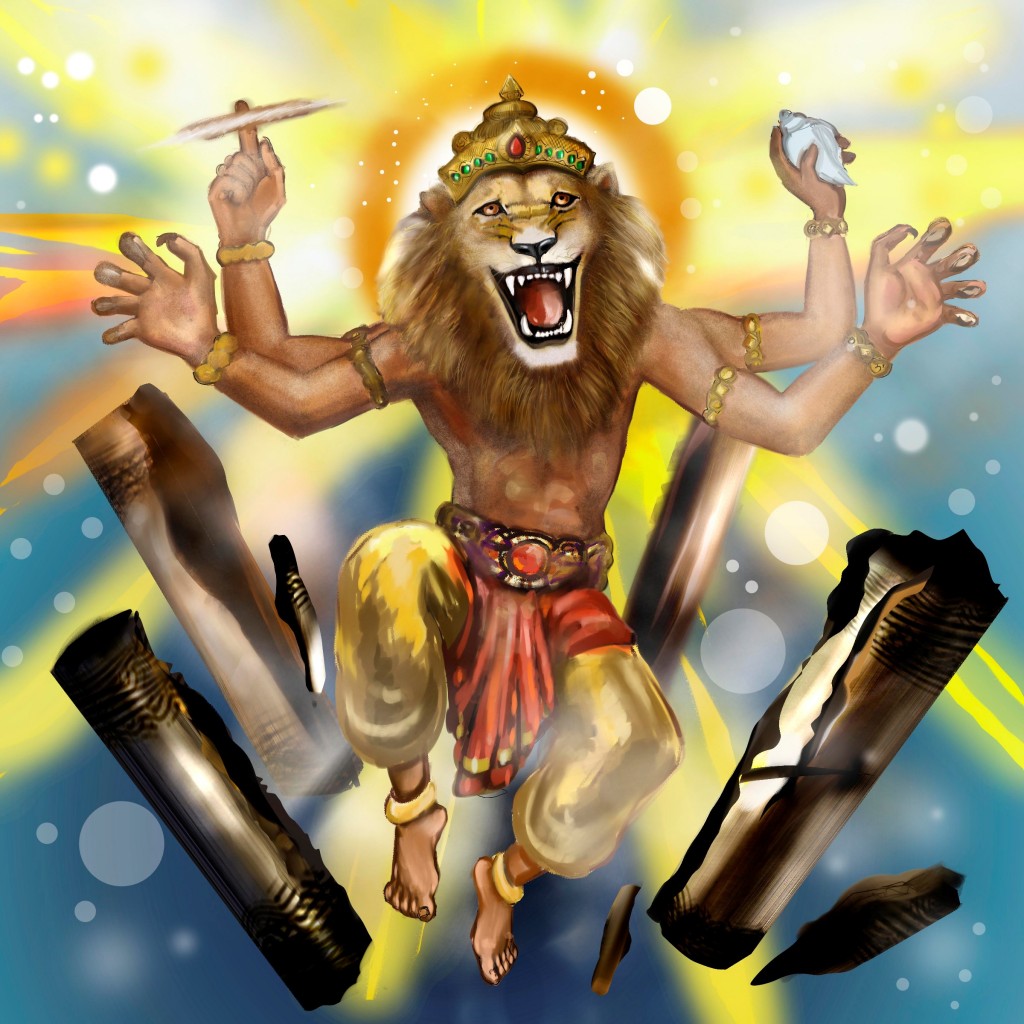
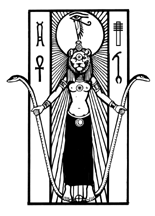
Top Picture: Vishnu’s Lion man incarnation

Bottom: Egyptian Goddess

Please read part-1:Did Indians build Egyptian Pyramids?

Part-2: Vedas and Egyptian Pyramid Texts before reading this part 3.

First sloka of Vishnu Sahasranama was in the Egyptian monuments. New Larouse Encyclopedia of Mythology (page 37) says:

“Today nothing remains of her (Neith) celebrated temple at Sais where Plutarch tells us, could be read the following inscription: ‘I am all that has been, that is and that will be. No mortal has yet been able to lift the veil which covers me’.

As soon as one reads the above quote, one will be reminded of Bhagavad Gita. The first sloka of Vishnu Sahasranama also describes Vishnu as “Bhuta, Bhavya, Bhavath Prabhuhu” meaning Vishnu was the master of past, future and present.

Hindus are the only race in the world that has this concept of time from time immemorial until today. Millions of people recite this Sahasranama and Gita every day. God is beyond time. Not only God but also god men also can go beyond time. We are one step ahead of Einstein.

(Please read my posts: Time Travel by Two Tamil Saints and Do Hindus believe in ETs and Alien Worlds? in my blogs).

This concept has travelled all the way to Egypt from India. The very God Plutarch (46-120 AD) talking about is Neith, a Tamil word. The Egyptian God name is Neith and the meaning in Egyptian is Weaver God (Tamil verb nei means weave).

Vaishnavism in Egypt

Some of the early pharaohs of Egypt like Khufu etc. of the IV dynasty are stated to have been wearing the Namam or the Vaishnavite caste mark. Some of the pharaohs are stated to have been wearing even the Dwathasa Namams on their body, donning the Jogi jeer cap and carrying the Sri Satari and clad in the short s Sanyasin’s garb (vide Egyptian myth and legend page 134, 368 etc and bible dictionary appended to the holy bible edited by the American revision committee page 38).

Some of the bushmen of Australia also are stated to have Vaishnavite caste marks .(please see wonderlands and new light by Sri Vaduvur Doraiswmy Iyengar’s book Wonderlands).

Vishnu’s vehicle Garudan (Falcon/Eagle) is seen in almost all the Egyptian monuments.

Lion Throne (Simhasanam)

Sanskrit literature praises lion as the king of the forest. Brahmana literature also praises both tiger and lion as the leaders of the jungle. Simhasanam (Lion Throne) is a word used in India till this day. In other cultures they have no significance for it or a word for it. ‘Swayameva Mrugenthratha’ is a Sanskrit saying in praise of lion. We see Egyptian Gods and Queens sitting on Lion Thrones (see the picture). Relief from the limestone sarcophagus of Ashait, daughter of king Mentuhopte II, shows Ashait sits on a Simhasanam.

Another goddess is also portrayed like our Narasimhavatar (Lion faced Vishnu incarnation).

Saqqara Maze

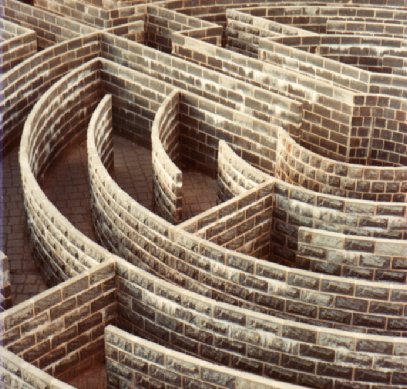
Saqqara is 25 kilometres from Cairo, capital of Egypt. Saqqara has step pyramid, one of the oldest stone structures in the world. Under the pyramid there are maze of tunnels. In Tamil there is a story about Mayil Ravanan. Any one enters his fort can never find one’s way out. It has got a complicated maze. My guess is Saqqara is named because of circular mazes underground. Archaeologists have found maze of tunnels. Chakra (the wheel) is one of the weapons of Vishnu as well.

Picture: This is NOT from Saqqara;this is to show how a maze looks like.


Origin of Egyptians and Sumerians

People of Egypt and Sumeria were very clear about their origin. They say they came from a far off island. A lot of scholars identify this place with Dilmun/Bahrain. They talk about pure, clean place. Sumerians also said the same and they called the god of sweet waters Enki. It may be Gangai. In Tamil Ganga becomes Gangai. All Sanskrit “a “ changes to “i” in Tamil.  In pyramid texts a foot and jar is shown to mean pure and clean. Hindus holy river Ganges comes from the head of Shiva and touches the foot of Vishnu and enters the plain. The footsteps are worshipped by the Hindus. The word Enki=Gangai and the footsteps point in the direction of Ganges. The association with purity and water is notable. Sanskrit is the only language in the world which has highest number of words for water.

(Please read my post 280 SANSKRIT WORDS FOR WATER)

Vedic people are the only race in the world who never claimed of any foreign origin. They claim every bit of India as their own and holy. But the foreigners who tried to disintegrate India said that they came from outside. When they found Sanskrit names around the world, instead of saying Hindus went there, they said Hindus came from those places. If they give five points in support of this curious theory, there are 95 points against this. Only Now Indians are slowly waking up and thinking of re writing their history. They are exploding the myth of Aryan Dravidian Invasion theory with NASA evidence of Saraswati River etc.

Dancers and Musicians

Dancers and musicians portrayed in some of the Egyptian paintings look like Indians. Two dancers and four musicians in the painting from Nebamum tomb at Thebes (1400 BC) resemble Indians.

Limestone relief from El Amarna showing King Akhenaten with his wife Nefertiti making offerings to Aten resembles the posture of Sandhyavandhanam.

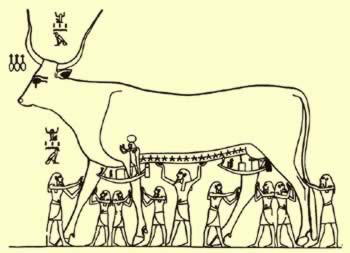
Apis Bull resembles Nandhi of Hindu Shiva temples. Bull and cow were worshipped in Egypt.

Funeral customs

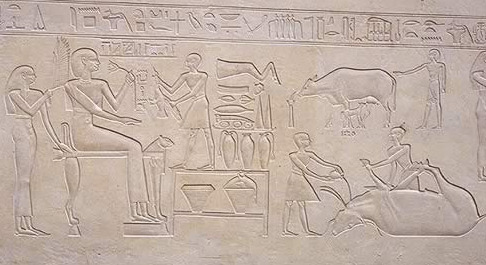
Not only the Book of Dead but also the funerary customs have striking similarities with Hindu customs. In India, on the tenth day after the death of a near and dear one, the eldest son donates more than seventy different things to the priests for the sake of safe passage of the soul. One of them is a cow and another is a boat. The cow is to guide the soul in the right direction and the boat is to cross the river Vaitarani in the hell. Egyptians also show a cow and a boat in the funerary monuments.(See the picture and description in Aryatarangini by A Kalyanaraman-Volume 1).

Continued in Part 4…………………..contact swami_48@yahoo.com

If you are interested in the worship of Vishnu in India also read my posts: Vishnu in Indus Valley Civilization and Secrets of Vishnu Sahasranama.

**************

வானில் நாம் காணும் அர்ஜுனனும் திரௌபதியும்

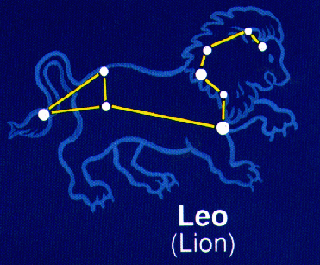
Picture shows Simha (Leo) Rasi

பூரம் உத்தரம் ஆகிய இரு நட்சத்திரங்களும் சிம்மம் கன்னி ராசிகளில் உள்ள நட்சத்திரங்கள்..இவற்றை டெல்டா மற்றும் தீடா லியோ என்றும் பீடா மற்றும் 93 லியோ என்றும் நவீன வானவியல் குறிப்பிடுகிறது. பீடா லியோ, டெனிபோலா எனப்படுகிறது. இவை வெண்மை நிற நட்சத்திரங்கள். இவையே வெண்மை நிறத்தவனான பல்குனனுடன் தொடர்பு கொண்ட நட்சத்திரங்கள். பூரத்திற்கு அர்யமாவும் உத்தரத்திற்கு பகாவும் அதி தேவதைகள். பங்குனி மாதம் பல்குனி நட்சத்திரத்தில் பிறந்ததால் பல்குனன் என்ற பெயரை அர்ஜுனன் பெற்றான்.


நட்சத்திர அதிசயங்கள்


வானில் நாம் காணும் அர்ஜுனனும் திரௌபதியும்

ச.நாகராஜன்

அர்ஜுனி நட்சத்திரம்!


ரிக் வேதம் பூர்வ பல்குனி நக்ஷத்திரத்தை ‘அர்ஜுனி’ என்றே குறிப்பிடுகிறது. (ரிக் வேதம் X.85.13)உலகின்  முதல் இலக்கியமான வேதம் மிகமிகப் பழையது.அதில் அர்ஜுனனைப் பற்றிய குறிப்பு வருகிறதென்றால் மகாபாரதத்தின் பழமையைப் பற்றித் தெரிந்து கொள்ளலாம். வேதம், பூரம் எனப்படும் பூர்வ பல்குனியை ‘அர்ஜுனா பல்குனா:’ எனக் கூறுவதோடு அது இரண்டு நட்சத்திரங்களை உடையது எனக் கூறுகிறது. அர்ஜுனன் என்ற வார்த்தைக்கு வெண்மை என்று பொருள்.இந்த நட்சத்திரங்கள் இரண்டும் வெண்மையாக இருப்பது ஒரு சுவையான செய்தி! இவை இரண்டையும் சேர்த்துப் பார்த்தால் அர்ஜுன மரம் போலத் தோற்றம் இருப்பது தெரிய வரும்! இந்த அர்ஜுன நட்சத்திரத்தின் அருகில் தான் துருபத நட்சத்திரம் காணப்படுகிறது!

சப்தரிஷி மண்டலத்தில் உள்ள 17ம் எண் உடைய நட்சத்திரம் 60 வருட சக்கர சுழற்சியைக் கொண்ட இரட்டை நட்சத்திரம் ஆகும். இந்த சக்கரம் அர்ஜுனனுக்கு மேல் சுழன்று வருவதால் அது தான் அவனது இலக்காக அமைகிறது! அந்த மீனின் கண்ணில் அவன் அம்பை எய்தால் அவன் திரௌபதியை அடையலாம்! இந்த அர்ஜுனி நட்சத்திரத்தில் தான் முன்பு திருமணங்கள் நடைபெறுவது வழக்கமாக இருந்தது!


கன்யா ராசியின் ஆறு நட்சத்திரங்கள்


வானத்தில் கன்யா ராசி மண்டலத்தில் ஆறு நட்சத்திரங்கள் உள்ளன. இவற்றில் பெரும் மர்மங்களும் சுவையான செய்திகளும் அடங்கி உள்ளன!இந்த ஆறு நட்சத்திரங்களில் பெரும் தவத்தைச் செய்து ராமனின் அருளைப் பெற்ற சபரி நட்சத்திரம் அமைவது குறிப்பிடத்தகுந்தது. பெரும் தவத்திற்குரிய இடமான சப்தரிஷி மண்டலம் அருகில் சபரிக்கு உரிய இடம் கிடைத்திருப்பது நியாயம் தானே! ஆறு நட்சத்திரங்களில் முதல் நட்சத்திரம் நீலம் கலந்த வெண்மையுடனும், மூன்றும் ஐந்தும் மஞ்சள் நிறத்துடனும் ஆறாம் நட்சத்திரம் சிவப்பாகவும் ஐந்தாம் நட்சத்திரம் வெண்மையாகவும் காணப்படுவதால் இவை விசித்திரமானவை எனக் குறிக்கப்படும் சொல்லான ‘விசித்ரா’ என அழைக்கப்படுகின்றன. இதில் ஐந்தாம் நட்சத்திரம் (சூர்யனின் ஒளி போன்ற மஞ்சள் நிறத்தை உடையவளான) திரௌபதியாக  அடையாளம் காட்டப்படுகிறது!


வானிலே திரௌபதியின் இடத்தைக் காணும் தர்மர்


மஹாபாரதம் ஸ்வர்க்காரோஹண பர்வத்தில் பூமியில் தம் கடமையை முடித்த பாண்டவர்கள் அனைவரும் வானில் தம் தம் இடத்திற்குச் செல்வதை விரிவாகக் குறிப்பிடுகிறது. (நான்காம் அத்தியாயம்- கோவிந்தன் அர்ஜுனன் ஆகிய இருவரையும் ரிஷிகள் புடை சூழ்ந்த இடத்திலும் பன்னிரெண்டு சூர்யர்களோடு கர்ணனையும், மருத் கணங்களோடு சூழப்பட்ட வாயுவின் அருகில் பீமனையும் அஸ்வினீ தேவர்களின் ஸ்தானத்தில் நகுல சகாதேவர்களையும் பார்க்கிறார்)ஸ்வர்க்க வழியில் செல்லும் தர்மர் ஒவ்வொருவருடைய இருப்பிடத்தையும் இவ்வாறு பார்த்த பின்னர் திரௌபதியின் இடத்திற்கு வந்து அவளைப் பார்க்கிறார். மகாபாரதம் கூறும் சுலோகங்களைப் பார்ப்போம்:

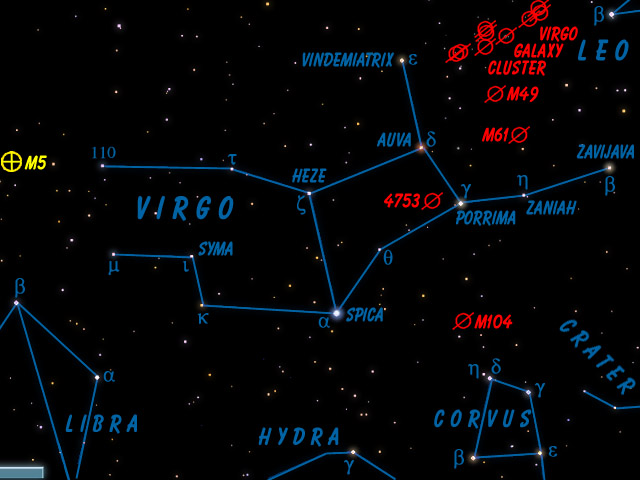
Picture shows stars in the constellation of Virgo (Kanya rasi)

“தாமரை மலர்களாலும் குவளை மலர்களாலுமாகிய மாலையை அணிந்தவளும் ஸ்வர்க்கத்தை விளங்கச் செய்பவளும் சூரியன்  போன்ற ஒளியுள்ளவளுமாகிய திரௌபதியைப் பார்த்தார். அப்போது அவர் அவளைத் தொட விரும்பினார்.அப்போது இந்திரன் அவரை நோக்கி,”யுதிஷ்டிரரே! இவள் கர்ப்பத்தில் பிறவாதவளும் உலகங்களுக்குப் பிரியமானவளும் புண்ய சம்பந்தமுள்ளவளுமான லஷ்மி!இவள் உமக்காக திரௌபதி வடிவம் எடுத்துக் கொண்டு மானிடத்தன்மையை அடைந்தாள்.”


இவ்வாறாக, தனது கடமையை முடித்த திரௌபதி மீண்டும் வானில் தனது ஸ்தானத்திற்குத் திரும்புவதைப் பார்க்கிறோம்.

இத்தோடு கன்யா ராசியில் உள்ள இந்த நட்சத்திரங்களின் மீதான அடுத்த நட்சத்திரங்களின் ஆக்கிரமிப்பைக் குறித்து மேலை நாட்டு அறிஞர் ஆர்.பிரௌன், “கிரேக்க இலக்கியம் இகாரியஸின் மகளான எரிகோனின் ஆபரணங்களை அகற்றும் சம்பவத்தை இது நினவு படுத்துகிறது” என்று குறிப்பிடுகிறார், துச்சாஸனன் திரௌபதியின் துகிலை உரியும் சம்பவத்தை இத்தோடு ஒப்பிட்டால் நாம் வியப்பை அடைவோம்!


கான்பூரையும் கன்யாகுமரியையும் காக்கும் கன்யா மண்டலம்


கன்யா ராசி மண்டலம் கான்பூர்  எனப்படும் கன்யாபுரத்தையும் தென் கோடியில் அமைந்துள்ள கன்யாகுமரியையும் காக்கும் மண்டலமாகத் தொன்று தொட்டு நம் முன்னோரால் சொல்லப்பட்டு வருகிறதுதை நினைவு கூர்ந்து மகிழலாம்!


அர்ஜுனனும் சர் ஜேம்ஸ் ஜீனும் காணும் விஸ்வரூப தரிசனம்!


போர்க்களத்தில் கீதையை கண்ணன்  சொல்லக் கேட்ட அர்ஜுனன் திகைத்து, “பயங்கரமான உக்ரரூபத்துடன் இருக்கிறாயே!நீ யார்?” (ஆக்யாஹி மே கோபவான் உக்ர ரூபோ; கீதை 10-31)என்கிறான். அதற்குக் கண்ணன்,”உலகை அழிக்கும் வலிமை வாய்ந்த காலன் நான்!” (காலோஸ்மி லோக க்ஷயக்ருத் ப்ரவ்ருத்தோ; கீதை 10-32)என்கிறான்!


பிரசித்தி பெற்ற வானியைல் விஞ்ஞானி பயங்கரம் மற்றும் உக்ரம் என அர்ஜுனன் குறிப்பிட்ட ‘டெரர்’ (terror) மற்றும் டெரிபிக்(terrific) என்ற வார்த்தைகளால் பிரபஞ்சத்தின் விஸ்வரூபத்தை வானில் கண்டு பின் வருமாறு குறிப்பிடுகிறார்:-“ நமது பூமியைச் சுற்றி பரவி இருக்கும் பிரபஞ்சத்தின் நோக்கத்தையும் இயற்கையையும் கண்டுபிடிக்க முயலும் நமக்கு அது பயங்கரமாகத் தோற்றமளிக்கிறது! அதனுடைய அர்த்தமே காண முடியாத  பரந்த  தூரங்களும் கற்பனைக்கும் எட்ட முடியாத காலமுமே இந்த பயங்கரத்திற்கான காரணங்கள்! பிரபஞ்சத்தின் எல்லையற்ற காலத்தின் முன் நாம் கூனிக் குறுகுவதோடு மனித குல சரித்திரமே இமைக்கும் நேரத்திற்கும் கீழாக இருப்பதையும் காண்கிறோம். பரந்த வெளியில் மனித குலமாகிய நாம் மட்டும் தனித்து நமது வீடாகிய பூமியில் இருக்கிறோம்!உலகின் எல்லா சமுத்திர மணல்களையும் பிரபஞ்சமாக வைத்துக் கொண்டால் அதில் ஒரு சிறுமணல் துகளின் பத்து லட்சத்தில் ஒரு பகுதி போல நாம் பிரபஞ்சத்தில் இருக்கிறோம்!!”


அர்ஜுனன் கண்ட விசுவரூப தரிசனத்தில் அவன் பயந்து கூறிய அதே சொற்களை விஞ்ஞானி அப்படியே கூறுவது வியப்பை அளிப்பதாக இருக்கிறது.


விஞ்ஞானமும் புராணமும் ஒரே விஷயத்தை இரு வேறு வழிகள் வாயிலாகக் காண்பிக்கின்றன என்று பிரபல வானியல் விஞ்ஞானி டாக்டர் ஹெர்பர்ட் டிங்கிள் கூறியது மிகப் பொருத்தமாக அமைகிறது!


*********************************