Heroic Rajput Prince (Post No.5237)

WRITTEN by London swaminathan

Date: 19 JULY 2018


Time uploaded in London – 19-41 (British Summer Time)


Post No. 5237


Pictures shown here are taken from various sources such as Facebook friends, Wikipedia, Books, Google and newspapers; thanks. Pictures may be subject to copyright laws.


Rajputs are famous for their heroism and sense of honour. Colonel Tod in his book Annals and Antiquities of Rajasthan narrates an anecdote. This happened in the period of Mogul emperor Aurnagzeb:


A prince was asked to show respect to the emperor when he was arrested and presented in front of the king. When he was asked to bow his head, he showed his feet and commanded more respect!


Following is the story from Tod’s book:


“The reply of the Deorah Prince of Sirohi (in Rajasthan) shows the high spirit and the independence of character of a  true Rajput and his intense love for his country. He was arrested while he was asleep in the palace by Mokund Das, one of the Generals of Jaswant Sing. Mokund Das told him that no one is exempted from profound obeisance to the emperor.


The prince told him that “his life was in King’s hands and his honour in his own; he had never bowed the head to mortal man, and never would”.

As Jaswant had pledged himself for his honourable treatment, the officers of the ceremonies endeavoured by stratagem to obtain a constrained obeisance, and instead of introducing him as usual, they allowed him a wicket, knee high and very low overhead by which to enter, but putting his feet foremost, his head was the past part to appear.


This stubborn ingenuity, his noble bearing and his long protracted resistance, added to Jaswant Sing pledge, won the king’s favour; and he not only offered him pardon, but whatever lands he might desire.


‘Though the king did not name the return, Soortan was well aware of the terms, but he boldly and quickly replied, ‘what can your Majesty bestow equal to Ahalgarh? Let me return to it is all I ask’.


The king had the magnanimity to comply with his request; Soortan was allowed to retire to the castle of Abu, nor did he, any of the Deoras ever rank themselves amongst the vassals of the empire; but they have continued to the present hour a life of almost savage independence”.

Tod’s Rajasthan Vol.II, pp 56, 57


Earlier posts on the same subject:


  1. Kanaikkal Irumporai | Tamil and Vedas

tamilandvedas.com/tag/kanaikkal-irumporai

Posts about Kanaikkal Irumporai written by Tamil and Vedas


ஹிந்து தேசம் என அறிவிக்க ஹிந்து மாநாட்டில் தீர்மானங்கள் (Post No.5226)

Written by S NAGARAJAN


Date: 17 JULY 2018


Time uploaded in London –   7-54 AM (British Summer Time)


Post No. 5226


Pictures shown here are taken from various sources such as Facebook friends, Wikipedia, Books, Google and newspapers; thanks. Pictures may be subject to copyright laws.


ஏழாவது அகில இந்திய ஹிந்து மாநாட்டில் நிறைவேற்றப்பட்ட தீர்மானங்கள்!

ச.நாகராஜன்


ஏழாவது அகில இந்திய ஹிந்து மாநாட்டில் நிறைவேற்றப்பட்ட தீர்மானங்கள் மிக முக்கியமானவை. ஒவ்வொரு ஹிந்துவின் மனதிலும் எழும் உறுதியான தீர்மானங்கள் இவை.


இவற்றின் சாரத்தை தமிழிலும் மூலத்தை ஆங்கிலத்திலும் இங்கே படிக்கலாம்.


1.இந்தியாவை ஹிந்து தேசம் என அறிவிக்க சட்டபூர்வமாக முயற்சிகளை எல்லா ஹிந்து சங்கங்களும் எடுக்கும்.

  1. நேப்பாளத்தை ஹிந்து தேசம் என அறிவிக்க அகில இந்திய ஹிந்து மாநாடு முழு ஆதரவையும் அளிக்கும்.
  2. மத்திய அரசு தேசம் முழுவதும் பசு வதையைத் தடுக்க அறிவிப்பை வெளியிட வேண்டும்.
  3. பாகிஸ்தான், பங்களாதேஷ், லங்கா ஆகிய நாடுகளில் உள்ள ஹிந்துக்களுக்கு இழைக்கும் கொடுமைகள் பற்றி அகில உலக மனித உரிமைகள் நிறுவனமும் இந்திய அரசும் இணைந்து ஆய்வு நடத்த வேண்டும்.


5.வெளியேற்றப்பட்ட காஷ்மீரி பண்டிட்கள் மீண்டும் அங்கு குடியமர்த்தப்பட வேண்டும்.

6.ஜம்முவிலும் இந்தியாவெங்கிலும் சட்டத்திற்குப் புறம்பாக வாழும் ரோஹிங்யா முஸ்லீம்கள் உடனடியாக நாட்டை விட்டு வெளியேற்றப்பட வேண்டும்.


  1. ராம சேனை தலைவர் ப்ரமோத் முத்தாலிக் அவர்களை நுழையக் கூடாது என்று தடை விதித்திருப்பதையும் கோவா அரசின் நியாயமற்ற நடவடிக்கைகளையும் இந்த மாநாடு கண்டிக்கிறது.


  1. சனாதன சன்ஸத்தின் ஊழியர்களை நாத்திகவாதிகளைக் கொலை செய்த சம்பவம் பற்றி ஆய்வு நடத்தும் முகமைகள் தேவையற்ற விதத்தில் கொடுமைப் படுத்துவதை தடுக்க மத்திய அரசு நடவடிக்கை எடுக்க வேண்டும்.


  1. *Resolutions passed in the 7th All India Hindu Convention*


  1. All pro-Hindu organisations will use constitutional means to work towards declaring India, a Hindu Nation (not just for the country, but for the well being of the world). The Indian parliament should respect and fulfil the moral rights of the Hindu majority and declare India, a Hindu Nation.

22-06-2018 TRUTH 15


  1. The All India Hindu Convention extends its full support to Nepal being declared as a Hindu nation.
  2. The Central government should take into account the sentiments of the Hindu majority and declare a nationwide ban on cow slaughter and religious conversion, as well as take a prompt decision on constructing Ram Mandir in Ayodhya.
  3. The International Human Rights organization and the Indian government should jointly investigate the atrocities inflicted on the Hindus in Pakistan, Bangladesh and Sri Lanka. Also the lives of the Hindu minority settled there should be secured.
  4. The displaced Kashmiri Pandits should be rehabilitated. Panun Kashmir, a Union Territory should be established in Jammu & Kashmir for the Kashmiri Pandits.
  5. The Rohingya muslims living illegally in Jammu and across India should be deported immediately.


  1. The All India Hindu Convention condemns the ban on the entry of Shri Pramod Muthalik, Founder-President, Sri Ram Sene, and the unjust policing of the state government of Goa.
  2. The Central government should take steps to prevent unwarranted harassment of Sanatan Sanstha’s innocent seekers by the agencies investigating the killings of atheists.


ஹிந்து நிறுவனங்களின் பொது வேலைத் திட்டம்


  1. 223 சிறிய, நடுத்தர மற்றும் பெரிய தர்ம ஜாக்ருதி சபைகள்


  1. 42 புதிய இடங்களில் மாதாந்திர ராஷ்ட்ரீய ஹிந்து ஆந்தோலன்
  2. 56 ஹிந்து ராஷ்ட்ர சங்கடக் ஒர்க்‌ஷாப்புகள் !
  3. ஹிந்து ராஷ்ட்ரம் பற்றி 36 கருத்தரங்கங்கள்!
  4. ஹிந்து ராஷ்ட்ர ஜாக்ருதி பைடக்கை 485 கிராமங்களில் நடத்தல் (ஹிந்து ராஷ்ட்ரம் பற்றி வெகுஜன விழிப்புணர்ச்சிக் கூட்டங்கள்)!


  1. ஹிந்து மாநாடுகள் – 26 மாவட்ட அளவிலும் 10 மண்டல அளவிலும் 3 மாநில அளவிலும்!
  2. 95 சௌர்யஜாக்ரன் முகாம்கள், 50 அங்கீகரிக்கப்பட்ட பேச்சாளர்களுக்கான பயிற்சி ஒர்க்‌ஷாப்புகள், 60 சமூக ஊடக ஒர்க்‌ஷாப்புகள், மற்றும் 40 ஆன்மீக தொடர்பான ஒர்க்‌ஷாப்புகள்

நடத்தப்படும்.

ஹிந்து என்று சொல்லிக் கொள்வோர் அறிவற்ற அச்சுப் பதிப்புகளாலும், மின்னணு ஊடகங்களாலும், மிஷனரிகளால் தூண்டிவிடப்பட்ட கான்வெண்ட் பள்ளிகளாலும், ஹிந்து விரோத கல்விக்கூடங்களாலும், செகுலர் என்று சொல்லிக் கொள்ளும் அரசியல் முகமைகளாலும் ஹிந்துத்வம் பற்றிய தவறான கருத்துக்களை ஹிந்து ஒற்றுமையைக் குலைக்கவும் அரசியல் ஆதாயங்களுக்காகவும் பரப்புகின்றனர்.


அனைவரது நன்மைக்காகவும் புனித வழியில் வாழ்க்கையை அர்ப்பணிக்கும் ஹிந்து தர்மம் மற்றும் அதன் அடிப்படை கொள்கைகள் பற்றிய  அறிவும் அதன் மீது மதிப்பும் இல்லாத சக்திகளை எதிர்த்து உலகெங்குமுள்ள ஹிந்துக்கள் உட்பிரிவுகள், வகுப்பு பேதமின்றி ஒன்றாக இணைந்து சவால்களை எதிர் கொள்ள வேண்டும்.


ஆங்கில மூலத்தைக் கீழே காணலாம்:

*Common action plan by the participating Hindu organizations !*

  1. 223 small, medium and large Dharmajagruti Sabhas, and Ek vakta (Single Speaker) Sabha !
  2. Monthly Rashtriya Hindu Andolans (National Hindu Movement) at 42 new

places !

  1. 56 Hindu Rashtra Sangathak workshops !
  2. 36 symposia on Hindu Rashtra !
  3. 485 village level ‘Hindu Rashtra-jagruti Baithak’ (Public Awareness Meetings on Hindu Nation) !
  4. 26 district level, 10 zonal level and 3 state level Hindu conventions !
  5. 95 Shouryajagaran camps, 50 spokesperson training workshops, 60 social media workshops and 40 spirituality related workshops will be conducted.

[Thanking you, Yours Truly, Shri. Ramesh Shinde, National Spokesperson, Hindu

Janajagruti Samiti, (Contact : 09987966666) JAYATHU JAYATHU HINDU RASHTRAM

The (ALIKA) Hindus, the ignorant print and electronic media, missionary guided convent schools and anti-Hindu educational institutions, encouraged by so called secular political agencies are bent upon promoting wrong ideas regarding Hinduism and disrupt Hindu unity to derive political benefits. All Hindus across the world irrespective of sects and class need to remain united to face the challenges ahead from forces who have no knowledge or reverence for Hindu Dharma and in its basic tenets, that uphold a sacred way of life dedicated to the welfare of all without malice and ill will.

நன்றி:  TRUTH VOL. 86 NO. 10 DATED 22-6-2018

***

Truth may be blamed, but cannot be shamed! (Post No.5218)

Written by London swaminathan


Date: 14 JULY 2018


Time uploaded in London – 20-19 (British Summer Time)


Post No. 5218


Pictures shown here are taken from various sources such as Facebook friends, Wikipedia, Books, Google and newspapers; thanks. Pictures may be subject to copyright laws.


More  Proverbs on Truth!

Truth and oil are ever above!

Truth is always visible; perceivable. No one can hide it. It stands out.

In Tamil there is a proverb, you can never hide a whole pumpkin in the cooked rice. White pumpkin grown in Tamil Nadu is of the size of four foot balls. (Tamil-Muzup puusanikkaayai sotril maraikka mudiyaathu)

Truth needs not many words.

A liar must concoct a big story. To justify one lie another lie is added. From a mole hill a mountain is created. But with the truth, just the facts will do the work.

Truth may be blamed, but cannot be shamed.

We normally attribute all our failures to something. It may be a fact, but it wont justify our action.

A poor man says that he stole something because of poverty or starvation.

A prostitute may say that she entertains people because she needs money.

So one may blame the truth but it can never be shamed. That is the real fault lies somewhere no on truth.

Tamil poet Tiruvalluvar’s Tamil Veda Tirukkural says,

Even it be to save your own beloved mother from starvation, let not your hands be defiled with what the sages have condemned as a heinous wrong.(656)
xxx


1.Many a true word is spoken in jest

2.In wine there is truth

3.Children and fools speak the truth

These three proverbs are very interesting.

Drunken men, children and fools speak the truth!

Even saint Rama Krishna Paramahamsa said this: “Heaven sometimes speaks through the mouths of lunatics, drunkards and children”.
xxx

1.Nothing hurts like the truth!


2.Truth finds foes, where it makes none

3.All truths are not to be told

4.Follow not truth too near the heels, lest it dash out thy teeth.


Tamil poet Thiruvalluvar and Manu, the law maker agree on this point.


Tamil Veda Tirukkural says,

What is truthfulness? It is the utterance of such words that smack not of even slightest taint of evil (Kural 291)

Manu says

In a case where telling the truth would cause the death of a servant ,Sudra or a ruler/Kshatriya or a Brahmana, one should tell a lie, for that is better than the truth- Manu Smrti 8-104

If it will produce pure, unmixed good, even falsehood may be considered truth — Tirukkural, 292

satyam bruyat priyam bruyat na bruyat satyam apriyam
priyam ca nanrutam bruyat esha dharmah sanatanah

Speak truth in such a way that it should be pleasing to others. Never speak truth, which is unpleasant to others. Never speak untruth, which might be pleasant. This is the path of eternal morality, sanatana dharma (Manu Smrti 4-138)

xxx
Lies have short legs

Liars have need of good memories

Great talkers are great liars. (Think about our politicians)

It is a well known fact that one lie must be supported by another lie. They will expose themselves. They cannot last long.
xxx
A liar is not believed when he speaks the truth

All of us know the famous fable. A villager always called everyone for help saying Tiger is comin, Tiger is coming; When all the villagers ran for his help he mocked at them as fools. Oe day when he was really attacked by tiger he raised the same slogan and no one came for his help. The consequence is obvious.

One lies make many

Murder will be out ( cannot be hid)

A traveller may lie with authority.

Lying and thieving go together.

xxx

It is true that all men say.

If many honest impartial voice their opinion and if it is the same, then there must be truth in it. One doesn’t need to worry about common man.


Tamil Veda Tirukkural says,

the arrogant fool, who denies what all the world firmly believes

will be considered a veritable demon stalking the earth- kural 850
xxx
Common fame is seldom to blame

Paper won’t blush 


I have already given Sanskrit proverbs on Truth in an article.

Please read my earlier posts.

–Subham–

Hindu Treasures in Moscow Museum (Post No.5207)

Compiled by London swaminathan


Date: 11 JULY 2018


Time uploaded in London – 8-37 am  (British Summer Time)


Post No. 5207


Pictures shown here are taken from various sources such as Facebook friends, Wikipedia, Books, Google and newspapers; thanks. Pictures may be subject to copyright laws.


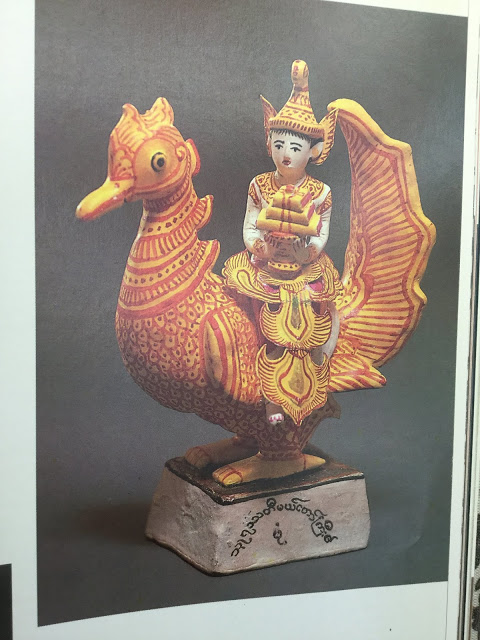
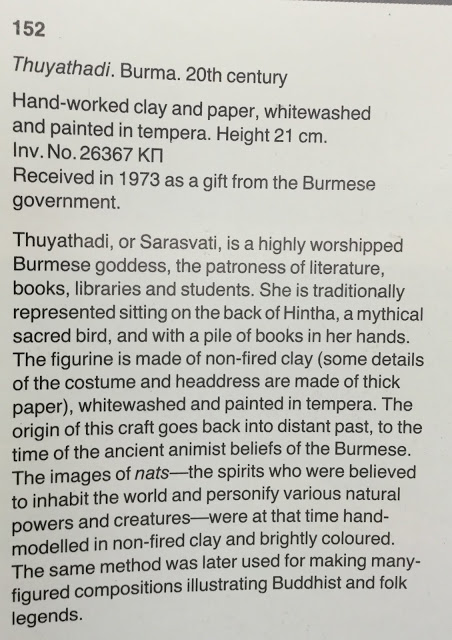
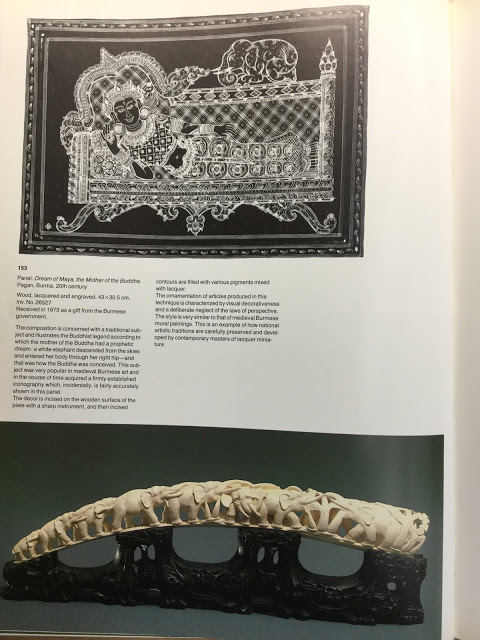
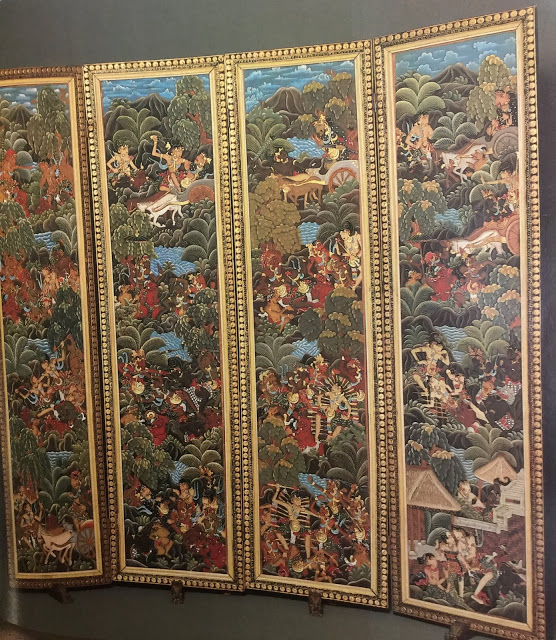
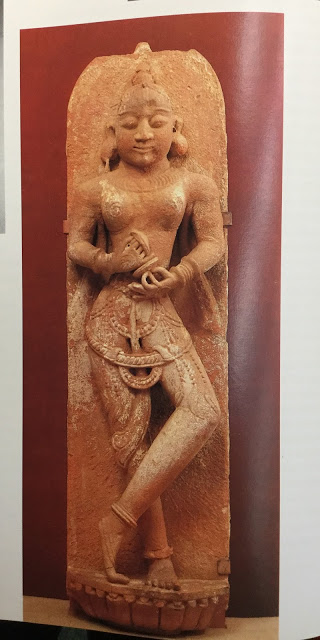
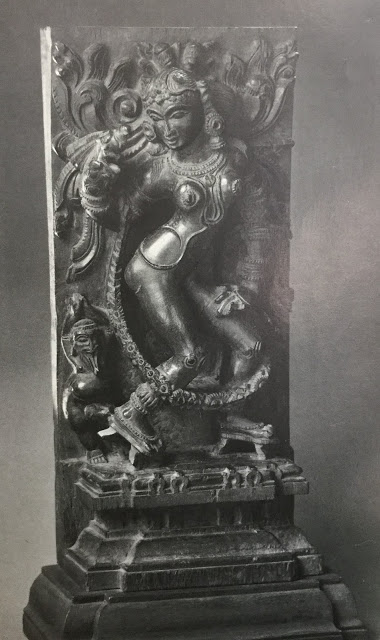
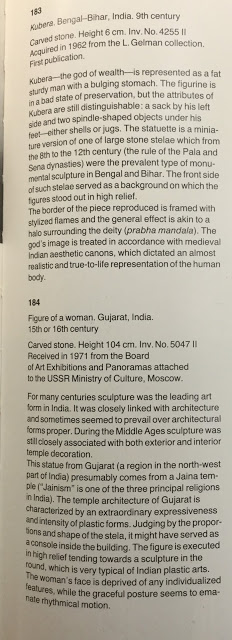
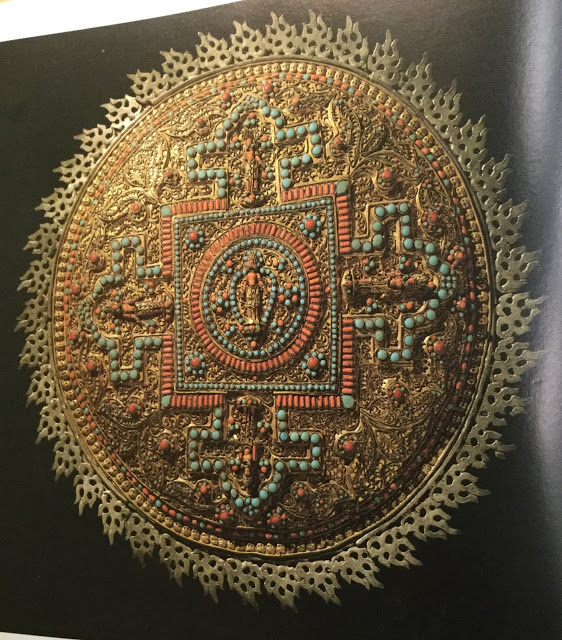
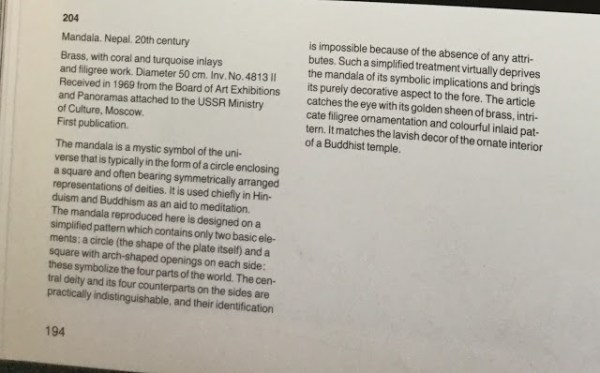
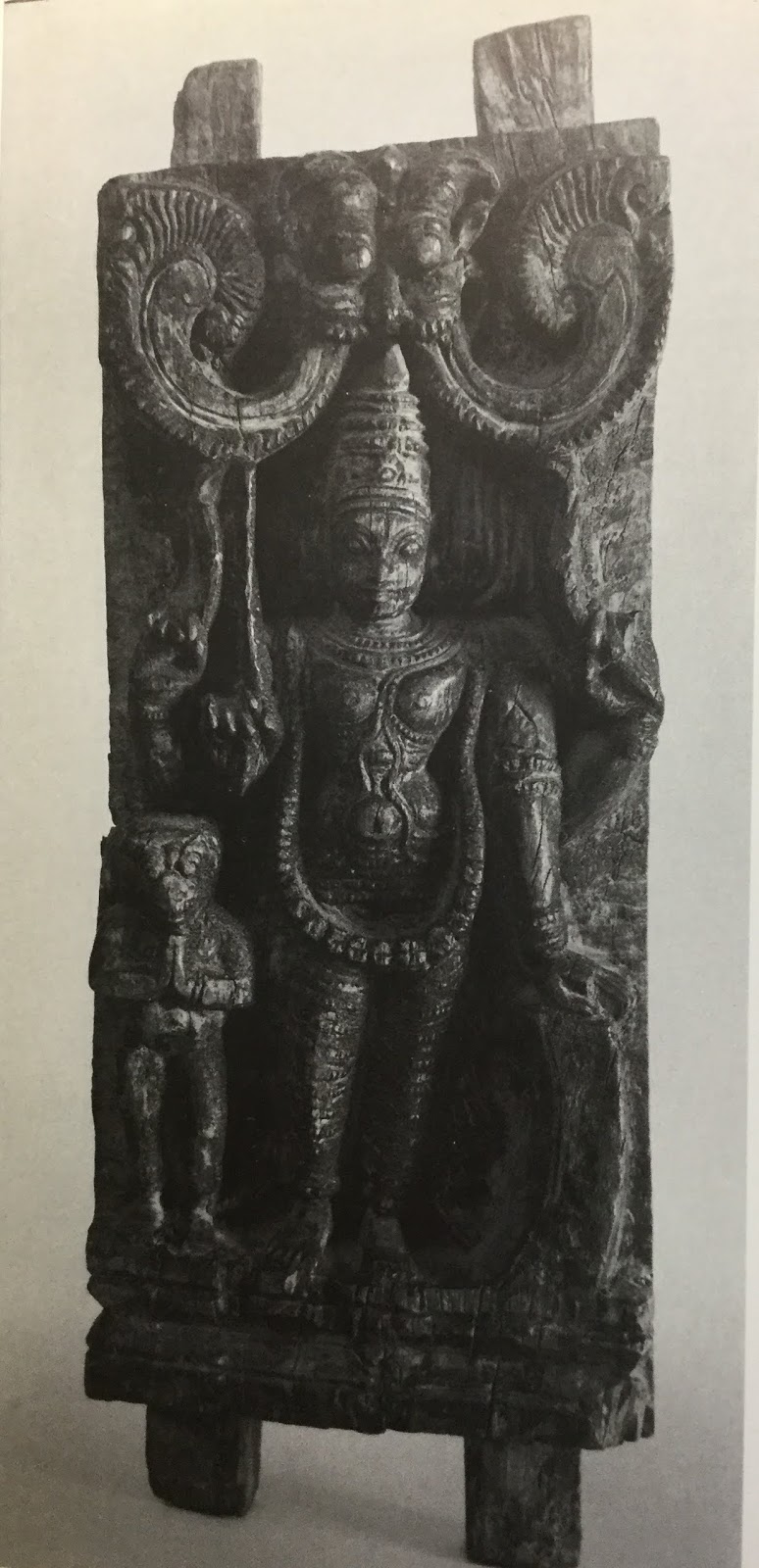
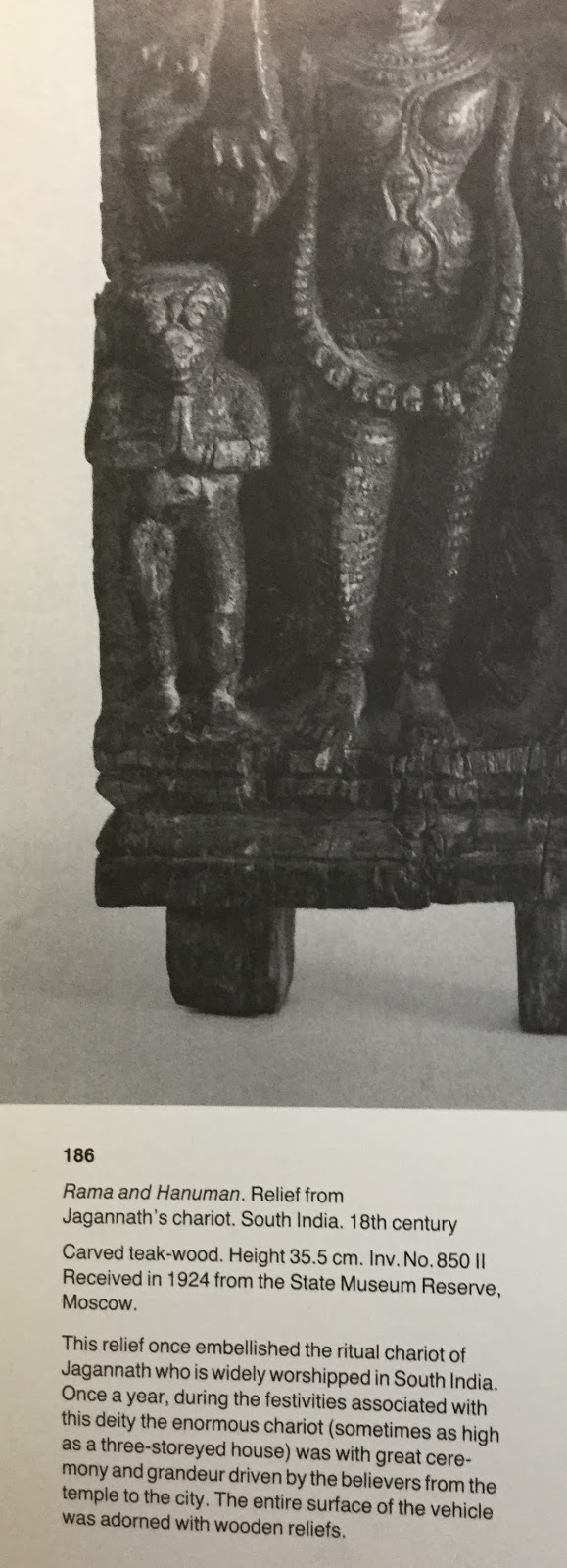
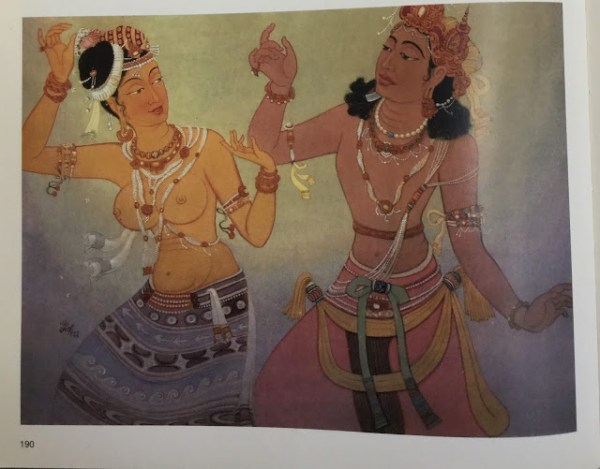
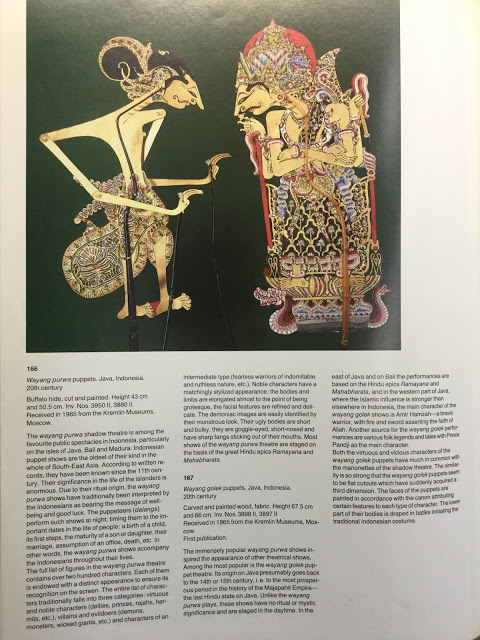
The following sculptures, paintings, wood carvings are from Moscow Museum; they depict Hitopadesa/ Panchatantra story (Crane and Crab), graceful women from Gujarat, Wayang puppet of Hindu epics Ramayana and Mahabharata, Mahabharata war, Sarasvati from Burma, Mandala from Buddhism, Rama-Hanuman carving in teakwood, Kubera and Urvasi-Pururuvas story of Rig Veda. There are many more treasures from South Asian and South East Asian countries. They are copied from the book.


SARASVATI FROM MYANMAR/ BURMA

DREAM OF MAYADEVI ABOUT BUDDHA’S BIRTH

HINDU THEMES IN BALI FOLDING SCREEN

CRANE AND CRAB STORY FROM PANCHATANTRA


WOMEN FROM GUJARAT


KUBERA- LORD OF TREASURES

MANDALA FROM BUDDHISM


RAMA AND HANUMAN ON TEAK WOOD CARVING


URVASI AND PURURUVAS- STORY FROM RIG VEDA.


WAYANG PUPPETS OF INDONESIA WITH HINDU EPIC CHARACTERS – SUBHAM-

A STORY ON HOSPITALITY-RIG VEDA AND PERIYA PURANA (Post No.5204)

Written by London swaminathan


Date: 10 JULY 2018


Time uploaded in London – 14-24   (British Summer Time)


Post No. 5204


Pictures shown here are taken from various sources such as Facebook friends, Wikipedia, Books, Google and newspapers; thanks. Pictures may be subject to copyright laws.

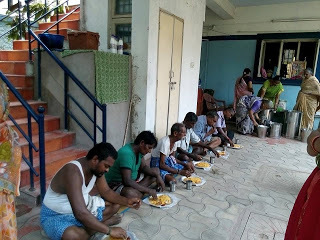
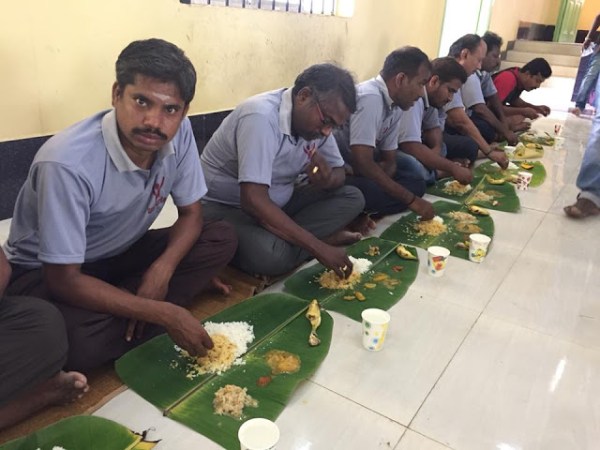
Hospitality is a virtue praised in the Rig Veda (10-117) and the  Sangam Tamil Literature. A Tamil verse in Purananuru ( verse 182) says that even if it is the ambrosia from Indra Loka, Tamils wouldn’t eat it alone, without sharing. From the oldest book in the world Rig Veda to the latest film songs, Hindus praise this virtue as an act which gives one religious merit (Punya). Tirukkural, the Tamil Veda has lot of verses on it. There are thousands of Choultries (Chatras) which have been giving free food for guests from the Vedic Days.

In Bhagavad Gita (3-13), Lord Krishna says that one who cooks for himself alone is a sinner.

There is a story in Tamil Periya Purana to illustrate this point:

Periapuranam written by Sekkizar , is a great Tamil literary master piece which gives the life stories of 63 Siva Devotees of Tamil Nadu in verses. Like Shakespeare had portrayed human nature in all its diverse subtle aspects in his dramas, Sekkizar  has given us  unrivalled picture of the myriad sided character of the human mind in the world of religious and mystic life. The only difference is that Shakespeare used the medium of drama for unfolding his ideas, while poet Sekkizar has chosen the narrative form of literature. We have about 4000 verses in the Periya Puranam. Sekkizar lived 500 years before Shakespeare.

Here is the story highlighting the virtue of hospitality:-

Ilayankudi was a small village in Tamil Nadu. There lived a farmer by name Maran. He was so philanthropic that he donated all his wealth or life earnings to the devotees of Lord Siva.

According to Periya puranam, Lord Siva wanted to show the world that Mara Nayanar was imbued with true love and service towards his devotees.

One day ,during the rainy season, a Siva devotee knocked at the door of Mara Nayanar at the dead of night. Nayanar received him with a smile in his face and asked him to wait in the front room. When he asked his wife to cook something for him, she told him that there was no rice in the house.  She remembered however one thing; they sowed the paddy that day in their land, and if they could be collected, she could prepare some food.

As he heard his wife’s words, he felt glad as though he had recovered a lost treasure. He started at once to bring the paddy seeds. It was pouring down and there was pitch darkness. Impelled by love and spirit of hospitality, he took a basket, covered his head and collected as much paddy as he could from the muddy field. The seeds were floating the rain water. His wife prepared food after cleaning them. She asked him to collect the greens (spinach) from the backyard and prepared different dishes with the same greens.

When the food war ready, hot and steaming, Maran went to the front of the house to invite his guest for dinner. But the guest suddenly disappeared and in place rose a Brilliance and the couple saw the Divine Presence of Lod Siva and Parvati.


This story illustrates two things: the respect shown to Siva’s devotees and the hospitality.

We have a beautiful hymn Rig Veda (10-117) about this virtue:


Guests in the Rig Veda (10-117)


The Devas have not given hunger to be our death,

even to the well-fed man death comes in many shapes

The wealth of the liberal never wastes away,

he who gives no protection finds no consoler.(1)


He who, possessed of food, hardens his heart against

the weak man, craving nourishment, and suffering,

who comes to him for help, though of old he helped him

surely such a one finds no consoler.(2)


He is liberal who gives to one who asks for alms

to the distressed man who seeks food, wandering; success comes to him in the challenge of battle

and for future conflicts he makes a friend for him. (3)


He is no friend who does not give to a friend

to a comrade who comes imploring for food;

let him leave such a man – his is not a home—

and rather seek a stranger who brings him comfort. (4)


Let the rich man satisfy one who seeks help

and let him look upon a longer pathway;

wealth revolves like the wheels of a chariot,

coming now to one, now to another. (5)


–Subham–


Interesting Stories from Mithila, Sita’s Birth Place (Post No.5190)

Sita Mandir, Janakpur, Nepal.

COMPILED  by London swaminathan


Date: 7 JULY 2018


Time uploaded in London –   7-17 am  (British Summer Time)


Post No. 5190


Pictures shown here are taken from various sources such as Facebook friends, Wikipedia, Books, Google and newspapers; thanks. Pictures may be subject to copyright laws.


There are many interesting stories about the City of Mithilaa.
The most famous story is from the Upanishad about the philosopher king Janaka discussing the meaning of the Veda when Mithila was on fire.
Janaka was not only a great king and a great sacrificer but also a great patron of culture and philosophy. His court was adorned with learned Brahmanas from Kosala and Kuru Panchala regions. Some of them are named , Asvala, Jaratkarva, Artabhaga Miss Garki Vacaknavi, Uddalaka Aruni, Vidagdha Sakalya and Kahoda Kausitakeya A Brahmin named Brahmayu who was well versed in history, grammar and worldly wisdom lived in Mithilaa.

In the Mahabharata,12-17, there is a saying attributed to Janaka of Mithilaa. Seeing his city burning in a fire the king of Mithilaa sang thus
“In this world, nothing of mine is burning
Mithilaayaam pradtaayaam na me dahyati kincana”

xxx

But there are other stories not that popular.
Mithilaa was the capital of the kingdom of Videha also called Tirabhkti, modern Tirhut.

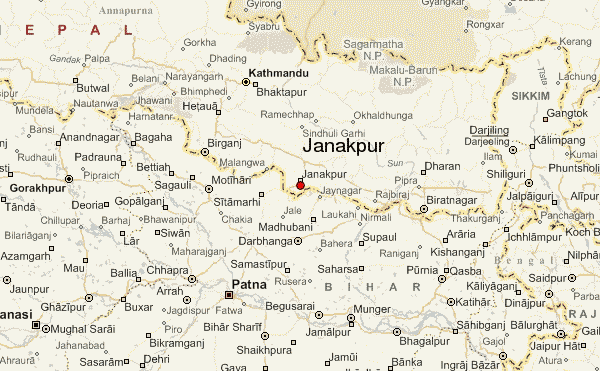
Mithila has been identified with the modern Janakapura, a small town within the Nepal border.

During the reign of Janaka, it took Visvamitra together with Rama and Lakshmana four days to reach Mithilaa from Ayodhyaa to. On the way they rested for one night at Visala (Valmiki Ramayana)

(My comments: the road distance today is 450 kms. They must have travelled by a short cut route and they could have walked at least 50 miles a day or by horse ride it is quicker)
According to Satapata Brahmana, Videha was so named after Madhava, the Videha who colonised it. Videha was famous for handsome people and horses of noble breed
xx


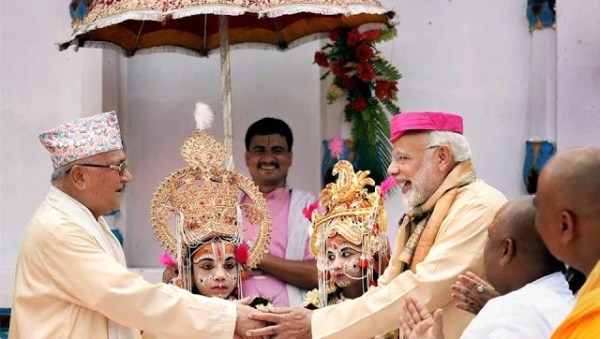
Narendra Modi in Janakpur, Nepal.
Mahabharata on Mithilaa
Bhima and Arjuna visited it with Krishna on his way from Indraprastha to Rajagriha.

Mahabharata points out that Karna conquered  Mithilaa during his digvijaya.


xxx
Jain literature on Mithilaa
Mahavira 24th Tirthankara of Jainism Mahavira was born in Videha and he lived there for thirty years. He was called Videha and his mother was called Videhadattaa.

xxx

Story of Nimi
Vasisthta having performed a fire sacrifice of Indra proceeded to Mithilaa to commence a sacrifice for King Nimi. On reaching there he came to know that the king had engaged Gautama to perform the sacrificial rites. Seeing the king asleep he cursed him thus king Nimi will be bodiless. (Videha =vigata Deha) because he rejected me. The king on awakening cursed Vasistha saying that he too would perish as he cursed a sleeping king.
The sages churned the body of Nimi and as a result of the churning a child was born, afterwards known as Mithi. After Mithi, Mithilaa was named and the kings were called Maithilas.
This is in Vishnu Purana
Xxx


Jataka stories
MIthila had at each of it’s four gates a market town. They formed for suburban towns. Videha contained 16000 villages 16000 store houses and 16000 dancing girls.


A disciple of the Buddha who was an inhabitant of Sravasti took cart loads of articles and went to Videha for trade. There he sold his articles and filled the carts with articles got in exchange.

King Videha had four sages to instruct him in law. The son of this king was educated at Taxila. A young named Pinguttara living in Mithilaa went to  Taxasiila and studied under a famous teacher. He soon completed his education. Then after diligent study he proposed to take leave of his teacher and go back home. But in the teacher’s family there was a custom if there be any daughter ripe for marriage, she should be given to the eldest pupil. So the teacher said,
I shall give you my daughter and you shall take her with you. He went home as a married man.
Xxx

Sumedha and Buddha


Sumedha, a childless widow of Suruchi, king of Mithilaa prayed for a son. She took the eight fold vow (Ashtasiilaani), and sat meditating upon the virtues. Sakka  in the guise of a sage came to fulfil her desire. He was entreated by her to grant her the boon of a son. She was asked by him to sing her own praises in fifteen stanzas, which she did to his satisfaction. Afterwards she was blessed with a child.

Xxx
Videha was ruled by Cedaga, Mahavira’s maternal uncle. He was an influential leader of Lichchavi confederacy. His daughter Cellanaa or Vaidehi was married to Srenika Bimbisara of Magadha and became the father of Kunika Ajatasatru

XX x

Vedas mentioned a king named Namiisaapya
Xxx
600000 pieces a day!
King Saadhina of Mithilaa lived in happiness for many years. He ruled this city righteously. Six alms halls were built by him. Daily sixth thousand pieces were spent in alms.
Xxx
Bodhi sattvaavadana kala of Kshemendra refers to Mithilaa ruled by Pusphadeva who had two pious sons named Chandra and Surya. The munificent king Vijitavi of Mithilaa was banished from his kingdom. He took shelter in a leaf hut near the Himalayas. Mithilaa was governed by the descendants of a Nagadeva, Sagaradeva, and Mahadeva
Xxx
3000 Kings of India!!!

Sita Stamp.

Some time back I started posting the names of 3000 Kings of India. After 1500 plus, kings I got one here and one there. So I stopped posting them Here in  Mithilaa, we come across following new names:

Mostly from Jataka stories

Mahajanaka,

King Saadhina,
Namisaapya, Vedic index I, 436
Pushpadeva,
Vijitaavi
Cedaga, jain sources
King Angati,
Mithi
King Mahadeva (Madhva)
King Pabhata
King Suruci

Nagadeva
Sagaradeva

(other kings are already covered in the Purana list of Kings)
Xxx
Polygamy
Brahmadatta, king of Benares, had a daughter named Sumedha whom he declined to give in marriage to a Videha king who had large number of wives, fearing that her cowives wold make herself life miserable. Polygamy appears to have been in vogue among some Videha kings.


Source- India Antiqua, Leyden, 1947

Xxx SUBHAM xxx

RARE PAINTINGS AND RARE SCULPTURES (Post No.5188)

COMPILED  by London swaminathan


Date: 6 JULY 2018


Time uploaded in London –   13-58

 (British Summer Time)


Post No. 5188


Pictures shown here are taken from various sources such as Facebook friends, Wikipedia, Books, Google and newspapers; thanks. Pictures may be subject to copyright laws.


A KRISHNA WITH A LION AND ELEPHANT IN TWO HANDS IN THAILAND PRASART MUSEUM. PALLAVA PAITINGS OF SITHTHANNAVASAL (TAMIL NADU) ARE IN 1926 BOOK. KRISHNA’S ADVENTURE OF LIFTING GOVARDHANA HILL IS IN GUJARAT. SOME RARE PIECES FROM VERY OLD BOOK ARE GIVEN BELOW:


MAHADEVA- PALLAVA PERIOD

GANDHARVA

APSARA

MUSIC PARTY- BAGH FRESCO

KRISHNA LIFTING GOVARDHANA HILL

RAMA’S DEPARTURE FROM AYODHYA

DAANA LILA


WOMAN IN THE KITCHEN

INDRA AND MAHA KALA (BHAIRAVA)

KRISHNA LIFTING A LION AND AN ELEPHANT

–SUBHAM–

AMAZING RIG VEDIC YUPA IN SANGAM TAMIL LITERATURE (Post No.5183)

RESEARCH ARTICLE by London swaminathan


Date: 5 JULY 2018


Time uploaded in London –   2-09 (British Summer Time)


Post No. 5183


Pictures shown here are taken from various sources such as Facebook friends, Wikipedia, Books, Google and newspapers; thanks. Pictures may be subject to copyright laws.


AMAZING RIG VEDIC YUPA IN SANGAM TAMIL LITERATURE (Post No.5183)

Sangam Tamil Literature is at least 2000 years old; Rig Veda came several thousand years before that. Vyasa divided them into four Vedas 5100 years before our time according to tradition.
 

Rig Veda has used Yupa in two meanings

Sacrificial post-5-2-7

A pillar or a post-1-51-14

2000-year-old Tamil Literature used the same Sanskrit word in several places in two meanings; sacrificial pot or just a post.

Let me explain the places where it is used in the meaning of a sacrificial post; in addition to the Sanskrit word Yupa, it has beautiful translated it as Velvi Thun in a few other verses. Velvi = Yaga and Thun= post or pillar.


Tamil kings are well versed in Yagas and Yajnas. Under the guidance of able Brahmins, they did Rajasuyam and Asvamedham.


Sangam Literature consists of 18 books. Of them Purananuru is the encyclopedia of Tamil community.

Following are the very important references of YUPA:-

Purananuru  verse 224- line 1

Purananuru  15-21

Velvi Thun (Yaga Post)- Purananuru verse 400

Perumpanatruppadai- Lines 315-318

Akananuru – Velvi Nedunthun -220

Purananuru- 400

In addition to the above verses, we come across a reference to Rajasuyam in Purananuru verse 367. The Rajasuyam was performed by the Choza king Perunarkilli and attended by Ukkra Peruvazuth and Chera king Mari Venko. Avvaiyar, the mst famou Tamil poetess was over the moon to see all the three kings in unity. Tamils were notorious fighters who fought with one another for 1500 years continuously. That was the reason for Avvaiyar’s great jubilation.

From the above Yupa or Velvi Thun references we come to know that the kings who did Yaga and ereced Yupa post were:

1.Greatest of the Choza kings Karikalan

2.Greatest of the Pandya Kings Mudu Kudumi Peruvazuthi

3.Choza Nalamkilli

4.Sellur Kosar Community

5.Thondaiman Ilanthiraiyan

6.perhaps Rajasuyam performer PerunaR Killi


Some interesting details about them are:

Kadiyalur uruttiran Kannan (Rudraksha of Kadiyalur) sings about King Thondaiman Ilanthiraiyan—

“A king fisher coloured like a  sapphire seeking for prey took the jewel of  in its bill, and instead of going to the leaf of the Palmyra tree filled with birds, sat on the YUPA at which learned finished their sacrifice; it looked like a swan lamp on the mast of the boat of the Yavanas and twinkled like Venus which heralds dawn” (Perum Panatruppatai)


In the Puram verse 15, poet Nettimaiyar is wondering about the powerful Pandya Mudukudumi , whether his enemies are more in number or the Yupa post more in number. The emperor as performed so many yagas.

Kalidasa also confirms it in his Raguvamsa Kaya. When the Panady king was introduced to Indumati, her maid says this king always appear in wet cloth worn during Asvamedha Yajna (actual verse mentioned only Avabruda Snana done during Asvameda). Recent discoveries include the kings name in Tamil on a coin with Ava/horse image.


Before going into the details available in Hindu scriptures about the appearance and significance of Yupa, let me list the famous 19 Yupa posts discovered so far:-

1.Isapur, Mathura in Uttarpraesh, dated 102 CE

2.Kosam, Prayag, U.P. – 125 CE

  1. and 4.Naandsaa, Udaipur, Rajas. – 225 CE

5.Barnaala, Jaipur, Rajs.- 227 CE

6-9.- Badvaa- Kotah, Rajas.- 238 CE

10.Nagar, Jaipur, Rajas.- 264 CE

11.Barnaala, Jaipur- 278 CE

  1. Bijayagarh, Bharatpur, Rajas.- 71 CE

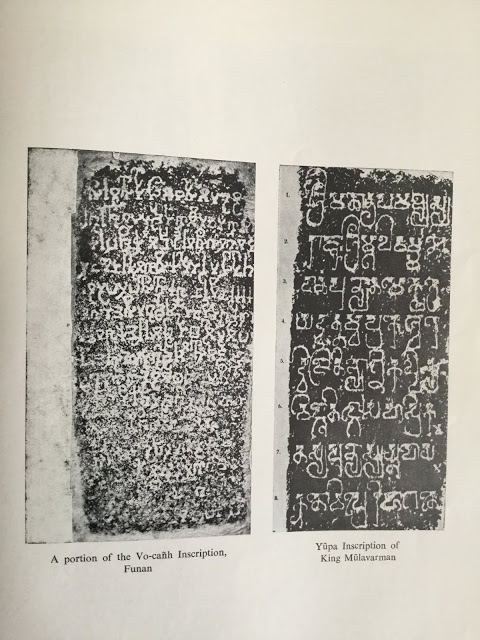
13-19- Kotei, Borneo, Indonesia- Seven Sanskrit Inscriptions on Yupa Stone Pillars- King Mulavarman 400 CE.

( This is not a comprehensive list)

Yupa inscriptions in Sanskrit


In Borneo scattered undated materias are found near Kapuas, Rata and the Mahkam rivers or in isolated pockets, the earliest epigraphic data from the island refer to Kotei at Muarakaman, on the Mahakam river in Borneo dated 400 CE.

The Kutei inscriptions are seven in number, of which four were found in 1879 and the rest in 1940. The inscriptions belong to Mulavarman, son of Asvavarman and grandson of Kundungga.

The inscriptions engraved on stone Yupas or sacrificial posts, refer to the performance of certain rituals and offerings of various kinds.

Mulavarman Sanskrit Inscription in Bangkok Museum.

In the second part let us look at the appearance of Yupa.


–to be continued…………………….


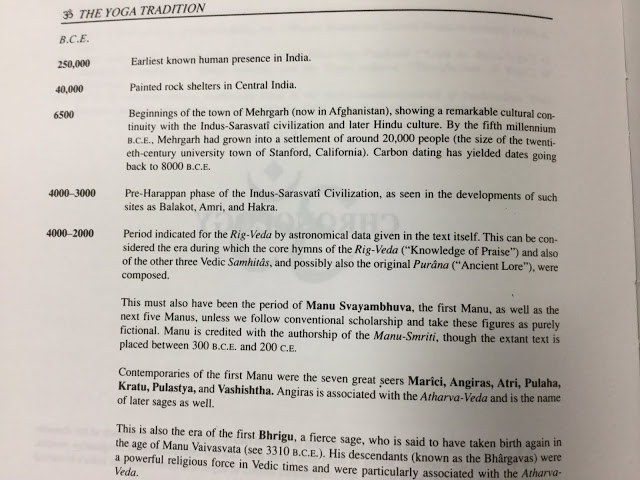
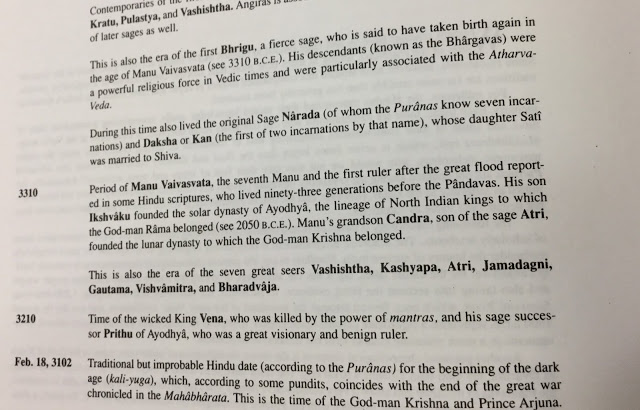
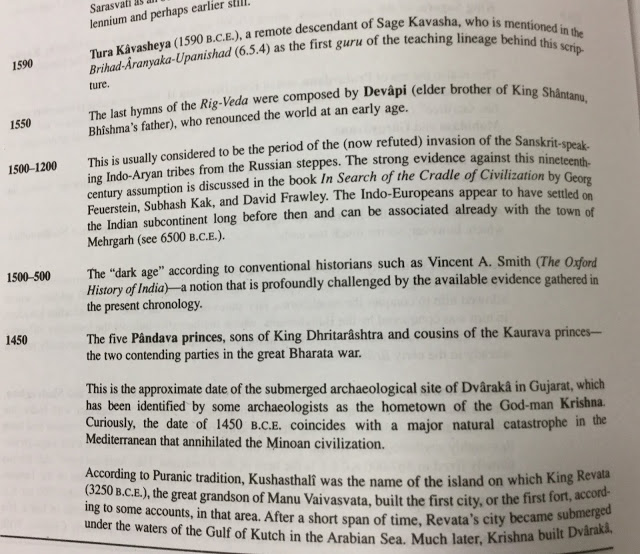
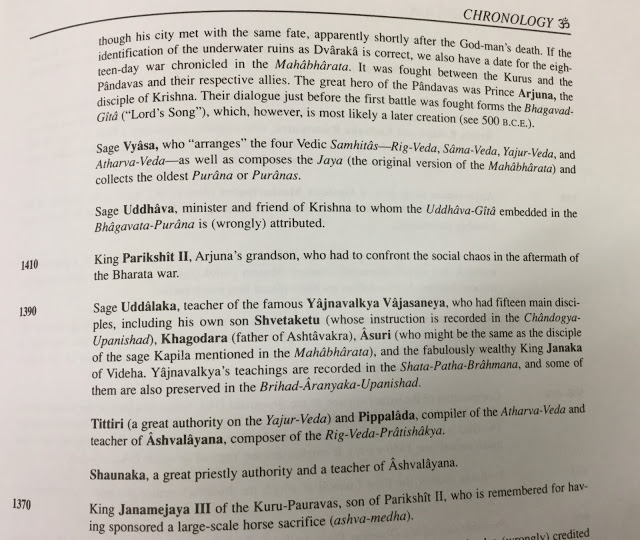
INDIAN HISTORY BEGINS BEFORE 2,50,000 YEARS; NEW CHRONOLOGY (Post No.5179)

Compiled by London swaminathan


Date: 4 JULY 2018


Time uploaded in London –   6-39 am (British Summer Time)


Post No. 5179


Pictures shown here are taken from various sources such as Facebook friends, Wikipedia, Books, Google and newspapers; thanks. Pictures may be subject to copyright laws.


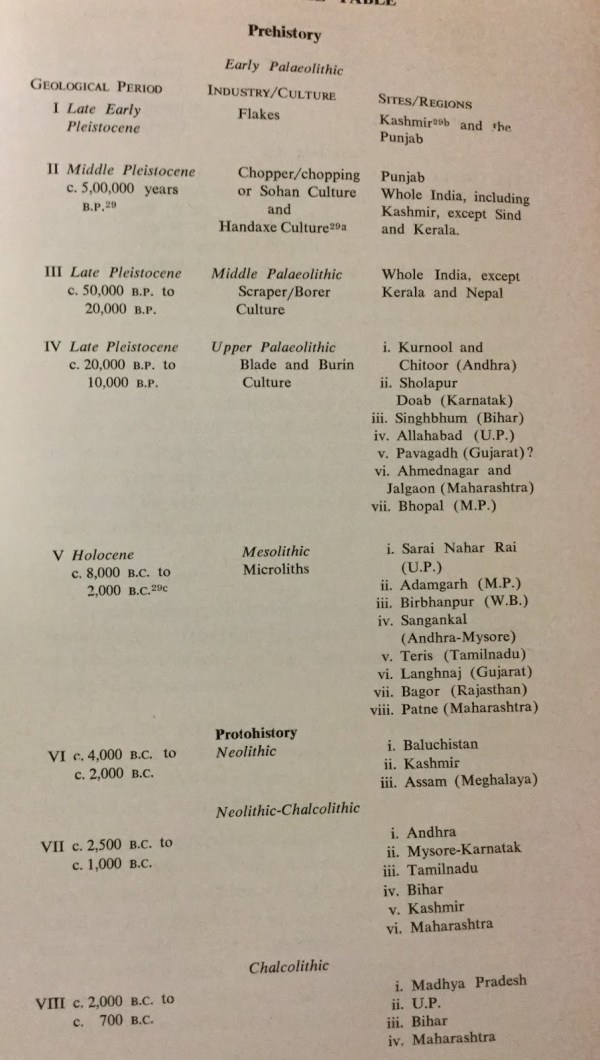
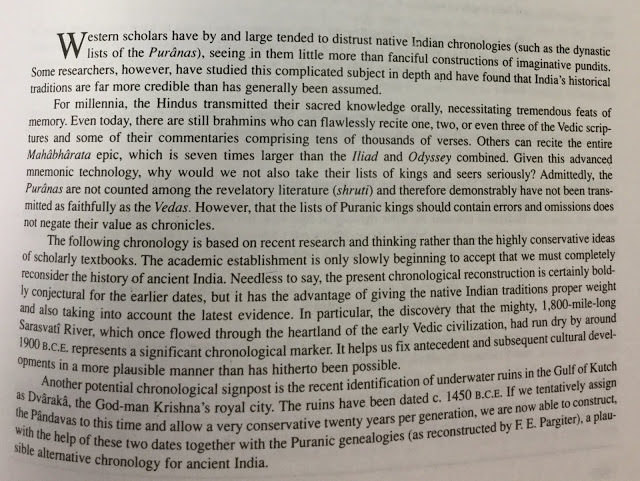
Latest research shows that Indian history begins in 250,000 BCE. Bhimbetka caves in Madhya Pradesh has 40,000 year old paintings. If human beings live in the heart of India amidst thick forest, deep inside India, far from the sea coast, they must have been there several thousand years before that date. it raises a question about the popular belief that human beings slowly migrated from Africa about 60,000 years ago. We have older evidence to prove that the theory is wrong.


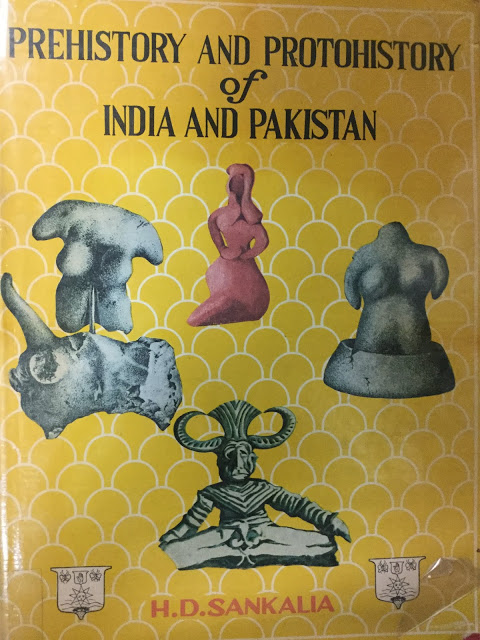
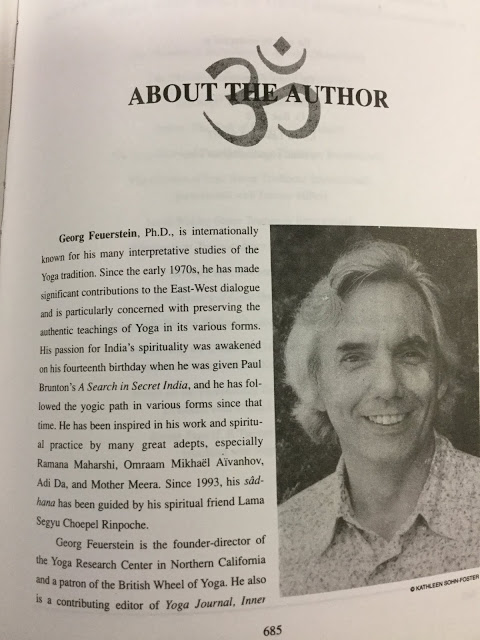
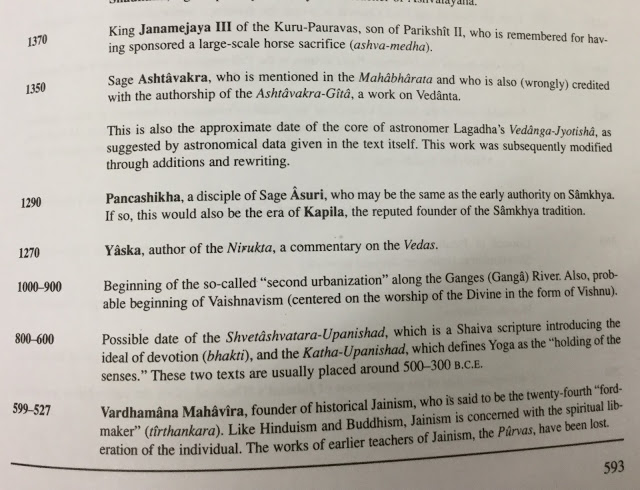
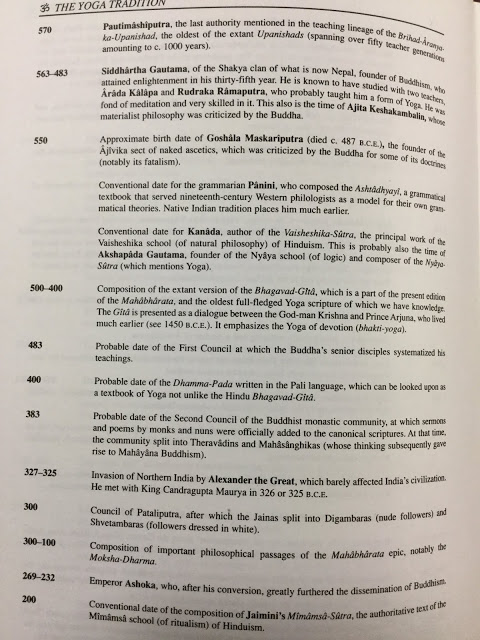
The Yoga Tradition author Georg Feurstein gives the New Chronology of India. It shows that the India is the oldest country with human occupation. Famous archaeologist H D Sankalia in 1974 has shown the paleo lithic and neo lithic stone cultures with dates. But current discoveries take us to very early periods. Indian history must be rewritten immediately. All the history books written by British and Marxist historians must be dumped into Indian ocean.

I have given below the chronological tables from Georg and Sankalia:–

NEW CHRONOLOGY


–SUBHAM–

HERO STONES ON SEA BATTLES (Post No.5163)

Written by LONDON SWAMINATHAN


Date: 29 JUNE 2018


Time uploaded in London –  21-24 (British Summer Time)


Post No. 5163


Pictures shown here are taken from various sources such as Facebook friends, Wikipedia, Books, Google and newspapers; thanks. Pictures may be subject to copyright laws.


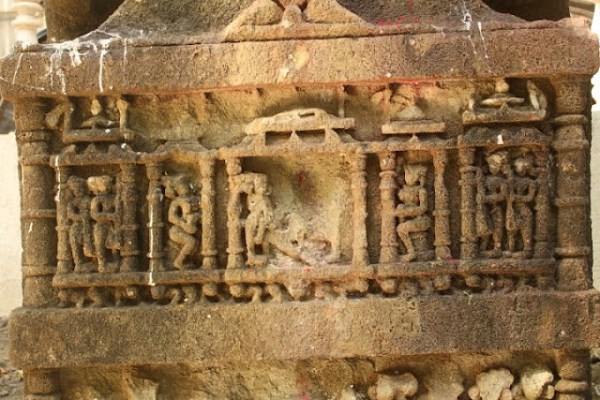
Hero stones are found throughout India. They are erected to honour those who lost their lives in protecting the community or saving the country. Even a dog has a hero stone in Tamil Nadu because it heroically fought with a tiger and save the people.

Sangam Tamil literature refers to hero stones and so we know that it has been the practice for at least 2000 years; but unfortunately we have not discovered very ancient ones. The ones we know now are from sixth or seventh century.

Hero(ine) stones are erected for women who lost their lives by climbing their husband’s funeral pyre. Rajasthan and Karnataka have such stones with had symbols. In short Super Men were celebrated in Bharat from very early days.

Though we don’t come across much in Sanskrit literature about Hero Stones, we know that Brahmin families even today bury a stone after the ten day ceremony in a garden or the backyard of the house. Perhaps in ancient days it was a big one. Now they just bury it in the crematorium or the place where the ceremonies are done.

One feature about the hero stones is that they are revered as gods or goddesses. Sangam Tamil literature is very clear about the Pujas done to you with flowers etc.


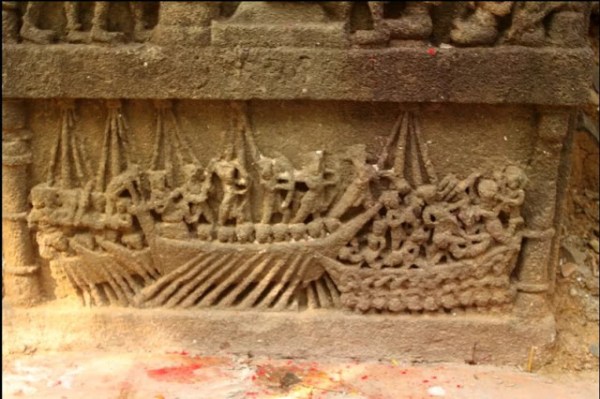
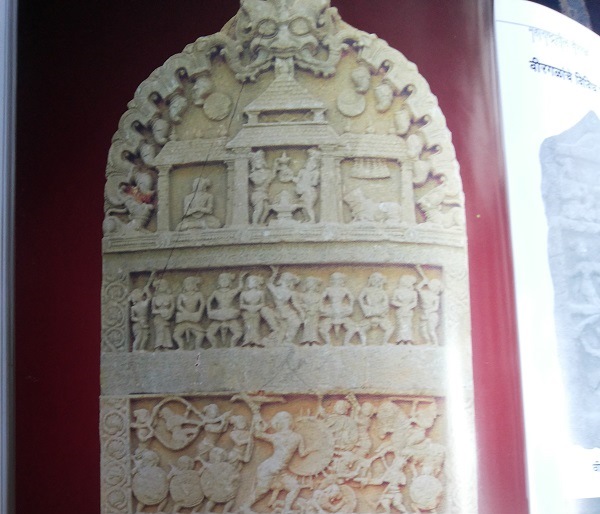
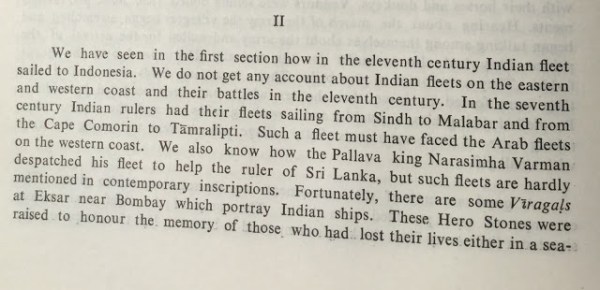
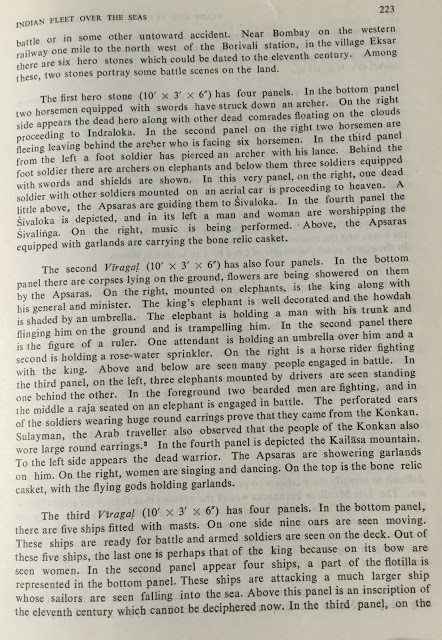
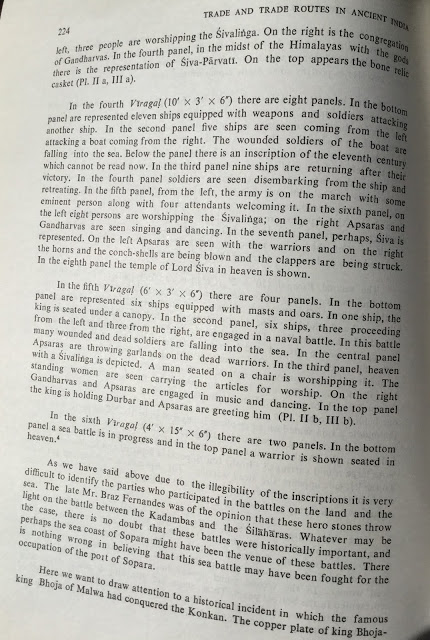
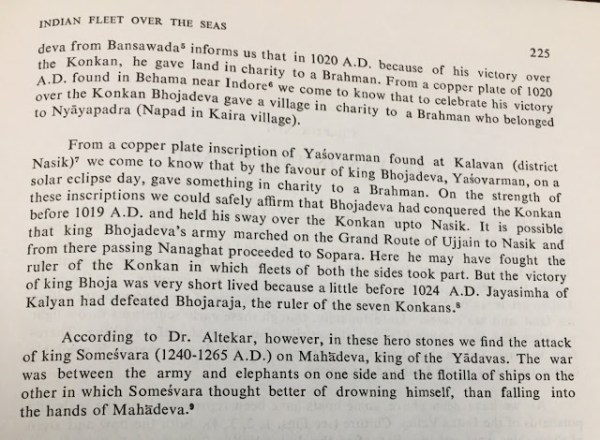
Several Tamil Hero Stones became Village Gods. We are fortunate to have two sets of Hero stones describing in pictures and words the ancient sea battles. One set of Stones is in Goa Museum and another set of six stones is in Eksar in Mumbai. It is one mile from Borivili station. But latest press reports say that some of the stones are missing. People in the village worship it as Goddess Boradevi. They are between four and eight feet high and intricately carved with ships and warriors.


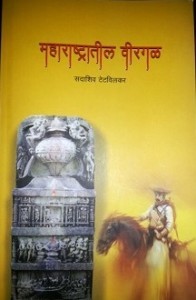
After some historical awareness, people have discovered over 100 hero stones in Maharashtra. They are already well known in Tamil Nadu, Andhra and Karnataka.


The old Goa hero stones are from the Kadamba rulers who ruled for 400 years from CE 950.

Great Tamil poet Tiruvalluvar says in Tamil Veda Tirukkural that human beings who lead a virtuous life are considered Gods.

“A man who leads an ideal life in this world,

will be ranked amongst the Gods in the heaven”- Kural 50


Sea Battle

Moti Chandra in his book Ancient Trade Routes has given full details about the six stones found in Eksar. But there are different opinions about the identity of the king in the stones. One researcher says it was the battle between Yadava king Mahadevan and Silhara King Someswara as described by Hemadri Pandit in his work Chaturvarga Chintamani. Others think it wass a battle between the Kadambas and Silahara kings. Since the inscriptions on the stones are unreadable we don’t know the names for sure.


Another strange thing about these Eksar stones is they are called Veera Gal ( a mixture of Sanskrit and Tamil words Veera+ Kal)

Now it becomes essential to collect all the details and publish them in an Encyclopaedia of Hero Stones.


I am giving below the descriptions of six stones as found in Moti Chnadra’s book:-


–SUBHAM–