Be a Guest in India!

Mahabharata06ramauoft_0964

Written by London swaminathan
Post No.1182; Dated 19th July 2014.

If you are a guest in India you will receive special treatment. Hospitality is the hallmark of a good householder. It is one of the Panchayajnas. Of the Pancha/five Yajnas/Duties, Manushya Yanja is one. This means feeding the fellow humans. Whether they are poor or rich, if they knock at your door you must not turn them down. In the olden days people used to go out to the street and look for guests at the lunch time. Then they will go for the dinner or lunch.

Ilango, author of Tamil epic Silappadikaram, says that the heroine Kannagi worried that she was not able to welcome the guests. Sita in Kamba Ramayana, also echoed the same feelings.

Great Tamil poet Tiruvalluvar says,

“The only purpose, of a family life of virtue and wealth,
Is to command the means of extending hospitality to the guests – (Kural 81)

“Even the nectar of immortality is not to be consumed
Without sharing with the guests waiting outside — (Kural 82)

“He who daily entertains the guests who go to him will never be ruined by poverty– (Kural 83)

Story from Mahabharata

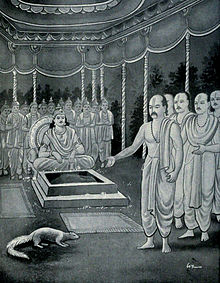
A good story that illustrates the greatness of hospitality is in the Mahabharata. When Yudhistra performed the Rajasuya Yajna, thousands of people were fed. When everyone was satisfied there appeared a mongoose and challenged Yudhistra. Half of its body was in golden colour. It rolled on the leftovers of the guests. When Yudhistra asked the reason for it, the mongoose told him a story.

“A hungry man approached a poor man’s house for food. Though the poor man had prepared full meal after a very long time, he readily offered his food to the guest. When the guest was not satisfied, his wife and son offered their shares. When he left the hose I just rolled on the left over food and half of my body turned gold. From then onwards I had been visiting lot of places where food was donated. But my body never turned gold. I am greatly disappointed that even here my body did not turn into gold. This reduced the ego of Yudhistra.

Guests are welcome in any country. But in ancient India, they were considered Gods. This was true from the land’s southern most end Kanyakumari to northern most Kashmir. If anyone wants to be a guest one should be a guest in India — in ancient India! Tamil and Sanskrit literature have got a lot of proverbs or sayings about Atithih/Guest.

Following are the sayings in Sanskrit on the Guests from ‘’Suktisudha’’ (Chinmaya International Foundation Publication):

“A guest, though he be boorish, deserves to be welcomed by the discerning – Valmiki Ramayana 5-1-119

“Hail the guest as God (Atithi Devo Bhava, Taittiriya Upansishad 1-20)

“Even though it be a foe who has come home, appropriate hospitality to him is a must – Hitopadesha 1-50

“Hospitality bears no fruit in the hereafter, but verily in this life itself – Kathasaritsagara

“It is the duty of a householder to honour the guest according to his capacity — Kathasaritsagara

“It is befitting to receive the visitor with due honour — Pratinja Yaugandharayana of Bhasa

“For all, the guest is of paramount importance “– Canakyaniti 6- 45

–Subham–

Five Ascetics who Entered Fire: Vedavati, Sabhari, Sarabhanga,Kabila, Quetzalcoatl

sabari ram
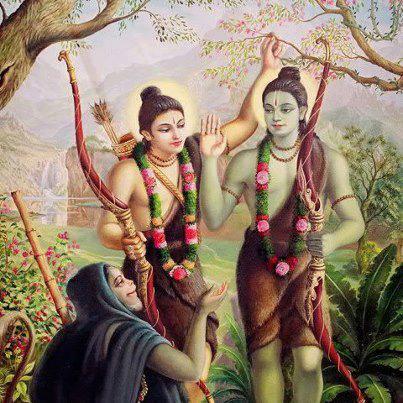
Tribal Woman Saint Sabhari and Rama.

Five Ascetics who Entered Fire: Vedavati, Sabhari, Sarabhanga,Kabila, Quetzalcoatl

Research Article Written by London Swaminathan
Post No. 1168; Dated 12th July 2014.

Hindu epic Ramayana is unique in many ways. One of the unique things about the Ramyana is “self immolation”. It is very interesting to know that women ascetics existed in the days of Ramayana and they did enter the fire and sacrificed their lives when they thought that the date of their departure had come. This is one the boldest things, we can see only in the Hindu world. Here we see a continuity of Upanishadic age sages like Gargi and Maitreyi. They did not feel any body pain when they entered the fire due to their Yogic practice.

Sita did not fear to enter fire to prove her purity. Kumarila Bhatta, contemporary of Adi Shankara, did not hesitate to burn his body slowly in the middle of husk lighted on all four sides. Tamil poet Kabila did enter fire after fulfilling his noble mission. Aztec saint Quetzalcoatl (may be a Hindu saint) did sacrifice his life in fire.

Goddess Uma did penance by standing in the middle of Five Fires (Panchagni). Many a saints including Bhageeratha did Panchagni penance. Bharata and Angatha tried to enter the fire thinking that they lost their in their mission. This is a Hindu ritual. When one completes something noble, one enters fire. When one failed to achieve to fulfil something, they enter the fire ritually.

There is a big difference between suicide and this ritual sacrifice. Here they enter the fire after announcing to the whole wide world that on such and such day they would do it for a particular noble cause. It is not because of depression or agitated mind. There is another type known as Sati, where in the women who lost their husbands climb the funeral pyre. There is another type of sacrifice where women like Chitoor Rani Padmini along with her friends entered the fire to save their modesty.
Here is a short list of great ascetics who immolated themselves:
sita
Sita Devi in Agni Pareeksha.

Sharabhanga :

Rama, after slaying the demon Viradha, visited the hermitage of Sharabhanga. He told Rama that he rejected Indra’s invitation to visit Brahmaloka, knowing that Rama was visiting the place. He also directed Rama to Sutikshna’s dwelling. He requested Rama to stay with him till he casts off his body as a snake casts off its slough. Then Sharabhanga prepared a fire and poured clarified butter therein. The sage entered the flames and assumed a youthful form and ascended to Brahma’s abode (Source: Aranya Kanda, Chapter 5)

Sabhari:

She was waiting to see Rama. When Rama went to her in the middle of the forest; she gave him berry fruits and roots which were bitten by her. She did this to give the sweetest ones to Rama. Since Rama knew her motherly love, he did not reject it. She belonged to the caste of hunters. That tribal woman guided Rama and Lakshmana to lake Pampa an Rishyamuka mountain.
“Having received permission from Rama to depart, Sabhari, wearing matted locks, robes of bark and a black antelope skin, cast herself into the fire, thereafter rising into the air like a bright flame. (Chapter 74, Aranya Kanda).
ram sabari
Rama and Sabhari

Vedavati:

Vedavati was the daughter of Rishi Kusadhwaja. When Ravana was passing through the forests in the Himalaya he met Vedavati, a damsel of great beauty dressed in acetic garb. When Ravana wanted to marry her she told him that she would marry only Vishnu. But Ravana boasted to her about his heroic deeds and touched her hair with a bad intention. Enraged by this, she cursed him that he would be destroyed by her in her next birth (as Sita) and entered fire before him. When she entered the fire celestial flowers fell around her (Uttara Kanda, Ramayana)

Tamil Poet Kabilar:

Kabilar, a Brahmin poet of great character, who lived in the Sangam Age ( First three centuries CE) was a good friend of a generous chieftain Pari. When the mighty Tamil kingdoms laid a siege around his kingdom Kabilar boldly supported Pari. The three Tamil kings of Sera, Choaza, Pandya kingdoms killed him by deceit. Then Kabilar took his two daughters to all the chieftains begging them to marry them. No one dared to earn the enmity of the powerful Tamil kings. At last, one chieftain took care of those girls and Kabilar, having fulfilled his mission, entered the fire. There was a memorial stone in the place known as Kabilar Stone near Tirukoyilur on the banks of River Pennai. There is an inscription with this story in verse (Source Dr R Nagasamy’s Tamil book ‘Paamaalai’).

Bharatha, Rama’s brother, was desperate to see Rama after his 14 year banishment. When he did not arrive on the appointed day Bharat was about to jump in to ceremonial fire. But Rama arrived by his divine Supersonic jet from Sri Lanka and saved his life. When Angathan and other monkeys could not find Sita in their search mission, they contemplated sacrificing themselves in fire. This is a typical Hindu approach.

Quetzalcoatl_magliabechiano
Aztec Deity
Aztec Saint’s Self Immolation

Aztec civilization (750 CE to 1500 CE) in South and Central America had a mysterious person with the name Quetzalcoatl. There were two people with the same name which resulted in lot of confusion. He was a demiurge, priest, ruler conceived by virginal birth years after his father’s death. He was ruler of Toltecs for twenty two years. He lived in Tula, lost a civil war, fled with a good sized Toltec force. He set sail into the open sea on a particular date Aztec calendar with a prophecy that he would come back on the recurrence of that date.

Centuries after this date, Spanish man Herman Cortes landed on the coast of Mexico on 4th March 1519. Aztec king Montezuma believed that god and saint Quetzalcoatl had come back in the form of a white man. He was given royal welcome. But Cortes, Columbus and his band of explorers brought disease, death and destruction to the wonderful Mayan, Aztec and Inca civilizations. They plundered the whole of South America and took tons of gold to Spain and Portugal.

Quetzalcoatl_Ehecatl
Quetzalcoatl means ‘feathered serpent’ or ‘precious twin’. He is one of the most important Aztec deities, although he has origins in pre Aztec cultures. There was a historical king in the same name that was expelled from Tula, the Toltec capital in 987 CE. According to one version he reached the Gulf of Mexico and immolated himself, to be reborn as the planet Venus. He predicted that he would come back. He may be a Hindu saint who practised such rituals in ancient India.

sita2
Sita Devi in Fire Test.

Contact swami_48@yahoo.com

நாஸ்தீகர் இல்லாத நகரம்: அயோத்தி !!

rama10

Written by London Swaminathan
Post No. 1163; Dated 10th July 2014.

வடநாட்டில் இருந்த கோசல நாட்டின் தலை நகரம் அயோத்தி. இங்கே பல ஆயிரம் ஆண்டுகளுக்கு முன் அரசாட்சி செய்தவன் தசரத மாமன்னன். அவனுடைய மகன் ராமனின் புகழை வால்மீகி, கம்பன், துளசிதாஸ், எழுத்தச்சன் உள்பட பல நூறு புலவர்கள் பாடி இருக்கின்றனர். 300 வகையான ராமாயணங்கள் இருப்பதை நாம் அறிவோம். அவைகளுடன் புறநானூற்றுப் புலவர்கள், சிலப்பதிகார இளங்கோ, பன்னிரு ஆழ்வார்கள், திருப்புகழ் பாடிய அருணகிரி, தேவாரம் பாடிய மூவர் ஆகியோரும் அவரவர் பக்திப் பாடல்கள் இடையே ராமன் புகழ் பாடி இருப்பதை சிலரே அறிவர்.

ராமன் புகழ் இப்படிப் பரவக் காரணம் ரகு குல மன்னர்களின் நல்லாட்சி. அதைக் கேட்டுவிட்டுத்தான் ‘’ராமராஜ்யம்’’ அமைய வேண்டும் என்று காந்திஜி போன்ற தலைவர்கள் பரப்புரை செய்தனர்.

கட்டிட, பொதுப்பணித் துறை, விவசாயத் துறை, இசை நடனத் துறை, போக்குவரத்துத் துறை, நிர்வாகத் துறை, கல்வித் துறை, பாதுகாப்புத் துறை, சமயத்துறை, சமூக நலத் துறை, வணிகத் துறை, அறநிலையத் துறை, மகளிர் நலத் துறை ஆகிய அத்தனை விஷயங்களையும் வால்மீகி சிந்தித்துக் கவி புனைந்திருப்பதைப் படிக்கும் போது பல்லாயிரம் ஆண்டுகளுக்கு முன் இந்தியா நன்றாக முன்னேறி இருந்ததை அறிய முடிகிறது. எந்த ஒரு நாட்டு இலக்கியத்திலாவது இப்படி ஒரு முன்னேறிய சிந்தனை இருக்குமா என்பது ஐயப்பாடே.

இதைப் பார்த்துதான் கம்பன்
வண்மை இல்லை, ஓர் வறுமை இன்மையால்;
திண்மை இல்லை, நேர் செறுநர் இன்மையால்;
உண்மை இல்லை, பொய் உரை இலாமையால்;
ஒண்மை இல்லை,பல் கேள்வி ஒங்கலால். –(பால. 85)
என்று வால்மீகிக்கும் மேலாக ஒரு படி முன்னே சென்று பாடினான்.

இதோ அந்த நல்லாட்சியின் சில அம்சங்கள்:

1.மநுநா மாநவேந்த்ரேண யா புரீ நிர்மிதா ஸ்வயம்:—-
மனிதர்களில் தலைவனான ( மானவ இந்திரன் ) மநு, தான் நினைத்த மாத்திரத்தில் நிறுவிய நகரம் அயோத்தி!

2.ஆயதா தஸ ச த்வே ச யோஜனானி மஹா புரீ:—
12 காத நீளம் (அறுபது மைல்) 3 காத அகலம் உடையது. இரு புறமும் மரங்கள் நிறைந்த நகரம்.

3.ராஜ மார்கேன மஹதா—
பல நகரங்களுக்குச் செல்ல பெரிய ராஜ பாட்டைகள் (பெரிய ரோடுகள்) இருந்தன. பூச்செடிகளுக்கு எப்போதும் தண்ணிர் கிடைத்தது. அரணமனையில் இருந்து ராஜ வீதிகள் சென்றன.

4.கவாட தோரணவதீம்:–
சிறந்த அலன்கரிக்கப்பட்ட வாயிற் கதவுகள் இருந்தன. பல கடைத் தெருக்கள் இருந்தன. சகல விதமான இயந்திரங்களும் ஆயுதங்களும் இருந்தன

5.சூத மாகத சம்பாதாம் ஸ்ரீமதீ மதுல ப்ரபாம்:–
அரசனின் குலம், வீரதீரச் செயல்களைப் பாடும் சூதர்கள், மாகதர்கள் — (யாழ்ப் பாணர்கள்), தன தான்யம்— கொடிகள் பறக்கும் உயர்ந்த மாளிகைகள் — பலரைக் கொல்லும் மதில் சுவர் ஆயதங்கள் ஆகியனவும் அங்கே உண்டு.

6. வதூ நாடக சங்கை ஸ்ச சம்யுக்தாம் சர்வதாம் புரீம்:–
நகரத்தின் நான்கு புறங்களிலும் நடன மாதர்களும் நட்டுவாங்கர் கூட்டமும் காணப்பட்டனர். தோட்டங்களும், மாந்தோப்புகளும் உள்ளன. பெரிய கோட்டை வாயில்கள் பெண்களின் இடுப்பை அலங்கரிக்கும் ஒட்டியாணமாக அலங்கரித்தன.

7.துர்க கம்பீர பரிகாம் துர்கா ம் அந்யைர்து ராஸதாம்:—
எதிரிகள் நுழைய முடியாத ஆழமான அகழிகள் உடைய துர்கங்கள் (கோட்டைகள்), குதிரைகள், யானைகள், பசுக்கள், ஒட்டகங்கள் நிறைந்திருந்தன.

8. ஸாமந்த ராஜ சங்கைஸ்ச பலை கர்மபி ராவ்ருதாம்:–
கப்பம் கட்டவந்த அரசர்கள் கூட்டமாக நின்ற (வரி செலுத்த ‘க்யூ’!!) கூட்டம் ஒரு புறம் — பல தேச வைஸ்யர்கள் (வெளி நாட்டு வணிகர்கள்) மற்றொரு புறம்.

9.ப்ராஸாதை ரத்ன விக்ருதை: பர்வதை ரூப ஸோபிதாம்:–
நவரத்னக் கற்களால் அலங்கரிக்கப்பட்ட அரண்மனைகள், —விளையாடுவதற்கான பர்வதங்கள்— அதாவது—- விளையாட்டு மலைகள், மேல் மாடிக் காட்டிடங்கள் இருந்ததால் இந்திரனின் அமராவதிக்கு நிகராக விள்ங்கியது.

ram profile

10.சித்ராம் அஷ்டபதாகாராம் வர நாரீகணைர்யுதாம்:–
நடுவில் அரண்மனை, நாற்புறமும் ராஜவீதிகள் ( சொக்கட்டான, பல்லாங்குழி போல நடுவில் தோற்றம்), பெண் ‘மணி’ கள், நவமணிகள், விமாநம் உடைய வீடுகள் (விமாந குஹ சோபிதாம்) இருந்தன.

11.குருஹாடாமவிச்சித்ராம் சம பூமௌ நிவேசிதாம்:–
வீடுகள் நெருக்கமாக இருந்தன. குற்றமில்லாத சம தளத்தில் கட்டப்பட்ட கட்டிடங்கள் அவைகள் — மற்றும் சம்பா, சிறுமணி நெல் அரிசி (ஸாலி தண்டுல ஸம்பூர்ணாம்) குறைவில்லாமல் இருந்தன.

12.துந்துபீர் முதங்கை ஸ்ச வீணாபி பணவைஸ் ததா:–
பேரிகை, மிருதங்கம், வீணைகள், உடுக்கைகள் ஆகிய முழக்கம் கேட்டவண்ணம் இருந்தன. பூவுலகில் இதைவிடச் சிறந்த நகரம் இல்லை என்று விளங்கியது.

13.விமாநமிவ சித்தானாம் தஸாதி கதம் திவி:–
சித்தர்களும் தவ வலிமை மிக்கோரும், சுவர்க்கவாசிகள் போல காணப்பட்டனர். அவர்கள் எங்கும் செல்லத்தக்க விமானங்கள் உடையவர்கள்
14.சிம்ம, வ்யாக்ர, வராஹானாம் மத்தானாம் நர்ததாம் வநே:–
சுறு சுறுப்பனவர்கள்; கைத்தொழில் வல்லவர்கள்; தந்தையின் பாதுகாப்போடு சேர்ந்தே புதல்விகள் வசித்தனர்; பயந்து ஓடுபவர்கள் யாரும் இல்லை; சிங்கம் புலி, காட்டுப் பன்றிகளை கூரான அம்புகளாலும், வெறும் கைகளாலும் கொல்லக் கூடிய வீரர்கள் வசித்தனர்.

15.ஸஹஸ்ரதை: ஸத்யபரதைர் மஹாத்மபிர் மஹர்ஷி கல்பைர் ருஷிபிஸ்ச கேவலை: :—–
வேதங்கள், அதன் ஆறு அங்கங்கள் ஆகியவற்றில் தேர்ச்சி பெற்றவர்கள்—ஆயிரம் ஆயிரமாகத் தானம் செய்பவர்கள், ஸத்தியத்தில் நாட்டம் உடையவர்கள் – சிறந்த புத்தி உள்ளவர்கள்—ஸாதாரண ரிஷிகள், மஹரிஷிகள் ஆகியோருக்குச் சமமானவர்கள், இது போன்ற பிராமணர்கள் ஆகியோர் அயோத்தியில் இருந்தனர்.

((ஆதாரம்:—வால்மீகி ராமாயணம், பாலகாண்டம், ஐந்தாம் சர்கம்))

16.தஸ்மின் புரவரே ஹ்ருஷ்டா தர்மாத்மாநோ பஹுஸ்ருதா: :—-
மனிதர்கள் மகிழ்ச்சியாக வாழ்ந்தனர். அறச் சிந்தனை மிளிர்ந்தது; சாத்திரங்களில் தேர்ச்சி பெற்று இருந்தனர்; பேராசை இல்லை; அயோத்தி மக்கள் போதும் என்ற பொன் மனம் படைத்தவர்கள்,; உண்மை விளம்பிகள் (ஸத்யவாதீ)

17. ந அல்பஸம்நிசய: கஸ்சித் ஆஸீத்தஸ்மின் புரோத்தமே:–
அல்ப (கொஞ்சம்) செல்வம் படைத்தவர் என்று யாரும் இல்லை; குதிரை பசுக்கள் இல்லாதவர் கிடையாது. பணம் இல்லாத காரணத்தால் கண்டதை வேண்டும் குடும்பத் தலைவன் இல்லை.
ram gem

18.காமி வா ந கதர்யோ வா ந்ருஸம்ஸ: புருஷக் வசித்
த்ரஷ்டும் ஸக்யமயோத்யாயாம் நாவித்வாந்ந ச நாஸ்திக:
பேராசை, கருமித்தனம் ஆகியவற்றால் பிறரைக் கொடுமைப் படுத்துவோர் அயோத்தியில் இல்லை, சாஸ்திர நம்பிக்கையற்ற நாத்திகர் இல்லை. ஏனெனில் எல்லோரும் சாஸ்திரம் அறிந்தவர்.

19.ஸர்வே நராஸ்ச நார்யஸ்ச தர்மஸீலா: ஸுஸம்யதா: :–
ஆண்களும் பெண்களும் ஒழுக்கசீலர்கள்; புலனடக்கம் உடையவர்கள் பிறந்தது முதல் இறுதிவரை பண்பாடு உடையவர்கள் மஹரிஷிகள் போல வாழ்க்கை நடாத்தினர்.

20. நாகுண்டலீ நாமகுடீ நாஸ்ரக்வீ ந அல்ப போகவான் :—
காதில் குண்டலம் அணியாதோர் கிடையாது; தலையில் மகுடம் (கிரீடம்) இல்லாதவர் இல்லை (எல்லோரும் இந்நாட்டு மன்னர்)— மாலை தரிக்காதவன் இல்லை; எண்ணை தேய்த்து குளிக்காதவனோ, உடலுக்கு வாசனைத் தைலங்கள், பூச்சுகள் (அத்தர், புனுகு) உபயோகிக்காதவர்களோ ஒருவரும் இல்லை — எல்லோரும் சுகபோகத்தில் மிதந்தனர்.

atheism-poster-rsr-org

21.நாம்ருஷ்டபோஜீ நாதாதாநாப்யநங்கத நிஷ்கத்ருக்:–
சிறந்த உணவை வயிறு புடைக்கத் தின்னாதவர் இல்லை; பிறருக்குத் தானம் செய்யாவனும் (அயோத்தியில்) இல்லை. தோள் வளையமோ மார்பில் பதக்கமோ அணியாதனோ இல்லை கையில் காப்பு அணியாதவனோ, புலன் டக்கம் இல்லதவனையோ பார்க்கமுடியாது.

22.ந தஸ்கர:—
அயோத்தியில் திருடர்கள் கிடையாது. கொஞ்சம் படித்தவன் (அரை வேக்காடுகள்), கொஞ்சம் செல்ம் உடையவன், யாக, யக்ஞங்கள் செய்யாதோர், ஜாதிக் கலப்புடையோர் இல்லை.

23.ஸர்வ கர்ம நிரதா நித்யம் ப்ராஹ்மணா விஜிதேந்த்ரியா: :—
அந்தணர்கள் ஜிதேந்த்ரியர்கள் — (புலனழுக்கற்ற அந்தணாளர்: புறநானூறு); —-கர்மங்களில் கண்ணுடையோர் (அந்தணர் என்போர் அறவோர்: திருக்குறள்)— விருந்தினருக்கு வேண்டியதைக் கொடுத்து மகிழ்வித்தனர்- வேதம் ஓதிக் காலத்தைக் கழித்தனர். பேராசை இன்றி தட்சிணை வாங்கினர்- பிறன் மனை நோக்காத பேராண்மையோடு வாழ்ந்தனர்.

24.ந நாஸ்திகோ நாந்ருதகோ ந கஸ்சித பஹுஸ்ருத:
நாஸ்தீகன் இல்லை—கொஞ்சமாவது பொய் பேசும் வகை கூட இல்லை- படிக்காதவன் இல்லை- பொறாமை உள்ளவன், முட்டாள்கள் கிடையாது

25.நா ஷட் அங்கவ்தத்ராஸ்தி நாவ்ரதோ நாசஹஸ்ரத: :—
ஆறு அங்கங்களை (சடங்கு) கற்காதவ்ன் இல்லை; பட்டினி கிடந்து விரதம் அனுஷ்டிக்காதவன் கிடையாது. ஆயிரம் பேருக்கு உணவு கொடுக்காத சத்திரங்களே இல்லை. தானியம் குறைந்து போயிற்றே என்று கவலைப் பட்டோர் இல்லை. நல்ல பிள்ளைகளைப் பெறாதோரும் இல்லை; நோயாளிகளும் கிடையாது

26. குஹா கேஸரிணாம் இவ: —
குஹைகளில் ஆண் சிங்கம் இருந்தால் எப்படி நெருங்க முடியாதோ அது போன்றவீரகள் உடைய அயோத்தியை யாரும் நெருங்கமுடியாது, வீர வித்தைகளைக் கற்று இருந்தனர். அவமதிப்பைப் பொறுக்கமாட்டார்கள்; கோணல் புத்தி கிடையாது.
ram green

27. காம்போஜ விஷயே தாஜைர் பாஹ்லீக ஸ்ச ஹயோத்தமை: :–
காம்போஜம், பாலீகம், வநாயு, சிந்து தேசம் ஆகியவற்றில் பிறந்த சிறந்த குதிரைகள், மலை போன்ற விந்திய மலை, இமய மலையில் பிறந்த யானைகளும் அயோத்தியில் பவனி வந்தன.
((ஆதாரம்:—வால்மீகி ராமாயணம், பாலகாண்டம், ஆறாம் சர்கம்))

-subham–
contact swami_48@yahoo.com
No Atheists in Ayodhya!!

atheism-poster-rsr-org

Written by London Swaminathan
Post No. 1161; Dated 9th July 2014.

Valmiki Ramayana gives very interesting details about the kingdom of Koshala and its capital Ayodhya. It gives us an idea of values they upheld and of an ideal kingdom, what was popularised later as Ram Rajya by leaders like Mahatma Gandhi.

ARCHITECTURE
“Ayodhya was founded by Manu, a lord among men.
The city’s thoroughfares extended for sixty miles. It had massive gates and numerous markets.
It’s fortifications were planned by skilful engineers and artificers.
Its inhabitants were rich and had spacious houses with high arched porticos decorated with flags and banners.
The capital was filled with extensive buildings and beautiful gardens and surrounded by mango groves, tall trees enhancing the outskirts, giving it the appearance of a lovely girl wearing a girdle of greenery.
It was enclosed by strong fortifications and a deep moat which no enemy, by any expedient whatsoever, could penetrate.
Countless elephants, horses, cattle, camels and mules were to be seen in the city.

COMMERCE
Innumerable ambassadors dwelt there and people from many lands traded peacefully within its walls.
Ayodhya, like Indra’s city Amaravati, was resplendent with gilded palaces, the walls of which were set with precious stones, the domes resembling mountain peaks.
The dwellings of the artisans were so constructed that no space was left between them, and the ground on which they stood was perfectly levelled.

ram green

FOOD & HOSPITALITY

All were abundantly stocked with rice and the juice of the sugarcane was employed instead of water.
The inhabitants were said only to eat Shali Rice (that is rice produced in the cold season which is accounted the best).
None ate impure food; none allowed his neighbour to suffer from hunger.
Those who dwelt there worshipped Gods and the uninvited guest; they were both magnanimous and charitable.

MUSIC
On every side, the sound of trumpets, bugles, lutes and gongs was constantly heard.
The city had no rival on earth but resembled the abode of the gods attained through austerities.

HONESTY
The city was inhabited by the noblest of men, those who did not slay a fleeing foe or one without defence, warriors who were skilled archers, able to pierce opponent by sound alone, who with sharp arrows loosed by their strong arms had singlehandedly slain lions, tigers and infuriated boars in the forest.
Hosts of illustrious Brahmins performing the fire ceremony were also to be seen there, who were endowed with the virtues of their caste, versed in the Vedas and the six branches of learning, who increased the offerings immeasurably, magnanimous sages, who sought their pleasure in the welfare of others and resembled Divine Rishis.
——Balakandam Chapter 5

rama10

GOD FEARING
The people were happy, virtuous, learned, experienced, each satisfied with his state, practising his own calling, without avarice and of truthful speech.
None was indigent or dwelt in a mean habitation, all lived happily with their families, possessing wealth, grain, cattle and horses.
None was a miser or a swindler, none was mean spirited, proud, rash, worthless or an atheist.
None denied the existence of God, none uttered falsehood or were enamoured of worldly pleasure and none were guilty of slander.

JEWELS
None lacked earrings, coronets or necklaces.
They bathed daily and rubbed their bodies with oil, using attar of roses and sandal paste.
All possessed ornaments and gold, and there was none who not learnt to subdue his mind.
The marvellous city where gold abounded and beautiful women wandered about in groups, rich in jewels of every kind, was adorned with luxurious palaces and mansions.

ram profile

FASTING
No one was mean, impious or failed to discharge his duties.
The Brahmins were devoted to their respective duties, firm in self control and authorized to accept gifts.
No Brahmin was unversed in the six systems of philosophy nor did neglect to fast at the full moon at the appointed days.

CRIME FREE STATE
There were no thieves and none were born of mixed castes.
There were none who suffered from mental or physical infirmities and none were unhappy in that city.
Men and women were of righteous conduct, fully self controlled, and in their pure and chaste behaviour, they equalled the great sages.

PRO GOVERNMENT
Among the inhabitants of Ayodhya, there was no man or woman who was not endowed with beauty and wealth and non who were not devoted to the king and the state.

All attained to a ripe age as virtuous and truth-loving people, their homes were filled with children, grand children and virtuous women.
The warriors were subject to the learned Brahmins and the merchants to the warrior castes; in accordance with their caste the people served the Brahmins, the warriors and the merchants.

ram gem

HEROISM
Ayodhya abounded in warriors undefeated in battle, fearless and skilled in the use of arms, resembling lions guarding their mountain caves.
The city was full of excellent horses and mighty elephants.

In the next chapter Valmiki described the virtues of Dasaratha, the emperor and his ministers.

THE RAMAYANA OF VALMIKI, Volume 1, Translated by Hari Prasad Shastri.

(I have slightly jumbled the paragraphs to put them under respective group headings:swami)

swami_48@yahoo.com

மஹாபாரதத்தில் ஒரு அதிசய பறவை

graphic-croc

(((தமிழ் அன்பர்களுக்கு ஒரு அன்பான வேண்டுகோள்! தமிழையும் தமிழினத்தையும் வாழ்விக்க ஒரு வழி இருக்கிறது. ரொம்ப எளிது! யாராவது ஏதாவது நல்ல கட்டுரை எழுதினால், அதில் எழுதியவன் பெயரை வெட்டிவிடாமல் fபேஸ்புக்கில் அல்லது உங்கள் பிளாக்கில் ‘’அனுமதி பெற்று’’ போடுங்கள். வருடம் முழுதும் ஆராய்ச்சி செய்தவன் பெயர் நிலைத்தால் தமிழர் வாழ்வர்!!! தமிழும் வாழும்))).

ஆராய்ச்சிக் கட்டுரை எழுதுபவர்—லண்டன் சுவாமிநாதன்
கட்டுரை எண்:–1141 தேதி:– ஜூலை 1, 2014.
English version of this article was published yesterday: ‘Strange Bird in Mahabharata’.

நான் இதற்கு முன் 1) வேதத்தில் காணப்படும் ஹோமா பறவை 2) தமிழ் இலக்கியத்திலும் சுமேரியாவிலும் காணப்படும் இருதலைப் பறவை (அண்டரண்ட பக்ஷி), 3) சங்கத் தமிழ் இலக்கியத்தில் பறவை மனிதன் 4) கபிஞ்சலா எனப்படும் சாதகப் பட்சி 5) பாரி- கபிலருக்கு நெல் மணிகள் கொண்டுவந்த கிளிகள் 6) வேதம் சொல்லும் கிளிகள் 7) முரசு சப்தம் கேட்டால் இறக்கும் அசுணமா முதலிய பல பறவை / மிருக அதிசயங்களை எழுதினேன். இப்பொழுது மேலும் ஒரு அதிசயப் பறவை பற்றி மஹாபாரதத்தில் இருந்து செய்தி கிடைத்துள்ளது. இந்தப் பறவையின் பெயர் பூலிங்கப் பறவை. பூமிக்குள் ஆழமாகக் குழி தோண்டி முட்டை இடுவதால் இந்தப் பெயர்.

இதோ சபாபர்வ ஸ்லோகங்கள்:–

பூலிங்கசகுனிர் நாம பார்ஸ்வே ஹிமவதப் பரே
பீஷ்ம! தஸ்யா: யதா வாச: ஸ்ரூயந்தே அர்தவகார்ஹிதா:

மா சாஹசமிதீதம் சா சததம் வாசதே கில
சாஹசம் ச ஆத்மனா அதீவ சரந்தி நா அவபுத்யதே

சா ஹி மாம்சர்களம் பீஷ்ம! முஹாத் சிம்ஹஸ்ய காதத:
தந்தாந்தரவிலக்னம் யத்ததாதத்தே அல்ப சேதனா
–மஹாபாரதம், சபா பர்வம் 2-41-19/21

இந்தப் பறவை பற்றி வியாசர் சொன்னது பலருக்கும் புரியவில்லை போலத் தோன்றுகிறது. ஆகையால் சுருக்கமான மஹாபாரதப் பதிப்புகளில் இது காணப்படுவதில்லை.
croc3

சபாபர்வத்தில் தர்மன் (யுதிஷ்ட்ர மஹாராஜா), ராஜசூய யக்ஞம் செய்யும் காட்சி வருகிறது. அங்கே கிருஷ்ணனுக்கு முதல் மரியாதை என்றவுடன் சிசுபாலன் பொங்கி எழுகிறான். எப்போதுமே கிருஷ்ணனைக் கண்டால் அவனுக்கு பாகற்காய் போல கசக்கும். ஆகையால் ஏசுவதே அவனது தொழில். ஆனால் கிருஷ்ணனோ, சிசுபாலனின் தாயாரிடம் ஒரு சத்தியம் செய்துள்ளான். உன் மகன் செய்யும் நூறு தவறுகளை பொறுத்துக் கொள்வேன், அவ்வளவுதான். அதற்கு மேல் எனக்கு எதிராக ஏதேனும் பேசினால் அவன் பெயர்—ரிப்பேர்—ஆகிவிடும்; அவனது மானம் – விமானத்தில் ஏறிவிடும்; அவனது கதி—சகதி ஆகிவிடும் என்கிறான்.

எவ்வளவு சொன்னல் என்ன? நாயைக் குளிப்பாட்டி நடு வீட்டில் வைத்தாலும், வாலைக் குழைத்துக் கொண்டு ——- தின்னதானே போகும். கிருஷ்ணரை கண்ட சுடு சொற்கள் பேசி ஏசுகிறான் —முறைதவறிப் பிறந்த பயலே- இடைப் பயலே- மடப்பயலே – என்று திட்டுகிறான். 101 ஆவது முறையில் கிருஷ்ணன் சுதர்சன சக்கரத்தை ஏவி — வாழைக்காய்-கத்தரிக்காய் பஜ்ஜிக்கு காய் வெட்டுவதுபோல அவனது தலையைச் சீவிவிடுகிறார். இதெல்லாம் உங்களுக்குத் தெரிந்த கதையே.

பீஷ்ம பிதாமஹர் – குருகுலத்தின் அன்புக்கும் பண்புக்கும் உரிய பெரியோய்—அவர் கிருஷ்ணனுக்குப் பரிந்து பேசவே அவரையும் ஏசுகிறான் சிசுபாலன். அப்போழுதுதான் பூலிங்கப் பறவை குறிப்பு வருகிறது.

ஓய், பீஷ்மரே, ஜால்ரா போடுவது, ஒத்து ஊதுவதுதான் உமக்கு வேலையா? அந்தத் திருட்டு இடையன் புகழைப் பாடுவதே உமக்குத் தொழில் ஆகிவிட்டது போலும், நீரே ஒழுக்கம் கெட்டவர்தானே. உமக்கு என்ன அருகதை இருக்கிறது. அமபையைத் தூக்கிவந்து விச்த்திரவீர்யனுக்கு கொடுத்தீர். நீர் ஆண்மை இல்லாத அலி. ஆகையால்தான் பிரம்மச்சாரி வேஷம் போடுகிறீர் என்றெல்லாம் ஏசினான்.

பீஷ்மருக்கு நன்றாகத் தெரிந்த உண்மை—அன்றோடு அவன் கதை முடியப்போகிறது என்பது. ஆகவே பேசாமல் இருக்கிறார். அப்படி ஏசுகையில் நீர் பூலிங்கப் பறவை மாதிரி முட்டாளாக இருக்கிறீரே! அதுதான் சிங்கத்தின் வாயில் உடகார்ந்து மாமிசத் துண்டுகளைப் பொறுக்கும். மற்றவர்களுக்குப் புத்திசொல்லிவிட்டு அந்தப் பறவையே மாமிசத்துக்கு ஆசைப்பட்டு சிங்கத்தின் வாயில் நுழையும் . அந்தப் பறவை இமயமலைக்கு அப்பால் உள்ளது என்கிறான் சிசுபாலன். இதெல்லாம் அவன் தலை சீவப்படுவதற்கு முன் உதிர்த்த பொன்மொழிகள்!!
lionmonkey

அவன் இப்படித் திட்டியதிலும் சில அறிவியல் விஷயங்கள் இருக்கின்றன. இந்துக்கள் இயற்கையோடு இயைந்த வாழ்வு நடத்தியதால் எப்போதும் பறவை, மிருகங்கள், பூக்கள் செடி,கொடி, மரங்கள் பற்றிய உவமைகளையே கையாளுவர். இதற்கு முந்தைய எனது கட்டுரைகளில் ஆதிசங்கரர் ஒரே ஸ்லோகத்தில் நாலு பறவைகள் பற்றிப் பாடியதையும், மரம் ஏறும் விதைகள் கொண்ட விநோத அங்கோல மரம் பற்றி அவர் பாடியதையும், தத்தாத்ரேயர் 13 பறவைகள், மிருகங்களீடம் பாடம் கற்றதையும் படித்தீர்கள்.

Hippo and Oxpeckers - Highly Commended - Paula Martin
இந்தப் பூலிங்க பறவை பற்றி கே. என். தவே (K N Dave) என்பவர் எழுதிய ‘’சம்ஸ்கிருத இலக்கியத்தில் பறவைகள்’’ (Birds in Sanskrit Literature) என்ற புத்தகத்தில் ஒரு குறிப்பு வருகிறது. அவர் சொல்கிறார்:–

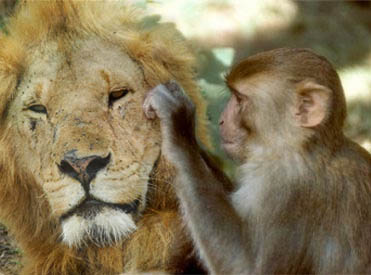
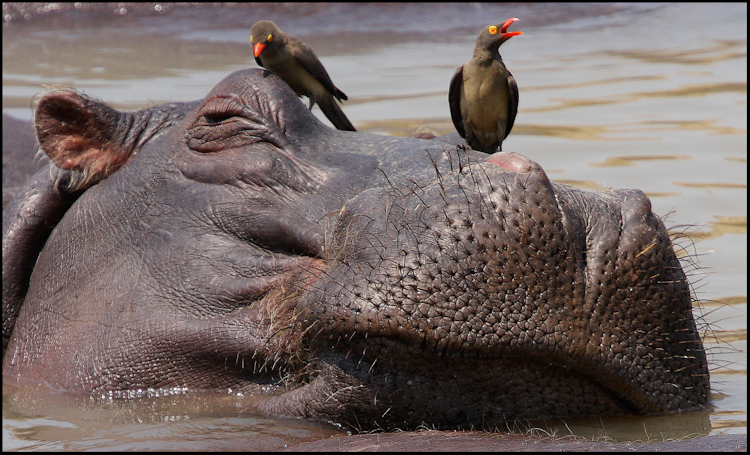
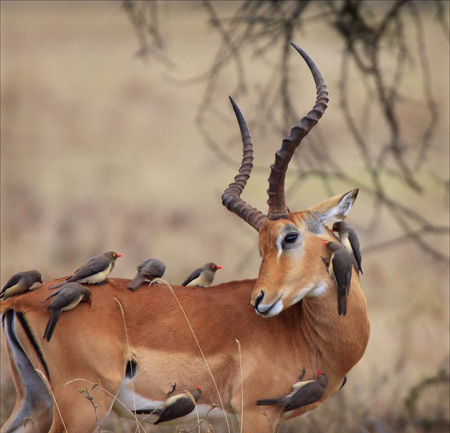
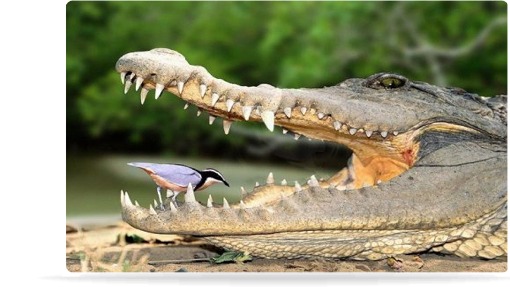
ஆப்பிரிக்காவில் நைல் நதியில் ப்லோவர் (Plover) இனப் பறவைகள் உண்டு. மாமிசத்தை உண்ணும் முதலைகளின் பற்களில் மாமிசத் துண்டுகள் சிக்கி அழுகிவிடும். ஆகையால் அவைகள் நதிக்கரையில் வந்து வாயைத் திறந்து கொண்டு உட்காரும். அப்பொழுது ப்லோவர் (Crocodile Bird) பறவைகள் தைரியமாக உள்ளே சென்று அந்த மாமிசத் துண்டுகளைத் தின்னும். இது முதலை—பறவை இனத்தில் மட்டுமின்றி நிறைய உயிரினங்களில் காணலாம். இதை ‘’சிம்பியாசிஸ்’’ (Symbiosis) என்று அழைப்பர். அதாவது இரண்டு உயிரினக்கள் இடையே உள்ள – இருவருக்கும் பயன் தரும் – ஒற்றுமை அல்லது ஒத்துழைப்பு.. சிங்கத்தின் உடலில் உள்ள பூச்சி புழுக்களை குரங்குகள் அகற்றும். காண்டமிருகத்தின் மேலுள்ள கிருமிகளை பறவைகள் அகற்றும்.

ஏன் சிசுபாலன் சிங்கத்தின் பெயரைச் சொன்னான்? இதற்கும் தவே விளக்கம் அளிக்கிறார். மனிதனில் வீரம் உடையவனை புலி, சிங்கம் என்று அழைப்பது போல நீரில் பலம் உடைய முதலைக்கும் சிங்கம் என்ற பெயர் உண்டு என்று சொல்கிறார். ராமனை, வால்மீகி முனிவர் ‘புலி’ என்றே அழைக்கிறார்.

வெங்கடேஸ்வர சுப்ரபாதத்தில் வரும் ‘’கௌசல்யா சுப்ரஜா’’ என்ற முதல் ஸ்லோகம் வால்மீகி ராமாயணத்தில் இருந்து எடுக்கப்பட ஸ்லோகம். அதில் வரும் ‘’நர்சார்தூல’’ என்ற சொல் மனிதருள் புலியே என்று இராம பிரானை புகழ்கின்றது.

birds_gazelle
தவே சொல்லக்கூடிய விளக்கம் நமக்கு இன்று ஓரளவு தகவல் தருகிறது. மஹாபாரத காலத்தில் ஒருவேளை, சிங்கத்தின் வாயில் இருக்கும் மாமிசத் துண்டுகளை எடுக்கும் பறவை இனம் இருந்திருக்கலாம். யார் அறிவார்?
-சுபம்–

MUNGOS MUNGO

Strange Bird in Mahabharata: Bhulinga Bird!

graphic-croc
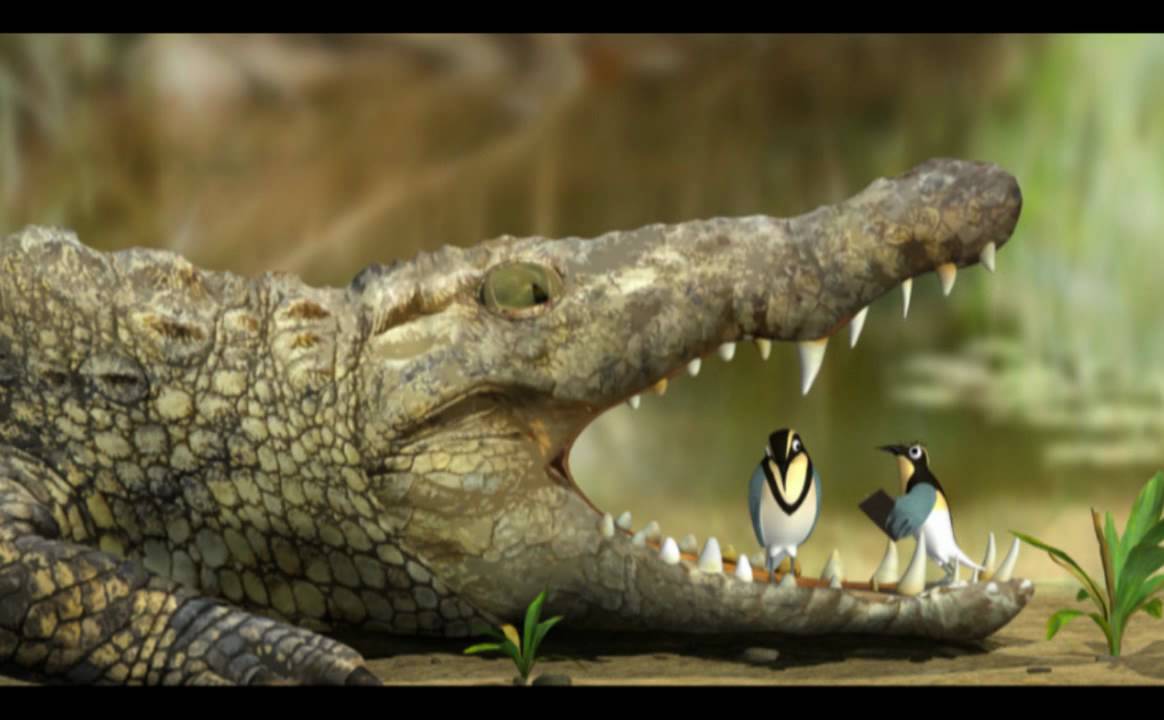
Crocodile and plover helping each other (symbiosis)

Research article written by London Swaminathan
Post No.1138; Dated 29th June 2014.

N.B. If you want to reproduce this article, please email me for permission. You must get written permission from me for each and every article separately. swami_48@yahoo.com

Those who have read my previous research articles on the Mysterious Vedic Homa bird, Kapinjala Bird and Double Headed Bird of Sumerian and Tamil Literature would definitely like this article.

In the Sabha Parava of Mahabharata, Sisupala criticized Bhisma for praising Krishna. Earlier Krishna told Sisupala’s mother that he would pardon 100 derelictions of Sisupala. But he crossed that limit and was killed by the Sudrasana Chakra of Krishna. It is a well known story.

croc3

Earlier in the tirade against Bhisma, Sisupala compared Bhisma to Bhulinga bird. This shows how much the ancient Hindus know about the world of nature. They enjoyed everything in nature and used them as apt similes. Earlier I wrote about Adi Shankara’s mention of four birds in one sloka, Adi Shankara’s mention of Alangium Hexapetalum and Dattareya’s 13 teachers in nature.

Here is the conversation about the Bhulinga bird:-

birds_gazelle
Sisupala said:
Bhisma, whose praises you sing, forever on your feet like a songster! If your heart must always delight in the praising of others, Bhishma, then praise real kings except Krishna. Praise Darda Bahlika, praise Karna, praise Drona and his son.

Why do you fail to praise such kings as Salya and others, if as always your heart is set on the praising, Bhisma?

Hippo and Oxpeckers - Highly Commended - Paula Martin
Hippopotamus and Oxpecker birds helping each other (symbiosis)

None of these four are done:
Censuring oneself,
Worshipping oneself,
Honouring a stranger,
Censuring a stranger;
None of these are done by a noble.

How on this keeper of herds for a Bhoja, a criminal, can you lower the entire world out of utterly personal whimsy?

Or if your loyalty, does not come by nature – didn’t I tell you before of the bird you resemble, the bhulinga?

lionmonkey
Symbiosis between lion and monkey.

This bhulinga bird lives on the farther side of the Himalaya, Bhisma; for this foolish bird, feeds on the morsels of fleshthat are stuck between the teeth of a feeding lion! This bird advises, ‘Do not act recklessly. But she fails to realize her own actions are foolhardy. There is no doubt that she lives at the lion’s pleasure, and you like her, always speak words without knowing the right law.

What does Biologists say?
Now let us go to ornithology (Bird study) to get some facts about this bird:
K.N. Dave in his ‘Birds Sanskrit Literature’, identified Bhulinga bird with plover. He says ‘bhulingasakuni’ is African plover, Pulvinus aegyptius, commonly known as the crocodile bird. It is found with the crocodiles in the River Nile in Egypt (Africa). It picks up the parasites from a crocodile when it is sunning on the banks of the river with its mouth wide open.
Dave says the Sanskrit word Simha in the Mahabharata (2-41-19) is actually a crocodile. Like we say Purushasimha (valorous like lion) Purushavyagra (valorous like a tiger), crocodile is called Simha (in the waters). But the translators of Mahabharata did translate it as a ‘lion’.
The plover lays eggs in a hole in the sand and so they are called Bhulinga bird.

MUNGOS MUNGO

Symbiosis in Mahabharata!!
Symbiosis is the interaction between two different organisms (like bird and animal) living in close association, typically to the advantage of both. Lot of meat eating animals have meat stuck up in their mouths or worms in the mouth which will be removed by the birds. Other animals have lice, mosquitoes, parasites etc. on their skins which will be removed by birds or animals. This is what described in the Mahabharata. But one may wonder why Sisupala described the Bhulinga bird as stupid. Actually the bird gets the morsel and the animal gets cleaner teeth- beneficial for both!! But this comes from the mouth of Sisupala who himself was reckless and foolish!!

Uttarakuru- A Mythical Land

map_mountains_central_asia_small

Written by London swaminthan
Post No.1136; Dated 28th June 2014.

N.B. If you want to reproduce this article, please email me for permission. You must get written permission from me for each and every article separately. swami_48@yahoo.com

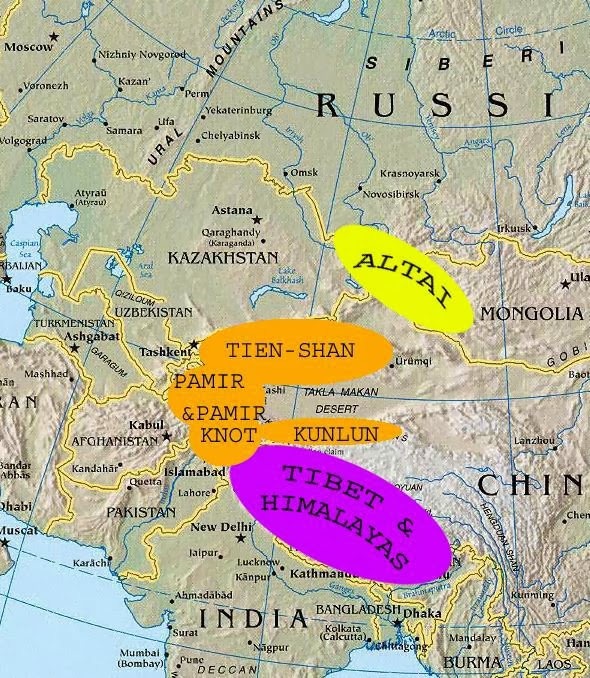
Uttarakuru has been referred to as a land of gold and immense pleasure in Tamil and Sanskrit literature. It is found in Vedic literature as well as Sangam Tamil literature. Lot of authors of classical age and writers of epics Vyasa and Valmiki also wrote about Uttarkurau. In the Vedic days it was NOT a mythical region. It existed somewhere beyond the Himalayas. Sabha Parva of Mahabharata described it as a real geographical area.

Arjuna got the Name Dhananjayan because he won the wealth of Uttarakuru (Dhanam= wealth, Jayan= one who won). Free sex was practised there.

Just before the Rajasuya Yajna of Yudhistra, Arjuna went towards North to conquer the lands. At the gates of Uttarakuru, he was stopped and told that no human being was allowed in. Even if he entered he could not see anything with human eyes. Then he insisted that they should accept Yudhistra’s sovereignty and offer tributes to him. They offered him divine garments, divine ornaments and divine hides and skins as tribute (Ref. Sabha parva of Mahabharata).

In Adhi Parva of Mahabharata ( 1—17—19) and Ramayana (4-44-88) the land of the Uttarakurus was described like a mythical country.

stairway-to-heaven

Sangam Tamil Literature

In Sangam Tamil literature Pathitrupathu (9-14)refers to Uttarakurus. Post Sangam Tamil epic Silappadikaram also refers to it.

Tamil poets described it as Bhogabhumi, land of pleasure. Ilango, author of Tamil epic Silappadikaram (2-10) compared the Tamil city Pumpuhar with Uttarakuru. He said that Uttarakuru was the residence of great penance performers and blessed with inexhaustible wealth.

UTTARAKURU In Vedic Literature —A Mysterious place with Gold!

The Uttarakurus, who play a mythical part in the epic and later literature are still a historical people in the Aitareya Brahmana (8—14) says the authors of the Vedic Index. They are located beyond the Himalaya. In another passage, however, the country of the Uttarakurus is stated by Vasistha Satyahavya to be a land of the gods (deva-kshetra), but Janamtapi Atyarati was anxious to conquer it, so that it is still not wholly mythical. It is reasonable to accept Zimmer’s view that the Northern Kurus were settled in Kashmir, especially as Kurukshetra is the region where tribes advancing from Kashmir might naturally be found (Vedic Index by AA Macdonell and AB Keith, page 84).

Identifying ancient lands mentioned in Puranas and Ithihasas (mythology and epics) has been a problem from the very beginning. Since the names like Kurus, Madras, Khambojans are tribal or community names and wherever they migrated that was called their land (country). In course of time, they slowly migrated to different areas, which led to lot of confusion. So nothing can be said with any certainty.

Sanskrit playwright Bhasa has referred to it in two of his dramas (Avimaraka and Svapnavasavadatta)
Pliny said that the Greek author Amometus wrote a book on Attacorae (Uttarakuru), which is lost.
The Uttarakuru is the seventh of the nine divisions lying to the north of Meru. Being the land of the eternal beautitude and enjoyment it came to be regarded as a heaven (Devabhumi or Bhogabumi) where the heavenly nymphs (Apsaras) dwelt.

Similar descriptions are found in Jain and Buddhist scriptures.

It is identified with Ottoro Korai of Ptolemy and Lassen places the country somewhere east of modern Kasgar– Source:Act 4 of Svapnavasavadatta of Bhasa ,translated by M R Kale.

Utopia

Utopia of Thomas Moore (1516)
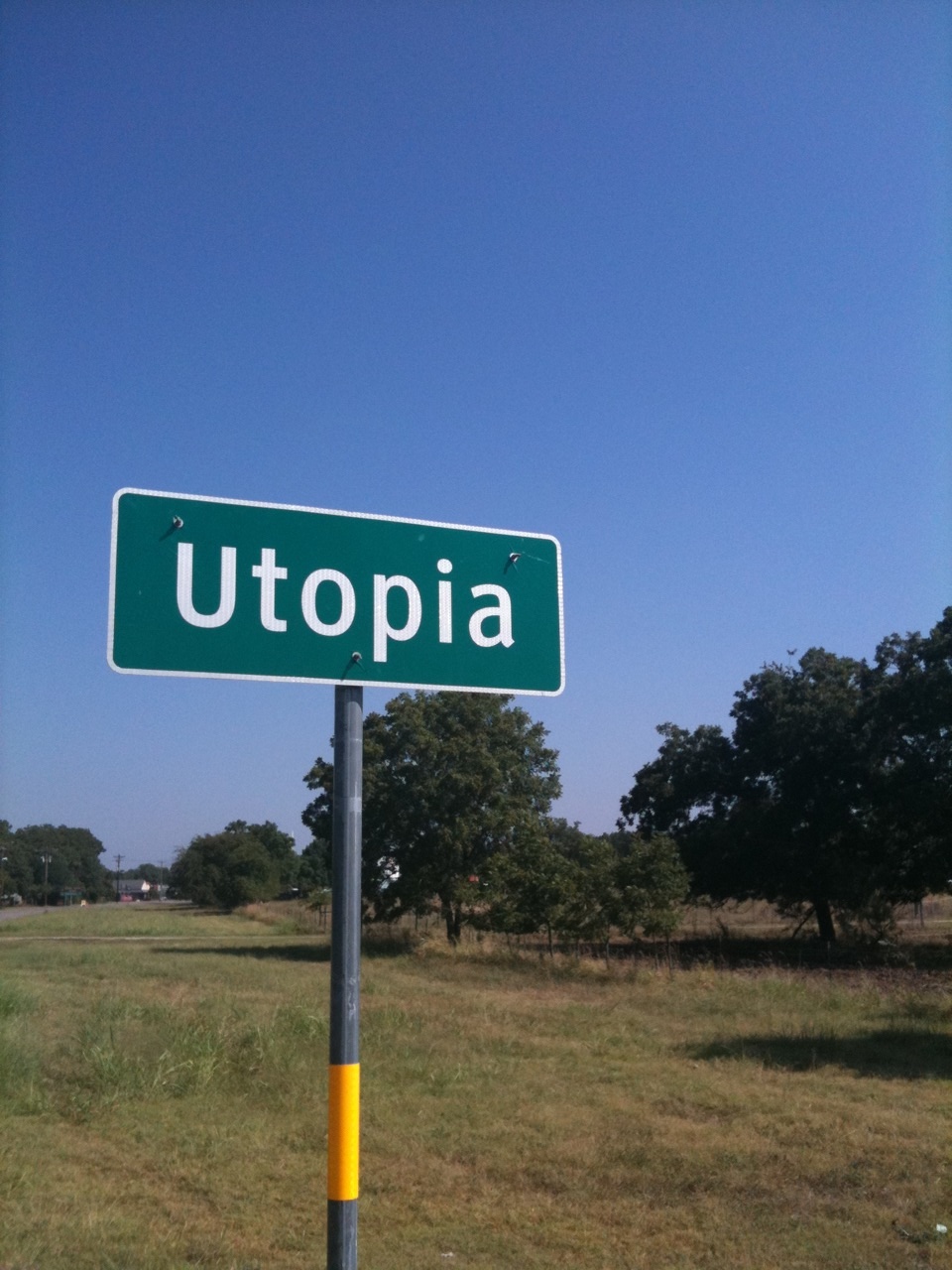
Sir Thomas Moore wrote a book about an ideal society in an imaginary land in the Atlantic Ocean called Utopia. Probably he got the idea from Hindu Uttarakuru. Plato in his Republic wrote about a society where there are four classes of citizens (Gold, Silver, Bronze and Iron). The golden citizens are philosopher kings like Janaka of Upanishads. He might have got the idea from the Four Yugas of Hindu literature. Golden citizens are like the citizens in Krita Yuga, the Hindu Golden Age.

Tamil References (in Tamil):–
Silappadikaram, 2. Manaiyarampatutha katai
Uutarakuruvin oppath thodriya (2-10)
See Pathitru pathu – ezam pathu lines 9-14 vatapula vaazwar= uththarakuru.

நேராகப் படித்தால் ராமாயணம்; தலைகீழாகப் படித்தால் மஹாபாரதம்!

ram,maha

நேராகப் படித்தால் ராமாயணம்; தலைகீழாகப் படித்தால் மஹாபாரதம்!

ச.நாகராஜன்

Written by S Nagarajan
Post No.1104; dated 13th June 2014.

ராமாயண, மஹாபாரதம்
ஹிந்து தர்மத்தின் அற்புதமான இதிஹாஸங்களாக இலங்குபவை ராமாயணமும் மஹாபாரதமும். வேதத்தின் சுருக்கமே ராமாயணம் என்றும் ஐந்தாவது வேதம் தான் மஹாபாரதம் என்றும் தொன்று தொட்டு இந்த நாட்டில் போற்றப்பட்டு வருகிறது.உலகில் முதல் முதல் எழுந்த காவியம் என்பதால் ஆதி காவியம் என ராமாயணம் கருதப்படுகிறது. 644 ஸர்க்கங்களில் 24000 சுலோகங்களில் ஏழு காண்டங்களில் தர்மத்தின் திரு உருவான ராமனின் கதையை சம்ஸ்கிருதத்தில் மஹரிஷி வால்மீகி தருகிறார்.

18 பர்வங்களில் (100 உப பர்வங்களில்) ஒரு லட்சம் சுலோகங்களில் 2314 அத்தியாயங்களில் மஹரிஷி வேத வியாஸரால் மஹா பாரதம் இயற்றப்பட்டுள்ளது.

காலம் காலமாக இந்த இரு இதிஹாஸங்களும் உலகின் எல்லாப் பகுதிகளிலும் ஏராளமானோரை பல்லாயிரக்கணக்கில் கட்டுரைகள், நூல்கள் மற்றும் காவியங்களை வெவ்வேறு மொழிகளில் இயற்ற ஊக்குவித்திருப்பதை உலகமே அறியும்.

தைவக்ஞர் சூரிய கவி
ஆனால் பாரதத்தைச் சேர்ந்த மூன்று அதிசயக் கவிஞர்கள் இந்த இரு இதிஹாஸங்களை வைத்து ஒரு அற்புதமான அதிசயமான செயலை சம்ஸ்கிருத மொழியில் சாதித்துள்ளனர்.
தைவக்ஞர் சூரிய கவி என்பவர் பெரும் சம்ஸ்கிருத விற்பன்னர், கவிஞர்! அவர் 36 ஸ்லோகங்கள் அடங்கிய ராமகிருஷ்ண விலோம காவ்யம் என்று ஒரு காவியத்தை இயற்றியுள்ளார். இதில் ஸ்லோகத்தை முதலிலிருந்து படித்துக் கொண்டு போனால் ராமாயணக் கதையைக் காணலாம். ஸ்லோகத்தின் பின்னாலிலிருந்து திருப்பிப் படித்துக் கொண்டு போனால் வருவது இன்னொரு ஸ்லோகம். அதில் மஹாபாரதக் கதையைக் காணலாம். விகடகவி, தேருவருதே போன்ற சொற்களில் வரும் எழுத்துக்களைத் தலைகீழாகத் திருப்பிப் போட்டாலும் அதே சொற்கள் வருவது ஒரு சொல் அலங்காரம். இதை ஆங்கிலத்தில் Palindrome என்கிறோம்.

ஒரு ஸ்லோகம் அல்ல, பல ஸ்லோகங்கள் அடங்கிய ஒரு காவியமே இப்படி அமைக்கப்பட்டுள்ளது என்றால்..! வியக்க வைக்கும் இந்தக் காவியத்திலிருந்து உதாரணத்திற்கு இரு பாடல்களை இங்கு காணலாம்.

ramayan,mahabaharat

கௌசிகே த்ரிதபஸி ஷ்ரவ்ரதி யோத்ததாத் த்விதநயஸ்வமாதுரம் I
ரந்துமாஸ்வயன தத்தித்தாதயோ தீவ்ர ரக்ஷஸி பதத்ரிகேஷிகௌ II
-ஆறாவது ஸ்லோகம்

இதன் பொருள் : எல்லா உயிரினங்களின் ஆசைகளை நிறைவேற்ற உறுதி பூண்ட தசரத மன்னர், (மனோ வாக்கு காயம் ஆகிய )மூன்று விதத்திலும் தவம் செய்த ரிஷி விஸ்வாமித்திரருக்குத் தன் செல்வங்களான ராமர், லக்ஷ்மணரைத் தந்தார்.

இதே ஸ்லோகத்தை திருப்பிப் போட்டுப் படித்தால் பொருள் மாறி விடும் இப்படி:- புண்ணியச் செயல்களைச் செய்த ஓ, பரீட்சித்து மன்னனே, ராக்ஷஸ குணத்தில் வேறு யாரையும் ஒப்பிடமுடியாத பூதனையையும் பறவையின் உருவில் இருந்த பகனையும் குதிரையின் உருவில் இருந்த கேசினையும் விளையாட்டு லீலையாக எல்லையற்ற ஞானம் உடைய ஸ்ரீ கிருஷ்ணர் அவர்கள் உடலிலிருந்து (உயிரை நீக்கி) முக்தி அளித்தார்.

rama brown

இதே காவியத்திலிருந்து இன்னொரு பாடலைப் பார்ப்போம்.
க்ஷதாய மா யத்ர ரகோரிதாயுர் அங்கானுகானன்யதயோயனானி I
நிநாய யோ வன்யனகானுகாரம் யுதாரிகோரத்ரயமாயதாக்ஷ: II
– 34வது ஸ்லோகம்

இதன் பொருள் : சுக்ரீவனும் இதர குரங்குகளும் யுத்தகளத்தில் நுழைந்தவுடன் அழியப் போகும் வாழ்வை உடையவனான ராவணனால் ராமருக்கு எந்தக் காயத்தையும் விளைவிக்க முடியவில்லை.
இதையே பின்னாலிலிருந்து படித்தால் வரும் பொருள் இது: நீண்ட கண்களையுடைய ஸ்ரீ கிருஷ்ணர் மலை போன்ற உருவத்தை ஒத்த (அகாசுரன், கேசின், பூதனா ஆகிய) மூன்று பயங்கரமான அசுரர்களை வதம் செய்தான்.

இது போன்ற விலோம காவியத்தின் ஆதிகர்த்தா சூர்யகவியே என ஆய்வாளர்கள் கருதுகின்றனர். அவர் பார்த்தபுரத்தில் (அஹ்மத் நகர்) 1580ஆம் ஆண்டு வாக்கில் வாழ்ந்த அற்புதமான கவிஞர். இதற்கு அவரே ஒரு உரையையும் எழுதி இருக்கிறார். அதில் இப்படிப்பட்ட ஒரு காவியம் செய்வது எவ்வளவு கஷ்டமானது என்பதையும் விளக்கியுள்ளார்.

rama B&W

சிதம்பர கவியின் அற்புத காவியங்கள்
அடுத்து 1600ஆம் ஆண்டில் தஞ்சாவூரில் வாழ்ந்த சிதம்பர கவி என்பவர் சப்தார்த்த சிந்தாமணி என்ற நூலை இயற்றியுள்ளார். இதிலும் முதலிலிருந்து படித்தால் ராமாயணமும் பின்னாலிலிருந்து படித்தால் மஹாபாரதக் கதையும் மிளிரும். தஞ்சை சரஸ்வதி மஹாலில் சுவடி வடிவில் உள்ள இந்த அற்புத நூல் இன்னும் அச்சிடப்படவில்லை எனத் தெரிகிறது. ஆனால் இதன் பெருமை உலகெங்கும் பரவி விட்டிருக்கிறது.இவர் இன்னும் ஒரு படி மேலே போய் கதா த்ரயம் என்ற காவியத்தையும் இயற்றி இருக்கிறார். இதில் ஸ்லோகத்தைப் பிரித்துப் படித்துப் பார்த்தால் ராமாயணம், மஹாபாரதம் ஆகியவற்றோடு பாகவதக் கதையையும் படிக்கலாம், ஒரே பாடலில் மூன்று பிரம்மாண்டமான நூல்கள்! அதிசயம், ஆனால் உண்மை! உலகில் இது போல எந்த ஒரு மொழியிலும் நினைத்துக் கூடப் பார்க்க முடியாத சாதனையாக இது கருதப்படுகிறது!

கவிஞர் வேங்கடாத்வரி
சிதம்பர கவியை அடுத்து அதிசயமான மூன்றாவது கவிஞராகத் திகழ்பவர் வேங்கடாத்வரி என்பவர். 1650ஆம் ஆண்டு வாக்கில் காஞ்சிபுரத்தில் வாழ்ந்த மாபெரும் கவிஞர் இவர். இவரது ராகவ யாதவீயம் என்பது 30 ஸ்லோகங்களைக் கொண்ட ஒரு அரிய நூல். ஸ்லோகத்தை நேரடியாகப் படித்தால் ராமாயணக் கதையையும் தலைகீழாகப் படித்தால் மஹாபாரத கதையையும் இதில் படிக்க முடிகிறது.இதில் இரு ஸ்லோகங்களைப் பார்க்கலாம்.

ராமநாமா சதா கேதபாவே தயாவான் அதாபீனதேஜா: ரிபௌ ஆனதே I
காதிமோதாஸஹாதா ஸ்வபாஸா ரஸாமே சுக: ரேணுகாகாத்ரஜே பூருமே II
-ஸ்லோகம் 7
அனுலோமமாக அதாவது முதலிலிருந்து கடைசி வரை வரிசைக்கிரம்மாகப் பார்த்தால் இதன் பொருள் : துயரப்படுவோரிடம் எப்போதும் சதா கருணையுடன் திகழும் ராமபிரான், சூரியனைப் போலப் பிரகாசிப்பவரும் சுலபமாக அணுகக்கூடியவரும் முனிவர்களைத் துன்புறுத்திய ராக்ஷஸர்களை அழித்தவருமான அவர் ரேணுகாவின் புத்திரரும் பூமி அனைத்தையும் தனது செல்வமாகக் கொண்டு சுற்றித் திரிந்தவருமான பரசுராமரைப் பார்த்த போது குளிர்ந்த ஒளியுடன் அடக்கமுடன் திகழ்ந்தார்.
இதையே திருப்பிப் போட்டால் வரும் ஸ்லோகம்:

மேருபூஜேத்ரகா காணுரே கோஸுமே சா அரஸா பாஸ்வதா ஹா சதா மோதிகா I
தேன வா பாரிஜாதேன பீதா நவா யாதவே அபாத் அஸ்வேதா சமானாமரா II

பிரதிலோமமாக அதாவது கடைசியிலிருந்து முதல் வரை (மேலே உள்ள ஸ்லோகப்படி பார்த்தால்) இதன் பொருள் : மேருவையும் வெல்லும் ரைவர்த்தக மலையில் இருந்தபோது பாரிஜாத மலரை அடைந்த ருக்மிணி பூமியில் உள்ள குறைந்த வாசனையே உள்ள எந்த புஷ்பங்களின் மீதும் ஆசையின்றிப் போனதோடு ஒரு புதிய மேனியை அடைந்தவள் போலத் திகழ்ந்தாள்.
ஆக அனுலோமமாகவும் பிரதிலோமமாகவும் உள்ள இந்த விலோம காவியத்தின் அனைத்துப் பாடல்களையும் வார்த்தை வார்த்தையாக எடுத்து அர்த்தத்தைக் கூறப் போனால் கவிதையின் அழகும் ஆழமும் நன்கு புரிவதோடு பிரமிப்பும் வியப்பும் வரும்.

krishna and balarama
Picture of Krishna and his brother Balarama.

இன்னும் ஒரு பாடல்:
தாம் ஸ: கோரமதோஷ்ரீத: விக்ராம் அஸதர: அதத I
வைரம் ஆஸ பலாஹாரா வினாஸா ரவிவம்சகே II
– ஸ்லோகம்18

அனுலோமமாக இதன் பொருள்: ராமனின் வலதுகரமாகத் திகழ்ந்த பயமே அறியாத லக்ஷ்மணனால் மூக்கு அறுபட்டவுடன் சூர்ப்பணகை ராமன் மேல் பழி வாங்கத் துடித்தாள்.
இந்த ஸ்லோகத்தை பிரதிலோமமாக கடைசியிலிருந்து தலைகீழாக எழுதிப் பார்த்தால் வருவது இந்த ஸ்லோகம்:-

கேசவம் விரஸானாவி: ஆஹ ஆலாபஸமாரவை: I
ததரோதஸம் அக்ராவித: அஷ்ரித: அமரக: அஸதாம் II

இதன் பொருள்:-மலைகளின் கொட்டமழிப்பவனும், தேவர்களின் தலைவனும், அசுரர்களை அழிப்பவனுமான இந்திரன் தனது சந்தோஷம், பலம், ஒளி ஆகியவற்றை இழந்தான். வானையும் பூமியையும் படைத்த கிருஷ்ணனிடம் சமாதானப்படுத்தும் சொற்களைப் பேசினான்.
காவியம் படிப்போம்; பரப்புவோம்!

(சம்ஸ்கிருத) இலக்கணத்திற்குட்பட்டு பொருள் பொதிந்த சொற்களை இப்படி அமைப்பதென்பது இறை அருளினால் மட்டுமே வரும் என சூரிய கவியே மனம் நெகிழ்ந்து சொல்லியுள்ளார்.
இப்படிப்பட்ட தெய்வீகக் கவிஞர்கள் இந்த நாட்டில் தோன்றி இதிஹாஸ மேன்மையையும் சம்ஸ்கிருத அருமையையும் நிலை நாட்டி இருப்பது சனாதன தர்மத்தின் ஏராளமான அதிசயங்களுள் இன்னும் ஒரு அதிசயமே!
krisna bow

ராமகிருஷ்ண விலோம காவ்யத்தை சம்ஸ்கிருதத்தில் படிக்க விரும்புபவர்கள் கீழ்க்கண்ட இணையதளத்தில் http://sanskritdocuments.org/all_pdf/raamakrshhna.pdf என்ற தொடுப்பிலிருந்து இலவசமாக டவுன்லோட் செய்து கொள்ளலாம்.

ராகவ யாதவீயம் காவியத்திற்கு ஆங்கிலத்தில் விரிவான அழகான உரை ஒன்றை எழுதி இருப்பவர் டாக்டர் சரோஜா ராமானுஜம்.இந்த சம்ஸ்கிருத ஸ்லோகத்திற்கான ஆங்கில விரிவுரை நூலையும் இணையதளத்தில் காணலாம்.

அருமையான காவியங்களை உலகிற்குத் தரும் இணைய தளங்களுக்கும் உரை எழுதிய சம்ஸ்கிருத விற்பன்னர்களுக்கும் நமது நன்றிகளை உரித்தாக்கி இக் காவியங்களின் பெருமையை உலகில் பரப்புவோம்!.ராம கிருஷ்ணரின் அருளுக்குப் பாத்திரராவோம்!!
******************

ராமாயணம் சௌபாக்யம், பாப நாசனம், வேத சமம்!

ram hanuman

Post No.1047
By S Nagarajan, அத்தியாயம் 27

உலகின் முதல் காவியமான ராமாயணம் ஹிந்துக்களின் பொக்கிஷம். ராமாயணம் ஒரு அறிவுக் களஞ்சியம். அறக் களஞ்சியம். கலாசாரப் பொக்கிஷம். கலைப் பொக்கிஷம். கவிதைப் பொக்கிஷம். உவமை, உத்தி, நியாயம், பழமொழி, பழங்கதைகள் ஆகியவற்றின் கருவூலம். சுயமுன்னேற்றத்தைத் தரும் முன்னேற்ற நூல். புருஷார்த்தம் எனப்படும் அறம், பொருள், இன்பம், மோக்ஷம் ஆகிய நான்கையும் அடைவதற்கான வழிகளைச் சுட்டிக் காட்டும் லட்சிய நூல். கோடானு கோடி மனிதர்களுக்கு காலம் காலமாக உத்வேகம் ஊட்டிய பழம் பெரும் நூல். மேலாண்மையைத் திறம்படச் செய்ய வைக்கும் மேலாண்மை நூல்.

யுத்தக் கலையைக் கற்பிக்கும் போர் நூல். அஸ்திரங்களைப் பிரயோகிப்பது பற்றிய அனைத்தையும் கற்பிக்கும் அஸ்திர நூல். ராஜ தந்திரக் கலையைக் கற்பிக்கும் ராஜ தந்திர நூல். எல்லா நலத்தையும் விளைவிக்கும் மந்திர நூல். பல யந்திரங்களை விளக்கும் யந்திர நூல். இறைவனைத் துதிக்கச் சிறந்த துதிகளை அள்ளித் தரும் ஸ்தோத்திர நூல். மன நலத்தை மேம்படுத்தும் உளவியல் நூல். மூலிகைகளின் ரகசியத்தைக் கூறும் மூலிகை நூல். உயிர் மீட்கும் மருத்துவ நூல். வேத விளக்கமாகத் திகழும் வேதத்தின் உரை நூல். ரிஷிகளின் சரித்திரங்களைத் தரும் வரலாற்று நூல். ஜோதிட சாஸ்திரத்தின் நுணுக்கங்களை அறிவிக்கும் ஜோதிட நூல். வானியல் மர்மங்களை விளக்கும் வான சாஸ்திர நூல்.

இப்படிச் சொல்லிக் கொண்டே போகலாம். இதற்கான ஆதாரங்கள் 24000 ஸ்லோகங்களில் பொதிந்து கிடக்கின்றன! வல்லார் வாய் கேட்டு இவற்றை அறியலாம்.

ram in frame

உத்தர காண்டத்தில் இறுதி ஸர்க்கமான நூற்றிப்பத்தாவது ஸர்க்கத்தில் ராமாயணத்தின் பெருமை சிறப்பாக விளக்கப்பட்டுள்ளது.

வேத பாடத்திற்கு முதலில் கற்றறிய வேண்டியதென பெருமை பெற்றதாய் பிரம்மாவினால் மெச்சிக் கொண்டாடப்பட்டது. (முக்யம் ஏதாவதத் ப்ரஹ்மபூஜிதம்) ராமாயணம்.

ஸ்வர்க்க லோகத்தில் தேவரைப் பற்றியதாகிய ராமாயணத்தை கந்தர்வர்கள் உள்ளிட்ட தேவர்களும் பரம ரிஷிகளும் சித்தர்களும் அப்போதிலிருந்து எக்காலத்திலும் சந்தோஷமுடையவர்களாய் பாராயணம் செய்து வருகின்றனர்.

இதமாக்யானமாயுஷ்யம் சௌபாக்யம் பாப நாசனம் I ராமாயணம் வேத சம்ம் ச் ராத்தேஷு ஸ்ராவயேத்துத: II
(உத்தர காண்டம் நூற்றிப்பத்தாவது ஸர்க்கம், முப்பதாவது ஸ்லோகம்).

இதம் – இந்த ராமாயணம் – ராமாயணம் என்னும் ஆக்யானம் – ஆக்யானமானது ஆயுஷ்யம் – தீர்க்காயுளைக் கொடுக்க வல்லது சௌபாக்யம் – ஸகல சௌபாக்கியங்களையும் அளிக்க வல்லது பாப நாசனம் – சர்வ பாபங்களையும் போக்க வல்லது வேத சமம் – வேதத்திற்குச் சமமானது ச்ராத்தேஷு – சிரார்த்த காலங்களில் ஸ்ராவயேத் – பாராயணம் செய்ய வேண்டும்.

rama boating

இதனது கால் ஸ்லோகத்தையாவது எவன் ஒருவன் படிக்கிறானோ அவன் எல்லா பாவங்களிலிருந்தும் விமோசனம் அடைகின்றான். புத்திர பாக்கியம் இல்லாதவன் புத்திரனைப் பெறுகிறான். பணம் இல்லாதவன் பணத்தைப் பெறுகிறான்.

எவனேனும் பாவங்களை விடாமல் செய்த போதிலும் அவனும் ஒரு ஸ்லோகத்தையாவது படிப்பானாகில் பாவத்திலிருந்து விமோசனம் அடைகிறான்.

நோயற்ற வாழ்வைத் தரவல்லதாகிய (ஆயுஷ்யம்) ராமாயணம் என்னும் ஆக்யானத்தை பாராயணம் செய்யும் மனிதன் இந்த உலகில் புத்திர பௌத்திர பாக்கியங்களைப் பெற்று விளங்குகின்றான். இறந்த பின்னர் இங்கேயும் பரலோகத்திலும் கௌரவிக்கப்படுகின்றான்.
இப்படி ராமாயணம் கற்றலின் பலனையும் கேட்டலின் பயனையும் உத்தரகாண்டத்தில் வால்மீகி மஹரிஷி விவரித்து அருளியுள்ளார்.

ராமாயணத்தைப் பயில்வோம். பயிற்றுவிப்போம்.

கற்பார் ராமபிரானை அல்லால் மற்றும் கற்பரோ என்று அருளுகிறார் நம்மாழ்வார்.
பூரண அவதாரமான ராம சரிதத்தை இடைவிடாமல் கற்போம். ஏற்றம் பெறுவோம்!

முற்றும்.

contact swami_48@yahoo.com

*******************

ராமாயணம் தோன்றியது எப்படி? அற்புதமான கதை

rama rama
Post No 1015; Date 2nd May 2014.

எழுதியவர் ச.நாகராஜன்
ராமாயண வழிகாட்டி- அத்தியாயம் 26

சிலேடைக் கவிதையில் ராமாயண உதயம்!!

ராமாயணம் தோன்றக் காரணமாக அமைந்ததே ஒரு சிலேடை ஸ்லோகத்தால் தான்!

இனிமையான குரலுடைய இரண்டு க்ரௌஞ்ச பக்ஷிகளுடைய ஆண்,பெண் ஜோடியை குரூரங்களுக்கு இருப்பிடமான ஒரு வேடன் பார்த்தான்.அதில் ஆண் பறவையைக் கொன்றான்.பெண் பறவை கீழே தள்ளப்பட்டு பூமியில் புரளுகிற ரத்தத்தினால் பூசப்பட்ட சரீரமுடைய தன் ஜோடிப் பறவையைப் பார்த்து பரிதபிக்கத்தக்க புலம்பலைப் புலம்பிற்று. அந்தப் பறவையைப் பார்த்த தர்மாத்மாவான வால்மீகி முனிவருக்குக் கருணை உண்டாயிற்று. அவர் ‘இது அதர்மம்’ என்று ஒரு வசனத்தைக் கூறினார்:

மா நிஷாத ப்ரதிஷ்டாம் த்வமகம: ஷாஸ்வதீ: சமா:I
யத்க்ரௌஞ்சமிதுனாதேகமவதீ: காமமோஹிதம் II

– பால காண்டம் இரண்டாம் ஸர்க்கம், பதினான்காம் ஸ்லோகம்

நிஷாத – வேடா! க்ரௌஞ்சமிதுனா – க்ரௌஞ்ச மிதுனத்தில் காம மோஹிதம் – காமத்தால் மயங்கி இருந்த ஏகம் – ஒன்றை அவதீ: – கொன்றாய் தத் ஸ்வே – அதனால் நீ ஷாஸ்வதீ: – நீடித்த சமா -ஆண்டுகளில் ப்ரதிஷ்டாம் – இருப்பை மா அகம::-அடைய மாட்டாய்

இதைச் சற்று சிந்தித்த அவருக்கு இதே வசனத்திற்கு வேறு ஒரு பொருள் தோன்றியது!

ramachandra swami

மா நிஷாத ப்ரதிஷ்டாம் த்வமகம: ஷாஸ்வதீ: சமா:I
யத்க்ரௌஞ்சமிதுனாதேகமவதீ: காமமோஹிதம் II

– பால காண்டம் இரண்டாம் ஸர்க்கம், பதினான்காம் ஸ்லோகம்

மாநிஷாத – ஸ்ரீனிவாஸ! க்ரௌஞ்சமிதுனாத் – ராக்ஷஸ மிதுனத்தில் காம மோஹிதம் – காமத்தால் புத்தி கெட்ட ஏகம் – ஒருவனை அவதீ: – கொன்றீர்; யத் ஸ்வே – அதனால் நீர் ஷாஸ்வதீ: – நீடித்த சமா -ஆண்டுகளில் ப்ரதிஷ்டாம் – கீர்த்தியை மா அகம::-அடைந்தீராக!

ஆக இந்த ஸ்லோகமே இரு அர்த்தம் கொண்ட ச்லேடை ஸ்லோகமாக ஆனது!
சற்று சிந்தித்த அவருக்கு ஒரு அதிசயம் விளங்கியது!

rama flowering sita

பாதபத்தோக்ஷரசமஸ்தந்த்ரிலயசமன்வித: I
ஷோகார்தஸ்ய ப்ரவ்ருத்தோ மே ஸ்லோகோ பவது நான்யதா II

– பால காண்டம் இரண்டாம் ஸர்க்கம், பதினேழாம் ஸ்லோகம்

சோகார்தஸ்ய – சோகத்தால் பீடிக்கப்பட்ட மே – என்னிடமிருந்து ப்ரவ்ருத்த – உண்டானதும் பாதபத்த: – பாதங்களோடமைந்த அக்ஷரசம: – எழுத்தொத்த தந்த்ரிலயசமன்வித: – வீணைத் தந்தியில் தாள லயத்தோடு கூடினது ஸ்லோக: – ஸ்லோகம் என்ற பெயர் உடையதாகவே பவது – இருக்கட்டும் அன்யதா ந – வேறு விதமாக இல்லை

தானே தாள லயத்துடனும் அற்புதமான அர்த்தத்துடனும், பொருத்தமான சந்தத்துடனும் அமைந்த அந்தச் செய்யுளுக்கு ஸ்லோகம் என்று அவர் பெயர் தந்தார். இப்படியாகத் தான் சங்கீத லயமும் அர்த்தமும் சந்தமும் உள்ள ராமாயணம் உதயமாயிற்று!

அப்போது வால்மீகி முனிவரைப் பார்க்க தாமே வந்த பிரம்மாவை அவர் உபசரித்து வரவேற்றார். ஆனாலும் மனதிலே க்ரௌஞ்ச பக்ஷியைப் பற்றிய எண்ணம் அவருக்கு இன்னும் போகவில்லை.
பிரம்மா அவர் எண்ணத்தை அறிந்து சிரித்தார்.பிறகு கூறினார்:-

kothanda raman

மச்சாந்தாதேவ தே ப்ரஹ்மண் ப்ரவ்ருத்தேயம் சரஸ்வதி I
ராமஸ்ய சரிதம் சர்வ குரு த்வம்ருஷிசத்தம் II

– பால காண்டம் இரண்டாம் ஸர்க்கம், முப்பத்தியிரண்டாம் ஸ்லோகம்

ப்ரஹ்மன் – பிராம்மணரே தே – உம்முடைய இயம் சரஸ்வதி – இந்த வாக்கானது மச்சாந்தாத் ஏவ – என்னுடைய அபிப்ராயத்தினாலேயே ப்ரவ்ருத்தா – உண்டானது ருஷிசத்தம – முனி ச்ரேஷ்டரே த்வம் – நீர் ராமஸ்ய சரிதம் –ராமருடைய சரித்திரத்தை சர்வம் – முழுவதையும் குரு – செய்யும்.

இவ்வாறு ராம சரிதத்தை முழுவதுமாகச் செய்ய பிரம்மா அருளுரை புகல ராமாயணம் உருவானது. வால்மீகி முனிவருக்கு உலகம் உய்ய வேண்டும் என்ற பிரம்மாவின் சங்கல்பம் மகிழ்ச்சியைத் தரவே அற்புதமான காவியத்தை உள்ளது உள்ளபடி செய்தார்.

உலகில் மலைகளும் நதிகளும் எதுவரைக்கும் இருக்குமோ அது வரைக்கும் ராமாயணக் கதை உலகங்களில் விளங்கப் போகிறது என்று ஆசீர்வதித்தார் பிரம்மா.

யாவத் ஸ்தாஸ்வந்தி கிரய: சரிதஸ்ச மஹீதலே I
தாவத் ராமாயணகதா லோகேஷு ப்ரசரிஷ்யதி II

– பால காண்டம் இரண்டாம் ஸர்க்கம், முப்பத்தியேழாம் ஸ்லோகம்

பூமி உள்ளவரை ராமாயணம் ஒலிக்கும்!!!

Golden_Globe_awards_logo

மஹீதலே – உலகத்தில் கிரய: – மலைகளும் சரிதஸ்ச – நதிகளும் யாவத் – எதுவரைக்கும் ஸ்தாஸ்வந்தி – இருக்குமோ தாவத் – அதுவரை ராமாயணகதா – ராமாயண கதை லோகேஷு – உலகங்களில் ப்ரசரிஷ்யதி –விளங்கப் போகின்றது.

வால்மீகி முனிவரின் இந்த ஆதி காவியம் உலகம் உள்ளவரை நிலைத்து நிற்கும் என்பதில் ஐயமேது! இதைப் படிக்கும் பேறு பெற்றோரின் அதிர்ஷ்டமே அதிர்ஷ்டம் அல்லவா!!

contact swami_48@yahoo.com