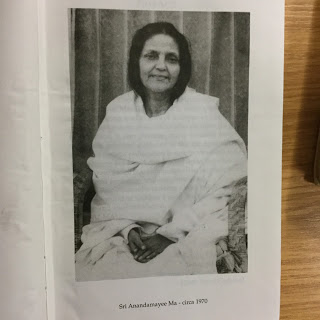
Bengali Mystic Sri Anandamayee Ma, Great saint of India (Post No. 3961)

Written by London Swaminathan


Date: 1 June 2017


Time uploaded in London- 17-45


Post No. 3961


Pictures are taken from various sources such as Face book, Wikipedia and newspapers; thanks.


contact: swami_48@yahoo.com


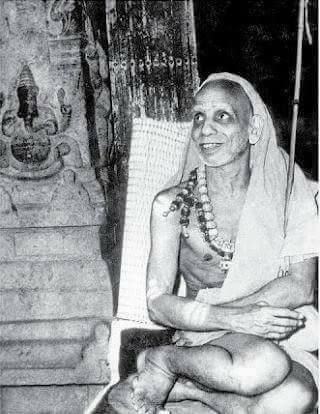
“Shri Anandamayee Ma is one of the most outstanding (1896-1982) religious figures of modern times and was the last great representative of the Hindu Renaissance that began with Sri Ramakrishna Paramahamsa (1836-1886).”
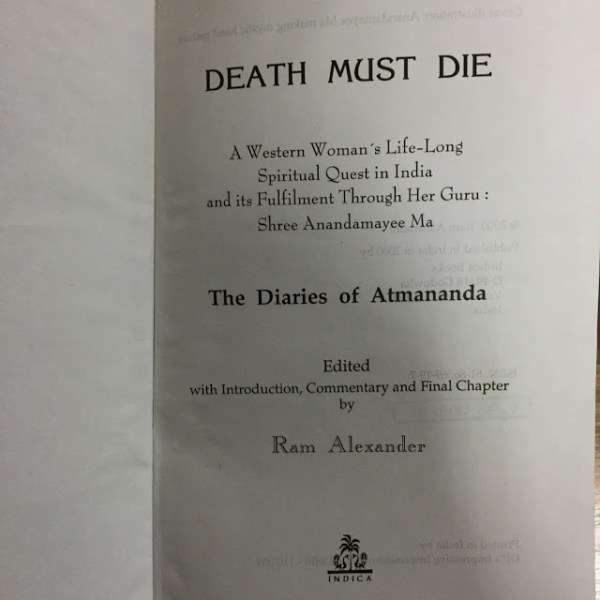
 

Atmananda was a Jewish woman born on 7th June 1904 in Vienna (Austria) who became a disciple of the Bengali mystic Shri Anadamayee Ma, died in 1985 in Haridwar. Her flower decked funeral bier was taken in a procession in Haridwar and ritually immersed in holy Ganga river in a place reserved only for Hindu Sanyasins (ascetics). It was the first time that a foreigner was given such an honour and respect. She wrote diary every day and it was published in a book after her death. Atmananda was a pianist and educator. Following information is a summary of some anecdotes from the book:-


“Anandamayee Ma was born in a remote village in East Bengal (now Bangladesh) on 1 May 1896 into a poor Brahmin family and given the name Nirmala (stainless purity). From childhood, she radiated an uncanny beauty and was doted on by all the people in the village. Like all the traditional Hindu houses her house had a prayer room with the pictures of Hindu Gods and Goddesses. Anandamayee ma would later say this idyllic world of her childhood that it was a place where there was perfect harmony and order, where everyone whatever their caste or religion (the village was over half Muslim) knew exactly what his or her role or dharma was and was at complete ease with this.


As was the custom, Nirmala’s marriage was arranged when she was 13 years old, although it was several years before she actually lived with her husband who was a bit quite older than her. When they did finally set up house together in 1914 there was never any question of normal marital relations between them.


Difficult it may be for some to understand that the quality of spiritual energy she continually radiated automatically and quite naturally precluded the possibility of her husband (Bholanath) having such desires.


Bholanath, as her husband was called, got far more than he bargained for with Ma and undoubtedly this was not always easy for him. Nevertheless, he persevered in this most unconventional relationship and was ultimately transformed into an outstanding Yogi.


((Because of Sri Ramakrishna Pramahamsa , Sarada Devi, his wife, became a Sanyasini.

Because of Sri Anandamayee ma (Nirmala), Bholanath, her husband became a Sanyasi.))

During this period of her life, it was noted outwardly Nirmala was a model housewife, performing all her myriad domestic duties to perfection. Inwardly however, quite something different was going on and at times even in the middle of household chores she would go into trance-like state sometimes becoming unconscious and having to brought about by others. After sometime Nirmala and Bholanath moved into a village called Astagrama, where he found employment. Here she became the object of veneration of an ‘eccentric’ local man who was both well educated and religious man. he was convinced that she was an incarnation of the Divine Mother. One day ,when she bowing before her, he spontaneously prophesied , “Now only I call you Ma; one day the whole world will do so”.

Before continuing her life history, one short anecdote:

xxxx

Yesterday some foreigners asked Mataji questions:

Questioner: How can I get self realization?

Mataji: The Self is Swayam Prakash (self illuminated); so you need not do anything.

Q: But have we not to make an efforts towards it?

Mataji:Yes, there is a veilover the Self and you can remove it by your effort.

Q:What is the process towards this?

Mataji:Do you really want it? Then will you do without questioning what I tell you.

Questioner: (hesitates) I came to India for this purpose and I regard Ramana Maharishi as my Guru.

Mataji: Then you must do exactly as he tells you.If you want Self Realization and nothing else, you shall find a way. There is no doubt about it.

This is really the point and justifies what JK said “f one is in dead earnest, this very seriousness becomes the Guru.”

–to be continued………………….

MYSTERY AND MIRACLE OF SOMA PLANT, SOMA RASA! (Post No.3959)

Anjaneya appears in Sacrificial Fire


Research Article Written by London Swaminathan


Date: 31 May 2017


Time uploaded in London- 18-13


Post No. 3959


Pictures are taken from various sources such as Face book, Wikipedia and newspapers; thanks.


contact: swami_48@yahoo.com


In my two articles about Soma rasa (please see the links below) I have given the following points:

Foreigners account about the identification of Soma plant is wrong. Had they really identified it, they would have got the patent right and exported millions of bottles of Soma rasa (Soma juice) and made billions of dollars. Even today Muslims of Afghanistan cultivate opium and send them to different parts of the world and make loads of money.


Now I have got more interesting details from Zend Avesta, Zoroastrians Veda, and the ninth Mandala of Rig Veda. Before giving the details let me place some more arguments:

1.We knew for sure that the Vedic Soma Yaga was done for thousands of years. Is there any culture or race in the world which has a narcotic drug like this for such a long time and survived in good health?

2.If it is really a narcotic drug, the community or the race would have had its natural death.

3.Narcotic drugs lead to depression, violence etc. Has any one used drugs and avoided such after effects? In London, every week one youth is shot dead in drug related violence. In the Vedic literature, we have never seen any violence after drinking Soma rasa against one another.

  1. Is there any community in the world who sang about a plant and its juice and preserved the hymns for such a long time?

5.If Aryans came from outside why don’t we see Swayamvara, Mahabharata type of warfare, Asvamedha/Raja suya yajnas, caste systems etc. outside India?


The answer is simple. Soma rasa is not a narcotic drug. It is a rare plant which gave tremendous energy and boosted one’s health and increased one’s life span. It is in Zend Avesta. Vedic Hindus were the sons of the soil. They did not come from outside. When they went out of India they spread their culture.


Read the interesting points given below:-

In the Haoma (Soma) Yasht (hymn), Zarathustra(Zoroaster)  seeing the Haoma (Soma) plant addresses it in these words:

“O man! who art thou? In this physical world, I find you to be best, beautiful and of eternal life” and Haoma answers,

“I am who he wards off disease, squeeze me for drinking and chant my praises”.

In another place it is mentioned those who thus squeezed it and drank the squeezed liquid and chanted its praises are blessed with the best of health and progeny”


The above Zend Avesta verse gives us the following points

1.Soma gives long life 2.Soma gives health 3. Soma helps to get good children and 4. Soma wars off diseases.


I have already given what the Tamil inscription said about it: It purified the mind. In short it gave physical, mental and spiritual benefits.

Now more interesting comes from the three Vedas:

Ninth  Mandala of the Rig Veda contains all the hymns on Pavamana Soma. Nowhere in the world we see Mantras on narcotic drug in a religious book; so it is not a narcotic drug. If it is a drug like this the seers would have condemned it. Moreover, whether they condemn or not, the race would have exterminated itself by this time. But we see a continuous religion, Santana /Eternal religion for over 5000 years without any violence. So it is not a halucinative drug.


The Vedic seers praised the Soma as ‘The King’, ‘the guest’ etc.

Krishna seen in Yaga Fire


1000 year Sacrifice

Foreigners were baffled and got confused when they saw 1000 yearlong Soma sacrifice. They couldn’t understand it. Normally it lasted for 12 years but they talked about 1000 year Yajna as well. Where in the world one drinks drug or alcohol for 12 years and survive? So it was not an intoxicating drug, but a miraculous and a rare herb brought by an “Eagle”. When we read that it was available in Iran (Zoroaster) and in Gangetic and Indus valley (Rig Veda and Yajur Veda) we are amazed at the influence of a single plant on such a vast geographical area. Taittiriya Samhita of Yajur Veda deals with Soma Yaga in Cantos 6 and 8.


Moreover, it is not a drug is proved from the rituals that were practised. Following is the ritual:

The first stage is buying the Soma plant with a  calf which was later snatched  away later from the seller. Because he same sellers bring them back the Soma we knew for sure it was only a ritual and they got good money.


If I am cheated by a business man I would not go back to him and would warn other colleagues as well. Foreigners could not explain why Soma was “brought by an eagle”. They were struggling hard and as usual wrote all the rubbish.


The second stage is it is placed on a cart and taken in procession like a honoured guest. Because they considered it a divine one.


The next stage is the pressing of Soma plant and getting the juice.


In the last stage they gave it to different Gods in cups that were named differently.

Any person who thinks logically knew that it was not a narcotic drug. If it is they would not name different cups and wait patiently. Riots would break out to grab the drug. Moreover, the same kick they could get from umpteen sources such as alcohol etc.


If it is a drug, no idiot would pour it into sacrificial fire and “waste it” for thousands of years. We knew that Soma Yajnas were conducted until very recently but with alternate plants.

If it is a hallucinate substance, 12 year long sacrifices can be 12 year long orgy of drug addicts. So all the foreign accounts are half baked write ups or deliberate propaganda against Vedic religion.


The soma plant increases fertility (YV 6-5-8-5) according to Yajur Veda.

Radha and Krishna appears in Vedic Fire Sacrifice


In the Atharva Veda

The largest number of Atharvana Vedic hymns belong to the category of material well- being which include prayers for long life (100 years), property, architecture, astronomy ,well-being of trees, creatures, animals , for timely rain, avoiding unforeseen injuries etc. This shows their positive attitude.


Muujavat, the mythical home of the Soma plant in the Rig Veda, is shown as a distant place in the Atharva Veda; so by the time of Athrva veda, Soma was not easily available, almost extinct.

With the use of Soma plant we hear only the positive effects. It is unfortunate that the Hindus lost it very long ago.


Confusion about Vedic Soma Plant | Tamil and Vedas

Confusion about Vedic Soma Plant

5 May 2013 – Confusion about Vedic Soma Plant Soma was the famous plant used by the Vedic priests to make juice for the fire sacrifice. The whole of Ninth …


Madurai Temple Tunnel and Soma Plant of Vedas … – Tamil and Vedas

https://tamilandvedas.com/…/madurai-temple-tunnel-and-soma-pla…

23 Apr 2017 – Madurai Temple Tunnel and Soma Plant of Vedas (Post No. 3844) … Soma Plant. I read your “Confusion about Vedic Soma Plant” article.


–Subham–

Buddha’s Encounter with the Brahmins! (Post No.3950)

Written by London Swaminathan


Date: 28 May 2017


Time uploaded in London- 14-56


Post No. 3950


Pictures are taken from various sources such as Face book, Wikipedia and newspapers; thanks.


contact: swami_48@yahoo.com


Foreigners painted Buddha as Anti Hindu and Anti Brahmin and Agnostic. Those who read Tri Pitakas would realise that all these are wrong. He only opposed the rituals like fire sacrifices which had become meaningless by his time. Vedic Hindus forgot why and for what purpose they were doing it.


Buddha praised Brahmins sky high and praised Vedic God Indra. He asked his followers to follow eight good virtues so that God realisation would naturally follow it. He also said in one of his speeches that he knew lot more things but he would not reveal them to his disciples. We knew why he said that. He did not want to confuse his followers and push them towards rituals.


But what he feared ultimately came true. He refused to allow women into his fold. But his chief disciple Ananda begged to him and got the permission. He said to him that his religion would have lived 1000 years but now that he allowed women it would live only for 500 years. That came true . Buddhism died soon but Buddhists live longer. Even Mahendra Pallavan, the mighty Pallva King of Kanchi wrote a Sanskrit drama Mattavilasa Prhasana, a comedy on fake ascetics.


Buddhist Veda Dhammapada contains 423 slokas in Pali. of them one tenth are about Brahmins. last Chapter is about Brahminism. Even before this chapter he says,

“And a saint, a Brahmin, is pure from past sins; even if he had killed his father and mother, had murdered two noble kings, and had ravaged a whole kingdom and its people” (294 Dhammapada).


Dr S Radhakrishnan, philosopher and former President of India wrote a commentary on Dhammapada, the Veda of the Buddhists. In the introduction, he gives two anecdotes about the Brahmins:


“Once Buddha entered a public hall at Ambathikka and found some of his disciples talking of a Brahmin who had just been accusing Gautama impiety and finding fault with the Order of the mendicants he had founded.

Brethern, if others speak against me, or against my religion, or against the order, there is no reason why you should be angry, discontented or displeased with them. If you are so, you will not only bring yourselves into danger of spiritual loss, but you will not be able to judge whether what they say is correct or not correct”.

Intolerance seemed to him the greatest enemy of religion.


“When a Brahmin came to the Buddha with the remnants of his oblationin his hand, the Buddha said to him, Do not deem, O Brahmin, that purity comes by merely laying sticks in fire, for it is external. Having therefore, left that course, I kindle my fire only within, which burns for ever.  Here in this sacrifice the tongue is the sacrificial spoon and the heart is the altar of the fire.” (Samyutta 1-168)


Source: The Dhammapada, English Translation and Notes by S Radhakrishnan, Year 1950


புத்தரும் பிராமணர்களும்: இரண்டு சுவையான சம்பவங்கள்! (Post No.3949)

Written by London Swaminathan


Date: 28 May 2017


Time uploaded in London: 11-07 am 


Post No. 3949


Pictures are taken from various sources such as Face book, Wikipedia and newspapers; thanks.


contact: swami_48@yahoo.com


புத்தர் பற்றி வெள்ளைக்காரர்கள் எழுதியதை அப்படியே நம்பிவிடக்கூடாது. அவர் ஏதோ இந்து மதத்துக்கு எதிராகப் புரட்சிக்கொடி தூக்கியதாகவும் பிராமணர்களை எதிர்த்ததாகவும் வெளிநாட்டுக்காரர்கள்

எழுதியதை நம்பி இங்குள்ள திராவிட பக்தர்களும் புத்தர் படத்தை தனது வீட்டில் மாட்டி வைத்திரு ப்பர். அவர்களுக்கு புத்தர் ‘தம்ம பத’த்தில் என்ன சொன்னார் என்று தெரியாது பாவம்! அதாவது அறியாத ஜீவன்கள்; சுக்கான் உடைந்த கப்பல்கள்; வழி தெரியாமல் திணறும் அந்தகர்கள்.


என்னுடைய பல திராவிட நண்பர்கள் இன்னும் திருக்குறளையே படித்ததில்லை. படித்த பிறகு அதன் கருத்துகளை வேறு ஜீரணம் செய்யவேண்டும்; பின்னர் அதில் ஒரு திருக்குறளையவது பின்பற்ற வேண்டும்! நடக்குமா?


புத்தமதத்தினரின் வேதப் புத்தகமான தம்ம பதத்தில் 423 ஸ்லோகங்கள் உண்டு. அதில் கடைசி அத்தியாயம் ‘பிராமணர்’ என்ற தலைப்பிட்ட 26-ஆவது அத்தியாயமாகும். அதில் 41 ஸ்லோகங்கள் இருக்கின்றன. அதாவது அந்தப் புத்தகத்தில் பத்தில் ஒரு பகுதி. அவ்வளவு முக்கியத்துவம் பிராமணர்களுக்கு!

அசோகனும் தனது கல்வெட்டுகளில் முதலில் பிராமணர்களைக் குறிப்பிட்டுவிட்டே மற்ற வகுப்பினரைக் குறிப்பிடுவான்; அவ்வளவு பய பக்தி.


எப்படி தமிழ் வேதமான திருக்குறள் இருக்கும் வரை இந்துமதம் அழியாதோ, அப்படி தம்மபதம் உள்ளவரை இந்துமதம் அழியாது. ஏனெனில் இரண்டு நூல்களிலும் இந்துமதக் கருத்துகள் அப்படியே உள்ளன. ஆயினும் வள்ளுவனும் புத்தனும் வெறும் சடங்குகளையும், யாகத்தில் உயிர்ப் பலியையும் எதிர்த்தது உண்மையே. அவர்கள் இருவரும் உலக மக்கள் எல்லோரும் ‘வெஜிட்டேரியன்ஸ்’ – சாக பட்சிணிகள்– ஆக வேண்டும் என்று எதிர்பார்த்தனர். அது என்றுமே நடவாத காரியம். இது இந்துக்களுக்குத் தெரியும். ஆனால் மனிதன் உயர்நிலையை அடைய ஒவ்வொருவரும் மாமிசத்தை தவிர்த்தே ஆக வேண்டும். மாமிசமுண்ணாததால் மட்டும் உயர்நிலையை அடைந்து விடமுடியாது.


தம்மபதத்தில் பிராமணர் பற்றிய அதிகாரத்தில் யார் பிராமணன் என்று விவரிக்கிறார். அதற்கு முன்னரும் 6, 7 இடங்களில் பிராமணர் பற்றிச் சொல்கிறார்.


“ஒரு பிராமணனும் முனிவனும் கடந்த கால பாவங்களில் இருந்து விடுபட்டவர்களாவர்; அவன் தனது தந்தை தாயைக் கொன்று இருந்தாலும், இரண்டு நியாயமான அரசர்க ளைக்கொன்று இருந்தாலும். ஒரு நாட்டையே சீரழித்திருந்தாலும், மனிதர்களின் மாணிக்கம் போன்றோரைக் கொன்று இருந்தாலும் அவர்கள் தூயவர்களே (தம்மபதம் 294, 295)


ஏன் இப்படிச் சொன்னார்? ஒரு முனிவனும், ஒரு பிராமணனும் சொல், செயல், சிந்தனையில் (திரிகரண சுத்தி) ஒன்றுபட்டுவிட்டால் பின்னர் அவர்கள் பூலோக தேவர்கள் ஆவர்.


வள்ளுவனும் புத்தனும் சொன்ன எல்லா கருத்துகளும் ஏற்கனவே உள்ள கருத்துகள்தான். ஆனால் அவைகளைச் சுருக்கமாக, ஆழமாக, அழுத்தமாக, மக்கள் பேசும் மொழிகளில் (பாலி, தமிழ்) சொன்னதும் அவைகளை அவர்கள் தன் வாழ்நாளில் பின்பற்றிக் காட்டியதுமே அவர்களுடைய நூல்களை வேதங்கள் அளவுக்கு உயர்த்தின.


தம்மபத நூலுக்குப் பலர் உரை எழுதியுள்ளனர். அதில் இந்தியாவின் ஜனாதிபதியாக இருந்த தத்துவ அறிஞர் டாக்டர் ராதாகிருஷ்ணன் எழுதிய உரையில் வரும் இரண்டு சம்பவங்களைக் காண்போம்:-


முதல் சம்பவம்


ஒரு பிராமணர் யாக யக்ஞாதிகளை முடித்துவிட்டு அவற்றின் பிரசாதத்தைக் கொண்டு வந்தார். புத்தரிடம் வந்தவுடன் அவைகள் என்னவென்று கேட்டார். அவை யாகத்தின் மிச்சம், மீதி என்று அறிந்தவுடன் புத்தர்  சொன்னார்:-

“ஓய், பிராமணரே! யாகத் தீயில் குச்சிகளை (சமித்து) வைப்பதன் மூலம் நீவீர் தூய்மையாகிவிட்டதாக எண்ண வேண்டாம். இதெல்லாம் மேம்போக்கானவை. நான் என்னுள்ளே உறைந்துகிடகும் அகத் தீயை எழுப்புகிறேன். அந்த ஞானத் தீ எப்போதும் எரிந்து கொண்டிருக்கும். இந்த வேள்வியில் என்னுடைய நாக்குதான் யாகக் கரண்டி; என்னுடைய இருதயம்தான் (உள்ளம்தான்) யாக குண்டம்” என்றார் புத்தர்.


பிராமணர்கள் செய்த யாக யக்ஞங்கள் காலப்போக்கில் பொருளற்றுப் போய் வெறும் சடங்குகள் ஆனதால் புத்தர் இப்படிப் புகன்றார். ஆனால் புத்தருக்கு பல நூறு ஆண்டுகளுக்கு முன்னர் எழுந்த பிருஹத் ஆரண்யக, முண்டக உபநிஷத்துகளிலேயே இக்கருத்து உள்ளது. புத்தரோ வள்ளுவரோ புதிதாக ஒன்றும் சொல்லவில்லை


இரண்டாவது சம்பவம்

ஒருமுறை புத்தர், அம்பலதிகா என்னும் இடத்திலுள்ள பொது மண்டபத்துக்குள் வந்தார். அப்பொழுது  அவர்கள், புத்தர் மீது குற்றச் சாட்டுகளை சுமத்திவிட்டு வெளியேறிய, ஒரு பிராமணன் பற்றி பேசிக்கொண்டிருந்தனர். புத்தர் சொன்னார்,


” என்னைப் பற்றியோ, நான் போதிக்கும் விஷயங்கள் பற்றியோ, புத்த பிட்சுக்கள் பற்றியோ யாராவது குறைகூறினால் ஏன் கோபப்படுகிறீர்கள்? இப்படிக் கோபப்பட்டால் உங்களால் ஆன்மீக  முன்னேற்றம் காண முடியாது. மேலும் ஏனையோர் சொல்வது சரியா தவறா என்று பகுத்துணரும் சக்தியையும் இழந்து விடுவீர்கள்” என்று எச்சரித்தார்.


புத்தரின் வெற்றிக்கு இதுதான் காரணம். அவர் கோபப்பட்டதாக ஒரு சம்பவமும் இல்லை. மற்றவர்களைக் குறைகூறியதாகவும் ஒரு சம்பவமும் இல்லை. காலப்போக்கில் அவரது பிரதம சீடர்களாக ஆனவர்களும் பிராமணர்களே!

தான் சொல்லும் கருத்துகளை, அவர்  பின்பற்றினால், பின்னர் அவருடைய உபதேசங்களுக்கு மந்திர சக்தி வந்துவிடும்.

ராமகிருஷ்ண பரமஹம்சர்,  சுவாமி விவேகாநந்தர், ரமண மகரிஷி, காஞ்சிப் பெரியவர் ஆகிய பெரியோர் வாழ்விலிருந்து இவற்றை அறியலாம்.


–சுபம்–

Go Higher and Higher- Buddha and Valluvar Think Alike! -Part 5 (Post No.3931)

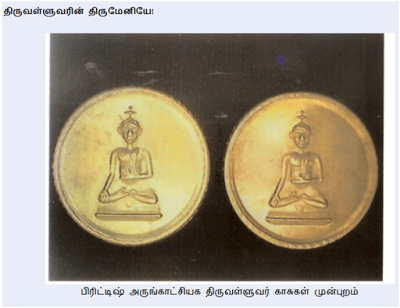
Valluvar coins in the British Museum

Research article written by London Swaminathan


Date: 22 May 2017


Time uploaded in London: 14-52


Post No. 3931


Pictures are taken from various sources such as Face book, google and Wikipedia; thanks.


contact: swami_48@yahoo.com


Lofty Thoughts

Valluvar:

Think lofty thoughts always; even if you fail your aspirations keep you on a higher plane (Kural 596)


Those who have high thoughts are ever striving; they are not happy to remain in the same place. Like swans that leave their lake and rise into the air, they leave their home for a higher home ( Dhammapada verse 91).

Buddha:

Swans follow the path of the sun by the miracle of flying through the air. Men who are strong conquer evil and its armies; and then they arise far above the world ( Dhammapada verse 175).

Aim high is one of the concepts or ideas that Hindu saints put forth before their disciples. First we found it in the great scripture Bhagavad Gita and then in a Sangam Tamil verse. Later Tamil poet Tiruvalluvar also repeated this.

Lord Krishna

Let a man lift himself by himself; let him not degrade himself, said Lord Krishna in the Bhagavad Gita (6-5)

Buddha also said the same in the Dhammapada: The Self is the Lord of the Self (verse 380)

xxx

Who is a Brahmin?

Valluvar:

It is the virtuous that are called Brahmins; for it is they that scatter kindness towards all living beings (Kural 30)

Buddha:

Because he has put away, he is called a Brahmin, because he lives in peace, he is called a samana; because he leaves all the sins behind he is called a pilgrim (Dhama. verse388)

He who hurts not with his thoughts or words or deeds, who keeps these three under control – him I call a Brahmin ( Dhamma.391)

Dhammapada chapter 26: verses from 383 -423 are about Brahmins

xxx


Don’t Postpone Good Things

Valluvar:

Do the deeds of charity now without postponing them to your old age; for they will be an unfailing help to you in the hour of death (Kural 36)

Buddha:

Make haste and do what is good; keep your mind away from evil. If a man is slow in doing good, his mind finds pleasure in evil (Dhammapada 116)


xxx

Evil Thoughts destroy you!

Valluvar:

Do not wish for another’s ruin even absentmindedly. If you do, your own ruin is certain to befall (Kural 204)

There is a way of escape from the wrath of every other foe; but the evil deeds of a wicked man relentlessly pursue him down to utter ruin (kural 207)

If a man cares for the well- being of his own self he should do no harm whatever to others (209)


Buddha:

The fool who does an evil to a man who is good, to a man who is pure and free from sin, the evil returns to him like the dust thrown against the wind (Dhamma.125)

xxx

Harsh Words

Valluvar:

A burn caused by fire may heal; but a scar caused by a fiery tongue will never heal (Kural 129)

Buddha:

Never speak harsh words, for once spoken they may return to you. Angry words are painful and there may be blows for blows (Dhammapada 133)

xxx

Don’t Invite Yama-God of Death

Valluvar:

The weak who insult and offend mighty men of wisdom only invite death with their own hands (Kural 894)

Should they who stand (as high) as the hills look with disfavour, even men of firm standing in the world perish with all race (Kural 898)

Buddha:

The fool because of his view scorns the teaching of the holy, those whose soul is great and righteous, gathers fruits of his destruction, like the kashta reeds whose fruits mean its death (Dhamma 164)


–Subham–


Rig Veda on Friendship and Food for All! (Post No.3929)

Research article Written by London Swaminathan


Date: 21 May 2017


Time uploaded in London: 15-59


Post No. 3929


Pictures are taken from various sources such as Face book, google and Wikipedia; thanks.


contact: swami_48@yahoo.com


There is a beautiful hymn in the Rig Veda, the oldest book in the world. It is amazing to see such a lofty thought in the remotest period of human civilization. This shows how civilized were Hindus and how much advanced in thinking. I have already written about the last hymn of Rig Veda praying for world peace. What we find in the United Nations motto of today was voiced by Vedic poets several thousand years ago. Every Hindu must feel proud of that hymn and the following one on Friendship and charity.

Several thousand years later we see such thoughts in the Bhagavad Gita and Tamil Veda Thirukkural. The proverb ‘A friend indeed is a friend in need’ came from India!


In the Tenth Mandala (10-117) of the Rig Veda we come across this hymn:


1.The Gods have not ordained hunger to be our death; even to the well-fed man comes death in varied shape.

The riches of the liberal never waste away, while he who will not give finds none to comfort him.


2.The man with food in store who, when the needy comes in miserable case begging for bread to eat,


Hardens his heart against him – even when of old he did him service – finds not one comfort him.


3.Bouteous is he who gives unto the beggar who comes to him in want of food and feeble.


Success attends him in the shout of battle. He makes a friend of him in future troubles.


4.No friend is he who to his friend and comrade who comes imploring food, will offer nothing.

Let him depart—no home is that to rest in –, and rather seek a stranger to support him.


5.Let the rich satisfy the poor implorer, and bend his eye upon a longer path way.


Riches come now to one, now to another, and like the wheels of car are ever rolling.


6.The foolish man wins food with fruitless labour; that food – I speak the truth – shall be his ruin.

He feeds no trusty friend, no man to love him. ALL GUILT IS WHO HE EATS WITH NO PARTAKER.


7.The ploughshare ploughing make the food that feeds us, and with its feet cuts through the path it follows.

Better the speaking than the silent Brahman; the liberal friend outvalues him who gives not.


8.He with one foot hath far outrun the bieped, and the two footed catches the three footed.

Four footed creatures come when biepeds call them, and stand and look where five are met together.


9.The hands are both alike; their labour differs. The yield of sister milch kine is unequal.


Twins even differ in their strength and vigour; tow, even kinsmen, differ in their bounty.

Ralph T H Griffith in his translation added a footnote for one foot etc.

One foot =Sun

biped = man

Three footed= old man with a walking stick

Four footed creature=Dogs

Five = several men.


I don’t know how correct was Griffith in his translation. But we can get the picture clearly from the lines.

A friend indeed is a friend in need.

and wealth is for distribution

Food is for a sharing.


Later Lord Krishna says in the Bhagavad Gita:

The good people who eat what is left from sacrifice are released from all sis but those WICKED PEOPLE WHO PREPARE FOR THEIR OWN SAKE – VERILY EAT SIN Bhagavad Gita 3-13.

We may interpret the sacrifice here as Pancha Yajna ( Five sacrifices) which Manu and others mention; They are the ones Hindus do every day; feeding relatives/guests, living beings (animals and birds), ancestors, devas/gods and the last Brahma Yajna i.e. studying holy books and teaching.


Tamil Veda Thirukkural has at least sixty couplets on friendship and feeding the guests. Hospitality is a typical Hindu concept, absent in Western Literature, and found only in the Vedas, Epics, Puranas and Sangam Tamil Literature.


Here are two important couplets from Thirukkural written by Thiru valluvar:-

Enjoying one’s food, sharing it with others, and sustaining other lives is held out as the highest virtue by the learned sages (322)

Genuine friendship hastens to redress distress even like the hand which picks up quickly that garment that slips (788)

Great men think alike! Rig Vedic poet/seer, Lord Krishna and valvar and several great people said it.

-subham-


Desire and Hatred: Buddha and Valluvar Think Alike -Part 4 (Post No.3925)

Research article written by London Swaminathan


Date: 20 May 2017


Time uploaded in London: 15-50


Post No. 3925


Pictures are taken from various sources such as Face book, google and Wikipedia; thanks.


contact: swami_48@yahoo.com


DESIRE

Thiruvalluvar said,

If desire, the greatest of afflictions, would become extinct there would be perpetual happiness even in this world (Kural 369)

There are ten couplets on desire– 361 to 370 in the chapter 37 — in Thirukkural written by Thiruvallavar


And Buddha said,

Since a shower of golden coins cloud not satisfy craving desires and the end of all pleasure is pain, how could a wise man find satisfaction even in the pleasures of gods? When desires go, joy comes; the follower of Buddha finds this truth (Dhammapada 186, 187)


xxx

HATRED

Valluvar said,

What is called hatred is a disease that spreads the bitterness of discord among all beings (Kural 851)

Nip in the bud the feeling of hostility and you prosper well. For one is fast ruined by fomenting hatred (Kural 859)

Out of hatred arise evils; out of love comes the glory that is called discreteness (860)

There are ten couplets on hatred – 851 to 860in the chapter 86 — in Tirukkural

And Buddha said,

If a man speaks or acts with an impure mind, suffering follows him as the wheel of the cart follows the beast that draws the cart (Dhamma 1)

He insulted me, he hurt me, he defeated me, he robbed me- Those who think such thoughts will not be free from hate (Dhammapada-2)

xxx

CONSCIENCE & KARMA

Valluvar said,

Just as one’s shadow follows one wherever one goes, destruction follows the path of evil doer (Kural 208)


And Buddha said,


What we are today comes from our thoughts of yesterday, and our present thoughts build our life of tomorrow; our life is the creation of our mind.

If a man speaks or acts with pure mind, joy follows him as his own shadow (Dhamma-2)


xxx

NO TIT FOR TAT

Valluvar said,


The best way to punish those who harm you is to make them feel abashed by doing them good and thinking no more of it (Kural 314)

Tamil poet Bharati also echoed this advice

And Buddha said,

For  hate is not conquered by hate; hate is conquered by love. This is a law eternal (Dhamma. 5)


xxx

WEALTH

Valluvar said,

What is achieved by a man that has wealth is like witnessing a fight between elephants having climbed to the top of a hill (Kural 758)

And Buddha said,

The Wiseman who by watchfulness conquers thoughtlessness is as one who free from sorrows ascends the palace of wisdom and there, from its high terrace, sees those in sorrow below; even as a wise strong man  on the holy mountain might behold the many unwise far down below on the plain (Dhamma.28)


xxx

SAINT and INDRA

Valluvar said,

Indra the King of Devas himself , will bear testimony to the will power of those who curbed

the desires of the five senses (Kural 25).

And Buddha said,

It was by watchfulness that Indra became the chief of the Gods and thus the gods praise the watchful, and thoughtlessness is ever despised (Dhamma 30)


Also in Atharva Veda 11-5-19

xxx

SLANDER

Valluvar said,

If a man can look upon others faults as his own what evil can befall him? (Kural 190)

Valluvar said the same in his couplets-250, 318, 436 as well.

And Buddha said,

Think not the faults of others, of what they have done or not done. Think rather of your own sins, of the things you have done or not done (Dhamma.50)

xxx

ELOQUENCE

Valluvar said,

Those who are unable to elucidate their learning are like a cluster of blossoms without fragrance (650).

Also in Rig Veda 10-71-5

And Buddha said,

Just as flower which seems beautiful and has colour but no perfume, so are the fruitless words of  the man who speaks them  but does them not (Dhamma.50)


xxxx

PATIENCE

Valluvar said,


Those who perform penance by fasting are certainly great but even they are not equal to those that forebear the harsh words spoken by others (Kural 160)

And Buddha said,

Watch for anger of words; let your words be self-controlled. Hurt not with words, but use your words well (Dhamma.232)

There are men steady and wise whose body, words and mind are self-controlled. They are the men of supreme self-control (Dhamma 234)


–SUBHAM–

Who is right? Ramana or Kanchi Paramacharya? (Post No.3917)

Reply from London Swaminathan


Date: 17 May 2017


Time uploaded in London: 20-14


Post No. 3917


Pictures are taken from various sources such as Face book, google and Wikipedia; thanks.


contact: swami_48@yahoo.com


Who was DRAVIDA SISU? 16 may 2017


With reference to your blog with the above title, you state that Dravida Sisu refers to Sankara Himself.

According to Bhagavan Sri Ramana Maharshi, the term refers to Sambandhar.  Since Ramana was an acknowledged jnani and jeevanmukta, His devotees would take that to be the correct interpretation.  Here is the extract from Suri Nagamma’s “Letters from Ramanasramam”:


85. DRAVIDA SISU:

Yesterday, Sri Bhagavan said that Sankara sang about Sambandha in Soundarya Lahari, referring to him as ‘dravida sisu’ didn’t he?  Last night I took out Soundarya Lahari with a Telugu commentary and saw the sloka written by Sankara about Sambandha which is  as follows:

O Daughter of the Mountain, I fancy that the ocean of the milk of poesy rising out of Thy heart verily caused the milk of Thy breasts to flow. On swallowing this milk given by Thy Grace, the Dravidian child became a poet among great poets.

The Telugu commentary stated that the words ‘dravida sisu’ in the sloka meant Sankara himself. On the next day, I mentioned this to Bhagavan. Sri Bhagavan replied, ‘The Telugu commentators must have stated it wrongly. The Tamizh Soundarya Lahari stated that the words ‘dravida sisu’  meant Sambandha and not Sankara. And He sent for the Tamizh book and red out all that was written in it about the reason for Sambandha receiving the title dravida sisu and explained to us as follows:

Sambandha was born in an orthodox brahmin family in the town of Sirkazhi. The parents were Sivapada Hridayar and Bhagavatiyar.  The parents named the child ALudaya Pillaiyar. When the child was three years old, one early morning, the father took him to Tiruttoni Appar Kovil. There in the tank, when he was taking bath, he immersed into the tank for repeating the aghamarshana mantram. When the child on the steps, could not see his father, he cried, Father, Father! Parvati and Lord Siva appeared in the sky, seated on the sacred bull and gave darsan to the child. Siva directed Parvati to give the boy a golden cupful of her breast milk, the milk containing Siva Jnana. She did accordingly. The boy drank the milk and became free from sorrow and the divine couple disappeared.

Having drunk the milk of Jnana, and feeling quite satisfied and happy, Sambandha sat on the tank steps with milk dribbling from the corners of his mouth. When the father came out of the tank after his bath, he saw the boy’s condition and angrily asked, flourishing a cane, ‘Who gave you milk? Can you drink milk given by strangers? Tell me who that person is or I will beat you.

Sambandha immediately replied by singing, ten Tamizh verses. The gist of the first verse is: ‘The Man with kundalas (sacred ear rings), the Man who rides the sacred bull, the Man who has white moon on His head, the Man whose body is smeared with the ashes of the burning ghats, the thief who has stolen my heart, He who came to bless Brahma the creator, when the latter did penance, and He who occupies the sacred seat of Brahmapuri, He, My Father is there, and She, my Mother who gave me milk is there!’ So saying he described the forms of Siva and Parvati as he witnessed with his eyes and who gave him milk to drink and also pointed towards the temple tower.

It was clear from the verses, that the people who gave milk to the child were no other than Parvati and Lord Siva. People gathered round. From that day onwards the boy’s  poetic flow began to run unimpeded. That is why Sankara sang, Thava Stanyam Manye… The commentators therefore decided that the word dravida sisu referred to Sambandha alone. Nayana also wrote of him as dravida sisu in Sri Ramana Gita.

regards,

vanamali

MY REPLY:


Thanks. No doubt Ramana was one of the greatest saints of modern era.  Kanchi Paramacharya also acknowledged his greatness and sent Paul Brunton to him. Paramacharya says Shankara lived before first century BCE  I believe Paramacharya.
Link for my old research article

Adi Shankara & Mysterious Sundara Pandya ! | Swami’s Indology Blog

swamiindology.blogspot.com/2014/08/adi-shankara-mysterious-sundara-pandya.html

2 Aug 2014 – Age of Adi Shankara is shrouded in mystery. Most of the scholars …. Swami’s Indology Blog. Flipcard … Recent; Date; Label; Author. Loading.


Dravida Sisu | Tamil and Vedas

https://tamilandvedas.com/tag/dravida-sisu/

There is no positive proof to support this date. The confusion in datinghappened because of another Shankara who was a copy of Adi Shankarain all aspects.


–Subham–

Buddha and Valluvar on Vegetarianism and Hypocrisy: Great men Think alike (Post No.3913)

Written by London Swaminathan


Date: 16 May 2017


Time uploaded in London: 10-55 am


Post No. 3913


Pictures are taken from various sources; such as Face book, Wikipedia; thanks.


contact: swami_48@yahoo.com


Please read the First part published on “Buddha and Valluvar: Great Men Think alike”, posted on 13th May


Tirukkural was written by Thiruvalluvar

Dhammapada is the Holy Book of the Buddhists.

VEGETARIANISM


Better to refrain from killing and abstaining from eating the flesh obtained thereby, than kindlin a thousand sacrifice fires (Kural -259)

All living beings will raise their hands in worship to him who has never taken a living beings life and has abstained from eating meat (Kural -260)


And Buddha in Dhammapada says

A man is not a great man because he is a warrior and kills other men; because he hurts not living beings he in truth is called a great man (270)


HYPOCRISY


It matters not whether a man shaves his hair or allows it to grow in flowing locks if he could refrain from what the world shuns (Kural -280)

And Buddha in Dhammapada says,

Not by the tonsure, a shave head, does a man become ‘samana’, a monk. How can a man be a samana/monk if he forgets his religious vows, if he speaks what is not true, if he still has desire and greed (264).

He says the same in couplets 141 and 393 of Dhammapada.


Adi Shankara in his Bhaja Govindam also echoes his views,

Adi Shankara’s Bhaja Govindam says,

“The ascetic with matted locks, the one with his head shaven, the one with hairs pulled out one by one, the one who disguises himself variously with the ochre coloured robes – such a one is a fool who, though seeing does not see. Indeed, this varied disguise is for the sake of the belly”.
This verse in the hymn is attributed to Totaka, a disciple of Shankara.


CHARITY

The ability of those who perform penance to endure hunger is not equal to that of the householder to appease the hunger of others (Kural 225)

The graceless misers who hoard up their wealth and eventually lose it, do not know the pleasure which the wise derive in giving to the poor (Kural 228)

And Buddha in Dhammapada says,

Speak the truth, yield not to anger, give what you can to him who asks: these three steps lead you to the gods.-(Dhamma 224)


TRUTHFULNESS


If a man could conduct himself true to his own self he would be in the heart of all in the world (Kural 294)

Buddha says,

He who has virtue and vision, who follows Dhamma (Dharma= righteousness) the Path of Perfection, whose words are truth, and does the work to be done – the world loves such a man (217)


—–to be continued


–Subham—

Buddha and Valluvar: Great Men Think Alike! (Post No.3905)

Written by London Swaminathan


Date: 13 May 2017


Time uploaded in London: 20-30


Post No. 3905


Pictures are taken from various sources; thanks.


contact: swami_48@yahoo.com


Buddha and Thiru valluvar were great men Dammapada of Buddha and Tirukkural of Thiru Valluvar have amazing similarities in several couplets.


SAINT

He who controls his five senses by his will gain heavenly bliss (Kural 24)

They take trained elephants to battle, kings ride on royal trained elephants. The best of men are self trained men , those who can endure abuse in peace. (Dhamma 321)


xxx

KNOWLEDGE

It is folly not to fear what should be feared;

to fear that which should be feared is the way of the wise (Kural -428)

Better to do nothing than to do what is wrong, for wrong doing brings burning sorrow. Do therefore what is right, for good deeds never bring pain (Dhamma 314)


Lord Krishna also said,

For never does any one who does good, tread the path of woe (Bhagavad Gita 6-40)


CONSIDERATION

It is ruinous to do what should not be done.

and ruinous also to omit what should be done (Kural -466).

xxx

PURITY and ADULTERY

The man who commits adultery can never escape enmity, sin, fear in infamy (Kural -146) .

Four things happen to the thoughtless men who takes another man’s wife: he lowers himself, his mind is restless, he is blamed by others, he goes to hell (Dhamma 309)

Yes. The degradation of the soul, a frightened pleasure, the danger of the law, the path of hell. Considering these four let not a man go after another man’s wife(Dhamma 310)


xxx

IMPARTIALITY

Like scales that always remain just and fair, wise men remain impartial and do not take sides (Kural -118).

If a man is silent because he is ignorant or a fool, he is not a silent thinker, a Muni/sanit who considers and think. But as one who taking a pair of scales, puts in what is good and rejects what is bad, if a man considers the two worlds, then he is called a Muni/saint of silence, a man who considers and thinks (Dhamma 268, 269)

Lord Krishna also said the same,

Sages see with an equal eye a learned and humble Brahmin, a cow, an elephant or even a dog  o an outcast ( Bhagavad Gita 5-18)


to be continued…………………..


–Subham–