17. மூ!

Zhaozhou

Post No.750 posted on 18th December 2013.
Part 17 of History of Zen Buddhism in Tamil written by Santanam Nagarajan of Bangalore.

17. மூ!

ச.நாகராஜன்

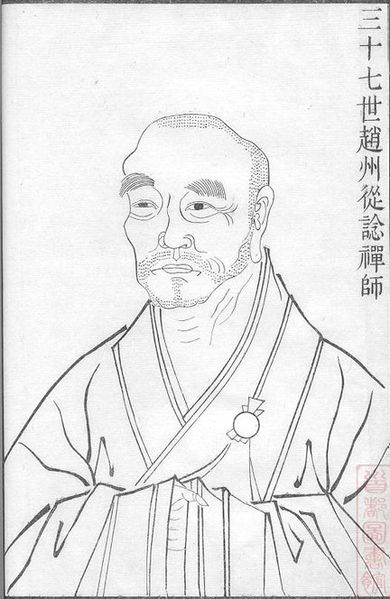
ஜென் பிரிவில் உதித்த பெரும் மாஸ்டர் சாவோ சௌ சங்-ஷென் Zhàozhōu Cōngshěn (778-897).ஜப்பானைச் சேர்ந்த இவரை ஜோஷு Jōshū Jūshin என்ற பிரபலமான பெயரால் அனைவரும் அறிவர்.
‘மூ’ (Wu) என்ற பிரபலமான ஒரு கோயனால் உலகில் இன்றளவும் அவர் போற்றப்படுகிறார்.

பெரும் ஞான நிலையை எய்திய இவர் நான் – சூவான் என்ற ஆசார்யரிடம் சிஷ்யராக இருந்தார் (748-835) ஆசார்யர் மஹாநிர்வாணம் அடைந்த பின்னர் சீனாவில் நாடெங்கும் சுற்றி வரலானார் தனது வாழ்நாளில் கடைசி நாற்பது ஆண்டுகளில் வட சீனாவில் ஒரு சிறிய ஆலயத்தில் தங்கி இருந்து தன் சிஷ்யர்களுக்குப் போதித்து வந்தார். சில வார்த்தைகளிலேயே பெரும் உபதேசத்தை அருளும் அரிய பாணியை இவர் கைக்கொண்டிருந்தார்.

ஒரு துறவி அவரிடம்,” ஒரு நாய்க்கு புத்தத் தன்மை இருக்கிறதா?” என்று கேட்டார்.

மஹாயான புத்தமத தத்துவத்தின் படி புத்தத் தன்மை என்பது அனைத்து உயிரினங்களிடமும் இருக்கும் ஒரு அடிப்படைத் தன்மையாகும். எல்லா உயிரினங்களிடமும் என்று சொல்லும் போது அது ஒருஅலங்காரச் சொற்றொடர் இல்லை. மனிதர்களை மட்டும் அல்ல, நிஜமாகவே எல்லா உயிரினங்களையும் அது குறிக்கும்.ஆகவே அதில் நாயும் அடங்கும்! அதுவும் உயிரினத்தில் ஒன்று தானே!! ஆகவே துறவி கேட்ட கேள்விக்கான சரியான பதில் ஆம் என்பதே!

ஆனால் சாவோ சௌ சங்-ஷென் “மூ” என்று பதில் அளித்தார்.இதை உச்சரிக்கும் போது ஒரு மிருகத்தின் தீனமான குரலைப் போல அல்லது முனகலைப் போல உச்சரிக்க வேண்டும். “மூ,,ஊ.ஊ” என்று!
“மூ! இல்லை! இங்கே என்ன நடக்கிறது?” என்றார் சாவோ சௌ சங்-ஷென்.

இந்த கோயனில் உள்ள கேள்வியானது “இருக்கையின் இயற்கை” (exixtence nature) பற்றியது! துறவியின் கேள்வி ‘இருக்கை’ பற்றிய ஒரு பக்கமான – சிதைந்த -பார்வையினால் கேட்கப்பட்ட ஒன்று. சாவோ சௌ சங்-ஷென் துறவியின் சிதைந்த சிந்தனைக்கு ஒரு அடி கொடுத்து அவரது சம்பிரதாயமான சிந்தனையை உடைத்தார்.

இந்த கோயன் “சாவோ சௌ சங்-ஷென்னின் நாய்”என்ற பெயரில் உலகெங்கும் பிரபலமானது.
கடந்த 12 நூற்றாண்டுகளாக ஜென் புத்த மதத்தினர் இந்த கோயன் பற்றி ஆழ்ந்து தியானிக்கின்றனர்.
Joshu 1

“மூ” என்பது சீனாவில் வூமென் ஹூகை (1183-1260) என்பவரால் தொகுக்கப்பட்ட கதவில்லாத கதவு (Gateless Gate) என்ற 48 கோயன்கள் அடங்கிய தொகுப்பில் முக்கியமான கோயன் ஆகும். ஜென் மாஸ்டர்களுக்கும் சீடர்களுக்கும் இடையே பல ஆண்டுகளில் நடந்த உரையாடல்,கேள்விகளில் மிக முக்கியமானவை மட்டும் இந்தத் தொகுப்பில் தொகுக்கப்பட்டது.ஒவ்வொரு கோயனும் தர்மம் பற்றிய ஒரு விளக்கமாக அமைகிறது.

‘மூ’ என்ற கோயன் நம்மிடையே நிலவும் மாயத்திரையை அறுத்து எறிய வல்ல ஒரு முக்கியமான கோயன். அது கென்ஷோ எனப்படும் ஞானோதய அனுபவத்தைத் தர வல்லதாக கருதப்படுகிறது. மூடி இருக்கும் அறைக் கதவை உடைத்துத் திறப்பது போல அல்லது மேகமூட்டத்தின் இடையே மறைந்திருக்கும் சந்திரனைச் சிறிது பார்ப்பது போல இந்த அனுபவத்தைக் கூறலாம்.

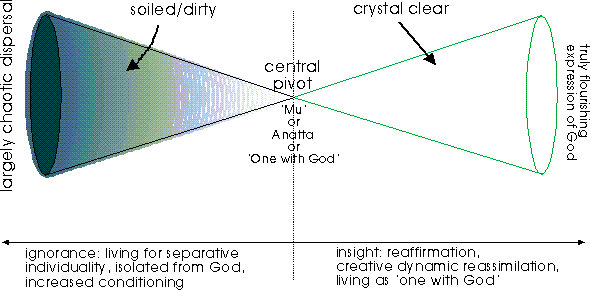
‘மூ’ என்பதை ஆம் என்றோ இல்லை என்றோ அர்த்தமாக எடுத்துக் கொள்ள முடியாது. ஒன்றுமில்லை அதாவது சூன்யம் என்பதை விளக்க மாஸ்டர் சாவோ சௌ சங்-ஷென் குறிப்பாக அந்த வார்த்தையைப் பயன்படுத்தினார் என்றும் பலர் வியாக்யானம் செய்கின்றனர்.

ஆகவே ‘மூ’ என்ற எழுத்தை அது பற்றி எங்கெல்லாம் விளக்கப் படுகிறதோ அங்கெல்லாம் காட்சிப் பொருளாக மாட்டி வைப்பது இன்றைய மரபாக ஆகி விட்டது.

மூவில் மூன்று கோடுகள் உள்ளன.

முதலில் கிடைமட்டமான கோடு அடுத்து மேலிருந்து கீழாக வரும் கோடு ஒரு க்ளாக்வைஸ் சுழலைக் கொண்டு பின்னர் கீழிறங்கும்..அடுத்து கீழிறங்கிய கோடு வலது பக்கமாகச் செல்லும்.

மாஸ்டர் வூமென் ஹூகை ஆறு வருட காலம் சிரமப்பட்டு ‘மூ’ என்றால் என்ன என்பதை உணர்ந்து கொண்டார்! இதைப் பற்றிய வியாக்யானத்தில் அவர் குறிப்பிடுவது இது: “உனது மொத்த உடலையும் அதில் உள்ள 360 எலும்புகளையும் 84000 மயிர் அடிப் பைகளையும் சந்தேகமாக ஆக்கிக் கொண்டு இந்த ஒரே ஒரு வார்த்தையான ‘மூ’ என்பது பற்றித் தியானம் செய்! இரவு பகலாக நன்கு ஆழத் தோண்டிக் கொண்டே இரு! இருக்கிறது என்றோ அல்லது இல்லை என்றோ நினைக்காதே! அதை ஒன்றுமில்லை என்றும் யோசிக்காதே. பழுக்கக் காய்ச்சிய சிவப்பான இரும்புக் குண்டை முழுங்குவது போல அது இருக்கும். அதை வாந்தி எடுக்க முயன்றாலும் உன்னால் முடியாது!

நம் முன்னே இருக்கும் காலை நேரப் பனியை விலக்குவது போல ‘மூ’ பற்றிய அர்த்தத்தை உணர்வது ஆகும்.

இதைப் போன்ற கோயனை ஒரு குரு உச்சரிக்கும் போது சிஷ்யரான ஒருவர் “ இதன் அர்த்தம் என்னவென்று நான் நினைக்க்றேன் என்றால்” என்று சொல்ல ஆரம்பிக்கும் போதே மாஸ்டர் குறுக்கிட்டு “ நீ நினைப்பது ஏற்கனவே தப்பாக ஆகி விட்டது!” என்பார்.

சுலபத்தில் விளக்க முடியாதது – மூ! அனுபவத்தில் உணர வேண்டியது ‘மூ’

தர்க்கரீதியாக உணர முடியாத ஒன்று மூ! தர்க்கரீதியாக ஒருவர் இது பற்றி அறிய விரும்புவது இரும்புச் சுவரில் முஷ்டியால் குத்திக் கொள்வது போல என்று ஜென் மாஸ்டர்கள் கூறுகின்றனர்!
Mu cone1

சின்ன உண்மை
‘மூ’ எங்கிருந்து பிறந்தது என்று ஆராயப் போனால் அது போதிதர்மரைச் சுட்டிக் காட்டுகிறது. போதிதர்மரின் சமாதி இருக்கும் இடம் சீனாவில் உள்ள ஷான்ஸி மாகாணத்தில் “பேர் இயர் மவுண்டன்” (Bear Ear Mountain) என்னும் இடமாகும். அங்குள்ள ஒரு கல்வெட்டில் ‘மூ’ செதுக்கப்பட்டிருக்கிறது, இதை சக்கரவர்த்தி வூ செதுக்கியதாக வரலாறு சொல்கிறது. பின்னால் வந்த ஆசாரியர் மூ என்ற பிரபல கோயனை உருவாக்கினார். contact swami_48@yahoo.com

******************** தொடரும்
Please read the 16 parts posted earlier in this blog.

Divine Dinners by Moses, Jesus, Hindu Saints & Draupadi !

Image


Picture of Draupadi with Akshaya Patra.

By London Swaminathan: Post No.  747   dated 15th December 2013.

Divine dinners are miraculous dinners provided by great saints, religious leaders and pathfinders. Every religion has got some stories like this. Here are eight famous episodes from different cultures.


Divine Dinner 1

First a story from Ramayana: Bharadvaja Maharishi (seer) showed some amazing magic to Bharata, brother of Lord Rama. Chapter 91 of Ayodhya Kanda of Valmiki Ramayana gives a vivid description of the magic shown by Bharadvaja.

The seer asked Bharata why he came alone leaving his army behind. Bharata replied to him that his army was huge and they may damage the trees and huts and defile the water. (Look at the environmental concerns of Bharata!)

But Bharadvaja insisted to him to bring the army so that he can entertain everyone. In the middle of the thick jungle, he summoned all the angels. Suddenly a cool breeze came from Malaya and Dardura hills. There was a rain of flowers. Sound of divine gongs could be heard on every side. Apsaras women danced to the tune of the Gandharvas. Earth and sky were filled with sweet and harmonious sounds. Bharata’s army could see the wonderful creations of Viswakarma (Divine Architect).

When Rama returned to Ayodhya, Bharadwaja wanted to honour him with sumptuous dinner. He brought all the best things from the heaven through his mental power. As he thought of Amutha Surabhi, Chintamani and Amrita, all those came to serve him. Bharadwaja served the same type of food to every one. All were very happy.


Divine Dinner 2

Now a story from Mahabharata: Draupadi stayed in the forest for twelve years with the Pandavas. During her stay in the forest, a lot of pilgrims and saints visited her. When her husband Yudhistra was struggling to find food, Dhaumya advised him to pray to sun god. He did and received an Akshaya Patra from the Sun God. This magical vessel supplied Draupadi with food without stopping. It was always full even after she distributed food. Akshaya Patra  means an inexhaustible vessel.

When Duryodana sent the short tempered saint Durvasa at an odd time to the Pandavas in the forest, he thought the Pandavas could not satisfy this man and eventually he would curse them. Durvasa went to the Pandavas and told them that he would take food after bathing in the river. Pandava’s wife Draupadi got so worried for lack of food at home and prayed to Lord Krishna. He asked whether there was at least anything left over in the vessel. There was only one rice sticking to the pan. Krishna ate it and smiled at her. Durvasa came and told them that his stomach was full and he did not want any food!

Sathya Sai Baba also was said to have distributed Laddus (sweets) to his disciples during his birth day with never ending supply from his basket!


Divine Dinner 3

Queen Meenakshi, also known as Thatathakai, got married to Sundreswara. Grand dinner was arranged for their wedding in Madurai. But after all the guests eaten there was plenty of leftover food. The cooks came to queen Meenakshi and told her their problem. She went to her faithful husband King Sundara Pandya alias Sundareswara, who was god Shiva, and told her grievance. He simply smiled at her and winked at his servant Gundotharan who was standing behind him. He went to the kitchen and started eating whatever he saw. The vessels became empty in a few minutes. When he asked for more and more food, the kitchen staff ran to the queen and told her what was happening. She went to her husband again and he thought of Annapurani. Immediately fountains of food appeared.  When his hunger was over, Gundothara asked for water. Shiva asked him to put his hand on the ground and there came a river. It is called Vaikai (Put Hand) river which runs through Madurai. The place he ate was called Anna Kuzi Mandapam near the west tower of Goddess Meenakshi temple. This story is part of Thiruvilaiyatal Purana, detailing 64 leelas (plays) of Lord Shiva in Madurai. Every year there is a festival to celebrate this divine dinner.


Divine Dinner 4

This is also a story from the same T V Puranam. A farmer’s wife by name Dharmaseela was a philanthropist of Madurai. She ran a charity kitchen to feed all the pilgrims, the poor and the saints. Lord Shiva, the presiding deity of Madurai, wanted to show her greatness to everyone in the Pandyan kingdom. So he made all her fields yield less. She had to borrow money to feed the people. But in course of time, the lenders pressed her for their money. Both the husband and wife went to the temple and decided to commit suicide. Lord Shiva appeared before them and asked them to go back home where they would find lot of paddy in the barn. It provided them undiminished supply of paddy. It was called ‘Ulavak Kottai’, meaning a barn with inexhaustible supply.

Image

Divine Dinner 5

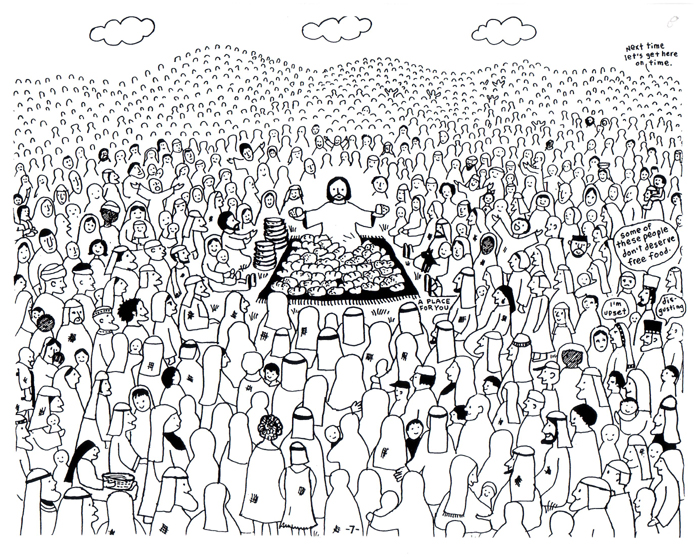
When Jesus Christ went to a desert area near the Sea of Galilee, a crowd of 5000 people followed him. Sun was going under the mountains and it was getting dark. His disciples came to him and asked him to send the crowd back to their villages because there was no food for them. Jesus asked them to give food. They told him they have got only five loaves of bread and two fish. Jesus got them and started distributing them to his 5000 disciples. They were all happy and their stomachs were full. At the end of the day his disciples went around and collected 12 baskets of leftover fish and bread! This is one of the miracles as reported in the gospels in the New Testament of the Bible.


Divine Dinner 6

King Viswamitra and Sage Vashista clashed several times and one of them was over the divine cow Kamadhenu. It would give anything one wants. When Vashista fed the entire army of the king with this magical wish fulfilling cow, Viswamitra was wonder struck. He asked for the cow which provided them a divine dinner. When Vashista refused to give him the divine cow he forcefully took it from him. The cow produced an army of soldiers who decimated Vishvamitra’s army completely.


Divine Dinner 7

 The old testament of the Bible describes the ‘Manna from the heaven’. It was the food given by the God for the Israelites. Moses and his disciples survived for forty years with this food. Though scholars see a cognate word of Manna in Egyptian ‘mennu’ meaning food, I have explained in my article ‘Sanskrit in the Bible’, Manna means Annam in Sanskrit meaning food. The mirror image of the word ‘Manna’ is ‘Annam’ (food). Since there are more Sanskrit words in the Bible, it is not a co incidence. Please read my two part article ‘SANSKRIT IN THE BIBLE’.

 Image

Divine Dinner 8

Prisoners’ rehabilitation is a new concept in the western countries. Manimekalai, the heroine of the Tamil epic ‘Manimekalai’, did this service 2000 years ago and transformed all the prisoners as good citizens. Prisons were converted into charitable homes.

When Manimekalai went to the prison she spoke to the prisoners kindly with gentle words of advice and comfort. She gave them all a hearty meal from her magic bowl Amuthasurabhi. The inmates became penitent and their behaviour was reformed beyond recognition. When the prison guards informed the king he asked Manimekalai to come to the palace. She advised him to release all the prisoners and convert all the prisons in to charitable houses for saints and sages. The king readily agreed to do it. This type of service was unheard of in any other countries till modern days. (Divine Dinner 8 is taken from my earlier post).

Contact swami_48@yahoo.com  

Tamil Saints ‘No’ to Amrita and Indra Loka!

tamil yal panan

Post No 745 dated 13th December 2013

‘Butchers and Lepers are our Gods’
By Santanam swaminathan

It is amazing to see that Hindus all over India thought the same way. All the saints and poets held Amrita (ambrosia) and Indraloka (heaven) in high esteem. So they always used them as similes. We see this trend from the days of Valmiki Ramayana until the days of modern day Tamil poet Bharatidasan. They compared Indra Loka and Amrita with some principles and said their principles are higher than or more esteemed than Amrita or heaven.

1300 years ago , a Tamil Saivite saint Appar alias Tirunavukkarasar clashed with the mighty Pallava emperor Mahendra Varman who embraced Jainism. Appar also converted himself as a Jain and then reconverted to Hinduism. When the Pallava King gave him lot of troubles, Appar composed verses and sang them with very great confidence and succeeded. One of the poems says:

“Even if the entire wealth of Kubera (Lord of Wealth) is given to us, even if the kingship of the whole world is given to us, we would not care, if the donors are not Shiva devotees. But even butchers and lepers are our Gods if they are Shiva’s devotees”.

This revolutionary thought is reflected in various verses of various periods. A Vaishnavite saint Thondardippodi Alvar says:

“Even if the kingship of Indarloka is given, I would prefer only singing the glory of Achyuta, Bull among the Devas and Yadava child residing in Tiruvarangam (modern day Trichy)”.

2000 years ago a Pandya king by name, Ilamperu Vazuthi also used Amrita as a simile. He died in a sea expedition. He says: Even if Indra’s Amrta is available, we would not eat it alone (We will share it). For any good action that would earn us name and fame, we will even give our life; but any bad thing that would earn us a bad name, we would not dare to do it. Good people earn the name of the greats because of this principle: They are never selfish; they always help others(Puram 182).

Ramayan 1

Sanskrit word ‘Amrita’ (Nectar/Ambrosia) is used with three different spellings in five or six places in Sangam Tamil Literature which is 2000 year old. Ancient Tamils are well versed with Hindu scriptures. I have written several articles about it and posted here in my blog.

Post Sangam poet Tiruvalluvar in his Tamil Veda ‘Tirukkural’ says about Amrita in two of his couplets:

“Even though what one eats may be Amrita/ambrosia, eating it alone without sharing it with one’s guests is highly improper (Kural 82)
“The food into which children’s little hands have been dipped will be far sweeter to the parent than Amrita “(Kural 64)

A later day Tamil poet prefers Tamil language to Amrita. A popular modern poet Bharatidasan compared Tamil language to Amrita. He says that the name for the Tamil language is Amrita.
It looks like the origin of all these similes is in Valmiki Ramayana. When Lakshmana praised the golden Sri lanka, Rama said:

“Mother and Motherland are greater than Heaven”- ( Janani Janma Bhumischa, swargaath api gareeyasai). This comparison of Swarga/Indra Loka and Amrita is reflected in 2000 year old Tamil literature.

rohit prasad

(Please see the Tamil version of this article for the original verses; London swaminathan)
Contact swami_48@yahoo.com
Pictures are taken from face book and other sites;thanks.

‘இந்திரனும் வேண்டாம், அமிழ்தமும் வேண்டாம்’: தமிழர் நிலைப்பாடு

tamil yal panan

‘இந்திரனும் வேண்டாம், அமிழ்தமும் வேண்டாம்’: தமிழர் நிலைப்பாடு
Post No 744 dated 13th December,2013.

தமிழர்கள் இந்திரனையும் அமிழ்தத்தையும் மிக உயர்வாகக் கருதியதால் அவைகளை அளவு கோலாக வைத்துப் பாடிய பாடல்கள் புறநானூறு முதல் நாயன்மார்கள், ஆழ்வார்கள், பாரதிதாசன் பாடல்கள் வரை பல இடங்களில் காணப்படுகின்றன.. இதிலிருந்து அவர்கள் இந்திரன் மீதும் அமிழ்தம் மீதும் எவ்வளவு மதிப்பு வைத்திருந்தார்கள் என்பதும் தெளிவாகின்றது. உலகமே அறிந்திருந்த உயர்வான பொருள்களைத்தான் புலவர்கள் உவமையாகப் பயன்படுத்துவார்கள்.
கடலுள் மாய்ந்த இளம்பெரு வழுதி என்னும் பாண்டிய மன்னன் கூறுகிறான்: “இந்திரனின் அமிழ்தமே கிடைத்தாலும் தனியாக உண்ண மாட்டோம். உலகமே கிடைத்தாலும் பழி என்றால் அதன் பக்கமே போக மாட்டோம். ஆனால் புகழ் தரக்கூடிய நற்செயல்கள் என்றால் உயிரையே கொடுக்கவும் தயங்க மாட்டோம். இப்பேற்பட்ட தனக்கென வாழாத, பிறர்க்கு என வாழ்வோர்தான் பெரியோர்கள். அவர்களால்தான் இவ்வுலகம் நிலைபெற்றுள்ளது.”

உண்டால் அம்ம, இவ்வுலகம்; இந்திரர்
அமிழ்தம் இயைவதாயினும், இனிது எனத்
தமியல் உண்டலும் இலரே; முனிவிலர்;
துஞ்சலும் இலர்; பிறர் அஞ்சுவது அஞ்சிப்
புகழ் எனின் உயிரும் கொடுக்குவர்; பழியெனின்
உலகுடன் பெறினும் கொள்ளலர்; அயர்விலர்;
அன்னமாட்சி அனையராகித்
தமக்கென முயலா நோன் தாள்
பிறர்க்கென முயலுநர் உண்மையானே
–புறம் 182, கடலுள் மாய்ந்த இளம்பெரு வழுதி

திருவள்ளுவரும் அமிழ்தத்தை அளவு கோலாக, உவமைப்பொருளாக வைத்து சில குறள்கள் இயற்றினார்:

அமிழ்தினும் ஆற்ற இனிதே தம் மக்கள்
சிறு கை அளாவிய கூழ் —-(குறள் 64)
தனது குழந்தை கைகளைப் போட்டு துளாவிய கூழ் அமிழ்தத்தை விட சிறந்தது.
விருந்து புறத்ததாத் தானுண்டல் சாவா
மருந்தெனினும் வேண்டற்பாற்றன்று—- (குறள் 82)

அமிழ்தமே கிடைத்தாலும் வீட்டுக்கு வந்த விருந்தினரை விட்டுவிட்டு தனித்து உண்ணுவது விரும்பத்தக்கதல்ல. (புறநானூற்று செய்யுளின் கருத்தையே வள்ளுவரும் எதிரொலிக்கிறார்).
Ramayan 1

‘இந்திரலோகம் வேண்டாம்‘

பன்னிரு ஆழ்வார்களில் ஒருவரான தொண்டரடிப்பொடி ஆழ்வார் திருவரங்கப் பெருமானைப் போற்றும் பணியைத்தவிர இந்திரலோகம் ஆளும் பதவி கிடைத்தாலும் வேண்டாம் என்கிறார்:
பச்சை மாமலைபோல் மேனி, பவளவாய், கமலச் செங்கண்
அச்சுதா! அமரர் ஏறே! ஆயர்தம் கொழுந்தே! என்னும்
இச்சுவை தவிர, யான் போய் இந்திர லோகம் ஆளும்
அச்சுவை பெறினும் வேண்டேன் அரங்கமா நகருளானே!
–தொண்டரடிப்பொடி ஆழ்வார்

கந்தபுராணத்தில் வீரவாகுத் தேவரும் முருகனுடைய பாத கமலங்களில் சேவித்துப் பெறும் அன்பும் ஆதரவுமே வேண்டும். இந்திரலோகம் ஆளுவதைக் கனவிலும் கூடக் கருத மாட்டேன் என்கிறார்:

“ கோல நீடிய நீதிபதி
வாழ்க்கையும் குறியேன்
மேலை இந்திரன் அரசினைக்
கனவிலும் வெஃகேன்
மாலையன் பெறு பதத்தையும்
பொருளென மதியேன்
சால நின்பதத் தன்பையே
வேண்டுவன் தமியேன்” கந்தபுராணம்:
இவ்வாறு வீரவாகு தேவர் முருகனிடம் வரம் கேட்கிறார்:

இன்னொரு புலவர் தமிழ் ஒன்றே போதும், அமிழ்தமே வேண்டாம் என்கிறார்.
இருந்தமிழே உன்னால் இருந்தேனே வானோர்
விருந்தமிழ்தம் என்னினும் வேண்டேன் (ஒரு புலவர் பாட்டு)

பாரதிதாசனோ தமிழுக்கும் அமுது என்று பெயர் என்கிறார்.

அப்பர் தேவாரம்: குபேரனுடைய செல்வமே வேண்டாம்

செல்வத்துக்கு அதிதேவதையான குபேரனுடைய கட்டுப்பாட்டில் இருக்கும் சங்க நிதி, பதும நிதி முதலிய ஒன்பது நிதிகளைக் கொடுத்து இந்த உலகையே ஆளும் பதவியைக் கொடுத்தாலும், அத்தகையோர் சிவபக்தர்கள் இல்லை எனில் அந்த செல்வத்தை ஏற்கமாட்டோம். கங்கையைத் தலையில் தாங்கும் சிவபெருமானின் சீடர்கள் மாடு தின்னும் புலையரானாலும், அங்கம் எல்லாம் அழுகித் தொங்கும் குஷ்டரோகிகள் ஆனாலும் அவர்களைக் கடவுளாக வழிபடுவோம் என்கிறார்.

சங்கநிதி பதுமநிதி இரண்டும் தந்து
தரணியோடு வானாளத் தருவரேனும்
மங்குவார் அவர் செல்வம் மதிப்போம் அல்லோம்
மாதேவர்க்கு ஏகாந்தர் அல்லாராகில்
அங்கமெலாம் குறைந்து அழுகு தொழுநோயராய்
ஆவுரித்துத் தின்று உழலும் புலையரேனும்
கங்கைவார் சடைக்கரந்தார்க்கு அன்பராகில்
அவர் கண்டீர் நாம் வணங்கும் கடவுளாரே.
rohit prasad

சங்க காலத்தில் உலவிய அதே கருத்து, சங்கம் மருவிய கால நூலான திருக்குறளிலும் அதற்குப் பின்னர் மஹேந்திர பல்லவன் காலத்தில் வாழ்ந்த அப்பர் காலத்திலும் அதற்குப் பின்னர் ஆழ்வார் பாடலிலும் இருக்கக் காண்கிறோம். இதில் வியப்பு ஒன்றும் இல்லை. தமிழர்களின் கொள்கையே அகில பாரதத்திலும் நிலவியது.

அழகான பொன்மயமான இலங்கை பற்றி லெட்சுமணன் புகழ்ந்தபோது இராம பிரானும் இதையேதான் கூறுகிறான்:
“ஜனனி ஜன்ம பூமிஸ்ச ஸ்வர்காது அபி கரியஸி”–(வால்மீகி ராமாயணம்)
பெற்றதாயும் பிறந்த பொன்னாடும் நற்றவ வானினும் நனி சிறந்தனவே (பாரதியாரின் மொழி பெயர்ப்பு)

இராமனும் கூட இந்திரலோகத்தை (நற்றவ வானினும்=ஸ்வர்கம்) விட தாய்நாடே சிறந்தது, தாயே சிறந்தவள் என்கிறான். என்ன அருமையான சிந்தனை. இப்படி பாரத நாடு முழுவதும் ஒரே உவமையை — ஸ்வர்கத்தை விட, அமிதத்தை விட— பயன்படுத்தியிருப்பது இந்திய கலாசாரத்தின் மையக் கருத்தை எடுத்துகாட்டுகிறது. சங்க கால பாண்டிய மன்னன் முதல் நமது கால பாரதிதாசன் வரை அமிழ்தத்தை உவமையாகப் பயன்படுத்தியதை எண்ணி எண்ணி மகிழலாம்.

தொடர்பு முகவரி: Contact swami_48@yahoo.com

வாழ்க்கையில் வெற்றி பெற பாரதி ‘அட்வைஸ்’

bharati color

Post No. 741dated 10th December 2013 (11th December is Bharati’s Birth Day)

டிசம்பர் 11 தேசிய கவி சுப்பிரமணிய பாரதியின் பிறந்த நாள்; அவனை சிரம் தாழ்த்தி வணங்குவோம்.

லண்டன் சுவாமிநாதன்

“அமிழ்தம் அமிழ்தம் என்று கூவுவோம் – நித்தம்
அனலைப் பணிந்து மலர் தூவுவோம்;
தமிழில் பழ மறையைப் பாடுவோம் – என்றும்
தலைமை பெருமை கூடுவோம்”– பாரதி

நான் மதுரை சேதுபதி உயர்நிலைப் பள்ளி மாணவன். எங்கள் ஆசிரியர் வி.ஜி. சீனிவாசன், மஹா கவி பாரதியின் பரம பக்தர். பாரதியாரும் எங்கள் பள்ளிக்கூடத்தில் வேலை பார்த்ததால், முன்னனியில் நின்று பாரதியின் சிலையையும் நிறுவினார் விஜி.எஸ். “பாரதியின் சிலையைச் சுற்றுங்கள் நீங்கள் பரீட்சையில் பாஸ் ஆவீர்கள், பாரதி பாடல்களைப் படியுங்கள் வாழ்க்கையில் வெற்றி பெறுவீர்கள்” என்று வகுப்புக்கு வகுப்பு புலம்பித் தீர்ப்பார்.

மாணவர்களாகிய நாங்கள் எல்லாம் பின் ‘பெஞ்ச்’சில் உட்கார்ந்துகொண்டு , வாத்தியாருக்கு பாரதி பைத்தியம் முத்திவிட்டது, கடவுள்தான் காப்பாற்ற வேண்டும் என்று ‘காமென் ட்’ அடிப்போம். ஆனால் தனிப்பட்ட முறையில் எங்கள் குடும்ப நண்பர் என்பதால் அவர் மீது அளவுகடந்த மரியாதையும் உண்டு. இப்போது பாரதி பாடல்களைப் படிக்கும்போதெல்லாம் அவர் சொன்னது நூற்றுக்கு நூறு உண்மை என்பது தெளிவாகிறது.

வேத மந்திரங்கங்களைப் போலவே பாரதி பாட்டிலும் சோகச் சுவை என்பதே இருக்காது. எல்லாம் ‘பாசிட்டிவ் திங்கிங்’– POSITIVE THINKING– பாடல்களாகவே இருக்கும். பாரதியும் தமிழை எத்தனை புகழ்ந்தானோ அத்தனை வேதங்களையும் புகழ்ந்திருக்கிறான். வேதத்தைச் சொன்னாலும் கேட்டாலும் எத்தனை சக்தி பிறக்குமோ அத்தனை சக்தி பாரதி பாட்டிலும் பிறக்கும். பாரதி ஒரு பெரும் தமிழ்க் கடல். அவனை ஆழம் காணும் அறிவோ சக்தியோ எனக்கில்லை. இதோ சில பாடல்களைப் படித்தால் நீங்களே அவன் பெருமையை எடை போடலாம்.

வெற்றி முழக்கம்

(இன் டெர்வியூ முதலிய போட்டிகளுக்குச் செல்லுகையில் இதைச் சொல்லிக் கொண்டே போகவேண்டும்):
“ எடுத்த காரியம் யாவினும் வெற்றி
எங்கு நோக்கினும் வெற்றி மற்றாங்கே
விடுத்த வாய்மொழிக் கெங்கணும் வெற்றி
வேண்டினேன் எனக்கு அருளினள் காளி;
தடுத்து நிற்பது தெய்வமதேனும்
சாரும் மானுடம் ஆயினும் அஃதைப்
படுத்து மாய்ப்பள் அருட்பெருங் காளி
பாரில் வெற்றி எனக்குறுமாறே

நல்ல சிந்தனை

(கீழ்கண்ட இந்தப் பாடலை தினமும் காலையில் சொல்லுங்கள்; நல்ல எண்ணங்கள் பெருகும்):
எண்ணிய முடிதல் வேண்டும்
நல்லவே எண்ணல் வேண்டும்
திண்ணிய நெஞ்சம் வேண்டும்
தெளிந்த நல்லறிவு வேண்டும்
பண்ணிய பாவம் எல்லாம்
பரிதி முன் பனியே போல
நண்ணிய நின்முன் இங்கு
நசித்திடல் வேண்டும் அன்னாய்

ஒளிபடைத்த கண்கள்
(கண்ணாடிக்கு முன் உங்கள் உருவத்தைப் பார்த்வாறே சொல்ல வேண்டிய பாடல்):

ஒளிபடைத்த கண்ணினாய் வா வா வா
உறுதிகொண்ட நெஞ்சினாய் வா வா வா
களிபடைத்த மொழியினாய் வா வா வா
கடுமை கொண்ட தோளினாய் வா வா வா
தெளிவு பெற்ற மதியினாய் வா வா வா
சிறுமை கண்டு பொங்குவாய் வா வா வா
எளிமை கண்டு இரங்குவாய் வா வா வா
ஏறுபோல் நடையினாய் வா வா வா

சிறுவர்களுக்கு சொல்லித் தரவேண்டியது
துன்பம் நெருங்கி வந்த போதும்—நாம்
சோர்ந்துவிடல் ஆகாது பாப்பா!
அன்பு மிகுந்த தெய்வம் உண்டு—துன்பம்
அத்தனையும்போக்கிவிடும் பாப்பா!

பாதகம் செய்பவரைக் கண்டால்—நாம்
பயம் கொள்ளல் ஆகாது பாப்பா
மோதி மிதித்துவிடு பாப்பா – அவர்
முகத்தில் உமிழ்ந்துவிடு பாப்பா

மனக் கஷ்டம் நீங்க
(மனதில் கஷடம் ஏற்பட்டால் படிக்க வேண்டிய பாரதி பாடல்)
ஓம் சக்தி சக்தி சக்தி என்று சொல்லு – கெட்ட
சஞ்சலங்கள் யாவினையும் கொல்லு;
சக்தி சக்தி சக்தி என்று சொல்லி – அவள்
சந்நிதியிலே தொழுது நில்லு.

ஓம் சக்தி அருளால் உலகில் ஏறு – ஒரு
சங்கடம் வந்தால் இரண்டு கூறு;
சக்தி சில சோதனைகள் செய்தால் – அவள்
தன் அருளே என்று மனது தேறு.

இறைவா ! எனக்கு நீ தர வேண்டியது
செல்வங்கள் கேட்டால் நீ கொடுக்க வேண்டும்
சிறுமைகள் என்னிடம் இருந்தால் விடுக்க வேண்டும்
கல்வியிலே மதியினை நீ தொடுக்க வேண்டும்
கருணையினால் ஐயங்கள் கெடுக்க வேண்டும்
தொல்லை தரும் அகப்பேயைத் தொலைக்கவேண்டும்
துணை என்று நின்னருளைத் தொடரச் செய்தே
நல்வழி சேர்ப்பித்துக் காக்கவேண்டும்
நமோ நம ஓம் சக்தி என நவிலாய் நன்றே!

அச்சமில்லை

(பயம் நீங்க பின்வரும் பாடலைப் படியுங்கள்)
‘நாமார்க்கும் குடி அல்லோம் நமனை அஞ்சோம்’ என்று இடி முழக்கம் செய்தார் அப்பர் பெருமான். ‘நாள் என் செய்யும் வினை தான்’ என் செய்யும் என்று முழங்கினார் அருணகிரிநாதர். ‘ஞாயிறு,திங்கள்,செவ்வாய்,புதன் வியாழன்,வெள்ளி, சனி பாம்பு இரண்டும் உடனே ஆசறு நல்ல நல்ல அவை நல்ல நல்ல அடியாரவர்க்கு மிகவே’ என்று கோளறு பதிகம் பாடினார் சம்பந்தர்.
பாரதி சொல்கிறான்:

அச்சமில்லை அமுங்குதல் இல்லை
நடுங்குதல் இல்லை நாணுதல் இல்லை
பாவம் இல்லை பதுங்குதல் இல்லை
ஏது நேரினும் இடர்ப்படமாட்டோம்
அண்டம் சிதறினால் அஞ்சமாட்டோம்
யார்க்கும் அஞ்சோம் எதற்கும் அஞ்சோம்”

“ஆன்ம ஒளிக்கடல் மூழ்கித் திளைப்பவர்க்கு
அச்சமுண்டோடா? – மனமே
தேன் மடை இங்கு திறந்தது கண்டு
தேக்கித் திரிவமடா!”

பாரதி வாழ்க ! தமிழ் வெல்க !!

My earlier articles on Bharati:
1.சொல்லில் உயர்வு தமிழ்ச் சொல்லே!
2.பாரதியின் பேராசை
3.பாரதியுடன் 60 வினாடி பேட்டி
4.பயமே இல்லாத பாரதி
5.பாரதி பாட்டில் பகவத் கீதை
6.பாரதி வாழ்க
7.பாரதி நினைவுகள்
8.பாரதி பாட்டில் பழமொழிகள்
(9) பேய்கள் பற்றி பாரதி & விவேகாநந்தர்
(10) சிட்டுக் குருவியிடம் பாரதி கற்ற பாடம்
Contact swami_48@yahoo.com

Tamil Story:As you sow, so shall you reap

tamil veeran

Post No 739 Dated 9th December 2013

Brahmin and the Princess

There was a Brahmin teacher who was teaching a princess in a kingdom. The princess was beautiful. The Brahmin teacher was planning to marry her by hook or crook. He was waiting for the right time to execute his evil plans.

As the years passed, one day she came of age. The king consulted the Brahmin teacher about auspicious time for the girl’s puberty ceremony. Scheming Brahmin told the king that her time of puberty was very bad and so it was not good for the king to keep her in the palace. If she is banished it would benefit both the king and the princess. He advised the king to put her in a basket and float her in the river so that she would find a safe place depending upon her luck. The king who believed the Brahmin completely did what he was told to do.

floating-box

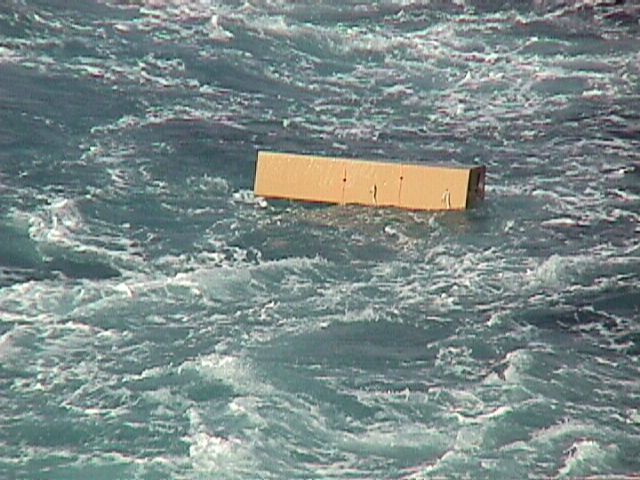
The Brahmin went far way down stream and waited for the basket on the banks of the river. In the meantime a king from a neighbouring country came to the forest on the banks of the river for hunting. It was his lucky day that he caught a tiger quickly. He wanted to take it to his palace. As he felt very thirsty he went to the river to drink some water. When he saw a floating basket, he caught it and opened it with caution. To his surprise he found a beautiful girl, our princess! He wanted to marry her. She told him the full story.

The king wanted to revenge upon the man who did wrong to her. So he put the roaring tiger inside the basket and floated it in the river. At a distance, the Brahmin was eagerly waiting for the basket. When he saw it, he took it to a lonely place and opened it. The tiger sprang upon him and tore him to pieces.
This is a story from the Tamil work Viveka Chintamani. It is a book of verses with moral themes by an anonymous author. The moral of this story is ‘As you sow, so shall you reap’.

princess

Translated by London Swaminathan

Contact swami_48@yahoo.com

தான் ஒன்று நினைக்க தெய்வம் ஒன்று நினைத்தது

princess

by london swaminathan

Post No738 Dated 9th December 2013

ஒரு பிராமணன் ஒரு ராஜாவின் பெண்ணுக்கு கல்வி கற்பித்துவந்தான். காலப்போக்கில் அவள் மீது காதல் கொண்டான். எப்படியாவது அவளை அடைய வேண்டும் என்று திட்டம் போட்டான். அது அந்த அப்பாவிப் பெண்ணுக்குத் தெரியாது. அவள் பூப்படைந்த காலத்தில் அவள் எதிர்காலம் பற்றி அந்தப் பிராமணன் இடத்தில், ராஜா ஜோதிடம் கேட்டான். தருணம் பாத்திருந்த அந்த பிராமணன், ராஜ குமாரத்தி பூப்படைந்த காலம் மிகவும் தோஷம் உடையது என்றும் ஆகையால் அவள் உயிரையும் நாட்டையும் காப்பதற்காக அவளை ஒரு பெட்டியில் வைத்து ஆற்றில் விடுவதே பரிகாரம் என்றும் சொன்னான்.

மன்னனும் தன் உயிர், நாட்டின் எதிர்காலம், மகளின் நலன் எல்லாவற்றையும் மனதிற் கொண்டு அப்படியே செய்தான். அந்த பிராமணனோ ரகசியமாக ஆற்றில் மிதந்து வரும் பெட்டியைக் கவர தொலை தூரத்தில் ஆற்றின் கரையில் காத்திருந்தான். இதற்குள் வேறு ஒரு நாட்டின் அரசன் ஆற்றின் கரையில் இருக்கும் காட்டில் வேட்டை ஆடி ஒரு புலியை உயிருடன் பிடித்தான். ஆற்றில் தண்ணீர் குடிக்கச் சென்றபோது ஒரு பெட்டி மிதந்து வருவதைக் கண்டு அதைத் திறந்து பார்த்தான். அழகான ராஜ குமாரத்தியைக் கண்டு ஆனந்தப்பட்டு அவளை மணம் புரிய எண்ணி தன் நாட்டுக்கு அழைத்துச் சென்றான். அவள் எல்லா விசயங்கலையும் சொல்லி ஆற்றுக்குள் மிதந்தது எப்படி என்று விவரித்தாள். அதைக் கேட்ட ராஜா, அவளை அழைத்துப் போவதற்கு முன்னால், அந்தப் பெட்டிக்குள் தான் பிடித்த புலியை அடைத்து மீண்டும் ஆற்றில் மிதக்கவிட்டான்.

tamil veeran

தொலை தூரத்தில் ஆற்றங் கரையில் ஆசையுடன் காத்திருந்த பிராமணன், பெட்டியை மீட்டு, யாருக்கும் தெரியாத இடத்துக்குக் கொண்டுபோய் ஆவலுடன் பெட்டியைத் திறந்தான். புலி அவன் மீது பாய்ந்து அவனைக் கொன்று தின்றது.

“மதியிலா மறையோன் மன்னன் மடந்தையை வேட்கையாலே
ருதுவது காலம் தன்னில் தோஷம் என்று உரைத்தே ஆற்றில்
புதுமையாய் எடுத்தபோது பெட்டியில் புலிவாயாலே
அதிருடன் கடியுண்டு அன்றே அருநரகடைந்தான் மாதே!”
(விவேக சிந்தாமணி)

விவேக சிந்தாமணியில் இது போன்ற பழங்காலக் கதைகள் அடங்கிய பாடல்கள் உள்ளன. இந்த நூலை எழுதியது யார் என்பது தெரியவில்லை.

தான் ஒன்று நினைக்க தெய்வம் ஒன்று நினைத்தது!
தினை விதைதவன் தினை அறுப்பான்; வினை விதைதவன் வினை அறுப்பான்!!

Contact: Swami_48@yahoo.com

floating-box

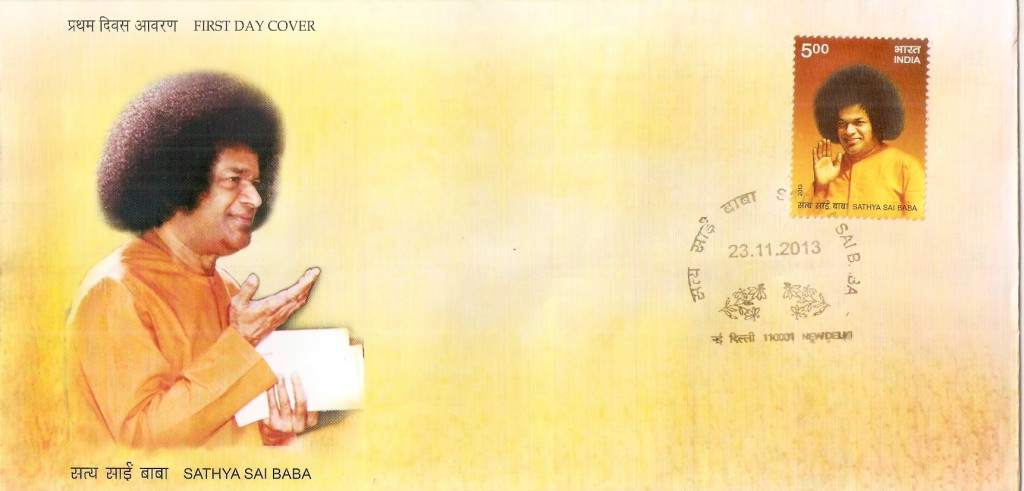
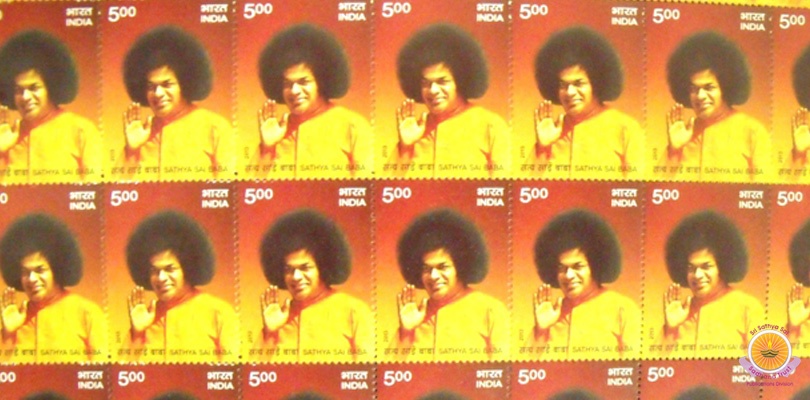
Postage Stamp on Sri Sathya Sai Baba

baba stamps

Post No 737 dated 8th December 2013

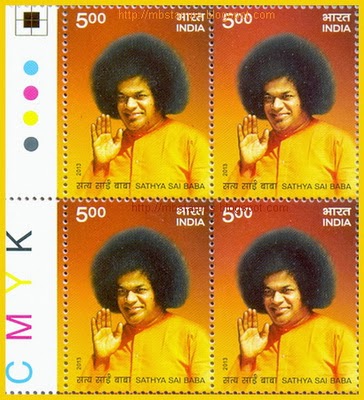
Department of Indian Post has released a commemorative postage stamp on Sri Sathya Sai Baba on 23rd November 2013. During the 88th birth day celebrations at Puttaparthi, Baba’s birth place in Andhra Pradesh, Union Minister for Communications and technology Ms Killi Kruparani released the stamp. Ministers from Andhra Pradesh Raghuveera Reddy and Geetha Reddy were present. S S Naganand, member of Sathya Sai Trust, announced the partial commissioning of water project for more towns and villages in Anantpur District. Devotees from India and abroad formed a long queue to see the Samadhi of Sathya Sai Baba.

FDC baba

Sri Sathya Sai Baba was born on 23rd November 1926 and died on 24th April 2011 at the age of 85.
In a press release here on Monday, Union minister of state for communications and information technology Killi Kruparani said Satya Sai Baba was an inspiration to people of all faiths. “As a preacher of the highest human values, Satya Sai was an iconic figure for over five decades inspiring millions to lead a moral and meaningful life. His teachings were rooted in the universal ideals of truth, righteous conduct, peace, love and non-violence.’’ She said Satya Sai endeared himself to the people through various institutions which have their headquarters at Prashanti Nilayam in Andhra Pradesh and promoted moral values, education and public health.

postal-stamp-baba

Keeping in view his noble services to the humanity and particularly for the welfare of the people of Andhra Pradesh, the decision was taken to release a commemorative postage stamp on him, she said.
stamp baba project

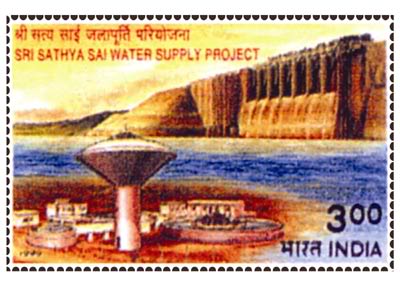
Earlier in 1999 a stamp was released when the Sathya Sai Water Project was inaugurated.

contact swami_48@yahoo.com

இன்னொரு பிறவியும் வேண்டுவதே இந்தப் பூவுலகிலே!

baba stamps

ச.நாகராஜன்

இண்டியாவின் பாஸ்போர்ட்

அது 1969ஆம் ஆண்டு. “ஃப்ளவர் சைல்ட் ஜெனரேஷன்’ Flower Child Generation என்று அழைக்கப்பட்ட இளைஞர் குழுவினருள் பன்னிரெண்டு பேர் இறைவனைத் தேடி ஆன்மீக தாகம் கொண்டு அலைந்தனர். அவர்களுள் ஒருவரான ஹோவர்ட், பாபாவைக் காண புட்டபர்த்தி வந்தார். அவருடன் கூட வந்தவர் இண்டியா என்ற பெயர் கொண்ட ஒரு பெண்மணி. தூய்மையான மனம் படைத்த அவர் சேவை புரிவதிலேயே வாழ்க்கையைக் கழிப்பவர். அனைவருக்கும் சமைப்பது, மற்றவர்கள் ஆடைகளைச் சுத்தம் செய்வது, இருப்பிடத்தைப் பராமரிப்பது என்று சேவையிலேயே ஆனந்தமாக வாழ்க்கையைக் கழிக்கும் பண்பு அவரிடம் வேரூன்றி இருந்தது. குழுவில் இருந்த இன்னொருவர் ஜில். அமெரிக்கரான ஜில்லுக்கு எப்போதும் தியானம் செய்வதில் ஆனந்தம். கொசுவலையைக் கட்டிக் கொண்டு தனக்கென ஒரு குட்டி வீடாக தியான இடத்தைப் பாவித்து தியானம் செய்யும் அவரை யாரேனும் தொந்தரவு படுத்தி அழைத்தால் கொசு வலையிலிருந்து – தவறு, அவரது தியான கூடத்திலிருந்து வெகுண்டு வெளியே வருவார்.

பர்த்தியில் நாட்களைக் கழித்த அவர்களில் பலருக்கு விசா காலம் முடிந்து விட்டது.

ஒரு நாள் ஸ்வாமி அவர்கள் அனைவரையும் அழைத்தார் – யார் யாருக்கெல்லாம் விசா முடிந்து விட்டது என்று தெரிந்து கொள்ள! ஒன்பது பேர்கள் கையைத் தூக்கினர்- விசா இல்லை என்று அறிவித்து! இண்டியா கம்மிய குரலில், “ஸ்வாமி எனக்கு பாஸ்போர்ட்டே இல்லை” என்றார்.
ஸ்வாமி,” என்ன? பாஸ்போர்ட் இல்லையா? போலீஸ் வந்து உன்னை அரெஸ்ட் arrest செய்து விடும் தெரியுமா?”என்றார்.

“நான் உலகத்தைத் துறந்த அன்றே அதையும் துறந்து விட்டேன்!” என்றார் இண்டியா. வெகுளியான அந்தப் பெண்ணைப் பார்க்கவே பரிதாபமாக இருந்தது! ஸ்வாமி புன்முறுவலுடன்.”பாஸ்போர்ட்டும் இல்லை, விசாவும் இல்லை! பைத்தியம் தான்! உடனே போய் அதற்கு ஏற்பாடு செய்!” என்றார்.

“நான் என்ன சொல்ல வேண்டும்?” என்று குழந்தைத்தனமாகக் கேட்டார் இண்டியா. ஸ்வாமி சிந்தனையில் ஆழ்ந்தார்.”உன்னிடம் பாஸ்போர்ட் இல்லையென்று போலீஸிடம் சொன்னால் அவர்கள் உன்னை அரெஸ்ட் செய்து விடுவார்கள்!” என்று ஸ்வாமி கூறியதைக் கேட்டதும் இண்டியா அழ ஆரம்பித்தார்.
“அழாதே! கவலைப்படாதே” என்றார் ஸ்வாமி தன் குழந்தைத்தனமான பக்தை அழ ஆரம்பிப்பதைப் பார்த்து.

“எனக்கு ஒன்றும் தெரியாது என்று சொல். நான் தியானத்தில் இருந்தேன். என்ன நடந்த்தென்றே தெரியவில்லை என்று சொல்” இதைக் கூறி விட்டு ஸ்வாமி இண்டியா அனுப்புவதற்கான ஒரு கடிதத்தைத் தயாரிக்க ஆரம்பித்தார். இதையெல்லாம் கேட்டுக் கொண்டிருந்த ஜில்லுக்குக் கோபம் கொப்பளித்துக் கொண்டு வந்தது.
postal-stamp-baba

ஸ்வாமி! நீங்கள் பொய் சொல்கிறீர்கள்

“ஸ்வாமி! அது பொய்! நீங்கள் பொய் சொல்கிறீர்கள்!! நீங்களே எப்படிப் பொய் சொல்ல்லாம்!!!
சத்திய சாயியாக அவதரித்து சத்தியத்தின் திருவுருவமாகத் திகழும் அவர் பொய் சொல்லலாமா! ஜில் அழ ஆரம்பித்தார். அழுதவாறே அவர் சொன்னார்:”ஸ்வாமி! இண்டியா ஒரு நாளும் தியானம் செய்ததில்லை. நீங்கள் பொய் சொல்கிறீர்கள்!”
இதற்கு ஸ்வாமி அளித்த உடனடி பதில் மனித குலம் அனைத்திற்கும் எக்காலத்துக்கும் பொருந்தக் கூடிய பதில்!

பக்தர்களுக்காக என் உயிரையே கொடுப்பேன்

“இதோ பார்! உனக்கு பொறாமை வந்து விட்டது! இந்தப் பெண்ணைக் காப்பது எனது கடமை, நீ உன் கொசுவலைக்குள் அமர்ந்து கொண்டு ஒரு நாளைக்குப் பத்து மணி நேரம் தியானம் செய்கிறாய். பிறகு கொசுவலையிலிருந்து கோபத்துடன் வெளியே வருகிறாய். உனது வெடுவெடுப்பான மூஞ்சியைப் பார்த்து எங்கள் எல்லோருக்கும் களைத்துப் போய்விட்டது! நீ தியானம் செய்யும் போது இண்டியா சமைக்கிறாள். உணவின்றி உன்னால் தியானம் செய்ய முடியுமா? உயிருக்கு ஆதாரமே உணவு தான்! எப்போதுமே அவள் சாதனை செய்கிறாள் – சேவை செய்து கொண்டே! அவள் உணவை எல்லோருக்கும் தயாரிக்கிறாள் இது தியானத்தை விட முக்கியமானது. என்னைச் சரணடைந்தவர்கள் அனைவரையும் காக்கவேண்டிய பொறுப்பு என்னுடையது. இந்த அறையில் இருக்கும் மூன்று பேருக்கு மட்டும் தான் அவள் பாஸ்போர்ட்டை அவள் இழந்த போது அவளுக்கு என்ன நடந்தது என்பது தெரியும். ஜில், இதை ஆராய்வது உங்கள் பிஸினஸ் இல்லை, சார்! அவள் தங்கமான மனம் படைத்தவள். அவளைக் காப்பது ஸ்வாமியின் கடமை! இது எனது தர்மம்! எனது கடமை! எனது பக்தர்களுக்காக என் அங்கங்களைத் தியாகம் செய்ய நான் தயார்! தேவையானால் என் கையைக் கூட வெட்டுவேன்,, எனது இரத்தத்தைக் கொடுப்பேன். ஏன், என் பக்தர்களுக்காக என் உயிரையே வேண்டுமானாலும் கொடுப்பேன்!”

ஸ்வாமி பிரவாகமாகக் கொட்டிய பதிலுக்குப் பின்னர் அந்த அறையில் அமைதி நிலவியது. அனைவரும் பிரமித்து நின்றனர். ஜில் முகத்தை மூடிக் கொண்டு தேம்பித் தேம்பி அழ ஆரம்பித்தார்.

பக்தர்களுக்காக இறைவன் உருகி உயிரைக் கொடுக்கத் தயார் என்று அறிவித்த பிரகடனத்தை நேரில் கேட்ட அந்த மூவரும் எவ்வளவு பாக்கியசாலிகள்! ஹோவர்ட்டும், இண்டியாவும் மெய் சிலிர்த்து பகவானை வணங்கினர்.

ஒரு விஷயத்தையோ அல்லது ஒரு மனிதரையோ பற்றிய மனிதர்களின் மதிப்பீடு வேறு, இறைவனின் மதிப்பீடு வேறு என்பதை இந்தச் சம்பவம் அனைவருக்கும் உணர்த்தியது.

லெவின் ஹோவர்ட் எழுதிய ‘குட் சான்ஸ்ஸ்’ (Howard Levin, Good Chances) என்ற புத்தகத்தில் ஹோவர்ட் பதிவு செய்துள்ள இந்த சம்பவம் பகவானின் அவதார லீலைக் கடலில் ஒரு சிறிய துளி!

FDC baba

சூப்பர் ஸ்பெஷாலிடி லீலைகள்

கலி யுகத்தின் வாழ்க்கை முறைகளால் உணவில் கோளாறு,மன அழுத்தம் மற்றும் இதர காரணங்களினால் இதய அறுவை சிகிச்சையை மேற்கொள்ள வேண்டியிருக்கும் ஏராளமானோருக்கு தன் அவதார பணியாக மேற்கொண்டு முற்றிலும் இலவசமாக சிகிச்சை அளிக்க ஸ்வாமி அமைத்த மருத்துவ மனை தான் சூப்பர் ஸ்பெஷாலிடி ஹாஸ்பிடல் Super Specialty Hospital.

உலகத் தரத்தையெல்லாம் பின்னுக்குத் தள்ளி இறைவன் கரத்தின் அருள் தொடுதலுடன் மூன்று லட்சம் சதுர அடிப் பரப்பில் அமைக்கப்பட்ட மருத்துவ மனையைப் பற்றி சித்தூரிலிருந்து லாஸ் ஏஞ்சல்ஸில்க்கு குடியேறி அங்கிருந்து பர்த்திக்கு சேவை புரிய வரும் டாக்டர் சௌதரி ஒலெட்டி பிரமித்து உளமுருக எழுதுகிறார் தன் அனுபவங்களைத் தொகுத்து தனது “மை ஹோலிமேன் இஸ் பகவான் ஸ்ரீ சத்ய சாயி பாபா” என்ற புத்தகத்தில்! (My Holyman is Avatar Bhagavan Sri Sathya Sai Baba). 17 ஆர்க்கிடெக்ட்டுகள் தினம் 15 மணி நேரம் பணி புரிந்து ஐந்து மாதங்கள் இதன் டிவைன் ஜாமெட்ரி டிசைனை – தெய்வீக வடிவ இயல் அடிப்படையிலான வடிவமைப்பை – முடிக்க அடுத்த ஏழே மாதங்களில் உருவான கட்டிட அற்புதம் இது!

சாயிக்னோஸிஸ்

25 ஆண்டுகள் அமெரிக்காவில் பிரபல இதய அறுவைச் சிகிச்சை நிபுணராக அறுவைச் சிகிச்சைகளைச் செய்து வந்த அவர் புட்டபர்த்தியில் இரு வார சேவைக்காகப் பலமுறை வந்து கடினமான அறுவைச் சிகிச்சைகளை வெற்றிகரமாக மேற்கொண்டு நோயாளிகளின் உயிரைக் காப்பாற்றியுள்ளார்.
ஒரு முறை பாபா ஒருவரை அட்மிட் செய்து அவரை செக் செய்யுமாறு கூறினார்.சோதனையில் அவருக்கு உடனடியாக இதய அறுவை சிகிச்சை செய்ய வேண்டுமென்று சௌதரி முடிவு செய்தார்.

ஆனால் மறுநாள் சௌதரியை நோக்கிய பாபா,” அவரை டிஸ்சார்ஜ் செய்து விடு! அவருக்கு ஒன்றுமில்லை” என்றார்.திகைத்துப் போன சௌதரி பகவானின் சொல்லை மீற முடியாமல் ஆனால் தன் மெடிகல் அனுபவத்தையும் நம்ப மறுக்காமல் அவரை மீண்டும் பரிசோதித்தார். என்ன ஆச்சரியம்! முதல் நாள் செய்த சோதனைகளின் அறிகுறிகளே அங்கு இல்லை.அவர் பூரண நலத்துடன் “பெர்பெக்டாக” இருந்தார். சௌதரி தனது ‘டயாக்னோஸிஸ்’ வேறு சாயியின் ‘சாயிக்னோஸிஸ் வேறு என்பதை உணர்ந்து அவரை அடி பணிந்து வணங்கினார். இன்னொரு நோயாளிக்கு அறுவைச் சிகிச்சையை உடனடியாகச் செய்யுமாறு பகவான் அறிவுரை –அல்ல, அருளுரை – பகர்ந்தார். சௌதரியோ திகைத்துப் போனார். ஏனெனில் அறுவைச் சிகிச்சை மேற்கொள்ள முடியாத உடல் நிலையில் அவர் இருந்தார். நிச்சயம் அவரின் உயிருக்கு ஆபத்து நேரிடும்!

ஆனால் பகவானின் மேல் பாரத்தைப் போட்டு அறுவைச் சிகிச்சையை செய்து முடித்தார். அவரே ஆச்சரியப்படும் படி அந்த இதய நோயாளி பூரண நலத்துடன் வீடு திரும்பினார். இது தனது அறுவை சிகிச்சையினால் அல்ல, பாபாவின் அருள் சிகிச்சையினாலேயே என்று உளம் நெகிழ உணர்ந்து அதிசயித்தார் உலகின் மிகச் சிறந்த இதய அறுவைச் சிகிச்சை நிபுணரான சௌதரி ஒலெட்டி!

stamp baba project

பலவான் அனுமனுக்கே பலம்

65 அடி உயரமுள்ள அனுமனின் சிலையை பர்த்தியில் நிறுவ பாபா இந்தியாவின் தலை சிறந்த கட்டுமானக் கம்பெனிக்கு ஆணையிட்டார்.

அந்த நிறுவன எஞ்சினியர்கள் முறைப்படி மண் பரிசோதனையை மேற்கொண்டனர். ஆனால் மணலோ தொள தொள என்று (புதை குழி மண் போல என்று சொல்லும் அளவில்) கெட்டிப் படாமல் இருந்தது. பிரம்மாண்டமான சிலையின் எடை என்ன! அதை எங்காவது இப்படிப்பட்ட மண்ணில் நிறுவ முடியுமா! எஞ்சினியர்கள் மறுத்து தங்கள் ரிபோர்ட்டை பாபாவிடம் சமர்ப்பித்தனர். பாபா சொன்ன இடம் சரிப்படாது என்ற அவர்களின் நிலைப்பாட்டைக் கேட்ட பாபா அந்த இடத்திற்கு வந்தார். தன் காலால் அந்த இடத்தில் இரண்டு தட்டு தட்டினார். “ஊம்! இப்போது சரியாகி விட்டது. சிலையை நிறுவலாம்!” என்று சொல்லி விட்டுக் கிளம்பி விட்டார். எஞ்சினியர்கள் திகைத்துப் போய் மீண்டும் மண் பரிசோதனைக்கு ஏற்பாடு செய்தனர். என்ன, ஆச்சரியம்! முன்னர் பரிசோதனை செய்த அதே இடம் தான்.’! ஆனால் இப்போது பாறாங்க;ல் போல வலுவுடன் இருந்தது. ப;லவானான அனுமனுக்கே பலம் தந்த பாபாவின் அதிசயச் செயலை அருள் அற்புதமாக அனைவரும் உணர்ந்து பரவசப்பட்டனர்.

மனித்தப் பிறவியும் வேண்டுவதே இந்த மாநிலத்தே!

ஒவ்வொரு கணத்தையும் ஒரு லீலையாக பக்தர்களுக்கு உணர்த்தி அதில் ஒரு அற்புத செய்தியையும் அவ்வப்பொழுது பொதிந்து வைத்தவர் பகவான்! அவரது லீலைகளை அனுபவித்து மகிழ்ந்த பக்தர்கள் அப்பரின் தேவாரப் பாடலையே நினைவில் கொள்வர்.

குனித்த புருவமும் கொவ்வைச் செவ்வாயில் குமிண் சிரிப்பும் பனித்த சடையும் பவளம் போல் மேனியில் பால் வெண் நீறும் இனித்தம் உடைய எடுத்த பொற்பாதமும் காணப்பெற்றால் மனித்தப் பிறவியும் வேண்டுவதே இந்த மா நிலத்தே!

என்று தில்லை நடராஜரின் ஆனந்தத் திரு நடனத்தைப் பார்க்க முடியுமென்றால் இன்னொரு மனிதப் பிறவியும் நிச்சயம் வேண்டும் என்றார் அற்புதர் அப்பர்.

பகவான் பாபாவின் லீலைகள் அடுத்த அவதாரமான பிரேம சாயி அவதாரத்திலும் தொடரும் என்பதால் அவர் வாழும் அந்த காலத்தில் அவருடன் வாழ வேண்டும் என்பதே பகவானின் அணுக்க பக்தர்களின் ஆசை. முத்தியைச் சற்று ஒத்தி வைத்து அவர்கள் ஒரு முகமாக ஆசைக் குரலில் கூவிக் கூறுவது இன்னொரு “ மனித்தப் பிறவியும் வேண்டுவதே இந்த மாநிலத்தே”!

சின்ன உண்மை
நாகார்ஜுனா கன்ஸ்ட்ரக் ஷன் கம்பெனியை நிறுவிய அதன் சேர்மன் ஏ,வி,எஸ் ராஜு மிகப் பெரிய வாழ்க்கை வரலாறாக பாபாவின் வரலாற்றை எழுதியுள்ளார். 1996-லிருந்து 2007- வரை எழுதப்பட்ட 32 தொகுதிகளைக் கொண்ட ஆனால் ஒரே பைண்டிங்கில் உள்ள இந்த நூலே உலகின் மிகப் பெரிய நூல் என்று கின்னஸ் வோர்ல்ட் ரிகார்ட் சாதனைப் பட்டியலில் இதை அறிவித்துள்ளது!

Contact swami_48@yaho.com

Goddess Kali Outsmarted!

Genius-is-1-inspiration-99-perspirationsuccessis

Post No 731 dated 4th December 2013

By London swaminathan

Inspiration & Perspiration: Bhatti & Vikramaditya

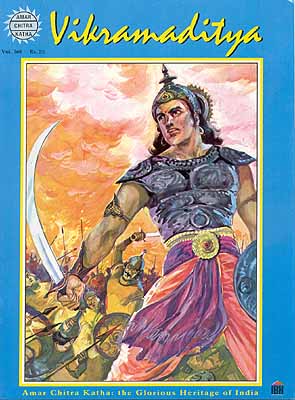
The greatest of the historical Indian kings is Vikramaditya. He lived in the first century before Christ. We have an era in his name. Hundreds of Indian kings who followed him had his title ‘Vikramaditya’. Nine great scholars including Kalidasa, known as Nava Ratna (Nine Gems) lived during his reign. There are lots of stories about Vikramditya, his wise minister Bhatti and royal poet Kalidasa. Stories of Vikram and Vetal are famous throughout India. One of the stories tells us about how they out smarted Goddess Kali!

When Goddess Kali appeared before Vikramaditya, she blessed him to ‘rule the country for one thousand years’! He boasted to his minister Vetala Bhatti about his boon. Wise Bhatti told him that he would make it 2000 years rule. Vikramaditya was surprised to hear it and asked for clarification. Bhatti told him to ‘rule the country’ for six months in a year and spend another six months in the forest. It would double the time of his rule. Vikram was very happy and was ready to follow his advice. But he wanted his minister to stay with him throughout his rule. Bhatti promised that he would also get a boon for 2000 year life span.

(This episode gave birth to the saying in Tamil “Kaadu Aru Matham, Naadu Aru Matham” meaning ‘forest six months, country six months’. This is a phrase even common man uses very often to refer any 50-50 situation! I am pretty sure this phrase exists in other Indian languages as well.)

Bhatti prayed to Goddess and she appeared before him. When he asked for 2000 year life span, Goddess Kali put a condition, just to avoid Bhatti. She asked Bhatti to cut off the head of Vikram and bring it to her. Bhatti went to Vikram and cut off his head while he was asleep. Vikram knew what happened but did not prevent Bhatti cutting his head off. Vikram had so much trust in his minister that whatever he did was for his good.

Seeing the head of Vikram, Kali kept her promise and blessed Bhatti to live for 2000 years. Immediately Bhatti sniggered at her. Kali was surprised and asked the reason for his laughter. Bhatti said to her, “Oh, I thought you are going to cheat me like you cheated my king Vikram. You gave him a boon to live for 1000 years and look here, I have got his head for you. Kali suddenly realised her ‘mistake’ and brought Vikram to life.

vikram

Vikram praised his wise minister Bhatti and both of them ruled for 2000 years. When Vikram was away in the forest for first six months, Bhatti ruled the kingdom. When Bhatti was in the forest, Vikram ruled.
This gave birth to a saying Mantra one quarter, Mathi/brain three quarters ( in Tamil ‘Manthiram oru kaal, Mathi mukkaal)’. We can say that ‘Perspiration one percent and Inspiration 99 percent’, contrary to the popular quotation “Genius is one percent inspiration and 99 % perspiration!

This type of stories existed from the days of epics and Puranas! The famous Satyavan & Savitri story was also based on word play. When Yama gave Savtri the boon of remaining a Deerga Sumangali ( married life with husband for a full life span), Savitri reminded Yama, the God of Death, that her husband must be revived immediately who died a short while ago.

Contact swami_48@yahoo.com

vikramaditya_acl31