தொல்காப்பியத்தில் வருணன்

Image

தமிழில் கிடைத்த பழைய நூல் தொல்காப்பியம். பெரும்பாலான அறிஞர்கள் இதை கி.மு அல்லது கி.பி. முதல் நூற்றாண்டில் வைக்கின்றனர். கார்த்திகேசு சிவதம்பி, வையாபுரிப் பிள்ளை போன்றோர் போல நானும் இதை கி.பி. ஐந்தாம் நூற்றாண்டில் வைத்துள்ளேன். (தொல்காப்பியர் காலம் பற்றிய எனது (ஐந்து பகுதிகள்) கட்டுரையில் காண்க).

ரிக் வேதத்தில் வருணன் மிக முக்கியமான கடவுள். உலகம் ஒரு சட்ட நியதிக்குள் இயங்க உதவுபவர் வருணன். மேலும் கடல், நீர் நிலைகள், மழை ஆகியவற்றுக்குப் பொறுப்பானவர். இந்திரன் கிழக்கு திக்குக்கு அதிபதி, வருணன் மேற்கு திக்கிற்கு அதிபதி. மித்ரன் என்ற ஒளிக் கடவுளுடன் இவர் ஜோடியாக வைக்கப்படுகிறார். வேத மந்திரங்கள் இவரை மித்ரனுடன் சேர்த்துப் பாடுகின்றன. இது பழந் தமிழர் நம்பிக்கையுடன் மிகவும் பொருந்துகின்றன. வருணனின் வாஹனம் சுறா மீன், முதலை அல்லது கடல் மிருகம்.


மித்ரன் வருணன் ஜோடியை அறிஞர்கள் ஒளி/இருள் என்றும் சூரியன்/சந்திரன் என்றும் ஆக்க சக்தி/அழிவு சக்தி என்றும், உற்பத்தி/மறைவு=சூரிய உதயம்/அஸ்தமனம் என்றும், கிழக்கு/மேற்கு என்றும் வியாக்கியானம் செய்கின்றனர். அதாவது ஒரு மின்சார பேட்டரியில் உள்ள பாசிடிவ்/நெகடிவ் போன்றவர் மித்ர- வருணன் ஜோடி.

வருணனின் மகன் தமிழ் முனிவன் அகஸ்தியர். அந்த வகையில் வருணனும் தமிழுக்கு மிகவும் நெருங்கி வந்து விடுகிறார்

தற்காலத்தில் பிராமணர்கள் நாள் தோறும் மூன்று முறை செய்யும் சந்தியா வந்தன மந்திரத்தில் வருண வழிபாடு இருக்கிறது. மழை பெய்யாமல் வறட்சி நிலவும் காலங்களில் வருண ஜபம் என்னும் வேத மந்திரச் சடங்கு நடத்தப்படுகிறது.


தொல்காப்பிய பொருள் அதிகாரம் (1-5)

‘’ மாயோன் மேய காடுறை உலகமும்

சேயோன் மேய மைவரை உலகமும்

வேந்தன் மேய தீம்புனல் உலகமும்

வருணன் மேய பெருமணல் உலகமும்

முல்லை குறிஞ்சி மருதம் நெய்தலெனச்

சொல்லிய முறையால் சொல்லவும் படுமே’’


தொல்காப்பியர் தனது பொருளதிகார சூத்திரத்தில் கடலும் கடலைச் சார்ந்த நிலமும் ஆன நெய்தல் நில மக்களின் கடவுள் வருணன் என்று சொல்லுவார். அவர்கள் பரதவர் என்று அழைக்கப்படுவர்.

((இலக்கியத் திருடர்களுக்கு அன்பான வேண்டு கோள்: எனது கட்டுரைகளைத் தாராளமாகப் பயன்படுத்துங்கள். ஆனால் லண்டன் சுவாமிநாதன் எழுதியது என்றோ , அல்லது பிளாக் பெயரையோ தயவு செய்து போட்டு தமிழுக்குத் தொண்டு செய்யுங்கள். தமிழ் எழுத்தாளர்களுக்கு துரோகம் செய்யாதீர்கள்)).

பட்டினப்பாலை என்னும் நூலில் வருண வழிபாடு பற்றிய சுவையான செய்திகள் கிடைகின்றன; வள்ளுவனும் மறைமுகமாக வருணனைப் புகழ்கிறான்:

Image

‘’ வெண்கூதாளத்துத் தண்பூங்கோதையர்

சினைச் சுறவின் கோடு நட்டு

மனைச் சேர்த்திய வல்லணங்கினான்

மடற்றாழை மலர்மலிந்தும்

பிணர்ப்பெண்ணைப் பிழிமாந்தியும்

புன்றலை இரும் பரதவர்

பனிதழை மா மகளிரொடு

பாயிரும் பனிக்கடல் வேடஞ் செல்லா

துவவுமடிந்துண்டாடியும்’’ (பட்டினப்பாலை 85-93)


பொருள்: பரதவர்கள் சுறாமீனின் கோட்டினை மணலில் நட்டு மலர் மாலை சார்த்தி வணங்கினர். அதில் தெய்வம் ஏறியதாக நம்பினர் பவுர்ணமி நாட்களில் இதைச் செய்வர். பனங்கள்ளையும் நெற்கள்ளையும் அருந்துவர். மீனையும் இறைச்சியையும் கடவுளுக்குப் படைப்பர்.

வாரணம்= கடல் என்ற வடமொழிச் சொல்லும் வருணன்= கடல் தெய்வம் உடன் தொடர்புடையது.


மேற்கூறிய சங்க கால பட்டினப் பாலைப் பாடல் ரிக்வேத கருத்துடன் மிகவும் அணுசரணையாக இருக்கிறது: 1. பரதவர் என்போர் ரிக்வேத பரதர்களுடன் தொடர்புடையோராக இருக்கலாம் 2. வருணனின் வாகனமான மகரம் (மீன்/முதலை/சுறா), கடலோர பரதவர் வழிபாட்டில் இடம் பெற்றது 3. வருணன் ஒரு கடல் தெய்வம் என்பது ரிக்வேதத்தில் பல இடங்களில் வருகிறது; தமிழர்களும் கடல் தெய்வமாகவே வணங்கினர் 4. முழு நிலவுக்கும் இரவுக்கும் வருணனுக்கும் உள்ள தொடர்பு வேதத்திலும் உள்ளது. வருணன் என்பவன் சோமனுக்கும் அமிர்த்துக்கும் அதிபதி. சோமன், அமிர்த கிரணங்கள் என்பது சந்திரனுக்கும் சோம பானத்துக்கும் பொருந்தும் 5.தொல்காப்பியரும் வருணன் என்ற அதே வடமொழிப் பெயரைப் பயன்படுத்துகிறார்.. மழை என்பது கடலில் இருந்து மேகமாக உற்பத்தியாகி பூமியில் பெய்கிறது என்ற கருத்து வடமொழி, தமிழ் மொழி நூல்களில் நூற்றுக் கணக்கான இடங்களில் வருகிறது.


வள்ளுவன் போற்றிய வருணன்

இந்திரன் என்ற சொல்லைப் பயன்படுத்திய வள்ளுவன் , வருணன் என்ற வேத காலக் கடவுள் பெயரை நேரடியாகப் பயன்படுத்தவில்லை. ஆயினும் கடவுள் வாழ்த்துக்கு அடுத்த அதிகாரமாக வான் சிறப்பு என்ற அதிகாரத்தை வைத்து பூசனை, தானம் தவம் என்ற சம்ஸ்கிருத சொற்களால் வர்ண பகவானை வாழ்த்துகிறான் வள்ளுவன் :

‘’சிறப்பொடு பூசனை செல்லாது வானம்

வறக்குமேல் வானோர்க்கும் ஈண்டு’’ (குறள் 18)

‘’தானம் தவம் இரண்டும் தங்கா வியன் உலகம்

வானம் வழங்காது எனின்’’ (குறள் 19)

பொருள்: வானம் வறண்டு மழை இல்லாது போனால், இந்த உலகில் வானோர்க்கு எடுக்கும் திருவிழாவும் நடைபெறாது; நாள்தோறும் செய்யும் பூஜையும் நடைபெறாது;


மழை இல்லாது போனால், இந்த பரந்த உலகத்தில் தானம் கொடுத்தலும், தவம் செய்தலும் இல்லாமல் போகும்.

மேற்கூறிய இரண்டு குறட்பாக்களில் வள்ளுவன் கூறும் பூஜை என்ன? விழா (க்கள்) என்ன? வருண வழிபாடு, இந்திர, வருண விழாக்கள் என்றால் பொருத்தமாகவே இருக்கும். கடவுள் வாழ்த்துக்கு அடுத்தபடியாக வான் சிறப்பை வைத்ததற்கு இதை விட வேறு விளக்கம் என்ன இருக்க முடியும். தென் கிழக்கு ஆசிய நாடுகளில் இன்றும் இந்திர விழா பல பெயர்களில் ( நீர் விழா, மழை விழா) கொண்டாடப் படுகிறது. தமிழில் பரிபாடலில் மேலும் பல நீர் விழாச் செய்திகள் உள்ளன.

தமிழர் கலாசாரம் வேறு, ஆரியர்-திராவிடர் வேறு என்பவர்க்கு தொல்காப்பியரும் வள்ளுவரும் கொடுக்கும் பதிலைத் தவிர வேறு பதிலும் தேவையா?

Image

Slavs in Russia and Ukraine worship Varun as Perun

என்னுடைய முந்தைய கட்டுரைகளையும் காண்க:

1.தொல்காப்பியத்தில் இந்திரன்

2.இந்திர விழா: வேதத்திலும் தமிழ் இலக்கியத்திலும்

3.வள்ளுவன் ஒரு சம்ஸ்கிருத அறிஞன்

4.அதிசயத் தமிழ் முனிவர்/புலவர் வால்மீகி

5.சோம பானமும் சுரா பானமும்

6.வீரத்தாயும் வீர மாதாவும்

7.சிந்து சமவெளியில் பேய் முத்திரை + 570 ஆராய்ச்சிக் கட்டுரைகள்
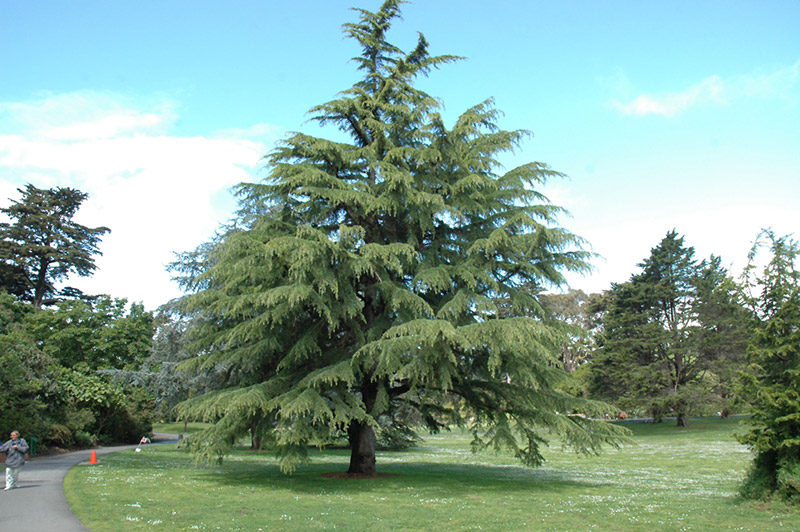
 

Lord Shiva and Tamils adopted Trees!

Deodar means Tree of Gods

Picture of Deodar: Tree of the Gods

We have heard about people adopting children. But the greatest of the Indian poets Kalidasa and Sangam Tamil poets give some interesting information about adoption (Sweekar) of trees. Lord Shiva adopted a Devadaru Tree according to Kalidasa. A Tamil woman adopted a Punnai tree and watered it with milk and honey according to 2000 year old Sangam literature!


Love towards animals is known throughout the world. But love towards plants is rarer in literature. Kalidasa in Raguvamasa says (II-36-39):


‘’Look at that Devadaru tree. Shiva considered this tree as his son. Parvati also waters it with water from golden pots like she gave milk to her son Kartikeya (from her breast). The tree is compared to Subramanya. Once a wild elephant scratched its temple against it and destroyed its bark. Parvati grieved for it as if her son Subramanya was injured by the missiles of demons’’.

It looks like Kalidasa liked trees very much. In his Megadutam verse 74 also he says:


‘’Close by grows a young Mandara tree

Nurtured by my love like son and now bending

With clusters of blossoms

Within reach of her hand’’.

This is echoed in Natrinai verse 172 (see below).


Kalidasa’s  most famous drama ‘Sakuntalam’ has more references to love towards plants and animals. ‘I love them like a sister’,says Sakuntala (I-17),pointing to plants. Sakuntala even named her favourite jasmine plant as ‘Vana Jyotsni’(I-20). In another place Sakuntala’s girl friend says, ‘’Look, Sakuntala, here is Madhavi bush. Father Kanva nurtured with his own hands as he nurtured you. Sakuntala refers to plants and deer as sisters in more than three places.


In Kumara Sambhava Kavya (II-55), Kalidasa advocates tree protection. The poet says, ‘’Even a poisonous tree is not cut off’’. Tamils also echo this by saying,  ‘’Even a tree with medicinal properties is not fully destroyed’’ in Natrinai verse 226 by Kani Pun Kundranar. Sakuntalam has a proverb: Can anyone water a jasmine creeper with hot water?’(Sakuntalam IV-1)


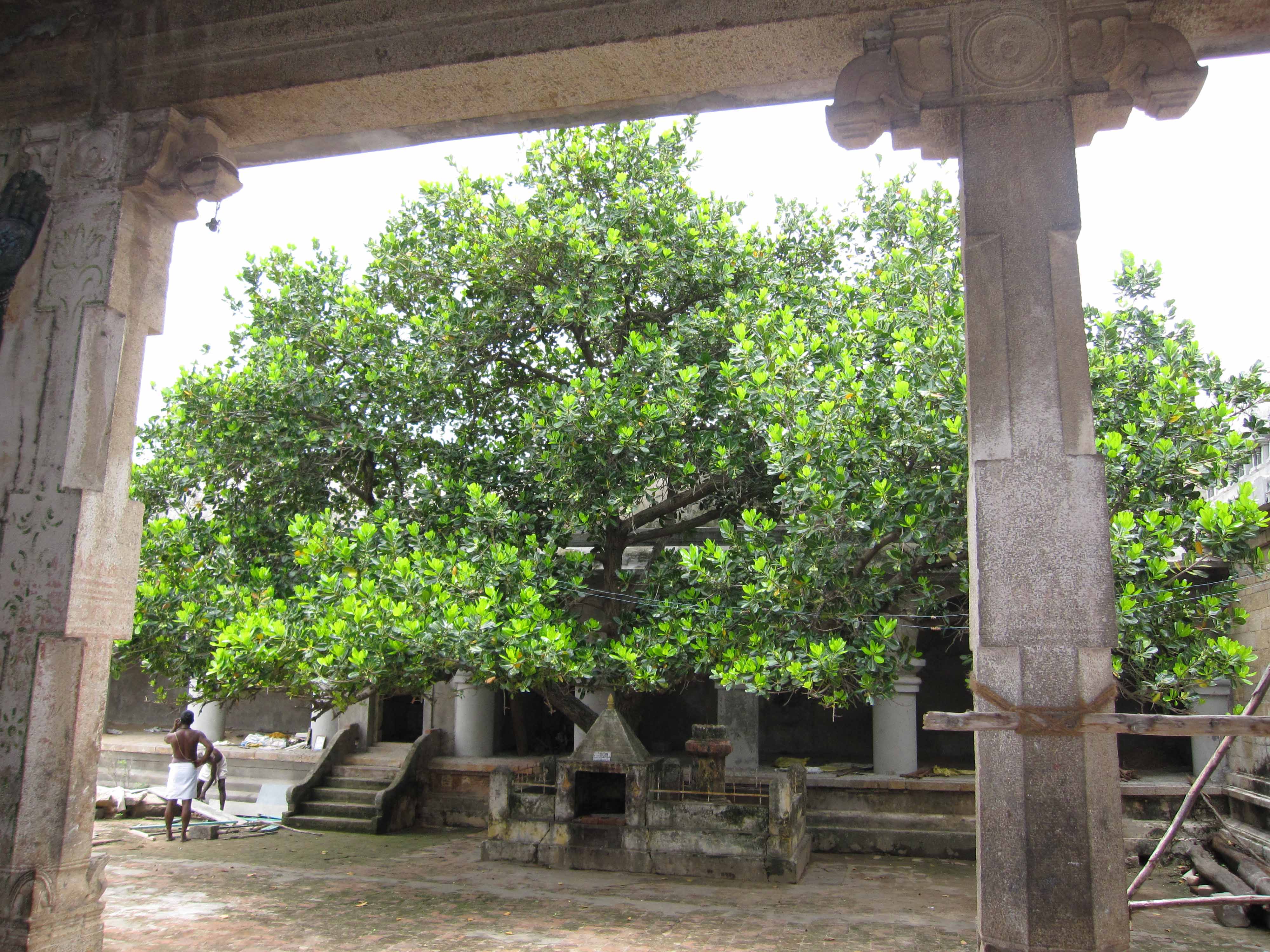
punnai-tree

Picture of Punnai Tree

Tamils adopt Trees

Tamil Sangam literature has a similar episode in Natrinai  verse 172:

‘’Do you remember? When we were young we were playing with Punnai seeds and left one forgetfully under the soil. It grew up big and we watered it with milk mixed with honey. When it became a tree, your mum commented ‘Oh this Punnai tree is better than you. It is like your sister’. Now I feel shy to date my lover under the tree’’.

Since the girl considered the tree as her own sister, she refused to date her lover under the tree. What a great poem! She truly believed her sister is watching. Ancient Hindu girls didn’t date boys in front of others, particularly relatives. Tamil poems even advocate to ‘Do sex like crows’, which is never seen by the public.


A Tamil saint of our times Vallalar Ramalinga Swami said in a song that he withered whenever he saw a withered plant. This was an echo of 2000 year old literature. In Natrinai verse 230, a simile is used by a poet: ‘’I feel (happy) like a withered plant getting water’’.


The best examples are in Tamil in the stories of Pari and Bekan. They are among the Last Seven Philanthropists (Kadai Ezu Vallalkal). Pari gave his chariot to a Jasmine creeper when he saw it fluttering in wind without any support. Bekan gave his royal shawl to a peacock when it danced spreading its feathers. He thought it was shivering in cold! Love is blind!


There are innumerable references in Tamil and Sanskrit where the poets greet the plants, because something good happened. There are hundreds of references about the reactions of plants and animals when good and bad things happened.

Whenever a king visited a sage or saint inside the forest, he always stationed his army at a distance. The reason given for it in Raguvamsa (11-52) was to avoid the destruction of forests. They showed so much concern for environment.


Trees are worshipped by the Hindus. Peepul tree ,banyan tree and fig tree—all the three trees of the Ficus genus (asvatta, Vata and Udembara)  are worshipped by the Hindus. Vishnu Sahasranama also praised the three trees.

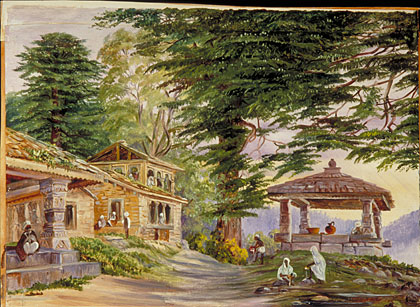
cedus deodara in Kumaon, Himalayas painting at London Kew Gardens


Picture of a painting from Kew Gardens,London

Please read my earlier posts on Kalidasa:

1.Gem stones in Kalidasa and Tamil Sangam Literature

2.Holy River Ganges in Kalidasa and Sangam Tamil Literature

3.Gajalakshmi in Kalidasa and Sangam Tamil Literature

4.Sea in Kalidasa and Sangam Tamil Literature

5. Bird Migration in Kalidasa and Tamil literature

6.Hindu Vahanas in Kalidasa and tamil literature

7.Amazing Statistics on Kalidasa

8.Kalidasa’s age: Tamil works confirm 1st Century BC

9.சங்கத்தமிழ் இலக்கியத்தில் காளிதாசன் உவமைகள்

10. காளிதாசனின் னூதன் உத்திகள்: தமிழிலும் உண்டு


contact swami_48@yahoo.com; pictures are taken from other sources;thanks.

சிவனுக்கும் தமிழர்களுக்கும் மரங்கள்- சுவீகார புத்ரர்கள்!

Deodar means Tree of Gods


Picture of Deodar; Deodar means Tree of the Gods.

குழந்தை இல்லாதோர் மற்றவர்களின் குழந்தைகளை தத்து எடுத்தலையும் சுவீகாரம் எடுப்பதையும் நாம் அறிவோம். சிவ பெருமானும், தமிழர்களும் மரங்களை தத்து எடுத்து புத்திரர்களாக வளர்த்ததைப் பலர் அறியார். வாடிய பயிரைக் கண்டபோதெல்லாம் வாடினேன் என்று கூறிய வள்ளாலார் பெருமான் நமது முன்னோர்களின் கருத்தைத்தான் மீண்டும் சொல்லி இருக்கிறார்.


2000 ஆண்டுகளுக்கு முன் வாழ்ந்த உலகப் புகழ் பெற்ற வடமொழிக் கவிஞன் காளிதாசன் ஒரு புதிய செய்தியைக் கூறுகிறார். சிவ பெருமான் ஒரு தேவதாரு மரத்தை மகனாக வளர்த்தார் என்று. இதே போல நற்றிணைக் கவிஞன் ஒருவன் ஒரு தமிழ்ப் பெண், அவளுடைய மகளாக வளர்த்த ஒரு புன்னை மரம் பற்றிய சுவையான செய்தியைக் கூறுகிறார். மேலே படியுங்கள்:


((இலக்கியத் திருடர்களுக்கு அன்பான வேண்டு கோள்: எனது கட்டுரைகளைத் தாராளமாகப் பயன்படுத்துங்கள். ஆனால் லண்டன் சுவாமிநாதன் எழுதியது என்றோ , அல்லது பிளாக் பெயரையோ தயவு செய்து போட்டு தமிழுக்குத் தொண்டு செய்யுங்கள். தமிழ் எழுத்தாளர்களுக்கு துரோகம் செய்யாதீர்கள்)).


ரகுவம்ச காவியத்தில் காளிதாசன் கூறுகிறான்:’’அதோ அந்த தேவ தரு மரத்தைப் பார். அதை சிவ பெருமான் மகன் போல வளர்த்தார். பார்வதி தேவி தனது இரண்டு ஸ்தனங்களால் முருகப் பெருமானுக்கு எப்படி பால் ஊட்டினாரோ அதே போல இந்த மரத்துக்கும் தங்கக் குடங்களால் தண்ணீர் வார்த்தார். ஒரு நாள், ஒரு காட்டு யானை அதன் தலையை இதன் பட்டையில் உரசவே அது உதிர்ந்தது. தேவிக்கு மிக வருத்தம். முருகப் பெருமானை அசுரர்கள தாக்கி காயப் படுத்தியது போல அவர் வருத்தப் பட்டார்’’.–(ரகு.2–36/39)


இதே கருத்தை மேக தூதத்திலும் (பாட்டு 74) கூறுவார்: ‘’ஏ மேகமே! அங்கே ஒரு மந்தார மரத்தைப் பார்ப்பாய். என் மகன் போல வளர்த்த மரம். இப்போது அதுப் பூத்துக் குலுங்கிக் கொண்டிருக்கும். என் காதலி அதனை எளிதாகப் பறிக்கும் அளவுக்கு அது வளைந்து தொங்கும். (இந்தக் கருத்து நற்றிணைப் பாடல் 170-இல் எதிரொலிப்பதைக் கீழே கொடுத்திருக்கிறேன்).


காளிதாசனின் உலகப் புகழ்பெற்ற நாடகம் சாகுந்தலத்தில் முழுக்க முழுக்க தாவர, பிராணிகள் அன்புச் செய்திகளைக் கண்கிறோம். மல்லிகைக் கொடிகளை சகுந்தலை, தனது சகோதரி என்று அழைக்கிறார். ஒரு மல்லிகைக் கொடிக்கு ‘வனஜோத்ஸ்னி’ என்று பெயரும் சூட்டுகிறார். மான்களையும் சகோதரி என்றே அழைக்கிறார்.  சாகுந்தலம் நாலாவது காட்சி முழுதும் இந்த வசனங்கள் வருகின்றன. ஓரிடத்தில் தோழி சொல்கிறார்: ‘’அதோ பார். மாதவி பூப் பந்தல். உனது தந்தை கண்வ மகரிஷி உன்னை வளர்த்தது போல அன்பாக ஊற்றி வளர்த்தாரே, நினைவு இருக்கிறதா?’’


குமார சம்பவம் (2-55) என்னும் காவியத்தில் விஷ மரத்தையும் கூட யாரும் அடியோடு வெட்ட மாட்டானே எனற வசனமும், சாகுந்தலத்தில் (4-1) மல்லிகைக் கொடியில் எந்த மகா பாவியாவது வெந்நீரை ஊற்றுவானா? என்ற வசனமும் வருகிறது. இவை அத்தனையும் தமிழிலும் இருக்கின்றன.

punnai-tree

Picture of Punnai Tree

தமிழ் மரம் ஒரு தங்கை

நற்றிணையில் (172) ஒரு அற்புதமான பாடல். எழுதியவர் பெயர் பாடற்குறிப்பில் இல்லை:

‘’யாம் தோழிமாரோடு விளையாடும்போது வெண்மையான மணலில் புதைத்து மறந்து கைவிட்ட புன்னை மர விதை முளைத்து வெளிவந்தது. அதற்குத் தேன் கலந்த இனிய பாலை ஊற்றி வளர்த்தோம். அது வளர்ந்து மரமாகியது. அப்போது அன்னை, ‘’நும்மிலும் சிறந்தது புன்னை; அது நும் தங்கையாகும்’’ என்று புன்னையது சிறப்பைக் கூறினாள். ஆகையால் புன்னையின் கீழ் உள்ள நிழலில் நும்மொடு அளவளாவலை யாம் நாணுகிறோம்’’.


சகுந்தலை சொன்னதை அப்படியே இந்தப் பாடலில் காண்கிறோம். நான் ஏற்கனவே எழுதிய ஏழு கட்டுரைகளில் காளிதாசன், சங்க இலக்கிய காலத்துக்கு முன் , கி.மு. முதல் நூற்றாண்டில் வாழ்ந்தவன் என்று சொன்னதற்கு இது மேலும் ஒரு சான்று.


நற்றிணை 230 ஆம் பாடலில், நான் வாடிய பயிருக்கு தண்ணீர் ஊற்றியது போல மகிழ்கிறேன் என்று பாடுகிறான் ஒரு கவி. இன்னொரு பாடலில் மருந்து மரத்தைக் கூட யாரும் முழுதும் வெட்ட மாட்டார்களே என்று வசனம் பேசுகிறான் ஒரு தமிழ்ப் புலவன் (நற்றிணை 226-கணி பூங்குன்றனார்).

தாவரங்கள், பிராணிகள் பால் அன்பு மழை பொழிந்த கடை எழு வள்ளல்கள் பாரியும் பேகனும் உலகிற்கே உதாரணமாகத் திகழ்கிறார்கள். முல்லைக்குத் தேர் ஈந்தான் பாரி. கொழு கொம்பு இல்லாமல் காற்றில் பட படத்தவுடன் அவன் மனமும் படபடுத்தது, பரிதவித்தது. பேகன்,  மழை மேகம் கண்டு ஆடிய மயிலைக் குளிரில் நடுங்குகிறது என்று எண்ணி தனது விலை மிகு சால்வையைப் போர்த்தினான் அன்றோ. இவர்கள் எல்லாம் சகுந்தலையின் சகோதரர்கள் என்றால் மிகையாகா.


ராமன், சீதை, கண்ணகி, சகுந்தலை பிரிவைப் பொறுக்க முடியாமல் பிராணிகளும் தாவரங்களும் என்ன என்ன செய்தன என்பது பற்றீ நூற்றூக் கணக்கான உதாரணங்கள் உள. எழுத இடம் போதா.

ரிஷி முனிவர்களைச் சந்திக்க காட்டிற்குள் நுழைந்த அரசர்கள் தொலை தூரத்தில் சேனை சைன்யங்களை நிறுத்திவிட்டு வருவார்கள். இதற்குக் காரணம் கூறும் காளிதாசன், செடி கொடி மரங்களை சேதமுறாமல் தடுக்கவே என்பான் (ரகு 11-52). புறச் சூழல் பாதுகாப்பிலும் மரங்கள் பாதுகாப்பிலும் எத்தனை கவனம்!! இன்று பத்திரிகைகளில் பெரிதாக வரும் விஷயங்களை 2000 ஆண்டுகளுக்கு முன் போகிற போக்கில் கவிதையில் தந்த வடமொழி, தென் மொழிக் கவிஞர்கள், ஒரே நாடு ஒரே சிந்தனை என்ற கொள்கைக்கு வலுச் சேர்ப்பர்.


இந்து மதத்தில் மர வழிபாடு முக்கிய இடம் பெறுகிறது விஷ்ணு சஹஸ்ரநாமத்தில் ஒரே (பைகஸ்) குடும்பத்தைச் சேர்ந்த ஆல மரம், அரச மரம், அத்தி மரம் ஆகிய மூன்றும் விஷ்ணுவின் அம்சமாகக் கருதப்படுகிறது. சிந்து சமவெளி முதல் பிராமணர்களின் அன்றாட யாகம் சமிதாதானம் ஆகியன முதல் முக்கியத்துவம் பெறும் அரச மரத்தில் பிரம்மா விஷ்ணு சிவன் ஆகிய மூவரும் இருப்பதாக வட மொழி ஸ்லோகம் கூறுகிறது.

cedus deodara in Kumaon, Himalayas painting at London Kew Gardens


Picture of Himalayan Deodars; painting from Kew Gardens, London

மரங்கள் வாழ்க! ’’காடு வளர்ப்போம், நல்ல கலை வளர்ப்போம்’’:-பாரதி

Please read my earlier posts on Kalidasa:

1.Gem stones in Kalidasa and Tamil Sangam Literature

2.Holy River Ganges in Kalidasa and Sangam Tamil Literature

3.Gajalakshmi in Kalidasa and Sangam Tamil Literature

4.Sea in Kalidasa and Sangam Tamil Literature

5. Bird Migration in Kalidasa and Tamil literature

6.Hindu Vahanas in Kalidasa and tamil literature

7.Amazing Statistics on Kalidasa

8.Kalidasa’s age: Tamil works confirm 1st Century BC

9.சங்கத்தமிழ் இலக்கியத்தில் காளிதாசன் உவமைகள்

10. காளிதாசனின் னூதன் உத்திகள்: தமிழிலும் உண்டு

Contact swami_48@yahoo.com; pictures are used from other websites;thanks.

Why do Hindus Worship Bell?


I have already written about Hindus’ worship of Cows (Go Puja), Elephants (Gaja Puja), Snakes (Naga Panchami), Scorpions, Sandals (Paduka Puja), Fossils (Salagrama Puja), Gem Stones(Spatika/crystal), Conches (Shanka Puja) and flowers (Pushpanchali). I have also written that the calling bell was invented by the Hindus in my post ‘’Hindus invented the Calling Bell’’. Now I give some details about Bell Puja! Yes, Hindus worship bells as well. You know the story of Manu Neethi Choza who followed Manu Dharma Shastra during his rule. When the palace bell was rung by the cow which lost its calf under the wheels of his son’s chariot he killed his own son in the same way under the wheels of the palace chariot (for details go to my earlier post).


Bell Worship is called Ghanta Puja (Ghanta is bell in Sanskrit). The sound that comes out of the sacred bell is called Jaya Dwani (Victorious Sound). This sound helps to drive away the demonic forces and brings in the auspicious and positive forces. This has a deeper and inner meaning as well. This will drive away the evil thoughts from us. The bell will ring from inside us giving us positive energy.

From Hindujagruti.org _ghanta

When the priest or the performer of puja puts some flowers on the bell and rings it loud he recites a Sanskrit mantra echoing this meaning –‘Agamanartham thu Devanam, Gamanartham thu Rakshasam’. This Ghanta Puja is done in the beginning of Goddess worship and other rituals.

Every Hindu temple has a bell big or small. As soon as the devotee enters he or she rings the bell. During the main Arti all the bells in the temple will be used. This big sound improves one’s concentration. It helps devotees to focus their attention on the finale i.e. the main Arti. Hindus consider bell sound as a good omen. If they hear bell sound while discussing something important, they take it as positive sign or a Big YES.


Hanging a bell in front of the palace so that people can represent their grievances easily, was a great Hindu invention. The Hindu Kings who ruled from Sukothai in Thailand also followed this custom. We read about such bells in the Stories of Vikramaditya and other literature. Nowadays people in distress send SOS messages ( Save Our Souls ) from air planes and ships. In those days they rang a bell.

Ancient Ships also carried such bells. They used to ring it for giving messages. I have written about the Tamil Bell recovered from a ship and kept in New Zealand Museum. London is the Head Quarters for the Ship insurance company Lloyds. They have installed a bell that was recovered from HMS Lutine ship lost in sea in 1799. After that time the Lutine Bell was used by Lloyds to signal the loss of a ship at sea. Every time a ship was lost it was rung. Nowadays it is used for ceremonial occasions. So the custom of ringing a bell during  distress has spread to different parts of the world, probably from India. We have proof for this in Tamil and Sanskrit literature.


In Japan, bronze bells date back to 300 AD. They hang it at the entrance of Shinto shrines. In China people believed bells can fly. Christian churches used it to summon worshippers. Larger bells have been used in the monastery from sixth century. Bells were used in exorcism and in the rites of excommunication. Shakespeare knew this and used it in his King John (‘’bell .book and candle’’). Many cultures believed that the bell dispelled the demons.


Lutine Bell at London Lloyds

Ring out the old, ring in the new,

Ring happy bells, across the snow:

The year is going, let him go;

Ring out the false, ring in the true.


Ring out the grief that saps the mind

For those that here we see no more

Ring out the feud of rich and poor,

Ring in redress to all mankind –(Lord Alfred Tennyson)


Read my earlier posts:

Why do Hindus Worship Shoes?

The Great Scorpion Mystery in History

Hindus Invented Calling Bell

Hindu Gods and Animals

Pictures are used from other websites.Thanks.

Guru’s Veto Power over God!

3bd17-ramanaspose


Picture of Sri Ramana Maharishi

Hinduism is a unique religion. The concept of Guru is unique to Hindu religion. Guru has got more powers than God. Other religions do not have this concept. Guru can ‘veto’ (nullify, annul, invalidate)  one’s fate or  boons and curses of God. But they will use it very rarely. I have already written about the power of Bhaktas/devotees. When someone does something wrong to a devotee God never interferes. He leaves it to his devotee to punish or pardon the offender. In the article about curses and boons, I have pointed out Hindu gods obey certain rules. They can’t even violate their own words. Truth is God. (Please look at the list of earlier posts on this subject at the bottom of this post).


We know five big powers Russia, United States, China, France and Britain have got veto power in the Security Council. Security Council of the United Nations has the responsibility of maintenance of peace and military action towards this goal. But if one of the five powers uses the veto power it can’t pass a resolution. Indian Gurus have the same power. If they decide something, God has to obey it.

Sanskrit word Guru has entered even Oxford English dictionary. According to OED, Guru means: Hindu spiritual teacher or Head of a religious sect. Now the meaning has expanded to an influential teacher or a revered mentor in any field. E.g Financial Guru, Advertising Guru.

17383-kanchiandsanthananda


Picture of Swami Shanthananatha and Kanchi Sri Paramacharya

Guru is praised as Brahma, Vishnu, Maheswara in the famous Sanskrit hymn Gurur Brahma, Gurur Vishnu…………

Guru initiates his or her disciples into new ritual or a mantra. S/He takes all responsibilities of the omissions and commissions of his/her devotees or disciples. S/He passes all his/her powers to a favourite disciple. Ramakrishna Paramahamsa passed his powers to his disciple Swami Vivekananda. Guru can do it by looking at his disciple (Nayana Diksha= power transfer by sight) or by touching (Sparsa Diksha= transfer of power by touch). There are other methods as well.

Look at the following anecdotes that illustrate Guru’s veto power:

Sundarar was one of the Four Great Tamil Saivite Saints. He lived in Tamil Nadu in the eighth century. He maintained good friendship with the Chera (Now Kerala) king Cheraman Perumal Nayanar. Chera king was also a Shiva devotee and considered Sundara as his mentor. When Sundarar was 18 year old, Shiva decided to take him to his abode Kailash. He sent the celestial white elephant Airavata to bring him to Kailash. Sundarar left the world happily. Chera king learnt it by intuition. Immediately he commanded his horse to take him to Kailash. It was after all a horse on the earth. It can’t go to heaven. But Cheraman knew the power of Pachakshara and said it in the ears of the horse. It flew like a space vehicle and left him at the gates of Kailash.


(Panchakshara is OM “NAMA SIVAYA”. It is found in the middle of Rudram/ Chamakam of Yajur Veda )

At the gate of Kailash, Sundrar was allowed, but not the Chera king. He was treated like a person without ticket. When Sundarar represented his case to Shiva, he asked his gate keeper Nandikeswara to bring him in. Shiva asked him why he came without a ticket ( permission). He told him that he cant live without Sundarar. When Sundarar praised Lord Shiva with a hymn, Shiva allowed Cheraman in to Kailash. The moral of the story is, Even if the devotee (cheraman) is undeserving, if he is devoted to a Guru, he will also find a place in the kingdom of god.

967e3-shankarastatuePicture of Adi Shankara


Narada’s Clash with Vishnu

Narada was going to Vaikunda, abode of Lord Vishnu, through a village. A devotee saw him and asked him to do a favour. Narada was ready to help him because the villager was an ardent devotee of Vishnu. The villager told Narada, “Oh, Guru, I have no children even though I was married several years ago. Please find out from Vishnu when I would get a child. Narada faithfully did what he was asked to do. Unfortunately Narada came back to the village to give him the bad news that he would not get a child at all.

Several years passed and Narada happened to pass through the same village again. He saw three children playing in the villager’s house. Narada’s curiosity knew no bounds. Immediately he went into the house and found out the three children were villager’s own children! The villager told that he met a Guru/saint and that he served that Guru for some time. And he blessed him that he would get three children.

Narada rushed back to Vaikunda and accused Lord Vishnu of speaking untruth. Vishnu smiled at him and asked why he was very angry. Then Narada told Vishnu what he saw at the villager’s house.  Vishnu laughed and said, “That must be surely the work of some saint, for saint alone can change one’s destiny!”


Tamil Saint Valluvar

Tamil saint Valluvar in his Tirukkural praises Great men in Chapter 45.In another Chapter (90) he severely warns not to offend the great men (Gurus).

“If those of rigorous penance become enraged, even Indra will crash from power and position” (Kural 899)

“To please great men and make them one’s own is the rarest of all rare blessings” (Kural 443)

Pictures are taken from different sites.

shirdi sai


Picture of Shirdi Sri Sai Baba

Source books: Sixty Three Nayanar Saints by Swami Sivananda, Stories as told by Swami

Ramdas; I have compared them and added my comments.


Please read my earlier posts on this subject:

1.Do Words Have Power? An interesting Study on curses and Boons.

2.யார் பெரியவர்? கடவுளா? பக்தனா?

Those who reproduce  my articles should publish the Blog name and author’s name London Swaminathan.

Alexander and Tamil Saint Pattinathar


Alexander and Tamil Saint Pattinathar


Alexander the Great (356-323 BC) was the king of Macedonia. He conquered several countries from Greece to India. Pattinathar was a Tamil saint who lived in tenth century AD in Tamil Nadu. Alexander and Pattinathar were born rich. Both of them sent a powerful message by their deeds: “ In the end we leave empty handed”.


When death was neaing Alexander reflected within himself: “ I have committed so many evil deeds to amass all this wealth. Now death’s call has come. When departing I have to leave all the riches behind and go alone without taking a single coin”. He told his followers and courtiers : “when my body is taken t the grave, you have to seethat my two hands are stretched out, with palms open, and fully exposed,while the rest of the body is covered, so that my subjects may see that I, a great king, the richest man in the world, went on my final journey, quite empty handed, as I could not take anything with me”. Alexander was buried according to his wish.


Happiness does not consist in storing or accumulating wealth. We bring nothing with us when we came in to the world and we take nothing with us when we leave the world. Pattinathar story was another example to emphasize this.


Pattinathar was a rich man doing roaring business in the harbour city of Chola country. He had no issue. A bright child was picked up from a garden in Tiruvidaimarudur and was reared by Pattinathar. Ne day the boy disappeared after asking his mother to give a box to Pattinathar. When Pattinathar opened it he found an eyeless needle and a palm leaf on which a conundrum was written. He immediately distributed his wealth, renounced life and became an ascetic. He has sung lot of hymns in praise of Lord Shiva.


We see the message of leaving empty handed in most of his hymns. Alexander showed it in body. Pattinathar said it in his poems.

In Thiruvekampamalai, he says,


Nothing was brought at the time of birth

Nothing will be taken at the time of death;

What then shall I say of that class which

Knows not giving, well realising that the wealth

Gained in the interval is that which  was given

by Shiva, Oh Kachi Ekampa.


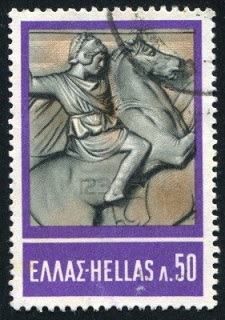
Stamp released by Greece in 1968


In another verse he says what happens to emperors,

Crowned kings and others , in the end, are burnt

And reduced to a handful of ashes and dirt;

(This article is posted by me in Tamil as well—london swaminathan)

Pattinathar Poems translated by Dr T N Ramachandran.


For Tamil readers:


பிறக்கும்பொழுது கொடுவந்ததில்லை பிறந்து மண்மேல்

இறக்கும்பொழுது கொடுபோவதில்லை இடை நடுவில்

குறிக்கும் இச்செல்வம் சிவன் தந்ததென்று கொடுக்கறியா

திறக்கும் குலாமருக்கு என் சொல்லுவேன் கச்சி ஏகம்பனே


முடிசார்ந்த மன்னரும் மற்றுமுள்ளோரும் முடிவில் ஒரு

பிடி சாம்பராய் வெந்து மண்ணவதுங் கண்டு பின்னும் இந்தப்

படிசார்ந்த வாழ்வை நினைப்பதல்லால்  பொன்னின் அம்பலவர்

அடிசார்ந்து நாம் உய்யவேண்டும் என்றே அறிவாரில்லையே.


(பட்டினத்தார் பாடல் கருத்துக்களை நான் முன்னர் எழுதி வெளியிட்ட பட்டினத்தாருடன் 60 வினாடி பேட்டி என்ற கட்டுரையில் காண்க.)

Pictures are taken from other blogs.

Map of Alexander’s empire


அலெக்ஸாண்டரும் பட்டினத்தாரும்

அலெக்ஸாண்டர் மாமன்னன். 2300 ஆண்டுகளுக்கு முன் மாசிடோனியாவில் இருந்து புறப்பட்டு இந்தியா வரை வந்து உலகின் பல நாடுகலை வென்ற பெரு வீரன். இந்து மதக் கருத்துக்களில் பெரும் ஈடுபாடுகொண்டவன் என்பதை நிர்வாண சாமியார்களுடன் அலெக்ஸாண்டர் என்ற கட்டுரையில் எழுதியுள்ளேன். நிலையாமை பற்றி இந்து மதம் சொல்லும் கருத்தை அவன் வியப்பான ஒரு செயல் மூலம் உலகிற்கு உணர்த்திச் சென்றான்.


சாகும் தருவாயில் அவனுக்கு ஞானோதயம் வந்தது. தன்னுடைய அமைச் சர்களை அழைத்தான். நான் இறந்த பின்னர் என்னுடைய உடலை அடக்கம் செய்யுங்கள். ஆனால் என்னுடைய உடல் முழுவதையும் மூடிவிட்டு இரண்டு கைகளும் திறந்த நிலையில் வெளியே தெரியும்படி விட்டுவிடுங்கள் என்றான். அவன் உலகிற்கு அளிக்க விரும்பிய செய்தி இதுதான்: வரும்போது எதையும் கொண்டுவரவில்லை. போகும்போது எவ்வளவு பெரிய மன்னனாலும் வெறும் கைகளோடுதான் போக வேண்டும்.


அலெக்ஸாண்டர் கூறியபடியே அவரது சடலம் புதைக்கப்பட்டது. அலெக்ஸாண்ட்ரியா நகரில் தங்க சவப்பெட்டியில் அவன் சடலம் புதைக்கப்பட்டது. அலெக்ஸாண்டர் எதை செயலில் செய்து கட்டினானோ அதை பட்டினத்தார் பாடலில் பாடிவிட்டார்.


பட்டினத்தார் சோழ நாட்டின் காவிரிபூம்பட்டினத்தில் பெரும் வணிகர் குலத்தில் பிறந்தார். கொடிகட்டிப் பறந்தும் அவருக்கு குழந்தைகுட்டி இல்லை. திருவிடைமருதூர் தோட்டத்தில் கண்டு எடுக்கப்பட்ட ஒரு பிள்ளையை வளர்ப்பு மகனாக வளர்த்தார். ஒரு நாள் அந்தப் பையன் ஒரு சிறிப பெட்டியை அம்மாவிடம் கொடுத்துவிட்டு மாயமாய் மறைந்தான். அதில் காதற்ற ஊசியுடன் ஒரு புதிரையும் எழுதிவிட்டுச் சென்றான். அது பட்டினத்தாரின் கண்களைத் திறந்தது. சிவபெருமானே அந்தப் பையன் உருவில் தன் மகனாக வளர்ந்தான் என்று அவர் எண்ணினார். அவர் பாடிய திரு ஏகம்ப மாலையில் வரும் பாடல் அலெக்ஸாண்டரின்  கருத்தை அப்படியே பிரதிபலிக்கிறது. இதோ 2 பாடல்கள்:

Countries conquered by Alexander the Great.


பிறக்கும்பொழுது கொடுவந்ததில்லை பிறந்து மண்மேல்

இறக்கும்பொழுது கொடுபோவதில்லை இடை நடுவில்

குறிக்கும் இச்செல்வம் சிவன் தந்ததென்று கொடுக்கறியா

திறக்கும் குலாமருக்கு என் சொல்லுவேன்கச்சி ஏகம்பனே


முடிசார்ந்த மன்னரும் மற்றுமுள்ளோரும் முடிவில் ஒரு

பிடி சாம்பராய் வெந்து மண்ணவதுங் கண்டு பின்னும் இந்தப்

படிசார்ந்த வாழ்வை நினைப்பதல்லால்  பொன்னின் அம்பலவர்

அடிசார்ந்து நாம் உய்யவேண்டும் என்றே அறிவாரில்லையே.


(பட்டினத்தார் பாடல் கருத்துக்களை நான் முன்னர் எழுதி வெளியிட்ட “பட்டினத்தாருடன் 60 வினாடி பேட்டி” என்ற கட்டுரையில் காண்க.)

Stamp for Alexander, Greece, year 1968

(இலக்கியத் திருடர்களுக்கு அன்பான வேண்டுகோள்: நான் 20 தலைப்புகளில் எழுதிய “60 வினாடி பேட்டிகள்” பல பிளாக்-குகளில் என் பெயரும் (லண்டன் சுவாமிநாதன்), பிளாக் பெயரும் இல்லாமல் அவர்களே எழுதியது போல வெளியாகி இருக்கிறது. தமிழ்த் தாய்க்கும் தமிழ் எழுத்தாளர்களுக்கும் மதிப்பு கொடுங்கள்)

Philosopher who carried Lantern in day Time!

Philosopher who carried Lantern in day Time!

A few men in history carried lantern (lamp) in the day time to enlighten mankind. Another BLIND man carried a torch during night time! Another Tamil scholar was called ‘Day Blind’ and he got enlightened by the criticism. Read the following three anecdotes for more enlightenment.


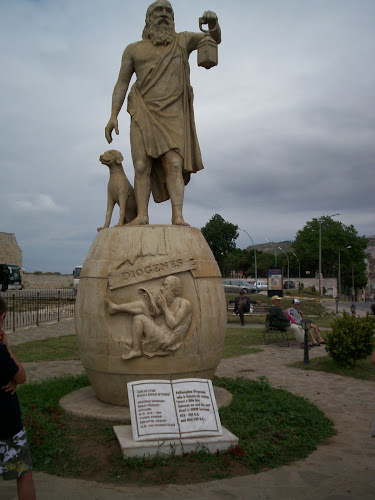
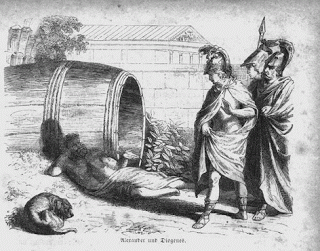
Diogenes (410- 320 BC) was a Greek philosopher. He belonged to Sinope in modern Turkey, an ancient Greek colony. He came to Athens (now capital of Greece) and founded the Cynic sect with his Guru Antisthenes. The English word Cynic (doggish) came from this sect. People who belonged to this sect lived like Hindu ascetics sacrificing all comforts. Greeks thought it is a dog’s life. Diogenes was said to have lived in a big broken jar. When Alexander the Great came to him and asked what he could do for him, Diogenes asked him to move away so that his shadow would not block the sunlight! He wandered through Athens with a lamp in day time! When people laughed at him, he told that he was looking for an honest man!

The same story was attributed to many others as well.


Blind man carrying a lantern

A blind man was carrying a lantern during a dark night. He was carrying a staff in one hand for support and a lantern in another hand. People who saw him were puzzled. A young man could not control his laughter. He said to him, “you are blind. Why do you carry a lantern? Do you think that you could see something?”

The blind man answered him calmly, “My friend, I keep this lantern so that people like you do not bump against blind old man like me”.

A saint of South India used this story to emphasize another point. He said, Even if you don’t understand the ancient scriptures and rituals (scripturally blind), just keep on doing them. You may be blind, but at least it would help others to see something.

‘Blind leading the blind’ is another phrase we come across in Hindu and Christian scriptures.

Tamil Scholars’ Wisdom

Marai Jnana Sambandhar was a Saivite scholar of 14th century. He blindfolded himself with a cloth like the famous epic woman Gandhari of Maha Bharata. He was the author of several scholarly works including ‘Sivadharmotththaram’ and lived in Chidambaram. His Mutt (place of religious head) was called Kankatti Mutt=blindfold Mutt. The reason he blindfolded himself was to avoid seeing the evil or bad activities of men. He was thorough with all the Saivite scriptures and translated many books from Sanskrit.

There were several people with the same name Mari Njana Sambhandhar. Umapathi Sivacharyar was the disciple of one of them. He was considered an authority of Saiva Sidhdhanta. He used to go to temple in palanquin because of his high status. One day a beggar saw this and mocked at him, “look at this, a Day Blind is travelling on a Dry Wood!” ( in Tamil Patta Kattaiyil Pakal Kurudu Ekuthu Paar)

Palanquins are made up of dry bamboos. The beggar criticized him for his luxurious life in spite of his great scholarship. Wisdom dawned upon him as soon as he heard the beggar’s words. Immediately he got down from the palanquin and stopped using them as a transport for temple visit.

Blind people and lanterns can make men richer in wisdom!

N.B.Those who use my posts are requested to give the name of the author, London Swaminathan, or the blog name. My posts are simultaneously uploaded on to five or six blogs. This is the only support you can give to the writers without spending s single penny. Pictures are not mine. Thanks.

பட்டப்பகலில் விளக்குடன் போன தத்துவ ஞானி

பட்டப்பகலில் விளக்குடன் போன தத்துவ ஞானி

கிரேக்க நாட்டில் டயோஜெனிஸ் என்ற ஒரு ஞானி இருந்தார். அவர் அலெக்ஸாண்டர் காலத்தில், 2350 ஆண்டுகளுக்கு முன், வாழ்ந்தவர். இப்பொது துருக்கியில் இருக்கும் சினோப் நகர் ஒரு காலத்தில் கிரேக்க காலனியாக இருந்தது. அங்கே பிறந்த டயோஜெனிஸ், கிரேக்க நாட்டின் தலை நகரான ஏதென்ஸ் நகருக்குக் குடியேறினார். ஆண்டிஸ்தெனிஸ் என்ற குருவுடன் சேர்ந்து ‘’ஸினிக்’’ இயக்கத்தைத் துவக்கினார். ‘சினிக்’= எதிலும் குற்றம் காண்பவன், நன்மையில் நம்பிக்கையற்றவன்= என்ற ஆங்கிலச் சொல் இவர்கள் மூலம்தான் வந்தது.


இந்த ‘சினிக்’ இயக்கத்தினர் இந்திய யோகிகள், சித்தர்கள், ஆண்டிப் பண்டாரங்கள் போல வாழ்க்கை நடத்துபவர்கள். டயோஜெனிஸ் ஒரு பெரிய உடைந்த ஜாடியில், தெருவோரமாக வாழ்ந்தார். மாமன்னன் அலெக்ஸாண்டர் அவரைப் பார்க்க வந்தான். “ஐயா, பெரியவரே, உங்களுக்கு நான் என்ன கைம்மாறு செய்ய வேண்டும்?” என்று பணிவோடு கூறினான். டயோஜெனிஸோ, ‘சினிக்கல்’ ஆக பதில் தந்தார்.


“ஐயா, மாமன்னரே, சற்றே விலகும், சூரிய வெளிச்சத்தை மறைக்காமல் விலகிப் போங்கள்” என்றார் டயோஜெனிஸ்.

அவர் பகல் நேரத்தில் தெருக்களில் போகும் போது கையில் லாந்தர் விளக்கை எடுத்துச் செல்வாராம். ‘’ஐயா ,உங்களுக்கு என்ன பைத்தியமா? பகலில் விளக்கு எடுத்துச் செல்கிறீர்களே?’’, என்று நகைப்போரிடம், ‘’நான் நேர்மையான ஒரு மனிதனைத் தேடிக் கொண்டிருக்கிறேன்’’ என்பார்.

விளக்குடன் போன குருடர்

இன்னொரு வயதான ஞானி கண் பார்வையற்றவர். அவர் இருட்டு நேரத்தில் போகும் போது ஒரு கையில் கைத்தடியும், மற்றொரு கையில் விளக்கும் கொண்டு செல்வார். எல்லோருக்கும் ஒரே புதிராக இருக்கும். இதைப் பார்த்த ஒரு இளைஞனுக்கு சிரிப்பை அடக்க முடியவில்லை. ‘’ஐயா, என்ன உங்களுக்கு பைத்தியமா? கண்ணே தெரியாத உமக்கு விளக்கு ஒரு கேடா? ஒரு வேளை ஏதேனும் கொஞ்சம் தெரிந்துவிடும் என்ற நப்பாசையா?’’ என்றான்.


அந்தக் கிழவனார் அமைதியாக பதில் தந்தார், ‘’அன்பரே, எனக்கு கண் தெரியாது என்பது உண்மையே. உம்மைப் போன்ற பார்வையுடையவர்கள் என் மீது தடுக்கி விழக் கூடாது அல்லவா?’’ என்றார். தமிழ் நாட்டு மஹான் ஒருவர் இதே உதாரணத்தைப் பயன்படுத்தி வேறு ஒரு உண்மையை விளக்கினார். வேதங்கள், இந்து மத சடங்குகளுக்கு அர்த்தம் தெரியாவிடிலும் தொடர்ந்து நம்பிக்கையுடன் செய்துவாருங்கள். நீங்கள் பொருள் அறியாத குருடர்களாக இருக்கலாம். எதிர் (காலத்தில்) வருவோருக்கு அது வெளிச்சம் போடும் என்று.


பட்ட கட்டையில் பகல் குருடு போகுது பார் !

தமிழ் நாட்டில் பல மறைஞான சம்பந்தர்கள் வாழ்ந்தார்கள். அவர்களில் ஒருவர் சிதம்பரத்தில் வாழ்ந்தார். திருதராஷ்டிரன் மனைவி காந்தாரி போல கண்கட்டி வாழ்ந்தார். அவரது மடத்துக்கு ‘’கண்கட்டி மடம்’’ என்றே பெயர். நிறைய நூல்களை எழுதியவர். மெத்தப் படித்தவர். இருந்தும் மற்றவர்களின் தீய , நன்மையற்ற செயல்களைக் காணக்கூடாது என்று கருதியவர்.

மற்றொரு மறைஞான சம்பந்தரரின் சீடர் உமாபதி சிவாச்சார்யார்.சைவ சமய சந்தான குறவர் நால்வரில் ஒருவர். மாபெரும் அறிஞர். பல ஆதாரபூர்வ நூல்களை எழுதி சைவ சித்தாந்தத்தை நிலை நாட்டியவர். உமாபதி சிவம் , தினமும் கோவிலுக்குப் பல்லக்கில் சென்று வருவது வழக்கம். ஒரு நாள் பூஜையை முடித்துக்கொண்டு வருகையில், பிச்சைக்காரர் வடிவில் வந்த ஒரு ஞானி, உமாபதி சிவத்தின் பல்லக்கைப் பார்த்து, “பட்ட கட்டையில் பகல் குருடு ஏகுது பார்” என்று சொன்னார். இதைக் கேட்டவுடன் அவருக்கு ஞானம் உதித்தது. உடனே பல்லக்கில் இருந்து இறங்கி நடந்து சென்றார். அன்று முதல் கோவிலுக்கு வந்து போக அவர் பல்லாக்கைப் பயன்படுத்தவே இல்லை.

பட்ட கட்டை என்பது பல்லக்குக் கட்டையைக் குறிக்கும். பகல் குருடு என்பது படித்தும் பக்குவ ஞானம் பெறாத நிலையைக் குறிக்கும்.

ஆக, பகலில் வெளிச்சம் போட்டும், இருட்டில் வெளிச்சம் போட்டும் தத்துவப் பிரகாசத்தை உண்டாகியவர்களை உலகம் இன்றும் மறக்கவில்லை.

(தமிழுக்கு நீங்கள் செய்யும் தொண்டு கட்டுரையைப் பயன்படுத்துகையில் எழுதியோரின் பெயரையும் –லண்டன் சுவாமிநாதன்– பிளாக்–கின் பெயரையும் வெளியிடுவதுதான்)

Indra in the oldest Tamil Book

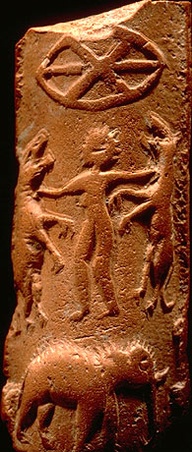
indus elephant


I think this INDUS seal portrays Indra on Airavata.

Indra is the most popular Vedic God. Indra is the most popular Tamil God according to the oldest Tamil book Tolkappiam. Tolkappiar wrote this grammatical treatise around 1st century BC. He lists all the four important Vedic Gods INDRA, VARUNA, VISHNU and SKANDA (another form of AGNI) as Gods of four Tamil Lands. Tolkaapiam was launched in the assembly of a Pandya king and Acharya of Athankodu gave the seal of approval according to Panamparanar, disciple of Agastya & Tolkappiar. Acharya of Athankodu was praised as a great scholar in all the four Vedas.


Tolkappiar was not the only one who praised Indra. We see Indra throughout Tamil literature. Sangam Tamil literature mentions his name in several places and the heaven under Indra is mentioned in innumerable places. Pura Nanauru, Tirukkural and Tamil epics did not miss his name.


People who don’t know Tamil or Tamil literature think Tamils had a different culture which is not true. There are some special aspects of Tamil culture and it is same with every nook and corner of the country. Britain, where I live is a small country; exactly the area of one state in India (Andhra Pradesh) and it has got almost similar population of Andhra Pradesh. But there are four cultures English, Welsh, Irish and Scottish. Irish and Scottish are fighting for separate countries. No wonder India which is the seventh largest country in the world, with the second highest population in the world, show different aspects in different parts.

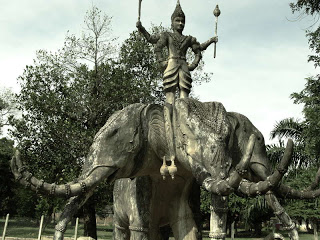
6d92c-indra_riding_airavatakazyhiker-com


Indra riding Airavata, Laos

Indra was out and out an Indian god. Throughout Indian literature he is depicted as riding an elephant. Elephant is an Indian animal and tropical animal. But people, who claimed themselves “scholars”, spread all sorts of lies about Indra to confuse and divide Indians.


Tamil are very fond of Indra. Even today they have Indra’s name such as Rajendra, Mahendra, Balendra,Gajendra,Vijayendra etc.

As a matter of fact from the northern most Kashmir to the southernmost Kandy in Sri Lanka, we see Indra’s name everywhere.


Following references from the Tamil books will prove my argument:

Tol.Porul.1 to 5 says

The land of forests desired by Mayon (Vishnu), The land of hills desired by Seyon (Reddish Skanda), the land of sweet waters desired by the King (Indra) and the land of wide sand desired by Varunan. The land divisions are respectively called Mullai, Kurinji, Marutham and Neithal. Indra was the God of cultivated lands and irrigated fields. Indra is always associated with water in the Vedas. He was the one who released water by killing Vritra. Tolkappiar was a genius and he translated Indra as King (Venthan in Tamil). There are innumerable Indras in the Hindu scriptures. But some people falsely attributed all these things to one Indra. Tolkappiar used the common noun king.


Purananuru verse 182

Ilamperu Vazuthi sings about the great qualities of Tamils in Puram verse 182. He says that even if Indra’s Amrita is offered one would not eat alone. This is a clar reflection of Bhagavad Gita verse 3-13. I have already given this in my post Bhagavad Gita in Purananuru in Tamil. So Indra’s Amrita was known to every Tamil.

Puram 241

Tamils and other Hindus believed that soldiers who sacrifice their lives defending the country will go straight to heaven under the rule of Indra. This is also in Bhagavad Giat which I have already explained in my post. Enicheri Mudamosiyar sings about Chieftain’s Ay’s death. Indra is waiting to welcome the hero to his world, says the poet. I have a feeling that Ay’s real name is AYendran or Ajendran. His name Andiran is cognate with Indira in Sanskrit and Andrew in English.


Indra-Ahalya Painting!

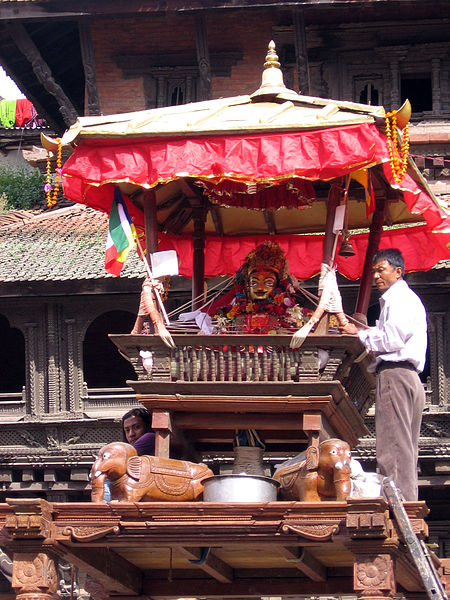
Another beautiful verse gives very interesting details about a painting of Indra in the disguise of a cat when he came to molest Gautama Rishi’s wife Ahalya. Paripatal verse 19 describes this story with three Sanskrit names Indra, Gautama and Ahalya. This painting in Tirupparankundram near Madurai attracted a big crowd and the poet overheard the conversation and put it in his poem! Indra’s stories were so popular in Tamil Nadu 2000 years ago. The Indra festival is described in minute details in the great epic Silappadikaram.


Paripatal verses and Tirumurukatrup patai verse gives a variety of mythological stories by one or two lines.

Tituvalluvar uses the story Indra and Ahalya to illustrate that seers are greater than Indra when it comes to the control of senses (Kural 25)

In 2000 year old Sangam Tamil literature we come across Sanskrit word Amruta (ambrosia) in many places which is available in Indra loka (heaven of Indra). The Sanskrit word Amrita is used in more than thirty verses in Sangam literature.


Rainbow is known as Indra Dhanush (Indra’s bow) in Tamil and Sanskrit literature.

Vashista’s wife Arundhati, Amrita, Indra and Four Vedas were used by Tamil poets in hundreds of places. Tamils were thorough with the Hindu Mythology. Tripura Dhanam of Shiva, destruction of buffalo demon by the goddess, Shiva’s poison episode etc were household things in ancient Tamil Nadu. In short there is no Tamil book without a Sanskrit word—from Tolkappiam to Bharathiar of our time. There is no Tamil work without a reference to Hindu god or mythology. I can quote from every book.

(Those who want to reproduce the article must give the name of the blog or the author London Swaminathan. Pictures are not mine)


Read my earlier posts:

Indra Festival in the Vedas and Tamil Epics

Veera Matha in the Vedas and Tamil Literature

Vahanas in Kalidasa and Tamil Literature


Picture of Indra festival in Nepal.