Was Kalidasa a Poet cum Scientist? (Post No.3439)

Research Article Written by London swaminathan


Date: 11 December 2016


Time uploaded in London:- 20-15


Post No.3439


Pictures are taken from different sources; thanks.


contact; swami_48@yahoo.com


Kalidasa is the most famous poet in Indian literature. He is given this status for his literary merits. He has used about 1200 similes and imageries in his seven Sanskrit works. His drama Sakuntalam is one of the best dramas in world literature. He is known as Kavikula Guru. He lived in the first century BCE and I have also confirmed this date through Sangam Tamil Literature where his 200 plus similes were used by the  Sangam Tamil poets (please see my earlier posts for the dating). But there is another side of Kalidasa which is not realised and recognised by many. Kalidasa was an all-rounder. He had amazing knowledge in various subjects from Astronomy to Zoology. He had encyclopaedic knowledge.


The most amazing thing is that he talks about aeroplanes flying by thought power and he describes a pilot’s experience and he talks about three different flight paths. The next amazing thing is that he knows cartography and geography which is seen in his description of the 1500 mile long Himalaya as the “measuring rod of earth”.

How did he know it unless he has flown over it or seen it from a space vehicle?

How did he explain a pilot’s landing experience which is experienced only by trainee pilots?

How did he know that there are different flight paths up above us?

Here is a list of the subjects he dwelt with in his seven works:–

AS – Abinjana Sakuntalam

Meg- Megadutam (PM- Purva mega, UM -Uttara mega)

Rv – Raghuvamsam

VU- Vikramaorvasiyam

MA- malavikagnimitram

RS – Rtusamharam

KS- Kumarasambhavam


Aeroplane Technology

Sakuntalam Act 1—9 (Read my article: Did Kalidasa fly in a space shuttle? Posted on 12 Sept.2014)

Sakuntalam Act 7—7/10; Ks2-45;Rv 13-68;13-76;13-79;14-20

Flying Balloons

Rv 16-68

Air Ways (3 levels of flight paths)

Flight path Rv 13-18, 13-19

xxx

Architecture

Rv 18-3; AS 2-15; Rv 1-30; Rv 17-64

xxx

Animal Intelligence

AS 4-20; 6-4; 6-24; 6-32 Rv 6-46; 8-39; 1-51; 5-7; 9-57;13-25

Swan separates water and milk: AS 6-28;KS 1-30

xxx
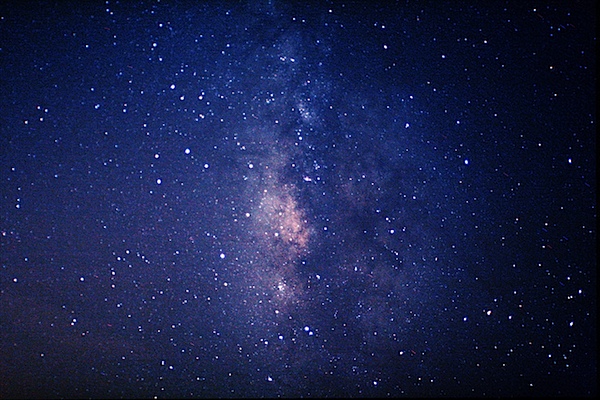
 

Astronomy

Milky way: Rv 13-2; 1-78; KS 4-37;1-28; Rv 12-85

Chitra constellation Rv 1-46, 13-76, 17-35 pole star 18-34;

Comet KS 2-32; AS 4; Mars vu 5-3

Pusya star Rv 18-32;

Venus KS 3-43;

Stars KS 2-19; RV 7-2;

Meteor Rv 16-83; 14-53;

Algol/Arundhati in Ursa Major Constellation: Rv 1-56

Rohini and Moon:AS 7-22; 3-12; VU 3-4; RV 14-40
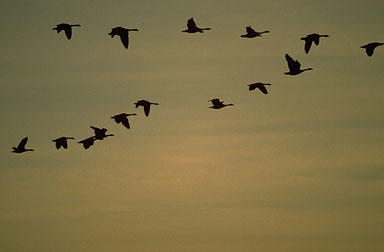
Bird migration –

Kalidasa’s references of swan, cranes and Himalayan geese: Mega. 11,23, 59, 70,81.

Vikra. IV 2,3,4,6,20;31,32,33,3441,54

BIRD MIGRATION :Vikra IV 14 to 17

Kumara. 1-30 (Hamsa mala)

Ragu. IV 19,VIII 59, XIII-33, XVI 33, 56, XVII-75

Malavika.II-2

Rv 1-41

xxx

Dreams

Meg 2-39; Meg.111;  Rv 8-92; 10-60/64;12-76; 19-22.

Eastern concept of dreams is different from Freudian and Jungian theories

xxxx

Foreigners’ appearance-

Yavanas Rv.9-63; 4-61; MA 5, VU 5-3,4

xxx


Geography and Geology

KS 1-10 (Description of the beautiful Himalayas)

Sub marine Fire (Vadamukagni/Badava:- AS 3-3; Rv 9-82; 11-75; 13-4;13-7.

Lot of references about rivers, especially Ganga and Yamuna


Iran to Indonesia: Kalidasa had a good knowledge of  the countries between Iran and Indonesia. He is very descriptive of the people, its cultures and the geography of the land. We can read about the honeycomb like beards of Persian soldiers and the spices of Indonesian islands.


xxxx

Gemmology

Cat’s eye RS 2-15; Coral  RS 6-16; Conch shell RS 3-4; Crystal Purva Megam 54; Emeralds/Rubies-Rv 13-53; Gems-PM 15, KS 1-38, KS 5-43, KS 5-45, Rv 1-4, Rv 3-18, Rv 10-30, Rv 11-59, Rv 11-68, RV 17-63, VU 2-99, MA 5-18, AS 2-7, AS 2-10, AS 6-6, Sapphire Rv 18-42; Pearl Rv 6-7, UM 46, KS 1-44, KS 3-53, KS 6-6KS 7-89, Rv 6-28, Rv 9-44,Rv 13-54, Rv 16-18; Rubies KS 3-53; Sun stone Rv 11-21; Moon stone VU 5-11; Ivory PM 62

Magnifying Glass (Lens)

Sun stone Rv 11-21; AS 2-7

Nagaratna (Cobra Jewel)

KS 2-38, 5-43; RV 13-12, 6-49, 11-59, 11-68, 17-63, 10-7, 13-12, 17-63

RS 1-20,

xxxx

Rainbow

UM 15; Rv 7-4;

xxx


Magnet –

Rv-18-63; KS 2-59;

xxx

Marine Trade

Rv 1-5, 30; 3-28; 9-14;16-4; AS 6-24; Meg.8;

Import of cloves 6-57

Metallurgy –

Iron

Rv 14-33;

Gold

RS 1-26, PM -40, KS 3-53, KS 6-55, Rv 6-79, Rv 9-54, Rv 17-46, MA 2-9.

Silver

RS 3-4

Mirror

Rv 7-68

xxxx
Flora and Fauna

whales Rv 13-10

Innumerable references

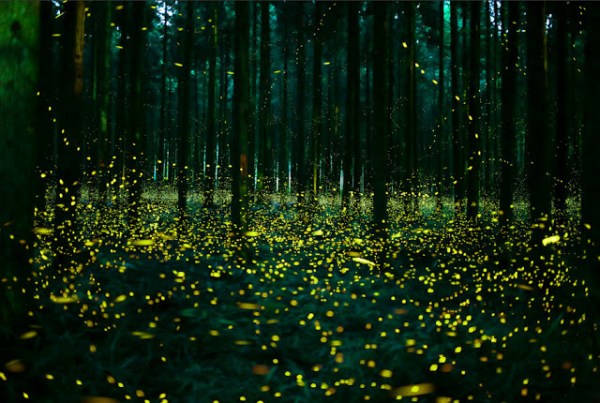
Bio Luminescent Plants-

KS 1-10; Rv 9-70

Environmental concern

Don’t Cut even a poisonous tree

KS 2-55

xxxx

Human psychology

Advice to newlyweds: AS 4-20; 4-21;4-22

xxx
 

Tourist Guide

Kalidasa is the first Tourist Guide in the world. His Meghaduta descrbes a vast landscape methodically from Central India to the Himalayas.


Tourist Guide Book

Meghaduta is the first Tourist guide in the world. In Raghuvamsa also Kalidasa gives a description of the landscape in the flight path from Si Lanka to Ayodhya.


–Subham–

 

Whales in Kalidasa’s work and Tamil Sangam Literature (Post No.3427)

Research Article Written by London swaminathan


Date: 7 December 2016


Time uploaded in London: 16-43


Post No.3427


Pictures are taken from different sources; thanks.


contact; swami_48@yahoo.com


(Tamil version of this research article is also posted)


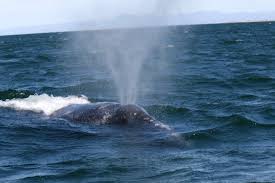
Kalidasa, India’s greatest poet, who lived in the first century BCE talks about whales in his work Raghuvamsa. Kalidasa was one of the geniuses of the world. He is well versed in all the subjects from astronomy to zoology. In Raghuvamsa, he describes the whale and ‘the water’ that was coming out of its holes on the head.


Following is the translation of Raghuvamsa 13-10

“These whales with these wide opened mouths take in the water along with the marine creatures into them, and holding their jaws together, jet out water through the blowholes on their heads”.

Science fact: Though it is not water but the hot air breathed out, it sprinkles water during this exhaling. The hot air thrown out or exhaled condescends and sprinkles water.


Tamil poets who lived 200 years ago also repeats what Kalidasa said in his Raghuvamsa. There are two verses in Natrinai (132 and 291) where in we come across whales and sperm whale that contains ‘oil’ in its head.


An anonymous poet says in verse 132: “ Whole town is sleeping; there is no one who is awake. The mouthed whale gushes out water. When the cold and noisy wind blows into the streets there is drizzling.  The water comes into the house through the holes in the door. Even the sharp toothed dog shivers.”


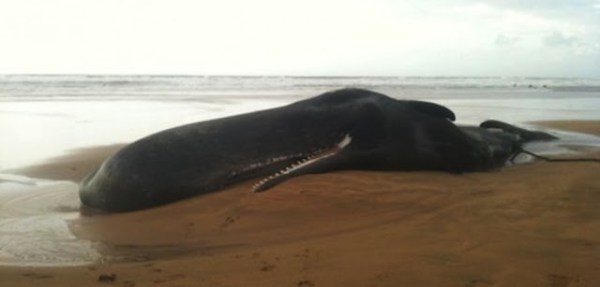
In verse 291, famous poet Kapilar says:-The water birds stand in the muddy waters like the soldiers of a king’s army to eat the fat/oil headed (Sperm) whale.(Probably the whale got  stranded in the muddy water).


Another anonymous poem found in Natrinai 175 says, “the fishermen light the lamps made up of oyster shells, filled with fish oil in the coastal areas.

Picture of a stranded Sperm Whale

These poems show clearly that the ancient Indians know about the whales. the reference is in both Tamil and Sanskrit

texts. Their belief was also the same. They did believe the whales threw out water through their blow holes. They used fish oil as a fuel.


South Indian coasts were frequented by whales and dolphins 2000 years ago. now we see only stranded whales.


Big Whale Bone

Tamil poet Kamban who made Ramayana in Tamil also spoke about whale bone on the sea shore (Kishkinda Canto, Dundhubi section). When Lord Rama saw a big and dry bone on the sea shore, he asked Sugreeva what it was. He wondered whether it was a skeleton of a whale. But Sugreeva explained it was the skeleton of Dundhubi killed by Vali.


From this we come to know it was not uncommon to see a whale bone intact on the sea shore.


Makara and Sura in Tamil and Sanskrit:

Ancient poets used words like Makara and Sura for all the aquatic creatures (shark fish) and mammals (whales and dolphins) with a strangely shaped mouth. But to differentiate it from one another, they added some pre-fix. Old commentators due to lack of knowledge in Biology, interpreted every big creature as big fish.


–subham–


Vedic References to Hair Styles – Part 2 (Post No.3205)

chidambaram-1

Hair style of Chidambaram Dikshitas

Research article written by London Swaminathan


Date: 30 September 2016


Time uploaded in London: 21-45


Post No.3205


Pictures are taken from various sources; thanks.


Contact swami_48@yahoo.com


Please read First part and then continue here:-


Source book Vedic Index of Names and Subjects by Keith and Macdonell:–

Kesa , hair

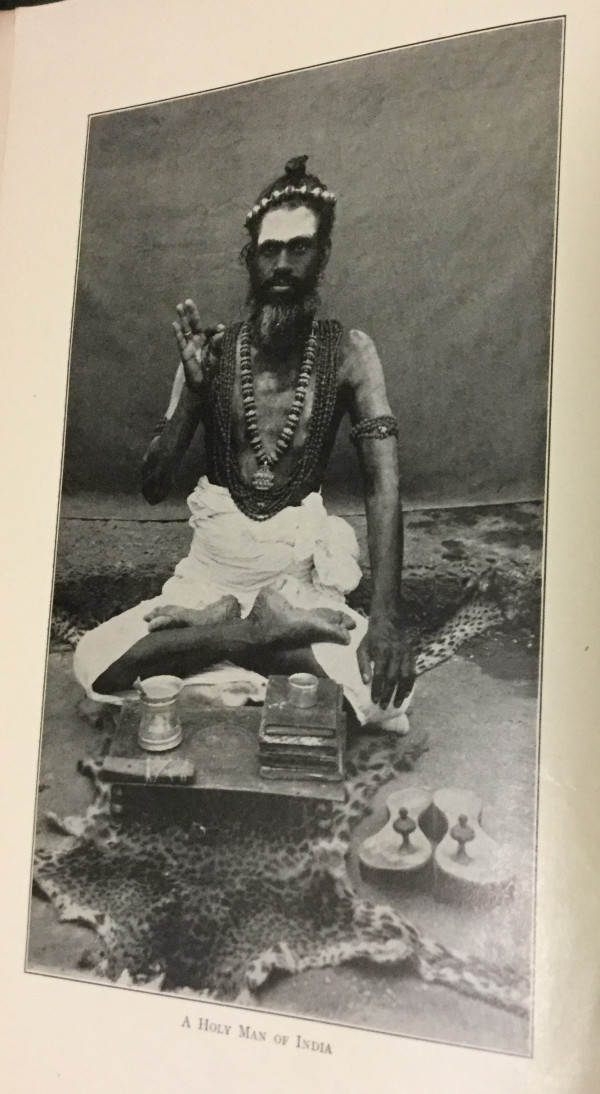
This is a word used until today in almost all the Indian languages to denote hair. Atharva veda and later Vedic literature repeatedly use this word for hair of the head. The hair was a matter of great concern to vedic Hindus and several hymns of the Atharva Veda (AV 6-136-137) are directed to securing its plentiful growth. Cutting or shaving the hair is often referred to (AV8-2-17;  for a man to wear a long hair was considered effeminate (Satapata Brahmana 5-5-3-1). As to the modes of dressing the hair, it is given under the words OPASA and KAPARDA.

holy-man-of-india


Ksura, razor (mayir kurai karuvi in Sangam Tamil Literature)

Ksura occurs three times in the Rig Veda. The word appears to have the general sense of ‘blade’ in one passage, possibly also in another where it is said that the hare swallowed a Ksura and where the sense blade  is adequate.  In the third passage there seems to be a reference to the sharpening of a razor on a grind stone (Bhurijos), but Muir, following another view of Roth, adopts the sense, ‘the edge of the scissors’ which hardly suits the other passage , one in the Atharva Veda, where a Ksura is described as moving about on the bhurijos as the tongue on the lip. The meaning razor is perfectly clear in the Atharva veda  where shaving by means of it is mentioned; in many otherpassages either sense is adequate.

A ksuro bhrjvan occurs in the Yajur Veda; it seems to denote, as Bloomsfield suggests, a razor with a strop. Ksura dhaaraa denotes the dge of the razor. In the Upanishads (Kausitaki Upanishad) a razor case (Ksura dhaana) is mentioned .


My comments

As  usual, no two ‘scholars’ agree; as usual seems to be appears to be etc indicate they don’t know what they are talking about.

Hare swallowing a razor may be an idiom meaning something else. Tamils translated Vedas as Marai (Secret) because nothing is said openly.


dikshitar-priests-festival-ceremony

Daksinataskaparda

This is a term used as an epithet of the Vasisthas in the Rig Veda (7-33-1) referring to their mode of wearing the hair in a braid on the right side.

My comments:-

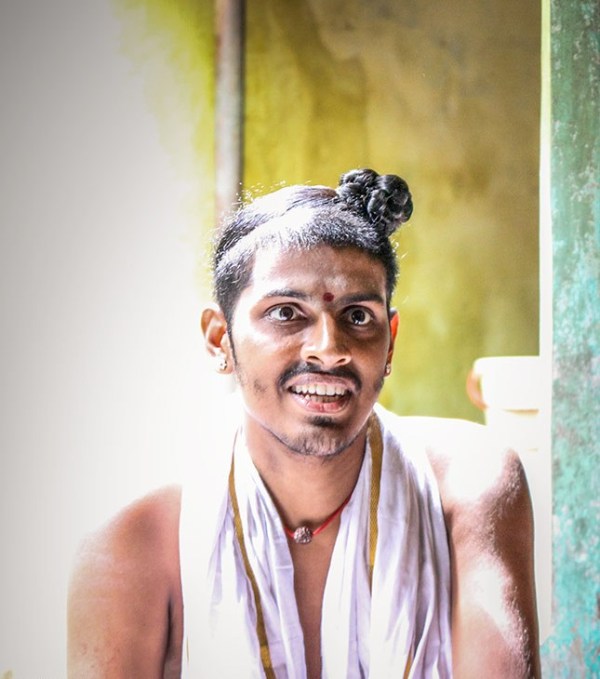
As I mentioned under KAPARDA, even today Nampoodiri Brahmins of Kerala, Tamil Dikshitars of Chidambaram have different hair styles. It is very interesting to note that such hair styles are follwd by certain sects started in the Vedic period. This must be the oldest hair style followed in the world!


Palita ,grey haired

Palita occurs frequently from the Rig Veda (1-144-4; 1-164-1) onwards. It is the distinctive style of old age. Those who, like the descendants of Jamadagni, do not grow old, are said not to become grey haired, while Bharadwaja is described as having in his old age become thin and grey haired. The Satapata Brahmana in one passage observes that grey hairs first appears on the head and elsewhere alludes to the hair on the arms having become grey.


My comments

Sangam Tamil Literature which came  approximately 2000 years after the Rig Veda, has an interesting verse in Puranaanuru 191. A very old poet had jet black hair. Everyone was wondering how come the poet Pisiraanthaiyaar still maintain the hair in such a good condition. He revealed a great truth:-

If you ask me how it is

That I am so full of years

And yet my hair is not grey,

It is because

My wife is virtuous,

My children are mature;

Younger men wish

What I wish,

And the king only protects,

Doesn’t do what shouldn’t be done.


Moreover, my town

Has several noble men, wise and self possessed

–Purananuru 191

nampudiri

Nampoodiri of Kerala

If everyone in a  family is at the same wave length, there is no worry; and no greying of hair.

Probably Jamagdagni also had such an understanding family!


To be continued………………..


If there is just rule, animals wouldn’t harm! Indian Poets’ Discovery! (Post No.3185)

animals-3

Written by London swaminathan

Date: 24 September 2016

Time uploaded in London:7-30 am

Post No.3185

Pictures are taken from various sources; thanks.


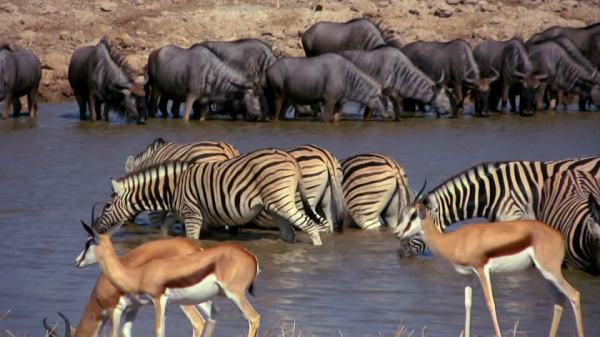
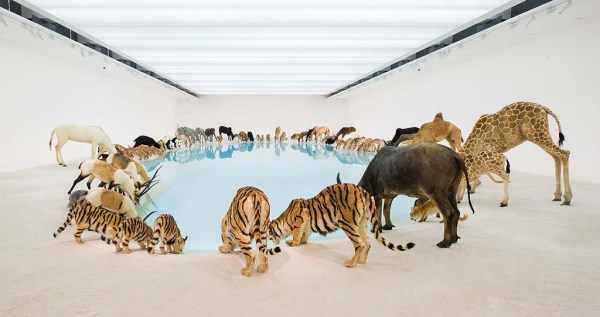
Kalidasa, the greatest of the Indian poets, Kamban,author of Tamil Ramayana, Tiruvalluvar, author of Tamil Veda Tirukkural, Manikkavasagar, author of Tamil Hymn Tirusvasagam, and Ilango, author of the best Tamil epic Silappadikaram – all these five poets agree on one thing—animals won’t harm anyone, not even its natural enemy and rain would pour down at proper time and there will be a bumper harvest, If the country is ruled by a honest man!


Kamban says in the Kishkinda kanda (canto) that Solar Dynasty (Surya Vamsa) had kings under whose rule deer and tiger drank water from the same place. He repeated this in two verses in two different cantos ( in Tamil:- Pulip pothum pul vaayum oru thuraiyil neerunna ulakaandon oruvan).


Rama says that “my forefathers did dig up the ocean (Sagara story), brought Ganges River to earth from the heaven (Bhageeratha, a Civil Engineer cum king, diverted Ganga river into the plains), made deer and tiger to drink water from the same water source, but I am unable to get my wife (Sita Devi) back”– Kishkinda Kandam

animals-water-1

Kalidasa says (Raghuvamsa 6-46)  that in the Ashramas of saints, animals who have natural enmity wouldn’t show it and King Neepa was also like that. Though conflicting virtues were resided in him they had amicable relations (E.g.Neepa was harsh like the sun ,cool like the moon; wealth and education stayed with him).

(Ashram= Saint’s residence)


Tamil Epic poet Ilango says that the Pandyas ruled according to Dharma and so “the bears never dug up the anthills for food, tigers never attacked deer, crocodile never harmed men, not even snakes bit people; neither thunder struck on men nor ghosts possessed people; young woman and her lover can even walk on a public road at the dead of night without fear ( in Tamil, Vaalvari Venkai Maankanam Maralaa…….).


Tamil Saivaite poet Manikkavasagar praised Lord Shiva as 0ne who helped a deer to drink milk from a female tiger ( in Tamil:- Puli Mulai Pul Vaaykku arulinai Potri).


Purananuru, anthology of 400 Tamil verses, says that a tiger killed a female deer but left its little one without any harm. A wild cow seeing that motherless fawn, immediately gave him milk (verse 323)


Tiruvalluvar’s  didactic work – Tirukkural — is the Tamil Veda. He says:-

“Rain and harvests are rich in the land ruled by the righteous sceptre of an able leader- 545

If the leader rules in unjust ways, seasonal rains will fail as the clouds withhold their showers – 559

Cows yield less, Brahmins forget their Vedas, if the leader does not guard justice” – 560


If there is a good ruler the area will have three showers every month – says another Tamil verse.


These views are in the Mahabharata and various Hindu scriptures as well. This shows that the same culture existed from southernmost Kanyakumari to Northernmost Kashmir.


Long live Tamil! Long Live Kalidasa and Kamban!!

animal-water-2

-Subham-


Maamsam and Hamsam: Sanskrit Wordplay!(Post No.3166)


meat

Compiled  by London swaminathan

Date: 18 September 2016

Time uploaded in London:16-34

Post No.3166

Pictures are taken from various sources; thanks.


Sanskrit language is very rich with lot of riddles and puzzles. Manu in his smrti (Law book) deals with one or two things. He explains why MEAT (maamsam) is called Meat. He also tells us why NARAYANA is called Narayana. This shows his interest in languages and Linguistics. Elsewhere others explain the significance of the word HAMSAM (swan) and why great saints are called PARAMAHAMSA. Let us look at these interesting explanations: –


He whose “MEAT” in this world do I eat will in the other world “ME EAT”. Wise men say that this is why meat is called meat – Manu 5-55

The translation of this much quoted verse is based on  that of Charles Lanman, who attempted to recapture the Sanskrit pun: Meat is called Maamsa because he ( sa) eats  me (Maam) in the other world if I eat him now.

Sa = he

Maam = me

xxxx

swan


HAMSA (swan)

A similar pun is made in the Vedantic  texts on the metaphor for the soul, the swan (hamsa), said to express the identity of the individual soul (aatman) and the world-soul (brahman): I AM HE (aham sa)

Aham = I (jeevaatman)

Sa = he (Paramaatman)

One who realised this truth is Parama Hamasa as in Sri Ramakrishna Paramahamsa and Paramahamsa Yogananda.

xxx


narayana

Meaning of Narayana

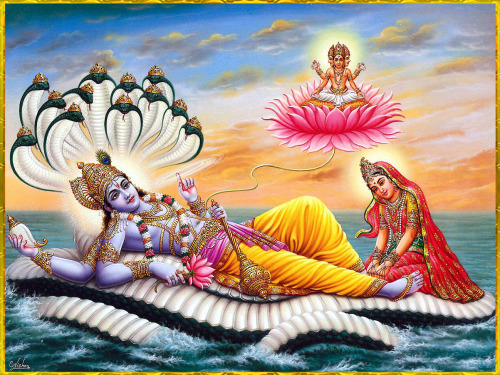
Narayana was the creator of Brahma, who, according to Manu, was so called beacause the wters (nara; Neer in Tamil) were his first ayana or place of motion. Water is always used as plural in Sanskrit).

The name is found for the first time in the Satapata Brahmana. Narayana is another name of Vishnu.


Aapo naaraa iti proktaa apau vai narasuunava:

Taa yadasyaayanam puurvam tena naaraayanah smrutah

Manu 1-10


The waters are born of man, so it is said; indeed the waters are the children of the primordial. And since they were his resting place in ancient time, therefore he is traditionally known as Narayana. (Manu 1-10)

xxx


Following is from my article posted on Tamil or Sanskrit: Which is older? posted on 16 July 2014.


Is NEER a Tamil word or Sanskrit word?

Regarding Tamil words in Sanskrit:

No language is pure in the world. Our forefathers were NOT language fanatics. They freely used Sanskrit words in Sangam literature and later Tirukkural. In the same way Tamil words are in later classical Sanskrit. But I doubt about it in Vedic Sanskrit. I have shown that even great linguists like Suneet Kumar Chatterji are wrong to claim that ‘Neer’ (water) in Rig Veda is Tamil. I have shown that it is in the oldest Greek mythology (Nereids=Water Nymphs). When a word is found in other Indo European languages it is not counted as Dravidian even in etymological dictionaries. But old linguists misled many others and so ‘Neer’ is shown as Dravidian. I have also shown that Kapi and Tuki in the Bible are Sanskrit words. Please read my article “Sanskrit in The Bible”.

In this context, my pet theory is Tamil and Sanskrit originated from a common source on the Indian soil. This is what saints like Paranjothy Munivar and others believed 300 years ago. If we believe our Puranas and Tamil commentators, we accept that Agastya from the north came to South India and codified grammar for Tamil. He was sent by Shiva to balance the population (Please read my article “Population Explosion: Oldest Reference is in Hindu Scriptures”; posted on 2nd February 2013). Naturally Agastya would have done it on the basis of Sanskrit grammar. But even Shiva accepted Tamil as a separate language and entrusted the grammar work to great Agastya. Even Lord Shiva recognised the greatness and uniqueness of Tamil. Do we need any other certificate?


–Subham–


Long Live Centenarians! (Post No.3138)

gandhi-2

Written by London Swaminathan


Date: 9 September 2016


Time uploaded in London: 9-14 AM


Post No.3138


Pictures are taken from various sources; thanks.


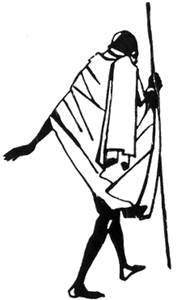
It is very interesting to note that centenarians get a positive reference in the world’s first law book Manava Dharmasasatra (Manu Smrti). This shows how much respect is given to old people in Hinduism and how much long life span is appreciated. Throughout the Vedas we find reference to man’s hundred-year life span.


Manu gives a list of people who spread positive vibrations in the place where they sit. He says that if one of them is sat in a row the entire row is purified and sanctified; though it is said in the context of twice born people, the respect to one’s age is referred in other slokas as well.


“Those who are pre-eminent in all the Vedas and the explanatory texts, and also those born into a line of priests who knew their Veda by heart, are known as purifiers of the ranks – Manu 3-184


A man who has studied the story of Naciketas (Katha Upanishad), or who keeps five sacrificial fires or has studied the three bird passage, or knows (tri suparna paasage in the Rig Veda 10-114-35), or knows all the six supplementary texts to the Veda, or is born out of a Brahma marriage or who can chant the most excellent chant (Jyeshta Samans or Tandya Brahmana 21-2-3) – Manu 3-185


Or those who know the meaning of the Veda, or can preach from the Veda, a chaste student of the Veda, one who has given away a thousand cows (at a sacrifice) or ONE WHO HAS REACHED THE RIPE AGE OF ONE HUNDRED YEARS are to be known as the people who purify the rows”.

mahatma-gandhi

Aagrayaa: sarveshu vedeshu sarvapravacaneshu sa

Srotriyaanvayajaasaiva vijneyaah panktipaavanaah -Manu 3-184


Vedaarthavit pravaktaa sa brahmachariisahasradah

Sataayussauva vijneyaa braahmanaah pakntipavanaah -Manu 3-186


Following quotations will show that the learned are respected as elders and elders are respected for their learning

1.Mere greying of hair does not make one old; the gods regard as an elder the man who, though young, has learned.–Manu Smrti 2-156

2.An assembly without the aged is not assembly at all

–Hitopadesa 3-61


3.Aged people are to be consulted about the stately path

–Satopadesa prabanda


4.Wisdom dawns with service to the elderly

–subashita ratna bandagaram 3-601


5.A courtesan though aged is sweet sixteen and the monk though young is a centenarian (Sanskrit proverb)


6.The king should adhere to the words of the wizened

—Brhat katha manjari

7.They are not really old who do not bespeak righteousness

Hitopadesam and Kahavatratnakar


happy-valmiki-day08


–Subham–

வைரத்தில் இட்ட துளை! கம்பனும் காளிதாசனும் ஒப்பீடு (Post No.3110)

diamond-bruise

Picture: Making hole in a diamond

Translated by London Swaminathan


Date: 1st September 2016


Time uploaded in London:8-59 AM


Post No.3110


Pictures are taken from various sources; thanks for the pictures.


உலக மஹா கவிஞன் காளிதாசனின் காவியத்தை படியாதோர் பழங்கால பாரதத்தில் இருந்திரார். கம்பனும் படித்திருப்பான். மூவர் ராமாயணத்தைப் படித்து, முதலோனாகிய வால்மீகியையே தான் பின்பற்றுவதாக எழுதினான் கம்பன். ஆயினும் அந்த மூவர் யார் என்று உரைகாரர் வகுத்ததில் காளிதாசன் பெயர் இலை. நான் ரகுவம்சத்தையும் கம்ப ராமாயணத்தையும் ஒப்பிடுகையில் பல ஒற்றுமைகளைக் காண்கிறேன். ஆகையால் மூவரில் ஒருவர் காளிதாசனோ?


இதோ ஒரு பாடல்:–

அதவா க்ருத வாக் த்வாரே

வம்சே அஸ்மின் பூர்வ சூரிபி:

மணௌ வஜ்ர சமுத்கீர்ணே

சூத்ரஸ்யேவ அஸ்தி மே கதி:

-ரகுவம்சம் 1-4


“நான் காவியம் இயற்றும் திறமை இல்லாதவந்தான். ஆனால் முன்னோர் சென்ற வழியில் சென்று புகழடைவேன். எப்படியென்றால் வைரத்தால் துளையிடப்பட்ட ரத்தினக் கல்லில் ஒரு நூலைக் கோர்ப்பது எளிதுதானே. அதே போல முன்னோர்கள் (வால்மீகி) இயற்றிய காவியம் என்னும் துவாரத்தில் நுழைந்து செல்வேன்.”

ரகுவம்சம் 1-4


வைரத்தில் இட்ட தொளையில், தான் எளிதில் சென்றதாகக் காளிதாசன் பணிவோடு சொல்கிறான். கம்பன், ராமரின் அம்பு ஏழு மராமரங்களைத் துளைத்ததை நினைவு கூறுகிறான். இதோ கம்பன் பாடல்:-

palmyra-7

Picture: Rama and Seven Trees

நொய்தின் நொய்ய சொல் நூல் கற்றேன் எனை

வைத வைவின்  மராமரம் ஏழ் துளை

எய்த எய்வதற்கு எய்திய மாக்கதை

செய்த செய்தவன் சொல் நின்ற தேயத்தே

அவை அடக்கம், பால காண்டம்


பொருள்:–

சான்றோர்கள் சபித்த சாபச் சொல்லைப் போலத் தப்பாமல், ஏழு மராமரங்களையும் துளையிட்டான் ராமன். அவனைப் பற்றிய பெரிய சரிதத்தை சம்ஸ்கிருதத்தில் ராமாயணமாகச் செய்து முடித்த தவ முனிவன் வால்மீகியின் கவிதைகள் நிலை பெற்ற இந்த தேசத்திலே, எளியவனுக்கும் எளியவனான நான் என் கவிகள் கொண்டு இந்நூலை இயற்றத் தொடங்கினேன் . இது என்ன வியப்பு!


திடீரென ராமன் துளையிட்ட ஏழு மராமரங்கள் , கம்பனுக்கு நினைவுக்கு வந்தது ஏன்? பெரியோர்களின் சாபம் தப்பாமல் எப்படி போகுமோ, அதே போல எனது சொற்களும் வால்மீகி என்ற பெரியோனின் சொல் போன வழியில் , ஏழு மரங்களைத் துளைத்து அம்பு சென்றது போலச் செல்லும்.


வால்மீகியின் வைரத்துளை என்பது காளிதாசனின் வாசகம்

இராமனின் மராமரத் துளை என்பது கம்பனின் வாசகம்.


நேரடியாக கம்பன் அப்படிச் சொல்லாவிடினும் முன் பின் பாடல்களை காளிதாசனின் அவை அடக்கத்தோடு ஒப்பிடுகையில் அது காளிதாசனின் தாக்கம் என்பதைக் காட்டும்.


முந்தைய கட்டுரைகள் (Earlier Posts):–

புத்தகம் எழுதுவது எப்படி? கம்பனும் காளிதாசனும் காட்டும் வழி ,Date: 1 June 2016

‘ரொம்ப நாளாக எனக்கு ஒரு ஆசை’, 21-2-2013


How many Law Books Hindus have? Why? (Post No.3102)

31oeb-hindu_jpg_645950e

Written by London Swaminathan


Date: 29 August 2016


Time uploaded in London: 13-41


Post No.3102


Pictures are taken from various sources; thanks for the pictures.

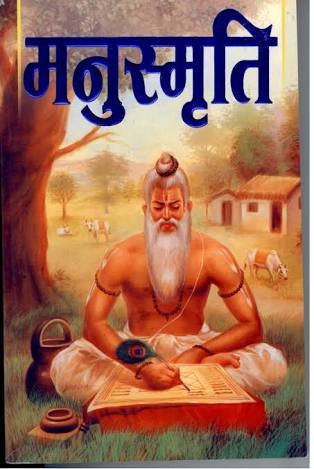
cover manusmriti

India is the most civilized country in the world? How do we know it? What is the proof?


The proof lies in the OLD Law Books Hindus own. Law books are called ‘Smritis’ in Sanskrit.

Manu’s Law Book, known as Manu Smriti or Manava Dharma Sastra, is famous and notorious! Famous because that is the oldest law book, older than the Hammurabi Code of 2600 BCE. The subjects it deals with in 12 chapters in approximately 2700 couplets are wholesome and enormous. Manu has been referred to in the oldest book in the world- The Rig Veda. What we have today is only the latest updated version, because Narada Smriti says the original Manu Smriti contained 100,000 couplets like Mahabharata. It is notorious because of its caustic remarks about the lowest caste of India – the Shudras, which are later additions or interpolations. One who reads the whole book will come to this conclusion.


Is it the only law book that Hindus follow? No. Because the cunning and divisive foreigners translated this first to use against the Hindus, the world came to know about it. They knew that most of the Hindus are simpletons and believe whatever written in English by a white skinned man. They also knew Hindus are chatter boxes and talk about anything in the world without reading a single book in full. They also knew that Hindus are very catholic in their outlook and take whatever given to them without knowing that they are actually ‘time bombs’.

The Vedas are called Shruti i.e. that which is heard by the seers. They receive it like we receive different broadcasts or stations on radio. Next in order to Shruti in authority comes the SMRITI i.e. that which is remembered.

So let me tell you how many law books we have and why?


manusmriti-the-hindu-law-book-economic-ideas

(1).Manu Smriti (12 Chapters: 1.Origin of the Universe, 2.Duties of the Student, 3. Duties of the householder, 4.duties of the Snataka, 5.Food, impurities, Women 6.Forest dweller, Ascetic, 7.Duties of a King, 8.Administration of Civil and Criminal law, 9.Laws for husband and wife, laws of inheritance, Royal duties 10.rules of Four castes 11. Laws on penances, 12.Transmigration and Supreme Bliss.

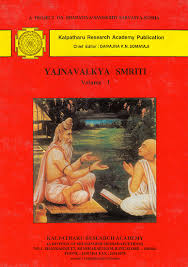
(2).Yajnavalkya Smriti consists of 3 chapters (Adyayas) containing 1010 couplets (slokas): 1.Achara (conduct), 2.Vyavahara (Civil Law), 3.Prayaschita (Penance)

(3).Vishnu Smriti

(4).Narada Smriti

(5). Shankha Smriti

(6).Likhita Smriti

(7).Parasara Smriti


(8).Apastamba sutra

(9).Gautama sutra

(10).Vasishta sutra

(11).Baudhayana sutra


These books deal with Dharma (moral conduct rules). But there are books on economics such as Artha Shastra of Kautilya, Brihaspati Shastra, Sukra Niti which deals with punishments for economic offences. Several of the Law Books are lost.

There is a couplet in Sanskrit which says,

“The Laws of Manu are declared for the Krita Yuga, those of Yajnavalkya for the Treta Yuga; those of Shanka and Likhita are recommended for the Dwapara Yuga, those of Parashara are remembered for the Kali yuga (current yuga)”

Krute tu maavaa: proktaas tretaayaam yaajnavalkyajaa:

Dwaapare shankkalikhitaa: kalua paraasaraa: smrutaa:

 manu 2

Manu smriti says:

“The Veda is known as Shruti, the Dharmashastras as Smriti: these should not be doubted (but carefully consulted and considered) in all matters, for from them Dharma arose.”

Shrutistu vedo vinjeyo dharmasaastram tu vai smruti:

Te sarvaartheshvamiimaasye tabhyaam dharmo hi nirbabhau

Manu 2-10


What do they indicate:

1.A community needs different codes of conduct to suit the needs of people living in different areas at different times

2.Change is inevitable; so introduce new books or update the old version; this is used by the foreigners to give a false date for each book.

3.Whenever Hindus met elders or seers they introduced themselves with their names, part of the Veda they are mastering and the Law Book/ Dharmasutra they are following. (For instance, I bow to the elders at my house saying I recite Yajur Veda and follow Apastamba Sutra)

4.Since no country in the world has so many law books during a span of 3000 years, and since nobody recites to his elders what law book he is following we have to accept that Hindus are more civilized and advanced in the area of codifying laws.

yajna smrti

–subham–

Disappearing Hindu Vedas (Post No.3095)

vedas4

Compiled by London Swaminathan


Date: 26 August 2016


Time uploaded in London: 16-56


Post No.3094


Pictures are taken from various sources; thanks for the pictures.


Not many people in India knew that we have only 11 parts out of 1130 parts of the Vedas. It is a great loss. Every ancient language in the world has lost lot of books. In India we know how many books we have lost in Tamil and Sanskrit. Foreign invasions, negligence by the people, weather conditions and insects such as white ants Rama baanam (Rama’s arrow insect) have destroyed thousands of books. Nalanda University Library was burning for several days when Muslim invaders set fire to the university and its library. It emphasises the need to preserve at least what we have now.


What is the meaning of ‘preserving’?

I don’t mean preserving and saving the books in museum shelves. I mean actual support for learning the Vedas and lending all sorts of support to the Vedic Pundits. The reason being they are used until today in the temples, prayer halls, houses, weddings and funeral ceremonies. No one else in the world has such as old legacy. It is the history of human race.


Patanjali in Mahabhasya says,

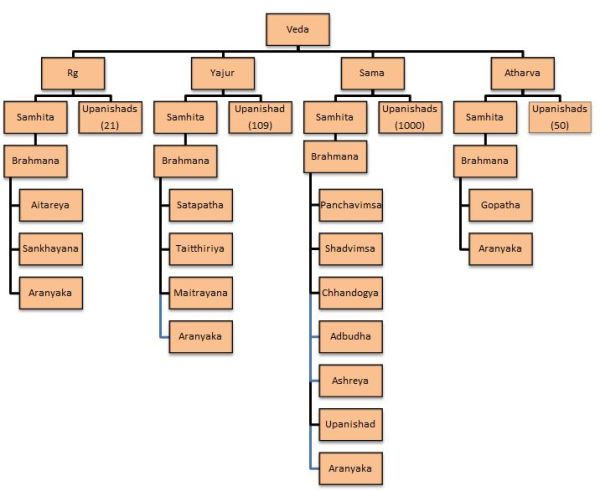
Rig veda has 21 shakhas (branch or parts)

Yajur veda has 100 shakhas

Sama veda has 1000 shakhas

And

Atharvaveda 9 shakhas


But the Muktikopanishad says that we had 21, 109, 1000 1nd 50 shakhas respectively.

Whatever the total number is, it shows we have lost a big chunk of the Vedic literature. Today we have only 11 Shakhas in full.

The way to find out what we lost is to look at the commentaries where the lost books are quoted. Some authors list the books that were current at their time or before their time. Varahamihira refers to lot of books which are not available today. Kalidasa and Panini mentioned their predecessors whose writings are not available today.


We have 20,000 suktas from the four Vedas at the moment. No one can master such a huge volume of literature.

vedas-flow-chart

Why did Veda Vyas divide Vedas into four Vedas?

Even during the epic period Vedas became unwieldy; its vastness prevented people from mastering it. So Veda Vyas found out a solution by dividing it in to four: Rik, Yajur, Sama and Atharva and gave them to his four disciples to spread them. If it had become too vast to handle around 3100 BCE (Veda Vyas period), no wonder we had lost a lot today.


Look at what happened to Manu Smrti:-

Narada Smriti says that Manu had

100,000 slokas/couplets in Krita Yuga which was reduced to 12,000 by Markandeya and 4000 by Sumati, Bhrgu’s son.

Now we have 2685 slokas in 12 chapters.


What does it show?

Hindus knew that it would be impossible to use vast number of rules in Kali Yuga and so accepted the reductions.

And Hindus believe that ‘change is inevitable’. Everything must change including the law books. So they composed various smritis according to the need of the time.

Also the law makers knew that Hindus wouldn’t have time to read all the books or rules in ages like Kaliyuga where the span of life is reduced to 100 years. In Krta yuga, the golden age, people had lived for 400 years according to Manu.


Foreign invaders gave wrong dates to all our scriptures by looking at the latest addition or updates. I have already written in one of my articles that several Manus were named in the oldest book in the world – The Rig Veda.


It is our imperative duty to preserve all the books, particularly the Vedas, that we have today.


-Subham-


Black Money and White Money in Sanskrit Literature! (Post No.3038)

currencies

Written by london swaminathan

Date: 5th    August 2016

Post No. 3038

Time uploaded in London :– 17-35

( Thanks for the Pictures)


DON’T REBLOG IT AT LEAST FOR A WEEK!  DON’T USE THE PICTURES; THEY ARE COPYRIGHTED BY SOMEONE.


(for old articles go to tamilandvedas.com OR swamiindology.blogspot.com)


Sanskrit is the richest and the oldest language in the world. All subjects under the sun are dealt with by the Sanskrit poets. If we take other ancient languages, they lack in many respects. Moreover, they are all younger than Sanskrit. Sanskrit literature is available from the Vedic days (at least 1400 BCE) whereas Greek literature is available only from 8th century BCE and Tamil literature only from the first century BCE. Chinese and Hebrew literature may be older than Greek, Tamil and Latin but not as comprehensive as Sanskrit or Greek. No Indian can speak even for five minutes without a Sanskrit word!

Currency-of-the-world-006

When I call Sanskrit the oldest language, I say it on the basis of archaeological evidence (Bogazkoy inscrription, Dasaratha letters in Egypt, Kikkulis Horse manual in Turkey and Mitannian civilization and literary evidence (The Rig Veda) available today. Unfortunately, we don’t know yet the language spoken by the Indus people.


Let us look at some couplets about white and black money in Sanskrit:–


Rough Translation OF THE Sanskrit couplets given at the end: –

“Since we need money for everything it is necessary to earn it.

Three different tasks are there: Protecting what you have earned, increasing it (by way of investing) and enjoying it.

There are three kinds in it; they are white, mixture of both and black/coloured/stained.

Those can be divided into seven each;

Earning money by teaching, heroism, penance, kanyaa dhaanam (money when you get by marrying your daughter), by fire sacrifice, earning through your disciples (probably Guru dakshina) and treasure found are the seven that come under WHITE MONEY (sukla+aarjanam);


Earning through interest, agriculture, business, tax, arts, anuvrddi (side business or byeproducts) and reciprocal money (you do some favours and they give you money) are the seven that come under spotted or STAINED (sabalam) MONEY.

Money earned by slavery (servitude), gambling, begging, blackmailing, impersonation, heroic acts (goonies)  and fraudulent business are the seven that come under BLACK MONEY”.


My comments: —

Nowadays we use the terms white money, black money and stained hands; probably these came in vogue from these Sanskrit slokas/couplets.

 rupee6

Sanskrit slokas:–


Dhanamuula: kriyaasarvaa atastasyaarjanam matam

Vardhanam rakshanam bhoga iti tasya vidhi: kramaat


Tat punastrividham njeyam suklam sabalameva sa

Krushnam sa tasya vinjeya: prabedassapatadhaa puna:


Sratasaurya tapa: kanya yaajya sisyaanvayaagatam

Dhanam saptavidham suklamudayopyasya tatvidha:

Kusiida krsivaanijya suklasilpaanu vruttibhi:

Ktopakaaraadhaaptam sa sabalam samudaahrutam

Paarsvagadhyuuta dainyaarti pratruupaka saahasai:

Tyaajenoopaarjitam yassa tat krsnam samudaahrutam


Yathaa vidhena dravyena bhaktimsehakarotyayam

Tatvidham palamaapnoti tatpalam pretyaseha sa


–SUBHAM–