Pushthakam Hastha Lakshanam

girl-carrying-books-236x300

Written by London swaminathan

Research Article No. 1680; Dated 27 February 2015.

“Pusthakam hastha lakshanam” is a golden saying in Sanskrit. The meaning is that “the beauty or merit of a hand is enhanced by a book”. A hand looks beautiful holding a book.  India is the only ancient country which produced more books than any other country in the world. If you draw a line in 1000 BCE, there was no ‘book’ except India. We had Vedic Samhitas, Brahmanas, Aranyakas and Upanishads by that time. So this saying has more meaning into it.

(Pusthakam = book, Hastha = hand, lakshana = quality, beauty)

India is the only country in the world which has got more holy books than any other country in the world. If we go to North India we can see Ramayana and Bhagavad Gita in the Puja (Prayer) room on special wooden boards or platforms with flowers on them. They are worshiped. If we come down to the south we see Thevaram, Tiruvasagam and Divya Prabandham in Tamil worshiped in the same way. The authors of these books claim that these are Vedas in Tamil. It is very true.

family-motorcycle-india

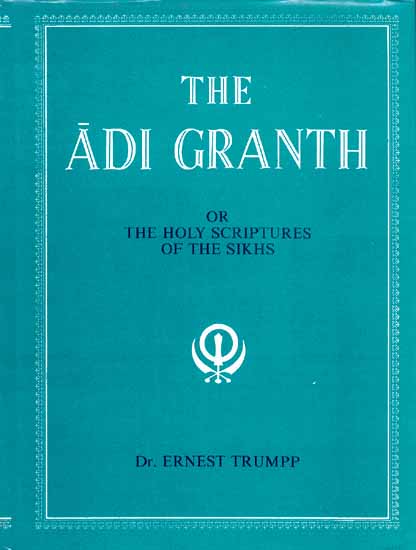
If we go to Amritsar, the holy city of the Sikhs, we see a book occupying the status of god in the Golden Temple. After ten holy teachers of Sikhism, the book was elevated to the status of Guru- –spiritual teacher. The book is given all reverence like a god’s statue. It contains all the holy teachings of their Gurus.

India is the only country in the world where a book’s birth day is celebrated every year. The Gita Jayanti in the month of Margasirsha (December- Tamil month Markazi) is celebrated on the 11th day of Marhasirsha –Shukla Ekadasi – to mark the birth anniversary of the Bhagavd Gita. The gist of Hindu thoughts is given in just 700 couplets in the book.

Bhagavad_gita_As_It_Is_Books

Manu’s Beautiful Quote on Books

Manu, the greatest law giver of the world, whose name figured in the oldest religious book Rig Veda, says:-

“Those who read the book are better than those who do not know them; those who remember them are better than those who read them; those who understand them are better than those who remember them; and those who put them into action are better than those who understand them” (Chapter 12- Sloka 103- Manu Smrti)

The book here meant the Vedas.

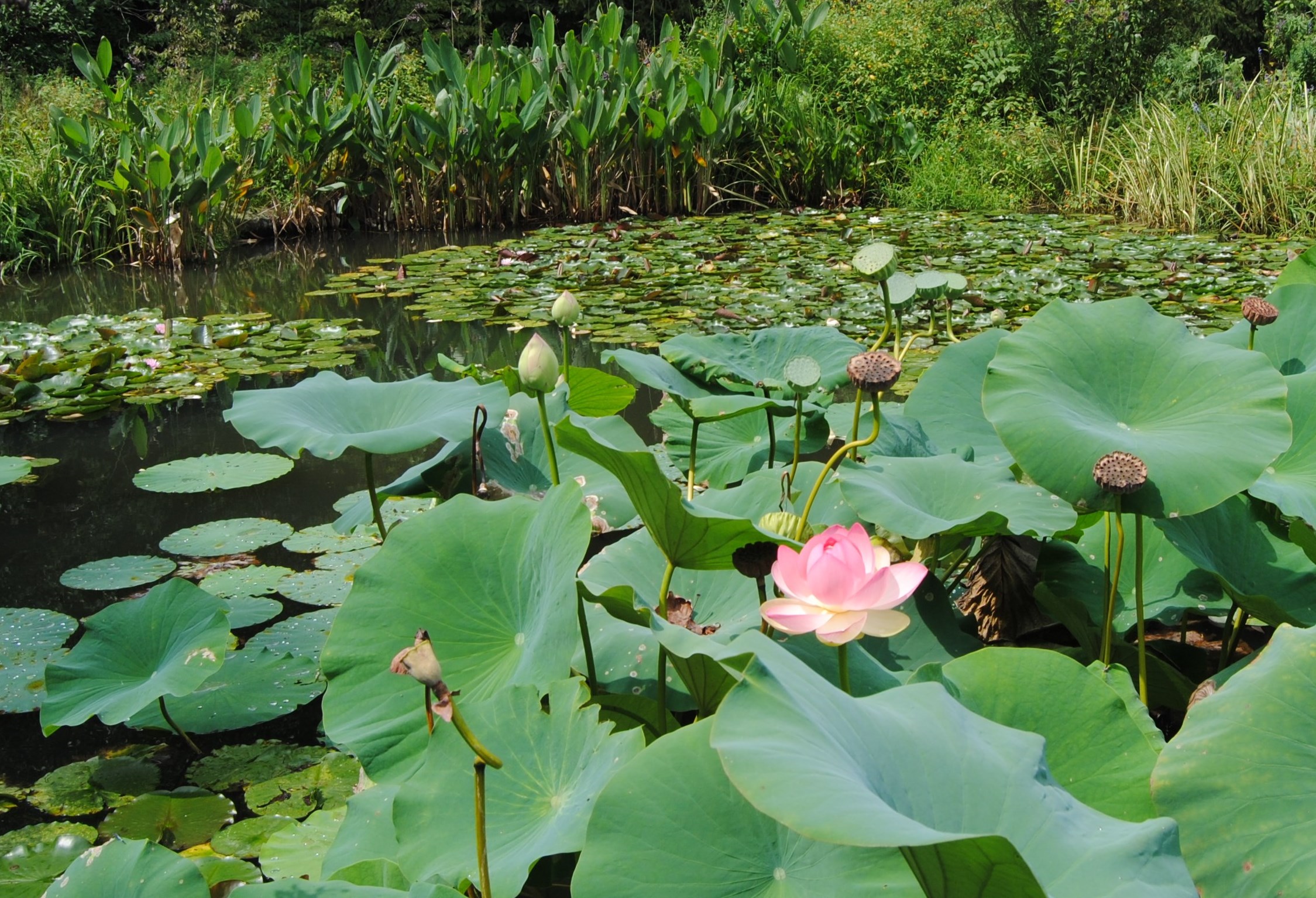
Famous Tamil poetess Avvaiyar says that one’s knowledge and wisdom depends upon the books one has learnt. She illustrated her point with a beautiful simile. A water lily’s height is determined by the depth of the water in the pond; a person’s wisdom is decided by the books one learnt.
the_adi_granth_

There is a popular Sanskrit couplet:-

Pustakesu cha yaa vidyaa parahastesu yad dhanam

Utpannesu cha kaaryesu na saa vidhyaa na tad dhanam

Rough translation of this verse is “ the knowledge printed in the book and the money given to others are useless when you need them; they are neither knowledge nor wealth”.

Learning must be practised. There is an equivalent saying in Tamil – Ettu Suraik kay Karikku Uthavathu – meaning “The word bottle gourd written on a palm leaf cannot be cooked as curry”. No practical use!

books

Sutra(Sanskrit) = Surah(Arabic) = Torah(Hebrew)

The word Torah in Hebrew, Surah in Arabic (Quran) mean religious teachings or chapters containing religious teachings. My research shows that these words are derived from the Sanskrit word Sutra (Aphorisms, formulas, pithy sayings). Letters S and T are inte rchangeable; e.g. Tion in English is pronounced Sion in hundreds of words)

Moreover Tamil and Sanskrit were born in India and spread to different parts of the world. The word Sutra (Nuul in Tamil) means a thread as well as a book both in Tamil and Sanskrit.

Tamil Nul  = Sutra in Sanskrit

Nul = Book; thread

Sutra = thread (Mangala sutra), book (Patanjali Yoga Sutra, Paninian Sutra).

ramayan

Long Live the Holy Books!
குடத்தினுள் இருக்கும் குத்துவிளக்கு!

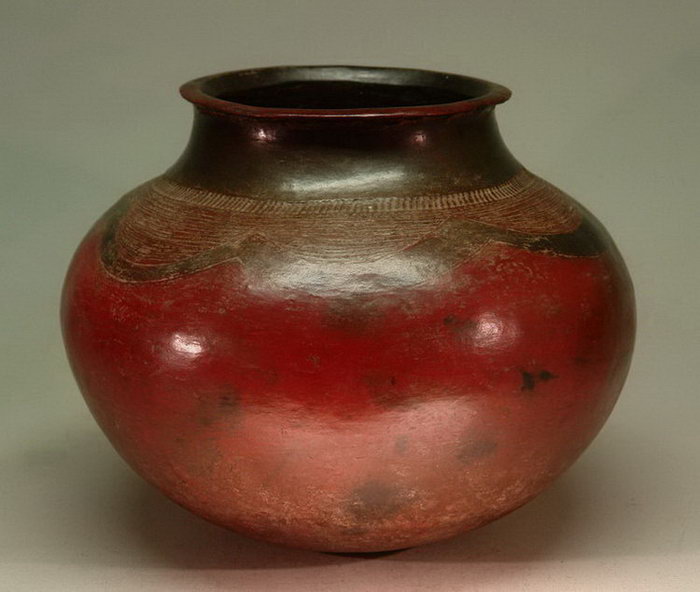
Clay Pot

Post No 1677; Date 26th February 2015

சம்ஸ்கிருதச் செல்வம் – இரண்டாம் பாகம்

17. குடத்தினுள் இருக்கும் குத்துவிளக்கு!

ச.நாகராஜன்

நியாயங்களின் வரிசைத் தொடரில் மேலும் சில நியாயங்களைப் பார்ப்போம்:

घटप्रदीपन्यायः

ghatapradipa nyaya

கடப்ரதீப நியாயம்


ஜாடிக்குள் அல்லது ஒரு  குடத்தினுள் இருக்கும் குத்துவிளக்கு பற்றிய நியாயம் இது.

ஒரு ஜாடிக்குள் குத்துவிளக்கை வைத்தால் அதன் உட்புறம் மட்டுமே பிரகாசமாயிருக்கும். அதே போல ஒரு மேதையின் மேதாவிலாசம் ஒரு சிறிய இடத்தில் மட்டுமே இருந்தால் அதனால் மற்றவர்களுக்கு ஒரு பிரயோஜனமும் இல்லை.

இது போன்ற சமயங்களில் இந்த நியாயம் சுட்டிக்காட்டப் பயன்படும்.


led-outdoor-planter-light

जलमृणालन्यायः

jalamrnala nyayah


ஜல ம்ருணாள நியாயம்


நீரில் இருக்கும் தாமரை பற்றிய நியாயம் இது.

தடாக நீரில் இருக்கும் ஒரு தாமரையின் தண்டு அந்தக் குளத்தின் நீரின் அளவே உயர்ந்திருக்கும். நீர் மேலே ஏறினால் அதுவும் மேலே வரும். நீர் வற்றி விட்டாலோ அதுவும் கீழிறங்கி விடும். குளமே வற்றி விட்டால் அதுவும் வறண்டு கீழே இருக்கும். ஆனால் அது பட்டுப் போகாது.


அதே போல உயர்ந்த மனிதன் ஒருவன் துரதிர்ஷ்டவசமாக துயரமான சூழ்நிலையினால் தாழ்ந்த நிலையை அடைந்து விட்டாலும் அவன் தனது உயரிய குணங்களை இழந்து விட மாட்டான்.

lotus 1

வெள்ளத் தனையது மலர் நீட்டம் மாந்தர்தம்

உள்ளத் தனையது உயர்வு – குறள் 595


என்ற குறளில் தாமரை மலரின் நீட்டம் நீரின் அளவே இருப்பது குறிப்பிடப்படுகிறது. இதை வள்ளுவர் உள்ளத்தின் உயர்வுக்கு ஒப்பிட்டுச் சொல்கிறார்.

plane

ज्ञानीविमानन्यायः


jnanivimana nyayah


ஞானி விமான நியாயம்

ஞானியும் விமானமும் பற்றிய நியாயம் இது.

சமவெளியில் நடந்து செல்லும் ஒரு மனிதனால் ஒரு மலையின் உயரத்தையும் ஒரு பள்ளத்தின் ஆழத்தையும், சம வெளியின் சமபரப்பையும் தெளிவாக அறிந்து கொள்ள முடியும். ஆனால் அவனே ஒரு விமானத்தில் பறக்கும் போது இவற்றைப் பார்த்தால் இவற்றின் வேறுபாடுகளை அறிந்து கொள்ள இயலாது.கீழே இருக்கும் அனைத்துமே ஒரே மாதிரியாக சமமாக இருக்கும்.

ஞானத்தின் கீழ்ப்படியில் இருக்கும் ஒருவன் உயர்ந்தவன், தாழ்ந்தவன், பெரியது, சிறியது, நல்லது, தீயது ஆகிய வேறுபாடுகளின் அடிப்படையிலேயே தன் செயல்களைச் செய்வான். ஆனால் ஞானத்தின் உயர்படியில் இருக்கும் ஞானிக்கோ எல்லா வேறுபாடுகளும் அகன்று விடும். அவனுக்கு அனைத்துமே ஒன்று தான்; சமம் தான்!


ஞானியின் உயர்நிலையைக் குறிக்கப் பயன்படும் நியாயம் இது!


potter

दण्डचक्रन्यायः

dandacakra nyayah

தண்ட சக்ர நியாயம்


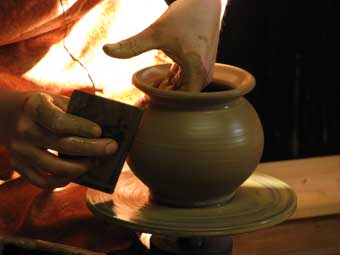
குயவனின், அச்சு மற்றும் கத்தியைக் குறிக்கும் நியாயம் இது.

மண்பானையை உருவாக்க அச்சு, சக்கரம் மற்றும் கத்தி ஆகியவையே காரணமாகும்.

அநேக விளைவுகள் ஒன்றைத் தொடர்ந்து உருவானால் அப்போது இந்த நியாயம் சுட்டிக் காட்டப்படும்.


cloth

दग्धपटन्यायः

dagdhapata nyayah

தக்த பட நியாயம்


எரித்த துணி பற்றிய நியாயம் இது.

துணி ஒன்று எரிக்கப்படும் போது, சில சமயம் துணி முழுவதாக எரிந்து விட்டாலும் கூட, அது சரியாக இருப்பது போல வெளிப்பார்வைக்குத் தோன்றும்.


ஒன்றுக்கும் உதவாத ஒன்று, வெளிப்பார்வைக்கு சரியானது போலத் தோன்றும் போது இந்த நியாயம் பயன்படுத்தப்படும்.


*************

Rain Bows: Ancient Beliefs!!

rainbow 1

Written by London swaminathan

Research Article No.1673 Dated 24th February 2015.

Varahamihira, who lived 1500 years before our time was a great scientist. He wrote about everything under the sun, shaming Learnado da Vinci and Thomas Alva Edison. Both of them were famous for their inventions and ideas. But Varahamihira who authored the Sanskrit encyclopaedia – Brhat Samhita talks about medicines for trees, predicting earth quakes and recipes for sex!

He was a compiler of ancient beliefs. Here is his chapter on Rainbows (Chapter 35 in Brhat Samhita):

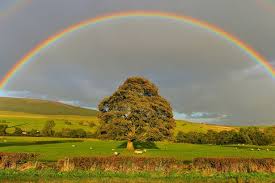
“The multi coloured rays of the sun, being dispersed by the wind in a cloudy sky, are seen in the form of a bow which is called the rainbow”.

The author knows that the sun ray is composed up of seven colours. Sanskrit books called them seven horses figuratively.

rainbow2

Varahamihira adds

“Some sages like Kashyapa declare that the rainbow is caused by the breadth of descendants of Ananta, the king of serpents. The rainbow appearing in front of the marching kings causes their defeats.

“If a rainbow is unbroken, bright, glossy, thick, multi-coloured and touching the earth at both extremities, and if it appears double and behind persons, it is auspicious, and will yield good rains.

india-pretty-rainbow-sky-water-

“A rainbow seen in the intermediate quarter, will destroy the Lord of that particular region; one seen in cloudless sky will cause pestilence, and one that is pink, yellow and blue will create troubles from war, fire and famine respectively.

(The Lords of the quarters mentioned are are King, Prince, Leader, Emissary, Merchant, Spy, Brahmana and Master of the Royal Elephants – It is in chapter-86)

A rainbow seen in the middle of water leads to drought; on land, to destruction of crops; on a tree to diseases; on an ant hill, to danger from wars and weapons; and at night to the minister’s murder.

Kalidasa alludes in his Megaduta to this phenomenon of a rainbow being observed on the tip of ant hill. A rainbow in the east will cause trouble (ill health) to the king; and in the south west and the north it will destroy in order the commander in chief, a great leader and the minister.

“A Rainbow seen at night with white, red, yellow and

Dark hues causes trouble to Brahmanas, Kshatrias, Vaisyas and Sudras respectively. It will also destroy before long the prominent kings in the particular wherein it was sighted.

What Varahamihira said was the reflection of his time and society. And the society is changing for ever. Hindus’ presentation of the facts also changed according to times. They presented the facts in different symbolical or allegorical stories.

Double-alaskan-rainbow.jpgwiki

Rainbow in Sangam Tamil Literature

The rainbow in not mentioned frequently in the 2000 year old Tamil literature. In one of the poems, It is compared to the garland worn on the chest of Vishnu (Akananuru 175). Another poet compared it to the colour of the neck of a parrot (Aka.192).

Katiyalur Uruttiran Kannanaar was the author of two long poems in Pathupattu— Pattinappalai and Permpaanaatru ppatai. He compared the different colour flowers in a tank to a rainbow (Lines 292-294 in Peum)

Ulocanar compared a shark killed by a fisher man to a rainbow. The fish is fatally wounded and it leapt into the sky flashing blood all over the water which reminded the poet of a rainbow.

A rainbow seen after rain and thunder was described in Aka.147.

mumbai rainbow

Kalidasa’s Reference to Rainbows

Kalidasa mentioned the Indra Dhanus in several places: Raguvamsam  3-53, 4-16, 7-4, 11–80 and Vikra. 4—43

When Kalidasa described the fight between the King Ragu and Indra, he compared the bow of Indra with the rainbow.

In another place he compared the ornamental arches constructed in the city to a rainbow. It was during the swayamvara of Indumathy.

Kalidasa was a nature lover. He says the clouds are beautiful indeed. When it is joined with a rainbow who can describe it. This is a simile used to compare Rama who took Parasurama’s bow after his defeat. Here black colour Rama is compared to the cloud and Parasurama’s bow is compared to rainbow (Ragu 11-80.

rainbow3

Epics and later post Sangam Tamil literature have got a lot of references to the rainbow.

Beware of Wagtail Birds: Prediction by Varahamihira!

Whit browed WagtailBP1

Written by London swaminathan

Article No.1661; Dated 19th February 2015.

Varahamihira, the author of Sanskrit encyclopaedia Brhat Samhita deals with lot of scientific things; but yet he has devoted several chapters to omens and beasts, omens and birds. It is nothing but the reflection of his age. Tamil literature and the modern Panchang (ephemeris) also contain bird and lizard predictions. Several communities including the Etruscans believed in such things. It is easy to spot a street astrologer with a caged parrot in Indian streets.

Varahamihira did not ‘write’ this. He just compiled people’s beliefs and the books available at his time, i.e 1500 years ago.

White Wagtail 2-757101.jpgassam

He begins the chapter by saying

“I shall now expound the effects, enunciated by ancient sages, of the first sighting of the bird called wagtail.

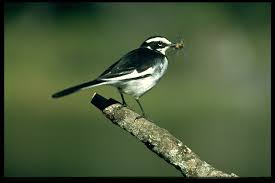
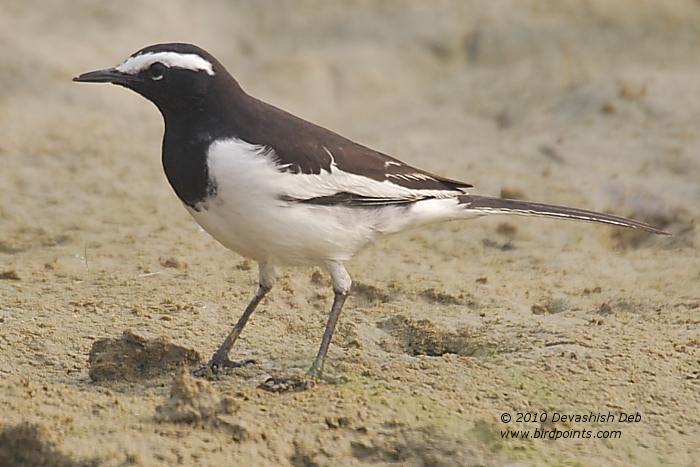
A variety of wagtail named Bhadra, which has a stout body and a black raised neck, is auspicious.

One which is black from the face to the neck is called Sampurna and fulfils one’s ambition.

The one with the dark spots on the neck and white cheeks is named Rikta (empty) and causes disappointment

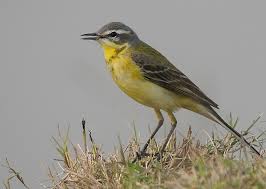
The one called Gopila which is yellow in colour produces troubles when sighted.

If a wagtail is sighted in the following places it will bring prosperity: Flowering trees, fruit trees, holy lakes and rivers, on the back of elephants, horses, cows and serpents; on temples, gardens, mansions, cow pens, places of sacrifices, assembly of virtuous men.

yellow wagtail

To get your dream girl

When the wagtail is seen perched on

Silt- one will enjoy sweet food

Cow dung – one will enjoy milk and milk products

Green grass – clothes

On a cart- devastation to country

Roof of the house – loss of wealth

On a piece of hide – imprisonment

On the backs of goats and sheep – immediate union with one’s beloved

perched on a brach

Negative effect

If the wagtail is seen sitting on a buffalo, camel, donkey, bones, burial ground, clod of earth, turret, heap of ashes, compound wall – the result would be disastrous.

If it is seen flapping its wings – inauspicious

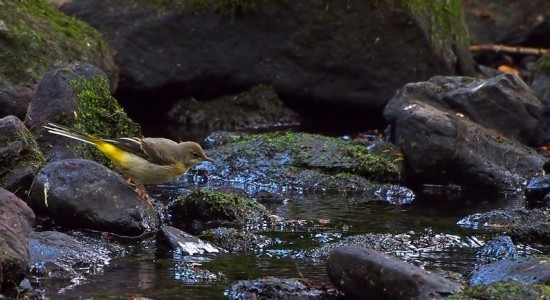
Seen drinking water – auspicious

Sighting in the morning – beneficial

Sighting in the evening – harmful

drinking water

Do you want to find Treasure?

There will be a treasure underneath the place where the wagtail copulates; mica, where it vomits and charcoal, where it voids its excrements.

Every rule has an exception; for every sin there is some atonement. Even if a king sees a wagtail in an inauspicious place, he can avoid the negative consequences, by worshiping  Brahmins, Gurus, and pious men and avoid non vegetarian meal for a week.

on buffalo

Al like any bird prediction, Varahamihira also gives predictions for the people who wanted to leave early.

Source book: Brhat Samhita translated by Prof. M.Ramakrishna Bhat.

Lord Shiva and Panini, the Greatest Grammarian!

maheswara-sutrani

Lord Nataraja Shiva with 14 Sutras

Research Paper written by London swaminathan

Research Article No.1657; Dated 17th February 2015.

Vakyakaram Vararuchim, Bhashyakaram Patanjalim

Paninim Sutrakaram cha pranatosmi Munitrayam

Let us bow to the great three seers Vararuchi, Patanjali and Panini.

Two thousand seven hundred years ago, there lived a man in India who is considered the father of grammar in the world. His name was Panini. He lived before Buddha and other great philosophers of sixth century BCE. Though he mentioned several great grammarians before his time, we don’t know anything about them. We could not get their books. Panini’s grammar book Ashtadyayi was the first in the world.

Here is a story of a person who gained the greatest knowledge in the world of languages by the grace of Lord Shiva! Tamil Hindus in South India and their counter parts in North India consider Lord Shiva was the one who gave them the language and the grammar.

nataraja (1)

The world is not celebrating Panini’s work Ashtadyayi or Paniniyam just because it was the first grammar book known in any language, but because of its amazing structure. He constructed a grammar for Sanskrit which shows the greatest height to which human thought can raise. This marvellous thing happened 2700 years ago!

Homer’s Iliad was just 100 years old by that time. Other languages except Sanskrit did not have any literature at all! Moses could repeat only Ten Commands of the God! Of course we have Gilgamesh in the Middle East and some other writings in Hieroglyphs (Book of Dead) in Egypt. But they are all museum materials and that too primitive thinking without any higher thoughts. They are not literature. But Sanskrit had huge volume of literature by then. The world’s greatest literary wonder Rig Veda was reverberating in the nook and corner of Asia. Turkey had Rig Vedic Gods in Cuneiform letters. And Rig Veda is still preserved in its pristine form without a change of single syllable. All this is done by word of mouth!! That is another world wonder. Nowhere in the world a literature of that size is preserved without writing till today!

cola1

Lord Shiva’s Grace!

Panini was a student of Guru (teacher) Varsha. He was the dullest student in the group. Guru (teacher) was not happy. Guru’s wife also told him to go out into the world and learn the basics. He went to the Himalayas and did penance. Lord Shiva appeared before him and told him that he was fully satisfied with his prayer and was ready to give him whatever he wanted. Panini was very intelligent. He did not ask for gold coins or beautiful women or a kingdom. He asked Lord Shiva to bestow him knowledge in the language. Shiva was very happy started to dance. His kettle drum boomed and the Himalayan Mountains echoed it.

Paninni was so focussed he could get only 14 beats from the drum called ‘Damaruka’ in Sanskrit. Based on the fourteen sounds he wrote the most famous grammar book in the world called Eight Chapters (In Sanskrit Ashta+Adhyayi). It contains 3959 Sutras. Sutra means formulas. He wouldn’t waste a single space. Even if he could avoid a full stop or a comma he would feel as if he had saved one million dollars. But his grammar was complete, no gap, no incoherency.

  1. a i u ṇ
    2. Ṛḷ k
    3. e o ṅ
    4. ai au c
    5. ha ya va ra ṭ
    6. la ṇ
    7. ña ma ṅa ṇa na m
    8. jha bha ñ
    9. gha ḍha dha ṣ
    10. ja ba ga ḍa da ś
    11. kha pha cha ṭha tha ca ṭa ta v
    12. ka pa y
    13. śa ṣa sa r
    14. ha l

This contain all the letters of Sanskrit language.

 cola2

He mentioned 500 towns in his work. This shows his vast geographical knowledge. He talks about 51st generation of Bharadwaja etc. This shows his knowledge in the ancient history of India. People erected a statue for him in his birth place, now in Pakistan. Chinese traveller Huan Taang saw the statue 1400 years ago. Patanjali who wrote a commentary praised him as Bhagavan Panini. Like Divine Homer and Divine Tiruvalluvar he was called Divine Panini. He was considered a seer – a Maharishi.

Patanjali says that holding the holy grass Dharba in his hand, facing East, he wrote the marvellous grammar in the world. I will explain the 14 sounds he heard in another article. They are called Maheswarani Sutrani. Brahmins repeat the 14 sutras every year on the day they change their sacred thread and start the Vedic studies again. Great Sanskrit scholars say that his grammar is closer to Vedic language than classical Sanskrit. He never mentioned Buddha or Mahavira. He lived well before their time.

Panini mentioned the grammarians before his time: Upavarsha, Parasarya, Karmanda, Sakatayana, Apitali and Sakalya. When he was going into a jungle with his students, there came a tiger! All the students ran away. But Panini stared at the tiger and analysed the word Vyagra, Sanskrit word for tiger.

Western linguists wonder how a person can write a grammar in such a scientific way at that period. Most of the world was uncivilised at that time. But India had produced wealthy literature, quantitatively and qualitatively very high.

In Kashmir a king passed an order that everyone must learn Ashtadyayi and those who passed in it were awarded 1000 gold coins each!

nata2

Panini died on a Trayodasi day (13th day either after the full moon or new moon). Even today traditional learners of Sanskrit in North India declare holiday for the studies on 13th day. Unlucky number 13!! Author of Panchatantra Vishnusarman said that Panini was killed by a lion. We know that his town was Salaturya in Pakistan and his mother was Dakshi. All other details and stories about him are just hearsay!

The name Panini is synonymous with the words WONDER, MARVELLOUS and AMAZING. Those who study his grammar will understand it.

Panini of Seventh Century

Indologist Goldstucker placed him in the seventh century BCE and Max Muller in the sixth century BCE. Dr Radha Kumud Mukerjee, Bhandarkar and Pathak thought that Goldstucker was correct. VS Agrawala, the author of a monumental work “India as Panini knew it” —dated him to fifth century.

A.Kalyanaraman in his book Aryatarangini rightly points out, “A language takes a long time to develop. European languages took several hundreds of years in this process. Modern grammar in English began only under the Stuarts. The earliest grammatical treatises in Sanskrit were written around 1000 BCE.  Had Panini lived in fourth century BCE, then there would not be any commentaries by Vararuchi and Patanjali within a short period. Patanjali was placed in 150 BCE or before. Other languages in the world show a big gap between the original work and the commentaries. In Tamil the commentaries came 1300 years after the original grammar book Tolkappiam. In other languages also there is a 500 to 1000 year gap. So we can boldly say that Panini existed at least 500 years before the commentators.

tanjur1

Let us sing the glory of Lord Shiva and his disciple Panini on this Shivaratri day (17 February 2015).

Pictures were taken from Sangatham.com and other sites;thanks.

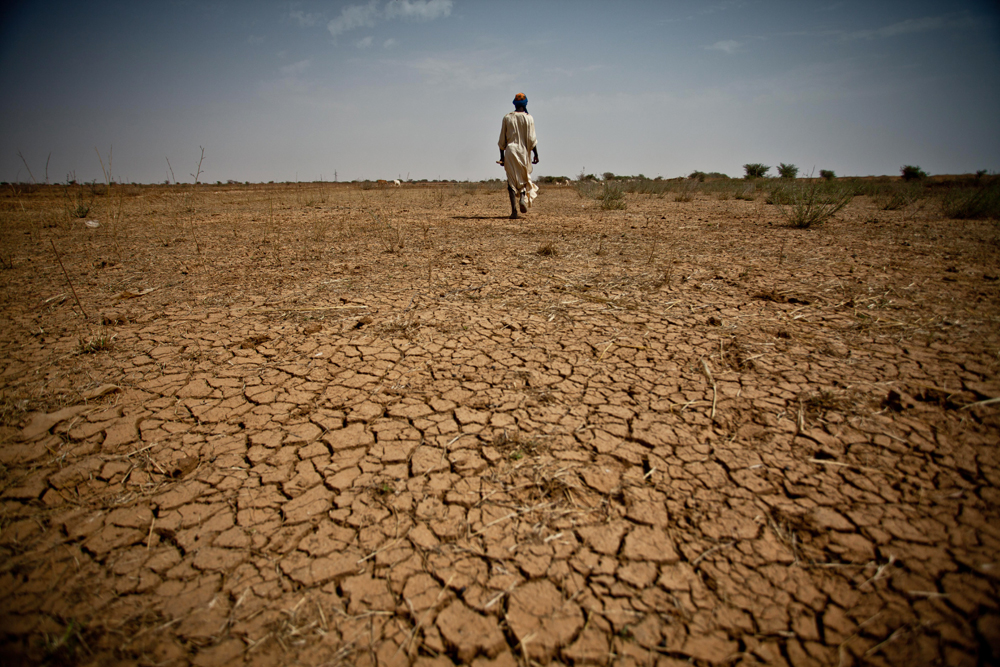
How to find Water in the Desert?

arid land

Research Paper written by London swaminathan

Research Article No.1654; Dated 16th February 2015.

Varahamihira on Water Divination

Varahamihira in his Brhat Jataka has devoted one full chapter for exploration of water springs. He deals with the subject in a very scientific way. There is no mumbo-jumbo. He links water springs with certain trees and anthills.  We all know that both the trees and ants need water. Ants get water from moisture in the atmosphere. Naturally ants build ant hills where there is humidity. Ant hills need moisture for its existence. Certain trees with lot of leaves need more water. So they grow only under certain conditions. In some slokas (couplets) he refers to frogs as well. He even tells us how to find water by tapping the ground and listening to the sound!

Ancient Hindus were keen observers of Nature. They observed the huge heavenly bodies as well as the tiny ants. To develop a branch of study like this, they must have observed them for centuries!

Varahamihira was not the first one to write on this subject. He and his commentators refer to various authors who lived before Varahamihira. He wrote it in the fifth century. He says that Baladeva, Garga, Kasyapa and Devala wrote about rain water and Saraswata and Manu wrote books on underground water. Unfortunately we lost the books written by Manu and Saraswata. But commentator Bhattotpala gives us lot of information.

Varahamihira says, “ Just as there are veins in the human body so do they exist higher up, others lower down, in the earth. Rain water has no colour or taste; but ground water assumes colour taste from its surroundings”.

The Gods who preside over eight directions are Indra, Agni, Yama, Nirrti, Varuna, Vayu, Chandra and Siva. The water veins in different directions are named after their presiding deities.

What is interesting is that his observation of the trees, the soil underneath, the ants and frogs living in the vicinity and the direction of water veins. I have given only the bare facts, not all the details. One must remember that he gives this for the waterless arid lands and deserts. If it is a river bed, we don’t need a Varahamihira to tell us where to dig a well!

calamus rotang

Calamus rotang

Now Varahamihira gives the names of trees and the source of water at the depth of …. Cubits in waterless places:–

1)Rotang Tree – Depth of seven and half cubits

(A cubit is approximately 18 inches)

Calamus rotang: Rattan palms (Pirampu in Tamil)

If a pale white frog found – water is at two and half feet depth.

2)Jambu tree  — water is at the depth of 10 cubits.

Jambu: Syzygium  jambolanum (Family: Myrtaceae)- Naval in Tamil.

Ant hill near Jambu tree – inexhaustible water at 10 cubits

ja,mbu fruits

Fruits from Jambu tree

3)Fig tree – 12 and half cubits

Ant hill near Arjuna tree – 17 and half cubits.

4)Arjuna : Terminalia arjuna (Family: Combretaceae);

Marutha maram in Tamil

2_vilvam_tree

Bilva/ Vilva Tree

5)Bilva and Fig tree joined together – 15 cubits

Bilva = Aegle marmalos (Family: Rutaceae)

Ant hill near opposite leaved fig tree (Phalgu) – 16 cubits

Fig Tree is Aththi in Tamil; Bilva is Vilvam in Tamil

6)Kampillaka tree – 16 cubits

Mallotus philippinensio

Kamla or Red Kamala or Kumkum Tree

7)Ant hill near Myrobalan tree – 7 and half cubits

Amla (nellikkay in Tamil), Haritaki (Kadukkay in Tamil) all belong to this group.

8)Ant hill near mountain ebony tree – inexhaustible water at the depth of 22 and half cubits

Bauhinia species

9)Echites tree with ant hill – 25 cubits

If a frog is found under any tree – 22 and half cubits

Echites scholaris or Alstonia scholaris (Devil tree)

nickernuts

Grey banduc (Nickernuts tree)

10)Ant hill near Grey Bonduc tree – 17 and half cubits

Nickernuts=Caesalpinia bonduc

11)Ant hill near Bassia tree – 37 and half cubits

Bassia latifolia = Madhuca indica (Family Sapotaceae)

Jatropa or Mahwa; Iluppai in Tamil

Bassia latifolia_clip_image002

Bassia latifolia

12)Ant hill + Durva grass + Tilaka tree – 25 cubits

Durva grass: Cynodon dactylon

13)n Tilaka tree:Clerodendrum phlomoides (Agnimantha, Vaijayanthi in Sanskrit)

14)Ant hill near Kadamba tree – 28 cubits

Kadamba: Anthocephalus cadamba (Rubiaceae)

(Katampa maram in Tamil)

kadamba

15)Ant hills +Palm or Coconut tree – 25 cubits

Coconut: Cocos nucifera (Arecaceae)(Tennai in Tamil)

16)Palm tree: Borassus flabellifer (Palmae) (Panai in Tamil)

17)Ant hill + Daru haldi tree – 28 and half feet

Berberis aristata

daruhaldi

Daruhaldi

18)Ant hill +Asmantaka tree – 17 and half feet

Asmantaka tree : Bauhinia tomentosa (Pilo asondaro in Gujarati)

19)If there are creepers Navamalika, Lakshmanaa – 15 cubits

Navamallika: Jasminium arborescens

Then Varahamihira describes glossy leaves of the trees and its link to underground water sources.

He says that if one branch lowers towards earth that indicates underground water.

kantankattari

Kantakari/ Solanum xanthocarpum

Sound and Water

If the earth being struck by feet emits a loud and pleasant sound, a northerly water vein will be found at the depth of 17 and half cubits.

If the fruits or leaves look unnatural that is also an indication of underground water according to Varahamihira.

20)If Kantakari (Prickly Nightshade) is seen without thorns that shows water is at the depth of 17 and half cubits.

Kantakari :Solanum xanthocarpum (Kandankattari in Tamil)

If steam or smoke arises from the ground that shows water is at the depth of 10 cubits.

Then he explains water sources found in desert regions. This is a lengthy chapter with 125 couplets. If villagers living in arid regions study this they will be benefitted. Alternately botany departments of local colleges can help our people. There is no equipment or money required to identify the sources. Only when it comes to digging a well, money and man power are required. This must be studied seriously and utilised for the benefit of the people.

Pictures are taken from various sites; thanks.

Gems of Women: Varahamihirar’s Definition

pen paint 10

Research Paper written by London swaminathan

Research Article No.1650; Dated 14th February 2015.

VANENTINE DAY SPECIAL: 14TH FEBRUARY, 2015

Varahamihirar, author of encyclopaedic Sanskrit book Brhat Samhita, gives the definition of great women. He says, the excellences of women are

Youth, Beauty, Charming Dress, Favourable Attitude, Knowledge of the arts of winning man’s affection, graceful gait and the like. The best of those, possessed of the above excellences, are termed “Gems of women”, whereas others are “Feminine diseases for a cultured men”.

STRINAAN GUNAA YAUVANA RUUPA VESHA DAKSHINYA VINJAANA VILASA PURVAA:

STRI RATNA SAMNJAA SA GUNAANVINTHAASU STRI VYDHYO ANYAS SATHURASYA PUMSA:

–CHAPTER 73, BRHAT SAMHITA

pen paint5

Manu in his Manu Smrti (Hindu Law Book) even dictates how a woman’s name should be, “The names of women should be easy to pronounce, not harsh, of patent meaning, and auspicious; they should captivate the mind and heart, end in a long vowel, and contain a word of blessing” (Manu 1—33)

Hindu women names are always auspicious: Shanti, Karunaa, Lathaa, Shantaa, Sumati, Sugandhi, Siitaa, Raadhaa (long vowel ending), Nidhi etc.

Manu adds that how a man should introduce himself to a woman, who is not related, “Now, to woman who is another man’s wife and not related by birth, one should say LADY! and GODD WOMAN! and SISTER!. (Manu. 2—129)

Jewel of a Woman (Gem of a Woman= Stri Ratna)

A man who has faith may receive good learning even from a man of the lowest caste, and a Jewel of a Woman even from a bad family (Manu 2—238)

Women, jewels, learning, law, purification, good advice and various crafts may be acquired from anybody — (Manu 2—240)

tulasi lady

Ladies! Don’t Send Money to Your Relatives: Vyasa

Women belonging to Ethnic minority communities living in western countries cause a big rift in the families by sending money to their relatives living on the subcontinent. Veda Vyasa has warned women against such a thing 5000 years ago! This is applicable to women living in the subcontinent also.

Vyasa warns

Don’t give anything to your relatives without the knowledge or permission of your husband.

Bhartur aknjaam vinaanaiva sva bandhubyodisech dhanam

Athyaalaapa santhosham paravyaapaara sanjitham

amuthasurabhi

Kalidasa’s Advice

Kalidasa, the most celebrated Indian poet, gave the following advice to women, who are going to their husbands’ home immediately after the marriage:

Kanva to Shakuntala : My child, you are now leaving for your husband’s home; when you enter it:

Serve your elders with diligence; be a friend to your co wives

Even if wronged by your husband do not cross him through anger;

Treat those who serve you with the utmost courtesy;

Be not puffed up with pride by wealth and pleasures;

Thus do girls attain the status of Mistress of the Home;

Those who act contrary are the bane of their families. Sakuntalam 4-21

Long Live Indian Women!

Pictures are taken from face book; thanks.

Drawings by S Ilayaraja and others.

Nagaratna/ Cobra Jewel, Rubies and Emeralds in Brhat Samhita

3 stones in 1

Written by London swaminathan

Research Paper No 1643; Date:- 11th February 2015

Varahamihira devoted sixty six verses for gem stones in his Sanskrit encyclopaedia Brhat Samhita. He was more interested in pearls than any other gem stones in the Nava Ratna. He dealt with pearls in 36 verses but dismissed Emerald in a single verse.

He says that gem stones are beneficial. About emeralds, he says,

Suka vamsa pathra kadali sirisa kusuma prabham gunopetham

Sura pithru karyam marakatham athiva subadham nrunaam vihitham

“An emerald of the hue of parrots’ wings, bamboo leaves, banana trunk (greyish yellow) or Sirisa flower (Albizza lebbeck in whitish yellow colour) and of good qualities is highly beneficial to people when they wear it at ceremonies in honour of Gods and Manes.

Group-emerald

Emerald Stones from Colombia, South America

Snigda prabhaanulepi swachcho archismaan guru susamsthana:

Antha prabo athirago maniratna gunaa: samasthaanaam

The general qualities of all excellent gems are smoothness, illumination with rays, purity, sparkle heaviness, fine shape, brilliance within and bright redness.

This verse proves that gems have spiritual powers that can be utilized both for remedial and progressive purposes.

He says that rubies are born of sulphur (Saugandika), Kuruvinda (corundum) and crystal.

Padmaraga, Manikya,Kuruvinda are all red colour stones.

Ruby_Jewel

Ruby Stone

Nagaratna (Snake Jewel)!!

Varahamihira gives interesting information about Nagaratna (Cobra Jewel). The lore about Cobra jewel is found in 2000 year old Sangam Tamil literature and in Sanskrit literature. Shakespeare also heard about it and used his in his drama ‘As you Like it’:

Please read my research paper, “How did Shakespeare know about the Indian Cobra Jewel-Nagaratna?”– Posted on 1 October 2011.

http://swamiindology.blogspot.co.uk/2011/10/how-did-shakespeare-know-about-indian.html

Varahamihira says, “It is said that on the head of the serpents there is a gem with the hue of a bee or peacock’s neck, and shining like the flame of a lamp. Such a gem is to be known as of inestimable value”.

Bramara siki kanta varnor Deepasikasaprabho Bhujanganaam

Bhavati mani khila murdhani yo anargheya: sa vignjeya:

“A king who wears such a serpent gem will never have troubles arising from poison and diseases. Indra will always be pouring good rains in his realms, and as a result of the intrinsic power of the gem he will annihilate his enemies”.

opal

Opal Stones

Price List of Rubies 1500 years ago:-

Ruby weighing a Pala (i.e. 4 karsas) = 26,000 silver pieces or Karsapanas

Ruby weighing half Pala (i.e. 2 karsas = 12,000

Ruby weighing 8 Masas or Rattis= 3000

Four masa weight= 1000

It is very interesting to compare the price of diamonds and pearls (Please see my earlier two papers on Diamonds and Pearls. I Have also given the Tables for Weights)

Earlier Research Articles on Gem Stones in Literature:

Eight Types of Pearls, posted on 9 Feb.2015

http://swamiindology.blogspot.co.uk/2015/02/eight-types-of-pearls-varahamihiras.html

Gemmology in Brhat Samhita, posted 8 Feb.2015

http://swamiindology.blogspot.co.uk/2015/02/gemmology-in-brhat-samhita.html

Krishna’s Diamond in USA ?

agate

Agate

amethist4

Amethyst

corundumpink

Corundum (Kuruvinda in Sanskrit, Kuruntha in Tamil)

Gem Stones in Kalidasa and Tamil Literature

13th February 2012

http://swamiindology.blogspot.co.uk/2012/02/gem-stones-in-kalidasa-tamil-literature.html

Pearls in the Vedas and Tamil Literature- posted by me on 17 May 2014

http://swamiindology.blogspot.co.uk/2014/05/pearls-in-vedas-and-tamil-literature.html

Lord Krishna’s Diamond in USA? –  posted on 23 April 2012

https://tamilandvedas.com/2012/04/23/krishnas-diamond-in-usa/

contact swami_48@yahoo.com

Eight Types of Pearls: Varahamihira’s 1500 year Old Price List!

nose_ring_wikipedia

Nose ring (Wikipedia picture)

Research paper written by London swaminathan

Research Paper No. 1636; Dated 9th February 2015

In the past two days I have listed the 106 topics dealt with by Varahamihira in his encyclopaedic Brhat Samhita in Sanskrit and his treatise on Diamonds. Today I will give you some interesting information on pearls and compare it with Kalidasa and Sangam Tamil literature.

Tamils are very proud to say that both the words for Pearl came from their language: Muthu (mukta in Sanskrit) and Paral (Pearl in English). Though the Sanskrit word Pravala (coral) also sounds similar, ancient Hindus might have had similar sounding words for the Sea Gems. Strangely the animal products Pearl and Coral are among the famous Nine Gems of Hindu literature (Nava Ratna). Both pearls and corals come from sea creatures.

mthangi sevai

South Indian Temples, particularly Meenakshi Temple of Madurai, Sriranagam Vishnu Temple and Tirupati Balaji temple have got valuable pearl jewellery. Goddess Meenakshi  and Goddesses in several other temples have got full dress made up of thousands of pearls! It is called Muthu Angi.

The ancient Hindus believed that oysters in the sea open their mouth on the Swati Star (asterism) day and the rain drops that enter the oysters become pearls. Kalidasa, Bhartruhari and many poets have sung about it. I have written a research paper on it three years ago (see below for link)

Gem Stones in Kalidasa and Tamil Literature

13th February 2012

http://swamiindology.blogspot.co.uk/2012/02/gem-stones-in-kalidasa-tamil-literature.html

Pearls in the Vedas and Tamil Literature- posted by me on 17 May 2014

http://swamiindology.blogspot.co.uk/2014/05/pearls-in-vedas-and-tamil-literature.html

Varahamihira in Chapter 81 of Brhat Samhita gives the following details on pearls:

68-March-Pearl

Eight types of pearls are there:

Pearls come from Elephants, Serpents, Oysters, Conch Shells, Clouds, Bamboos, Whales and Hogs.

Oyster pearls and Conch shell pearls are known to biologists and the scientists. Other types of pearls are not known to gemmologist. But there are references to Cobra Jewel (Nagaratna), elephant pearl, bamboo pearl in Tamil and Sanskrit literature. Even Shakespeare mentioned Nagaratna in his play, but he wrote that it came from toads!! Read my earlier post on Nagaratna and Shakespeare.

Pearls come from eight sources:

Simhalaka (Sri Lanka), Paraloka (Travancore coast), Surashtra (Gujarat), Tampraparani River (in South Tamil Nadu), Parasava (Iran), a Nothern country, Pandya vataka and the Himalayas.

Kautilya’s Artha Shastra (Third Century BCE) mentioned Pandya Kavata pearl. Fahien (399-414 CE) mentioned Simhala/Sri Lankan pearls.

Paraloka is a confusing term. There is one river called Parali in Kerala and there is an island Parali in the Lakshadweep. But the interesting thing is that itself sounds pearl in Tamil (Paral in Tamil is pearl in English and this town name is Paral+i).

 muthangisrivaishnavism-site

Muthangi Seva, Srirangam

Deities and Pearls


Varahamihira listed the deities who preside over different types of diamonds in the previous chapter. Here in this chapter he gives the details of deities associated with the pearls:

Atasi flower coloured dark pearl – Vishnu

Ataasi flower is identified with Linum usitatissimum (Fiber plant Flax)

Moon like pearl – Indra

Bluish yellow pearl – Varuna

Pomegranate seed (red) –  Vayu

Dark pearl –Yama

Fire like or lotus coloured – Agni/ Fire god

pearl-large

One of the largest pearls auctioned.

Vrahamihira described the shape and colour of pearls obtained from the eight sources. Now let us look at the price list that is 1500 year old!

Pearls weighing Four Masakas= 53,000 Karsapana in silver

3 and half masaka= 3200 Karsapana in silver

3 masaka= 2000 Karsapana in silver

2 and half masaka = 1300 Karsapana in silver

2 masaka= 800 Karsapana in silver

1 and half masaka = 353 Karsapana in silver

Five Gunjas (Rattis or Krsnalas or Gundumani in Tamil) make one Masa. Tenth part of Pala is called a Dharana.

13 pearls weighing one Dharana= 325 karsapana silver

16 pearls= 200 karsapana

20 pearls= 170

25 pearls=130

30 pearls= 70

500 pearls weighing One Dharana= 4 silver pieces.

muthu angi

Muthu Angi

There is a link between the price and the size. Whether we can calculate the prices or not in today’s currency is immaterial. We have to look at the way the gem trade was run 1500 years ago. Varahamihira lived 800 years after Kautilya of Arthashastra. At least we have information about the value of pearls for thousands of years!

Tables

Five Gunjas = One Masa

16 Masas = 1 Suvarna

4 suvarnas= 1 Pala

Half Pla = 1 Dharna

Elephant Pearls:

Pearls are also obtained from the head and tusks of Bhadra class of elephants, says Varahamihira. But Varahamihira makes it clear that he repeats what the ancients believed about the elephant pearls. (This means they are not found even in Varahamihira days who lived around 510 CE)

He speaks about the pearls found in Boar tusk, Whales etc. Then he gives details about the pearls that are found in the seventh layer of winds. But the heaven dwellers will catch them before it falls on to earth!

Then he categorises Nagaratna as pearls. If the kings wear Nagaratna pearls enemies will be destroyed and his reputation will increase.

pearl-oyster

Pearl in Oyster

Benefits of wearing Pearls:

Those who wear pearls are bestowed with sons, wealth, and popularity; they destroy diseases and grief. Kings get the desired objects.

Varahamihira gives a long list of jewellery made up of pearls. He is justified in giving such a description, because we have proof in our 2500 year old sculptures and temple jewellery.

A pearl necklace consisting of 1008 strings and four cubit long it is called Inducchanda. It is worn by Gods

504 strings, 2 cubit long = Vijay chanda

108 strings, 2 cubit= Haara

81 strings= Devachanda

64 string= ardha hara

54 strings= Rasmikalapa

32 Strings= gucha

20=Ardha Gcha, 16= Manavaka, 12- Ardhamanavaka, 8= Mandra, 5=Haraphalaka.

Necklace containing 27 pearls= Naksatramala

Same with gold & gems=Manisopana

Catukara= with central piece as gem

Ekavat= any length

Varahamihira deals with pearls in 36 verses. He has not devoted so many verses to any other gems. If Hindus have decorated their gods with such great jewellery no wonder Mahmud of Gazni and Malikkaffur plundered all the temples on their way!!

For Goddess Meenakshi’s wonderful jewellery, please read my research article “ The Wonder that is Madurai Meenakshi Temple” posted here on 14th October 2011.

http://swamiindology.blogspot.co.uk/2011/10/wonder-that-is-madurai-meenakshi-temple.html

குரங்குக் குட்டி நியாயமும் பூனைக்குட்டி நியாயமும்!

best cat

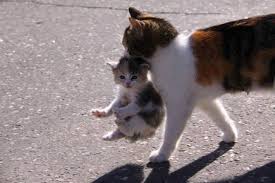
Cat carrying its kitten

சம்ஸ்கிருதச் செல்வம் – இரண்டாம் பாகம்

  1. குரங்குக் குட்டி நியாயமும் பூனைக்குட்டி நியாயமும்!


Post No 1629; Dated 7th February 2015

by ச.நாகராஜன்

நியாயங்கள் வரிசையில், எல்லா ஆன்மீகச் சொற்பொழிவுகளிலும் இறைவனுடனான பக்தியை விளக்கும் போது பேசப்படும் இரு நியாயங்களை இங்கு காண்போம்:

मर्कटन्याय

MARKATANYAYA

மர்கட நியாயம்

குரங்கு நியாயம்

மர்கடம் – குரங்கு

இது மர்கட கிஷோர நியாயம் (குரங்குக் குட்டி நியாயம்) என்றும் வழங்கப்படுகிறது.

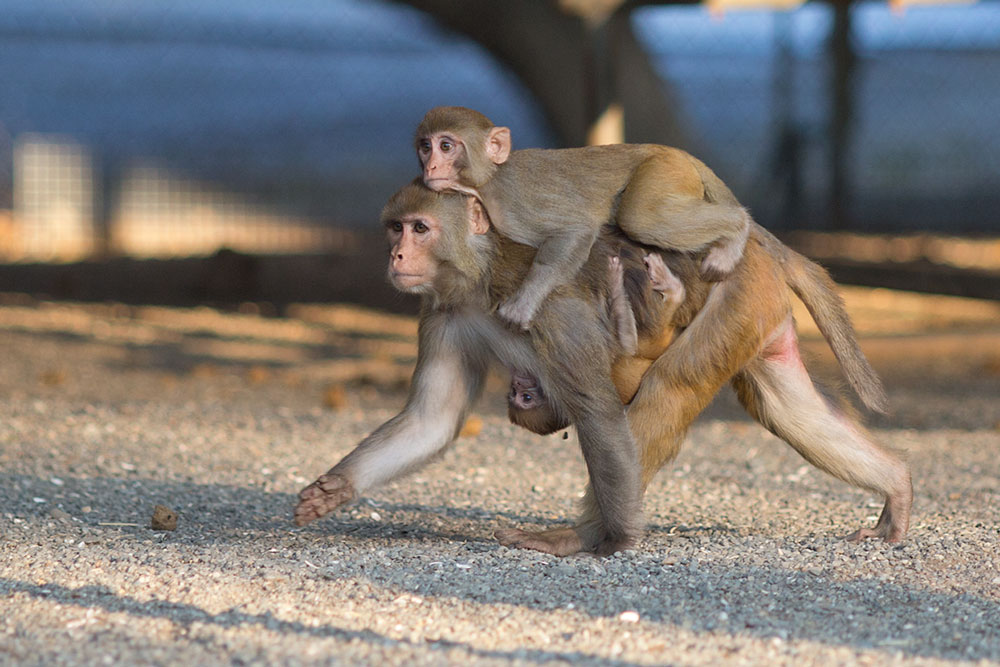
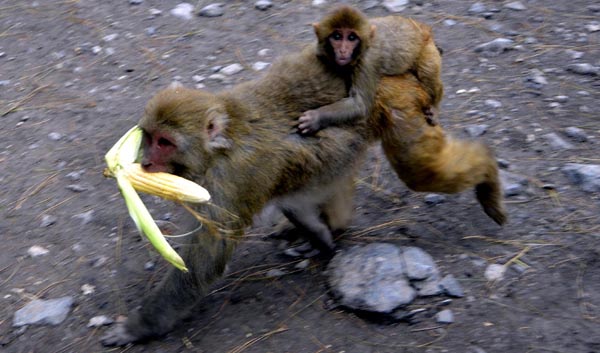
மிகவும் பிரபலமான இந்த நியாயத்தைச் சொல்லாத ஆன்மீகவாதியே இருக்க முடியாது. குரங்குக் குட்டியானது தனது பாதுகாப்பிற்காகத் தன் தாயின் மார்பை நன்கு அணைத்துக் கொண்டிருக்கும். எந்த ஆபத்து என்றாலும் கூட அது தாயை விடாது.

இதை, பக்தனான ஒருவன் பகவானை நன்கு பற்றிக் கொள்வதற்கு உதாரணமாக எடுத்துச் சொல்வர்.


best monkey

मार्जालन्याय

MAARJAALANYAYA

மார்ஜால நியாயம்

பூனை நியாயம்

மார்ஜாலம் -பூனை

இது மார்ஜால கிஷோர நியாயம் (பூனைக் குட்டி நியாயம்) என்றும் வழங்கப்படும். இதுவும் மிகவும் பிரபலமான நியாயம். மர்கட நியாயத்துடன் எப்போதுமே இது இணைத்து உதாரணமாகக் காட்டப்படுவதால் இரண்டையும் இணைத்தே அர்த்தம் புரிந்து கொள்ள வேண்டும். எப்படி ஒரு பூனைக் குட்டியை அதன் தாய் வாயில் கவ்விக் கொண்டே தான் செல்லும் இடமெல்லாம் அதை எடுத்துச் சென்று அதைக் கண்ணும் கருத்துமாகப் பாதுகாக்கிறதோ அதே போல பக்தன் ஒருவனை பகவான் எப்போதுமே தன் பொறுப்பில் வைத்துப் பாதுகாக்கிறான் என்பதைச் சொல்ல இந்த நியாயம் சுட்டிக் காட்டப்படுகிறது.

இந்த இரு நியாயங்களும் ஏராளமான நூல்களில் எடுத்தாளப்படுகின்றன.

ராமகிருஷ்ண உபதேச மஞ்சரியில் அவர் இந்த இரு நியாயங்களையும் உபதேசிப்பதைக் காணலாம்.


cats

இது பற்றி நிலவி வரும் கதைகளில் ஒரு கதையை மட்டும் இங்கு பார்க்கலாம்.

கர்நாடகத்தில் வாழ்ந்த பிரபலமான மகான் கனகதாஸர். இவர் வாழ்ந்த காலத்திலேயே சமகாலத்தவராக வாழ்ந்த இன்னொரு பெரும் மகான் வைகுந்ததாஸர். ஒரு நாள் வைகுந்ததாஸர் வாழ்ந்து வந்த பேலூருக்கு வந்த கனகதாஸர் அவரைப் பார்க்கும் ஆவலுடன் அவர் வீட்டிற்கு வந்தார். வந்த நேரம் நள்ளிரவு ஆகி விட்டது. ஆகவே அவரை எழுப்பி தொந்தரவு தர மனம் இல்லாததால் கனகதாஸர் வைகுந்ததாஸர் வீட்டுத் திண்ணையிலேயே படுத்து உறங்கி விட்டார். காலையில் கதவைத் திறந்த வவைகுந்ததாஸர் வீட்டுத் திண்ணையில் கனகதாஸர் உறங்கிக் கொண்டிருப்பதைப் பார்த்துத் திடுக்கிட்டு பெரிதும் வருத்தமடைந்தார். அப்போது விழித்துக் கொண்ட ககதாஸரை நோக்கி அவர், “இப்படி வாசல் திண்ணையில் உறங்கலாமா? என்னை எழுப்பி இருக்கக்கூடாதா? என்று ஆதங்கத்துடன் கேட்டார். அதற்கு கனகதாஸர், “உங்களை எழுப்பித் தொந்தரவு தர மனமில்லை. ஆகவே திண்ணையிலேயே படுத்து விட்டேன் என்று சமாதானம் சொன்னார்.

உடனே, வைகுந்ததாஸர்,ஆஹா! நீங்களோ ஒரு மார்ஜால நியாயி. நானோ சாதாரண மர்கட நியாயி! நீங்கள் சாதனையில் என்னை விட எங்கோ எட்டாத உயரத்தில் இருக்கிறீர்கள். இப்படி வீட்டு வாயிலில் படுத்தால் பகவான் என்னை விட்டு இன்னும் அதிக தூரம் போய் விடுவார் என்றார்.

இதிலிருந்து மர்கட நியாயம் பற்றியும் மார்ஜால நியாயம் பற்றியும் நண்ன்கு புரிந்து கொள்ளலாம்.

வைஷ்ணவ சம்பிரதாயத்தில் உள்ள இரு பெரும் பிரிவுகள் தென்கலை மற்றும் வடகலை. இவற்றிக்கு இடையில் சில வேறுபாடுகள் உண்டு. அவற்றில் ஒன்று மர்கட மார்ஜால நியாயம் பற்றியதாகும்.

வடகலையார் பக்தன் தனது முயற்சியைச் செய்ய வேண்டும் என்பர். அதாவது மர்கட நியாயம் போல பகவானைப் பற்றிக் கொள்ளல் வேண்டும். எல்லா சாஸ்திர, சம்பிரதாயங்களையும் அனுஷ்டிக்க வேண்டும் என்பது வடகலையார் முடிபு.

ஆனால் தென்கலையாரோ கடவுள் நிபந்தநையற்ற கருணையைப் பொழிபவர். அவரே பக்தரை மார்ஜால நியாயம் போல பரிபாலித்து தேவையானதைத் தருவார் என்பர்.


monkey

Monkey with its baby

ன்னொரு உண்மையைச் சுட்டிக் காட்டவும் இநத் இரு நியாயங்கள் பயன்படும். ஒரு நல்ல குருவானவர் தனது சீடனை மார்ஜால நியாயம் போலத் தானே பாதுகாப்பார். ஒரு நல்ல சீடனானவன் மர்கட நியாயம் போலத் தன் குருவைத் தானே பிடித்துக் கொள்வான்!

ஆக இப்படி ஆன்மீகத்தில் முக்கிய இடம் பிடித்துள்ள இந்த இரு நியாயங்களைப் பற்றி ஒரு தனி நூலே எழுதி விடலாம். அவ்வளவு உதாரணங்கள் உள்ளன. இதை எடுத்தாளும் ஏராளமான பாஷ்யங்கள், நூல்கள் உள்ளன. விரிப்பின் பெருகும்.

ANBU

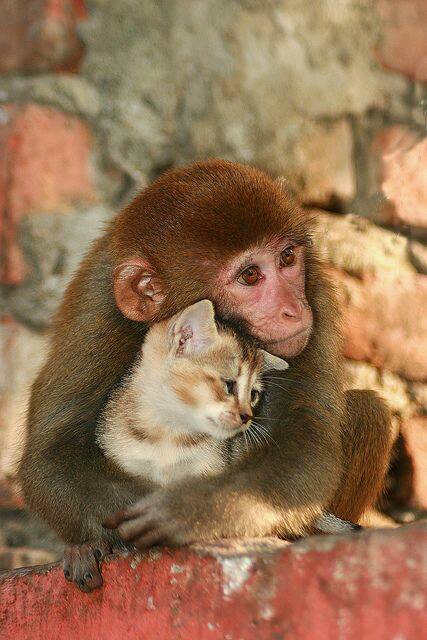
Monkey and Cat: Kindness

***********